Thailand Travel Guide

The Land of Smiles. Your complete handbook for exploring Southeast Asia's most beloved destination, from Bangkok's electric streets to pristine island paradises

🇹🇭 Thailand Couple Travel Low-Medium Budget 25 Sections

Overview & Why Visit Thailand

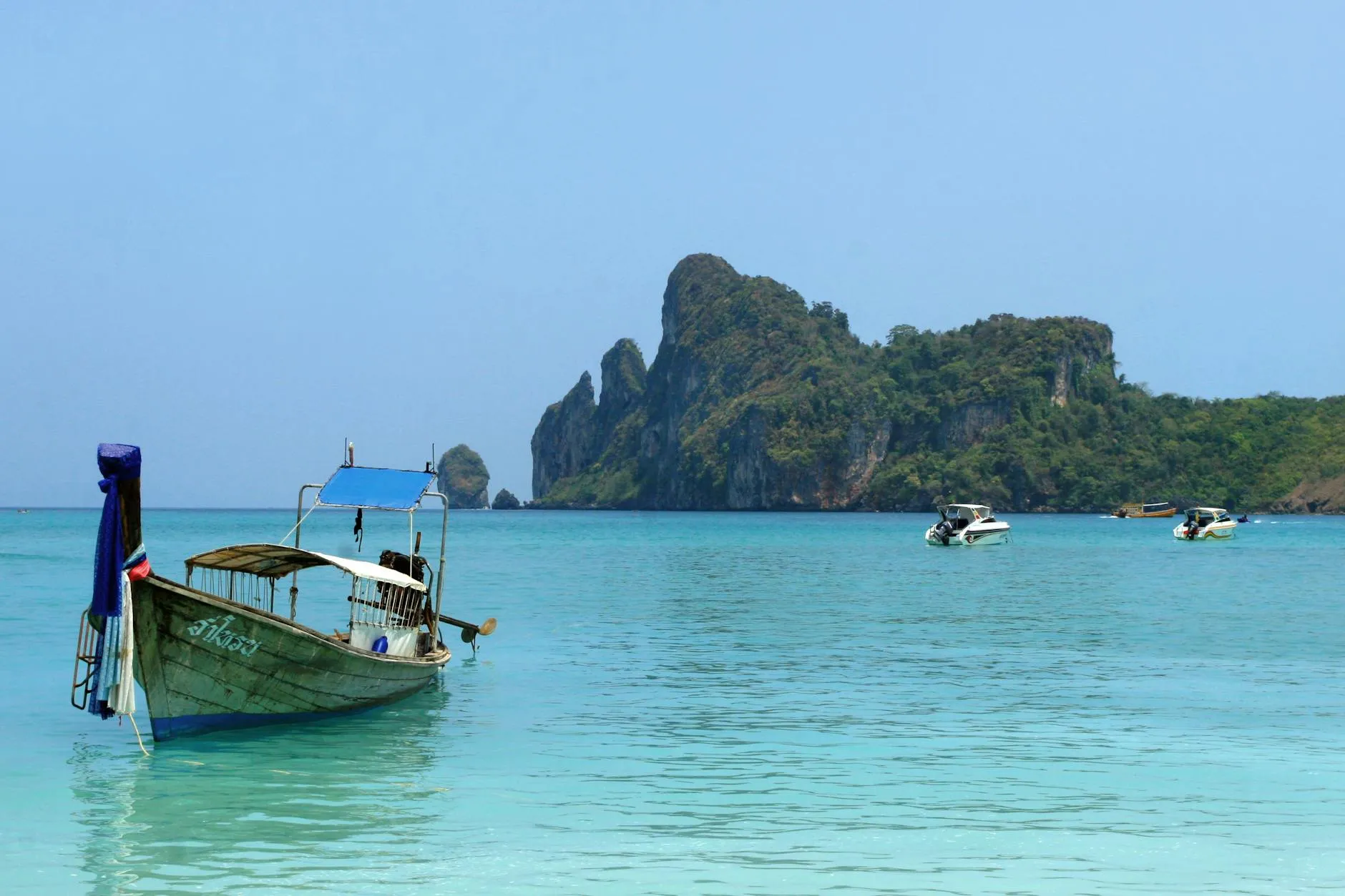
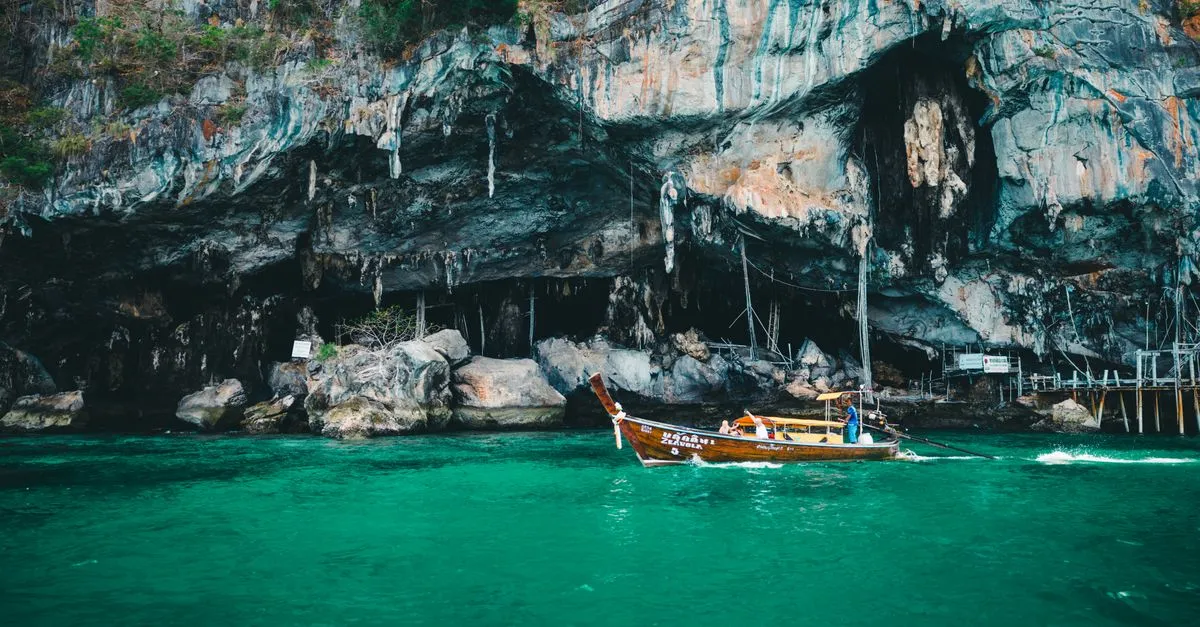
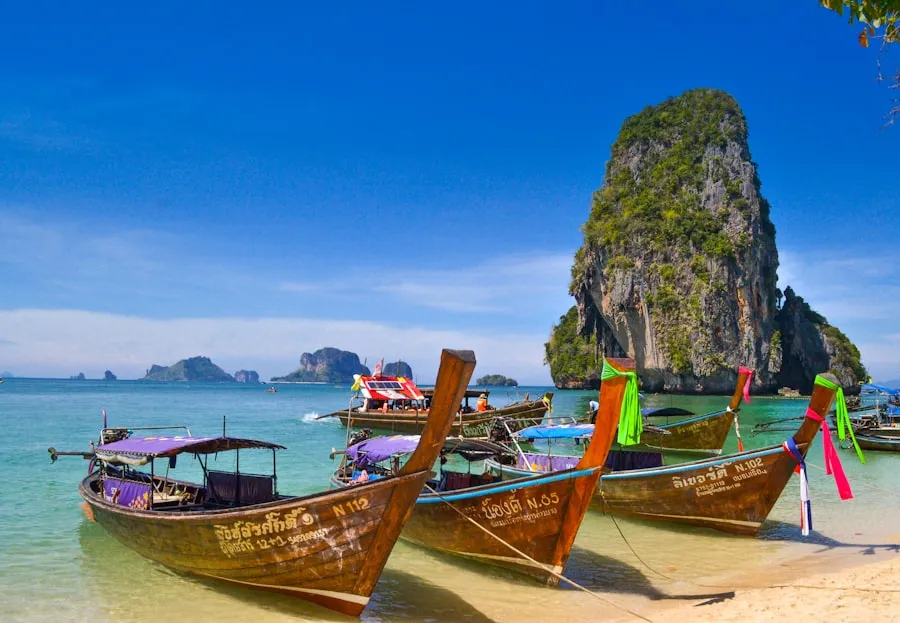
Traditional longtail boats moored at Railay Beach, Krabi

Thailand has perfected the art of welcoming visitors without losing its soul. Ancient Buddhist temples share skylines with neon-lit night markets, you can eat the best meal of your life for two dollars, and pristine tropical islands still outnumber resort developments. For couples on a low-to-medium budget, Thailand offers an unmatched combination of affordability, infrastructure, natural beauty, and cultural depth.

The Kingdom stretches from the misty mountains of the Golden Triangle in the north through fertile central plains to a narrow peninsula flanked by two seas. The Andaman (west) and Gulf of Thailand (east). This geography produces extraordinary variety. Chiang Mai and Chiang Rai offer temple hopping, jungle trekking, and ethical elephant sanctuaries. Bangkok is a world-class food city and launchpad for Ayutthaya's ancient ruins. The south splits into two coastlines with opposite monsoon seasons. There's always a sunny beach somewhere.

Population
72M
Predominantly Thai & Chinese-Thai
Size
513K km²
Roughly 513,000 km² (about the size of Spain)
Currency
THB (฿)
Prices in €. Local currency: Thai Baht (THB, ฿), ~38 THB = 1 EUR
Daily Budget
€35–100
Per couple, comfortable

Thailand has never been colonised. A point of deep national pride. The monarchy remains central to Thai identity, and lèse-majesté laws are strictly enforced. Buddhism shapes daily life. 40,000+ temples are active centres of worship, education, and community. Thais respond warmly to visitors who show genuine respect for their traditions.

Map of Thailand

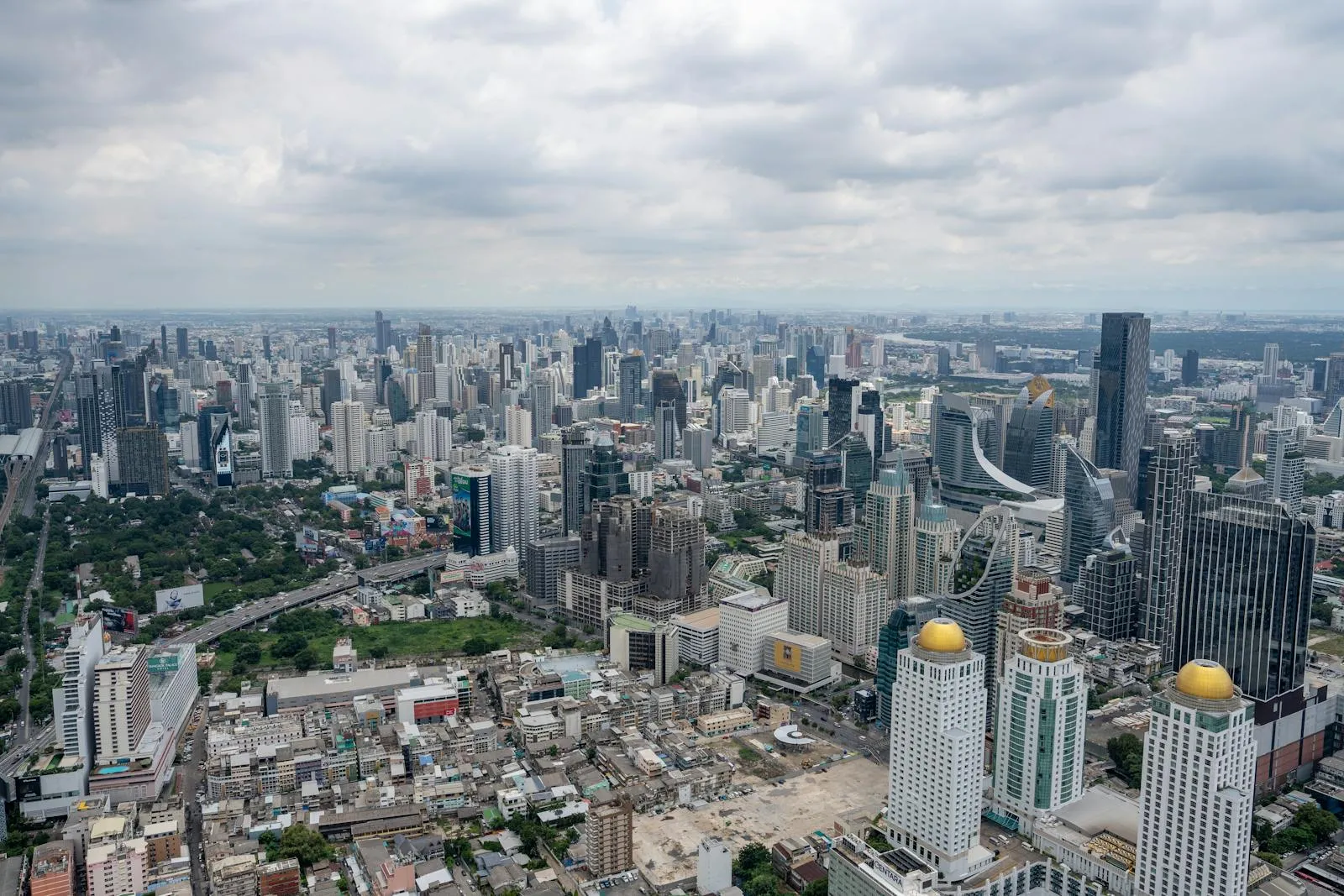
Stunning aerial view of Bangkok's modern skyline under clouded skies.

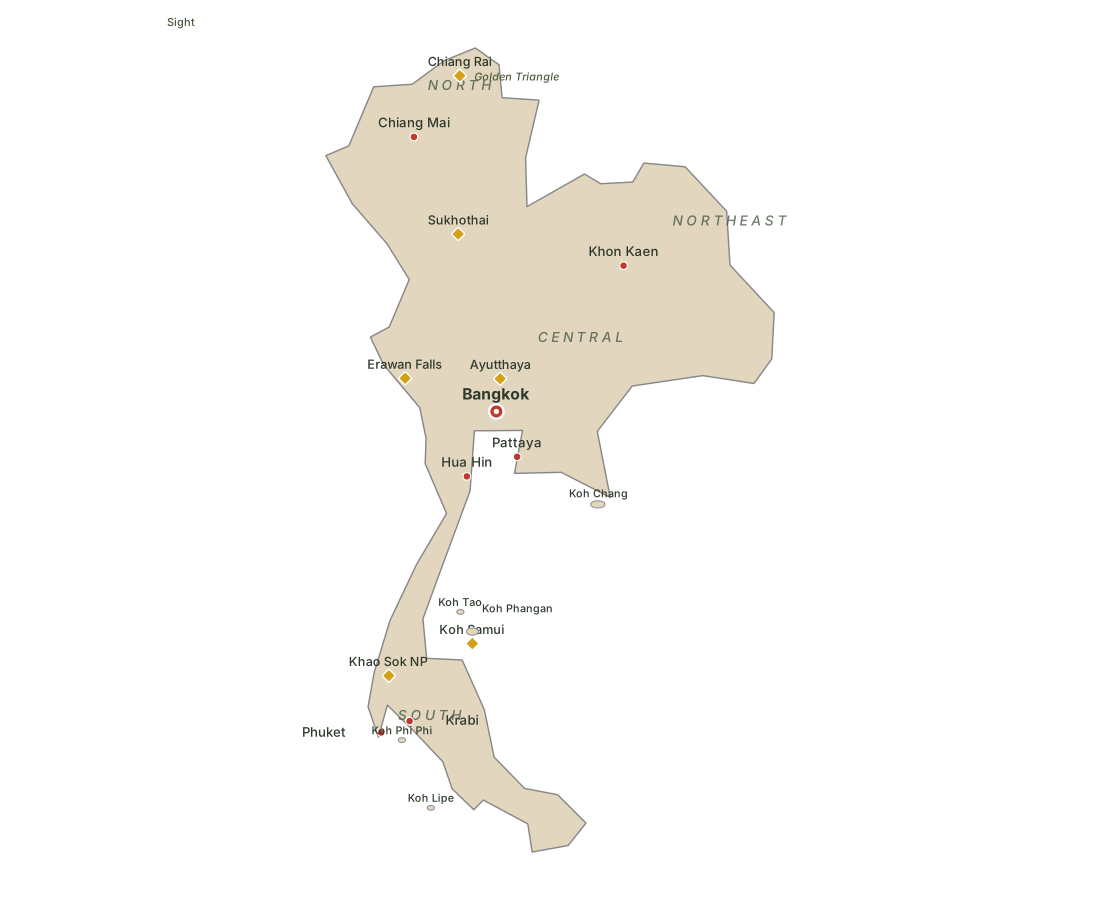
Thailand's geography spans roughly 1,620 kilometres from north to south, shaped like an elephant's head atop a narrow trunk. The northern highlands give way to central river plains around Bangkok, before the country narrows into the Malay Peninsula flanked by the Andaman Sea (west) and Gulf of Thailand (east). Understanding this layout is essential for planning routes, timing monsoons, and choosing transport.

Map of Thailand showing key travel destinations and regions
📍 Reading the Map

The northern highlands cluster around Chiang Mai at roughly 300m elevation, offering cooler temperatures and mountain scenery. Bangkok sits at the head of the Gulf, serving as the transport hub connecting north and south. The thin southern peninsula splits Thailand's beaches into two coasts. Learn which side is dry when you visit and you will avoid monsoon disappointment entirely. Dashed lines show typical backpacker routes connecting the major hubs.

Best Time to Visit

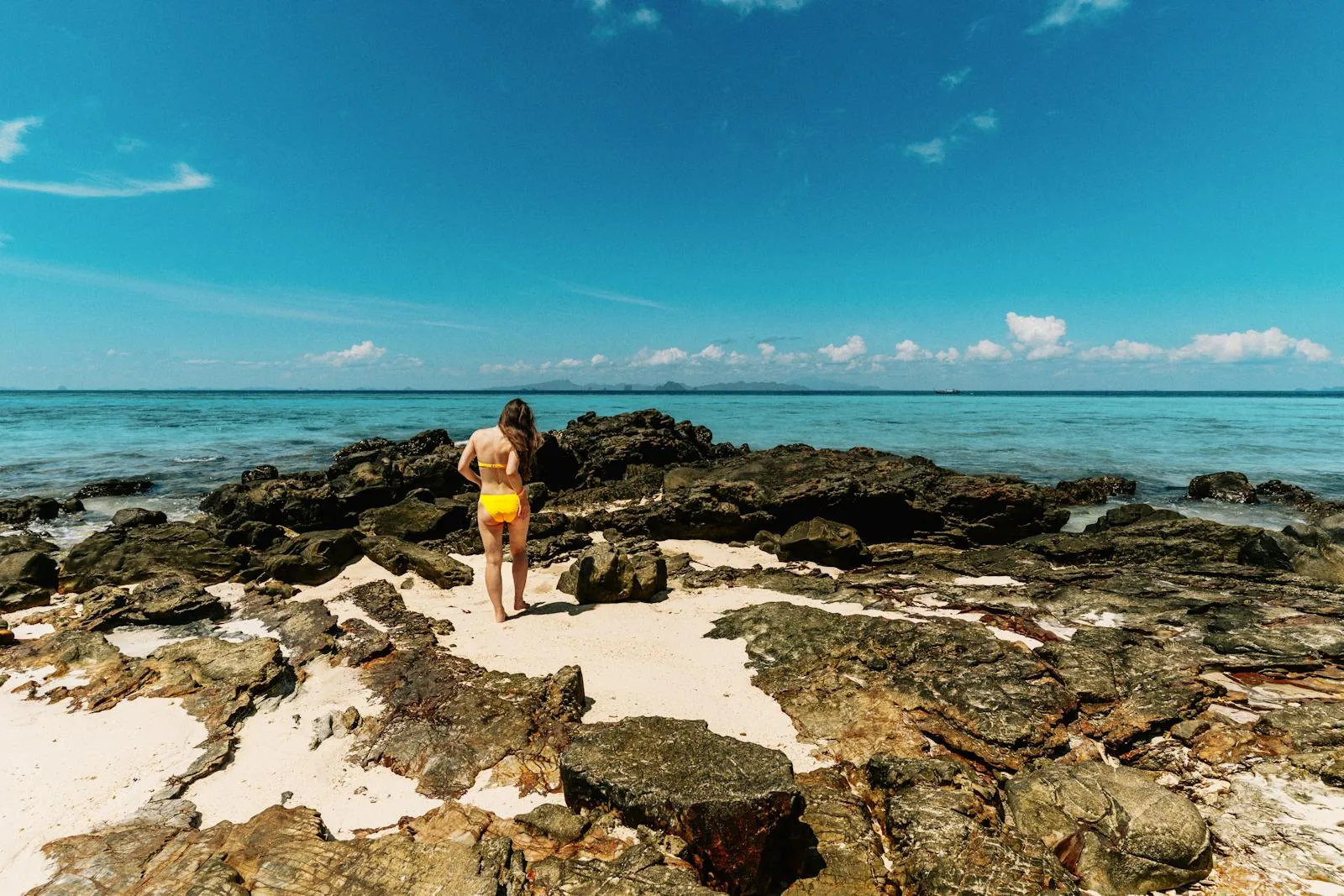
Woman in yellow bikini exploring rocky beach in Krabi, Thailand under a bright blue sky.

Thailand's tourism calendar revolves around three seasons. Cool (November to February), hot (March to May), and rainy (June to October). The cool season is universally considered peak time. Temperatures are manageable, skies are clear, and humidity drops to bearable levels. But here's the critical nuance most guides gloss over. Thailand has two coastlines with opposite monsoon patterns. The southwest monsoon hits the Andaman coast from May to October, while the Gulf coast catches the northeast monsoon from October to December. This means there is always a dry beach somewhere, and savvy travellers can chase sunshine year-round.

Month Season Best Regions Crowds Prices Rating
JanuaryCool/DryEverywhere, peak perfection🔴 Very High🔴 Peak⭐⭐⭐⭐⭐
FebruaryCool/DryEverywhere, still ideal🔴 Very High🔴 Peak⭐⭐⭐⭐⭐
MarchHotIslands, coast (north gets scorching)🟡 High🟡 High⭐⭐⭐⭐
AprilHotSongkran festival! Islands still good🟡 High🟡 High⭐⭐⭐
MayRainy beginsGulf coast, Bangkok, North (early rains)🟢 Low🟢 Low⭐⭐⭐
JuneRainyGulf coast, Koh Tao, North (green season)🟢 Low🟢 Low⭐⭐⭐
JulyRainyGulf coast, Koh Samui, Koh Phangan🟢 Low🟢 Low⭐⭐
AugustRainyGulf coast, North (lush landscapes)🟢 Low🟢 Low⭐⭐
SeptemberRainy (peak)Gulf coast only, wettest month🟢 Very Low🟢 Lowest⭐⭐
OctoberLate rainyGulf starts to get rain, Andaman clearing🟢 Low🟢 Low⭐⭐
NovemberCool beginsEverywhere improving; Loy Krathong festival🟡 Rising🟡 Rising⭐⭐⭐⭐
DecemberCool/DryEverywhere except Gulf (Nov-Dec rain)🔴 Peak🔴 Peak⭐⭐⭐⭐⭐
⚠️ ATTENTION: Burning Season

From late February through April, agricultural burning in northern Thailand and neighbouring Myanmar creates a thick haze over Chiang Mai and the northern highlands. Air quality can reach hazardous levels (AQI 200+), making outdoor activities unpleasant and unhealthy. If you have respiratory sensitivity, avoid the north during March–April. Check real-time AQI at aqicn.org before visiting.

Climate & Weather

Thailand's climate is tropical, governed by two monsoon systems that create three distinct seasons. Understanding how these monsoons interact with the country's geography is the single most important factor in planning your route. Get this right and you will enjoy sunshine every day; get it wrong and you might spend a week watching horizontal rain from a beach bungalow.

The Two-Monsoon System

This is the key insight most travel guides bury. Thailand has two coastlines governed by different monsoon patterns. The southwest monsoon (May–October) brings heavy rain to the Andaman coast and the interior, while the northeast monsoon (October–December) brings rain specifically to the Gulf coast. The practical result is that when the Andaman side (Phuket, Krabi, Koh Phi Phi) is getting hammered, the Gulf side (Koh Samui, Koh Phangan, Koh Tao) is mostly dry. And vice versa.

🌞 Cool Season (Nov–Feb)

The golden window. Temperatures of 25–32°C, low humidity, minimal rain. Most of the country is at its best, though the Gulf coast can still catch late monsoon rain in November–December. Northern Thailand can dip to 10–15°C at night in mountain areas. This is peak tourist season. Expect higher prices and crowded islands.

☀️ Hot Season (Mar–May)

Temperatures soar to 35–40°C, especially in the central plains and north. Bangkok becomes a furnace. Islands remain bearable with sea breezes. April brings Songkran, the water festival. It's both a blessed relief and a logistical nightmare for travel.

🌧️ Rainy Season (Jun–Oct)

The southwest monsoon brings daily downpours, usually short and intense in the afternoon. Mornings are often sunny. The Andaman coast catches the worst of it (some islands close entirely). The Gulf coast stays drier until October. Prices drop 30–50% and crowds vanish. The green season has genuine appeal.

Regional Weather Patterns

Region Dry Season Wet Season Hottest Special Notes
Bangkok & Central Nov–Feb May–Oct Apr (38°C+) Urban heat island effect; flooding risk Sep–Oct
Chiang Mai & North Nov–Feb Jun–Oct Apr (40°C) Cool nights in Dec–Jan (10–15°C); burning season haze Mar–Apr
Andaman Coast Nov–Apr May–Oct Mar–Apr Similan Islands close May–Oct; rough seas, some ferry cancellations
Gulf Coast Jan–Aug Sep–Dec Mar–May Different monsoon cycle; Koh Tao diveable year-round; worst rain Nov
Deep South Feb–Apr May–Jan Mar–Apr Highest annual rainfall; near-equatorial climate

Your Window

Your travel timeframe gives you access to every season, which is a major advantage. The strategic play is to time Thailand for the cool season. Ideally November through February. Conditions are at their absolute best across the entire country. This also lets you catch Loy Krathong and Yi Peng (November 24–25) in Chiang Mai, one of the most visually spectacular festivals in all of Asia. If you visit during Songkran (April 13–15), prepare for the world's biggest water fight and widespread transport disruption.

🎆 Key Festival Windows
  • Loy Krathong & Yi Peng (Nov 24–25): Floating lanterns in Chiang Mai, candlelit lotus offerings on waterways nationwide. Book Chiang Mai accommodation 2–3 months ahead.
  • Songkran (Apr 13–15): Thai New Year. Country-wide water fights, temple visits, family reunions. Expect transport chaos. Book buses and flights well in advance. Best experienced in Chiang Mai or Bangkok's Khao San Road.
  • Chinese New Year (Feb): Major celebration in Bangkok's Chinatown (Yaowarat). Great atmosphere, but prices spike in popular areas.
💡 Best Strategy

Arrive in Thailand in November or early December. Start in the north (Chiang Mai, Pai) during the cool season, catch the lantern festival, then work your way south to the Andaman coast (Krabi, Koh Lanta, Koh Phi Phi) in January–February when conditions are pristine. This gives you the best weather in every region and avoids the peak-of-peak Christmas/New Year pricing if you are already on the islands by mid-December.

Holidays & Festivals

Colorful holiday celebrations and festivals

Thailand’s festival calendar blends Buddhist observance with royal commemorations and ancient traditions. Songkran (Thai New Year) in April is the headline event, but several other holidays affect travel and services.

⚠️ Alcohol ban days

Thailand bans alcohol sales on major Buddhist holidays (Makha Bucha, Visakha Bucha, Asalha Bucha, and Buddhist Lent start). Bars close, shops cannot sell alcohol, and some restaurants remove it from menus. Dates change annually (lunar calendar). Tourist-oriented bars sometimes ignore the ban, but officially you cannot purchase alcohol. Plan accordingly.

Date / periodHoliday or festivalImpact on travel
1 JanWan Pimai (New Year’s Day)Public holiday; beach resorts still at peak from Christmas/NY period
Feb (full moon)Makha BuchaMajor Buddhist holiday; temples lit with candles; alcohol sales banned
6 AprChakri Memorial DayCommemorates the founding of the Chakri dynasty; public holiday
13–15 AprSongkran (Thai New Year)The biggest festival: nationwide water fights, temple visits, family reunions. Bangkok’s Khao San Road and Chiang Mai’s old city are epicentres. Transport packed; book flights 2+ months ahead. Alcohol-free days around the festival
1 MayWan Raeng Ngan (Labour Day)Government offices closed; private sector mixed
May (full moon)Visakha Bucha (Vesak)Most important Buddhist holiday: birth, enlightenment, and death of Buddha. Temples packed; alcohol sales banned. Candlelit processions at night
3 JunQueen Suthida’s BirthdayPublic holiday
Jul (full moon)Asalha Bucha + Khao PhansaStart of Buddhist Lent (3-month rain retreat for monks). Candle Festival in Ubon Ratchathani with massive carved wax floats. Alcohol restrictions
28 JulKing Vajiralongkorn’s BirthdayPublic holiday; buildings lit in yellow
12 AugQueen Sirikit’s Birthday / Mother’s DayThai Mother’s Day; public holiday; jasmine garlands sold everywhere
13 OctKing Bhumibol Memorial DayCommemorates the late King Rama IX; some entertainment venues may be subdued
23 OctChulalongkorn DayHomage to King Rama V; public holiday
Oct–Nov (full moon)Loi KrathongFloating lantern festival. Small lotus-shaped boats (krathong) released on rivers and lakes. Chiang Mai combines it with Yi Peng sky lantern festival. Thousands of floating lanterns light up the night sky. One of Southeast Asia’s most photogenic events
5 DecKing Bhumibol’s Birthday / Father’s DayThai Father’s Day; national holiday; yellow decorations
10 DecConstitution DayPublic holiday; quiet
25 DecChristmasNot a Thai holiday but tourist areas busy with Western visitors; peak season pricing
31 DecNew Year’s EveBangkok, Koh Phangan (Full Moon Party), Phuket have major party events. Book ahead

Regions of Thailand

Panoramic aerial view across the diverse Thai landscape

Thailand offers diverse landscapes and experiences across its regions.

North: Mountains & Temples

North: Mountains & Temples

Northern Thailand sheds the beach-party reputation and reveals a quieter, more contemplative soul. The landscape shifts from flat plains to forested mountains reaching 2,565m at Doi Inthanon. Cool-season nights in Chiang Mai hover around 14°C; Pai can dip to 10°C.

Central, Coast & Islands

Central, Coast & Islands

Central and southern Thailand encompass the country's most diverse landscapes. Bangkok's megacity sprawl, Ayutthaya's ancient ruins, limestone karsts of the Andaman coast, and hundreds of islands across two seas. Most travellers spend the majority of their time here.

Top Sightseeing

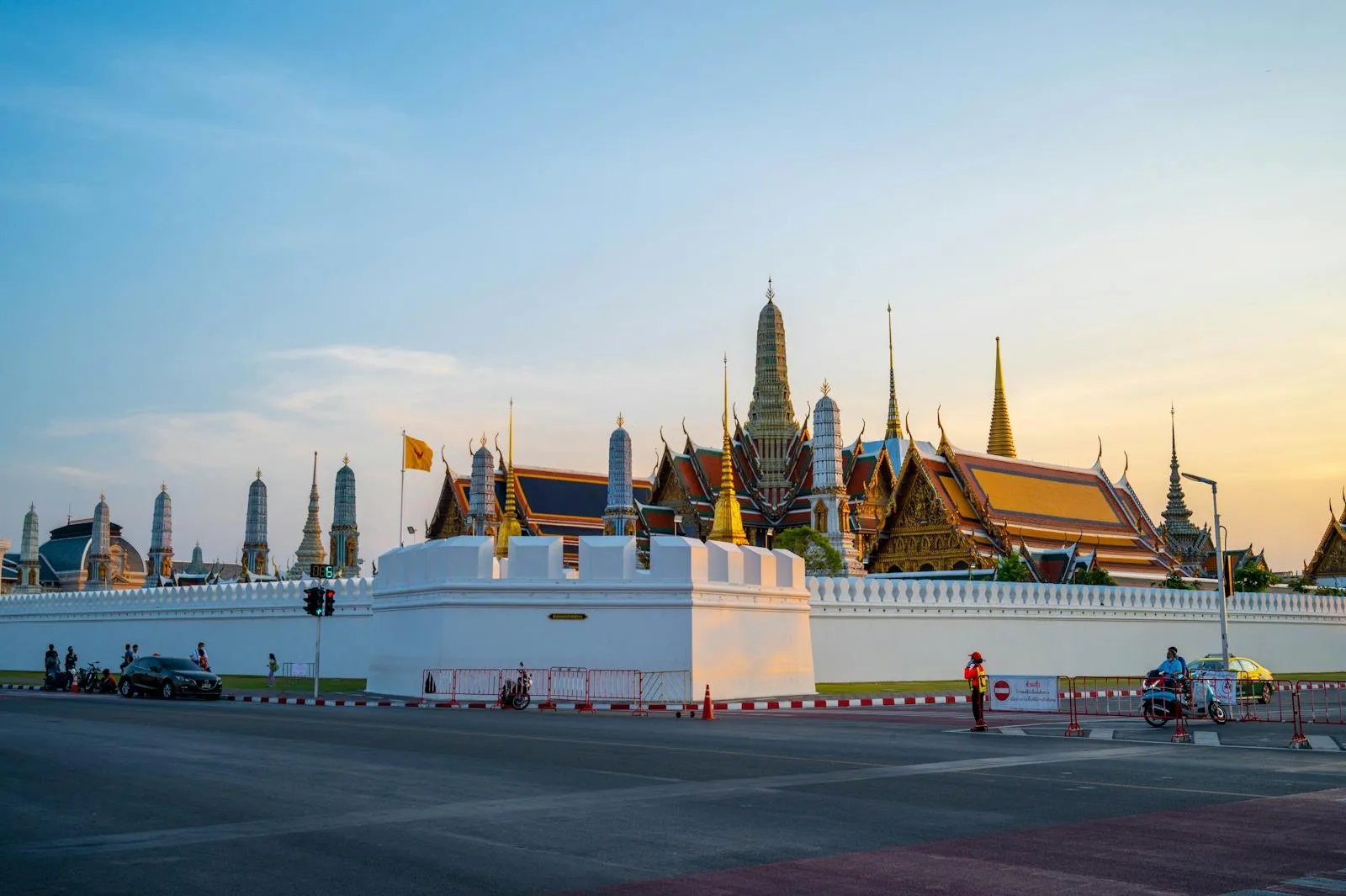
Stunning view of the Grand Palace in Bangkok with its traditional architecture during sunset.

Thailand's sightseeing covers a spectrum from sacred temples and ancient ruins to floating markets and natural wonders. This section distils the highlights into experiences that genuinely warrant your time and money. Every recommendation has been vetted against the tourist-trap test: is this worth the journey, entrance fee, and crowds?

  • Grand Palace & Wat Phra Kaew: Bangkok’s most dazzling temple complex — the Emerald Buddha and centuries of Thai royal architecture
  • Ayutthaya: UNESCO ruins of the former Siamese capital — tree-root-wrapped Buddhas and crumbling prangs 90 minutes from Bangkok
  • Chiang Mai temples: Doi Suthep’s mountaintop wat, the old city’s 30+ temples, and the Sunday Walking Street market
  • Phi Phi & Krabi: Limestone karsts, Maya Bay, and Railay’s world-class rock climbing above turquoise water
  • Sukhothai: The birthplace of the Thai kingdom — graceful Buddha statues and lotus ponds in more intimate ruins than Ayutthaya

Must-See Temples

Grand Palace Bangkok

Wat Phra Kaew & Grand Palace, Bangkok

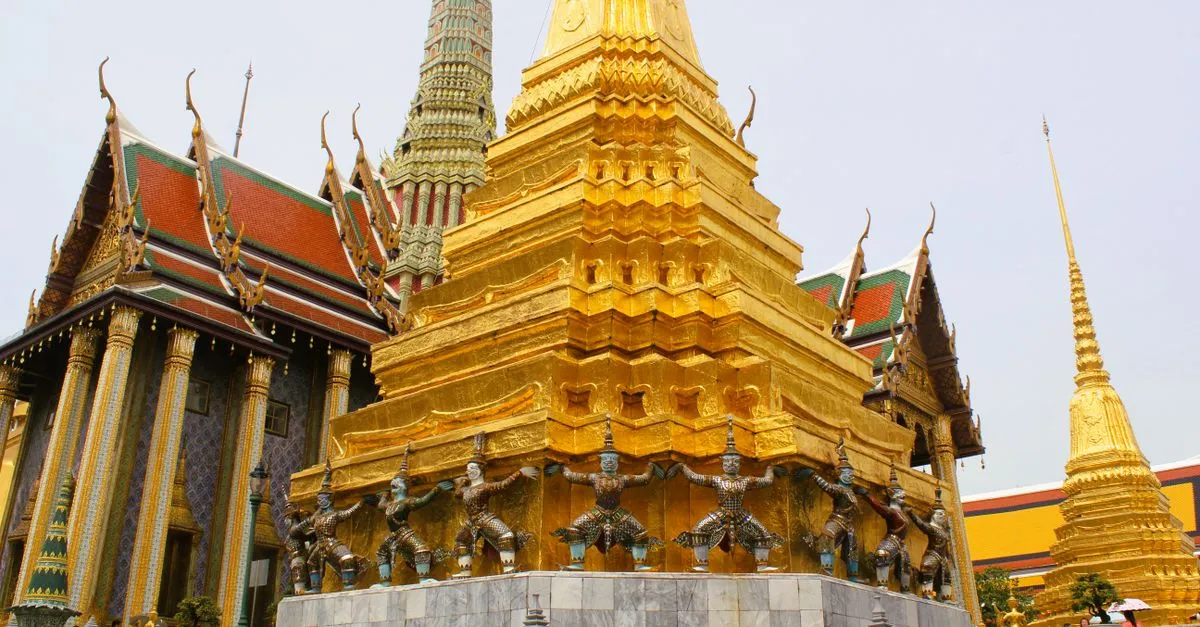
The most sacred Buddhist temple in Thailand, housing the Emerald Buddha carved from a single block of green stone (likely jasper or nephrite, despite the name). The adjacent Grand Palace complex is a dazzling showcase of Thai architectural mastery. ฿500 admission. Go at 8:30am opening to beat tour groups.

Wat Pho reclining Buddha

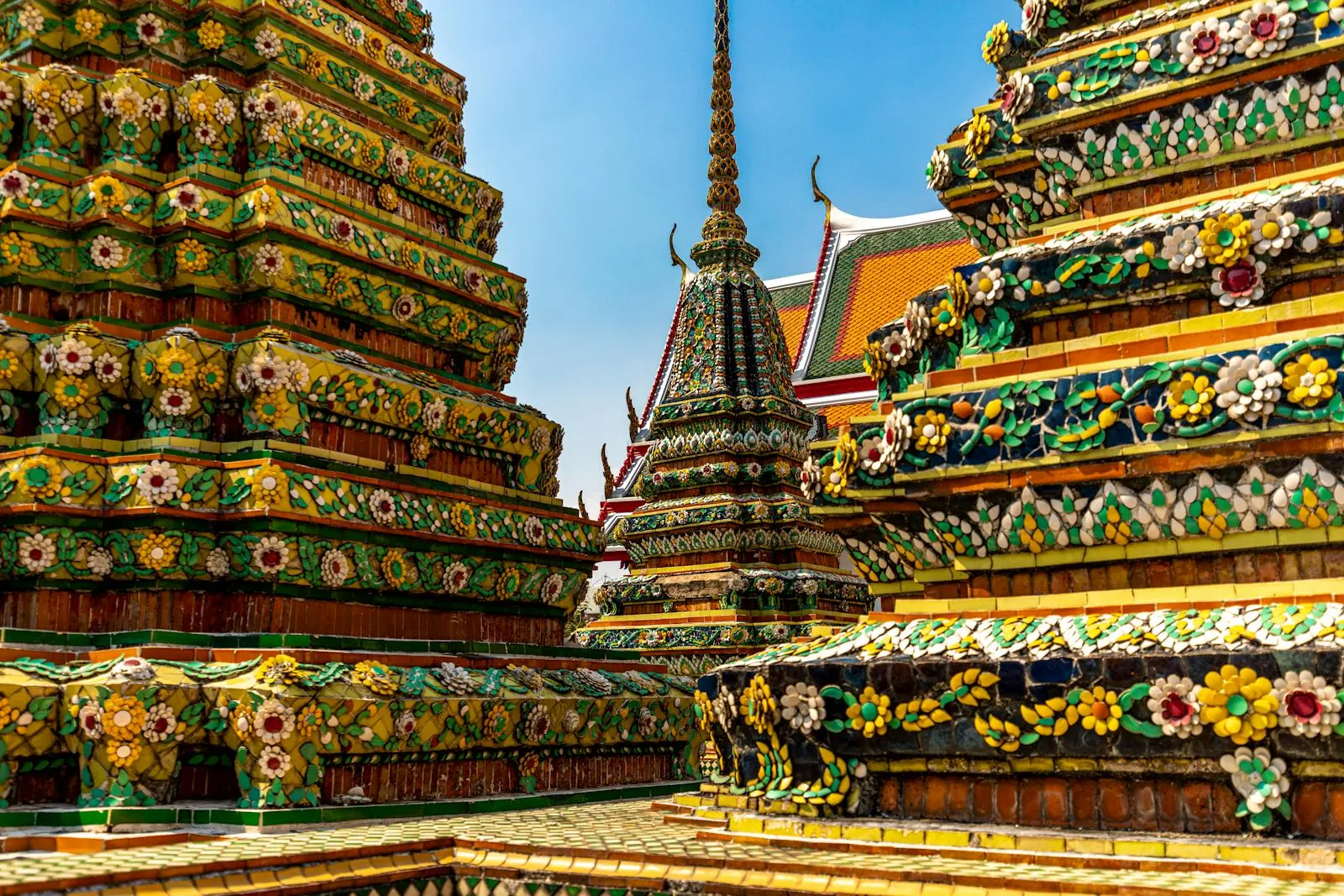
Wat Pho, Bangkok

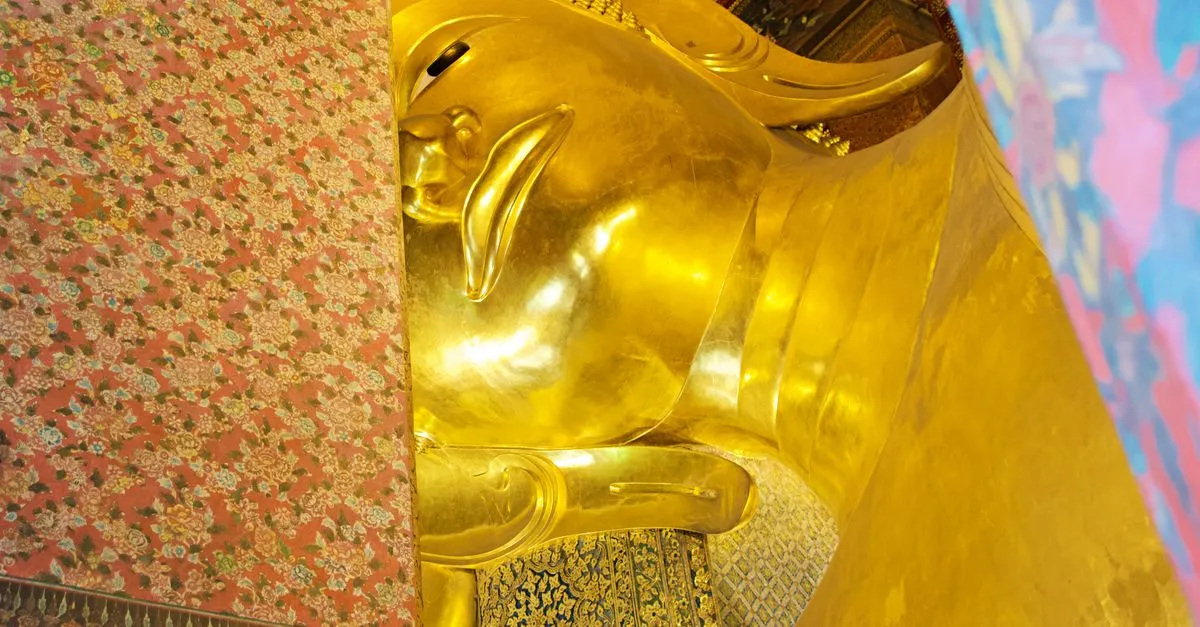
Home to the 46-metre reclining Buddha and Thailand's oldest massage school. The temple grounds contain over 1,000 Buddha images and intricate tile mosaics. ฿200 admission includes a free water bottle. Traditional Thai massage available for ฿260/30min.

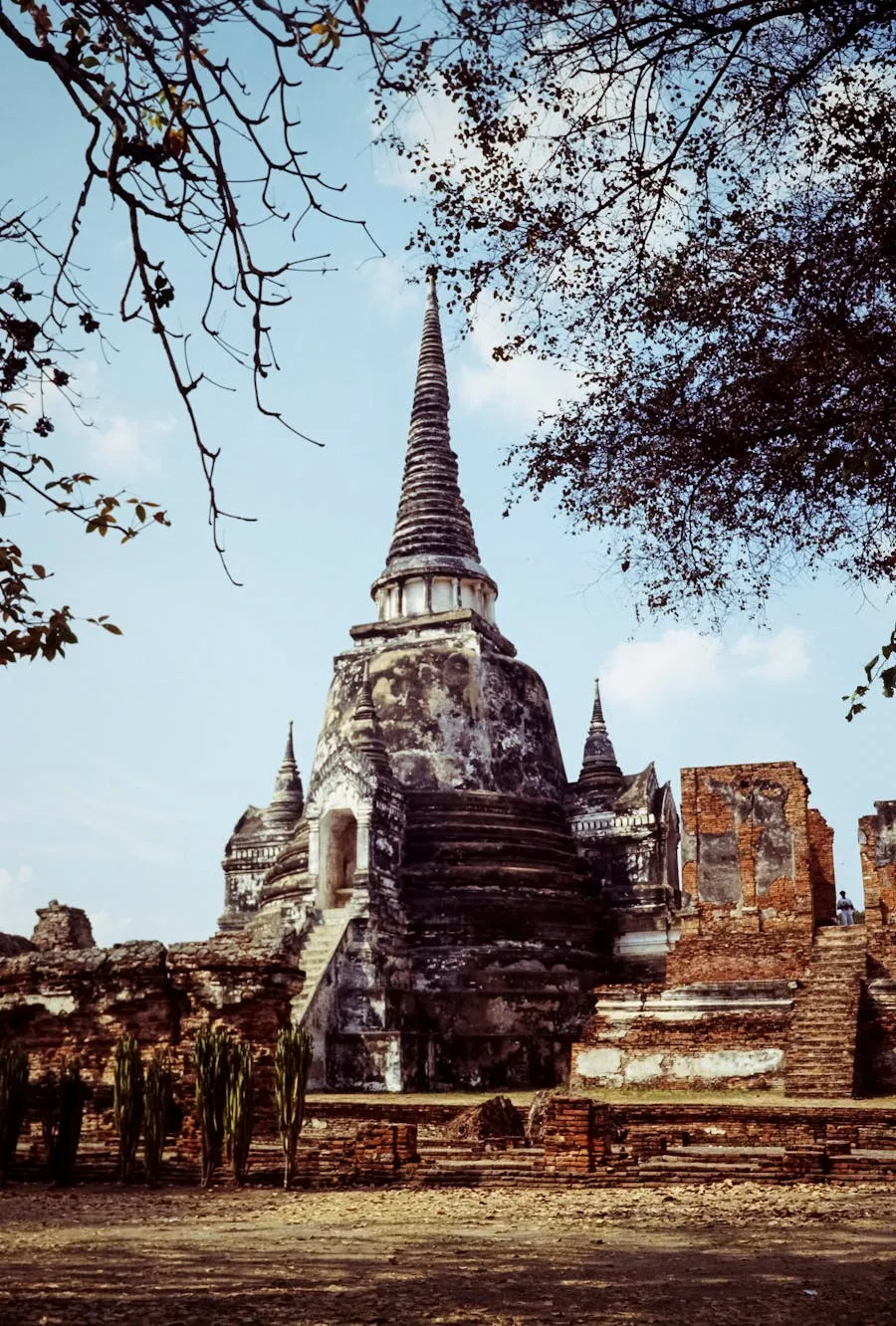
Ancient temple ruins and stupas at Ayutthaya Historical Park

Ayutthaya Historical Park

The ruins of Siam’s capital from 1350 to 1767, a UNESCO site 80 km north of Bangkok. Crumbling prangs, headless Buddhas, and tree-wrapped stone heads. Rent a bicycle and explore at your own pace. The famous Buddha head in tree roots is at Wat Mahathat.

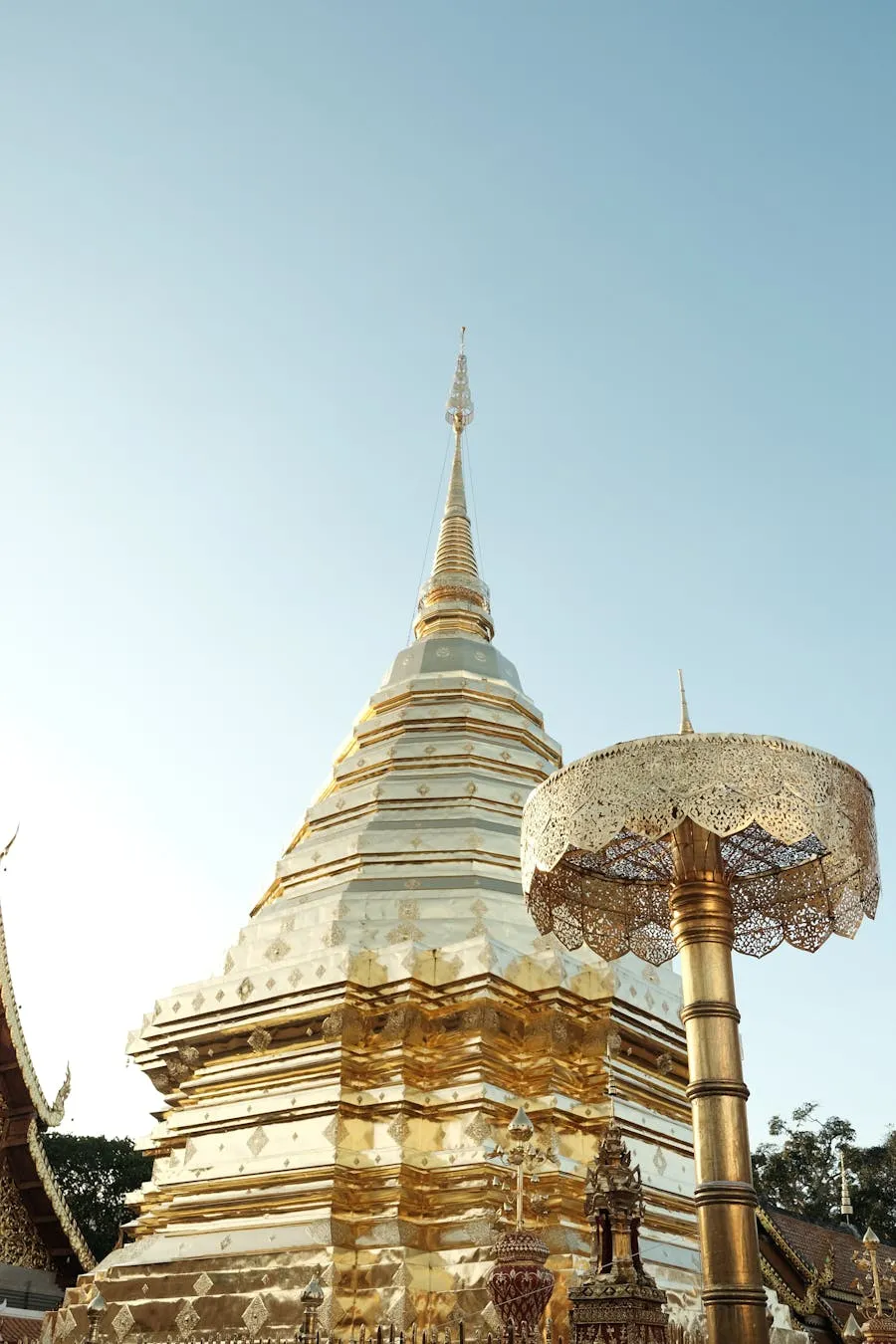
Golden pagoda of Wat Phra That Doi Suthep gleaming above Chiang Mai

Doi Suthep, Chiang Mai

A gilded hilltop temple 15 km above Chiang Mai with 360° views over the city and mountains. Climb 309 steps (or take the cable car). The old city below has 30+ temples within the moat, a night bazaar, and Thailand’s best cooking schools.

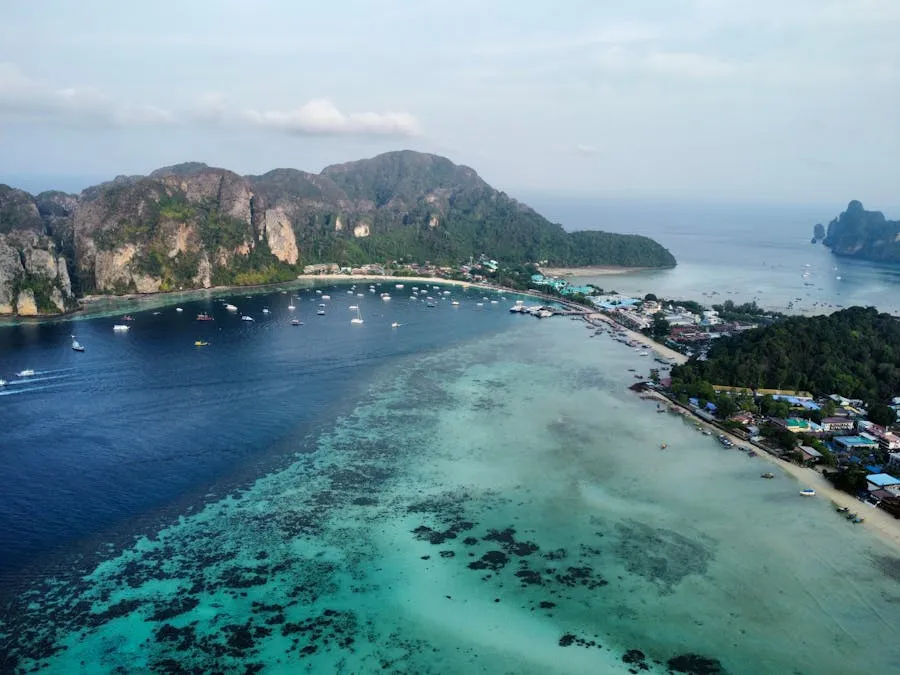
Stunning aerial view of Phi Phi Islands with turquoise lagoons

Phi Phi Islands

Dramatic limestone islands in the Andaman Sea. Phi Phi Don has the tourist infrastructure; Phi Phi Leh has Maya Bay (The Beach filming location, reopened with visitor caps). Snorkelling, kayaking, and sunsets from the viewpoint on Don.

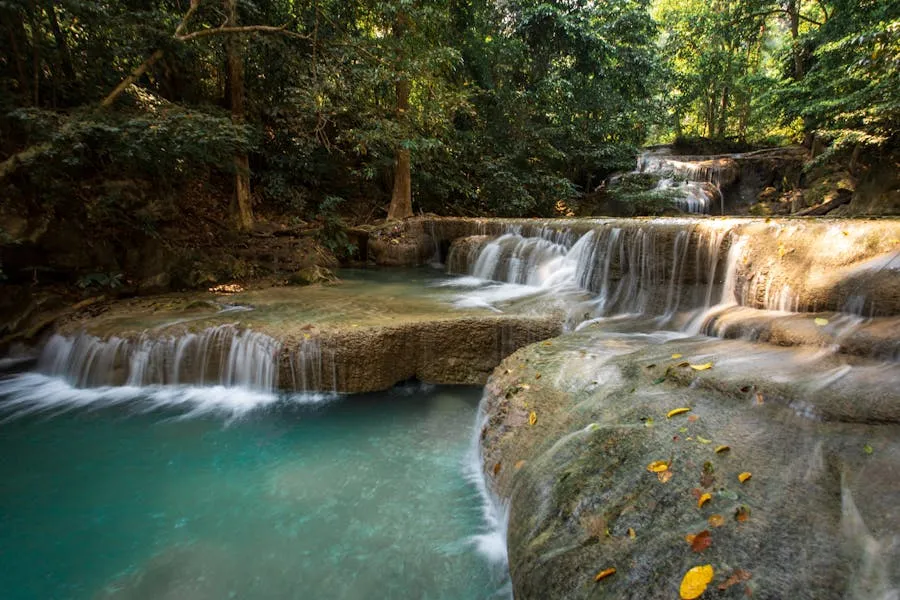
Emerald cascading pools at Erawan Falls in Kanchanaburi

Erawan Falls

A seven-tiered waterfall in Kanchanaburi Province with turquoise pools perfect for swimming. Tier 7 requires a steep hike but is worth it. Combine with the Bridge over the River Kwai and Hellfire Pass Memorial nearby. 2–3 hours from Bangkok.

Misty karst peaks reflected in Cheow Lan Lake in Khao Sok

Khao Sok National Park

160-million-year-old rainforest (older than the Amazon) with dramatic karst peaks, Cheow Lan Lake, and floating raft houses. Night safaris, kayaking, and the world’s largest flower (Rafflesia). Between Surat Thani and Krabi, easily combined with island trips.

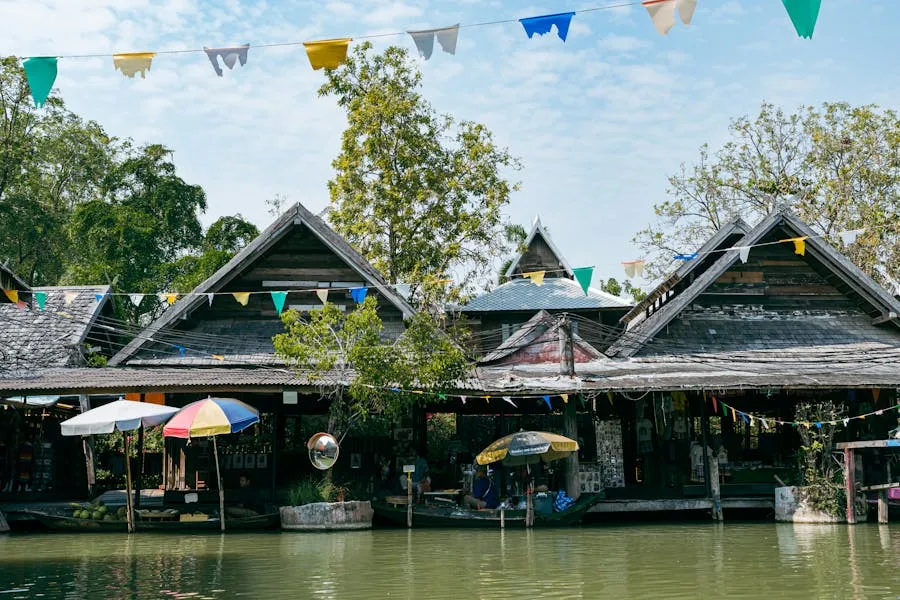
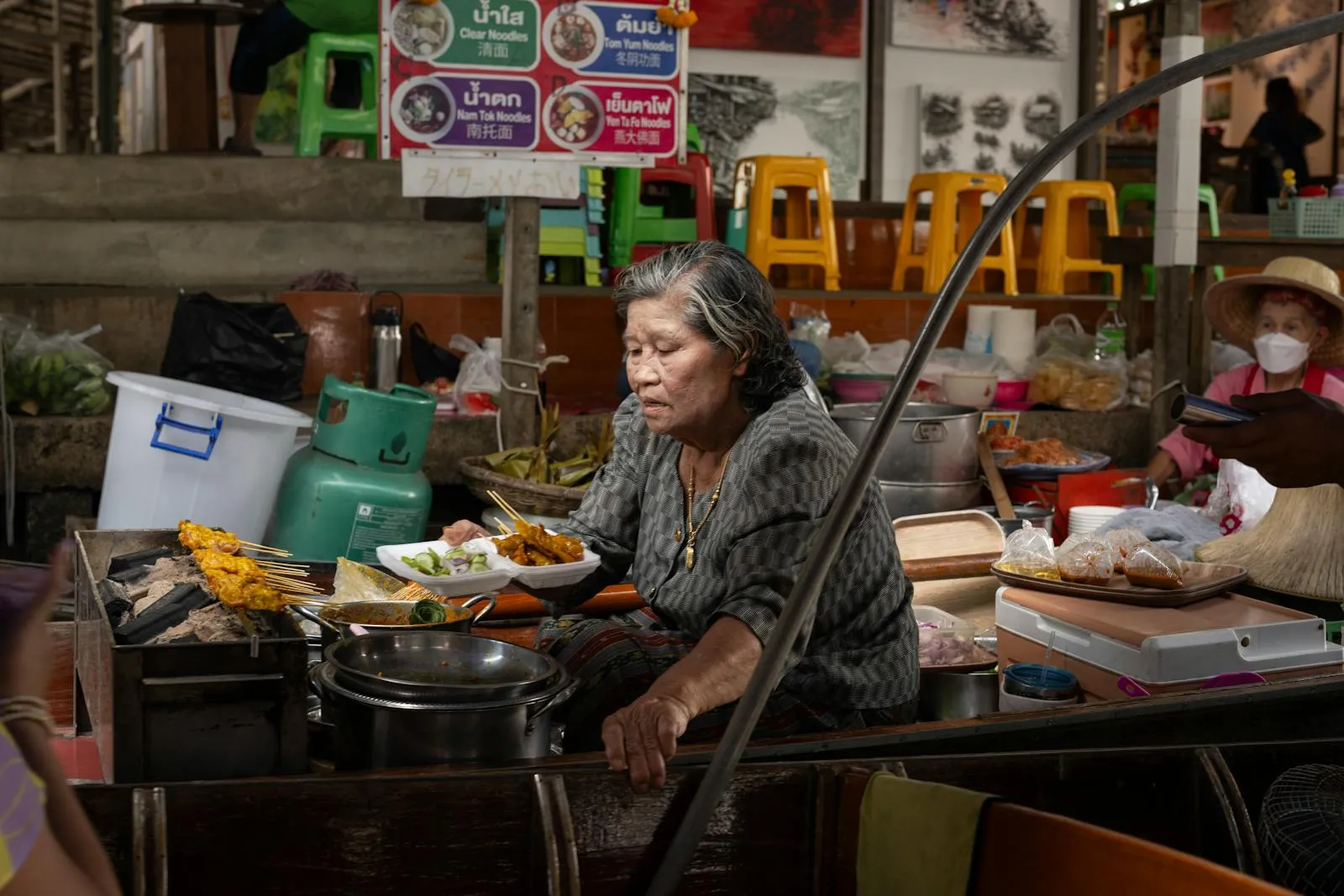
Vendors in wooden boats selling food at a Thai floating market

Floating Markets

Traditional canal-side markets where vendors sell from boats. Damnoen Saduak is the most famous (and most touristy). Amphawa is more authentic and best on weekends. Taling Chan, closer to central Bangkok, opens Sat–Sun with excellent boat noodles.

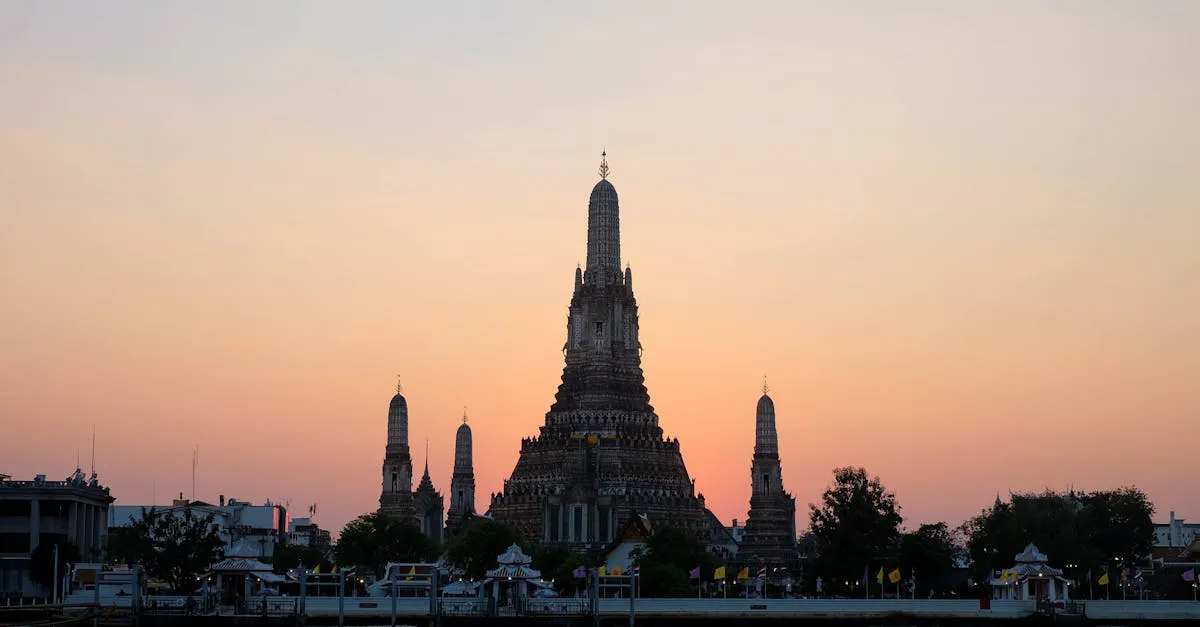
Wat Arun temple Bangkok

Wat Arun, Bangkok

The Temple of Dawn is best seen from across the river at sunset, when its Khmer-style prang glows amber. Cross the Chao Phraya by ฿4 ferry and climb the steep central tower for panoramic views. ฿100 admission.

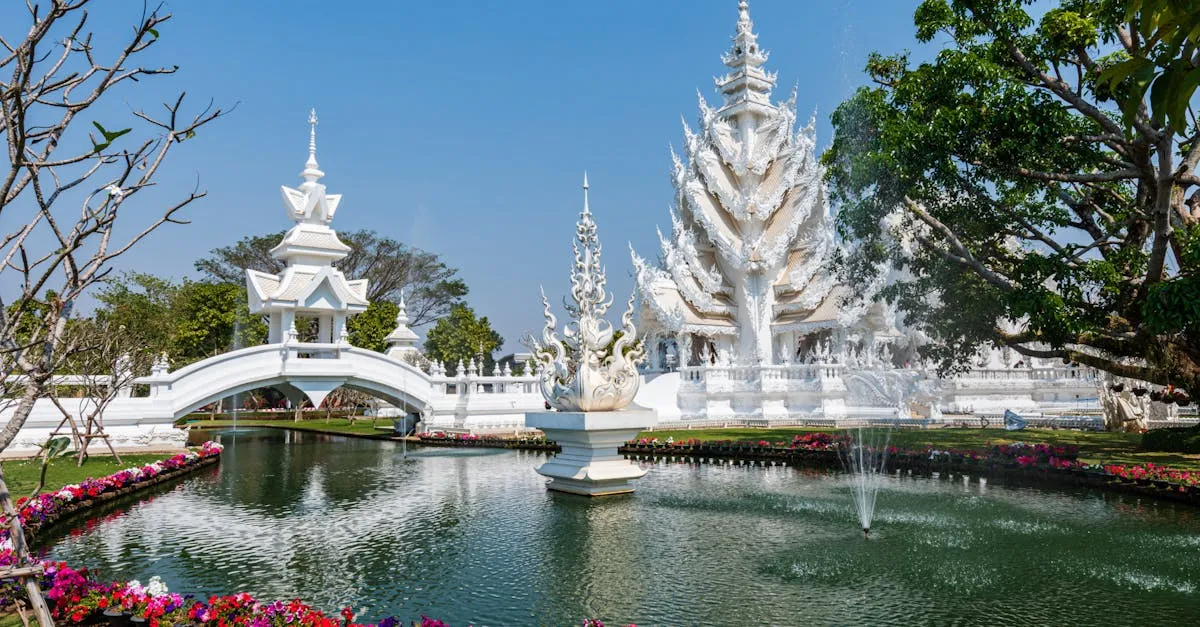
White Temple Chiang Rai

Wat Rong Khun (White Temple), Chiang Rai

Artist Chalermchai Kositpipat's ongoing masterpiece blends traditional Buddhist architecture with surreal pop-culture references. Hands emerging from the ground, a mural featuring Spiderman and the Terminator, and an entirely white exterior make this unlike any temple in Thailand. ฿100 admission for foreigners.#

Historical Sites

Site Location Why Visit Time Needed Cost
Ayutthaya Historical Park80km north of BangkokUNESCO ruins of the former Siamese capital; iconic Buddha head in tree rootsFull day฿50 per temple or ฿220 combo
Sukhothai Historical ParkNorthern plainsFirst Thai kingdom ruins; less crowded than Ayutthaya, more atmosphericFull day฿100 per zone
Bridge over River KwaiKanchanaburiWWII Death Railway history; museum, cemetery, and train rideHalf–full dayFree (bridge); ฿40 museum
Prasat Hin PhimaiNakhon Ratchasima11th-century Khmer temple; Thailand's own "mini Angkor"Half day฿100

Natural Wonders

  • Erawan Falls (Kanchanaburi): Seven tiers of turquoise cascades in pristine jungle. Swim in the lower pools; hike to the seventh tier for solitude. Best in the wet season when water flow peaks. ฿300 admission.
  • Cheow Lan Lake (Khao Sok): Ethereal emerald lake surrounded by karst cliffs and ancient rainforest. Floating bungalows offer a surreal overnight experience. Book a 2-day tour from Khao Sok town.
  • Ang Thong Marine Park: An archipelago of 42 islands with an emerald lagoon, jungle trails, and kayaking. Day trips from Koh Samui or Koh Phangan run ฿1,500–2,500.
  • Similan Islands: Nine granite islands 70km offshore with crystal visibility (30m+) and manta ray encounters. Open October–May only. Day trips from Khao Lak run ฿2,500–3,500. Book early. Daily visitor caps apply.
  • Doi Inthanon Summit: Thailand's highest point (2,565m) with twin pagodas, cloud forest nature trails, and cool temperatures. Best combined with Chiang Mai's Hmong and Karen hill tribe villages.

Markets & Urban Experiences

  • Chatuchak Weekend Market (Bangkok): One of the world's largest weekend markets. Over 15,000 stalls across 27 sections selling everything from antiques to live orchids. Saturday–Sunday only, 6am–6pm. Go early, bring cash, and prepare to get lost.
  • Damnoen Saduak Floating Market: The most photogenic floating market, 100km from Bangkok. Very touristy but still worth a morning visit for the spectacle. Go before 9am to see actual trading versus staged performances.
  • Maeklong Railway Market: A market built on active train tracks. Vendors retract their awnings as trains rumble through eight times daily. The 11:30 am and 2:30 pm trains are the most dramatic. Free to watch.
  • Chiang Mai Night Bazaar: Daily evening market along Chang Klan Road. More geared toward tourists than the Sunday Walking Street, but convenient and atmospheric.
💰 Sightseeing Budget Tip

Thailand's dual-pricing system charges foreigners more than locals at national parks (฿200–400 vs ฿20–40) and some temples. This is non-negotiable and well-established. Budget for it rather than trying to argue your way to local prices. The Grand Palace (฿500) and national parks are the biggest hits. Most temples outside Bangkok are free or have nominal donation boxes. Chatuchak, night markets, and street food cost nothing to experience. Only willpower prevents spending.

Culture & Cuisine

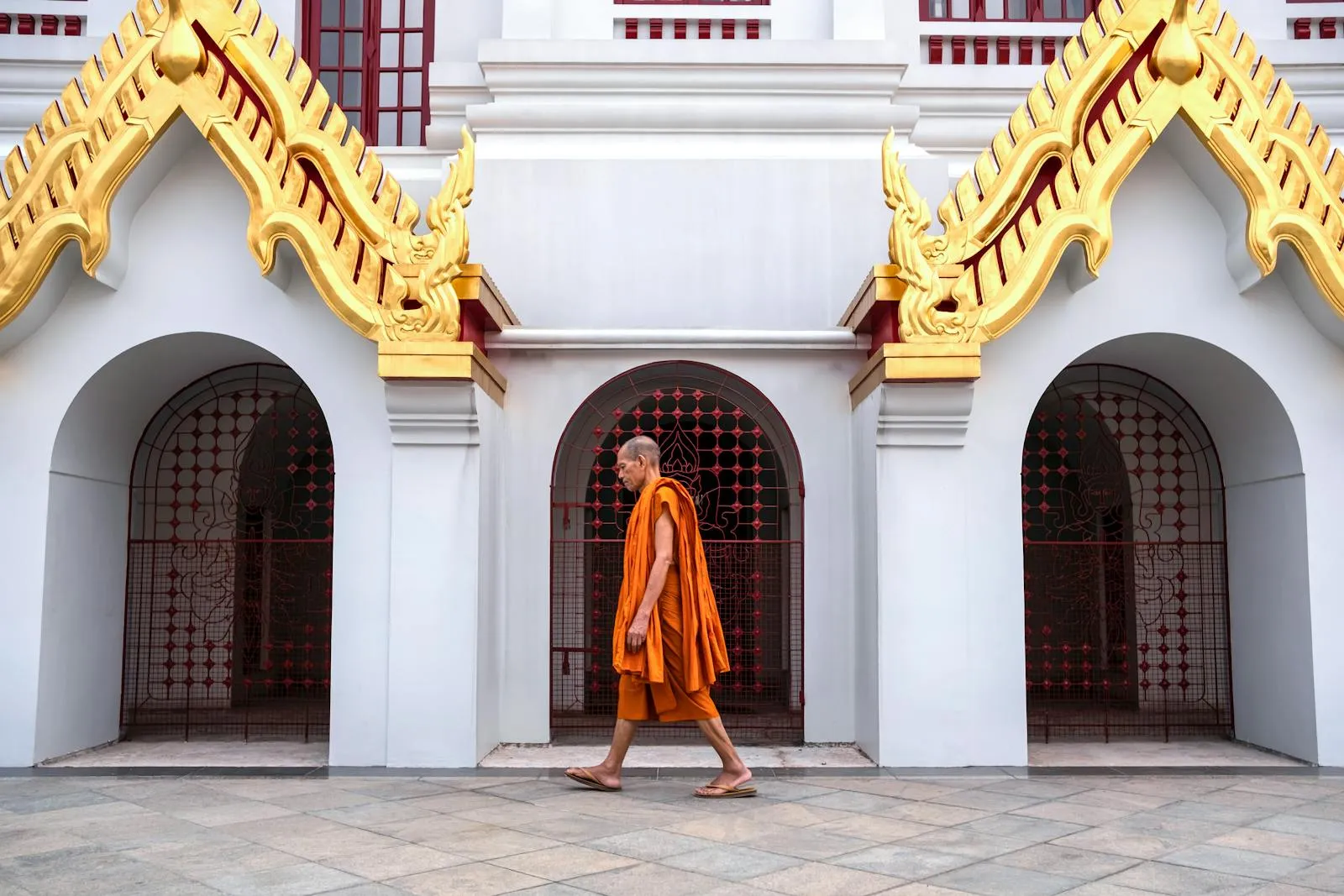
A Buddhist monk walks past the ornate architecture of Loha Prasat Temple in Bangkok, Thailand.

Thai culture operates on social rules invisible to outsiders but deeply felt by Thais. Understanding even the basics transforms how Thais respond to you. From polite tolerance to genuine warmth.

  • Sanuk: Fun
  • Sabai: Comfort/ease
  • Kreng jai: Consideration for others' feelings

Thailand is incredibly forgiving of tourist ignorance, but learning a few customs is always noticed and appreciated.

The Wai & Social Hierarchy

The wai is a prayer-like gesture with palms pressed together and a slight bow. It's Thailand's greeting, goodbye, thank-you, and apology. The height of the hands indicates respect level. Higher hands = deeper respect. As a tourist, you're not expected to initiate wais, but returning one when offered (hands at chest height, slight nod) is polite. Never wai a child, server, or someone of clearly lower social status. It creates awkwardness.

The Monarchy

⚠️ Lèse-Majesté Laws, No Exceptions

Thailand's lèse-majesté laws (Section 112) are among the strictest in the world. Any criticism, mockery, or defamation of the King, Queen, Heir, or Regent (in any form, including social media posts, jokes, or casual remarks) can result in 3–15 years in prison per offence. This applies to foreigners. Do not step on currency (it bears the King's image), do not make jokes about the monarchy, and stand respectfully during the royal anthem (played before cinema screenings and at 8am/6pm on public loudspeakers). This is not a guideline. It is law, and it is enforced.

Buddhist Customs

  • Feet are unclean: Never point your feet at a Buddha image, a monk, or another person. When sitting on temple floors, tuck your feet behind you. Remove shoes before entering any temple building or Thai home.
  • Head is sacred: The head is the most sacred part of the body. Never touch a Thai person's head, including children. Avoid passing objects over someone's head.
  • Monks: Women must never touch a monk or hand objects directly to them. Place items on a cloth or table for the monk to pick up. On public transport, vacate reserved monk seats immediately.
  • Temple behaviour: Dress modestly (shoulders and knees covered). Speak quietly. Never climb on Buddha statues for photos. Remove hats inside temple buildings.

Daily Life Etiquette

Situation Do Don't
EatingUse fork (left hand) to push food onto spoon (right hand). Spoon goes to mouth, not fork.Don't use chopsticks unless eating noodle soup or Chinese food
TippingRound up at restaurants (leave the coins from change). ฿20–50 for exceptional service.Don't tip at street food stalls or 7-Elevens
BargainingExpected at markets. Start at 50–60% of asking price, settle around 70–80%.Don't bargain in malls, restaurants, or 7-Elevens. Don't get angry or aggressive.
AngerStay calm. Smile. Thais respect composure above all. Losing face (theirs or yours) ends the interaction.Never raise your voice, point aggressively, or confront someone publicly
GreetingsReturn a wai with a wai. "Sawadee khrap" (male) / "Sawadee kha" (female).Don't hug, kiss, or physically touch Thais you don't know well
DressCover shoulders and knees for temples. Neat, clean clothing is valued.Don't walk shirtless in cities, even if it's hot. Reserve shirtlessness for the beach.

LGBTQ+ Travel

Thailand is widely considered the most LGBTQ+-friendly country in Asia. Bangkok has a vibrant queer scene centred on Silom Soi 2 and 4, and transgender people ("kathoey") hold visible roles in Thai media. Same-sex marriage legislation has been passed, making Thailand the first Southeast Asian country to legalise it. Public displays of affection between same-sex couples are generally accepted in tourist areas, though rural Thailand remains more conservative.

💬 Useful Thai Phrases
EnglishThai (Transliteration)Notes
Hello / GoodbyeSawadee khrap/khakhrap = male speaker, kha = female speaker
Thank youKhop khun khrap/khaSaid constantly. Thais appreciate the effort.
How much?Tao rai?Essential for markets
Too expensivePaeng paiSaid with a smile, not a complaint
DeliciousAroi (mak)"Mak" = very. Use after every meal.
No spicyMai phetCritical for sensitive stomachs
A little spicyPhet nit noiWhat most tourists actually mean
Where is..?..yoo tee nai?Point at a map as backup
BeautifulSuayCompliments go a long way
Never mind / No worriesMai pen raiThe Thai philosophy in three words

Food & Cuisine

Thailand is not just a good food destination. It's arguably the best food country on Earth for budget travellers. Bangkok's street vendors have earned Michelin stars.

  • Five flavors: Thai cuisine balances sweet, sour, salty, bitter, and spicy in almost every dish
  • Complexity: Simple-looking plates explode with taste
  • Unbeatable value: ฿40–100 (€1–3) per dish

Essential Thai Dishes

Pad Thai

Stir-fried rice noodles with tamarind sauce, egg, bean sprouts, peanuts, and your choice of shrimp or chicken. The national dish, and still the benchmark. Best at street stalls, not restaurants. Look for vendors who specialise in pad thai only. They have perfected the wok heat. ฿40–80.

Tom Yum Goong

Hot and sour shrimp soup with lemongrass, galangal, lime leaves, chillies, and mushrooms. The "nam khon" (creamy) version adds evaporated milk. A bowl of this on a rainy evening is one of life's great pleasures. ฿80–150.

Som Tum (Green Papaya Salad)

Shredded unripe papaya pounded in a mortar with garlic, chillies, fish sauce, lime juice, tomatoes, and peanuts. Northeastern (Isaan) origin. Ranges from mild to incendiary. Specify "mai phet" for no spice or "phet nit noi" for a manageable kick. ฿40–60.

Khao Soi

Northern Thailand's signature dish: egg noodles in a rich, yellow coconut curry broth, topped with crispy fried noodles and pickled mustard greens. The Chiang Mai version with chicken thigh is the gold standard. Available at ฿50–80 from street stalls. Not widely found outside the north.

More Must-Try Dishes

Dish Type Description Spice Level Price
Massaman CurryCurryMild, sweet, peanut-rich curry with potatoes. Muslim-Thai origin.🌶 Low฿60–100
Green CurryCurryCreamy coconut curry with green chillies, Thai basil, and eggplant🌶🌶🌶 High฿60–100
Pad Kra PaoStir-fryHoly basil stir-fry with minced pork or chicken, topped with fried egg. Daily lunch for millions of Thais.🌶🌶 Med฿40–60
Khao PadRiceThai fried rice with egg, vegetables, and meat. The safe choice when your stomach needs a break.🌶 Low฿40–60
Mango Sticky RiceDessertFresh mango slices with coconut-milk glutinous rice. Seasonal (best Mar–Jun when mangoes peak).None฿60–100
Pad See EwNoodlesWide rice noodles with soy sauce, egg, Chinese broccoli. Smoky wok flavour is key.🌶 Low฿40–60
Boat NoodlesSoupTiny bowls of rich, dark broth noodles (often with pork blood). Order 3–5 bowls per person.🌶 Low฿15–25/bowl
SataySnackGrilled marinated meat skewers with peanut sauce. Chicken or pork, ฿10 per stick.None฿10/stick

Street Food Etiquette & Tips

  • Follow the locals: A stall with a queue of Thai customers is always a good sign. Empty stalls with English menus and photos are often tourist traps.
  • Condiment station: Every Thai table has four condiments: fish sauce, sugar, chilli flakes, and vinegar with chillies. Thais customise every dish to their taste. Experiment freely.
  • Ordering: Most street stalls specialise in one or two dishes. Point and say the dish name or a number. "Neung" (one) or "song" (two) portions is usually enough Thai to get fed.
  • Spice adjustment: "Mai phet" (no spice) is respected but may produce a blander version. "Phet nit noi" (a little spicy) is the sweet spot for most Western palates. Thai "medium" is most Westerners' "extremely hot."
  • Hygiene: Street food that is cooked to order in front of you (wok-fried, grilled) is generally safe. Be cautious with pre-prepared items that have been sitting in the heat. Ice in drinks is machine-made and safe in tourist areas.
🍳 Cooking Class Recommendation

A Thai cooking class is one of the best investments of your trip. Chiang Mai offers the widest selection and best value: half-day classes (฿800–1,200) typically include a morning market tour where you learn to identify ingredients, followed by cooking 4–5 dishes. Popular schools include Mama Noi, Thai Farm Cooking School, and Pantawan. In Bangkok, Silom Thai Cooking School and Baipai offer similar quality at slightly higher prices (฿1,500–2,000). Book a day in advance during high season.

Regional Specialties

  • North (Chiang Mai, Chiang Rai): Khao soi, sai oua (herbal sausage), nam prik ong (chilli dip with pork), laab (spicy minced meat salad). Northern food is milder and more herbal than central Thai
  • Northeast (Isaan): Som tum, laab, sticky rice, kai yang (grilled chicken). Bold, punchy, very spicy. Isaan food is everywhere due to internal migration
  • Central (Bangkok): Pad thai, boat noodles, guay teow (noodle soup), full range of curries. Bangkok is where all regional cuisines converge
  • South: Heavy use of turmeric, coconut milk, dried spices. Massaman and yellow curries originate here. Southern food is Thailand's spiciest. What southerners call mild will set most tongues on fire
Activities & Hikes

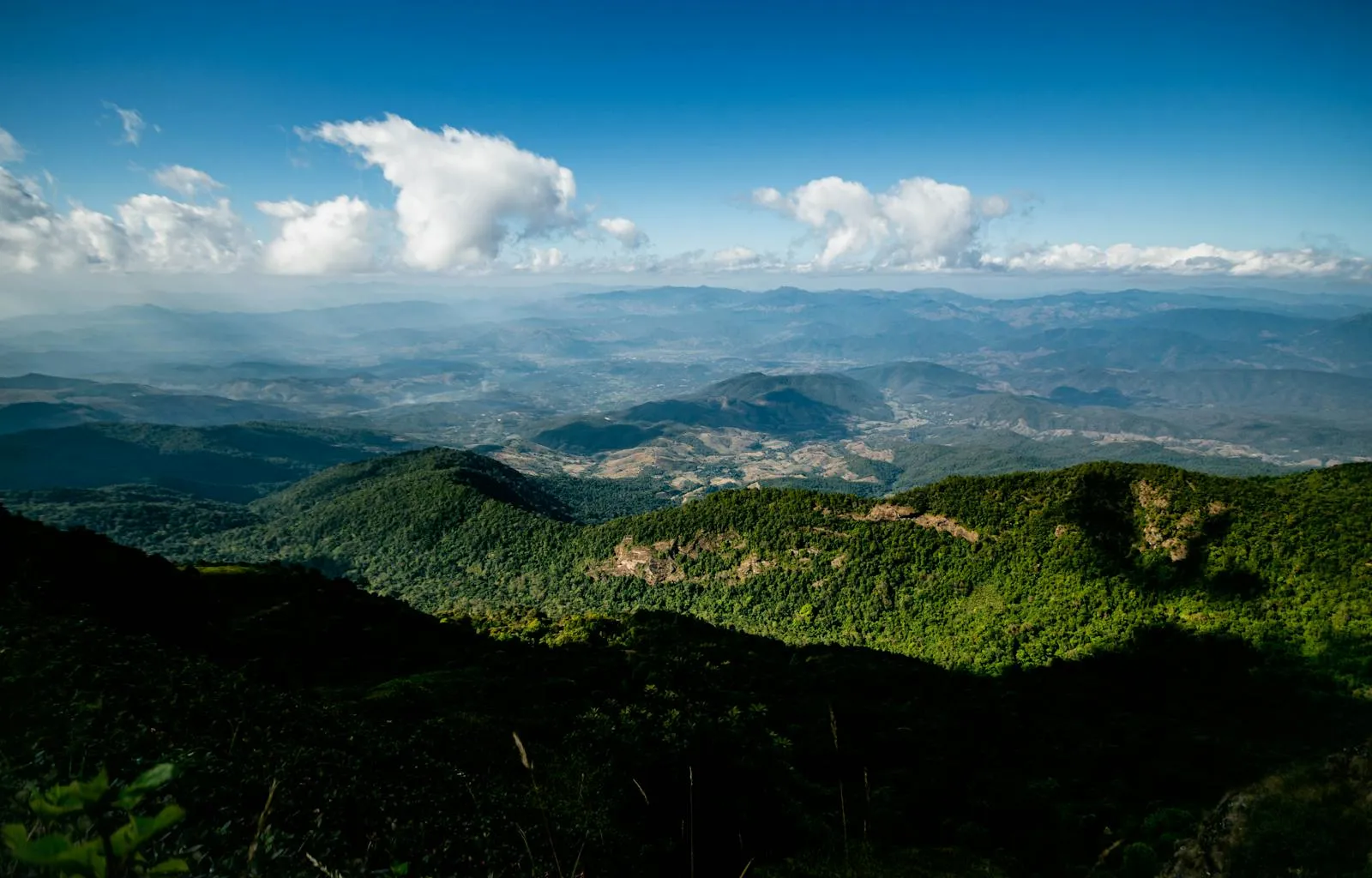
Expansive view of lush green mountains and clouds in Chiang Mai, Thailand.

Thailand is not a trekking destination in the Himalayan sense, but offers a surprisingly diverse range of walks combining jungle immersion, mountain scenery, and cultural encounters with hill tribe communities. The northern highlands provide the most rewarding multi-day trekking, while national parks offer day hikes through monsoon forest, limestone gorges, and cloud-wrapped summits.

Northern Thailand Treks

Trek Duration Difficulty Highlights Cost
Doi Inthanon Summit & TrailsHalf–full dayEasy–ModerateThailand's highest peak (2,565m), twin pagodas, Kew Mae Pan nature trail through cloud forest, hill tribe villages฿300 park fee + transport
Chiang Mai Hill Tribe Trek2–3 daysModerateOvernight in Akha, Lahu, or Karen villages, bamboo rafting, waterfall swims, elephant sanctuary visits฿2,500–4,000
Chiang Dao Cave & MountainFull dayModerateDoi Chiang Dao (2,175m), Thailand's third highest, cave system with stalactites, bird-watching paradise฿200 + guide
Mae Hong Son Loop (motorbike)3–5 daysModerate (driving)600km circuit through mountain passes, Pai, jungle villages, and hot springs฿200–300/day bike rental
Doi Suthep – Doi Pui TrailHalf dayEasyForest trail from Doi Suthep temple to Hmong village at Doi Pui, views over Chiang Mai฿30 park fee

Central & Southern Hikes

Trek Duration Difficulty Highlights Cost
Erawan Falls (Kanchanaburi)3–4 hoursEasy–ModerateSeven-tiered waterfall with turquoise swimming pools, jungle trail between tiers฿300
Khao Sok Rainforest TrailsHalf–full dayModerateOne of the oldest evergreen rainforests, giant rafflesia flowers (Dec–Feb), gibbons, hornbills฿300 + guide
Khao Yai National ParkFull day–2 daysModerateUNESCO site 3 hours from Bangkok, wild elephants, gibbons, hornbills, Haew Narok waterfall฿400
Railay Beach Viewpoint & Lagoon1–2 hoursModerate (scramble)Rope-assisted cliff scramble to a hidden lagoon and panoramic viewpoint over Railay and TonsaiFree
Koh Phi Phi Viewpoint30–45 minEasySteep staircase to the iconic twin-bay panorama; best at sunrise฿30
Ang Thong Marine Park Viewpoint1–2 hoursModerateClimb to emerald lagoon viewpoint on Koh Mae Ko; panoramic island viewsIncluded in day trip
🥾 Trekking Tips
  • Best season: November–February for the north (cool, dry, clear). Avoid March–April (haze) and peak monsoon (muddy trails).
  • Guides: Multi-day treks in the north require a licensed guide. Solo jungle trekking is discouraged due to unmarked trails and wildlife.
  • Leeches: Present in wet-season jungle trails. Wear long socks tucked into trousers and check yourself at rest stops. They are painless but startling.
  • Footwear: Lightweight trail runners with good grip beat heavy hiking boots in Thailand's terrain. Sandals are insufficient for anything beyond beach walks.
  • Hill tribe etiquette: Ask before photographing, remove shoes before entering homes, and purchase crafts directly from the community rather than from middlemen in Chiang Mai.

Activities

Thailand's 3,219km of coastline and hundreds of islands make it one of Southeast Asia's premier water sports destinations. Whether you want to earn your PADI certification on a budget, kayak through hidden lagoons, or snorkel over coral gardens, Thailand delivers across both coastlines with reliable infrastructure and competitive pricing.

Scuba Diving

Thailand is one of the cheapest places in the world to learn scuba diving, with excellent instruction quality. Most dive schools employ international instructors with thousands of logged dives, and equipment standards are high.

Location Best For Season Visibility Highlights
Koh TaoPADI certification, budget divingYear-round (best Mar–Sep)10–30mCheapest PADI worldwide; whale sharks Jun–Sep; shallow reefs perfect for beginners
Similan IslandsAdvanced diving, manta raysOct–May only25–40mManta cleaning stations; dramatic granite boulders; some of Asia's best dive sites
Koh Phi PhiFun diving, sceneryNov–Apr10–25mLeopard sharks at Shark Point; dramatic karst scenery above and below water
Koh LipeRemote, uncrowded reefsNov–Apr15–30mPart of Tarutao Marine Park; less tourism impact on reefs
Richelieu RockWhale sharks, macro lifeFeb–May15–30mJacques Cousteau's favourite Thai dive site; best from Khao Lak liveaboards
🤿 Dive School Selection

On Koh Tao, many dive schools include free accommodation during your course (usually a basic fan room). This effectively makes the already-cheap course even cheaper. Compare total packages rather than course-only prices. Check recent reviews on Google Maps rather than TripAdvisor, which can be gamed. Key questions: What is the student-to-instructor ratio? (Max 4:1 is ideal.) Is equipment included? Do they dive the less crowded sites or just the closest reef?

Snorkelling

You don't need dive certification to experience Thailand's underwater world. Snorkelling trips are available at every beach destination, and some of the best coral is in shallow water accessible from shore.

  • Koh Tao: Shark Bay (free shore entry) for black-tip reef sharks, Japanese Gardens for coral. Snorkel rental ฿100–150/day
  • Koh Lanta / Four Islands: Day trips visit Koh Ngai, Koh Mook (Emerald Cave), Koh Kradan. ฿800–1,200 including lunch
  • Similan Islands: Day trips from Khao Lak include snorkelling at 3–4 sites. Visibility can exceed 30m. ฿2,500–3,500
  • Ang Thong Marine Park: Snorkelling combined with kayaking and viewpoint hikes. Day trips from Koh Samui ฿1,500–2,500

Other Water Activities

Activity Best Location Cost Notes
Rock climbing (deep water soloing)Railay Beach, Krabi฿1,500–2,500/half dayClimb limestone cliffs over water. Fall and you splash. No experience needed for beginner routes.
KayakingAng Thong, Phang Nga Bay, Khao Sok฿500–1,500Paddle through caves, mangroves, and hidden lagoons. Phang Nga Bay (James Bond Island) is the classic.
SurfingKata Beach (Phuket), Khao Lak฿500–800/lessonBest Jun–Sep when southwest monsoon brings consistent swells. Waves are beginner-friendly (1–2m).
KiteboardingHua Hin, Pranburi฿2,000–3,000/lessonConsistent winds Mar–Oct. Hua Hin has several IKO-certified schools.
Stand-up paddleboardingKoh Lanta, Railay, Koh Phangan฿300–500/hourCalm morning waters are ideal. Some hostels include SUP boards free of charge.
FreedivingKoh Tao, Koh Phangan฿8,000–10,000 (2-day course)Growing scene on Koh Tao. Learn breath-hold techniques and reach 15–20m on a single breath.
⚠️ Water Safety

Thailand's beautiful waters claim lives every year. Rip currents are a serious hazard on exposed beaches, especially during monsoon season. Red flags mean no swimming. Obey them without exception. Jellyfish (including box jellyfish on the Gulf coast) are a risk from June to October. Consider wearing a rash guard. Never swim after heavy drinking. Drowning is the leading cause of tourist death in Thailand. On boats, insist on life jackets. They are often available but not distributed unless asked for.

Off the Beaten Path

Thailand's well-trodden backpacker trail hits the greatest hits. Bangkok, Chiang Mai, the islands. But some of the country's most rewarding experiences lie just off the main circuit. These are places where tourist infrastructure exists but crowds don't, where you eat at the only restaurant in town and sleep in the only guesthouse on the beach. Adding even one of these to your route gives you stories other travellers won't have.

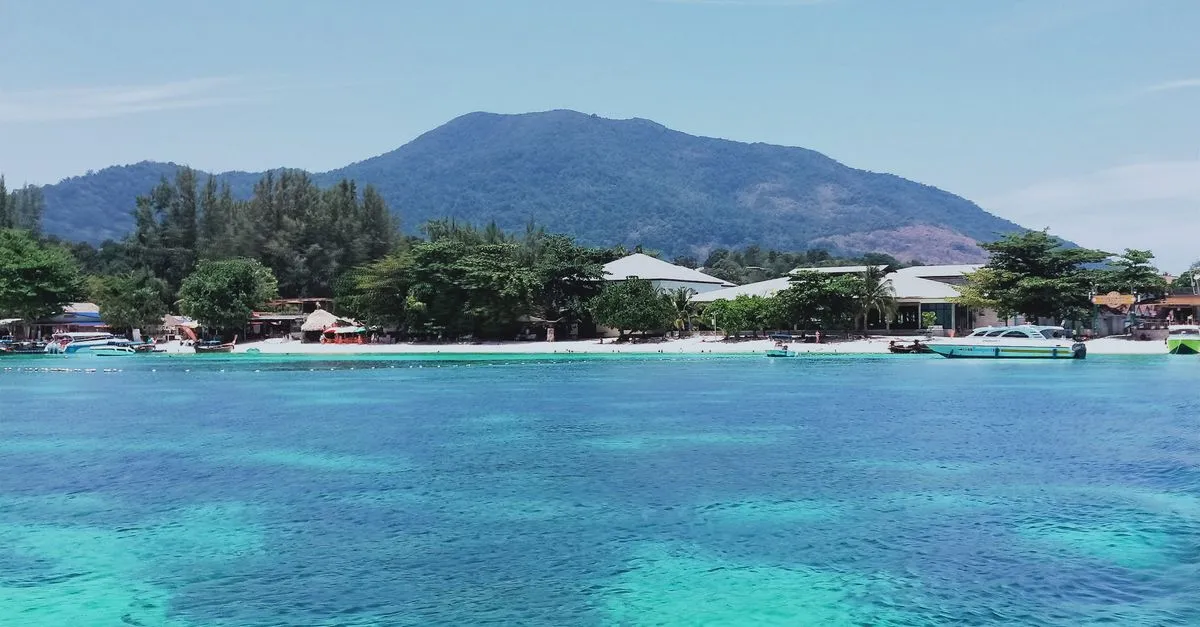
Koh Lipe crystal beach

🏝️ Koh Lipe

Thailand's southernmost resort island, near the Malaysian border. Part of Tarutao Marine Park with pristine coral reefs, beaches within walking distance, and a Chao Ley (sea nomad) village. No cars, ATM access is limited (bring cash), no airport. Accessible by speedboat from Pak Bara or Langkawi (Malaysia). Best Nov–Apr.

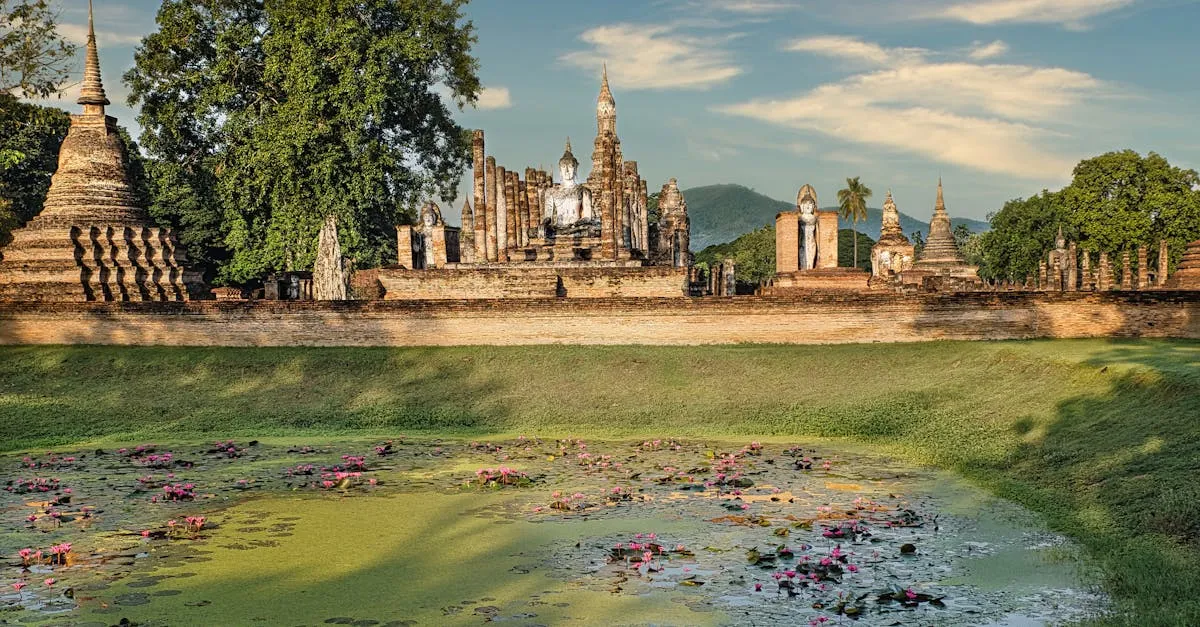
Sukhothai historical park

🏛️ Sukhothai

The ruins of Thailand's first kingdom (1238–1438) are often described as more atmospheric than Ayutthaya. Fewer crowds, better preservation, and a park designed for cycling. The seated Buddha at Wat Si Chum, framed perfectly by temple walls, is one of Thailand's most powerful images. Stay for the nightly light show.

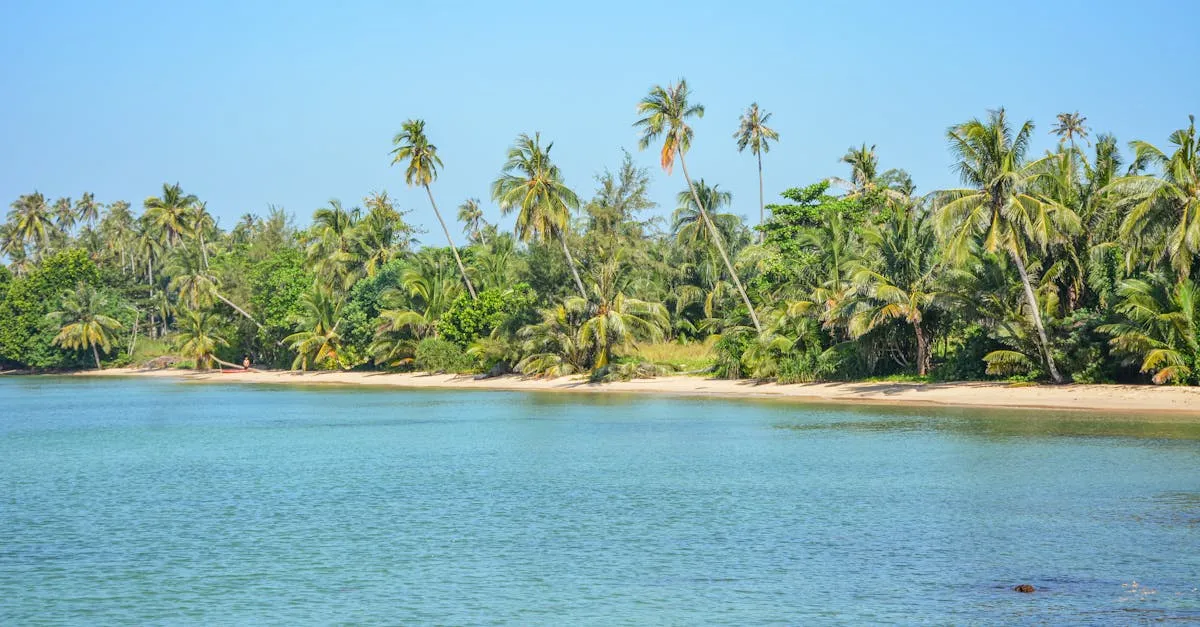
Koh Kood tropical beach

🌊 Koh Kood (Koh Kut)

The fourth-largest Thai island feels decades behind its Gulf neighbours in development. Deserted beaches, rubber plantations, mangrove kayaking, and a waterfall you can swim under. No party scene. Just peace. Accessible from Trat (near Cambodia border). Works perfectly as a detour between Cambodia and Bangkok.

Pai Canyon sunset

⛰️ Pai Canyon (Kong Lan)

A narrow sandstone ridge with sheer drops on both sides, best visited at sunset. Not technically difficult, but the exposed edges with no railings make it thrilling. Free entry, 8km from Pai town. Combine with the nearby Pai hot springs and Pam Bok waterfall.

Nan Province temple

🏞️ Nan Province

A sleepy northern province almost completely off the tourist radar. Spectacular mountain scenery, Hmong villages, the surreal Doi Samer Dao "stargazing mountain," and Wat Phumin with its famous "whispering lovers" mural. Accessible from Chiang Mai by bus (6 hours) or short domestic flight.

Trang Islands emerald cave

🚢 Trang Islands (Koh Mook, Koh Kradan, Koh Ngai)

South of Krabi, the Trang archipelago offers Andaman-quality beaches without Andaman-level crowds. Koh Mook's Emerald Cave (Tham Morakot) requires swimming through a dark sea cave to reach a hidden beach inside a collapsed karst. Koh Kradan has Thailand's best beach according to many locals. Ferries run from Trang town.

Off-the-Beaten-Path Experiences

  • Amphawa & Maeklong, Samut Songkhram: Maeklong Railway Market gets the press, but nearby Amphawa Floating Market (Fri–Sun evenings) is where locals go. Seafood grilled on boats, firefly tours at dusk, fraction of the tourist markup
  • Lopburi Monkey Festival (Nov): Annual banquet laid out for the city's 3,000+ macaques. Surreal, chaotic, completely unique. The monkeys own this city year-round. Guard your belongings
  • Phang Nga Bay by kayak (not James Bond tours): Skip overcrowded speedboat tours and book a guided kayak through mangrove tunnels and collapsed cave systems (hongs). John Gray's Sea Canoe pioneered this approach and remains the most ethical operator
  • Isan (northeast Thailand): Thailand's largest and least-visited region. Khmer temple ruins at Phanom Rung and Phimai rival Angkor. Isaan food is Thailand's boldest. The region's music (mor lam), silk weaving, and festival culture are quintessentially Thai yet almost unknown to tourists
  • Chiang Mai Sunday morning alms: At dawn, saffron-robed monks walk barefoot through the old city collecting food offerings from kneeling locals. This centuries-old tradition happens daily but is most moving on Sundays. Observe respectfully from a distance. Don't photograph monks without permission
💡 Hidden Gem Strategy

The key to finding less-touristed spots in Thailand is simple. Go east or northeast. The Isan region, Trat province (Koh Kood, Koh Chang's quiet eastern coast), and Nan/Loei in the north receive a tiny fraction of the visitors that the Andaman and Gulf coasts do. Adding just 3–4 days in any of these areas gives your trip a dimension that most backpackers miss entirely.

Wildlife & Nature

Close-up of an Asian elephant hidden in dense Chiang Mai jungle foliage.

Thailand sits at the crossroads of multiple biogeographic zones, supporting remarkable diversity. 300+ mammal species, 1,000 bird species, 400 reptile species. While deforestation and poaching have taken a toll, Thailand's network of 147 national parks protects significant habitats, and the country has become a leader in ethical wildlife tourism, particularly with elephants.

Iconic Wildlife Encounters

🐘 Asian Elephants

Thailand has roughly 3,000–4,000 domesticated elephants and an estimated 3,000 in the wild. The ethical sanctuary model (observation only, no riding) has transformed the industry. Elephant Nature Park near Chiang Mai is the gold standard. Wild elephants can be spotted in Khao Yai and Kui Buri national parks.

🐵 Gibbons

White-handed gibbons swing through the canopies of Khao Sok, Khao Yai, and Kaeng Krachan. Their haunting morning calls echo for kilometres. The Gibbon Rehabilitation Project in Phuket releases rescued gibbons back into the wild. Visitors can observe from a distance.

🐋 Whale Sharks

Whale sharks visit the waters around Koh Tao between March and September, with peak sightings in June–July. Encounters are never guaranteed but dive schools run dedicated whale-shark trips when sightings are reported. Richelieu Rock (Similan area) is another hotspot from February to May.

🌎 Sea Turtles

Green and hawksbill turtles nest on beaches in Similan, Surin, and Koh Tarutao national parks. Snorkellers regularly spot them at Koh Tao's Shark Bay and around Koh Lipe. Nesting season runs from November to February. Night-time nest monitoring programmes are available at some parks.

Best National Parks

Park Location Key Wildlife Best Season Entry Fee
Khao Yai3h from BangkokWild elephants, hornbills, gibbons, macaques, civetsNov–Feb฿400
Khao SokSurat Thani provinceGibbons, hornbills, rafflesia flowers, flying squirrelsDec–Apr฿300
Kui BuriPrachuap Khiri KhanBest wild elephant viewing in Thailand, gaur, sambar deerJun–Nov (rainy = easier spotting)฿300 + jeep ฿600
Kaeng KrachanPhetchaburiThailand's largest park, elephants, leopards, 400+ bird speciesNov–Apr฿300
Doi InthanonChiang Mai300+ bird species (best birding in Thailand), cloud forest, orchidsNov–Feb฿300
Similan IslandsPhang Nga (offshore)Manta rays, reef sharks, sea turtles, coral ecosystemsOct–May฿500
⚠️ Wildlife Tourism Red Flags
  • Tiger temples / tiger selfies: Tigers in these attractions are typically drugged for tourist photos. Never visit. All have been exposed by animal welfare organisations.
  • Elephant riding: Carrying tourists on their backs causes spinal damage. The "howdah" (seat) is even worse. Walk away from any operation offering rides.
  • Animal shows: Monkey shows, crocodile wrestling, and snake charming all involve cruelty. If an animal is performing tricks, it has been trained through abuse.
  • Selfies with wildlife: If you can hold, touch, or pose with a wild animal (slow loris, gibbon, python), it has been captured from the wild and likely drugged. Refuse and report.
📸 Wildlife Photography

Thailand's wildlife is best photographed in early morning (5:30–7:30am) when animals are most active. Khao Yai's night safaris offer torch-lit encounters with civets, flying squirrels, and deer. Bring a 200mm+ zoom lens or budget for a guide with a spotting scope. Doi Inthanon is Southeast Asia's premier birding destination. Even a smartphone through a scope can capture stunning images of minivet, sunbird, and laughingthrush species.

Route A: Classic 2-Week North & South

Colorful and ornate temples of Wat Pho in Bangkok, showcasing intricate Thai architecture under a clear blue sky.

This is the quintessential Thailand route, combining the cultural richness of the north with the beaches of the south. It works best during the cool season (November–February) when both regions have ideal weather. The route is linear, moving from north to south, which means you can fly into Chiang Mai and out of Krabi or Phuket (or vice versa) to avoid backtracking through Bangkok.

📅 Best Timing

November–February (cool season). If your dates land in mid-November, the Loy Krathong and Yi Peng lantern festivals make Chiang Mai unforgettable. Dates shift annually with the lunar calendar, so check well in advance and book early. Total budget for two: approximately ฿21,000–41,000 (€540–1,200).

Day-by-day itinerary

Days 1–4: Chiang Mai & Surrounds

Day 1: Arrive Chiang Mai. Transfer to your hotel in the old city, eat khao soi at a nearby spot, and sleep early. No sightseeing today.

Days 2–4: Explore the old city temples (Wat Chedi Luang, Wat Phra Singh), visit Doi Suthep at sunset, take a cooking class, and browse the Sunday Walking Street. If timing aligns with the lantern festival, watch thousands of floating lanterns illuminate the night sky. Add a half-day visit to an elephant sanctuary (฿2,500/person). Optional day trip to Doi Inthanon National Park (Thailand's highest peak, hill tribe villages, waterfalls).

Days 5–7: Bangkok

Day 5: Fly from Chiang Mai (1.5 hours, ฿800–2,000). Arrive midday, check into hotel near the river or Sukhumvit. Light afternoon: riverfront walk or a rooftop bar at sunset. No temples today.

Day 6: Grand Palace, Wat Pho, Wat Arun, and Yaowarat (Chinatown) for evening street food.

Day 7: Chatuchak Weekend Market (if weekend), Jim Thompson House, and a cooking class or river cruise. Use the BTS Skytrain and river boats to avoid traffic.

Days 8–10: Krabi & Railay

Morning flight to Krabi (1.5 hours, ฿1,000–2,500). Settle into Ao Nang or take a longtail boat directly to Railay Beach (15 minutes from Ao Nang, ฿100). Full day of rock climbing or deep-water soloing on the limestone walls (half-day guided from ฿1,500). Four Islands snorkelling tour from Ao Nang (฿800–1,200). Watch sunset from Phra Nang Cave Beach with bioluminescent plankton on lucky nights. Day trip to Tiger Cave Temple (1,237 steps to the summit) or Emerald Pool & Hot Springs.

Days 11–13: Islands (Koh Lanta or Koh Phi Phi)

Ferry from Krabi to Koh Lanta (1.5 hours, ฿400) for a quieter island with long beaches, excellent snorkelling, and Old Town charm. Visit the National Park beaches on the southern tip. Or choose Koh Phi Phi (1.5 hours, ฿450) for a livelier atmosphere, the iconic viewpoint hike, Maya Bay (book early morning permits), and Monkey Beach. Koh Lanta suits couples better; Koh Phi Phi suits social travellers.

Day 14: Departure

Ferry back to Krabi and fly out, or continue overland/ferry to your next destination (Malaysia via Hat Yai, or Cambodia via Bangkok).

Route A Budget Estimate (Couple, 14 days)

CategoryDaily (2 ppl)14-Day TotalNotes
Accommodation฿600–1,200฿8,400–16,800Hostels, guesthouses, fan rooms
Food฿400–700฿5,600–9,800Street food + occasional restaurants
Transport฿200–400฿2,800–5,600Includes 1–2 domestic flights
Activities฿300–600฿4,200–8,400Tours, temples, diving/climbing
TOTAL฿1,500–2,900฿21,000–40,600€540–€1,050 per couple

Route B: 3-Week Extended Explorer

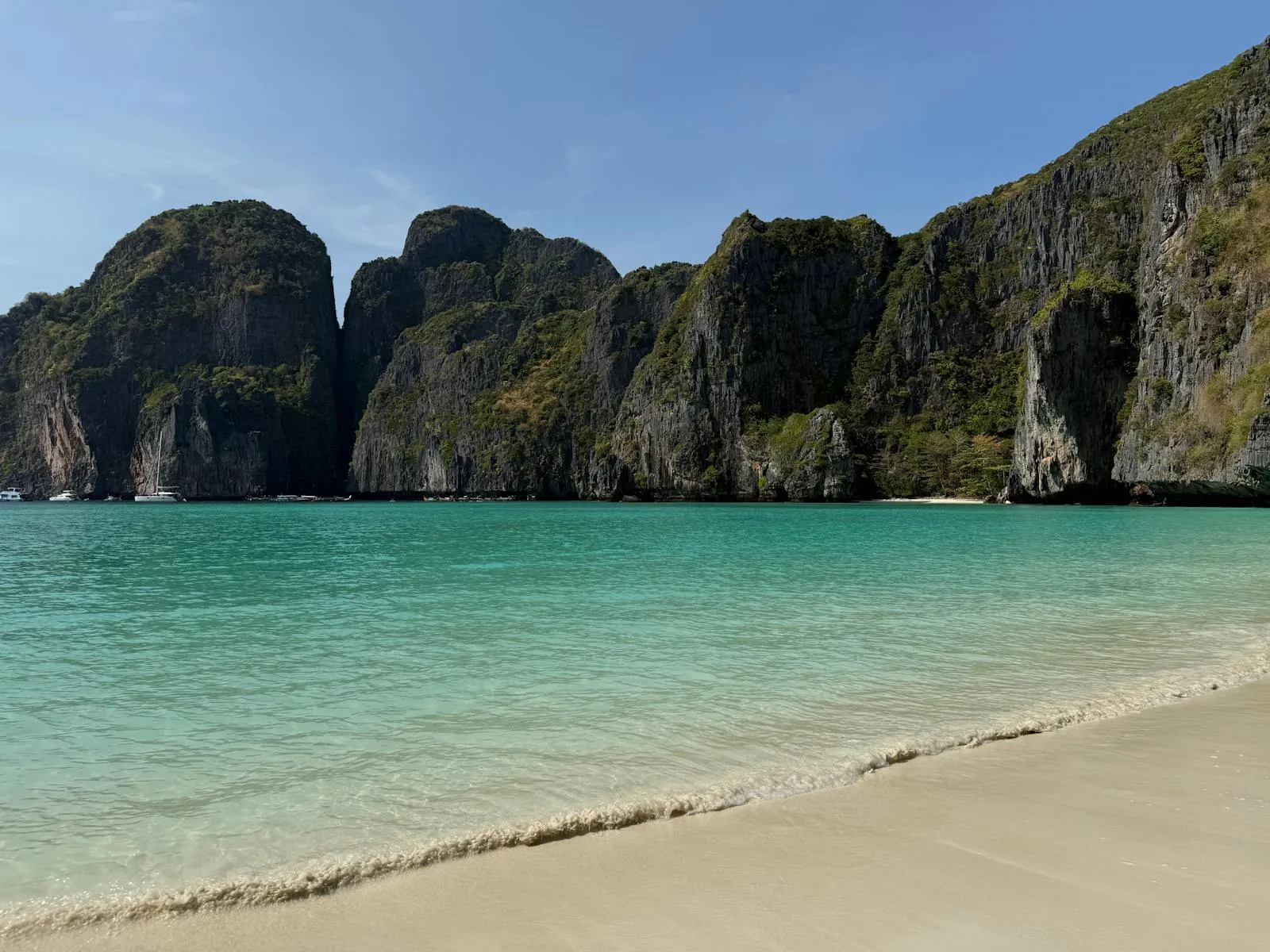
Stunning view of Maya Bay with turquoise waters and limestone cliffs in Thailand.

Three weeks on the ground, 20 nights of sleep. Arrival on day 1, departure on day 21, and 19 nights in between spread across eight bases. The shape moves north to south. Cool mountain air in Chiang Mai and Pai, ancient ruins in Sukhothai, the noise and temples of Bangkok, then a long descent into the islands of the Gulf and Andaman coast. Pacing is deliberately gentler than the two-week version. Full travel days are travel days, and the Andaman finish gives you four nights of beach time to decompress before the flight home.

📅 Best Timing

November through February (cool season). Lower humidity in Bangkok, comfortable nights in the north, and the calmest seas on both coasts. The Andaman side (Krabi, Koh Lanta) is best from late November onward once the southwest monsoon has fully cleared. If your dates land in mid-November, the lantern festival in Chiang Mai is a once-in-a-trip experience. Book accommodation months in advance. Avoid March–May (peak heat and burning season in the north) and June–October (Andaman monsoon). Total budget for two: approximately ฿40,000–70,000 (€1,050–€1,800).

Day-by-day itinerary

Day 1: Arrival in Chiang Mai

Fly in via Bangkok or direct from a regional hub. Airport taxi or Grab to a guesthouse inside the old city moat (~฿150–200 / ~€4–5). No sightseeing today. Shower, walk a few quiet lanes inside the moat, eat a bowl of khao soi at a nearby spot, and sleep early to reset.

Days 2–3: Chiang Mai

Two full days for the old city. Wat Phra Singh, Wat Chedi Luang and the Sunday Walking Street if the timing lines up. Half-day up to Doi Suthep by red songthaew (~฿50 each way / ~€1.30) for the temple and the view back over the city. Book a full-day cooking class (~฿1,000 / ~€26) and an ethical elephant sanctuary visit (~฿2,500 / ~€65). Choose a no-riding, observation-only operator.

Days 4–5: Pai

Minivan from Chiang Mai, ~3 hrs over 762 winding bends (~฿150 / ~€4). Take motion-sickness tablets the night before. Two nights in a riverside bungalow. Rent a scooter (~฿150 / ~€4 per day) for Pai Canyon at sunset, the Land Split, Mor Paeng waterfall and the hot springs. Slow mornings at the cafes along the walking street are part of the point.

Day 6: Pai → Sukhothai (travel day)

Full transit day. Minivan back to Chiang Mai (~3 hrs), then onward bus or evening flight south to Phitsanulok and local transfer into Sukhothai (~6–7 hrs total by ground, plus connection time). Arrive in New Sukhothai, eat at the night market, sleep early. No sightseeing. The day is the journey.

Day 7: Sukhothai Historical Park

Songthaew to the Old City (~฿30 / ~€0.80), rent a bicycle at the gate (~฿30 / ~€0.80) and spend the day looping the central, northern and western zones (combined ticket ~฿350 / ~€9). Wat Mahathat, Wat Si Chum’s seated Buddha and Wat Sa Si on the lake are the standouts. Start early. The ruins are exposed and the midday heat is real even in cool season.

Day 8: Sukhothai → Bangkok (travel day)

Bus from New Sukhothai to Bangkok’s Mo Chit terminal (~6–7 hrs, ~฿350 / ~€9) or fly Sukhothai–Bangkok with Bangkok Airways (~1 hr, ~฿2,500 / ~€65). Check into a hotel near the river or in Sukhumvit. Quiet evening only. A street-food walk or rooftop drink, nothing scheduled.

Days 9–10: Bangkok

Two full days. Day one for the royal core. Grand Palace and Wat Phra Kaew (฿500 / ~€13, dress code enforced), Wat Pho with the reclining Buddha, then cross the river for Wat Arun at golden hour. Day two for the modern city. Jim Thompson House, the Chatuchak weekend market if dates align, and a night walk through Yaowarat (Chinatown) for street food. Use the BTS and river ferries. Never sit in tuk-tuk traffic for long distances.

Day 11: Bangkok → Koh Tao (travel day)

Cleanest option is the Lomprayah combo. Morning flight or overnight train to Chumphon, then catamaran to Koh Tao (~2 hrs at sea). Door-to-door roughly 8–10 hrs. Arrive Sairee Beach by late afternoon, sunset on the sand, early dinner. No diving today. Let your ears settle after the flight.

Days 12–13: Koh Tao

Two days of snorkelling or fun-diving around Shark Bay, Mango Bay and Koh Nang Yuan (boat trip ~฿600 / ~€16, two-tank fun dive ~฿1,800 / ~€47). If you want the PADI Open Water certification (~฿10,000 / ~€260) you need 3–4 days here. Either add nights or skip Koh Phangan and roll straight to Khao Sok. Sunset from John-Suwan viewpoint is the standard end-of-day move.

Day 14: Koh Tao → Koh Phangan

Short morning catamaran, ~1.5 hrs (~฿400 / ~€10). Stay on the quiet northeast coast. Thong Nai Pan or Bottle Beach. Not Haad Rin unless a full moon party is the point of the trip. Afternoon swim, sunset on the west side. Than Sadet waterfall and a scooter loop fit easily into a half day.

Day 15: Koh Phangan → Khao Sok (travel day)

Ferry to Surat Thani (~2.5 hrs), then a booked combo minibus to Khao Sok (~3 hrs more). Around 6–7 hrs door to door including the transfer wait. Sleep in a riverside bungalow at the park gate. The floating raft houses on the lake are a separate overnight booked for tomorrow.

Day 16: Khao Sok, Cheow Lan Lake

Full-day or overnight tour onto Cheow Lan Lake (overnight package ~฿3,000–3,500 / ~€78–91). Longtail boat through the limestone karsts, jungle trek to a viewpoint or cave, kayaking among the cliffs, sleep in a floating bungalow. If you only have the day, the half-day version still includes the boat and a short hike. Either way, this is the most cinematic landscape of the trip.

Day 17: Khao Sok → Krabi / Railay

Minibus south to Krabi town or Ao Nang (~3 hrs, ~฿250 / ~€6.50), then longtail from Ao Nang to Railay (~15 min, ~฿100 / ~€2.60). Settle in, evening walk across the isthmus to Phra Nang Cave Beach for sunset against the karst walls. Travel day with a soft landing. No major activity scheduled.

Days 18–19: Krabi & Railay

Two full days from a Railay or Ao Nang base. The Four Islands longtail tour (~฿400–800 / ~€10–21) covers Poda, Chicken and Tup with the sandbar walk between them. Half-day rock climbing for beginners on Railay’s limestone (~฿1,000 / ~€26 with gear and guide). Inland, Tiger Cave Temple is 1,237 steps to a 360° view. Go at dawn before the heat.

Day 20: Krabi → Koh Lanta

Ferry from Krabi or Ao Nang to Koh Lanta (~1.5–2 hrs, ~฿400 / ~€10) or a shorter minivan-and-bridge transfer in cool season. Pick a quiet beach on the west coast. Klong Khong or further south toward Kantiang. Half-day at Mu Ko Lanta National Park at the southern tip for the lighthouse trail and beach, evening at Lanta Old Town on the east coast for seafood on stilts over the water.

Day 21: Departure

Morning ferry or minivan back toward Krabi airport (~2–2.5 hrs total). Leave a generous buffer. Ferries can be delayed in shoulder weather. Fly out via Bangkok or a regional hub. No new sights today.

The route runs equally well in reverse. Start in Krabi and finish with the cool nights of Pai. If that suits your inbound flight better. The only direction-sensitive piece is the lantern festival in Chiang Mai. If your dates fall in mid-November, anchor Chiang Mai to those dates and let everything else flex around it. If three weeks feels long, the cleanest cuts are Sukhothai (saves 2 days) or Koh Phangan (saves 1 day and one ferry leg). Both trim without breaking the arc of the trip.

Route C: Gulf Coast & North (Green Season)

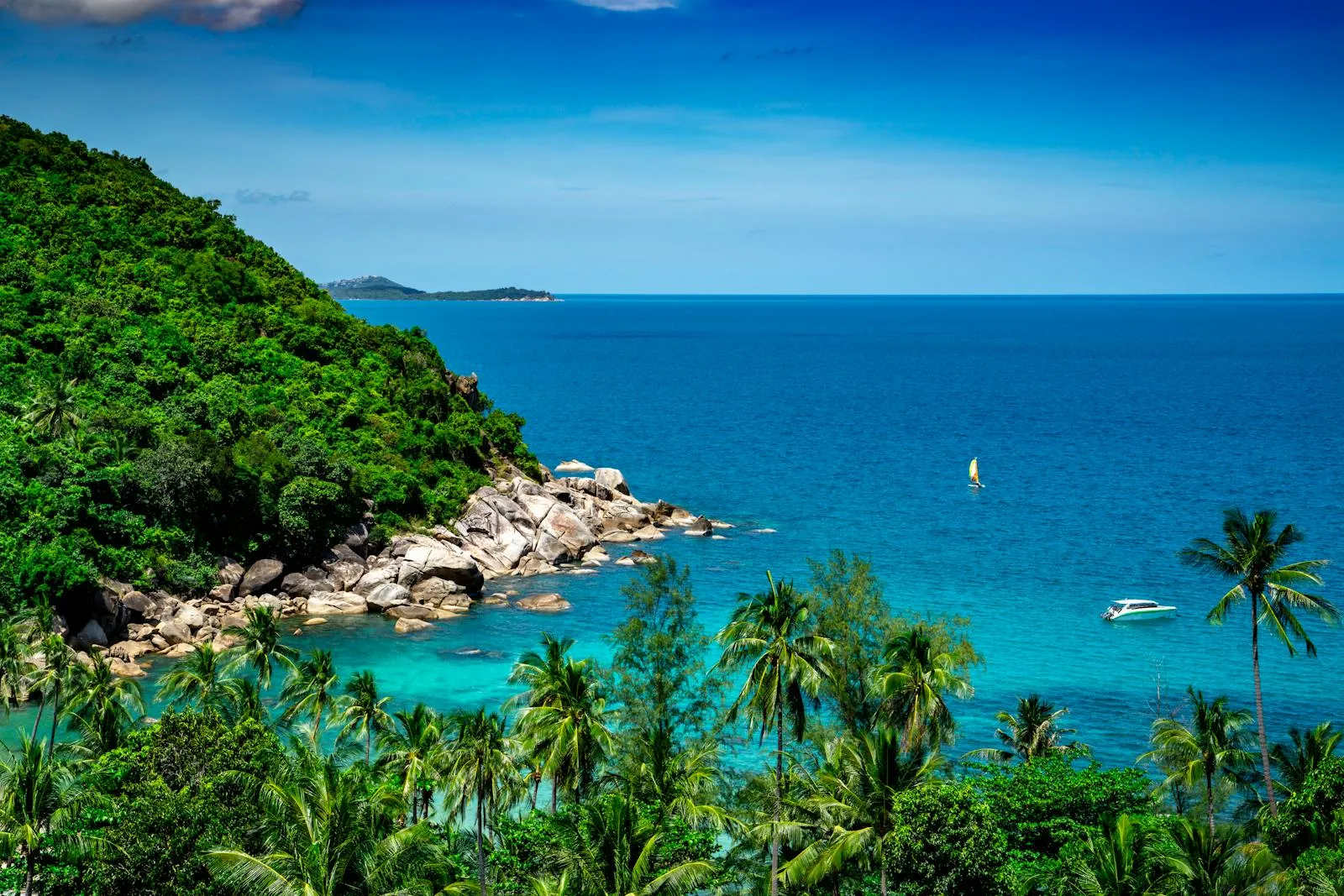
Breathtaking view of Koh Samui's tropical coastline with lush greenery and azure sea.

This route is designed for May–October travellers who need to work around the southwest monsoon. The Andaman coast is out. Rougher seas, some closed islands, cancelled boat days. But the Gulf coast stays largely dry until late September, and the north's green season delivers lush landscapes, waterfalls at full power, and 30–50% lower prices. Fourteen days on the ground. Arrival on Day 1, departure on Day 14, with 13 nights of sleep in between. Pacing is gentle, altitude is irrelevant, and most legs use either a short domestic flight or a single ferry. The whale shark window at Sail Rock peaks in May and August, which is the headline reason to come.

📅 Best Timing

May–September (green season). Expect afternoon rain showers but sunny mornings. Prices are 30–50% lower than cool season. Gulf islands are at their best from May through August. Avoid September (wettest month nationwide). Total budget for two: approximately ฿20,000–40,000 (€550–€1,000) for 2 weeks.

Day-by-day itinerary

Day 1: Arrival in Bangkok

Land at Suvarnabhumi (BKK) or Don Mueang (DMK). Airport Rail Link or a metered taxi into town. Budget ฿300–500 by Grab to a central base in Sukhumvit, Silom, or near the river. No sightseeing today. Shower off the flight, take a slow walk to the nearest food street, eat something simple, sleep early. The temples will still be there tomorrow.

Days 2–3: Bangkok

Two full days in the capital. Morning temple runs before the afternoon downpour. Grand Palace and Wat Pho on one day, Wat Arun and a longtail boat through the Thonburi khlongs on the other. Jim Thompson House, Chatuchak Weekend Market if a Saturday or Sunday falls here, Yaowarat (Chinatown) for street food after dark. Use the BTS Skytrain and river boats to skip the traffic. Bangkok's indoor attractions (temples, museums, malls, cooking classes) are perfectly suited to green-season weather.

Day 4: Bangkok → Koh Tao

Travel day. Two realistic options. Short flight Bangkok → Chumphon (~1 hr, ฿1,500–2,500) then Lomprayah catamaran to Koh Tao (~1.5 hrs, ฿600–800), or overnight sleeper train Bangkok → Chumphon (~8 hrs, ฿600–1,200) the previous evening with the ferry connection in the morning. Arrive Koh Tao by early afternoon, settle into Sairee or Mae Haad, swim, eat, watch the sunset. No diving today. Tomorrow.

Days 5–6: Koh Tao

Two full days of diving or snorkelling. The Gulf's clearest visibility window runs March–September. Water sits at 29–30°C and a 3mm shorty is plenty. Sail Rock between Koh Tao and Koh Phangan is the headline site. Whale sharks peak in May and August. PADI Open Water courses take 3–4 days, so this slot fits a fun-dive package rather than a full certification (extend by 2 days if you want the licence). Shark Bay for blacktip reef sharks, Tanote Bay for cliff jumping, Sairee strip for sunset and the evening fire shows.
Days 7–8: Koh Phangan

Short ferry Koh Tao → Koh Phangan (~1.5 hrs, ฿400–600). Quieter and greener than Koh Tao, and at its lushest right now. Base on the north or east coast. Thong Nai Pan, Bottle Beach, or Haad Yuan. Not Haad Rin unless your trip happens to land on a full moon. Rent a scooter (carefully, the interior roads are steep and sketchy), find Than Sadet waterfall, Phaeng waterfall and viewpoint, the Secret Beach on the west coast. Day-boat option back out to Sail Rock if the whale shark forecast is hot.

Day 9: Koh Phangan → Chiang Mai

Long travel day, plan it as one. Ferry Koh Phangan → Koh Samui (~30 min, ฿300) or direct to Surat Thani, then domestic flight to Chiang Mai (~1.5 hrs via Bangkok connection, ฿2,500–4,500 booked ahead). Total door-to-door 8–10 hours including connection time. Arrive Chiang Mai late afternoon, eat at the Night Bazaar or Chang Phuak gate, sleep. No activities scheduled.

Days 10–11: Chiang Mai (Green Season)

Two days in the old city. Green-season Chiang Mai is lush, quiet, and roughly half the price of high season. The surrounding waterfalls are at full power. Bua Tong sticky waterfall (you can literally walk up it) and the Mae Sa cascades are both worth a half-day. Old-city temples Wat Chedi Luang and Wat Phra Singh, Doi Suthep at sunset, a half-day cooking class, the Sunday Walking Street if your weekend lands here. Rain typically falls between 2pm and 5pm, leaving mornings and evenings clear. Plan outdoor activities for the morning.

Day 12: Chiang Mai → Pai

Minivan Chiang Mai → Pai (~3 hrs, ฿150). Route 1095 is 762 hairpin turns through mountain jungle. Take motion sickness tablets the morning of travel if you are prone. Arrive Pai by lunchtime, check into a bamboo bungalow in the valley, rent a scooter, do the easy circuit. Memorial Bridge, Pai Canyon at golden hour, hot springs in the evening. Pai in green season is the valley at its greenest. Rice paddies in July and August are surreal.

Day 13: Pai → Chiang Mai

Optional early start for the Ban Jabo “sea of clouds” viewpoint (sunrise mist over the valley, worth the alarm if the forecast is clear). Otherwise a relaxed morning. Pam Bok waterfall, Mor Paeng waterfall, breakfast at a riverside cafe. Minivan back to Chiang Mai in the afternoon (~3 hrs). Final night near the airport. You do not want a 762-turn road between you and an international flight.

Day 14: Departure

Fly out of Chiang Mai International (CNX). Most long-haul home routings connect through Bangkok, Singapore, or the Gulf. Allow 3+ hours for the domestic-to-international transfer if your itinerary routes via BKK or DMK. Songthaew or Grab to the airport is ฿150–250 from the old city.

Reverse direction (north first, Gulf second) works equally well and is slightly gentler on jet lag. Arrive into Chiang Mai via a Bangkok connection, do the cool highlands while you are still ragged, then drop south for the islands once you have your sea legs. Two flags to watch. September is the wettest month nationwide and the only one where even the Gulf can have multi-day washouts. If your window is flexible, aim for May–August. And if whale sharks are the headline draw, time the Koh Tao leg to overlap with May or late August for the best statistical odds at Sail Rock.

💰 Green Season Budget Advantage

The same trip that costs €1,100 in December can cost €630 in June. Accommodation drops 30–50%, domestic flights are cheaper, dive courses include more freebies (extra dives, better rooms), and popular restaurants have no queues. The only real trade-off is afternoon rain and Andaman coast access. If you are on a tight budget, green season is the smart play.

Getting Around

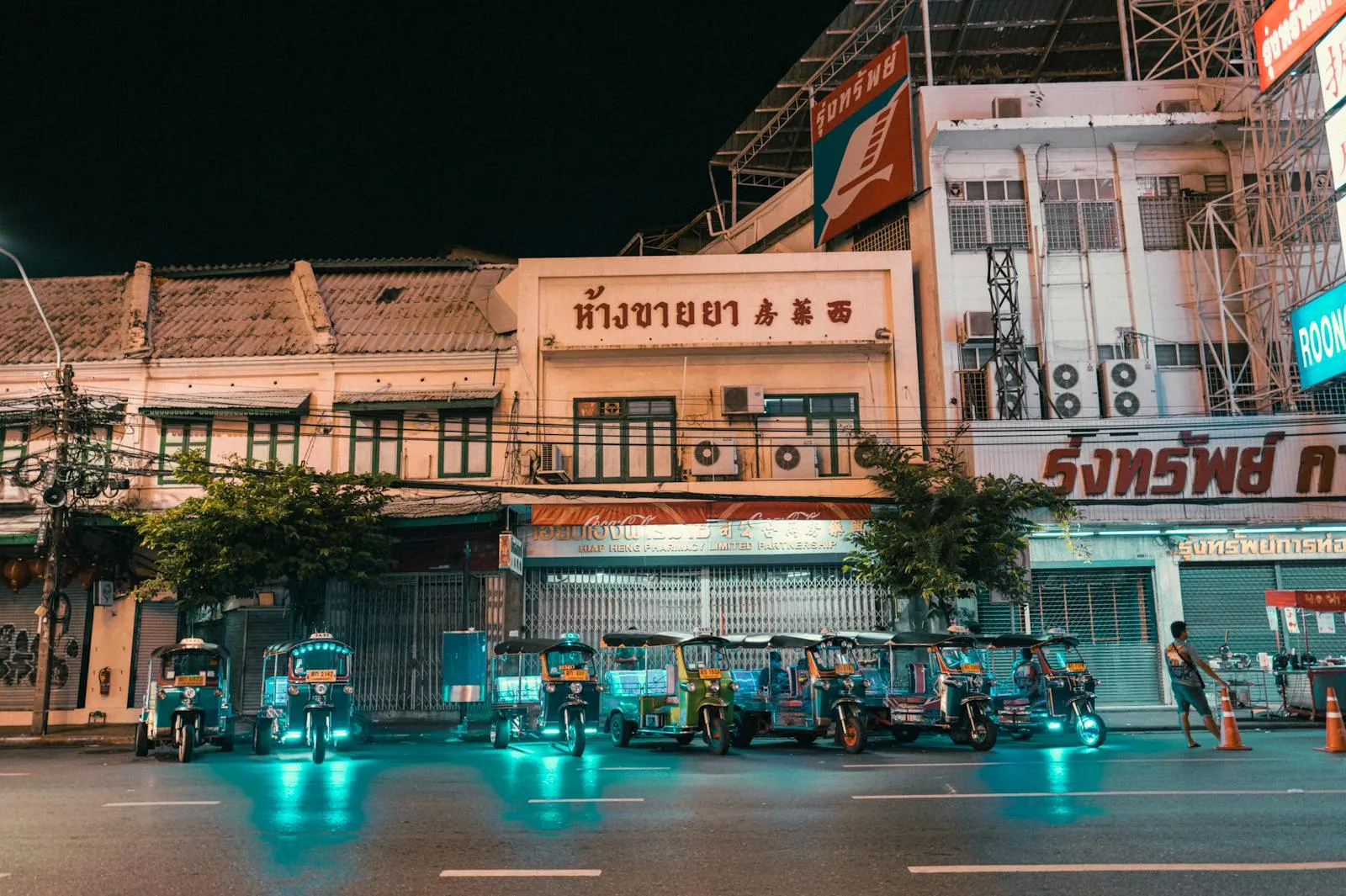
Vibrant night scene featuring electric tuk-tuks parked in front of lit-up city buildings.

🚗 Grab

Ride-hailing and food delivery. Works in all cities.

🚆 12go.asia

Book buses, trains, ferries, and flights in one place. Reliable for advance bookings and route comparisons.

🚅 Google Maps

Surprisingly accurate for Thai public transport, including songthaew routes in Chiang Mai and BTS/MRT connections in

🚇 Lomprayah / Seatran

Ferry operators' apps for Gulf island bookings. Lomprayah has the fastest catamarans.

Thailand has the best transport infrastructure in mainland Southeast Asia. A network of budget airlines, comfortable buses, overnight trains, ferries, and ubiquitous songthaews (shared pickup trucks) connects every corner of the country. The challenge is not finding transport. It's choosing the right mode for each leg.

Domestic Flights

Budget airlines make flying absurdly cheap for long-haul legs. Bangkok to Chiang Mai or Krabi can cost as little as ฿800–1,500 (€20–43) if booked 2–4 weeks ahead. Main carriers are AirAsia, Nok Air, Thai Lion Air, Thai VietJet. Most fly from Don Mueang Airport (DMK), though Thai VietJet and some THAI flights use Suvarnabhumi (BKK). Always check which Bangkok airport. They're 40km apart.

Trains

Thailand's rail network is slow but atmospheric. The overnight sleeper from Bangkok to Chiang Mai is a classic experience. Fold-down berths, gentle rattle, and breakfast at dawn as the train rolls through misty northern countryside. Book 2nd-class sleeper (฿800–1,400) for best value. Air-conditioned, clean sheets, proper mattress.

Route Mode Duration Cost Notes
Bangkok → Chiang MaiSleeper train12–13h (overnight)฿800–1,400Book via 12go.asia or at Krung Thep Aphiwat (Bang Sue Grand) station
Bangkok → Chiang MaiFlight1h 15min฿800–2,500Budget airlines from Don Mueang
Bangkok → KrabiFlight1h 30min฿1,000–3,000Fastest option to Andaman coast
Bangkok → Surat ThaniSleeper train9–11h฿600–1,200Gateway to Koh Samui/Koh Phangan/Koh Tao
Bangkok → KanchanaburiTrain3h฿100Thonburi station departure
Bangkok → AyutthayaTrain1.5–2h฿15–3453rd class is ฿15; frequent departures
Chiang Mai → PaiMinivan3h฿150762 hairpin turns; take motion sickness pills
Chumphon → Koh TaoCatamaran1.5–2h฿600–800Lomprayah is the best operator
Surat Thani → Koh SamuiFerry1.5–2.5h฿250–450Night ferry available (cheaper, takes longer)
Krabi → Koh LantaFerry/minivan1–2h฿300–500Two car ferries cross short channels
Krabi → Koh Phi PhiFerry1.5h฿450–600Multiple daily departures

Buses & Minivans

Long-distance buses are comfortable and cheap. VIP buses have reclining seats, air conditioning, blankets, and onboard snacks. Book through bus stations, guesthouses, or 12go.asia. Minivans are faster but more cramped and aggressive drivers are a genuine safety concern. Opt for the bus when time difference is marginal.

Local Transport

Mode Where Cost Tips
BTS Skytrain / MRTBangkok฿16–62Fast, air-conditioned, covers central Bangkok. Use Rabbit card for convenience.
Songthaew (red truck)Chiang Mai, cities฿30–60Shared pickup trucks running semi-fixed routes. Wave to flag down, press buzzer to stop.
Tuk-tukEverywhere฿60–200Always negotiate before getting in. In Bangkok, Grab is almost always cheaper.
Grab (ride-hailing)CitiesApp-quoted fareThailand's Uber equivalent. Reliable, upfront pricing, no scams. Essential in Bangkok.
Scooter rentalIslands, Pai, small towns฿150–300/dayInternational driving permit technically required. Wear a helmet. Police checkpoints and road accidents are common.
Longtail boatIslands, rivers฿100–500Iconic Thai transport. Negotiate for charter or wait for shared boats.
⚠️ Scooter Safety

Thailand has one of the highest road fatality rates in the world, and motorbike accidents are the number-one cause of tourist injury and death. If you rent a scooter, always wear a helmet (฿200–500 fine without one, plus it saves your life), never ride after drinking, drive on the left side of the road, and be extremely cautious on island roads which are often unpaved, sandy, or steep. Check your travel insurance specifically covers motorbike accidents. Many basic policies exclude them unless you hold a valid licence.

📱 Essential Transport Apps
  • Grab: Ride-hailing and food delivery. Works in all cities. Cheaper and safer than tuk-tuks in Bangkok.
  • 12go.asia: Book buses, trains, ferries, and flights in one place. Reliable for advance bookings and route comparisons.
  • Google Maps: Surprisingly accurate for Thai public transport, including songthaew routes in Chiang Mai and BTS/MRT connections in Bangkok.
  • Lomprayah / Seatran: Ferry operators' apps for Gulf island bookings. Lomprayah has the fastest catamarans.

Budget Breakdown

Elderly woman cooking traditional Thai dishes at a bustling Bangkok street market.

Thailand is famously affordable, but costs vary dramatically by region and season. Bangkok and the islands are most expensive; the north and northeast are cheapest. A couple on a low-to-medium budget can live well on €35–70 per day in the north and €55–100 per day on the islands. The sweet spot for comfort without extravagance is around €45–70 per day as a couple.

Daily Budget by Region (Couple)

Region Budget (/day, 2 ppl) Comfortable (/day) Splurge (/day)
Chiang Mai & North฿1,000 (€25)฿1,800 (€45)฿3,500 (€90)
Bangkok฿1,400 (€35)฿2,500 (€65)฿5,000+ (€130)
Andaman Islands฿1,800 (€45)฿3,000 (€75)฿5,000+ (€130)
Gulf Islands฿1,500 (€40)฿2,800 (€70)฿4,500 (€120)
Isan (northeast)฿800 (€20)฿1,500 (€40)฿2,500 (€65)

Detailed Cost Breakdown

Category Budget Option Mid-Range Notes
Dorm bed฿200–400N/APer person. Air-con costs ฿50–100 more than fan.
Private room (double)฿400–800฿800–1,500Guesthouses/hostels vs. boutique hotels
Airbnb / apartment฿600–1,000฿1,000–2,000Better value for 3+ nights in one place
Street food meal฿40–80N/APer person per dish
Restaurant meal฿100–200฿200–500Per person. Western food costs 2–3x Thai food.
Beer (draft/bottle)฿60–90฿90–150Chang, Leo, Singha. Craft beer ฿150–250.
Coffee (iced)฿35–50฿80–150Street vs. café. Thai iced coffee is excellent.
Water (1.5L)฿10–15N/AFrom 7-Eleven. Refill stations even cheaper.
Grab (Bangkok, 5km)฿50–100N/ACheaper than tuk-tuks
Scooter rental฿150–300/dayN/AEssential on islands, optional in cities
SIM card (30 days)฿299–599N/AAIS or DTAC tourist SIM with unlimited data
Laundry฿30–60/kgN/ASame-day service available everywhere

Money-Saving Tips

🍴 Eat Thai

Western food costs 2–3x more and is almost always worse. Street stall pad thai (฿50) beats a tourist burger (฿180) every time

🍺 Drink Local

Chang and Leo from 7-Eleven (฿35–50) are perfectly good. Import beer and cocktails can triple your bar bill

🚗 Skip Tuk-Tuks

In Bangkok, Grab is almost always cheaper and faster. In Chiang Mai, songthaews cost ฿30 for anywhere in the city

📅 Book Transport Early

Flights and popular routes (Bangkok–Chiang Mai sleeper) are cheapest 2–4 weeks ahead

🏠 Stay Put

Moving daily burns money on transport and accommodation. 3+ nights gets you negotiated discounts and less stress

🌿 Green Season

May–October saves 30–50% on accommodation across the board. Mornings are usually dry

💳 ATMs & Money

The local currency is the Thai Baht (THB). Thai ATMs charge ฿220 (€5.30) per withdrawal for foreign cards. One of the highest ATM fees in the world. Minimise withdrawals by taking out ฿10,000–20,000 at a time. Aeon ATMs (in malls) reportedly charge no fee, but availability is limited. Credit cards are accepted at hotels, large restaurants, and shops, but street food, markets, and small guesthouses are cash-only. Notify your bank before travelling to avoid card blocks.

Practical Information

Beautiful Thai temple with traditional architecture amidst lush greenery on a sunny day.

💳 Visas

60 days on arrival (expanded from the previous 30-day limit). Free.

🏥 Health

Recommended: Hepatitis A & B, Typhoid, Tetanus. Consider: Japanese Encephalitis (if rural areas in rainy season), Rabies (if trekking/animal contact).

💶 Money

Thai Baht (THB). ATMs everywhere but charge 220 THB fee. Cards accepted in cities. Cash for markets/taxis

📶 SIM & WiFi

AIS, DTAC, and TrueMove sell tourist SIMs at airports and 7-Elevens. 30-day unlimited data packages cost ฿299–599.

🔌 Electricity

220V, 50Hz. Types A, B, and C outlets are common.

🛒 Safety

Generally safe. Scams targeting tourists are the main risk. Beware tuk-tuk/gem shop scams in Bangkok

Visa & Entry Requirements

ItemDetails
Visa exemption (most Western passports)60 days on arrival (expanded from the previous 30-day limit). Free. No pre-arrangement needed.
Extension+30 days at any Immigration Office. Cost ฿1,900. Bring passport photo, copy of passport, and the form (available on-site). Total possible stay: 90 days.
TDAC (Thailand Digital Arrival Card)Mandatory electronic arrival form. Complete at tdac.immigration.go.th within 3 days before arrival. Replaces the old paper TM.6 card.
Proof of onward travelTechnically required but rarely checked at airports. Land borders may ask. Have a flight booking or bus ticket ready.
Proof of fundsOfficially ฿20,000 per person or ฿40,000 per family. Very rarely checked but carry a bank statement just in case.
Passport validityMust be valid for at least 6 months from entry date.
⚠️ Overstay Penalties

Overstaying your visa in Thailand is taken seriously. The fine is ฿500 per day (max ฿20,000), but overstays exceeding 90 days trigger entry bans. 1 year for 90+ days, 3 years for 1+ year overstay. Immigration officers are strict at airports. If you are approaching your visa limit, get the 30-day extension at any Immigration Office. It takes 1–2 hours and costs only ฿1,900.

Health & Safety

TopicDetails
VaccinationsRecommended: Hepatitis A & B, Typhoid, Tetanus. Consider: Japanese Encephalitis (if rural areas in rainy season), Rabies (if trekking/animal contact). Consult a travel clinic 6–8 weeks before departure.
MalariaLow risk in tourist areas. Higher risk along Myanmar/Cambodia borders and in deep jungle. Prophylaxis not routinely recommended for standard tourist routes. Use DEET repellent at dusk.
Dengue feverPresent year-round, peaks in rainy season. No vaccine widely available for travellers. Prevent with mosquito repellent (DEET 30%+), long sleeves at dawn/dusk, and sleeping in rooms with screens or air-conditioning.
Tap waterNot safe to drink. Bottled water is ฿7–15 everywhere. Ice in tourist restaurants is machine-made and safe. Be cautious in very remote areas.
PharmaciesExtremely well-stocked. Many medications that require prescriptions in Europe (antibiotics, anti-inflammatories) are available over the counter. Boots and Watsons are reliable chains.
HospitalsBangkok has world-class private hospitals (Bumrungrad, BNH) used for medical tourism. Chiang Mai's Ram Hospital is excellent. On islands, facilities are basic. Serious injuries require evacuation to the mainland.
Travel insuranceEssential. Ensure it covers: motorbike accidents (most policies require a valid motorcycle licence), emergency evacuation from islands, water sports, and medical repatriation. SafetyWing and World Nomads are popular with backpackers.

Connectivity

ItemDetails
SIM cardsAIS, DTAC, and TrueMove sell tourist SIMs at airports and 7-Elevens. 30-day unlimited data packages cost ฿299–599. AIS has the best rural coverage. Bring your passport for registration (mandatory).
Wi-FiExcellent in cities and tourist areas. Most hostels, cafés, and restaurants offer free Wi-Fi. Speed is generally 20–50 Mbps in cities, slower on remote islands.
VPNNot essential but useful for accessing region-locked content. No significant internet censorship beyond some gambling and lèse-majesté sites.
Power220V, 50Hz. Types A, B, and C outlets are common. European 2-pin plugs (Type C) usually fit. A universal adapter is the safest bet.

Safety

  • Scams: Thailand's most common scams target tourists in Bangkok. The "Grand Palace is closed today" gem shop scam, tuk-tuk "tour" diversions to tailors/jewellery shops, and jet-ski damage extortion on Phuket are well-documented. If someone approaches unsolicited with a deal, walk away
  • Theft: Petty theft is relatively rare but bag snatching from motorbikes occurs in tourist areas. Carry bags on the building side of pavements. Use hostel lockers for valuables
  • Drugs: Thailand has severe drug penalties including death penalty for trafficking. Possession of even small amounts of cannabis (despite recent decriminalisation changes) or other substances can result in imprisonment. Police checkpoints and random searches happen. Don't carry drugs
  • Police: Tourist police (dial 1155) are generally helpful and speak English. Regular police can be unpredictable. If asked to pay an on-the-spot fine, ask for a receipt. Legitimate fines always come with paperwork
  • Deep south: Pattani, Yala, and Narathiwat provinces near the Malaysian border have an ongoing insurgency. Most governments advise against travel there. This doesn't affect any standard tourist routes
🔐 Embassy & Emergency Contacts
  • Tourist Police: 1155 (24/7, English-speaking)
  • Emergency: 191 (police), 1669 (ambulance)
  • Fire: 199

Tips & Common Mistakes

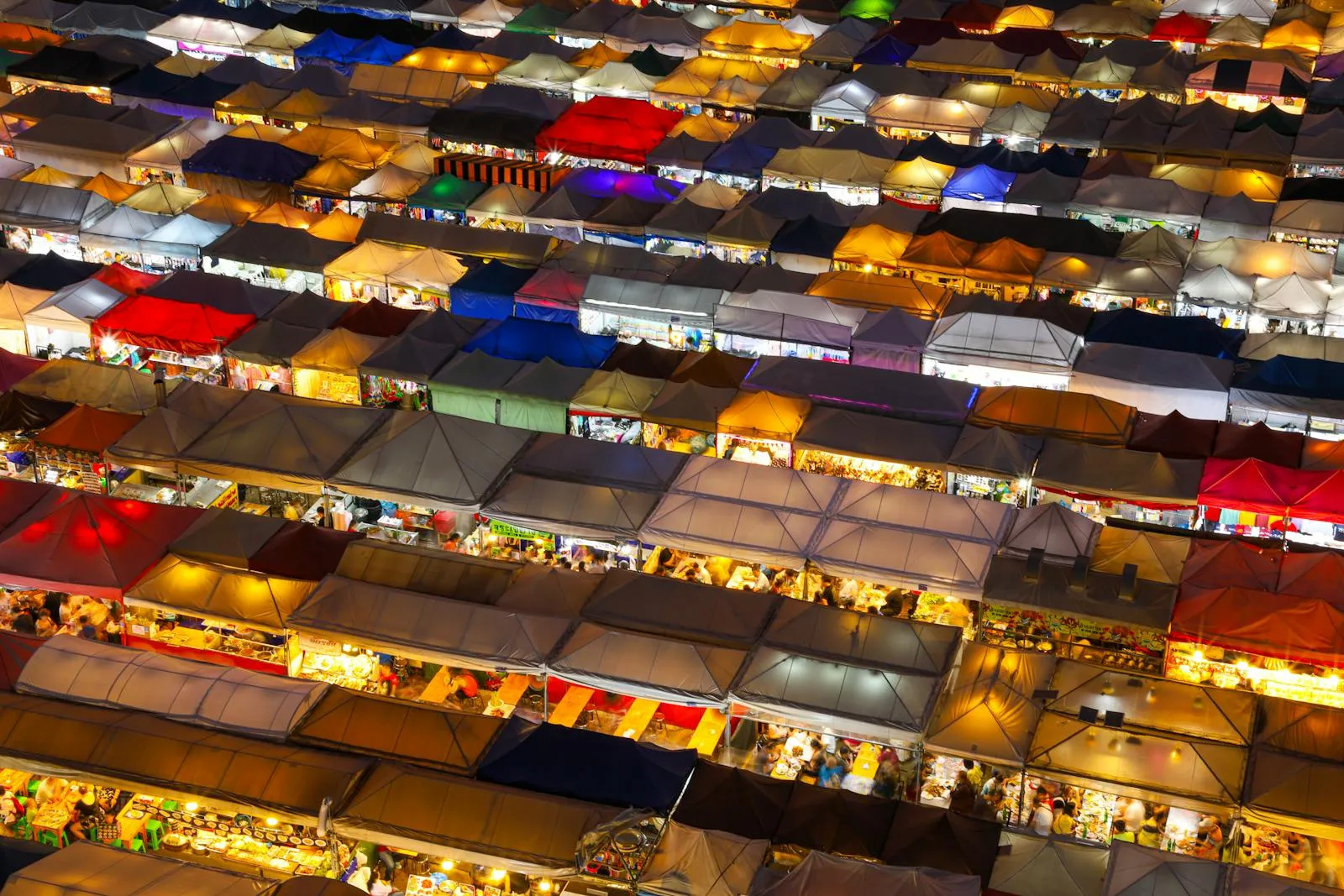
Colorful aerial shot of a bustling night market in Bangkok, Thailand, showcasing vibrant stalls.

Thailand is easy to travel in, but a few avoidable mistakes can cost you money, time, or worse. Here are the lessons experienced Thailand travellers wish they'd known on their first visit.

Top Tips

  • Learn the dual-pricing reality: Foreigners pay more at national parks, some temples, and occasionally at markets. It's a system, not a scam. Accept it gracefully and budget accordingly
  • Eat where locals eat: The best food is never in places with English menus and photos. Follow the Thai lunch crowd to stalls that cook one dish all day. If a place has plastic chairs and a queue of Thais, sit down
  • Book the sleeper train early: The Bangkok–Chiang Mai overnight sleeper sells out days ahead during peak season. Book via 12go.asia or at the station 1–2 weeks ahead. Lower berths have windows and more space; upper berths are cheaper and slightly more private
  • Carry toilet paper: Thai bathrooms use a bum gun (water spray) instead of toilet paper. Tourist hotels provide paper, but street food restaurants, bus stations, and temples often don't. Keep a small pack in your day bag
  • Use 7-Eleven strategically: Thailand's 13,000+ 7-Elevens are air-conditioned oases selling cheap water (฿7), toasted sandwiches (฿35), SIM top-ups, and cash withdrawal. They accept credit cards for purchases over ฿300
  • Download offline Google Maps: Cell coverage drops on some islands and in northern mountains. Download the Thailand map for offline navigation before you lose signal
  • Respect the King: Never make negative comments about the monarchy in any context, including social media. Lèse-majesté is a criminal offence with real prison sentences
  • Get the visa extension early: Don't wait until the last day. Immigration offices can be busy, and the process takes 1–3 hours. The Chiang Mai office is typically less crowded than Bangkok

Common Mistakes

MistakeWhy It HappensThe Fix
Visiting the Andaman in rainy seasonNot understanding the two-monsoon systemMay–Oct, Gulf coast. Nov–Apr, Andaman coast. Simple.
Trusting tuk-tuk "advice"Drivers earn commissions from gem shops and tailorsNever accept a ฿20 tuk-tuk ride anywhere. It always ends at a shop. Use Grab.
No motorbike insuranceAssuming travel insurance covers everythingCheck your policy's motorbike clause. Many exclude scooters unless you hold a valid motorcycle licence.
Packing too muchWorrying about "having everything"Thailand sells everything you need cheaply. Pack light, buy what you forget.
Only eating pad thaiComfort-zone diningTry khao soi, som tum, pad kra pao, boat noodles, and mango sticky rice. Each is better than pad thai.
Skipping SukhothaiAssuming Ayutthaya is enoughSukhothai is more atmospheric, less crowded, and better preserved. Add 1–2 days.
Not bargaining at marketsFeeling uncomfortable negotiatingVendors expect it. Start at 50–60% and meet in the middle. Smile throughout. Walk away if the price doesn't work. You'll often be called back.
Booking full-day island toursWanting to see "everything"Multi-island speedboat tours are exhausting, rushed, and crowded. Pick one island and spend the day there instead.
Ignoring sunscreenUnderestimating tropical UVYou will burn in 20 minutes on a Thai beach. Apply SPF 50+ every 2 hours. Reef-safe is now required at some marine parks.
💡 The Golden Rule of Thai Travel

"Mai pen rai." Never mind, no worries, it's all good. This phrase encapsulates the Thai approach to life and should become your travel mantra. Missed the bus? Mai pen rai, another one comes. Got the wrong dish? Mai pen rai, it's probably delicious. Lost your way? Mai pen rai, ask someone and they will walk you there. Thailand rewards patience, flexibility, and a genuine smile more than any amount of planning.

Final Recommendation

Grand Palace Bangkok with ornate golden spires and rooftops

Thailand is the country that taught the world how to backpack. It has spent decades refining the art of welcoming travellers on every budget, and it shows in every detail. The hostel owner who draws you a hand-drawn map, the street vendor who remembers your spice preference, the dive instructor who stays an extra hour because you were nervous on your first descent. There's a reason Southeast Asia's most visited country is also its most beloved. Thailand earns that affection every single day.

For your trip, Thailand should be a cornerstone destination. The combination of world-class food, stunning natural beauty, excellent infrastructure, and genuine cultural depth makes it irreplaceable in any Southeast Asia itinerary. Whether you spend two weeks or two months, the country rewards you proportionally. Even veteran travellers find something new on every return.

Our Recommended Plan

🌟 The Ideal Thailand Window
  • When: Arrive mid-November for Yi Peng lantern festival, depart early to mid-December, or stay longer for the full 2–3 week route.
  • Duration: 2–3 weeks (Route A or B)
  • Route: Chiang Mai (3–4 days with Yi Peng) → Pai (2 days) → Bangkok (2–3 days) → Koh Tao for diving (3–4 days) → Andaman coast (Krabi/Railay/Koh Lanta, 4–5 days)
  • Budget: €720–1,400 for two people for 2–3 weeks
  • Entry/exit: Fly into Chiang Mai. Exit overland to Malaysia from the south, or fly out of Krabi/Phuket to your next country.

Priority Ranking

PriorityExperienceWhy It's Essential
Must DoYi Peng lantern festival, Chiang MaiOnce-a-year spectacle. Time your entire Thailand visit around this.
Must DoThai street food immersionThe best food experience in Southeast Asia, bar none.
Must DoAndaman coast island (any)Limestone karsts, turquoise water, world-class snorkelling.
HighPADI certification, Koh TaoCheapest in the world. Opens up diving at every future destination.
HighEthical elephant sanctuaryMeaningful wildlife encounter done right.
HighBangkok temple trinityGrand Palace + Wat Pho + Wat Arun = Thailand's cultural core.
MediumKhao Sok floating bungalowsSurreal overnight in ancient rainforest.
MediumSukhothai ruins by bicycleMore atmospheric than Ayutthaya. Worth the detour.
MediumThai cooking classSkills you take home and use forever.
If TimeMae Hong Son LoopEpic motorcycle adventure through the mountains. 3–5 days.
If TimeSimilan Islands divingTop-tier dive sites, but requires additional travel to Khao Lak.

Thailand is not perfect. The over-tourism on some islands is real, the scams exist, and the heat can be brutal. But no country in Southeast Asia delivers a higher quality-to-cost ratio, and no country makes first-time visitors feel as instantly comfortable and welcome. The Land of Smiles has earned its name, and you'll understand why the moment your first street food vendor hands you a steaming bowl of tom yum and says "aroi, na?" Delicious, right? Yes. Yes, it is.

🙋 Safe Travels

Thailand is the beating heart of Southeast Asia travel. It is the country where backpackers find their rhythm, where couples fall in love (again), and where the food alone justifies the flight. Come for the beaches, stay for the culture, and leave with a Ziploc bag full of cooking class recipes and a phone full of photos you will actually want to look at years from now. Sawadee khrap. Welcome to the Land of Smiles.