Philippines Travel Guide

7,641 islands of turquoise lagoons, jungle-clad mountains, and the warmest hospitality in Southeast Asia — your complete handbook for exploring the Pearl of the Orient Seas

🇵🇭 Philippines Couple Travel Low-Medium Budget 25 Sections

Overview & Why Visit the Philippines

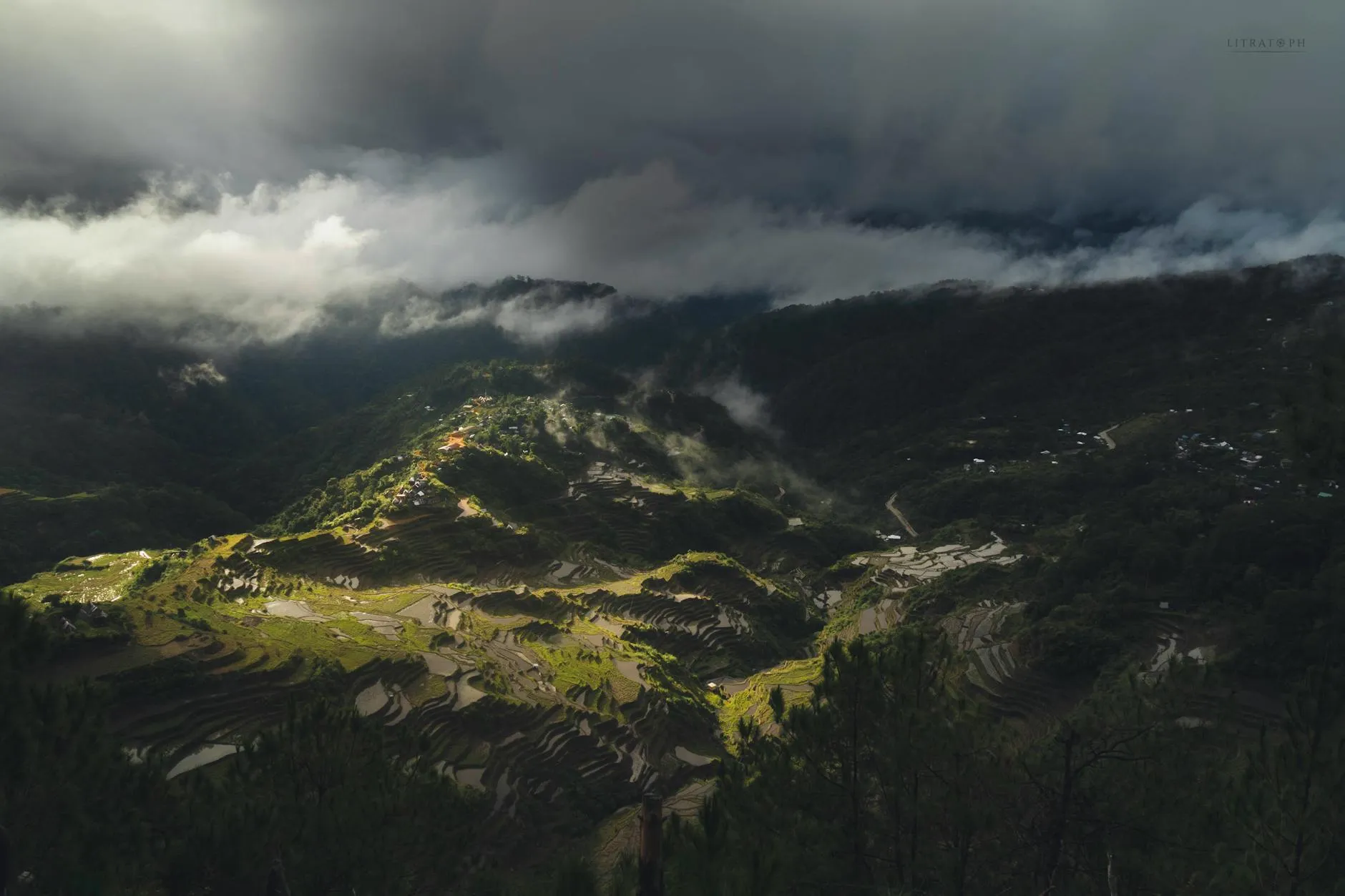
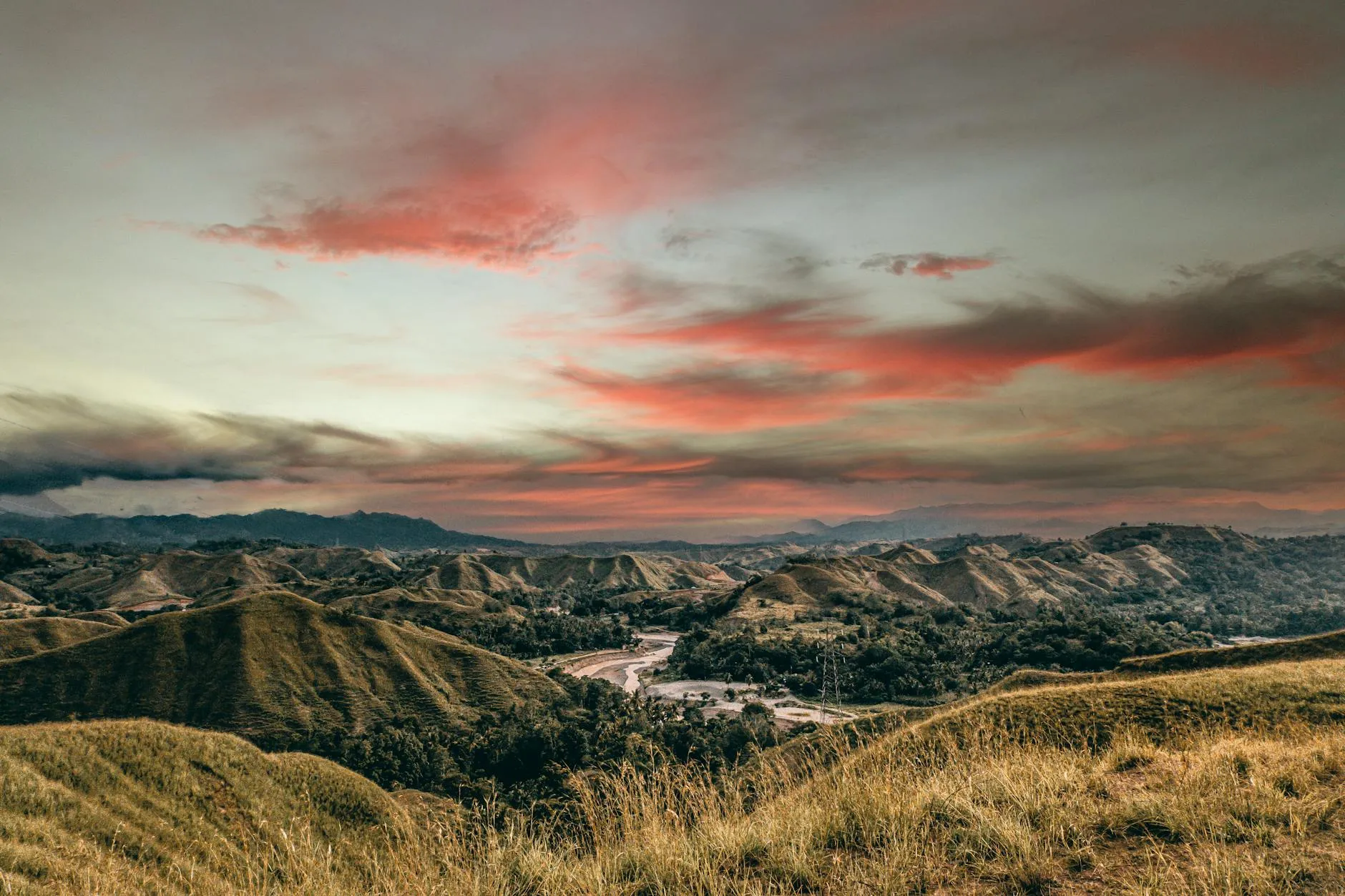
A stunning view of the rolling hills in the Philippines during sunset with a moody sky.

The Philippines is an archipelago of 7,641 islands scattered across the western Pacific. What sets it apart from its neighbours:

  • Unique cultural blend: Three centuries of Spanish colonisation (1565-1898), five decades of American influence (1898-1946), and deep Malay-Polynesian roots
  • Religious identity: Predominantly Catholic country with Spanish-era churches, American-style malls, and indigenous traditions predating both
  • Language diversity: Over 170 languages, yet English widely spoken everywhere — one of the easiest countries in the region for travellers to navigate
  • Cultural mosaic: Centuries-old religious processions in the morning, world-class surfing in the afternoon

But the real draw is the people. Filipino hospitality is legendary and genuine — strangers share meals, fishermen reveal secret beaches, locals help you navigate. The national spirit of bayanihan (communal unity) welcomes travellers as guests, not customers.

🏝 Islands & Beaches

El Nido, Coron, Boracay, Siargao, Bantayan — some of the world’s most stunning island scenery at backpacker prices.

🌊 Diving & Snorkelling

Tubbataha Reef, Apo Reef, Malapascua’s thresher sharks, Coron’s WWII wrecks. World-class diving at a fraction of Caribbean prices.

🌴 Culture & Heritage

Spanish-era churches, Ifugao rice terraces (UNESCO), Vigan’s colonial cobblestones, vibrant fiestas, and the warmest people in Asia.

💰 Incredible Value

A couple can travel comfortably on €50–80 per day including accommodation, food, island hopping, and domestic flights.

Why the Philippines Fits Your Trip Perfectly

  • English everywhere: Third-largest English-speaking population in the world — menus, signs, and conversations happen in English without effort
  • Budget-friendly: Cheaper than Thailand’s islands with comparable or better scenery – domestic flights from €20, island-hopping tours from €15, beachfront rooms from €15
  • Easy connections: Manila and Cebu are major airline hubs with cheap flights from across Asia (Cebu Pacific and AirAsia connect to dozens of Southeast Asian cities)
  • Island variety: From party beaches (Boracay) to surf meccas (Siargao) to untouched paradise (Calaguas, Batanes) — there is an island for every mood
  • Complementary to neighbours: Offers completely different experience from mainland SE Asia — pair it with Vietnam or Thailand for the ultimate contrast
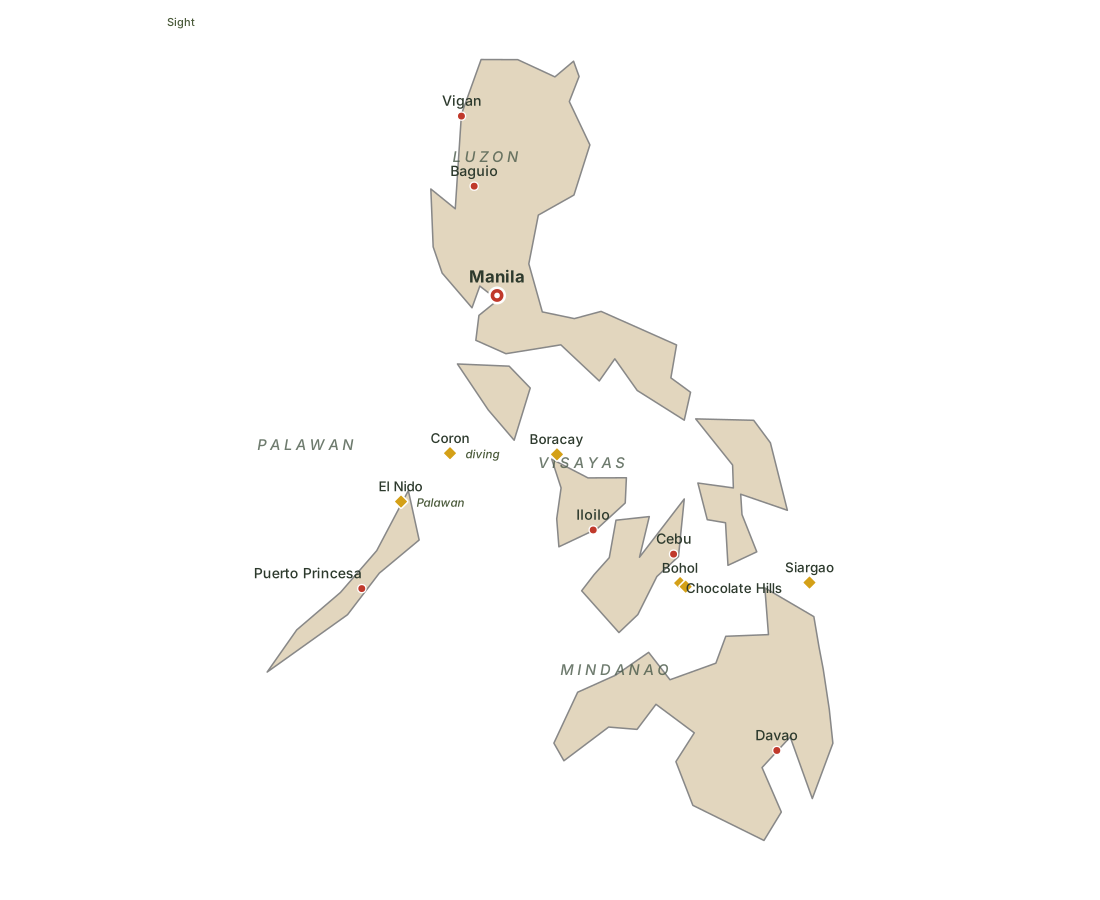
Map of the Philippines

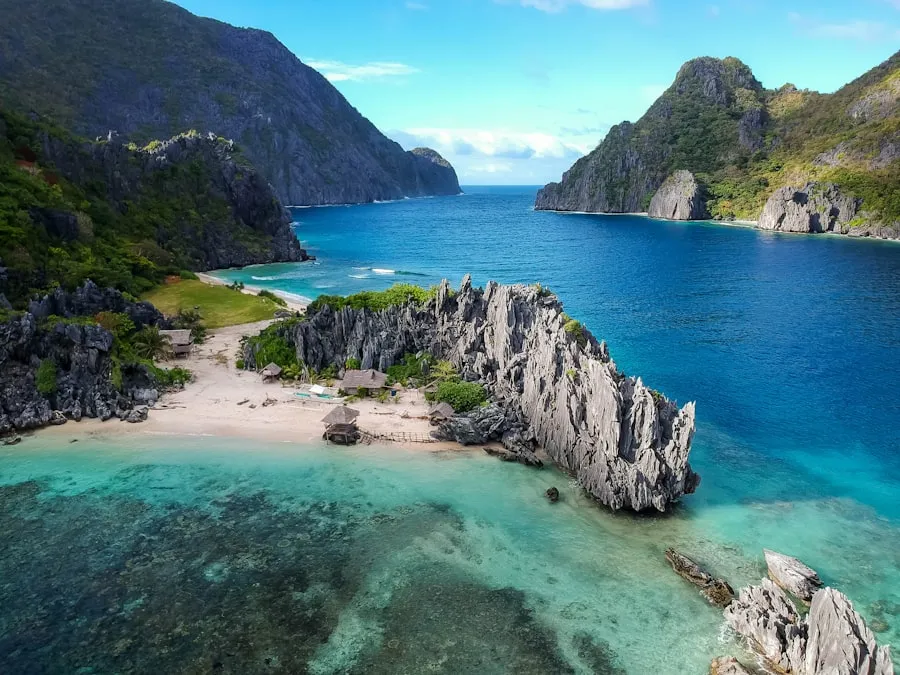
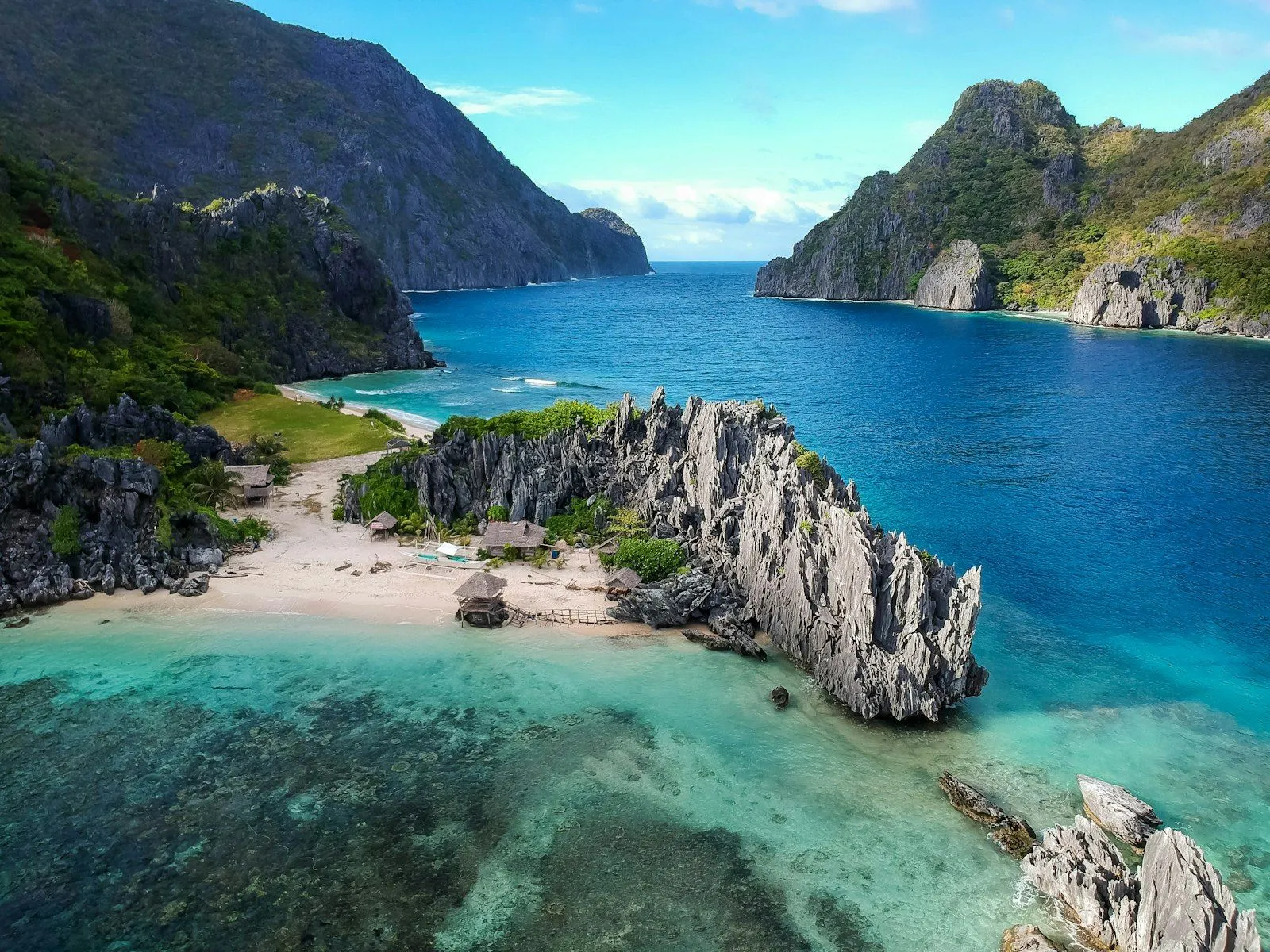
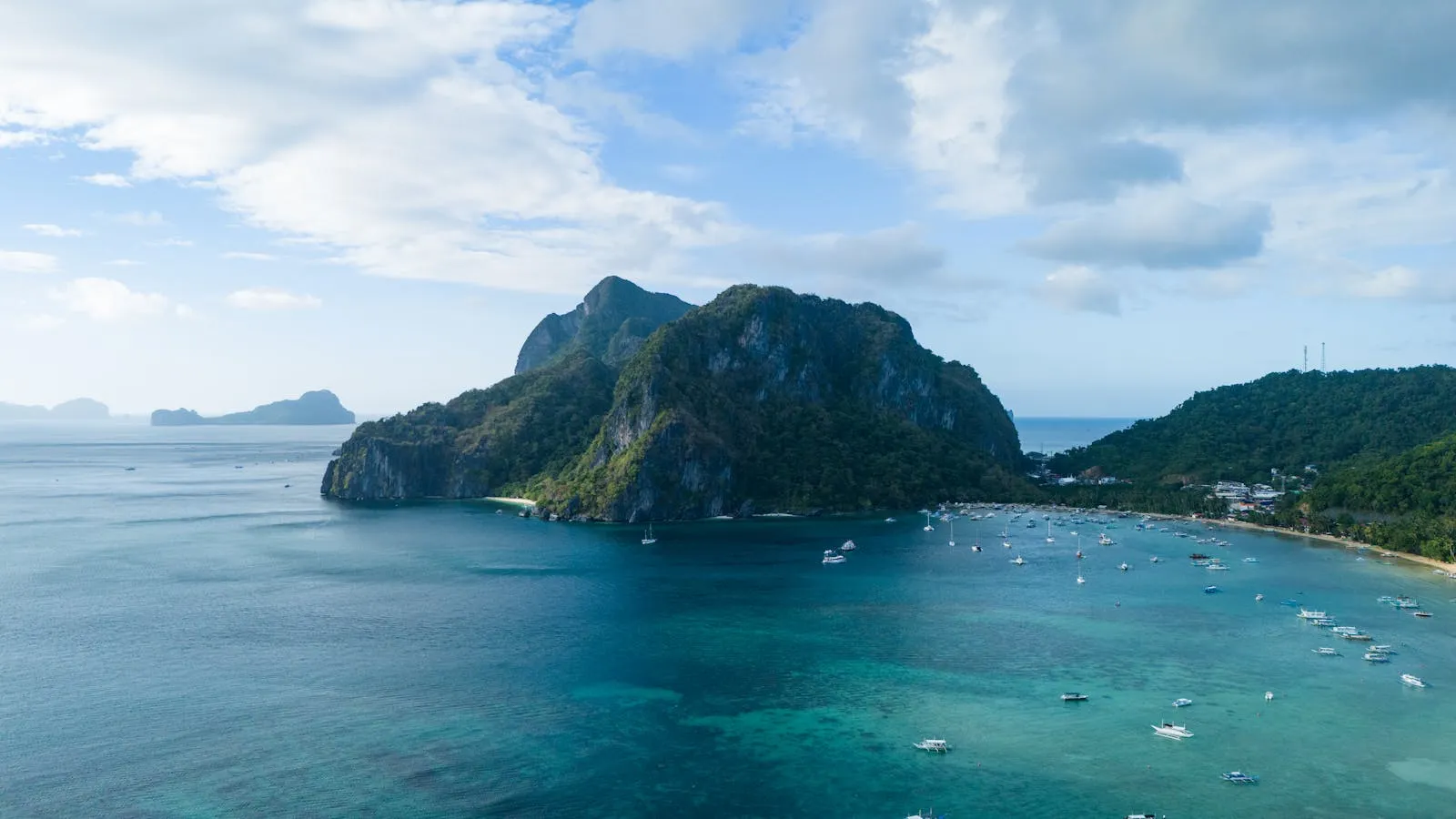
Explore the stunning El Nido island with turquoise waters and lush karst cliffs.

The Philippines stretches 1,800 km north to south, divided into three island groups: Luzon (north), Visayas (central), and Mindanao (south). Most travellers focus on Luzon and Visayas, with Palawan as the standout destination.

Map of Philippines showing key travel destinations and regions

Best Time to Visit

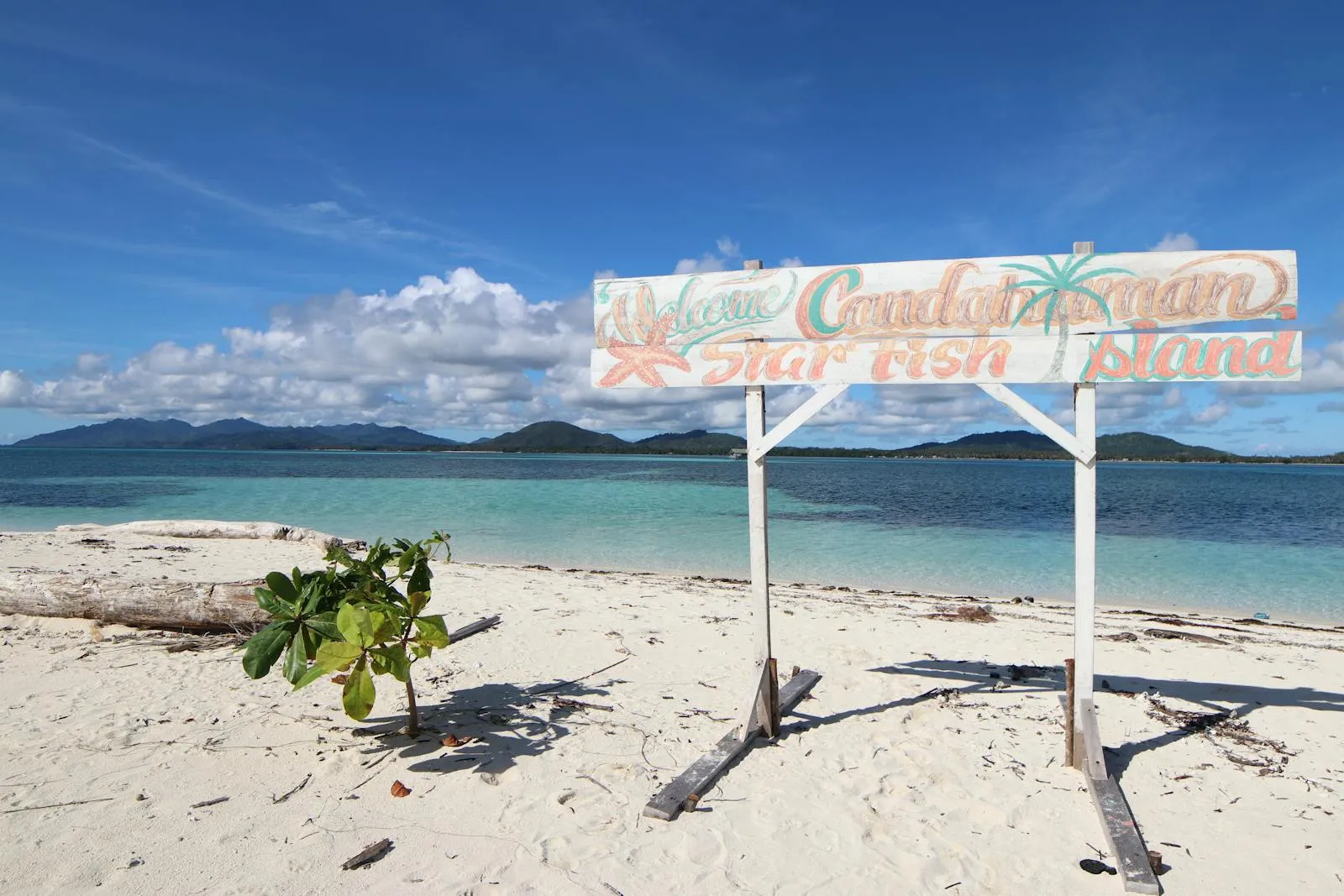
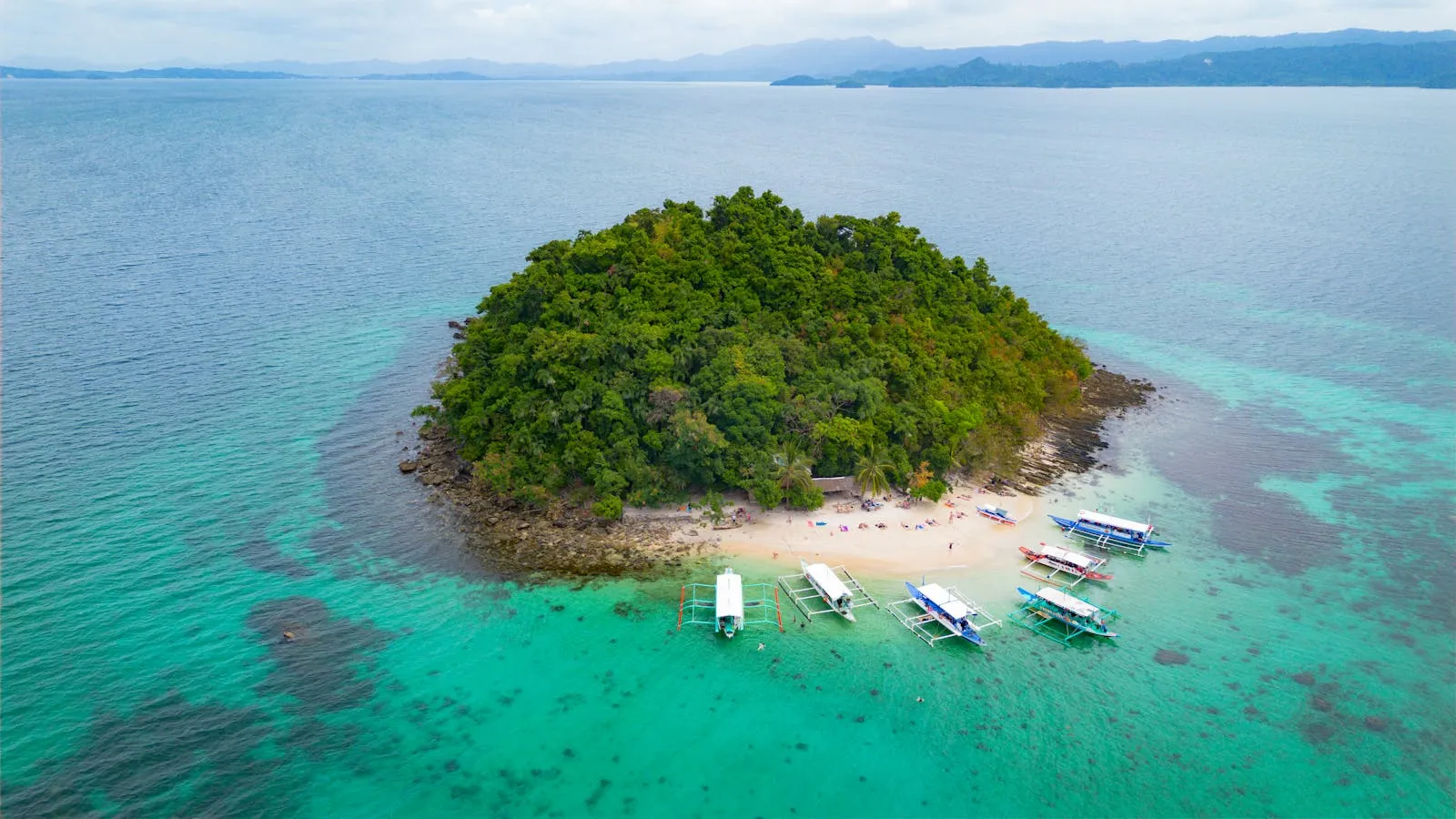
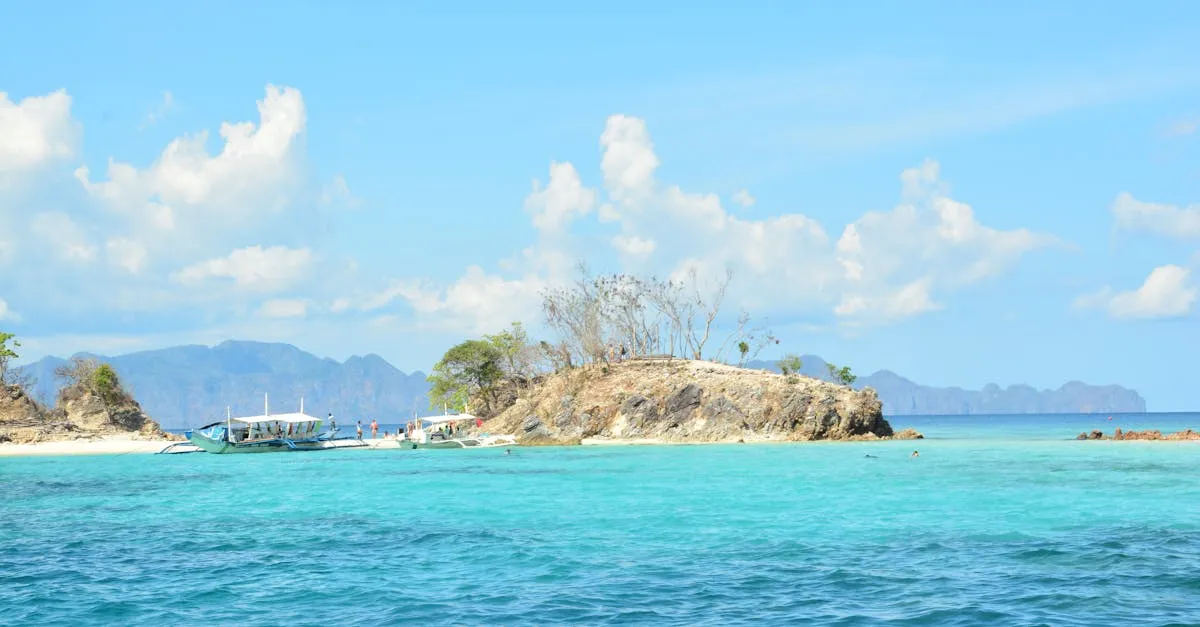
White sandy beach and clear blue waters at Candaraman Island in Balabac, Philippines.

Two main seasons: dry (November–May) and wet (June–October). Dry season splits into cool dry (Nov–Feb, most pleasant) and hot dry (Mar–May, peak temperatures).

Key Weather Facts
  • Best overall months: December to February (cool, dry, less crowded after New Year)
  • Peak season: December–January and Holy Week (March/April) — book accommodation early
  • Typhoon season: July to November — the Philippines sits in Typhoon Alley and averages ~20 typhoons per year, though most affect Luzon and the eastern Visayas
  • Surfing season: Siargao is best August–November (swells from Pacific typhoons)
  • Dive season: March to June offers the best visibility (20–40m) across most sites
Month Season Best Regions Crowds Prices Rating
JanuaryCool dry (Amihan), 25–31°CPalawan, Visayas, Boracay, Manila🔴 High🔴 Peak⭐⭐⭐⭐⭐
FebruaryCool dry, 25–32°CPalawan, Visayas, Cebu, Bohol🟡 Medium🟡 Moderate⭐⭐⭐⭐⭐
MarchHot dry, 26–34°CPalawan, Visayas, Boracay, diving🔴 High🔴 Peak⭐⭐⭐⭐
AprilHottest, 27–35°CPalawan, Visayas, best diving🔴 High🔴 Peak⭐⭐⭐
MayHot, rains begin, 27–34°CPalawan, Mindanao, diving still good🟡 Moderate🟡 Moderate⭐⭐⭐
JuneWet season (Habagat), 26–33°CMindanao, eastern Visayas🟢 Low🟢 Budget⭐⭐
JulyWet, typhoon risk, 26–32°CMindanao, Siargao (surf starts)🟢 Low🟢 Budget⭐⭐
AugustWettest, typhoons, 26–32°CMindanao, Siargao surfing🟢 Low🟢 Budget
SeptemberWet, peak typhoons, 26–32°CMindanao, Siargao (best surf)🟢 Low🟢 Budget
OctoberWet, typhoons easing, 26–32°CMindanao, Siargao surfing🟢 Low🟢 Budget⭐⭐
NovemberTransition to dry, 25–31°CPalawan, Visayas improving🟡 Medium🟡 Moderate⭐⭐⭐
DecemberCool dry, Christmas, 25–31°CPalawan, Visayas, Boracay, Manila🔴 High🔴 Peak⭐⭐⭐⭐

The Sweet Spots

  • January–February: Best all-round. Dry, comfortable, post-holiday dip in crowds. Ideal for island hopping, diving, trekking.
  • March: Excellent weather but hot. Holy Week spectacular (Moriones Festival, crucifixion reenactments) — book ahead.
  • November–December: Dry season begins. Christmas starts in September (“-ber months”) with parol (star lanterns) everywhere.

For Your Trip Window

Trip Planning Note

Shoulder months (May, November) can still offer excellent weather — stay flexible. Palawan and western Visayas often stay dry when Luzon is wet. Ideal window from Thailand/Vietnam: November to March.

Climate Zone

Jeepney navigating through a flooded street in Malabon, Metro Manila.

Tropical maritime climate — hot and humid year-round. Temperatures rarely drop below 24°C at night (except Cordillera highlands: 10–15°C). Daily range: 26–34°C.

The Two Seasons

  • Dry Season (Amihan, Nov–May): Northeast monsoon brings cooler, drier air. Dec–Feb coolest and most comfortable. Mar–May scorching (35°C+) but dry.
  • Wet Season (Habagat, Jun–Oct): Southwest monsoon brings heavy rain, especially western coasts. Typhoons most common Jul–Oct. Eastern Visayas/parts of Mindanao have reversed patterns.

Regional Variations

Weather Varies by Region
RegionDry MonthsWet MonthsNotes
Manila & Central LuzonNov–MayJun–OctMost typhoon-prone area
Cordillera (Baguio, Sagada)Nov–AprMay–OctCooler year-round (15–25°C)
PalawanNov–MayJun–OctLess typhoon exposure
Western Visayas (Boracay)Nov–MayJun–OctClassic two-season pattern
Eastern Visayas (Siargao)Mar–SepOct–FebReversed! Best surfing Oct–Mar
MindanaoYear-round mixNov–Feb wetterBelow typhoon belt, less storm risk

Typhoons

Most typhoon-exposed country on Earth: ~20 storms/year (6–9 making landfall). July–November peak season. Luzon and eastern Visayas most affected. Monitor PAGASA and stay flexible during wet season.

Humidity

77–83% year-round. Always muggy at sea level. Stay hydrated, wear breathable fabrics, embrace siesta culture. Air-con worth the premium.

Seasons & Temperatures

Chocolate Hills in Bohol at sunrise

Cool Dry Season (November – February)

Amihan (northeast monsoon) brings the most comfortable weather: 25–31°C, lower humidity, minimal rainfall across Luzon, Palawan, western Visayas. Peak travel season. Christmas season is the world's longest — starting September, peaking with Simbang Gabi (nine-dawn masses), Noche Buena (Christmas Eve feast), and Sinulog Festival in Cebu (third Sunday of January). Landscape emerald green, seas calm for island hopping.

Hot Dry Season (March – May)

Hottest months. Manila hits 35–38°C. Beach destinations scorching but functional with sea breezes. Holy Week (Semana Santa) is peak Filipino travel — expect packed beaches, full hotels. Moriones Festival in Marinduque and crucifixion reenactments in San Fernando, Pampanga, are uniquely Filipino. Diving visibility peaks at 25–40m.

Wet Season / Habagat (June – October)

Southwest monsoon brings heavy rainfall, especially western coasts. Manila can flood during strong typhoons. Rain usually comes in intense afternoon bursts, not all-day drizzle. Eastern Visayas and Siargao have better weather (reversed dry season). Budget travellers benefit: accommodation drops 30–50%, sites uncrowded. Surfing season peaks Aug–Nov as Pacific typhoons send swells to Siargao's Cloud 9.

Average Temperatures

Daily highs and lows for key destinations (°C). The Philippines is consistently hot at sea level but notably cooler in the Cordillera highlands.

MonthManilaCebuEl NidoBaguioSiargao
Jan26–3024–3024–3014–2423–29
Feb26–3124–3124–3114–2523–29
Mar27–3325–3225–3215–2723–30
Apr28–3526–3326–3316–2824–31
May28–3426–3326–3217–2724–31
Jun27–3326–3226–3117–2624–30
Jul26–3225–3225–3017–2524–30
Aug26–3125–3225–3017–2524–30
Sep26–3125–3225–3117–2524–30
Oct26–3125–3125–3116–2524–30
Nov26–3125–3125–3115–2524–29
Dec26–3024–3024–3014–2423–29

Holidays & Festivals

Colorful holiday celebrations and festivals

Filipinos celebrate with unmatched enthusiasm — the country claims both the longest Christmas season in the world (September to January) and some of Asia’s most colourful street festivals. The Philippines has the most public holidays of any Asian country, and the list expands regularly. Islamic holidays are observed in the Bangsamoro Autonomous Region.

Date / periodHoliday or festivalImpact on travel
1 JanNew Year’s DayMajor celebration with fireworks and street parties. Manila becomes a firecracker war zone — ear protection recommended
Jan/FebChinese New YearSpecial non-working day. Binondo (Manila’s Chinatown, the world’s oldest) hosts dragon dances and food festivals
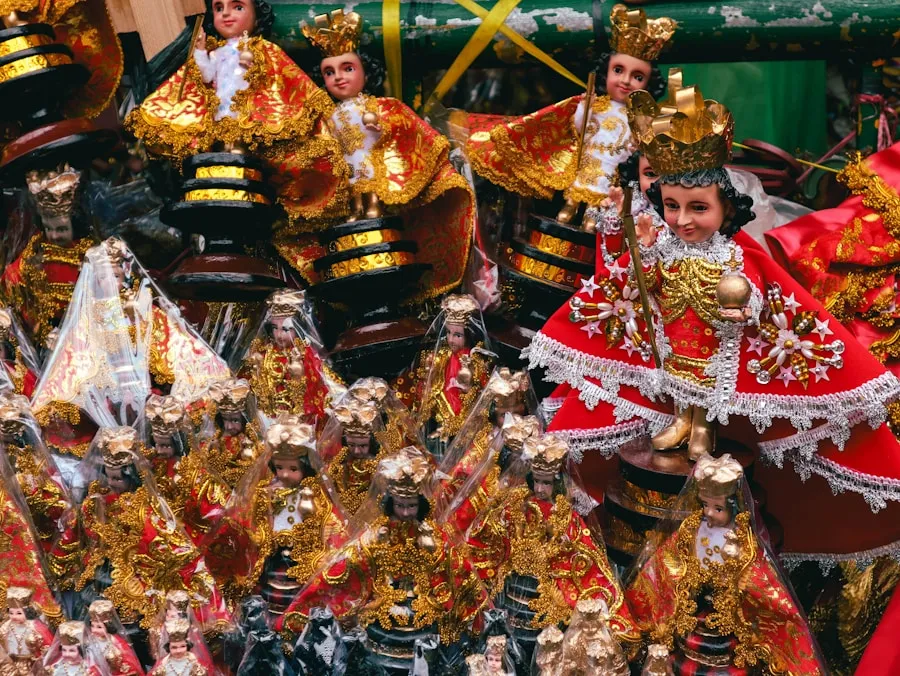
3rd Sun JanSinulog Festival (Cebu)Massive street dancing festival honouring Santo Niño. Cebu’s biggest event; hotels sell out months ahead. One of the best festivals in Southeast Asia
3rd week JanAti-Atihan (Kalibo, Aklan)Called the “Mother of All Philippine Festivals”. Face-painting, tribal costumes, street dancing. Gateway to Boracay — combine with a beach trip
FebPanagbenga (Baguio)Month-long flower festival in the “Summer Capital”. Float parade, street dancing, fireworks. Baguio accommodation at premium
25 FebEDSA Revolution AnniversaryPublic holiday commemorating 1986 People Power. Quiet
Mar/AprHoly Week (Semana Santa)Maundy Thursday & Good Friday are non-working. The Philippines takes this very seriously — self-flagellation processions in Pampanga, beaches packed with domestic tourists. Book ferries and flights 2+ weeks ahead
9 AprAraw ng Kagitingan (Day of Valor)Public holiday; commemorates Bataan Death March. Government offices closed
1 MayLabour DayPublic holiday; minimal impact on tourism
15 MayPahiyas Festival (Lucban, Quezon)Houses decorated with colourful rice wafer & vegetable displays. One of the most photogenic festivals in Asia. Day trip from Manila
12 JunIndependence DayParades and ceremonies; government offices closed. Normal for tourists
21 AugNinoy Aquino DayPublic holiday; quiet
Last Mon AugNational Heroes DayLong weekend; domestic travel picks up
OctMassKara Festival (Bacolod)Colourful mask festival with street dancing, concerts, and food fairs. Bacolod’s signature event; worth a detour to Negros
1 NovAll Saints’ Day (Undas)Families visit cemeteries nationwide. Major domestic travel surge; transport fully booked. Cemeteries become festive gathering spots
30 NovBonifacio DayPublic holiday; quiet
~1 Sep onwardsBER months (Christmas season starts)Christmas carols in malls from September. The world’s longest Christmas season. Lantern-making in Pampanga (Giant Lantern Festival in December) is spectacular
25 DecChristmas DayMajor holiday; Simbang Gabi (dawn masses) run 16–24 Dec. Noche Buena feast on Christmas Eve. Many businesses close 24–26 Dec
30 DecRizal DayPublic holiday honouring national hero José Rizal
Festival planning tip

The Philippines has more regional fiestas than any other country in Southeast Asia — virtually every town has one. The big three to plan around: Sinulog (Cebu, January), Ati-Atihan (Kalibo, January), and MassKara (Bacolod, October). For Holy Week and Christmas, expect all domestic transport (especially ferries) to be fully booked 2–3 weeks ahead. Flights can double in price. The upside of the “BER months” Christmas culture: Filipinos are at their most welcoming and festive from September onward, and you’ll be invited to join celebrations constantly.

Regions of Philippines

Aerial view of the Philippine islands and rice terraces

Philippines offers diverse landscapes and experiences across its regions.

Luzon: Mountains & Megacity landscape

Luzon: Mountains & Megacity

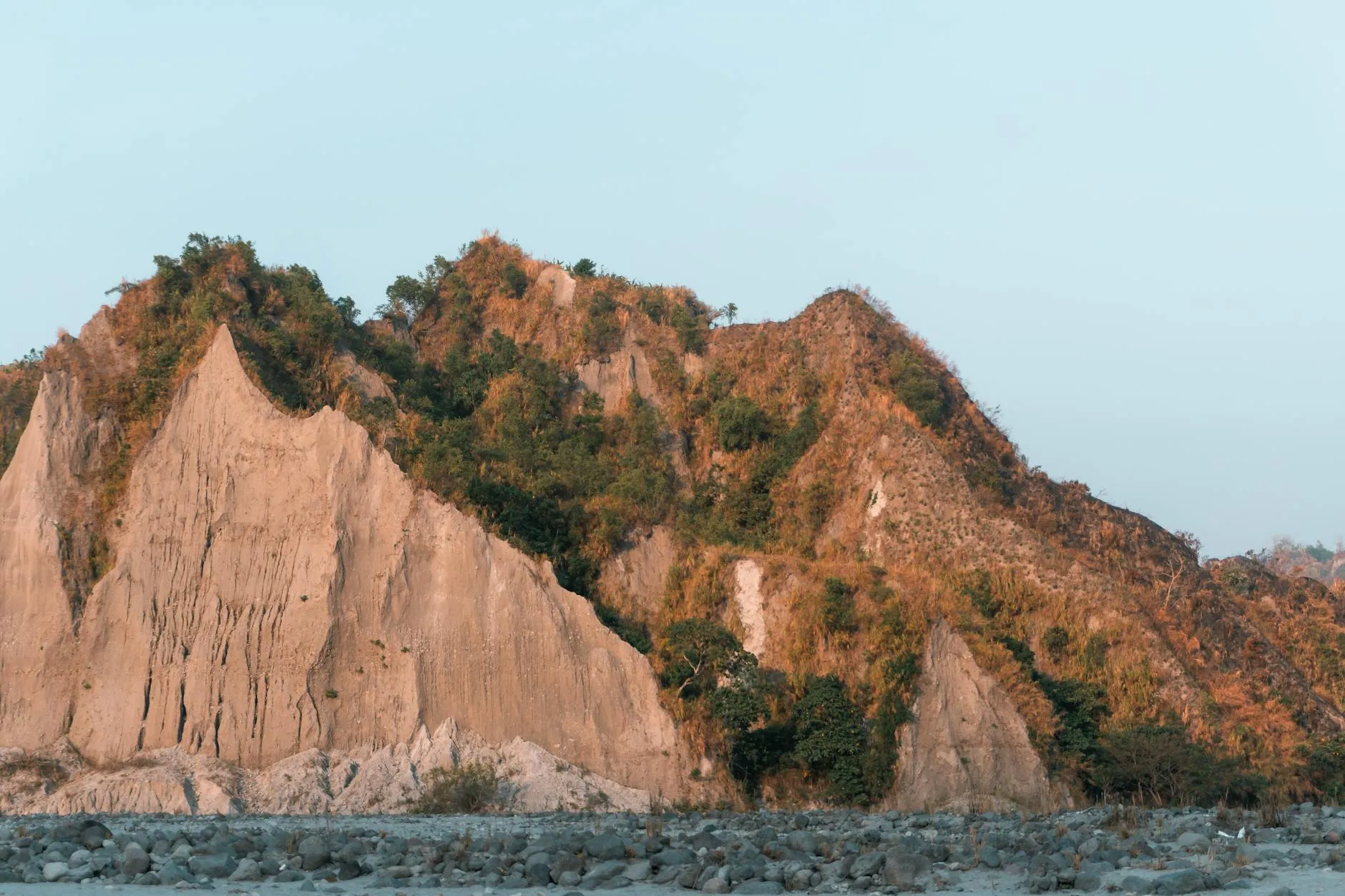
Luzon is the largest, most populated island: chaotic Manila, cool highland Baguio, UNESCO rice terraces of Banaue, colonial Vigan, otherworldly Mt. Pinatubo landscapes. Most international arrivals via Manila's Ninoy Aquino International Airport (NAIA).

Visayas, Palawan & Mindanao landscape

Visayas, Palawan & Mindanao

The Visayas are the Philippines' island heartland — beaches, diving, whale sharks, chocolate hills that define most travellers' experience. Palawan, stretching southwest toward Borneo, consistently rated among the world's best islands. Mindanao, second-largest island, less visited but offers adventurous rewards.

Top Sightseeing

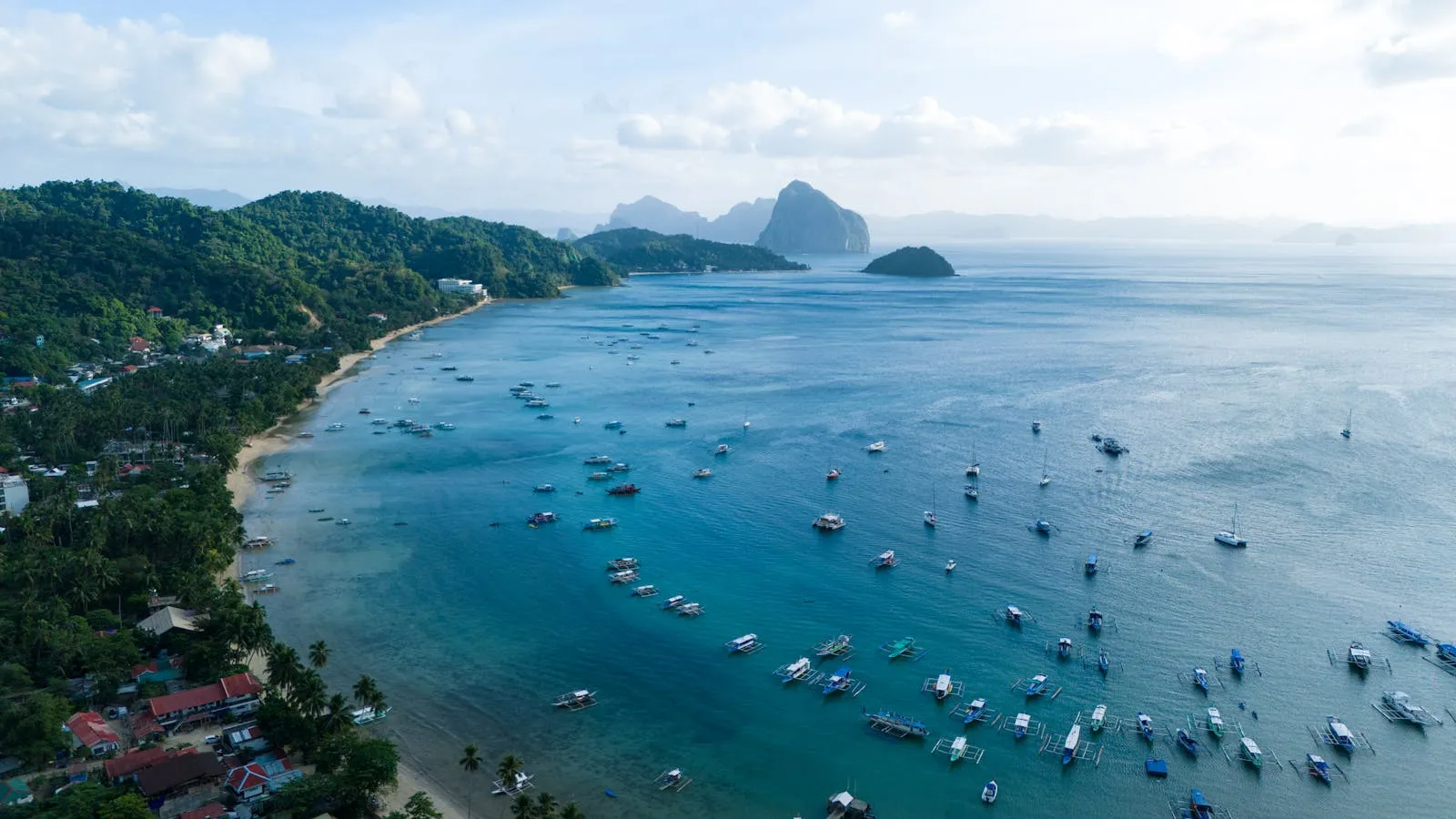
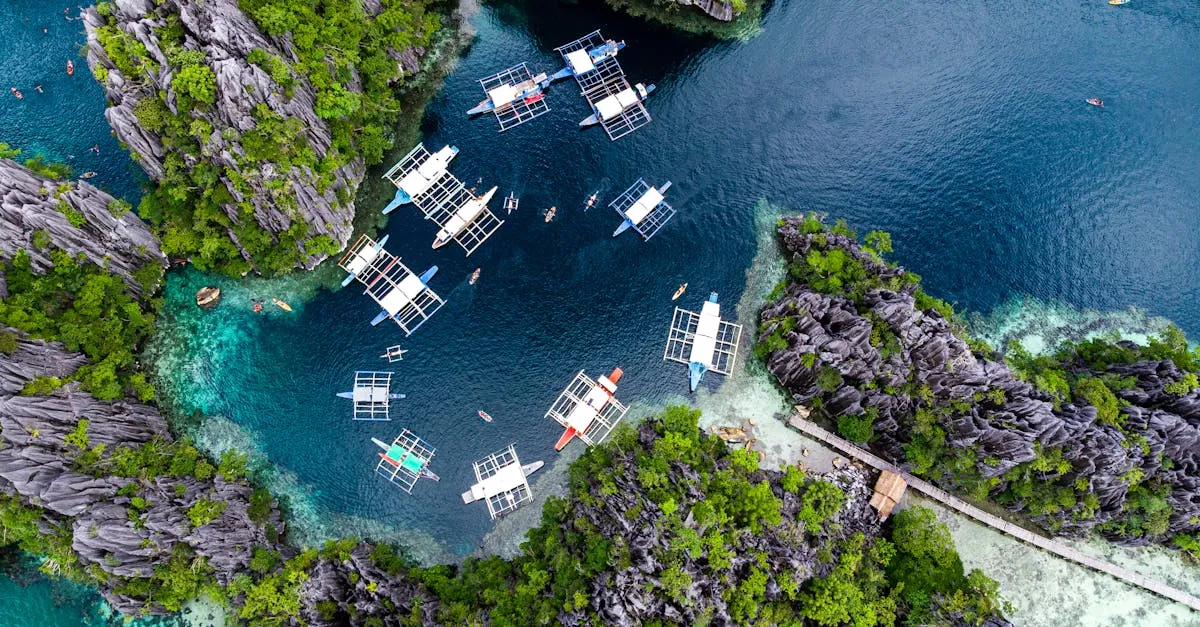
Stunning aerial view of El Nido's vibrant blue bay with lush greenery and boats, capturing the essence of the Philippines' natural beauty.

The Philippines rewards the curious. Beyond beaches: colonial citadels, ancient terraces, volcanic craters, underground rivers. Here are the experiences that define a Philippine trip.

Top 5 Picks at a Glance

If you only have time for the headliners, these five experiences capture the breadth of what the Philippines offers — from UNESCO ancient engineering to world-class diving to surreal landscapes.

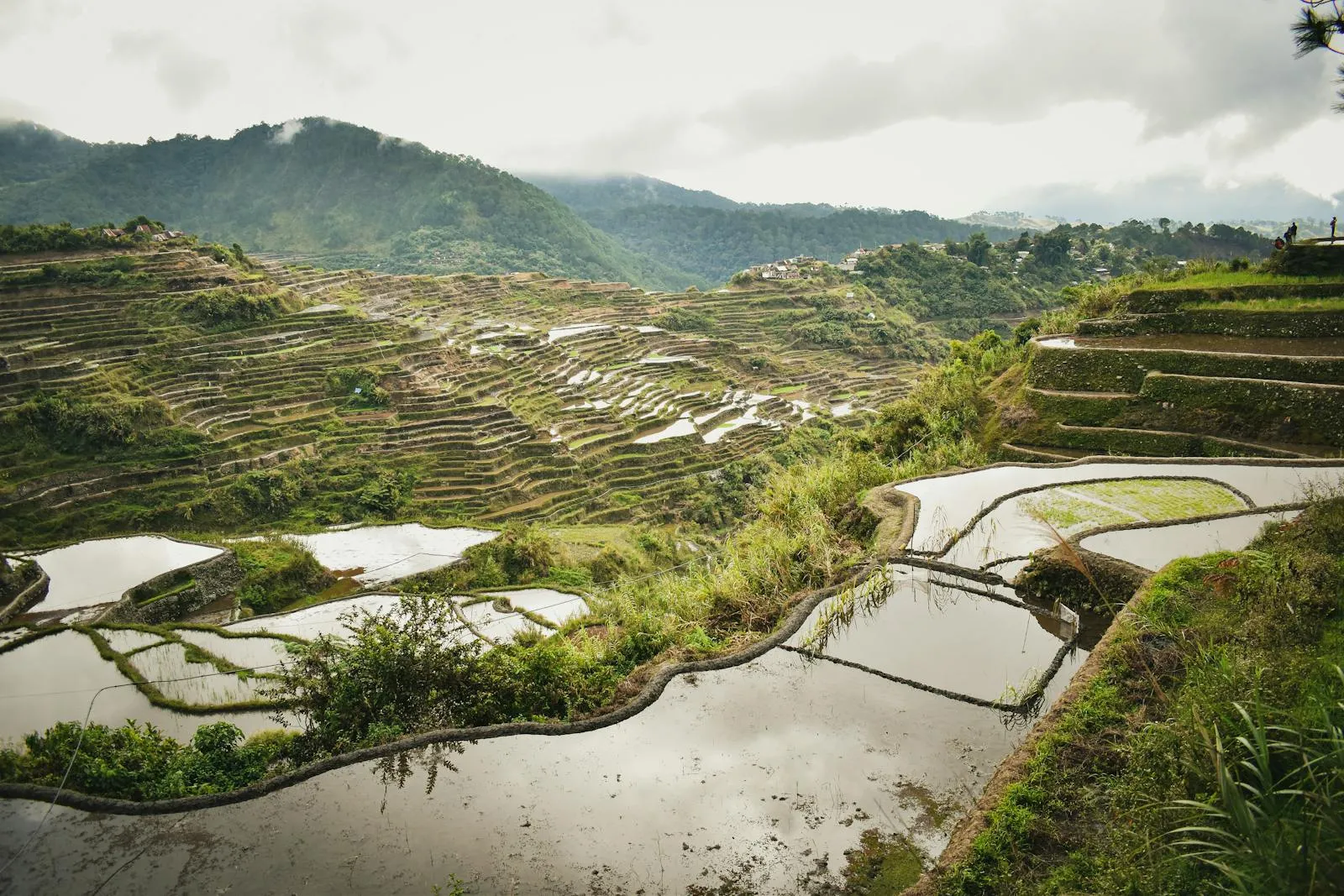
Banaue rice terraces

Banaue & Batad Rice Terraces

Cordillera, Luzon · 2–3 days

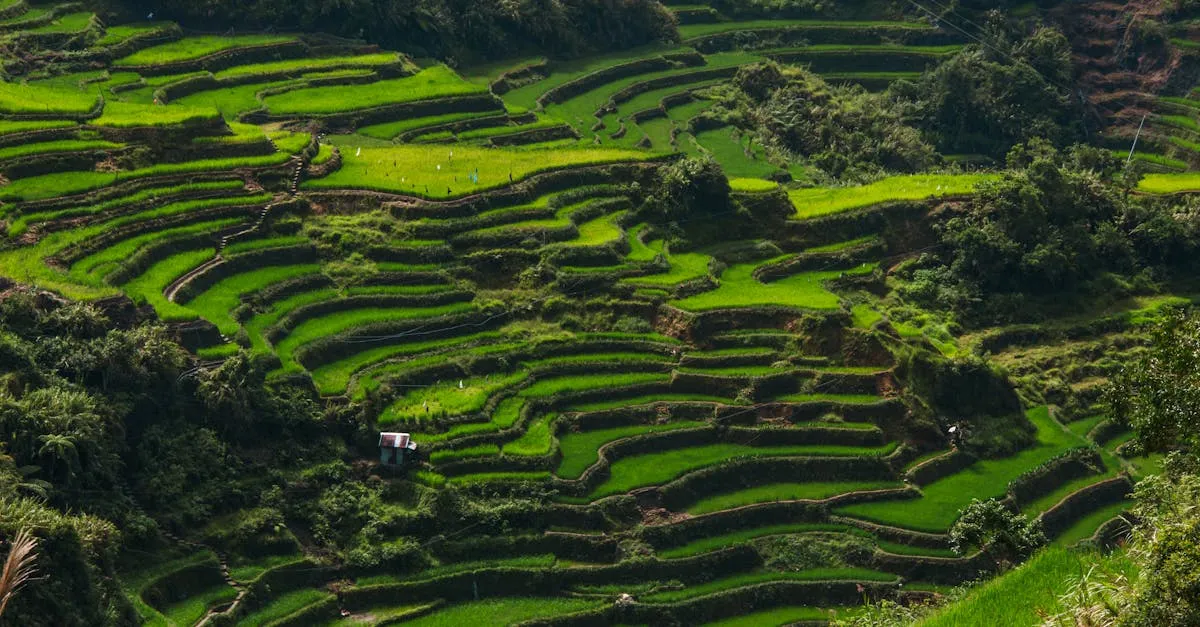
2,000-year-old UNESCO terraces carved by the Ifugao. The natural amphitheatre of Batad is breathtaking. Hike between villages, stay in traditional homestays, hear stories of pre-colonial Philippines.

El Nido island hopping Palawan

El Nido Island Hopping

Palawan · 2–3 days

Turquoise lagoons, hidden beaches, limestone cliffs. Tours A and C are essential. Sleep in beachfront huts, eat fresh-caught fish, watch sunsets melt into the Bacuit archipelago.

Coron wreck diving Palawan

Coron Wreck Diving

Palawan · 2–3 days

WWII Japanese shipwrecks in warm, clear water. Accessible even for newer divers (Advanced Open Water recommended). Combine with Kayangan Lake — the “cleanest lake in Asia.”

Chocolate Hills Bohol

Chocolate Hills

Bohol, Visayas · Half day

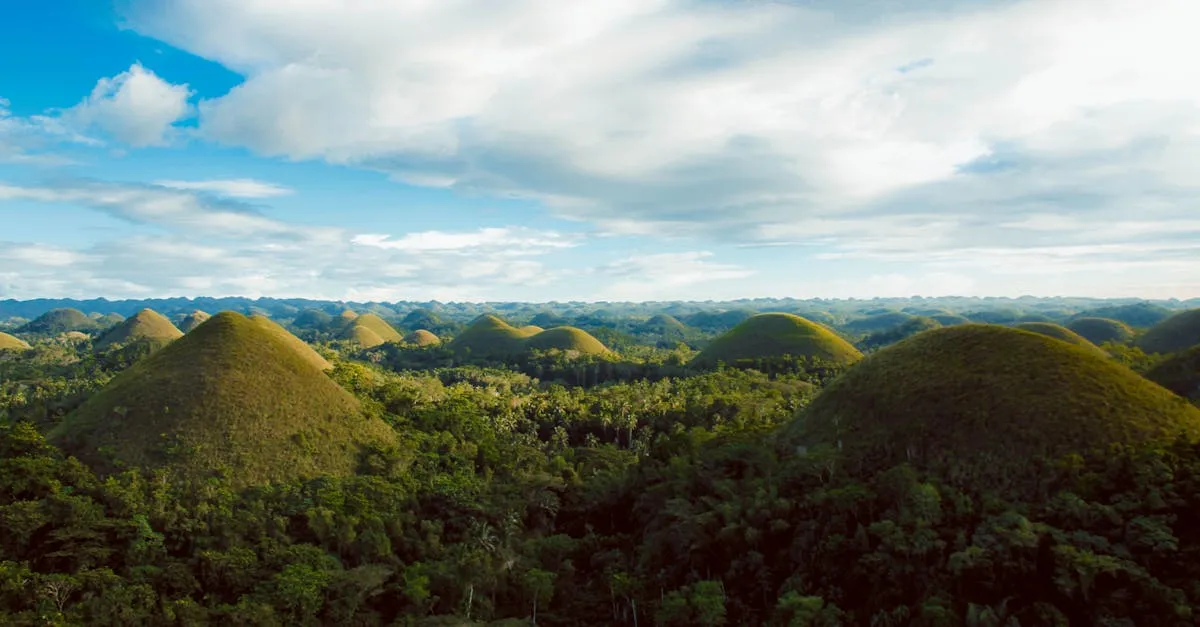
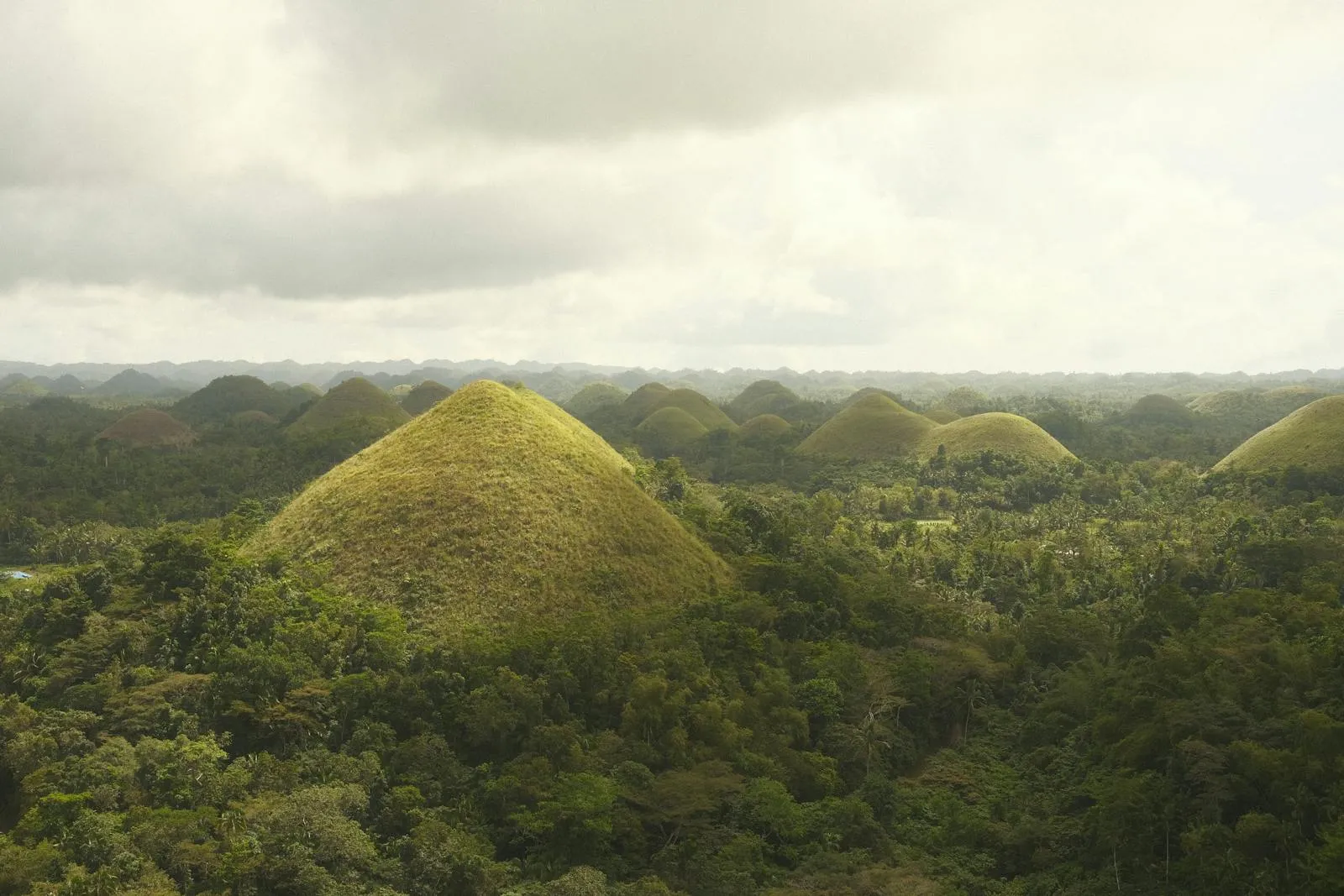
1,268 cone-shaped hills that turn brown in dry season. Surreal geological formation. Combine with the Tarsier Sanctuary nearby for the world’s smallest primate.

Puerto Princesa Underground River

Puerto Princesa Underground River

Palawan · Full day

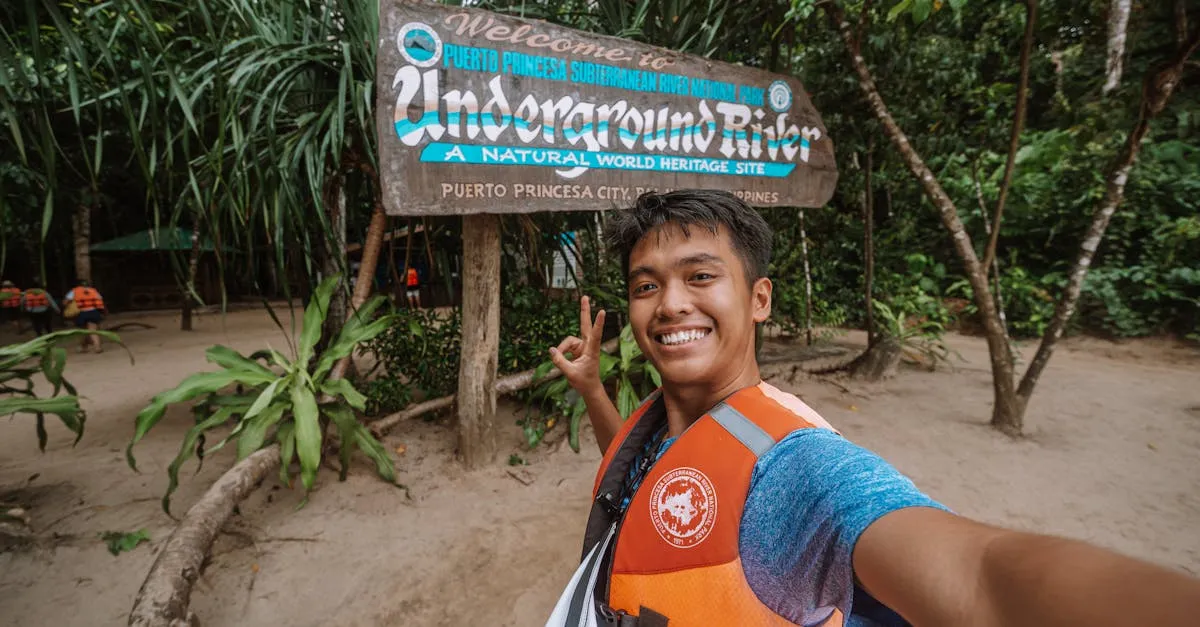
UNESCO World Heritage and New 7 Wonders of Nature. 8.2 km navigable underground river (boat tour covers 4.5 km). Permits sell out — book days in advance.

The Unmissable Ten

The full ranked shortlist, with locations and the time you should budget for each. Mix and match by region to build your route.

ExperienceLocationWhyTime Needed
Banaue & Batad Rice TerracesCordillera, Luzon2,000-year-old UNESCO terraces carved by Ifugao people. The amphitheatre of Batad is breathtaking.2–3 days
El Nido Island HoppingPalawanTurquoise lagoons, hidden beaches, limestone cliffs. Tours A and C are essential.2–3 days
Coron Wreck DivingPalawanWWII Japanese shipwrecks in warm, clear water. Accessible even for newer divers.2–3 days
Chocolate HillsBohol, Visayas1,268 cone-shaped hills that turn brown in dry season. Surreal geological formation.Half day
Intramuros & Fort SantiagoManila, LuzonSpanish colonial Walled City (1571). Rizal shrine, San Agustin Church (UNESCO), rampart walks.Half day
Puerto Princesa Underground RiverPalawanUNESCO & New 7 Wonders of Nature. 8.2km navigable underground river (boat tour covers 4.5km).Full day
Moalboal Sardine RunCebu, VisayasSnorkel with millions of sardines and sea turtles just metres from shore. Free and extraordinary.Half day
Kawasan Falls CanyoneeringCebu, Visayas4-hour canyon adventure with cliff jumps, slides, and swimming through gorges to turquoise falls.Full day
Sagada Hanging Coffins & CavesCordillera, LuzonIgorot cliff burial tradition, Sumaguing Cave spelunking, Kiltepan sea-of-clouds sunrise.2–3 days
Cloud 9, SiargaoSiargao, VisayasWorld-famous surf break. Even non-surfers enjoy the boardwalk views and island vibe.2–5 days

Honourable Mentions

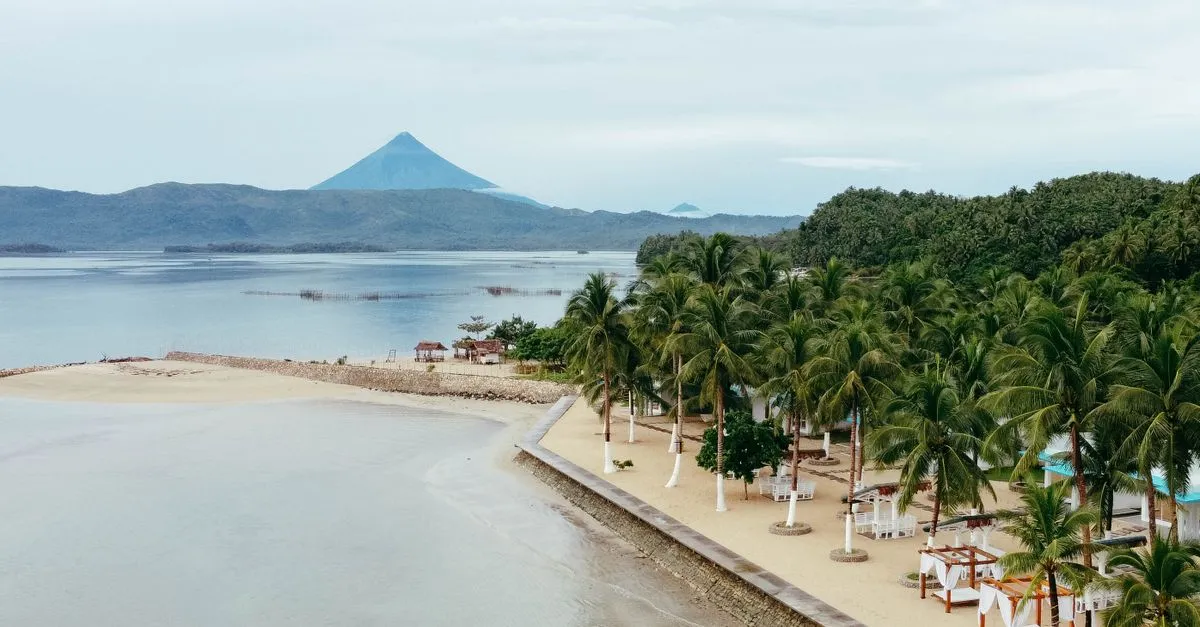
  • Mayon Volcano (Albay, Luzon) — The world’s most perfectly cone-shaped volcano. ATV tours on lava fields, zipline with Mayon views. Best seen November–May.
  • Taal Volcano (Batangas, Luzon) — A volcano within a lake within a volcano. Day trip from Manila (2 hours). Boat ride + hike to crater rim.
  • Vigan Heritage Village (Ilocos Sur, Luzon) — Best-preserved Spanish colonial architecture in Asia. UNESCO World Heritage cobblestones.
  • Tubbataha Reef (Sulu Sea) — UNESCO liveaboard-only reef (March–June). One of the world’s top 10 dive sites. Pristine coral walls, sharks, mantas.
  • Hundred Islands (Pangasinan, Luzon) — 124 mushroom-shaped islands. Island hopping, cliff jumping, kayaking. Budget alternative to Palawan.

Culture & Etiquette

Colourful fiesta parade in a Philippine town

Filipino culture is a unique synthesis of Malay, Spanish, American, and Chinese influences. Only predominantly Catholic country in Asia (80%+), religion shapes daily life — from barrio fiestas honouring patron saints to nine-dawn masses of Simbang Gabi before Christmas. Yet underneath colonial layers runs deep indigenous Austronesian foundation: animist beliefs persist alongside Christianity, family bonds paramount, community first.

Mano Po (Respect for Elders)

Mano gesture — taking elder's hand and pressing to forehead — is daily respect sign. As foreigner, you won't be expected to do this, but graciously receiving an offered hand earns enormous goodwill. Address older people as Ate (older sister), Kuya (older brother), Tita (aunt), Tito (uncle) — used widely, even for strangers.

Key Cultural Norms

SituationDoDon’t
GreetingsSmile, say “Hi” or “Hello po” (po = respectful particle). Handshakes are common.Don’t be overly formal. Filipinos are casual and warm.
MealsAccept food when offered — refusing is rude. Say “Kain tayo!” (Let’s eat!) to invite others to share.Don’t eat before the host. Wait for “Kain na” (Eat now).
PointingUse your lips (purse and nod in the direction) or an open hand.Don’t point with your index finger — considered rude.
ChurchesCover shoulders and knees. Remove hats. Be quiet during services.Don’t take flash photos during mass. Many churches are active places of worship, not museums.
“Filipino time”Be patient. Social events often start 30–60 minutes late. Buses and ferries run on a more flexible schedule.Don’t get frustrated. Adjust your expectations and build buffer time into plans.
BargainingAcceptable at markets, with tricycle drivers, and for unlisted tour prices. Start at 60–70% and negotiate with a smile.Don’t bargain aggressively. Filipinos dislike confrontation. If they say “last price,” respect it.

Historical Sensitivity

Philippines endured colonisation (Spanish, American, Japanese), Marcos martial law era (1972–1986), natural disasters shaping national identity. People Power Revolution of 1986 — when millions peacefully ousted Marcos dictatorship — remains source of deep pride. Marcos legacy politically sensitive and divisive. Listen more than speak, approach with respect. For context, visit Bantayog ng mga Bayani (Monument of Heroes) memorial in Quezon City.

The Bayanihan Spirit

Bayanihan — tradition of community literally carrying a neighbour's house to new location — symbolises Filipino communal spirit. You'll experience it as extraordinary generosity: strangers sharing food, neighbours helping you navigate, families hosting you for meals. Reciprocate where you can — buy a round of San Miguel, bring pasalubong (small gifts) when visiting homes, or simply engage with genuine interest.

Food & Cuisine

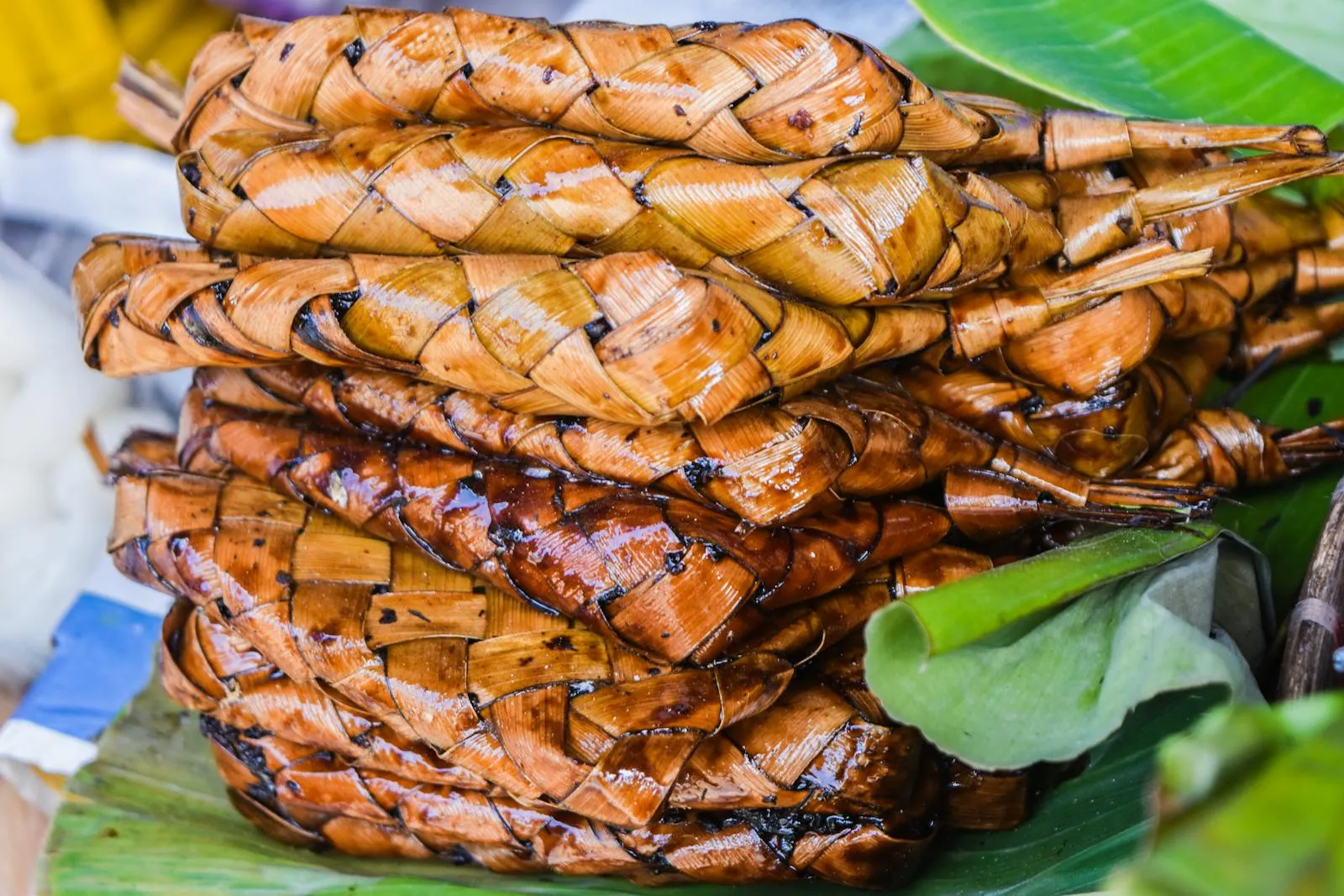
Stack of grilled suman wrapped in woven palm leaves, a Filipino delicacy.

Filipino cuisine is Southeast Asia's most underrated. Vibrant, hearty mix of Malay, Spanish, Chinese, American influences, prizing bold flavours: sour, salty, sweet, umami. Meals communal — dishes shared with rice (always rice). Sawsawan (dipping sauces: vinegar, soy, calamansi, chili) lets everyone customise flavours.

Essential Dishes to Try

  • Adobo: The unofficial national dish: chicken or pork braised in vinegar, soy sauce, garlic, bay leaves, and peppercorns. Every family has their own recipe. Rich, tangy, and perfect with rice. €1.50–3 at carinderias (local eateries).
  • Lechon: Whole roast suckling pig with impossibly crispy skin. Cebu’s lechon is the gold standard — stuffed with lemongrass and roasted for hours. Often served at fiestas. Try Zubuchon or CnT in Cebu City. €3–5 per portion.
  • Sinigang: Sour tamarind soup with pork, shrimp, or fish, loaded with vegetables (kangkong, radish, tomato, taro). Comforting, tangy, and served in every Filipino home. €2–4.
  • Sisig: Sizzling chopped pig face (cheeks, ears, jowl) on a hot plate with calamansi, chilli, and a raw egg stirred in. Invented in Pampanga. Best with an ice-cold San Miguel. €2–4.
  • Kare-Kare: Oxtail and tripe stew in thick peanut sauce with banana blossom, eggplant, and string beans. Eaten with bagoong (fermented shrimp paste) on the side. Rich and unique. €3–5.
  • Halo-Halo: The ultimate Filipino dessert: shaved ice layered with sweetened beans, jellies, ube (purple yam) ice cream, leche flan, and evaporated milk. Stir it all together. Refreshing and addictive. €1–2.50.

More Must-Try Foods

  • Lumpia: Filipino spring rolls — fresh (lumpiang sariwa) or fried (lumpiang shanghai). €0.50–1.
  • Pancit: Stir-fried noodles in many regional varieties — Canton, Bihon, Palabok (with shrimp sauce). €1–2.
  • Bibingka & Puto Bumbong: Christmas rice cakes cooked in clay pots or bamboo tubes. Available outside churches during Simbang Gabi (December). €0.50–1.
  • Isaw & Street BBQ: Grilled chicken intestines, pork belly skewers, and banana-cue (fried plantain on a stick). Found everywhere after dark. €0.20–0.50 per stick.
  • Balut: Fertilised duck egg with a partially developed embryo. The Philippines’ most famous “fear factor” food. Actually delicious if you don’t overthink it. Sold by street vendors at night. €0.30–0.50.

Drinks

  • San Miguel Pale Pilsen: The national beer. Cheap (€0.50–1), cold, and everywhere. San Miguel Light for a milder option.
  • Red Horse: The strong beer (6.9% ABV). Beloved by locals, potent for tourists. Approach with respect.
  • Lambanog: Coconut wine/spirit from Quezon province. Ranges from mild wine (~6%) to potent distilled spirit (~40%). Try at your own risk.
  • Fresh buko juice: Young coconut water served in the shell. Refreshing and €0.30–0.50 everywhere.
  • Kapeng barako: Strong Batangas coffee from liberica beans. Bold, woody flavour unlike anything at Starbucks.
  • Calamansi juice: Filipino lime juice, sweet and tart. The ubiquitous table condiment is also a refreshing drink.
Eating Budget

Filipino food is incredibly affordable. A carinderia (local eatery) meal costs €1–2. A restaurant meal for two: €5–10. Street food: €0.20–0.50 per item. A couple eating at carinderias and street stalls can spend as little as €8–12/day on food. Mid-range restaurants: €15–25/day for two.

Activities & Hikes

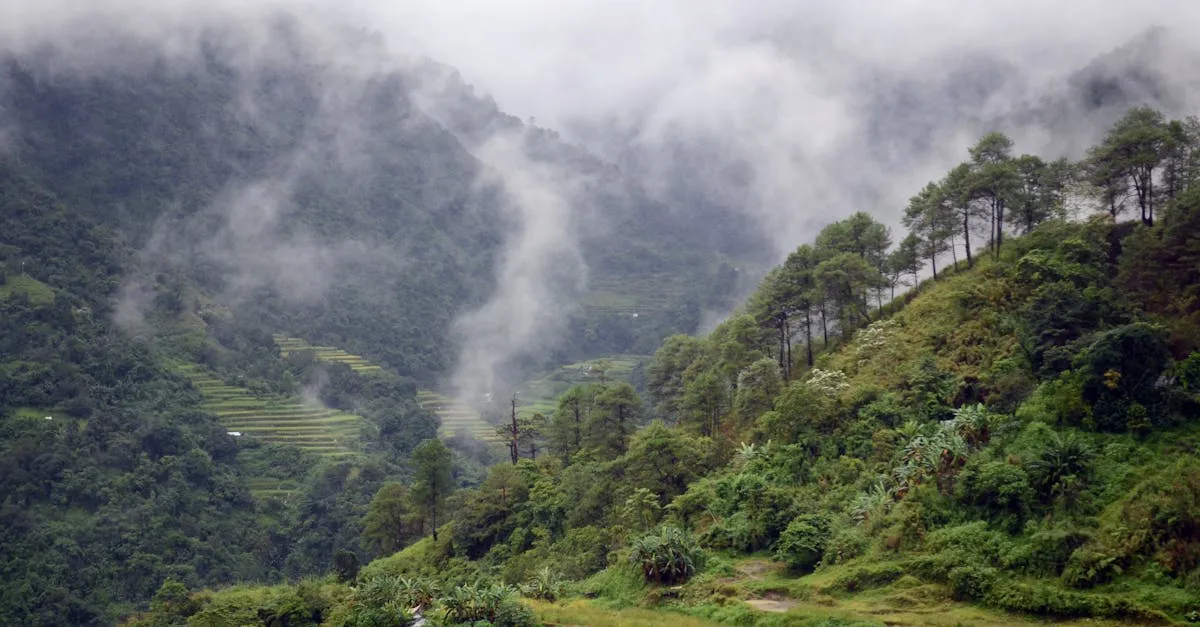
A scenic view of the Banaue Rice Terraces in the Philippines, showcasing the lush greenery and intricate formation.

Philippines not typically thought of as trekking destination, but offers surprisingly rewarding hikes:

Top Hikes

  • Terrain: Cordillera mountains, volcanic landscapes, island ridgelines
  • Important: Most trails unmarked — local guides essential for anything beyond day walks

Best Hikes & Treks

HikeLocationDifficultyHighlights
Mt. PulagBenguet, CordilleraModerateLuzon’s highest peak (2,922m). Famous for the sea of clouds at sunrise. Ambangeg trail (easiest): 4–5 hours up. Requires registration and guide (€8–15). Camp at summit the night before for sunrise. Best Nov–Mar.
Batad & Bangaan TrekIfugao, CordilleraModerateTrek between rice terrace villages. Batad amphitheatre to Tappiyah Falls (45 min). Bangaan viewpoint is quieter. Guide recommended (€8–12/day).
Mt. Pinatubo CraterZambales/Tarlac, LuzonEasy–Moderate4WD across lahar fields + 1.5hr hike to turquoise crater lake of the volcano that erupted catastrophically in 1991. Guided tour from Manila: €30–50.
Taal VolcanoBatangas, LuzonEasyBoat across Taal Lake + short hike to crater rim. Active volcano within a lake within a volcano. Day trip from Manila. Boat + guide: €15–20.
Osmeña PeakCebu, VisayasEasyCebu’s highest point (1,013m). Jagged karst summit with 360° views. 20 minutes from road. Best at sunrise. Free.
Mt. ApoDavao, MindanaoHardPhilippines’ highest peak (2,954m). 2–3 day trek through rainforest, volcanic terrain, and sulphur vents. Requires registration and guide. €50–80 total.
Sumaguing CaveSagada, CordilleraModerateSpelunking through massive limestone chambers, squeezing through tight passages, and wading through underground pools. Guide mandatory: €8–12.
Magpupungko Coastal WalkSiargaoEasyRocky coastal walk to natural tidal pools. Best at low tide. Entry: €0.50.

Hiking Tips

  • Always hire local guide for mountain treks. Trails poorly marked, weather changes fast in Cordillera, guides support local communities.
  • Start early: Cloud cover rolls in by 10–11am on most peaks. Sunrise treks standard.
  • Bring layers for highland hikes (Pulag, Apo). Temperatures drop to 0–5°C at summit.
  • Register: Mt. Pulag, Mt. Apo, several other peaks require advance registration with local DENR (Department of Environment and Natural Resources) office.
  • Leeches: Common in wet-season jungle treks. Wear gaiters or tuck trousers into socks.

Activities

Philippines sits within Coral Triangle — global epicentre of marine biodiversity:

  • Marine life: 500+ coral species, 2,500+ fish species, water 26-30°C year-round
  • World-class diving: One of world's best diving destinations
  • Value: Prices significantly lower than Thailand, Indonesia, or Maldives

Diving

SiteLocationHighlightsCost (2 dives)
Tubbataha ReefSulu Sea (liveaboard only)UNESCO site. Pristine walls, sharks, mantas, barracuda. March–June only.€250–350/day (liveaboard)
Apo ReefOccidental MindoroSecond-largest contiguous reef in the world. Sharks, rays, and walls.€60–80
MalapascuaNorth CebuPelagic thresher sharks at dawn. Only reliable sighting worldwide.€50–70
Coron WrecksPalawan12+ WWII Japanese wrecks at 10–35m. Penetration diving available.€40–60
MoalboalCebuHouse reef with sardine tornado + sea turtles. Shore diving possible.€30–50
AnilaoBatangas, LuzonMacro capital of the Philippines. Nudibranchs, frogfish, blue-ringed octopus.€35–55

Open Water certification: €250–350 (3–4 days). Best value locations: Moalboal, El Nido, Coron, Dumaguete.

Snorkelling

  • Moalboal sardine run — Walk off beach, snorkel free. Millions of sardines + turtles. World-class.
  • Apo Island (near Dumaguete) — Swim with sea turtles on sandy bottom. Day trip: €15–20.
  • El Nido lagoons — Crystal-clear water in enclosed karst lagoons. Included in island-hopping tours.
  • Kayangan Lake, Coron — Freshwater lake with 15m visibility. Snorkel gear useful for underwater rock formations.
  • Honda Bay, Puerto Princesa — Calm, shallow reefs. Good for beginners/families. Day tour: €12–18.

Whale Sharks

Whale Shark Ethics

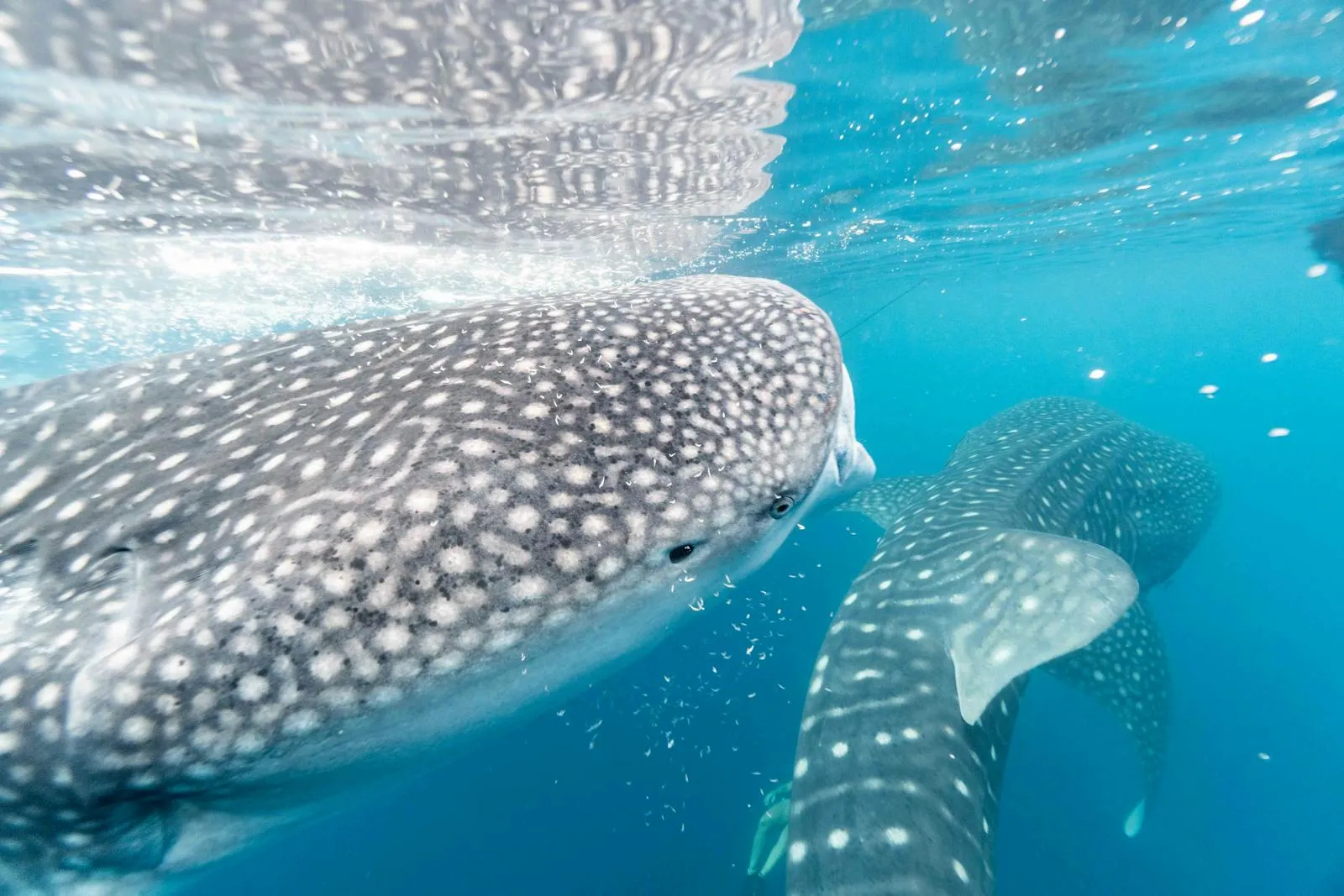
Philippines offers two whale shark experiences: Oslob (Cebu) and Donsol (Sorsogon, Luzon). Oslob feeds sharks to guarantee sightings — widely criticised by marine biologists as it alters natural behaviour, attracts sharks to boat propellers, creates dependency. Donsol is ethical choice — wild whale sharks during natural season (Nov–Jun, peaking Feb–Apr). Encounters not guaranteed but far more meaningful. Registration + boat: €15–25.

Other Water Activities

  • Surfing: Siargao (Cloud 9, world-class reef break, Aug–Nov), La Union (beach break, closest to Manila, year-round), Baler (Sabang Beach, Oct–Mar). Board rental: €3–5/hr; lessons: €10–15/hr.
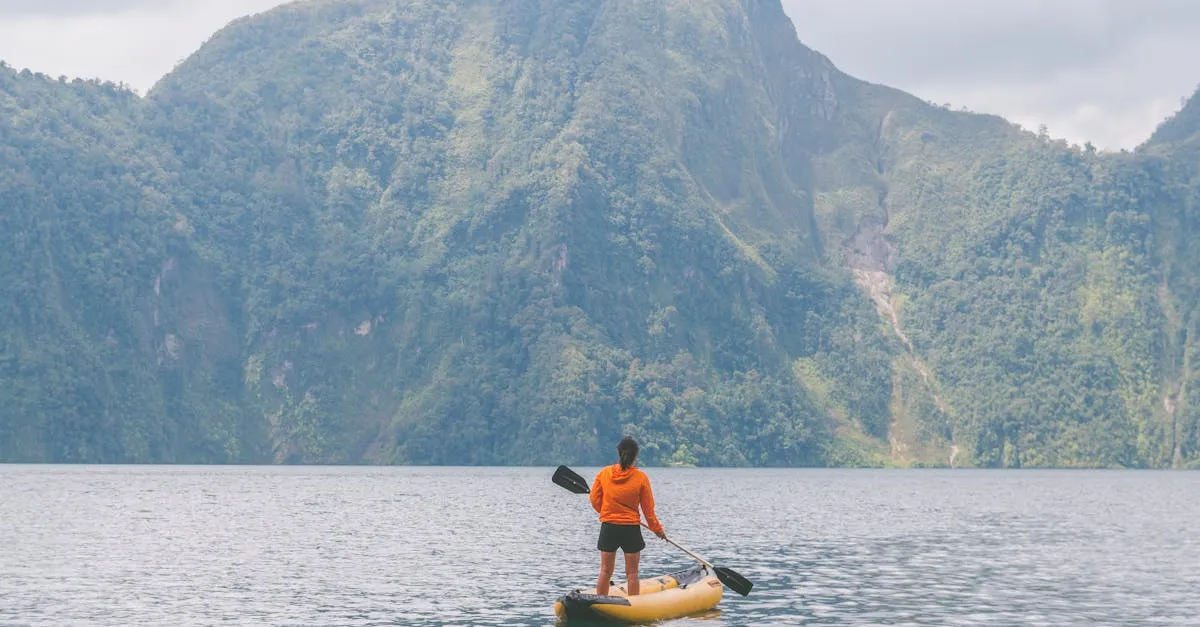
  • Kayaking: El Nido lagoons, Coron's Twin Lagoon, Caramoan islands. €3–8/hr.
  • Island hopping: Quintessential Philippine activity. Available everywhere. Group tours: €12–20; private bangka: €40–80/day.
  • Kitesurfing: Bulabog Beach, Boracay (Nov–Apr, strong Amihan winds). Lessons: €40–60/session.

Off the Beaten Path

Beyond the well-trodden El Nido–Cebu–Boracay circuit lies a Philippines few tourists see. These destinations reward the adventurous with empty beaches, authentic culture, and that increasingly rare commodity: solitude.

Batanes Islands rolling hills

🏝 Batanes

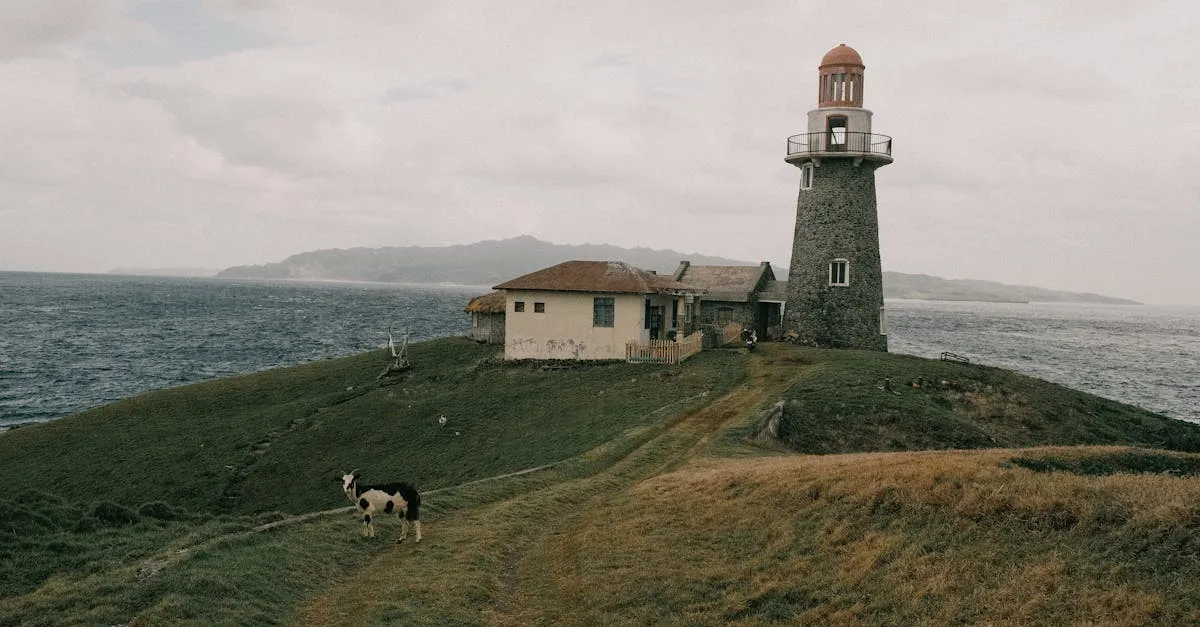
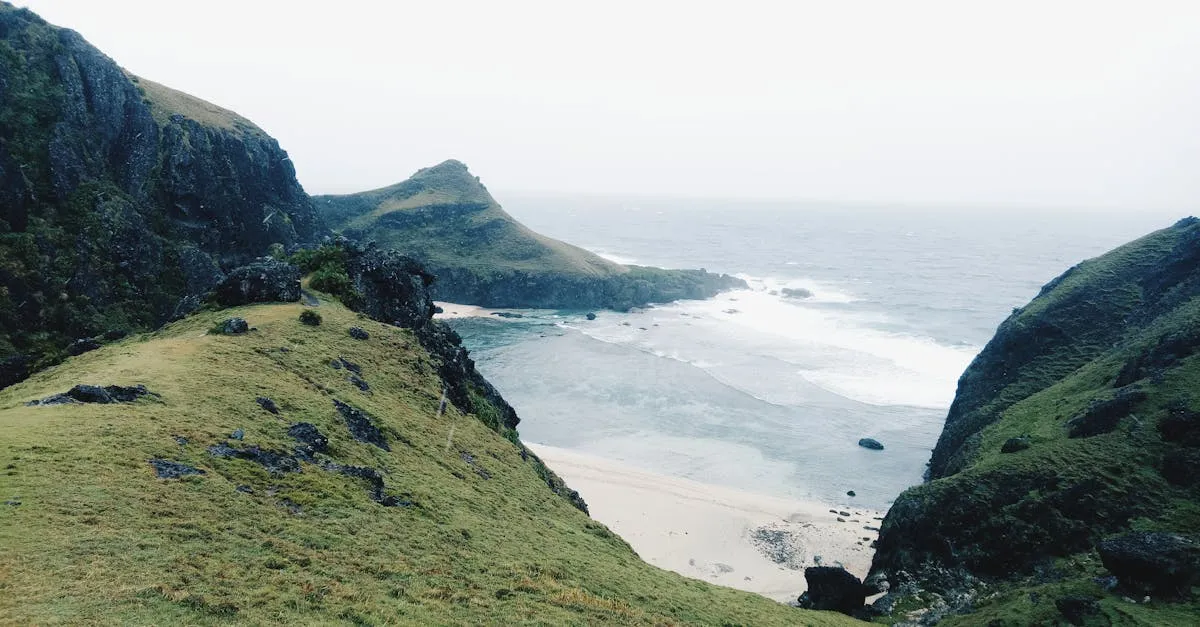
The Philippines’ northernmost province, closer to Taiwan than Manila. Rolling green hills, stone houses built to withstand typhoons, dramatic sea cliffs, and a Ivatan culture unlike anything else in the country. Feels more like Ireland than the tropics. Fly from Manila (1.5 hours). Best Feb–Jun. Budget €40–60/day.

Kalanggaman Island sandbar

🌊 Kalanggaman Island

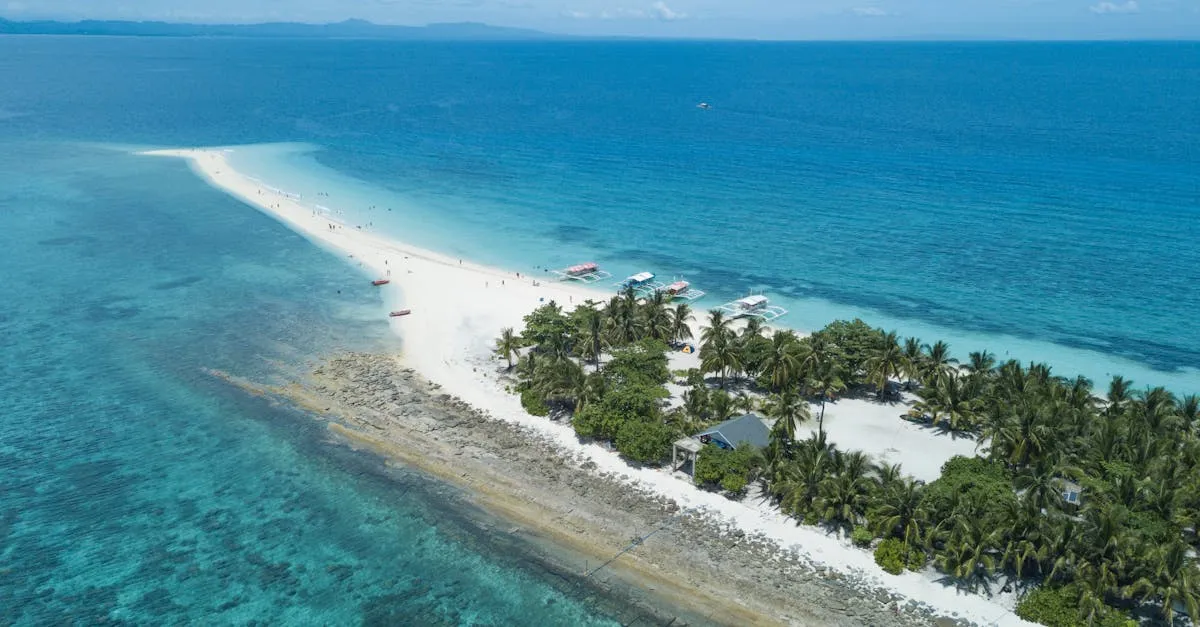
A sandbar so perfect it looks artificial. No permanent structures — just a thin strip of white sand extending into the blue. Camping is the only option (bring supplies or arrange through Leyte operators). Day trip from Malapascua or Leyte. €15–25 boat transfer.

Camiguin Island

🏛 Camiguin

Tiny volcanic island dubbed “the island born of fire” with more volcanoes per square kilometre than any other island on Earth. Hot springs, the sunken cemetery (cross-marked reef), White Island sandbar, Katibawasan Falls. Wonderfully sleepy. Ferry from Cagayan de Oro (3 hours).

Siquijor Island

🌴 Siquijor

The “Island of Fire” (bioluminescent fireflies gave it a supernatural reputation). Traditional healers (mananambal) practise ancestral medicine. Cascading waterfalls, empty beaches, firefly tours, and an enchanting atmosphere. Less than 2 hours from Dumaguete. €15–25/day budget.

Calaguas Islands beach

🌊 Calaguas Islands

Uninhabited islands with pristine white sand beaches in Camarines Norte (Luzon). Camping on Mahabang Buhangin beach. No electricity, no phone signal, no restaurants. Pure escapism. Best Nov–May. Accessible from Daet (4–5 hours from Manila by bus + boat).

Lake Holon crater lake

🌋 Lake Holon

Crater lake at 1,200m on the slopes of Mt. Parker in South Cotabato, Mindanao. T’boli indigenous community manages treks. 3–4 hour hike through mossy forest to an emerald lake with camping by the shore. Guide + fees: €15–20. Off the radar for most tourists.

More Hidden Gems

  • Bantayan Island (Cebu) — Quieter Boracay alternative with white sand, budget resorts, excellent fresh seafood. Ferry from Hagnaya (1hr, €3).
  • Caramoan Peninsula (Camarines Sur) — Dramatic limestone islands like mini El Nido, far fewer tourists. Accessible from Naga (3–4hr).
  • Sambawan Island (Biliran) — Tiny island with 360° panoramic viewpoint. Camping and day trips available.
  • Jomalig Island (Quezon) — Golden sand (not white!) due to mineral content. Remote, 6hr ferry from Real. Journey is part of adventure.
  • Mapawa Nature Park (Cagayan de Oro) — Waterfalls, cliff jumping, rappelling. Adventure day trip for €10–15.

Wildlife & Nature

Whale sharks gracefully swimming underwater, showcasing marine life's beauty.

Philippines is one of world's top biodiversity hotspots:

  • Endemic species: Exceptionally high rate of animals/plants found nowhere else on Earth
  • Evolution: Islands' isolation produced unique evolutionary paths
  • Conservation challenge: Habitat loss and hunting made many species critically endangered

Key Wildlife Encounters

🐱 Philippine Tarsier

One of the world’s smallest primates (fits in your palm), with enormous eyes adapted for nocturnal hunting. Only visit the Philippine Tarsier Sanctuary in Corella, Bohol — it’s run by conservationists. Avoid roadside “tarsier attractions” that stress the animals. Entry: €1.50. No flash photography.

🐦 Philippine Eagle

The world’s largest eagle by wing surface area, with a striking shaggy crest. Critically endangered (~800 remain). Visit the Philippine Eagle Center in Davao, Mindanao, for conservation breeding programs. Wild sightings are extremely rare (Mt. Apo, eastern Mindanao forests). Entry: €3.

🐋 Whale Sharks

The world’s largest fish. Ethical encounters at Donsol, Sorsogon (Nov–Jun) where wild whale sharks feed on plankton. Season peaks Feb–Apr. Boat registration + guide: €15–25. Oslob (Cebu) feeds them — choose Donsol for responsible tourism.

🐢 Sea Turtles

Green and hawksbill turtles are common across Philippine reefs. Best snorkelling spots: Apo Island (Dumaguete), Moalboal (Cebu), and El Nido. Nesting sites on some Palawan beaches (seasonal). Maintain distance, never touch or chase.

Unique Philippine Species

  • Philippine flying lemur (Colugo) — Not a lemur, doesn't fly. Glides up to 100m between trees. Found in Mindanao and Bohol forests.
  • Tamaraw — Dwarf buffalo endemic to Mindoro. Critically endangered (~600 remain). Seen in Mounts Iglit-Baco National Park with advance permits.
  • Thresher sharks — Malapascua (Cebu) only place on Earth to reliably encounter pelagic thresher sharks at shallow cleaning station.
  • Giant golden-crowned flying fox — One of world's largest bats (1.7m wingspan). Colonies in Subic Bay and Mindanao. Spectacular at dusk.
  • Dugongs — Small populations around Palawan's Busuanga and Coron seagrass beds. Very rare sighting.

Protected Areas Worth Visiting

Park/ReserveLocationWhy VisitAccess
Tubbataha Reef Natural ParkSulu SeaUNESCO. Pristine coral reef. Sharks, mantas, turtles.Liveaboard only, Mar–Jun
Puerto Princesa Underground RiverPalawanUNESCO. 8.2km navigable underground river. Bats, swiftlets, stalactites.Day trip from Puerto Princesa, €15–25
Rajah Sikatuna Protected LandscapeBoholTarsier habitat. 100+ bird species including hornbills.Near Loboc, free access with guide
El Nido – Taytay Managed ResourcePalawanMarine and forest. Dugong habitat. Island ecosystems.Within El Nido tour areas
Mt. Apo Natural ParkDavao, MindanaoHighest peak, Philippine eagle habitat, hot springs.2–3 day trek, registration required

Route A: Classic 2-Week Island Hop

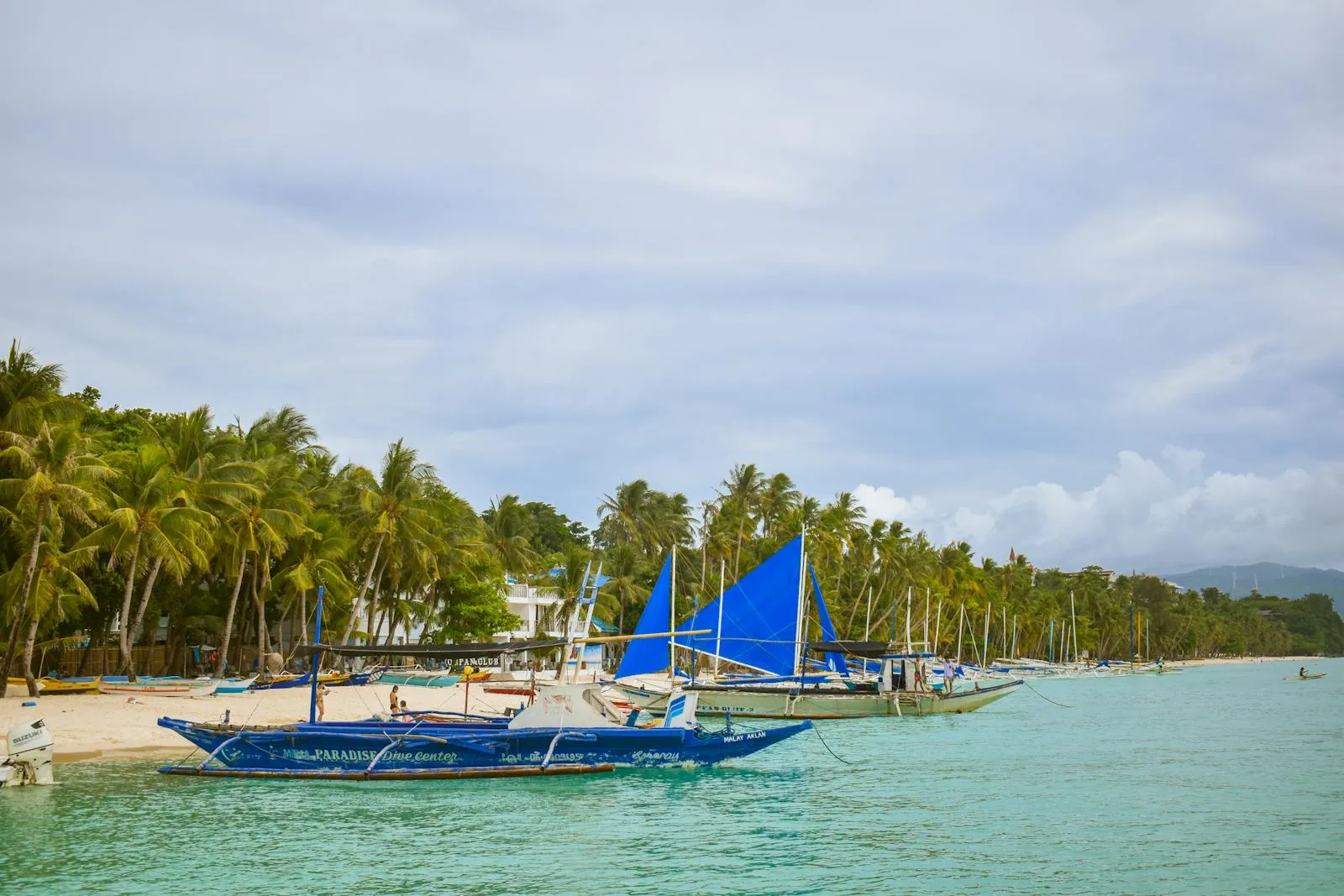
Serene tropical beach with blue sailboats and coconut trees in Boracay, Philippines.

The most popular Philippines itinerary, combining Palawan’s lagoons with the Visayas’ best. Covers four islands without backtracking. Best for first-time visitors.

Day-by-day itinerary
DaysLocationHighlightsTransportBudget/Day
1–4El NidoIsland hopping Tours A & C, Nacpan Beach, sunset kayaking, Secret Lagoon, Big Lagoon, beach relaxation dayFly Manila→El Nido (arrive Day 1 afternoon or evening, 1.5hr, €40–80)€25–40
5–7CoronKayangan Lake, Twin Lagoon, wreck diving/snorkelling, island hopping, hot springsFerry El Nido→Coron (4hr, €25–35)€25–40
8–10Cebu & MoalboalSardine run, turtle snorkelling at Moalboal, Kawasan Falls canyoneering, Cebu city lechon dinnerFly Coron→Cebu (1hr, €30–60)€20–35
11–13BoholChocolate Hills, tarsier sanctuary, Loboc River cruise, Panglao beaches, divingFerry Cebu→Bohol (2hr, €10)€20–35
14DepartureFly Bohol→Manila for international departure (or fly out from Bohol directly)Fly Bohol→Manila (1.5hr, €25–50)
Route A Summary

Total budget (couple): €750–1,100 (excluding international flights)
Internal flights: 2 (Manila→El Nido, Coron→Cebu) + departure flight
Pace: Relaxed. 3–4 nights per island, time for diving and beach days.
Best for: First-timers, couples, beach lovers.

Route B: 3-Week Explorer

Scenic aerial view of the iconic Chocolate Hills in Batuan, Philippines.

For travellers with more time, this route adds the Cordillera highlands of northern Luzon and the surf paradise of Siargao. A deeper, more varied Philippines experience.

Day-by-day itinerary
DaysLocationHighlightsTransportBudget/Day
1–2ManilaIntramuros, National Museum, Binondo food walk, Rizal ParkFly in€30–45
3–5Banaue & SagadaRice terraces trek, Tappiyah Falls, Ifugao culture, hanging coffins, Sumaguing Cave, Kiltepan sunriseOvernight bus Manila→Banaue (9hr, €10–15), jeepney to Sagada (3hr, €3–5)€15–25
6–9El NidoIsland hopping Tours A & C, Nacpan Beach, sunset kayaking, beach daysBus Sagada→Manila + fly to El Nido (1.5hr, €40–80)€25–40
10–12CoronKayangan Lake, Twin Lagoon, wreck diving/snorkelling, island hoppingFerry El Nido→Coron (4hr, €25–35)€25–40
13–15Cebu & MoalboalSardine run, turtle snorkelling, Kawasan Falls canyoneering, lechonFly Coron→Cebu (1hr, €30–60), bus to Moalboal (3hr, €3)€20–35
16–18BoholChocolate Hills, tarsier sanctuary, Loboc River, Panglao beaches, divingBus+ferry Moalboal→Cebu→Bohol (4hr, €10)€20–35
19–21SiargaoCloud 9 surfing, Magpupungko rock pools, island hopping, coconut palmsFly Bohol→Siargao (via Cebu, €40–70)€20–35
Route B Summary

Total budget (couple): €1,100–1,700
Internal flights: 3 (Manila→El Nido, Coron→Cebu, Bohol→Siargao via Cebu)
Pace: Active but comfortable. 3 nights per island destination, 2–3 nights in mountain regions.
Best for: Adventurous travellers wanting mountains + islands + surf. Combines cultural depth with beach time.

Route C: 10-Day Best Of

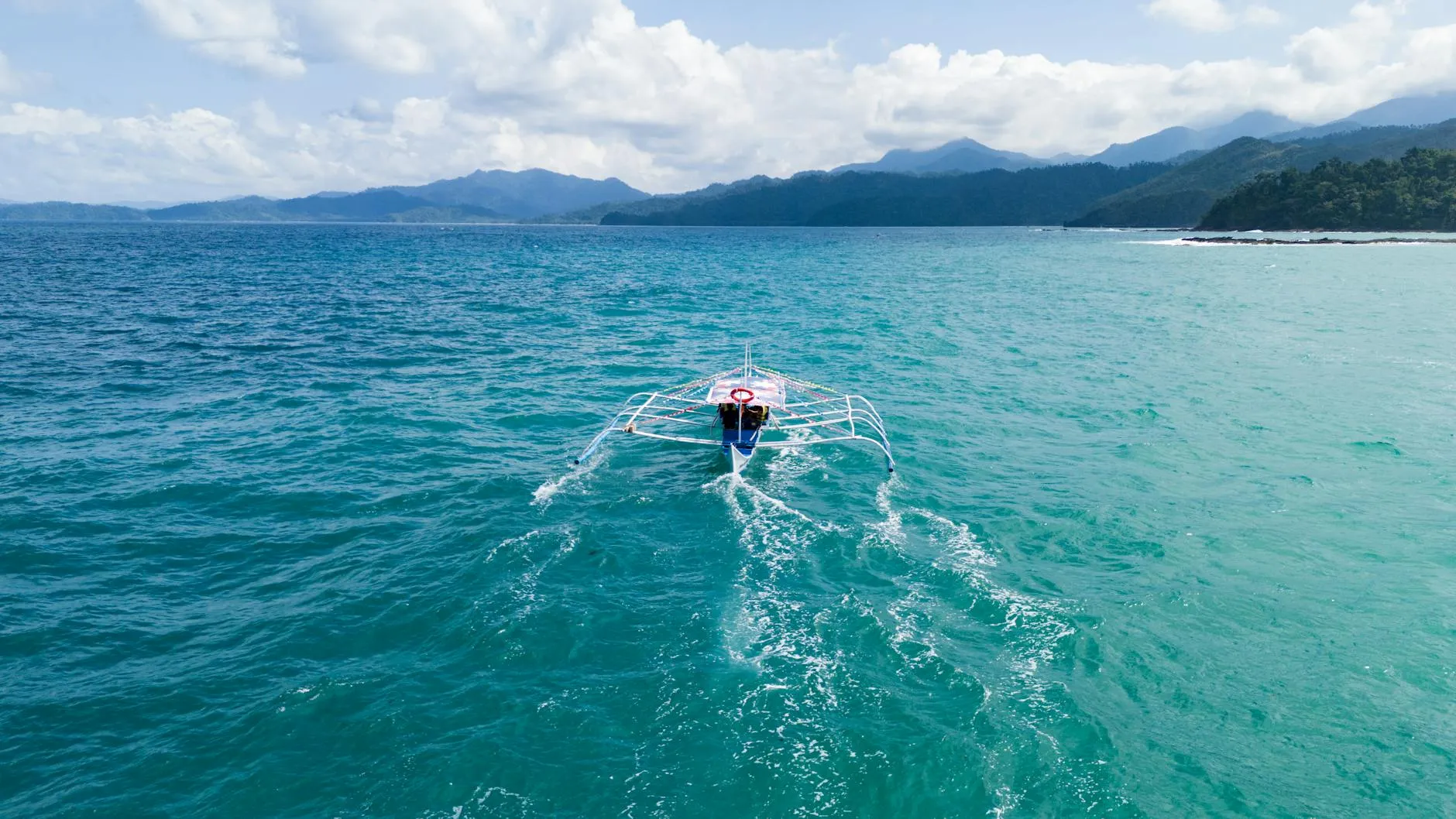
Drone captures a traditional boat navigating the turquoise waters of Mimaropa, Philippines.

Short on time? This route hits the absolute highlights — Palawan’s lagoons and the Visayas’ best — with three comfortable stops.

Day-by-day itinerary
DaysLocationHighlightsTransportBudget/Day
1–3El NidoIsland hopping Tours A & C, Nacpan Beach, sunset kayakingFly Manila→El Nido (1.5hr, €40–80)€25–40
4–6CoronKayangan Lake, Twin Lagoon, wreck diving/snorkelling, island hoppingFerry El Nido→Coron (4hr, €25–35)€25–40
7–9Cebu & MoalboalSardine run, turtle snorkelling, Kawasan Falls canyoneering, Cebu cityFly Coron→Cebu (1hr, €30–60)€20–35
10DepartureFly out from Cebu

Note: Add 3 days for Bohol (Chocolate Hills, tarsiers, Panglao beaches) if you have 13 days total.

Route Comparison Summary

Route A (2 weeks)Route B (3 weeks)Route C (10 days)
FocusIslands & beachesMountains + islands + surfHighlights only
Budget (couple)€750–1,100€1,100–1,700€500–800
Domestic flights332–3
PaceRelaxed — 3–4 nights per islandActive but comfortableComfortable — 3 nights per island
Best forFirst-timers, couplesAdventurersLimited time
Unique experiencesCanyoneering, sardinesRice terraces, caves, surfLagoons, wrecks, sardines

Getting Around

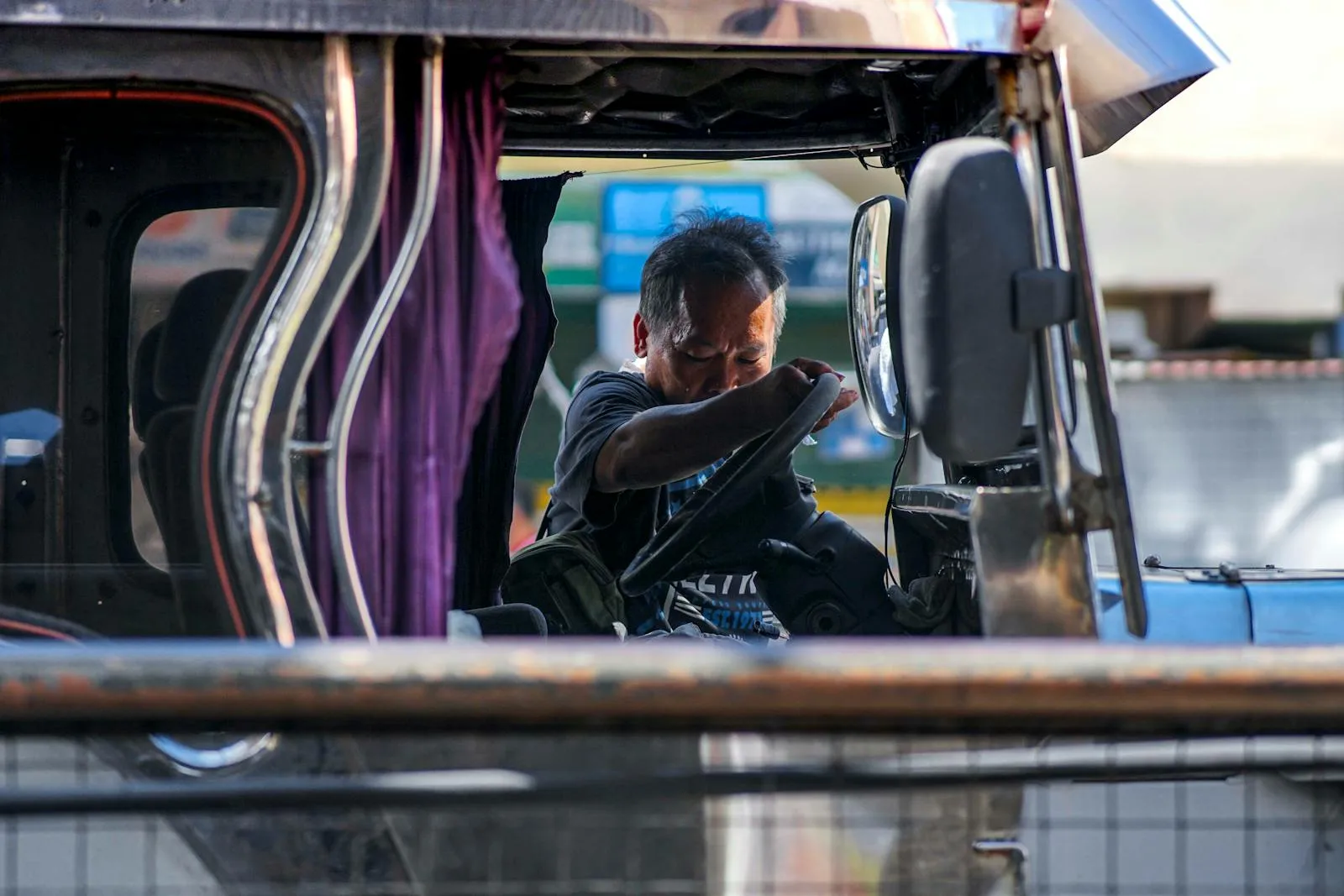
A jeepney driver napping inside his vehicle in Manila, Philippines. Daytime scene capturing urban life.

Getting around Philippines requires accepting that island geography means lots of boats and flights:

  • Overland travel: Well-served by buses within islands
  • Inter-island: Connections rely on domestic flights and ferries
  • Essential mindset: Patience is your most valuable travel accessory

Intercity Transport

ModeBest ForCostNotes
Domestic flightsInter-island, long distances€20–80 one-wayCebu Pacific and AirAsia Philippines are budget carriers. Philippine Airlines (PAL) for reliability. Book 2–4 weeks ahead for best prices. Baggage fees extra on budget carriers (7kg hand luggage free). Manila has 4 terminals (check which one!).
FerriesIsland hopping, short crossings€3–302GO Travel for long routes (Manila–Coron, Manila–Cebu). FastCat and OceanJet for Visayas inter-island. Book online for popular routes. Bring motion sickness medication — seas can be rough.
Long-distance busesWithin Luzon, within large islands€3–15Victory Liner, JoyBus (luxury), Ceres (Visayas). Air-con buses are comfortable. Overnight buses save a hotel night. Manila to Banaue: 9 hours, €10–15.
Vans / minibusesMedium distances, mountain roads€2–8Common in the Cordillera (Baguio–Sagada, Banaue–Sagada). Leave when full. Cramped but efficient.

Local Transport

Jeepney

The Philippines’ iconic transport — decorated WWII-era jeep conversions now running fixed routes in cities and towns. Extremely cheap (€0.15–0.30 per ride). Wave to stop, knock on the ceiling to signal your stop. Crowded, colourful, quintessentially Filipino.

Tricycle

Motorcycle with attached sidecar. The primary local transport in smaller towns and islands. Short trips: €0.30–1. Always agree on the price before boarding — tourist pricing is common. Not the same as a tuk-tuk — it’s a Filipino invention.

Habal-Habal

Motorcycle taxi (literally “tightly packed”). Common on islands and in areas without roads wide enough for tricycles. Cheap (€0.30–2) but no helmets provided — bring your own if you plan to use these frequently.

Grab

Southeast Asia’s ride-hailing app. Works in Manila, Cebu, Davao. Fixed prices, air-con, no haggling. Often cheaper than a metered taxi. Essential for Manila airport transfers.

Motorbike Rental

Best way to explore islands like Siargao, Bohol, Siquijor, Panglao. €5–8/day for scooter (100–125cc). Helmets usually provided but quality varies. Technically need Philippine motorcycle licence, but enforcement rare outside Manila. Drive defensively — Filipino road rules more suggestion than law. Fill up at small roadside stalls (look for bottles of gasoline displayed, €1/litre).

Bangka (Outrigger Boat)

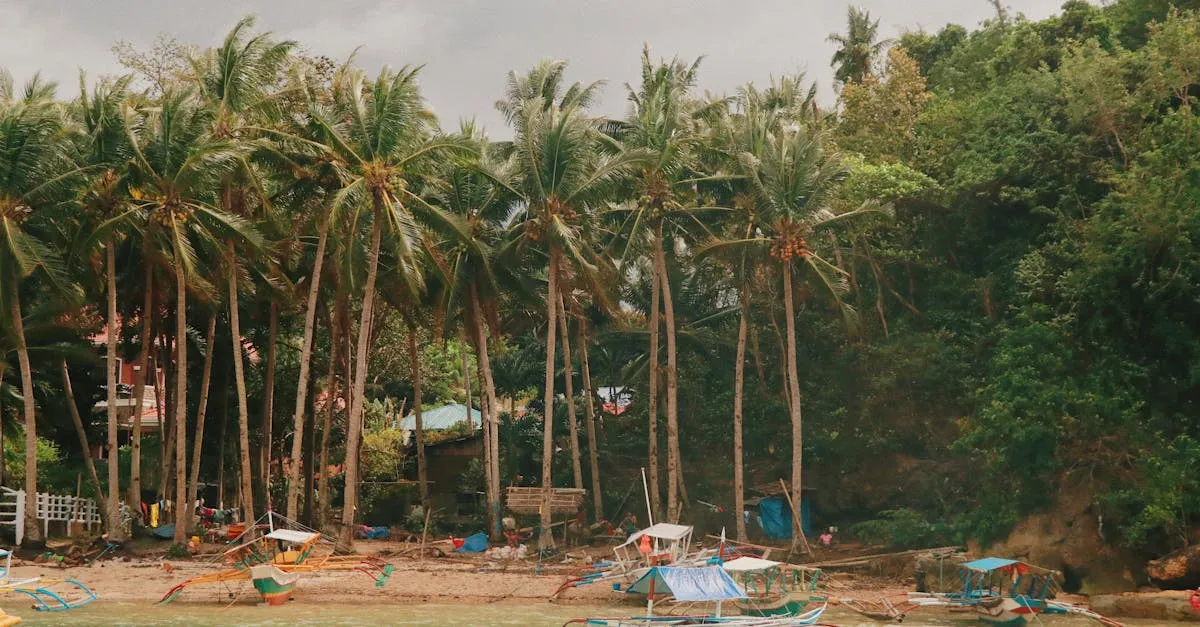
Traditional Filipino boat — narrow wooden hull with bamboo outriggers. Used for island hopping, short sea crossings, fishing. Group tours: €12–20/person. Private hire: €40–80/day. Tip: Bring dry bag, waterproof phone case, motion sickness pills. Bangkas open to spray, can be very rough in choppy seas.

Budget Breakdown

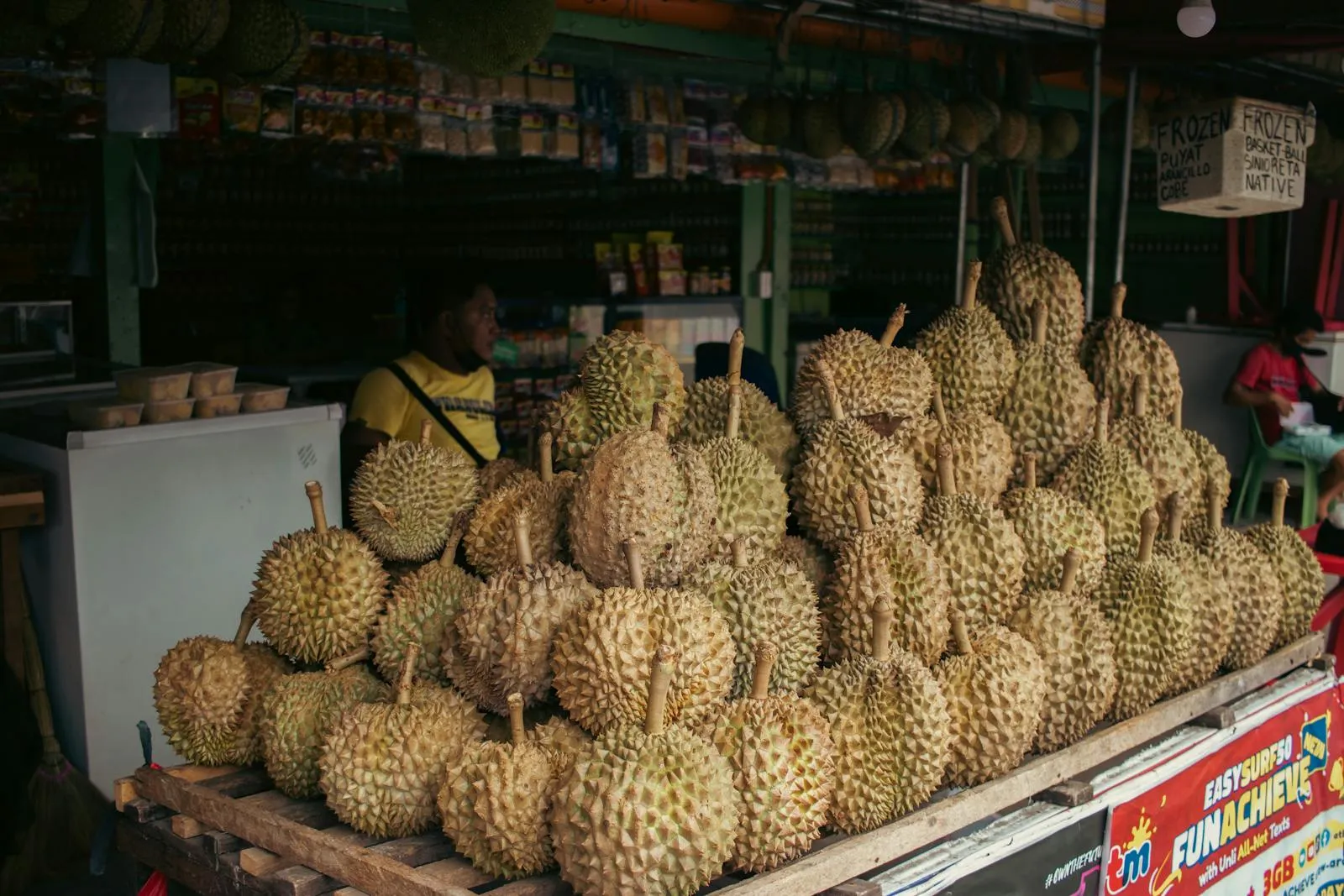
A vibrant market stall showcasing a pile of fresh durians in Davao City, Philippines.

Philippines is one of Southeast Asia's best-value destinations, though not quite as cheap as Vietnam or Cambodia. Main cost driver: domestic flights (unavoidable for efficient island hopping) and boat tours. Food and accommodation very affordable.

Daily Budget Estimates (Per Couple)

CategoryBudget (€/day)Mid-Range (€/day)Comfort (€/day)
Accommodation€10–18 (fan room, dorm)€20–40 (AC private, pool)€50–100 (boutique resort)
Food€8–12 (carinderias, street food)€15–25 (restaurants)€30–50 (fine dining)
Transport€3–8 (buses, jeepneys)€8–15 (ferries, tricycles)€20–40 (flights, private boats)
Activities€5–10 (snorkelling, hiking)€15–30 (tours, island hopping)€40–80 (diving, surf lessons)
Daily Total€26–48€58–110€140–270

Realistic 2-Week Budget (Route A, Couple)

CategoryBudgetMid-Range
Accommodation (14 nights)€170–250€350–560
Food (14 days)€120–170€210–350
Domestic flights (3)€150–250€200–350
Ferries & local transport€60–100€80–150
Activities & tours€80–140€180–350
SIM card + misc€20–30€30–50
Total (couple)€600–940€1,050–1,810
Per person€300–470€525–905

Money Matters

Currency: Philippine Peso (PHP). Approximate rate: 1 EUR – 62 PHP. ATMs widespread in cities and tourist towns (BPI, BDO, Metrobank most reliable — some charge €3–4 per withdrawal). Cash is king outside Manila/Cebu — many small islands, carinderias, tricycle drivers cash-only. Bring sufficient pesos when heading to remote islands. GCash (Philippine e-wallet) increasingly accepted. Credit cards work at hotels and larger restaurants but not budget accommodation or local eateries.

Money-Saving Tips

✈️ Book Flights Early

Cebu Pacific promo fares: €15–25 one-way vs €60+ last minute. Sign up for sale alerts

🍴 Eat at Carinderias

Point-and-choose local eateries where a full meal costs €1–2. Found in every town across the country

🚢 Group Island Hopping

Shared tours: €12–18/person vs private boats: €60–80. Same islands, same snorkelling

⛵ Travel by Ferry

Slower than flying but dramatically cheaper. Cebu–Bohol: €8 (ferry) vs €30–50 (flight)

🚲 Rent Motorbikes

€5–8/day is cheaper than multiple tricycle trips and gives you total freedom to explore

📅 Skip Peak Season

Christmas and Holy Week see 30–50% price jumps. Shoulder months offer the same weather at lower prices

Practical Information

Philippine island beach with traditional bangka boat

💳 Visas

Most Western passports visa-free 30 days. Extensions easy at immigration offices (59 days total)

🏥 Health

Standard

💶 Money

Philippine Peso (PHP). 1 EUR ≈ 62 PHP.

📶 SIM & WiFi

Globe or Smart SIMs at airports. Good LTE in cities, spotty on remote islands. ~300 PHP for 5–15GB

🔌 Electricity

220V, 60Hz. Type A/B plugs (US-style flat prongs).

🛒 Safety

Important

Visa

Visa Requirements
CategoryDetails
EU / Schengen citizens30-day visa-free on arrival. Free. Extendable to 59 days at any Bureau of Immigration office (€40–50 extension fee).
USA, UK, Australia, NZ, Canada30-day visa-free. Same extension options.
Maximum stayUp to 36 months through successive extensions (increasingly expensive).
Requirements on arrivalPassport valid 6+ months, return or onward ticket (strictly enforced — airlines will deny boarding without one). Book a cheap refundable flight or use onwardticket.com.
Acr-I CardRequired if staying beyond 59 days. ~€50. Obtained at immigration office with your extension.

Health & Vaccinations

IssueRiskAction
Routine vaccinesStandardEnsure tetanus, hepatitis A & B, typhoid are current. Measles boosters recommended.
DengueHighNo vaccine for travellers. Mosquito prevention is essential: DEET repellent, long sleeves at dusk, sleep in AC rooms or under nets. Dengue is endemic across the Philippines and outbreaks are common.
RabiesModerate–HighStray dogs are everywhere. Pre-exposure rabies vaccination is strongly recommended. If bitten, seek post-exposure treatment immediately — available in major cities at Research Institute for Tropical Medicine (Manila) or bite treatment centres.
MalariaLowOnly in remote rural Palawan and Mindanao. Not a risk in tourist areas (Manila, Cebu, El Nido, Boracay). Prophylaxis not routinely recommended.
Traveller’s diarrhoeaModerateDrink bottled/purified water only. Avoid ice in rural areas. Street food is generally safe if freshly cooked. Carry Imodium and oral rehydration salts.
Water safetyImportantTap water is NOT safe to drink anywhere. Bottled water: €0.15–0.30 (1.5L).

Connectivity

SIM card: Buy Globe or Smart SIM at airport or any convenience store (€1–2 for SIM + €5–10 for tourist data package with 15–30GB). Globe Prepaid has better coverage on islands; Smart stronger in urban areas. 5G available in Manila and Cebu. 4G coverage decent in tourist areas but drops on remote islands. Wi-Fi in hotels ranges from excellent (city hotels) to painful (island guesthouses).

Safety

Safety Overview
  • Overall: Philippines generally safe for tourists. Violent crime against foreigners rare.
  • Petty theft: Pickpocketing in Manila (Quiapo, Divisoria, crowded jeepneys). Use money belt, keep bags in front.
  • Mindanao caution: Avoid western Mindanao (Zamboanga, Sulu, Basilan, Tawi-Tawi) due to armed groups. Eastern/northern Mindanao (Davao, Siargao, Cagayan de Oro, Camiguin) safe and rewarding.
  • Typhoons: Monitor PAGASA during wet season. Don't take boats in rough weather. Airlines cancel flights — build buffer days into itinerary.
  • Scams: "New friend" scams in Manila (stranger invites you to cousin's house for card games). Avoid unofficial money changers. Use Grab instead of unmetered taxis.

Key Practical Details

ItemDetail
LanguageFilipino (Tagalog) is national. English is widely spoken — the Philippines has the 3rd largest English-speaking population globally. Menus, signs, and instructions are in English. Regional languages (Cebuano, Ilocano, Waray, etc.) are common outside Manila.
CurrencyPhilippine Peso (PHP). 1 EUR ≈ 62 PHP.
Power220V, 60Hz. Type A/B plugs (US-style flat prongs). Most hotels have universal outlets. Bring a multi-USB charger.
Time zoneGMT+8 (same as Singapore, Malaysia, Hong Kong). No daylight saving.
TippingAppreciated but not expected. Round up at restaurants. €0.50–1 for porters, drivers, tour guides. Service charge (10–12%) often included at nicer restaurants.
DrivingRight-hand traffic. International Driving Permit accepted. Not recommended for tourists in Manila (traffic is extreme). Motorbike rental feasible on islands.

Tips & Common Mistakes

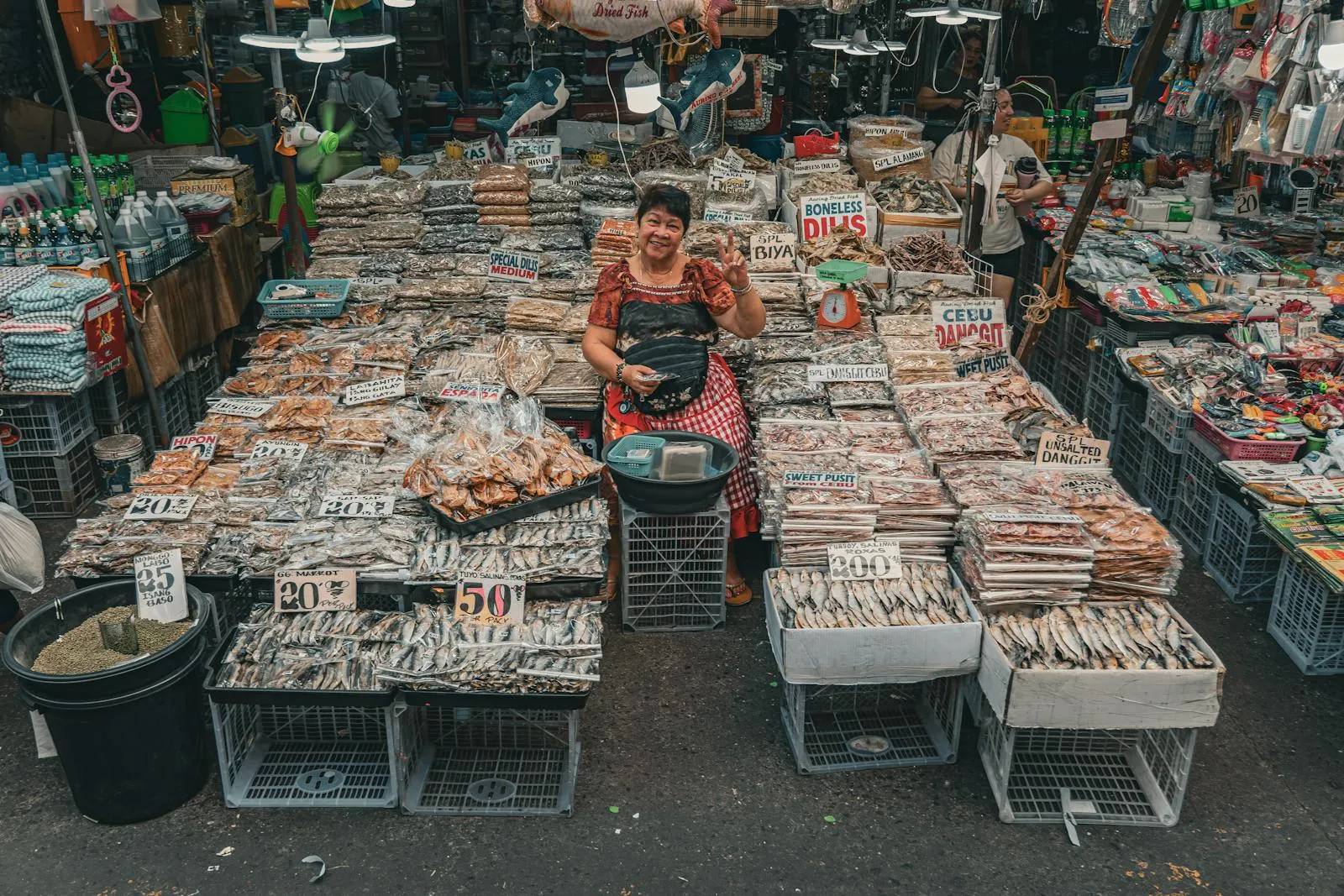
Smiling vendor at a lively fish market in Manila, showcasing a variety of fresh and dried fish.

Years of traveller experience, distilled into advice that saves money, time, and frustration.

Top Tips

  • Book domestic flights early: Cebu Pacific promo fares sell out fast. Prices triple within 2 weeks of departure. Set price alerts or check every Tuesday (common promo day). Hand luggage only (7kg) to avoid baggage fees.
  • Carry cash to islands: ATMs in El Nido and Coron often run out of money or charge high fees. Withdraw sufficient pesos in Manila or Cebu before island-hopping legs.
  • Prepare for "Filipino time": Buses, ferries, people operate on flexible schedule. Build buffer time into connections. Never book connecting flight same day as ferry.
  • Download offline maps: Google Maps works well. Cell coverage drops on islands and in Cordillera. Download maps for each region before losing signal.
  • Pack motion sickness medication: Bangka rides between islands can be rough. Even seasoned sailors get queasy on longer crossings. Bonamine (local brand) effective, available at any pharmacy for €0.50.
  • Use reef-safe sunscreen: Mandatory in El Nido's lagoons. Many areas check at entry points. Buy before arriving (hard to find reef-safe locally).
  • Learn "po": Adding "po" to sentences shows respect. "Salamat po" (thank you, with respect) wins hearts instantly.
  • Consider Donsol over Oslob: For ethical whale shark encounters. Donsol more remote but rewards with wild, natural interactions. Oslob's feeding operation controversial.
  • Check NAIA terminal: Manila airport has 4 terminals with NO airside connection. Confirm terminal before heading to airport. Allow extra time for terminal changes.
  • Travel insurance with water sports: Ensure policy covers diving, snorkelling, bangka transport. Philippines is remote — medical evacuation from islands expensive.

Common Mistakes to Avoid

❌ Trying to See Everything

7,641 islands, remember? Pick 3–4 areas and explore deeply. Philippines rewards slow travel. Island hopping by ferry adds up in time and energy. Quality over quantity.

❌ Only Going to Boracay

Boracay is fine but far from the best Philippines offers. El Nido, Coron, Siargao more spectacular. Siquijor and Camiguin more authentic. Don't equate Philippines = Boracay.

❌ Skipping Food Exploration

Many tourists eat at resort restaurants and miss Filipino cuisine entirely. Eat at carinderias, try street BBQ at night, drink lambanog, say yes when locals offer to cook for you. Filipino food is the hidden gem of the trip.

❌ Ignoring Typhoon Season

Travelling Jun–Nov without monitoring weather is risky. Check PAGASA daily. Have backup plans. Book refundable transport. Keep emergency cash and supplies for potential delays.

❌ Not Bringing Enough Cash

ATMs on small islands unreliable or nonexistent. Credit cards rarely accepted outside major establishments. Withdraw enough pesos for each island leg before leaving a major city.

❌ Disrespecting Local Culture

Philippines more conservative than it appears. Dress modestly at churches (covered shoulders and knees). Ask before photographing people, especially indigenous communities. Don't be loud in residential areas.

Final Recommendation

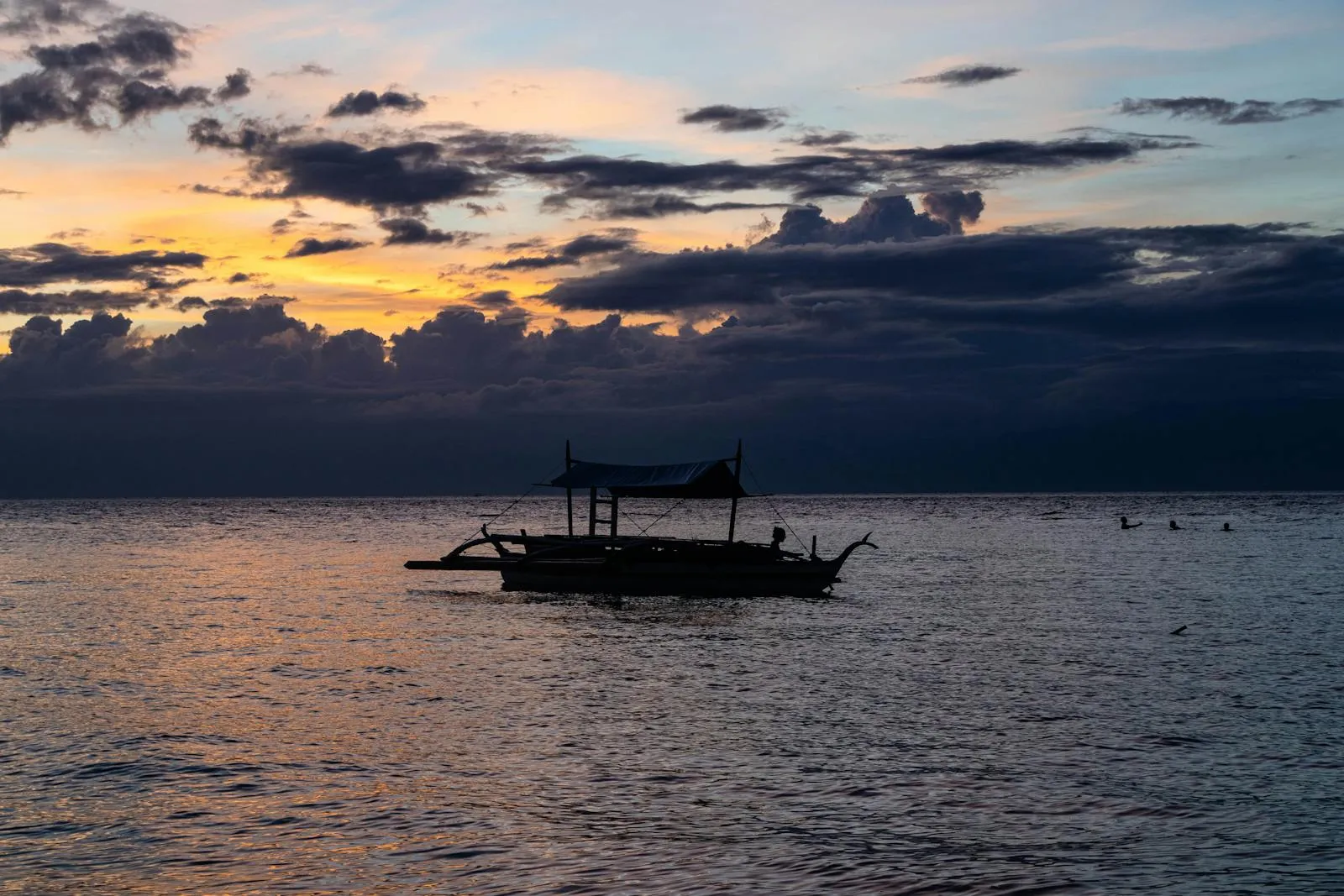
Serene sunset view with a silhouette of a traditional boat on the waters of Moalboal, Philippines.

Philippines is Southeast Asia's best-kept secret for island lovers, divers, anyone who values genuine human connection:

  • Infrastructure: Doesn't have Thailand's tourist infrastructure or Vietnam's culinary fame
  • What it has: Something harder to find — authenticity
  • The experience: World-class beaches, extraordinary diving, genuinely, disarmingly warm people

Our Recommended Plan

Ideal Philippines Visit
  • Duration: 14–21 days minimum (the Philippines rewards time more than most countries)
  • Entry: Fly into Manila (more connections, cheaper) or Cebu (skip Manila, go straight to islands)
  • Must-see: El Nido, Coron, Cebu/Moalboal, Bohol (Route A core)
  • If 3 weeks: Add Banaue rice terraces, Sagada, and Siargao (Route B)
  • Budget: Plan for €30–50/day per couple (budget) or €55–100 (mid-range)
  • Best months: January–February (cool, dry, fewer crowds) or November (dry season start, good deals)

How the Philippines Fits Your Larger Trip

  • From Vietnam/Thailand: Cheap flights from Ho Chi Minh City, Bangkok, or Hanoi to Manila or Cebu (€40–80 with budget airlines). Philippines offers completely different experience — island-focused vs. mainland.
  • To/from Indonesia: Flights from Manila or Cebu to Jakarta or Bali (€60–120). Different diving, different culture, excellent contrast.
  • Regional loop: Thailand ? Vietnam ? Philippines ? Indonesia is classic Southeast Asian circuit. Philippines works best as 2–3 week block between mainland and island destinations.
  • Combine with Japan/Korea: Direct flights from Manila to Tokyo, Osaka, Seoul (€80–150 with Cebu Pacific). Beach warmth before/after Northeast Asian city culture.

What Will Stay With You

When you leave Philippines, you won't just remember turquoise lagoons of El Nido or sardine tornado at Moalboal — though those images stay forever. You'll remember the fisherman who took you to his secret beach and wouldn't accept payment. The grandmother who insisted you try her homemade ube jam. The kids who waved and shouted "Hey Joe!" from every village. The last sunset over Coron, watching bangkas return to harbour, San Miguel in hand, already planning your return.

Philippines is a country that makes you feel welcome in a way few places on Earth can match. Infrastructure can be challenging, weather unpredictable, travel logistics occasionally maddening. But the rewards — natural beauty, cultural richness, human warmth — are incomparable. Salamat po — thank you, with respect — and enjoy the Pearl of the Orient Seas.