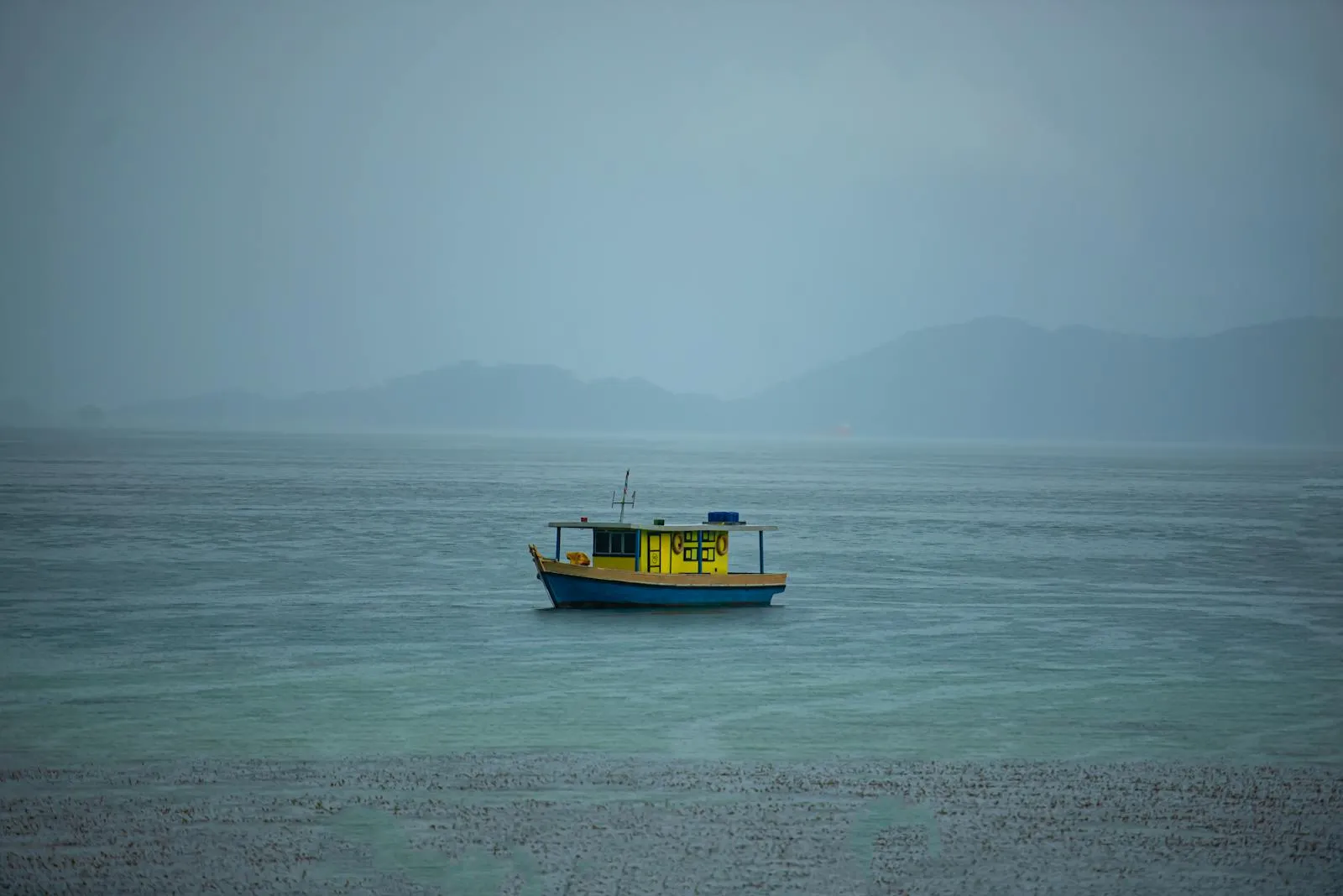
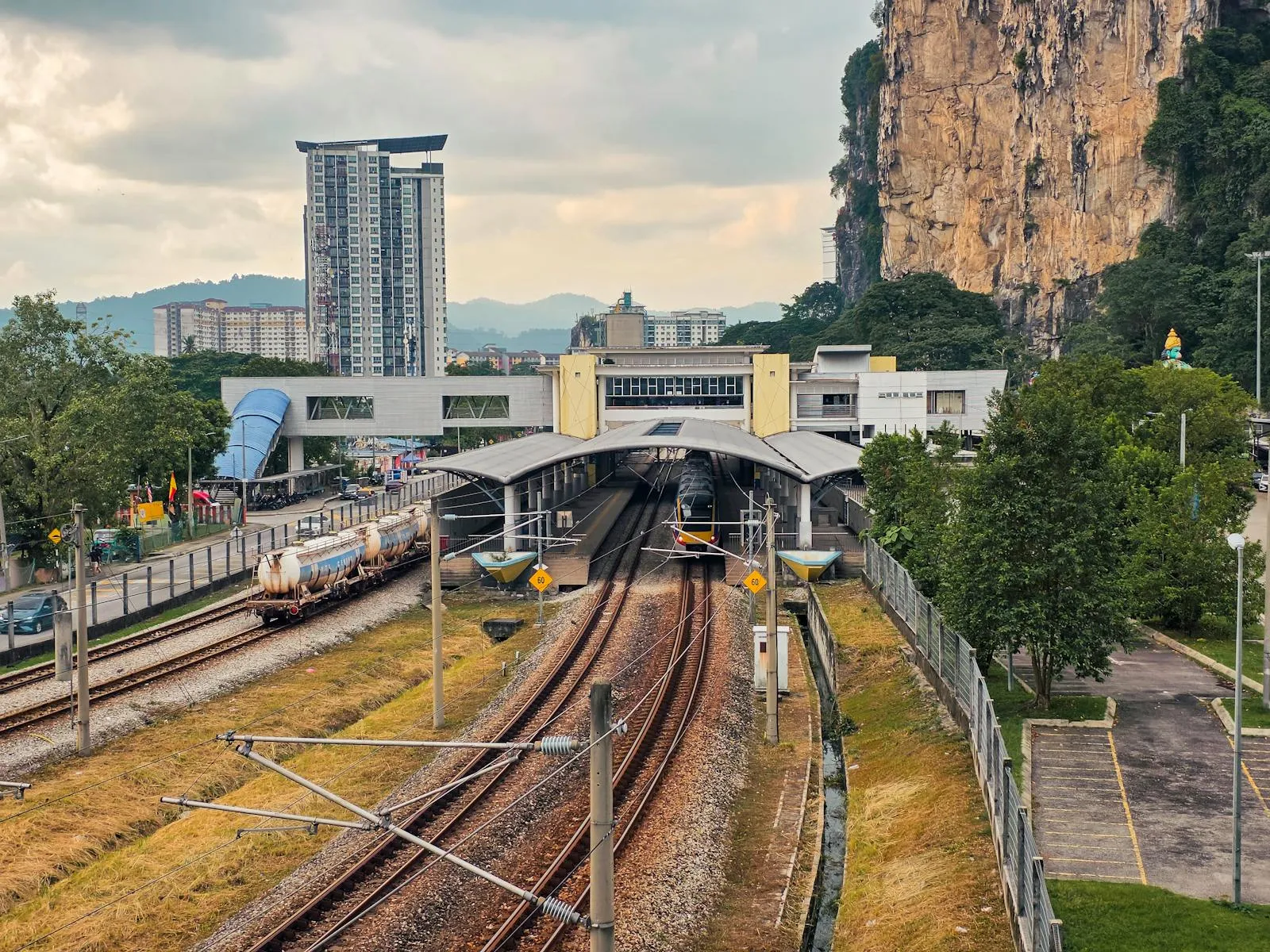
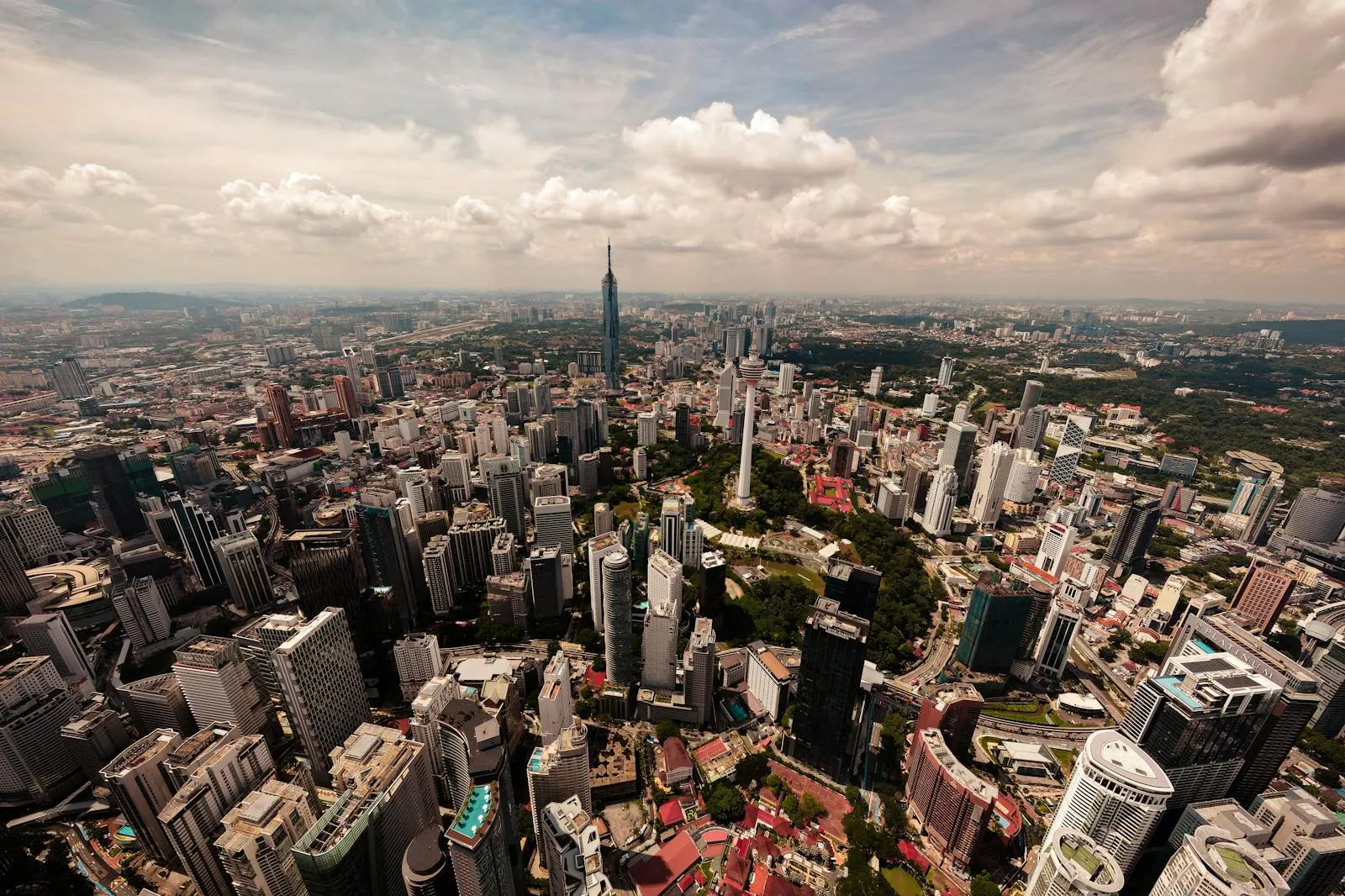
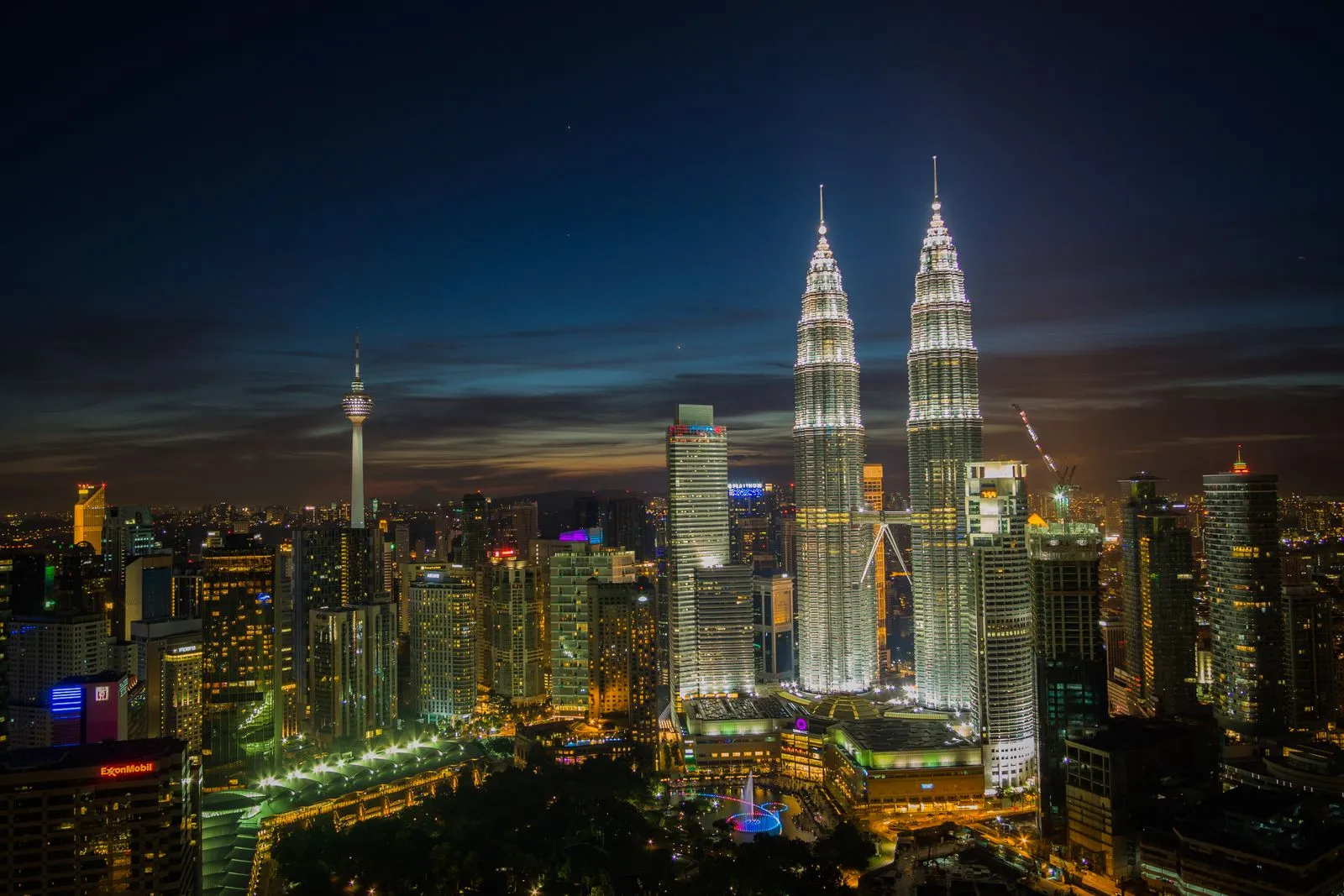
🌡 Temperatures stay constant at 27–33°C year-round, but rainfall patterns vary dramatically by coast and monsoon. Get it wrong: shuttered island resort with no ferry back for three months. Get it right: crystal-clear seas, lush landscapes, lower prices.
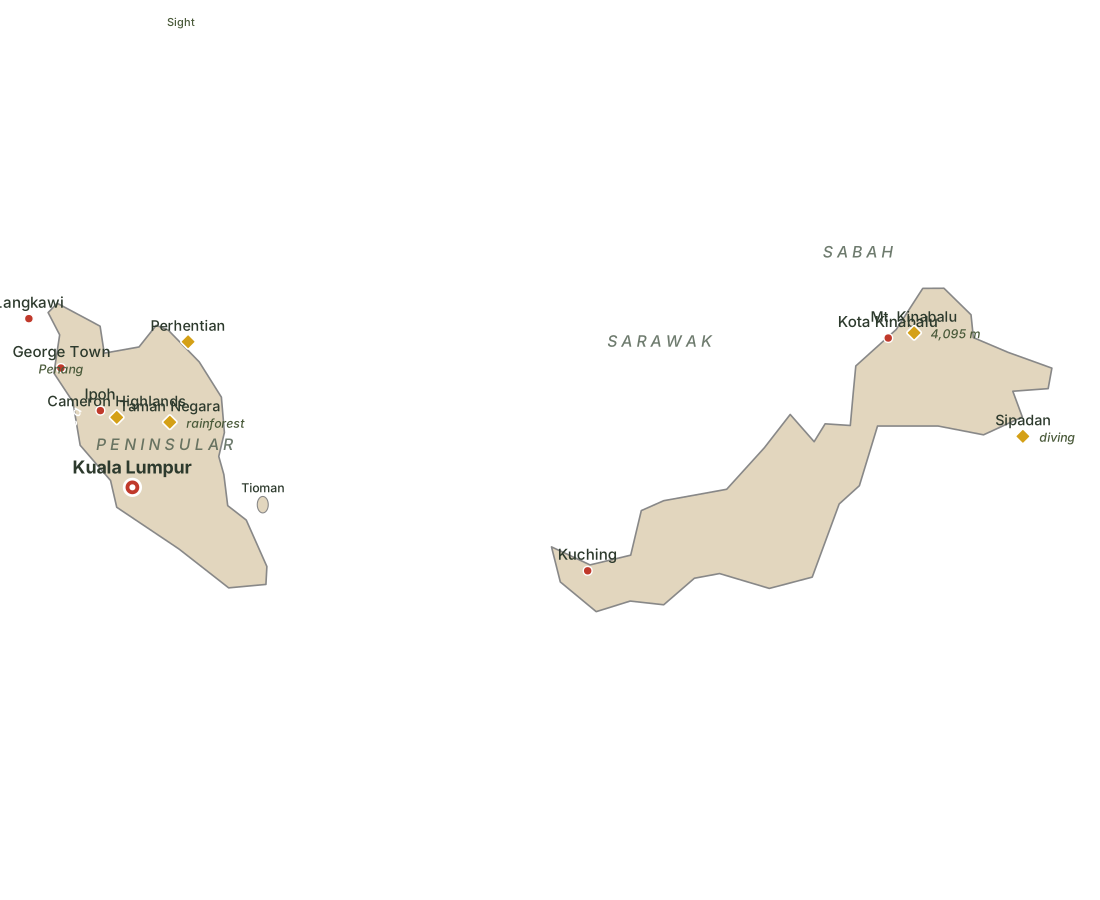
🌧 Two monsoon periods: Northeast (Nov-Mar) hits peninsula's east coast and eastern Sabah. Perhentian, Redang, Tioman close completely. West coast advantage: KL, Penang, Langkawi enjoy driest weather. Southwest (May-Sep) brings afternoon showers to west coast, while east coast has calm seas. ☀ Borneo best March-October.
Sweet Spot: March-April
The narrow window of March to April delivers good weather across virtually all of Malaysia simultaneously. The northeast monsoon has ended (east coast islands reopen in March), the southwest monsoon has not yet arrived, and you avoid the high-season crowds and prices of December-February. September-October is a similar shoulder-season sweet spot, though with slightly higher rainfall risk on the west coast.
| Month |
Season |
Best Regions |
Crowds |
Prices |
Rating |
| January | NE Monsoon | West Coast (KL, Penang, Langkawi) | 🔴 High | 🔴 High | ⭐⭐⭐⭐ |
| February | NE Monsoon | West Coast, Cameron Highlands | 🔴 High | 🔴 High | ⭐⭐⭐⭐ |
| March | Transition | All regions (east coast reopens) | 🟡 Moderate | 🟡 Mid-range | ⭐⭐⭐⭐⭐ |
| April | Dry | East Coast islands, Sabah, Sarawak | 🟡 Moderate | 🟡 Mid-range | ⭐⭐⭐⭐⭐ |
| May | SW Monsoon | East Coast, Borneo, Sipadan | 🟢 Low | 🟢 Low | ⭐⭐⭐⭐ |
| June | SW Monsoon | East Coast, Perhentian, Tioman | 🟡 Moderate | 🟡 Mid-range | ⭐⭐⭐⭐ |
| July | SW Monsoon | East Coast islands, Borneo | 🔴 High | 🔴 High | ⭐⭐⭐⭐ |
| August | SW Monsoon | East Coast, Sabah, Sarawak | 🔴 High | 🔴 High | ⭐⭐⭐⭐ |
| September | Transition | East Coast, Borneo, Penang | 🟡 Moderate | 🟡 Mid-range | ⭐⭐⭐⭐⭐ |
| October | Transition | West Coast, last chance east coast | 🟡 Moderate | 🟡 Mid-range | ⭐⭐⭐⭐ |
| November | NE Monsoon | West Coast only (east closes) | 🟢 Low | 🟢 Low | ⭐⭐ |
| December | NE Monsoon | West Coast (KL, Penang, Langkawi) | 🔴 Very High | 🔴 High | ⭐⭐⭐⭐ |
East Coast Island Closures
Do not plan to visit Perhentian, Redang, Tioman or Lang Tengah between November and February. Resorts close completely, boat services are suspended, and seas can be dangerously rough. Some dive operators on Tioman stay open slightly longer (into early November), but availability is extremely limited and conditions unreliable.
Holiday Considerations
- Chinese New Year (late Jan/Feb) and Hari Raya (Mar 10-11): Mass travel, buses/flights sell out, prices spike 50-100%, highways gridlock
- Thaipusam (late Jan): Spectacular festival at Batu Caves, worth experiencing
- National Day (Aug 31) and Malaysia Day (Sep 16): Celebrations, accommodation pressure in KL
- Book transport and accommodation well ahead during these periods
Climate & Weather
Malaysia's tropical equatorial climate: hot, humid, wet year-round. Daytime 30–33°C at sea level, nights 27–29°C. Humidity averages 80%+. Highlands (Cameron, Genting) sit at 1,000–1,800m with cooler 15–25°C temperatures.
Rainfall is abundant (KL: 2,400mm annually, double London's) but arrives as dramatic afternoon thunderstorms lasting 30-90 minutes, then clearing. The key distinction is wetter vs less wet sides of the monsoon divide. Northeast monsoon (Nov-Mar) brings heavy sustained rain to east coast and Borneo. Southwest monsoon (May-Sep) delivers milder increases to west coast that rarely disrupt travel.
The Dual Monsoon in Practice
Two weather zones on opposite schedules. East coast drenched and islands shuttered (Nov-Feb)? West coast enjoys best weather. West coast sees more showers (May-Sep)? East coast islands sparkle. Borneo roughly follows east coast pattern with local variations.
What the Rain Actually Means for Travel
Even during west coast "wet season," expect several hours of daily sunshine. Carry rain jacket or umbrella, plan outdoor activities for morning (rain hits mid-afternoon). On east coast during monsoon, rain can be continuous for days, seas dangerous, islands inaccessible.
Seasons & Temperatures
Malaysia's tourist seasons are driven by a combination of weather patterns, school holidays and international travel trends. Understanding the ebb and flow of visitor numbers helps you time your trip for the best balance of weather, crowds and cost. In a country where hostel prices can double during peak holiday weekends, this knowledge translates directly into savings.
| Season |
Months |
Crowds |
Prices |
Weather Notes |
| High |
Dec–Feb, Jul–Aug |
High |
+30–50% |
Dec–Feb: best west coast, worst east coast. Jul–Aug: European summer rush, warm everywhere |
| Shoulder |
Mar–May, Sep–Oct |
Moderate |
Standard |
Best value + weather combo. Mar–Apr: east coast reopens. Sep–Oct: last window before east coast closes |
| Low |
Jun, Nov |
Low |
-10–20% |
Jun: quiet mid-year lull. Nov: east coast shutting, transition month. Cheapest accommodation |
Holiday Price Surges
Domestic travel during Chinese New Year (late Jan/early Feb), Hari Raya Aidilfitri (dates shift yearly), and school holidays (mid-Mar, Jun, Nov–Dec) causes accommodation and transport prices to spike significantly. Langkawi, Cameron Highlands and Penang are particularly affected. Book buses and flights 2–4 weeks ahead during these periods.
Optimal Windows for Budget Couples
The March–April shoulder season is the gold standard for budget travelers. The east coast islands have just reopened with fresh-season enthusiasm (some resorts offer early-bird deals), west coast weather remains excellent, Borneo enters its driest stretch, and crowds are thin. September–October is the other prime window. It's the last chance to dive the east coast islands before November closures, with end-of-season discounts at island resorts. Both periods avoid the premium pricing of Christmas/New Year and the domestic chaos of Chinese New Year.
Average Temperatures
The table below shows average temperatures and rainfall for four representative locations across Malaysia. Note how remarkably stable temperatures remain year-round. The real variation is in rainfall, which shifts dramatically between coasts depending on the active monsoon.
| Month |
KL (°C / mm) |
Penang (°C / mm) |
Kota Bharu (°C / mm) |
Kota Kinabalu (°C / mm) |
| Jan |
27–32 / 170 |
27–32 / 70 |
24–29 / 610 |
26–30 / 280 |
| Feb |
27–33 / 165 |
27–32 / 55 |
24–29 / 340 |
26–31 / 190 |
| Mar |
27–33 / 240 |
27–32 / 80 |
24–30 / 170 |
26–31 / 130 |
| Apr |
27–33 / 260 |
28–33 / 120 |
25–31 / 90 |
27–32 / 120 |
| May |
27–33 / 200 |
28–33 / 200 |
26–32 / 110 |
27–32 / 200 |
| Jun |
27–33 / 130 |
28–33 / 170 |
26–32 / 130 |
27–32 / 250 |
| Jul |
27–33 / 130 |
27–33 / 190 |
26–32 / 150 |
27–32 / 220 |
| Aug |
27–33 / 150 |
27–32 / 230 |
26–32 / 160 |
27–32 / 230 |
| Sep |
27–33 / 180 |
27–32 / 310 |
25–31 / 170 |
27–32 / 240 |
| Oct |
27–32 / 260 |
27–32 / 350 |
25–30 / 280 |
27–32 / 290 |
| Nov |
27–32 / 280 |
27–31 / 200 |
25–29 / 620 |
27–31 / 310 |
| Dec |
27–32 / 240 |
27–31 / 100 |
24–29 / 680 |
27–31 / 310 |
Reading This Table
Green rows indicate the driest, most pleasant months across most regions. Yellow rows are shoulder months with moderate rain. Orange marks the transition into heavier rainfall. Red highlights the wettest months, particularly notable for Kota Bharu (east coast) where November and December rainfall exceeds 600 mm. Temperatures vary by only 2-3°C year-round. It is always hot at sea level.