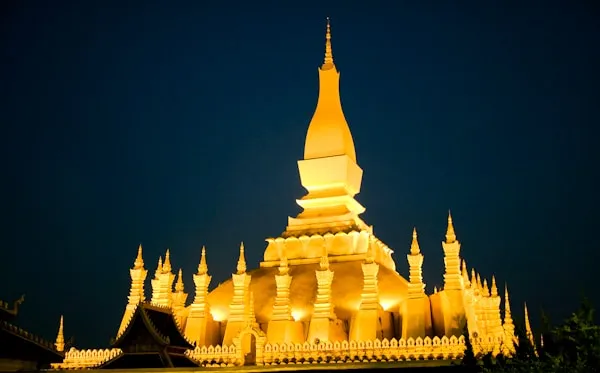
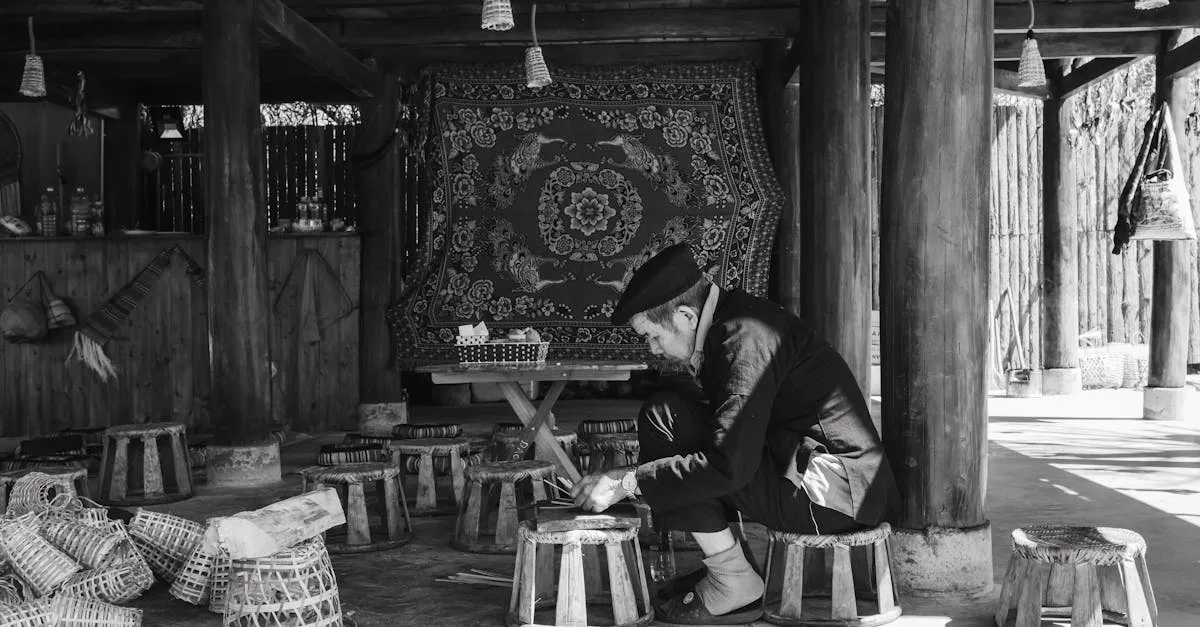
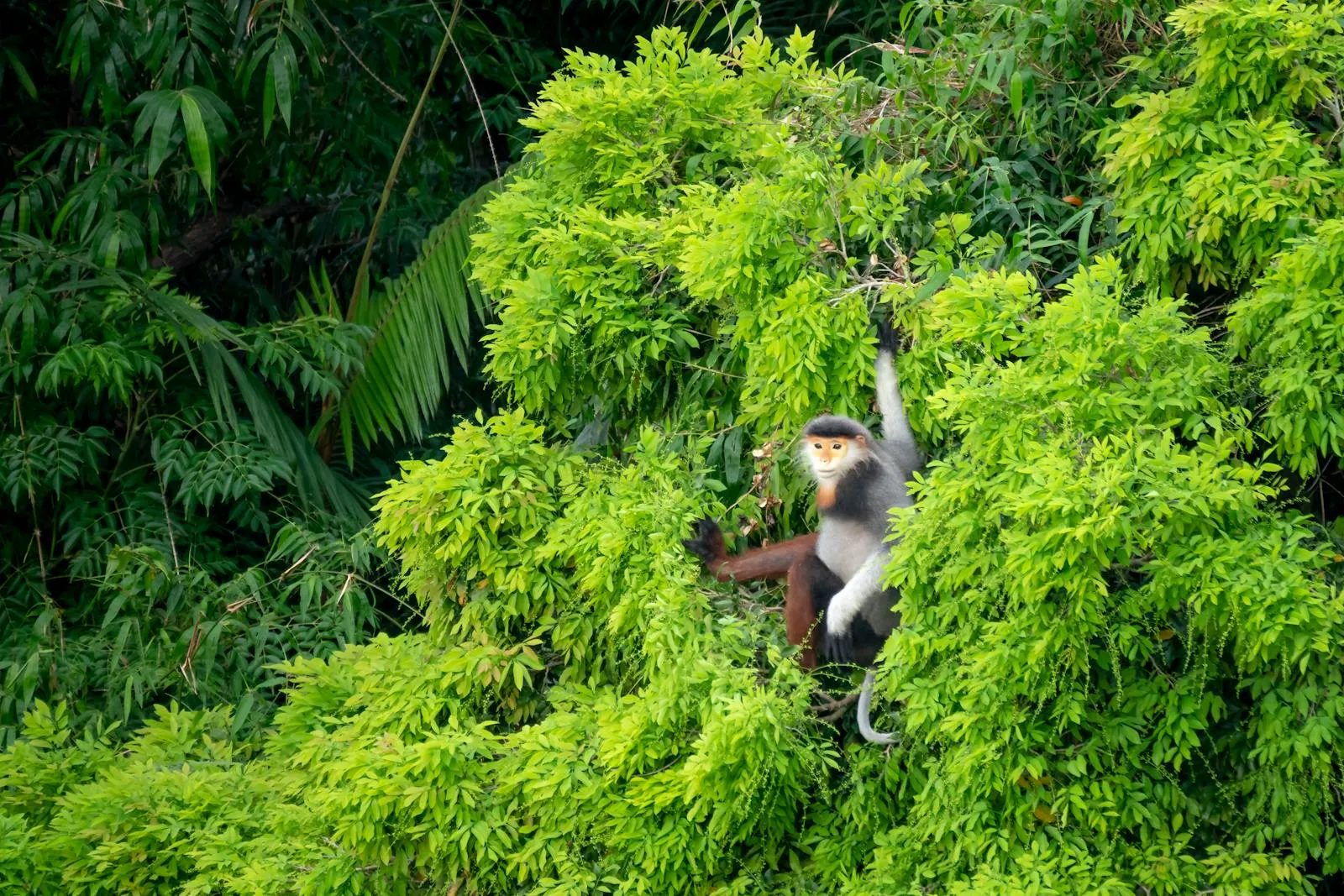
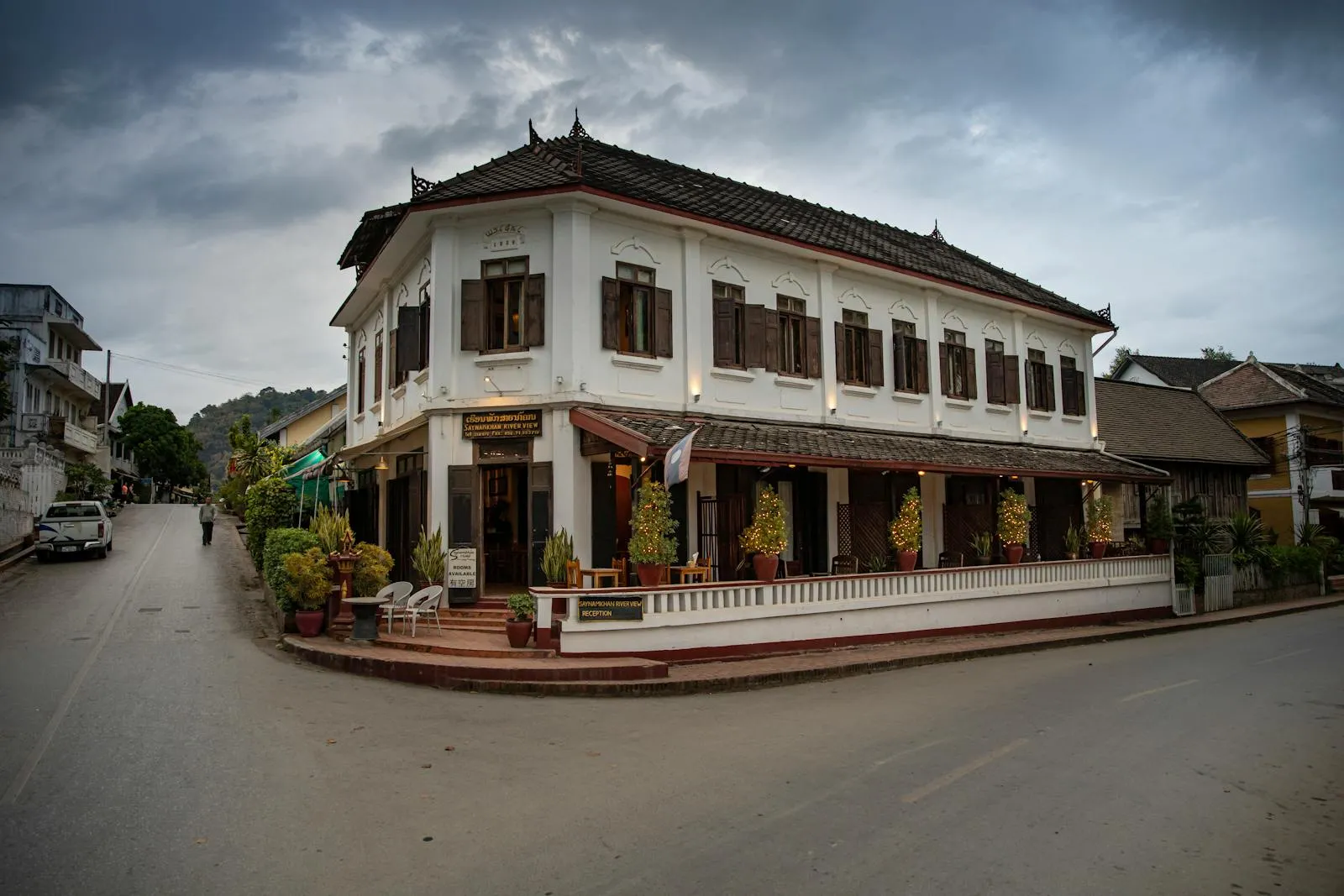
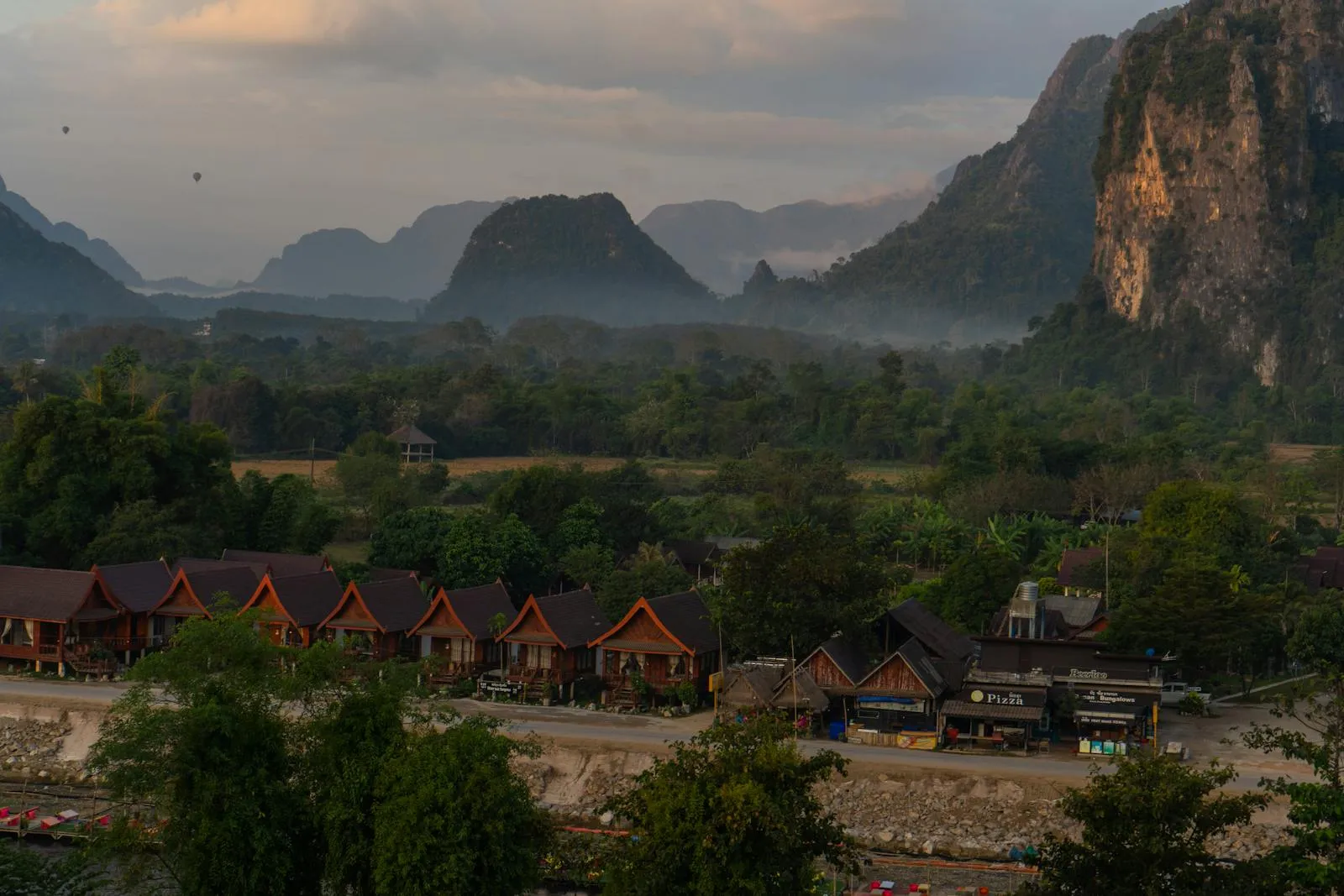
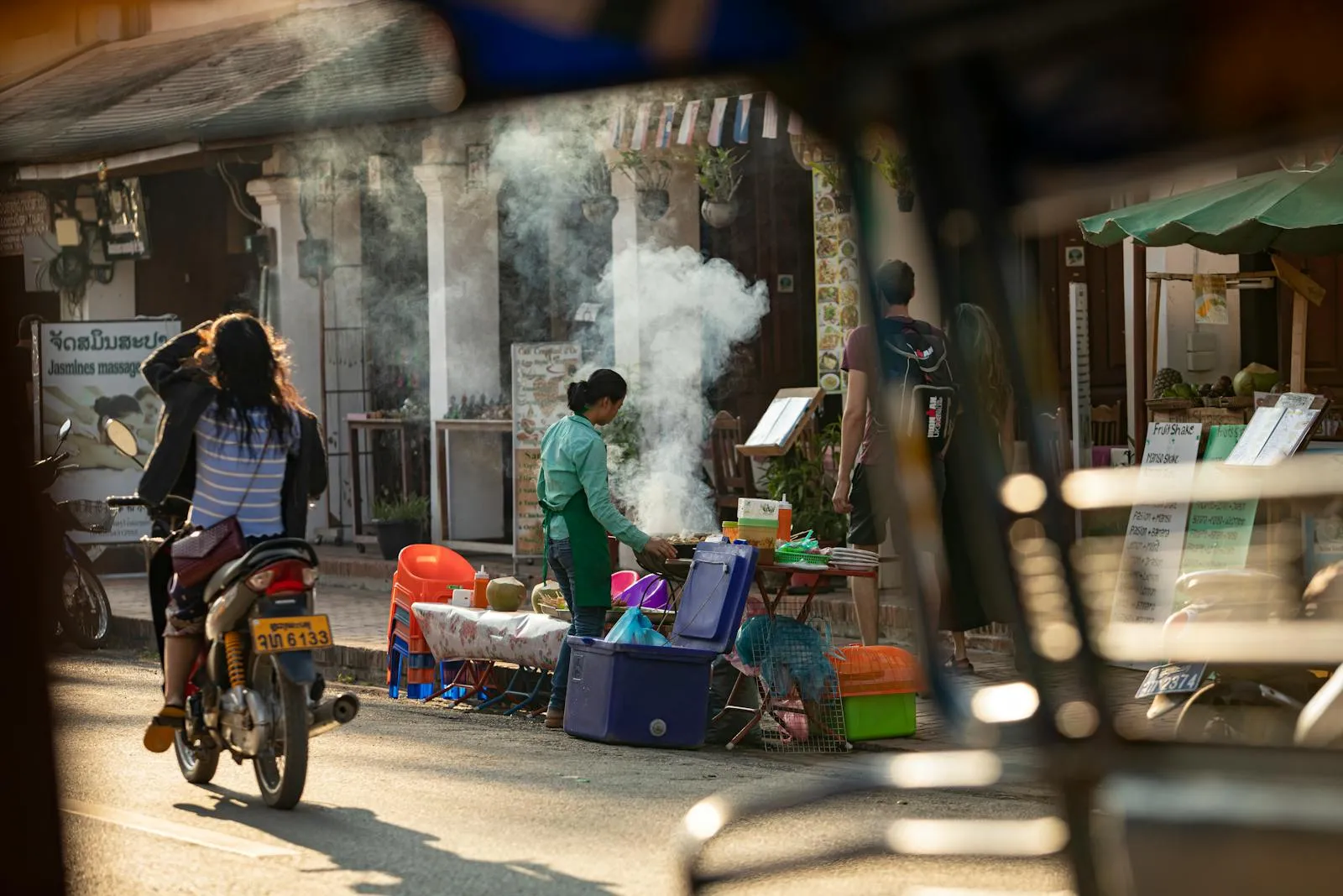
🙏 Lao culture is rooted in Theravada Buddhism, communal values, and bo pen nyang (“no problem”). This phrase captures the national temperament: patient, gentle, remarkably tolerant. 😊 Understanding these foundations transforms your experience from tourist observation to genuine exchange.
Buddhism in Daily Life
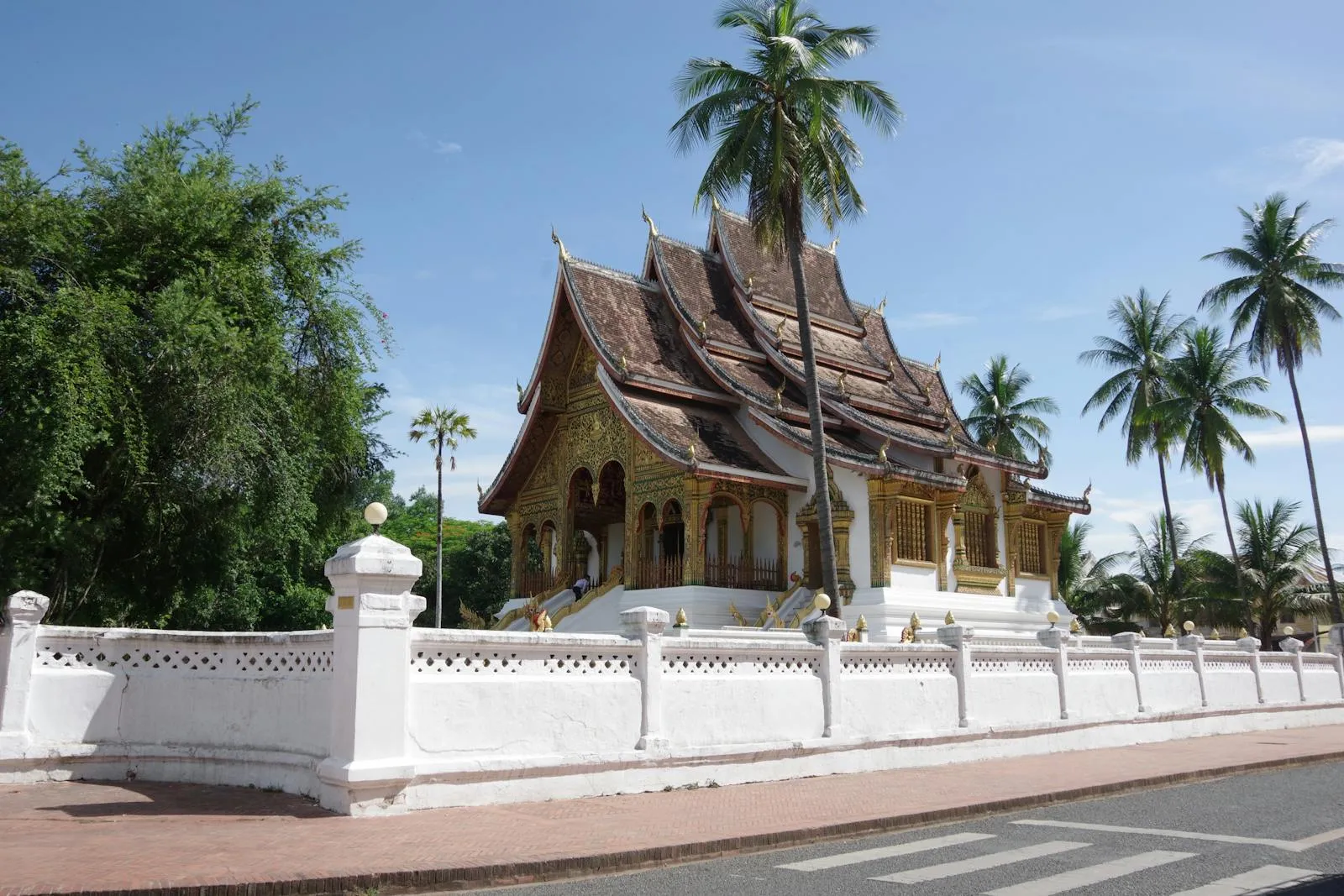
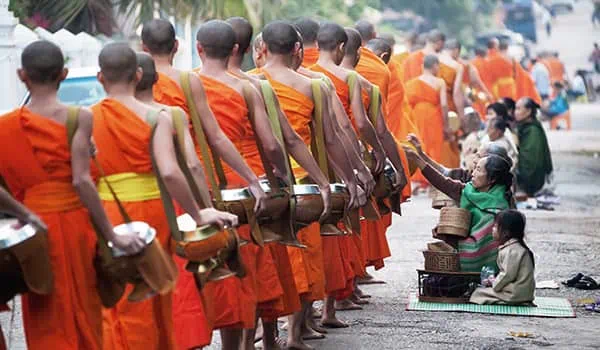
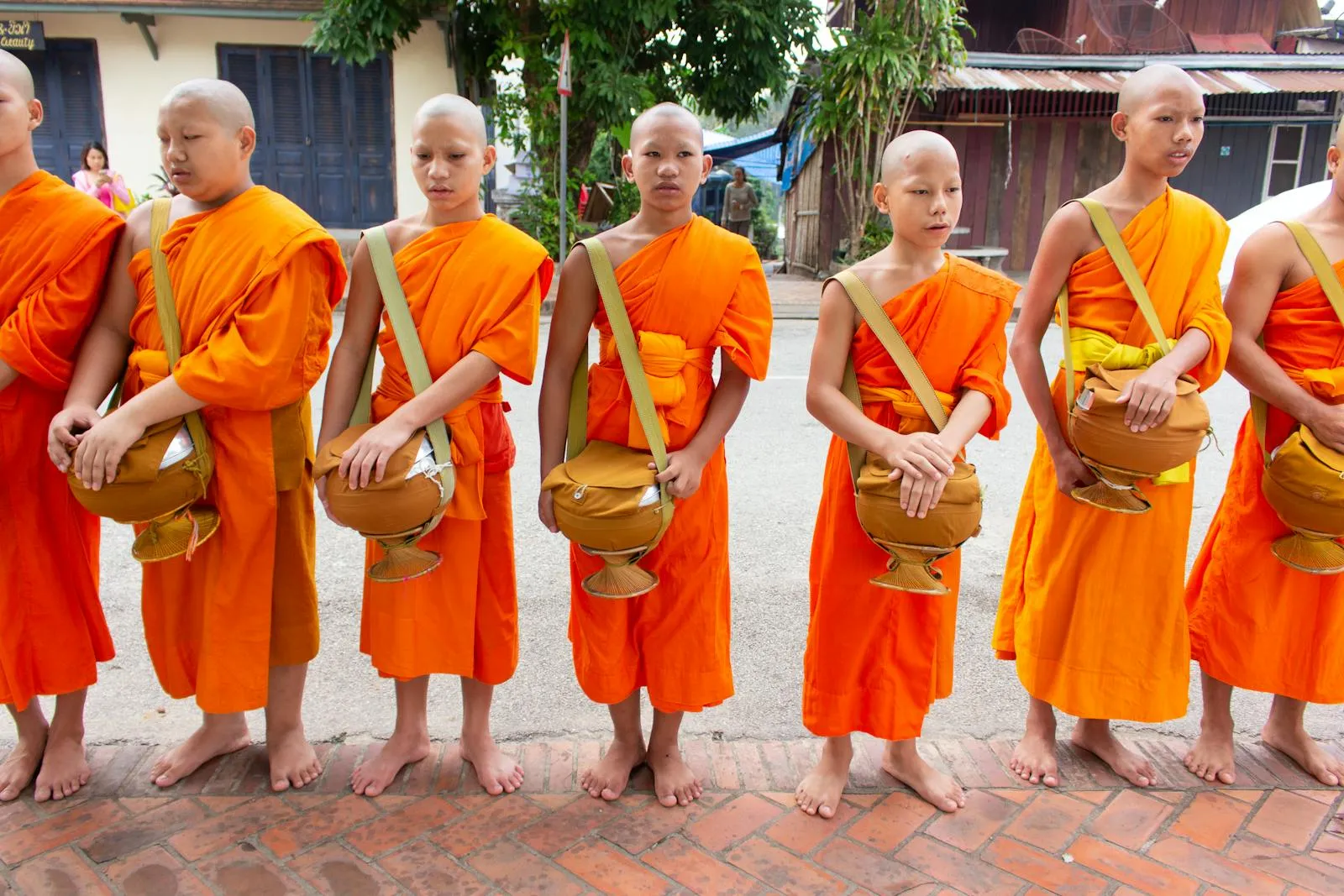
🌴 Buddhism is the organizing framework for social life. Nearly every Lao male spends time as a monk (often during monsoon retreat). Temples serve as community centres, schools, social-welfare institutions. Monks are most respected members of society. Women must never touch a monk or hand objects directly. Place offerings on cloth/tray. Sit lower than monks in shared spaces. On buses, monks sit front; give up seat if needed. Photography: Ask permission. During tak bat, maintain respectful distance, never flash.
The Baci Ceremony
Village elder/spiritual leader ties white cotton strings around guests' wrists while chanting blessings for health, prosperity, safe travels. Strings bind your khwan (spiritual essence) to body; wear 3+ days before removal. If invited to baci (homestay, wedding, festival), accept without hesitation. One of Laos's most moving traditions.
Social Etiquette
| Situation | Do | Do Not |
|---|
| Greeting | Place palms together at chest level in a nop (similar to Thai wai) and bow slightly | Shake hands unless initiated by the other person. Avoid hugging or cheek-kissing. |
| Entering homes | Remove shoes at the door. Wait to be invited to sit. | Step on the threshold. It is believed to house a protective spirit. |
| Feet & head | Sit with feet tucked behind you or to the side, not pointed at people or Buddha images | Touch anyone's head (considered the most sacred body part) or point your feet at someone |
| Temple visits | Cover shoulders and knees. Remove shoes. Speak quietly. | Climb on Buddha statues, point feet at images, or turn your back on the main altar |
| Eating | Wait for the eldest person to begin. Use sticky rice to scoop dishes. Eat communally. | Stick chopsticks upright in rice (funeral symbolism). Waste food. |
| Photography | Ask permission, especially with ethnic minority groups and children | Photograph military installations, bridges, or government buildings |
| Bargaining | Gentle negotiation at markets is expected. Smile, be playful. | Aggressive haggling or becoming visibly angry over small amounts |
Ethnic Diversity
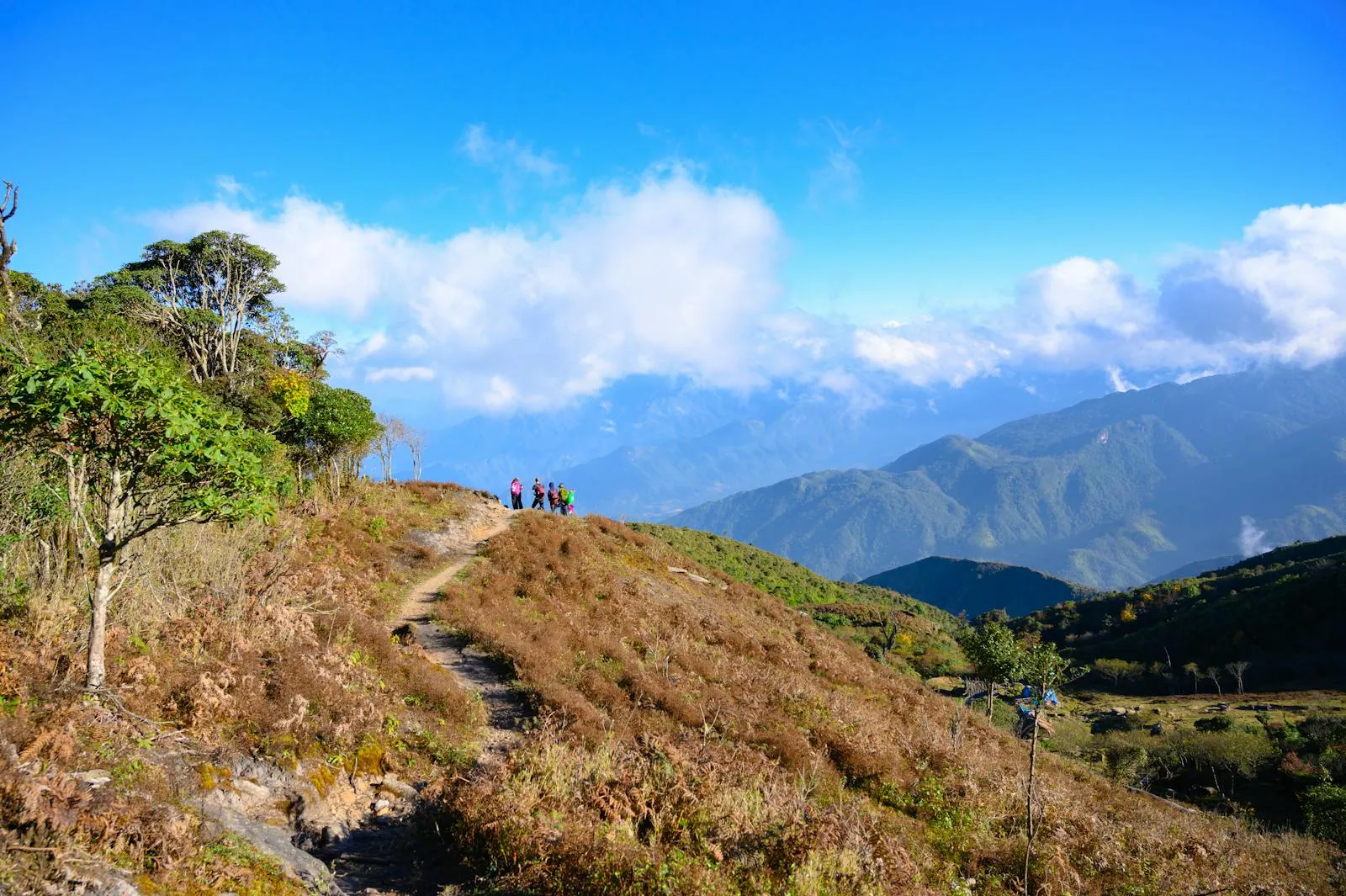
Laos recognizes 49 ethnic groups, traditionally classified by elevation: Lao Loum (lowland, ~60%, Mekong valley), Lao Theung (midland, Khmu and Mon-Khmer groups), Lao Soung (highland, Hmong and Yao/Mien). Each has distinct languages, customs, textiles, spiritual practices (not all Buddhist. Many highland groups practice animism). When trekking north, always use local guides who know village customs.
The Secret War & Its Legacy
1964–1973: US conducted covert bombing over Laos (Vietnam War), dropping ~2M tonnes ordnance. More bombs per capita than any country in history. ~30% failed to detonate, remain as UXO, still causing casualties. Visit COPE Centre (Vientiane) and UXO Lao Visitor Centre (Luang Prabang) for context. In countryside, never stray from marked paths in UXO areas (especially Xieng Khouang/Plain of Jars).
Food & Cuisine
🍴 Lao cuisine is SE Asia's unsung hero. Often overshadowed by Thai/Vietnamese cooking, it deserves recognition: earthier, funkier, built around sticky rice, laap, and green papaya salad. If you think you know these from Thai restaurants, prepare to discover the Lao originals are bolder, more aromatic, often spicier.
The Holy Trinity
- Khao Niao (Sticky Rice): Not a side. The centrepiece. Steamed in bamboo basket, served in woven tip khao. Eat with hands: pinch, roll, scoop dishes. Laos has world's highest per-capita sticky rice consumption. Lao call themselves luk khao niao. "Children of sticky rice."
- Laap (Minced Meat Salad): National dish. Minced meat (pork/chicken/duck/beef/fish) with lime juice, fish sauce, roasted rice powder, chilli, herbs (mint, coriander, green onions, sawtooth). Roasted rice powder adds nutty crunch. Cooked or raw (laap dip); raw best at established restaurants.
- Tam Mak Hoong (Green Papaya Salad): Pounded in mortar, spicier and more pungent than Thai som tam. Key difference: padaek (fermented fish paste) adds deep umami funk. Includes tomatoes, long beans, lime, chilli, often fermented crab. Order pet noi (mild) if heat-sensitive.
Must-Try Dishes
| Dish | What It Is | Where to Find It | Price Range |
|---|
| Or Lam | Thick, herby stew from Luang Prabang with meat, aubergine, beans, dill, and sakhan (a woody vine that numbs the mouth). Complex, unique flavour. | Luang Prabang restaurants | €1.25–2 |
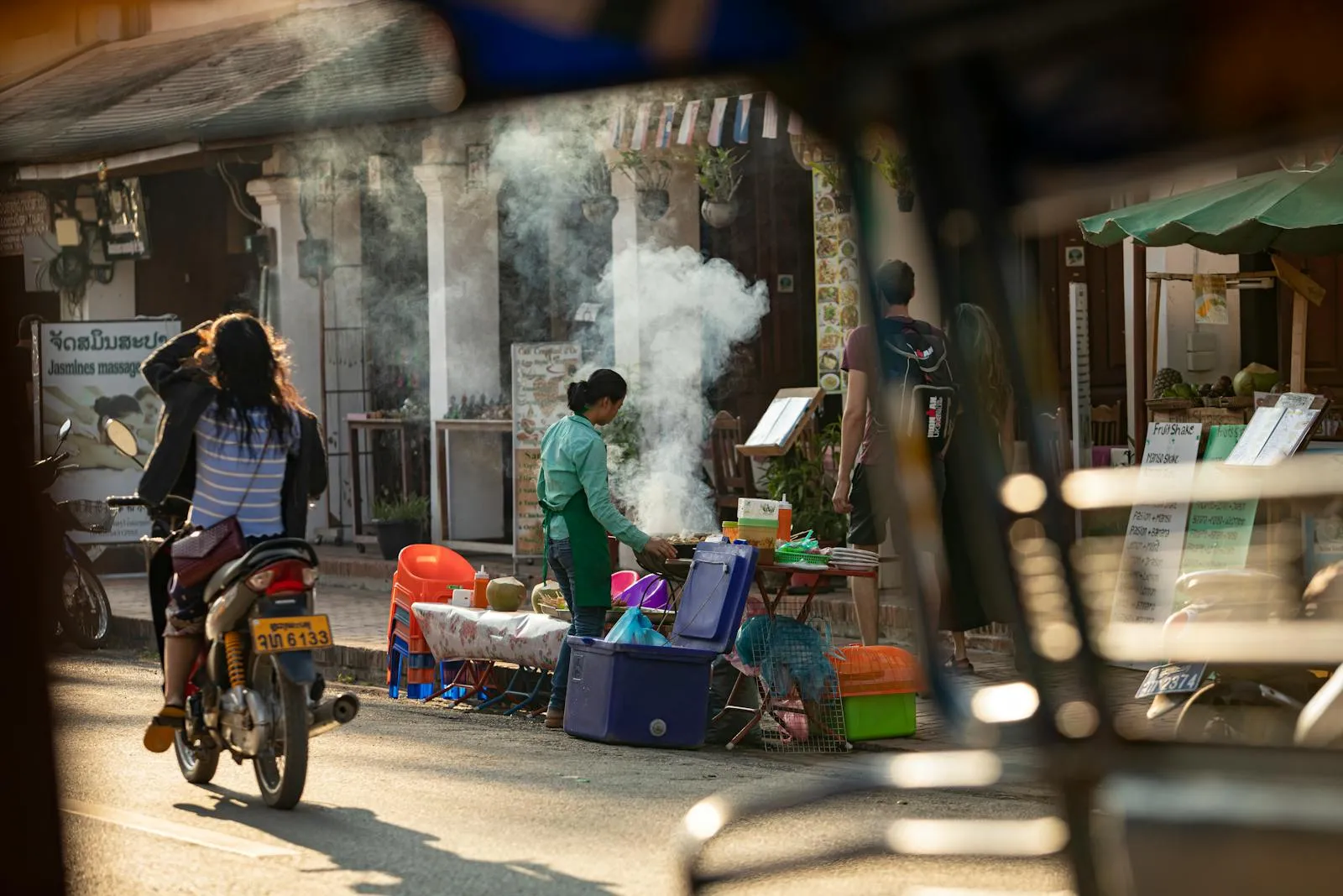
| Sai Oua (Lao Sausage) | Coarsely chopped pork stuffed with lemongrass, galangal, kaffir lime leaves, and chilli. Grilled until the skin crisps. Served with sticky rice and fresh vegetables. | Markets & street vendors everywhere | €0.50–1 |
| Mok Pa | Fish steamed in banana leaves with padaek, lemongrass, dill, and ground sticky rice powder that binds the mixture. Delicate and aromatic. | Local restaurants, especially riverside | €1–1.75 |
| Khao Piak Sen | Hand-pulled rice noodle soup in a starchy, comforting broth with chicken or pork. The Lao answer to pho, eaten for breakfast or lunch. | Morning markets, noodle shops | €0.75–1.25 |
| Khao Jee | Lao baguette (French legacy) stuffed with pâté, ham, lettuce, tomato, and chilli sauce. The ultimate Lao street snack. | Street vendors, especially mornings | €0.50–0.75 |
| Ping Kai | Marinated grilled chicken. Flattened whole birds charcoal-grilled with lemongrass and garlic. Served with jaew dipping sauce. | Roadside grills, night markets | €0.75–1.50 |
| Khao Nom Kok | Coconut milk and rice flour cakes cooked in a special cast-iron pan. Sweet, custardy, and addictive. Sold from carts in the morning. | Morning markets, street carts | €0.25–0.50 |
| Jaew Bong | Roasted chilli paste with buffalo skin. Thick, smoky, and intensely flavoured. Used as a dip for sticky rice and vegetables. | Local restaurants, especially LP | Included with meals |
Drinks
- Beerlao: National beer, one of SE Asia's best lagers. Crisp, clean, everywhere. Large bottle: €0.50–0.75 shops, €0.75–1.25 restaurants. Beerlao Dark excellent
- Lao Coffee: Bolaven Plateau Arabica/Robusta. Rich, strong. Served with condensed milk (kafae nom). Try Jhai Coffee House or plantation visit
- Lao-Lao: Homemade rice whisky (smooth to eye-watering). Offered at homestays/villages. 1–2 shots polite; host understands if you decline more
- Fruit Shakes: Fresh fruit + ice. Mango, passion fruit, watermelon reliable. €0.50–1
- Lao Tea: North (esp. Phongsali): tea from centuries-old trees. Subtle, earthy
Padaek & Adventurous Eating
Padaek (fermented fish paste) is Lao cuisine's backbone. Pungent aroma can be off-putting but provides deep umami foundation. Raw laap (laap dip) or raw blood soup (luu) carry parasitic risks. Cooked versions safe; reserve raw preparations for trusted restaurants.
Regional Differences
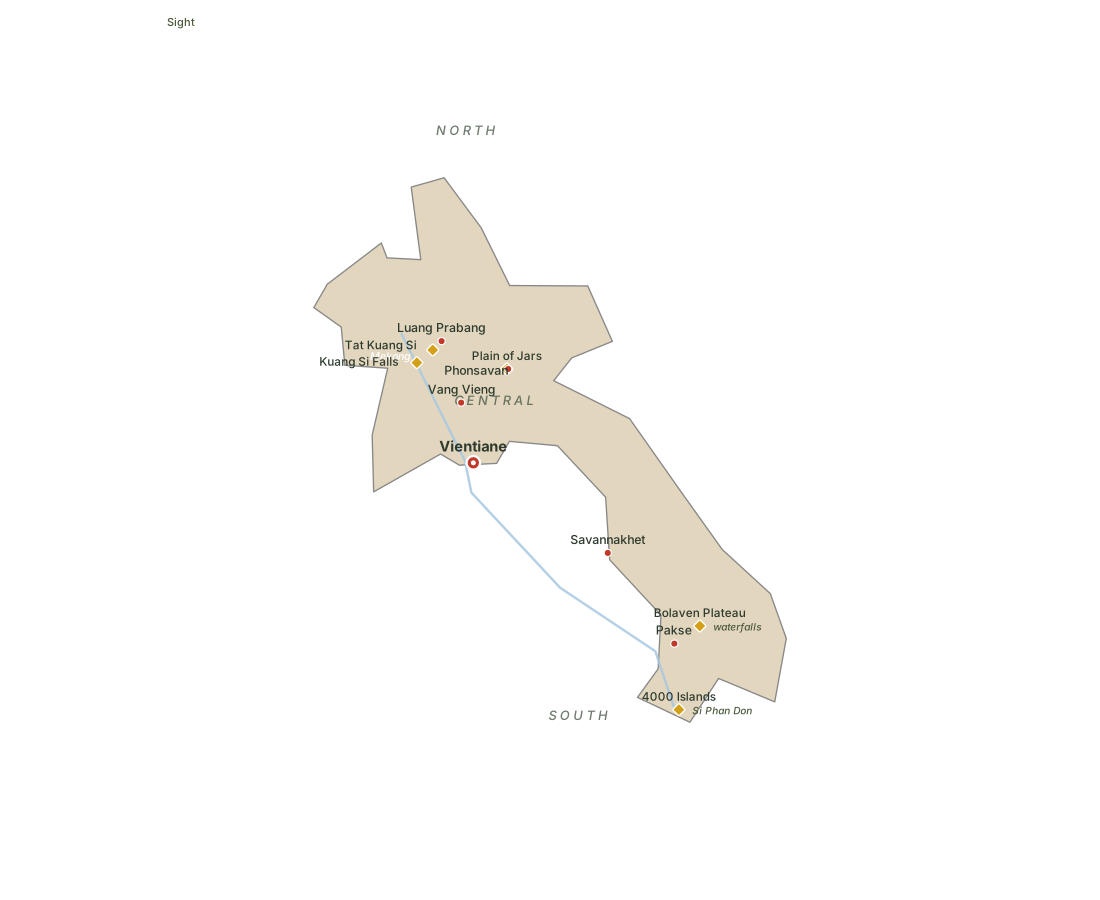
- North (Luang Prabang): Herbaceous, complex. Or lam originates here, with dill, sakhan vine, bitter greens. Night market vegetarian buffet €0.75
- Central (Vientiane): Thai-influenced (proximity). French bakeries, Vietnamese pho, Indian food along Mekong
- South (Pakse, 4,000 Islands): Freshwater fish dominates. Coconut curries. Strong coffee culture (Bolaven). Khmer influence near Cambodia