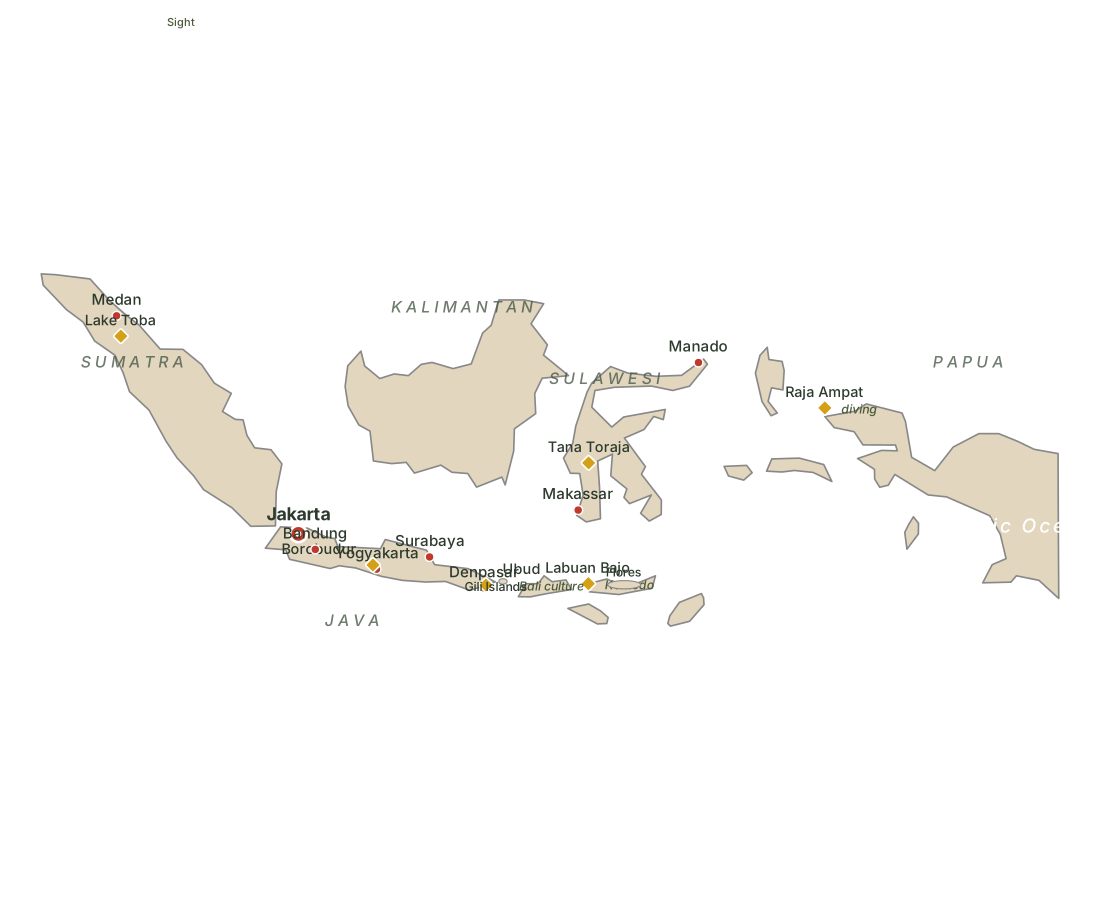
Indonesia's cultural landscape is among the world's most diverse: 300+ ethnic groups, 700+ languages across an archipelago stretching from London to Baghdad. Geography (thousands of isolated islands) plus centuries of influence from Indian, Chinese, Arab, and European traders created this complexity. World's largest Muslim population coexists with Hindu Bali, Christian-majority eastern regions, and indigenous animist traditions predating major religions.
What makes Indonesian culture fascinating: it's living, breathing tradition – not museum pieces. Bali has elaborate temple ceremonies almost daily with processions and gamelan orchestras. Java's ancient courts (Yogyakarta, Solo) maintain centuries-old protocols, batik artisans, puppet masters. Tana Toraja funeral ceremonies remain the most important social events. Visitors showing respect, learning basic customs, and venturing beyond tourist circuits can experience authentic cultural encounters rare in Southeast Asia.
Balinese Hinduism: The Island of Ceremonies
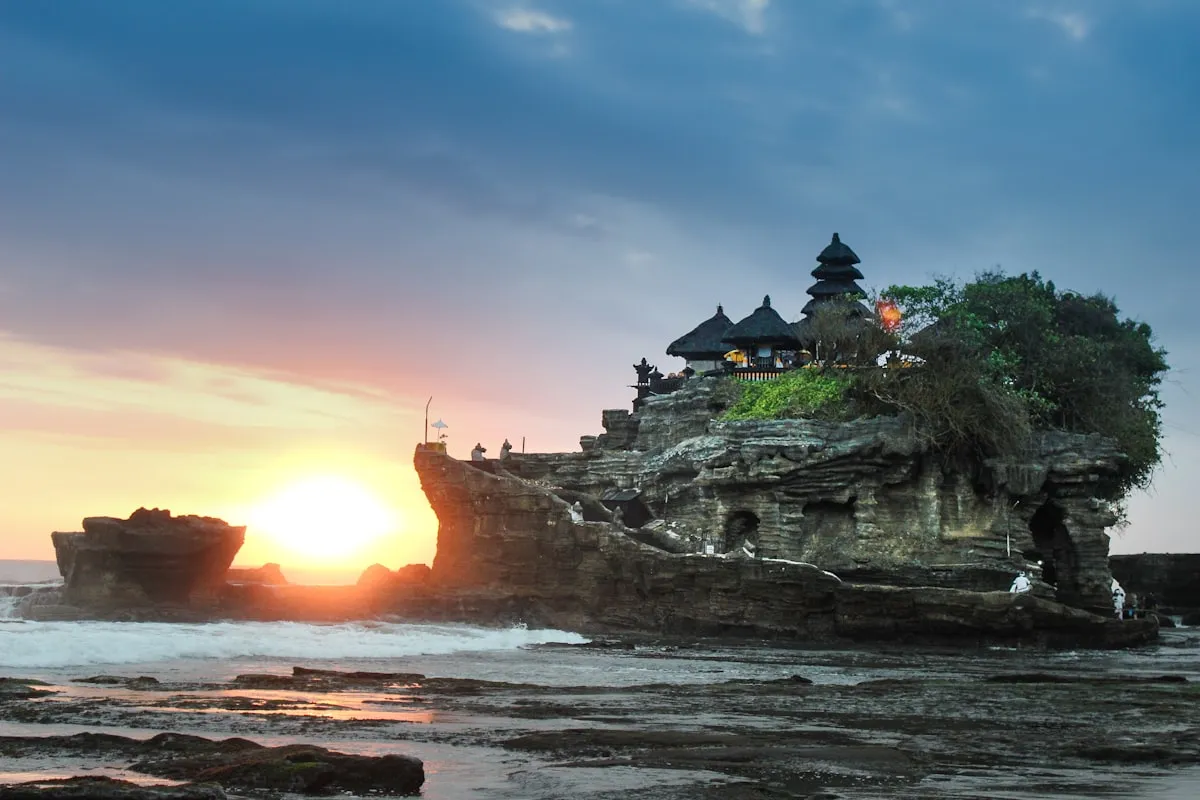
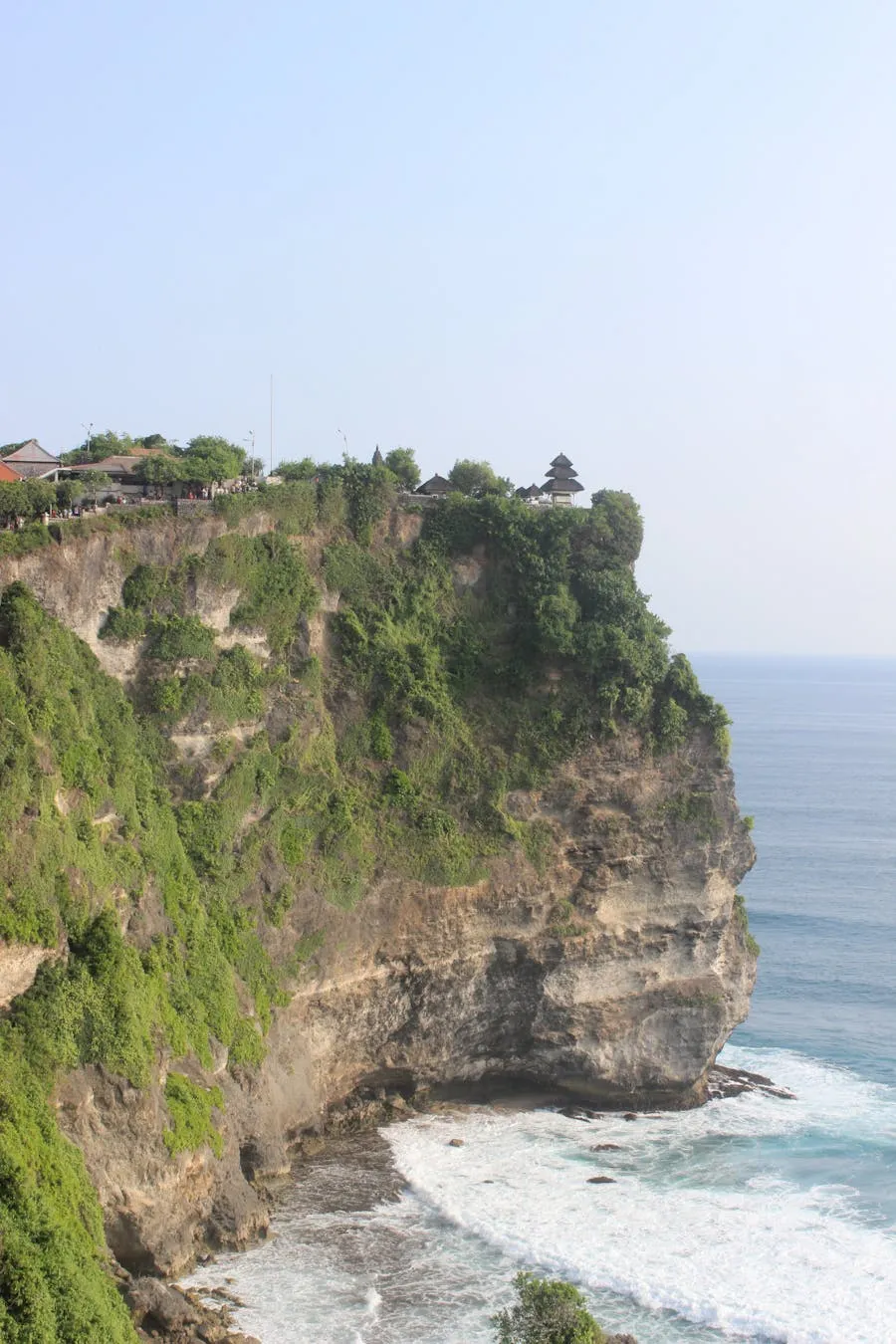
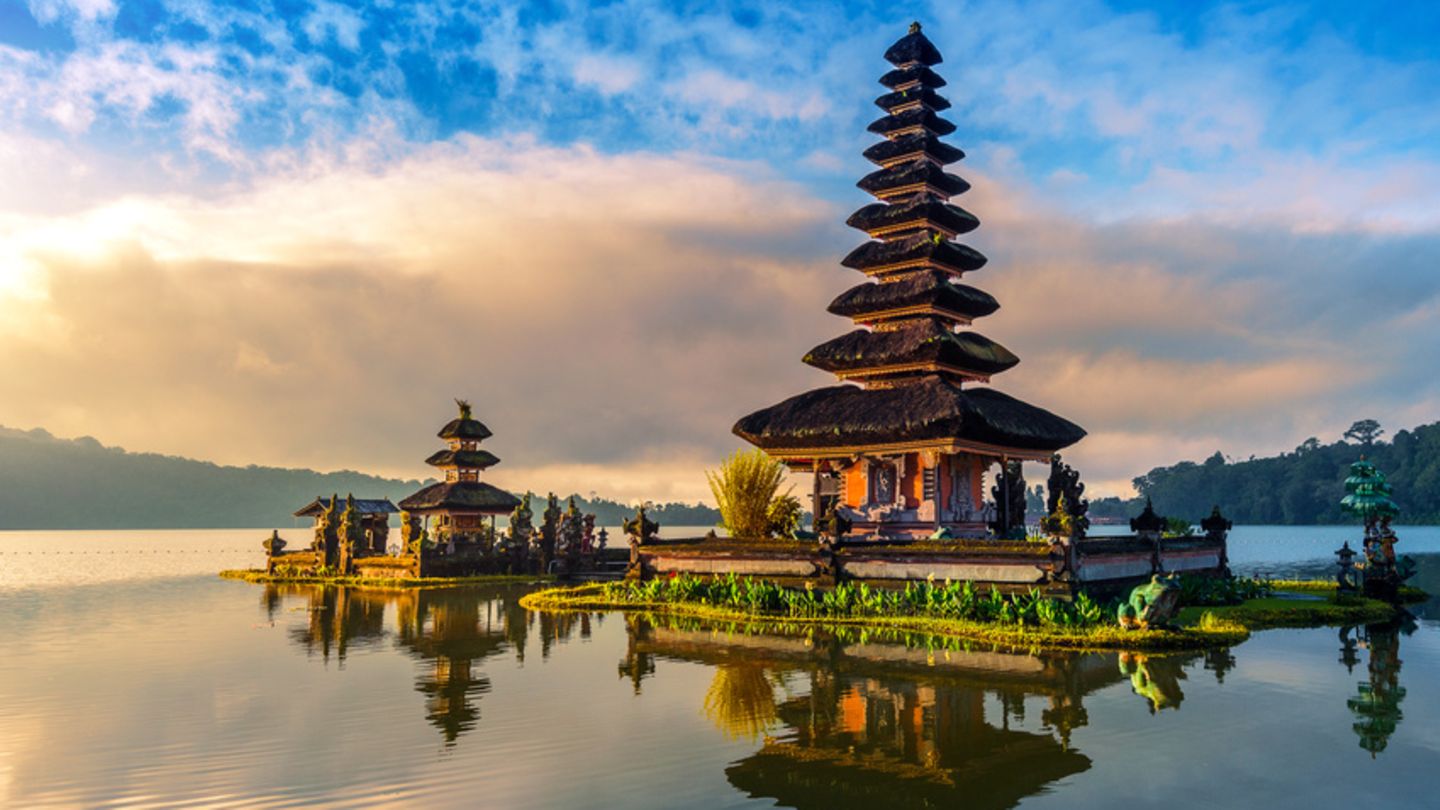
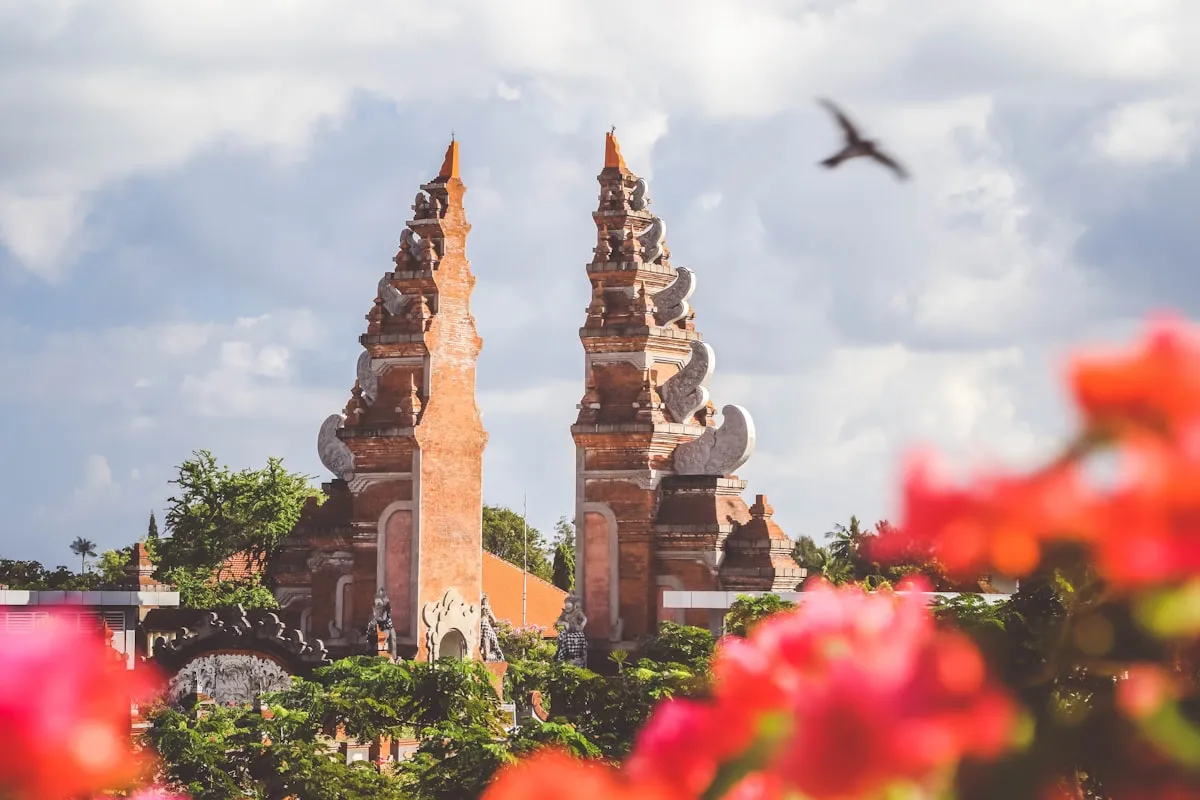
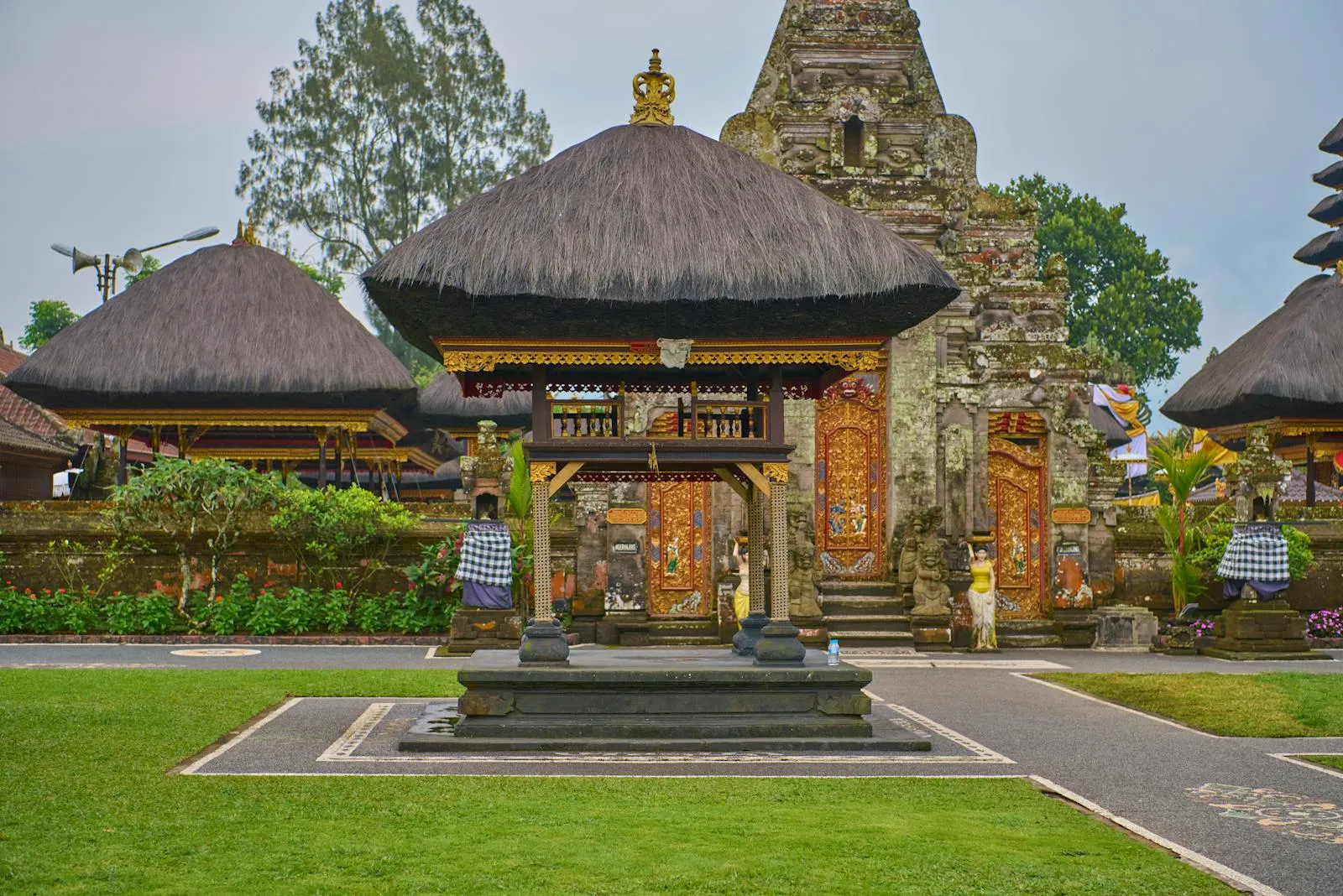
Bali's unique Hinduism blends Indian Hindu elements with Buddhism and indigenous animism, structuring all island life. Most visible: canang sari (small palm-leaf offerings with flowers, incense, food) placed on doorsteps, sidewalks, temple altars, car dashboards daily. These represent gratitude to gods and appeasement of negative forces. Temple ceremonies occur almost daily following the 210-day Pawukon calendar, with major odalan (temple anniversaries) featuring processions, gamelan, traditional dance, communal feasting.
Most dramatic annual event: Nyepi (Balinese New Year) – entire island shuts down 24 hours (no lights, work, travel, speaking) to trick evil spirits into thinking Bali is uninhabited. Cremation ceremonies (ngaben) are the pinnacle: elaborate multi-tiered towers carry deceased to cremation ground with gamelan music, hundreds of participants, flames releasing soul for reincarnation. This constant sacred-everyday interweaving creates atmosphere where spirituality is life's foundation, visible in penjor (bamboo poles) during festivals, temple dress for ceremonies, artistic traditions (dance, music, painting, carving) serving primarily religious purposes.
Javanese Culture: Courts, Crafts & Shadows
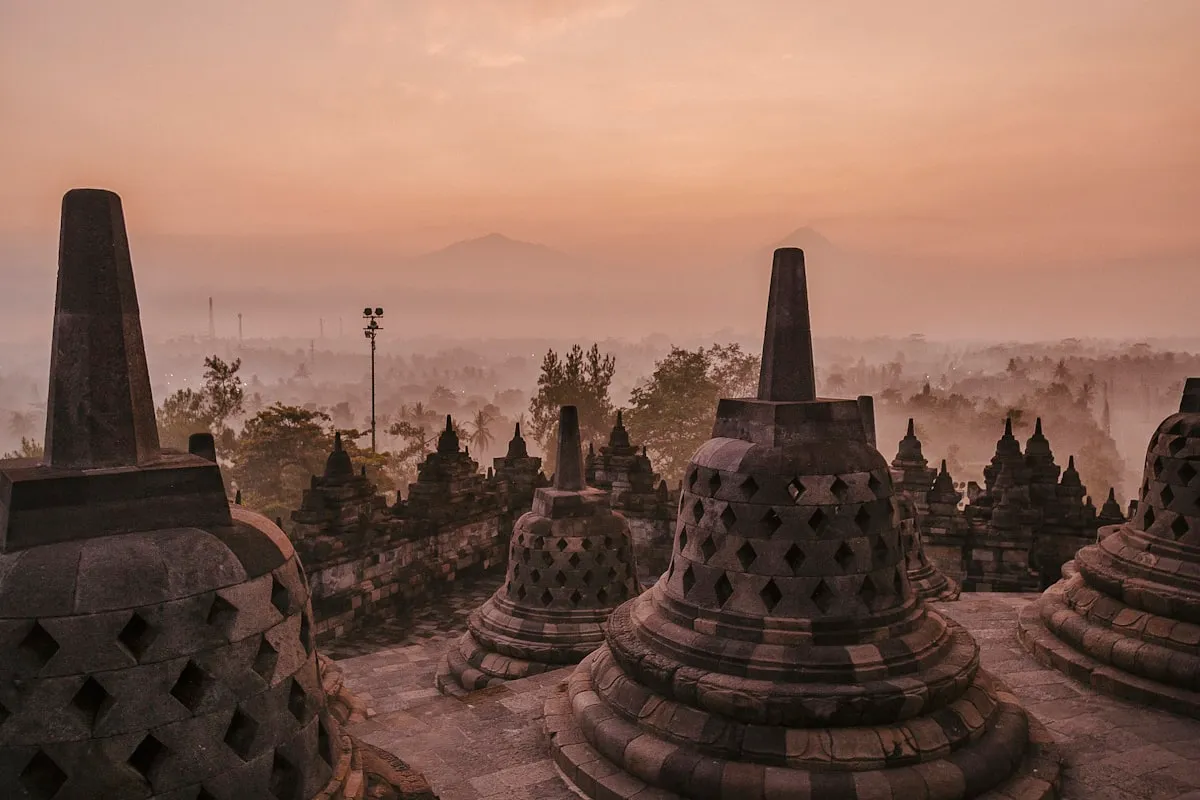
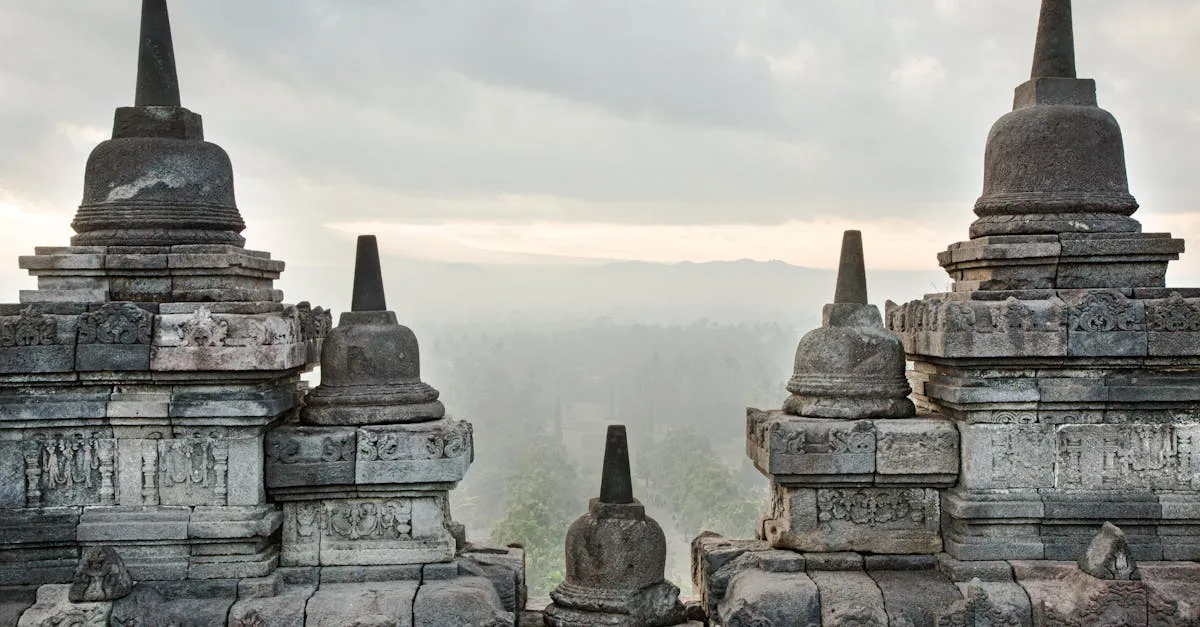
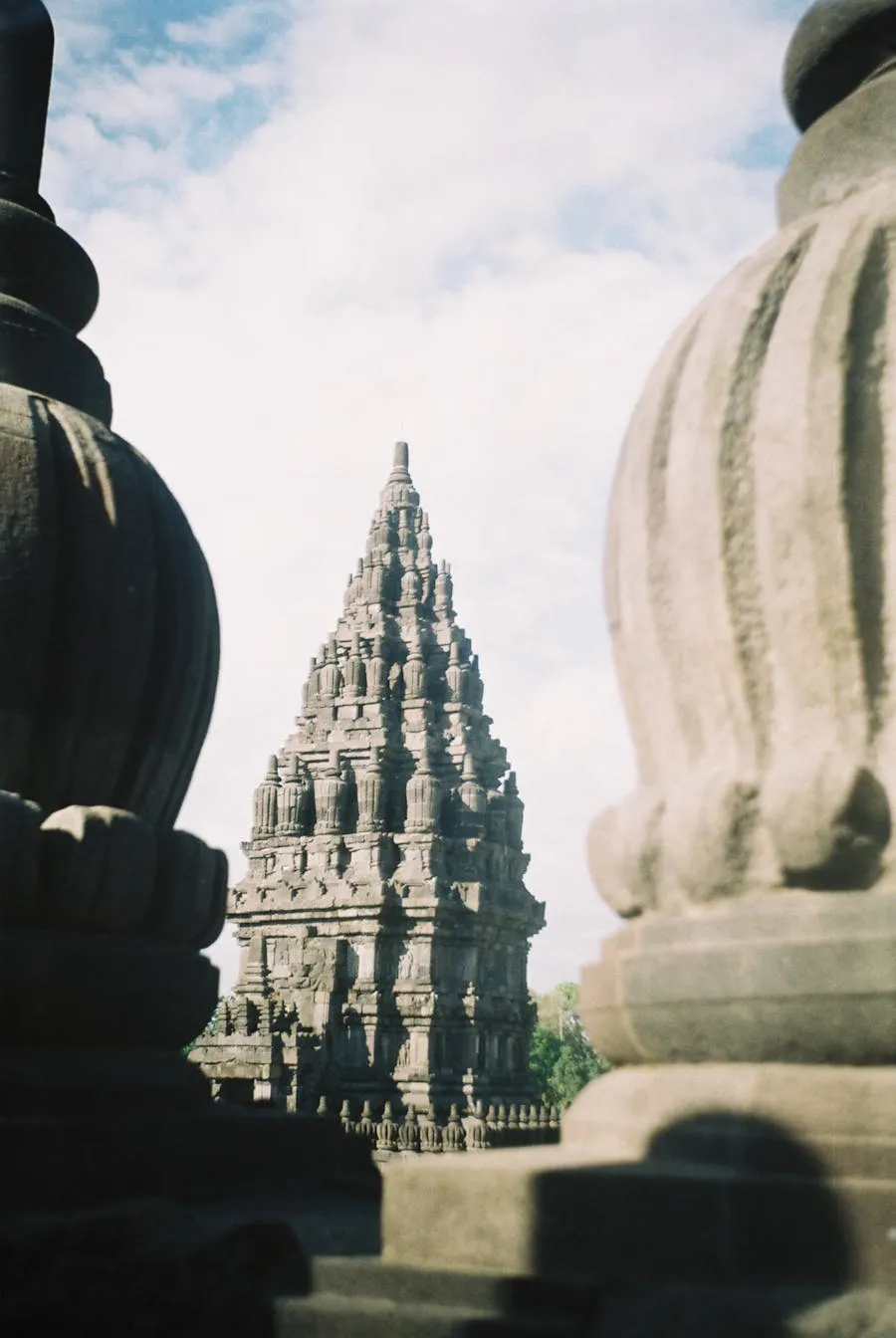
Java's cultural heartland: royal cities Yogyakarta and Surakarta (Solo), where sultanates maintain centuries-old traditions. Greatest achievements: massive Buddhist Borobudur and Hindu Prambanan (UNESCO World Heritage). Javanese batik (intricate wax-resist dyeing) achieved UNESCO recognition, with regional styles – earthy browns/indigos (Solo), brighter colors (north coast), formal patterns (court occasions).
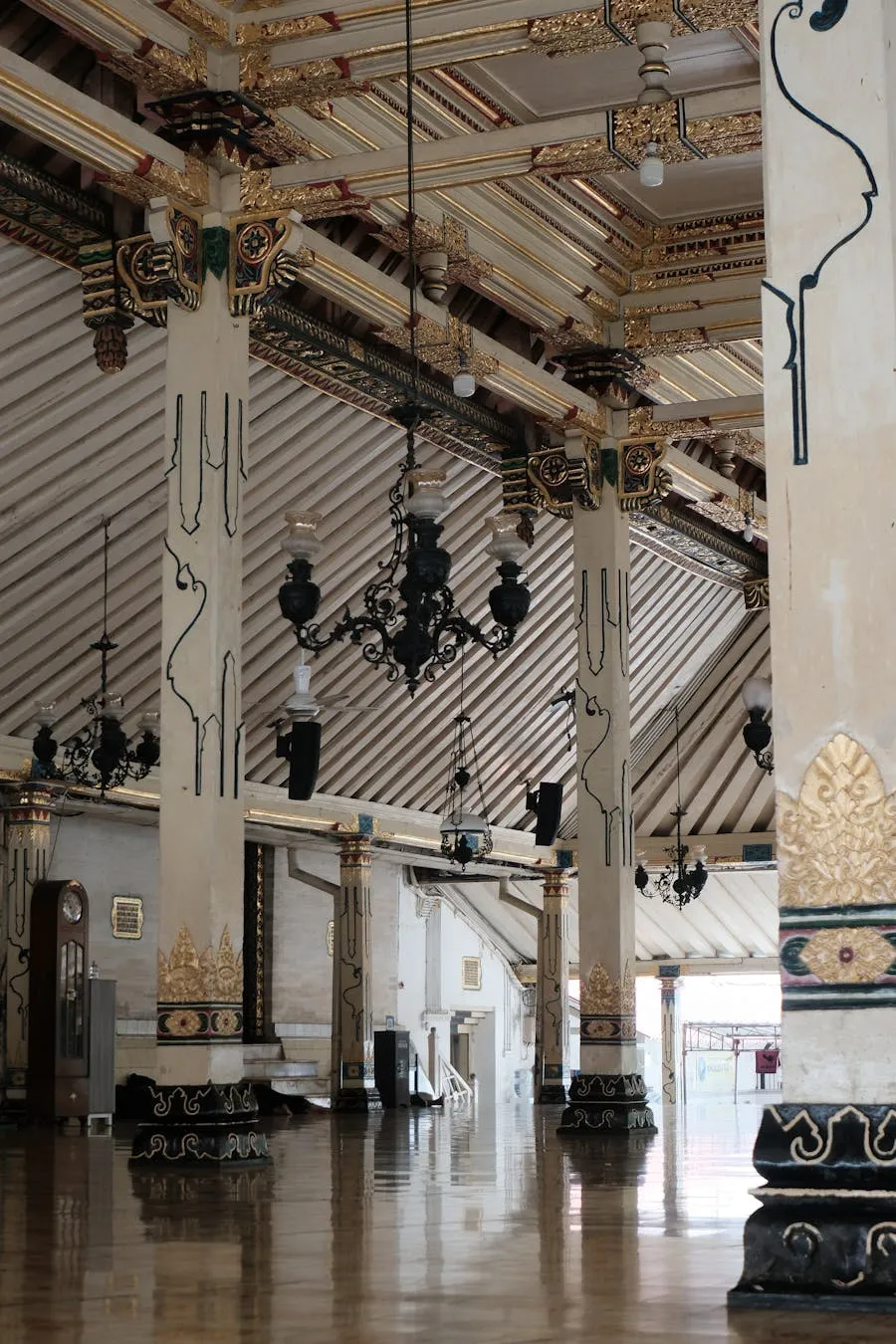
Wayang kulit (shadow puppet theater): world's oldest continuous dramatic tradition. Dalang (puppet masters) manipulate dozens of carved leather puppets, provide all voices, narrate Ramayana/Mahabharata epics through all-night performances with gamelan orchestras. Gamelan (bronze percussion ensemble) follows complex musical systems creating hypnotic, shimmering textures complementing slow Javanese classical dance. Keraton (palace) traditions continue in Yogyakarta's Sultan's Palace with daily rituals, gamelan rehearsals, sultan serving as regional governor – unique arrangement preserving royal authority within democracy.
Islamic Traditions & Regional Variations
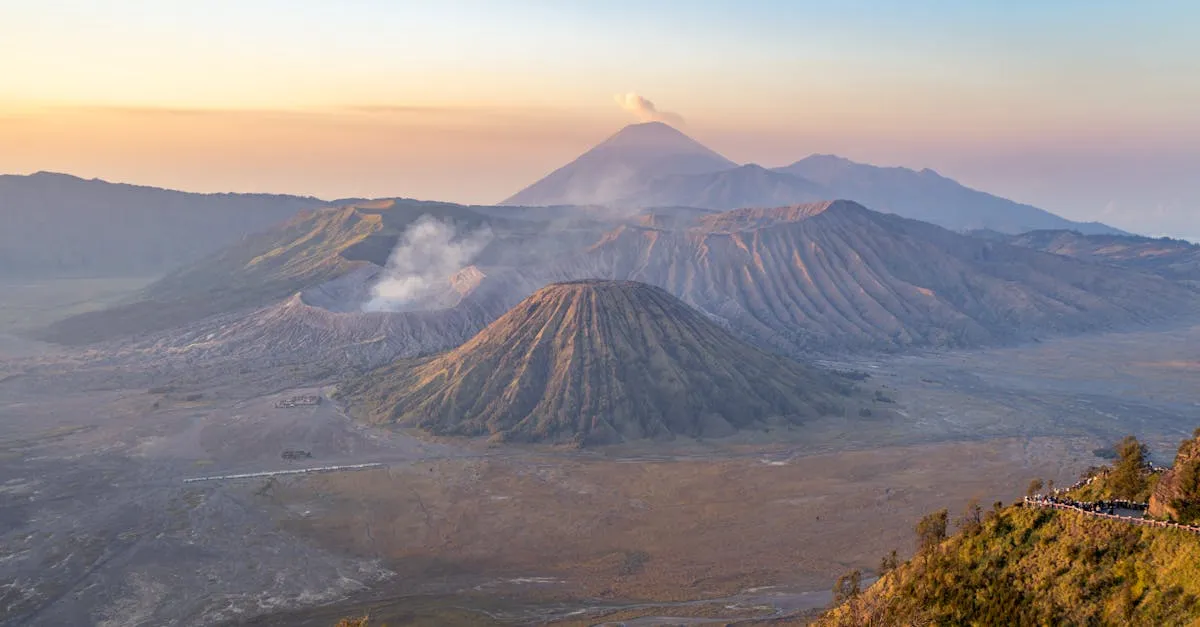
Indonesia's identity as world's largest Muslim-majority nation manifests diversely: strict Sharia law (Aceh) to syncretic Islam (Java incorporating Hindu-Buddhist-animist elements). Mosque architecture varies dramatically by region. Call to prayer (adhan) structures daily rhythms. Ramadan transforms atmosphere: restaurants closed during daylight, special evening markets (pasar Ramadan), slowed daytime pace, festive evenings. Eid al-Fitr triggers world's largest annual migration (tens of millions returning to home villages) – challenging travel time but fascinating window into family culture. Local Islamic customs blend with regional traditions: Kasada ceremony (Mount Bromo), Islamic boarding schools (pesantren) teaching Quranic recitation plus modern subjects.
Tana Toraja: Death as Celebration
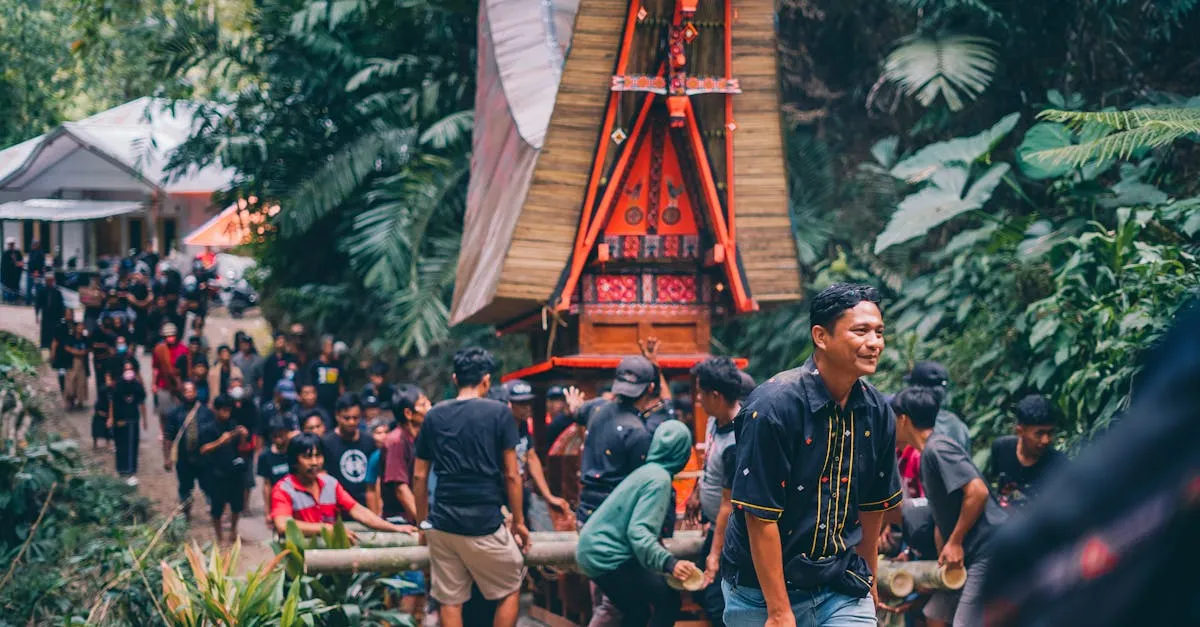
Toraja people (South Sulawesi highlands) maintain Indonesia's most distinctive indigenous culture, centered on elaborate funeral ceremonies lasting days with dozens of buffalo/pig sacrifices. In Toraja belief, death is gradual process – deceased considered "sick" until funeral completed (sometimes months/years after physical death). Body preserved, kept in family home, treated as alive until sufficient funds allow proper ceremony.
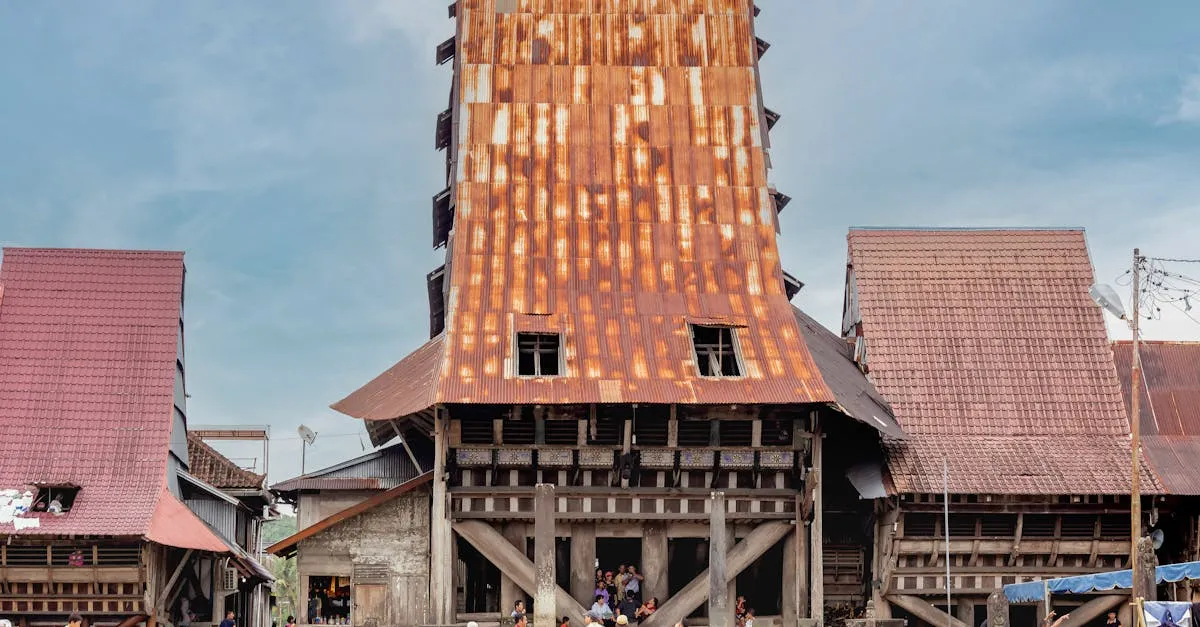
Funeral scale determined by deceased's status – high-ranking nobles might have 50+ buffalo sacrificed, horns later displayed on family tongkonan (traditional boat-shaped house) as permanent status record. After ceremony, bodies interred in cliff faces with caves carved into limestone, wooden effigies (tau tau) placed on balconies watching over living. Tongkonan houses with distinctive boat-shaped roofs soaring upward dominate villages, facades decorated with geometric patterns and buffalo horns, housing multiple generations. Visitors often welcomed to observe ceremonies (proper etiquette: wear black, bring gifts like cigarettes/sugar, show respect). This openness reflects Toraja hospitality and cultural pride, though raises questions about tourism impact on authentic traditions.
| English |
Bahasa Indonesia |
Pronunciation |
Usage Context |
| Hello / Goodbye |
Halo / Selamat tinggal |
HAH-loh / seh-LAH-mat TING-gahl |
Formal greeting / leaving |
| Good morning |
Selamat pagi |
seh-LAH-mat PAH-gee |
Until 11am |
| Good afternoon |
Selamat siang |
seh-LAH-mat see-AHNG |
11am-3pm |
| Good evening |
Selamat malam |
seh-LAH-mat MAH-lahm |
After dark |
| Thank you |
Terima kasih |
teh-REE-mah KAH-see |
Essential phrase |
| You're welcome |
Sama-sama |
SAH-mah SAH-mah |
Response to thanks |
| Excuse me / Sorry |
Permisi / Maaf |
per-MEE-see / mah-AHF |
Getting attention / apologizing |
| How much? |
Berapa harganya? |
beh-RAH-pah har-GAH-nyah |
Shopping, bargaining |
| Where is..? |
Di mana..? |
dee MAH-nah |
Asking directions |
| I don't understand |
Saya tidak mengerti |
SAH-yah TEE-dak meng-ER-tee |
Communication difficulties |
Temple Etiquette & Cultural Respect
Dress Code: Wear a sarong and sash (selendang) when entering temples. These are usually provided for rent or loan at major sites. Shoulders and knees must be covered. Remove shoes before entering temple grounds.
Menstruation: Women who are menstruating should not enter Balinese temples. They are considered ritually impure during this time. This is a serious religious prohibition, not a suggestion.
Ceremony Respect: If you encounter a ceremony, stay quiet and at the back. Don't walk in front of people praying. Photography is usually acceptable but ask permission and avoid using flash during rituals.
Head & Feet: The head is considered sacred, the feet profane. Never touch someone's head (including children) and avoid pointing your feet at people or religious objects. When sitting, tuck your feet to the side.
Left Hand: Use your right hand for giving, receiving, eating, and gesturing. The left hand is considered unclean. When giving something important, use both hands or support your right elbow with your left hand.
Offerings: Don't step on the small offerings (canang sari) placed on the ground. Walk around them. These are active religious objects, not decorations or litter.
Balinese Traditions
Daily Offerings: Canang sari placed multiple times daily
Temple Ceremonies: Odalan festivals every 210 days
Nyepi: Silent day, entire island shuts down
Cremations: Elaborate ngaben ceremonies for soul release
Arts: Dance, gamelan, painting, wood carving
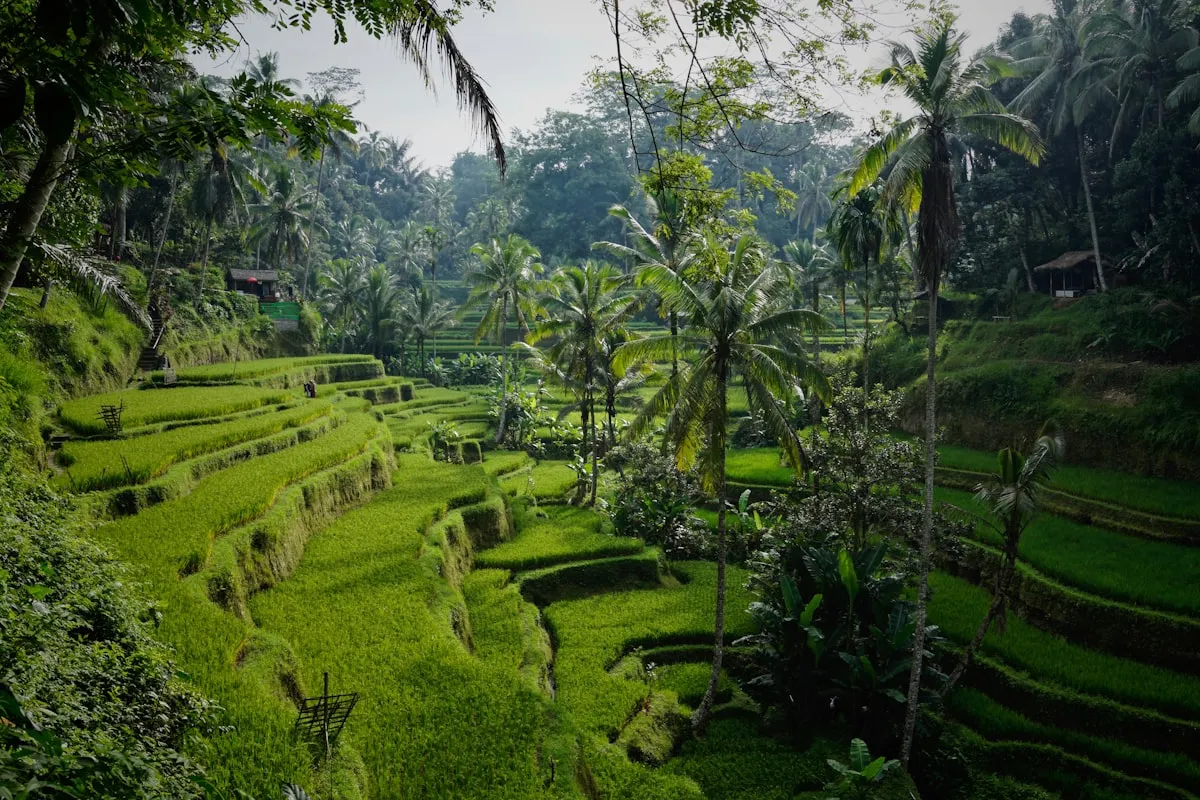
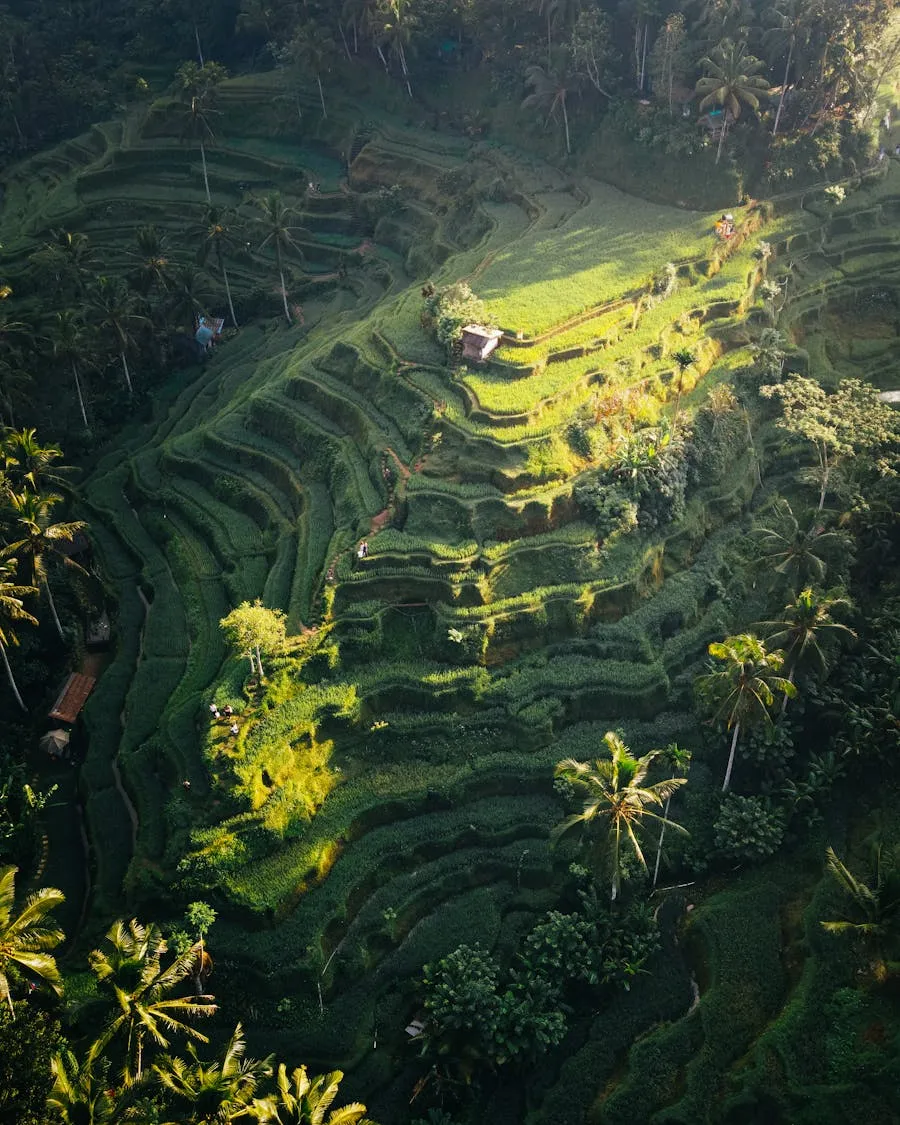
Subak: UNESCO water temple irrigation system
Javanese Arts
Batik: UNESCO wax-resist dyeing, regional styles
Wayang Kulit: Shadow puppet theater, all-night epics
Gamelan: Bronze percussion orchestras
Classical Dance: Slow, controlled court traditions
Keraton: Palace culture in Yogya & Solo
Temples: Borobudur (Buddhist), Prambanan (Hindu)
Indigenous Cultures
Tana Toraja: Funeral ceremonies, cliff graves, tau tau effigies
Tongkonan: Boat-shaped houses with buffalo horns
Asmat: Papua wood carving, ancestor poles
Dayak: Borneo longhouses, tattoos, headhunting history
Mentawai: Sumatra shamans, traditional tattoos
Sasak: Lombok weaving, traditional villages
Food & Cuisine
Indonesian cuisine represents one of the world's most diverse and flavorful culinary traditions. Centuries of trade, migration, and cultural exchange shaped it across the archipelago's 17,000 islands. From the fiery rendang of West Sumatra to the aromatic soto of Java, each region offers distinct flavors. These reflect local ingredients, cooking techniques, and cultural influences from Indian, Chinese, Arab, and Dutch traders. The foundation of Indonesian cooking relies on bold spice pastes (bumbu), coconut milk, palm sugar, tamarind, and an array of fresh herbs. These create the complex layers of sweet, salty, sour, and spicy flavors characteristic of the cuisine.
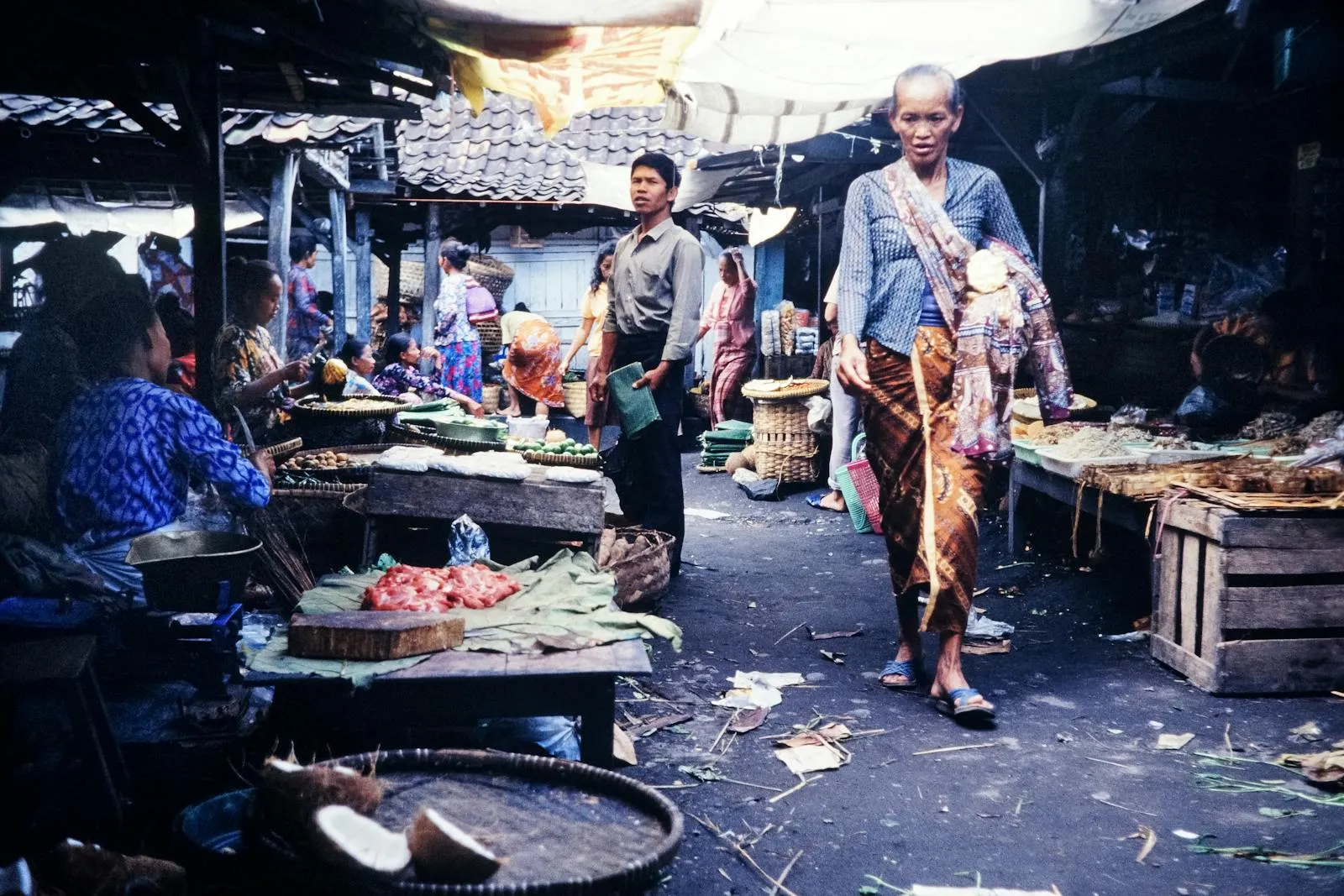
Street food culture thrives throughout Indonesia. Humble warungs (small family-run eateries) serve authentic local dishes at prices that make eating out more affordable than cooking at home for many Indonesians. These establishments range from simple roadside stalls with plastic stools to slightly more established venues with proper seating. All share a commitment to fresh preparation and bold flavors. The communal dining experience often involves shared plates and eating with your right hand. This offers travelers an authentic window into daily Indonesian life. Night markets (pasar malam) transform streets into culinary wonderlands after sunset. Vendors grill satay over charcoal, fry banana fritters, and ladle steaming bowls of bakso meatball soup.
Regional variations create distinct culinary identities across the archipelago. Padang cuisine from West Sumatra features the famous nasi Padang presentation style. Dozens of small dishes arrive at your table and you pay only for what you eat. Rendang curry was recognized by CNN as the world's most delicious food. Javanese cooking tends toward sweeter profiles with generous palm sugar use. Balinese cuisine incorporates more pork (unusual in this Muslim-majority nation) and complex spice pastes. Sundanese food from West Java emphasizes fresh raw vegetables and simple grilled fish. Manado cuisine from North Sulawesi brings extreme heat levels that challenge even experienced spice lovers. Coffee culture has exploded in urban areas. Traditional kopi tubruk (grounds settled in the cup) remains popular. The controversial kopi luwak (civet coffee) commands premium prices despite ethical concerns about animal welfare.
Must-Try Indonesian Dishes
| Dish |
Region |
Description |
Typical Price |
| Nasi Goreng |
National |
Fried rice with sweet soy sauce, shrimp paste, egg, and vegetables |
15,000-30,000 |
| Rendang |
West Sumatra |
Slow-cooked beef in coconut milk and spice paste, intensely flavorful |
25,000-50,000 |
| Satay |
National |
Grilled skewered meat with peanut sauce, variations across regions |
20,000-40,000 |
| Gado-gado |
Java |
Vegetable salad with peanut sauce, tofu, tempeh, and hard-boiled egg |
15,000-25,000 |
| Nasi Campur |
National |
Mixed rice plate with various side dishes, meats, and vegetables |
20,000-40,000 |
| Bakso |
National |
Meatball soup with noodles, tofu, and vegetables in beef broth |
15,000-30,000 |
| Soto |
Java |
Aromatic soup with turmeric, chicken or beef, regional variations |
15,000-35,000 |
| Martabak |
National |
Sweet or savory stuffed pancake, popular street food dessert |
20,000-50,000 |
| Mie Goreng |
National |
Fried noodles with vegetables, egg, and choice of protein |
15,000-30,000 |
| Babi Guling |
Bali |
Spit-roasted suckling pig with spices, crispy skin, Balinese specialty |
35,000-75,000 |
| Rawon |
East Java |
Black beef soup with keluak nut, rich and earthy flavor |
20,000-40,000 |
| Nasi Padang |
West Sumatra |
Rice with array of curries and dishes, pay for what you eat |
25,000-60,000 |
Daily Food Budget
Budget traveler: €3-6 per day eating at warungs and street stalls for all meals. Mid-range: €9-18 including some restaurant meals and cafes. Comfort: IDR 400,000+ for international restaurants and upscale dining. A filling warung meal typically costs IDR 15,000-35,000. This makes Indonesia one of Southeast Asia's most affordable food destinations.
Recommended Street Food Tips
Look for busy warungs with high turnover ensuring fresh ingredients. Eat where locals eat, especially during lunch hours. Point at dishes if language is a barrier. Bring small bills as vendors rarely have change for large notes. Try kaki lima (mobile food carts) for authentic snacks. Avoid raw vegetables at questionable hygiene establishments.
Best Value Regional Specialties
Padang restaurants offer incredible variety and value with the pay-for-what-you-eat system. Javanese gudeg (young jackfruit stew) in Yogyakarta is a must-try. Manado's rica-rica dishes bring serious heat. Balinese lawar (mixed vegetables with meat and spices) showcases complex flavors. Sundanese restaurants feature fresh vegetables and grilled fish.
Trending Coffee Culture
Third-wave coffee shops have exploded in Jakarta, Bali, and Yogyakarta. They showcase Indonesian single-origin beans. Traditional kopi tubruk remains popular at warungs. Kopi luwak (civet coffee) is controversial due to animal welfare concerns. Avoid unless from verified ethical sources. Local coffee costs IDR 5,000-15,000. Specialty cafes charge IDR 25,000-60,000.