☀ Cambodia's tropical monsoon climate creates two distinct seasons. Good news: there's no truly bad time to visit. Each season has genuine advantages, and shoulder/wet seasons offer compelling value for budget travellers.
| Month |
Season |
Best Regions |
Crowds |
Prices |
Rating |
| January | Cool Dry (22–30°C) | All regions excellent. Angkor Wat, Phnom Penh, Sihanoukville beaches, Kampot | 🔴 Very High | 🔴 High | ⭐⭐⭐⭐⭐ |
| February | Cool Dry (24–32°C) | All regions excellent. Angkor, coast, Battambang, Mondulkiri highlands | 🔴 High | 🔴 High | ⭐⭐⭐⭐⭐ |
| March | Hot Dry (27–35°C) | Coastal areas best. Sihanoukville, Kep, islands. Angkor gets very hot | 🟡 Medium | 🟡 Medium | ⭐⭐⭐⭐ |
| April | Hot Dry (28–40°C) | Coast & highlands. Khmer New Year mid-month. Hottest month of year | 🟢 Low | 🟢 Low | ⭐⭐ |
| May | Hot Dry (27–38°C) | Coast, Cardamom Mountains. First rains bring relief. Still hot | 🟢 Low | 🟢 Low | ⭐⭐⭐ |
| June | Early Wet (25–33°C) | All regions. Brief afternoon showers, clear mornings. Green landscapes | 🟢 Low | 🟢 Budget | ⭐⭐⭐⭐ |
| July | Early Wet (25–32°C) | Angkor, Phnom Penh, Battambang. Tonlé Sap expanding. Lush countryside | 🟢 Low | 🟢 Budget | ⭐⭐⭐⭐ |
| August | Wet Season (25–32°C) | All regions manageable. Rain predictable (afternoons). Great value | 🟢 Low | 🟢 Budget | ⭐⭐⭐⭐ |
| September | Wettest (24–31°C) | Phnom Penh, Siem Reap. Tonlé Sap reversal begins. Heavy rain | 🟢 Very Low | 🟢 Lowest | ⭐⭐⭐ |
| October | Wettest (24–31°C) | Central regions. Tonlé Sap at maximum. Some flooding. Lowest prices | 🟢 Very Low | 🟢 Lowest | ⭐⭐⭐ |
| November | Transitional (23–30°C) | All regions. Water Festival (Bon Om Touk). Rain ending, crowds building | 🟡 Medium | 🟡 Medium | ⭐⭐⭐⭐ |
| December | Cool Dry (22–29°C) | All regions excellent. Angkor, beaches, cities. High season begins | 🔴 High | 🔴 High | ⭐⭐⭐⭐⭐ |
The Sweet Spots
⭐ November to February is universally considered best. Temperatures 25–30°C during the day, cooler evenings around 22°C. Humidity drops, rain is rare, landscape remains lush. December and January see peak tourist numbers at Angkor, but Cambodia never reaches Thailand or Bali overcrowding levels. Expect full prices (still remarkably cheap by global standards).
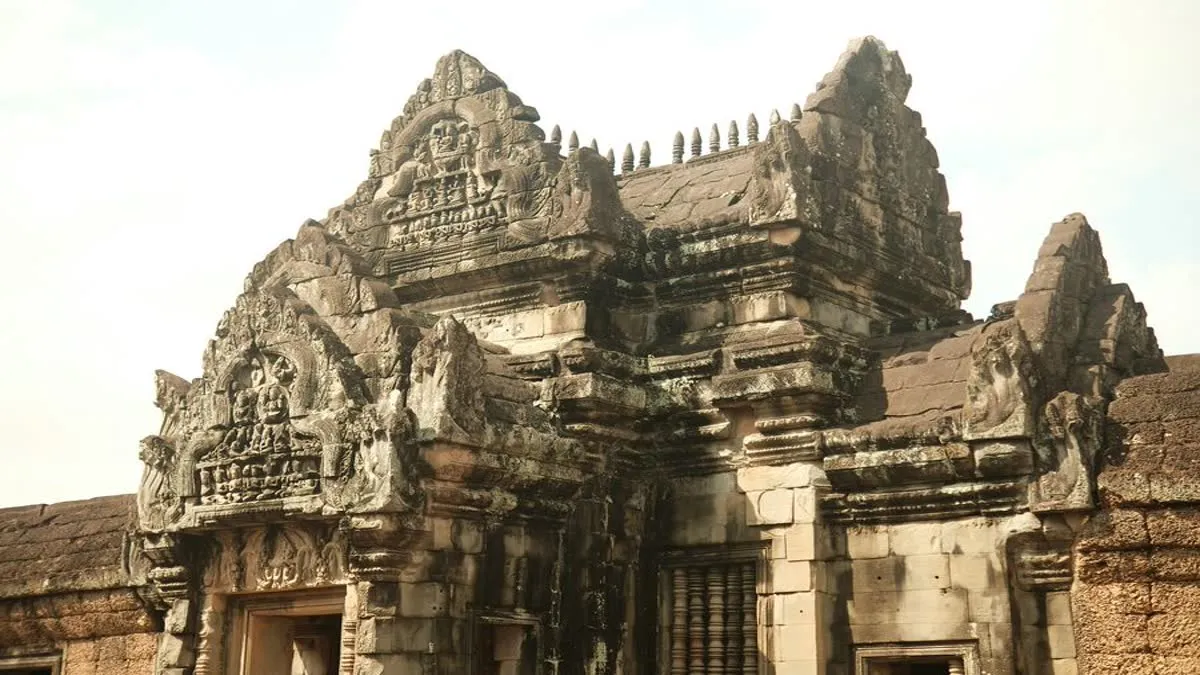
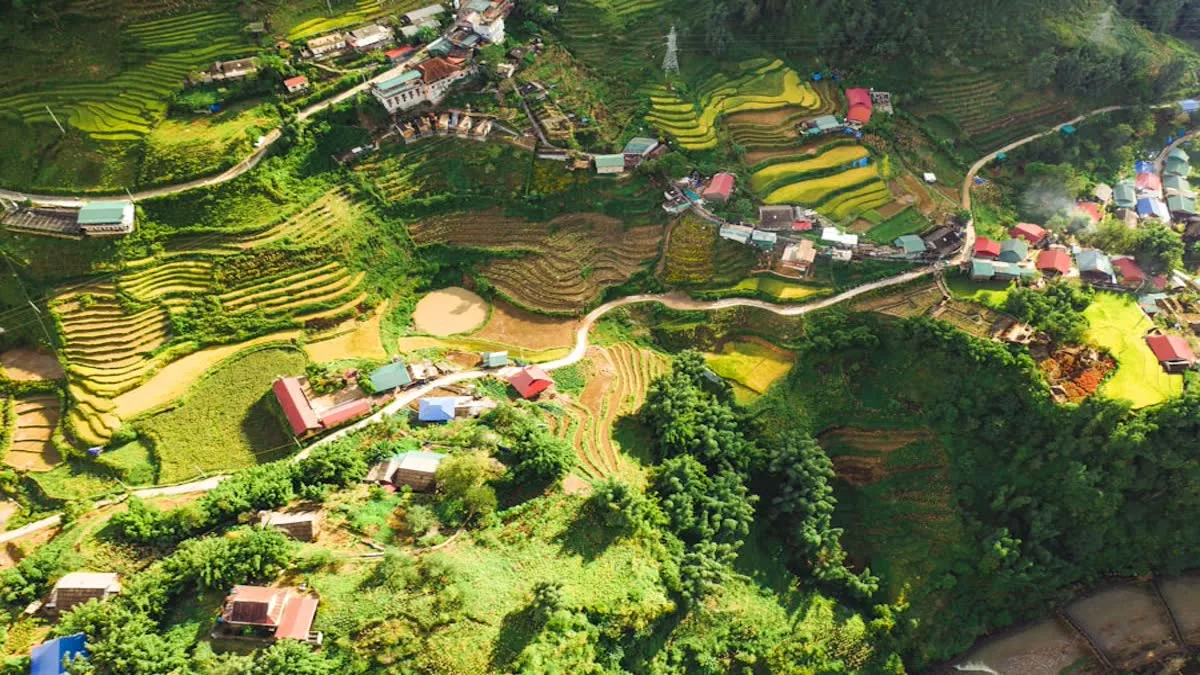
💰 June to August is the budget traveller's secret. Cambodian rain typically arrives in dramatic afternoon downpours lasting 1–2 hours, leaving mornings clear for sightseeing. Countryside transforms into vivid green. Tonle Sap expands from 2,500 to 16,000 km². Accommodation discounts of 30–50% are standard, and you'll have temples and beaches largely to yourself.
⚠️ Avoid April
April is Cambodia's hottest month, with temperatures regularly exceeding 38–40°C and oppressive humidity. Temple exploration becomes genuinely unpleasant and potentially dangerous. If you must visit in April, confine outdoor activities to early morning (before 9am) and late afternoon (after 4pm). Khmer New Year (April 14–16) makes domestic transport chaotic as the entire country travels home.
For Your Trip Window
If working through Southeast Asia chronologically, Cambodia fits best November to February, sandwiched between Vietnam and Thailand. Arriving from Vietnam in November or December gives you peak cool dry season. Alternatively, visiting during shoulder season means wet-season discounts and dramatic, green Cambodia. Just prepare for afternoon rains and potentially rough island seas.
Climate & Weather
🌡 Cambodia has a tropical monsoon climate with consistently warm temperatures year-round and pronounced dry/wet seasons. Unlike countries further north, Cambodia doesn't experience a true "cold" season. Even the coolest months feel pleasantly warm. What varies is rainfall, humidity, and heat intensity.
The Two Seasons
☀ Dry Season (November to April) is dominated by the northeast monsoon, bringing dry air from the Asian interior. Early dry months (November–February) are most comfortable with 28–32°C daytime highs, low humidity, essentially zero rainfall. March begins a steep climb in temperature and humidity, culminating in April, which regularly sees 38–42°C in Phnom Penh and central lowlands.
🌧 Wet Season (May to October) arrives with the southwest monsoon from the Indian Ocean. May starts gently with a few afternoon showers and a noticeable temperature drop. By July, rain is a daily certainty but follows a predictable pattern: clear mornings, cloud build-up after lunch, torrential downpour 2–5pm, then clearing. September and October are wettest, when some rural roads become temporarily impassable and Tonle Sap expands to six times its dry-season size.
Regional Variations
| Region |
Dry Season Character |
Wet Season Character |
Key Note |
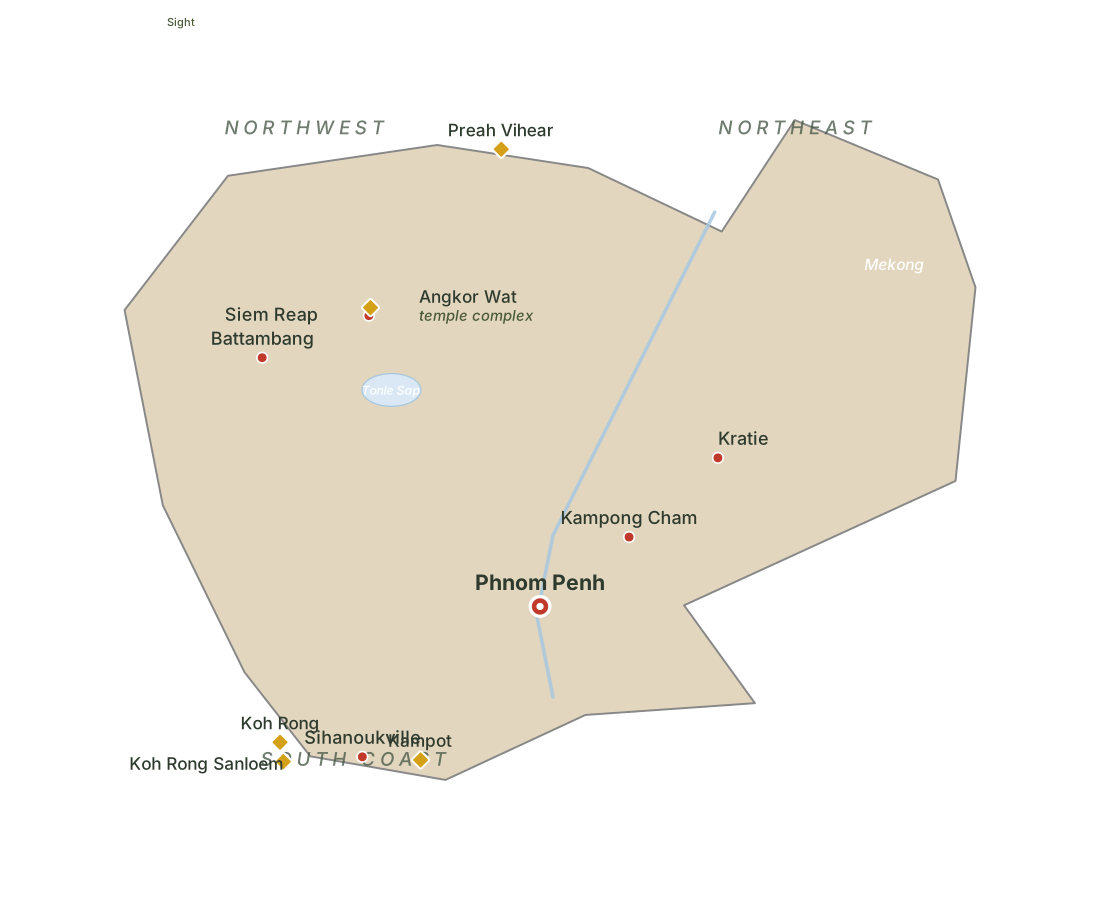
| Siem Reap & NW |
Dusty, 30–36°C, temples in harsh sun |
Moats full, jungle lush, 28–33°C |
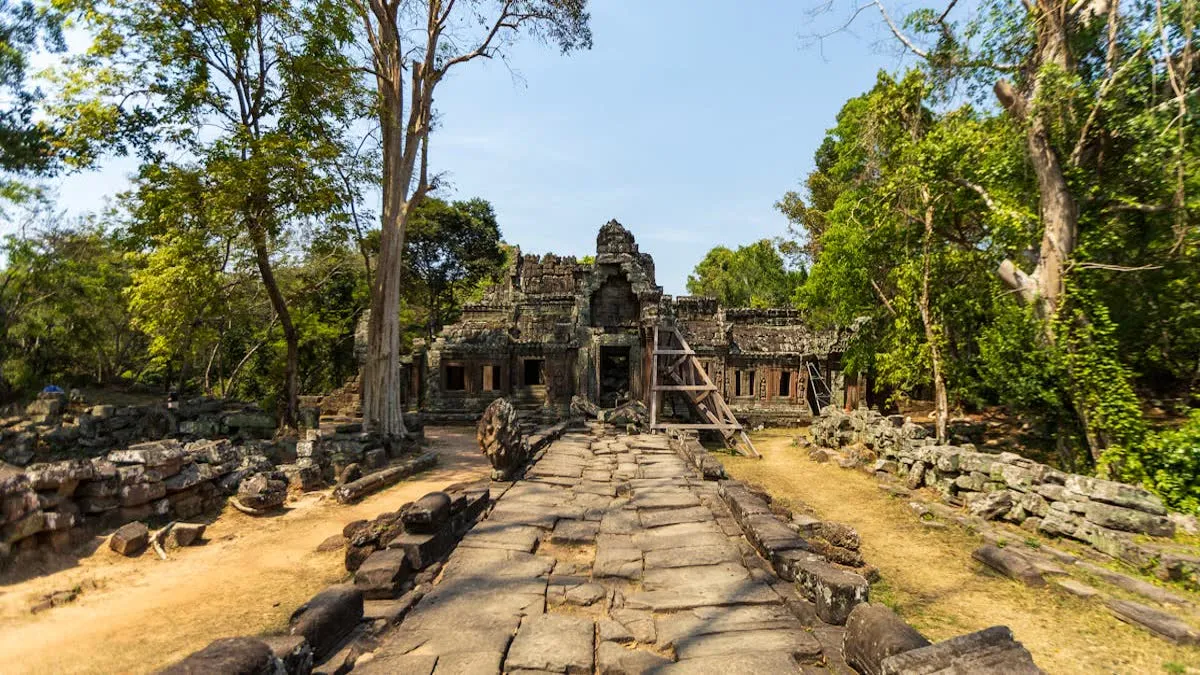
Wet-season temples are more photogenic |
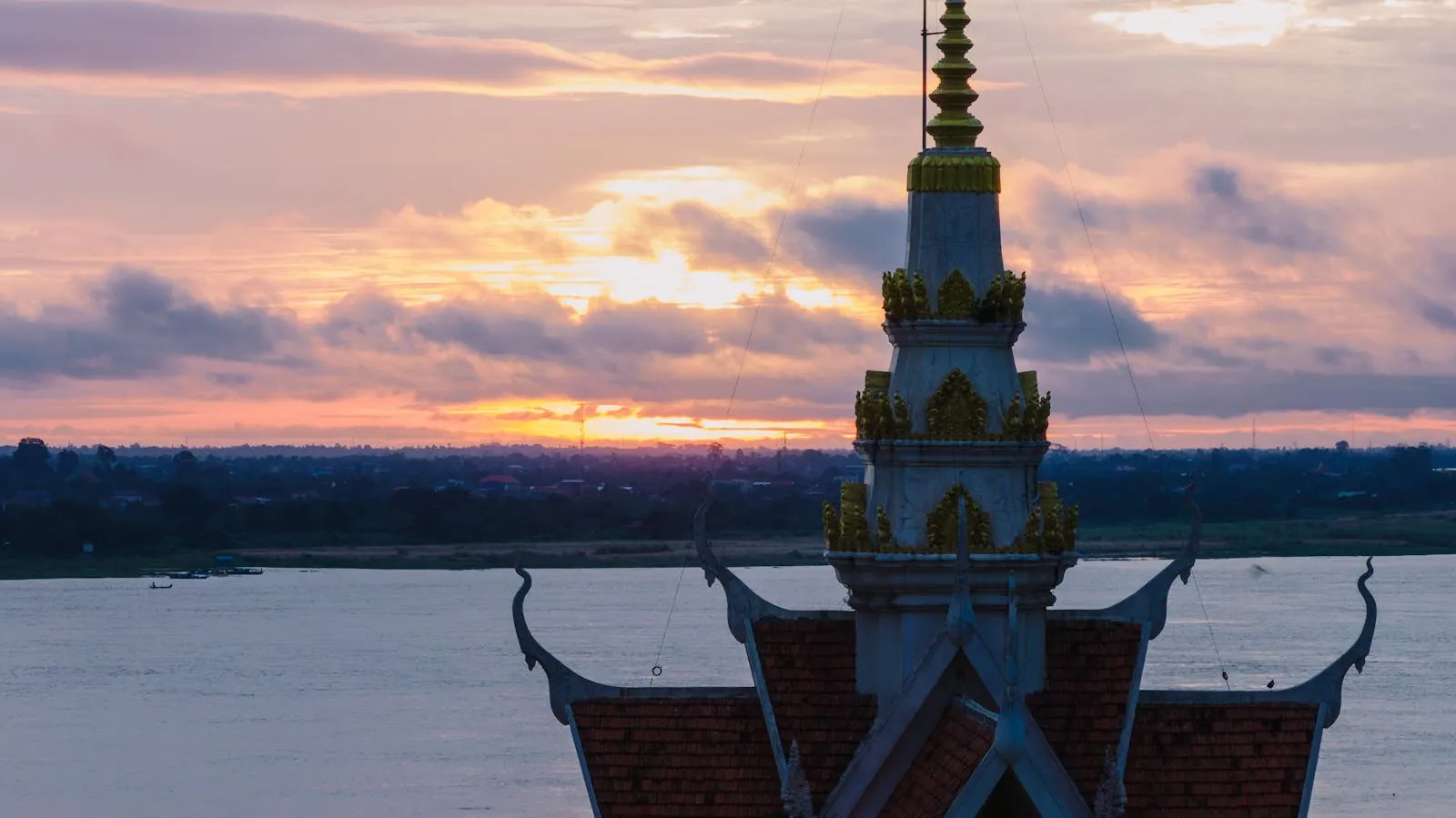
| Phnom Penh |
Urban heat island, 32–38°C |
Riverside floods, sticky heat, 28–34°C |
River breezes help; worst heat Mar–Apr |
| South Coast |
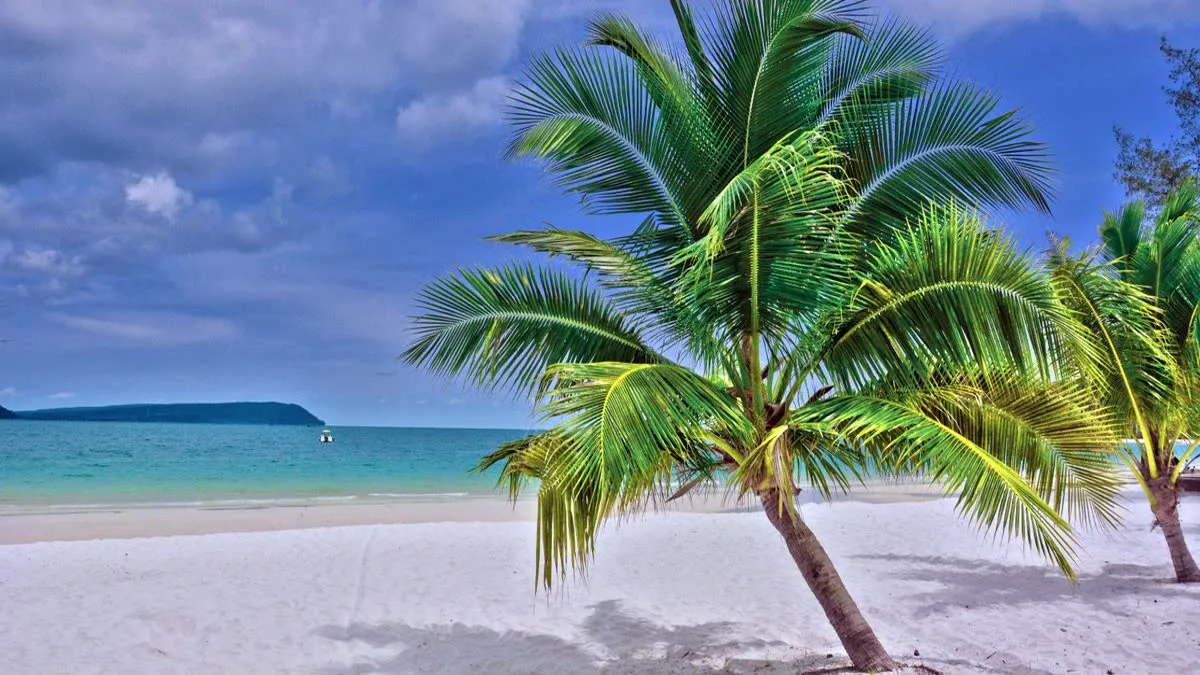
Calm seas, beach weather, 30–34°C |
Rough seas Jun–Oct, ferry cancellations |
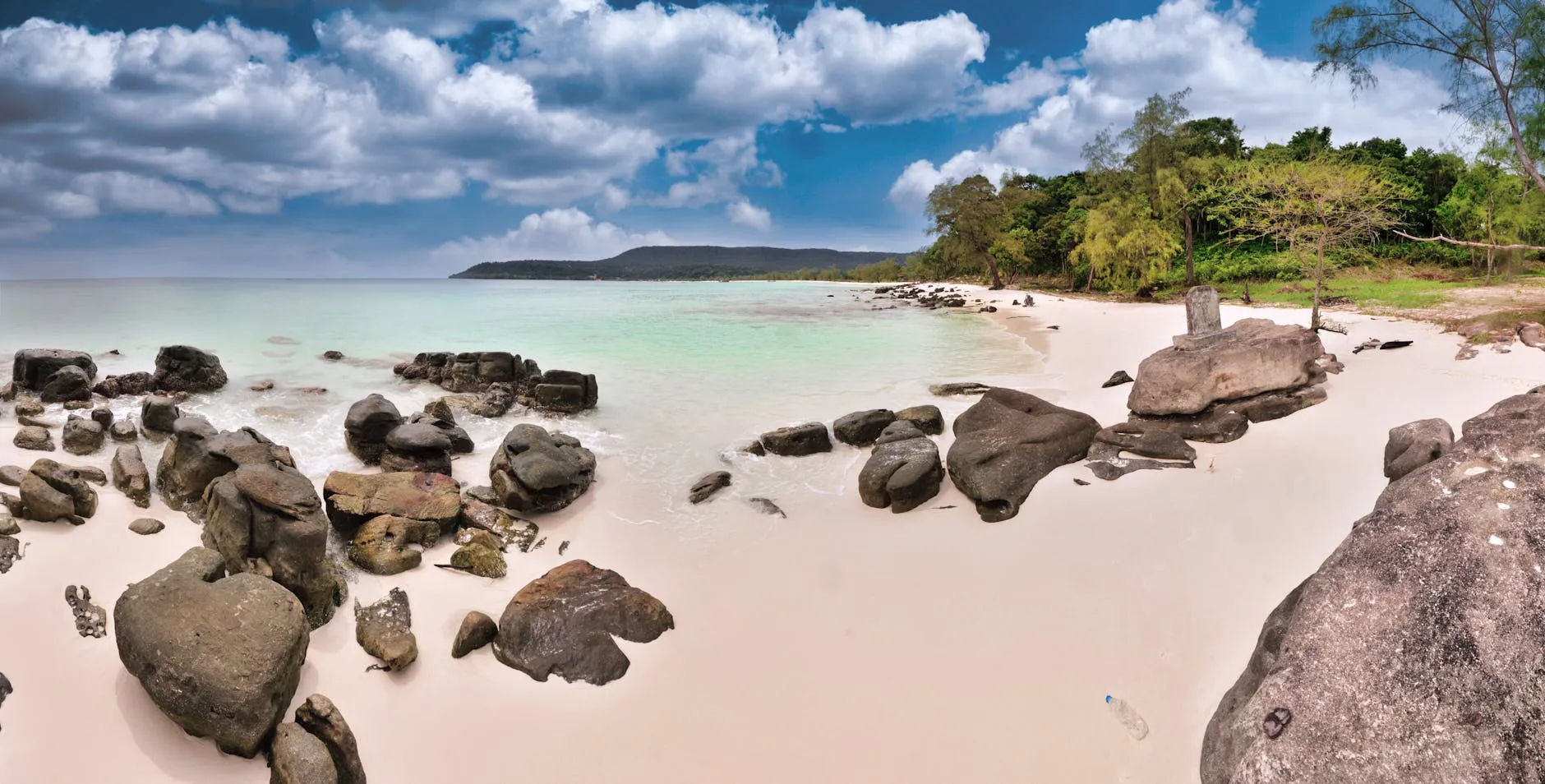
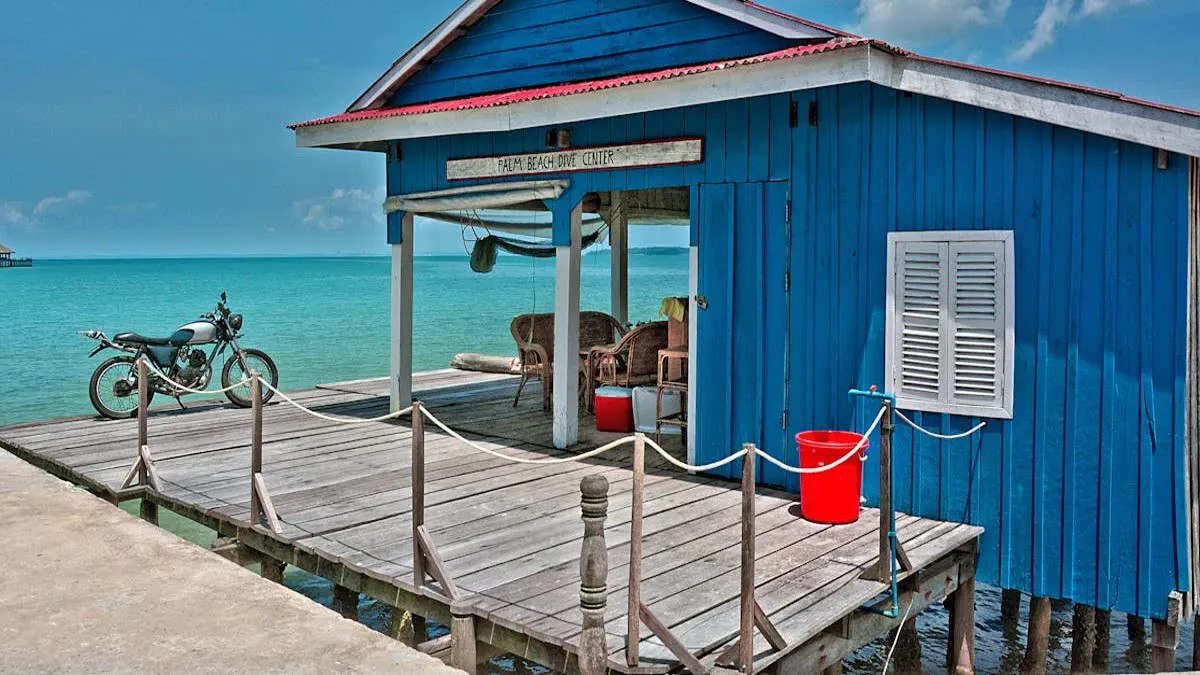
Islands best Nov–Mar; Kampot fine year-round |
| Northeast |
Very hot, dusty red roads, 34–40°C |
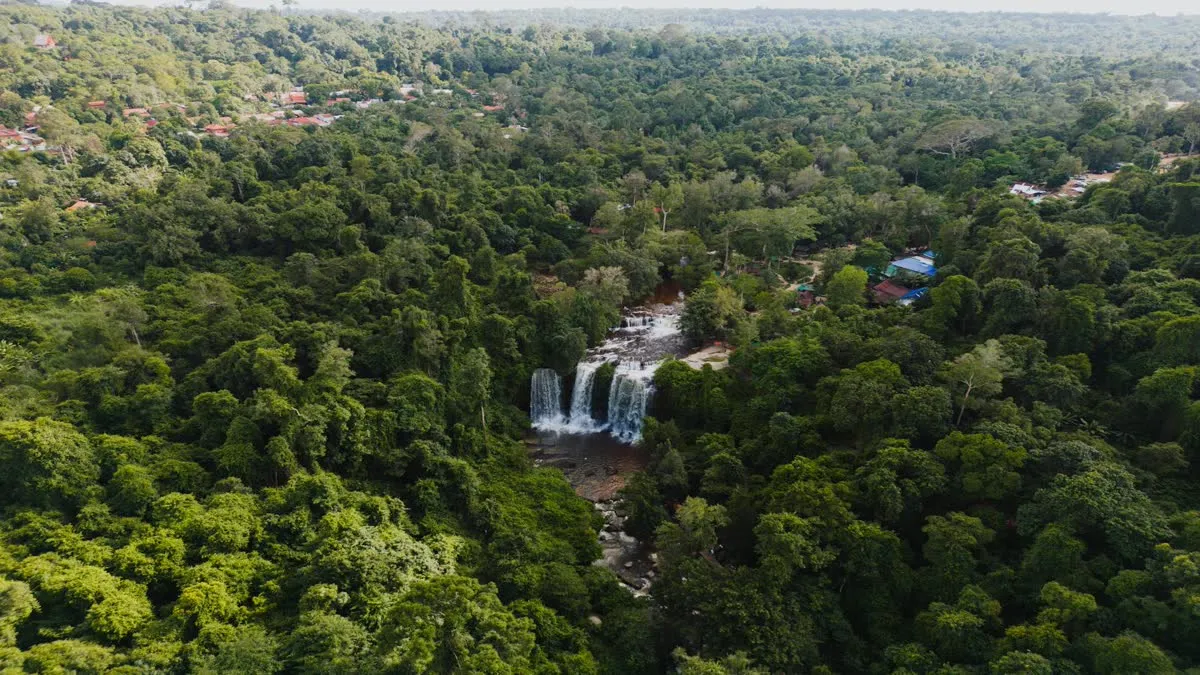
Roads muddy/impassable, waterfalls at their best flow |
Best Oct–Dec (post-rain, roads dry enough) |
🌦️ Understanding Cambodian Rain
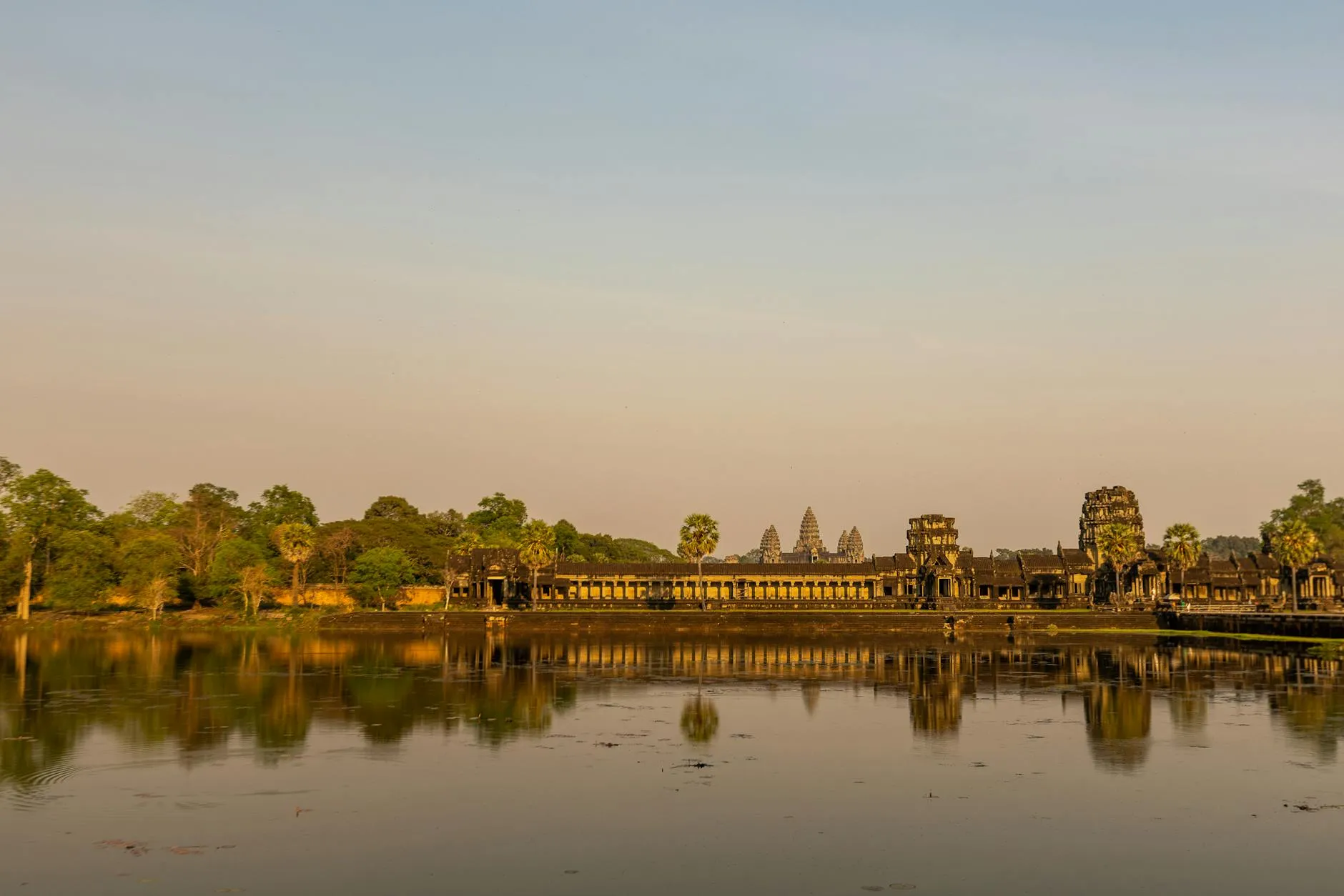
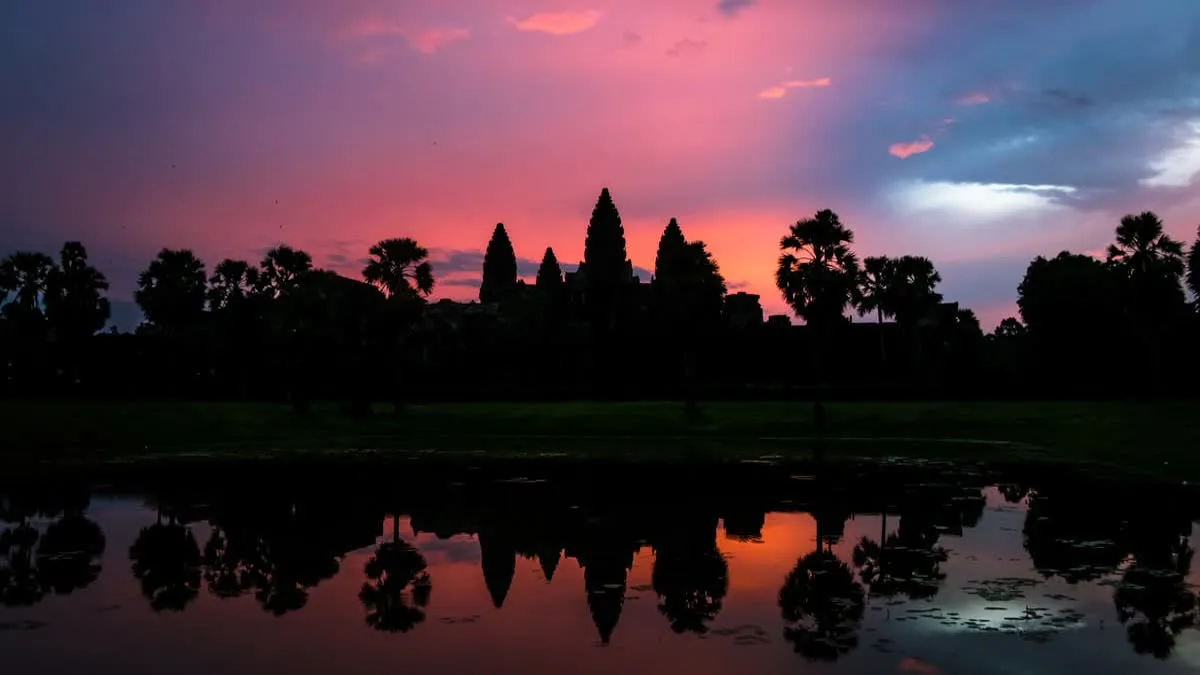
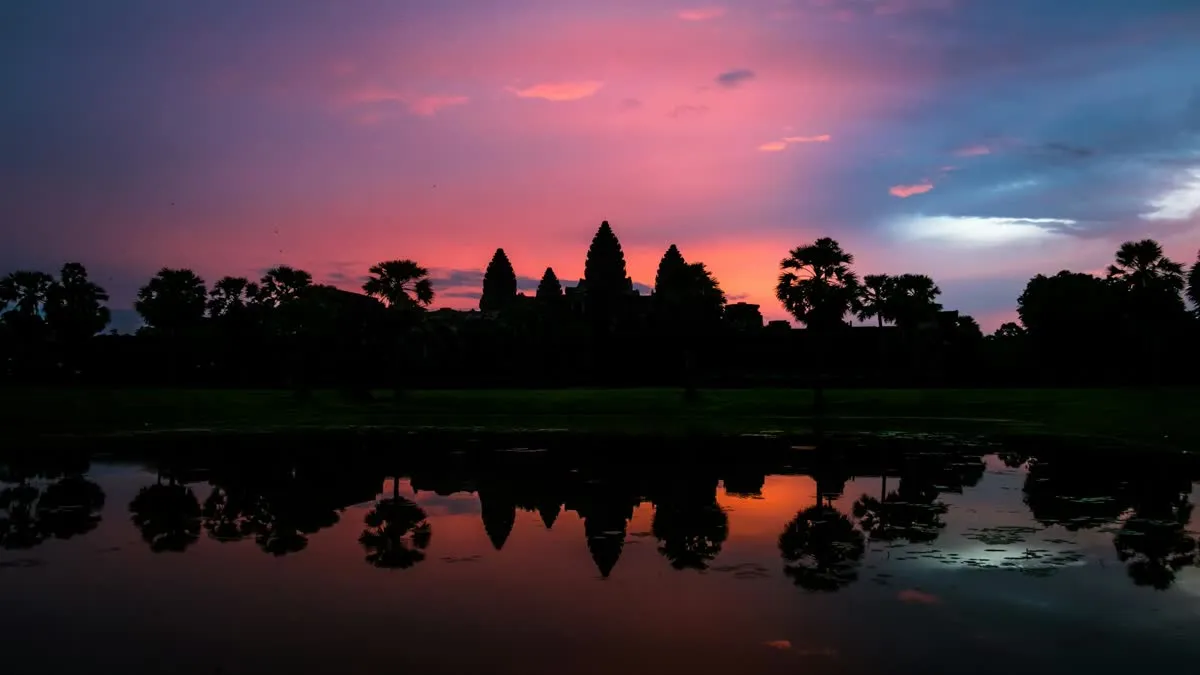
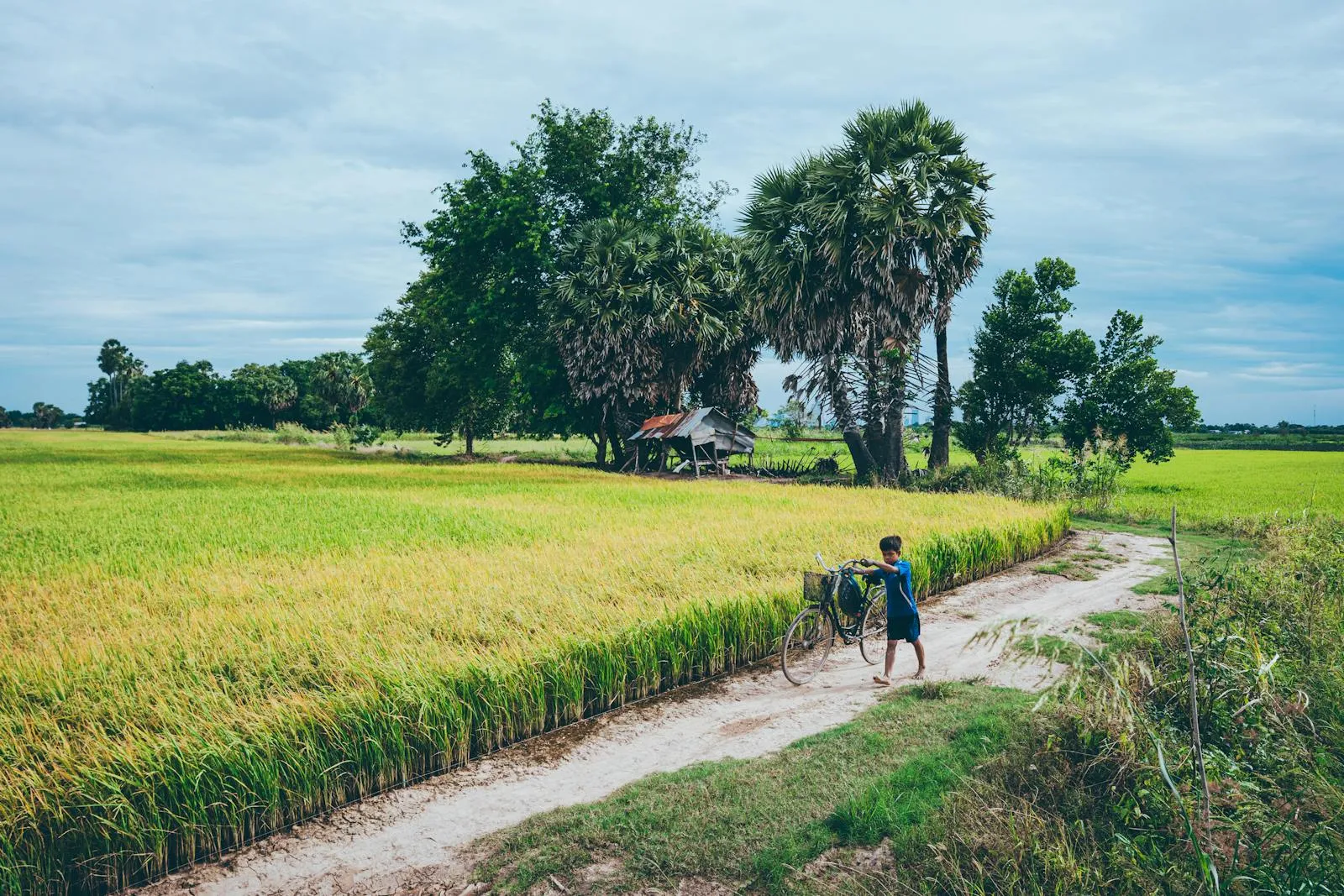
Do not fear the wet season. Cambodian rainstorms are dramatic but brief. A typical day: wake to clear skies, explore temples or sightsee all morning, have lunch, watch a spectacular 90-minute downpour from a cafe, then enjoy cooler, clearer late-afternoon light for photography. Many photographers prefer wet-season Cambodia for the dramatic skies, moat reflections, and saturated colours.
Humidity
Humidity is the invisible challenge. Even during the "cool" dry season, relative humidity rarely drops below 50–60%. In wet season, 80–95% humidity is standard. This means 30°C in Cambodia feels significantly hotter than 30°C in dry climates. Hydration is critical: aim for 3–4 litres of water per day, carry electrolyte sachets for temple days.
Seasons & Temperatures
Each season in Cambodia offers a genuinely different experience. Understanding the nuances helps you pack right, plan activities, and adjust expectations.
Cool Dry Season (November – February)
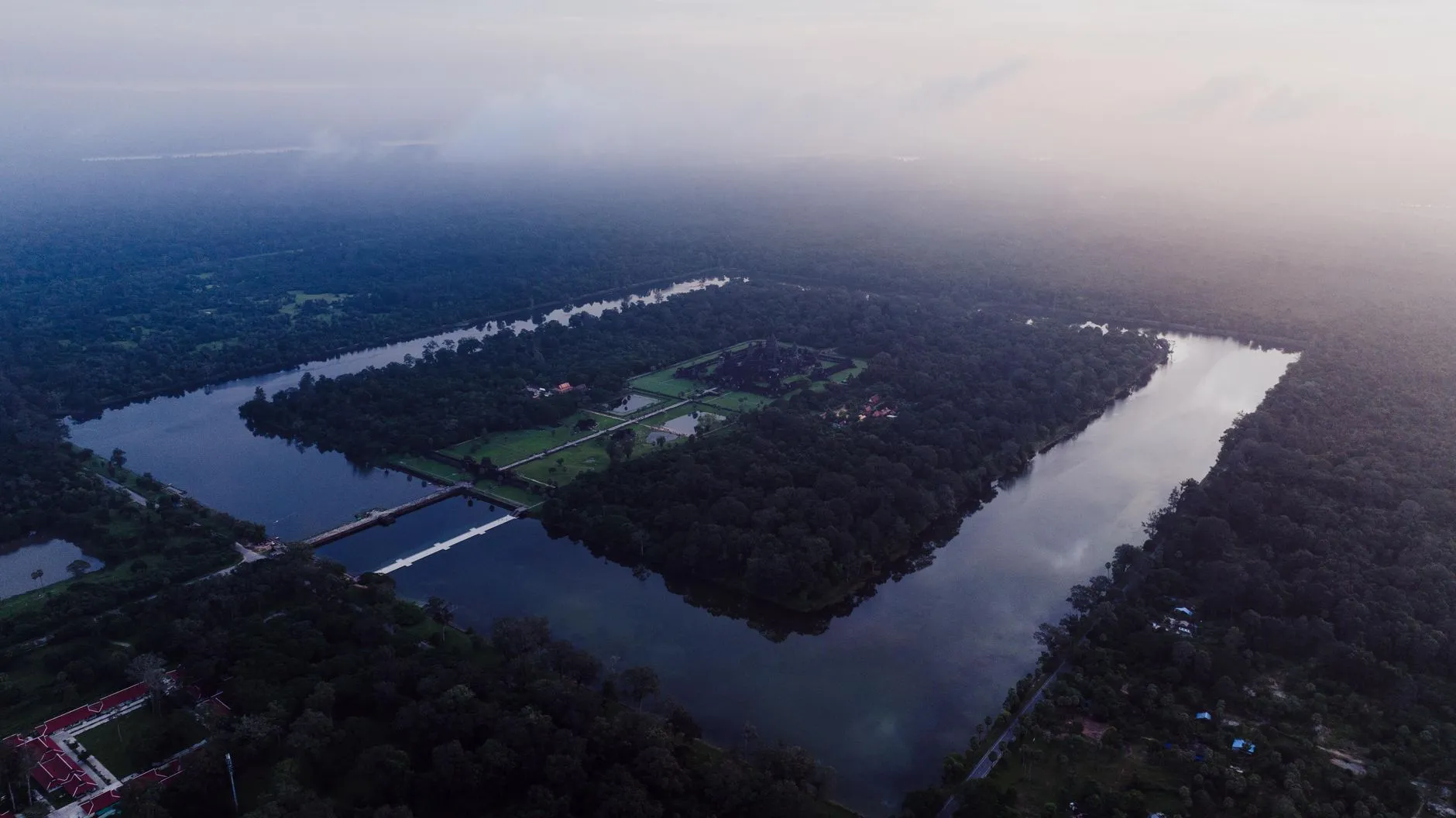
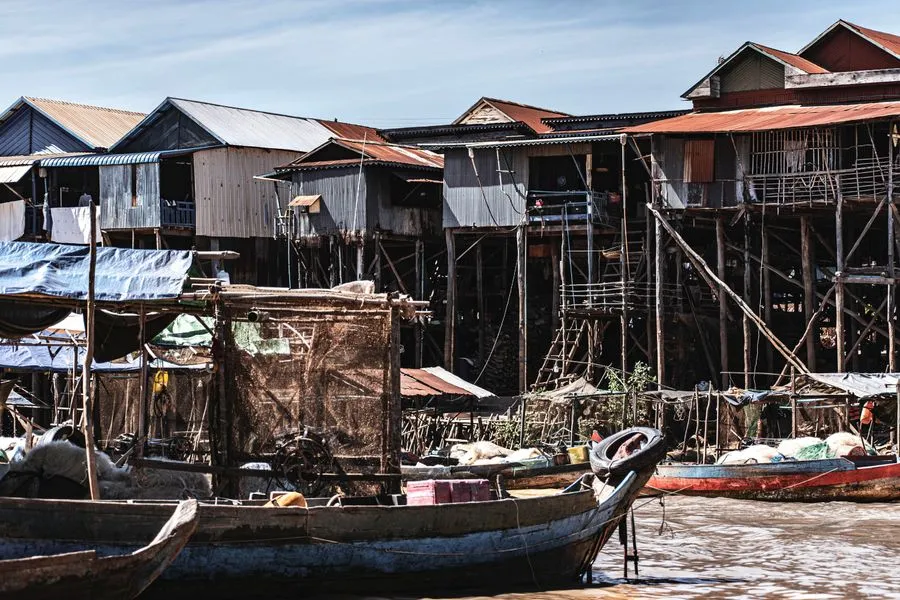
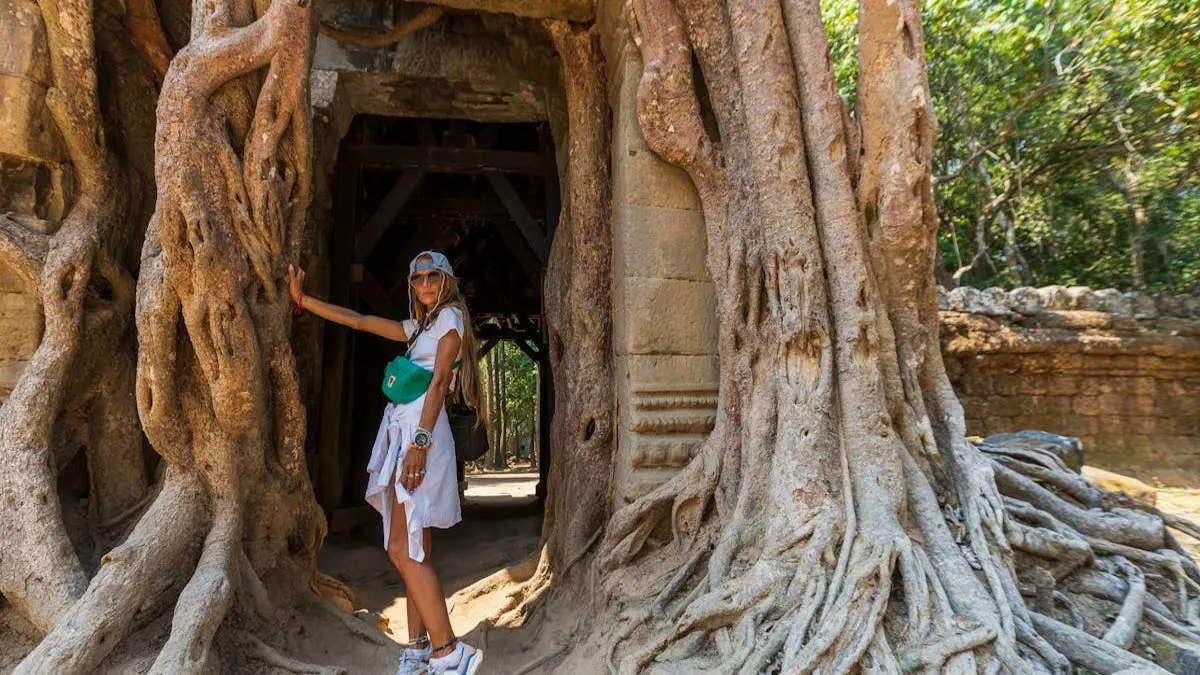
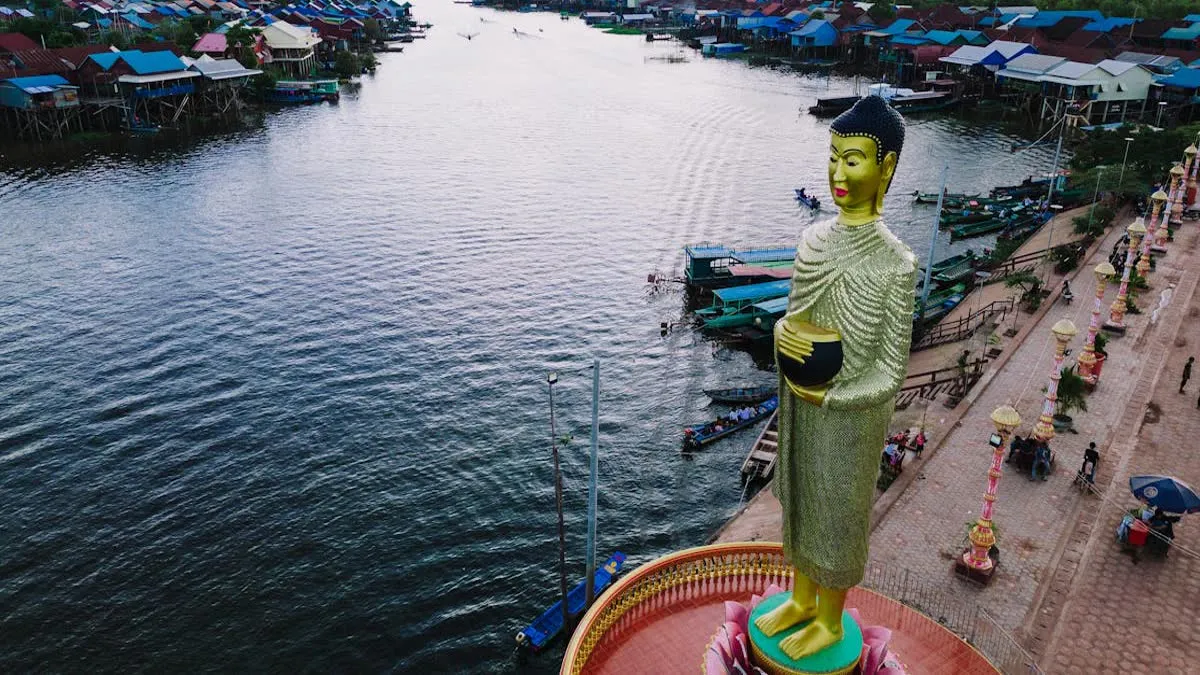
Cambodia at its most pleasant. Northeast monsoon brings cool, dry air. Mornings can feel genuinely refreshing, especially in Siem Reap where mist sometimes lingers over temple moats at dawn. Countryside retains green from recent rains but roads are dry and passable everywhere. Tonle Sap is still expansive in November, making boat trips to floating villages particularly worthwhile.
What to expect: Sunny days 25–30°C, cool evenings ~22°C, minimal rain, lower humidity (50–65%). Peak tourist season at Angkor (but manageable). Full-price accommodation. Clear seas for island visits.
Hot Dry Season (March – May)
March marks the transition from pleasant to punishing. By mid-March, mornings already sit at 28°C and climb relentlessly to 36–40°C by early afternoon. Landscape turns brown and dusty, Tonle Sap shrinks to a fraction of monsoon size, air becomes thick with haze from agricultural burning. April is the crescendo. Brutal heat even locals find difficult. Relief comes with first pre-monsoon thunderstorms in late April and May.
What to expect: Scorching days 35–42°C, warm nights 26–28°C, dust and haze, brown landscape, very few tourists, rock-bottom prices, Khmer New Year chaos in April. Only recommended for heat-hardy travellers seeking absolute solitude at temples.
Southwest Monsoon / Wet Season (June – October)
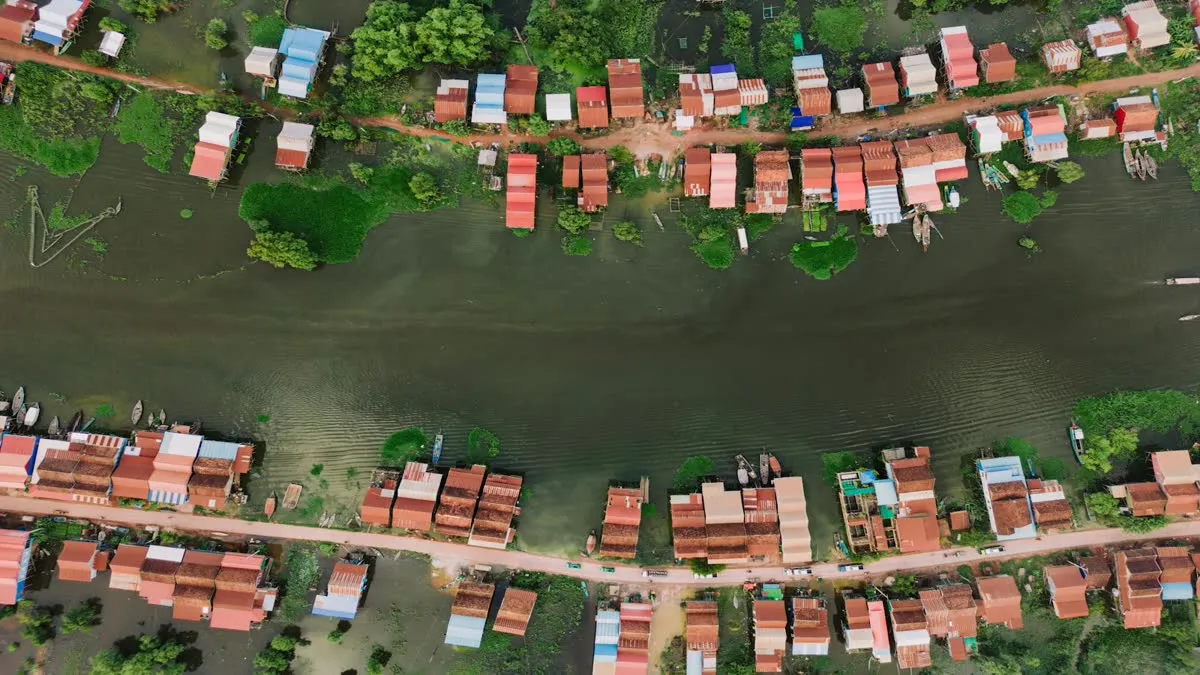
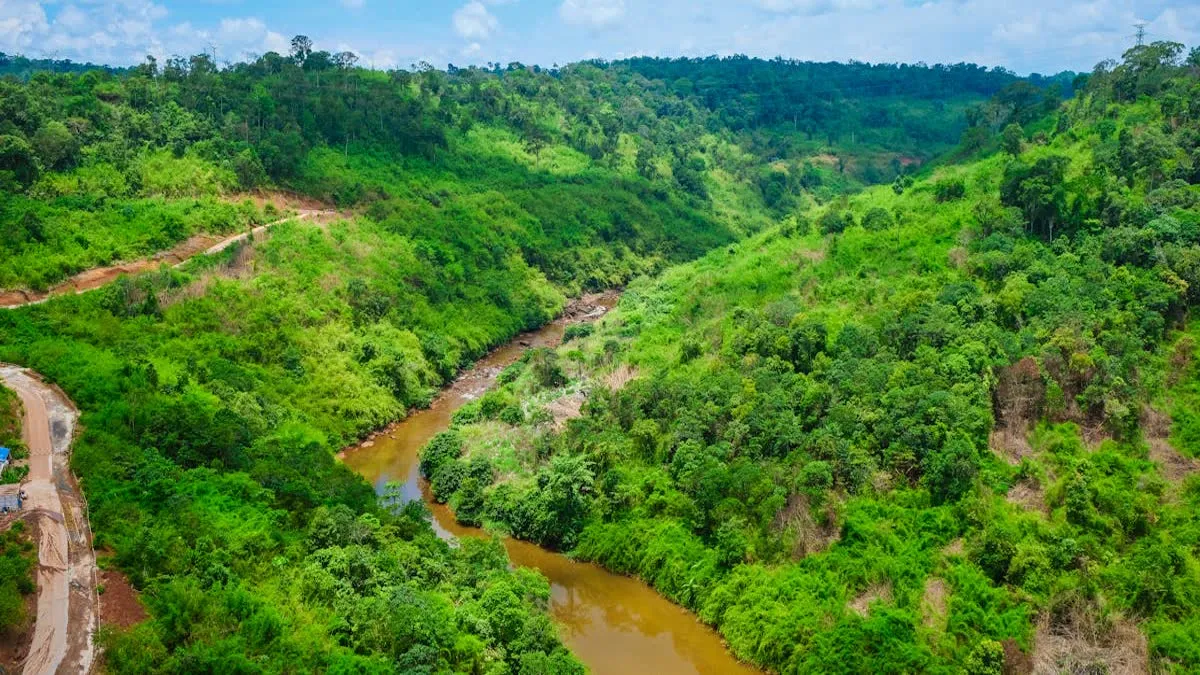
The wet season is Cambodia's underrated gem. Southwest monsoon brings moisture from the Indian Ocean, delivering daily rainfall that transforms the parched landscape into impossibly vivid green. Tonle Sap's extraordinary hydrological phenomenon begins. The Mekong's volume becomes so great it reverses the Tonle Sap River's flow, causing the lake to expand from 2,500 to up to 16,000 km². One of the most remarkable natural events in Southeast Asia, supporting one of the world's richest freshwater fisheries.
Early wet (June–August): Best wet-season window. Rain is present but predictable with clear mornings, afternoon storms. Temperatures drop from hellish March–May highs to bearable 30–33°C. Tourist numbers are low, prices drop 30–50%, temples are stunning with full moats and green surroundings. Island travel possible but seas can be rough. Check ferry schedules.
Peak wet (September–October): Wettest months. Rain can extend beyond afternoon windows, occasionally lasting most of the day. Rural roads in northeast may be impassable. Tonle Sap reaches maximum expansion. Fewest tourists of the year, lowest prices, but some compromised travel logistics. Island ferries may be cancelled for days at a time.
🌡️ The Mondulkiri Exception
Mondulkiri province sits on a plateau at around 800m elevation. Night temperatures can drop to 15–18°C in December–January, and occasionally even lower. If you are heading to the northeast highlands, pack a light fleece or hoodie. A genuine rarity in Cambodia travel.