Venezuela Travel Guide

Land of Tepuis. Angel Falls, Gran Sabana, Caribbean coast, Andean peaks and the Orinoco Delta. An honest guide for those who choose to go.

🇻🇪 Venezuela Adventure Travel Low Budget (USD economy)

Overview & Why Visit Venezuela

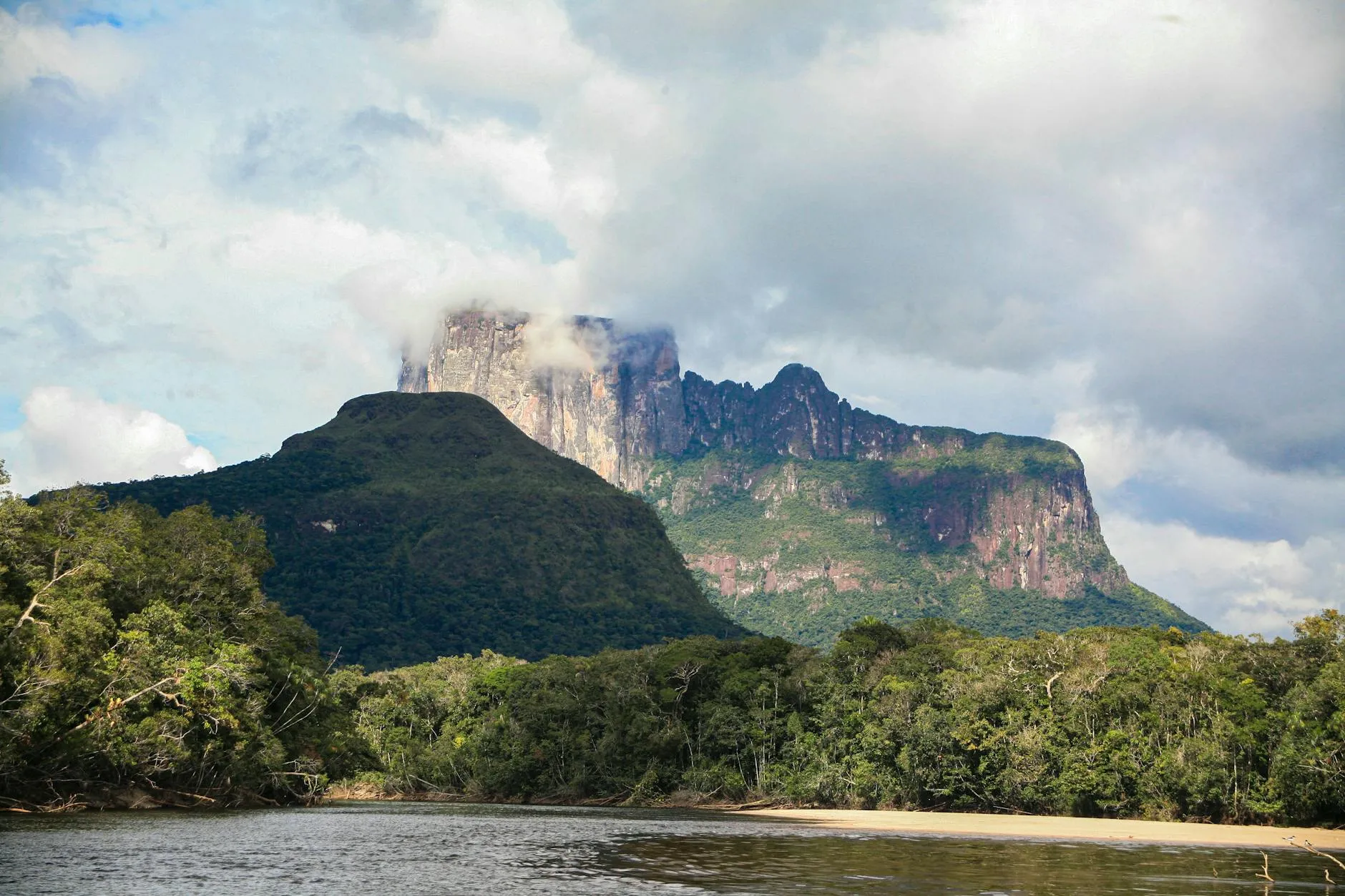
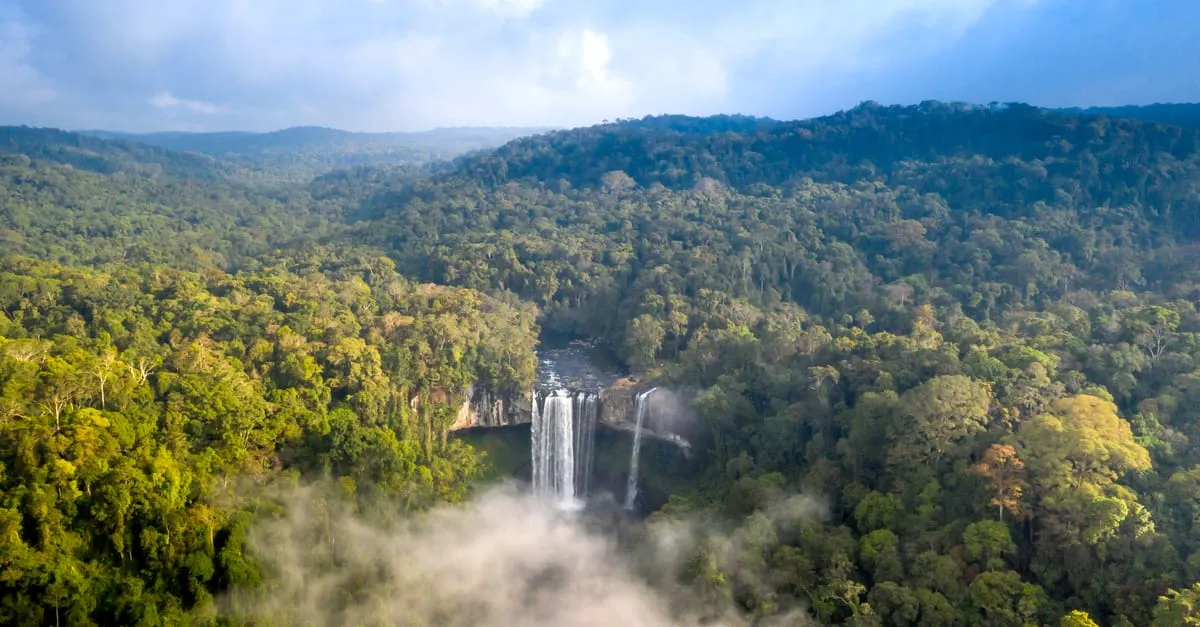
Angel Falls cascading from Auyantepui tabletop mountain in Canaima National Park

Venezuela holds some of South America’s most dramatic natural landscapes. Angel Falls is the world’s tallest uninterrupted waterfall at 979 metres. It plunges from the edge of Auyantepui, one of dozens of ancient tabletop mountains (tepuis) rising from the Gran Sabana. The country spans Caribbean coastline with coral atolls like Los Roques, Andean peaks around Mérida reaching above 4,900 metres, and the vast Orinoco Delta where river channels weave through rainforest. For sheer geological spectacle, few destinations rival Canaima National Park or the trek to Mount Roraima.

However, Venezuela faces severe economic crisis, political instability, and significant security challenges. Infrastructure has deteriorated. Fuel and medicine shortages are common. Crime rates remain high, particularly in Caracas and other urban centres. Most Western governments advise against all or non-essential travel. This guide is written for travellers who choose to visit anyway, fully informed of the risks, often through organized tours to key natural sites.

IMPORTANT SAFETY NOTICE
Most Western governments advise against all or non-essential travel to Venezuela due to ongoing economic crisis, infrastructure gaps, shortages of essential goods, and elevated crime levels including violent crime and kidnapping. Research thoroughly, register with your government’s travel advisory service, and strongly consider organized tours for destinations like Canaima/Angel Falls, Gran Sabana, and Los Roques. Independent travel carries significant risk.
Capital
Caracas
Population
28 million
Language
Spanish
Currency
VED / US$ (de-facto dollarized)
1 EUR ≈ 1.08 USD
Daily Budget
€35–90
Per couple, comfortable mid-range; see full breakdown below
Worth Knowing: Despite the challenges, travellers who make it to Canaima, Mount Roraima, or Los Roques consistently describe these destinations as among the most spectacular natural sites in all of the Americas. The tepui landscapes are genuinely unlike anywhere else on Earth.

Map of Venezuela

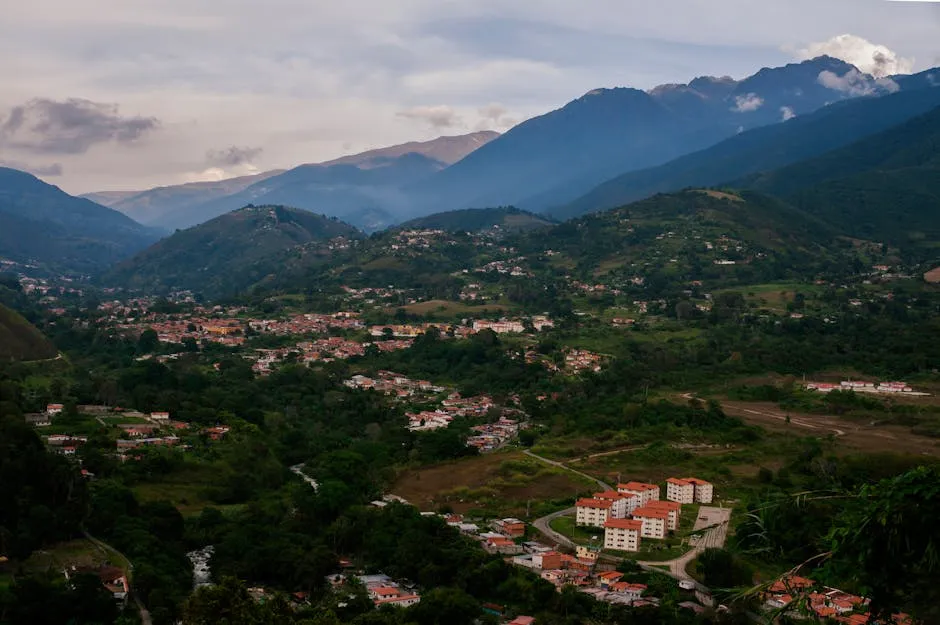
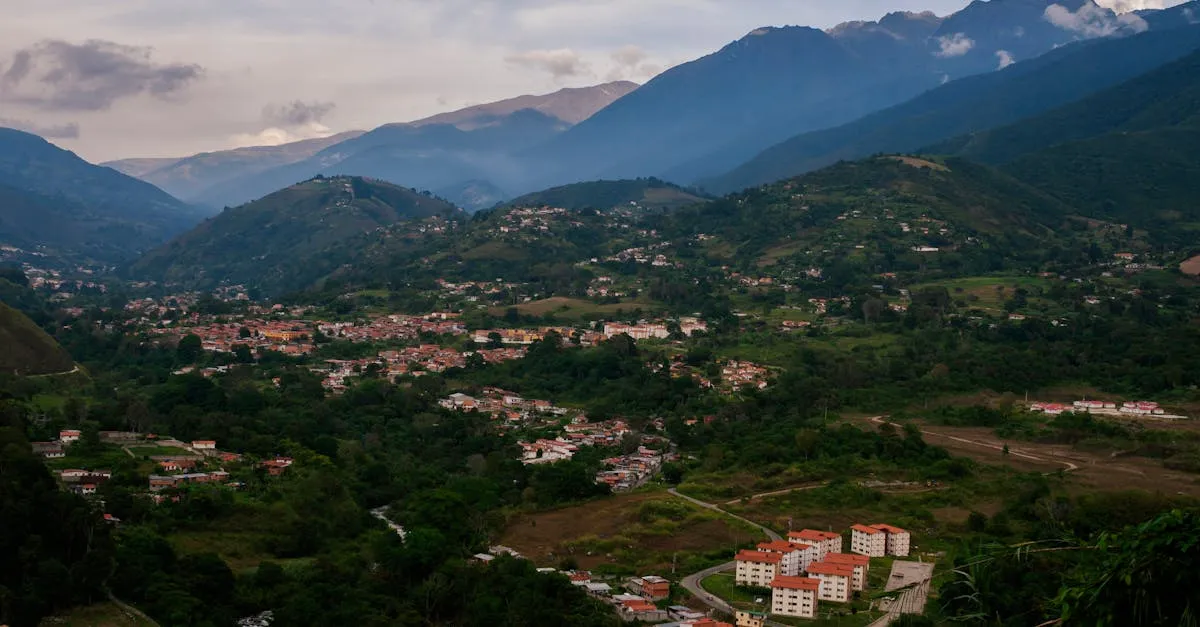
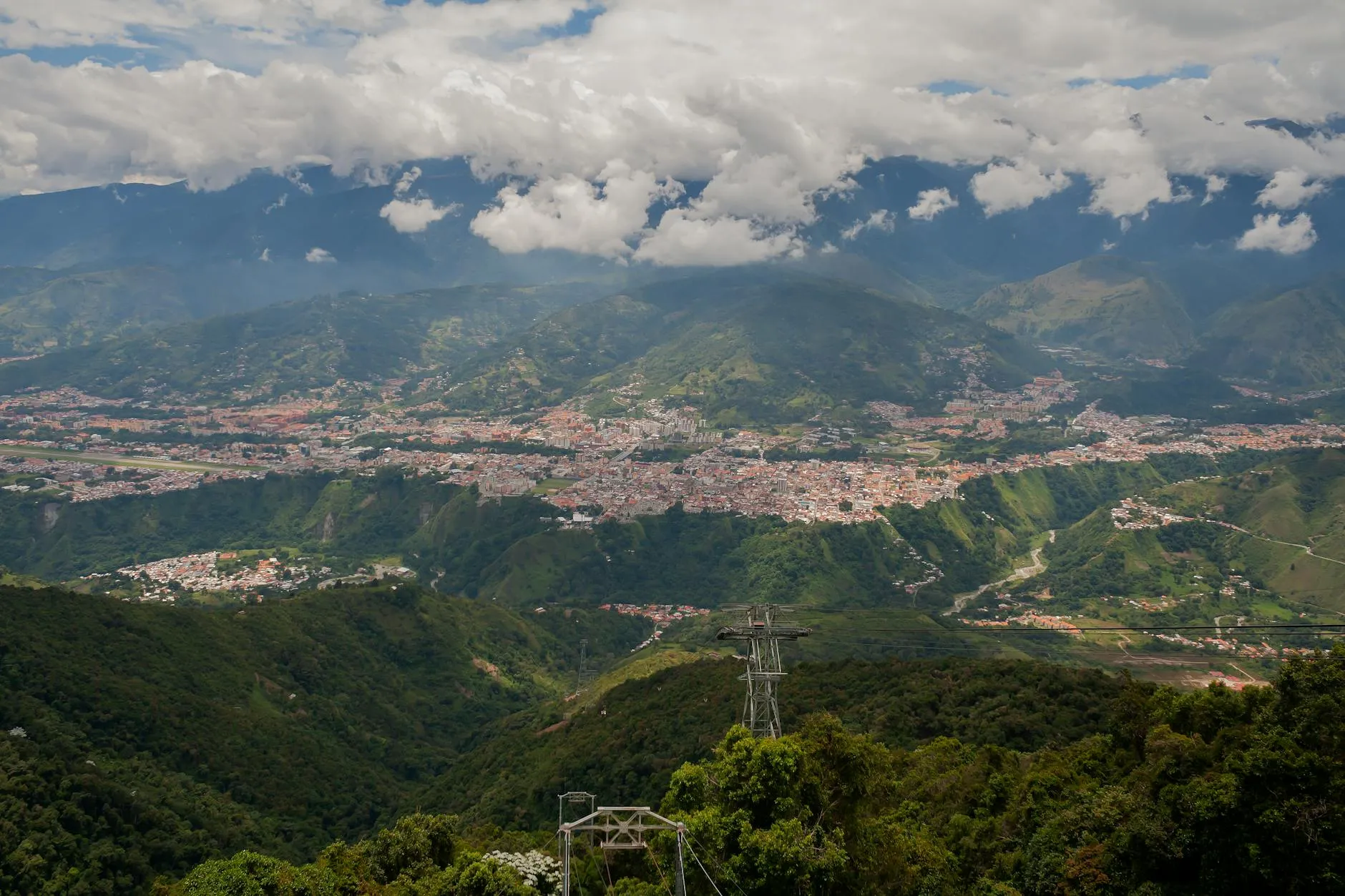
Stunning landscape of Mérida, Venezuela with lush green hills and cloudy mountaintops.

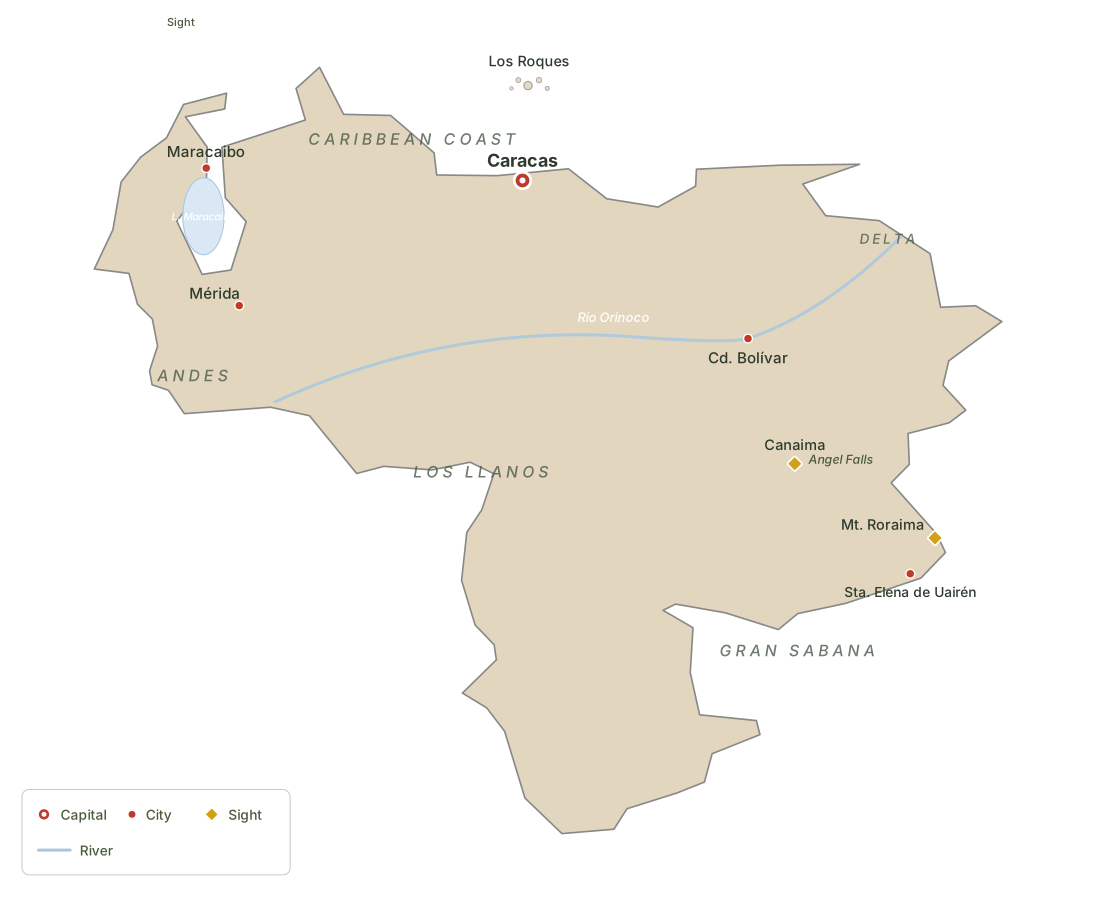
Venezuela sits on South America’s northern coast, bordered by Colombia to the west, Brazil to the south, Guyana to the east, and the Caribbean Sea to the north. The country covers roughly 916,000 square kilometres. That’s about twice the size of California. Despite its relatively compact footprint, Venezuela packs extraordinary geographic diversity. From Caribbean beaches and coral atolls to Andean peaks above 4,900 metres, vast grassland plains, and the ancient tepui plateaus of the Gran Sabana. Travel zones are described below.

Map of Venezuela showing key destinations: Caracas, Maracaibo, Mérida, Ciudad Bolívar, Canaima, Angel Falls, Mount Roraima, Los Roques, and Santa Elena de Uairén across four travel regions
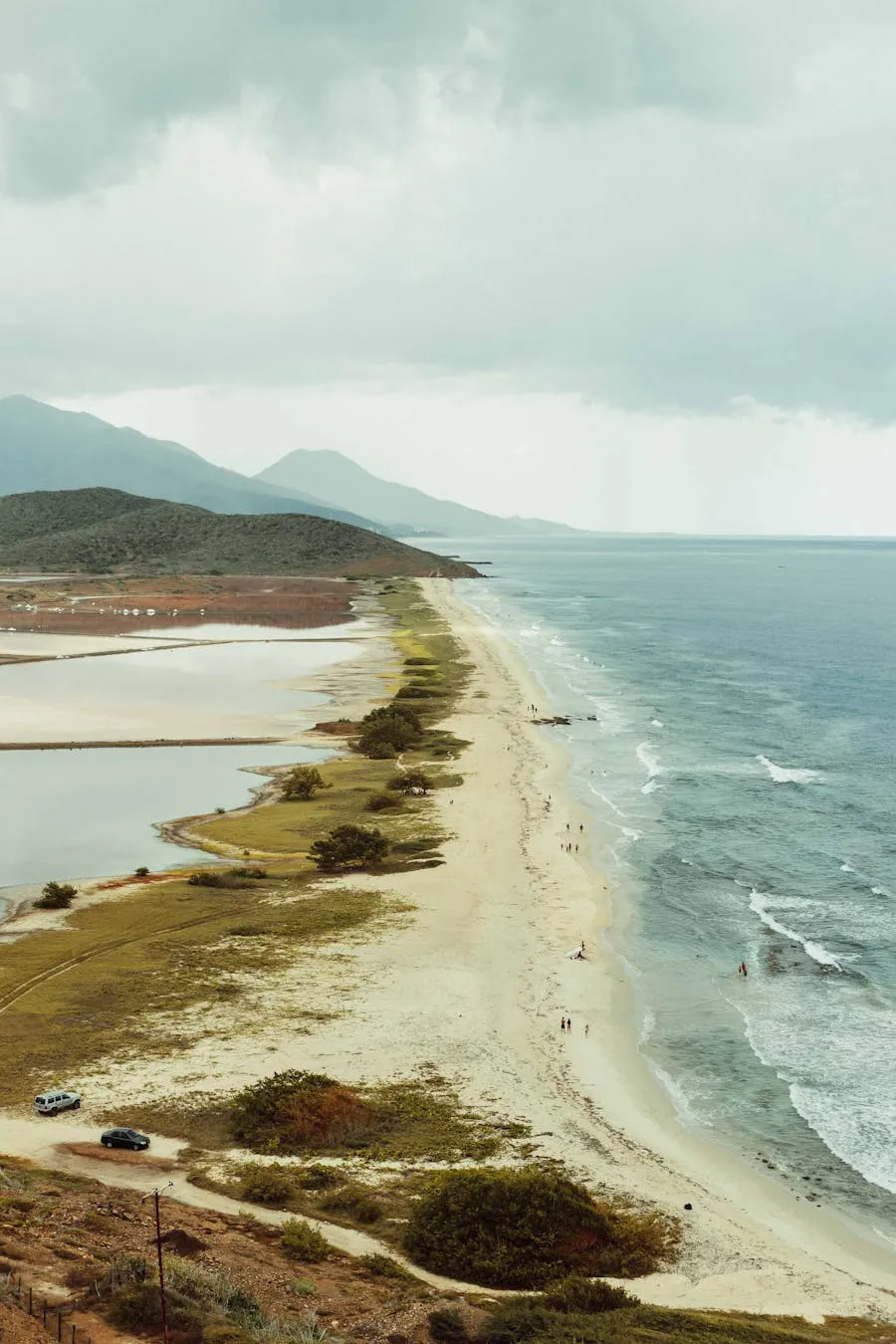
  • Caribbean Coast: Stretches from the Colombian border east past Caracas to the Paria Peninsula. Key destinations include the capital Caracas, the European-heritage mountain town of Colonia Tovar, Morrocoy National Park with mangrove-fringed cays, the Afro-Venezuelan coastal village of Choroní, and the Los Roques archipelago. Los Roques is a remote coral atoll 160 kilometres offshore with turquoise lagoons and white-sand islands.
  • Andes (west): The Venezuelan Andes run northeast from the Colombian border, with Mérida as the gateway city. This region holds the country’s highest peaks, including Pico Bolívar (4,978 metres), and one of the world’s highest cable cars. The Mukumbarí cable car was rebuilt and reopened with intermittent closures. Trekking, paragliding, and mountain villages define the experience.
  • Gran Sabana & Guayana (southeast): The vast Guayana Shield region encompasses Canaima National Park, Angel Falls, Mount Roraima, and dozens of tepuis. These are ancient tabletop mountains with vertical cliffs and unique ecosystems. This is Venezuela’s adventure heartland, accessible via Ciudad Bolívar or Santa Elena de Uaíren near the Brazilian border.
  • Llanos & Orinoco (central): The Llanos are vast tropical grasslands stretching across central Venezuela, rich with wildlife including capybaras, caimans, and hundreds of bird species. The Orinoco Delta in the northeast offers river safaris through mangrove channels and indigenous Warao communities. Best visited during the dry season (December–April) when animals concentrate around shrinking waterholes.

Best Time to Visit

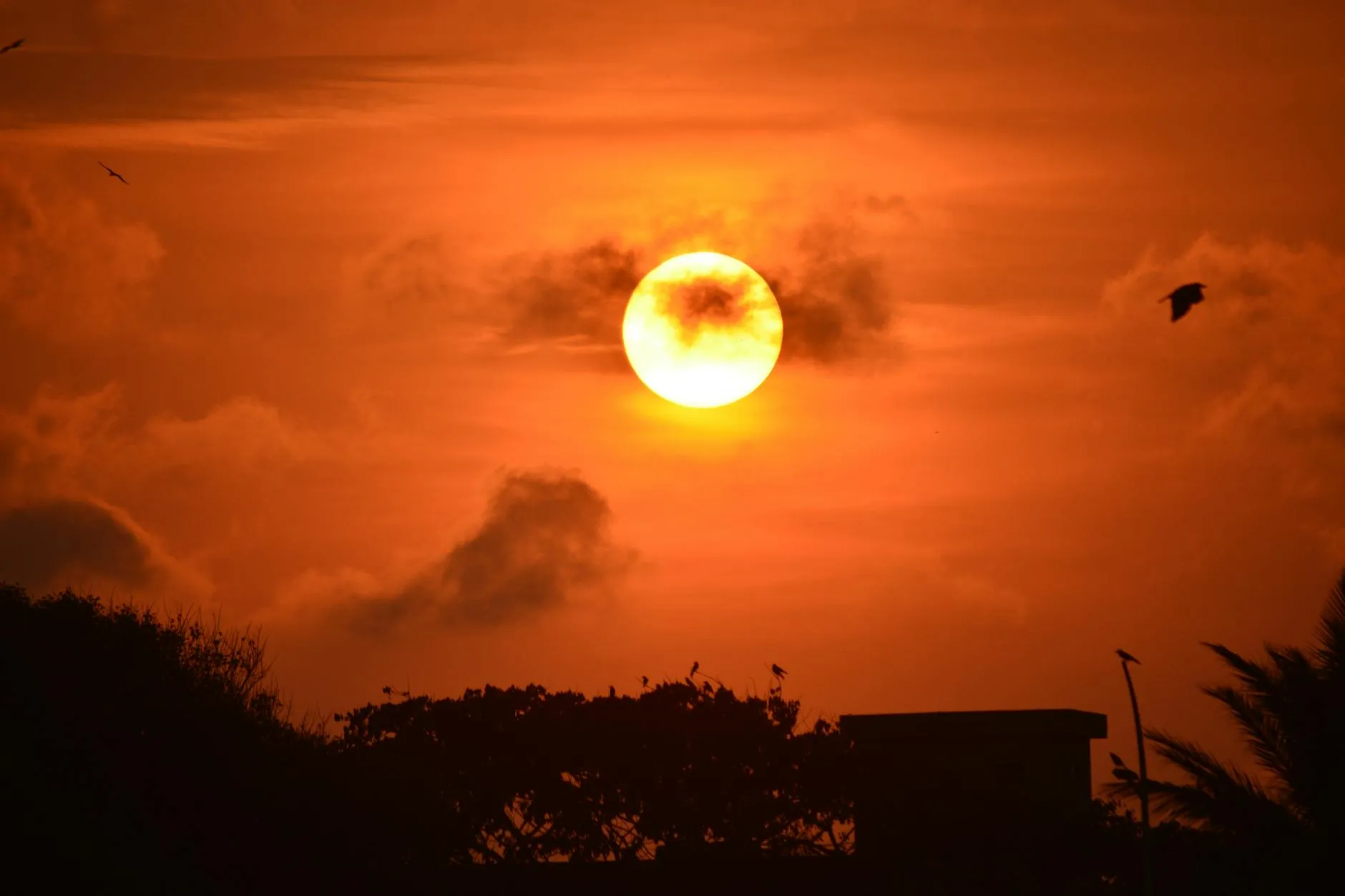
Stunning sunset with vivid orange sky and silhouetted trees and birds.

Venezuela has two main seasons: the dry season (December to April) and the wet season (May to November). The dry season is generally best for most travel, with clearer skies, easier road access, and more comfortable conditions along the coast and in the Andes. However, Angel Falls is most spectacular during the wet season (June to September) when water volume peaks and the falls thunder at full force. The Gran Sabana is accessible year-round, though roads can become muddy and challenging during heavy rains.

Dec–Feb
Excellent
Driest and coolest months. Best for Caribbean coast, Los Roques, and Andes trekking. Peak season for Mérida. Angel Falls has lower water flow but reliable flight access.
Mar–Apr
Good
Still dry with warming temperatures. Carnival celebrations (February/March) bring vibrant street parties. Good compromise for most destinations before wet season begins.
May–Sep
Mixed
Wet season but Angel Falls at peak flow. Gran Sabana turns lush and green. Roads can be challenging, some remote areas harder to access. Best for waterfall photography.
Oct–Nov
Risky
Heaviest rains of the year. Some roads become impassable, flooding risk in lowlands. Least reliable time for travel. Consider avoiding unless specifically targeting wet-season conditions.

For most travellers, December to March offers the best combination of weather, accessibility, and comfort across all regions. The dry season ensures reliable road conditions, clear skies for flights to Canaima, and pleasant temperatures in the Andes. However, if Angel Falls is your primary goal, consider visiting in June to August when the waterfall reaches maximum spectacle. Just be prepared for potential weather delays and bring waterproof gear.

Month-by-Month Overview

MonthSeasonBest RegionsCrowdsPricesRating
JanuaryDryEverywhere. Los Roques, Gran Sabana, Andes🔴 High🔴 High⭐⭐⭐⭐⭐
FebruaryDryEverywhere. Carnival celebrations🔴 High🔴 Peak⭐⭐⭐⭐⭐
MarchDry (late)Los Roques, Mérida, Gran Sabana🟡 Moderate🟡 Moderate⭐⭐⭐⭐
AprilTransitionAndes, coast. Semana Santa🟡 Moderate🟡 High⭐⭐⭐⭐
MayWet beginsAngel Falls flowing, Gran Sabana green🟢 Low🟢 Low⭐⭐⭐
JuneWetAngel Falls spectacular, Canaima🟢 Low🟢 Low⭐⭐⭐⭐
JulyWetAngel Falls peak flow, Los Roques (still dry)🟡 Moderate🟡 Moderate⭐⭐⭐⭐
AugustWetAngel Falls, Orinoco Delta, Mérida🟡 Moderate🟡 Moderate⭐⭐⭐⭐
SeptemberWet (heavy)Limited. Heavy rains, road disruptions🟢 Low🟢 Low⭐⭐
OctoberWet (peak)Very limited. Flooding risk, poor access🟢 Very Low🟢 Lowest⭐⭐
NovemberLate WetCoast, Los Roques. Rains easing🟢 Low🟢 Low⭐⭐⭐
DecemberDry beginsEverywhere improving. Holiday season🔴 High🔴 Peak⭐⭐⭐⭐
Angel Falls Paradox: The falls are most spectacular June–September (wet season) when water flow peaks and the cascade thunders at full force, but flights to Canaima may be disrupted by weather and clouds can obscure views. The dry season (January–March) offers reliable access and clear skies but the waterfall becomes a thinner ribbon. Best compromise is late May or early June, when rains begin but weather is still relatively stable.

Climate & Weather

Venezuela sits in the tropics, but altitude creates enormous climatic variation. The Caribbean coast at sea level is hot and humid year-round, while the Andes around Mérida offer spring-like temperatures even at the equator. The Gran Sabana plateau stays cooler than expected due to elevations between 1,000 and 1,400 metres, despite its tropical latitude. Rainfall patterns matter more than temperature. Venezuela has a wet season (May–November) and a dry season (December–April), though timing and intensity vary by region.

Caribbean Coast (coastal lowlands)
24–32°C
Hot, humid, brief dry season with occasional rain
Andes (Mérida, 1,630m)
16–24°C
Spring-like year-round, cold nights at altitude
Gran Sabana (1,000–1,400m)
20–28°C
Warm days, cool nights, dramatic afternoon storms in wet season
Llanos (lowlands)
28–36°C
Extreme heat, flooded plains in wet season, dry and dusty Dec–Apr

Altitude matters more than season when packing. Bring layers for the Andes and Gran Sabana. Nights can drop to single digits Celsius at higher elevations. Pack lightweight, breathable clothing for the coast and lowlands. A rain jacket is essential during the wet season, especially for tepui treks and jungle excursions.

Seasons & Temperatures

Venezuela has two main seasons. The dry season (verano, December to April) and the wet season (invierno, May to November). The wet season doesn’t mean constant rain. Most days start with sunny mornings followed by afternoon downpours that clear by evening.

Average Temperatures

Venezuela lies near the equator, so seasonal temperature variation is minimal. Rainfall is the bigger differentiator between wet and dry seasons. The table below shows average daytime highs by city and elevation. Coastal cities stay hot year-round, while mountain towns and highland plateaus remain mild. Night-time temperatures can drop significantly at altitude, especially in the Andes and Gran Sabana.
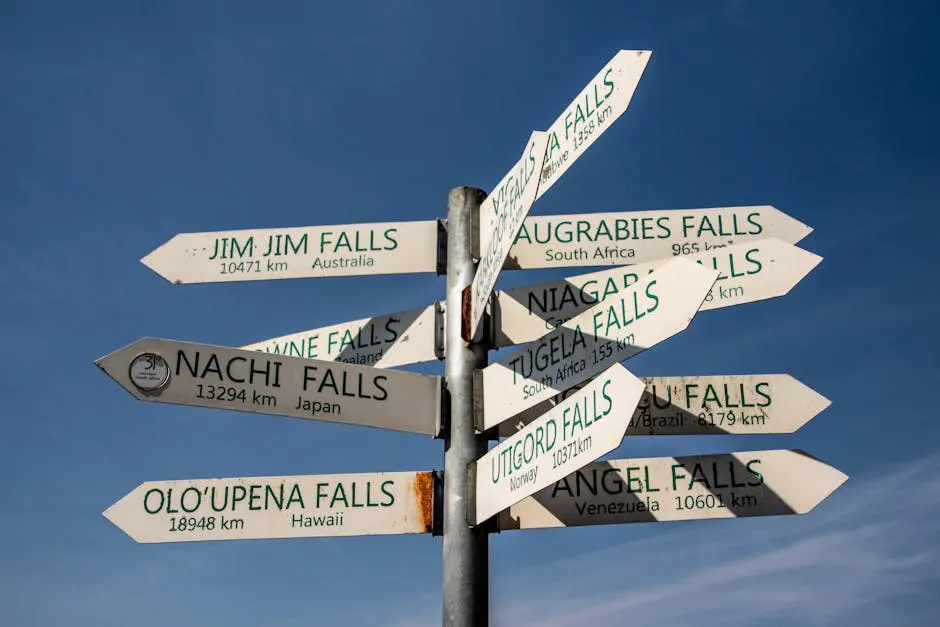
City Elevation Jan Apr Jul Oct
Caracas 900m 26°C 27°C 26°C 26°C
Mérida 1,630m 23°C 24°C 23°C 23°C
Ciudad Bolívar 50m 32°C 33°C 32°C 32°C
Santa Elena de Uairén 900m 28°C 29°C 28°C 28°C
Maracaibo 65m 32°C 33°C 33°C 32°C

Holidays & Festivals

Colorful holiday celebrations and festivals

Venezuela has colourful festivals rooted in Catholic and Afro-Venezuelan traditions, but tourism infrastructure around them is limited. Plan around Carnival (February or March) and Semana Santa (Easter week) when domestic travel surges, prices spike, and transport and accommodation become scarce.

Date Holiday Impact
1 Jan New Year’s Day Quiet; most businesses closed
Feb/Mar Carnival (Mon–Tue before Ash Wednesday) Biggest festival of the year; El Callao UNESCO celebration with calypso and costumes; domestic travel peaks, book well ahead
Mar/Apr Semana Santa (Holy Week) Beaches and tourist sites packed; prices spike; book transport and accommodation weeks in advance
19 Apr Declaration of Independence National holiday; government offices closed
1 May Labour Day National holiday; most businesses closed
24 Jun Battle of Carabobo / San Juan celebrations Afro-Venezuelan drumming festivals on the coast; vibrant cultural events in Barlovento and Choroní
5 Jul Independence Day National holiday; parades and celebrations, especially in Caracas
24 Jul Simón Bolívar’s Birthday National holiday; government offices closed
12 Oct Day of Indigenous Resistance National holiday; replaces Columbus Day
25 Dec Christmas Most businesses closed 24–25 Dec; family-focused holiday

Regions of Venezuela

Aerial view of the Venezuelan landscape with tepui mountains

Venezuela offers diverse landscapes and experiences across its regions.

Caribbean Coast landscape

Caribbean Coast

Venezuela's northern coast stretches approximately 2,800 kilometres along the Caribbean Sea, offering a diverse range of coastal landscapes from remote coral atolls to colonial beach towns and mangrove-fringed cays. The Caribbean coast represents some of the country's most accessible natural beauty, though reaching the most pristine areas still ...

Andes & Mrida landscape

Andes & Mérida

Western Venezuela is home to the country's section of the Andes mountain range, a continuation of the cordillera extending from Colombia. The city of Mérida serves as the adventure capital of Venezuela, offering paragliding, trekking, canyoning, and access to the country's highest peaks. The region's cooler climate and mountain scenery provide a...

Gran Sabana & Guayana landscape

Gran Sabana & Guayana

Southeastern Venezuela, encompassing much of Bolívar state, is home to the country's most iconic landscapes. This is the land of the tepuis. Ancient tabletop mountains rising dramatically from vast savanna, along with countless waterfalls, pristine rivers, and the world-famous Angel Falls.

Los Llanos

The vast tropical grasslands south of the Andes are Venezuela’s wildlife heartland. During the dry season, animals concentrate around shrinking water sources, creating safari-like viewing of capybaras, anacondas, caimans, and hundreds of bird species. Hato El Cedral is the most accessible ranch.

Top Sightseeing

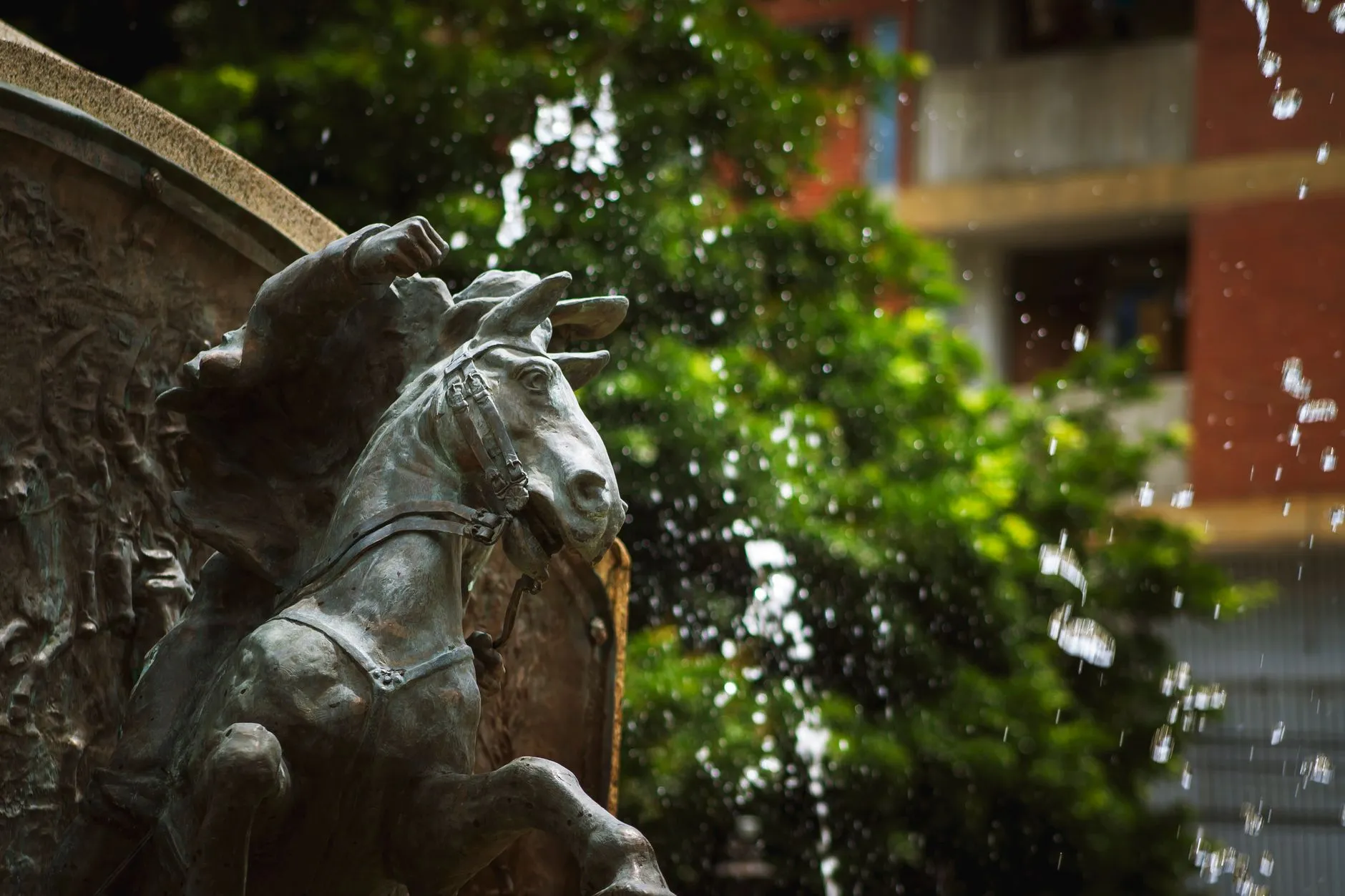
Close-up of a bronze equestrian statue with water droplets, located outdoors in Mérida, Venezuela.

Venezuela’s natural sights rival anywhere in the Americas. The world’s highest waterfall, tabletop mountains that inspired Conan Doyle’s The Lost World, Caribbean coastline, Andean peaks, and the vast Orinoco Delta — all compressed into a country roughly twice the size of Spain. These are the sights that justify the effort of getting here.

  • Angel Falls: The world’s highest uninterrupted waterfall (979 m) plunging from the Auyantepui tabletop mountain in Canaima National Park
  • Roraima Tepui: The most famous of Venezuela’s flat-topped mountains — a 6-day trek to a surreal summit plateau of rock pools and endemic species
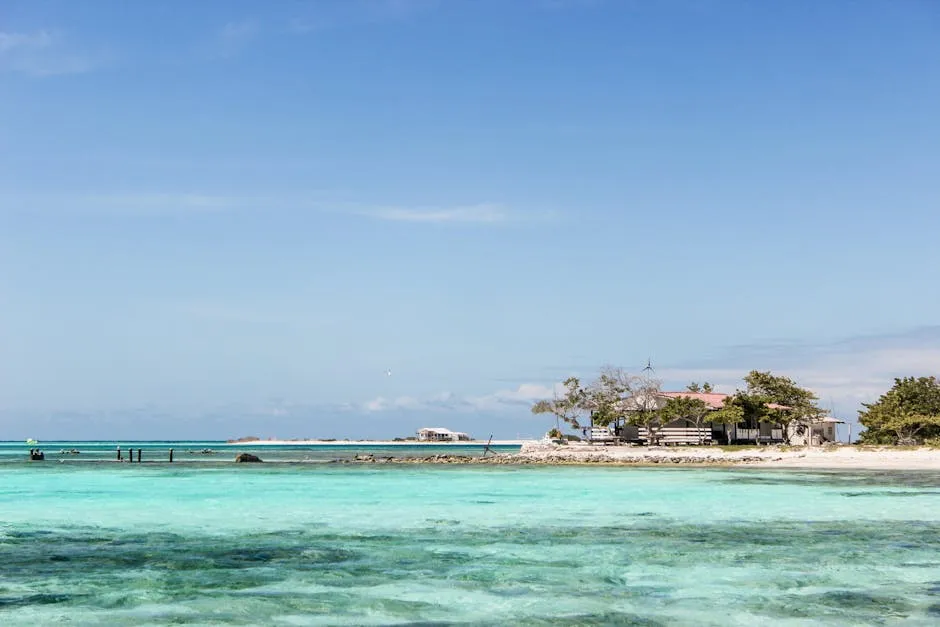
  • Los Roques Archipelago: A national park of 350+ islands and cays with white sand, turquoise water, and almost no development
  • Mérida & the Andes: The world’s highest and longest cable car rising to 4,765 m, plus paragliding and mountain villages
  • Orinoco Delta: Warao indigenous communities in a vast river delta of mangroves, macaws, and piranha fishing
Angel Falls Venezuela

Angel Falls

The world’s tallest waterfall at 979 metres, plunging from Auyantepui in Canaima National Park. Accessed by fly-in charter, canoe journey, and jungle hike. 2–3 day tours from Ciudad Bolívar cost US$250–400 (≈€230–370) per person (tour only). Full expedition packages from Caracas including flights run US$600–900 (≈€555–835) per person.

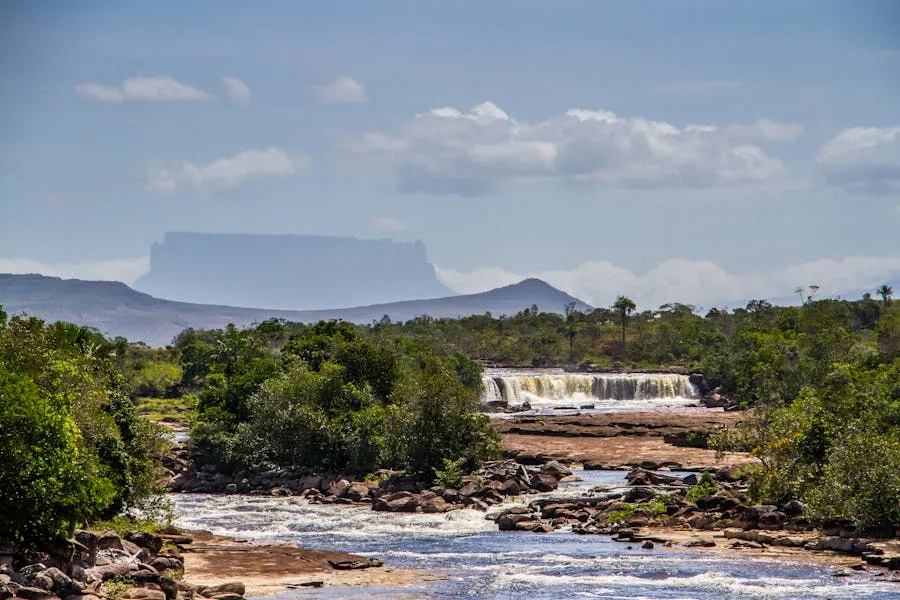
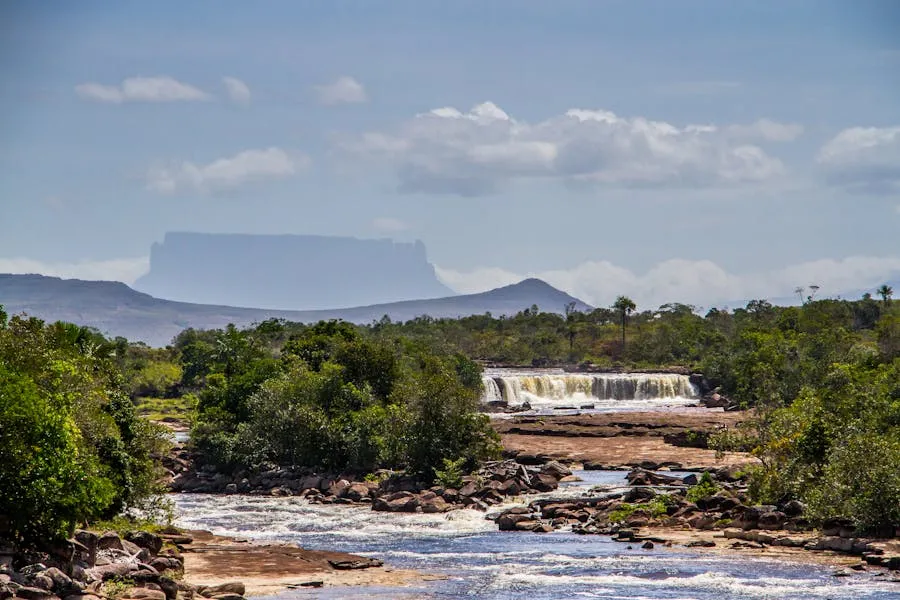
River cascades and tepui table mountains in Canaima National Park

Canaima Lagoon

A palm-fringed lagoon fed by multiple waterfalls tumbling off pink sandstone. The starting point for Angel Falls trips. Swim behind the cascading curtain of Sapo Falls. The surrounding tepui landscape feels prehistoric.

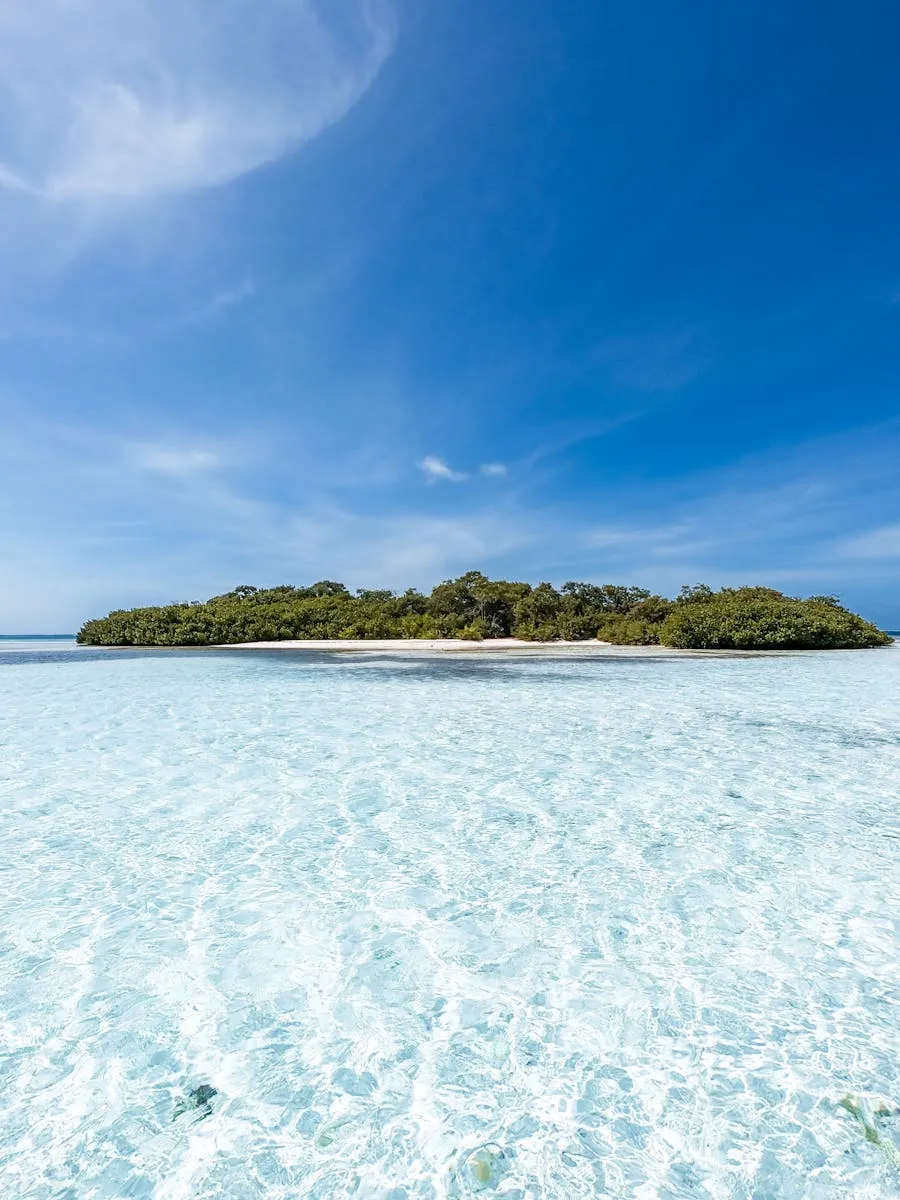
Turquoise Caribbean waters around the islands of Morrocoy National Park

Morrocoy National Park

A national park of mangrove islands (cayos) and calm Caribbean waters along the Falcón coast. White-sand cays like Cayo Sombrero and Cayo Borracho are popular weekend escapes from Caracas. Snorkelling and kayaking in warm, protected lagoons.

Lush tropical cloud forest canopy in Henri Pittier National Park

Choroní & Henri Pittier

Venezuela’s oldest national park protects cloud forest between Maracay and the Caribbean coast. The colonial village of Choroní and its beach (Playa Grande) are the highlights. Cacao plantations, birdwatching, and drumming traditions.

Vast tropical grasslands of Los Llanos with scattered trees

Los Llanos

An immense tropical grassland covering a third of Venezuela. During the wet season, it floods into a wildlife spectacle: capybaras, caimans, anacondas, jaguars, and hundreds of bird species. The Venezuelan Serengeti. Best from cattle ranches (hatos).

Aerial view of turquoise beaches on Margarita Island

Margarita Island

Venezuela’s largest island, a duty-free zone in the Caribbean with 50+ beaches. Playa El Agua is the most popular; Playa Parguito draws surfers. The interior has La Asunción’s colonial fort and Cerro El Copéy cloud forest.

Mount Roraima tepui

Mount Roraima

Six-day trek to a lost-world summit straddling Venezuela, Brazil, and Guyana. Guided tours only, departing from Paraitepui village. All-inclusive packages approximately US$300–500 (≈€280–460) per person for the 6-day trek.

Los Roques archipelago

Los Roques Archipelago

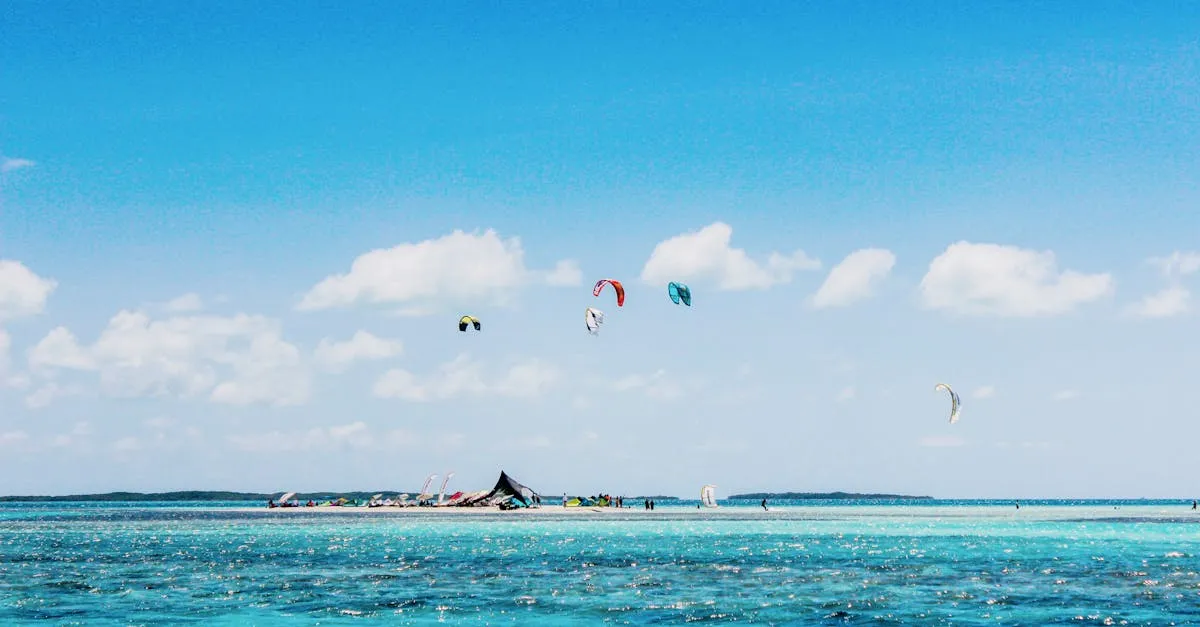
Caribbean coral atolls with world-class snorkelling, kitesurfing, and deserted white-sand beaches. Fly from Caracas (US$250–385 round trip). All-inclusive posada stays from US$135/night. See the Caribbean Coast section for full pricing details.

Mérida teleférico

Mérida Teleférico

One of the world’s highest cable cars (Mukumbarí), ascending to 4,765 metres above sea level. Stunning páramo landscapes and Andean peaks. The system was rebuilt and reopened but has experienced intermittent closures. Confirm operational status before visiting.

Orinoco Delta river

Orinoco Delta

A vast river delta of mangrove-lined channels emptying into the Atlantic, home to the indigenous Warao people who live in stilt houses along the waterways. Explore by canoe, spot freshwater dolphins, howler monkeys, toucans, and scarlet macaws. Multi-day expeditions from Tucupita offer overnight stays in Warao communities. The delta feels genuinely remote and untouched. One of Venezuela’s most unique and least-visited natural areas.

Destination Region Duration Approx. Cost (couple) Highlight
Angel Falls Canaima / Gran Sabana 2–3 days US$500–800
(≈€460–740)
World’s tallest waterfall, fly-in adventure
Mount Roraima Trek Gran Sabana 6 days US$600–1,000
(≈€555–925)
Tepui summit, otherworldly landscapes
Los Roques Caribbean 3 nights US$650–1,100
(≈€600–1,020)
Pristine coral atolls, snorkelling, kitesurfing
Mérida + Teleférico Andes 2–3 days US$150–300
(≈€140–280)
Highest cable car, Andean culture
Orinoco Delta Eastern Venezuela 3 days US$300–500
(≈€280–460)
River wildlife, Warao communities
Choroní Weekend Caribbean Coast 2 days US$100–200
(≈€90–185)
Colonial village, Henri Pittier NP beaches
Morrocoy Day Trip Caribbean Coast 1 day US$60–120
(≈€55–110)
Mangrove cays, snorkelling, boat tours

Culture & Cuisine

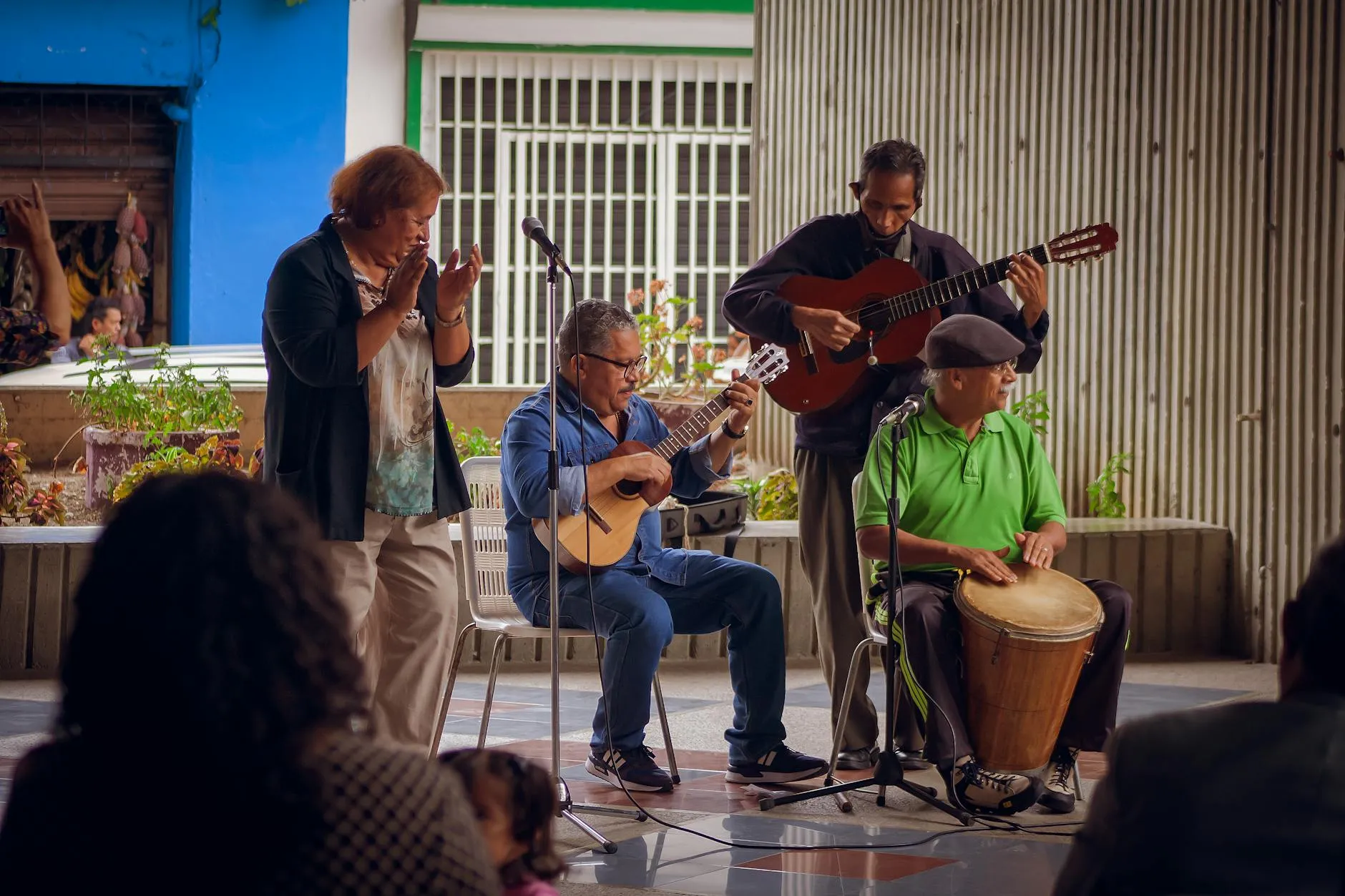
A diverse group of senior musicians performing outdoors in Venezuela, showcasing traditional musical talent.

Venezuelans are warm, expressive, and proud of their country despite the hardships of recent years. Greetings typically involve a single kiss on the cheek, and conversation is animated and friendly. Politics is a sensitive topic. Avoid unless you are invited into the discussion. Personal relationships matter deeply, and building rapport before business or requests is expected.

  • Greetings: A single kiss on the cheek between men-women and women-women; handshake between men. Eye contact and a smile are important.
  • Language: Spanish only outside tourist areas. Learn basics. “Buenos días”, “¿cuánto cuesta?”, “gracias”. English is very limited, even in Caracas.
  • Tipping: 10% in restaurants if not included in the bill. Round up taxi fares or add a small tip for good service.
  • Dress: Casual but neat in cities. Venezuelans take personal appearance seriously. Avoid overly scruffy or revealing clothing in public.
  • Photography: Always ask permission before photographing people, especially indigenous Pemón communities in Gran Sabana. Respect their wishes if they decline.
  • Religion: Predominantly Catholic. Respect churches, religious imagery, and ceremonies. Remove hats when entering churches.
  • Time: “Venezuelan time”. 30–60 minutes late is culturally normal for social occasions. Bus schedules and appointments can be approximate. Build in buffer time.
Cultural Note: Venezuelans are often eager to share their culture and stories with visitors. Despite economic difficulties, hospitality remains a core value. A little Spanish and genuine interest go a long way.

Food & Cuisine

Venezuelan food is hearty, corn-based, and distinct from its Colombian and Brazilian neighbours. Arepas, cachapas, and pabellón criollo are national staples. Due to the economic crisis, some ingredients may be scarce outside Caracas and major cities, and restaurant availability can be unpredictable. Street food and small family-run spots are often your best bet.

Dish What It Is Where to Try Price Range
Arepa Corn-flour flatbread, grilled or fried, filled with various ingredients. Popular fillings: reina pepiada (chicken-avocado), domino (black beans-cheese), perico (scrambled eggs). Everywhere. Street vendors, areperas, cafes US$1–3 (≈€1–3)
Pabellón criollo National dish. Shredded beef, black beans, white rice, and fried plantain. The four elements represent Venezuela’s cultural mix. Restaurants, comedores US$3–6 (≈€3–6)
Cachapa Sweet corn pancake folded with queso de mano (fresh white cheese). Thicker and sweeter than a Mexican tortilla. Street vendors, cachaperías US$2–4 (≈€2–4)
Tequeños Cheese-filled fried dough sticks. The universal party snack and street food. Crispy, salty, addictive. Everywhere. Street carts, bars, parties US$1–2 (≈€1–2)
Hallaca Christmas tamale wrapped in banana leaf, filled with beef, pork, chicken, olives, raisins, and spices. Seasonal (December). Home-made tradition; some restaurants in December Varies (often gifted)
Empanada Deep-fried corn-flour turnover (different from Colombian/Argentine wheat versions). Filled with cheese, beef, chicken, or beans. Breakfast staple. Street vendors, bakeries US$1–2 (≈€1–2)
Jugo natural Fresh fruit juice. Guanábana (soursop), parchita (passion fruit), papaya, mango. Often blended with water or milk. Juice bars, restaurants, street vendors US$1 (≈€1)
Polar beer The national lager. Light, crisp, and ubiquitous (when available). Supply can be inconsistent. Bars, restaurants, shops US$1–2 (≈€1–2)
The Arepa Debate: The arepa is to Venezuela what the taco is to Mexico. The defining everyday food. Every Venezuelan will tell you their arepas are better than Colombia’s (and vice versa). Try both and judge for yourself.

Outdoor Adventures

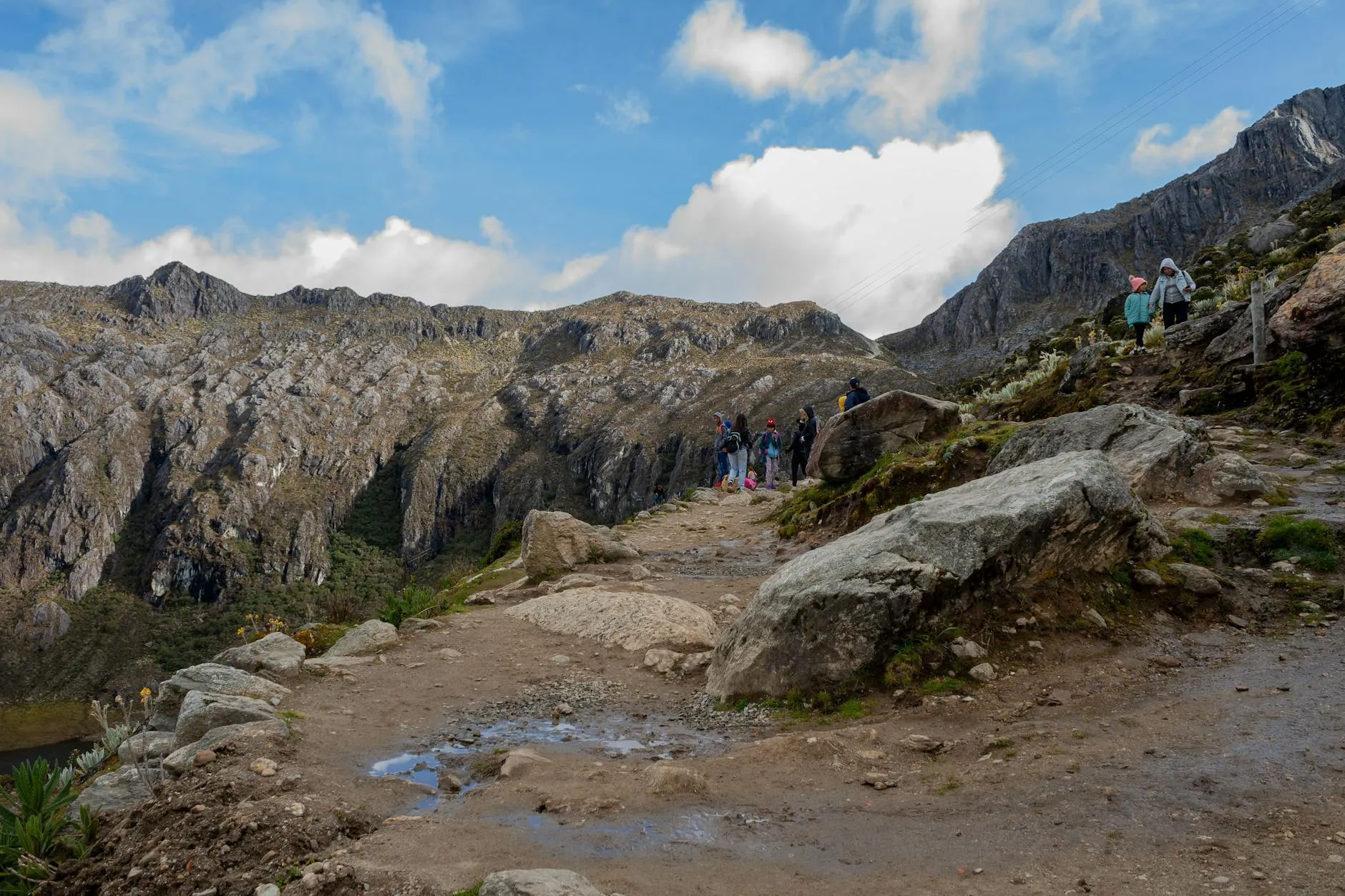
Explore the rugged beauty of Mérida's mountain range with hikers on a scenic trail.

Venezuela is an adventure destination where activities concentrate around Mérida in the Andes (paragliding, canyoning, mountain sports), Gran Sabana (multi-day tepui treks), and the Caribbean coast (water sports in Los Roques and Adicora). Infrastructure is basic and tours often require advance booking and USD cash payment.

Activity Location Duration Cost Estimate Notes
Roraima trek Gran Sabana 6 days US$300–500 (≈€280–460) pp Guided only via Pemón indigenous communities
Paragliding Mérida 20–40 min tandem US$40–60 (≈€37–56) Launch from Las González, near Mérida
Canyoning Mérida Half/full day US$30–60 (≈€28–56) Multiple canyons around the valley
Kitesurfing Los Roques / Adicora Varies US$60–100 (≈€56–93) lesson World-class flat-water conditions
Snorkelling Los Roques / Morrocoy Half day US$20–40 (≈€19–37) Coral reefs
Scuba diving Los Roques 2 dives US$80–120 (≈€74–111) Visibility 20–40m; best on eastern barrier
Whitewater rafting Barinas/Mérida region Full day US$40–70 (≈€37–65) Class III–IV rapids on Andean rivers

Wildlife & Nature

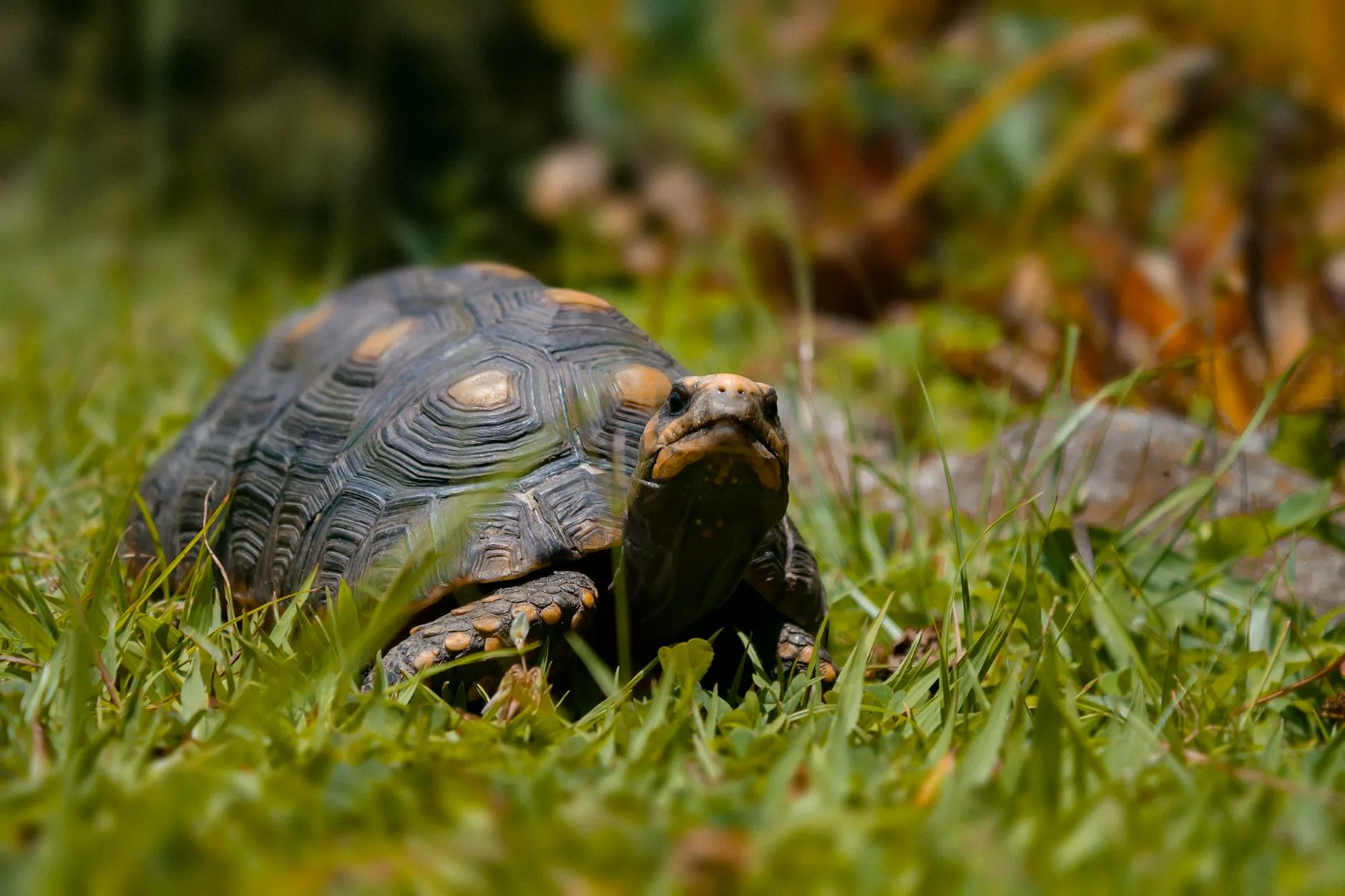
A detailed close-up of a tortoise crawling on grass in its natural habitat in Venezuela.

Venezuela is one of the most biodiverse countries on Earth. It ranks in the global top 10. Habitats range from Caribbean coral reefs to Andean cloud forest to Amazon rainforest to tepui summit ecosystems found nowhere else on the planet.

  • Los Llanos: Venezuela’s Serengeti. Capybaras, caimans, anacondas, piranha, howler monkeys, jabiru storks. Best during the dry season (Dec–Apr) when animals concentrate around shrinking water. Multi-day ranch (hato) stays US$70–150 (≈€65–139)/night all-inclusive (meals, guides, activities).
  • Orinoco Delta: Amazonian river dolphin (boto), scarlet macaws, giant otters, monkeys. Canoe-based trips from Tucupita.
  • Henri Pittier NP: Venezuela’s oldest national park (Caribbean coast), 500+ bird species in cloud forest.
  • Tepui summits: Endemic species evolved in isolation for millions of years. Unique frogs, carnivorous plants, orchids.
  • Marine: Whale sharks at Los Roques (Oct–Dec), sea turtles nesting, coral reef biodiversity.

Activities & Hikes

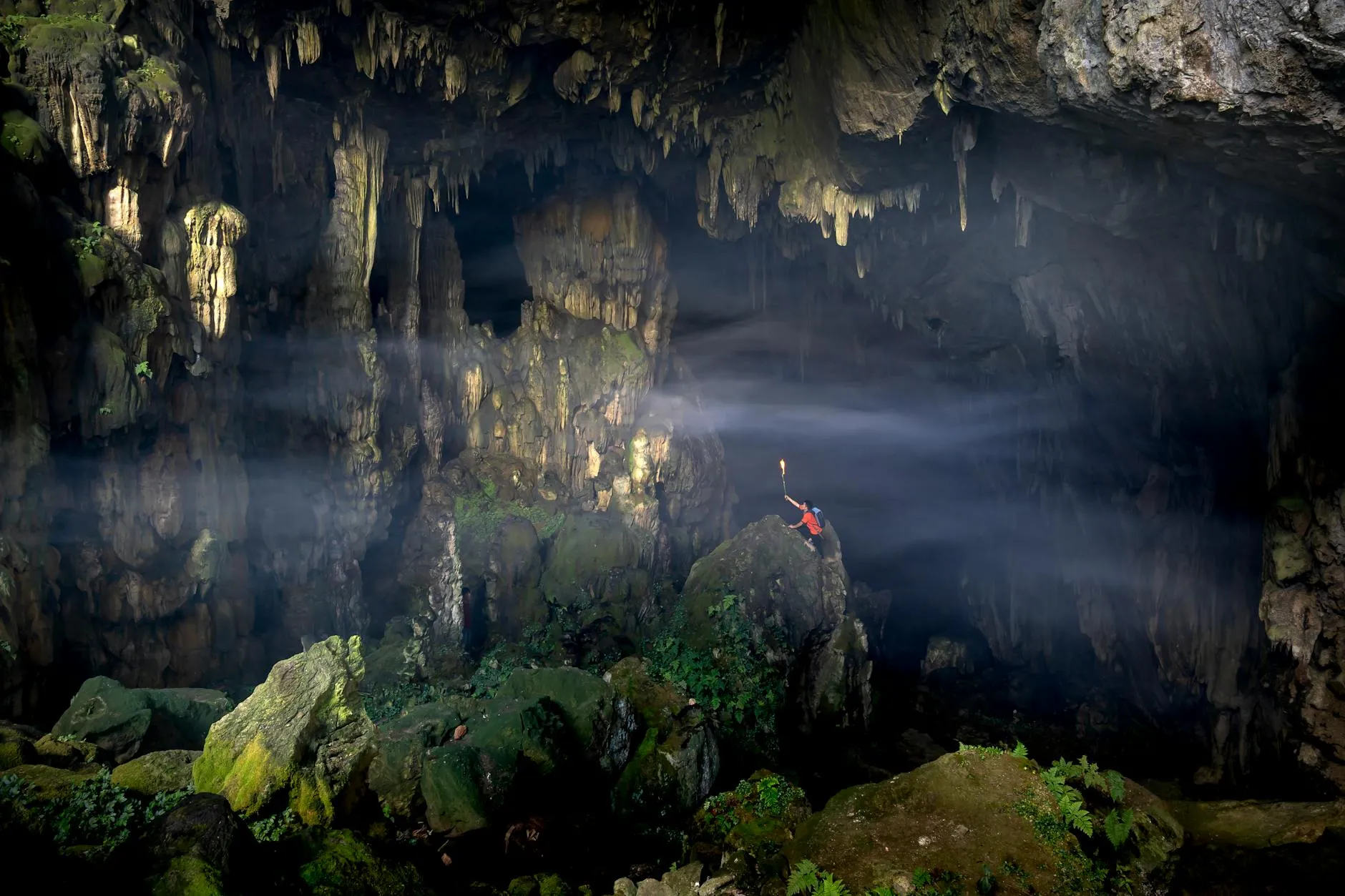
A lone explorer illuminates a vast, mysterious cave in Son La, Vietnam with a torch, showcasing nature's hidden wonders.

Beyond the headline destinations, Venezuela has lesser-known places that reward adventurous travellers willing to venture off the main tourist circuits.

Off the Beaten Path

Beyond the headline destinations, Venezuela has lesser-known places that reward adventurous travellers willing to venture off the main tourist circuits.

Colonia Tovar German village

Colonia Tovar

European-founded mountain village near Caracas (1843), Bavarian architecture, strawberry farms, cool climate at 1,800m. Surreal cultural anomaly.

Catatumbo lightning

Catatumbo Lightning

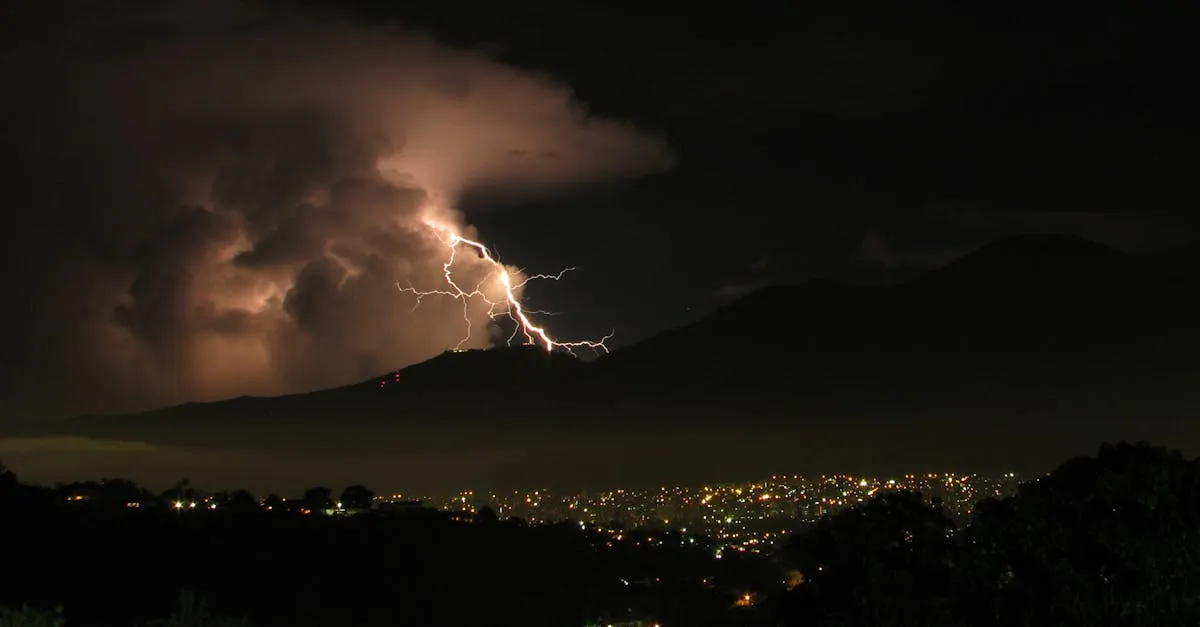
At the mouth of the Catatumbo River where it meets Lake Maracaibo, lightning storms occur 140–160 nights per year, visible from 400 km away. Called “Relámpago del Catatumbo”. Access via boat from Congo Mirador village on Lake Maracaibo’s southern shore.

Médanos de Coro sand dunes

Médanos de Coro

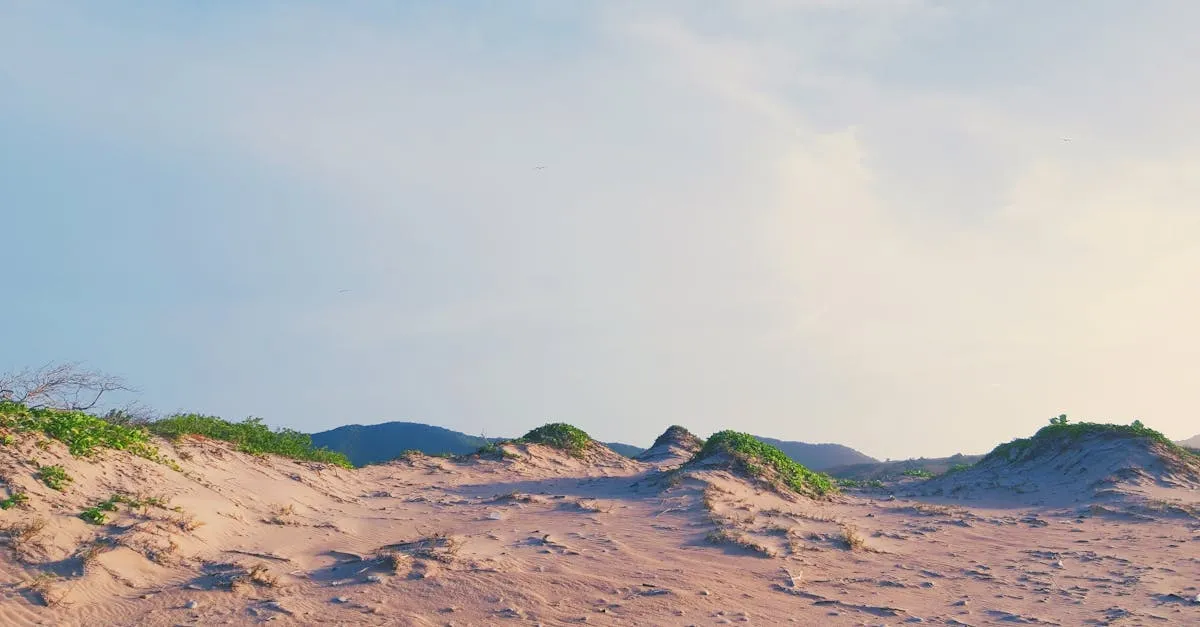
Sand dunes national park near the colonial city of Coro (UNESCO). Sahara-like landscape, unexpected in the Caribbean.

Kavac waterfall canyon

Kavac

Pemón village near Canaima with a narrow canyon and waterfall you can swim through. Less-visited alternative to the Angel Falls tour circuit.

Route A: Classic 2-Week Highlights

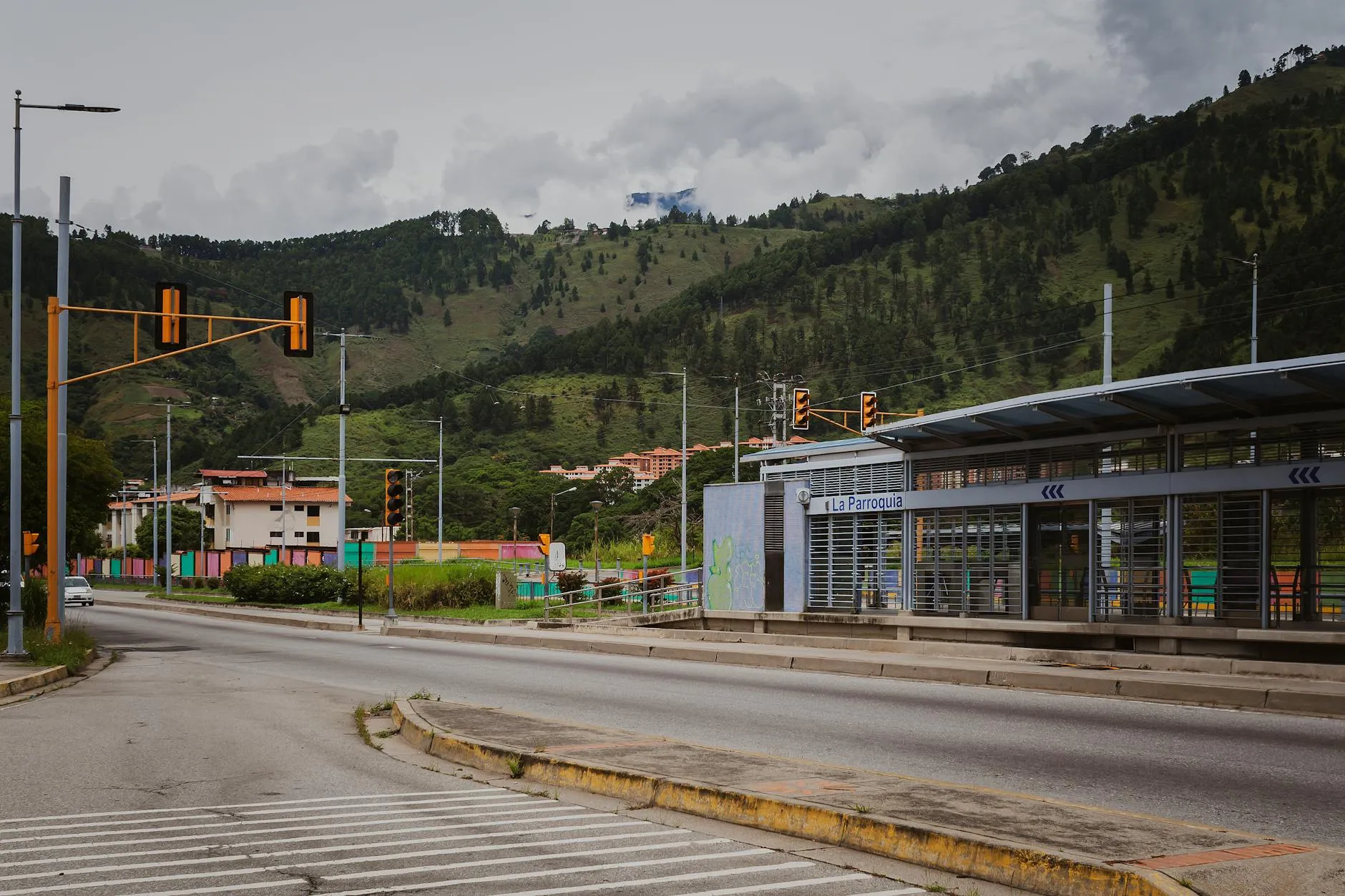
View of La Parroquia tram stop and surrounding hills in Mérida, Venezuela.

The essential Venezuela circuit hitting the three headline destinations. Angel Falls, the Andes, and the Caribbean coast. This route requires internal flights. Road-only travel is not practical within this timeframe due to distances, fuel shortages, and security concerns. Best suited for first-time visitors who want to experience Venezuela’s most iconic landscapes with minimal logistical complexity.

Day-by-day itinerary (14 days)
Days Location Transport Highlights
1–2 Caracas Arrival Ávila National Park cable car, historic centre, orientation
3–5 Canaima / Angel Falls Fly Caracas→Ciudad Bolívar→Canaima 2–3 day Angel Falls excursion. Canoe up Río Churún, hike to base, overnight camp
6–7 Gran Sabana Drive from Santa Elena or Ciudad Bolívar Quebrada de Jaspe (jasper creek), Salto Kamá waterfalls, tepui viewpoints
8–10 Mérida Fly Ciudad Bolívar→Caracas→Mérida (or bus ≈12h) Teleférico de Mukumbarí (confirm status before visiting), paragliding, Los Nevados village trek
11–12 Choroní Drive/bus to coast (≈4–5h) Beach relaxation, cacao farms, Afro-Venezuelan drumming traditions
13–14 Caracas Return drive/bus Last-day sightseeing, souvenir shopping, departure
Total Flights
2–3 internal
Budget (per person)
US$1,200–2,000
(≈€1,110–1,850)
Pace
Moderate
Best For
First-time visitors
Booking Tip: Book the Canaima/Angel Falls tour and internal flights at least 4–6 weeks in advance. Tour operators in Ciudad Bolívar or Caracas can arrange the full package including flights, permits, and guides. Confirm fuel availability for boat transfers before committing.

Route B: 3-Week+ Explorer

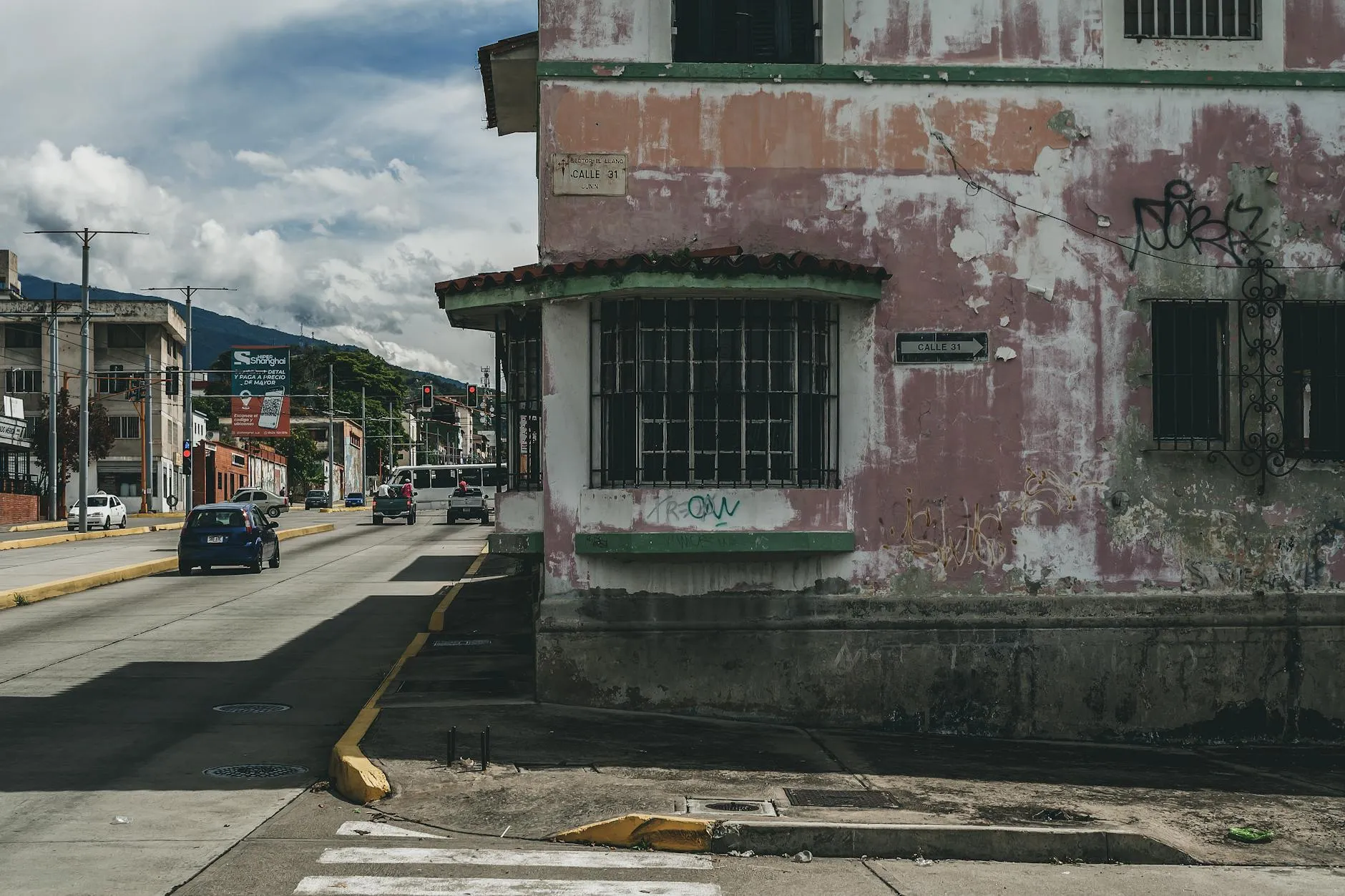
Explore the intriguing urban decay of an old house in Mérida, Venezuela, capturing the essence of forgotten structures.

Extended route adding Los Roques archipelago, the Roraima trek, and Los Llanos wildlife plains. This itinerary is designed for adventure travellers with time, fitness for multi-day trekking, and tolerance for logistical uncertainty. The Roraima trek is the centrepiece. A 6-day guided expedition to the summit of one of South America’s most iconic tabletop mountains.

Day-by-day itinerary (23 days)
Days Location Transport Highlights
1–2 Caracas Arrival Orientation, Ávila cable car, historic centre
3–5 Los Roques Fly from Caracas (45 min) Snorkelling, island-hopping by boat, kitesurfing, white-sand beaches
6–8 Mérida Fly back to Caracas, then to Mérida Teleférico, paragliding, canyoning, Los Nevados trek
9–10 Barinas / Los Llanos Drive from Mérida to the plains (≈4–5h) Hato wildlife ranch, capybaras, caimans, birdwatching, horseback riding
11–13 Canaima / Angel Falls Fly to Ciudad Bolívar, connect to Canaima 3-day Angel Falls tour. Canoe, hike, overnight at base, swimming in lagoons
14–19 Roraima Trek Transport to Paraitepui village 6-day guided trek to summit and back. Tepui plateau, crystal valley, “jacuzzis”
20–21 Santa Elena / Gran Sabana Recovery day Quebrada de Jaspe, local Pemón villages, Salto Kamá waterfalls
22–23 Return Via Ciudad Bolívar or fly to Caracas Departure
Total Flights
3–4 internal
Budget (per person)
US$2,500–4,000
(≈€2,310–3,700)
Pace
Active / trekking
Best For
Adventure travellers with time
Roraima Trek Requirements: Mandatory guide (Pemón indigenous guides from Paraitepui), camping gear provided by tour operator, moderate fitness required (6–8 hours hiking per day), waterproof gear essential (rain likely even in dry season). Book at least 6–8 weeks in advance through reputable operators in Santa Elena or Ciudad Bolívar.

Getting Around

Local transportation and getting around

✈️ Domestic flights

Essential for Canaima/Angel Falls and saving time on long distances.

🚌 Buses

Long-distance buses exist but quality and reliability have declined.

🚆 Por puestos

Shared minivans or cars that depart when full. The cheapest option for inter-city travel and widely used.

🚗 Taxis

No meters. Negotiate fare before entering.

🚅 Car rental

Available in Caracas but driving is not recommended for tourists.

🚇 Tour operators

For Canaima/Angel Falls, Mount Roraima, and Los Roques, organized tours are effectively mandatory.

Venezuela’s transport infrastructure has deteriorated significantly over the past decade. Domestic flights are essential for reaching Canaima (no road access) and crossing large distances efficiently. Roads outside major corridors can be in poor condition, and fuel shortages have historically affected availability, though the situation fluctuates. For key natural destinations, organized tours handle logistics and are often the only practical option.

  • Domestic flights: Essential for Canaima/Angel Falls and saving time on long distances. Conviasa (state airline), Laser Airlines, and Avior serve key routes. Charter operators handle Canaima flights. Online booking is unreliable. Book in person at airline offices or through tour operators. Cash payment (USD) often required. Expect to pay US$50–150 (≈€46–139) one-way for routes like Caracas–Ciudad Bolívar or Puerto Ordaz–Canaima. Schedules change frequently. Confirm flights 24–48 hours before departure.
  • Buses: Long-distance buses exist but quality and reliability have declined. Caracas–Mérida takes approximately 12 hours, Caracas–Ciudad Bolívar around 8 hours. Buy tickets at the terminal (cash). Night buses save accommodation costs but carry higher security risk. Daytime travel is safer. Avoid city/local buses entirely. They are not safe for foreign visitors. Book long-distance tickets via WhatsApp (bus companies communicate through WhatsApp) and reconfirm departure day.
  • Por puestos: Shared minivans or cars that depart when full. The cheapest option for inter-city travel and widely used. Negotiate the fare before boarding and confirm the destination. Comfort is minimal but they’re faster than buses on shorter routes.
  • Taxis: No meters. Negotiate fare before entering. Use hotel-recommended drivers or radio taxis. In Caracas, only use radio taxis or Yummy Rides or Ridery (Venezuela’s ride-hail apps, download before arrival). Street taxis and airport taxis carry significant risk. Arrange airport pickup through your hotel or tour operator. Agree on currency (USD or bolívar) and price clearly.
  • Car rental: Available in Caracas but driving is not recommended for tourists. Poor road conditions, unpredictable military/police checkpoints, fuel shortages (availability fluctuates by region), and security concerns make self-drive risky. If you must rent, stick to daylight hours and major routes only.
  • Tour operators: For Canaima/Angel Falls, Mount Roraima, and Los Roques, organized tours are effectively mandatory. Logistics require local guides, boats, permits, and knowledge of current conditions. Tours handle transport, accommodation, and meals. Essential given infrastructure gaps.
Airport tip: Arrive 4–5 hours before departure at Venezuelan airports. Check-in is chaotic, queues are long, and processes are slow. Enter and exit the country by air. Land borders are dangerous and strongly discouraged by most governments.
Do not drive between cities at night. Road conditions, lack of lighting, and security concerns make night driving genuinely dangerous. This applies to both self-drive and intercity buses. Always choose daytime departures when possible.

Budget Breakdown

Budget breakdown and travel costs

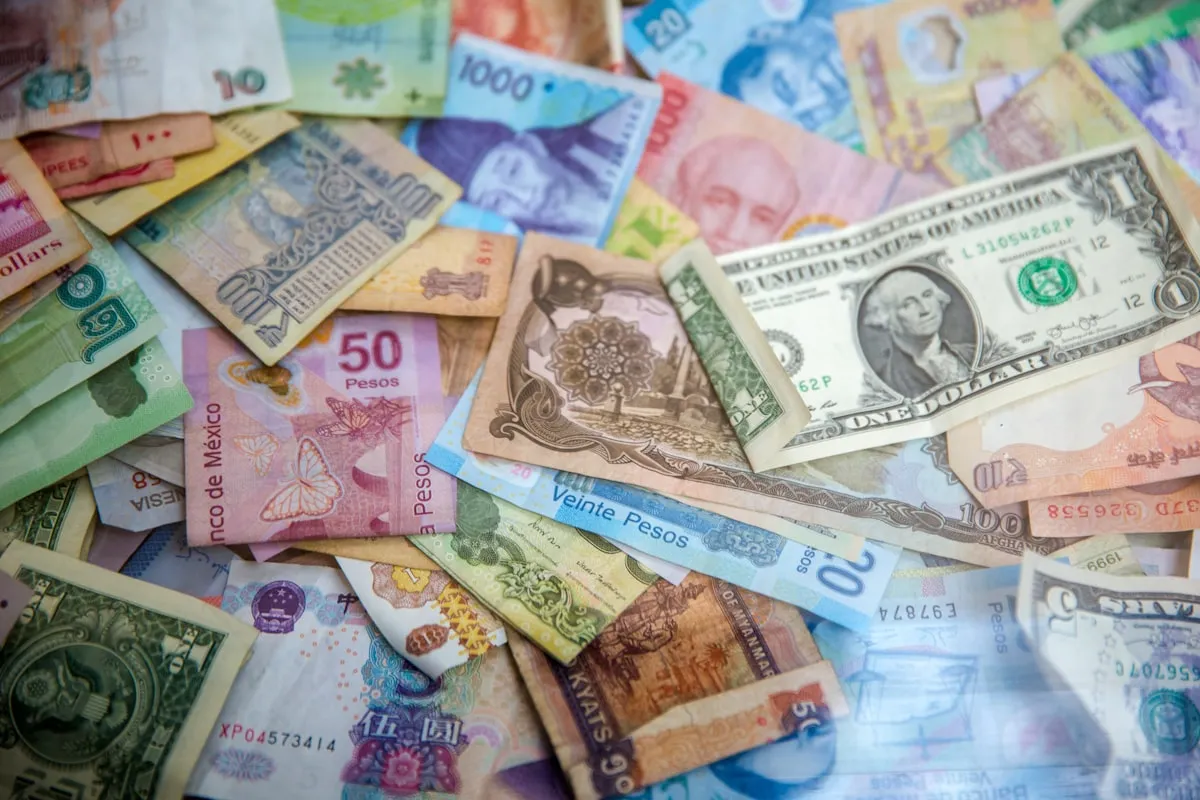
Venezuela operates on a de-facto dual economy. US dollar cash is king. Credit cards work in some Caracas establishments but are unreliable elsewhere and often rejected. ATMs are frequently empty or offline. Bring enough USD cash in small denominations for your entire trip. Bolívar pricing is volatile and exchange rates fluctuate daily. All prices below are approximate and subject to rapid change.

Category Budget Mid-Range Notes
Accommodation US$15–25
(≈€14–23)
US$40–80
(≈€37–74)
Posadas and basic hotels; luxury options limited outside Caracas
Food US$5–10
(≈€5–9)
US$15–25
(≈€14–23)
Street arepas US$1–2; restaurant meal US$5–10
Transport (local) US$5–10
(≈€5–9)
US$15–30
(≈€14–28)
Por puestos (shared vans); Yummy Rides or Ridery apps in cities
Domestic flights US$50–150
(≈€46–139)
US$100–200
(≈€93–185)
One-way; essential for Canaima, Los Roques, and long distances
Activities/tours US$20–50
(≈€19–46)
US$50–150
(≈€46–139)
Angel Falls tour US$250–400 per person from Ciudad Bolívar (2–3 days); US$600–900 pp full package from Caracas
Daily total (couple) US$60–120
(≈€56–111)
US$140–280
(≈€130–259)
Excluding major tours and domestic flights
Cash is critical: Bring crisp, new-looking US dollar bills. Worn, torn, or old-series bills (pre-2013) may be refused by vendors and exchange offices. Small denominations (US$1, 5, 10, 20) are essential. Getting change for US$100 notes is difficult outside Caracas. Carry bills in a money belt and split your cash across multiple secure locations.

Money-Saving Tips

💵 Crisp USD Bills

Bring new, unmarked US dollar bills (2013 series or newer). Worn or torn bills get refused or deeply discounted. US$100 and US$50 bills get better exchange rates than smaller denominations

🌮 Street Arepas

Arepas from street vendors cost US$0.50–1.50 (≈ €0.47–1.40). Filled with cheese (de queso), shredded beef (carne mechada), or black beans (caraotas). A full meal for under US$2

🚌 Local Buses

City buses cost effectively nothing in bolívar terms. Intercity buses are extremely cheap in dollar terms: Caracas to Mérida (12h) for US$5–10. Conditions vary wildly

💧 Water in Bulk

Buy 5–10 litre jugs of water from supermarkets instead of individual bottles. Tap water is not reliably safe. A 5L jug costs US$0.50–1 vs US$0.50 per 500ml bottle

🏛 Mercado Municipal

Municipal markets in Caracas, Mérida, and Maracaibo serve full meals for US$1.50–3 (≈ €1.40–2.80). Fresh tropical fruits by the kilo for cents. Stock up here rather than at tourist-oriented shops

📱 Zelle & Crypto

Zelle transfers and USDT (Tether) often get 5–15% better exchange rates than cash dollars. Many Venezuelan shops and services accept Zelle directly. Set this up before arrival

Safety & Security

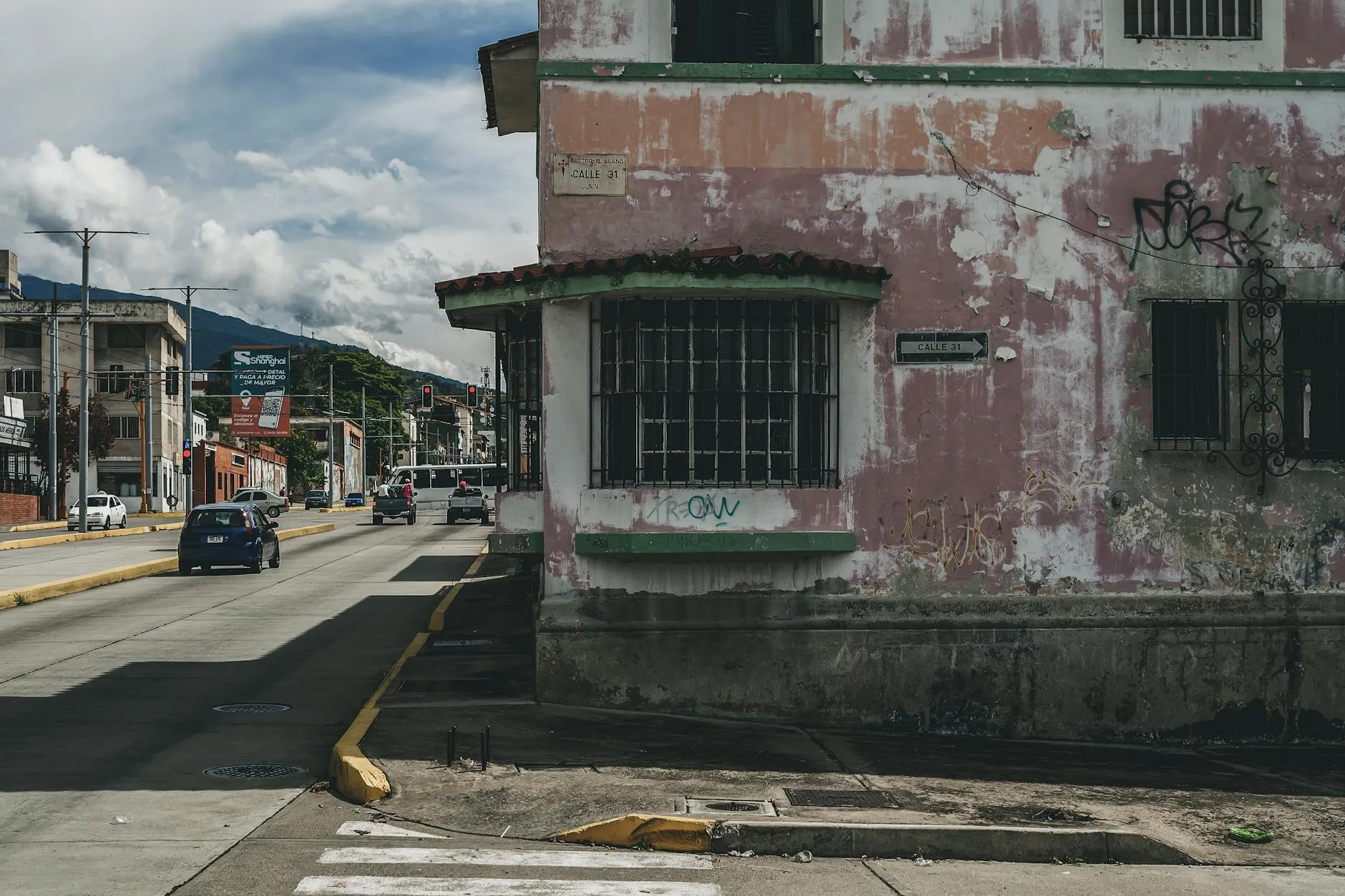
Explore the intriguing urban decay of an old house in Mérida, Venezuela, capturing the essence of forgotten structures.

Venezuela has elevated crime levels including armed robbery, express kidnapping and carjacking. Petty crime is widespread. The security situation varies significantly by region. Tourism zones like Canaima, Roraima, Los Roques and Mérida are generally safer than urban centres, but risks remain throughout the country.

CRITICAL
Most Western governments advise against all or non-essential travel. If you go: register with your government’s travel advisory service (STEP, ROAM, Smartraveller, LOCATE, or equivalent). Share itinerary with someone at home. Keep copies of documents separate from originals. Do NOT display expensive items.
Air travel only: Enter and exit Venezuela by air. Land borders, particularly with Colombia, are dangerous and most governments advise against any travel in border zones.
  • Caracas: avoid walking after dark, use radio taxis or ride apps, stay in Altamira/Las Mercedes/Chacao areas
  • Phone safety: never take your phone out on the street. Use it inside shops or your hotel. Carry a cheap “dummy phone” to hand over if robbed. If confronted, do not resist. Assailants are typically armed.
  • No-go zones: 23 de Enero barrio, Petare, within 80 km of the Colombian border, Zulia state, and the Orinoco Mining Arc (south of the Orinoco in Bolívar state). The Gran Sabana corridor to Santa Elena de Uairén (Brazilian border) is an exception. It is a standard tourist route, though caution applies outside the main road.
  • ATMs: avoid. Use USD cash. ATM robberies are common.
  • Police checkpoints: carry passport copy, remain calm and polite, do not resist
  • Tour areas (Canaima, Roraima, Los Roques, Mérida): generally safer than cities. Tourism zones have community-based security
  • Protests: can erupt with little warning, especially in Caracas. Avoid gatherings, monitor local news.
  • Political sensitivity: do not criticise the government publicly or photograph military installations, police, airports, or government buildings. This can lead to detention. Venezuela’s political situation remains volatile. Check current conditions before travel.
  • Health: hospitals may lack basic supplies and essential medications. Carry a well-stocked first-aid kit and all personal medications for the entire trip. Travel health insurance with medical evacuation coverage is essential. The nearest reliable hospital may be in Colombia, Panama, or the US.

Practical Information

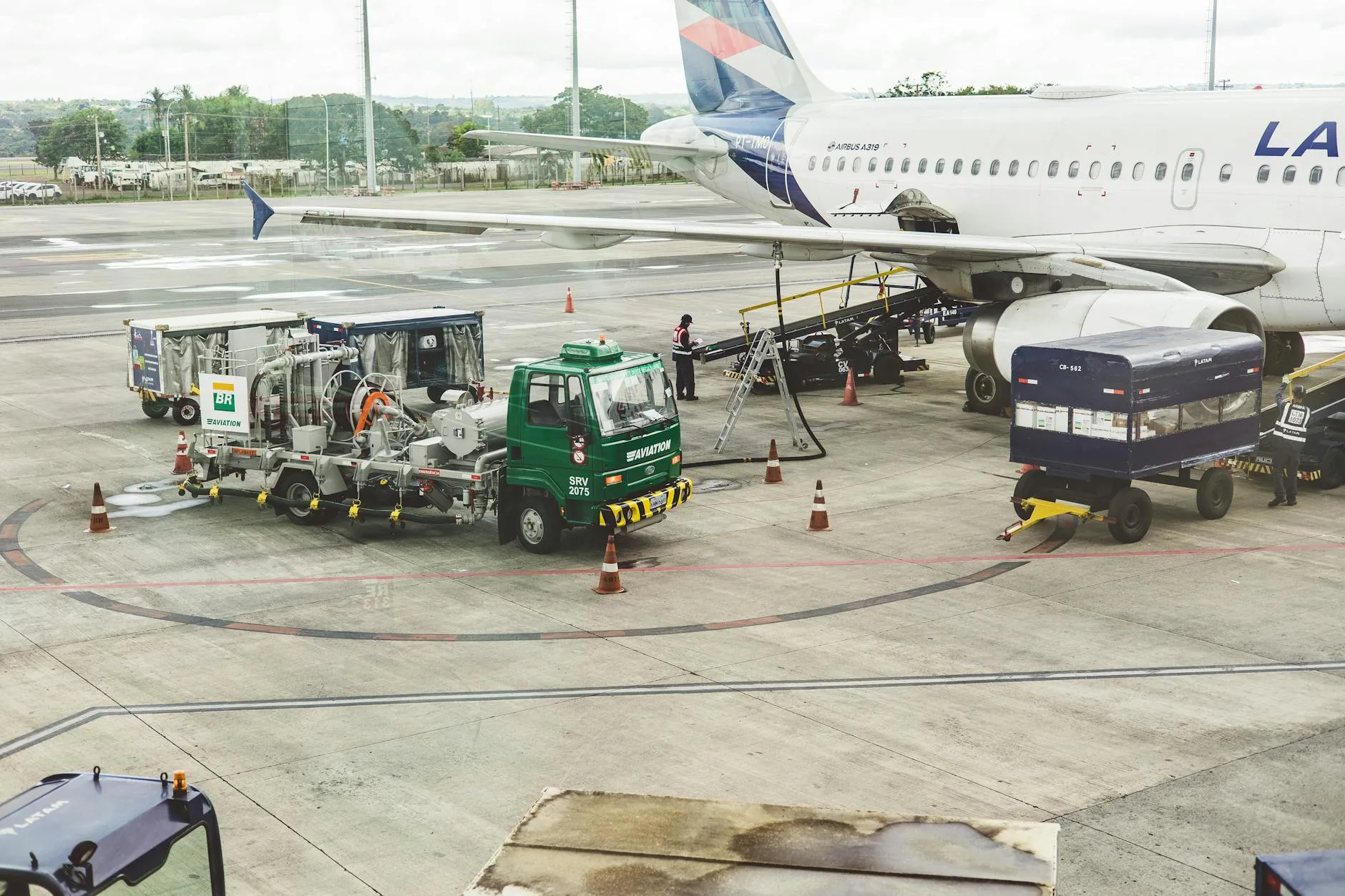
Ground support services in action at an airport terminal with visible aircraft and service vehicles.

💳 Visas

Most Western passport holders receive a tourist card on arrival when entering by air (valid 90 days). US citizens require a visa obtained in advance.

🏥 Health

Yellow fever vaccination recommended (required if arriving from Brazil via Gran Sabana). Hepatitis A, typhoid, and routine boosters advised.

💶 Money

Officially Bolívar Digital (VED). In practice USD is the de-facto currency for everything except the smallest transactions.

📶 SIM & WiFi

Movistar and Digitel offer physical SIMs. Buy at airport or phone shops (passport required).

🔌 Electricity

Type A and B plugs, 120V/60Hz (same as North America). European travellers need a plug adapter.

🛒 Safety

High crime rates. Exercise extreme caution. Avoid walking at night. Use trusted transport. Keep valuables hidden

Item Details
Visa Most Western passport holders receive a tourist card on arrival when entering by air (valid 90 days). US citizens require a visa obtained in advance. Overland arrivals may need a visa regardless of nationality. Check your government’s travel advice for current requirements.
Currency Officially Bolívar Digital (VED). In practice USD is the de-facto currency for everything except the smallest transactions. Carry USD cash in new, crisp bills printed after 2013. Older or damaged notes are refused. Credit/debit cards essentially do not work. Avoid ATMs entirely (bad exchange rate, low limits, robbery risk).
Power Type A and B plugs, 120V/60Hz (same as North America). European travellers need a plug adapter.
SIM cards Movistar and Digitel offer physical SIMs. Buy at airport or phone shops (passport required). Coverage is limited outside major cities. eSIMs (e.g. Hello eSIM, Airalo) provide 4G/LTE in urban centres and are easier to set up before departure.
Internet Wi-Fi in hotels in cities, weak or absent in rural areas. Download offline maps.
Water Drink bottled water only. Carry purification tablets for remote treks.
Vaccinations Yellow fever vaccination recommended (required if arriving from Brazil via Gran Sabana). Hepatitis A, typhoid, and routine boosters advised. Consult a travel health clinic 4–6 weeks before departure.
Mosquito-borne illness Dengue, Zika, and chikungunya are active risks in lowland areas. Malaria prophylaxis recommended for Orinoco Delta, southern Bolívar state, and Amazonas. Use DEET-based repellent and sleep under nets in rural areas.
Language Spanish. Almost no English outside top-end Caracas hotels.
Time zone VET (UTC−4), no daylight saving.
Emergency 171 (police), 911 (general). Response times vary. Contact your embassy in genuine emergencies.
Embassy Look up your country’s embassy in Caracas before departure and save the after-hours emergency number.

Tips & Common Mistakes

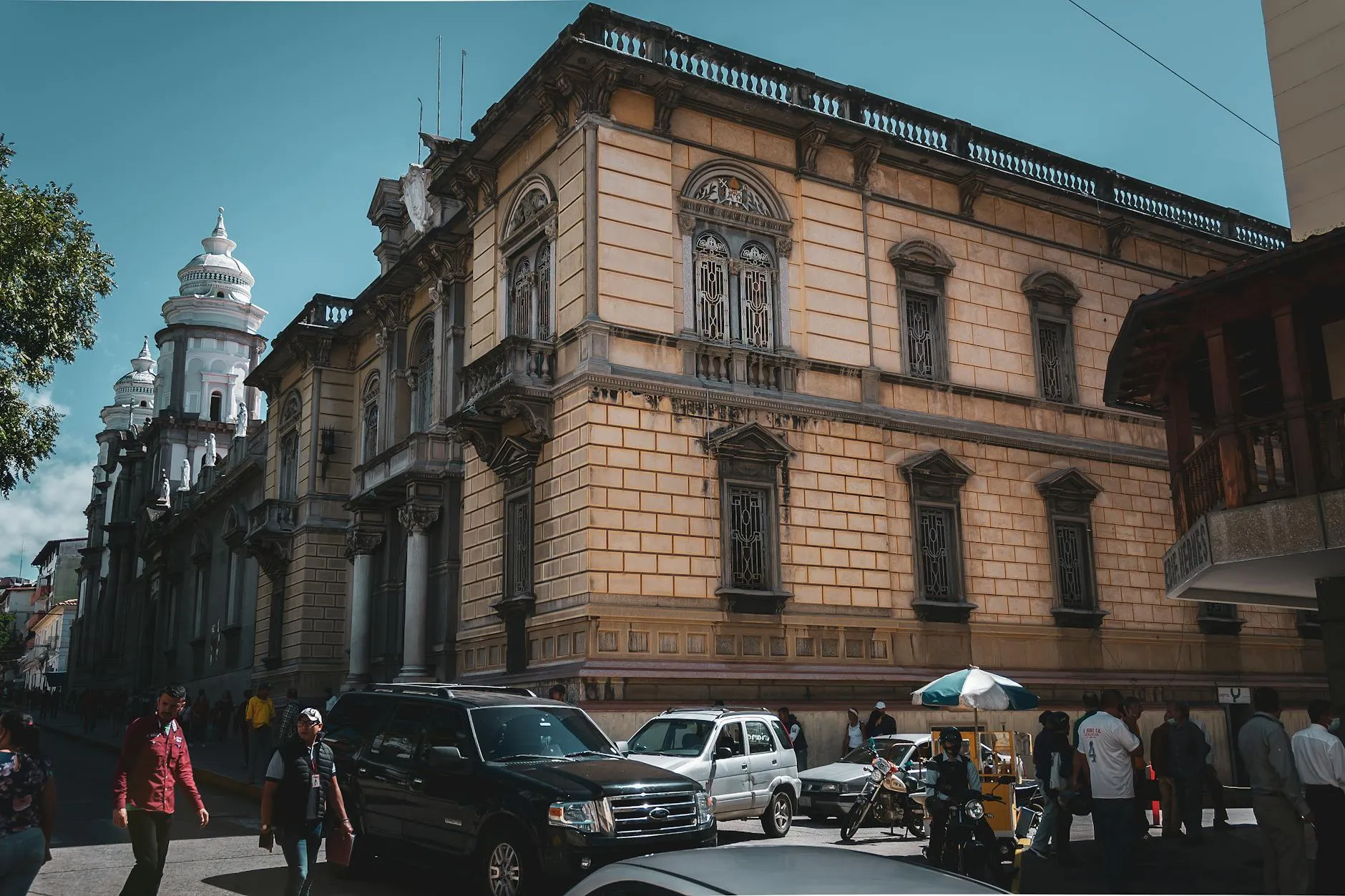
Historic colonial architecture scene from Mérida, Venezuela with bustling city life.

Venezuela-specific advice that experienced travellers wish they’d known before arrival:

  • Bring enough USD cash for the entire trip. Plan for no card access
  • New, crisp bills printed after 2013 only. Damaged, marked, or old-series USD will be refused
  • Small denominations essential (US$1, 5, 10, 20). Change is scarce
  • Book Canaima/Angel Falls tours through established operators in Ciudad Bolívar, not random street agents
  • Roraima trek requires a guide. Do not attempt independently
  • Offline maps (Maps.me or Google Maps offline) are essential. Data coverage is poor outside cities
  • Reconfirm all domestic flights 24–48h before departure. Schedules change frequently
  • Carry photocopies of passport; leave original in hotel safe when possible
  • Print your full itinerary with hotel confirmations. Immigration officials may scrutinise your travel plans on arrival
  • Arrive 4–5 hours before departure at Venezuelan airports. Check-in is chaotic and processes are slow
  • Enter and exit by air only. Land borders are dangerous and strongly discouraged by most governments
  • Carry a cheap dummy phone to hand over if robbed. Do not resist, assailants are typically armed
  • Keep your real phone hidden on the street. Use it only inside buildings
  • Do not express political opinions publicly. Government sensitivity to criticism can result in detention
  • Sunscreen and insect repellent. Bring from home, availability is spotty
  • Do not photograph military installations, police, government buildings, or airports. This is illegal and can lead to detention
  • Learn basic Spanish. It makes a massive difference in a country with almost no English

Final Recommendation

Final recommendation and travel tips

Venezuela is not a casual destination. It requires more planning, more risk tolerance and more self-reliance than any other country in this handbook. The economic crisis has degraded infrastructure, supply chains and public services. Most governments advise against travel.

And yet, travellers who go prepared consistently describe Angel Falls, Roraima, Los Roques and the Gran Sabana as among the most extraordinary natural landscapes they have ever seen. If you do your homework, use reputable local operators, carry sufficient USD cash, and maintain situational awareness, Venezuela can be the trip of a lifetime. Just go in with eyes wide open.