💳 Visas
EU/EEA, UK, US, Canadian, Australian and most Latin American passport holders enter visa-free for up to 90 days within a 180-day period.
🏥 Health
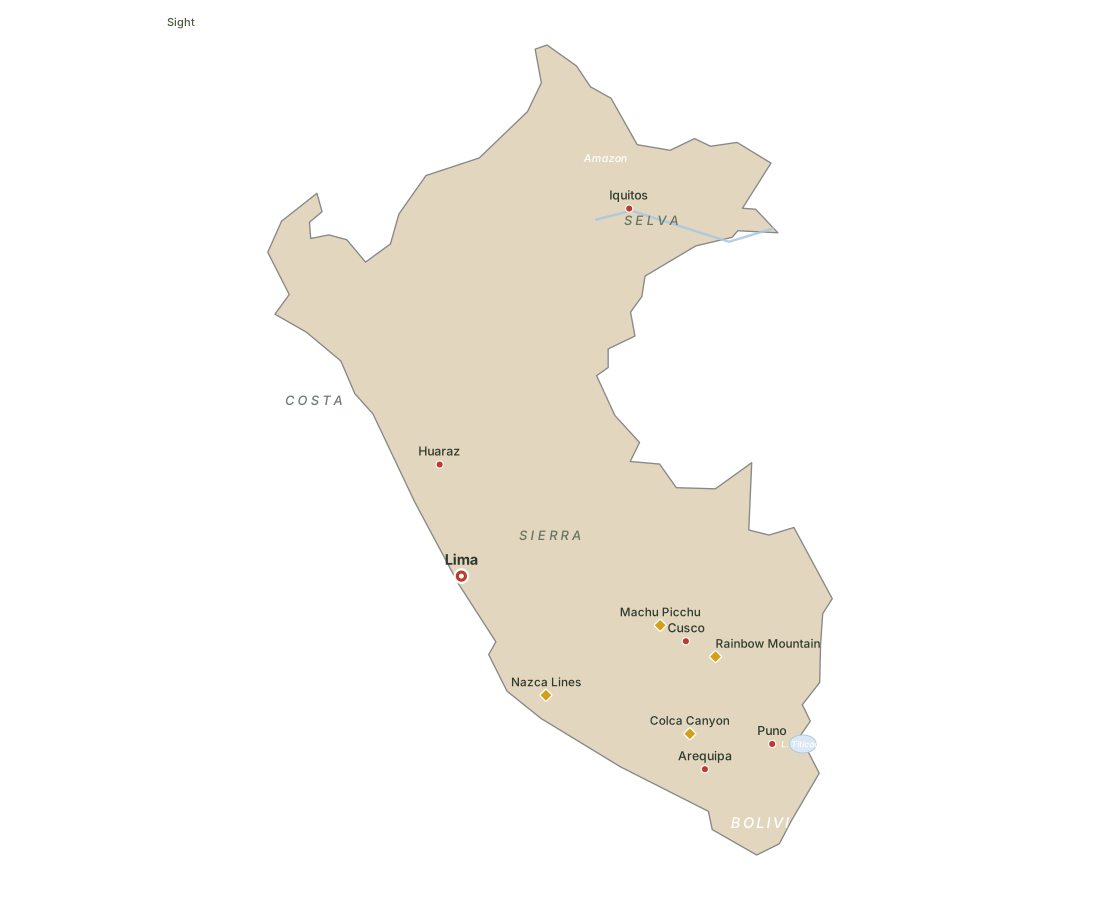
No vaccinations are legally required for entry, but yellow fever vaccination is strongly recommended for travel to the Amazon (Iquitos, Puerto
💶 Money
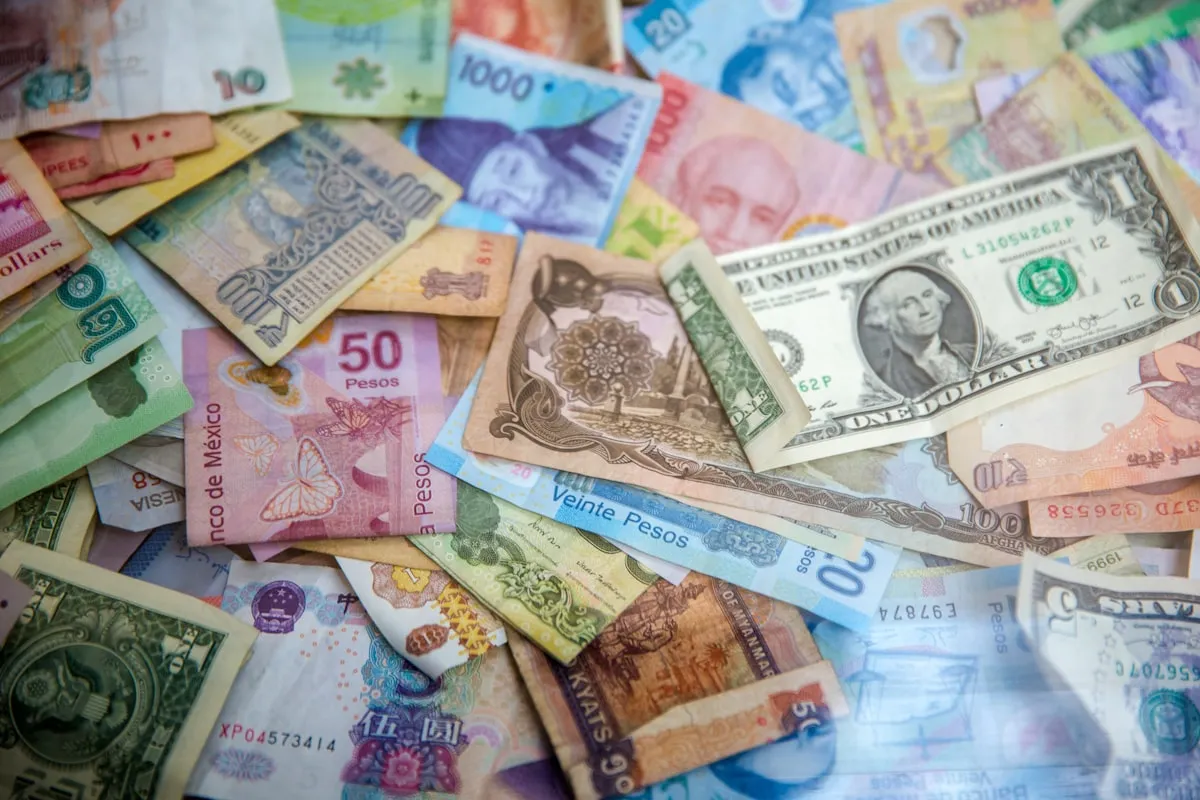
The Peruvian sol (PEN, written S/) is the local currency, currently around 1 EUR ≈ 4.0 PEN. ATMs are widespread in Lima, Cusco, Arequipa and Puno.
📶 SIM & WiFi
Local SIMs (Claro, Movistar, Entel) are easy to buy at airports and in city centres for around S/ 20–50 (≈ €5–13) including a starter data package.
🔌 Electricity
Type A/B/C plugs (mix of US and European), 220V/60Hz. US visitors check voltage; EU plugs usually work
🛒 Safety
Tap water is not safe to drink anywhere in Peru. Use bottled or filtered water for drinking and brushing teeth.
Visa
EU/EEA, UK, US, Canadian, Australian and most Latin American passport holders enter visa-free for up to 90 days within a 180-day period. The actual stamp depends on the immigration officer at entry and can be shorter. Maximum stay 183 days within 365 days. Extensions are possible at the Superintendencia Nacional de Migraciones offices in Lima and other cities. Passport must be valid for at least 6 months from the date of entry.
Money
The Peruvian sol (PEN, written S/) is the local currency, currently around 1 EUR ≈ 4.0 PEN. ATMs are widespread in Lima, Cusco, Arequipa and Puno. Rarer in smaller towns. Withdraw from bank-affiliated machines (BCP, BBVA, Interbank, Scotiabank) inside lobbies or malls rather than freestanding street ATMs. Visa and Mastercard are widely accepted in cities. Carry small notes for rural areas, markets and tips. US dollars are accepted at many hotels and tour operators but always at a slightly worse rate than soles.
Altitude sickness
Above 2,500 m roughly half of all visitors experience some symptoms (headache, nausea, broken sleep, breathlessness on exertion). Above 3,500 m the risk rises sharply. Key tactics.
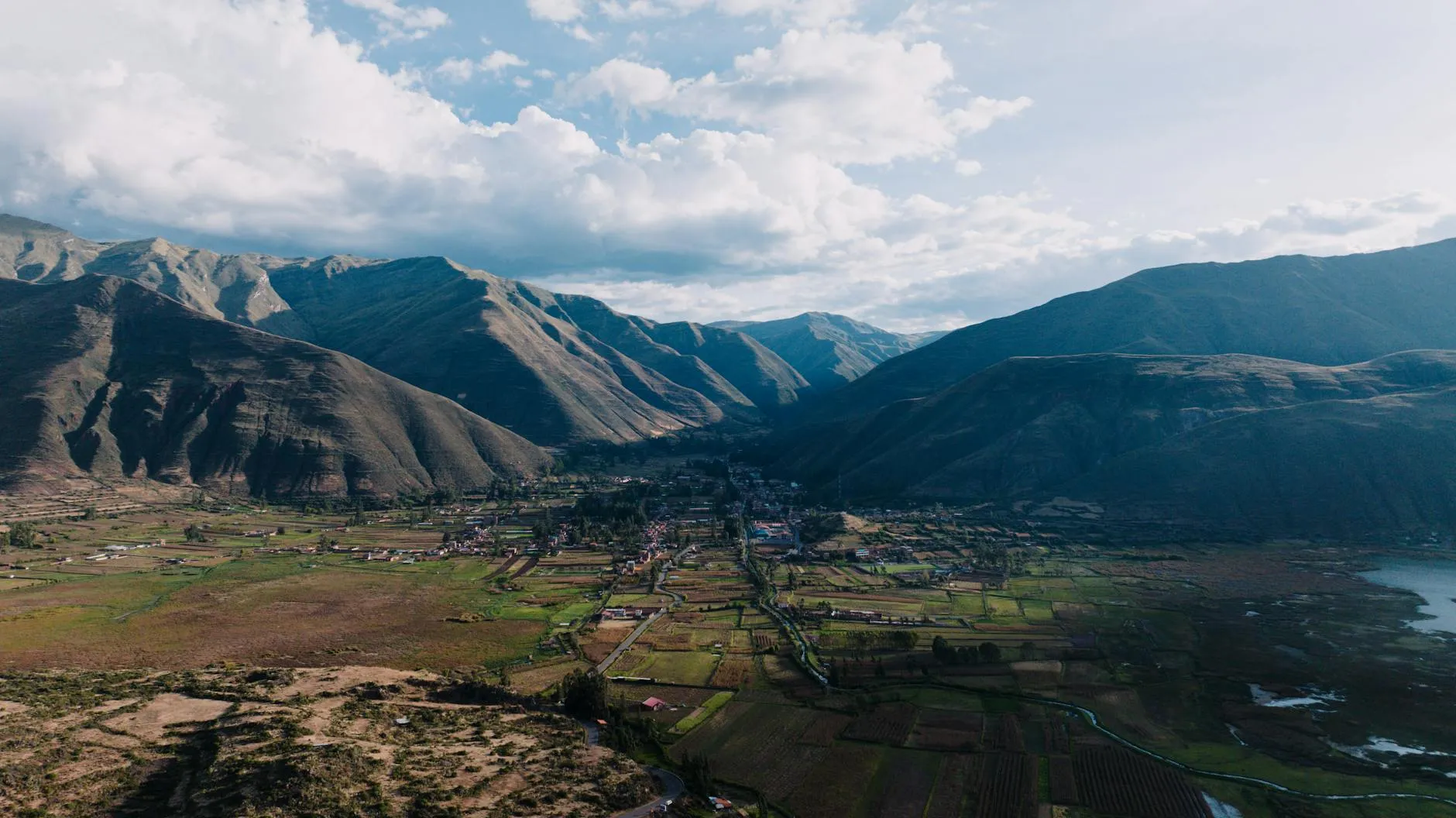
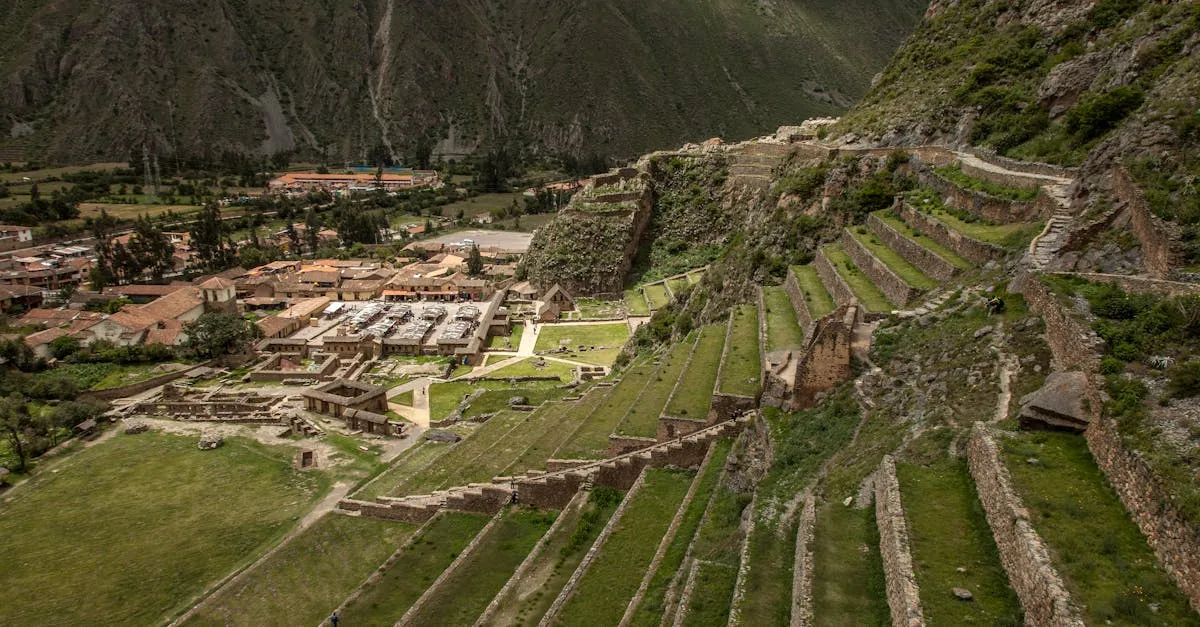
- If flying into Cusco, plan a slow first day. Sleeping the first night in the Sacred Valley (Ollantaytambo, ~2,800 m) is gentler than the city itself.
- Drink plenty of water. Avoid alcohol on day 1–2.
- Mate de coca (coca tea) is the local remedy. Helps mild symptoms.
- Discuss preventive medication (acetazolamide is the generic standard) with a doctor before travel. It works but requires a prescription and has side effects.
- Red flags: confusion, unsteady walking, breathlessness at rest, frothy cough. Descend immediately and seek medical help. Severe altitude sickness can be fatal.
Health and vaccinations
No vaccinations are legally required for entry, but yellow fever vaccination is strongly recommended for travel to the Amazon (Iquitos, Puerto Maldonado, Tambopata, Manu) and may be required by neighbouring countries on onward travel. Hepatitis A, typhoid, and routine vaccinations are standard travel recommendations. Malaria risk is restricted to specific Amazon zones; speak to a travel medicine clinic. Dengue is increasingly present in the Amazon and along the coast.
Water and food safety
Tap water is not safe to drink anywhere in Peru. Use bottled or filtered water for drinking and brushing teeth. Be cautious with ice in smaller establishments. Salads washed in tap water are a common cause of stomach upsets. Choose busy stalls and restaurants where turnover is high.
Connectivity
Local SIMs (Claro, Movistar, Entel) are easy to buy at airports and in city centres for around S/ 20–50 (≈ €5–13) including a starter data package. Passport required for registration. eSIMs from international providers also work. Coverage is excellent in cities, patchy in the highlands. Mostly absent in the deep Amazon.
Safety
Most tourist areas are safe with normal precautions. The biggest risks are opportunistic theft (pickpocketing, distraction scams in Lima's Centro and around Cusco's Plaza de Armas) and unlicensed taxis. Use Uber or hotel-arranged taxis in Lima at night. Avoid carrying more cash than you need. Keep a backup card separately. Demonstrations and roadblocks occur occasionally in the southern Andes and can disrupt transport for 1–3 days. Check current advisories before long bus journeys.
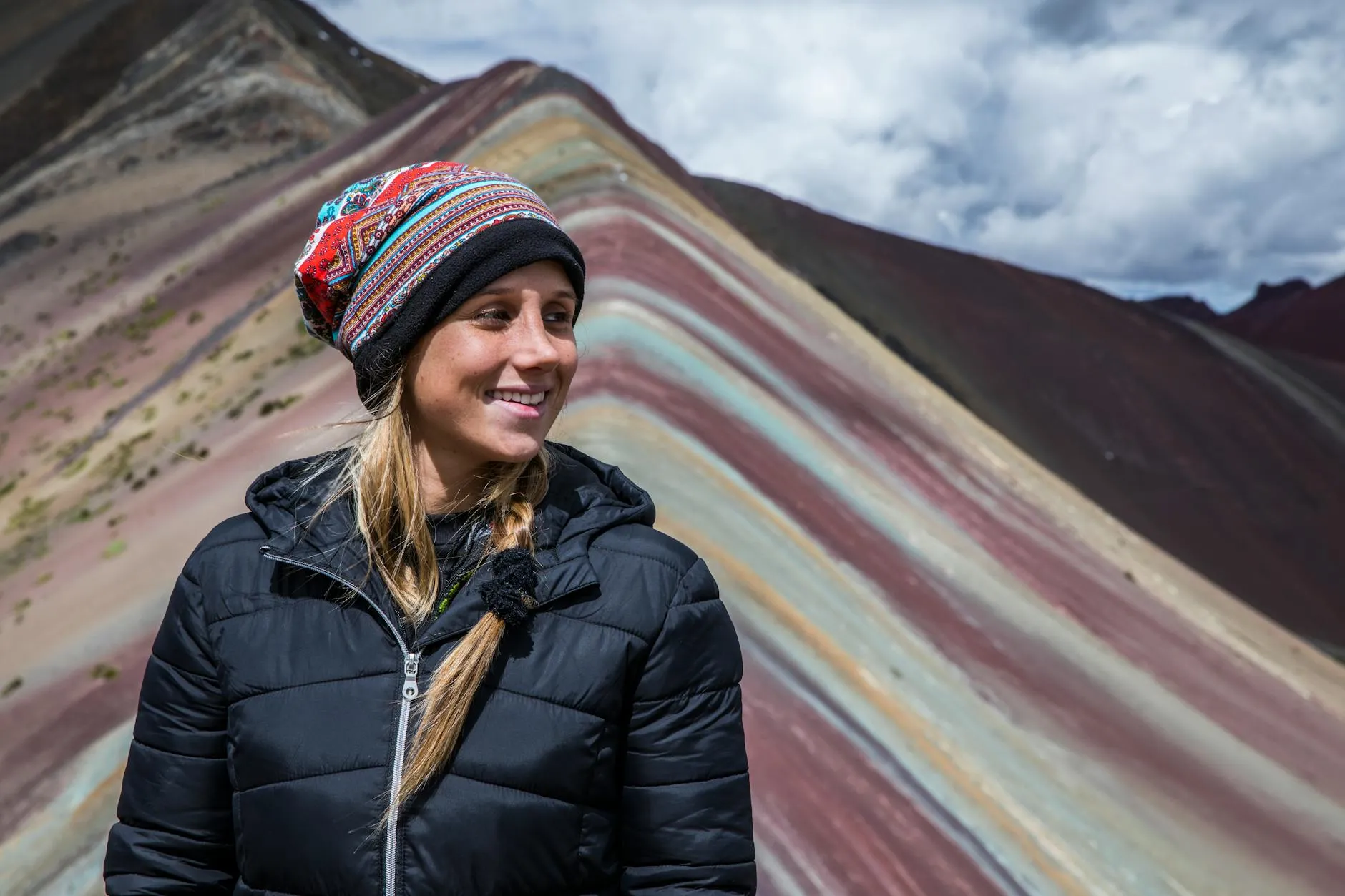
![Smiling woman in a warm jacket poses at the vibrant Vinicunca Rainbow Mountain in Peru, showcasing stunning colors.]()
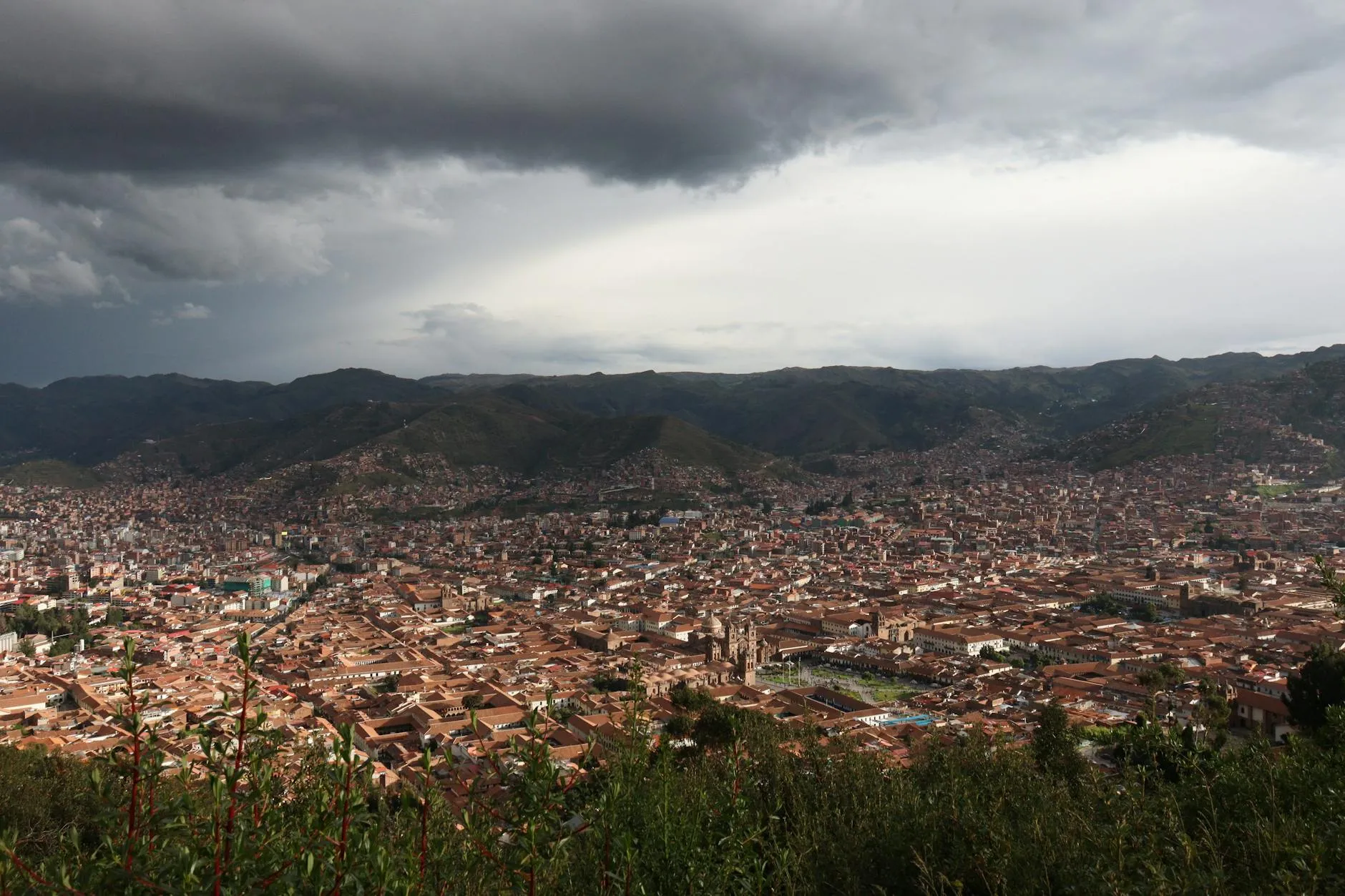
- Underestimating altitude. Arriving directly into Cusco (3,399 m) without acclimatisation is the single most common mistake. Plan a slower ascent through Arequipa and Puno, or build 1–2 rest days into Cusco before any hike.
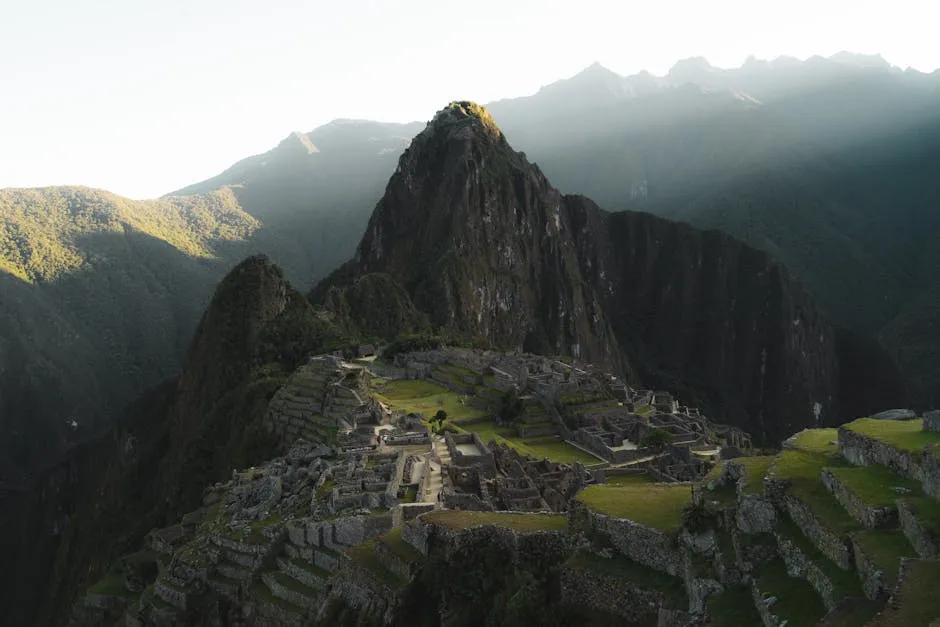
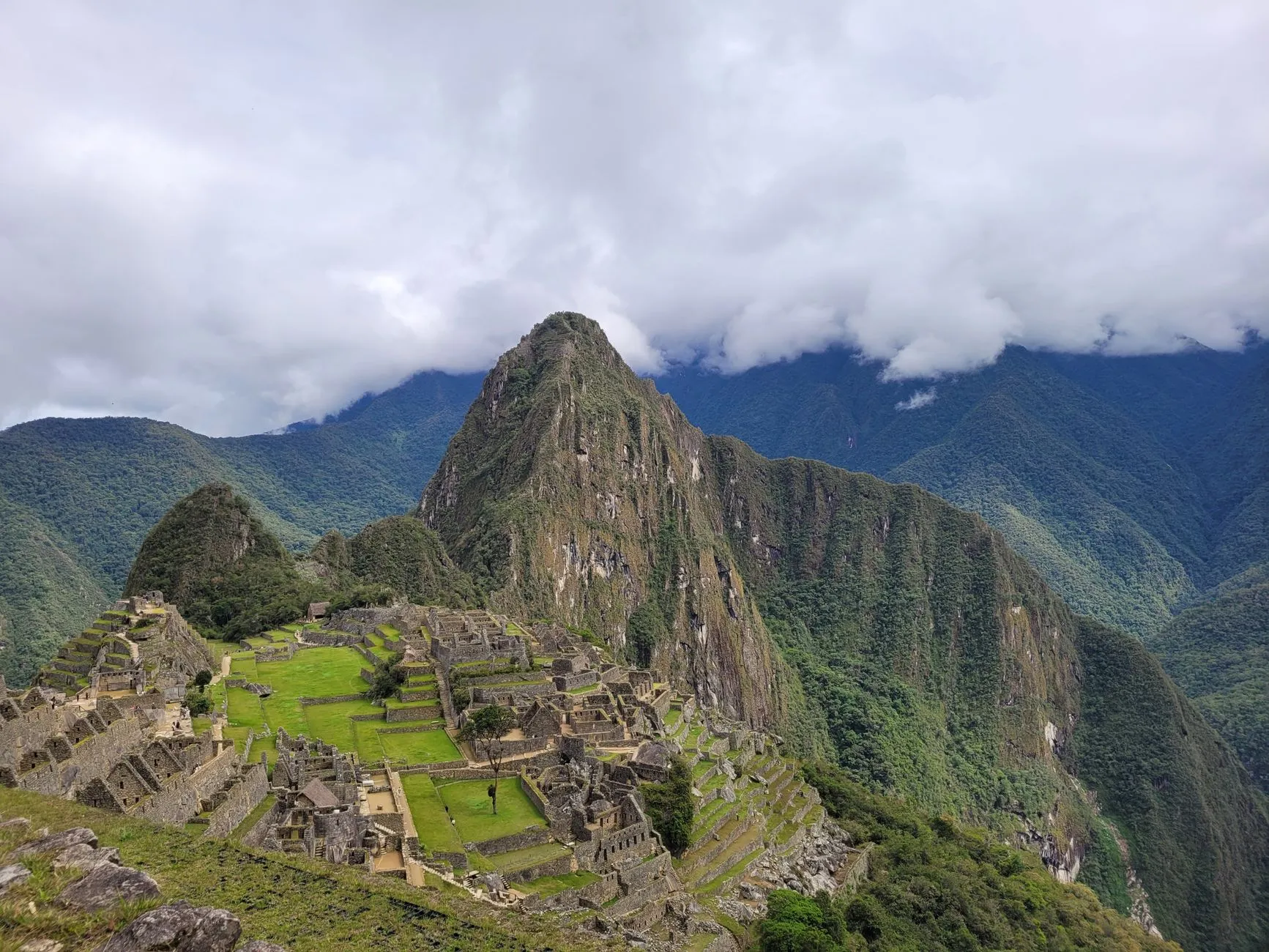
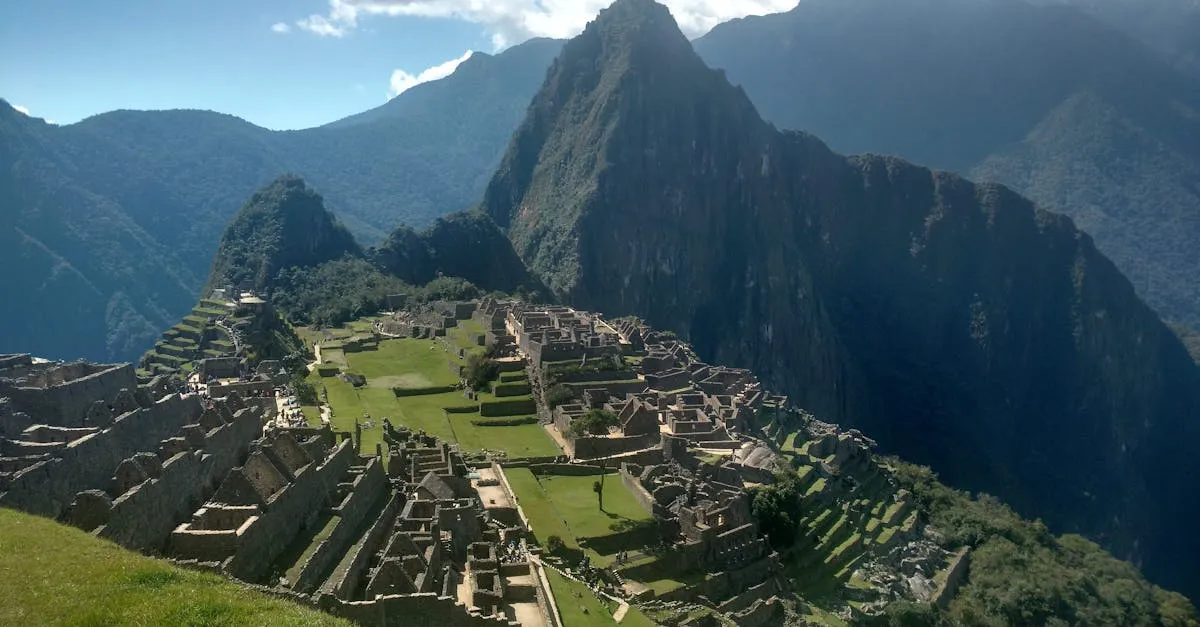
- Booking Machu Picchu late. Entry tickets sell out 2–4 weeks ahead in dry season. Huayna Picchu and Inca Trail permits sell out 3–6 months ahead. Lock these in before the rest of the itinerary.
- Trying to do both south and north in two weeks. Peru's distances are long. Two solid weeks is enough for either the south circuit or the north circuit, not both.
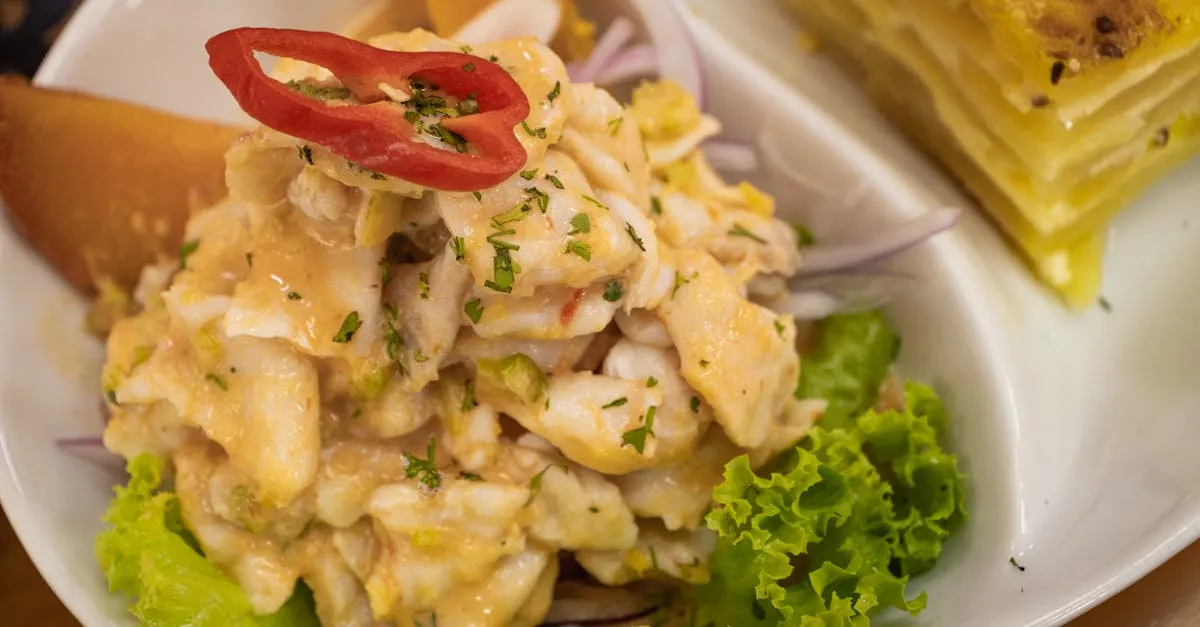
- Eating ceviche on day one in the Andes. Raw fish + altitude + travel fatigue is a bad combination. Save coastal seafood for the coast.
- Skipping travel insurance. Medical evacuation from the Amazon or above 4,000 m is expensive. Make sure your policy covers high-altitude trekking and rabies post-exposure.
- Carrying too much cash. ATMs are reliable in towns. S/ 200–400 (≈ €50–100) in mixed small notes per couple is enough cash for a few days outside cities.
- Choosing the wrong Amazon lodge. Tambopata from Puerto Maldonado is the easy first jungle. Iquitos/Pacaya-Samiria is the deeper, wilder option. Choose for your travel style, not by price alone.
- Not booking the right Machu Picchu train. Pre-dawn trains from Ollantaytambo are cheaper and let you reach the gate before the crowds. Late-morning trains arrive after the busiest entry window.
- Forgetting cash for small fees. Park entries, small museums, and the bus from Aguas Calientes up to Machu Picchu are sometimes cash-only.
- Trying to push through altitude sickness. If symptoms are getting worse, descend. It is not a test of willpower.
- Overpacking. Lima storage at your starting hotel is easy. Pack like you'll move every two days. Because you probably will.
- Booking domestic flights too tight. Lima–Cusco and Cusco–Puerto Maldonado are weather-affected. Leave a buffer night in Lima before any international flight home.
![Final recommendation and travel tips]()
Peru is a strong fit for couples who want one country to give them genuinely different landscapes. Coast, mountains and jungle. Alongside a deep cultural backbone. Two weeks is the realistic minimum to do the classic south circuit at a comfortable pace. Three weeks unlocks either the Amazon or the northern Cordillera Blanca without rushing.
Start your planning around Machu Picchu entry tickets and your preferred trek (if any), then build the rest of the route outward from Cusco.
↑