Colombia Travel Guide

The only risk is wanting to stay. Caribbean coastlines, coffee mountains, colonial cities and a culture that runs on rhythm.

🇨🇴 Colombia Low-Medium Budget

Overview & Why Visit Colombia

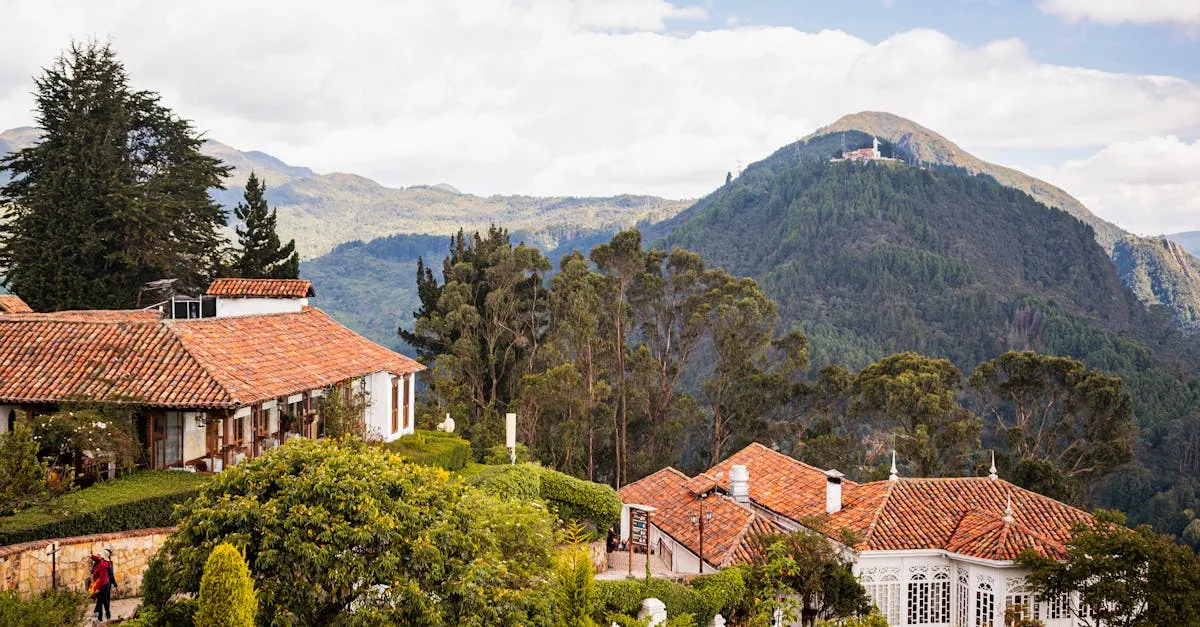
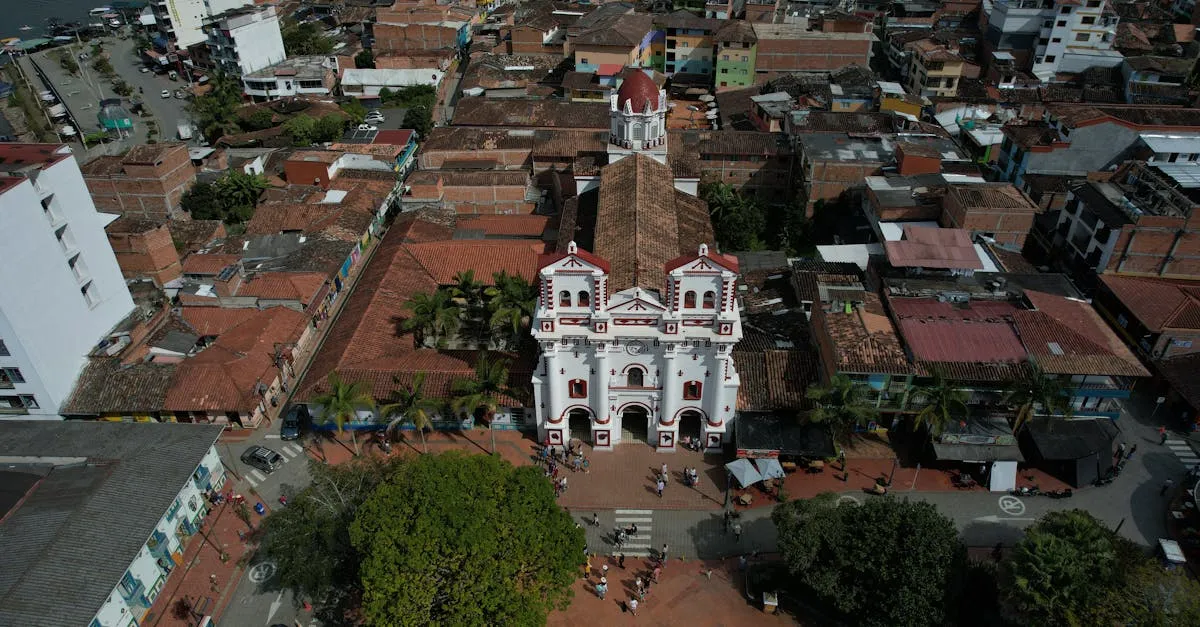
Colombian landscape

Colombia has reinvented itself over the past two decades. It moved from a country travellers cautiously skirted around to one of South America's most rewarding destinations. It is the only South American country with both Caribbean and Pacific coastlines. The Andes split into three distinct cordilleras crossing the country. The Amazon and Orinoco basins reach into the southeast. That geography produces an unusual density of climates and cultures within short distances.

For couples on a low-to-medium budget, Colombia hits a strong sweet spot. Prices remain noticeably lower than in Chile or Argentina. Distances are manageable. The domestic flight network is dense. The trio of Cartagena, Medellín and the coffee region (Eje Cafetero) gives a clear narrative arc for a first trip.

Population
~52M
Diverse mestizo, Afro-Colombian, Indigenous and European heritage
Size
1.14M km²
Fourth-largest country in South America
Currency
COP ($)
Peso; 1 EUR ≈ 4,400 COP
Daily Budget
€35–90
Per couple, comfortable mid-range; see full breakdown below

Map of Colombia

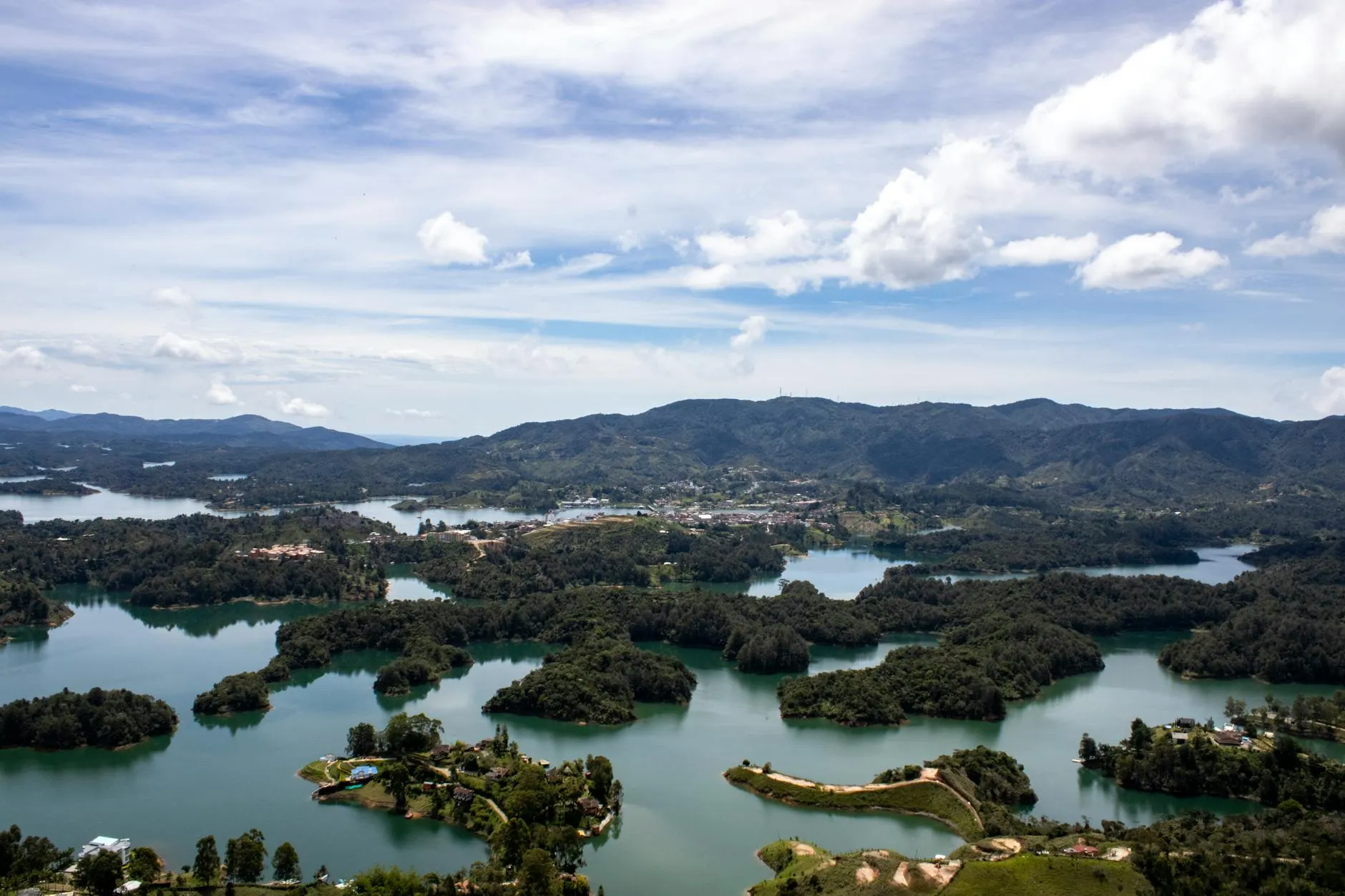
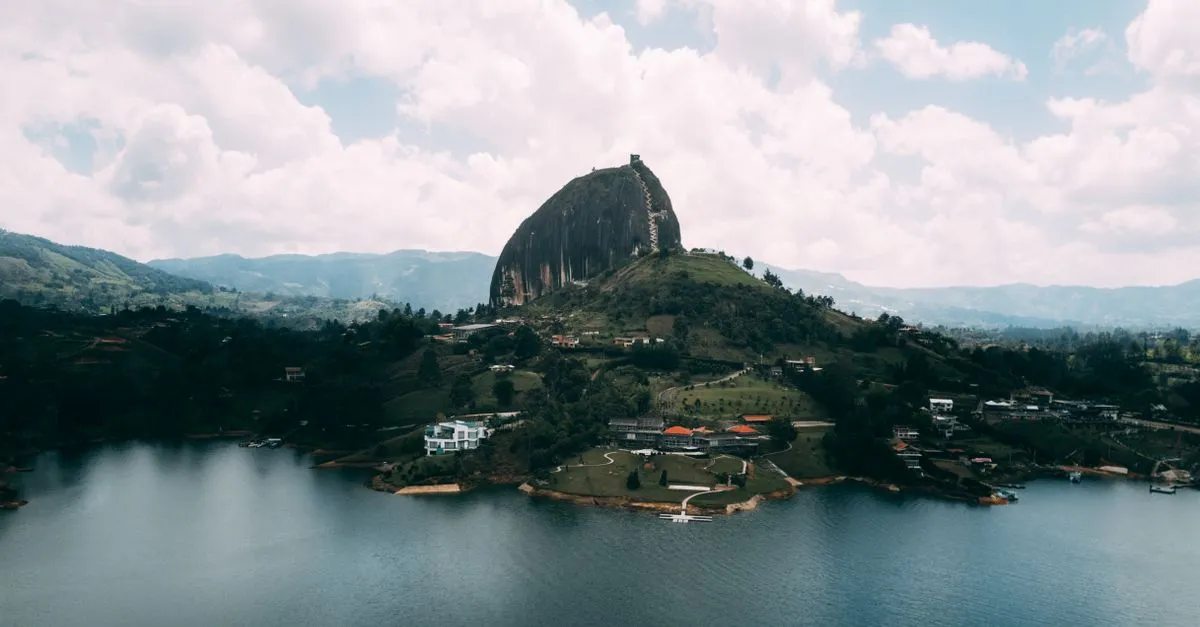
A breathtaking aerial shot of Guatapé Reservoir showcasing its intricate network of islands and lush landscape.

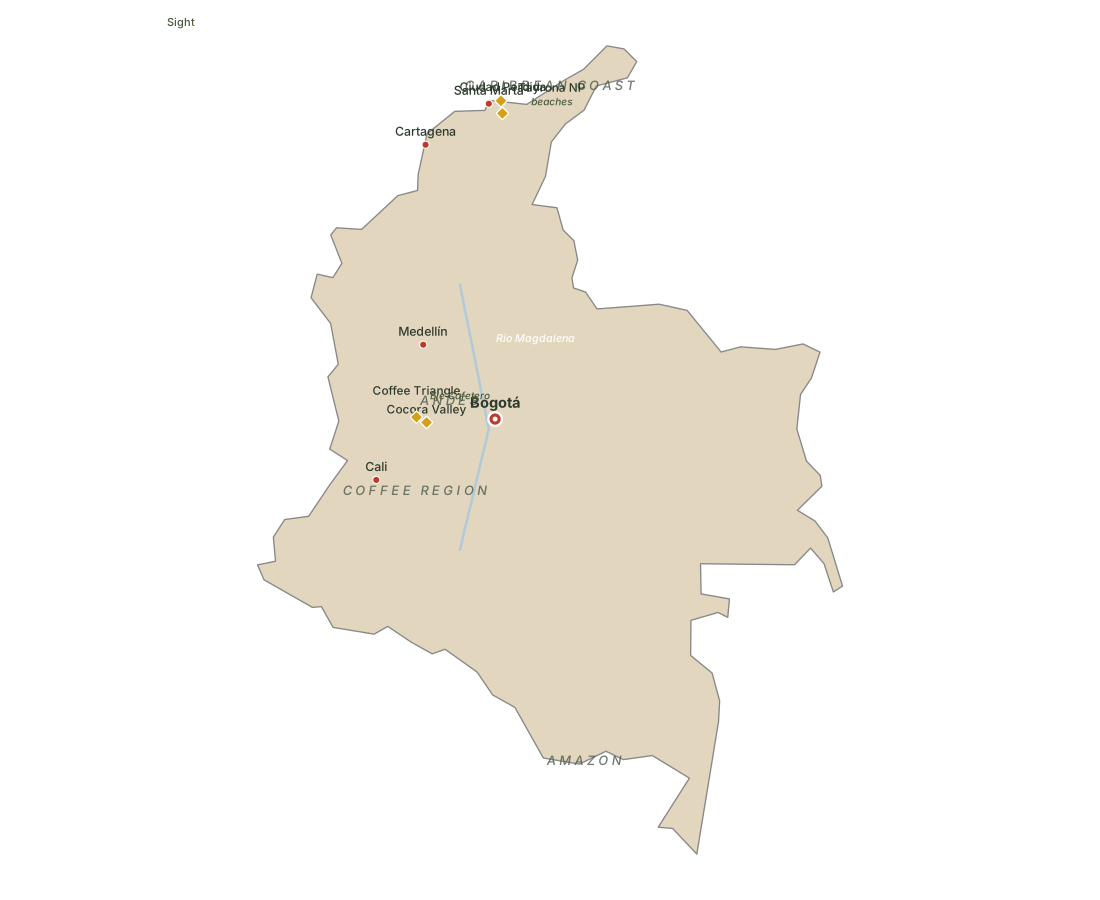
The main travel triangle runs Cartagena (Caribbean) ↔ Medellín (north Andes) ↔ Bogotá (central Andes), with the coffee region (Salento, Manizales) tucked between Medellín and Bogotá. The Caribbean corridor extends east from Cartagena through Santa Marta, Tayrona and Palomino. The south (Popayán, San Agustín, Tatacoa Desert) and the Amazon (Leticia) sit outside the triangle. They require additional time.

Map of Colombia showing key travel destinations and regions

Roughly speaking the country divides into four travel zones:

  • Caribbean coast: Cartagena, Santa Marta, Tayrona, Palomino, Minca. Sea-level heat, beaches, colonial architecture.
  • Andes: Bogotá (2,640 m), Medellín (1,495 m), Villa de Leyva, Barichara. Cool to mild climate, cities, history.
  • Coffee region (Eje Cafetero): Salento, Filandia, Manizales. 1,500–2,000 m, mild climate, farm visits, the Cocora Valley.
  • South & Amazon: Cali, Popayán, San Agustín, Tatacoa Desert, Leticia. Salsa culture, archaeology, desert and deep jungle.

Best Time to Visit

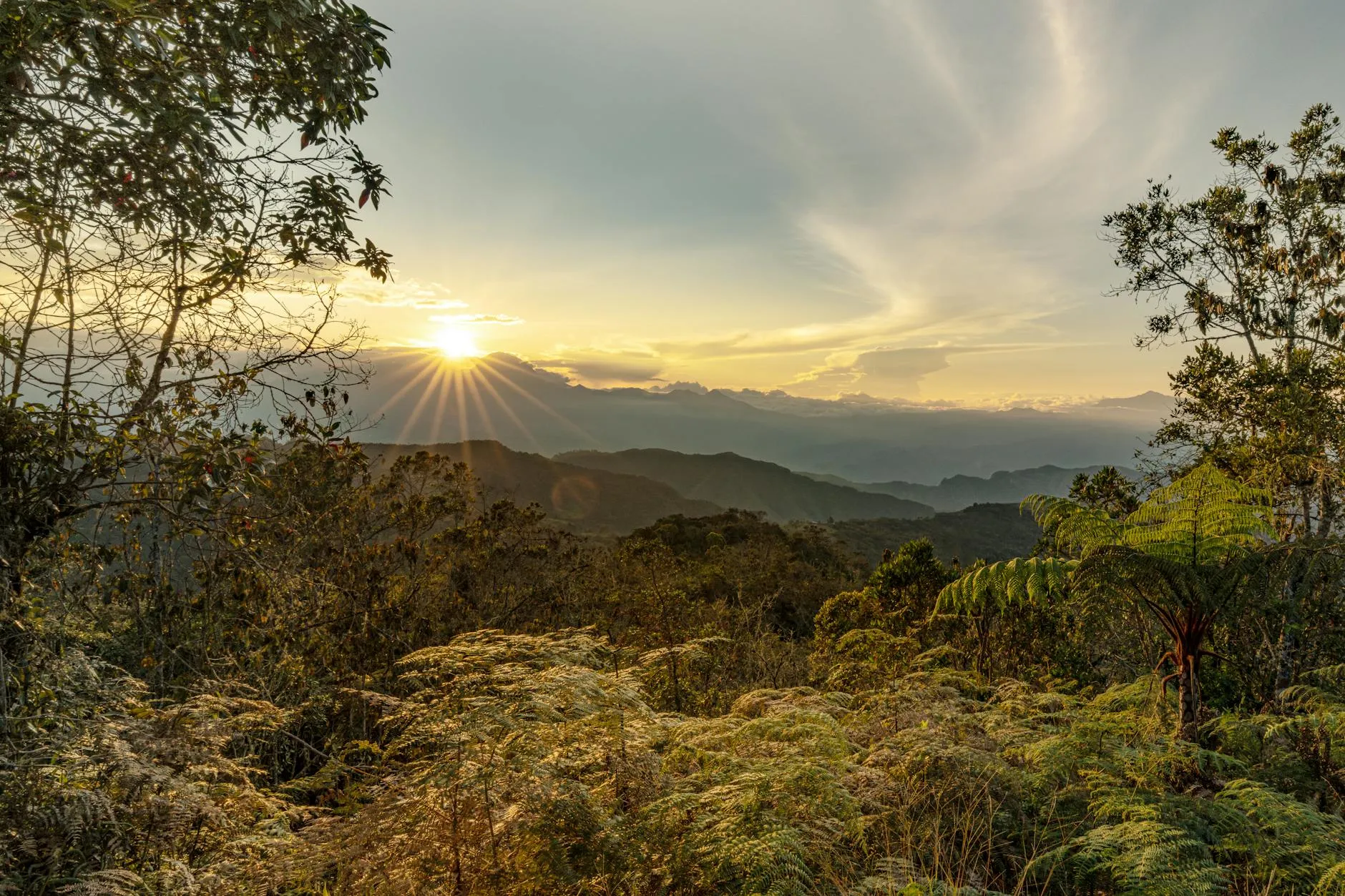
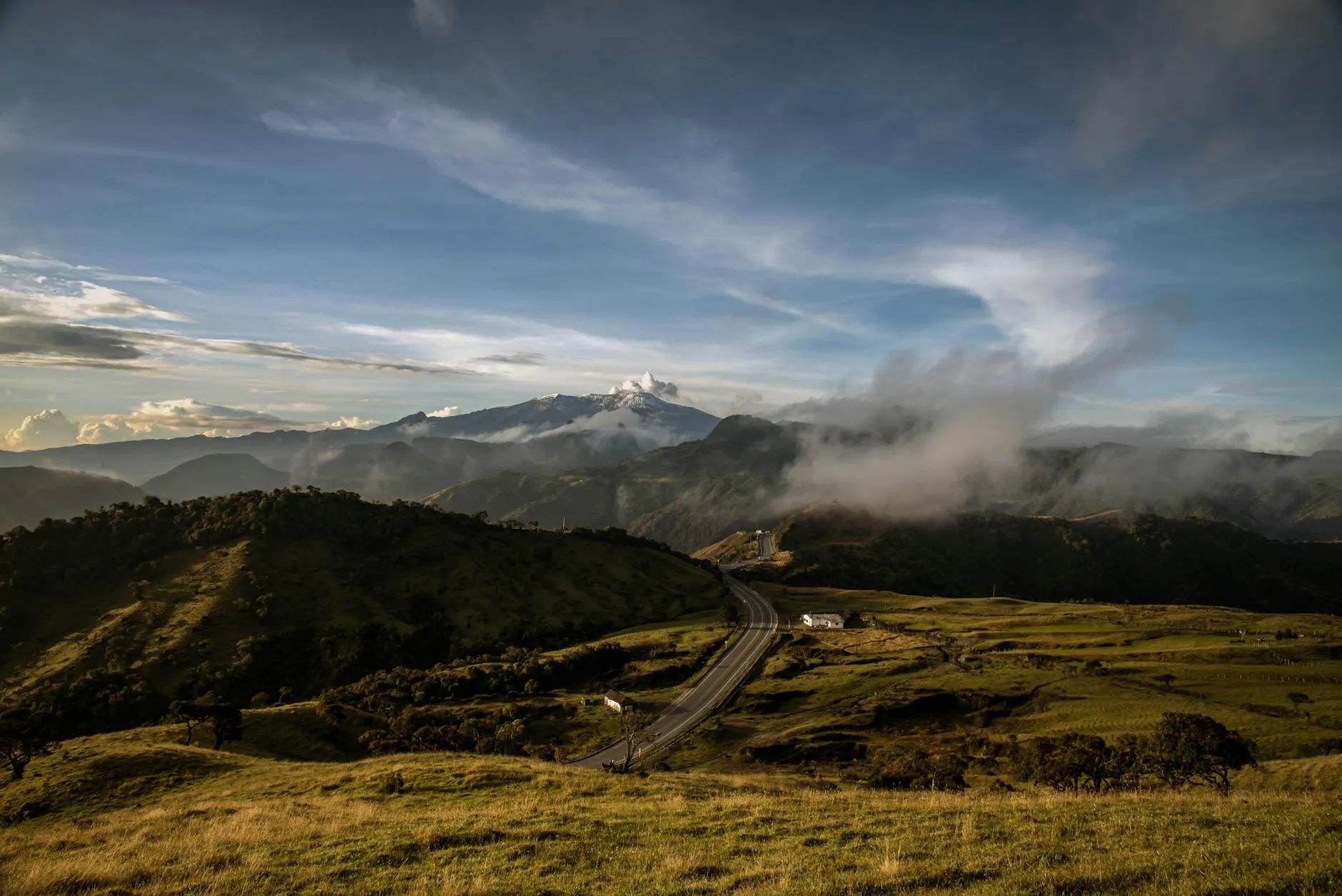
Scenic view of the Andes Mountains during sunset with lush greenery and golden light in Colombia.

Colombia sits on the equator, so it does not have classical summer and winter seasons. Instead, most regions have two drier windows and two wetter windows per year. The most reliable dry stretches for nationwide travel are roughly December–March and July–August. The Caribbean coast (Cartagena, Tayrona, Santa Marta) is hot and sunny most of the year. The Andean highlands (Bogotá, the coffee region) get more rain in April–May and October–November.

Month-by-month at a glance

Dec–Mar
Peak / Best
Driest nationwide; Caribbean coast at its best; clear hiking; highest prices and biggest crowds (especially Dec 20–Jan 5)
Jul–Aug
Second dry
Veranillo “little summer” in the Andes; humpback whales on the Pacific coast; Caño Cristales at peak colour; Medellín Flower Festival early August
Apr–Jun
Shoulder
Afternoon showers in the Andes but manageable; 15–30% cheaper accommodation; lush green landscapes; fewer tourists
Sep–Nov
Wettest
Heaviest rain in Andes and Caribbean; road delays possible; coffee harvest season (authentic farm visits); budget prices

Month-by-Month Overview

MonthSeasonBest RegionsCrowdsPricesRating
JanuaryDryEverywhere. Caribbean coast, Bogotá, Coffee Zone🔴 High🔴 High⭐⭐⭐⭐⭐
FebruaryDryCaribbean, Carnaval de Barranquilla, Tatacoa🔴 High🔴 Peak⭐⭐⭐⭐⭐
MarchDry endingCaribbean coast, Bogotá, Medellín🟡 Moderate🟡 Moderate⭐⭐⭐⭐
AprilWet beginsMedellín, Coffee Zone. Semana Santa crowds🟡 Moderate🟡 Moderate⭐⭐⭐
MayWetMedellín (mild), Caribbean still warm🟢 Low🟢 Low⭐⭐⭐
JuneTransitionCaribbean coast, San Andrés, Providencia🟢 Low🟢 Low⭐⭐⭐
JulyDry (veranillo)Caribbean, Andes. Mid-year dry spell🟡 High🟡 High⭐⭐⭐⭐
AugustDryCaribbean, Andes, Feria de las Flores (Medellín)🟡 Moderate🟡 Moderate⭐⭐⭐⭐
SeptemberWet resumesCaribbean coast, San Andrés. Rain inland🟢 Low🟢 Low⭐⭐
OctoberWet (peak)Limited. Wettest month, flooding risk inland🟢 Very Low🟢 Lowest⭐⭐
NovemberLate WetCaribbean coast improving, cities🟢 Low🟢 Low⭐⭐⭐
DecemberDry beginsEverywhere. Holiday festivities, Cali Feria🔴 Very High🔴 Peak⭐⭐⭐⭐

For most travellers, late January through March or July–August are the strongest windows: dry weather in most regions, clear skies for hiking, and reliable ferries to the islands. Couples comfortable with afternoon showers can save significantly by travelling in April–June on the shoulder.

⚠️ Tayrona National Park closures

Tayrona closes for roughly three weeks each year (usually late January to mid-February, sometimes also a period in October) for ecological recovery and indigenous spiritual ceremonies. Dates vary. Check the Parques Nacionales de Colombia website before booking.

Climate & Weather

Altitude defines climate more than latitude. Cartagena at sea level is hot and humid year-round (typical highs 30–33 °C). Medellín at ~1,500 m is the “city of eternal spring” with daytime temperatures in the low 20s. Bogotá at 2,640 m is cool and often cloudy, with highs around 18–20 °C. Nights are cold.

Caribbean (Cartagena, Santa Marta)
28–33°C
Hot, humid year-round; trade winds Jan–Apr bring slight relief; wettest Sep–Nov
Andes mid (Medellín, 1,495 m)
18–28°C
“Eternal spring”. Brief afternoon showers common. Never truly cold
Andes high (Bogotá, 2,640 m)
8–20°C
Cool days, cold nights. Bring a proper jacket. Afternoon rain most months
Coffee Region (Salento, ~1,900 m)
15–25°C
Mild. Mornings can be cool. Afternoon sun warm. Brief showers year-round
Amazon (Leticia, ~100 m)
24–32°C
Hot, very humid. Rain year-round. Wettest Apr–May
Pacific Coast (Nuquí)
25–30°C
One of the wettest places on Earth. Whale season Jul–Oct

The single most useful rule for Colombia is the same as Peru: altitude beats season. Pack for Bogotá’s chill and the coast’s heat in the same bag.

Seasons & Temperatures

Dry season (December–March, July–August)

  • Pros: Clear skies in Andes and Caribbean. Best trekking conditions (Ciudad Perdida, Cocora Valley). Reliable island ferries and diving visibility.
  • Cons: Peak-season prices (Dec–Jan especially). Cartagena and Tayrona crowded. Flights and hotels 30–50% more expensive around Christmas and New Year.

Shoulder (April–June, September)

  • Pros: 15–30% lower prices. Lush green landscapes. Fewer tourists at every site. Coffee harvest season (Sep–Nov) means authentic farm visits.
  • Cons: Daily afternoon downpours in the Andes (usually 1–2 hours, rarely all-day). Some secondary roads muddy. Pacific coast rough for boat trips.

Wet season (October–November)

  • Pros: Lowest prices of the year. Caño Cristales river still colourful through November. Whale watching continues into October on the Pacific coast.
  • Cons: Heaviest rainfall nationwide. Road closures and flight delays in Andes. Caribbean coast disproportionately wet. Some tour operators pause.

Average Temperatures

Temperatures are remarkably stable year-round within each altitude band. The variation between “summer” and “winter” is tiny; the variation between sea level and 2,640 m is dramatic.

CityElevationDry season (Dec–Mar)Wet season (Apr–May, Oct–Nov)
Cartagena~2 m28–33°C, sunny, breezy28–32°C, humid, afternoon storms
Santa Marta~6 m26–32°C, hot26–31°C, humid
Medellín1,495 m18–28°C17–27°C, afternoon showers
Salento~1,900 m15–25°C14–23°C
Bogotá2,640 m8–20°C9–18°C, frequent rain
Cali1,018 m19–30°C19–29°C
Leticia~84 m24–32°C23–31°C

Holidays & Festivals

Colorful holiday celebrations and festivals

Colombia observes 18 public holidays per year. Among the most in the world. Many are moved to the following Monday (ley de puentes) creating long weekends that trigger domestic travel surges. Hotels in Cartagena, Santa Marta and the Coffee Region can double in price on these weekends.

Public holidays

Date / periodHolidayImpact on travel
1 JanAño NuevoBeach towns and Cartagena fully booked; book 2+ months ahead
6 Jan (moved to Mon)Día de los Reyes MagosFirst puente of the year; domestic flights fill up
19 Mar (moved to Mon)Día de San JoséLong weekend; Santa Marta and Caribbean coast busy
Mar–Apr (moveable)Semana Santa (Easter)Week-long holiday. Popayán has the most famous processions (UNESCO). Entire country travels
1 MayDía del TrabajoLabour Day; services closed
May–Jun (moveable)Ascensión / Corpus Christi / Sagrado CorazónThree religious holidays in quick succession. Back-to-back long weekends
20 JulDía de la IndependenciaIndependence Day. Parades, flags. Another major travel weekend
7 AugBatalla de BoyacáBattle of Boyacá anniversary. Tunja ceremonies. Long weekend
15 Aug (moved to Mon)Asunción de la VirgenReligious holiday; quiet long weekend
12 Oct (moved to Mon)Día de la RazaColumbus Day equivalent; domestic travel
1 Nov (moved to Mon)Día de Todos los SantosCemetery visits. Quiet
11 Nov (moved to Mon)Independencia de CartagenaCartagena celebrates with parades and concerts. City packed and expensive
8 DecInmaculada ConcepciónDía de las Velitas. Candles lit on streets and balconies nationwide. Marks start of Christmas season
25 DecNavidadDomestic flights and buses full. Cartagena at premium pricing through early Jan

Festivals worth planning around

FestivalWhenWhereWhat
Carnaval de BarranquillaFeb–Mar (pre-Lent)BarranquillaUNESCO Intangible Heritage. Cumbia parades, marimonda costumes, 4 days of street dancing
Feria de las FloresEarly AugMedellínFlower festival. Silleteros carry elaborate flower displays. Free concerts, city-wide
Feria de CaliLate DecCaliSalsa capital goes all-in. Dance competitions, cabalga horse parades, bull fights, 5 days
Festival de la Leyenda VallenataLate AprValleduparColombia’s biggest folk-music festival. Vallenato accordion battles
Cartagena International Film Festival (FICCI)MarCartagenaLatin America’s oldest film festival. Outdoor screenings in the walled city

Regions of Colombia

Aerial view of the diverse Colombian landscape

Colombia offers diverse landscapes and experiences across its regions.

Caribbean Coast

Caribbean Coast

Explore Caribbean Coast.

Andes, Coffee & South

Andes, Coffee & South

Explore Andes, Coffee & South.

Top Sightseeing

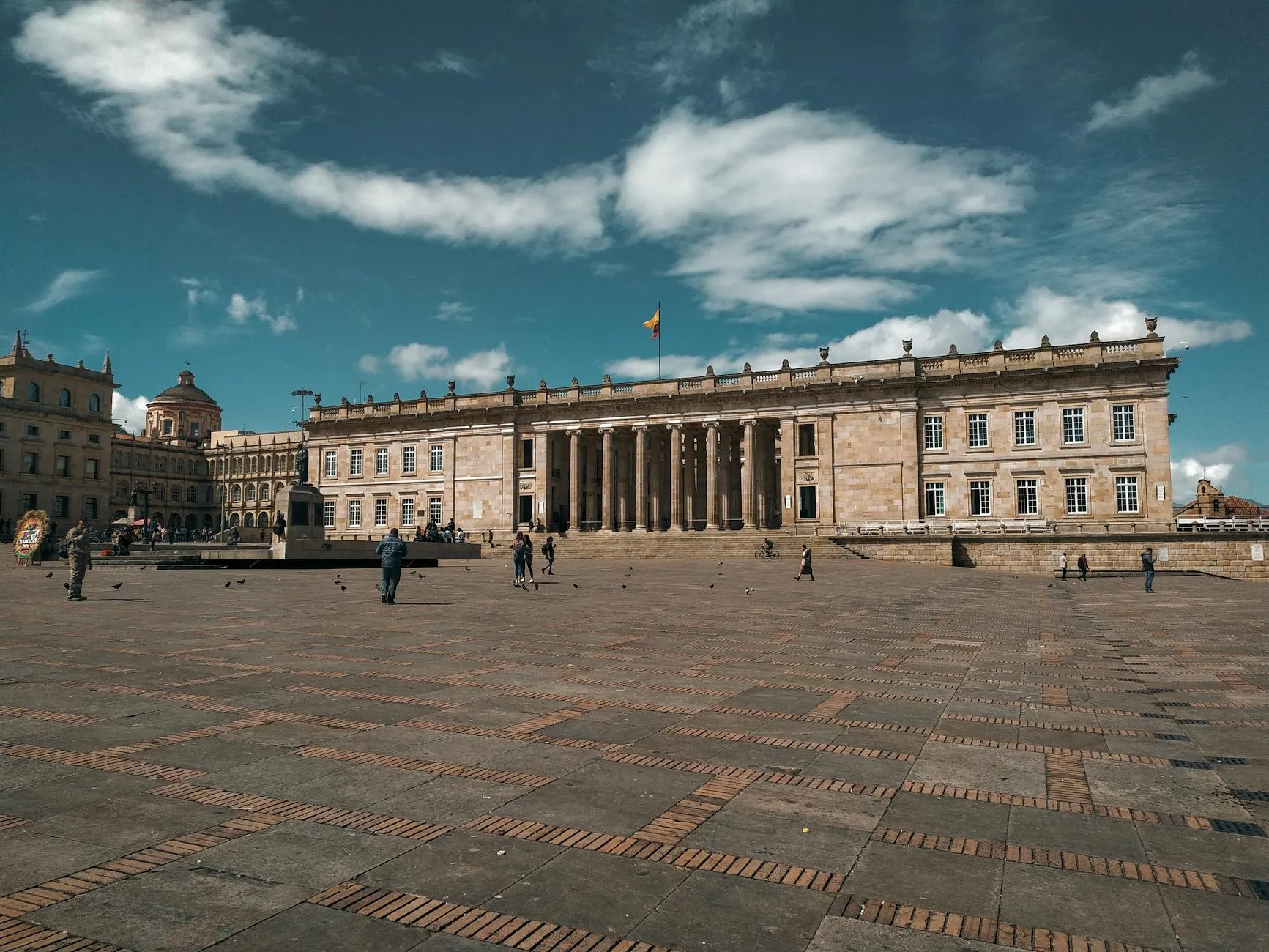
Glimpse the grand facade of Bolívar Square in Bogotá under a bright blue sky.

Colombia’s headline sights stretch from UNESCO colonial coastline to high-altitude capitals, from urban transformation stories to remote pre-Columbian archaeology. The country’s dramatic geography — three Andean cordilleras, two coastlines, Amazon jungle, and the world’s tallest palm trees — produces a sightseeing range that few countries can match.

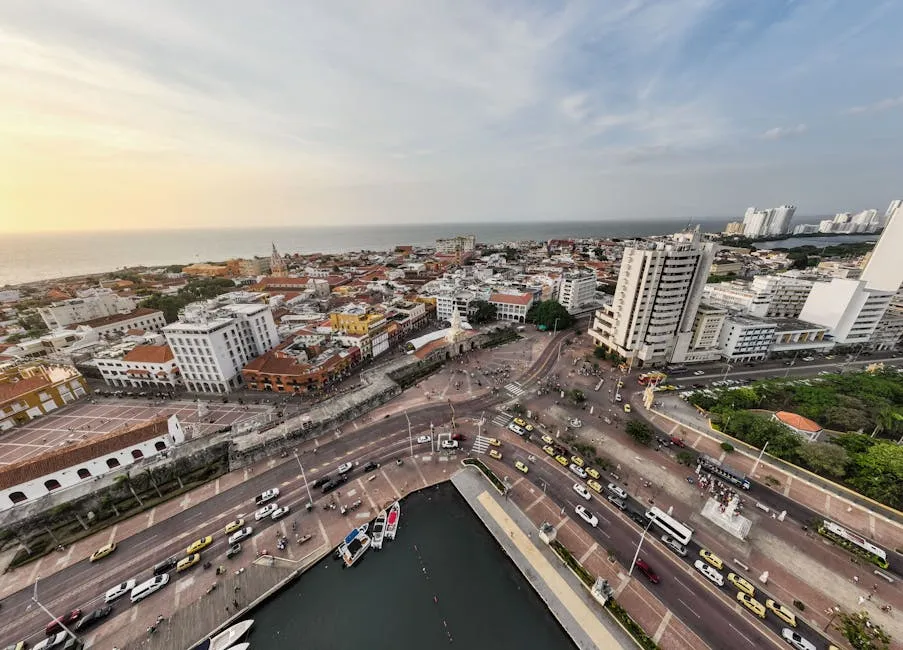
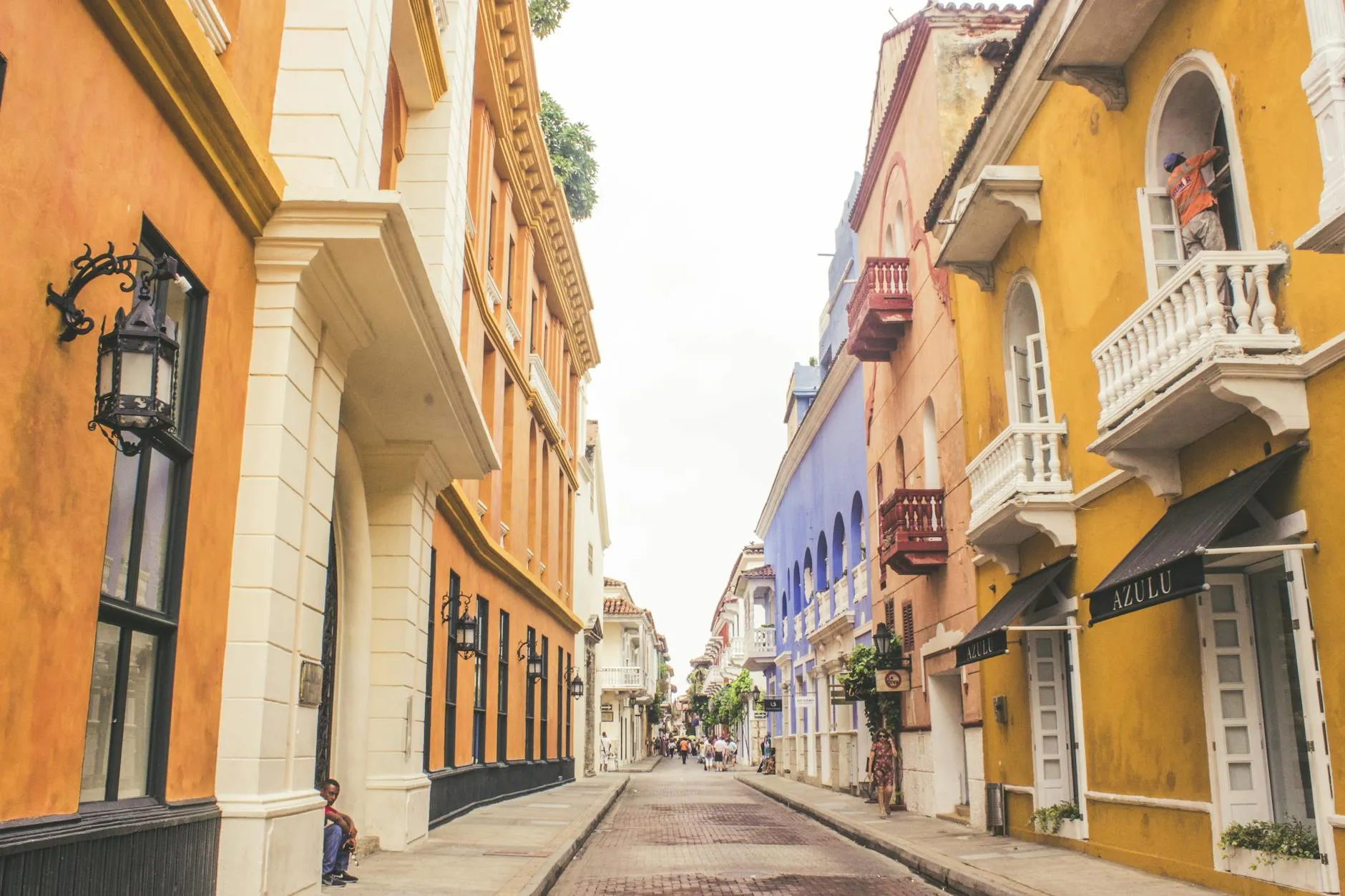
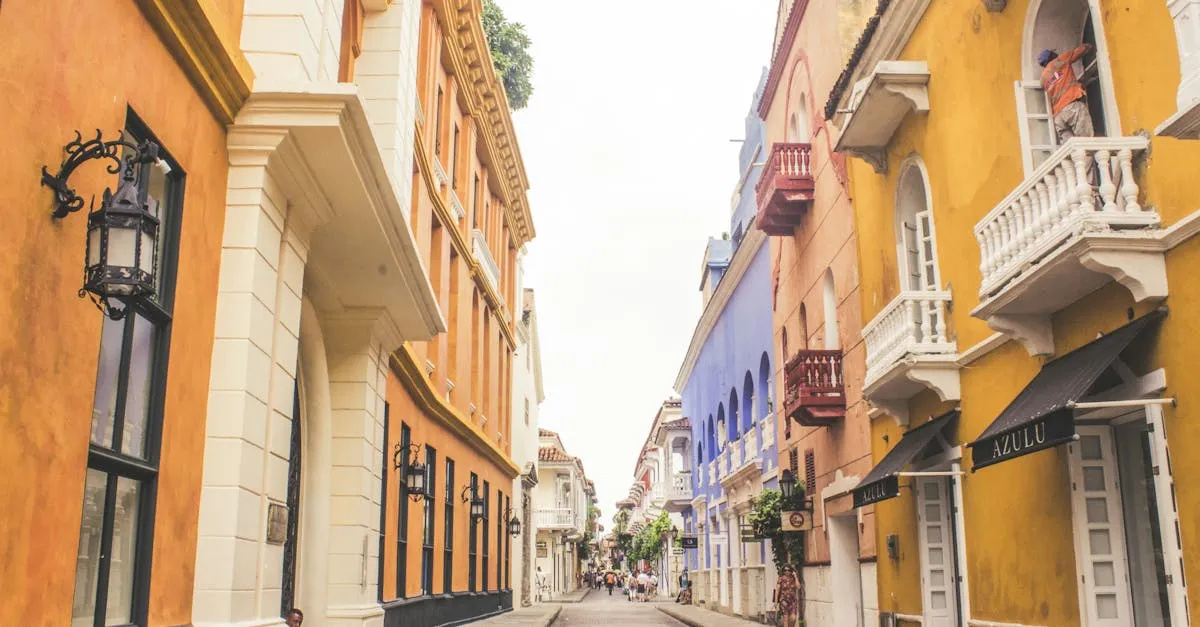
  • Cartagena: UNESCO walled city on the Caribbean — colonial architecture, bougainvillea-draped balconies, and rooftop sunsets over the old town
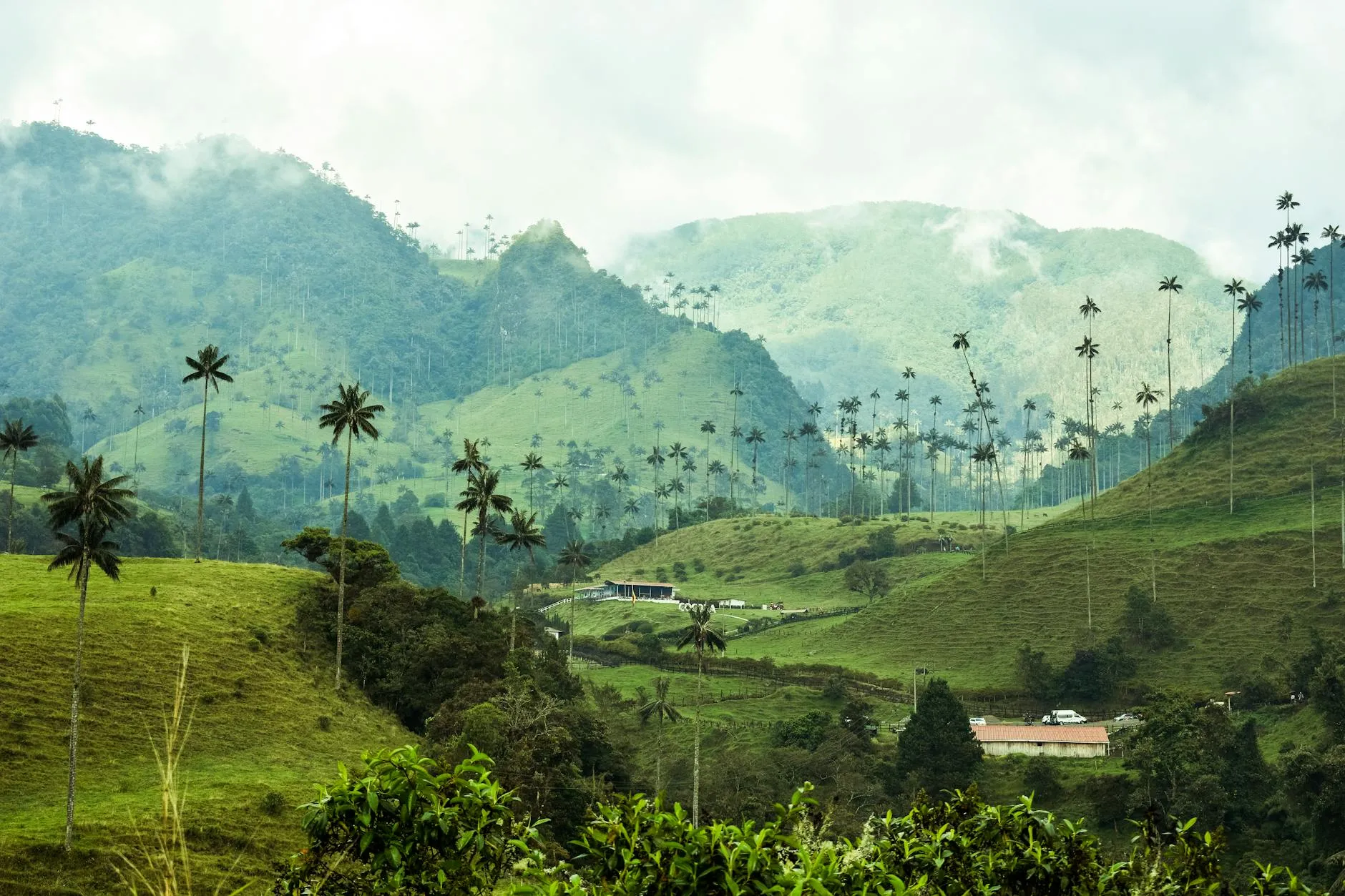
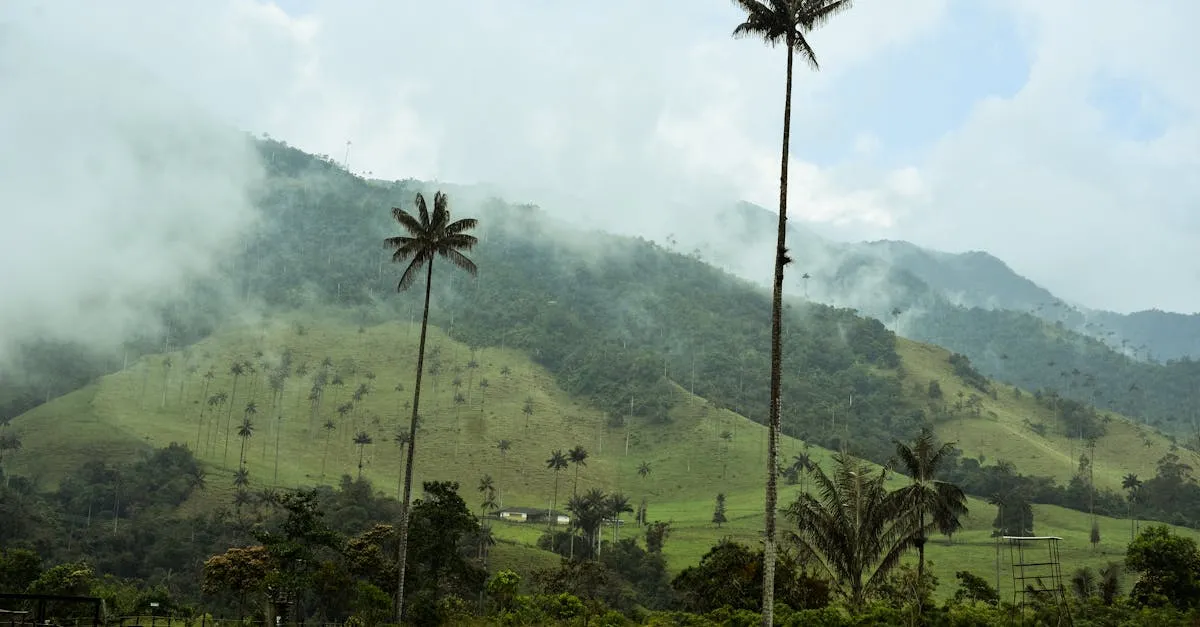
  • Cocora Valley: Towering wax palms (up to 60 m) in a cloud-forest valley near Salento — Colombia’s most iconic landscape
  • Bogotá: The Gold Museum’s 55,000 pre-Columbian pieces, La Candelaria’s street art, and Monserrate’s aerial views at 3,152 m
  • Tayrona National Park: Jungle trails leading to pristine Caribbean beaches backed by the Sierra Nevada — where the mountains meet the sea
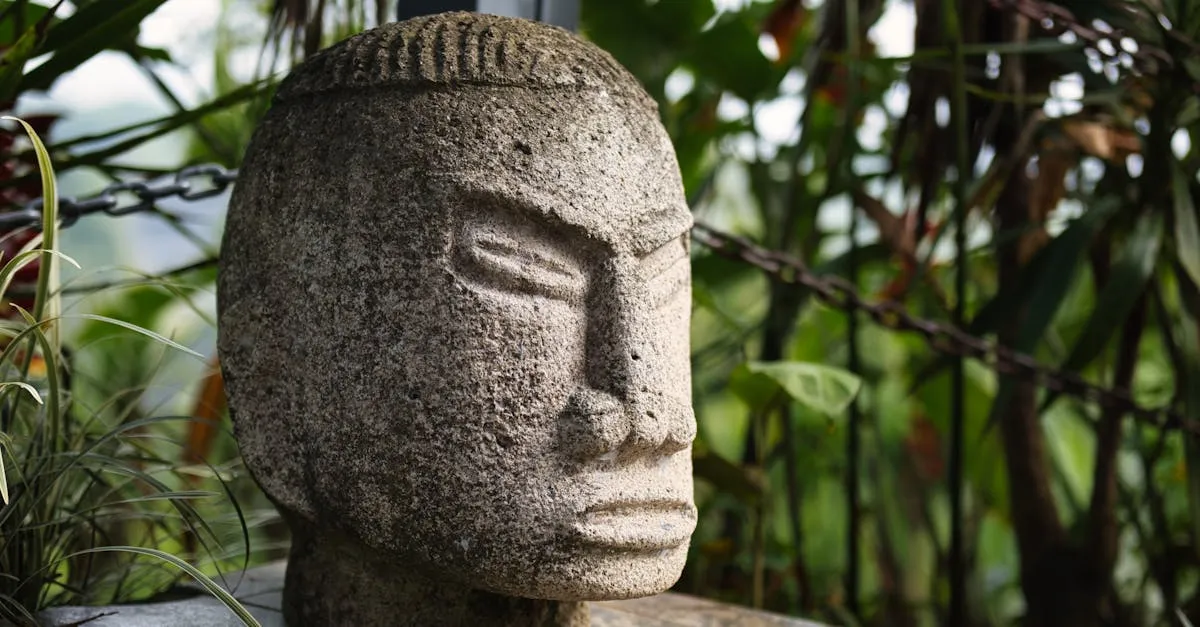
  • San Agustín: The largest collection of pre-Columbian statuary in South America — mysterious stone figures scattered across green highlands
Cartagena walled city

Cartagena’s Walled City

UNESCO World Heritage and the best-preserved colonial centre in the Americas. Coral-stone walls enclose a grid of churches, mansions, and plazas with bougainvillea spilling over balconies. Walk the city walls at sunset for views over the Caribbean. Eat and drink in the Getsemaní neighbourhood, which is cheaper and livelier than the walled centre. Allow 1.5–2 days minimum to explore properly.

Cocora Valley palm trees

Cocora Valley

Towering wax palms (Colombia’s national tree, reaching up to 60 metres) rising like telephone poles from misty green mountain meadows. The circular day hike from Salento (5–6 hours, moderate) passes through cloud forest, across streams on wooden bridges, and into a hummingbird sanctuary before emerging into the valley of palms. One of Colombia’s most iconic images. Start early before clouds obscure the views.

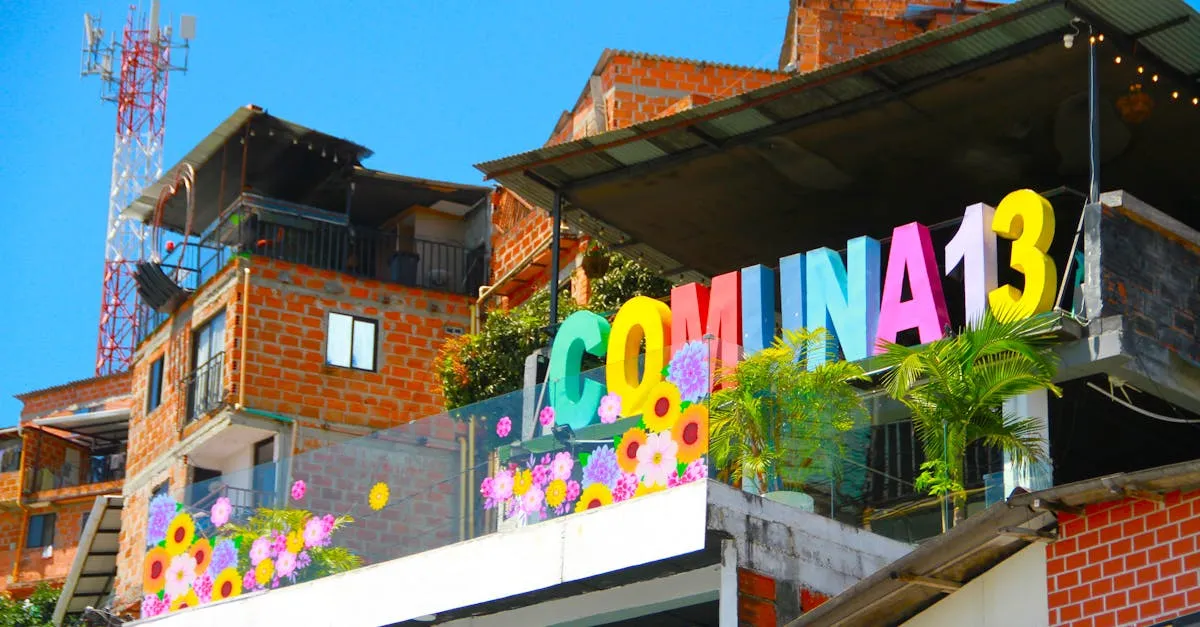
Comuna 13 Medellín street art

Comuna 13, Medellín

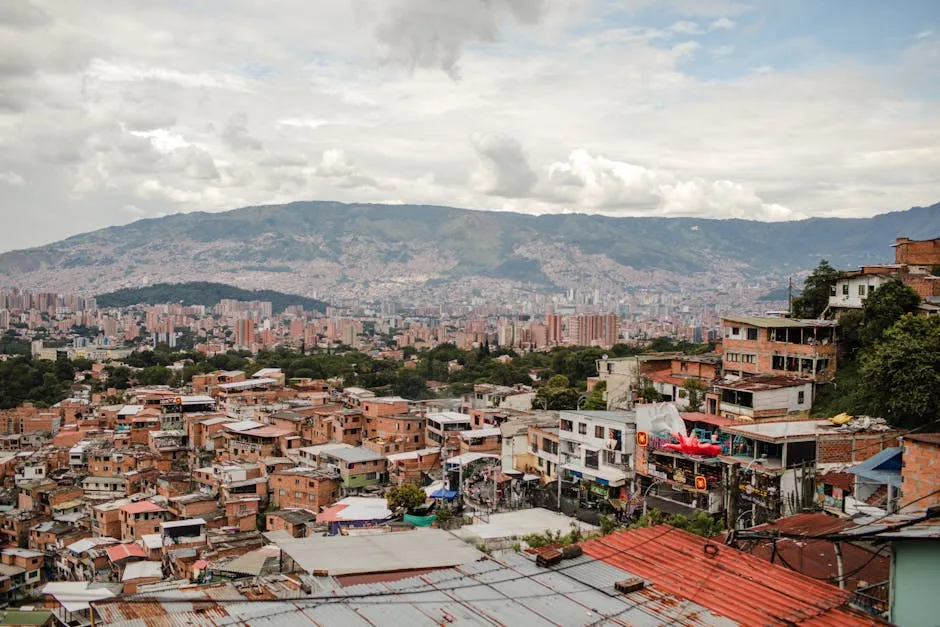
Outdoor escalators climbing through a hillside covered in vibrant street art, with hip-hop dancers and local vendors lining each level. Once the most dangerous neighbourhood in the world, Comuna 13 has become a symbol of Medellín’s dramatic urban transformation. Take a guided tour (COP 60,000–100,000) for essential historical context. The views over the city from the top are excellent. Go on a weekday morning for fewer crowds.

Guatapé rock

Guatapé & La Piedra del Peñol

740 steps up a 200-metre granite monolith to a 360-degree view over a turquoise reservoir dotted with dozens of green islands. The climb is steep but manageable at a steady pace. An easy day trip from Medellín (2 hours each way by bus, COP 15,000). Combine with a stroll through the town of Guatapé, where every building is decorated with colourful zócalos (painted tiles). Entry ~COP 25,000.

Gold Museum Bogotá

Gold Museum, Bogotá

Over 55,000 pieces of pre-Columbian gold, including ceremonial masks, body ornaments, and the famous Muisca raft depicting the legend of El Dorado. The offerings room on the top floor, where lights dim and the entire collection illuminates around you, is unforgettable. Entry just COP 5,000 (~€1). Budget 2 hours. One of the best museums in the Americas and absurdly underpriced.

Salt Cathedral Zipaquirá

Salt Cathedral of Zipaquirá

An underground cathedral carved into a working salt mine, 200 metres below the surface. Three naves descend deeper into the mountain, with illuminated salt crosses and columns creating an otherworldly atmosphere. Not a functional cathedral (no bishop’s seat) but the engineering and ambiance are impressive regardless. One hour north of Bogotá (~COP 65,000 entry). An easy half-day trip. Combine with a return to the capital for dinner.

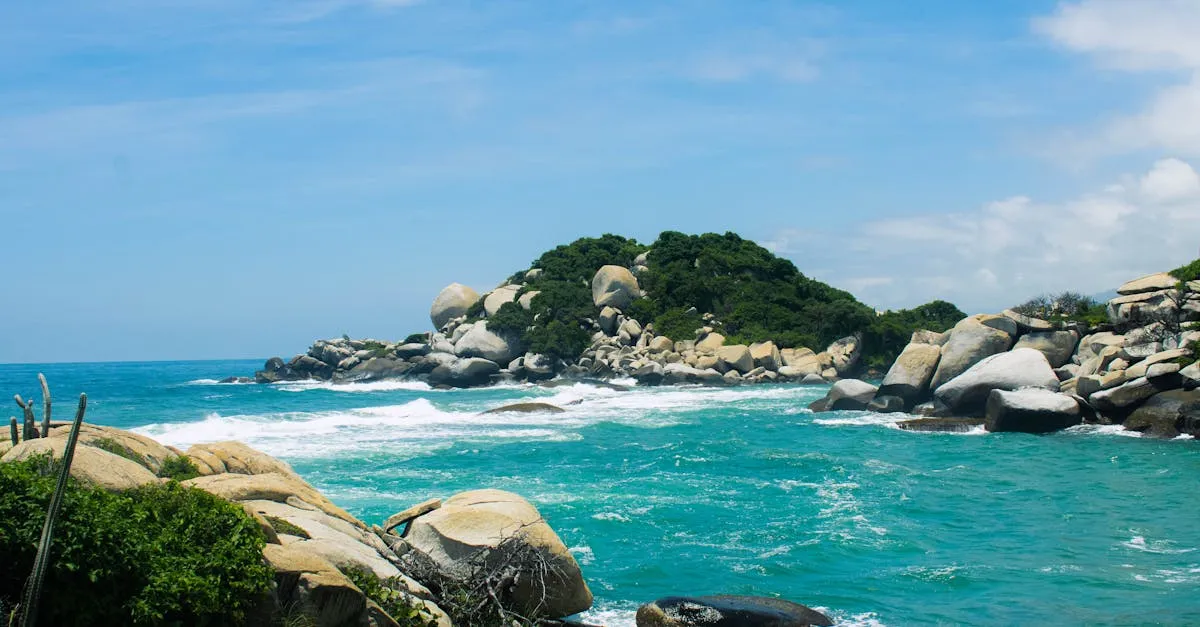
Tayrona National Park beach

Tayrona National Park

Jungle-meets-Caribbean-beach where dense tropical forest opens onto white sand and turquoise water at Cabo San Juan. The hike in takes 2 hours through the park. Arrive early, bring water, and plan to stay overnight in a hammock or cabin at the beach camp for the full experience. Entry ~COP 65,000. The park closes for roughly 3 weeks per year for ecological recovery. Check dates before planning.

Ciudad Perdida ruins

Ciudad Perdida (Lost City)

A 4–5 day trek through the Sierra Nevada de Santa Marta to a terraced city built by the Tayrona civilization around 800 AD, predating Machu Picchu by roughly 650 years. The trail crosses rivers, climbs through jungle, and passes indigenous Kögi settlements. Only reachable on foot. ~COP 2,000,000–2,400,000 all-inclusive (guide, food, hammocks). Prices are standardised across all licensed operators. Book several days ahead in high season.

Monserrate Bogotá

Monserrate, Bogotá

Cable car or funicular up to 3,152 metres for sweeping views over the entire capital sprawling across the Andean plateau. The white-washed church at the summit is a pilgrimage site. The surrounding walking paths offer different perspectives over Bogotá’s grid of 8 million people. ~COP 25,000 return. Best on a clear morning before the afternoon clouds roll in. The Sunday market at the base is worth browsing.

San Agustín archaeological park

San Agustín Archaeological Park

Enigmatic stone statues and burial mounds scattered across the southern highlands, carved by a civilization that vanished centuries before the Spanish arrived. Over 500 megalithic sculptures guard ancient tombs. Often called Colombia’s answer to Easter Island. UNESCO-listed. The main park is walkable, but horseback rides connect the more remote sites across the surrounding green hills. Allow 2 days from Popayán.

Caño Cristales rainbow river

Caño Cristales

The “river of five colours” near La Macarena, where aquatic plants (Macarenia clavigera) turn the riverbed vivid red, yellow, green, blue, and black. The effect is real and extraordinary, not a filter. Only accessible June to November when water levels are right. Requires a flight to La Macarena from Bogotá or Villavicencio. Tours are regulated and group sizes limited to protect the ecosystem.

Culture & Cuisine

Colombian cultural scene

Colombia’s regional identities are strong and proudly held. Costeños (Caribbean coast) are loud, warm and informal. Paisas (Antioquia/Medellín) are entrepreneurial, polite and family-oriented. Rolos (Bogotá) are more reserved and formal. Caleños (Cali) live for music and dance. Understanding this helps navigate social situations.

  • Greetings: A kiss on the right cheek between women and between men and women is standard in social settings. A firm handshake in formal or business contexts. Always greet with ¡Buenos días! or ¡Buenas tardes! Skipping the greeting is considered rude.
  • Music: Salsa, cumbia, vallenato and reggaetón are not folklore exhibits. They are how cities operate every night. Cali is salsa capital. Barranquilla is cumbia heartland. Vallenato dominates the Caribbean interior.
  • Religion: The Catholic calendar shapes public life. Semana Santa (Holy Week) and Christmas are major events with processions and family gatherings. Many businesses close.
  • Post-conflict sensitivity: Colombia’s decades of conflict are recent history. Colombians are generally open about discussing the past, but follow their lead rather than asking intrusive questions. The conflict museum in Bogotá (Centro de Memoria, Paz y Reconciliación) provides excellent context.
  • Tipping: Restaurants add a 10% propina (voluntary). The waiter will ask “¿Desea incluir el servicio?” Say unless service was poor. Taxis not expected, round up if you wish. Free walking tour guides COP 10,000–20,000.
  • “No dar papaya”: The national saying means “don’t make yourself an easy target.” Don’t flash phones, cameras or jewellery in busy urban areas. It’s common-sense advice, not paranoia.

Food & Cuisine

Colombian cuisine varies sharply by region. The Caribbean coast runs on seafood and coconut; the Andes on stews, potatoes and corn; and the coffee region on beans, pork and plantain. The menú del día (set lunch with soup, main course, rice, beans, juice and dessert for COP 12,000–20,000) is the best-value meal in the country.

Signature dishes

  • Bandeja paisa: The Antioquia mega-platter. Red beans, rice, ground beef, chicharrón, fried egg, plantain, avocado, arepa and chorizo. COP 18,000–30,000. One plate is two meals.
  • Ajiaco: Bogotá’s signature chicken and potato soup with three kinds of potato, corn on the cob, cream and capers. COP 15,000–25,000.
  • Arepas: Corn cakes, grilled or fried, eaten with cheese, egg, meat or alone. Street vendors sell them for COP 2,000–5,000. Regional variations range from the thick arepa de choclo (sweet corn) to the thin, cheese-stuffed arepa de huevo of the coast.
  • Empanadas: Fried pastry with potato, meat or cheese filling. COP 1,500–3,500. The street-corner staple of Colombian life.
  • Ceviche: Caribbean coast style. Shrimp, fish or octopus cured in lime, coconut milk, onion. COP 25,000–50,000 in restaurants.
  • Sancocho: Hearty stew with chicken or fish, plantain, yuca, corn and potatoes. The Sunday family meal across most of the country.
  • Lechona: Whole roast pig stuffed with rice, peas and spices. Tolima’s festival dish, sold by the kilo. COP 15,000–25,000.
  • Buñuelos: Fried cheese dough balls, crispy outside, chewy inside. Eaten with coffee, especially at Christmas. COP 2,000–4,000.

Drinks

  • Coffee: Colombia produces some of the world’s finest Arabica. A tinto (small black coffee) from a street vendor costs COP 1,500–3,000. Specialty cafes in Bogotá, Medellín and Salento serve pour-overs and flat whites for COP 6,000–12,000.
  • Aguardiente: Anise-flavoured spirit, Colombia’s national drink. COP 2,000–4,000/shot. The social lubricant of every gathering.
  • Fresh juice: Colombia’s fruit diversity is extraordinary. Try lulo, guanábana, maracuyá and guayaba. Juice stands everywhere, COP 3,000–6,000.
  • Beer: Águila, Poker, Club Colombia. COP 5,000–10,000 in a bar. BBC and Bogotá Beer Company for craft options.
  • Hot chocolate: Thick, rich, served with cheese dropped in (the cheese melts softly, trust the process). A Bogotá breakfast tradition.

Coffee country at a glance

AreaElevationBean profileExperienceBase town
Salento / Valle de Cocora1,800–2,000 mBalanced, citrus notes, medium bodyWalk through wax-palm forests then visit small fincas. Most photogenicSalento
Manizales / Chinchina1,300–1,800 mFull body, chocolate, caramelHacienda Venecia offers farm stays with guided processing toursManizales
Jardín (Antioquia)1,700 mSweet, berry, floralEmerging destination south of Medellín. Colourful pueblo, fewer touristsJardín
Sierra Nevada de Santa Marta900–1,600 mEarthy, nutty, lower acidityIndigenous Arhuaco and Kogi communities grow shade coffee. Buy directlyMinca
Huila (San Agustín)1,200–1,800 mFruity, wine-like, complexCombine with archaeological park visit. Colombia’s highest-scoring specialty coffeesSan Agustín

Activities & Hikes

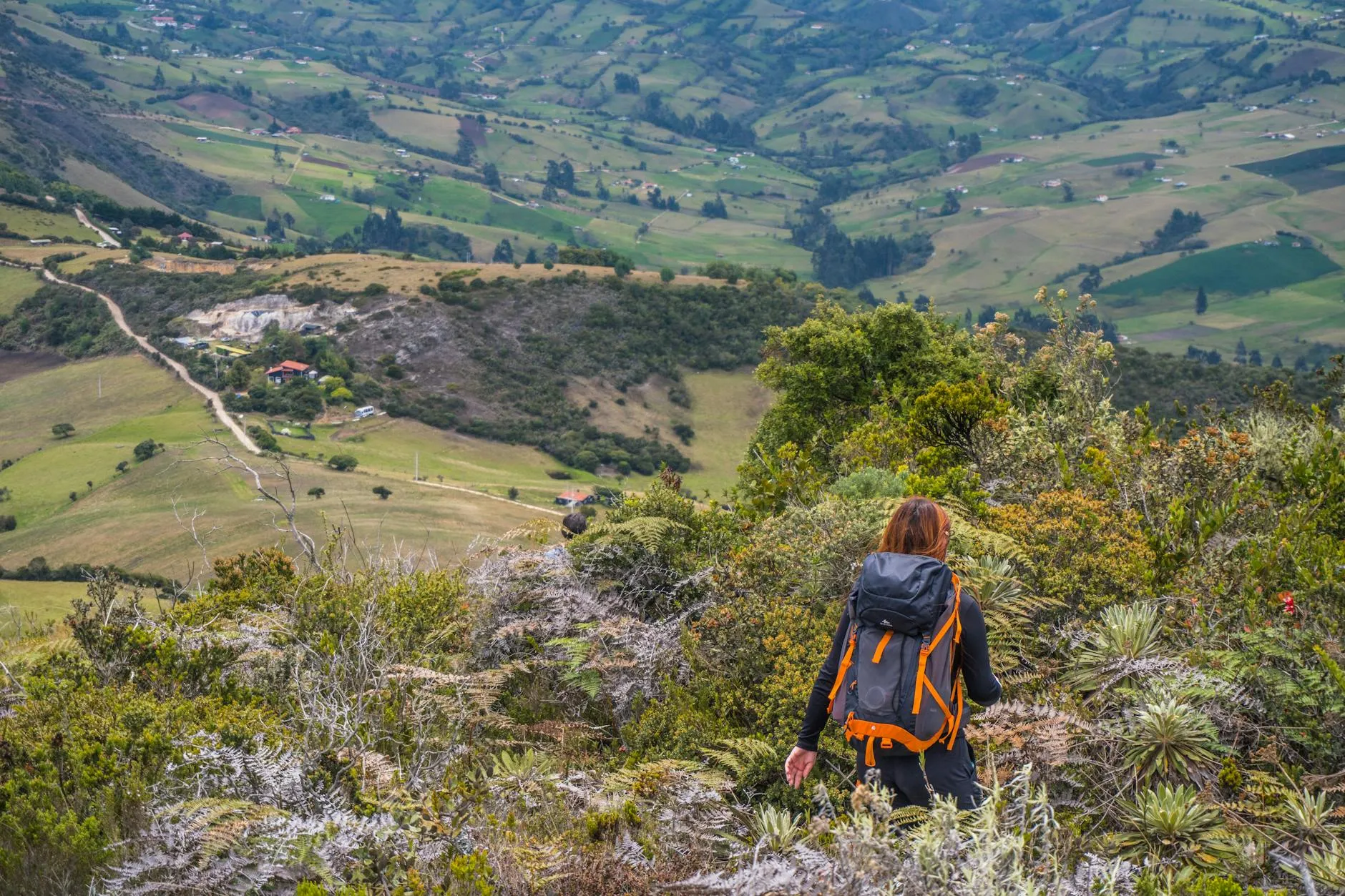
Woman hiking with a backpack in the lush landscapes of Guatavita, Colombia, during summer.

Colombia’s scale and biodiversity mean the famous-name circuit barely scratches the country. The places below sit off the standard Cartagena–Medellín–Bogotá trail. They reward travellers willing to add an extra week or substitute a hidden gem for one of the headliners.

Top Hikes

HikeLocationDifficulty & LengthHighlights
Ciudad PerdidaLost CityModerate – 47 km, 6–8 hrsThe flagship Colombian trek. 47 km round trip through dense Sierra Nevada jungle to a pre-Columbian city older than Machu Picchu. Standardised at ~COP 2,000,000–2,400,000/person across all licensed operators, all-inclusive (guide, meals, camps, transport from Santa Marta). Moderate-hard difficulty. 6–8 hrs hiking/day, steep ascents, multiple river crossings, high humidity. Best Dec–Mar or Aug. Book at least 2 weeks ahead in peak season.
Cocora Valley: 1 daySalentoModerate – 5–6 hrsCircular loop through cloud forest and wax-palm groves from Salento. 5–6 hrs, moderate. Jeep from Salento main square (COP 9,000, 30 min). Free entry. The signature day-hike of the coffee region.
Camino RealBarichara to Guane: half dayEasy – 9 km, 2–3 hrsAncient stone path through dry scrubland between two colonial villages. 9 km, 2–3 hrs one way, easy. Free. Return by colectivo.
Los Nevados National Park: 1–2 daysManizales1–2 daysVolcanic highlands above 4,000 m, accessed from Manizales or Pereira. Day trips to the Nevado del Ruiz viewpoint or multi-day treks deeper in. Permits required. Only for acclimatised hikers.
El Cocuy National Park: 3–6 daysBogotá3–6 daysRemote glaciated peaks in the eastern Andes. Serious trekking with high-altitude camping. Not on the standard circuit. For experienced mountain hikers only. Access from Bogotá via overnight bus to El Cocuy town.
Minca waterfalls: half dayMincaEasyPozo Azul and Cascada Marinka, easy walks from Minca village. Good for a rest day from the Santa Marta heat.

Activities

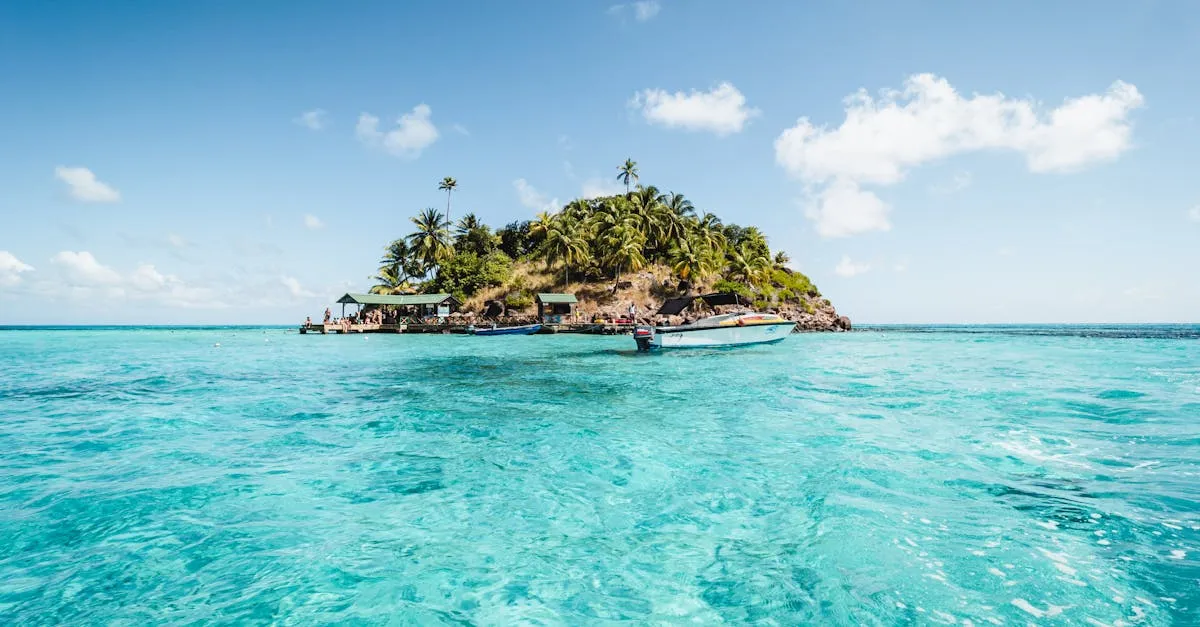
  • Snorkelling & diving, Rosario Islands: Day trips from Cartagena (COP 80,000–160,000). Clear water Dec–Apr. PADI open-water courses also available from Taganga near Santa Marta (COP 900,000–1,200,000).
  • River tubing, Palomino: Float from the Sierra Nevada foothills to the Caribbean coast on an inflated tube (COP 60,000–100,000, 2–3 hrs). Best in dry season.
  • Kitesurfing, Cabo de la Vela: Consistent trade winds Dec–Apr on the La Guajira peninsula. Basic camps, remote location, strong riders only.
  • Whale watching, Pacific coast: Humpback whales calve and breed off Nuquí and Bahía Solano from July to October. Fly from Medellín or Bogotá (~COP 400,000–600,000 return). Remote, off-grid, low-infrastructure. An adventure trip, not a resort experience.
  • Diving, San Andrés & Providencia: The “Sea of Seven Colours”. Crystal-clear Caribbean water over a UNESCO biosphere reef. San Andrés is easy to reach by flight. Providencia (30 min catamaran or 20 min flight) is quieter and the diving is better.
  • Kayaking, Tayrona: Sea kayaking along the park’s coastline with several operators from Taganga.

Off the Beaten Path

Colombia’s scale and biodiversity mean the famous-name circuit barely scratches the country. The places below sit off the standard Cartagena–Medellín–Bogotá trail. They reward travellers willing to add an extra week or substitute a hidden gem for one of the headliners.

Jardín colorful town

Jardín (Antioquia)

A perfectly preserved Paisa village 4 hours south of Medellín. Cable car to a waterfall viewpoint, trout-farm lunches, and some of the best birdwatching in Colombia (Gallito de Roca / Andean cock-of-the-rock). 2 nights.

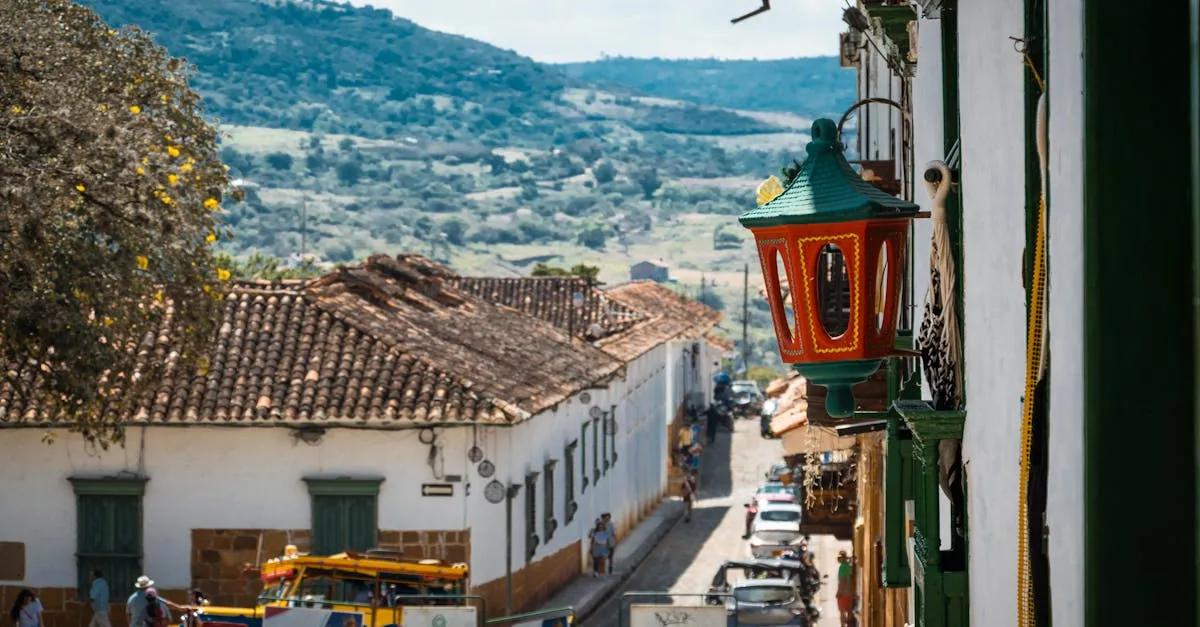
Barichara colonial village

Barichara

Often called Colombia’s prettiest village. Terracotta roofs, stone streets, dry-canyon views. The Camino Real walk to Guane (9 km, 2–3 hrs) is the highlight. 2 nights.

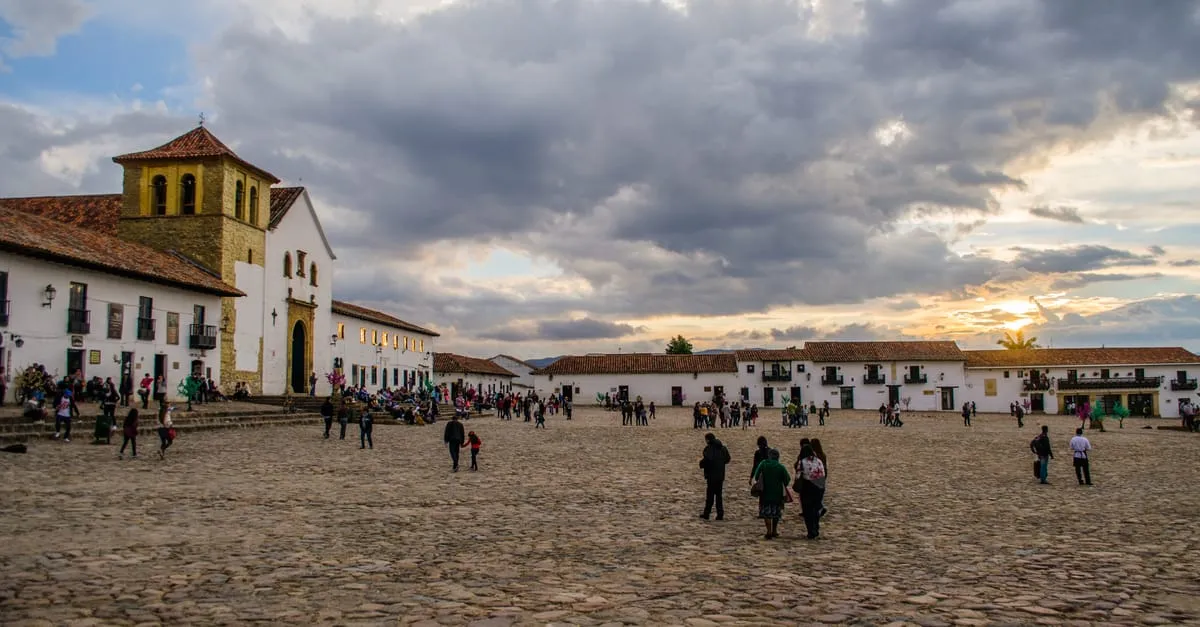
Villa de Leyva colonial plaza

Villa de Leyva

A colonial time capsule with one of the largest plazas in South America, surrounded by desert and fossil sites. 2 nights; easy day trip or overnight from Bogotá (3.5 hrs by bus).

Mompox river town

Mompox

Gabriel García Márquez’s inspiration for his fictional Macondo. A sweltering colonial town on the Magdalena River with almost no tourists and genuine isolation. Reached by bus from Cartagena (5–6 hrs). 2 nights.

Providencia Caribbean island

Providencia

Tiny island 90 km north of San Andrés with Raizal Creole culture, pristine reefs, and almost no development. Reached by catamaran (~3 hrs) or small plane (20 min) from San Andrés. 3–4 nights.

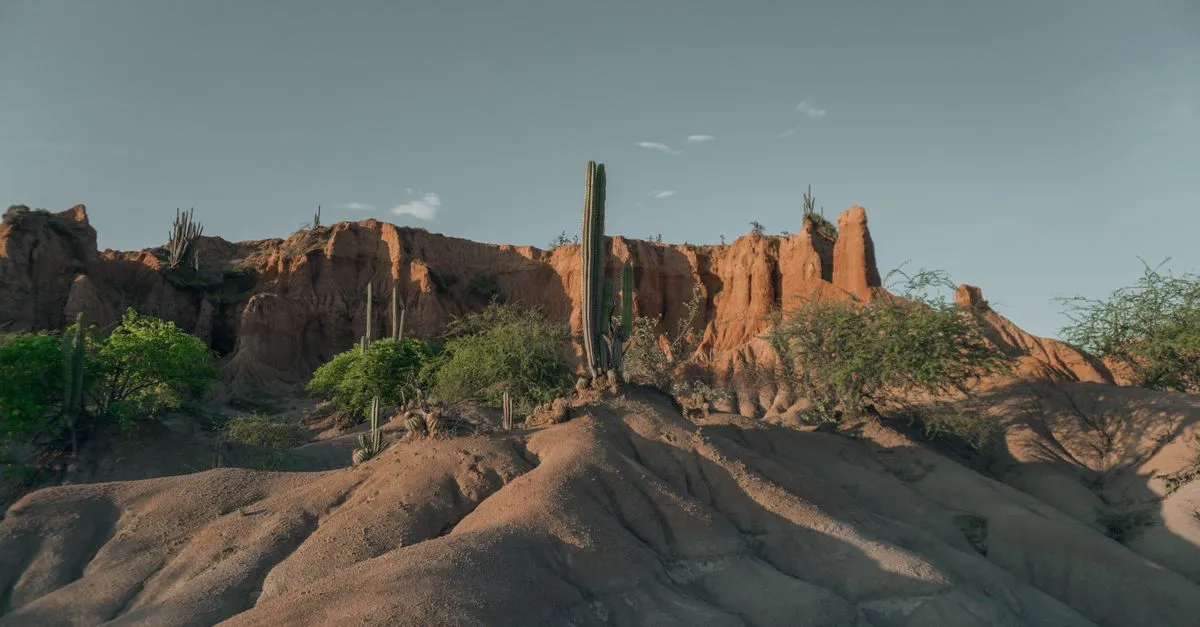
Tatacoa Desert landscape

Tatacoa Desert

Red and grey rock formations near Neiva, best visited at night for stargazing through the local observatory’s telescope. Combine with San Agustín. 2 nights.

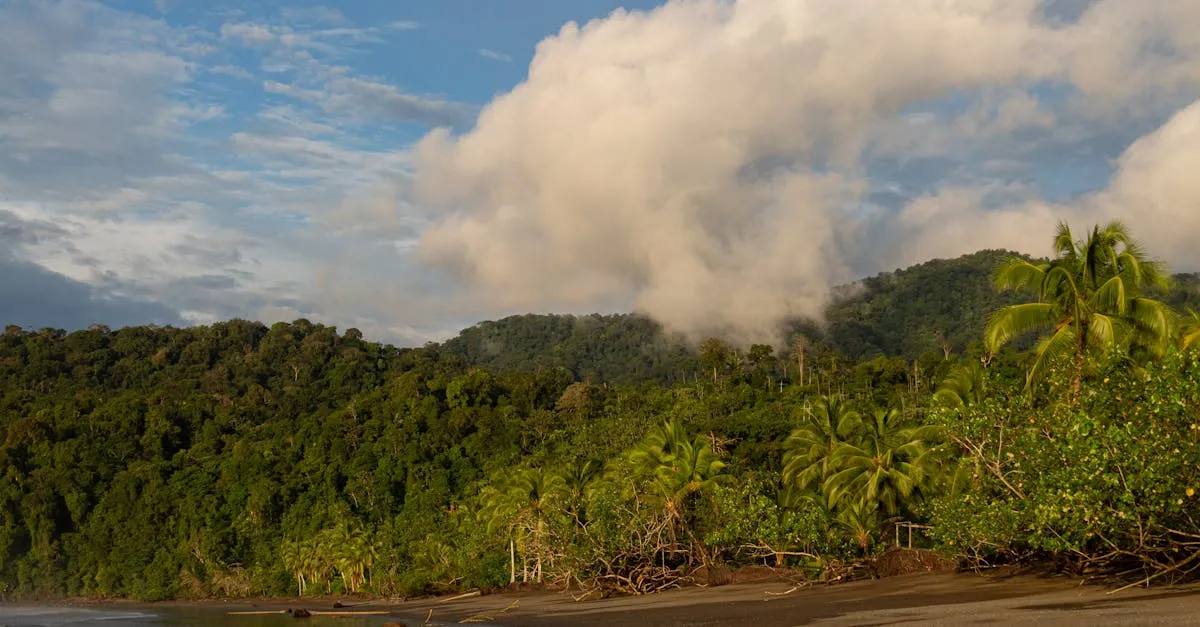
Pacific Coast jungle beach

Pacific Coast (Nuquí, Bahía Solano)

Off-grid Afro-Colombian villages on the world’s wettest coastline. Humpback whale watching Jul–Oct, surfing, genuine isolation. Fly-in only from Medellín or Bogotá. 3–5 nights.

Wildlife & Nature

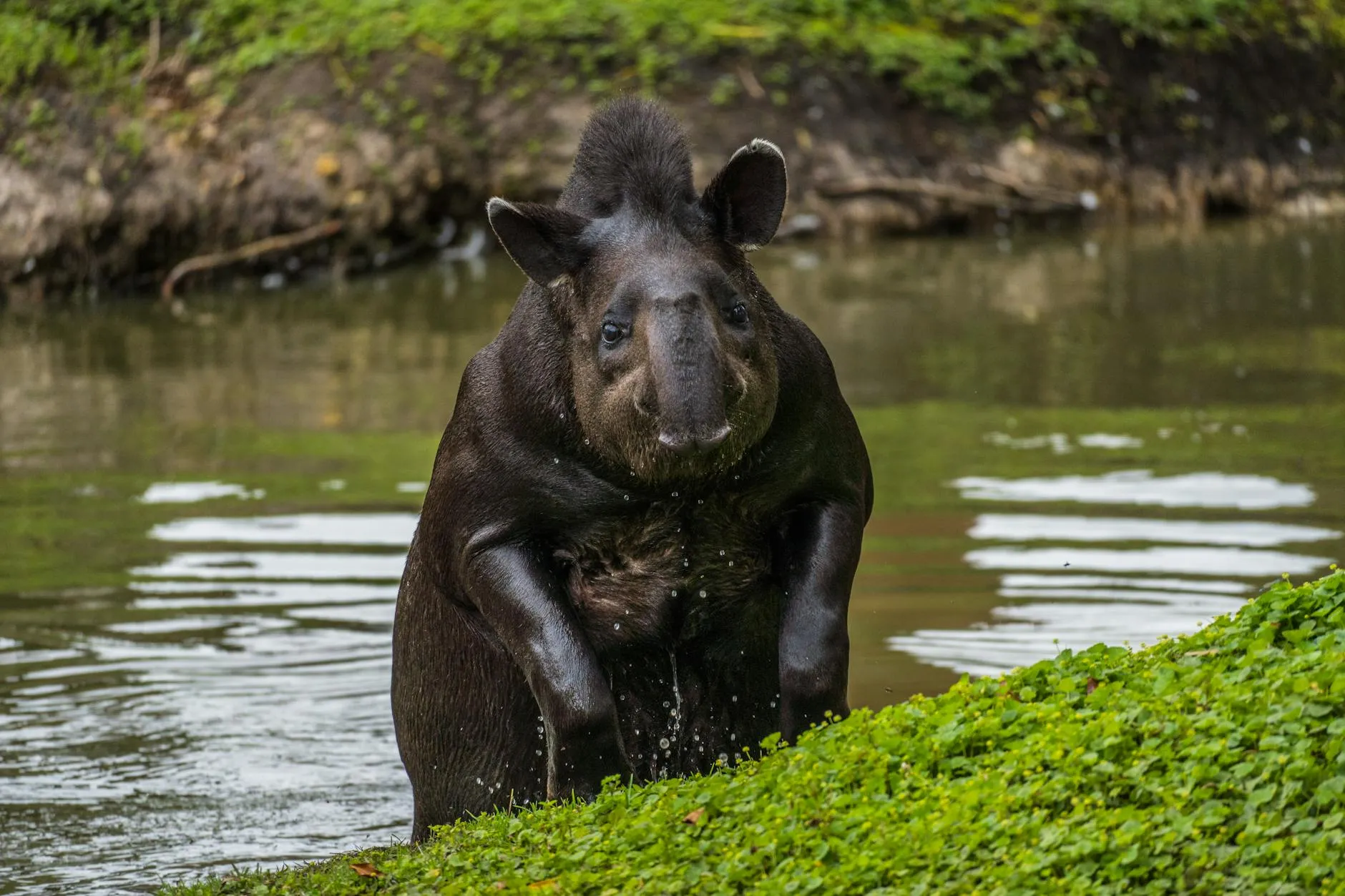
Close-up of a mountain tapir in a river setting, Cundinamarca, Colombia.

Colombia is the most biodiverse country on Earth per square kilometre and holds more bird species (~1,950) than any other nation. Most travellers encounter wildlife incidentally, but dedicated options exist:

  • Birdwatching: The coffee region, Minca, and the cloud forests around Manizales and Jardín are world-class birding spots. Over 900 species are endemic or near-endemic. Guided birding tours from COP 100,000–200,000/day.
  • Humpback whales: Jul–Oct on the Pacific coast (Nuquí, Bahía Solano). Females bring calves to the warm shallow waters to nurse. Boat tours COP 80,000–150,000.
  • Amazon wildlife, Leticia: Fly from Bogotá (~1.5 hrs) to Colombia’s Amazonian city on the triple border with Brazil and Peru. Multi-day lodge stays for pink river dolphins, caimans, monkeys and piranha fishing. 3–4 day packages from COP 800,000–1,500,000/person.
  • Tayrona coastal forest: Howler monkeys, iguanas, toucans and blue morpho butterflies along the park trails. No special tour needed, just keep your eyes up.
  • Caño Cristales algae: The Macarenia clavigera aquatic plant turns the riverbed bright red, yellow and green. Accessible Jun–Nov only from La Macarena.
✅ Ethical wildlife note

Avoid any operator offering direct contact with wild animals, “selfies with sloths” or captive wildlife shows. Legitimate operators maintain a respectful observation distance. Tayrona in particular has a problem with vendors selling photos with wild animals near the park entrance. Do not support them.

Route A: Classic 2-Week (13 nights)

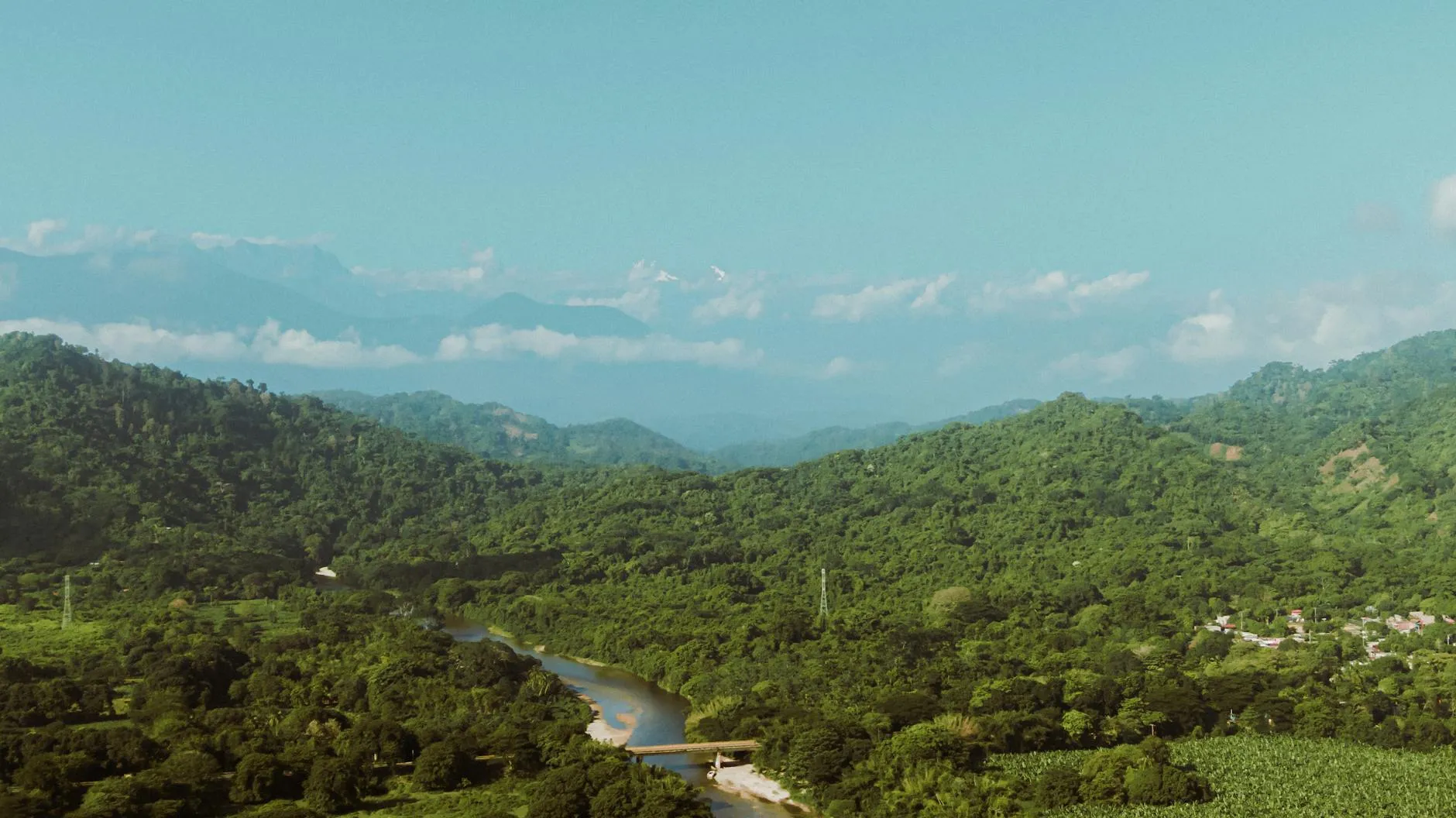
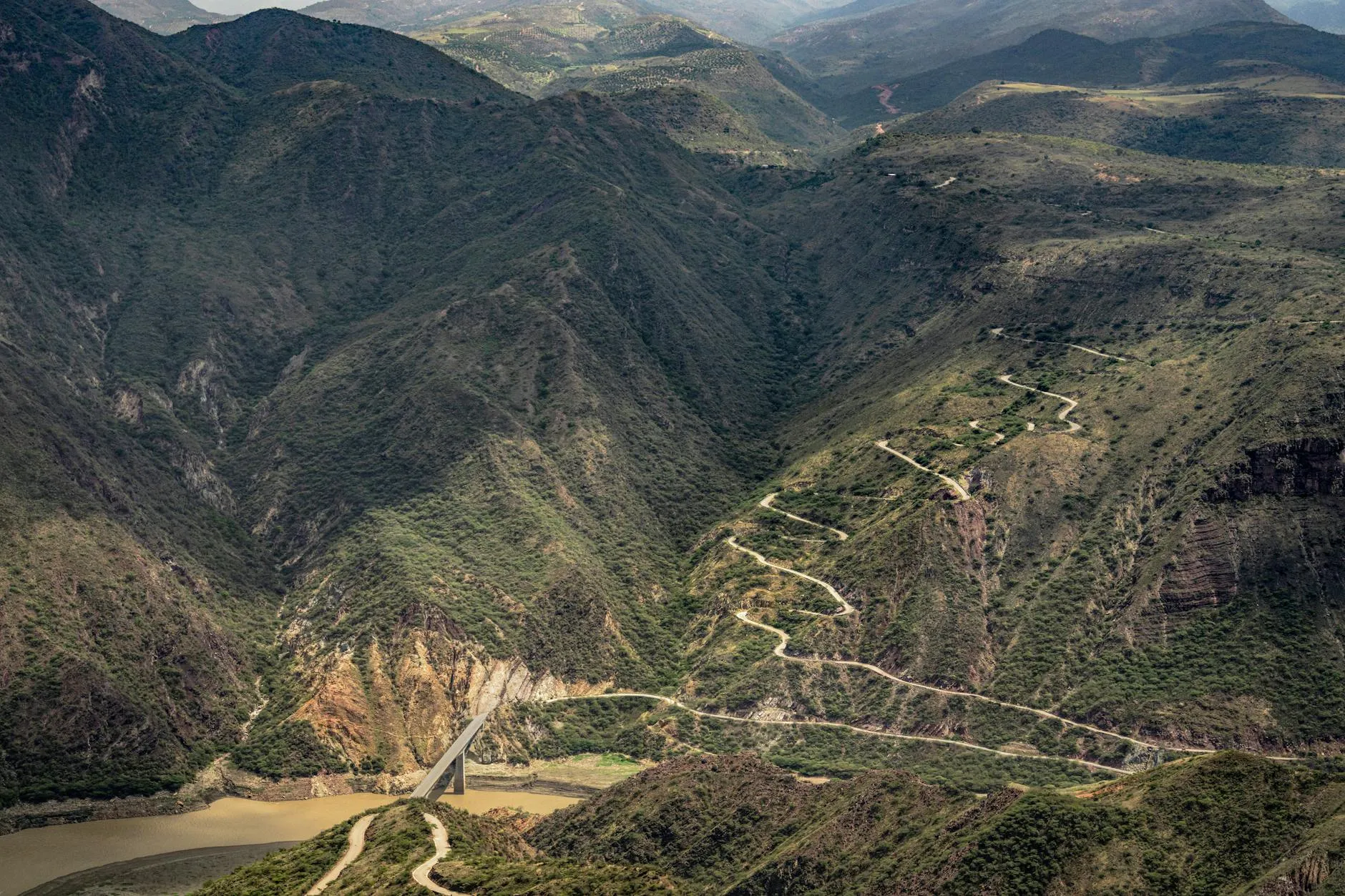
Scenic aerial view of a bridge crossing a river amidst the rugged terrain of the Andes mountains.

The standard first-timer circuit. Andes capital, coffee country, Medellín’s urban energy, and Caribbean colonial coast. 14 days on the ground with 13 nights of sleep. Arrival on day 1, departure on day 14. Four base changes, two domestic flights to compress long bus legs, and a deliberate altitude descent from Bogotá (2,640 m) through the coffee region (1,900 m) to sea level. Average fitness is enough. No multi-day treks required.

Day-by-day itinerary

Day 1: Arrival in Bogotá

Land at El Dorado International, taxi or pre-booked transfer to a hotel in Chapinero or La Candelaria (~45 min depending on traffic). Settle in, walk to find dinner nearby, sleep early. No sightseeing today. Acclimatise to 2,640 m.

Day 2: Bogotá, acclimatisation

Gentle first day at altitude. La Candelaria walking tour (colonial buildings, street art, Plaza Bolívar), Botero Museum (free), and the Gold Museum (~COP 5,000). Lunch at a local restaurant. Try ajiaco. Avoid strenuous climbs today. Save Monserrate for tomorrow.

Day 3: Bogotá

Morning cable car or funicular up Monserrate (3,152 m, ~COP 25,000 return) for panoramic views. Afternoon. Salt Cathedral of Zipaquirá day trip (1 hr north by bus, ~COP 65,000 entry) or Ciclovía if it’s Sunday. Evening in Zona G or Chapinero for dinner.

Day 4: Bogotá → Salento

Fly Bogotá → Pereira (~45 min, COP 150,000–350,000 booked ahead). Shared colectivo or bus Pereira → Salento (~1.5 hrs, COP 10,000). Arrive early afternoon. Explore the colourful main street, coffee at a local café, sunset from the mirador. No major activities today.

Day 5: Cocora Valley

Jeep from Salento main square (COP 9,000, 30 min) to the trailhead. Full-day circular hike through cloud forest and wax-palm groves (5–6 hrs, moderate). Return to Salento for trout dinner and a canelazo (hot cinnamon-sugar aguardiente).

Day 6: Coffee farm & Filandia

Morning coffee farm tour (COP 35,000–65,000). Learn the process from cherry to cup, taste fresh Arabica. Afternoon colectivo to Filandia (30 min, COP 4,000). Quieter, more authentic than Salento, excellent viewpoint from the mirador, craft shops. Return to Salento evening.

Day 7: Salento → Medellín

Travel day. Bus Salento → Medellín (7–8 hrs, COP 55,000–80,000). Arrive evening, check into El Poblado or Laureles. Light dinner, early night. No sightseeing today.

Day 8: Medellín, Comuna 13 & city

Morning guided tour of Comuna 13 (COP 60,000–100,000). Outdoor escalators, street art, local music and the transformation story. Afternoon metro cable car to Parque Arví for hiking or the Botanical Garden (free). Evening in Laureles or El Poblado.

Day 9: Guatapé day trip

Bus to Guatapé (2 hrs, COP 15,000). Climb the 740 steps of La Piedra del Peñol (COP 25,000) for the reservoir panorama. Boat tour of the islands, lunch in the colourful town. Return to Medellín evening.

Day 10: Medellín free day

Pueblito Paisa, Museo de Antioquia (Botero collection), Plaza de las Luces, or a cooking class. Use the metro. It’s clean, safe and the system includes cable cars with valley views. Sunset from a rooftop bar.

Day 11: Medellín → Cartagena

Fly Medellín → Cartagena (~1 hr, COP 130,000–250,000). Arrive late morning. Check into Getsemaní. Afternoon slow walk through the Walled City. Plaza Santo Domingo, San Pedro Claver, the walls at sunset. Evening street food and cocktails.

Day 12: Cartagena

Morning Castillo San Felipe de Barajas (~COP 30,000). Afternoon Getsemaní street-art walk, Mercado Bazar Santa Clara for handicrafts. Evening rooftop dinner in the Walled City or cocktails at Café del Mar on the walls.

Day 13: Rosario Islands day trip

Boat from Muelle de la Bodeguita (~1 hr, COP 80,000–160,000 including lunch and snorkel gear). Full day beach, snorkelling, seafood lunch on the island. Return late afternoon. Final evening walk through the old city.

Day 14: Departure

Transfer to Rafael Núñez International Airport. Direct international flights from Cartagena are available to several US and European hubs. Otherwise connect via Bogotá. No sightseeing today.

The route works equally well in reverse (fly into Cartagena, out of Bogotá), but the direction above gives the body time to adjust to altitude before descending. And it ends on a beach, which is a better final impression than a 2,640 m capital in the rain. Best window December–March or July–August. If budget allows only one flight, take the Bogotá–Pereira leg (the bus alternative is 8–9 hrs through mountains) and do the Medellín–Cartagena overland (14 hrs overnight, saves a hotel night).

Route B: 3-Week Explorer (20 nights)

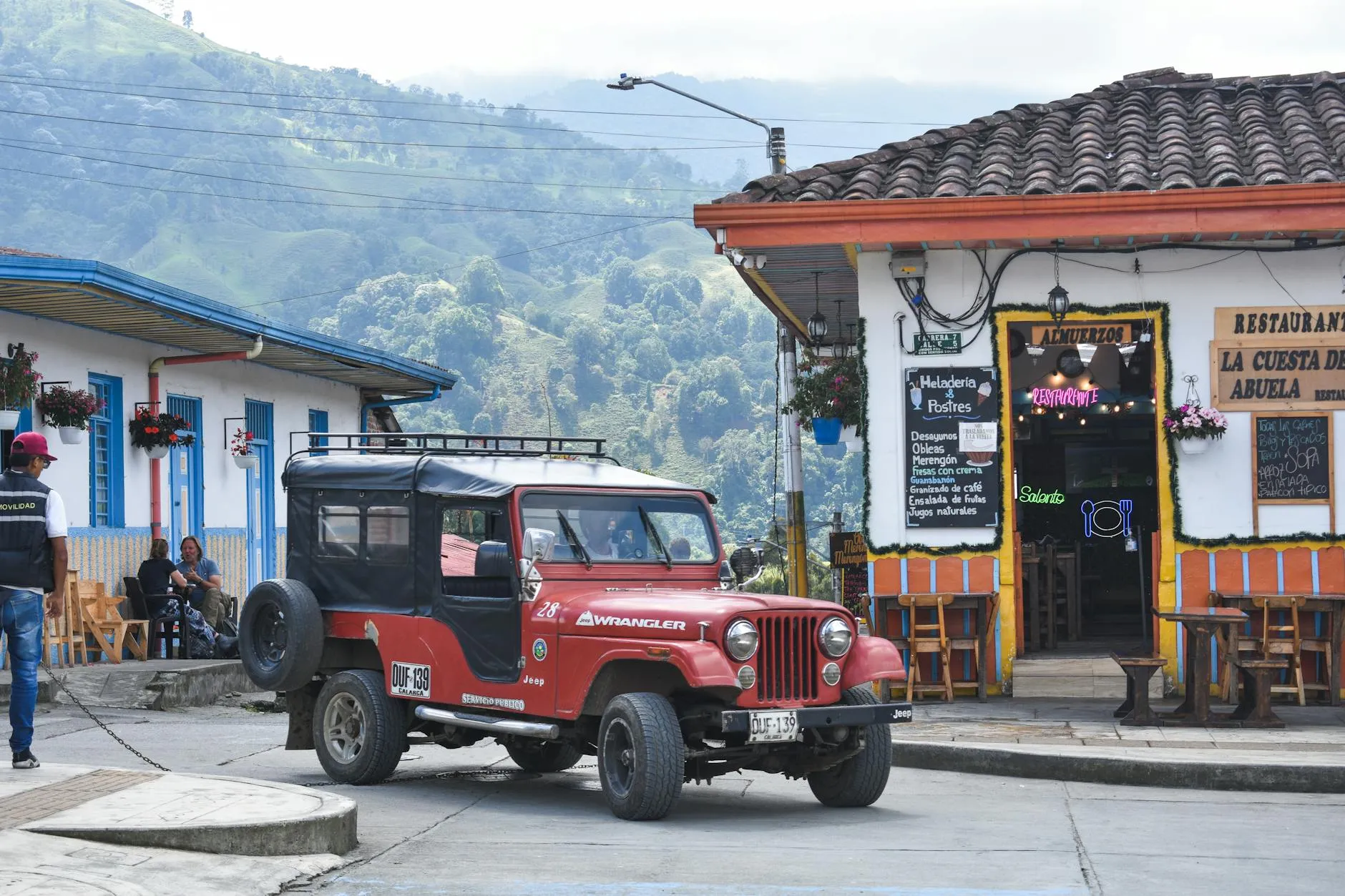
A classic red Jeep Wrangler is parked on a vibrant street in a Colombian town.

21 days on the ground. Arrival on day 1, departure on day 21, with 20 nights of sleep. This route adds the Ciudad Perdida trek and dedicated Caribbean coast time to the Route A core. The shape runs Bogotá → coffee region → Medellín → Sierra Nevada (Lost City) → Cartagena, with 5 base changes and enough rest days to absorb the trek without rushing. Expect moderate fitness requirements for the 4-day jungle trek.

Day-by-day itinerary

Day 1: Arrival in Bogotá

Land at El Dorado. Transfer to hotel. No sightseeing. Acclimatise to 2,640 m, find dinner nearby, sleep early.

Days 2–3: Bogotá

Day 2: La Candelaria walking tour, Gold Museum, Botero Museum. Keep it gentle. First full day at altitude. Day 3: Monserrate cable car, Zipaquirá Salt Cathedral day trip or Ciclovía (Sunday). Zona G dinner.

Day 4: Bogotá → Salento

Fly to Pereira (~45 min), colectivo to Salento (~1.5 hrs). Arrive early afternoon. Settle in, explore town. No major activities.

Days 5–6: Coffee Region

Day 5: Cocora Valley full-day hike (5–6 hrs, wax palms, cloud forest). Day 6: Coffee farm tour morning, Filandia afternoon.

Day 7: Salento → Medellín

Travel day. Bus (7–8 hrs). Arrive evening. No sightseeing.

Days 8–10: Medellín

Day 8: Comuna 13 guided tour, Botanical Garden. Day 9: Guatapé day trip (La Piedra, boat tour, town). Day 10: Free day: Parque Arví, Museo de Antioquia, or cooking class.

Day 11: Medellín → Santa Marta

Fly Medellín → Santa Marta (~1.5 hrs, COP 130,000–300,000). Arrive early afternoon. Transfer to Taganga or Minca. Settle in, light evening. No major activities. Prep for the trek.

Day 12: Minca day trip

Waterfalls (Pozo Azul, Cascada Marinka), coffee farm visit, birdwatching in the Sierra Nevada foothills. Cooler air and green hills. A welcome contrast to the coast heat. Return to base. Final trek briefing and pack check.

Days 13–16: Ciudad Perdida Trek

The 4-day, 3-night trek from El Mamey to the Lost City and back. Day 13: Transport from Santa Marta to El Mamey, hike to Camp 1 (5–6 hrs). Day 14: Camp 1 → Camp 2 (7–8 hrs). Day 15: Camp 2 → Lost City (1,200+ ancient stone steps, guided tour) → Camp 2 (8 hrs total). Day 16: Camp 2 → El Mamey → Santa Marta (7–8 hrs hiking + transport). All meals, guide and camps included in the ~COP 2,200,000 per person package.

Day 17: Recovery day

Mandatory rest after 4 days of jungle trekking. Beach in Taganga, hammock, long lunch, laundry. No travel, no activities. The legs need it.

Day 18: Santa Marta → Cartagena

Bus along the Caribbean coast (4 hrs, COP 20,000–30,000). Arrive early afternoon. Check into Getsemaní. Evening stroll through the Walled City.

Days 19–20: Cartagena

Day 19: Walled City deep dive. Castillo San Felipe, San Pedro Claver, naval museum, sunset on the walls. Day 20: Rosario Islands day trip (boat, snorkelling, beach lunch). Final evening rooftop dinner, Getsemaní nightlife.

Day 21: Departure

Transfer to Cartagena airport. International or connecting flight. No sightseeing today.

If the Ciudad Perdida trek doesn’t appeal, swap days 12–17 for 3 nights in Tayrona (Cabo San Juan hammocks, jungle hiking, beach) plus 2 nights in Palomino (river tubing, surfing). The route then becomes a relaxed beach-and-culture trip rather than an adventure trek. Best window: December–March for dry Caribbean weather and clear trek conditions.

Route C: Off-the-Beaten Interior (20 nights)

Breathtaking landscape of mountain ranges and valley road in Manizales, Colombia under a clear blue sky.

21 days on the ground. Arrival day 1, departure day 21, 20 nights. This route deliberately skips the Caribbean coast in favour of the Andean interior. Colonial hill towns, adventure sports, salsa culture, pre-Columbian archaeology and desert stargazing. Seven base changes, no flights required (though two short flights save a lot of bus time), and a good mix of culture, hiking and city life. Best for travellers who have already done Cartagena and the coast, or who want a deeper, less-touristed Colombia.

Day-by-day itinerary

Day 1: Arrival in Bogotá

Land at El Dorado. Transfer to hotel. No sightseeing. Acclimatise to 2,640 m.

Days 2–3: Bogotá

Day 2: La Candelaria, Gold Museum, Botero Museum. Gentle acclimatisation day. Day 3: Monserrate cable car, Salt Cathedral of Zipaquirá day trip. Zona G dinner.

Day 4: Bogotá → Villa de Leyva

Bus from Terminal del Norte (~4 hrs, COP 30,000–45,000). Arrive early afternoon. Walk one of South America’s largest plazas, explore the cobblestone streets. Sunset drink on the plaza. No heavy sightseeing. Let the town unfold slowly.

Day 5: Villa de Leyva

Morning: El Infiernito astronomical site (pre-Columbian stone columns, ~COP 10,000) and the fossil museum at the Cretaceous site. Afternoon: day trip to Ráquira pottery village (30 min by bus) for handmade ceramics and bright-painted houses. Or hike to El Santuario de Iguaque (4–5 hrs, 3,800 m, for acclimatised hikers only).

Day 6: Villa de Leyva → Barichara

Travel day. Bus via Tunja to San Gil then colectivo to Barichara (~5–6 hrs total, COP 40,000–55,000). Arrive mid-afternoon. Walk the stone streets, watch sunset over the Chicamocha Canyon from the mirador.

Day 7: Barichara & Camino Real

Morning hike the Camino Real to Guane (9 km ancient stone path, 2–3 hrs, easy-moderate). Visit the tiny Guane museum, hormigas culonas (roasted giant ants, a local delicacy) at the village stall. Return by colectivo. Quiet afternoon in Barichara. Artisan workshops, cafés, hammock time.

Day 8: San Gil adventure day

Colectivo to San Gil (45 min). White-water rafting on the Río Fonce or Chicamocha (COP 60,000–90,000, half day) or paragliding over the Chicamocha Canyon (~COP 180,000). Return to Barichara or stay in San Gil. Adrenaline day. Earn the evening beer.

Day 9: Barichara → Medellín

Travel day. Bus to Bucaramanga (~3 hrs), fly to Medellín (~1 hr, COP 130,000–250,000). Or the full overland option via overnight bus (14+ hrs). Arrive, check in, light evening. No activities.

Days 10–11: Medellín

Day 10: Comuna 13 guided tour, metro cable car to Parque Arví. Day 11: Guatapé day trip (La Piedra, boat tour, lunch in the painted town). Free evening.

Day 12: Medellín → Cali

Fly Medellín → Cali (~1 hr, COP 130,000–250,000) or bus (8–9 hrs). Arrive early afternoon. Walk the San Antonio barrio. Terraced houses, local cafés, viewpoint. Evening first salsa bar reconnaissance.

Day 13: Cali

Morning Cristo Rey viewpoint (taxi up, walk down), Zoo of Cali (~COP 20,000) for the collection of Colombian fauna. Afternoon salsa lesson at a local academy (COP 40,000–60,000). Evening Juanchito salsa clubs. The real thing, loud, sweaty, and magnificent.

Day 14: Cali → Popayán

Bus south (~3 hrs, COP 25,000–35,000). Arrive late morning. Walk the White City. Whitewashed colonial buildings, university energy, excellent food culture. Morro de Tulcán viewpoint for city panorama. Popayán’s market cuisine is superb. Try tamales de pipían and empanadas de guaré.

Day 15: Popayán → San Agustín

Travel day. Bus through the mountains (~5 hrs, COP 30,000–45,000, winding road). Arrive mid-afternoon. Settle in, walk the town, early dinner. No archaeology today. Save energy for tomorrow.

Days 16–17: San Agustín

Day 16: Archaeological Park (UNESCO, ~COP 35,000). Mesita A, B, C and D with pre-Columbian stone statues in forest clearings. Allow a full morning. Afternoon Bosque de las Estatuas trail. Day 17: Horseback ride to La Chaquira viewpoint (carved faces on a cliff above the Magdalena gorge) and the Estrecho del Magdalena (the river narrows to just 2 m wide). Half-day ride ~COP 60,000–80,000.

Day 18: San Agustín → Tatacoa Desert

Travel day. Bus to Neiva (~5 hrs, COP 25,000–35,000), then colectivo or taxi to Villavieja at the desert’s edge (~45 min). Check into a desert guesthouse. Evening stargazing at the local observatory. One of the clearest skies in Colombia.

Day 19: Tatacoa Desert

Full day. Hike the red desert (Desierto de la Tatacoa, Cusco zone) and the grey desert (Los Hoyos zone). Eroded sandstone formations, cactus fields, swimming holes between the formations. Best at dawn and late afternoon when the light turns the rocks crimson and gold. Second evening at the observatory if skies are clear.

Day 20: Tatacoa → Bogotá

Colectivo to Neiva, fly to Bogotá (~45 min, COP 150,000–300,000) or bus (5–6 hrs). Last night in Bogotá. Farewell dinner in Chapinero or La Candelaria.

Day 21: Departure

Transfer to El Dorado. International flight home. No sightseeing today.

This route is the antidote to the standard tourist trail. It trades Cartagena’s Instagram backdrop for Barichara’s ancient stone paths, Tayrona’s crowds for San Agustín’s quiet mystery, and beach time for salsa clubs and desert stargazing. The logistically hardest section is San Agustín to Tatacoa. Long winding buses, limited flights. But the reward is near-zero tourist traffic and a Colombia most visitors never see. If you want to shorten to 17–18 days, drop Popayán and go Cali → San Agustín direct.

Getting Around

Local transportation and getting around

Domestic flights are the practical backbone of Colombia travel because distances between regions are long and mountain roads slow buses down. Low-cost carriers connect Bogotá, Medellín, Cartagena, Cali and other hubs cheaply when booked ahead. Long-distance buses are comfortable but slow; intercity collectivos and shared taxis cover shorter hops. Ride-hailing apps work in major cities; agreed-price taxis elsewhere.

✈️ Domestic Flights

Avianca, LATAM, Wingo, JetSMART. Bogotá–Cartagena 1.5h vs 20h by bus. Flights often under €40 one-way if booked early.

🚌 Long-Distance Buses

Expreso Brasilia, Berlinas del Fonce, Copetran. Book via redbus.co or pinbus.com. Night buses save hotel costs on major routes.

🚗 Within Cities

Bogotá: TransMilenio BRT. Medellín: metro + cable cars (MetroCable). Uber works everywhere. Taxis use meters in Bogotá.

🚆 Metro & Cable Cars

Medellín’s metro is Latin America’s cleanest. MetroCable gondolas reach hillside barrios. Integrated card for metro/cable/tram.

Domestic flights

Booking 2–4 weeks ahead, typical fares COP 130,000–350,000 (≈ €30–80). Carriers Avianca (most routes, most reliable), LATAM (major routes), Wingo (budget, Avianca subsidiary), JetSMART (budget, expanding). Viva Air ceased operations in 2023. Do not book through third parties claiming to sell Viva tickets.

  • Bogotá ↔ Medellín: ~1 hr
  • Bogotá ↔ Cartagena: ~1.5 hrs
  • Medellín ↔ Cartagena: ~1 hr
  • Medellín ↔ Santa Marta: ~1.5 hrs
  • Bogotá ↔ Pereira (coffee region): ~45 min
  • Bogotá ↔ Cali: ~1 hr

Long-distance buses

Reliable operators: Expreso Brasilia, Berlinas del Fonce, Flota Magdalena, Copetran. Book at terminals or via redbus.co and pinbus.com. Key routes and approximate journey times:

  • Bogotá → Medellín: 9 hrs, COP 65,000–100,000
  • Medellín → Cartagena: 12–14 hrs, COP 80,000–130,000
  • Cartagena → Santa Marta: 4 hrs, COP 20,000–30,000
  • Medellín → Salento: 7–8 hrs, COP 55,000–80,000
  • Bogotá → Villa de Leyva: 4 hrs, COP 30,000–45,000
  • Cali → Popayán: 3 hrs, COP 25,000–35,000

Overnight buses save accommodation cost but lose a day of recovery. Rule of thumb any leg over 10 hours is worth checking flight prices. They’re often comparable.

Within cities

  • Bogotá: TransMilenio bus rapid transit (COP 2,800). Uber, DiDi and InDrive all work well. Avoid hailing yellow taxis at night.
  • Medellín: Metro + cable cars (COP 3,000 integrated fare). The cleanest and safest public transit in Colombia.
  • Cartagena: Walking in the Walled City; taxis elsewhere. Agree on price before getting in.
  • Smaller towns: Colectivos (shared minivans) run between nearby towns. Cheap, frequent, no booking needed.

Budget Breakdown

Budget breakdown and travel costs

Indicative daily costs for two people sharing a private double room. Excludes international flights and one-off trek costs.

ItemBackpacker (couple/day)Mid-range (couple/day)Comfort (couple/day)
AccommodationCOP 80,000–140,000 (≈ €18–32)COP 150,000–280,000 (≈ €34–64)COP 350,000–600,000+ (≈ €80–136+)
Food & drinkCOP 50,000–80,000 (≈ €11–18)COP 80,000–160,000 (≈ €18–36)COP 180,000–350,000 (≈ €41–80)
Local transportCOP 15,000–30,000 (≈ €3–7)COP 30,000–60,000 (≈ €7–14)COP 60,000–120,000 (≈ €14–27)
Activities/toursCOP 20,000–50,000 (≈ €5–11)COP 50,000–120,000 (≈ €11–27)COP 150,000–300,000 (≈ €34–68)
Daily total€37–68€70–141€169–311+

One-off “anchor” costs to plan for

  • Ciudad Perdida trek (4 days) COP 2,000,000–2,400,000 (≈ €455–545) per person, all-inclusive.
  • Rosario Islands day trip COP 80,000–160,000 (≈ €18–36) per person including lunch.
  • Tayrona National Park entry ~COP 65,000 (≈ €15) non-resident. Accommodation inside the park extra.
  • Salt Cathedral of Zipaquirá ~COP 65,000 (≈ €15) per person.
  • Domestic flights COP 130,000–350,000 (≈ €30–80) per leg, booked 2–4 weeks ahead.
  • San Andrés tourist tax card COP 120,000–180,000 (≈ €27–41) per person, required on arrival.

A comfortable mid-range 14-day Colombia trip for a couple, including 2 domestic flights and the anchor costs above but excluding international flights, typically lands around €1,400–2,200. The 3-week trek route adds the Ciudad Perdida cost plus more hotel nights, pushing the total to roughly €2,200–3,400.

Money-Saving Tips

🍴 Menú del Día

Set lunch menus at local restaurants: soup, main course, drink, and dessert for COP 12,000–18,000 (≈ €2.80–4.20). Served noon to 3pm at corrientazos everywhere. The best-value meal in South America

🚌 TransMilenio & SITP

Bogotá’s bus system costs COP 2,950 (≈ €0.69) per ride with free transfers. Buy a TuLlave card at any station. Medellin’s Metro + cable cars: COP 2,800 per ride

🏛 Free Museums

Botero Museum in Bogotá is free. Museo de Oro (Gold Museum) is free on Sundays. Most churches and plazas cost nothing. Graffiti tours in Bogotá’s La Candelaria are tip-based

🍈 Street Fruit

Fresh-cut mango, lulo, maracuyá, and guanabana from street vendors: COP 2,000–5,000 (≈ €0.47–1.16). Fresh juice at a jugueria: COP 3,000–5,000. Try lulo juice—you can’t get it outside Colombia

🍳 Hostel Kitchens

Most hostels have free kitchens. Stock up at Éxito, Jumbo, or local markets. A week of self-catering for two: COP 120,000–180,000 (≈ €28–42). Eating out costs 3–4x more

🚌 Colectivos

Shared vans (colectivos) run between smaller cities and towns for 30–50% less than private buses. Bogotá to Villa de Leyva, Salento to Pereira, and many rural routes

Practical Information

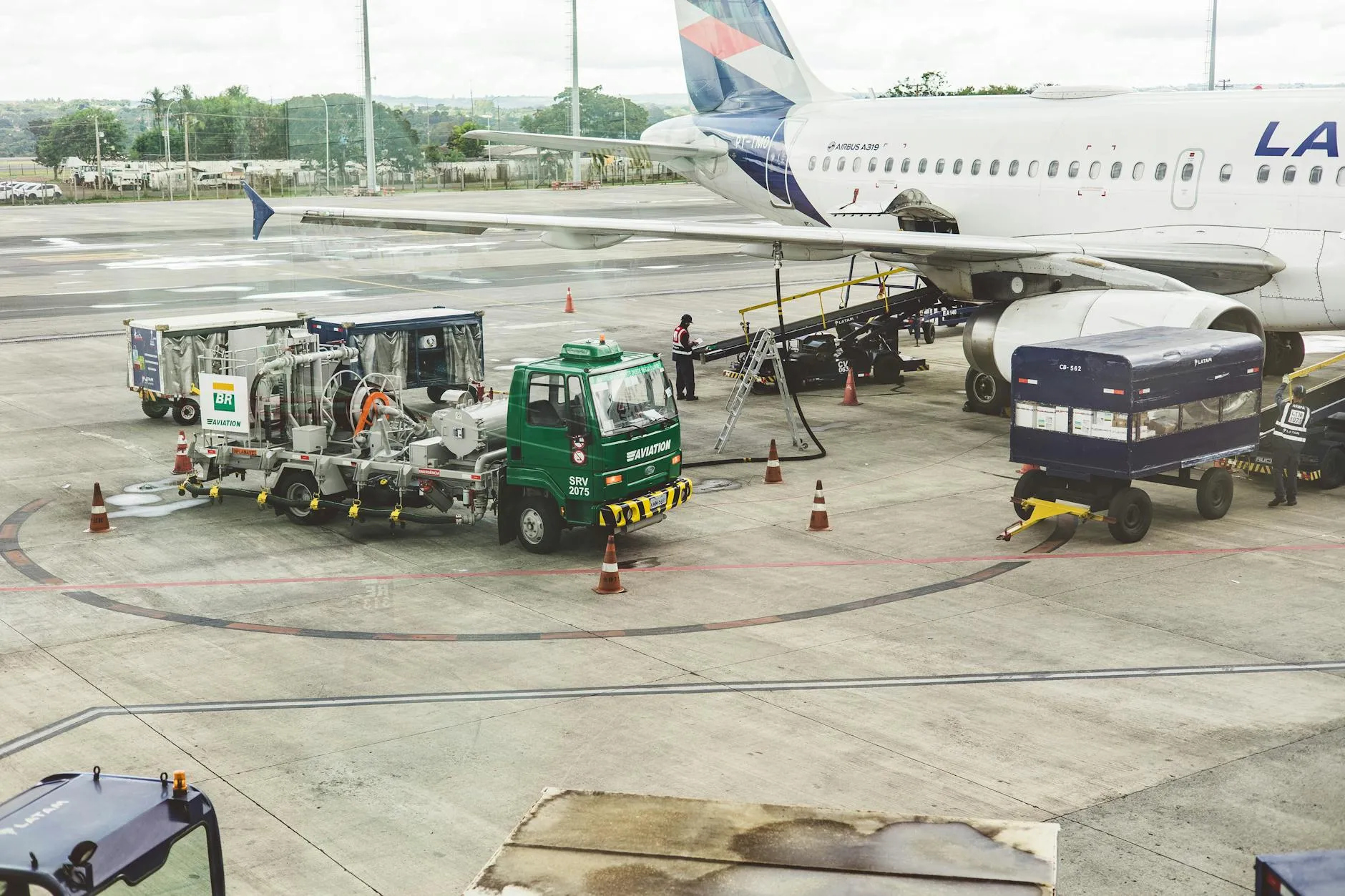
Ground support services in action at an airport terminal with visible aircraft and service vehicles.

💳 Visas

EU/EEA, UK, US, Canadian, Australian and most Latin American passport holders enter visa-free for up to 90 days.

🏥 Health

No vaccinations are legally required for entry from most Western countries.

💶 Money

The Colombian peso (COP, symbol $) is the local currency, currently around 1 EUR ≈ 4,400 COP.

📶 SIM & WiFi

Local SIMs from Claro, Movistar or Tigo are easy to buy at airports and carrier shops with a passport.

🔌 Electricity

Type A/B plugs (US-style flat prongs), 110V/60Hz. European visitors need adapters and voltage converters

🛒 Safety

Tap water is generally safe to drink in Bogotá and Medellín. Elsewhere, use bottled or filtered water.

Visa

EU/EEA, UK, US, Canadian, Australian and most Latin American passport holders enter visa-free for up to 90 days. A Check-Mig pre-registration form (free, online) must be completed 72 hours to 1 hour before arrival. You’ll receive a confirmation email to show at immigration. Maximum stay 180 days per calendar year. Extensions possible at Migración Colombia offices. Passport must be valid for at least 6 months from the date of entry. You may be asked to show proof of an onward or return ticket.

Money

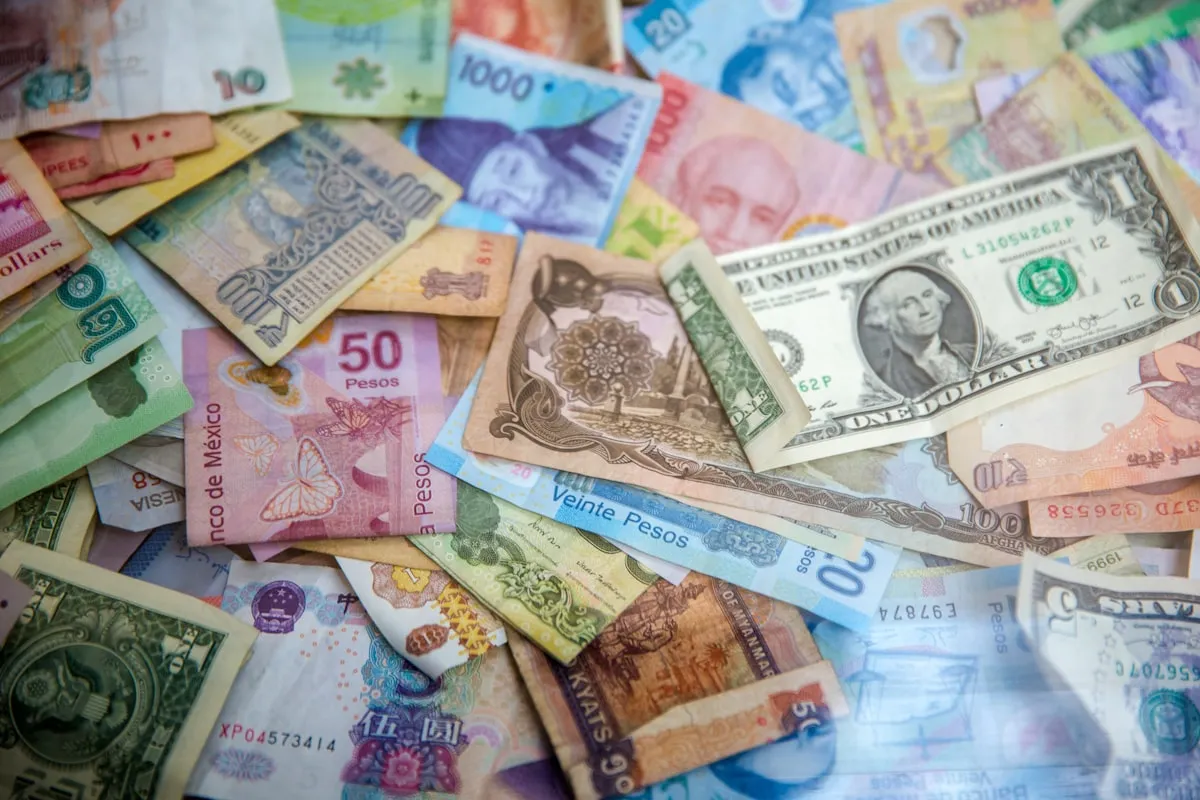
The Colombian peso (COP, symbol $) is the local currency, currently around 1 EUR ≈ 4,400 COP. ATMs are widespread in cities (Bancolombia, Davivienda, BBVA). Rarer in small towns. Withdraw from bank-affiliated machines inside lobbies or malls. Visa and Mastercard are widely accepted in cities. Carry small notes for rural areas, markets and tips. A 3% card surcharge is common at restaurants. Tipping 10% propina is voluntary (the waiter will ask).

Altitude sickness

Bogotá sits at 2,640 m (8,660 ft). Some travellers experience headache, nausea or breathlessness on arrival. Tactics:

  • Keep the first day gentle. Walk slowly, avoid strenuous activity.
  • Drink plenty of water; avoid alcohol for the first 24–48 hours.
  • Eat light meals. Colombian hot chocolate with cheese is a Bogotá breakfast tradition that sits well at altitude.
  • Most symptoms resolve within 24–48 hours. If they worsen, descend to a lower city (Medellín at 1,495 m is a natural next stop).

Health and vaccinations

No vaccinations are legally required for entry from most Western countries. Yellow fever vaccination is strongly recommended for travel to areas below 2,300 m (which includes the Caribbean coast, the Amazon and the Pacific coast), and Colombia has seen increased cases recently. Free yellow-fever vaccines are available at some airports and bus terminals. Hepatitis A, typhoid and routine vaccinations are standard travel recommendations. Malaria prophylaxis is recommended for the Amazon (Leticia) and parts of the Pacific coast. Speak to a travel-medicine clinic. Dengue is present in lower-altitude areas. Use insect repellent.

Water and food safety

Tap water is generally safe to drink in Bogotá and Medellín. Elsewhere, use bottled or filtered water. Be cautious with ice in smaller establishments. The menú del día at busy local restaurants is generally safe and excellent value. High turnover means fresh food.

Connectivity

Local SIMs from Claro, Movistar or Tigo are easy to buy at airports and carrier shops with a passport. COP 20,000–50,000 for a starter package with data. eSIMs from international providers also work. WiFi is widely available in hostels and cafés. Coverage is excellent in cities, patchy in rural mountains and absent in the deep Pacific coast and Amazon.

Safety

Colombia’s safety has improved dramatically over the past two decades. Most tourist areas are safe with standard precautions. The biggest risks are opportunistic theft (phone snatching, pickpocketing) and unlicensed taxis. Practical rules:

  • Use Uber, DiDi or InDrive in cities at night. Never hail a taxi off the street after dark.
  • “No dar papaya”. Don’t flash phones, cameras or jewellery in busy areas.
  • Avoid accepting drinks from strangers. Drink spiking (escopolamina/burundanga) is a real if uncommon risk.
  • Stick to established tourist neighbourhoods at night. El Poblado/Laureles (Medellín), Chapinero/Zona G (Bogotá), Walled City/Getsemaní (Cartagena).
  • Avoid south Bogotá after dark, rural areas without a guide, La Guajira without an organised tour.

Language

Spanish is essential outside tourist hubs. English is spoken in hostels, tour agencies and upmarket restaurants in Bogotá, Medellín and Cartagena, but very little elsewhere. Learning basic Spanish makes a significant difference to the quality of the trip. Colombians are generous with patient speakers.

Tips & Common Mistakes

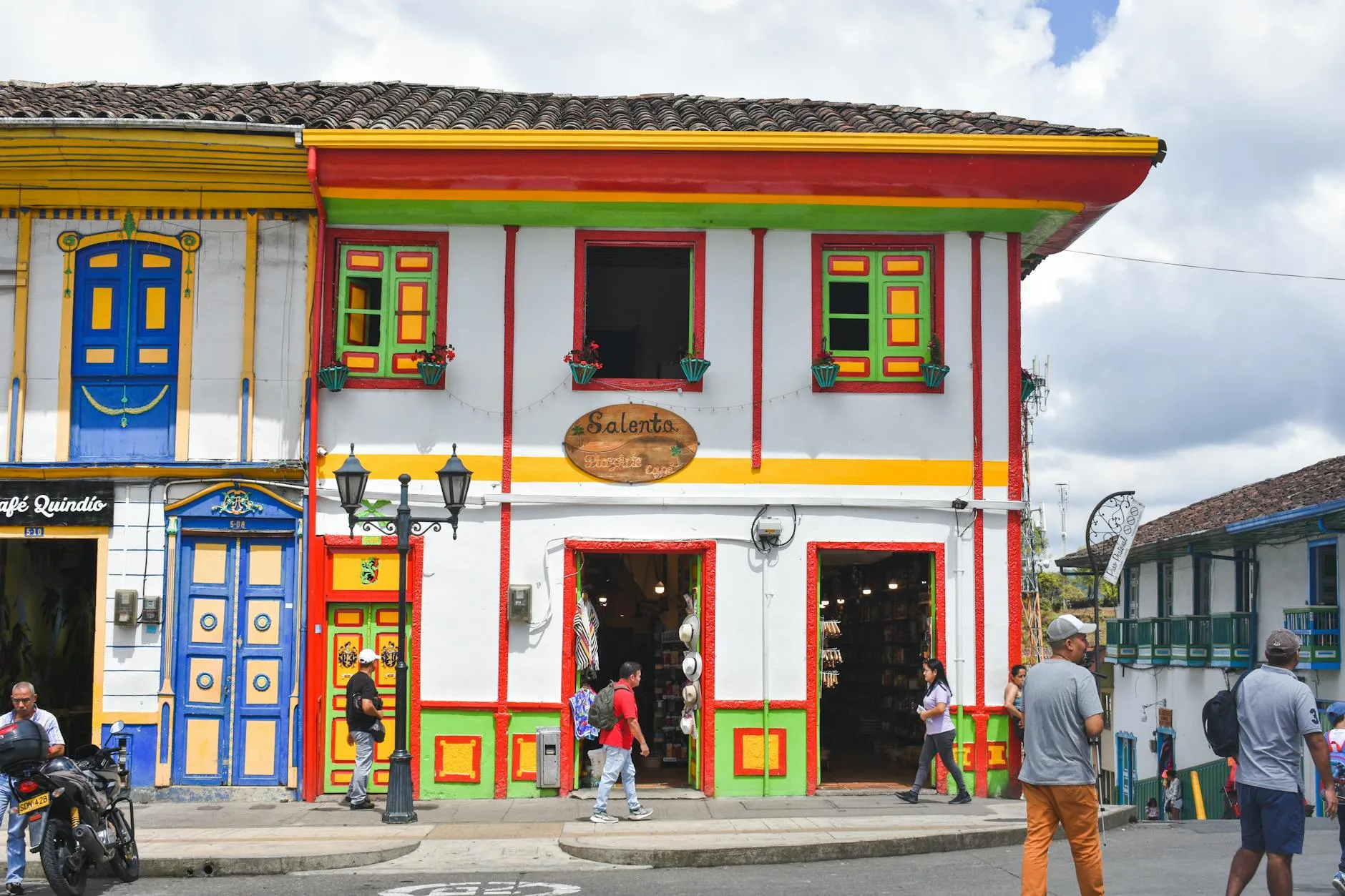
Vibrant colonial architecture on a bustling street in Salento, Colombia.
  • Over-relying on buses: Distances are longer than they look on a map. Bogotá–Cartagena by bus is 18–20 hours. By air, 1.5 hours for often comparable cost. Check flights first for any leg over 8 hours.
  • Underestimating Bogotá’s altitude: 2,640 m is high enough to cause headache, nausea or breathlessness on arrival. Keep day 1 gentle, hydrate, skip alcohol for 24–48 hours.
  • Skipping the coffee region: Salento and the Cocora Valley deliver some of the best landscape-to-effort ratios in the country. Two nights minimum. Three is better.
  • Visible valuables in big cities: “No dar papaya”. Don’t flash phones, cameras or jewellery in busy urban areas. Use a cross-body bag. Keep your phone in your pocket on the street.
  • Taking unmarked taxis at night: Use Uber, DiDi or InDrive in Bogotá, Medellín and Cali after dark. In Cartagena, agree on the price before getting in. Never accept a taxi that “happens to pull up” outside a nightclub.
  • Booking Viva Air: Viva Air ceased operations in 2023. If third-party booking sites still list Viva flights, do not book them. Use Avianca, LATAM, Wingo or JetSMART.
  • Forgetting Check-Mig: Complete the free online form 72 hours to 1 hour before arrival. Without the confirmation email, immigration queues get painful.
  • Ignoring yellow fever vaccination: Not legally required from most Western countries, but strongly recommended for anywhere below 2,300 m (Caribbean coast, coffee region, Amazon). Some travellers have been asked for proof at domestic airports serving jungle regions. Get it at least 10 days before travel.
  • Trying to do Tayrona during closure: The park closes annually for 2–4 weeks (usually February and sometimes mid-year) for ecological recovery. Check dates before building your itinerary around it.
  • Overplanning Cartagena: The Walled City is walkable in a day. Two nights is enough for most travellers. Three nights only if you want a Rosario Islands day trip and a slow pace.
  • Not carrying small bills: Many colectivos, market vendors and rural guesthouses cannot break COP 50,000 or 100,000 notes. Withdraw smaller amounts or break big notes at supermarkets and chain restaurants first.
  • Accepting drinks from strangers: Drink spiking with scopolamine (burundanga) is a real if uncommon risk, especially in nightlife areas. Buy your own drinks, watch them being poured, and don’t leave them unattended.
  • Rushing Ciudad Perdida: The trek is a fixed 4-day, 3-night package through licensed operators. There is no shortcut, no helicopter option, and no way to do it in 2 days. Book through an established agency in Santa Marta (Expotur, Wiwa Tour, Magic Tour) and allow a recovery day after.
  • Assuming all of Colombia is hot: Bogotá averages 14°C. Salento can drop to 10°C at night. The Andes interior needs layers and a light jacket. Pack for three climates. Cool highlands, warm coffee zone, and hot Caribbean coast.

Final Recommendation

Final recommendation and travel tips

Colombia is one of the easier South American countries to fall in love with on a first trip. The landscape shifts from 2,600 m Andean plateaus to sea-level Caribbean beaches in a 1.5-hour flight. The cultural range is broader than most travellers expect. Salsa in Cali, colonial grandeur in Cartagena, street art in Medellín, pre-Columbian mystery in San Agustín.

Which route?

  • Route A (14 days): The classic first-timer loop. Bogotá → Salento → Medellín → Cartagena. Four base changes, two domestic flights, and a manageable pace. Covers the essentials without exhaustion.
  • Route B (21 days): Route A plus the Ciudad Perdida trek and dedicated Caribbean coast time. Best for couples who want both culture and adventure. Requires moderate fitness for the 4-day jungle trek.
  • Route C (21 days): The interior alternative. Colonial hill towns, Cali’s salsa scene, San Agustín archaeology and Tatacoa Desert stargazing. Best for return visitors or those who actively want to skip the Caribbean coast. Logistically harder but rewards with near-zero tourist traffic.

Planning sequence

Start with domestic flight bookings between the four main hubs (Bogotá, Medellín, Cartagena, Pereira/Cali). These are the cheapest 2–4 weeks out. Build the slower overland sections (coffee region, Caribbean coast, Santander towns) around them. Book the Ciudad Perdida trek at least 2 weeks ahead in high season. Everything else can be arranged on the ground.

December–March is the driest and busiest window for the Caribbean coast and Andes. June–September offers a second dry spell in parts of the interior. Shoulder months (April, November) give lower prices with manageable rain. Avoid the Caribbean coast in October if you dislike heavy downpours.

Colombia rewards flexibility, an open schedule, and a willingness to let the next conversation at a coffee farm or plaza stall redirect the afternoon. Plan the skeleton, leave room for the unplanned, and don’t over-optimise. The country is better experienced than itinerarised.