Brazil Travel Guide

A continent disguised as a country. Atlantic beaches, Amazon jungle, Carnival rhythm and a food culture that could keep you eating for years.

🇧🇷 Brazil Two Person Budget Low-Medium Budget

Overview & Why Visit Brazil

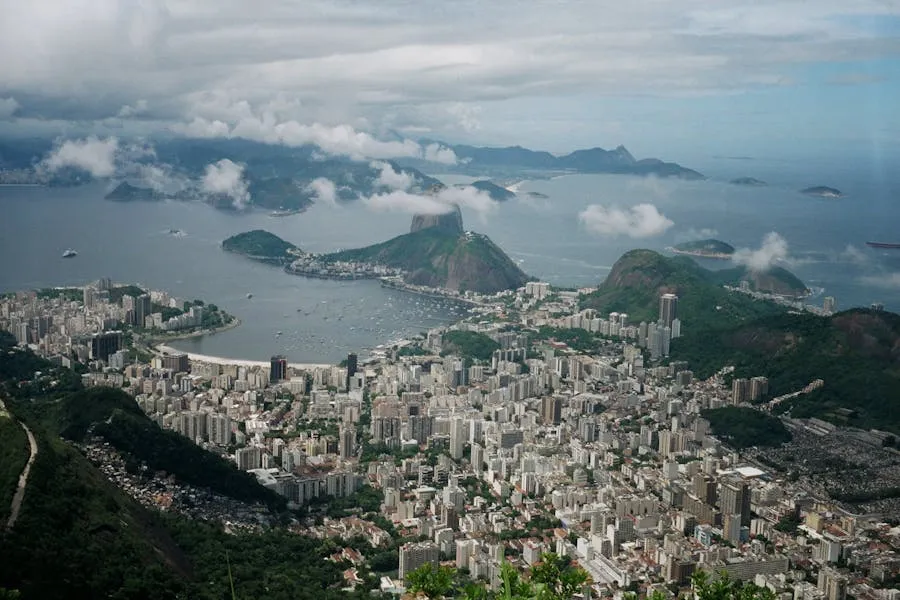
Aerial view of Rio de Janeiro skyline with Sugarloaf Mountain and Guanabara Bay

Brazil is the fifth-largest country on Earth and the largest in South America. It borders every South American nation except Chile and Ecuador. Within its 8.5 million km² lie the Amazon rainforest (60% of which is Brazilian), the Pantanal wetlands (the world’s largest tropical wetland), 7,500 km of Atlantic coastline, Afro-Brazilian culture in Salvador and Bahia, the modernist capital Brasília, and two of the most energetic cities in the Western Hemisphere. Rio de Janeiro and São Paulo.

For couples, Brazil offers an unusual breadth of trip shapes. You can build a 2-week beach-and-city loop through the southeast, a 3-week adventure combining jungle, waterfalls and colonial towns, or a deep wildlife immersion in the Pantanal and Amazon that rivals East Africa for daily sighting density. The food alone justifies the flight. From Bahian moqueca to São Paulo’s immigrant-driven restaurant scene to the all-you-can-eat churrascaria.

Population &Capital
~215 million
fifth-largest in the world
Brasília
modernist purpose-built capital
Language
Portuguese
the only Lusophone country in the Americas; English limited outside tourist hubs
Currency
Brazilian Real (BRL / R$)
1 EUR ≈ 5.5 BRL
Size
8.5 million km²
borders every South American country except Chile and Ecuador

Map of Brazil

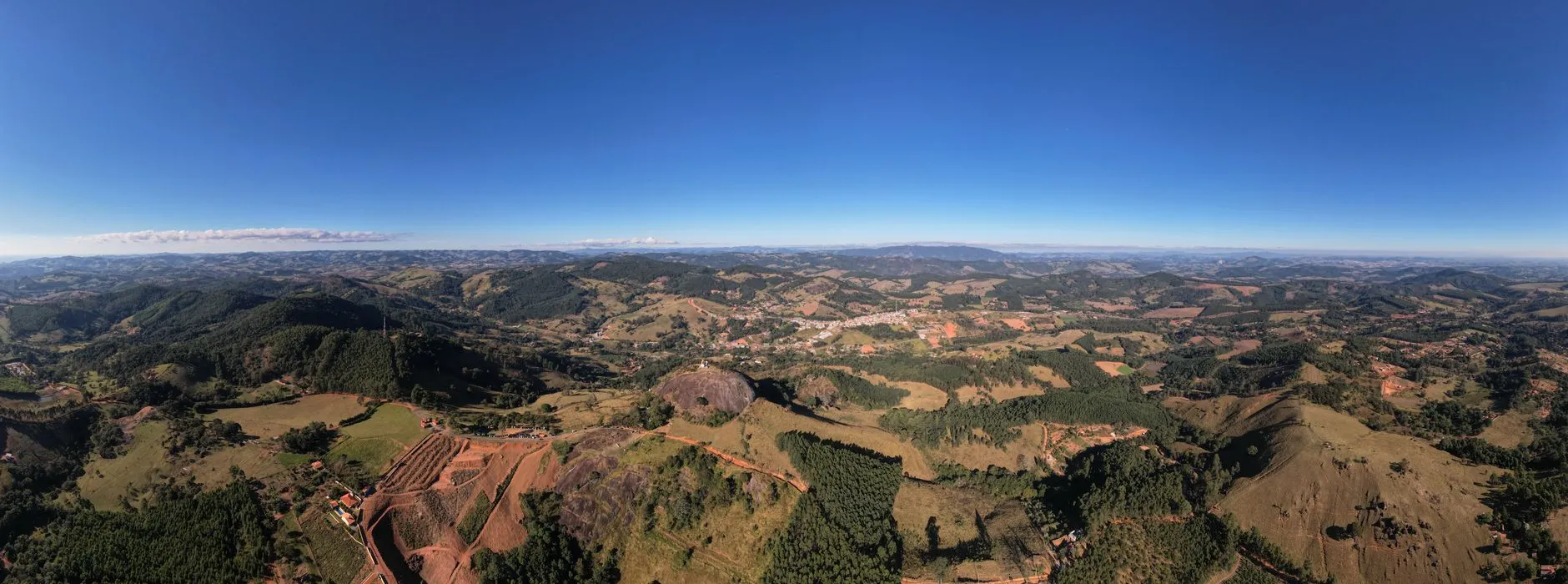
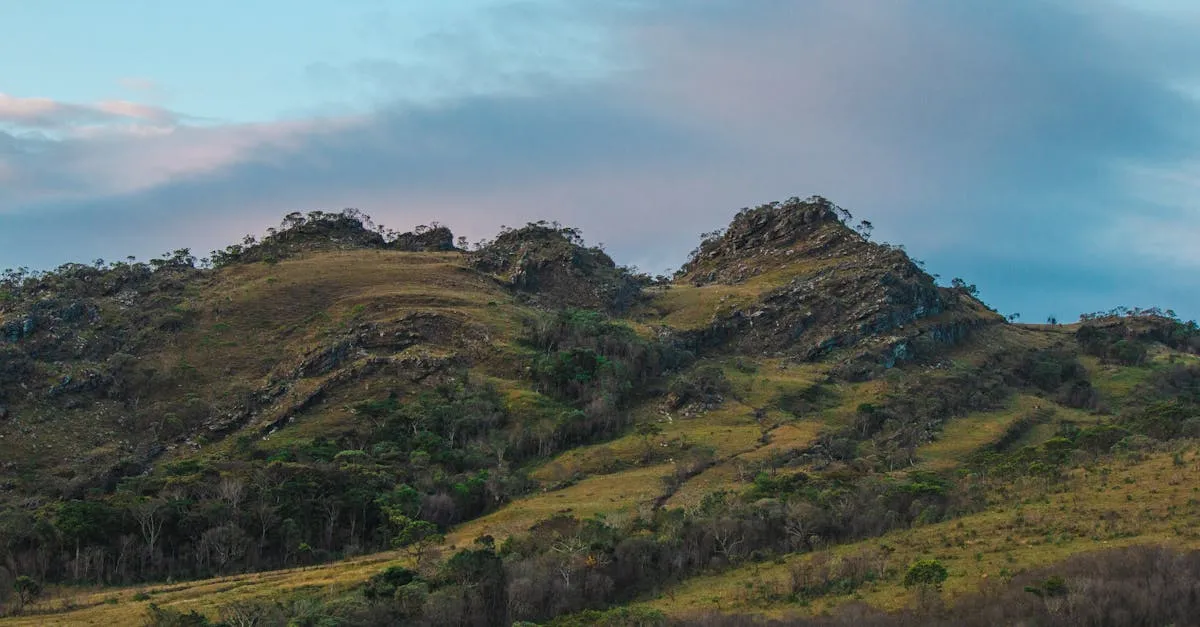
A breathtaking aerial view of Pedra Bela, SP, Brazil showcasing rolling hills and lush greenery under clear blue skies.

Brazil is the fifth-largest country on Earth, covering roughly 8,516,000 km². Nearly half of South America’s entire landmass and larger than the contiguous United States. A coastline of over 7,400 km stretches from the equatorial north to the subtropical south, and the country shares borders with every South American nation except Chile and Ecuador.

The interior is dominated by the Amazon Basin, which holds the world’s largest tropical rainforest and accounts for about 60% of Brazil’s territory. South of the Amazon, the cerrado savanna and the Pantanal (the planet’s biggest tropical wetland) give way to the dramatic canyons and waterfalls of the south, including the Brazilian side of Iguazú Falls. The eastern seaboard mixes mega-cities like São Paulo and Rio de Janeiro with the palm-fringed beaches and colonial towns of the Northeast. Distances are immense. A flight from Manaus in the Amazon to Porto Alegre in the south covers roughly 3,500 km, comparable to London to Cairo.

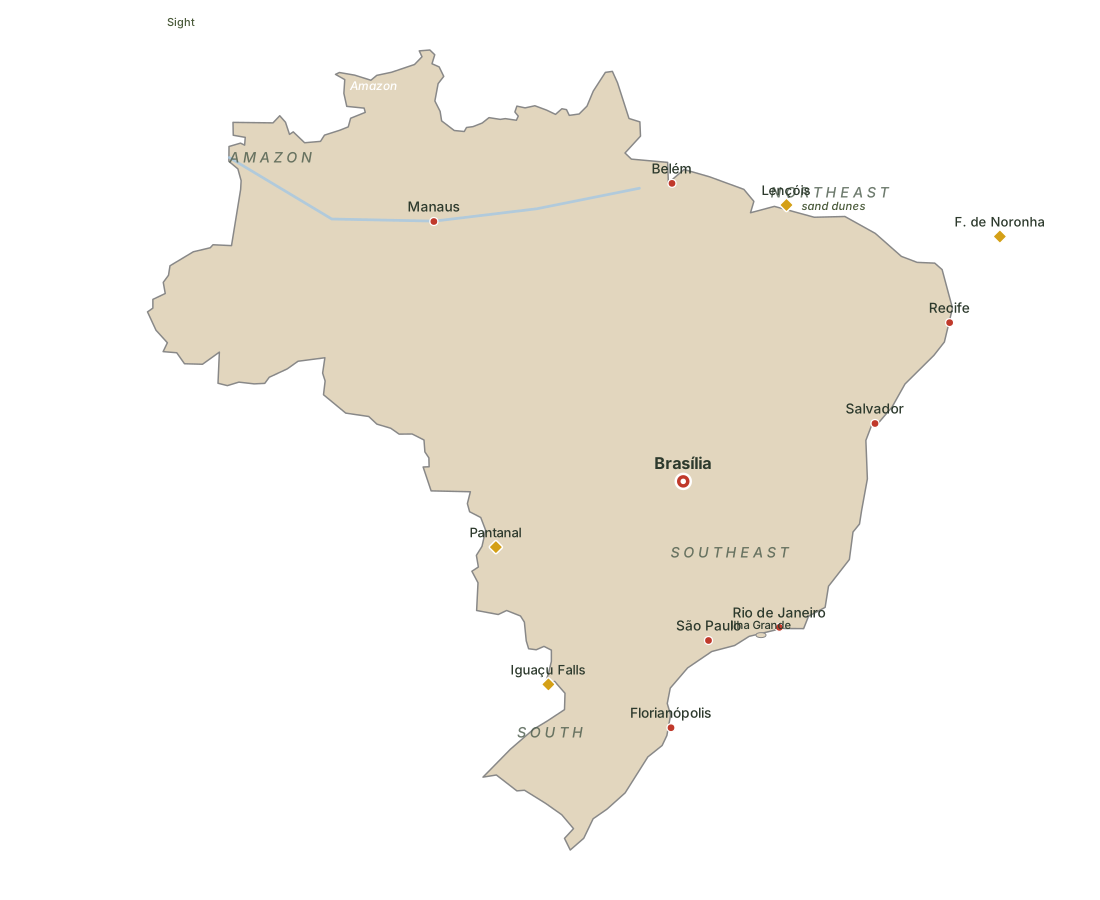
Map of Brazil showing key travel destinations and regions

Brazil spans nearly half of South America, so domestic flights are structural to any multi-region itinerary. The country divides into four broad travel zones:

  • Southeast: Rio de Janeiro, São Paulo, Paraty, Ilha Grande, Ouro Preto. Coastline, culture, colonial history, Brazil’s urban energy.
  • Northeast: Salvador, Recife, Fernando de Noronha, Lençóis Maranhenses, Jericoacoara. Afro-Brazilian culture, spectacular beaches, surreal dune landscapes.
  • South: Iguaçu Falls, Florianópolis, Curitiba. European-influenced, cooler climate, and the world’s most dramatic waterfall system.
  • Interior: Manaus (Amazon), Pantanal, Bonito, Chapada Diamantina, Chapada dos Veadeiros. Wildlife, jungle, crystal-clear rivers, red-rock canyons.

Best Time to Visit

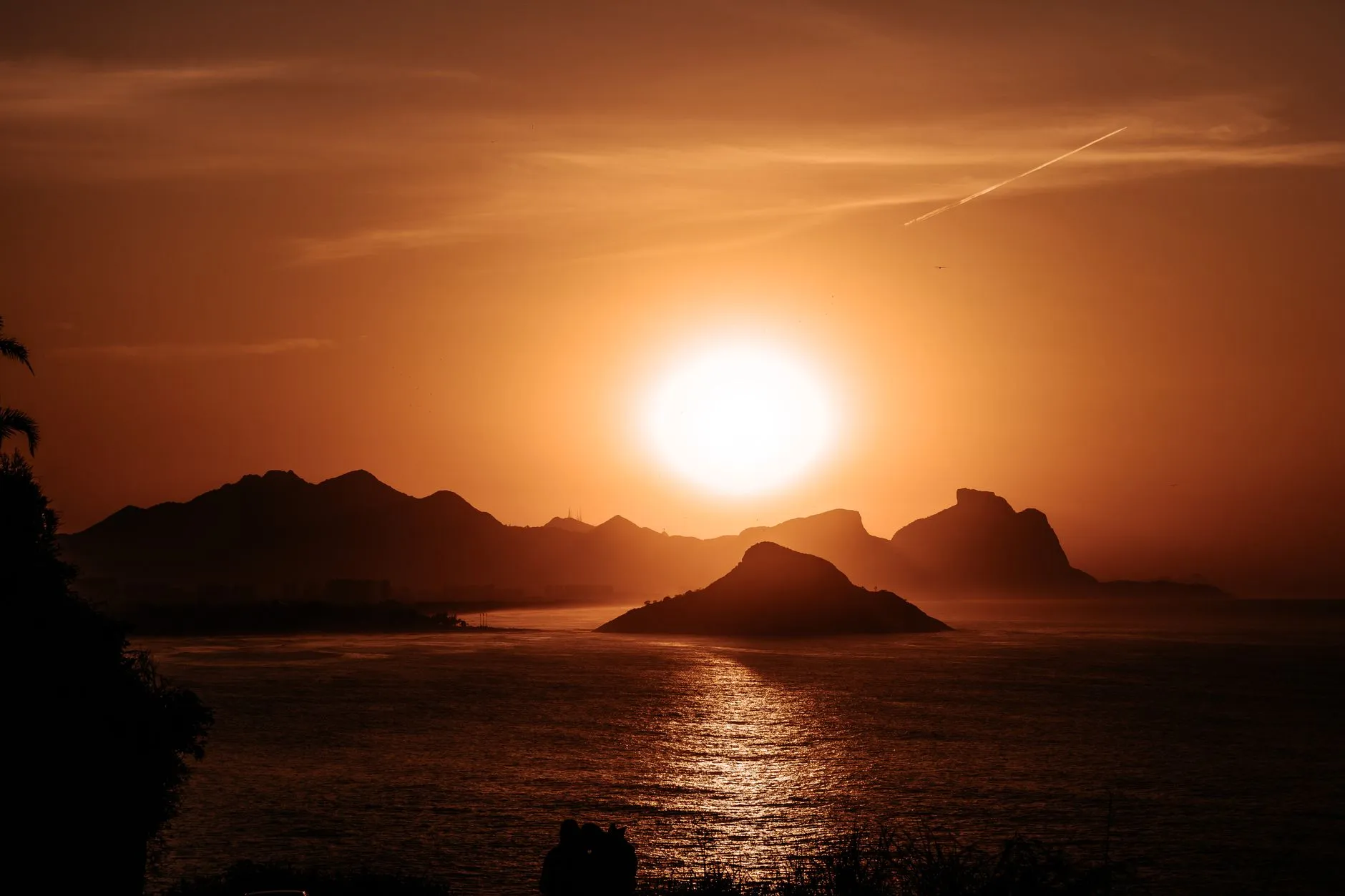
Stunning sunset view over the coastal hills and sea at Mesquita, Brazil.

Brazil spans the equator and the Tropic of Capricorn, so “best time” depends heavily on which regions you’re visiting. There is no single perfect month for all of Brazil. But there are smart windows for common route combinations.

MonthSeasonBest RegionsCrowdsPricesRating
JanuarySummer/WetBeaches (Rio, NE coast), Fernando de Noronha🔴 High🔴 High⭐⭐⭐
FebruarySummer/WetRio Carnival! NE beaches, Salvador🔴 Very High🔴 Peak⭐⭐⭐⭐
MarchLate SummerNE coast, Rio, post-Carnival value🟡 Moderate🟡 Moderate⭐⭐⭐⭐
AprilAutumnNE coast (best), Pantanal drying, Iguazú🟡 Moderate🟡 Moderate⭐⭐⭐⭐
MayDry beginsNE coast, Amazon water receding, Pantanal🟢 Low🟢 Low⭐⭐⭐
JuneWinter/DryNE coast, Pantanal, Festas Juninas celebrations🟢 Low🟢 Low⭐⭐⭐⭐
JulyWinter/DryAmazon (dry), Pantanal wildlife, NE coast🟡 High🟡 High⭐⭐⭐⭐
AugustWinter/DryPantanal peak, Amazon, whale watching (south)🟡 Moderate🟡 Moderate⭐⭐⭐⭐
SeptemberSpringPantanal wildlife peak, Amazon, Chapada🟡 Moderate🟡 Moderate⭐⭐⭐⭐⭐
OctoberSpringPantanal, Amazon transitions, south warming🟡 Rising🟡 Rising⭐⭐⭐⭐
NovemberWet beginsSouth beaches, Rio (rains returning inland)🟢 Low🟢 Low⭐⭐⭐
DecemberSummer/WetBeaches, NE coast (holiday peak, Carnival prep)🔴 Very High🔴 Peak⭐⭐⭐

Best all-round window for a first trip: July–September. The southeast is mild and dry, the Pantanal is at peak wildlife, and Lençóis Maranhenses lagoons are full. Fernando de Noronha has the best diving visibility (Aug–Oct). The only trade-off is cooler weather in the far south.

Climate & Weather

Brazil stretches across three climate zones and the weather patterns are almost the inverse of what most travellers from the northern hemisphere expect. The key distinction is between the tropical north (hot year-round, wet/dry seasons) and the subtropical south (proper seasons with a cool winter).

  • Southeast (Rio, São Paulo, Paraty): Summer (Dec–Mar) hot and humid, 30–38°C, with intense afternoon thunderstorms. Winter (Jun–Aug) mild and dry, 18–25°C in Rio, 12–22°C in São Paulo. Paraty and Ilha Grande follow Rio’s pattern.
  • Northeast coast (Salvador, Recife): Warm year-round, 25–32°C. Counter-intuitive rainy season: April–July (their autumn/winter). Driest and sunniest: September–February.
  • Amazon (Manaus): Hot and humid year-round, 26–34°C. Wet season Dec–May (rivers rise, flooding, boat travel easier). Dry season Jun–Nov (lower water, better hiking, more accessible trails).
  • Pantanal: Similar to Amazon but more extreme. Wet season (Nov–Mar) floods 80% of the plains. Dry season (Jul–Oct) concentrates wildlife at remaining water sources, which is the best time for sightings.
  • South (Iguaçu, Florianópolis): Subtropical with four proper seasons. Summers warm (28–35°C), winters cool (8–18°C). Rain possible year-round at Iguaçu. Falls most impressive during or after heavy rain.
  • Fernando de Noronha: Tropical oceanic. Water temperature ~27°C year-round. Rainy season Mar–Jul (short, intense showers). Best diving Aug–Oct (visibility 30–50 m).

Seasons & Temperatures

High season: December–March (Brazilian summer & Carnival)

The busiest and most expensive window. Brazilians take summer holidays in December–January, filling coastal destinations. Carnival (usually February or early March) pushes Rio, Salvador and Recife to maximum capacity. Hotel prices reach 2–4× normal, so book 3–6 months ahead. Beach weather is at its best in the southeast, but afternoon thunderstorms are daily. The Pantanal is largely flooded and inaccessible. The Amazon is in its wet season (high water = boat travel is easier, but trails are submerged).

Shoulder: April–May & October–November

The sweet spots. April–May is post-Carnival, prices drop, crowds thin, and the weather is still warm in the southeast. Lençóis Maranhenses lagoons are filling beautifully. October–November brings spring warmth to Rio and São Paulo without the December madness. Iguaçu Falls are at their most dramatic after spring rains. Fernando de Noronha has excellent visibility in October.

Dry season: June–September (Brazilian winter)

The best all-round travel window. The southeast is mild and dry (sweater weather in the evenings). The Pantanal is at its wildlife peak. Animals concentrate at shrinking water holes, making jaguar, caiman and capybara sightings almost guaranteed. Lençóis Maranhenses lagoons are full and the weather is dry. Fernando de Noronha diving visibility peaks in August–October. The trade-off: cooler weather in the south (Iguaçu, Florianópolis) and occasional grey days in Rio.

Carnival timing

Carnival is tied to Easter and shifts each year. Key dates: 2026: February 13–17. 2027: February 5–9. The week before Carnival is also busy. If you want to experience it, book early and budget extra. If you want to avoid it, travel in a different month entirely, as many businesses close during Carnival week.

Average Temperatures

CityJanAprJulOctRain peak
Rio de Janeiro30°C27°C23°C26°CDec–Mar
São Paulo28°C25°C19°C24°CJan–Mar
Salvador30°C28°C25°C28°CApr–Jul
Manaus31°C31°C33°C33°CDec–May
Foz do Iguaçu33°C27°C20°C28°COct–Mar
Cuiabá (Pantanal)33°C32°C32°C35°CNov–Mar
Florianópolis29°C24°C18°C23°CJan–Mar
Fernando de Noronha30°C29°C27°C29°CMar–Jul

Temperatures shown are typical daily highs. Rio and Salvador are reliably warm year-round. São Paulo and the south can surprise with genuinely cold winter days (10–14°C). Manaus and Cuiabá are hot in every season. The difference is rain, not temperature.

Holidays & Festivals

Colorful holiday celebrations and festivals

Brazil’s calendar revolves around Carnival and the June festivals, but several public holidays can affect transport, banking and accommodation availability:

Date / periodHoliday or festivalImpact on travel
1 JanAno Novo (New Year)Réveillon beach parties (Rio Copacabana: 2+ million); book months ahead
Feb–Mar (moveable)Carnaval (4 days + Ash Wednesday)Country effectively shuts down Fri–Wed; flights, hotels at peak pricing everywhere
Mar–Apr (moveable)Sexta-Feira Santa / Páscoa (Easter)Domestic travel surge; beach towns and interior destinations packed
21 AprTiradentes (national hero)Long weekend when combined with Easter; historical towns like Ouro Preto busy
1 MayDía do TrabalhadorLabour Day; public holiday, services closed
Jun (weekends)Festas Juninas (June festivals)Massive in the Northeast (Campina Grande, Caruaru); forró music, bonfire parties, themed food
7 SepIndependência do BrasilMilitary parades in Brasília; long weekend, domestic flights fill up
12 OctNossa Senhora Aparecida (patron saint)Pilgrimage to Aparecida do Norte (São Paulo state); national holiday
2 NovFinados (Day of the Dead)Quiet family holiday; most businesses closed
15 NovProclamação da RepúblicaRepublic Day; combined with weekend creates bridge holidays
25 DecNatal (Christmas)Summer holiday season begins; beach destinations fill through early January
31 DecRéveillonMajor event across all coastal cities; white clothing tradition; fireworks on every beach
📅 Festas Juninas: Brazil’s overlooked highlight

Every June, the Northeast erupts in month-long festas juninas celebrating rural saints (Santo Antônio, São João, São Pedro). Campina Grande (Paraíba) and Caruaru (Pernambuco) compete for the biggest party. Think forró dancing, quadrilha square dances, bonfire-roasted corn, and quentão (hot spiced cachaça). Less internationally known than Carnival but arguably more authentic and far cheaper to attend.

Regions of Brazil

Aerial view of the diverse Brazilian landscape from coast to rainforest

Brazil offers diverse landscapes and experiences across its regions.

Southeast: Rio, So Paulo & Costa Verde

Southeast: Rio, São Paulo & Costa Verde

The southeast is where most first trips begin and where many never leave. Rio de Janeiro, São Paulo and the Costa Verde coast between them pack enough into two weeks to fill a month of stories.

Northeast & Islands

Northeast & Islands

Brazil's northeast is where African, indigenous and Portuguese cultures fused most visibly. The coastline runs for thousands of kilometres and includes some of the country's most spectacular beach landscapes, plus two of its most culturally rich cities.

South & Iguau

South & Iguaçu

Brazil's south is cooler, more European-influenced and home to the country's single most dramatic natural spectacle.

Amazon, Pantanal & Cerrado

Amazon, Pantanal & Cerrado

Brazil's interior holds some of its wildest and least-visited landscapes. The world's largest tropical wetland, the largest rainforest, and a high-altitude savanna that rivals both for biodiversity.

Top Sightseeing

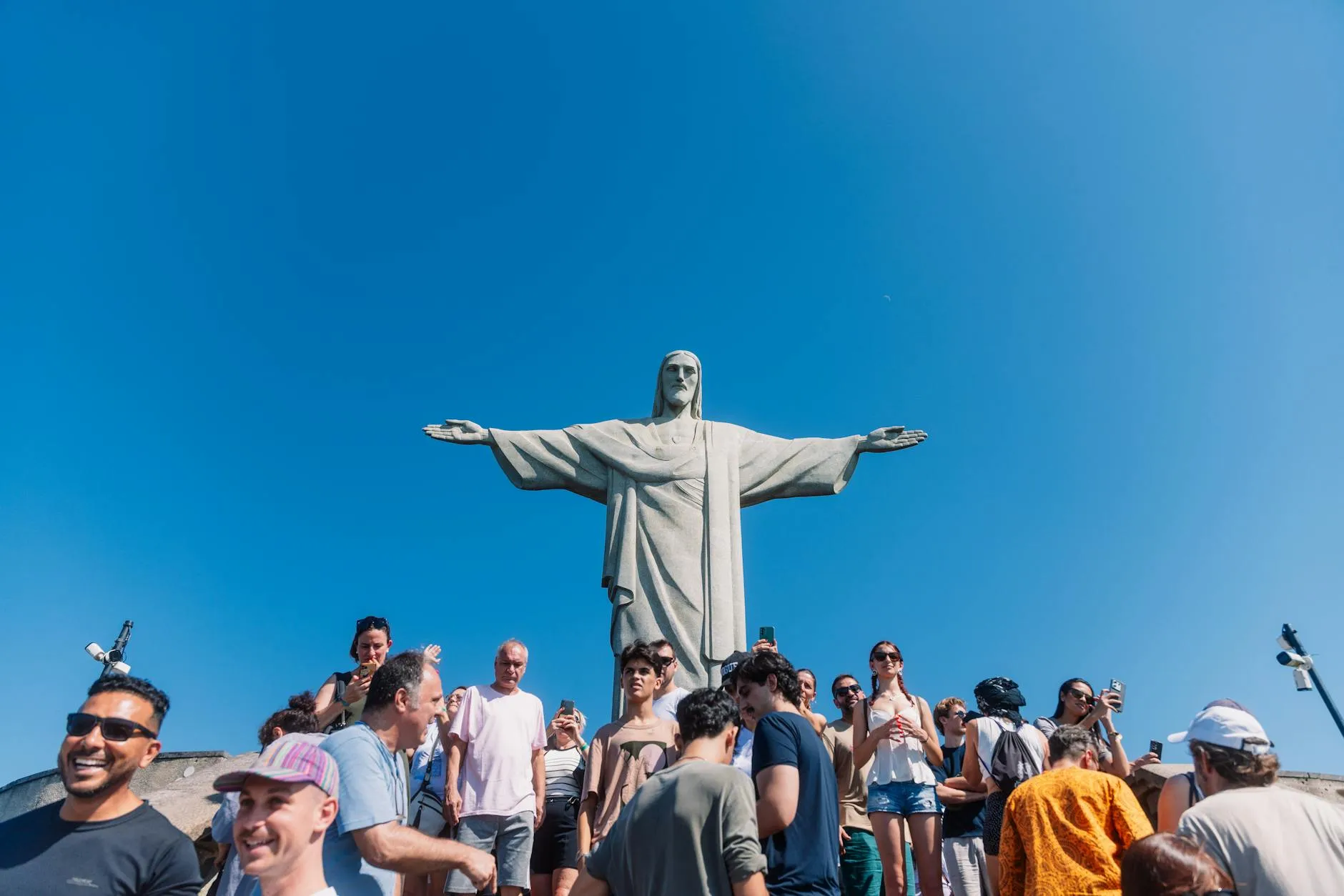
Tourists gather at the iconic Christ the Redeemer statue under clear blue skies in Rio de Janeiro, Brazil.

Brazil is continental in scale and variety: the world’s largest rainforest, 7,500 km of coastline, modernist cities, and baroque gold-rush towns scattered across a country larger than the contiguous United States. The headline sights span jungle, coast, and culture in combinations found nowhere else.

  • Rio de Janeiro: Christ the Redeemer, Sugarloaf, Copacabana, and a city squeezed between jungle-covered peaks and ocean
  • Iguaçu Falls: The Brazilian side offers panoramic boardwalks across the entire cascade — complementary to the Argentine walkways
  • Amazon: Manaus as gateway to the world’s largest rainforest — river dolphins, caiman spotting, and indigenous communities
  • Salvador da Bahia: Afro-Brazilian culture capital — the Pelourinho colonial centre, capoeira, candomblé, and carnival second only to Rio
  • Lençóis Maranhenses: Surreal white sand dunes with turquoise lagoons — accessible only June–September when the pools are full
Christ the Redeemer Rio

Cristo Redentor (Rio)

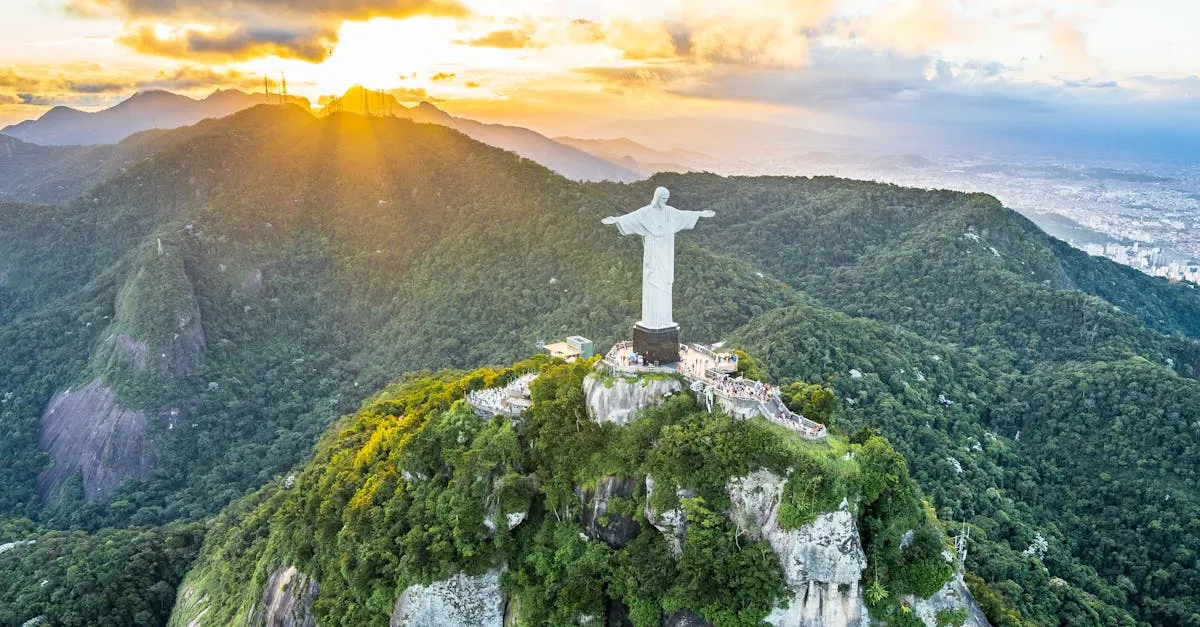
The 30-metre Art Deco Christ statue stands atop Corcovado mountain with arms outstretched over Rio. Reached by cog railway or van through Tijuca Forest, the largest urban rainforest in the world. Go early morning (8am opening) for the fewest crowds and clearest views. Cloud can obscure the summit, so check conditions before heading up. ~R$ 80–110 including train.

Sugarloaf Mountain Rio

Pão de Açúcar / Sugarloaf (Rio)

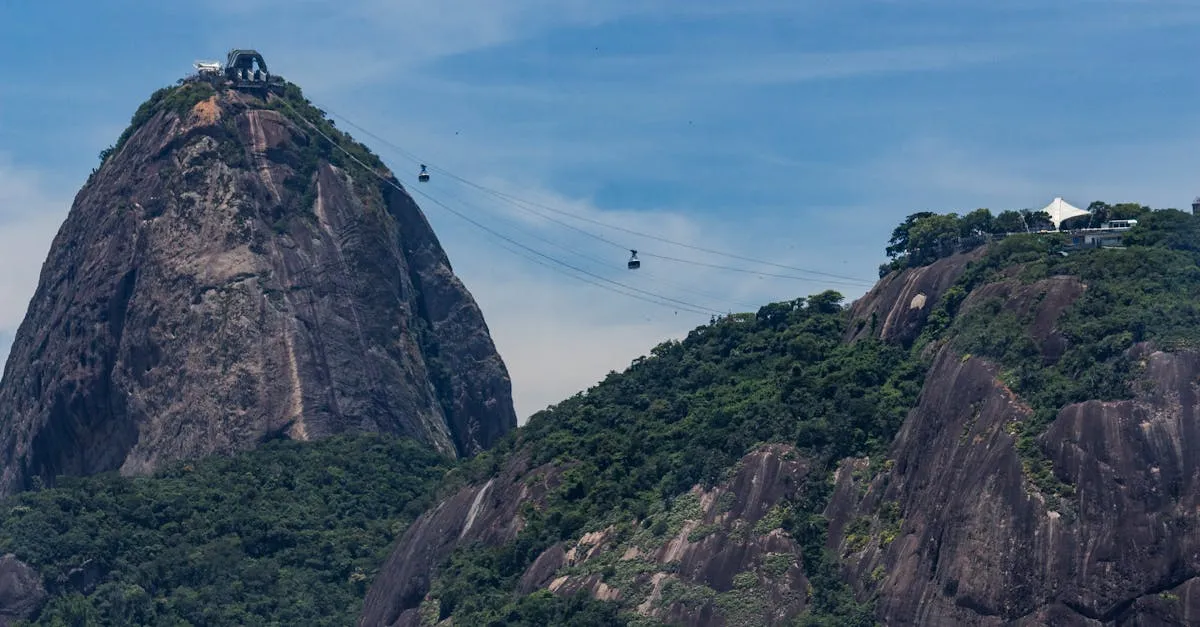
A two-stage cable car climbs to the iconic granite peak overlooking Guanabara Bay, Copacabana Beach, and the Christ statue across the water. Best at sunset when Rio turns golden and the city lights switch on during the descent. Arrive 90 minutes before sunset to secure a good spot at the top. ~R$ 120; the first stage to Morro da Urca has a bar with live music on weekends.

Iguaçu Falls

Iguaçu Falls (Foz do Iguaçu)

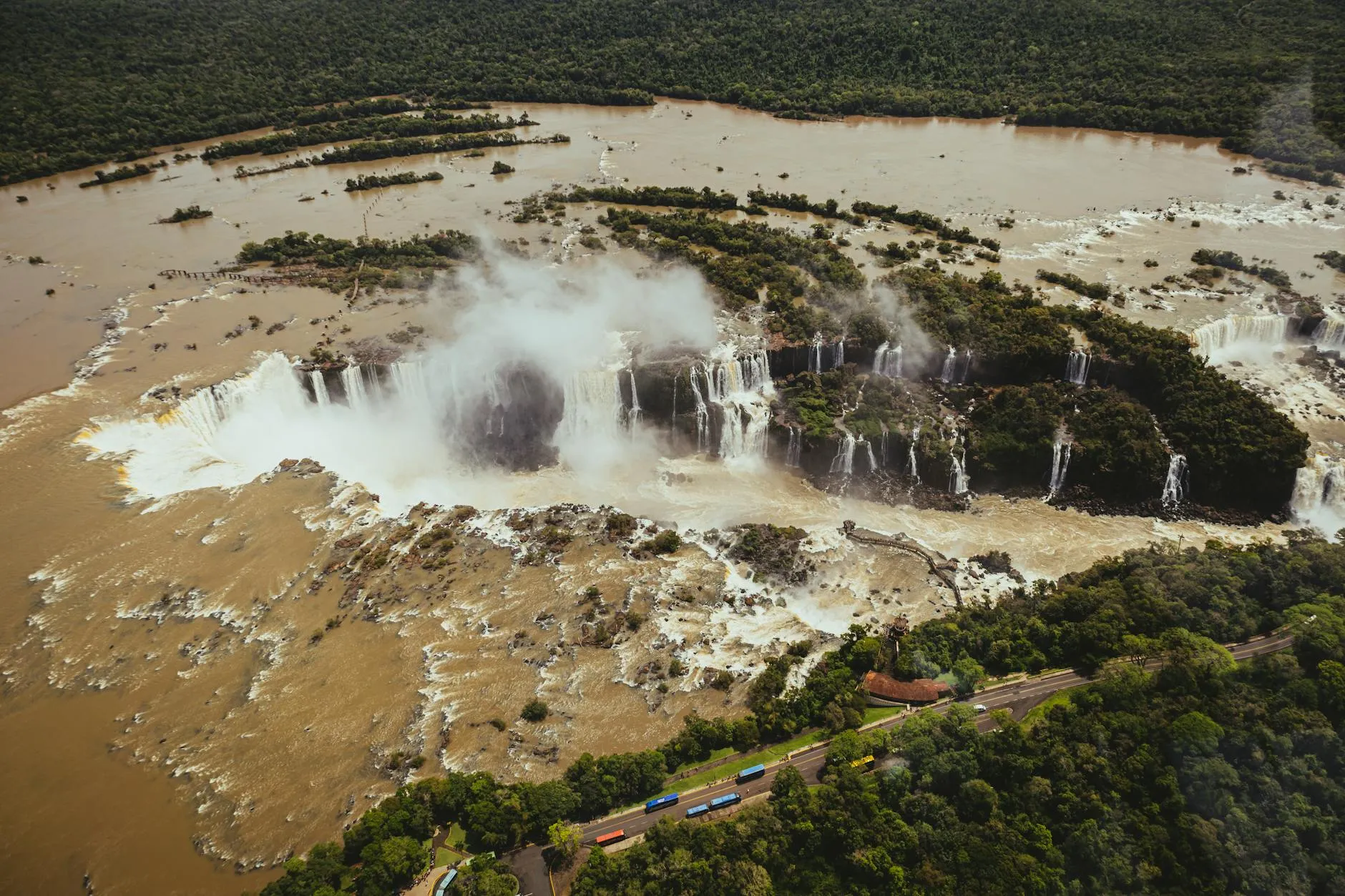
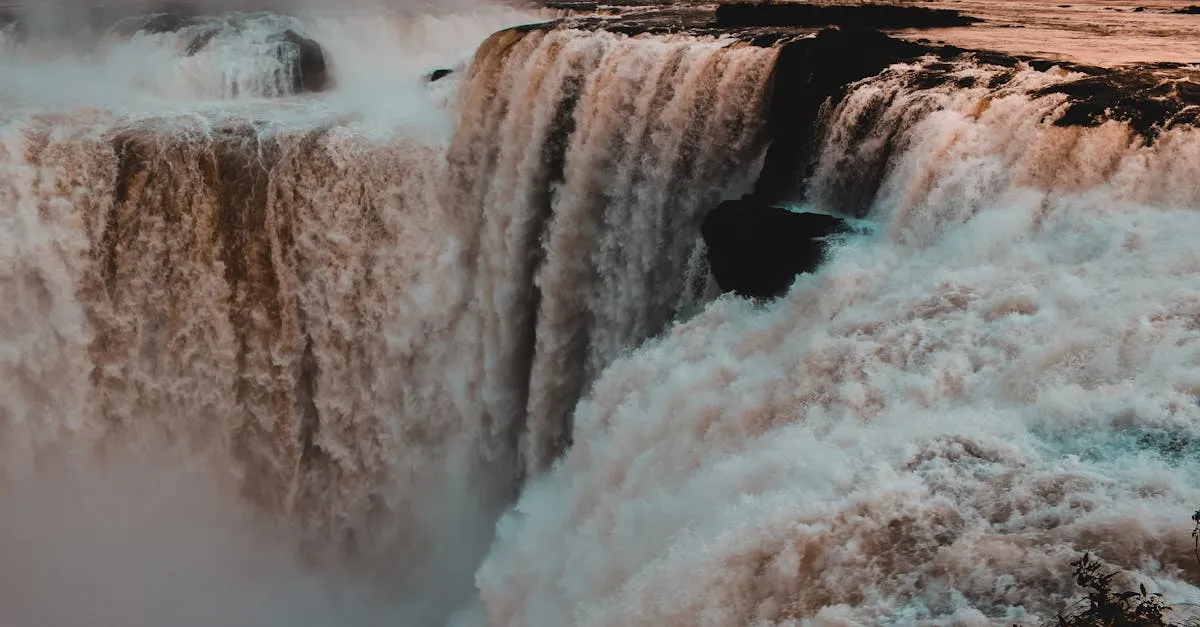
275 waterfalls across a 2.7-kilometre cliff face, wider and more powerful than Niagara. The Brazilian side offers sweeping panoramic walkways ending at the Devil’s Throat viewpoint where spray soaks you completely. The Argentine side (cross the border for a day) puts you right on top of the falls on metal catwalks. Both sides are essential. Allow a full day per side. R$ 80 Brazilian entry; full moon walks available monthly.

Pelourinho Salvador

Pelourinho (Salvador)

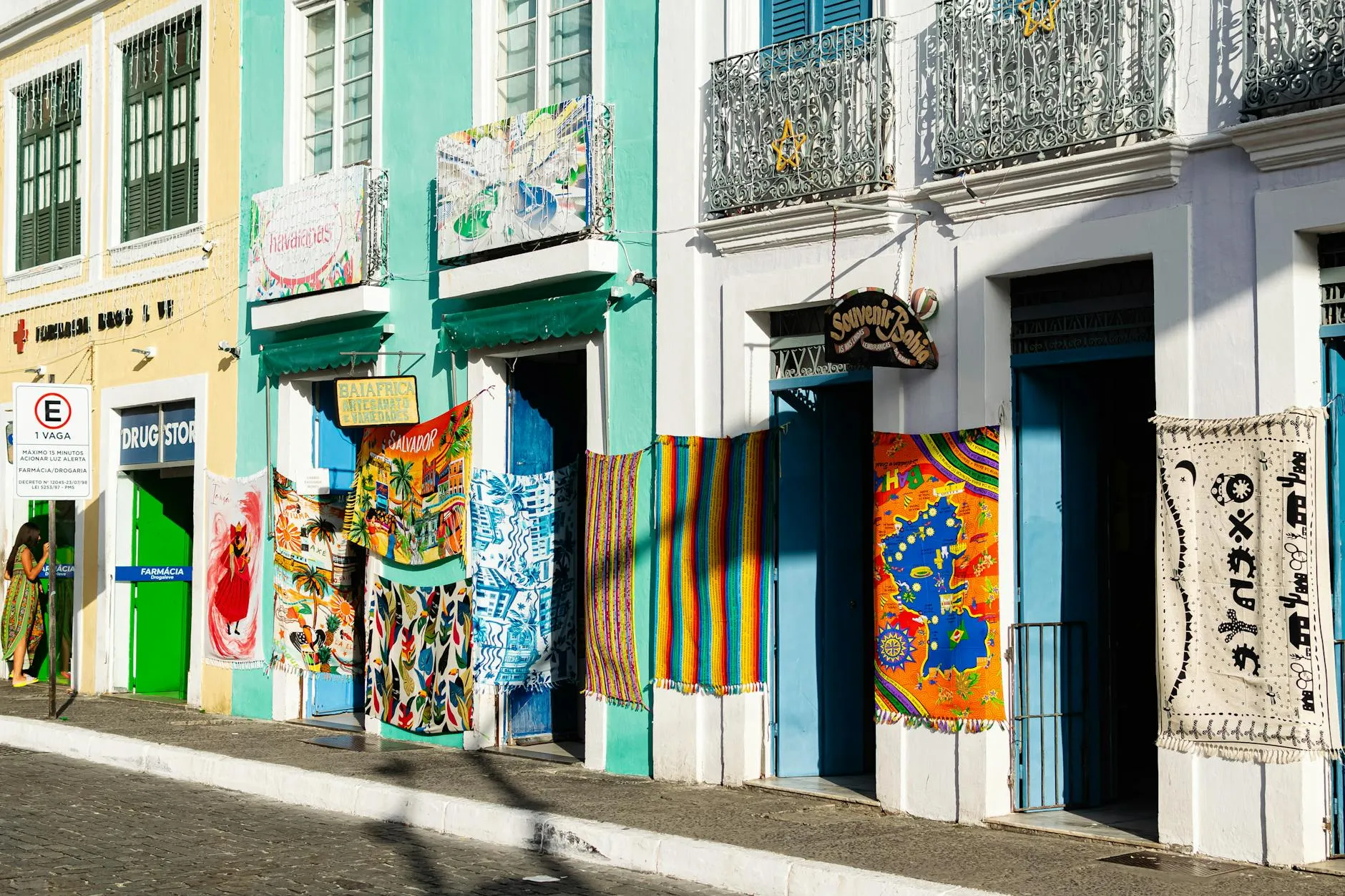
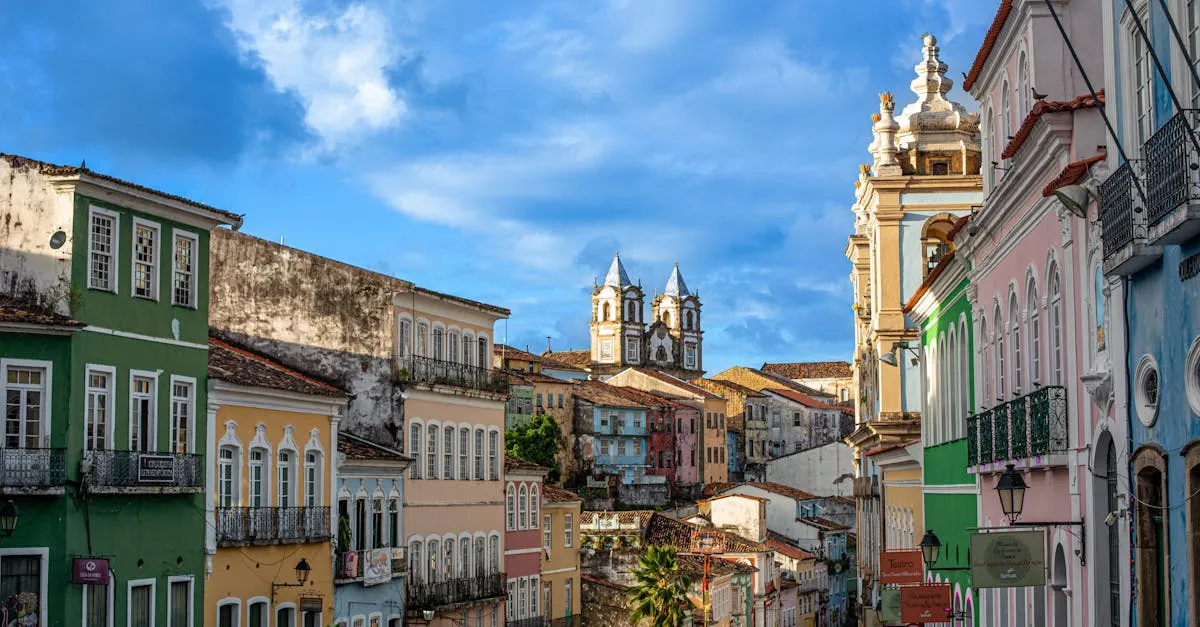
The colonial hilltop quarter of Salvador, UNESCO-listed, with pastel-painted baroque churches, cobblestone plazas, capoeira circles, and live music spilling out of every doorway in the evening. This is the heart of Afro-Brazilian culture, where the cuisine, music, and religious traditions of the African diaspora are most visible. Tuesday nights (Olodum drumming) and Sundays are the most vibrant. Free to wander.

Inhotim art museum

Inhotim (Minas Gerais)

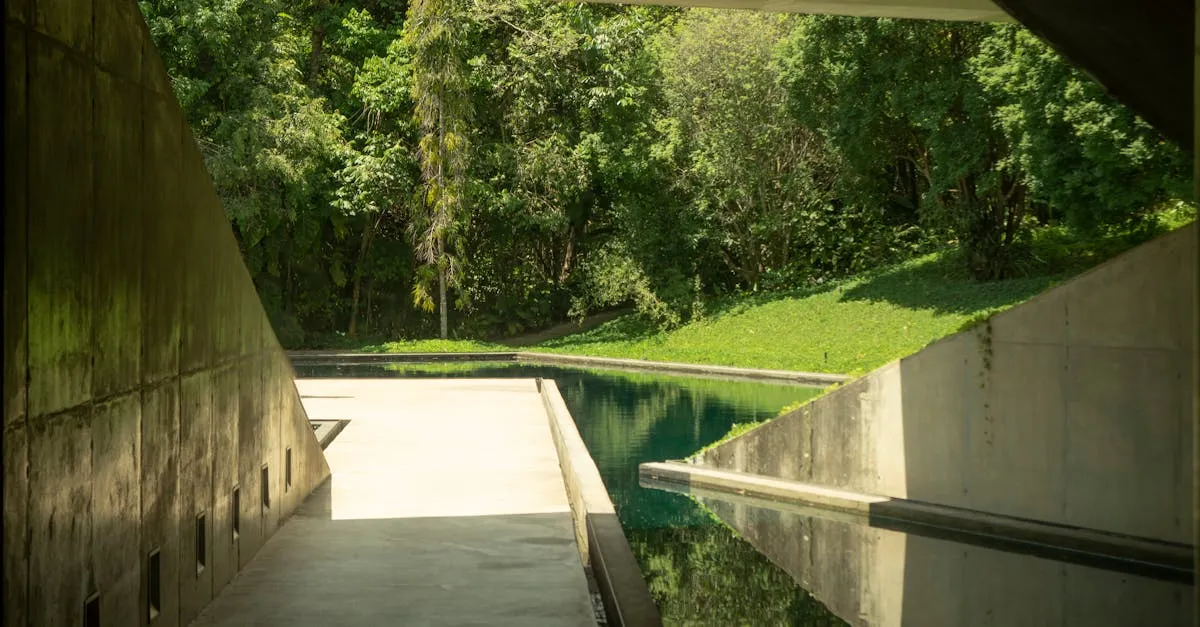
A massive open-air contemporary art museum set in botanical gardens covering 140 hectares, about 60 km from Belo Horizonte. Pavilions house works by Yayoi Kusama, Oláfur Elíasson, Cildo Meireles, and dozens more world-class artists, each in a purpose-built gallery integrated into the landscape. Allow a full day and wear comfortable shoes. R$ 50 entry; free on Wednesdays. One of the most extraordinary art experiences in the world.

Lençóis Maranhenses dunes

Lençóis Maranhenses

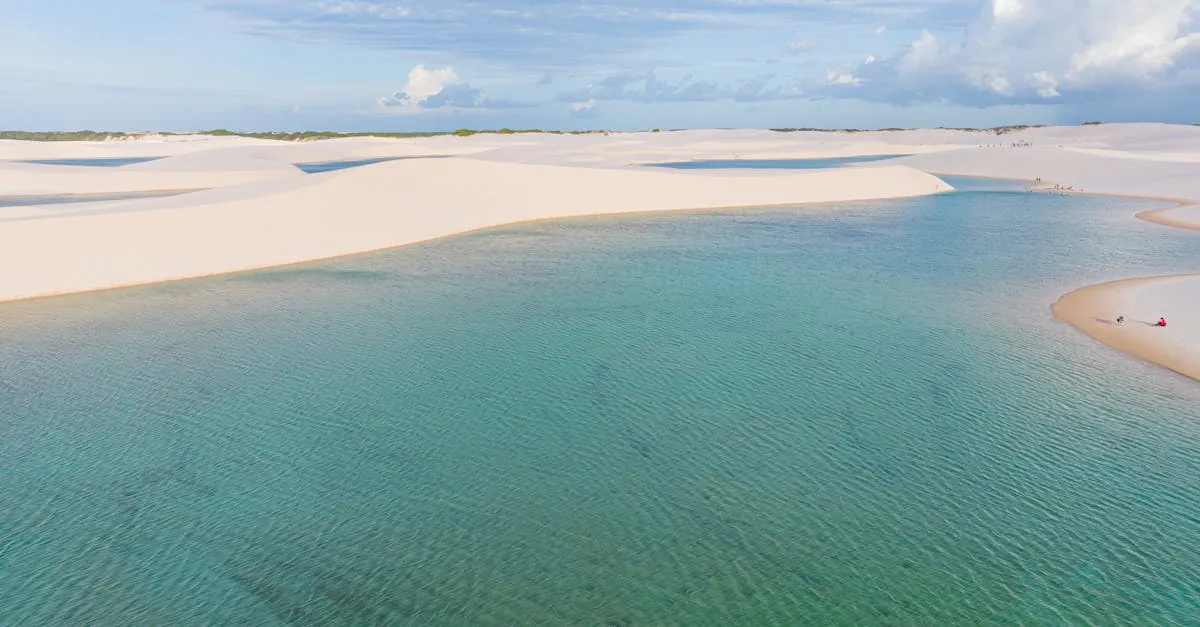
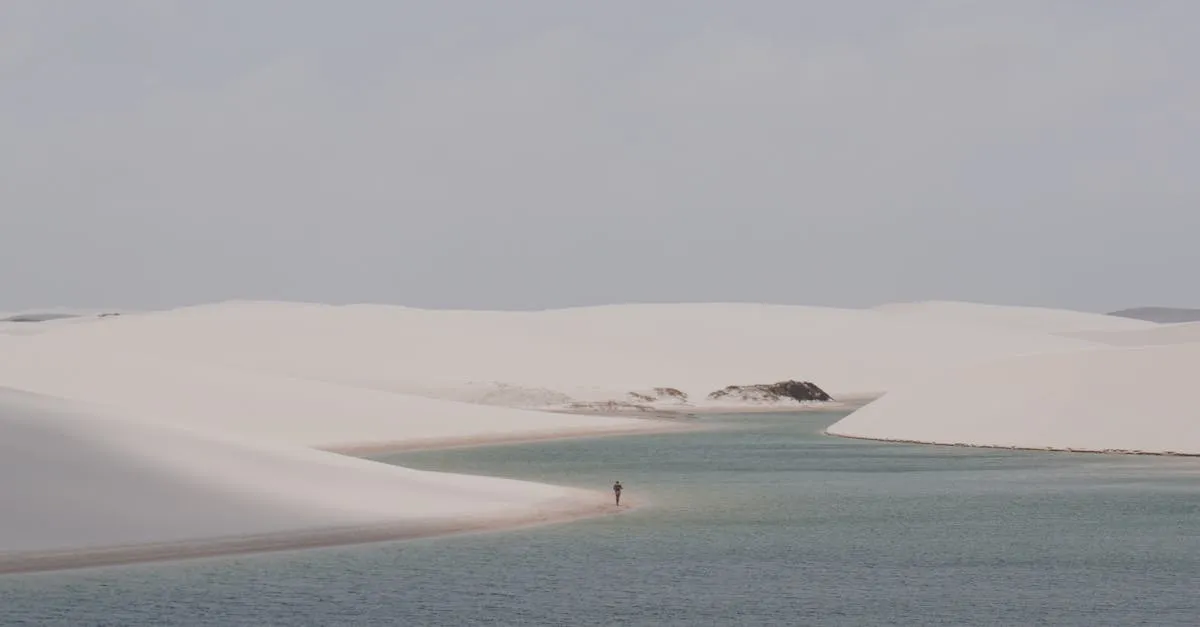
Vast white sand dunes stretching to the horizon with thousands of turquoise freshwater lagoons forming between them during the rainy season. A landscape that looks like a desktop wallpaper but is entirely real. Best visited June to September when the lagoons are full and warm enough for swimming. Access from Barreirinhas or Santo Amaro. 4x4 tours take you deep into the dune fields.

Ouro Preto colonial town

Ouro Preto

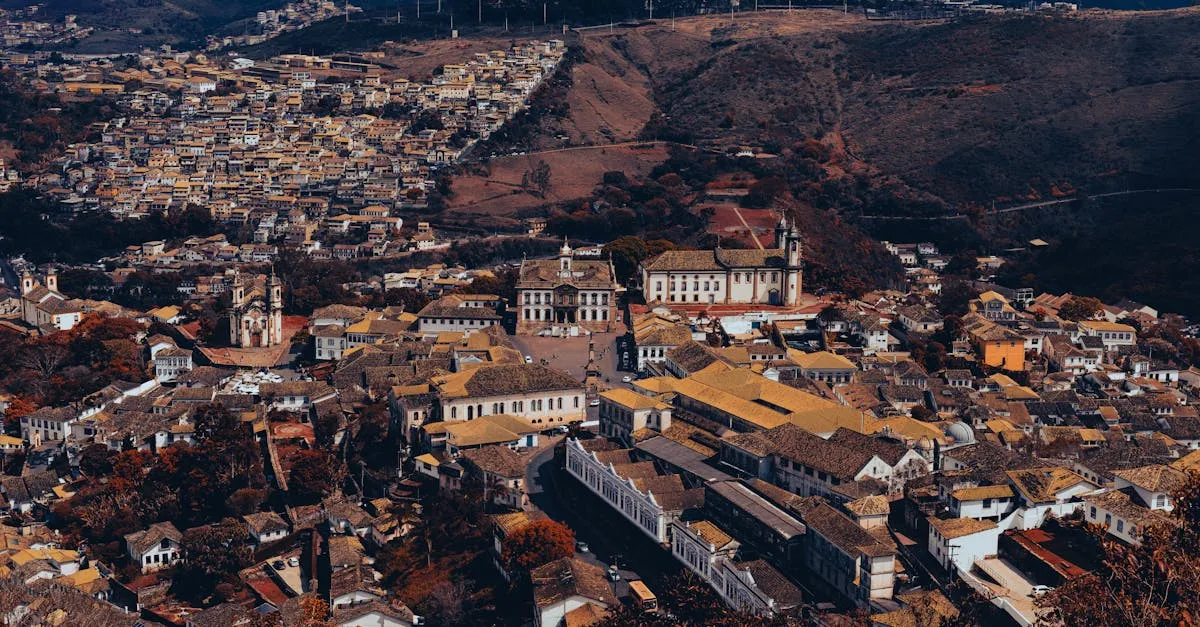
A baroque gold-rush town with 13 ornate churches, steep cobblestone streets, and a mining history museum housed inside an old slave mine (Mina do Chico Rei). UNESCO World Heritage and the most intact colonial town in Minas Gerais. The churches are filled with the work of Aleijadinho, Brazil’s greatest colonial sculptor. Allow a full day minimum. Free to wander; church entries R$ 5–10 each.

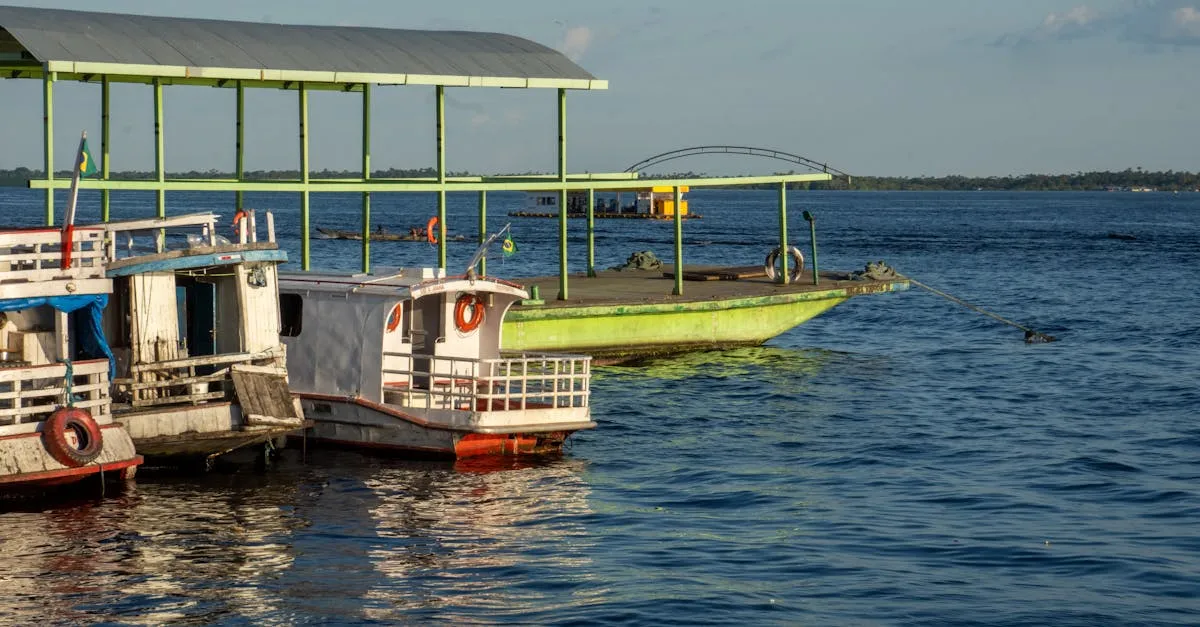
Meeting of the Waters Amazon

Meeting of the Waters (Manaus)

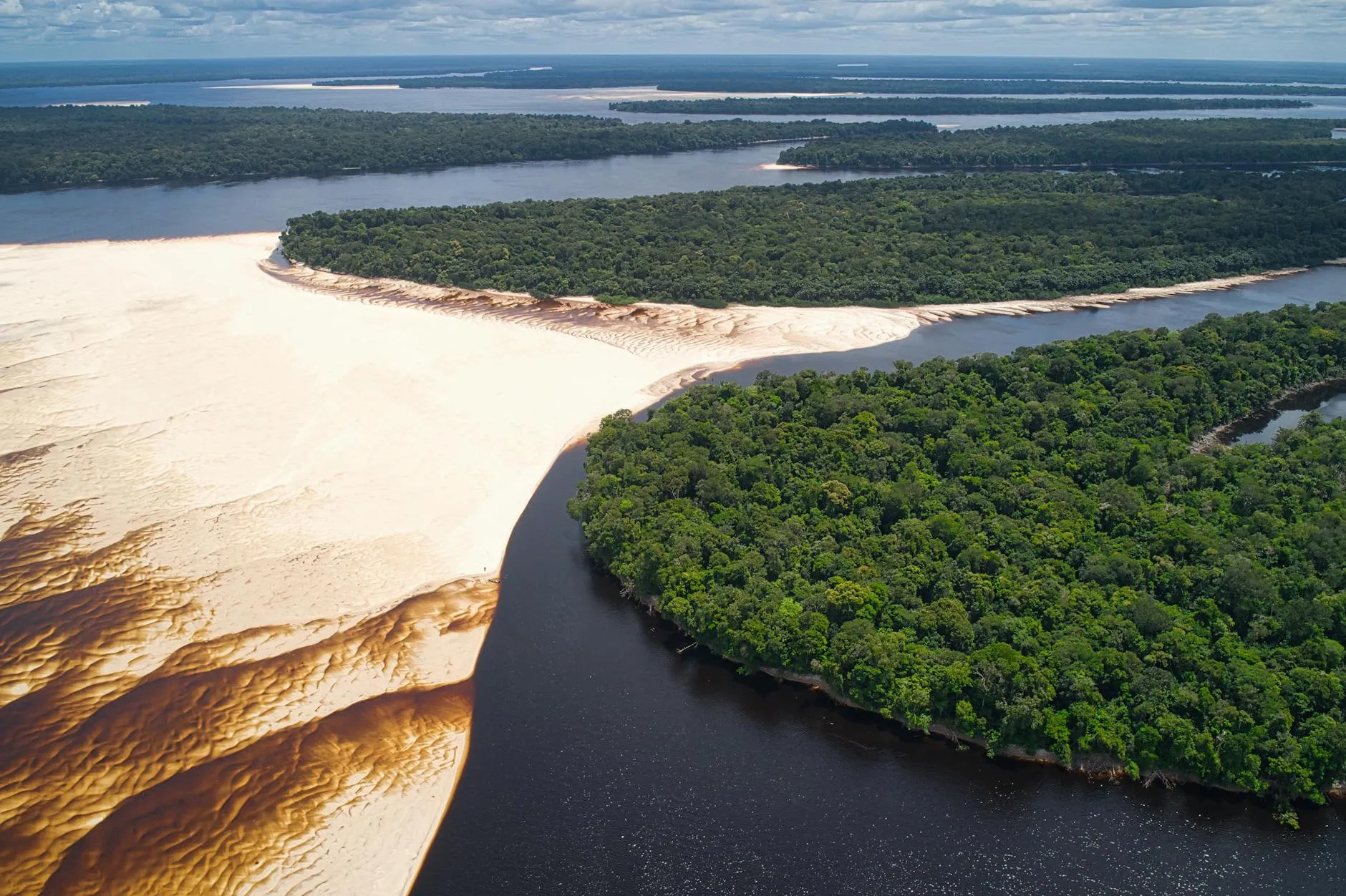
Where the dark Rio Negro and sandy-brown Rio Solimões run side by side without mixing for 6 km, creating a sharp visible line between the two colours. The temperature and density difference keeps them separate. Standard inclusion on any Amazon day trip from Manaus. Best seen from a small boat that crosses the boundary line so you can feel the water temperature change with your hand.

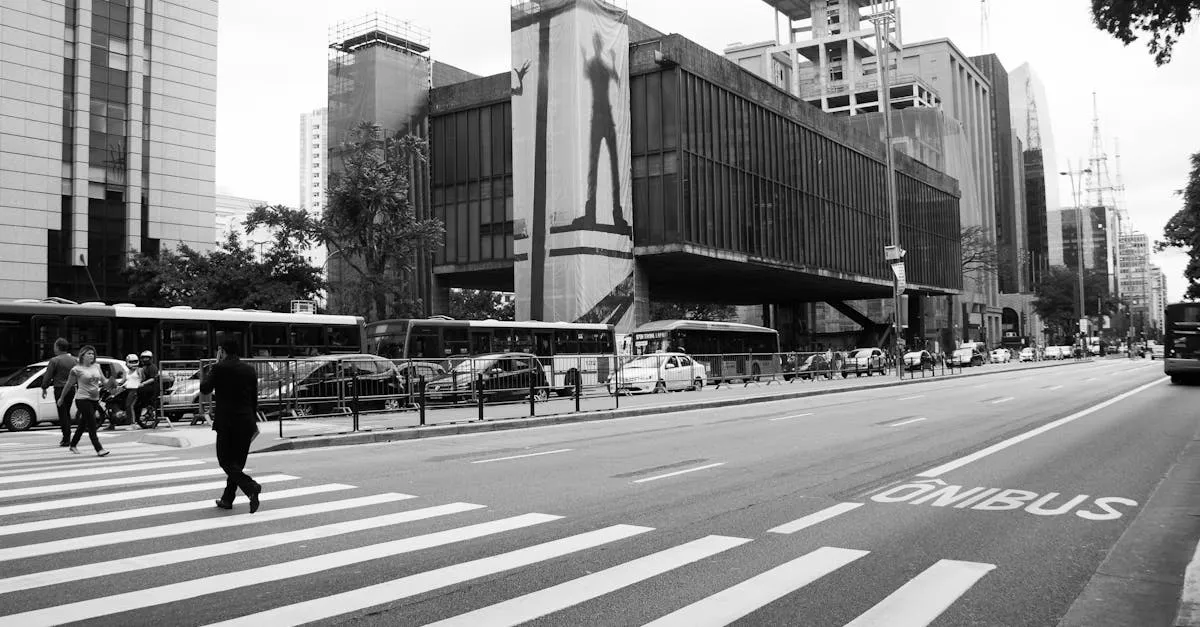
MASP museum São Paulo

MASP (São Paulo)

The brutalist red-frame building on Avenida Paulista, raised on pilotis so the ground level is open public space. Houses the strongest European art collection in Latin America, including Renoir, Van Gogh, Degas, and Manet, displayed on glass easels. The building itself, designed by Lina Bo Bardi, is as much a landmark as the art inside. Free on Tuesdays; R$ 50 other days.

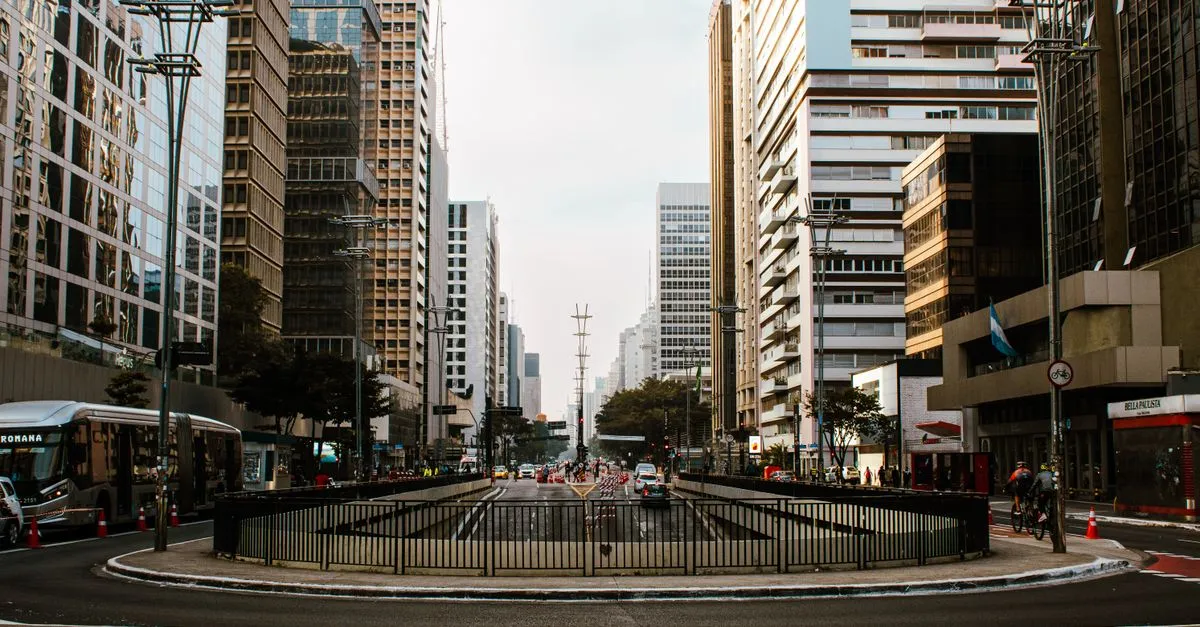
Avenida Paulista São Paulo

Avenida Paulista Sunday Closure (São Paulo)

Every Sunday, São Paulo’s main avenue closes to cars and fills with street performers, food stalls, art vendors, and thousands of cyclists, runners, and families reclaiming the city from traffic. The energy is infectious and distinctly paulistano. MASP’s antique fair sets up underneath the museum. Free, unmissable, and the best slice of local weekend life. Runs from 9am to 5pm year-round.

Culture & Cuisine

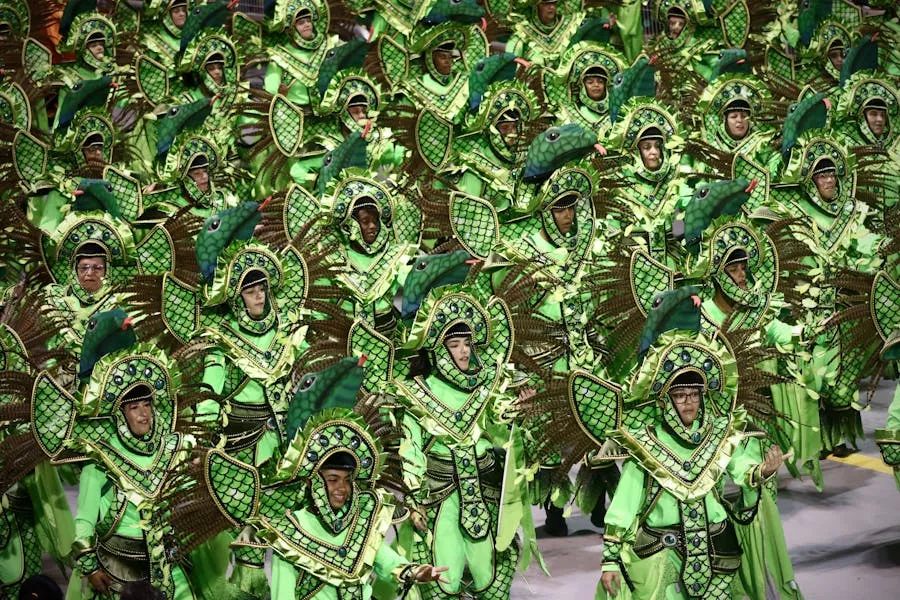
Carnival parade with colorful costumes and feathered headdresses in Brazil

Brazilians are among the most physically affectionate and socially warm people you will meet anywhere. Understanding the culture avoids awkwardness and opens doors.

  • Greetings: Kiss on the cheek (one in São Paulo, two in Rio, three in Minas Gerais). Yes, it varies by region. Men shake hands warmly, often pulling the other person into a half-hug.
  • Personal space: Much closer than northern European or North American norms. Standing close, touching arms during conversation and sustained eye contact are normal and friendly, not aggressive.
  • Punctuality: Social events start 30–60 minutes late. Restaurants and tours are more punctual. Don’t stress about clocks outside business settings.
  • Dress: Brazilians are style-conscious. Clean, well-fitting clothes matter more than brand names. Swimwear (sungas for men, biquínis for women) is much smaller than European norms. You’ll stand out more for wearing board shorts than for wearing less.
  • Tipping: Most restaurants add a 10% gorjeta to the bill. It’s technically voluntary but widely paid. Tip hotel staff, guides and drivers R$ 5–20 per service.
  • Football: Sacred. Attending a live match (Maracanã in Rio, Morumbi in São Paulo, Arena Fonte Nova in Salvador) is a cultural experience as much as a sporting one. Go with a local if possible.
  • Music: Samba, forró, bossa nova, axé, sertanejo, funk carioca. Each region has its sound. Music is never background. It’s the structure of social life.
  • Religion: Brazil is the largest Catholic country in the world, with a strong evangelical movement and significant Afro-Brazilian religions (Candomblé, Umbanda). Respect religious spaces. Cover shoulders in churches.

Food & Cuisine

Brazilian food is regional, generous and built on layers of Portuguese, African and indigenous influence. Eating well is not expensive. The prato feito (set meal, R$ 15–30) at a local restaurante por quilo (pay-by-weight) is one of the world’s best lunch values.

  • Feijoada: The national dish. Black bean stew with pork cuts, served with rice, collard greens, farofa (toasted manioc flour) and orange slices. Traditionally a Saturday lunch. Heavy, rich, magnificent.
  • Churrasco: Brazilian barbecue. Churrascarias (rodízio style) bring endless cuts of meat to the table on skewers until you flip a card to red. Picanha (top sirloin cap) is the star cut.
  • Moqueca: A fish or shrimp stew in coconut milk and palm oil (dendê), from Bahia. Served in a clay pot. The Bahian version (with palm oil) and the Capixaba version from Espírito Santo (without) are both excellent.
  • Acarajé: Deep-fried black-eyed pea fritter stuffed with shrimp paste, vatapá and chilli. Street food from Bahian baianas in traditional white dress. Salvador’s essential snack.
  • Pão de queijo: Cheese bread made with tapioca flour and Minas cheese. Served warm at bakeries everywhere. Addictive and gluten-free.
  • Coxinha: Teardrop-shaped, breaded and fried chicken croquette. The ultimate lanche (snack). Found at every bakery and snack bar for R$ 5–8.
  • Açaí: Purple berry purée from the Amazon, served frozen in bowls with granola and banana. In the north, it’s eaten plain with fish and farinha. In Rio and São Paulo, it’s sweetened dessert fuel. Both versions are correct.
  • Cachaça & Caipirinha: Cachaça is sugarcane spirit. The Caipirinha (cachaça, lime, sugar, ice) is Brazil’s national cocktail. Artisanal cachaças from Minas Gerais and Paraty are sipped neat like fine rum.
  • Café: Brazil produces a third of the world’s coffee. The standard cafezinho is small, strong and sweetened. Specialty coffee culture is booming in São Paulo and Minas Gerais.

Regional cuisine at a glance

RegionSignature dishKey ingredientsWhere to try it
Bahia (Northeast)Moqueca baianaFish, dendê palm oil, coconut milk, peppersSalvador: any restaurante baiano in Pelourinho
BahiaAcarajéDeep-fried black-eyed pea fritters, shrimp, vatapáStreet vendors across Salvador; look for Bahiana women in white
Minas GeraisFeijão tropeiroBeans, manioc flour, sausage, eggs, collard greensOuro Preto, Belo Horizonte
AmazonTacacáTucupí broth, jambu leaves (lip-numbing), dried shrimpBelém: Ver-o-Peso market stalls
South (Gaúcho)ChurrascoPicanha, costela, sausage on rotating skewersAny churrascaria rodízio in Porto Alegre or São Paulo
São PauloPastel de feiraCrispy fried pastry with cheese, meat or palm heartAny feira livre (weekend street market)
🎉 Carnaval which city?

Rio de Janeiro: Samba schools parading in the Sambódromo. The classic TV-broadcast spectacle. Grandstand tickets €40–400. Best for couples who want to watch rather than participate. Salvador: Street party with trios elétricos (mobile sound trucks), 2+ million people. Raw energy, immersive, sweaty, no grandstands. You dance in the crowd. Olinda/Recife: Smaller, more folkloric. Giant puppet parades (bonecos), frevo dancing, and maracatu drumming. Friendlier and cheaper than Rio or Salvador.

Activities & Hikes

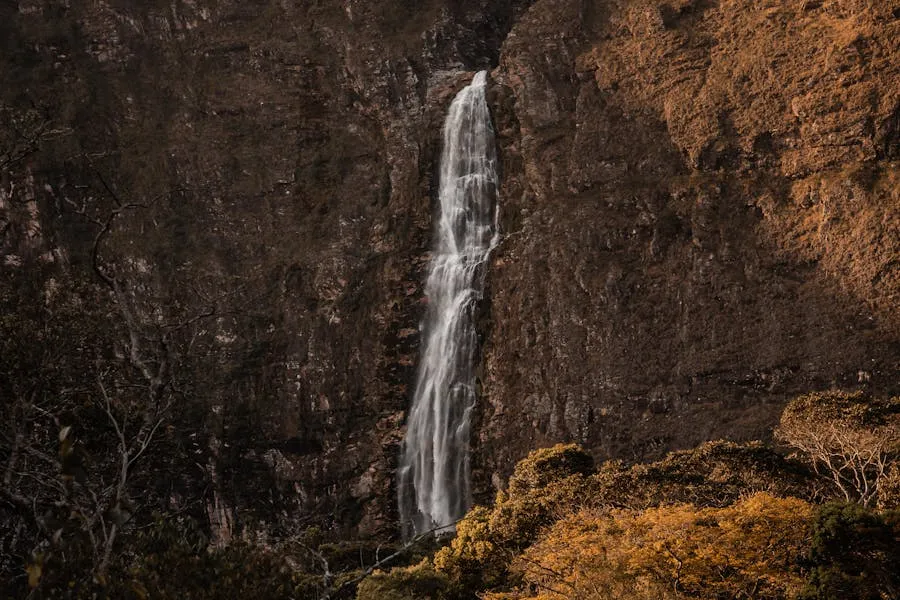
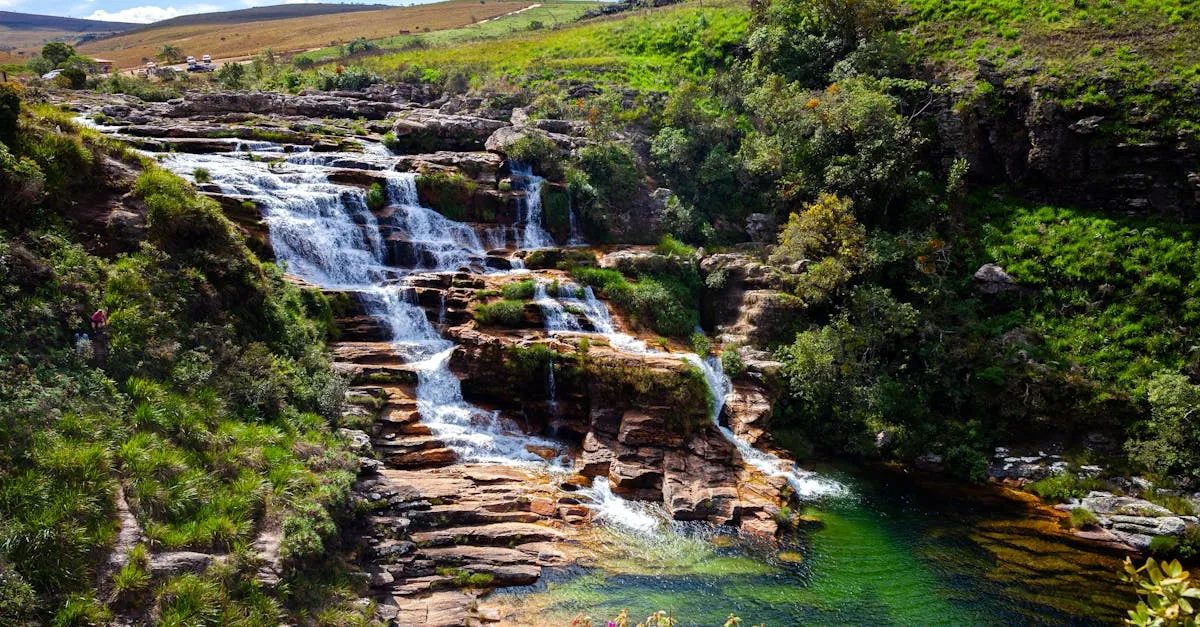
Waterfall cascading in Serra da Canastra National Park, Minas Gerais

Brazil’s scale means the famous-name circuit barely scratches the country. The places below sit off the standard Rio–Salvador–Iguaçu trail and reward travellers willing to add a third week or substitute a hidden gem for one of the headliners.

Top Hikes

HikeLocationDifficulty & LengthHighlights
Vale do PatiChapada DiamantinaModerate – 3–5 dayThrough a hidden valley in Bahia. Tabletop mountains, waterfalls, cave camping. Guided, moderate difficulty. One of Brazil’s best multi-day hikes.
Trilha da Pedra da GáveaRioChallengingHalf-day scramble to a 844 m granite monolith with panoramic views of Rio. Requires a scramble section with ropes. Go with a guide.
Trilha T6 to Dois RiosIlha GrandeModerate – 3–4 hrAcross the island through Atlantic Forest to a secluded beach backed by ruins of a former prison colony. Moderate.
Cachoeira da FumaçaChapada DiamantinaModerateHike to the top of a 340 m waterfall. Half-day, moderate. The water often evaporates before reaching the bottom, hence the name “smoke waterfall.”
Pico da BandeiraMinas Gerais/Espírito SantoTechnical – 12 kmBrazil’s third-highest peak at 2,891 m. A 12 km round-trip hike, non-technical but demanding. Sunrise from the summit is extraordinary.
Chapada dos Veadeiros trailsSaltos do Rio Preto (80 m and 120 m waterfalls), Carrosãis trail, and the Cânion 2 trail. Day hikes with mandatory guide for some routes.
Transpantaneira Road145 kmNot a hike but a 145 km raised dirt road through the northern Pantanal with 122 wooden bridges. Self-drive or guided. Wildlife visible from the car window, including caimans, capybaras, birds, and occasionally jaguars.

Activities

  • Snorkelling in Bonito: Crystal-clear rivers with 60 m visibility. Float downstream alongside hundreds of fish in water so transparent it feels like an aquarium without glass. Book through authorised agencies.
  • Diving at Fernando de Noronha: Spinner dolphins, reef sharks, turtles, rays. Visibility 30–50 m (Aug–Oct peak). Two dives ~R$ 700–900. Marine park entry ~R$ 384 (non-Brazilian).
  • Surfing: Florianópolis (Praia da Joaquina, Praia Mole), Itacaré (Bahia), Jericoacoara (kite + wind), Maresias (São Paulo coast). Board rental R$ 50–80/day.
  • Boat trips from Paraty: Half-day or full-day escuna (schooner) tours stopping at islands and beaches for swimming and snorkelling. ~R$ 80–120. Run daily.
  • Rafting the Rio Jacaré-Pepira: Near Brotas (São Paulo state). Class III–IV rapids, half-day trips. R$ 150–250.
  • Kayaking in the Amazon: Paddling through flooded forest (igapó) during the wet season is a unique way to experience the jungle canopy from water level.
  • Stand-up paddleboarding in Arraial do Cabo: The “Brazilian Caribbean” with calm, impossibly blue water 2.5 hrs east of Rio.

Off the Beaten Path

Brazil’s scale means the famous-name circuit barely scratches the country. The places below sit off the standard Rio–Salvador–Iguaçu trail and reward travellers willing to add a third week or substitute a hidden gem for one of the headliners.

Trindade beach near Paraty

Trindade (near Paraty)

A tiny fishing village at the end of a dead-end road, with a natural ocean pool (Piscina Natural do Cachadaço) formed by rocks. Walk 20 minutes through forest to reach it. Far quieter than Paraty itself.

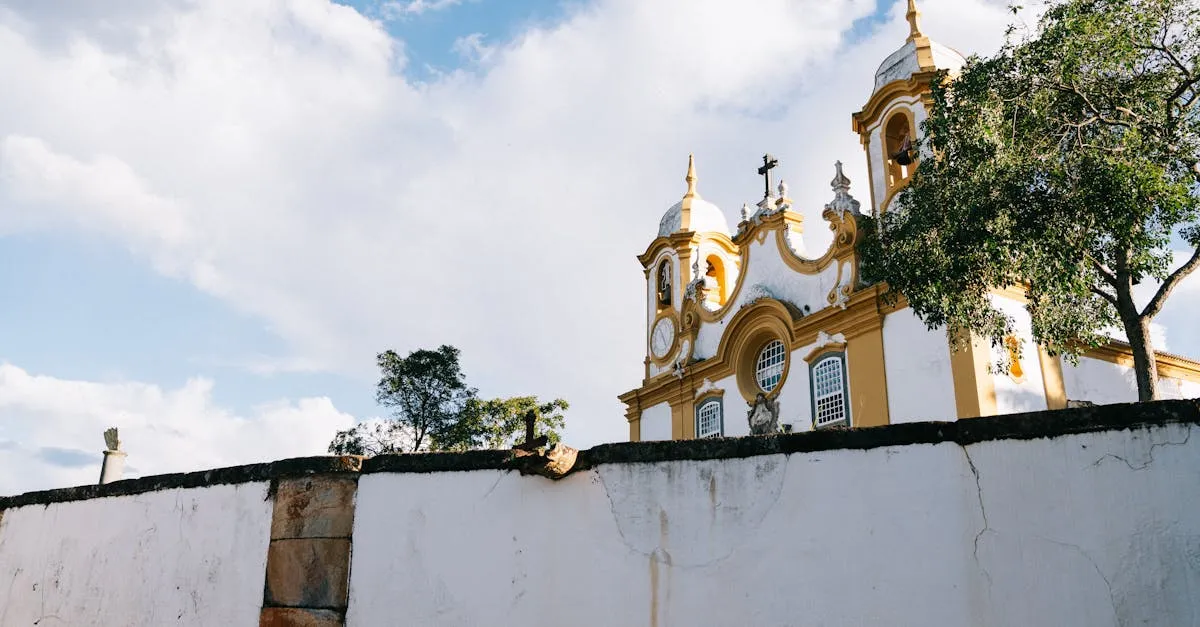
Tiradentes colonial town

Tiradentes (Minas Gerais)

A miniature colonial town with emerging gastronomy, antique shops and the steam-train connection to São João del-Rei. Less crowded and more atmospheric than Ouro Preto.

Alto Paraíso de Goiás waterfall

Alto Paraíso de Goiás

Gateway to Chapada dos Veadeiros and a magnet for Brazil’s alternative/spiritual community. Crystal shops, yoga retreats, excellent vegetarian food, and some of the best hiking in the country 30 minutes down the road.

Praia do Espelho beach

Praia do Espelho (Bahia)

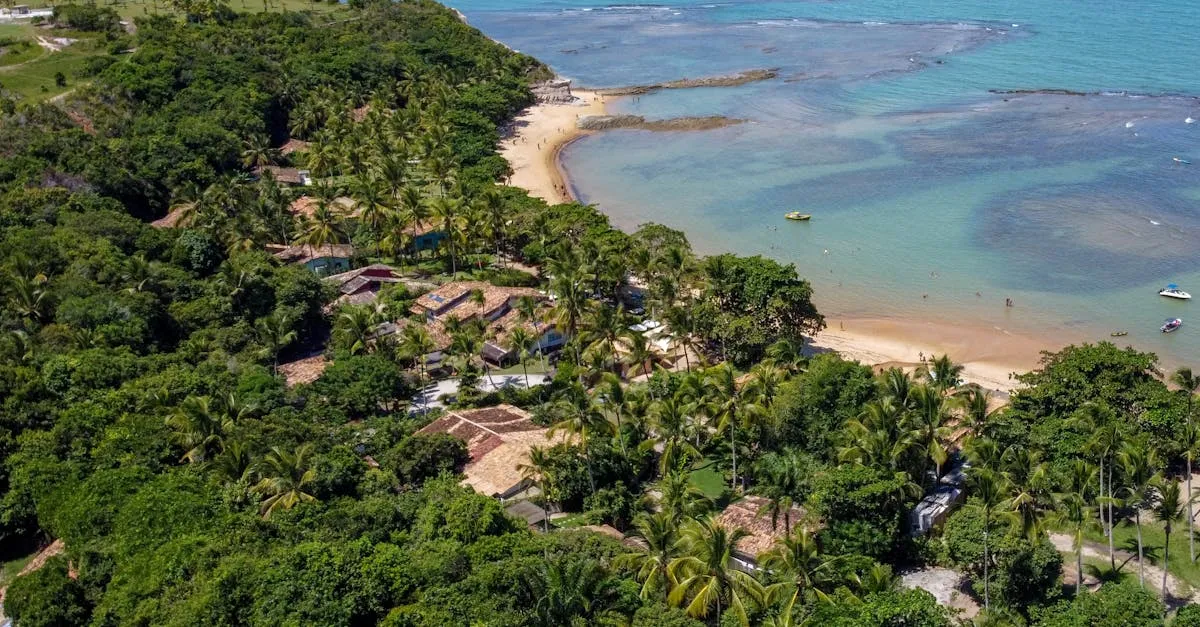
A cliff-backed beach between Porto Seguro and Trancoso, accessible by dirt road. At low tide, natural pools with coral reefs appear. One of Brazil’s most beautiful beaches with almost no infrastructure.

Brotas adventure waterfall

Brotas (São Paulo state)

An adventure-sports town with rafting, rappelling, zip-lining and river floating, 250 km from São Paulo. Popular with paulistanos but almost unknown to international visitors.

Jalapão sand dunes

Jalapão (Tocantins)

A remote cerrado wilderness with golden dunes, ferruginous springs (warm orange water) and absolute solitude. Requires a 4×4 and a guide. Two days minimum. Best May–September.

São Tomé das Letras

São Tomé das Letras (Minas Gerais)

A mystical hilltop town built on quartz slabs, known for UFO sightings, waterfalls and a genuinely weird energy. Day-trippable from São Paulo.

Ibirapuera Park São Paulo

Ibirapuera Park (São Paulo)

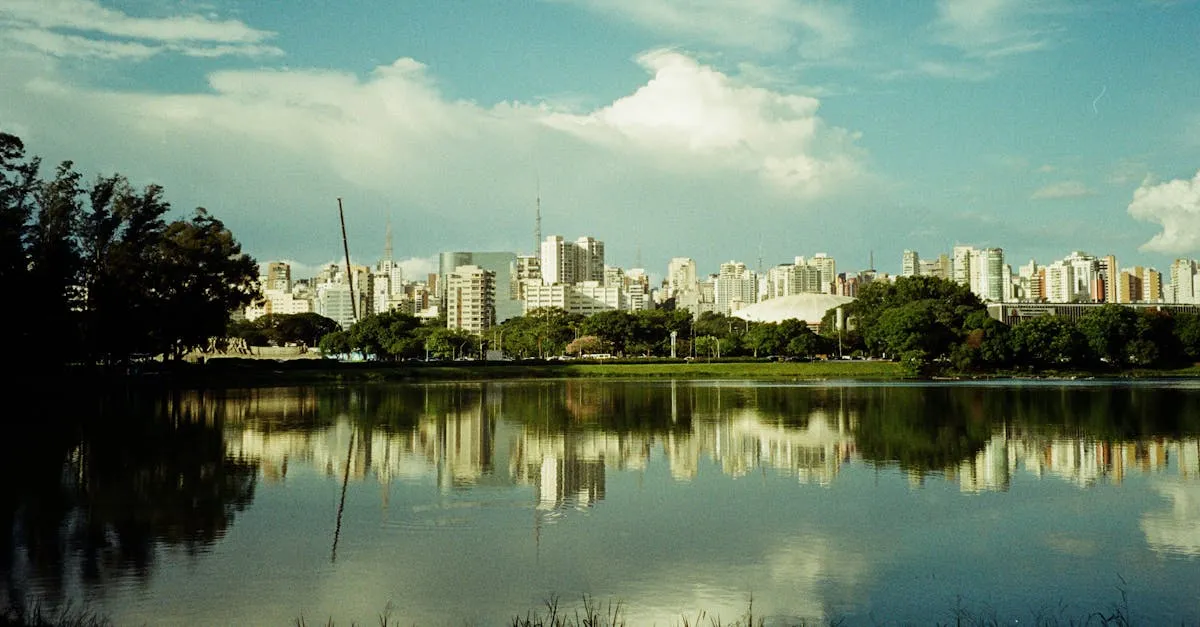
São Paulo’s Central Park. Niemeyer-designed buildings, free museums (MAM, Afro Brazil), running paths, and resident capybaras. Sunday mornings are the best time.

Wildlife & Nature

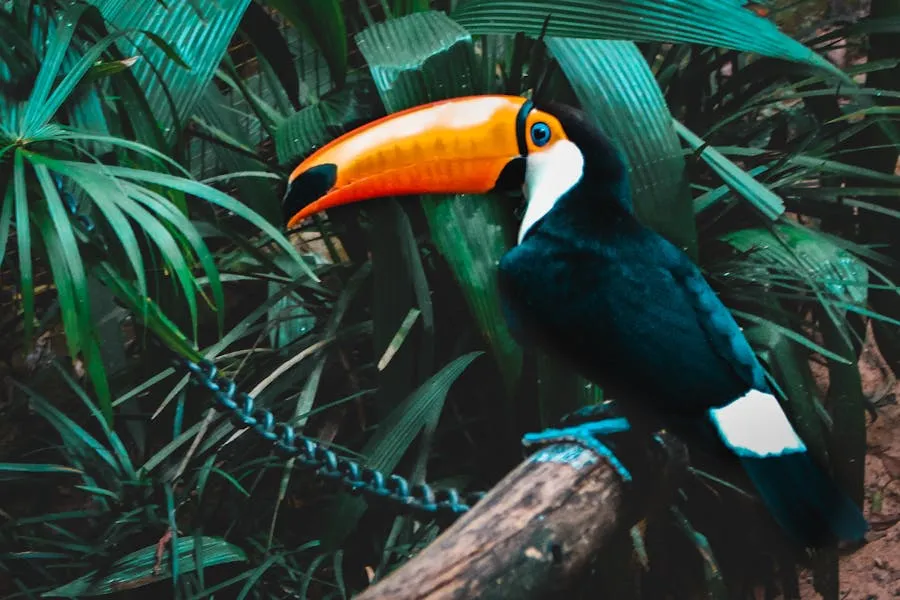
Toco Toucan perched on a branch amidst tropical foliage in Foz do Iguaçu

Brazil holds an estimated 15–20% of the world’s total species. The Pantanal and Amazon are the headline ecosystems, but wildlife is everywhere. Toucans in Iguaçu, monkeys in Tijuca Forest (Rio), dolphins off Fernando de Noronha.

  • Jaguars (Pantanal): The northern Pantanal around Porto Jofre has the highest density of jaguars on Earth. August–September is peak season. Multi-day boat safaris achieve sighting rates of 80%+.
  • Spinner dolphins (Fernando de Noronha): Hundreds of spinners enter the Baía dos Golfinhos every morning. Watch from the viewpoint above or join a boat trip. One of the largest resident populations in the world.
  • Giant river otters (Pantanal): 1.5–1.8 m long, hunting in family groups. Vocal, theatrical and surprisingly aggressive toward caimans.
  • Hyacinth macaws (Pantanal): The world’s largest parrot. Bright cobalt blue, 1 m wingspan. Best seen around the Transpantaneira lodges.
  • Caimans: Yacaré caimans in the Pantanal number in the millions. You will see thousands, especially at night on spotlight boat tours.
  • Sea turtles (Fernando de Noronha, Praia do Forte): Nesting season October–March. The Projeto TAMAR centres at Praia do Forte (Bahia) and Noronha educate and protect nesting sites.
  • Pink river dolphins (Amazon): Botos are endemic to the Amazon and Orinoco basins. Seen on river boat trips from Manaus. Pale pink, surprisingly large.
  • Capybaras: The world’s largest rodent, and absurdly relaxed about human presence. Ubiquitous in the Pantanal and common in urban parks (São Paulo’s Ibirapuera Park has a resident population).
  • Toucans & birds: Brazil has ~1,900 bird species. The Parque das Aves at Iguaçu, the Pantanal and any Atlantic Forest fragment are exceptional birding destinations.

Route A: Classic Southeast (13 nights)

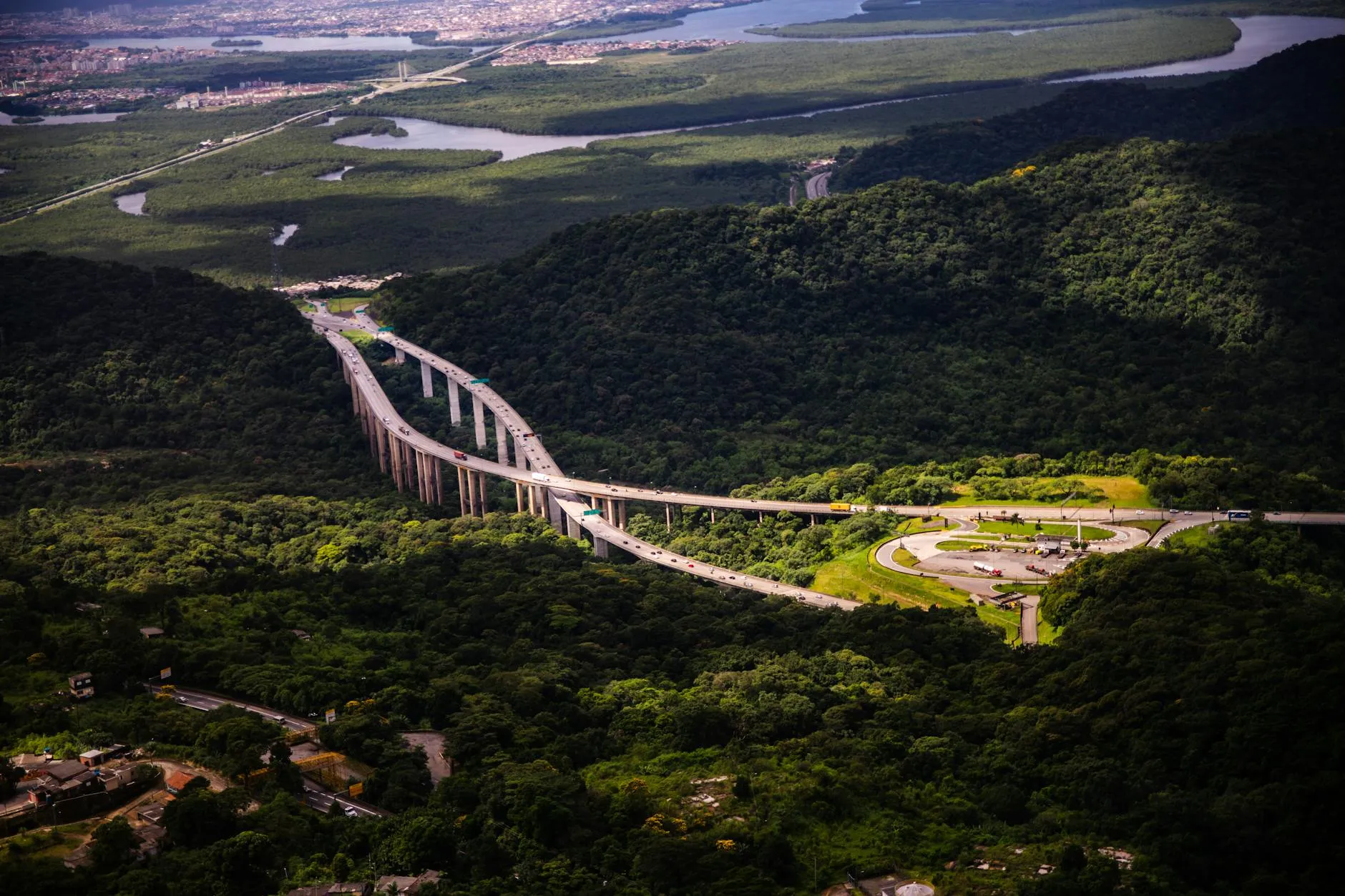
Breathtaking aerial view of a highway cutting through lush greenery in Santos, São Paulo, Brazil.

14 days on the ground. Arrival on day 1, departure on day 14, with 13 nights of sleep. This route covers the southeast’s greatest hits. Rio de Janeiro, the Costa Verde coast (Ilha Grande and Paraty), São Paulo and Iguaçu Falls. Five base changes, one domestic flight, and a pace that balances city, coast and nature without exhaustion. Best for first-time visitors who want Brazil’s most iconic experiences in a comfortable two weeks.

Day-by-day itinerary

Day 1: Arrival in Rio de Janeiro

Land at Galeão (GIG). Transfer to hotel in Copacabana, Ipanema or Santa Teresa. No sightseeing. Settle in, find dinner, walk the beachfront promenade at sunset.

Days 2–3: Rio de Janeiro

Day 2: Corcovado early morning (Cristo Redentor, book timed-entry tickets), then Santa Teresa by tram or Uber. Artist studios, Parque das Ruínas, lunch at a hillside restaurant. Afternoon is Jardim Botânico. Day 3: Sugarloaf cable car (best at sunset, go mid-afternoon), Copacabana and Ipanema beach time, Arpoador rock at sunset. Evening is Lapa for live samba at Pedra do Sal or Rio Scenarium.

Day 4: Rio → Ilha Grande

Travel day. Bus from Rio to Mangaratiba or Conceição de Jacareí (~2.5 hrs), then ferry to Abraão village (~1–1.5 hrs, R$ 20–40). Arrive early afternoon. Walk the village, find a beachfront pousada, swim at Praia do Abraão. No major activities.

Day 5: Ilha Grande

Full day. Hike to Praia de Lopes Mendes (one of Brazil’s most beautiful beaches, 3 km of white sand, moderate 2.5 hr trail) or take a boat trip around the island with snorkelling stops at Lagoa Azul and Lagoa Verde. Return to Abraão for a seafood dinner.

Day 6: Ilha Grande → Paraty

Travel day. Morning ferry from Abraão to Angra dos Reis or Mangaratiba, then bus to Paraty (~2–3 hrs total). Arrive early afternoon. Walk the cobblestone colonial centre. Paraty’s streets flood at high spring tides. An 18th-century engineering feature. Evening is cachaça tasting at a local distillery or bar.

Day 7: Paraty

Morning: escuna (schooner) boat trip to islands and beaches (R$ 80–120, full or half day, swimming and snorkelling stops). Afternoon: walk to Trindade village (20 min by bus) for the Piscina Natural rock pools. Or visit a cachaça distillery and hike the Caminho do Ouro (Gold Trail, a colonial-era stone path through forest).

Day 8: Paraty → São Paulo

Travel day. Bus to São Paulo (~5.5–6.5 hrs, R$ 100–160). Arrive late afternoon. Check into a hotel in Jardins, Pinheiros or Vila Madalena. Evening: explore the neighbourhood. Vila Madalena’s Beco do Batman (graffiti alley) and bars.

Day 9: São Paulo

Morning is Pinacoteca do Estado (best Brazilian art collection) and Parque da Luz. Lunch in Liberdade (Japanese quarter, ramen, tempura, mochi). Afternoon is MASP on Avenida Paulista (free on Tuesdays). Evening is dinner at a churrascaria rodízio or one of São Paulo’s acclaimed restaurants (the city has more restaurants than any other on Earth).

Day 10: São Paulo → Foz do Iguaçu

Travel day. Fly São Paulo (GRU or CGH) → Foz do Iguaçu (~1 hr 40 min, R$ 300–600). Arrive midday. Transfer to hotel. Afternoon free for pool, rest, or exploring the Three Borders Landmark (where Brazil, Argentina and Paraguay meet at the rivers). No major activities.

Day 11: Iguaçu Falls (Brazilian side)

Full day. Parque Nacional do Iguaçu (entry ~R$ 190 for non-Brazilians). The main walkway gives the panoramic overview of 275 waterfalls across a 2.7 km cliff. Optional is Macuco Safari boat ride directly under the falls (~R$ 350, you will get completely soaked). Afternoon is Parque das Aves (Bird Park) at the park entrance. Walk-through aviaries with toucans, macaws and harpy eagles.

Day 12: Iguaçu Falls (Argentine side)

Full day. Cross to the Argentine side (passport required, no visa for EU/UK citizens). Parque Nacional Iguazú has extensive catwalks that put you inside the falls system. The Garganta del Diablo (Devil’s Throat) viewpoint is staggering. A horseshoe of water falling into mist. Allow 4–5 hours for the upper and lower circuits. Optional is Gran Aventura boat ride. Return to Brazilian side evening.

Day 13: Foz do Iguaçu → Rio de Janeiro

Fly Foz → Rio (GIG) (~2 hrs, R$ 300–600). Arrive early afternoon. Last half-day in Rio. Ipanema sunset, farewell dinner. Or spend the afternoon at the Feira de São Cristóvão (northeast culture market, live forró music, regional food, open Thursday–Sunday).

Day 14: Departure

Transfer to Galeão (GIG). International flight home. No sightseeing today.

This route has 5 base changes (Rio → Ilha Grande → Paraty → São Paulo → Iguaçu → Rio) and 2 domestic flights. If you want to skip São Paulo, fly directly from Rio to Iguaçu and add an extra day in Paraty or Rio. If you have a Sunday in São Paulo, the Avenida Paulista car-free closure is unmissable.

Route B: Brazil Highlights (20 nights)

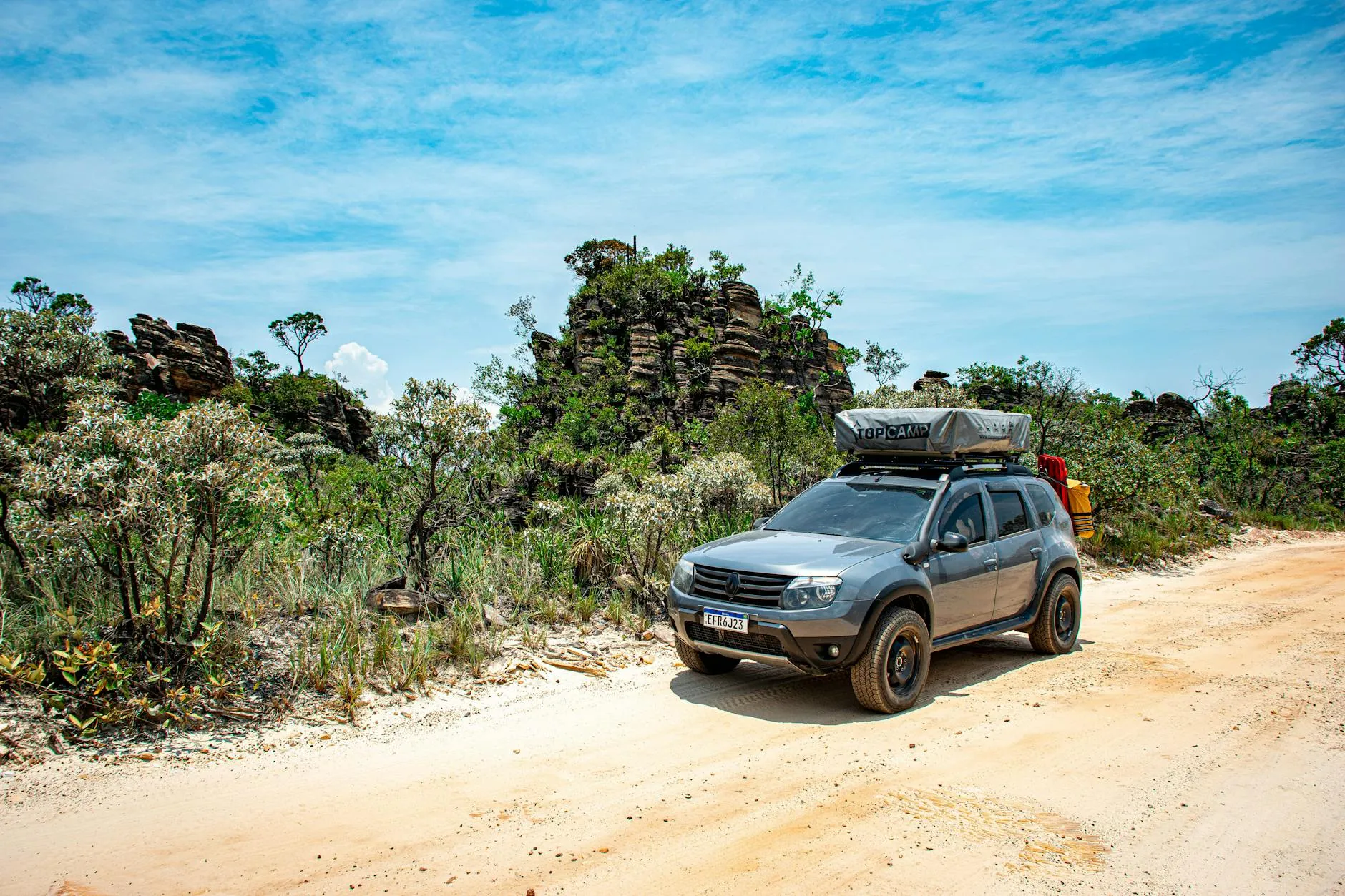
4x4 vehicle on a scenic dirt road in Serra da Canastra, Brazil, ideal for off-road adventures.

21 days on the ground. Arrival on day 1, departure on day 21, with 20 nights of sleep. This route combines the southeast core with Salvador, Chapada Diamantina and Iguaçu Falls. Four base changes, three domestic flights, and enough rest days to absorb the hiking without rushing. The shape runs Rio, Salvador, Chapada Diamantina, Iguaçu, São Paulo, covering coastline, Afro-Brazilian culture, highland trekking, and the world’s most spectacular waterfall.

Day-by-day itinerary

Day 1: Arrival in Rio de Janeiro

Land at Galeão (GIG). Transfer to hotel. No sightseeing. Settle in, beachfront walk, early dinner.

Days 2–4: Rio de Janeiro

Day 2: Corcovado (Cristo Redentor, timed-entry), Santa Teresa neighbourhood, Parque das Ruínas, Jardim Botânico. Day 3: Sugarloaf cable car (go mid-afternoon for sunset), Copacabana and Ipanema beaches, Arpoador rock. Evening: Lapa samba. Day 4: Free day. Niterói ferry for the Niemeyer Museum, or hike Pedra da Gávea (guided, challenging), or beach day. Feira de São Cristóvão if it’s a weekend.

Day 5: Rio → Salvador

Fly Rio (GIG) → Salvador (SSA), ~2 hrs 10 min, R$ 300–600. Arrive early afternoon. Check into a pousada in Pelourinho or Santo Antônio. Walk the Pelourinho. Pastel colonial buildings, Candomblé bead shops, acarajé from a baiana street vendor. Evening is live music on the Terreiro de Jesus square (every night, but Tuesday is the famous Bênção party).

Days 6–7: Salvador

Day 6: Pelourinho deep dive. São Francisco Church (gold-covered interior), Afro-Brazilian Museum, Elevador Lacerda, Mercado Modelo. Afternoon is Bonfim Church (tie a wish ribbon). Day 7: Beach day at Praia do Farol da Barra or Itapuã. Capoeira demonstration in Pelourinho. Cooking class for Bahian cuisine (moqueca, vatapá) if available. Evening free.

Day 8: Salvador → Chapada Diamantina

Travel day. Fly Salvador → Lençóis (LEC) on Azul (~1 hr, limited frequency, R$ 300–500) or bus (~6–7 hrs, R$ 120–180). Arrive afternoon. Walk the town, plan activities with a local guide agency. No major activities.

Days 9–11: Chapada Diamantina

Day 9: Morro do Pai Inácio sunrise hike (iconic tabletop mountain, 360° views, 1.5 hrs up). Afternoon is Pratinha cave pool (snorkel in crystal-clear cave water). Day 10: Cachoeira da Fumaça hike (Smoke Waterfall, 340 m drop, half-day, moderate). Afternoon is Ribeirão do Meio natural waterslide. Day 11: Poco Encantado or Poco Azul (underground cave pools lit by sunbeams, Apr–Sep for best light). Afternoon is Gruta da Lapa Doce (stalactite cave, guided).

Day 12: Recovery day in Lençóis

Rest after three days of hiking and caving. Walk the town, visit the diamond mining history museum, shop for local crafts. Laundry, slow lunch, pack for the next leg.

Day 13: Chapada Diamantina → Salvador → Foz do Iguaçu

Travel day. Fly or bus to Salvador (morning), connect to Foz do Iguaçu (afternoon flight, ~3 hrs with connection via São Paulo or Brasília). Arrive evening. Transfer to hotel. No activities.

Day 14: Iguaçu Falls (Brazilian side)

Full day. Parque Nacional do Iguaçu. Panoramic walkway, Macuco Safari boat ride under the falls (optional, ~R$ 350). Afternoon is Parque das Aves (Bird Park). The Brazilian side is the overview. Savour the scale.

Day 15: Iguaçu Falls (Argentine side)

Full day. Cross to the Argentine side (passport required). Upper and lower circuits on catwalks through the falls. Garganta del Diablo is the centrepiece. Allow 4–5 hours minimum. Return to Brazilian side evening.

Day 16: Recovery & free day in Foz

Rest day. Sleep in, pool time, or explore the city. Optional is Itaipu Dam tour (the world’s second-largest hydroelectric dam, R$ 40–120, guided), or revisit either side of the falls for golden-hour photos. Pack for departure.

Day 17: Foz do Iguaçu → São Paulo

Travel day. Fly Foz → São Paulo (GRU or CGH), ~1 hr 40 min. Arrive midday. Check into Jardins, Pinheiros or Vila Madalena. Afternoon: walk the neighbourhood, Beco do Batman graffiti alley, first pão de queijo and cafezinho at a local bakery.

Days 18–19: São Paulo

Day 18: Pinacoteca do Estado, Parque da Luz, Mercado Municipal (try the legendary mortádela sandwich and pastel de bacalhau). Afternoon is Liberdade (Japanese quarter). Evening is rodízio dinner or contemporary restaurant. Day 19: MASP on Avenida Paulista (free Tuesdays). Ibirapuera Park. MAM, Afro Brasil Museum, capybaras. If Sunday, Paulista Avenue car-free. Evening is Vila Madalena bars.

Day 20: São Paulo (free day)

Day trip to Inhotim (open-air art museum, 1.5 hrs by flight + transfer from BHZ) if ambitious. Or explore São Paulo’s food scene. Feira street market in the morning, cooking class, or simply eat through a new neighbourhood. Last evening is rooftop bar with city views.

Day 21: Departure

Transfer to GRU. International flight home. No sightseeing today.

This route has 4 base changes (Rio, Salvador, Chapada, Iguaçu, São Paulo) and 3 domestic flights. The Chapada to Iguaçu connection on Day 13 is the longest travel day. Book flights early for reasonable fares. If you prefer a beach ending, swap São Paulo for 3 nights in Paraty or Ilha Grande and fly home from Rio.

Route C: Wild Interior (20 nights)

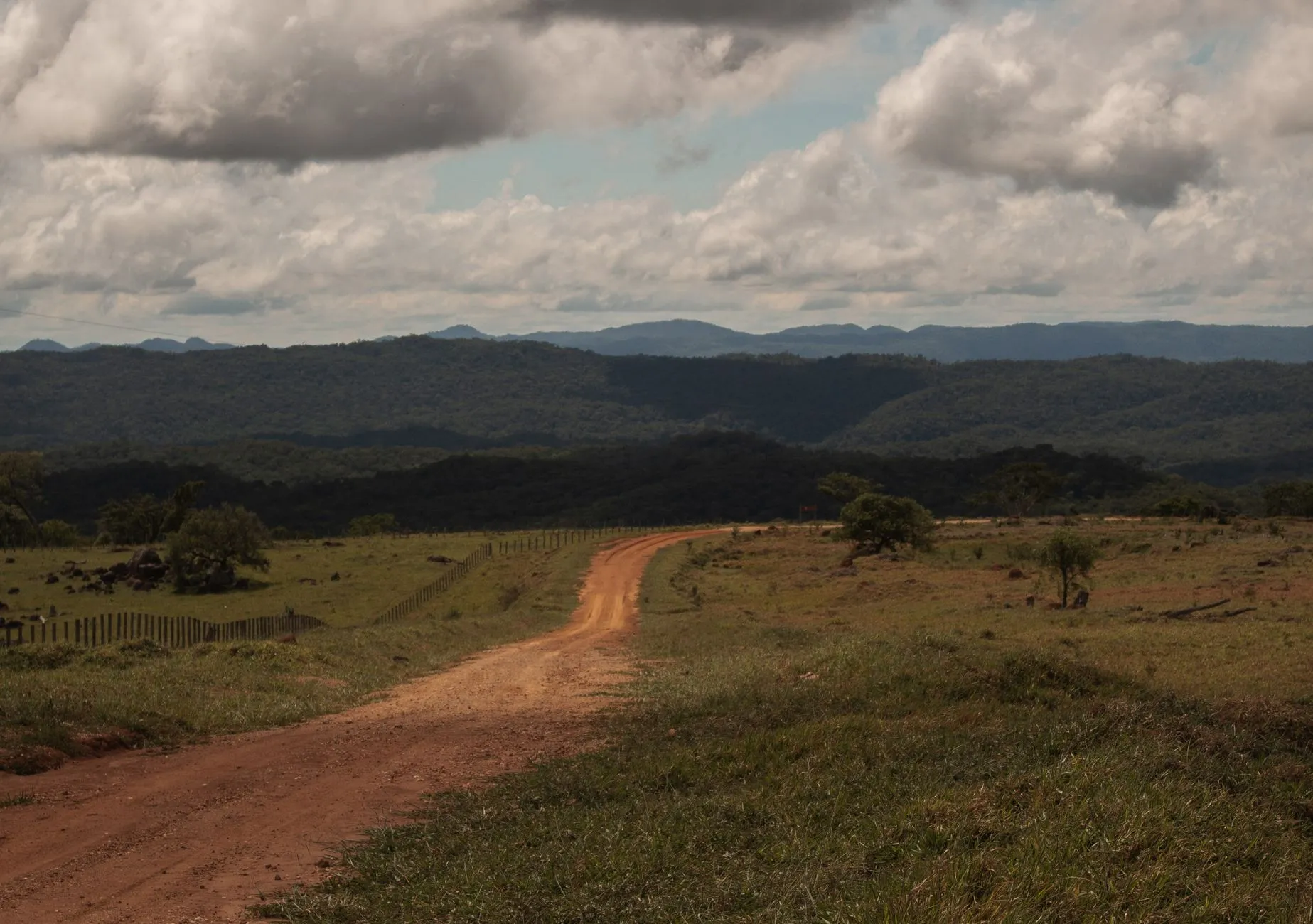
Explore the scenic rural landscape of Bonito, Brazil with this dirt road view leading through lush fields and rolling hills.

21 days on the ground. Arrival day 1, departure day 21, 20 nights. This route deliberately skips Rio, the northeast and the coast in favour of Brazil’s interior wildlife, colonial history and geological spectacles. Six base changes, three domestic flights, and a strong nature/adventure focus. Best for travellers who have done Rio and the coast, or who prioritise wildlife over beaches. Requires moderate fitness and tolerance for remote settings.

Day-by-day itinerary

Day 1: Arrival in São Paulo

Land at Guarulhos (GRU). Transfer to hotel in Jardins or Pinheiros. No sightseeing. Settle in, neighbourhood walk, dinner.

Day 2: São Paulo

Pinacoteca, Mercado Municipal, Avenida Paulista and MASP. Evening: Vila Madalena. One city day to set the cultural baseline before heading into the interior.

Day 3: São Paulo → Ouro Preto

Travel day. Fly SP → Belo Horizonte (CNF, ~1 hr), then bus to Ouro Preto (~2 hrs, R$ 40–60). Arrive mid-afternoon. Walk the steep cobblestone streets, first glimpse of Baroque churches. Evening: dinner in a colonial-era restaurant.

Days 4–5: Ouro Preto & Minas Gerais

Day 4: Church circuit. São Francisco de Assis (Aleijadinho masterpiece), Nossa Senhora do Pilar, the Mining Museum in the old governor’s palace. Mina da Passagem underground mine tour (descend 120 m by trolley, R$ 60–90). Day 5: Day trip to Tiradentes by bus via São João del-Rei (~2.5 hrs). Steam train connection between the two towns (35 min). Tiradentes’s food scene for lunch. Return to Ouro Preto evening.

Day 6: Ouro Preto → Brasília → Chapada dos Veadeiros

Travel day. Bus to Belo Horizonte (~2 hrs), fly to Brasília (BSB, ~1.5 hrs). Rent a car at BSB airport and drive to Alto Paraíso de Goiás (~3.5 hrs). Arrive evening. Check into a pousada.

Days 7–9: Chapada dos Veadeiros

Day 7: National park. Saltos do Rio Preto trail (80 m and 120 m waterfalls, full day, moderate, guided). Day 8: Cânion 2 trail (red-rock canyon with swimming pool at the bottom) or Vale da Lua (“Moon Valley”, quartz rock formations carved by water). Day 9: Carrosãis trail or free morning in Alto Paraíso. Afternoon is hot springs at Caldãs do Rio Quente or a natural cerrado pool.

Day 10: Chapada dos Veadeiros → Brasília

Drive back to Brasília (~3.5 hrs). Afternoon is quick tour of the modernist capital. Catedral Metropolitana (Niemeyer’s hyperboloid), Congress building, Praça dos Três Poderes. Return rental car. Night in Brasília.

Day 11: Brasília → Cuiabá → Pantanal

Travel day. Fly Brasília → Cuiabá (CGB, ~1.5 hrs). Transfer to Pantanal lodge (2–3 hrs by road, arranged by lodge). Arrive late afternoon. First sunset from the lodge deck. Night walk for caimans.

Days 12–15: Pantanal

Four nights in the Pantanal. All-inclusive lodge with two to three guided activities per day. Day 12: Morning boat safari (caimans, capybaras, birds), afternoon horseback ride through the wetland. Day 13: Transpantaneira Road drive for bird photography, night spotlight tour for caimans and owls. Day 14: Jaguar boat safari (if in the Porto Jofre area, Aug–Sep, sighting rates 80%+). Fishing for piranhas. Day 15: Dawn bird walk (jabiru storks, hyacinth macaws, roseate spoonbills), afternoon kayak or canoe in the marsh channels.

Day 16: Pantanal → Bonito

Travel day. Transfer from lodge to Cuiabá (2–3 hrs), fly or drive to Campo Grande (CGR, ~1 hr flight or 8 hr drive), then onward to Bonito (~4.5 hrs by bus/shuttle or 3 hrs by car). Alternatively, some lodges arrange direct overland transfers to Bonito (~6–8 hrs). Arrive evening.

Days 17–18: Bonito

Day 17: Flutuão at Rio da Prata or Rio Sucuri. Float downstream in crystal-clear water (visibility 40–60 m) surrounded by fish. Afternoon is Gruta do Lago Azul (Blue Lake Cave, sunbeam enters the cave at specific times, creating impossible blue). Day 18: Nascente Azul (blue spring) or Buraco das Araras (a sinkhole with nesting red-and-green macaws). Afternoon free. Aquário Natural snorkelling or rest.

Day 19: Bonito → Foz do Iguaçu

Travel day. Bus or shuttle to Campo Grande (4.5 hrs), fly to Foz do Iguaçu (1.5 hrs via connection). Or take the direct bus Bonito to Foz (long, ~12 hrs, overnight option). Arrive evening.

Day 20: Iguaçu Falls

One big day for both sides. Morning: Brazilian side (panoramic walkway, 2–3 hrs). Afternoon: cross to Argentine side for the Garganta del Diablo and the upper circuit (3–4 hrs). This is tight but doable if you start early. Alternatively, pick one side and do it thoroughly.

Day 21: Departure

Fly from Foz do Iguaçu (IGU). Direct international connections to Buenos Aires and Santiago, or connect via São Paulo (GRU) for European flights. No sightseeing today.

This route has 6 base changes (SP, Ouro Preto, Chapada dos Veadeiros, Pantanal, Bonito, Iguaçu) and 3 domestic flights. The logistically hardest section is Day 16 (Pantanal to Bonito). Book transfers through the lodge and confirm timings. If wildlife is the priority, extend the Pantanal to 5 nights and cut Ouro Preto. If geology interests you more, swap Bonito for Chapada Diamantina and reroute via Salvador. Best season is July–September (Pantanal dry, Chapada dry, Bonito clearest water).

Getting Around

Local transportation and getting around

Brazil is enormous and distances between regions are long. Domestic flights are not optional. They are structural to any multi-region itinerary. Buses are comfortable but slow. Within cities, ride-hailing apps work well. Renting a car is useful in specific regions (Chapada dos Veadeiros, Minas Gerais) but unnecessary and inadvisable in Rio and São Paulo.

✈️ Domestic Flights

GOL, LATAM, Azul. Essential for Brazil’s size. São Paulo–Salvador 2.5h vs 28h by bus. Book early for deals under R$200.

🚌 Long-Distance Buses

Comfortable leito (sleeper) buses for medium distances. 1001, Kaissara, Real Expresso. Book via clickbus.com.br or buscaonibus.com.br.

🚗 Within Cities

Rio/SP: metro + buses. Uber and 99 are cheap and safe everywhere. Essential for navigating sprawling Brazilian cities at night.

🚗 Rental Cars

Useful for Chapada, Minas Gerais, coastal drives. Avoid driving in Rio/SP centres. Toll roads (pedágio) are frequent on major highways.

Domestic flights

Three carriers dominate. GOL (cheapest average fares, good domestic coverage), LATAM (largest carrier, best international connections), and Azul (best regional network, the only carrier serving many smaller airports like Lençóis, Fernando de Noronha and Bonito). Average domestic fare ~R$ 650–710 (≈ €108–118). Budget fares R$ 300–500 when booked 2–3 weeks ahead. Key routes:

  • São Paulo ↔ Rio: ~1 hr, R$ 250–500 (shuttle frequency, multiple daily)
  • Rio ↔ Salvador: ~2 hrs 10 min, R$ 300–600
  • São Paulo ↔ Foz do Iguaçu: ~1 hr 40 min, R$ 300–600
  • São Paulo ↔ Cuiabá (Pantanal): ~2 hrs 15 min
  • Salvador ↔ Lençóis (Chapada): ~1 hr (Azul, limited)
  • Recife ↔ Fernando de Noronha: ~1 hr 10 min (Azul, GOL)

Long-distance buses

Comfortable and reliable, but slow. Operators are 1001, Kaissara, Real Expresso, Reunidas Paulista. Book at terminals or via clickbus.com.br and buscaonibus.com.br. Classes are convencional (standard), semi-leito (reclining, recommended for trips >4 hrs) and leito (full sleeper, 50–100% more expensive). Key routes:

  • Rio → Paraty: 4–5 hrs, R$ 90–140
  • Paraty → São Paulo: 5.5–6.5 hrs, R$ 100–160
  • Salvador → Lençóis: 6–7 hrs, R$ 120–180
  • Any leg >8 hrs, check flight prices first. Often comparable.

Within cities

  • Rio: Uber and 99 work everywhere. Metro covers Copacabana–Ipanema–Centro. Avoid hailing yellow taxis at night.
  • São Paulo: Excellent metro system. Uber and 99 for everything else. Traffic is legendary. Avoid driving.
  • Salvador: Uber and 99 in tourist areas. The Elevador Lacerda connects upper and lower cities.
  • Smaller towns (Paraty, Lençóis, Bonito): Uber availability limited. Local taxis, colectivos and walking.

Budget Breakdown

Budget breakdown and travel costs

Indicative daily costs for two people sharing a private double room. Excludes international flights and one-off anchor costs. Exchange rate used is 1 EUR ≈ 6.00 BRL (check current rate before travel, the BRL is volatile).

ItemBackpacker (couple/day)Mid-range (couple/day)Comfort (couple/day)
AccommodationR$ 100–200 (≈ €17–33)R$ 250–500 (≈ €42–83)R$ 500–1,000+ (≈ €83–167+)
Food & drinkR$ 80–150 (≈ €13–25)R$ 150–350 (≈ €25–58)R$ 400–700 (≈ €67–117)
Local transportR$ 20–50 (≈ €3–8)R$ 50–120 (≈ €8–20)R$ 120–250 (≈ €20–42)
Activities/toursR$ 30–80 (≈ €5–13)R$ 100–300 (≈ €17–50)R$ 300–600 (≈ €50–100)
Daily total€38–79€92–211€220–426+

One-off “anchor” costs to plan for

  • Iguaçu Falls (Brazilian side): ~R$ 190 (≈ €32) per person, non-Brazilian rate. Macuco Safari boat: ~R$ 350 (≈ €58).
  • Iguaçu Falls (Argentine side): Variable due to Argentine peso inflation. Expect €20–35 per person. Gran Aventura boat extra.
  • Fernando de Noronha environmental tax: ~R$ 106/day per person (2026). Marine park entry: ~R$ 384 per person (non-Brazilian). A 4-night stay costs ~R$ 808 per person in taxes alone.
  • Pantanal lodge (mid-range): R$ 900–1,500/person/day (≈ €150–250) all-inclusive. 3 nights minimum = R$ 2,700–4,500 per person.
  • Amazon lodge (mid-range): R$ 800–1,500/person/day (≈ €133–250) all-inclusive. 3–5 night packages.
  • Domestic flights: R$ 300–700 per leg (≈ €50–117) booked 2–3 weeks ahead.
  • Cristo Redentor (Rio): ~R$ 80–110 per person including cog train.
  • Sugarloaf cable car (Rio): ~R$ 120 per person.

A comfortable mid-range 14-day Southeast trip (Route A) for a couple, including 2 domestic flights and anchor costs but excluding international flights, typically lands around €1,800–3,000. The 21-day Highlights route (Route B) adds Chapada and Salvador, pushing the total to €2,800–4,500. The Wild Interior route (Route C) with Pantanal lodges is the most expensive at €3,500–6,000.

Money-Saving Tips

🍴 Prato Feito

The prato feito (PF / fixed plate) is Brazil’s best budget meal: rice, beans, meat, salad, and farofa for R$ 15–30 (≈ €2.50–5). Available in every town at lanchonetes and simple restaurants

⚖ Per-Kilo Buffets

Restaurantes por quilo let you fill a plate and pay by weight. Huge variety including grilled meats, sushi, and salads. R$ 50–80/kg (≈ €8–13/kg). A generous plate: R$ 20–35

🏖 Free Beaches

Copacabana, Ipanema, Praia do Forte, Jericoacoara, Florianópolis—Brazil’s best beaches cost nothing. Bring your own towel and drinks from a supermarket. Beach vendors sell cold beer and açaí cheap

🚌 Local Buses

City buses cost R$ 4–6 (≈ €0.70–1). Uber and 99 are cheaper than taxis in every major city. For intercity travel, book buses 1–2 weeks ahead on ClickBus or BusBud

🥭 Street Açaí

Açaí from street vendors in the north costs R$ 5–10 per bowl. Tourist-oriented açaí shops in Rio charge R$ 25–40 for a smaller portion. Go where the locals queue

🚌 Overnight Buses

Leito (sleeper) buses between São Paulo, Rio, Salvador, and Foz do Iguaçu save a hotel night. Semi-leito costs 30–50% less than leito and still reclines flat. Book via ClickBus

Practical Information

Airplanes parked at an airport apron, showcasing the busy atmosphere of modern aviation.

💳 Visas

EU/EEA and UK citizens: Visa-free for up to 90 days. Just a valid passport (6+ months validity).

🏥 Health

Yellow fever: Not legally required for entry from most countries, but strongly recommended for travel to the Amazon, Pantanal, Chapada Diamantina,

💶 Money

The Brazilian real (BRL, symbol R$). Planning rate is 1 EUR ≈ 6.00 BRL (volatile, check xe.com before travel).

📶 SIM & WiFi

Local SIMs from Claro, Vivo or TIM are easy to buy at airports and carrier shops with a passport. Starter packages with data: R$ 30–70.

🔌 Electricity

Brazil uses Type N plugs (three round pins) and the unusual voltage split.

🛒 Safety

Brazil's safety requires respect but not fear. The biggest risks are opportunistic theft (phone snatching, pickpocketing) and unlicensed taxis.

Visa

EU/EEA and UK citizens: Visa-free for up to 90 days. Just a valid passport (6+ months validity). US, Canadian and Australian citizens: eVisa required since January 2024. Apply online (~US$ 80), multiple-entry, valid 2 years, processing 5–10 business days. Do not leave this to the last minute. Passport must be valid for at least 6 months from entry date. Proof of onward travel may be requested.

Money

The Brazilian real (BRL, symbol R$). Planning rate is 1 EUR ≈ 6.00 BRL (volatile, check xe.com before travel). ATMs at Banco do Brasil, Bradesco and Itaú accept international Visa/Mastercard. Withdraw from machines inside bank branches or shopping malls for safety. Wise and Revolut cards work well and often get better rates than ATM withdrawals. Credit cards (Visa, Mastercard) widely accepted in cities. Cash essential in smaller towns, markets, beach vendors and street food stalls.

Health and vaccinations

Yellow fever: Not legally required for entry from most countries, but strongly recommended for travel to the Amazon, Pantanal, Chapada Diamantina, rural Minas Gerais and Goiás. A single dose provides lifelong immunity. Vaccinate at least 10 days before travel to endemic areas. Some domestic airport checkpoints ask for proof. Dengue: Present in urban areas across Brazil. Use insect repellent with DEET. Zika: Low-level transmission continues. Pregnant women should consult a travel-medicine clinic. Standard travel vaccinations (Hepatitis A, typhoid) are recommended.

Water

Do not drink tap water anywhere in Brazil. Water treatment exists but distribution pipes are old and unreliable. Always drink bottled or filtered water. A 1.5 L bottle costs R$ 3–5. Restaurants serve filtered water. Ice in established restaurants is generally safe; be cautious in street stalls.

Connectivity

Local SIMs from Claro, Vivo or TIM are easy to buy at airports and carrier shops with a passport. Starter packages with data: R$ 30–70. eSIMs from international providers work. WiFi is widespread in hotels and cafés. Coverage is excellent in cities, patchy in the Pantanal and Chapada regions, and absent in the deep Amazon.

Safety

Brazil’s safety requires respect but not fear. The biggest risks are opportunistic theft (phone snatching, pickpocketing) and unlicensed taxis. Practical rules:

  • Use Uber or 99 at night, everywhere. Do not hail taxis off the street after dark.
  • “Não dâ mole” means do not make yourself an easy target. Keep phones in pockets, not hands. No flashy jewellery. Cheap watch.
  • Carry limited cash (R$ 100–200). Leave passport copies in the hotel safe; carry a photocopy.
  • Do not go into favelas without a local guide or an organised tour.
  • At the beach: bring only what you’re willing to lose. Leave valuables at the hotel. A towel, R$ 50, and sunscreen is all you need.
  • If mugged (rare in tourist areas but possible), do not resist. Hand over what they want. Your insurance covers replacements; your health doesn’t.

Language

Portuguese, not Spanish. Brazilians appreciate any attempt at Portuguese and will meet you halfway with patience and gestures. English is spoken in upmarket hotels, hostels and tour agencies in Rio and São Paulo, but very little elsewhere. Learn basic Portuguese before the trip. Even 50 phrases transform the experience. Google Translate works offline with the Portuguese language pack downloaded.

Electricity

Brazil uses Type N plugs (three round pins) and the unusual voltage split. 127 V in most of the country (Rio, São Paulo, Salvador, Manaus) but 220 V in Brasília, Florianópolis, Recife and some Northeastern states. Check before plugging in. Most modern phone and laptop chargers are dual-voltage (100–240 V) and work fine. Bring a Type N adapter.

Tips & Common Mistakes

Traveler taking photos of a historic church in Porto Seguro, Bahia, Brazil.
  • Underestimating distances: Brazil is larger than the contiguous US. Rio to Salvador is 1,200 km. A 25-hour bus ride or a 2-hour flight. Always check flight prices before booking a bus for any leg over 8 hours.
  • Trying to see everything in two weeks: Pick one or two regions and do them well. A southeast loop (Rio + coast + Iguaçu) or a northeast loop (Salvador + Chapada + coast) is a complete trip. Cramming Amazon, Pantanal and Fernando de Noronha into the same fortnight guarantees you’ll spend most of it in airports.
  • Skipping São Paulo: Many travellers fly through São Paulo without stopping. Two nights reveals the best restaurant city in South America, exceptional museums and a nightlife that dwarfs Rio’s.
  • Assuming it’s always hot: São Paulo drops to 10–14°C in winter. Rio can have grey, 18°C days in July. Pack layers for the south and the highlands.
  • Ignoring the eVisa (US/Canadian/Australian): Since January 2024, you need an eVisa. Processing takes 5–10 business days. Do not show up without one.
  • Taking valuables to the beach: Standard practice for locals: bring a towel, R$ 50 and a waterproof phone pouch. Leave everything else at the hotel. Seriously.
  • Drinking tap water: No. Nowhere in Brazil. Bottled water costs R$ 3–5 and is available everywhere.
  • Forgetting yellow fever vaccination: Not legally required to enter Brazil, but strongly recommended for the Amazon, Pantanal, Chapada and rural Minas Gerais. Some domestic airports ask for proof. Get vaccinated at least 10 days before entering endemic areas.
  • Not learning basic Portuguese: English is rare outside tourist hubs. Even 50 Portuguese phrases dramatically improve the quality of the trip. “Fala inglês?” followed by a smile goes a long way.
  • Using unmarked taxis at night: Uber and 99 are available in every major city. Use them after dark. Do not accept taxis that “happen to pull up” outside clubs or restaurants.
  • Planning Fernando de Noronha on a budget: The island taxes alone (environmental tax + marine park entry) run ~R$ 1,200 per person for a 4-night stay. Add flights and the cheapest pousadas at R$ 400+/night. It’s spectacular but not cheap. Budget it or skip it.
  • Visiting Lençóis Maranhenses in November–December: Most lagoons have dried up by then. Go June–August for full turquoise lagoons and dry weather.
  • Plugging in without checking voltage: Brazil has both 127 V and 220 V depending on the state. Most modern chargers handle both, but hair dryers, curling irons and older electronics may not. Check the label.
  • Rushing Iguaçu: You need a full day per side (Brazilian + Argentine). One day total is not enough. The Argentine side alone takes 4–5 hours of walking on catwalks.
✅ Couple Travel Advantage

Brazil’s pousada scene (boutique guesthouses with 6–12 rooms) is built for couples. Fernando de Noronha, Trancoso, Paraty and Florianópolis all have exceptional pousadas where double-room pricing is barely more than single occupancy, and breakfast is included. Beach destinations particularly benefit from shared costs on boat trips and guided snorkelling.

Final Recommendation

Final recommendation and travel tips

Brazil is the most rewarding large country in South America for a first trip, and one of the most rewarding anywhere. The combination of natural spectacle (Iguaçu, Lençóis, Pantanal), cultural depth (Salvador, São Paulo, Ouro Preto) and human warmth is hard to match. The infrastructure is better than its reputation suggests, and the food alone justifies the flight.

Which route?

  • Route A (14 days): The essential first-timer loop. Rio, Costa Verde coast, São Paulo, Iguaçu. Covers the southeast’s greatest hits at a comfortable pace. Five base changes, two flights.
  • Route B (21 days): Southeast core plus Salvador and Chapada Diamantina. Best for couples who want Afro-Brazilian culture, highland trekking and waterfalls alongside the classic cities. Four base changes, three flights.
  • Route C (21 days): The wildlife and interior alternative. Ouro Preto, Chapada dos Veadeiros, Pantanal, Bonito, Iguaçu. Best for return visitors, wildlife enthusiasts, and anyone who wants to skip the coast. Six base changes, three flights, highest budget due to Pantanal lodges.

Planning sequence

Start with domestic flight bookings. GOL and Azul fares are cheapest 2–3 weeks ahead. Then book Pantanal/Amazon lodges (if applicable) and Fernando de Noronha accommodation (limited supply). Everything else can be arranged on the ground. The restaurante por quilo (pay-by-weight lunch) at a busy local place is the single best travel hack in Brazil. R$ 15–30 for a generous, freshly cooked meal.

July–September is the best all-round window. The southeast is mild and dry, the Pantanal is at peak wildlife, Lençóis Maranhenses lagoons are full, and Fernando de Noronha diving visibility is at its best. December–March is Brazilian summer. Best beach weather but highest prices, biggest crowds and Pantanal flooding. Carnival is an experience unto itself. Budget extra and book early.

Brazil does not reward over-planning. It rewards showing up, eating whatever the person next to you is eating, following music to its source, and saying yes to invitations from strangers who will become friends before the appetiser arrives. Plan the flights and the first night. Let the country do the rest.