Argentina Travel Guide

Tango in Buenos Aires, glaciers in Patagonia, vineyards in Mendoza and the thundering falls of Iguazú. A continent inside one country.

🇦🇷 Argentina Couple Travel Medium Budget

Overview & Why Visit Argentina

Argentine landscape

Argentina is the eighth-largest country in the world and arguably the most geographically varied in South America. From the subtropical Iguazú Falls on the Brazilian border to the windswept glaciers of Patagonia and the towering Andes along the Chilean frontier, a single trip here covers more landscapes than most continents. Buenos Aires anchors the country culturally. A European-feeling capital of grand boulevards, late-night dinners and tango. The wine country around Mendoza, the high-altitude colours of the Northwest, and the trekking towns of El Chaltén and Bariloche each feel like separate countries.

For couples on a medium budget, Argentina is rewarding but more expensive than its Andean neighbours. The economic situation is volatile. The official exchange rate is roughly half the “blue dollar” street rate. Using Western Union or US-dollar cash unlocks dramatically better value. Domestic distances are large. Flights are often essential rather than optional. But the payoff is one of the most varied trips available in South America.

Population
~46M
Capital: Buenos Aires
Language: Spanish (Rioplatense dialect with Italian cadence); English limited outside tourist zones
Size
2.78M km²
Eighth-largest country in the world; second-largest in South America
Currency
ARS ($)
Peso; 1 EUR ≈ 1,050 ARS official, ~2,100 blue dollar rate
Daily Budget
€55–130
Per couple, mid-range; varies hugely with exchange rate strategy

Map of Argentina

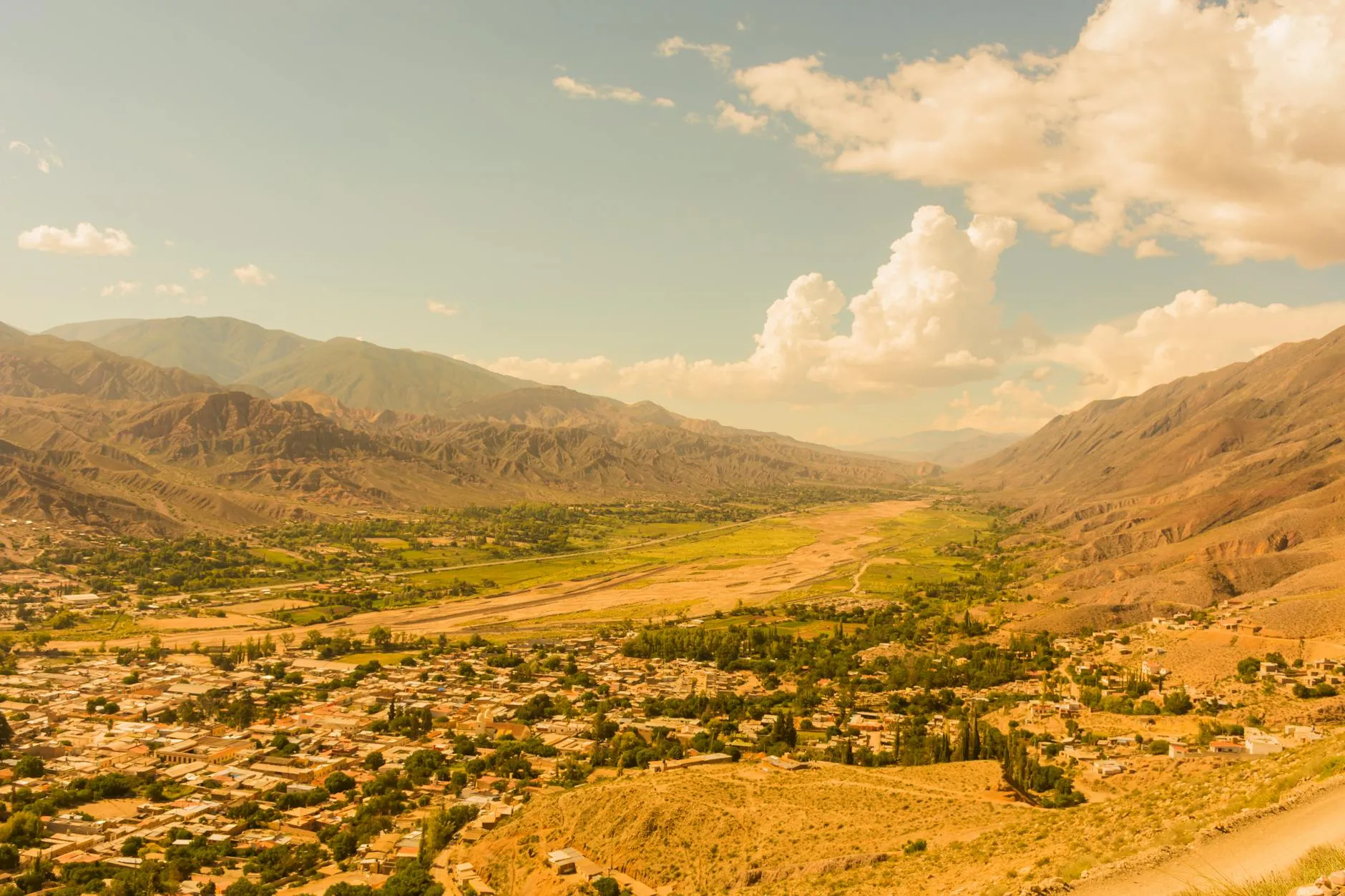
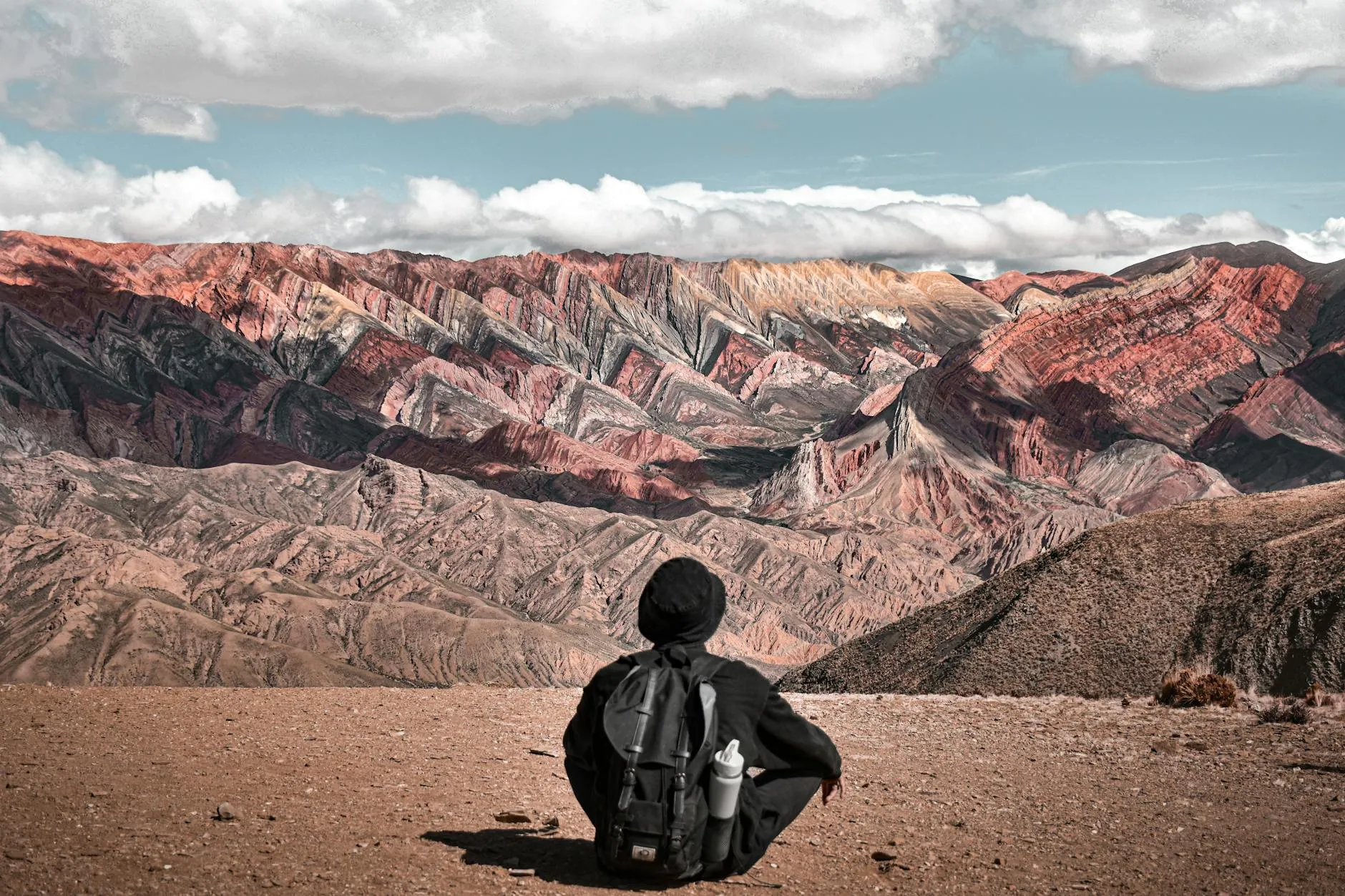
A breathtaking view of Tilcara in Argentina, nestled amid stunning mountainous landscapes.

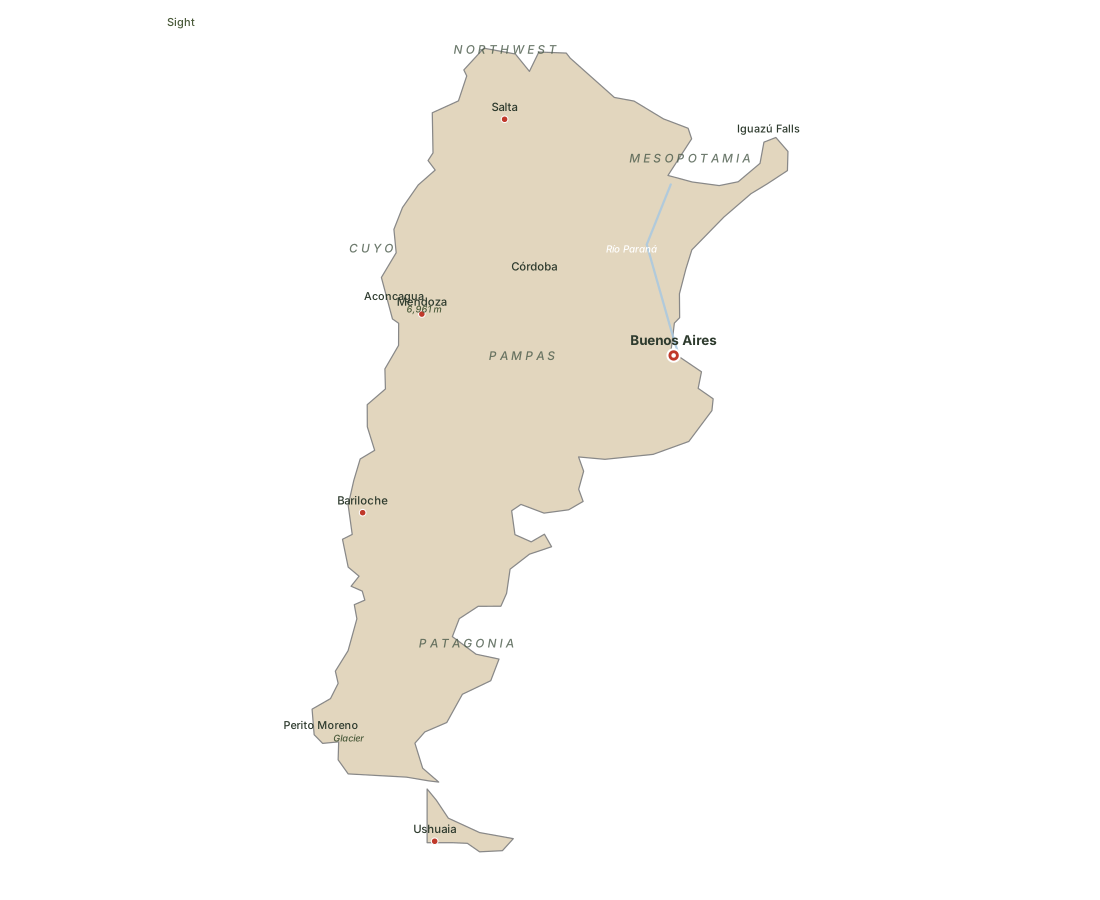
Argentina stretches roughly 3,700 km north to south. The country divides into five practical travel zones, each requiring its own approach to logistics and timing:

Map of Argentina showing key travel destinations and regions
  • Buenos Aires & the Pampas: The capital, the gaucho heartland (San Antonio de Areco), and the Atlantic coast (Mar del Plata). Flat, fertile, the engine of the country.
  • Mesopotamia & the Northeast: Iguazú Falls, the Jesuit missions ruins, the Iberá wetlands. Subtropical, humid, biodiverse.
  • Northwest (NOA): Salta, Jujuy, the Quebrada de Humahuaca, Cafayate wine country. High desert, indigenous culture, dramatic colours.
  • Cuyo (wine country): Mendoza, San Juan, the high Andes including Aconcagua (6,961 m). Vineyards, mountains, asado culture.
  • Patagonia & the south: Bariloche, the lakes district, El Chaltén, El Calafate, Ushuaia. Glaciers, trekking, end-of-the-world feel.

Buenos Aires is the natural gateway. Most travellers fly in and out of Ezeiza (EZE) for international flights and use Aeroparque (AEP, in-city) for domestic connections. Mendoza, Salta, Bariloche, El Calafate and Iguazú all have airports with direct flights from Buenos Aires.

Best Time to Visit

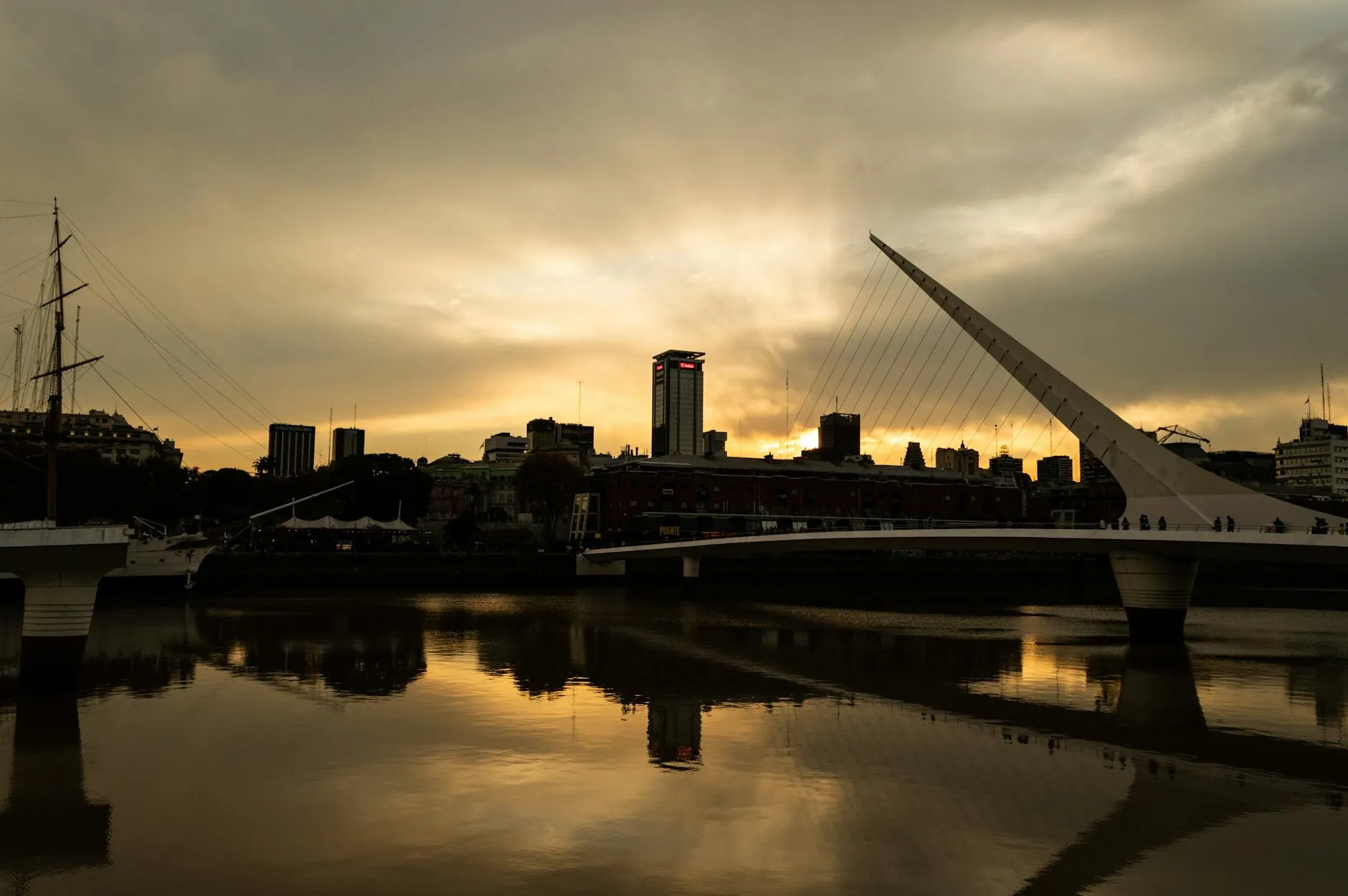
Silhouette of a city skyline with a modern bridge at sunset reflecting in calm waters.

Argentina’s seasons are reversed from the Northern Hemisphere. Summer runs December–February, winter June–August. The country’s extreme north-south extent means there is no single “best” window. The right time depends heavily on which regions you target. Patagonia is only really accessible November–March. The Northwest is best in the cooler dry months (April–June, September–November). Buenos Aires and the wine country work most of the year but are pleasant in spring and autumn.

Month-by-month at a glance

Dec–Feb
Patagonia season
Only window with reliable access to Fitz Roy, Perito Moreno and the southern lakes. Hot and humid in Buenos Aires; uncomfortably hot in the Northwest
Mar–May
Best all-rounder
Autumn colours in Bariloche and the wine country (vendimia harvest in March); Northwest at its best; Patagonia still open early March; pleasant Buenos Aires weather
Jun–Aug
Winter
Patagonia mostly closed (cold, short days, services shut); ski season in Bariloche and Las Leñas; Iguazú pleasant; Northwest cold at night but clear skies
Sep–Nov
Spring shoulder
Patagonia reopens November; Northwest excellent; cherry blossoms and jacarandas in Buenos Aires; wine country green and quiet

Month-by-Month Overview

MonthSeasonBest RegionsCrowdsPricesRating
JanuarySummerPatagonia, Lake District, Tierra del Fuego🔴 Very High🔴 Peak⭐⭐⭐⭐
FebruarySummerPatagonia, Mendoza wine, Iguazú🔴 High🔴 Peak⭐⭐⭐⭐
MarchAutumnMendoza vendimia, Buenos Aires, NW Argentina🟡 Moderate🟡 High⭐⭐⭐⭐⭐
AprilAutumnBuenos Aires, NW, wine country with fall colours🟢 Low🟢 Low⭐⭐⭐⭐
MayLate AutumnBuenos Aires, NW, but cold starting in Patagonia🟢 Low🟢 Low⭐⭐⭐
JuneWinterSki resorts (Bariloche, Las Leñas), Iguazú🟡 Moderate🟡 Moderate⭐⭐⭐
JulyWinterSki peak, Peninsula Valdés (whales arrive)🔴 High🔴 High⭐⭐⭐
AugustLate WinterSki, whale watching, Iguazú🟡 Moderate🟡 Moderate⭐⭐⭐
SeptemberEarly SpringBuenos Aires, whale watching peak🟢 Low🟢 Low⭐⭐⭐
OctoberSpringBuenos Aires jacarandas, NW, whale season end🟡 Rising🟡 Rising⭐⭐⭐⭐
NovemberLate SpringPatagonia opening, Buenos Aires, Mendoza🟡 Moderate🟡 Moderate⭐⭐⭐⭐⭐
DecemberSummer beginsPatagonia, Lake District; holiday rush starts🔴 Very High🔴 Peak⭐⭐⭐⭐

For a country-wide trip touching Patagonia, the strongest windows are late November to mid-December (uncrowded shoulder, all services open) or March (autumn colours, wine harvest, end of Patagonia season). January and February are peak Argentine holiday season. Patagonia is booked out months ahead and prices spike.

⚠️ Patagonia booking lead time

El Chaltén, El Calafate and the Torres del Paine corridor are heavily booked from mid-December to mid-February. Accommodation and refugios in the Paine circuit sell out 4–6 months ahead. If you want peak-season Patagonia, book before September.

Climate & Weather

Argentina’s climate spans subtropical (Iguazú), Mediterranean (Mendoza), high-altitude desert (Salta, Jujuy), temperate (Buenos Aires) and sub-Antarctic (Ushuaia). The two strongest rules are seasons are reversed from the Northern Hemisphere, and altitude beats latitude in the Northwest and Andes.

Buenos Aires
10–30°C
Humid subtropical; hot, sticky summers (Dec–Feb); mild winters; pleasant spring/autumn
Iguazú / Mesopotamia
18–35°C
Subtropical; rain year-round; uncomfortably hot Dec–Feb; best Apr–Sep
Salta / Jujuy (NOA)
5–28°C
High-altitude desert (1,200–3,500 m); warm sunny days, cold nights; summer rains (Dec–Mar) can wash out roads
Mendoza (~750 m)
3–33°C
Mediterranean dry climate; hot summer days; cool nights year-round; light winter snow at altitude
Bariloche / Lakes (~770 m)
-2–22°C
Alpine; warm dry summers; cold snowy winters (ski season); best Dec–Mar for hiking
El Calafate / El Chaltén
-5–18°C
Patagonian steppe; cool even in summer; ferocious winds year-round; viable Nov–Mar
Ushuaia
-3–14°C
Sub-Antarctic; never truly warm; rain or snow possible any month; long summer days (17+ hrs)

Pack for three or four climates if you’re combining regions: light clothes for Buenos Aires and Iguazú, layers and a windproof jacket for Patagonia, sun protection for the Northwest’s high altitudes.

Seasons & Temperatures

Summer (December–February)

  • Pros: The only window for full Patagonia access; long daylight hours (16+ in the south); wine country lush and green; lakes warm enough for swimming.
  • Cons: Peak prices and crowds; Patagonia booked out months ahead; Buenos Aires sticky and humid; Northwest uncomfortably hot at low elevations; Argentine summer holidays (mid-Dec to end of Feb) flood the south.

Autumn (March–May)

  • Pros: The single best all-rounder. Wine harvest (vendimia) in March; vineyards turn gold; Bariloche autumn colours; Northwest at its best; Patagonia still viable through early March; Buenos Aires pleasant.
  • Cons: Patagonia services begin closing from mid-April; days shorten quickly in the south; some high-altitude passes (e.g. Paso de Jama to Chile) may close after early snowfall.

Winter (June–August)

  • Pros: Ski season in Bariloche and Las Leñas; Iguazú pleasant and uncrowded; Northwest clear, sunny days (cold nights); low season prices in Buenos Aires; whale watching in Puerto Madryn (Jun–Dec).
  • Cons: Most of Patagonia closed for trekking; short daylight hours; cold nights in the Northwest (sub-zero at altitude); some lake-district trails snow-covered.

Spring (September–November)

  • Pros: Patagonia reopens (November); Northwest at its best; jacarandas bloom in Buenos Aires (November); cherry blossoms in El Bolsón; wine country wakes up; lower prices than summer.
  • Cons: Spring weather is unpredictable, especially in Patagonia (November can still bring snow); some refugios in the Paine corridor don’t open until December.

Average Temperatures

Argentina’s temperature variation is dramatic both seasonally (reversed Northern Hemisphere) and by region. The same date in January means swimming in Buenos Aires and wearing a fleece in Ushuaia.

CityElevationSummer (Dec–Feb)Winter (Jun–Aug)
Buenos Aires~25 m20–30°C, humid8–15°C, mild
Iguazú~190 m22–35°C, humid12–24°C, pleasant
Salta1,187 m15–28°C, summer rains5–20°C, dry sunny
Purmamarca / Tilcara2,200–2,500 m10–25°C, brief rain0–18°C, very cold nights
Mendoza~750 m18–33°C3–15°C
Bariloche~770 m8–22°C-2–7°C, snow
El Calafate~200 m5–18°C, very windy-5–5°C, services closed
Ushuaia~25 m5–14°C, long days-3–3°C, snow, short days

Holidays & Festivals

Colorful holiday celebrations and festivals

Argentina observes roughly 15 public holidays per year. Several trigger domestic travel surges that affect availability and pricing. Particularly around Semana Santa, the July winter school holidays, and the Fiestas Patrias independence week.

Public holidays

Date / periodHolidayImpact on travel
1 JanAño NuevoBeach towns packed; buses and flights fully booked for days around
Feb–Mar (moveable)CarnavalTwo-day public holiday; Quebrada de Humahuaca and Gualeguaychú see huge crowds
24 MarDía de la MemoriaRemembrance of 1976 coup; marches in Buenos Aires; most services closed
Mar–Apr (moveable)Semana Santa (Easter)Major domestic travel week; Patagonia, Mendoza and northern Argentina fill up
2 AprDía del Veterano (Malvinas)Falklands/Malvinas war remembrance; public holiday, services closed
1 MayDía del TrabajadorLabour Day; quiet public holiday
25 MayRevolución de MayoMay Revolution anniversary; parades in Buenos Aires, long weekend
20 JunDía de la BanderaFlag Day; Rosario hosts main ceremony (birthplace of the flag)
9 JulDía de la IndependenciaIndependence Day. Winter school holidays overlap. Bariloche ski season peaks.
Jul (2 weeks)Vacaciones de inviernoWinter school break. Bariloche, Mendoza ski resorts at capacity. Book 2+ months ahead.
17 Aug (moved to Mon)Paso a la Inmortalidad del Gral. San MartínLong weekend; domestic travel surge
12 Oct (moved to Mon)Día del Respeto a la Diversidad CulturalLong weekend; spring travel peak begins
20 Nov (moved to Mon)Día de la Soberanía NacionalSovereignty Day; quiet long weekend
8 DecInmaculada ConcepciónReligious holiday; summer travel bookings begin
25 DecNavidadArgentine summer starts. Beach towns fill through January.

Festivals worth planning around

FestivalWhenWhereWhat
Vendimia (Grape Harvest)Early MarchMendozaWeek-long wine festival: open-air concerts, vineyard parades, queen coronation, wine tastings
Carnival in QuebradaFeb–Mar (pre-Lent)Humahuaca, TilcaraAndean carnival with devil dances, flour-throwing, colourful processions
Tango Festival y MundialAugBuenos AiresWorld tango championship; free milongas, shows and classes across the city
Fiesta Nacional de la NieveAugBarilocheSki-season opener with torch-lit descents, concerts and fireworks
Día de la Tradición10 NovSan Antonio de ArecoGaucho horsemanship, folk music, asado competitions on the pampas
Fiesta Nacional del SolFebSan JuanArgentina’s second-largest festival: floats, dancing, and queen election in the desert province

Regions of Argentina

Panoramic aerial view across the diverse Argentine landscape

Argentina offers diverse landscapes and experiences across its regions.

Buenos Aires & Centre

Buenos Aires & Centre

Buenos Aires alone warrants a week. The capital is the cultural heart, and the surrounding day-trip options extend easily to ten days. Mendoza wine country to the west is typically combined into the same trip leg.

Patagonia & Lakes

Patagonia & Lakes

Argentina's south stretches from the lake-dotted foothills around Bariloche to the glaciers and granite spires near El Chaltén. Distances are enormous and flights are the main connector. Most travellers pick two or three stops rather than trying to see everything.

Northwest & Iguaz

Northwest & Iguazú

The Argentine northwest is the country's most underrated region: multi-coloured canyons, indigenous culture, high-altitude wine, and one of the world's great waterfalls at the opposite end. Salta is the natural base.

Mendoza & Wine Country

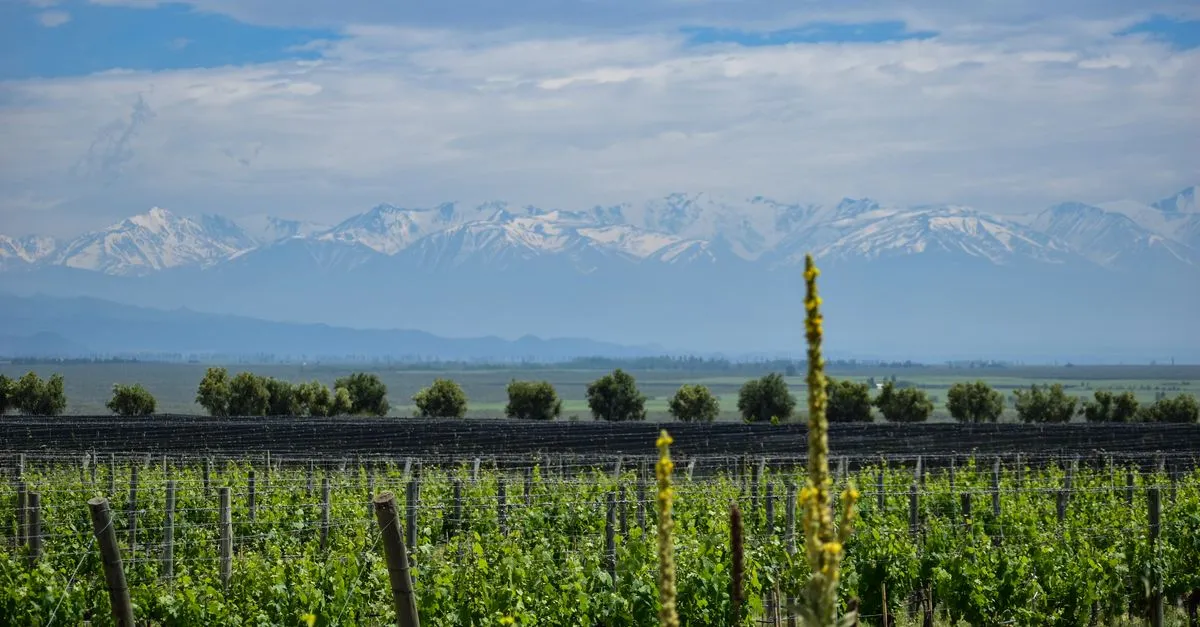
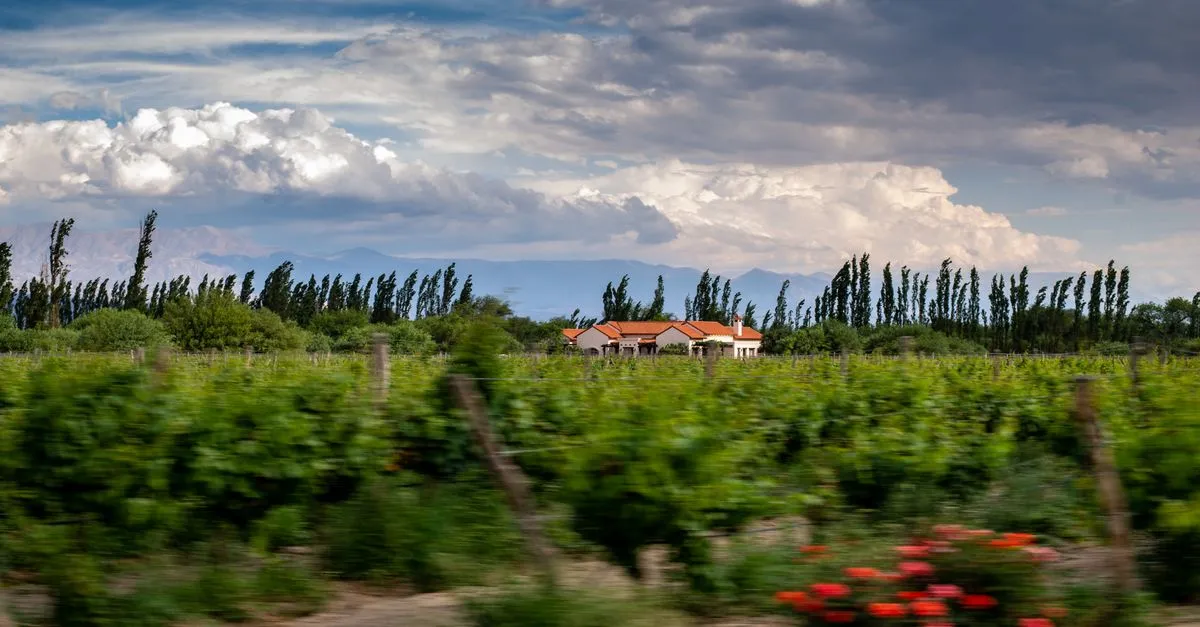
Argentina’s wine capital sits at the foot of the Andes with the highest peak in the Americas (Aconcagua) as a backdrop. Malbec vineyards stretch across the high desert. Combine wine tasting with rafting, horseback riding, and mountain scenery. Budget-friendly compared to European wine regions.

Top Sightseeing

Argentine sightseeing

Argentina’s headline sights span every climate zone the country offers — from subtropical waterfalls on the Brazilian border to glaciated Patagonian peaks 4,000 km south. The sheer range of landscapes in one country is matched only by the distances between them.

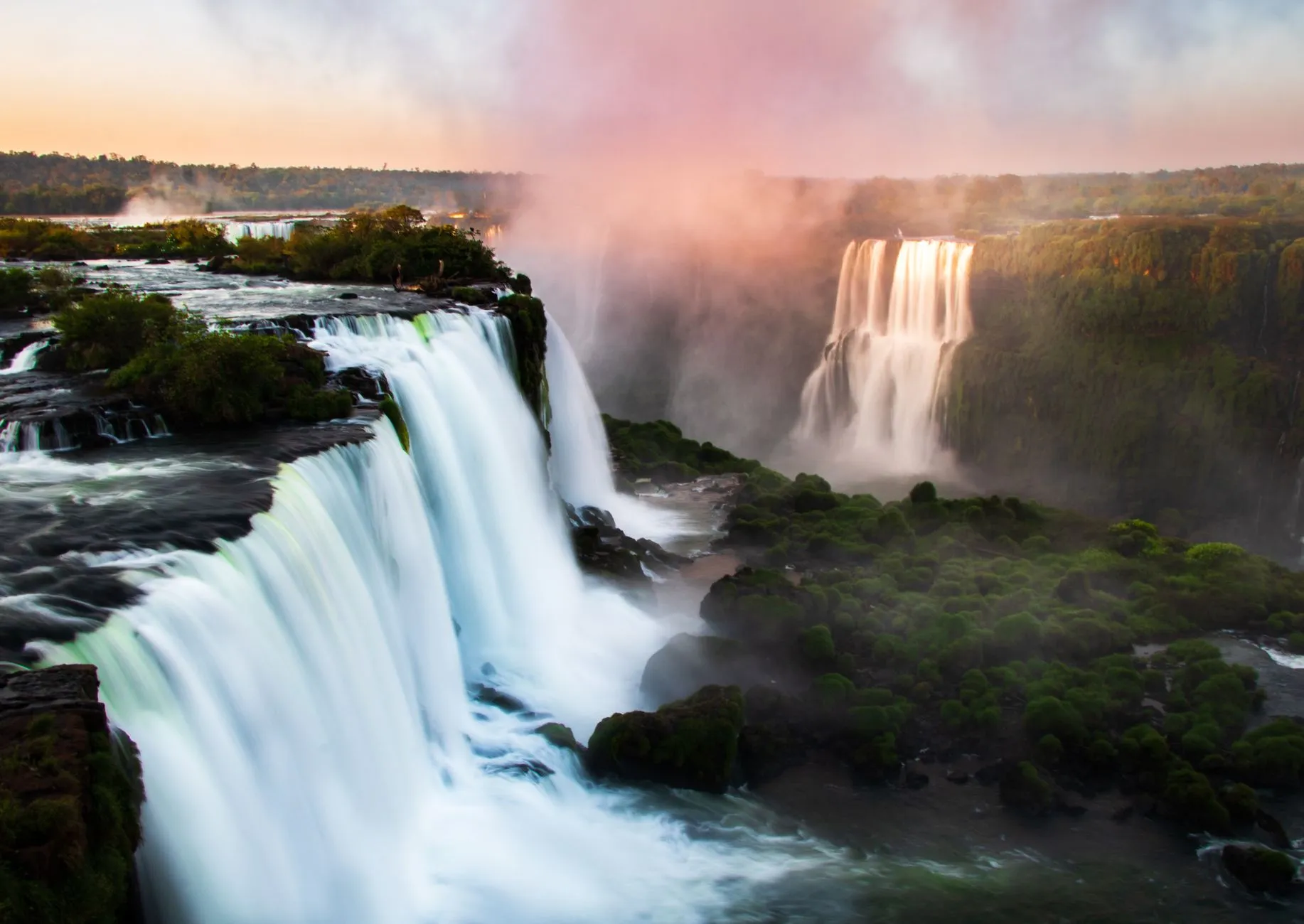
  • Iguazú Falls: 275 waterfalls spanning 2.7 km — the Devil’s Throat walkway puts you inside the largest curtain of water on earth
  • Patagonia: Perito Moreno Glacier, Mount Fitz Roy, and the end-of-the-world drama of El Chaltén and Ushuaia
  • Buenos Aires: Tango in San Telmo, steak in Palermo, La Boca’s coloured houses, and Recoleta Cemetery
  • Mendoza wine country: Malbec vineyards at the foot of the Andes, with views of Aconcagua (6,961 m, the Americas’ highest peak)
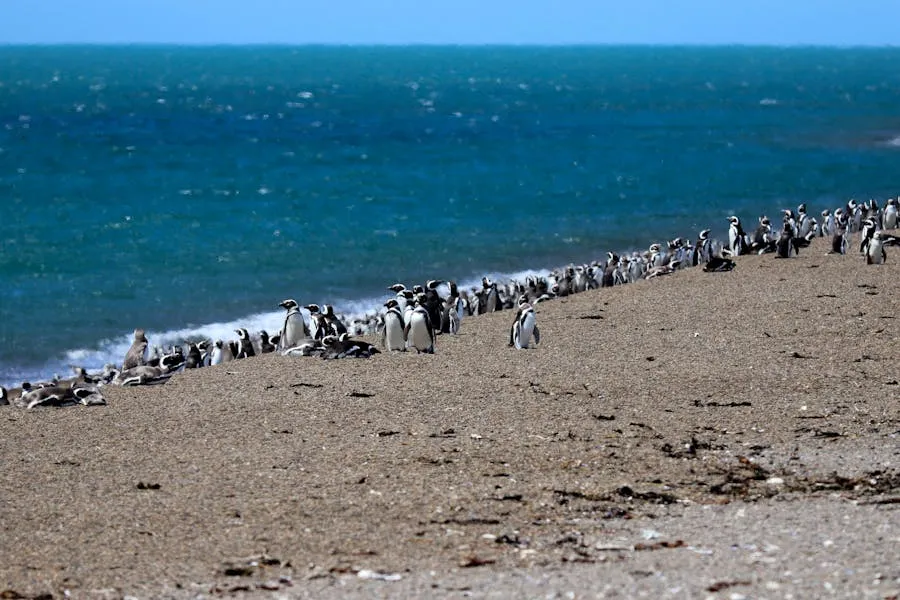
  • Península Valdés: Southern right whales, elephant seals, orcas hunting on the beach, and Magellanic penguin colonies
Iguazú Falls

Iguazú Falls

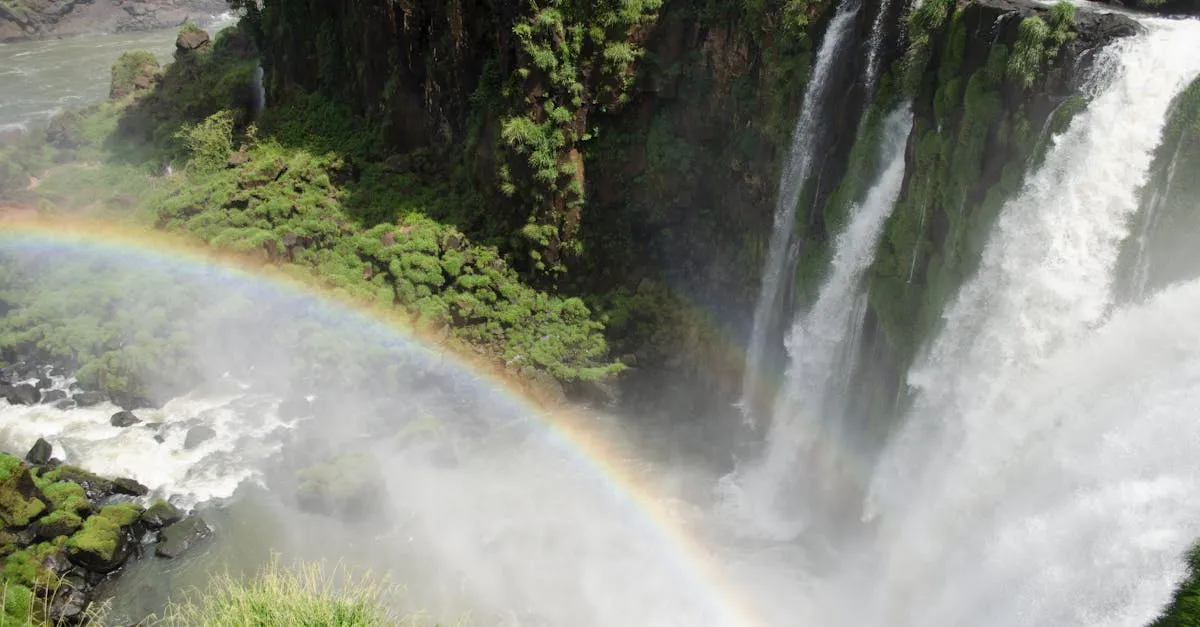
275 waterfalls crashing through subtropical jungle, viewed from both the Argentine and Brazilian sides. The Garganta del Diablo (Devil’s Throat) walkway puts you directly above the most powerful cascade, where spray and noise are overwhelming. The Argentine side has more trails and closer access; the Brazilian side offers the panoramic postcard view. Allow 1.5 days minimum (one full day per side). Boat rides into the falls are exhilarating and optional.

Perito Moreno glacier

Perito Moreno Glacier

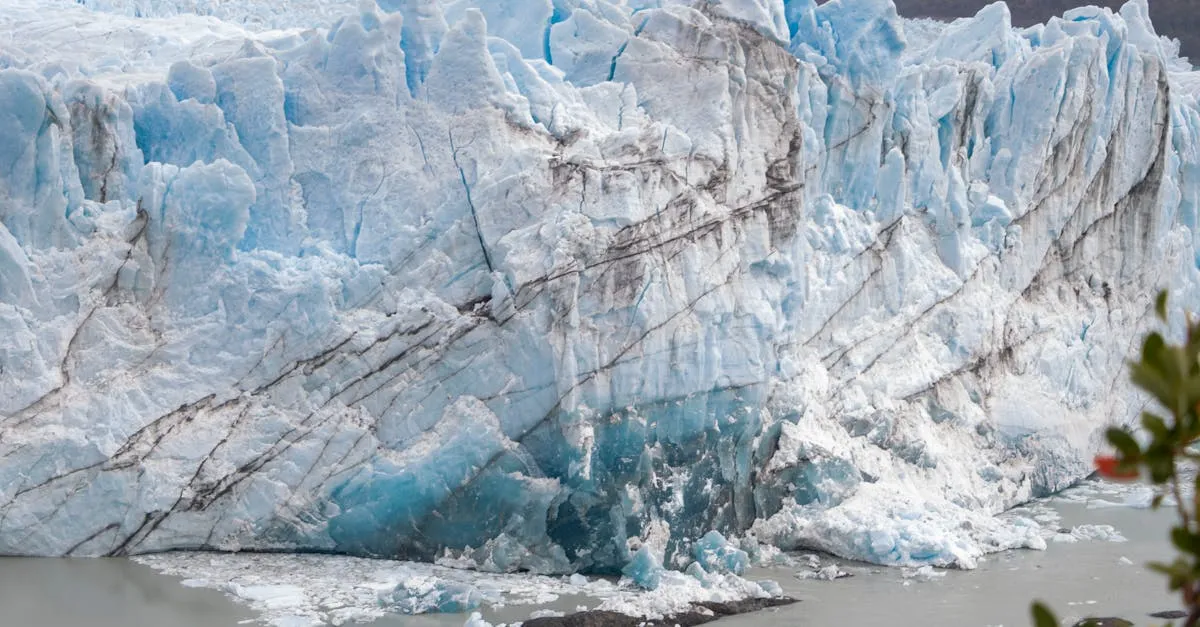
A 5 km wide wall of advancing ice in Los Glaciares National Park, accessed from El Calafate. The calving thunder is unforgettable. Boardwalks let you watch from multiple angles; boat tours bring you to the face.

Cerro Fitz Roy El Chaltén

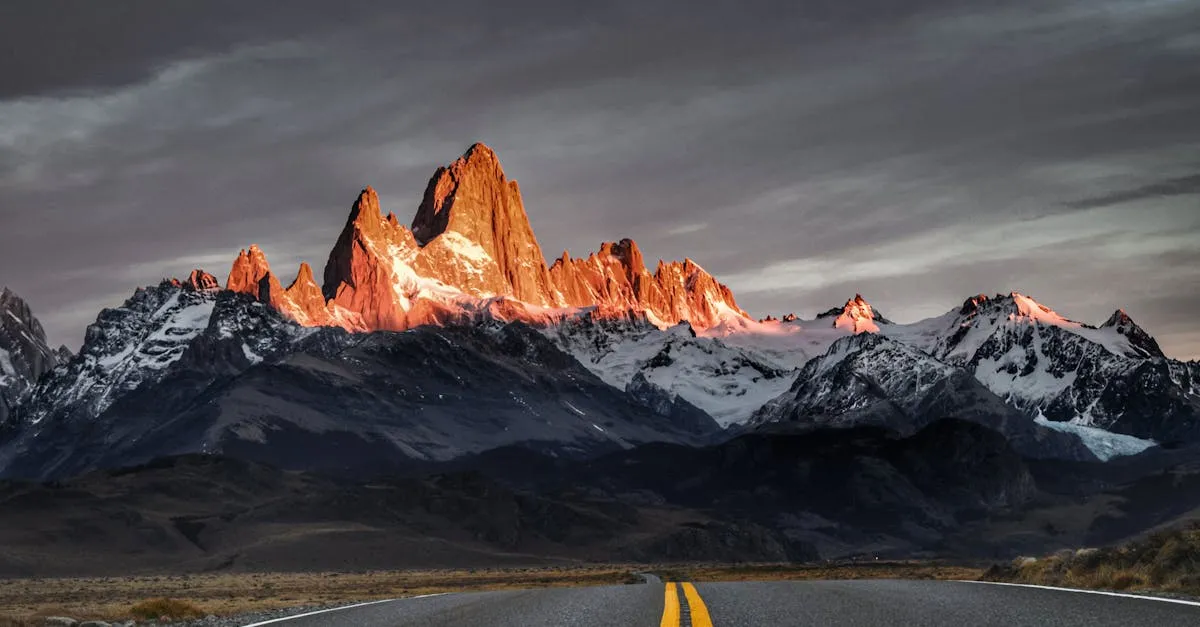
Cerro Fitz Roy (El Chaltén)

The jagged granite massif that inspired the Patagonia clothing logo. The Laguna de los Tres sunrise hike (20 km, 8–10 hours) rewards you with South America’s most photographed dawn, when the peaks turn red-gold above the glacial lake. Demanding but no permits or guide required. Start before 4am to arrive for sunrise. El Chaltén, the base town, has excellent hostels, restaurants, and shorter alternative trails.

Quebrada de Humahuaca

Quebrada de Humahuaca

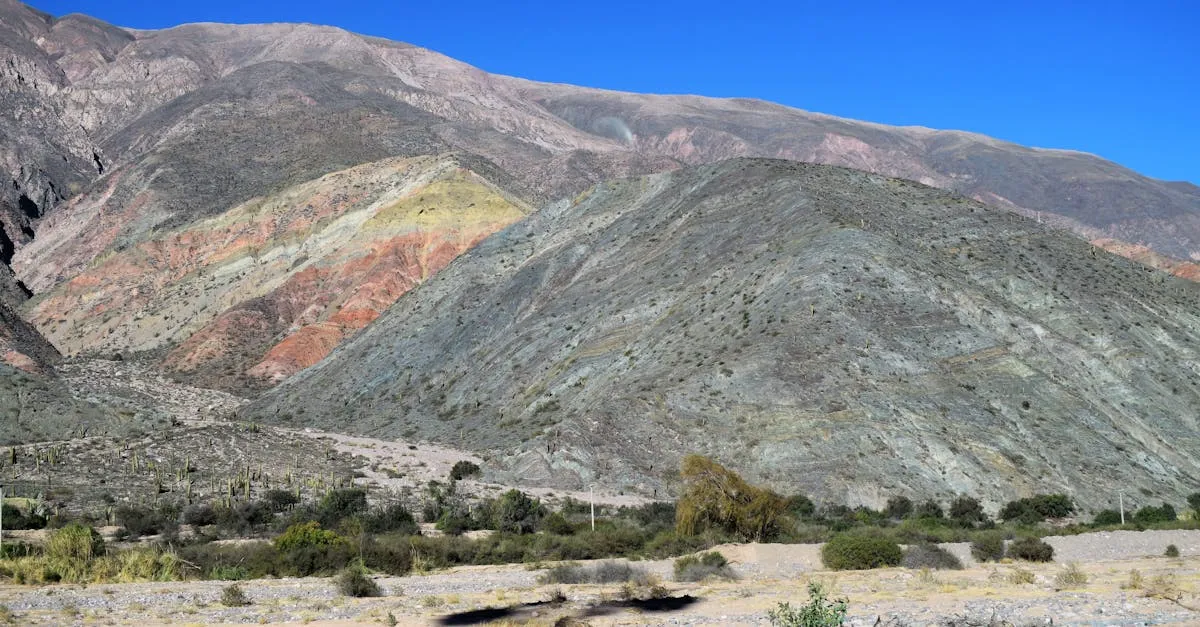
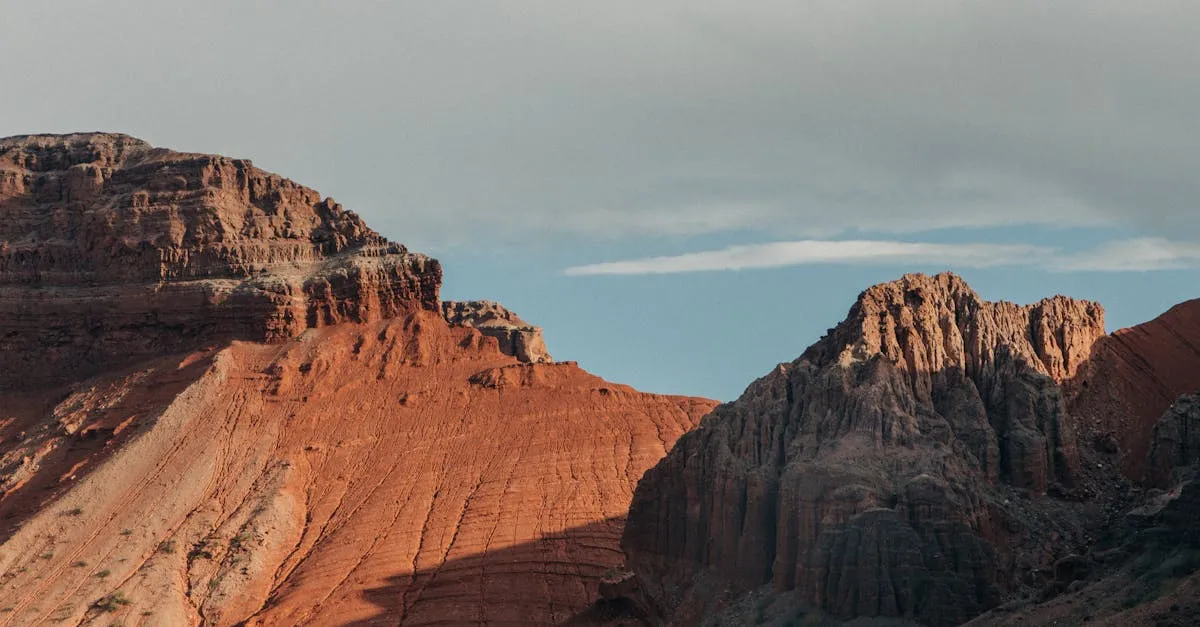
A UNESCO-listed valley of multi-coloured rock formations, indigenous Quechua villages, pre-Inca fortresses, and a dry, high-altitude landscape that feels closer to Bolivia than Buenos Aires. The Pucará de Tilcara ruins and the village markets are highlights. Base in Tilcara or Purmamarca for 2–3 days minimum. The drive from Salta through the Cuesta del Obispo is spectacular in its own right.

Recoleta Cemetery Buenos Aires

Recoleta Cemetery (Buenos Aires)

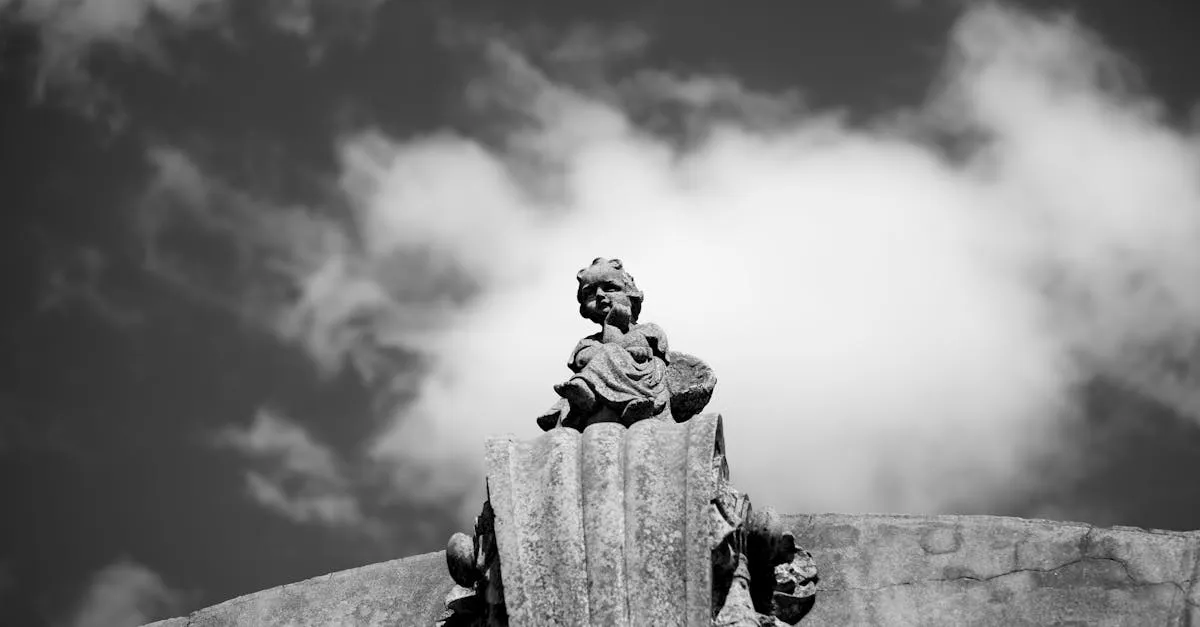
A city of ornate marble mausoleums in the heart of Buenos Aires, where Argentina’s presidents, generals, and oligarchs are buried in elaborate tombs rivalling small chapels. Eva Perón’s tomb is the most-visited spot, tucked modestly among the grander monuments. Free entry; allow 1–2 hours. Guided tours add historical context. Combine with the Recoleta neighbourhood for lunch at a pavement café.

San Telmo market Buenos Aires

San Telmo Sunday Market (Buenos Aires)

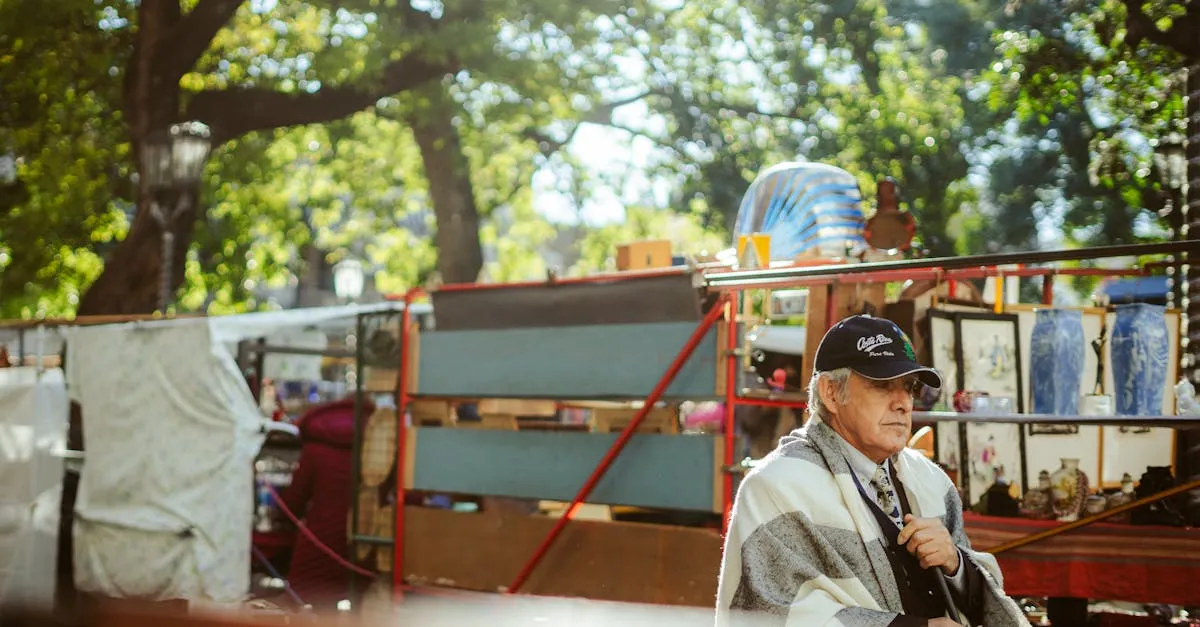
Antiques, street tango, leather goods, mate sets, and live music along Calle Defensa every Sunday from 10am until late afternoon. Professional tango dancers perform at Plaza Dorrego while crowds gather around. The surrounding San Telmo neighbourhood has excellent parrillas and craft beer bars. Free to browse, atmospheric, and easily the best slice of porteño weekend life. Arrive by noon for the best energy.

Mendoza wine region Andes

Mendoza Wine Regions

Luján de Cuyo and Valle de Uco produce world-class Malbec at altitude, with vineyard lunches featuring Andes views that no European wine region can match. Hire bikes in the Maiúp area or join a small-group tour for more distant wineries. Budget 2–3 days minimum. The Uco Valley is the newer, more scenic region; Luján has more established bodegas. Tastings cost ARS 5,000–15,000.

Serranía de Hornocal

Serranía de Hornocal

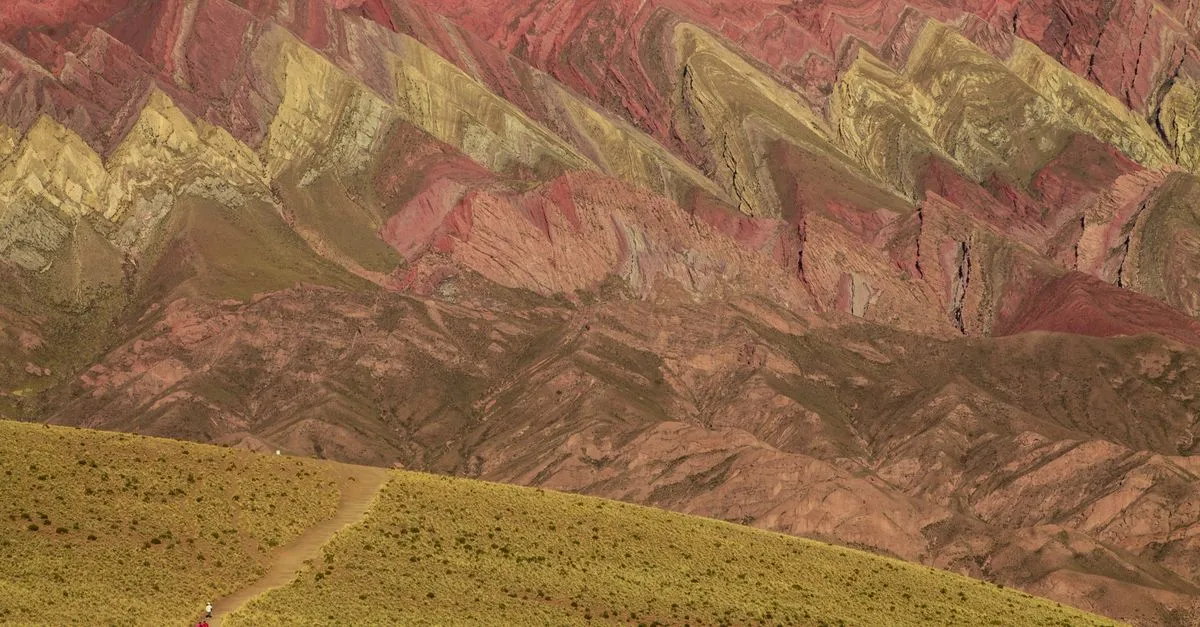
The “14-coloured mountain” near Humahuaca, where mineral deposits have painted the rock face in surreal horizontal stripes of red, orange, green, and purple. The 4,350-metre viewpoint is reached by a rough road (4x4 recommended). Best in afternoon light when the colours are most vivid. Acclimatise in the valley for at least a day first, as the altitude hits hard. Free access; bring warm layers.

Península Valdés whale

Península Valdés

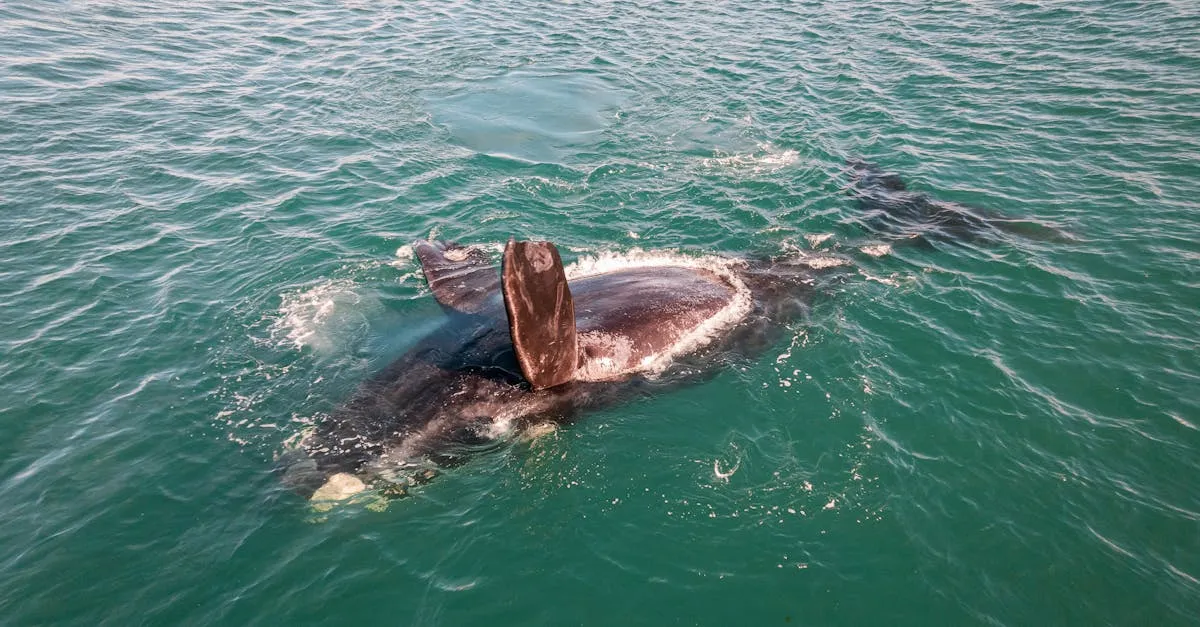
An Atlantic wildlife reserve in northern Patagonia and a UNESCO World Heritage site. Southern right whales (June to December) come close enough to shore to be seen without binoculars. Magellanic penguins nest in burrows, sea lions crowd the beaches, and the famous orcas intentionally beach themselves to hunt seal pups at Punta Norte (best in March). Base in Puerto Madryn. Allow 2–3 days for the full peninsula circuit.

Purmamarca Cerro Siete Colores

Cerro de los Siete Colores (Purmamarca)

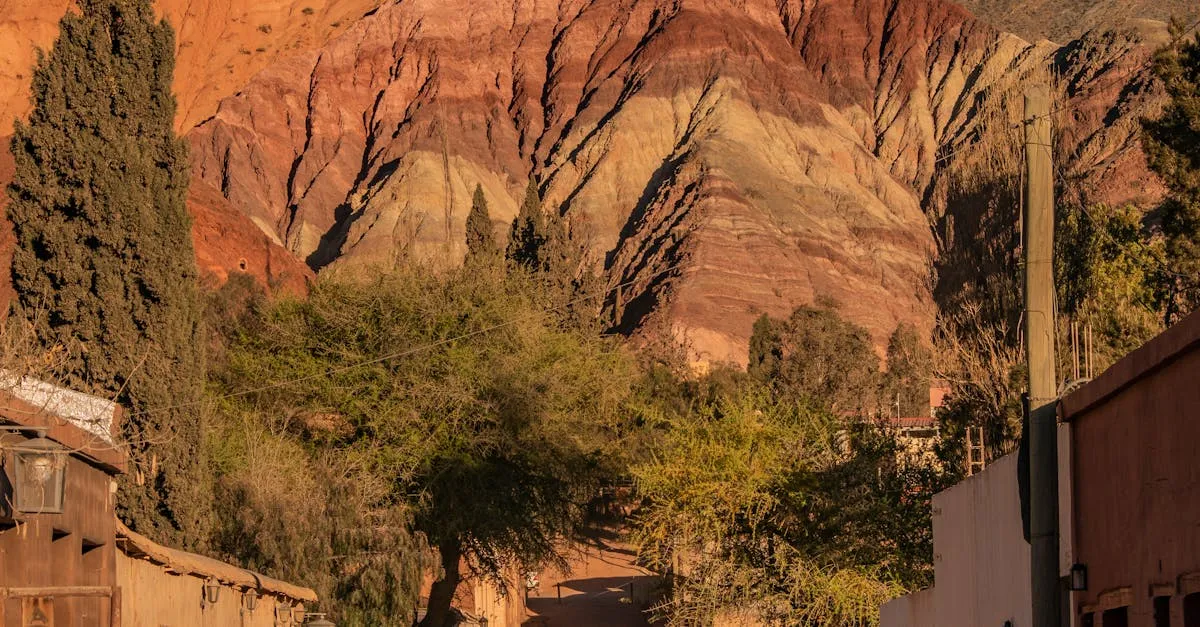
A seven-coloured hill of layered mineral deposits, best photographed at sunrise from the village edge when the low sun intensifies the reds, greens, and purples. Purmamarca itself is a small Quechua-influenced colonial town at 2,300 metres, with an excellent craft market around the central carob tree. Combine with a day trip to the vast white Salinas Grandes salt flats at 3,400 metres. The drive there is half the experience.

Beagle Channel Ushuaia

Beagle Channel (Ushuaia)

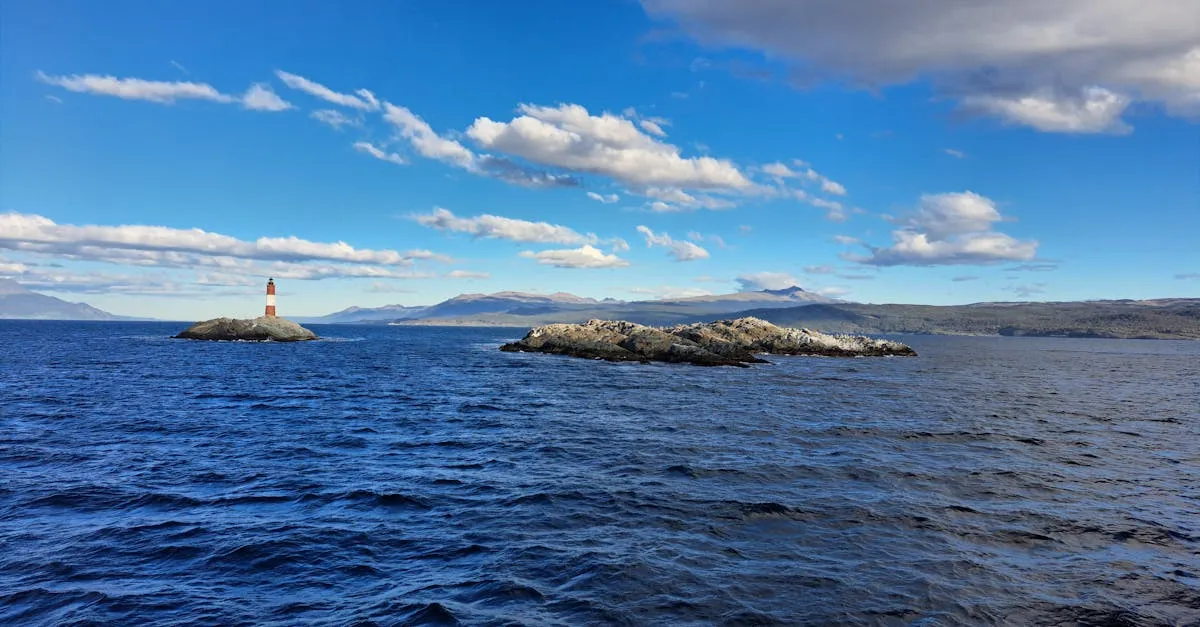
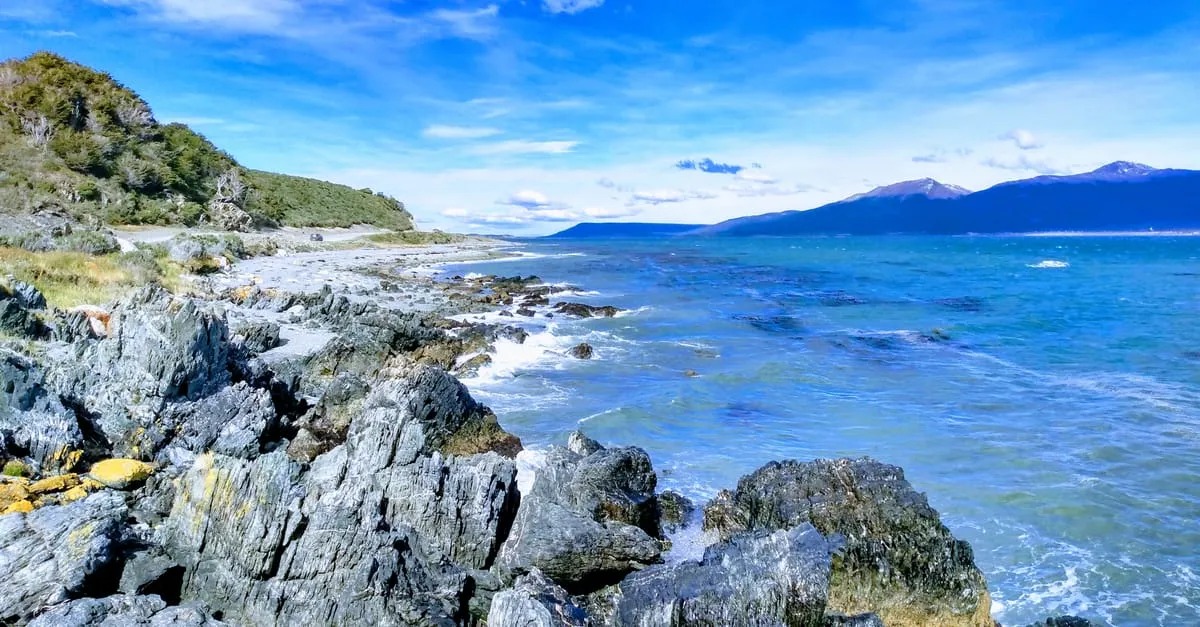
Boat trip from the world’s southernmost city through the Beagle Channel to the Les Eclaireurs lighthouse, cormorant rookeries, and sea-lion colonies at “el fin del mundo.” The surrounding mountains, glaciers, and sub-Antarctic sea create a landscape unlike anywhere else. Half-day catamaran trips run year-round (ARS 25,000–50,000). In summer, longer cruises visit Penguin Island and remote estancias.

Seven Lakes Drive Bariloche

Seven Lakes Drive (Bariloche to San Martín)

Around 200 km of turquoise and emerald lakes, ancient araucaria forests, and snow-capped Andean peaks along Ruta 40 between Bariloche and San Martín de los Andes. Rent a car for 2 days and stop for picnics at every viewpoint, because there are many. Arrayanes forest and Villa La Angostura make good overnight stops. The Lake District’s defining road trip, best in autumn (March–May) when the trees turn red and gold.

Culture & Cuisine

Argentine cultural scene

Argentine identity sits somewhere between Europe and Latin America. The dominant cultural threads are Italian and Spanish (the bulk of late-19th-century immigration), but the country also absorbed strong German, Welsh, Polish and Levantine waves. Porteños (people from Buenos Aires) are stereotypically intellectual, sometimes self-deprecating, and warmly opinionated. Outside the capital, el interior, the pace slows and the welcome is even more openly warm.

  • Greetings: A single kiss on the right cheek between adults of any combination, including men greeting men in social settings. Handshakes are reserved for very formal contexts. Always greet on entering a small shop or café with ¡Hola, buenas! Skipping the greeting reads as rude.
  • Mate: The shared yerba mate gourd is the national social ritual. If offered, sip and pass back. Never hold onto it for conversation. Saying gracias when receiving means “I’m done” (counterintuitive for outsiders).
  • Mealtimes: Late. Lunch 13:00–15:00, dinner rarely before 21:00 and often 22:00–midnight. Restaurants serving pre-20:00 are usually tourist traps.
  • Football and politics: Both are deeply tribal. Avoid strong opinions on either unless invited. Maradona, Messi and the 1978/1986/2022 World Cups are safer ground.
  • Tipping: 10% in sit-down restaurants (cash, not on the card; cubierto / cover charge does not replace it). Free walking tours: ARS 5,000–10,000 per person. Taxis: round up.
  • Tango: A show is theatre. A milonga is real social dance. Visiting a milonga (Salon Canning, La Catedral, La Viruta) is fine as an observer, but follow the cabeceo etiquette. Eye contact across the room is how dances are invited.
  • The dictatorship and Malvinas: Recent painful history. Follow the local lead rather than asking direct questions. The ESMA museum in Buenos Aires gives sober context.

Food & Cuisine

Argentine cuisine is meat-forward and Italian-inflected. The parrilla (grill restaurant) is the central institution. Pasta and pizza are everyday staples thanks to massive Italian immigration. The Northwest adds indigenous ingredients (llama, quinoa, locro) and the Patagonian south specialises in lamb and trout. Vegetarians fare better than reputation suggests, especially in Buenos Aires.

Signature dishes

  • Asado: The slow-grilled meat ritual. A typical parrilla offering includes tira de asado (short rib), vacío (flank), bife de chorizo (sirloin), chinchulines (chitterlings) and morcilla (blood sausage). ARS 15,000–35,000 per person for a full asado experience.
  • Empanadas: Baked or fried turnovers with regional fillings. Salteña empanadas (beef, potato, hard-boiled egg) are the gold standard. ARS 1,500–3,500 each.
  • Milanesa: Breaded veal or beef cutlet, often served napolitana (topped with ham, tomato, cheese). The Argentine comfort food. ARS 10,000–20,000 at a bodegón.
  • Locro: Hearty corn, bean and meat stew, traditional on May 25 and July 9 patriotic holidays. Northwest origins.
  • Choripan: Grilled chorizo on crusty bread with chimichurri. The classic stadium / street snack. ARS 4,000–7,000.
  • Provoleta: A thick disc of provolone grilled with oregano and chilli flakes, the parrilla starter.
  • Dulce de leche: Caramelised milk used in everything. Alfajores (sandwich biscuits), pancakes, ice cream, by the spoonful.
  • Helado: Italian-style artisanal ice cream is everywhere. Heladerias like Cadore, Rapanui and Freddo are institutions. Dulce de leche granizado is the must-try flavour.

Drinks

  • Malbec: Argentina’s flagship red, especially from Luján de Cuyo and Valle de Uco (Mendoza). A good bottle starts around ARS 8,000 in supermarkets, ARS 20,000+ in restaurants.
  • Torrontés: A floral white from Cafayate (Salta). Crisp, aromatic, ideal with empanadas.
  • Fernét con coca: Italian herbal liqueur mixed with Coca-Cola, the national long drink, especially in Córdoba.
  • Mate: Yerba mate in a gourd with hot (not boiling) water, drunk through a metal straw (bombilla). The shared social ritual. Foreigners are usually invited to try.
  • Quilmes: The national lager. Ubiquitous, inexpensive, unremarkable. Craft beer scenes thrive in Buenos Aires, Bariloche and El Bolsón.
  • Submarino: Hot milk with a chocolate bar dropped in to melt. The classic winter chocolate.

Wine regions at a glance

RegionElevationSignature grapesCharacterBase town
Mendoza: Luján de Cuyo900–1,100 mMalbec, Cabernet SauvignonFull-bodied reds, old-vine intensity; Argentina’s NapaMendoza city
Mendoza: Valle de Uco1,100–1,500 mMalbec, Pinot Noir, ChardonnayHigh-altitude elegance, cooler nights, newer boutique bodegasTupungato / La Consulta
Salta: Cafayate1,600–1,800 mTorrontés, MalbecAromatic whites unique to Argentina; desert heat, altitude freshnessCafayate
Salta: Quebrada de las Flechas1,800–2,400 mTorrontés, TannatHighest vineyards in the world; extreme diurnal rangeCachi / Molinos
Patagonia: Neuquén / Río Negro250–400 mPinot Noir, Merlot, Sauvignon BlancCool climate, wind-stressed vines, emerging region; try Bodega del Fin del MundoNeuquén

Activities & Hikes

Patagonian trekking

Argentina’s headline sights barely scratch the country’s scale. The places below sit off the standard Buenos Aires–Patagonia–Northwest trail and reward travellers willing to add a third week or substitute a hidden gem for one of the icons.

Top Hikes

HikeLocationDifficulty & LengthHighlights
Laguna de los TresEl ChalténDemanding – 20 km, 10 hrsFinal 400 m climb. Sunrise hike rewards with Fitz Roy lit orange. Trail starts from the village. No transport, no fees, no guide required.
Laguna TorreEl ChalténModerate – 18 km, 7 hrsCerro Torre reflection in the glacial lake. The easier sibling of Laguna de los Tres.
Huemul CircuitEl Chaltén4 daysSelf-supported wilderness loop with two Tyrolean traverses, glacier views over the Southern Patagonian Ice Field. Permit and gear check required at the park office. Experienced trekkers only.
Refugio FreyBariloche12 km, 8 hrsTo a stone-built refuge at an alpine lake surrounded by granite spires. 8 hrs return as a day hike; overnight at the refugio (ARS 25,000–40,000) lets you climb Cerro Catedral in the morning.
Cerro Llao LlaoBarilocheEasy3-hr loop with lake and Andes views. Bus 20 from Bariloche centre. Good warm-up hike.
Quebrada de las ConchasCafayateEasy – 5 kmHire a bike in Cafayate and ride 5 km north through red-rock canyon formations. La Garganta del Diablo and El Anfiteatro at minimum. Easy, scenic, low-traffic.
Cerro TunariCórdoba interiorModerate – 5–6 hrsLess famous than the Patagonian peaks but accessible from the Sierras de Córdoba. 5–6 hrs, moderate.
Aconcagua trekMendozaTechnical – 14–20 daysThe highest peak in the Americas (6,961 m). Plaza de Mulas base camp trek is achievable for fit, acclimatised hikers without technical skills. The summit is a serious mountaineering expedition.

Activities

  • Kayaking on Lago Nahuel Huapi (Bariloche): Paddle among forested islands and Andean peaks. Half-day guided trips from Villa La Angostura or Bahía López; AR$ 25,000–40,000 (≈ €22–35). Best Nov–Mar.
  • Whale watching, Puerto Madryn (Península Valdés): Southern right whales from June to December. Peak calving season is Sep–Nov. Boat tours from Puerto Pirámides (≈ €50–70). One of the world’s most reliable whale encounters.
  • White-water rafting, Mendoza: The Río Mendoza and Río Atuel offer Class III–IV rapids fed by Andean snowmelt (Oct–Mar). Half-day trips ≈ €35–50. Combine with wine-country visits.
  • Snorkelling with sea lions, Puerto Madryn: Swim alongside curious juvenile sea lions at Punta Loma colony. Wetsuit provided; water is cold (12–16°C even in summer). ≈ €45–60 with operators from Puerto Madryn.
  • Fishing in Patagonian rivers: World-class fly fishing for trout and landlocked salmon in Río Limay, Río Chimehuin and Lago Tromen near Junín de los Andes. Season is Nov–Apr. Mandatory licence required (purchase at local tourism offices).
  • Boat trips on Iguazú: The “Gran Aventura” zodiac ride directly into the spray beneath the falls is the signature water activity on the Argentine side (AR$ 45,000 / ≈ €40). Expect to get completely soaked.

Off the Beaten Path

Argentina’s headline sights barely scratch the country’s scale. The places below sit off the standard Buenos Aires–Patagonia–Northwest trail and reward travellers willing to add a third week or substitute a hidden gem for one of the icons.

El Bolsón Patagonia

El Bolsón

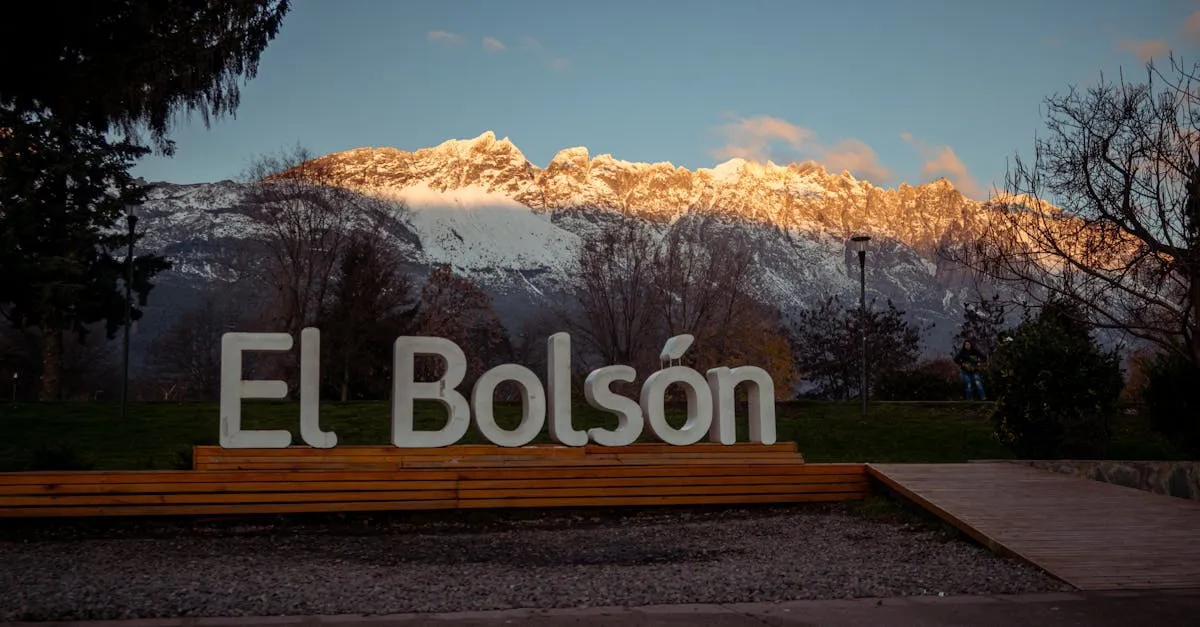
Hippie-mountain town 2 hours south of Bariloche. Craft beer, artisan market (Tue/Thu/Sat), surrounding peaks (Cerro Piltriquitrón) and the cherry blossom season (November). 2–3 nights.

Cachi Salta valley

Cachi (Salta)

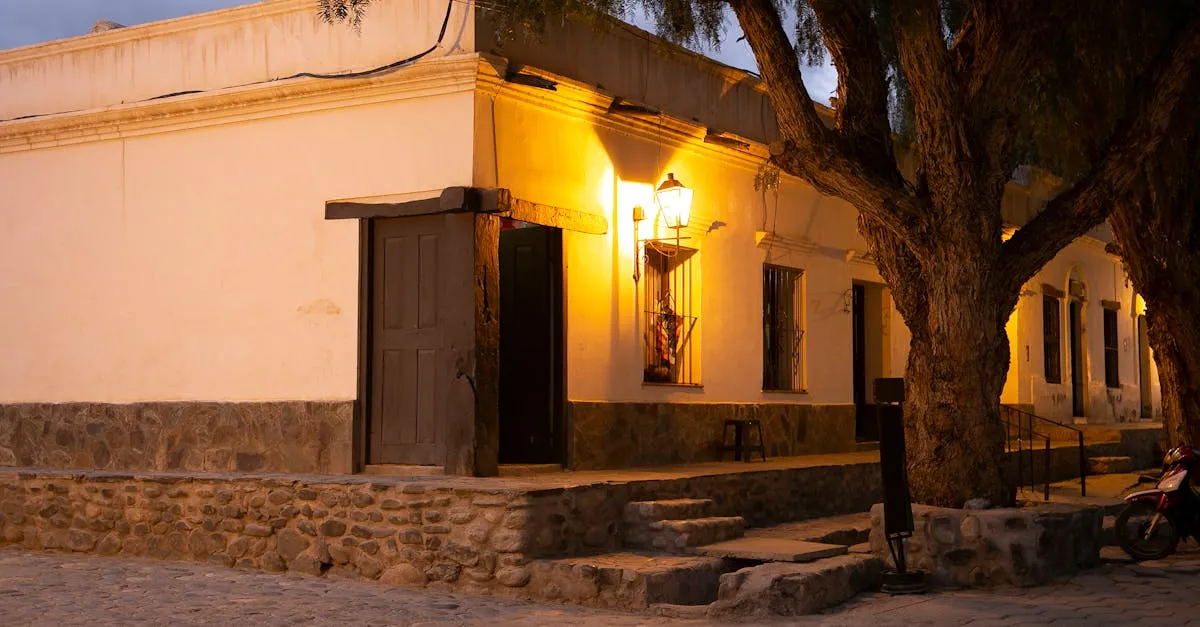
A whitewashed colonial village at 2,280 m, reached by the spectacular Ruta 33 across the Cuesta del Obispo (3,348 m pass) and the Los Cardones cactus park. 1–2 nights.

Iruya mountain village

Iruya (Salta)

A near-vertical village clinging to a canyon at 2,780 m, accessed by 4x4 from Humahuaca on a hair-raising dirt road. Indigenous Quechua culture, near-zero tourism, immense silence. 2 nights.

Esteros del Iberá wetland

Esteros del Iberá (Corrientes)

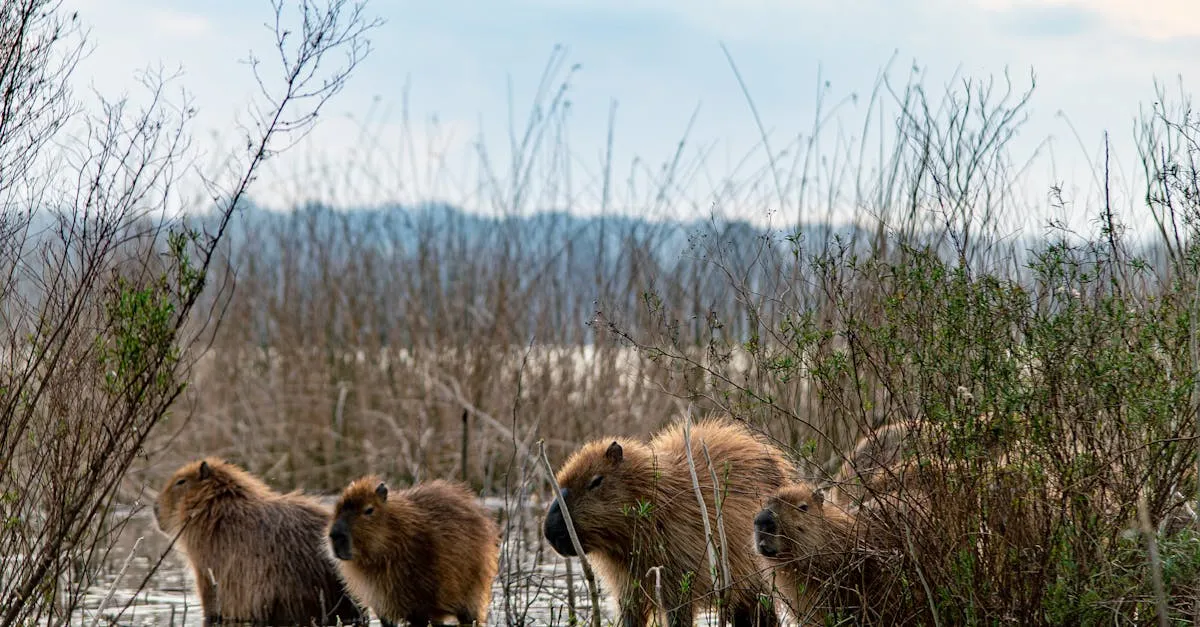
Vast wetlands with capybaras stepping aside on the road, jaguar reintroduction project, and lodge-based wildlife safaris with virtually no other tourists. 3–4 nights.

Península Mitre wilderness

Península Mitre (Tierra del Fuego)

Argentina’s newest national park (2022), at the eastern tip of Tierra del Fuego. No roads, no infrastructure. Only for experienced trekkers with guides.

Talampaya red canyon

Talampaya & Ischigualasto (La Rioja / San Juan)

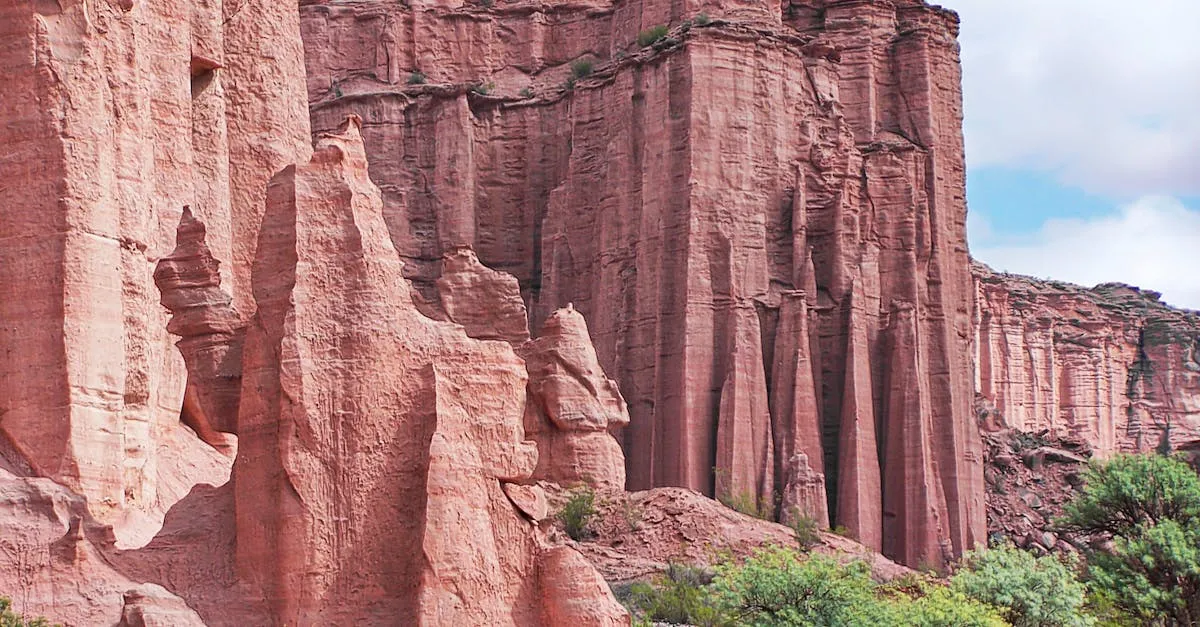
Two UNESCO parks of red-rock canyons and dinosaur-fossil “Valley of the Moon” landscapes. Reached from Mendoza or San Juan, well off the standard circuit. 2 nights.

Cafayate vineyard valley

Pueblos del Vino, Cafayate Hinterland

The wineries beyond the main Cafayate town offer remote tastings with no crowds and vineyards at 2,000+ m elevation. Tolombon, San Pedro de Yacochuya.

Wildlife & Nature

Argentine wildlife

Argentina’s wildlife concentrates in two clusters. The Atlantic coast of Patagonia (whales, penguins, sea lions, orcas) and the subtropical Iberá wetlands and Iguazú (capybaras, caimans, marsh deer, toucans). The Andes harbour Andean condors, vicuñas and pumas, though sightings are luck-based.

  • Southern right whales (Península Valdés): Jun–Dec, peak Sep–Oct. Females calve in the protected gulfs of Valdés. Boat tours from Puerto Pirámides USD 50–80.
  • Orca beaching (Península Valdés, Punta Norte): Mar–Apr. Rare phenomenon where orcas intentionally strand themselves on the beach to grab sea-lion pups. Guided viewing only at specific tide windows.
  • Magellanic penguins (Punta Tombo, Punta Loma): Sep–Mar. The Punta Tombo colony hosts ~500,000 penguins. Day trips from Puerto Madryn USD 80–120.
  • Iberá wetlands (Corrientes): Often called “Argentina’s Pantanal.” Capybaras, caimans, howler monkeys, marsh deer, ~350 bird species. Lodges in Colonia Carlos Pellegrini offer boat safaris, horseback rides and night walks. Reached via Posadas or Mercedes (long bus + transfer). 2–4 night lodge stays from USD 250–500/person.
  • Iguazú National Park: Coatis (the bushy-tailed raccoon relatives) crowd the boardwalks. Toucans, butterflies and capuchin monkeys in the canopy. Do not feed the coatis. They bite.
  • Andean condors: Most reliably seen at the Cóndor Cliff (Quebrada del Cóndor) near El Chaltén at sunrise, and around the Salinas Grandes / Paso de Jama high passes.
  • Guanacos and rheas: Common on the Patagonian steppe drives between El Calafate and El Chaltén. No special tour needed.
✅ Ethical wildlife note

Avoid any operator advertising direct contact with wild animals, captive pumas or “photo opportunities” with sloths or birds. Legitimate Patagonia and Iberá operators maintain respectful observation distances and certified guides.

Route A: Classic 2-Week (13 nights)

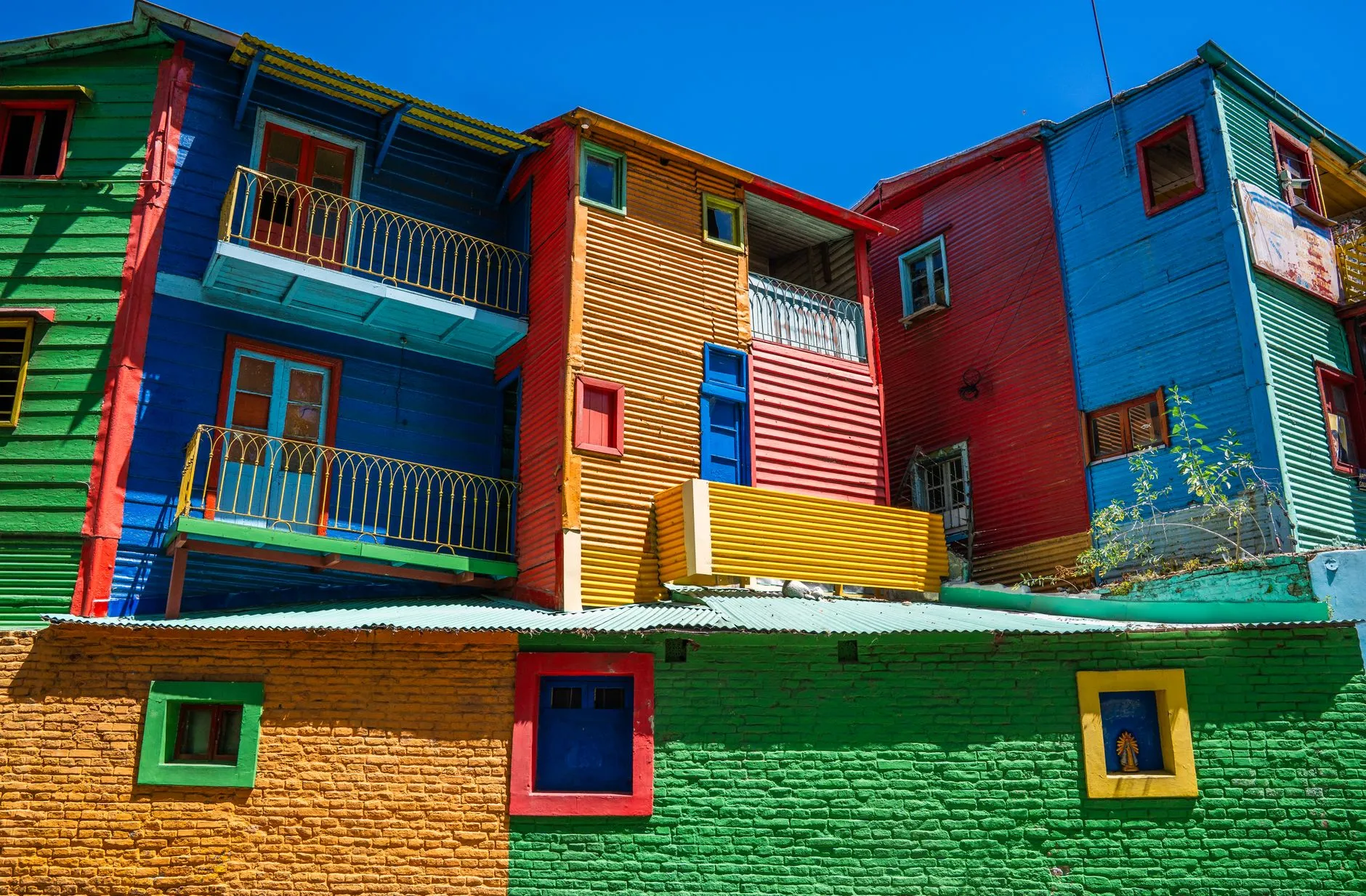
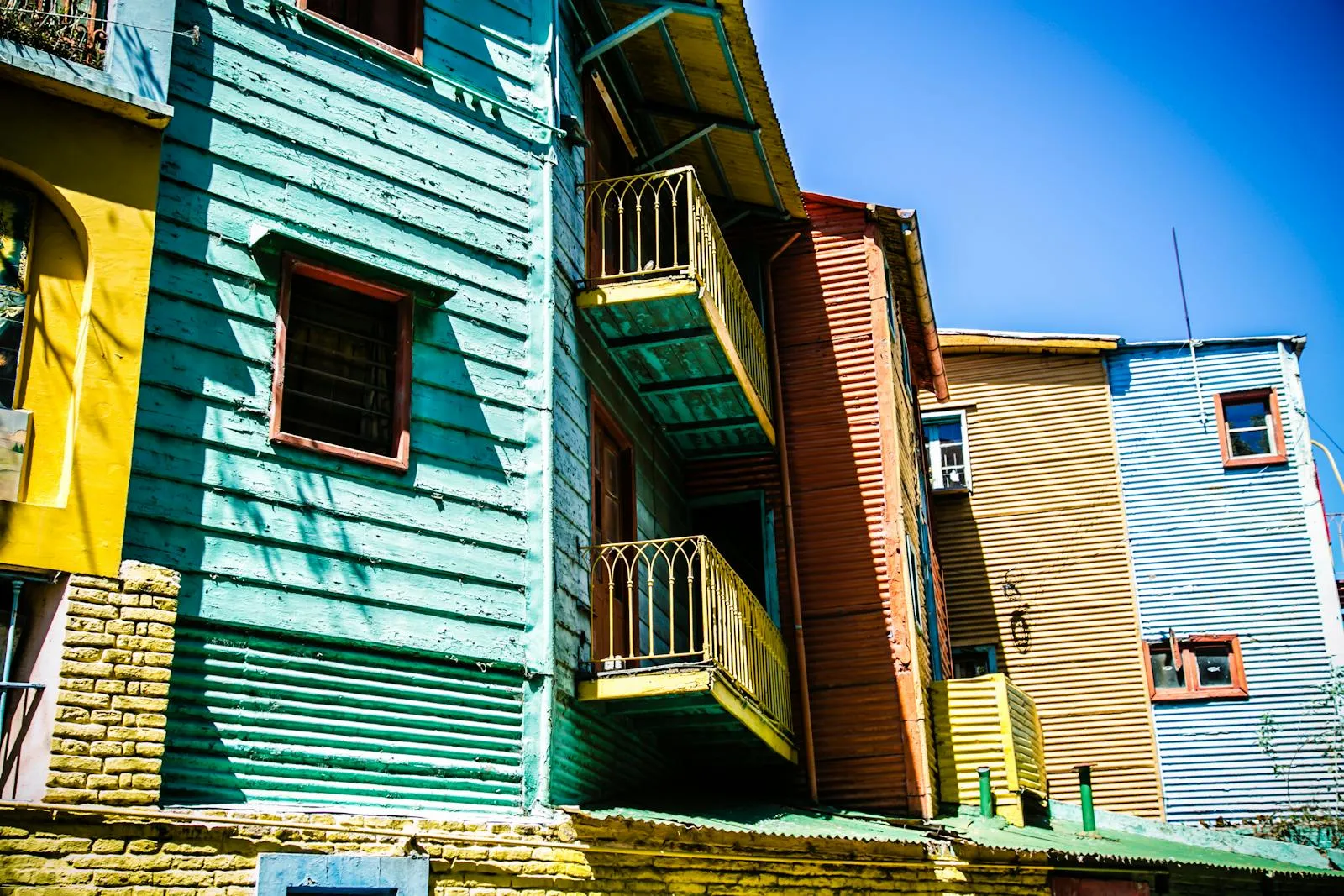
Colourful buildings in the La Boca neighbourhood of Buenos Aires

The standard first-timer Argentina circuit. Buenos Aires, Iguazú Falls, El Calafate (Perito Moreno) and El Chaltén (Fitz Roy). 14 days on the ground with 13 nights of sleep. Arrival on day 1, departure on day 14. Three internal flights to compress vast distances. No overland buses longer than 4 hours. Average fitness sufficient. One demanding optional day hike at El Chaltén.

Day-by-day itinerary

Day 1: Arrival in Buenos Aires

Land at Ezeiza International (EZE). Pre-booked transfer or official Tienda León shuttle to a hotel in Palermo or San Telmo (~45–60 min). Light dinner nearby, sleep early. No sightseeing. The day is consumed by the flight.

Day 2: Buenos Aires, central barrios

Morning walking tour of Recoleta. The cemetery (free), the Floralis Generica sculpture, lunch at a corner café. Afternoon is MALBA museum (modern Latin American art, ~ARS 6,000) or Bosques de Palermo. Evening is dinner at a Palermo parrilla (book ahead; meals start at 21:00).

Day 3: Buenos Aires, San Telmo & La Boca

Sunday is ideal. San Telmo’s antiques market on Defensa runs all day, with live tango buskers at Plaza Dorrego. Afternoon is La Boca’s Caminito for the painted houses (by day only, with care). Evening is a tango show at El Querandi or, better, a beginner milonga at La Catedral.

Day 4: Buenos Aires → Iguazú

Morning flight Aeroparque (AEP) → Puerto Iguazú (~1.5 hrs, USD 80–180 booked ahead). Transfer to hotel in Puerto Iguazú. Afternoon is arrival rest or short visit to Hito Tres Fronteras (the three-country viewpoint). Light evening. The falls are tomorrow.

Day 5: Iguazú Falls (Argentine side)

Full day in the park (entry ~ARS 45,000 for non-residents). Take the morning park train to the Garganta del Diablo walkway first to beat the crowds, then walk the Upper and Lower Circuits. Add the optional Gran Aventura boat trip into the spray (USD 65). Allow 8–9 hours. Evening recovery dinner in Puerto Iguazú.

Day 6: Iguazú (Brazilian side) → Buenos Aires

Morning is half-day visit to the Brazilian side (taxi or organised tour across the border, passport required, ~BRL 100 entry). Panoramic views of what you walked into yesterday. Afternoon flight back to Buenos Aires (Aeroparque, ~1.5 hrs). Evening rest day in BA.

Day 7: Buenos Aires → El Calafate

Travel day. Flight Aeroparque → El Calafate (~3 hrs, USD 120–280). The aerial view of Patagonia on descent is itself an experience. Transfer to hotel. Light evening. Pick up cash from ATMs (limits are low, queues common). Patagonia is in another time zone of pace.

Day 8: Perito Moreno Glacier

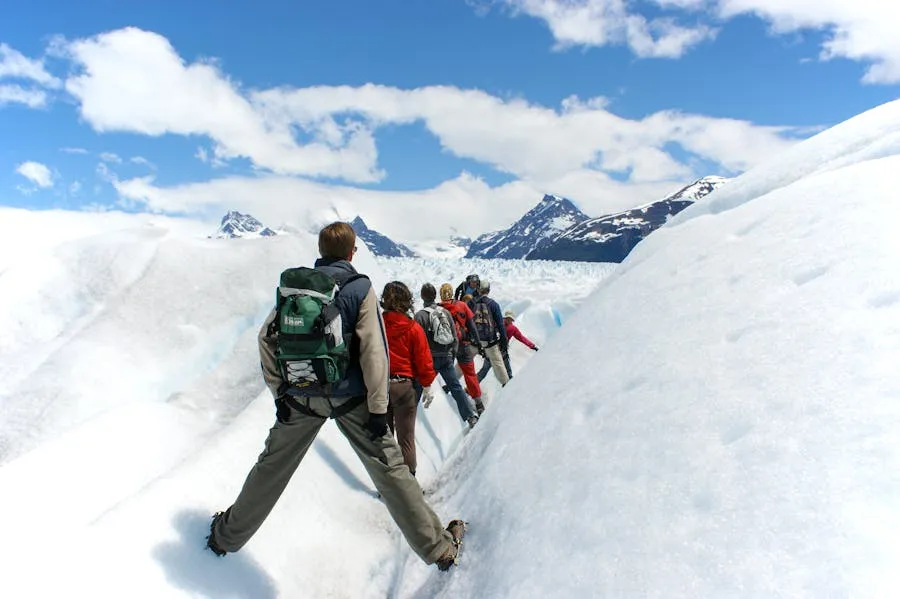
Full day at Los Glaciares National Park (entry ~ARS 35,000). Shared shuttle from El Calafate (~1.5 hrs each way, USD 30–50 return). Walk the boardwalk network. Lower platforms for face-on calving views, upper platforms for panoramas. Allow 4–5 hours at the glacier. Optional is mini-trekking on the ice (USD 150–200, book 1–2 days ahead).

Day 9: El Calafate → El Chaltén

Bus or shared shuttle to El Chaltén (~3 hrs, USD 35–55). The road crosses pure Patagonian steppe with guanaco and rhea sightings, then climbs into the Fitz Roy massif. One of the most dramatic arrivals in South America. Check in, briefing at the park office (free), pack for tomorrow’s big hike.

Day 10: Laguna de los Tres

The headline hike. 20 km return, 10 hrs, demanding final 400 m climb on loose rock. Start at sunrise (or pre-dawn for the famous orange Fitz Roy light). Trail begins from the village. No transport needed. Pack 2L water, sandwiches and layers. Weather flips fast. Easier alternative is Laguna Torre (18 km, 7 hrs, much gentler).

Day 11: El Chaltén recovery day

Short walks only. Mirador del Fitz Roy (1 hr return), Chorrillo del Salto waterfall (2 hrs), or the Mirador de los Cóndores at sunset. Long lunch, hammock, craft beer at La Cervecería. The legs need it.

Day 12: El Chaltén → El Calafate

Morning bus back to El Calafate (~3 hrs). Afternoon flexible. Visit the Glaciarium ice museum (~ARS 12,000) or simply rest. Evening lamb dinner at La Tablita or Don Pichon. Pack for tomorrow’s flight north.

Day 13: El Calafate → Buenos Aires

Flight to Buenos Aires (~3 hrs). Check into Palermo for the last night. Final dinner at a parrilla (Don Julio, Las Cabras, La Cabrera, book ahead) or a late milonga for the farewell.

Day 14: Departure

Transfer to Ezeiza International (~45–60 min). International flight home. No sightseeing today.

This route works equally well in reverse, but doing Iguazú before Patagonia means descending from subtropical heat to glacial cold gradually rather than the other way around. Best window is late November to early March for Patagonia access. If budget is tight, skip the Brazilian-side Iguazú visit and gain a free day in Buenos Aires. Mendoza wine country fits naturally as a 3-night add-on between Iguazú and El Calafate (route extends to 17 days).

Route B: 3-Week Explorer (20 nights)

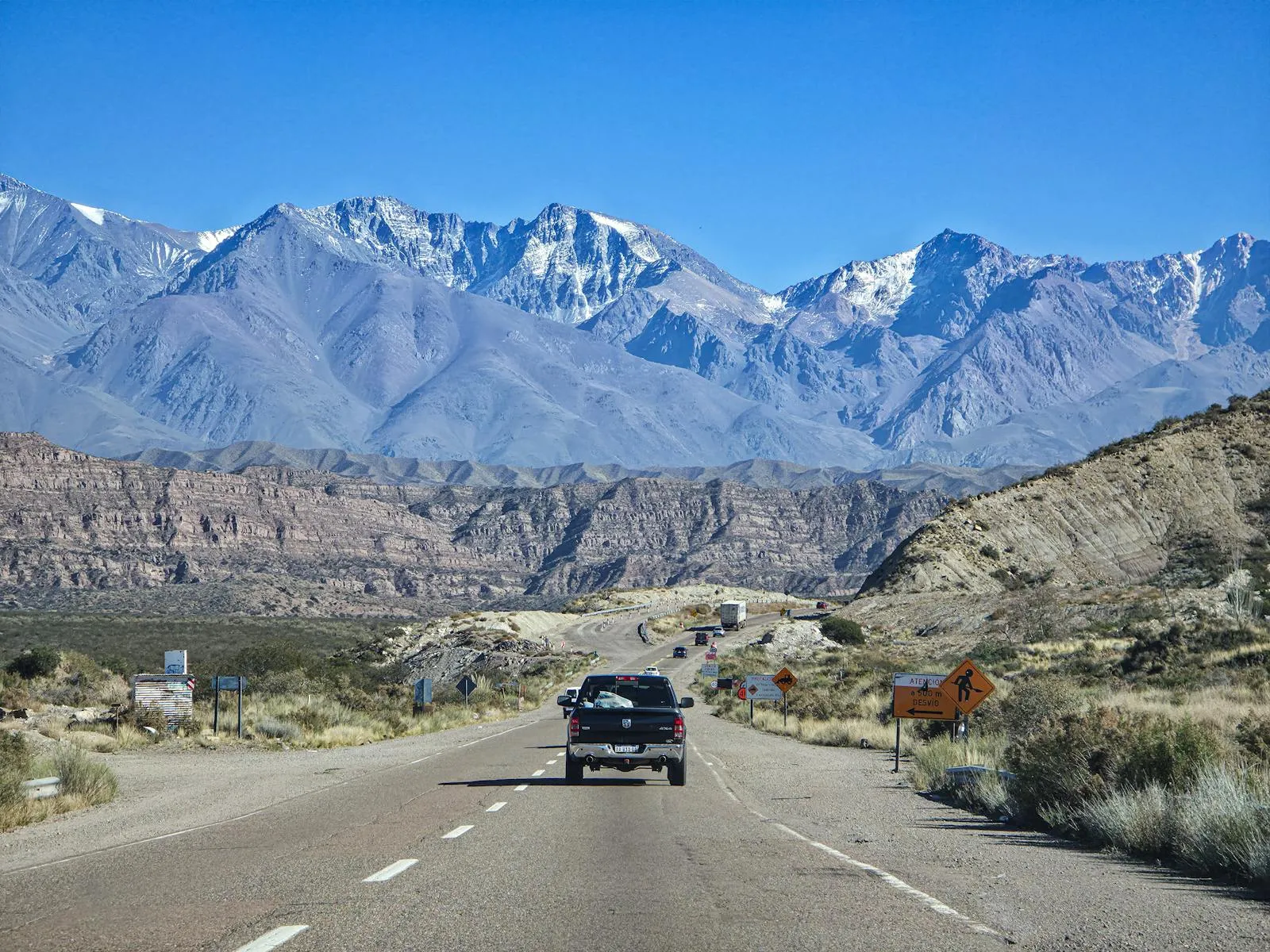
Mountain road winding through the Argentine Andes with dramatic peaks and open landscape

21 days on the ground. Arrival day 1, departure day 21, 20 nights of sleep. Adds the Northwest (Salta, Quebrada de Humahuaca) and Mendoza wine country to the Route A core. Six base changes, four internal flights. Best for travellers who want a country-wide sample without rushing the Patagonia stretch.

Day-by-day itinerary

Day 1: Arrival in Buenos Aires

Land at Ezeiza. Transfer to Palermo or San Telmo hotel. Light dinner, sleep early.

Days 2–3: Buenos Aires

Day 2: Recoleta cemetery and museum loop, Palermo lunch, MALBA, evening parrilla. Day 3: San Telmo (Sunday market ideal), La Boca, Plaza de Mayo, evening tango show or milonga.

Day 4: Buenos Aires → Salta

Flight Aeroparque → Salta (~2 hrs, USD 90–200). Transfer to hotel near Plaza 9 de Julio. Afternoon is gentle walk around the colonial centre, San Francisco Church, evening peña (folk music with empanadas) at La Casona del Molino.

Day 5: Salta, MAAM & Cerro San Bernardo

Morning is MAAM museum (Inca high-altitude mummies, ~ARS 5,000). Allow 2 hours. Afternoon is Cerro San Bernardo teleferico for panoramic views, then a long lunch of locro and empanadas salteñas. Evening is stroll Calle Balcarce for nightlife.

Day 6: Salta → Purmamarca / Tilcara

Drive or shared shuttle to the Quebrada de Humahuaca (~3 hrs). Stop at the Cerro de los Siete Colores in Purmamarca, then continue to Tilcara (more accommodation, better food). Walk the Pucará pre-Inca fortress ruins (~ARS 3,500) and the village artisan market.

Day 7: Salinas Grandes & Hornocal

Long day. Morning excursion to Salinas Grandes (vast salt flats at 3,450 m, ~3 hrs each way). Afternoon is drive north to Humahuaca and up to the Serranía de Hornocal viewpoint (4,350 m, 14-coloured mountain). Only attempt on clear afternoons. Return to Tilcara evening.

Day 8: Tilcara → Cafayate

Travel day. Drive south via Salta to Cafayate (~6–7 hrs total) through the spectacular Quebrada de las Conchas red-rock canyon. Stop at La Garganta del Diablo and El Anfiteatro formations. Arrive Cafayate evening, settle in to a vineyard hotel.

Day 9: Cafayate wine day

Morning is cycle the wine route. Bodega Nanni, El Esteco, Domingo Hermanos. Lunch with Torrontés at Piattelli or El Esteco (USD 50–90/person). Afternoon is Museo de la Vid y el Vino (small but well-presented), siesta, sunset on the main plaza.

Day 10: Cafayate → Buenos Aires → Mendoza

Travel day. Drive Cafayate → Salta (~3 hrs), flight Salta → Buenos Aires (~2 hrs), connection to Mendoza (~1.5 hrs). Or bus Cafayate → Salta, fly direct Salta → Mendoza on the limited routes. Long but unavoidable. Light evening in Mendoza.

Days 11–12: Mendoza wine country

Day 11: Luján de Cuyo with classic Malbec terroir, three winery visits with vineyard lunch (USD 100–180/person all-in). Day 12: Valle de Uco with higher-altitude vineyards, more dramatic Andes views, two wineries plus lunch at Bodega Salentein or The Vines Resort.

Day 13: Mendoza → El Calafate

Flight (~3.5 hrs with connection in Buenos Aires. Rarely direct). Arrive El Calafate afternoon. Hotel, ATM cash collection, briefing for tomorrow.

Day 14: Perito Moreno Glacier

Full day at the glacier. Boardwalks, optional ice trek (USD 150–200). Return for asado lamb dinner.

Day 15: El Calafate → El Chaltén

Bus or shuttle to El Chaltén (~3 hrs). Light afternoon, park briefing, gear check.

Days 16–17: El Chaltén hiking

Day 16: Laguna de los Tres (20 km, 10 hrs, demanding). Day 17: Laguna Torre (18 km, 7 hrs, moderate) or recovery day with short walks.

Day 18: El Chaltén → El Calafate → Bariloche

Travel day. Morning bus to El Calafate, flight to Bariloche (~1.5 hrs direct on some carriers, otherwise via Buenos Aires, 5+ hrs). Arrive Bariloche evening, dinner of trout and craft beer.

Days 19–20: Bariloche

Day 19: Circuito Chico drive/cycle with Cerro Campanario chairlift, lunch at a lakeside parrilla, evening chocolate-shop crawl on Calle Mitre. Day 20: Day hike to Refugio Frey (12 km return, 7 hrs) or a Seven Lakes Drive day trip toward San Martín de los Andes.

Day 21: Bariloche → Buenos Aires → home

Flight to Buenos Aires (~2.5 hrs). Connect to international flight from Ezeiza. Allow at least 4 hours between flights. AEP and EZE are different airports requiring transfer.

If 21 days isn’t enough, the strongest cut is Mendoza (save 4 days, add to Patagonia). The strongest addition (if you can extend to 25 days) is a 4-day Iguazú loop between Buenos Aires and Salta. Best window is March (vendimia harvest, autumn colours, Patagonia still open) or late November (services reopen, smaller crowds).

Route C: Northwest Focus (13 nights)

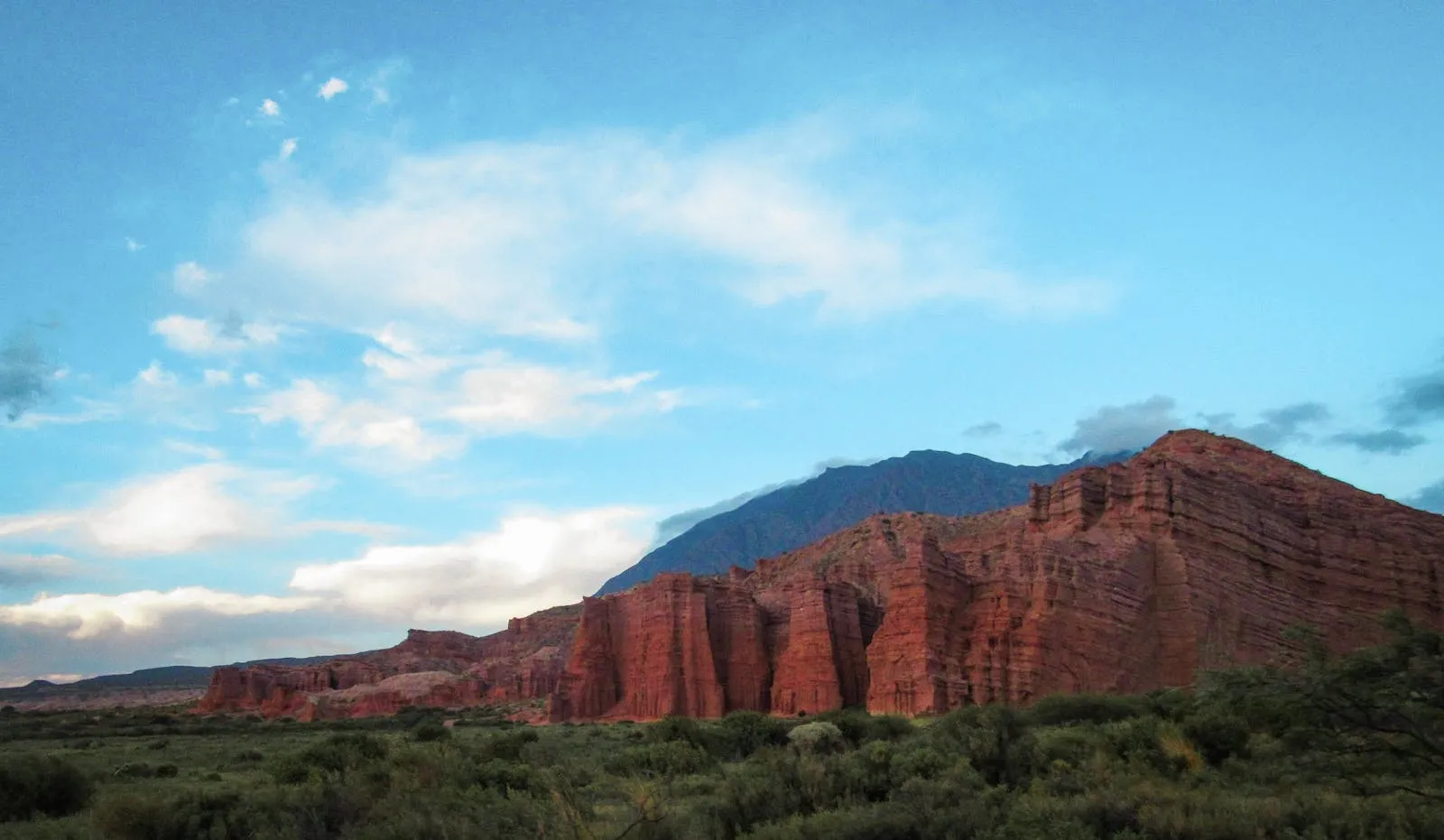
Red rock canyon landscape in the Argentine northwest near Salta

14 days on the ground. Arrival day 1, departure day 14, 13 nights. This route deliberately skips Patagonia in favour of the Andean northwest, Cafayate wine country, Buenos Aires culture, and the Iberá wetlands. A winter-friendly alternative when southern services are closed. Four base changes, two internal flights, one overnight bus optional. Best for travellers visiting in May–September who still want a deep Argentina experience.

Day-by-day itinerary

Day 1: Arrival in Buenos Aires

Land at Ezeiza. Transfer to Palermo or San Telmo. Light dinner, sleep early.

Days 2–3: Buenos Aires

Day 2: Recoleta and Palermo loop, MALBA, evening parrilla. Day 3: San Telmo, La Boca by day, milonga or tango show at night.

Day 4: Buenos Aires → Salta

Morning flight to Salta. Afternoon is colonial centre walk, MAAM museum, evening peña at La Casona del Molino.

Day 5: Salta → Cachi

Spectacular drive on Ruta 33 across the Cuesta del Obispo (3,348 m pass) and through Los Cardones cactus national park (~4 hrs each way as a day trip, or stay overnight in Cachi). The whitewashed colonial village at 2,280 m sits below a 6,720 m peak. Quiet, cold nights, brilliant stars.

Day 6: Cachi → Cafayate via Quebrada de las Flechas

Drive south on the “Ruta del Vino” through arrow-rock formations (Quebrada de las Flechas) and high-altitude vineyards. Arrive Cafayate afternoon. Settle in to a vineyard hotel. Sunset walk on Plaza San Martín.

Day 7: Cafayate wine day

Cycle the wineries. Bodega Nanni, El Esteco, Domingo Hermanos. Long Torrontés lunch. Afternoon is Quebrada de las Conchas exploration (rent bikes or hire a guide). Final evening on the plaza.

Day 8: Cafayate → Salta → Purmamarca / Tilcara

Drive back to Salta (~3 hrs), continue north into the Quebrada de Humahuaca to Tilcara (~2 hrs more). Arrive evening, walk the village.

Day 9: Quebrada de Humahuaca highlights

Morning is Pucará de Tilcara fortress, Purmamarca’s Cerro de los Siete Colores at the golden hour. Afternoon is Humahuaca village and the Serranía de Hornocal 14-coloured mountain viewpoint (4,350 m, weather-dependent).

Day 10: Salinas Grandes day trip

Long day to the salt flats at 3,450 m via the Cuesta de Lipan pass (4,170 m). The vast white expanse with Andean mountains on the horizon is one of the country’s most surreal landscapes. Return to Tilcara or Purmamarca evening.

Day 11: Tilcara → Salta → Buenos Aires

Drive Tilcara → Salta (~3 hrs), flight Salta → Buenos Aires (~2 hrs). Arrive evening, last hotel night in Palermo.

Day 12: Buenos Aires, flexible day

Options are Tigre delta day trip, Colonia del Sacramento (Uruguay) day trip by ferry, San Antonio de Areco gaucho day, or simply more time in Palermo’s café and bookshop culture. Evening milonga or football match (if a fixture is on).

Day 13: Buenos Aires, final day

Recoleta cemetery if not yet done, Puerto Madero waterfront, MALBA repeat if you loved it, or a leather-goods and bookshop crawl in Palermo. Final parrilla dinner.

Day 14: Departure

Transfer to Ezeiza. International flight home.

This route is purpose-built for winter travel (May–September) when Patagonia is largely closed. To extend to 21 days, add 4 nights at Iguazú (best in winter, cooler and less crowded) and 3 nights in the Iberá wetlands for a near-zero-tourist wildlife experience. The Cachi–Cafayate loop can be cut if time is tight (drop 2 days, go Salta → Cafayate direct on Ruta 68).

Getting Around

Local transportation and getting around

Argentina’s vast scale makes domestic flights the practical backbone of any country-wide trip. Buenos Aires to El Calafate is 2,700 km. A 3-hour flight or a 35-hour bus. Long-distance buses are excellent quality (comfortable, often double-decker with reclining seats and meals) but slow. Trains are limited. A few scenic routes survive but most intercity passenger rail is gone. Rental cars are useful for the Northwest and the Bariloche lakes circuit.

✈️ Domestic Flights

Aerolíneas Argentinas, FlyBondi, JetSMART. Essential for Patagonia distances. Buenos Aires–El Calafate 3h vs 35h by bus.

🚌 Long-Distance Buses

Comfortable cama/semi-cama overnight buses. Andesmar, Via Bariloche, Chevallier. Book via plataforma10.com. Budget-friendly for medium distances.

🚗 Within Cities

Buenos Aires: SUBE card for metro/bus. Elsewhere: local buses and remises (private taxis). Uber works in BA despite legal grey area.

🚗 Rental Cars

Useful for Ruta 40, wine country, Lake District. Roads vary wildly. Ripio (gravel) common in Patagonia. Always carry spare fuel and water.

Domestic flights

Booking 2–4 weeks ahead, typical fares USD 80–280 per leg. Carriers are Aerolíneas Argentinas (flag carrier, most routes), FlyBondi (budget), JetSMART (budget, expanding). Most flights route through Buenos Aires Aeroparque (AEP, in-city). Direct cross-country flights are limited.

  • Buenos Aires ↔ Iguazú: ~1.5 hrs
  • Buenos Aires ↔ El Calafate: ~3 hrs
  • Buenos Aires ↔ Bariloche: ~2.5 hrs
  • Buenos Aires ↔ Mendoza: ~1.5 hrs
  • Buenos Aires ↔ Salta: ~2 hrs
  • Buenos Aires ↔ Ushuaia: ~3.5 hrs (often via El Calafate)

Long-distance buses

Reliable operators: Andesmar, Via Bariloche, Cata Internacional, Chevallier, Flecha Bus. Three comfort tiers: semi-cama (reclining), cama (lie-flat 160°), cama suite/ejecutivo (180° flat with meals). Book via plataforma10.com or at the bus terminal (Retiro in Buenos Aires).

  • Buenos Aires → Mendoza: 14 hrs, ARS 35,000–75,000
  • Buenos Aires → Bariloche: 22 hrs, ARS 50,000–110,000
  • Buenos Aires → Salta: 20 hrs, ARS 45,000–90,000
  • Buenos Aires → Puerto Iguazú: 18 hrs, ARS 40,000–85,000
  • El Calafate → El Chaltén: 3 hrs, ARS 25,000–40,000
  • Bariloche → El Bolsón: 2 hrs, ARS 8,000–15,000

Any leg over 15 hours is worth checking flight prices. They’re often comparable once you factor in lost time and hotel savings.

Within cities

  • Buenos Aires: The Subte (metro) and SUBE-card buses are cheap (ARS 800–1,200 per ride). Get a SUBE card at any kiosk. Uber, DiDi and Cabify all work. Black-and-yellow radio taxis are also safe.
  • Salta / Mendoza / Bariloche: Walkable city centres. Local buses with SUBE for outskirts. Taxis cheap.
  • El Calafate / El Chaltén / Ushuaia: Walking distance for most needs. Shuttle vans for park access. Taxi/Uber not always reliable in El Chaltén.
  • Rental cars: Best for the Northwest (Salta circuit including Cachi, Cafayate, Humahuaca) and Bariloche’s Seven Lakes Drive. Avis, Hertz, Localiza all operate from major airports. USD 40–90/day mid-range.

Budget Breakdown

Budget breakdown and travel costs

Indicative daily costs for two people sharing a private double room. Excludes international flights and one-off anchor costs. All ARS prices assume the favourable “blue dollar” exchange rate via Western Union or USD cash. If you pay with foreign cards at the official rate, expect to add ~40–60% to every ARS figure.

ItemBackpacker (couple/day)Mid-range (couple/day)Comfort (couple/day)
AccommodationARS 35,000–65,000 (≈ €17–31)ARS 75,000–160,000 (≈ €36–76)ARS 180,000–400,000+ (≈ €86–190+)
Food & drinkARS 25,000–45,000 (≈ €12–21)ARS 50,000–100,000 (≈ €24–48)ARS 120,000–250,000 (≈ €57–119)
Local transportARS 8,000–18,000 (≈ €4–9)ARS 20,000–45,000 (≈ €10–21)ARS 50,000–120,000 (≈ €24–57)
Activities/toursARS 15,000–40,000 (≈ €7–19)ARS 45,000–110,000 (≈ €21–52)ARS 140,000–300,000 (≈ €67–143)
Daily total€40–80€91–197€234–509+

One-off “anchor” costs to plan for

  • Iguazú Falls entry: ~ARS 45,000 (≈ €21) per person, Argentine side. ~BRL 100 (≈ €18) Brazilian side.
  • Los Glaciares National Park (Perito Moreno): ~ARS 35,000 (≈ €17) per person.
  • Perito Moreno mini-trekking on ice: USD 150–200 per person.
  • Península Valdés whale-watching: USD 50–80 per person plus USD 35 park entry.
  • Mendoza vineyard lunch tour: USD 100–180 per person all-in.
  • Domestic flights: USD 80–280 per leg, booked 2–4 weeks ahead.
  • Bariloche ski day (Cerro Catedral, winter only): USD 80–120 lift pass plus rentals.

A comfortable mid-range 14-day Argentina trip for a couple, including 3 domestic flights, Iguazú entries and one Perito Moreno mini-trek, but excluding international flights, typically lands around €2,000–3,200 at the blue-dollar rate. The 3-week route adds Mendoza wine experiences and Salta region travel, pushing the total to roughly €2,800–4,500.

✅ The blue-dollar reality

Argentina’s inflation and currency controls create a parallel exchange rate roughly double the official one. To access the blue rate without dealing with informal cuevas, use Western Union to send yourself money from your home account (pickup in any Argentine WU branch with passport) or pay with foreign-issued cards labelled MEP/Tarjeta. Most major card networks now apply the MEP rate close to the blue rate. Bringing USD or EUR cash also works at hotels and high-end restaurants. The difference is substantial. A USD 100 dinner costs €90 at the official rate but ~€50 at the blue rate.

Money-Saving Tips

💱 Blue Dollar Rate

Use Western Union, Wise, or crypto (USDT) to access the parallel exchange rate. It’s roughly 30–50% better than the official rate. Never exchange at banks or airport counters

🍴 Tenedor Libre

All-you-can-eat buffets (tenedor libre) with grilled meats, salads, pastas, and desserts for ARS 5,000–10,000 (≈ €4–8 at blue rate). Parrillas offer shared platters that feed two generously

💳 SUBE Card

Buenos Aires transport requires a SUBE card. Buy at any kiosk for ARS 2,000 (≈ €1.60). Subte, buses, and trains cost ARS 100–300 per ride (≈ €0.08–0.25). Absurdly cheap

🚶 Free Walking Tours

Buenos Aires, Mendoza, Córdoba, and Bariloche all have tip-based free walking tours. BA’s street art tour in Palermo and San Telmo Sunday market are highlights

🍷 Bodega Tastings

Many Mendoza wineries offer free or cheap tastings (ARS 3,000–8,000 / ≈ €2.50–6.50). Rent bikes in Maipú and cycle between bodegas instead of paying for a tour

🚌 Overnight Buses

Long-distance cama (sleeper) buses between Buenos Aires, Mendoza, Bariloche, and Iguazú save a hotel night. Semi-cama is 30–40% cheaper than cama and still reclines well

Practical Information

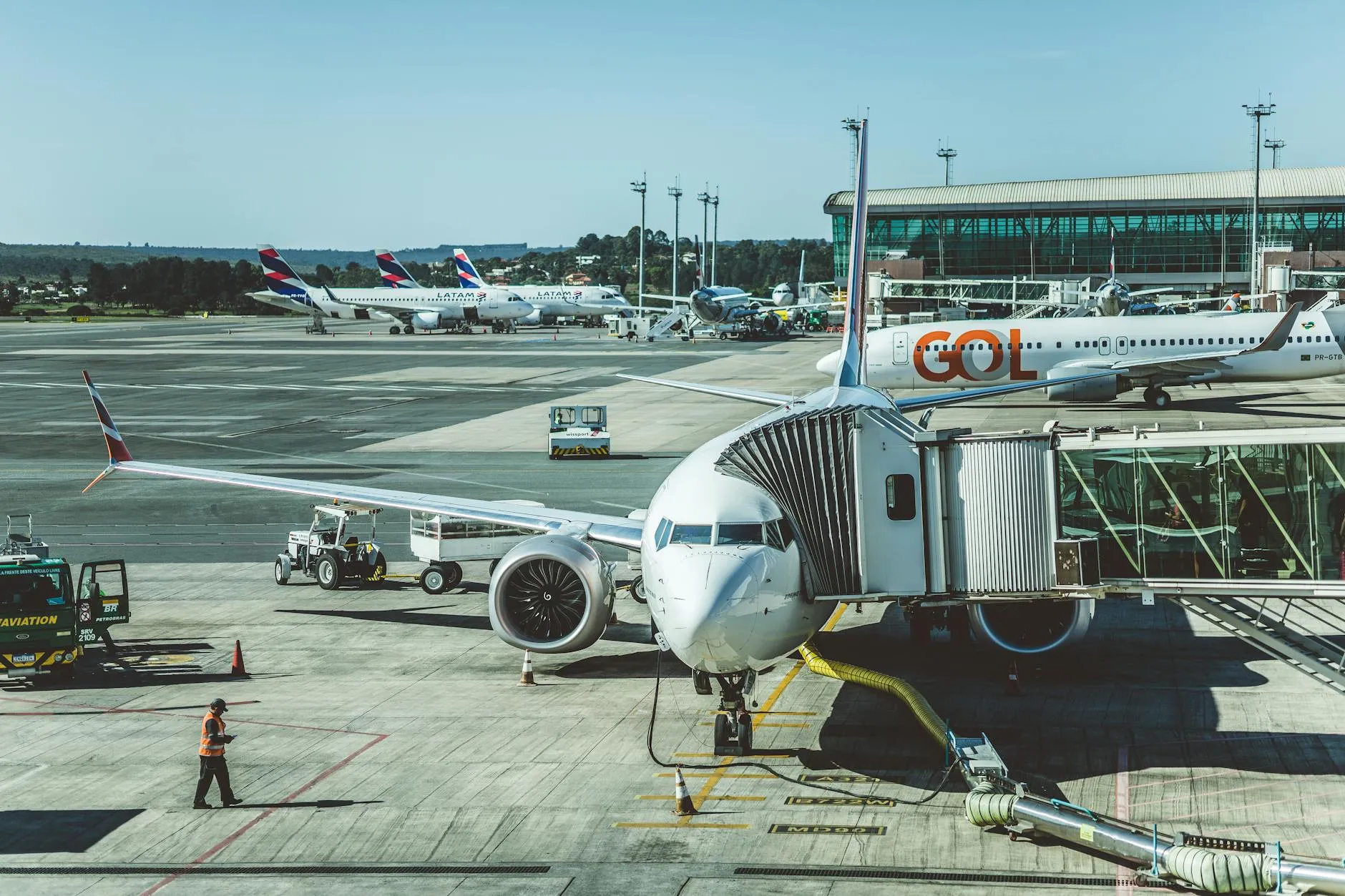
Airplanes parked at an airport apron, showcasing the busy atmosphere of modern aviation.

💳 Visas

EU/EEA, UK, US, Canadian, Australian, New Zealand and most Latin American passport holders enter visa-free for up to 90 days.

🏥 Health

No vaccinations are legally required for entry. Yellow fever is recommended for travel to the Iguazú / Mesopotamia region.

💶 Money

Useful backup. New, clean, large-denomination bills (USD 100) get the best rate.

📶 SIM & WiFi

Local SIMs from Claro, Movistar or Personal cost ARS 8,000–20,000 for a starter package with data.

🔌 Electricity

Type I plugs (angled 3-pin, same as Australia/NZ), 220V/50Hz. European/US visitors need adapters

🛒 Safety

Argentina is generally safer than its reputation suggests, but Buenos Aires has opportunistic petty crime in tourist areas.

Visa

EU/EEA, UK, US, Canadian, Australian, New Zealand and most Latin American passport holders enter visa-free for up to 90 days. No pre-registration form is required (unlike Colombia’s Check-Mig). Passport must be valid for at least 6 months beyond arrival. Stay can be extended once for another 90 days at any Dirección Nacional de Migraciones office (ARS ~30,000 fee). You may be asked for proof of onward travel and accommodation at immigration.

Money

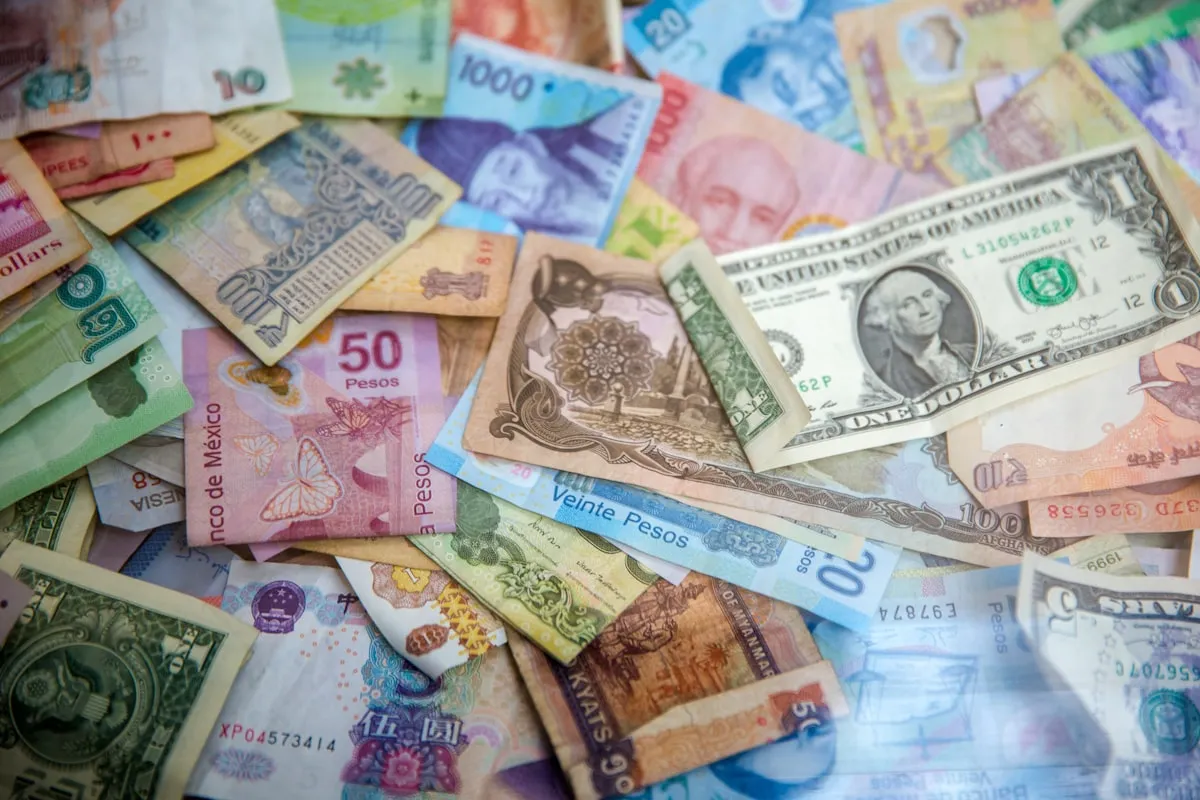
The Argentine peso (ARS, symbol $) is the local currency, but the exchange situation requires understanding before arrival.

  • Official rate: The rate banks and ATMs use. Currently around 1 EUR ≈ 1,050 ARS. Avoid using foreign-card ATMs. They apply this unfavourable rate plus high withdrawal fees.
  • Blue / MEP / Tarjeta rate: The parallel rate currently around 1 EUR ≈ 2,100 ARS, roughly double the official rate. Access via Western Union (best), USD/EUR cash exchanged at hotels or licensed cuevas, or foreign-issued credit cards labelled “Tarjeta” (Visa/Mastercard/Amex all apply this rate automatically on purchases now).
  • Western Union: Send money to yourself from your home bank account or card. Pick up in ARS cash at any WU branch with your passport. Limits ~USD 1,000–3,000 per transaction. The most reliable way to access the favourable rate.
  • USD cash: Useful backup. New, clean, large-denomination bills (USD 100) get the best rate. Small or damaged bills are often refused.

Tipping is 10% in sit-down restaurants (cash, not added to card). Tour guides get ARS 5,000–10,000 per person. Taxis, round up.

Altitude

The Northwest reaches significant altitude. Purmamarca 2,200 m, Tilcara 2,500 m, Salinas Grandes 3,450 m, Hornocal viewpoint 4,350 m, Cuesta de Lipan pass 4,170 m. Some travellers experience headache, nausea or breathlessness above 3,000 m. Tactics are:

  • Spend at least one night in Salta (1,187 m) or Purmamarca/Tilcara before going above 3,500 m.
  • Drink plenty of water. Avoid alcohol on arrival days at altitude.
  • Coca tea (mate de coca) is the traditional remedy and widely available.
  • If symptoms worsen significantly, descend. Do not push higher.

Health and vaccinations

No vaccinations are legally required for entry. Yellow fever is recommended for travel to the Iguazú / Mesopotamia region. Hepatitis A, typhoid and routine vaccinations are standard travel recommendations. Tap water is safe to drink in major cities (Buenos Aires, Mendoza, Bariloche, Salta), uncertain in small rural towns. Use bottled or filtered water there. Healthcare is excellent in Buenos Aires (public hospitals are free even for foreigners; private clinics are world-class and affordable).

Connectivity

Local SIMs from Claro, Movistar or Personal cost ARS 8,000–20,000 for a starter package with data. eSIMs from international providers (Airalo, Holafly) work well and avoid the local-paperwork hassle. WiFi is widely available in hostels, cafés and most restaurants. Coverage is excellent in cities and on main routes, patchy in Patagonia and the high Andes.

Safety

Argentina is generally safer than its reputation suggests, but Buenos Aires has opportunistic petty crime in tourist areas. Patagonia and the Northwest are among the safest regions in South America. Practical rules:

  • In Buenos Aires, watch for phone snatching and bag slashing on the Subte and around La Boca. Don’t walk into La Boca beyond Caminito after dark.
  • Use Uber, DiDi or Cabify at night. Black-and-yellow radio taxis are also safe. Hail from taxi stands at hotels or restaurants rather than the street if possible.
  • Avoid the Retiro / Constitución / Once areas late at night.
  • Carry a photocopy of your passport rather than the original day-to-day.
  • Withdrawing large sums of ARS cash from ATMs is conspicuous. Do it during the day, inside a bank lobby, and split between multiple withdrawals.

Language

Spanish is essential outside tourist hubs. Argentine Spanish has distinctive features. The vos form instead of , the sh pronunciation of “ll” and “y” (calle sounds like “ca-shay”), and Italian-inflected intonation. English is spoken in Buenos Aires tourist hubs, Mendoza wineries and the main Patagonia tour agencies, but very little elsewhere. Basic Spanish makes a significant difference. Argentines are patient and warm with learners.

Tips & Common Mistakes

A person sitting with a backpack enjoys the view of the colorful Serranía de Hornocal mountains in Jujuy, Argentina.
  • Using ATMs at the official rate: The single most expensive mistake. Foreign-card ATM withdrawals apply the unfavourable official rate plus a USD 5–10 per-transaction fee. Use Western Union or pay with foreign-issued cards (MEP rate applies automatically) to access the favourable blue rate.
  • Underestimating distances: Buenos Aires to El Calafate is 2,700 km. Salta to Bariloche is 2,400 km. Treat every cross-country leg as a flight, not a bus, unless you specifically want the overland experience.
  • Booking Patagonia last minute: El Chaltén, El Calafate and Bariloche accommodation books out 2–6 months ahead for January and February. Book before September for peak season, or travel in November or March for availability.
  • Confusing the two Buenos Aires airports: Ezeiza (EZE) is for international flights, 35 km from the city. Aeroparque (AEP) is for almost all domestic flights, in the city itself. Allow 90 minutes minimum between landing at EZE and a domestic AEP flight. Ideally make it a full day.
  • Ignoring the meal-time gap: Lunch ends 15:00. Dinner starts 21:00. Many restaurants close completely between. Plan a long lunch or carry snacks for the gap. Showing up for dinner at 19:00 often means an empty room and reheated food.
  • Trying to do Patagonia in winter: Most of Patagonia’s services (refugios, shuttles, boat trips) close from late April to early November. Winter Patagonia is reserved for ski-resort travel (Bariloche, Las Leñas) only.
  • Booking Iguazú for one day: The Argentine side alone requires 7–9 hours to do justice. Allow at least 2 nights to do both Argentine and Brazilian sides properly.
  • Skipping the Brazilian side of Iguazú: The two sides offer completely different experiences. The Argentine side puts you in the falls, the Brazilian side gives the panoramic view. If you have a passport and Brazil entry doesn’t require a visa for you (check current rules), do both.
  • Underestimating Patagonian wind: El Calafate and El Chaltén routinely see 60–80 km/h gusts in summer. A waterproof, windproof hardshell jacket is essential year-round.
  • Overpacking summer clothes: Even January nights in El Chaltén drop to 5°C. Buenos Aires can be hot, El Calafate cold, and the Northwest both within hours. Layers, not bulk.
  • Eating dulce de leche only once: It is in everything. Ice cream, alfajores, pancakes, the bottom of your coffee cup if you ask nicely. Embrace it.
  • Booking Buenos Aires hotels in Microcentro: It is dead at night and a long walk from the dinner / nightlife scene. Palermo (especially Soho and Hollywood) or San Telmo are far better bases.
  • Assuming credit cards work everywhere: They mostly do in Buenos Aires and major hotels, but small Patagonian towns, taxi drivers and many parrillas still prefer cash. Always carry some ARS notes.
  • Buying tickets at La Bombonera from a tout: Use a licensed agency (Tangol, LandingPadBA) for Boca Juniors home matches. Touts sell fakes or visitor-restricted tickets at huge mark-ups.

Final Recommendation

Final recommendation and travel tips

Argentina is the most geographically varied trip in South America, but also the most logistically demanding. Distances are enormous, so flights are almost mandatory. The currency situation rewards preparation. And the country’s strongest regions (Patagonia, the Northwest) have narrow viable seasons. Plan in advance, use the favourable exchange rate, and the reward is a country that genuinely contains a continent.

Which route?

  • Route A (14 days): The classic first-timer loop. Buenos Aires → Iguazú → El Calafate → El Chaltén. Three internal flights, the country’s headline sights, one demanding day hike. The default choice for a first trip.
  • Route B (21 days): The country-wide sample. Adds Salta and the Quebrada de Humahuaca, plus Mendoza wine country, to Route A. Best for travellers who want every region without rushing. Six base changes. Pace yourself.
  • Route C (14 days): The winter alternative. Skips Patagonia entirely in favour of the Northwest, Cafayate wine country and Buenos Aires. Purpose-built for May–September travel when southern services are closed.

Planning sequence

Start with the international flight into Ezeiza and book the El Calafate and El Chaltén accommodation immediately afterwards. These are the constraints. Domestic flights (Aeroparque to Iguazú, El Calafate, Salta, Mendoza) should be booked 2–4 weeks ahead for best fares. Wine country lunches, Perito Moreno mini-trekking and Iguazú boat trips can usually be arranged 1–3 days before. Set up a Western Union account before departure for the best exchange rates.

The strongest window is late November through mid-December or March. Patagonia is open, services are running, but the worst of the Argentine summer holiday crush is avoided. January and February work but cost more and require earlier booking. May to September is winter-mode Argentina. Rewarding for the Northwest, Iguazú and ski lovers, but largely closed for Patagonia.

Argentina rewards travellers who arrive with flexible expectations and an appetite for long, late dinners, vineyards, granite spires, and the particular kind of cultural confidence that produced tango, Borges and the world’s best beef. Plan the skeleton, book the constraints, and leave room for the next café conversation to redirect the afternoon.