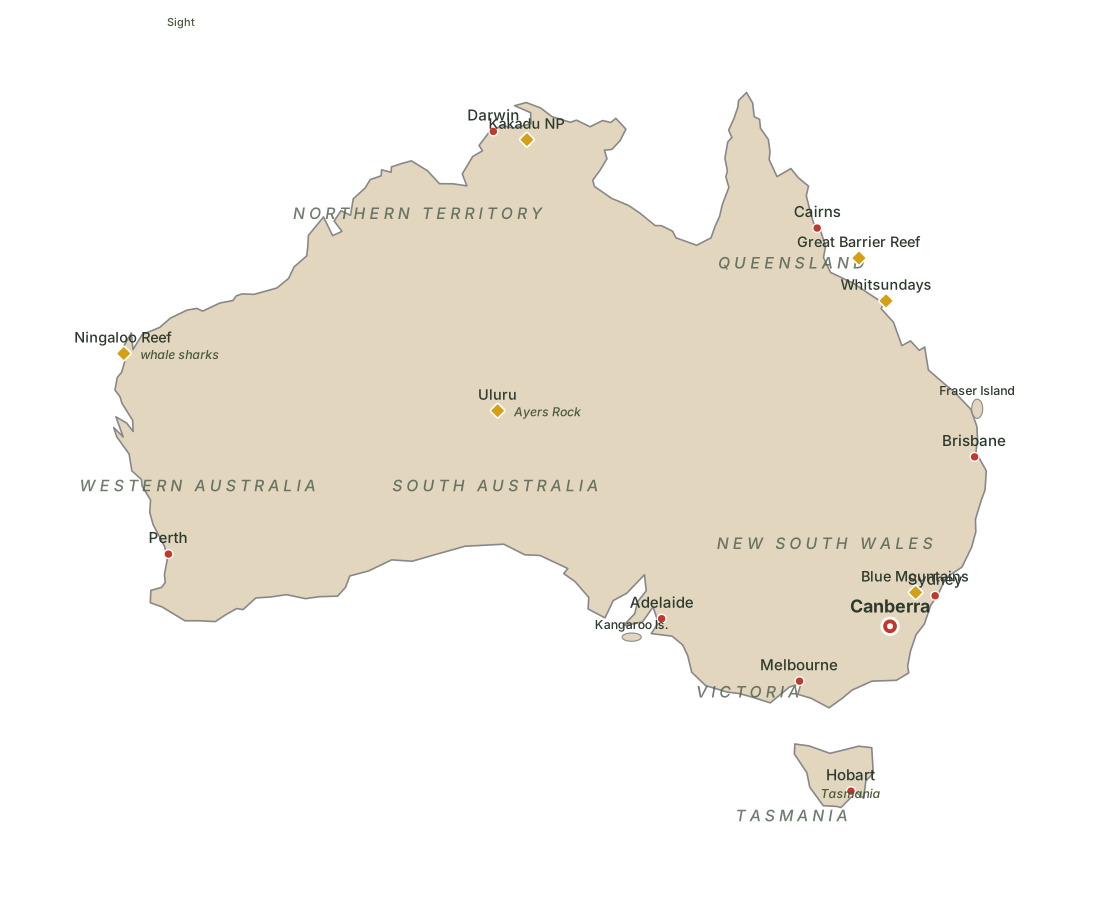
Australia has more than 700 national parks covering roughly 4% of the continent. Twelve of them (plus the Great Barrier Reef Marine Park) hold UNESCO World Heritage status. The 13 below cover every climate zone and account for most first-visit itineraries. Entry fees usually range AUD 10–40 per vehicle or person per day, with multi-day passes offering better value.
![Kakadu wetlands and sandstone escarpment at sunset]()
Kakadu
Northern Territory · 19,804 km² · UNESCO 1981 (natural + cultural)
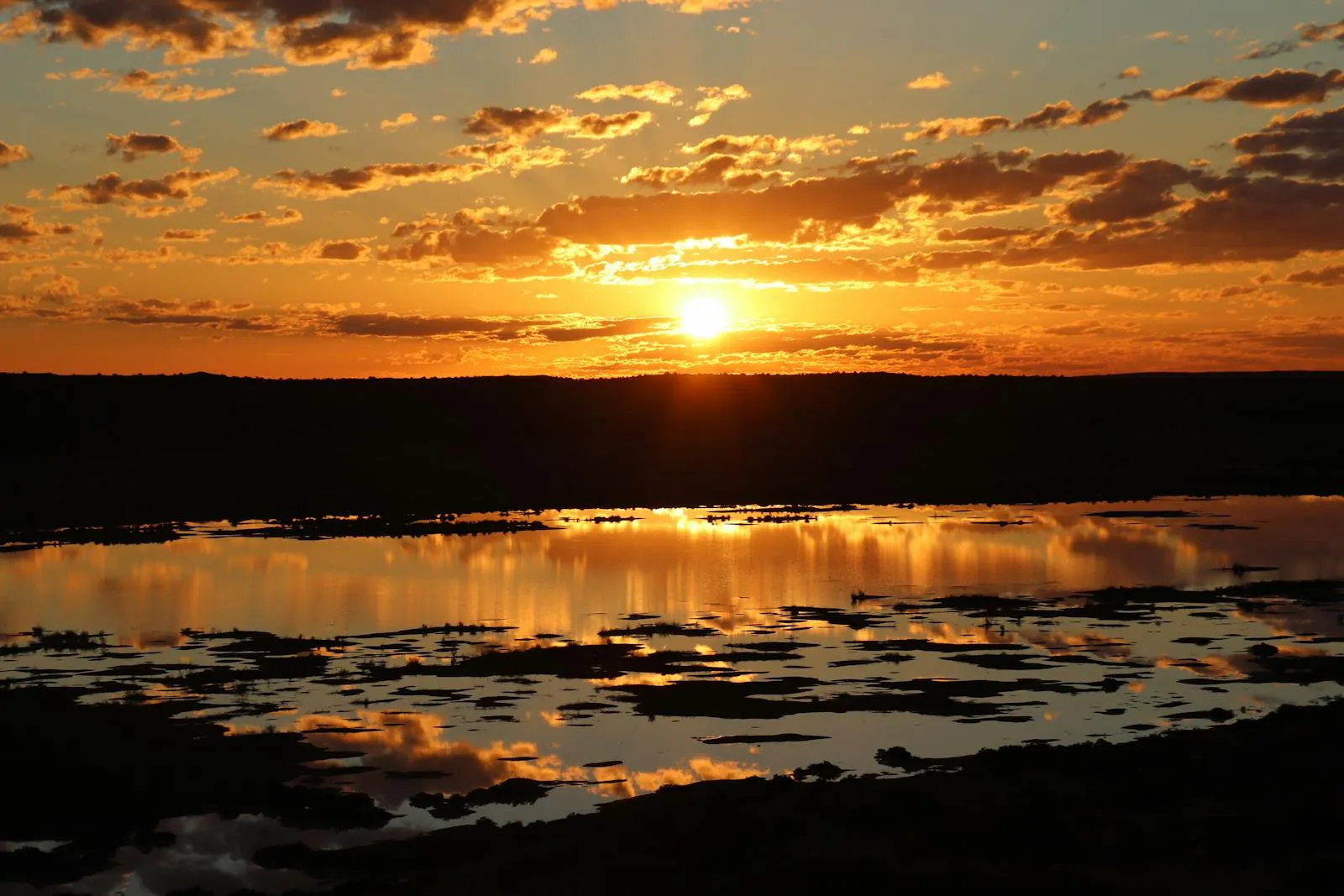
Australia’s largest national park. Wetlands, sandstone escarpments, and Aboriginal rock art sites over 40,000 years old. Yellow Water is the classic sunrise cruise.
See Yellow Water sunrise cruise. Ubirr rock art at sunset. Twin Falls plunge pool.
Season May–Sep (dry). Roads flood Nov–Apr and some areas stay closed into May.
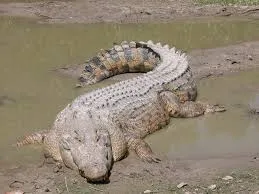
Watch out for Saltwater crocs everywhere. Only swim in marked plunge pools. Fee around AUD 25–40 per adult per week.
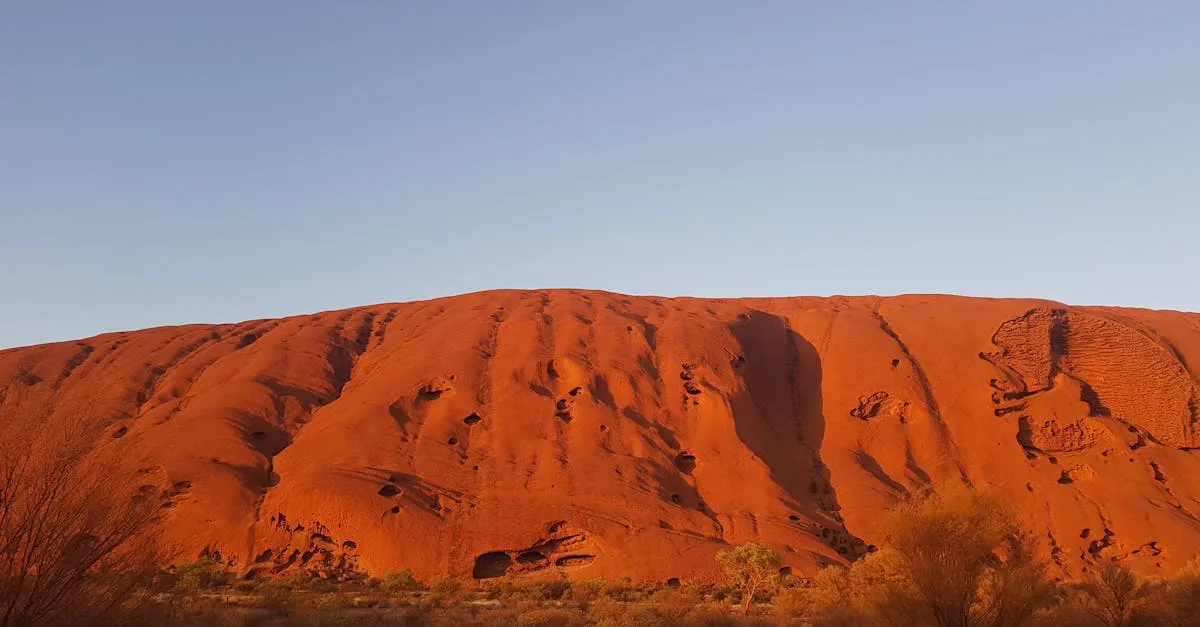
![Uluru at sunset in the Red Centre]()
Uluru-Kata Tjuta
Northern Territory · 1,326 km² · UNESCO 1987 (natural + cultural)
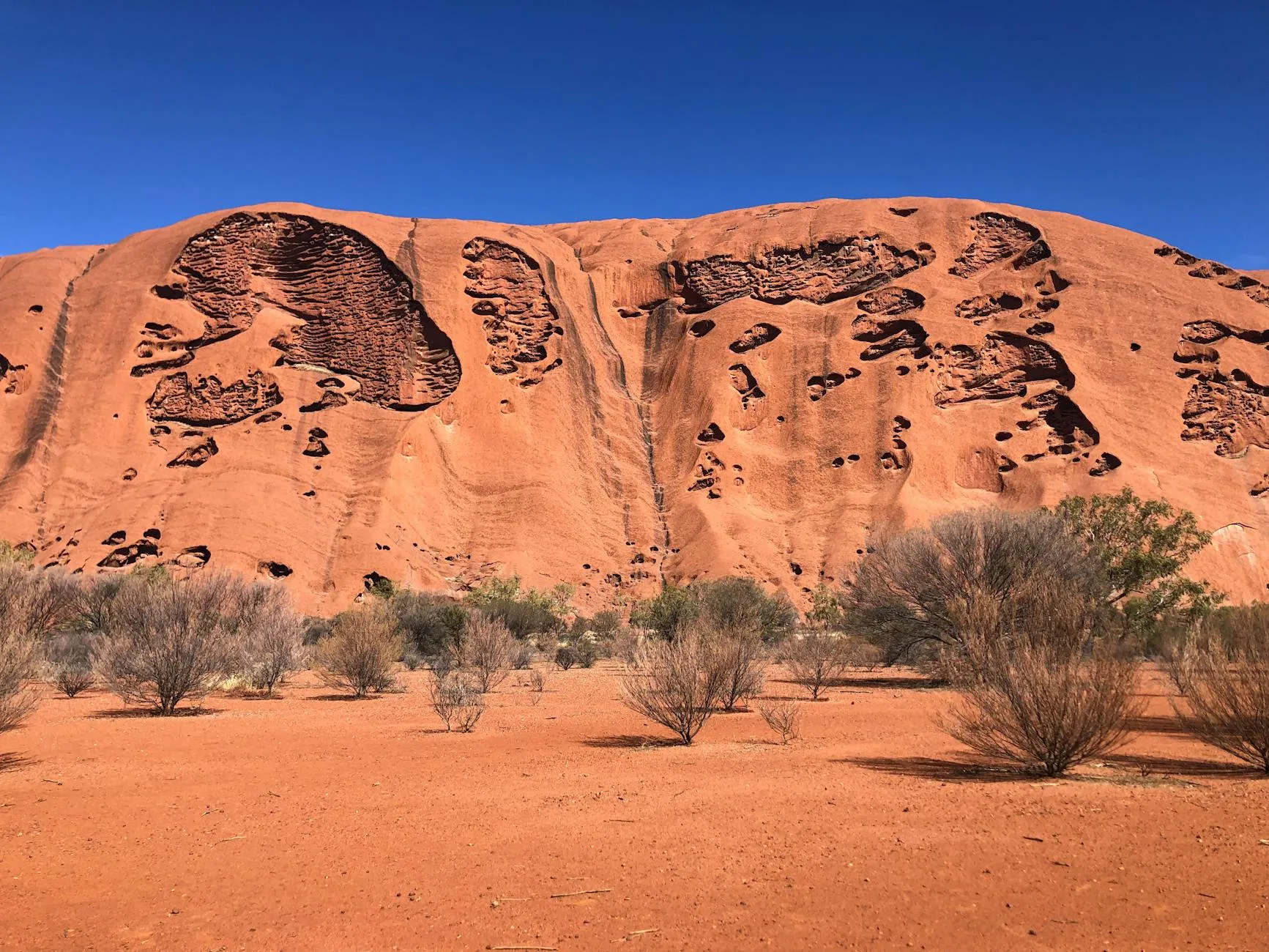
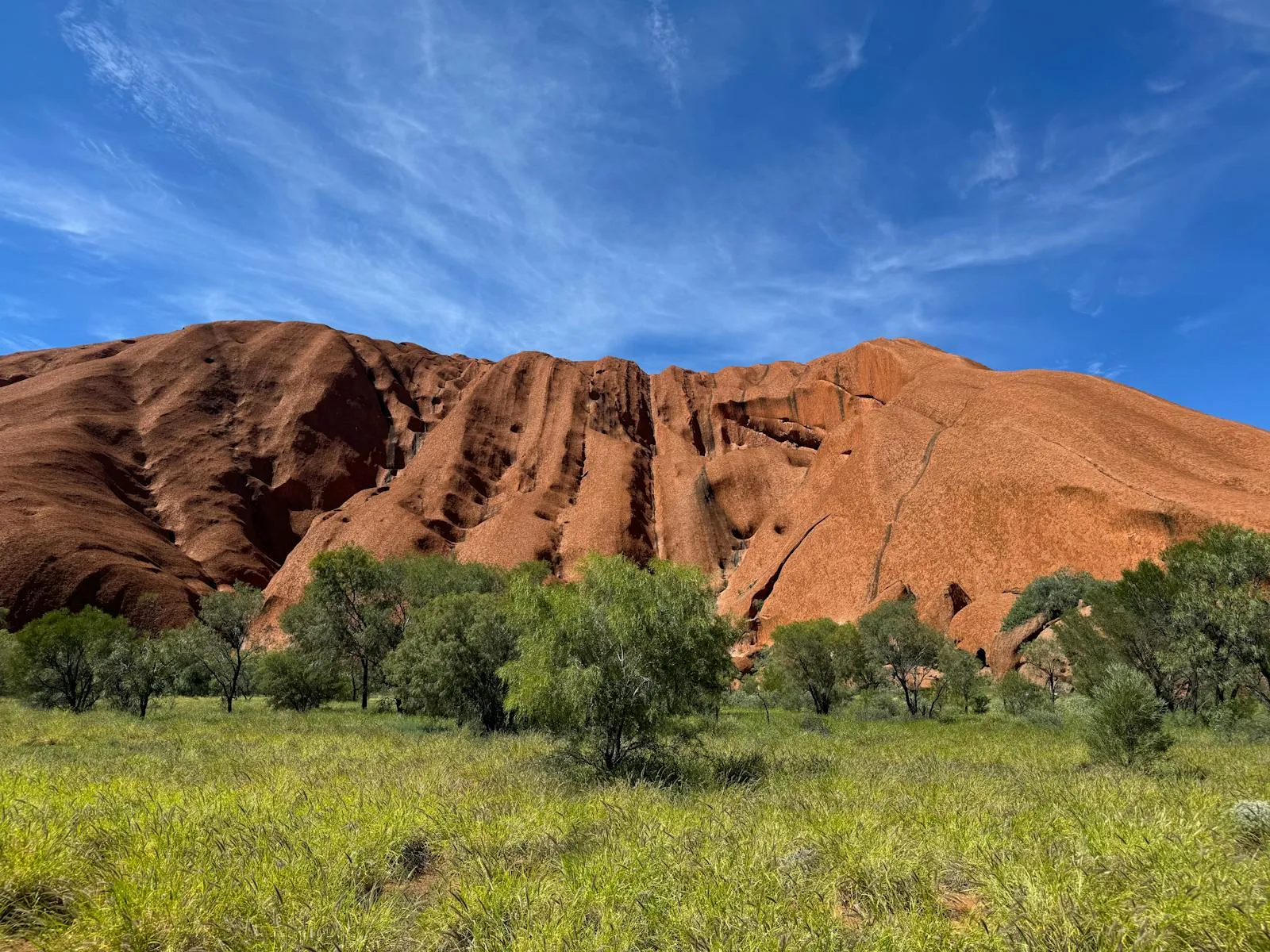
The 348 metre monolith of Uluru and the 36 domes of Kata Tjuta rise from red desert plains. Sacred to the Aṇangu people. Sunrise and sunset are the two moments the whole trip revolves around.
See Uluru base walk (10.6 km loop). Valley of the Winds at Kata Tjuta. Field of Light installation after dark.
Season May–Sep. Cool days, cold nights, tolerable walking conditions.
Watch out for Rim and base walks close if the forecast tops 36°C, which is most days Dec–Feb. AUD 38 per adult, valid 3 days. All accommodation is at the Yulara resort outside the park.
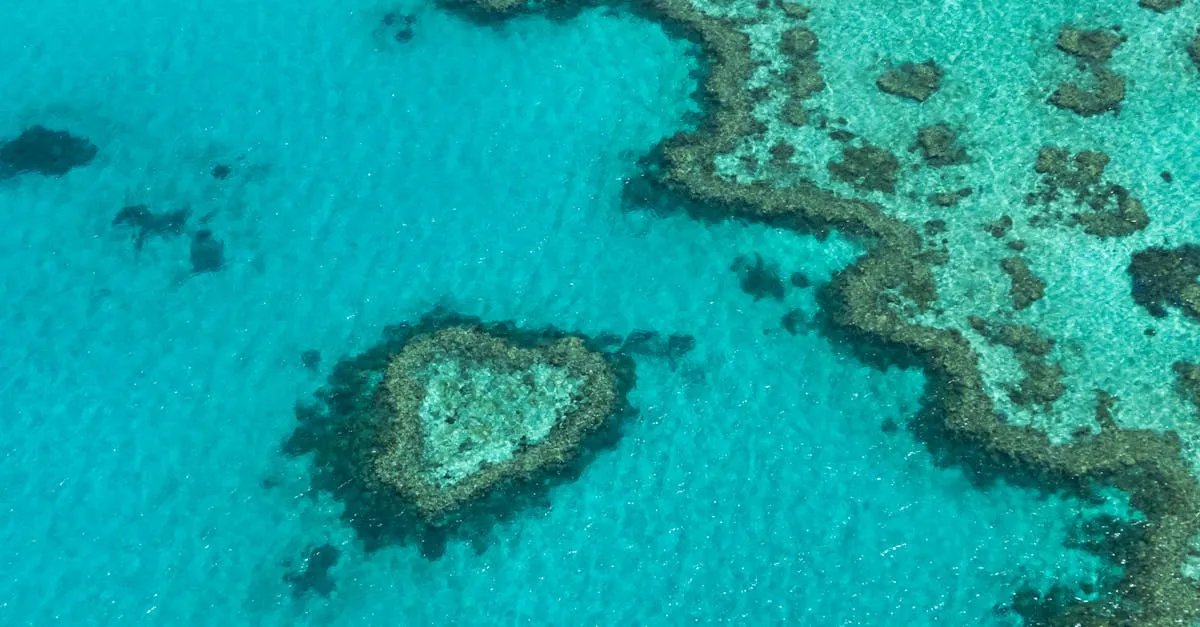
![Coral gardens of the Great Barrier Reef]()
Great Barrier Reef Marine Park
Queensland · 344,400 km² · UNESCO 1981 (natural)
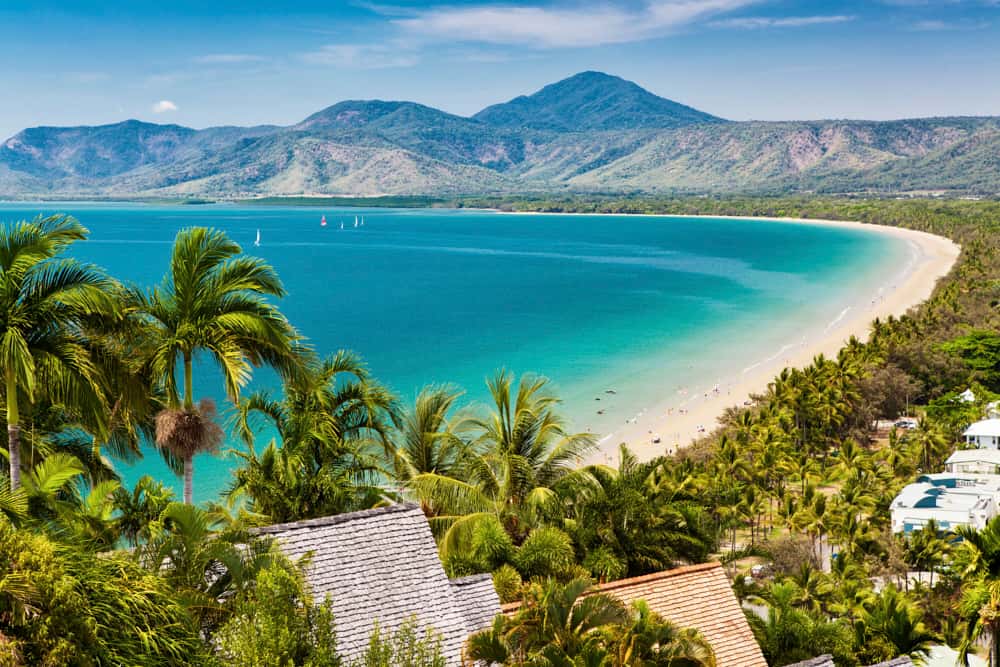
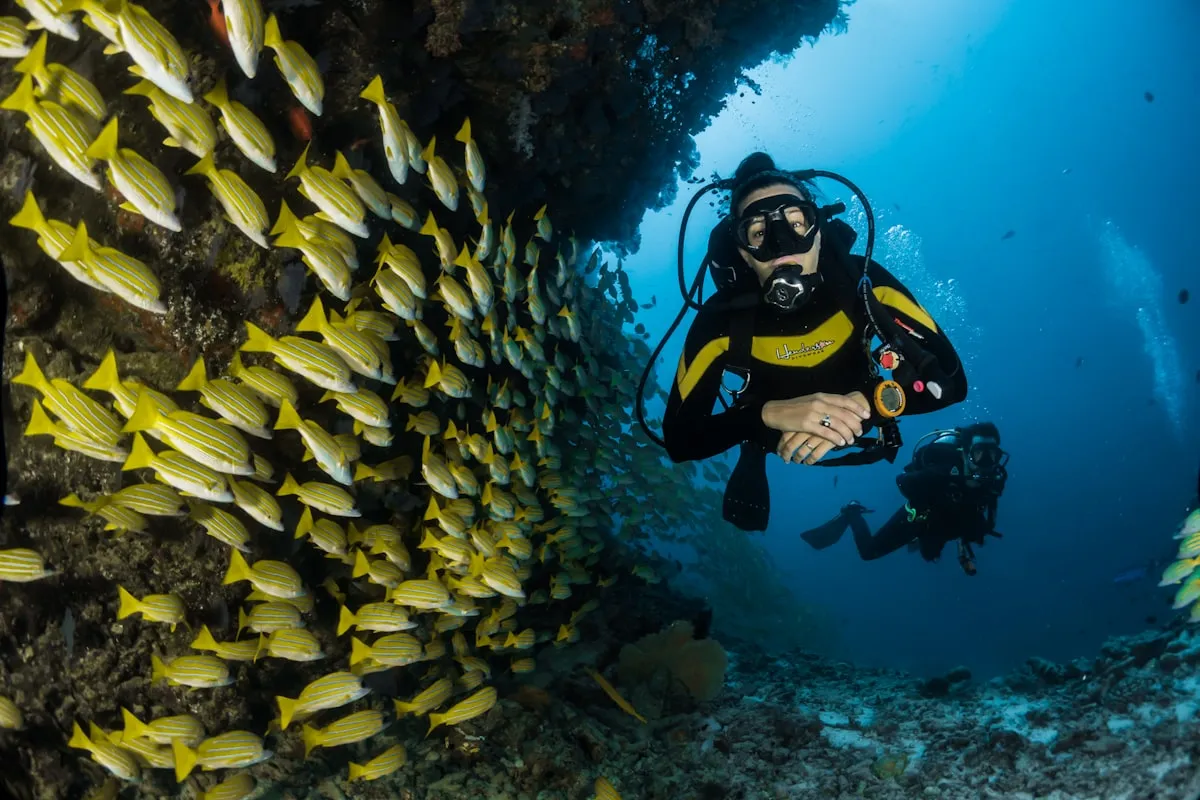
The world’s largest coral reef system stretches 2,300 km along the Queensland coast. Access from Cairns, Port Douglas, Airlie Beach, or the Whitsundays. Day trips or liveaboards for divers.
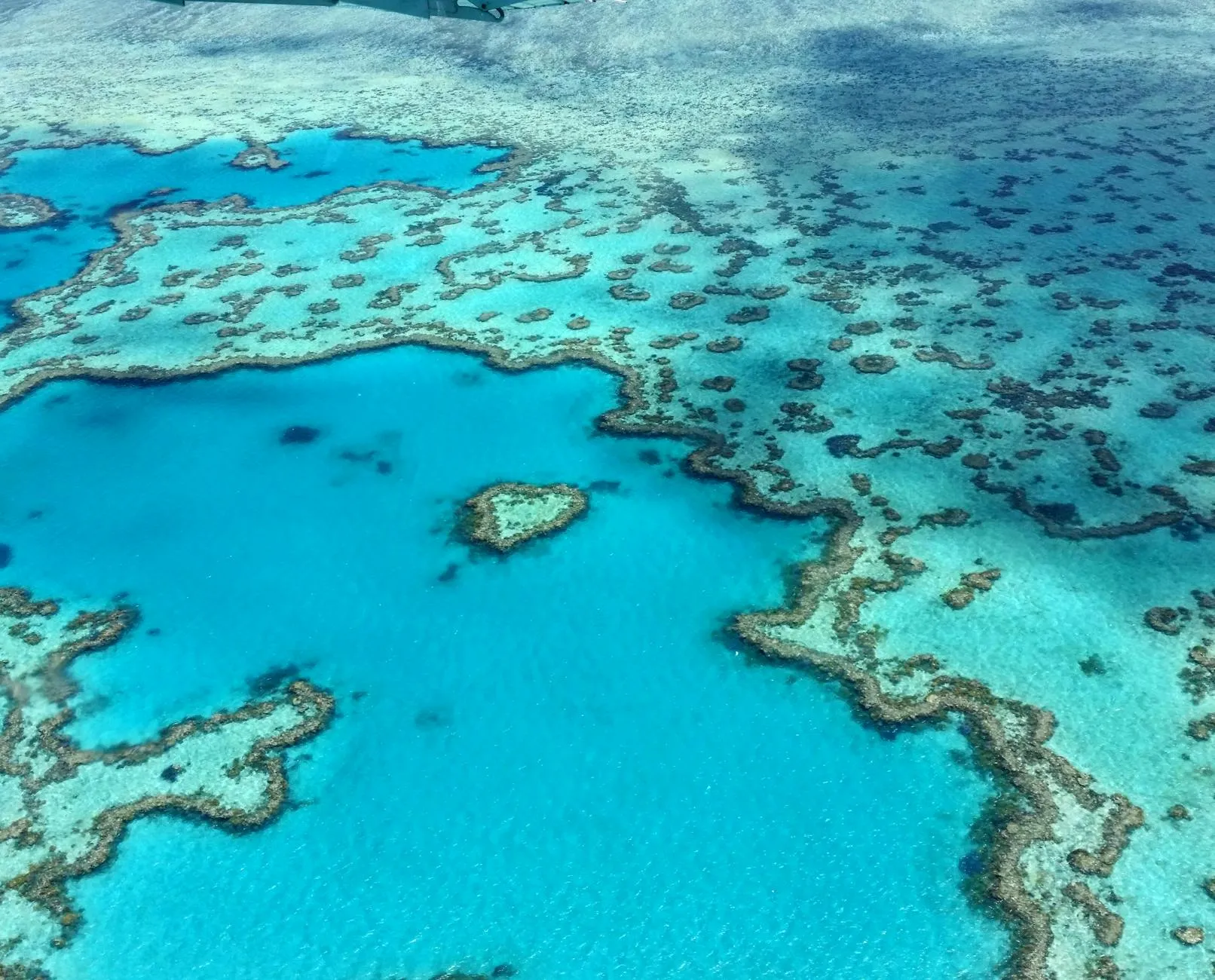
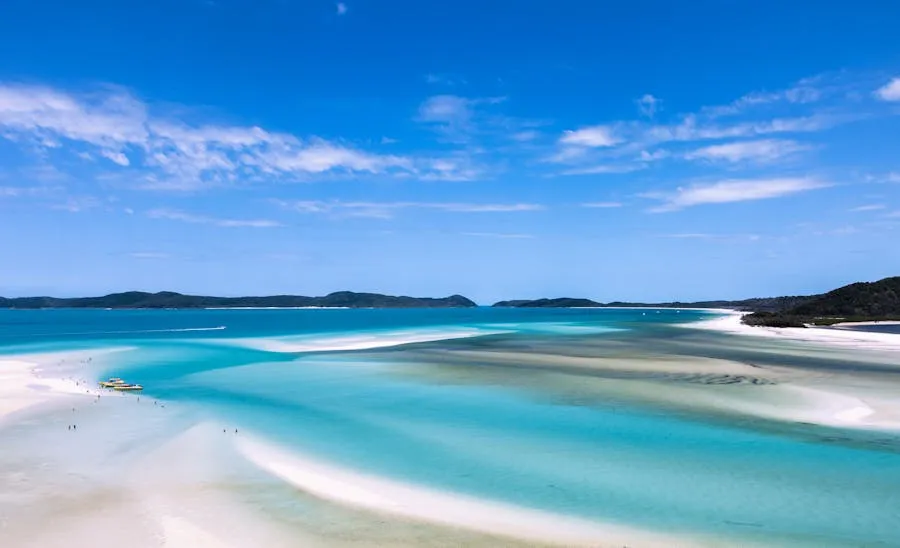
See Agincourt Reef (outer, from Port Douglas). Heart Reef flyover. Whitehaven Beach.
Season Apr–Oct. Best visibility, calmest seas, no box jellyfish.
Watch out for Stinger suits Nov–May in shallow water. Environmental Management Charge (AUD 8.50/day) is baked into most tours.
![Daintree rainforest canopy]()
Daintree
Queensland · 1,200 km² · UNESCO 1988 (Wet Tropics)
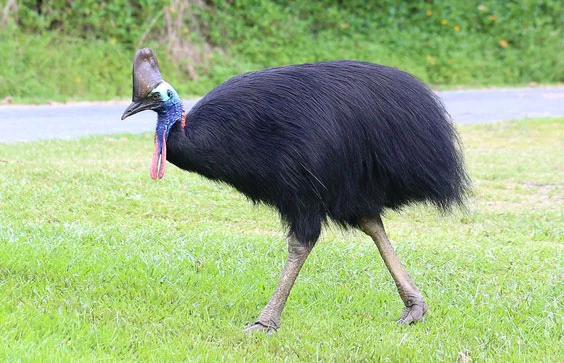
One of the world’s oldest rainforests, roughly 180 million years old. Canopy walks, river cruises, and cassowary spotting. Two hours north of Cairns.
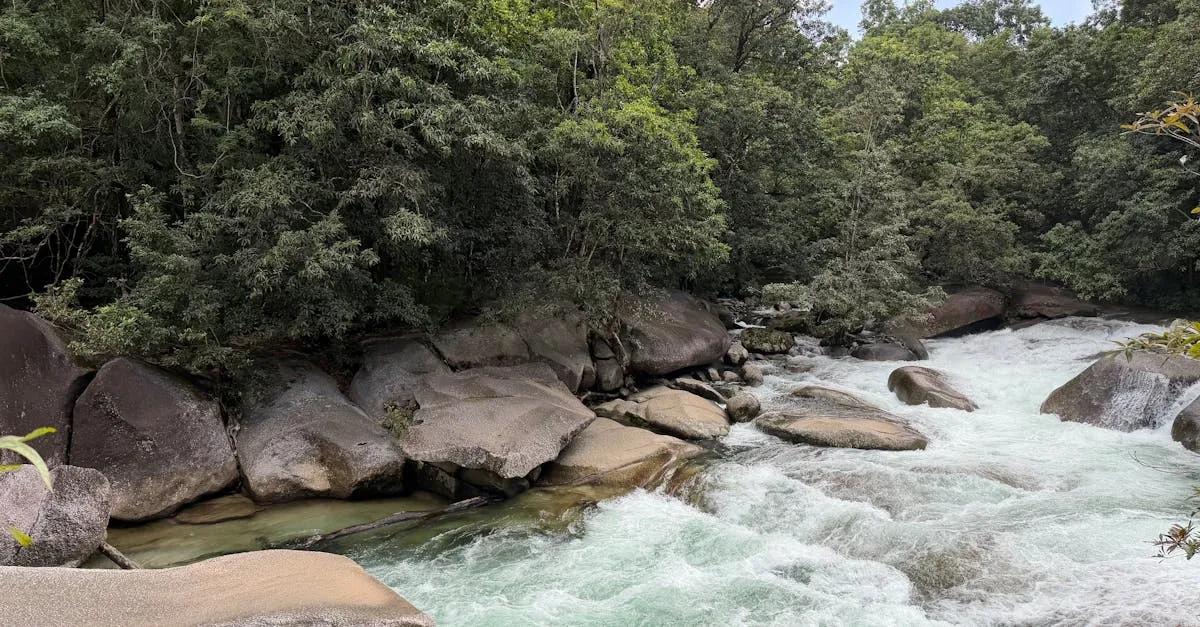
See Mossman Gorge swimming holes. Cape Tribulation where rainforest meets reef. Daintree Discovery Centre canopy walkway.
Season May–Oct. Dry, warm, low humidity.
Watch out for Saltwater crocs in rivers. Cassowaries can be aggressive. Free park entry but ferry to cross the Daintree River costs AUD 42 return.
![Florence Falls waterfall and plunge pool in Litchfield National Park]()
Litchfield
Northern Territory · 1,500 km² · not UNESCO listed
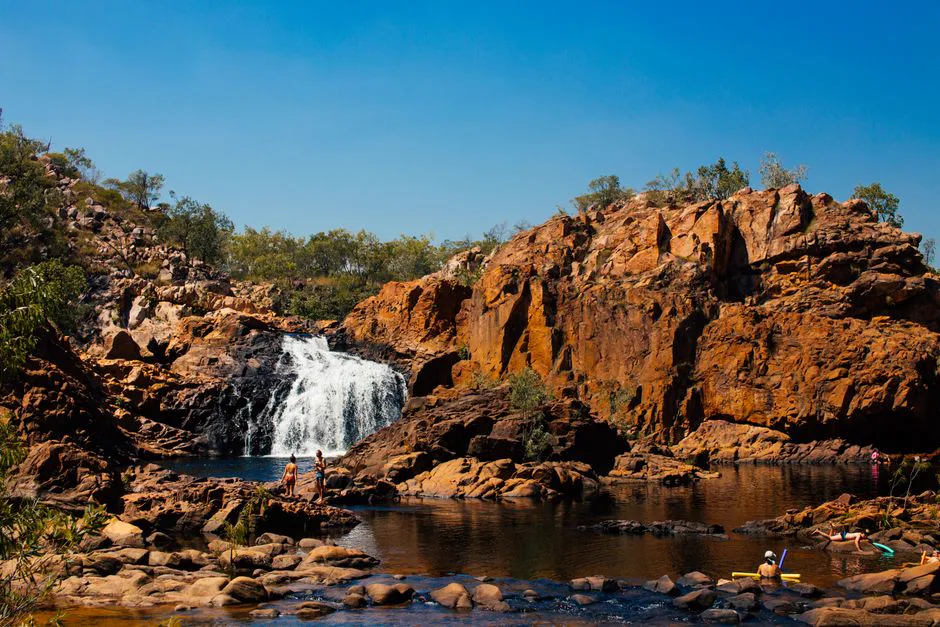
The accessible cousin of Kakadu, 90 minutes from Darwin. Waterfalls, plunge pools you can actually swim in, and giant magnetic termite mounds.
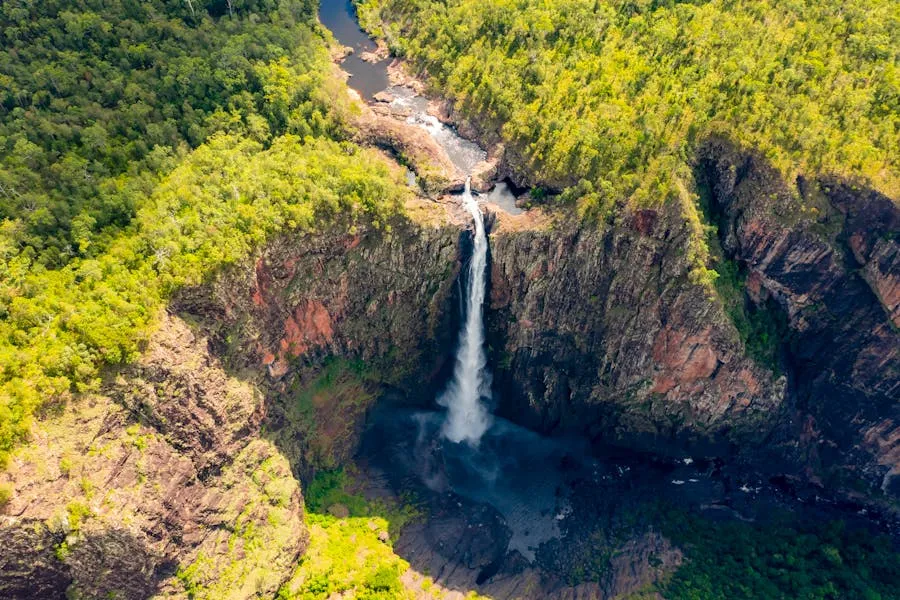
See Florence Falls plunge pool. Wangi Falls. Magnetic termite mounds field.
Season May–Oct. Some waterfalls flow year round; wet season swelling is spectacular but many roads close.
Watch out for Wet-season closures on 4WD tracks. AUD 10 per adult per day via the NT Parks Pass.
![Red sandstone cliffs of Kings Canyon in Watarrka National Park]()
Watarrka (Kings Canyon)
Northern Territory · 1,629 km² · not UNESCO listed
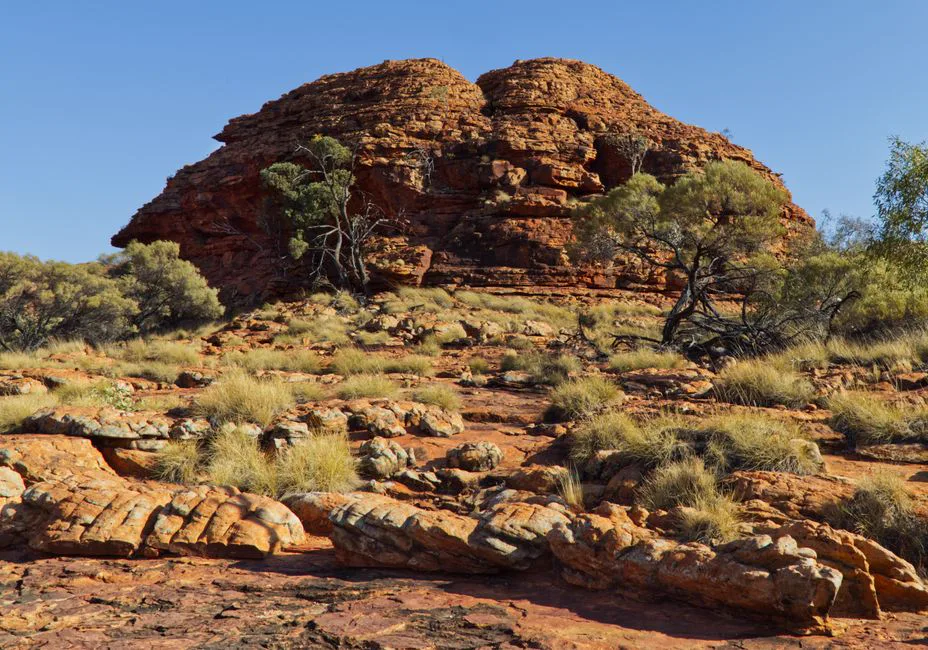
270 metre sandstone cliffs, a hidden ferny oasis called the Garden of Eden, and one of the best rim walks in the country. Halfway between Uluru and Alice Springs.
See Kings Canyon Rim Walk (6 km, 3–4 hours). Sunrise from the rim.
Season Apr–Sep. Rim walk closes when the forecast exceeds 36°C.
Watch out for Steep initial climb (Heart Attack Hill). Start before dawn in shoulder seasons. AUD 10 per adult per day.
![Cradle Mountain and Dove Lake in Tasmania]()
Cradle Mountain-Lake St Clair
Tasmania · 1,616 km² · UNESCO 1982 (Tasmanian Wilderness)
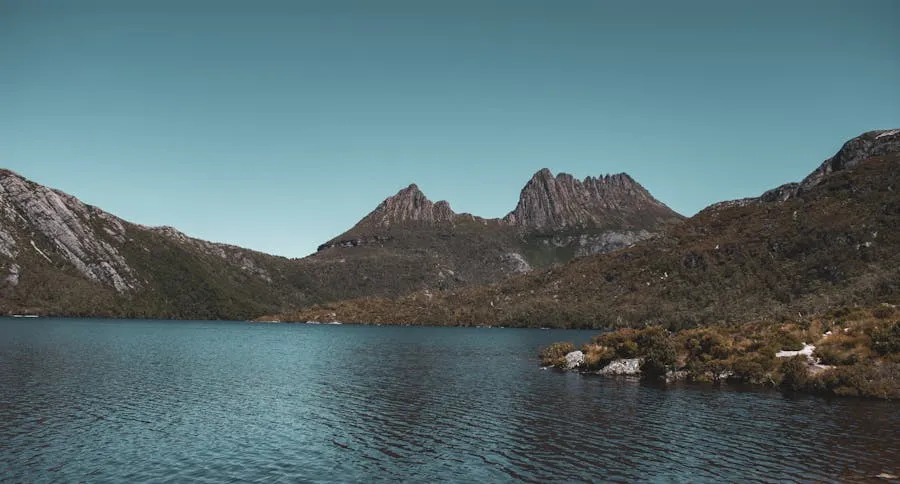
Alpine peaks, glacial lakes, ancient beech forest. The 65 km Overland Track starts here and runs six days south to Lake St Clair. Day-walk options for anyone with an afternoon.
See Dove Lake circuit (2 hours). Cradle Mountain summit day hike (8 hours, hard). Overland Track (5–6 days).
Season Dec–Mar for hiking. Sep–May shoulder is quieter but colder.
Watch out for Weather changes fast, snow possible any month. Overland Track needs a permit and booking Oct–May. Shuttle bus required to reach the trailhead.
![Wineglass Bay curve of white sand and turquoise water in Freycinet]()
Freycinet
Tasmania · 242 km² · within the Tasmanian Wilderness area
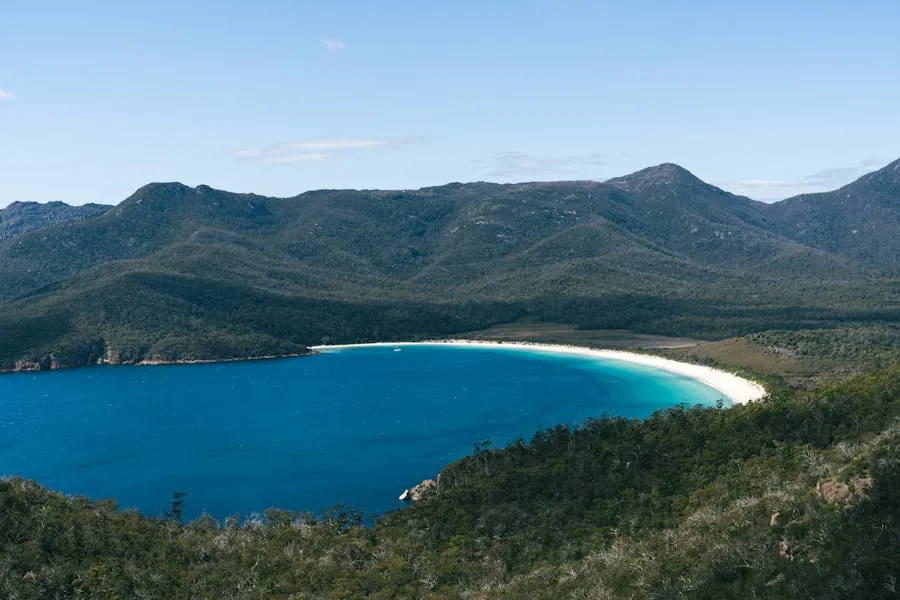
Pink granite peaks called the Hazards frame Wineglass Bay, one of the most photographed beaches in the country. Coastal walks, kayaking, and wildlife.
See Wineglass Bay Lookout (1.5 hours return). Wineglass Bay to Hazards Beach circuit (11 km).
Season Dec–Apr. Warm days, long light, calm water.
Watch out for Steep granite paths, wear proper shoes. Vehicle pass around AUD 48 per day. Book Coles Bay accommodation months ahead.
![Three Sisters rock formation in the Blue Mountains]()
Blue Mountains
New South Wales · 1,030 km² · UNESCO 2000 (natural)
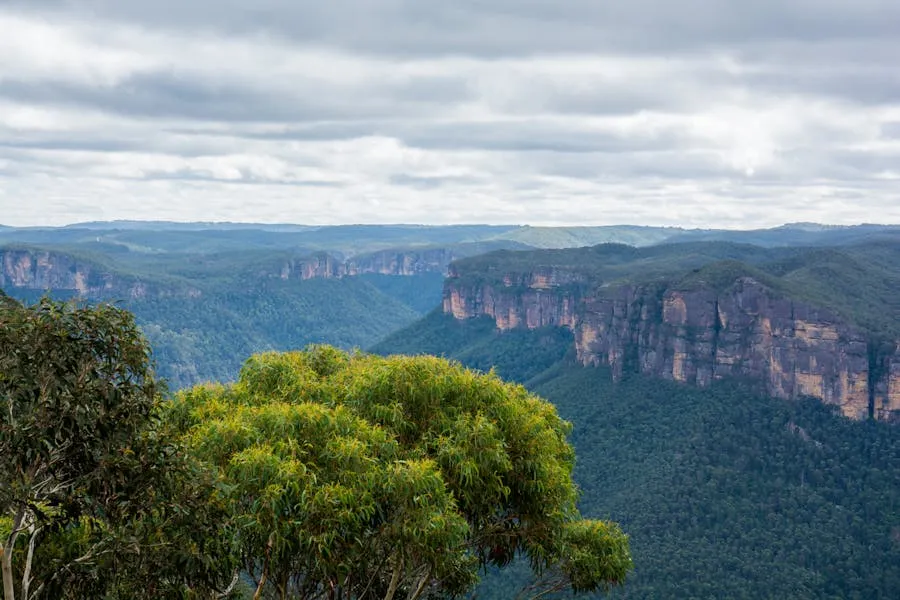
Sandstone escarpments and eucalyptus forests two hours west of Sydney. The Three Sisters rock formation is the iconic view. Waterfalls, bushwalks, and the vertical Scenic World railway.
See Three Sisters from Echo Point. Wentworth Falls track. Grand Canyon walk from Blackheath.
Season Sep–May. Autumn light is exceptional.
Watch out for Weekend crowds at Echo Point, arrive before 9am. Fire danger Nov–Feb. AUD 8 per vehicle per day.
![Sandstone ranges and lookout in Grampians National Park]()
Grampians
Victoria · 1,672 km² · not UNESCO listed
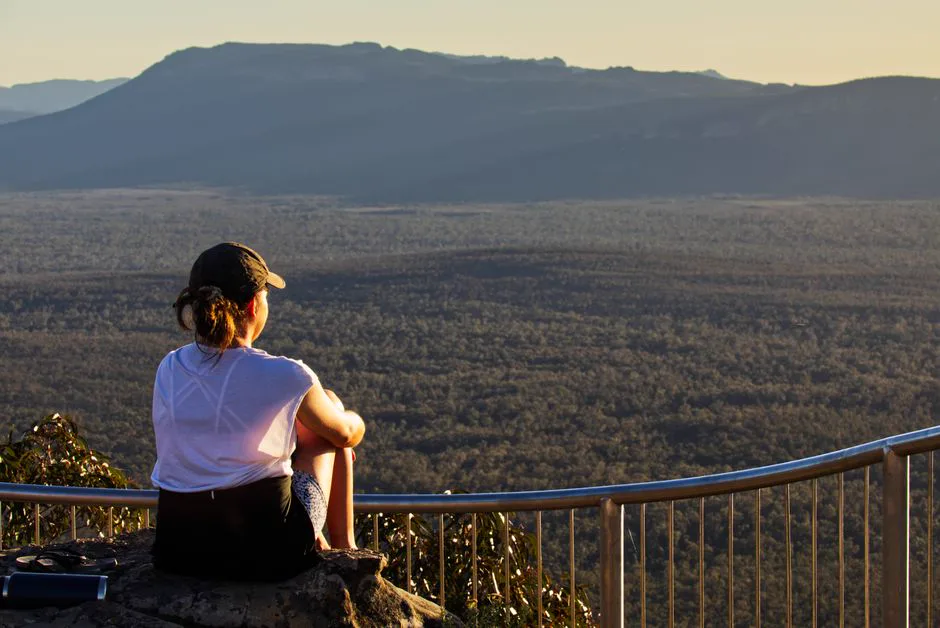
Rugged sandstone ranges, Aboriginal rock art, waterfalls, and panoramic ridgeline walks. Two hours west of Melbourne. Halls Gap is the accommodation base.
See The Pinnacle walk from Sundial car park. Boroka Lookout. MacKenzie Falls.
Season Sep–May. Wildflowers explode Sep–Nov.
Watch out for High fire danger Dec–Feb. Some walks steep and exposed. Free park entry.
![Red gorges of Karijini National Park in Western Australia]()
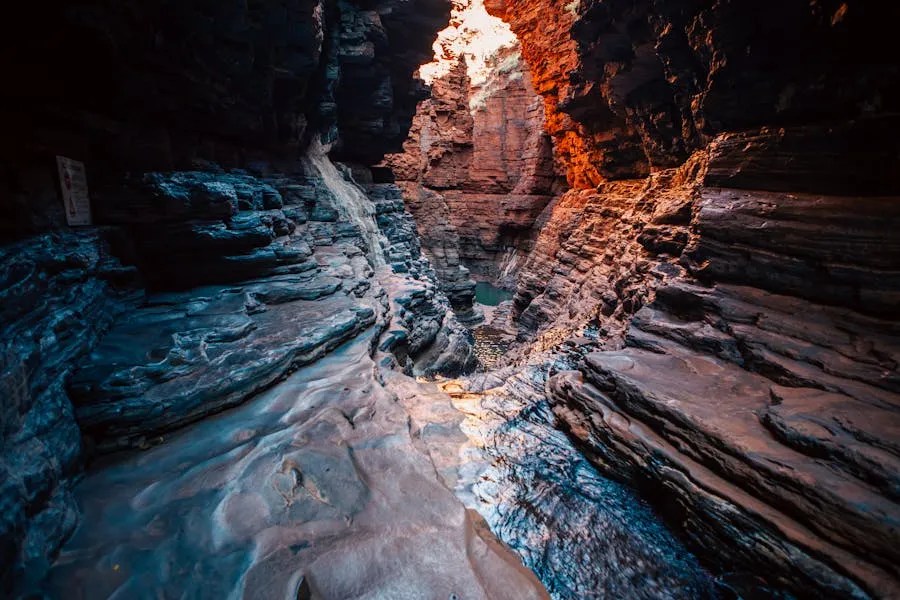
Karijini
Western Australia · 6,274 km² · not UNESCO listed
Narrow red gorges carved through 2.5 billion year old rock in the Pilbara. Wading, scrambling, and swimming through pools that stay cool even in 40°C heat.
See Dales Gorge and Fortescue Falls. Hancock Gorge (spider walk). Oxer Lookout.
Season Apr–Sep. Winter days are perfect, summer is dangerously hot.
Watch out for Gorge pools are numbingly cold. Remote location, fuel up in Tom Price or Newman. AUD 17 per vehicle per day.
![Beehive-striped domes of Purnululu National Park]()
Purnululu (Bungle Bungles)
Western Australia · 2,395 km² · UNESCO 2003 (natural)
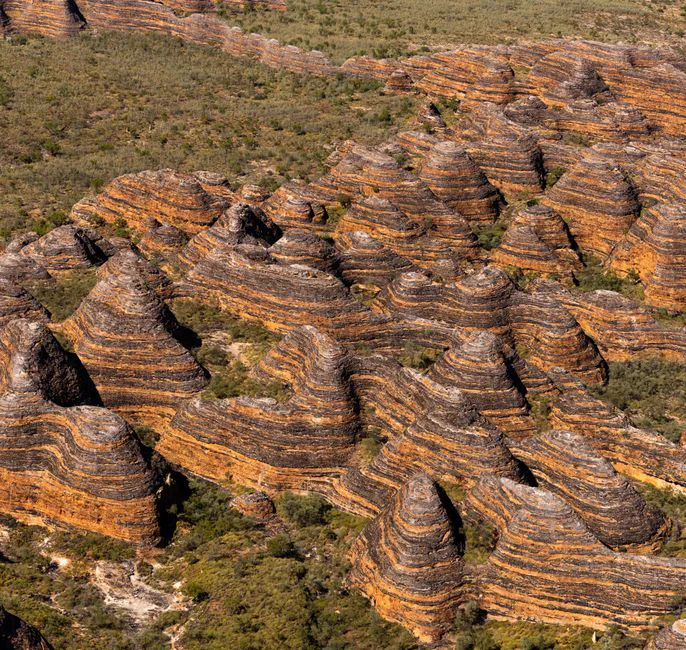
Beehive-striped sandstone domes in orange and black, hidden until 1983 outside Aboriginal knowledge. Cathedral Gorge amplifies whispers. Helicopter flights are the classic view.
See Cathedral Gorge walk. Piccaninny Creek. Scenic helicopter flight over the domes.
Season Apr–Sep. Park closed Oct–Mar.
Watch out for 4WD required for the 53 km access track. Remote and expensive. Helicopter tours from AUD 300. AUD 17 per vehicle per day.
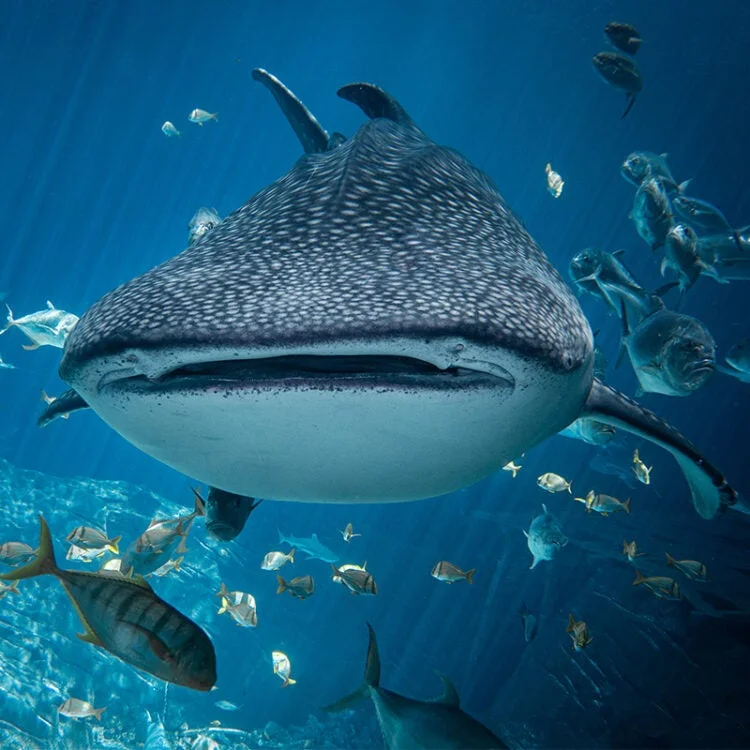
![Whale Shark at Ningaloo Reef]()
Ningaloo Coast (Cape Range)
Western Australia · ~50,000 km² land + marine · UNESCO 2011 (natural)
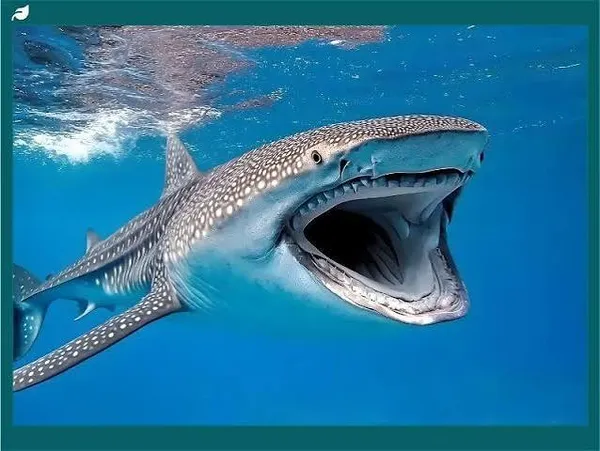
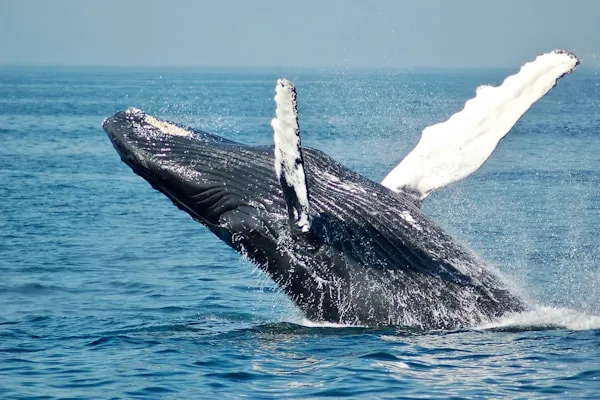
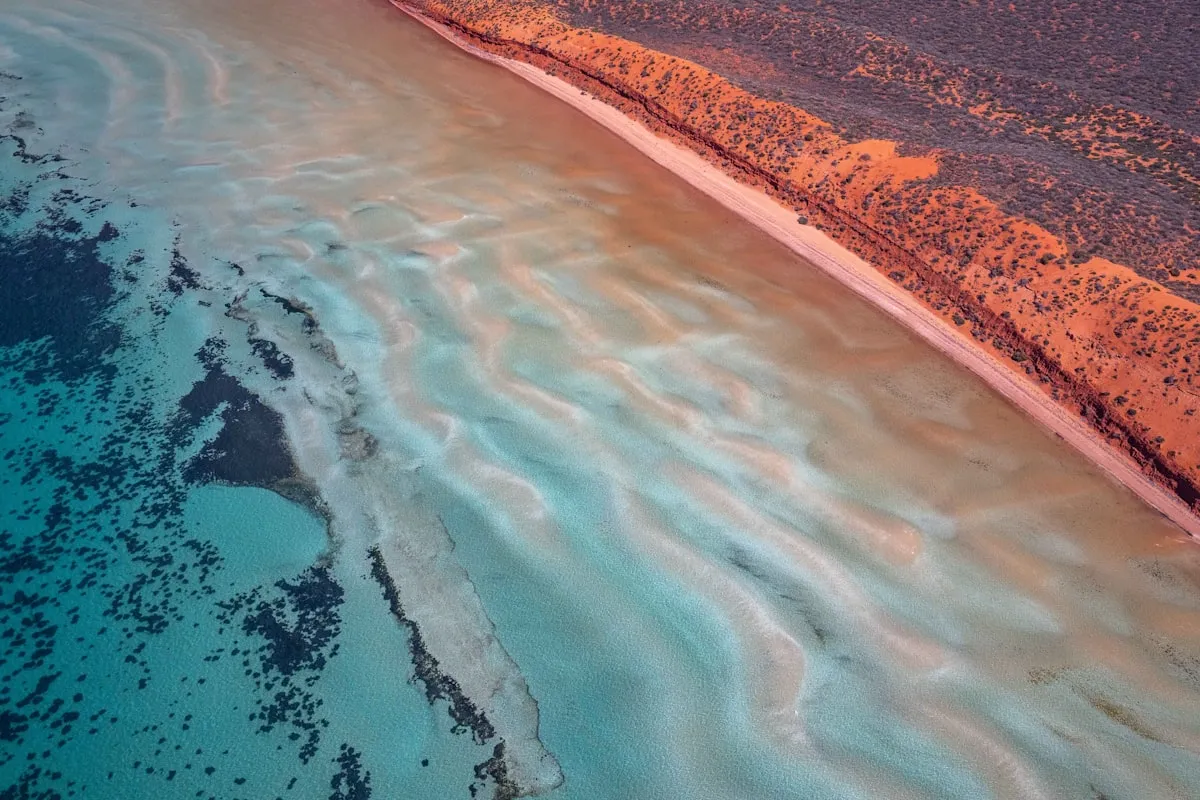
Fringing coral reef metres from an arid limestone coast. Whale sharks, humpbacks, turtles, and world-class snorkelling straight off the beach.
See Turquoise Bay drift snorkel. Whale shark tour (Mar–Jul). Yardie Creek gorge.
Season Mar–Oct. Whale sharks best Apr–May, humpbacks Jun–Oct.
Watch out for Remote. Exmouth is the base. Whale shark tours cost AUD 400–500. AUD 17 per vehicle per day for Cape Range.