Overview & Why Visit the United States

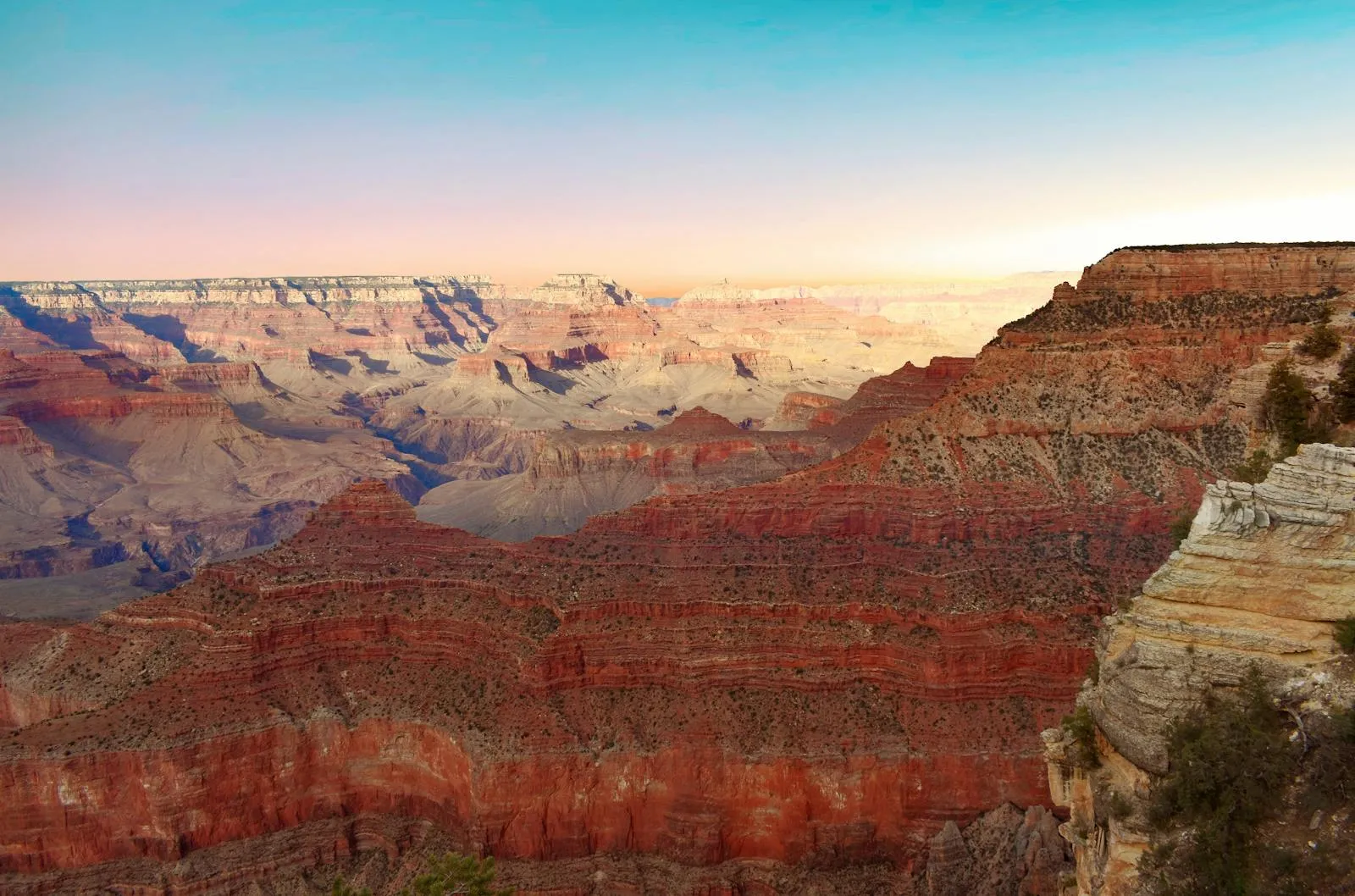
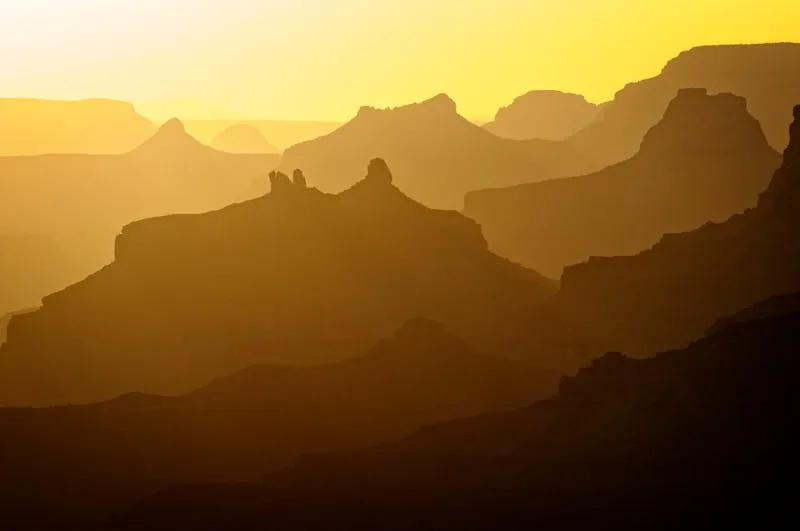
Panoramic view of the Grand Canyon at sunset

The United States is not one country. It is fifty states, a handful of territories, and roughly a dozen distinct cultural regions stitched together under one flag. Drive from the bayous of Louisiana to the glaciers of Montana and you will cross deserts, prairies, mountain ranges, river valleys, and at least four different versions of barbecue, each one claiming to be the real one. The country spans six time zones, four major climate types, and 63 national parks protecting everything from volcanic craters to coral reefs to petrified forests.

Most first-time visitors underestimate the scale. New York to Los Angeles is 2,800 miles, roughly the same distance as London to Tehran. You cannot see the whole country in one trip. You probably cannot see one region properly in two weeks. That is not a problem. It just means you need to pick a slice and commit to it.

The national parks alone justify the trip. The Grand Canyon, Yellowstone, Yosemite, Zion, Glacier. These are not just scenic viewpoints. They are landscapes so large and so strange that photographs never quite capture them. An $80 annual pass covers entry to all of them. The park system is one of the best things the United States ever built.

Food culture is regional and fiercely local. Texas brisket smoked over post oak for 14 hours. Maine lobster rolls stuffed with cold claw meat. New Orleans gumbo with 300 years of French, African, and Spanish flavour layered into the pot. New York pizza you fold in half and eat standing up. None of these things taste the same anywhere else. The food is reason enough to travel here, and it is often surprisingly affordable outside the big coastal cities.

The country is expensive by backpacker standards but not as brutal as its reputation suggests, especially in the South and the interior. Hostel culture is weak outside major cities, but camping in national parks costs $15 to $35 per night, food trucks serve excellent meals for $8 to $15, and a rental car shared between a few people unlocks the kind of road trips that no train or bus can replicate. The road trip, in fact, is the defining American travel experience. The country was built around the car, and for all its downsides, the highway system opens up landscapes that public transport simply does not reach.

Safety is generally good. Infrastructure works. People are genuinely friendly and often disarmingly open with strangers. The tipping culture will seem bizarre at first but becomes routine within days. Healthcare is shockingly expensive, which makes travel insurance not optional but essential. And distances are real. Always check driving times, not just map distances, before committing to an itinerary.

Best Time to Visit the United States

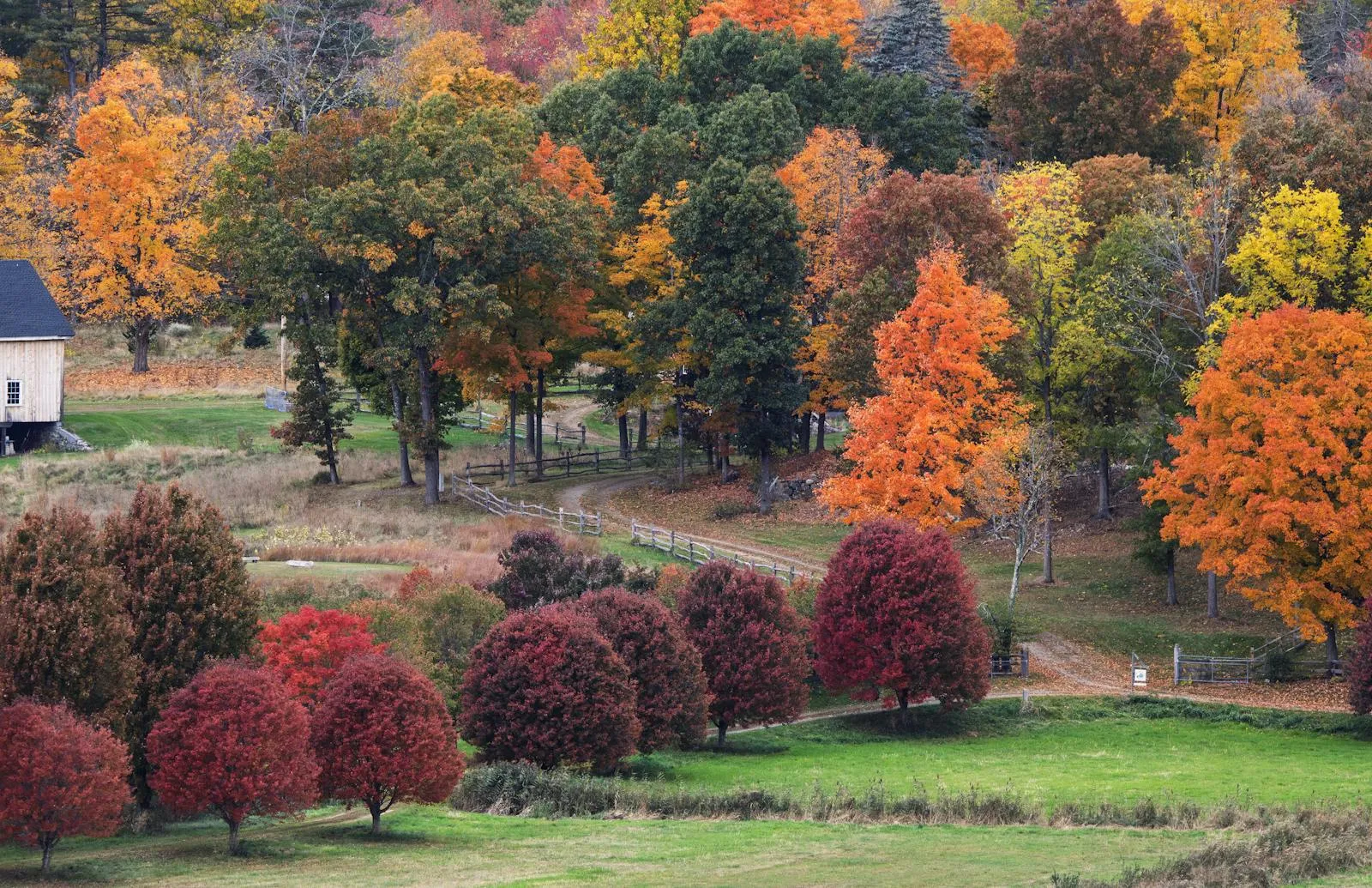
Autumn foliage in New England with red and orange maple trees

There is no single best time to visit the United States because the country is so large that somewhere is always in season. The closest thing to a universal answer is September and October for most regions, or April through June if you want warmer weather without peak-season crowds. But the real answer depends entirely on where you are going.

MonthSeasonBest RegionsCrowdsPricesRating
JanuaryWinterRockies (ski), Florida, Hawaii, Southwest🟢 Low🟢 Low⭐⭐⭐
FebruaryWinterRockies (ski), Mardi Gras (New Orleans)🟢 Low🟢 Low⭐⭐⭐
MarchEarly springSouthwest, California, South🟡 Moderate🟡 Moderate⭐⭐⭐
AprilSpringDC (cherry blossoms), South, California🟡 Moderate🟡 Moderate⭐⭐⭐⭐
MayLate springAll except Rockies (snowmelt), Southwest🟡 Moderate🟡 Moderate⭐⭐⭐⭐⭐
JuneEarly summerNortheast, Rockies, PNW, National Parks🟡 Rising🟡 Moderate⭐⭐⭐⭐⭐
JulySummer peakNational Parks, Coast, Rockies🔴 High🔴 Peak⭐⭐⭐⭐
AugustPeak summerPNW, Alaska, Rockies only🔴 Very High🔴 Peak⭐⭐⭐
SeptemberEarly fallAll regions, Southwest returns to comfort🟡 Moderate🟡 Moderate⭐⭐⭐⭐⭐
OctoberAutumnNew England (foliage), South, Southwest🟢 Low🟢 Low⭐⭐⭐⭐⭐
NovemberLate autumnSouthwest, California, Florida🟢 Low🟢 Low⭐⭐⭐
DecemberWinterRockies (ski), Hawaii, NYC (holidays)🟡 Moderate🟡 Moderate⭐⭐⭐
September is the best overall month. The Southwest and Deep South return to comfortable temperatures. New England's foliage season begins. National park crowds thin out. The Pacific Northwest still has dry weather. Flights and hotels drop from peak pricing. May and June are close runners-up: warm enough everywhere, national parks are fully open, and you beat the July-August school-holiday crush.

Climate Zones

The United States spans nearly every climate type on Earth, which makes packing for a multi-region trip feel like packing for several different countries.

Northeast & Midwest (Continental) have four distinct seasons. Summers are warm and humid (28 to 35°C). Winters bring real cold, heavy snow, and sub-zero temperatures in cities like Chicago, Boston, and Minneapolis. Spring arrives late, sometimes not until May. Autumn is spectacular, especially in New England where the deciduous forests erupt in red, orange, and gold from late September through mid-October.

Southeast & Gulf Coast (Subtropical) means mild winters (10 to 18°C) and hot, oppressively humid summers (32 to 38°C). Hurricane season runs from June through November along the Atlantic and Gulf coasts. Spring and autumn are the sweet spots: warm, manageable humidity, and fewer storms.

Southwest & Desert (Arid) brings dry heat. Summer temperatures regularly exceed 40°C in Phoenix, Las Vegas, and Death Valley. Winters are mild and pleasant (12 to 20°C), making October through April the ideal visiting window. Higher elevations in Utah and northern Arizona can get cold and snowy in winter.

Pacific Coast (Mediterranean & Marine) varies dramatically from south to north. Southern California enjoys warm, dry weather year-round (20 to 30°C). San Francisco is cooler with famous summer fog. The Pacific Northwest (Seattle, Portland) gets rain and grey skies for nine months but has glorious dry summers from June through September.

Rocky Mountains (Alpine) follow altitude more than latitude. Expect heavy snow from November through April, with ski season peaking in January and February. Summer in the mountain valleys is warm (20 to 28°C) but nights are cool even in July. Mountain passes and high-elevation roads close in winter, reopening between May and June.

Hawaii (Tropical) is warm year-round (24 to 31°C) with a slightly drier season from May to October. Alaska is accessible mainly from June through August, with midnight sun, cool temperatures (12 to 20°C), and extraordinary wildlife. September brings the northern lights.

Seasons at a Glance

Spring (March to May)

Cherry blossoms in Washington DC. Wildflowers across the Southwest. The South warms up without the summer humidity. National parks begin opening higher-elevation roads. Tornado season starts in the Midwest and Great Plains from April onward. California is green and pleasant. A great shoulder season with lower prices and thinner crowds everywhere except spring break destinations (Florida, beach towns).

Summer (June to August)

Peak tourist season nationwide. National parks are fully open but crowded. The Southwest is dangerously hot. The South is humid and sticky. The Northeast, Rockies, and Pacific Northwest are at their best. Alaska has its brief, intense summer. Hawaii remains steady year-round. Accommodation prices peak, popular campsites and attractions require advance booking, and major cities fill with domestic tourists.

Autumn (September to November)

The best overall season for many regions. New England's foliage is world-class from late September through mid-October. The Southwest cools to perfect hiking temperatures. Southern cities become pleasant again. National park crowds drop. The downside: hurricane risk continues through November on the Gulf and Atlantic coasts. Midwest tornadoes taper off. A shoulder season sweet spot for budget and experience.

Winter (December to February)

Ski season in the Rockies and Sierra Nevada. The northern half of the country goes cold and snowy. The South is mild. Florida, Hawaii, and the desert Southwest draw winter escapes. NYC during the holidays has a particular magic but also particular crowds and prices. Cheapest flights are typically in January and February, except around Thanksgiving (late November) and Christmas.

Map of the United States

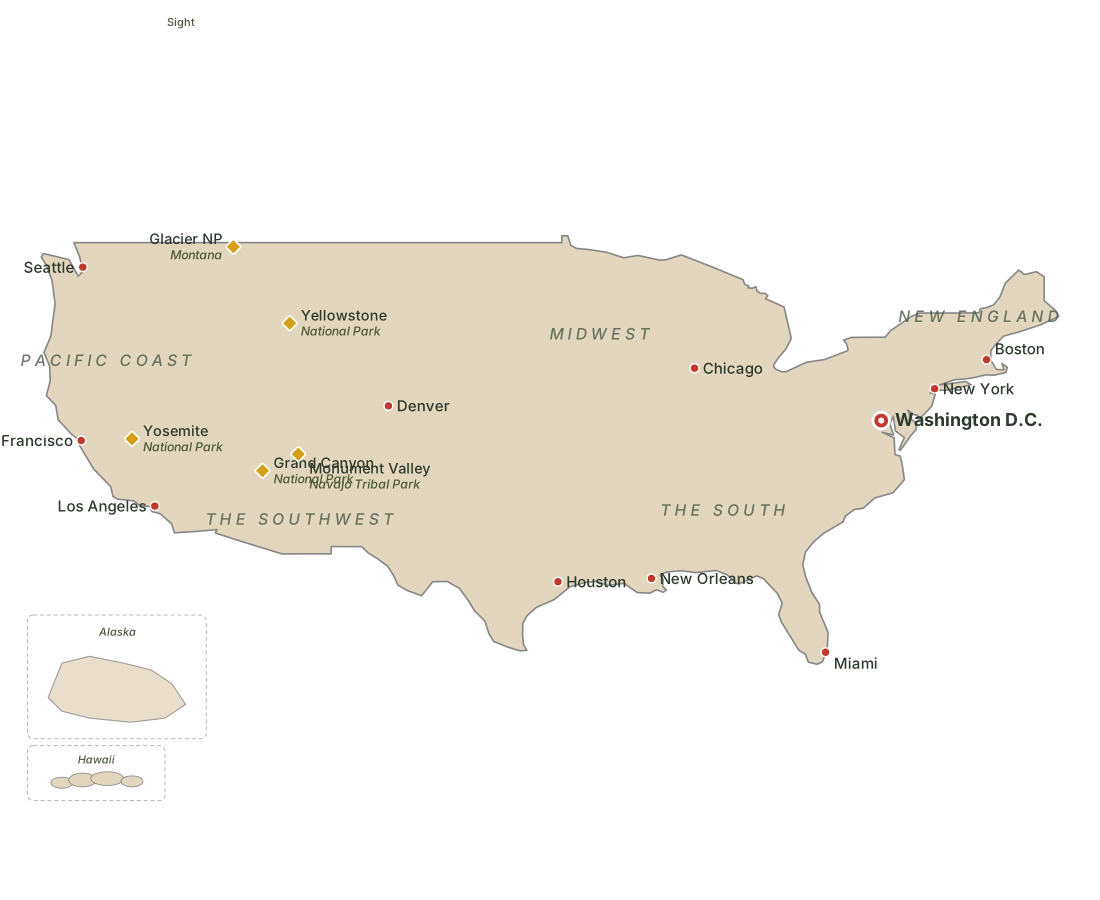
Illustrated map of the United States showing major cities and regions

The map above highlights the main regions covered in this guide: New England and the Mid-Atlantic along the northeast coast, the South stretching from Virginia to Louisiana, the Midwest and Great Lakes in the interior, Texas and the Great Plains across the centre, the Rocky Mountains running north to south, the Southwest deserts of Arizona, Utah, and New Mexico, California along the Pacific, and the Pacific Northwest up through Washington and Oregon. Hawaii and Alaska sit outside the contiguous states but are very much worth the detour.

Regions of United States

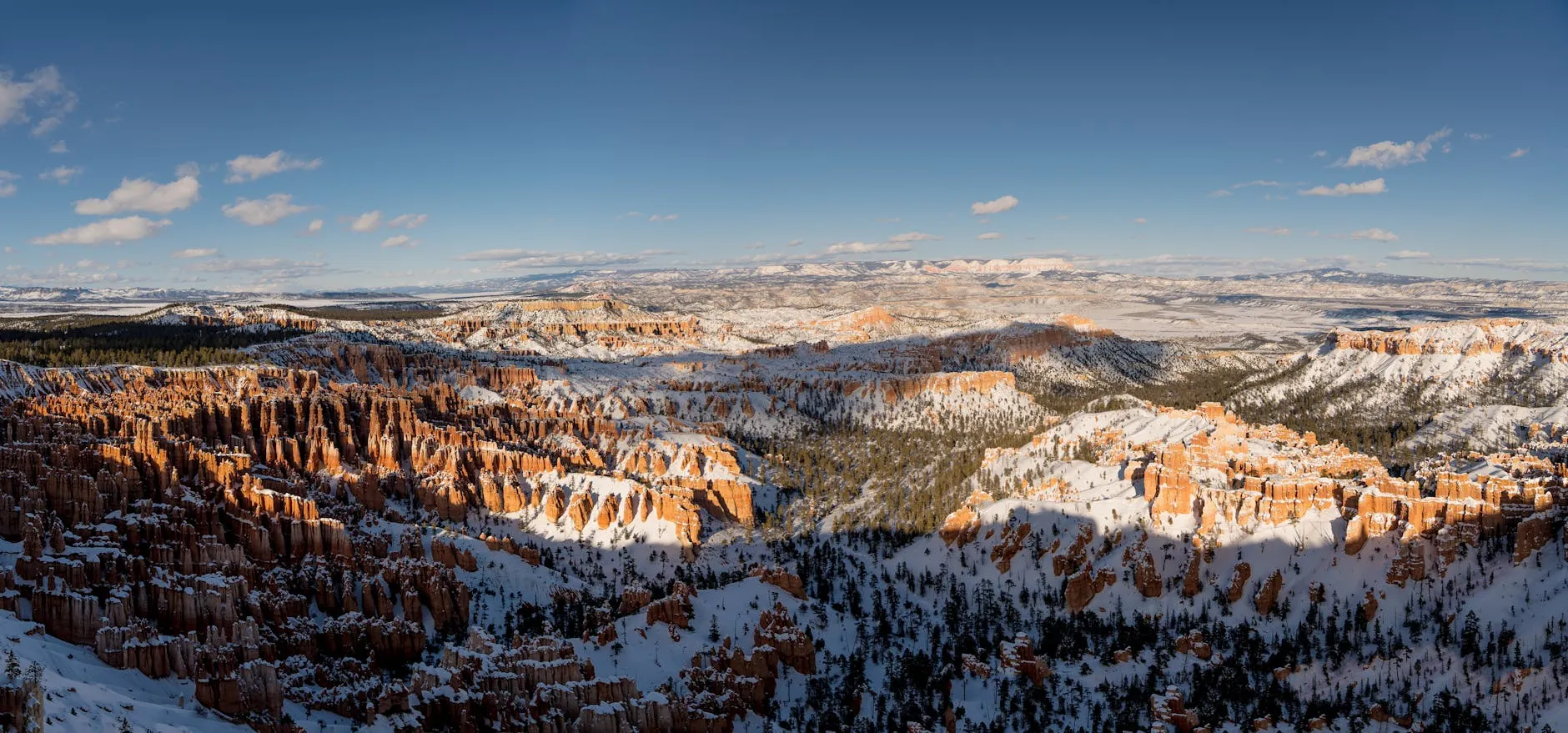
Aerial panorama across the diverse American landscape

United States offers diverse landscapes and experiences across its regions.

New England & Mid-Atlantic landscape

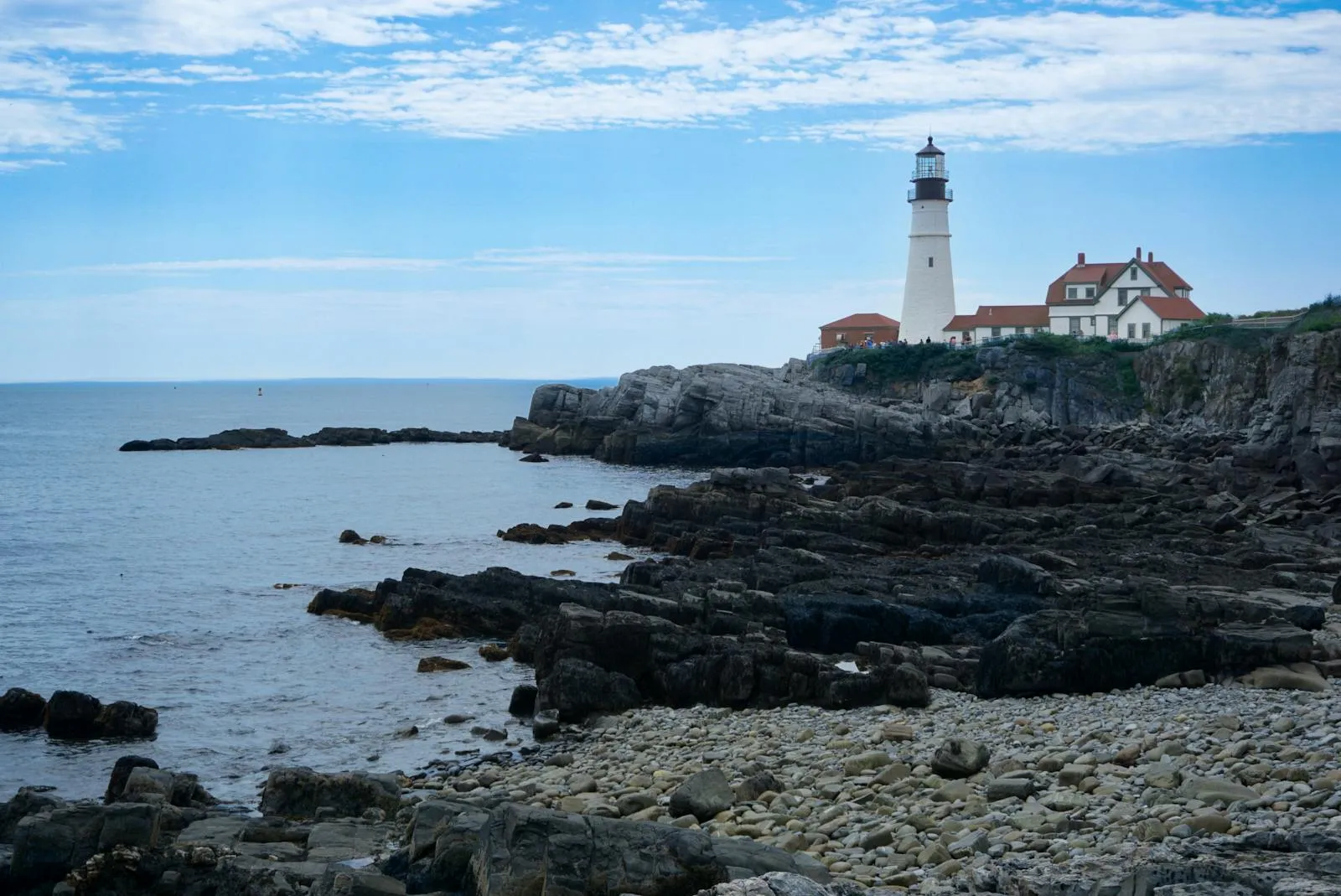
New England & Mid-Atlantic

The northeast corner of the United States is where American history started and where the country's densest concentration of cities, culture, and coastal scenery sits compressed into a surprisingly compact area. You can drive from Boston to Washington DC in a day, passing through five states and 400 years of history along the way. The Amtrak Nor...

The South landscape

The South

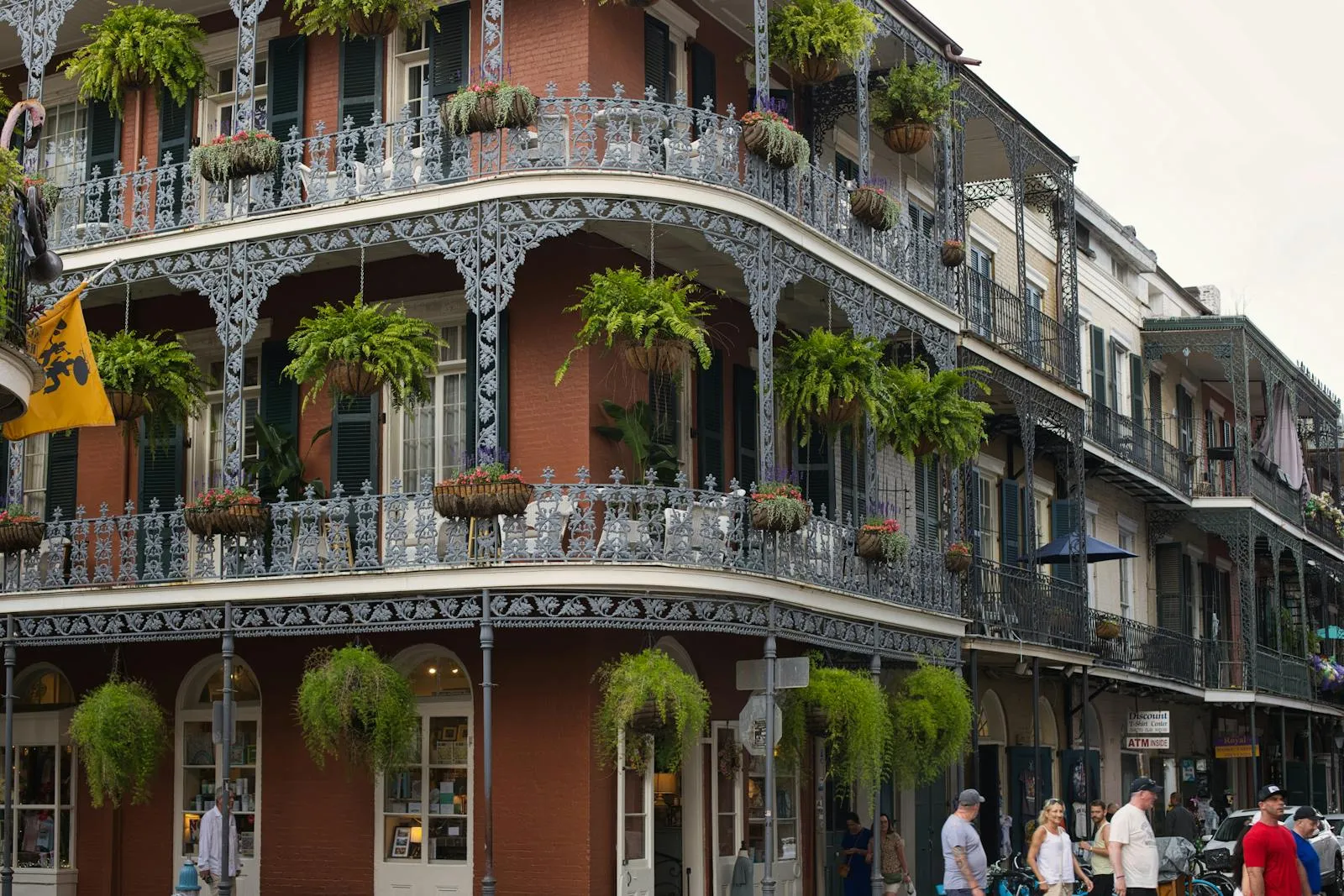
The American South runs from Virginia to Louisiana, and there is no part of the country with more personality per square mile. The hospitality is real, the food is extraordinary, the music traditions run deep, and the pace of life slows to something approaching human. Heat and humidity dominate from June through September, so spring and autumn a...

Midwest & Great Lakes landscape

Midwest & Great Lakes

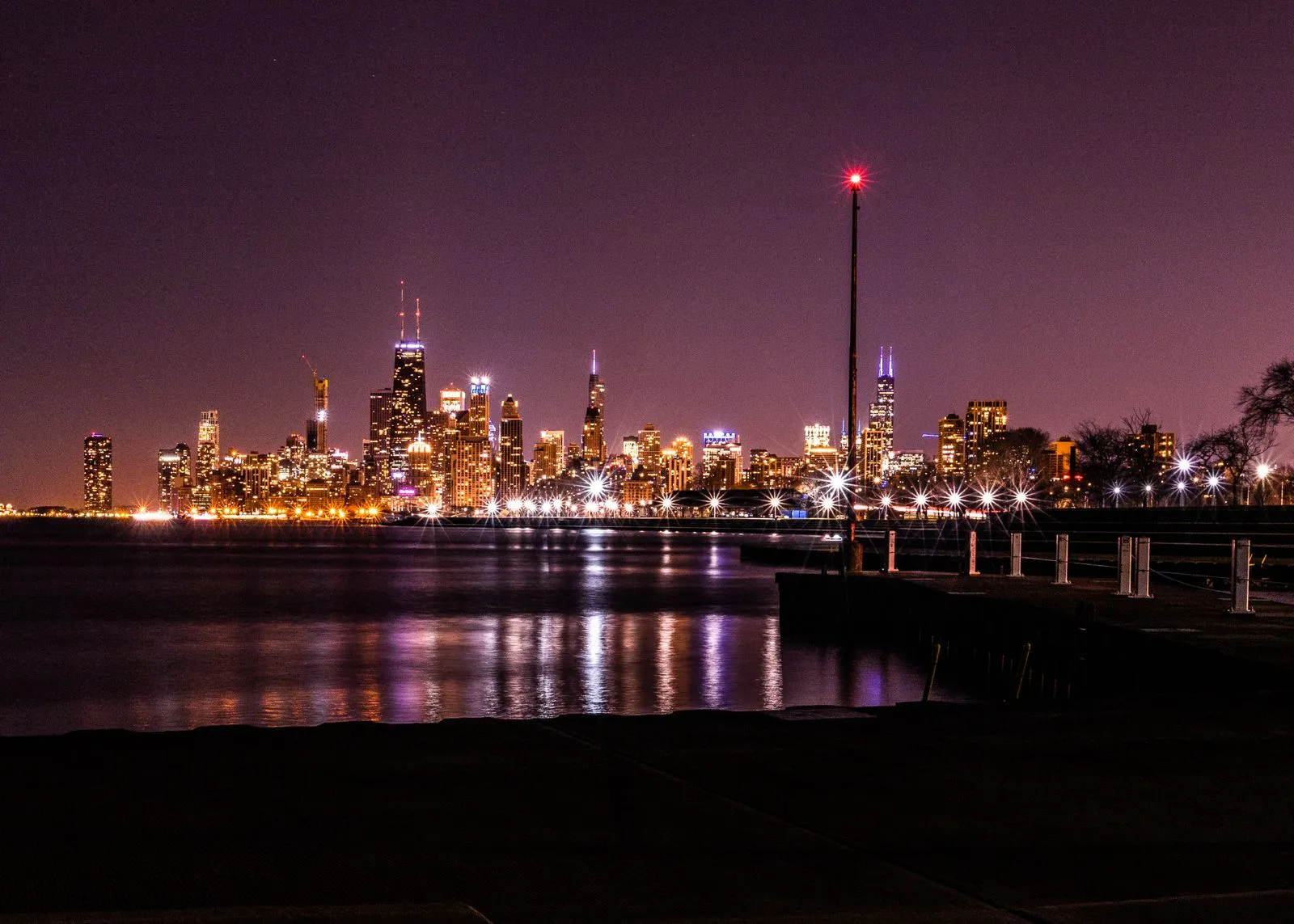
The Midwest is the part of America that most international visitors skip, and that is a mistake. Chicago alone is worth several days. The Great Lakes function like inland seas.

Texas & Great Plains landscape

Texas & Great Plains

Texas operates like its own country, which is roughly how Texans see it. It is the second-largest state, nearly three times the size of the United Kingdom, with terrain that shifts from Gulf Coast swampland to Hill Country limestone to west Texas desert. The Great Plains stretch north through Oklahoma, Kansas, Nebraska, and the Dakotas, a vast e...

Rocky Mountains landscape

Rocky Mountains

The Rocky Mountains run from New Mexico to Montana and beyond, a spine of peaks that divides the continent and contains some of the most spectacular scenery in North America. This is where the country feels biggest: massive valleys, rivers cutting through canyons, and mountains that dwarf anything in the eastern half of the country. Summer (June...

The Southwest landscape

The Southwest

For many travellers, the Southwest is the best part of the United States. The desert landscape is unlike anything else on the planet: natural bridges, slot canyons, towering sandstone buttes, and colours that shift from burnt orange to deep purple depending on the time of day. Spanish, Mexican, and Native American cultures have shaped the region...

California landscape

California

California is the most visited state in the country and could easily be treated as its own travel destination. The Pacific coastline runs 840 miles from Mexico to Oregon, passing through beach towns, dramatic cliffs, redwood forests, wine country, and two of the world's most famous cities. The interior holds the Sierra Nevada, Death Valley, and ...

Pacific Northwest, Hawaii & Alaska landscape

Pacific Northwest, Hawaii & Alaska

The Pacific Northwest is the green corner of the United States: rainforests, volcanic peaks, rocky coastline, and two of the country's most liveable cities. Hawaii and Alaska sit far from the contiguous states but belong to any serious exploration of the country. All three areas reward visitors who appreciate nature over nightlife and local cult...

Top Sightseeing

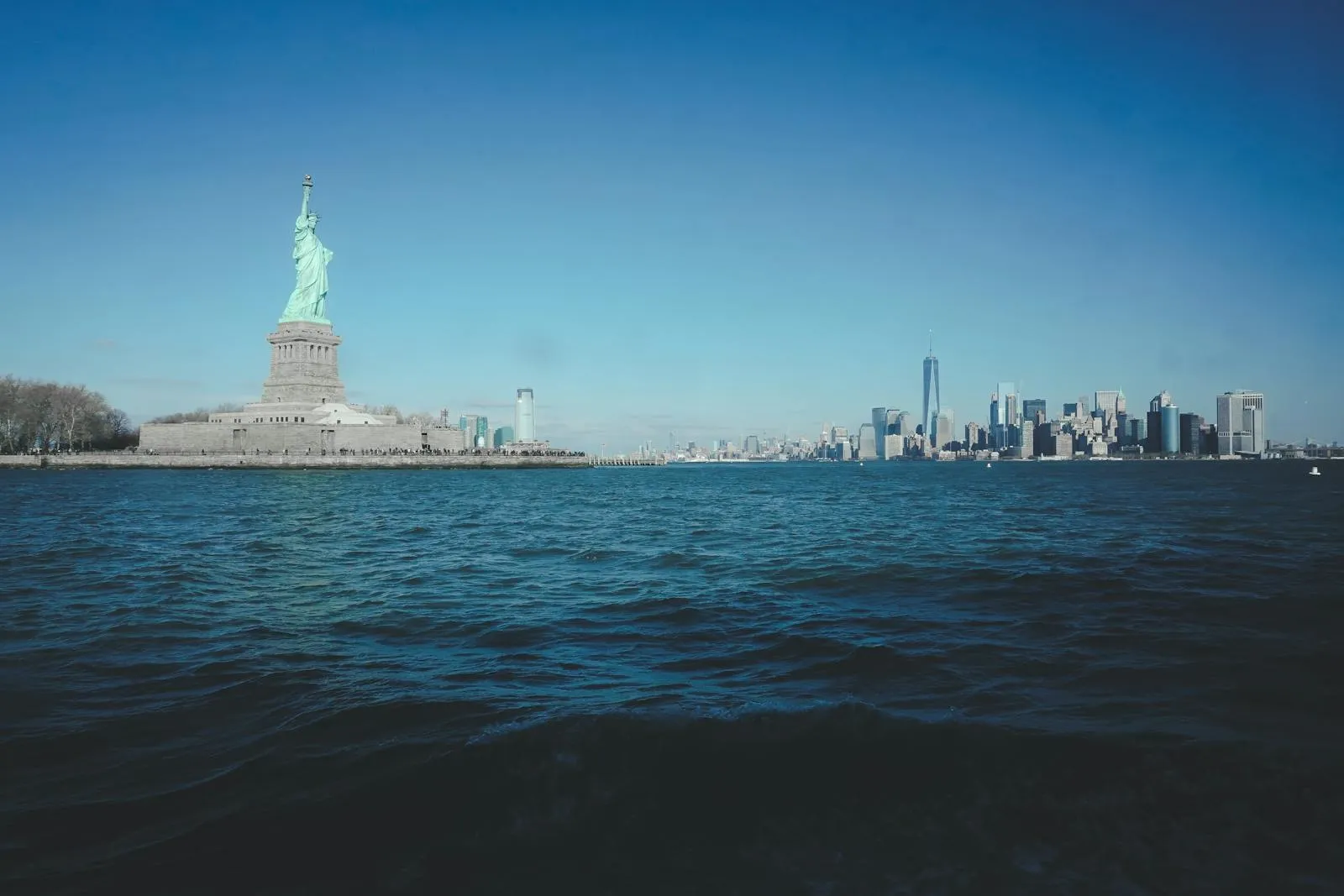
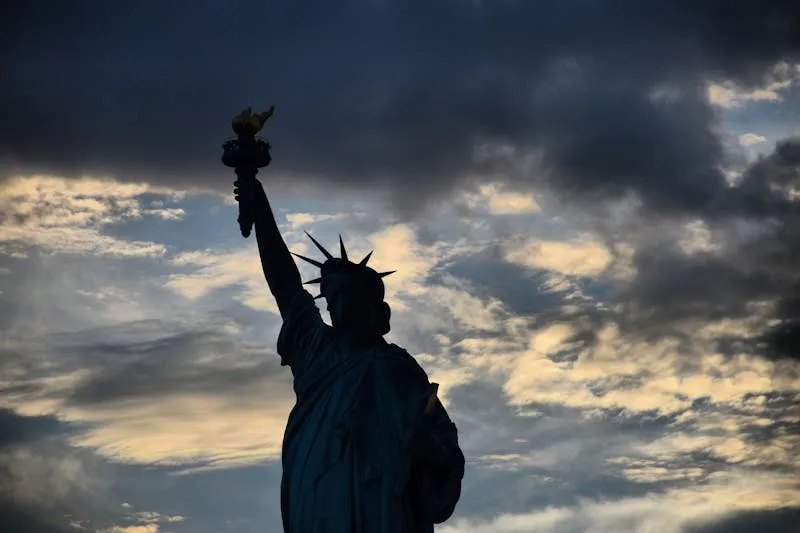
Statue of Liberty with Manhattan skyline in the background

The United States has more world-class sights than most continents combined, which makes any "top" list absurdly incomplete. These are the ones that consistently earn their reputation and deliver something you genuinely cannot experience anywhere else.

Grand Canyon layered rock formations at golden hour

Grand Canyon, Arizona

A mile deep, 18 miles wide, and 277 miles long. The South Rim is open year-round with free shuttle buses along the rim trail. Sunrise and sunset transform the layered rock into shifting bands of red, orange, and purple. Allow at least a full day; two is better.

Manhattan skyline with Statue of Liberty at dusk

New York City

The Statue of Liberty, Central Park, Times Square, the Met, Broadway. No single visit covers it all. The energy of the city is the real attraction. Best experienced on foot, neighbourhood by neighbourhood, with frequent food stops. Budget $100 to $150 per day minimum.

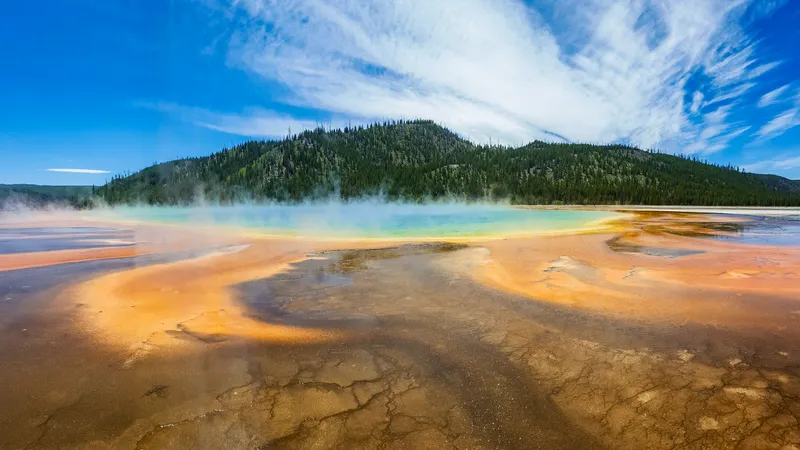
Grand Prismatic Spring in Yellowstone with vivid rainbow colours

Yellowstone National Park

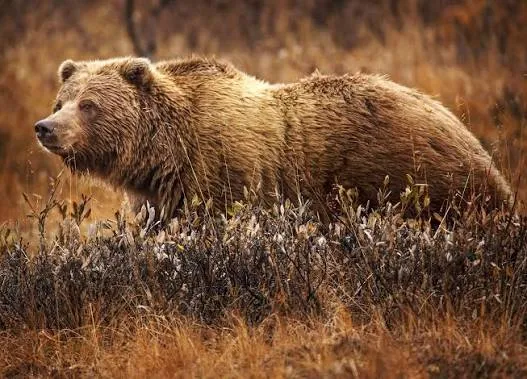
The world's first national park contains half the world's active geysers, hot springs in psychedelic colours, and megafauna (bison, wolves, grizzlies) roaming freely. Old Faithful erupts roughly every 90 minutes. The Grand Prismatic Spring is best viewed from the overlook trail. Three days minimum.

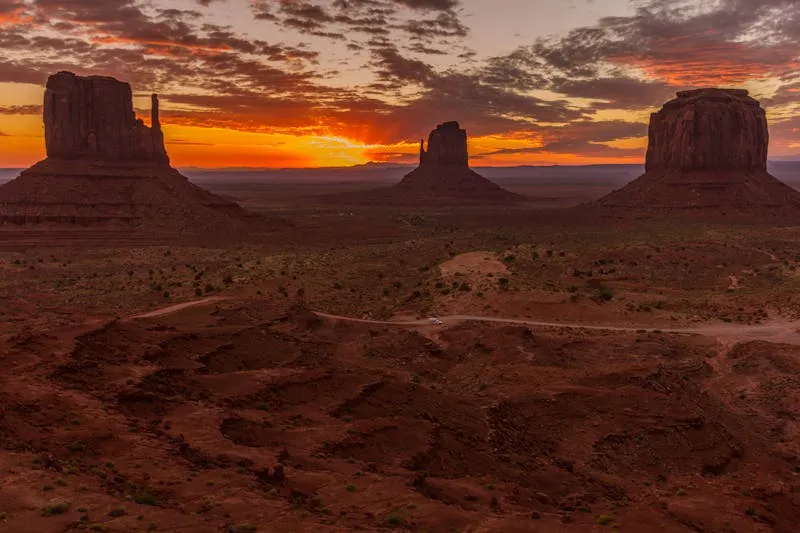
Sandstone buttes of Monument Valley at sunrise

Monument Valley

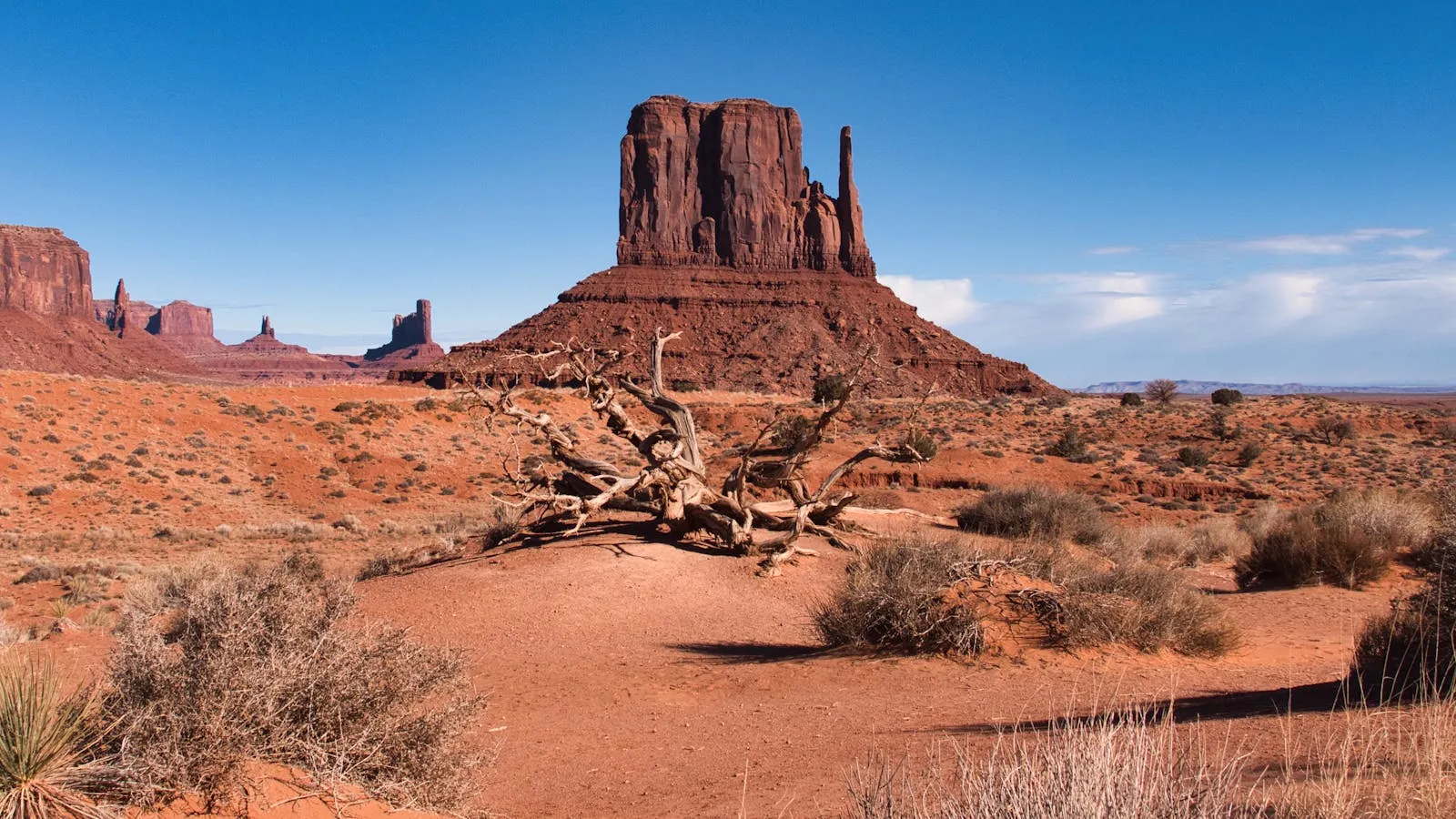
Massive sandstone buttes rising from flat desert on the Navajo Nation. Every Western film drew from this landscape. Navajo-guided tours take you into areas closed to independent visitors. Sunrise and sunset are extraordinary. Stay overnight in a traditional hogan for the full experience.

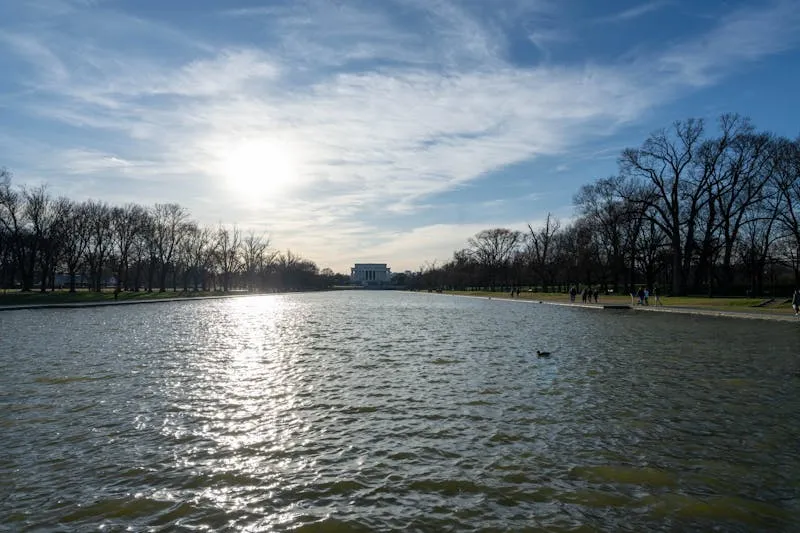
Washington DC National Mall with the Lincoln Memorial reflected in water

Washington DC

The nation's capital packs 21 free Smithsonian museums, the Lincoln Memorial, the Vietnam Veterans Memorial, and the Capitol into a walkable core. The cherry blossom festival in late March to early April draws crowds for good reason. Two to three days covers the essentials.

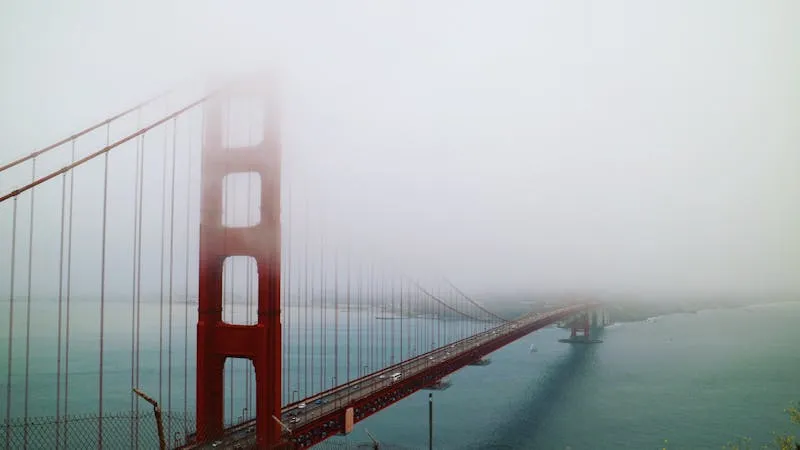
Golden Gate Bridge emerging from San Francisco fog

San Francisco

The Golden Gate Bridge, Alcatraz, cable cars climbing impossible hills, Chinatown, and the fog rolling in across the bay. One of the most photogenic cities in the world. Compact enough to explore on foot, expensive enough to test your budget. Plan two to three days.

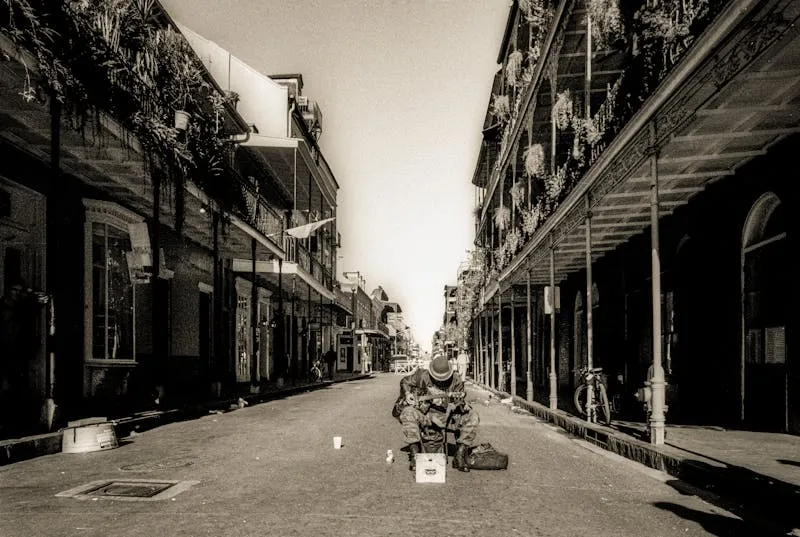
Jazz musicians performing in the French Quarter of New Orleans

New Orleans

The French Quarter, jazz on Frenchmen Street, beignets at Cafe du Monde, and a food culture with no equal in the country. The city is its own ecosystem of music, food, and celebration. Three to four days lets you eat, drink, and listen properly without rushing.

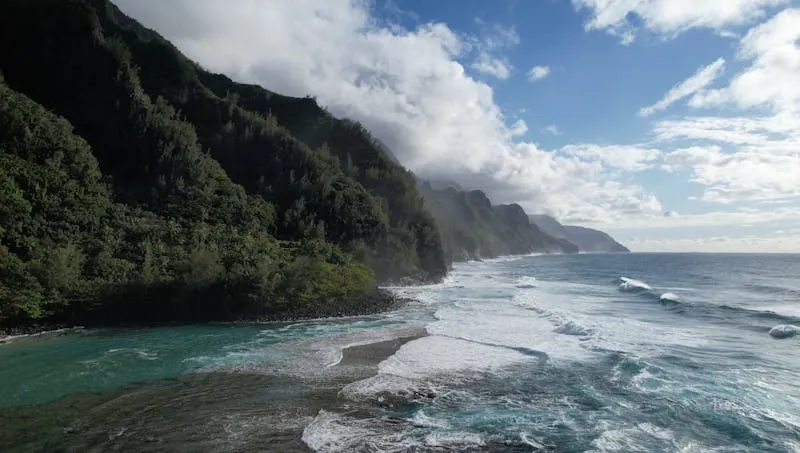
Na Pali Coast cliffs meeting turquoise ocean in Kauai Hawaii

Hawaii

Active volcanoes, Na Pali Coast cliffs, sea turtle beaches, and poke bowls fresh from the ocean. Each island has its own character. Kauai is the most dramatic. The Big Island has the volcanoes. Maui has the beaches. Oahu has the culture and history (Pearl Harbor). Budget for higher costs.

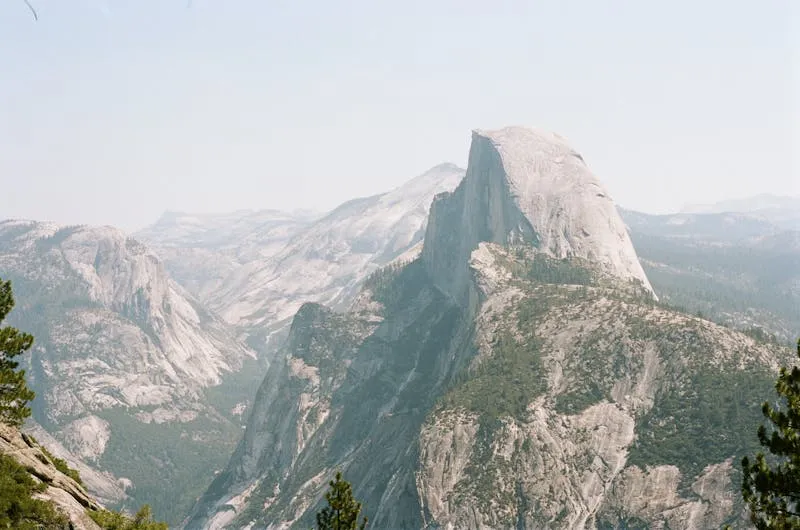
Yosemite Valley with Half Dome and granite cliffs

Yosemite National Park

Granite cliffs, giant sequoias, and waterfalls that drop over 700 metres. Half Dome and El Capitan are among the most iconic rock formations on earth. The valley floor is walkable and spectacular even without serious hiking. Spring brings the biggest waterfalls. Reserve entry in advance from April through October.

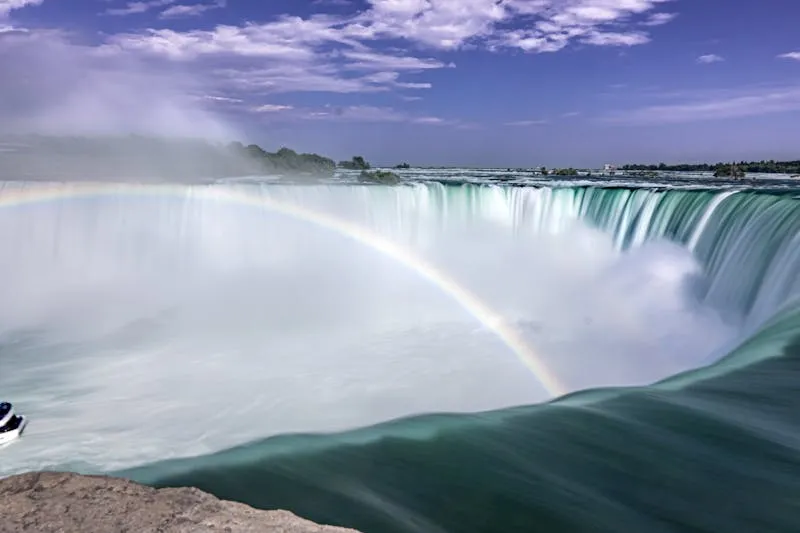
Niagara Falls with mist and rainbow rising from the cascade

Niagara Falls

Three waterfalls straddling the US-Canada border, collectively pushing 750,000 gallons per second over the edge. The Maid of the Mist boat ride puts you close enough to feel the spray. The Canadian side offers better panoramic views. Tacky but honestly fun. Visit in shoulder season to avoid the worst crowds.

Las Vegas Strip glowing with neon lights at night

Las Vegas

A neon-lit oasis in the Mojave Desert that somehow works as both a budget base for national park road trips and a destination in its own right. World-class restaurants, free shows on the Strip, and hotel rooms from $30 per night on weekdays. Best used as a launchpad for the Southwest parks or enjoyed for one shameless night.

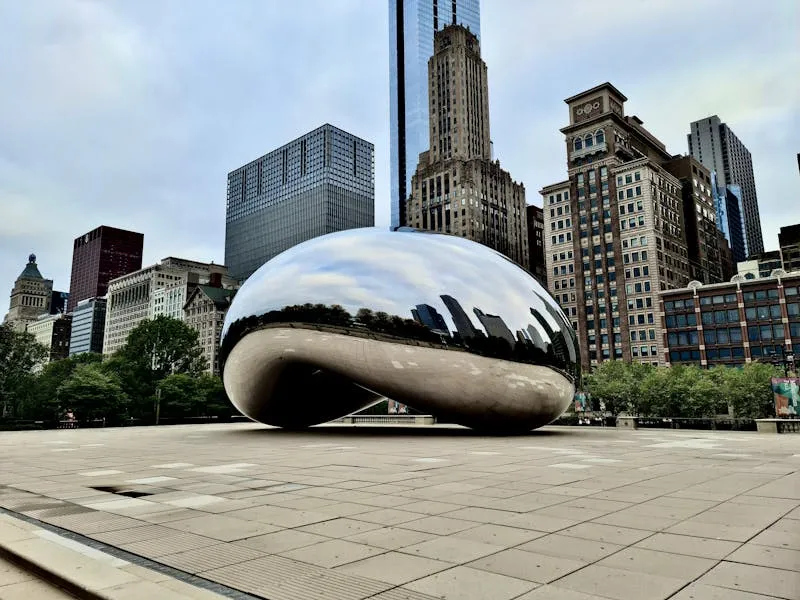
Chicago Cloud Gate sculpture reflecting the city skyline

Chicago

Architecture, deep-dish pizza, jazz clubs, and a lakefront that makes you forget you are 1,000 miles from the ocean. The Art Institute ranks among the world's finest museums. The L train gives you an elevated tour of the city for the price of a transit fare. Summer is prime time, but autumn colours reflected in the river are hard to beat.

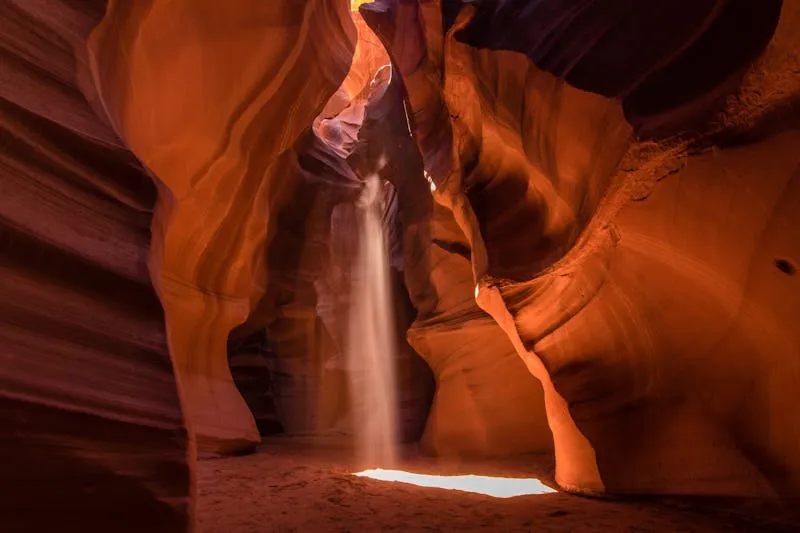
Light beam cutting through Antelope Canyon slot canyon walls

Antelope Canyon

Narrow slot canyons near Page, Arizona, carved by flash floods into swirling sandstone walls that glow red and orange when sunlight filters through. Navajo-guided tours are mandatory. Upper Antelope is more famous for its light beams. Lower Antelope has tighter passages and fewer crowds. Book weeks ahead in summer.

Miami South Beach Art Deco buildings in pastel colours

Miami & the Keys

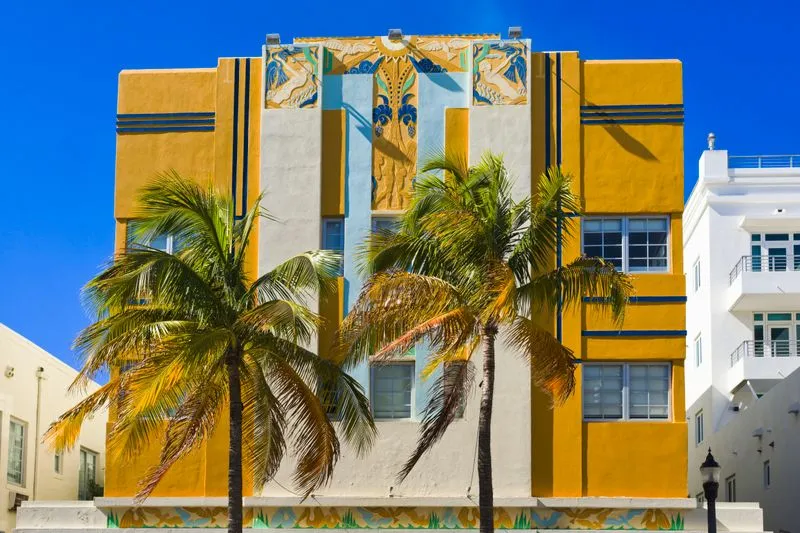
Art Deco architecture on South Beach, Cuban food in Little Havana, and the Overseas Highway connecting 42 bridges to Key West. Miami feels like a different country: Latin music on every corner, cafecito at every stop, and beaches that live up to the postcards. The Everglades airboat ride is touristy but genuinely thrilling.

Mount Rushmore presidential faces carved into granite

Mount Rushmore & the Black Hills

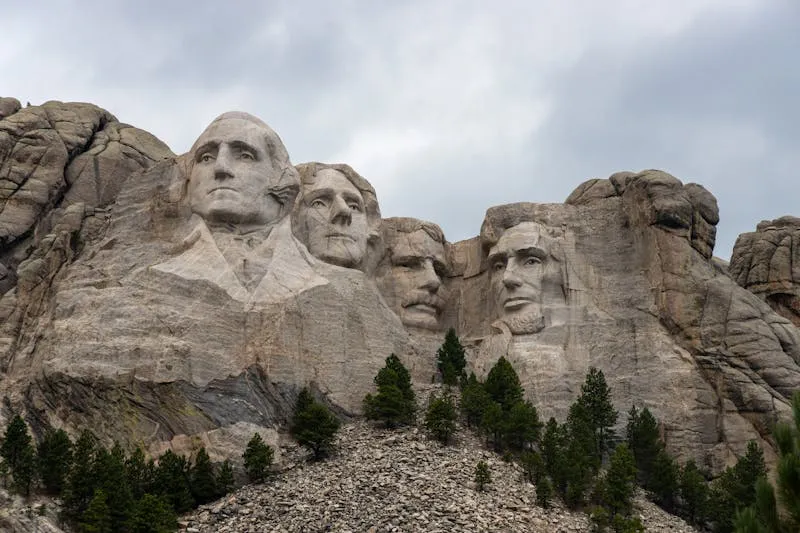
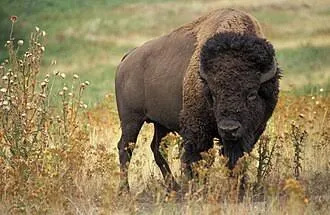
Four presidents carved into a granite mountainside in South Dakota. The nearby Crazy Horse Memorial, still under construction after 75 years, will eventually dwarf Rushmore. The Black Hills offer hiking, Custer State Park (free-roaming bison), and the quirky town of Deadwood. Often combined with a Badlands National Park visit.

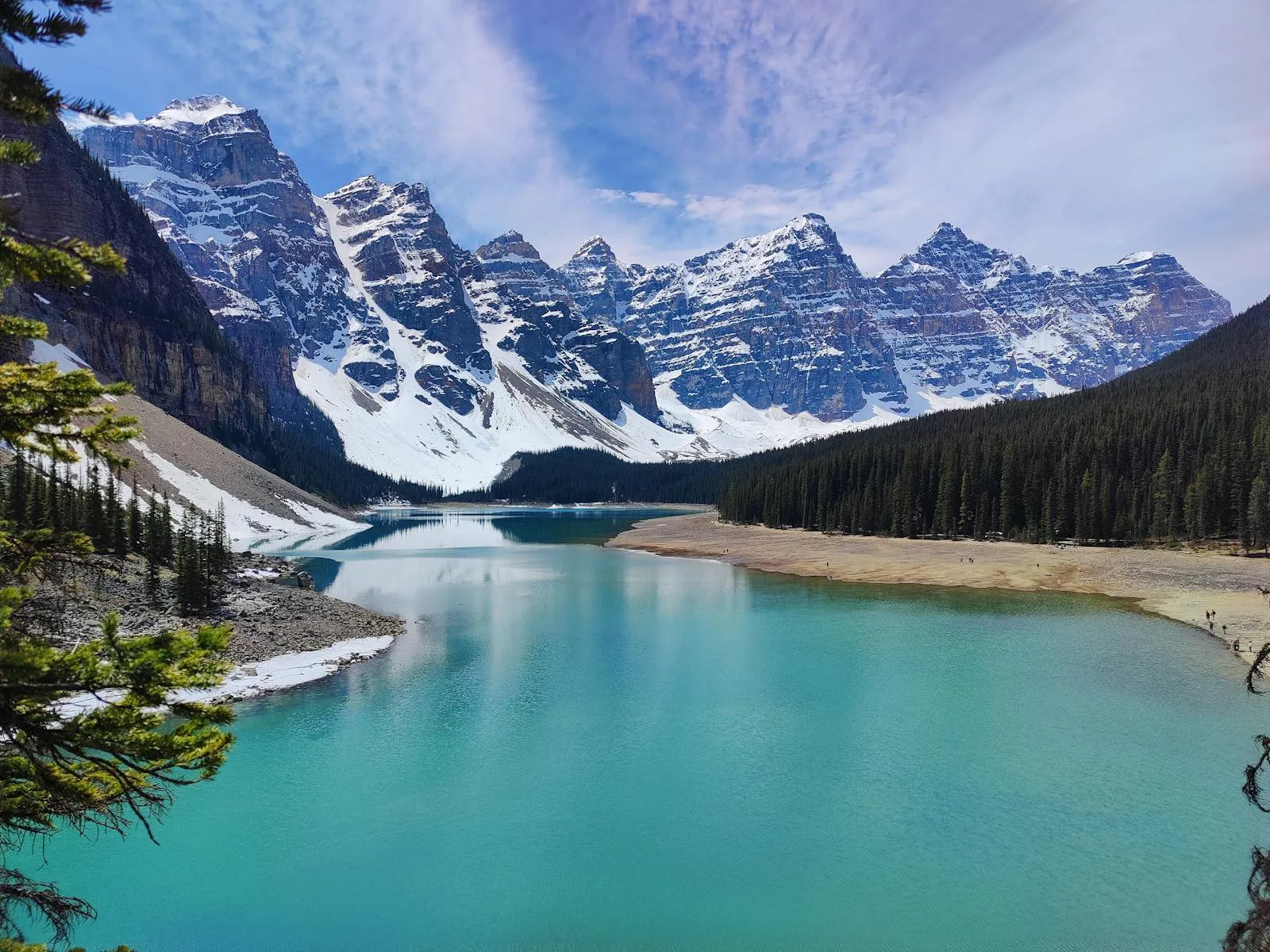
Glacier National Park turquoise lake surrounded by mountain peaks

Glacier National Park

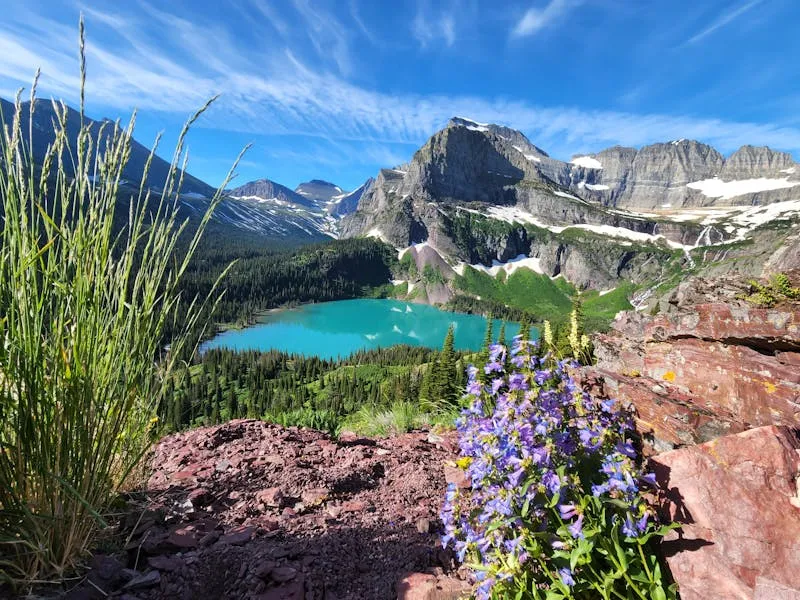
The Crown of the Continent, straddling the US-Canada border in Montana. Going-to-the-Sun Road is one of the most spectacular mountain drives anywhere, crossing the Continental Divide at Logan Pass. Turquoise lakes, grizzly bears, and glaciers that are visibly retreating. Visit soon: most of the park's namesake glaciers will be gone by 2030.

Culture & Cuisine

Assortment of American barbecue with brisket ribs and sides

American culture is regional. The country is too large and too diverse for a single national identity, and that diversity is most visible in its food. Every region has its own cuisine, its own traditions, and its own strong opinions about how things should be done. Understanding these regional differences is half the joy of travelling here.

Regional Food Map

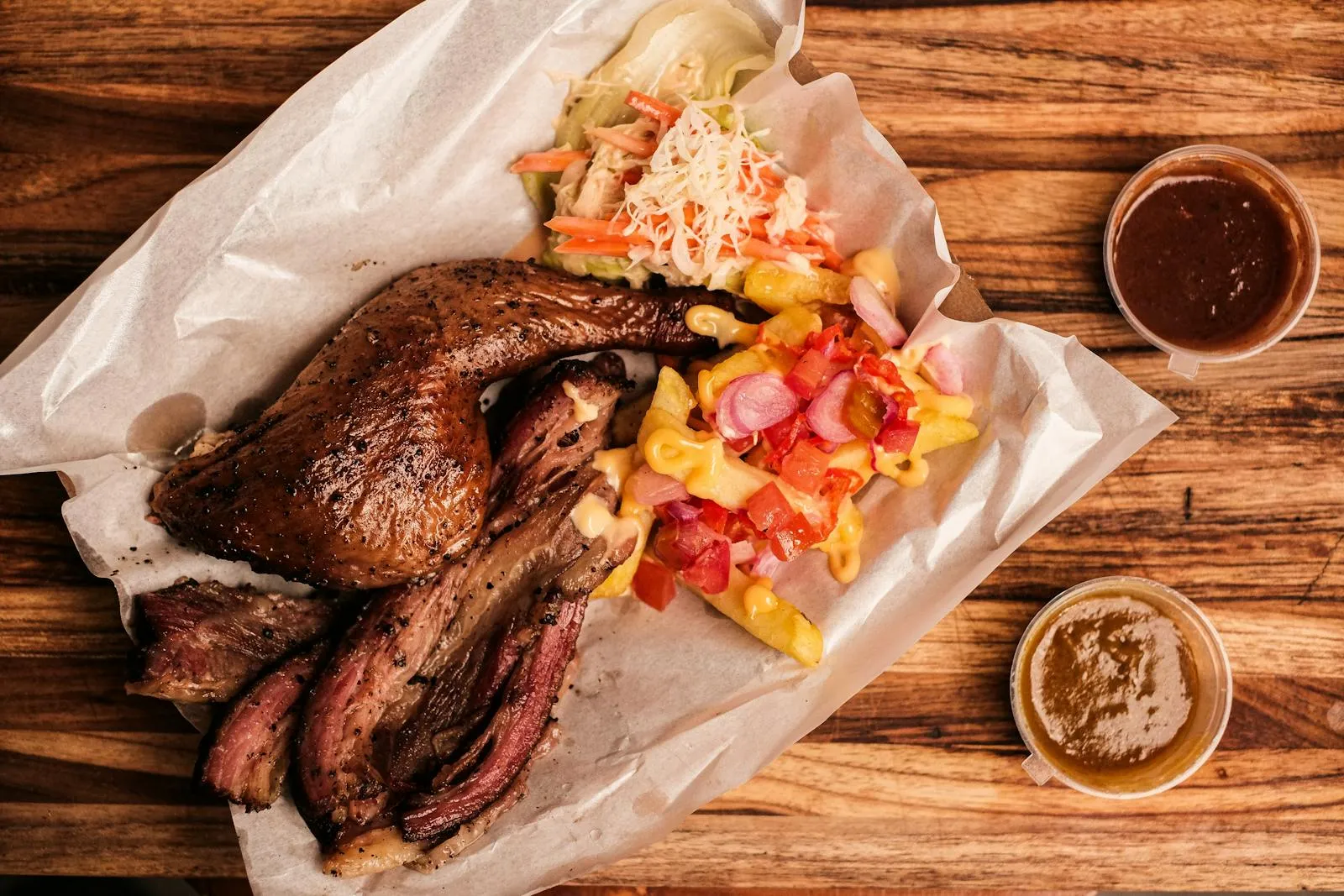
Texas BBQ is brisket smoked low and slow over post oak, seasoned with nothing but salt and coarse black pepper. Counter service, butcher paper, white bread on the side. The tradition traces back to German and Czech immigrants who ran butcher shops in central Texas. Franklin Barbecue in Austin is the most famous. La Barbecue, Micklethwait, and Terry Black's are excellent alternatives.

Carolina BBQ splits into two camps. Eastern North Carolina does whole hog with a thin vinegar-and-pepper sauce (no tomato). Lexington-style (western NC) uses pork shoulder with vinegar plus tomato. South Carolina adds its own twist: Carolina Gold mustard sauce, traced to German settlers in the 1700s.

Memphis BBQ means dry-rub ribs coated in paprika and spices, smoked over charcoal. Also known for smoked bologna sandwiches, BBQ spaghetti, and a neon-yellow coleslaw. The Rendezvous is the classic spot. Memphis barbecue is urban and inventive where Carolina barbecue is rural and traditional.

Kansas City BBQ smokes everything: ribs, brisket, burnt ends, turkey, ham, sausage. Molasses-sweetened sauces replaced the original vinegar mops. Arthur Bryant's and Joe's KC are the legends. Burnt ends, the fatty brisket tips smoked until crispy, started as free snacks and became the city's signature.

New Orleans Creole and Cajun are two distinct traditions. Creole is city cooking: gumbo, jambalaya, étouffée. Cajun is country cooking: boudin sausage, cracklins, and one-pot meals. Both use the "holy trinity" of onion, celery, and bell pepper. Beignets at Café du Monde and po'boy sandwiches are essential.

New York pizza is thin, foldable, and meant to be eaten standing up. Fold it in half. That is structural, not affectation. Bagels with lox and cream cheese. Pastrami sandwiches at delis like Katz's. The food hall scene (Chelsea Market, Smorgasburg) reflects the city's immigrant history.

Pacific Northwest cuisine is built on wild salmon, Dungeness crab, oysters, foraged mushrooms, and craft beer. Portland has over 500 food carts. Seattle's Pike Place Market is the flagship. Farm-to-table dining is not a trend here but a baseline expectation.

New England means lobster rolls (cold with mayo in Maine, warm with butter in Connecticut), clam chowder, oysters, and maple syrup. Boston's North End is Italian-American heritage at its most concentrated.

New Mexican food is not Tex-Mex and not Mexican. It is its own tradition: Hatch green chile, blue corn, sopapillas, and the question "red or green?" answered with "Christmas" (both). Santa Fe is the epicentre.

Cultural Etiquette

Tipping is not optional. At sit-down restaurants, 18 to 20 percent of the pre-tax bill is expected. Servers are legally paid as little as $2.13 per hour in some states on the assumption that tips make up the difference. Not tipping is considered equivalent to refusing to pay. Tip $1 to $2 per drink at bars. Tip Uber and Lyft drivers 15 to 20 percent in the app. Tip hotel housekeeping $2 to $5 per night (cash on the pillow). Fast food counter tip screens are optional. No one will judge you for pressing "no tip" at a coffee shop.

Sales tax is not included in displayed prices. A $10 item might cost $10.80 at checkout depending on the state and city. Some states (Oregon, Montana, Delaware, New Hampshire) have no sales tax.

Small talk is normal. Strangers will ask how you are doing, comment on the weather, or chat in line at a coffee shop. This is friendliness, not an intrusion. "How are you?" is a greeting, not a genuine question. The answer is always "Good, thanks" regardless of how you actually feel.

Personal space matters. Americans value physical distance in conversation. A comfortable arm's length is standard. Avoid sensitive topics with strangers: politics, gun control, and religion are the big three.

Portion sizes are large. Restaurant meals in the US are often 50 to 100 percent larger than equivalent portions elsewhere. Sharing plates or taking leftovers in a "to-go box" is completely normal and not considered rude.

Iconic Road Trips

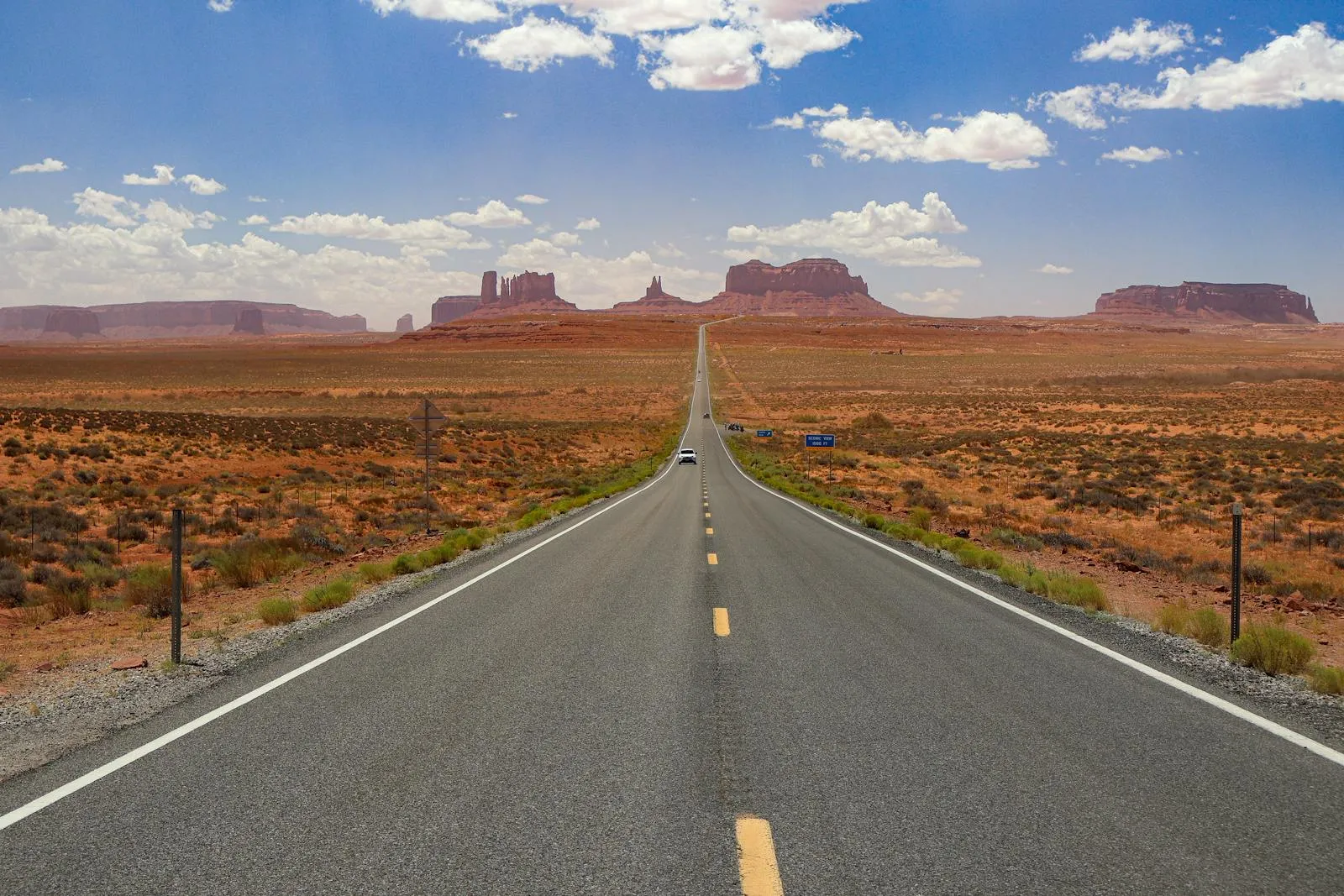
Open highway stretching through the American desert toward distant mesas

The road trip is the quintessential American travel experience. The country was built around the car, the highway system reaches places that trains and buses do not, and some of the best scenery exists between destinations rather than at them. Limit driving to four to six hours per day to leave time for actual exploration. Always check road conditions and seasonal closures before committing to mountain or desert routes.

Pacific Coast Highway (Highway 1)

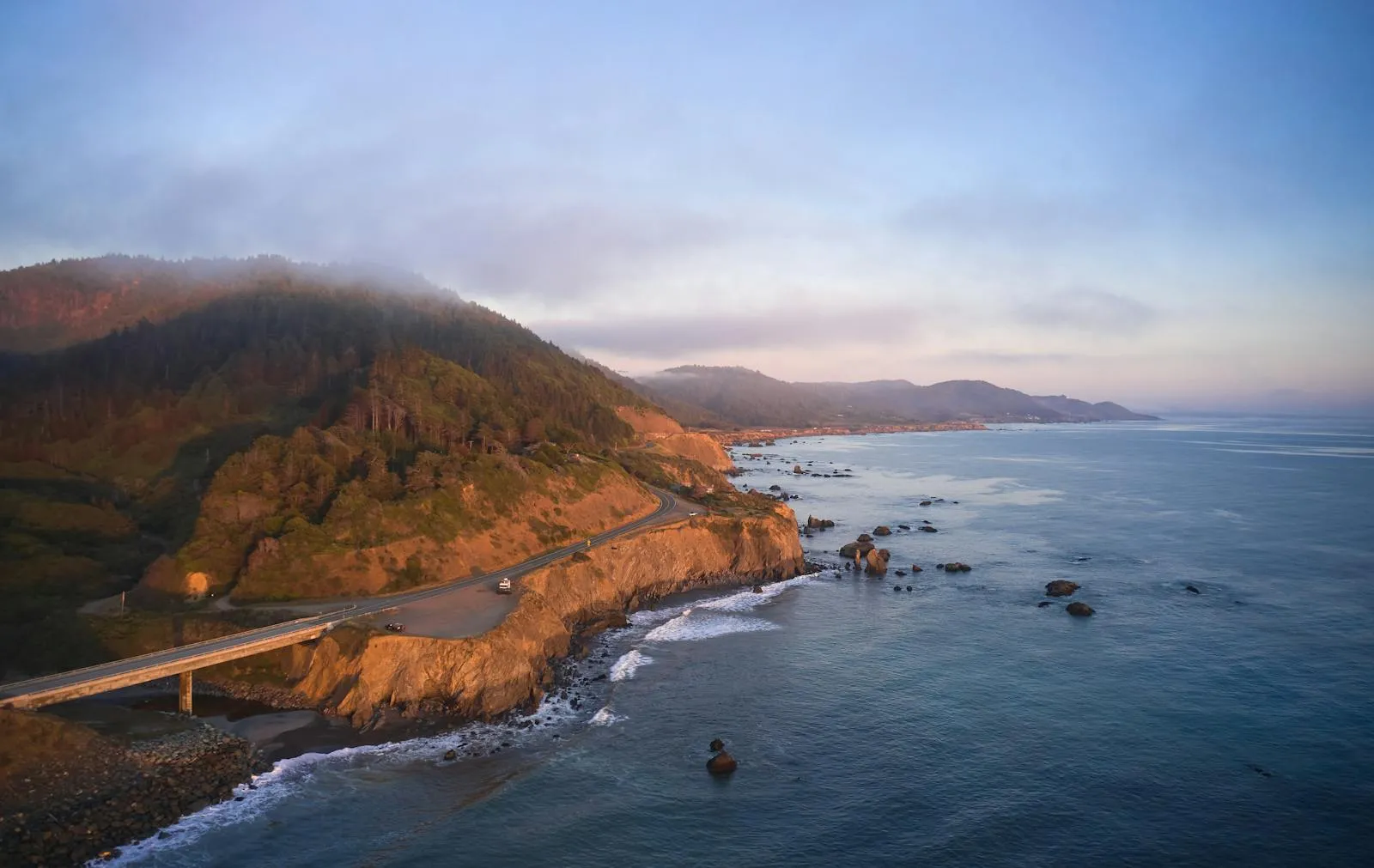
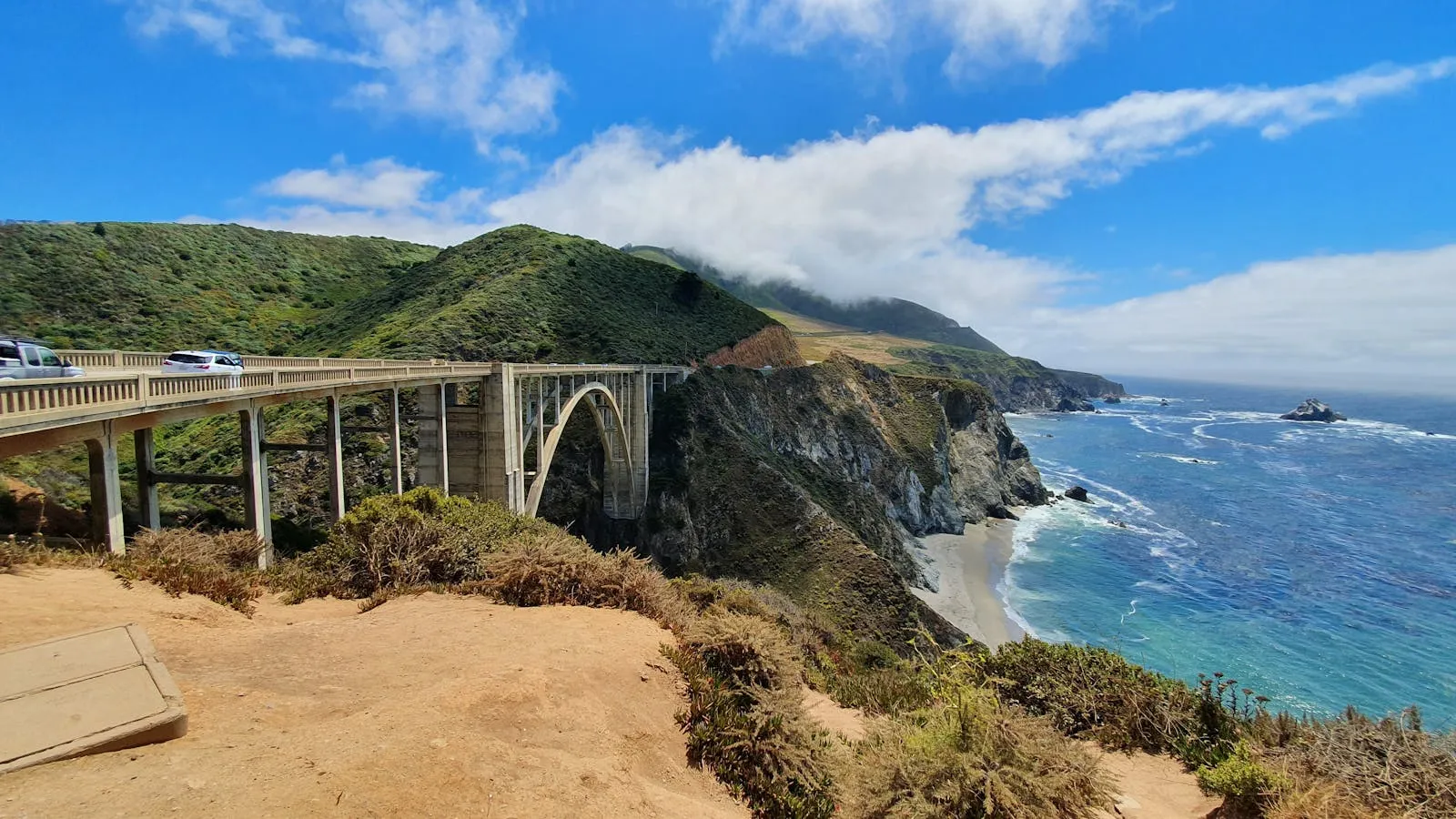
San Diego to Seattle, roughly 1,650 miles along the Pacific coast. The California section from San Francisco to Los Angeles via Big Sur is the most famous stretch: sheer cliffs dropping to the ocean, Bixby Bridge, redwood forests, and elephant seal colonies. Allow at least two days for the Big Sur section alone. The full coast takes two to three weeks at a comfortable pace. Best from May through October.

Route 66

Chicago to Santa Monica, approximately 2,400 miles of classic Americana. The original "Mother Road" has been largely replaced by interstate highways, but stretches of the historic route survive through small towns, neon-signed diners, and roadside curiosities. Not the fastest way to cross the country but arguably the most characterful. Allow two to three weeks.

Utah's Mighty Five Loop

A circuit connecting all five Utah national parks: Zion, Bryce Canyon, Capitol Reef, Arches, and Canyonlands. Start and end in Las Vegas or Salt Lake City. The loop covers roughly 900 miles. Allow 7 to 10 days. Best in spring (April to May) or autumn (September to October) when desert temperatures are manageable.

Blue Ridge Parkway

469 miles along the Appalachian mountain ridges from Virginia to North Carolina. Overlooks, hiking trailheads, historic homesteads, and craft galleries. Speed limit is 45 mph maximum, which forces you to slow down. Peak foliage in mid-October. Connects to Great Smoky Mountains National Park at the southern end.

Cascade Loop (Washington State)

440 miles through the Pacific Northwest from coastal views to mountain passes and alpine meadows. Passes through Leavenworth (a Bavarian-themed village), the North Cascades, and orchard country. Best June through September when the passes are snow-free.

The Loneliest Road (US-50 through Nevada)

287 miles of empty high desert from Fallon to Ely, crossing basin-and-range terrain with almost nothing between towns. Great Basin National Park sits at the eastern end. Bring extra water, fuel up at every opportunity, and do not expect cell service. The solitude is the point.

Car rental tip: Book through comparison sites like Discover Cars or Rentalcars.com for the best prices. Drivers under 25 pay a surcharge. Always decline the GPS rental and use Google Maps offline instead (download maps before entering remote areas). Confirm the fuel policy is full-to-full. Inspect the car for existing damage before leaving the lot.

Activities & Hikes

Hiker on a dramatic trail overlooking Zion Canyon

The United States has 63 national parks, hundreds of state parks, and thousands of miles of hiking trails ranging from wheelchair-accessible boardwalks to multi-day wilderness expeditions. The America the Beautiful Pass costs $80 and covers entry to all national parks and federal recreation areas for one year. If you plan to visit more than two parks, buy it at your first stop.

Top National Park Hikes

The Narrows, Zion (Utah) is a river hike through a slot canyon with walls rising 300 metres on either side. You wade through the Virgin River for much of the route. Full-day or half-day options. Water levels and flash flood risk vary by season. Permits required for the top-down route. Rental gear (dry suits, water shoes, walking sticks) available in Springdale.

Angel's Landing, Zion (Utah) is a 5.4-mile round trip with chain-assisted scrambling along a narrow ridge with sheer 300-metre drop-offs on both sides. Not for anyone uncomfortable with heights. Lottery permit required. The views from the summit are among the best in any park.

Half Dome, Yosemite (California) is a 14 to 16-mile round trip with 1,500 metres of elevation gain, culminating in a cable-assisted climb up the granite dome. Daily lottery permits required (apply months ahead). Extremely strenuous but the view from the top is legendary.

Rim-to-Rim, Grand Canyon (Arizona) crosses the canyon from North Rim to South Rim (or reverse), covering 21 miles with 1,500 metres of descent and ascent. Most hikers take two days with a night at Phantom Ranch or Bright Angel Campground (book 15 months ahead). Not recommended in summer due to extreme heat in the inner canyon.

Highline Trail, Glacier (Montana) traverses alpine meadows along the Continental Divide with views of glacial valleys, mountain goats, and wildflowers. 11.8 miles point-to-point. Relatively moderate grade but exposed in places. Best July through September.

Accessible & Day Hikes

Cadillac Mountain, Acadia (Maine) is a short summit hike (or drive) to the first place in the US to see sunrise from October through March. Easy to moderate trails throughout the park.

Bright Angel Trail, Grand Canyon descends from the South Rim with rest houses and water stations. Turn around at any point. The 1.5-mile house is a good first-timer goal. Do not attempt to hike to the river and back in a single day.

Emerald Pools, Zion is a family-friendly trail to three tiered pools and waterfalls. Lower pool is paved and accessible. Upper pool adds moderate difficulty.

Trail Ridge Road, Rocky Mountain NP (Colorado) is a scenic drive above treeline reaching 3,700 metres. Pullouts and short trails along the way offer views of alpine tundra and elk herds. Open late May through October.

Wilderness & Multi-Day

Kalalau Trail, Kauai (Hawaii) follows the Na Pali Coast for 11 miles along cliff edges with ocean views. Permit required. Two-day minimum with camping at Kalalau Beach. Muddy, slippery, and spectacular.

Wonderland Trail, Mount Rainier (Washington) circles the entire mountain over 93 miles with 6,700 metres of cumulative elevation gain. Takes 7 to 10 days. Permits allocated by lottery. One of the best backpacking trips in the country.

Appalachian Trail sections run 2,190 miles from Georgia to Maine. Day hikes and section hikes are accessible throughout. The White Mountains (New Hampshire) and Great Smoky Mountains (Tennessee/NC) offer the most dramatic sections.

Permits and planning: Popular hikes (Angel's Landing, Half Dome, Kalalau) require lottery permits that fill months in advance. Check recreation.gov for availability. Campsite reservations in popular parks (Yosemite, Yellowstone, Zion) open six months ahead and sell out within minutes. Have backup plans for every park visit.

Off the Beaten Path

The United States has 12,000-plus unusual attractions catalogued by Atlas Obscura alone, and the best travel experiences are often the ones that do not appear on mainstream "top 10" lists. These are places and experiences that reward curiosity and detours.

Cultural Immersion

Canyon de Chelly, Arizona sits on the Navajo Nation and can only be explored with Navajo guides (except one self-guided trail). Footpath Journeys offers four-day cultural immersion trips: hiking ancient trails with steps carved into sandstone, learning traditional corn grinding, building campfires, and sleeping in the canyon beneath cliff dwellings. From $325 per person in mixed groups.

Imu Mea 'Ai, Big Island (Hawaii) is a participatory luau that flips the usual tourist formula. Instead of watching a performance, you dig the earth oven (imu) alongside Native Hawaiian men from a reintegration programme, learn chants, and share a feast from the previous group's oven. Four hours, deeply personal, nothing like a resort show.

Ah-Tah-Thi-Ki Museum, Florida Everglades sits on 60 acres of genuine Everglades wilderness on the Big Cypress Seminole Reservation. Four exhibit halls, a mile-long boardwalk through cypress forest, and a living Seminole village. $10 admission. One of the most thoughtful cultural museums in the country.

Off-Beat Destinations

Marfa, Texas is a tiny desert art town in far west Texas known for minimalist installations at the Chinati Foundation, the mysterious Marfa lights (unexplained glowing orbs on the horizon), and a creative community that feels transplanted from Brooklyn.

Put-in-Bay, Ohio on South Bass Island in Lake Erie is a Midwest secret. Golf carts replace cars. Bars have sand floors. Mojito Bay is a tiki bar with swing seats and 25 mojito varieties. Caribbean vibes in the middle of Ohio.

Leavenworth, Washington is a Bavarian-themed village in the Cascade Mountains. Timber-frame architecture, beer halls, and Oktoberfest celebrations. Kitschy but committed, and the surrounding mountain scenery is genuine.

Chimayó, New Mexico sits on the High Road between Santa Fe and Taos with a famous chapel, traditional weavers, and red chile ristras hanging from adobe walls. The drive itself through the Sangre de Cristo Mountains is half the appeal.

River & Water

Mississippi River canoeing with Quapaw Canoe Company out of Clarksdale, Mississippi. Day trips paddle through towhead islands in the middle of America's greatest river, landing on sandbars for fossil hunting and campfire lunches. The guides have been paddling the Lower Mississippi since 1982.

Boundary Waters Canoe Area, Minnesota is over a million acres of interconnected lakes and rivers on the Canadian border. No motors allowed. Paddle and portage from lake to lake, camp on designated sites, and experience genuine wilderness silence. Permits required.

Florida Keys stretch 113 miles from the mainland to Key West, connected by the Overseas Highway (42 bridges). Snorkelling, diving, kayaking through mangroves, and Key West's eccentric, laid-back character at the end of the road.

Small Towns Worth the Detour

Red Wing, Minnesota is famous for its pottery and boot-making traditions along the Mississippi River. Joseph, Oregon sits against the Wallowa Mountains with a celebrated bronze art scene. Stowe, Vermont is the quintessential New England village: covered bridges, maple syrup, and mountain trails. None of these appear on tourist itineraries, which is exactly the point.

Route A: Classic East Coast (2–3 Weeks)

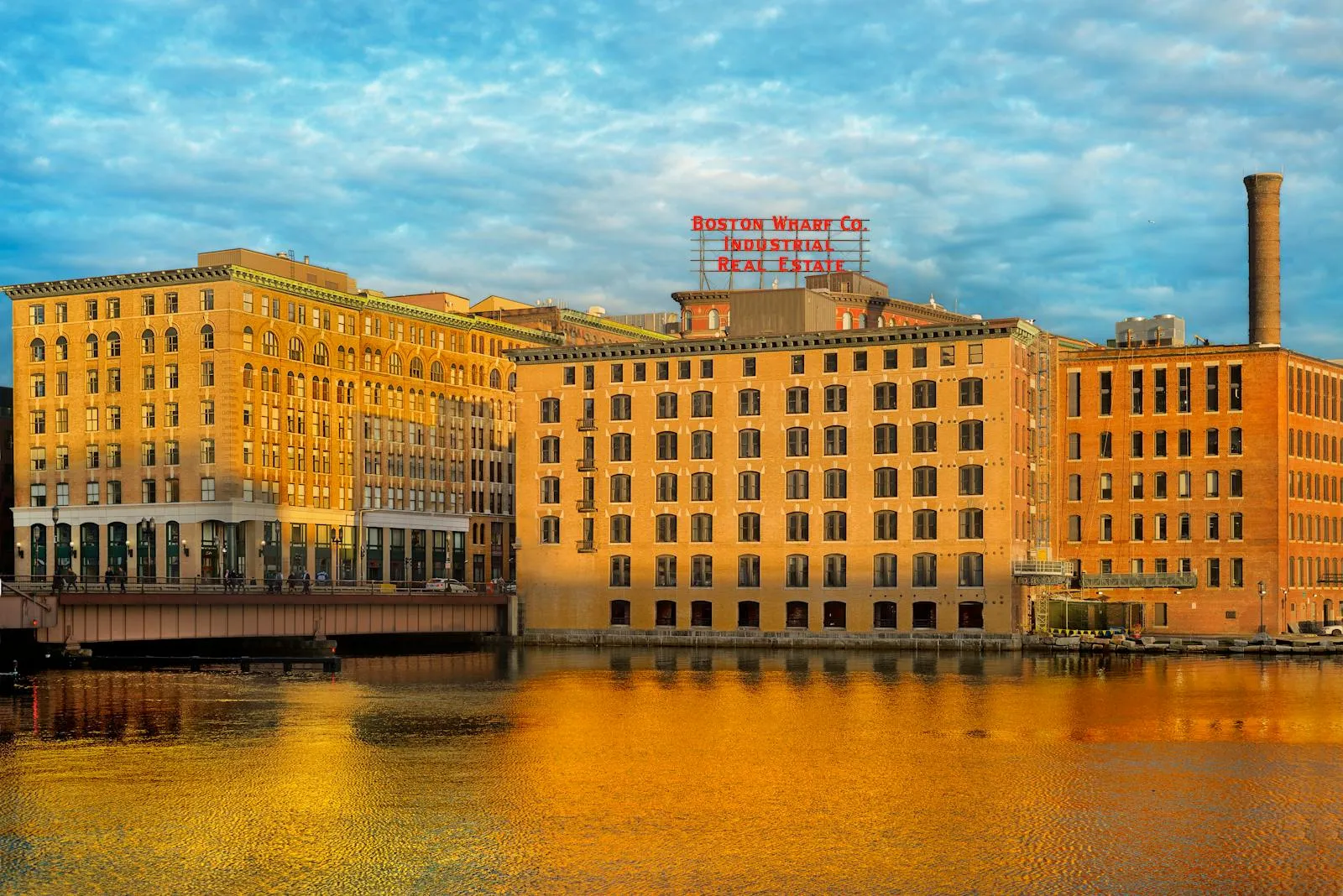
Boston harbour waterfront with historic brick buildings

The densest concentration of history, culture, and food in the United States, connected by the best public transport corridor in the country. You can do this route almost entirely by Amtrak, adding a car only if you extend south into the Carolinas.

Day-by-day itinerary

Days 1–3: Boston

Freedom Trail, North End Italian food, Cambridge and Harvard, lobster rolls at the waterfront. Day trip to Cape Cod or Salem if time allows.

Day 4: Boston → New York City (Amtrak, 4 hrs)

Northeast Regional or Acela Express. Settle in. Evening walk across the Brooklyn Bridge for Manhattan skyline views.

Days 5–8: New York City

Manhattan: Central Park, Met, MoMA, High Line, Chelsea Market. Brooklyn: Williamsburg, DUMBO, Smorgasburg (weekends). Lower Manhattan: Statue of Liberty ferry (book ahead), 9/11 Memorial. Evening: Broadway show or live jazz in the Village.

Day 9: NYC → Philadelphia (Amtrak, 75 min)

Independence Hall and Liberty Bell (free, timed tickets). Reading Terminal Market for lunch. Philadelphia Museum of Art (the “Rocky Steps”). Philly cheesesteak for dinner.

Days 10–12: Washington DC (Amtrak from Philly, 90 min)

National Mall: Lincoln Memorial, WWII Memorial, Vietnam Veterans Memorial, Washington Monument. Smithsonian museums (free): Air and Space, Natural History, National Gallery. Georgetown evening stroll. If visiting in late March or early April, the cherry blossoms along the Tidal Basin are spectacular.

Optional extension: Days 13–17: The South by car or flight

Drive or fly to Charleston SC (2 days: historic district, Lowcountry food, Rodney Scott's BBQ). Continue to Savannah GA (1.5 days: historic squares, Bonaventure Cemetery, Tybee Island). This extension requires a rental car.

Budget for this route: $80 to $120 per day using hostels, cooking some meals, and taking advantage of free museums. Amtrak tickets on the Northeast Corridor cost $30 to $80 per leg if booked two to four weeks ahead. NYC is the most expensive stop; budget extra for accommodation and food there.

Route B: Southwest Parks Loop (10–14 Days)

Delicate Arch in Arches National Park glowing at sunset

The most visually stunning road trip in the country, connecting six or more national parks through the desert Southwest. Requires a rental car. Best in spring (March to May) or autumn (September to November). Summer temperatures exceed 40°C and make hiking dangerous. Book park campsites and lodge rooms months ahead.

Day-by-day itinerary

Day 1: Arrive Las Vegas

Pick up rental car. Evening on the Strip if you want it. Las Vegas is a convenient and cheap starting point with major car rental desks and international flight connections.

Days 2–3: Zion National Park (2.5 hrs from Vegas)

The Narrows river hike (half or full day). Angel’s Landing if you have a lottery permit. Canyon Overlook Trail for a shorter option with big views. Stay in Springdale, the gateway town.

Day 4: Bryce Canyon (1.5 hrs from Zion)

Sunrise or sunset at Sunset Point. Navajo Loop and Queen’s Garden trails through the hoodoo formations. Can be done as a half-day if you started early.

Day 5: Capitol Reef (2.5 hrs from Bryce)

The quietest of Utah’s five parks. Drive the scenic road through the waterpocket fold. Pick fruit from the historic orchards in season. Hike to Hickman Bridge.

Days 6–7: Arches & Canyonlands, Moab (2.5 hrs from Capitol Reef)

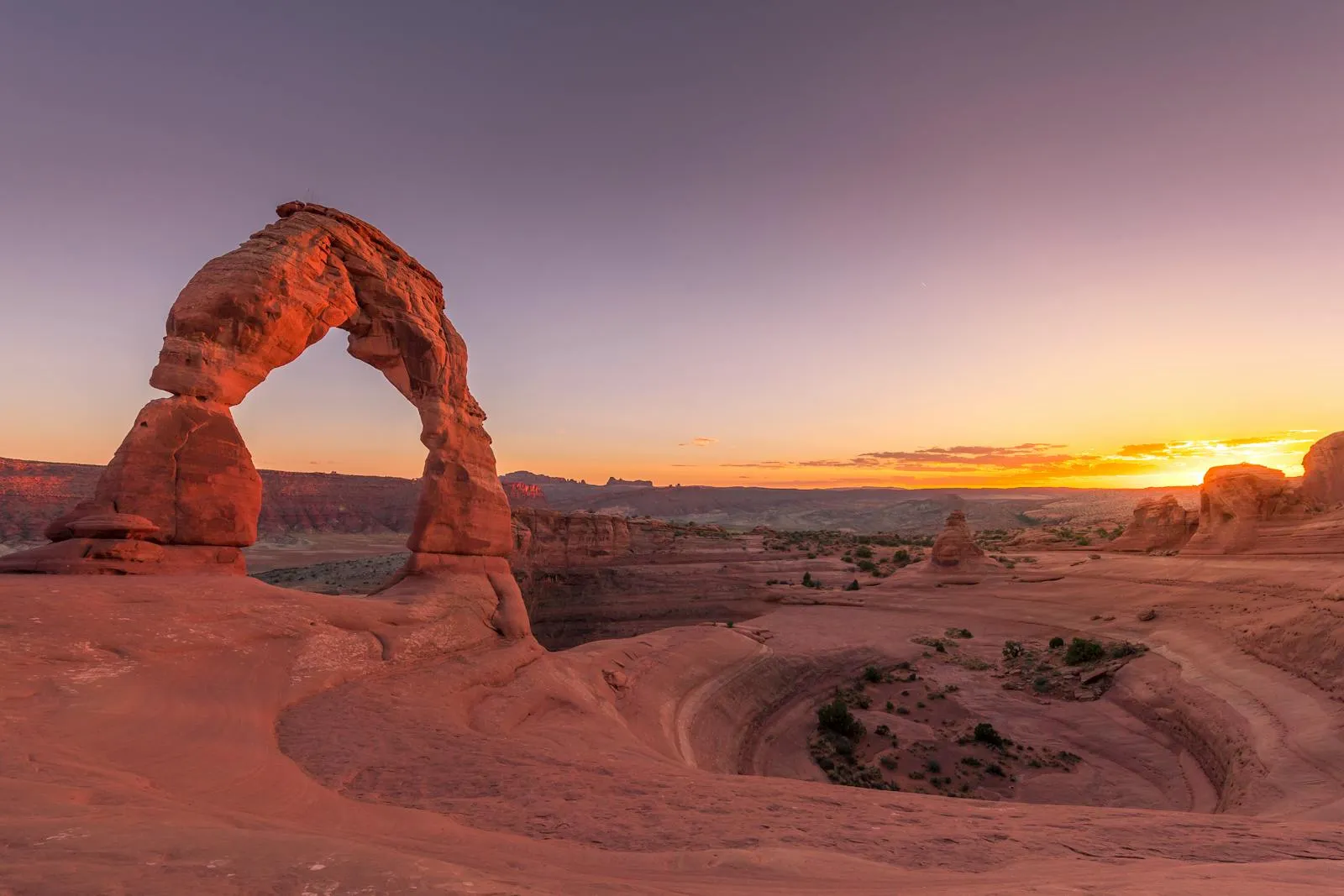
Arches: Delicate Arch at sunset (3-mile round trip, moderate), Windows Section, Devils Garden. Canyonlands: Island in the Sky district, Mesa Arch at sunrise, Grand View Point. Moab itself has good restaurants and gear shops.

Day 8: Monument Valley (2.5 hrs from Moab)

Cross into the Navajo Nation. Navajo-guided tour through the valley floor ($50 to $80). Photograph the Mittens and Merrick Butte. Optional overnight in a hogan.

Day 9: Antelope Canyon & Horseshoe Bend, Page AZ (2.5 hrs)

Upper or Lower Antelope Canyon (Navajo-guided tour, book ahead). Horseshoe Bend is a short walk to one of the most photographed viewpoints in the Southwest.

Days 10–11: Grand Canyon South Rim (2.5 hrs from Page)

Rim Trail, Bright Angel Trail (hike to 1.5-mile resthouse), Hermit Road shuttle for sunset. Two nights gives you time for sunrise and sunset, both of which are essential.

Day 12: Optional Sedona (2 hrs) or return to Las Vegas (4.5 hrs)

Sedona’s red rock country is worth a stop for a short hike (Cathedral Rock, Devil’s Bridge). Return to Las Vegas for your flight.

Budget for this route: $70 to $100 per day camping ($15 to $35/night at NPS campgrounds), cooking at camp, and spending on fuel and park entry ($80 for America the Beautiful pass covers all parks). Add $30 to $50/day for motel/lodge accommodation. Total car rental for 12 days: $400 to $600.

Route C: Pacific Coast Road Trip (2–3 Weeks)

Bixby Bridge on California Highway 1 with ocean views

One of the most scenic drives in the world, following the Pacific coast from Southern California to the Pacific Northwest. Requires a rental car. Best from June through September when the Pacific Northwest is dry and the entire coast is at its best. Big Sur’s Highway 1 can close for landslides; check road conditions before departing.

Day-by-day itinerary

Days 1–2: San Diego

Beaches (La Jolla, Coronado), Balboa Park and the Zoo, Gaslamp Quarter for evening dining. Fish tacos and craft beer. The most relaxed start to any US trip.

Days 3–5: Los Angeles (2 hrs from San Diego)

Santa Monica pier and Venice Beach boardwalk. Griffith Observatory for city views. Food crawl: tacos in East LA, Korean BBQ in K-Town, Grand Central Market downtown. Optional: Disneyland or Universal Studios (full day each). Hollywood is underwhelming but the food scene is not.

Days 6–7: Big Sur & the Central Coast (5 hrs from LA)

Highway 1 through Big Sur is the highlight of the entire trip. Bixby Bridge, McWay Falls, Julia Pfeiffer Burns State Park. Stop in San Luis Obispo or Cambria. Hearst Castle in San Simeon is worth a tour. Drive slowly and stop often.

Days 8–10: San Francisco (3 hrs from Big Sur)

Golden Gate Bridge walk or cycle. Alcatraz tour (book two to three weeks ahead). Cable cars, Chinatown dim sum, Mission District burritos. Ferry Building for artisan food vendors. Fisherman’s Wharf for sourdough bread bowls. Day trip to Muir Woods (old-growth redwoods, 30 minutes north).

Day 11: Wine Country (1 hr from SF)

Napa or Sonoma for tastings and vineyard lunches. Designate a driver or book a tour. Sonoma is less crowded and slightly cheaper than Napa.

Days 12–13: Redwood Coast (4 hrs from wine country)

Redwood National and State Parks: Avenue of the Giants, Tall Trees Trail, Fern Canyon. The trees are over 60 metres tall and walking among them is humbling. Free entry to the national park.

Days 14–15: Oregon Coast & Portland (5 hrs from Redwoods)

Cannon Beach and Haystack Rock. Stop at coastal towns along the way. Arrive Portland for food carts, craft beer, Powell’s Books (the world’s largest independent bookstore), and the Columbia River Gorge (day trip for waterfalls).

Days 16–18: Seattle (3 hrs from Portland)

Pike Place Market, Space Needle, Museum of Pop Culture. Day trip to Mount Rainier or the Olympic Peninsula. Fresh seafood: Dungeness crab, oysters, smoked salmon. End the trip here or continue north to the San Juan Islands.

Budget for this route: $90 to $130 per day mixing camping, hostels, and budget motels. Fuel costs are significant (1,650+ miles of driving). San Francisco and Seattle are the most expensive stops. Portland is notably cheaper. Total car rental for 18 days: $500 to $800. One-way rental drop-off fees between San Diego and Seattle can add $100 to $200.

Getting Around

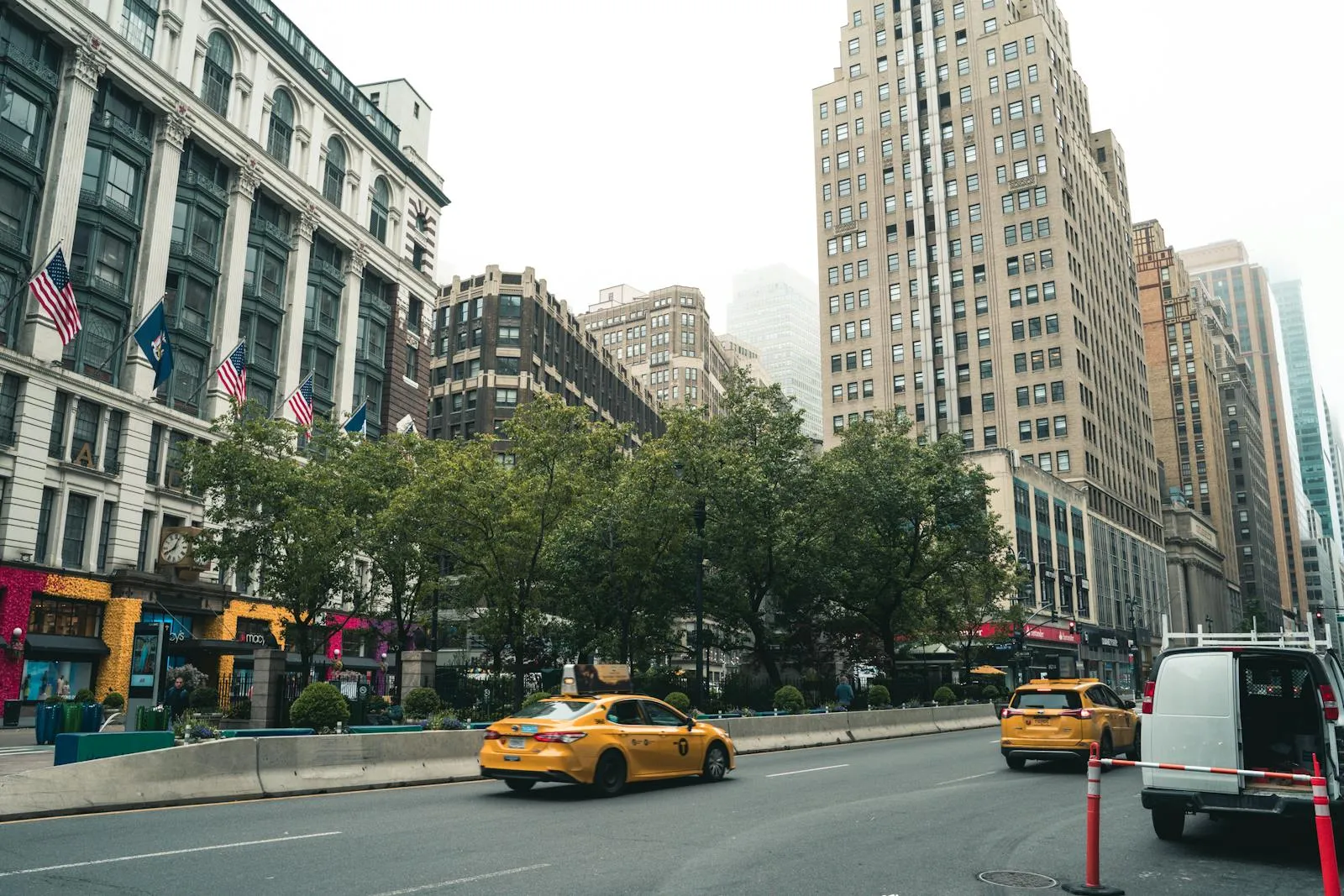
Yellow taxi on a busy New York City street

✈️ Domestic Flights

The only practical option for crossing long distances. New York to Los Angeles is 4.5 hours by air and 43 hours by car.

🚆 Amtrak (Train)

Practical only on the Northeast Corridor (Boston to New York to Philadelphia to Washington DC), where trains are

🚌 Greyhound &...

Usually the cheapest intercity option.

🚗 Car Rental & Road Trips

Essential for national parks, rural areas, and most of the country outside the Northeast.

The United States is a car country. Outside a handful of major cities, public transport ranges from limited to nonexistent. Accepting this early and planning accordingly will save frustration.

Domestic Flights

The only practical option for crossing long distances. New York to Los Angeles is 4.5 hours by air and 43 hours by car. Major carriers include Delta, United, American, Southwest, and JetBlue. Budget airlines (Spirit, Frontier) offer cheap fares but charge for everything including carry-on bags. Book three to six weeks ahead for the best prices. Midweek flights are cheapest. Expect to arrive two hours before departure for security.

Amtrak (Train)

Practical only on the Northeast Corridor (Boston to New York to Philadelphia to Washington DC), where trains are frequent, city-centre to city-centre, and often faster than flying once you factor in airport time. Elsewhere, Amtrak exists but is slow, infrequent, and more scenic than efficient. The California Zephyr (Chicago to San Francisco, 51 hours) and Coast Starlight (Seattle to LA, 35 hours) are experiences in themselves but not practical transport. Book early for better prices. Coach class is spacious with free Wi-Fi. Sleeper cabins are comfortable but expensive.

Greyhound & Long-Distance Buses

Usually the cheapest intercity option. FlixBus and Megabus often undercut Greyhound on popular routes (tickets from $5 to $10 if booked early). Comfort is basic: reclining seats, onboard restroom, and variable Wi-Fi. Overnight buses save on accommodation but are tiring. Some terminals feel worn. Keep valuables with you, not in the luggage compartment.

Car Rental & Road Trips

Essential for national parks, rural areas, and most of the country outside the Northeast. Minimum age is usually 21, with a surcharge for drivers under 25. An international driving permit is recommended for licences not in English. Credit card required for the security deposit (debit cards may not be accepted). Driving is on the right. Speed limits are strictly enforced. Right turn on red is usually legal when the road is clear. Fuel costs $3 to $5 per gallon depending on state and grade.

Rideshare & City Transit

Uber and Lyft operate in all major cities and many smaller ones. Download both apps before arrival. Tipping 15 to 20 percent in the app is expected.

Public transit works well in New York (subway), Chicago (L train), San Francisco (BART and Muni), Boston (T), and Washington DC (Metro). Los Angeles has an expanding Metro but the city is still fundamentally car-dependent. Most other cities have limited or infrequent bus service.

Key distance reality check: NYC to Chicago is 790 miles (12 hours driving). LA to Grand Canyon is 280 miles (4.5 hours). Miami to Key West is 160 miles (3.5 hours). San Francisco to Yosemite is 170 miles (3.5 hours). Always check Google Maps driving times, not straight-line distances.

Budget Breakdown

Food truck serving customers at a street market

Costs vary enormously depending on where you are. New York and San Francisco hit your wallet harder than Nashville and Albuquerque. The South and interior states are consistently cheaper than the coasts. These figures assume a mix of cheap and moderate destinations.

CategoryBudgetMid-RangeComfort
Accommodation$25–45 (hostel dorm) or $15–35 (camping)$80–150 (budget hotel/Airbnb)$150–300 (mid-range hotel)
Food$20–30 (groceries, food trucks, fast food)$40–60 (mix of restaurants and self-catering)$70–120 (full restaurant dining)
Transport$10–20 (public transit, shared rides)$30–50 (car rental share, some Uber)$50–80 (full car rental, fuel)
Activities$0–15 (free museums, hiking, beaches)$20–40 (paid attractions, tours)$40–80 (premium tours, shows)
Daily Total$70–100$150–250$300+

Estimated Trip Totals (Per Person, Excluding Flights)

DurationBudgetMid-RangeComfort
2 Weeks$1,000–1,400$2,100–3,500$4,200+
4 Weeks$2,000–2,800$4,200–7,000$8,400+
6 Weeks$2,950–4,200$6,300–10,500$12,600+

These estimates include accommodation, food, local transport, and activities. International flights add $400 to $1,200 round trip depending on origin and season. Longer trips often cost less per day because you settle into routines, cook more, and move less frequently. A car rental shared between two people for four weeks runs $700 to $1,000 total, making road trips surprisingly affordable per person.

Money-Saving Tips

🎫 National Parks Pass

America the Beautiful Pass ($80/year) covers all 63 national parks and 2,000+ federal recreation areas. Pays for itself after two visits

🍳 Cook at Campsites

Grocery stores (Trader Joe’s, Aldi, Walmart) are cheap. A basic camping or hostel meal costs $5–8 per person

🎨 Free Museums

All Smithsonian museums in DC are free. Met, MoMA, Getty have free days or pay-what-you-wish hours

🍤 Food Trucks

Same quality as sit-down restaurants, half the price, and no tipping expectation

🍺 Happy Hour

Many restaurants offer discounted food and drinks from 4–6 PM. The budget traveller’s best friend

📅 Shoulder Season

May, September, and October cut accommodation costs 20–40% compared with July and August

🚗 Share Car Rental

Split between 2–4 people, a road trip often costs less per person than bus or train tickets

📶 Free Wi-Fi Everywhere

Starbucks, McDonald’s, libraries, and most hotels offer free Wi-Fi. Skip expensive roaming plans

Practical Information

Airport arrivals terminal with international travellers

💳 Visas

ESTA (Visa Waiver Program) applies to citizens of 42 countries including most of Europe, the UK, Australia, Japan, and South Korea.

🏥 Health

Travel insurance is essential, not optional. The United States has the most expensive healthcare system in the world.

💶 Money

Currency is the US Dollar (USD). Credit and debit cards are accepted almost everywhere, including market stalls and food trucks.

📶 SIM & WiFi

Get a prepaid SIM card or eSIM from AT&T, T-Mobile, or Verizon. T-Mobile generally has the best coverage in urban areas.

🔌 Electricity

Type A/B plugs (two flat prongs), 120V/60Hz. European/Asian devices need adapters and voltage converters

🛒 Safety

The United States is generally safe for tourists.

Entry Requirements

ESTA (Visa Waiver Program) applies to citizens of 42 countries including most of Europe, the UK, Australia, Japan, and South Korea. Costs $21, valid for three years, allows stays up to 90 days per visit. Apply online at the official ESTA website at least 72 hours before travel (one week recommended). ESTA approval does not guarantee entry. Border officers make the final decision at the airport.

B-2 Tourist Visa is required for citizens of countries not in the Visa Waiver Program (including India, China, Brazil, and many others). Costs $185 to apply. Requires an online DS-160 form, embassy appointment, and in-person interview. Wait times can be three to six months. Allows stays up to six months.

At the border: Have ready your passport (valid at least six months beyond your stay), ESTA or visa confirmation, return ticket, hotel booking for the first night, and proof of funds. Officers may ask why you are visiting, where you are staying, and how long. Answer clearly and honestly. Declare food items, gifts, and cash over $10,000.

Health & Insurance

Travel insurance is essential, not optional. The United States has the most expensive healthcare system in the world. A simple emergency room visit costs $5,000 to $50,000. An ambulance ride alone can be $2,000 to $3,000. Hospitalisation can generate bills of $100,000 or more within days. Buy insurance with a minimum of $250,000 to $500,000 in medical coverage specifically covering the US. SafetyWing, World Nomads, and Allianz Travel are commonly used by international visitors.

No vaccinations are required for entry. Tap water is safe everywhere. Pharmacies (CVS, Walgreens, Rite Aid) are ubiquitous but foreign prescriptions are not accepted. Bring enough of any prescription medication for your trip with a doctor's letter listing generic names. Emergency number is 911 for police, fire, and ambulance. Mental health crisis line: 988.

Money & Payments

Currency is the US Dollar (USD). Credit and debit cards are accepted almost everywhere, including market stalls and food trucks. Keep some cash ($20 to $50) for tips, small purchases, and emergencies. Use ATMs inside banks to avoid fees. Be aware that sales tax is added at checkout, not shown on price tags. Tax rates vary from 0 percent (Oregon, Montana) to over 10 percent (some cities in California and Illinois).

Connectivity

Get a prepaid SIM card or eSIM from AT&T, T-Mobile, or Verizon. T-Mobile generally has the best coverage in urban areas. eSIMs from Airalo or Holafly activate instantly on arrival. Public Wi-Fi is common in cafes and hotels but not always secure. Cell coverage is patchy in rural areas, especially in national parks and the desert Southwest. Download offline maps (Google Maps) before entering remote areas.

Safety

The United States is generally safe for tourists. Standard urban precautions apply: be aware of your surroundings, do not leave valuables visible in rental cars (break-ins are common in tourist areas like San Francisco), and use ATMs inside banks at night. Check neighbourhood reputations before booking accommodation in unfamiliar cities. Natural hazards vary by region: hurricanes on the Gulf and Atlantic coasts (June to November), tornadoes in the Midwest (spring), wildfires in California and the West (summer and autumn), extreme heat in the Southwest (summer), and severe cold in the northern states (winter).

Measurements & Standards

The US uses Imperial measurements. Temperatures are in Fahrenheit (freezing is 32°F, room temperature is 72°F, body temperature is 98.6°F). Distances are in miles. Weights are in pounds and ounces. Fuel is sold by the gallon (3.78 litres). Power outlets are Type A/B (two flat prongs), 120V/60Hz. Bring an adapter if your devices use different plugs.

Tips & Common Mistakes

Traveller checking a road map beside a rental car

These are the mistakes that trip up first-time visitors most consistently, based on countless traveller accounts and local advice.

1. Underestimating Distances

This is the single most common mistake. The US is enormous. A "short drive" from Los Angeles to the Grand Canyon is 4.5 hours. Trying to see New York, Miami, Chicago, and Las Vegas in two weeks means spending most of your trip in airports. Pick a region and explore it properly. You will always come back.

2. Skipping Travel Insurance

An ER visit for a broken bone costs $10,000 to $30,000 without insurance. A serious illness can generate six-figure bills within days. This is not hypothetical. It happens to tourists regularly. Buy insurance with at least $250,000 in US medical coverage before your flight.

3. Not Tipping

Servers in many states are paid $2.13 per hour. Tips are their income, not a bonus. 18 to 20 percent at sit-down restaurants is the minimum, not a generous reward. Not tipping is genuinely considered rude and will not be forgotten by your server.

4. Forgetting About Sales Tax

That $99 item costs $107 at checkout. Prices displayed in stores, on menus, and online never include tax. Budget 5 to 10 percent extra on everything you buy.

5. Expecting Public Transport

New York, Chicago, San Francisco, and DC have real transit systems. Everywhere else, public transport is limited or nonexistent. If your itinerary includes national parks, small towns, or anything outside a major metro area, you need a rental car.

6. Not Booking Ahead

Popular national park campsites sell out six months in advance. Alcatraz tickets go weeks ahead. Popular restaurant reservations (especially in NYC and LA) book 30 to 60 days out. Hike permits for Angel's Landing and Half Dome require lottery applications. Check recreation.gov and book early for anything you cannot afford to miss.

7. Packing for One Climate

A two-week trip across multiple regions can span desert heat, mountain cold, coastal fog, and humid subtropical. Check weather for each specific destination, not just "the United States." San Francisco in July can be colder than Phoenix in December.

8. Ignoring Seasonal Extremes

Death Valley in August (50°C), the Grand Canyon inner canyon in July (43°C), Chicago in January (-15°C), and the Florida Everglades in summer (mosquitoes thick enough to carry you away). Timing your visit to the season and region makes the difference between a great trip and a miserable one.

Final Recommendation

Final recommendation

The United States is not the cheapest country to travel, and it is not the easiest. The hostel infrastructure is thin, the distances are absurd, and the healthcare system will bankrupt you if you get unlucky without insurance. But no other country on Earth offers this range of landscapes, food cultures, cities, and experiences within a single set of borders.

For a first visit, pick one region and give it two to three weeks. The East Coast route (Route A) is the easiest: excellent train connections, dense concentration of cities and history, and no car required for the core itinerary. The Southwest Parks Loop (Route B) is the most visually spectacular trip you can take with a rental car and a week and a half. The Pacific Coast (Route C) combines cities, coastline, and nature into the most varied single drive in the country.

Come in September or October if you can. Fewer crowds, lower prices, pleasant temperatures in most regions, and the bonus of autumn colours in New England. May and June are the best alternatives: everything is open, the weather is warm without being punishing, and the summer crush has not yet arrived.

Buy the America the Beautiful pass. Buy travel insurance. Tip your servers. Check your driving distances. Do not try to see everything. The country is too large, too varied, and too interesting to rush through. Go slowly. Eat regionally. Take the detour to the small town or the lesser-known trail. The best parts of the United States are almost always the parts you did not plan for.