Overview & Why Visit

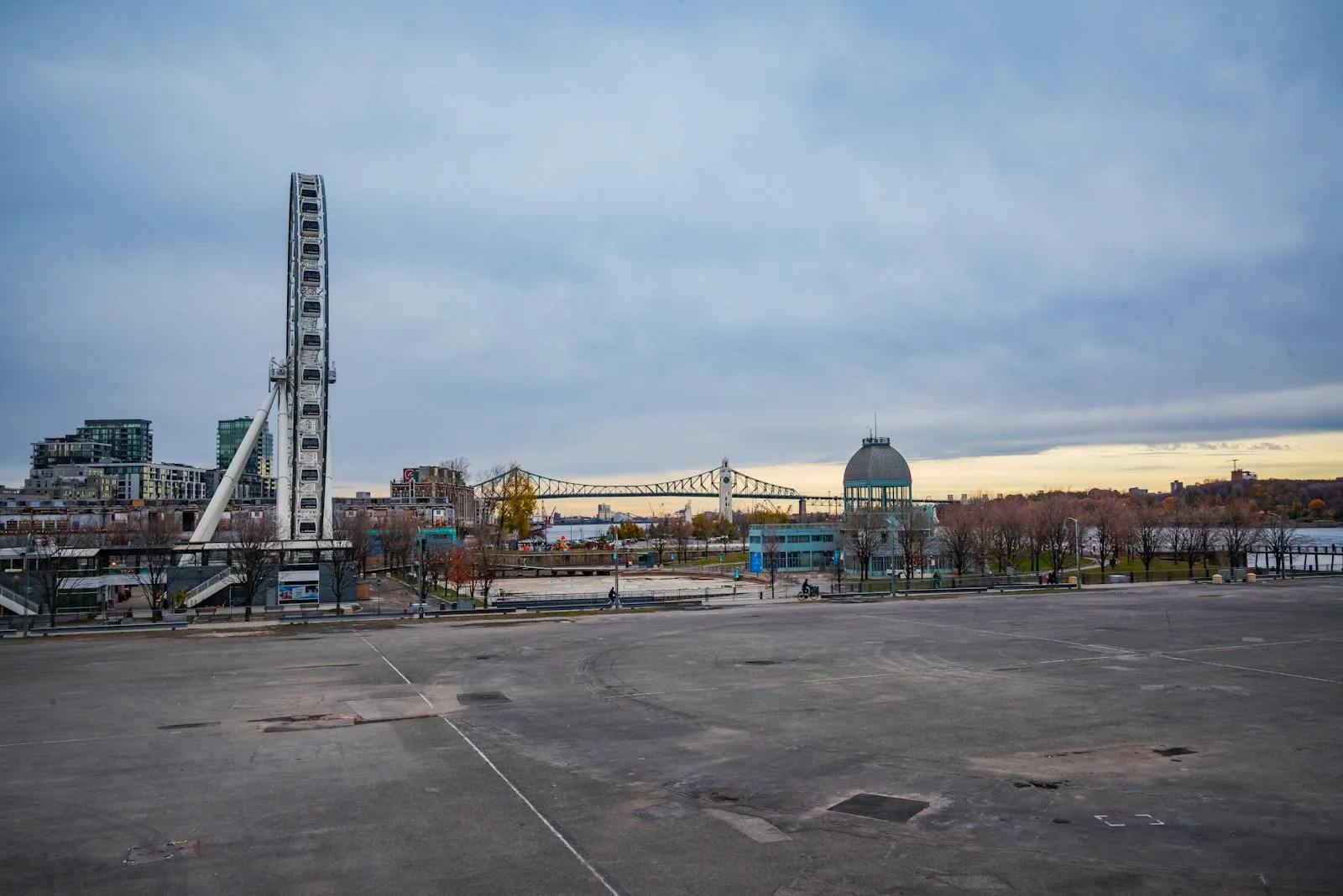
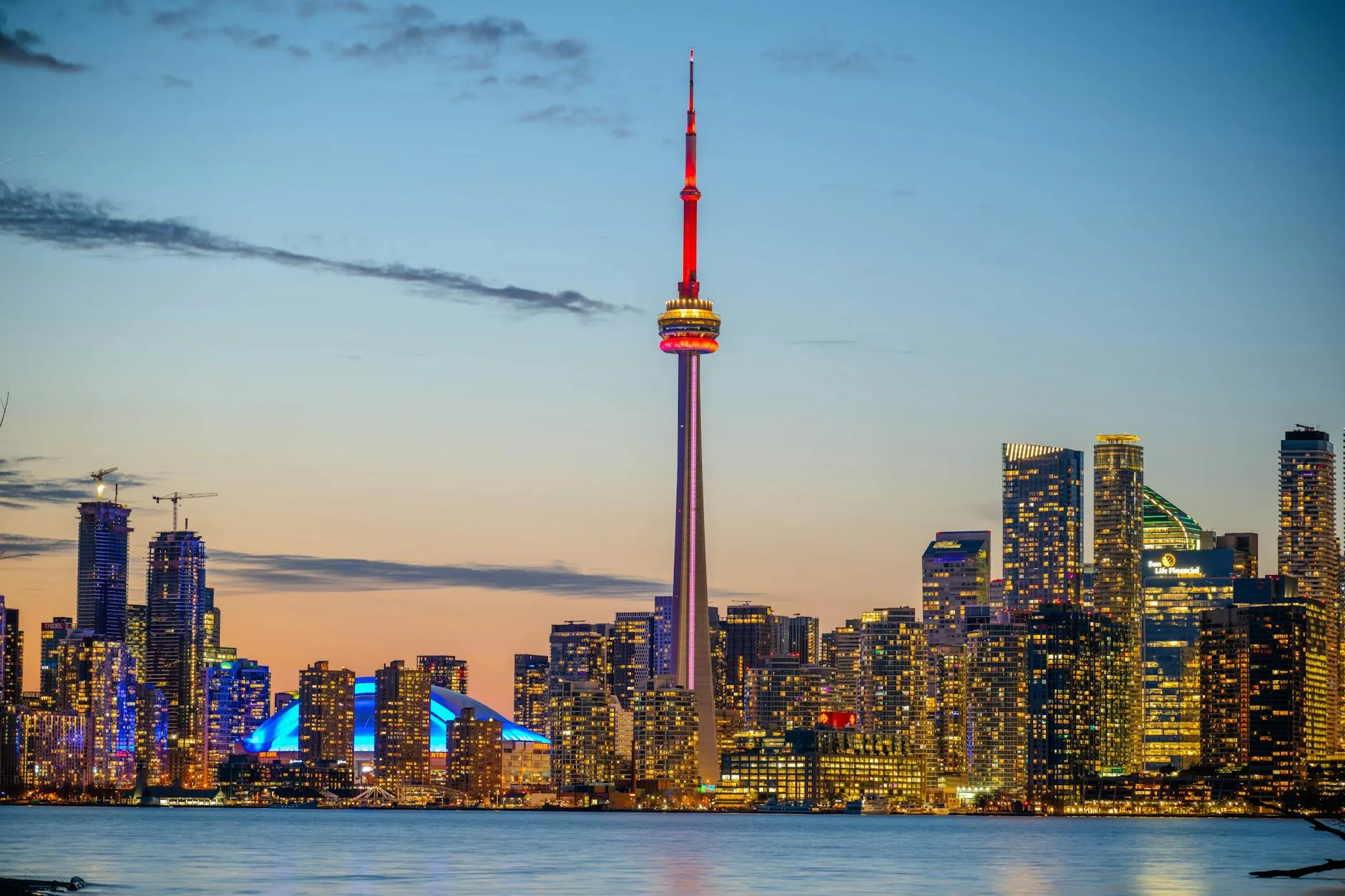
Toronto skyline at sunset
Capital
Ottawa
Currency
CAD $ (≈ €0.68)
Language
English & French
Time Zones
6 (PT to NT)
Best Season
Jun–Sep / Dec–Mar
Budget
CAD $90–300/day
Visa
eTA CAD $7 (≈ €5)
Power
Type A/B, 120 V

Canada is the world’s second-largest country by area, spanning 9.98 million square kilometres from the Atlantic to the Pacific to the Arctic Ocean. Yet most of it is wilderness that very few people ever see. The population of roughly 40 million clusters along the southern border, leaving vast swathes of boreal forest, tundra, mountain ranges, and coastline essentially untouched. For independent travellers, this means two very different trips coexist under one flag. World-class cities with superb food, culture, and infrastructure. And some of the most remote, pristine wilderness on Earth.

The Canadian Rockies alone could fill a lifetime of hiking, but they’re only the beginning. There are polar bears in Churchill, beluga whales in Hudson Bay, northern lights in Yellowknife, icebergs off Newfoundland, and old-growth temperate rainforest on the Pacific coast. Montreal, Toronto, Vancouver, and Quebec City each offer distinct cultural personalities. French and English, Indigenous and immigrant, cosmopolitan and deeply local. The food scene has matured dramatically, from Montreal’s bagels and smoked meat to Vancouver’s world-class dim sum to Quebec’s sugar shacks and artisan cheese.

Canada is not a budget destination. Accommodation, transport, and dining costs approach Scandinavian levels in popular areas. But a smart backpacker who camps in national parks, cooks in hostel kitchens, and times shoulder-season travel can stretch CAD $90–130 (≈ €61–88) per day. The infrastructure is excellent, the country is overwhelmingly safe, and the sheer variety of landscapes within a single nation is hard to match anywhere.

Why Canada stands out: It’s one of the few countries where you can kayak alongside beluga whales, ski world-class powder, eat poutine at 2 a.m., watch polar bears from a tundra buggy, and hike a 75 km coastal trail through temperate rainforest. All in a single trip. The distances are enormous, but the reward is a country that never stops surprising you.

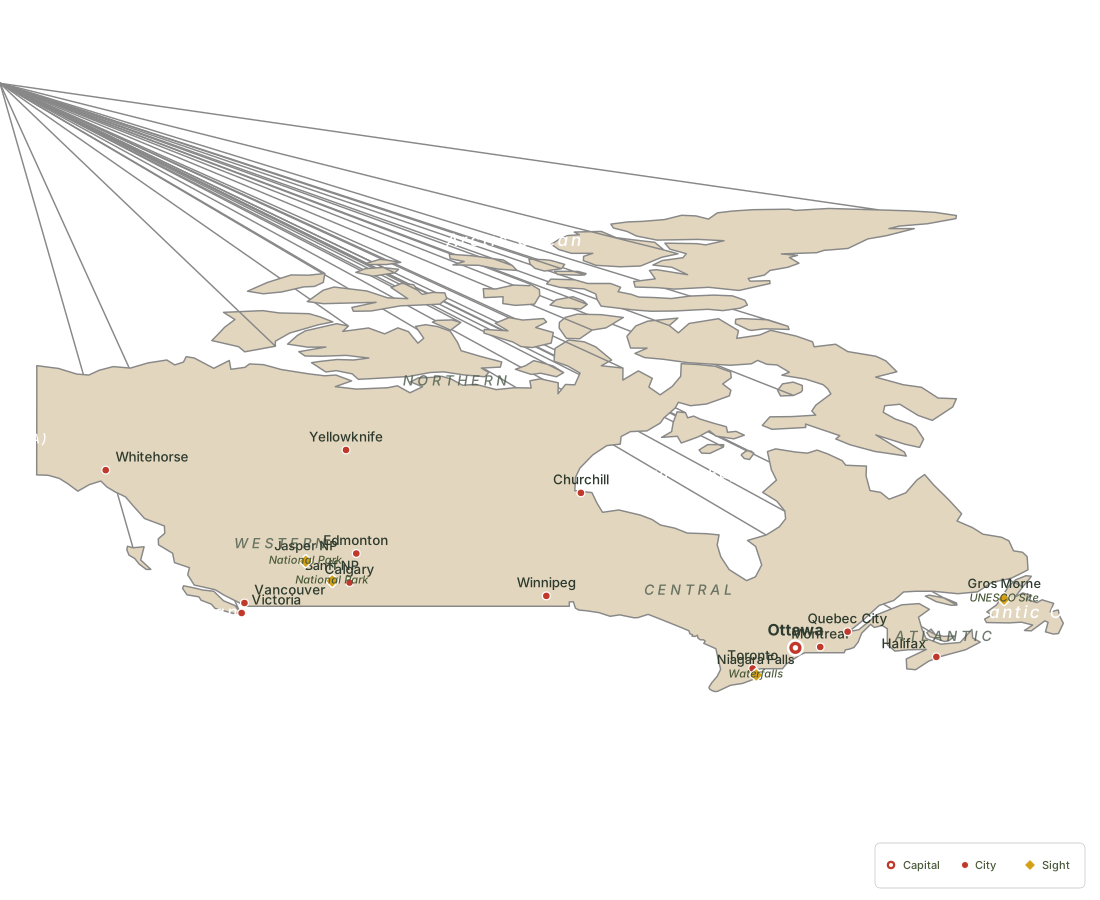
Map of Canada

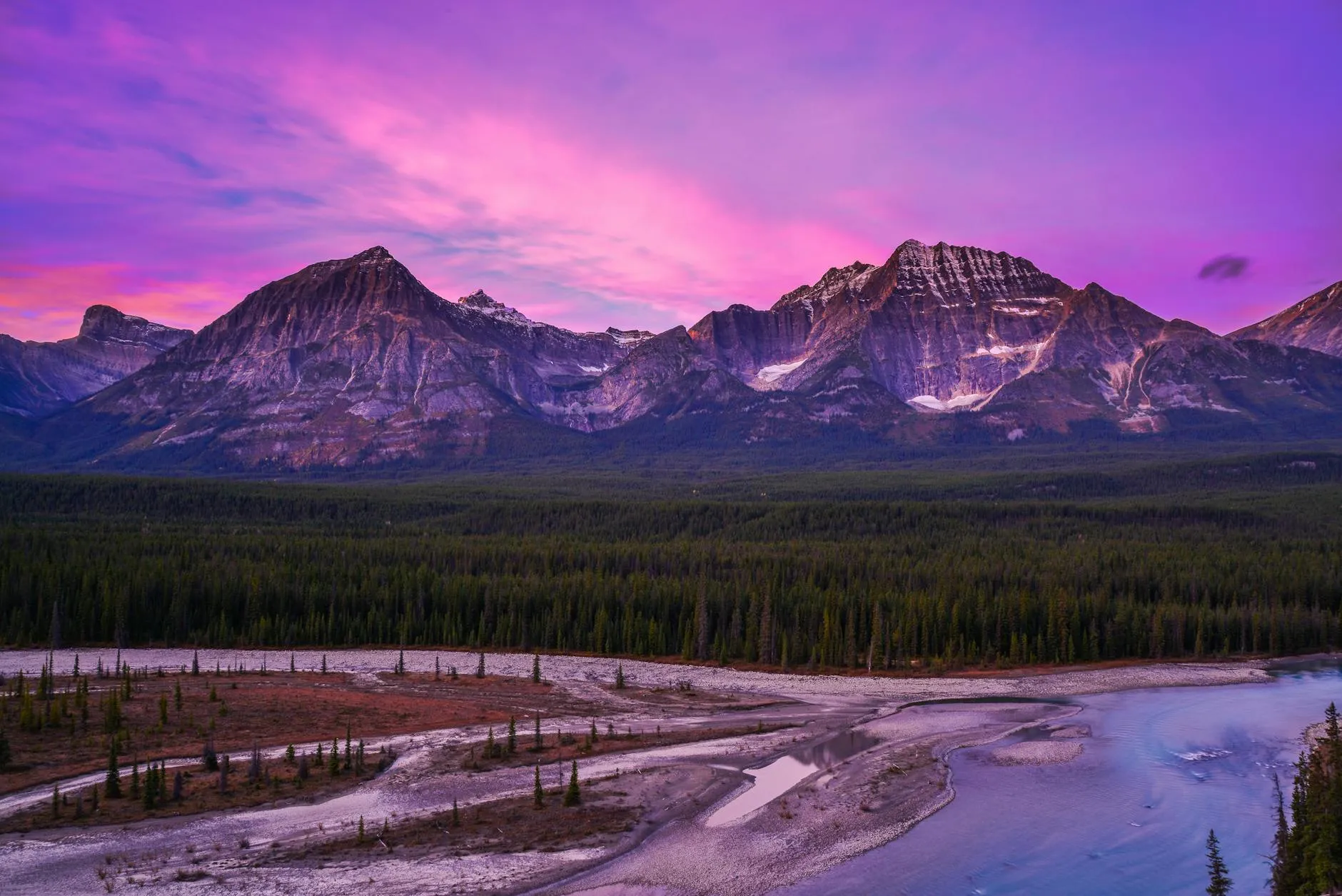
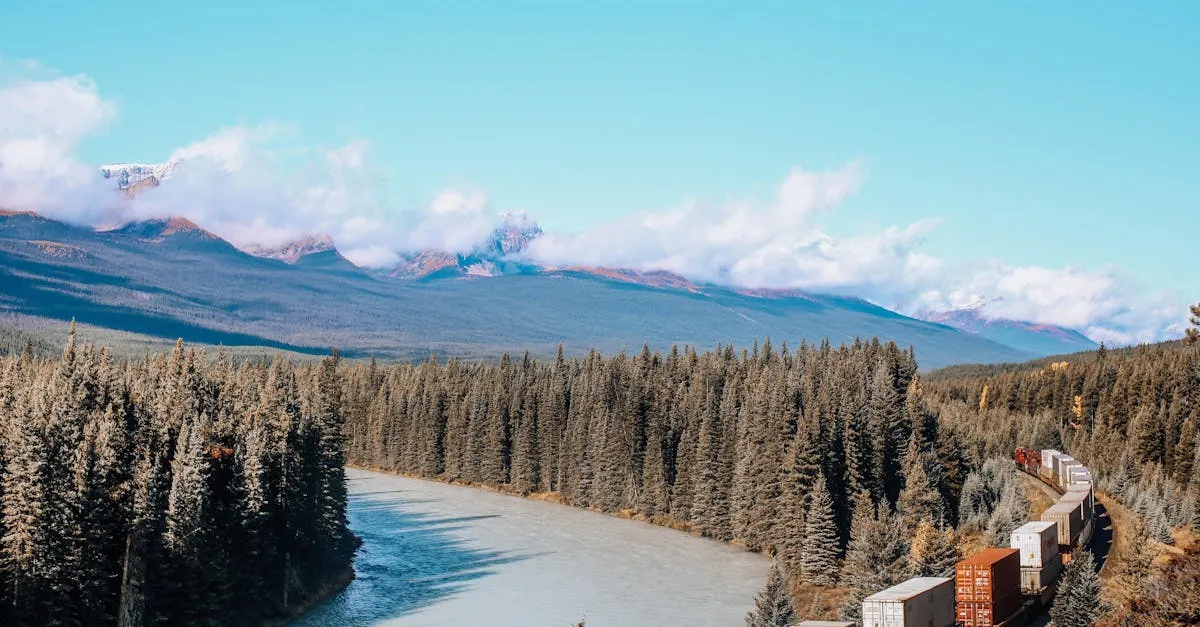
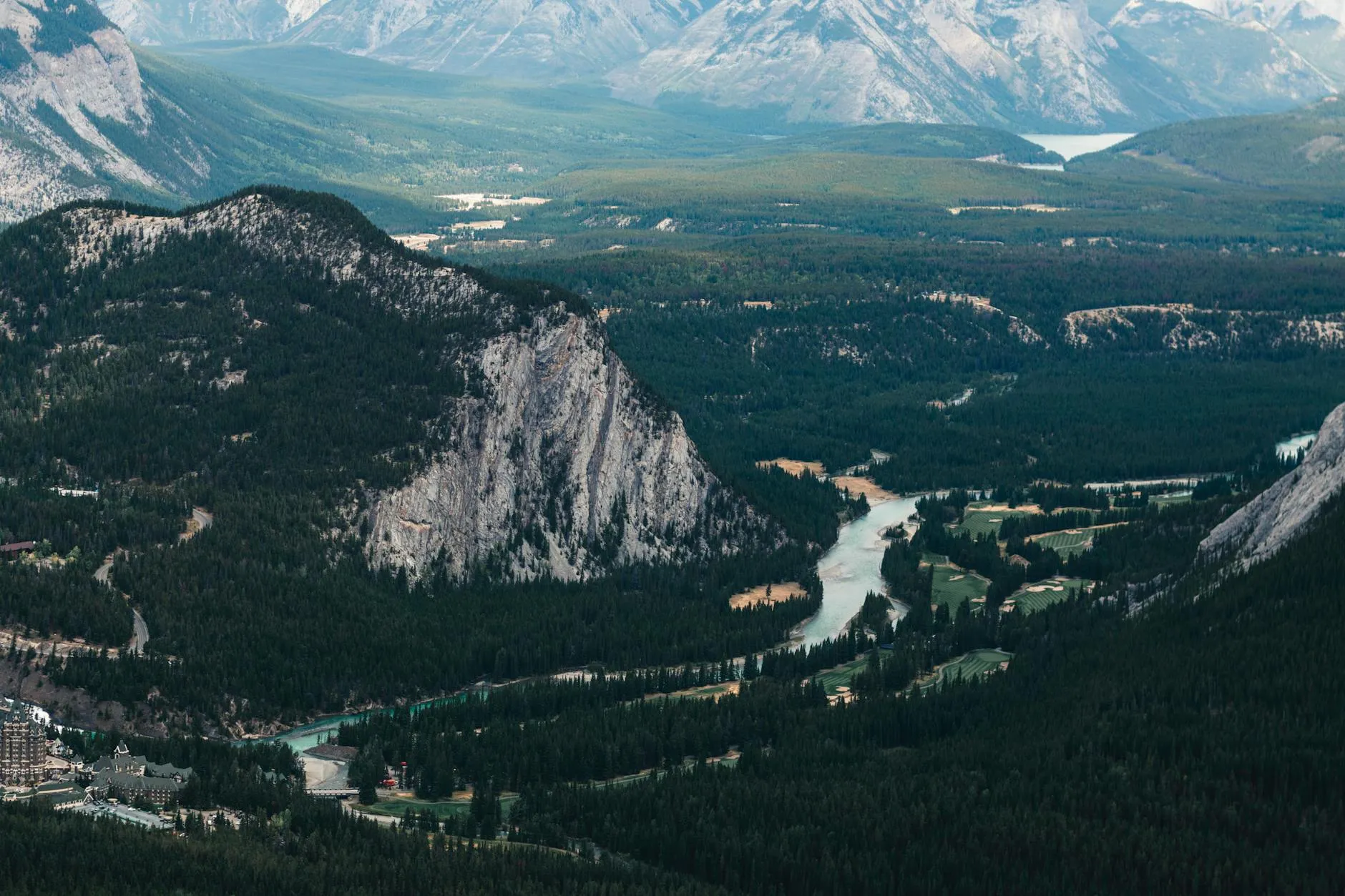
A breathtaking aerial view of the valley in Banff National Park, showcasing the river and lush forests.

Canada covers 9.98 million km². The second-largest country on Earth after Russia. It stretches 5,514 km from the Atlantic to the Pacific and 4,634 km from the US border to the northern tip of Ellesmere Island. The country spans six time zones, and driving coast to coast on the Trans-Canada Highway takes a minimum of six days of solid driving (∼7,800 km). To put it in European terms, Canada is larger than all 27 EU member states combined, yet its entire population of 40 million is smaller than Poland’s and Spain’s put together. Most of that population clusters within 200 km of the US border, leaving the vast northern interior essentially empty.

Map of Canada showing key travel regions and cities

Best Time to Visit

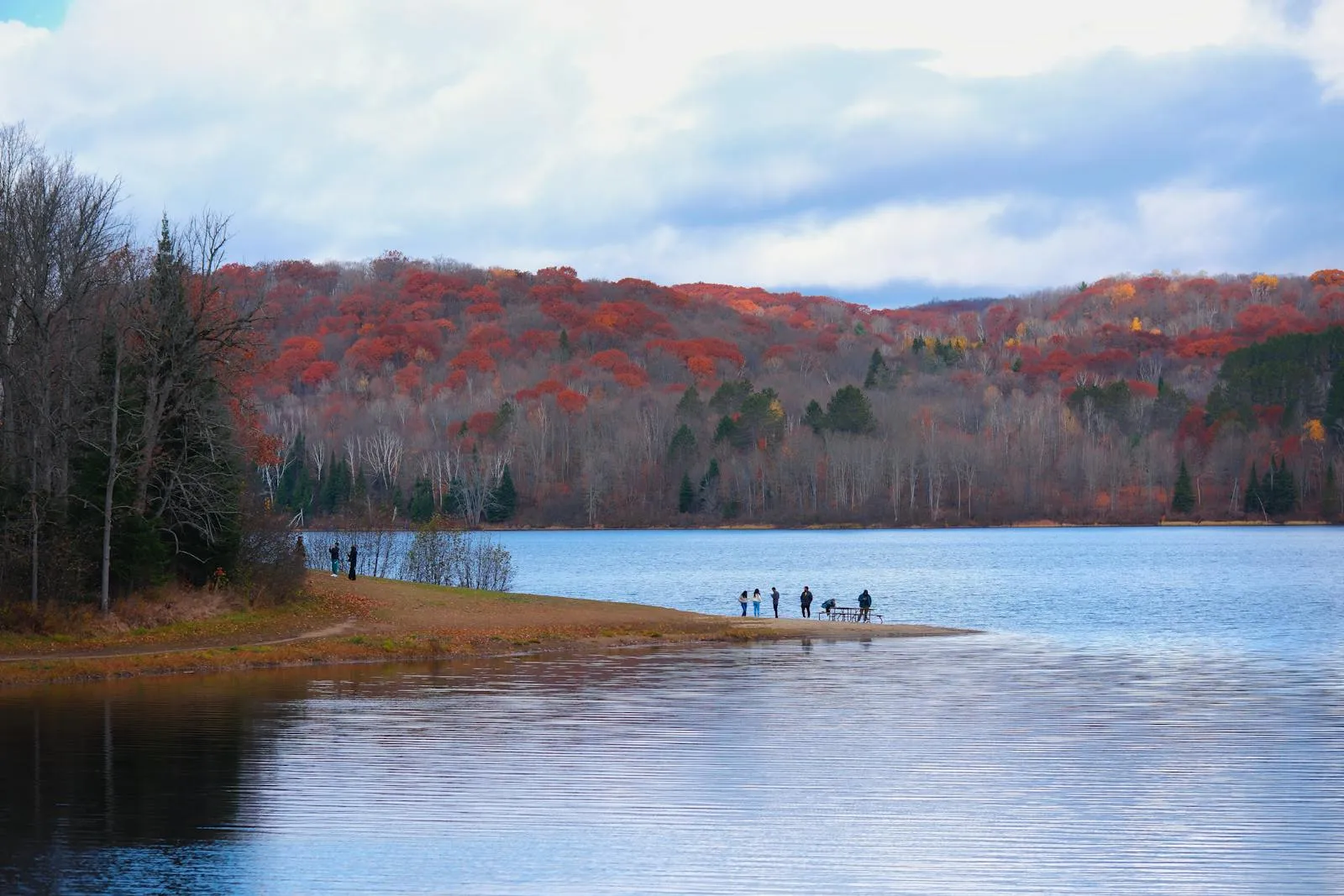
Canadian lake surrounded by autumn foliage

Canada has two peak seasons and two excellent shoulder windows. When you go depends entirely on what you want to do.

  • Summer (Jun–Aug): 15–30 °C in the south with gloriously long daylight (16–20 h). This is peak season. Ideal for hiking, road trips, national parks, festivals, and wildlife. Book Rockies accommodation 3–6 months ahead.
  • Fall (Sep–Oct): 5–18 °C with stunning foliage across Quebec and Ontario. Fewer crowds, great value outside Thanksgiving weekend. Churchill’s polar bear season runs October–November.
  • Winter (Nov–Mar): −5 to −30 °C depending on region. Peak at ski resorts (Whistler, Banff) but low-season pricing elsewhere. Prime time for northern lights in Yellowknife and the Yukon, plus winter festivals like Quebec Carnival and Winterlude in Ottawa.
  • Spring (Apr–May): 5–15 °C as snowmelt begins. Mud season in the mountains. Best value of the year, though some trails stay closed into June. Highlights include Vancouver’s cherry blossoms (late Mar–Apr), whale migration off both coasts, and Ottawa’s Tulip Festival.
The sweet spot: Mid-June to mid-September gives you all hiking trails open, warm weather, the longest days, and peak wildlife activity. For the best balance of weather and fewer crowds, aim for early June or the first half of September.

Climate & Weather

Canada spans multiple climate zones from the 42nd to the 83rd parallel. Roughly the same latitudinal range as Rome to the North Pole. Understanding which zone you’re heading into matters more here than in almost any other country, because the difference between Vancouver in January (4 °C, rainy) and Yellowknife in January (−26 °C, bone-dry) is not a minor detail.

  • Pacific Maritime (BC Coast): Mild, wet winters and warm, dry summers. Vancouver rarely sees snow. Temperatures stay above freezing year-round along the coast, with 1,000–1,500 mm of rain concentrated November–March. Think Seattle or London, not the frozen north most people imagine.
  • Continental (Prairies & Interior): The classic Canadian extreme. Scorching summers (30–35 °C) and brutal winters (−20 to −40 °C). Calgary, Edmonton, Winnipeg, and Saskatchewan sit in this zone. Low precipitation (300–500 mm), mostly as snow. Chinook winds can raise Calgary’s temperature by 20 °C in a single afternoon.
  • Humid Continental (Ontario & Quebec): Four distinct seasons with hot, humid summers (25–30 °C) and cold, snowy winters (−5 to −15 °C). Toronto, Ottawa, Montreal, and Quebec City all sit here. This zone produces the famous fall foliage. Maples, birch, and oak turning scarlet and gold from late September through mid-October.
  • Atlantic Maritime (Maritimes & Newfoundland): Cool, foggy, and damp. Winters are milder than the interior (−3 to −8 °C) but feel colder because of wind chill off the ocean. Heavy snowfall in some areas. St. John’s averages over 300 cm per year. Summers are pleasant but short (18–23 °C).
  • Subarctic & Arctic (Northern Territories & Nunavut): Long, dark, extremely cold winters (−25 to −45 °C) and short, surprisingly warm summers (15–25 °C) with 20+ hours of daylight. Permafrost covers most of the ground. Yellowknife and Whitehorse are the accessible gateways. This is where northern lights are best. September through March.
  • Mountain (Rockies & Interior Ranges): Altitude changes everything. Valley floors can be warm while peaks above are in winter conditions. Heavy snowfall on western slopes (Revelstoke averages 12 m of snow annually). Banff and Jasper sit at 1,300–1,500 m and run 5–10 °C cooler than nearby lowlands year-round.
Packing rule of thumb: Even in summer, pack layers for the Rockies and anything north of the 50th parallel. Evening temperatures drop fast once the sun sets, and mountain weather can shift from sunshine to hail within an hour. In winter anywhere east of Vancouver, serious cold-weather gear is not optional. Frostbite can occur in minutes at −25 °C with wind chill.

Seasons & Temperatures

Canada’s seasons are dramatic and define the travel experience more than in most countries. The temperature swings between January and July routinely exceed 40 °C in central Canada. Few places on Earth have such extremes.

Average Temperatures

CityJan AvgJul AvgAnnual RainBest Months
Vancouver4 °C22 °C1,189 mmJun–Sep (dry)
Calgary−7 °C23 °C419 mmJun–Sep
Toronto−4 °C27 °C831 mmMay–Oct
Montreal−9 °C27 °C1,000 mmJun–Sep
Quebec City−12 °C25 °C1,190 mmJun–Sep / Jan–Feb (Carnival)
Halifax−4 °C23 °C1,468 mmJul–Sep
Yellowknife−26 °C21 °C289 mmJun–Aug (midnight sun) / Dec–Mar (aurora)
Whitehorse−18 °C21 °C263 mmJun–Aug / Sep–Mar (aurora)

A few things stand out from the numbers. Vancouver is the outlier. It barely freezes, thanks to Pacific air, but pays with rain from November through March. The prairies and central Canada have the widest temperature swings. Montreal goes from −9 °C in January to 27 °C in July, a 36-degree range. The northern territories are surprisingly warm in summer (Yellowknife hits 21 °C in July) but the winters are punishing. Halifax and the Maritimes are milder than the interior but windier and wetter.

Daylight matters: At Canada’s latitude, summer days are extraordinarily long. Vancouver gets 16 hours of daylight in June; Yellowknife gets 20+. Winter reverses this. December in Yellowknife has only 5 hours of light. Plan activities around daylight, especially for hiking and photography.

Holidays & Festivals

Colorful holiday celebrations and festivals

Canadian Statutory Holidays: These affect transport schedules, shop hours, and accommodation prices. Long weekends are peak travel periods. Book ahead.

HolidayWhenImpact on Travellers
New Year’s DayJan 1Most shops closed. Limited transit.
Family Day3rd Mon Feb (varies by province)Long weekend. Ski resorts packed. Not observed in all provinces.
Good FridayVariable, Mar–AprBanks & government closed. Transit reduced.
Victoria DayMon before May 25Unofficial start of camping season. Campgrounds fill up. Fireworks.
Canada DayJul 1National holiday. Parades, fireworks, free events. Ottawa is the epicentre. Very busy travel day.
Labour Day1st Mon SepEnd of summer. Last busy weekend before shoulder season.
Thanksgiving2nd Mon OctEarlier than US Thanksgiving. Family-focused. Some closures. Good foliage weekend.
Christmas / Boxing DayDec 25–26Most businesses closed Dec 25. Boxing Day (Dec 26) is a major shopping day.

The key takeaway: Victoria Day weekend (late May) and Labour Day weekend (early September) bookend the summer travel season. Canada Day (July 1) is the single busiest travel day of the year. If you’re flexible, arriving just after these long weekends gives you better prices and thinner crowds while still catching excellent weather.

Major Festivals & Events: Canada’s festival calendar runs year-round, from winter carnivals to summer music festivals to fall wildlife spectacles.

Carnaval de Québec

When: Late Jan–Feb
Where: Quebec City

World’s largest winter carnival. Ice castles, night parades, Bonhomme mascot, outdoor parties at −20 °C.

Winterlude

When: Feb
Where: Ottawa

Rideau Canal becomes the world’s largest skating rink (7.8 km). Ice sculptures, BeaverTails pastry.

Ottawa Tulip Festival

When: May
Where: Ottawa

1 million tulips. A thank-you gift from the Netherlands since 1945. Free outdoor displays.

Montreal Jazz Festival

When: Late Jun–Jul
Where: Montreal

One of the world’s largest jazz festivals. 500+ concerts, many free outdoor stages.

Calgary Stampede

When: Jul (10 days)
Where: Calgary

“Greatest Outdoor Show on Earth.” Rodeo, chuckwagon races, free pancake breakfasts all over the city.

Just For Laughs

When: Jul
Where: Montreal

World’s largest comedy festival. Stand-up, sketch, and street performers.

TIFF

When: Sep
Where: Toronto

Toronto International Film Festival. Second only to Cannes in prestige. Public screenings available.

Jasper Dark Sky Festival

When: Oct
Where: Jasper NP

Largest dark sky preserve in the world. Stargazing, night hikes, astrophotography workshops.

Fall Foliage

When: Sep–Oct
Where: Quebec, Ontario, Maritimes

Millions of sugar maples turn scarlet and gold. Drive the Laurentians, Gatineau Hills, or Cabot Trail.

The beauty of Canada’s festival calendar is that every season has a reason to visit. Winter isn’t dead time. It’s when Quebec City transforms into an ice wonderland and Ottawa’s canal becomes the world’s longest skating rink. Summer brings music, comedy, and rodeo. And fall foliage alone justifies a trip to eastern Canada. If a specific festival matters to you, build your itinerary around it. Accommodation near major events books out months ahead, but the atmosphere is worth the planning.

Regions of Canada

Panoramic aerial view across the diverse Canadian landscape

Canada offers diverse landscapes and experiences across its regions.

Western Canada landscape

Western Canada

British Columbia and Alberta make up Canada's most visually dramatic region. The Rocky Mountains run through its spine, the Pacific coast anchors its western edge, and in between you get rainforest, wine country, ski resorts, and some of the best hiking on the continent. Most visitors need 10–14 days to do it justice, and even that means making ...

Central Canada landscape

Central Canada

Ontario and Quebec are the cultural heart of Canada and home to most of its population. Two official languages, two personalities. Ontario is English-speaking and anchored by Toronto.

Atlantic Canada landscape

Atlantic Canada

Nova Scotia, New Brunswick, Prince Edward Island, and Newfoundland & Labrador make up Canada's Atlantic provinces. The pace is slower here, the coastline is rugged, the people are disarmingly friendly, and the seafood is absurdly good. Most international visitors skip this region entirely, which is their loss.

Northern Canada landscape

Northern Canada

The Yukon, Northwest Territories, and Nunavut together cover 40% of Canada's land mass but hold just 0. 3% of its population. This is genuine wilderness on a scale that is hard to comprehend until you are in it.

Top Sightseeing

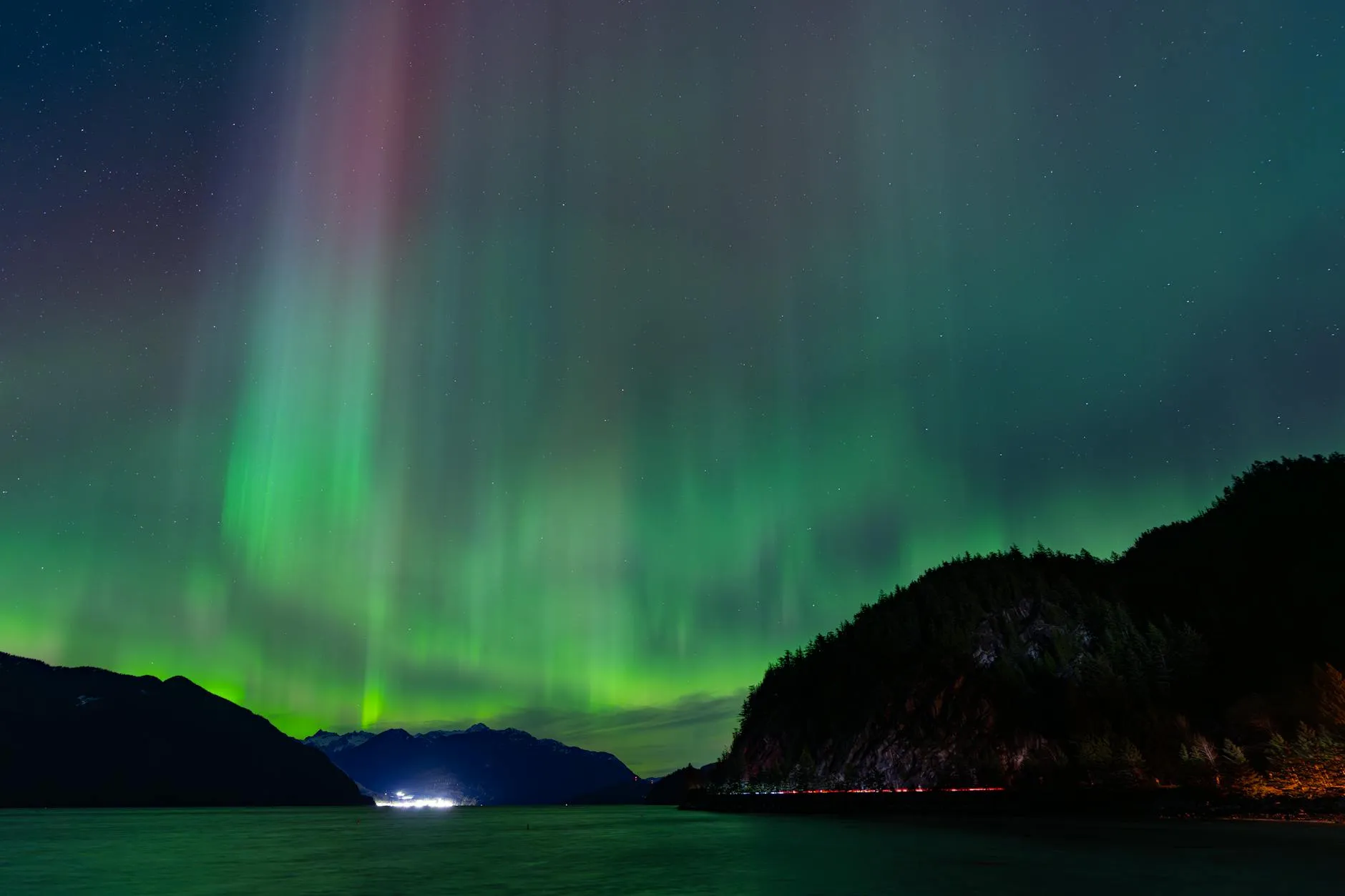
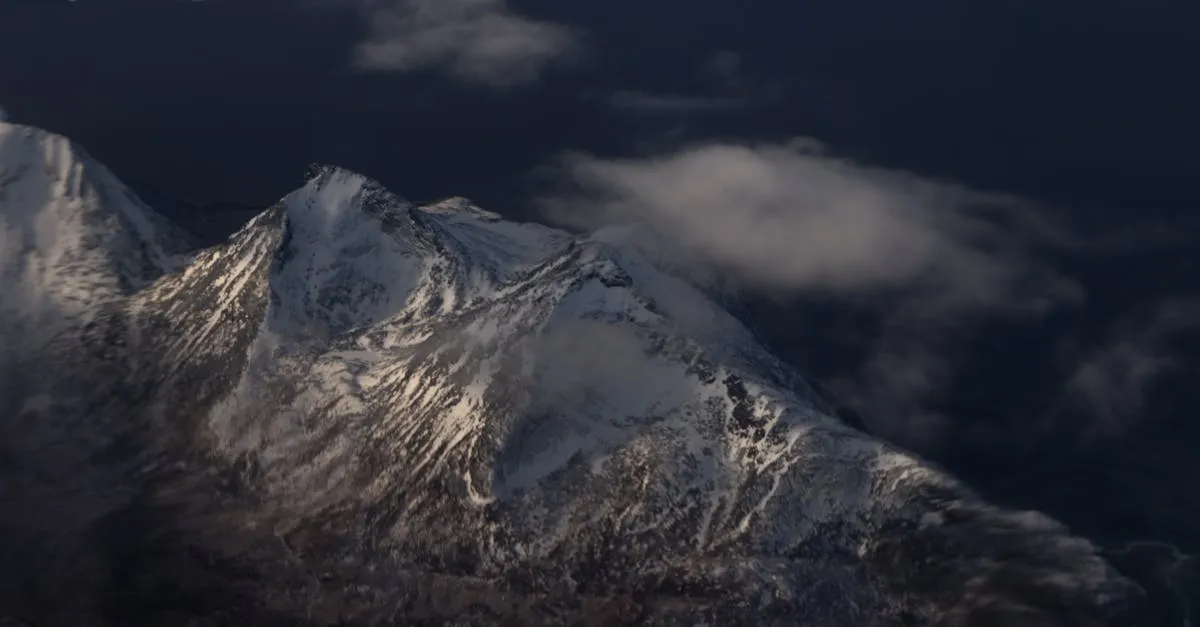
Northern lights aurora over Canada

Canada is the second-largest country on earth, and its sights match the scale: mountain ranges that stretch for thousands of kilometres, coastlines on three oceans, indigenous cultures spanning millennia, and cities that consistently rank among the world’s most liveable. The challenge is not finding things to see — it is accepting you cannot see them all in one trip.

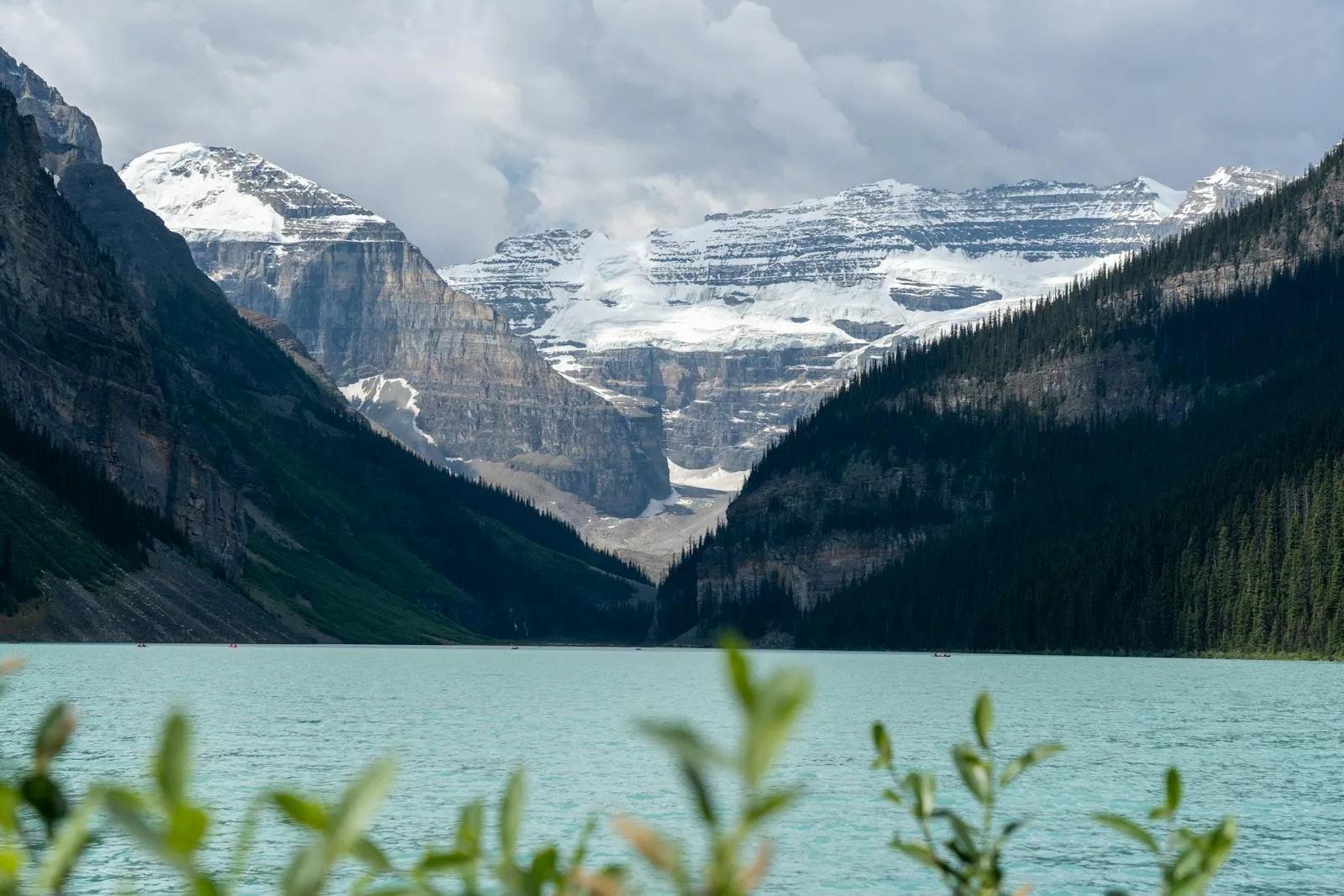
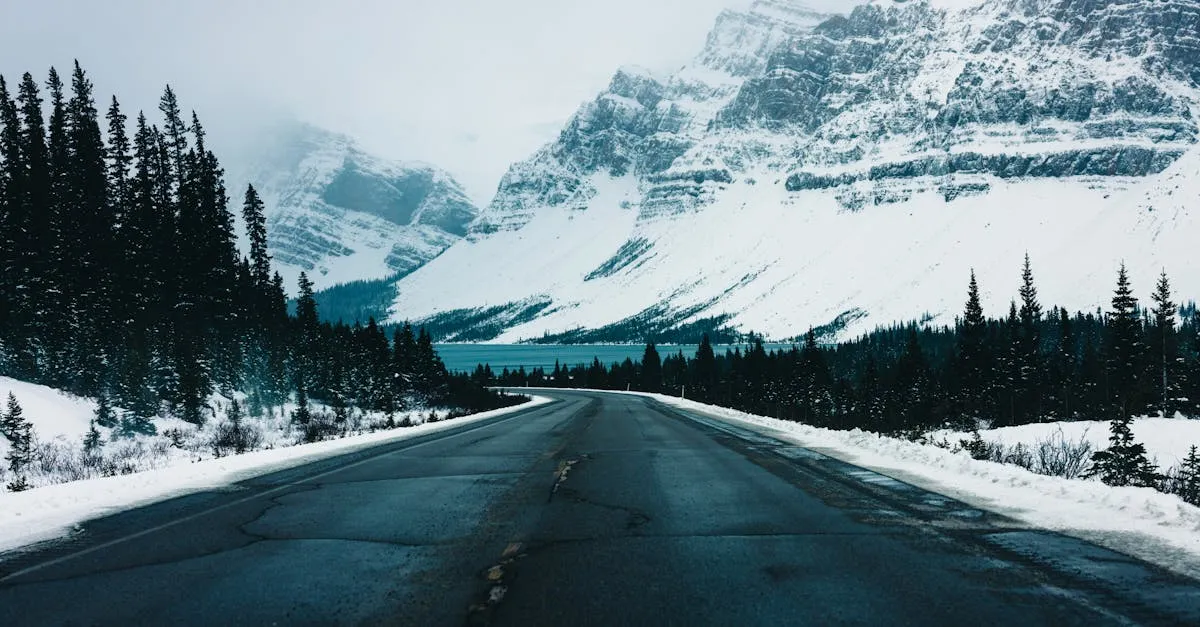
  • Rocky Mountains: Banff, Jasper, and the Icefields Parkway — turquoise lakes, glaciers, and some of the most dramatic mountain driving in the world
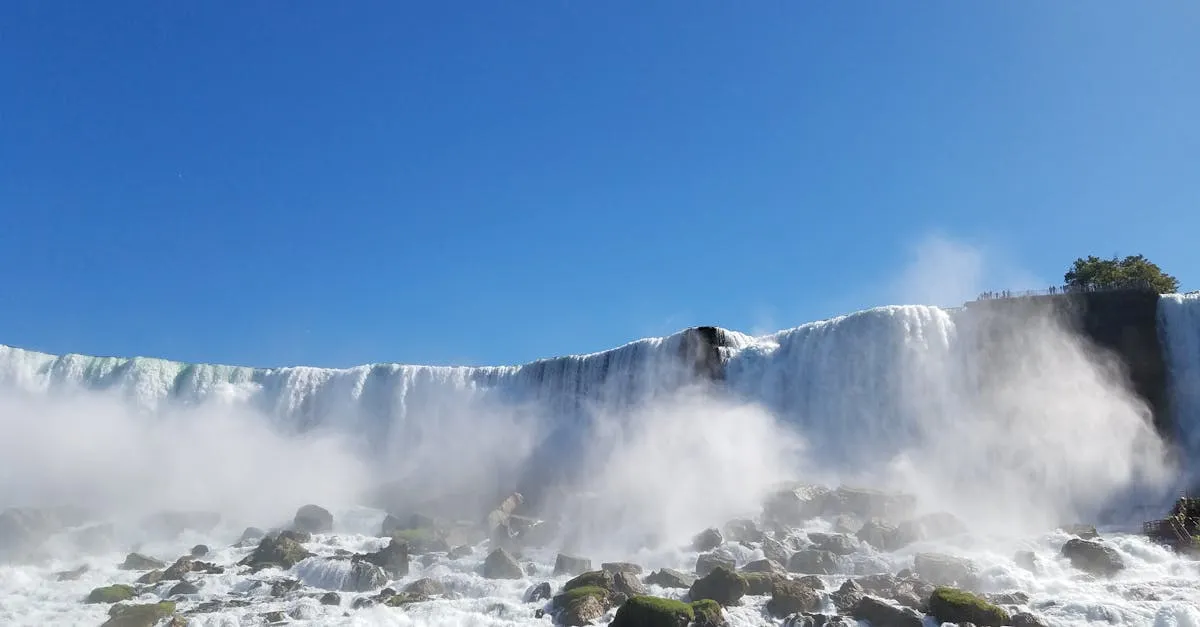
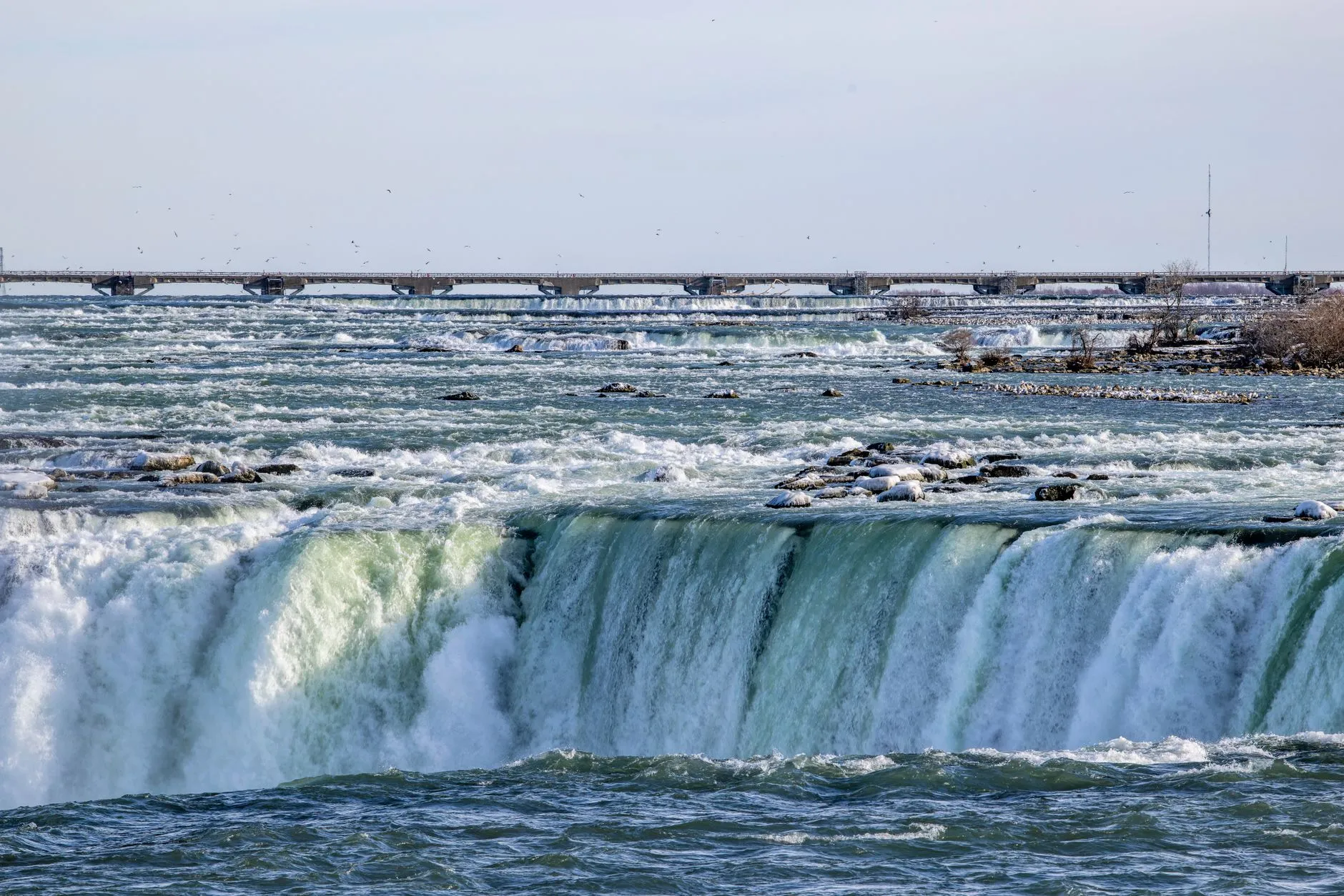
  • Niagara Falls: Three waterfalls on the US-Canada border moving 750,000 gallons per second — overwhelming even when you think you know what to expect
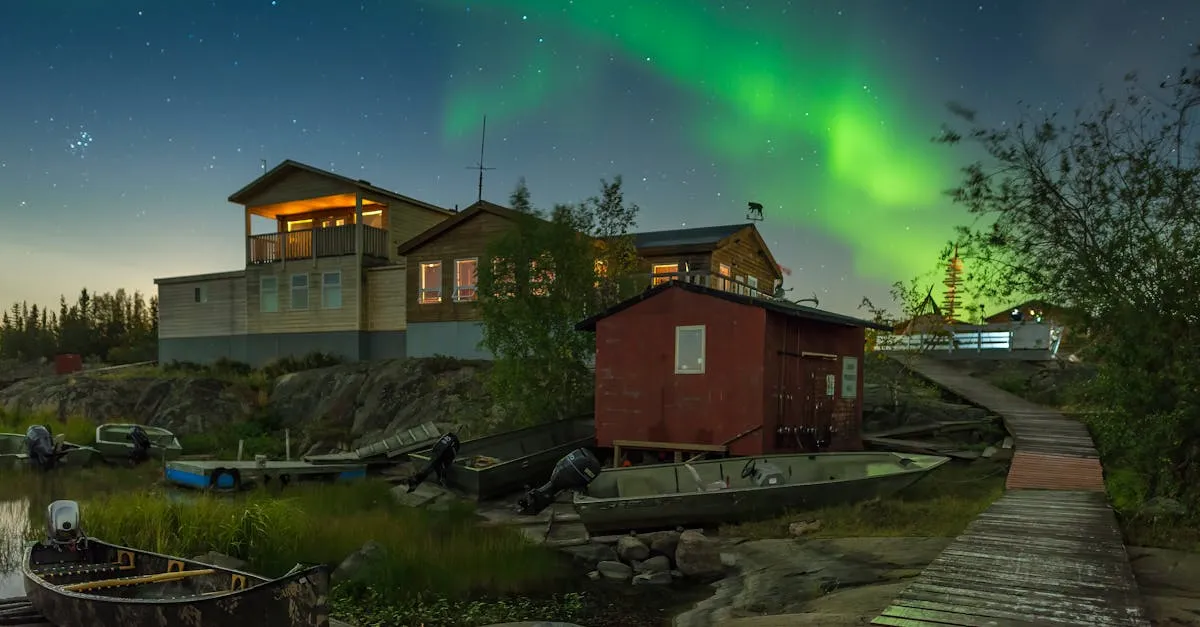
  • Northern Lights: Yellowknife, Whitehorse, and Churchill offer some of the best aurora viewing on the planet between September and March
  • Vancouver Island & Pacific Rim: Old-growth rainforest, orca watching, and wild Pacific beaches on Canada’s west coast
  • Québec City: The only walled city in North America north of Mexico — cobblestoned, French-speaking, and impossibly photogenic under snow
Icefields Parkway turquoise lake and mountains

Icefields Parkway Drive

Where: Banff to Jasper, Alberta
When: Jun–Sep

232 km of arguably the most spectacular mountain road on Earth. Glaciers spill down from the Columbia Icefield, turquoise lakes (Peyto, Bow, Mistaya) appear around every bend, and waterfalls thunder into deep canyons. Stop at the Columbia Icefield Discovery Centre to walk on Athabasca Glacier. Allow a full day, not a rushed drive-through.

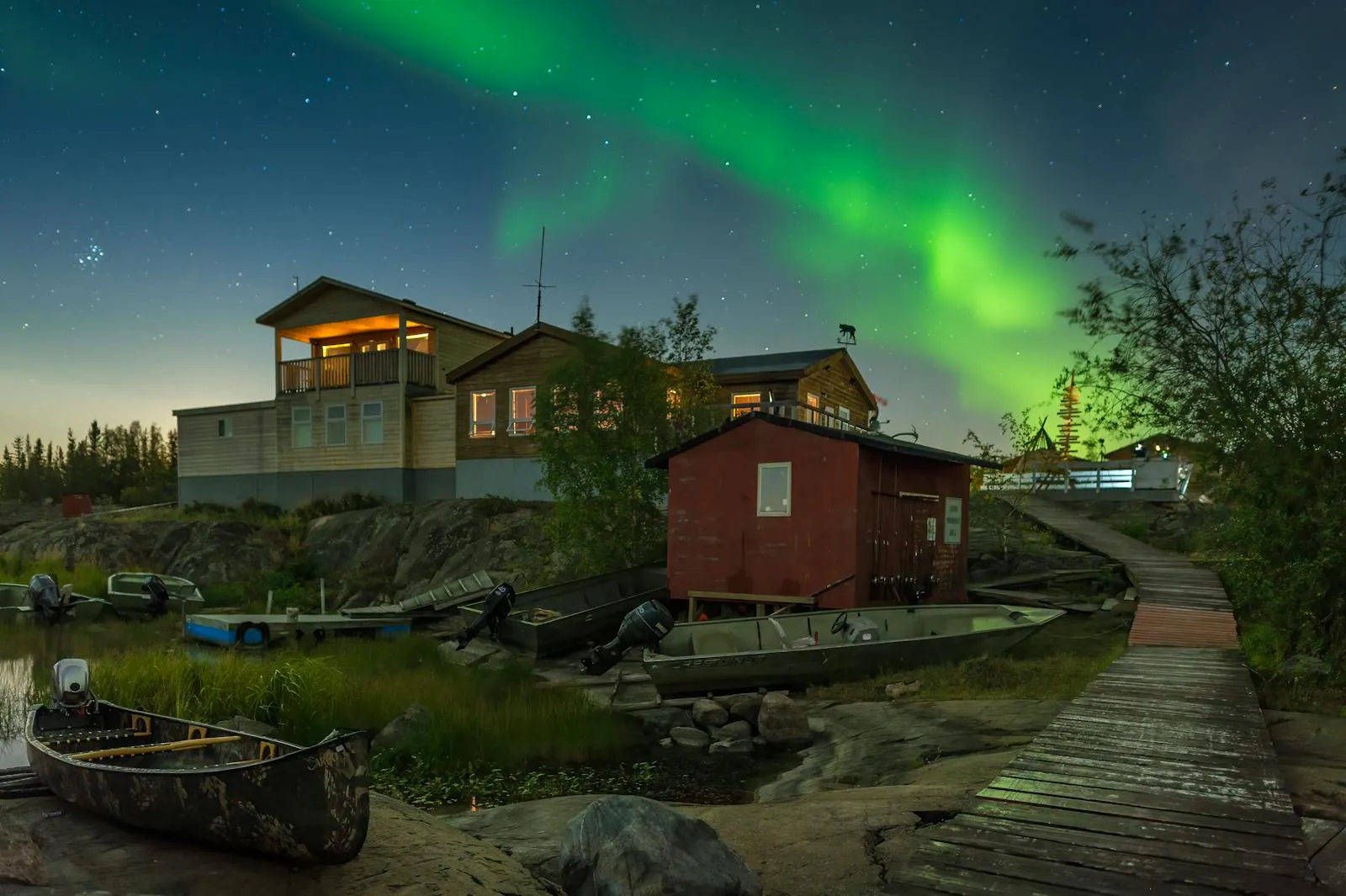
Northern lights over Yellowknife

Northern Lights

Where: Yellowknife, Whitehorse, Churchill
When: Sep–Mar

Yellowknife in the Northwest Territories is Canada’s aurora capital, with 240+ visible nights per year thanks to its position directly under the auroral oval. September to March offers the best displays. Whitehorse (Yukon) and Churchill (Manitoba) are strong alternatives. Multi-night tours increase your odds. Free to watch from any dark spot.

Polar bear in Churchill Manitoba

Polar Bear Viewing

Where: Churchill, Manitoba
When: Oct–Nov

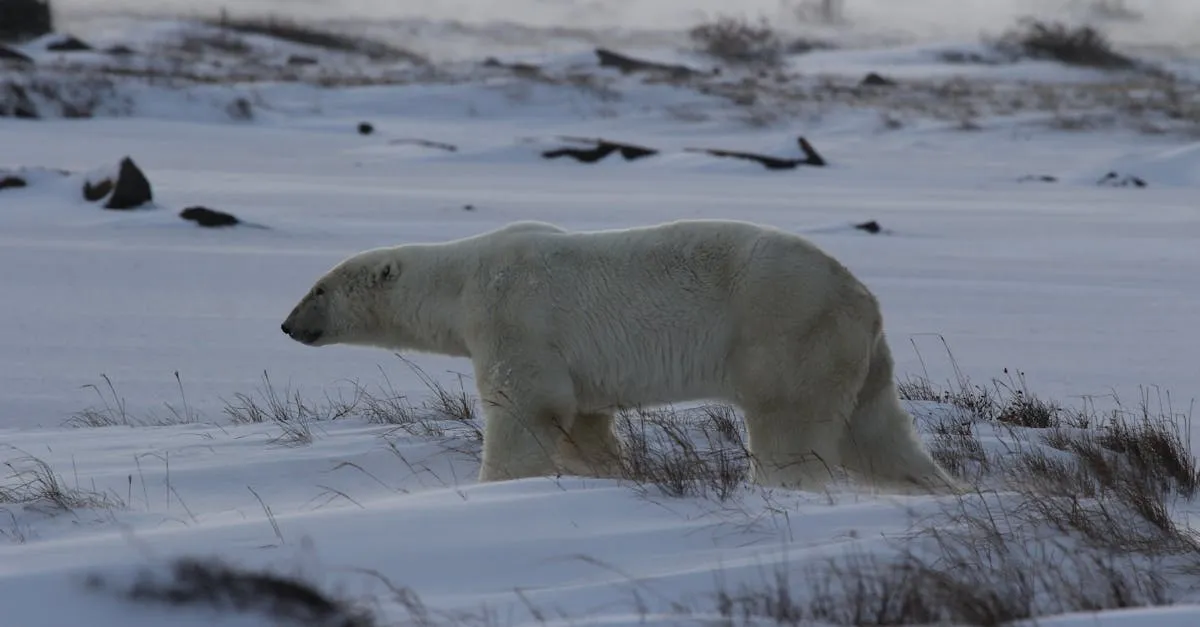
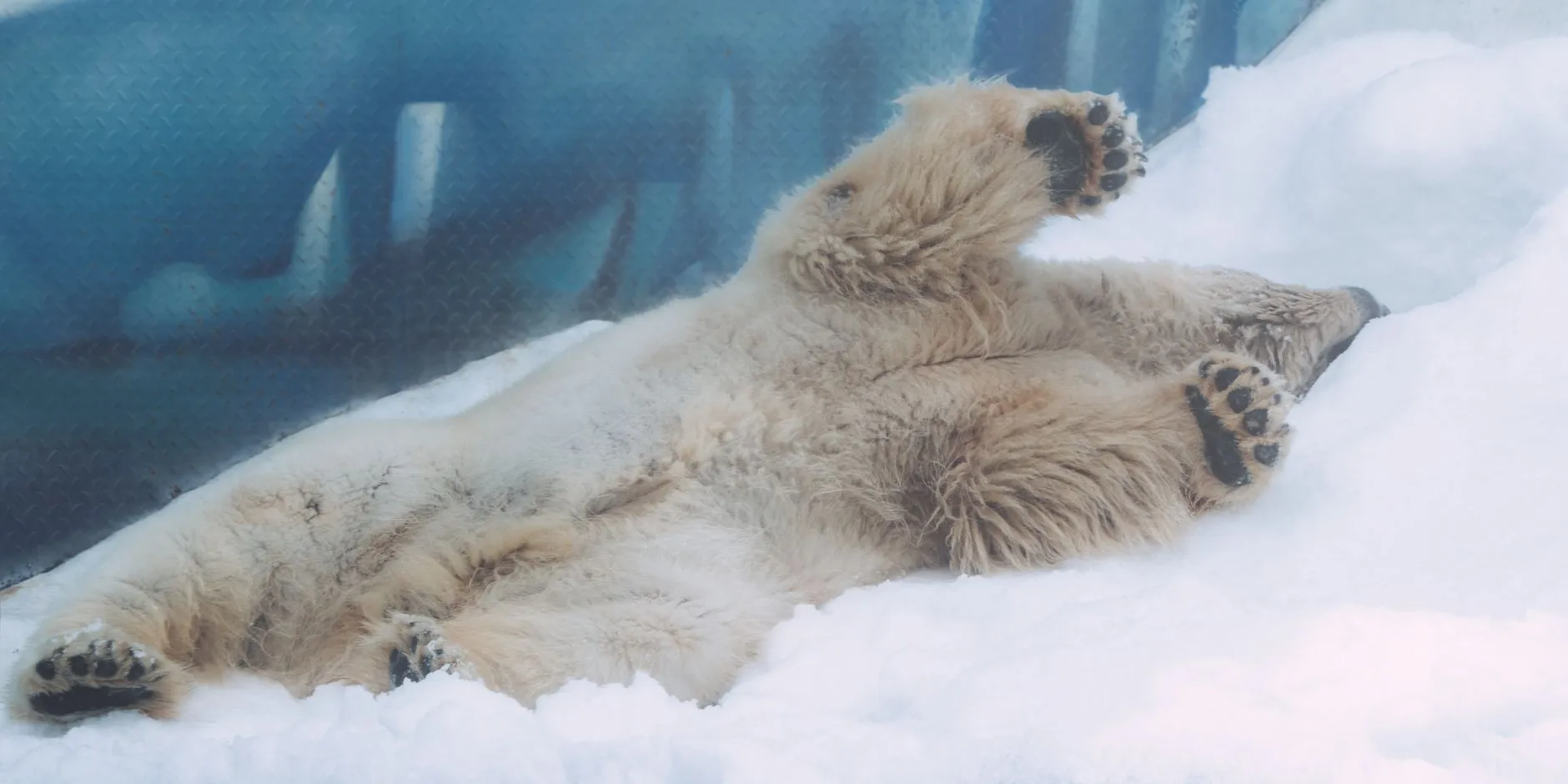
Tundra buggy tours take you across the frozen landscape to see the world’s largest concentration of polar bears gathering along Hudson Bay before the ice forms. The bears walk right past the vehicles. Peak season is October to November. Churchill is accessible only by plane or train (no road connection). Tours from CAD $400+ (~€275) per day.

Niagara Falls waterfall

Niagara Falls

Where: Ontario / New York border
When: Year-round

One of the world’s most powerful waterfalls, with 750,000 gallons per second crashing over the 51-metre Horseshoe Falls. The Hornblower boat tour (CAD $30, ~€20) takes you directly into the spray. The Canadian side has far better views than the American side. Free to view from the promenade. Illuminated at night. Worth visiting in winter when ice formations are spectacular.

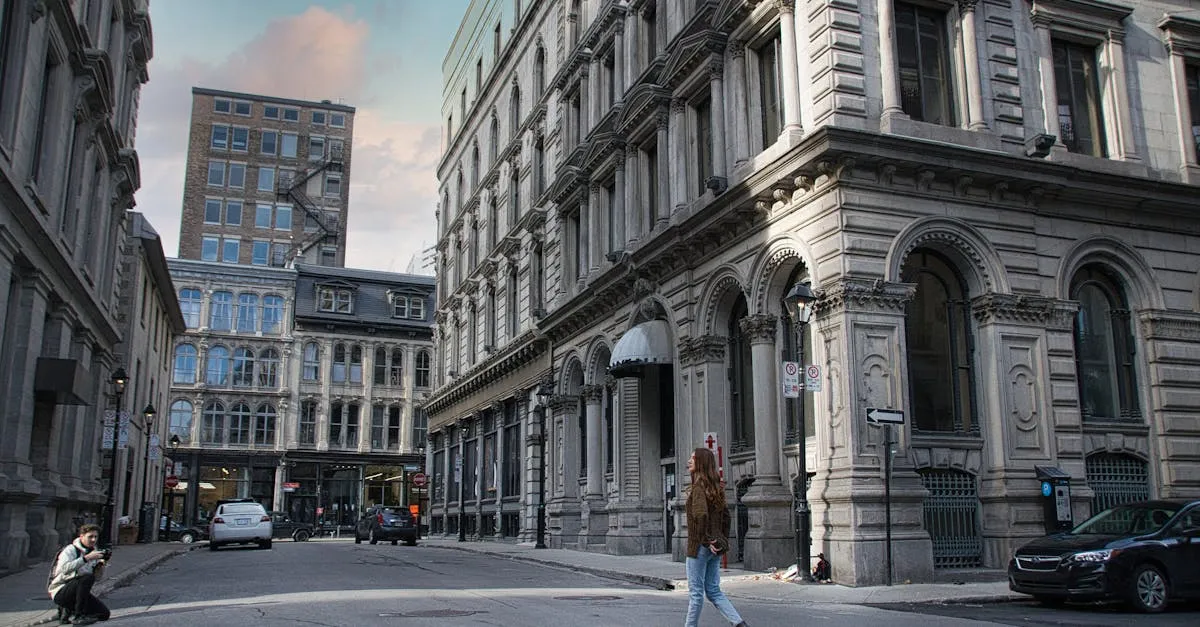
Old Montreal cobblestone street

Old Montreal & Quebec City

Where: Quebec
When: Year-round

North America’s most European cities. Old Montreal’s cobblestone streets and Notre-Dame Basilica feel like Paris, while Quebec City’s walled old town (founded 1608) is a UNESCO site with Château Frontenac towering above the St. Lawrence River. French is the primary language. The food scene, from smoked meat to fine dining, is world-class. Free to wander.

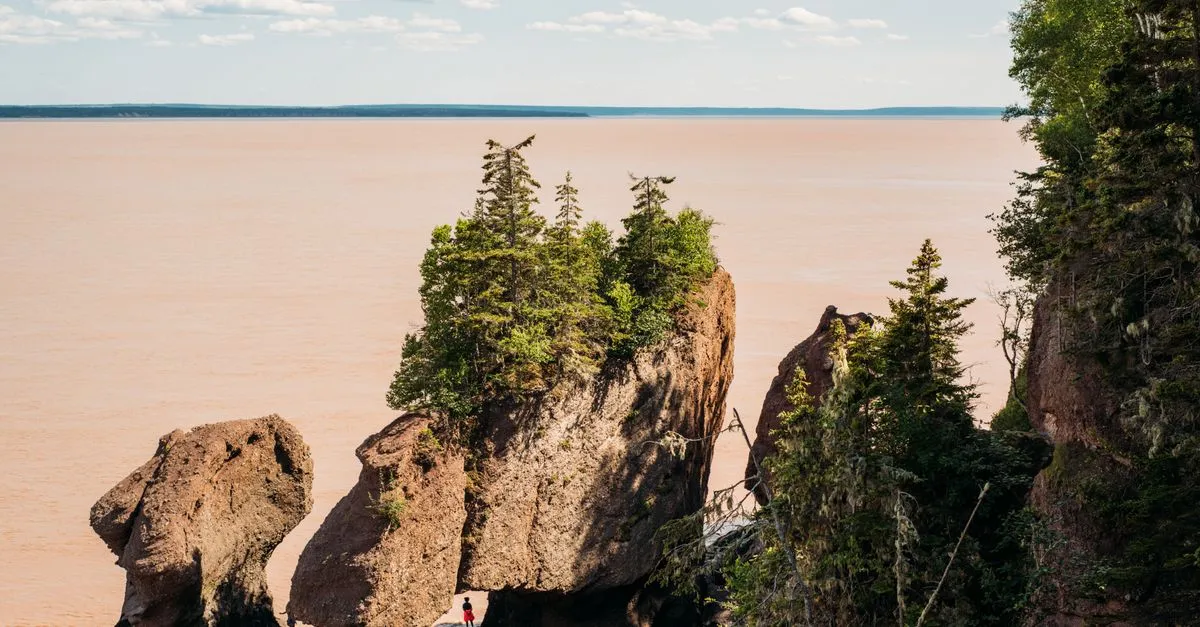
Bay of Fundy Hopewell Rocks

Bay of Fundy Tides

Where: New Brunswick / Nova Scotia
When: Jun–Sep

The world’s highest tides (up to 16 metres) create a surreal experience: walk the ocean floor among the Hopewell Rocks at low tide, then return hours later to kayak the same spot. The tidal shift is visible in real time. Whale watching in the bay is excellent too. Check tide tables before visiting and arrive 2 hours before low tide.

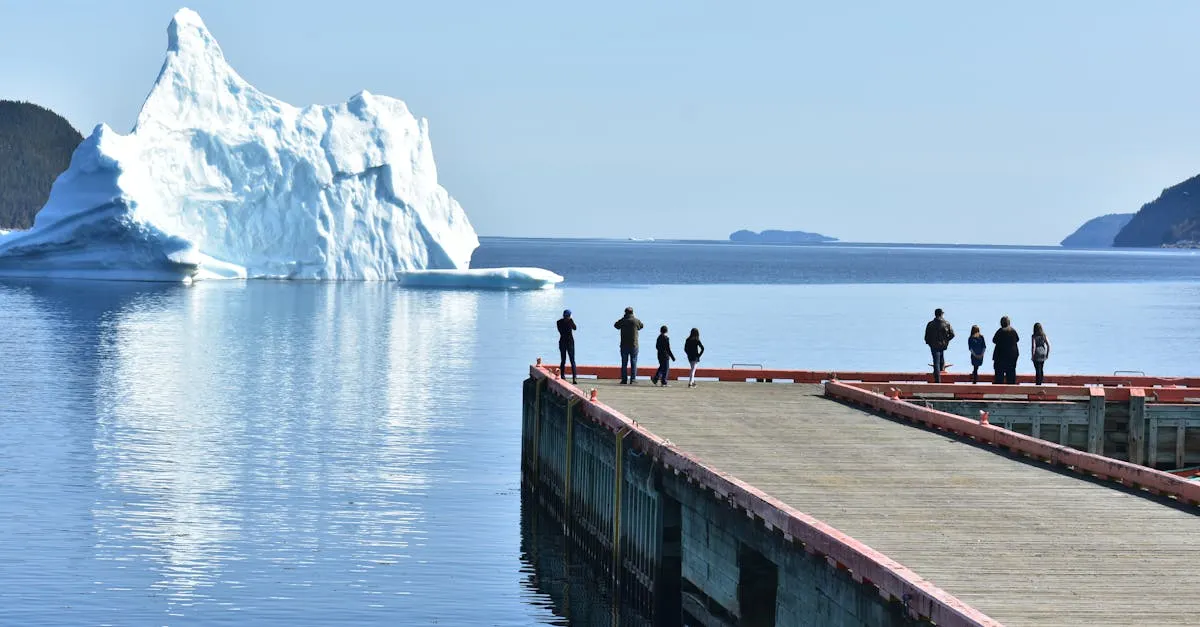
Iceberg off Newfoundland coast

Icebergs

Where: Newfoundland (Iceberg Alley)
When: May–Jun

10,000-year-old icebergs from Greenland’s glaciers drift along Newfoundland’s “Iceberg Alley” each spring. Some tower 15 storeys above the waterline. Visible from shore at places like Twillingate, St. Anthony, and Bonavista. Boat tours get you close enough to hear them crack and calve. Season peaks in May to early June. Free to view from headlands.

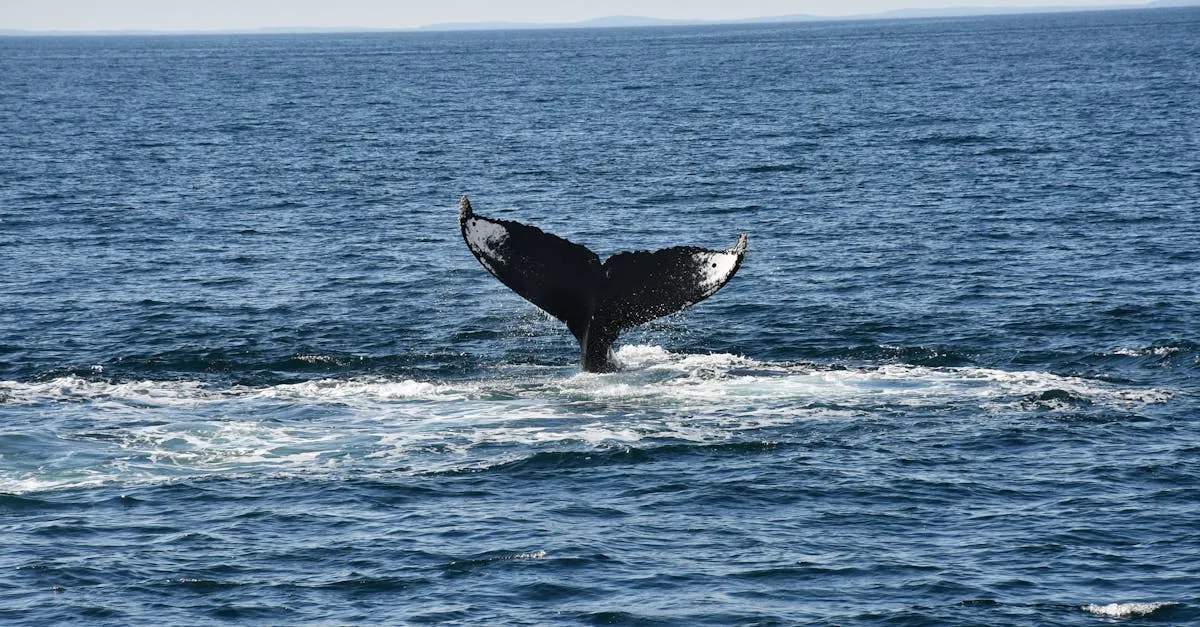
Humpback whale tail

Whale Watching

Where: Tadoussac QC, Tofino BC, Bay of Fundy
When: Jun–Oct

Blue whales, humpbacks, orcas, and belugas all frequent Canadian waters. Tadoussac in Quebec is one of the world’s best whale-watching spots, where the St. Lawrence and Saguenay rivers meet. Tofino (BC) offers grey whale migration sightings, and the Bay of Fundy has endangered right whales. Boat tours from CAD $60–100 (~€40–70).

VIA Rail Canadian train through Rockies

VIA Rail “The Canadian”

Where: Toronto to Vancouver
When: Year-round

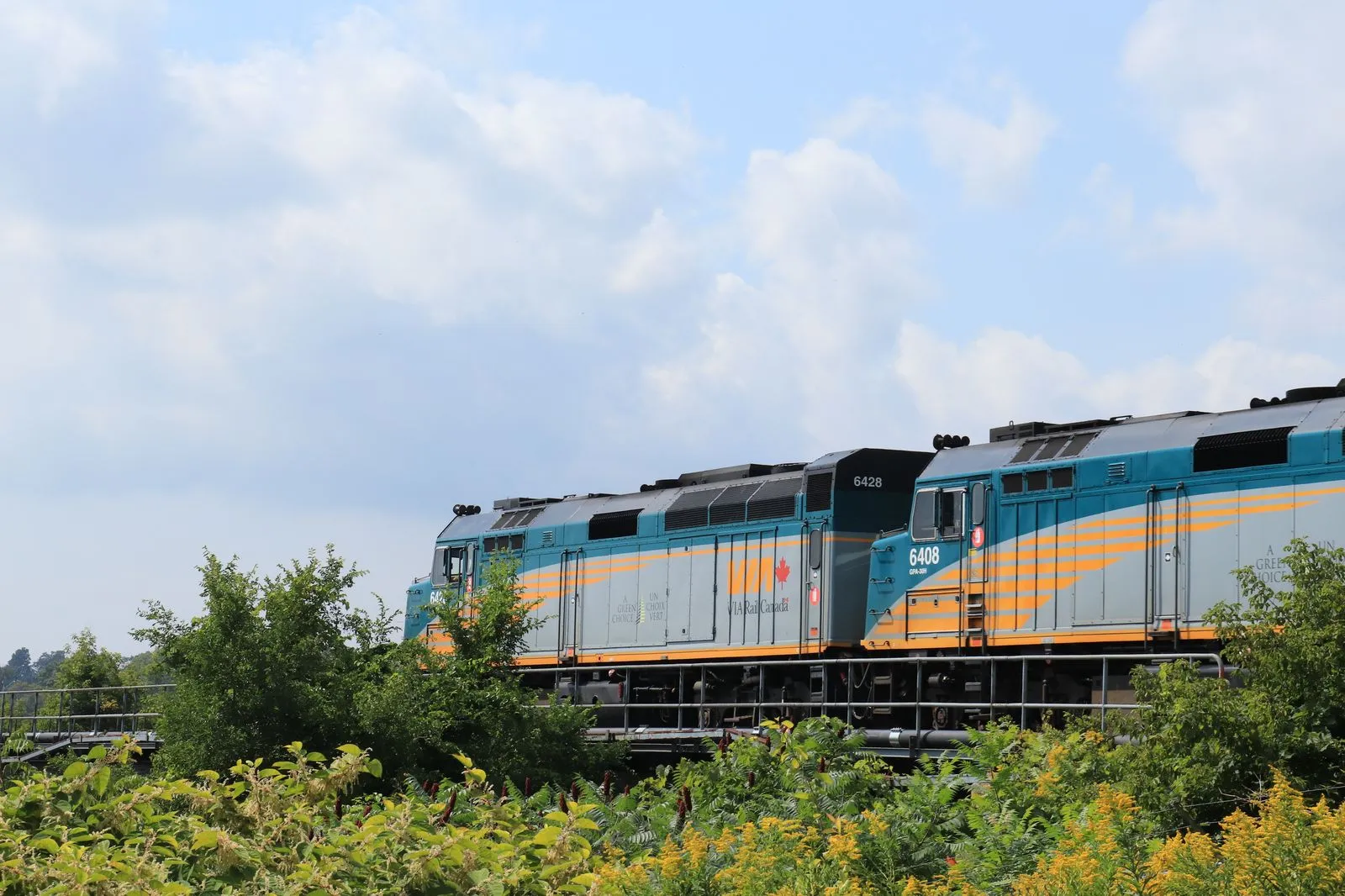
A 4-night transcontinental train journey through prairies, the Canadian Rockies, and Fraser River valleys between Toronto and Vancouver. The dome car offers panoramic views of landscapes that change dramatically every few hours. Sleeper class includes all meals in the dining car. Economy (from CAD $514, ~€350) is basic but the scenery is the same. One of the world’s great train rides.

Quebec sugar shack maple syrup

Sugar Shack Season

Where: Quebec
When: Mar–Apr

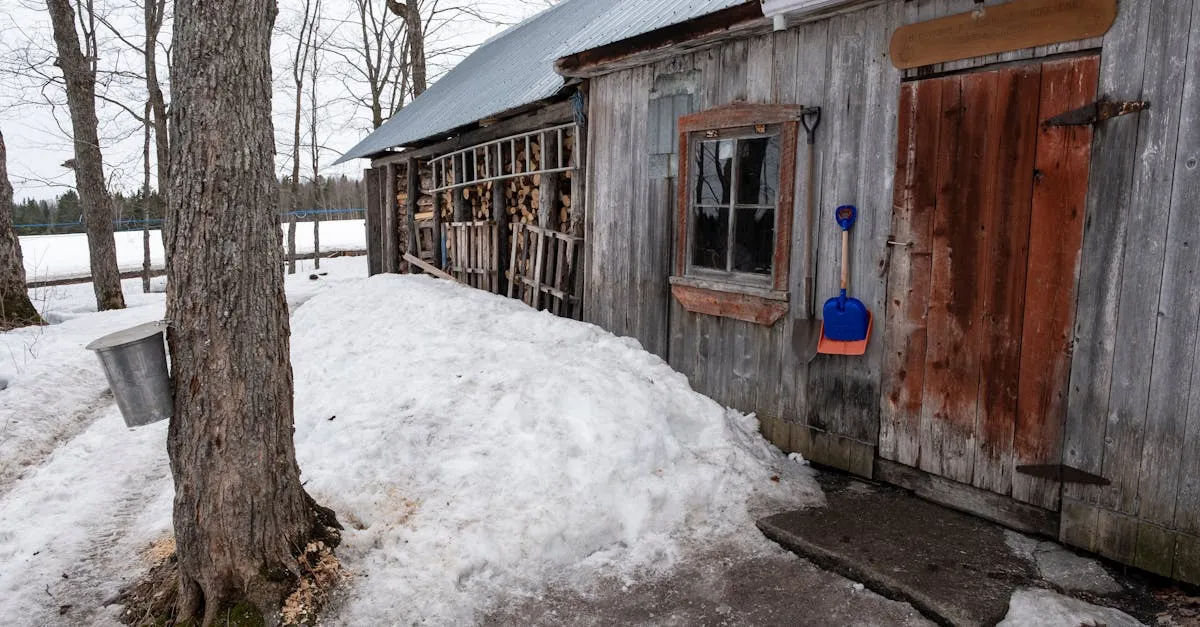
Maple syrup season in Quebec. Visit a traditional cabane à sucre (sugar shack) where hot maple taffy is poured on fresh snow and rolled up on sticks. The full meal includes tourtière, oreilles de crisse (fried pork rinds), baked beans, and maple pie. A deeply Québécois cultural experience. Most shacks open mid-March to mid-April. Book ahead on weekends.

What makes Canada unusual is how many of these experiences are genuinely world-class rather than just “good for North America.” The Icefields Parkway rivals any mountain road in the Alps or Patagonia. Tadoussac whale watching competes with Iceland and Azores. Churchill’s polar bears are a global pilgrimage. And the cultural contrast between French Quebec and English-speaking Canada adds a layer of richness that most single-language countries simply don’t have. The challenge isn’t finding things to do. It’s accepting you can’t do them all in one trip.

Culture & Cuisine

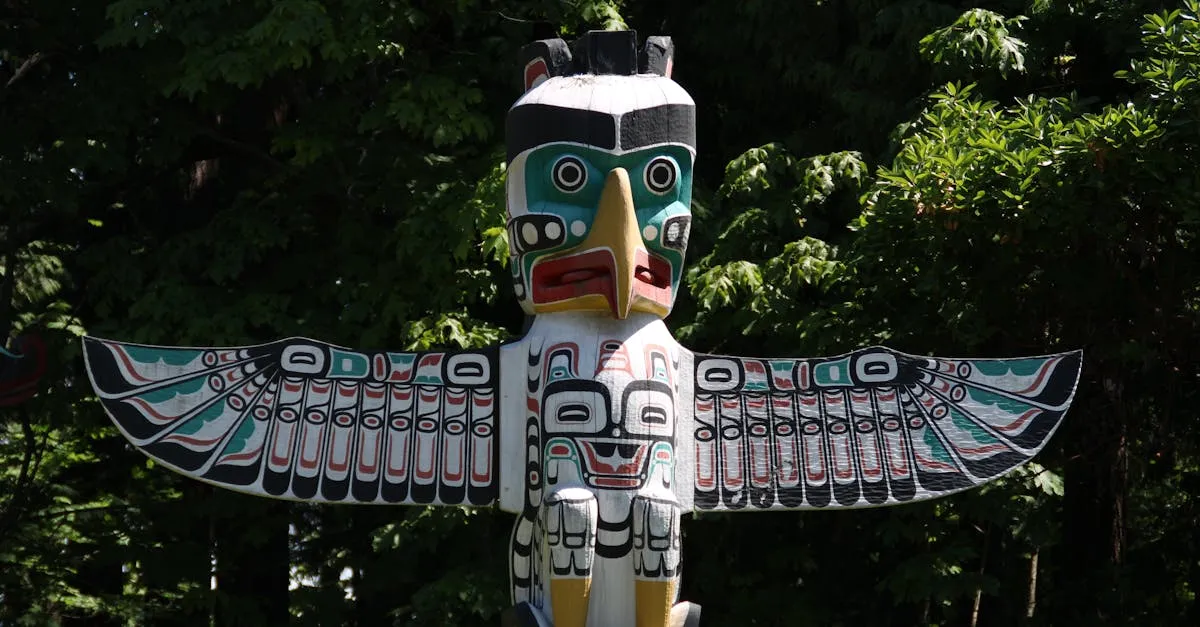
Indigenous totem pole in British Columbia

Canada’s cultural identity is defined by multiculturalism, bilingualism, and a deep respect for Indigenous heritage. The country actively celebrates diversity rather than pushing a single national culture. This shapes everyday interactions in ways that surprise many visitors.

  • Politeness is genuine, not performative. Canadians say “sorry” constantly. Bumping into a chair, holding a door, asking a question. It’s not submissiveness; it’s a deeply ingrained social lubricant. Match it. Aggressive or loud behaviour stands out and is poorly received.
  • Tipping is mandatory, not optional. 15–20% at restaurants, bars, hair salons, taxis. Payment terminals prompt 18/20/22%. Not tipping is a genuine social violation. Servers earn below minimum wage in most provinces with the expectation of tips.
  • French matters in Quebec. Start conversations in French (“Bonjour”) in Montreal and Quebec City. Most people will happily switch to English, but greeting in French first shows respect. In rural Quebec, English may be limited. Learn a handful of phrases and locals will warm to you immediately.
  • Indigenous awareness. Canada is reckoning with its treatment of Indigenous peoples, particularly the residential school system. Land acknowledgments are common at events and institutions. Visit Indigenous cultural centres (like the Canadian Museum of History in Gatineau or the Museum of Anthropology in Vancouver) to understand this history. Never purchase “Native-style” souvenirs from non-Indigenous sellers.
  • Shoes off indoors. Canadians remove shoes at the door in private homes. Always. This is non-negotiable. Even in some casual offices.
  • Queuing is sacred. Line-cutting is one of the few things that will genuinely upset Canadians. Wait your turn, always.
  • Small talk is expected. Cashiers, bus drivers, and strangers at viewpoints will chat. Weather is the universal opener. Engage. Canadians find silence uncomfortable in social contexts.
  • Metric and imperial coexist. Temperature in Celsius, distances in kilometres, but body weight in pounds and height in feet/inches. Ovens in Fahrenheit. Cooking in cups. It’s chaotic and Canadians themselves find it amusing.
The bilingual reality: Federal services, product labels, and highway signs are bilingual (English/French) nationwide. In Quebec, signage is French-first by law. In New Brunswick (Canada’s only officially bilingual province), both languages are equally present. Everywhere else, English dominates. Don’t assume every Canadian speaks French. Outside Quebec, most don’t.

Food & Cuisine

Canadian cuisine has evolved far beyond its stereotypes. Every region has distinct specialities shaped by geography, immigration, and Indigenous traditions. Eating well is one of the genuine pleasures of travelling here.

Poutine

Region: Quebec (nationwide)
Price: CAD $10–15 (≈ €7–10)

Fries, cheese curds, gravy. La Banquise (Montreal) is the iconic late-night spot. Variations everywhere. Smoked meat, foie gras, lobster.

Montreal Bagels

Region: Montreal
Price: CAD $1–2 each (≈ €0.70–1.40)

Smaller, sweeter, denser than New York style. Wood-fired. St-Viateur vs Fairmount is the eternal debate. Eat them warm.

Smoked Meat

Region: Montreal
Price: CAD $15–22 (≈ €10–15)

Schwartz’s Deli (est. 1928). Expect a queue. Hand-cut, piled high on rye with yellow mustard.

Lobster

Region: Atlantic Canada
Price: CAD $30–50 (≈ €20–34)

PEI lobster suppers. Full lobster dinner with chowder and pie. Roadside shacks in Nova Scotia. Freshest May–Jul.

Butter Tarts

Region: Ontario
Price: CAD $3–5 (≈ €2–3)

Quintessentially Canadian pastry. Sweet, buttery filling in a flaky shell. Runny vs firm filling is hotly debated.

Nanaimo Bars

Region: BC (nationwide)
Price: CAD $3–5 (≈ €2–3)

Three-layer chocolate-custard-coconut squares. Named after Nanaimo, Vancouver Island.

Pacific Salmon

Region: BC
Price: CAD $20–35 (≈ €14–24)

Sockeye, chinook, coho. Grilled, smoked, candied. Best Jul–Sep during the run.

Dim Sum

Region: Richmond / Vancouver
Price: CAD $20–35 (≈ €14–24)

Best dim sum in North America outside Asia. Weekend brunch tradition. Arrive by 10:30 a.m. or queue.

Tourtière

Region: Quebec
Price: CAD $12–20 (≈ €8–14)

Hearty meat pie, traditional Christmas and winter dish. Every Québécois family has a recipe.

Sugar Shack Meal

Region: Quebec
Price: CAD $30–50 (≈ €20–34)

Maple taffy on snow, baked beans, oreilles de crisse (fried pork rinds), pancakes. Mar–Apr only.

Drink highlights: Okanagan Valley wines (200+ wineries, BC), Niagara icewine (frozen grape dessert wine, Ontario), Quebec ice cider (cidre de glace, invented in Quebec 1990), and a thriving craft beer scene nationwide (Vancouver, Victoria, Montreal, and Halifax lead). A pint of craft beer runs CAD $8–12 (≈ €5–8) at a brewery taproom.

Tipping reminder: 15–20% is expected at all sit-down restaurants, cafés with table service, bars, and delivery. Payment terminals will prompt you with options (typically 18%, 20%, 22%). Skipping the tip is a serious social faux pas in Canada.

Activities & Hikes

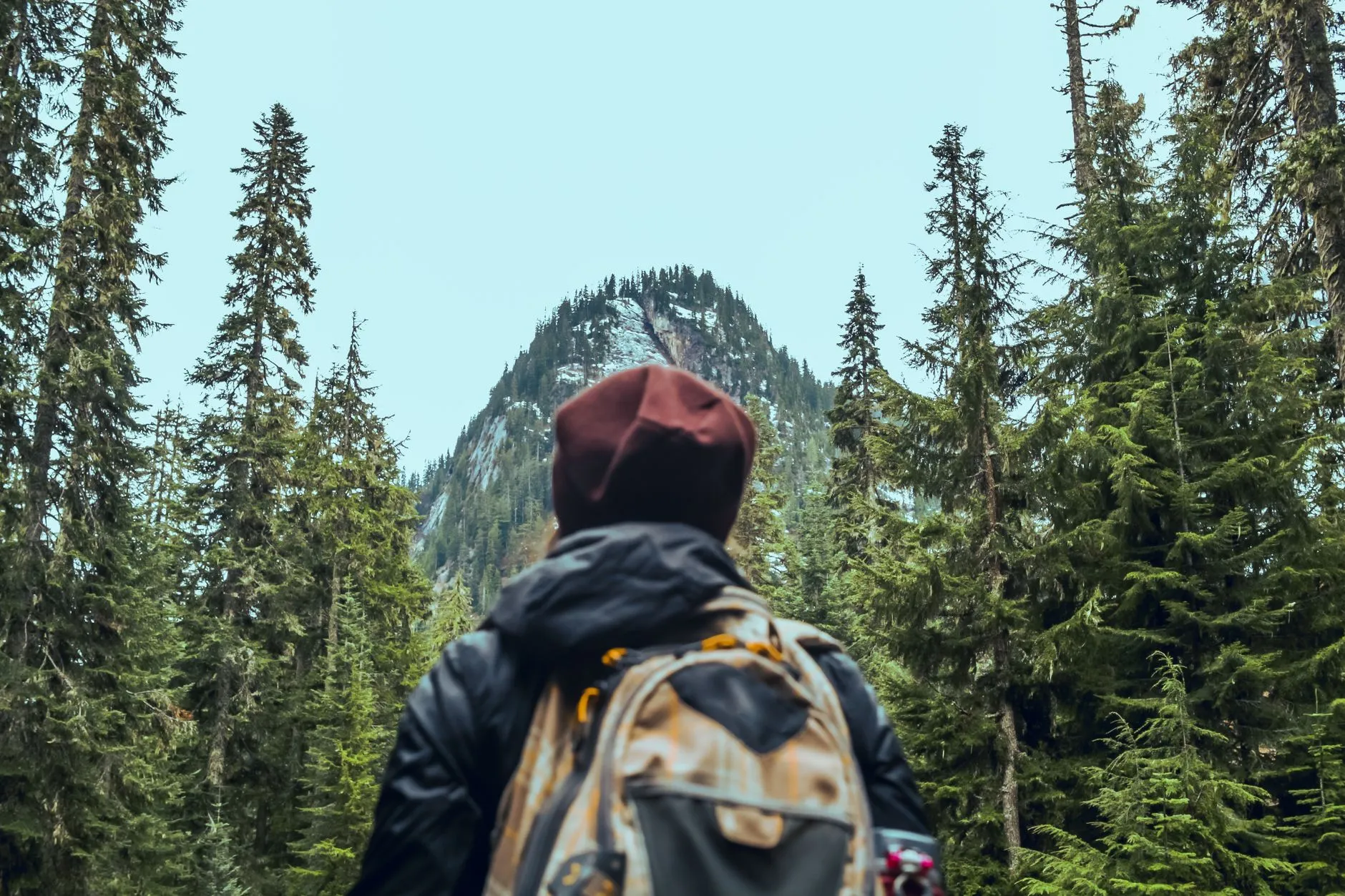
Mountain hiking trail through forest

Canada is a hiking paradise. From gentle day walks to multi-day wilderness expeditions through some of the most dramatic scenery on the planet. The trail infrastructure in national parks is excellent, with well-marked paths, backcountry campsites, and detailed Parks Canada maps.

Top Hikes

TrailLocationDistanceDurationDifficultyHighlights
West Coast TrailVancouver Island, BC75 km6–8 daysChallenging100+ ladders, cable cars, beaches, old-growth forest. Permit CAD $209 (≈ €142) + orientation $24 + ferry fees $28 each. Open May–Sep. Book Feb 5 at 8 a.m. PT.
Berg Lake TrailMt Robson, BC44 km return3–4 daysModerate–HardGlacier lake below BC’s highest peak. Campsite reservations required.
Skyline TrailJasper NP, Alberta44 km3–4 daysModerate–HardBest alpine views in the Rockies. Above treeline for most of the route.
Sunshine Coast TrailPowell River, BC180 km8–12 daysModerateCanada’s longest hut-to-hut trail. Free huts. No permit needed.
East Coast TrailAvalon, Newfoundland336 km2–3 weeksModerate–HardCoastal cliffs, puffin colonies, icebergs, fishing villages. Section-hike friendly.
Larch Valley / Sentinel PassBanff NP11 km return4–6 hoursModerateGolden larches in September. Highest point reachable by maintained trail in the Canadian Rockies.
Gros Morne (Tablelands)Newfoundland4 km return2 hoursEasyWalk on exposed Earth’s mantle. One of geology’s most significant sites. UNESCO World Heritage.
Garibaldi LakeSquamish, BC18 km return5–7 hoursModerateImpossibly turquoise glacial lake. Camping available. Permit required.
Bear safety: Carry bear spray (CAD $40–60, – €27–41) on all backcountry hikes in western and northern Canada. Know how to use it before you need it. Make noise on trails, store food in bear-proof containers or hang it from trees, and never approach wildlife. Parks Canada offers free bear safety orientation sessions at most trailheads.
Parks Canada Discovery Pass: CAD $83.50 (≈ €57) for an annual individual pass covering all national parks. If you’re visiting 3+ parks, the pass pays for itself. Buy it at the first park entrance or online.
Canada Strong Pass 2026: Visiting Jun 19–Sep 7, 2026? Skip the Discovery Pass entirely. Admission to all Parks Canada sites is free that summer, plus 25% off camping and overnight stays. This is a one-time program; verify dates at parks.canada.ca before planning.

Activities

Canada has more lake surface area than any other country and the world’s longest coastline. Water activities aren’t an afterthought here. They’re central to the Canadian outdoor experience. From whitewater rafting in the Rockies to sea kayaking with orcas off Vancouver Island, the options are exceptional.

Sea Kayaking (Johnstone Strait)

Vancouver Island, BC · Jul–Sep · CAD $800–1,500 (≈ €544–1,020) multi-day

Paddle alongside orcas (resident pods), humpback whales, and sea lions in one of the world’s best whale kayaking destinations. Multi-day guided trips camp on remote beaches. Suitable for intermediate paddlers.

Must Do

Canoeing (Algonquin Park)

Ontario · May–Oct · CAD $50–80/day (≈ €34–54) rental

The quintessential Canadian experience. Over 1,500 km of canoe routes through lakes and rivers in Ontario’s iconic wilderness park. Portages connect lakes. Loons call at dusk. Moose sightings are common. Suitable for beginners on day trips, experienced paddlers for multi-day backcountry.

Classic Canada

Whale Watching (Tadoussac)

Quebec · Jun–Oct · CAD $70–90 (≈ €48–61)

Where the Saguenay Fjord meets the St. Lawrence, creating a nutrient-rich feeding ground. Beluga whales (year-round residents), minke, fin whales, and occasionally blue whales. The largest animal ever to live. Zodiac or larger vessel tours. One of the best whale-watching spots in the Northern Hemisphere.

Must Do

Whitewater Rafting (Kicking Horse River)

Golden, BC · Jun–Aug · CAD $100–150 (≈ €68–102)

Class III–IV rapids through a stunning mountain canyon. Half-day and full-day trips available. The Ottawa River near Pembroke, Ontario offers comparable rapids on the east coast.

Adventure

Surfing (Tofino)

Vancouver Island, BC · Year-round · CAD $80–120 (≈ €54–82) lesson

Canada’s surf capital. Cold-water surfing on the Pacific with long, rolling breaks at Cox Bay and Chesterman Beach. Wetsuits required year-round (water 8–14 °C). Surprisingly good waves, especially autumn storm swells.

Adventure

Kayaking (Nahanni River)

Northwest Territories · Jul–Aug · CAD $4,000–6,000 (≈ €2,720–4,080) guided multi-day

A UNESCO World Heritage river through Virginia Falls (twice the height of Niagara), deep canyons, and hot springs. Remote fly-in access only. One of the world’s great wilderness paddling experiences. Expedition-level commitment.

Expedition
Cold water kills: Even in summer, Canadian lake and ocean water is cold enough to cause hypothermia within minutes if you capsize without proper gear. Always wear a PFD (personal flotation device). It’s the law in most provinces. For ocean kayaking, a dry suit or thick wetsuit is essential even in July.

Off the Beaten Path

Canada’s most rewarding experiences often lie beyond the Rockies-and-Niagara circuit. These places reward travellers willing to drive a bit further, take the ferry, or venture off the Trans-Canada Highway.

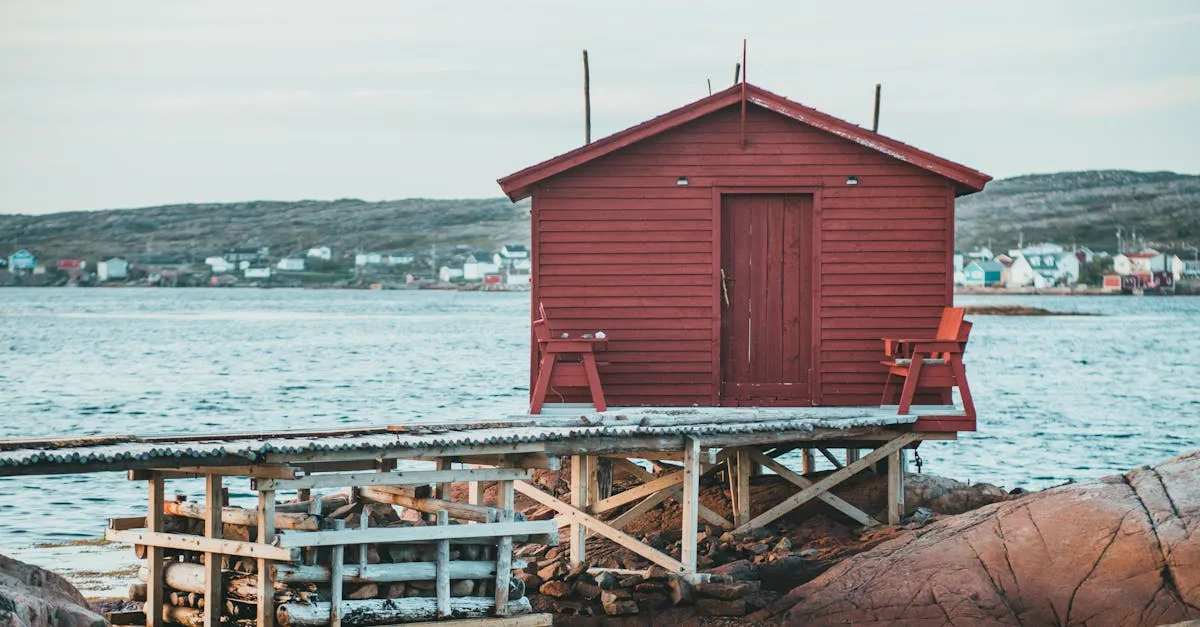
Fogo Island colorful fishing stages

Fogo Island, Newfoundland

Ferry from Farewell · Jun–Sep

A windswept island at the edge of the continent. Iceberg alley in spring, colourful fishing stages, cod-tongue dinners, and the architecturally stunning Fogo Island Inn. Remote, hauntingly beautiful, and unlike anywhere else in Canada.

Unforgettable
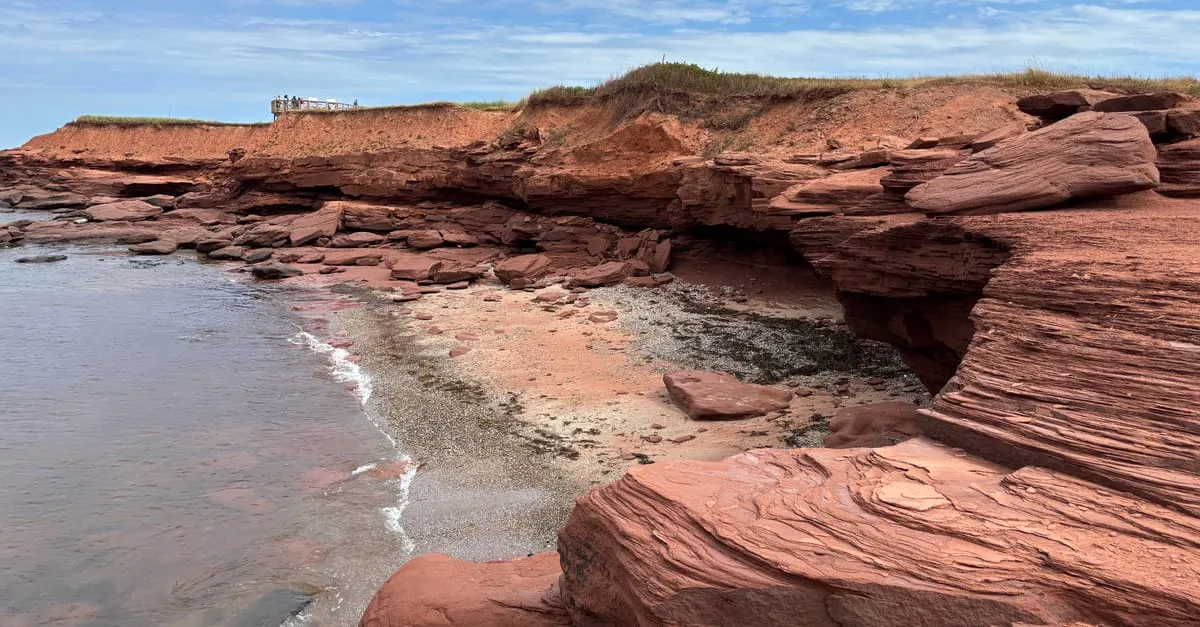
Îles-de-la-Madeleine red sandstone cliffs

Îles-de-la-Madeleine

Gulf of St. Lawrence, Quebec · Jun–Sep

An archipelago of red sandstone cliffs, endless sandy beaches, and Acadian culture in the middle of the Gulf of St. Lawrence. Reached by ferry from PEI or flight from Montreal. Kitesurfing, seal colonies, lobster everywhere. Most Canadians have never been.

Off the Radar
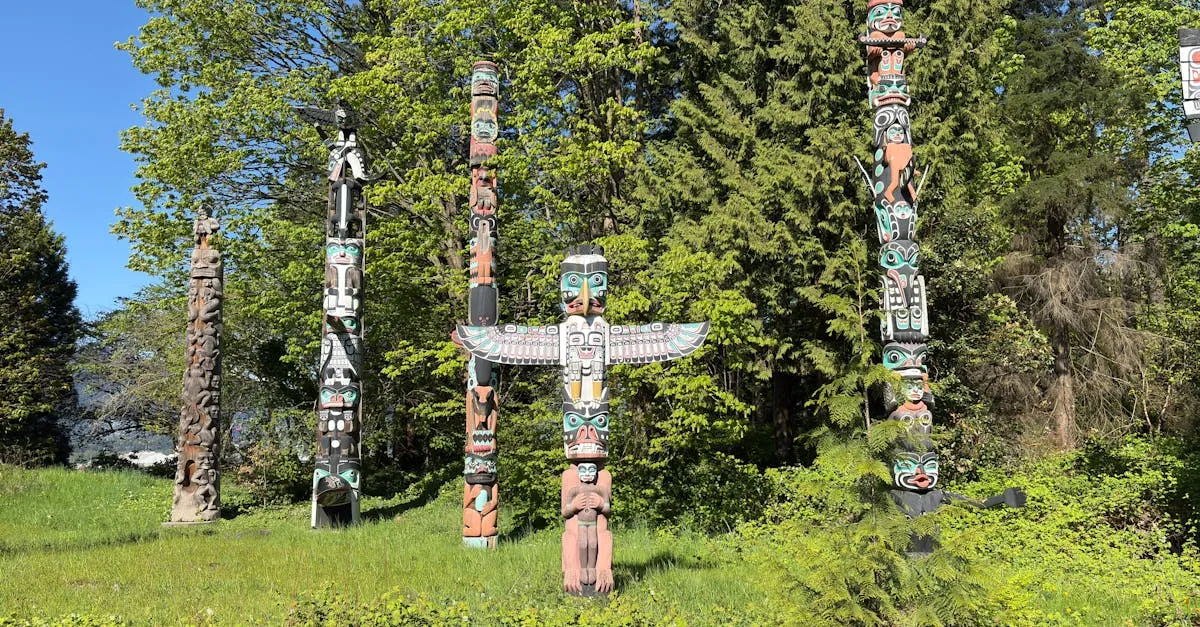
Haida Gwaii ancient totem pole in forest

Haida Gwaii

BC · Ferry from Prince Rupert · Jun–Sep

The “Galápagos of the North.” Remote islands with ancient Haida village sites (Ninstints/SGang Gwaay is a UNESCO site), old-growth temperate rainforest, black bears on the beach, and some of the best fishing in the world. Requires effort to reach, which keeps crowds away.

Unforgettable
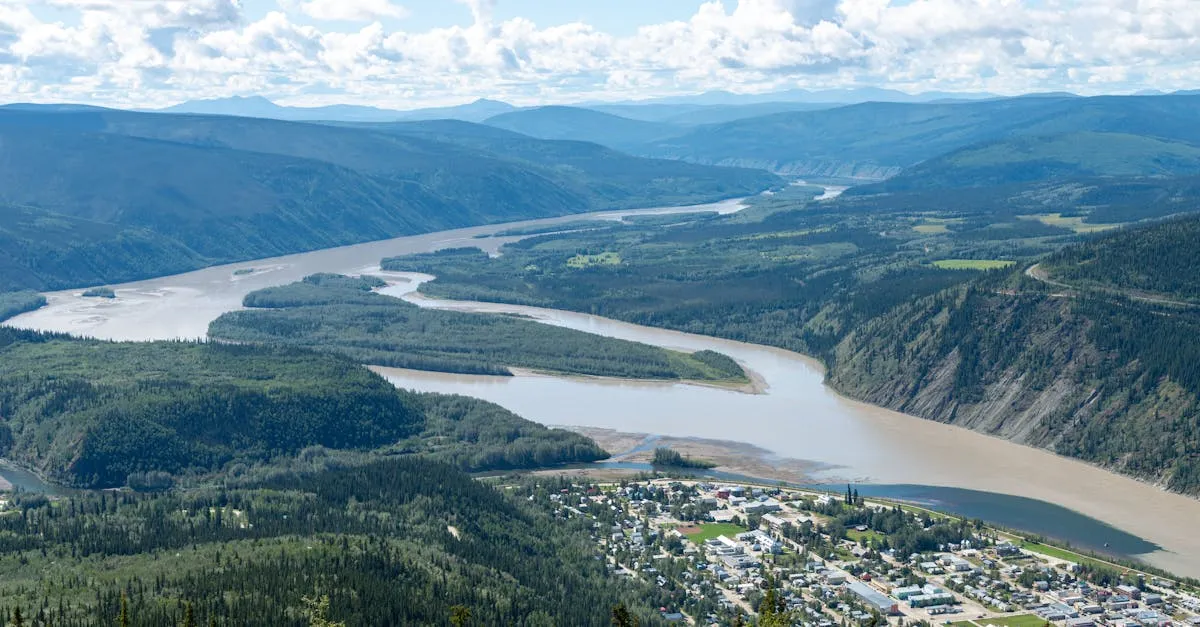
Dawson City Gold Rush boardwalk

Dawson City, Yukon

Yukon · Jun–Sep · fly or drive from Whitehorse (530 km)

A Gold Rush ghost town that never quite died. Boardwalk streets, permafrost buildings tilting at odd angles, the famous Sourtoe Cocktail (a drink containing a real human toe), Diamond Tooth Gerties casino, and midnight sun in June. The drive up from Whitehorse on the Klondike Highway is spectacular.

Quirky
Torngat Mountains arctic fjord

Torngat Mountains, Labrador

Newfoundland & Labrador · Jul–Aug · fly-in only

Canada’s most remote national park. Polar bears, caribou herds, ancient Inuit territory, and dramatic fjords with no roads, no trails, and no other tourists. Guided expedition only through Parks Canada and Inuit hosts. Genuinely wild in a way almost nowhere else on Earth is.

Expedition
Grasslands National Park prairie bison

Grasslands National Park, Saskatchewan

Saskatchewan · Jun–Sep

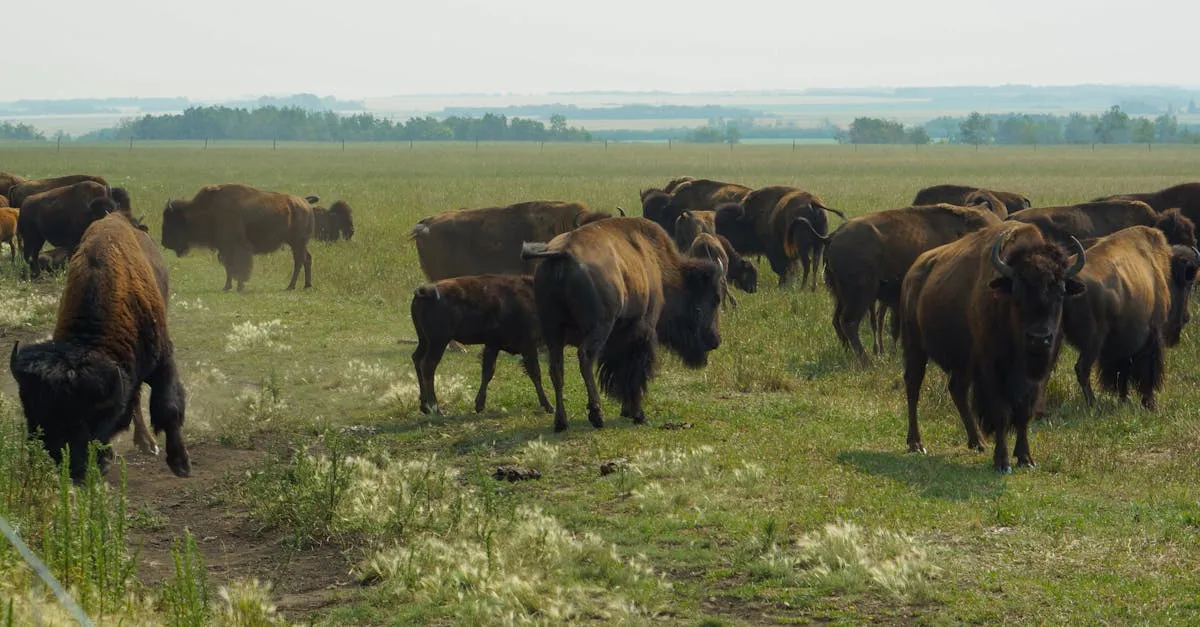
One of the last intact prairie grasslands on Earth. Bison herds roam free, black-footed ferrets (North America’s rarest mammal) were reintroduced here, and the night sky is a designated Dark Sky Preserve. Some of the best stargazing in Canada. Rarely visited.

Dark Sky
The pattern: Canada’s hidden gems share a common trait. They’re harder to reach. The reward for taking a ferry, driving an extra day, or booking a fly-in is experiences that feel genuinely untouched. If your itinerary only hits places served by major airports, you’re seeing the highlight reel, not the real country.
Wildlife & Nature

Polar bear in arctic snow

Canada is one of the world’s great wildlife destinations. The sheer size of the country and the extent of its wilderness support populations of megafauna that have vanished from most of the developed world.

Polar Bears

Where: Churchill, Manitoba
When: Oct–Nov

Tundra buggy day tour CAD $650–850 (≈ €442–578). Fly-in only. Book 6–12 months ahead.

Grizzly Bears

Where: Great Bear Rainforest, Knight Inlet, BC
When: Aug–Oct (salmon run)

Lodge-based tours CAD $3,000–6,000 (≈ €2,040–4,080) for 3–5 day packages. Also seen in Banff/Jasper from roadside.

Spirit Bears (Kermode)

Where: Great Bear Rainforest, BC
When: Sep–Oct

Indigenous-led tours. White-phase black bears. Found nowhere else on Earth.

Beluga Whales

Where: Churchill, Manitoba
When: Jul–mid Aug

Kayak alongside 57,000 belugas in the river estuary. Zodiac and snorkel tours available.

Blue / Humpback Whales

Where: Tadoussac & Saguenay, Quebec
When: Jul–Sep

Boat tours CAD $80–120 (≈ €54–82). Best whale watching in eastern North America.

Orcas

Where: Victoria / Tofino, BC
When: May–Oct

Zodiac tours CAD $120–150 (≈ €82–102). Resident and transient pods.

Puffins

Where: Witless Bay & Elliston, Newfoundland
When: Jun–Aug

Boat tours from $30 (≈ €20); Elliston is free. Closest approach to puffins in North America.

Icebergs

Where: Newfoundland (Iceberg Alley)
When: May–Jun

Free from shore. Boat tours CAD $60–80 (≈ €41–54). 10,000-year-old ice from Greenland.

Northern Lights

Where: Yellowknife NWT
When: Sep–Mar

Aurora Village tours CAD $100–150 (≈ €68–102) per night. 240+ visible nights/year.

Salmon Run

Where: Adams River & Goldstream, BC
When: Sep–Nov

Free. Millions of sockeye / coho salmon. Bears and eagles gather at river mouths.

Churchill combo: Visit Churchill in July for belugas + birds, or October–November for polar bears + northern lights. It’s fly-in only (or a 2-day train from Winnipeg), so plan for 3–5 nights minimum.

Route A: Western Canada (2 Weeks)

Icefields Parkway mountain road

A focused loop through British Columbia and Alberta. The most scenic corridor in North America. Best done by rental car, Jun–Sep. Total driving: ~2,200 km.

Show day-by-day itinerary (13 nights)
DayLocationHighlightsNight
1Arrive VancouverArrival day. Pick up rental car. Explore Gastown, Granville Island if energy permits.Vancouver
2VancouverStanley Park seawall, Capilano Suspension Bridge or Grouse Mountain. Richmond dim sum for lunch.Vancouver
3Vancouver → WhistlerSea-to-Sky Highway (120 km, 2 h). Shannon Falls, Stawamus Chief viewpoint. Afternoon in Whistler Village.Whistler
4WhistlerPeak 2 Peak Gondola, alpine hiking (High Note Trail or Joffre Lakes day trip), mountain biking trails.Whistler
5Whistler → KamloopsDrive through interior BC (400 km, 5 h). Optional stop at Lillooet or Lytton. Transition day.Kamloops
6Kamloops → JasperDrive to Jasper (440 km, 5 h) via Yellowhead Highway. Arrive afternoon. Mount Robson viewpoint en route.Jasper
7JasperMaligne Lake cruise to Spirit Island, Sulphur Skyline hike (to Miette Hot Springs), elk spotting at dusk.Jasper
8Jasper → Lake LouiseIcefields Parkway (232 km, 3–4 h with stops). Columbia Icefield Skywalk, Athabasca Glacier, Peyto Lake, Bow Lake. The most scenic drive in Canada.Lake Louise
9Lake Louise & Moraine LakeLake Louise lakeshore walk, Plain of Six Glaciers hike. Moraine Lake (arrive before 7 a.m. or take shuttle). Fairmont afternoon tea (splurge).Lake Louise / Banff
10BanffJohnston Canyon hike, Banff Gondola, Bow Falls, hot springs. Downtown Banff browsing and dining.Banff
11BanffLarch Valley / Sentinel Pass hike (Sep = golden larches) or Sunshine Meadows. Lake Minnewanka cruise.Banff
12Banff → KelownaDrive to Okanagan wine country (500 km, 5.5 h). Afternoon winery visits. Swimming in Okanagan Lake.Kelowna
13Kelowna → VancouverMorning winery visit or fruit stand. Drive back to Vancouver (390 km, 4.5 h). Return car or extend.Vancouver
14Depart VancouverDeparture day.

Budget estimate (13 paid nights): Backpacker (camping + hostel mix): CAD $1,300–1,700 (≈ €884–1,156). Mid-range (hotels + restaurants): CAD $3,000–4,500 (≈ €2,040–3,060). Plus car rental ~CAD $900–1,300 (≈ €612–884) and gas ~CAD $300–400 (≈ €204–272).

Route B: Eastern Canada (3 Weeks)

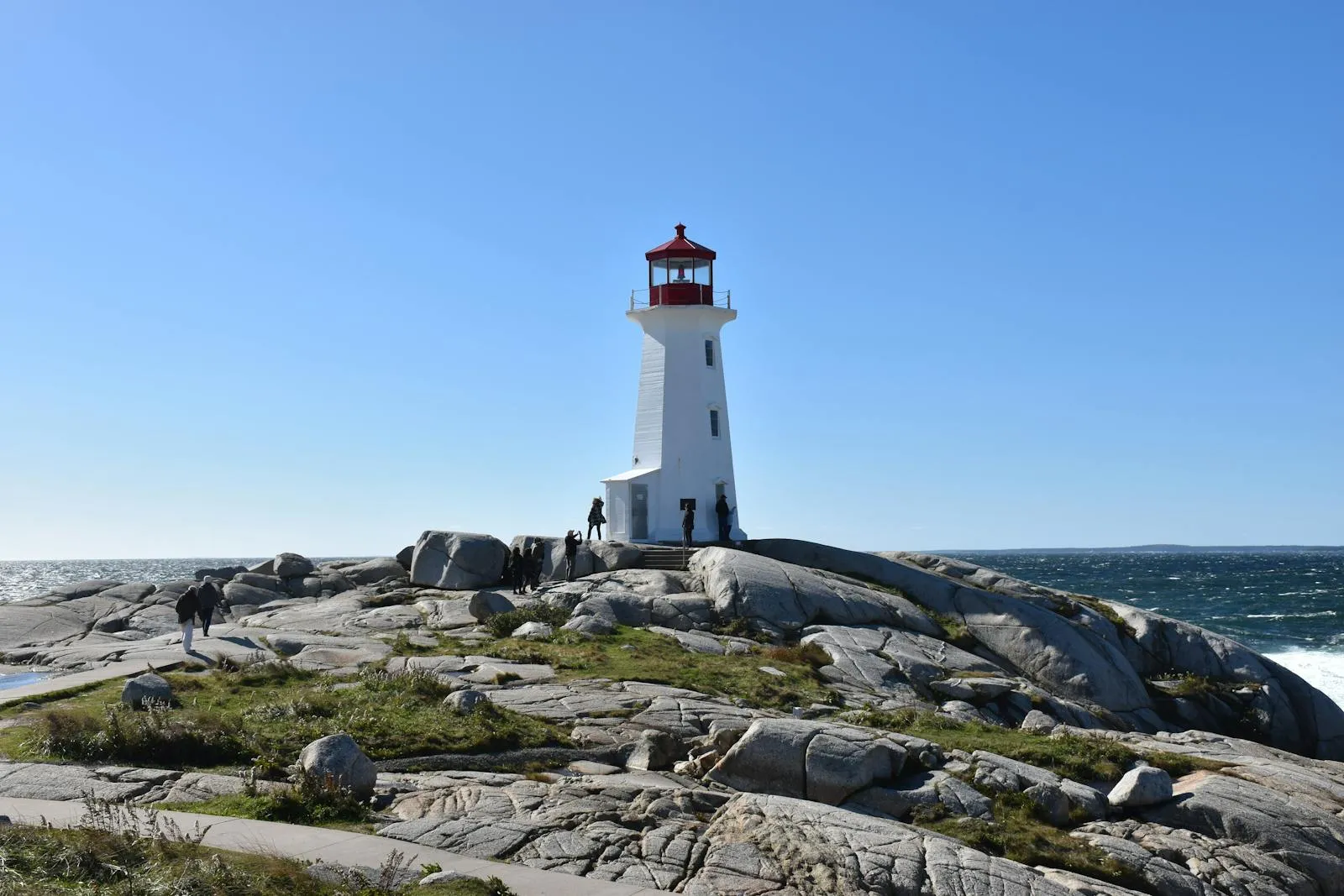
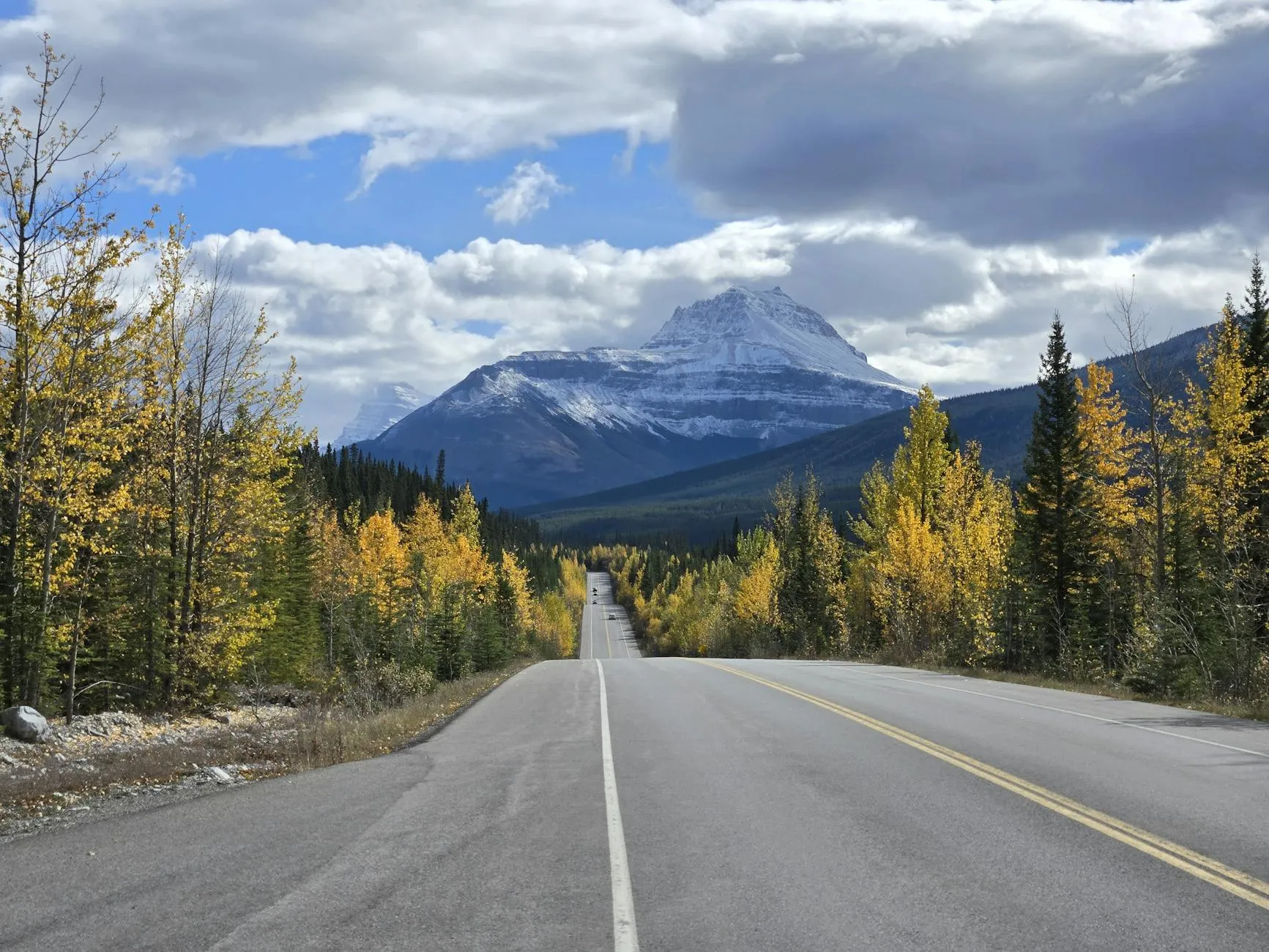
Lighthouse on the Nova Scotia coast

Ontario, Quebec, and Atlantic Canada. Cities, culture, coastline, and the best food in the country. Mix of trains, rental car, and ferries. Best Jun–Oct (fall foliage peaks mid-Sep to mid-Oct).
Show day-by-day itinerary (20 nights)
DayLocationHighlightsNight
1Arrive TorontoArrival day. Settle in. Kensington Market or Distillery District evening stroll.Toronto
2TorontoCN Tower, St. Lawrence Market (peameal bacon sandwich), ROM or AGO, Toronto Islands ferry.Toronto
3TorontoChinatown, Graffiti Alley, High Park. Evening in Little Italy or Ossington strip.Toronto
4Toronto → Niagara FallsDay trip or overnight. Hornblower boat cruise, Journey Behind the Falls, Niagara-on-the-Lake wine tasting.Toronto / Niagara
5Toronto → OttawaTrain via VIA Rail (4.5 h) or drive. Parliament Hill, ByWard Market, Rideau Canal walk.Ottawa
6Ottawa → MontrealTrain (2 h). Check into Montreal. Old Montreal afternoon. Notre-Dame Basilica, cobblestone streets, Old Port.Montreal
7MontrealMont Royal, Mile End (St-Viateur Bagels, Schwartz’s smoked meat), Jean-Talon Market. Plateau nightlife.Montreal
8MontrealMuseums (Pointe-à-Callière, MBAM), poutine at La Banquise, craft beer in Griffintown. Jazz festival if timing aligns.Montreal
9Montreal → Quebec CityDrive or train (3 h). Arrive Quebec City. Explore Old Quebec (UNESCO). Château Frontenac, Petit Champlain, fortified walls.Quebec City
10Quebec CityÎle d’Orléans drive (farms, cider, chocolateries), Montmorency Falls (83 m, taller than Niagara). Evening in Old Town.Quebec City
11Quebec City → TadoussacDrive (220 km, 3 h). Afternoon whale watching. Blue whales, belugas, humpbacks at the Saguenay fjord confluence.Tadoussac
12Tadoussac → Rivière-du-Loup → FrederictonLong drive day (550 km, 6 h) into New Brunswick. Or split with a stop in Edmundston. Transition to Atlantic Canada.Fredericton
13Fredericton → Bay of FundyDrive to Hopewell Rocks (240 km, 3 h). Walk the ocean floor at low tide among the flowerpot rocks. World’s highest tides.Hopewell / Moncton
14Moncton → PEICross the Confederation Bridge (12.9 km) to Prince Edward Island. Cavendish Beach, red sand cliffs, Anne of Green Gables. Evening lobster supper.PEI
15PEI → HalifaxFerry to Nova Scotia (Caribou) or bridge back + drive. Arrive Halifax. Waterfront boardwalk, Maritime Museum, Alexander Keith’s Brewery tour.Halifax
16HalifaxCitadel Hill, Halifax Public Gardens, Peggy’s Cove (iconic lighthouse, 1 h drive). Lobster roll on the waterfront. Pub crawl on Argyle Street.Halifax
17Halifax → Cape BretonDrive to Cape Breton Island (300 km, 4 h). Begin the Cabot Trail. One of the world’s great coastal drives.Ingonish / Chéticamp
18Cape Breton (Cabot Trail)Complete the Cabot Trail loop (298 km). Skyline Trail hike (sunset over the Gulf). Whale watching from Pleasant Bay.Cape Breton
19Cape Breton → HalifaxDrive back to Halifax (300 km, 4 h). Farewell seafood dinner. Chowder, lobster, Garrison Brewing.Halifax
20Recovery / buffer dayMorning farmers’ market. Pack. Prepare for departure.Halifax
21Depart HalifaxDeparture day. Fly out or connect onward.

Budget estimate (20 paid nights): Backpacker (hostels + cooking): CAD $2,000–2,800 (≈ €1,360–1,904). Mid-range (hotels + restaurants): CAD $4,500–6,500 (≈ €3,060–4,420). Plus transport (flights + train + car rental): ~CAD $800–1,500 (≈ €544–1,020).

Fall foliage bonus: Time this route for late September to mid-October and you’ll see Quebec, the Laurentians, and the Cabot Trail at peak colour. It’s genuinely one of the most beautiful drives in the world during foliage season.

Route C: Cross-Canada Epic (4 Weeks)

Mountain highway through the Canadian Rockies

The ultimate Canadian road trip. Coast to coast, from Vancouver to Halifax (or reverse). Requires a rental car for most segments, with flights or VIA Rail bridging the prairies. Best Jul–Sep. Total driving: ~6,000 km (plus one flight or 2-day train crossing the prairies).

Show day-by-day itinerary (27 nights)
DayLocationHighlightsNight
1Arrive VancouverArrival day. Pick up car or settle in. Gastown, Granville Island evening.Vancouver
2VancouverStanley Park, Capilano, Richmond dim sum, sunset at English Bay.Vancouver
3Vancouver → WhistlerSea-to-Sky Highway. Shannon Falls, Stawamus Chief. Afternoon Whistler village.Whistler
4Whistler → KamloopsDrive through BC interior (400 km). Lytton, Ashcroft desert landscape. Transition day.Kamloops
5Kamloops → JasperYellowhead Highway (440 km). Mount Robson viewpoint. Arrive Jasper evening.Jasper
6JasperMaligne Lake, Sulphur Skyline hike + Miette Hot Springs, wildlife spotting.Jasper
7Jasper → Lake LouiseIcefields Parkway. Columbia Icefield, Peyto Lake, Bow Lake. Canada’s best drive.Lake Louise
8Lake Louise & BanffMorning Moraine Lake. Afternoon Banff. Johnston Canyon, hot springs, gondola.Banff
9BanffLarch Valley/Sentinel Pass hike, Lake Minnewanka, downtown Banff evening.Banff
10Banff → CalgaryDrive to Calgary (130 km, 1.5 h). Drop car or continue. Calgary Tower, Stephen Avenue, Stampede grounds.Calgary
11Calgary → TorontoFly Calgary to Toronto (4 h). This flight bridges the prairies efficiently. Arrive Toronto evening.Toronto
12TorontoCN Tower, Kensington Market, St. Lawrence Market, Toronto Islands.Toronto
13TorontoNiagara Falls day trip. Hornblower boat, Journey Behind the Falls. Niagara-on-the-Lake wine tasting.Toronto
14Toronto → OttawaVIA Rail or drive (4.5 h). Parliament Hill, ByWard Market, Rideau Canal.Ottawa
15Ottawa → MontrealTrain (2 h). Old Montreal, Notre-Dame Basilica, Old Port waterfront.Montreal
16MontrealMont Royal, Mile End food crawl (bagels, smoked meat), Jean-Talon Market, Plateau nightlife.Montreal
17MontrealMuseums, poutine crawl, craft breweries, or day trip to Eastern Townships.Montreal
18Montreal → Quebec CityDrive or train (3 h). Old Quebec, Château Frontenac, Petit Champlain, city walls.Quebec City
19Quebec CityÎle d’Orléans, Montmorency Falls, sugar shack visit (spring) or local food tour.Quebec City
20Quebec City → TadoussacDrive (3 h). Whale watching. Blue whales, belugas at Saguenay confluence.Tadoussac
21Tadoussac → New BrunswickLong drive into NB (550 km, 6 h). Or break at Rivière-du-Loup overnight.Moncton / Fredericton
22Bay of FundyHopewell Rocks at low tide, Fundy National Park, covered bridges.Fundy area
23Fundy → PEIConfederation Bridge to PEI. Red sand beaches, lobster supper, Cavendish.PEI
24PEI → HalifaxFerry or bridge back + drive. Arrive Halifax. Waterfront, Maritime Museum.Halifax
25Halifax → Cape BretonDrive to Cape Breton (4 h). Begin Cabot Trail. Chéticamp, Skyline Trail.Cape Breton
26Cape Breton (Cabot Trail)Complete Cabot Trail loop. Whale watching, coastal hikes, Celtic music evening.Cape Breton
27Cape Breton → HalifaxDrive back (4 h). Final seafood dinner. Farewell drinks on Argyle Street.Halifax
28Depart HalifaxDeparture day.

Budget estimate (27 paid nights): Backpacker (hostel/camping mix): CAD $2,700–3,800 (≈ €1,836–2,584). Mid-range (hotels + dining): CAD $6,500–9,000 (≈ €4,420–6,120). Plus transport (car rental + flight + fuel): ~CAD $2,000–3,000 (≈ €1,360–2,040).

Why fly the prairies: The 1,300 km between Calgary and Toronto is mostly flat agricultural land with limited tourist stops. Flying saves 2 full driving days and lets you spend more time in the Rockies and Eastern Canada where the density of experiences is highest. The same logic applies in reverse if you start from the east.

Getting Around

Scenic train journey through Canadian mountains

Canada’s size makes transport planning critical. Distances are vast, and flying between regions is often the only practical option. Within regions, a rental car or bus network covers most ground.

Domestic Flights

Coverage: All major cities + northern hubs

Cost: Toronto–Vancouver: CAD $180–400 (≈ €122–272) one-way; Toronto–Montreal: CAD $80–200 (≈ €54–136)

Book 4–8 weeks ahead. Carriers: Air Canada, WestJet, Flair (ultra low-cost), Porter.

Car Rental

Coverage: Everywhere except remote North

Cost: CAD $60–100/day (≈ €41–68); gas ~$1.55–1.75/litre

Essential for Rockies road trips, Atlantic coast, rural areas. Book summer rentals early. Banff/Jasper sells out.

VIA Rail

Coverage: Quebec City–Windsor corridor + transcontinental

Cost: Toronto–Montreal: CAD $50–120 (≈ €34–82); The Canadian (Toronto–Vancouver): from CAD $514 (≈ €350) economy, 4 nights

Quebec-Ontario corridor is frequent and practical. Transcontinental is scenic but slow.

Rocky Mountaineer

Coverage: Vancouver–Banff/Jasper

Cost: From CAD $2,300 (≈ €1,564)

Luxury scenic train. Daylight-only travel. Glass-dome cars. Bucket-list splurge.

Greyhound / Bus

Coverage: Limited since 2018 exit; regional operators remain

Cost: Varies by operator

FlixBus, Rider Express (prairies), Maritime Bus (Atlantic), Megabus (ON/QC). Check routes carefully. No national network.

City Transit

Coverage: All major cities

Cost: Day pass CAD $12–18 (≈ €8–12)

Toronto (TTC + GO), Montreal (STM), Vancouver (TransLink). Good metro + bus systems. Tap-to-pay available.

Uber / Lyft

Coverage: All major cities

Cost: In-city CAD $15–30 (≈ €10–20); airport transfers $35–70 (≈ €24–48)

Convenient for airport transfers and late-night travel. Available in most cities over 100,000 population.

Ferries

Coverage: BC coast, Atlantic provinces, Great Lakes

Cost: BC Ferries: CAD $20 foot / $95 car+driver (≈ €14 / €65) per crossing

Essential for Vancouver Island, Gulf Islands, Newfoundland (Marine Atlantic). Book summer crossings ahead.

Road trip essential: The Trans-Canada Highway (Highway 1) spans 7,821 km coast to coast. The world’s longest national highway. Driving it end-to-end takes about 7–8 driving days (non-stop), but plan 3–4 weeks to actually enjoy it.

Budget Breakdown

Budget breakdown and travel costs

Canada is an expensive travel destination. Costs vary significantly by region. Banff and Vancouver are substantially pricier than Montreal or Atlantic Canada. Budget travellers can manage, but it takes effort.

Currency & Money: Canada uses the Canadian Dollar (CAD / $). Coins: 5¢, 10¢, 25¢, $1 (“loonie”), $2 (“toonie”). Notes: $5, $10, $20, $50, $100 (polymer bills). Exchange rate: ~CAD $1.47 per €1 / ~CAD $1.36 per US$1 (mid-2026). Canada is a nearly cashless economy. Visa and Mastercard universally accepted, contactless tap-to-pay is the norm. ATMs widely available (Big Five banks charge $2–3 per withdrawal for non-customers). Cash rarely needed but useful for tips and small markets. GST 5% federal + provincial tax (0–10%) added at checkout. Prices displayed exclude tax. Use a travel card with no foreign transaction fees (Wise, Revolut) to avoid 2–3% FX markup.

Backpacker

CAD $90–130/day – – €61–88

Hostel dorms, cooking own meals, free hikes, local transit

Budget

Budget Independent

CAD $130–180/day – – €88–122

Budget hotels / Airbnb, some restaurant meals, select activities

Mid-Range

Mid-Range

CAD $200–300/day – – €136–204

3-star hotels, restaurant meals, guided activities, car rental

Mid-Range

Comfortable

CAD $300–450/day – – €204–306

4-star hotels, guided tours, car rental, full dining

Comfortable

Luxury

CAD $500–1,000+/day – – €340–680+

Fairmont hotels, helicopter tours, private guides, fine dining

Luxury
ItemBudgetMid-RangeNotes
Hostel dormCAD $35–70 (≈ €24–48)Toronto/Vancouver $45–70; Montreal $35–55; Banff $50–75
Budget hotel / AirbnbCAD $80–140 (≈ €54–95)CAD $150–250 (≈ €102–170)Higher in summer; book well ahead for Rockies
Camping (Parks Canada)CAD $26–50 (≈ €18–34)Unserviced $26–30; serviced $38–50; glamping (oTENTik) $120–160
Fast food / food truckCAD $10–18 (≈ €7–12)Poutine $10–15; coffee latte $5–7
Restaurant lunchCAD $18–28 (≈ €12–19)Add 15–20% tip on top
Restaurant dinnerCAD $35–60 (≈ €24–41)Fine dining: $90–200+ per person
Beer (pint)CAD $8–12 (≈ €5–8)CAD $8–12 (≈ €5–8)Craft beer slightly more; liquor store cheaper
Local transit (day)CAD $12–18 (≈ €8–12)Toronto $15; Vancouver $12–18 (zone-based)
Car rentalCAD $60–100/day (≈ €41–68)Higher in summer; gas ~$1.55–1.75/litre
Parks Canada Discovery PassCAD $83.50 (≈ €57)CAD $83.50 (≈ €57)Individual annual pass. Covers ALL national parks. Family $167.50
Tipping is mandatory: 15–20% at restaurants, bars, taxis, and hairdressers. Payment terminals default to 18–22%. Not tipping is considered deeply rude. Budget an extra 15–18% on all dining costs.
Canada Strong Pass 2026: From Jun 19 to Sep 7, 2026, admission to ALL Parks Canada sites (national parks, historic sites, marine conservation areas) is free. On top of that, camping and overnight accommodations at Parks Canada sites get a 25% discount. No pass purchase needed. Just show up. This replaces the need for a Discovery Pass during that window and could save CAD $83+ per person. Check parks.canada.ca for details.

Money-Saving Tips

🌲 Parks Canada Pass

The Discovery Pass costs CAD $83.50 (≈ €57) per person for a full year of access to all national parks and historic sites. Pays for itself in 4–5 park visits. Family/group passes available

⛺ Crown Land Camping

Free backcountry camping on Crown Land is legal across most provinces. No reservation, no fees. Bring your own gear and leave no trace. Provincial parks charge CAD $25–45/night

🛒 Discount Groceries

No Frills, FreshCo, and Food Basics are the cheapest chains. A week of groceries for two: CAD $80–120 (≈ €55–82). Cooking saves 60–70% vs restaurant meals

🚆 VIA Rail Deals

Book VIA Rail trains 2–3 weeks ahead for escape fares at 50–70% off. The Toronto–Montréal corridor drops from CAD $80+ to CAD $35–50 with advance booking

🏛 Free Museums

Parliament tours in Ottawa, the National Gallery on Thursday evenings, the Distillery District in Toronto, and many provincial museums are free. Check municipal free-admission days

📅 Shoulder Season

September and May offer 20–30% lower accommodation prices, fall colours or spring thaw, and far fewer crowds at Banff, Jasper, and Niagara Falls

Practical Information

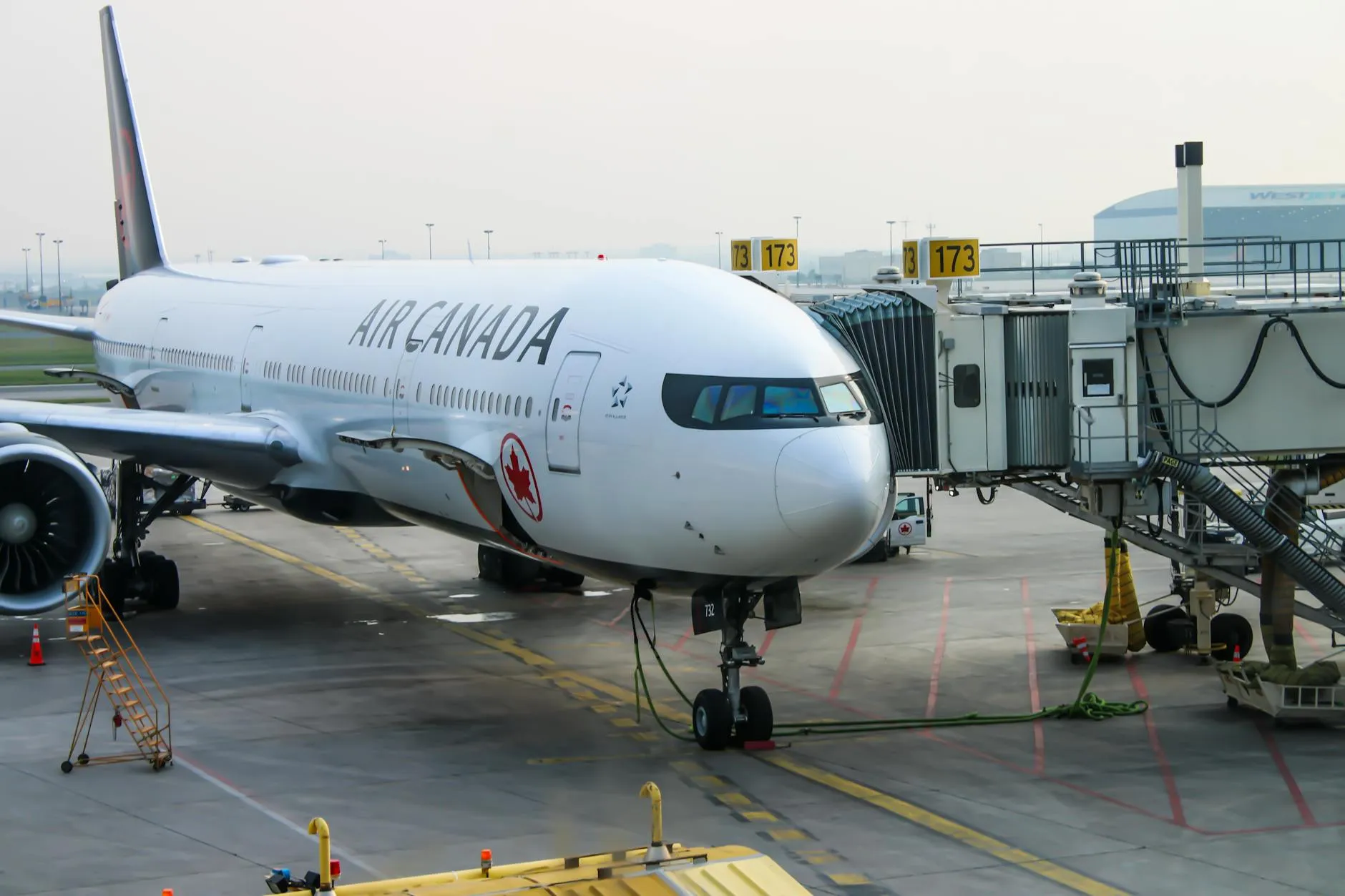
Air Canada aircraft at the gate, ready for passengers. Busy airport scene.

💳 Visas

Required for nationalities not eligible for eTA. CAD $100 (≈ €68).

🏥 Health

World-class hospitals and clinics. Public system covers residents only.

💶 Money

Canadian Dollar (CAD). Contactless payment almost universal. Tipping 15–20% expected at restaurants

📶 SIM & WiFi

Mobile carriers: Rogers, Bell, Telus (expensive); budget brands: Fido, Koodo, Freedom Mobile, Public Mobile. Prepaid SIM: CAD $30–50/month for 4–8 GB.

🔌 Electricity

Type A and B plugs, 120 V / 60 Hz. Same as the United States.

🛒 Safety

Very safe country. Violent crime rare in tourist areas.
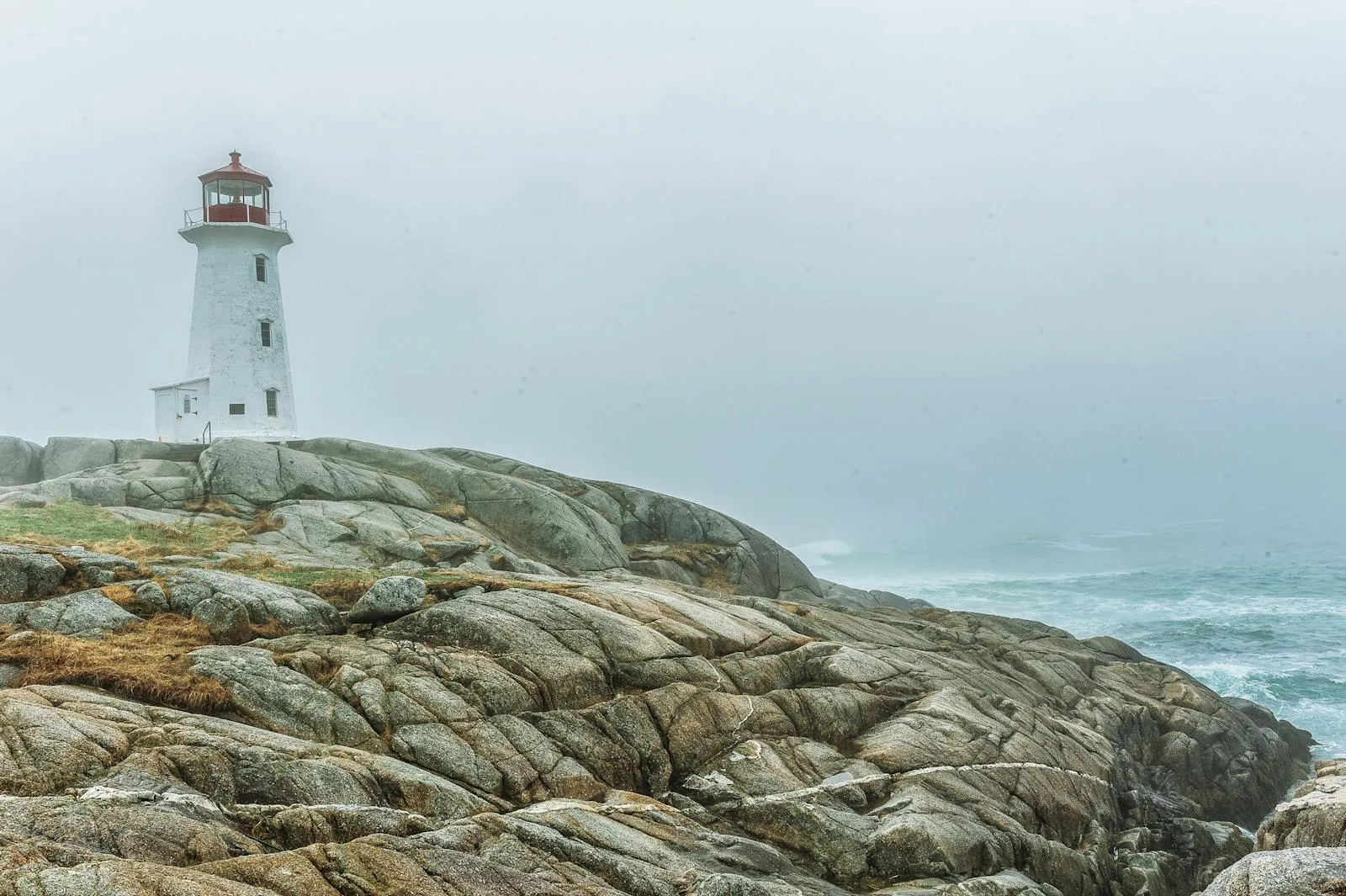
The nuts and bolts that trip up first-time visitors. From plug adapters to the six time zones that mean your flight from Halifax lands in Vancouver at the same clock time it departed.

  • Power: Type A and B plugs, 120 V / 60 Hz. Same as the United States. European, UK, and Australian travellers need an adapter. Hair dryers and high-wattage devices may need a voltage converter.
  • Time Zones: 6 time zones: Pacific (PT, UTC−8), Mountain (MT, UTC−7), Central (CT, UTC−6), Eastern (ET, UTC−5), Atlantic (AT, UTC−4), Newfoundland (NT, UTC−3:30). Newfoundland’s 30-minute offset is unique in North America. Daylight Saving Time observed Mar–Nov (except most of Saskatchewan).
  • Units: Officially metric (km, °C, litres, kg). In practice, many Canadians mix imperial and metric. Height in feet, weight in pounds, ovens in °F. Road signs and speed limits are always metric (km/h).
  • Drinking Age: 18 in Alberta, Manitoba, Quebec. 19 everywhere else. ID is checked regularly.
  • Smoking: Banned indoors in all public places nationwide. Many cities ban smoking in patios, parks, and beaches. Cannabis follows the same rules.
  • Tax & Pricing: All displayed prices exclude tax. GST (5%) applies nationwide. Provincial tax adds 0–10% on top. Total tax ranges from 5% (Alberta) to 15% (Atlantic provinces). Always expect to pay more than the listed price.
  • Embassy Registration: Register with your government’s travel advisory service before extended wilderness trips: STEP (US), ROAM (Canada), Smartraveller (Australia), LOCATE (UK), or your foreign ministry’s equivalent.
  • eTA (Electronic Travel Authorization): Required for visa-exempt nationalities arriving by air. CAD $7 (≈ €5). Apply online at canada.ca/eta. Usually approved within minutes. Valid for 5 years or until passport expires. Not needed for land/sea entry.
  • Visitor Visa (TRV): Required for nationalities not eligible for eTA. CAD $100 (≈ €68). Processing takes 2–8 weeks. Apply through IRCC.
  • Passport Validity: Must be valid for the duration of stay. No strict 6-month rule, but recommended.
  • Stay Duration: Usually 6 months granted at entry. Border officer decides. Have proof of onward travel and sufficient funds.
  • Working Holiday: Available for citizens of 30+ countries, ages 18–35. Allows 1–2 years of work and travel. Competitive. Apply early via IRCC pool system.
  • COVID Requirements: No vaccination or testing requirements as of 2026. Check IRCC for updates before travel.
  • Customs Limits: 1.5 L wine or 1.14 L spirits or 8.5 L beer duty-free. 200 cigarettes. CAD $10,000+ cash must be declared.
  • Accommodation Options: Hostel dorms CAD $35–75/night (≈ €24–51); camping (Parks Canada) $26–50/night; budget hotels $80–140/night; mid-range hotels $150–250/night; glamping (oTENTik) $120–160/night; backcountry camping $15/person/night. Book Rockies accommodation 3–6 months ahead for summer. Parks Canada campsite reservations open in January and sell out within hours for popular sites.
  • Language: English and French are official languages. Quebec is primarily French. English widely understood in Montreal and tourist areas, but French essential elsewhere. New Brunswick is Canada’s only officially bilingual province. Ontario and Western Canada are predominantly English. Over 200 languages spoken nationwide. Useful French: Bonjour (Hello), Merci (Thank you), L’addition, s’il vous plaît (The bill, please).
  • Healthcare: World-class hospitals and clinics. Public system covers residents only. Visitors pay out of pocket. ER visit without insurance: CAD $500–5,000+ (≈ €340–3,400+). Ambulance: $500–1,000+. Travel health insurance is non-negotiable. Pharmacies (Shoppers Drug Mart, London Drugs, Rexall) widely available. No special vaccines required. Tap water safe to drink everywhere except some remote communities.
  • Safety: Very safe country. Violent crime rare in tourist areas. Exercise standard urban caution at night. Wildlife safety critical in wilderness areas. Carry bear spray (CAD $40–60) on all backcountry hikes in BC, Alberta, Yukon, and NWT. Make noise on trails, store food properly, never approach wildlife. Winter hazards include hypothermia, frostbite, and avalanche risk. Check avalanche.ca before backcountry activities. Cannabis legal nationwide (age 19+ in most provinces, 18+ in Alberta/Quebec). Purchase from licensed dispensaries only. Emergency: dial 911.
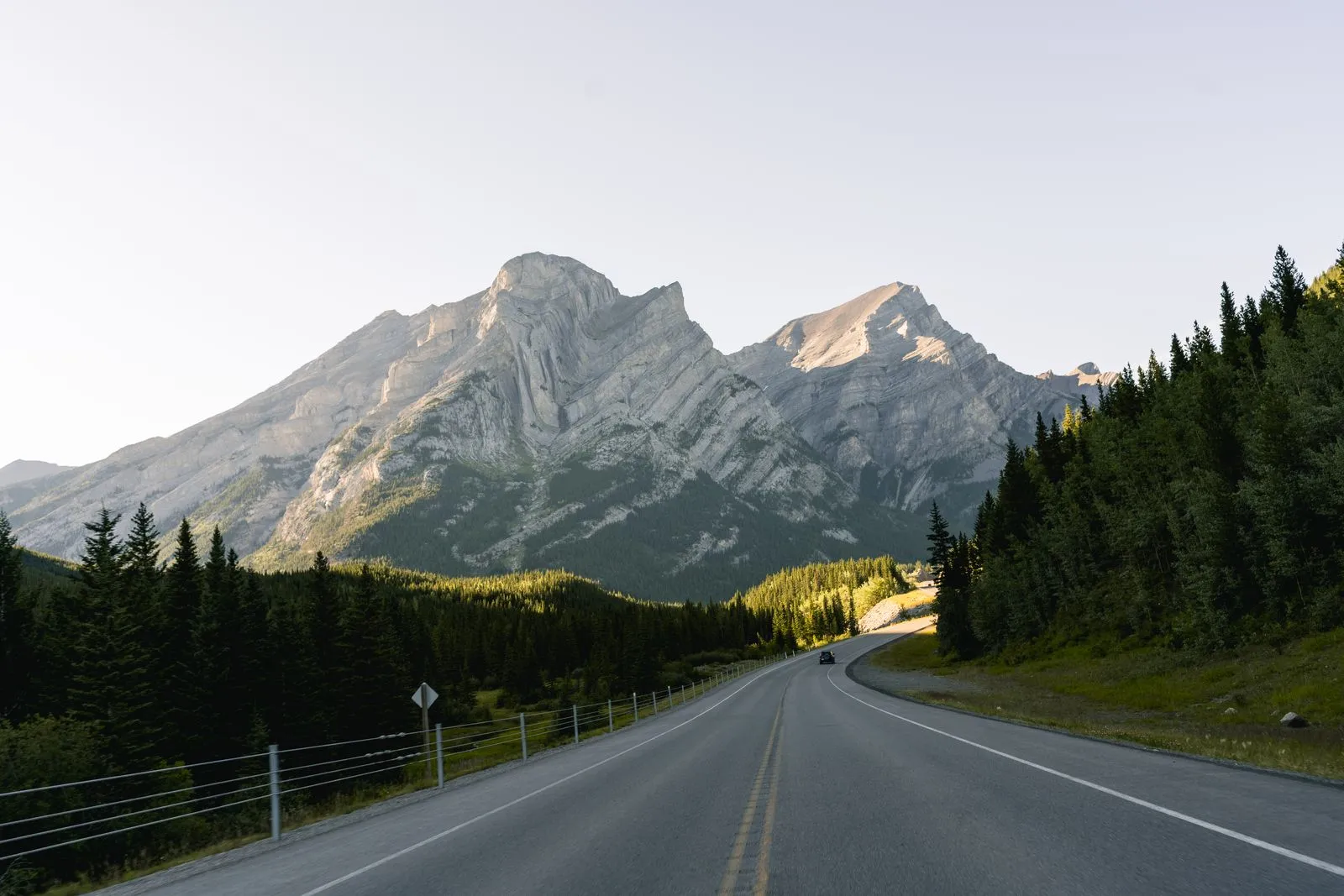
  • Connectivity: Mobile carriers: Rogers, Bell, Telus (expensive); budget brands: Fido, Koodo, Freedom Mobile, Public Mobile. Prepaid SIM: CAD $30–50/month for 4–8 GB. Free WiFi at most cafés, libraries, hotels, restaurants (Tim Hortons, Starbucks, McDonald’s). No signal on many mountain roads, national park trails, northern highways, and remote Atlantic areas. Download offline maps (Google Maps, Maps.me) before heading into wilderness. International roaming is costly. Consider local prepaid SIM or eSIM.

The price-display quirk catches everyone: a menu shows CAD $18 for a burger, but you pay $18 + 13% tax + 18% tip = $23.58 at the terminal. Budget roughly 30–35% on top of listed restaurant prices. For accommodation, add 5–15% tax (varies by province) plus any resort fees. Alberta is the cheapest province for sales tax (5% GST only, no provincial tax), which makes Calgary and Banff marginally less painful on the wallet than equivalent destinations in Ontario or BC.

Tips & Common Mistakes

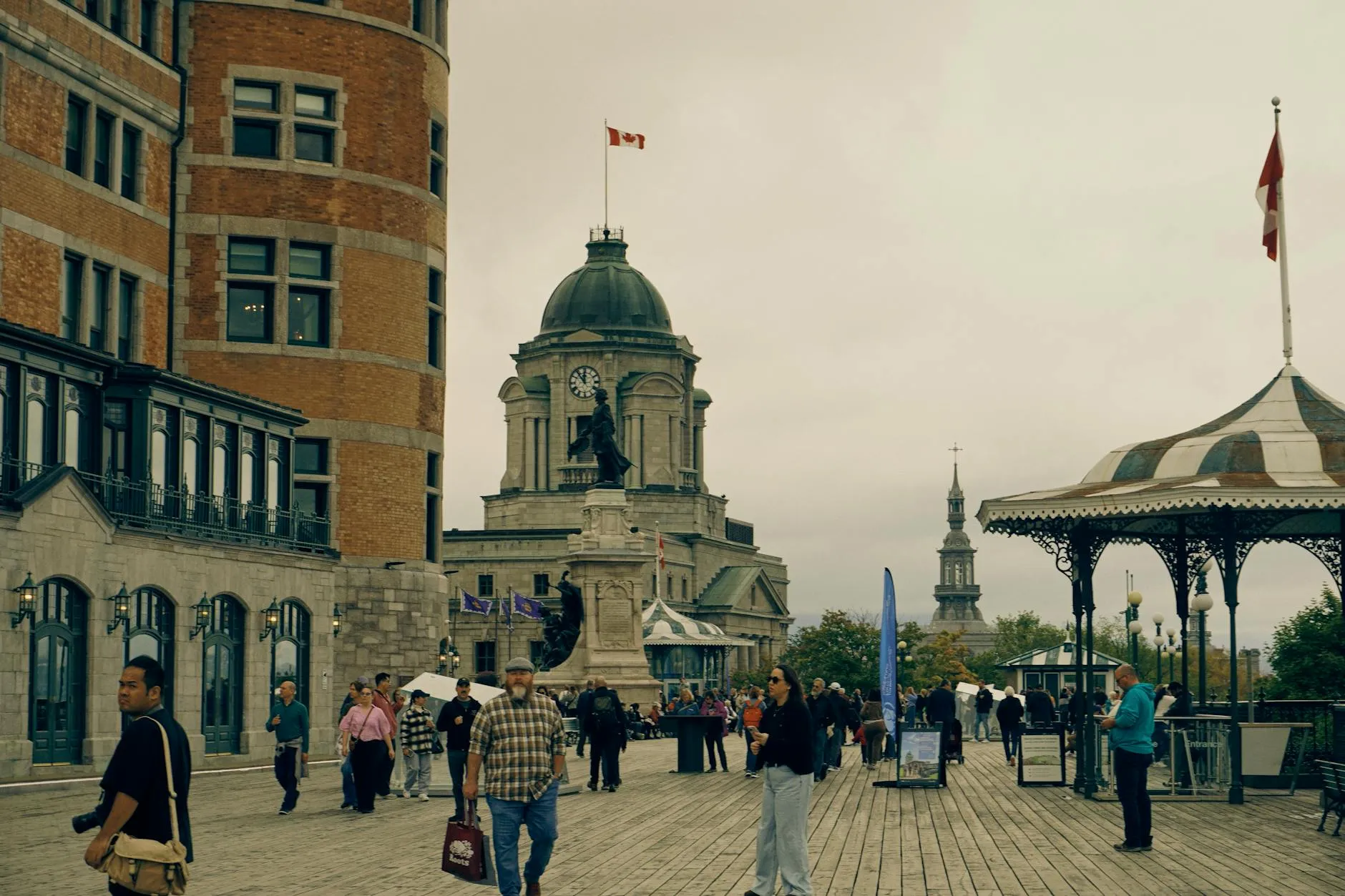
Explore the bustling Promenade in Old Quebec City with iconic architecture and lively crowd on a cloudy day.

Canada is forgiving for travellers, but a few recurring mistakes can cost real money or waste precious days. Most of these are easy to avoid with basic planning.

  1. Don’t underestimate distances. Vancouver to Toronto is 4,400 km. A 4.5-hour flight or 4-day drive. Don’t plan to “drive across Canada” in a week. Pick one or two regions per trip.
  2. Don’t forget to tip. 15–20% at restaurants is mandatory, not optional. Payment terminals prompt you. Budget an extra 15–18% on all dining. Skipping the tip is considered rude and may result in confrontation.
  3. Don’t ignore sales tax on prices. Every listed price excludes 5–15% tax. A CAD $100 hotel room costs $105–115 after tax. Budget accordingly, especially for accommodation and dining.
  4. Don’t skip booking Rockies accommodation early. Banff, Jasper, and Lake Louise sell out 3–6 months ahead for summer. Parks Canada campsites sell out within hours of opening day in January. Late planners sleep in Calgary or Canmore.
  5. Don’t skip Atlantic Canada. Most visitors only see Toronto, Montreal, and the Rockies. Newfoundland, Nova Scotia, and PEI are the most underrated parts of Canada. Cheaper, less crowded, with incredible coastlines and food.
  6. Don’t skip the Parks Canada Discovery Pass. At CAD $83.50 (≈ €57) for unlimited annual access, it pays for itself after 3 national park visits. Single-day entry is $12.25 per adult per park.
  7. Don’t drive without winter tires in winter. Mandatory in Quebec (Dec 1–Mar 15) and on many BC highways (Oct 1–Mar 31). Rental agencies should provide them automatically, but confirm when booking.
  8. Don’t expect warm weather everywhere in summer. Vancouver Island’s west coast averages 14 °C even in July. Newfoundland can be foggy and 10 °C in August. Mountain passes in the Rockies can see snow any month. Pack layers.
  9. Don’t ignore bear safety. Carry bear spray on all backcountry hikes in BC, Alberta, Yukon, and NWT. Make noise on trails. Store food properly. Bears are real and encounters happen. Preparation prevents emergencies.
  10. Don’t only eat poutine. Canada’s food scene is genuinely excellent. Don’t miss Montreal bagels, Maritime lobster, Vancouver dim sum, Quebec cheese, Okanagan wine, and whatever the local craft brewery is pouring.
The single most important tip for Canada: Respect the distances. This country is vast beyond what most maps convey. Pick one or two regions, give them the time they deserve, and save the rest for a return trip. A rushed cross-country sprint turns Canada into a series of windshields and airports. A focused regional trip turns it into one of the best travel experiences in the world.

Final Recommendation

Niagara Falls waterfall

Canada is a country that rewards planning but punishes rigidity. The distances are enormous, the weather is unpredictable, and the best moments happen on nature’s schedule, not yours. A moose at dawn on the Icefields Parkway, beluga whales surfacing beside your kayak, the first glimpse of icebergs off Newfoundland.

This is not a budget destination. Accommodation, food, and internal transport are expensive by global standards, and the mandatory tipping culture adds 15–20% to every dining bill. But Canada’s national parks are world-class, the wildlife experiences rival East Africa and Patagonia, and the cultural duality of English and French Canada creates a richness you won’t find elsewhere in North America.

If you have two weeks, pick one region and explore it deeply. The Rockies or Eastern Canada are the strongest first-trip options. If you have a month, the cross-country route from Vancouver to Halifax is one of the great road trips on Earth. And if you’re willing to venture north (to Yellowknife for the aurora, Churchill for polar bears, or Newfoundland for icebergs and puffins), you’ll find a Canada that even most Canadians never see.

Come prepared for the costs, the distances, and the weather. Leave space in your itinerary for the unexpected. And bring layers. Always bring layers.