Morocco Travel Guide

Imperial cities, Saharan dunes, and Atlantic surf. Your complete handbook for exploring the Kingdom of Light.

🇲🇦 Morocco All Travel Styles Low-Medium Budget 25 Sections

Overview & Why Visit Morocco

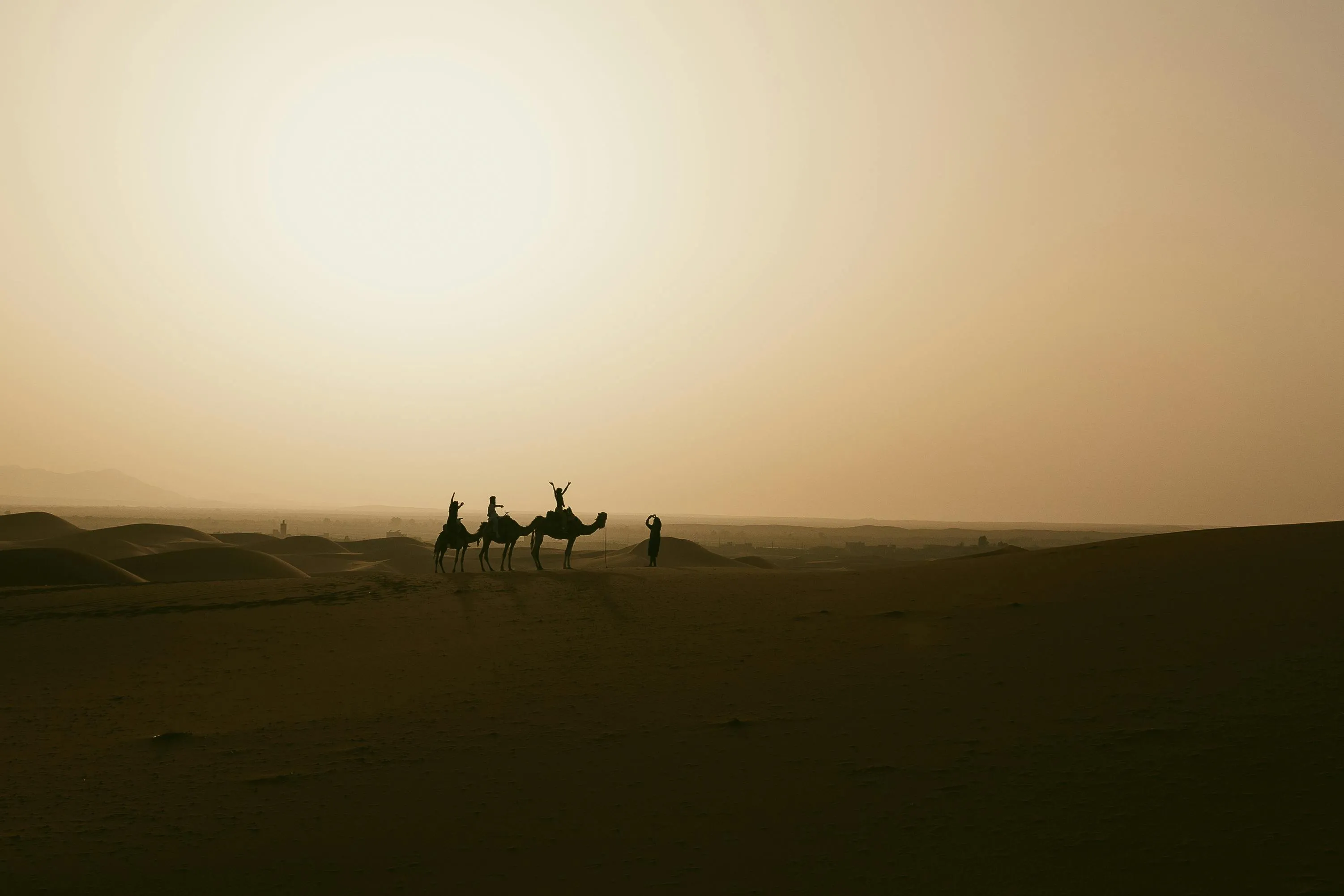
Camel caravan silhouette at sunset in the Sahara Desert near Merzouga

Morocco is a sensory overload in the best possible way. Labyrinthine medinas echo with copper-beaters and spice merchants. Amber Saharan dunes stretch to the horizon. Snow-capped Atlas peaks tower above Berber villages. Atlantic breakers roll onto empty surf beaches. All of this sits just a two-to-three-hour flight from most of Europe. It's one of the most accessible “other worlds” on the planet.

The Kingdom straddles Africa and the Arab world with a culture uniquely its own. Amazigh (Berber) heritage runs deep in the mountains and deserts, Arabic shapes the cities, French lingers from the protectorate era, and Spanish echoes in the north. The result is a country of extraordinary regional diversity packed into an area roughly the size of California or Spain:

  • Imperial Cities: Marrakech, Fez, Meknes, Rabat. Medieval medinas, palaces, and living history.
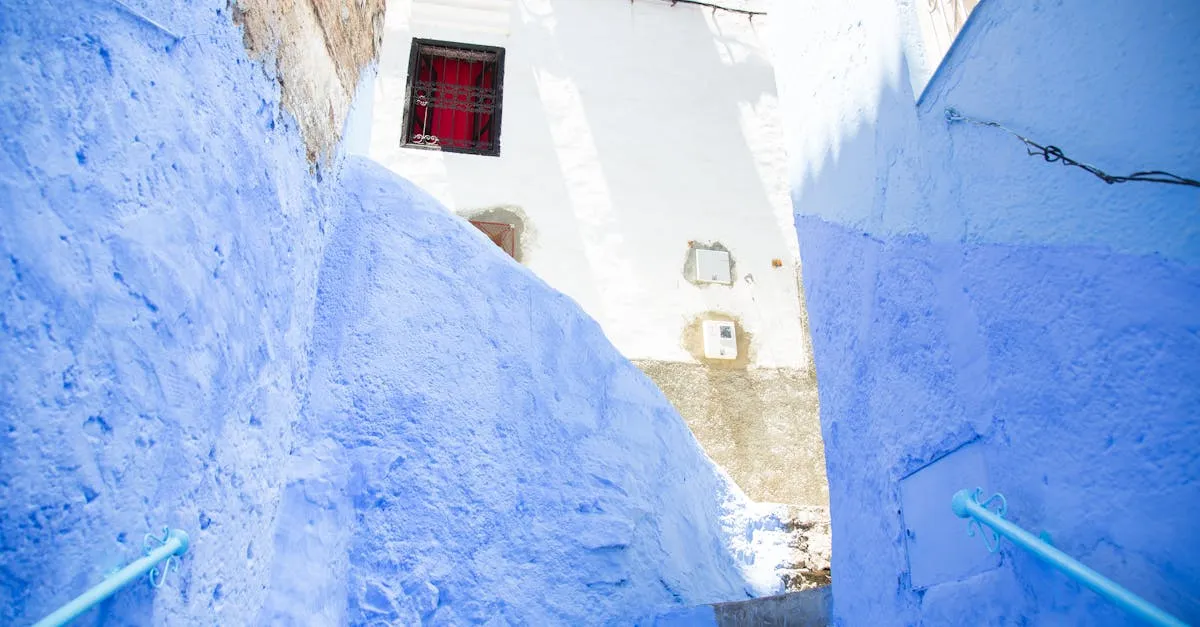
  • Chefchaouen & the Rif: The photogenic “Blue Pearl” and lush mountain forests
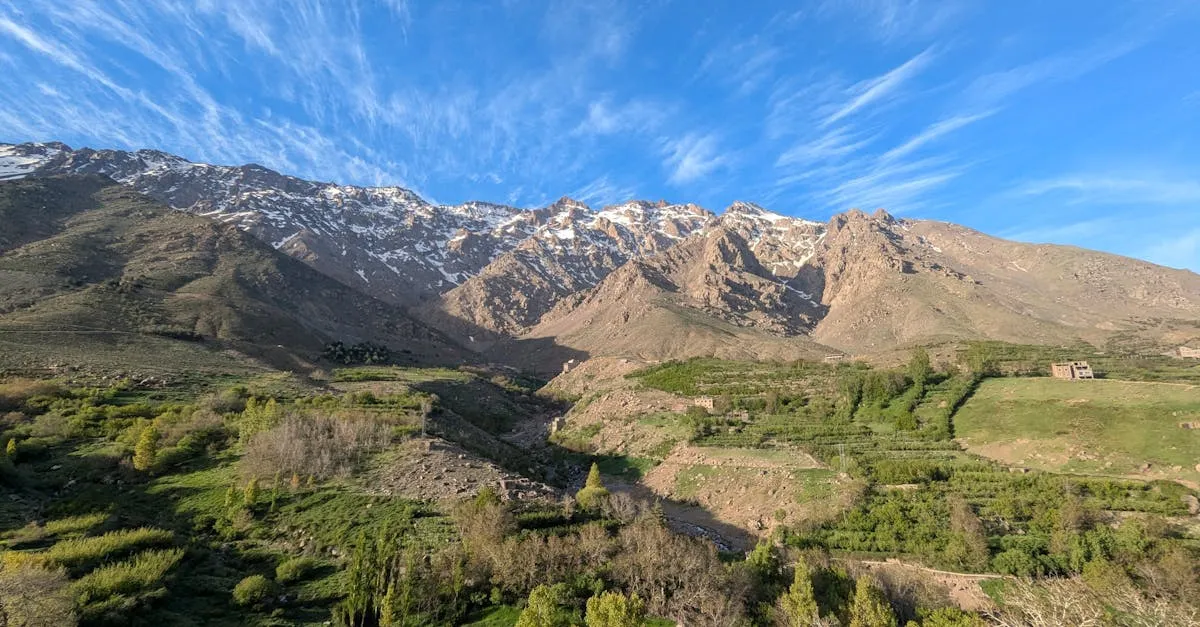
  • High Atlas: North Africa’s highest peak (Toubkal, 4,167 m), trekking, Berber homestays
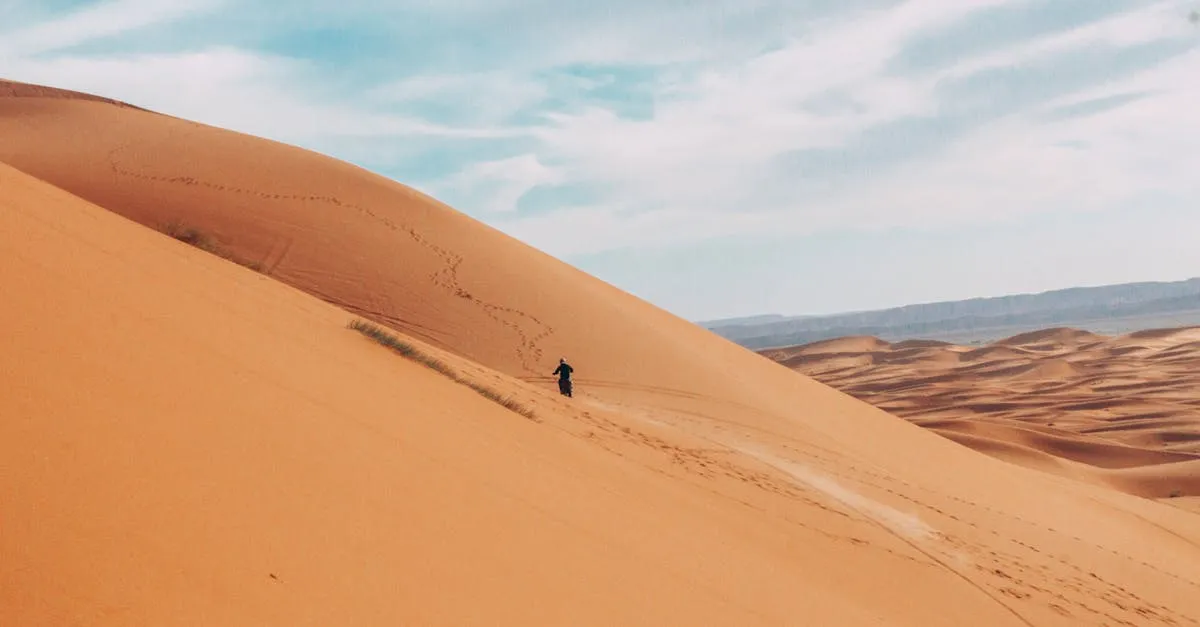
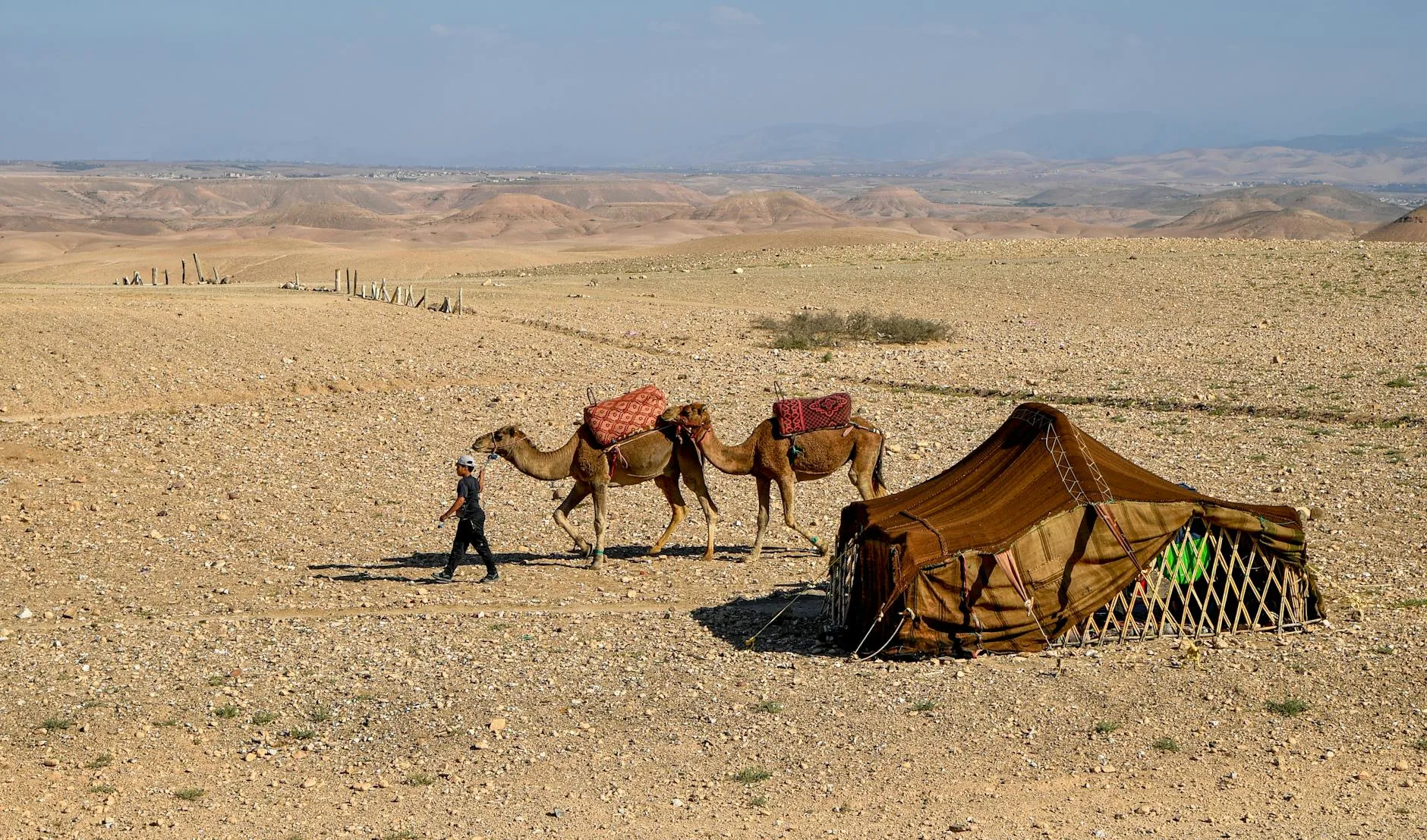
  • Sahara: Erg Chebbi’s 150-metre dunes, camel treks, and stargazing desert camps.
  • Atlantic Coast: Essaouira’s ramparts, Taghazout surf, Dakhla kitesurfing.
Population
38M
Arab-Amazigh majority
Size
447K km²
About the size of California or Spain
Currency
MAD
Moroccan Dirham · ~10.5 MAD ≈ €1
Daily Budget
€35–60
Per person, comfortable mid-range

Morocco rewards every travel style. Budget travellers sleep in medina hostels for 80 MAD (≈ €8) and eat tagines for 40 MAD (≈ €4). Mid-range visitors stay in gorgeous boutique riads for 500–1,000 MAD (≈ €50–95). Luxury seekers find world-class palatial hotels in Marrakech. Whether you have seven days or three weeks, the country’s compact size and excellent transport links make it easy to combine imperial culture, mountain adventure, desert magic, and coastal relaxation in a single trip.

Why Morocco Fits Your Trip Perfectly

Travel Style

Works for solo backpackers, couples, families, and group tours alike. Infrastructure ranges from basic mountain refuges to palatial luxury riads.

Value for Money

Exceptional. Street food from 10 MAD (≈ €1), boutique riads for the price of a European budget hotel, guided desert treks for a fraction of comparable experiences elsewhere.

Accessibility

Direct flights from most European capitals (2–3 hours). Visa-free for most Western passport holders (90 days). Arabic, French, and growing English make communication straightforward.

Diversity

Medieval medinas, 4,000-metre peaks, Saharan sand seas, Atlantic surf, Roman ruins. All reachable within a single two-week itinerary.
Map of Morocco

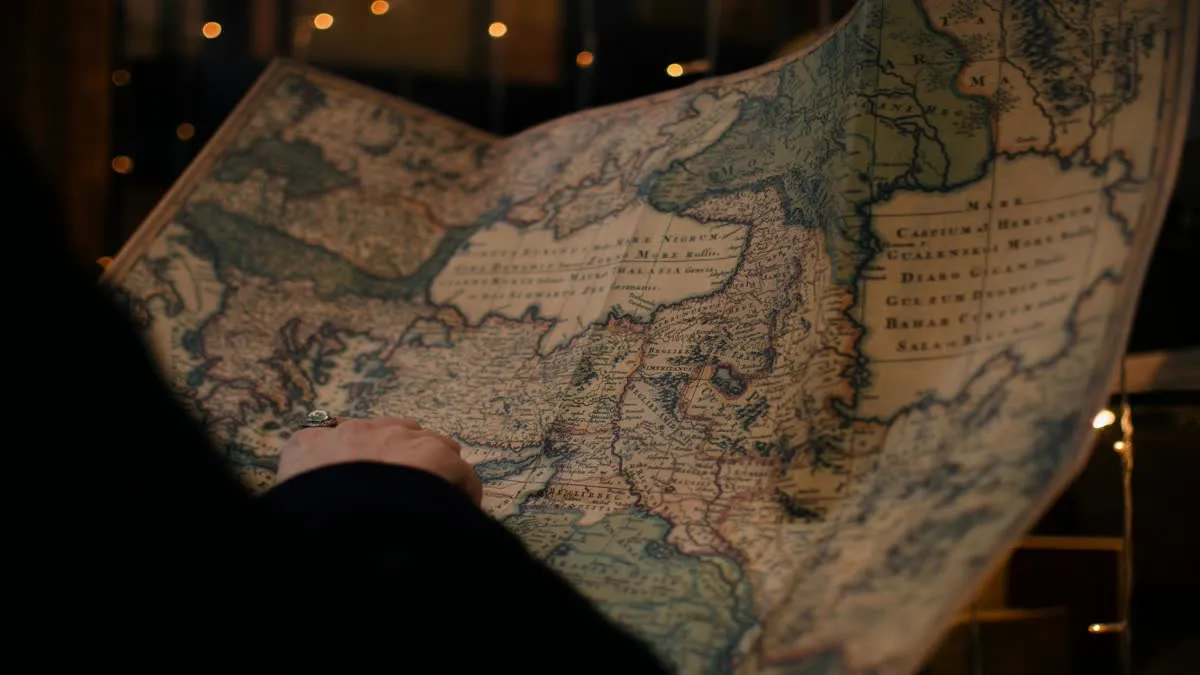
Morocco landscape with desert and mountains

Morocco covers roughly 446,550 km². That's slightly larger than California or about the size of Germany and Portugal combined. It's the only African country with coastline on both the Atlantic Ocean and the Mediterranean Sea. The Strait of Gibraltar, barely 14 km wide at its narrowest, separates Morocco from Spain and Europe.

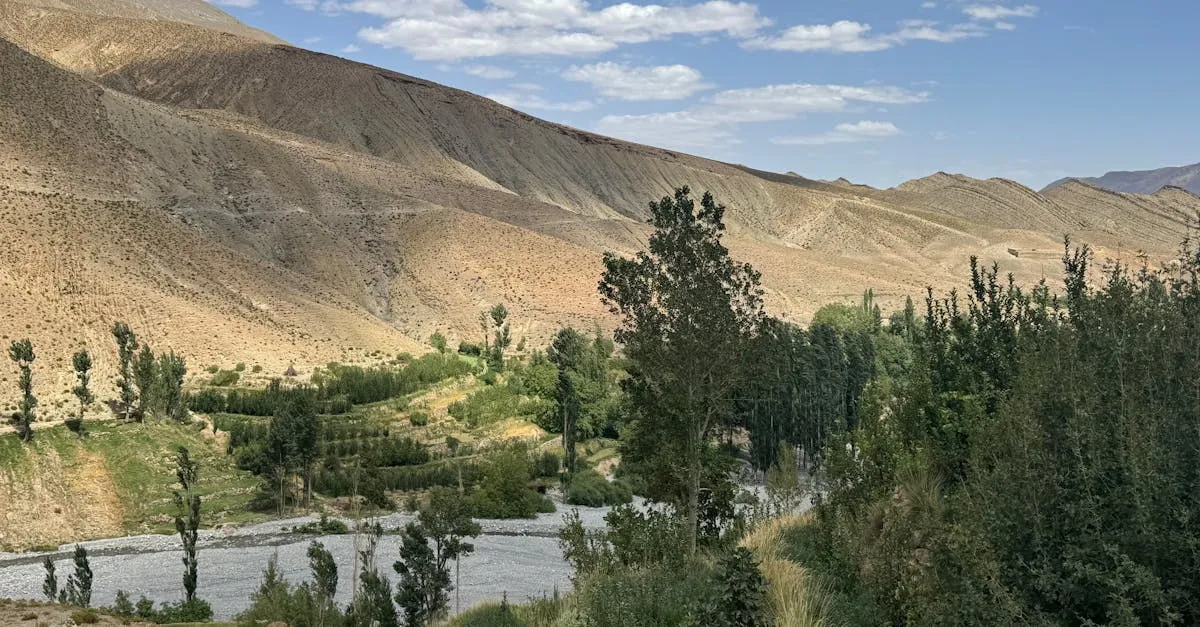
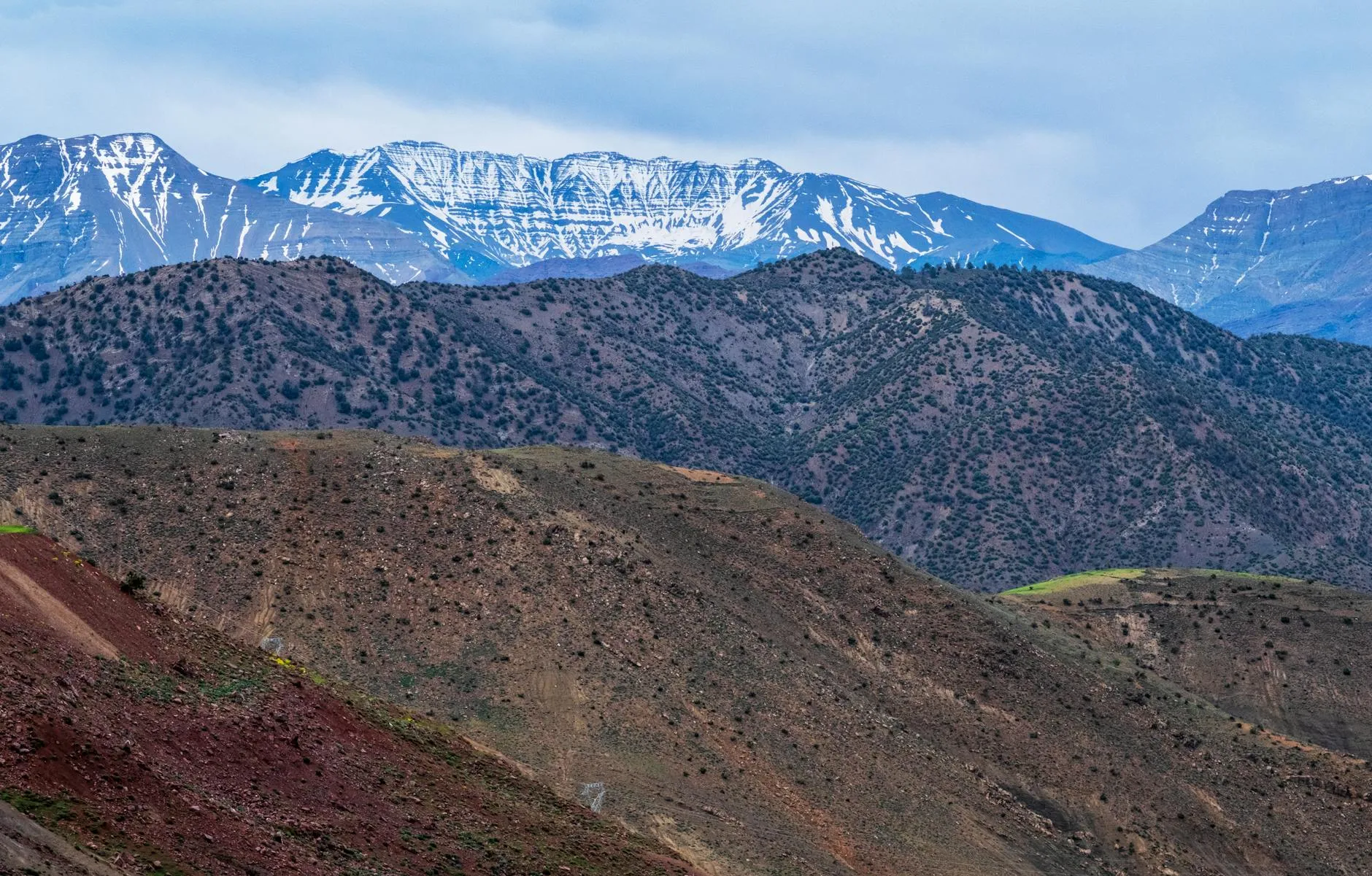
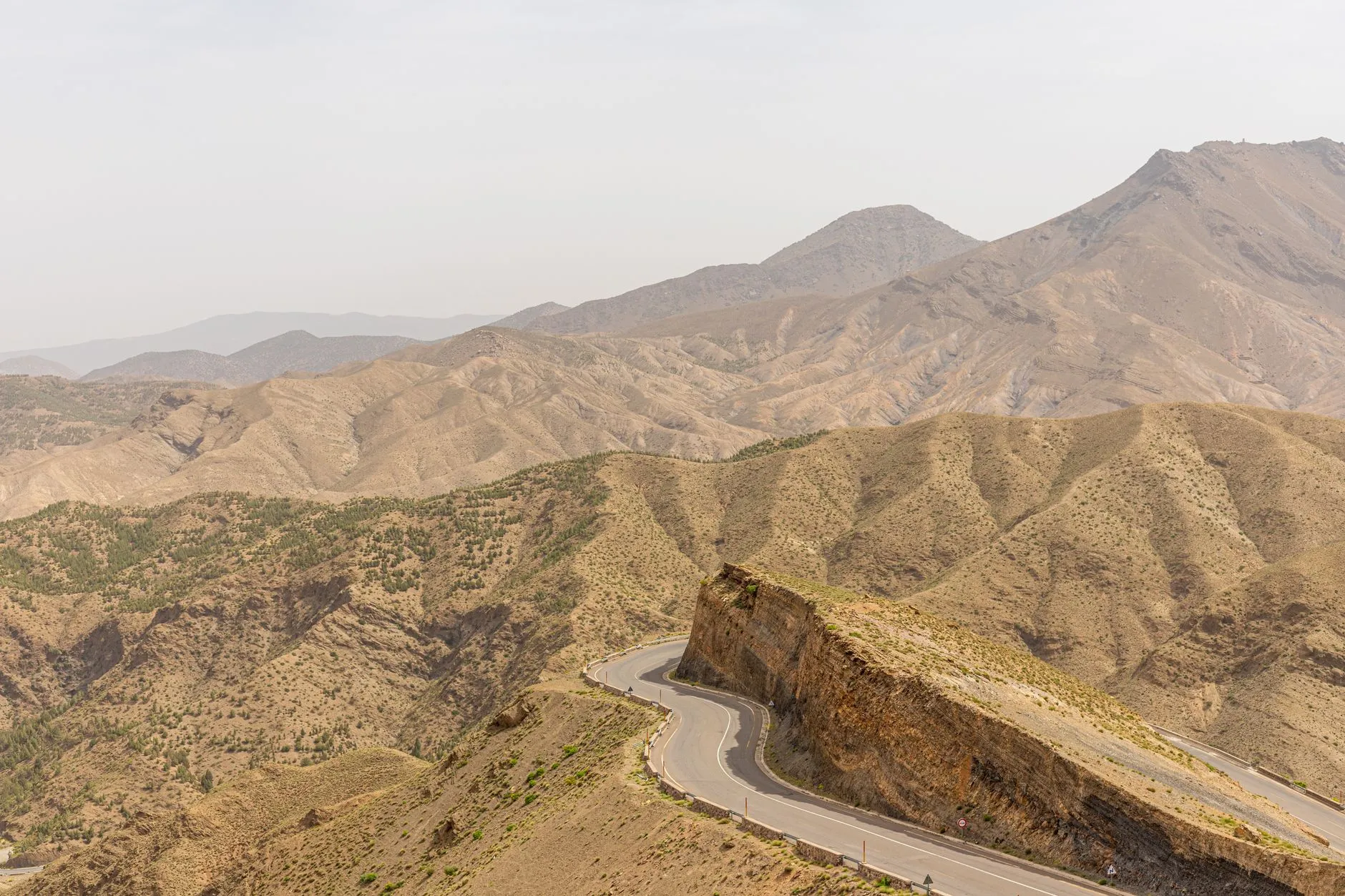
The geography is defined by dramatic contrasts. The Atlas Mountains form a massive spine running southwest to northeast, with the High Atlas peaking at Jebel Toubkal (4,167 m), North Africa’s highest summit. North of the Atlas lie the fertile coastal plains and the green Rif Mountains; south of it, the landscape drops sharply into the hammada and erg of the Sahara Desert. Morocco shares land borders with Algeria to the east and the disputed territory of Western Sahara to the south, while the Spanish enclaves of Ceuta and Melilla dot the Mediterranean coast.

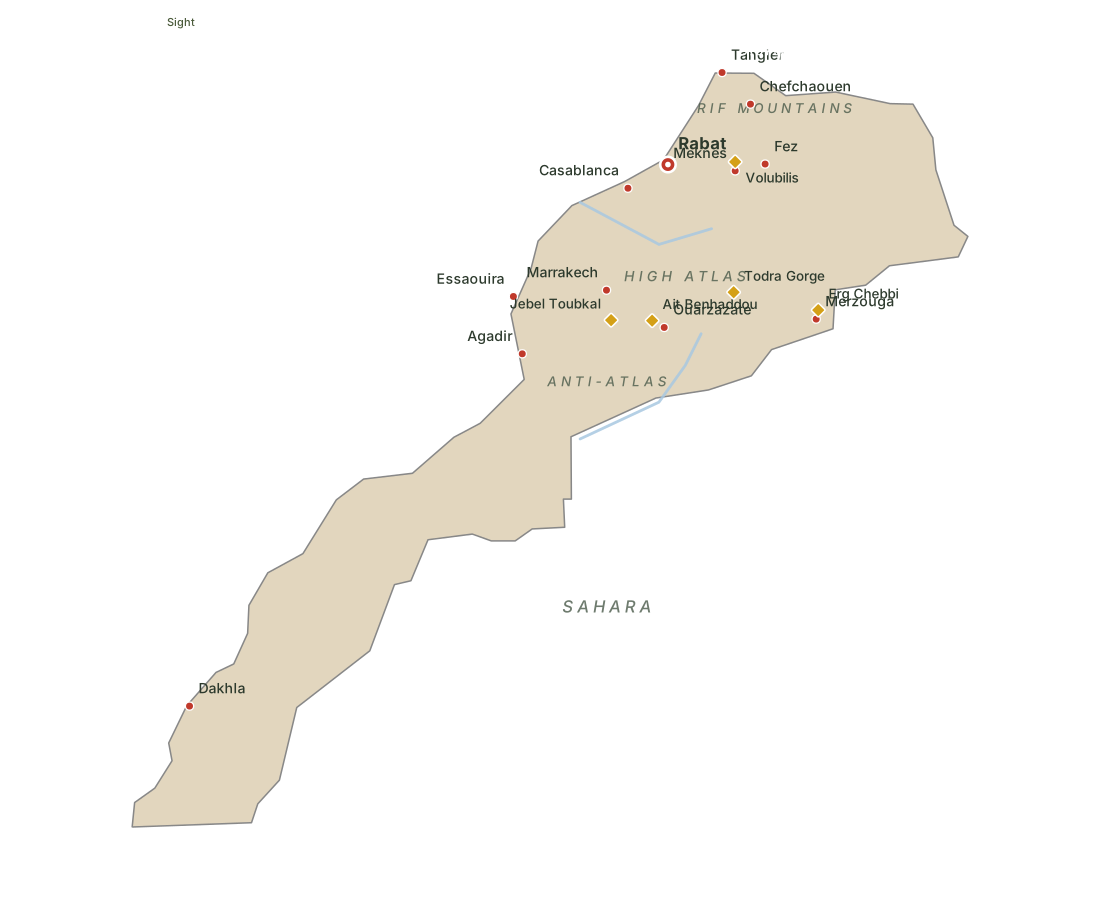
Map of Morocco showing key travel destinations and regions

Morocco sits in the northwest corner of Africa, bordered by the Atlantic Ocean to the west, the Mediterranean Sea to the north, Algeria to the east, and Mauritania to the south. The country spans roughly 1,800 km from Tangier in the north to the Saharan south, with the Atlas Mountains forming a dramatic spine through the interior.

  • Northern Morocco: Tangier, Chefchaouen, Fez, Meknes, Rabat. The imperial heartland and Rif Mountains.
  • Central Morocco: Marrakech, High Atlas, Ouarzazate, Aït Benhaddou. The gateway between mountains and desert.
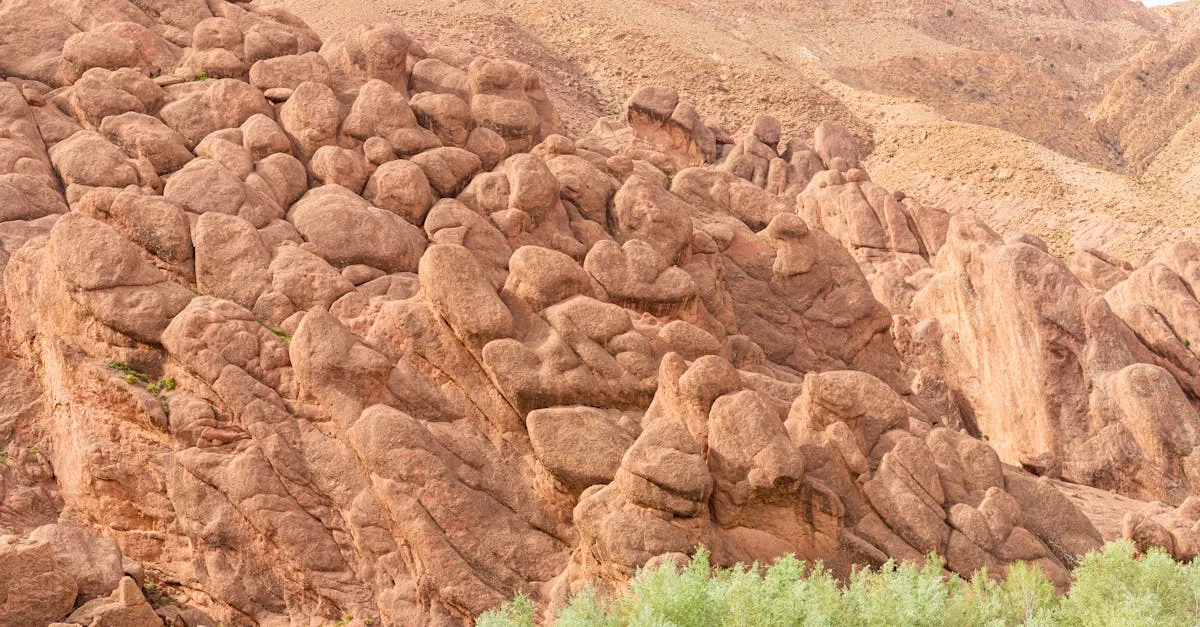
  • Southern Morocco: Merzouga (Erg Chebbi), Draa Valley, Todra & Dades Gorges. The Saharan edge.
  • Atlantic Coast: Casablanca, Essaouira, Agadir, Taghazout. Beaches, surf, and port cities.

Best Time to Visit

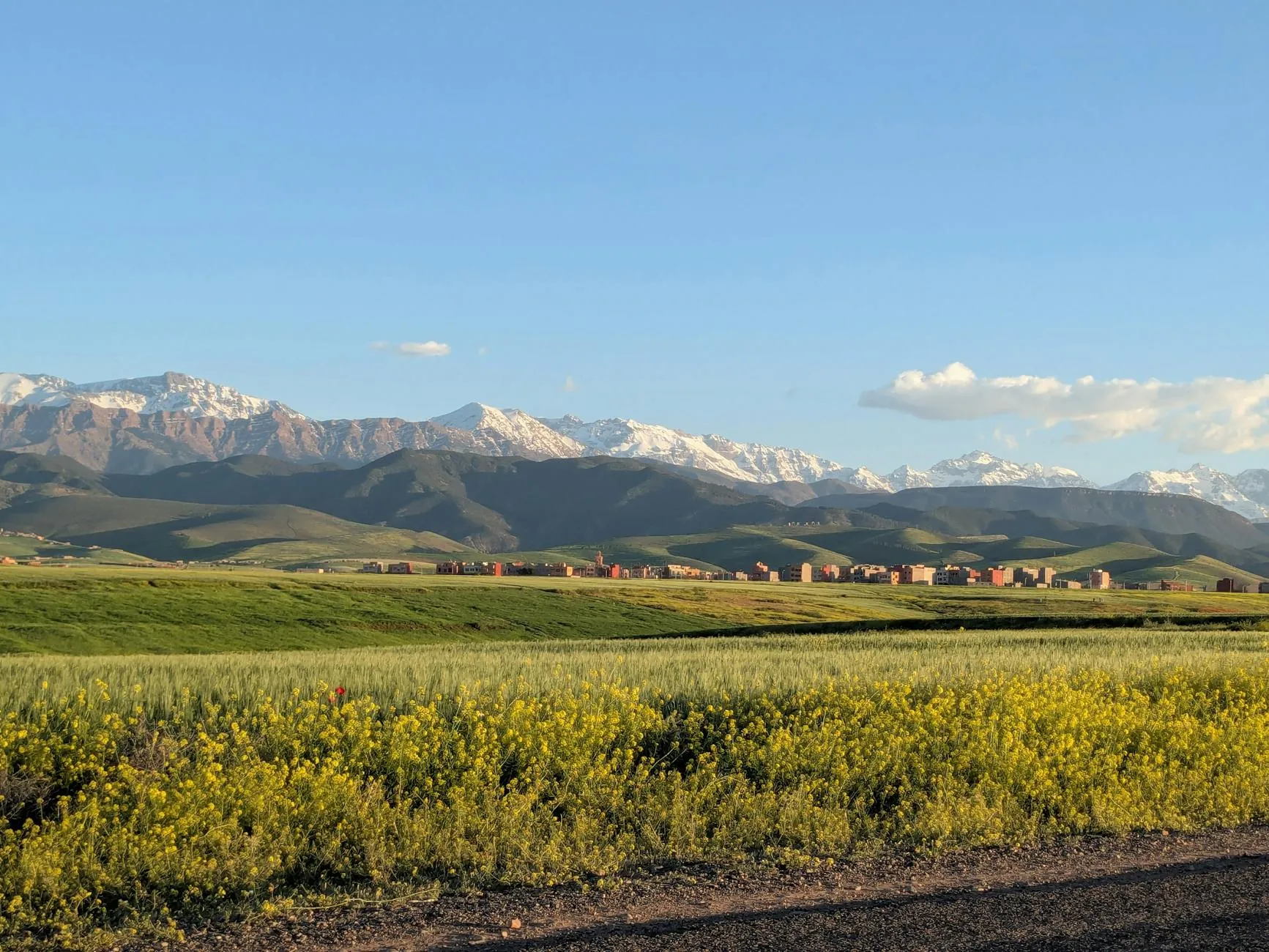
Spring flowers in the Atlas Mountains

Morocco’s ideal window depends heavily on which regions you plan to visit, but March–May and September–November are the sweet spots for most itineraries. Warm without the punishing interior heat. Minimal rain. Comfortable for both city exploration and mountain trekking.

Spring (Mar–May)

Arguably the best overall window. Almond blossoms in the Atlas, wildflowers in valleys, comfortable 22–30 °C in the imperial cities. The Rose Festival in Kalaat M’Gouna peaks in mid-May. Some late-season snow on Toubkal adds drama.

Summer (Jun–Aug)

Interior cities (Marrakech, Fez) regularly hit 40–45 °C. Genuinely uncomfortable for sightseeing. The Sahara is off-limits for comfort. However, the Atlantic coast (Essaouira, Agadir, Taghazout) stays a pleasant 22–26 °C, and high-altitude Atlas trekking is prime season.

Autumn (Sep–Nov)

Excellent all-rounder. Temperatures drop to manageable 24–32 °C in cities, the Sahara becomes viable again from October, and autumn light over the medinas is gorgeous. September–October is arguably the single best trekking window.

Winter (Dec–Feb)

Cool but rewarding. Fewer tourists, lower prices, crisp light. Marrakech sits at 12–20 °C. The Sahara is at its best for overnight camps (warm days, chilly starlit nights). Snow covers Toubkal and the High Atlas. Serious mountaineering terrain. The Jebel Saghro (Anti-Atlas) offers prime winter trekking.

Ramadan planning: Ramadan shifts ~11 days earlier each year (Feb–Mar 2026, Feb–Mar 2027). During the holy month, many local restaurants close during daylight hours, though tourist-oriented establishments maintain service. Evenings come alive with iftar meals and night markets. It’s a beautiful time to visit if you respect the rhythm. After-dark Marrakech during Ramadan is unforgettable.

Month-by-Month Overview

MonthSeasonBest RegionsCrowdsPricesRating
JanuaryCool/WetSahara (clear days), Marrakech (mild)🟢 Low🟢 Low⭐⭐⭐
FebruaryCoolSahara, Marrakech, Fes. Almond blossoms.🟢 Low🟢 Low⭐⭐⭐
MarchSpringEverywhere. Wildflowers, pleasant temps.🟡 Moderate🟡 Moderate⭐⭐⭐⭐⭐
AprilSpringEverywhere. Perfect conditions, Rose Festival.🟡 High🟡 High⭐⭐⭐⭐⭐
MayLate SpringAtlas trekking, coast, cities still comfortable🟡 Moderate🟡 Moderate⭐⭐⭐⭐⭐
JuneEarly SummerCoast (Essaouira), Atlas. Sahara getting hot.🟡 Moderate🟡 Moderate⭐⭐⭐
JulyHotCoast only, Atlas (high altitude). Interior scorching.🔴 High🔴 High⭐⭐⭐
AugustHot (peak)Coast, Chefchaouen. Marrakech/Fes unbearable.🔴 Very High🔴 Peak⭐⭐
SeptemberEarly AutumnEverywhere. Heat breaking, excellent shoulder.🟡 Moderate🟡 Moderate⭐⭐⭐⭐⭐
OctoberAutumnSahara ideal, Marrakech, Fes, Atlas trekking🟡 Moderate🟡 Moderate⭐⭐⭐⭐⭐
NovemberLate AutumnMarrakech, Sahara, cities. Some rain north.🟡 Moderate🟡 Moderate⭐⭐⭐⭐
DecemberCoolMarrakech, Sahara (cold nights), cities festive🟡 High🟡 High⭐⭐⭐

Climate & Weather

Morocco packs an astonishing range of climates into a single country. The Atlas Mountains act as a giant weather wall, splitting the country into a Mediterranean-influenced north and an arid, Saharan south.

  • Mediterranean coast (Tangier, Chefchaouen): Mild, wet winters (10–16 °C) and warm, dry summers (26–32 °C). The Rif Mountains catch the most rainfall in the country. Lush green forests result.
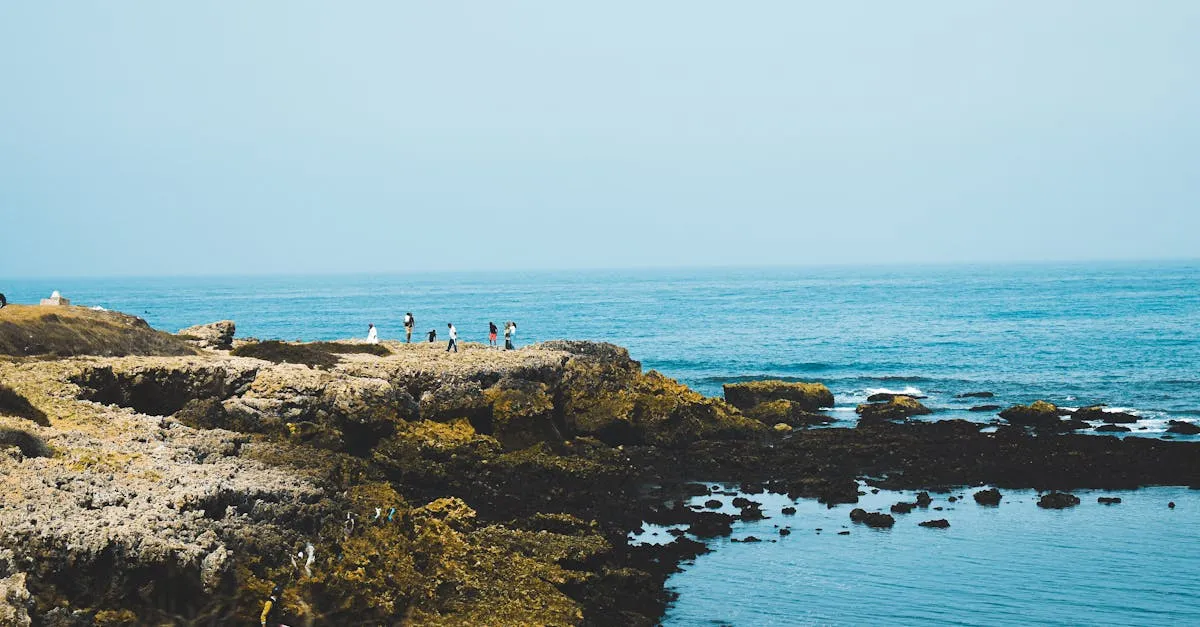
  • Atlantic coast (Casablanca, Essaouira, Agadir): Moderated by ocean breezes year-round. Summers rarely exceed 26 °C. Essaouira is famously windy (earning the title “Wind City of Africa”). Fog is common in mornings.
  • Interior plains & imperial cities (Marrakech, Fez, Meknes): Continental extremes. Summers are scorching (36–45 °C in July–August). Winters are cool and pleasant (12–20 °C) with occasional rain.
  • High Atlas Mountains: Alpine conditions at altitude. Snow covers passes above 2,500 m from November through April. Summer days are warm (20–28 °C at trekking altitudes) but nights are always cool. Toubkal summit can drop below −10 °C in winter.
  • Saharan edge (Merzouga, Zagora, Ouarzazate): Extreme aridity. Summer is brutal (40–48 °C). October through April is the viable season, with warm days (18–30 °C) and cold nights (can drop near freezing in desert camps).
Wind factor: The Atlantic coast is perpetually windy, especially Essaouira and Dakhla. This is paradise for kitesurfers and windsurfers but can make beach relaxation challenging. Bring a windbreaker even in summer.

Seasons & Temperatures

Monthly averages for key destinations (daytime highs in °C). Use this to match your trip dates to the right regions.

City / RegionJanFebMarAprMayJunJulAugSepOctNovDec
Marrakech182023252934393833282218
Fez151719222632373631251915
Chefchaouen131417192328333328221714
Essaouira181819192022232323222018
Merzouga (Sahara)182125293440444337302318
Atlas (2,500 m)571013172227262115106
  • Peak season: March–May and September–November. Best weather, highest demand, prices ~20% above baseline.
  • Shoulder season: June (before peak heat) and December (cool but sunny). Good value.
  • Low season: July–August (extreme heat inland) and January–February (cool, occasional rain). Budget travellers benefit from 30–40% lower riad prices.

Holidays & Festivals

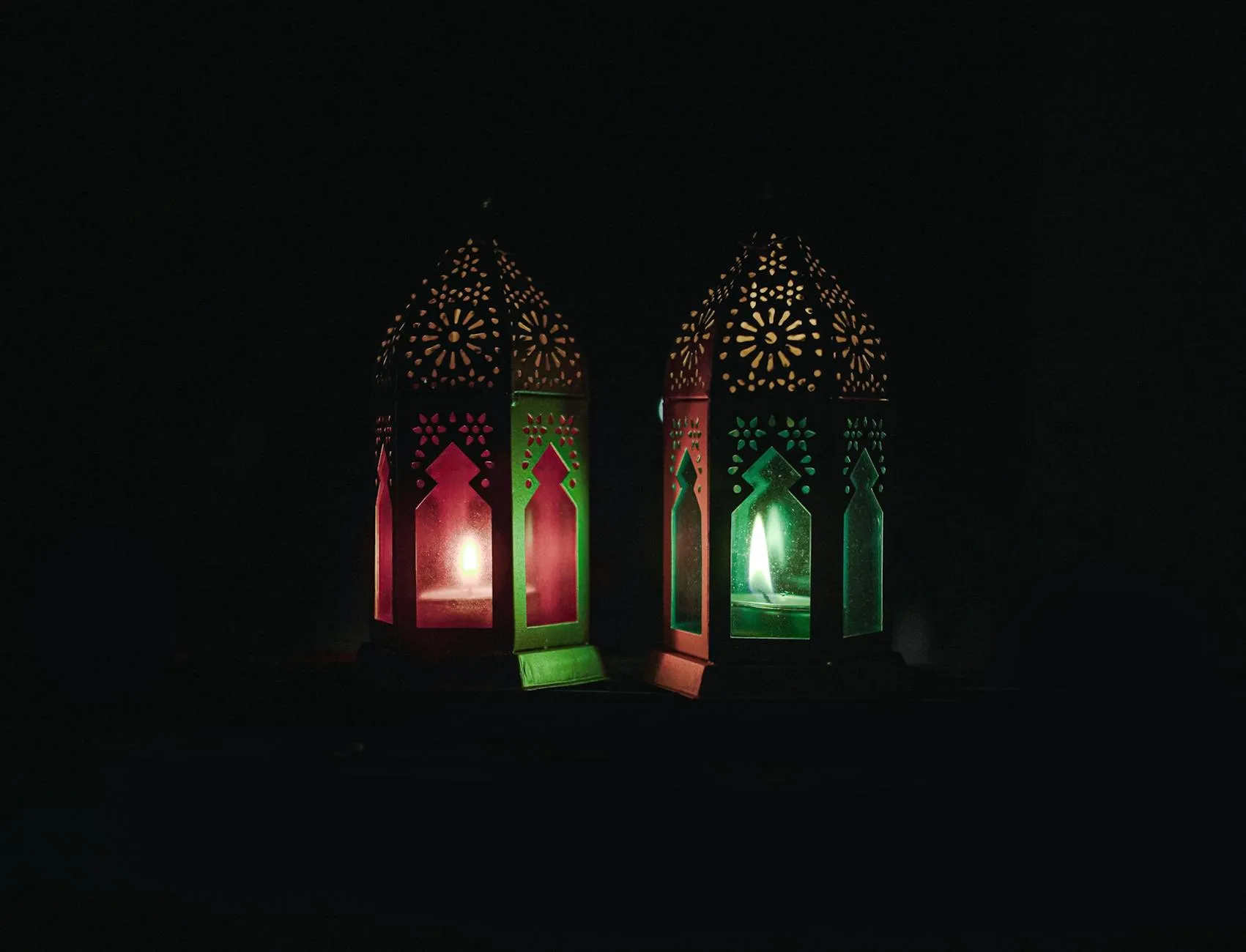
Moroccan festival lanterns at night

Morocco’s calendar blends fixed national holidays with Islamic observances that shift ~11 days earlier each Gregorian year. Plan around Eid periods (heavy domestic travel, many closures) and consider timing your trip to experience Ramadan evenings or a regional festival.

Islamic Holidays (lunar calendar, dates shift annually)

  • Ramadan (30 days). Holy month of fasting dawn to sunset. Feb–Mar 2026, Feb–Mar 2027. Restaurants close during daylight (tourist areas maintain limited service). Evening iftar meals and night markets are magical. A profound cultural experience.
  • Eid al-Fitr (2–3 days). End of Ramadan. Families celebrate with feasts, new clothes, sweet pastries. Shops may close 1–3 days. ~Mar 2026.
  • Eid al-Adha (2–3 days). Festival of Sacrifice. The biggest holiday. Nearly everything shuts. Families gather for traditional sheep sacrifice and communal feasting. ~Late May 2026. Book transport and accommodation well in advance.
  • Mawlid (Prophet’s Birthday). Sufi ceremonies in Fez, parades elsewhere. ~Aug 2026.

Fixed National Holidays

  • 1 January: New Year’s Day
  • 11 January: Independence Manifesto Day
  • 14 January: Amazigh New Year (Yennayer)
  • 1 May: Labour Day
  • 30 July: Throne Day. Major celebrations nationwide.
  • 20 August: Revolution of the King and the People
  • 6 November: Green March anniversary
  • 18 November: Independence Day

Cultural Festivals Worth Planning Around

  • Rose Festival (mid-May, Kalaat M’Gouna). Three days celebrating the Dades Valley rose harvest. Parades with rose-decorated floats, Rose Queen pageant, Amazigh music. Free to attend.
  • Gnaoua World Music Festival (June, Essaouira). Four days of trance-infused Gnawa music, world artists, and free concerts along the ramparts. Essaouira’s biggest annual event.
  • Mawazine Festival (June, Rabat). One of the world’s largest music festivals by attendance (over 2 million). International headliners. Mostly free.
  • Fez Festival of World Sacred Music (June, Fez). Intimate performances in historic medina venues. Tickets 200–400 MAD (≈ €19–38).
  • Marathon des Sables (April, Sahara). Ultra-marathon across 250 km of desert. Spectating is limited but the cultural aura around it is real.

Regions of Morocco

Panoramic view across Morocco from desert to Atlas mountains

Morocco offers diverse landscapes and experiences across its regions.

Imperial Cities & the Rif landscape

Imperial Cities & the Rif

Northern Morocco holds the country's cultural and historical heart. The four imperial capitals (Marrakech, Fez, Meknes, and Rabat) each served as the seat of a dynasty. The Rif Mountains add a green, Mediterranean counterpoint to the arid south.

Atlas, Sahara & Coast landscape

Atlas, Sahara & Coast

Southern Morocco delivers the landscapes that define the country's visual identity. The dramatic Atlas barrier, the cinematic desert, and the wild Atlantic edge.

Top Sightseeing

Morocco landmarks and sightseeing

Morocco spans four distinct landscapes — Atlantic coast, High Atlas mountains, Sahara Desert, and the fertile plains in between — and each has produced a completely different built environment and culture. The result is one of the most visually striking countries in the world, where every city has a distinct colour palette and every region feels like a different country.

  • Fes Medina: The world’s largest car-free urban area — 9,400 alleyways, medieval tanneries, and a sensory intensity that no other city matches
  • Sahara Desert: Erg Chebbi and Erg Chigaga — camel treks to desert camps, sunrise over dunes reaching 150 metres
  • Marrakech: Jemaa el-Fnaa square, the Bahia Palace, Majorelle Garden, and souks that have been trading for a thousand years
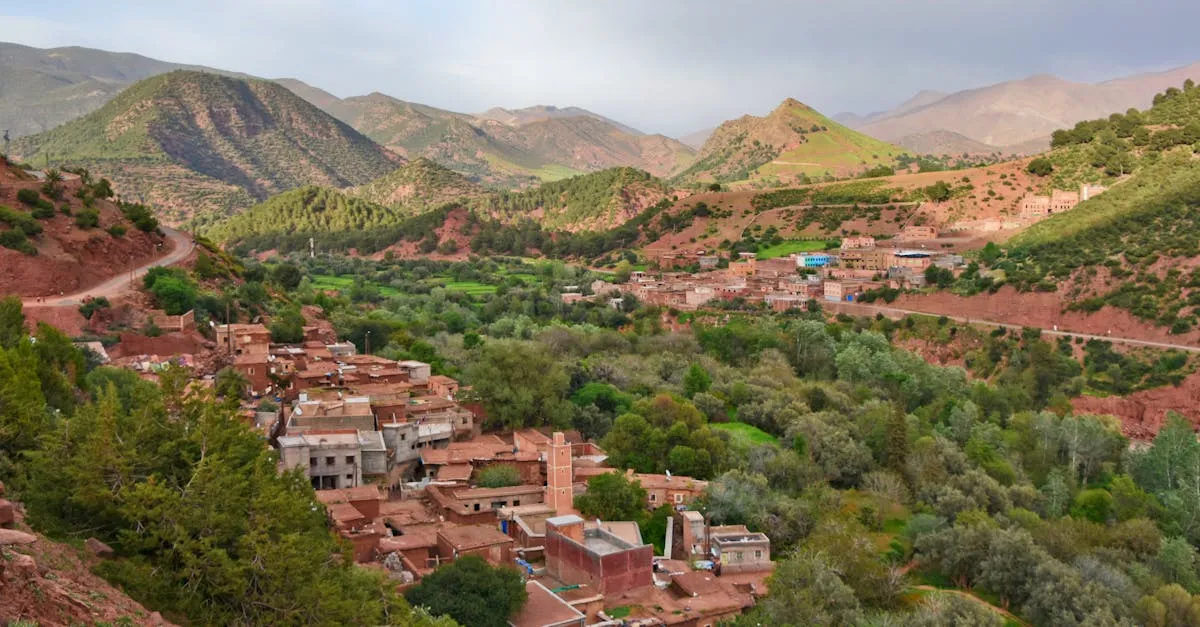
  • High Atlas: North Africa’s highest peaks (Toubkal, 4,167 m), Berber villages, and dramatic gorges carved into red rock
  • Chefchaouen: The blue-washed mountain town in the Rif — photogenic beyond reason, with excellent hiking nearby
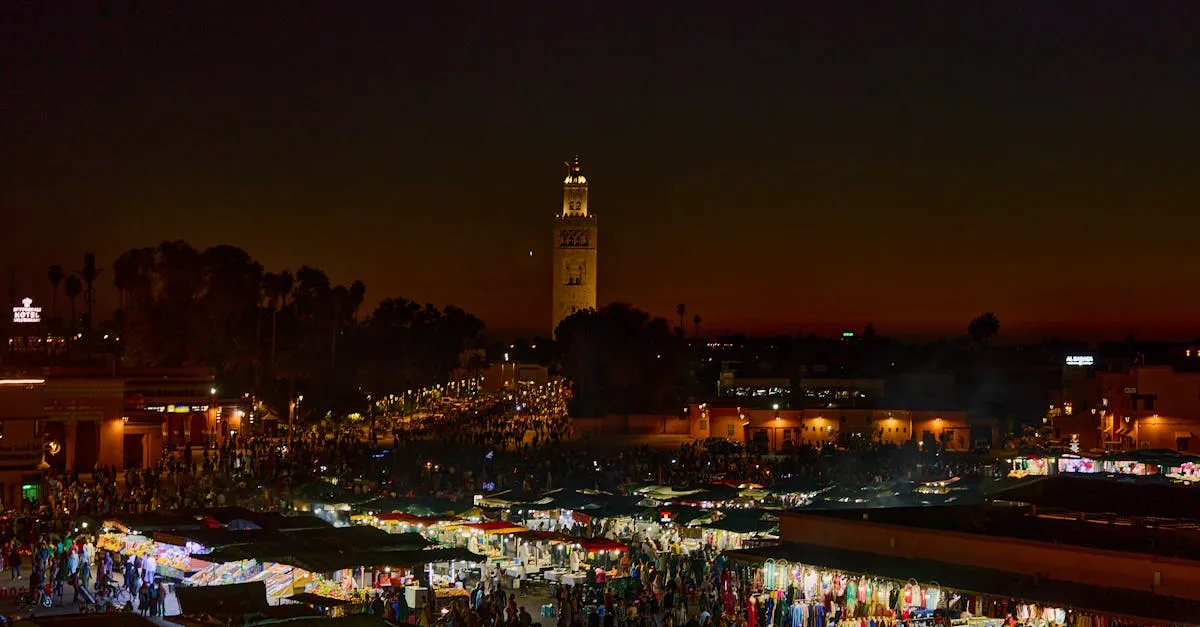
Jemaa el-Fna square at night

Jemaa el-Fna, Marrakech

UNESCO Intangible Heritage. By day, a sprawling souk. By dusk, an open-air theatre: food stalls, Gnawa musicians, storytellers, henna artists, and snake charmers. The quintessential Morocco experience. Free to wander; budget 50–100 MAD (≈ €5–10) for food.

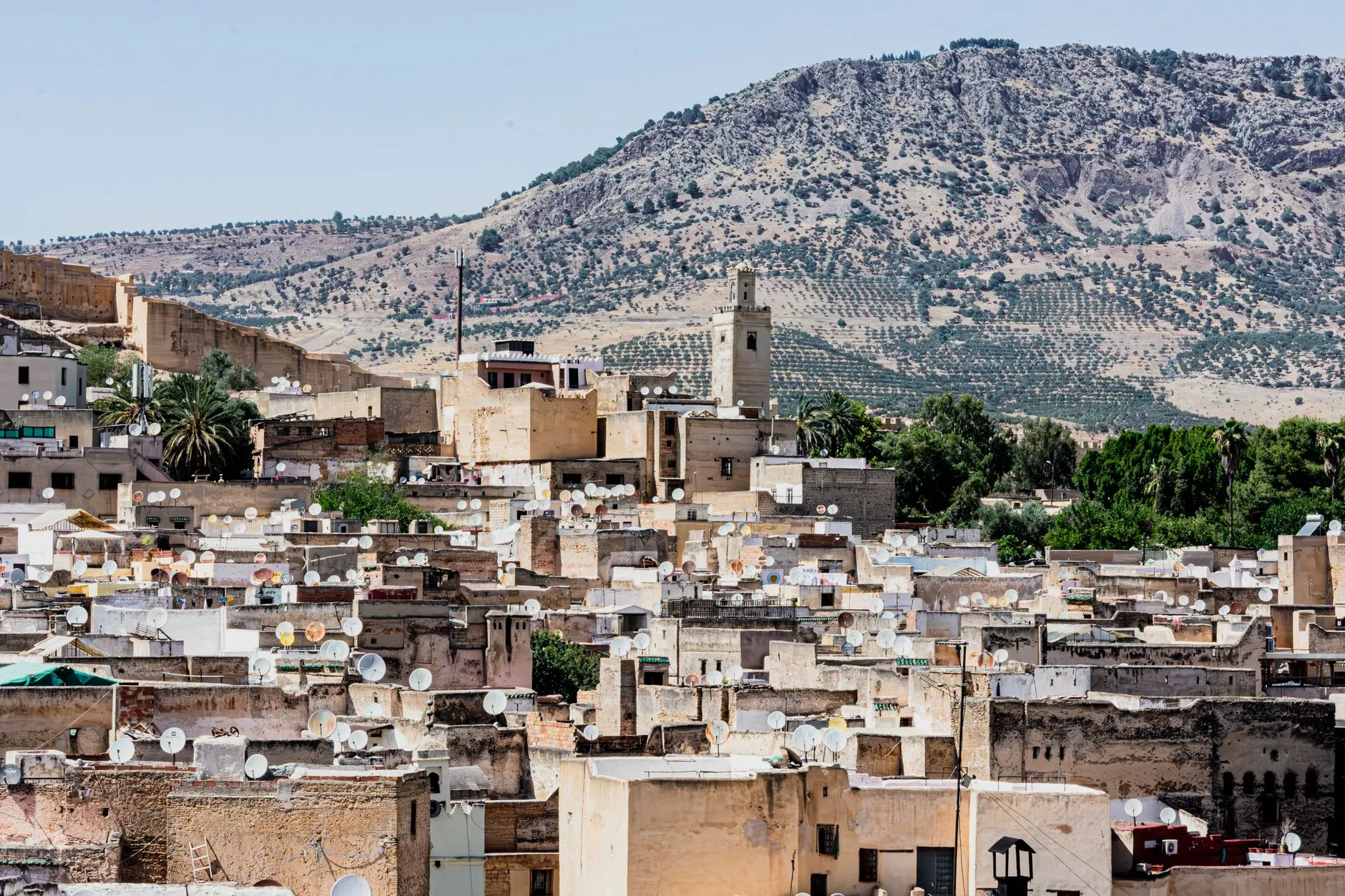
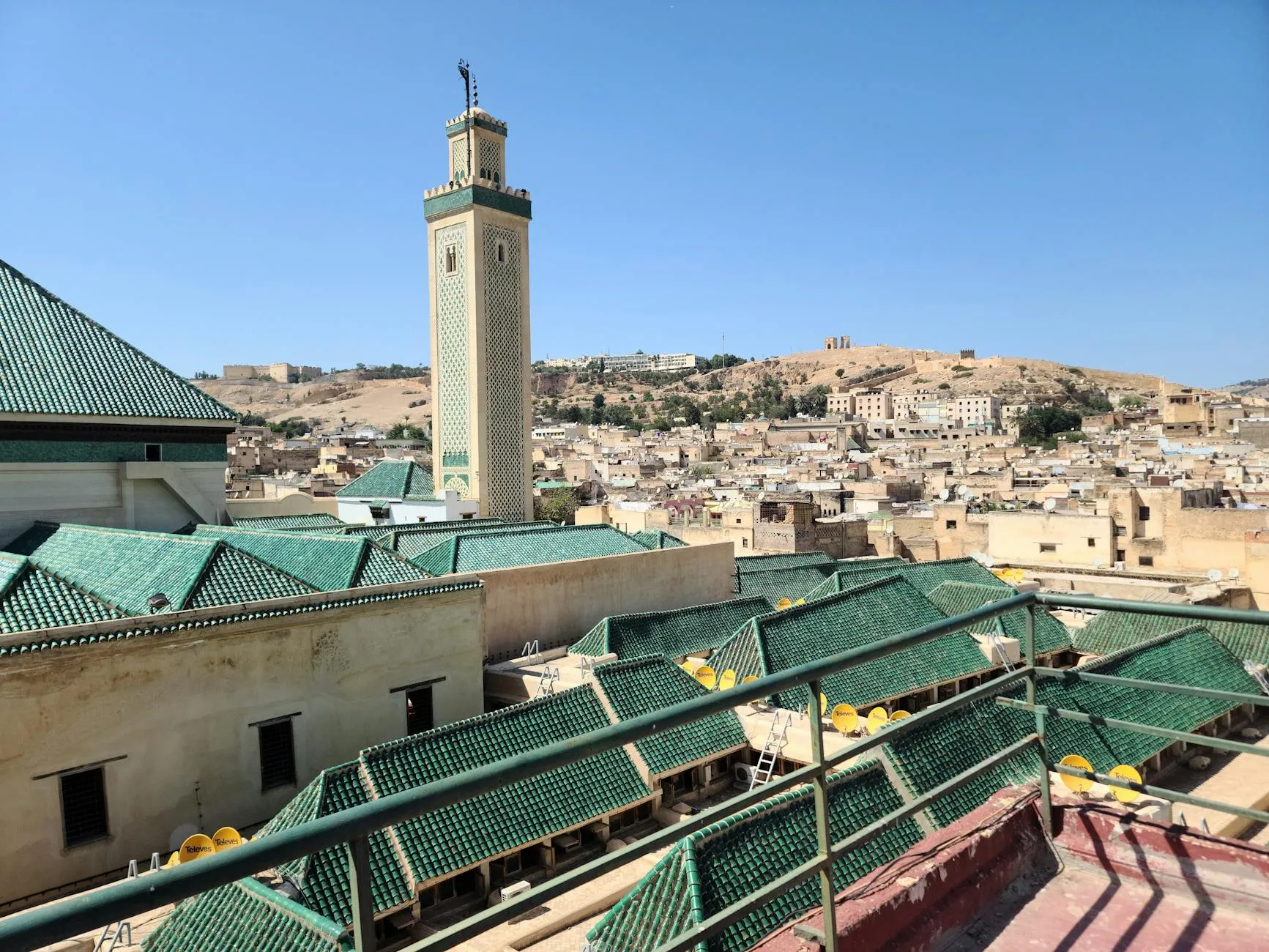
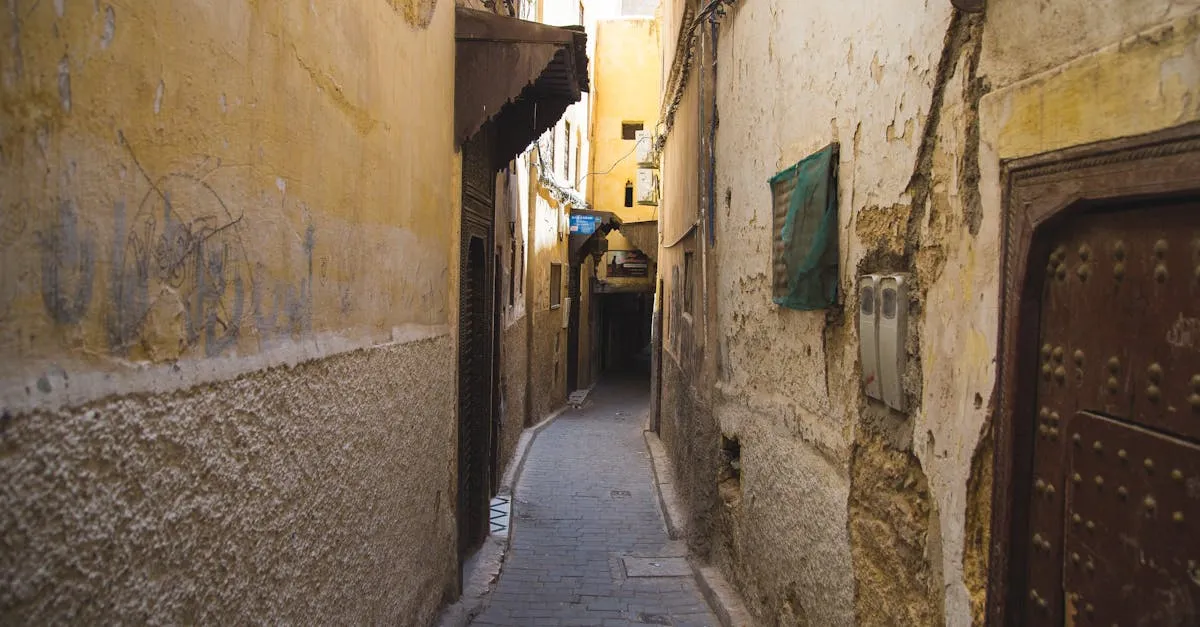
Ancient alley in Fez medina

Fez el-Bali Medina

The world’s largest car-free urban zone. 9,400 alleys, the Chouara tanneries (accept the rooftop mint sprig), Al Quaraouiyine Mosque (859 AD), and Bou Inania Madrasa. Getting lost is the point. A licensed guide costs ~300 MAD (≈ €29) for a half-day.

Blue streets of Chefchaouen

Chefchaouen

The blue-washed Rif mountain town that launched a thousand Instagram feeds. Every alley reveals a new shade. Hike to the Spanish Mosque for panoramic sunset views. Best photographed in the golden hour.

Sahara sand dunes at Erg Chebbi

Erg Chebbi (Sahara Dunes)

150-metre amber dunes near Merzouga. Camel trek to a desert camp, watch the sunset paint the sand, sleep under a sky with zero light pollution. The Milky Way visibility is staggering. 2-day/1-night tours from 500 MAD (≈ €48) per person.

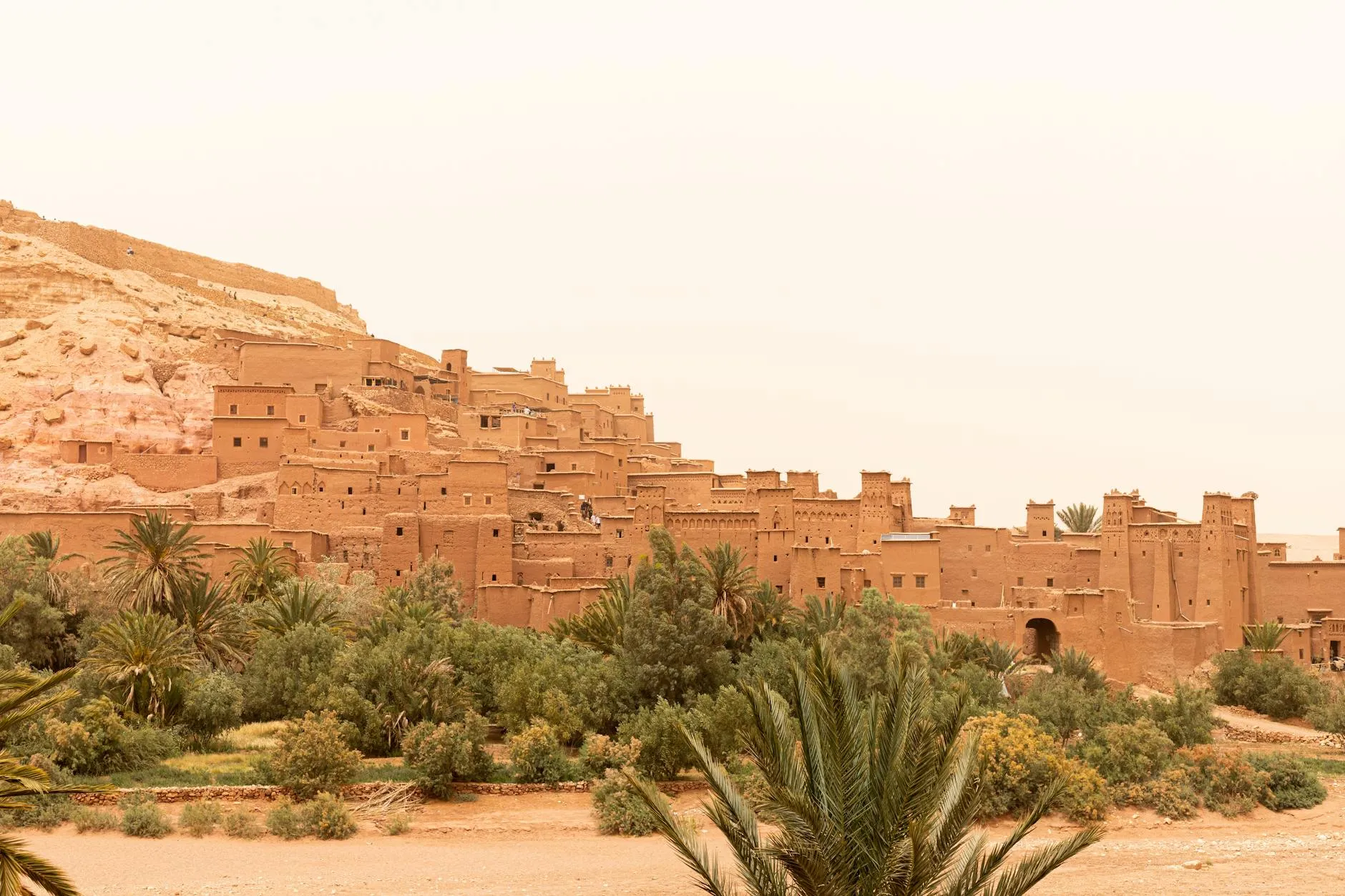
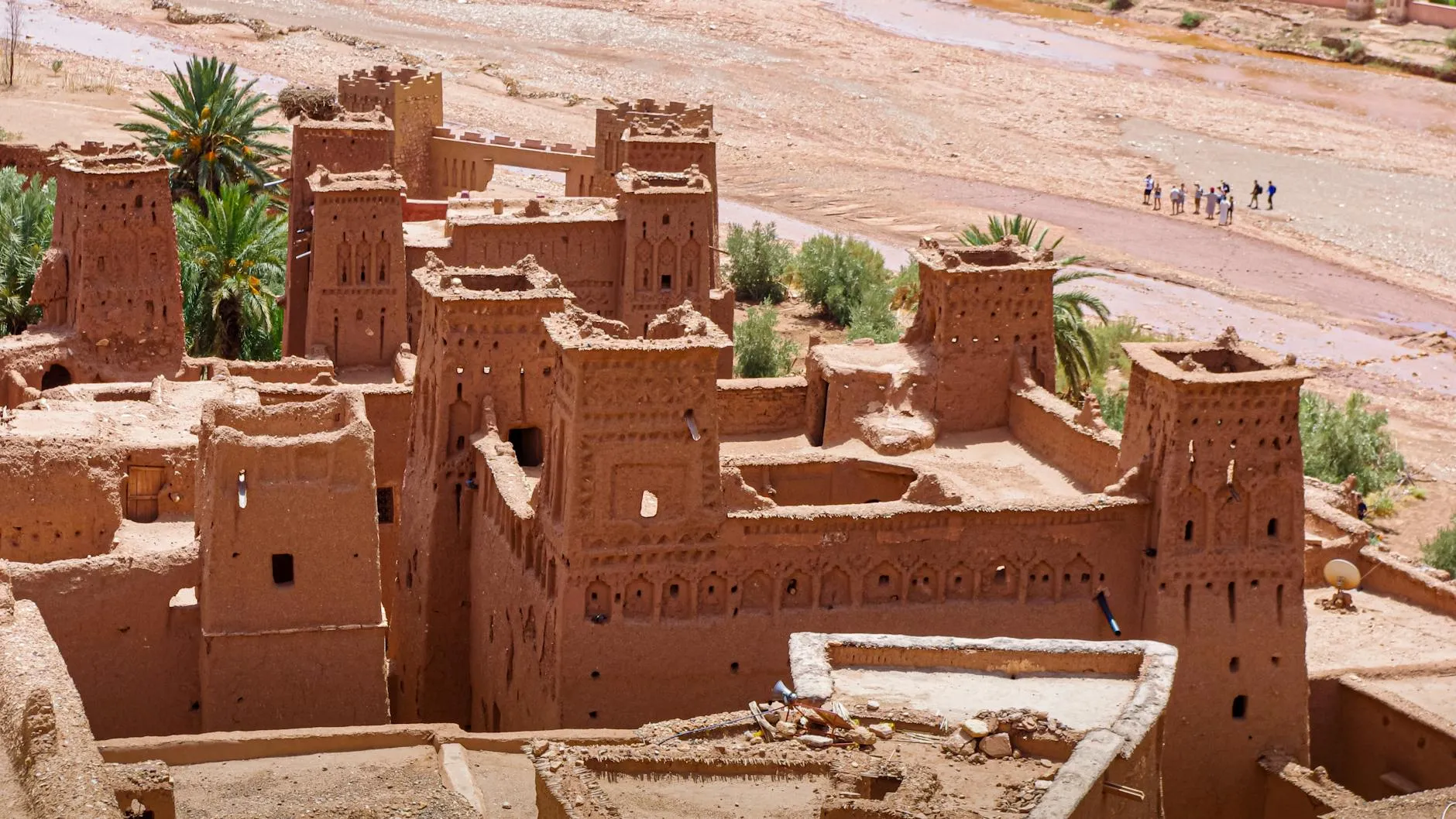
Ait Benhaddou kasbah

Aït Benhaddou (UNESCO Ksar)

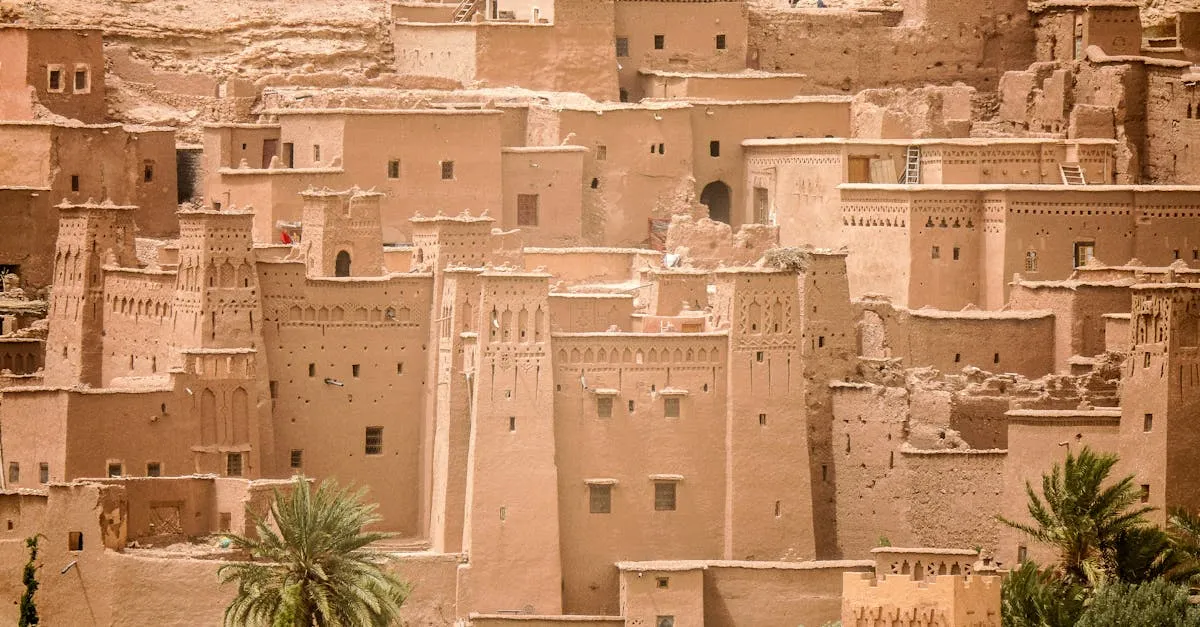
Morocco’s most photogenic fortified village, used as a set for Gladiator, Game of Thrones, and Lawrence of Arabia. Cross the shallow river, climb through cascading mud-brick homes to the summit viewpoint. Entry 10 MAD (≈ €1).

Todra Gorge canyon walls

Todra Gorge

300-metre sandstone walls narrowing to just 10 metres apart. Walk the gorge floor along the river, watch rock climbers on the vertical faces, and have lunch at a cliffside restaurant. Free access.

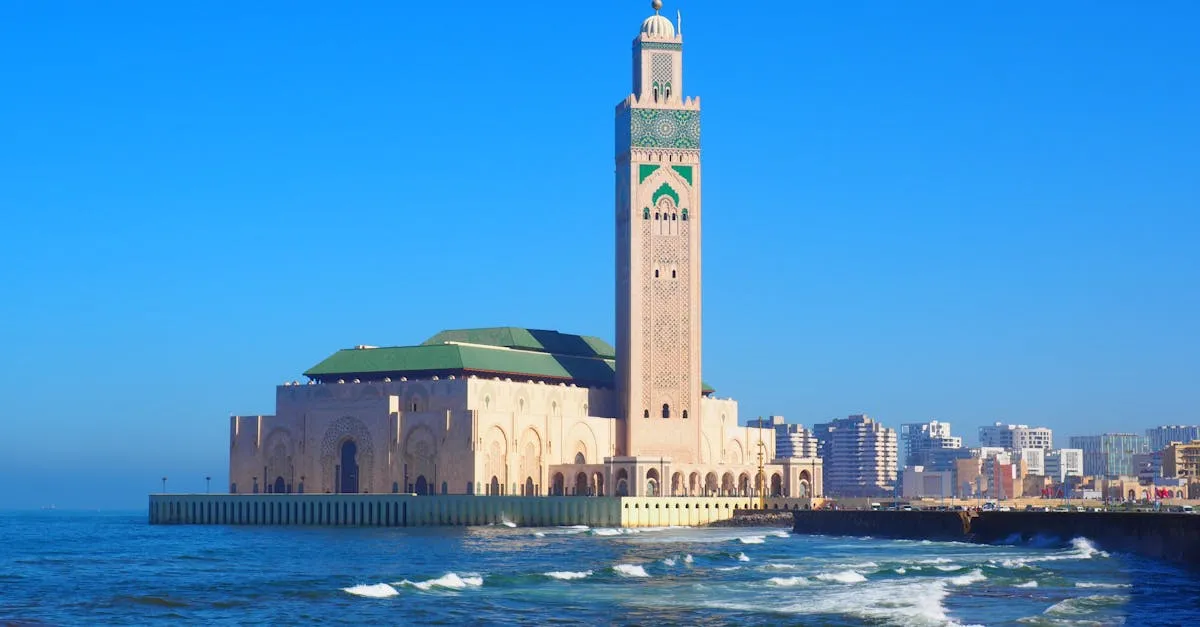
Hassan II Mosque over the ocean

Hassan II Mosque, Casablanca

The world’s third-largest mosque, partly built over the Atlantic Ocean. The 210-metre minaret is Morocco’s tallest structure. One of the few mosques in Morocco open to non-Muslims. Guided tours available. Entry 130 MAD (≈ €12).

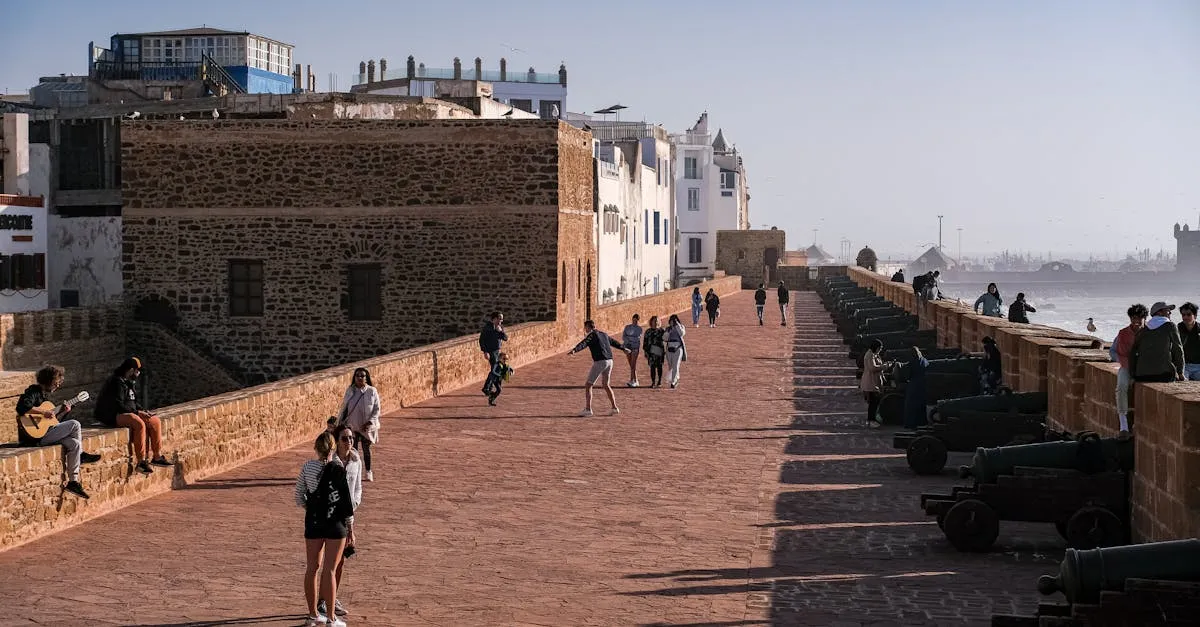
Essaouira ramparts and ocean

Essaouira Ramparts

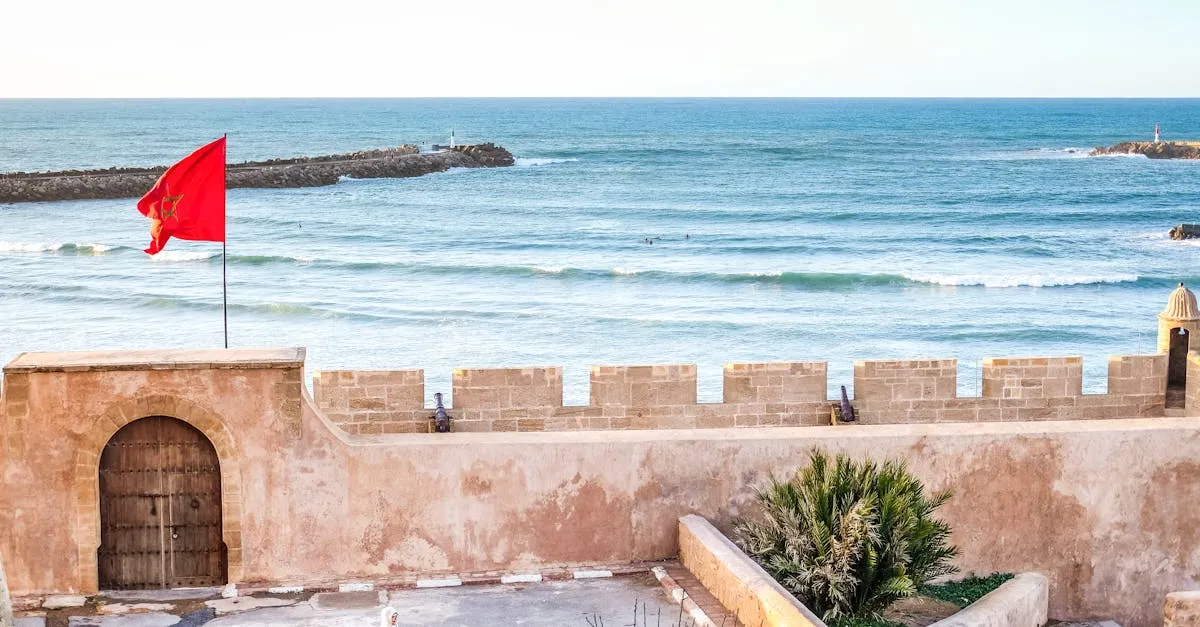
18th-century walled port city. Walk the ramparts (the Game of Thrones “Astapor” set), explore the harbour where fishermen grill sardines, browse art galleries in the medina. The Gnaoua Festival turns the ramparts into a concert stage each June.

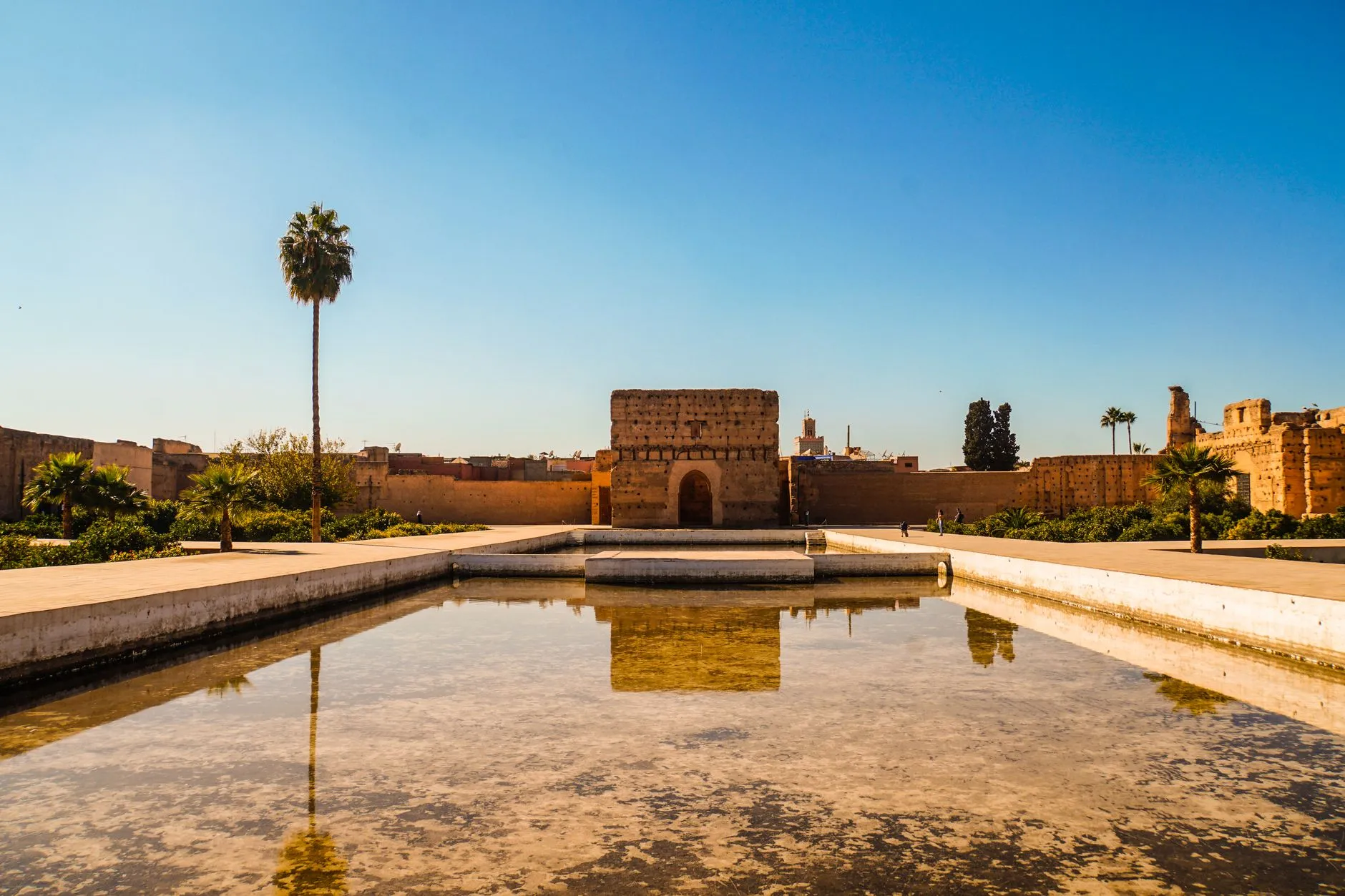
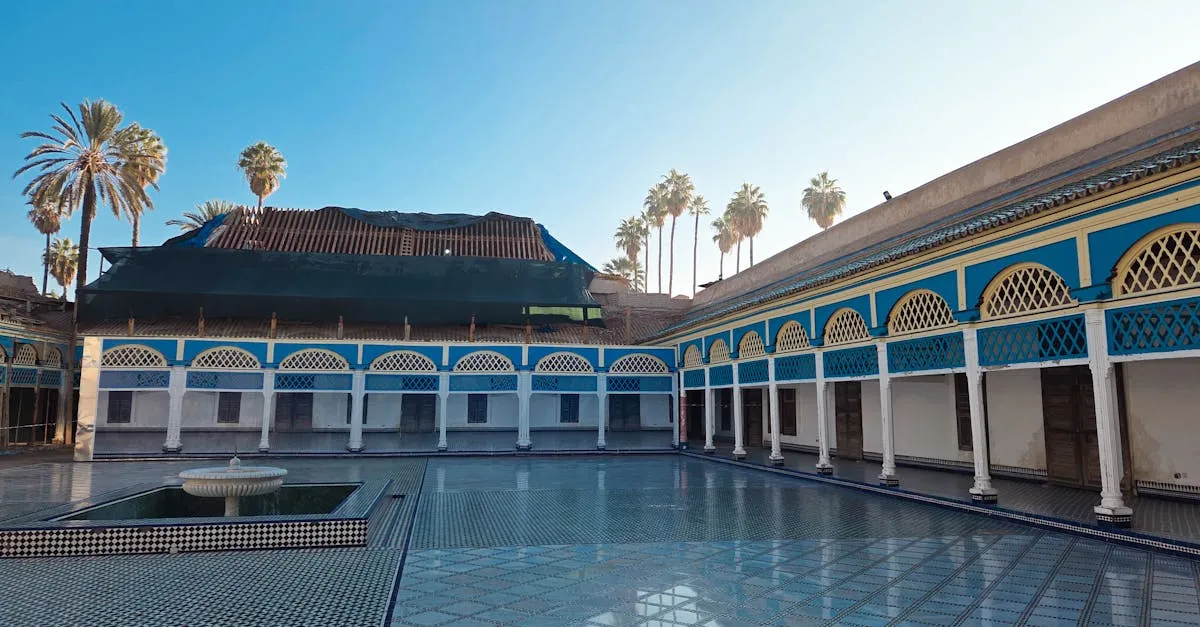
Bahia Palace tilework

Bahia Palace, Marrakech

19th-century masterpiece of Islamic architecture. Intricate zellige tilework, carved stucco, painted cedar ceilings, and peaceful gardens. Entry 70 MAD (≈ €7). Allow 1–1.5 hours.

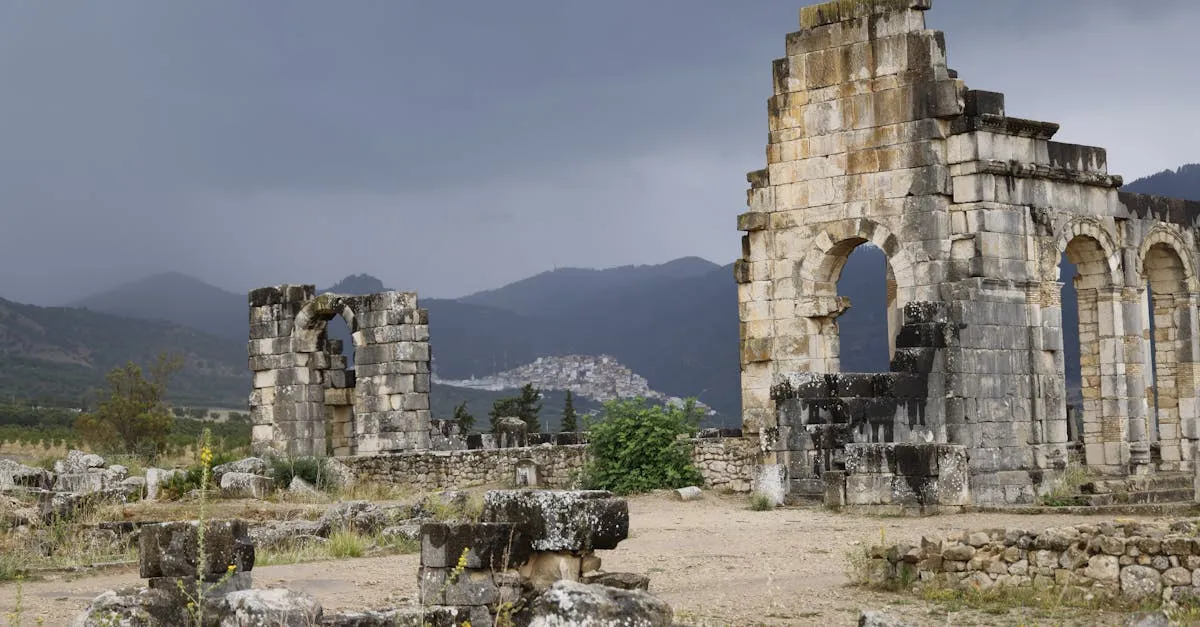
Volubilis Roman ruins

Volubilis (Roman Ruins)

Morocco’s best-preserved Roman settlement near Meknes. Triumphal arch, basilica columns, and remarkably intact floor mosaics depicting Orpheus, Bacchus, and the Labours of Hercules. Entry 70 MAD (≈ €7).

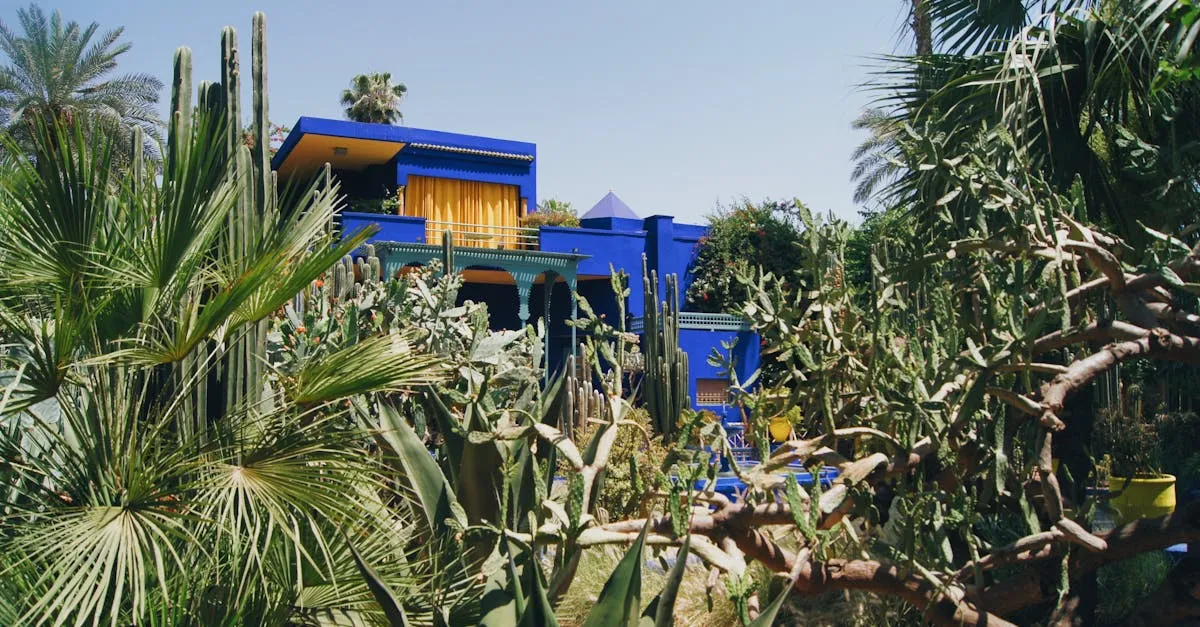
Majorelle Garden blue villa

Majorelle Garden, Marrakech

Yves Saint Laurent’s restored botanical garden. The iconic cobalt-blue villa, cacti, bamboo, and bougainvillea create a vivid oasis. Entry 70 MAD (≈ €7) garden + 30 MAD (≈ €3) museum.

Jebel Toubkal summit view

Jebel Toubkal Summit

North Africa’s highest peak at 4,167 m. A 2-day trek from Imlil (no technical climbing in summer). The summit sunrise reveals the Atlas spine and, on clear days, a silhouette of the Sahara. Guided trek from 1,500 MAD (≈ €143) per person including refuge stay.

Culture & Cuisine

Traditional Moroccan Berber culture

Morocco is a Muslim-majority country with deep Amazigh (Berber) roots. Moroccans are genuinely hospitable. Accepting an offer of mint tea is practically a social obligation. But respecting local norms makes the warmth flow both ways.

Dress Code

Cover shoulders and knees in medinas, rural areas, and anywhere outside resort beaches. This applies to all genders. Swimwear is fine at hotel pools and resort beaches but inappropriate in public spaces. A light scarf or shawl is useful for entering religious areas.

Mosques

Non-Muslims cannot enter mosques in Morocco, with the notable exception of Hassan II Mosque in Casablanca (guided tours available). Admire architecture from the outside and don’t photograph worshippers.

Photography

Always ask before photographing people, especially in markets. Some subjects expect a small tip (5–10 MAD). Never photograph military installations. Photographing the royal palace is prohibited.

Mint Tea Ritual

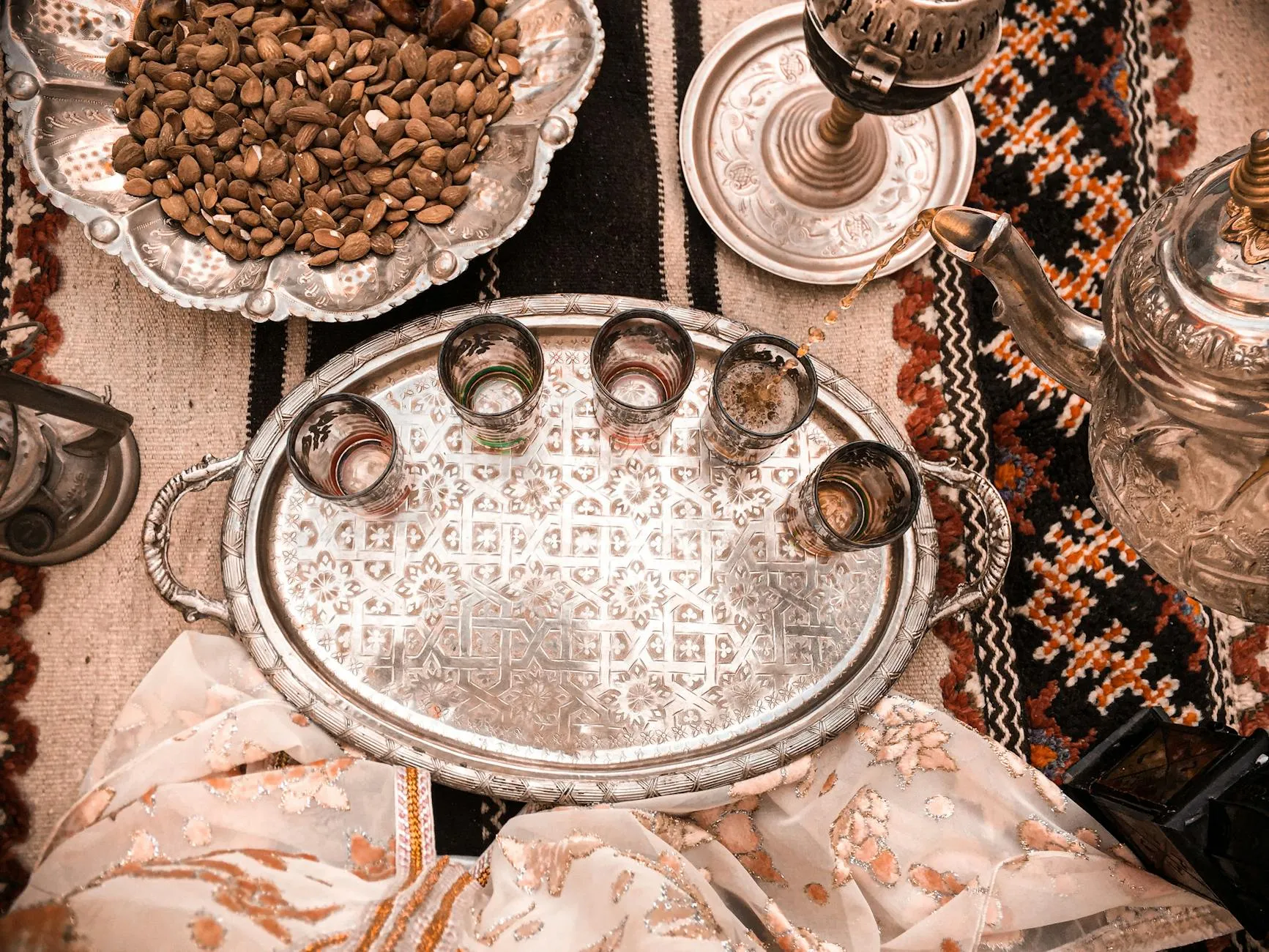
Accepting mint tea is how relationships begin in Morocco. Declining is considered impolite. Tea is poured from height to create froth. It’s always sweet. Very sweet. Embrace it.

Bargaining

Expected in souks and with informal vendors. The first price is typically 3–5× the real value. Counter at 30–40% of the asking price, aim to settle around 50–60%. Stay friendly. It’s a social game, not a confrontation. Walk away if the price doesn’t feel right; the seller will often call you back. Never haggle for something you don’t intend to buy.

Social Norms

Remove shoes before entering homes and some guesthouses. Use the right hand for eating and greetings. Friday is prayer day. Many shops close for midday prayers. Avoid political discussions about the monarchy (constitutionally protected). Public displays of affection are culturally inappropriate.

Tipping (Pourboire)

  • Restaurants: 10% is generous; 5–10 MAD for a casual meal
  • Guides: 50–100 MAD (≈ €5–10) per day for a half-day city guide
  • Riad staff: 10–20 MAD (≈ €1–2) per night
  • Taxi drivers: Round up to the nearest 5 MAD
  • Desert/trek guides & mule handlers: 50–100 MAD per day each

Alcohol

Legal and available in licensed restaurants, upscale hotels, and some supermarkets (look for Carrefour and Acima). Never drink alcohol in public, near mosques, or during Ramadan daylight hours. Morocco produces decent wines from the Meknes region (try Ouled Thaleb or Volubilia). Local beer: Flag Spéciale and Casablanca.

Food & Cuisine

Moroccan cuisine is built on slow cooking, warm spices (cumin, saffron, cinnamon, paprika), and generous hospitality. Meals are social events. The food is consistently excellent across all price levels. A 30 MAD (≈ €3) street-stall tagine can be just as memorable as a 200 MAD (≈ €19) riad dinner.

Essential Dishes

  • Tagine. Morocco’s national dish. Slow-cooked in a conical clay pot: chicken with preserved lemon and olives, lamb with prunes and almonds, or kefta (meatball) with eggs and tomato. Local restaurants: 40–80 MAD (≈ €4–8). The clay pot retains steam, creating tender meat with concentrated sauce.
  • Couscous. Hand-rolled semolina, steamed three times, served with vegetables and meat on Fridays (family tradition). Local restaurants: 40–70 MAD (≈ €4–7). Refusing couscous on Friday is practically an insult.
  • Pastilla (Bastilla). Sweet-savoury flaky pie traditionally filled with pigeon, almonds, and cinnamon. Seafood versions are popular in coastal cities. 60–120 MAD (≈ €6–11). A genuinely unique Moroccan creation.
  • Harira. Rich tomato, chickpea, and lentil soup. The Ramadan staple that breaks the daily fast. Year-round comfort food. Street stalls: 10–20 MAD (≈ €1–2).
  • Mechoui. Whole slow-roasted lamb, fall-apart tender. A Marrakech specialty, sold by weight at dedicated mechoui stalls. 80–150 MAD (≈ €8–14) for a generous portion.
  • Tanjia. Uniquely Marrakech. Meat cooked for hours in a sealed clay jug in the embers of a hammam furnace. A bachelor’s dish originally. Set-and-forget cooking. 70–120 MAD (≈ €7–11).

Street Food & Snacks

  • Msemen. Flaky square flatbread, served with argan oil and honey or savoury fillings. Under 10 MAD (≈ €1). The best breakfast in Morocco.
  • Brochettes. Charcoal-grilled meat skewers (lamb, chicken, kefta). 10–30 MAD (≈ €1–3).
  • Sfenj. Moroccan doughnuts, light and chewy, best dunked in coffee. 2–5 MAD.
  • Fresh orange juice. Jemaa el-Fna’s signature drink. 5–10 MAD (≈ €0.50–1). Squeezed to order.
  • Snail broth (Boubbouche). An acquired taste served from communal pots in Marrakech squares. Supposedly medicinal. 10–20 MAD.
  • Sardine sandwich. Coastal cities do this brilliantly. Fresh-caught, chargrilled, stuffed in bread. 10–20 MAD.

Drinks

  • Mint tea (Atay). Gunpowder green tea with fresh mint and generous sugar. Free with hospitality; 10–15 MAD in cafés. Served everywhere, all day, always sweet.
  • Bissara. Thick fava bean soup, drizzled with olive oil and cumin. A working-class breakfast favourite. 5–10 MAD.
  • Avocado smoothies. Surprisingly common and excellent. Blended with milk, almond, and honey. 15–25 MAD (≈ €1.50–2.50).
Food safety: Stick to bottled water (ubiquitous and cheap). Avoid tap water, ice of unknown origin, and raw vegetables washed in tap water. Hot, freshly cooked food from busy stalls is generally safe. High turnover means fresh preparation. Carry oral rehydration salts as insurance against traveller’s diarrhoea.

Activities & Hikes

Hiking trail in the Atlas Mountains

Morocco offers some of North Africa’s finest trekking, from gentle valley walks to serious alpine ascents. The Atlas and Rif mountains provide the terrain; Amazigh villages supply the hospitality.

Top Hikes

Toubkal Summit (2 days)

North Africa’s highest peak at 4,167 m. Day 1: Imlil (1,740 m) to Toubkal Refuge (3,207 m), 5–6 hours. Day 2: Summit push and descent, 8–10 hours. Non-technical in summer (strenuous scree slog). Winter requires crampons and ice axe. Guide recommended. From 1,500 MAD (≈ €143) guided.

Toubkal Circuit (5–7 days)

The deep-dive High Atlas experience. Circles the Toubkal massif via Lac d’Ifni, remote Berber villages, and passes above 3,500 m before the summit day. Cultural value exceeds the direct ascent. 4,000–9,000 MAD (≈ €380–860) guided with mule support.

M’Goun Traverse (7–10 days)

Morocco’s second-highest massif (4,068 m). Less crowded than Toubkal, more genuine Berber village immersion. Crosses high passes and the Tarkeddit Plateau before descending to the “Happy Valley” of Aït Bouguemez. Moderate–challenging. May–October.

Jebel Saghro (3–5 days)

Anti-Atlas volcanic landscape bordering the Sahara. Dramatic rock formations, fewer crowds, culturally distinct Saharan Berber traditions. Best in winter (November–March) when the High Atlas is snow-covered. From 400 MAD (≈ €38) per day guided.

Rif Mountains: Chefchaouen to Akchour (2 days)

Trek through lush cedar and pine forests, cascading waterfalls, and small Berber villages in Talassemtane National Park. Includes God’s Bridge natural rock arch and Akchour waterfall. Moderate. Spring and autumn best. Independent trekking possible with offline GPS.

Ourika Valley (Day trip)

Easy half-day hike from Marrakech (40 km south). Waterfalls (Cascades d’Ourika), Amazigh villages, and Atlas views. The Setti Fatma seven waterfalls are the highlight. Accessible for families. 200–300 MAD (≈ €19–29) for transport + guide.

Guide policy: Licensed mountain guides are not legally required for summer trekking but are highly recommended for navigation, safety, cultural context, and winter conditions. In winter, a qualified guide with technical mountaineering experience is essential for anything above 3,000 m. Guides cost 400–600 MAD (≈ €38–57) per day.

Activities

Morocco’s 3,500 km of Atlantic and Mediterranean coastline makes it one of the world’s most underrated water-sports destinations. The surf scene rivals Portugal and Indonesia for consistency, while Dakhla’s lagoon is arguably the planet’s best flat-water kitesurfing spot.

Surfing: Taghazout

Morocco’s surf capital. Anchor Point is a world-class right-hand point break (intermediate to advanced). Panoramas Beach and Banana Beach suit beginners. Peak season October to April. Board rental from 100 MAD (≈ €10) per day. Lessons from 300 MAD (≈ €29).

Surfing: Imsouane

Home to Morocco’s longest wave. Rides can last over a minute on a good day. A small fishing village with a mellow vibe, perfect for longboarders and learners. 80 km north of Taghazout.

Kitesurfing: Dakhla

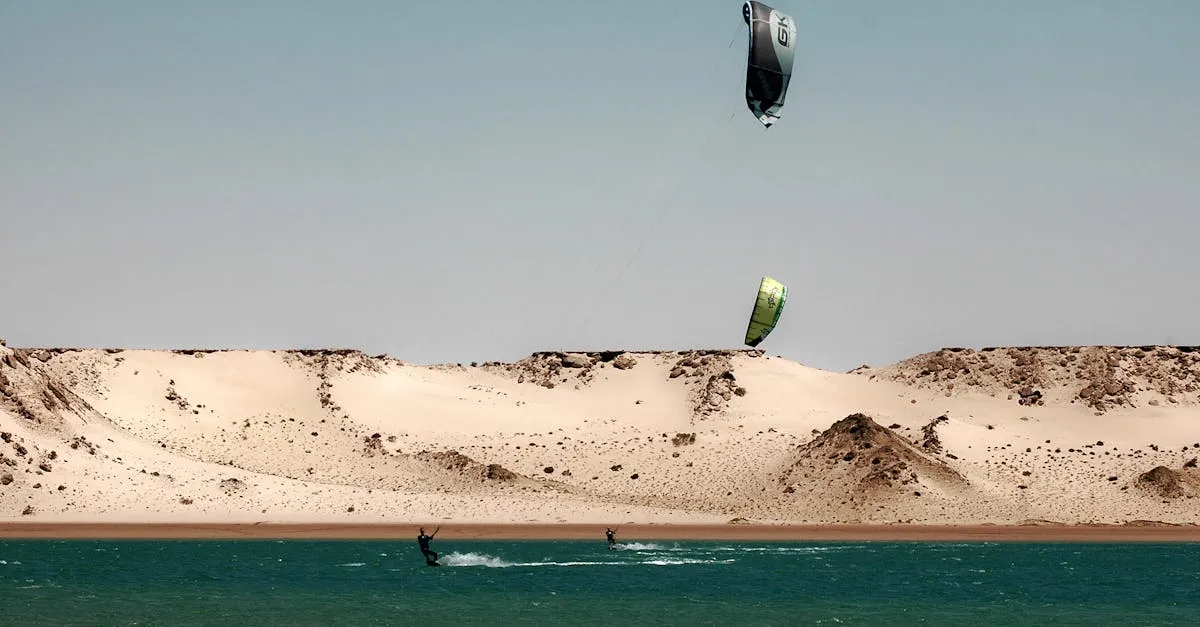
A 40 km lagoon in Morocco’s deep south with 300+ wind days per year. Flat, waist-deep water stretching for hundreds of metres. The safest and most consistent kite spot in the world. Beginner courses from 4,000 MAD (≈ €380). Best April to September. Fly via Casablanca.

Windsurfing & Kite: Essaouira

The “Wind City of Africa”. Trade winds blow almost constantly March to October, regularly hitting 30 knots. Choppy conditions suit experienced riders. The broad beach south of the medina is the main launch zone.

Surfing: Sidi Kaouki

Peaceful surf village 25 km south of Essaouira. Consistent beach and reef breaks, uncrowded lineups, and a laid-back atmosphere. All levels, best September to April.

Beach & Swimming

Agadir has Morocco’s classic resort beach (10 km of sand, lifeguards). Legzira near Sidi Ifni is famous for its red sandstone arches. Mediterranean beaches around Al Hoceima are calmer and warmer. Always check local current conditions before swimming on Atlantic beaches.

Atlantic currents: Morocco’s Atlantic coast has strong undertows and rip currents. Swim only at guarded beaches. The water is surprisingly cool year-round (16–22 °C). A 3/2 wetsuit is standard for surfers even in summer.

Off the Beaten Path

Beyond the well-trodden imperial cities and Sahara circuit, Morocco hides extraordinary places that reward travellers willing to venture off the main routes.

Ait Bouguemez Happy Valley

Aït Bouguemez (“Happy Valley”)

A 30 km valley in the heart of the High Atlas, cradled by mountains. Terraced orchards, ancient Berber villages, the seasonal Lake Izourar (a mirror of snowcapped peaks in spring), and the gateway to M’Goun treks. Grand taxi from Azilal, 2 hours on mountain roads. Almost no tourists.

Rose Valley flowers in Dades

Rose Valley (Kalaat M’Gouna)

The Dades Valley’s fragrant secret. Hectares of Damascena roses bloom April to May, filling the air with perfume. Walk the riverbed through ochre cliffs and Berber villages. The Rose Festival in mid-May is a joyful celebration with parades and music. Outside rose season, it’s a quiet, authentic trekking base.

Azemmour old town walls

Azemmour

An ancient Atlantic coast town between Casablanca and El Jadida, almost entirely untouched by tourism. Whitewashed medina walls covered in street art murals. Portuguese-era kasbah ruins overlooking the Oum Er-Rbia river. Genuine daily Moroccan life with zero tourist infrastructure. Pair with nearby El Jadida (UNESCO Portuguese city).

Figuig oasis with palm trees

Figuig (“Pearl of the Desert”)

A remote oasis near the Algerian border with seven ancient fortified ksars, 12 km² of date palm groves, and traditional khettara (underground irrigation channels). Minimal tourist traffic. A slow-travel destination for history and culture enthusiasts. Buses from Oujda.

Dakhla lagoon

Dakhla

Morocco’s far south where the Sahara meets the Atlantic. A 40 km lagoon with world-class kitesurfing, flamingo-dotted shorelines, Dragon Island for snorkelling, and White Dune sand spilling into the ocean. Remote but increasingly accessible by flight from Casablanca. A completely different Morocco.

Oualidia lagoon coast

Oualidia Lagoon

A crescent-shaped lagoon famous for Morocco’s best oysters (from 60 MAD / ≈ €6 per dozen). Calm turquoise water, flamingos, and zero crowds. Between Casablanca and Essaouira. The perfect overnight break on a coast road trip.

Wildlife & Nature

Barbary macaque in cedar forest

Morocco’s biodiversity is shaped by its position between the Atlantic, Mediterranean, Sahara, and Atlas. While it’s not a safari destination, the natural landscapes are spectacular and several species are unique to the region.

The Middle Atlas cedar forests harbour Barbary macaques. The only wild primates in Africa north of the Sahara and the only macaques outside Asia. Small troops near Azrou and Ifrane are habituated to visitors, making the “Cedar Forest” south of Azrou the easiest viewing spot. The surrounding Ifrane National Park, sometimes called the “Switzerland of Morocco”, adds dense Cedrus atlantica woodland, clean mountain air, and a town that looks like a French alpine village. The nearby Michlifen resort even offers winter skiing.

On the Atlantic coast, Souss-Massa National Park (south of Agadir, entry 20 MAD / ≈ €2) protects the critically endangered Northern Bald Ibis. Fewer than 700 survive worldwide. Alongside flamingos and gazelles in a stunning coastal reserve. Further north, Merja Zerga (Moulay Bousselham) is a Ramsar-listed wetland and major stopover on the Atlantic flyway: flamingos, spoonbills, herons, and over 200 bird species have been recorded. Boat trips through the lagoon run from 100 MAD (≈ €10).

The Sahara, meanwhile, is more alive than it appears. Fennec foxes, jerboa, and Dorcas gazelles inhabit the desert margins, while birdwatchers find desert sparrows, sandgrouse, and Egyptian nightjars near oasis villages. Dawn and dusk from a desert camp are prime viewing times.

Notable Natural Features

  • Argan trees: Endemic to Morocco and UNESCO-protected. The forest between Essaouira and Agadir is the only place on Earth these trees grow wild. Goats do climb them, though some roadside “tree goat” displays are staged for photos. Visit a women’s cooperative to see the oil pressed traditionally.
  • Cedar forests (Middle Atlas): Ancient Cedrus atlantica stands shelter Barbary macaques, Barbary stags, and numerous raptor species. The drive between Fez and Azrou passes through the heart of this forest.
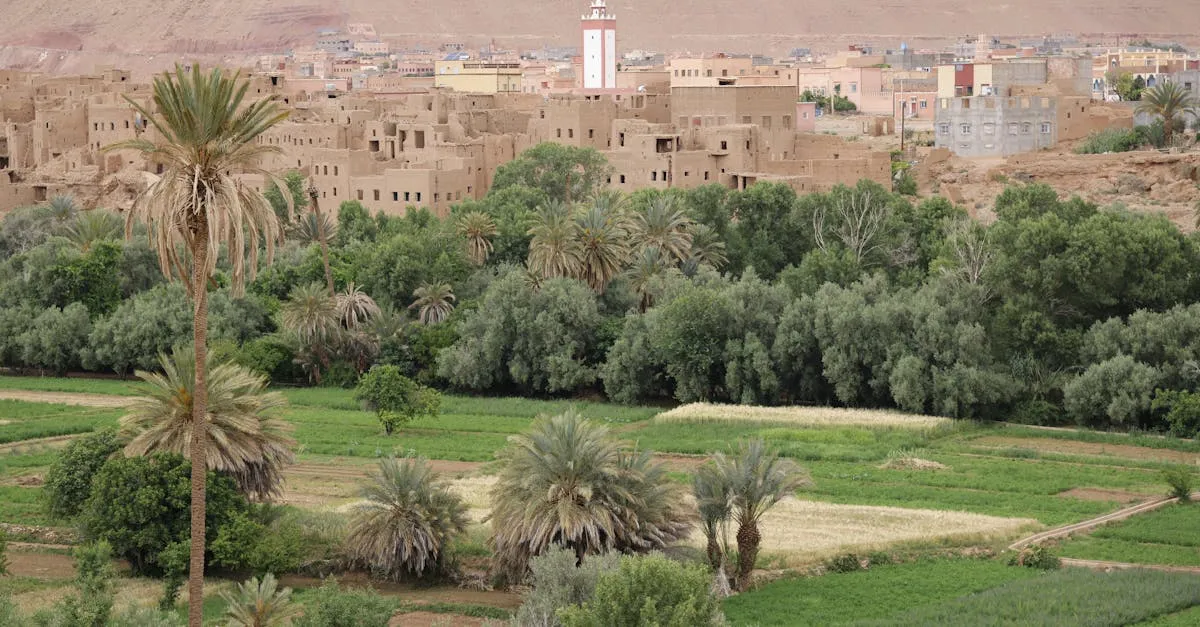
  • Saharan oases: Date palms, underground khettara irrigation channels, and seasonal rivers (oueds) support pockets of life in an otherwise barren landscape. The Draa and Ziz valleys are the most accessible examples.
  • Coastal wetlands: Oualidia Lagoon, Merja Zerga, and the Souss estuary are critical habitats for migratory and resident waterbirds, especially between October and March.

Route A: 14-Day Grand Tour

Morocco road trip through kasbahs

The complete Morocco loop. Imperial cities, Atlas Mountains, Sahara desert, gorges, and Atlantic coast. Covers the country’s greatest hits without feeling rushed. Best March to May or September to November.

14-Day Grand Tour (click to expand/collapse)

Day 1: Arrive Marrakech

Arrive at Menara Airport. Transfer to riad in the medina. Settle in, explore the immediate neighbourhood, and ease into the sensory overload with a rooftop dinner overlooking the medina.

Day 2: Marrakech

Full day exploring: Bahia Palace, Saadian Tombs, Majorelle Garden. Afternoon in the souks. Evening at Jemaa el-Fna. Work through the food stalls methodically.

Day 3: Marrakech to Aït Benhaddou to Dades Valley

Early departure via the Tizi n’Tichka pass (2,260 m) across the High Atlas. Stop at Aït Benhaddou (UNESCO ksar). Continue to the Dades Valley for the night. ~6 hours driving with stops.

Day 4: Dades to Todra Gorge to Merzouga

Morning walk into Dades Gorge. Drive to Todra Gorge. Walk the canyon floor between 300 m walls. Continue to Merzouga at the edge of Erg Chebbi. ~5 hours driving.

Day 5: Sahara Desert

Morning free in Merzouga (optional quad biking or Gnawa music village visit). Afternoon camel trek into the dunes (1.5 hours). Sunset from the dune crest. Overnight in desert camp under the stars. Stargazing is extraordinary.

Day 6: Merzouga to Midelt to Fez

Sunrise from the dunes (set an alarm, it’s worth it). Camel ride back. Long drive north through the Ziz Valley and Middle Atlas cedar forests (Barbary macaques near Azrou). Arrive Fez evening. ~8 hours driving.

Day 7: Fez

Full day in Fez el-Bali with a licensed guide. Chouara tanneries, Bou Inania Madrasa, Al Quaraouiyine area, Nejjarine Fountain. Lunch in a courtyard restaurant. Evening wander through the mellah (Jewish quarter).

Day 8: Fez to Meknes to Volubilis to Chefchaouen

Morning drive to Meknes (Bab Mansour, Heri es-Souani granary). Continue to Volubilis Roman ruins (allow 1.5 hours). Drive to Chefchaouen. ~5 hours total driving.

Day 9: Chefchaouen

Full day in the Blue Pearl. Morning photography in the quiet medina. Hike to the Spanish Mosque for panoramic views. Optional day trip to Akchour waterfalls and God’s Bridge (2 to 3 hour round trip). Relax with a mint tea on a rooftop terrace.

Day 10: Chefchaouen to Rabat

Drive south to the capital. Afternoon: Kasbah of the Udayas (blue-and-white streets, ocean views), Hassan Tower, Mohammed V Mausoleum. Dinner in the Ville Nouvelle. ~4 hours driving.

Day 11: Rabat to Casablanca to Essaouira

Morning: Hassan II Mosque guided tour in Casablanca (1.5 hours). Continue to Essaouira. Arrive afternoon. Sunset walk along the ramparts. Fresh seafood dinner in the harbour. ~5 hours driving.

Day 12: Essaouira

Full day at leisure. Morning medina and art galleries. Afternoon on the beach or try a windsurfing lesson. Visit an argan cooperative. Evening Gnawa music in the old town. A well-earned slow day.

Day 13: Essaouira to Marrakech

Morning drive back to Marrakech (~2.5 hours). Afternoon: revisit favourite spots, pick up last souvenirs, or book a traditional hammam experience. Farewell dinner on a Jemaa el-Fna rooftop.

Day 14: Departure

Transfer to Menara Airport. If your flight is late, squeeze in the Menara Gardens or a cooking class.

Route B: 10-Day Imperial & Sahara

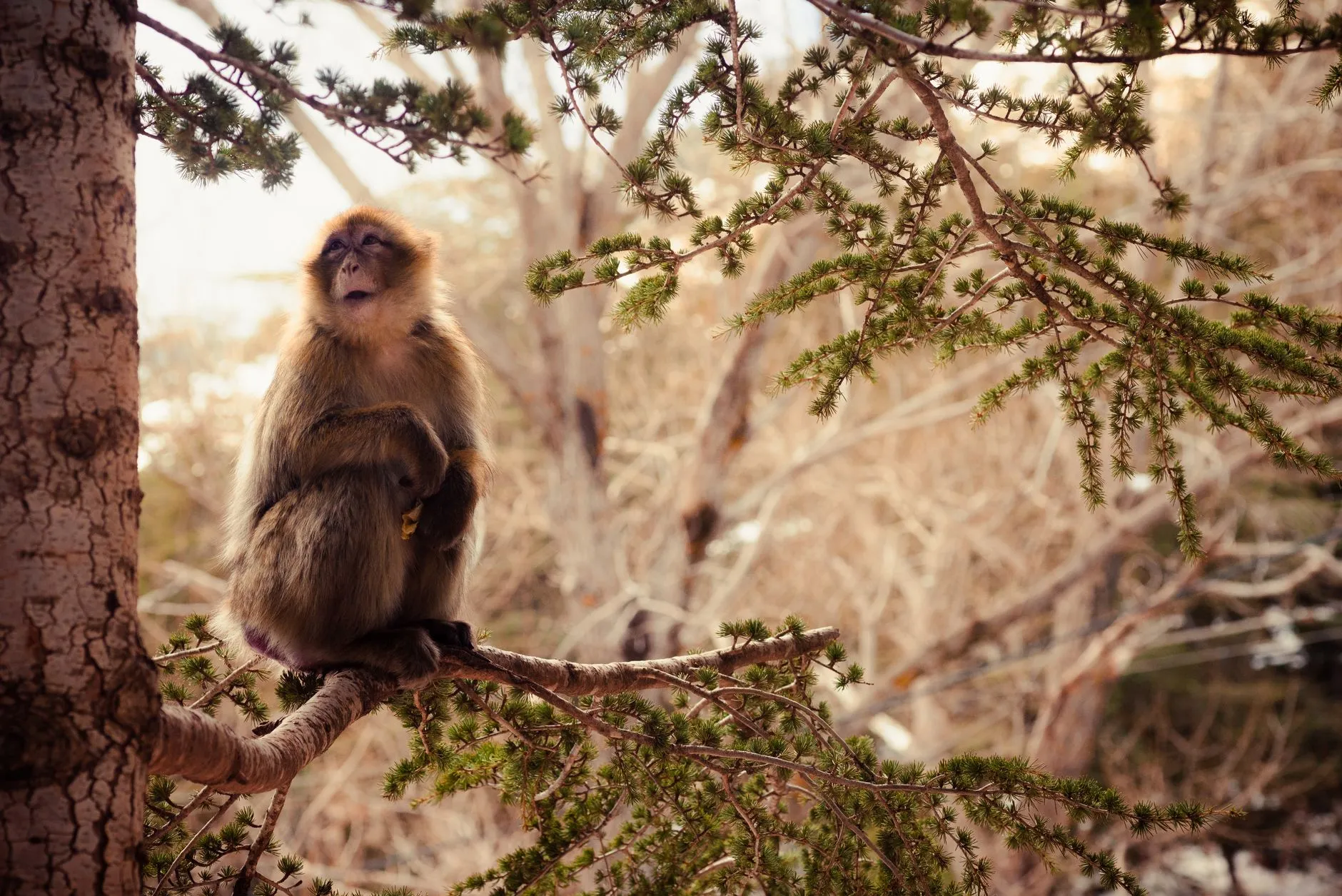
Imperial cities and Sahara caravan route

The most popular Morocco itinerary. Marrakech, the Sahara, and Fez, with the Route des Kasbahs connecting them. Covers the essential highlights in a tight but comfortable timeframe.
10-Day Imperial & Sahara (click to expand/collapse)

Day 1: Arrive Marrakech

Arrive and transfer to your riad. Evening walk through the medina. First encounter with Jemaa el-Fna. Rooftop dinner.

Day 2: Marrakech

Full day: Bahia Palace, Majorelle Garden, souks, and Koutoubia Mosque. Late-afternoon hammam. Evening at the square.

Day 3: Marrakech to Aït Benhaddou to Dades

Cross the Atlas via Tizi n’Tichka. Stop at Aït Benhaddou. Continue to Dades Valley. Night in a kasbah guesthouse.

Day 4: Dades to Todra to Merzouga

Morning in Todra Gorge. Drive to Merzouga. Afternoon camel trek. Overnight in desert camp. Sunset and stargazing in the Sahara.

Day 5: Merzouga to Midelt

Sunrise in the dunes. Drive through the Ziz Valley to Midelt, a crossroads town in the Middle Atlas. Restful evening after two days of desert travel.

Day 6: Midelt to Fez

Drive through cedar forests (stop at Azrou for macaques). Arrive Fez by lunchtime. Afternoon wander through the medina independently to orient yourself.

Day 7: Fez

Full day guided tour of Fez el-Bali: tanneries, madrasas, artisan workshops, Jewish quarter. Allow the city to overwhelm you. It’s supposed to.

Day 8: Fez to Meknes to Volubilis to Fez

Day trip to Meknes (Bab Mansour, Royal Stables) and Volubilis Roman ruins. Return to Fez for a final evening.

Day 9: Fez to Marrakech

Train or drive back to Marrakech (direct train ~7 hours, or flight ~1 hour). Afternoon: last souvenirs, cooking class, or revisit favourite spots. Farewell dinner.

Day 10: Departure

Transfer to airport. Departure.

Route C: 7-Day Highlights

Marrakech to Sahara highlights route

A focused week hitting Marrakech and the Sahara. Morocco’s two most iconic experiences. Best if you have limited time or want a first taste before a longer return trip.

7-Day Highlights (click to expand/collapse)

Day 1: Arrive Marrakech

Arrive and transfer to riad. Settle in. Evening walk through the medina and first visit to Jemaa el-Fna.

Day 2: Marrakech

Full day exploring the city: Bahia Palace, Majorelle Garden, souks. Traditional hammam in the afternoon. Evening at the square for dinner.

Day 3: Marrakech to Aït Benhaddou to Dades Valley

Cross the Atlas via Tizi n’Tichka pass. Stop at Aït Benhaddou. Drive through the Route des Kasbahs to the Dades Valley.

Day 4: Dades to Todra Gorge to Merzouga

Morning walk in Todra Gorge. Drive to Merzouga. Afternoon camel trek into Erg Chebbi. Overnight desert camp. Stargazing.

Day 5: Sahara to Ouarzazate

Sunrise in the dunes. Return by camel. Drive west to Ouarzazate (the “Hollywood of Africa”, Atlas Film Studios optional). Night in Ouarzazate.

Day 6: Ouarzazate to Marrakech

Drive back over the Atlas to Marrakech. Afternoon at leisure. Last souvenirs. Farewell rooftop dinner with medina views.

Day 7: Departure

Transfer to airport. Departure.

Extension options: Add 2 to 3 days for Essaouira (coast) or Chefchaouen (mountains) to turn this into a 10-day trip. Add Fez for the full imperial circuit.

Getting Around

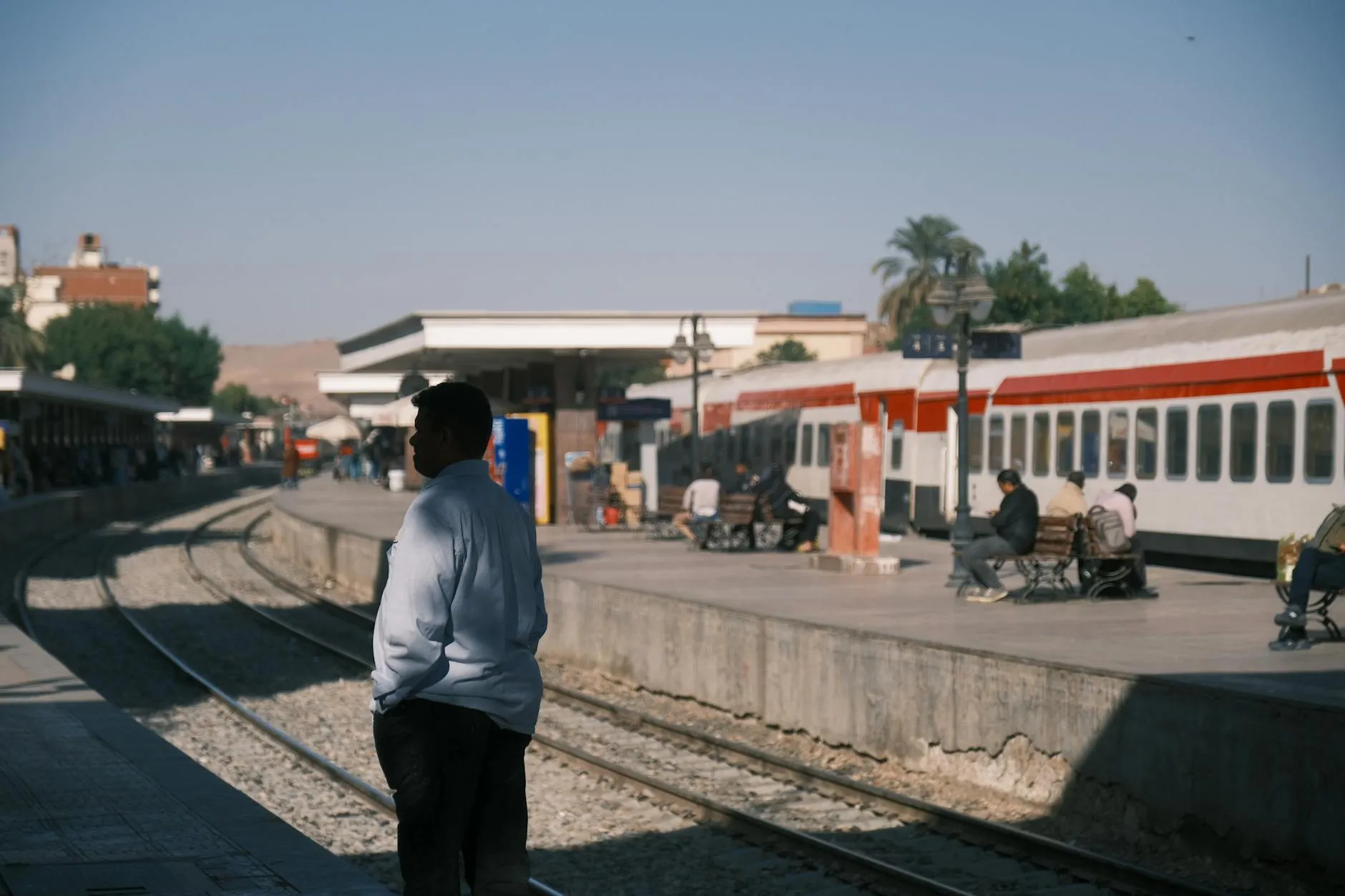
Morocco train and transport

Morocco has surprisingly good transport infrastructure for a North African country. Trains connect the main cities, comfortable buses reach everywhere else, and the road network is excellent for self-driving.

Trains (ONCF)

Comfortable, punctual, and the best way between major cities. The Al Boraq TGV runs Casablanca–Tangier in 2h10 (320 km/h, Africa’s first high-speed rail). Regular services: Marrakech–Casablanca 2.5h, Casablanca–Rabat 1h, Casablanca–Fez 3.5h, Fez–Meknes 45min. Book at oncf.ma. First class is ~50% more than second. Worth it for the space.

Buses (CTM / Supratours)

CTM and Supratours (ONCF-linked) are the reliable choices: air-conditioned, on time, reserved seats. They reach destinations trains don’t. Chefchaouen, Essaouira, Merzouga, Ouarzazate. Book ahead online for popular routes. Example: Marrakech–Essaouira ~80 MAD (≈ €8), Fez–Chefchaouen ~75 MAD (≈ €7).

Grand Taxis

Shared long-distance taxis (usually old Mercedes sedans) that depart when full (6 passengers). Fast, cheap, and the main rural transport. Negotiate price before entering. Pay for extra seats if you want more space. Example: Fez–Chefchaouen shared seat ~60 MAD (≈ €6).

Petit Taxis

City taxis (different colours per city, red in Marrakech, blue in Rabat). Always insist on the meter. If the driver refuses, close the door and flag another. Rides rarely exceed 20–30 MAD (≈ €2–3) within city centres. Ride-hailing apps (inDrive, Careem) work in major cities and eliminate haggling.

Rental Car

Best for the southern loop (Route des Kasbahs, Sahara approach, coast). Roads are generally good and well-signed. International Driving Permit recommended. Drive on the right. Fuel is ~12 MAD (≈ €1.15) per litre. Avoid driving in medinas (physically impossible in most). Budget from 300 MAD (≈ €29) per day.

Domestic Flights

Royal Air Maroc and Air Arabia connect Casablanca to Fez, Marrakech, Ouarzazate, Dakhla, and others. Useful for the Dakhla trip (2-day drive otherwise). Book early for fares from 400 MAD (≈ €38) one-way.

Key Distances

  • Marrakech → Fez: 530 km (5h by car, 7h by train)
  • Marrakech → Merzouga: 560 km (8.5h by car)
  • Marrakech → Essaouira: 175 km (2.5h by car/bus)
  • Fez → Chefchaouen: 200 km (3h by car/bus)
  • Casablanca → Tangier: 340 km (2h10 by TGV)

Budget Breakdown

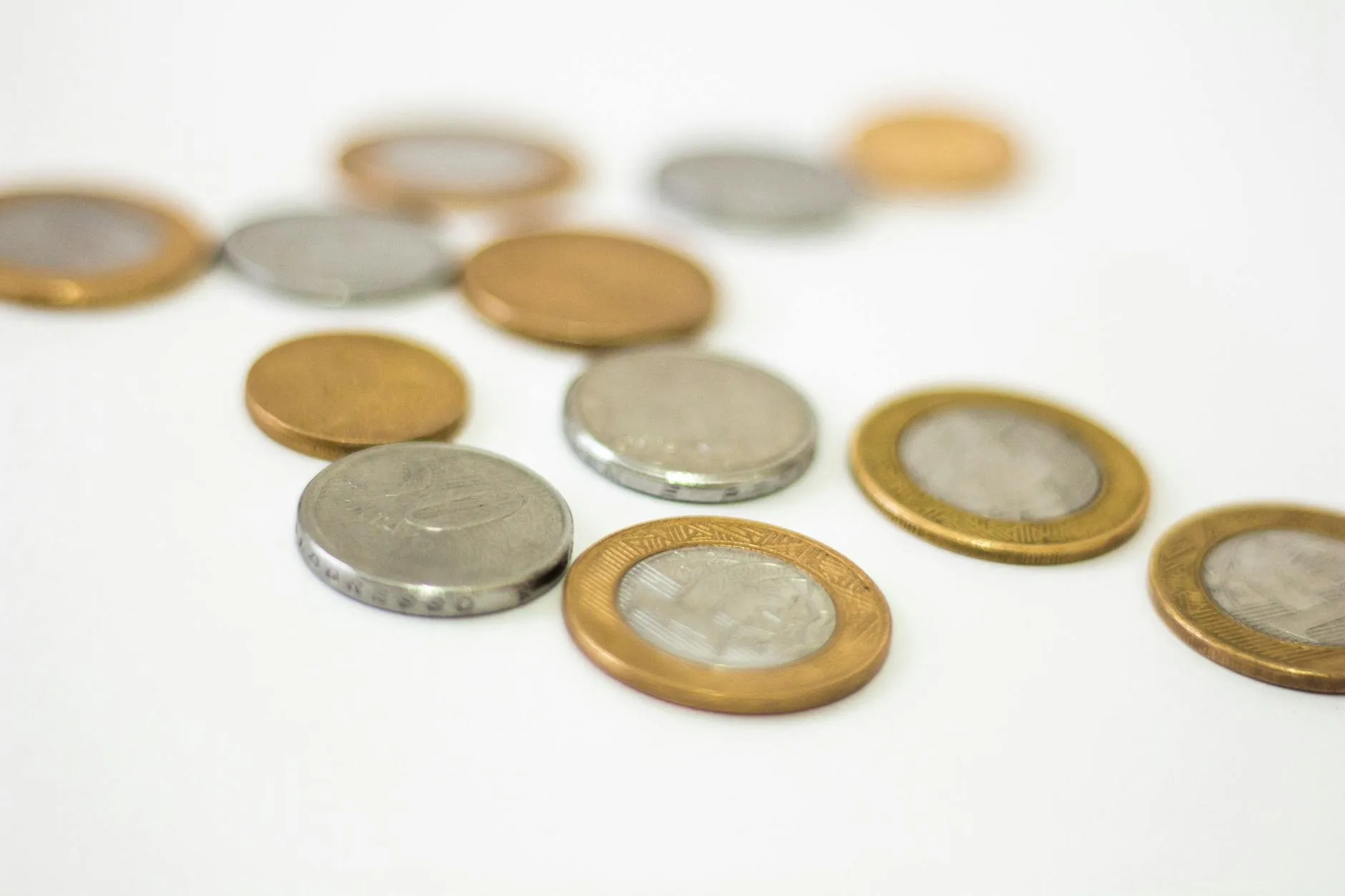
Moroccan market and currency

Morocco is excellent value compared to Europe, and the range between budget and luxury is enormous. Street food and hostels make shoestring travel easy; boutique riads and private guides make mid-range feel luxurious.

CategoryBudgetMid-RangeLuxury
Accommodation80–200 MAD
(≈ €8–19)
Hostel / basic riad
500–1,000 MAD
(≈ €48–95)
Boutique riad
1,500–5,000 MAD
(≈ €143–476)
Palace hotel
Food70–150 MAD
(≈ €7–14)
Street food & local
200–400 MAD
(≈ €19–38)
Restaurant meals
600–1,500 MAD
(≈ €57–143)
Fine dining
Transport50–100 MAD
(≈ €5–10)
Bus / shared taxi
150–350 MAD
(≈ €14–33)
Private taxi / train
500–1,000 MAD
(≈ €48–95)
Private driver
Activities50–150 MAD
(≈ €5–14)
Self-guided
200–500 MAD
(≈ €19–48)
Guided tours
700–2,000 MAD
(≈ €67–190)
Bespoke experiences

Daily Totals per Person

  • Budget: 350–600 MAD (≈ €33–57) per day
  • Mid-range: 900–1,500 MAD (≈ €86–143) per day
  • Luxury: 2,000–5,000+ MAD (≈ €190–476+) per day

Sample Prices (2026)

  • Street tagine: 40–60 MAD (≈ €4–6)
  • Mint tea in a café: 10–15 MAD (≈ €1–1.50)
  • Fresh orange juice: 5–10 MAD (≈ €0.50–1)
  • Petit taxi ride (city): 15–30 MAD (≈ €1.50–3)
  • Sahara camel trek (2-day/1-night): 500–1,000 MAD (≈ €48–95) per person
  • Licensed city guide (half-day): 300–400 MAD (≈ €29–38)
  • Local SIM card with 10 GB data: 50–70 MAD (≈ €5–7)

Money-Saving Tips

🍲 Street Tagine

Eat where locals eat. A street tagine or harira soup with bread costs 20–40 MAD (≈ €2–4). Tourist restaurants in the medina charge 80–150 MAD for the same dish

🏡 Medina Riads

Small family-run riads in the medina cost 250–450 MAD (≈ €24–43) per night including breakfast. The fancy ones on Instagram cost 1,500+ MAD. Location matters more than stars

🚕 Grand Taxis

Shared grand taxis (usually old Mercedes sedans) run fixed routes between cities. Fes–Chefchaouen: ~60 MAD (≈ €6) per person. Faster and cheaper than CTM buses on many routes

🛒 Bargain Hard

In souks, start at 25–30% of the asking price and negotiate up. Shopkeepers expect it. Walk away if the price doesn’t drop. Fixed-price ensembles artisanaux (government craft shops) show fair baseline prices

🚶 Free Medina Walks

Wandering the medinas of Fes, Marrakech, and Essaouira costs nothing. Mosque exteriors, tanneries (viewed from shops), and the street spectacle of Jemaa el-Fna are all free. Avoid the “helpful” guides who appear uninvited

☕ Mint Tea Culture

Mint tea in a café costs 8–15 MAD (≈ €0.80–1.50) and comes with free refills and conversation. It’s the cheapest social activity in Morocco

Practical Information

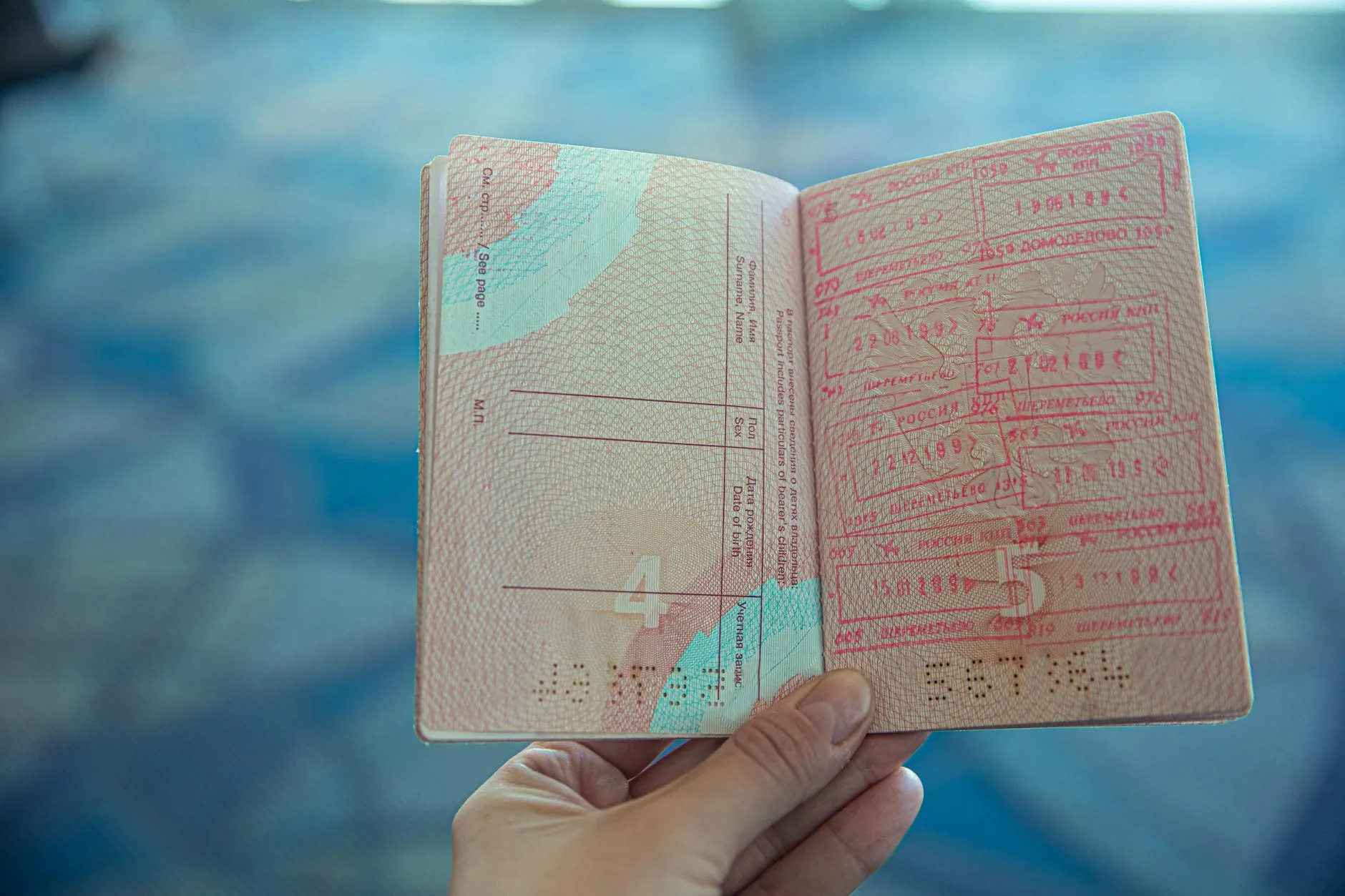
Practical travel information for Morocco

💳 Visas

for most Western passport holders (EU/EEA, UK, US, Canada, Australia, New Zealand, and ~60 other countries)

🏥 Health

Hepatitis A and Typhoid (food/water transmitted). Keep routine boosters (Tetanus, Diphtheria, Polio, MMR) up to date

💶 Money

. Closed currency (cannot buy/sell outside Morocco, import/export limited to 2,000 MAD).

📶 SIM & WiFi

Buy prepaid at airport arrivals or any carrier shop. Maroc Telecom (best rural coverage), Orange (best urban value), or Inwi (cheapest data).

🔌 Electricity

Type C and E sockets (same as most of continental Europe). 220V, 50Hz.

🛒 Safety

Violent crime against tourists is extremely rare

Visa & Entry

  • Visa-free 90 days for most Western passport holders (EU/EEA, UK, US, Canada, Australia, New Zealand, and ~60 other countries)
  • Passport must be valid 3 to 6 months beyond entry (requirements vary by nationality, check your government’s advice)
  • No entry fee, no online form, no ESTA equivalent
  • Ensure you get a passport stamp on entry. Some travellers have had exit difficulties without one.
  • Overstaying can result in a court appearance and fine

Currency & Money

  • Moroccan Dirham (MAD). Closed currency (cannot buy/sell outside Morocco, import/export limited to 2,000 MAD).
  • Exchange rate: ~10.5 MAD ≈ €1
  • ATMs widely available in cities. All charge a 35 MAD fee per withdrawal (as of 2026). BMCI ATMs allow up to 4,000 MAD per transaction (others cap at 2,000 MAD).
  • Always decline “dynamic currency conversion” at ATMs. Choose MAD to get the best rate.
  • Cash is king: medinas, souks, taxis, and small restaurants are cash-only. Carry 500–1,000 MAD daily
  • Cards work in upscale hotels, chain restaurants, and large shops. Wise/Revolut cards offer best exchange rates
  • Avoid airport exchange offices (worst rates). Use city ATMs or reputable bureaux de change

Language

  • Darija (Moroccan Arabic). The everyday spoken language.
  • Tamazight (Berber). Widely spoken in the Atlas, Rif, and Saharan regions.
  • French. The primary second language for business, tourism, and education.
  • Spanish. Spoken in northern cities (Tangier, Tetouan, Nador).
  • English. Growing fast among younger Moroccans and in tourist areas.
  • Useful phrases: “Salam alaikum” (hello), “Shukran” (thank you), “Bshhal?” (how much?), “La, shukran” (no, thank you), “Baslama” (goodbye)

Health & Vaccinations

  • Recommended vaccines: Hepatitis A and Typhoid (food/water transmitted). Keep routine boosters (Tetanus, Diphtheria, Polio, MMR) up to date
  • Consider: Rabies (if trekking in remote areas or working with animals) and Hepatitis B (for long stays)
  • Malaria: Morocco was certified malaria-free by WHO in 2010. No antimalarials needed.
  • Tap water: Not safe to drink. Stick to bottled water (ubiquitous, cheap). Avoid ice of uncertain origin
  • Pharmacies: Well-stocked and marked with a green cross. Pharmacists can advise on common ailments. Many medications available without prescription
  • Medical care: Good private clinics in Marrakech, Casablanca, and Rabat. Rural medical care is limited. Carry a basic kit for remote trekking.
  • Travel health insurance with medical evacuation cover is strongly recommended
  • Emergency number: 15 (medical), 19 (police)

Connectivity

  • SIM cards: Buy prepaid at airport arrivals or any carrier shop. Maroc Telecom (best rural coverage), Orange (best urban value), or Inwi (cheapest data). 5 GB tourist package: 50–70 MAD (≈ €5–7). Passport required for registration.
  • eSIM: Airalo and Holafly offer Morocco packages from €8–20. Activate before departure.
  • WiFi: Available at most riads, hotels, and cafés. Speeds vary. Rural and desert areas have limited or no connectivity.
  • WhatsApp is the primary communication tool. Locals, guides, and restaurants all use it.
  • Download offline Google Maps or Maps.me before arriving. Essential for medina navigation.

Electricity & Plugs

Type C and E sockets (same as most of continental Europe). 220V, 50Hz. Most continental European appliances work without an adapter. UK/US/Australian travellers need a Type C adapter.

Time Zone

UTC+1 year-round (Morocco no longer observes daylight saving time, except a brief switch during Ramadan). Same as Central European Time in winter. One hour behind CET in European summer.

Safety

  • One of Africa’s safest tourist destinations, welcoming 14+ million visitors annually
  • Dedicated tourist police (Brigade Touristique) operate in all major medinas
  • Violent crime against tourists is extremely rare
  • Main concerns: petty scams, aggressive touts (especially Marrakech and Fez), pickpocketing in crowded markets, taxi meter disputes
  • Solo travellers (including women) generally report positive experiences with modest dress and confident bearing
  • Register with your government’s traveller registration service before departure

Tips & Common Mistakes

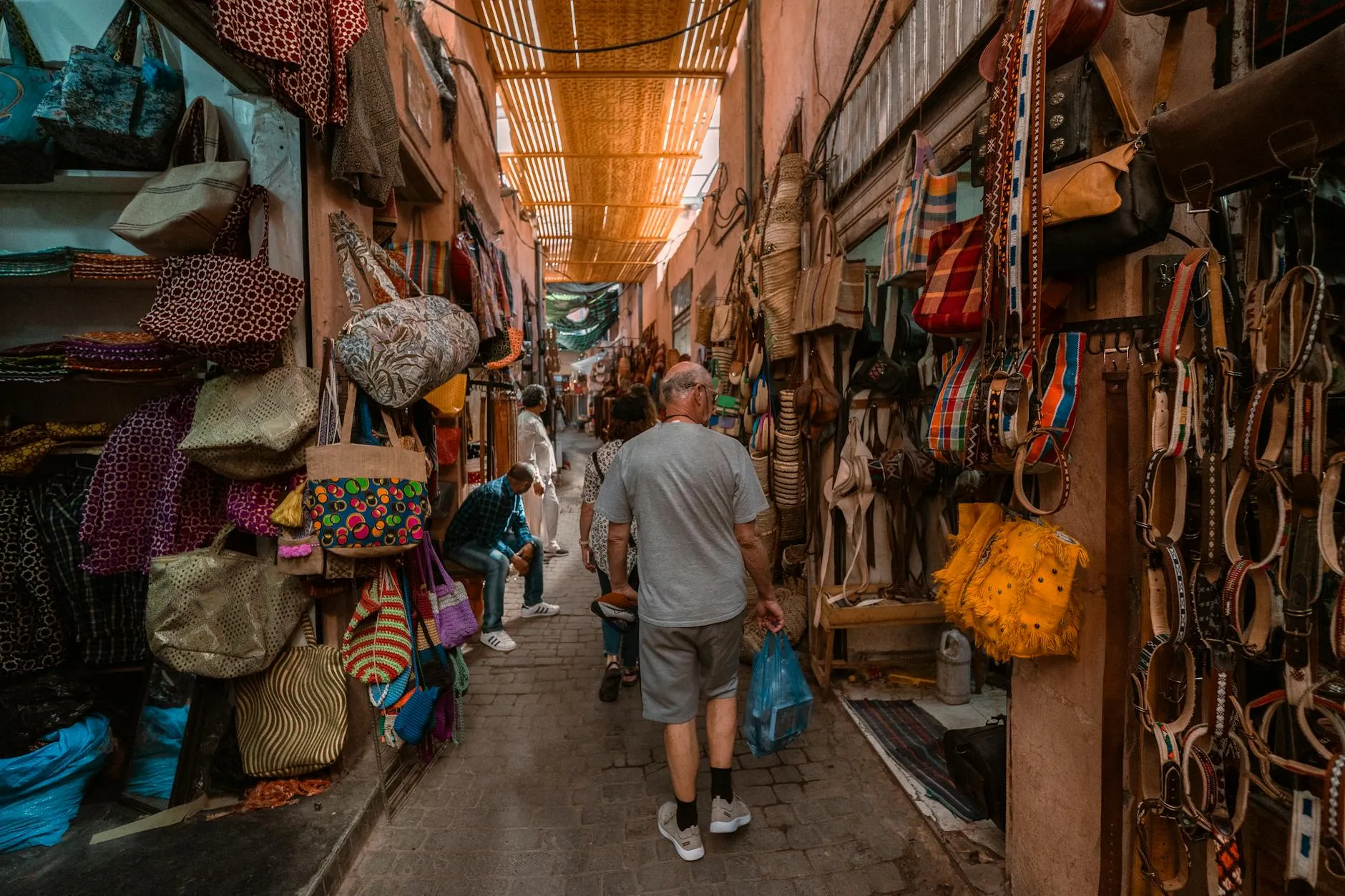
Morocco souk shopping and travel tips

Top Tips

  • Learn “La, shukran” (No, thank you). Say it firmly, kindly, and keep walking. This one phrase solves 90% of tout encounters.
  • Download offline maps. Medinas are impossible to navigate by intuition. Google Maps and Maps.me both have surprisingly accurate medina mapping.
  • Carry small bills. Break large notes at hotels or supermarkets. Vendors and taxi drivers rarely have change for 200 MAD notes.
  • Book riads in the medina, not outside. The walk through the medina at night is part of the experience. Most riads offer airport transfers and will send someone to guide you from the nearest car-accessible point.
  • Haggle for taxis, not for food. Street food and local restaurant prices are generally fair and fixed. Don’t haggle for a 40 MAD tagine.
  • Dress modestly and you’ll receive warmer interactions. This applies everywhere outside resort pools and beaches.
  • The first price is never the right price in a souk. But the counter-offer should be realistic, not insulting. Start at 30 to 40% and aim for 50 to 60%.
  • Accept the mint tea. Always.

Common Mistakes

  • Visiting Marrakech and Fez in July to August. Interior temperatures above 40 °C make sightseeing miserable. Go in spring, autumn, or winter. Or stick to the coast in summer.
  • Following “helpful” strangers who say a road is closed. It almost never is. This is the classic fake-guide scam. Check your map and keep walking.
  • Exchanging money at the airport. Rates are terrible. Change only enough for a taxi (~150 MAD), then use a city ATM.
  • Not insisting on the taxi meter. If the driver refuses, close the door and flag another. In major cities, ride-hailing apps (inDrive, Careem) eliminate this entirely.
  • Trying to see too much in one week. Morocco’s distances are real. Marrakech to Fez is 530 km. Marrakech to the Sahara is 560 km. Allow proper transit days.
  • Skipping Fez for Marrakech. Fez is the deeper, more authentic experience. Marrakech is the spectacle. Both deserve 2 to 3 days.
  • Drinking tap water. Just don’t. Bottled water costs 5 MAD everywhere.
  • Photographing people without asking. Some subjects expect 5 to 10 MAD. Others simply don’t want to be photographed. Ask first.

Scam Awareness

  • Fake guides: Someone approaches offering directions, then leads you in circles to a “cousin’s shop” or demands payment. Licensed guides carry official ID.
  • Henna trick: A woman grabs your hand and applies henna, then demands 200+ MAD. Keep hands in pockets in Jemaa el-Fna if you don’t want it.
  • Carpet shop pressure: A “friendly local” invites you for tea that ends at a carpet shop. The pressure to buy is intense and prices are 3 to 5 times real value.
  • Prepaid-card bureau scam: Some exchange offices try to load your cash onto an unusable prepaid card. Insist “cash only, no card.”

Final Recommendation

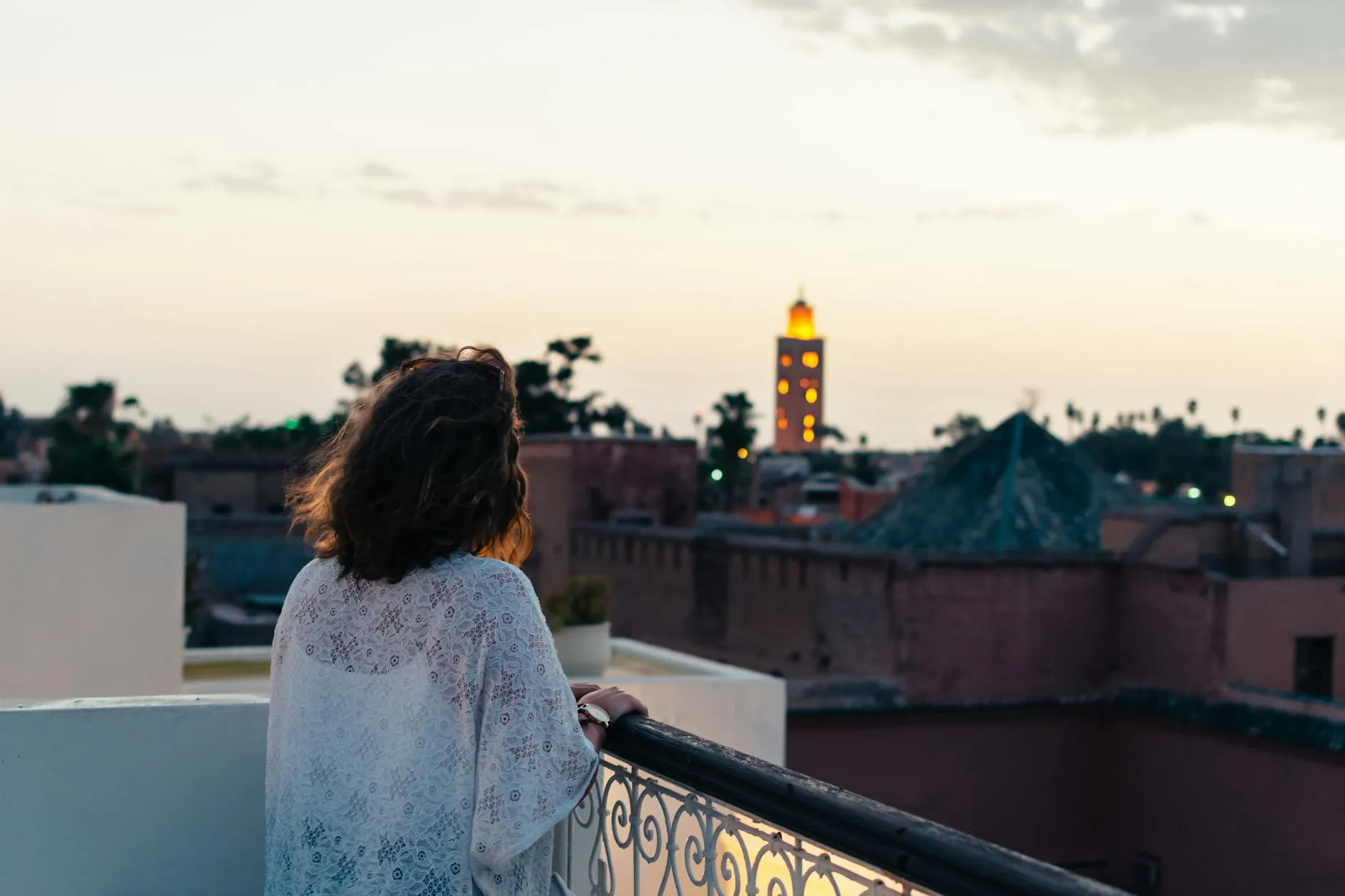
Morocco sunset over Marrakech skyline

Morocco is one of those rare destinations that delivers on every level. It’s genuinely exotic (medieval medinas, Saharan dunes, Atlas peaks) yet remarkably accessible (2 to 3 hours from Europe, visa-free, affordable). The sensory intensity can be overwhelming on day one. The noise, the smells, the haggling, the visual overload. But by day three you’re in the rhythm, and by day seven you don’t want to leave.

The culture runs deep. This isn’t a country that stages authenticity for tourists. The medinas are living, working cities where copper-beaters, leather tanners, and spice merchants operate as they have for centuries. The hospitality is sincere: accept the mint tea, sit down, and you’ll hear stories. The food is exceptional at every price point. The landscapes shift from desert to ocean to snow-capped mountains in a single day of driving.

For a first visit: 10 to 14 days is ideal. Marrakech (2 to 3 days) + Sahara desert (2 to 3 days) + Fez (2 to 3 days) + Chefchaouen (1 to 2 days) + Essaouira (1 to 2 days) covers the essentials without feeling rushed. The 14-Day Grand Tour (Route A) is the complete experience.

For a repeat visit: Go deeper. Trek the Toubkal Circuit or M’Goun Traverse. Spend a week in the Rose Valley and Aït Bouguemez. Surf Taghazout for a month. Kitesurf Dakhla. Visit during Ramadan evenings. Morocco rewards return visits more than almost any country.
One last thing: Morocco can be intense, especially Marrakech and Fez. The touts, the haggling, the occasional scam attempt. They’re real. But they’re the surface noise of a country that, once you learn to navigate it, offers some of the most rewarding travel experiences on the planet. Lean in. Say “Salam alaikum.” Accept the tea. You’ll be glad you did.