Overview & Why Visit the United Kingdom

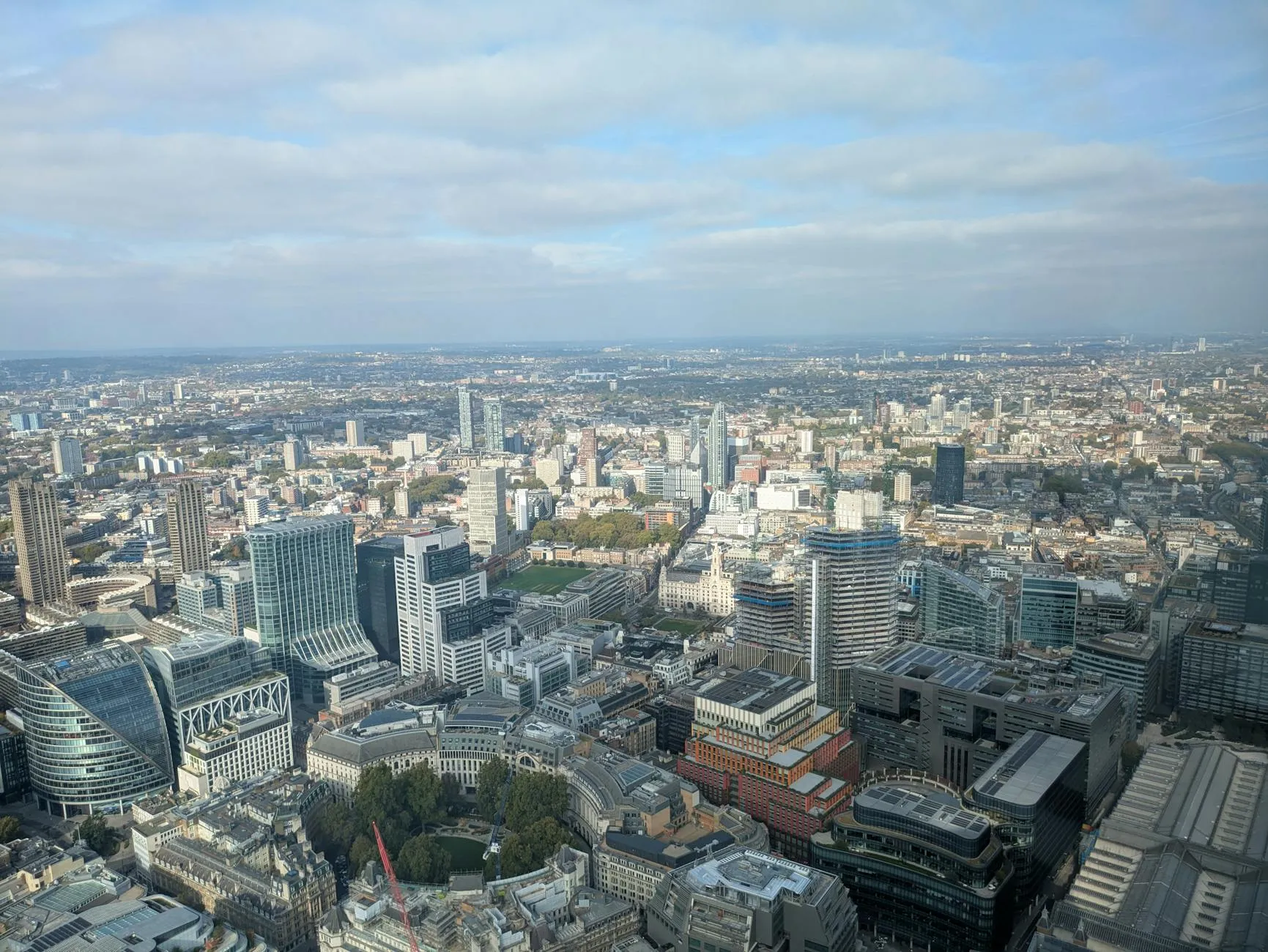
Panoramic view of London with the Thames, Big Ben and Westminster

The United Kingdom is four nations sharing one island group and a complicated family history. England, Scotland, Wales, and Northern Ireland each have their own parliament (or assembly), their own accent every 30 km, their own national sport, and their own strong opinions about the others. “Great Britain” means England, Scotland, and Wales. “The UK” adds Northern Ireland. Calling everything “England” is the fastest way to annoy three-quarters of the population.
The country packs an absurd amount of variety into 243,610 km². London alone could fill two weeks: world-class museums (most of them free), a theatre scene rivalled only by Broadway, and a food scene that has transformed beyond recognition in the past two decades. But the real surprise is what lies outside the capital. The Scottish Highlands are among Europe’s last great wildernesses. The Lake District inspired Wordsworth and Beatrix Potter for good reason. Cornwall has surf beaches, fishing villages, and a food culture that punches above its weight. Northern Ireland’s coastline, from the Giant’s Causeway to the Dark Hedges, is hauntingly beautiful.
Most first-timers do London, maybe Oxford or Bath, and perhaps Edinburgh. That combination works. But the UK rewards anyone willing to get on a train north of Watford or west of Bristol. The Yorkshire Dales, Snowdonia, the Isle of Skye, and the Causeway Coast are places that change how you think about Britain. This is not just a country of tea and drizzle. It is a country of dramatic landscapes, obsessive food culture, world-shaping history, and pubs that have been serving beer since before Columbus sailed.

🇬🇧 Capital

London (~9.0 million, metro ~14 million)

👥 Population

~67 million across four nations

📏 Size

243,610 km² (roughly the size of Oregon)

💰 Currency

British Pound Sterling (£)

🌐 Languages

English. Welsh, Scots Gaelic, and Irish co-official regionally

📞 Emergency

999 (or 112). NHS provides emergency care

Why Visit

🏰 History & Heritage

Stonehenge, Roman walls, medieval castles, Tudor palaces, and two millennia of layered history accessible on foot across every county

🌱 Countryside

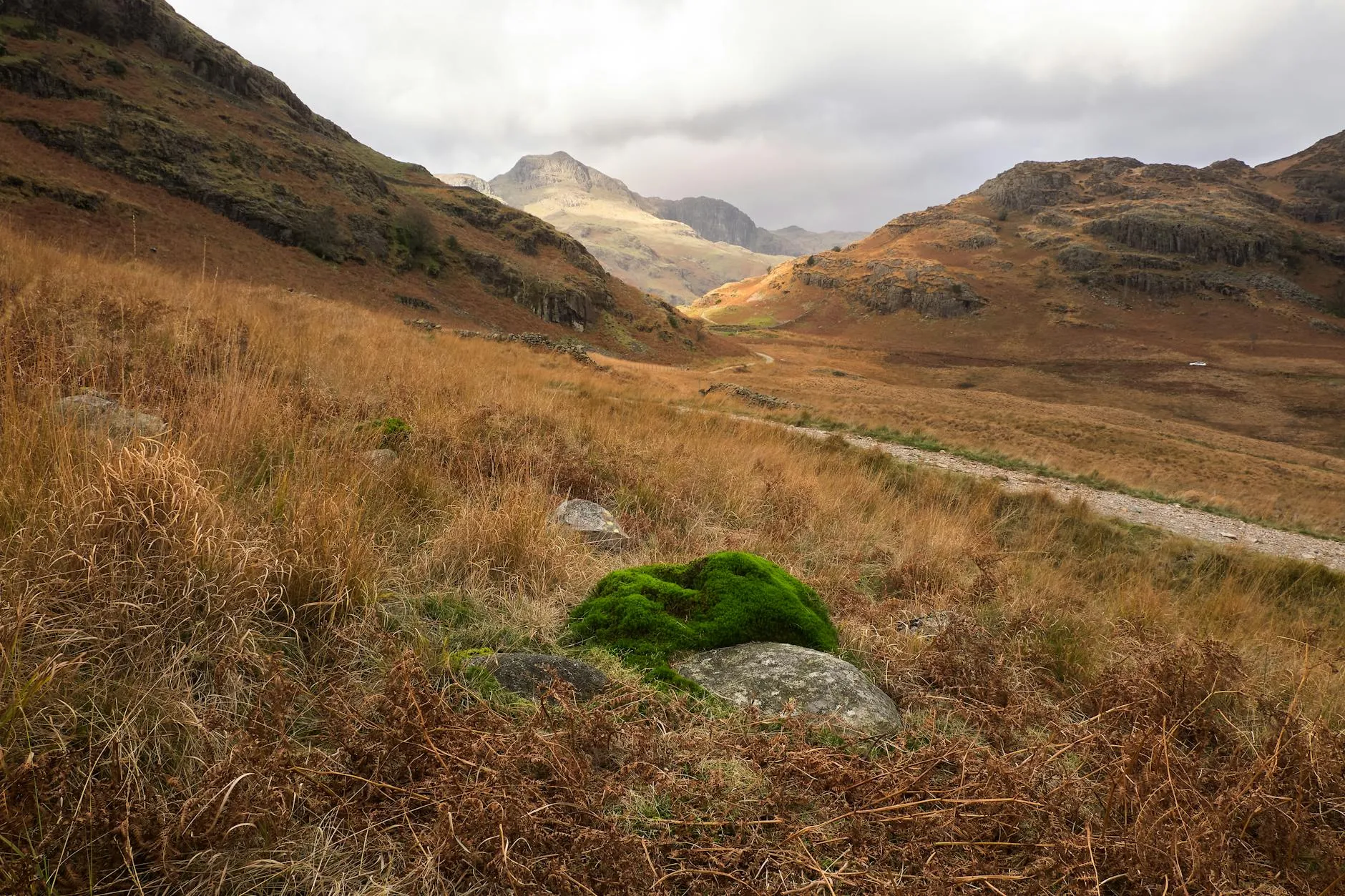
Lake District fells, Scottish Highlands, Welsh mountains, Cotswold villages, and Cornish cliffs. Some of Europe’s finest walking country

🎨 Culture

Free world-class museums, West End theatre, Edinburgh festivals, live music from Glasgow to Bristol. Culture is everywhere and often free

🍴 Food Renaissance

Far beyond fish and chips. Sunday roasts, cream teas, Michelin-starred restaurants, street food markets, and regional specialities in every county

🍺 Pub Culture

Village locals, city gastropubs, riverside beer gardens, and real ale. The pub is the living room of British social life

🏴 Four Nations

England, Scotland, Wales, and Northern Ireland each with distinct identity, food, landscape, and character. One trip, four countries

Budget reality check: The UK uses the British Pound and prices vary dramatically by region. London is 40–60% more expensive than the rest of the country. Expect £45–120 per day for budget travel (hostels, pub meals, buses) or £160–305 per day mid-range (B&Bs, restaurant meals, trains). Northern England, Wales, and rural Scotland offer the best value. A pub lunch costs £12–18. A pint of real ale costs £4–6 outside London.

Best Time to Visit

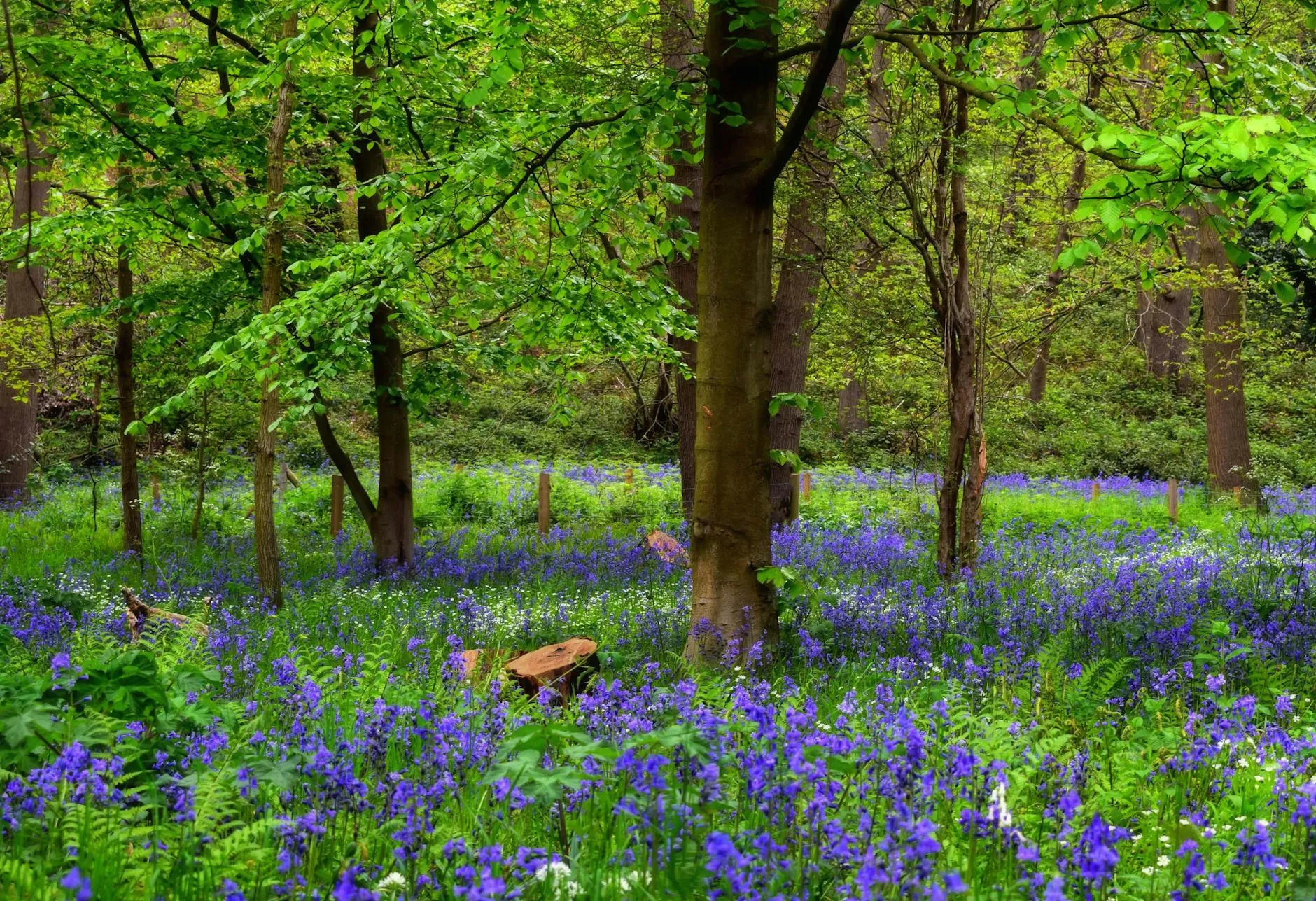
English countryside with bluebells blooming under spring sunlight

May through June and September through early October. Those shoulder months deliver the best combination of mild weather, long daylight hours, manageable crowds, and reasonable prices. Spring brings bluebells across ancient woodlands, lambs in the fields, and daylight stretching past 21:00 by late May. Autumn has golden foliage in the Lake District, harvest festivals, and warm enough days for comfortable walking.

If forced to pick one month, June wins. The entire country is warm (15–22°C), daylight lasts until nearly 22:00 in Scotland, gardens are at peak bloom, and the Edinburgh festival crush hasn’t begun. September is the close runner-up, particularly for Scotland and the north of England where the heather is purple and the summer midges are dying off.

Summer (July and August) is peak season. Edinburgh’s festivals fill every bed within 50 km. Cornwall’s roads gridlock. Lake District car parks overflow by 09:00. Prices spike and availability vanishes. That said, August is the only reliable month for warm swimming off the Cornish coast. The Scottish Highlands are glorious but plagued by midges in July.

Winter (November through February) is underrated for city trips. London’s museums don’t close for rain. Bath’s Christmas market is atmospheric. Edinburgh is moody and beautiful. The Scottish Highlands get snow for walking and skiing. The trade-off is short days (dark by 16:00), frequent rain, and many rural attractions closing for the season.

Month-by-Month Overview

MonthTemp (London)Best ForCrowdsPricesRating
January2–8°CWinter sales, budget city breaks, Scottish skiing🟢 Low🟢 Low⭐⭐
February2–9°CSix Nations rugby, snowdrops, Valentine’s Bath🟢 Low🟢 Low⭐⭐
March4–12°CSt Patrick’s Day (Belfast), daffodils, early lambs🟢 Low🟡 Moderate⭐⭐⭐
April6–15°CEaster, London Marathon, cherry blossom, bluebells begin🟡 Moderate🟡 Moderate⭐⭐⭐⭐
May9–18°CChelsea Flower Show, bluebell peak, long evenings, bank holidays🟡 Moderate🟡 Moderate⭐⭐⭐⭐⭐
June12–22°CLongest days, Glastonbury, Royal Ascot, Trooping the Colour🟡 High🔴 High⭐⭐⭐⭐⭐
July14–24°CWimbledon, Henley Regatta, warmest month, Highland midges🔴 High🔴 Peak⭐⭐⭐⭐
August14–24°CEdinburgh Fringe, Notting Hill Carnival, school holidays🔴 Peak🔴 Peak⭐⭐⭐
September11–20°CHeather blooming, harvest festivals, thinning crowds🟡 Moderate🟡 Moderate⭐⭐⭐⭐⭐
October8–16°CAutumn foliage (Lake District, Highlands), Halloween🟡 Moderate🟡 Moderate⭐⭐⭐
November5–11°CBonfire Night (5 Nov), low prices, Guy Fawkes🟢 Low🟢 Low⭐⭐
December3–9°CChristmas markets (Bath, Edinburgh), pantomime, Hogmanay🟡 Moderate🟡 Moderate⭐⭐⭐
Scottish midges warning: From late May through September, the Scottish Highlands are plagued by tiny biting midges (Culicoides impunctatus). They swarm at dawn and dusk in still, damp conditions. A midge head net (£5 from any outdoor shop) and Smidge repellent are essential. Wind and sunshine keep them away. The west coast is worst; the east coast is largely midge-free.

Map of the United Kingdom

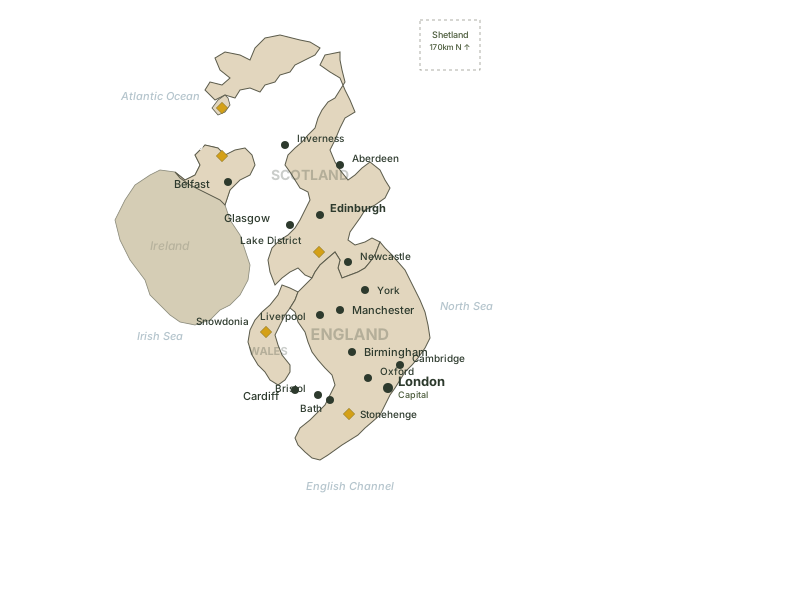
The United Kingdom sits on the British Isles off the northwest coast of continental Europe, separated from France by the English Channel (34 km at its narrowest, linked by the Channel Tunnel). Great Britain is the largest island, containing England, Scotland, and Wales. Northern Ireland occupies the northeast corner of the island of Ireland, sharing a land border with the Republic of Ireland. The country also includes over 1,000 smaller islands: the Hebrides, Orkney, and Shetland off Scotland; the Isle of Wight and Isle of Man; Anglesey off Wales; and the Channel Islands near France.

Map of the United Kingdom showing main cities, regions and transport connections
Key distances (by train): London to Edinburgh 4h 20min, London to Manchester 2h 10min, London to Bath 1h 20min, London to York 1h 50min, Edinburgh to Glasgow 50min, London to Cardiff 2h, Manchester to Liverpool 45min. The Eurostar connects London St Pancras to Paris (2h 15min) and Brussels (2h) via the Channel Tunnel.

Holidays & Festivals

Bonfire Night fireworks illuminating a city skyline

The UK has surprisingly few public holidays compared to continental Europe, but compensates with a festival calendar that fills every month. England and Wales get 8 bank holidays, Scotland gets 9, and Northern Ireland gets 10 (adding St Patrick’s Day and the Twelfth). Bank holidays close banks, schools, and many shops. Trains run Sunday schedules.

DateHoliday / FestivalImpact on Travel
January 1New Year’s DayPublic holiday. Edinburgh’s Hogmanay (Dec 31) is Europe’s biggest New Year street party
January 22nd January (Scotland only)Scotland takes an extra day. The rest of the UK is back at work
January 25Burns NightNot a public holiday, but Scotland celebrates Robert Burns with haggis suppers and whisky. Restaurants do special menus
FebruarySix Nations RugbyFeb–Mar. Matches in London (Twickenham), Edinburgh (Murrayfield), Cardiff (Principality). Cities packed on match weekends
March 1St David’s Day (Wales)Not a bank holiday but widely celebrated. Daffodils, leeks, and Welsh flags everywhere
March 17St Patrick’s Day (N. Ireland)Bank holiday in Northern Ireland. Belfast parade. Pubs everywhere celebrate regardless
EasterGood Friday & Easter MondayBank holidays. Hot cross buns. Many attractions busy. Rural B&Bs book out
Early MayMay Day Bank HolidayFirst Monday in May. Morris dancing, maypoles in villages
Late MaySpring Bank HolidayLast Monday in May. Chelsea Flower Show (tickets sell out months ahead)
Late JuneGlastonbury FestivalWorld’s most famous music festival. Somerset. 200,000 people. Tickets sell out in minutes
Early JulyWimbledonTwo weeks of tennis. Queue from dawn for day tickets. SW19 transforms
AugustEdinburgh Festival FringeThe world’s largest arts festival. 3,000+ shows over 3 weeks. All accommodation doubles in price and books out months ahead
Late AugustSummer Bank Holiday (not Scotland)Last Monday in August. Notting Hill Carnival (London): Europe’s biggest street festival, 2 million people
November 5Bonfire Night / Guy FawkesNot a bank holiday. Fireworks and bonfires nationwide. Lewes (East Sussex) has the most famous celebrations
November 30St Andrew’s Day (Scotland)Bank holiday in Scotland. Cèilidh dances and Scottish celebrations
December 25Christmas DayBank holiday. Almost everything closes. No public transport. Book Christmas lunch months ahead
December 26Boxing DayBank holiday. Sales begin. Some attractions reopen. Football matches (Premier League tradition)
December 31Hogmanay (Scotland)Edinburgh’s street party is ticketed. Fireworks over the castle. Book a year ahead for central hotels
Edinburgh in August: The Fringe, International Festival, Book Festival, and Art Festival all overlap. The city’s population doubles. Hotel prices triple. Accommodation within 30 km sells out by March. If you want to go, book in January. If you want to avoid the chaos, visit Edinburgh in June or September instead.

Regions of the United Kingdom

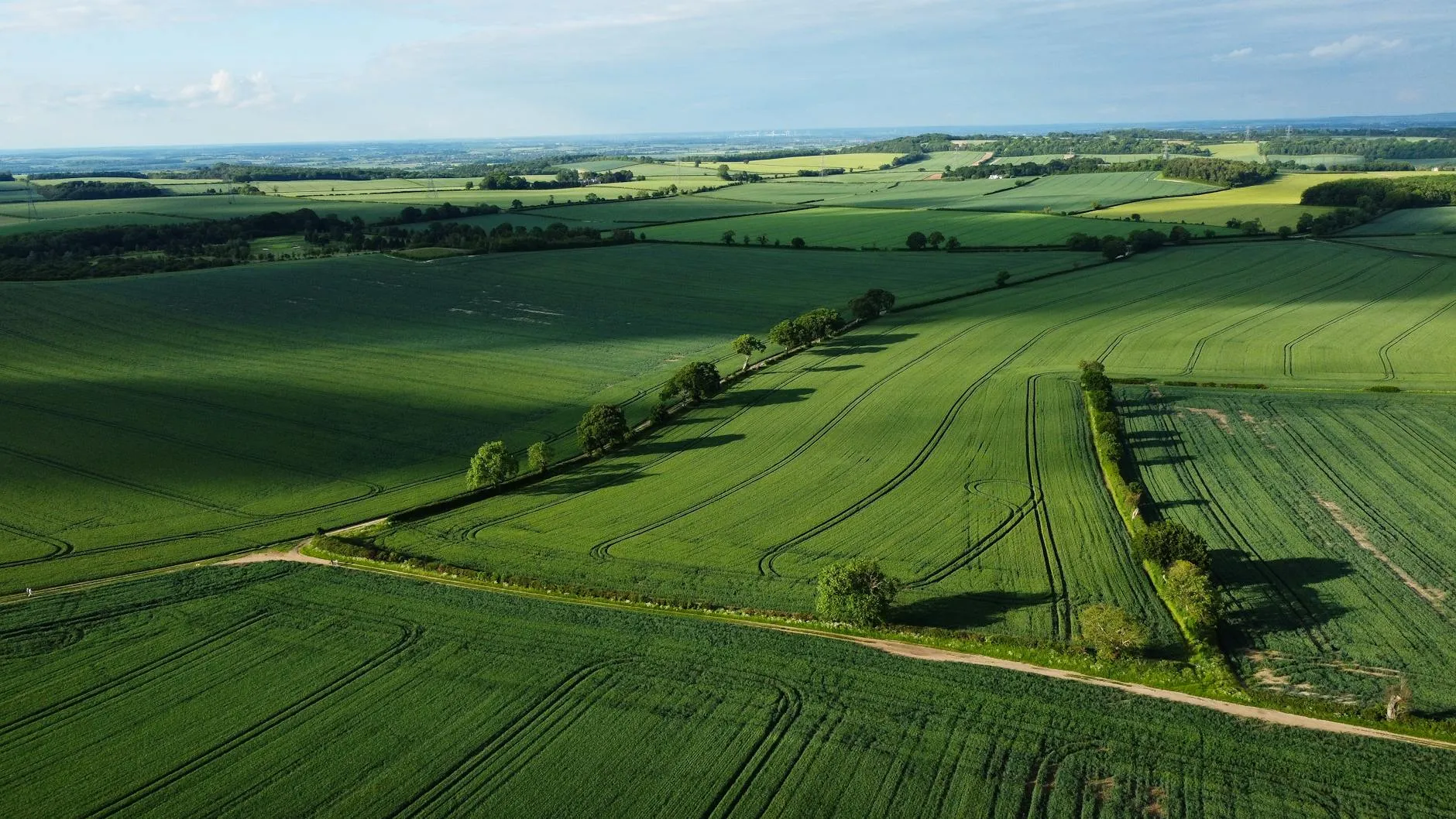
Aerial view across the diverse British landscape from green hills to rugged coastline

The UK packs wildly different landscapes, accents, and identities into a surprisingly compact area. Drive three hours in any direction and the food changes, the accent shifts, and the locals have a different opinion about tea.

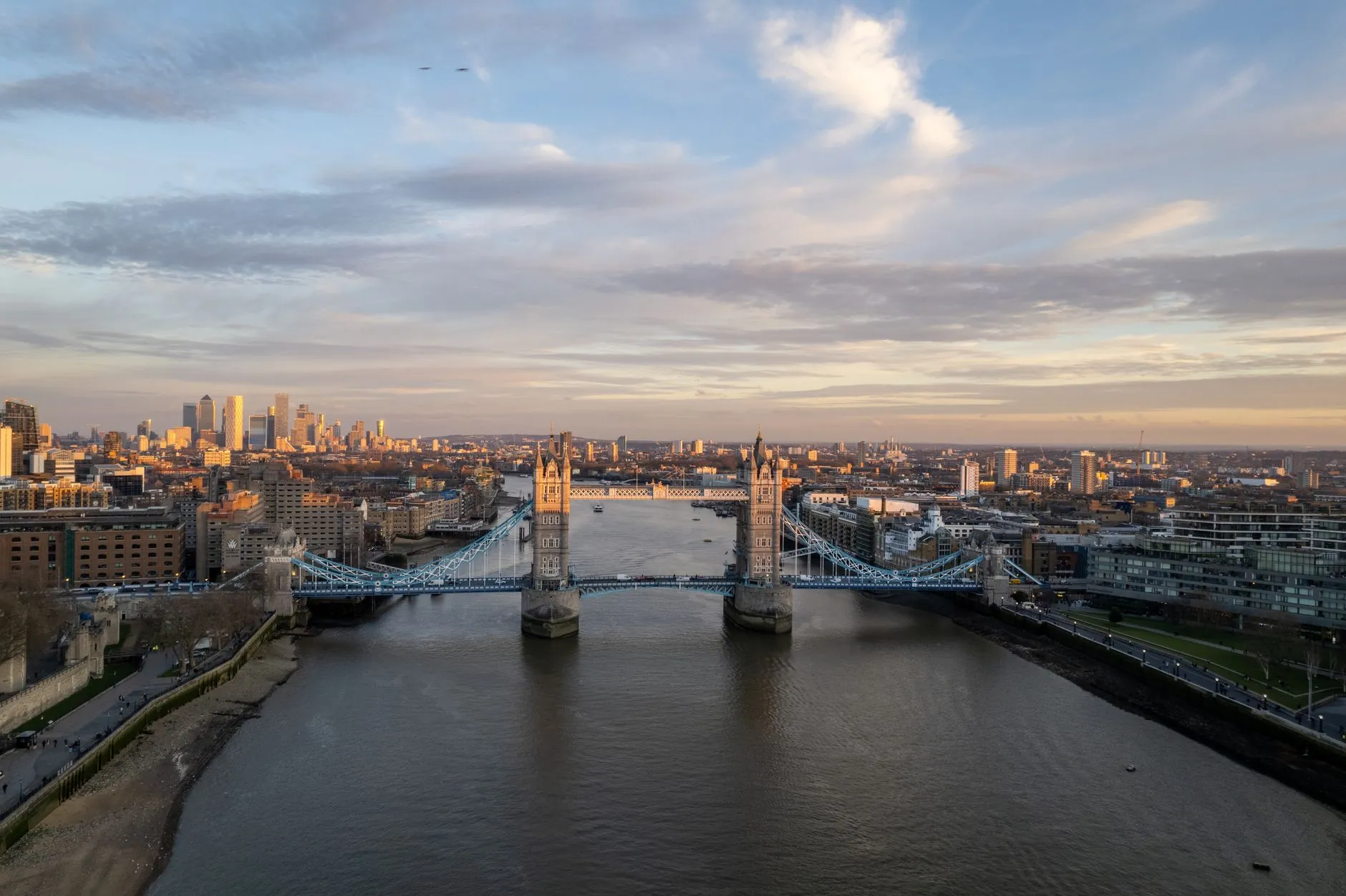
London skyline with the Thames and Tower Bridge at dusk

London

Nine million people, 170 museums (most free), the West End, and a food scene spanning every cuisine on Earth. Big Ben, the Tower, Buckingham Palace, and Borough Market are the postcard. But London’s real character lives in its neighbourhoods: Camden, Shoreditch, Brixton, Notting Hill, Greenwich. Budget 3–5 days minimum.

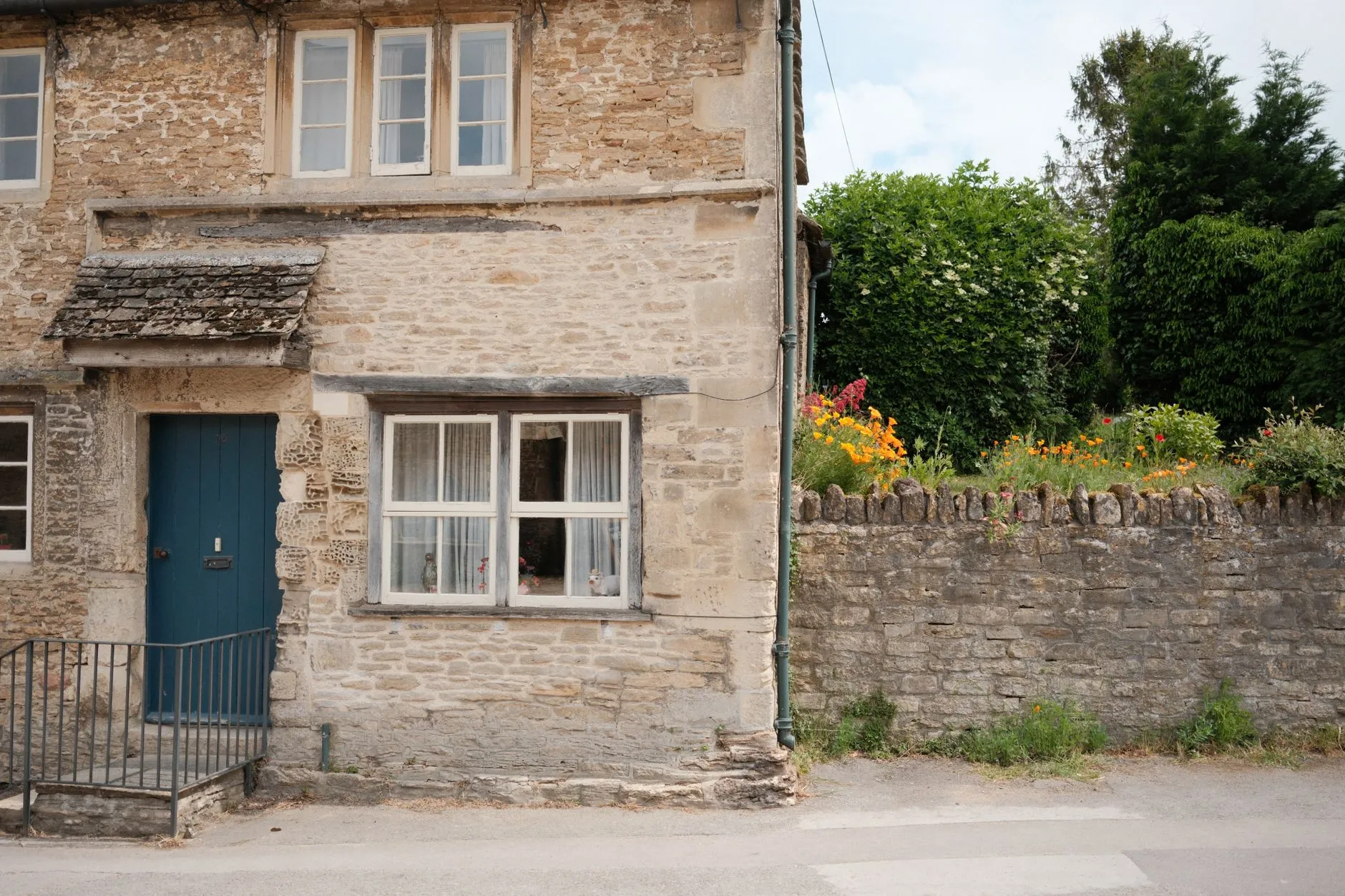
Honey-stone cottages in a Cotswolds village with flowers

South England

Bath’s Georgian crescents and Roman hot springs. Oxford’s dreaming spires and ancient colleges. The Cotswolds’ honey-stone villages. Canterbury’s cathedral. Brighton’s seafront. Stonehenge and Salisbury Plain. The most accessible region from London, all within 1–2 hours by train.

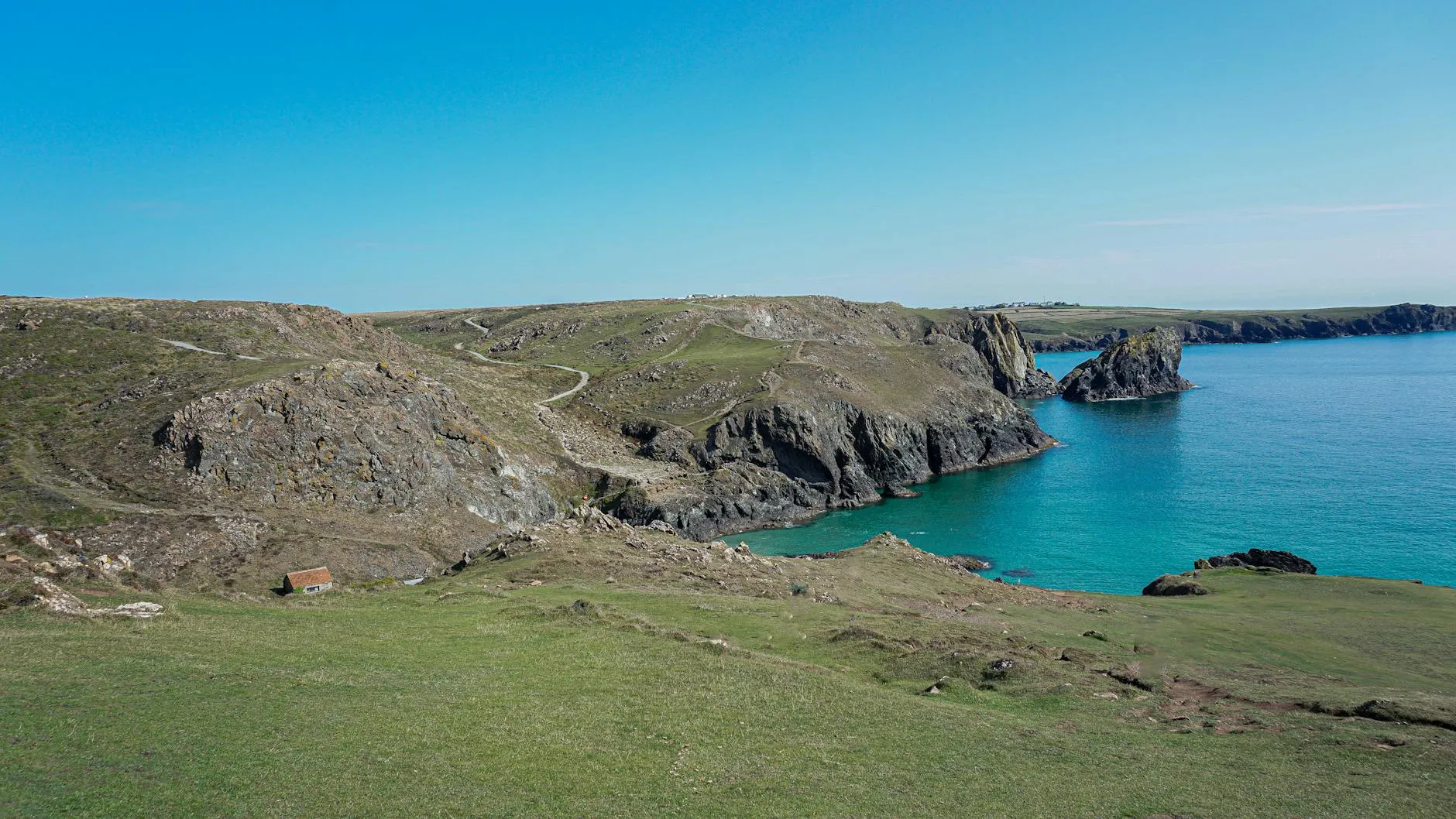
Dramatic Cornish coastline with turquoise sea and cliffs

South West

Cornwall’s surf beaches, fishing villages, and Cornish pasties. Devon’s cream teas and Dartmoor’s wild ponies. The Jurassic Coast’s fossil cliffs (UNESCO). Somerset’s cider country and Glastonbury. England’s wildest coastline and mildest climate.

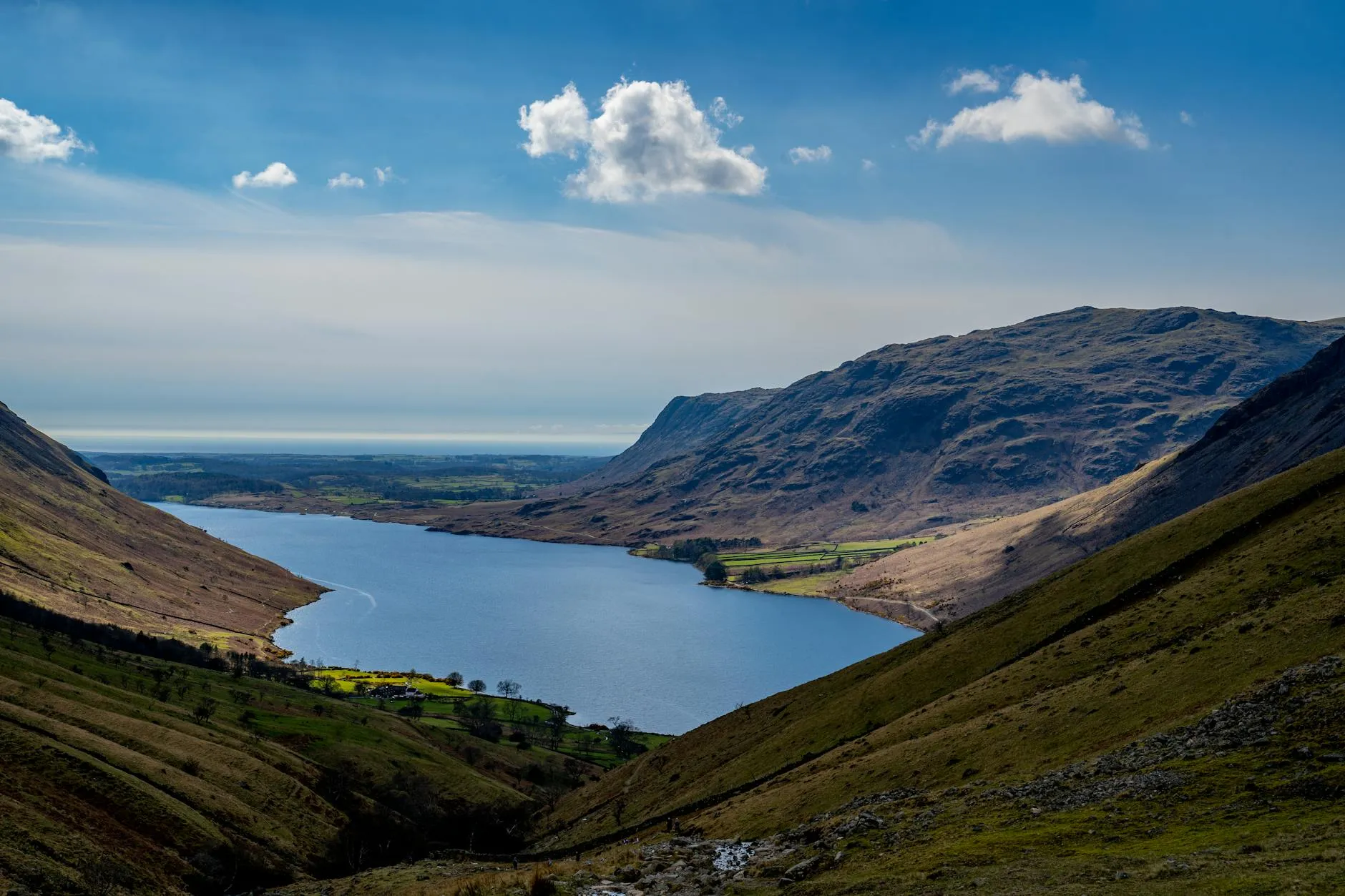
Lake District valley with mountains reflected in still water

North England

The Lake District’s fells, tarns, and Wordsworth country. York’s medieval walls and Viking heritage. The Yorkshire Dales and Peak District. Liverpool’s waterfront and Beatles legacy. Manchester’s music and football. Durham’s cathedral. Hadrian’s Wall. The north is cheaper, less crowded, and arguably more beautiful than the south.

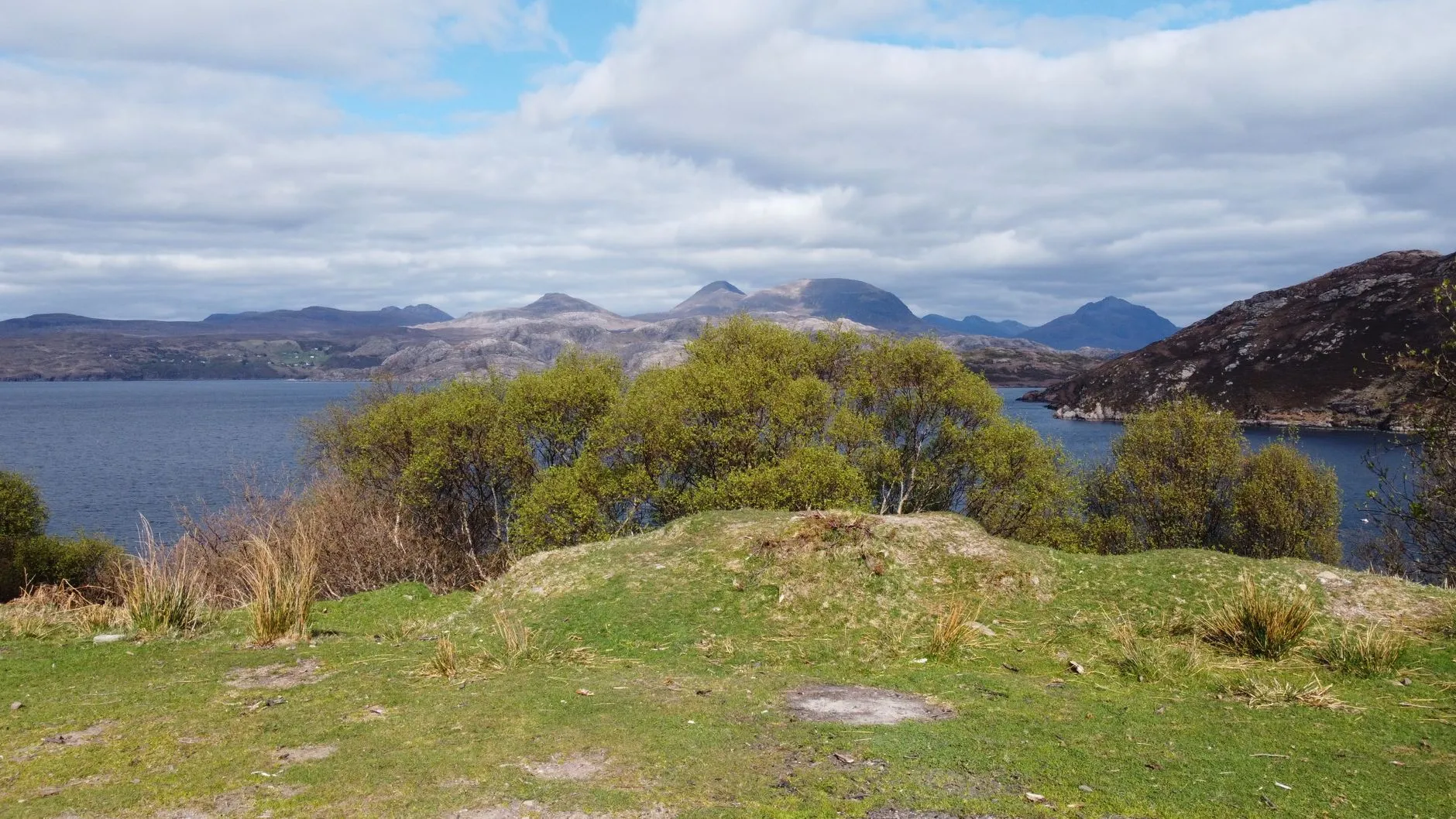
Scottish Highlands with moody mountains and a mirror-still loch

Scotland

Edinburgh’s castle perched on volcanic rock. Glasgow’s art and music scene. The Highlands’ vast empty glens, lochs, and Munros. Isle of Skye’s dramatic cliffs and Fairy Pools. Speyside and Islay whisky distilleries. The Cairngorms and Ben Nevis. A country within a country, with its own parliament, banknotes, and fierce independence.

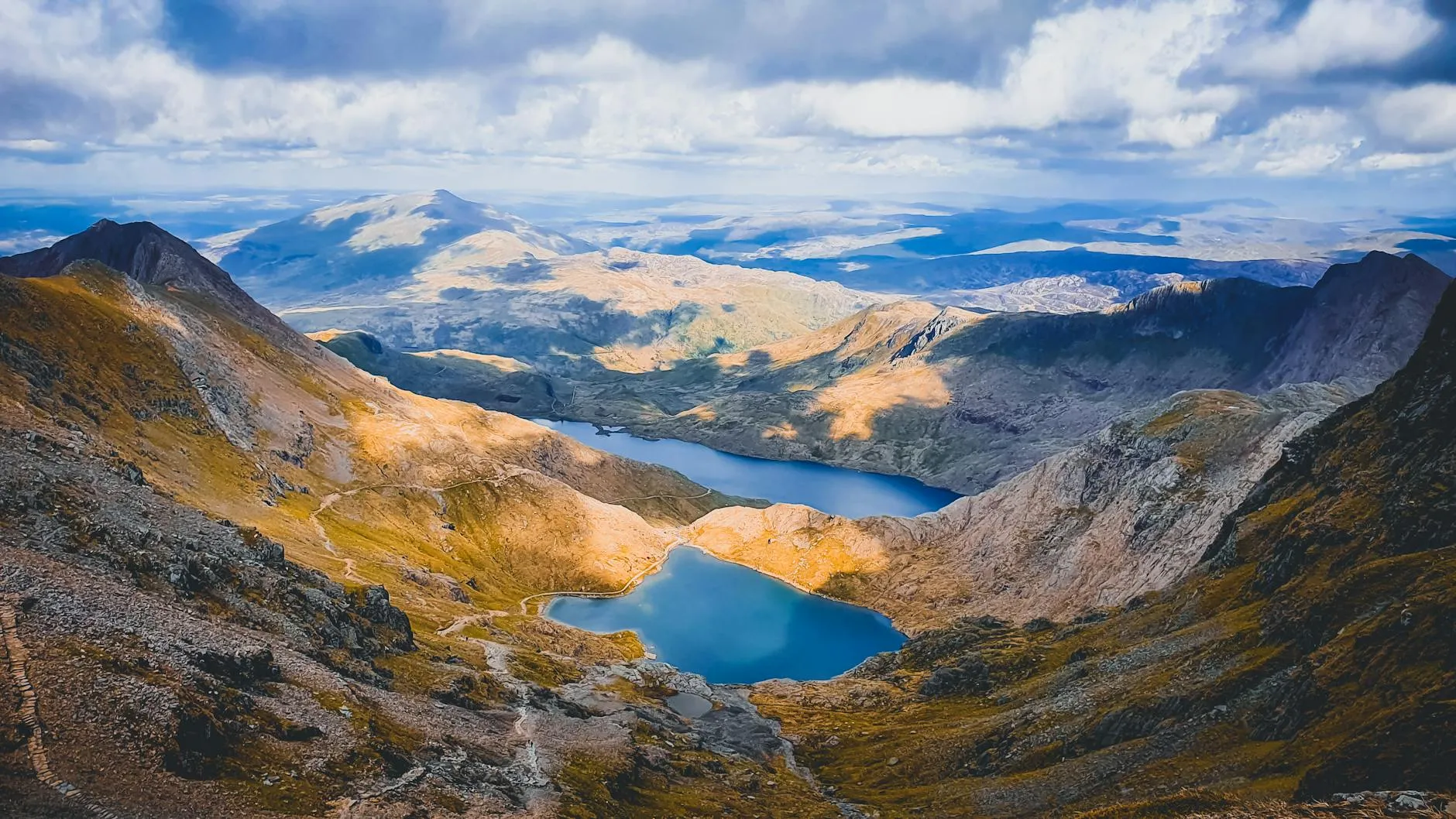
Snowdonia mountains with a lake in the foreground

Wales

Snowdonia (Eryri) at 1,085 m. The Pembrokeshire Coast Path along dramatic sea cliffs. Cardiff’s castle and bay regeneration. The Brecon Beacons’ dark sky reserves. The Gower Peninsula’s beaches. Welsh is a living language here, on every road sign and in every school. Smaller, quieter, and wilder than England.

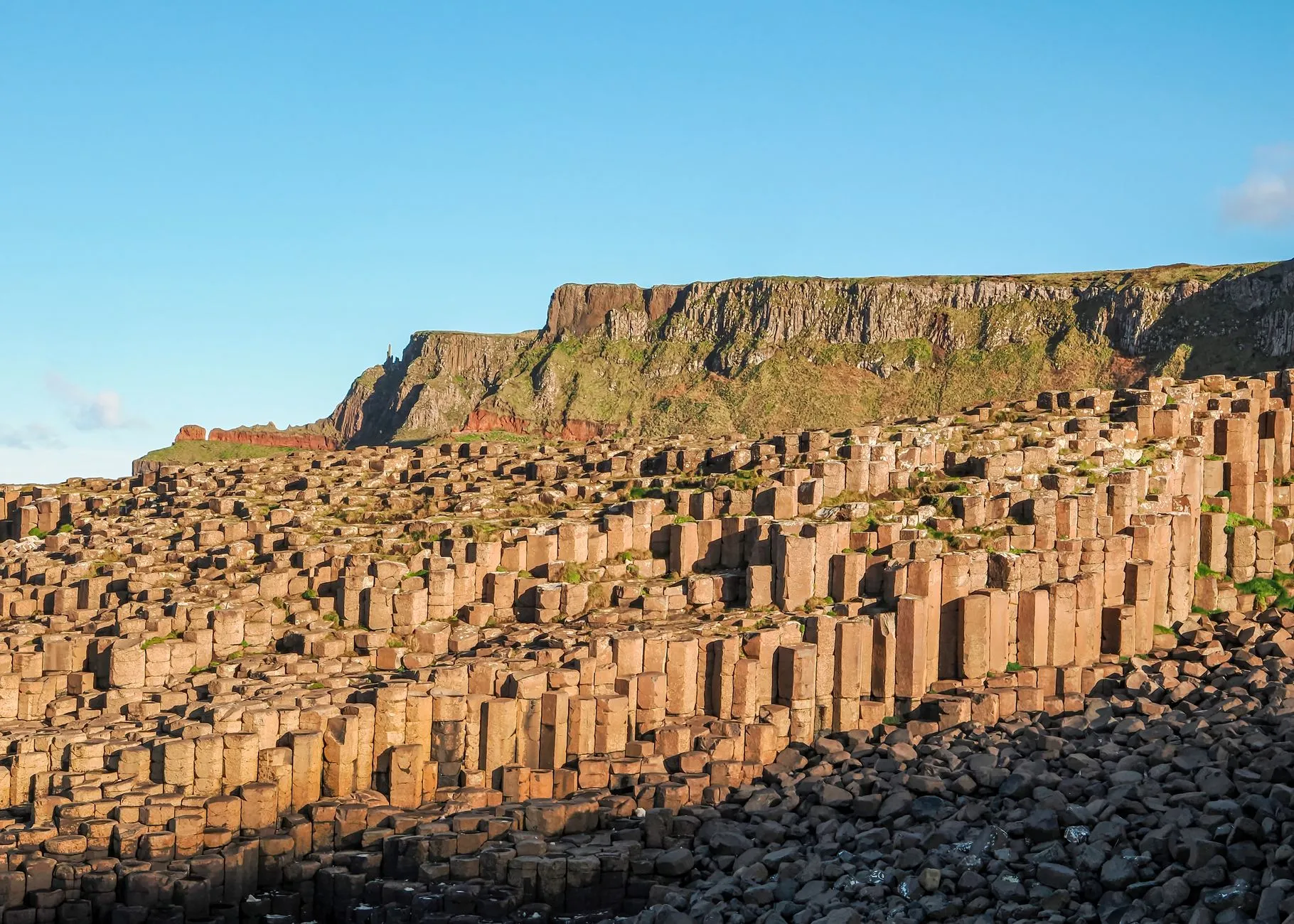
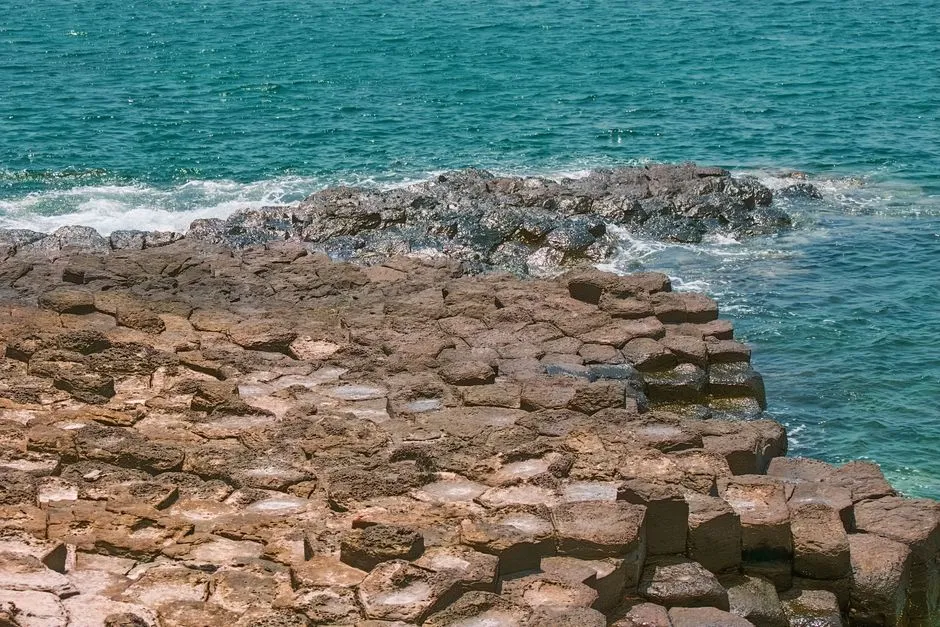
Giant's Causeway hexagonal basalt columns meeting the sea

Northern Ireland

The Giant’s Causeway’s 40,000 interlocking basalt columns (UNESCO). Belfast’s Titanic Quarter and political murals. The Dark Hedges (Game of Thrones). The Causeway Coastal Route. Derry/Londonderry’s intact 17th-century city walls. A complicated history, genuine warmth, and some of the UK’s most dramatic scenery.

Top Sightseeing

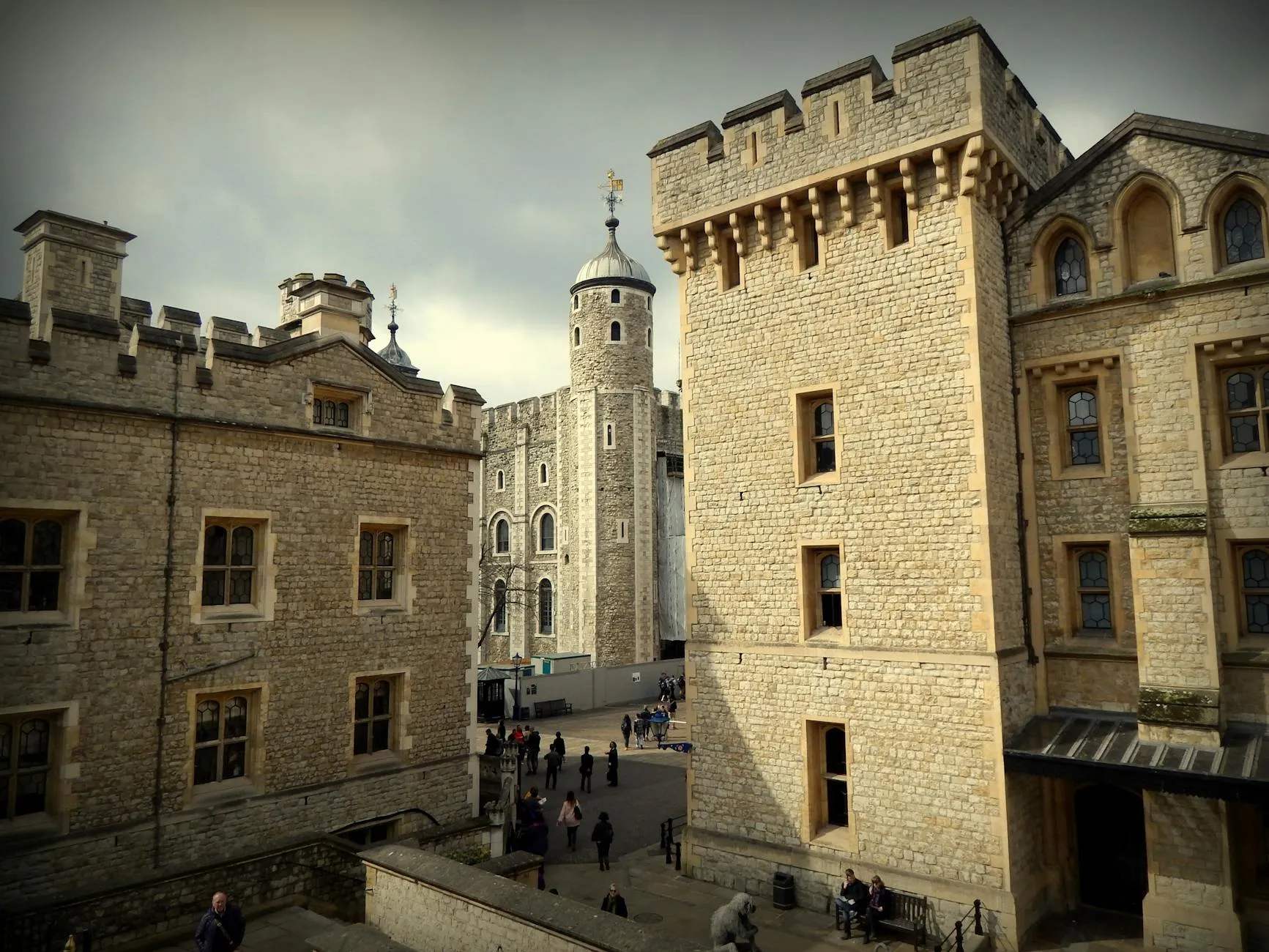
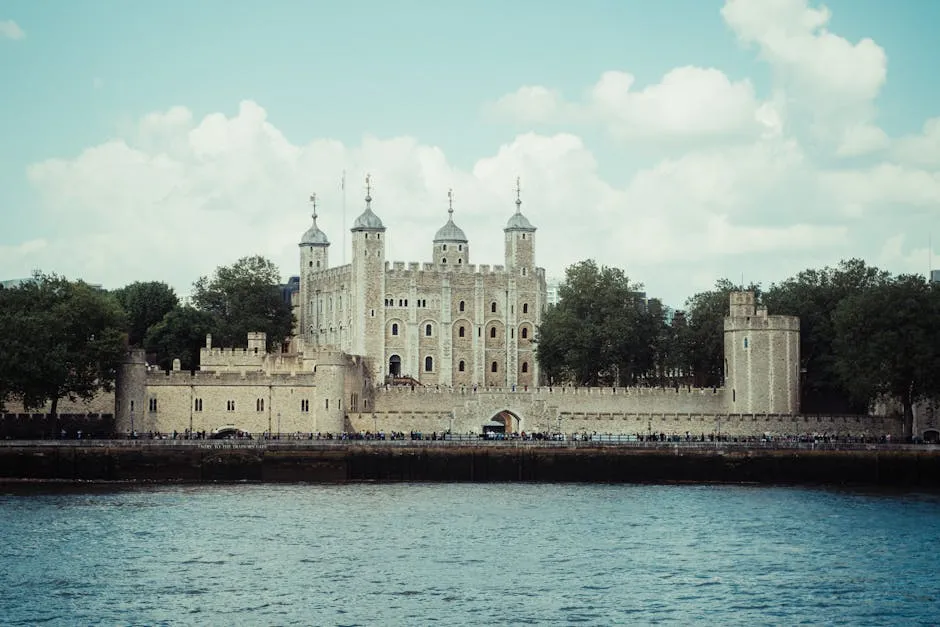
Tower of London with the White Tower and medieval walls

The UK has a density of world-class sights that few countries can match. Two millennia of continuous history have left Roman walls, Norman castles, Gothic cathedrals, Tudor palaces, Georgian crescents, and Victorian engineering stacked on top of each other. Many of the best museums are completely free.

  • Tower of London: Crown Jewels, 1,000 years of history, Beefeater tours, and ravens that supposedly keep the kingdom standing
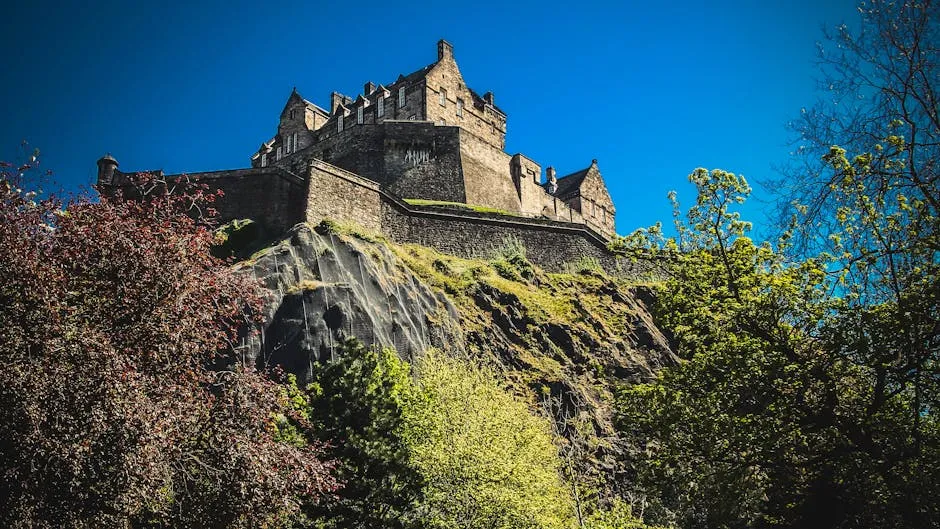
  • Edinburgh Castle: Perched on volcanic rock above the city, housing the Scottish Crown Jewels and the Stone of Destiny
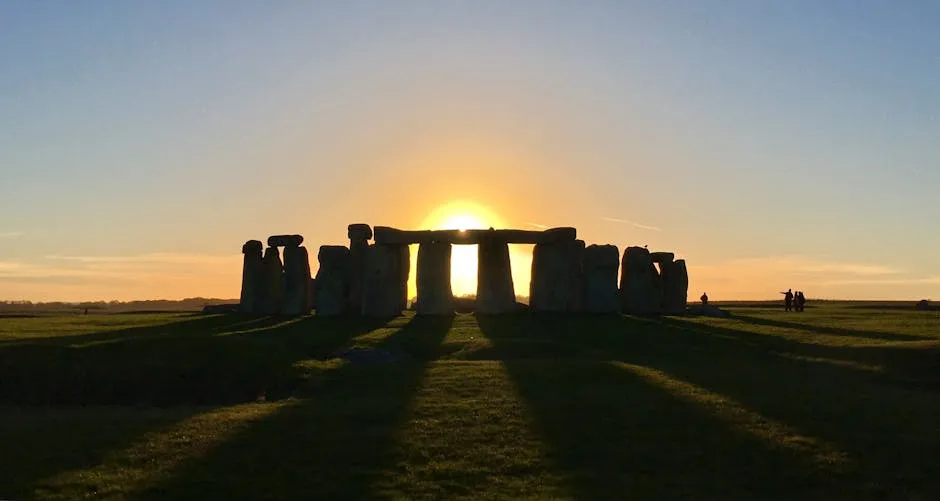
  • Stonehenge: 5,000-year-old stone circle on Salisbury Plain, still debated, still awe-inspiring at sunrise
  • Giant’s Causeway: 40,000 interlocking basalt columns formed by ancient volcanic activity on the Antrim coast
  • British Museum: Free. The Rosetta Stone, Elgin Marbles, Egyptian mummies, and 8 million objects spanning human history
Tower of London with the Thames and Tower Bridge behind

Tower of London

A thousand years of history in one fortress: royal palace, prison, armoury, and home to the Crown Jewels. The Yeoman Warder (Beefeater) tours are free with admission and brilliantly entertaining. Six ravens are kept by tradition; legend says if they leave, the kingdom falls. £33.60; book online for timed entry. Allow 3 hours. The White Tower contains Henry VIII’s armour.

Edinburgh Castle on its volcanic crag above the city

Edinburgh Castle

Scotland’s most visited attraction, dominating the city from Castle Rock. The Scottish Crown Jewels (Honours of Scotland), the Stone of Destiny, the One O’Clock Gun fired daily, and views across Edinburgh to the Firth of Forth. £19.50; book ahead in summer. The Royal Mile runs downhill from the castle to Holyrood Palace. Allow 2–3 hours.

Stonehenge stone circle at golden hour

Stonehenge

A 5,000-year-old stone circle on Salisbury Plain, predating the pyramids. How the 25-tonne sarsen stones were transported from 25 km away (and the bluestones from Wales, 240 km) remains debated. The visitor centre tells the story well. £22; book timed entry online. Special access tours at sunrise or sunset get you inside the circle (book months ahead, £47).

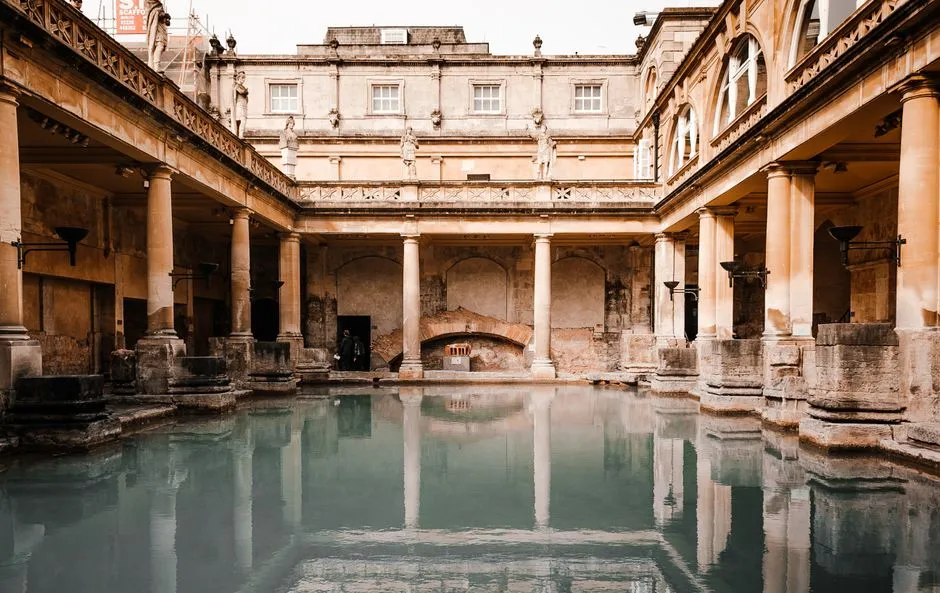
Roman Baths with steaming green water and Bath Abbey behind

Roman Baths, Bath

A 2,000-year-old thermal spa complex built by the Romans around Britain’s only natural hot springs. The Great Bath, temple ruins, and museum are beautifully preserved. The city of Bath around it is a UNESCO World Heritage Site of Georgian architecture. £18; free audioguide narrated by Bill Bryson. Combine with the nearby Thermae Bath Spa to actually swim in the hot springs (£42).

Great Court of the British Museum with its glass roof

British Museum

Free entry to one of the world’s greatest collections: the Rosetta Stone, the Parthenon sculptures, Sutton Hoo treasures, Egyptian mummies, and 8 million objects spanning all of human history. The Great Court with Norman Foster’s glass roof is spectacular. Allow half a day minimum. Donations welcome. The Egyptian and Assyrian galleries alone are worth the visit.

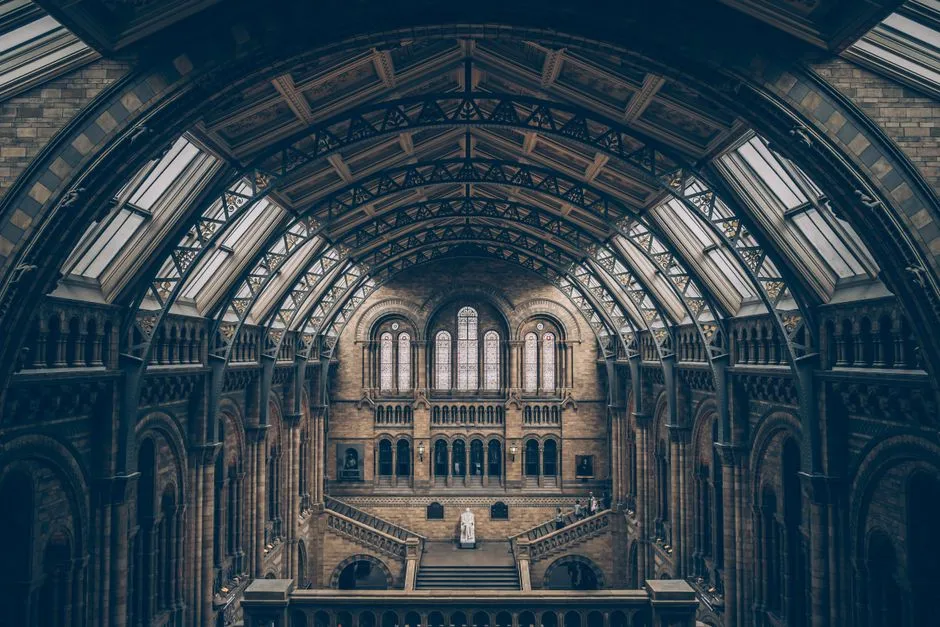
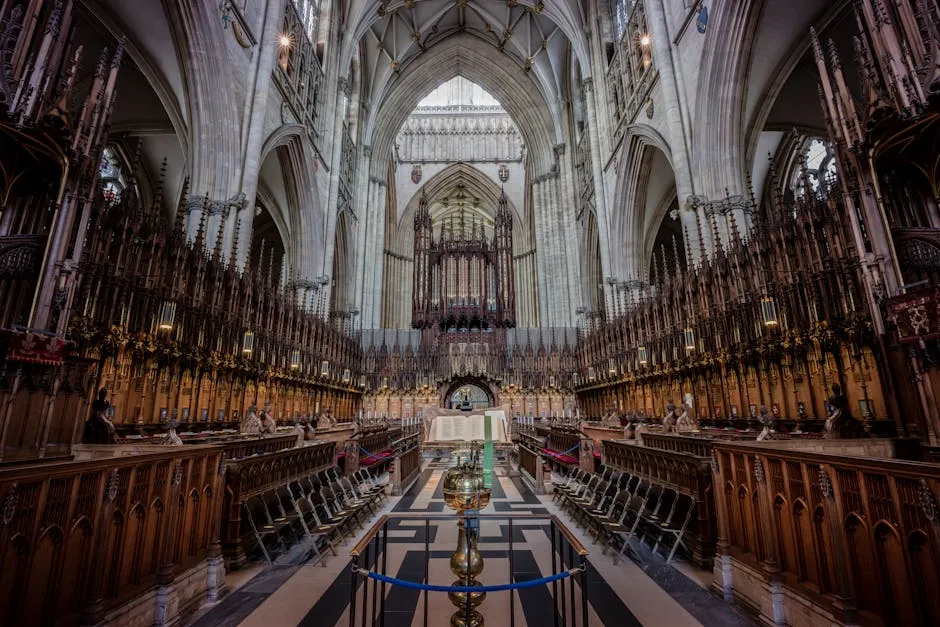
York Minster Gothic cathedral towering above medieval streets

York Minster

Northern Europe’s largest Gothic cathedral, with medieval stained glass that survived both the Reformation and the Luftwaffe. The Great East Window is the size of a tennis court. Climb the 275 steps of the Central Tower for views across York and the Vale. The Shambles nearby is a perfectly preserved medieval shopping street. £16 including tower. Allow 2 hours.

Hexagonal basalt columns of the Giant's Causeway stretching into the sea

Giant’s Causeway

Some 40,000 interlocking basalt columns formed by volcanic activity 60 million years ago, stepping down into the Atlantic on the Antrim coast. Legend says the giant Finn McCool built it to fight a Scottish rival. The visitor centre tells both stories. Free to walk the columns; visitor centre £15. Part of the Causeway Coastal Route, one of the UK’s finest drives.

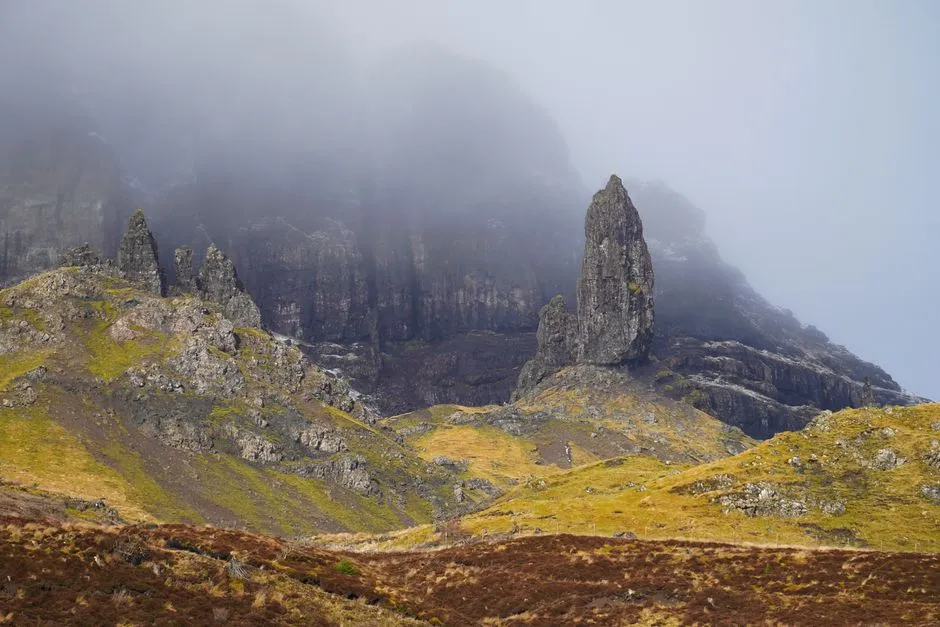
Old Man of Storr rock pinnacle on the Isle of Skye

Isle of Skye

Dramatic cliffs, sea stacks, and otherworldly landscapes on Scotland’s most photogenic island. The Old Man of Storr (2h hike), the Fairy Pools (crystal-clear mountain pools), and the Quiraing ridge walk are the highlights. The Skye Bridge connects to the mainland. Stay in Portree. Arrive early or late to avoid tour bus crowds. Free; no entrance fees for the landscapes.

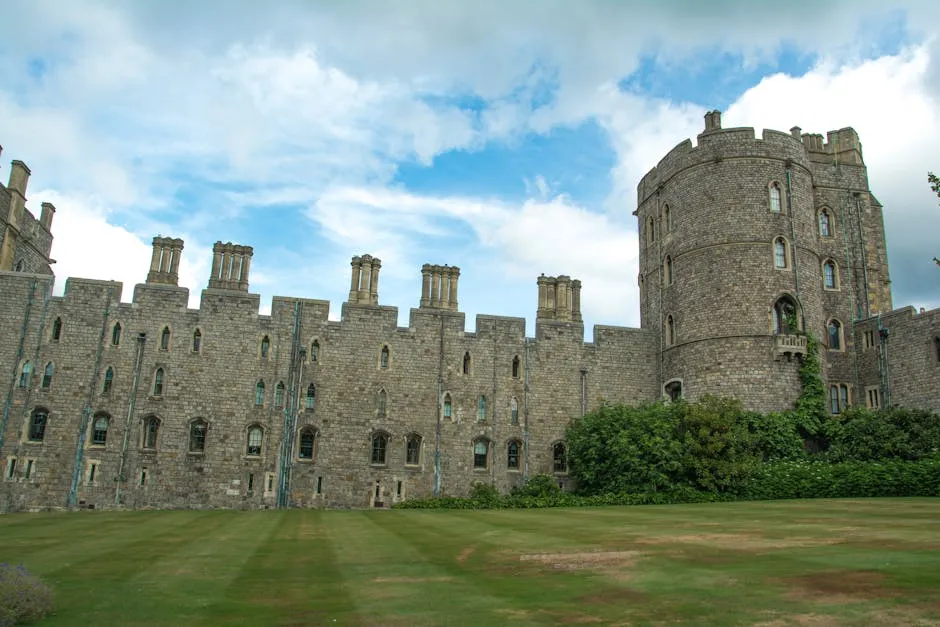
Windsor Castle with its Round Tower and formal gardens

Windsor Castle

The oldest and largest occupied castle in the world, home to the British royal family for nearly 1,000 years. St George’s Chapel (where recent royal weddings took place), the State Apartments, and the Changing of the Guard. 40 minutes by train from London Paddington. £30; includes audioguide. Closed when the King is in residence (the Royal Standard flag flies).

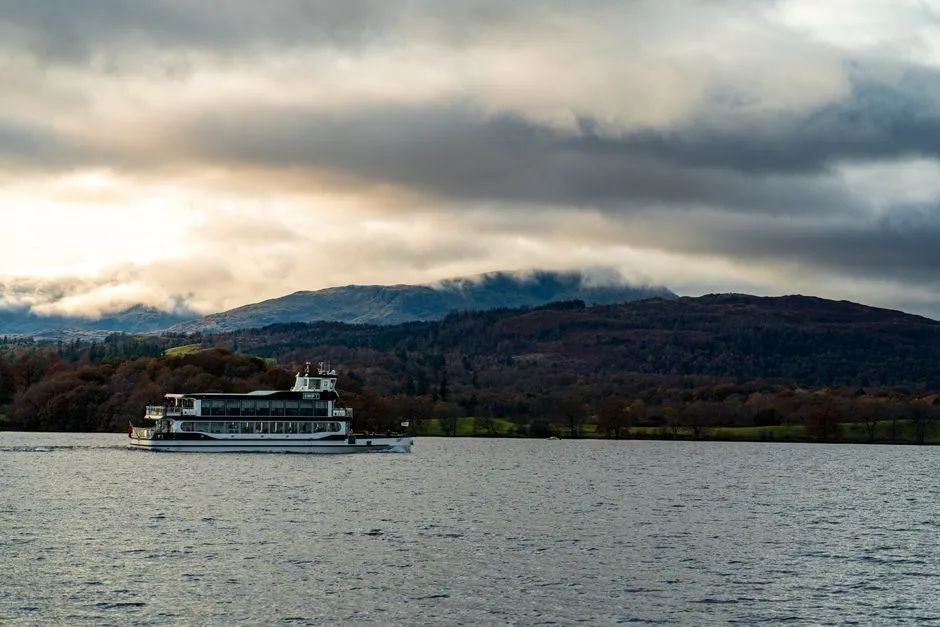
Windermere lake surrounded by green fells in morning mist

Lake District

Sixteen lakes, England’s highest mountain (Scafell Pike, 978 m), and the landscape that inspired Wordsworth, Ruskin, and Beatrix Potter. Windermere is the largest natural lake in England. Catbells, Helvellyn, and the Langdale Pikes offer world-class walking for all abilities. Free; national park, no entrance fee. Arrive before 09:00 in summer or car parks fill completely.

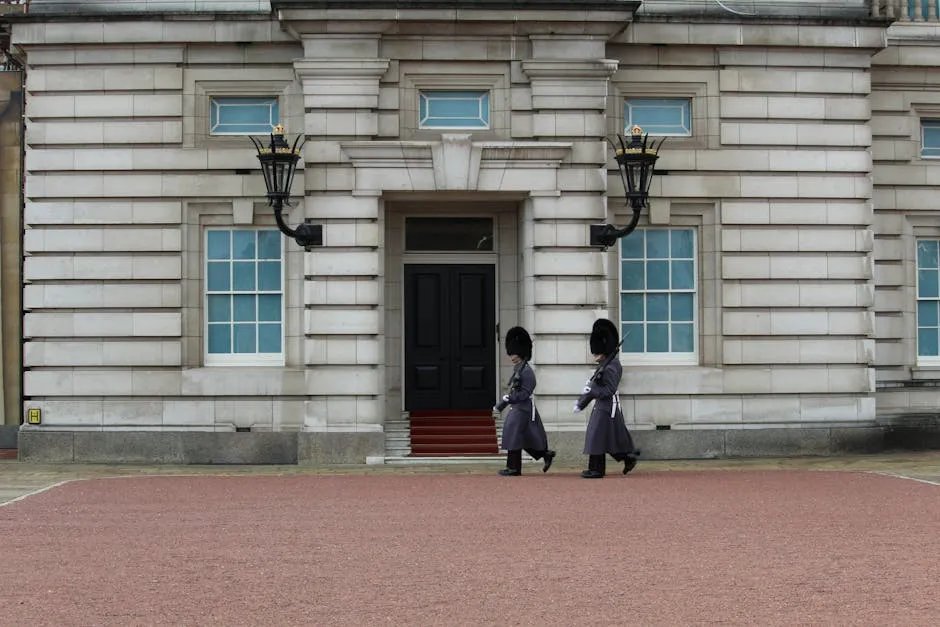
Buckingham Palace with guards in bearskin hats during the Changing of the Guard

Buckingham Palace

The London residence of the British monarch since 1837. The Changing of the Guard ceremony outside is free, loud, and spectacular (11:00, not daily; check schedule). The State Rooms open to visitors in summer (£30). The Victoria Memorial and St James’s Park provide the backdrop. Combine with a walk down The Mall to Trafalgar Square.

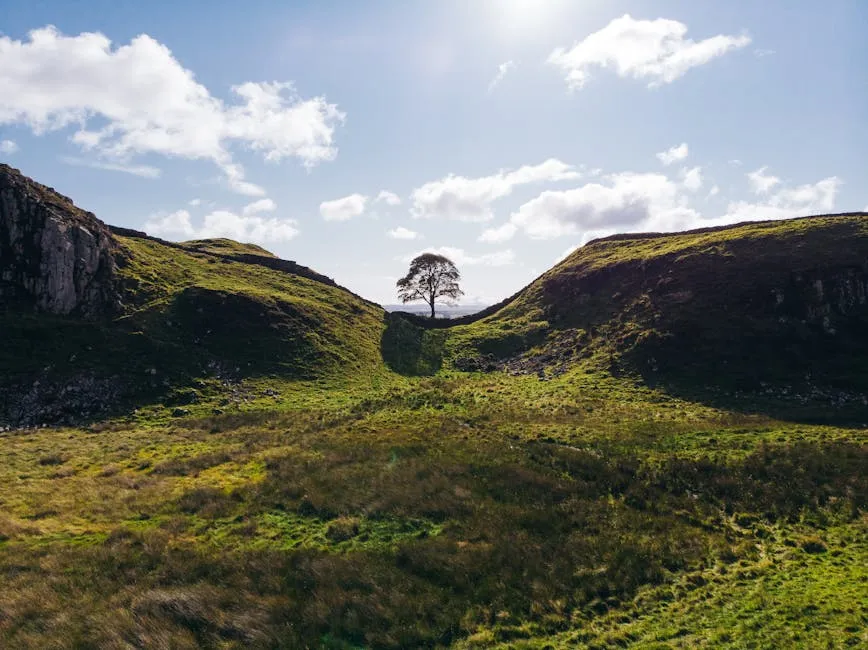
Hadrian's Wall snaking across rolling Northumberland countryside

Hadrian’s Wall

A 73-mile Roman frontier wall stretching coast to coast across northern England, built in AD 122 to mark the edge of the Roman Empire. The best-preserved sections are around Housesteads Fort and Vindolanda, where ongoing excavations uncover Roman daily life. The Hadrian’s Wall Path runs the full length in 6–7 days. Forts £10–12; the wall itself is free to walk.

Culture & Cuisine

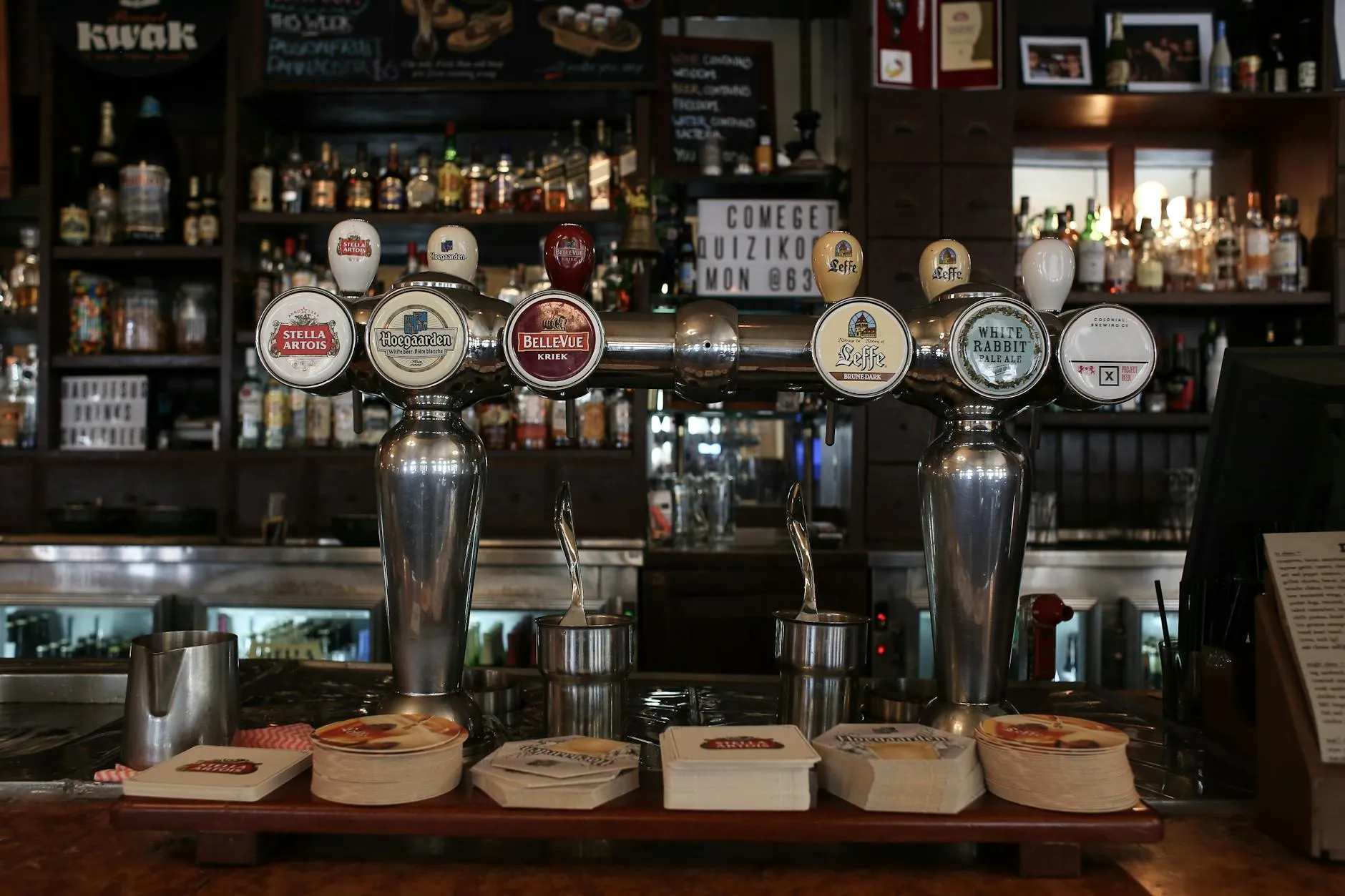
Traditional British pub interior with dark wood and real ale taps

British culture runs on understatement, self-deprecating humour, queuing, and an almost religious commitment to tea. Understanding a few unwritten rules makes everything easier.

Culture

  • Queuing. The national religion. Britons queue for buses, pubs, shops, and anything else. Cutting in is among the gravest social offences. If in doubt, ask “Is this the queue?” and join the back
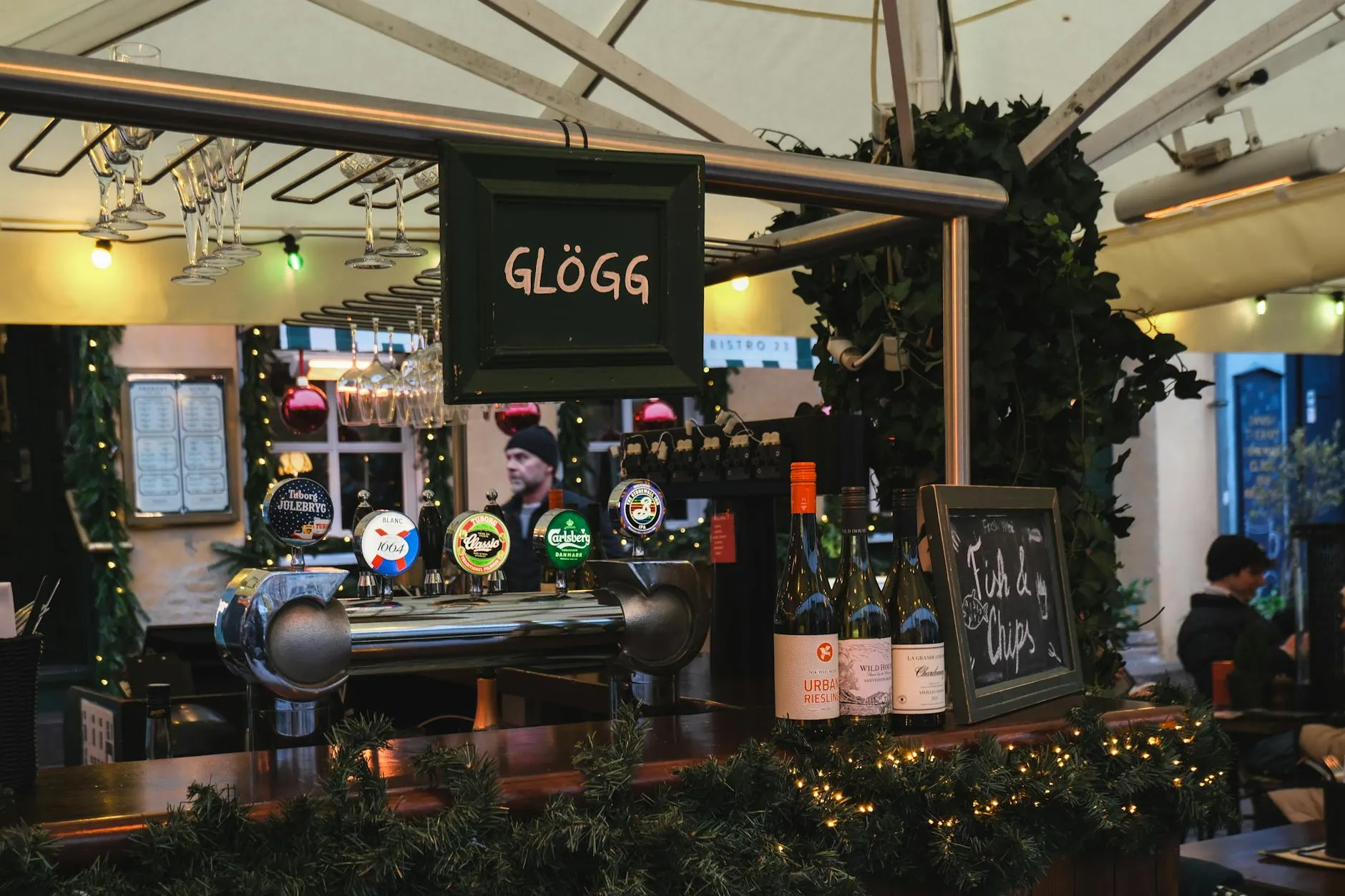
  • The pub. The centre of social life since the Middle Ages. A pub is not a bar. It is a community living room that happens to serve beer. Ordering is at the bar (no table service in traditional pubs). Rounds are expected: you buy for the group, someone else buys next. Not participating is noticed
  • Understatement. “Not bad” means excellent. “Interesting” may mean terrible. “I’m fine” means anything from genuinely fine to deeply unhappy. Britons communicate in layers of politeness that foreigners often misread as insincerity
  • Regional pride. A Yorkshireman is not a Lancastrian. A Glaswegian is not an Edinburgher. A Welshman is not English. Regional identity matters. Calling a Scot “English” is not a harmless mistake
  • Tea. Offered in every home, office, and crisis. “Fancy a cuppa?” is both greeting and therapy. Builder’s tea (strong, milk, possibly sugar) is the standard. Asking for herbal tea is tolerated but judged
  • Tipping. 10–12.5% service charge is often added to restaurant bills. If not, 10% is standard. Pubs: not expected for drinks, round up for food. Taxis: round up to the nearest pound. Hotels: £1–2 per bag for porters
Useful phrases. “Cheers” (thank you, goodbye, or a toast). “Sorry” (used for everything, including when someone else bumps into you). “Lovely” (positive acknowledgement). “Mate” (friend, used freely). “You alright?” (greeting, not a genuine inquiry about your health; reply “Yeah, you?”). In Wales: “bore da” (good morning). In Scotland: “aye” (yes).

Cuisine

British food spent decades as a punchline. That era is over. The country now has over 70 Michelin-starred restaurants, a street food revolution, and a pub food culture that has moved far beyond soggy chips. Each nation has its own culinary identity.

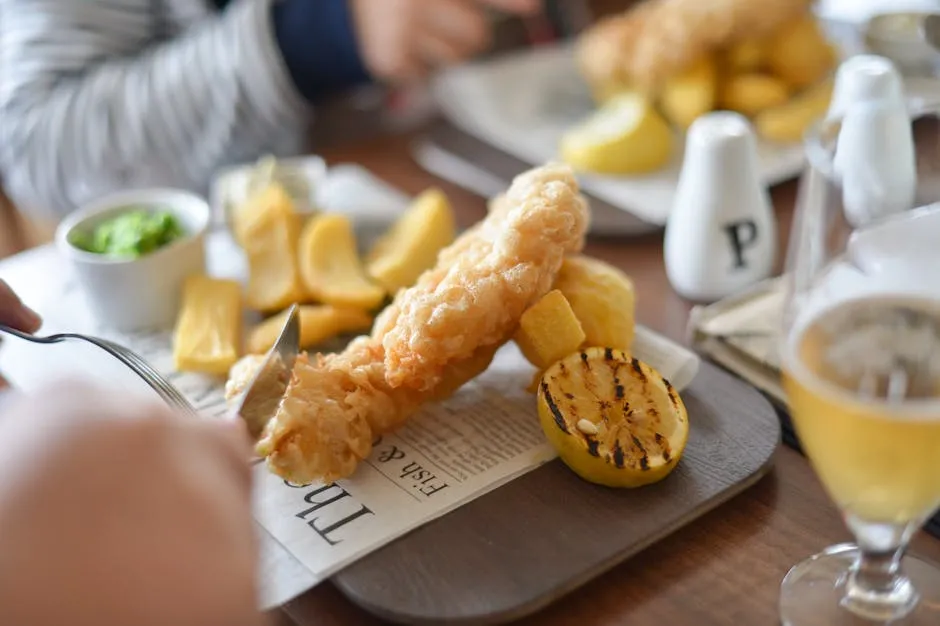
Golden battered fish and chunky chips with mushy peas

Fish & Chips

Battered cod or haddock, thick-cut chips, mushy peas, and malt vinegar. Best from a proper “chippy,” wrapped in paper, eaten by the sea. Whitby, Anstruther, and Aldeburgh claim the best. £10–15. A newspaper-wrapped portion on a harbour wall is a defining British experience.

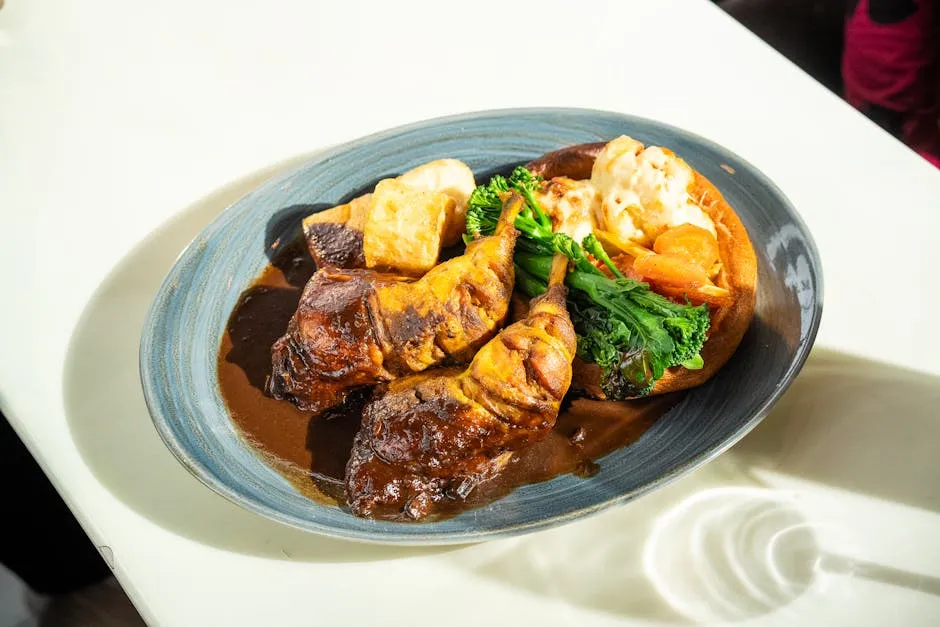
Sunday roast with beef, Yorkshire pudding, roast potatoes and gravy

Sunday Roast

Roasted meat (beef, lamb, chicken, or pork), roast potatoes, Yorkshire pudding, seasonal vegetables, and lashings of gravy. Served in pubs from noon on Sundays. A national institution. £14–22. The Yorkshire pudding is not a dessert; it is a savoury batter cup that holds the gravy.

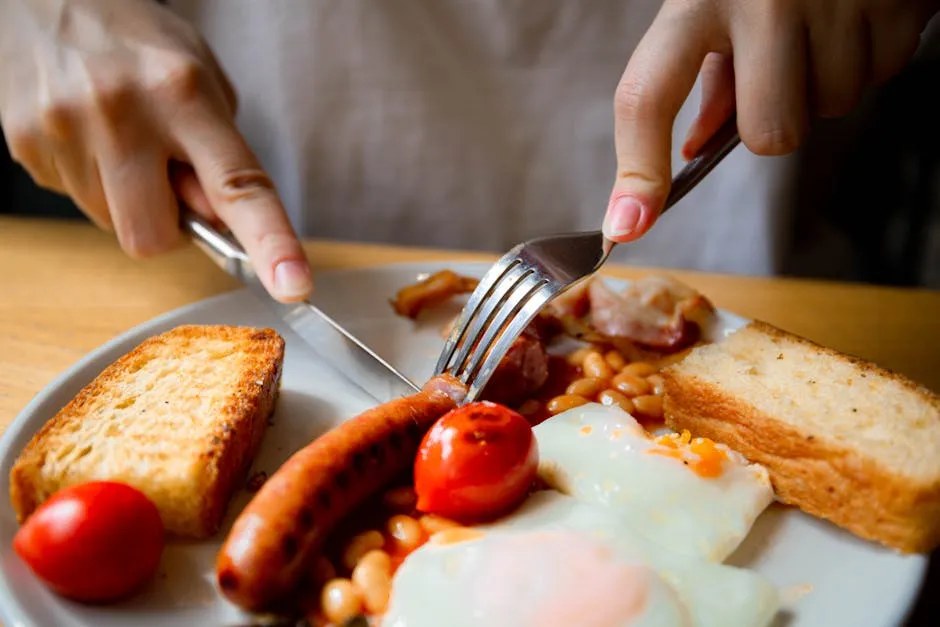
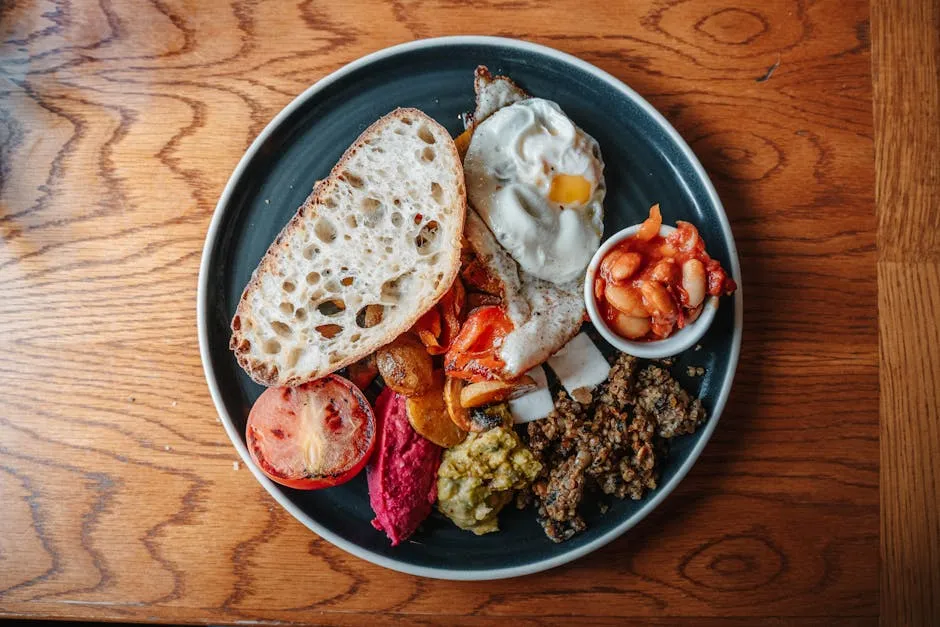
Full English breakfast with bacon, eggs, sausages, beans and toast

Full English Breakfast

Bacon, sausages, fried eggs, baked beans, toast, grilled tomatoes, mushrooms, and black pudding. Regional variants exist: the Full Scottish adds tattie scones and Lorne sausage. The Ulster Fry includes soda bread and potato farls. The Full Welsh features laverbread and cockles. £8–14 at a café.

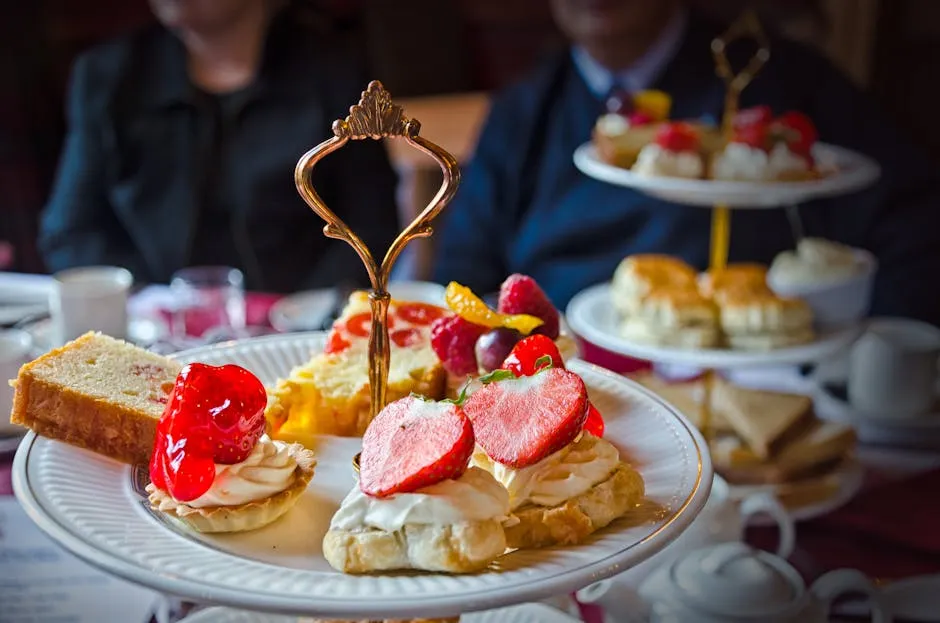
Tiered afternoon tea stand with scones, sandwiches and pastries

Afternoon Tea

Finger sandwiches (cucumber, smoked salmon, egg), scones with clotted cream and jam, and a tier of pastries. Served on fine china with a pot of tea. £25–55 at a proper hotel. The cream-then-jam debate (Devon) vs jam-then-cream (Cornwall) divides the nation. Booking essential at top venues.

Golden Cornish pasty with crimped edge on a plate

Cornish Pasty

Beef, potato, swede, and onion sealed in a crimped pastry case. Protected Geographical Indication: a genuine Cornish pasty must be made in Cornwall. Originally miners’ lunch, designed to eat with dirty hands (holding the crimped edge, then discarding it). £4–7 from bakeries across Cornwall.

Haggis with neeps and tatties on a white plate

Haggis, Neeps & Tatties

Scotland’s national dish: sheep’s heart, liver, and lungs mixed with oatmeal, onion, suet, and spices, encased in a stomach lining. Better than it sounds. Served with mashed turnip (neeps) and potato (tatties). Every Scottish pub serves it. Burns Night (January 25) elevates it to ceremonial status with whisky and poetry.

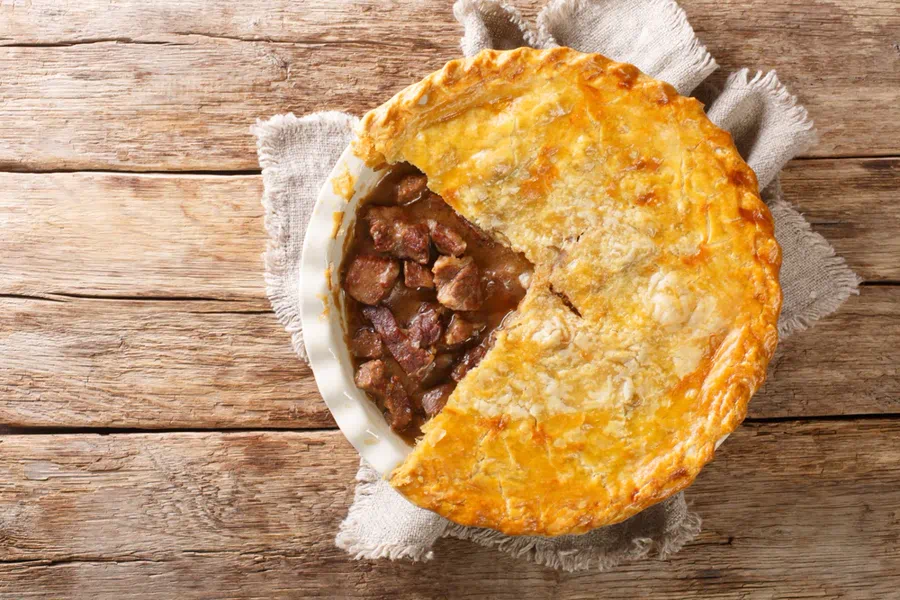
Steak and ale pie with golden pastry crust on a pub table

Pies

Steak and ale, chicken and mushroom, pork pie (cold, with hot water crust pastry). The British pie tradition is ancient, regional, and taken seriously. Melton Mowbray pork pies have PGI status. A good pub pie with mash and gravy is comfort food at its finest. £13–18.

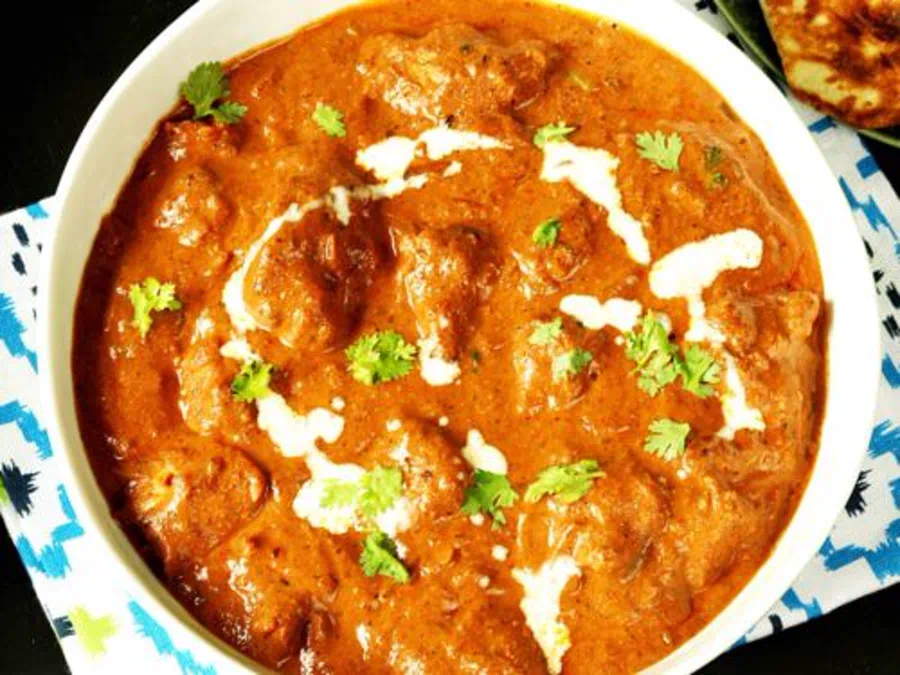
Chicken tikka masala with rice and naan bread

Chicken Tikka Masala

Britain’s most popular dish (by volume sold), allegedly invented in Glasgow in the 1970s. Tandoori chicken in a creamy, spiced tomato sauce. Indian restaurants (“curry houses”) are a cornerstone of British food culture. Birmingham’s Balti Triangle and London’s Brick Lane are legendary.

Drink

Real ale (cask-conditioned beer, served at cellar temperature, not chilled) is the UK’s great contribution to world drinking. CAMRA (Campaign for Real Ale) has saved hundreds of traditional breweries. Craft beer has exploded since 2010: BrewDog, Cloudwater, Beavertown, and hundreds of local microbreweries. Scotch whisky is a world unto itself: Speyside (smooth, fruity), Islay (smoky, peaty), Highland (varied), Lowland (light). Cider comes from Somerset, Herefordshire, and Devon, often made traditionally on farms. Gin has had a renaissance: over 500 distilleries now operate across the UK.

Activities & Hikes

Walker on a mountain ridge path in the Lake District with dramatic valley views

The UK has over 190,000 km of public footpaths, 15 national parks, and a “right to roam” in Scotland that lets you walk almost anywhere. From gentle canal towpaths to scrambling on exposed ridges, the walking culture runs deep. The country also offers excellent surfing, cycling, climbing, and kayaking.

Top Hikes

HikeLocationDifficulty & LengthHighlights
Hadrian’s Wall PathNorthumberlandModerate, 135 km / 6–7 daysCoast-to-coast along the Roman frontier. Forts, milecastles, and wild Northumberland views
West Highland WayScotlandModerate, 154 km / 6–8 daysGlasgow to Fort William through lochs, glens, and Rannoch Moor. Scotland’s most popular long-distance walk
Snowdon (Yr Wyddfa)WalesModerate, 14 km return / 5–7 hrsWales’s highest peak (1,085 m). Multiple routes. Summit railway for the descent. Views to Ireland on clear days
Helvellyn via Striding EdgeLake DistrictHard, 13 km circuit / 6–7 hrsA knife-edge scramble to England’s third-highest peak. Exposed, exhilarating, not for vertigo
Pembrokeshire Coast PathWalesModerate–Hard, 300 km / 10–15 daysEntire Welsh coastline: cliffs, coves, seabirds, seals. Can do sections as day walks
Ben NevisScotlandHard, 17 km return / 7–9 hrsUK’s highest peak (1,345 m). The Mountain Track is the standard route. Summit often in cloud. Full mountain gear required
South West Coast PathCornwall & DevonModerate–Hard, 1,014 km / 7–8 weeksEngland’s longest trail. Spectacular coastal scenery. Do sections (St Ives to Penzance, 3 days, is outstanding)
Old Man of StorrIsle of SkyeModerate, 4 km return / 2 hrsIconic rock pinnacle with views across Skye. Often muddy. Early morning for empty trails
Right to roam (Scotland). Scotland’s Land Reform Act (2003) gives everyone the right to walk, cycle, or camp on most land, including private estates. This does not apply in England or Wales, where you must stick to public footpaths and bridleways (still extensive, marked by Ordnance Survey maps). In England and Wales, wild camping is not legal without permission (except in Dartmoor under current rules).

Beaches

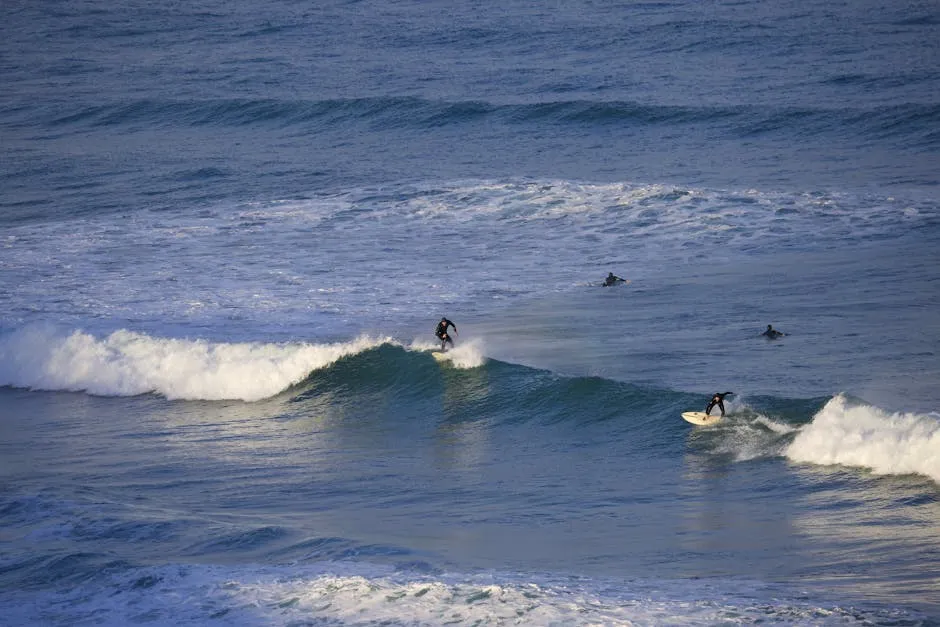
Fistral Beach in Newquay with surfers riding Atlantic waves

Fistral Beach, Newquay

Cornwall. England’s surf capital. Consistent Atlantic swells, surf schools, and a beach culture that feels more California than Britain. Board rental from £10/day.

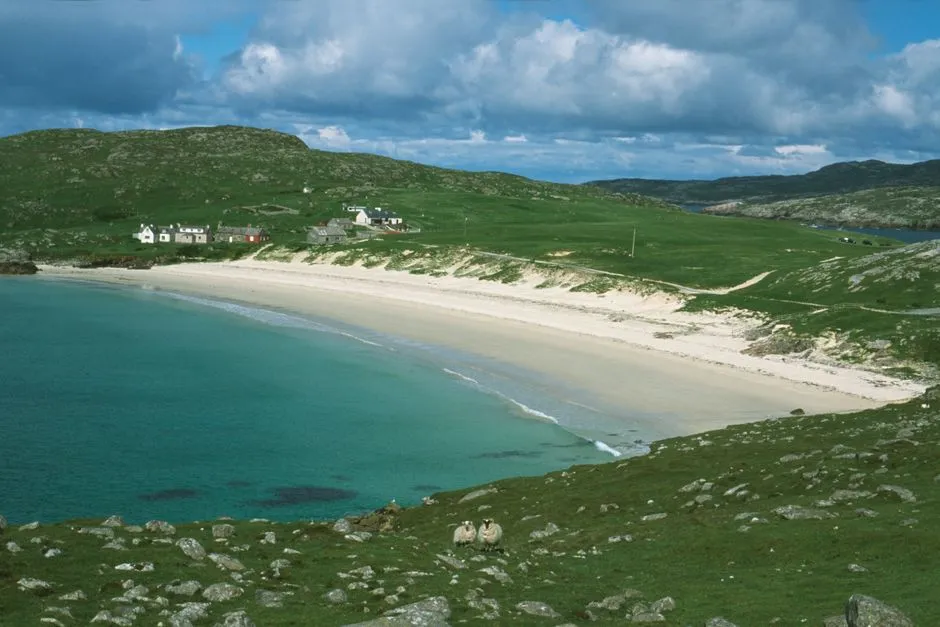
White sand and turquoise water at Luskentyre Beach

Luskentyre, Harris

Outer Hebrides. Regularly voted the UK’s best beach. Caribbean-white sand, turquoise water, and nobody there. Water temperature: survivable in a wetsuit.

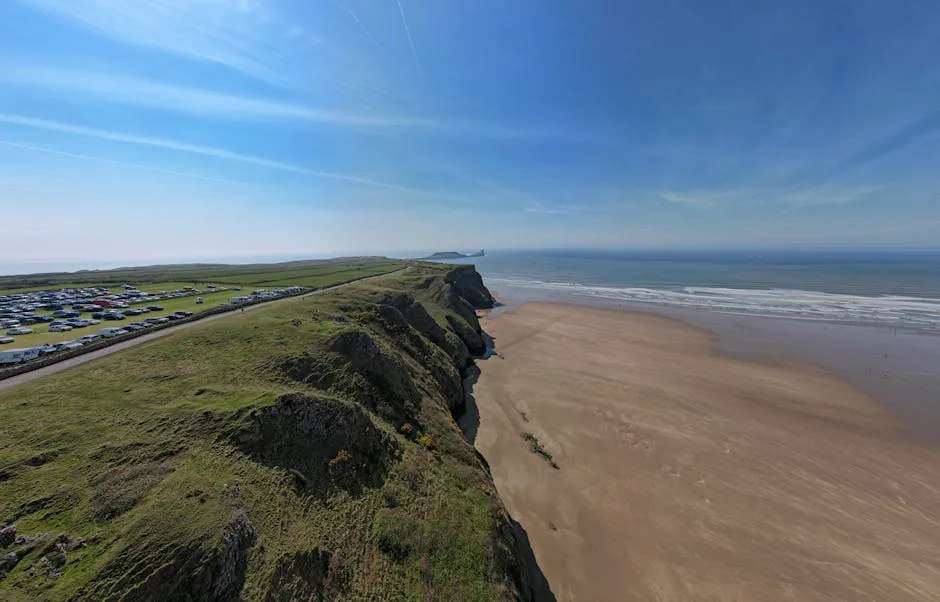
Rhossili Bay sweeping golden sands at sunset

Rhossili Bay, Gower

Wales. Three miles of golden sand, Worm’s Head tidal island, and consistently rated among Britain’s finest. Much quieter than Cornish beaches.

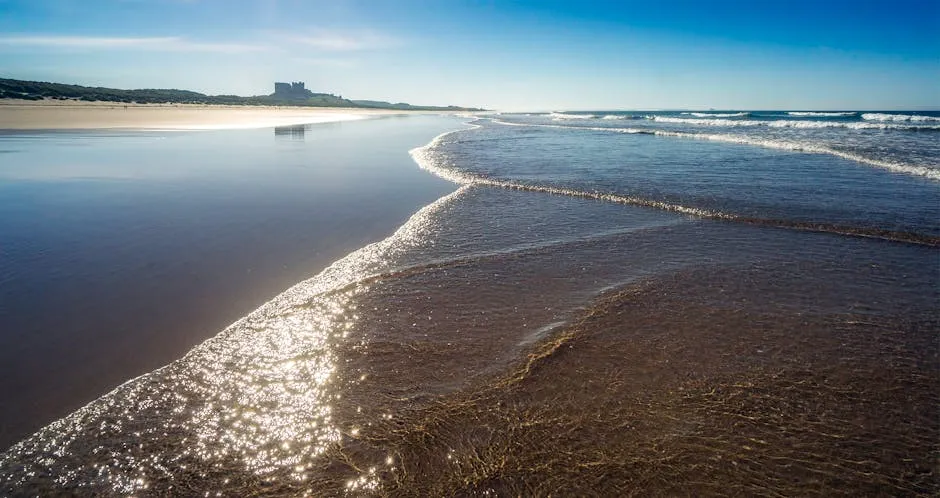
Bamburgh Castle towering above a vast sandy beach

Bamburgh, Northumberland

A vast beach dominated by a medieval castle. Views to the Farne Islands where puffins nest. Empty even in summer. Free.

Other Activities

ActivityWhereNotes
SurfingCornwall (Newquay, Sennen), Devon, Pembrokeshire, Thurso (Scotland)Year-round with a wetsuit. Board and wetsuit rental £20–30/day. Lessons from £35
CyclingNational Cycle Network (16,500 miles). C2C (coast to coast), Lon Las Cymru (Wales)Bike hire from £25/day. E-bikes increasingly available. Quiet country lanes excellent
Climbing & ScramblingLake District, Snowdonia, Scottish Highlands, Peak DistrictIndoor walls in every city. Outdoor routes from VS to E9. Mountain Rescue is volunteer and free
Kayaking & CanoeingScottish sea lochs, Norfolk Broads, Welsh rivers, Cornish coastSea kayaking on Skye outstanding. Guided trips £40–70. Canoe the Wye (2–3 days)
GolfSt Andrews, Royal Troon, Carnoustie, Gleneagles, Royal BirkdaleScotland invented golf. St Andrews Old Course ballot for tee times (free to enter). Links courses from £50

Wildlife & Nature

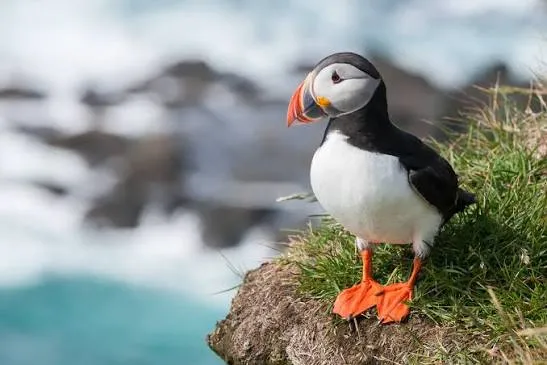
Puffin standing on a cliff edge with a beak full of sand eels

The UK’s wildlife is more diverse than its reputation suggests. The island’s coastline, ancient woodlands, moorlands, and wetlands support species that draw dedicated wildlife watchers from around the world. Spring and summer are the best seasons for seabirds and marine life. Autumn brings the red deer rut.

Iconic Wildlife

Atlantic puffin with colourful beak on a grassy cliff

🐧 Atlantic Puffins

Farne Islands (Northumberland), Skomer Island (Wales), Isle of May (Scotland), Staffa (Scotland). May–July only. Boat trips from £15. The Farne Islands are the most accessible colony

Red deer stag bellowing during the autumn rut in the Highlands

🦌 Red Deer

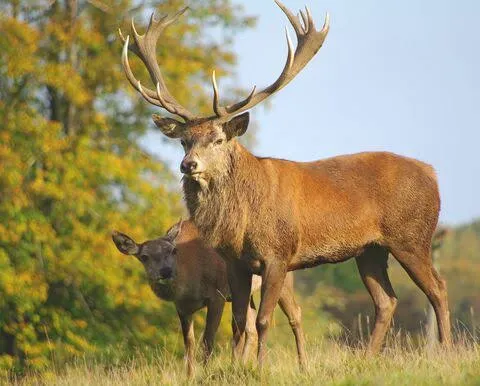
Scottish Highlands, Richmond Park (London), Exmoor. The autumn rut (October) in the Highlands is spectacular: stags roaring across the glens at dawn. Richmond Park has 630 deer free-roaming in a London park

Grey seal resting on rocks on the Norfolk coast

🐛 Grey & Common Seals

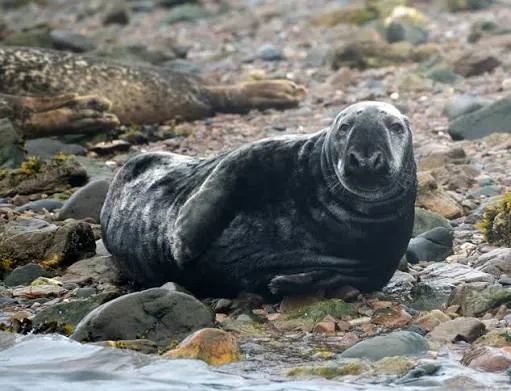
Blakeney Point (Norfolk), Pembrokeshire, Scottish coasts, Farne Islands. November–January for grey seal pupping at Donna Nook (Lincolnshire), where hundreds haul out on the beach

Red squirrel eating a nut on a mossy branch

🐿 Red Squirrels

Brownsea Island (Dorset), Formby (Lancashire), Lake District, Scottish Highlands. Endangered in England (replaced by greys), thriving in Scotland. Best spotted at feeding stations in pine forests

Marine Wildlife

🐋 Bottlenose Dolphins

Moray Firth (Scotland) has the UK’s only resident population: 130+ dolphins visible from Chanonry Point. Cardigan Bay (Wales) is another hotspot. Free from shore with binoculars

🦈 Basking Sharks

West coast of Scotland, Cornwall. June–September. The world’s second-largest fish (up to 12 m) filter-feeds in UK waters. Boat trips from the Isle of Mull, £50–80

🐦 Seabird Colonies

Bempton Cliffs (Yorkshire): 500,000 seabirds including the only mainland gannet colony. RSPB reserve, free entry to cliffs. Gannets, razorbills, kittiwakes from April–August

National Parks

The UK has 15 national parks across England, Scotland, and Wales. Unlike many national parks worldwide, these are lived-in landscapes with villages, farms, and roads. The Cairngorms (Scotland’s largest, 4,528 km²) is home to golden eagles, ospreys, red squirrels, and the UK’s only free-ranging reindeer herd. The Lake District (England) and Snowdonia/Eryri (Wales) combine mountains with cultural heritage. Entry to all UK national parks is free.

Route A: 2-Week Classic (London to Edinburgh)

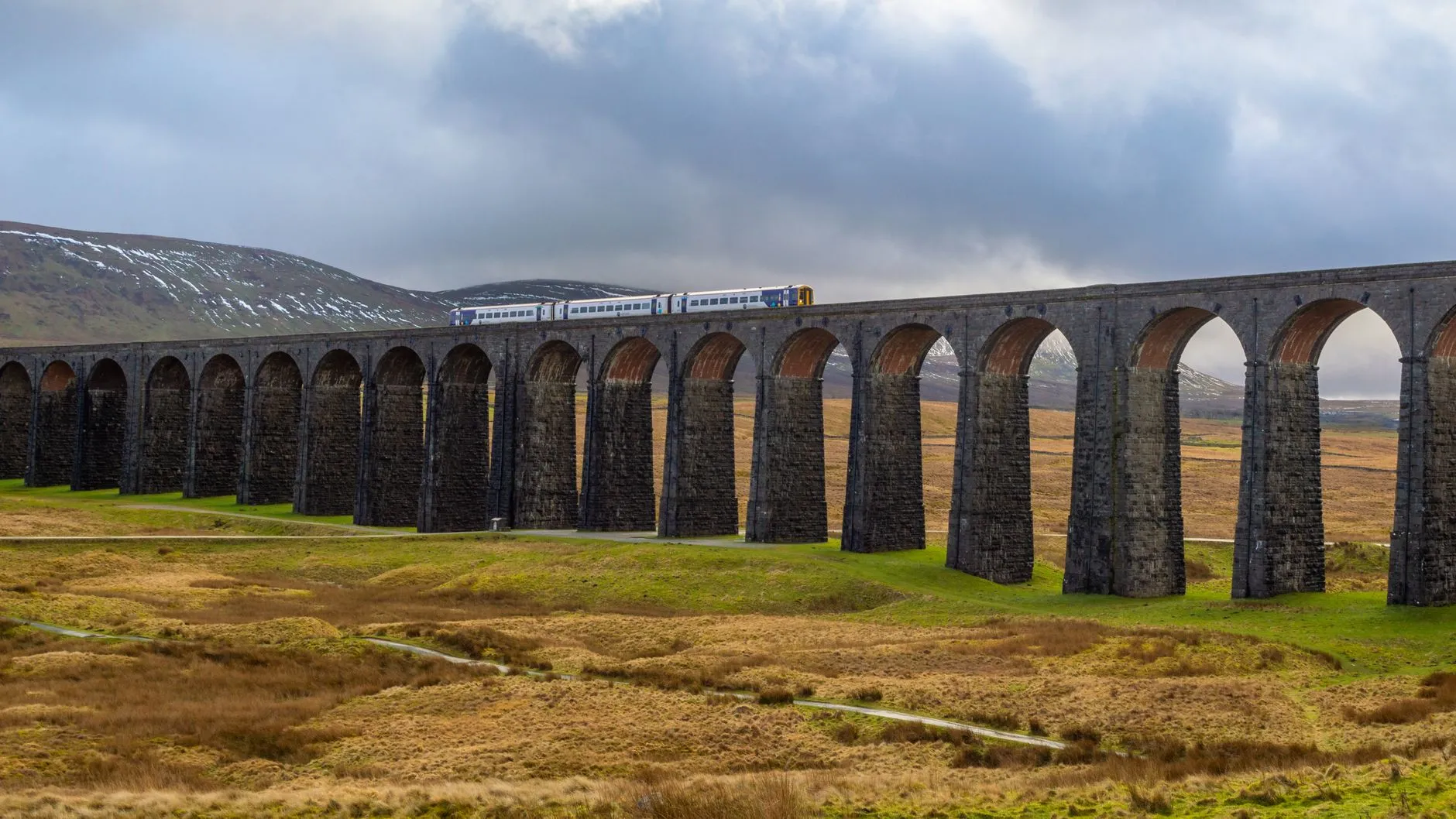
Train crossing a stone viaduct through green English countryside

The classic first-timer’s journey through England and into Scotland. London, the southern heritage heartland, and the long train north to Edinburgh. Connected entirely by trains. Works year-round but best in May–June or September.

Budget estimate: £1,800–2,600 per person (excluding international flights). Includes accommodation, trains, food, and key sights.

Day-by-day itinerary

Day 1: Arrive in London

Fly into Heathrow (LHR) or Gatwick (LGW). Heathrow Express or Elizabeth Line to central London. Check in. Evening walk along the South Bank: Westminster Bridge, the London Eye, Tate Modern, and Borough Market for dinner.

Day 2: London Museums & Royal Parks

British Museum in the morning (free, allow 3 hours). Walk through Covent Garden and Trafalgar Square. National Gallery (free). Afternoon in Hyde Park or St James’s Park. Evening in Soho for theatre or dinner.

Day 3: London History & Markets

Tower of London in the morning (£33.60). Walk across Tower Bridge. Afternoon at Camden Market or Greenwich (Cutty Sark, Royal Observatory). Evening pub in a historic Bankside inn.

Day 4: London to Bath via Stonehenge

Early train to Salisbury (1h 20min). Bus or tour to Stonehenge (£22). Afternoon train to Bath (1h). Explore the Royal Crescent, Circus, and Pulteney Bridge. Evening at the Thermae Bath Spa rooftop pool.

Day 5: Bath & the Cotswolds

Roman Baths in the morning (£18). Afternoon day trip to Castle Combe or the Cotswolds (bus or rental car). Honey-stone villages, tea rooms, and rolling hills. Return to Bath for dinner.

Day 6: Oxford

Train to Oxford (1h 10min). Bodleian Library, Radcliffe Camera (exterior), Christ Church College (£18, Harry Potter dining hall). Punting on the Cherwell. Covered Market for lunch. Evening train onward to the Midlands or overnight in Oxford.

Day 7: Stratford-upon-Avon & York

Morning in Stratford-upon-Avon (Shakespeare’s Birthplace, £20). Afternoon train to York (2h 30min). Evening walk along York’s medieval walls. Shambles for atmosphere. Pub dinner.

Day 8: York

York Minster in the morning (£16, climb the tower). JORVIK Viking Centre. Afternoon at the National Railway Museum (free). Betty’s Tea Rooms for afternoon tea. Evening ghost walk through the Snickelways.

Day 9: Lake District

Train to Windermere (1h 40min from York). Boat cruise on Windermere. Afternoon hike up Catbells (1.5h, stunning views). Beatrix Potter’s Hill Top Farm. Evening in Ambleside or Keswick. Fish and chips.

Day 10: Lake District

Full day walking: Helvellyn via Striding Edge (experienced hikers) or a gentle circuit around Grasmere and Rydal Water. Visit Wordsworth’s Dove Cottage. Afternoon cream tea. Evening pub with real ale.

Day 11: Hadrian’s Wall

Drive or bus east to Hadrian’s Wall (2h). Walk a section near Housesteads Fort (£10.80). Vindolanda excavations. Lunch at a Roman-themed pub. Afternoon train to Edinburgh (1h 30min from Hexham via Newcastle).

Day 12: Edinburgh

Edinburgh Castle in the morning (£19.50). Walk the Royal Mile to Holyrood Palace. Arthur’s Seat hike (1h, volcanic peak in the city centre). Afternoon in the Old Town. Evening whisky tasting and dinner.

Day 13: Edinburgh

National Museum of Scotland (free). New Town Georgian architecture. Calton Hill for views. Afternoon browsing Victoria Street and Grassmarket. Evening at a traditional ceilidh or live music pub.

Day 14: Depart Edinburgh

Morning for last exploring or day trip to Rosslyn Chapel (£9.50, 30 min by bus). Fly out from Edinburgh (EDI) or take the 4h 20min LNER train back to London.

Route B: 3-Week Grand Tour

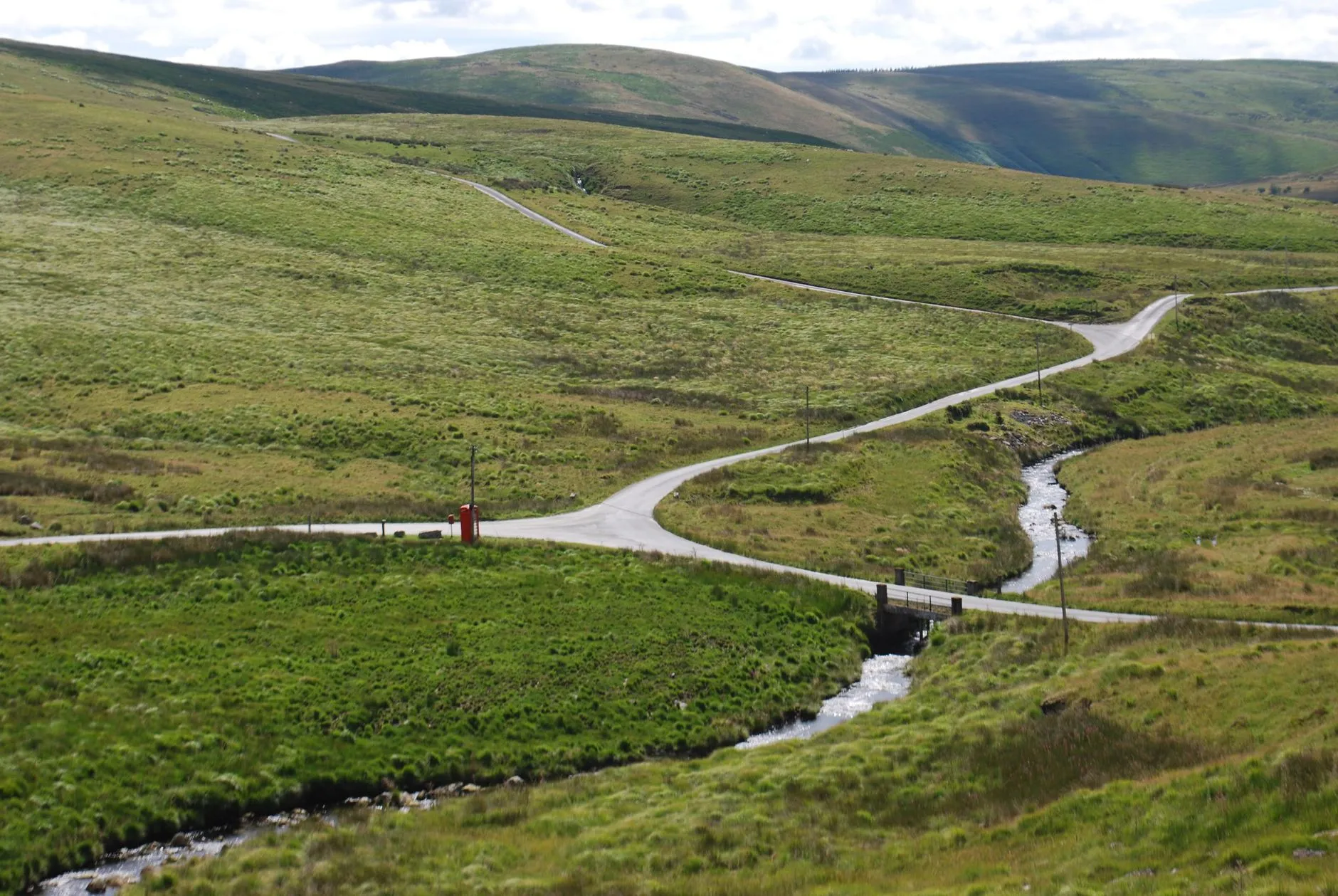
Winding country road through the Welsh mountains

Three weeks lets you combine England, Wales, and Scotland in one sweep. This route runs London to Edinburgh via Cornwall, Wales, and the north. A rental car is needed for Cornwall and Wales. Best in May–June or September.

Budget estimate: £2,800–4,000 per person (excluding international flights). A mix of trains and a 1-week car rental keeps costs manageable.

Day-by-day itinerary

Day 1–3: London

As Route A. British Museum, Tower of London, South Bank, Borough Market, Camden or Greenwich. Three full days covers the essentials without rushing.

Day 4: Bath & Stonehenge

Train to Salisbury, Stonehenge visit, onward to Bath. Roman Baths, Royal Crescent, Sally Lunn’s for a Bath bun. Overnight in Bath.

Day 5: Cornwall (St Ives)

Pick up rental car. Drive to Cornwall (3h). St Ives: Tate St Ives (£11), Porthmeor Beach, narrow cobbled streets. Fish and chips on the harbour.

Day 6: Cornwall Coast

Drive the coast: Land’s End, Minack Theatre (open-air, perched on cliffs), Mousehole fishing village, Penzance. Afternoon surfing at Sennen Cove. Cream tea (clotted cream first: Devon rules; jam first: Cornwall rules).

Day 7: North Cornwall & Devon

Drive north via Padstow (Rick Stein’s fish and chips), Tintagel (legendary King Arthur’s castle, £16), and into Devon. Overnight Dartmouth or Exeter.

Day 8: South Wales

Drive to Cardiff (2h 30min). Cardiff Castle, Cardiff Bay, National Museum Cardiff (free). Afternoon drive to the Gower Peninsula: Rhossili Bay at sunset. Overnight Swansea.

Day 9: Pembrokeshire

Drive west to Pembrokeshire. Walk a section of the Coast Path: Barafundle Bay (regularly voted the UK’s best beach). St Davids, Britain’s smallest city, with its cathedral. Overnight Tenby or St Davids.

Day 10: Snowdonia

Drive north to Snowdonia (3h). Hike Snowdon (Yr Wyddfa) via the Llanberis Path or take the summit railway. Evening in Betws-y-Coed or Llanberis. Welsh lamb for dinner.

Day 11: North Wales & Liverpool

Morning at Conwy Castle (£10.40). Drive to Liverpool (1h 30min). Return rental car. The Beatles Story (£19), Albert Dock, Cavern Quarter. Evening in the Baltic Triangle.

Day 12: Manchester

Train to Manchester (45 min). Northern Quarter street food. Manchester Art Gallery (free). Football stadium tour (£30 each). Evening in the curry mile (Rusholme) or craft beer in the NQ.

Day 13–14: Lake District

Train to Windermere. Two days of walking and boat cruises. Day 1: Catbells and a Derwentwater cruise. Day 2: Grasmere, Dove Cottage, Rydal Water circuit. Pub evenings in Ambleside.

Day 15: Hadrian’s Wall

Bus or taxi to Hadrian’s Wall. Walk the best section (Housesteads to Steel Rigg). Vindolanda. Afternoon train to Edinburgh via Newcastle.

Day 16–17: Edinburgh

Two full days. Castle, Royal Mile, Arthur’s Seat, National Museum (free), Calton Hill, Grassmarket pubs. Rosslyn Chapel day trip if time allows. Haggis and whisky.

Day 18–19: Scottish Highlands

Rent a car or take a 2-day tour. Glen Coe, Fort William, the Great Glen. Loch Ness (overrated but obligatory). Overnight in Inverness or Fort Augustus.

Day 20–21: Isle of Skye & Depart

Drive to Skye (2h 30min from Inverness). Old Man of Storr, Fairy Pools, Portree. Overnight on Skye. Day 21: drive back to Edinburgh or Inverness. Fly home.

Route C: 1-Week Scotland Focus

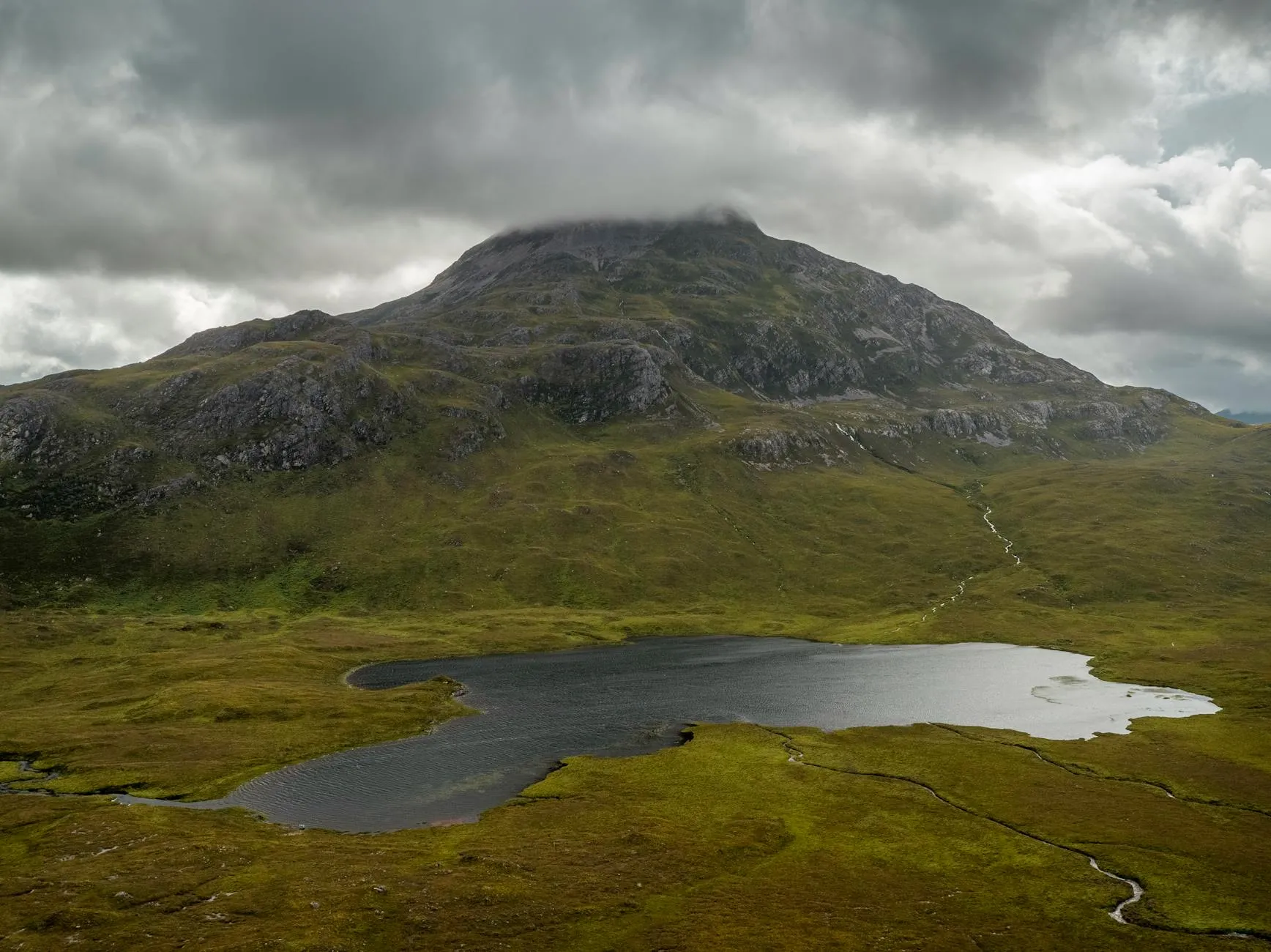
Scottish loch surrounded by mountains under dramatic skies

Scotland alone justifies the trip. This route covers Edinburgh, the Highlands, and Skye in one focused week. A rental car is essential for the Highlands. Best in June or September (avoid July–August midges).

Budget estimate: £900–1,400 per person (excluding flights to Edinburgh). Includes accommodation, car rental, fuel, food, and key sights.

Day-by-day itinerary

Day 1: Edinburgh

Fly into Edinburgh (EDI). Castle in the morning. Walk the Royal Mile. Afternoon hike up Arthur’s Seat (1h, 251 m, volcanic peak with city panorama). Evening haggis supper and whisky on Grassmarket.

Day 2: Edinburgh & Pick Up Car

National Museum of Scotland (free). Dean Village and Stockbridge for morning coffee. Holyrood Palace. Afternoon pick up rental car. Drive to Stirling (1h). Stirling Castle (£17). Overnight near Callander or Loch Lomond.

Day 3: Glen Coe & Fort William

Drive through the Trossachs and Rannoch Moor to Glen Coe (2h 30min). Stop at the Three Sisters viewpoint. Glen Coe Visitor Centre. Continue to Fort William. Afternoon walk in Glen Nevis. Ben Nevis visible (weather permitting). Overnight Fort William.

Day 4: Fort William to Skye

Morning at Glenfinnan Viaduct (Harry Potter bridge). Drive to Isle of Skye via the Skye Bridge (2h). Afternoon at the Fairy Pools (easy walk, crystal-clear mountain pools). Portree for dinner and overnight.

Day 5: Isle of Skye

Old Man of Storr hike (2h return, iconic rock pinnacle). Kilt Rock viewpoint. The Quiraing (dramatic ridge walk, 2–3h if weather allows). Afternoon at Dunvegan Castle or the Talisker Distillery (£15 tour). Overnight Portree.

Day 6: Skye to Inverness via Loch Ness

Drive to Inverness via Kyle of Lochalsh and Loch Ness (3h with stops). Urquhart Castle ruins on Loch Ness (£12). Inverness city centre, Victorian Market. Evening at a pub with live traditional music. Overnight Inverness.

Day 7: Cairngorms & Depart

Optional morning at Cairngorms Reindeer Herd (£16, UK’s only free-ranging reindeer) or a Speyside distillery tour (Glenfiddich is free). Drive south to Edinburgh (3h) or return car at Inverness airport. Fly home.

Getting Around

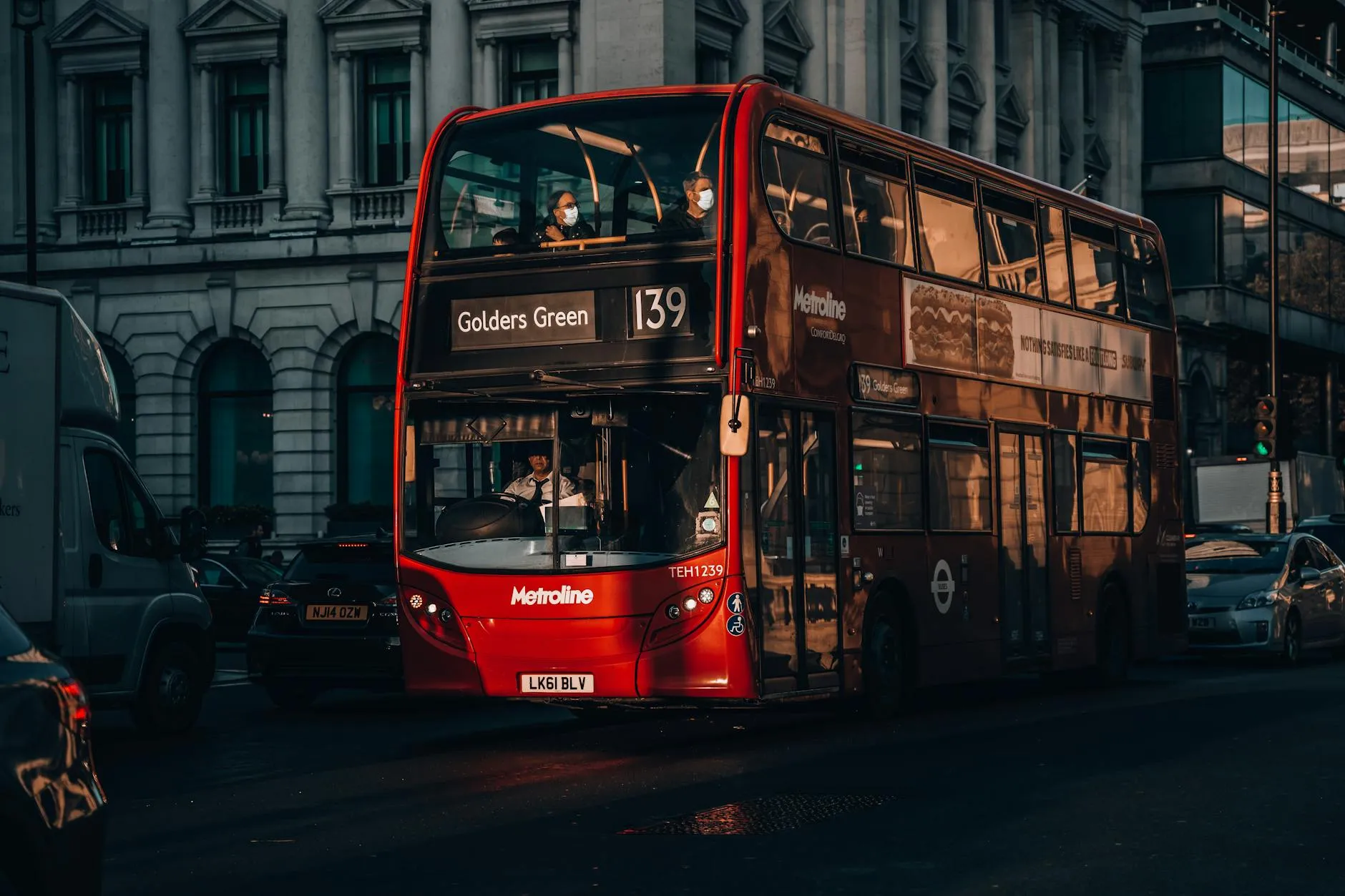
Red double-decker bus crossing Westminster Bridge with Big Ben

🚅 Trains

London–Edinburgh 4h 20min. Advance fares from £25. Book 6–12 weeks early

🚌 Coaches

National Express, Megabus. £1–15 intercity. Half the speed, quarter the price

✈️ Flights

London–Edinburgh 1h 20min, from £30. easyJet, Ryanair, BA. Essential for Scottish islands

🚗 Car Rental

From £30/day. Essential for Highlands, Lake District, Cornwall, rural Wales. Drive on the LEFT

🚇 London Transport

Oyster/contactless. Daily cap £8.50 (zones 1–2). Tube, bus, Overground, DLR

🚲 Cycling

Santander Cycles (London) from £1.65/ride. National Cycle Network 16,500 miles

Trains

The UK rail network connects most cities and towns. Multiple operators run different routes (LNER for London–Edinburgh, GWR for London–West, Avanti for London–Manchester/Glasgow, CrossCountry for cross-country routes). The system is confusing but the trains themselves are generally comfortable. The Trainline app or National Rail Enquiries shows all operators in one search.

Book early, save 50–70%. Advance fares go on sale 6–12 weeks before travel and are dramatically cheaper than walk-up tickets. London–Edinburgh: £25–40 advance vs £140+ on the day. The same seat, the same train. Railcards (16–25, 26–30, Two Together, Family & Friends) save an additional 1/3 on most fares. The 26–30 Railcard (£30/year) pays for itself in one or two journeys.

Coaches

National Express and Megabus connect all major cities. Megabus fares start from £1 (book weeks ahead). Journey times are roughly double the train: London–Manchester 5h vs 2h 10min by train. But at £5–15 vs £60–100, the saving is substantial for budget travellers. Comfortable seats, Wi-Fi, and power sockets on most services.

London Transport

Tap your contactless card or phone on the Tube, bus, Overground, DLR, and Elizabeth Line. Daily cap ensures you never pay more than £8.50 (zones 1–2). No need for an Oyster card if you have contactless. Single bus fare: £1.75, capped at £5.25/day. The Tube runs roughly 05:00–00:30 (Night Tube on some lines Fri–Sat). Black cabs are expensive but iconic; Uber is cheaper.

Driving

A car opens up rural Britain: the Highlands, Lake District, Cornwall, Snowdonia, and the Causeway Coast. Rental from £30/day at airports. Petrol costs £1.40–1.50/litre. Drive on the LEFT (right-hand drive vehicles). Motorways are free (no tolls except the M6 Toll and some bridges). City centres are miserable to drive in: congestion charges (London £15/day), limited parking, and aggressive one-way systems. Don’t bring a car to London.

Domestic Flights

Budget airlines (easyJet, Ryanair, BA CityFlyer) connect London to Edinburgh, Glasgow, Belfast, Inverness, and the Scottish islands. London–Edinburgh from £30 (1h 20min). Flights are essential for reaching Orkney, Shetland, and the Outer Hebrides in reasonable time. Loganair operates Scottish island routes.

Budget Breakdown

Budget and costs

The UK is more expensive than most of continental Europe but offers good value if you know where to look. London is the outlier: budget 40–60% more for everything. Northern England, Wales, rural Scotland, and Northern Ireland are significantly cheaper.

Daily Budget Ranges

CategoryBudgetMid-rangeComfort
Accommodation£15–55 (hostels, camping)£80–150 (B&Bs, 3-star hotels)£200–350+ (boutique, 4–5 star)
Food£15–30 (pub meals, supermarkets)£40–70 (restaurants, gastropubs)£100–180 (fine dining, tasting menus)
Transport£8–15 (buses, Megabus, walking)£20–40 (advance trains, Oyster)£50–80 (rental car, taxis, flex trains)
Activities£0–10 (free museums, walks, parks)£15–35 (castles, tours)£40–100+ (whisky tours, shows, guides)
Daily Total£38–110£155–295£390–710

Money-Saving Tips

🎨 Free Museums

London’s top museums are free: British Museum, National Gallery, Natural History Museum, V&A, Tate Modern, Science Museum. Also free: National Museum of Scotland, National Museum Cardiff

🎫 Book Trains Early

Advance fares are 50–70% cheaper. London–Edinburgh £25 booked early vs £140 on the day. Railcards save an extra third

🍺 Pub Lunches

A proper pub lunch costs £12–18 and is substantial. Fish and chips, pie and mash, Sunday roast. Far better value than tourist restaurants

🛒 Supermarket Meal Deals

Tesco, Sainsbury’s, Boots “meal deal”: sandwich + drink + snack for £3.50–5. Budget travellers live on these

🏠 B&Bs Over Hotels

Bed and breakfasts cost £60–100/double including a cooked breakfast. Often better value and more character than chain hotels

🚉 Off-Peak Travel

Trains are cheaper outside peak hours (after 09:30 weekdays). Off-peak returns often cost the same as a single peak ticket

Tipping: 10–12.5% service charge is often added to restaurant bills automatically. Check before adding more. If no service charge, 10% is standard for table service. Pubs: not expected for drinks at the bar. Taxis: round up to the nearest pound. Hotels: £1–2 per bag for porters, not expected elsewhere.

Practical Information

Practical travel information

💳 Visas & ETA

UK ETA required since 2025 for most visa-exempt nationals. £10, valid 2 years, multiple entries, stays up to 6 months

🏥 Health

No mandatory vaccinations. NHS provides emergency care. Travel insurance essential. Tap water safe and excellent

💶 Money

British Pound (£). Contactless payment virtually universal. Scottish banknotes valid but sometimes questioned in England

📶 SIM & WiFi

EE best coverage. Three best value. eSIM available (Airalo, Holafly). Physical SIMs at Tesco, Sainsbury’s

🔌 Electricity

Type G (3 rectangular pins), 230V/50Hz. Unique to the UK. Bring an adapter; universal adapters rarely include Type G

🛒 Safety

Very safe. Petty theft risk in London tourist areas. Emergency: 999 (or 112)

Entry & ETA

The UK is not in the EU or Schengen Area. Since April 2025, most visa-exempt nationals need a UK Electronic Travel Authorisation (ETA) before arrival. The ETA costs £10, is valid for 2 years, allows multiple entries, and permits stays of up to 6 months. Apply online at least 7–10 days before travel. EU/EEA citizens do not need an ETA until later phases of the rollout. Check the latest requirements before booking.

Health & Safety

No mandatory vaccinations. The NHS provides emergency care to everyone regardless of nationality, but non-emergency treatment is charged. Comprehensive travel insurance is essential. Pharmacies (Boots, Lloyds) are well-stocked and pharmacists can advise on minor ailments. Tap water is safe and excellent everywhere. The UK is very safe; violent crime against visitors is extremely rare. Be aware of pickpockets in London tourist hotspots (Oxford Street, Leicester Square, Tube).

Money

The British Pound (£) is the currency across all four nations. Contactless payment is accepted virtually everywhere, including market stalls, buses, and rural pubs. Scotland and Northern Ireland issue their own banknotes, which are legally valid across the UK but occasionally refused by shopkeepers unfamiliar with them (especially Scottish notes in southern England). If this happens, exchange at any bank for free. ATMs are widespread; avoid ones inside shops that charge a fee (Travelex, Euronet).

SIM Cards & Connectivity

EE has the best coverage, especially in rural Scotland, Wales, and the Lake District. Three offers the best value for data (40GB for £10/month). Giffgaff is popular for easy online ordering pre-trip. eSIMs are widely supported: Airalo on EE or Holafly for unlimited data. Physical SIMs are sold at Tesco, Sainsbury’s, Carphone Warehouse, and carrier stores. Avoid airport vending machines (30–50% markup). Free Wi-Fi in most hotels, cafés, and trains.

Language

English is the primary language everywhere. Welsh (Cymraeg) is co-official in Wales and genuinely spoken daily by ~870,000 people; all road signs are bilingual. Scots Gaelic survives in the Highlands and Outer Hebrides (~57,000 speakers). Irish is co-official in Northern Ireland. British accents vary wildly: a Glaswegian, a Geordie, a Brummie, and a Cornishman may struggle to understand each other. Don’t worry if you can’t follow every word; just ask people to repeat.

Tips & Common Mistakes

Cosy pub garden with fairy lights on a summer evening

Mistakes that cost time, money, or goodwill. All avoidable.

  • Only doing London. London is not Britain. It is a global city that happens to be in England. The countryside, the north, Scotland, and Wales are where the country’s real character lives. Budget at least half your trip outside London
  • Buying walk-up train tickets. A London–Edinburgh ticket bought on the day costs £140+. The same seat booked 6 weeks ahead costs £25–40. This is not a marginal saving; it is the difference between affordable and extortionate. Book trains early, always
  • Underestimating the weather. Rain is not constant, but it is unpredictable. Pack layers and a waterproof jacket regardless of season. Four seasons in one day is a genuine British phenomenon, especially in Scotland and Wales. Check mountain weather forecasts (MWIS) before hiking
  • Driving in London. Congestion charge (£15/day), ULEZ charge (£12.50/day), impossible parking, and aggressive traffic. London has the best public transport in the UK. Use it. Pick up rental cars when leaving the city
  • Calling everything “England.” Scotland is not England. Wales is not England. Northern Ireland is definitely not England. Britons are English, Scottish, Welsh, or Northern Irish first and British second. Using the wrong label is not a harmless mistake
  • Ignoring pub etiquette. Order at the bar. Wait your turn (the bartender knows who’s next). Buy a round when it’s your turn. Don’t click fingers or wave money. Don’t order a Guinness last (it takes 2 minutes to pour). Sit outside only if tables are free
  • Rushing the Lake District. A day trip from London is possible but pointless. You spend 7 hours on trains for 4 hours in the most beautiful part of England. Two nights minimum. Three is better
  • Skipping breakfast at B&Bs. A full cooked breakfast is included in B&B rates. This replaces lunch. Eating it saves £10–15 per day. It is also delicious
  • August in Edinburgh without booking. The Fringe fills every bed within 50 km. Hotels that cost £100/night in June cost £300+ in August. Book by January or don’t go in August
  • Not carrying cash in rural areas. Contactless works almost everywhere, but some country pubs, farm shops, and car parks are cash-only. Carry £30–50 in notes and coins as backup

Final Recommendation

Golden sunset over rolling British countryside with stone walls

The UK is a country that gets better the further you go from the airports and the closer you get to a pub. London dazzles, deservedly, but the real discovery happens when you take a train north to York and keep going. The Lake District on a still morning. Edinburgh under a winter sky. A Cornish fishing village at sunset. A Sunday roast in a village pub where the dog is welcome and the ales are local. These are the moments that stay.

For a first visit, Route A works: London, Bath, York, the Lake District, and Edinburgh in two weeks. That combination gives you the breadth of what makes Britain worth visiting: the world-class city, the ancient heritage, the dramatic countryside, and two of Europe’s finest smaller capitals. Add Wales and Cornwall if you can stretch to three weeks, because the coastline alone is worth the extra days.

Do not over-plan. The UK’s public transport runs well enough to improvise. Book trains early (the one non-negotiable), secure accommodation in the Lake District and Edinburgh, and leave room for the unscripted pub afternoon, the trail you stumble onto, the local who insists you try the cheese. Britain is at its best when you stop following the guidebook and start following the footpath.

Pack a waterproof jacket. Learn the difference between England and Britain. Order at the bar. And if someone asks if you’re alright, just say “yeah, you?” and carry on.