🍴 Swedish culture is built on two pillars: an almost spiritual relationship with nature, and a social code based on moderation (lagom), consensus, and not making a fuss. ☕ The food has moved far beyond the meatball cliché. Sweden has a serious restaurant scene alongside deeply rooted traditions.
Fika
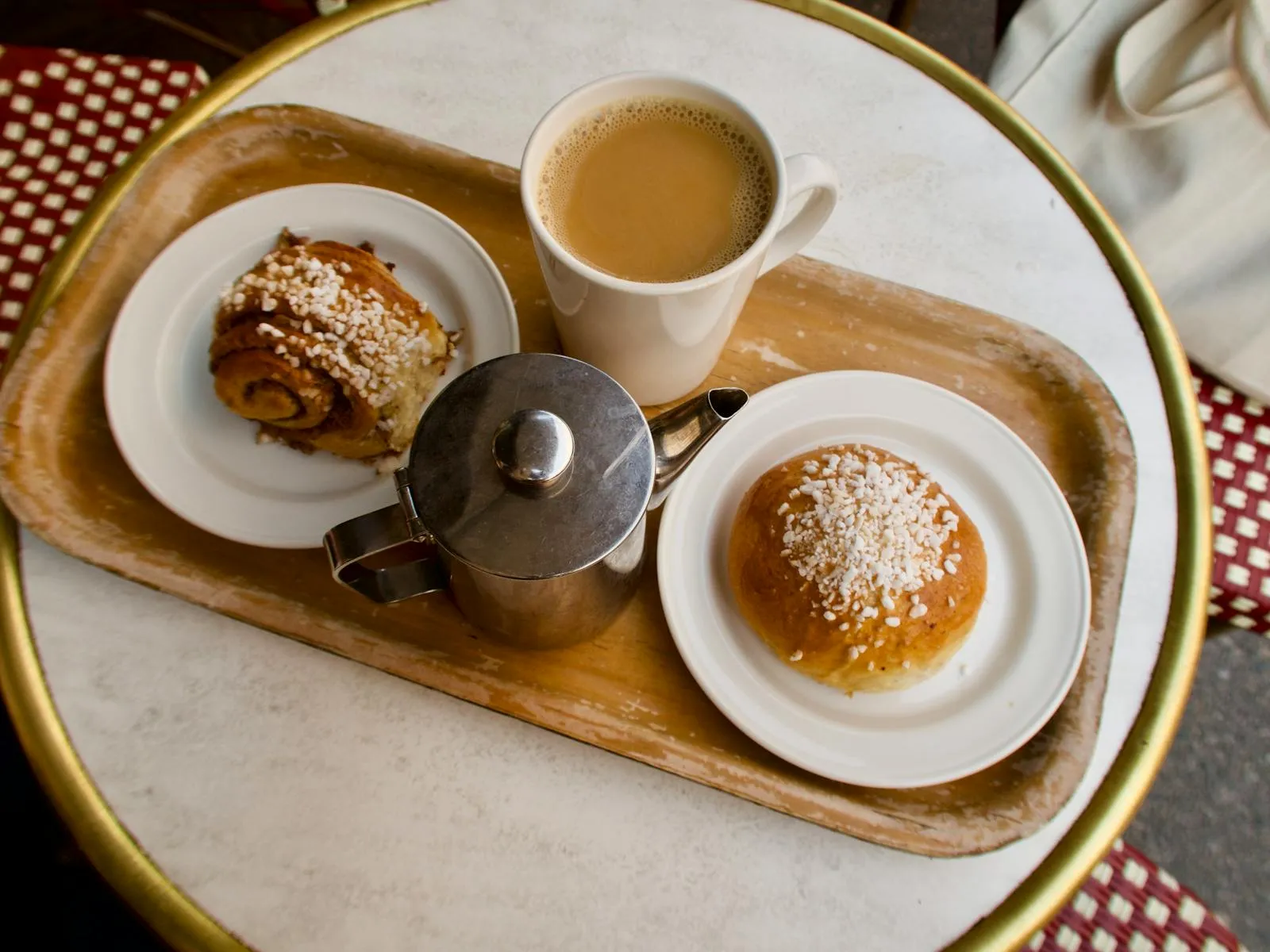
The sacred coffee break. Not just drinking coffee, but pausing deliberately to sit with someone and talk. Most workplaces take fika together at 10 AM and 3 PM. Refusing a fika invitation is borderline insulting. The classic order is a kanelbulle (cinnamon bun with pearl sugar and cardamom dough) with a strong filter coffee. Also common: kardemummabullar (cardamom buns), cookies, and open sandwiches. Budget about 50 SEK per fika. October 4th is Cinnamon Bun Day, which the country takes seriously.
Lagom and Social Norms
Lagom means “just the right amount” and it permeates everything from portion sizes to conversation volume to personal space. Swedes value punctuality, recycling is treated with near-religious seriousness, and “tack” (thank you) is the most important word you will learn. Remove shoes indoors, always. Queue properly. Do not be loud on public transport. These are not suggestions.
Allemansrätten (Right of Public Access)
You can swim in any lake, hike anywhere, pick berries and mushrooms, and camp for one night in the wild, all without asking permission. The golden rule is “do not disturb, do not destroy.” This does not mean you can park a motorhome wherever you like, and national parks and nature reserves have their own rules. But in practice, allemansratten means you will never be fenced out of nature in Sweden.
The Cashless Society
Sweden has been nearly 100% cashless since around 2019. Many shops, restaurants, and museums do not accept cash at all. You need a Visa or Mastercard with a PIN. Contactless is standard under 400 SEK. Apple Pay and Google Pay work everywhere. Carry a backup card. The only cash you might need is for a rural farm stand with an honesty box.
Classic Swedish Food
![Swedish food spread with salmon, bread and fresh ingredients on a table]()
![Swedish meatballs with cream sauce, lingonberry jam and mashed potatoes]()
Köttbullar (Meatballs)
The national dish. Ground pork and beef, pan-fried, served with cream sauce (brunsås), lingonberry jam, mashed potatoes, and pickled cucumber. Yes, IKEA sells them. But a proper Swedish restaurant version with handmade meatballs and real lingonberries is a different experience. 100–200 SEK at restaurants.
![Plate of pickled herring with boiled potatoes, sour cream and chives]()
Pickled Herring (Sill)
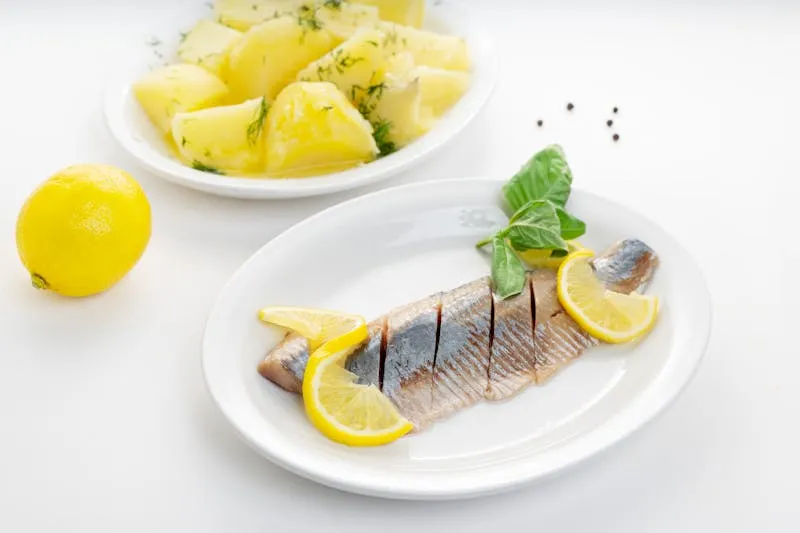
The backbone of every smorgasbord. Comes in multiple varieties: mustard, onion, dill, garlic. Served with boiled potatoes, sour cream, chives, and crispbread. Eaten at Midsummer, Easter, Christmas, and every proper Swedish celebration. Paired with aquavit. An acquired taste for some, a revelation for others.
![Sliced gravad lax with mustard-dill sauce on a serving board]()
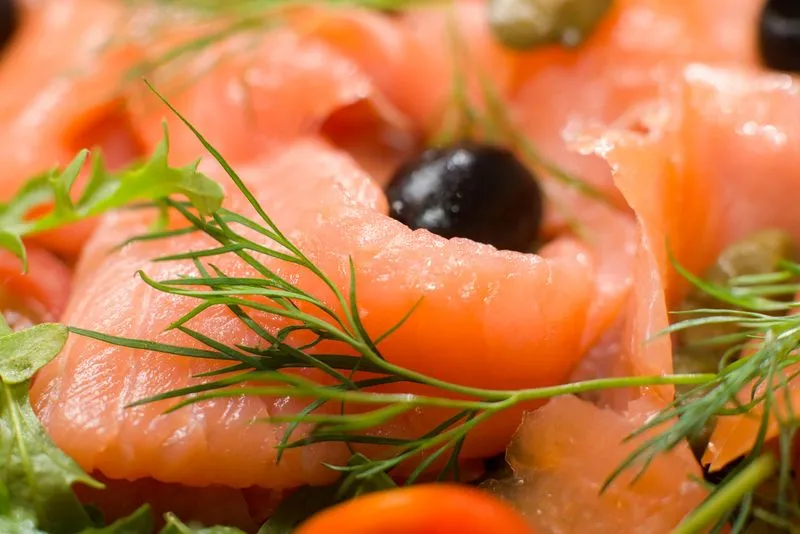
Gravad Lax (Cured Salmon)
Salt, sugar, and dill cured salmon, sliced thin and served with hovm?stars?s (mustard-dill sauce). A staple of the smorgasbord. Available in every supermarket and served in every restaurant. Simple and excellent when the salmon is fresh.
![Semla cream-filled cardamom bun dusted with powdered sugar]()
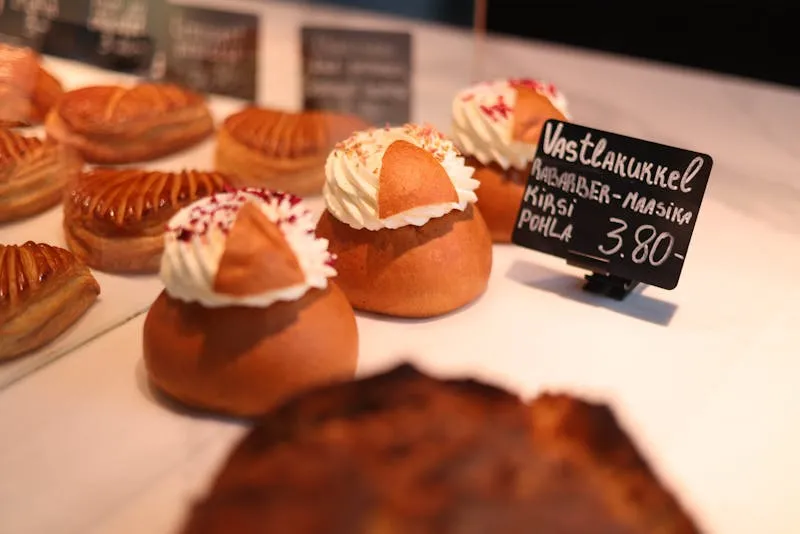
Semla
The seasonal cream bun that appears in February and disappears by Easter. Cardamom bread roll, almond paste filling, whipped cream, powdered sugar. Swedes debate which bakery makes the best semla with the intensity other countries reserve for politics. Originally eaten only on Shrove Tuesday (Fettisdagen), now available throughout Lent.
![Table set for a traditional Swedish crayfish party with paper hats and lanterns]()
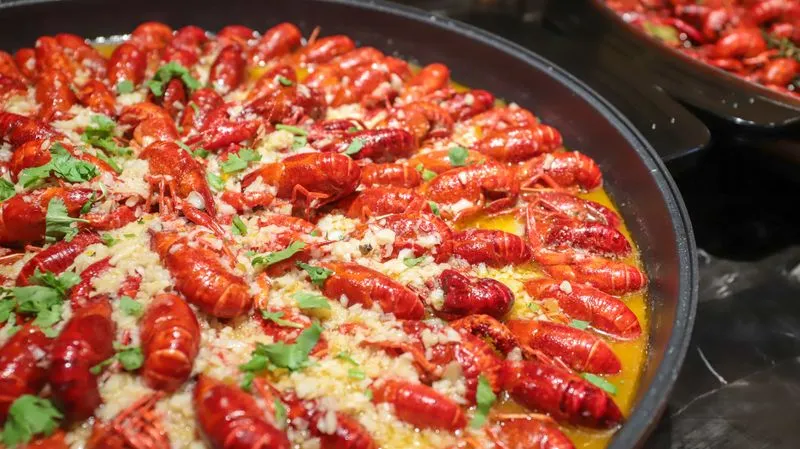
Kräftskiva (Crayfish Party)
Late August tradition. Outdoor feast of boiled crayfish with dill, eaten with your hands. Paper hats, paper lanterns, aquavit between courses, and ritual singing (snapsvisa). The crayfish are not the point. The social ritual is. If you are in Sweden in late August and get invited to one, say yes.
![Elaborate Swedish smorgasbord buffet with herring, salmon and meatballs]()
Smörg?sbord
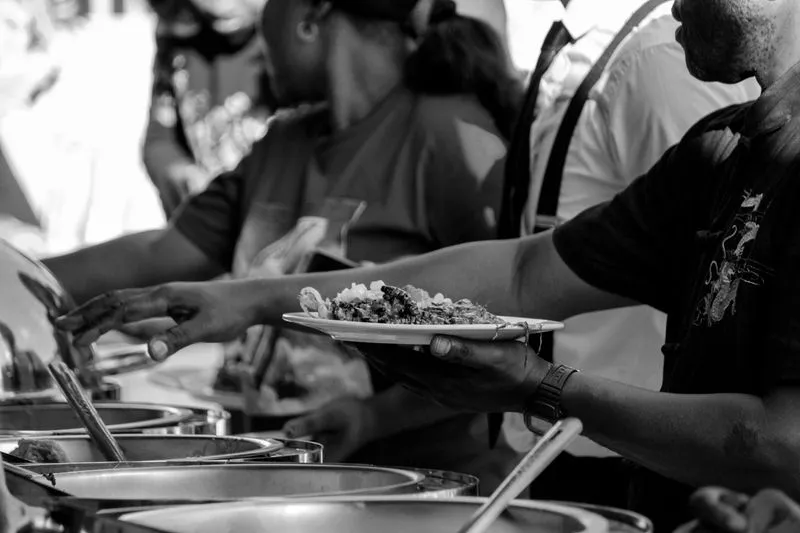
The elaborate buffet eaten in five rounds with fresh plates each time. Order: herring, cold fish (gravlax, skagenröra), cold meats, hot dishes (meatballs, Janssons frestelse potato gratin), cheese and dessert. Aquavit with the herring course. The Christmas version (julbord, November–December) costs 300–600 SEK and should be booked ahead. The Midsummer version is lighter: herring, new potatoes, strawberries.
Budget Eating
The single most important money-saving tip in Sweden is the dagens lunch (daily lunch special). Available at virtually every restaurant on weekdays, 100–150 SEK for a main course with salad bar, bread, a drink, and coffee. The same food at dinner costs double. Eat your main meal at lunch, every day. Supermarkets Willys and Lidl are the cheapest. Tap water is excellent and served free at restaurants. Beer in bars costs 55–65 SEK. Alcohol for off-premises consumption is only available at Systembolaget (state monopoly stores, limited hours, closed Sundays).
New Nordic dining: Stockholm has 12 Michelin stars. Frantz?n (3 stars, 2,000+ SEK tasting menu) needs booking 1–3 months ahead. Outside Stockholm, PM & Vänner in Växjö does forest-lake-meadow New Nordic, and Gotland has farm-to-fork restaurants worth the ferry crossing. The 2026 VAT cut on food (from 12% to 6%) has made eating out measurably cheaper.