Overview & Why Visit Spain

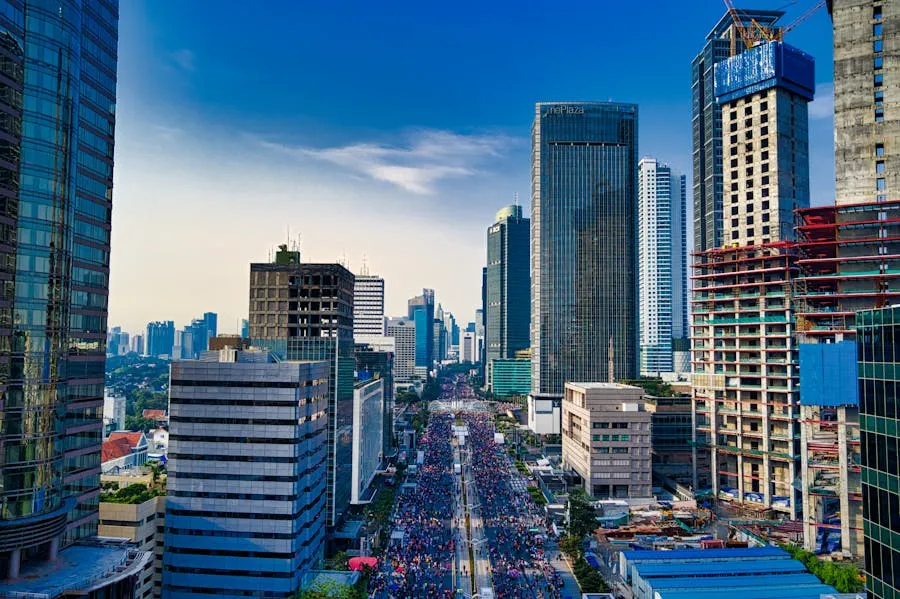
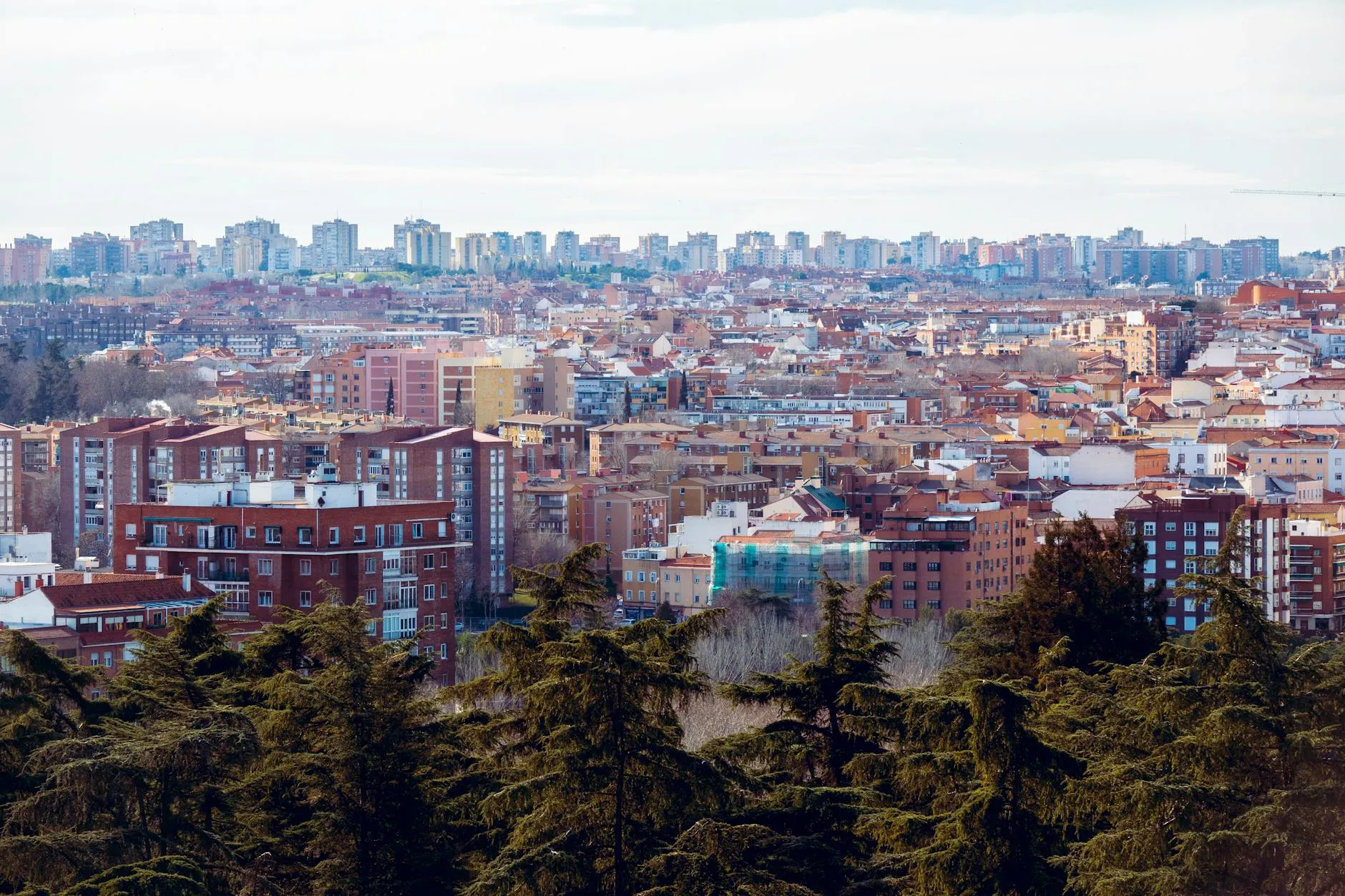
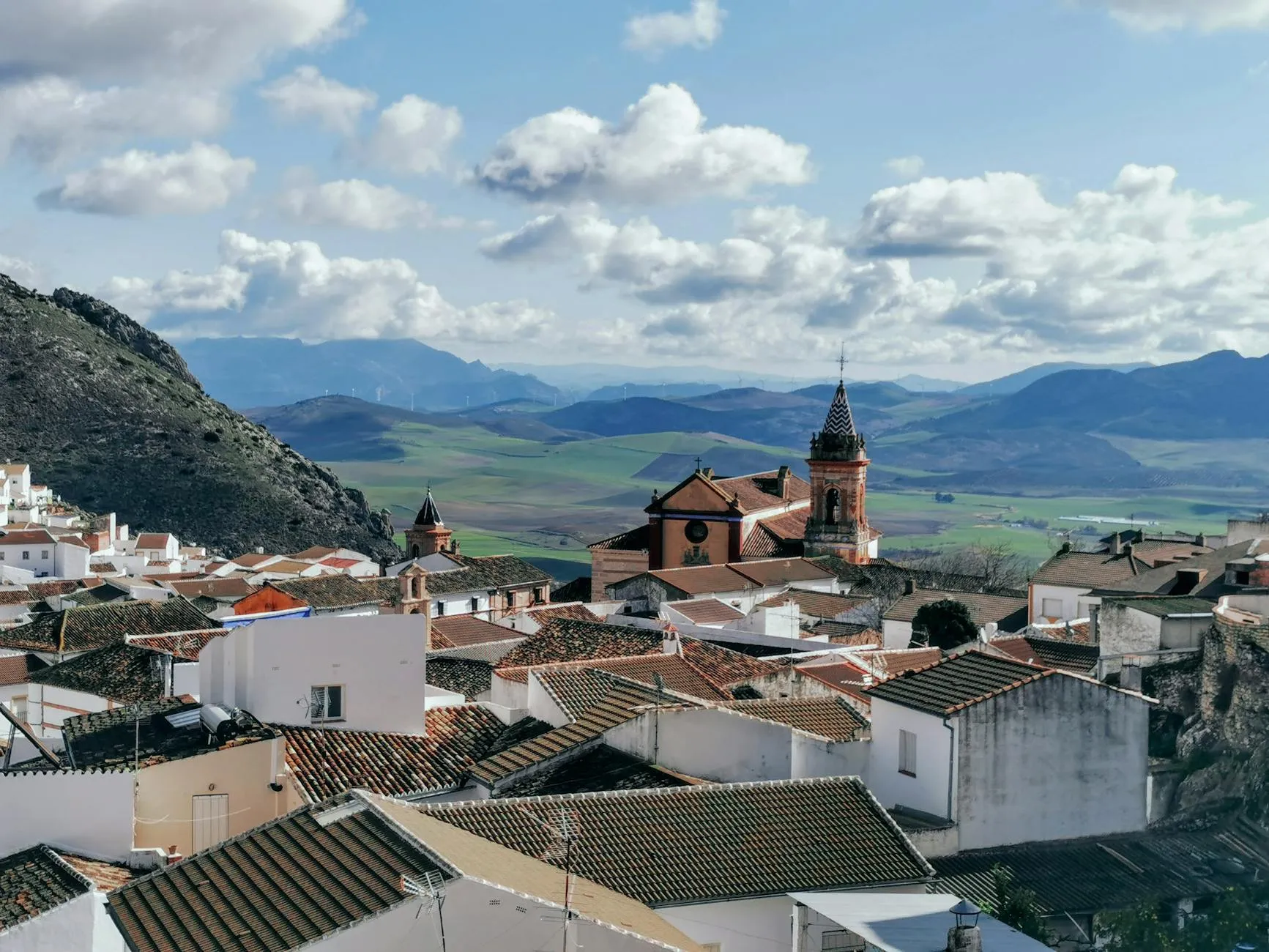
Panoramic view of Madrid with historic architecture and modern cityscape

Spain occupies most of the Iberian Peninsula, with 505,990 km² of territory stretching from the Pyrenees to within 14 km of Africa across the Strait of Gibraltar. It has 17 autonomous communities, each with distinct identity, cuisine, and often its own language. Nearly 8,000 km of coastline along the Atlantic and Mediterranean. 49 UNESCO World Heritage Sites. And a food culture so obsessive that entire cities organise their social lives around when and where to eat.

Spain is not one country in the way most visitors imagine. The rainy, Celtic-influenced northwest (Galicia) has more in common with Ireland than with the sunbaked Moorish south (Andalusia). Barcelona speaks Catalan. The Basque Country has a language unrelated to any other on Earth. Madrid stays up later than any capital in Europe. The Canary Islands sit off the coast of West Africa. Understanding these differences is the key to planning a trip that goes deeper than beach resorts and sangria.

Most first-timers do Madrid, Barcelona, and a slice of Andalusia. That combination works brilliantly, connected by fast trains and cheap flights. But the country rewards detours. A week in the Basque Country eating pintxos and surfing empty Atlantic beaches. A few days in Extremadura, where storks nest on medieval churches and almost no tourists visit. The Camino de Santiago, walking 800 km across the north to the cathedral in Santiago de Compostela. Spain has range.

🇪🇸 Capital

Madrid (~3.3 million, metro ~6.7 million)

👥 Population

~48 million

📏 Size

505,990 km² (roughly twice the UK)

💰 Currency

Euro (€)

🌐 Languages

Spanish (Castellano). Catalan, Basque, Galician co-official regionally

📞 Emergency

112 (EU-wide). Pharmacies: green cross sign, well-stocked

Why Visit

🍲 Food Culture

Tapas, pintxos, paella, and regional specialities that change every 100 km. One of the world’s great food destinations

🌊 Coastline

Nearly 8,000 km of Atlantic and Mediterranean coast. Wild Atlantic surf to sheltered Mediterranean coves

🍷 Wine Regions

Rioja, Ribera del Duero, Priorat, Jerez sherry, cava from Penedès. Most vineyard acreage on Earth

🎆 Festivals & Nightlife

Spain celebrates harder and longer than almost anywhere. Dinner at 22:00, clubs until dawn

⛰ Outdoor Activities

Pyrenean skiing, Andalusian coastal hiking, Atlantic surfing. Europe’s second most mountainous country

☀️ Year-Round Sun

Atlantic north in summer, Canary Islands in winter, Mediterranean in between. Over 300 sunny days in the south

Budget reality check: Spain uses the Euro and costs vary by region. Expect €70–95 per day for budget travel (hostels, menú del día lunches, regional transport) or €120–170 per day mid-range (3-star hotel, restaurant meals, high-speed trains). Barcelona and the Balearic Islands are the priciest. Andalusia, Castilla y León, and Extremadura offer the best value. A menú del día (3-course set lunch with drink) costs €12–16. A high-speed AVE train from Madrid to Barcelona starts at €25 booked in advance.

Best Time to Visit

Spanish countryside with wildflowers blooming in spring

April through June and September through October. Those shoulder months deliver the best combination of pleasant weather, manageable crowds, and reasonable prices. Spring brings wildflowers across the countryside and comfortable temperatures for city sightseeing. Autumn has warm seas, harvest festivals, and lower hotel rates.

If forced to pick one month, May wins. The entire country is warm without being oppressive, beach season is starting on the coasts, and the interior is green and lush. September is the close runner-up, especially for the south and Mediterranean coast where the sea is at its warmest.

Summer (July and August) works for the Atlantic north (Galicia, Asturias, Basque Country) and the mountains. It fails spectacularly for inland cities. Madrid hits 40°C+. Seville and Córdoba become genuinely dangerous in the afternoon heat. Coastal resorts overflow with domestic tourists. Prices peak and the entire country seems to be on holiday.

Winter (November through March) is underrated for cities and the south. Barcelona and Seville stay mild at 10–16°C. The Canary Islands offer year-round warmth (20–25°C). The Sierra Nevada and Pyrenees have proper skiing from December through April. The trade-off is shorter days, some rain on the Atlantic coast, and many beach towns shutting down entirely.

Month-by-Month Overview

MonthTemp (Madrid)Best ForCrowdsPricesRating
January2–10°CSkiing, budget city breaks, Canary Islands🟢 Low🟢 Low⭐⭐
February3–12°CCarnival (Tenerife, Cádiz), skiing, almond blossom🟢 Low🟢 Low⭐⭐⭐
March5–16°CLas Fallas (Valencia), early spring, Semana Santa🟡 Moderate🟡 Moderate⭐⭐⭐
April8–19°CSemana Santa, Feria de Abril (Seville), wildflowers🟡 Moderate🟡 Moderate⭐⭐⭐⭐⭐
May12–24°CPerfect weather everywhere, beaches opening🟡 Moderate🟡 Moderate⭐⭐⭐⭐⭐
June17–31°CBeaches, San Juan bonfires, long evenings🔴 High🔴 High⭐⭐⭐⭐
July20–35°CSan Fermín (Pamplona), Atlantic coast, mountains🔴 Peak🔴 Peak⭐⭐⭐
August20–36°CBeaches only. Inland cities unbearable. La Tomatina🔴 Peak🔴 Peak⭐⭐
September16–28°CWarm sea, wine harvest, thinning crowds🟡 Moderate🟡 Moderate⭐⭐⭐⭐⭐
October10–21°CWine harvest, autumn colours, southern coast🟡 Moderate🟡 Moderate⭐⭐⭐⭐
November5–14°CLow prices, uncrowded cities, mushroom season🟢 Low🟢 Low⭐⭐⭐
December3–11°CChristmas markets, nativity scenes, skiing🟡 Moderate🟡 Moderate⭐⭐⭐
Semana Santa warning: Holy Week (the week before Easter) brings massive celebrations across Spain, especially in Seville, Málaga, and Valladolid. Hotel prices spike, processions close streets, and accommodation books out months ahead. It is beautiful but requires planning. Reserve 3–4 months in advance for Andalusia.

Map of Spain

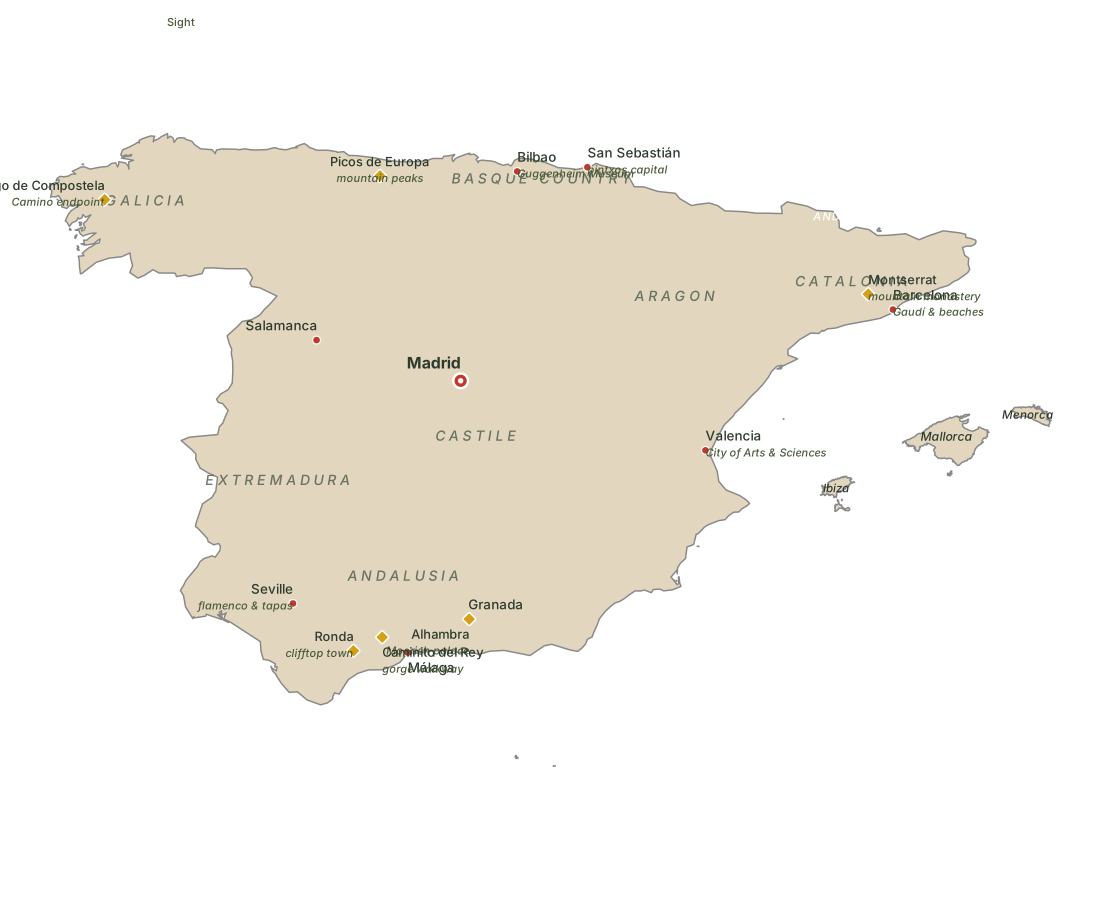
Spain occupies most of the Iberian Peninsula, plus the Balearic Islands in the Mediterranean, the Canary Islands off the northwest coast of Africa, and two autonomous cities (Ceuta and Melilla) on the North African mainland. The Pyrenees form a natural border with France to the northeast. Portugal occupies the western portion of the peninsula. The Strait of Gibraltar separates Spain from Morocco by just 14 km.

Map of Spain showing main cities, regions and transport connections
Key distances (by AVE high-speed train): Madrid to Barcelona 2h 30min, Madrid to Seville 2h 20min, Madrid to Valencia 1h 40min, Madrid to Málaga 2h 30min, Barcelona to Valencia 3h, Seville to Córdoba 45min. Regional trains, buses, and budget flights connect smaller cities and the islands.

Holidays & Festivals

Las Fallas festival with illuminated sculptures in Valencia

Spain celebrates more festivals per capita than almost any country on Earth. Every town has its patron saint festival (fiestas patronales), and many involve fire, animals, food fights, or all three. National holidays close banks and many shops. Regional festivals can shut down entire cities for days.

DateHoliday / FestivalImpact on Travel
January 1New Year's Day (Año Nuevo)Public holiday. Spaniards eat 12 grapes at midnight, one per chime
January 6Epiphany (Día de Reyes)Public holiday. Main gift-giving day. Cabalgata parades the evening of January 5
FebruaryCarnival (Cádiz & Tenerife)Cádiz has satirical street shows (chirigotas). Tenerife's carnival is the world's second-largest after Rio
March 15–19Las Fallas, ValenciaGiant papier-mâché sculptures burned on final night. Fireworks, firecrackers, paella. Hotels sell out. UNESCO Heritage
Easter weekSemana SantaHoly Thursday & Good Friday are public holidays. Seville's processions are Spain's most famous. Book 3–4 months ahead
2 weeks after EasterFeria de Abril, SevilleWeek-long celebration with casetas, flamenco, sherry, horse parades. Hotels triple in price
May 1Labour DayPublic holiday. Most shops and services closed
Pentecost weekendRomería del Rocío, HuelvaA million pilgrims converge on El Rocío by horseback and oxcart near Doñana
June 23San Juan BonfiresMidsummer bonfires on beaches nationwide. Biggest in Alicante and A Coruña
July 6–14San Fermín, PamplonaRunning of the bulls at 8am, all-day partying. Dangerous and chaotic. City completely booked out
August 15Assumption of the VirginPublic holiday. Peak domestic travel, beach towns packed
Last Wed of AugustLa Tomatina, Buñol20,000 people throw 120 tonnes of tomatoes. Tickets required (€12)
October 12Día de la HispanidadNational Day. Military parade in Madrid. Public holiday
November 1All Saints' DayPublic holiday. Cemetery visits, special pastries
December 6Constitution DayPublic holiday. Combined with Dec 8, often creates a long weekend (puente)
December 8Immaculate ConceptionPublic holiday. Christmas markets begin around this date
December 25Christmas DayPublic holiday. Many restaurants closed. Gift-giving is on Jan 6, not Dec 25
Festival accommodation: During Semana Santa (Seville, Málaga), Feria de Abril (Seville), San Fermín (Pamplona), and Las Fallas (Valencia), hotel prices triple and everything within 50 km sells out. Book months ahead or plan to stay further out and commute in.

Regions of Spain

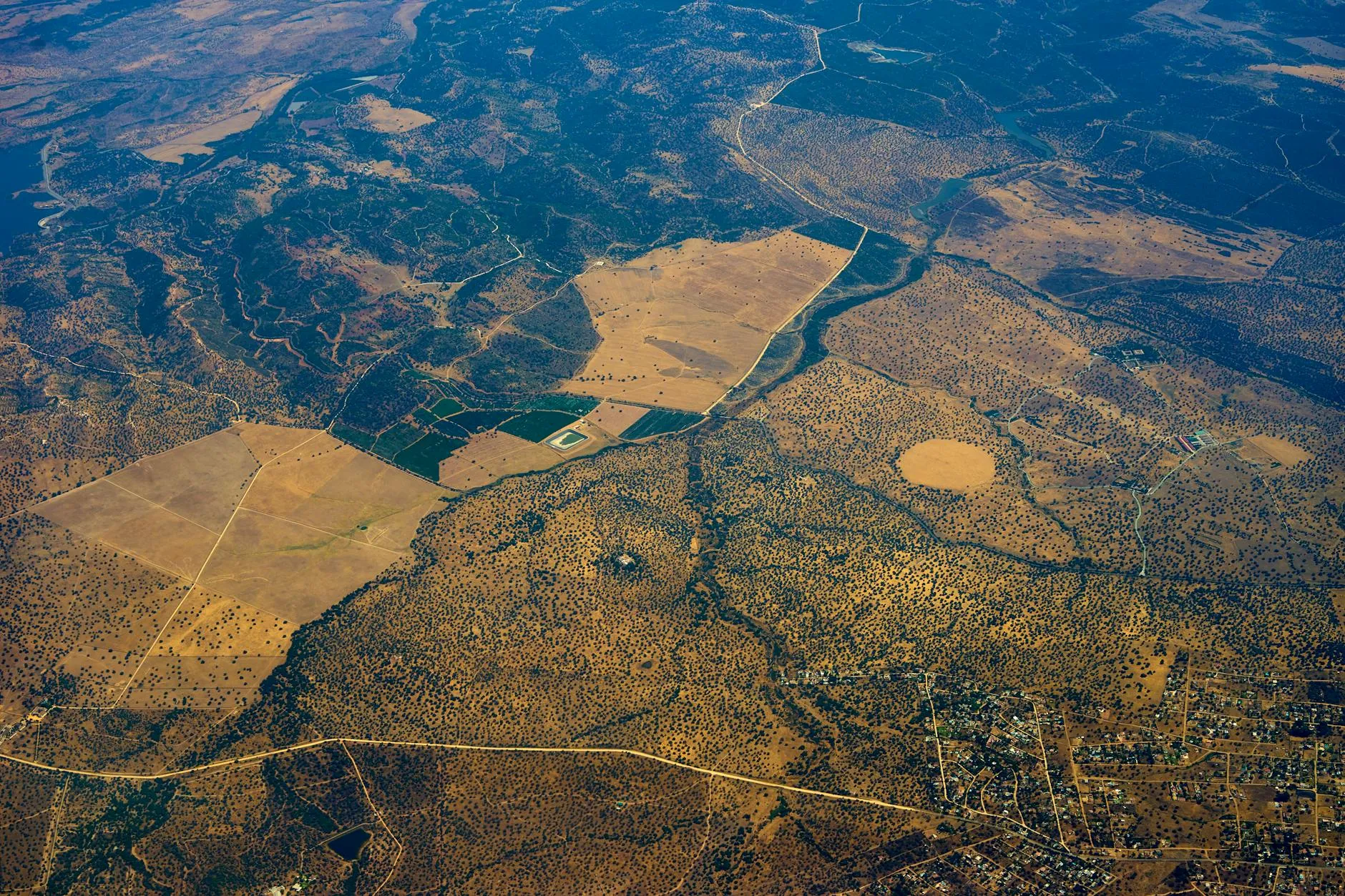
Panoramic aerial view across the diverse Spanish landscape

Spain offers diverse landscapes and experiences across its regions.

Madrid & Central Spain

Madrid & Central Spain

The capital sits on the high central plateau at 650m, making it the highest capital in the EU. Madrid has no river worth mentioning, no beach, and no ancient port. What it has is energy.

Barcelona & Catalonia

Barcelona & Catalonia

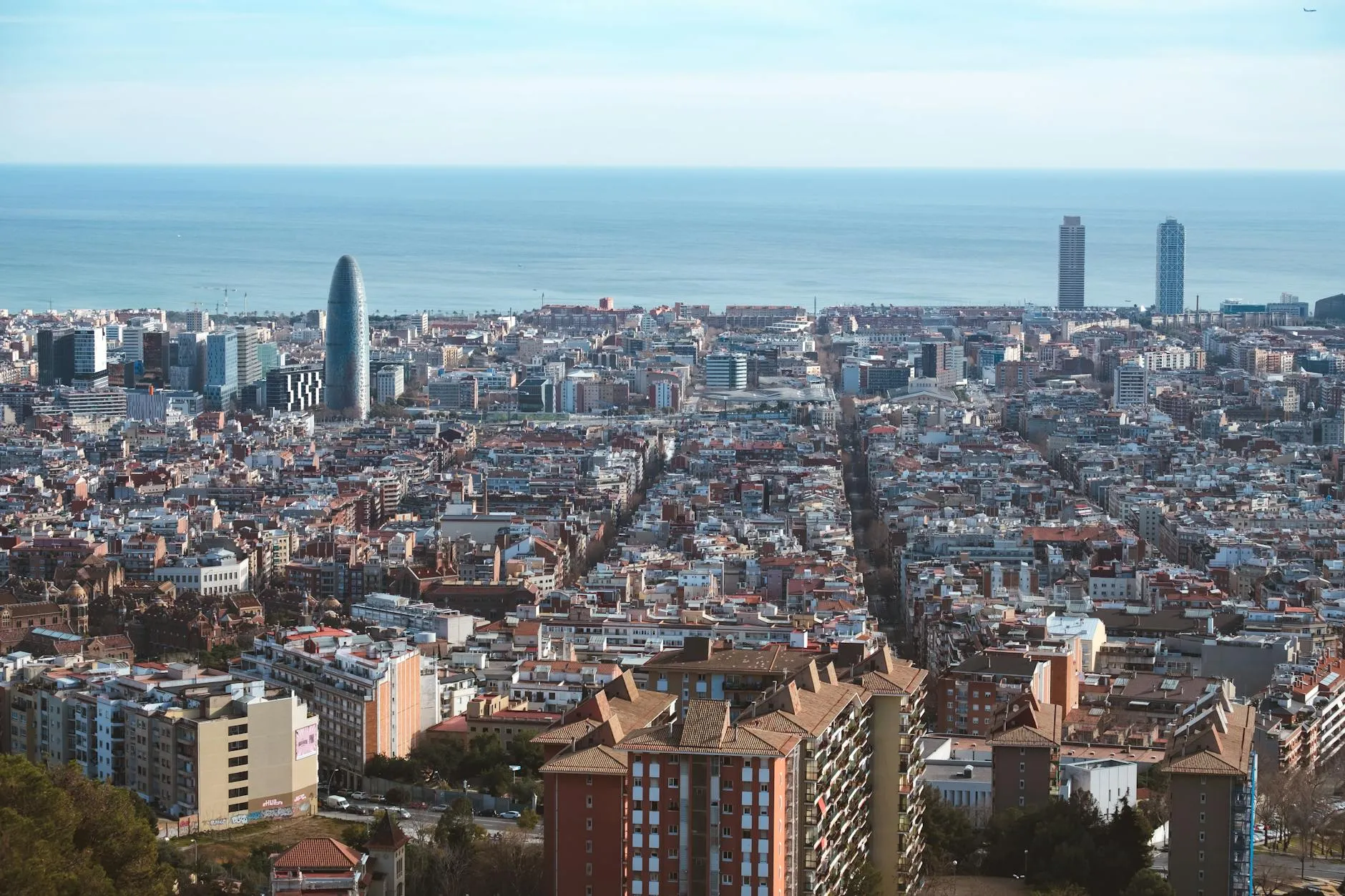
Barcelona is Spain's second city and Catalonia's capital, but Catalans will remind you that Catalonia considers itself a nation, not just a region. The language on street signs is Catalan. The flag on balconies is the Senyera (or the Estelada independence version).

Andalusia

Andalusia

Andalusia is where most of the world's stereotypes about Spain originate. Flamenco, bullfighting, whitewashed villages, sherry, tapas, and siestas are all genuinely Andalusian traditions, not pan-Spanish ones. Eight centuries of Moorish rule (711–1492) left an architectural legacy that still defines the region.

Basque Country & Northern Spain

Basque Country & Northern Spain

The Basque Country (País Vasco / Euskadi) is where Spain gets most interesting from a food perspective. San Sebastián (Donostia in Basque) has more Michelin stars per capita than anywhere else on Earth. The pintxo bars of the Parte Vieja (old town) serve miniature works of culinary art on bread for €2–4 each.

Valencia & the Eastern Coast

Valencia & the Eastern Coast

Valencia is Spain's third-largest city and the birthplace of paella. Real Valencian paella uses chicken, rabbit, green beans, garrofó beans, and snails, not seafood (that is a separate dish called arroz a banda). It is cooked over an open flame at lunchtime, never for dinner.

The Islands

The Islands

Spain has two archipelagos that feel like different countries. The Balearic Islands (Mallorca, Menorca, Ibiza, Formentera) sit in the western Mediterranean. The Canary Islands (Tenerife, Gran Canaria, Lanzarote, Fuerteventura, La Palma, La Gomera, El Hierro) lie 1,000 km south, off the coast of Morocco.

Top Sightseeing

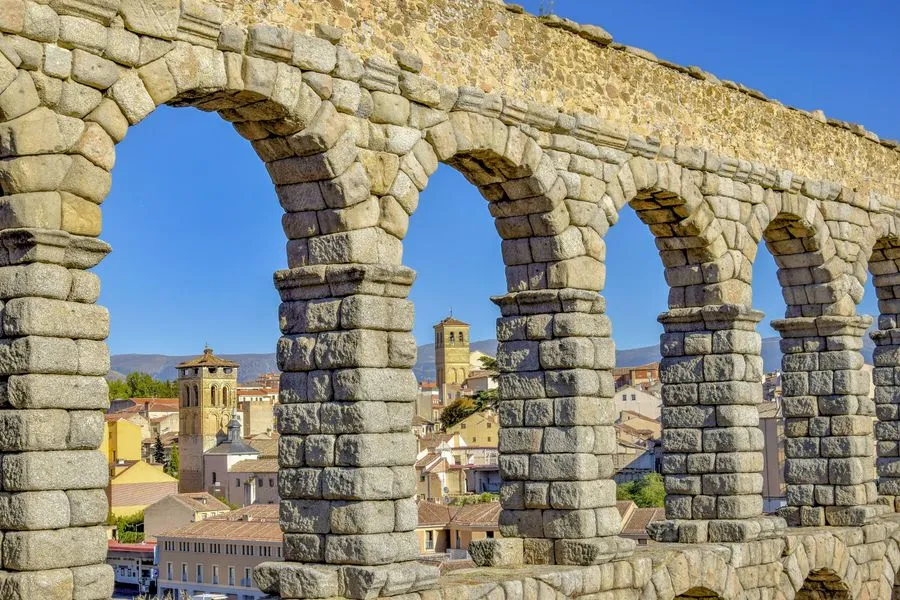
Roman aqueduct of Segovia with monumental stone arches

Spain has a depth of world-class sights that rivals Italy: Moorish palaces, Gothic cathedrals, Gaudí’s organic architecture, Roman aqueducts still standing after two millennia, and landscapes ranging from volcanic islands to snow-capped sierras. Narrowing to ten is an argument-starter, but these are the ones that leave first-time visitors genuinely speechless.

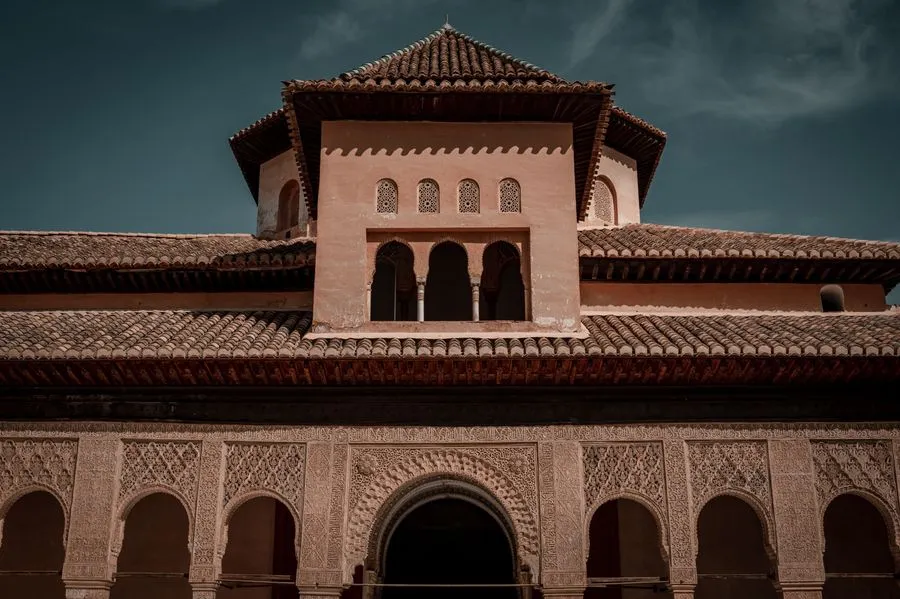
  • Alhambra, Granada: The pinnacle of Moorish architecture in Europe — intricate stucco, reflecting pools, and the Sierra Nevada as backdrop
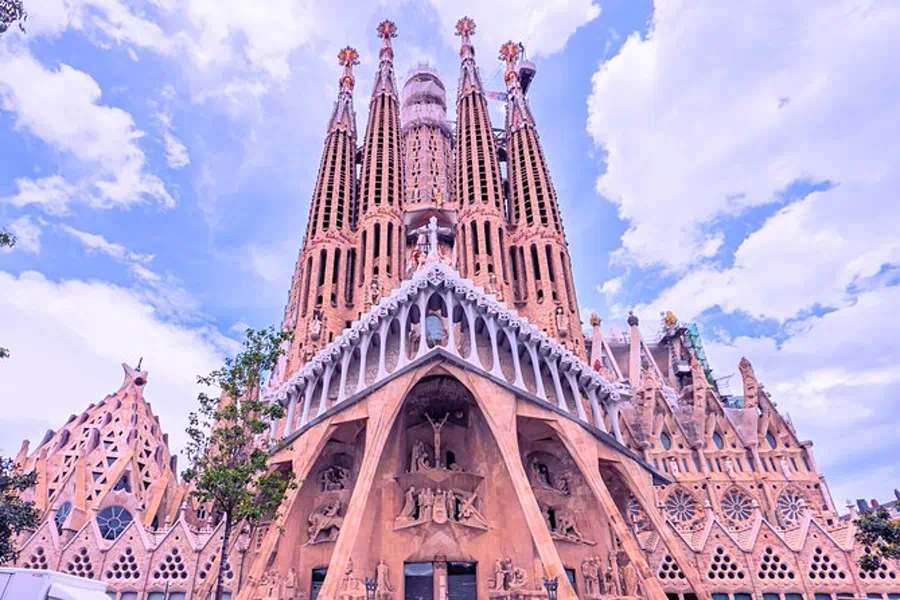
  • Sagrada Família, Barcelona: Gaudí’s unfinished basilica, under construction since 1882 — the interior light alone is worth the trip
  • Camino de Santiago: The medieval pilgrimage route across northern Spain — 800 km from the French border to Santiago de Compostela
  • Seville’s Alcázar: A working royal palace of Mudéjar tilework, courtyards, and gardens that rivals the Alhambra in beauty
  • Roman Segovia: A 2,000-year-old aqueduct of 167 arches built without mortar, still dominating the town centre
Ornate Islamic arches and courtyard gardens of the Alhambra palace

Alhambra, Granada

A Nasrid palace complex with intricate Islamic geometric decoration so fine it looks like lace carved in plaster. The Court of the Lions, the reflecting pools of the Generalife gardens, and the views over Granada with Sierra Nevada behind are unforgettable. €19, timed entry only. Book 2–3 months ahead; same-day tickets are virtually impossible in summer. Allow 3 hours minimum.

Soaring interior columns of the Sagrada Familia bathed in coloured light

Sagrada Família, Barcelona

Gaudí’s unfinished basilica, under construction since 1882, with organic tree-trunk columns and stained glass that fills the interior with shifting colour at sunrise and sunset. The Nativity and Passion towers offer vertigo-inducing views over Barcelona. Planned completion is 2026. €26 with tower access; book online days ahead. The morning east-light through the warm-toned glass is the most beautiful moment.

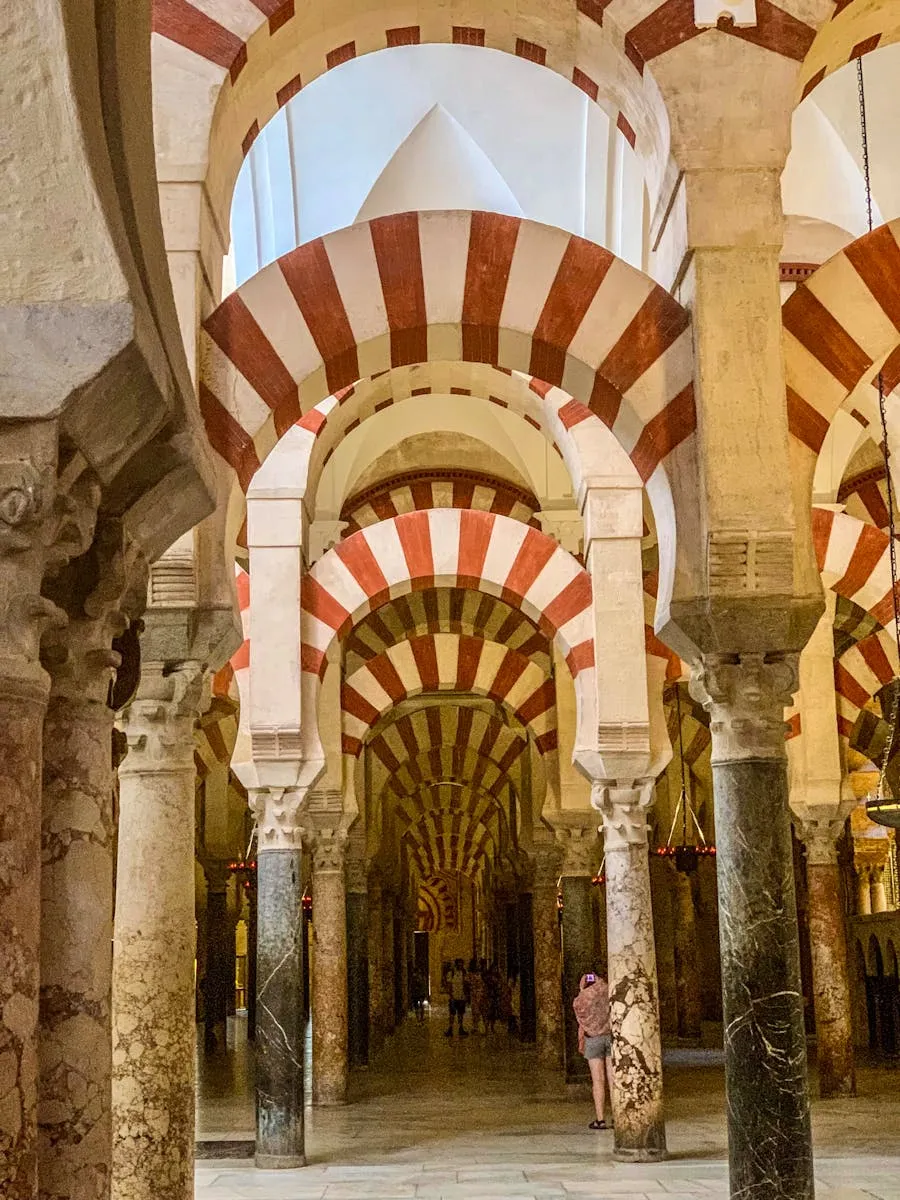
Red and white double arches stretching through the Mezquita in Cordoba

Mezquita-Catedral, Córdoba

A 10th-century mosque with 856 columns and double arches in red and white stretching in every direction, with a Renaissance cathedral controversially inserted into the centre. Walking through the forest of columns is hypnotic and disorienting. One of the most extraordinary architectural spaces in the world. €13; free entry 8:30–9:30am Mon–Sat. Go early to have the columns to yourself.

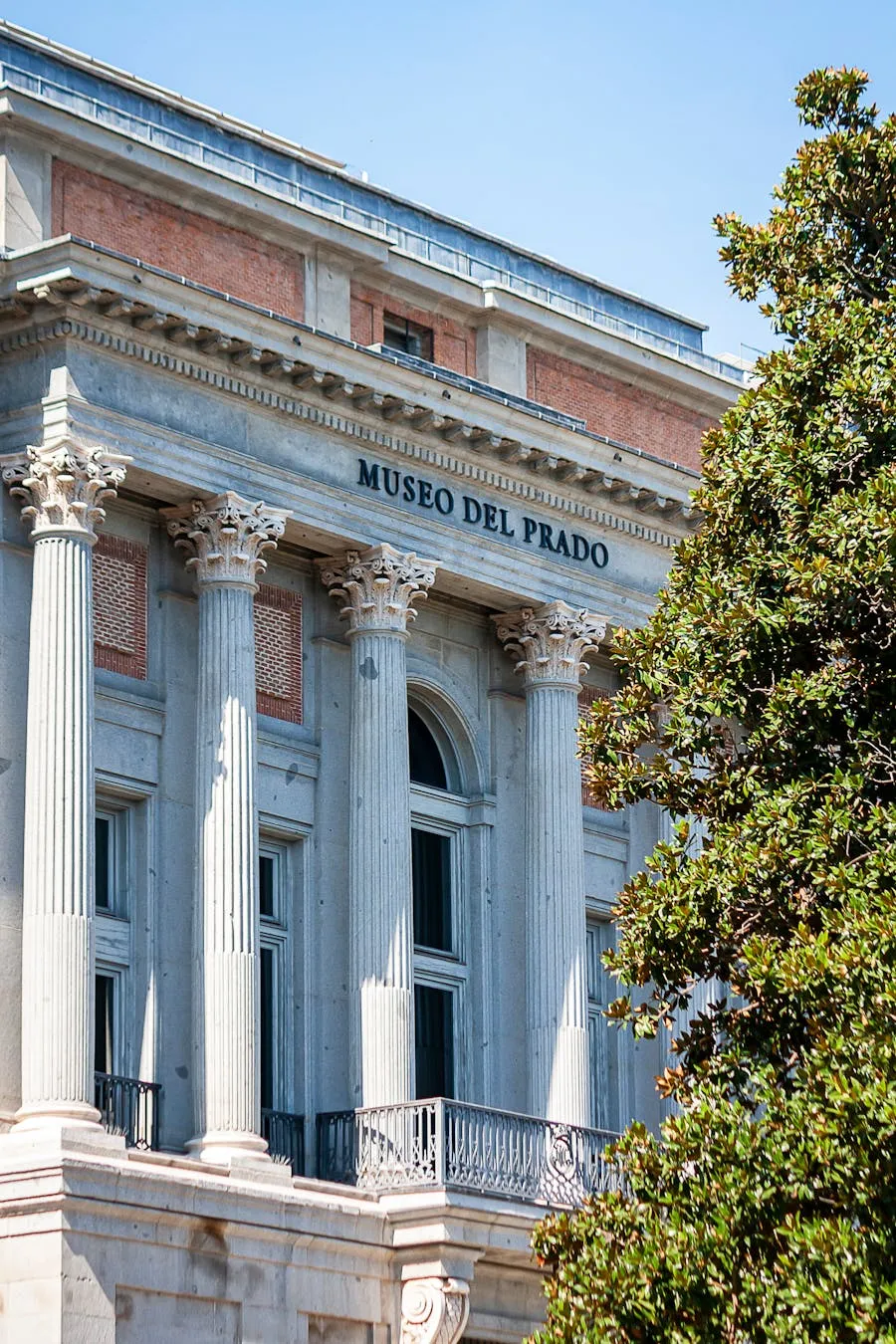
Neoclassical facade of the Museo del Prado in Madrid

Museo del Prado, Madrid

Velázquez’s Las Meninas, Goya’s haunting black paintings, and Bosch’s hallucinatory Garden of Earthly Delights. One of the world’s great art museums, with over 8,000 works. The building alone is worth the visit. €15; free entry the last 2 hours daily (expect queues). Combine with the nearby Reina Sofía (Picasso’s Guernica) and Thyssen for Madrid’s Golden Triangle of Art.

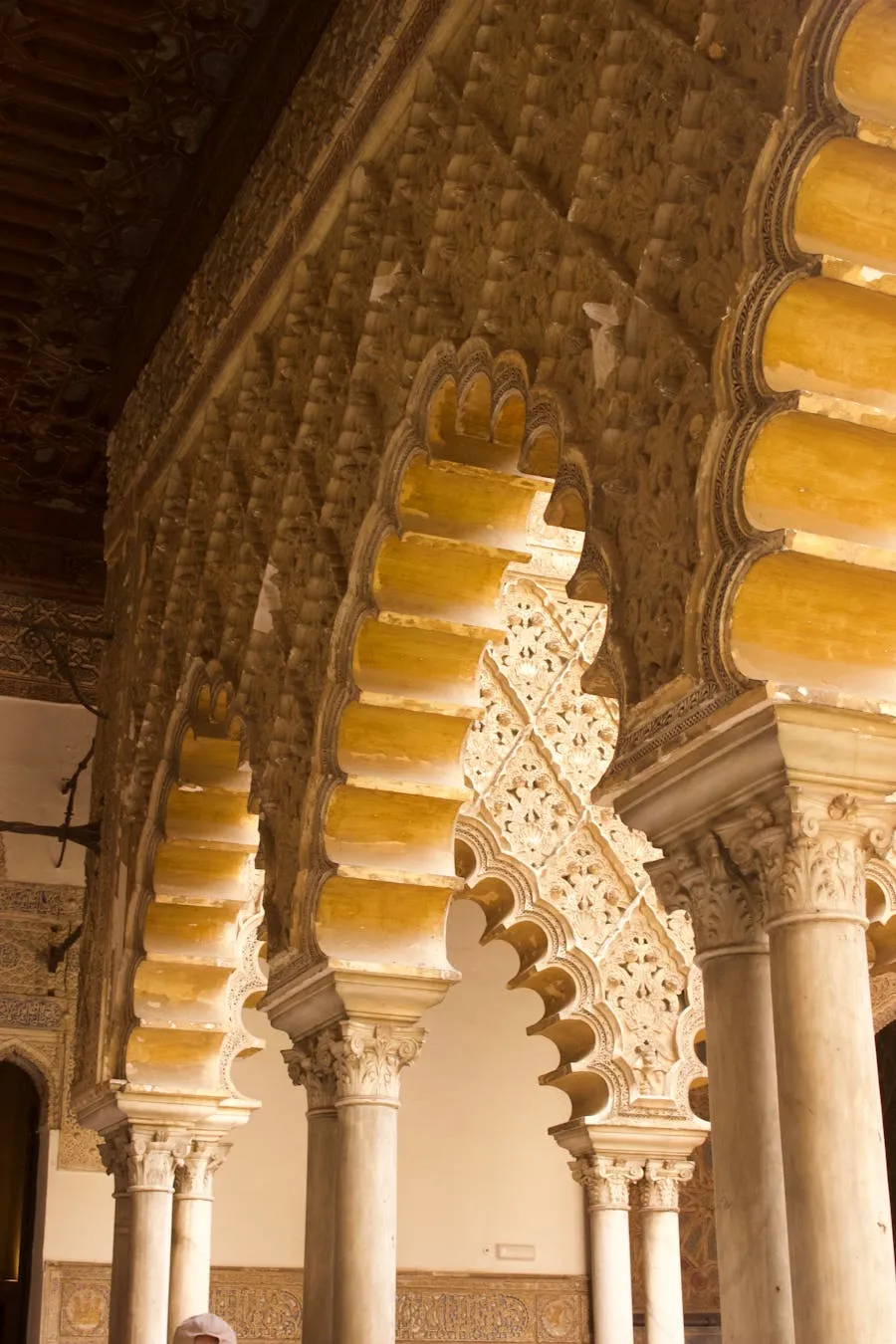
Intricate Moorish archways inside the Alcazar of Seville

Alcázar of Seville

A Mudéjar palace combining Moorish craftsmanship with Gothic and Renaissance additions across 900 years of continuous use. Still the official residence of the Spanish royal family when visiting Seville. The tilework, carved stucco ceilings, and the Ambassador’s Hall rival the Alhambra. The sprawling gardens with fountains and pavilions are equally impressive. €14.50; free entry Mon 6–7pm (limited capacity).

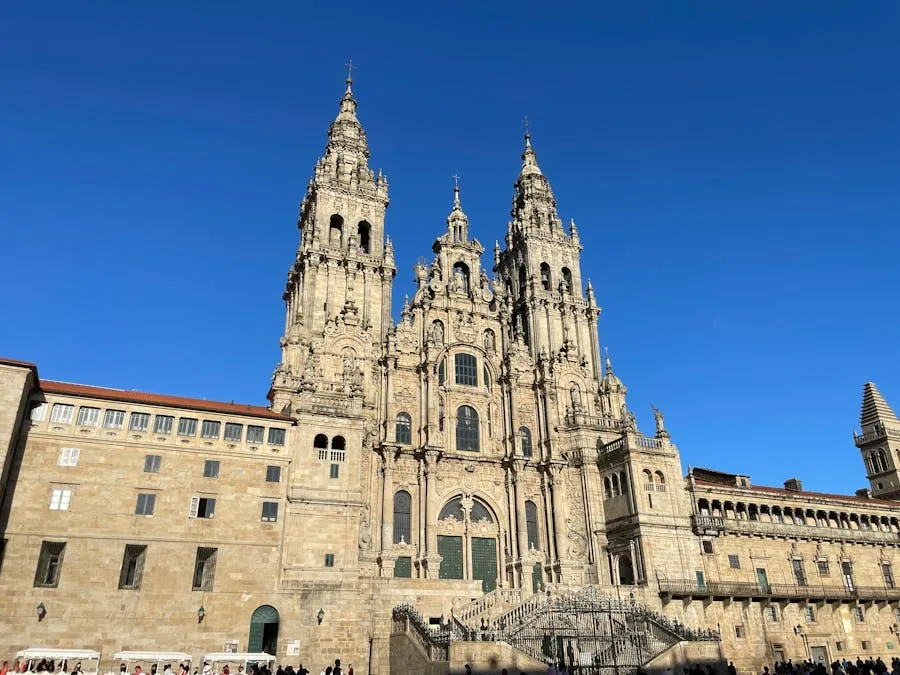
Baroque facade of Santiago de Compostela Cathedral in bright daylight

Santiago de Compostela

The endpoint of the Camino de Santiago pilgrimage route, where pilgrims arrive after weeks of walking across northern Spain. The Romanesque Portico of Glory is one of medieval Europe’s sculptural masterworks (separate €12 ticket to see it up close). During special masses, the massive Botafumeiro incense burner swings across the transept on a rope. Free cathedral entry. The old town around it is a UNESCO site.

Roman aqueduct of Segovia with monumental stone arches against a blue sky

Segovia Aqueduct

A Roman aqueduct of 167 arches built without mortar around 50 AD, still standing in the city centre after nearly 2,000 years. The engineering is astonishing. Combined with the fairy-tale Alcázar (said to have inspired Disney’s castle) and a cochinillo asado lunch at a meseta restaurant, Segovia makes a perfect day trip from Madrid. Just 30 minutes by high-speed train.

Titanium-clad curves of the Guggenheim Museum reflected in the river

Guggenheim Museum, Bilbao

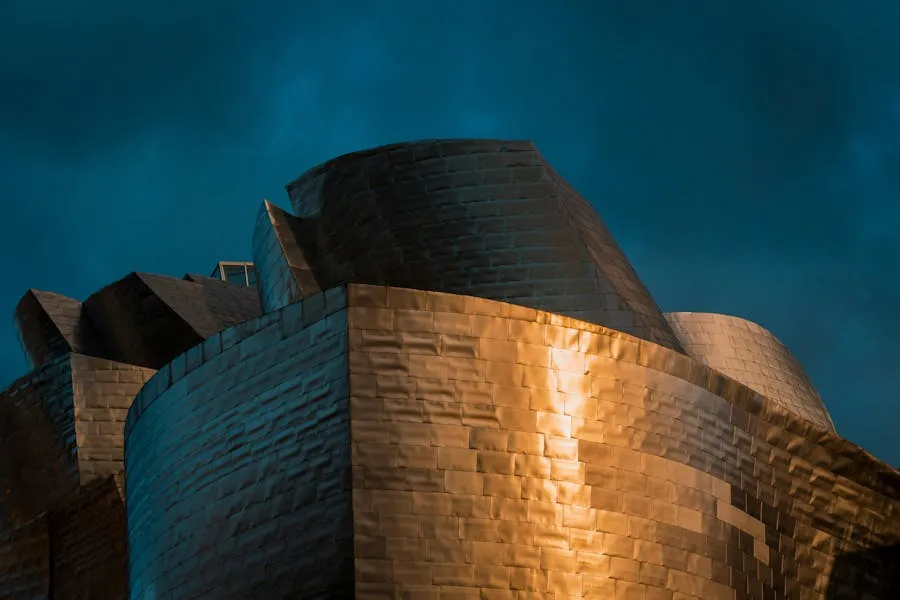
Frank Gehry’s titanium-clad building single-handedly transformed Bilbao from industrial decline to global cultural destination. The building itself is the main exhibit, shifting shape and colour with the light. Inside, the exhibitions rotate frequently. Jeff Koons’s flower-covered Puppy guards the entrance. €16; the surrounding riverfront promenade and Louise Bourgeois’s giant spider sculpture are free.

Mosaic-covered spire and rooftops in Park Guell with Barcelona skyline beyond

Park Güell, Barcelona

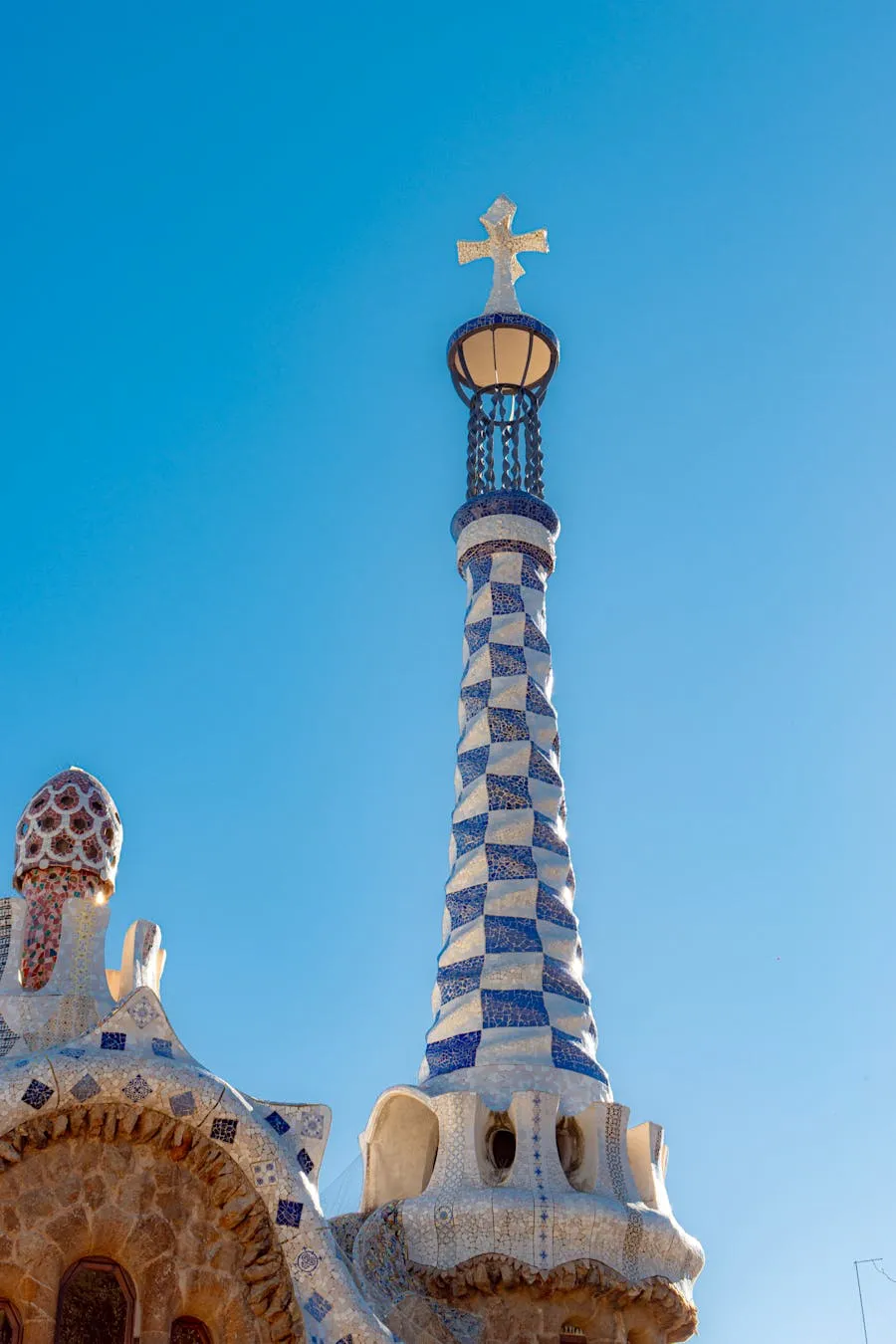
Gaudí’s mosaic-covered park on a hillside above Barcelona, originally designed as a housing estate that nobody bought. The undulating mosaic bench offers panoramic views over the city to the sea. Gingerbread-style gatehouses and a mosaic dragon staircase greet you at the entrance. €10, timed entry; book ahead. The surrounding park area outside the monumental zone is free.

Puente Nuevo bridge spanning the deep El Tajo gorge in Ronda

Ronda

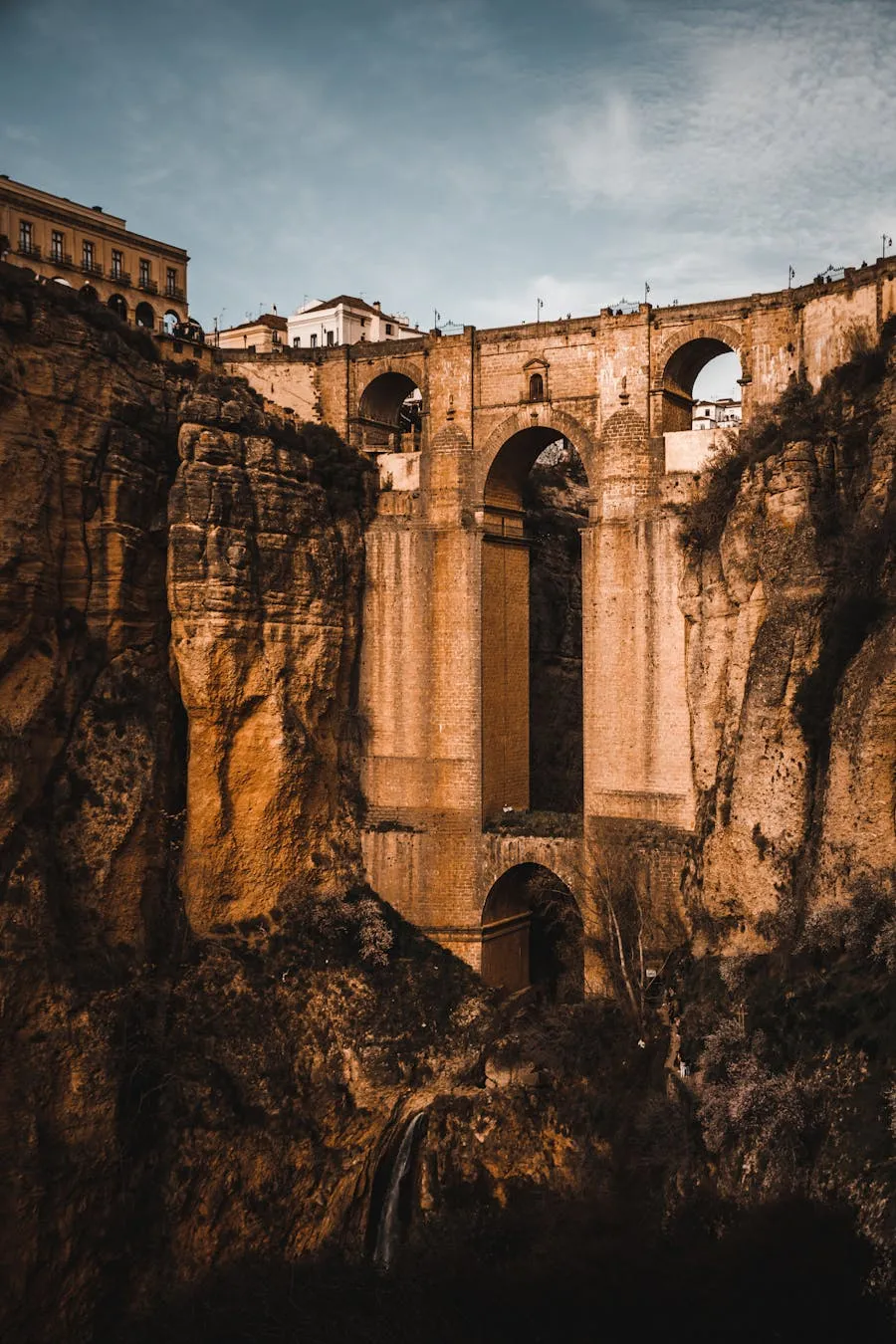
A white town split in two by a 120-metre gorge with the Puente Nuevo, an 18th-century bridge spanning the gap in three dramatic arches. The views straight down into the Tajo canyon are vertigo-inducing and unforgettable. The bullring (1785) is one of the oldest in Spain. An easy day trip from Málaga or a peaceful overnight to catch sunset and sunrise over the gorge. Free to walk the town.

Panoramic view of Toledo's medieval skyline above the Tagus River

Toledo

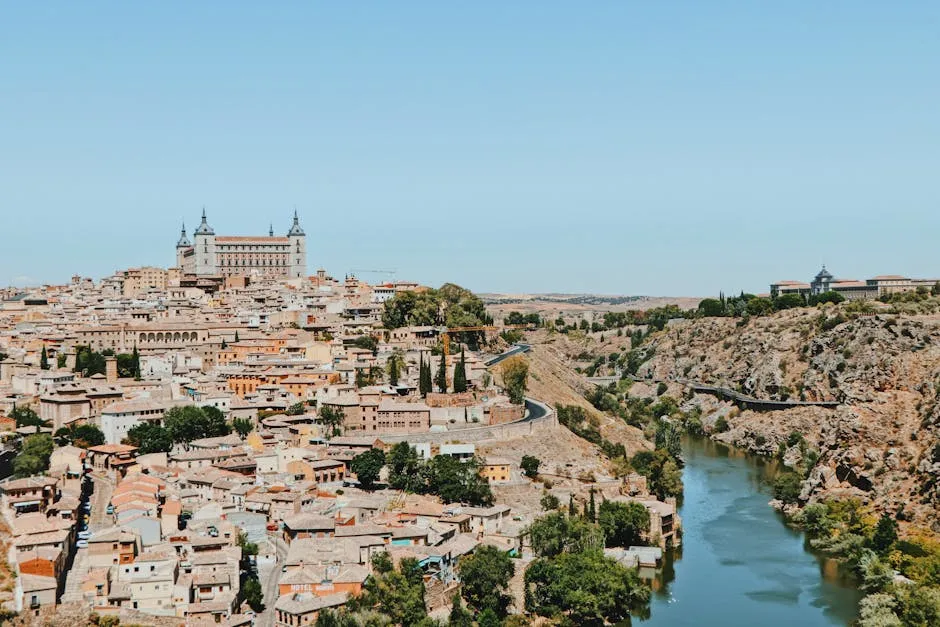
A medieval fortified city perched on a granite hill above a bend in the Tagus River, once the capital of Spain. Three cultures (Christian, Jewish, Muslim) left their mark in a compact old town you can walk in a day. The cathedral is one of the finest Gothic churches in Spain. El Greco painted many of his masterpieces here, and the Museo del Greco displays several. A 30-minute train from Madrid. €10 cathedral entry; the city walls and streets are free.

Sweeping semicircular Plaza de España with ceramic tile alcoves and canal

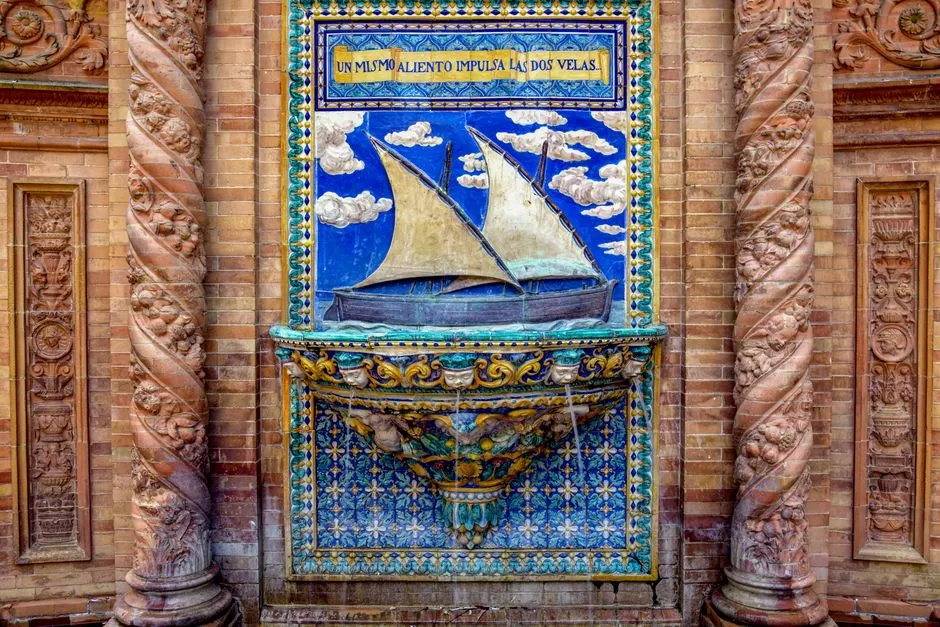
Plaza de España, Seville

A vast semicircular plaza built for the 1929 Ibero-American Exposition, with a canal crossed by ceramic-tiled bridges and 48 alcoves representing each Spanish province in hand-painted azulejos. The building’s mix of Renaissance Revival and Moorish detail is wildly photogenic. Used as a filming location for Star Wars and Lawrence of Arabia. Free entry, always open. Best in the morning light or after sunset when the building is illuminated.

Culture & Cuisine

Flamenco dancer in flowing red dress performing with passion

Spanish culture runs on unwritten rules about time, food, personal space, and regional identity. Understanding a few core ones transforms your experience.

Culture

  • Time. Spain runs roughly three hours later than the rest of Europe. Breakfast is light (café con leche and tostada, 8–9am). Lunch (la comida) is the main meal, 14:00–15:30, often lasting two hours. Dinner starts at 21:00 at the earliest, 22:00 is normal. Restaurants opening for dinner at 19:00 cater exclusively to tourists
  • Sobremesa. Lingering at the table after a meal, talking, drinking coffee, being together. Not wasted time. Spain's most important cultural concept. Rushing away marks you as foreign. Budget 30–60 minutes after lunch
  • The Paseo. Every evening, especially in summer, Spaniards stroll through town. Families with children out at 22:00 is normal. This is when social life happens
  • Regional identity. Spaniards identify with their region first and Spain second. In Barcelona, say "bon dia." In the Basque Country, the language (Euskera) bears no relation to any other language on Earth. Never call Catalan or Basque "dialects" – they are separate languages
  • Greetings. Two kisses on the cheek, right cheek first. Standard between women, and between men and women socially. Men shake hands unless close friends. In professional settings, handshakes for everyone
  • Flamenco. Andalusian, not pan-Spanish. Authentic flamenco happens in small peñas (clubs) and neighbourhood bars, not tourist tablaos. Seville and Jerez are the heartlands. In Granada, the Sacromonte caves host intimate shows
Five phrases that matter. "Buenos días" (good morning), "buenas tardes" (good afternoon/evening), "gracias" (thank you), "por favor" (please), "perdón" (excuse me). In Catalonia add "gràcies" and "si us plau." Even minimal effort earns genuine warmth. English is widely spoken in tourist areas and by younger Spaniards, but drops off sharply in rural areas.

Cuisine

Spanish food is regional to a degree that surprises most visitors. There is no single "Spanish cuisine." Each region has its own specialities and strong opinions about them.

Colourful selection of Spanish tapas on small plates at a bar

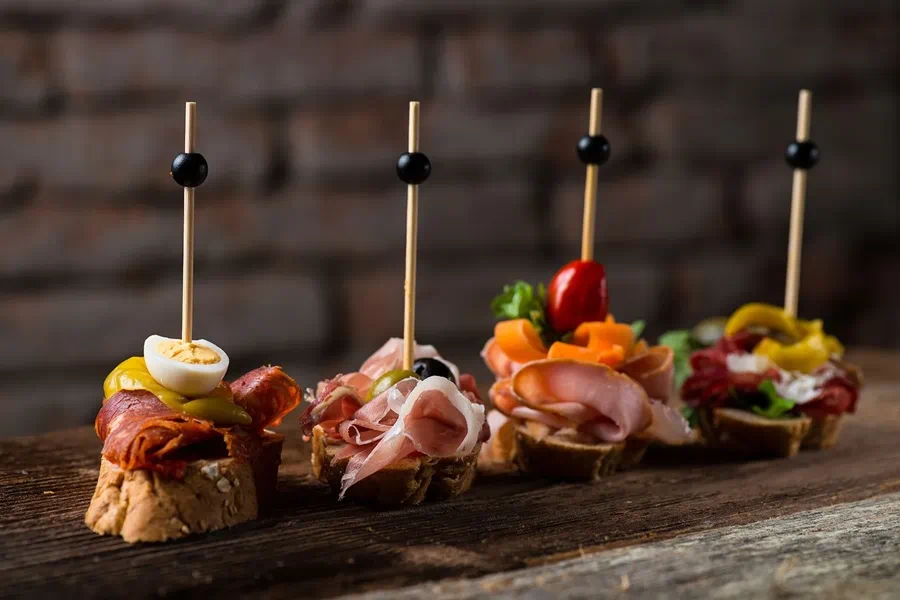
Tapas

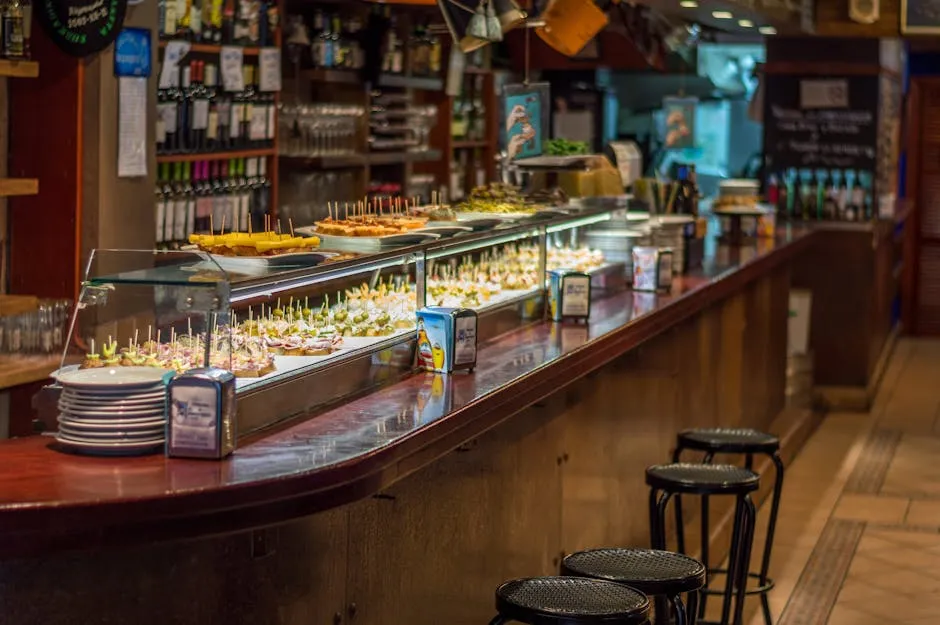
Spain's defining culinary tradition. Going from bar to bar (tapeo), one or two small plates at each, is a social ritual. Classics include patatas bravas, croquetas de jamón, gambas al ajillo, pimientos de padrón, and tortilla española. In Granada, León, and Almería, a free tapa still comes with every drink.

Elaborate pintxos lined up on a bar counter in San Sebastián

Basque Pintxos

Miniature works of culinary art on bread, €2–4 each. San Sebastián's Parte Vieja has the highest concentration. Bacalao al pil-pil (cod in emulsified garlic-oil), txuleta (massive grilled ribeye), marmitako (tuna-potato stew). Wash it down with txakolí white wine poured from height.

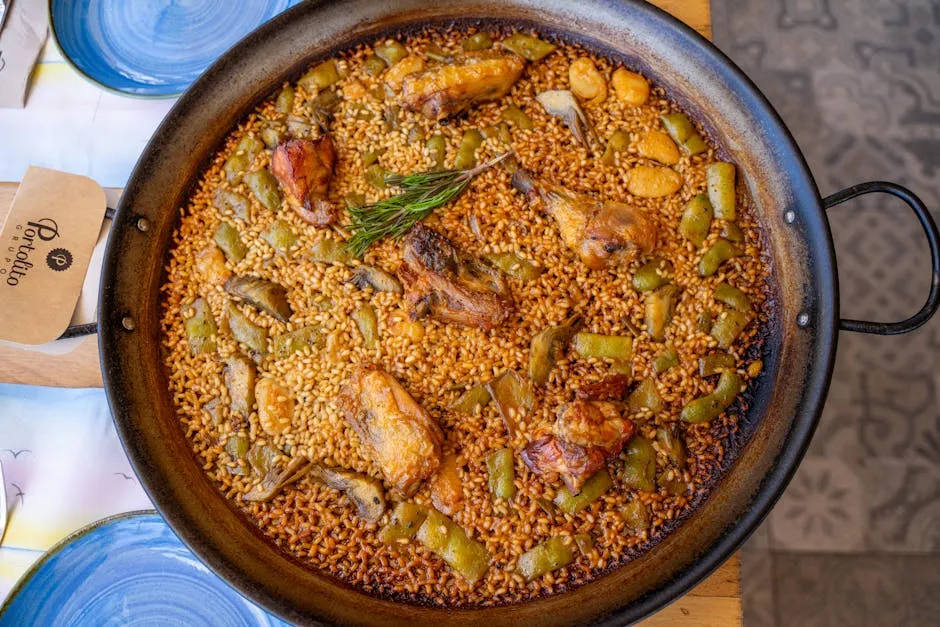
Traditional Valencian paella cooking over an open flame

Valencian Paella

Real Valencian paella uses chicken, rabbit, green beans, garrafó beans, and snails – not seafood. That is a separate dish (arroz a banda). Fideuà swaps rice for short noodles. Always lunch, never dinner. Horchata de chufa (tiger nut drink) is the local refreshment.

Pulpo a la gallega served on a wooden board with paprika

Galician Seafood

The best seafood in Spain, arguably in Europe. Pulpo a la gallega (octopus with paprika on wooden board), percebes (gooseneck barnacles), empanada gallega, caldo gallego. Paired with crisp Albariño white wine from the Rías Baixas.

Bowl of chilled gazpacho garnished with diced vegetables

Andalusian Kitchen

Gazpacho and salmorejo (cold tomato soups), pescaíto frito (crispy fried fish), rabo de toro (oxtail stew), espetos (sardines grilled on bamboo on the beach). Jaén province produces world-class olive oil. Jerez is the sherry capital.

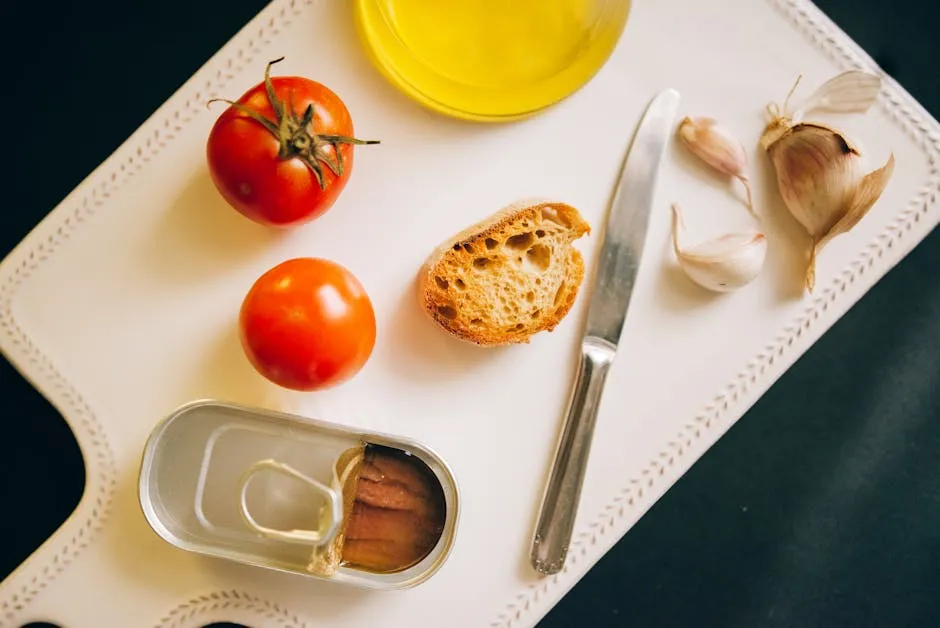
Pa amb tomàquet with tomato rubbed on rustic bread

Catalan Cooking

Pa amb tomàquet (bread rubbed with tomato and olive oil), escudella i carn d'olla (elaborate stew), botifarra sausage, crema catalana (custard with caramelised sugar). The mar i muntanya philosophy combines seafood and meat in the same dish.

Golden roast cochinillo asado on a platter in Segovia

Madrid & Castilla

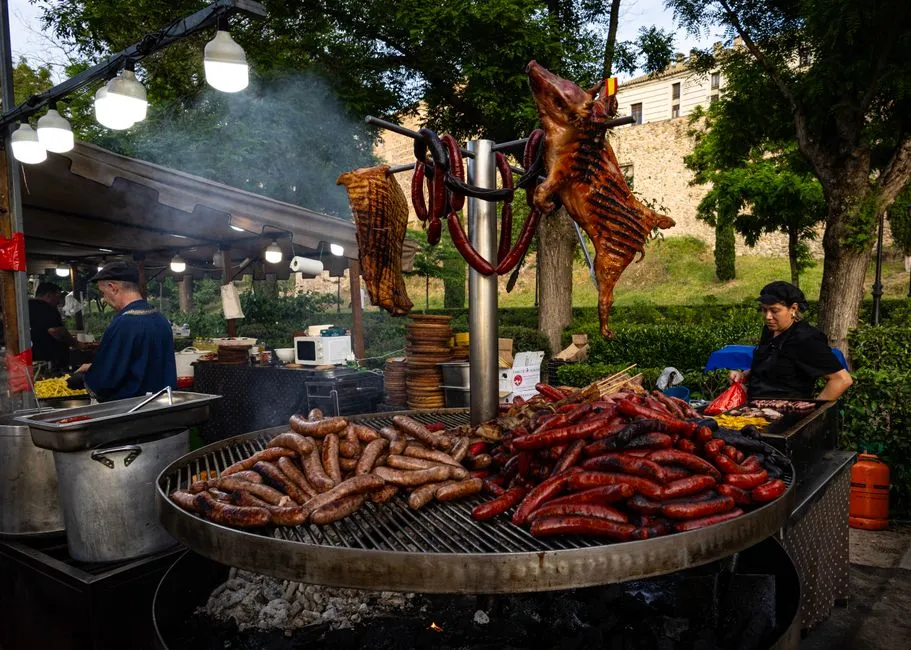
Cochinillo asado (roast suckling pig, Segovia), lechazo (suckling lamb), cocido madrileño (chickpea stew served in stages), bocadillo de calamares (fried squid sandwich). The Sunday vermut tradition at noon. The meseta interior runs on roasted meat and hearty soups.

Steaming bowl of fabada asturiana with chorizo and morcilla

Asturian Comfort

Fabada asturiana (bean stew with chorizo and morcilla), cachopo (breaded and stuffed veal), Cabrales blue cheese. Sidra (cider) is poured from height into the glass to aerate it – the waiter only pours a small splash and you drink it in one go.

Eating Practicalities

Lunch (la comida) is typically 13:30–16:00. The menú del día (daily set menu) offers three courses plus bread, drink, and coffee for €12–16, even at good restaurants. This is the best value meal in Europe. Dinner starts at 21:00 and is lighter than lunch. Breakfast is minimal: café con leche with tostada (toast with tomato pulp and olive oil, or butter and jam). Churros con chocolate (fried dough with thick hot chocolate) is an occasional treat, often after a late night out.

Wine

Spain has more vineyard acreage than any country on Earth. Rioja produces smooth, oak-aged Tempranillo reds. Ribera del Duero makes bolder, tannic reds. Priorat (Catalonia) produces powerful, expensive wines from old-vine Garnacha. Jerez is the home of sherry: fino (dry, chilled), manzanilla (coastal fino from Sanlúcar), and Pedro Ximénez (dessert wine). Penedès produces cava (sparkling wine). Rías Baixas (Galicia) makes crisp Albariño whites perfect with seafood. A glass of house wine at a bar costs €1.50–3.

Activities & Hikes

Caminito del Rey walkway clinging to steep gorge walls

Spain is Europe's second most mountainous country after Switzerland, with nearly 8,000 km of coastline and over 60,000 km of marked footpaths. From Pyrenean gorges to volcanic islands, Atlantic surf to Mediterranean diving, and forgotten medieval towns that most tourists never reach, the country has more to offer outdoors than most people realise.

Top Hikes

HikeLocationDifficulty & LengthHighlights
Camino de SantiagoNorthern SpainModerate, 780 km / 30–35 days (Francés). Shorter: 115 km from Sarria, 5–6 daysWorld's most famous pilgrimage. Albergues €8–15/night. Compostela certificate at the end
Ruta del CaresPicos de EuropaModerate, 24 km return / 7–8 hrsLimestone gorge carved into cliff faces hundreds of metres above the river. No water sources. May–Oct
Caminito del ReyMálagaEasy–moderate, 7.7 km / 3–4 hrsSuspended walkways 100 m above the Gaitanes Gorge. Tickets €10, book ahead. Not for vertigo
GR 221 Dry Stone RouteMallorcaModerate, 135 km / 8–10 daysSerra de Tramuntana mountains. Stone villages, olive terraces, mountain passes
Ordesa y Monte PerdidoPyreneesModerate, 25 km circuit / 6 hrsUNESCO national park. Forests, waterfalls, base of Monte Perdido. Jun–Oct
Sierra Nevada TraversalAndalusiaHard, 8–10 hrsMulhacén (3,479 m), mainland Spain's highest peak. Mountain experience required. Jun–Sep
Camino logistics. Yellow arrows and scallop shell waymarks make navigation simple. Albergues provide beds, showers, and communal kitchens. A Credential (pilgrim passport, €2 from churches or albergues) gets stamped at each stop and earns you a Compostela certificate in Santiago. Carry 7–9 kg maximum. Most pilgrims walk 20–25 km per day.

Beaches

Rock arches of Playa de las Catedrales at low tide

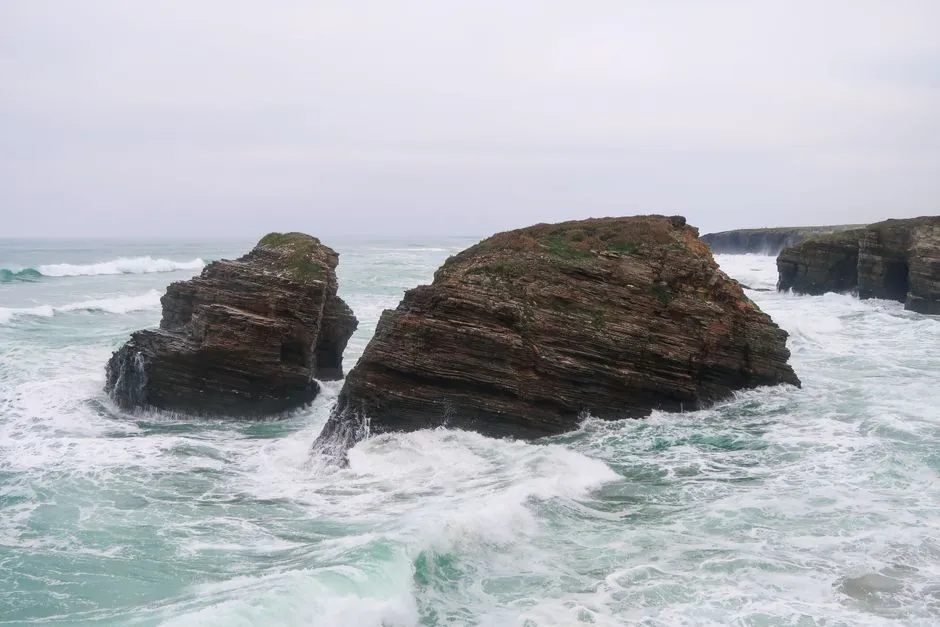
Playa de las Catedrales

Galicia. Cathedral-like rock arches carved by Atlantic waves, visible at low tide. Free, but summer permits required.

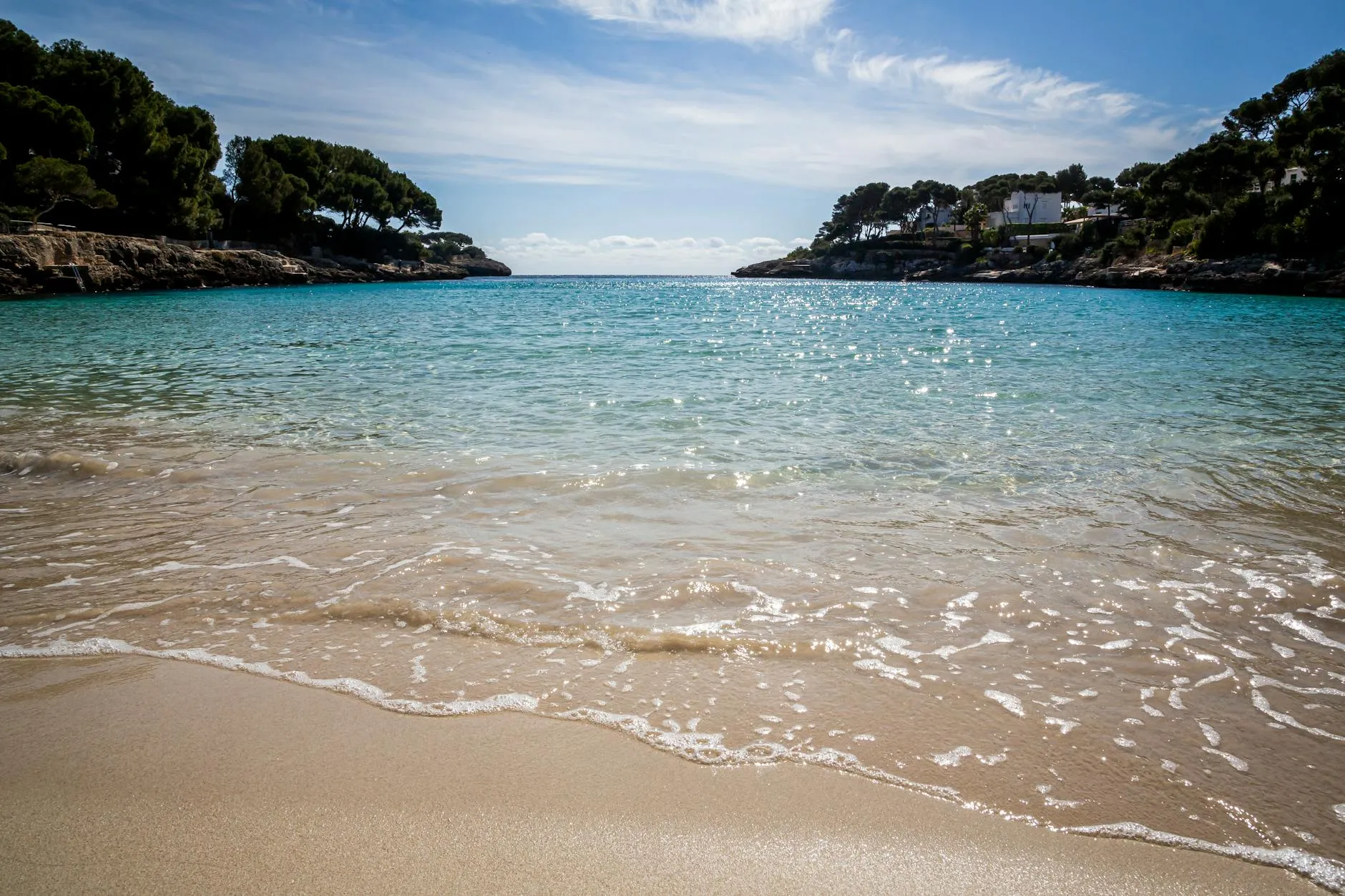
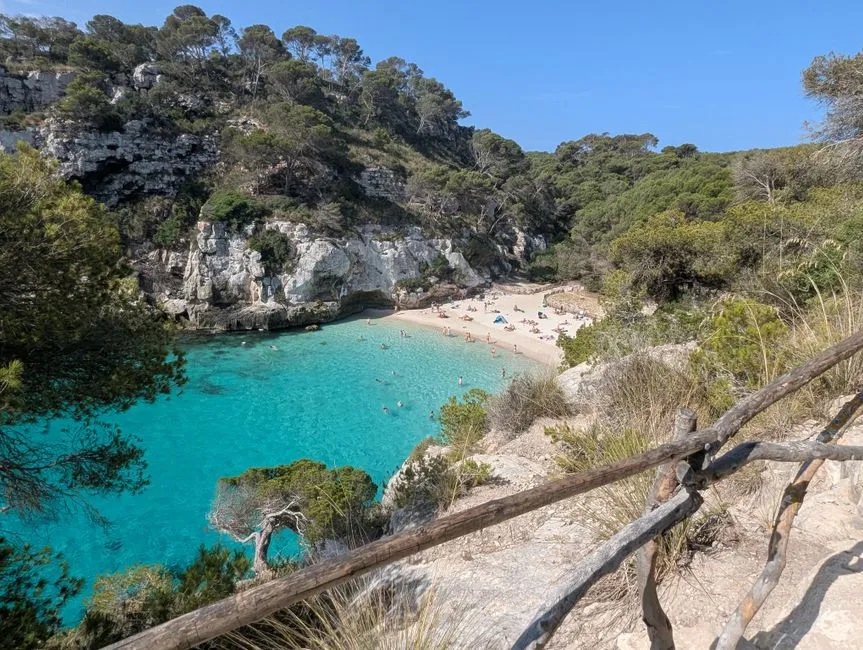
Turquoise waters of Cala Macarelleta Menorca

Cala Macarelleta

Menorca. Turquoise water, white sand, pine forest backdrop. Less crowded than Mallorca's coves.

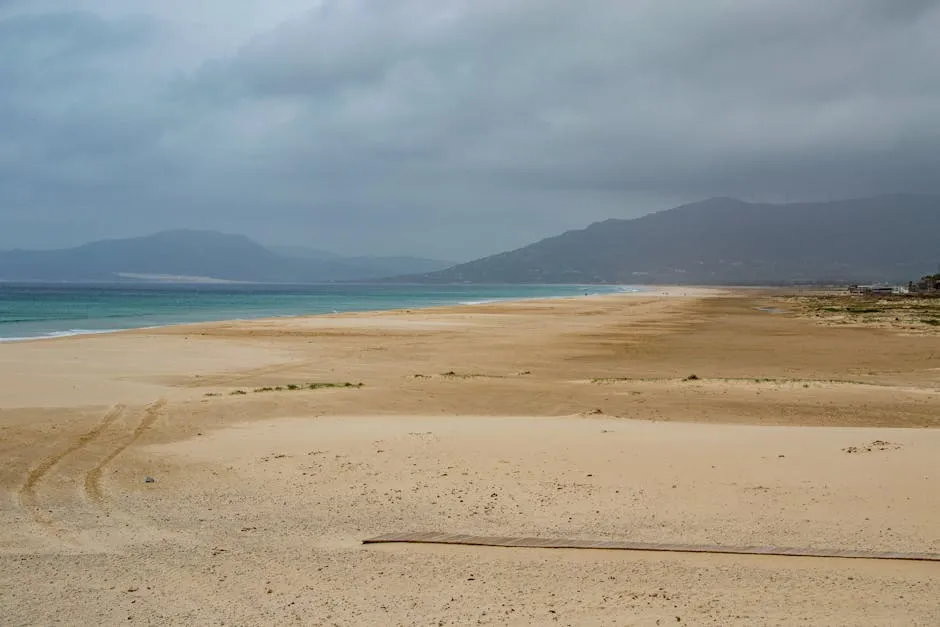
Wide sandy beach of Playa de Bolonia with its great dune

Playa de Bolonia

Tarifa. 4 km of fine sand with a massive dune, Roman ruins behind, and views of Morocco across the strait.

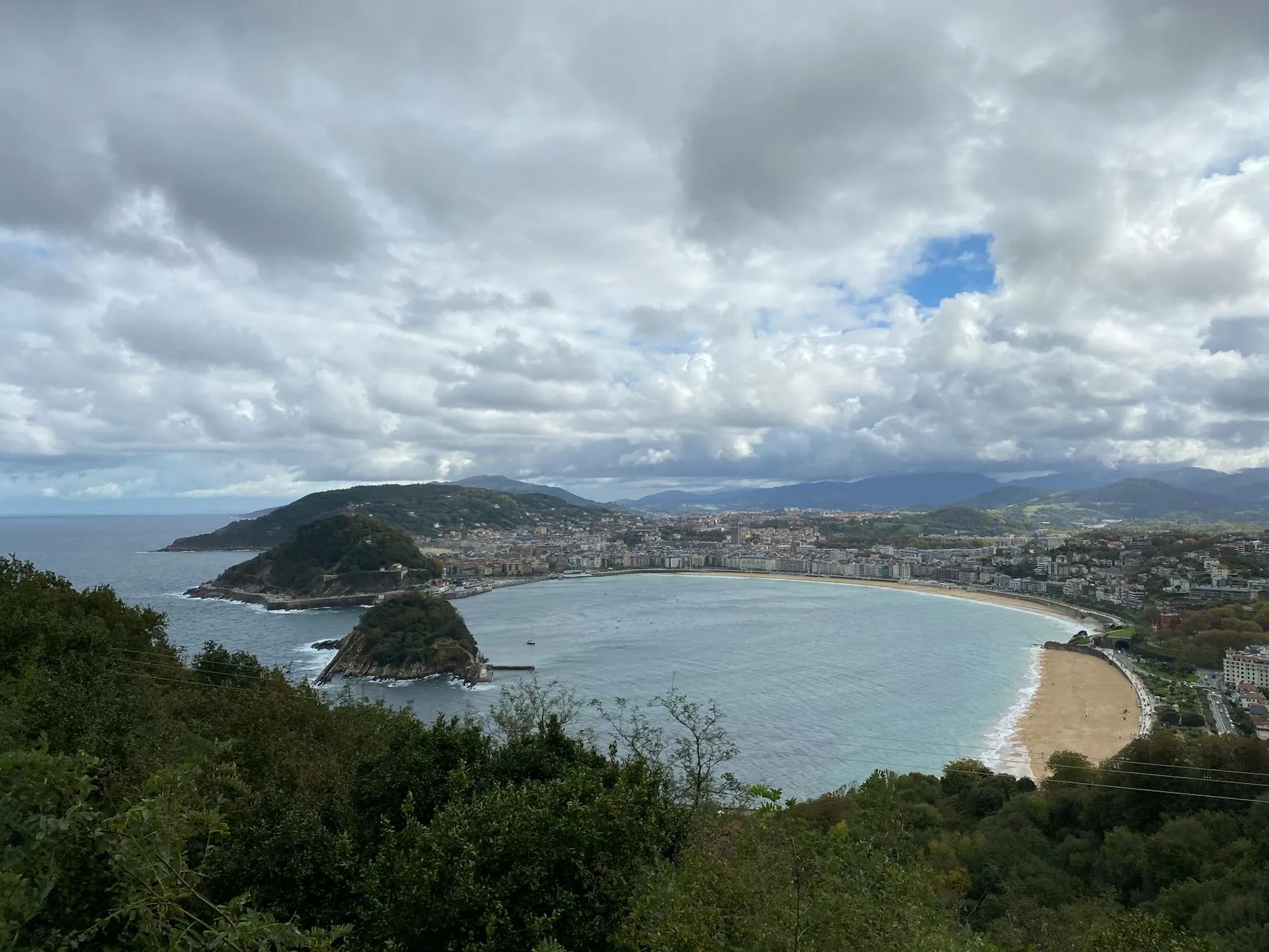
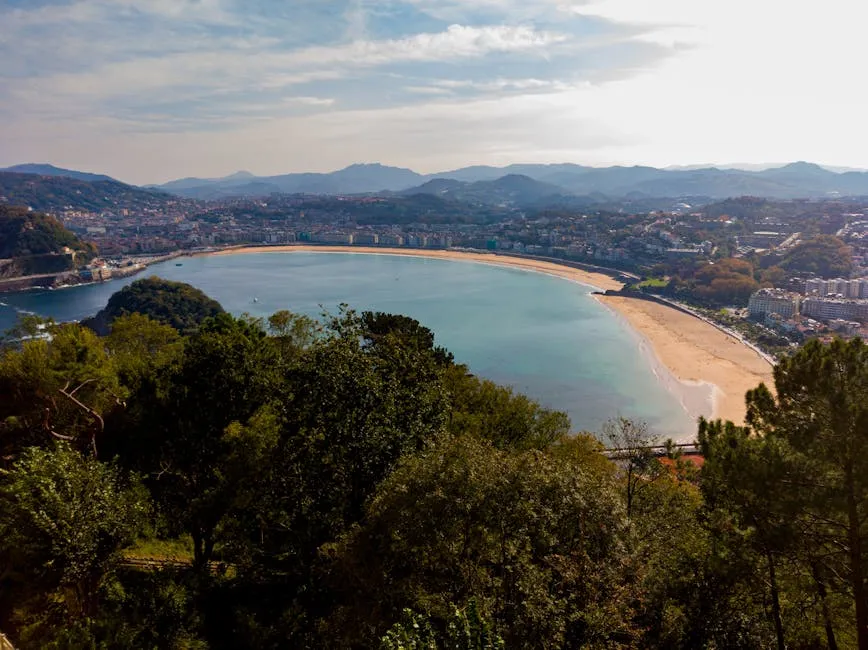
La Concha bay curving along San Sebastian waterfront

La Concha

San Sebastián. A perfectly curved bay flanked by green hills. One of Europe's best urban beaches.

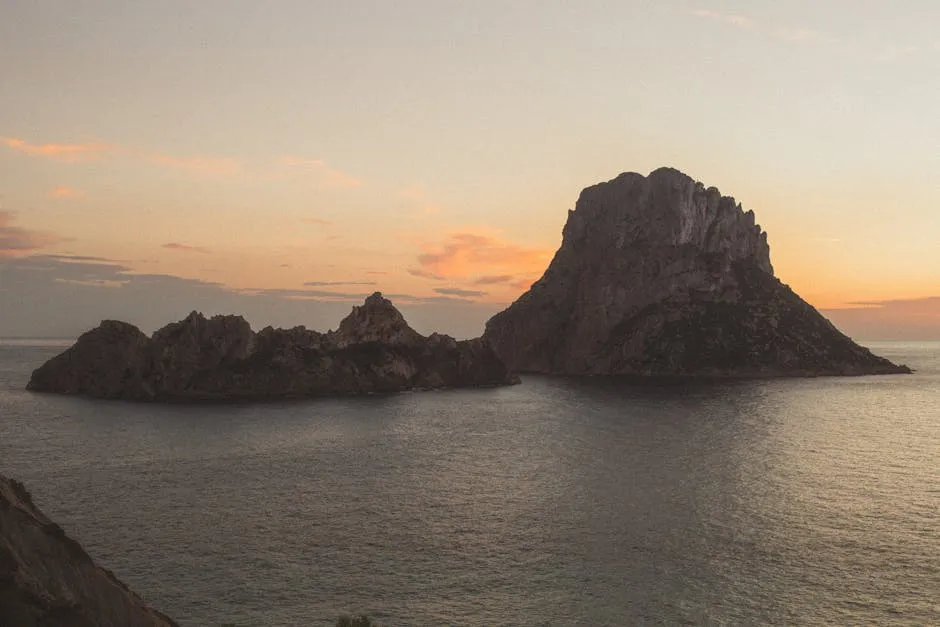
Cala d Hort beach with Es Vedra rock island at sunset

Cala d'Hort

Ibiza. Views of the mysterious rock island Es Vedrà. Famous for sunsets. Arrive early in summer.

Crystal-clear shallow waters of Ses Illetes beach Formentera

Ses Illetes

Formentera. Caribbean-clear water and white sand on a narrow peninsula. Ferry from Ibiza, 30 min.

Water Sports

ActivityWhereNotes
SurfingMundaka, Zarautz (Basque Country), Asturias coastAtlantic swells, some of Europe's best. Fuerteventura & Lanzarote for year-round warm water
KitesurfingTarifa, Costa de la LuzStrong Strait winds, one of Europe's top spots
DivingMedes Islands (Costa Brava), Cabo de Gata, Canary IslandsMarine reserves, volcanic formations, sea turtles. €40–70/dive including gear
SailingBalearic Islands, Galician RíasBareboat charter from Palma starts around €1,200/week in shoulder season

Off the Beaten Path

Spain rewards detours more than almost anywhere. These places rarely appear in guidebooks but often rival the famous sights.

  • Cáceres, Extremadura. UNESCO-listed medieval palaces, Roman walls, and nesting storks. Practically no tourists. World-class ibérico ham from local Dehesa pastures
  • Albarracín, Aragón. A medieval town perched on a cliff above the Guadalaviar River. Regularly voted Spain's most beautiful village. Remote enough to keep crowds away
  • Cabo de Gata, Almería. Europe's only true desert meets the Mediterranean. Volcanic coastline, empty beaches, abandoned mines. The Tabernas Desert nearby is where "The Good, the Bad and the Ugly" was filmed
  • Cudillero, Asturias. A fishing village spilling down a cliff to a miniature harbour. Pastel-coloured houses, seafood restaurants, virtually no foreign tourists
  • Mérida, Extremadura. Spain's most impressive Roman ruins. A theatre still hosting summer performances, amphitheatre, aqueduct. National Museum of Roman Art by Rafael Moneo. €12 combo ticket
  • Las Médulas, León. Surreal red sandstone pinnacles from Roman gold mining. UNESCO World Heritage. Easy walking trails, free
  • San Juan de Gaztelugatxe, Basque Country. A hermitage on a rocky islet connected by 241 stone steps. Used as Dragonstone in Game of Thrones. Free, summer permits required

Wildlife & Nature

Flamingos wading in shallow wetland waters

Spain is the most biodiverse country in Europe, with habitats ranging from Atlantic wetlands to semi-arid desert to Alpine meadows. Its position between Europe and Africa creates a migration corridor that makes it one of the best birdwatching destinations in the world.

Land Wildlife

🐱 Iberian Lynx

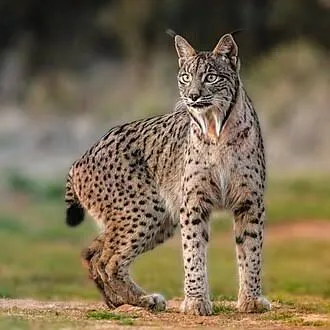
World’s most endangered cat, recovered from 94 individuals (2002) to over 2,000. Doñana and Sierra de Andújar. Guided trips €50–100

🐻 Brown Bear

Around 370 Cantabrian bears in Asturias and León. Somiedo Natural Park offers guided hides, best in autumn berry season

🐺 Iberian Wolf

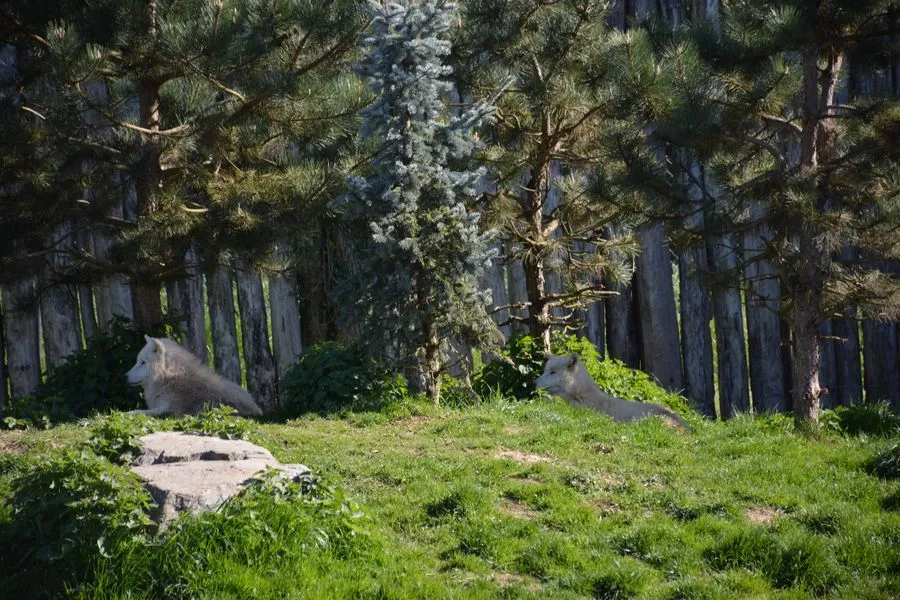
Estimated 2,500 wolves in the northwest. Zamora province has the highest density. Sierra de la Culebra wolf-watching centre

🐐 Wild Ibex

Found in Sierra Nevada, Picos de Europa, and Sierra de Gredos. Often seen on rocky slopes at dawn and dusk

Birdwatching

🦉 Doñana National Park

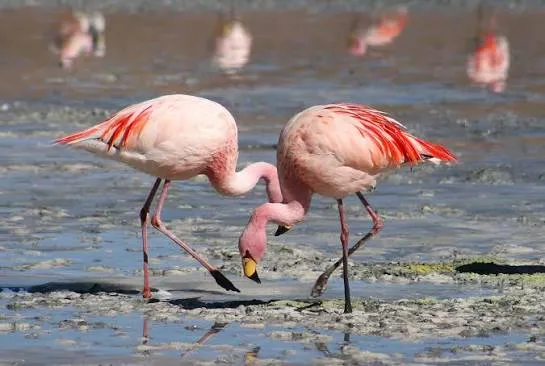
Europe’s most important wetland for migratory birds. Flamingos, spoonbills, imperial eagles. Huelva, Andalusia. Spring and autumn migration peak

🦅 Monfragüe National Park

Largest black vulture colony in Europe, griffon vultures, Bonelli’s eagles. Extremadura. Salto del Gitano viewpoint

🐦 Ebro Delta

Rice paddies and wetlands hosting flamingos, herons, and waders. Catalonia. Less visited than Doñana but equally rewarding

🦆 Picos de Europa

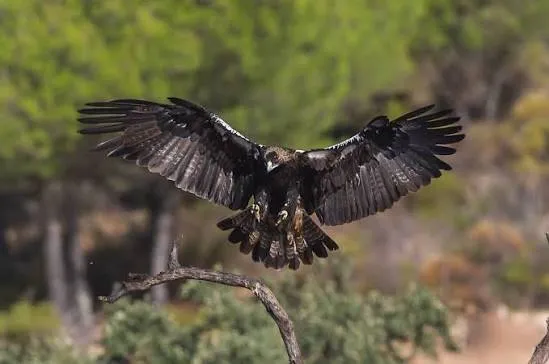
Griffon and Egyptian vultures, golden eagles, wallcreepers. Limestone gorges and alpine meadows. Cantabria/Asturias

National Parks

Spain has 16 national parks. Standouts include Picos de Europa (limestone peaks, chamois, golden eagles), Ordesa y Monte Perdido (Pyrenean canyons, waterfalls), Doñana (wetlands, Iberian lynx), Teide (Tenerife's volcanic peak), Garajonay (La Gomera's cloud forest), and Timanfaya (Lanzarote's volcanic landscape). Park entry is free. Most have visitor centres with trail maps and guided walks.

Route A: 10-Day Classic (Madrid, Barcelona, Andalusia)

Modern train at a Spanish station platform

The classic first-timer's triangle. Madrid, Barcelona, and a slice of Andalusia connected by AVE high-speed trains and one short flight. Works year-round but best in April–May or September–October.

Budget estimate: €1,100–1,600 per person (excluding flights). Includes accommodation, trains, food, and key sights.

Day-by-day itinerary

Day 1: Arrive in Madrid

Fly into Madrid-Barajas (MAD). Metro or airport express bus to city centre (€5). Check in. Evening walk through Puerta del Sol, Plaza Mayor, and La Latina neighbourhood for first tapas.

Day 2: Madrid Museums & Parks

Prado Museum in the morning (€15, book ahead). Afternoon at Retiro Park (Crystal Palace, rowboats on the lake). Evening aperitivo and tapas crawl through Malasaña or Chueca.

Day 3: Toledo Day Trip

AVE to Toledo (33 min, €14). Full day exploring the medieval fortress city: Cathedral, Alcázar, El Greco museum, Synagogue of Santa María la Blanca. Return to Madrid for dinner.

Day 4: Madrid to Seville

Morning AVE to Seville (2h 20min, €30–60). Afternoon exploring the Barrio de Santa Cruz and Plaza de España. Evening tapas and flamenco in Triana across the river.

Day 5: Seville

Alcázar in the morning (€14.50, book ahead). Cathedral and Giralda tower (€12). Afternoon wandering Las Setas (Metropol Parasol) and the riverfront. Flamenco show in a peña.

Day 6: Córdoba Day Trip

AVE to Córdoba (45 min). Morning in the Mezquita (€13). Explore the Judería (Jewish Quarter) and Alcázar de los Reyes Cristianos. Salmorejo for lunch. Return to Seville.

Day 7: Seville to Granada

Bus or train to Granada (3h). Afternoon exploring the Albaicín quarter. Sunset at Mirador de San Nicolás with Alhambra views. Tapas with free drinks in the bars around Plaza Nueva.

Day 8: Granada & Alhambra

Alhambra and Nasrid Palaces in the morning (€19, book 2–3 months ahead). Afternoon at the Generalife gardens and the cathedral quarter. Evening in Sacromonte for cave flamenco.

Day 9: Fly to Barcelona

Morning flight Granada to Barcelona (1h 30min, from €30). Afternoon on La Rambla and the Gothic Quarter. Evening at the waterfront and Barceloneta beach.

Day 10: Barcelona & Depart

Sagrada Família in the morning (€26, book ahead). Park Güell (€10) or Casa Batlló (€35). Afternoon for last-minute exploring or shopping at La Boqueria. Fly out from El Prat (BCN).

Route B: 2-Week Andalusia & Southern Spain

Ronda Puente Nuevo bridge spanning the dramatic El Tajo gorge

Andalusia deserves more than a day trip from Madrid. This route covers Seville, Córdoba, Granada, the white villages, the coast, and a taste of the Alpujarras. Best from March through June or September through November.

Budget estimate: €1,500–2,200 per person (excluding flights). Andalusia is cheaper than Barcelona and Madrid for food and accommodation.

Day-by-day itinerary

Day 1: Arrive in Seville

Fly into Seville (SVQ). Bus or taxi to city centre. Evening walk through Triana and along the Guadalquivir. First tapas at a bar with free tapas per drink tradition.

Day 2: Seville

Alcázar and Cathedral in the morning. Afternoon at the Real Maestranza bullring museum and Calle Betis riverfront. Evening flamenco in Triana.

Day 3: Córdoba

AVE to Córdoba (45 min). Full day: Mezquita, Alcázar, Roman Bridge, Judería. Salmorejo and rabo de toro for lunch. Overnight in Córdoba (May visitors can see the Patios Festival).

Day 4: Córdoba to Granada

Morning train to Granada (1h 40min). Afternoon in the Albaicín. Tea at a morisco tea house on Calderería Nueva. Sunset from Mirador de San Nicolás.

Day 5: Granada

Alhambra and Nasrid Palaces (morning slot, book months ahead). Afternoon Generalife gardens. Evening tapas crawl in the centre where every drink includes a free tapa.

Day 6: Alpujarras

Rent a car or take bus to the Alpujarras villages south of Sierra Nevada. Pampaneira, Bubión, and Capileira are whitewashed villages on steep mountain slopes. Lunch of jamón and migas. Optional short hike. Return to Granada or overnight in Capileira.

Day 7: White Villages (Pueblos Blancos)

Drive west to Ronda (2h 30min). Stop at Zahara de la Sierra and Grazalema en route. Ronda: Puente Nuevo bridge over the gorge, Plaza de Toros, old town. Overnight in Ronda.

Day 8: Ronda to Málaga Coast

Morning in Ronda. Drive south to the Costa del Sol. Stop at Marbella old town or Nerja (Balcón de Europa viewpoint). Afternoon beach time. Overnight near Málaga.

Day 9: Málaga

Picasso Museum (€12, he was born here). Alcazaba and Gibralfaro castle. Street art in the SOHO neighbourhood. Espetos (beach-grilled sardines) for lunch. Afternoon at Malagueta beach.

Day 10: Caminito del Rey

Day trip to Caminito del Rey (1h drive from Málaga). Walk the suspended walkways 100m above the gorge (7.7 km, 3–4 hours). Book tickets ahead. Return to Málaga.

Day 11: Málaga to Cádiz

Drive or train to Cádiz (3h). Afternoon exploring Spain's oldest city: Barrio del Pópulo, Cathedral, watchtower. Pescaíto frito at a freiduría. Sunset from Playa de la Caleta.

Day 12: Jerez & Sherry Triangle

Day trip to Jerez de la Frontera (30 min). Sherry bodega tour (González Byass, €18). Royal Andalusian School of Equestrian Art horse show if available. Sherry tasting. Return to Cádiz.

Day 13: Tarifa & Bolonia

Drive to Tarifa (1h). Playa de Bolonia beach and Roman ruins of Baelo Claudia. Views of Morocco across the strait. Kitesurfing lesson if winds are right. Return to Cádiz or Seville.

Day 14: Depart from Seville

Return to Seville (1h 45min by train from Cádiz). Morning exploring any missed sights. Fly out from SVQ.

Route C: 3-Week Grand Tour

Green coastline of northern Spain with dramatic cliffs and sea

Three weeks lets you combine north and south, coast and interior, cities and countryside. This route runs Madrid to Barcelona via Andalusia, the north, and the Basque Country. Best in May–June or September–October.

Budget estimate: €2,500–3,500 per person (excluding flights). A mix of trains, one internal flight, and a short car rental keeps costs manageable.

Day-by-day itinerary

Day 1: Arrive in Madrid

Fly into Barajas. Metro to city centre. Evening walk through Sol, Plaza Mayor, and first tapas in La Latina.

Day 2: Madrid

Prado in the morning. Reina Sofía (Guernica) after lunch. Retiro Park. Evening vermut in Malasaña, dinner in Chueca.
Day 3: Toledo & Segovia

Early AVE to Toledo (33 min). Morning exploring. Train back and connect to Segovia (28 min AVE). Roman aqueduct, cochinillo asado lunch, Alcázar. Return to Madrid.

Day 4: Madrid to Seville

AVE to Seville (2h 20min). Afternoon in Santa Cruz and Triana. Evening tapas crawl.

Day 5: Seville & Córdoba

Alcázar in the morning. Afternoon AVE to Córdoba (45 min) for the Mezquita. Return to Seville for evening flamenco.

Day 6: Seville to Granada

Bus to Granada (3h). Afternoon Albaicín. Sunset from San Nicolás. Evening tapas with free tapas.

Day 7: Granada

Alhambra morning. Generalife gardens. Sacromonte cave flamenco in the evening.

Day 8: Ronda & White Villages

Rent car. Drive west through Alpujarras or directly to Ronda (2h 30min). Afternoon in Ronda. Overnight.

Day 9: Coast to Málaga

Drive south via Caminito del Rey (book ahead). Afternoon in Málaga. Return rental car. Evening espetos on the beach.

Day 10: Fly to Bilbao

Morning flight Málaga to Bilbao (1h 30min, from €30). Afternoon at the Guggenheim. Evening pintxos crawl in Casco Viejo.

Day 11: San Sebastián

Bus to San Sebastián (1h 15min). La Concha beach. Afternoon pintxos crawl in Parte Vieja. Monte Urgull for sunset views. The best eating day of the trip.

Day 12: Basque Coast

Day trip to San Juan de Gaztelugatxe (241 steps to the hermitage). Mundaka surfing village. Return to San Sebastián or Bilbao.

Day 13: Picos de Europa

Drive or bus west to Picos de Europa (3h). Ruta del Cares hike or Covadonga Lakes circuit. Overnight in Cangas de Onís or Potes. Cabrales cheese and sidra.

Day 14: Asturias Coast

Drive west along the Asturian coast. Cudillero, Luarca, Playa del Silencio. Fabada asturiana for lunch. Overnight in Gijón or Oviedo.
Day 15: Santiago de Compostela

Drive to Santiago (3h) or fly from Asturias. Cathedral, Praza do Obradoiro, Mercado de Abastos. Galician seafood dinner: pulpo, percebes, Albariño.

Day 16: Galician Coast

Day trip to the Rías Baixas or Playa de las Catedrales (2h north). Seafood lunch in a fishing village. Return to Santiago.

Day 17: Fly to Valencia

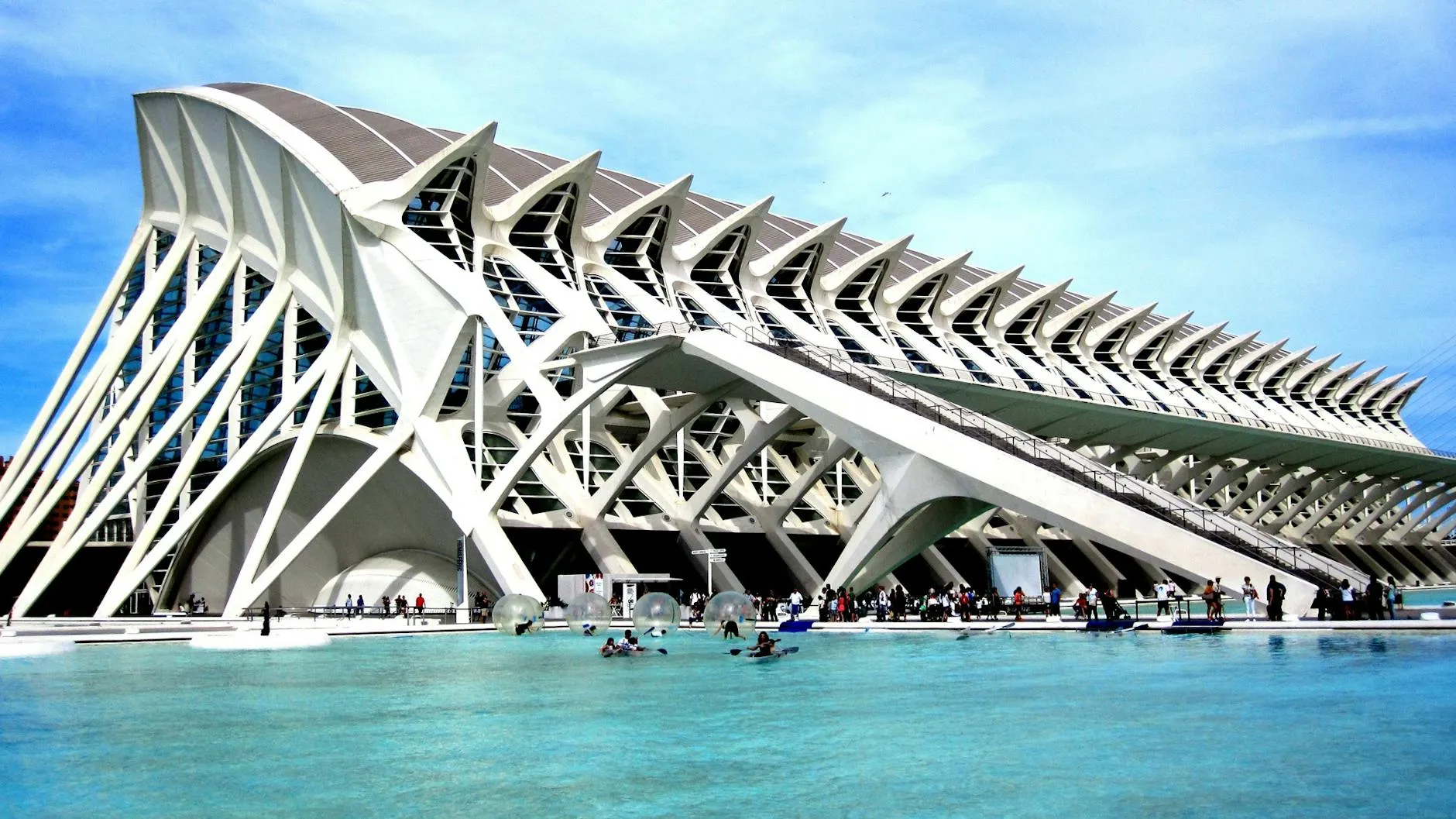
Flight Santiago to Valencia (1h 45min). Afternoon at Ciudad de las Artes y las Ciencias. Evening in the old town. Horchata at Horchatería Santa Catalina.

Day 18: Valencia

Authentic paella valenciana for lunch at an Albufera rice house (20 min from centre). Afternoon at Mercado Central and the Silk Exchange (La Lonja, UNESCO). Evening on the beach.
Day 19: Valencia to Barcelona

AVE to Barcelona (3h). Afternoon in the Gothic Quarter and La Rambla. Evening at Barceloneta waterfront.

Day 20: Barcelona

Sagrada Família morning. Park Güell or Montjuïc afternoon. Casa Batlló if time allows. Final tapas dinner.

Day 21: Depart Barcelona

Morning for last exploring or day trip to Montserrat (1h by rack railway). Fly out from El Prat (BCN).

Getting Around

Spanish railway tracks through scenic countryside

🚅 AVE Trains

High-speed rail. Madrid–Barcelona 2.5h, fares from €15 booked early

🚌 Buses

ALSA & FlixBus. €5–25. Fills gaps trains miss, especially rural Andalusia

✈️ Flights

Vueling, Ryanair, Iberia Express. Madrid–Palma from €25. Essential for islands

🚗 Car Rental

From €20/day at airports. Essential for rural areas. Fuel €1.50–1.80/L

🚇 Metro

Madrid & Barcelona extensive systems. €1.50–2.50/ride. Multi-trip passes available

🚲 Bike Share

BiciMAD (Madrid), Bicing (Barcelona, residents only). Growing network

High-Speed Trains (AVE/AVLO)

Spain's AVE network is excellent and expanding. Renfe operates high-speed services on the main routes. Madrid to Barcelona takes 2h 30min, Madrid to Seville 2h 20min, Madrid to Valencia 1h 40min, Madrid to Málaga 2h 30min. AVLO is Renfe's low-cost high-speed service with fares from €7 on some routes. Iryo and Ouigo also operate competing high-speed services on Madrid-Barcelona and Madrid-Valencia, often undercutting Renfe on price.

Book early on Renfe.com or the Renfe app. The cheapest fares (Promo and Promo+) sell out fast and are non-refundable. The difference between booking 4 weeks ahead and at the station can be €15 vs €80 for the same seat. Iryo and Ouigo often have even lower introductory fares.

Regional Trains & Cercanías

Cercanías (commuter trains) serve metropolitan areas well and are cheap (€1.50–4). Media Distancia (regional trains) connect mid-sized cities. Slower than AVE but cheaper and don't need advance booking. In Catalonia, Rodalies de Catalunya runs the commuter network.

Buses

ALSA is the main long-distance bus company. Buses fill gaps the train network misses, especially in Andalusia (Seville to Granada, 3h), the northern coast, and between smaller towns. Prices are lower than trains (€5–25) but journeys are slower. FlixBus also operates. For the white villages and rural Andalusia, buses are often the only public transport option.

Domestic Flights

Budget airlines (Vueling, Ryanair, Iberia Express) connect mainland cities and the islands. Madrid to Palma de Mallorca starts at €25. Madrid to Canaries from €40. Book 4–8 weeks ahead. Internal flights are essential for reaching the Canary Islands efficiently.

Driving

A car opens up rural Andalusia, the Basque coast, the Pyrenees, and island interiors. Autopistas (motorways) charge tolls on some routes (€10–30 per journey, though many are now free). Fuel costs €1.50–1.80/litre. City driving is stressful, parking expensive and scarce. Many city centres have restricted zones (Zona de Bajas Emisiones). Rental cars from €20/day at airports. International driving permit not required for EU licences.

City Transport

Madrid and Barcelona have extensive metro systems. Both are cheap (€1.50–2.50 single ticket, multi-trip passes available). Other cities have good bus networks. In Seville, the tram connects the centre. In Valencia, the metro and tram cover the city and beach areas. BiciMAD (Madrid) and Bicing (Barcelona) offer bike-sharing, though Barcelona's Bicing requires residency.

Budget Breakdown

Budget and costs

Spain is one of the best-value destinations in Western Europe. Andalusia, Extremadura, and the interior are significantly cheaper than Barcelona and the Balearics. The menú del día is Europe's best-value set meal.

Daily Budget Ranges

CategoryBudgetMid-rangeComfort
Accommodation€20–45 (hostel/basic pension)€70–130 (3-star hotel/good Airbnb)€130–250+ (4-star/boutique)
Food€15–25 (menú del día, tapas, markets)€35–55 (restaurants, wine)€70–120 (fine dining, tasting menus)
Transport€8–15 (metro, buses, regional trains)€15–35 (AVE, Iryo trains)€35–70 (rental car + fuel + tolls)
Activities€0–12 (churches, free days, walks)€12–30 (museums, tours)€30–70 (guided tours, wine tastings)
Daily Total€43–97€132–250€265–510

Money-Saving Tips

🍴 Menú del Día

Three courses, bread, drink, coffee for €12–16 at most restaurants Mon–Fri. The single biggest money-saver in Spain

🍺 Free Tapas Cities

In Granada, León, Salamanca, Almería, Jaén — every drink comes with a free tapa. Three drinks = dinner

🎫 Book Trains Early

AVE Promo fares are 50–70% cheaper than walk-up. Iryo and Ouigo undercut Renfe. €15 vs €80 for the same seat

🎨 Free Museum Times

Prado free 18:00–20:00 daily. Reina Sofía free Sat afternoons & all day Sunday. Many others free first Sunday

☕ Stand at the Bar

Coffee at the bar: €1.20–1.80. Same coffee at a terrace: €2.50–4. Always cheaper standing up

🛒 Markets & Supermarkets

Mercadona has excellent prepared food. Picnic supplies from a municipal market: €5–8. Avoid tourist-priced markets

Tipping: Not expected. Spain does not have a tipping culture. Rounding up or leaving €1–2 for good restaurant service is appreciated but never required. IVA (tax) and service are included in menu prices. Tipping taxi drivers is unusual. Some tourist-area restaurants add a service charge aimed at foreigners. Check before paying extra.

Practical Information

Practical travel information

💳 Visas

Schengen Area. Most Western passports visa-free 90 days. ETIAS may apply from 2025 (€7, 3-year validity)

🏥 Health

No mandatory vaccinations. EU/EEA: carry EHIC/GHIC. Pharmacies (green cross) well-stocked. Tap water safe

💶 Money

Euro (€). Cards widely accepted. Some rural bars prefer cash. ATMs everywhere
📶 SIM & WiFi

EU SIMs roam at home rates. Tourist SIMs 20–50GB for €10–20/month. Free Wi-Fi in most hotels
🔌 Electricity

Type C/F (2 round pins), 230V/50Hz. Same as continental Europe. UK/US/AUS need adapters

🛒 Safety

Very safe. Pickpocketing risk in Barcelona, Madrid, Seville tourist areas. Money belt recommended

Entry & Visas

Spain is in the EU and the Schengen Area. Most Western passport holders can enter visa-free for up to 90 days within any 180-day period. From 2025, the EU’s ETIAS system may require a pre-travel authorization (€7, valid 3 years) for visa-exempt travellers.

Health & Money

No mandatory vaccinations. EU/EEA citizens should carry an EHIC or GHIC for state healthcare access. Pharmacies (farmacia, green cross sign) are well-stocked. Tap water is safe throughout mainland Spain. Currency is the Euro. Cards are widely accepted, though some rural bars still prefer cash. At ATMs, always choose “charge in Euros,” never your home currency.

Connectivity

EU roaming regulations mean EU/EEA SIM cards work at home rates. Tourist SIMs from Vodafone, Orange, or Movistar cost €10–20/month for 20–50GB. Passport required. Free Wi-Fi in most hotels and restaurants.

Language

Castilian Spanish (castellano) is official everywhere. Catalan, Basque/Euskera, Galician, and Valencian are co-official in their regions. English is widely spoken in tourist areas and by younger Spaniards but drops off in rural areas.

Safety

Spain is very safe. Violent crime against tourists is extremely rare. Petty theft (pickpocketing) is the main risk, concentrated in Barcelona (La Rambla, Metro L3), Madrid (Sol, Gran Vía), and Seville tourist areas. Use a money belt or front pocket. Be wary of distraction techniques. A firm “no” and keep walking.

Tips & Common Mistakes

Spanish restaurant terrace with warm evening lighting

Mistakes that cost time, money, or enjoyment. All avoidable.

  • Not booking the Alhambra. Tickets to the Nasrid Palaces sell out 2–3 months in advance. Showing up without a ticket means you do not get in. Period. Book the moment you confirm your Granada dates
  • Eating at tourist hours. Arriving at a restaurant at 19:00 for dinner marks you as a tourist and often means eating alone in an empty room with a limited menu. Lunch at 14:00, dinner at 21:00 minimum. Many kitchens don't fire up until 21:30
  • Skipping the menú del día. The three-course set lunch for €12–16 is the best deal in European dining. It is available at most restaurants Monday through Friday and some on weekends. Ask for it even if it is not posted outside
  • Ordering paella for dinner. Paella is a lunch dish. Valencians consider ordering it after 16:00 a culinary crime. Many good paella restaurants close after lunch service. If a restaurant serves paella at 22:00, it was probably made hours earlier
  • Trying to see too much. Spain rewards depth. Two cities plus one region in 10 days works. Five cities in 7 days is a blur of train stations. Pick fewer places and stay longer
  • July/August in Seville or Madrid. These cities regularly exceed 40°C. Outdoor sightseeing becomes genuinely miserable. If you must visit in summer, go to the Atlantic north, the mountains, or the islands instead
  • Ignoring regional identity. Do not call Catalan, Basque, or Galician "dialects." Do not assume everyone wants to speak Castilian. Saying "bon dia" in Barcelona and "kaixo" in San Sebastián shows cultural awareness that locals appreciate
  • Barcelona tunnel vision. Most first-timers go to Barcelona and maybe Madrid. Northern Spain (Basque Country, Asturias, Galicia) has better food, fewer tourists, and stunning coastline. Extremadura and Aragón are virtually empty of tourists
  • Falling for tourist traps. "Flamenco" shows on La Rambla are to real flamenco what karaoke is to opera. Restaurants with photos on the menu near the Sagrada Família serve mediocre food at triple prices. Walk 5 minutes away from any major sight and quality doubles while prices halve
  • Not adapting to the schedule. Shops close 14:00–17:00 in smaller towns and the south. Plan your afternoon accordingly. The siesta isn't universal in cities, but the midday closing is. Banks, pharmacies, and small shops follow this pattern. Supermarkets (Mercadona, Carrefour) stay open through

Final Recommendation

Warm sunset over a Spanish town silhouette

Spain is the country that teaches you to slow down. Not because nothing happens, but because everything happens on its own terms. The meal that lasts three hours. The conversation that keeps going long after the coffee is cold. The evening walk that turns into an impromptu flamenco performance in a side-street bar. Spain runs on its own clock and rewards those who stop fighting it.

For a first visit, the Madrid-Andalusia-Barcelona triangle gives you the greatest range: world-class museums, Moorish palaces, Mediterranean beaches, and two of Europe's most vibrant cities. Ten days is enough. Add the Basque Country or Galicia if you can stretch to three weeks, because the food alone justifies the detour.

Do not over-plan. Leave space for the unscripted moments. The tapas bar a local recommends. The village festival you stumble into. The two-hour lunch that becomes the highlight of your trip. Spain has survived empires, an inquisition, a civil war, and Franco. It is not going anywhere. But the sooner you go, the sooner you understand why 85 million tourists arrive every year and most of them go back.

Learn five words of Spanish. Eat the menú del día. Stay up past midnight at least once. And do not, under any circumstances, order a cappuccino after lunch.