Overview & Why Visit Portugal

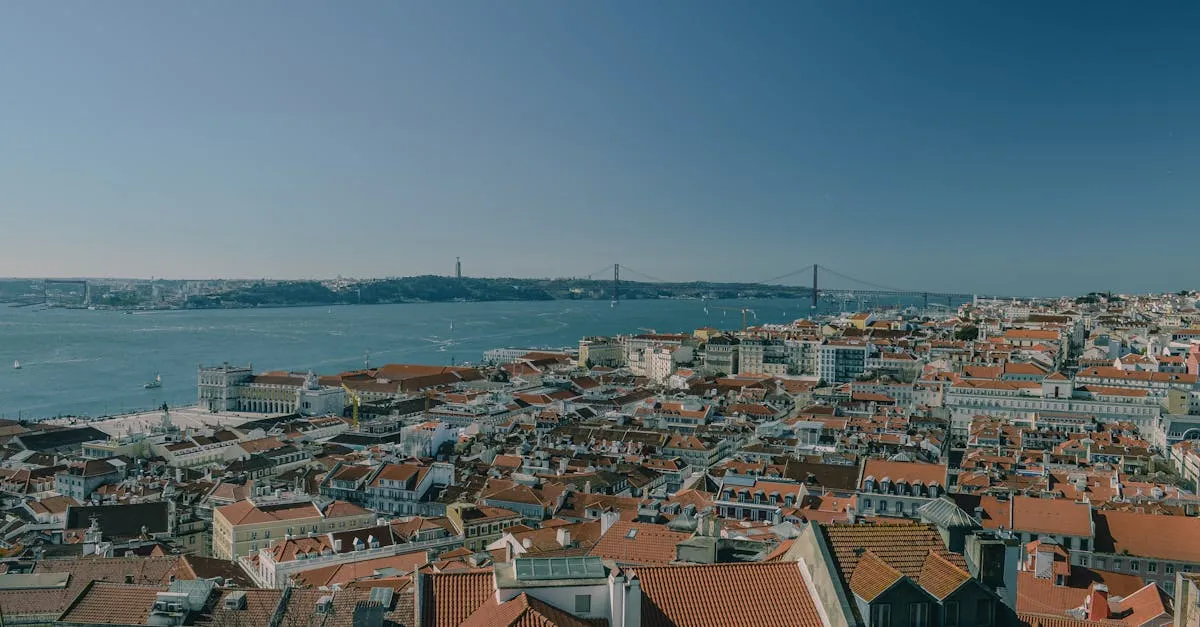
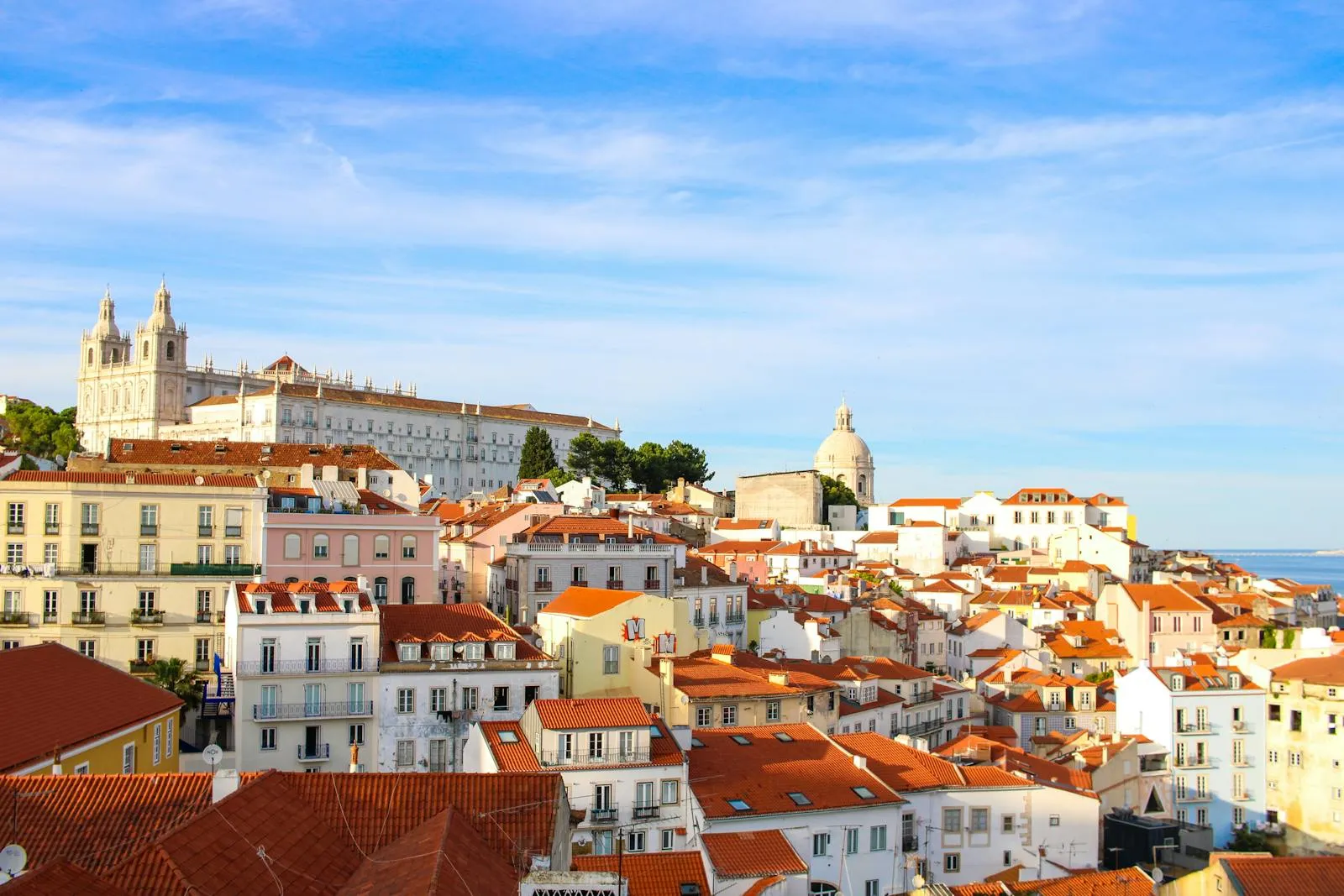
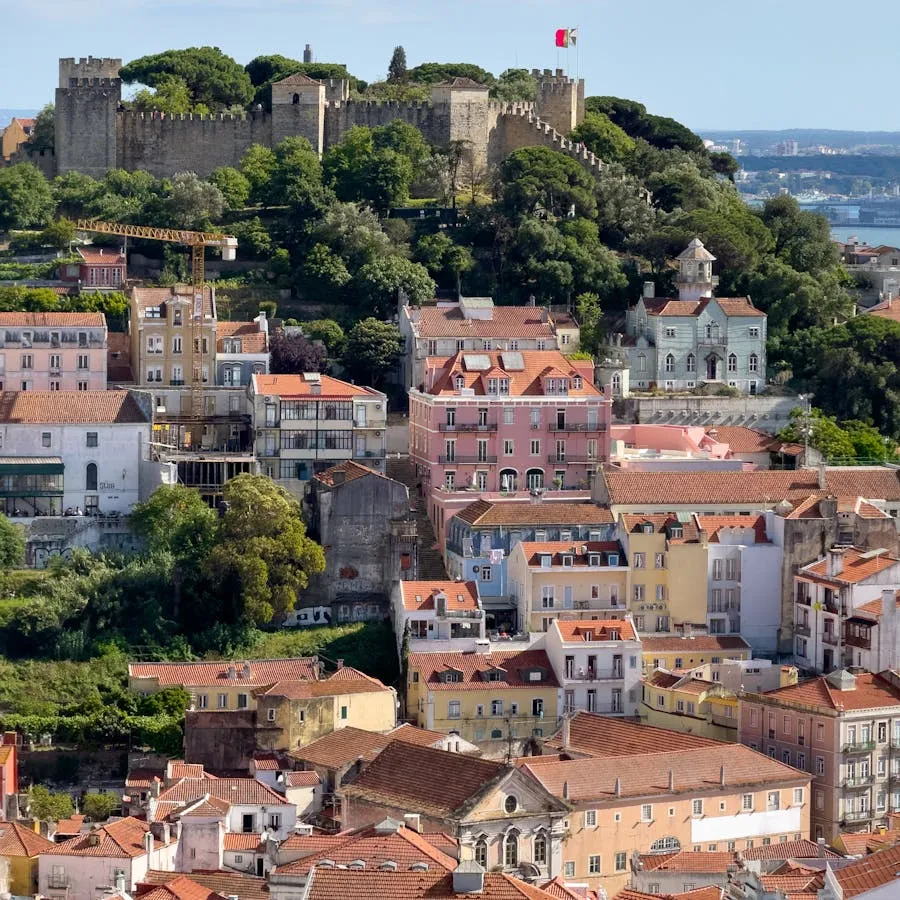
Panoramic view of Lisbon with red rooftops and the Tagus River

Portugal occupies a thin strip on the western edge of the Iberian Peninsula, barely 560 km from north to south and 220 km at its widest. It looks small on a map. It is not small in practice. Seventeen UNESCO World Heritage Sites, nearly 1,800 km of coastline, some of Europe's best surf, one of the continent's oldest wine regions, and food that punches well above its weight class. All of that squeezed into a country roughly the size of Indiana.
Lisbon and Porto are the headline cities, but the real Portugal is in between and beyond: the terraced vineyards of the Douro Valley, the wild western cliffs of the Rota Vicentina, the golden sea caves of the Algarve, the quiet cork oak plains of the Alentejo, and the volcanic landscapes of the Azores sitting 1,500 km out in the Atlantic.

Compared to Spain, France, or Italy, Portugal is significantly more affordable. A meal with wine costs half of what you would pay in Paris. Accommodation outside Lisbon and the Algarve's peak season is genuinely cheap. Public transport works well between major cities, and the country is compact enough that you can get from Porto to the Algarve in under five hours by car.

The culture runs deep. Fado music, born in the back alleys of Lisbon's Alfama district. Port wine, blended and aged in the lodges of Vila Nova de Gaia since the 17th century. Azulejo tile art covering everything from train stations to churches. And the pasteis de nata, custard tarts so good that Portugal basically built an entire tourism campaign around them.

This is a country that once controlled a global empire stretching from Brazil to Macau, and that maritime history shows in everything from the Manueline architecture of Belem to the seafood-heavy cuisine. Today, it consistently ranks among the safest countries in the world, has excellent infrastructure, and welcomes independent travellers with a warmth that is characteristically Portuguese: understated, genuine, and never pushy.

Best Time to Visit Portugal

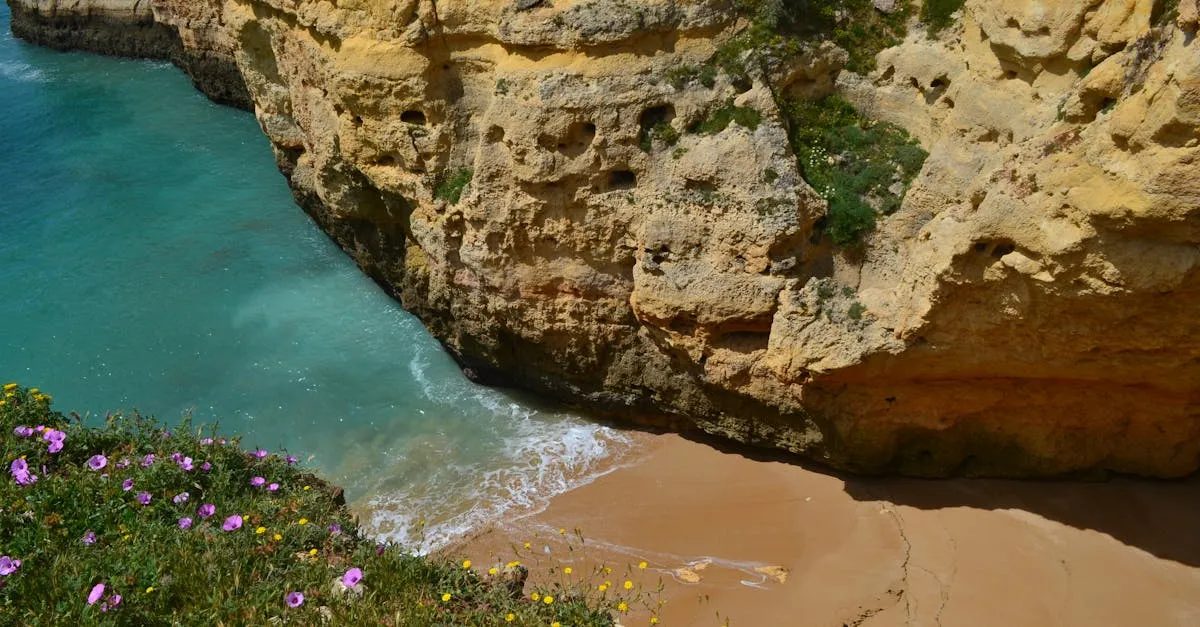
Spring wildflowers on Portuguese coastal cliffs

Portugal works year-round, but some months are clearly better than others. The sweet spot for most travellers is May, June, or September. Warm enough for beaches, dry enough for hiking, cool enough for city sightseeing, and less crowded than the July-August peak.

The north (Porto, Minho) gets significantly more rain than the south (Algarve, Alentejo). Lisbon sits in the middle. The Douro Valley has its own microclimate with extreme summer heat. The Atlantic islands (Azores, Madeira) play by entirely different rules. So "best time" always depends on where you are going.

MonthSeasonBest RegionsCrowdsPricesRating
JanuaryWinterLisbon — Algarve🟢 Low🟢 Low⭐⭐⭐
FebruaryWinterLisbon — Algarve — Carnival🟢 Low🟢 Low⭐⭐⭐
MarchEarly springLisbon — Algarve — Alentejo🟢 Low🟢 Low⭐⭐⭐
AprilSpringAll mainland — wildflowers🟡 Moderate🟡 Moderate⭐⭐⭐⭐
MayLate springAll mainland — Azores🟡 Moderate🟡 Moderate⭐⭐⭐⭐⭐
JuneEarly summerAll regions — Santos Populares🟡 Rising🟡 Moderate⭐⭐⭐⭐⭐
JulySummer peakCoast — Azores — North🔴 High🔴 Peak⭐⭐⭐⭐
AugustPeak heatCoast only — avoid interior🔴 Very High🔴 Peak⭐⭐⭐
SeptemberLate summerAll regions — Douro harvest🟡 Moderate🟡 Moderate⭐⭐⭐⭐⭐
OctoberAutumnAlgarve — Lisbon — Douro🟢 Low🟢 Low⭐⭐⭐⭐
NovemberLate autumnLisbon — Algarve🟢 Low🟢 Low⭐⭐⭐
DecemberWinterLisbon — Madeira — Algarve🟡 Moderate🟡 Moderate⭐⭐⭐
June is the overall best month. Temperatures in the low-to-mid 20s across most of the country, minimal rain, long daylight hours, and the Santos Populares festivals (especially Festa de Santo António in Lisbon on June 13). May is a strong runner-up with slightly cooler evenings and lower prices. September gives you warm seas and the Douro grape harvest.

Climate & Weather

Portugal spans several distinct climate zones packed into a small footprint. The phrase "the weather in Portugal" is nearly as meaningless as saying "the weather in California." North and south behave like different countries.

Porto & the North has an Atlantic maritime climate. Cooler year-round, significantly wetter, with Porto recording around 1,250 mm of rain annually, more than London. Summers are mild (20–25°C), winters are cool and damp (5–13°C). The Minho region is the greenest corner of the country for good reason.

Lisbon & Central Coast enjoys a Mediterranean climate moderated by the Atlantic. Hot dry summers (25–30°C), mild winters (10–15°C). Rain concentrates between October and March. Sintra, only 30 minutes from Lisbon, sits in its own microclimate where Atlantic mist clings to the hills well into summer afternoons.

Alentejo & the Interior is Portugal's most extreme zone. Continental summers push past 40°C in July and August. Winters are cool with occasional frost. The city of Évora has recorded both below-zero lows and above-45°C highs. This is wide-open cork-and-wheat country with minimal shade.

The Algarve is the sun belt. Over 300 sunny days per year, just 500 mm of annual rainfall (less than half of Porto). Beach season runs reliably from May through October. Winters are mild (15–16°C highs) and still pleasant for hiking or golf.

The Douro Valley is sheltered from the Atlantic by the Marão mountains. It swings hard: summer highs above 35°C (40°C+ heatwaves common), winter frosts below 0°C. Exactly the conditions port wine grapes love.

Sea temperatures are Atlantic, not Mediterranean. Even in August, water temperatures max out around 20°C on the west coast and 22°C in the Algarve. Refreshing, not warm, by Italian or Greek standards. The Canary Current pushes cold water down the western coast year-round.

Seasons & Temperatures

Portugal has four distinct seasons, each with genuine appeal. The difference between regions matters more than in most European countries.

Spring (March–May)

Wildflowers carpet the Alentejo and Algarve clifftops. Temperatures climb from 15°C to 22°C across most of the country. March can still bring rain, especially in the north, but April and May are consistently excellent. Beach season starts in the Algarve by late April. The Azores are green and lush but still unpredictable. This is when inland Portugal looks its absolute best.

Summer (June–August)

Hot and dry south of the Tagus. The Algarve and Alentejo bake above 30°C, with interior towns like Beja and Évora regularly hitting 40°C. Porto stays comparatively cool (22–25°C) but finally gets reliable sunshine. August is peak holiday season: Algarve beaches are packed, prices triple, and Portuguese families claim every square metre of sand. The interior is genuinely dangerous in extreme heat. Lisbon is hot but manageable thanks to the river breeze.

Autumn (September–November)

September is the country's best-kept secret. Still warm on the coast (24–28°C in the Algarve), the sea is at its warmest, crowds thin out, and prices drop 30–40%. The Douro Valley grape harvest (vindima) runs mid-September through early October. October brings autumn colours to the north and quieter cities. November sees rain return, starting in Porto and working south.

Winter (December–February)

Mild by European standards. Lisbon averages 15°C in January with frequent sunshine. The Algarve is a reliable winter escape (15–16°C, 6 hours of sun). Porto and the north are grey, damp, and cold (5–13°C). Serra da Estrela gets snow and has a small ski season. Madeira stays spring-like year-round. Hotel rates drop 50% or more outside Lisbon.

SeasonPorto & NorthLisbonAlentejoAlgarveDouro
Spring12–19°C14–22°C14–24°C14–23°C8–22°C
Summer15–25°C19–29°C20–38°C19–30°C16–35°C
Autumn10–22°C14–25°C12–26°C14–26°C8–24°C
Winter5–13°C8–15°C6–14°C9–16°C1–10°C

Map of Portugal

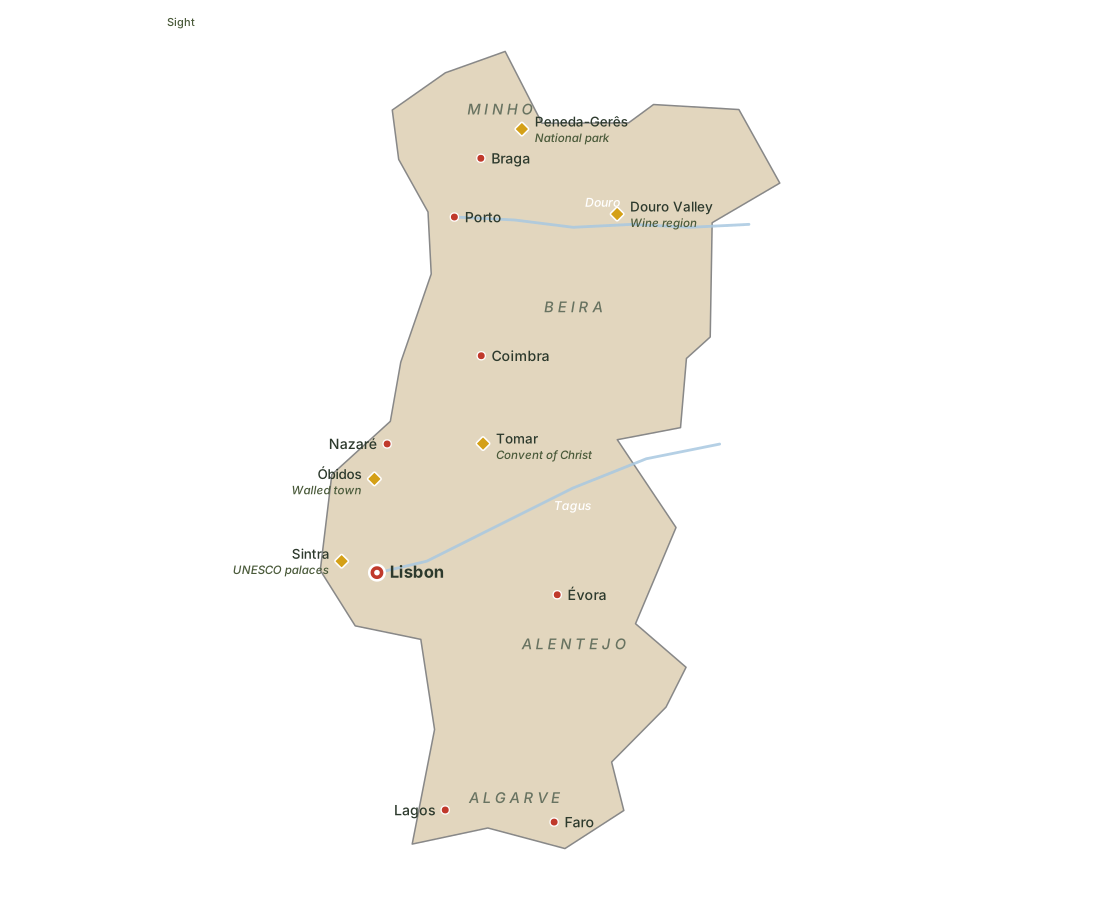
Portugal stretches along the western edge of the Iberian Peninsula, bordered by Spain to the north and east, and the Atlantic Ocean to the south and west. The country runs roughly north-south, with the Tagus River dividing it roughly in half. North of the Tagus tends to be greener, hillier, and wetter. South of it is drier, flatter, and sunnier.

Map of Portugal showing main cities, regions and transport connections
Key distances: Lisbon to Porto 315 km (3h by train, 3h by car). Lisbon to Faro 280 km (3h by train). Porto to Braga 55 km (1h). Lisbon to Évora 130 km (1.5h). Lagos to Faro 85 km (1h). Lisbon to Coimbra 200 km (2h by train). Porto to Douro Valley (Pinhão) 130 km (2h by car or scenic train).

Holidays & Festivals

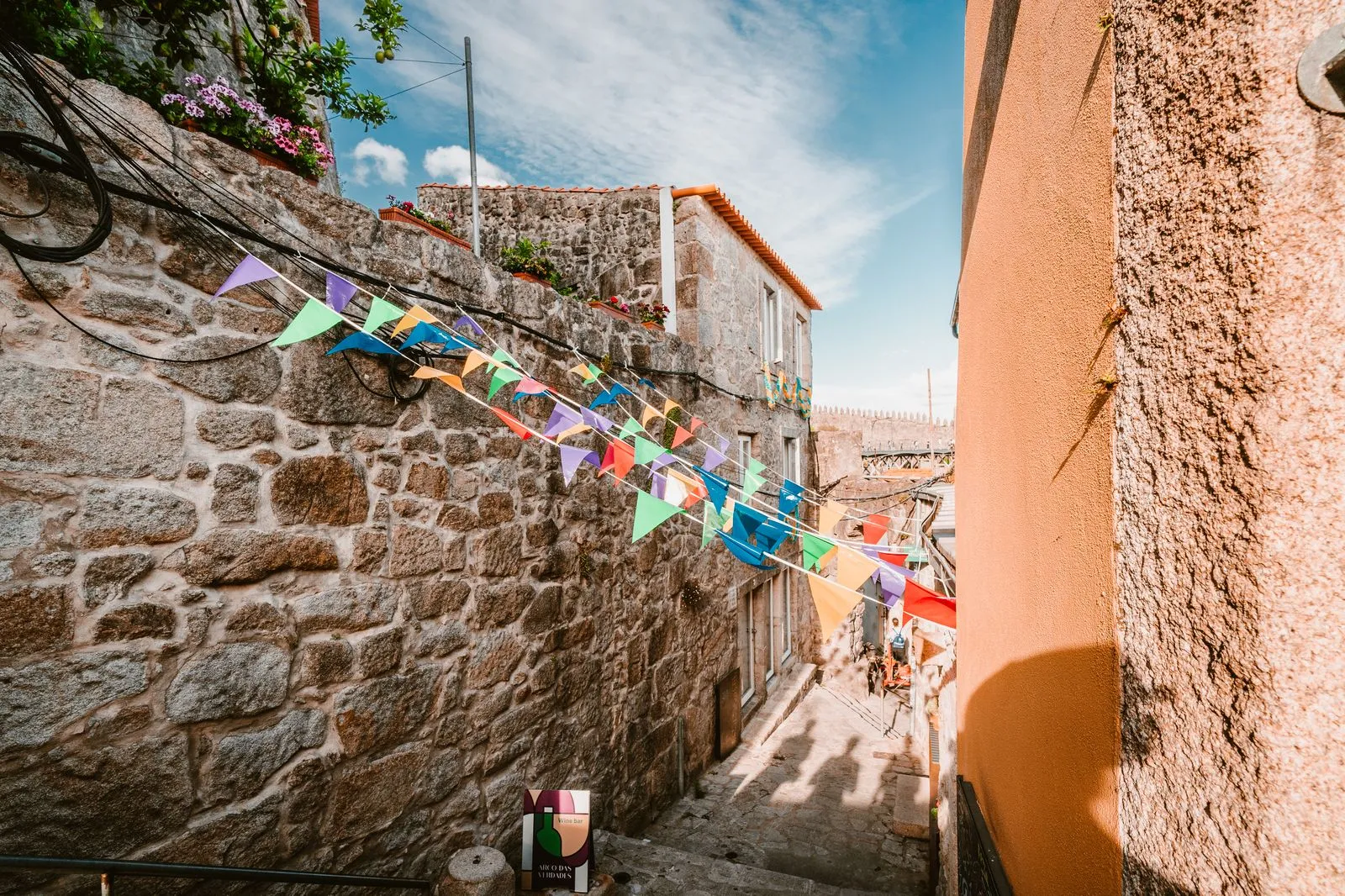
Colourful bunting strung across a stone alley during a Portuguese festival

Portugal celebrates with genuine enthusiasm. National holidays close banks and most shops. Local festivals can take over entire towns for days. Plan around them or plan to join them.

National Public Holidays

  • January 1: New Year's Day (Ano Novo)
  • Carnival Tuesday: 47 days before Easter. Not officially a public holiday, but many businesses close. Biggest celebrations in Torres Vedras, Loulé, and Ovar
  • Good Friday & Easter Sunday: Major closures nationwide
  • April 25: Freedom Day (Dia da Liberdade). Celebrates the 1974 Carnation Revolution. Parades and concerts
  • May 1: Labour Day
  • June 10: Portugal Day (Dia de Portugal). National holiday celebrating Luís de Camões and Portuguese culture
  • Corpus Christi: Variable date (60 days after Easter). Religious processions
  • August 15: Assumption of Mary. Beach season peak, heavy domestic travel
  • October 5: Republic Day. Commemorates the 1910 revolution
  • November 1: All Saints' Day
  • December 1: Restoration of Independence Day
  • December 8: Immaculate Conception
  • December 25: Christmas Day

Major Festivals

  • Santos Populares (June, especially June 12–13 in Lisbon). Festa de Santo António. Sardines grilled on every corner, drinking, dancing, and humorous march parades through Alfama and Mouraria. Porto celebrates São João on June 23–24 with plastic hammers and sky lanterns. The biggest party nights of the year
  • Carnaval (February/March). Torres Vedras runs the biggest carnival on the Iberian Peninsula. Loulé in the Algarve has a 100-year-old tradition. Vibrant floats, satirical costumes, street parties
  • Semana Santa in Braga (Easter Week). One of the oldest and most elaborate Easter celebrations in Europe. Solemn processions through the baroque city centre
  • Festa da Flor, Madeira (April/May). Flower festival with elaborate floats and street decorations across Funchal
  • NOS Alive (July, Lisbon). Major international music festival at the Algés riverside. Past headliners include Radiohead, Arctic Monkeys, The Strokes
  • Douro Grape Harvest (September). Vindima season in the Douro Valley. Many quintas (wine estates) welcome visitors to help stomp grapes
  • Feiras Novas, Ponte de Lima (September). One of Portugal's oldest fairs, dating back to 1125. Livestock, traditional music, giant crowds
Each municipality has its own local holiday. Lisbon's is June 13 (Santo António), Porto's is June 24 (São João), Coimbra's is July 4. Shops and services close on these days. Check the local calendar for your specific destination.

Regions of Portugal

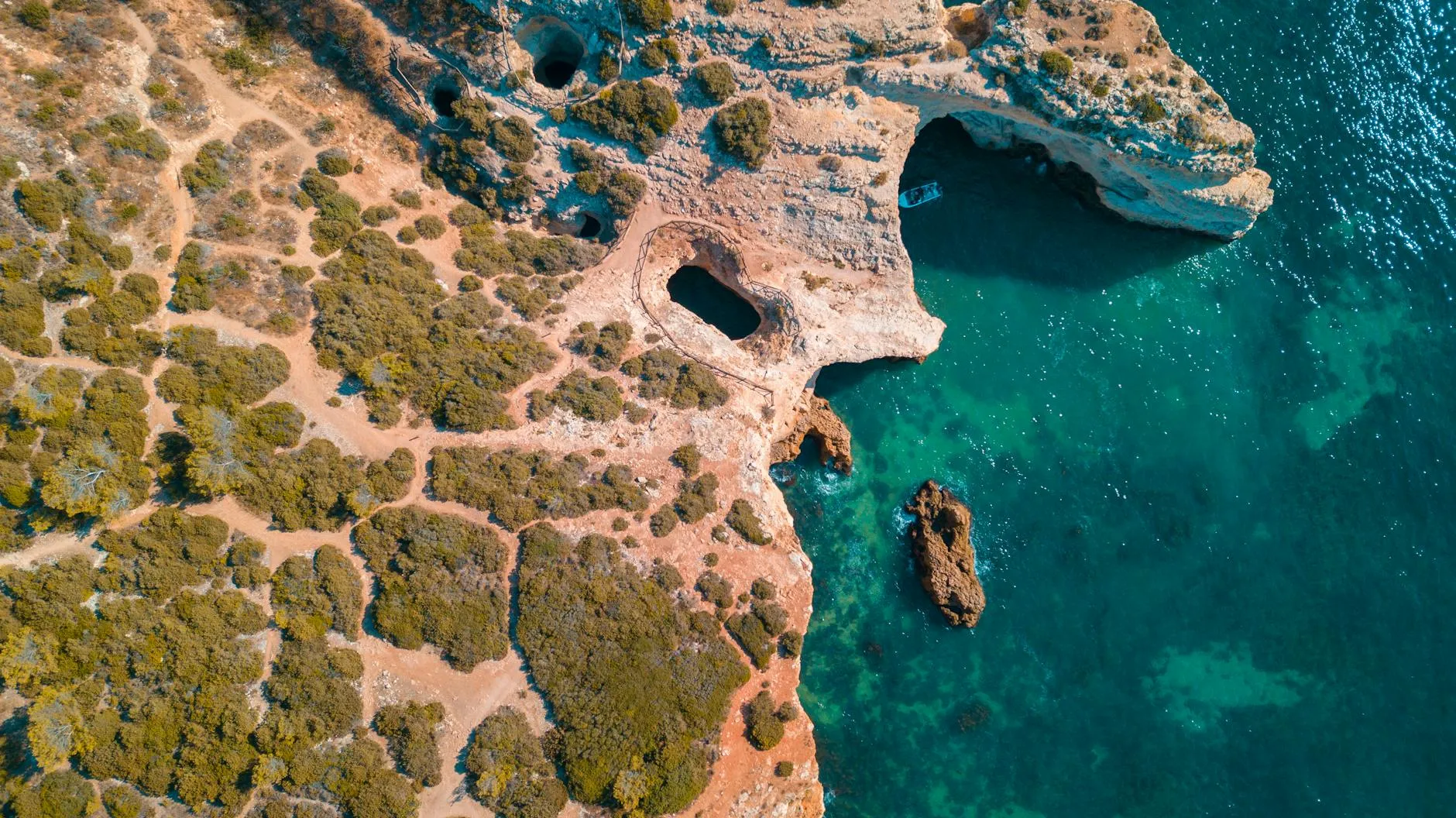
Aerial view of the Portuguese coastline with dramatic cliffs

Portugal offers diverse landscapes and experiences across its regions.

Lisbon & Surrounds landscape

Lisbon & Surrounds

Portugal's capital sprawls across seven hills overlooking the Tagus River. It is a city of contrasts: crumbling Moorish-era alleys sit next to sleek contemporary architecture, vintage trams clatter past modern metro stations, and centuries-old tascas (taverns) share streets with Michelin-starred restaurants. Plan at least two full days here, thr...

Porto & the North landscape

Porto & the North

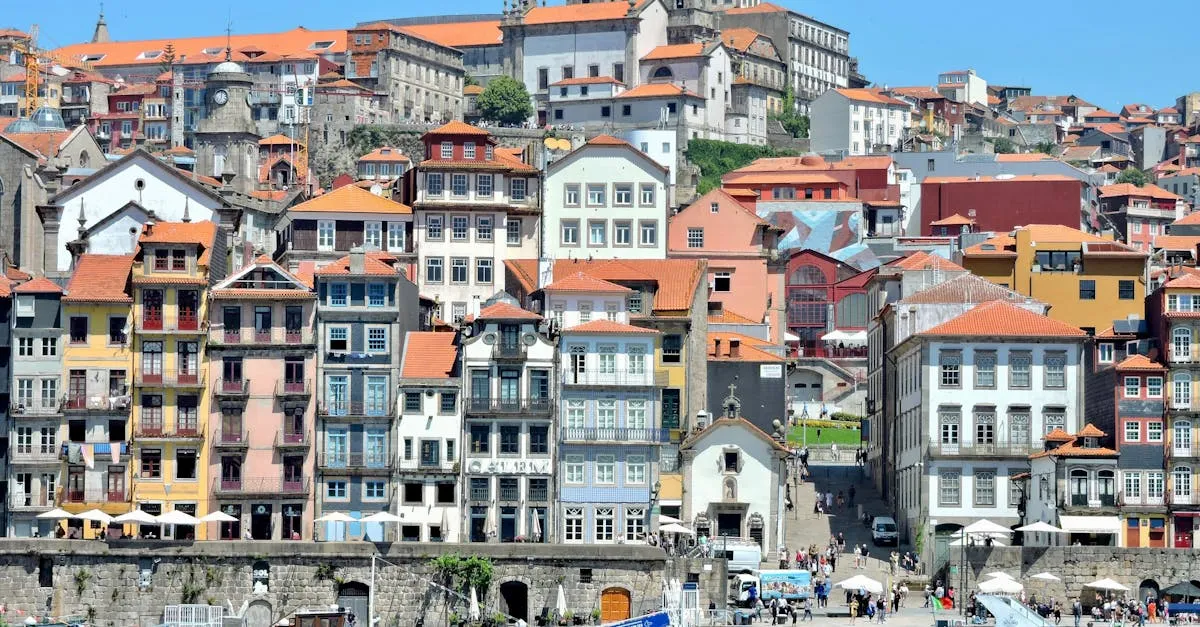
Portugal's second city has a grittier, more authentic edge than Lisbon. Steep cobbled streets, tiled facades, and a fierce local pride built on port wine, the Douro River, and excellent food. The Ribeira waterfront is UNESCO-listed, and the city rewards walking despite punishing hills.

Central Portugal landscape

Central Portugal

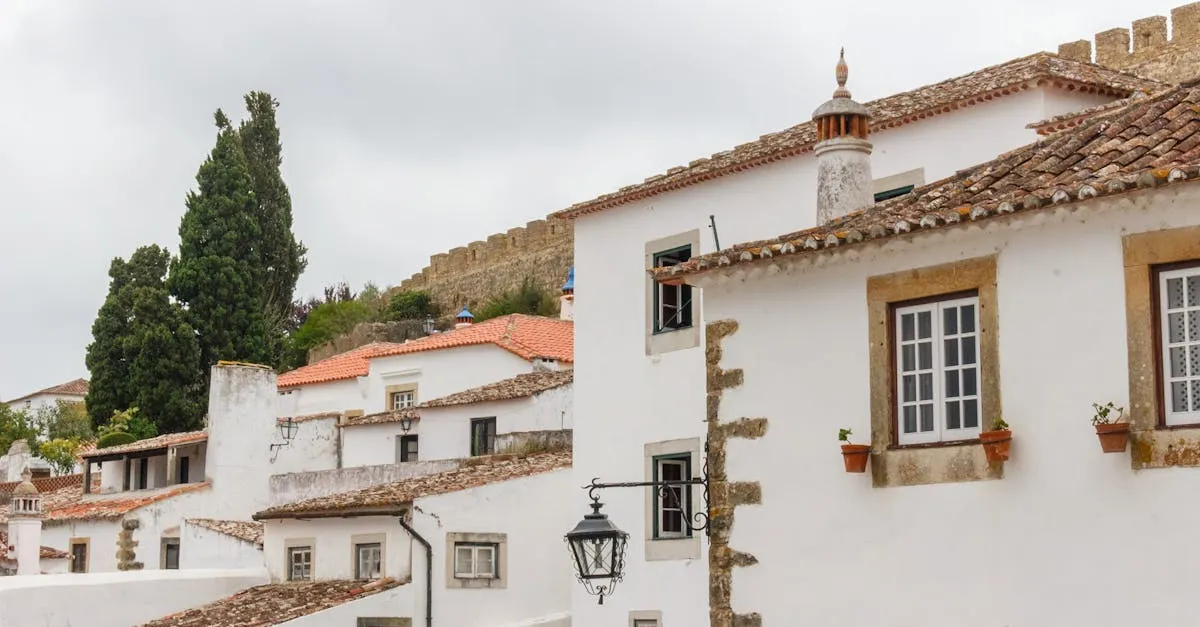
The stretch between Lisbon and Porto is often treated as a drive-through zone. That is a mistake. Central Portugal holds medieval towns, world-class surf, UNESCO monasteries, and the country's most famous pilgrimage site.

Alentejo & vora landscape

Alentejo & Évora

The Alentejo covers roughly a third of Portugal's landmass but holds only a fraction of its population. Vast rolling plains of wheat, sunflowers, cork oaks, and olive groves stretch to every horizon. Time moves differently here.

The Algarve landscape

The Algarve

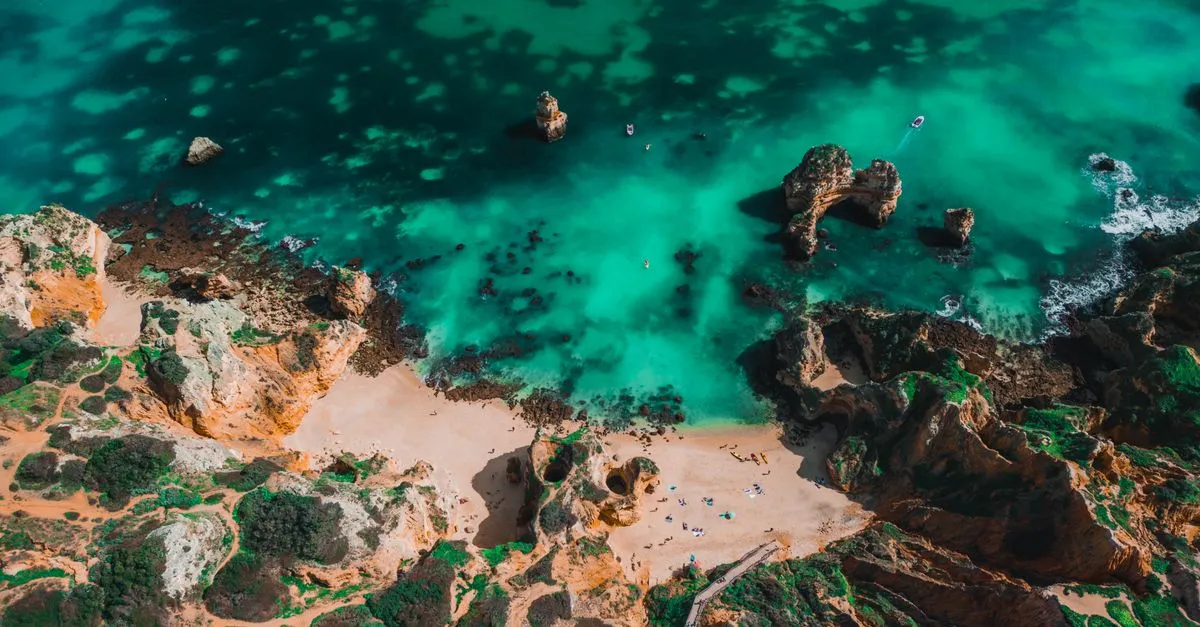
Portugal's southernmost strip is about 150 km of golden Atlantic coastline backed by limestone cliffs, sea caves, and coves carved by millennia of Atlantic erosion. This is where most of Europe comes for beach holidays, and for good reason: 300+ sunny days per year, the warmest sea temperatures on the Portuguese mainland, and a seafood-heavy din...

Azores & Islands landscape

Azores & Islands

Portugal's two Atlantic archipelagos sit hundreds of kilometres from the mainland. Each could easily be a standalone trip. This section covers the Azores; for Madeira, see the dedicated Madeira guide.

Top Sightseeing

Torre de Belém on the Tagus riverbank with Manueline stone carvings

Portugal packs 17 UNESCO World Heritage Sites and centuries of maritime, religious, and architectural history into a country you can drive across in five hours. From Manueline monasteries to Moorish castles to Atlantic cliffs, the density of world-class sights per square kilometre is remarkable.

  • Lisbon: The seven-hilled capital — Alfama’s fado bars, Belém’s monastery, tram 28, and pastéis de nata at the source
  • Sintra: A UNESCO cultural landscape of Romanticism-era palaces, Moorish castle ruins, and misty forests 30 minutes from Lisbon
  • Porto & the Douro: Port wine cellars, the Dom Luís I bridge, azulejo-covered churches, and river cruises through terraced vineyards
  • Algarve: Sea caves, golden cliffs, and some of Europe’s best beaches — Benagil Cave, Ponta da Piedade, Ria Formosa
  • Évora: A walled Roman-Moorish-medieval city in the Alentejo — the Temple of Diana, a bone chapel, and cork-oak landscapes
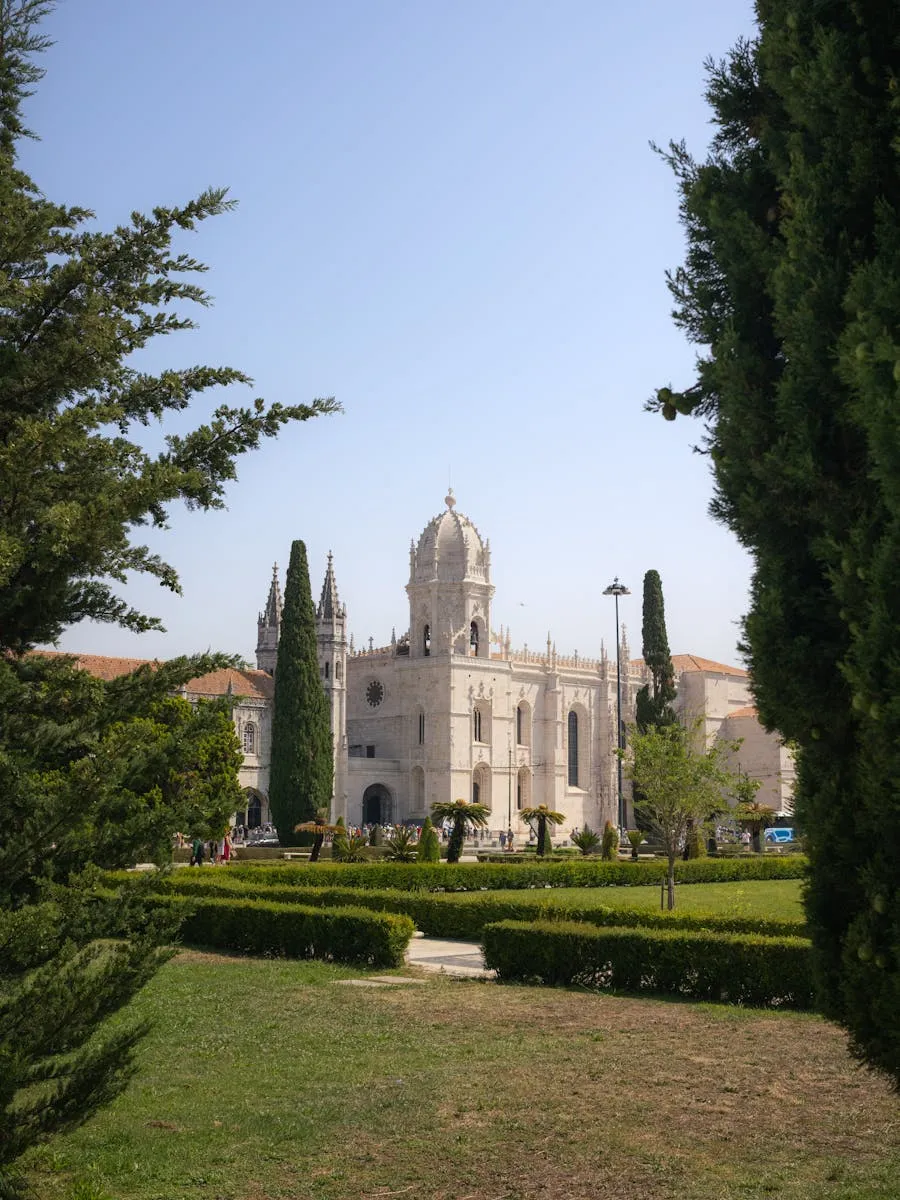
Ornate Manueline cloisters of Jeronimos Monastery in Lisbon

Jerónimos Monastery

Manueline Gothic at its finest. Built with spice-trade wealth to celebrate Vasco da Gama's voyage to India. The cloisters are among the most beautiful in Europe. Free on Sundays before 14:00.

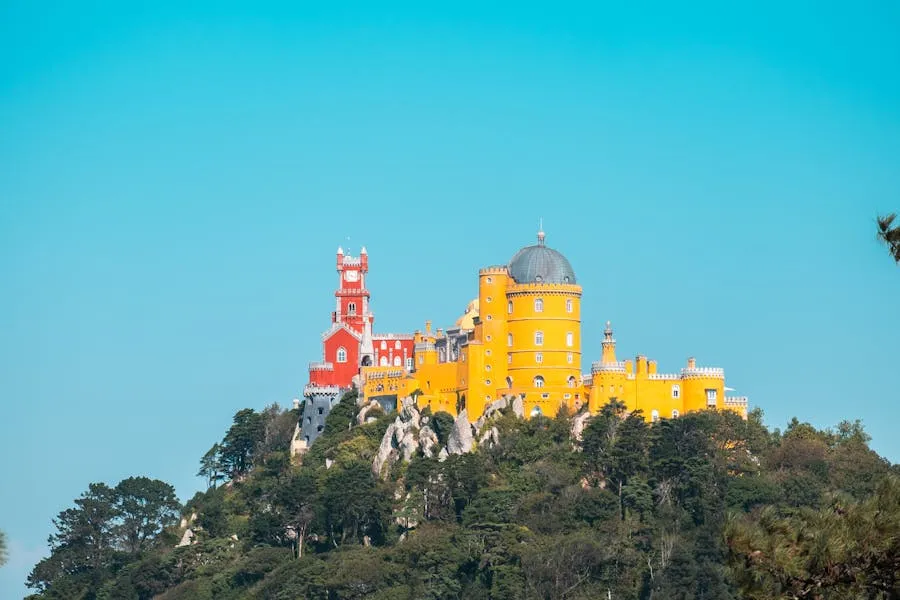
Colourful turrets and ramparts of Pena Palace in Sintra

Pena Palace, Sintra

A kaleidoscopic hilltop palace mixing Romanesque, Gothic, Manueline, and Moorish styles. Every turret is painted a different colour, and the surrounding forest hides secret paths and viewpoints. Looks like something from a fairy tale. Book tickets weeks ahead in summer as queues can exceed two hours. Entry €14.

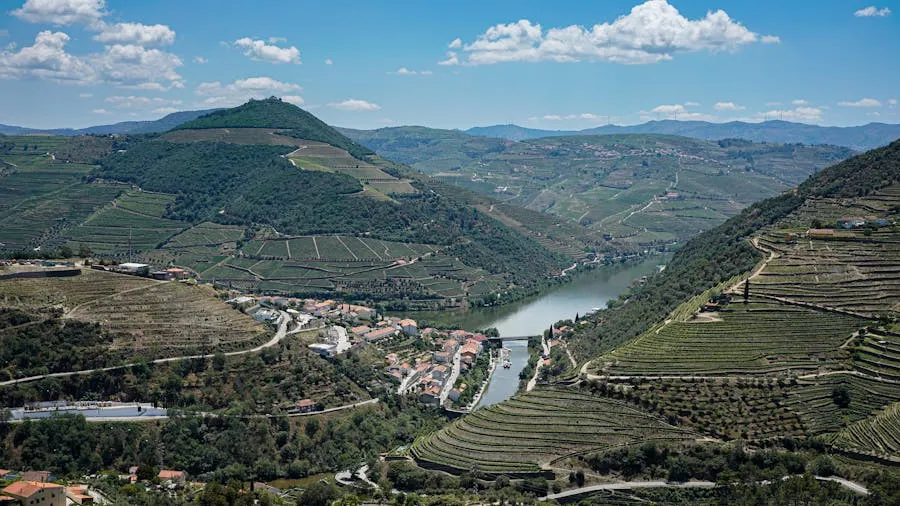
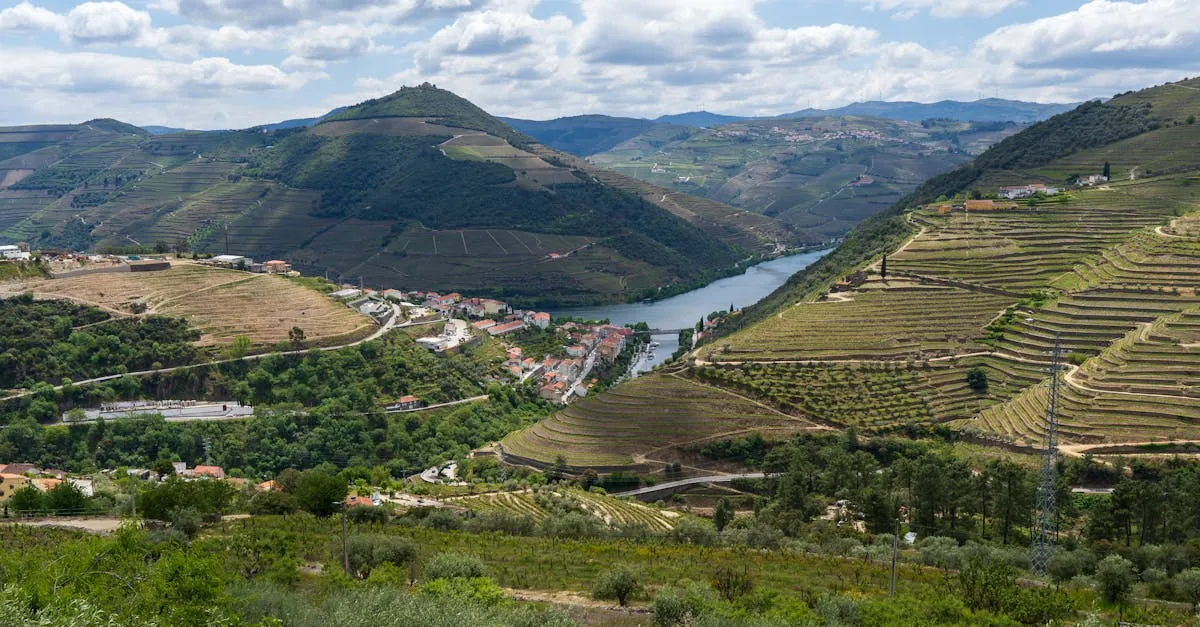
Terraced vineyards cascading down hillsides to the Douro River

Douro Valley Terraces

UNESCO-listed landscape of terraced vineyards cascading down to the river. The stone walls have been hand-built over centuries to farm port wine grapes on near-vertical slopes. Best experienced by scenic train from Porto, car along the N222 road, or a river cruise with wine tastings at quintas. Boat cruises from €15.

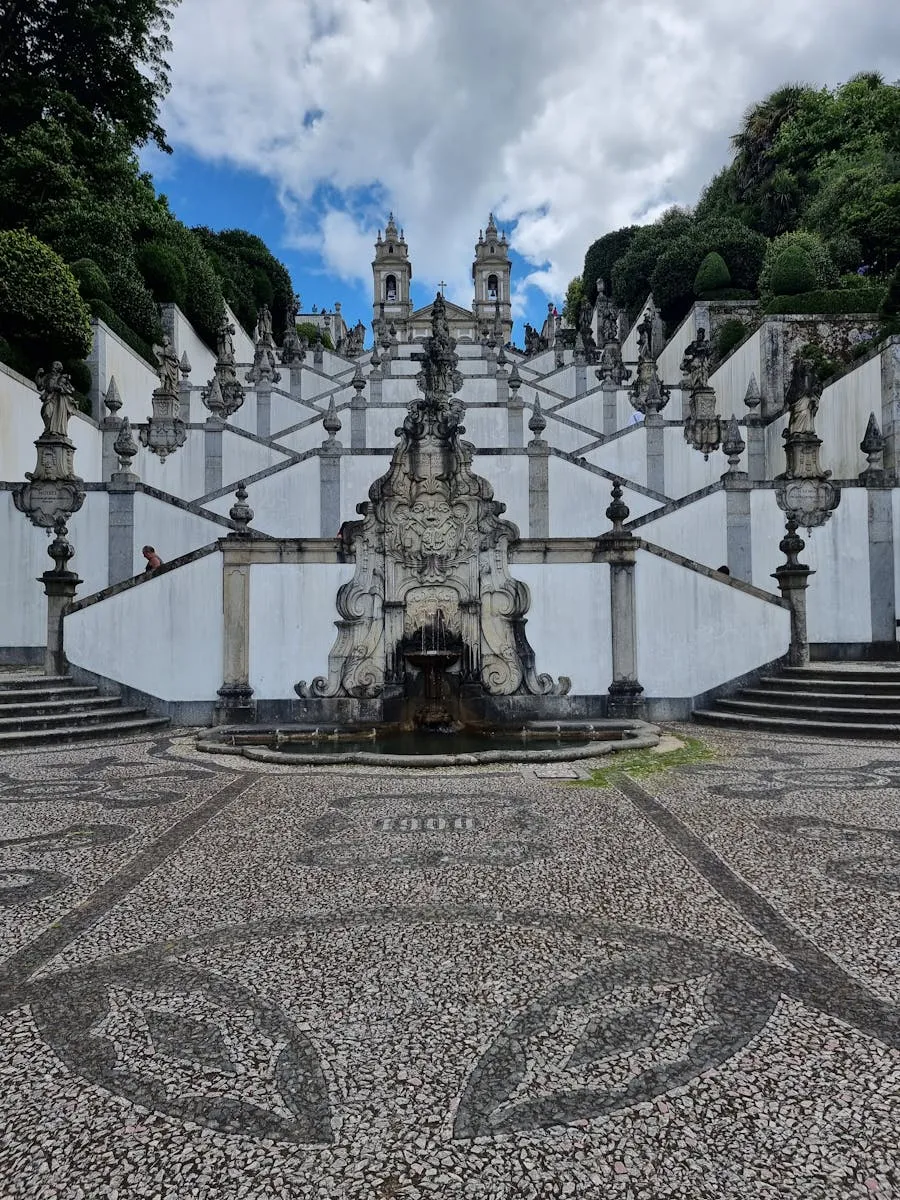
Monumental baroque stairway of Bom Jesus do Monte in Braga

Bom Jesus do Monte, Braga

Monumental baroque stairway climbing a hillside, with chapels, fountains, and an incredible view from the top. Take the hydraulic funicular (1882) for the easy way up.

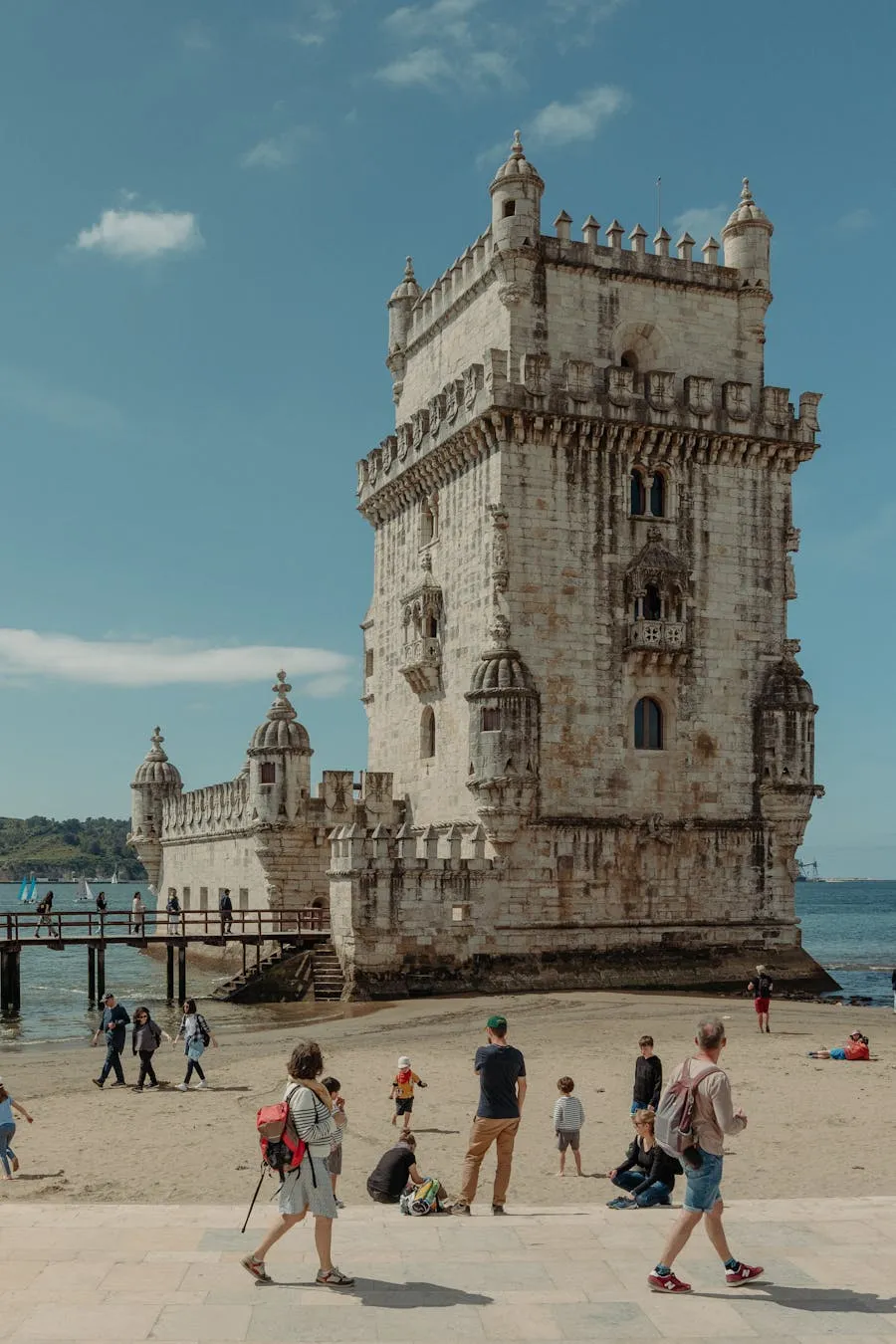
Tower of Belem standing on the Tagus riverbank at golden hour

Tower of Belém

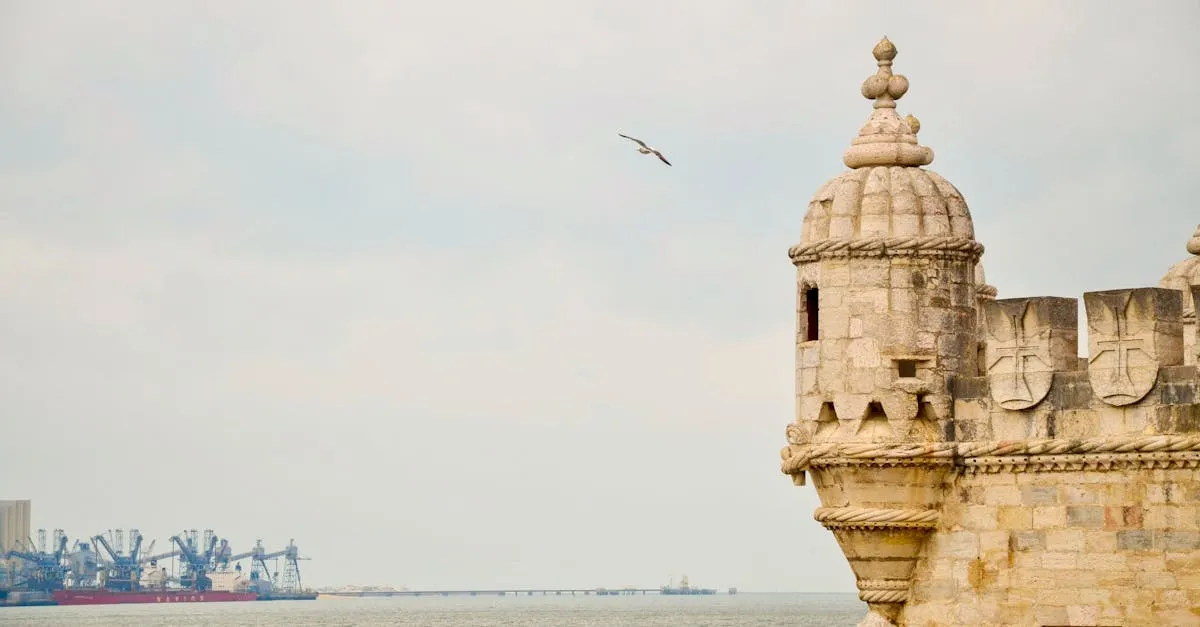
A 16th-century fortified tower on the Tagus riverbank, built to guard the entrance to Lisbon’s harbour during the Age of Discovery. Small inside but the Manueline carved stonework, including stone rope motifs and an iconic rhinoceros gargoyle, is exceptional. The quintessential Lisbon photo. Entry €10, free first Sunday of the month.

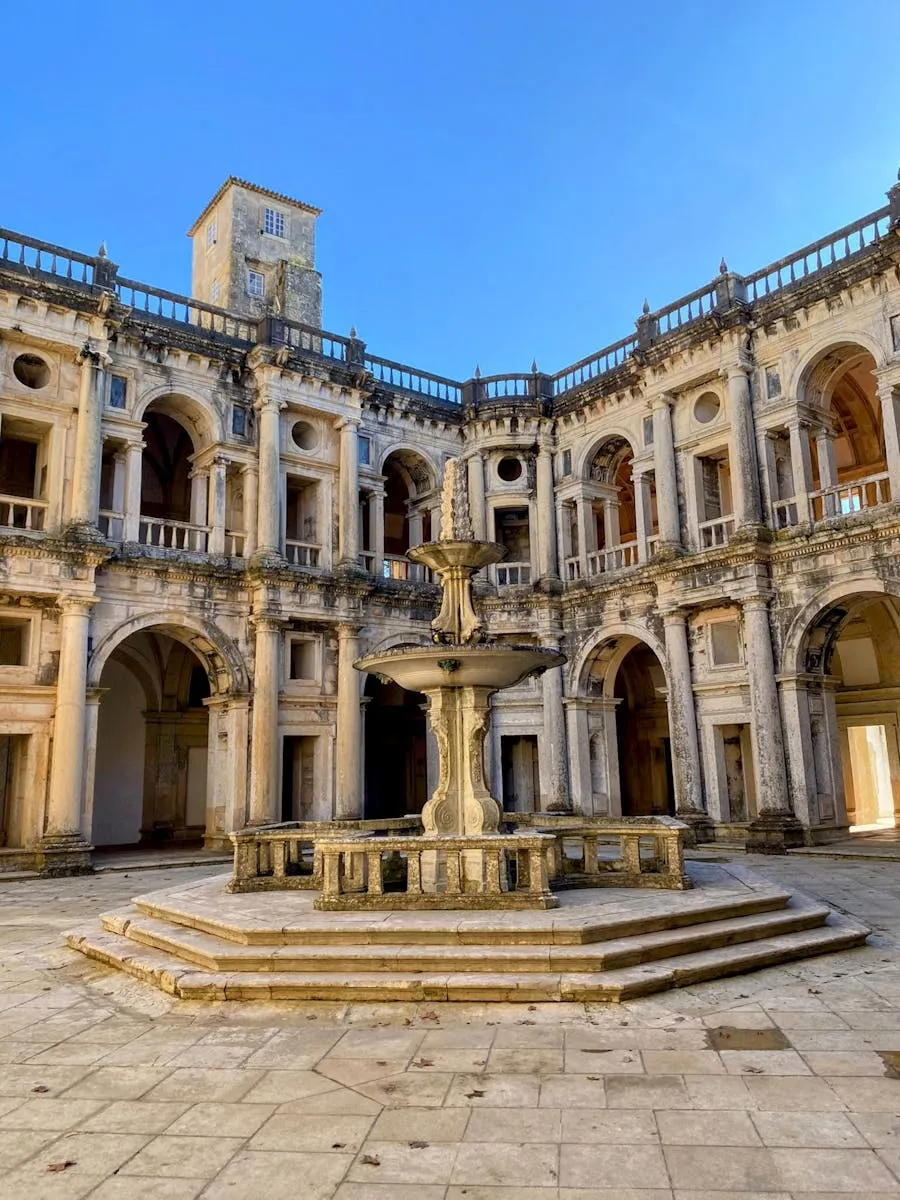
Medieval courtyard and fountain at the Convent of Christ in Tomar

Convent of Christ, Tomar

Knights Templar headquarters, expanded over centuries into a sprawling fortress-monastery. The famous Manueline window, dripping with carved maritime motifs, is Portugal’s most iconic architectural detail. The Templar round church (Charola) inside is mesmerizing. Less crowded than Lisbon’s sites and worth the detour. Entry €6.

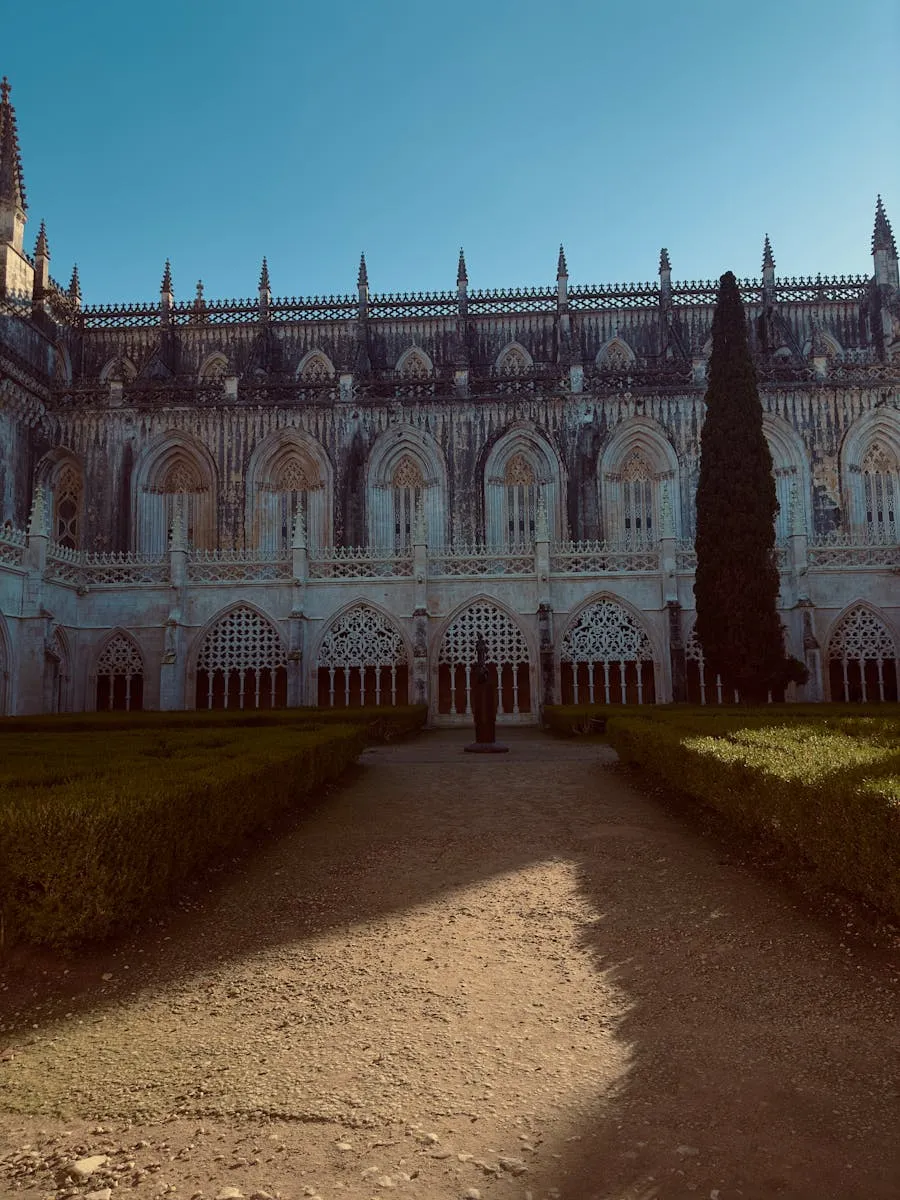
Gothic tracery and flying buttresses of Batalha Monastery

Batalha Monastery

A Gothic masterpiece built to celebrate the 1385 victory over Castile at the Battle of Aljubarrota. The Unfinished Chapels, roofless yet intricately carved, are hauntingly beautiful. The Chapter House contains the Tomb of the Unknown Soldier, guarded around the clock. One of Portugal’s finest buildings. Entry €6.

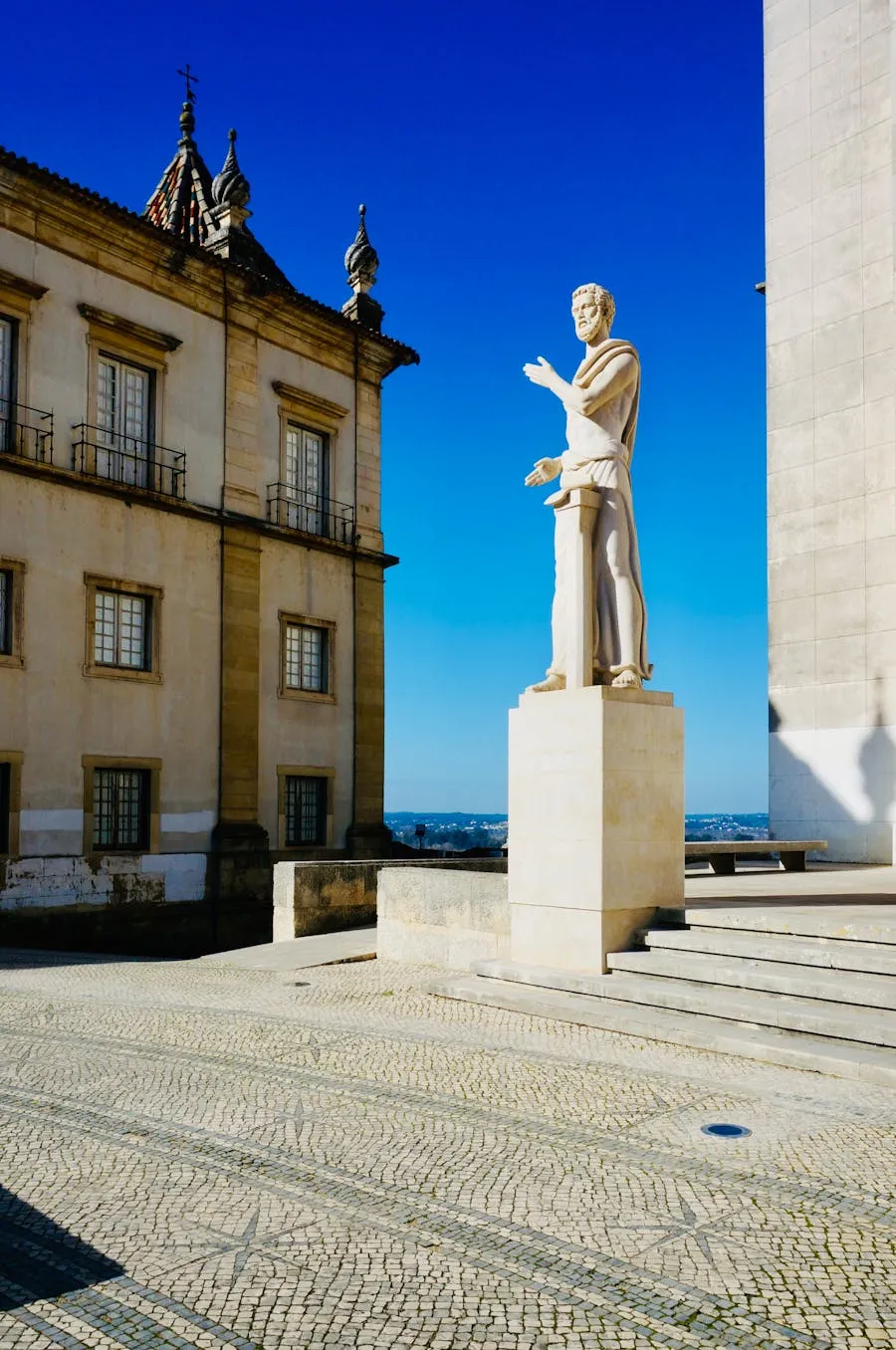
Historic facade of the University of Coimbra with bell tower

University of Coimbra

One of the oldest universities in continuous operation (founded 1290). The Joanina Library is a gilt-and-lacquer jewel box of 300,000 books, kept insect-free by a colony of bats that emerges at night. The university tower offers panoramic views over the old city. Entry €13 including the library.

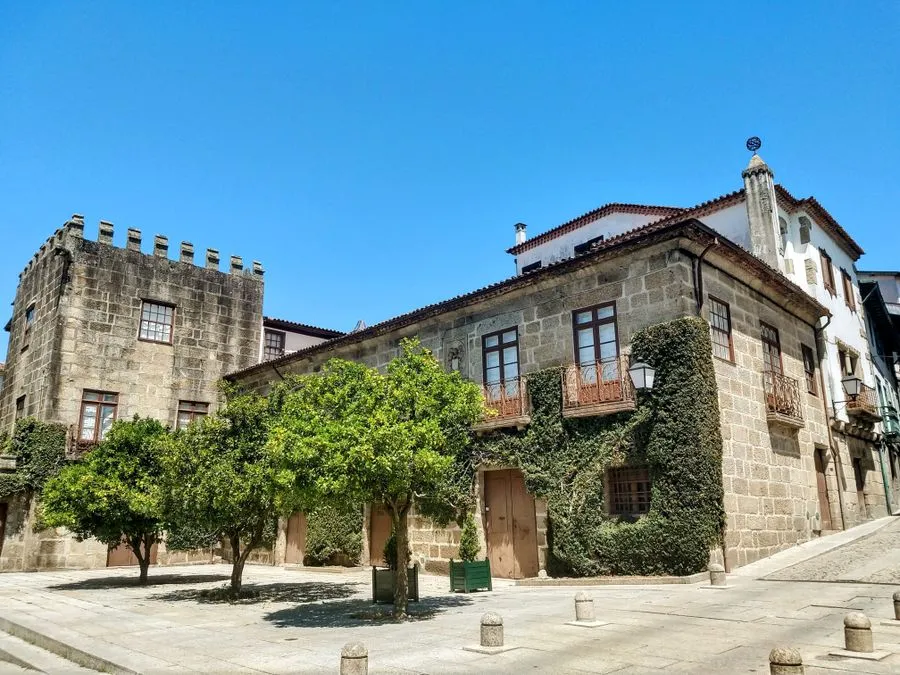
Medieval castle walls and towers in the historic centre of Guimaraes

Guimarães Historic Centre

“Where Portugal was born.” This medieval city was the first capital of Portugal and birthplace of the first king. The 10th-century castle, the Palace of the Dukes of Bragança, and the remarkably preserved old town all earned UNESCO status. An easy day trip from Porto (1 hour by train). Free to walk.

Panoramic view from Castelo de Sao Jorge over Lisbon rooftops

Castelo de São Jorge

A Moorish hilltop castle with the best panoramic views in Lisbon. The ramparts look out over the Tagus, Alfama’s terracotta rooftops, and the Ponte 25 de Abril bridge. Peacocks wander the gardens. Best visited in the late afternoon for golden light and sunset. Entry €10.

Culture & Cuisine

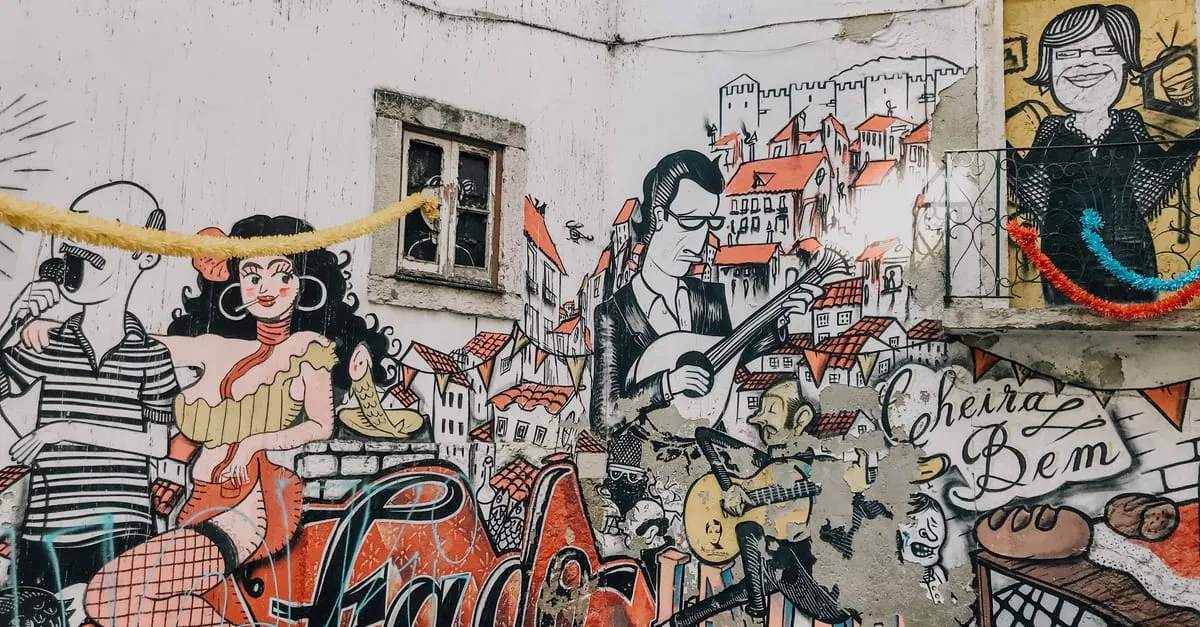
Fado street art mural depicting musicians and singers in Lisbon

Portugal is a welcoming country with a culture that is warm but not overbearing. A few things are worth knowing before you arrive.

Fado

Portugal's soul music, born in Lisbon's Alfama district in the early 19th century. Characterised by melancholy lyrics (saudade, a uniquely Portuguese feeling of longing), a solo vocalist, and the Portuguese guitarra. Lisbon fado is emotional and dramatic. Coimbra fado is traditionally sung by male students and is more academic. A fado evening in a proper casa de fado runs €25–50 including dinner. Silence during performances is expected and deeply appreciated.

Azulejos

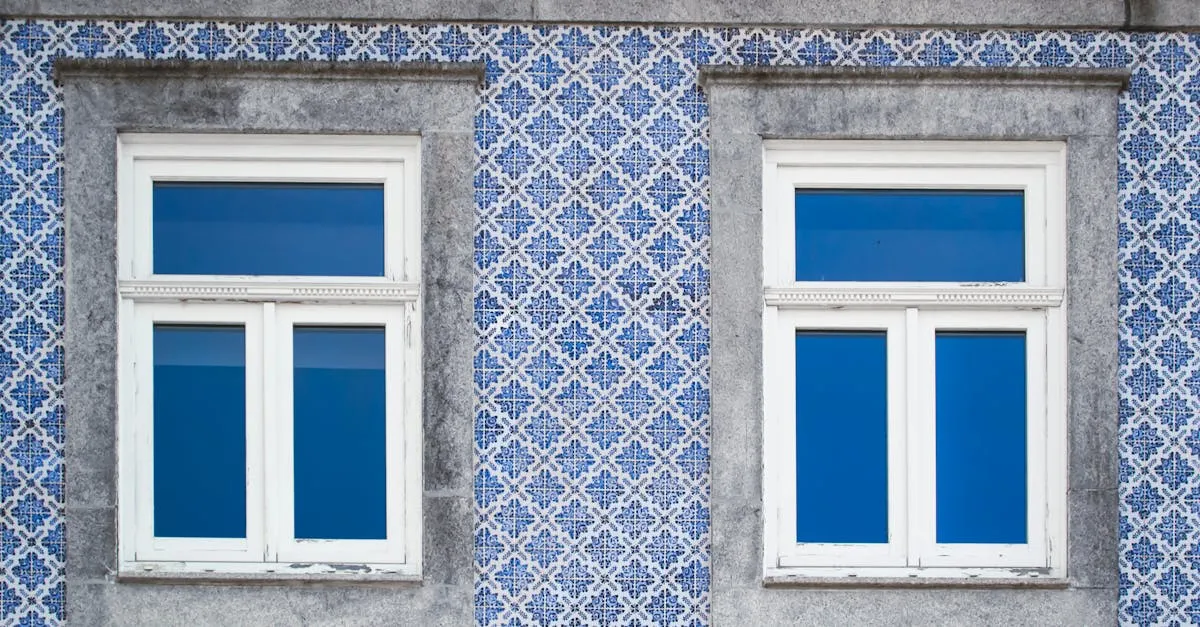
Decorative ceramic tiles that cover everything in Portugal: train stations, churches, houses, restaurants, metro stations. Blue and white are the classic colours, but earlier traditions include multicoloured patterns from Moorish and Italian influence. São Bento station in Porto and the National Tile Museum in Lisbon are the best places to appreciate the art form.

Daily Rhythms

Lunch is the main meal, typically 12:30–14:00. Dinner starts late by northern European standards, usually 20:00–21:00. Coffee culture is strong: a bica (espresso) standing at the bar costs €0.70–1.00. Sitting at a table costs more. Sundays are genuinely slow; many shops close, families gather, and the pace drops. Do not expect to get much done on a Sunday outside tourist areas.

Greetings & Social Norms

Two kisses on the cheek (right cheek first) between women and between men and women who know each other. Handshake for first meetings and between men. Portuguese people are polite and relatively formal until comfortable. "Obrigado" (thank you, said by men) and "obrigada" (said by women) go a long way. In restaurants, the waiter will bring bread, butter, olives, and sometimes cheese as a couvert. These are not free. Decline politely if you do not want them, or expect €2–5 added to your bill.

Tipping

Not mandatory but appreciated. Rounding up the bill or leaving 5–10% at a sit-down restaurant is standard. In cafés, leaving the change is enough. Taxi drivers do not expect tips but appreciate rounding up.

Food & Cuisine

Portuguese cuisine is built on a few pillars: bacalhau (salt cod), seafood, olive oil, bread, pork, and wine. It is hearty, unfussy, and best when simple. The country has more recipes for salt cod alone (allegedly 365, one for each day) than most countries have for all their fish combined.

Must-Try Dishes

  • Pastéis de nata. Flaky puff-pastry cups filled with egg custard, blistered on top. Best eaten warm from the oven with a dusting of cinnamon. Pastéis de Belém in Lisbon uses the original 1837 recipe, but every good bakery makes them
  • Bacalhau à Brás. Shredded salt cod with scrambled eggs, fried potato, olives, and parsley. Comfort food at its finest
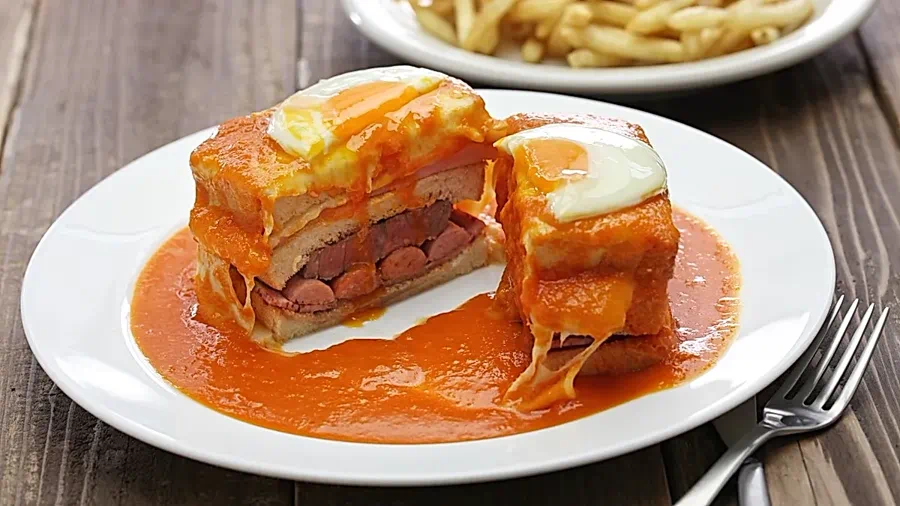
  • Francesinha. Porto's signature sandwich. Layers of ham, steak, and sausage covered in melted cheese and a thick tomato-beer sauce. Served with fries. Not health food. Worth every calorie
  • Cataplana. Algarve's copper-pot seafood stew. Clams, prawns, chorizo, tomato, and white wine, cooked and served in a hinged copper vessel
  • Cozido à portuguesa. A massive boiled meat-and-vegetable platter. Multiple meats (pork, beef, chicken, blood sausage), cabbage, potatoes, carrots, turnips. Order for the table and share
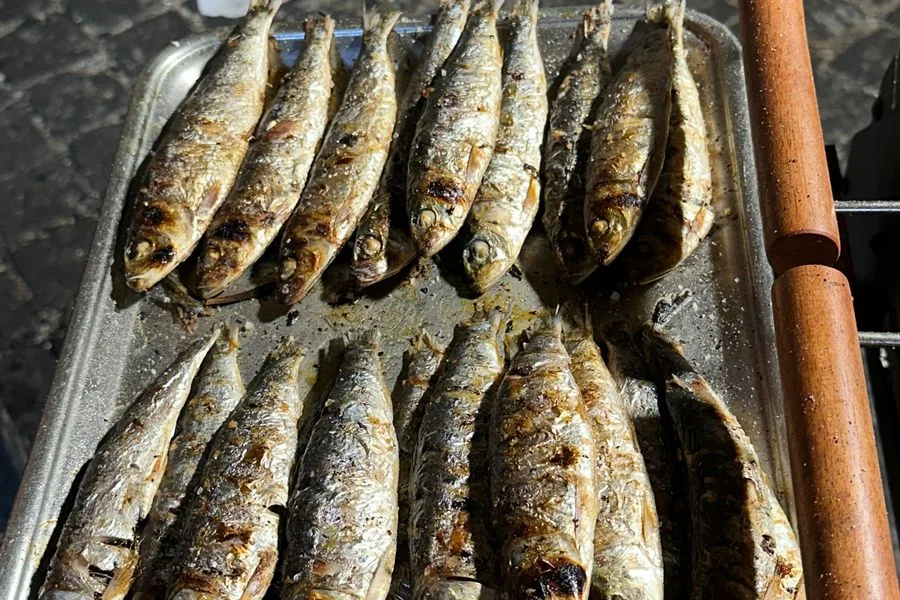
  • Grilled sardines. Seasonal (June is peak), grilled whole on charcoal, served on bread to catch the juices. The official food of Santos Populares festivals
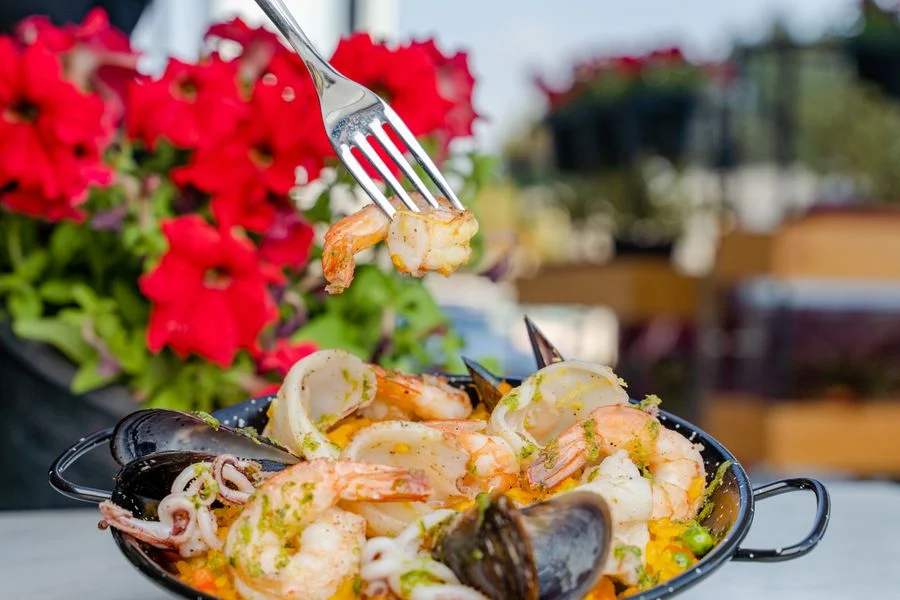
  • Arroz de marisco. Soupy seafood rice, the Portuguese paella equivalent but wetter and arguable better. Shellfish, crab, prawns, and rice in a rich tomato-saffron broth

Drinks

  • Port wine. Sweet fortified wine from the Douro Valley. Tawny, ruby, vintage, and vintage tawny. Best tasted at the lodges in Vila Nova de Gaia
  • Vinho verde. Light, slightly effervescent "green wine" from the Minho region. Low alcohol, refreshing, perfect with seafood in summer
  • Ginjinha. Sour cherry liqueur, served in a shot glass or a small chocolate cup. The Ginjinha bars near Rossio station in Lisbon have been pouring it since the 1840s
  • Coffee. Um café or uma bica is a strong espresso. Um galao is espresso with lots of milk in a tall glass. Um meia de leite is a half-coffee-half-milk. Coffee culture is as strong as in Italy
Eat where locals eat. Look for tascas (taverns) with handwritten menus, no English translations, and a crowd of regulars at the bar. The prato do dia (daily special) is almost always the best value: a full meal with soup, main, drink, and coffee for €8–12.

Activities & Hikes

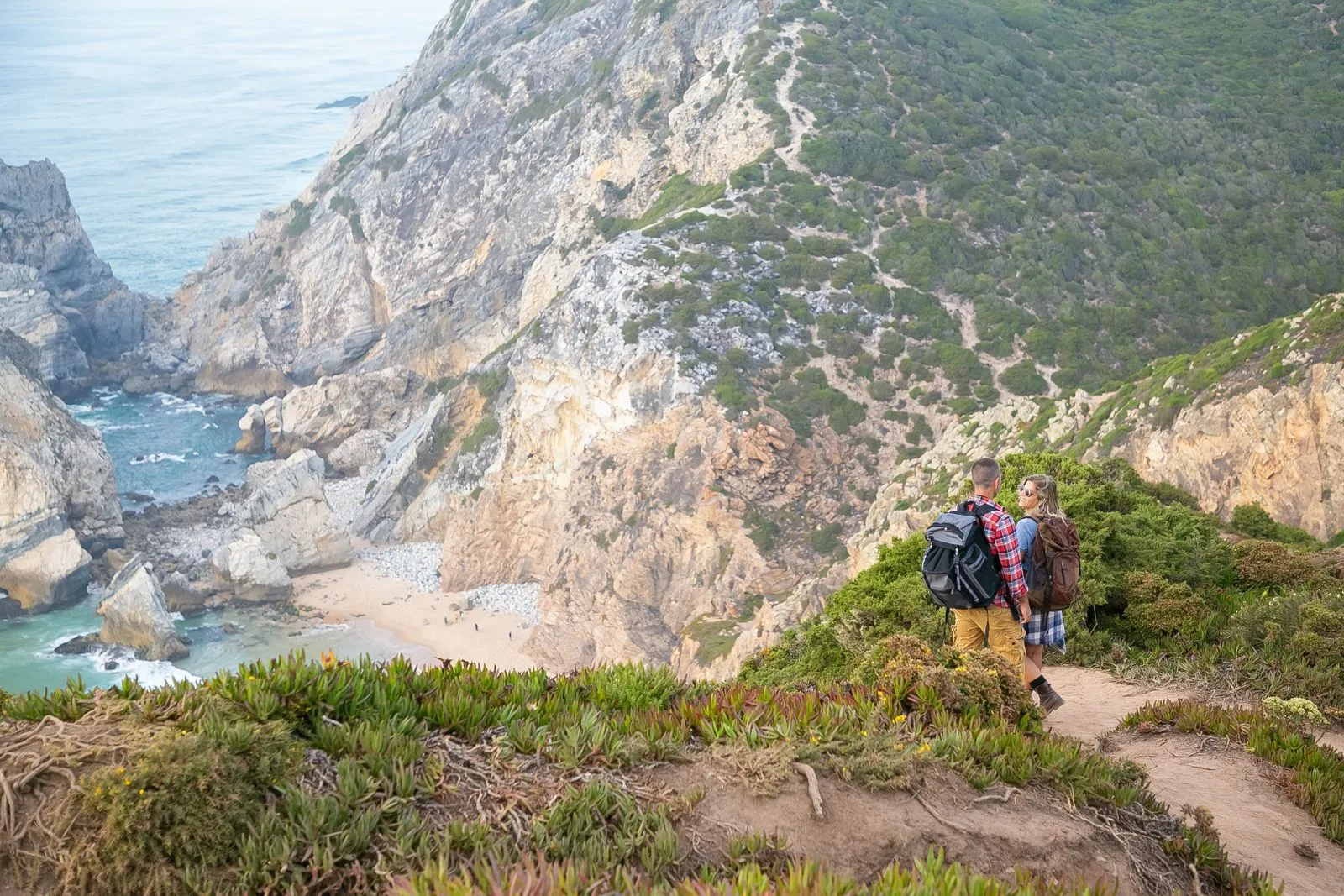
Hikers on dramatic Rota Vicentina coastal trail above the Atlantic

Portugal has outstanding hiking, from dramatic coastal trails to mountain walks in the interior. The trails are well-marked, the scenery is varied, and the distances are manageable.

Rota Vicentina

Portugal's marquee long-distance trail system along the southwestern coast. Two main routes: the Historical Way (inland, 263 km through villages and countryside) and the Fishermen's Trail (coastal, 226 km along wild cliffs and beaches). Both run from Santiago do Cacém to Cabo de São Vicente. Stages of 15–25 km per day. Accommodation in small guesthouses and hostels along the way. The coastal sections are among the most beautiful walking in Europe. Best in spring (March–May) or autumn (September–November).

Seven Hanging Valleys Trail (Algarve)

A 6 km one-way coastal walk from Praia da Marinha to Praia de Vale de Centeanes. Sea stacks, sinkholes, arches, and turquoise water below. Moderate difficulty, spectacular throughout. Best done early morning before the heat. One of the Algarve's absolute highlights.

Peneda-Gerês National Park

Mountain trails through ancient oak forest, past waterfalls and granite outcrops. The Trilho da Preguiça and the route to Cascata do Arado are popular day hikes. Wild swimming in river pools is a highlight. Trails are marked but can be rough. Bring proper footwear and water.

Serra da Estrela

Portugal's highest mountain range (Torre peak, 1,993 m). Glacial valleys, alpine lakes (notably Lagoa Comprida), and shepherd's cheese (Queijo Serra da Estrela, the country's most famous cheese). Hiking is best June–October. Winter brings snow and a small ski operation.

Portuguese Camino de Santiago

The Portuguese Way runs from Lisbon (or Porto) to Santiago de Compostela in Spain. The Porto-to-Santiago route is roughly 240 km (10–12 days walking). The Coastal Camino variation follows the Atlantic coast from Porto through Viana do Castelo. Less crowded than the French Way in Spain.

Activities

Portugal's Atlantic coastline produces some of the best surf in Europe and offers a full range of water activities beyond riding waves.

Surfing

Ericeira is a World Surfing Reserve, the only one in Europe, with consistent year-round swells and breaks for all levels. Peniche hosts the MEO Rip Curl Pro World Surf League event and has a famous left-hander at Supertubes. Nazaré holds the world record for the biggest surfed wave (26.2 metres). Winter swells (October–March) produce the giants; summer is for watching unless you are a big-wave professional. The Algarve's west coast (Arrifana, Amado, Bordeira) has more sheltered breaks good for intermediates.

Surf schools are everywhere along the coast. A two-hour group lesson runs €30–40 including wetsuit and board. Surf camps with accommodation start at €250–400 per week. Water temperature ranges from 14°C in winter to 20°C in summer; a wetsuit is essential year-round.

Kayaking & Coasteering

The Algarve's sea caves and grottoes are best explored by kayak or SUP. Ponta da Piedade near Lagos and the Benagil Cave area are the prime spots. Half-day guided kayak tours from Lagos run €35–50. Coasteering (cliff jumping, swimming through caves, rock climbing along the waterline) is available in the Algarve and around Sesimbra near Lisbon, from €40–60.

Diving & Snorkelling

The Berlengas Islands off Peniche offer the clearest water on the mainland coast. The Algarve has several good dive sites with underwater rock formations and reef life. Visibility is typically 10–20 metres. The Azores offer some of the best diving in the Atlantic: manta rays, whale sharks (seasonal), and volcanic underwater landscapes.

Sailing & Boat Trips

Algarve coast boat trips to the sea caves run €25–40 for 90 minutes. Dolphin-watching excursions from Setúbal and the Algarve cost €30–50. Private catamaran sunset cruises from Lagos or Vilamoura are popular splurges at €40–70 per person.

Off the Beaten Path

Beyond the headline destinations, Portugal hides some of its best experiences in places most visitors never reach.

  • Monsanto. A village built among and between massive granite boulders in the Beira Baixa region. Houses use the boulders as walls, roofs, and floors. Named "most Portuguese village in Portugal" in 1938 and barely touched since. Very few tourists
  • Piodão. A remote schist (dark slate) village in the Serra do Açor mountains. Buildings are made entirely of dark stone with blue-painted doors and windows. The contrast against the green mountains is striking. Difficult to reach without a car but rewarding
  • Tavira. In the eastern Algarve, away from the resort strip. A genuinely Portuguese town with Roman bridges, 37 churches, and access to Tavira Island's beautiful wild beach via a short ferry. Much more authentic than Lagos or Albufeira
  • Ponte de Lima. The oldest town in Portugal (chartered in 1125). A medieval bridge over the Lima River, a centuries-old market, and the start point for the Portuguese Camino de Santiago. The surrounding wine country produces some of the best vinho verde
  • Sortelha. One of Portugal's 12 Historical Villages, a medieval settlement perched on a granite outcrop near the Spanish border. Largely unchanged since the 13th century. Dramatic castle ruins and sweeping views
  • Aveiro. The "Venice of Portugal" with colourful moliceiro boats on its canal network, Art Nouveau architecture, and distinctive striped beach houses at nearby Costa Nova. Easy day trip from Porto (1h by train)
  • Elvas. The most heavily fortified city in Europe, with star-shaped walls and the Amoreira Aqueduct. UNESCO World Heritage Site. Barely 15 km from the Spanish border and very few international visitors
  • Comporta & Tróia. A stretch of almost-deserted white sand beaches south of Setúbal, less than an hour from Lisbon. Rice paddies, pine forests, and a laid-back beach-shack vibe. Popular with in-the-know Lisboetas but still under-the-radar internationally

Wildlife & Nature

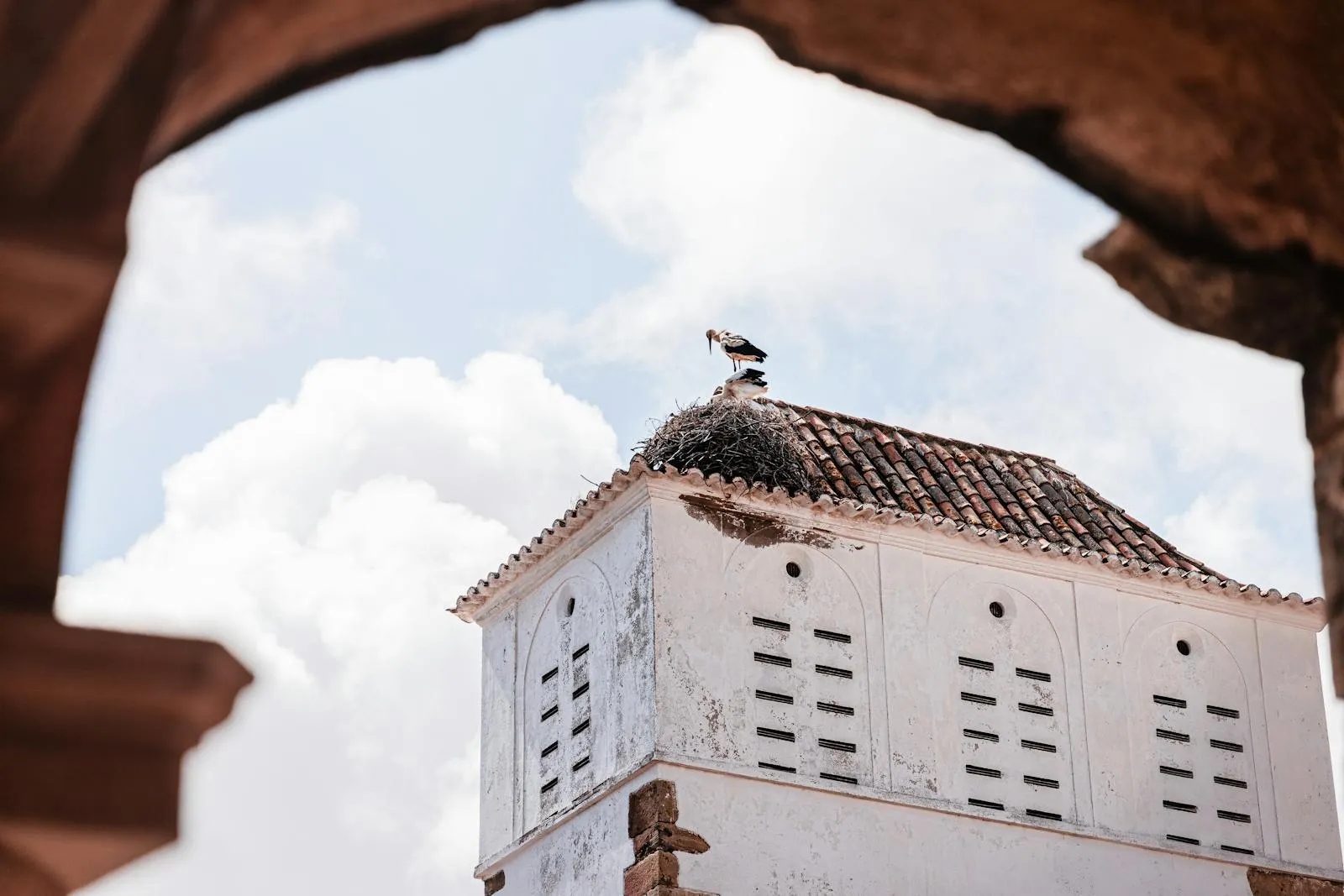
White stork nesting on a rooftop in the Algarve framed through a stone arch

Portugal is not a safari destination, but its position between the Atlantic and the Mediterranean creates some genuinely rewarding wildlife encounters.

Whale & Dolphin Watching

The Azores are one of the best whale-watching destinations in Europe. Sperm whales are resident year-round. Blue whales pass through in spring (March–May). Sei whales, fin whales, and several dolphin species are regularly spotted. São Miguel and Faial are the main departure points. On the mainland, bottlenose dolphins inhabit the Sado Estuary near Setúbal (year-round boat trips, €30–50). The Algarve coast also has regular sightings.

Ria Formosa Natural Park

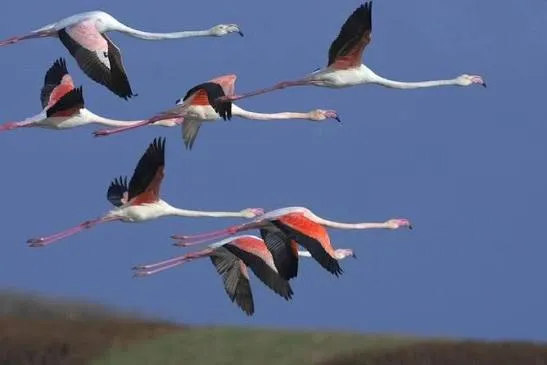
A 60 km barrier island lagoon system in the eastern Algarve. Home to flamingos (especially in winter), chameleons, seahorses (the Ria is one of the largest seahorse populations in the world), and hundreds of migratory bird species. Boat tours from Faro or Olhão, €20–35. Excellent birdwatching from boardwalk trails.

Berlengas Islands

A nature reserve off the coast of Peniche. Nesting seabirds (guillemots, shearwaters), clear water diving, and dramatic fortress-topped islands. Ferry from Peniche (30 min, seasonal May–October). Day trips or overnight camping/hostel stays available. Limited daily visitor numbers; book ahead.

Peneda-Gerês Wildlife

Portugal's only national park is home to Iberian wolves (extremely rare and hard to spot), roe deer, wild boar, Garrano ponies (semi-wild native breed), and golden eagles. The park is one of the last refuges for several endangered Iberian species. Do not expect guaranteed sightings; this is genuinely wild country.

Cork Oak Landscapes

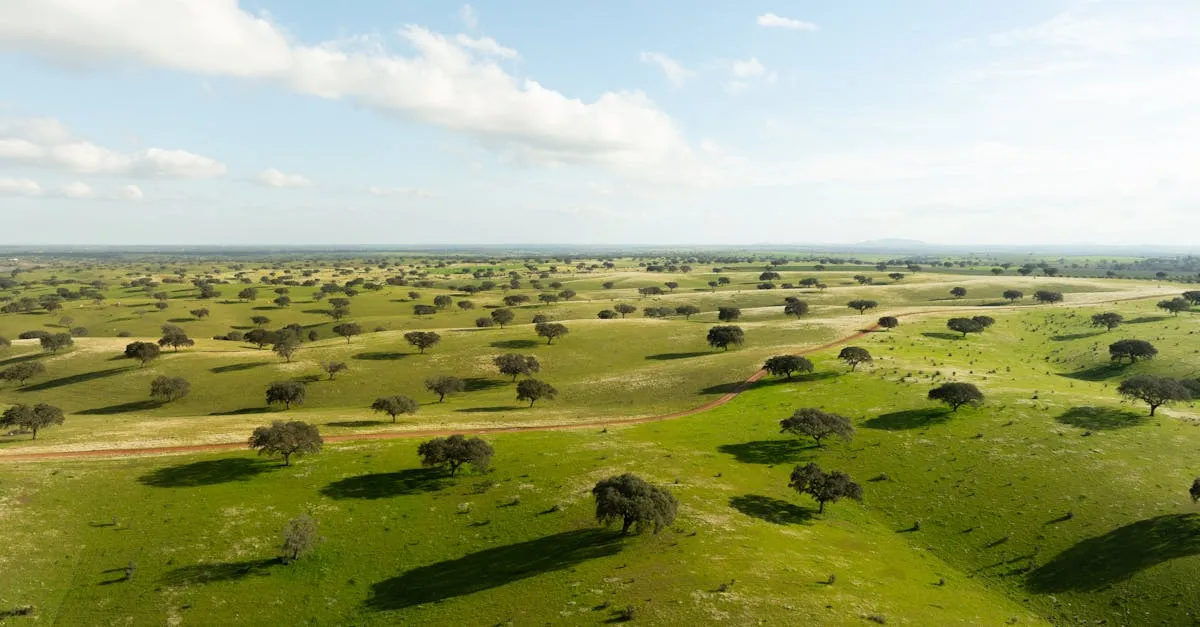
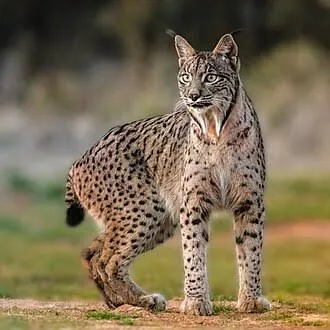
The Alentejo is the world's largest cork-producing region. The cork oak montados (managed forests) support unique biodiversity including Iberian lynx (reintroduced, very rare), black storks, and great bustards. The trees are stripped of their bark every nine years, a process that does not harm them and has been practised for centuries.

Route A: 2-Week North to South

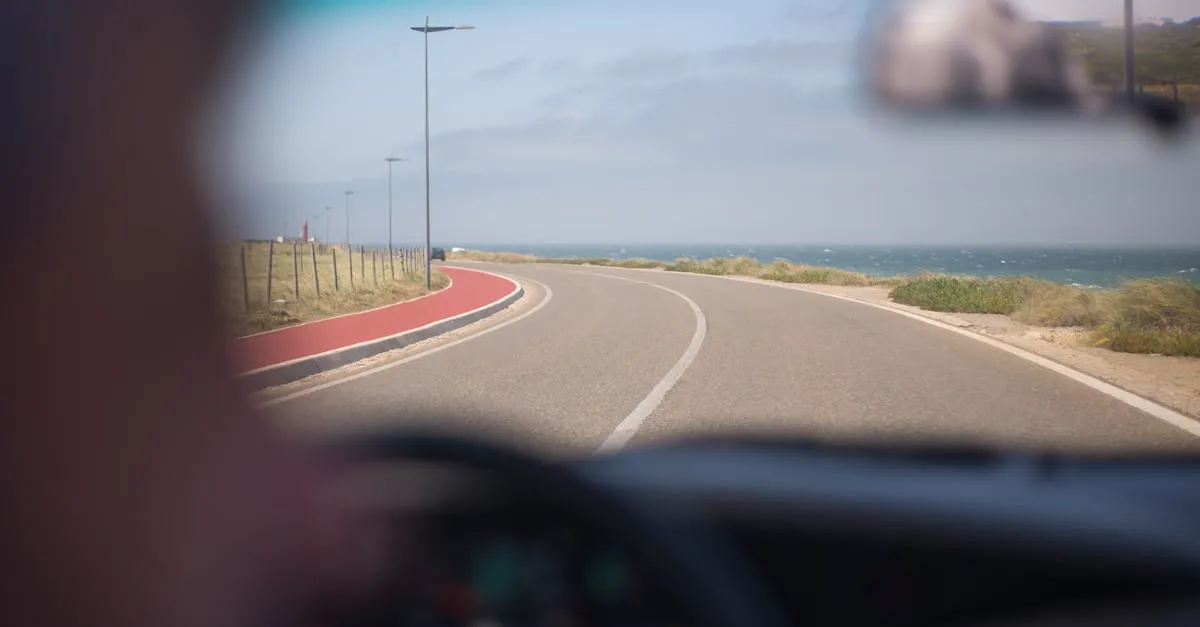
Scenic coastal road along the Portuguese Atlantic coastline

The classic first-timer's route. Porto to the Algarve by car, covering the country's greatest hits. Works best April–June or September–October. This is the route most recommended for a full Portugal experience.

Budget estimate: €1,400–2,200 per person (excluding flights). Includes car rental, fuel, tolls, accommodation, food, and key sights.

Day-by-day itinerary

Day 1: Arrive in Porto

Fly into Porto airport. Skip the car rental for now (you do not need it in the city). Walk the Ribeira waterfront, cross Dom Luís I Bridge to Vila Nova de Gaia for a port wine tasting. Dinner in the old town.

Day 2: Porto Full Day

São Bento station, Livraria Lello, Torre dos Clérigos (climb for the view). Lunch at a tasca in the Bolhão area. Afternoon exploring Foz do Douro, the coastal neighbourhood where the river meets the Atlantic. Try a Francesinha for dinner.

Day 3: Douro Valley

Pick up rental car. Drive east to the Douro Valley (1.5h). Stop at Peso da Régua, then continue to Pinhão. Wine tastings at a quinta, lunch overlooking the terraces. Optional: stay overnight at a wine estate. Otherwise return to Porto.

Day 4: Porto to Aveiro & Nazaré

Drive south to Aveiro (1h). Canal cruise on a moliceiro boat, see the striped houses at Costa Nova. Continue south to Nazaré (2h). Watch the sunset from Praia do Norte viewpoint.

Day 5: Nazaré, Óbidos & Monasteries

Morning on the beach or visiting the Nazaré fortress. Drive to Óbidos (30 min). Walk the medieval walls, try ginjinha. Optional detour to Batalha or Alcobaça monastery. Continue to Lisbon area (1.5h) for the night.

Days 6–7: Lisbon

Park the car at your hotel. Day 6: Alfama, São Jorge Castle, Tram 28, miradouros. Day 7: Belém (Jerónimos, Tower, pasteis de nata), afternoon at LX Factory or the Time Out Market. Evening in Bairro Alto.

Day 8: Sintra & Cascais

Drive to Sintra (30 min). Pena Palace and Quinta da Regaleira (book ahead). Afternoon drive to Cabo da Roca (westernmost point of mainland Europe), then Cascais for a seaside dinner.

Day 9: Lisbon to Évora

Drive to Évora (1.5h). Roman temple, Chapel of Bones, cathedral, and the university quarter. Wine tasting at an Alentejo estate. Stay overnight in Évora.

Day 10: Évora to the Algarve via Costa Vicentina

Drive south through the Alentejo to the west Algarve coast (2.5h). Stop at beaches along the Costa Vicentina. Evening at Sagres: sunset at Cabo de São Vicente. Stay in Lagos.

Day 11: Lagos & Ponta da Piedade

Old town of Lagos in the morning. Walk the Ponta da Piedade boardwalk trail. Kayak tour through the grottoes (€35–50). Afternoon at Praia de Dona Ana.

Day 12: Benagil & Carvoeiro

Drive east to Benagil (45 min). Boat or kayak tour to the Benagil Sea Cave. Afternoon at Seven Hanging Valleys Trail. Relax in Carvoeiro's beach-town atmosphere.

Days 13–14: Algarve Beach Days & Departure

Beach-hopping: Praia da Marinha, Praia da Falésia, or Tavira Island. Drop rental car at Faro airport. Fly out from Faro.

Route B: 10-Day Cities & Coast

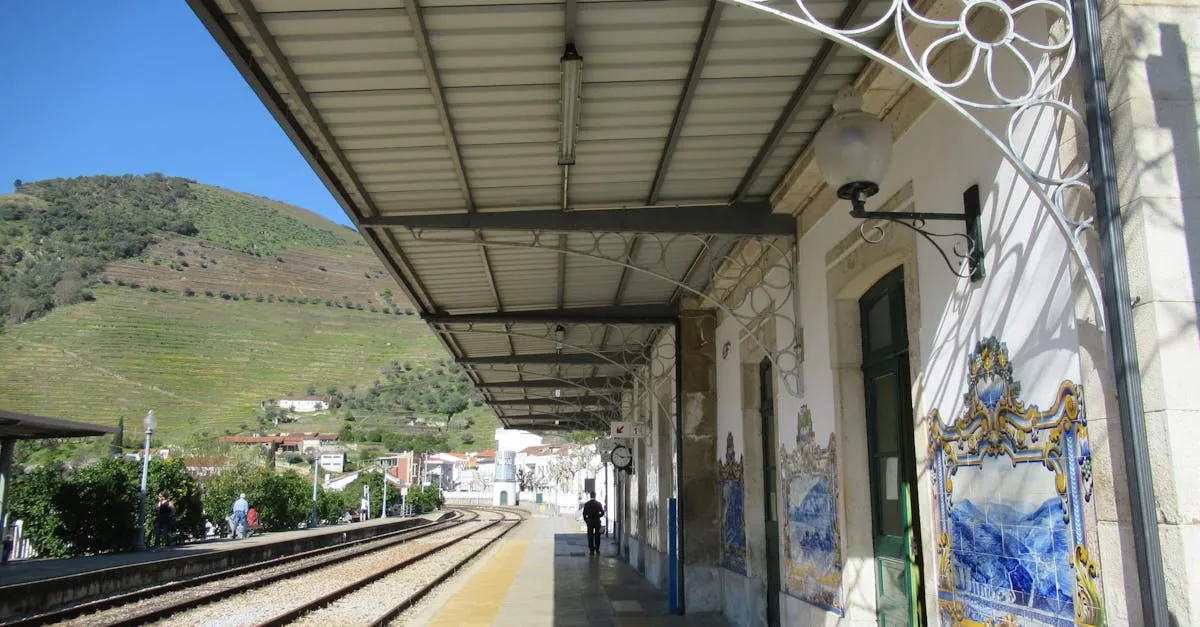
Pinhão train station platform with blue and white azulejo tiles and terraced Douro Valley hillside

A no-car route focusing on Lisbon and Porto with coastal beach time, using trains and buses. Ideal if you want cities, food, and coast without the hassle of driving. Works year-round but best May–October.

Budget estimate: €800–1,300 per person (excluding flights). Trains, buses, accommodation, food, and sights.

Day-by-day itinerary

Days 1–3: Lisbon

Fly into Lisbon. Three days exploring: Alfama, Bairro Alto, Belém, São Jorge Castle. Day trip to Sintra by train from Rossio station (40 min). Evening in Mouraria or at a fado house.

Day 4: Lisbon to Nazaré

Bus from Lisbon's Sete Rios terminal to Nazaré (2h). Afternoon on the beach or at the clifftop viewpoint. Fresh grilled fish for dinner at a beachfront restaurant.

Day 5: Nazaré to Coimbra

Bus to Coimbra (1.5h). Afternoon visiting the University, the Joanina Library, and the old town. Evening Coimbra fado at a student bar.

Days 6–8: Porto

Train from Coimbra to Porto (1h). Three days: Ribeira, Gaia wine lodges, Clérigos tower, São Bento station, Bolhão market, tram to Foz. Day trip to the Douro Valley on a guided river cruise from Porto (€50–80). Final evening on the Ribeira terrace with port wine and sunset over the river.

Days 9–10: Algarve (Lagos)

Fly Porto to Faro (1h) or train Lisbon to Lagos (3.5h with change). Two days of beach and coast: old town, Ponta da Piedade walk, kayak tour of grottoes, and seafood dinners. Fly out from Faro or return to Lisbon by train.

Route C: 3-Week Grand Tour

Vineyard terraces overlooking the Douro River valley

For travellers with three weeks who want to see it all, including the north, interior, coast, and islands. Best by car for the mainland, with a domestic flight to the Azores. Best April–June or September–October.

Budget estimate: €2,200–3,500 per person (excluding international flights). Includes car rental, domestic flights, accommodation, food, ferries, and sights.

Day-by-day itinerary

Days 1–3: Porto & the North

Fly into Porto. Two days in the city. Day 3: drive to Braga (Bom Jesus do Monte) and Guimarães (historic centre). Stay in Guimarães or return to Porto.

Day 4: Peneda-Gerês National Park

Drive to Gerês (1.5h from Porto). Waterfall hikes, wild swimming in river pools, Mata da Albergaria forest drive. Stay near the park.

Days 5–6: Douro Valley

Drive to the Douro Valley. Two days at a wine estate: tastings, vineyard walks, river views. Visit Pinhão and take the scenic train from Régua to Tua. If in September, join the grape harvest at a participating quinta.

Day 7: Central Portugal

Drive south through Viseu to Coimbra (2.5h). University and Joanina Library. Continue to Tomar (1h): Convent of Christ. Stay in Tomar or Nazaré.

Day 8: Silver Coast

Morning at Óbidos. Afternoon at Nazaré (giant waves viewpoint). Optional surf lesson at Ericeira or Peniche. Drive to Lisbon area.

Days 9–11: Lisbon & Surrounds

Three days: Alfama, Belém, Bairro Alto. Day trip to Sintra & Cascais. Day trip to Setúbal, Arrábida Natural Park, and dolphin watching on the Sado estuary.

Days 12–13: Alentejo

Drive to Évora (1.5h). Full day exploring the city and wine estates. Day 13: Monsaraz hilltop village, Alqueva lake, stargazing at the Dark Sky Reserve.

Days 14–15: Costa Vicentina & West Algarve

Drive south through the Alentejo coast (Vila Nova de Milfontes, Zambujeira do Mar). Stop at wild beaches. Sagres and Cabo de São Vicente. Stay in Lagos.

Days 16–17: Algarve

Lagos, Benagil Cave, Seven Hanging Valleys Trail, Tavira. Drop car at Faro airport.

Days 18–21: Azores (São Miguel)

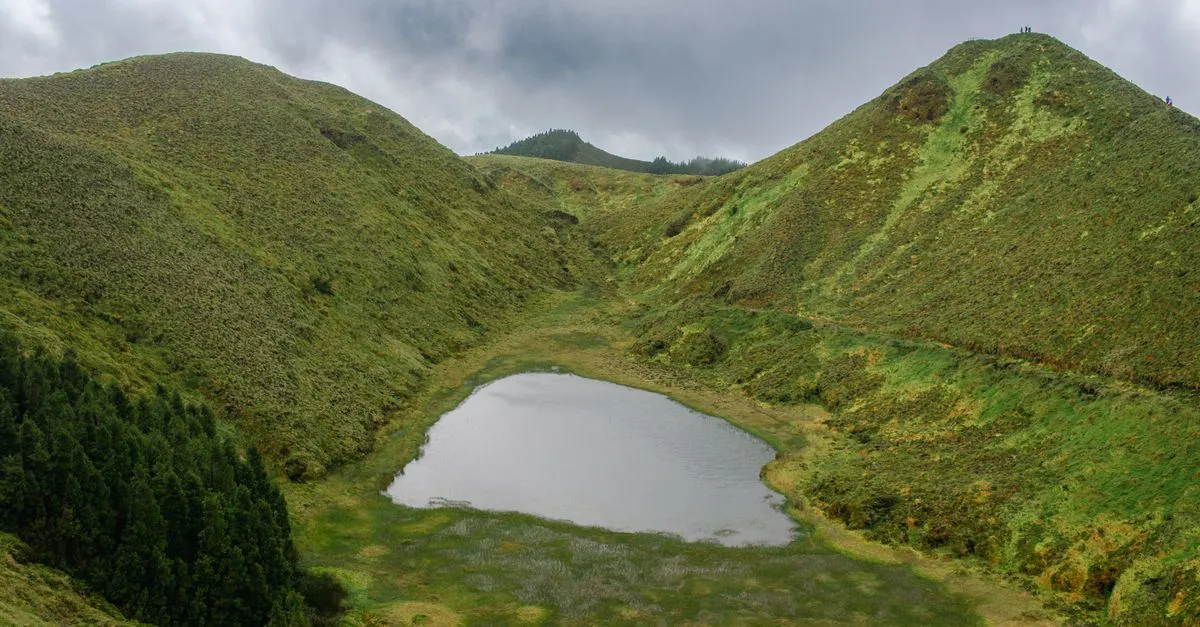
Fly Faro or Lisbon to Ponta Delgada (2.5h). Four days on São Miguel: Sete Cidades crater lakes, Furnas hot springs and cozido das Furnas (stew cooked underground), Terra Nostra Park, whale watching. Rent a car on the island. Fly back to Lisbon for departure.

Getting Around

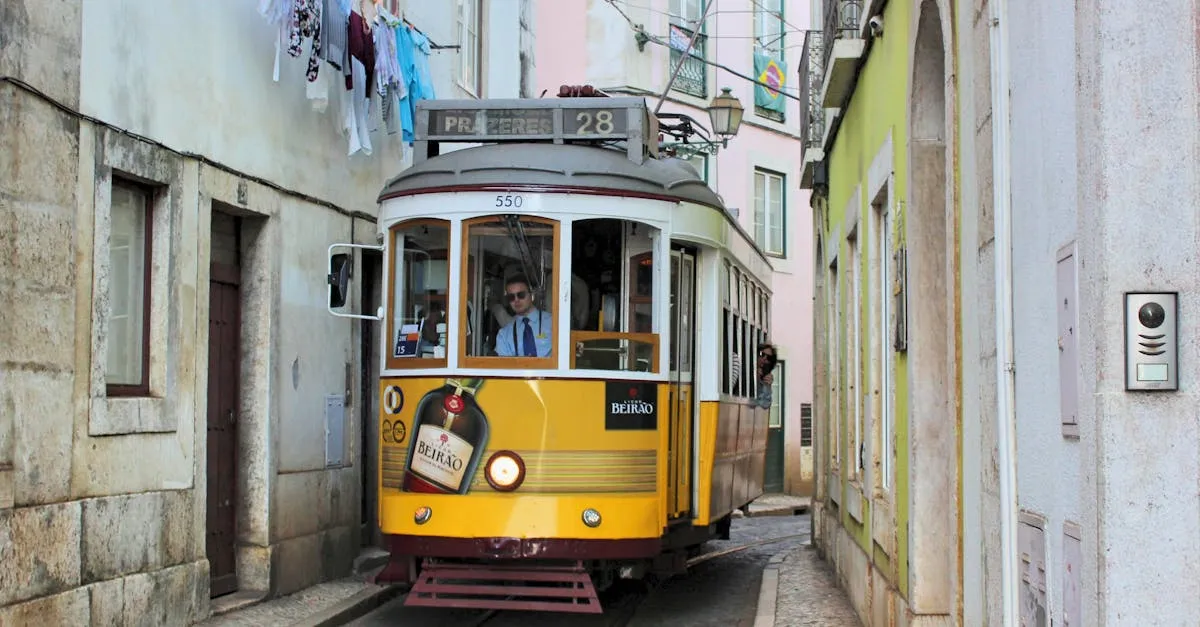
Historic Lisbon tram number 28 on a steep narrow street

🚆 Trains

CP (Comboios de Portugal) runs the national rail network.

🚌 Buses

Rede Expressos is the main long-distance bus network, often faster and cheaper than trains for routes not on the main

🚗 Driving

Best for: Douro Valley, Alentejo, Costa Vicentina, Algarve coast, Peneda-Gerês, and anywhere rural.

✈️ Flights

Domestic flights connect Lisbon, Porto, and Faro, though only Faro–Porto really rivals rail.

Portugal has excellent transport infrastructure between major cities. Rural areas and islands require a car.

Trains

CP (Comboios de Portugal) runs the national rail network. Alfa Pendular (high-speed) connects Faro, Lisbon, Coimbra, and Porto. Lisbon to Porto takes 2.5–3 hours (€25–35). Intercidades (intercity) is slower but cheaper. Regional trains serve smaller towns. Book at cp.pt or the CP app. Tickets are cheaper bought in advance. Check for planned strikes a few days ahead, they happen periodically.

Buses

Rede Expressos is the main long-distance bus network, often faster and cheaper than trains for routes not on the main Lisbon-Porto corridor. Regional operators: Vamus in the Algarve, Transdev in the centre and north. Bus coverage to smaller towns and beaches is better than rail in many areas. Book at rede-expressos.pt.

Driving

Best for: Douro Valley, Alentejo, Costa Vicentina, Algarve coast, Peneda-Gerês, and anywhere rural. Road quality is generally good. Speed limits: 50 km/h in towns, 90 km/h on rural roads, 120 km/h on motorways.

Tolls: Portugal has electronic toll motorways with no physical booths. Cameras photograph your plate. Make sure your rental car has a Via Verde device or register your plate at a CTT post office (portagemonline.pt). Failing to pay tolls results in fines that rental companies pass on with admin fees. Budget €20–40 in tolls for a north-to-south trip. Free alternative routes exist but add time.

City driving: Avoid driving in central Lisbon and Porto. Streets are steep, narrow, one-way, and parking is scarce. Park at the hotel and use metro, tram, or Uber. Both cities have good metro systems.

Flights

Domestic flights connect Lisbon, Porto, and Faro, though only Faro–Porto really rivals rail. Domestic flights are essential for reaching the Azores and Madeira (2–3 hours from Lisbon). SATA and TAP Portugal operate the island routes.

Urban Transport

Lisbon: metro (4 lines), buses, trams (including the iconic Tram 28), and the Santa Justa elevator. Buy a Viva Viagem card for €0.50 and load single trips (€1.65) or 24-hour passes (€6.80). Porto: metro (6 lines) and buses. Andante card system (€0.60 card, trips €1.25–2.00 by zone). Both cities: Uber and Bolt are widely available and affordable.

Budget Breakdown

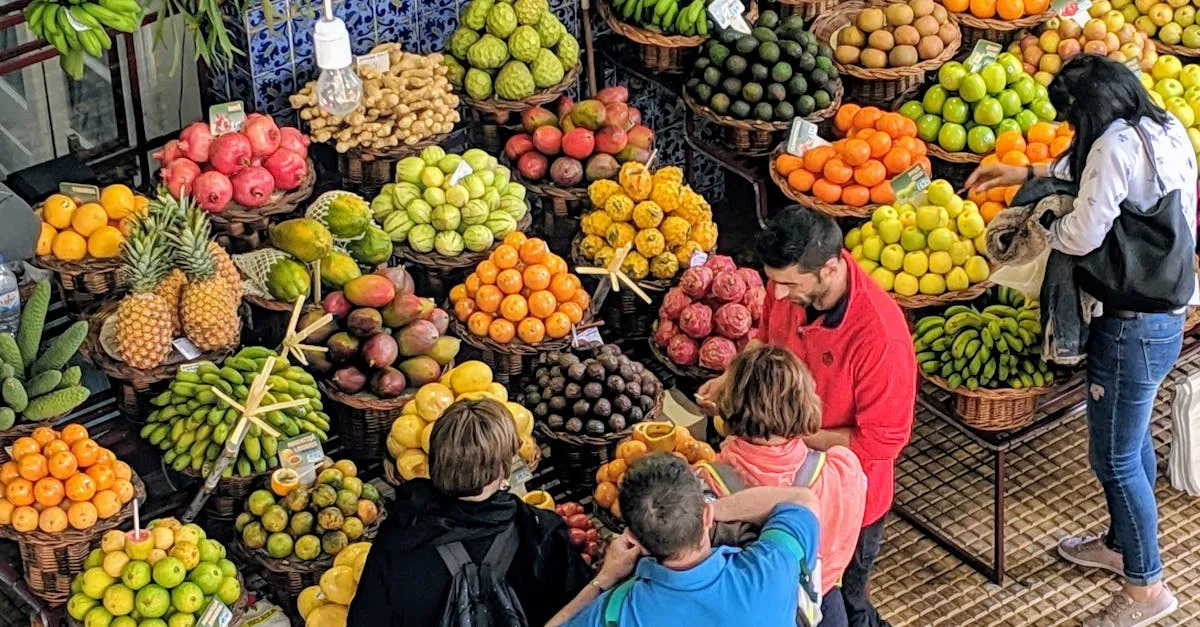
Colourful outdoor market stall with fresh Portuguese produce

Portugal is one of the more affordable countries in Western Europe. Your money goes noticeably further here than in France, Italy, or Spain, especially outside Lisbon and the Algarve in August.

CategoryBudgetMid-RangeComfort
Accommodation€20–40/night (hostel dorm, basic guesthouse)€60–100/night (3-star hotel, Airbnb)€120–200/night (boutique hotel, wine estate)
Food€10–15/day (prato do dia lunch, supermarket dinner)€25–40/day (restaurant lunch & dinner)€50–80/day (fine dining, wine pairings)
Transport€10–15/day (buses, trains, metro)€20–30/day (rental car, fuel, tolls)€30–50/day (rental car, domestic flights)
Activities€0–10/day (free museums, hiking, beaches)€15–30/day (wine tastings, kayak tour)€40–80/day (guided tours, private boat)
Daily Total€40–80€120–200€240–400

Money-Saving Tips

🍴 Prato do Dia

Daily special: full lunch with soup, main course, drink, and coffee for €8–12 at local restaurants

🎨 Free Museum Days

Many Lisbon museums free on Sundays until 14:00, including Jerónimos Monastery and National Tile Museum

🛒 Market Shopping

Lisbon’s Mercado da Ribeira and Porto’s Mercado do Bolhão offer cheap, fresh produce and prepared food

📅 Avoid August Algarve

Prices drop 30–40% in June and September with nearly identical weather and far fewer crowds

☕ Coffee at the Bar

Standing at the counter: €0.70–1.00 for an espresso. Sitting at a terrace table costs more

🍷 House Wine

Order vinho da casa at restaurants. €2–4 per glass for excellent local wine. Portugal has some of Europe’s best-value bottles

Practical Information

Azulejo tiled facade of a traditional Portuguese building

💳 Visas

Portugal is in the Schengen Area.

🏥 Health

No mandatory vaccinations for Portugal.

💶 Money

Currency is the Euro (€). Cards (Visa, Mastercard) are widely accepted in cities and tourist areas.

📶 SIM & WiFi

EU roaming regulations mean EU/EEA SIM cards work at home rates in Portugal.

🔌 Electricity

Type C and Type F plugs (standard continental European, 2 round pins). Voltage 230V/50Hz.

🛒 Safety

Portugal consistently ranks among the safest countries in the world (Global Peace Index top 10). Violent crime against tourists is extremely rare.

Visa & Entry

Portugal is in the Schengen Area. Most EU/EEA, UK, US, Canadian, Australian, and similar passport holders can enter visa-free for up to 90 days within any 180-day period. Check current requirements for your nationality before travel. From 2025, non-EU citizens from visa-exempt countries need to register via the EU's ETIAS system before travel (online, €7, valid 3 years).

Health

No mandatory vaccinations for Portugal. EU/EEA citizens should carry a European Health Insurance Card (EHIC) or Global Health Insurance Card (GHIC) for access to state healthcare at reduced cost. Travel insurance with medical coverage is recommended for everyone else. Pharmacies (farmácia, green cross sign) are well-stocked and pharmacists can advise on minor ailments. Tap water is safe to drink throughout mainland Portugal.

Money

Currency is the Euro (€). Cards (Visa, Mastercard) are widely accepted in cities and tourist areas. Smaller tascas, rural areas, and some markets still prefer cash. ATMs (Multibanco) are everywhere. Avoid airport currency exchange. Some Portuguese ATMs offer dynamic currency conversion. Always choose "charge in Euros" (local currency), never "charge in your home currency."

SIM Cards & Connectivity

EU roaming regulations mean EU/EEA SIM cards work at home rates in Portugal. For non-EU visitors, MEO, NOS, and Vodafone sell tourist SIMs at airport shops and city stores. Expect 10–50GB for €10–20/month. Passport required for purchase. Free Wi-Fi is available in most hotels, many restaurants, and some public spaces. Quality varies outside Lisbon and Porto.

Language

Portuguese is the official language. English is widely spoken in tourist areas, Lisbon, Porto, and the Algarve. In smaller towns and rural areas, English drops off. Learning "obrigado/obrigada" (thank you), "por favor" (please), and "com licença" (excuse me) is appreciated. Google Translate handles Portuguese well. Do not assume Portuguese speakers understand Spanish. It is a separate language and the assumption can be mildly annoying.

Electricity

Type C and Type F plugs (standard continental European, 2 round pins). Voltage 230V/50Hz. UK, US, and Australian travellers need an adapter. Most devices with universal power supplies (laptops, phone chargers) work fine; just bring the right plug.

Safety

Portugal consistently ranks among the safest countries in the world (Global Peace Index top 10). Violent crime against tourists is extremely rare. Pickpocketing is the main risk, concentrated in Lisbon (Tram 28, Alfama, Baixa, metro), Porto (Ribeira, São Bento area), and Algarve tourist zones. Use common sense: front pockets, keep bags zipped and in sight, avoid counting cash in public. Watch for the "helpful" distraction scam (someone drops something, someone else grabs your bag). Drug use is decriminalised in Portugal, which does not mean drugs are legal, but possession of small amounts is treated as a health issue rather than a crime.

Tips & Common Mistakes

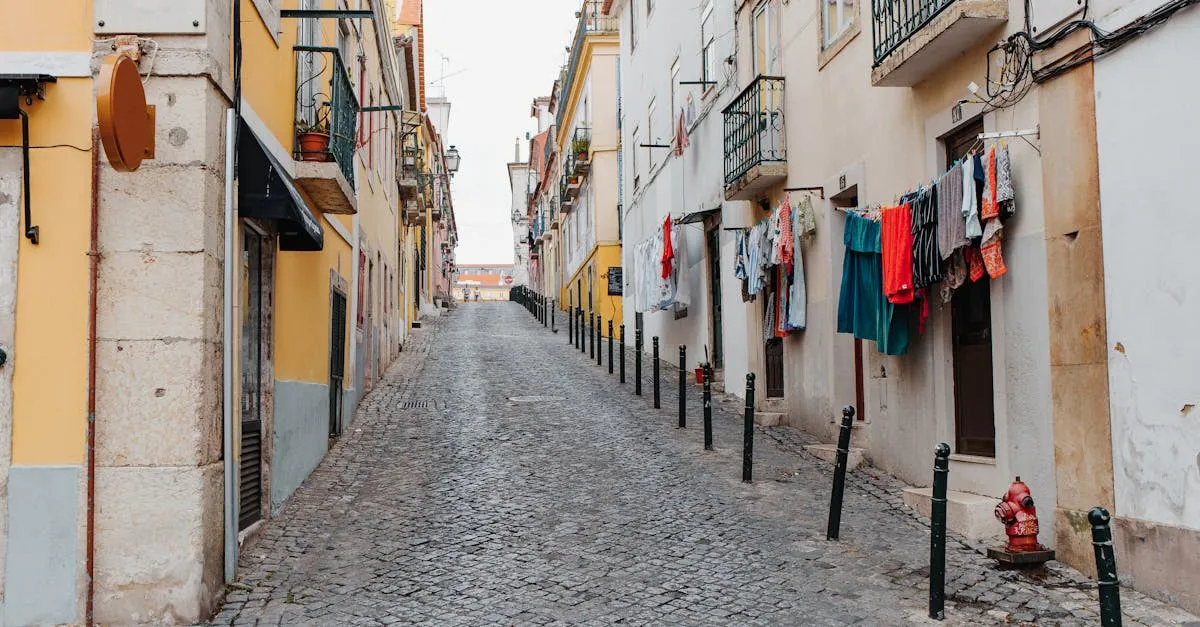
Narrow cobblestone alley in Alfama with hanging laundry

Mistakes that cost time, money, or enjoyment. All of them are avoidable.

  • Not sorting electronic tolls. Portugal's toll motorways photograph your plate and send a bill. If your rental does not have a Via Verde device and you have not registered your plate, fines accumulate silently. The rental company adds admin fees on top. Sort this before you start driving
  • Trying to drive in Lisbon or Porto. Steep one-way streets, no parking, confusing navigation, and aggressive local drivers. Park at your hotel and use metro, tram, or Uber. Seriously
  • Treating the couvert as free. Bread, butter, olives, cheese, and pates arrive at your restaurant table without being ordered. They are not free. Every item has a price (€1–3 each). Politely decline what you do not want, or expect €3–8 added to your bill
  • Only visiting Lisbon and the Algarve. The most common first-timer error. Porto, the Douro, Central Portugal, and the Alentejo are all exceptional and less crowded. Budget the time for at least one "unexpected" destination
  • August in the Algarve. Triple hotel prices, packed beaches, unbearable heat in the interior. June and September give you 90% of the experience at 60% of the cost
  • Booking Sintra without a plan. Pena Palace gets crushed by mid-morning. Buy tickets online in advance, arrive by 09:00 at the latest, and start with whatever opens first. Afternoon visits mean hour-long queues
  • Skipping breakfast. Many Portuguese hotels include a generous breakfast. If yours does not, find a local padaria (bakery) for a pastel de nata and a galao for under €3. Do not start the day at a tourist-trap cafe near the sights
  • Assuming Spanish works. Portuguese and Spanish are related but different languages. Addressing a Portuguese person in Spanish is like addressing a Scottish person in an exaggerated English accent. They can understand you, but they would rather you tried English
  • Ignoring local festivals. Santos Populares in June, Carnival in February, and local municipal holidays close shops and change city atmospheres entirely. Check the calendar or you will find locked doors and empty streets when you expected lunch
  • Forgetting sunscreen on cloudy days. The Atlantic coast is deceptive. Overcast skies in the Algarve or the Silver Coast still produce UV levels high enough for a serious burn. Apply regardless

Final Recommendation

Final recommendation

Portugal is the kind of country you visit expecting a pleasant week and leave planning when to come back. It has everything, beaches, cities, wine, history, surf, hiking, food, and none of it feels forced or over-commercialised. The country wears its charm naturally.

For a first visit, the Lisbon-Porto axis is the essential backbone. Ten days covering both cities, Sintra, and a few stops in between gives you a solid introduction. Add the Algarve if you want beaches, the Douro if you want wine, and the Alentejo if you want space and silence.

Come in June if you can. The Santos Populares festivals transform Lisbon and Porto into the best street parties in Europe. The weather is perfect, the days are long, and the sardines are grilling on every corner. September is the smart alternative: slightly fewer crowds, the Douro harvest, and the Atlantic at its warmest.

Eat at tascas, not tourist restaurants. Take the slow train through the Douro. Walk the Alfama at sunset. Stand at the bar for your coffee. And do not, under any circumstances, skip the pasteis de nata.

Portugal has survived earthquakes, empires, revolutions, and economic crises. It emerged from all of them with a shrug and a glass of wine. That resilience shows in everything from the welcoming locals to the way a simple grilled fish lunch at a plastic-table beach restaurant can be one of the best meals of your life. Go. You will not regret it.