🚅 Trains
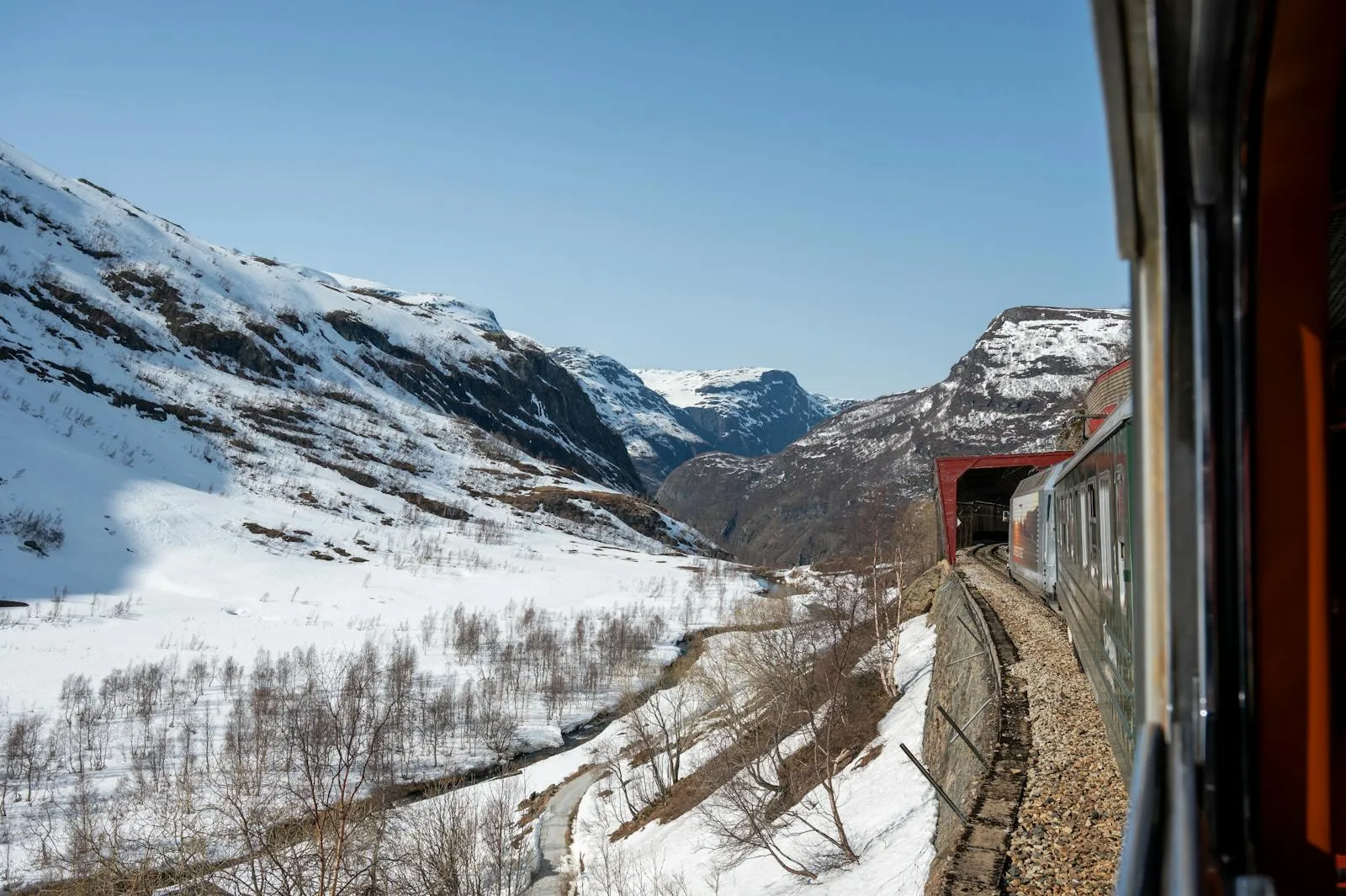
Vy (formerly NSB). Bergen Railway, Nordland Railway, Flåm Railway. Minipris fares save up to 70%
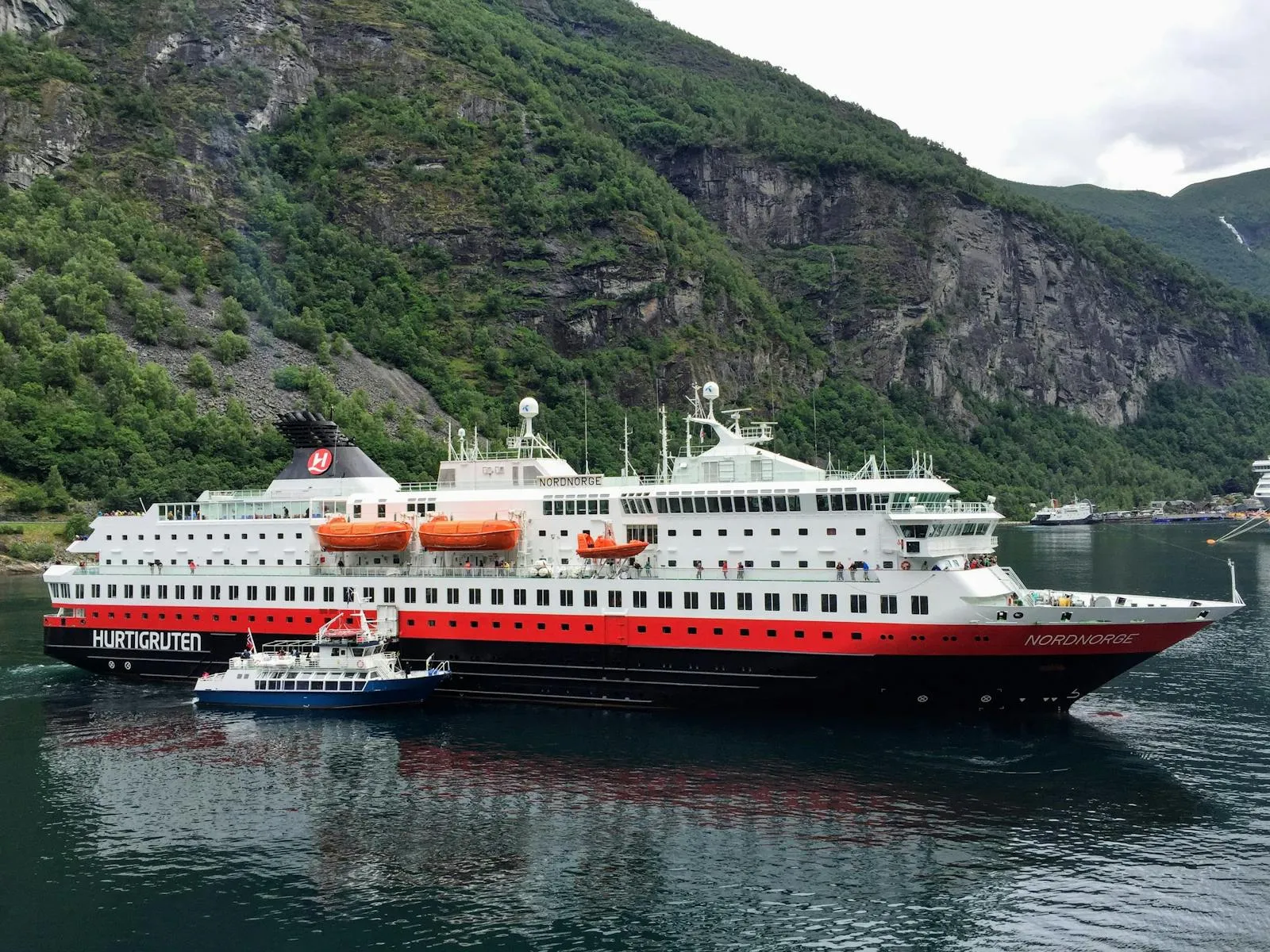
🚢 Hurtigruten
Bergen–Kirkenes coastal steamer. 6–7 days, 34 ports. Part transport, part cruise. From ~$800/leg
✈️ Flights
SAS, Norwegian, Widerøe. Essential for distances. Oslo–Tromsø 2h. Book ahead for deals
🚗 Car Rental
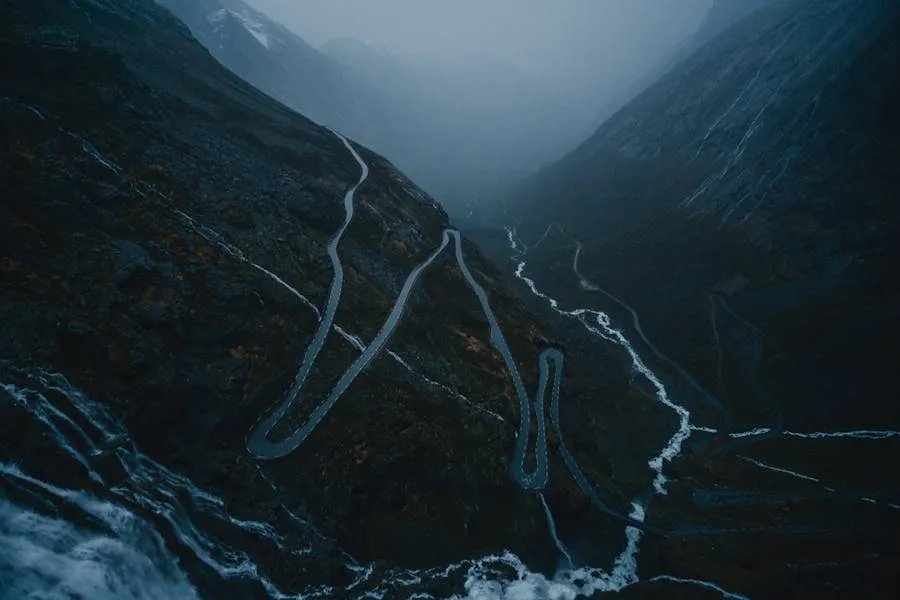
From ~600 NOK/day. Essential for Lofoten, Atlantic Road, Trollstigen. Fuel ~19 NOK/L
⛴️ Ferries
Hundreds of ferry crossings. Many free. Bodø–Lofoten from ~300 NOK. Book summer ferries ahead
🚌 Buses
NOR-WAY Bussekspress, Vy Bus. Fill gaps trains miss. Essential for rural fjord areas
Trains
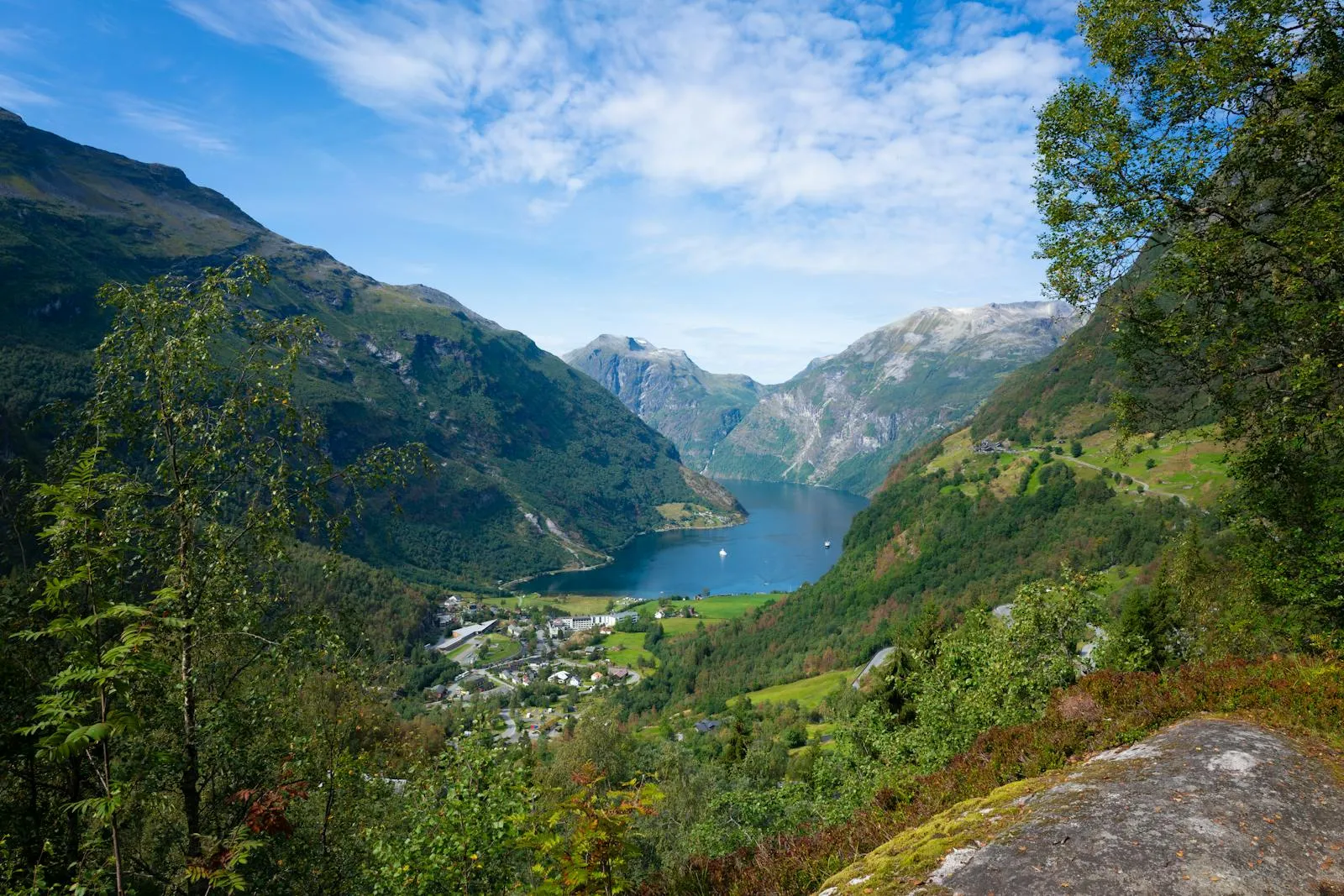
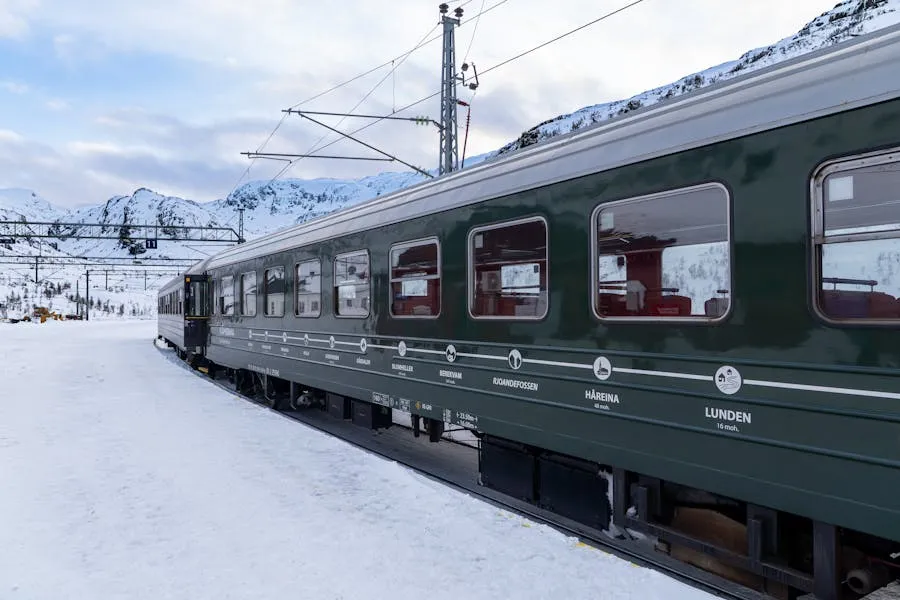
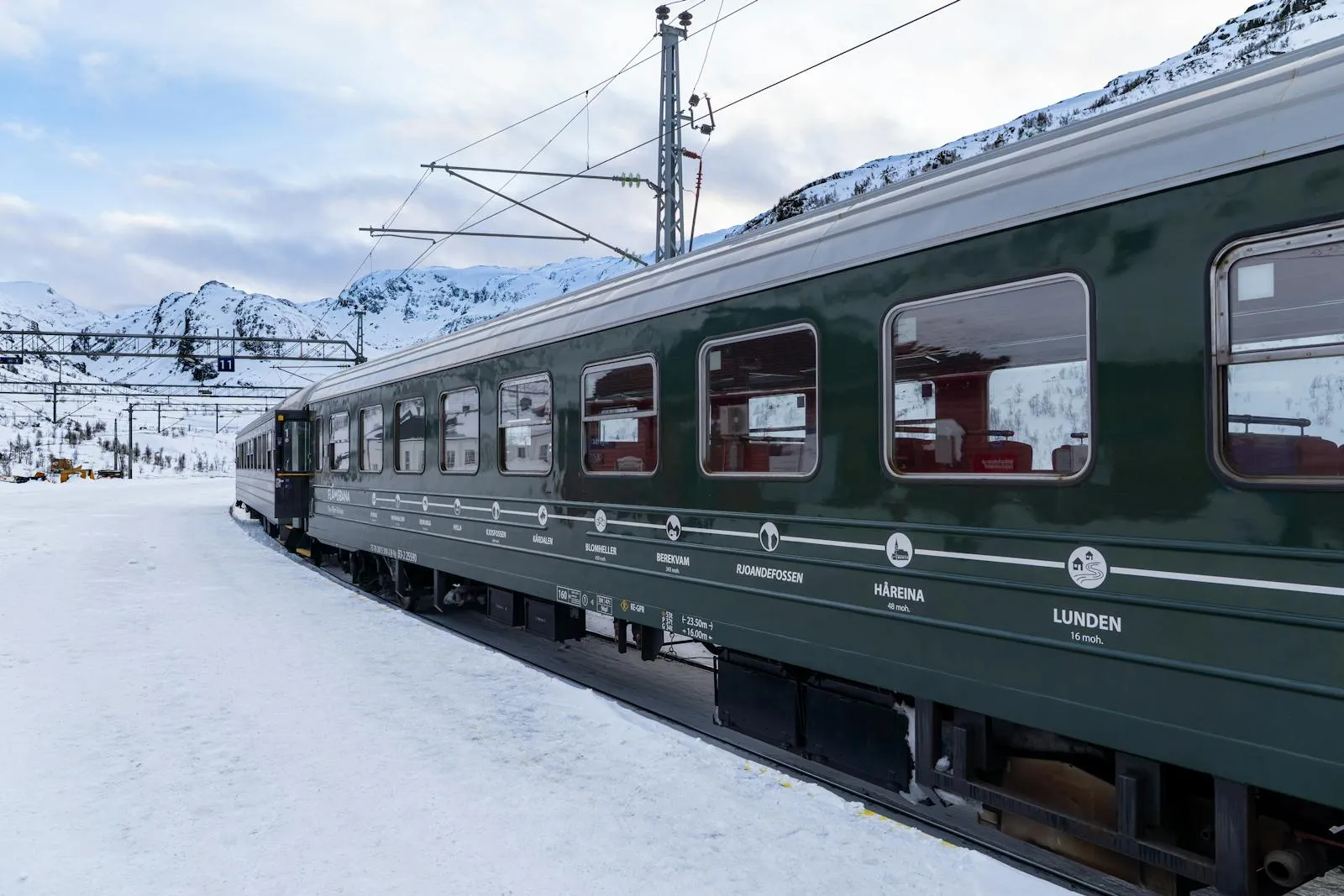
Vy operates Norway’s rail network. The Bergen Railway (Oslo–Bergen, 7 hours) is one of Europe’s most scenic. The Nordland Railway (Trondheim–Bodø, 9h 40min) crosses the Arctic Circle. The Flåm Railway (Myrdal–Flåm, 1 hour) is one of the steepest in the world. The Rauma Railway (Dombås–Åndalsnes, 1h 40min) runs through Romsdal valley past Trollveggen.
Minipris saves everything. Vy’s Minipris advance fares start at 199 NOK for long routes that cost 800–1,000 NOK at full price. Book at vy.no or the Vy app 2–3 months ahead. Tickets go on sale 90 days before departure. Non-refundable but up to 70% cheaper. This is the single most important money-saving tip for Norway.
Hurtigruten Coastal Steamer
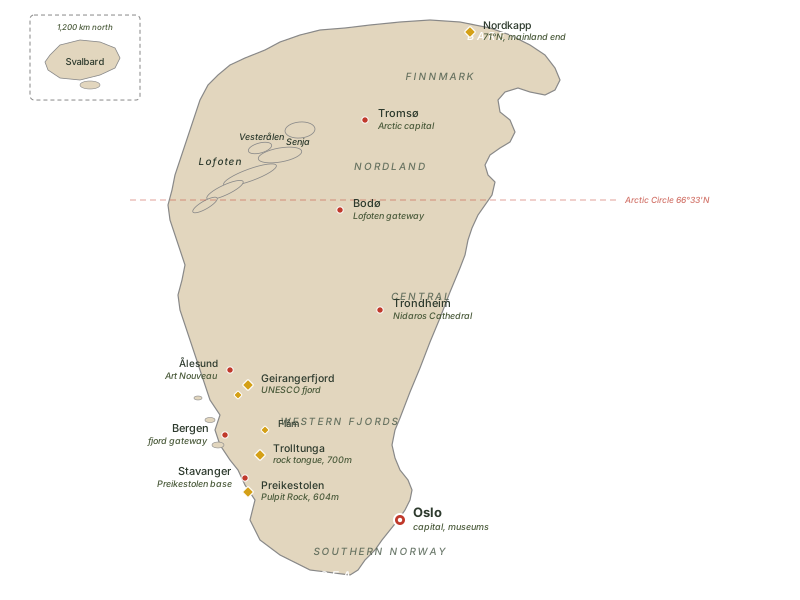
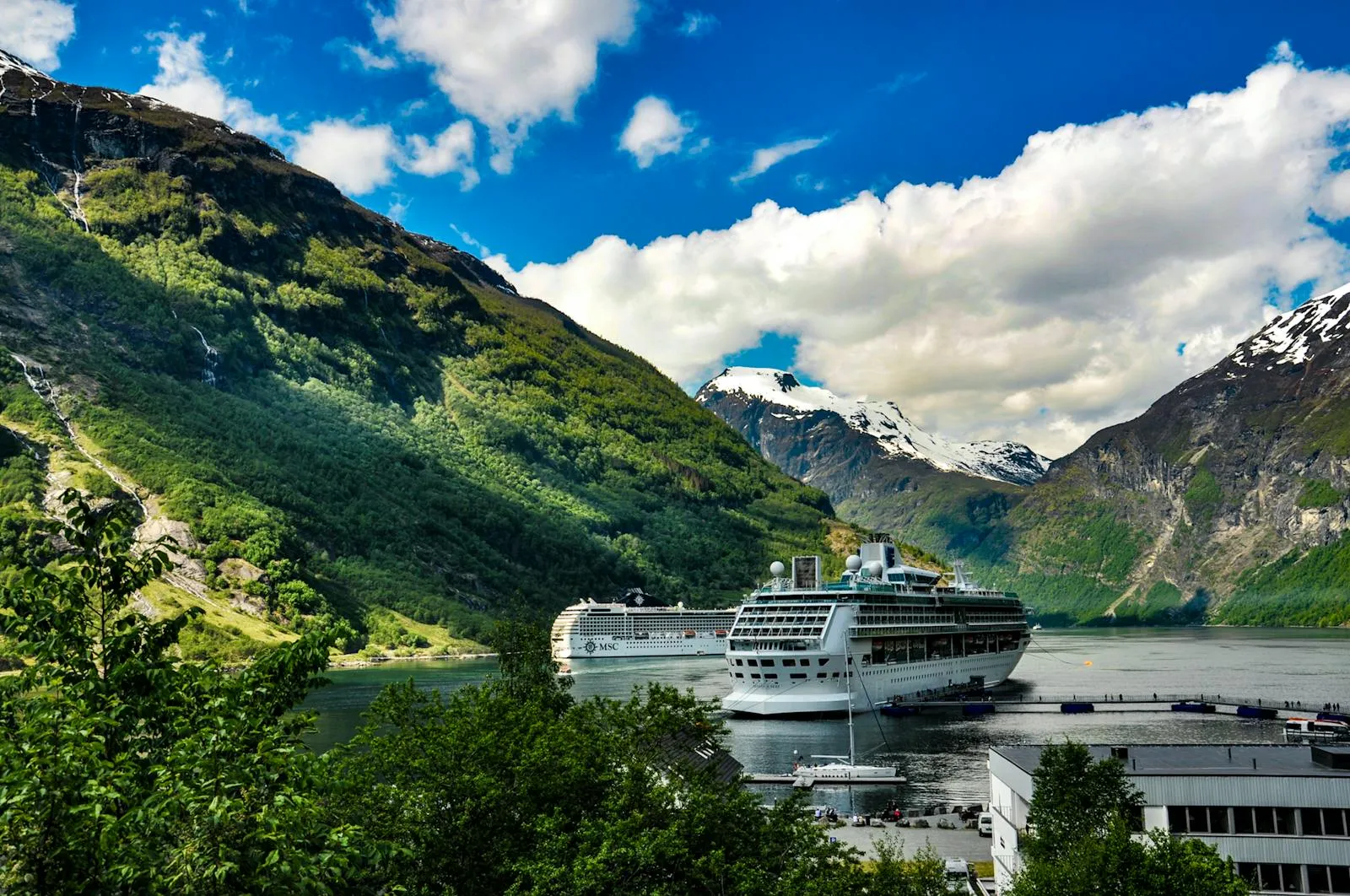
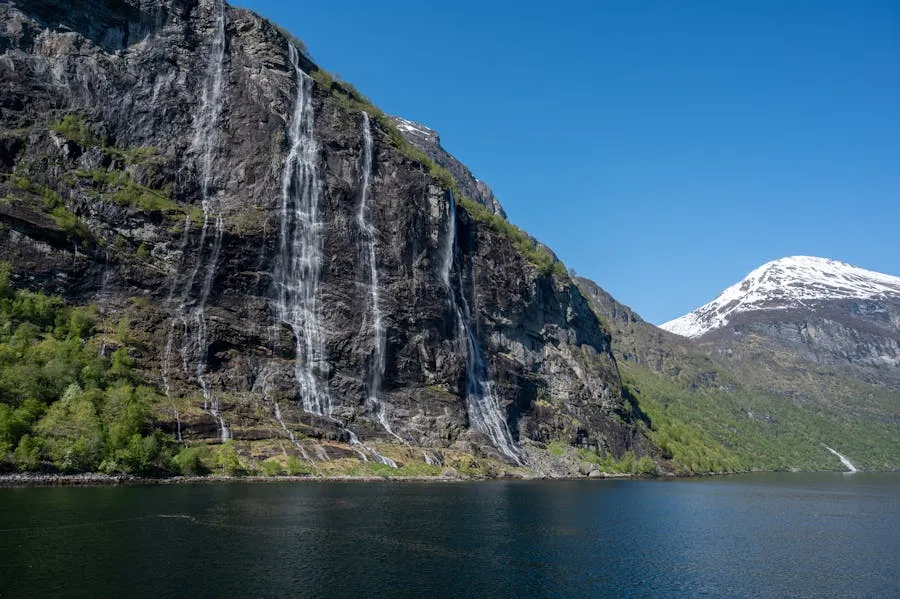
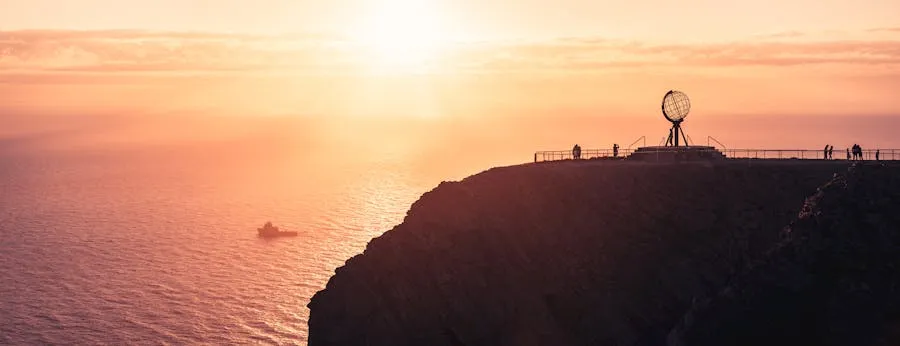
The Hurtigruten has sailed Bergen to Kirkenes since 1893, stopping at 34 ports over 6–7 days (or individual legs). Part transport for coastal communities, part cruise ship. The northbound leg (Bergen–Kirkenes) passes Geirangerfjord, Lofoten, Tromsø, and Nordkapp. Individual legs can be booked for port-to-port transport at lower cost than the full voyage. The MS Trollfjord and MS Nordkapp are among the fleet.
Flights
Domestic flights are essential for covering Norway’s length. SAS, Norwegian, and Widerøe operate extensive networks. Oslo to Tromsø takes 2 hours vs 20+ by road. Oslo to Bodø is 1h 30min. Widerøe operates short-hop routes on smaller planes to remote airports. Book 4–8 weeks ahead. One-way flights from ~400 NOK.
Driving
A car unlocks Lofoten, Senja, Trollstigen, the Atlantic Road, and the National Tourist Routes. Roads are excellent but narrow and winding. Speed limits are low (80 km/h max on most roads, 60 in rural areas). Petrol costs ~19 NOK/litre. Tunnels are everywhere (some over 20 km, including undersea tunnels). Winter tyres mandatory November through Easter. Many fjord crossings require ferry waits of 15–45 minutes.
Entur App
The Entur app is the best journey planner for all Norwegian public transport: trains, buses, ferries, and metro combined. Buy tickets directly in the app. It shows real-time departures and calculates the cheapest route across multiple operators. Essential for trip planning.
![Budget and costs]()
Norway is one of the most expensive countries in Europe, but the NOK has been historically weak against major currencies, softening the blow. The real savings come from embracing Norwegian outdoor culture: wild camping (free), self-catering, and advance booking.
Daily Budget Ranges
| Category | Budget | Mid-range | Comfort |
|---|
| Accommodation | Free–500 NOK (wild camping, hostels) | 800–1,500 NOK (hotel/cabin) | 1,500–3,000+ NOK (boutique/resort) |
| Food | 200–400 NOK (supermarket, self-catering) | 500–800 NOK (restaurants, cafes) | 800–1,500 NOK (fine dining) |
| Transport | 100–300 NOK (buses, Minipris trains) | 300–700 NOK (trains, ferries) | 700–1,500 NOK (rental car, flights) |
| Activities | 0–200 NOK (free hikes, free camping) | 200–600 NOK (museums, tours) | 600–2,000 NOK (whale safaris, guided hikes) |
| Daily Total | 300–1,400 NOK ($30–130) | 1,800–3,600 NOK ($170–340) | 3,600–8,000 NOK ($340–760) |
Money-Saving Tips
⛺️ Wild Camp Free
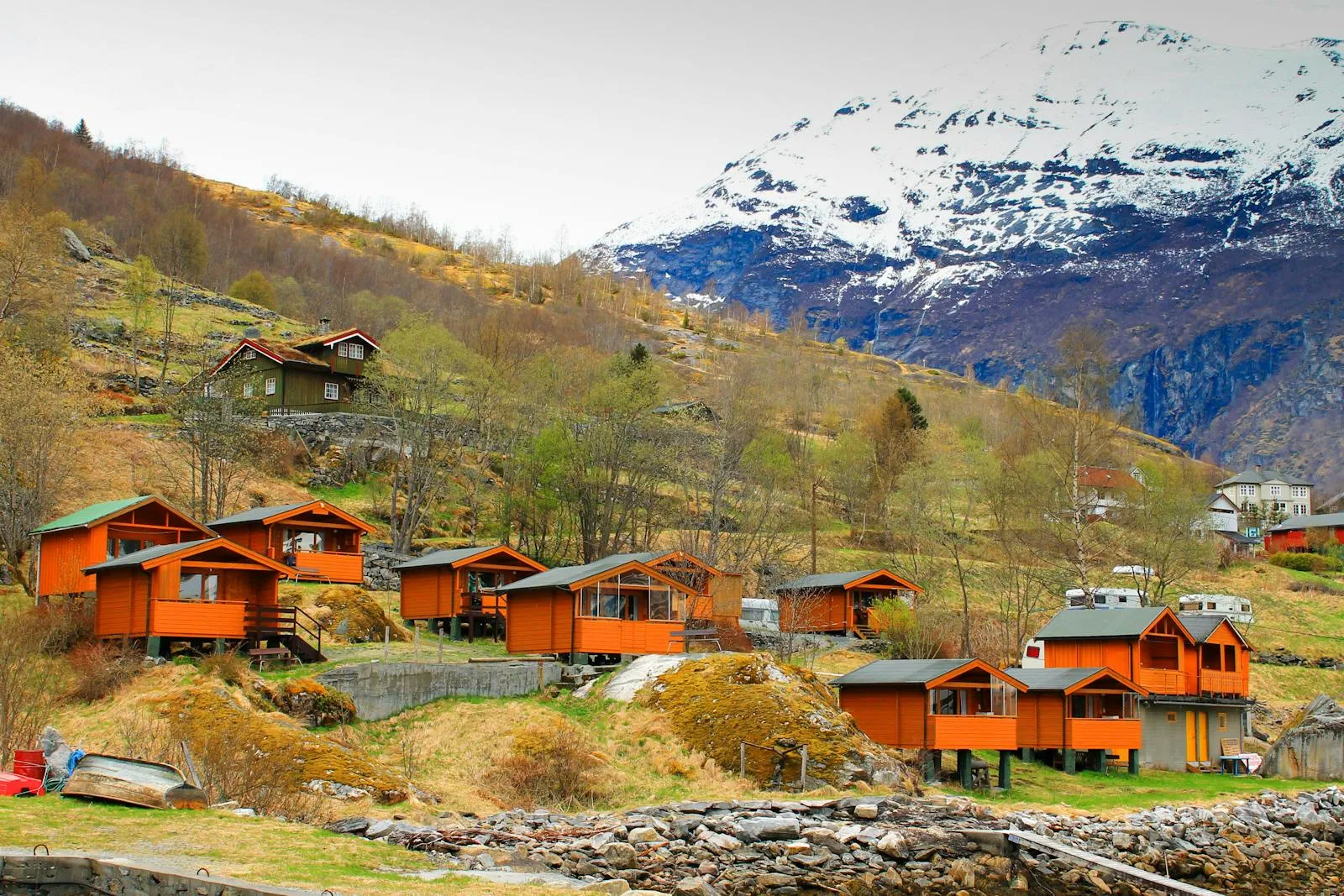
Allemannsretten lets you camp free anywhere in nature (150m from dwellings, 2-night max per spot). A tent and sleeping bag slash accommodation to zero
🛒 Self-Cater
Rema 1000 and Kiwi are the cheapest supermarkets. A day’s groceries costs 200–300 NOK. Restaurant meals are 3–5x more. Cook in hostel or cabin kitchens
🎫 Minipris Trains
Book vy.no 90 days ahead. Bergen Railway from 199 NOK vs 800+ walk-up. The biggest single saving in Norway
💦 Free Tap Water
Norwegian tap water is excellent everywhere. Refill bottles from any tap or mountain stream (above farming areas). Never buy bottled water
🚘 DNT Membership
680 NOK annual membership gives discounted hut stays (350–500 NOK vs 600–800 NOK). Pays for itself after 2–3 nights
🍴 Lunch Tilbud
Many restaurants offer a lunch special (dagens rett or lunsjtilbud) for 120–180 NOK. Make lunch your main meal out, then self-cater dinner
Tipping: Not expected and not customary. Service charges are included in all prices. Wages are high. Rounding up a restaurant bill by 5–10% is appreciated but never assumed. Taxi drivers do not expect tips. Hotel staff do not expect tips. This is not a tipping country.
![Practical travel information]()
💳 Visas
Schengen Area (EEA, not EU). Most Western passports visa-free 90 days. Svalbard: no visa required for any nationality
🏥 Health
No mandatory vaccinations. EU/EEA: EHIC valid. Tap water safe and excellent. Pharmacies (Apotek) well-stocked
💶 Money
Norwegian Krone (NOK). Cards accepted virtually everywhere, even remote mountain huts. Cash rarely needed
📶 SIM & WiFi
EU roaming does NOT apply (Norway is EEA, not EU). Buy a local SIM from Telenor or Telia. Free WiFi in hotels/cafes
🔌 Electricity
Type C/F (2 round pins), 230V/50Hz. Same as continental Europe. UK/US/AUS need adapters
🛒 Safety
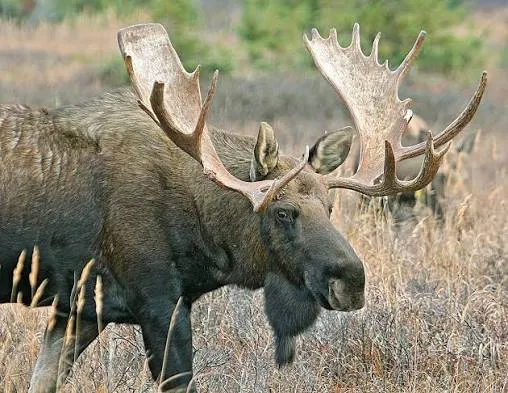
Extremely safe. Almost no crime risk. Mountain weather and moose on roads are the main hazards
Entry & Visas
Norway is in the Schengen Area and EEA (but not the EU). Most Western passport holders can enter visa-free for 90 days within any 180-day period. Svalbard has a separate status: no visa is required for any nationality, and there are no passport controls. However, reaching Svalbard requires transiting through mainland Norway (Schengen rules apply for that transit).
Money
Norway uses the Krone (NOK), not the Euro. Cards are accepted virtually everywhere, including taxis, hot dog stands, mountain huts, and even some public toilets. Contactless payment is universal. Cash is rarely needed and many places no longer accept it. ATMs (minibanker) are available in towns but scarce in rural areas. Use Vipps (Norway’s payment app) if you have a Norwegian bank account.
Connectivity
EU roaming regulations do NOT cover Norway (it is EEA, not EU). Most EU SIMs work but may incur roaming charges. Check with your provider. Tourist SIMs from Telenor or Telia cost ~200–300 NOK for 10–20GB. Coverage is excellent even in remote areas, though some fjord valleys and mountain interiors lose signal.
Alcohol Rules
Vinmonopolet (state monopoly shops) is the only place to buy wine, spirits, and beer above 4.7% ABV. Open Mon–Fri (typically 10–18), Saturday until 15:00, closed Sundays. Supermarkets sell beer below 4.7% but not after 20:00 weekdays or 18:00 Saturdays. A bottle of wine at Vinmonopolet costs ~150–250 NOK. A beer in a bar costs 90–130 NOK. Plan your purchases around these hours or you will find yourself dry.
Language
Norwegian has two written forms: Bokmål (used by ~85%) and Nynorsk (used by ~15%, mainly in western Norway). Both are Norwegian. Sámi languages are co-official in parts of the north. English is spoken almost universally, even in remote areas. Norwegians are among the most English-proficient people in the world. Learning “takk” (thanks), “hei” (hi), and “unnskyld” (excuse me) is appreciated but not necessary.
Safety
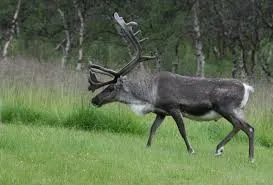
Norway is one of the safest countries in the world. Violent crime is extremely rare. Theft is uncommon. The real risks are natural: hypothermia from underestimating mountain weather, slippery trails in wet conditions, and moose or reindeer on roads (especially at dusk). Svalbard has a genuine polar bear risk outside Longyearbyen – carrying a rifle is mandatory. Register your hiking plans at turisthytta.no or tell someone your route.
![Mountain trail in Norway with dramatic sky and hikers in distance]()
Mistakes that cost time, money, or safety. All avoidable.
- Underestimating distances. Norway is 1,752 km long. Oslo to Troms? is 1,800 km by road (21 hours non-stop). Do not try to “see Norway” in a week. Pick a region or use internal flights
- Not booking Minipris train tickets. Walk-up fares are 3–5x the advance price. Bergen Railway: 199 vs 800+ NOK. Book at vy.no 90 days ahead. Non-refundable but enormous savings
- Forgetting about Vinmonopolet hours. You cannot buy wine or spirits after 18:00 Saturday until Monday morning. Beer in supermarkets stops at 20:00 weekdays, 18:00 Saturdays, and not at all on Sundays. Plan purchases or face a dry weekend
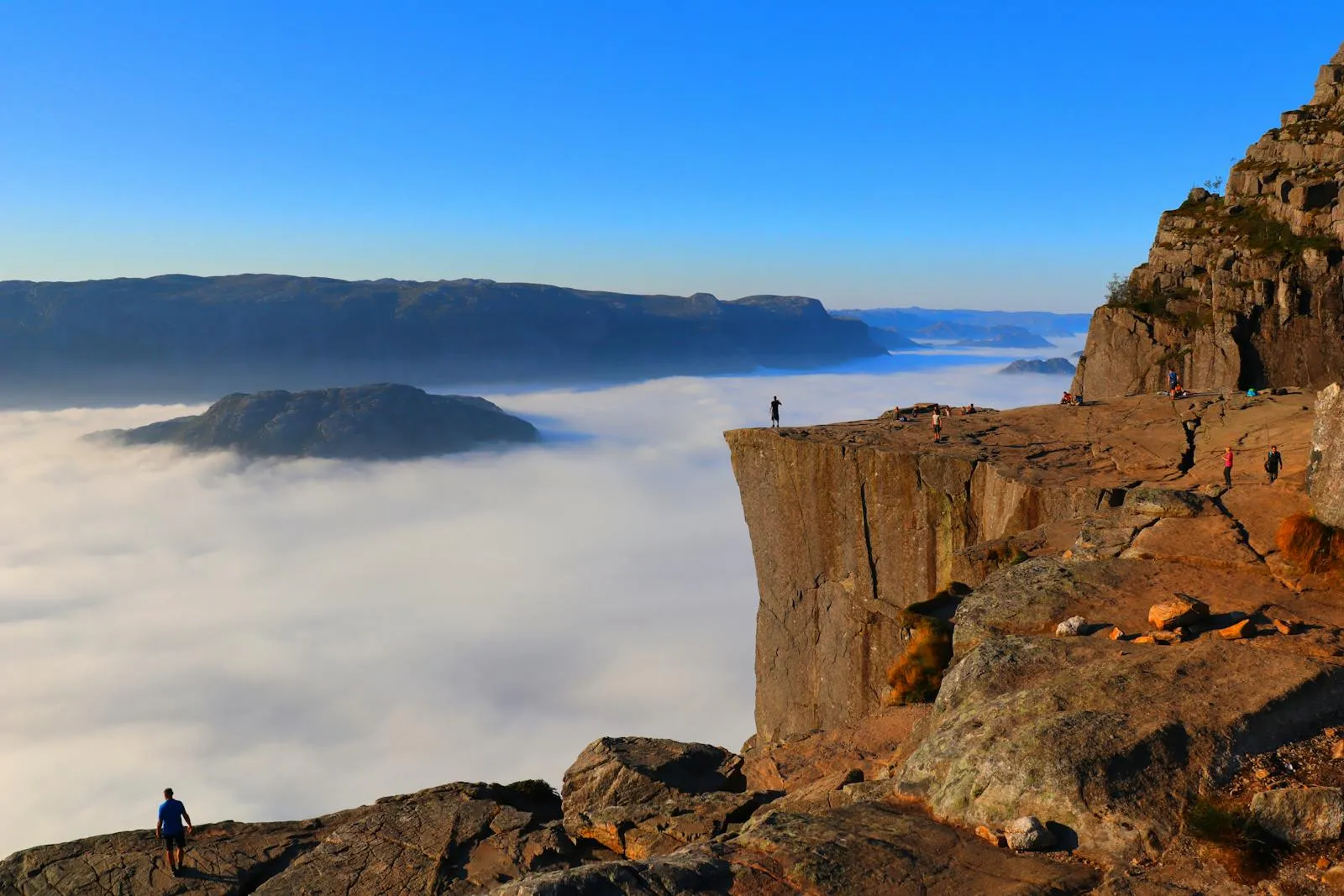
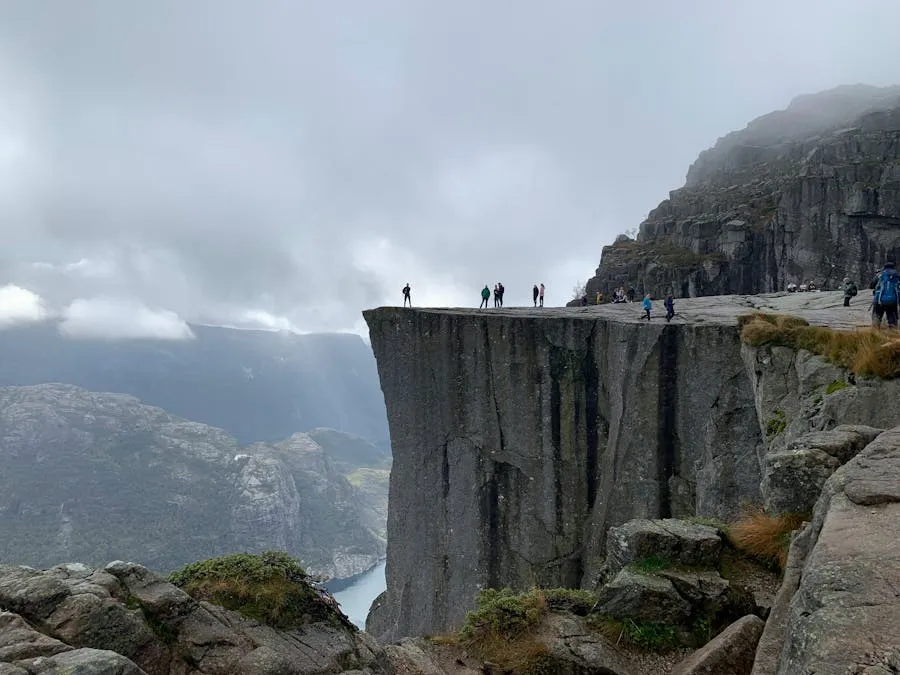
- Underestimating mountain weather. Conditions change rapidly. A sunny morning can turn into freezing rain, fog, and near-zero visibility by afternoon. Even on day hikes like Preikestolen, carry warm layers, waterproofs, food, and water. The Norwegian Mountain Code (fjellvettregel) is taken seriously
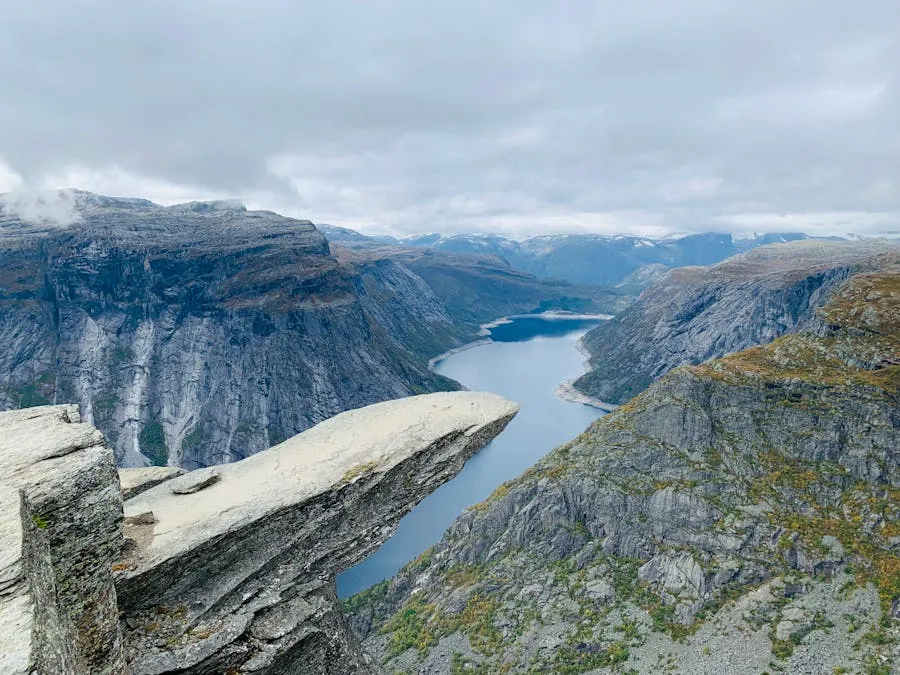
- Attempting Trolltunga unprepared. 27 km, 8–12 hours, 800m elevation gain. Every year, rescue teams extract hikers who started too late, carried too little, or underestimated their fitness. Start before 8am. Carry headlamp, extra food, and warm clothing even in summer
- Expecting EU roaming. Norway is EEA, not EU. Many EU SIM cards charge roaming fees. Check with your provider before arrival or buy a local SIM
- Driving without planning for ferries. Many coastal roads require ferry crossings that add 15–45 minutes of waiting. Summer ferries in Lofoten and the fjords fill up. Check schedules at ferryroutes.no and arrive early
- Visiting Lofoten without booking accommodation. Rorbuer cabins sell out months ahead in summer. Camping is always an option (Allemannsretten), but if you want a bed, book 3–6 months before a July visit
- Ignoring Allemannsretten. The right to roam is free, legal, and civilised. A tent, sleeping bag, and camping stove reduce your daily spend to almost nothing. Most Norwegians camp or use cabins. Spending $200/night on hotels in a country that gives you the landscape for free is a genuine missed opportunity
- Eating every meal in restaurants. A restaurant lunch costs 200–350 NOK. A supermarket lunch costs 40–80 NOK. Self-catering is not a compromise in Norway; it is how most Norwegians travel. Rema 1000 and Kiwi have good quality at the lowest prices
![Midnight sun over a calm Norwegian fjord with mountains]()
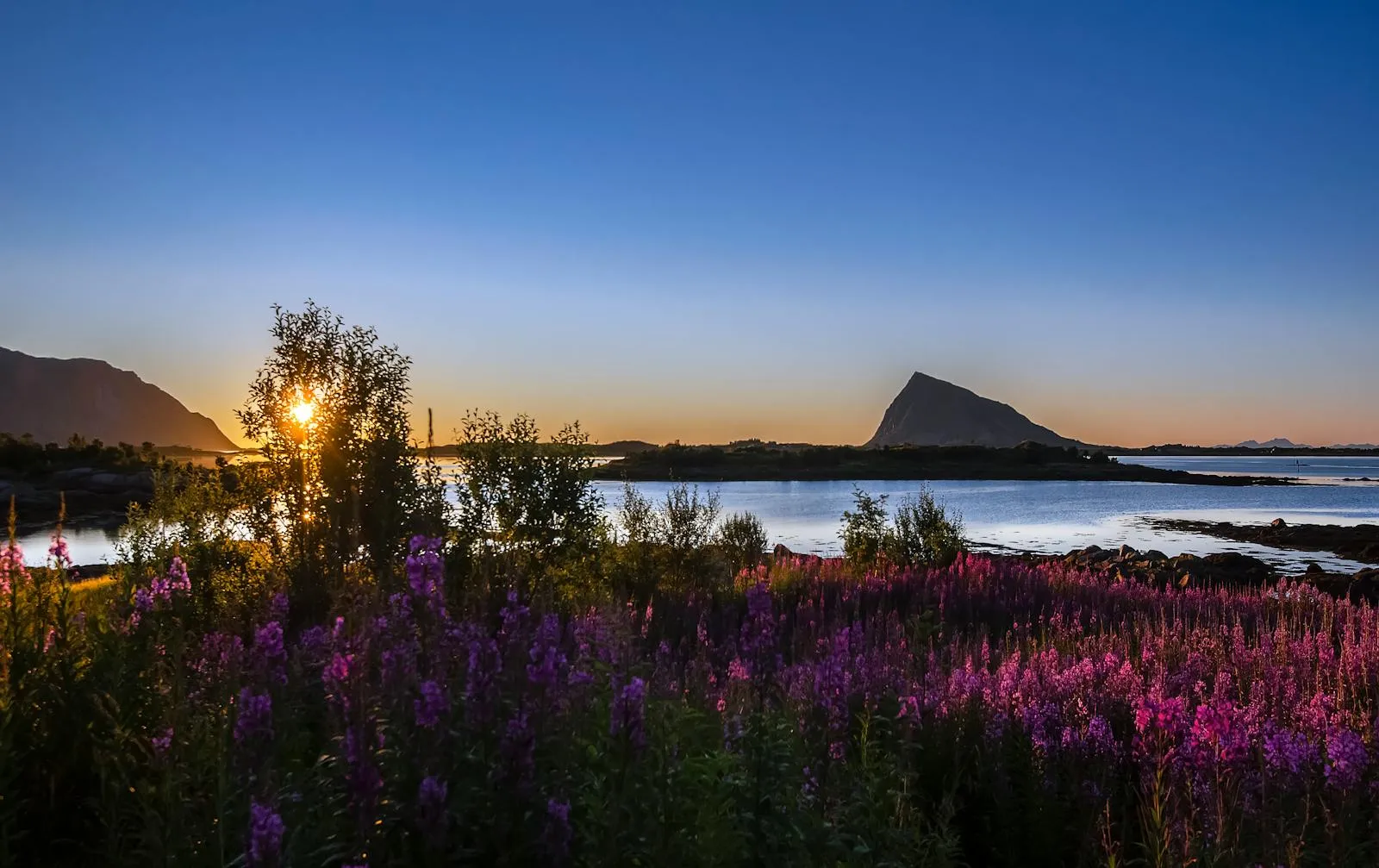
Norway is the country that reminds you what landscape can do. Not the curated landscape of a garden or a park, but the raw, violent, indifferent kind that makes you feel small in a way that is somehow comforting. Standing on Preikestolen with nothing between you and a 600-metre drop. Watching an orca surface in a fjord while snow falls on the mountains behind. Sitting outside a rorbuer at 2am in Lofoten while the midnight sun turns the sea to copper.
It is expensive, and there is no point pretending otherwise. But the expense is a filter, not a barrier. The tourists who come to Norway tend to be serious about being outdoors, and the infrastructure reflects that. Marked trails, mountain huts, the right to roam, and a culture that genuinely believes time spent outside is essential to being human. You do not need money to enjoy Norway. You need a tent, a stove, a willingness to walk, and enough waterproof layers.
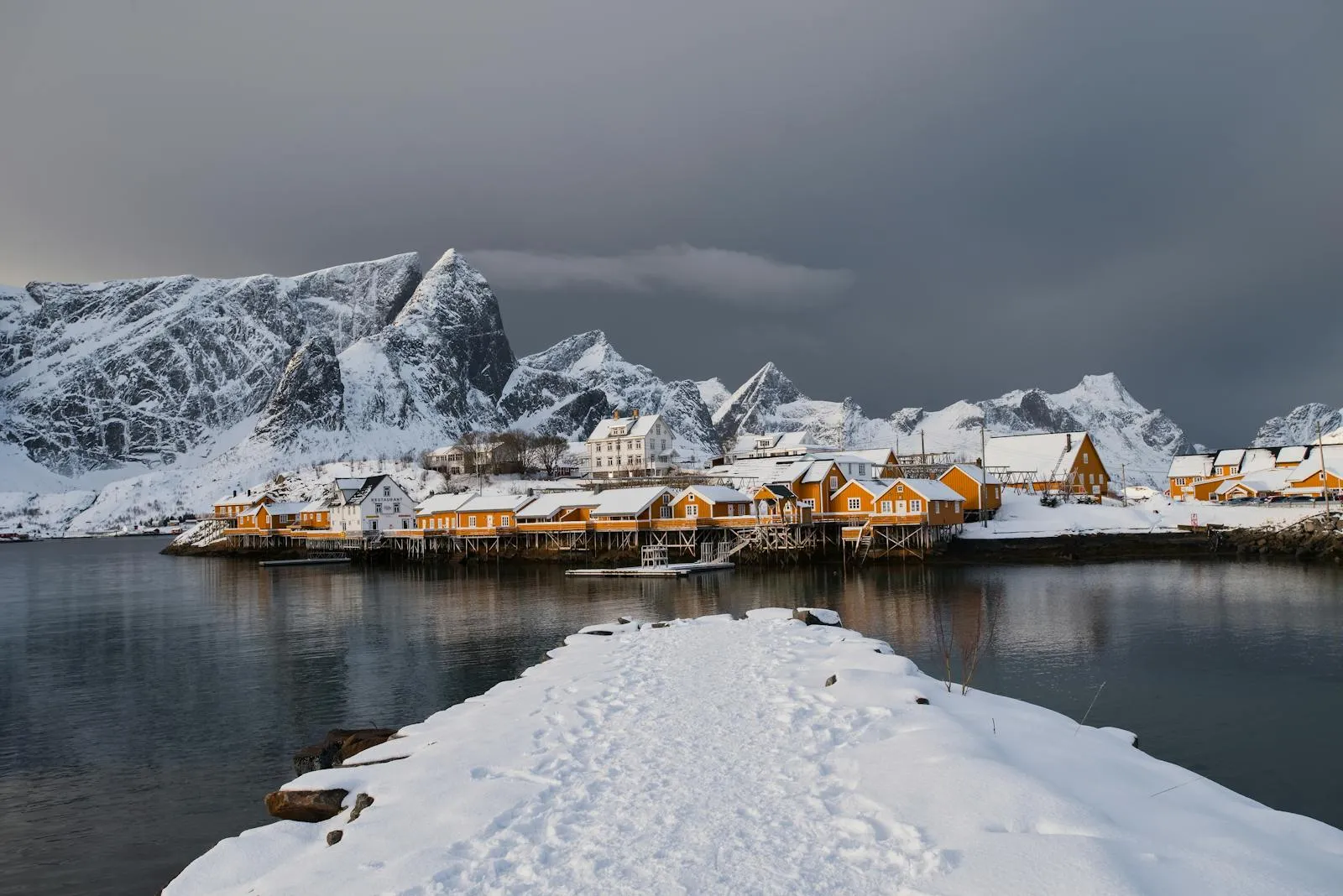
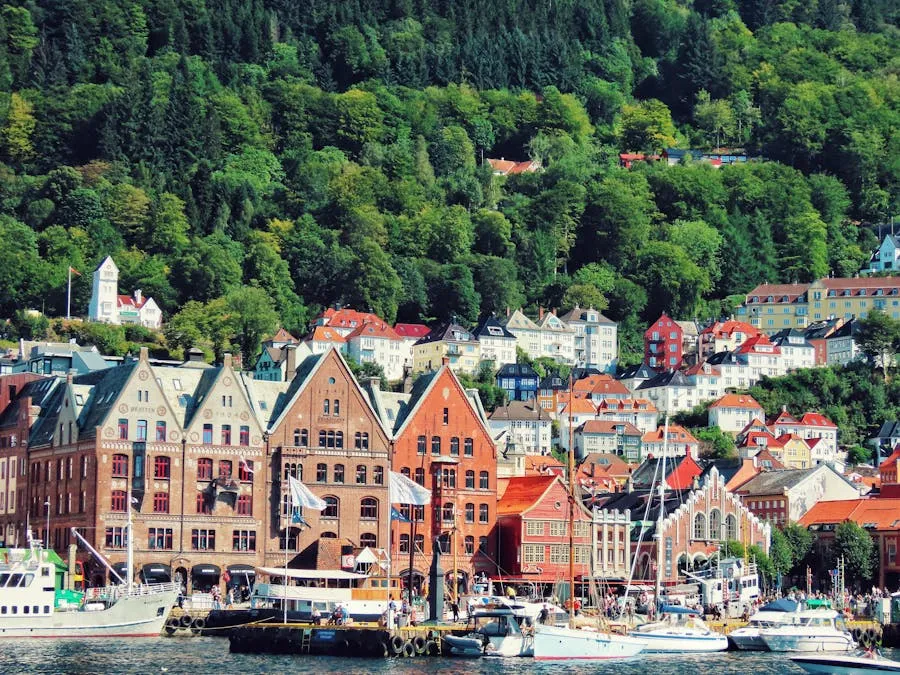
For a first visit, two weeks covering Bergen, the western fjords, and Geirangerfjord gives you the iconic highlights. Add Lofoten and Tromsø if you can stretch to three weeks. In winter, flip the priorities: Tromsø for northern lights and whale watching, Lofoten for Arctic photography, and a sledge ride through snowbound silence.
Pack layers. Book trains early. Download the Entur app. Fill your water bottle from any mountain stream. And do not, under any circumstances, try to buy wine on a Sunday.