Canals, bicycles, windmills, and endless flat horizons
EuropeCycling ParadiseArt & DesignWater Country
Overview & Why Visit the Netherlands
📍 The Netherlands is a small, flat, impossibly dense country that punches so far above its weight it is almost ridiculous. 17.9 million people live in 41,543 km², much of it below sea level. 🚲 Connected by 37,000 kilometres of dedicated cycle paths and a train network that gets you anywhere in under 2.5 hours. 🎨 The Dutch built their country out of the sea, invented the stock market, produced Rembrandt, Vermeer, and Van Gogh, and currently have more bicycles than people.
Travel Style
The Netherlands is one of the easiest countries in Europe to travel independently. Trains run every 15 minutes on main routes. The OV-chipkaart works on every train, tram, bus, and metro in the country. English is spoken everywhere. The Museumkaart (€70–75) gives you access to 400+ museums for an entire month. Cycling is genuinely the fastest way to get around most cities. Budget travellers can manage on €75/day. Mid-range travellers find excellent museums, food, and trains for €150/day.
Key Facts
Area: 41,543 km² (smaller than Switzerland) Currency: Euro (€) Language: Dutch (English universally spoken) Capital: Amsterdam (government in The Hague) Population: ~17.9 million Time zone: CET (UTC+1, CEST in summer) Plugs: Type C/F (European standard, 230V)
Best For
Museum lovers, cyclists, architecture fans, cheese enthusiasts, anyone who likes flat terrain and excellent infrastructure. The Netherlands is also a superb base for Benelux travel. Rotterdam to Antwerp is 30 minutes by train. Amsterdam to Brussels takes under 2 hours.
Not Ideal For
Mountain seekers, guaranteed sunshine, and anyone who hates wind. The highest point in the country is 322 metres. Rain is possible in every month. The wind off the North Sea cuts through everything. If you need wilderness solitude, the Wadden Islands deliver it, but the rest of the country is densely populated.
Map of the Netherlands
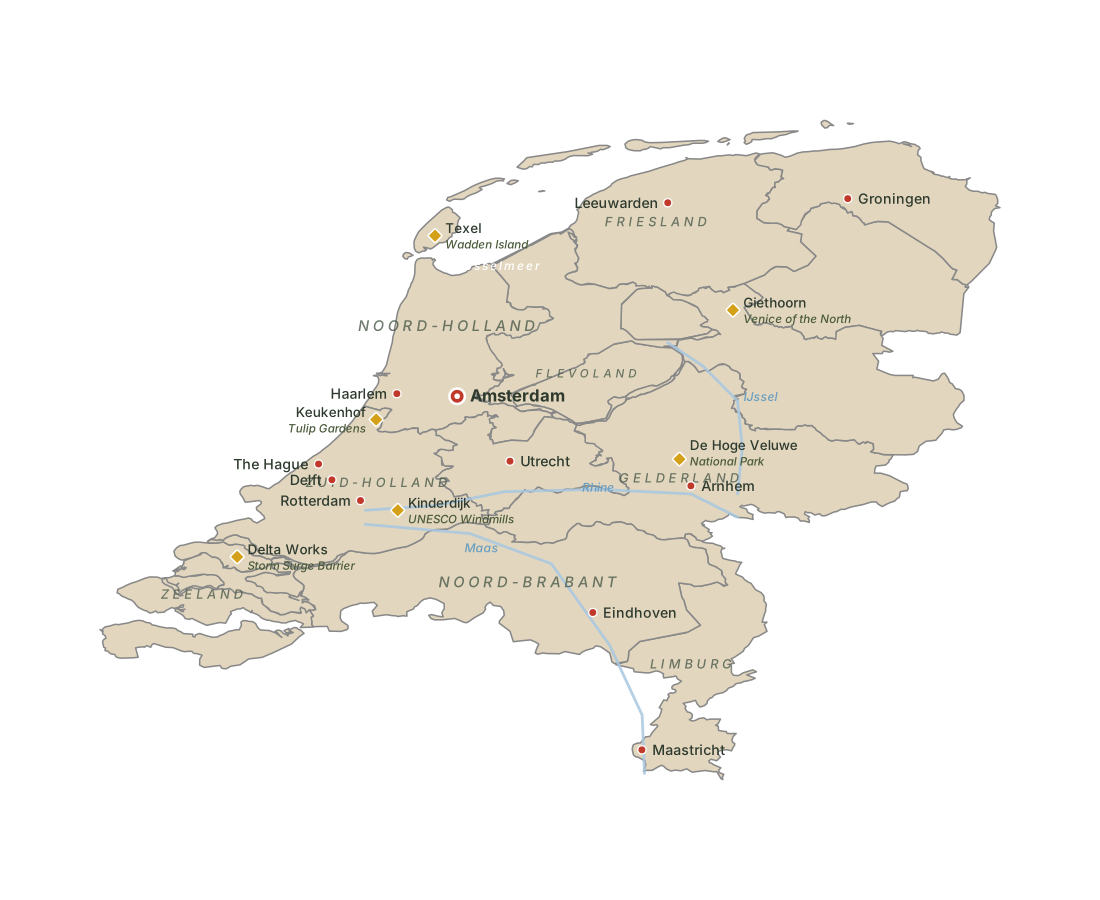
Reading the map: Red dots mark major cities, the red ring marks Amsterdam (capital). Gold diamonds highlight key sights and attractions. River names appear in blue italics. The Netherlands is remarkably compact. The entire country fits inside a rectangle roughly 300 km north–south and 200 km east–west.
Best Time to Visit
🌡 The Netherlands has a maritime climate: mild year-round, wet year-round, windy year-round. ☀ The best months are April through June and September. 🌸 The real magic window is late April to mid-May, when tulip fields are in full bloom and King’s Day turns the entire country orange.
Month-by-Month Overview
Month
Season
Best For
Crowds
Prices
Rating
January
Winter
Museums, Indoor Amsterdam
🟢 Low
🟢 Low
⭐⭐
February
Winter
Carnival (south). Low prices
🟢 Low
🟢 Low
⭐⭐
March
Early spring
First flowers. Pre-season value
🟡 Rising
🟡 Moderate
⭐⭐⭐
April
Spring
Tulips peak, King’s Day (27th)
🔴 High
🔴 High
⭐⭐⭐⭐⭐
May
Late spring
Cycling, terraces open, long days
🟡 Moderate
🟡 Moderate
⭐⭐⭐⭐⭐
June
Early summer
Driest month. Daylight until 22:00
🟡 Moderate
🟡 Moderate
⭐⭐⭐⭐⭐
July
Summer
Beach season, festivals
🔴 High
🔴 High
⭐⭐⭐⭐
August
Summer
Warmest water, Amsterdam Pride
🔴 High
🔴 High
⭐⭐⭐⭐
September
Early autumn
Golden light, fewer crowds, still warm
🟡 Moderate
🟡 Moderate
⭐⭐⭐⭐⭐
October
Autumn
Canal autumn colours, ADE festival
🟢 Low
🟡 Moderate
⭐⭐⭐
November
Late autumn
Sinterklaas arrival. Budget travel
🟢 Low
🟢 Low
⭐⭐
December
Winter
Christmas markets, festive atmosphere
🟡 Moderate
🟡 Moderate
⭐⭐⭐
Sweet spot: Late April through early June. Tulips are blooming (or just finished), King’s Day is electric, terraces open everywhere, days are long, and you avoid July–August high prices. September is equally good but without the flowers. Pack a rain jacket regardless of when you visit.
Holidays & Festivals
🎊 Dutch holidays split into three categories: national holidays (King’s Day, Liberation Day), official public holidays (mostly Christian origins), and cultural celebrations (Sinterklaas, Carnival). 💡 The ones worth planning your trip around are King’s Day, Carnival, and Sinterklaas.
Holidays, Festivals & Events
Date
Event
Where
What to Expect
Type
Jan 1
New Year’s Day (Nieuwjaarsdag)
Nationwide
Nieuwjaarsduik polar plunge at Scheveningen. Fireworks the night before are famously chaotic
Holiday
Feb (varies)
Carnival (Carnaval)
Brabant & Limburg
Massive in Brabant and Limburg (Den Bosch, Breda, Maastricht). 3 days of costumes, parades, beer. The south essentially shuts down
Must See
Mar/Apr (varies)
Easter (Pasen)
Nationwide
Good Friday + Easter Sunday/Monday. Shops closed. Book accommodation early
Holiday
Mid-Mar to mid-May
Keukenhof Gardens
Lisse
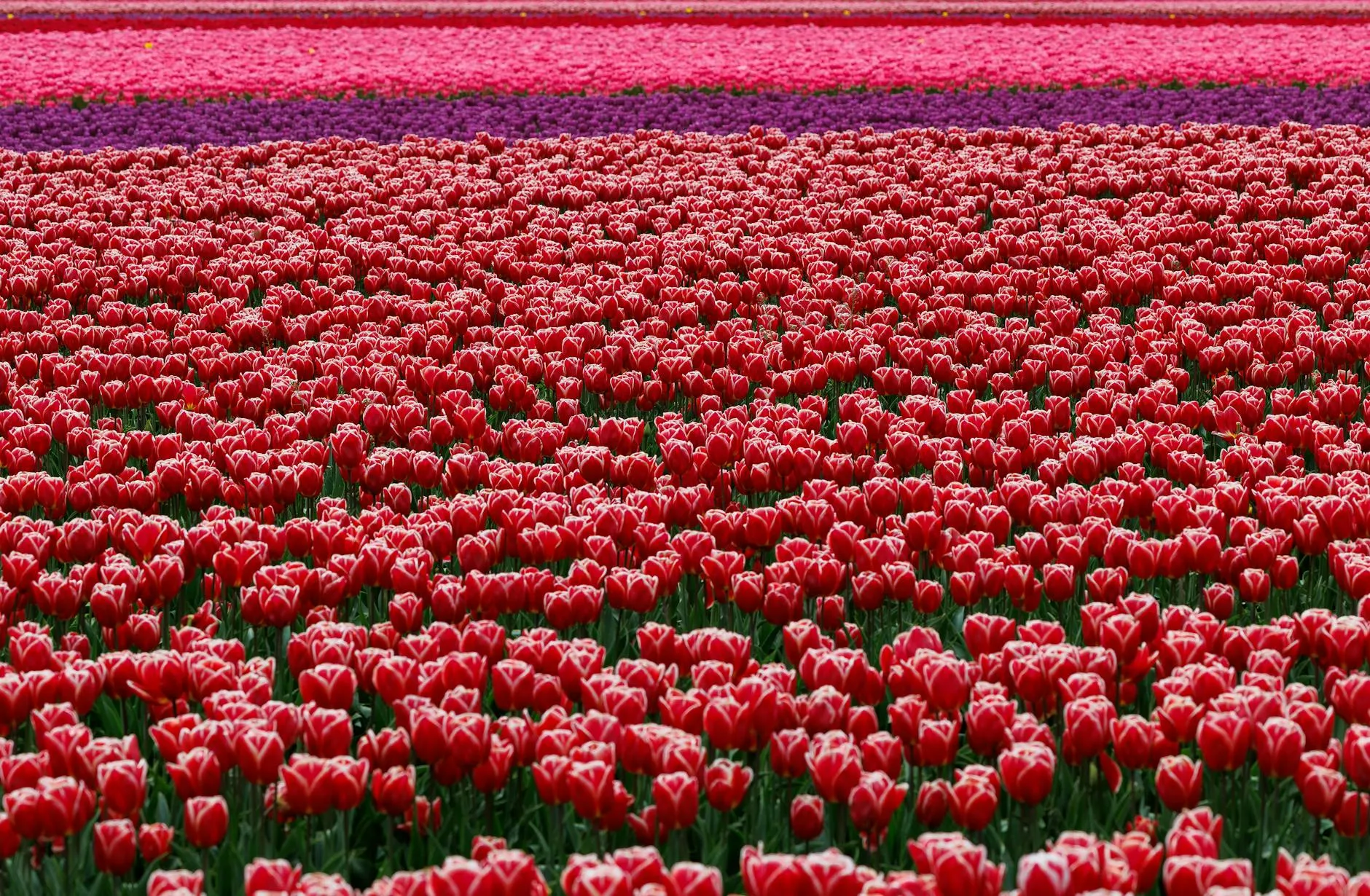
7 million tulips. €21 entry. Book online weeks ahead. Weekday mornings have shortest queues
Must See
Apr 27
King’s Day (Koningsdag)
Nationwide
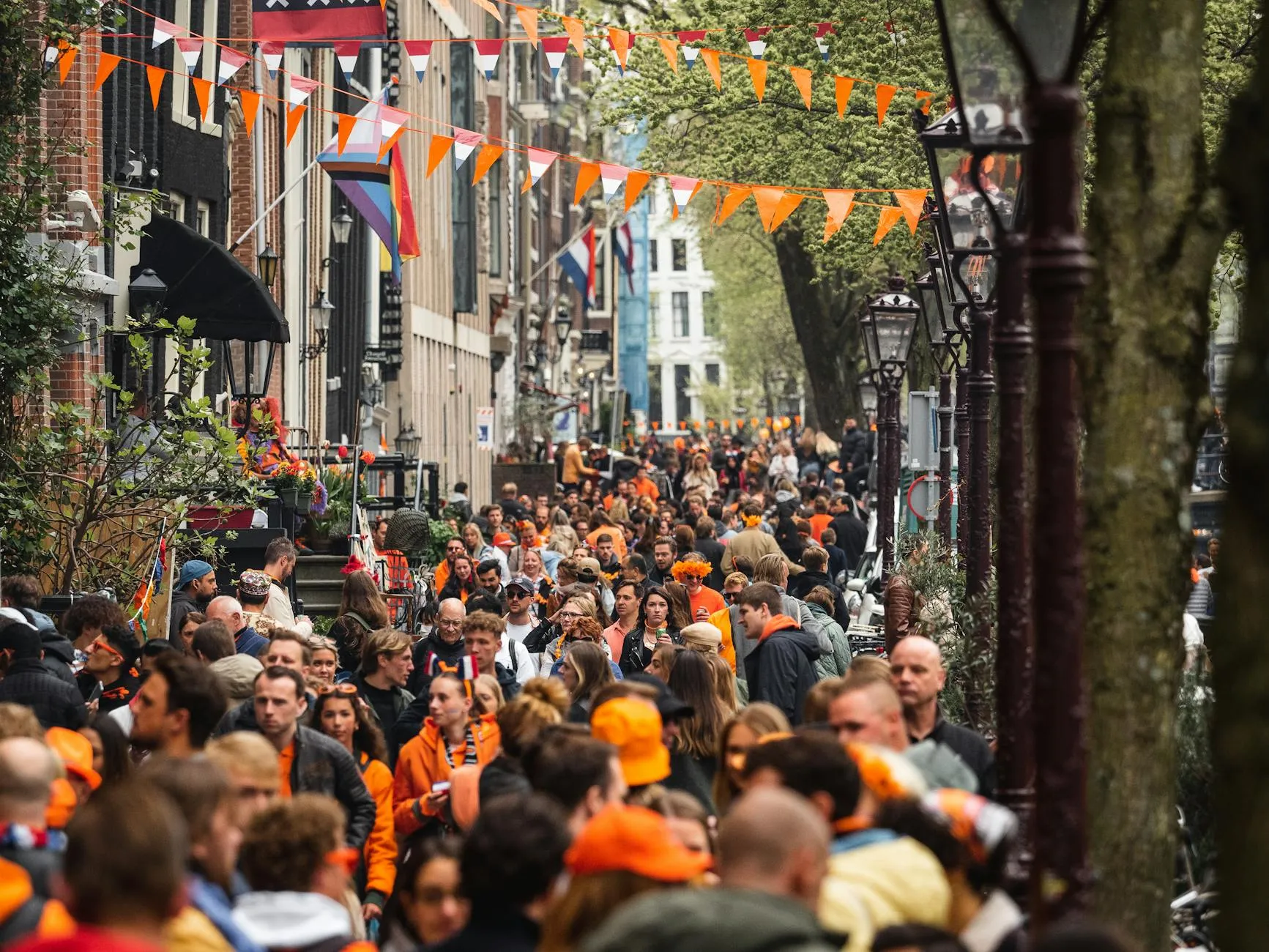
The biggest party in the country. Everything turns orange. Vrijmarkt (free market) everywhere. Amsterdam gets 1M+ visitors. Go to Utrecht or Eindhoven for a less crushing experience
Must See
May 4
Remembrance Day (Dodenherdenking)
Nationwide
Two minutes of silence at 20:00. The entire country stops. Moving and respectful
Cultural
May 5
Liberation Day (Bevrijdingsdag)
Nationwide
Free festivals in major cities. National holiday every 5 years (next: 2030)
Cultural
May/Jun (varies)
Ascension Day & Whit Monday
Nationwide
Public holidays. Long weekends, busy accommodation. Book ahead
Holiday
Jun
Holland Arts Festival
Amsterdam
Concerts, theatre, dance. International programme
Cultural
Late Jul – early Aug
Amsterdam Pride
Amsterdam
Canal Parade (boats on the Prinsengracht) is unique in the world. Aug 1, 2026
Must See
Oct
Amsterdam Dance Event (ADE)
Amsterdam
World’s largest electronic music conference. 2,500+ artists, 200+ venues, 5 days
Cultural
Mid-Nov
Sinterklaas Arrival
Nationwide
Sinterklaas arrives by steamboat from Spain with his helpers. Procession in Amsterdam and other cities
Cultural
Dec 5
Sinterklaasavond (St. Nicholas’ Eve)
Nationwide
Gift-giving evening. Bigger than Christmas for most Dutch families. Shops are normal, but Dutch colleagues will be distracted
Cultural
Late Nov – mid-Jan
Amsterdam Light Festival
Amsterdam
Light art installations along the canals. Best seen by boat
Cultural
Dec 25–26
Christmas (Kerst)
Nationwide
Two days off. Christmas markets in Maastricht, The Hague, Valkenburg. Less commercial than Germany’s
Holiday
King’s Day warning: If April 27 falls on a Sunday, the celebration moves to Saturday the 26th. In 2026 it falls on a Monday. Amsterdam becomes almost unnavigable. If you want the party without the crush, go to Utrecht, Eindhoven, or any smaller city. Same energy, more breathing room.
Regions
🏛 The Netherlands has twelve provinces, and each has a character distinct enough that locals will correct you if you confuse them. 💡 Most visitors never leave North Holland (Amsterdam) and South Holland (Rotterdam, The Hague). That is a mistake.
🏙 North Holland
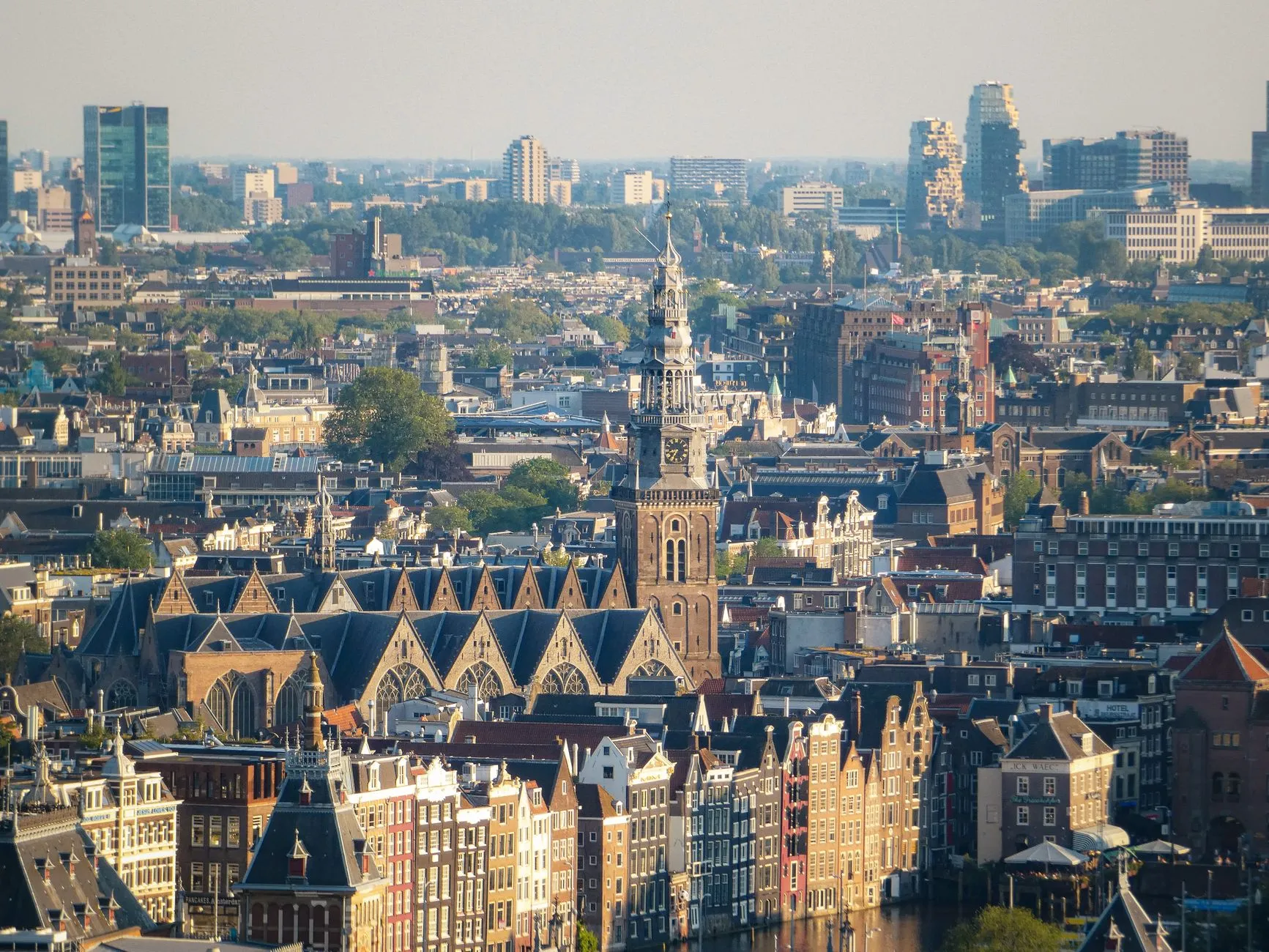
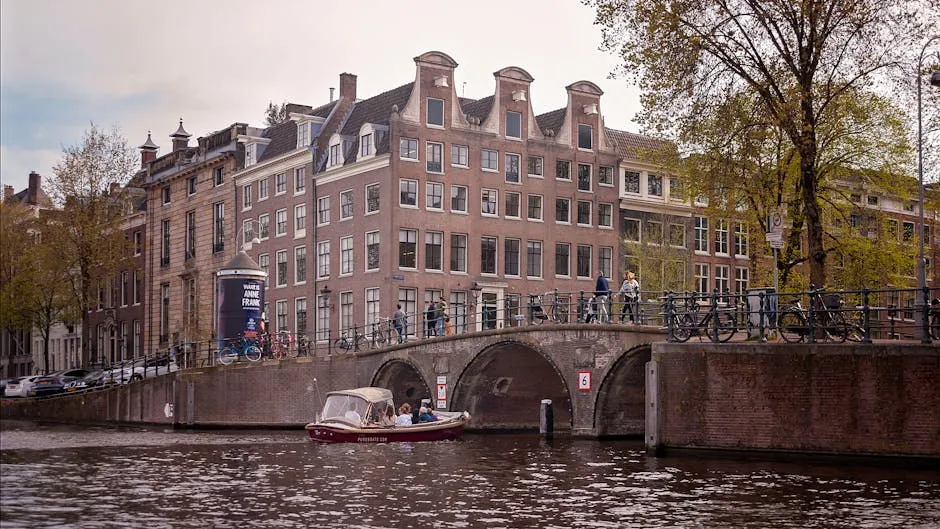
Amsterdam, Haarlem, Volendam, Zaanse Schans, Texel. The province most visitors see. Amsterdam’s Canal Ring is UNESCO-listed. Haarlem is 15 minutes away by train and half the price. Texel is the largest Wadden Island with beaches, sheep, and seals.
🏙 South Holland
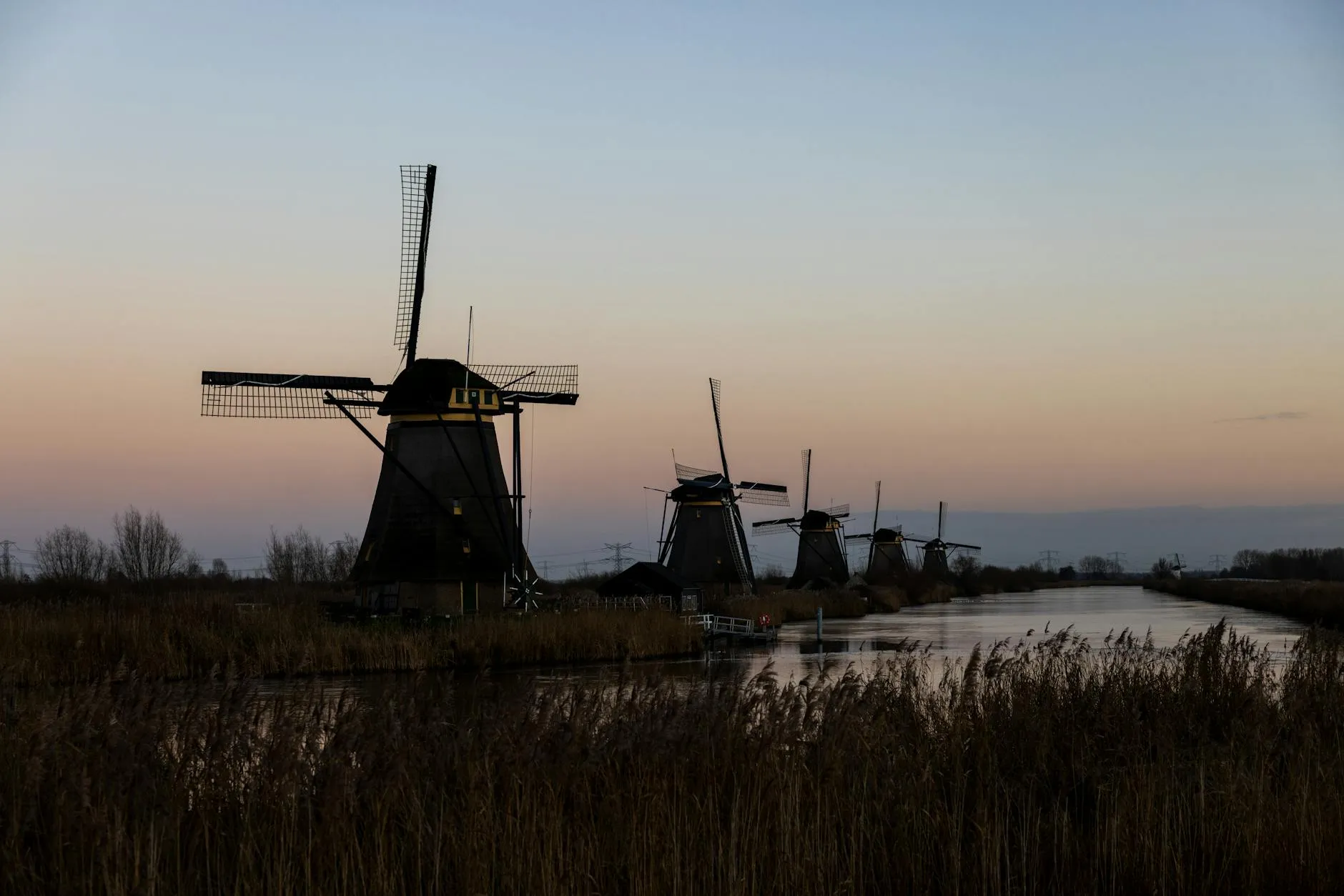
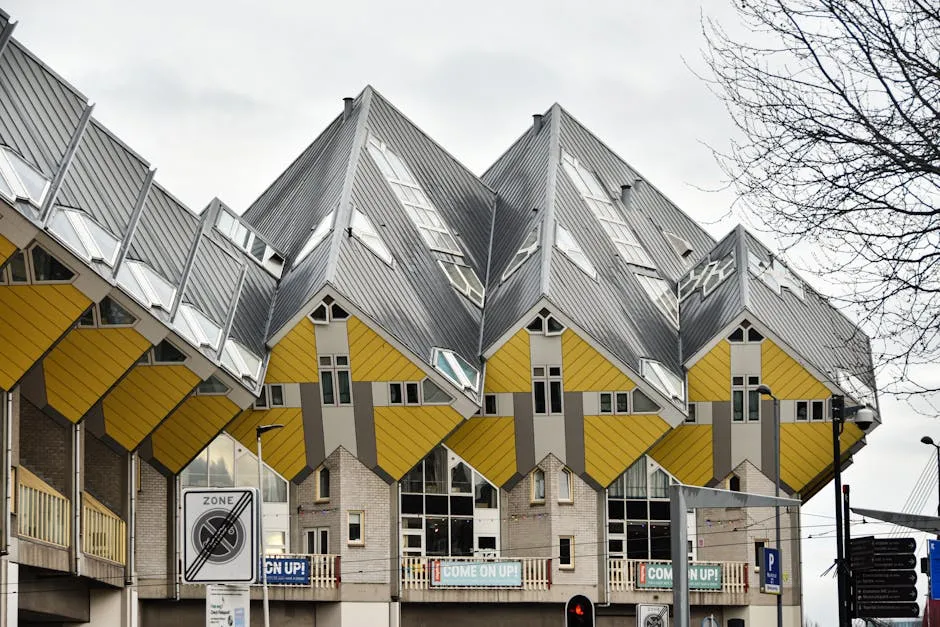
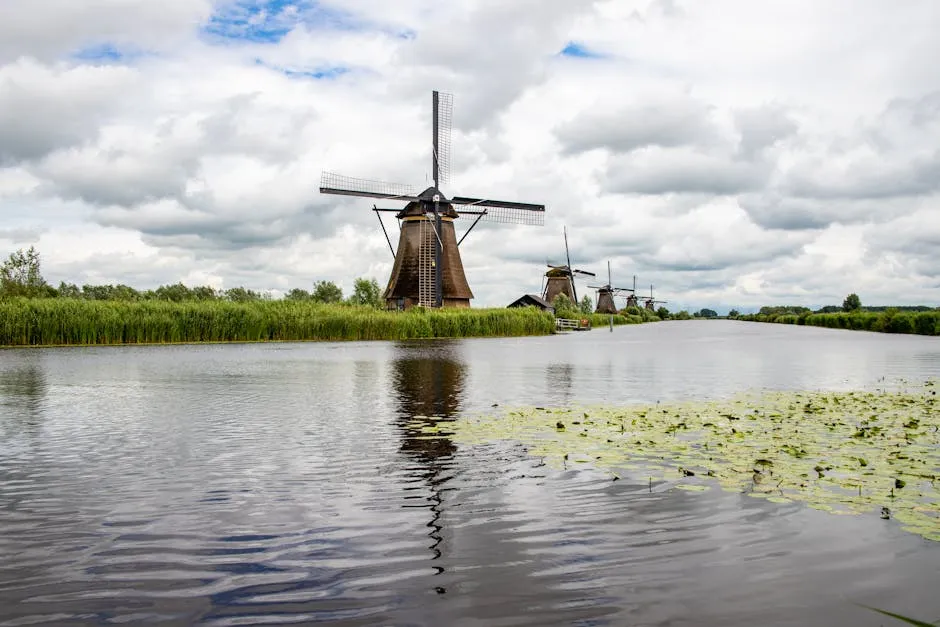
Rotterdam, The Hague, Delft, Leiden, Gouda, Kinderdijk. Rotterdam’s architecture is wildly modern (Cube Houses, Markthal, Erasmus Bridge). The Hague has the Mauritshuis (Girl with a Pearl Earring) and Scheveningen beach. Kinderdijk’s 19 UNESCO windmills are the postcard shot.
🏛 Utrecht
Utrecht city, Utrechtse Heuvelrug. Medieval wharves along the Oudegracht, the Dom Tower, and a student-driven cafe culture that rivals Amsterdam without the tourist markup. The Heuvelrug is one of the rare forested, hilly areas in the country.
🌳 Gelderland
Hoge Veluwe, Arnhem, Nijmegen. Home to the country’s finest national park (Hoge Veluwe, with free white bikes and the Kröller-Müller Museum). Arnhem is known for Operation Market Garden (1944). Nijmegen claims to be the oldest city in the Netherlands.
⚓ Friesland
Leeuwarden, Wadden Islands, Woudagemaal. Its own language (Frisian), its own culture, its own islands. The Elfstedentocht (200 km ice skating race through 11 cities) happens when canals freeze, which is almost never. Leeuwarden is the birthplace of M.C. Escher.
🌃 Groningen
Groningen city, Lauwersmeer. The most remote major Dutch city. Young and vibrant (student population). Lauwersmeer National Park is a birdwatching paradise. Departure point for mudflat walking to Schiermonnikoog.
🛣 Overijssel
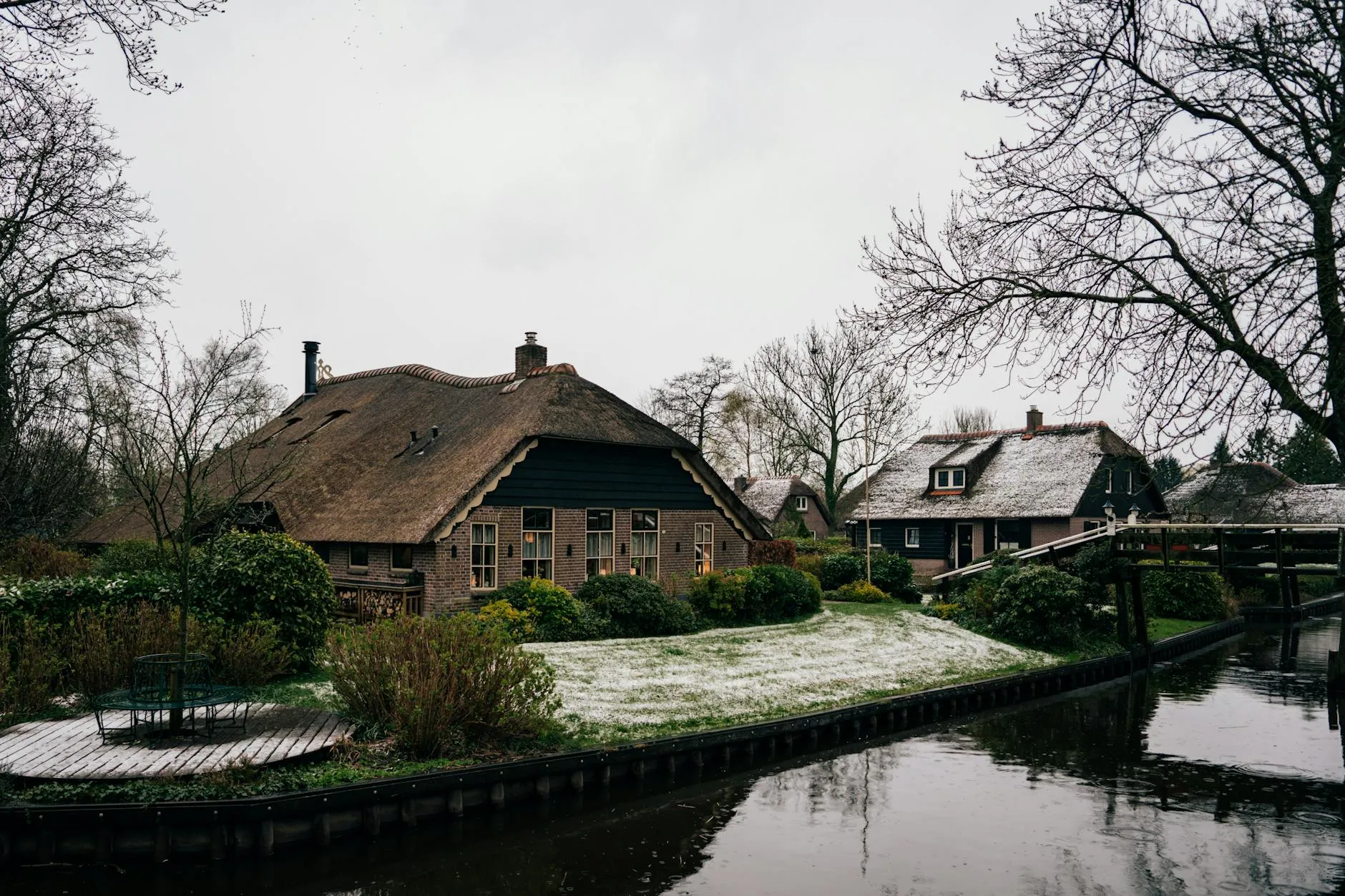
Giethoorn, Deventer. Giethoorn is the “Venice of the North”, with no roads, only canals and footbridges. Deventer on the IJssel has a medieval centre and a 400-year-old spiced cake tradition.
🌊 Zeeland
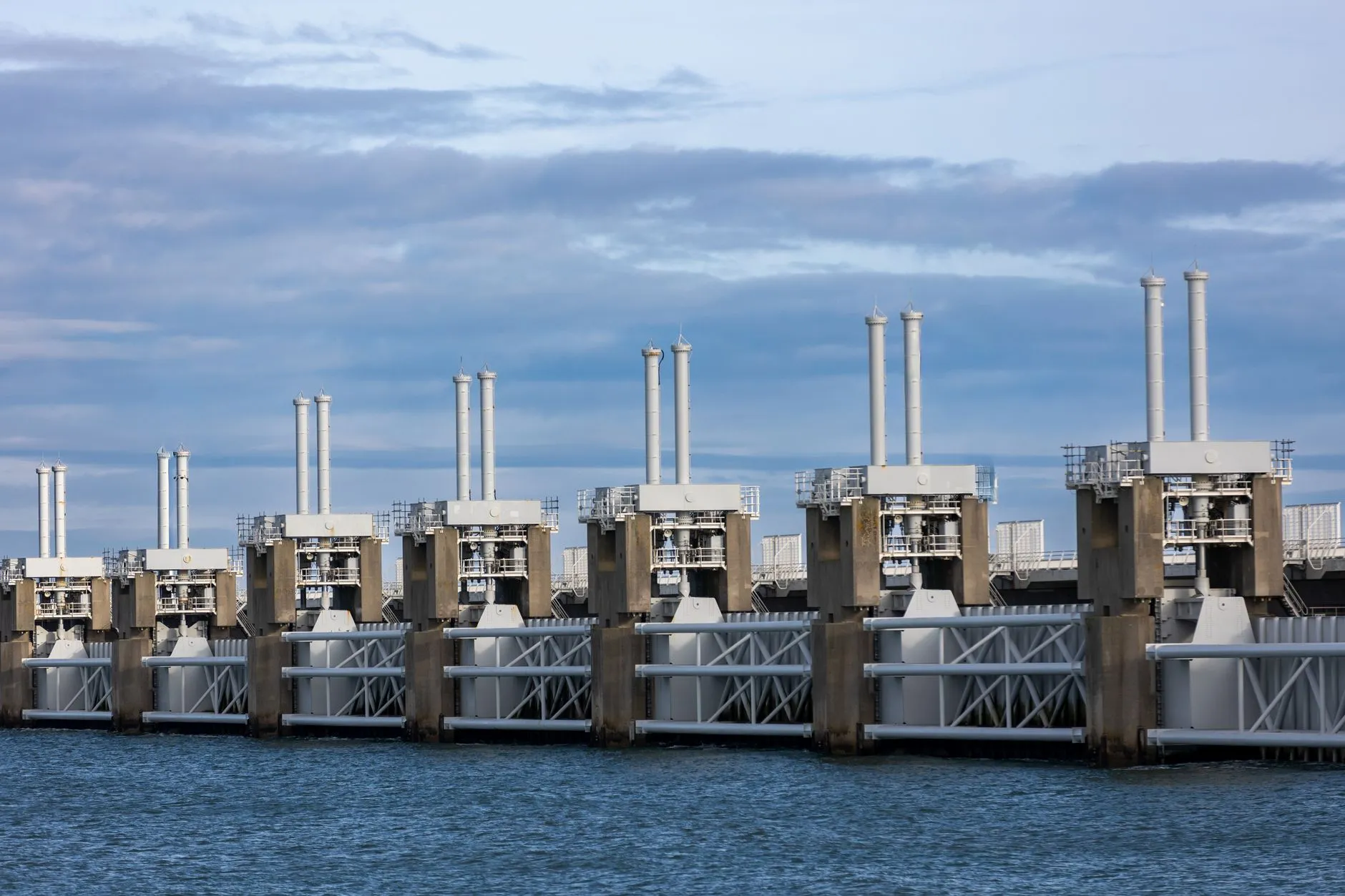
Middelburg, Delta Works, beaches. 650 km of coastline. The Delta Works flood barriers are one of the modern engineering wonders. Middelburg has 1,100 listed buildings. Mussels, oysters, and seven Michelin-starred restaurants. Windswept and quiet.
🎸 North Brabant
Den Bosch, Eindhoven, Breda. Van Gogh’s birthplace. Carnival heartland. Den Bosch has a Gothic cathedral and the Bossche bol (chocolate cream puff the size of your fist). Eindhoven is the design and tech hub. De Biesbosch wetlands are nearby.
⛰ Limburg
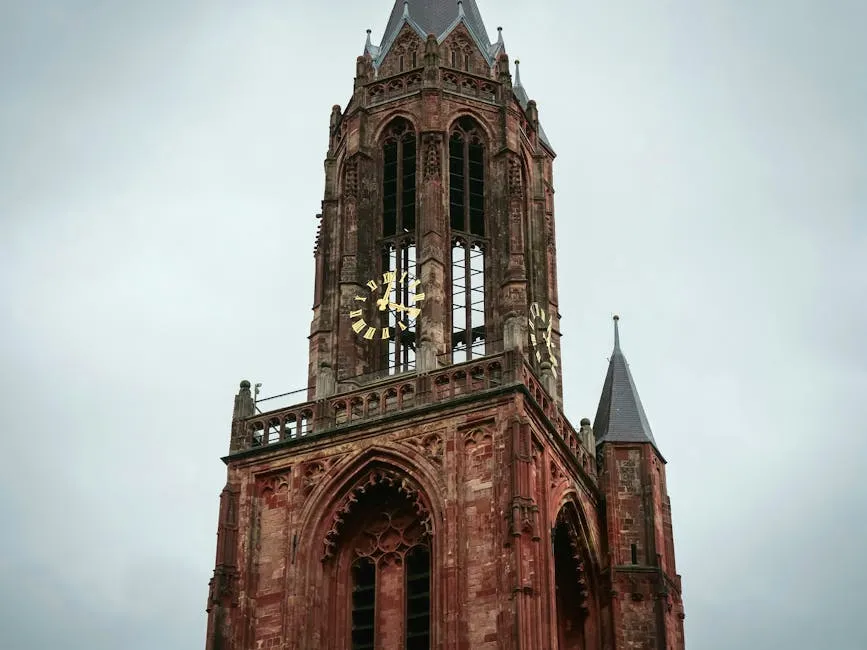
Maastricht, Valkenburg. The only province with hills. Maastricht feels more Burgundian than Dutch, cobblestones, cafés, a 13th-century church converted into a bookstore (Dominicanen). Vaalserberg (322 m) is the highest point in the Netherlands. Vineyards, caves, and the three-country border point.
Beyond the Randstad: The Randstad (Amsterdam–Rotterdam–The Hague–Utrecht urban ring) is where most tourists stay. Everything outside it is 30–50% cheaper, significantly less crowded, and often more interesting. Friesland, Zeeland, and Limburg feel like different countries entirely.
Top Sightseeing
🎨 The Netherlands has twelve UNESCO World Heritage Sites, almost all related to water management and engineering. 💡 The Museumkaart (€70–75) is the single best investment: one month of access to 400+ museums. It pays for itself after three or four visits.
🎨 Rijksmuseum (Amsterdam)
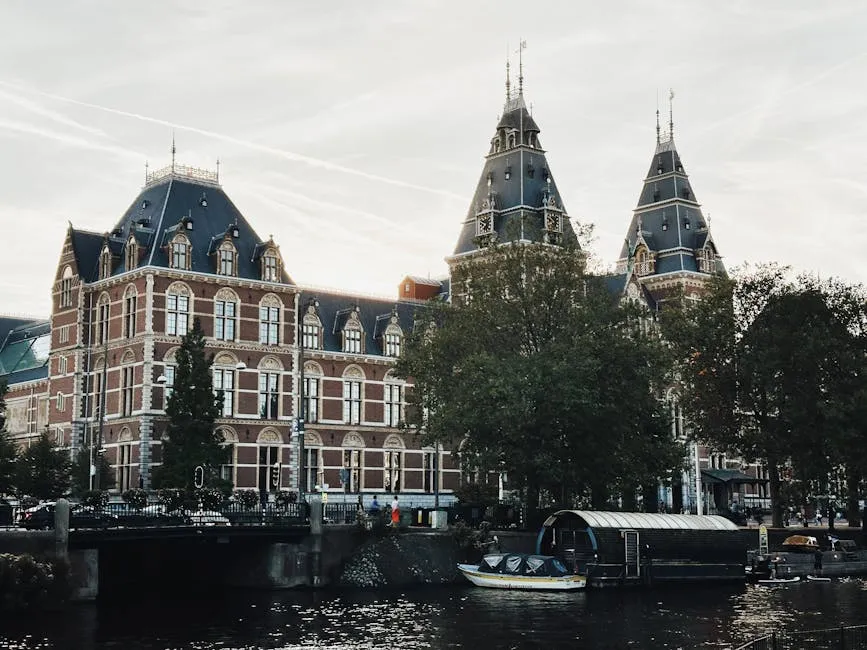
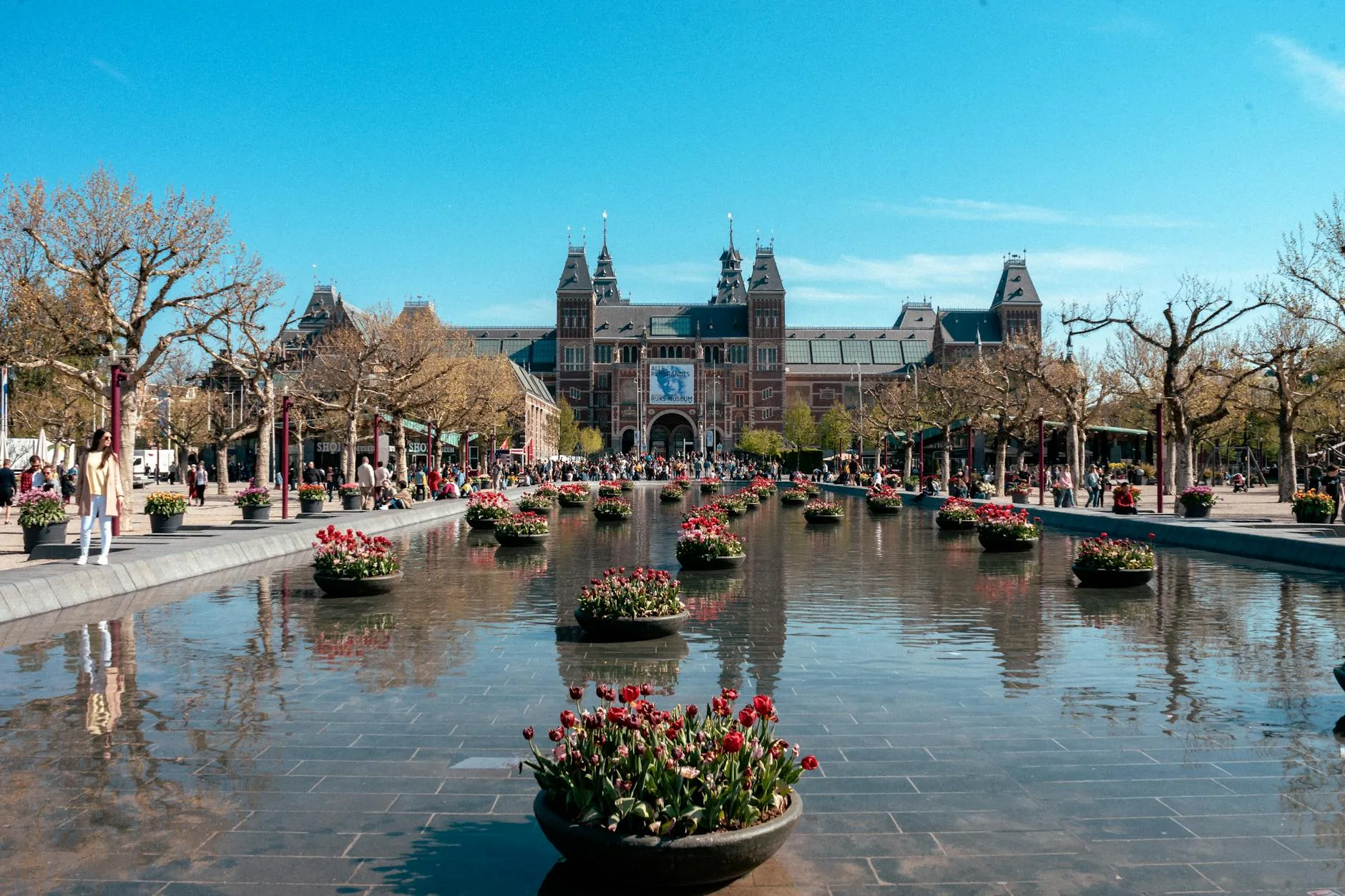
Rembrandt’s Night Watch, Vermeer’s Milkmaid, 8,000 objects across 80 galleries. Allow half a day minimum. €22.50. Covered by Museumkaart. The building itself is worth the visit.
🎨 Van Gogh Museum (Amsterdam)
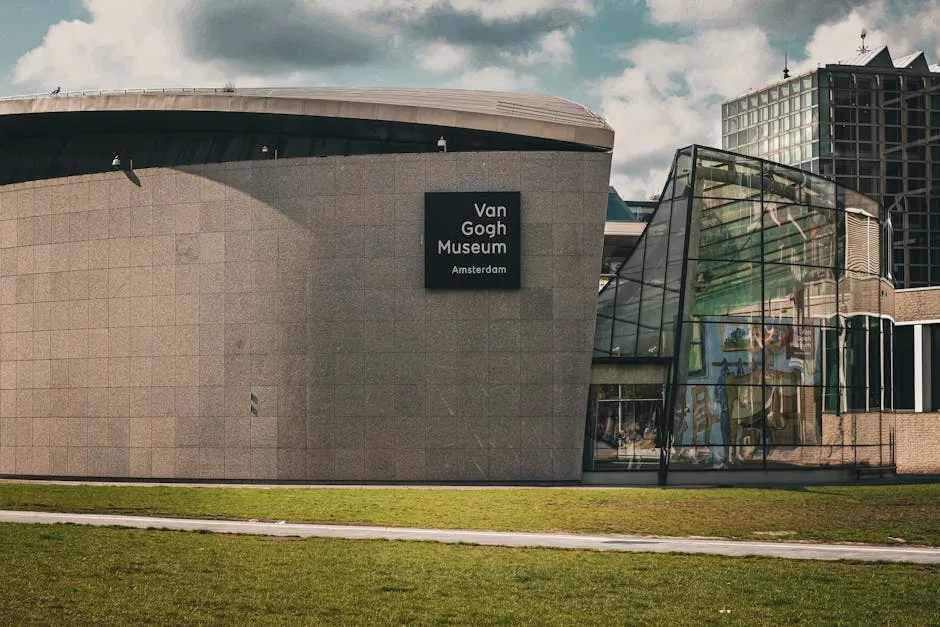
The world’s largest Van Gogh collection. 200+ paintings, 500 drawings. Chronological walk through his life. €25. Book 2–3 weeks ahead or you will not get in. Timed entry only.
📖 Anne Frank House (Amsterdam)
The actual hiding place where Anne Frank wrote her diary. Small, intense, essential. €16. Tickets release online 6 weeks ahead and sell out within minutes. Set an alarm for the release date.
🌸 Keukenhof Gardens (Lisse)
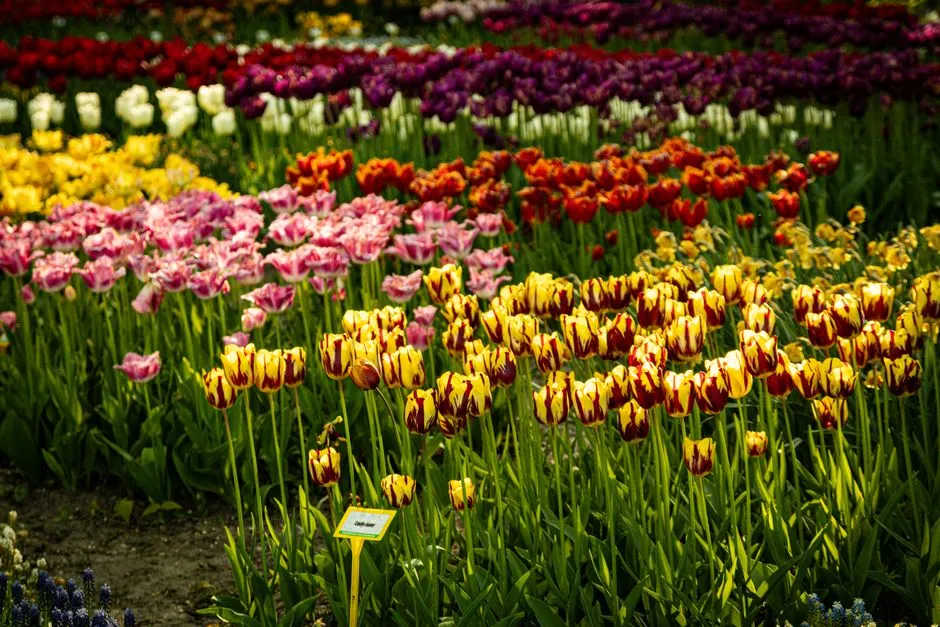
7 million tulips, daffodils, and hyacinths across 32 hectares. Open mid-March to mid-May only. €21. Weekday mornings are least crowded. The surrounding Bollenstreek fields are free and arguably more photogenic from a bicycle.
🏭 Kinderdijk Windmills
19 historic drainage windmills from 1740, UNESCO-listed. Best seen by bicycle on the 15 km loop. €9.50 for museum access. Free to cycle past the exteriors. Morning light is best for photography.
🎨 Mauritshuis (The Hague)
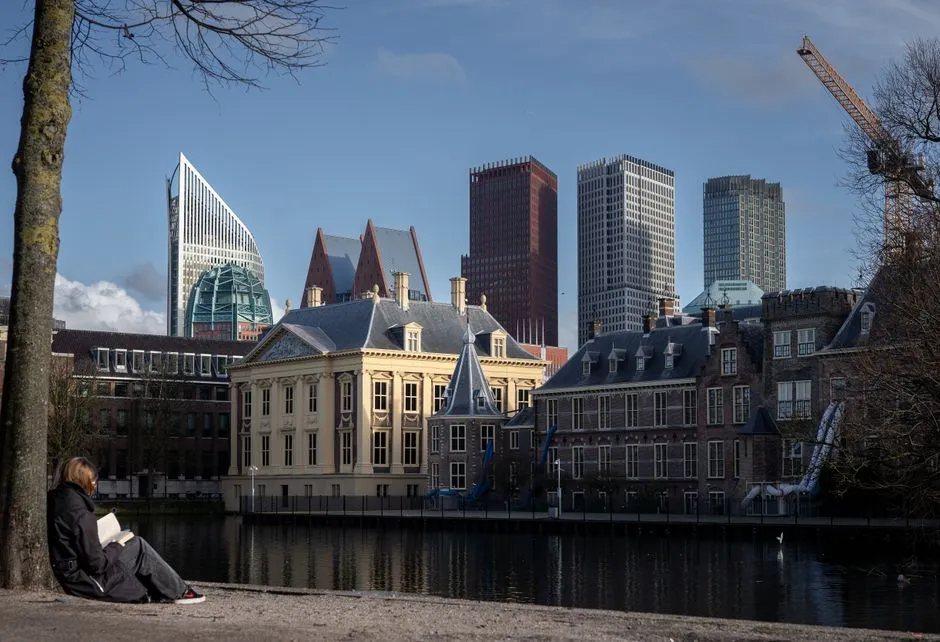
Vermeer’s Girl with a Pearl Earring, Rembrandt’s Anatomy Lesson. Small museum, exceptional collection. €18. Right next to the Binnenhof (parliament complex). Covered by Museumkaart.
🎨 Kröller-Müller Museum (Hoge Veluwe)
Second-largest Van Gogh collection worldwide (90 paintings, 180 drawings). Also Picasso, Seurat, Mondrian. Inside a national park. Combined park + museum ticket €24.50. The sculpture garden is free with entry.
🏙 Rotterdam Architecture
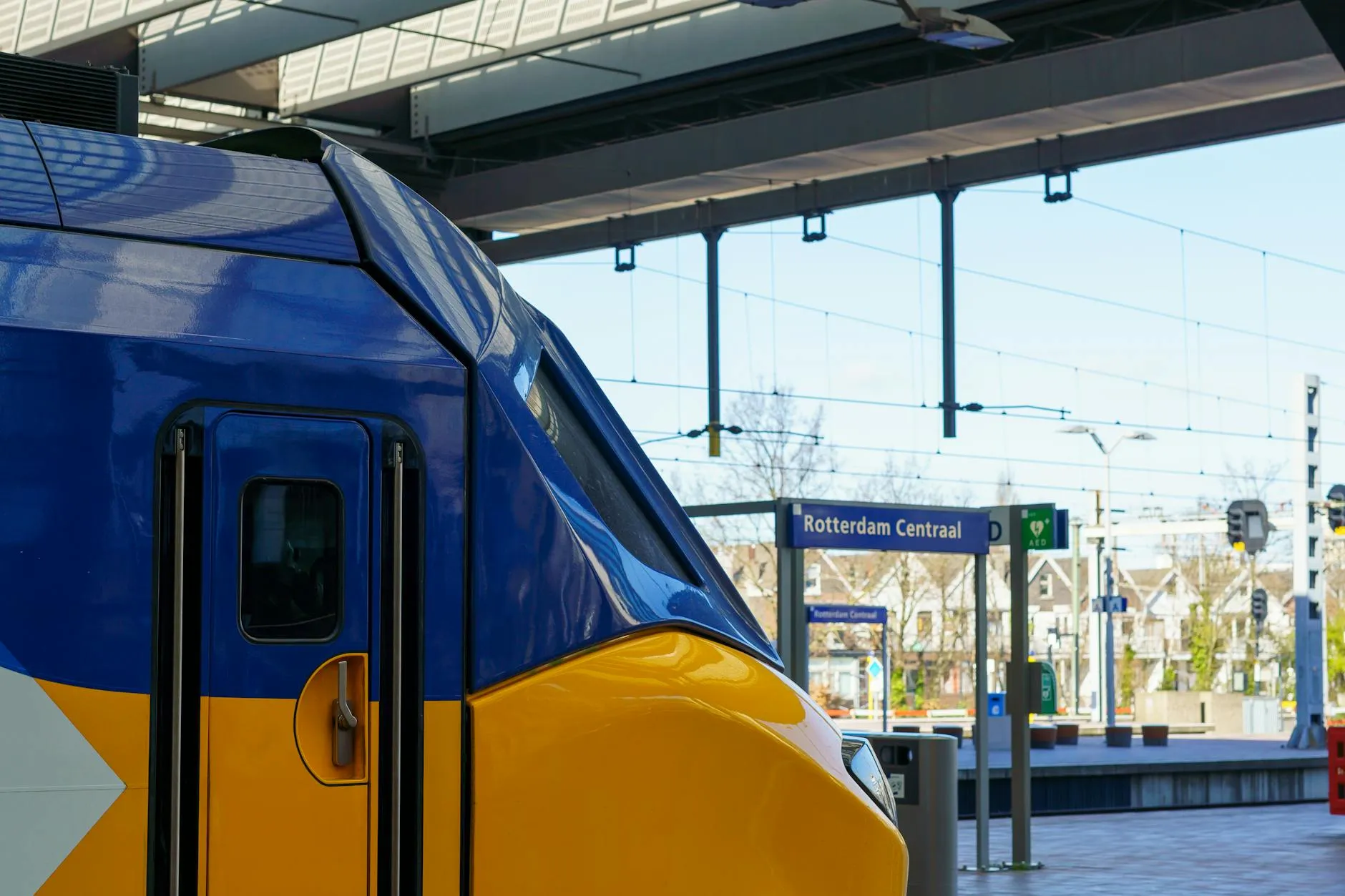
Cube Houses (Kubuswoningen), Markthal, Erasmus Bridge, Central Station. Rotterdam was flattened in WWII and rebuilt as an open-air architecture museum. No ticket needed, just walk. The Euromast tower (€12.50) gives the overview.
🕜 Zaanse Schans
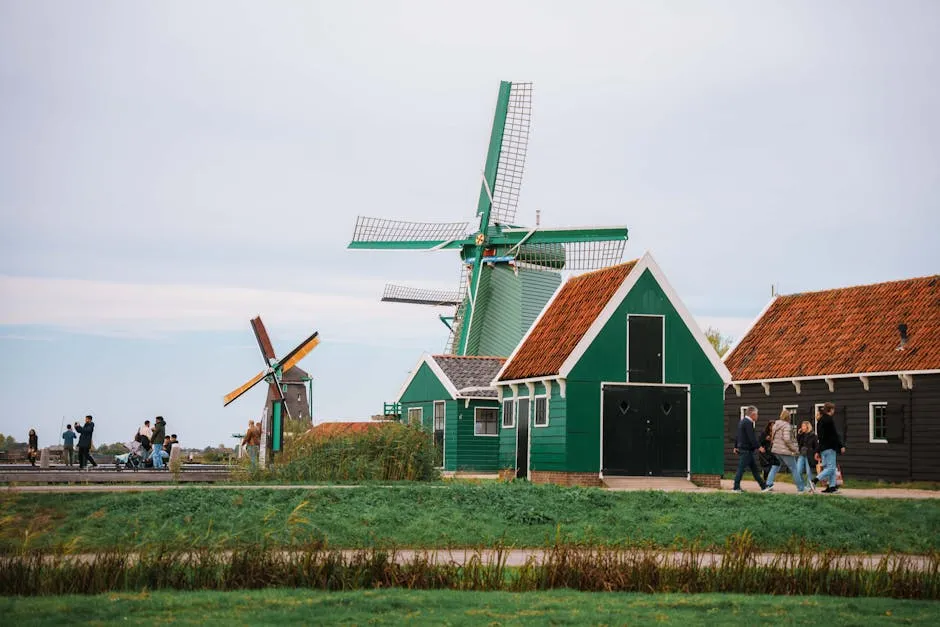
Working windmills, traditional wooden houses, cheese workshops, clog factories. Free to walk around. Individual mill entries €5–8. 15 minutes from Amsterdam by train. Touristy but genuine. People actually live here.
📚 Dominicanen Bookstore (Maastricht)
A 13th-century Dominican church converted into the most beautiful bookstore in the Netherlands. The coffee is mediocre but the setting is extraordinary. Free to enter. Buy a book.
🍴 Dutch culture runs on directness, punctuality, and a concept called gezelligheid that resists translation but roughly means warm togetherness. 💡 The food reputation is unfairly bad. The street food and snack culture is genuinely excellent, and the Indonesian rijsttafel is one of the best meals you can eat in Europe.
Social Norms
Dutch culture has a few quirks that catch visitors off guard. None of them are complicated once you know they exist.
Directness. The Dutch say what they mean. “Not bad” is high praise. A colleague telling you “this could be better” means exactly that, not a polite hint that it is fine. This is not rudeness. It is considered a form of respect. Adjust your expectations and you will come to appreciate it.
Punctuality. Arriving on time is expected. Arriving 5 minutes early is fine. Arriving 20 minutes late without a message is genuinely rude. The Dutch schedule social appointments weeks ahead. Spontaneous drop-ins are unusual outside close friendships.
Going Dutch. Splitting bills precisely is standard. This is not stinginess. It is fairness. People will calculate their share down to individual items. If you want to treat someone, say so explicitly at the start.
Birthday circle. At Dutch birthday parties, guests sit in a circle and congratulate every person present, not just the birthday person. You shake hands (or give three kisses: right-left-right) with everyone and say “Gefeliciteerd.” It feels strange the first time. It is completely normal.
Food & Drink
🍴 Bitterballen & Kroketten
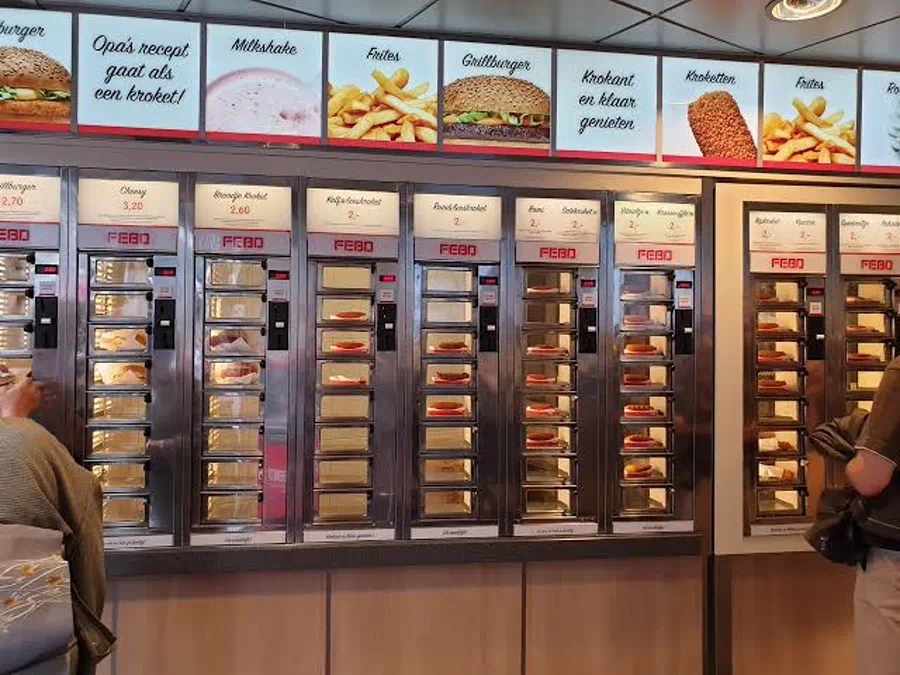
Deep-fried balls (bitterballen) or cylinders (kroketten) of beef ragout with a crispy crust and molten interior. Always served with mustard. Found at every café, borrel, and FEBO automat wall. The broodje kroket (on a soft bun) is a national institution. €2–4.
🍟 Stroopwafel
Two thin waffle layers with caramel syrup in between. The supermarket version is decent. The fresh market version, warm off the iron, is transformative. Gouda and Amsterdam markets sell the best. €2–3 for a fresh one.
🐟 Haring (Raw Herring)
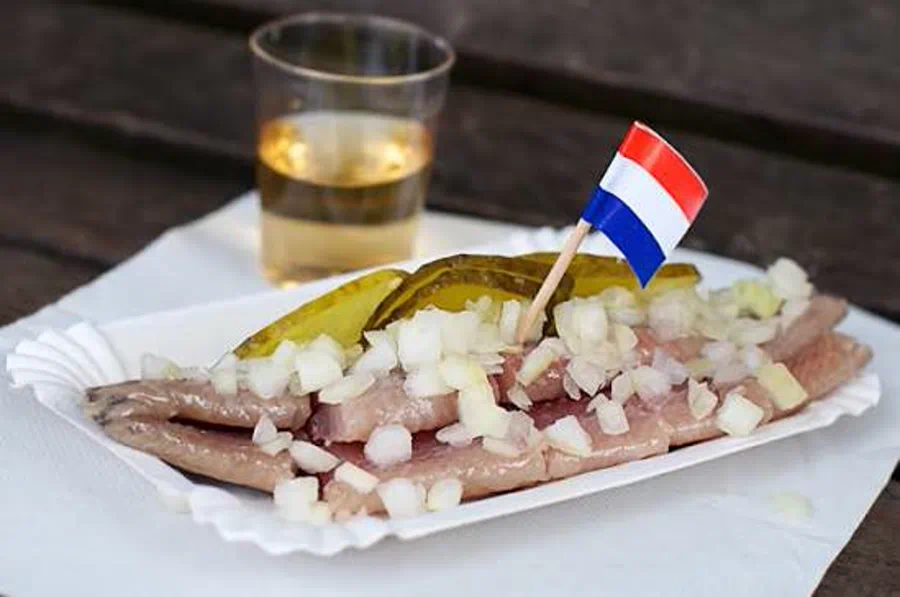
Raw herring with chopped onions and pickles, eaten standing at a fish stall (haringkraam). The traditional method: grab it by the tail, tilt your head back, and lower it in. If that feels too dramatic, ask for it on a broodje. Season peaks June–August.
🍛 Patat (Fries)
Thick-cut Dutch fries served with mayonnaise (the default) or as patat speciaal (mayo, curry ketchup, raw onions). Not ketchup. The Dutch consider ketchup on fries a foreign eccentricity. €3–5 at any frituur or snackbar.
🍲 Rijsttafel
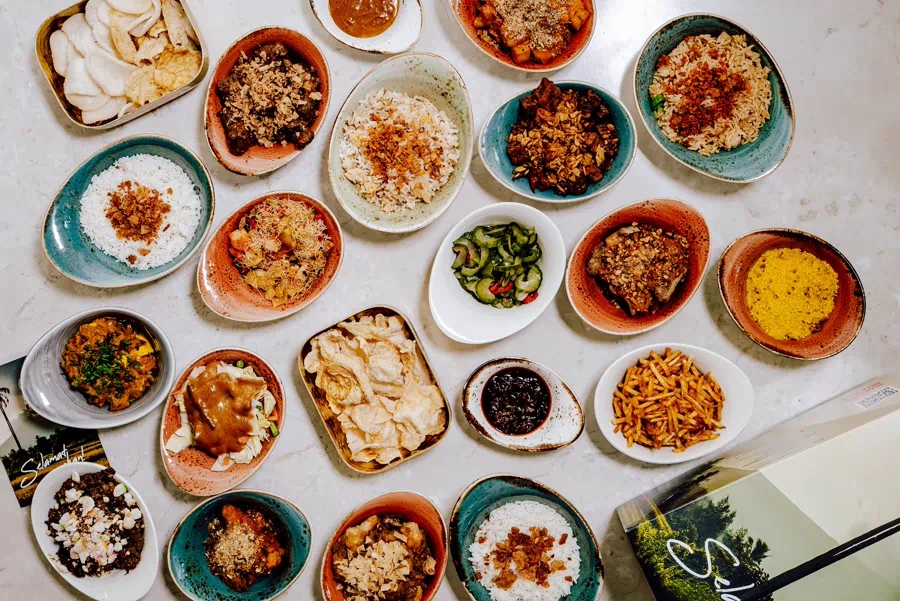
Indonesian rice table: 15–40 small dishes served simultaneously. The best remnant of colonial history. Found everywhere but especially good in The Hague and Amsterdam. €25–40 per person. Order for two minimum.
🧀 Cheese
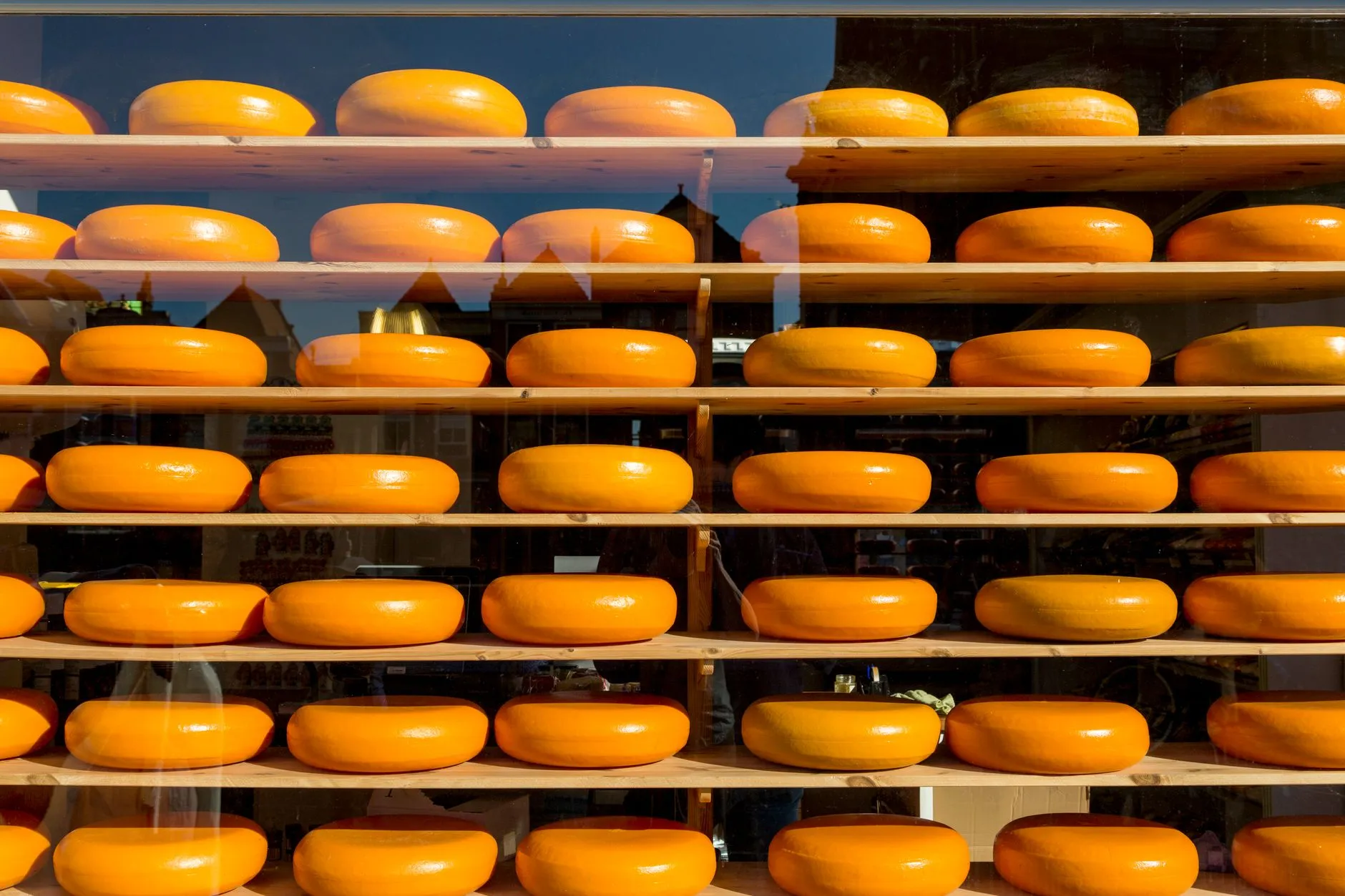
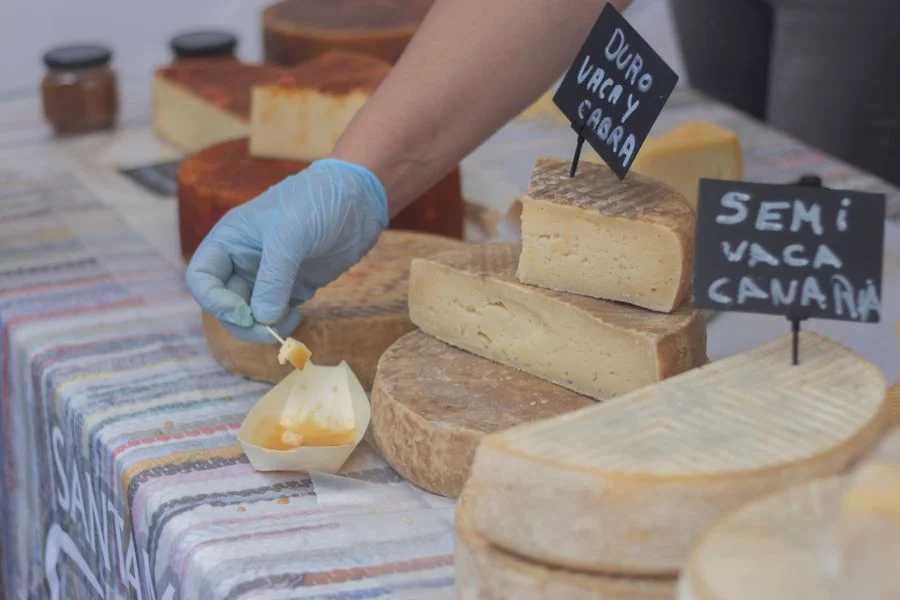
Gouda (jong, belegen, oud), Edam, Leidse kaas (with cumin). Cheese markets in Alkmaar (Fridays, Apr–Sep), Gouda (Thursdays, Apr–Aug). The aged Gouda (oud or overjarig) crumbles like Parmesan and has deep caramel notes. Buy a wedge at any market for €4–8.
🍺 Beer & Jenever
Heineken, Grolsch, and Amstel are the mass brands. The craft beer scene is strong (Jopen in Haarlem, Brouwerij ’t IJ in Amsterdam). Jenever is Dutch gin, the original that London gin descended from. Order it in a tulip glass at a brown café. Drop (liquorice) is the national candy, often salty.
📽 FEBO
Automat walls where you insert coins or tap a card to retrieve a hot kroket, kaassoufflé, or hamburger from a heated window. Open 24 hours. Found in every Dutch city. Using a FEBO at 2 AM is a rite of passage.
Borrel culture: The vrijdagmiddagborrel (Friday afternoon drinks) is the key Dutch social institution. Bitterballen and beer at a café or in the office after work. If you are invited to one, go. It is where relationships are built. Conversation topics: weather, cycling routes, housing prices, football.
Wildlife & Nature
The Netherlands may be small and densely populated, but its extensive wetlands, polders, and coastal reserves make it one of Europe’s top birdwatching destinations. The country sits at the crossroads of major migratory flyways, and its carefully managed nature reserves host millions of birds each year.
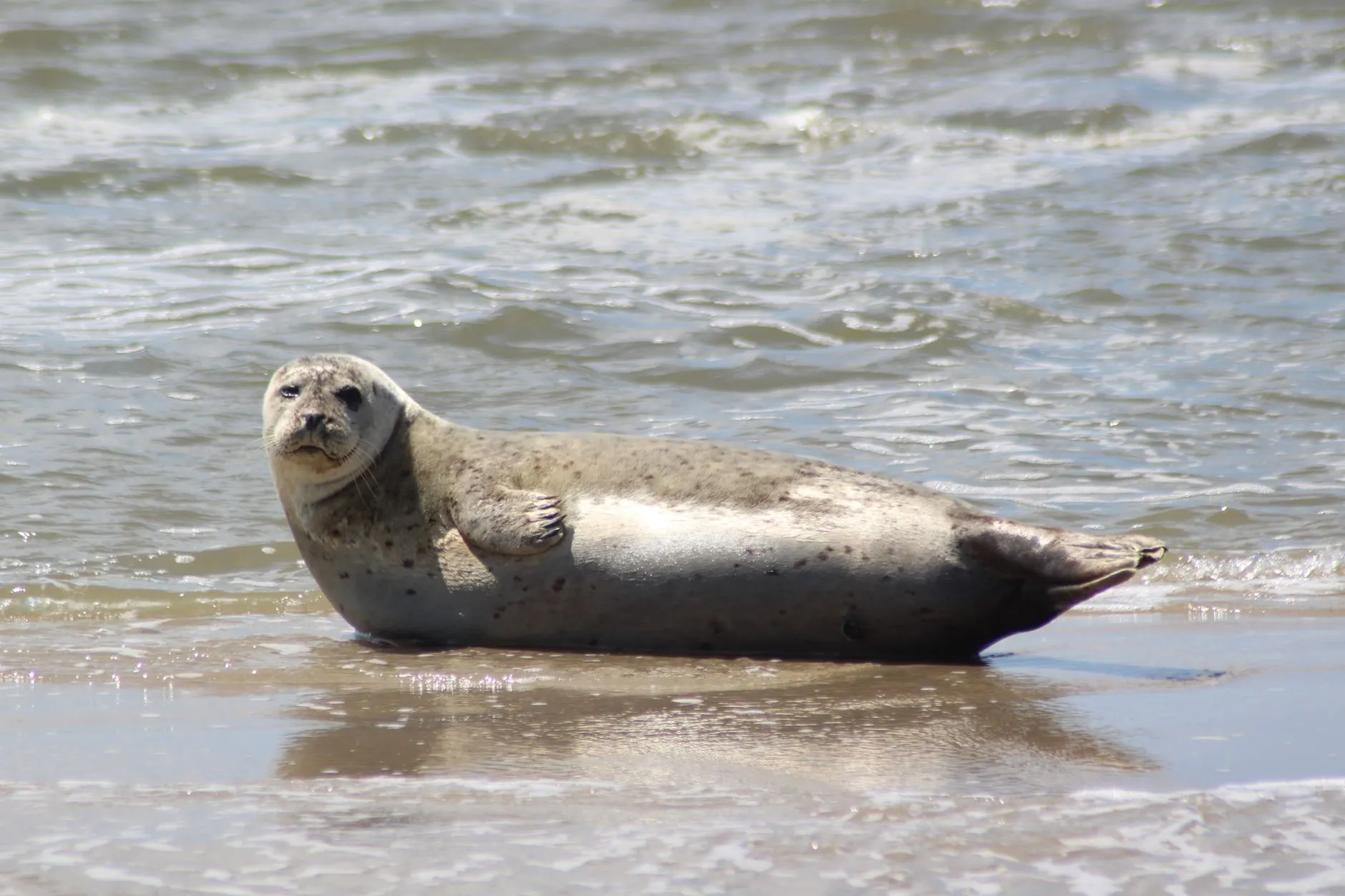
Harbour Seal
Where: Wadden Sea (UNESCO), Texel, Oosterschelde
The Wadden Sea is home to over 5,000 harbour seals, one of Europe’s most important populations. They haul out on sandbanks at low tide, basking in groups. Boat trips from Texel and the Oosterschelde bring you close. Seals are most active in summer when pups are born. The mudflat walking experience lets you observe them in their natural habitat.
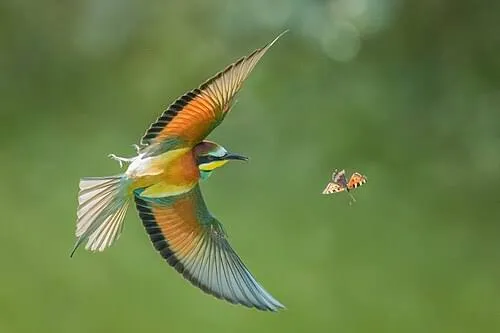
One of Europe’s most colourful birds, with vivid blue, green, orange, and yellow plumage. The Netherlands hosts a small but growing breeding population, mainly in sand quarries and river banks in the eastern provinces. They are summer visitors (April–September) and their acrobatic flight and communal nesting make them a highlight for birdwatchers.
Konik Horse
Where: Oostvaardersplassen, Veluwe, various nature reserves
These hardy, semi-wild horses roam freely in Dutch nature reserves as part of rewilding programmes. Descended from the now-extinct Tarpan, they graze on grasslands and help maintain the open landscapes that many bird species depend on. The Oostvaardersplassen nature reserve is home to hundreds, visible from hides and walking trails.
The Netherlands has one of the densest barn owl populations in Europe, thanks to extensive nest box programmes. They hunt silently over farmland at dusk, using exceptional hearing to locate rodents in total darkness. Over 4,000 pairs breed in the country. The Oostvaardersplassen and polder landscapes offer excellent viewing opportunities.
Best birdwatching: Wadden Sea (UNESCO) for seals and migratory birds (especially October–March). Oostvaardersplassen for Konik horses, white-tailed eagles, and spoonbills. Texel Island for diverse coastal wildlife. The Veluwe for woodland species. Delta Zeeland for harbour porpoises.
Activities & Hikes
🏆Looking for the best tours and experiences? Browse our hand-picked recommendations across 17 countries — from skip-the-line museum tickets to sunrise hot air balloon rides.
🚲 The Netherlands is not a hiking country in the traditional sense. The highest point is 322 metres. ✅ What it is, overwhelmingly, is a cycling country. 37,000 kilometres of dedicated cycle paths, flat terrain, and universal infrastructure make it the best place in the world to travel by bicycle.
Cycling Routes
🚲 Bollenstreek (Flower Bulb Region)
Leiden to Haarlem, ~40 km through tulip, daffodil, and hyacinth fields. Best in April–May. Flat, well-signed, and staggeringly colourful. Rent a bike in Leiden or Haarlem and ride between the rows. Free except the bike rental (€10–15/day).
🚲 Kinderdijk Loop
15 km loop past 19 UNESCO windmills. Pancake flat, car-free paths along the polders. Start from Kinderdijk visitor centre. Morning light is best. Combine with a waterbus from Rotterdam (€5 one-way). Half a day.
🚲 Hoge Veluwe (White Bikes)
40+ km of paths inside the national park with free white bikes at every entrance. Forests, heathland, sand dunes, and deer. Ride to the Kröller-Müller Museum for lunch. Park entry €13.50, bikes free. Full day.
🚲 Texel Island
The largest Wadden Island is ideal for cycling. 140 km of bike paths, beaches, dunes, sheep farms, and a lighthouse. Car-free feeling even though cars exist. Rent at the ferry terminal. 1–2 days.
Water Activities
🌊 Wadlopen (Mudflat Walking)
Walk across the seabed of the Wadden Sea at low tide, sometimes chest-deep in tidal gullies. Guided only. Tides are dangerous. Depart from Friesland or Groningen coast. €20–40. Bring clothes you do not mind destroying. Unforgettable.
🚢 Canal Cruises & Kayaking
Amsterdam, Utrecht, and Leiden all have canal tours. Rent your own boat in Amsterdam (€50+ for a group). Kayak Utrecht’s Oudegracht for a different perspective (€15–25/hour). SUP is popular in Haarlem and Leiden.
⛰ Kitesurfing & Sailing
Brouwersdam in Zeeland is the kitesurfing capital. Friesland’s lakes are the sailing heartland. IJsselmeer for open-water sailing. Lessons from €35/hour. Season: May–September.
Hiking
🥾 Waddenpad (Long-Distance)
286 km from Pieterburen (Groningen) to Den Oever (North Holland). 14 days along dikes, salt marshes, and the Wadden Sea coast. Flat but exposed. Mostly gravel and paved paths. Accommodation in villages along the route.
🌳 Zuid-Kennemerland Dunes
Coastal dune hiking west of Haarlem. Free entry. Highland cattle and fallow deer roam freely. Multiple routes from 5–20 km. Accessible by train + short bus. Half day.
Route Planner
Planning a trip to Netherlands requires consideration of several factors that affect routing, timing, and budget. Visa requirements vary by nationality, domestic transport ranges from modern highways to unpaved mountain roads, and seasonal weather can dramatically alter your experience. The routes below are designed around Netherlands's geography and transport networks, but conditions change — always verify road access, border crossings, and transport schedules before departing.
Before choosing a route, consider: your time frame (a focused one-week trip differs vastly from a three-week exploration), your budget (some routes require domestic flights or private transport), what you want to see (cities, nature, culture, adventure), and seasonal conditions (monsoon, dry season, temperature extremes). Each route is a template — adjust it to fit your style.
🚀
Plan Your Trip with the Travel Planner
Build a personalised itinerary with weather forecasts, safety warnings, visa info, transport options, and cost estimates — all in one report.
We hand-picked the highest-rated hotels, apartments and resorts for your trip — from budget stays to luxury retreats. Filter by country, budget and guest rating.
The essential Netherlands trip. Covers Amsterdam, the Randstad cities, one national park, and a Wadden Island. All by train and bicycle. Works year-round but is best April–October. Every connection is by OV-chipkaart. No car needed, no car wanted.
You will see roughly 70% of what the country offers, focusing on the places that most justify the travel time. Amsterdam gets enough days to feel unhurried. Every stop outside Amsterdam reminds you that the rest of the country is different and often better.
Day-by-day itinerary (14 days)
Days 1–3: Amsterdam
Day 1: Arrive at Schiphol. Train to Centraal (15 min). Check into accommodation in Jordaan or De Pijp. Walk the Canal Ring. Evening: brown café in Jordaan for a beer and bitterballen.
Day 2: Rijksmuseum (morning, 3–4 hours). Vondelpark for lunch. Van Gogh Museum (afternoon, timed ticket). Evening: dinner in De Pijp (Albert Cuyp market area).
Day 3: Anne Frank House (book 6 weeks ahead). Walk through Jordaan. Afternoon: Brouwerij ’t IJ (craft brewery in a windmill). Canal cruise at sunset (€16–20). Evening: Leidseplein or Rembrandtplein area.
Day 4: Zaanse Schans & Haarlem
Morning train to Zaandijk (17 min). Walk around Zaanse Schans windmills and cheese workshops (free grounds, individual mills €5–8). Afternoon: train to Haarlem (20 min). Frans Hals Museum. Walk the Grote Markt. Stay in Haarlem or return to Amsterdam (15 min train).
Day 5: Leiden or Keukenhof
If visiting Apr–May: Keukenhof Gardens (€21, book ahead). Combine with a cycle through the Bollenstreek tulip fields. Other months: Leiden. University city, botanical garden, Lakenhal museum. Compact, beautiful, and overlooked. Train from Haarlem: 35 min.
Day 6: The Hague
Train to The Hague (50 min from Amsterdam). Mauritshuis (Girl with a Pearl Earring). Walk past the Binnenhof. Afternoon: tram to Scheveningen beach. Eat haring at a strandpaviljoen. Stay 1 night.
Day 7: Delft & Rotterdam
Morning in Delft (13 min from The Hague). Vermeer’s city. Royal Delft factory (€15). Walk the Markt, see the Nieuwe Kerk. Afternoon: train to Rotterdam (15 min). Cube Houses, Markthal (eat here), Erasmus Bridge walk. Stay 1–2 nights in Rotterdam.
Day 8: Kinderdijk & Rotterdam
Morning: waterbus to Kinderdijk (€5 one-way, 35 min). Cycle the 15 km windmill loop. Return by early afternoon. Afternoon: Museumpark area (Kunsthal or Boijmans Depot). Evening: rooftop bar or Witte de Withstraat for dinner.
Day 9: Utrecht
Train Rotterdam–Utrecht (40 min). Walk the Oudegracht (unique wharf-level cafés below street level). Climb the Dom Tower (€12.50). Rent an OV-fiets and cycle the university quarter. Evening: drinks along the canal. Stay 1 night.
Day 10: Hoge Veluwe
Train to Ede-Wageningen or Apeldoorn, bus to park entrance. Grab a white bike. Ride through heathland and forest. Kröller-Müller Museum for Van Gogh and the sculpture garden. Watch for deer at dusk. Park + museum €24.50. Return to Utrecht or stay in Otterlo.
Days 11–12: Texel Island
Day 11: Train to Den Helder (1.5 hours from Utrecht, change in Amsterdam). Ferry to Texel (20 min, runs hourly). Rent a bike at the terminal. Ride to the lighthouse, De Slufter nature reserve, and a beach café. Stay 1 night.
Day 12: Morning: Ecomare seal sanctuary (€14.50). Cycle the south of the island. Afternoon beach time. Evening ferry back to Den Helder, train to Amsterdam.
Day 13: Maastricht
Fast train Amsterdam–Maastricht (2.5 hours). Walk the Vrijthof, Basilica of Saint Servatius. Dominicanen bookstore. Explore the cobblestone streets south of the river. Rijsttafel dinner or Limburgse vlaai (fruit tart). Stay 1 night.
Day 14: Maastricht & Departure
Morning: Maastricht Underground (cave tours, €9) or walk to the Sint Pietersberg fort. Train back to Amsterdam/Schiphol for departure. Or fly from Maastricht Aachen Airport (limited routes).
Budget: Total transport for this route: roughly €150–200 in OV-chipkaart credit plus ferry tickets. Museumkaart (€70–75) covers Rijksmuseum, Van Gogh, Mauritshuis, Frans Hals, Kröller-Müller, and dozens more. That card alone saves €80+.
Route B: 3-Week Explorer
Everything in Route A plus the north (Friesland, Wadden Islands), the east (Giethoorn, Deventer), and more depth in the south (Den Bosch, Eindhoven). This route hits 10 of 12 provinces and gives you a genuine understanding of how different the country is beyond the Randstad.
Day-by-day itinerary (21 days)
Days 1–3: Amsterdam
Same as Route A. Rijksmuseum, Van Gogh, Anne Frank House, Canal Ring, Jordaan, Brouwerij ’t IJ. Three full days.
Day 4: Zaanse Schans, Volendam & Marken
Morning: Zaanse Schans windmills. Bus to Volendam (fishing village, kitsch but photogenic harbour). Ferry to Marken (former island, wooden houses). Return to Amsterdam. Full day trip.
Day 5: Haarlem & Coast
Train to Haarlem (15 min). Frans Hals Museum. Cycle or bus to Zandvoort beach. Alternatively, hike in Zuid-Kennemerland dunes (Highland cattle, fallow deer). Stay in Haarlem.
Days 6–7: Texel & Wadden Sea
Day 6: Train to Den Helder, ferry to Texel. Cycle the island. De Slufter, lighthouse, beaches. Day 7: Ecomare seal sanctuary. Optional: boat to Vlieland for a day trip (car-free island, seal tours). Return to mainland evening.
Day 8: Utrecht
Train to Utrecht (1.5 hours from Den Helder, change in Amsterdam). Oudegracht, Dom Tower, Rietveld Schröder House (UNESCO, De Stijl architecture, €18). Evening canal-side drinks.
Day 9: Hoge Veluwe
Day trip from Utrecht. White bikes through the park. Kröller-Müller Museum. Deer watching at dusk from observation hides. Return to Utrecht.
Day 10: Giethoorn
Train + bus to Giethoorn (2 hours from Utrecht). The “Venice of the North”, with no roads, only canals, footbridges, and thatched-roof houses. Rent a whisper boat (€25–35/hour, electric, silent). Avoid weekends. Stay 1 night or return to a nearby town.
Day 11: Deventer
Train to Deventer (1 hour from Zwolle). Medieval IJssel river town. Deventer Koekwinkel (400-year-old spiced cake shop). Walk the historic centre, Bergkerk, Brink square. Quiet, beautiful, and very few tourists. Continue to Groningen.
Day 12: Groningen
Train to Groningen (1 hour from Deventer via Zwolle). Vibrant university city. Groninger Museum (modern art). Martinitoren tower climb. Explore the nightlife around Grote Markt and Peperstraat. Stay 1 night.
Day 13: Wadlopen & Lauwersmeer
Book a guided mudflat walk departing from the Groningen coast (€20–40, book ahead, tide-dependent). Afternoon: Lauwersmeer for birdwatching. Return to Groningen or head south.
Day 14: Leiden & Keukenhof / The Hague
Long train south (3.5–4 hours Groningen to Leiden). If spring: Keukenhof. Otherwise: Leiden city walk + Mauritshuis in The Hague. Stay in The Hague.
Day 15: Delft & Rotterdam
Morning: Delft (Vermeer, Delftware). Afternoon: Rotterdam architecture walk (Cube Houses, Markthal, Erasmus Bridge). Stay in Rotterdam.
Day 16: Kinderdijk & Dordrecht
Waterbus to Kinderdijk windmills. Cycle the loop. Continue to Dordrecht (oldest city in Holland, medieval harbour). Return to Rotterdam.
Day 17: Den Bosch
Train to Den Bosch (45 min from Rotterdam). Sint-Janskathedraal (Gothic, stunning). Bossche bol at Jan de Groot. Jheronimus Bosch Art Centre. Walk the canals. Vibrant bar scene. Stay 1 night.
Day 18: Eindhoven
Train to Eindhoven (25 min). Strijp-S design district. Van Abbemuseum (modern art). If visiting in October: Dutch Design Week. Tech-forward city, good food scene. Stay 1 night.
Days 19–20: Maastricht
Day 19: Train to Maastricht (1.5 hours). Vrijthof, Basilica, Dominicanen bookstore. Evening: rijsttafel or Limburgse cuisine. Day 20: Day trip to Valkenburg (caves, castle ruin) or cycle to the three-country point (Drielandenpunt: NL/BE/DE). Limburgse vlaai for dessert.
Day 21: Return & Departure
Train Maastricht–Schiphol (2.5 hours direct). Or stop in Utrecht for a final canal-side coffee before flying out.
Budget: Total transport roughly €250–350 via OV-chipkaart. The Museumkaart covers the entire trip (valid 1 month). Consider an NS Day Pass (€65) for the long Groningen–Leiden transfer day.
Route C: 1-Month Deep Dive
The full Netherlands experience. All twelve provinces, multiple Wadden Islands, every UNESCO site you can reach, and time to actually slow down. A month in a country this compact means you can spend real time in places instead of racing through. You will leave understanding why the Dutch consider Friesland a different country and why Limburg feels more Burgundian than Belgian.
Day-by-day itinerary (30 days)
Days 1–4: Amsterdam & Surrounds
Days 1–3 as Route A. Day 4: Zaanse Schans + Volendam + Marken day trip. Or: Amsterdam Noord (NDSM Wharf, Eye Film Museum, ferry across the IJ).
Days 5–6: Haarlem & Coast
Day 5: Haarlem (Frans Hals, Grote Markt, Jopen brewery in a former church). Day 6: Cycle to Zandvoort beach or hike Zuid-Kennemerland dunes. Train connections every 15 min.
Day 7: Leiden
University city. Hortus Botanicus (oldest botanical garden in NL). Lakenhal museum. Walk the canals. Good Indonesian food. Quieter, cheaper Amsterdam.
Day 8: Keukenhof / Bollenstreek
If spring: Keukenhof + cycle through tulip fields. Other months: extra day in Leiden or day trip to Gouda (cheese market Thursdays Apr–Aug, Gouda by candlelight in December).
Days 9–10: The Hague & Delft
Day 9: The Hague. Mauritshuis, Binnenhof, Escher in Het Paleis, Scheveningen beach. Day 10: Delft. Royal Delft, Vermeer Centre, Nieuwe Kerk, market square. Two quiet, refined cities.
Days 11–13: Rotterdam & South Holland
Day 11: Rotterdam architecture (Cube Houses, Markthal, Depot Boijmans). Day 12: Kinderdijk windmills + Dordrecht. Day 13: De Biesbosch (canoe rental, beavers, kingfishers). Return to Rotterdam.
Days 14–15: Zeeland
Day 14: Train to Middelburg (1.5 hours from Rotterdam). Walk the 1,100 listed buildings. Zeeuws Museum. Delta Works visitor centre at Neeltje Jans (€25.50). Day 15: Cycle the Zeeland coast. Eat mussels (moules-frites) and oysters. Beach walk at Domburg or Cadzand.
Days 16–17: Brabant
Day 16: Train to Den Bosch. Sint-Janskathedraal, Bossche bol, Jheronimus Bosch Art Centre, canal tour in the Binnendieze. Day 17: Eindhoven. Strijp-S, Van Abbemuseum, design and tech scene. Evening: craft beer at 100 Watt or Effenaar area.
Days 18–19: Limburg
Day 18: Maastricht. Vrijthof, Dominicanen bookstore, Basilica of Our Lady, Fort Sint Pieter. Rijsttafel dinner. Day 19: Valkenburg caves + castle ruin. Cycle to Drielandenpunt (three-country border). Limburgse vlaai and local wine.
Days 20–21: Utrecht & Gelderland
Day 20: Utrecht. Oudegracht, Dom Tower, Rietveld Schröder House (UNESCO), Centraal Museum. Day 21: Hoge Veluwe day trip. White bikes, Kröller-Müller Museum, deer observation hides at dusk.
Day 22: Giethoorn & Overijssel
Train + bus to Giethoorn (2 hours). Electric boat through the canals. Thatched cottages, footbridges, no cars. Stay 1 night or continue to Deventer.
Day 23: Deventer
Medieval IJssel town. Spiced cake (Deventer koek, 400-year tradition). Bergkerk, Brink square, river walk. One of the most underrated towns in the country.
Day 24: Groningen
Train to Groningen (1 hour). Martinitoren, Groninger Museum, vibrant café scene. The most remote major city in the Netherlands and proud of it.
Day 25: Wadlopen & Lauwersmeer
Guided mudflat walk (€20–40, book ahead). Lauwersmeer birdwatching in the afternoon. Dark sky stargazing at night if clear.
Day 26: Leeuwarden & Friesland
Train to Leeuwarden (30 min from Groningen). Fries Museum, Princessehof (M.C. Escher’s birthplace), the tilting Oldenhove tower. Frisian language everywhere. Walk the canals.
Days 27–28: Wadden Islands
Day 27: Ferry from Harlingen to Terschelling (1 hour). Cycle the island. Mudflat walking from the island side. Oyster tasting. Day 28: Beach day. Boschplaat nature reserve (breeding birds). Evening ferry back to Harlingen.
Day 29: Drenthe
The least-visited province. Train to Assen. Rent a bike. Cycle to the hunebedden (prehistoric dolmens, the oldest human structures in the Netherlands, 5,000+ years old). Hunebedcentrum (€10). Quiet forests and moors.
Day 30: Return to Amsterdam & Departure
Train back to Amsterdam (2 hours from Assen). Final canal walk. Last stroopwafel at a market. Schiphol.
Budget: Total transport roughly €400–500 via OV-chipkaart. Consider a Holland Travel Ticket for long-distance days (€65/day unlimited). The Museumkaart covers the entire trip. At 30 days, even the €500 transport total works out to under €17/day for unlimited travel across an entire country.
Getting Around
The Netherlands has some of the best transport infrastructure in Europe. Trains are frequent, cycling infrastructure is world-class, and the OV-chipkaart works on everything. The entire country is so compact that the longest train journey (Amsterdam to Maastricht) takes just 2.5 hours. You do not need a car. In fact, a car is actively counterproductive in most cities. Parking is expensive (€5/hour in Amsterdam) and cycling is faster.
Trains (NS)
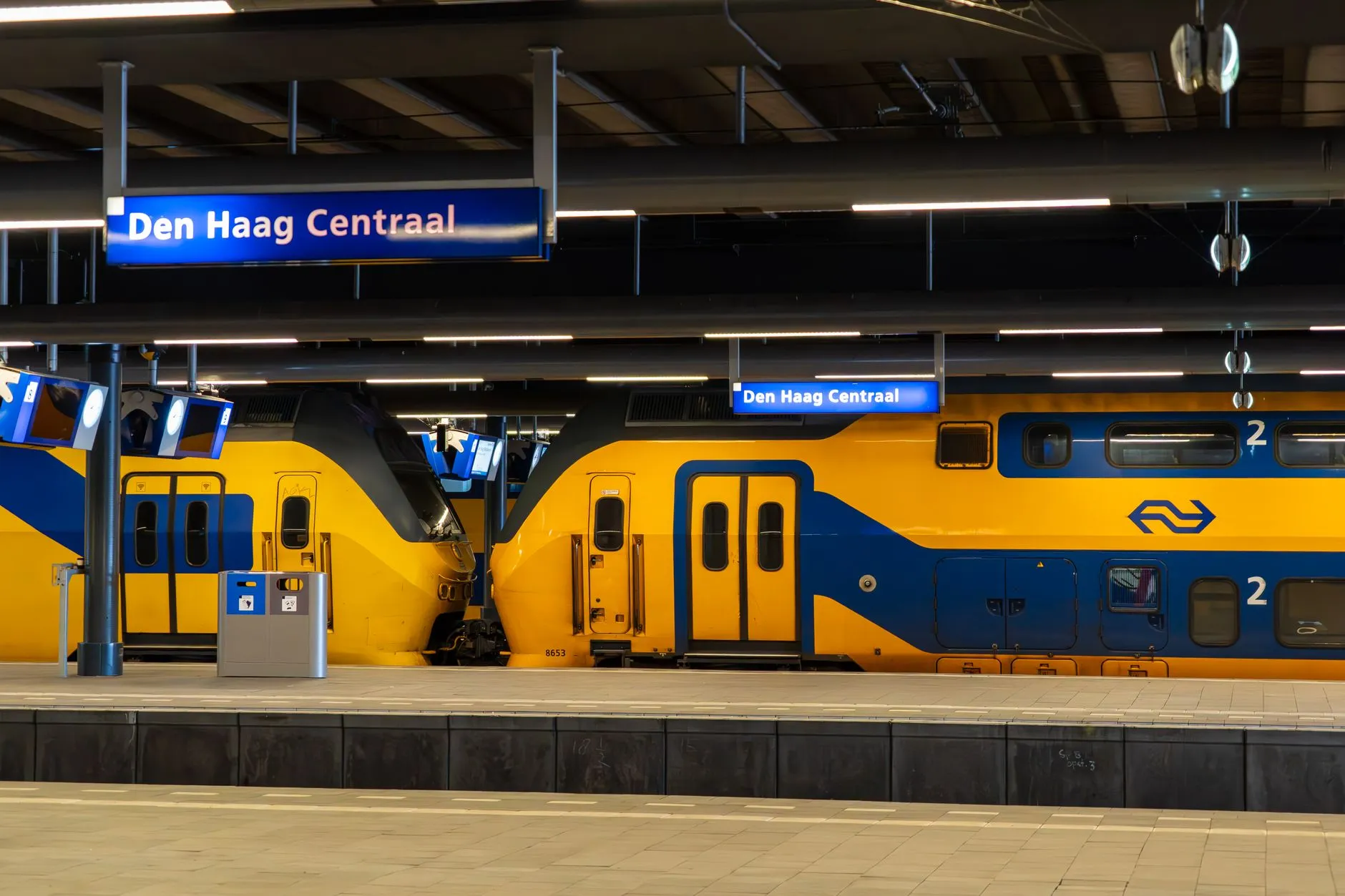
Nederlandse Spoorwegen runs the national network. Intercity trains run every 15 minutes on main routes. Download the NS app for real-time schedules and the 9292 app for multi-modal route planning.
Amsterdam–Rotterdam: 40 min, €17–20
Amsterdam–Utrecht: 30 min, €10
Amsterdam–The Hague: 50 min, €11
Amsterdam–Groningen: 2 hours
Amsterdam–Maastricht: 2.5 hours
OV-chipkaart
The universal contactless card for all Dutch public transport: trains, trams, buses, metros, ferries. Buy an anonymous card at any station (€7.50 + loaded credit). Tap in, tap out. Minimum credit for train travel is €20. Alternatively, use a contactless bank card (Visa/Mastercard) on most NS trains. Day passes are available (€7–9.50 for city transport, €65 for nationwide train).
Cycling
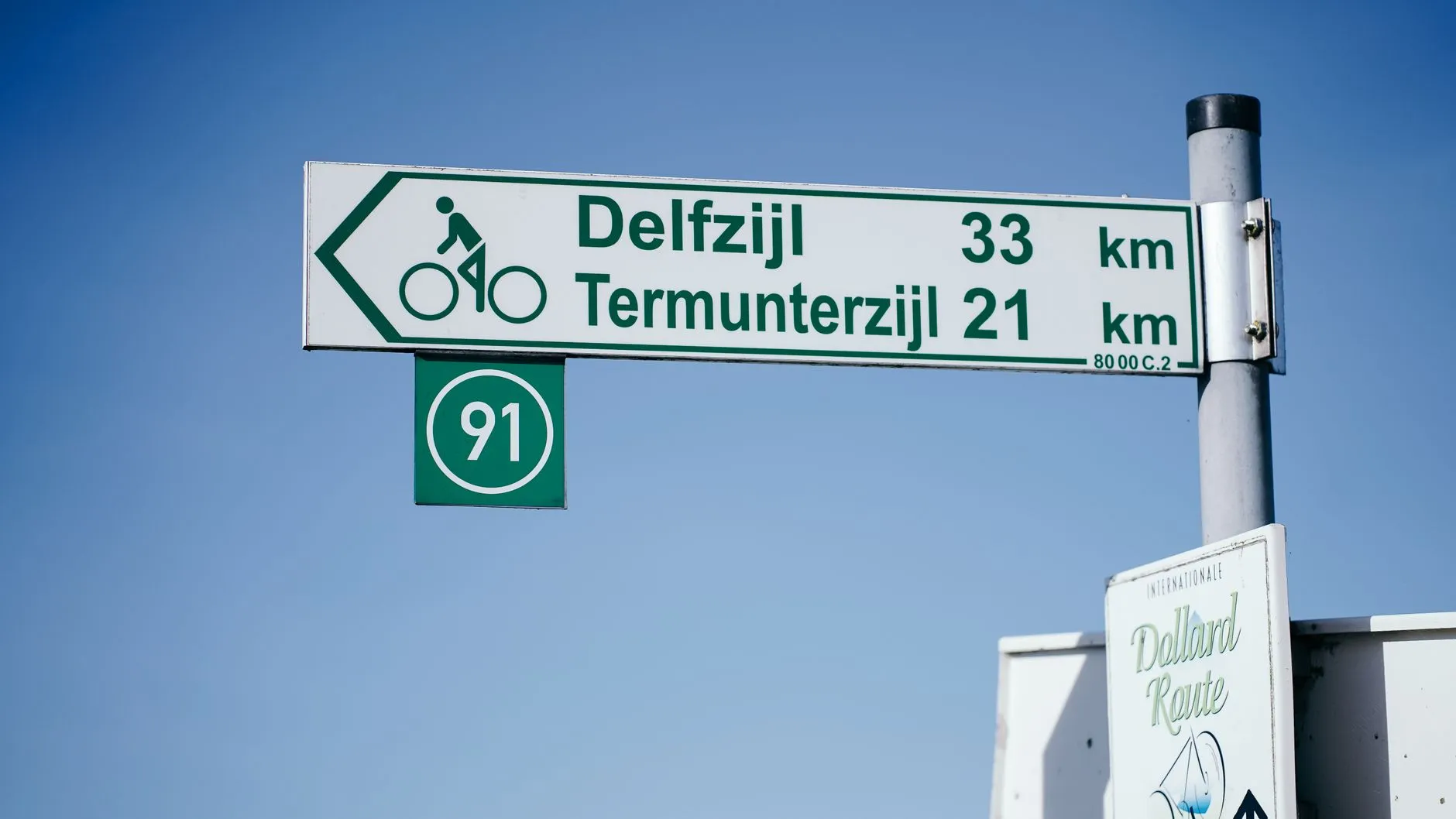
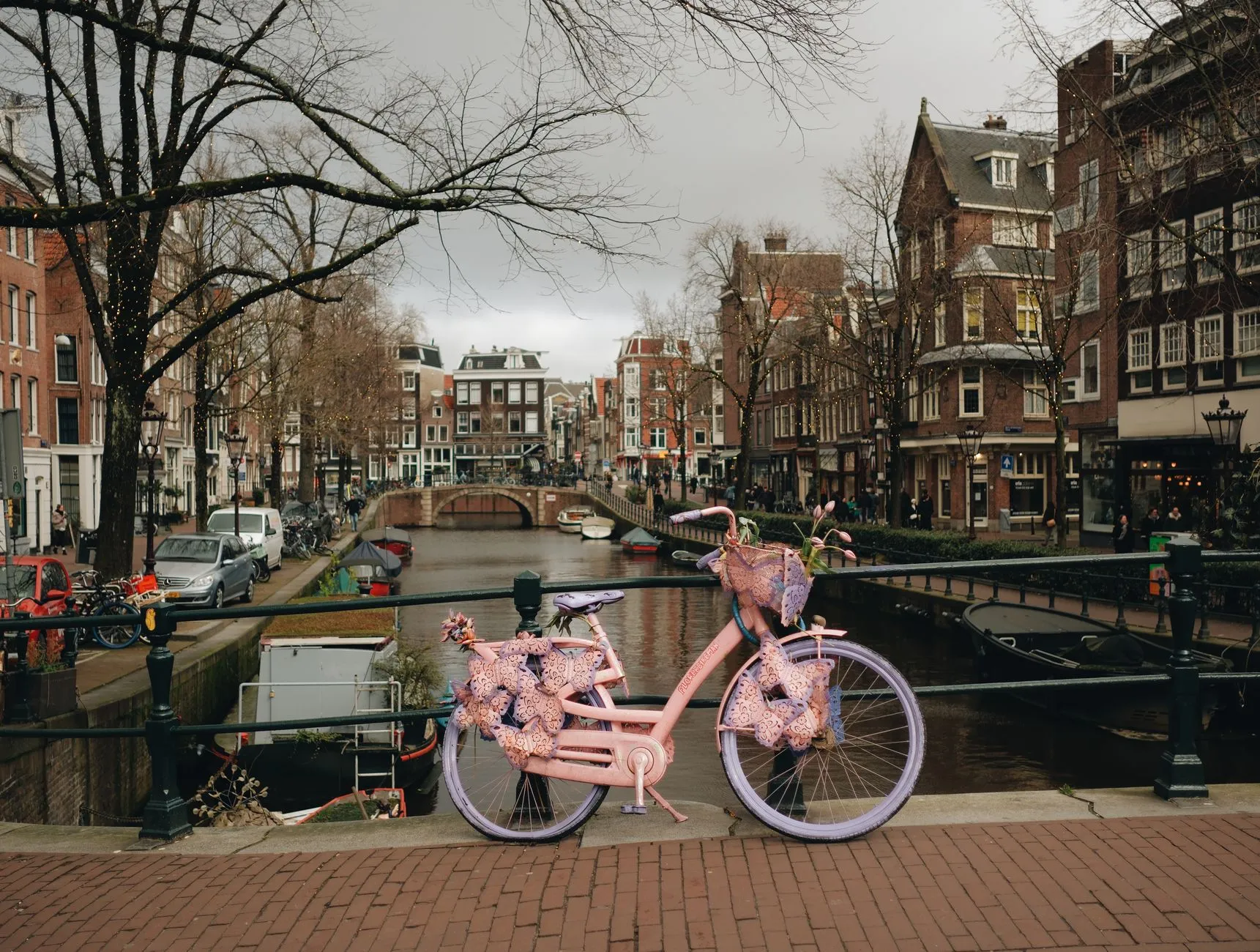
The single best way to get around Dutch cities. Over 37,000 km of dedicated cycle paths. No helmets required (wearing one marks you as a tourist). Ride predictably, signal turns, and never walk in the bike lane.
Rental: €10–15/day, e-bikes €15–25/day
OV-fiets: €4.15/24 hours at any train station. Requires a personal OV-chipkaart (€7.50 + one-time €10 deposit). This is how the Dutch themselves combine train + bike
Ferries to the Wadden Islands
Texel: Den Helder ferry, 20 min, runs hourly
Vlieland / Terschelling: from Harlingen, 1 hour
Ameland: from Holwerd, 45 min
Schiermonnikoog: from Lauwersoog, 45 min
Book online in summer. Most accept OV-chipkaart or contactless payment. Bring a bike or rent one on the island.
Buses & Air
Buses fill gaps where trains do not go. All use OV-chipkaart. Flixbus covers budget intercity routes (Amsterdam–Rotterdam from €3). R-net buses in the Randstad are fast and frequent. Regional buses connect train stations to national parks, villages, and ferry terminals.
Schiphol (Amsterdam) is the main international hub, 15 min by train from Amsterdam Centraal. Eindhoven Airport handles budget carriers (Ryanair, Wizz Air). Internal flights are pointless. The train is faster door-to-door.
OV-fiets is a game-changer. Arrive at any train station in the country, tap your OV-chipkaart at the OV-fiets terminal, unlock a bike, and ride. Return it at any station within 24 hours. €4.15. This is how the Dutch themselves combine train + bike for seamless travel. Set up your personal OV-chipkaart online before you arrive.
The Netherlands is not the cheapest country in Western Europe, but it is not the most expensive either. It sits somewhere between Germany (cheaper) and Scandinavia (much more expensive). The Museumkaart and OV-fiets are the two biggest money-savers. Eating from supermarkets and markets keeps food costs manageable. Amsterdam is 20–30% more expensive than everywhere else.
Category
Budget (€75/day)
Mid-Range (€150/day)
Comfort (€230+/day)
Accommodation
Hostel dorm €30–40
3-star hotel €90–120
Boutique canal house €180–250
Food
Supermarket + street food €20
Cafés + 1 restaurant €40–50
Restaurants + drinks €60–80
Transport
Bike + walk €5
Trains + OV-fiets €20
Trains + taxis €40
Activities
Free walks + parks €10
Museums + tours €30–40
Private tours €50–70
Key Prices (2026)
🏠 Accommodation
Hostel dorm (Amsterdam): €30–45/night
Budget hotel (Amsterdam): €90–120/night
Budget hotel (other cities): €60–85/night
Mid-range hotel (Amsterdam): €130–200/night
Camping: €15–25/night
Museumkaart: €70–75 (400+ museums, 1 month)
Rijksmuseum: €22.50
Van Gogh Museum: €25
Anne Frank House: €16
Keukenhof: €21
Canal cruise: €16–20
Kinderdijk: €9.50
🚆 Transport
OV-chipkaart: €7.50 (card) + credit
OV-fiets: €4.15/24h
Bike rental: €10–15/day
Amsterdam–Rotterdam train: €17–20
City day pass: €7–9.50
National day pass: €65
The Museumkaart math: Rijksmuseum (€22.50) + Van Gogh (€25) + Mauritshuis (€18) + Frans Hals (€15) = €80.50 for four museums. Museumkaart costs €70–75 and gives you access to 400+ more. Buy it at the first museum you visit. It pays for itself the same day.
Bicycle culture. Bikes have absolute priority in many situations. Always stick to designated bike lanes, use hand signals to turn, and never text while riding. Fines are strictly enforced.
Public transport. Trains, trams, and buses are highly integrated and punctual. You can tap in and out of all transit systems using your contactless debit/credit card or a mobile wallet through the national OV-pay system.
Journey planner. Use the 9292 Journey Planner or the NS International Planner to map out exact routes, train schedules, and ticket prices.
Cannabis
Technically “tolerated” rather than legal. Coffeeshops (not coffee shops) sell cannabis, up to 5 grams per visit. Do not smoke on the street. Only inside the coffeeshop. Edibles are not sold in coffeeshops. Many cities outside Amsterdam have fewer coffeeshops or restrict tourist access. Not a big deal to most Dutch people.
Most of these come down to treating the Netherlands as if it were just Amsterdam, or not respecting the bike infrastructure.
Spending the entire trip in Amsterdam. Amsterdam is wonderful but it is not the Netherlands. Rotterdam, Utrecht, Maastricht, and the Wadden Islands are completely different experiences. The train gets you anywhere in under 2.5 hours. Use it.
Walking in bike lanes. The red-paved cycle path is not a wide footpath. Dutch cyclists will ring their bell at you with genuine irritation. Stay on the pavement. If you hear a bell, move immediately. They are not slowing down.
Not booking museums ahead. Anne Frank House tickets sell out 6 weeks in advance. Van Gogh Museum requires timed entry. Keukenhof needs advance booking. Set calendar reminders for ticket release dates. Showing up without a booking means you do not get in.
Expecting dry weather. Rain is possible every single day of every single month. The Dutch do not wait for good weather. They go out anyway. Bring a rain jacket, not an umbrella (the wind will destroy it). The Buienradar app shows incoming rain down to the minute.
Skipping the Museumkaart. At €70–75 for access to 400+ museums for a month, this is the best cultural value in Europe. It pays for itself after 3 museums. Buy it at the first museum you enter.
Taking taxis. Taxis in the Netherlands are expensive (€2.50+ per km). Trains, trams, and bikes are faster and cheaper for almost every journey. The OV-fiets at train stations eliminates the last-mile problem entirely. Save taxis for airport runs at unsociable hours.
Pro Tips
Base in Haarlem or Utrecht. Both are 15–30 minutes from Amsterdam by train. Hotels are 20–30% cheaper. The cities are more charming and less crowded. Day-trip to Amsterdam whenever you want. Sleep somewhere better.
Get a personal OV-chipkaart. The €7.50 anonymous card works fine, but a personal card (€7.50 + online registration) unlocks OV-fiets bike rental (€4.15/day at any station). This single upgrade transforms how you travel. Apply online before your trip.
Eat at Albert Heijn. The ubiquitous supermarket chain has excellent pre-made salads, sandwiches, and sushi for €3–6. The AH to go at train stations is fast and cheap. Breakfast and lunch from Albert Heijn, dinner at a restaurant. Budget halved.
Fresh stroopwafel at a market. The supermarket version is fine. The fresh version, made in front of you at a market stall, warm and slightly gooey, is a completely different food. Gouda market and Amsterdam’s Albert Cuyp Market are the classic spots. €2–3.
Try raw herring properly. Find a fish stall (haringkraam), ask for “een haring met uitjes” (a herring with onions). The traditional way: grab the fish by the tail, tilt your head back, and eat. The practical way: ask for it on a broodje (roll). Either way, it is better than it sounds.
Download the apps. NS (train schedules + tickets), 9292 (all public transport planning), Buienradar (rain radar), Google Maps (cycling directions are excellent in NL). These four apps cover 95% of practical needs.
The Netherlands is one of those countries that people think they know before they arrive. Windmills, tulips, Amsterdam, weed. And then they actually visit and discover that the real country is something else entirely. It is a place where people built land from the sea and then built one of the most sophisticated societies in Europe on top of it. The cycling infrastructure alone is worth the trip. The museums are world-class. The food is better than its reputation. And the directness of the people, once you adjust to it, is genuinely refreshing.
The trick is getting out of Amsterdam. Not because Amsterdam is bad (it is excellent) but because the rest of the country is different in ways that surprise people. Maastricht feels Burgundian. Friesland speaks its own language. Rotterdam looks like the future. Zeeland has 650 km of coastline most tourists never see. And all of it is reachable by train in under 2.5 hours.
Two weeks covers the essential variety. Three weeks lets you reach the edges. A month lets you slow down enough to actually sit in a brown café, order a beer and some bitterballen, and understand what gezelligheid feels like from the inside.
Start with Route A (2 weeks) if it is your first time. It covers Amsterdam, the Randstad cities, a national park, a Wadden Island, and Maastricht. Buy the Museumkaart on day one and the OV-chipkaart at Schiphol. Total transport for 14 days: roughly €150–200. That is less than two nights in an Amsterdam hotel.