Overview & Why Visit Italy

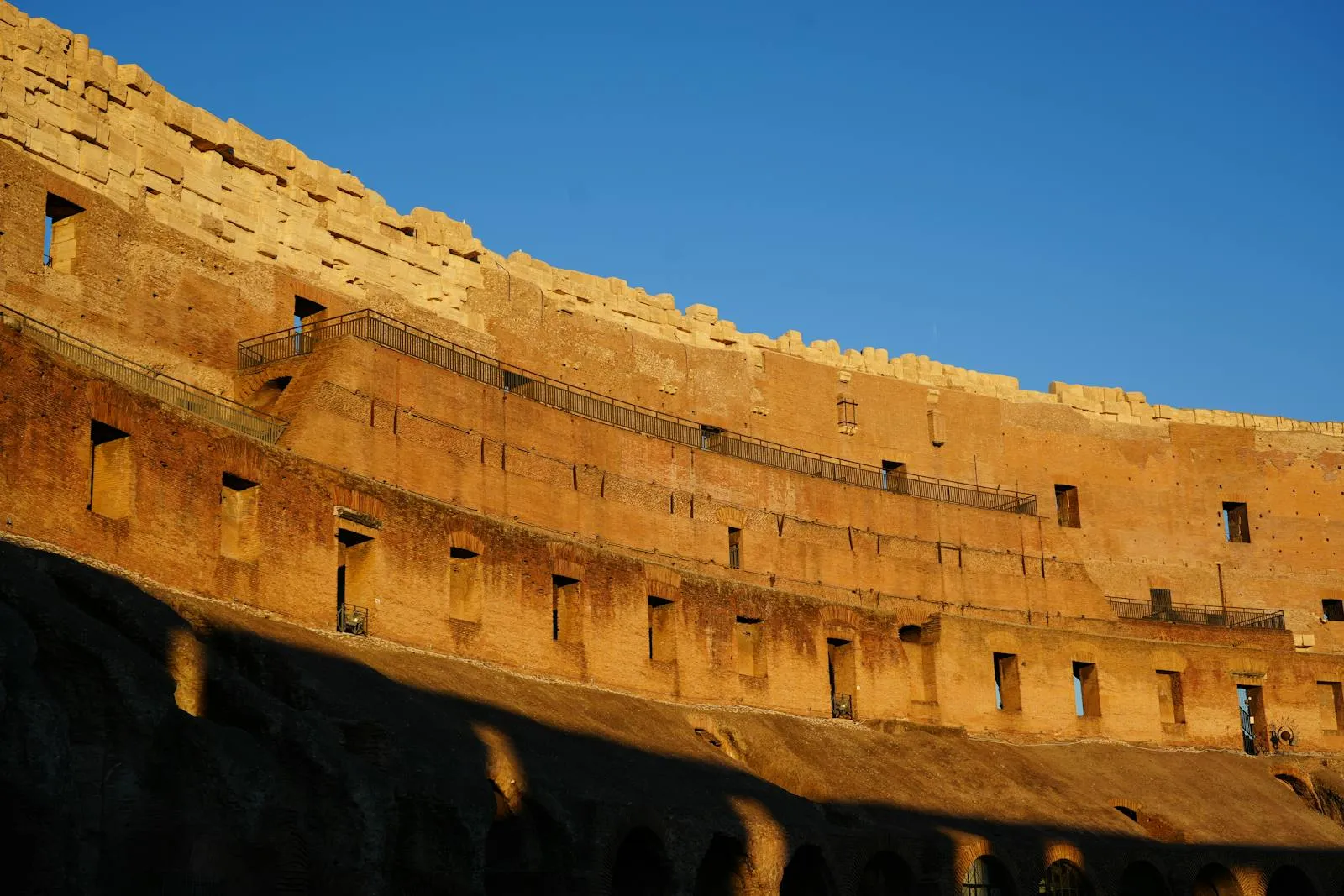
Panoramic view of Rome with the Colosseum and ancient ruins under golden light

Italy stretches 1,200 km from the Alps to almost the coast of North Africa. It has 59 UNESCO World Heritage Sites, more than any other country on Earth. Twenty regions, each with its own dialect, cuisine, and identity. A coastline that runs for nearly 8,000 km along four different seas. And somewhere between the Roman ruins and the Renaissance frescoes, some of the best food you will ever eat.

There is no single "Italy." The Dolomites in the north look and feel nothing like the volcanic landscapes of Sicily. Milan runs on fashion and finance. Naples runs on espresso and controlled chaos. Tuscany sells a postcard version of itself to millions of visitors a year, while neighbouring Umbria and Le Marche remain almost empty. That variety is the whole point. You could visit ten times and still find regions that surprise you.

Most first-timers do Rome, Florence, and Venice. That triangle is a solid introduction, connected by fast trains in under two hours between stops. But the real magic tends to happen when you step off that circuit. A week in Puglia eating orecchiette and swimming off white limestone cliffs. A few days in Bologna, where the food is so good the city earned the nickname "La Grassa" (the fat one). An overnight ferry to Sardinia for beaches that rival the Caribbean at a fraction of the price.

At a Glance

  • Size: 301,340 km² (roughly the size of the UK + Ireland combined)
  • Population: ~59 million
  • Capital: Rome (~2.7 million, metro area ~4.3 million)
  • Language: Italian. English understood in tourist areas, limited in the south and small towns
  • Currency: Euro (€)
  • Time zone: CET (UTC+1), CEST in summer (UTC+2)
  • Visa: Schengen Zone. Visa-free for EU/EEA, US, Canadian, Australian, and most Western passport holders (up to 90 days in any 180-day period)
  • Flight time: 2–3 h from most of Central/Northern Europe

Why Visit

  • More UNESCO sites than anywhere else. Ancient Rome, Renaissance Florence, Byzantine Ravenna, Baroque Sicily
  • Hyper-regional food culture. Every province has signature dishes you cannot get anywhere else
  • World-class train network. Rome to Florence in 1.5 hours, Rome to Naples in 70 minutes
  • Dramatic landscapes from Alpine peaks to volcanic islands to turquoise Mediterranean coves
  • Wine regions producing everything from Barolo to Nero d'Avola, often with cellar-door tastings for €5–15
  • Affordable outside the tourist triangle. Naples, Puglia, and Sicily offer excellent value
  • Generally safe, well-organized public transport, and a healthcare system that covers emergencies
  • Outdoor activities year-round. Skiing in winter, coastal hiking in spring, island-hopping in summer
Budget reality check: Italy uses the Euro and costs vary enormously by region. Expect €70–100 per day for budget travel (hostels, street food, regional trains) or €150–200 per day mid-range (3-star hotel, restaurant meals, high-speed trains). Venice and the Amalfi Coast are the priciest areas. Naples, Sicily, and Puglia are the most affordable. A proper Neapolitan pizza costs €4–6. A high-speed train from Rome to Florence starts at €19 booked in advance.

Best Time to Visit

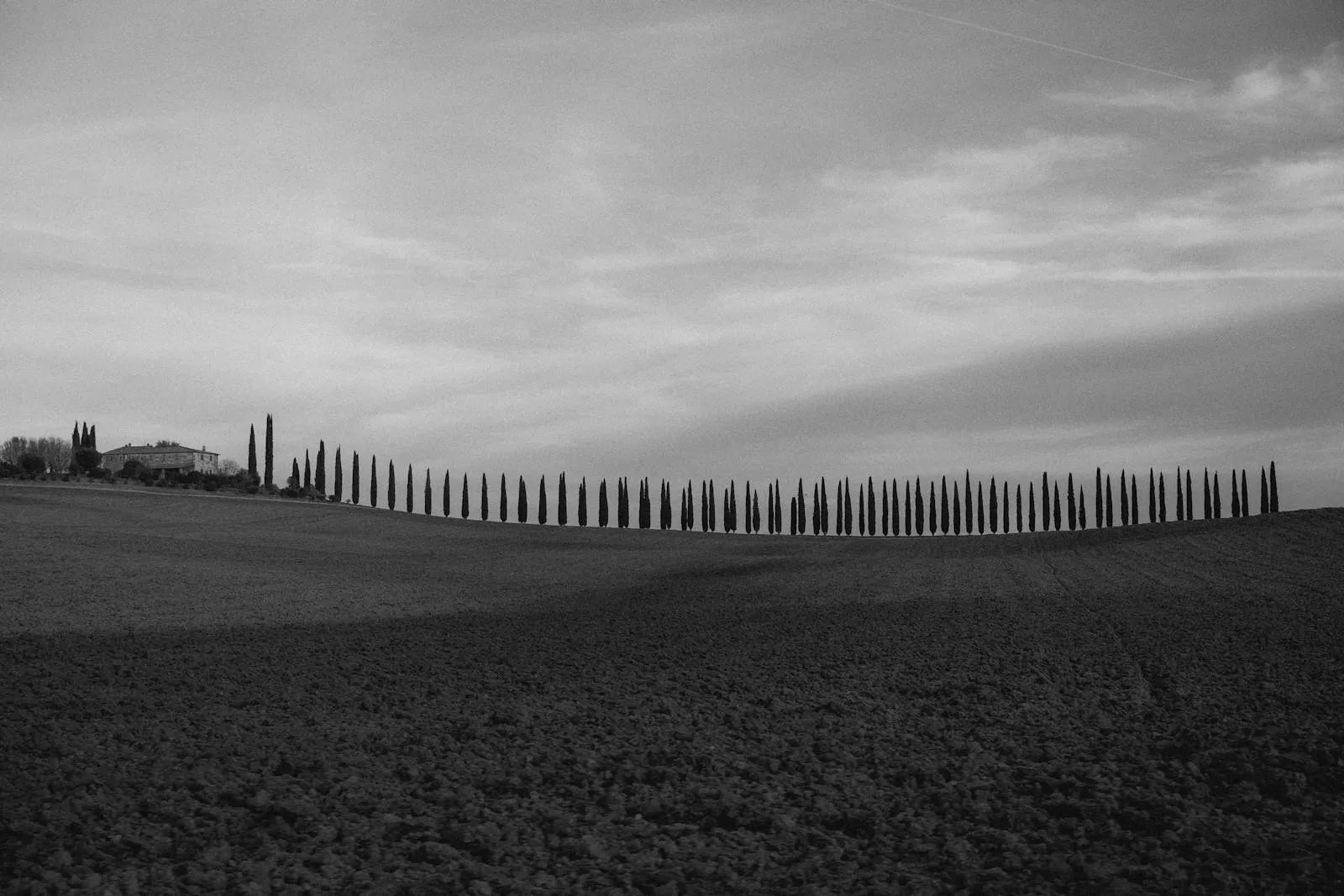
Tuscan hillside with cypress trees bathed in warm autumn light

April through June and September through October. Those shoulder months consistently deliver the best balance of weather, crowds, and prices. You get warm days without the crushing heat of July and August, shorter queues at major sights, and hotel rates 20–40% below peak.

If forced to pick one month, September wins. Summer crowds have thinned, the sea is still warm enough for swimming, harvest season brings food festivals across the countryside, and the light across Tuscany and the lakes is stunning.

Summer (July and August) works for beaches, lakes, and mountains. But it fails badly for cities. Rome hits 35°C+, Florence bakes, and the only people walking around are fellow tourists. Ferragosto on August 15 shuts everything down. Most Italians take their own holidays in August, so restaurants close, cities feel hollow, and beach resorts overflow.

Winter (November through March) is underrated. Rome stays mild at 8–12°C. Naples and Sicily are warmer still. Museums are uncrowded. Flights and hotels are cheap. The Dolomites and Alps offer proper skiing from December through April. The trade-off is shorter days, some rain, and northern cities like Milan and Venice getting cold, foggy, and grey.

Month-by-Month Overview

MonthTemp (Rome)Best ForCrowdsPricesRating
January3–12°CBudget city breaks, museums, winter sales🟢 Low🟢 Low⭐⭐
February4–13°CVenice Carnevale, skiing, uncrowded cities🟢 Low🟢 Low⭐⭐
March6–16°CEarly spring, southern Italy warming up🟡 Moderate🟡 Moderate⭐⭐⭐
April9–19°CAll-round sweet spot (beware Easter crowds)🟡 Moderate🟡 Moderate⭐⭐⭐⭐⭐
May13–24°CPerfect weather, beaches opening, wildflowers🟡 Moderate🟡 Moderate⭐⭐⭐⭐⭐
June17–29°CBeaches, lakes, Dolomite hiking begins🔴 High🔴 High⭐⭐⭐⭐
July20–32°CCoast and mountains only. Cities too hot🔴 Peak🔴 Peak⭐⭐⭐
August20–33°CBeaches if you must. Ferragosto (15th) shuts Italy🔴 Peak🔴 Peak⭐⭐
September17–28°CBest all-rounder. Warm sea, harvest, thinning crowds🟡 Moderate🟡 Moderate⭐⭐⭐⭐⭐
October12–23°CWine harvest, truffle season, autumn colours🟡 Moderate🟡 Moderate⭐⭐⭐⭐
November7–17°CLow prices, uncrowded museums, truffles🟢 Low🟢 Low⭐⭐⭐
December4–13°CChristmas markets, festive atmosphere, skiing🟡 Moderate🟡 Moderate⭐⭐⭐
Easter warning: The week before Easter brings a domestic tourism surge. Hotel prices spike, especially in Rome (Vatican) and smaller Tuscan towns. Religious processions are beautiful but mean crowds and closures. Book 3–4 months ahead if you plan to visit during Holy Week.

Climate & Weather

Italy spans three distinct climate zones, which is why "the weather in Italy" is almost a meaningless phrase. The north, the centre, and the south each behave differently.

Northern Italy (Milan, Venice, the Lakes, Dolomites) has a continental to Alpine climate. Summers are warm and humid (25–30°C), winters are cold (0–5°C in the plains, well below freezing in the mountains). Milan and the Po Valley get fog and grey skies from November through February. The Dolomites receive heavy snowfall and offer skiing from December through April.

Central Italy (Rome, Florence, Umbria, Le Marche) enjoys a Mediterranean climate. Hot dry summers (30–35°C in Rome) and mild winters (8–12°C). Rain is most common in autumn and early spring, but rarely lasts all day. Florence sits in a valley and traps heat in summer, making it one of the hottest cities in the country.

Southern Italy and the Islands (Naples, Puglia, Calabria, Sicily, Sardinia) have a subtropical Mediterranean climate. Long hot summers (30–35°C), very mild winters (10–15°C), and less rainfall overall. Sicily and Sardinia can feel almost North African in July and August. The sea stays warm enough for swimming from May through October, sometimes into November in the far south.

Microclimates matter. Italian lakes (Como, Garda, Maggiore) are significantly milder than nearby Milan thanks to the water's moderating effect. Coastal cities are cooler than inland ones in summer. And the mountains create their own weather systems entirely. Always check forecasts for your specific destination, not just "Italy."

Seasons & Temperatures

Italy has four distinct seasons, each with genuine appeal depending on what you want from your trip.

Spring (March–May)

The country wakes up. Wildflowers carpet the hillsides, outdoor cafés reopen, and temperatures climb from 12°C to 24°C across central Italy. March can still be unpredictable (cold snaps, rain) but April and May are consistently excellent. Beaches start opening in May. The Dolomites emerge from snow in late April. This is when Tuscany looks its absolute best.

Summer (June–August)

Hot, sunny, and crowded. Perfect for the coast, the lakes, and the mountains. Terrible for sightseeing in Rome or Florence unless you enjoy 35°C heat and hour-long queues. Italians take their holidays in August, flooding beach resorts and emptying cities. Ferragosto (August 15) is a national holiday when shops, restaurants, and businesses close. Beach umbrella rentals cost €15–30 per day at organized beaches (stabilimenti). Free public beaches exist but fill up fast.

Autumn (September–November)

The best-kept secret. September still feels like summer on the coast but with manageable crowds. October brings the grape harvest, truffle season, chestnut festivals, and some of the best eating of the year. November is quieter, with falling temperatures and occasional rain, but flights and hotels are at their cheapest. Wine regions (Tuscany, Piedmont, Veneto) are at their most beautiful as leaves change colour.

Winter (December–February)

Cold in the north (Milan 0–5°C, often foggy), mild in the south (Naples 10–15°C). Christmas markets appear in Bolzano, Merano, and across the Alto Adige. Rome and Florence are wonderfully uncrowded. Venice hosts Carnevale in February. The Dolomites and Alps have excellent skiing, with lift passes running €50–70 per day. Budget travellers can find €30 flights and €50 hotel rooms in off-peak January.

SeasonNorth (Milan)Centre (Rome)South (Naples)Islands (Palermo)
Spring12–22°C12–24°C14–24°C14–24°C
Summer22–32°C22–35°C24–33°C24–34°C
Autumn8–22°C10–26°C14–28°C16–28°C
Winter-1–8°C4–13°C6–14°C8–15°C

Map of Italy

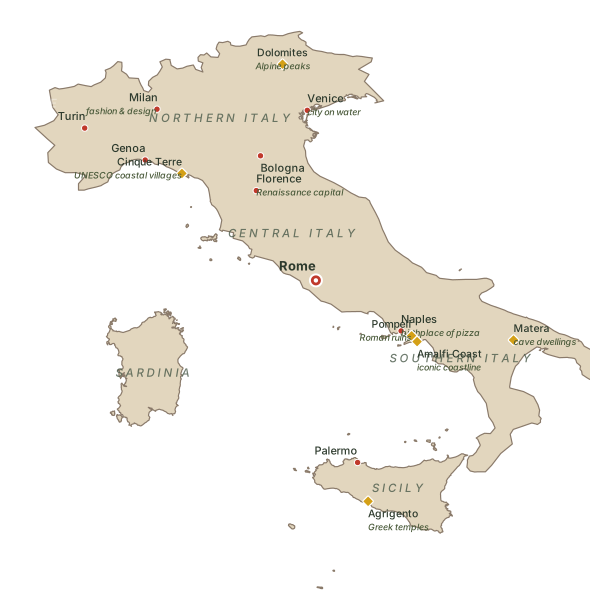
Italy is shaped like a boot kicking a ball (Sicily) into the Mediterranean. The country runs roughly north-south, with the Alps forming a natural border in the north and the Apennine mountain chain running down the spine of the peninsula like a backbone. Three major seas surround it. The Tyrrhenian to the west, the Adriatic to the east, and the Ionian at the heel.

Map of Italy showing main cities, regions and transport connections
Key distances (by high-speed train): Rome to Florence 1h 30min, Rome to Naples 1h 10min, Rome to Venice 3h 45min, Rome to Milan 3h, Florence to Venice 2h, Milan to Venice 2h 25min, Naples to Bari 3h 30min. Regional trains and ferries connect smaller towns and islands.

Holidays & Festivals

Festive celebration with traditional decorations

Italy celebrates hard and often. National holidays close banks, museums, and many shops. Regional festivals can take over entire towns for days. Plan around them or plan to join them, but do not ignore them.

National Public Holidays

  • January 1: New Year's Day (Capodanno)
  • January 6: Epiphany (La Befana). End of the Christmas season. Markets, parades, gift-giving
  • Easter Sunday & Easter Monday: Major closures. Pasquetta (Easter Monday) is a national picnic day
  • April 25: Liberation Day (Festa della Liberazione). Parades and ceremonies nationwide
  • May 1: Labour Day. Big concert in Rome's Piazza San Giovanni
  • June 2: Republic Day. Military parade in Rome, closures throughout
  • August 15: Ferragosto (Assumption Day). Everything shuts down. Beaches packed, cities empty
  • November 1: All Saints' Day (Ognissanti). Cemetery visits, special foods
  • December 8: Immaculate Conception. Start of the Christmas season, trees go up
  • December 25–26: Christmas Day and St. Stephen's Day. Full closures both days

Major Regional Festivals

  • Venice Carnevale (January–March). Two weeks of masks, costumes, and elaborate parties. Hotels triple in price for the final weekend
  • Scoppio del Carro, Florence (Easter Sunday). A cart full of fireworks "explodes" in front of the Duomo. A 350-year-old tradition
  • Palio di Siena (July 2 and August 16). Bareback horse race around Piazza del Campo. Each contrada (neighbourhood) fields a rider. Fiercely competitive and deeply emotional for locals
  • Festa del Redentore, Venice (third weekend of July). Floating bridge across the Giudecca Canal, spectacular fireworks over the lagoon
  • Verona Opera Festival (June–September). Open-air opera in the 2,000-year-old Roman Arena. Tickets from €30
  • Alba White Truffle Fair (October–December). The world's most famous truffle market. White truffles sell for €2,000–5,000 per kilo
  • Eurochocolate, Perugia (October). Europe's largest chocolate festival. Tastings, sculptures, cooking demos
  • Christmas Markets, Bolzano & Merano (late November–December). Austrian-style markets in the South Tyrol with mulled wine and handcrafted gifts
Ferragosto warning: August 15 is sacred. Italians traditionally take their holidays in August, and many businesses close for 1–2 weeks around Ferragosto. Beach resorts overflow. Cities feel abandoned by locals. If you travel in mid-August, expect limited restaurant options in cities and premium prices everywhere on the coast.

Regions of Italy

Aerial panorama of the Italian landscape from coast to mountains

Italy offers diverse landscapes and experiences across its regions.

Rome & Lazio landscape

Rome & Lazio

The Eternal City is not just Italy's capital. It is a functioning open-air museum spanning nearly 3,000 years of continuous history. You walk past the Colosseum on your way to buy groceries.

Florence & Tuscany landscape

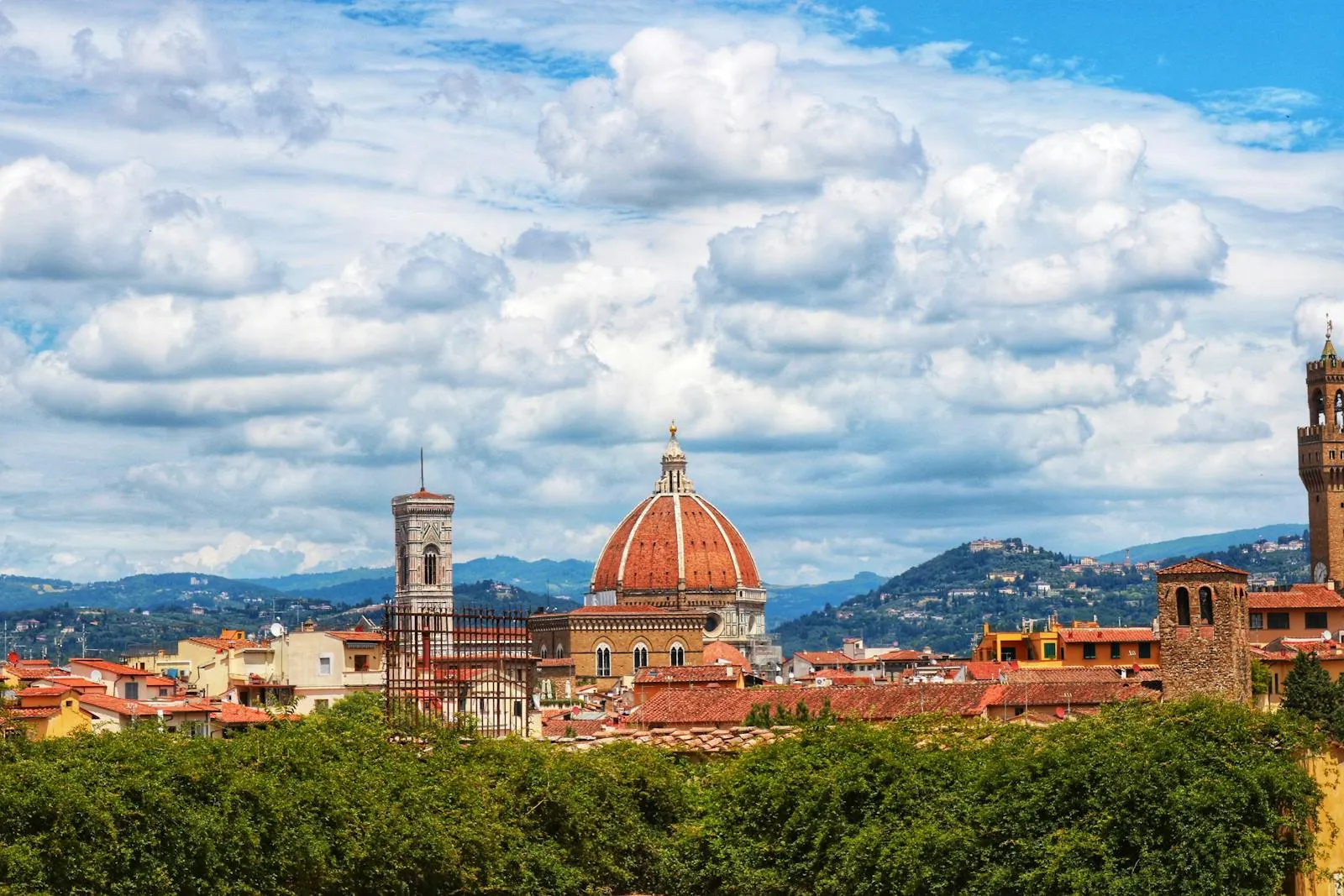
Florence & Tuscany

Florence was the cradle of the Renaissance and it still wears that legacy on every street corner. Brunelleschi's dome dominates the skyline. Michelangelo's David stands in the Accademia.

Venice & the Veneto landscape

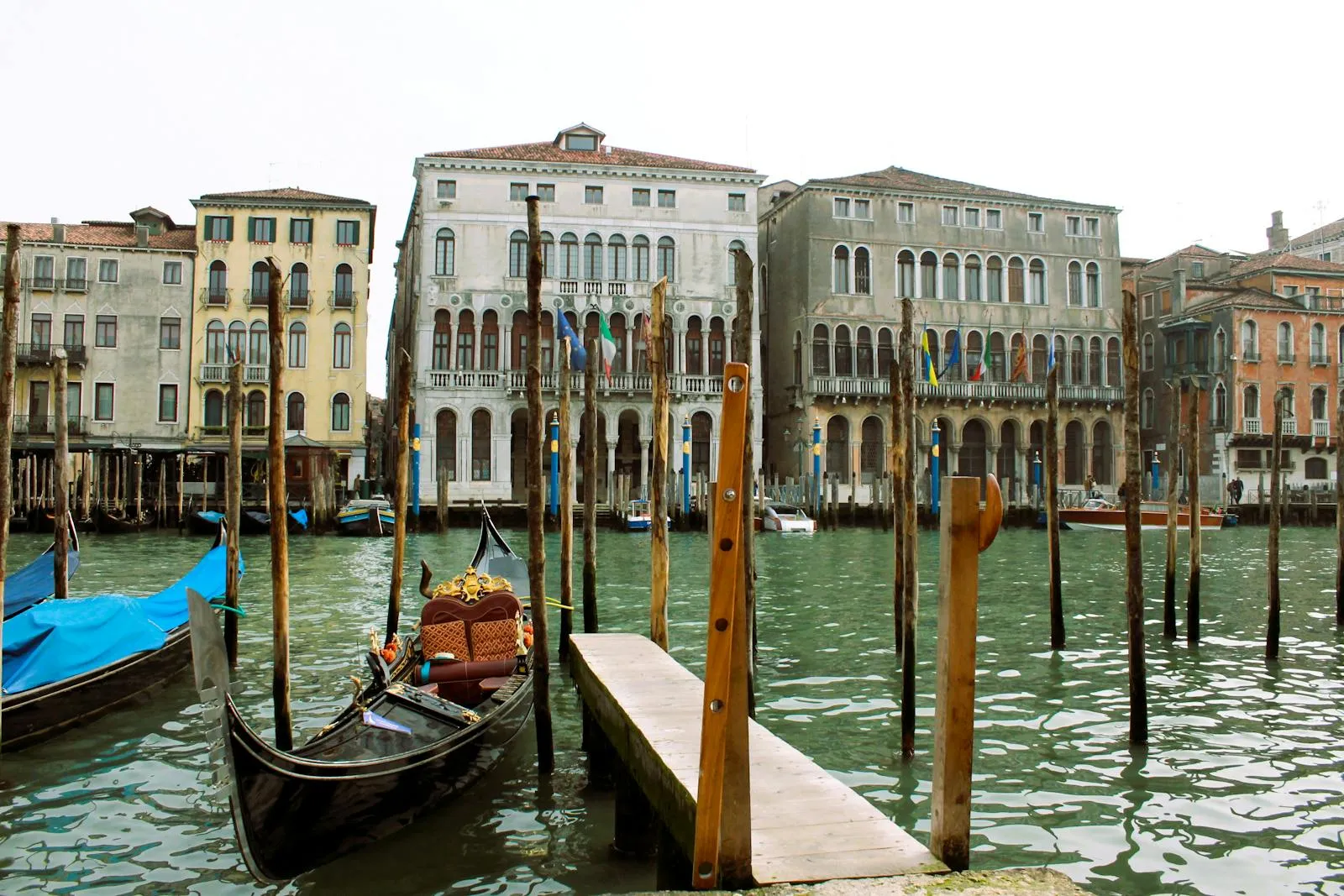
Venice & the Veneto

Venice is unlike anywhere else on Earth. 118 islands connected by 400 bridges, threaded with canals instead of roads. No cars.

Milan & the North landscape

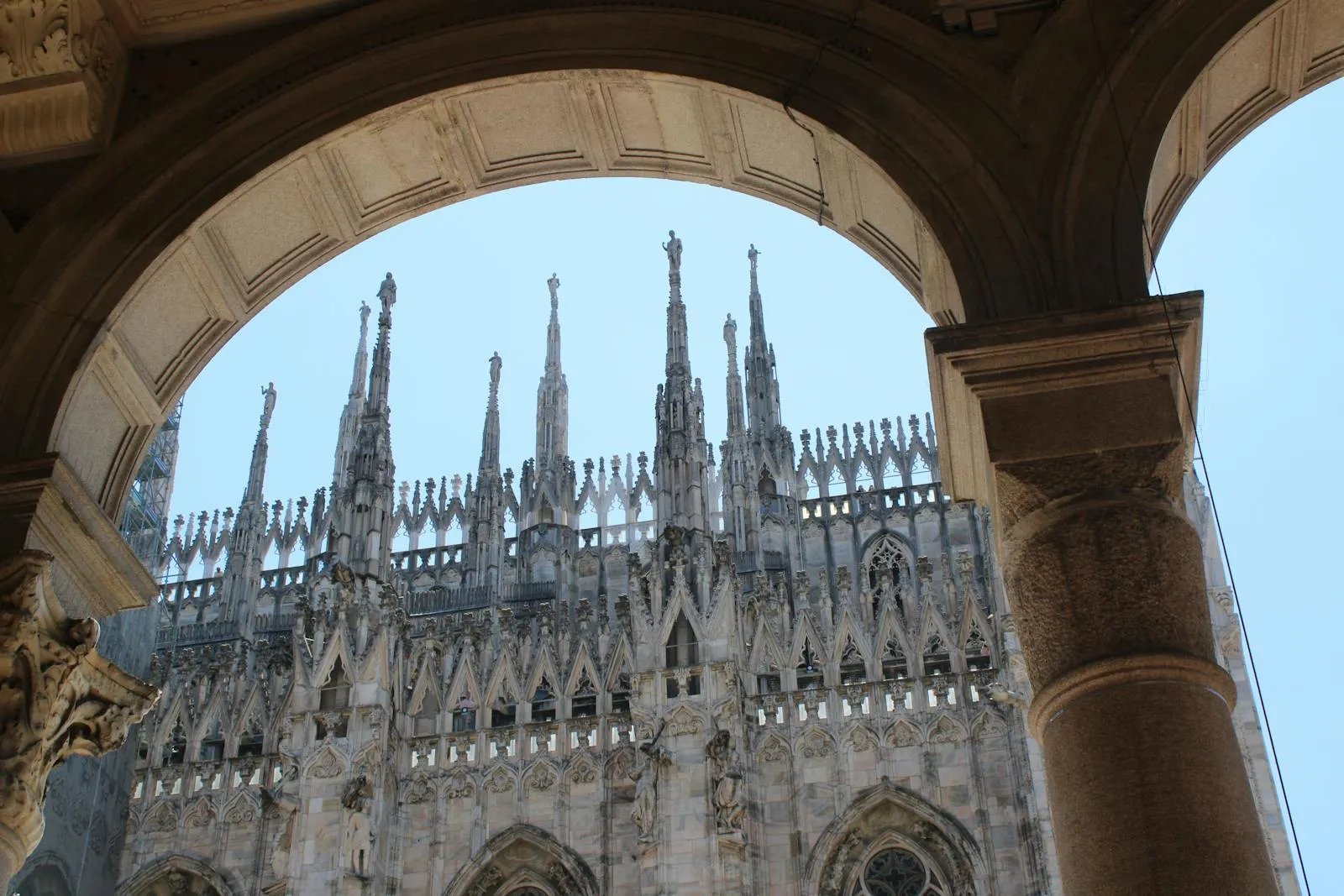
Milan & the North

Milan is Italy's business capital and it shows. The fashion, the design, the startups, the aperitivo culture. It is not the prettiest Italian city at first glance, but it grows on you fast.

Naples & the South landscape

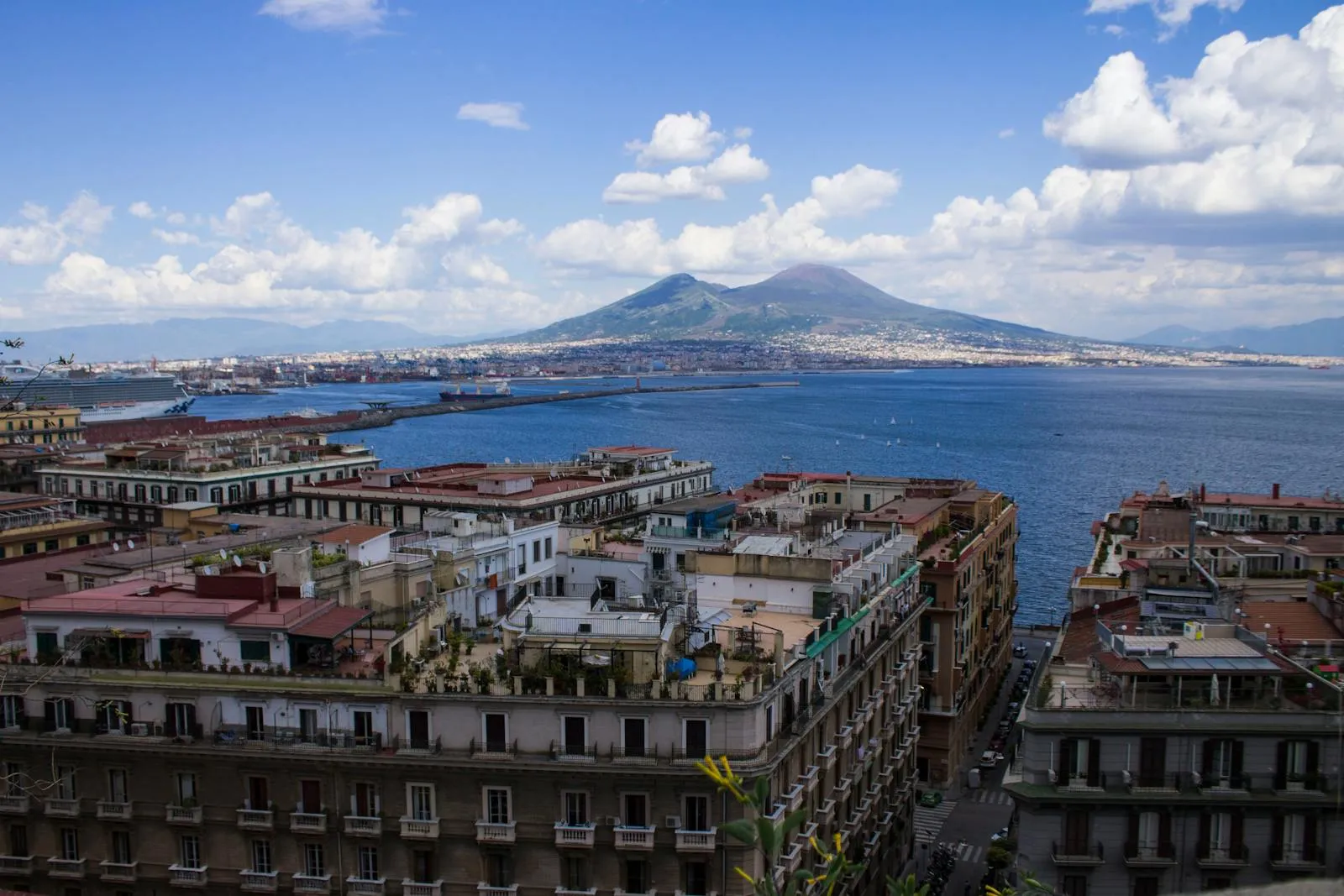
Naples & the South

Naples is chaos and charm in equal measure. The traffic ignores red lights. Scooters mount pavements.

Sicily & Sardinia landscape

Sicily & Sardinia

Sicily is Italy's largest island and its most complex. Greeks, Arabs, Normans, and Spanish all colonized it, and each left something behind in the architecture, the food, and the language. The result is a cuisine unlike anything on the mainland.

Top Sightseeing

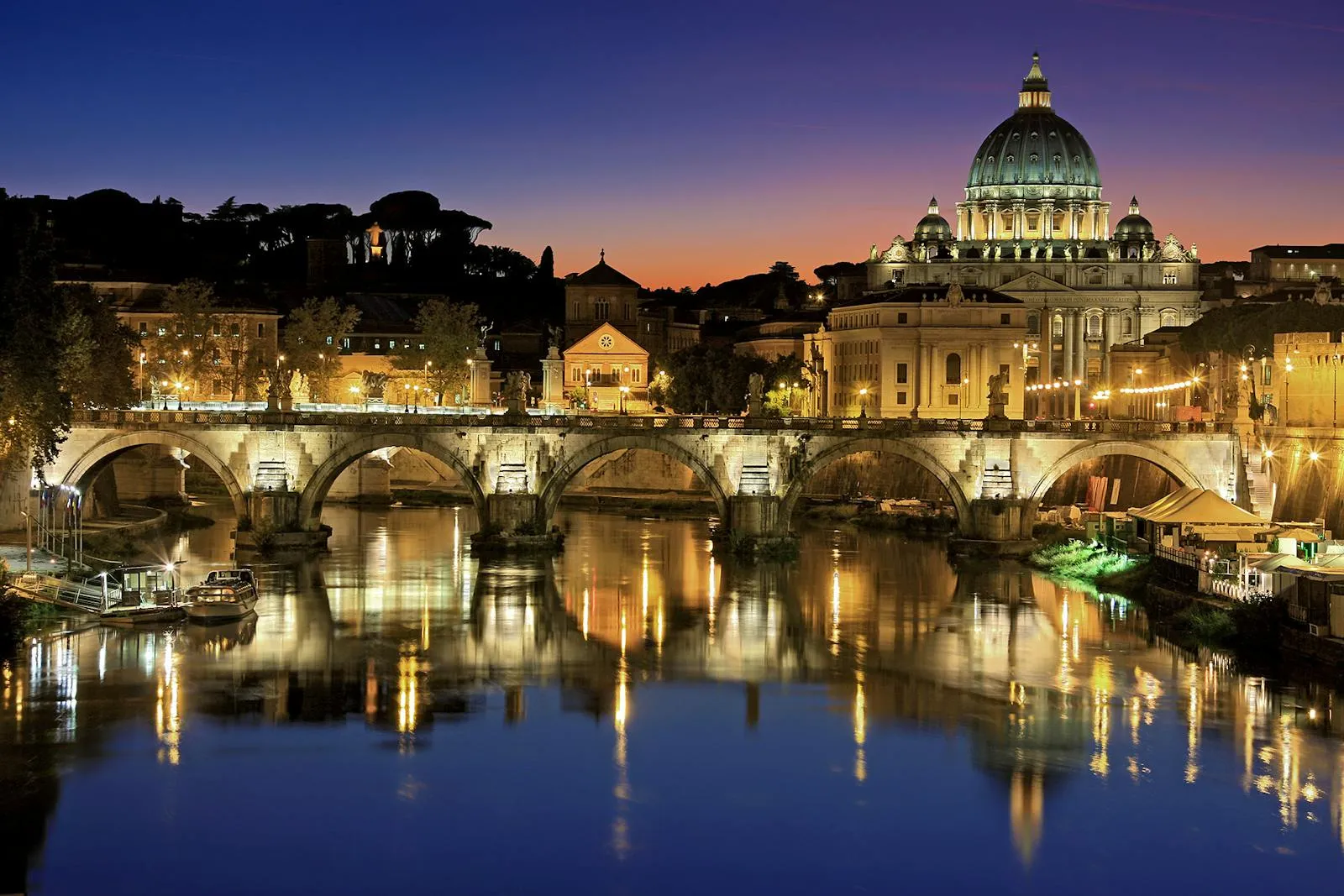
St Peters Basilica dome viewed from across the Tiber River at twilight

Italy has more world-class sights than most continents. This is not an exaggeration — 59 UNESCO World Heritage Sites (more than any country on earth), 2,800 years of continuous civilisation, and a landscape that shifts from Alpine peaks to Mediterranean coast in a few hours. Narrowing it to ten is painful, but these are the ones that consistently overwhelm first-time visitors.

  • Rome: The Colosseum, Vatican Museums, Sistine Chapel, Pantheon, and the Forum — 2,800 years of continuous history in one walkable city
  • Florence & Tuscany: The Uffizi, the Duomo, Michelangelo’s David, and the rolling hills of Chianti and Val d’Orcia
  • Venice: 118 islands connected by 400 bridges — St. Mark’s Basilica, the Grand Canal, and Murano’s glass furnaces
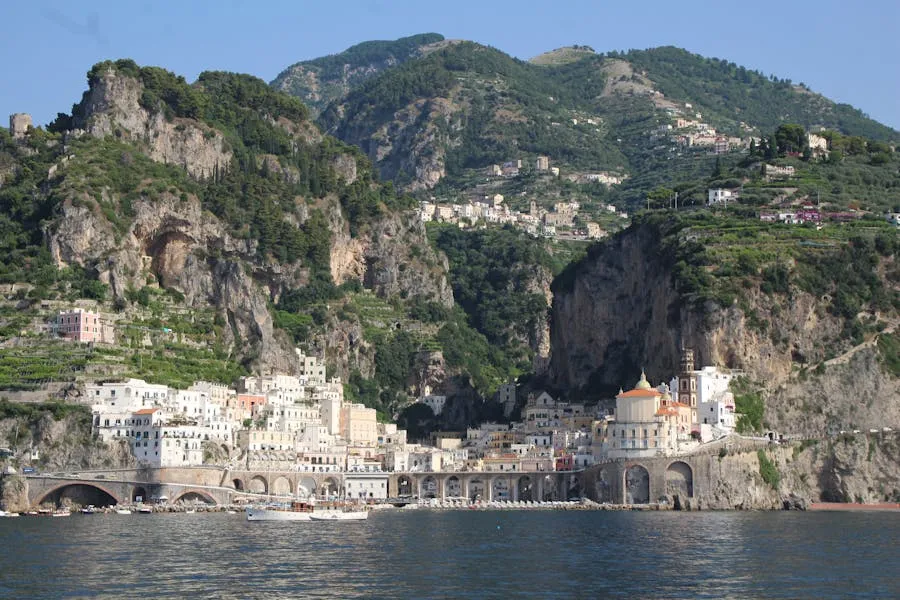
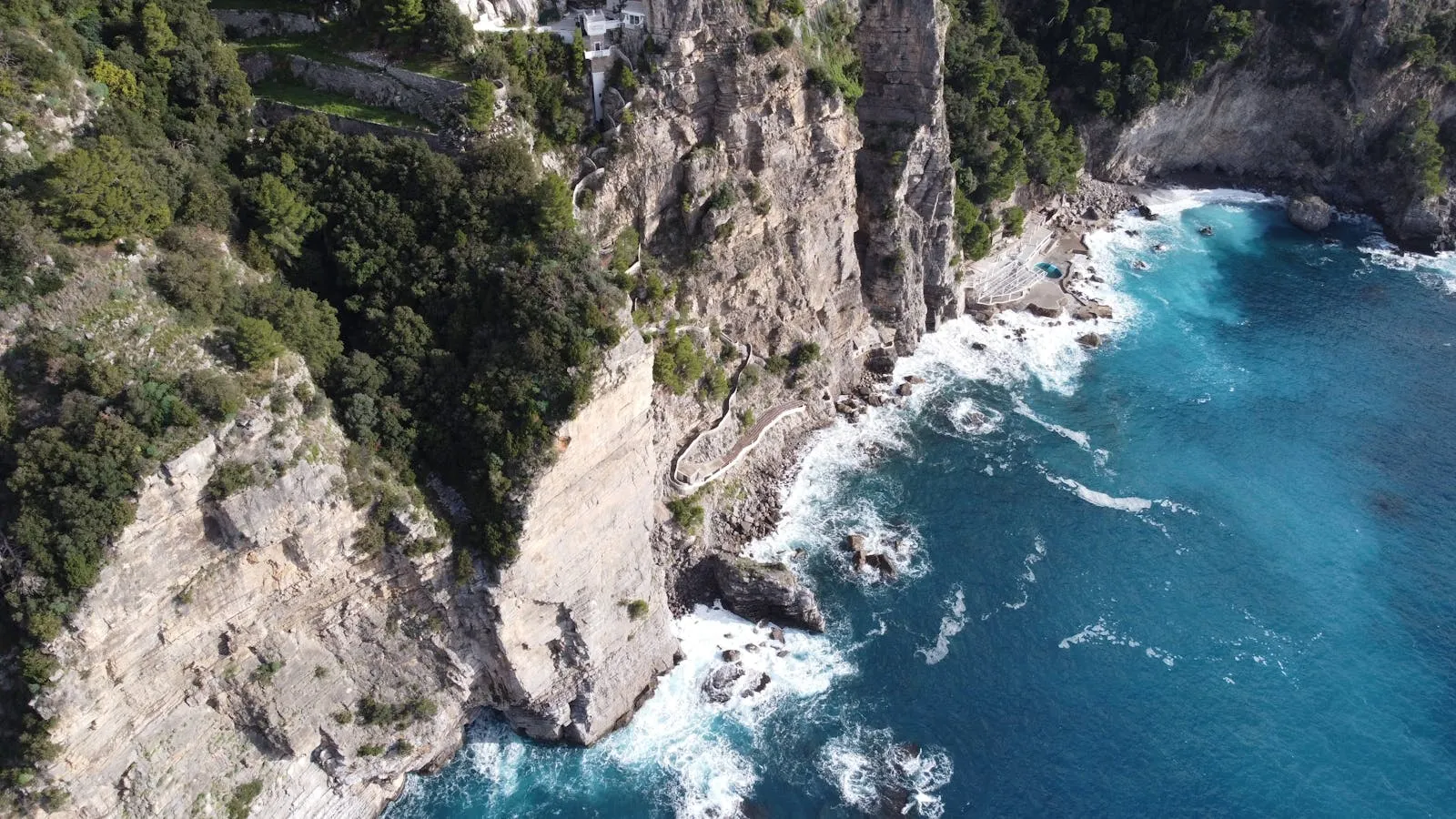
  • Amalfi Coast: Positano, Ravello, and Amalfi — pastel villages clinging to vertical cliffs above the Tyrrhenian Sea
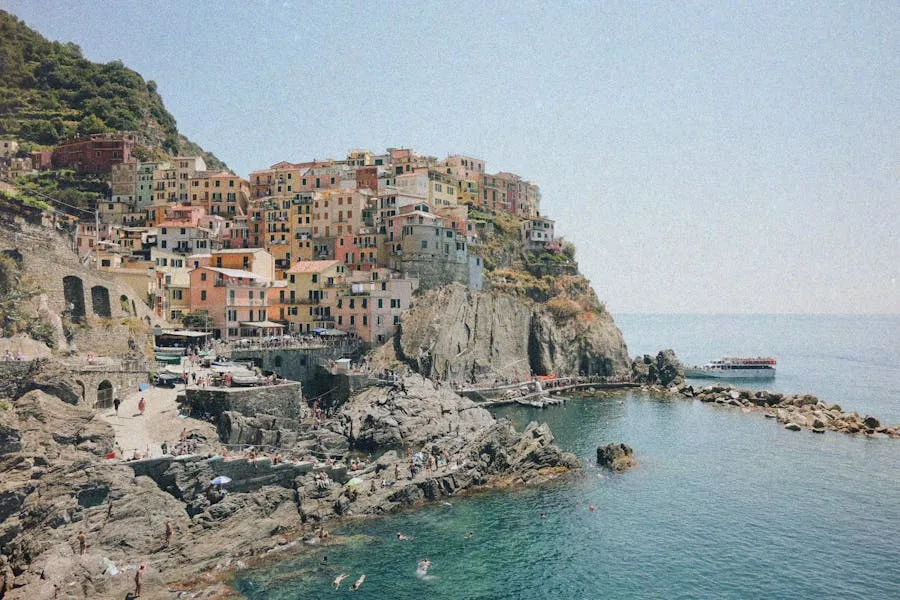
  • Cinque Terre: Five fishing villages connected by cliff-edge trails along the Ligurian coast — UNESCO-listed and car-free
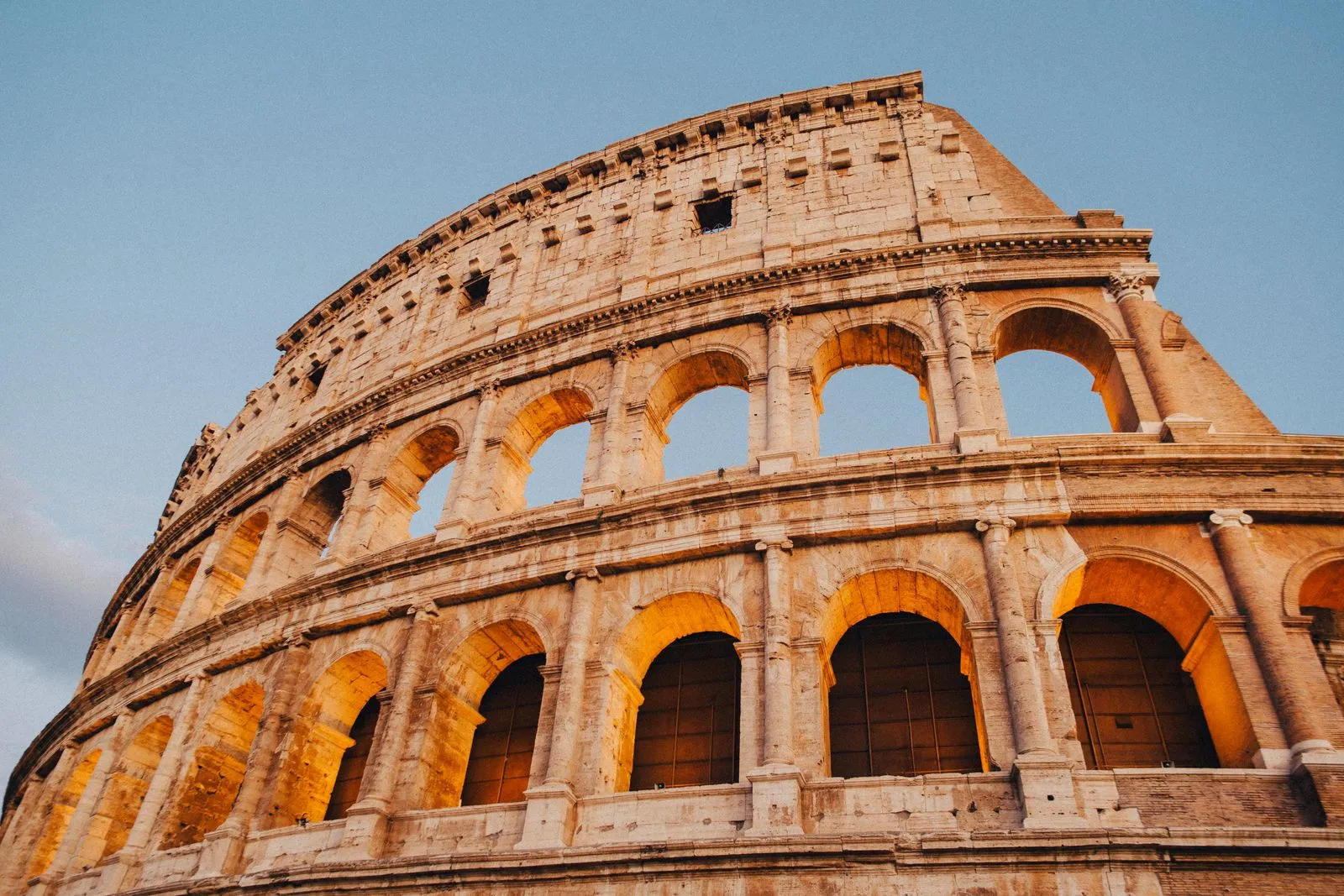
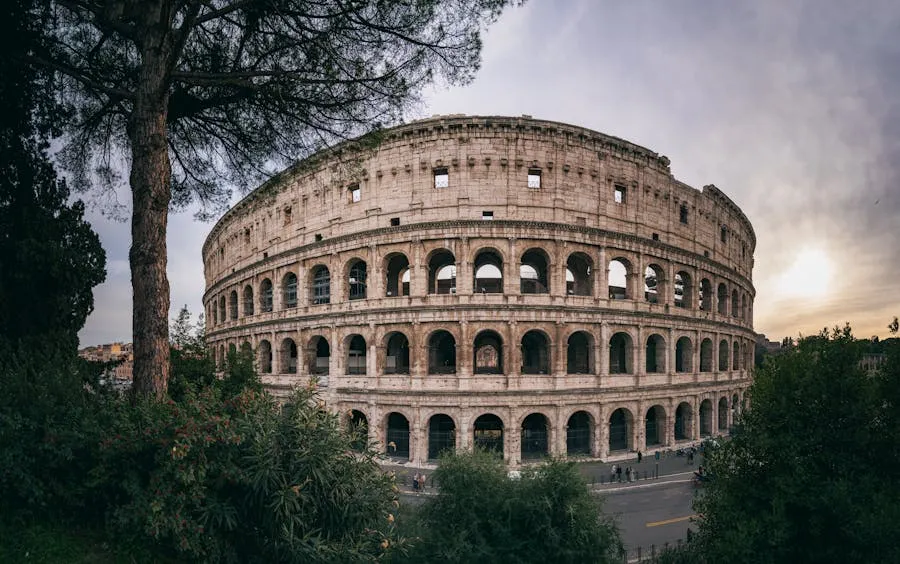
The Colosseum in Rome illuminated at twilight

Colosseum, Rome

The largest amphitheatre ever built, where 50,000 spectators watched gladiator fights for 400 years. The Arena floor is partly reconstructed, giving a sense of what performers saw looking up at the crowd. The underground tour (€26) reveals the staging area, animal cages, and lift mechanisms beneath the arena. Combined ticket with Roman Forum and Palatine Hill is valid for 48 hours.

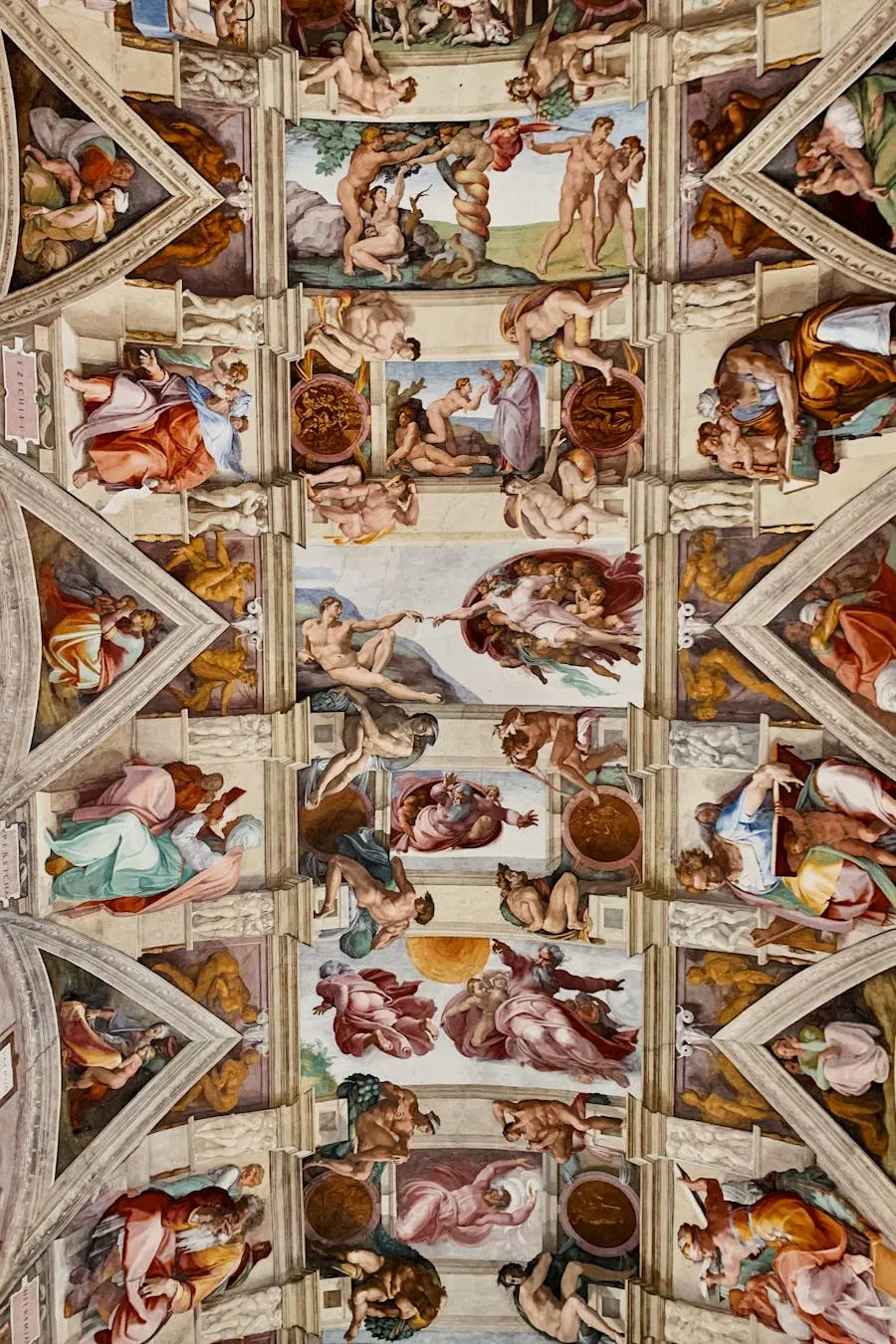
Ornate ceiling of the Sistine Chapel painted by Michelangelo

Vatican Museums & Sistine Chapel

Four miles of corridors packed with 2,000 years of art, from Egyptian mummies to Raphael’s Rooms, culminating in Michelangelo’s Sistine Chapel ceiling. The sheer volume is overwhelming. Allow 3–4 hours minimum and book tickets weeks ahead online (€17). Friday evening openings are less crowded and magical in the soft light. No flash photography in the Chapel.

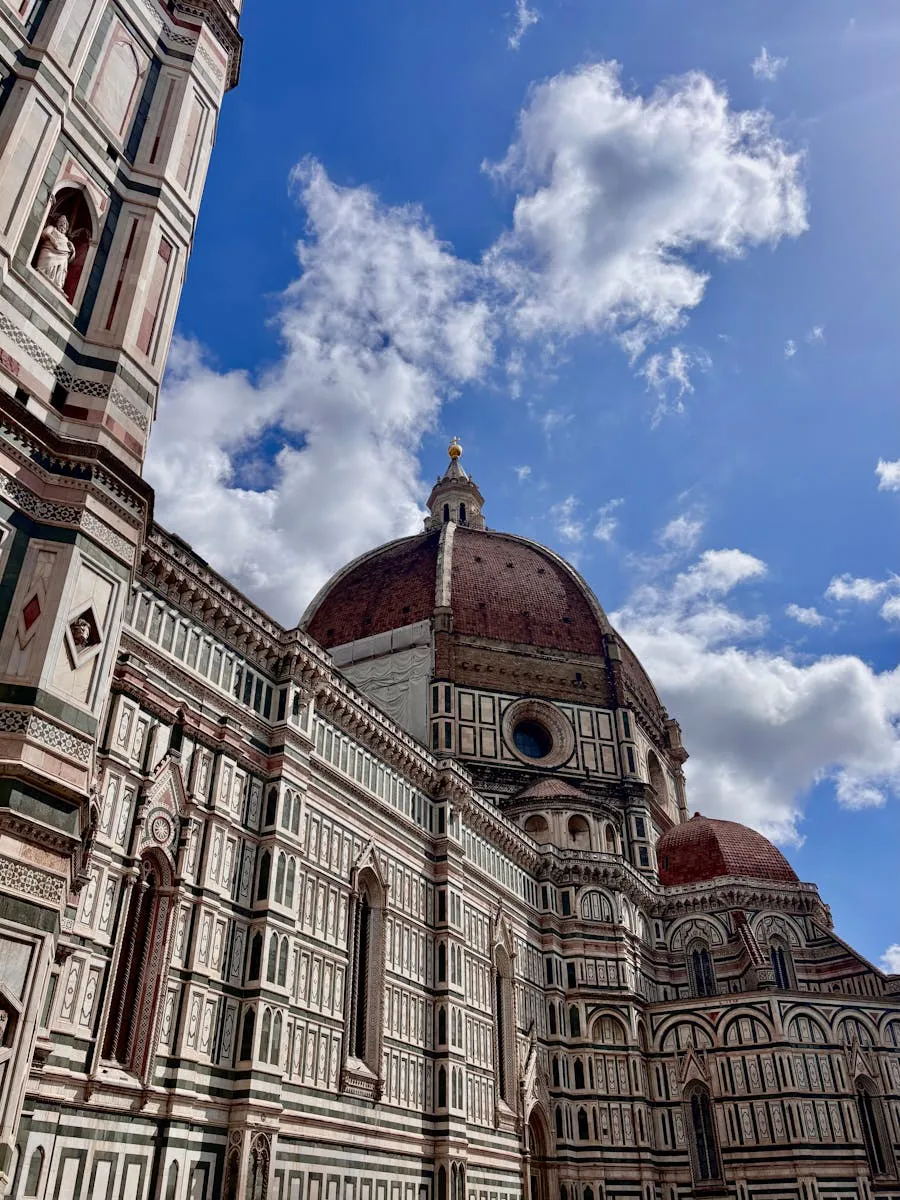
Florence Cathedral dome rising above the Renaissance cityscape

Florence Duomo

Brunelleschi’s dome was the largest in the world when completed in 1436 and still dominates the Florence skyline. The 463-step climb (€18, reservation required) takes you between the inner and outer shells, close enough to touch the Last Judgement fresco. At the top, the panoramic view over terracotta rooftops stretches to the Tuscan hills. Giotto’s bell tower next door is equally worth climbing.

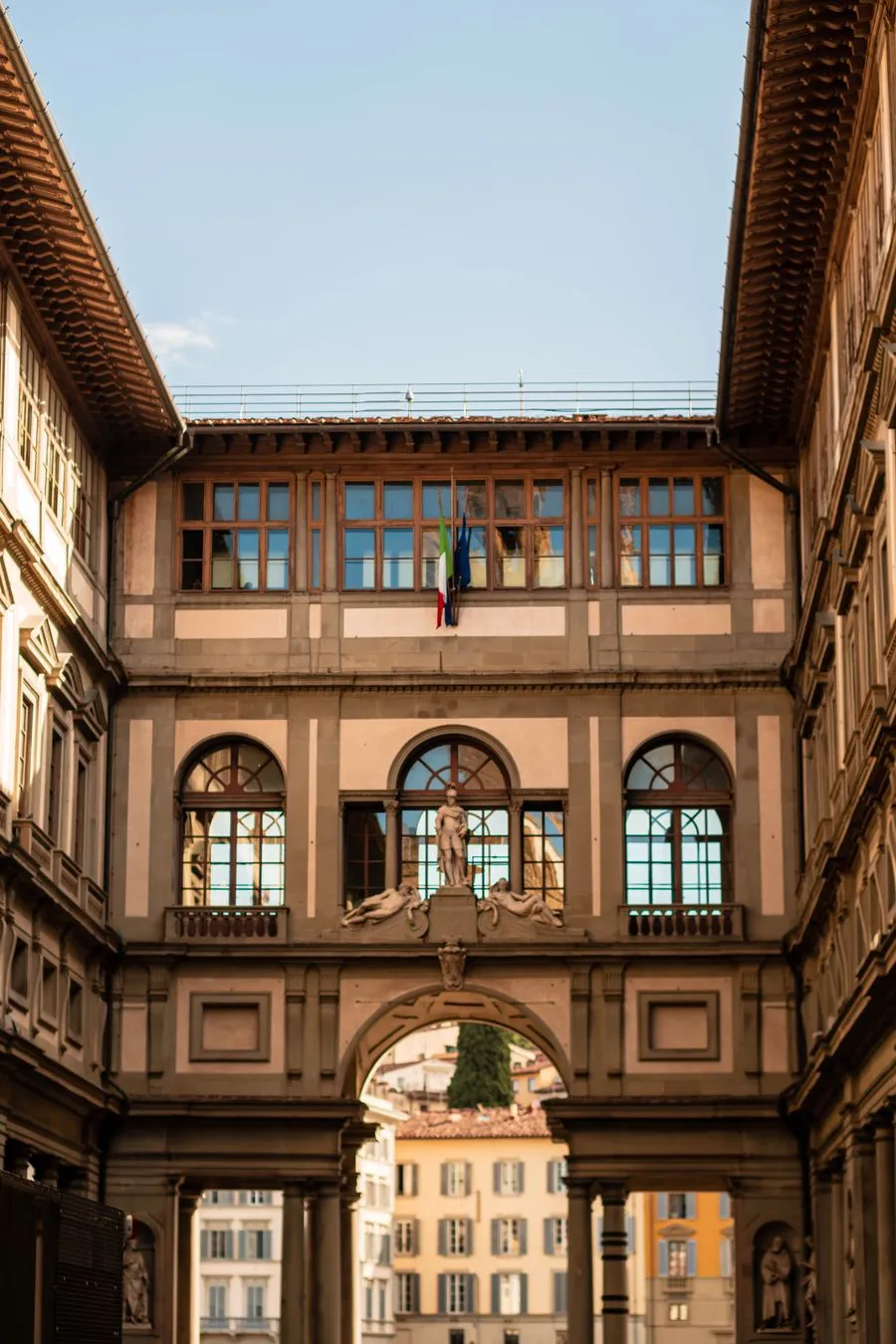
Courtyard of the Uffizi Gallery in Florence

Uffizi Gallery, Florence

Botticelli’s Birth of Venus, Leonardo’s Annunciation, Caravaggio’s Medusa, and Titian’s Venus of Urbino, all under one roof. One of the most important art collections on Earth. The building itself, a 16th-century Medici office complex, is part of the experience. €20, book timed entry in advance. Tuesday mornings are the least crowded slot.

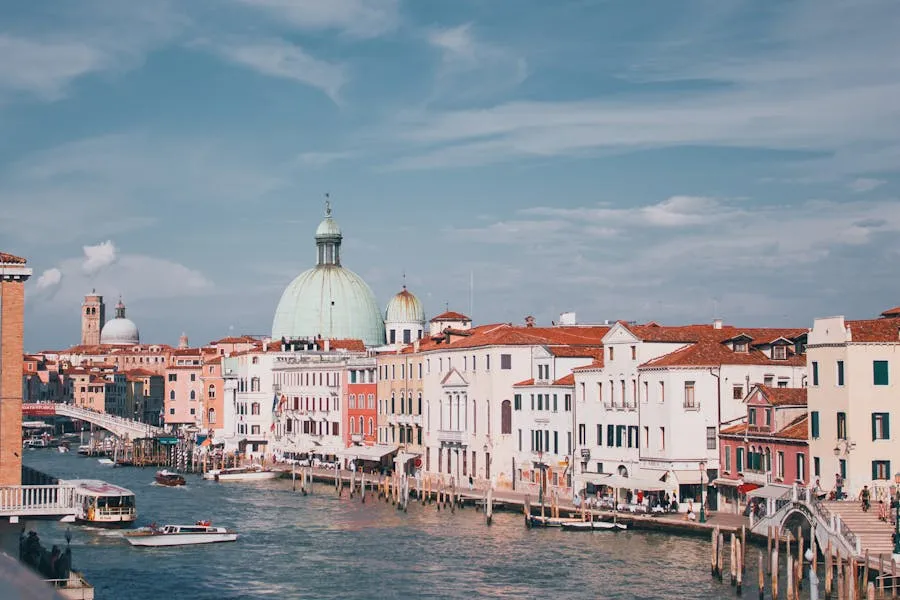
Gondolas on the Grand Canal with historic palaces lining the waterway

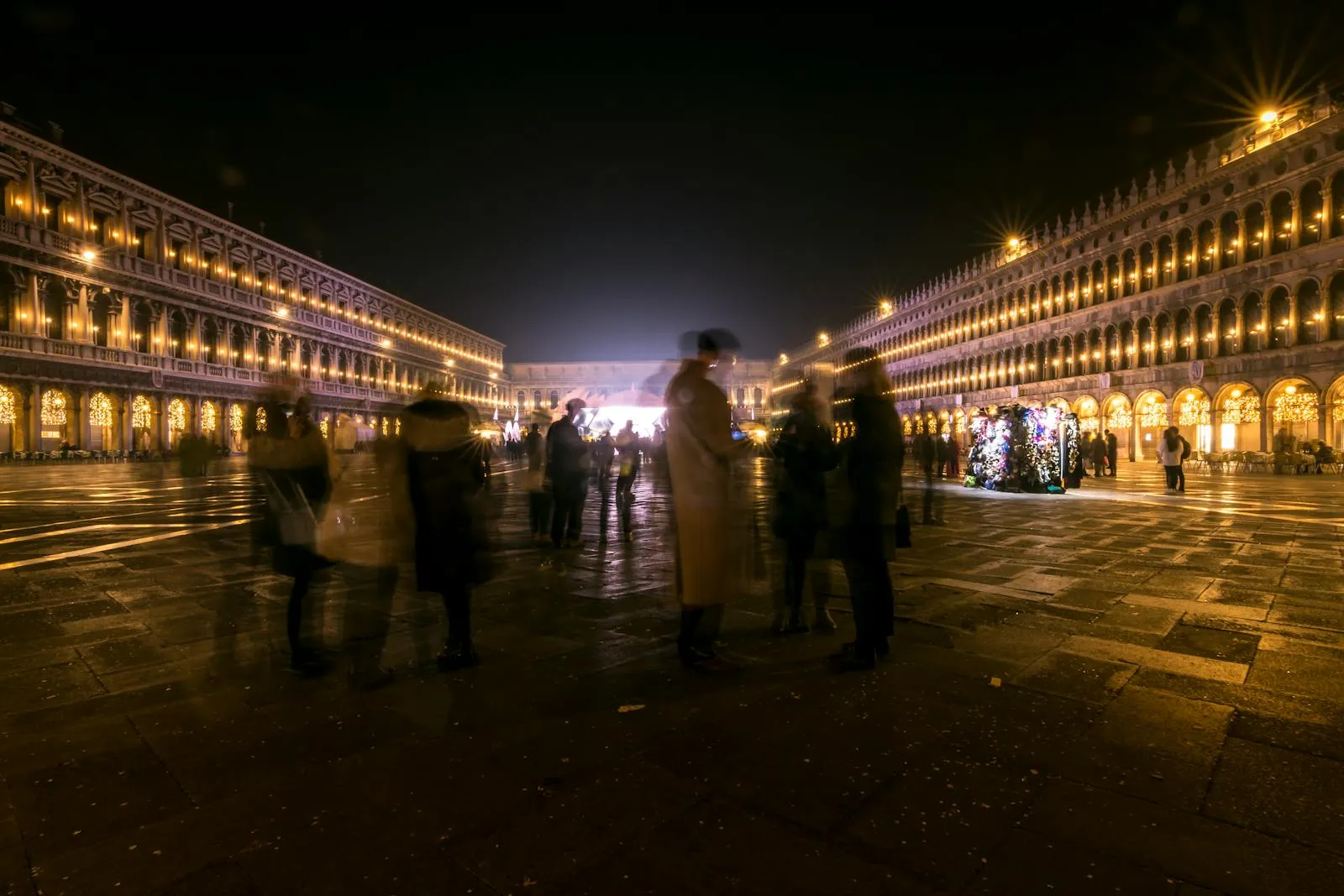
Grand Canal & St. Mark's Square

Take vaporetto line 1 for the full Grand Canal experience, passing under the Rialto Bridge and past centuries-old palazzi reflected in the water. St. Mark’s Basilica is free to enter (queues can be long; pay €3 to skip). The gold mosaics inside cover every surface. The Doge’s Palace (€30) connects via the Bridge of Sighs to the prison cells. Best at dawn before the day-trippers arrive.

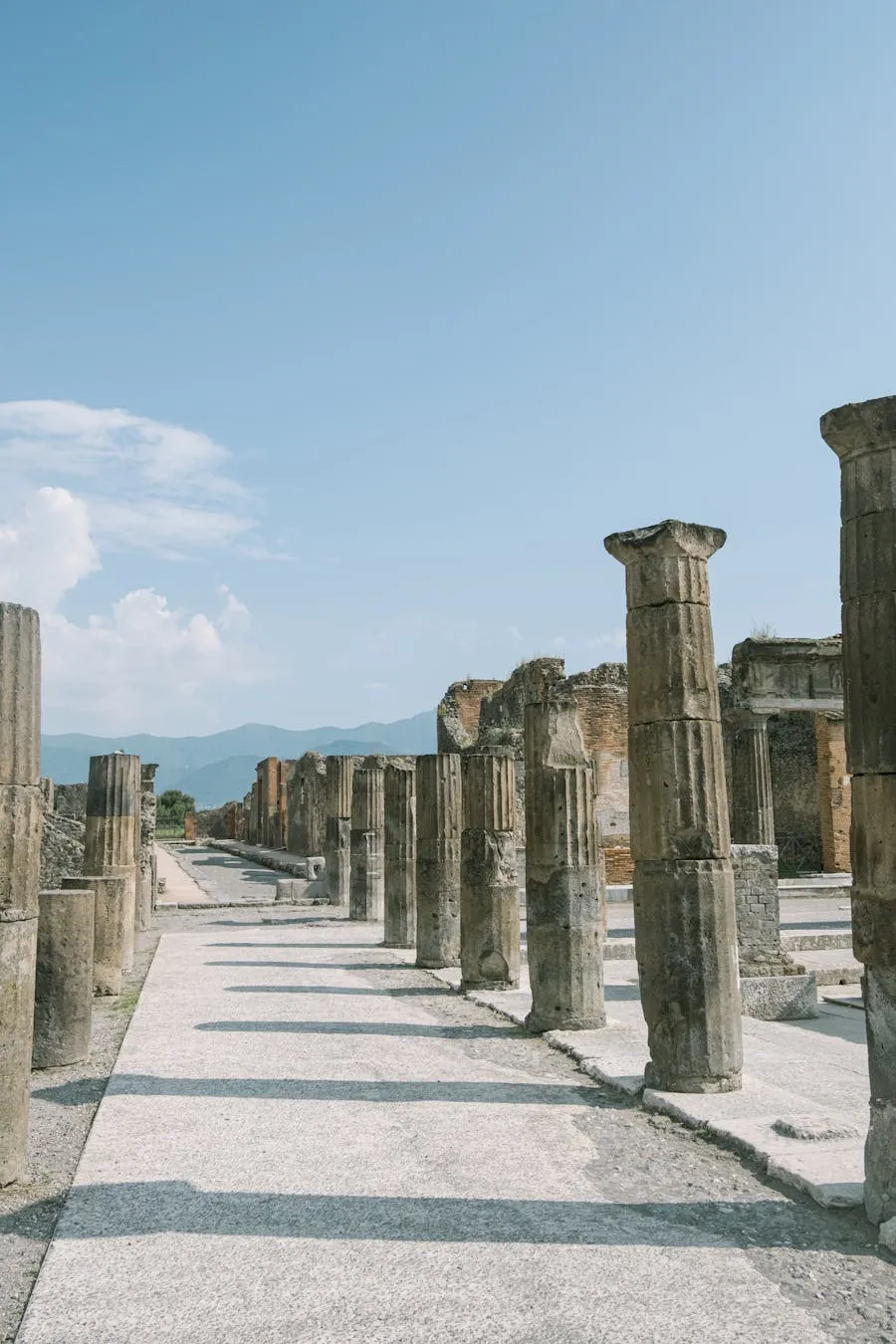
Ancient Roman ruins at Pompeii with Mount Vesuvius in the background

Pompeii

A Roman city frozen in time by volcanic ash in 79 AD. Walk down intact streets past bakeries, brothels, amphitheatres, and private villas with frescoes still on the walls. The plaster casts of victims are harrowing but essential viewing. Easily a full day if you explore thoroughly. €18 entry; combined ticket with Herculaneum available. Hire a guide to bring the ruins to life.

Colourful houses cascading down cliffs along the Amalfi Coast

Amalfi Coast

Drive or bus along the SS163 from Sorrento to Amalfi, one of Europe’s most dramatic coastal roads. Cliffs drop hundreds of metres into turquoise water, with pastel villages clinging to the rock face. Positano is the photogenic one, Ravello has the gardens and concerts, Amalfi town has the cathedral. Avoid July and August when traffic is gridlocked. The SITA bus (€2.40) is cheaper and braver than driving.

Pastel-coloured fishing village of Cinque Terre perched above the sea

Cinque Terre

Five fishing villages clinging to the Ligurian coast, connected by hiking trails and a regional train that runs every 20 minutes. Riomaggiore, Manarola, and Vernazza are the most photogenic. The Sentiero Azzurro trail linking all five takes about 5 hours. A Cinque Terre Card (€16) covers trail access and unlimited trains. Visit in shoulder season; summer is overwhelmingly crowded.

Dramatic pale limestone peaks of the Dolomites rising above alpine meadows

Dolomites & Tre Cime

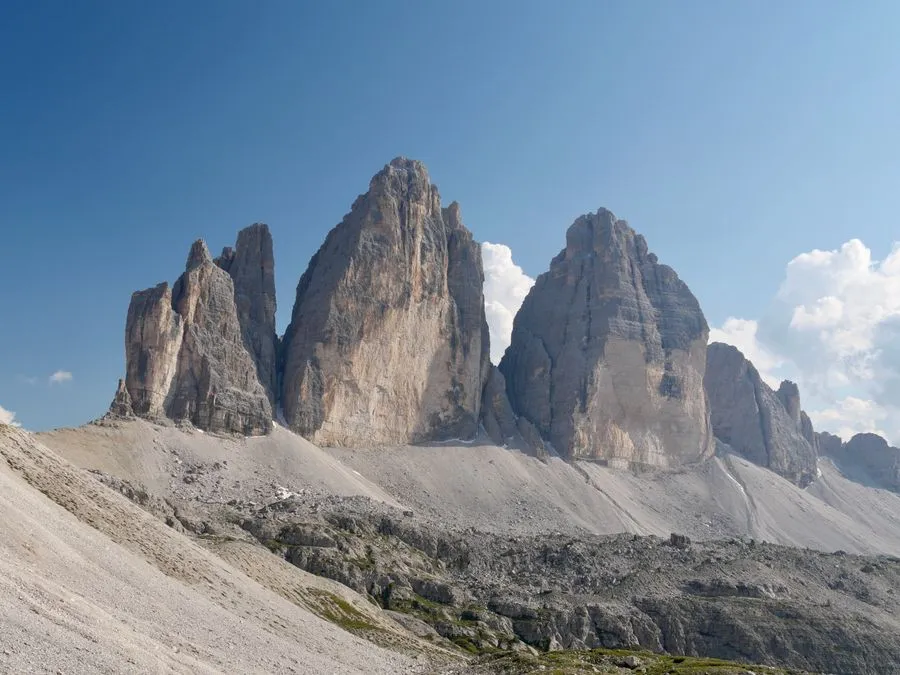
Pale limestone towers rising dramatically above alpine meadows, turning pink at sunrise and sunset. The Tre Cime di Lavaredo loop is a 10 km, 3-hour circuit with views that genuinely stop you in your tracks. No scrambling required, but proper hiking boots are essential. Cortina d’Ampezzo is the main base. The Dolomites are also superb for via ferrata climbing and winter skiing.

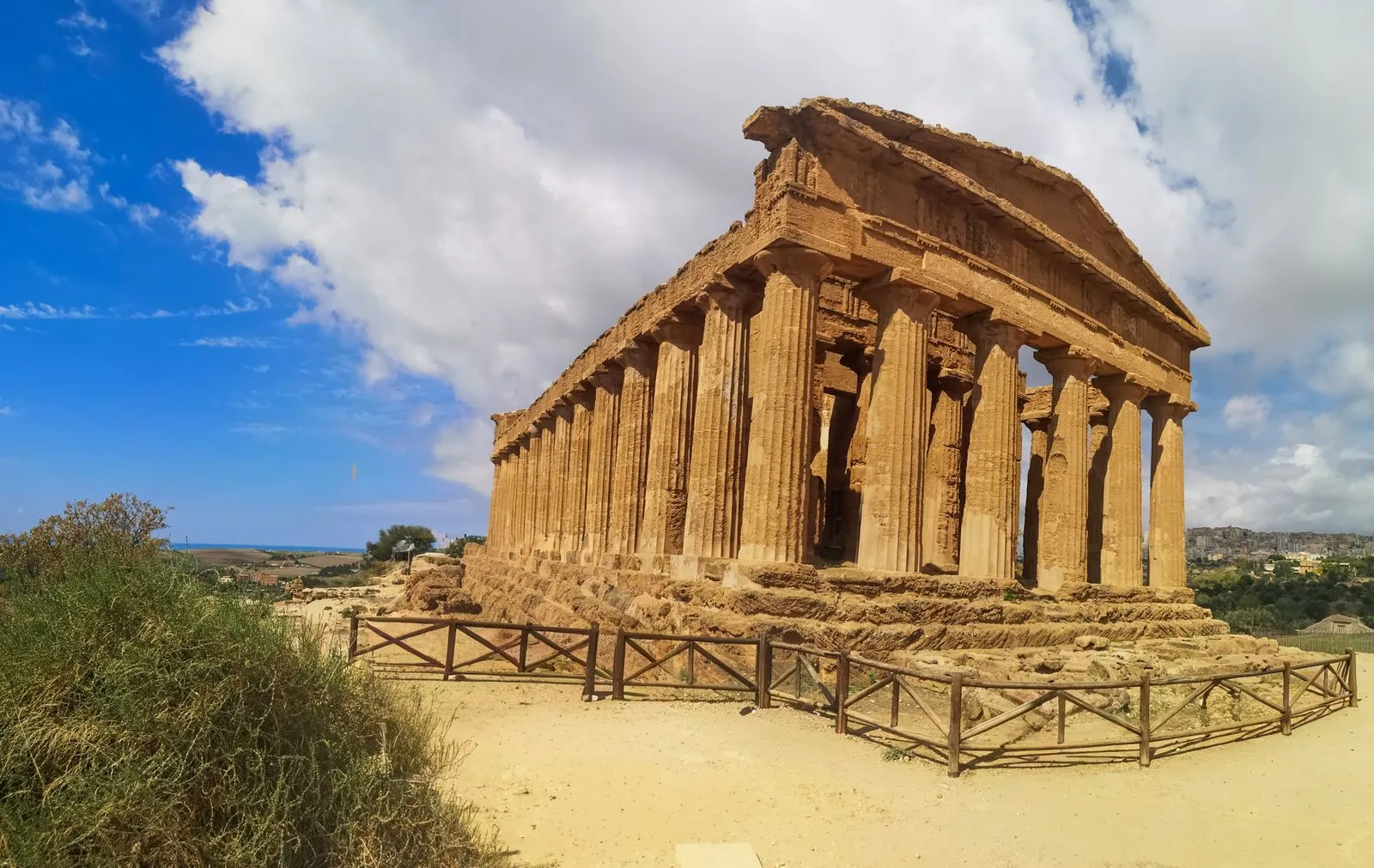
Ancient Greek temple on a ridge overlooking the Mediterranean in Agrigento

Valley of the Temples, Agrigento

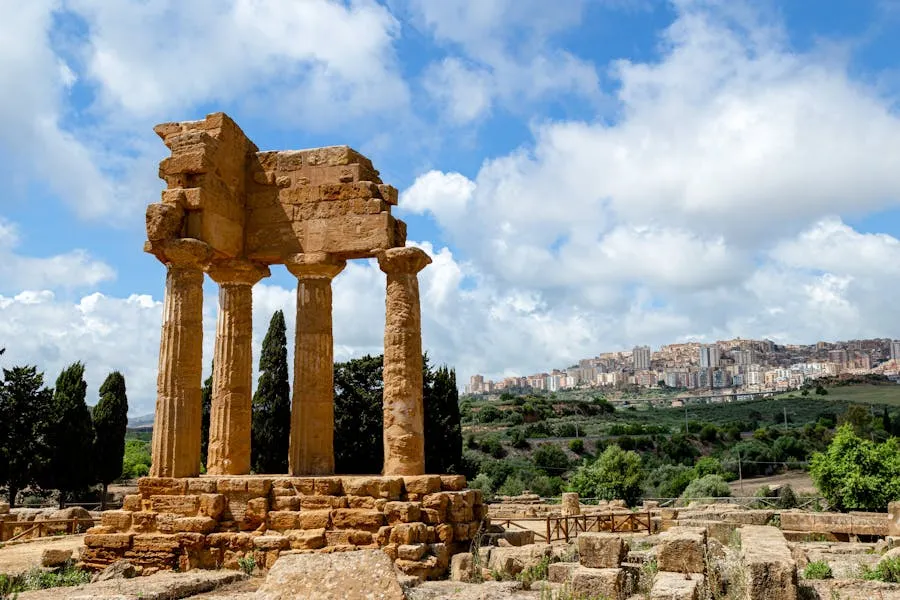
A ridge of remarkably intact Greek temples dating to the 5th century BC, with the Mediterranean stretching out below and almond trees blooming between the ruins in spring. The Temple of Concordia is one of the best-preserved Doric temples anywhere. Best visited at sunset when the stone turns golden. €13 entry; the archaeological museum across the road is included and excellent.

Culture & Cuisine

Evening passeggiata on an Italian piazza with locals enjoying aperitivo

Italian culture runs on unwritten rules that locals absorb from birth and visitors learn by accident. Understanding a few core ones saves you from awkward moments and earns genuine warmth.

The Passeggiata

Every evening, between 5pm and 8pm, Italians dress up and stroll through town. This is not exercise. It is a social ritual. You walk, you greet, you stop for a gelato or an aperitivo, you are seen. Join it. It is the single fastest way to feel Italian.

Coffee Rules

Cappuccino is a breakfast drink. Ordering one after 11am marks you as a tourist immediately. After lunch, it is espresso (which Italians just call "caffè"). Standing at the bar costs less than sitting at a table. Many bars charge double or triple for table service, especially near tourist squares. A standing espresso should cost €1–1.50 anywhere in Italy.

Eating Etiquette

Meals follow a strict structure. Antipasto (starter), primo (pasta or risotto), secondo (meat or fish), contorno (side vegetable), dolce (dessert). You are not expected to order all courses, but do not order pasta as a side dish to your steak. That is like ordering cereal with your roast. Bread is for mopping up sauce, not for dipping in olive oil (that is American-restaurant Italian, not Italian-Italian). Tipping is not expected. Service charge (coperto) of €1–3 is usually included. Rounding up is appreciated but not mandatory.

Dress Code

Italians dress well. Even for casual errands. You will not be refused service in shorts and flip-flops (except at churches, which require covered shoulders and knees), but you will stand out. For churches, carry a scarf or light layer. The Vatican and major cathedrals enforce the dress code strictly.

Greetings and Conversation

Two kisses on the cheek (left first, then right) between people who know each other. A handshake for first meetings. Italians are expressive, loud, and generous with gestures. Do not mistake volume for anger. A heated discussion about which region makes the best pasta can sound like a fistfight to outsiders. It is just passion.

Learn five phrases. "Buongiorno" (good morning/day), "buonasera" (good evening), "grazie" (thank you), "per favore" (please), "scusi" (excuse me). Using them consistently, even badly, transforms how Italians treat you. English is widely spoken in tourist areas but rare in small towns and the south.

Food & Cuisine

Italian food is regional to a degree that surprises most visitors. There is no single "Italian cuisine." Each region, sometimes each town, has its own specialities, its own pasta shapes, its own sauces, and strong opinions about all of them. A Bolognese would never put cream in their ragù. A Roman would never accept parmesan on a seafood pasta. A Neapolitan considers all non-Neapolitan pizza to be a lesser art form. These are not preferences. They are convictions.

Regional Essentials

  • Rome: Cacio e pepe (pecorino and black pepper), carbonara (egg, guanciale, pecorino, pepper), amatriciana (tomato, guanciale, pecorino), supplì (fried rice balls). Roman pizza is thin and crispy, sold by weight (al taglio) at street-front bakeries
  • Naples & Campania: Pizza Margherita and Marinara (soft, slightly charred, €4–7). Ragù Napoletano (slow-cooked meat sauce, different from Bolognese). Sfogliatella (shell-shaped pastry with ricotta). Limòncello from Amalfi lemons
  • Bologna & Emilia-Romagna: Ragù alla Bolognese (served on tagliatelle, never spaghetti). Tortellini in brodo (small stuffed pasta in broth). Parmigiano Reggiano, prosciutto di Parma, balsamic vinegar from Modena. The richest food region in Italy
  • Florence & Tuscany: Bistecca alla Fiorentina (massive T-bone, grilled rare, sold by weight at €45–60/kg). Ribollita (bread and vegetable soup). Pici (thick hand-rolled pasta). Tuscan bread is unsalted on purpose
  • Venice & Veneto: Cicchetti (Venetian tapas, €1–3 each at bacari wine bars). Risotto al nero di seppia (squid ink risotto). Fegato alla Veneziana (liver with onions). Prosecco from the Valdobbiadene hills
  • Milan & Lombardy: Risotto alla Milanese (saffron risotto). Cotoletta alla Milanese (breaded veal cutlet, the original schnitzel). Ossobuco. Panettone at Christmas
  • Sicily: Arancini (fried rice balls), pasta alla Norma (aubergine, tomato, ricotta salata), cannoli, granita con brioche for breakfast. The street food in Palermo's Ballarò market is legendary
  • Sardinia: Porceddu (spit-roasted suckling pig), culurgiones (stuffed pasta), pane carasau (paper-thin flatbread), bottarga (cured mullet roe). Pecorino Sardo is one of Italy's great cheeses
  • Puglia: Orecchiette con cime di rapa (ear-shaped pasta with turnip tops), burrata (cream-filled mozzarella from Andria), focaccia Barese, taralli (savoury biscuits)
  • Piedmont: White truffles from Alba (€2,000–5,000/kg in season), agnolotti del plin (tiny stuffed pasta), vitello tonnato, bagna càuda (warm anchovy and garlic dip). Barolo and Barbaresco wines

Eating Practicalities

Lunch (pranzo) is typically 12:30–14:30. Dinner (cena) starts at 19:30 at the earliest, 20:00–21:00 is normal. Restaurants that open at 18:00 cater to tourists. The coperto (cover charge) of €1–3 per person is standard and legal. It covers bread, table setting, and the right to sit. Water comes in bottles (naturale or frizzante, €1–2). Tap water exists but is rarely offered.

Gelato

Real gelato is denser and less sweet than ice cream. Signs of a good gelateria: covered metal tins instead of towering colourful mounds, natural colours (pistachio should be brownish-green, not neon), and a limited selection that changes seasonally. A two-scoop cone runs €2.50–4 depending on the city. Rome, Florence, and Bologna all claim the best gelato in Italy. They are all correct.
Activities & Hikes

Hikers on the Sentiero degli Dei trail with Amalfi Coast cliffs and sea below

Italy's hiking ranges from gentle vineyard strolls to serious Alpine mountaineering. The trail infrastructure is excellent, especially in the north. Rifugi (mountain huts) serve hot meals and offer dormitory beds along high-altitude routes, making multi-day treks possible without carrying a tent or stove.

Top Trails

HikeLocationDifficulty & LengthHighlights
Tre Cime di Lavaredo CircuitDolomites10 km, 3–4 hoursThe most iconic day hike in Italy. Three massive limestone towers rising 500 metres above the trail. Accessible from a toll road (€30 per car) to Rifugio Auronzo at 2,320m. Best June through October
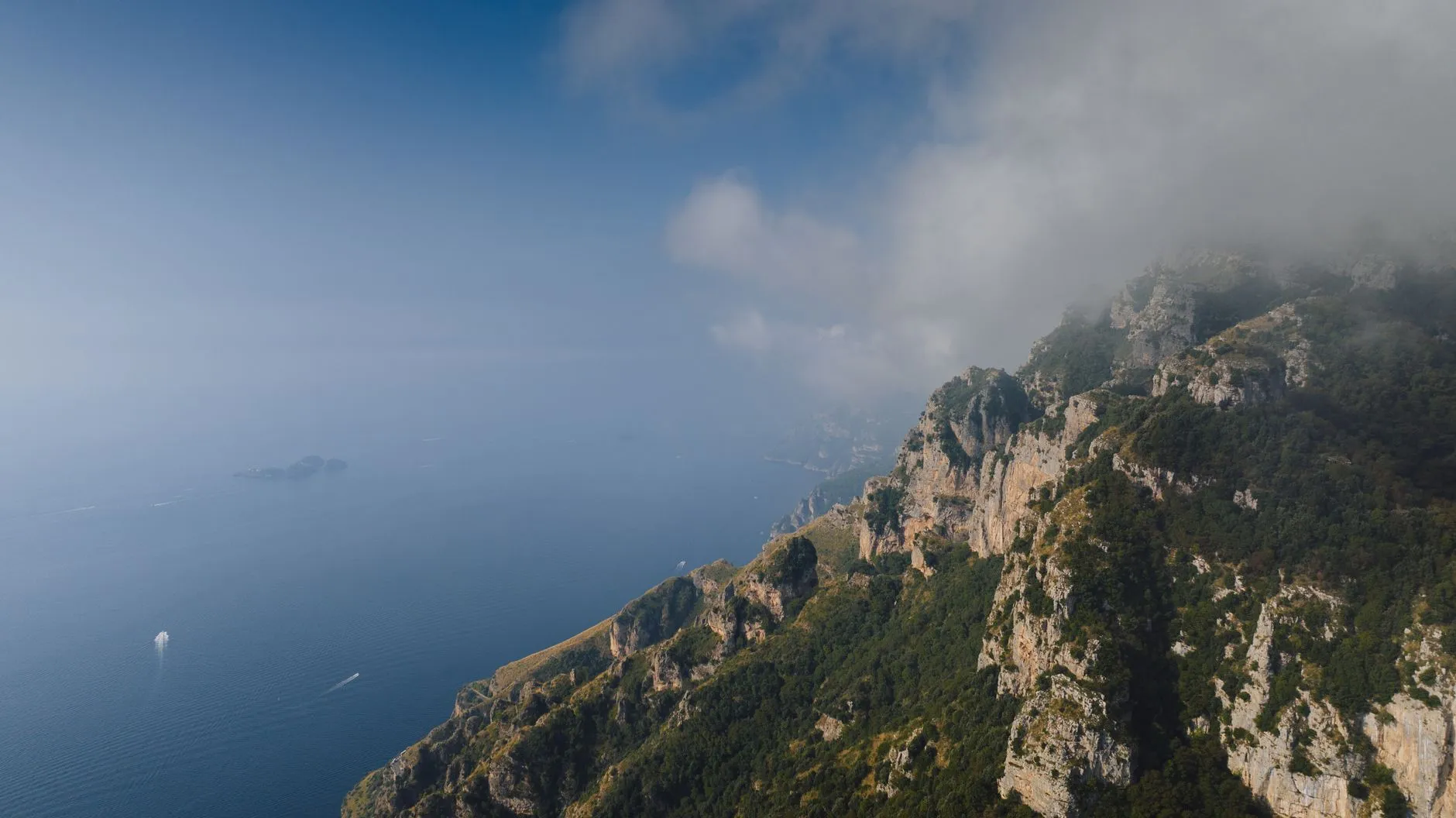
Sentiero degli DeiAmalfi CoastTechnical – 8 km, 3 hoursA cliffside trail from Agerola to Nocelle with views 300 metres down to the sea. Not technical but exposed. Bus connections from Amalfi and Positano
Alta Via 1DolomitesModerate – 120 km, 10–13 daysThe classic Dolomite long-distance trail from Lago di Braies to Belluno, connecting rifugi through some of the most dramatic mountain scenery in Europe. Moderate fitness required. €40–60 per night for half-board at rifugi
Cinque Terre Blue TrailCinque Terre, Liguria12 kmConnecting all five villages. Requires a Cinque Terre Card (€7.50/day). Parts close after storms. The Vernazza to Monterosso section is the most scenic. Check trail status before you go
Sentiero del ViandanteLake Como45 km, 4 daysA medieval mule path along Como's eastern shore from Abbadia Lariana to Colico. Gentle elevation, stunning lake views, overnight in lakeside villages
Via FrancigenaTuscany120 km, 5–6 daysThe Italian section of the ancient Canterbury-to-Rome pilgrim route. The Tuscan leg from San Miniato to Siena (120 km, 5–6 days) passes through the Val d'Orcia at its most beautiful. Pilgrim hostels offer beds for €15–25
Gole dell'AlcantaraSicilyA river gorge near Taormina with basalt walls carved into geometric patterns. Wade through waist-deep water between 50-metre canyon walls. Short but unforgettable. €13 entry
Selvaggio BluSardinia40 km, 5–7 daysItaly's toughest trek along the east coast involving scrambling, rappelling, and route-finding through limestone karst above turquoise coves. Guide recommended. Water must be carried between springs
Rifugi bookings. Mountain huts in the Dolomites fill up fast in July and August. Book 2–4 weeks ahead via the hut's website or phone. Most offer half-board (dinner, bed, breakfast) for €50–70. Bring a sleeping bag liner. CAI (Club Alpino Italiano) membership (€45/year) gives discounts at affiliated huts.

Activities

Italy has 7,600 km of coastline, two major islands, and dozens of smaller ones. The water ranges from the warm, calm Tyrrhenian to the choppier Adriatic. Whether you want a beach umbrella and a book or a wetsuit and a kayak, something fits.

Best Beaches

  • Cala Goloritζé, Sardinia. Turquoise water, white pebbles, and a dramatic limestone arch. Reachable only by boat or a steep 90-minute hike. Worth every step
  • Spiaggia dei Conigli, Lampedusa. Regularly ranked among the world's best beaches. Crystal-clear water, fine sand, and loggerhead sea turtles nesting in summer
  • Tropea, Calabria. White sand, clear water, and a monastery perched on a rock that juts into the sea. The toe of the boot at its finest
  • Positano & Amalfi Coast. Small pebble beaches backed by dramatic cliffs and pastel-coloured villages. Beautiful but packed in summer
  • Scala dei Turchi, Sicily. Smooth white marl cliffs that step down to the sea like a natural staircase

Diving & Snorkelling

The Tyrrhenian coast offers the clearest visibility. Ustica (off Sicily) is a marine reserve with visibility up to 40 metres, swim-throughs, and barracuda schools. The Aeolian Islands have underwater volcanic vents where you can snorkel over bubbling hot springs. Sardinia's Capo Carbonara is rich with grouper and moray eels. A single guided dive runs €50–80 including gear.

Kayaking & Sailing

Sea kayaking along the Amalfi Coast or the Cinque Terre shows the coastline from its best angle and avoids the crowded roads entirely. Half-day guided tours run €50–80. Sailing charters from Sardinia's northeast coast explore the Maddalena Archipelago, a cluster of granite islands with deserted coves. Week-long bareboat charters start around €1,500 in shoulder season.

Lakes

Lake Garda, Como, and Maggiore are all swimmable in summer (July–September). Garda has the best conditions for windsurfing and kitesurfing, especially at Torbole in the north where a reliable thermal wind blows every afternoon. Lake Como is colder and deeper but gorgeous for a quick dip off Varenna's lakefront. Wild swimming in mountain lakes (Lago di Braies in the Dolomites, Lago di Carezza) is stunning but cold even in August.

Off the Beaten Path

Italy's famous sights are famous for a reason. But the country rewards detours more than almost anywhere. These are places most tourists never reach, even though they are often better than what is in the guidebook.

  • Matera, Basilicata. An ancient city built into and out of limestone caves (the Sassi). Decades ago it was considered a national disgrace and forcibly evacuated. Now it is a UNESCO site and was European Capital of Culture in 2019. Cave hotels from €60/night. The view from the opposite ridge at sunset is extraordinary
  • Civita di Bagnoregio, Lazio. A medieval village on an eroding tufa plateau, accessible only by a single footbridge. Fewer than 10 permanent residents. It is slowly crumbling into the valley. Visit before it disappears. €5 entry
  • Procida, Campania. Capri's unglamorous neighbour is a tiny fishing island with pastel-coloured houses, zero luxury boutiques, and honest seafood restaurants. Italian Capital of Culture 2022. Ferry from Naples in 40 minutes
  • Orvieto, Umbria. A hilltop town with a cathedral facade that rivals anything in Tuscany and an underground network of Etruscan tunnels and medieval caves. The Pozzo di San Patrizio (St. Patrick's Well) has a double-helix staircase descending 54 metres into bedrock
  • Urbino, Le Marche. Birthplace of Raphael and home to one of the finest Renaissance palaces in Italy (Palazzo Ducale). A university town with great food, zero crowds, and a hilltop setting that looks plucked from a painting
  • Ostuni, Puglia. The "White City" is a tangle of whitewashed alleys perched above an olive-grove plain. Quieter and cheaper than the Amalfi Coast, with better food. Masseria (farm-stay) accommodation in restored olive farms from €80/night
  • Bergamo Alta, Lombardy. The upper town is a walled medieval gem reached by funicular from the lower city. Just 47 minutes by train from Milan (€6) but feels like a different century. Piazza Vecchia is one of Italy's most beautiful squares
  • Aeolian Islands, Sicily. Seven volcanic islands off Sicily's northeast coast. Stromboli erupts every 20 minutes and can be hiked at sunset with a guide (€30). Panarea is the glamorous one. Salina has the best capers and Malvasia wine. Vulcano has hot mud baths
  • Trani, Puglia. A small harbour town with a Romanesque cathedral that sits directly on the waterfront. Cathedral, harbour, gelato, done. No crowds, no hassle, pure southern Italian charm
  • Pitigliano, Tuscany. An Etruscan hill town built on a volcanic tufa cliff, nicknamed "Little Jerusalem" for its historic Jewish quarter. Dramatic approach by road, excellent local wines, and almost no tourists

Wildlife & Nature

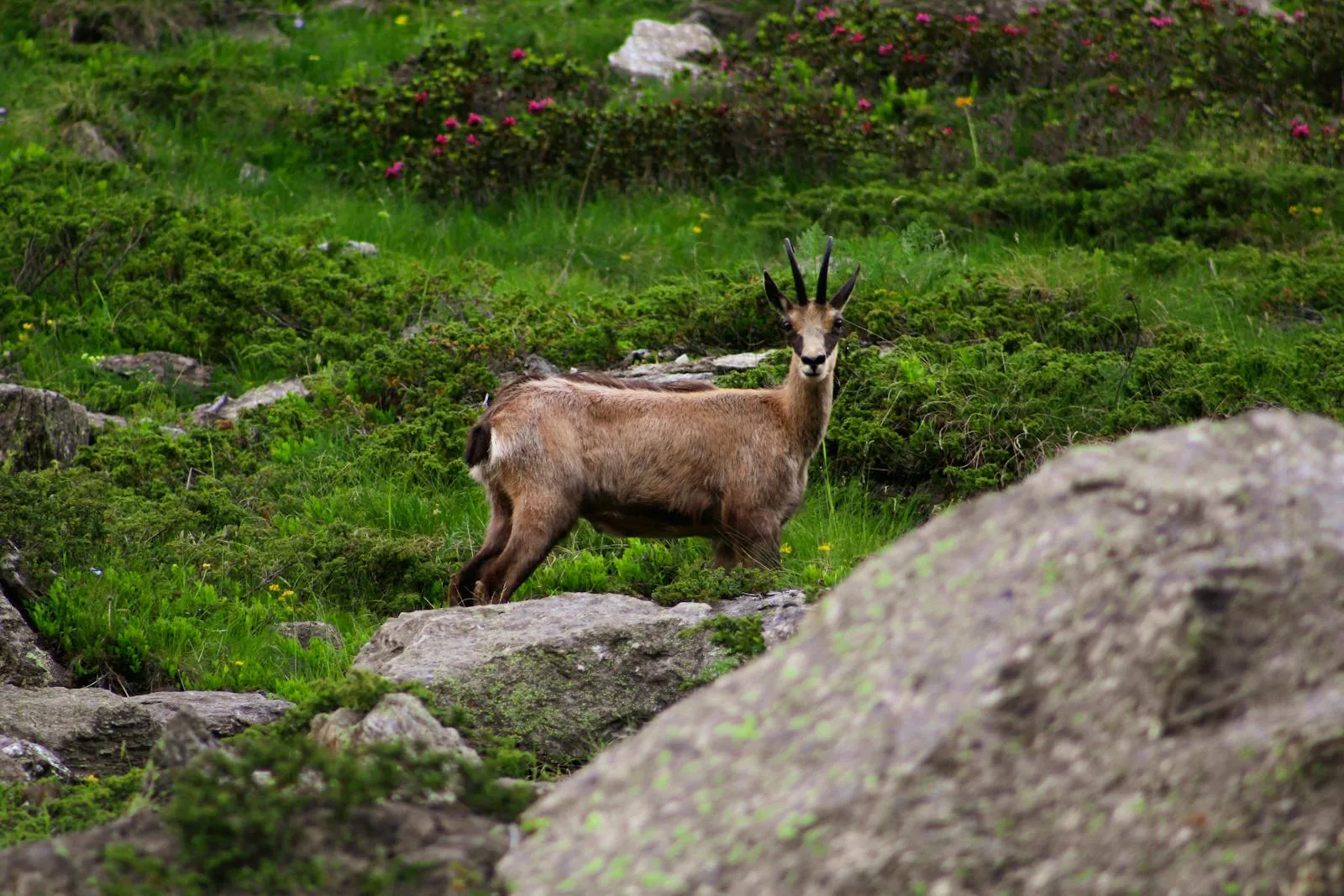
Chamois standing on a rocky Dolomite ridge with alpine panorama behind

Italy is not a safari destination, but its biodiversity is higher than most visitors expect. The Alpine north hosts large mammals, the central Apennines harbour Europe's largest wolf and bear populations, and the marine life along the coasts and islands is rich.
Land Wildlife

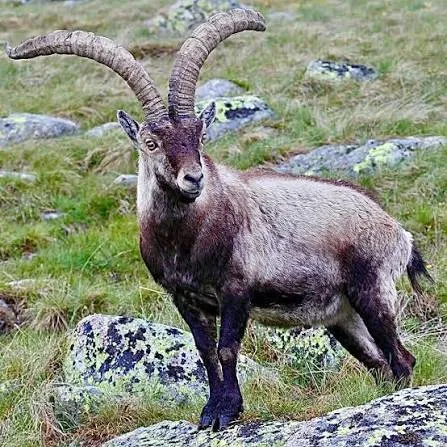
  • Chamois and ibex in the Gran Paradiso National Park (Piedmont/Valle d'Aosta). The park was created to protect the Alpine ibex from extinction. Today over 3,000 roam the high meadows. Best spotted June through September
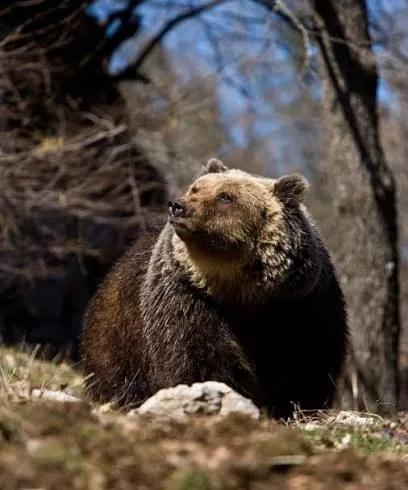
  • Marsican brown bears in Abruzzo National Park. Around 60 individuals of this critically endangered subspecies survive in the central Apennines. Sightings are rare but possible on guided dawn walks
  • Apennine wolves have recovered from near-extinction to an estimated 3,300 individuals across Italy. Abruzzo National Park and the Majella Mountains are the best spots. Guided wolf-tracking experiences run €30–50
  • Wild boar are everywhere, particularly in Tuscany, Umbria, and Sardinia. They are a legitimate hazard on rural roads after dark. They are also the basis for many of central Italy's best pasta sauces

Marine Life

  • Loggerhead sea turtles nest on beaches in Lampedusa, Calabria, and Sicily from June to August. The WWF runs turtle-watching programmes
  • Dolphins and whales inhabit the Pelagos Sanctuary, a marine protected area between Liguria, Sardinia, and Corsica. Whale-watching trips from Genoa, Imperia, and Sanremo run May through September (€30–50). Fin whales, sperm whales, and striped dolphins are regularly spotted
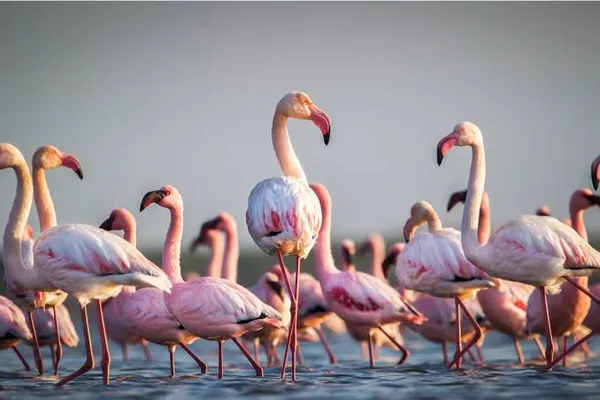
  • Flamingos breed in the wetlands of Sardinia (Molentargius near Cagliari) and Puglia (Margherita di Savoia). Thousands of pink flamingos year-round

National Parks

Italy has 25 national parks covering 5% of its territory. The standouts are Gran Paradiso (Alps, ibex, glaciers), Abruzzo (bears, wolves, beech forests), Cinque Terre (coastal trails), the Dolomiti Bellunesi (quiet alternative to the busy Dolomite resorts), and Aspromonte (wild Calabrian mountains). Park entry is free. Most have visitor centres with trail maps and guided walks.

Route A: 10-Day Classic (Rome, Florence, Venice)

High-speed Frecciarossa train at Roma Termini station

The classic first-timer's triangle. Rome, Florence, and Venice connected by high-speed train. This route works year-round but is best in April–May or September–October.

Budget estimate: €1,200–1,800 per person (excluding flights). Includes accommodation, trains, food, and key sights.

Day-by-day itinerary

Day 1: Arrive in Rome

Fly into Fiumicino (FCO). Leonardo Express train to Roma Termini (€14, 32 min). Check in, walk to the Trevi Fountain and Piazza Navona for an evening orientation stroll. Dinner in the centro storico.

Day 2: Ancient Rome

Colosseum, Roman Forum, and Palatine Hill (combined ticket €18, book ahead). Afternoon at the Pantheon (free) and a walk through Trastevere for dinner. Try supplì (fried rice balls) as a street snack.

Day 3: Vatican & Centro

Vatican Museums and Sistine Chapel in the morning (€17, pre-book). St. Peter's Basilica (free, dome climb €8). Afternoon at Castel Sant'Angelo or the Spanish Steps. Evening aperitivo in Monti neighbourhood.

Day 4: Rome to Florence

Morning Frecciarossa train Rome to Florence (1h 30min, €25–50). Check in, afternoon exploring the Duomo exterior, Ponte Vecchio, and Piazzale Michelangelo for sunset views over the city.

Day 5: Florence Art & Food

Uffizi Gallery in the morning (€20, book ahead). Accademia to see David (€12) after lunch. Afternoon in the Oltrarno artisan quarter. Evening bistecca alla fiorentina at a trattoria.

Day 6: Tuscan Day Trip

Bus or car to Siena (1h 15min). Explore Piazza del Campo, the Duomo, and the narrow medieval streets. Or choose San Gimignano for its tower-studded skyline and Vernaccia white wine. Return to Florence by evening.

Day 7: Florence to Venice

Morning Frecciarossa to Venice Santa Lucia (2h, €30–55). Check in, take vaporetto line 1 down the Grand Canal. Afternoon getting lost in the back alleys of Dorsoduro and Cannaregio. Cicchetti and wine at a bacaro for dinner.

Day 8: Venice Highlights

St. Mark's Basilica (free, arrive early), Doge's Palace (€30), Rialto Market in the morning. Afternoon vaporetto to Murano (glass) and Burano (colourful houses). Return for sunset over the lagoon.

Day 9: Venice Free Day

Morning visit to Torcello island for Byzantine mosaics in near-silence. Afternoon for last-minute exploring, shopping, or a gondola ride (€80 for 30 minutes, split between up to 6 people). Final Venetian dinner.

Day 10: Depart Venice

Fly out of Marco Polo (VCE). Water bus or land bus to the airport. Or take the train to Milan Malpensa for more flight options (2h 45min).

Route B: 2-Week South & Islands

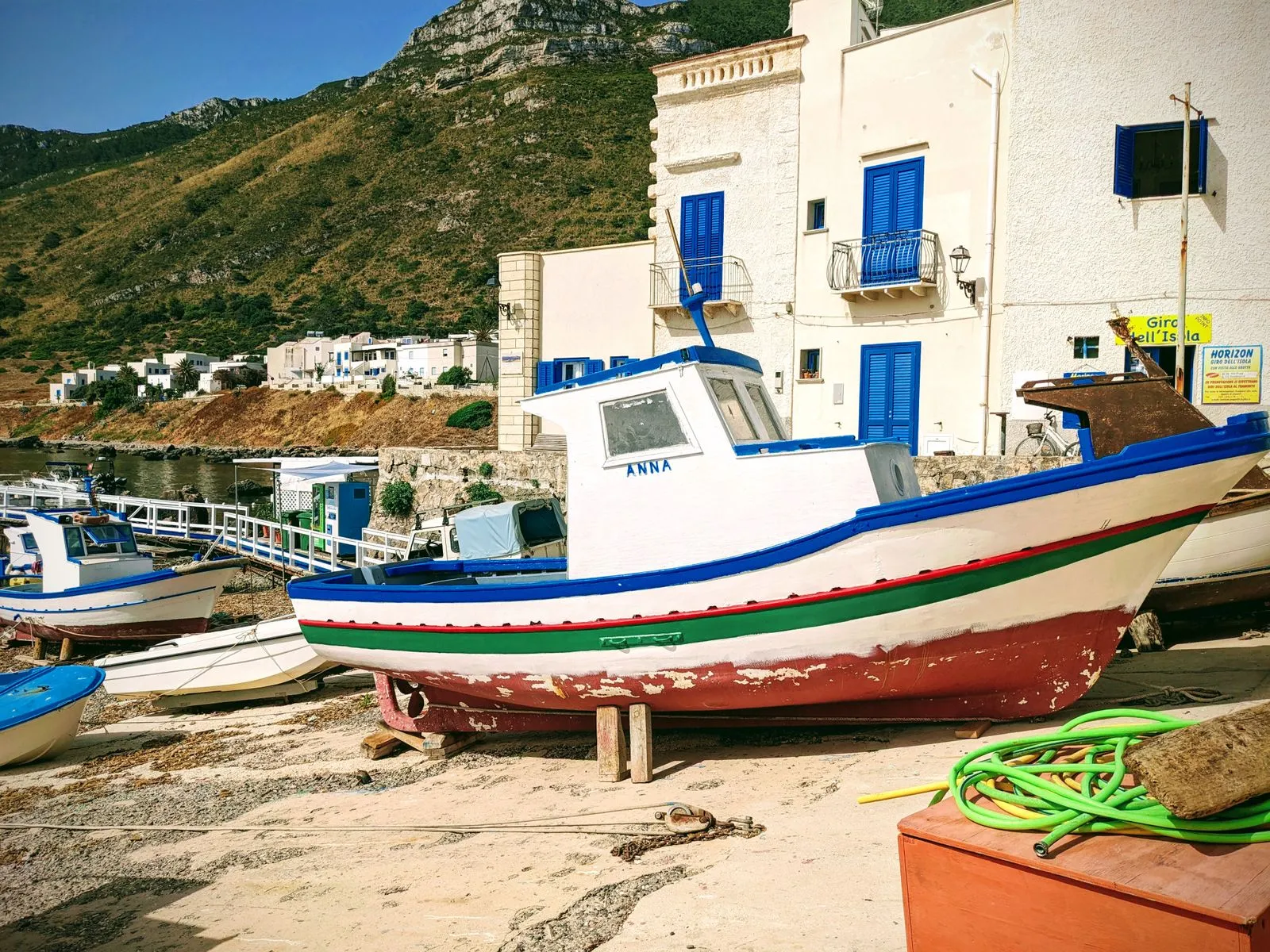
Colourful boats in a Sicilian fishing harbour with baroque church in the background

The south gets less attention than it deserves. This route covers Naples, the Amalfi Coast, Puglia, and Sicily. Best from May through October when the sea is warm and ferries run frequently.

Budget estimate: €1,800–2,500 per person (excluding flights). Southern Italy is cheaper than the north for food and accommodation.

Day-by-day itinerary

Day 1: Arrive in Naples

Fly into Naples (NAP). Taxi or Alibus to city centre (€5). Check in near Spaccanapoli. Evening walk through the centro storico. First pizza at Da Michele or Sorbillo (expect a queue).

Day 2: Naples & Pompeii

Morning train to Pompeii on the Circumvesuviana line (€3.60, 35 min). Half-day exploring the ruins (€18). Return to Naples for the National Archaeological Museum (Pompeii's best artefacts are here, €18). Street food dinner in the Quartieri Spagnoli.

Day 3: Amalfi Coast

Ferry or bus to Positano (1h 15min). Afternoon on the beach and wandering the vertical village. Evening in Amalfi town. Stay overnight on the coast (budget options in Atrani or Minori).

Day 4: Sentiero degli Dei & Ravello

Morning hike on the Path of the Gods from Agerola to Nocelle (3 hours, spectacular views). Bus down to Positano. Afternoon visit to Ravello for Villa Rufolo gardens and panoramic views. Return to Naples by evening ferry.

Day 5: Naples to Matera

Train or bus to Matera (3–4 hours via Salerno or Bari). Check into a cave hotel in the Sassi. Afternoon exploring the ancient cave dwellings. Walk to the belvedere viewpoint at sunset for the signature Matera panorama.

Day 6: Matera to Puglia

Morning exploring Matera's churches carved into rock. Afternoon drive or bus to Alberobello (1h 30min) to see the trulli houses. Continue to Lecce (1h 30min) for overnight. Evening stroll past Baroque churches.

Day 7: Lecce & Salento

Full day in Lecce and the Salento peninsula. Morning in Lecce's Baroque centro storico. Afternoon at one of the rocky beaches (Torre dell'Orso or Punta Prosciutto). Pugliese dinner with orecchiette and burrata.

Day 8: Puglia to Bari, Fly to Sicily

Morning in Bari Vecchia (old town). Try focaccia Barese and sgagliozze (fried polenta). Afternoon flight Bari to Palermo or Catania (1h, from €30).

Day 9: Palermo

Full day in Palermo. Ballarò and Vucciria street markets. Norman Palace and Palatine Chapel. Street food crawl: arancini, panelle (chickpea fritters), sfincione (Sicilian pizza). Monreale Cathedral (30 min by bus) has the finest Byzantine mosaics outside Istanbul.

Day 10: Palermo to Agrigento

Drive or bus to Agrigento (2h 30min). Afternoon at the Valley of the Temples. Walk the ridge at sunset when the Greek temples glow gold against the Mediterranean. Stay overnight in Agrigento.

Day 11: Agrigento to Syracuse

Drive across Sicily to Syracuse (2h 30min). Afternoon on Ortigia island (Syracuse's historic centre). Greek theatre, Duomo (built into an ancient Greek temple), seafood dinner by the harbour.

Day 12: Syracuse & Noto

Morning at the Neapolis Archaeological Park (Greek theatre, Roman amphitheatre). Afternoon day trip to Noto (40 min), the finest Baroque town in Sicily. Granita with brioche at a café on Corso Vittorio Emanuele.

Day 13: Mount Etna & Taormina

Drive north to Mount Etna. Cable car and 4x4 to the summit craters (€65 combined) or hike with a guide. Continue to Taormina (1h). Evening at the Greek Theatre with Etna smoking behind the stage.

Day 14: Depart from Catania

Morning in Taormina or a beach stop at Isola Bella. Drive to Catania airport (1h). Fly home.

Route C: 3-Week Grand Tour

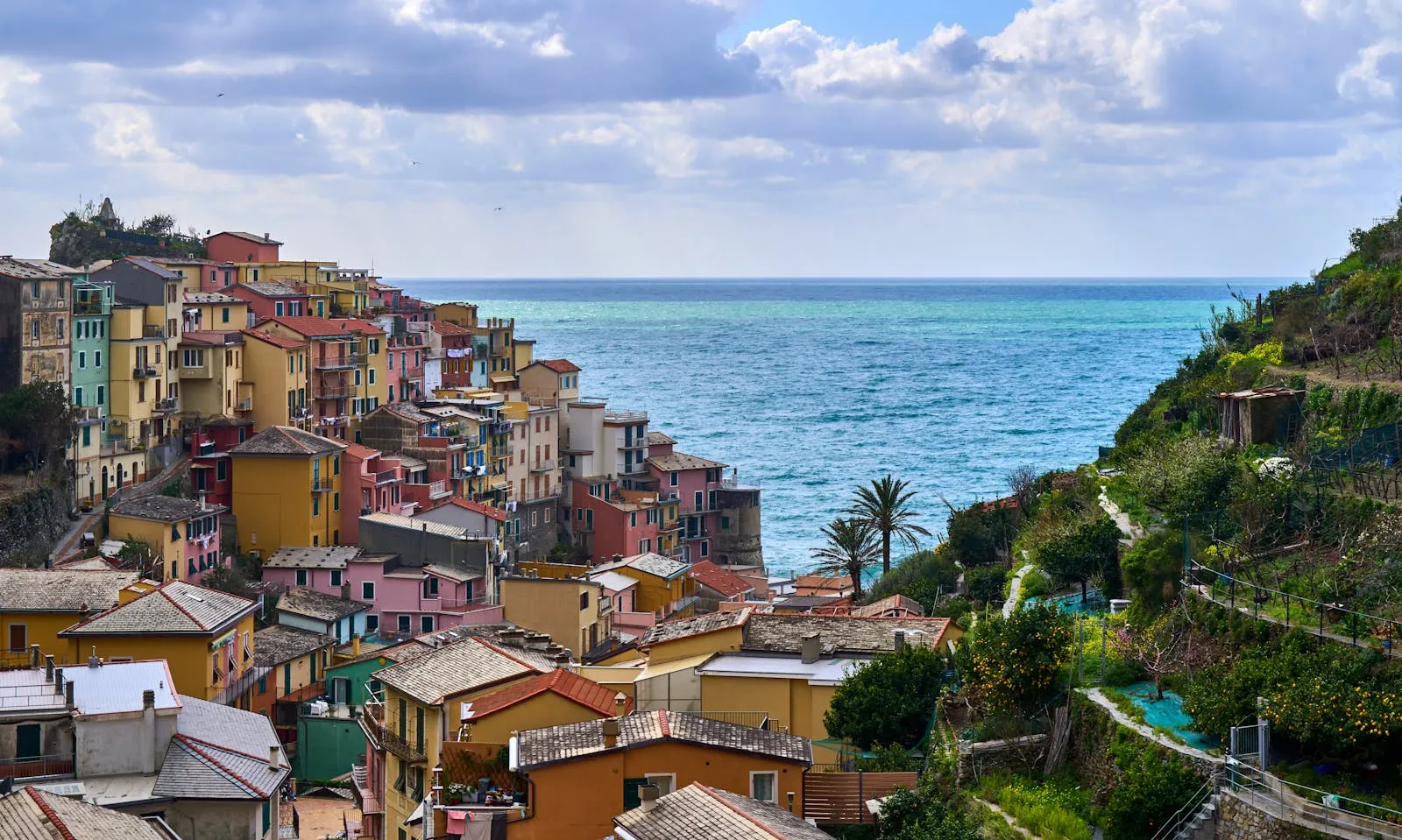
Cinque Terre village of Manarola with colourful houses perched on coastal cliffs

Three weeks lets you combine north and south, cities and countryside, coast and mountains. This route runs Rome to Milan with major detours. Best in May–June or September–October.

Budget estimate: €2,800–4,000 per person (excluding flights). A mix of trains and one short internal flight or overnight ferry keeps costs manageable.

Day-by-day itinerary

Day 1: Arrive in Rome

Fly into Fiumicino. Train to Termini. Evening walk through the centro storico. First Roman meal in Trastevere or Testaccio.

Day 2: Ancient Rome

Colosseum, Forum, Palatine Hill. Afternoon at the Pantheon and Piazza Navona. Evening exploring Monti neighbourhood.

Day 3: Vatican & Beyond

Vatican Museums, Sistine Chapel, St. Peter's in the morning. Afternoon at Castel Sant'Angelo or the Borghese Gallery (book ahead). Aperitivo in Pigneto.

Day 4: Rome to Naples

Frecciarossa to Naples (1h 10min). Afternoon in the centro storico and Spaccanapoli. Pizza for dinner. Underground Naples tour (Napoli Sotterranea, €12).

Day 5: Pompeii & Amalfi

Morning train to Pompeii. Half-day in the ruins. Afternoon ferry to Positano or bus to Amalfi. Overnight on the coast.

Day 6: Amalfi Coast

Path of the Gods hike in the morning. Afternoon beach time or Ravello gardens. Return to Naples by evening.

Day 7: Naples to Sicily (overnight ferry)

Free morning in Naples. Evening ferry from Naples to Palermo (10h overnight, from €40 with cabin). Saves a hotel night and arrives at dawn.

Day 8: Palermo

Arrive early morning. Full day in Palermo. Street markets, Norman Palace, Palatine Chapel. Monreale Cathedral afternoon. Street food dinner.

Day 9: Western Sicily

Day trip to Segesta (Greek temple) and Erice (hilltop medieval town with almond pastries). Return to Palermo. Or drive to Agrigento for the Valley of the Temples at sunset.

Day 10: Taormina & Etna

Drive east to Taormina (3h from Palermo, or 1h from Catania if you went to Agrigento). Afternoon exploring the town. Optional Etna excursion (cable car + 4x4, €65).

Day 11: Fly to Florence

Morning flight Catania to Florence (1h 30min, from €40). Afternoon exploring the Duomo, Ponte Vecchio, and Piazzale Michelangelo at sunset.

Day 12: Florence Museums

Uffizi in the morning. Accademia (David) after lunch. San Lorenzo market for leather goods. Evening bistecca alla fiorentina.

Day 13: Tuscany by Car

Rent a car for 2 days. Drive through the Val d'Orcia. Pienza for pecorino, Montepulciano for Vino Nobile, Montalcino for Brunello. Stay in an agriturismo (farm stay, €80–120).

Day 14: Siena & Return Car

Morning in Siena. Piazza del Campo, the Duomo, and the narrow medieval streets. Drive back to Florence and return the car. Evening in the Oltrarno.

Day 15: Florence to Cinque Terre

Train to La Spezia (2h 30min), then local train to Riomaggiore or Manarola. Afternoon hiking between villages. Seafood dinner watching the sunset from Vernazza's harbour.

Day 16: Cinque Terre to Venice

Morning in the remaining villages. Afternoon train to Venice (4h, one change in Milan or Florence). Evening vaporetto down the Grand Canal. Cicchetti dinner.

Day 17: Venice

St. Mark's, Doge's Palace, Rialto Market. Afternoon island-hopping to Murano and Burano. Sunset drinks on the Zattere waterfront.

Day 18: Venice to Dolomites

Train or bus to Cortina d'Ampezzo (2h 30min) or Bolzano (3h). Check into a mountain hotel. Afternoon cable car ride for orientation. First South Tyrolean dinner (dumplings, speck, strudel).

Day 19: Dolomites Hiking

Tre Cime di Lavaredo circuit (10km, 3–4 hours) or Seceda ridgeline above Val Gardena. Mountain lunch at a rifugio. Return to base for the evening.

Day 20: Dolomites to Lake Como

Drive or train west to Lake Como (4–5h). Check in at Varenna or Bellagio. Afternoon lakeside walk. Dinner overlooking the water.

Day 21: Depart from Milan

Morning ferry across Lake Como. Train from Varenna to Milan Centrale (1h, €8). Fly from Malpensa or Linate.

Getting Around

Transport and getting around

🚆 Trains

The backbone of Italian travel.

🚌 Buses

FlixBus and Marino connect cities and towns that trains miss.

🚆 Ferries

Essential for Sicily, Sardinia, the Aeolian Islands, Capri, and other small islands.

🚗 Driving

A car opens up Tuscany, the Dolomites, Sicily's interior, and rural Puglia in ways public transport cannot.

Italy's transport network is extensive, affordable, and mostly reliable. High-speed trains connect the major cities. Regional trains, buses, and ferries fill the gaps. Driving is useful in Tuscany, the Dolomites, and rural areas, but counterproductive in cities.

Trains

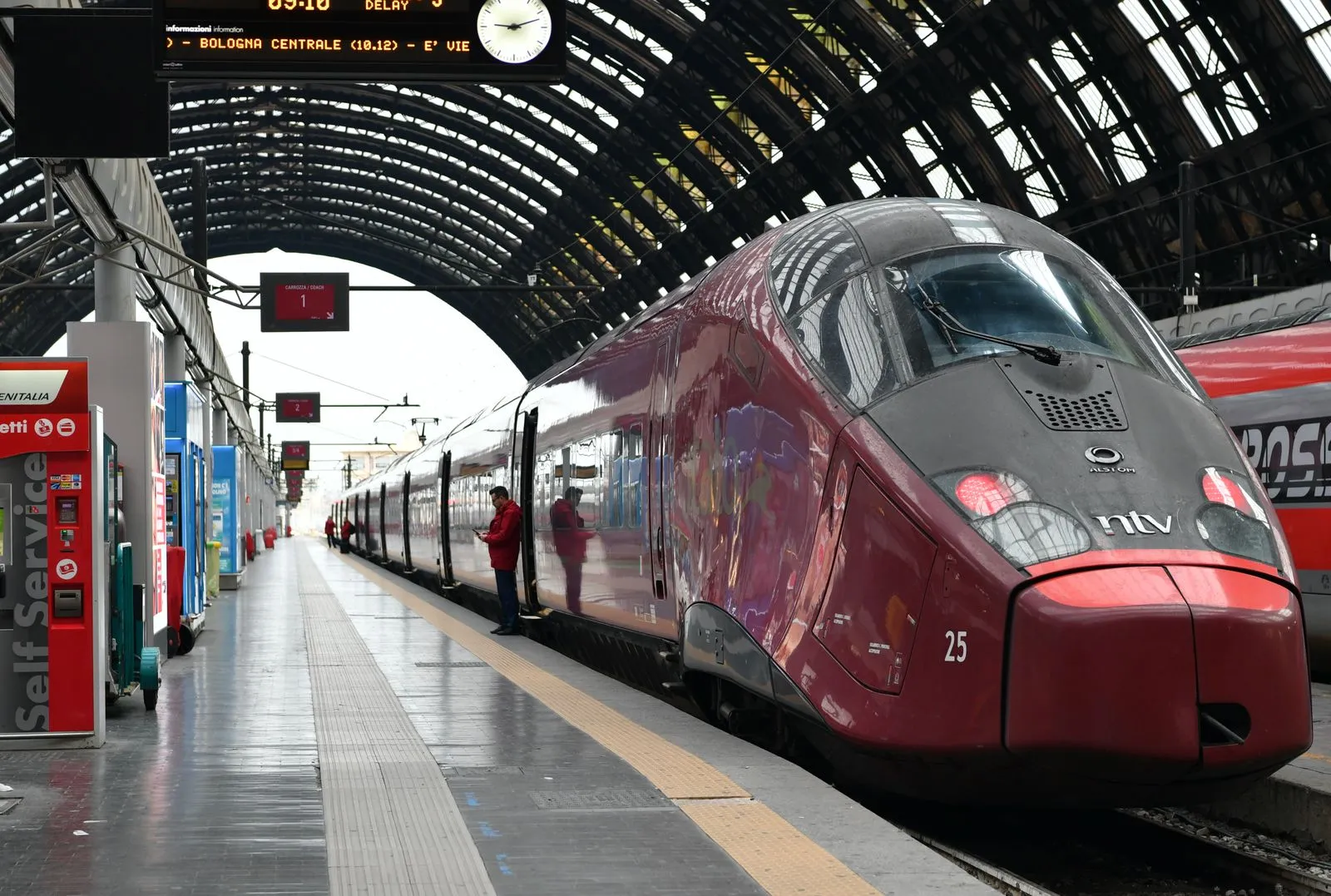
The backbone of Italian travel. Trenitalia (state-run) and Italo (private) operate high-speed services on the main routes. Rome to Florence takes 1h 30min, Rome to Naples 1h 10min, Rome to Milan 3h, Florence to Venice 2h. Fares start at €19 if booked 2–4 weeks ahead and climb to €80+ for last-minute tickets. Regional trains (Regionale and Regionale Veloce) are slower but cheaper (€5–15) and do not require reservations.

Book early on Trenitalia.com or Italo's app. The cheapest fares (Super Economy on Trenitalia, Low Cost on Italo) sell out fast and are non-refundable. The difference between booking 3 weeks ahead and at the station can be €19 vs €65 for the same seat.

Buses

FlixBus and Marino connect cities and towns that trains miss. Useful for Siena, Matera, smaller Puglia towns, and some Amalfi Coast connections. Slower than trains but cheaper (€5–20). SITA buses run the Amalfi Coast road (packed in summer, buy tickets at tabacchi shops). In Sicily and Sardinia, AST and ARST buses supplement sparse train services.

Ferries

Essential for Sicily, Sardinia, the Aeolian Islands, Capri, and other small islands. Major operators include Tirrenia, GNV, Grimaldi, Moby, and SNAV. Naples to Palermo runs overnight (10–11h, from €40 for a seat, €80 with cabin). Civitavecchia to Sardinia is 6–8h. Book ahead in July–August when ferries fill completely. Hydrofoils (aliscafi) run fast connections to smaller islands but cancel in rough seas.

Driving

A car opens up Tuscany, the Dolomites, Sicily's interior, and rural Puglia in ways public transport cannot. Autostrada (motorway) tolls are distance-based and add up fast. Milan to Rome costs about €40 in tolls alone. Fuel is expensive (€1.70–2.00/litre). City driving is stressful, parking is expensive and scarce, and many historic centres have ZTL (Zona Traffico Limitato) restrictions. Enter a ZTL without a permit and you will receive a €80–100 fine per camera pass, often arriving by post months later. Rental cars from €25/day at airports.

City Transport

Rome, Milan, and Naples have metro systems. Rome's is small (3 lines) but covers the main tourist stops. Milan's is extensive and efficient. Most cities have good bus and tram networks. Single tickets cost €1.50–2.00 and last 90–100 minutes. Buy at tabacchi (tobacco) shops or ticket machines. Validate on board or face a €50 fine. In Venice, vaporetti (water buses) are the only public transport. A single ride costs €9.50. A 24-hour pass (€25) or 72-hour pass (€45) pays for itself fast.

Budget Breakdown

Budget and costs

Italy is not as cheap as Southeast Asia but it is not as expensive as Switzerland or Scandinavia. The south is significantly cheaper than the north. Where and how you eat makes the biggest difference.

Daily Budget Ranges

CategoryBudgetMid-rangeComfort
Accommodation€25–50 (hostel/basic B&B)€80–150 (3-star hotel/good Airbnb)€150–300+ (4-star/boutique)
Food€20–30 (pizza, markets, self-catering)€40–60 (trattorias, sit-down meals)€80–150 (fine dining, wine)
Transport€10–20 (regional trains, buses)€20–40 (high-speed trains)€40–80 (rental car + fuel + tolls)
Activities€0–15 (churches, free days, walks)€15–35 (museums, tours)€35–80 (guided tours, cooking classes)
Daily Total€55–115€155–285€305–610

Money-Saving Tips

🍴 Menù del Giorno

Fixed lunch at trattorias: €10–15 for primo, secondo, water, and coffee. Always eat lunch as your main meal

☕ Stand at the Bar

Espresso standing up: €1–1.50. Same coffee sitting at a piazza table: €3–5. Always cheaper at the counter

🚅 Book Trains Early

Trenitalia Super Economy and Italo Low Cost fares are 50–70% cheaper than walk-up prices. Book 2–4 weeks ahead

🎨 Free Museum Days

State museums free on the first Sunday of each month. Roma Pass (€32/48h) and Firenze Card (€85/72h) include public transport

🍺 Aperitivo Buffets

In Milan and northern cities, an evening drink (€8–12) includes all-you-can-eat snacks. This can replace dinner entirely

🛒 Markets & Supermarkets

Conad, Coop, Esselunga have good prepared food. Picnic from a market: €5–8 for bread, cheese, salami, and fruit

💸 Head South

A meal in Naples costs half what it does in Milan. Puglia and Sicily offer some of the best value in Western Europe

🏠 Agriturismo

Farm stays outside cities often cost half of city hotels and include breakfast or dinner with local produce

Tipping: Not expected. The coperto (cover charge, €1–3) replaces tipping in most restaurants. Rounding up or leaving €1–2 for excellent service is appreciated but never required. Tipping taxi drivers is unusual.

Practical Information

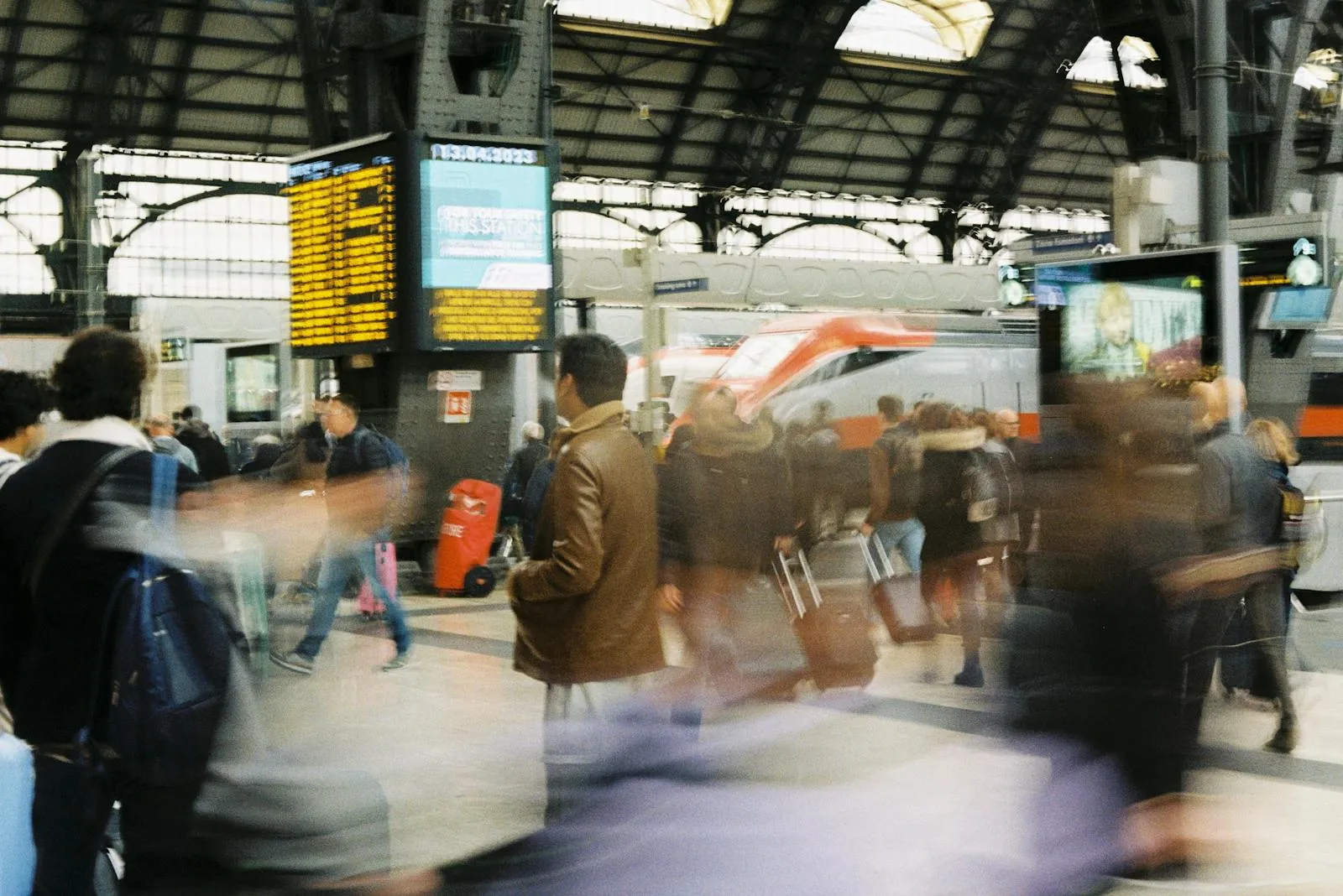
Italian train station departure board showing connections across the country

💳 Visas

Italy is in the EU and the Schengen Area. Most Western passport holders can enter visa-free for up to 90 days within any 180-day period.

🏥 Health

No mandatory vaccinations for Italy.

💶 Money

Currency is the Euro (€). Cards (Visa, Mastercard) are widely accepted in cities and tourist areas.

📶 SIM & WiFi

EU roaming regulations mean EU/EEA SIM cards work at home rates.

🔌 Electricity

Type L plugs (3 round pins in a row) and Type C (2 round pins, Europlug). Voltage is 230V/50Hz.

🛒 Safety

Italy is very safe for travellers. Violent crime against tourists is extremely rare.

Entry Requirements

Italy is in the EU and the Schengen Area. Most Western passport holders can enter visa-free for up to 90 days within any 180-day period. No visa required for tourism from the US, Canada, Australia, New Zealand, UK, and most of Europe. Check the Italian Ministry of Foreign Affairs website for your specific nationality. From 2025, the EU's ETIAS system may require a pre-travel authorization (€7, valid 3 years) for visa-exempt travellers.

Health

No mandatory vaccinations for Italy. EU/EEA citizens should carry a European Health Insurance Card (EHIC) or Global Health Insurance Card (GHIC) for access to state healthcare at reduced cost. Travel insurance with medical coverage is strongly recommended for everyone else. Pharmacies (farmacia, green cross sign) are well-stocked and pharmacists can advise on minor ailments. Tap water is safe to drink throughout Italy, and public fountains (nasoni in Rome) provide free drinking water.

Money

Currency is the Euro (€). Cards (Visa, Mastercard) are widely accepted in cities and tourist areas. Smaller shops, rural trattorias, and some taxis still prefer cash. ATMs (Bancomat) are everywhere. Avoid airport currency exchange (poor rates). Italian ATMs occasionally push their own conversion rate. Always choose "charge in Euros" (local currency), never "charge in your home currency."

SIM Cards & Connectivity

EU roaming regulations mean EU/EEA SIM cards work at home rates. For non-EU visitors, TIM, Vodafone, and WindTre sell tourist SIMs at airport shops and city stores. Expect 50–100GB for €15–25/month. Passport required for purchase. Free Wi-Fi is available in most hotels, many restaurants, and some public spaces, though quality varies.

Language

Italian is the only official language. English is widely spoken in tourist areas, major cities, and by younger Italians. In small towns, the south, and rural areas, English drops off sharply. Learning basic Italian phrases goes a long way. Google Translate's camera feature handles menus and signs well. In South Tyrol (Bolzano, Merano), German is co-official and widely spoken.

Electricity

Type L plugs (3 round pins in a row) and Type C (2 round pins, Europlug). Voltage is 230V/50Hz. UK, US, and Australian travellers need an adapter. Most modern Italian sockets accept both Type L and Type C plugs.

Safety

Italy is very safe for travellers. Violent crime against tourists is extremely rare. Petty theft (pickpocketing, bag-snatching) is the main risk, concentrated in Rome (Termini station, metro, Colosseum area), Naples (train station), Milan (metro), and Florence (crowded tourist spots). Use a money belt or front pocket. Be wary of distraction scams (someone bumps you, someone else grabs your wallet). Do not leave bags unattended at outdoor tables. Naples requires slightly more street awareness than other cities, but common sense is usually enough.

Tips & Common Mistakes

Narrow cobblestone alley in a southern Italian town with hanging laundry

Mistakes that cost time, money, or enjoyment. All of them are avoidable.

  • Not booking ahead. The Colosseum, Vatican Museums, Uffizi, Borghese Gallery, and Last Supper all require advance booking. Showing up without a ticket means hours in a queue or being turned away entirely
  • Trying to see too much. Italy rewards depth, not breadth. Three cities in 10 days works. Five cities in 7 days is a blur of train stations. Pick fewer places and stay longer
  • Eating near tourist sights. The restaurant with the menu in six languages opposite the Colosseum will serve mediocre food at triple the price. Walk 10 minutes away and eat where Italians eat. Look for handwritten menus, no photos of food, and a short menu that changes daily
  • Ordering cappuccino after 11am. Italians do not do this. You can, nobody will stop you, but baristas will notice. After meals, order an espresso
  • Driving into ZTL zones. Almost every Italian city centre has a Zona Traffico Limitato. Cameras photograph your plate automatically. The fine is €80–100 per entry. Rental companies add a €30–50 admin fee on top. You might not know until the bill arrives months later. Research ZTL boundaries before driving anywhere
  • Forgetting the dress code for churches. Covered shoulders and knees are mandatory at the Vatican, major basilicas, and most churches. Carry a scarf or lightweight layer
  • August travel. Ferragosto (August 15) and the surrounding weeks empty Italian cities of locals. Many restaurants close. Beach resorts are overwhelmed. Prices peak. If you must travel in August, go to the mountains or the lakes
  • Ignoring the south. Most first-timers stick to Rome, Florence, and Venice. Southern Italy (Naples, Puglia, Sicily, Sardinia) has better food, warmer weather, lower prices, and fewer tourists. It is a different country down there, in the best way
  • Not validating train tickets. Regional train tickets must be stamped in the green validation machines on the platform before boarding. Unvalidated tickets earn a €50 fine. High-speed trains with assigned seats do not need validation
  • Falling for tourist traps. "Free" friendship bracelets (they demand payment after tying one on your wrist), gladiator photos at the Colosseum (€10–20 for a photo you did not ask for), rose sellers at restaurant tables (pushy and overpriced). A firm "no, grazie" and keep walking

Final Recommendation

Final recommendation

Italy is the country you visit once and spend the rest of your life planning to return to. There is simply too much for one trip. That is not a problem. It is an invitation.

For a first visit, the classic Rome-Florence-Venice triangle gives you the greatest concentration of art, history, and food in the shortest time. Ten days is enough. Add Naples and the Amalfi Coast if you can stretch to two weeks. Save the south and the islands for a second trip, because they deserve your full attention.

Do not over-plan. Leave space for the unscripted moments. The trattoria you stumble into down a side street. The afternoon you abandon the museum plan and just sit in a piazza with a gelato. The conversation with a local that leads to a wine recommendation you would never have found in a guide.

Book your big museums early. Take trains between cities. Eat where the menu is in Italian. Stand at the bar for your espresso. Walk everywhere. And bring comfortable shoes, because Rome alone will put 15–20 km on your feet every day.

Italy has survived empires, invasions, earthquakes, and questionable government. It is not going anywhere. But the sooner you go, the sooner you understand why 65 million tourists arrive every year and most of them come back.