Wild Atlantic cliffs, ancient castles, trad music sessions, and the warmest welcome in Europe
EuropeWild Atlantic WayPub CultureAncient East
Overview & Why Visit Ireland
🌍 Ireland is a small island on Europe's western edge that punches above its weight. It's 84,421 km? (roughly Austria's size) yet packs in 2,500 km of wild Atlantic coastline, over 30,000 castles and ruins, six national parks, and a literary tradition with four Nobel laureates. The local word for fun (craic) has no direct translation.
📍 The Republic of Ireland (5.1 million) and Northern Ireland (1.9 million, part of the UK) share the island. The border is invisible for travellers. The best sights?Giant's Causeway, Belfast, the Causeway Coastal Route?are in the north. You'll cross without noticing, though currency switches from Euro to Pound Sterling.
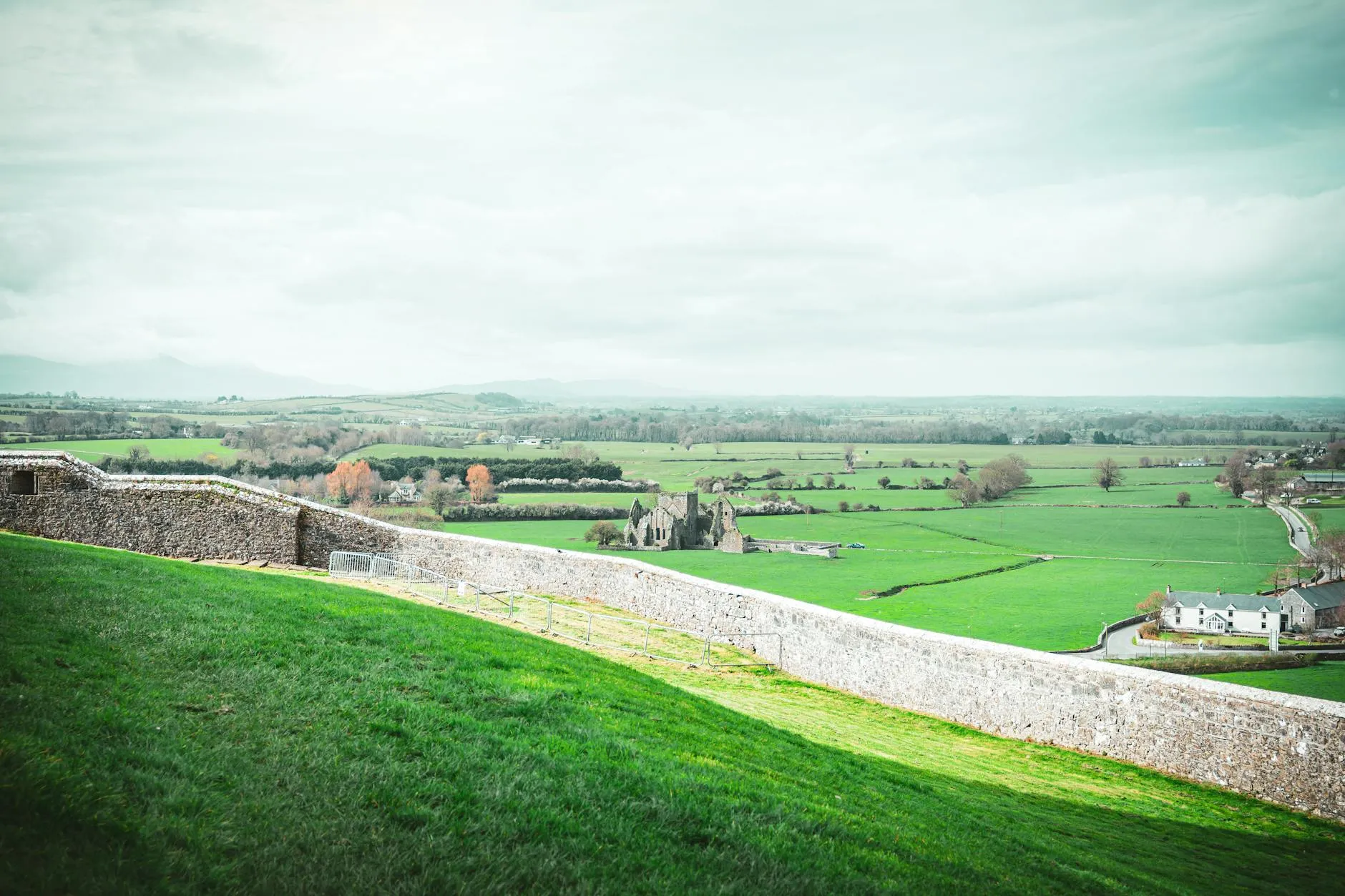
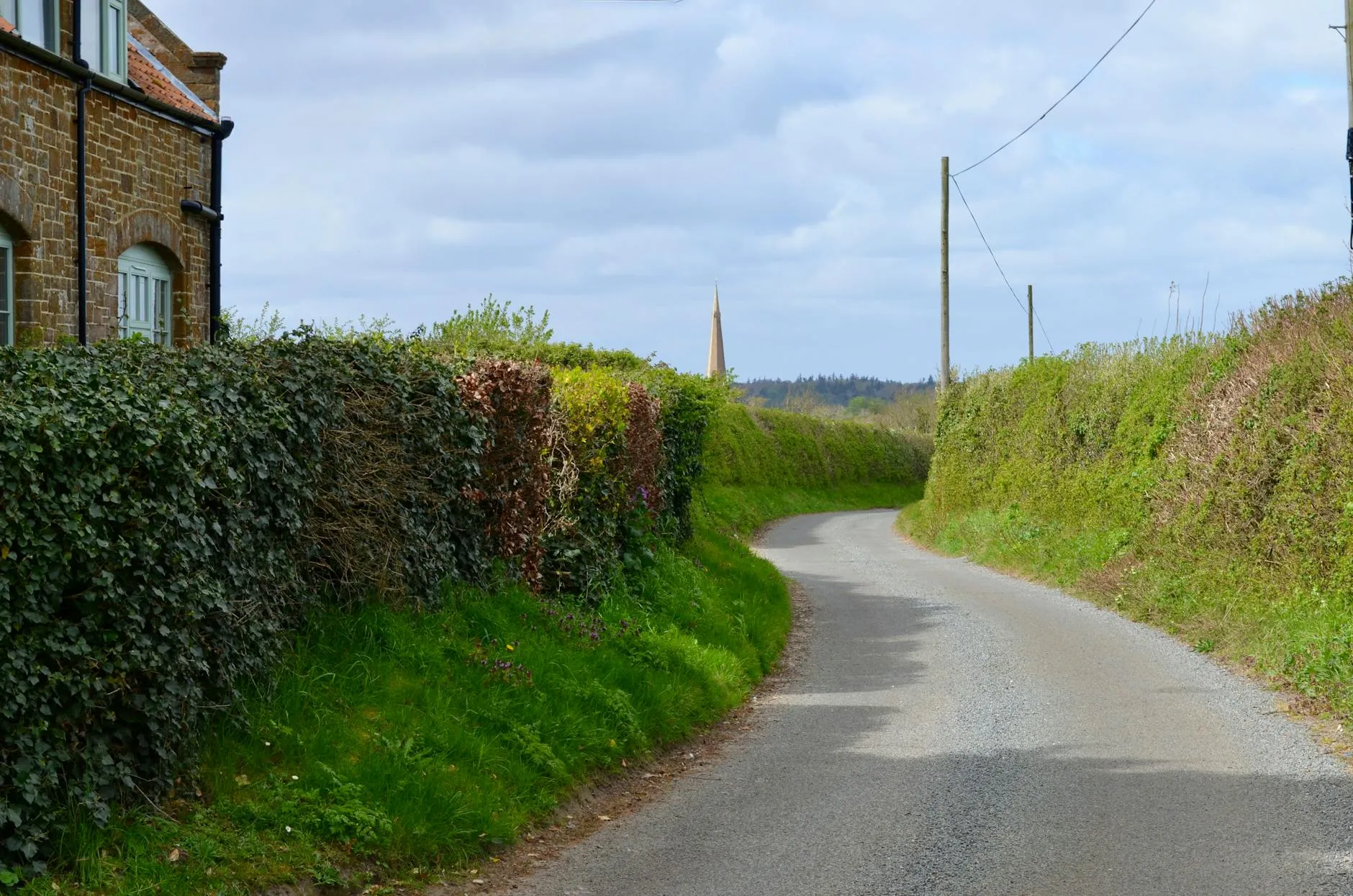
🌲 What makes Ireland different: you leave cities behind fast. Dublin is a proper capital with world-class museums and Georgian architecture. But within an hour, you're on empty roads through countryside that looks exactly like the postcards. Stone walls, green fields, sheep blocking roads, ruined abbeys with nobody else there.
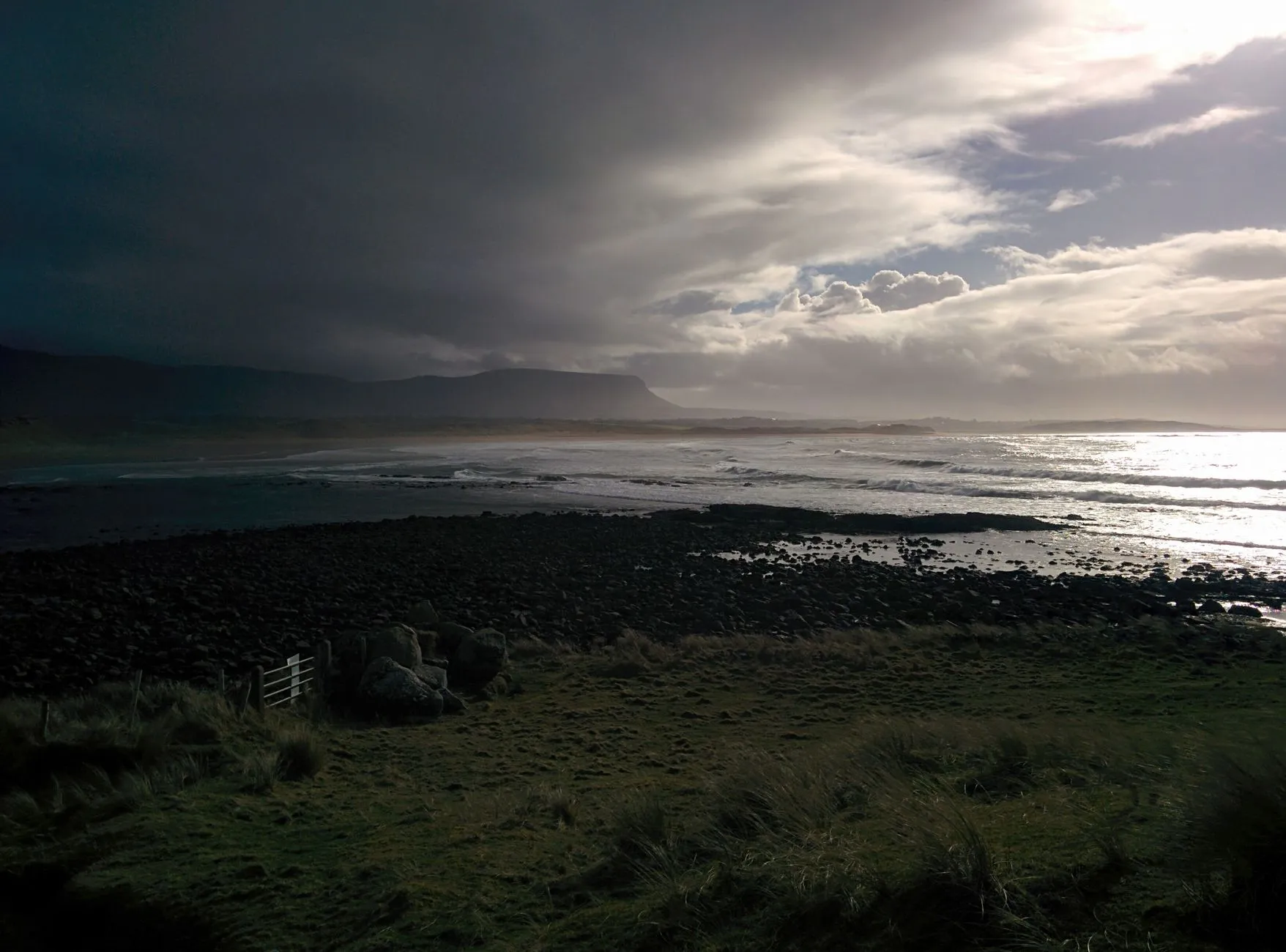
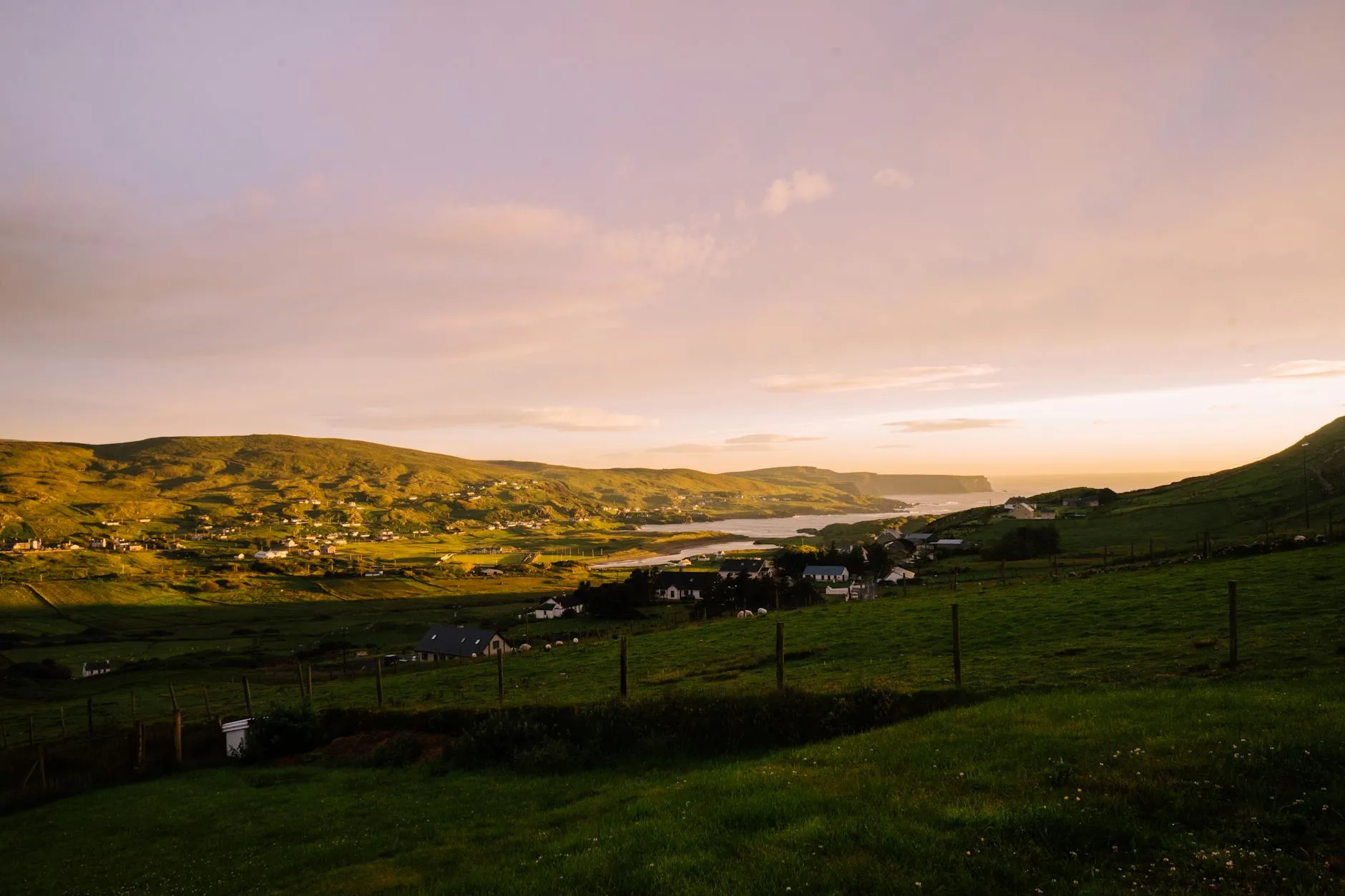
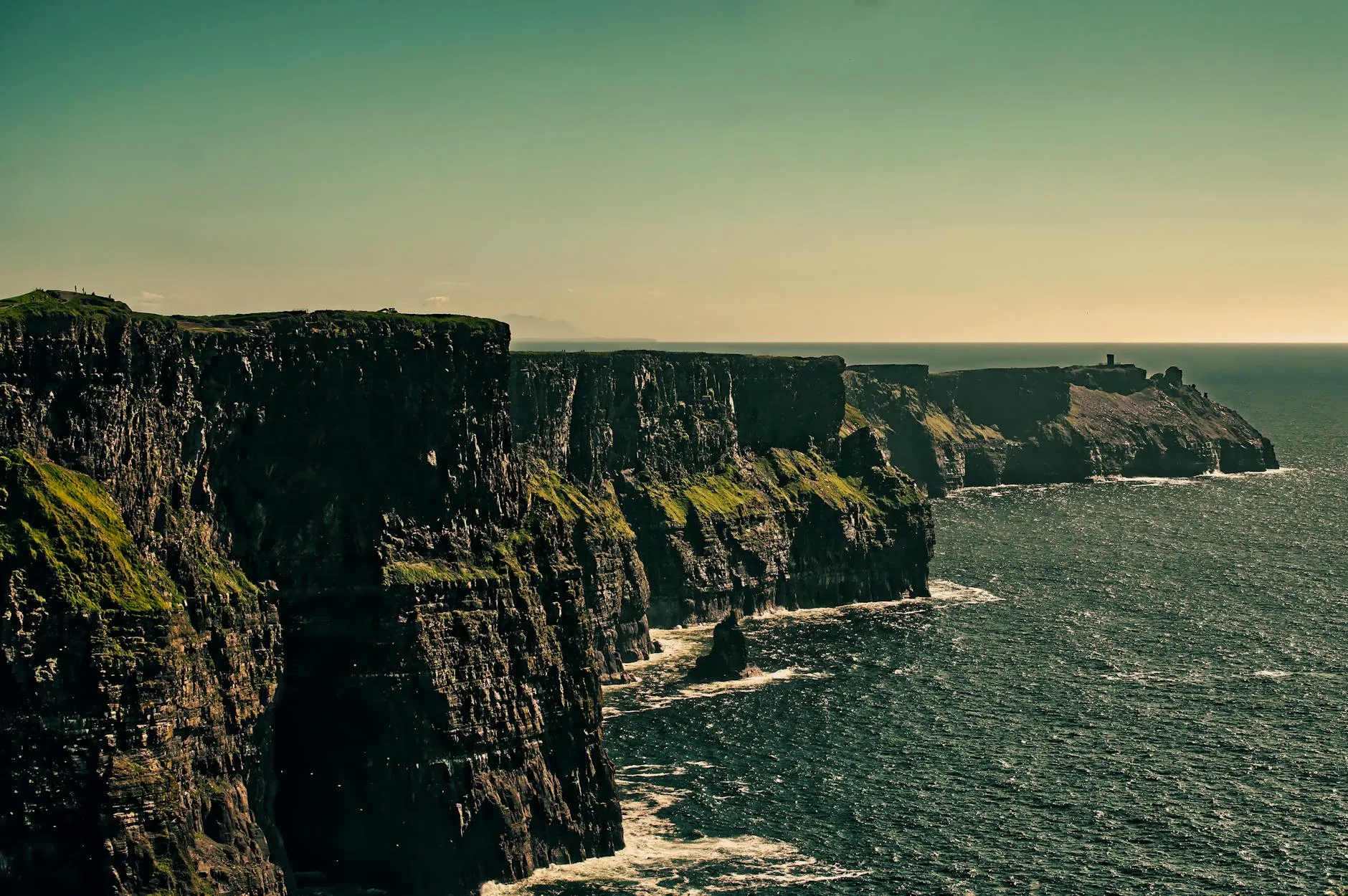
🌊 The west coast is the headliner. The Wild Atlantic Way runs from Donegal to Kinsale and delivers relentlessly. The Cliffs of Moher, Ring of Kerry, Dingle Peninsula, Connemara, Slieve League?genuinely among Europe's most dramatic coastal landscapes. The east and midlands hold 5,000 years of history at Newgrange, Glendalough, and the Rock of Cashel.
💰 Ireland is not cheap, but manageable. Backpackers can manage on EUR 70-80 per day with hostels and public transport. Mid-range travellers spending EUR 150-180 per day will eat well and stay in characterful B&Bs. 🚗 Rent a car if you can?rural Ireland is car territory.
🌧 The weather: yes, it rains. But Irish rain comes in bursts, clears, and gives way to skies photographers travel thousands of kilometres to capture. Pack layers and a waterproof jacket. The green has to come from somewhere.
In short: Ireland is compact, safe, English-speaking, and endlessly scenic. Best May–September for weather and long evenings (sunset at 10pm in June). The Wild Atlantic Way is the main draw, but Dublin and the Ancient East deserve real time too. Expensive by Southeast Asian standards, manageable by Western European standards. Rent a car if you can. Talk to people. The locals are the best part.
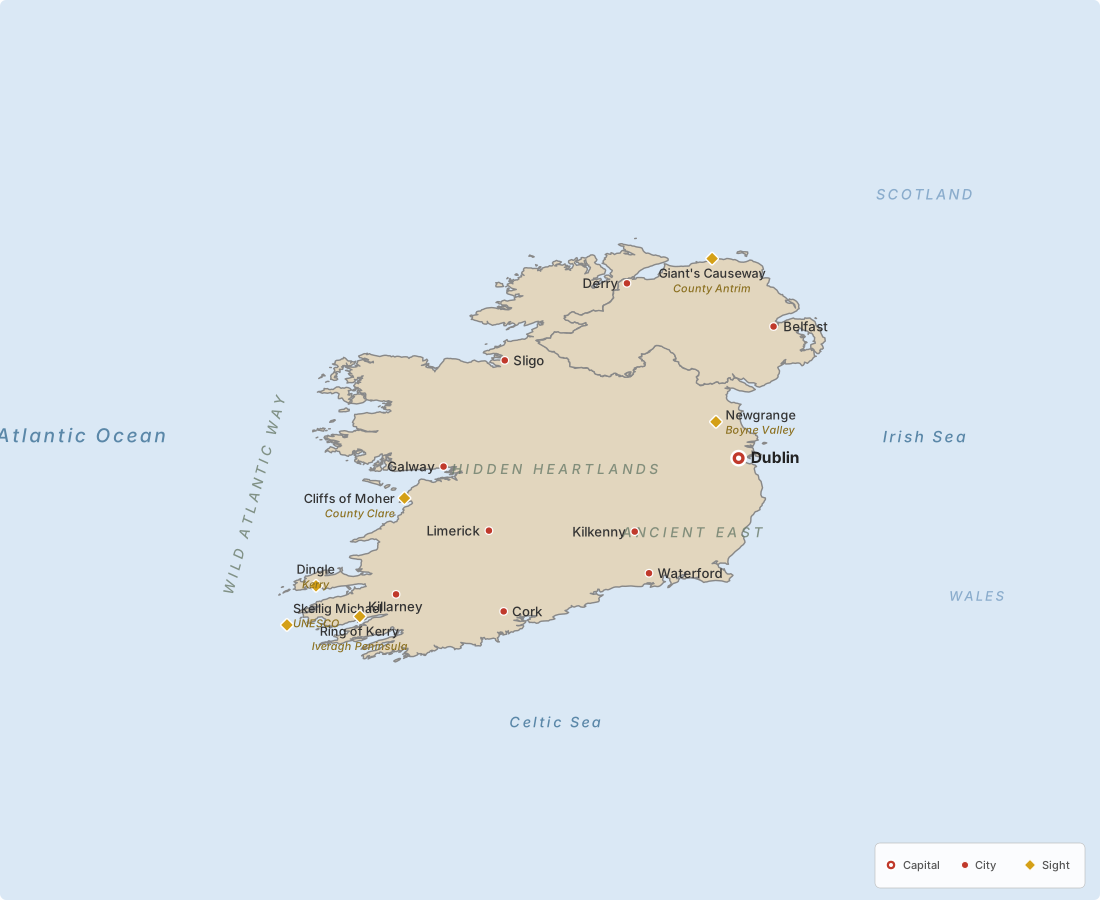
Map of Ireland
Best Time to Visit
🌡 Ireland has a temperate maritime climate. Mild winters, cool summers, rain any time. Temperatures rarely drop below freezing or climb above 25?C. The difference between best and worst months is maybe 10?C, but daylight hours, crowd levels, and prices vary enormously.
May – June
Best overall. Long days (sunset 9:30–10pm), mild temps (12–18°C), manageable crowds. May is one of the driest months. Everything is open. Wildflowers on the Burren. Book 4–6 weeks ahead.
September
The sweet spot for value. Summer crowds vanish when schools restart mid-month. Weather stays pleasant (12–15°C). Oyster festivals, harvest season, autumn light. Hotels 20–40% cheaper than July. The locals’ favourite month.
July – August
Warmest (15–20°C) and busiest. Long evenings, festivals everywhere, everything open. But popular hotels book out 3–6 months ahead, prices peak, and the Ring of Kerry gets crowded. Still worth it if you book early.
November – February
Cold (4–8°C), wet, dark (sunset by 4:30pm). Many rural attractions close. But cities are atmospheric, Christmas markets glow, pubs are cosy, and prices hit their lowest. Best for city breaks and pub crawls, not coastal drives.
Month-by-Month Overview
Month
Avg Temp
Rain Days
Daylight
Crowds
Prices
Rating
January
5°C
~15
~8h
🟢 Very Low
🟢 Lowest
⭐⭐
February
6°C
~13
~9h
🟢 Very Low
🟢 Lowest
⭐⭐
March
7°C
~14
~11h
🟡 Moderate
🟡 Medium
⭐⭐⭐
April
9°C
~12
~13h
🟡 Moderate
🟡 Medium
⭐⭐⭐⭐
May
11°C
~11
~15h
🟡 Rising
🟡 Medium
⭐⭐⭐⭐⭐
June
14°C
~11
~17h
🔴 High
🔴 High
⭐⭐⭐⭐⭐
July
16°C
~12
~16h
🔴 High
🔴 High
⭐⭐⭐⭐
August
15°C
~13
~15h
🔴 High
🔴 High
⭐⭐⭐⭐
September
13°C
~12
~13h
🟡 Moderate
🟡 Medium
⭐⭐⭐⭐⭐
October
10°C
~14
~10h
🟢 Low
🟢 Low
⭐⭐⭐
November
8°C
~14
~8h
🟢 Very Low
🟢 Lowest
⭐⭐
December
6°C
~15
~7h
🟢 Low
🟢 Low
⭐⭐
Best weather bet: May, early June, or September. You will still need a rain jacket, but the odds of decent weather are best. June gives you the longest days – bright until nearly 11pm – which completely changes the travel experience.
Rain reality: Ireland averages 150–225 rain days per year depending on region. The west coast gets significantly more rain than the east. But most rain comes in short bursts. A “rainy day” usually means a few showers with clear spells between them. Bring waterproofs, not pessimism.
Holidays & Festivals
Ireland takes its holidays seriously, and the calendar is shaped as much by ancient Celtic tradition as by the Catholic Church. The big dates genuinely affect travel – accommodation spikes, transport gets busy, and some towns essentially shut down. Plan around them or plan for them, but do not ignore them.
Holidays, Festivals & Events
Date
Event
Where
What to Expect
Type
1 Jan
New Year’s Day
Nationwide
Public holiday. Dublin fireworks over the Liffey draw 100,000+ people
Holiday
1 Feb
St Brigid’s Day
Nationwide
Public holiday since 2023. Marks the start of spring in Celtic tradition
Holiday
17 Mar
St Patrick’s Day
Nationwide
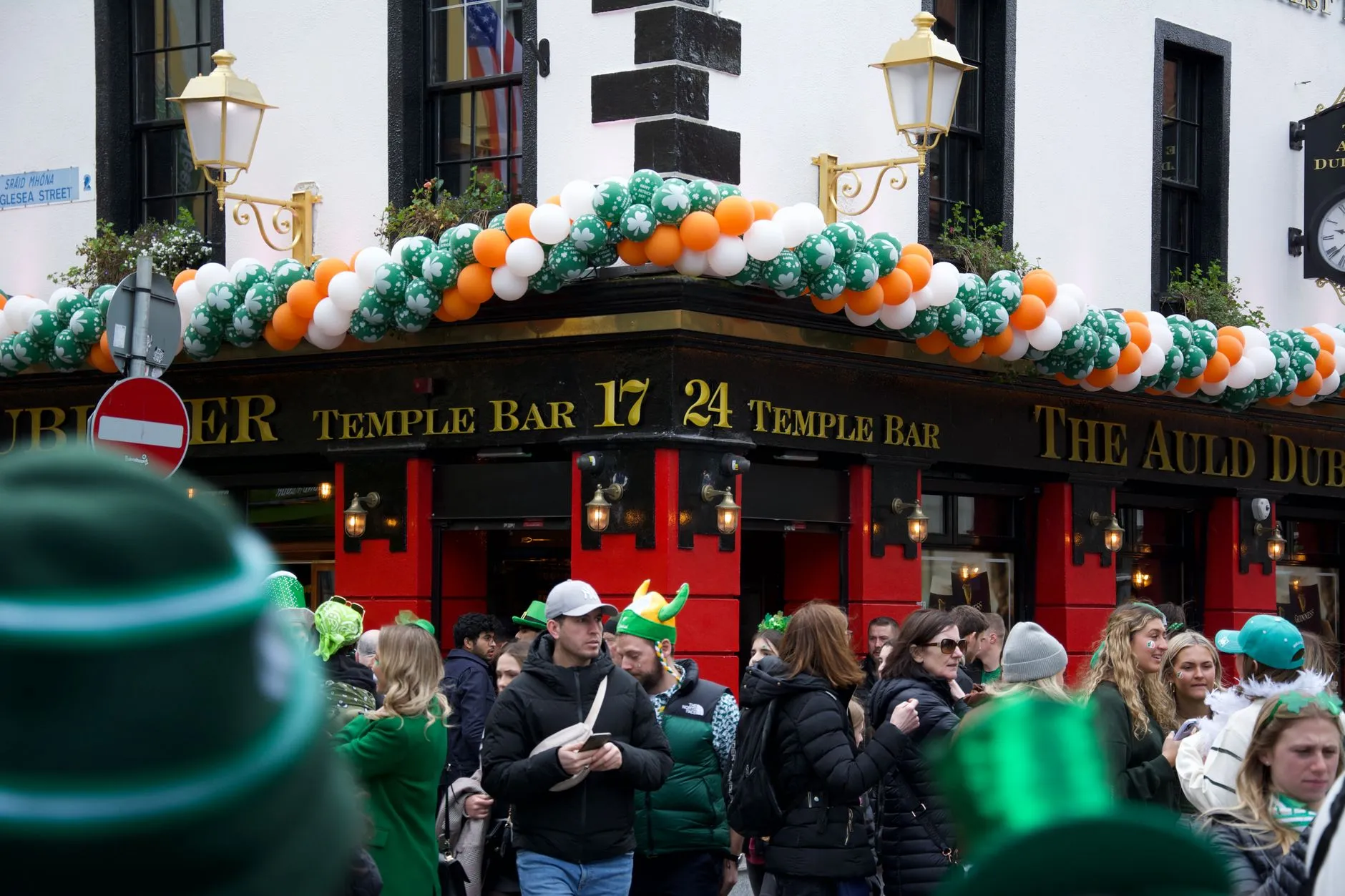
The big one. Parades nationwide, Dublin’s is the largest. 4-day festival (14–17 March). Hotels triple in price. Book 6 months ahead
Must See
Mar/Apr
Easter
Nationwide
Good Friday and Easter Monday are public holidays. Many shops close Good Friday. Accommodation busy around Easter week
Holiday
1st Mon Jun
June Bank Holiday
Nationwide
Long weekend. Popular for domestic travel. Book coastal accommodation early
Holiday
16 Jun
Bloomsday
Dublin
Literary celebration of James Joyce’s Ulysses in Dublin. Not a public holiday but culturally significant
Cultural
Mid-Jul
Galway International Arts Festival
Galway
14 days (13–26 July 2026). Theatre, music, street art. Galway fills up completely. Book months ahead
Must See
Late Jul
Galway Races
Galway
Horse racing festival. The whole west coast gets busy
Cultural
1st Mon Aug
August Bank Holiday
Nationwide
Busiest weekend of the year for domestic travel
Holiday
10–12 Aug
Puck Fair, Killorglin
Killorglin, Kerry
Ireland’s oldest fair. A wild goat is crowned king. Three days of music, horse trading, and pints. Kerry accommodation vanishes
Must See
Late Aug
Rose of Tralee
Tralee, Kerry
Traditional festival in Kerry. Five days of entertainment and the famous selection ceremony
Cultural
Late Sep
Galway Oyster Festival
Galway
Seafood, oyster shucking championships, and Guinness. End-of-summer celebration
Cultural
Late Oct
Halloween / Samhain
Nationwide
Ireland invented Halloween. Derry hosts Europe’s biggest Halloween festival (40th anniversary 2026). Púca Festival in Meath. Bram Stoker Festival in Dublin
Must See
Late Oct
Cork Jazz Festival
Cork
40,000+ visitors, 70 venues across Cork city. October Bank Holiday weekend
Cultural
25–26 Dec
Christmas
Nationwide
Most things close 25–26 Dec. Wren Boys parade on St Stephen’s Day (26 Dec) in parts of Kerry and Clare
Holiday
St Patrick’s Day warning: Dublin hotel prices hit EUR 400+ per night. The parade viewing spots fill by 7am. If you want to experience it, book everything 6 months ahead and stay in Bray or Greystones (30 minutes by DART train) to save on accommodation.
Regions of Ireland
Ireland divides naturally into regions that feel genuinely different from each other. The west is wild and coastal, the east is historic and literary, the midlands are green and quiet, and the cities each have their own personality. Most visitors focus on Dublin and the west coast, but the less-visited regions reward anyone willing to slow down.
Dublin & the East
The capital and its surroundings. Georgian architecture, Trinity College, the Book of Kells, the Guinness Storehouse, Temple Bar pubs. Day trips to Howth (coastal walks), Malahide Castle, and the Wicklow Mountains. The Boyne Valley holds Newgrange and the Hill of Tara. Glendalough’s monastic ruins sit in a glacial valley an hour south. Dublin is walkable, well-connected by DART train, and has the country’s best food scene.
The Wild Atlantic Way
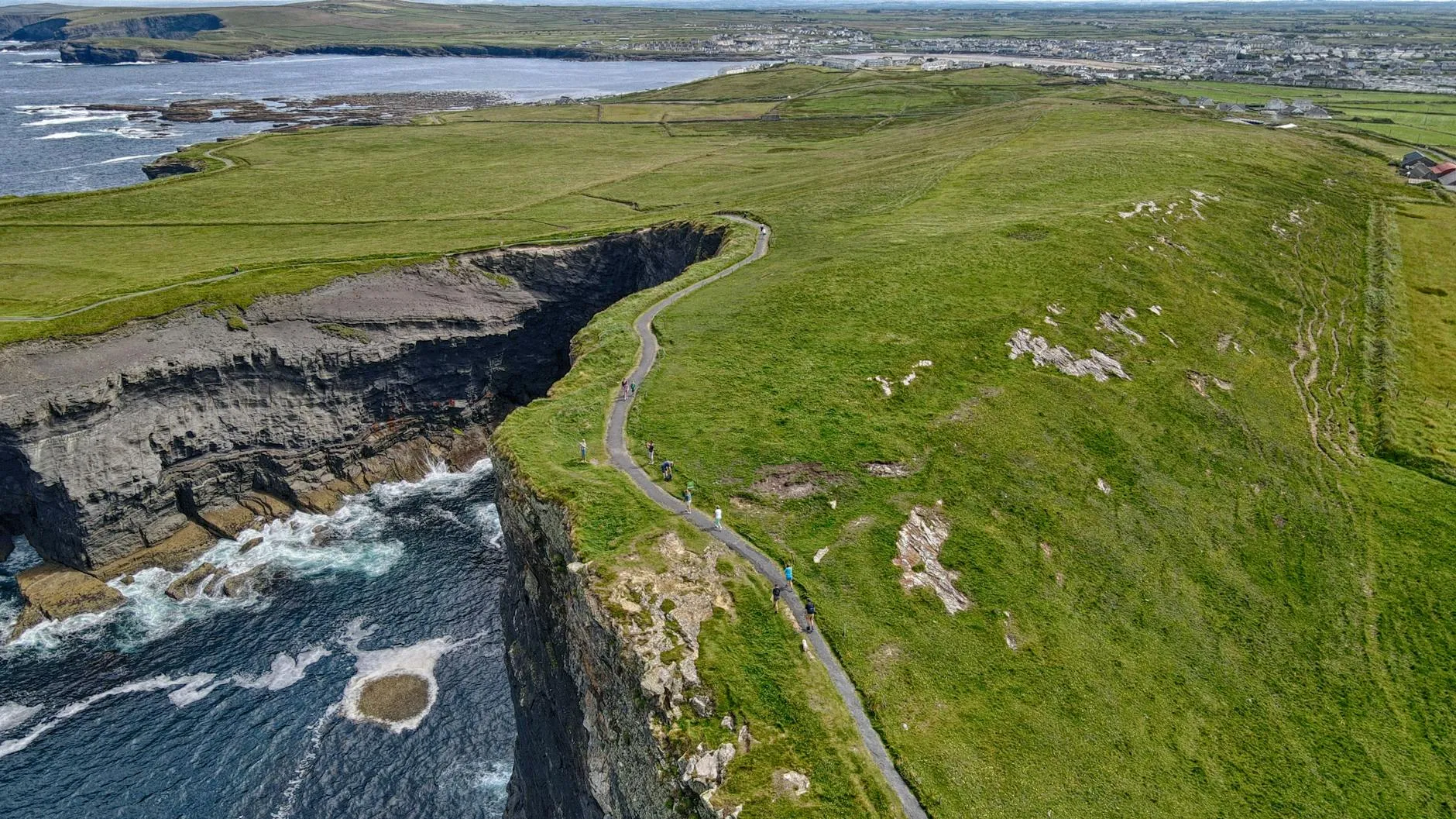
The 2,500 km coastal route from Donegal to Kinsale is the main event. County Clare has the Cliffs of Moher and the Burren’s lunar limestone landscape. Galway is the cultural capital of the west – music, pubs, the Aran Islands. Connemara is bogland, mountains, and Kylemore Abbey. Donegal in the far northwest has Slieve League cliffs (nearly three times higher than Moher) and Malin Head, the island’s northernmost point. This is road trip country.
Kerry & the Southwest
The Ring of Kerry, the Dingle Peninsula, and Killarney National Park. This is the Ireland of postcards – impossibly green mountains dropping into the Atlantic, medieval monasteries, Skellig Michael (Star Wars filming location) offshore, and some of the best traditional music sessions in the country. The town of Dingle is a food destination in its own right. Cork city, Ireland’s second largest, has the English Market, Blarney Castle, and a thriving food scene. Kinsale and Cobh on the south coast are worth the detour.
Northern Ireland
Part of the UK, but the border is invisible. Belfast has the Titanic Quarter, political murals, St George’s Market, and a resurgent food and drink scene. The Causeway Coastal Route from Belfast to Derry is one of Europe’s great drives – Giant’s Causeway, Carrick-a-Rede rope bridge, the Dark Hedges (Game of Thrones). Derry’s walled city is the best-preserved in Ireland. Currency is Pound Sterling, and card machines often accept both GBP and EUR.
The Hidden Heartlands
Ireland’s least-visited region is the midlands: the Shannon River, Lough Derg, the monastic ruins of Clonmacnoise, Birr Castle’s gardens, and Athlone. This is slow travel territory. No crowds, no coach tours, just quiet waterways, farmland, and pubs where you might be the only visitor. The Shannon Blueway offers kayaking and walking trails. Tipperary (Lonely Planet’s Best in Travel for 2026) has the Rock of Cashel and Cahir Castle.
Ireland’s Ancient East
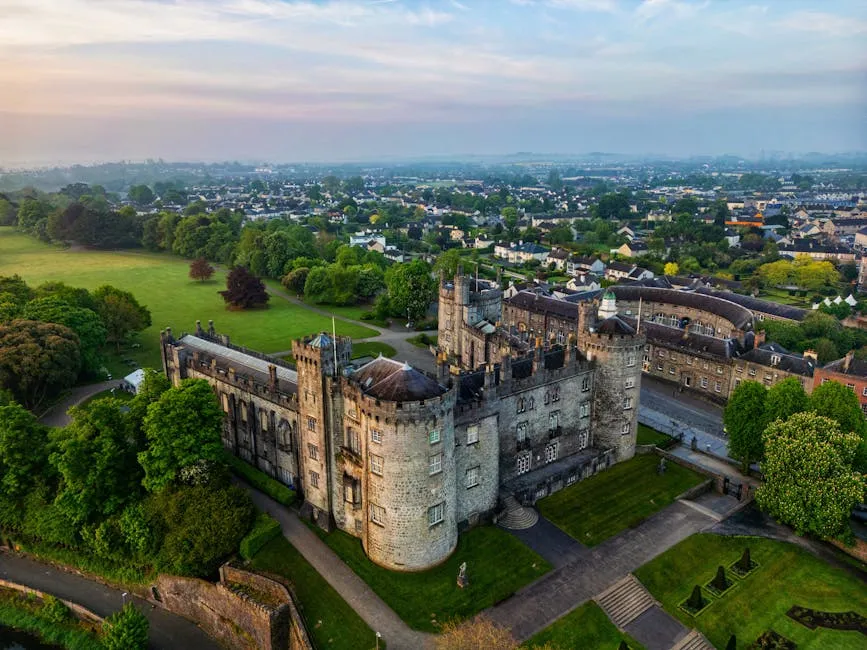
5,000 years of history in the southeast. Kilkenny is a medieval gem with a castle, craft breweries, and narrow lanes. Waterford is Ireland’s oldest city (founded by Vikings). Wexford has the Irish National Heritage Park and Curracloe Beach. The Waterford Greenway is a 46 km off-road cycling trail along an old railway line. The Hook Peninsula has one of the world’s oldest working lighthouses. Less dramatic than the west, but deeper in history.
Top Sightseeing
Ireland has a density of world-class sights that is hard to match for a country this size. The west coast delivers the dramatic landscapes, the east delivers the ancient history, and the cities deliver the culture. These are the highlights that justify the trip.
Cliffs of Moher
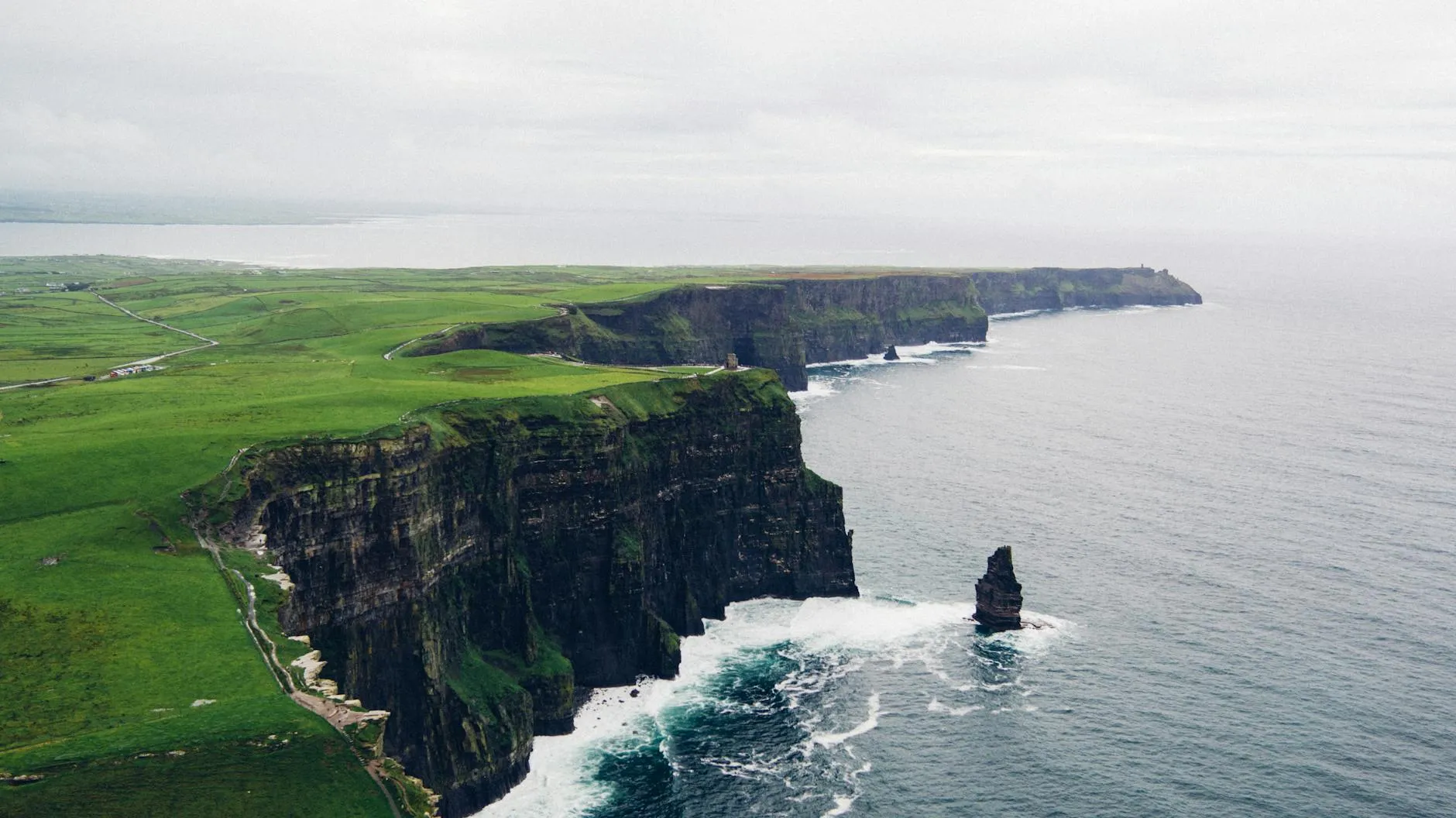
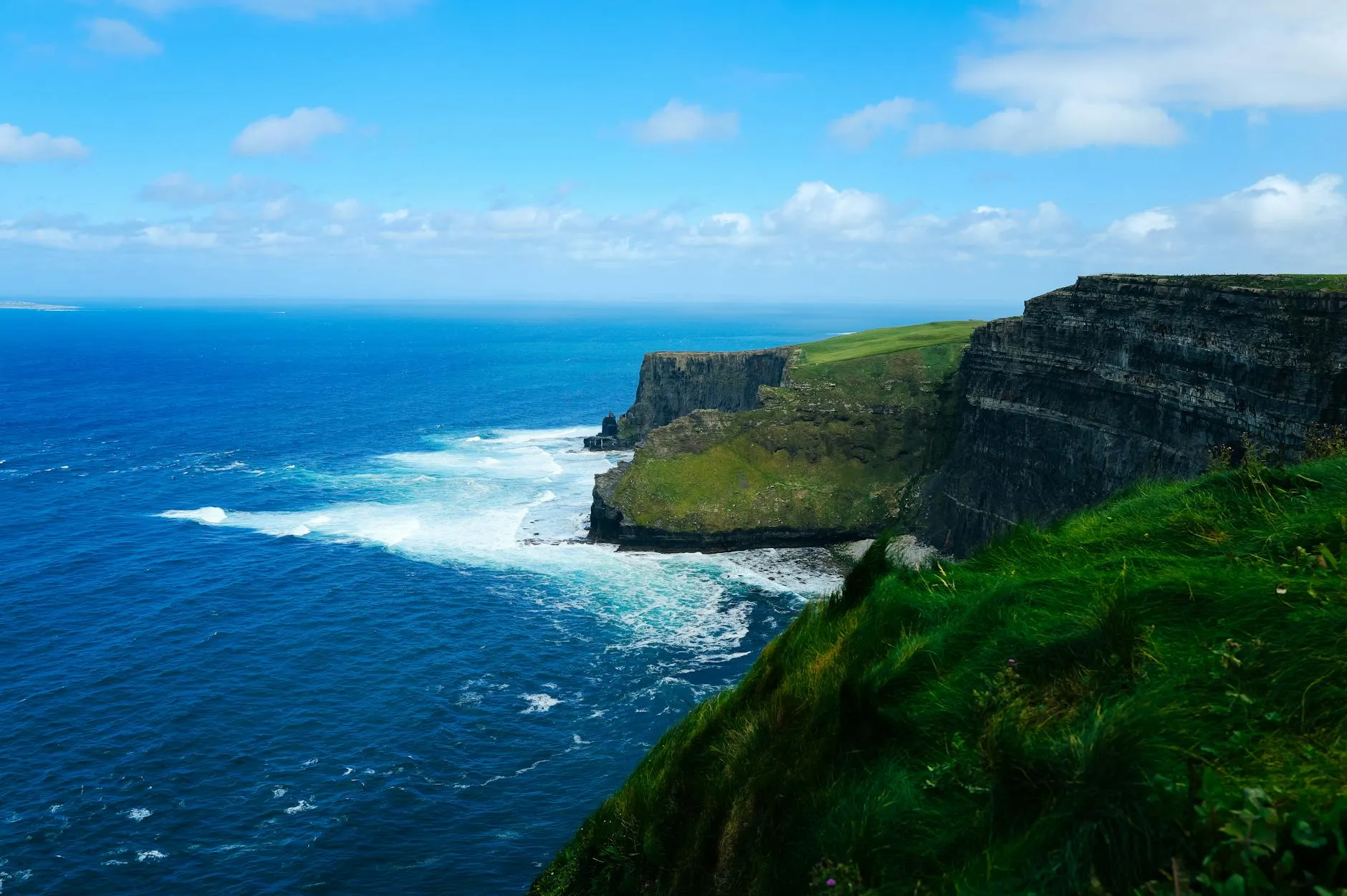
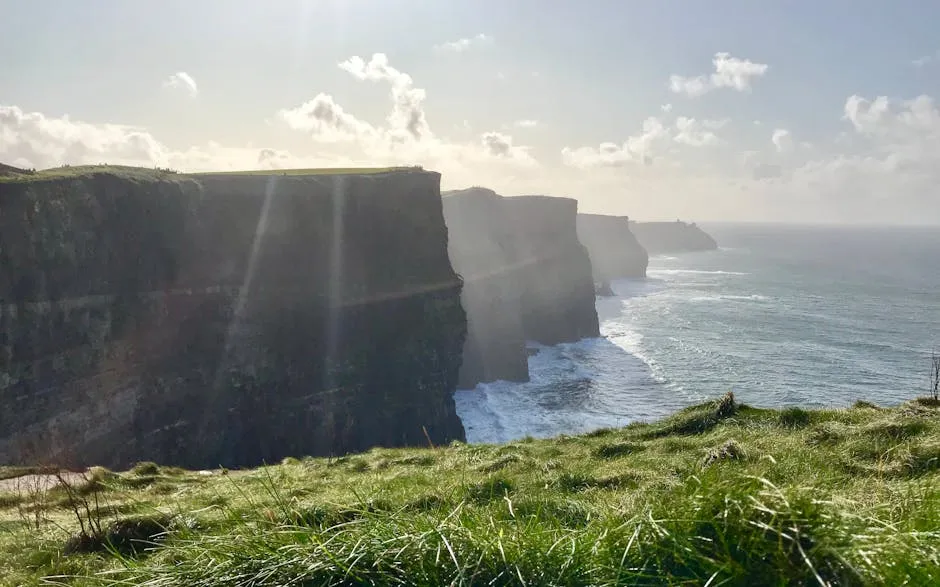
8 km of sheer cliff face rising 214 metres above the Atlantic in County Clare. On a clear day you see the Aran Islands and Galway Bay. Puffin colonies nest here in late spring. O’Brien’s Tower at the summit dates to 1835. Admission EUR 12 (book online). The Doolin cliff walk (13 km) is a better approach than the visitor centre. Save it for a sunny day – in mist, there is nothing to see.
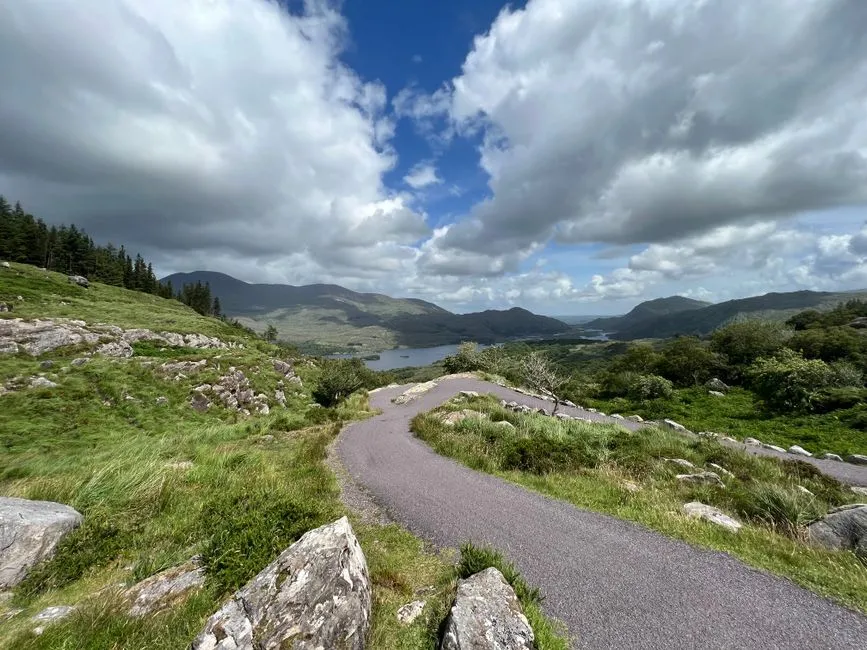
A 179 km loop around the Iveragh Peninsula. Ireland’s most famous drive, and it earns the reputation. Killarney National Park, Ross Castle, Ladies’ View, the Kerry Cliffs near Portmagee (with views of the Skelligs), Staigue stone fort, and Derrynane Beach. Drive it clockwise to avoid the tour buses. Allow a full day with stops. The Kerry Way walking trail (215 km) follows a more remote version of the same route on foot.
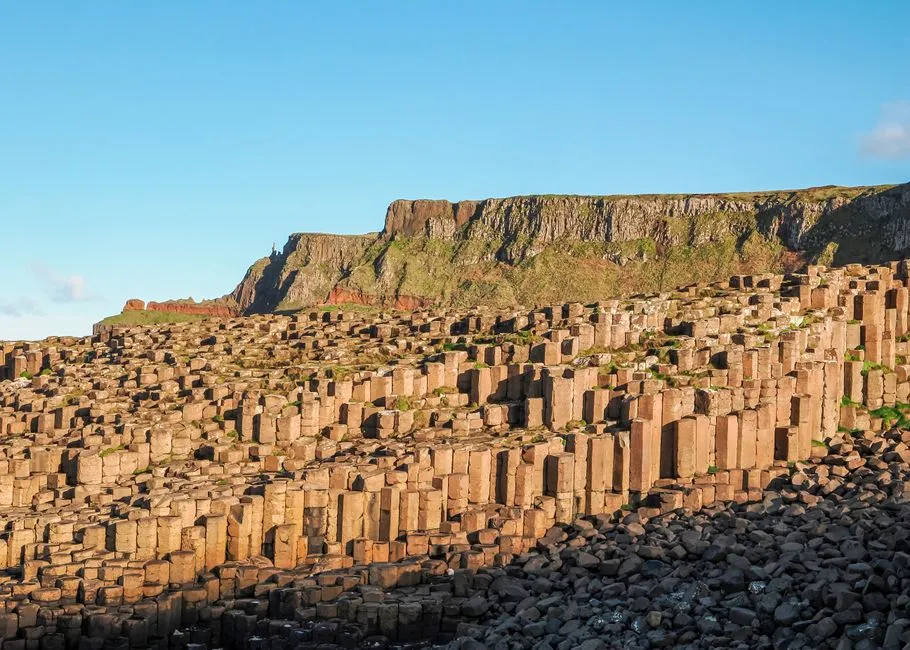
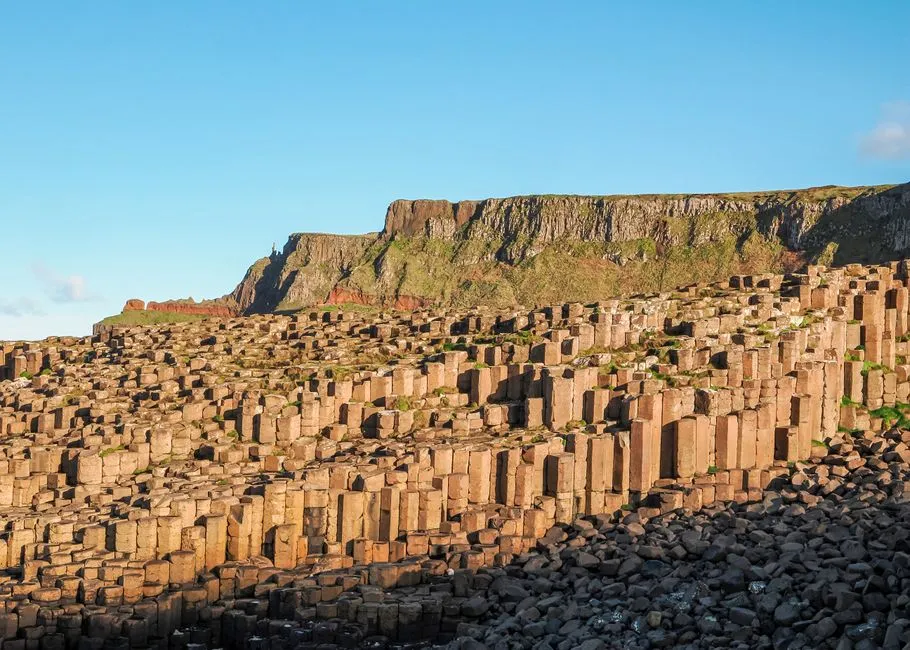
Over 40,000 interlocking basalt columns formed by volcanic activity 50–60 million years ago. UNESCO World Heritage Site in County Antrim, Northern Ireland. The tallest columns reach 12 metres. Four marked walking trails. Legend says the giant Finn McCool built the causeway to fight a Scottish rival. Entry is free; parking (which includes a guided tour) is around GBP 15. Walk across the rocks – the formations are surreal up close.
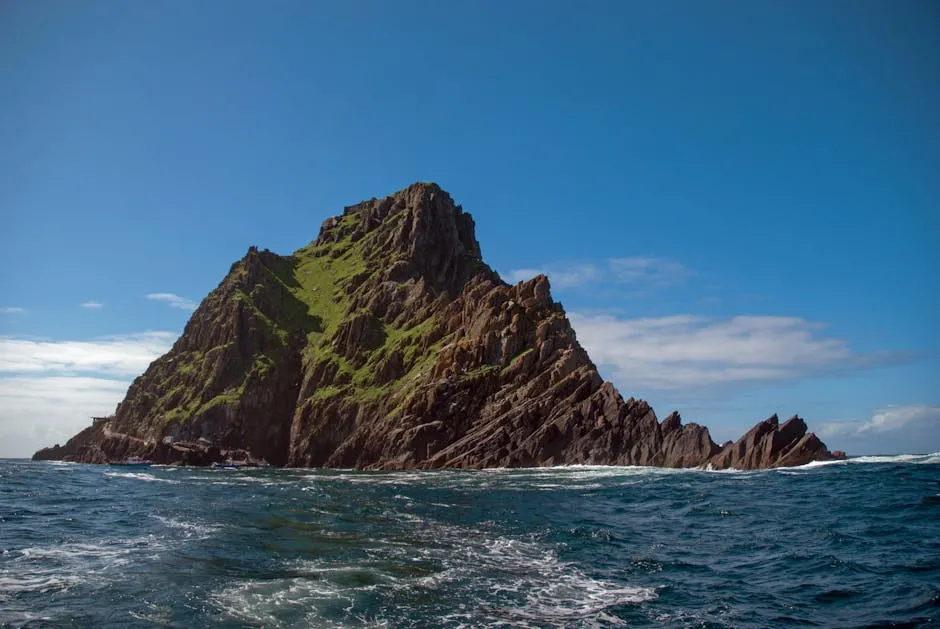
A jagged rock pyramid 12 km off the Kerry coast. A 6th-century monastic settlement sits at the summit, reached by 600 stone steps carved into the cliff. UNESCO World Heritage Site. Boat trips run May–September only (weather-dependent), costing EUR 80–110 per person. Book months ahead – only 180 visitors per day are permitted. Star Wars fans know it as Luke Skywalker’s retreat. Nothing prepares you for how remote it feels.
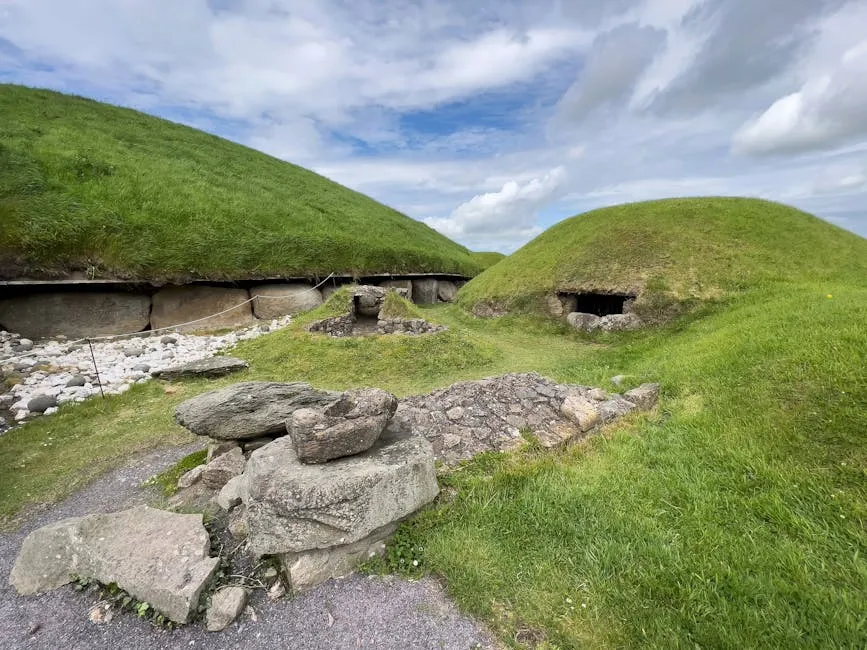
A 5,200-year-old passage tomb in the Boyne Valley, older than Stonehenge and the Pyramids. On the winter solstice, a beam of sunlight illuminates the inner chamber through a perfectly aligned passage – an engineering feat that still works. Human remains and carved stones were found inside. Admission EUR 18 (guided tour only, from the Brú na Bóinne visitor centre). Book ahead in summer. 45 minutes north of Dublin by car.
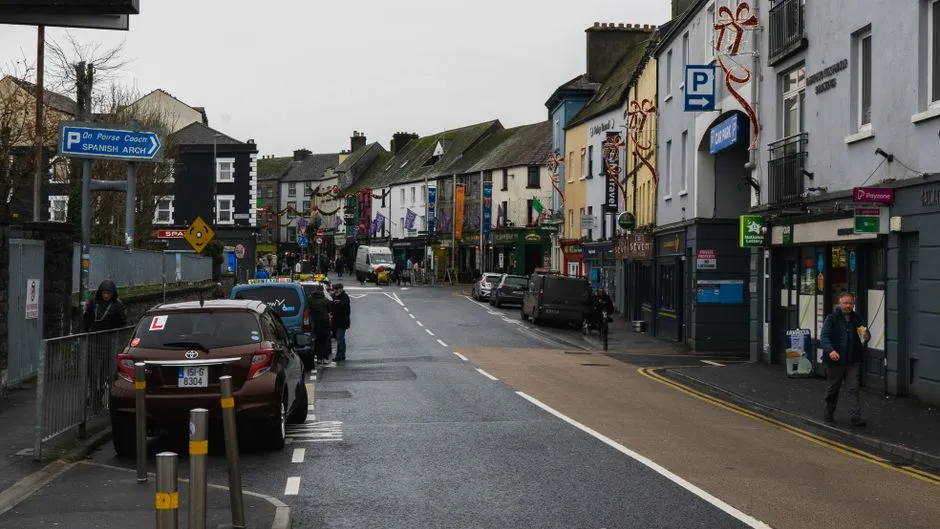
Ireland’s cultural capital. A university city on the west coast where buskers fill the Latin Quarter, trad music sessions run every night, and Irish is spoken on the street. Gateway to the Aran Islands, Connemara, and the Burren. The Salthill Promenade is a local favourite for evening walks. Galway Cathedral is Europe’s youngest great stone cathedral. The food scene is excellent – oysters from the bay, seafood chowder, and a growing number of serious restaurants.
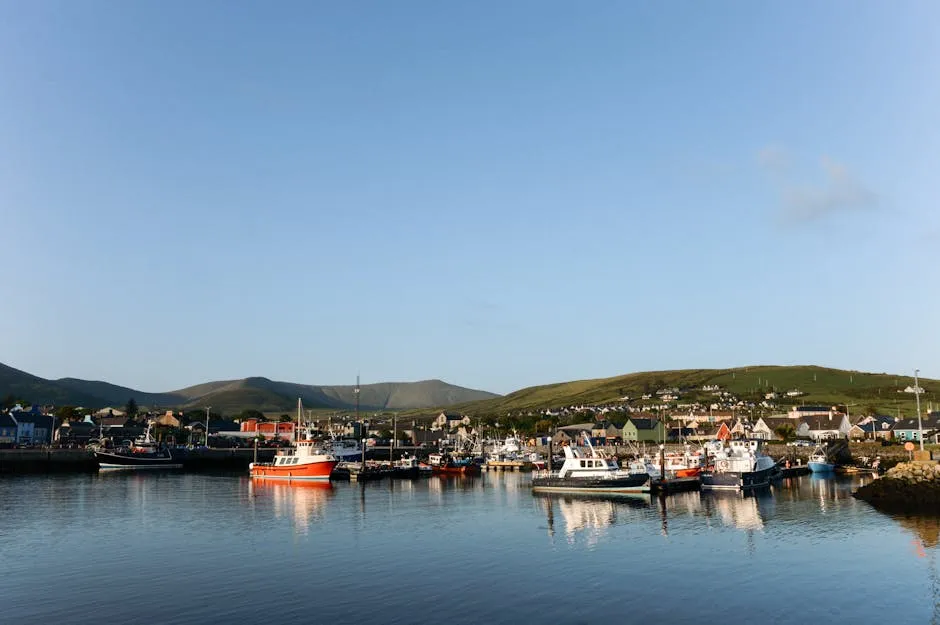
The Slea Head Drive is a loop of sheer cliffs, beehive huts, and views of the Blasket Islands. Dingle town itself is tiny but packed with pubs, restaurants, and live music. The Great Blasket Island, abandoned in 1953, is reachable by boat in summer and offers walking trails and a writers’ museum. Connor Pass is the highest mountain pass in Ireland. This peninsula feels more remote than it is – Tralee is only an hour away.
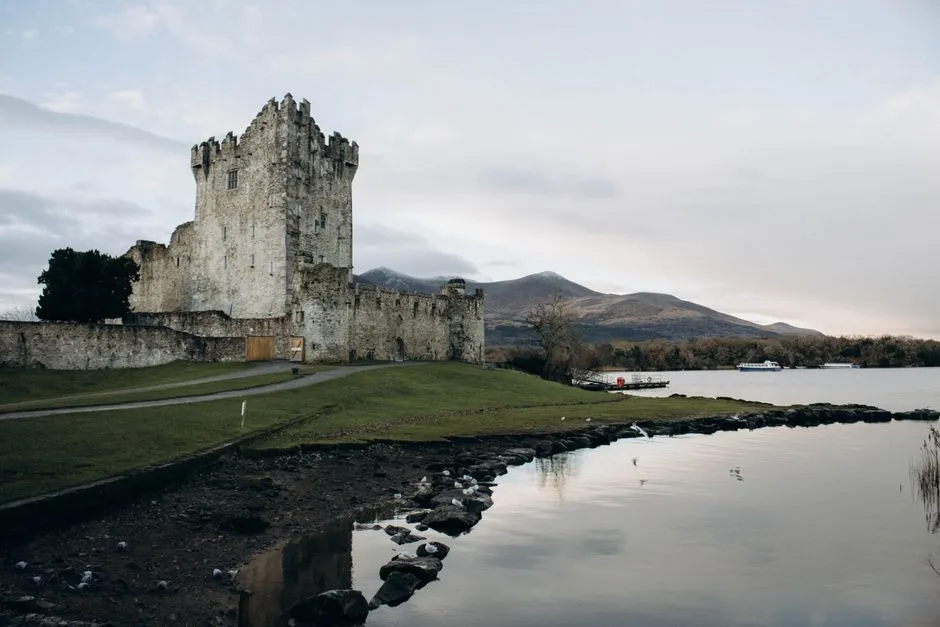
10,236 hectares of lakes, oak woodland, and mountains. Muckross Abbey (15th-century Franciscan friary), Ross Castle, Torc Waterfall, and the Gap of Dunloe. Ireland’s only native red deer herd lives here. Rent a bike to cycle the lakeside trails, or take a traditional jaunting car (horse-drawn carriage). The park is free to enter and borders the Ring of Kerry. Killarney town is the traditional base.
Irish culture runs on three things: music, conversation, and food. The pub is the centre of social life – not just for drinking, but for storytelling, live music, and the kind of unscripted human connection that has become rare in more buttoned-up countries. The food scene has evolved dramatically in the last two decades, and Ireland is now genuinely one of Europe’s best food destinations.
Pub Culture and Trad Music
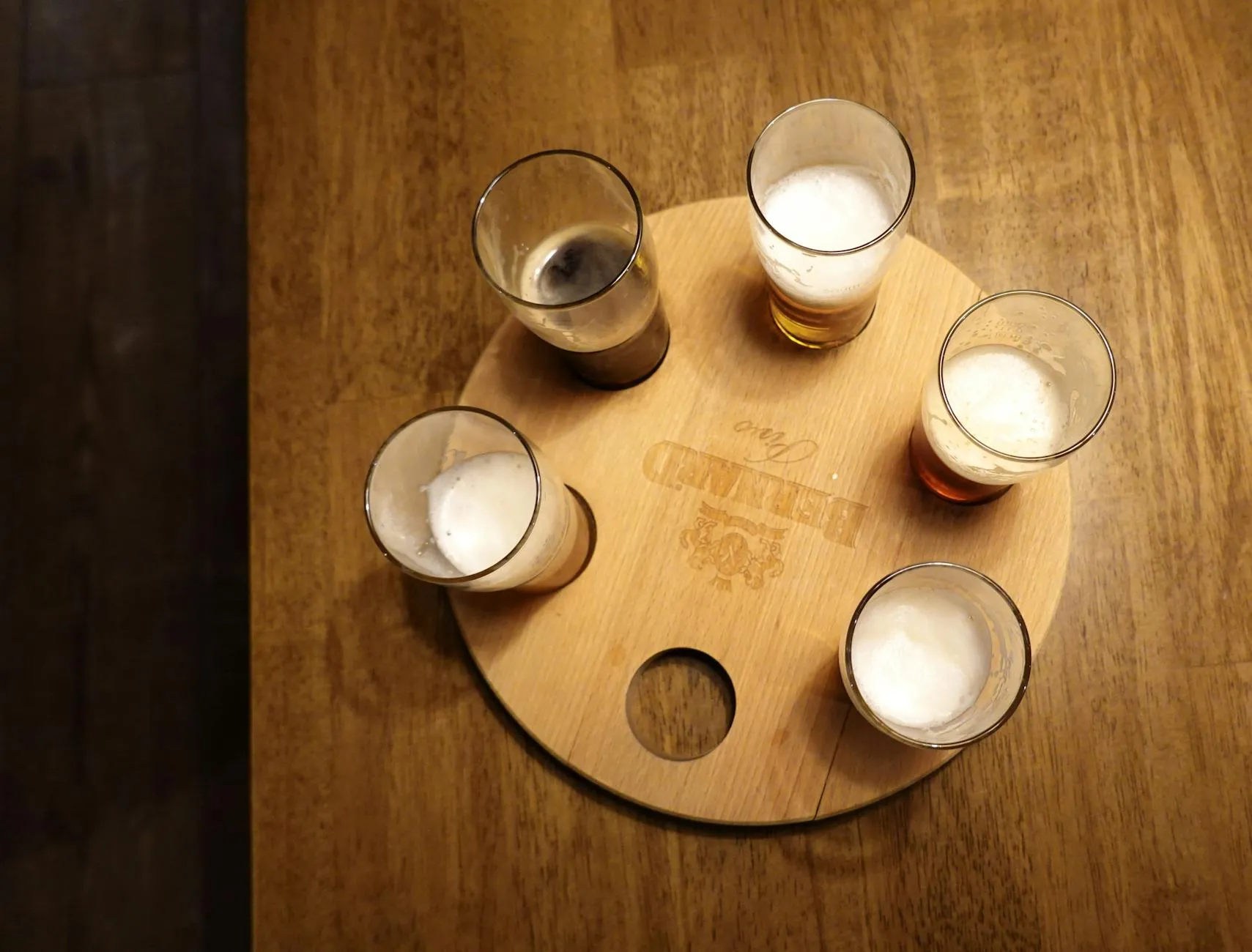
The Irish pub is not a tourist attraction. It is the living room of the community. Every town has at least one, and the smaller the town, the better the pub tends to be. Traditional music sessions (seisiúin) happen most nights in pubs across the country – musicians gather, instruments come out, and the music starts without a stage, a setlist, or a cover charge. You sit, you listen, you drink. Nobody asks you to clap at the right time. The best trad sessions are in Galway, Doolin (County Clare), Dingle, and Westport, but you will find them everywhere.
A pint of Guinness costs EUR 5–7 depending on where you are (Dublin is most expensive). Irish whiskey is the other national drink – Jameson, Powers, Redbreast, and dozens of smaller distilleries. Whiskey tours are available at the Jameson Distillery in Cork (EUR 26) and the Teeling Distillery in Dublin.
The Irish Language
Irish (Gaeilge) is the first official language, though English is spoken everywhere. You will see bilingual road signs throughout the Republic. In the Gaeltacht regions (mainly in the west – Connemara, the Aran Islands, parts of Kerry and Donegal), Irish is the community language. Learning sláinte (cheers), go raibh maith agat (thank you), and craic (fun/chat) is appreciated.
Food
Full Irish Breakfast
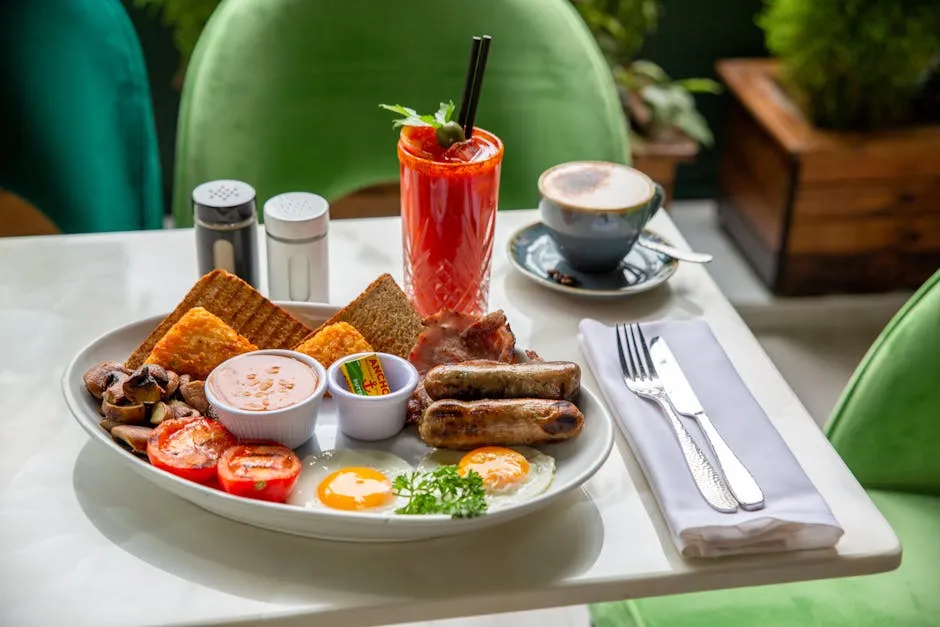
The cornerstone meal. Bacon, sausages, black and white pudding, eggs, toast, grilled tomato, baked beans, and tea. Every B&B serves it, and it will carry you through to late afternoon. The black pudding (blood sausage) is the divisive element – try it before you judge it. Clonakilty black pudding from West Cork is the gold standard.
Irish Stew and Pub Food
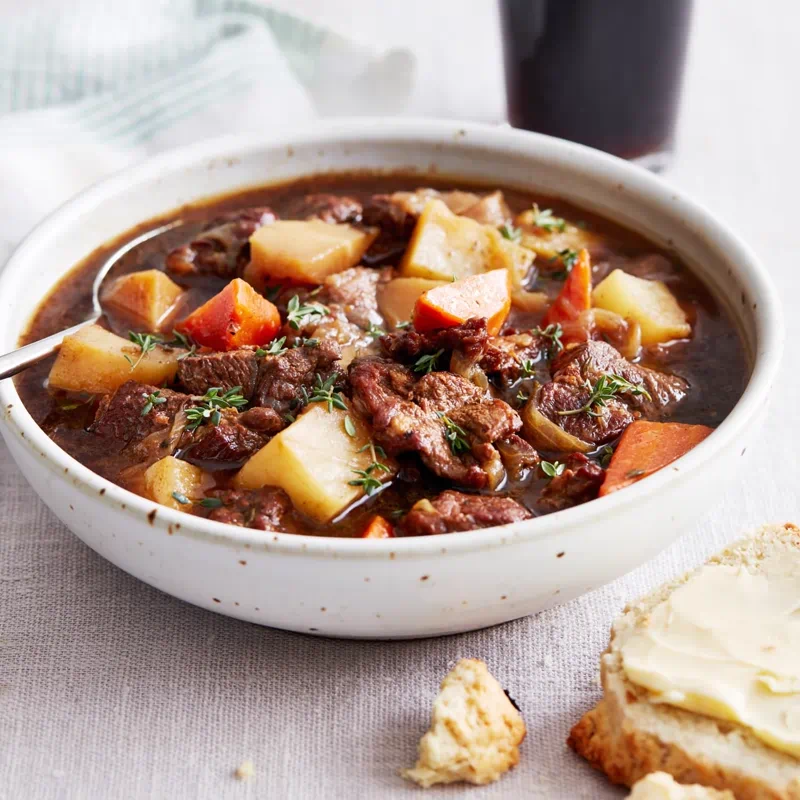
Lamb stew with potatoes, carrots, and onions is the national dish. Every pub has its version. Seafood chowder is equally ubiquitous and often better – thick, creamy, loaded with fish. Fish and chips is reliable everywhere. Colcannon (mashed potato with cabbage/kale) and coddle (Dublin sausage stew) are regional classics. Pub meals run EUR 14–22 and are the best-value eating in the country.
Seafood
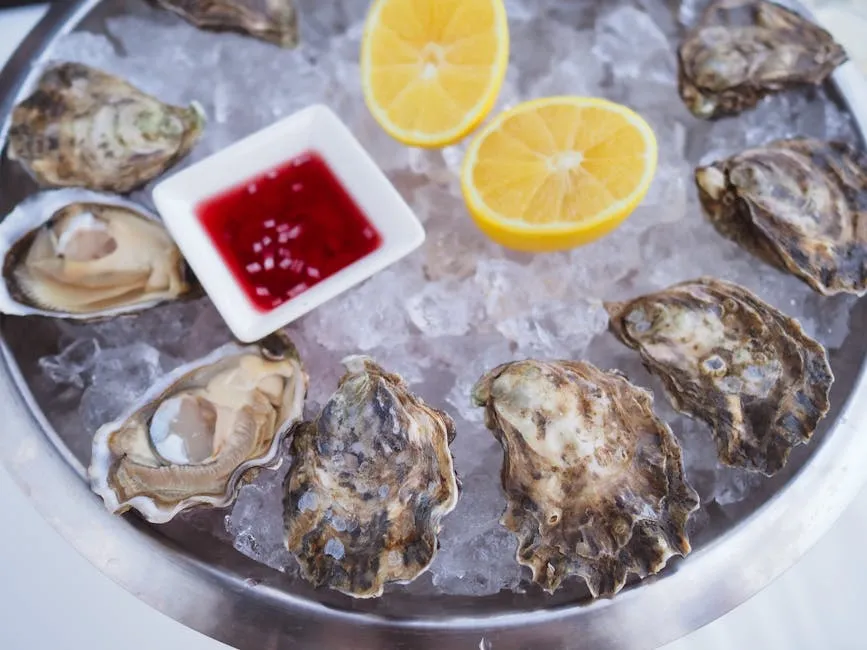
Ireland’s 3,000+ km coastline delivers exceptional seafood. Galway Bay oysters, Dingle crab, Bantry Bay mussels, smoked salmon from Connemara. The west coast fishing villages serve seafood straight from the boat. The English Market in Cork has been trading since 1788 and is one of the best covered food markets in Europe. Kinsale calls itself Ireland’s food capital and backs it up with serious restaurants.
Bread, Cheese and Artisan Producers
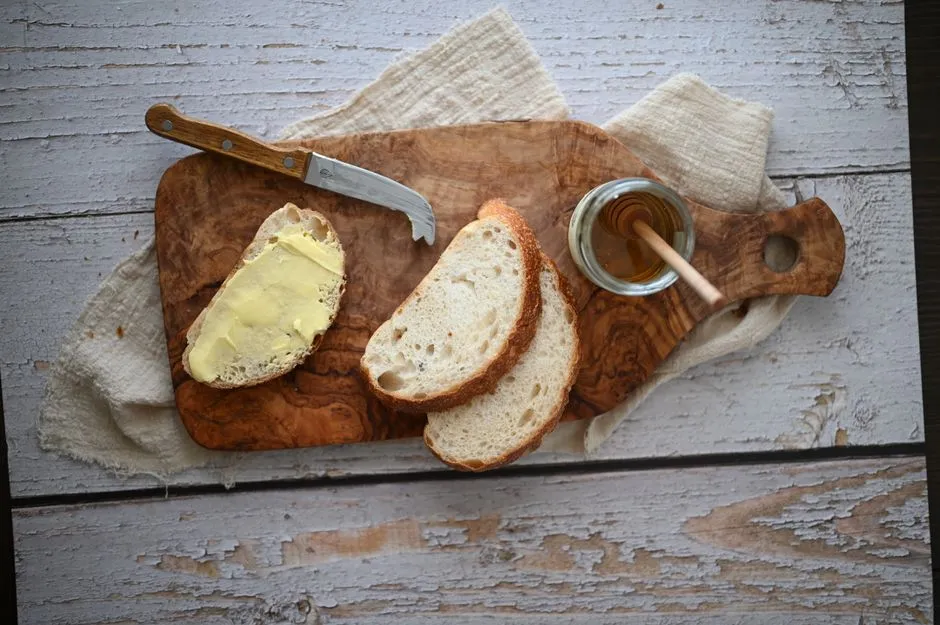
Irish soda bread is a daily staple – dense, slightly sweet, baked with buttermilk instead of yeast. Brown bread with Irish butter is genuinely one of the best simple foods in Europe. The farmhouse cheese movement has exploded: Cashel Blue, Durrus, Gubbeen, and Milleens are all world-class. Ballymaloe Cookery School near Cork is the epicentre of Irish farm-to-table cooking.
Eating strategy: Have the full Irish breakfast at your B&B (usually included). Skip lunch or eat light. Have your main meal as pub food in the evening (EUR 14–22). This is the most authentic and most affordable way to eat in Ireland.
Wildlife & Nature
Ireland’s island geography, mild Atlantic climate, and extensive coastline support a surprising diversity of wildlife. The country’s western cliffs and islands host some of Europe’s most important seabird colonies, while its lakes and rivers hold unique fish populations. Centuries of relatively low-intensity farming have preserved habitats that have disappeared across much of industrialised Europe.
Red Deer
Where: Killarney National Park, Wicklow Mountains, Kerry
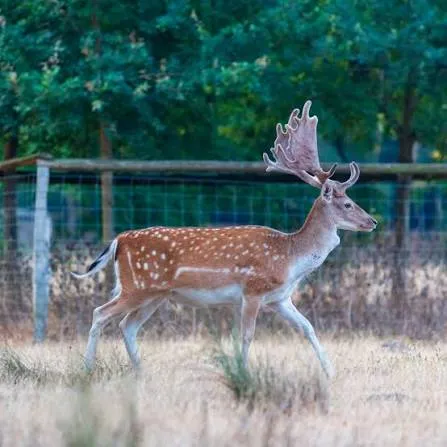
Ireland’s only native deer species, descended from the herd that has inhabited Killarney since the last Ice Age — over 4,000 years of continuous presence. The Killarney herd is considered the last truly wild red deer population in Ireland. The autumn rut (September–October) is spectacular, with stags bellowing across the National Park.
Atlantic Puffin
Where: Skellig Michael, Skomer, Saltee Islands, Clare Island
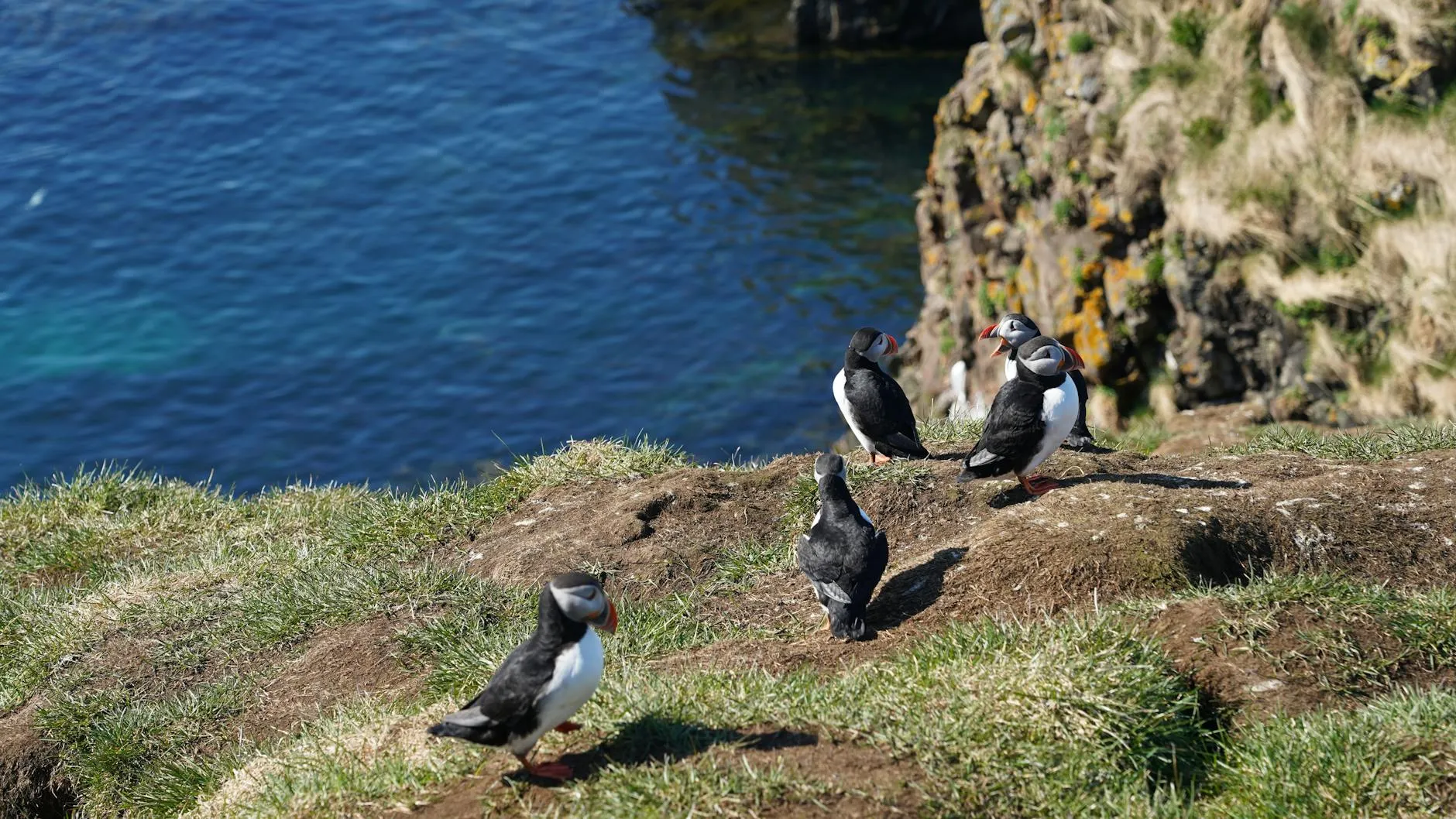
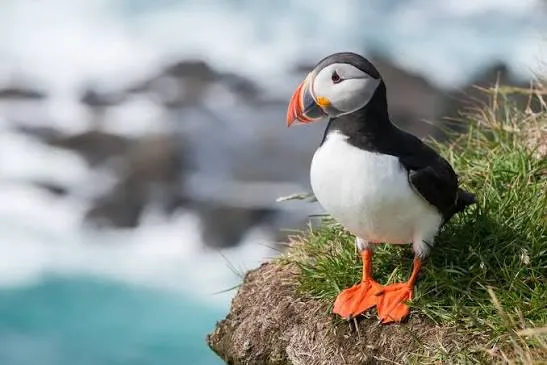
Ireland hosts significant puffin colonies on its western islands. Skellig Michael (UNESCO World Heritage) is home to thousands, nesting alongside gannets and guillemots. The Skellig Islands boat trip from Portmagee or Cahersiveen is one of Ireland’s great wildlife experiences. Puffins arrive in April and depart by mid-August.
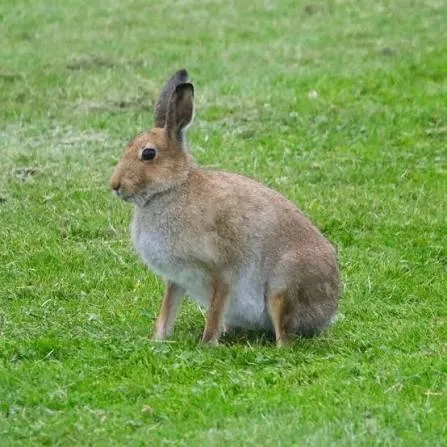
Irish Hare
Where: Nationwide, especially boglands and mountains
A unique subspecies found only in Ireland, larger than the European hare with longer ears and a distinctive white tail. They have inhabited Ireland since before the last Ice Age. Unlike hares elsewhere, they are not migratory and remain in the same area year-round. They are most active at dawn and dusk, particularly in upland bogs and grasslands.
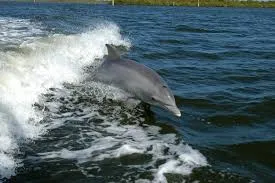
Bottlenose Dolphin
Where: Dingle Bay, Shannon Estuary, Galway Bay
Ireland’s west coast hosts resident populations of bottlenose dolphins. The Shannon Estuary is home to Ireland’s only resident population of around 140 individuals. Dingle Bay offers year-round sightings from boat trips. Dolphins often approach boats voluntarily, riding bow waves and leaping from the water. Spring and summer offer the best conditions.
Wildlife experiences: Skellig Michael boat trips for puffins and gannets (May–September). Dingle dolphin-watching cruises (year-round). Killarney National Park for red deer (autumn rut). Ballycroy and blanket boglands for Irish hare. Birdwatching at Wexford Wildfowl Reserve (winter).
Activities & Hikes
🏆Looking for the best tours and experiences? Browse our hand-picked recommendations across 17 countries — from skip-the-line museum tickets to sunrise hot air balloon rides.
Ireland’s landscape is built for walking, cycling, surfing, and getting wet in interesting ways. The country has over 40 long-distance walking trails, hundreds of shorter loops, a growing network of greenways (off-road cycling trails), and some of the best cold-water surfing in Europe. The terrain is rarely technical – most hikes are moderate bog, cliff, and mountain paths – but the weather adds its own challenge.
⛰ Top Hikes
🚶 Wicklow Way
130 km, 5–7 days. Ireland’s oldest and most popular trail from Dublin’s Marlay Park to Clonegal in County Carlow, crossing the Wicklow Mountains. Passes Lough Tay (Guinness Lake), Powerscourt Waterfall, and Glendalough. Moderate difficulty. Well-marked and accessible from Dublin.
🌊 Kerry Way
215 km, 9–10 days. Loops around the Iveragh Peninsula from Killarney. The walking version of the Ring of Kerry, but quieter and more remote. Mountain passes, coastal stretches, and empty valleys. Moderate to difficult. Best May–September.
🌳 Dingle Way
176 km, 8 days. Circles the Dingle Peninsula from Tralee. Takes in Slea Head, Brandon Creek, and the furthest western edge of Europe. Moderate difficulty. The scenery is relentless. Coastal views throughout.
⛰ Beara Way
150+ km, 7–9 days. The Ring of Beara’s walking cousin. Less crowded than Kerry, equally beautiful. Includes Dursey Island (reached by Ireland’s only cable car). Difficult in sections. Remote and rewarding.
🌲 Burren Way
115 km, 5 days. Through the Burren’s limestone karst landscape from Lahinch to Ballyvaughan. Prehistoric monuments, rare wildflowers, and terrain unlike anywhere else in Ireland. Best April–June for wildflowers.
📷 Howth Cliff Walk
6–12 km, 1.5–3 hours. Dublin’s best coastal walk. DART train to Howth, walk the cliffs, eat fish and chips. Easy to moderate. Perfect half-day from the city.
🌊 Bray to Greystones
7 km, 2–3 hours. Linear coastal walk south of Dublin with DART access at both ends. Easy to moderate. Stunning sea views and accessible by public transport.
⛰ Doolin Cliff Walk
13 km, 4–5 hours. Walk to the Cliffs of Moher from the village of Doolin. Better than arriving by bus. Moderate difficulty. Book ahead for summer.
⛪ Croagh Patrick
7 km return, 3–4 hours. Ireland’s holy mountain in County Mayo. 764 metres. The final section is loose scree. Spectacular views of Clew Bay on a clear day. Some climb it barefoot on pilgrimage (last Sunday of July).
🌳 Gap of Dunloe
11 km, 4–5 hours. Walk through the glacial valley in Killarney National Park, then take a boat back through the lakes. One of the best day walks in Ireland. Moderate difficulty.
🚴 Activities
🚴 Cycling Greenways
Ireland’s greenways are car-free cycling routes built on former railway lines. The Waterford Greenway (46 km) is the best – flat, scenic, with cafes and pubs along the way. The Great Western Greenway (42 km) runs through Mayo’s wild coastal landscape. Bike rental EUR 20–30 per day. Suitable for all fitness levels.
🌊 Surfing
Ireland has legitimate surf. Lahinch (County Clare), Bundoran (Donegal), Strandhill (Sligo), and Inch Beach (Kerry) are the main spots. Water temperatures 15–18°C in summer – wetsuits mandatory year-round. Surf schools at all main beaches (lessons from EUR 35–50). Bundoran hosts international competitions. Best autumn and winter.
🚢 Sea Kayaking
Sea kayaking along the west coast is increasingly popular, especially around the Aran Islands and Bantry Bay. The Shannon Blueway offers kayaking, canoeing, and SUP on inland waterways. Guided tours available. Best May–September.
🐬 Whale & Dolphin Watching
Whale and dolphin watching trips run from Cork and Kerry (EUR 40–60). The Shannon estuary has a resident pod of 120–140 bottlenose dolphins, the largest group in Europe. Minke, fin, and humpback whales seen August–November. Book ahead in summer.
Route Planner
Planning a trip to Ireland requires consideration of several factors that affect routing, timing, and budget. Visa requirements vary by nationality, domestic transport ranges from modern highways to unpaved mountain roads, and seasonal weather can dramatically alter your experience. The routes below are designed around Ireland's geography and transport networks, but conditions change — always verify road access, border crossings, and transport schedules before departing.
Before choosing a route, consider: your time frame (a focused one-week trip differs vastly from a three-week exploration), your budget (some routes require domestic flights or private transport), what you want to see (cities, nature, culture, adventure), and seasonal conditions (monsoon, dry season, temperature extremes). Each route is a template — adjust it to fit your style.
🚀
Plan Your Trip with the Travel Planner
Build a personalised itinerary with weather forecasts, safety warnings, visa info, transport options, and cost estimates — all in one report.
We hand-picked the highest-rated hotels, apartments and resorts for your trip — from budget stays to luxury retreats. Filter by country, budget and guest rating.
The classic loop. Dublin, the Wild Atlantic Way south, and back via the midlands. This route covers the greatest hits – the Cliffs of Moher, Ring of Kerry, Dingle, Galway, and the Burren – with enough time to absorb each area rather than just photograph it. Designed for a rental car, starting and ending in Dublin.
Dublin ➔ Kilkenny ➔ Cork ➔ Ring of Kerry ➔ Dingle ➔ Cliffs of Moher ➔ Galway ➔ Connemara ➔ Dublin
Day-by-day itinerary
Day 1 – Dublin Arrival
Settle in. Walk the city centre: Trinity College and the Book of Kells, Grafton Street, St Stephen’s Green. Evening in Temple Bar or Stoneybatter pubs.
Day 2 – Dublin
Guinness Storehouse or Kilmainham Gaol in the morning. EPIC Immigration Museum or the National Gallery. Howth cliff walk in the afternoon (30 min by DART). Seafood dinner in Howth.
Day 3 – Dublin to Kilkenny (130 km)
Drive south to Kilkenny. Medieval city centre, Kilkenny Castle, Smithwick’s brewery. Walk the Medieval Mile. Overnight in Kilkenny.
Day 4 – Kilkenny to Cork (150 km)
Rock of Cashel en route (30-minute detour, EUR 8). Arrive Cork. English Market, Crawford Art Gallery. Evening in Cork’s pubs.
Day 5 – Cork to Kenmare via Ring of Beara (200 km)
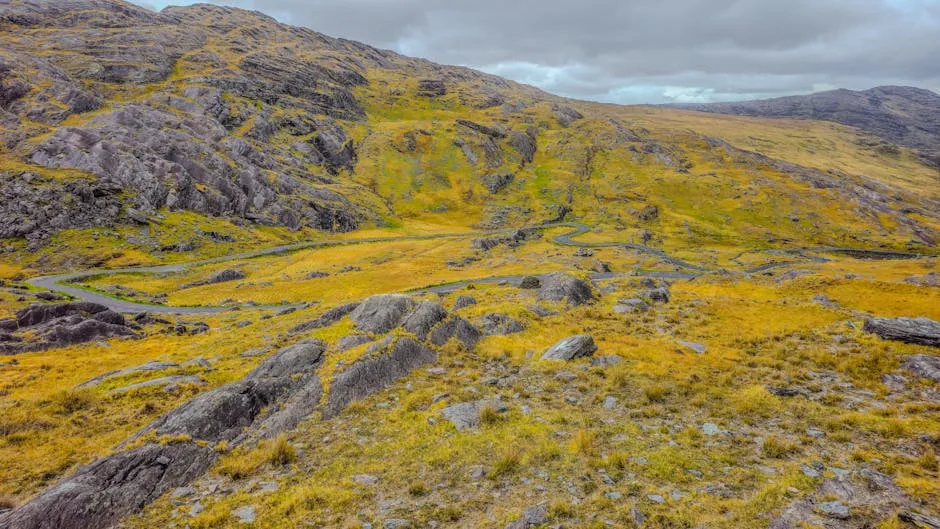
Drive the Ring of Beara – the quieter, less-touristed alternative to Kerry. Healy Pass, Dursey Island cable car. Overnight in Kenmare.
Day 6 – Ring of Kerry (180 km loop)
Full day driving the Ring of Kerry clockwise. Kerry Cliffs, Skellig viewpoint at Portmagee, Derrynane Beach, Ladies’ View, Killarney National Park. Return to Kenmare or move to Killarney.
Day 7 – Killarney
Cycle Killarney National Park. Muckross Abbey, Ross Castle, Torc Waterfall. Gap of Dunloe walk and boat trip if time allows. Overnight Killarney.
Day 8 – Dingle Peninsula (160 km)
Drive to Dingle via Connor Pass. Slea Head Drive loop. Beehive huts, views of the Blasket Islands. Dingle town for dinner, live music, and seafood. Overnight Dingle.
Day 9 – Dingle to Doolin (150 km)
North through Tralee and Listowel. Afternoon: Loop Head Peninsula (free alternative to Moher). Overnight in Doolin – trad music every night in three pubs.
Day 10 – Cliffs of Moher and the Burren
Morning: Doolin cliff walk to the Cliffs of Moher (8–13 km). Afternoon: drive through the Burren – limestone pavement, Poulnabrone dolmen, wildflowers. Overnight Doolin or move to Galway.
Day 11 – Galway
Full day in Galway. Latin Quarter, Shop Street, Galway Cathedral, Salthill Promenade. Trad music session in the evening. Optional: day trip to Inis Mór (largest Aran Island, EUR 35 return ferry from Rossaveal).
Day 12 – Connemara (150 km loop)
Day trip into Connemara. Kylemore Abbey, the Sky Road near Clifden, the Twelve Bens mountains, bog landscape. Lunch in Clifden. Return to Galway.
Day 13 – Galway to Dublin via Athlone (220 km)
Slow drive back through the midlands. Stop in Athlone (castle, Shannon river walk, lunch). Optional: Clonmacnoise monastic ruins (EUR 8). Arrive Dublin late afternoon.
Day 14 – Dublin / Departure
Final morning in Dublin. Any sights you missed. Departure.
Car rental: Prices start around EUR 25/day for a small manual. Book in advance for summer. An automatic costs significantly more. Drive on the left. Irish country roads are narrower than they look on Google Maps. Allow more time than the satnav suggests.
Route B – 3-Week Explorer
Three weeks lets you add Northern Ireland and the northwest to the classic loop. This route covers the full island – Republic and Northern Ireland – and includes quieter areas that most visitors miss entirely. Same starting point: Dublin with a rental car.
Same as Route A. Trinity College, Guinness Storehouse or Kilmainham Gaol, Howth cliff walk. Two nights gives you enough time without rushing.
Day 3 – Wicklow Mountains (80 km)
Drive south into the Wicklow Mountains. Glendalough monastic ruins and valley walk. Powerscourt Waterfall (EUR 8). Sally Gap and the Guinness Lake viewpoint. Overnight in Wicklow or Glendalough.
Days 4–5 – Kilkenny and Rock of Cashel
Medieval Kilkenny for a full day. Day 5: Rock of Cashel, then drive to Cork. English Market, pubs.
Days 6–8 – Kerry (Ring of Kerry, Killarney, Dingle)
Three days for the southwest. Day 6: Ring of Kerry loop. Day 7: Killarney National Park by bike. Day 8: Dingle Peninsula and Slea Head Drive.
Day 9 – Dingle to Doolin (150 km)
North through Tralee. Loop Head Peninsula or Lahinch beach. Overnight Doolin for trad music.
Day 10 – Cliffs of Moher and the Burren
Doolin cliff walk to Moher. Burren drive: Poulnabrone dolmen, Caherconnell stone fort, Ailwee Cave. Overnight near Galway.
Days 11–12 – Galway and Aran Islands
Day 11: Galway city. Day 12: ferry to Inis Mór – cycle the island, Dún Aonghasa cliff fort, Worm Hole. Return ferry evening.
Day 13 – Connemara (150 km loop)
Kylemore Abbey, Sky Road, Roundstone, Dog’s Bay beach. Bog roads through the Twelve Bens.
Day 14 – Westport and Croagh Patrick (80 km)
Charming Georgian town of Westport. Climb Croagh Patrick (764 m, 3–4 hours return). Matt Molloy’s pub (owned by the Chieftains flautist). Overnight Westport.
Day 15 – Sligo (130 km)
Yeats country. Drumcliffe churchyard (Yeats’s grave), Ben Bulben mountain, Strandhill beach and surf, Carrowmore megalithic cemetery. Overnight Sligo.
Day 16 – Donegal (120 km)
Drive to Donegal town, then up to Slieve League cliffs (nearly three times higher than Moher, free access). The views from the top are staggering. Overnight Killybegs or Ardara.
Day 17 – Donegal to Derry (150 km)
Malin Head (Ireland’s northernmost point). Fanad Head lighthouse. Cross into Northern Ireland. Walk Derry’s complete city walls (1.5 km circuit). Overnight Derry.
Day 18 – Causeway Coastal Route (100 km)
Derry to Giant’s Causeway via the coastal road. Mussenden Temple, Dunluce Castle ruins, the Dark Hedges. Giant’s Causeway. Carrick-a-Rede rope bridge (GBP 10). Overnight Bushmills or Ballycastle.
Days 19–20 – Belfast
Day 19: Titanic Quarter (GBP 22.50), Cathedral Quarter pubs, St George’s Market. Day 20: political murals (Falls Road and Shankill Road), peace walls, Ulster Museum (free). Overnight Belfast.
Day 21 – Belfast to Dublin (170 km)
Morning: Newgrange and the Boyne Valley on the way back. Arrive Dublin afternoon. Final evening.
Currency switch: Northern Ireland uses Pound Sterling (GBP). Most places accept card, and some near the border accept EUR, but the exchange rate will not be in your favour. Notify your bank before crossing. The border itself is invisible – just a change in road signs and speed limits (mph instead of km/h).
Route C – 1-Month Deep Dive
Four weeks means you can do everything on the 3-week route but slowly, adding the southeast (Ireland’s Ancient East), the midlands, and enough slack days to follow the weather or stay somewhere that surprises you. This is the route for people who want to know Ireland, not just see it.
Dublin ➔ Boyne Valley ➔ Wicklow ➔ Wexford ➔ Waterford ➔ Cork ➔ Kinsale ➔ Ring of Beara ➔ Ring of Kerry ➔ Dingle ➔ Loop Head ➔ Cliffs of Moher ➔ Aran Islands ➔ Galway ➔ Connemara ➔ Westport ➔ Achill Island ➔ Sligo ➔ Donegal ➔ Derry ➔ Giant’s Causeway ➔ Belfast ➔ Dublin
Day-by-day itinerary
Days 1–3 – Dublin
Three full days in Dublin. Trinity College, Kilmainham Gaol, EPIC Museum, National Museum of Ireland, Phoenix Park, Howth. A proper introduction. Evening: Temple Bar (day 1, get it done), then graduate to Stoneybatter, Portobello, or Smithfield for real Dublin pub life.
Day 4 – Boyne Valley (50 km)
Newgrange passage tomb, Knowth, Hill of Tara. Some of Europe’s oldest human-made structures. Return to Dublin or overnight in Drogheda.
Days 5–6 – Wicklow Mountains
Two days in the Wicklow Mountains. Glendalough (monastic ruins, valley walks), Powerscourt, Sally Gap, the Military Road. Optional: start the Wicklow Way and walk 2–3 stages.
Day 7 – Wexford (150 km)
Southeast coast. Irish National Heritage Park, Curracloe Beach (Saving Private Ryan filming location), Hook Lighthouse. Overnight Wexford town.
Day 8 – Waterford and the Greenway (80 km)
Waterford (Ireland’s oldest city, Viking Triangle). Cycle the Waterford Greenway (46 km, flat, beautiful) from Waterford to Dungarvan. Shuttle or taxi back. Overnight Dungarvan.
Day 9 – Kilkenny (120 km)
Medieval Kilkenny. Castle, Smithwick’s, Medieval Mile. The Hole in the Wall is Ireland’s oldest pub (built 1582). Overnight Kilkenny.
Day 10 – Rock of Cashel to Cork (200 km)
Rock of Cashel morning stop. Cahir Castle if time. Arrive Cork. English Market, Crawford Gallery, evening in Oliver Plunkett Street pubs.
Day 11 – Kinsale and West Cork (100 km)
Day trip or overnight in Kinsale. Charles Fort, harbour walk, seafood restaurants. Timoleague Abbey and Clonakilty (home of the famous black pudding).
Day 12 – Ring of Beara (200 km)
The quiet alternative to Kerry. Healy Pass, Dursey Island cable car, Allihies copper mines, Eyeries (colourful village). Overnight Kenmare.
Days 13–14 – Ring of Kerry and Killarney
Day 13: Ring of Kerry clockwise. Day 14: Killarney National Park by bike – Muckross, Ross Castle, Gap of Dunloe.
Day 15 – Skellig Michael (if weather permits)
Boat from Portmagee to Skellig Michael (EUR 80–110, must pre-book). If cancelled due to weather, use the day for Valentia Island and the Kerry Cliffs instead.
Days 16–17 – Dingle Peninsula
Two days on Dingle. Day 16: Slea Head Drive, beehive huts, Great Blasket Island boat trip. Day 17: Connor Pass, Dingle town, pubs, and seafood.
Day 18 – Loop Head and Doolin (150 km)
Loop Head Peninsula (lighthouse, cliffs, no crowds). Evening in Doolin.
Day 19 – Cliffs of Moher and the Burren
Walk to Moher from Doolin. Burren afternoon: Poulnabrone, Caherconnell, wildflowers. Overnight Ballyvaughan.
Day 20 – Aran Islands
Ferry from Rossaveal to Inis Mór. Full day: cycle to Dún Aonghasa, Worm Hole, Seven Churches. Return evening. Overnight Galway.
Day 21 – Galway
Full day in Galway. Latin Quarter, Salthill, markets, evening trad session.
Day 22 – Connemara (150 km loop)
Kylemore Abbey, Sky Road, Roundstone, Ballyconneely. Return to Galway or continue to Westport.
Day 23 – Westport and Achill Island (100 km)
Croagh Patrick morning. Drive to Achill Island – wild beaches (Keem Bay), Atlantic Drive, deserted village. Overnight Achill or Westport.
Day 24 – Great Western Greenway
Cycle the 42 km Greenway from Westport to Achill (or reverse). Flat, coastal, stunning. Shuttle back. Overnight Westport.
Mussenden Temple, Dark Hedges, Giant’s Causeway, Carrick-a-Rede. Overnight Bushmills.
Day 30 – Belfast (100 km)
Titanic Quarter, Cathedral Quarter, St George’s Market, political murals. Overnight Belfast.
Day 31 – Belfast to Dublin (170 km)
Stop at Newgrange if skipped on Day 4. Final night in Dublin.
Slack days: With 31 days mapped and 28–30 days available, you have built-in flexibility. If the weather is bad or a place captures you, skip a stop and stay longer. Ireland rewards the unplanned extra night.
Getting Around
Ireland is small enough that you can get anywhere in 4–5 hours of driving, but the roads are slower than they look and public transport outside Dublin is limited. A rental car gives you the most freedom, especially for the west coast. Without a car, you can still see a lot, but it takes more planning.
Rental Car
The best way to see Ireland. Prices start around EUR 25–35/day for a small manual. Automatics cost 50–100% more and must be booked well in advance for summer. You drive on the left. Irish country roads (especially in the west) are narrower than you expect – two lanes on paper, one lane in practice when a tractor or bus comes the other way. Pull into passing places and wave. Speed limits switch between km/h (Republic) and mph (Northern Ireland) at the border with no warning. Fuel costs EUR 1.70–1.90/litre. Most rental companies require you to be 25+ (some allow 21+ with a surcharge).
Ireland is not cheap, but it is not Scandinavia either. Accommodation and pubs are the biggest costs. Food is reasonable if you eat pub meals. Transport costs depend entirely on whether you rent a car or rely on buses. Northern Ireland is slightly cheaper than the Republic for most things except fuel.
🆂 Backpacker
EUR 70–85 / day
Hostel dorm: EUR 20–30/night
Breakfast: included at hostel or supermarket (EUR 3–5)
Lunch: supermarket/deli (EUR 6–10)
Dinner: pub meal (EUR 14–18)
Pint of Guinness: EUR 5–7
Bus between cities: EUR 10–20
Sights: mix of free museums and paid (EUR 5–15)
🆃 Mid-Range
EUR 150–200 / day (per person, double room)
B&B or guesthouse: EUR 80–120/room (EUR 40–60 pp)
Full Irish breakfast: included at B&B
Lunch: cafe or light pub meal (EUR 10–15)
Dinner: restaurant (EUR 25–40)
Rental car share: EUR 15–25/day pp (incl. fuel)
Two pints: EUR 10–14
Sights and activities: EUR 10–20
🆄 Comfort
EUR 250–350+ / day (per person)
Boutique hotel or castle stay: EUR 150–300/room
Breakfast: included or hotel dining (EUR 15–25)
Lunch: restaurant (EUR 15–25)
Dinner: fine dining (EUR 50–80)
Rental car (automatic): EUR 40–70/day
Private tours/guides: EUR 30–60
Whiskey distillery visits: EUR 20–30
Money-saving tips
B&Bs over hotels: Often better rooms, always include breakfast, and the owners know the area. EUR 80–120/room beats a EUR 150+ hotel with a EUR 15 breakfast surcharge.
Heritage Card: OPW Heritage Card (EUR 40) gives free entry to all state-managed heritage sites for a year – including Newgrange, Rock of Cashel, Kilmainham Gaol, and 30+ others. Pays for itself in 3–4 visits.
Free museums: National Museum of Ireland (all branches), National Gallery, Chester Beatty Library, and all six national parks are free.
Supermarkets: Aldi, Lidl, and Tesco are everywhere. A meal-deal lunch is EUR 4–6. Centra and Spar convenience shops do surprisingly good deli rolls (EUR 4–5).
Book online: Cliffs of Moher, Newgrange, Kilmainham Gaol, and Skellig Michael all sell out. Online booking often saves EUR 1–2 and guarantees entry.
Tipping
Tipping is not expected the way it is in the US. Restaurants: 10–12% for good service (check the bill – some add a service charge). Pubs: no tipping at the bar, ever. Taxis: round up to the nearest euro. Hotel porters: EUR 1–2 per bag. Tour guides: EUR 5–10 for a half-day tour.
Ireland (Republic) is an EU member but not in the Schengen Area. It operates the Common Travel Area (CTA) with the UK. EU/EEA citizens enter with a passport or national ID card. US, Canadian, Australian, and many other nationals get visa-free entry for up to 90 days. Northern Ireland follows UK immigration rules but has no border controls with the Republic. If you fly into Dublin and cross to Belfast, you will not pass through any immigration checkpoint.
Currency
Republic of Ireland: Euro (EUR). Northern Ireland: Pound Sterling (GBP). Card payment is accepted almost everywhere in both jurisdictions – contactless is universal. ATMs (called “holes in the wall”) are in every town. Notify your bank before travelling if you plan to cross the border. Some shops near the border accept both currencies, but at a poor exchange rate.
Power and Plugs
Type G plug (three rectangular pins, same as the UK) in both the Republic and Northern Ireland. Voltage is 230V/50Hz. Bring a travel adapter if you are coming from continental Europe or elsewhere.
Connectivity
EU roaming rules apply in the Republic – EU SIM cards work at home rates. In Northern Ireland (UK), EU roaming may incur charges depending on your provider. WiFi is widely available in hotels, cafes, and B&Bs. Mobile coverage is good in towns and along main roads, but patchy in remote western areas (Connemara, parts of Donegal, mountain passes). Download offline maps before heading west.
Health and Safety
Ireland is one of Europe’s safest countries. Violent crime is extremely rare outside certain Dublin neighbourhoods that tourists have no reason to visit. Petty theft in tourist areas and on Dublin’s Luas trams is the main risk – watch your bag. The European Health Insurance Card (EHIC) or Global Health Insurance Card (GHIC) gives EU citizens access to public healthcare. Travel insurance is recommended regardless. Pharmacies are well-stocked. Dial 112 or 999 for emergencies in both jurisdictions.
Weather and What to Pack
Ireland gets 150–225 rain days per year. The west coast is wetter than the east. Average temperatures: summer 15–20°C, winter 4–8°C. Snow is rare at sea level. Pack in layers and always carry a waterproof jacket, even in summer. Waterproof hiking boots are essential if you plan to walk. An umbrella is less useful than a good hood – the rain comes sideways.
Waterproof jacket (hardshell, not just water-resistant)
Layers: base layer + fleece or mid-layer + waterproof shell
Waterproof hiking boots or shoes
Quick-dry trousers (not jeans for walking)
Swimsuit (for wild swimming, hotel pools, or the Forty Foot)
Sun protection (yes, really – Irish summer sun burns fast)
Reusable water bottle (tap water is safe and excellent)
Language
English is spoken everywhere. Irish (Gaeilge) is the first official language and you will see bilingual signs throughout the Republic. In Gaeltacht areas (parts of Galway, Kerry, Donegal, Cork, Meath, and Waterford), Irish is the community language, and road signs may be in Irish only. A few useful phrases: sláinte (cheers/health), go raibh maith agat (thank you), fáilte (welcome), craic (fun/good times).
Driving
Drive on the left. Speed limits in the Republic are in km/h; in Northern Ireland in mph. Motorways (M-roads) are modern and fast. National roads (N-roads) vary wildly – some are dual carriageway, others are single-lane with grass in the middle. Country roads in the west require patience, confidence, and a willingness to reverse. Parking in towns uses pay-and-display (EUR 1–2/hour). Dublin city centre has congestion and expensive parking – use the DART, Luas, or bus instead.
Don’t underestimate driving times. Ireland looks small on a map, but 200 km can take 3–4 hours on western roads. The satnav time is optimistic. Add 30–50% to every estimate, plus time for sheep on the road.
Don’t skip the B&Bs. Hotels are fine, but the B&B is the Irish travel experience. The owners know everything worth knowing, the breakfast is massive, and the conversation is genuine. Book directly for best rates.
Don’t drive the Ring of Kerry anticlockwise. Tour buses go anticlockwise. You do not want to meet a tour bus head-on around a blind corner on a single-track road. Go clockwise.
Don’t limit yourself to Dublin and the west coast. The southeast (Kilkenny, Waterford, Wexford) and the northwest (Donegal, Sligo) are less visited and equally rewarding. Donegal’s Slieve League cliffs are nearly three times higher than the Cliffs of Moher, and you might have them to yourself.
Don’t visit the Cliffs of Moher in fog. Check the webcam before going. If visibility is poor, do something else and come back on a clear day. There is nothing to see in mist except a gift shop and a car park.
Don’t forget to book ahead for popular sights. Skellig Michael (months ahead), Kilmainham Gaol (weeks ahead), Newgrange (days ahead in summer), and the Aran Islands ferry all sell out. Walk-up is a gamble you will lose.
Don’t talk about “The Troubles” casually in Northern Ireland. The conflict ended with the Good Friday Agreement in 1998, but it is recent history and the scars are visible. Murals and peace walls are moving and worth seeing. Ask questions respectfully. Avoid declaring opinions on politics you do not understand.
Don’t order an “Irish Car Bomb” cocktail. It is named after actual car bombs that killed actual people. Order a Guinness or a whiskey.
Don’t expect sunny weather. Plan for rain every day. If you get sun, treat it as a bonus and rearrange your plans to be outdoors. The Irish do this instinctively. “Grand stretch in the evening” is the highest weather compliment.
Don’t rush. Ireland’s magic is in the unplanned moments – a conversation in a pub, a trad session you stumbled into, a detour down a lane that ended at a ruined castle. Build slack into your itinerary. The schedule is a suggestion, not a contract.
Pub etiquette: In a group, you buy rounds. When it’s your turn, you buy for everyone. Skipping your round is a serious social error. If you can’t keep up with the rounds, say so at the start – nobody will judge you, but they will judge a round-dodger. In a trad music session, do not talk over the music, do not request songs, and do not clap between tunes in a set.
Ireland is one of those places that people visit once and spend the rest of their lives finding excuses to go back. The landscape is beautiful in a way that photographs never quite capture – it is the light, the scale, the way the weather changes the mood of a place within the hour. But the real reason Ireland sticks with people is not the scenery. It is the human warmth.
This is a country where strangers talk to you in pubs, where a B&B owner will draw you a map of their favourite walk on a napkin, where a trad session in a village pub on a Tuesday night can be one of the best musical experiences of your life. None of this is performance. It is just how Ireland works.
Two weeks is enough to see the highlights. Three weeks lets you slow down and go north. A month lets you know the place. Whatever you choose, do not over-plan, do not drive too fast, and do not be afraid of the rain. The Irish have a saying: “There’s no such thing as bad weather, only the wrong clothes.” Pack the right jacket and you will be fine.