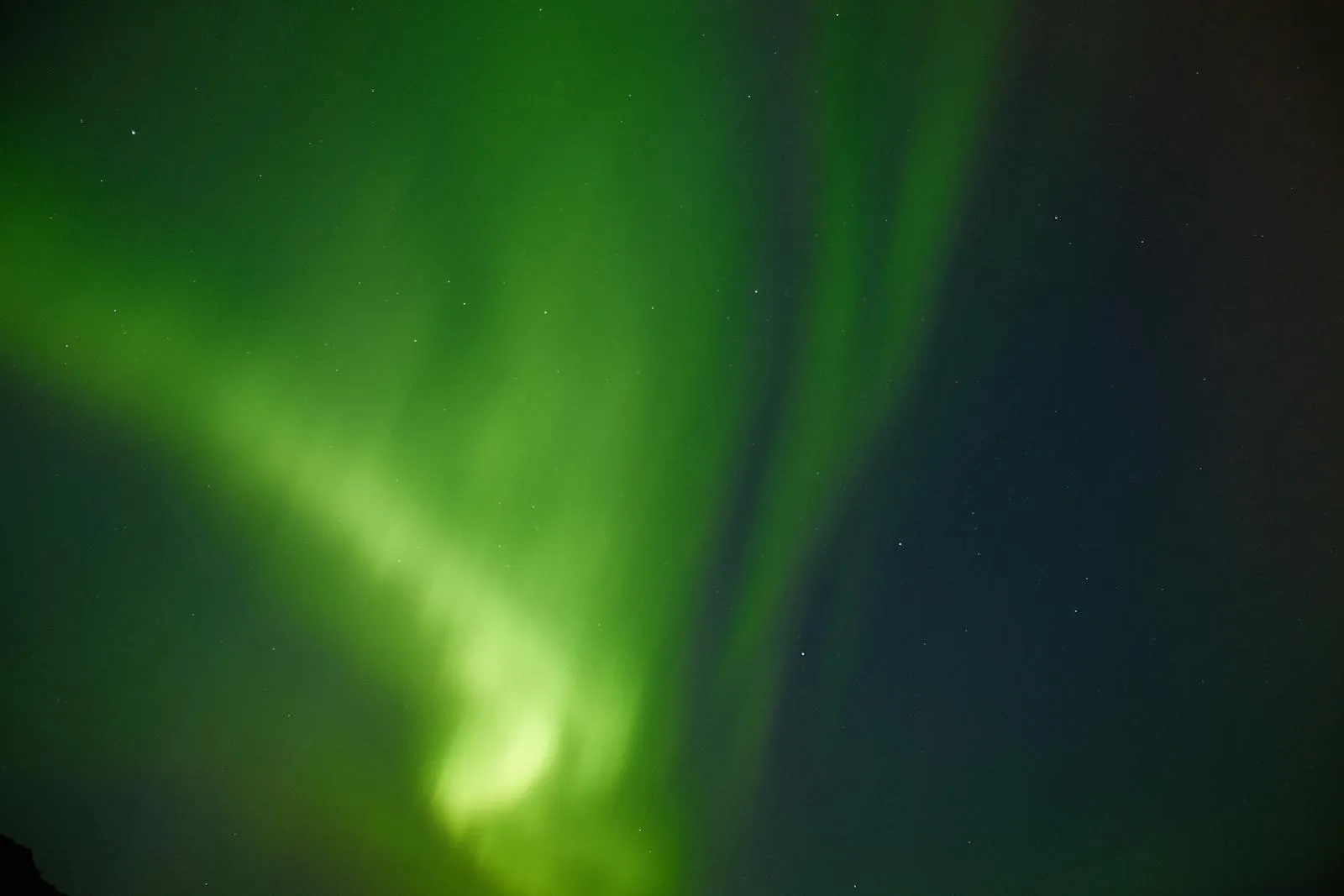
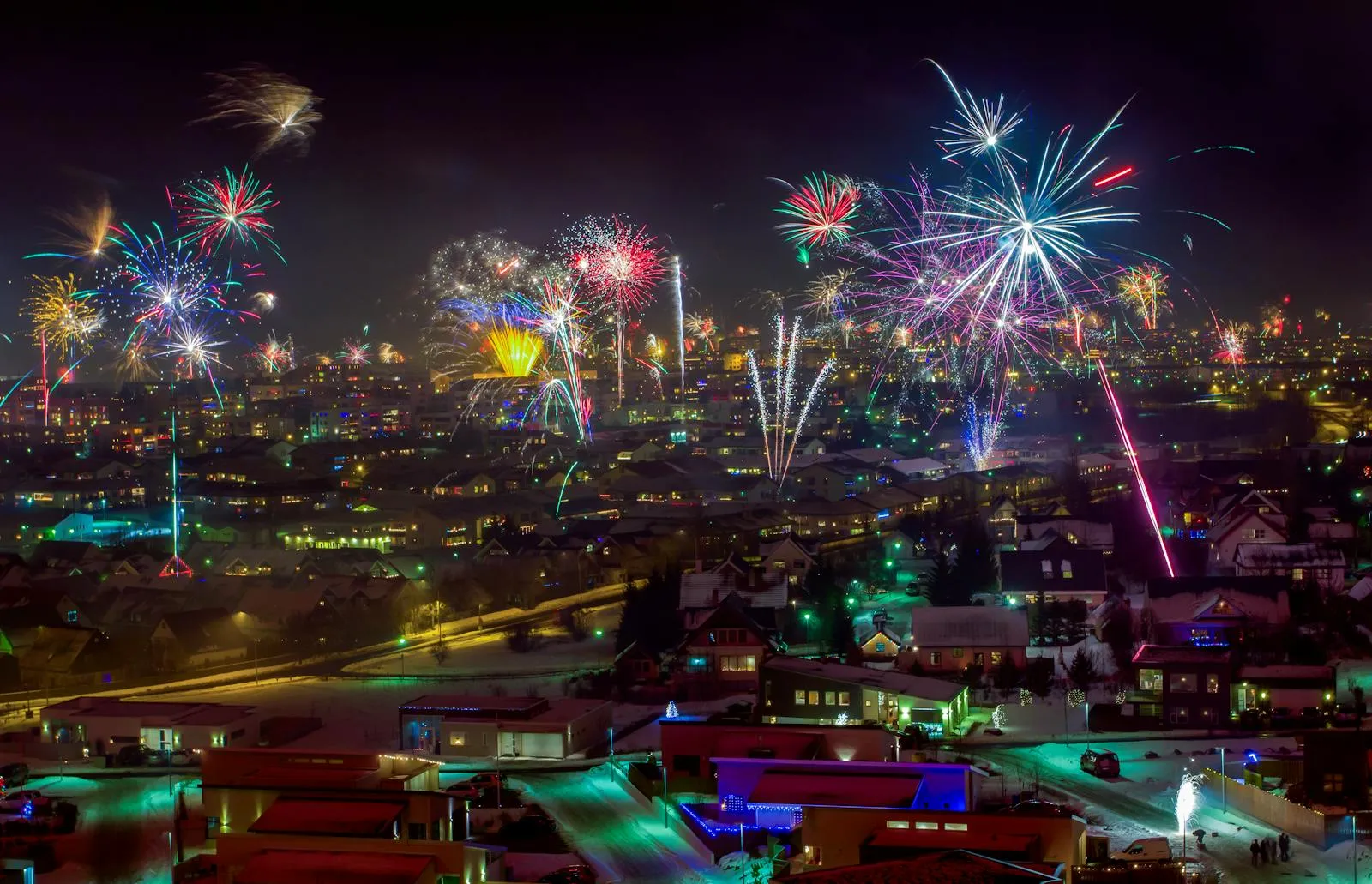
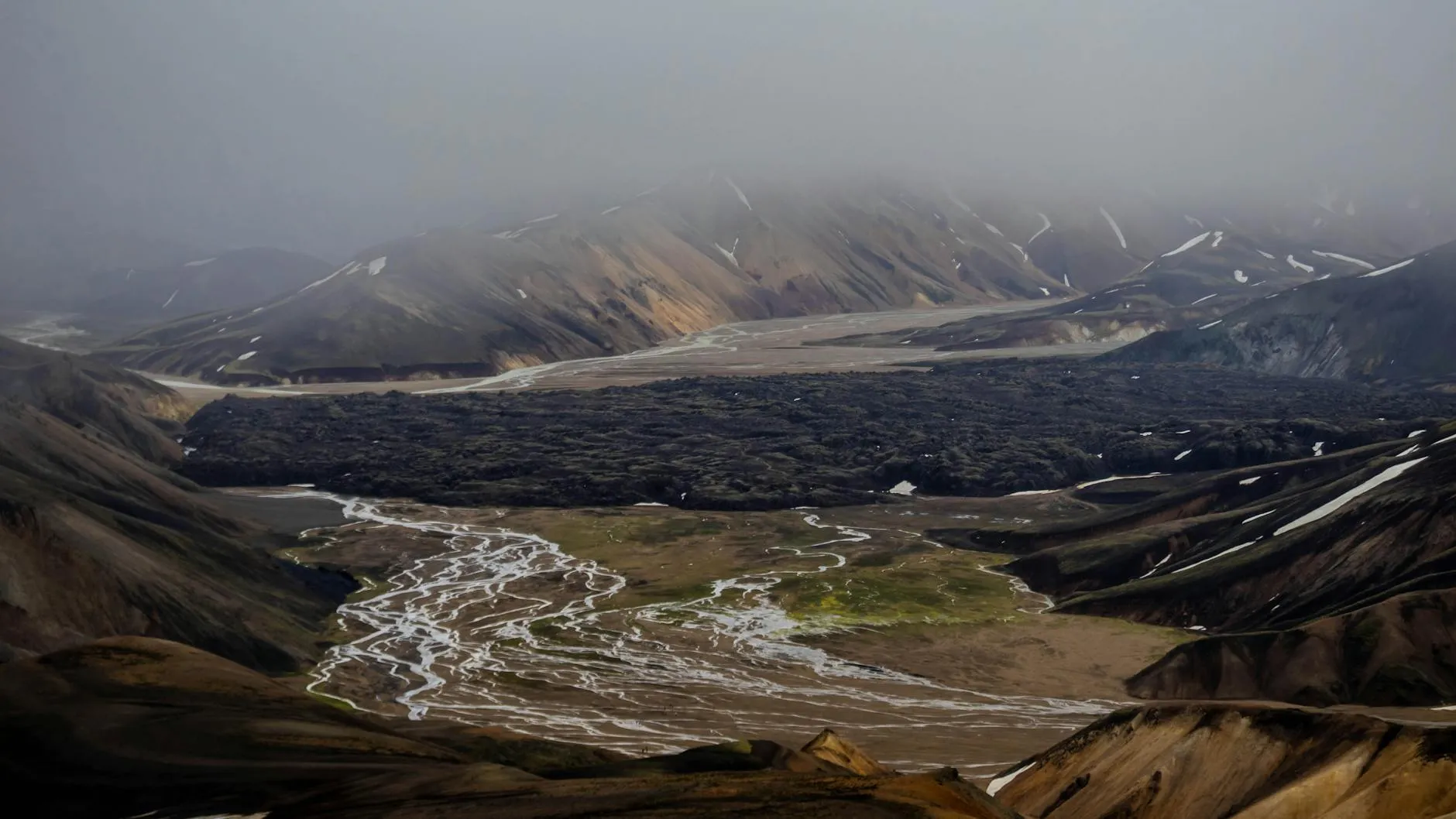
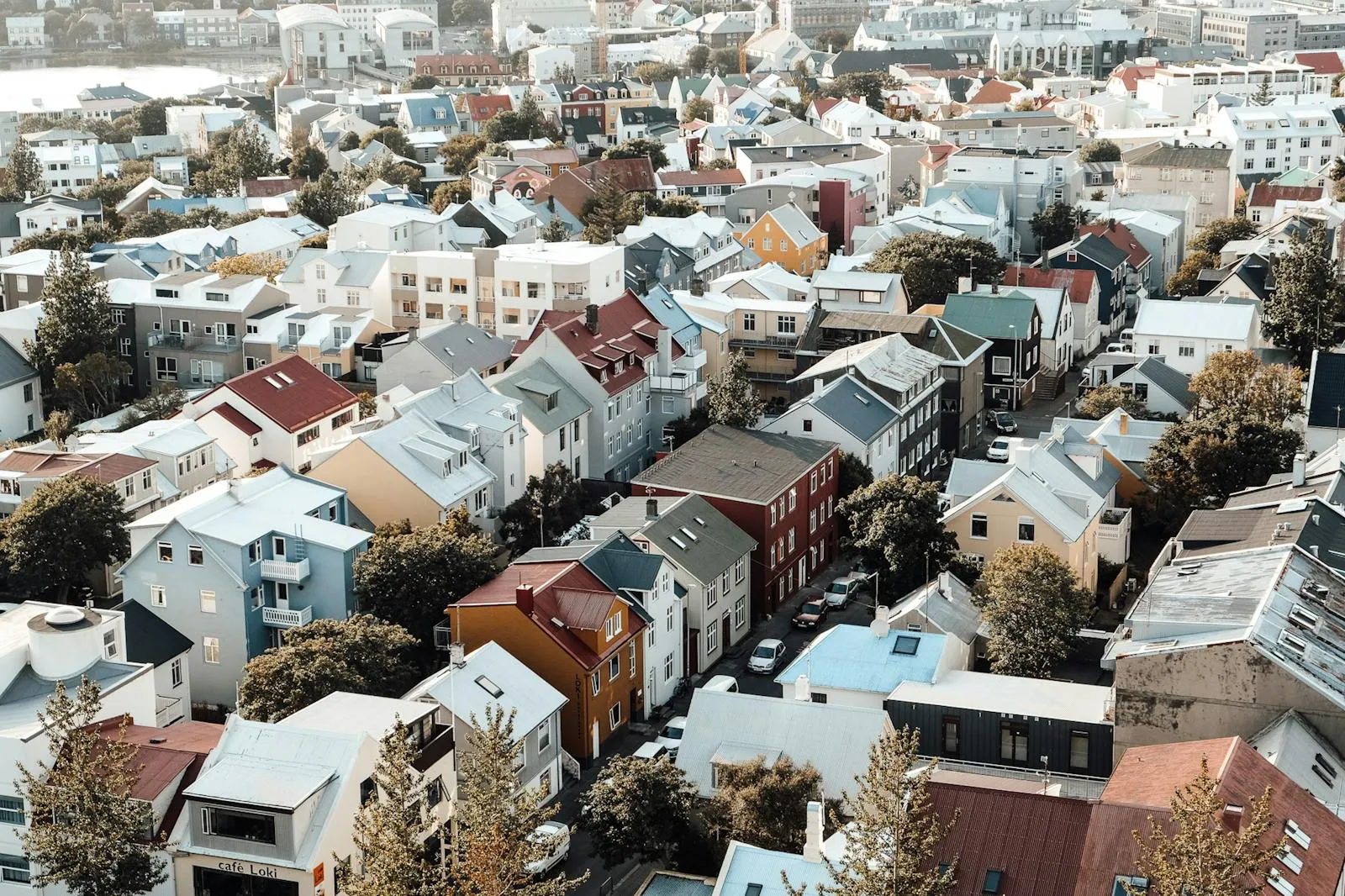
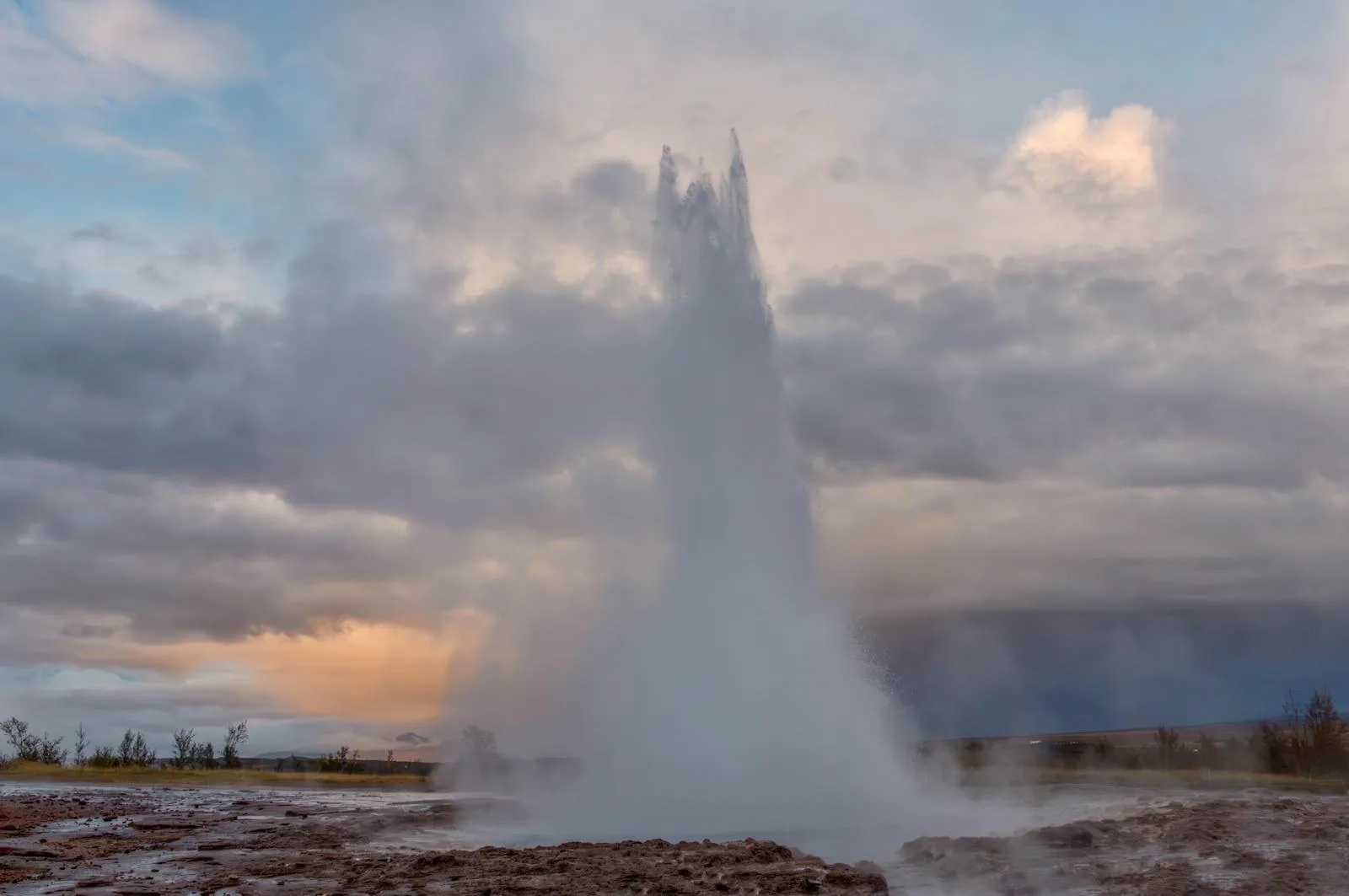
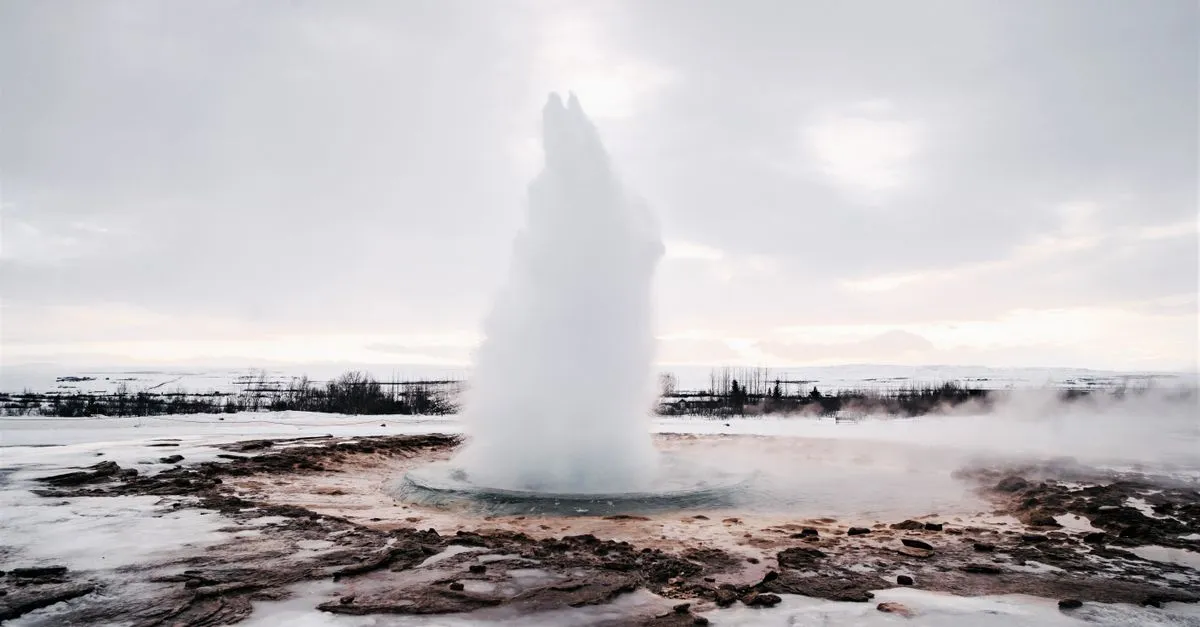
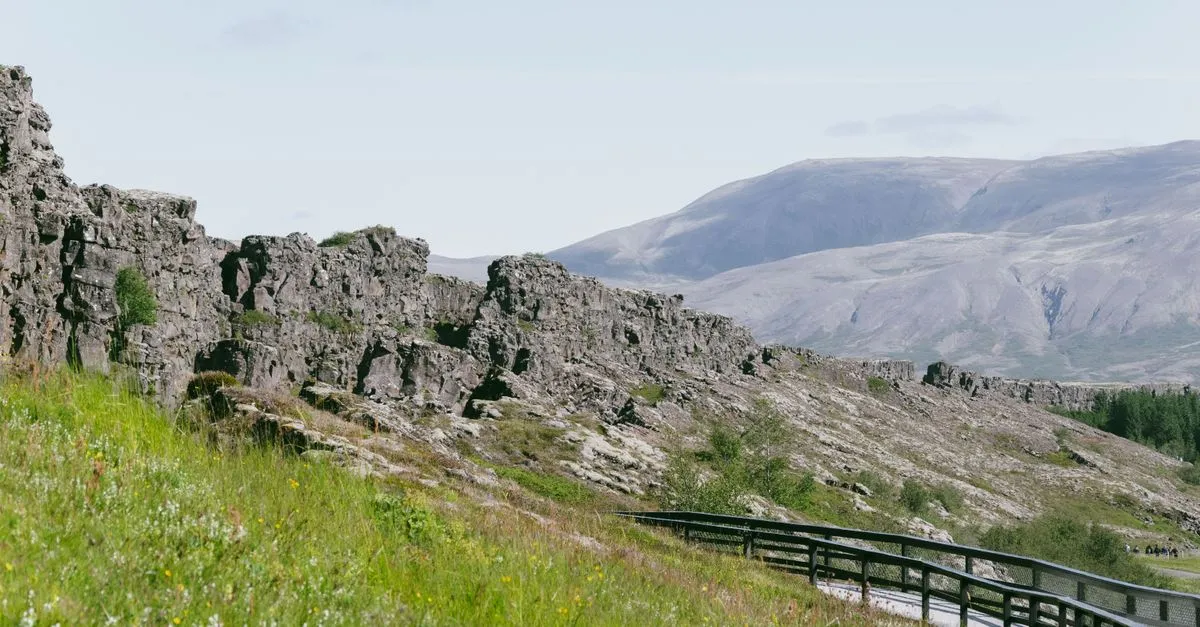
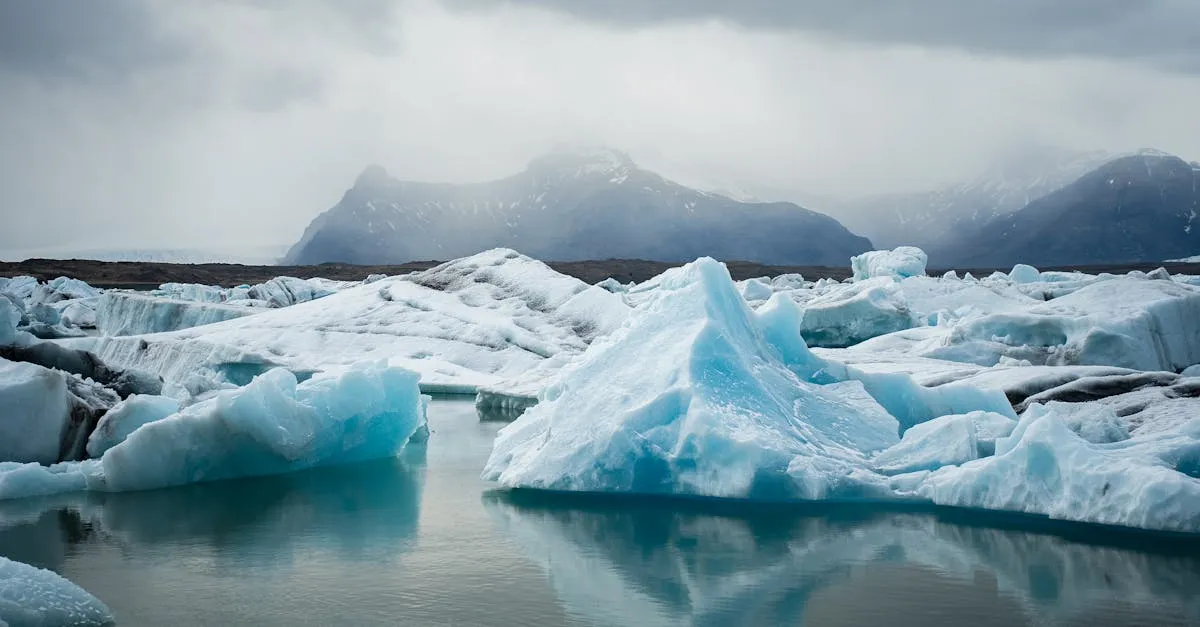
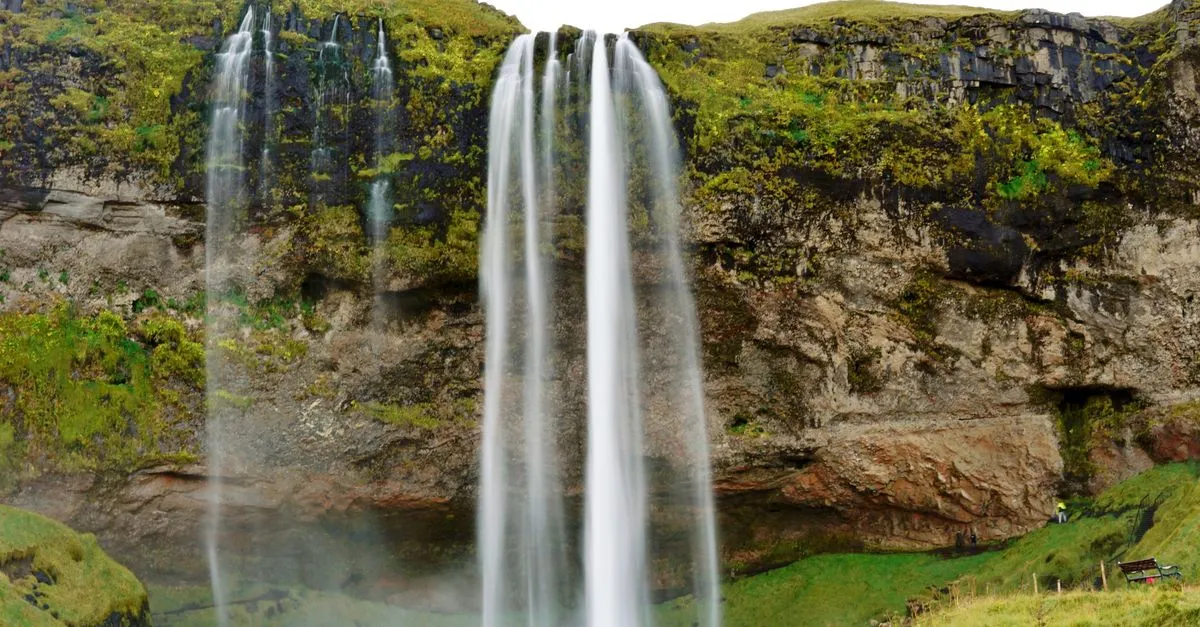
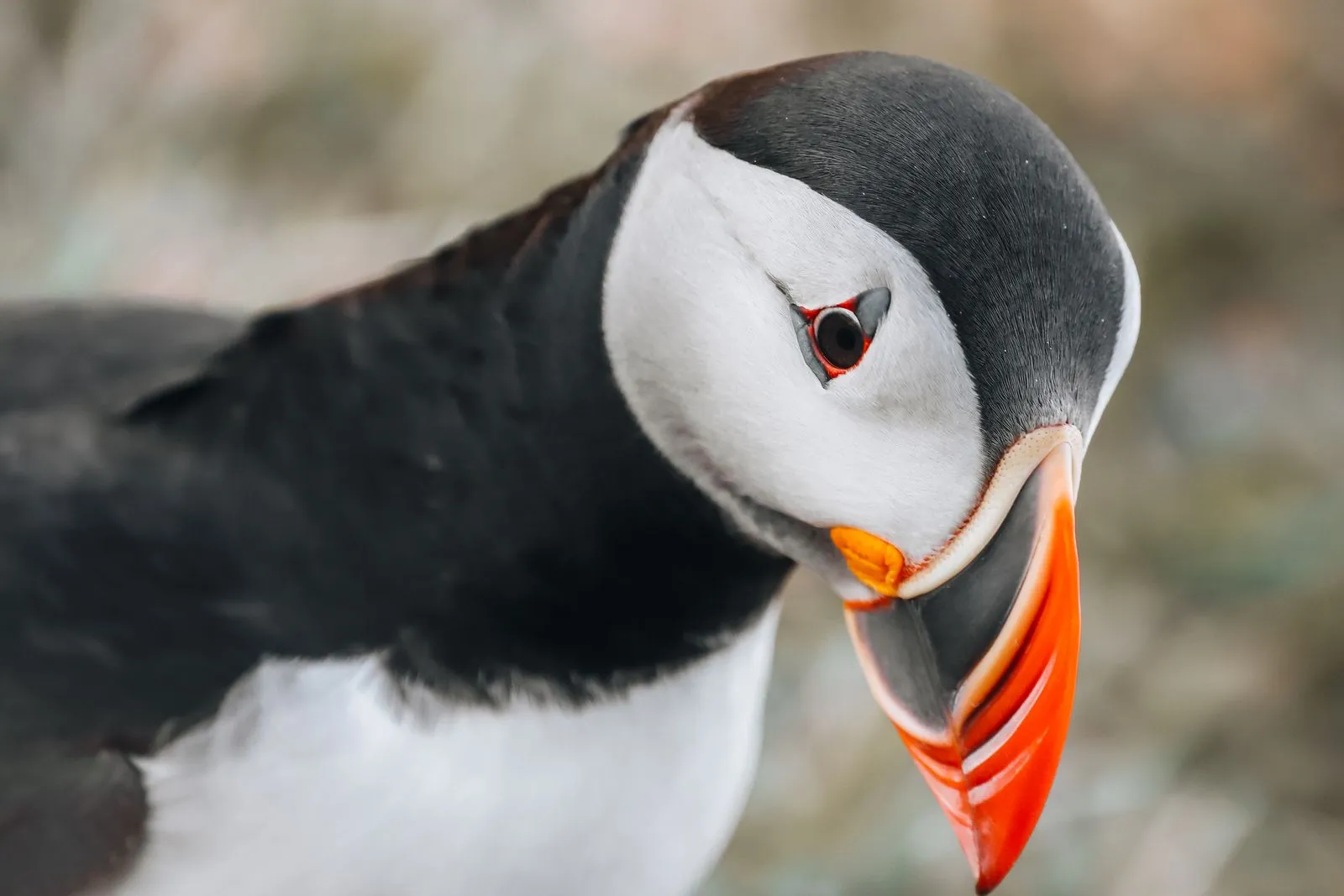
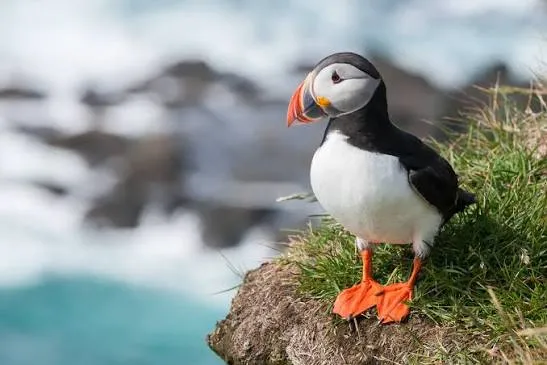
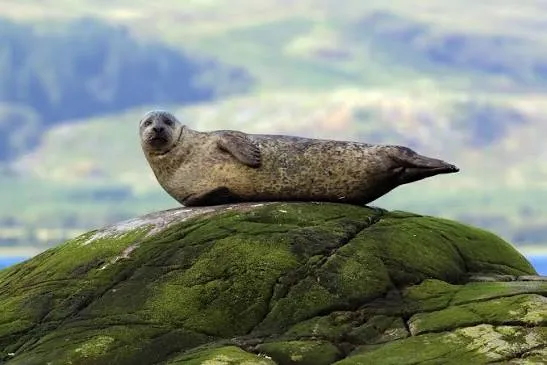
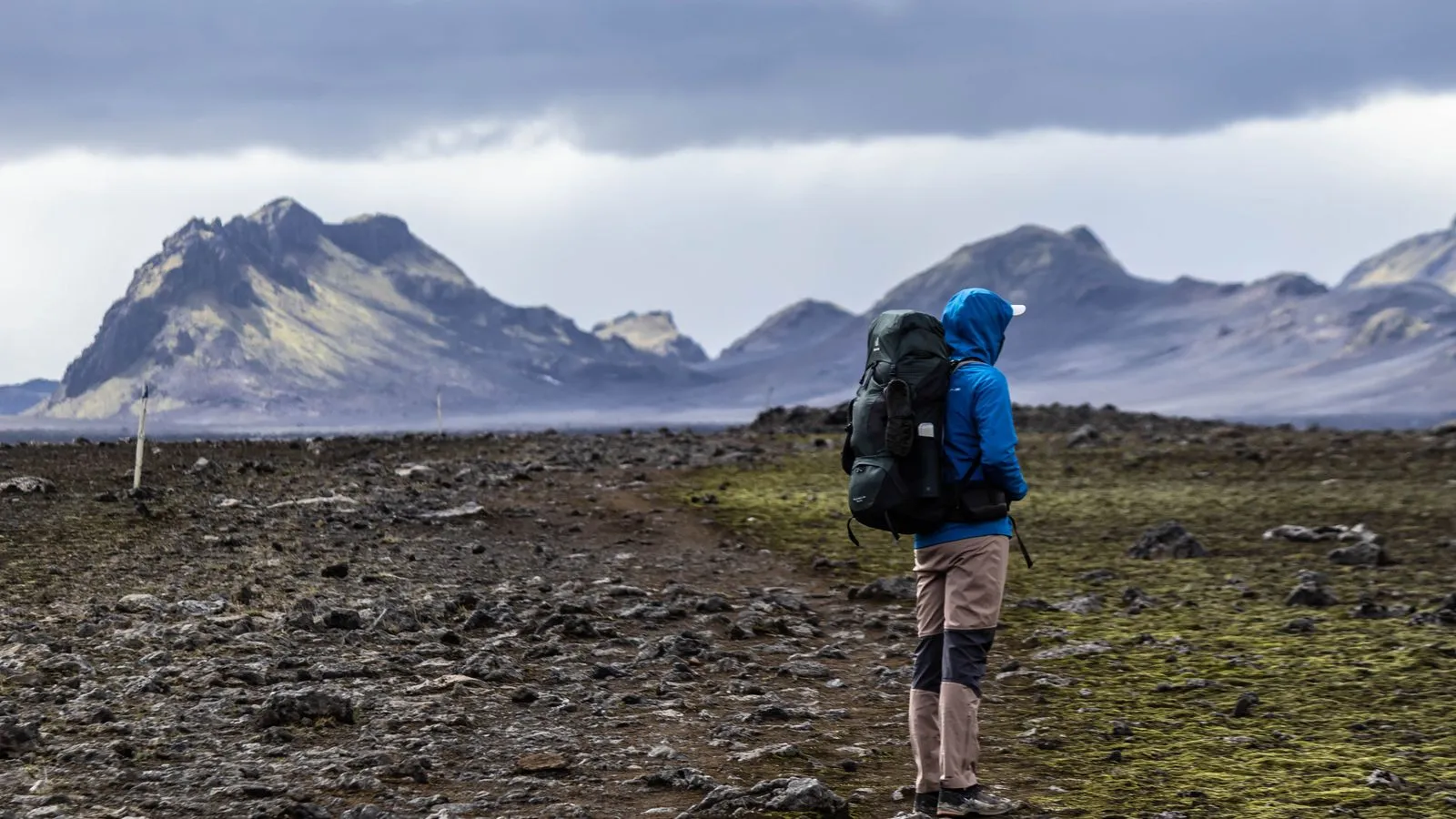
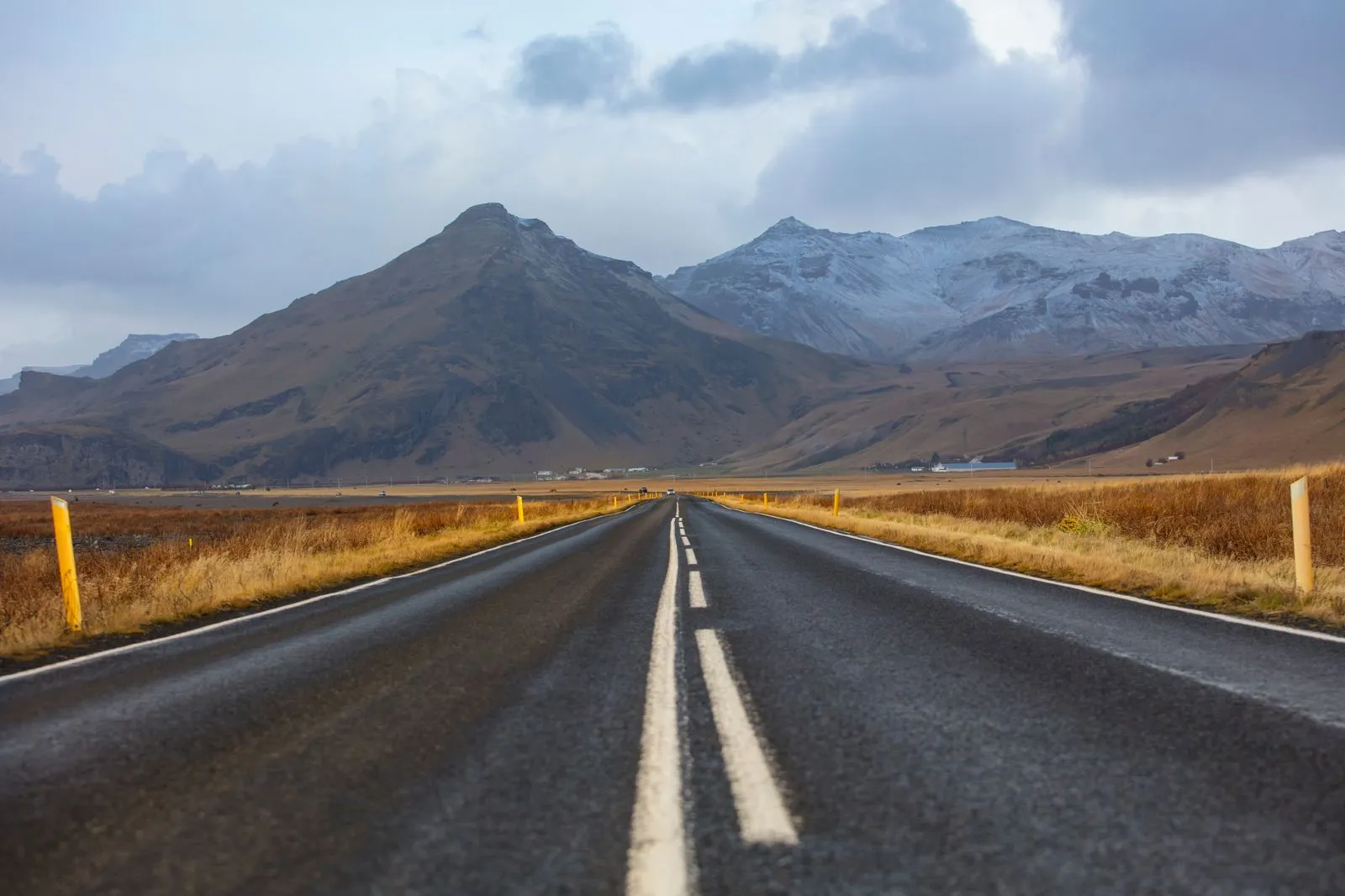
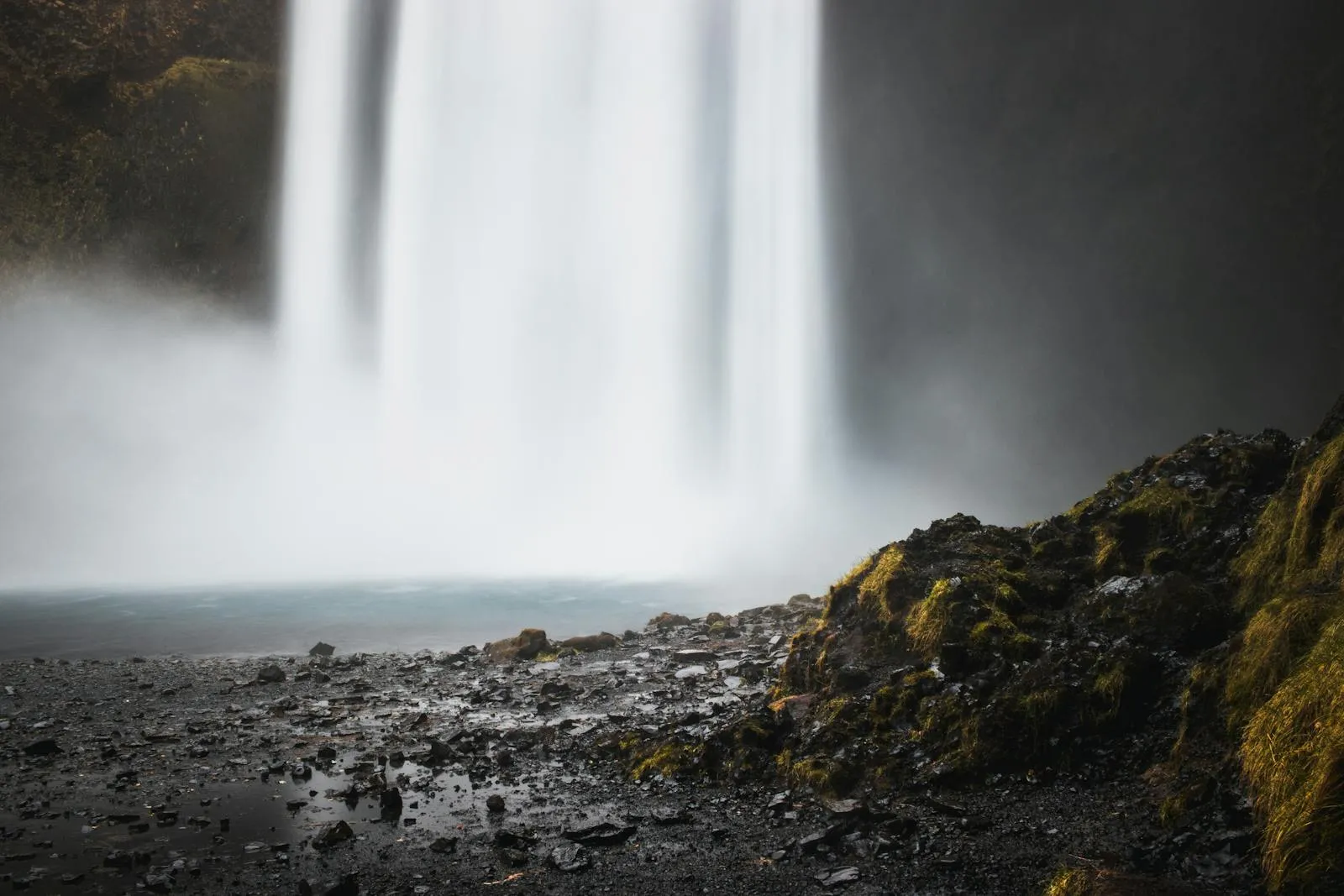
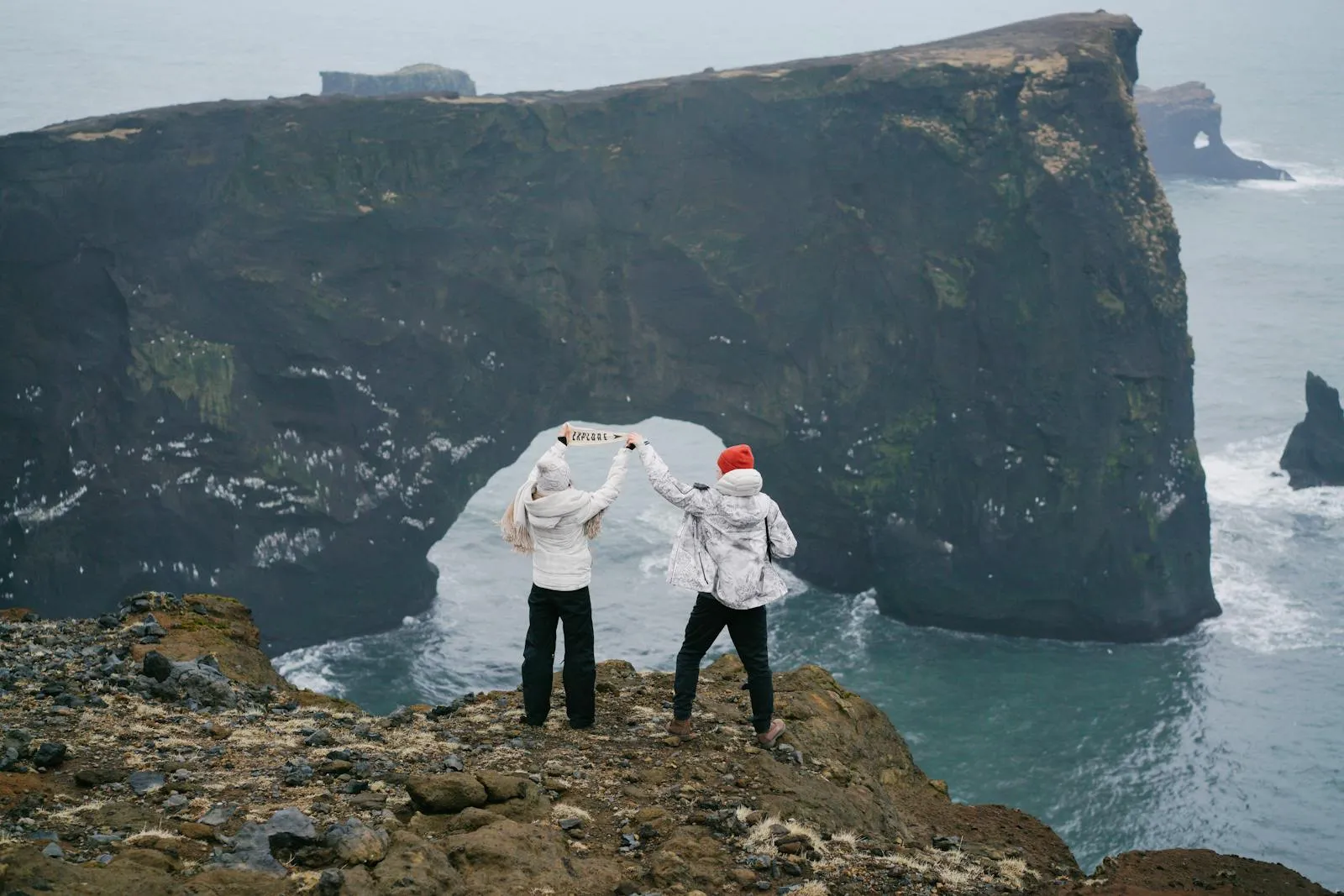
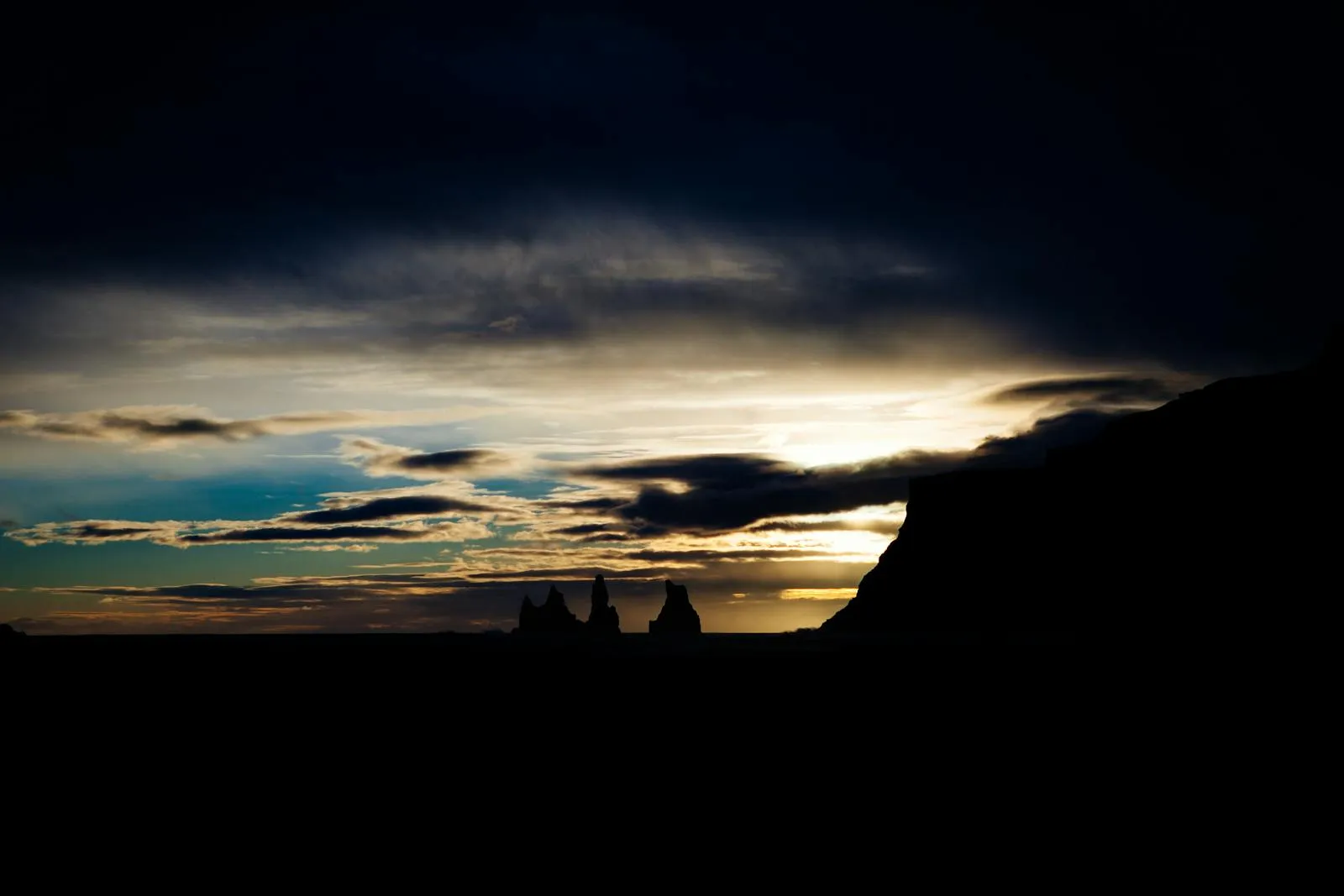
🌟 Iceland has two completely different travel seasons. ☀ Summer: midnight sun, all roads open, puffins, hiking, high prices. ❄ Winter: Northern Lights, ice caves, snow-covered lava fields, storms that cancel plans. May and September split the difference and are often the smartest choice.
| Month | Season | Best Regions | Crowds | Prices | Rating |
|---|
| January | Deep winter | Reykjavik — South Coast (ice caves) | 🟢 Low | 🟢 Low | ⭐⭐⭐ |
| February | Winter | Reykjavik — South Coast — Northern Lights | 🟢 Low | 🟢 Low | ⭐⭐⭐ |
| March | Late winter | South Coast — Golden Circle — Northern Lights | 🟡 Moderate | 🟡 Moderate | ⭐⭐⭐ |
| April | Early spring | South Coast — Snæfellsnes — last auroras | 🟡 Moderate | 🟡 Moderate | ⭐⭐⭐ |
| May | Spring | All regions — puffins arrive | 🟡 Moderate | 🟡 Moderate | ⭐⭐⭐⭐ |
| June | Summer / midnight sun | All regions — highlands opening | 🔴 High | 🔴 High | ⭐⭐⭐⭐⭐ |
| July | High summer | All regions — highlands — Westfjords | 🔴 Very High | 🔴 High | ⭐⭐⭐⭐ |
| August | Late summer | All regions — puffins still present | 🔴 High | 🔴 High | ⭐⭐⭐⭐ |
| September | Early autumn | All regions — first auroras — autumn colours | 🟡 Moderate | 🟡 Moderate | ⭐⭐⭐⭐⭐ |
| October | Autumn | South Coast — Reykjavik — Northern Lights | 🟢 Low | 🟢 Low | ⭐⭐⭐ |
| November | Early winter | Reykjavik — South Coast — ice caves begin | 🟢 Low | 🟢 Low | ⭐⭐ |
| December | Winter | Reykjavik — South Coast — Northern Lights | 🟡 Moderate | 🟡 Moderate | ⭐⭐⭐ |
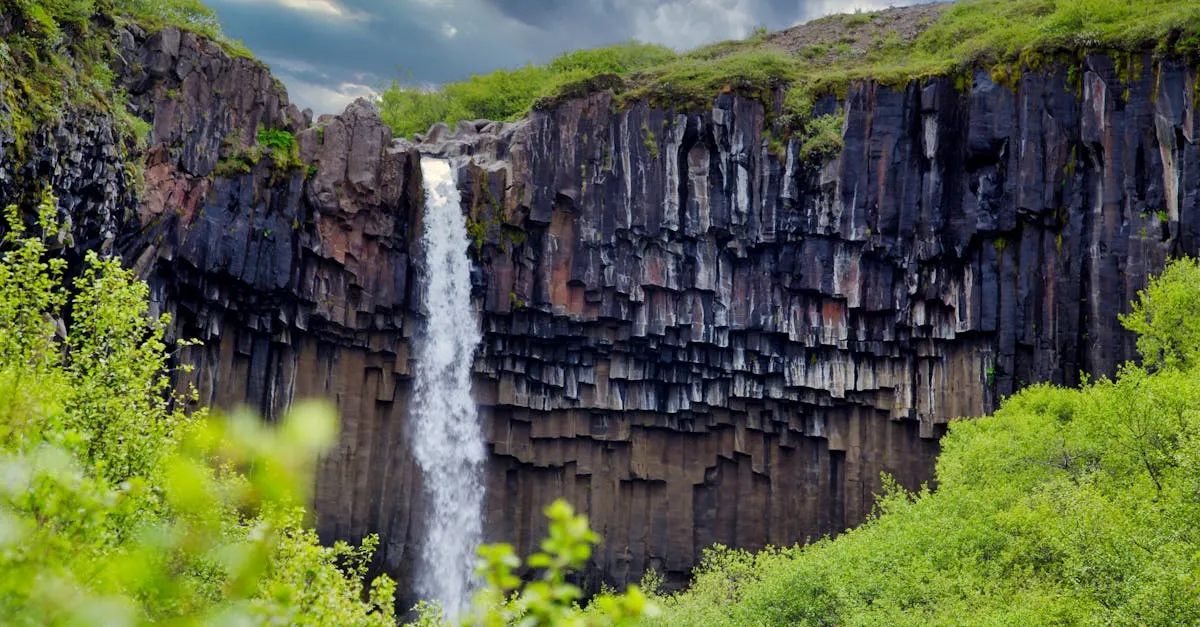
September is the sweet spot for most travellers. Darkness returns after the midnight sun, giving you a real chance at the Northern Lights. Prices drop 20–30% from high summer. Crowds thin out. Most roads and highland routes are still open. Autumn colours hit the east. Waterfalls run at full force from summer rain. If you can only go once, go in September.
Climate & Weather
🌧 Iceland has a maritime subarctic climate that earns its reputation for unpredictability. The weather changes multiple times within a single hour. If you don't like the weather, wait five minutes.
🌡 Temperature. Milder than expected. Reykjavik averages 11-14?C in summer and 0-3?C in winter. The Gulf Stream keeps coastal areas surprisingly temperate.
💨 Wind. The most underestimated factor. Sustained winds of 15-25 m/s are common. Gusts above 35 m/s happen regularly in autumn and winter. Wind can blow car doors off hinges and knock you off cliff edges. Always check vedur.is before driving.
🌧 Rain and snow. The south coast is wetter than the north. Reykjavik gets around 800mm annually. Snow covers most of the country November through March.
☀ Daylight. This shapes your trip more than anything. Mid-June: sun barely dips below the horizon. Mid-December: 4-5 hours of daylight. September and March: approximately 12 hours.
Seasons & Temperatures
Iceland has two distinct seasons with transitional shoulder periods.
Summer (June–August)
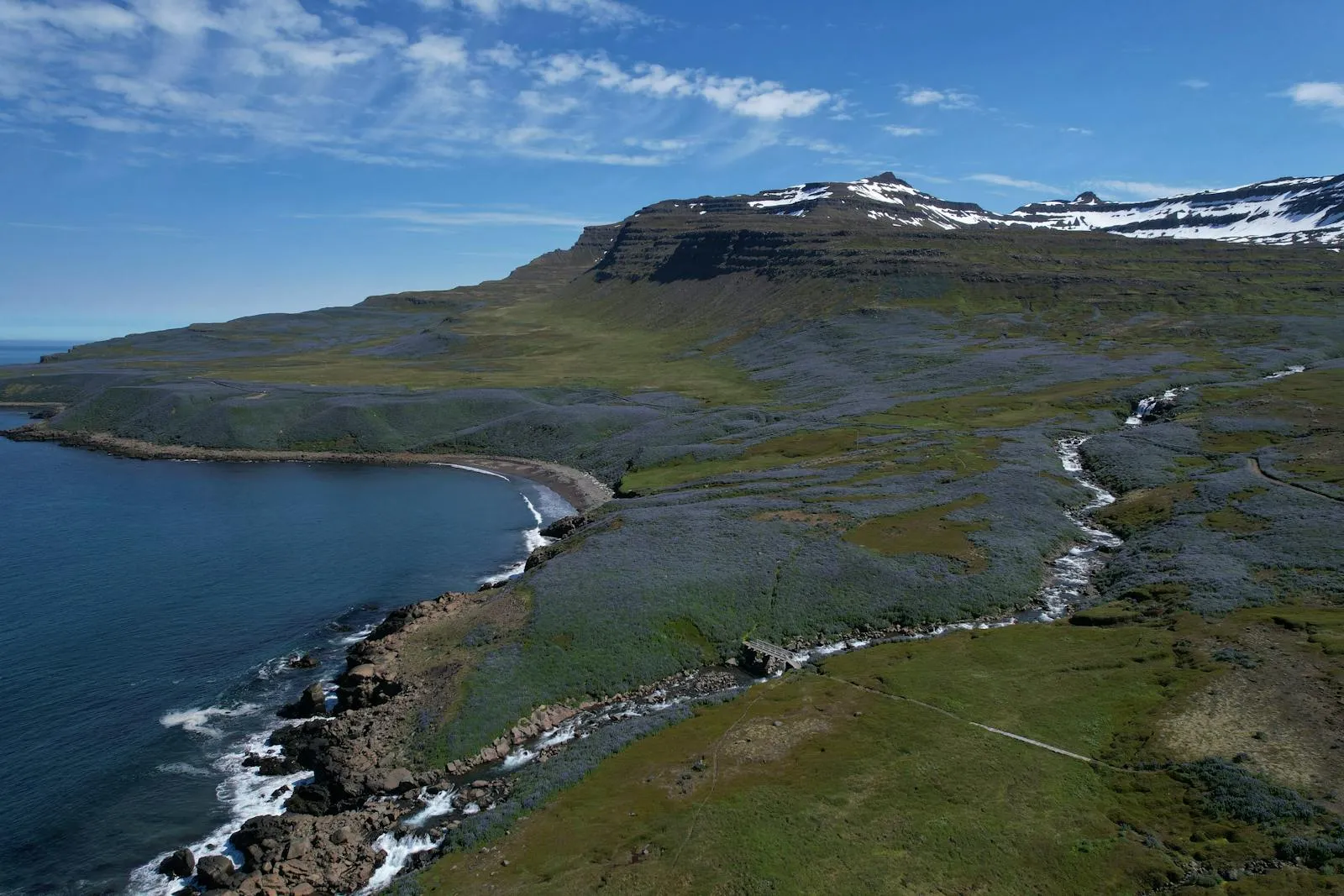
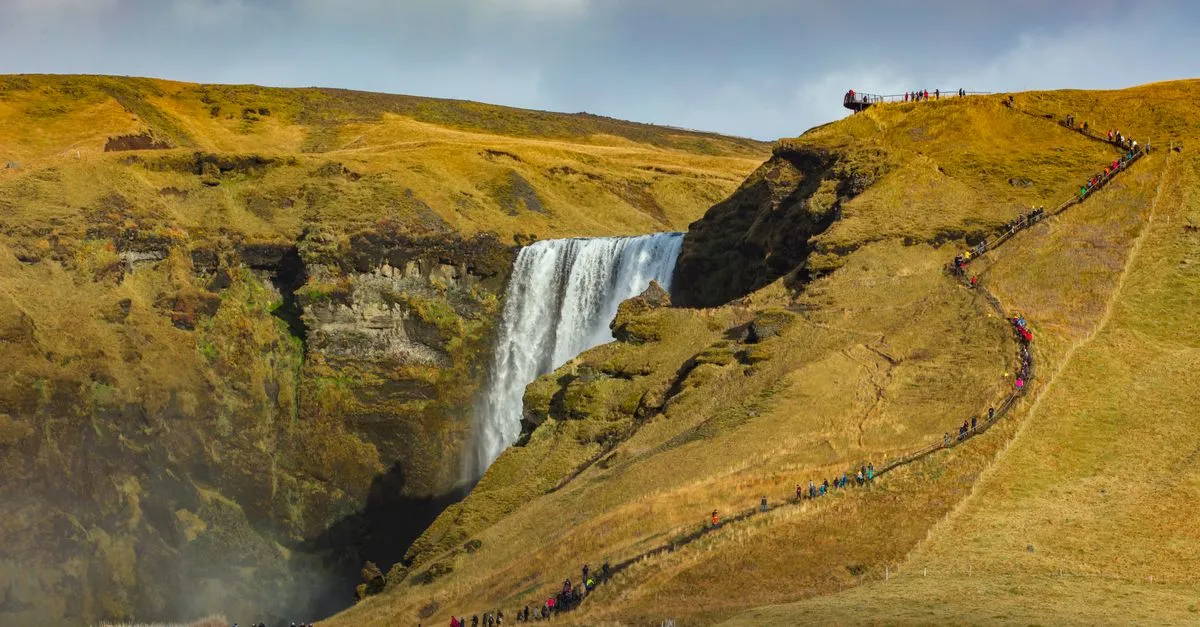
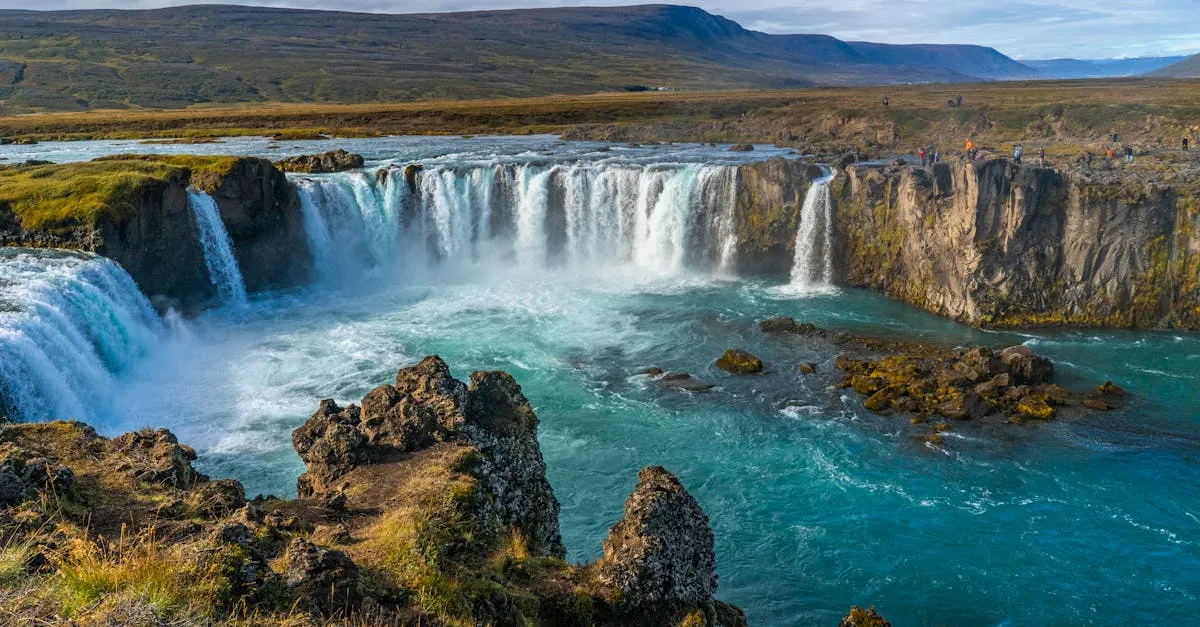
Midnight sun, 24-hour daylight, all roads open including F-roads into the highlands. Temperatures average 10–15°C in lowland areas but can reach 20°C on rare warm days. The entire country comes alive. Puffins nest on coastal cliffs. Wildflowers cover the lava fields. Highland huts and campsites open. This is the only time to attempt the Laugavegur trek or drive into the interior. The trade-off is high prices, booked-out accommodation, and no Northern Lights.
Winter (November–March)
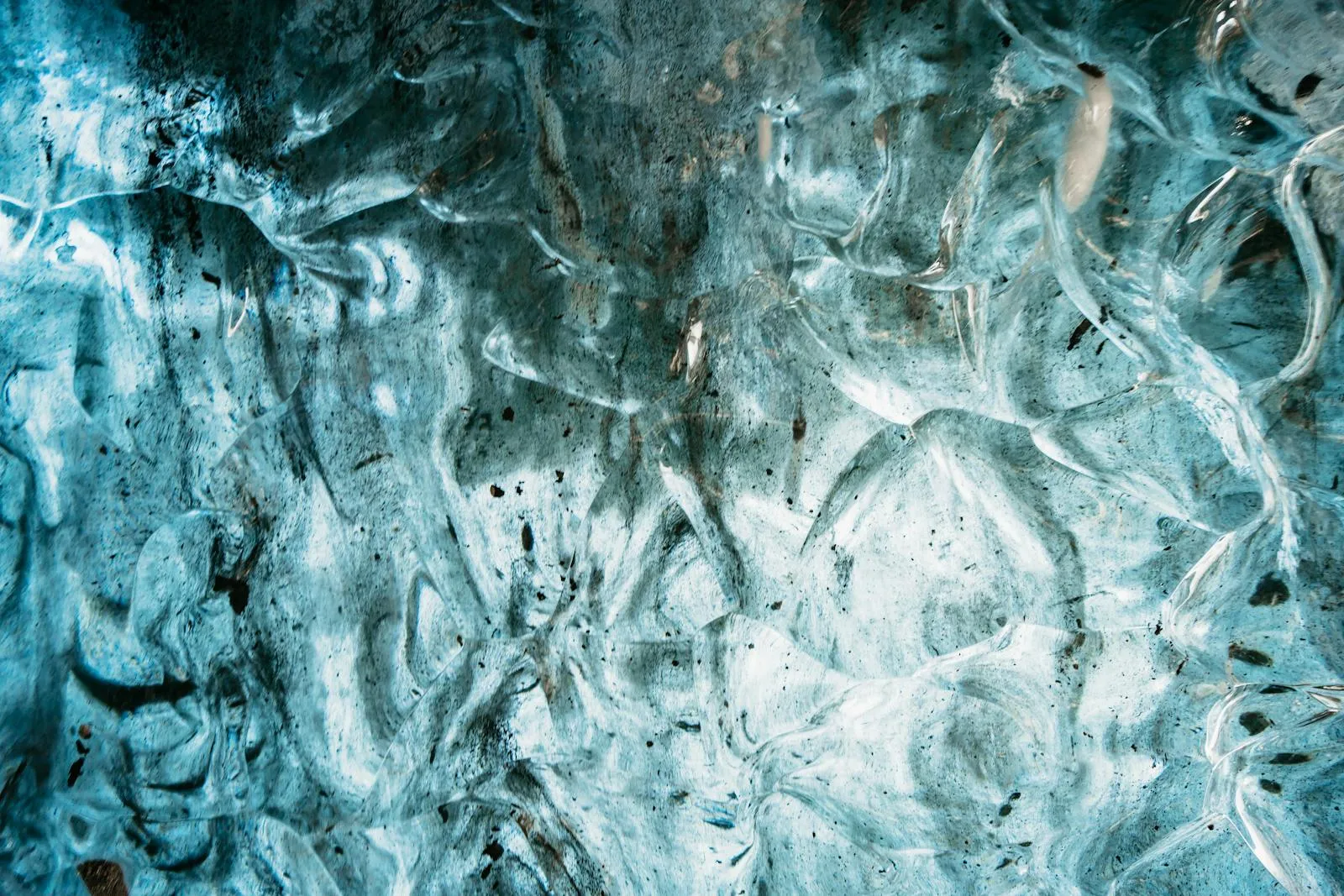
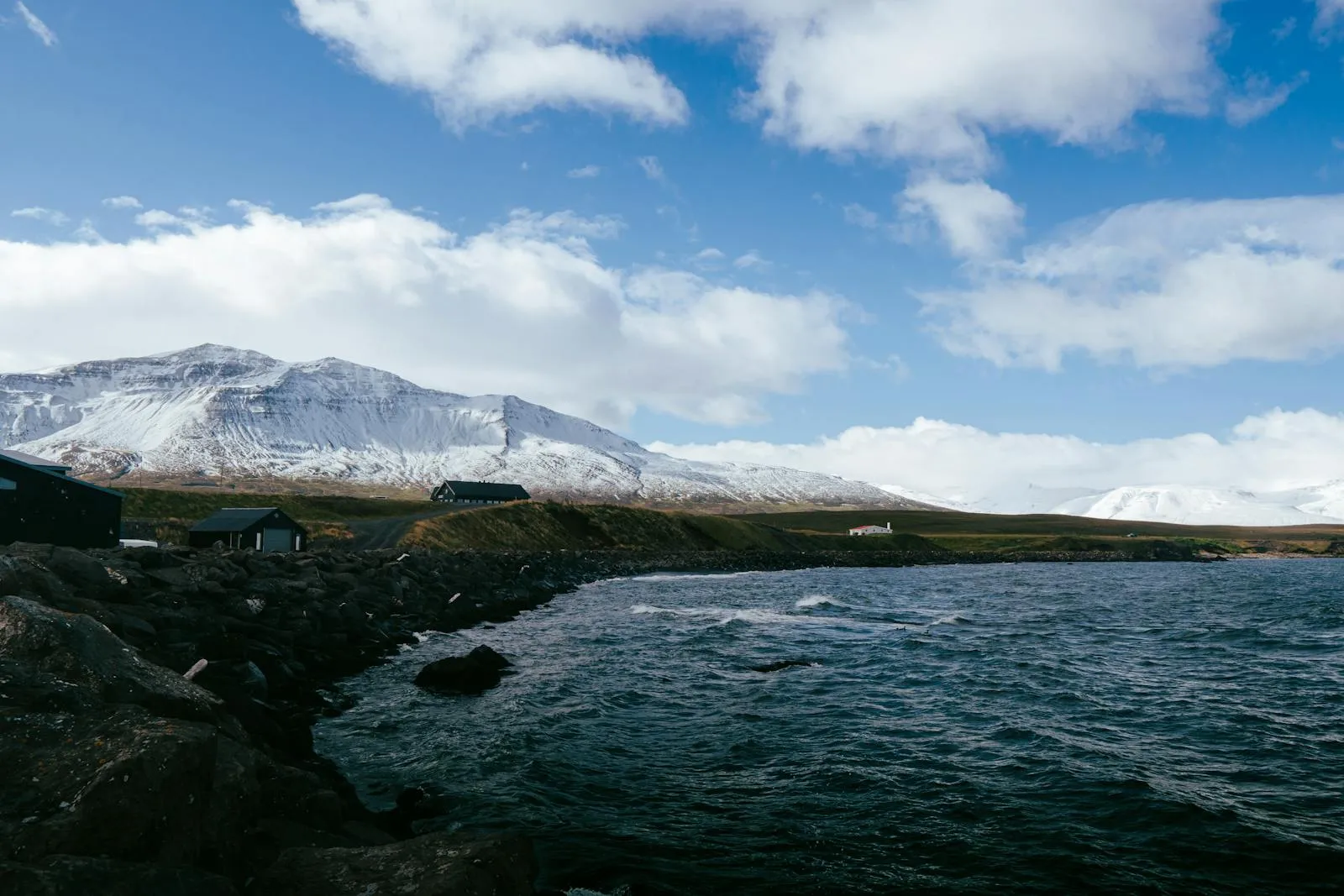
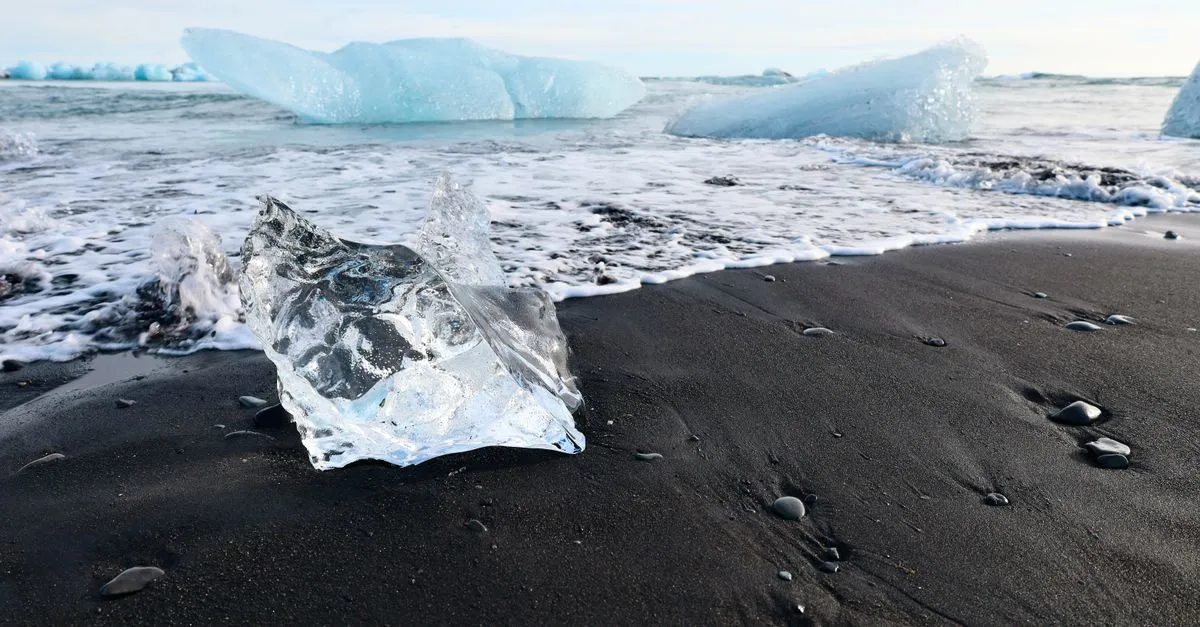
Short days, long nights, Northern Lights, ice caves inside glaciers, and snow-covered landscapes. Temperatures hover around 0°C on the coast but can drop to -15°C inland. F-roads close completely. The Ring Road stays officially open but storms can shut sections for days. You need winter driving experience, full insurance, and a flexible itinerary. The upside: accommodation prices drop significantly, tourist sites are empty, and the ice caves inside Vatnajökull are only accessible now.
Shoulder Seasons (May and September–October)
The smart choice for many travellers. May brings 17–20 hours of daylight, puffins arriving at their colonies, and fewer crowds. Some highland roads may still be closed by snow. September offers the first Northern Lights, autumn colours in the east, quieter roads, lower prices, and most routes still open. October is a gamble: beautiful if the weather cooperates, but winter storms can arrive early.
| Season | Reykjavik | South Coast | Akureyri (North) | Highlands | Daylight |
|---|
| Summer | 10–14°C | 8–13°C | 8–15°C | 2–10°C | 20–24h |
| Shoulder | 4–10°C | 3–9°C | 2–10°C | Closed | 12–18h |
| Winter | -1–3°C | -3–2°C | -5–1°C | Closed | 4–7h |