Overview & Why Visit Greenland

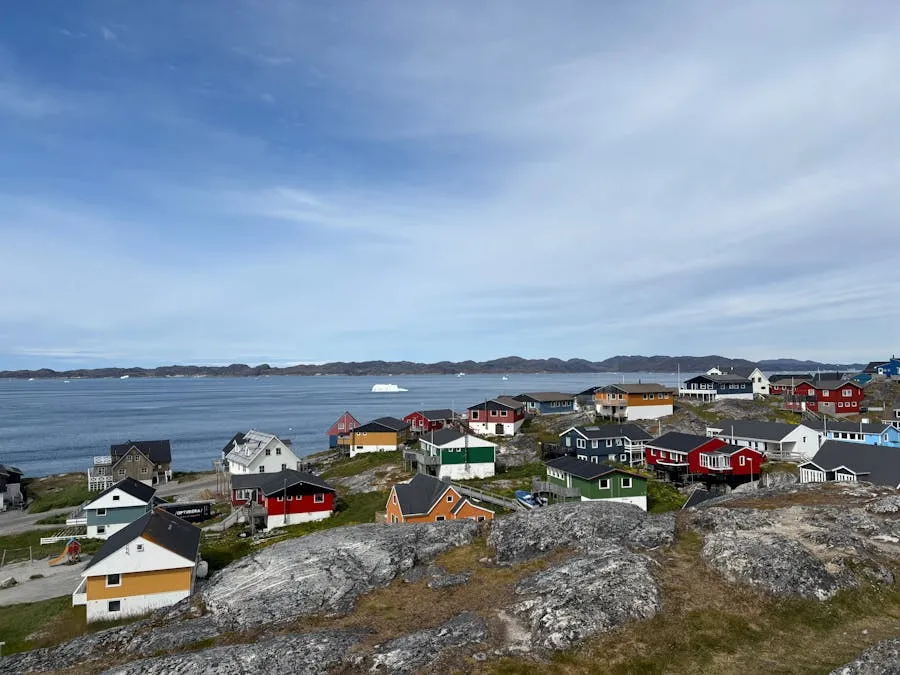
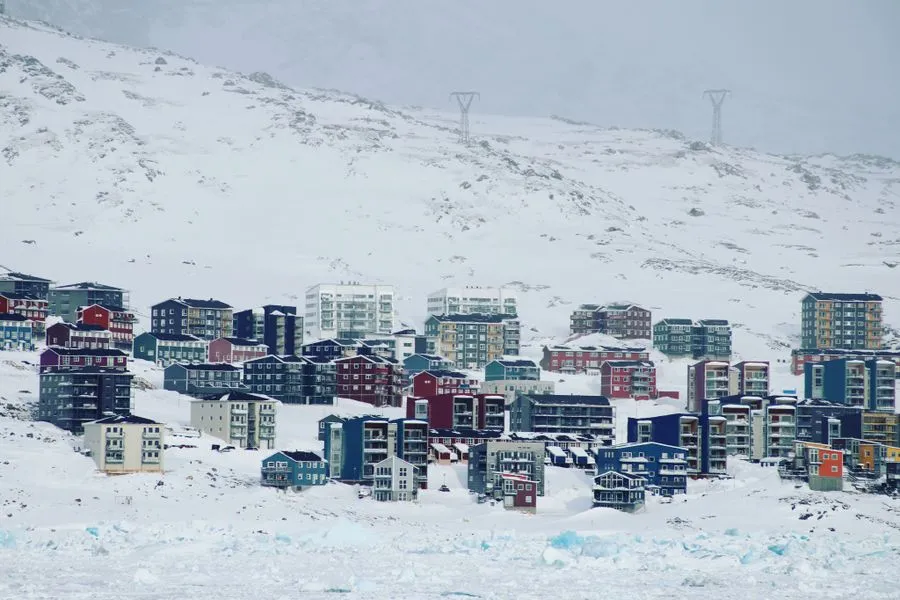
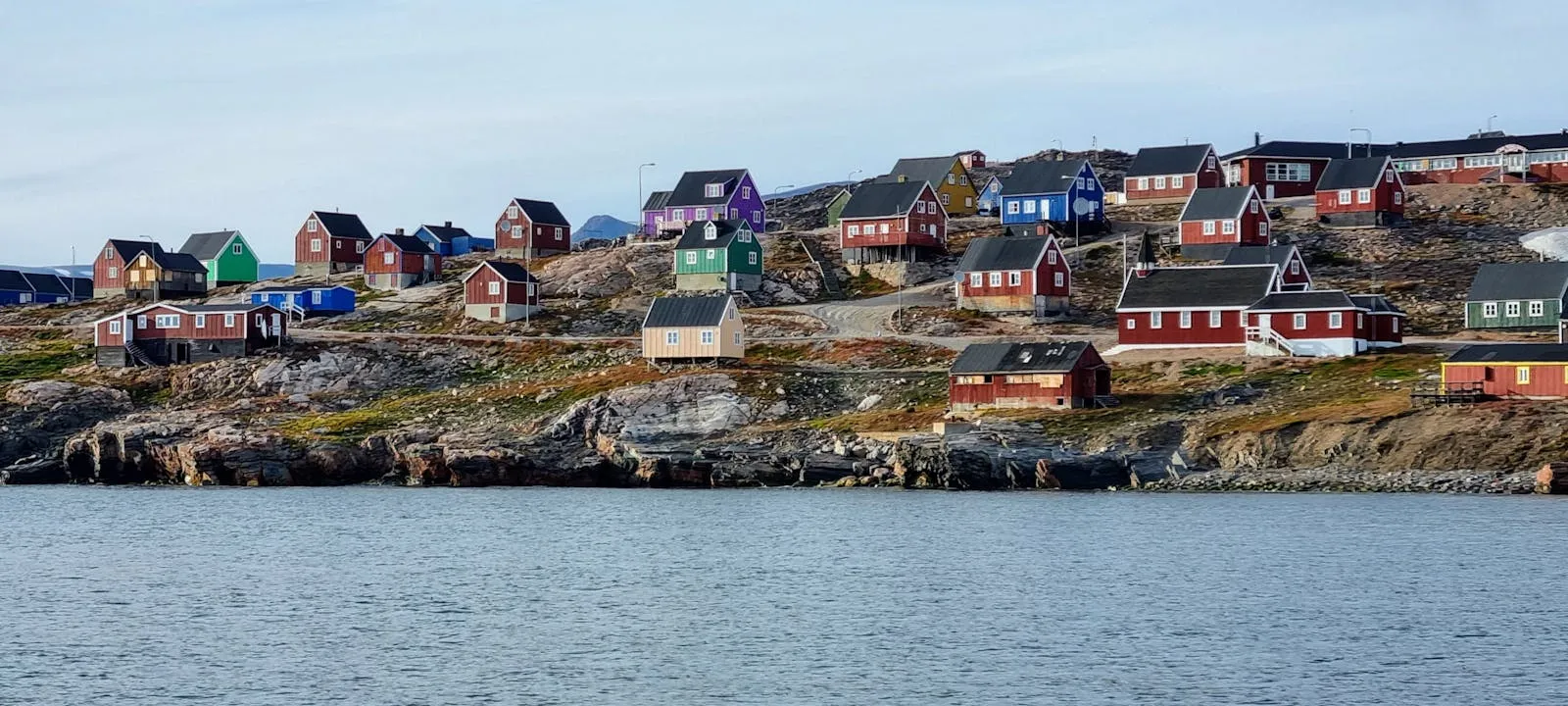
Colorful houses along the coast of a Greenlandic town with icebergs in the background

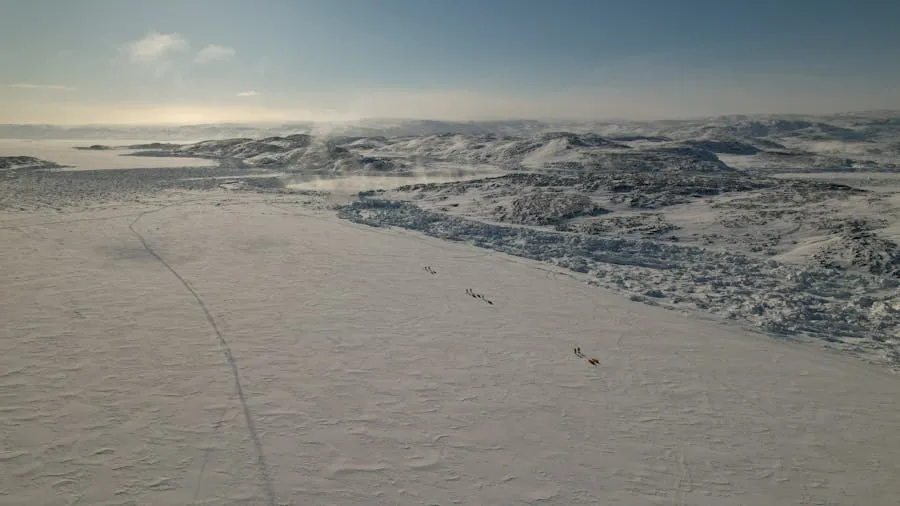
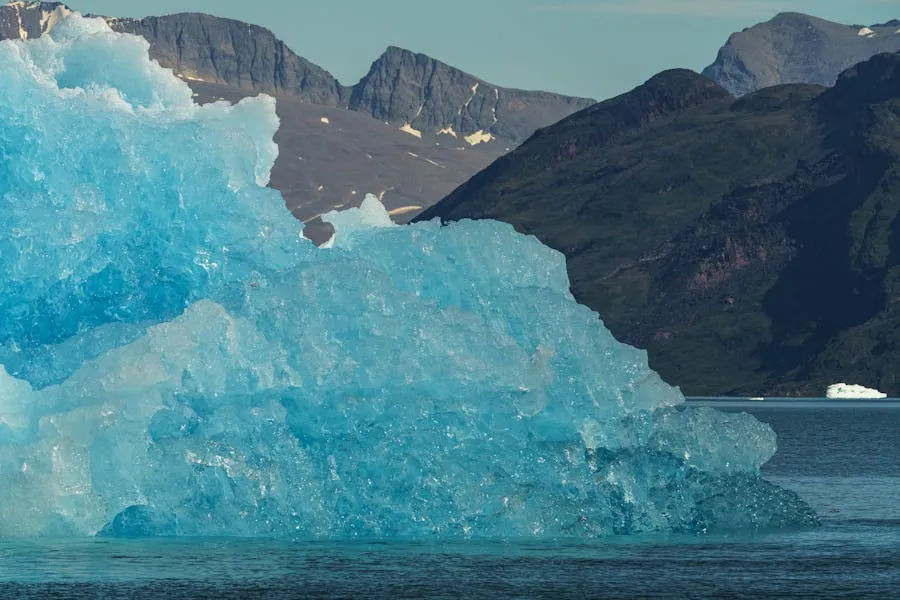
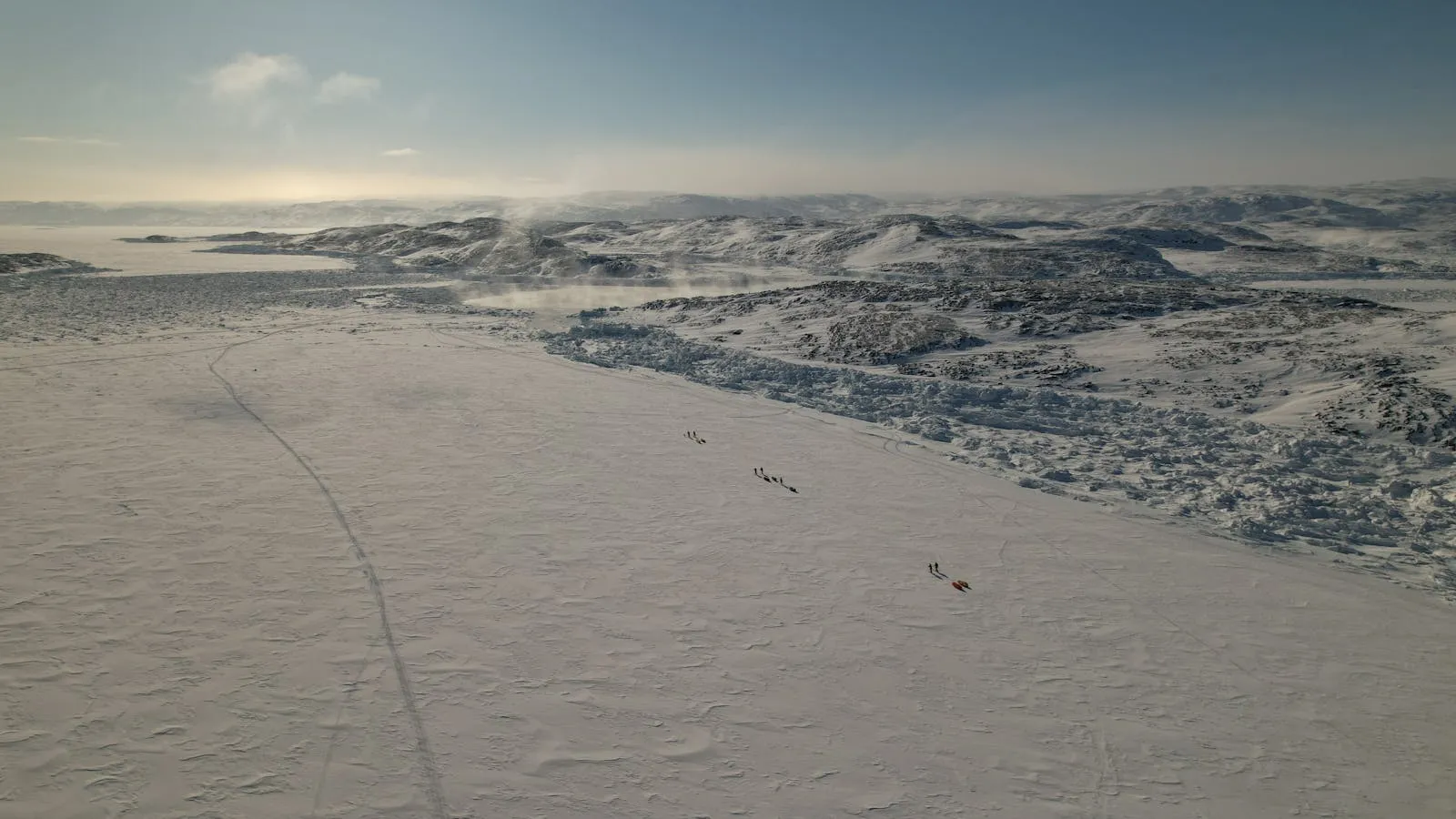
Greenland is the world’s largest island and one of its least visited destinations. About 56,000 people live on its ice-free coastal fringe, scattered across a handful of towns that have no road connections to each other. 80% of the island is covered by the Greenland Ice Sheet, a mass of ice up to 3 km thick that dates back millions of years. The remaining 20% is Arctic tundra, fjords, mountains, and an absurdly dramatic coastline where icebergs the size of apartment buildings drift past colourful wooden houses. This is not a beach holiday. This is the edge of the habitable world, and it is astonishing.

Travel Style

Greenland is expedition-style travel even at its most accessible. There are no roads between towns. You get around by plane, helicopter, boat, or on foot. Tours and accommodation book out months ahead. Flexibility is essential because weather cancels flights regularly. Budget travellers can scrape by on $150–250/day using hostels, local food, and walking. Mid-range sits at $250–400/day with guided tours and modest hotels. This is one of the most expensive destinations on Earth, but but the experiences match the price.

Key Facts

Area: 2,166,086 km² (836,330 mi²)
Currency: Danish Krone (DKK)
Language: Greenlandic (Kalaallisut), Danish, some English
Capital: Nuuk (~19,000 pop)
Population: ~56,000 total
Time zone: UTC-1 to UTC-4 (varies by region)
Country code: +299

Best For

Wilderness seekers, wildlife lovers, hikers who want genuine remoteness, anyone fascinated by Inuit culture, ice sheet geology, or Arctic ecology. Greenland delivers whale watching with icebergs as backdrop, trekking across tundra with no other humans in sight, and communities where hunting and dogsledding remain part of daily life. The midnight sun in summer and northern lights in winter are exceptional.

Not Ideal For

Budget backpackers on tight funds, spontaneous travellers who wing it, anyone who needs reliable schedules or warm weather. Vegetarians and vegans will struggle outside Nuuk. If you dislike planning ahead, Greenland will punish you with sold-out flights and no accommodation. This is not a country you can figure out on arrival.
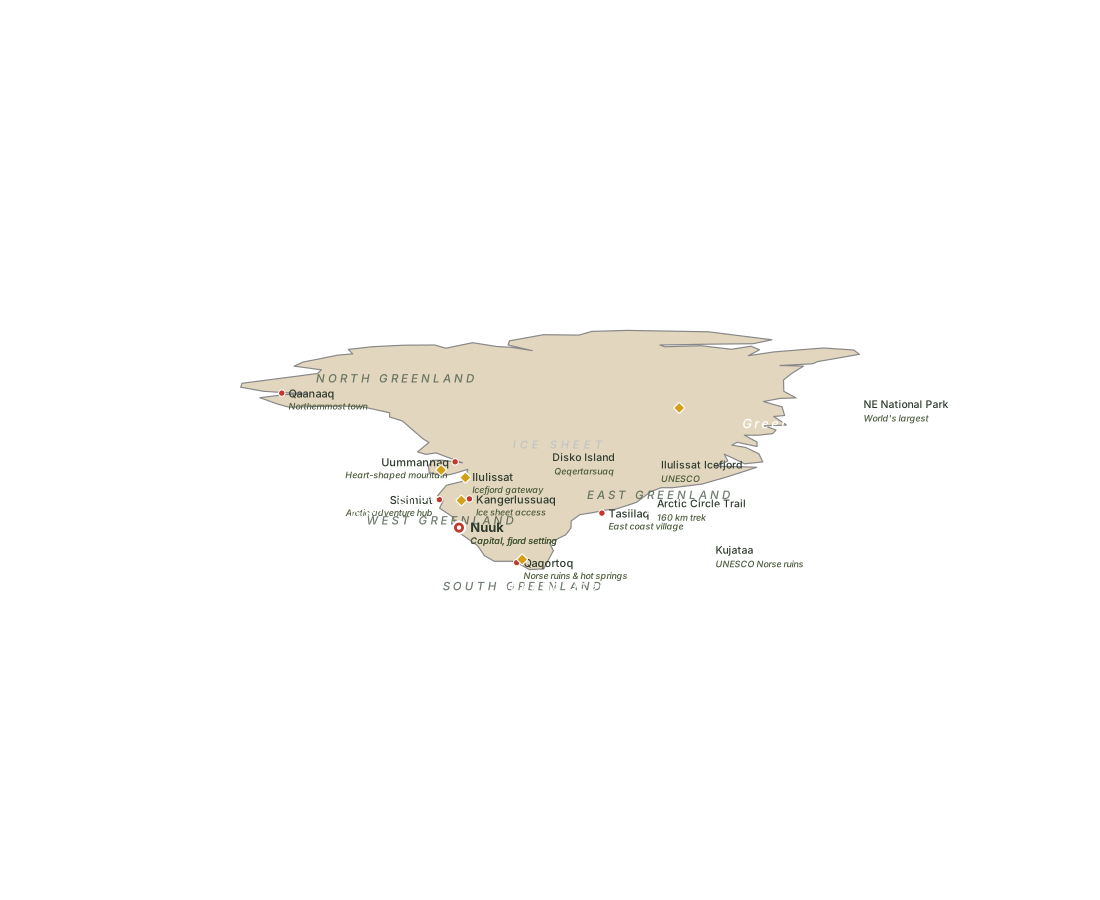
Map of Greenland

Illustrated map of Greenland showing major towns, regions, and key sights
Reading the map: Red dots mark major towns, the red ring marks Nuuk (capital). Gold diamonds highlight key sights and attractions. Greenland is enormous. From Nanortalik in the south to Qaanaaq in the north is roughly 2,500 km. There are no roads between any towns. Every journey between settlements requires a plane, helicopter, or boat.

Best Time to Visit

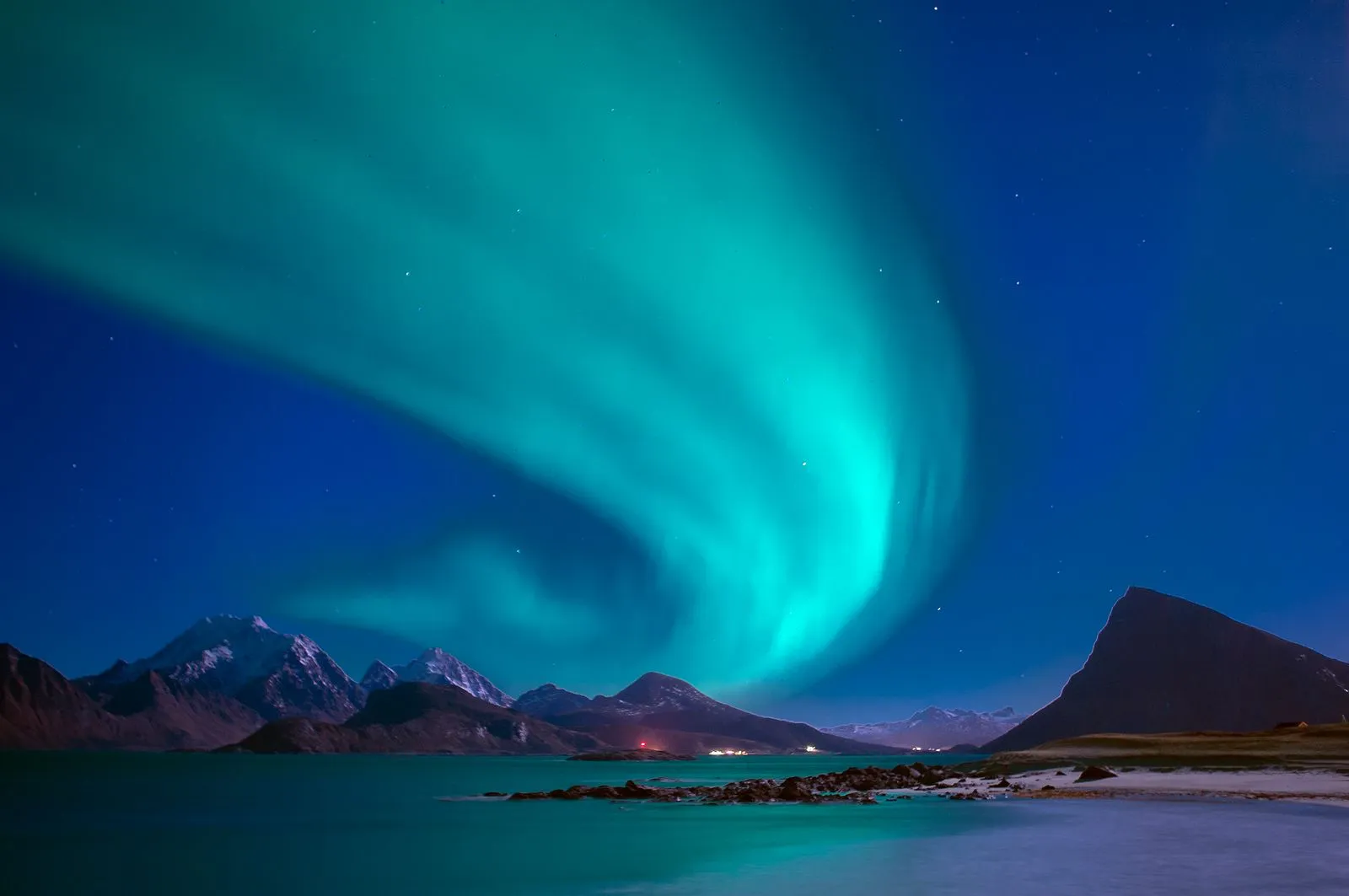
Northern lights dancing over a snowy Greenlandic landscape

Greenland has two radically different travel seasons. Summer (June–August) brings midnight sun, melted fjords, hiking, whale watching, and the widest choice of flights and tours. Winter (November–March) brings polar darkness, northern lights, dog sledding, and snowmobiling, but far fewer options and extreme cold. The shoulder months (April–May and September–October) offer a bit of both. There is no true budget season because Greenland’s tourism infrastructure is still developing, though shoulder months can be 20–30% cheaper. Plan for at least 10–14 days to make the logistics worthwhile. Build in buffer days because weather cancellations are routine.

Month-by-Month Overview

MonthSeasonBest ForCrowdsPricesRating
JanuaryPolar darknessNorthern lights, return of the sun celebrations🟢 Very Low🟢 Low⭐⭐
FebruaryLate winterNorthern lights, backcountry skiing, whale songs in Disko Bay🟢 Low🟢 Low⭐⭐
MarchLate winterDog sledding prime, ice fishing, igloo lodges🟢 Low🟡 Moderate⭐⭐⭐
AprilEarly springLast northern lights, Arctic Sounds Festival, ice sheet access🟡 Moderate🟡 Moderate⭐⭐⭐⭐
MaySpringHeliskiing, lengthening days, snow still on mountains🟡 Moderate🟡 Moderate⭐⭐⭐
JuneSummerMidnight sun, National Day (21st), kayaking, whale watching begins🔴 High🔴 Peak⭐⭐⭐⭐⭐
JulyPeak summerWarmest month, fishing, hiking, all tours operational🔴 High🔴 Peak⭐⭐⭐⭐⭐
AugustLate summerSouth Greenland greenest, trekking, berries ripening🔴 High🔴 Peak⭐⭐⭐⭐⭐
SeptemberEarly autumnNorthern lights return, no mosquitoes, hiking, Disko Island🟡 Moderate🟡 Moderate⭐⭐⭐⭐⭐
OctoberAutumnPolar Circle Marathon, musk ox hunts, first snow🟢 Low🟡 Moderate⭐⭐⭐
NovemberEarly winterDark sky photography, Tentsile camping, arts season🟢 Very Low🟢 Low⭐⭐
DecemberWinterChristmas in Greenland, Santa arrives by helicopter, ski lifts open🟢 Low🟡 Moderate⭐⭐⭐
Sweet spot: June through early September. You get midnight sun (or very long days), operational flights and ferries, open hiking trails, and whale watching at its best. September is arguably the single best month: northern lights start, mosquitoes are gone, crowds thin out, and autumn colours appear in the tundra. If you want winter activities (dog sledding, aurora), March and April offer the best balance of light, snow, and accessibility.

Holidays & Festivals

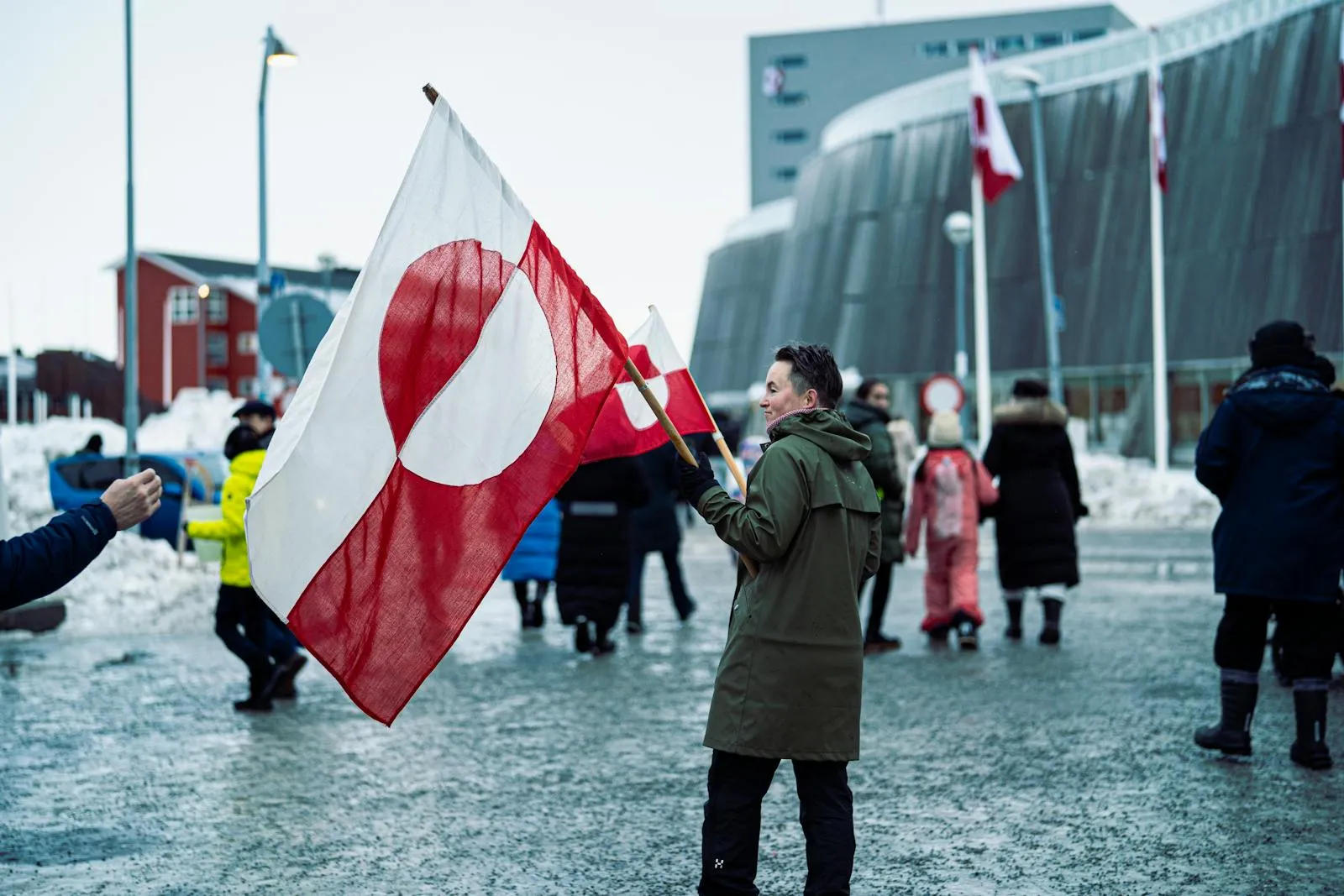
Traditional Greenlandic celebration with folk costumes and flags

Greenland follows Danish public holidays with a few local additions. National Day on June 21 is the biggest event of the year, coinciding with summer solstice and celebrated with folk dancing, outdoor barbecues, cannon fire, and community gatherings. Most holidays mean reduced services and closed shops rather than tourist spectacles. The real cultural experiences happen informally, through kaffemik gatherings in local homes, or at the smaller festivals that pop up in individual towns.

DateHoliday / EventNotes
Jan 1New Year’s DayFireworks and celebrations, especially in Nuuk and Ilulissat.
Jan 6EpiphanyGenerally a half day of holiday. Shops may close early.
Jan (varies)Return of the SunCommunities above the Arctic Circle gather to watch the sun rise for the first time after polar darkness. Singing, celebration.
Mar/Apr (varies)Easter (Påske)Thursday through Monday. Shops closed. Dog sledding season at its best.
AprArctic Sounds FestivalSisimiut. Nordic and Inuit music festival showcasing artists from across the Arctic region.
May 1Labour DayHalf day holiday.
May/Jun (varies)Ascension & Whit MondayPublic holidays. Book transport and accommodation early.
Jun 21National Day (Ullortuneq)Biggest celebration of the year. Summer solstice. Folk dancing, BBQ, cannons, choirs. Main events at Nuuk’s Colonial Harbour.
OctPolar Circle MarathonKangerlussuaq. “Coolest Marathon on Earth.” Run above the Arctic Circle past the ice sheet and musk ox territory.
First Advent (late Nov)Santa arrives by helicopterUummannaq. Santa Claus (who lives in Uummannaq) flies in by helicopter. Christmas tree lit across the country.
Dec 24–26Christmas (Jul)Orange stars in windows, small Christmas fairs, Greenlandic Christmas food. Two days off.
Dec 31New Year’s EveCelebrations in Ilulissat overlooking the Icefjord are particularly atmospheric.
Plan around National Day: If you are in Greenland on June 21, do not miss the celebrations. The entire country marks the summer solstice with outdoor events, traditional food, and a genuine warmth that opens doors to local culture you would not otherwise access. Nuuk’s Colonial Harbour is the epicentre, but smaller towns celebrate too and the atmosphere can be even more intimate.

Regions

Greenland stretches 2,500 km from south to north. Each region has a different climate, different character, and different accessibility. The west coast sees the most tourism. East Greenland is remote and raw. The far north is expedition territory. No roads connect any region. Understanding the geography is essential before booking anything.

South Greenland

Main towns: Qaqortoq, Narsarsuaq, Narsaq, Nanortalik
The mildest climate in Greenland, sometimes called the “Greenland Riviera.” Sheep farming, natural tree growth, and Norse Viking ruins (UNESCO Kujataa site). Green valleys, hot springs, and the only place in Greenland where you can grow vegetables outdoors. New international airport in Qaqortoq (opened April 2026). Best for culture, hiking between settlements, and history.

Capital Region

Main towns: Nuuk, Paamiut
Nuuk is the only real city, with restaurants, museums, the National Museum, and Greenland’s first shopping mall. Population ~19,000. The Nuuk fjord system is spectacular for boat trips and kayaking. Paamiut to the south is a quieter fishing town. New international airport in Nuuk (opened November 2024). Best as a base and for urban-meets-Arctic experiences.

Arctic Circle Region

Main towns: Sisimiut, Kangerlussuaq, Maniitsoq
Kangerlussuaq is the only inland settlement and the only place with a road to the ice sheet. Extremely dry climate (cold desert), musk ox roam the tundra. Sisimiut is the second-largest town and the end point of the Arctic Circle Trail. Maniitsoq is a heliskiing hub. Best for trekking, ice sheet access, and musk ox spotting.

North Greenland & Disko Bay

Main towns: Ilulissat, Aasiaat, Qeqertarsuaq, Uummannaq, Qaanaaq
The tourist heart of Greenland. Ilulissat sits at the mouth of the UNESCO Icefjord where the most productive glacier in the Northern Hemisphere calves icebergs the size of buildings. Disko Island has basalt columns and hot springs. Uummannaq rises from a heart-shaped mountain. Qaanaaq in the far north is Inughuit territory with midnight sun and polar darkness. Best for icebergs, whale watching, and Arctic immersion.

East Greenland

Main towns: Tasiilaq, Kulusuk, Ittoqqortoormiit
The most remote and least visited region. Isolated by pack ice for much of the year. Subject to piteraq katabatic winds (gusts up to 324 km/h). Tasiilaq is the main gateway with about 2,000 residents. Ittoqqortoormiit near the enormous Scoresby Sund fjord system has just 345 people. This is where you are most likely to encounter polar bears. Best for raw wilderness, authentic Inuit communities, and expedition-style travel.

Top Sightseeing

Greenland does not have traditional tourist attractions. What it has is landscapes and experiences so far outside normal travel that they redefine what you thought was possible. These are the ten things most worth arranging your trip around.

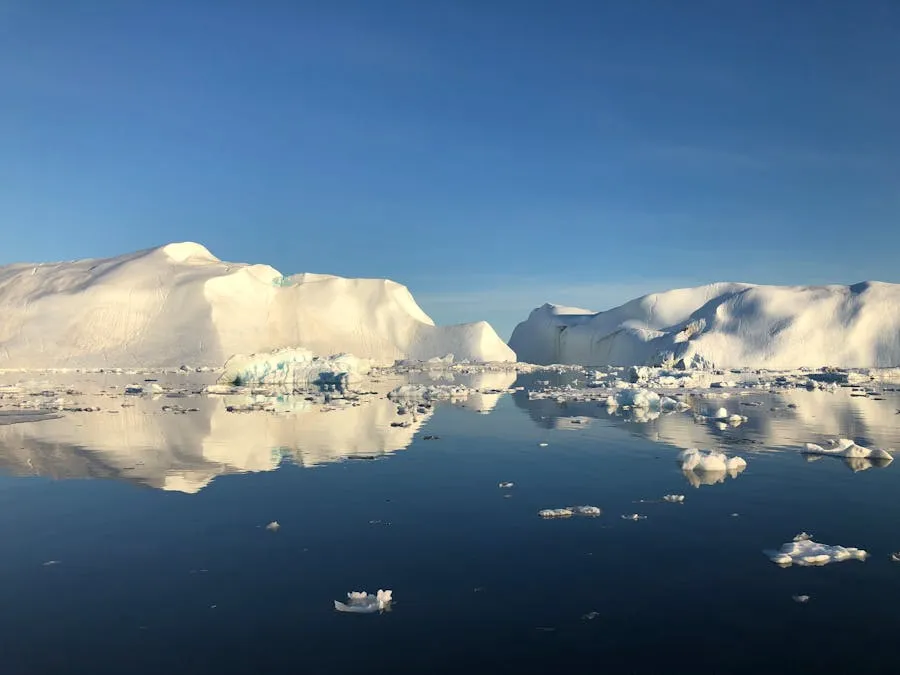
Massive icebergs in the Ilulissat Icefjord

Ilulissat Icefjord (UNESCO)

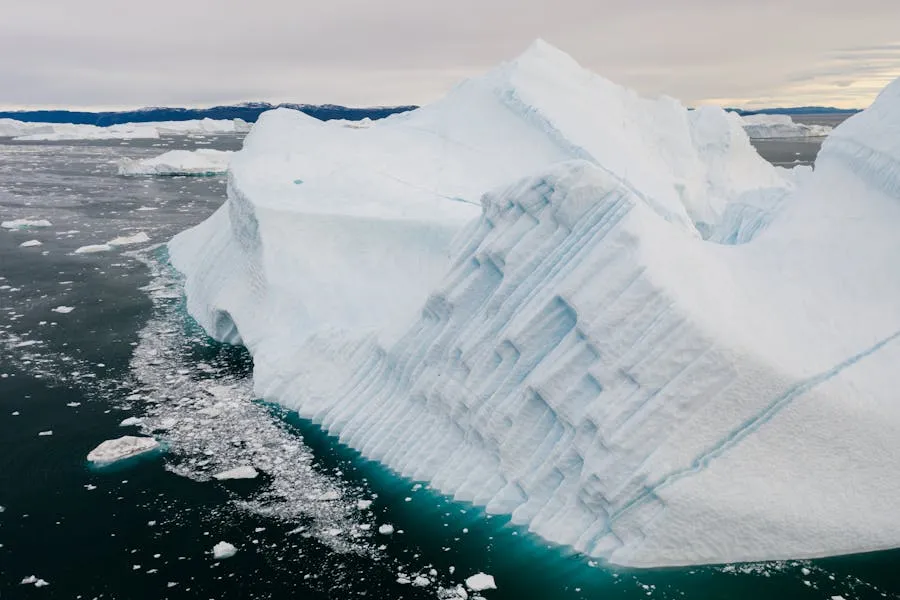
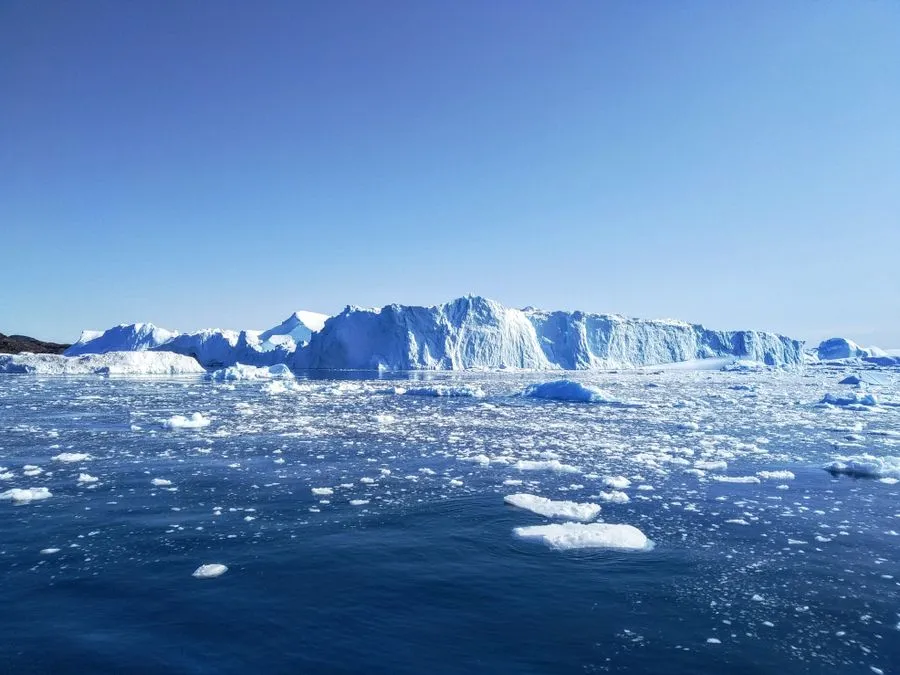
The most productive glacier in the Northern Hemisphere calves 46 km³ of ice per year into this fjord. Icebergs the size of apartment blocks drift past in eerie silence. Boat tours get you among them. The boardwalk to Sermermiut offers views from land. This is what most people come to Ilulissat for.

The vast Greenland Ice Sheet stretching to the horizon

Greenland Ice Sheet

One of only two ice sheets left on Earth, covering 1.7 million km². The only place with road access is Point 660 near Kangerlussuaq, 25 km from the ice edge. Walking tours let you stand on ice that is millions of years old. Flight-seeing tours from Ilulissat and Nuuk show the scale from above. Either way, the experience is humbling.

Colorful houses along the waterfront in Nuuk

Nuuk & Colonial Harbour

The capital is the only place in Greenland that functions like a small city. The National Museum holds the famous Greenland mummies and 4,500 years of Inuit artifacts. The Colonial Harbour (Nuutoqaq) is the historic heart with colourful buildings. The restaurant scene is developing fast, with musk ox burgers, snow crab sushi, and reindeer hot dogs on offer.

Rocky landscape of Disko Island with dramatic coastline

Disko Island (Qeqertarsuaq)

A geothermal island in Disko Bay with basalt columns, hot springs, black sand beaches, and unique plant species. One of the best whale watching spots in Greenland. The town of Qeqertarsuaq has about 800 residents and a research station. Hike to the Kuannit valley for basalt formations or take a boat along the coast past icebergs. September is particularly good here.

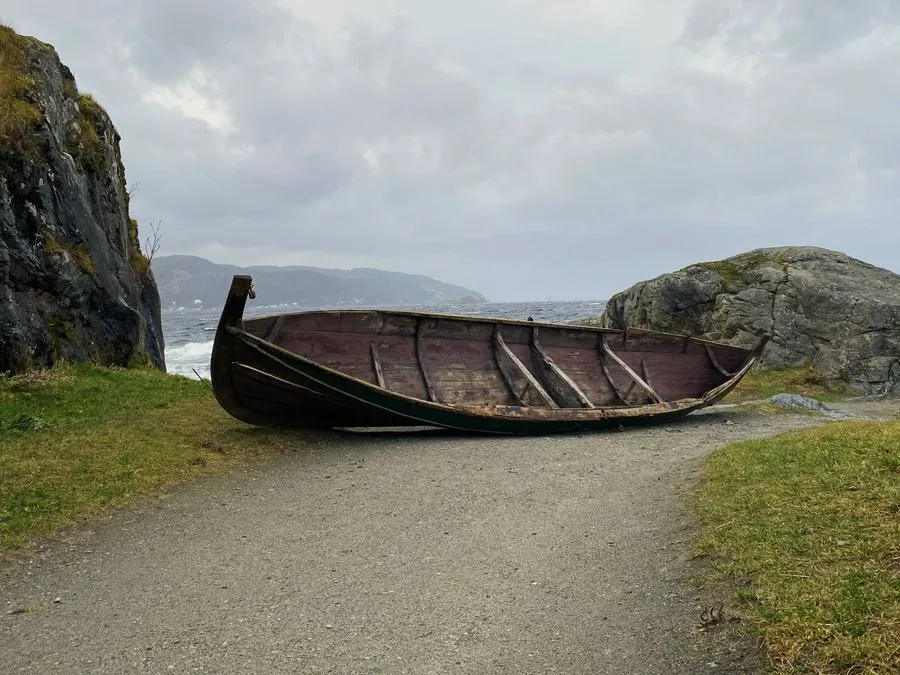
Ancient stone ruins in a green valley in South Greenland

Norse Ruins & Kujataa UNESCO Site

Icelandic Vikings settled South Greenland around 985 AD and farmed here for 500 years before vanishing. Their stone ruins sit in green valleys overlooking icebergs. The Kujataa UNESCO site preserves both Norse farmsteads and Inuit hunting grounds. Qassiarsuk (where Erik the Red landed) and Igaliku are the main sites. Walking between settlements through this landscape is one of Greenland’s most memorable experiences.

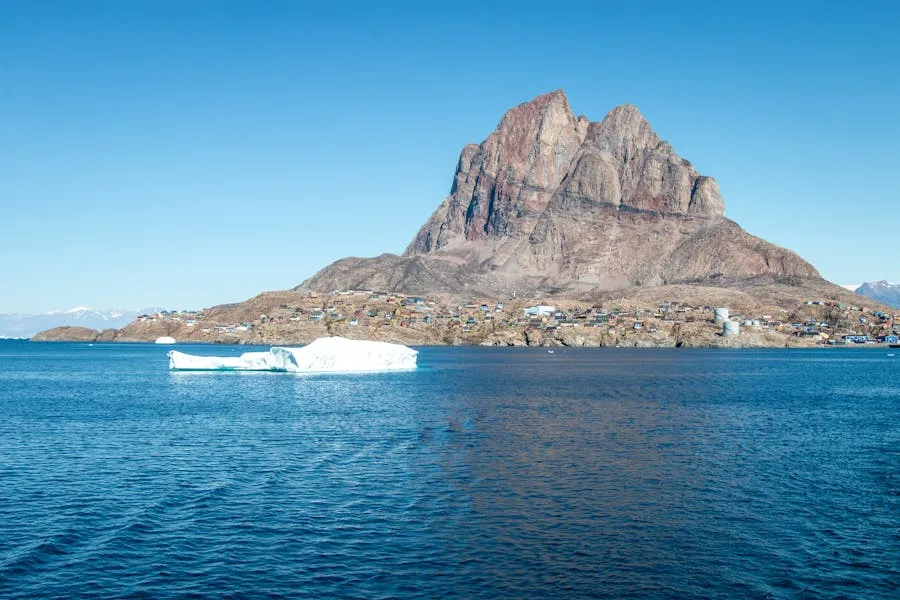
The dramatic heart-shaped mountain of Uummannaq

Uummannaq

A town of 1,400 on a small island dominated by a heart-shaped 1,170m mountain. Dog sledding, ice fishing, and an igloo lodge in winter. Traditional Arctic life is very visible here, with locals training sled dogs and hauling nets year-round. The town museum covers Inuit life and the ill-fated “experiment children” relocation of the 1950s. Santa Claus officially lives here.

Remote settlement of Tasiilaq surrounded by mountains and ice

Tasiilaq & East Greenland

The gateway to Greenland’s most remote inhabited region. About 2,000 people live here, surrounded by pack ice, towering mountains, and glaciers. Artisanal carvers work in bone and stone. Kayaking among icebergs here is hard to beat. The settlement feels raw and real in a way that more touristed west coast towns do not. Flights go via Kulusuk, where there is an international airport.

Hiker on the Arctic tundra of the Arctic Circle Trail

Arctic Circle Trail

160 km from Kangerlussuaq to Sisimiut through pristine tundra, the land of a hundred lakes. 8–10 days, experienced hikers only. No resupply, no cell coverage, 9 basic free huts. The trail crosses the Aasivissuit-Nipisat UNESCO World Heritage Site, an Inuit hunting ground for 4,200+ years. Reindeer, musk ox, Arctic fox, and absolute silence. One of the most remote long-distance hikes on Earth.

Musk ox on the tundra near Kangerlussuaq

Kangerlussuaq & Russell Glacier

A former US air base turned gateway to the ice sheet. The driest place in Greenland (149mm rain/year) with a continental climate that makes it feel warmer than numbers suggest. Musk ox herds roam the tundra right outside town. Russell Glacier calves into a lake 11 km from the ice edge. The Polar Circle Marathon runs past it in October. One of the best places on Earth for northern lights due to clear inland skies.

Snowy Arctic settlement in the far north of Greenland

Qaanaaq & Thule

The northernmost real town on Earth, home to the Inughuit people. Midnight sun from late April to mid-August. Polar darkness for four months. Mean winter temperature −23°C. Only reachable by sea July through September. Dog sledding is not a tourist activity here; it is how people get around. A true frontier settlement at the edge of the National Park, which at 972,000 km² is the largest protected area on Earth.

Culture & Cuisine

Greenlandic culture is Inuit culture adapted to the most extreme conditions on Earth. Hunting, fishing, and a deep relationship with the Arctic environment define daily life. The language (Kalaallisut) is an Inuit-Aleut language completely unrelated to European languages. Danish is widely spoken as a second language, and English works in tourist areas. Greenlanders are calm, patient, and initially reserved, but genuine warmth opens up quickly, especially if you show respect for their culture and try local food.

  • Kaffemik is the most important social tradition. A gathering in someone’s home with hot drinks, cakes, and conversation. If invited, go. Take your shoes off at the door. Communication may be slow unless you speak Greenlandic, but the hospitality is real.
  • Hunting and fishing remain central to daily life, not just cultural tradition. Seal, whale, and reindeer hunting are economically necessary and culturally significant. Approach the topic with respect.
  • Sled dogs are working animals, not pets. Never approach a chained sled dog without permission from the musher. They can bite. The musher is the master.
  • Photography is welcome in public spaces, but always ask before photographing people. Respect a “no” immediately. In heavily touristed towns like Ilulissat, locals can be less forthcoming about being photographed.
  • Prices are fixed in all shops. Do not haggle. This is not a negotiation culture.

Food & Drink

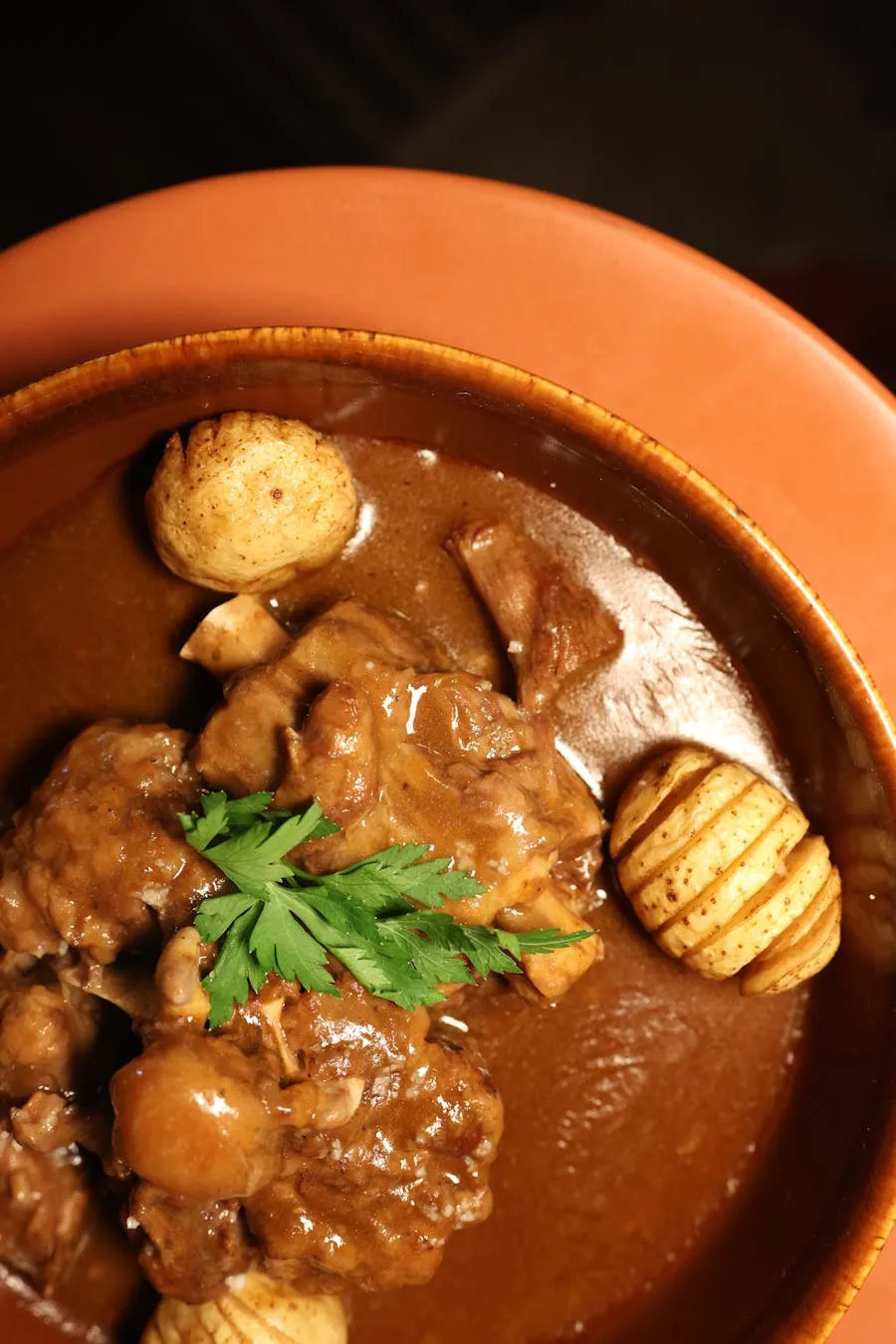
Hearty meat stew in a rustic bowl

Suaasat

The national dish. A rich meat soup traditionally made with seal, whale, reindeer, or seabird, slow-cooked with onion, potato, and rice. Every household makes it differently. If you are offered homemade suaasat, consider it a privilege.

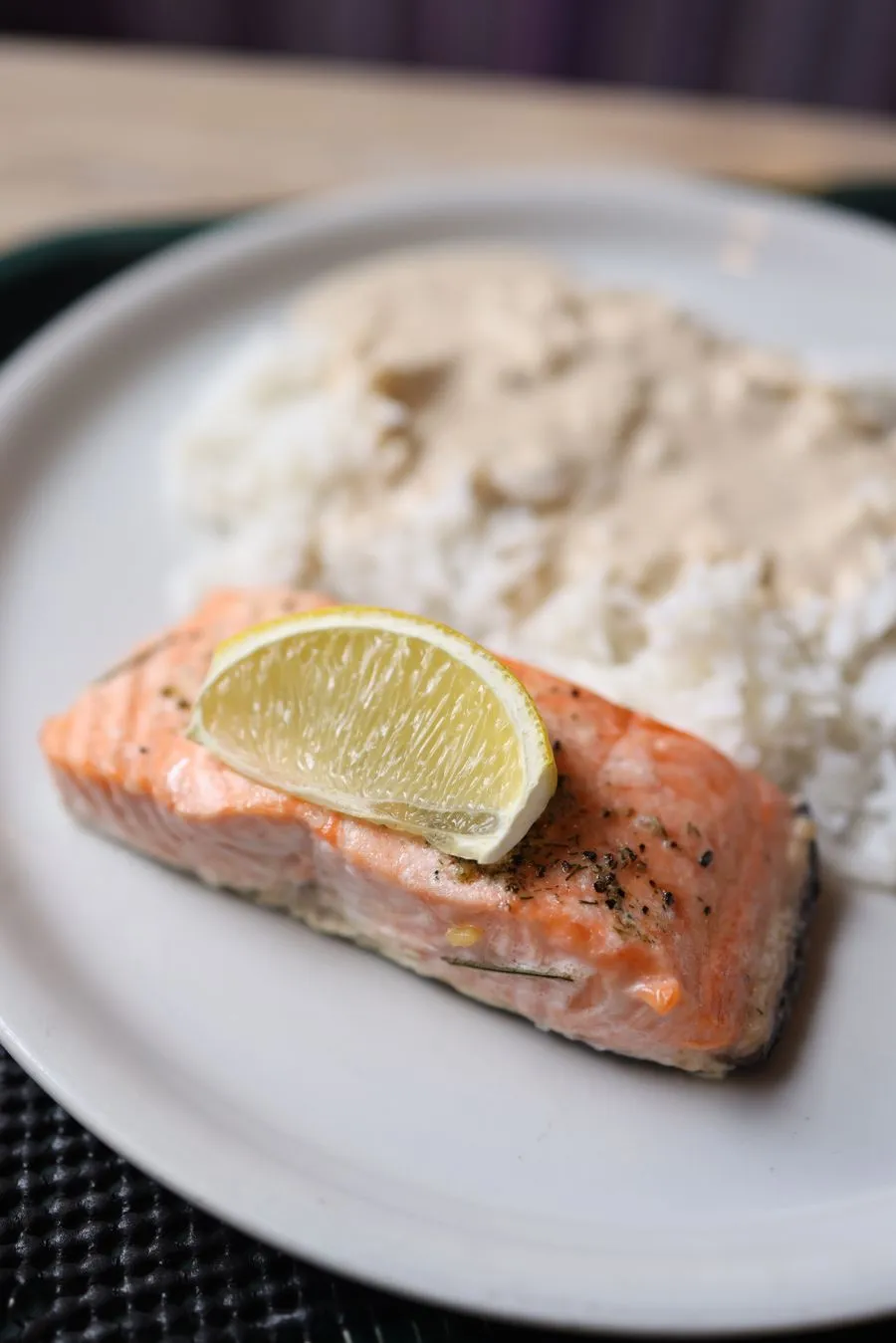
Grilled salmon served fresh on a plate

Arctic Seafood

Halibut, Arctic char, salmon, snow crab, and scallops are pulled from icy waters and served incredibly fresh. Fish is a staple across Greenland. Dried fish (paneeraq) is a common snack. Snow crab from Sisimiut is particularly prized.

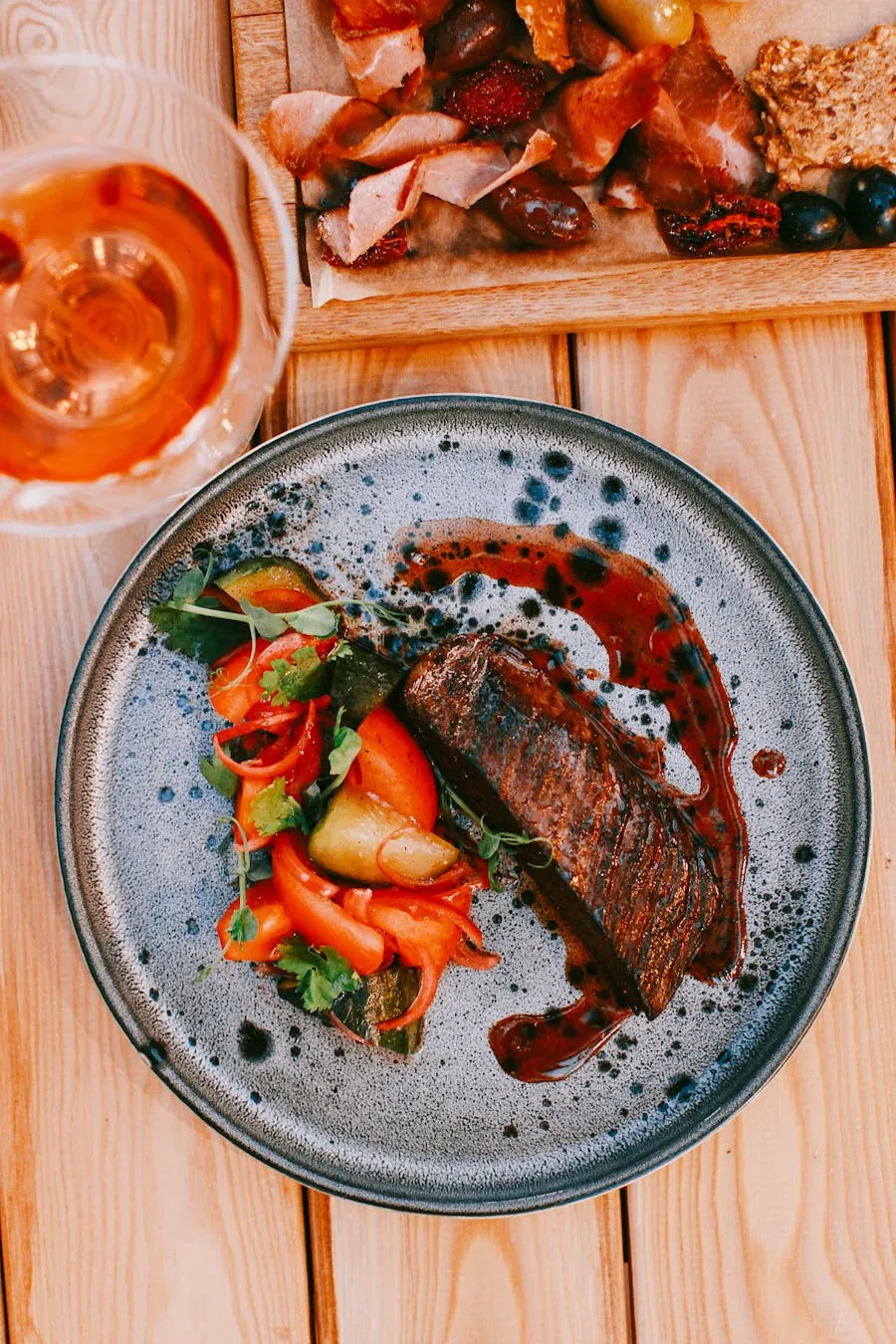
Grilled game meat steak with vegetables

Game Meats

Reindeer, musk ox, and seal appear on menus everywhere. Mattak (whale skin and blubber) is a traditional delicacy served raw or semi-dried. Musk ox tenderloin is surprisingly tender. These proteins have sustained communities for thousands of years.

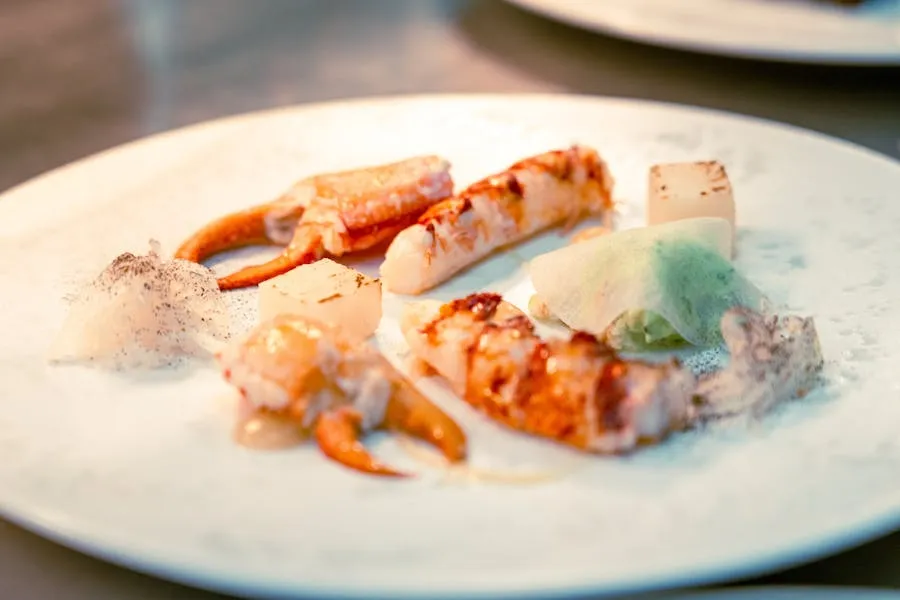
Elegant fine dining seafood plate with creative plating

Modern Greenlandic

Nuuk and Ilulissat are developing real restaurant scenes. Reindeer tartare, smoked ptarmigan, snow crab sushi, and musk ox burgers appear alongside French-Greenlandic tasting menus. Ilulissat’s Restaurant Icefjord does a 7-course dinner. Nuuk has Thai-Greenlandic fusion, craft coffee, and brunch culture. Even Qajak Brewery in South Greenland makes craft beer.

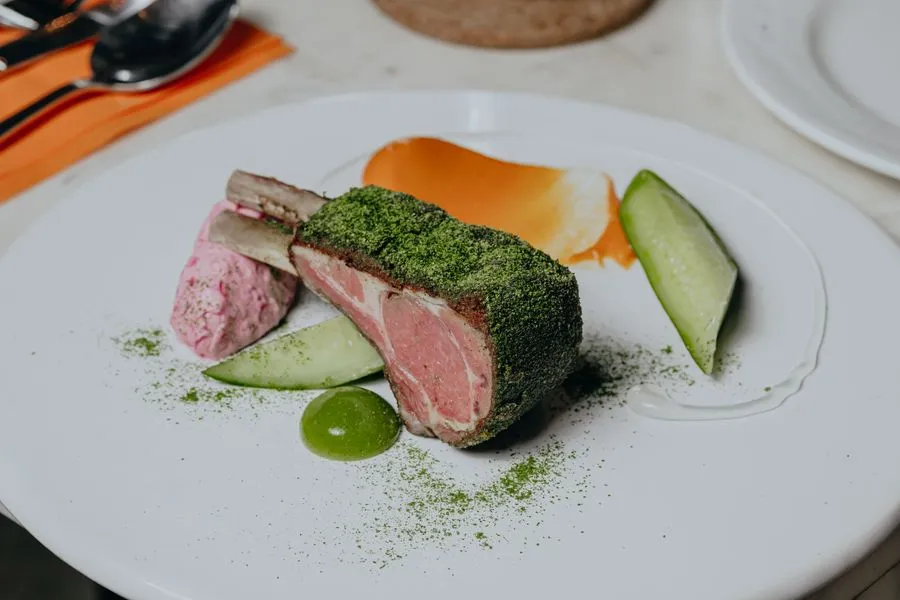
Herb-crusted lamb cutlet with fresh vegetables

South Greenland Lamb

The only farming region in the country produces some of the best lamb you will eat anywhere. Sheep graze on wild herbs and grasses with no industrial agriculture anywhere nearby. Fresh, hyperlocal ingredients are the norm down south.

Fresh cappuccino in a cozy cafe setting

Coffee Culture

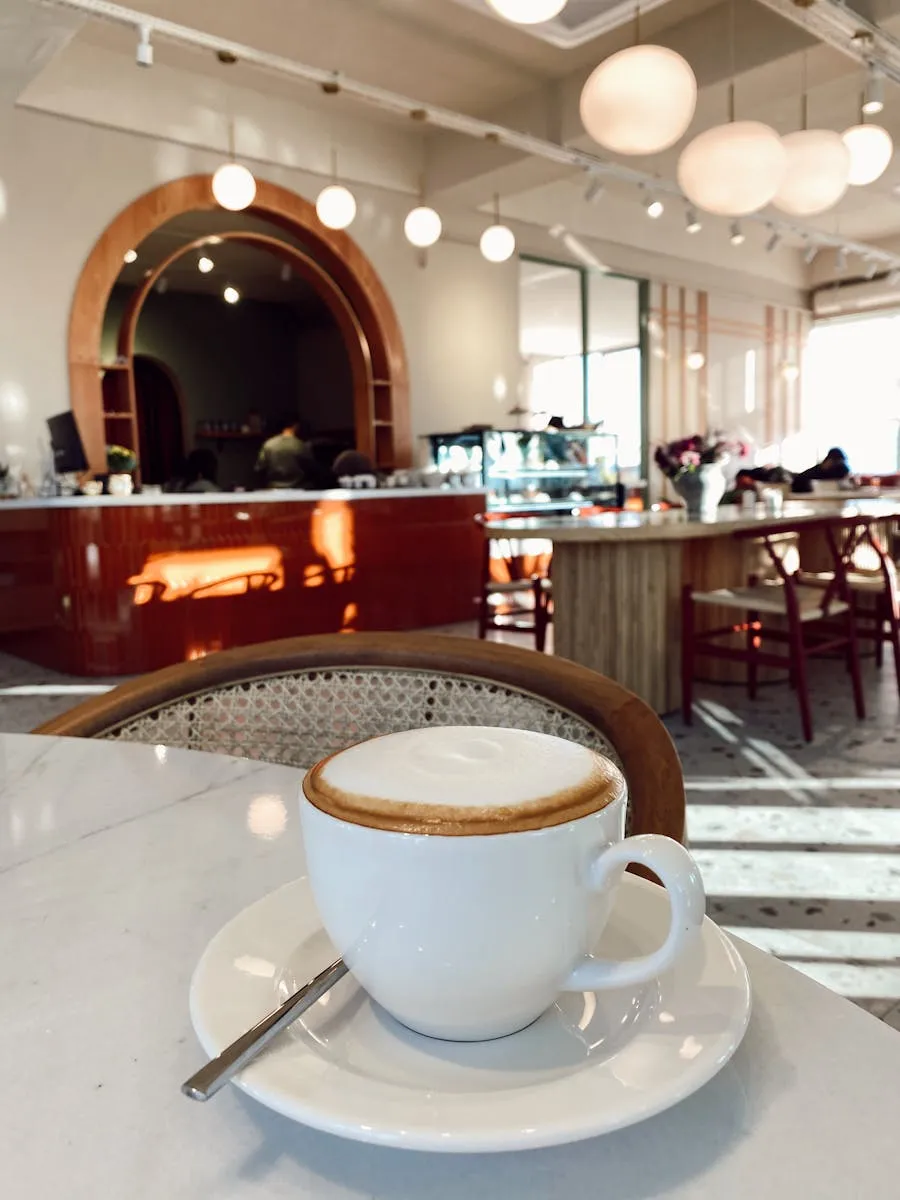
Coffee is enormous in Greenland. Every gathering centres on hot drinks. Kaffivik in Nuuk is a local favourite. The kaffemik tradition revolves entirely around coffee and cake. This is one of the highest per-capita coffee consumption rates in the world.

Dietary restrictions: Vegetarian options exist but are limited. Vegan dining is very challenging outside Nuuk. Grocery prices are 30–50% higher than Europe because almost everything is imported. Alcohol is expensive due to import taxes. If you have specific dietary needs, bring supplies from home and notify restaurants in advance. Many lodges serve set menus rather than à la carte.

Activities & Hikes

Hiker on an Arctic tundra trail in Greenland with mountains in the distance

Everything in Greenland is an outdoor activity. The country has no theme parks, no shopping districts, and very few indoor attractions beyond museums. What it does have is an Arctic wilderness that makes every other “adventure destination” look tame. Most activities require booking with local operators, often months in advance for summer.

  • Arctic Circle Trail (ACT) – 160 km, Kangerlussuaq to Sisimiut, 8–10 days. Experienced hikers only. No resupply, no cell coverage, trail just 30 cm wide, expect wet feet. 9 free huts (first-come), but carry a tent. Average speed ~2.5 km/h due to boggy terrain. June–September. Crosses UNESCO Aasivissuit-Nipisat World Heritage Site. Reindeer, musk ox, Arctic fox on the trail. Blueberries and crowberries for snacking. One of the most isolated treks in the world.
  • Day hikes – Available near most towns. South Greenland offers multi-day hikes between settlements staying in hostels, sheep farms, or tents. Nasaasaaq summit (784m) above Sisimiut gives panoramic views. Signal Hill near Narsarsuaq passes through actual forest. Wild camping is allowed everywhere except near houses and protected areas.
  • Whale watching – Boat/RIB tours from Ilulissat, Nuuk, and Qeqertarsuaq. June–October best. High chance of humpback, fin, and minke whales. Disko Bay also has bowhead whales January–May. 16 whale species in Greenland waters total. Tours often include icebergs as backdrop.
  • Ice sheet walking – Only from Kangerlussuaq (road access to Point 660). Walk on ice millions of years old. Crampons provided by operators. Flight-seeing tours from Ilulissat and Nuuk show the scale from above.
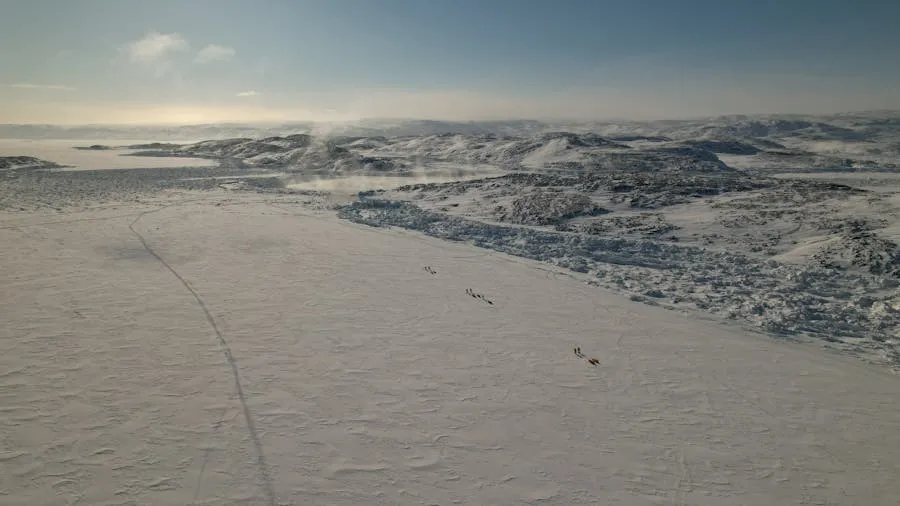
  • Dog sledding – Available above the Arctic Circle and in East Greenland only. Traditional transport, not a tourist invention. Best March–April. Multi-day expeditions from Ilulissat, Uummannaq, Sisimiut. Winter only (snow required).
  • Kayaking – Among icebergs in fjords. Summer activity. Ilulissat, Nuuk, Tasiilaq. The word “kayak” is Greenlandic. Guided tours range from half-day paddles to multi-day expeditions.
  • Northern lights – September through April. Kangerlussuaq has ideal conditions (clear inland skies, 67°N). Glass igloos and Tentsile camping available for viewing. April is the last chance before summer light takes over.
  • Fishing – Arctic char fly fishing is excellent. July is prime. Fishing licence required (75 DKK/24hrs, 200 DKK/week, 500 DKK/month). You can drink from flowing rivers while hiking. Trout on the Arctic Circle Trail. Deep-sea fishing tours from multiple towns.
  • Heliskiing – May, near Maniitsoq and in East Greenland. Ski down 2,000m slopes ending at iceberg-filled sea. Greenland is one of the last places on Earth with untouched powder slopes accessible only by helicopter.
  • Snowmobiling & skiing – Winter activities. Cross-country skiing popular. Alpine ski lifts open December+ in Nuuk. Snowmobiling second nature to locals in Sisimiut.
Safety first: Never hike alone in wilderness areas. Arctic conditions demand respect: hypothermia and frostbite are real risks even in summer. Never walk on a snow-covered glacier without rope, crampons, and ice axes. No cell coverage outside towns. Carry an emergency beacon (SPOT tracker or satellite phone) for multi-day treks. Rescue is extremely expensive. Listen to local guides; they understand Arctic conditions intimately.

Wildlife & Nature

Greenland’s terrestrial species list is short, but every animal on it is iconic. The marine life is extraordinary. 16 whale species swim in Greenland waters. The Northeast Greenland National Park (972,000 km²) is the largest protected area on Earth. Wildlife viewing here is expedition-style: boat-based, weather-dependent, and always with the chance of seeing something genuinely rare. There are no penguins in Greenland. That is the Southern Hemisphere.

Humpback whale tail rising from the ocean with icebergs behind

Humpback Whale

15–17m long, 35 tonnes, with 5m flippers and the most complex song in the animal kingdom. About 6,000 feed in Greenland waters June–November, often in fjords close to land. They jump fully out of the water. Boat tours from Ilulissat and Nuuk have high success rates. In winter they migrate 6,000 km each way to the Caribbean to mate.

Polar bear walking on Arctic sea ice

Polar Bear (Nanoq)

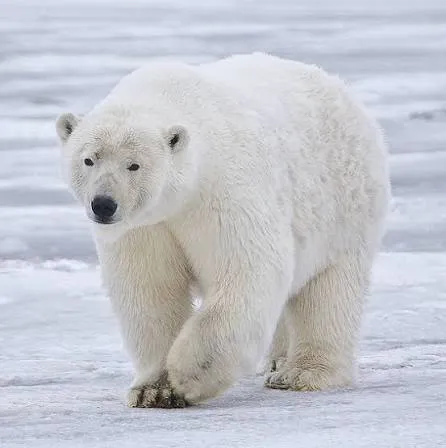
The King of the Arctic. Greenland has a large population, but sightings are uncommon because they live on drifting sea ice. Most common in North and Northeast Greenland and along the east coast. Very rarely seen on the west coast. Never approach. In East Greenland, rifles can be rented for protection. The NE National Park is prime habitat but requires expedition access.

Musk ox standing on Arctic tundra

Musk Ox

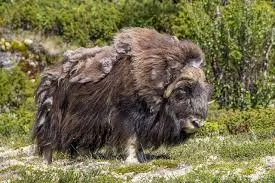
Prehistoric-looking beasts more closely related to sheep than bison, yet weighing up to 400 kg. The largest population is in NE Greenland, but the most accessible herds live near Kangerlussuaq, where 27 animals relocated in the 1960s have thrived. They climb incredible mountains. Their underwool (qiviut) is one of the warmest fibres on Earth and the basis for popular souvenirs. Do not approach too closely; they can charge.

Narwhals swimming in Arctic waters

Narwhal

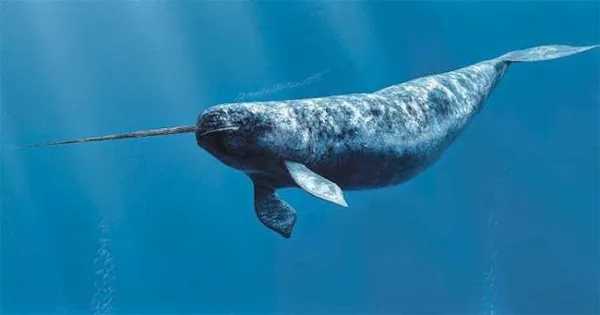
The “unicorn of the sea.” 4–5m long with a spiral tusk up to 3m. Found in NW Greenland and along the East coast in summer. In winter they follow cracks in pack ice. Melville Bay in NW Greenland is a key habitat. Seeing one is genuinely rare and special. Protected by strict hunting quotas.

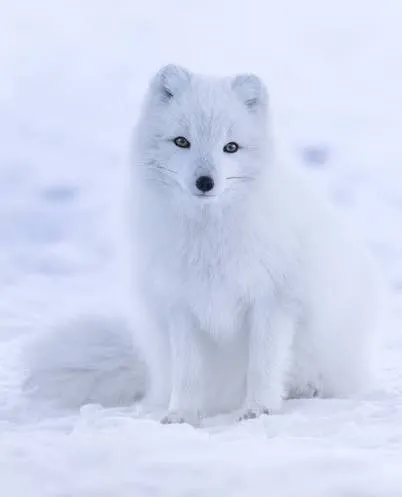
White Arctic fox in winter coat

Arctic Fox

Two subspecies: white fox (inland, turns pure white in winter) and blue fox (coastal, stays dark year-round). The winter coat is three times thicker than summer and is one of the warmest furs in the world. Generally shy due to hunting, but backcountry hikers spot them regularly. In the protected NE National Park they are less wary of humans.

Atlantic puffin with colourful beak standing on a cliff

Atlantic Puffin & Seabirds

Puffins nest in coastal colonies in summer. Greenland also hosts white-tailed eagles (2.5m wingspan, largest bird in the country), gyrfalcons, guillemots, kittiwakes, and Arctic terns that migrate from Antarctica. Seabird colonies on coastal cliffs are internationally significant. The birdwatching is best June through August.

Best wildlife viewing: Whale watching from Disko Bay (Ilulissat) June–October. Musk ox safaris from Kangerlussuaq year-round. Birdwatching at coastal cliffs in summer. Polar bears only on dedicated expeditions to NE or East Greenland. All wildlife here is genuinely wild. Never touch, feed, or closely approach any animal. Be careful where you step; tundra plants can take years to grow an inch.

Route A – West Coast Classic (10–14 Days) Recommended

The most practical introduction to Greenland. Covers the three pillars: the capital, the ice sheet, and the Icefjord. All connected by domestic flights. This route works June through September and gives you a genuine Arctic experience without expedition-level logistics.

Day-by-day itinerary

Days 1–3 – Nuuk

Arrive at Nuuk’s international airport. Explore the Colonial Harbour, National Museum (Greenland mummies, 4,500 years of Inuit artifacts), and Katuaq cultural centre. Kayak or boat trip in the Nuuk fjord system. Try reindeer hot dogs and snow crab sushi. Walk up Quassussuaq (Lille Malene) for views over the city and Davis Strait. Evening kaffemik if you can arrange one.

Days 4–5 – Kangerlussuaq

Fly to Kangerlussuaq. Drive to Point 660 and walk on the Greenland Ice Sheet. Visit Russell Glacier (11 km from the ice edge). Musk ox safari on the tundra. If travelling in September and skies are clear, this is a strong spot for early-season northern lights. Dry cold-desert climate feels warmer than you expect.

Days 6–7 – Sisimiut

Fly to Sisimiut. Greenland’s second-largest town and Arctic Circle Trail endpoint. Explore the old colonial quarter. Day hike toward Nasaasaaq summit (784m) for panoramic views over the sea. The Arctic Spa at Hotel Sisimiut is a welcome luxury after days in the wilderness.

Days 8–11 – Ilulissat & Disko Bay

Fly to Ilulissat. The centrepiece of any Greenland trip. Walk the boardwalk to Sermermiut overlooking the UNESCO Icefjord. Boat tour among icebergs. Whale watching (humpback and fin whales very common in summer). Day trip to Disko Island for basalt columns and hot springs. Fine dining at Restaurant Icefjord or Brasserie Ulo. Visit the Ilulissat Art Museum. Midnight sun walks along the shore.

Days 12–14 – Buffer & Departure

Weather buffer days (essential in Greenland). Use for extra Ilulissat activities, a side trip to Oqaatsut fishing village, or simply soaking in the Arctic atmosphere. Fly back to Nuuk or Copenhagen. Do not schedule tight connections on the departure day; delays happen.

Budget estimate: Domestic flights $800–1,500 total. Accommodation $100–250/night. Tours and activities $200–400 total. Food $30–60/day. Total for 14 days (mid-range): roughly $4,500–7,000 plus international flights.

Route B – Arctic Circle Trek (12–14 Days)

For experienced hikers who want the real thing. The Arctic Circle Trail is one of the most remote long-distance hikes on Earth. This route adds ice sheet access and recovery time. Only suitable June through September. You must be fully self-sufficient with food, tent, emergency beacon, and navigation skills.

Day-by-day itinerary

Day 1 – Kangerlussuaq Arrival & Ice Sheet

Arrive Kangerlussuaq. Half-day excursion to Point 660 on the Greenland Ice Sheet. Stock up on supplies (last chance for 8–10 days). Gas canisters available at local stores. Overnight in town.

Days 2–9 – Arctic Circle Trail

160 km through undulating Arctic tundra. The trail follows the “land of one hundred lakes,” passing Lake Amitsorsuaq (23 km long, canoes available). 9 basic huts along the way (first-come, unheated, sleep 4–6). Trail is narrow (~30 cm), boggy in places, river crossings required. Drink from flowing rivers (no purifier needed). Watch for reindeer, musk ox, Arctic fox. Blueberries and crowberries for trail snacks. Mosquitoes Jul–Aug (head net essential). No cell coverage the entire way.

Day 10 – Arrive Sisimiut

Emerge at Sisimiut. Hot shower. Real food. Recovery walk around town. Optional summit attempt on Nasaasaaq if energy permits.

Days 11–12 – Sisimiut & Recovery

Explore Sisimiut. Visit the old colonial quarter. Arctic Spa for sore muscles. Day trip options: boat tour, fishing trip, or simply rest. This is your buffer against weather delays on departure.

Days 13–14 – Departure

Fly from Sisimiut to Kangerlussuaq or Nuuk for international connection. Build in an extra day; weather delays are common.

ACT reality check: The trail looks easy on paper but averages 2.5 km/h. Expect wet feet for 8–10 days straight even with waterproof boots. Weather can swing from 30°C to snow in the same week. Carry enough food for your planned days plus one extra. Emergency rescue is extremely expensive. The official ACT website (arcticcircletrail.gl) has a readiness quiz. Be honest with yourself.

Route C – South Greenland Culture & Nature (7–10 Days)

The greenest, warmest, and most historically layered corner of Greenland. Viking ruins, sheep farms, hot springs, and UNESCO sites. This route suits travellers who want cultural depth without extreme logistics. Works best July through September. The new Qaqortoq airport (opened April 2026) makes access much easier than before.

Day-by-day itinerary

Days 1–2 – Narsarsuaq

Arrive via Nuuk or Reykjavik. Walk to Signal Hill through actual forest (rare in Greenland). Visit the WWII Blue West One airbase remains. Boat trip to see the Qooroq Icefjord and its glacier calving. This valley is stunningly green by Greenland standards.

Days 3–4 – Qassiarsuk & Igaliku

Boat across the fjord to Qassiarsuk, where Erik the Red established Brattahlid in 985 AD. Walk among Norse ruins overlooking icebergs. Hike the King’s Road (about 7 km) to Igaliku, a tiny farming settlement surrounded by Norse church ruins, green fields, and grazing sheep. The Kujataa UNESCO World Heritage Site spans both settlements. Stay at a sheep farm guesthouse. Lamb dinner from animals that graze 50 metres away.

Days 5–6 – Qaqortoq

South Greenland’s largest town (about 3,000 people). The only public fountain in Greenland. Stone and Man art project (over 40 sculptures carved into rocks around town). Qajak Brewery for local craft beer. Day trip to Hvalsey Church, the best-preserved Norse ruin in Greenland, where the last documented Norse event (a wedding, 1408) took place.

Days 7–8 – Uunartoq Hot Springs

Boat trip to a natural hot spring on an uninhabited island. Soak in 37–38°C water while looking at icebergs. One of the most photographed spots in Greenland. Bring your own towel. The springs are basic (no facilities) but the setting is extraordinary.

Days 9–10 – Buffer & Departure

Weather buffer. Optional extras: kayaking in the fjords, visiting more farming settlements, or the Upernaviarsuk agricultural research station. Fly out from Qaqortoq or Narsarsuaq.

Why South Greenland: This is the gentlest introduction to the country. Warmer temperatures, greener landscapes, walkable distances between settlements, and a farming culture that feels surprisingly hospitable. The Viking history adds a dimension no other part of Greenland can match. Also the most affordable region since accommodation includes farm stays.

Getting Around

Small propeller aircraft on a runway in Greenland with mountains behind

There are no roads between towns in Greenland. None. Every settlement is an island accessible only by air, sea, or dog sled. This is the single most important thing to understand about travel logistics here.

Getting There

  • Copenhagen → Nuuk: Air Greenland, ~4.5 hours direct. The main gateway. Nuuk’s new international airport opened November 2024.
  • Reykjavik/Keflavik → Nuuk/Ilulissat/Narsarsuaq: Icelandair and Air Greenland. Shorter flights, good for combining Iceland + Greenland.
  • Newark → Nuuk: United Airlines, June–August only, launched 2025. First direct USA–Greenland route.
  • Ilulissat airport: New international terminal expected to open 2026. Will accept direct flights from Europe.
  • Qaqortoq airport: Opened April 2026. Opens up South Greenland access significantly.

Domestic Travel

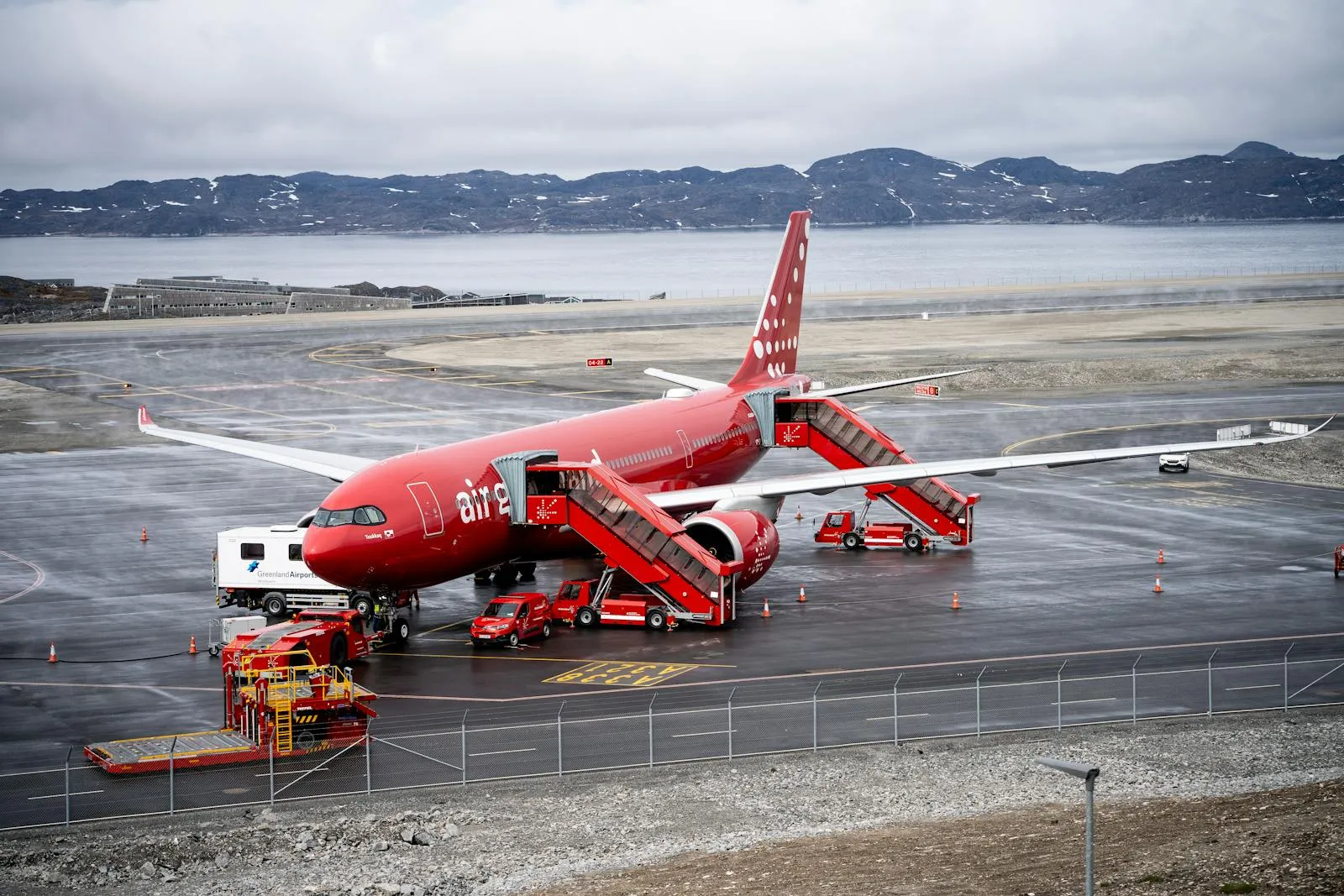
  • Air Greenland: The only domestic airline. Dash-8 turboprops and helicopters connect ~15 settlements. Book early; flights fill up fast in summer. Expect delays (weather-dependent). A single domestic flight runs $200–500 one-way.
  • Arctic Umiaq Line: Coastal ferry along the west coast, Ilulissat ↔ Qaqortoq. Takes days, not hours. The MS Sarfaq Ittuk is the ship. Scenic but slow. Runs April–January, weekly service.
  • Disko Line: Fast passenger boats in Disko Bay connecting Ilulissat, Aasiaat, and Qeqertarsuaq. Summer only.
  • Water taxis & boats: Essential in South Greenland. Narsarsuaq ↔ Qassiarsuk, Qaqortoq ↔ Hvalsey, etc. Book through hotels or local operators.
  • Helicopters: Air Greenland runs scheduled helicopter service to settlements too small for runways. Also used for sightseeing.

Within Towns

  • Most towns are walkable. Nuuk has a bus system (Nuup Bussii). Taxis exist in larger towns.
  • Car rental available in Nuuk, Ilulissat, Kangerlussuaq, and Sisimiut. No roads lead out of town, so you are driving within the settlement area only.
  • Kangerlussuaq is the exception: a 25 km gravel road leads to Point 660 at the ice sheet edge. This is the only road to the ice sheet.
Flight delays are normal: Weather cancellations happen regularly, sometimes for days. Always build buffer days into your itinerary. Never book a tight international connection on the same day as a domestic Greenland flight. Travel insurance covering flight delays and cancellations is not optional.

Budget Breakdown

Greenland is expensive. Not “Scandinavia expensive” but genuinely, structurally expensive because almost everything is imported by ship or plane. The government subsidises some flights and freight, but the remoteness is baked into every price. Budget travellers should plan carefully. Luxury options exist but are limited.

CategoryBudgetMid-RangeComfort
Accommodation$50–80/night
Hostels, huts, camping
$120–200/night
Guesthouses, B&Bs
$250–450/night
Hotels, lodges
Food$20–35/day
Self-catering, simple meals
$40–70/day
Restaurants, mixed
$80–150/day
Fine dining, full board
Domestic flights$200–500 per one-way flight (same price for all travellers)
Tours & activities$30–60/tour
Hikes, self-guided
$100–200/tour
Boat trips, guided
$300–600/tour
Helicopter, multi-day
Daily total$150–250$250–400$400–700+

Money Saving Tips

  • Self-cater: Every town has a grocery store (Pisiffik or Brugseni). Cooking your own food cuts daily costs by 30–40%. Bring specialty items from home since selection is limited.
  • Camp: Wild camping is free and legal almost everywhere. Carry a proper tent rated for Arctic conditions. Campsites with facilities exist near major towns ($15–25/night).
  • Book flights early: Air Greenland prices rise steeply as departure approaches. Book domestic flights 3–6 months ahead.
  • Stay longer in fewer places: Every domestic flight is $200–500. Reducing the number of flights saves hundreds.
  • Take the coastal ferry: The Sarfaq Ittuk is cheaper than flying and covers the entire west coast. Slow but scenic.
  • South Greenland: Farm stays and guesthouses in the south are the most affordable accommodation in the country. Lamb dinners included.
Currency: Danish Krone (DKK). Cards accepted almost everywhere. ATMs in larger towns (Nuuk, Ilulissat, Sisimiut, Qaqortoq). Carry some cash for smaller settlements and water taxis. MobilePay (Danish payment app) is widely used by locals. Tipping is not expected.

Practical Information

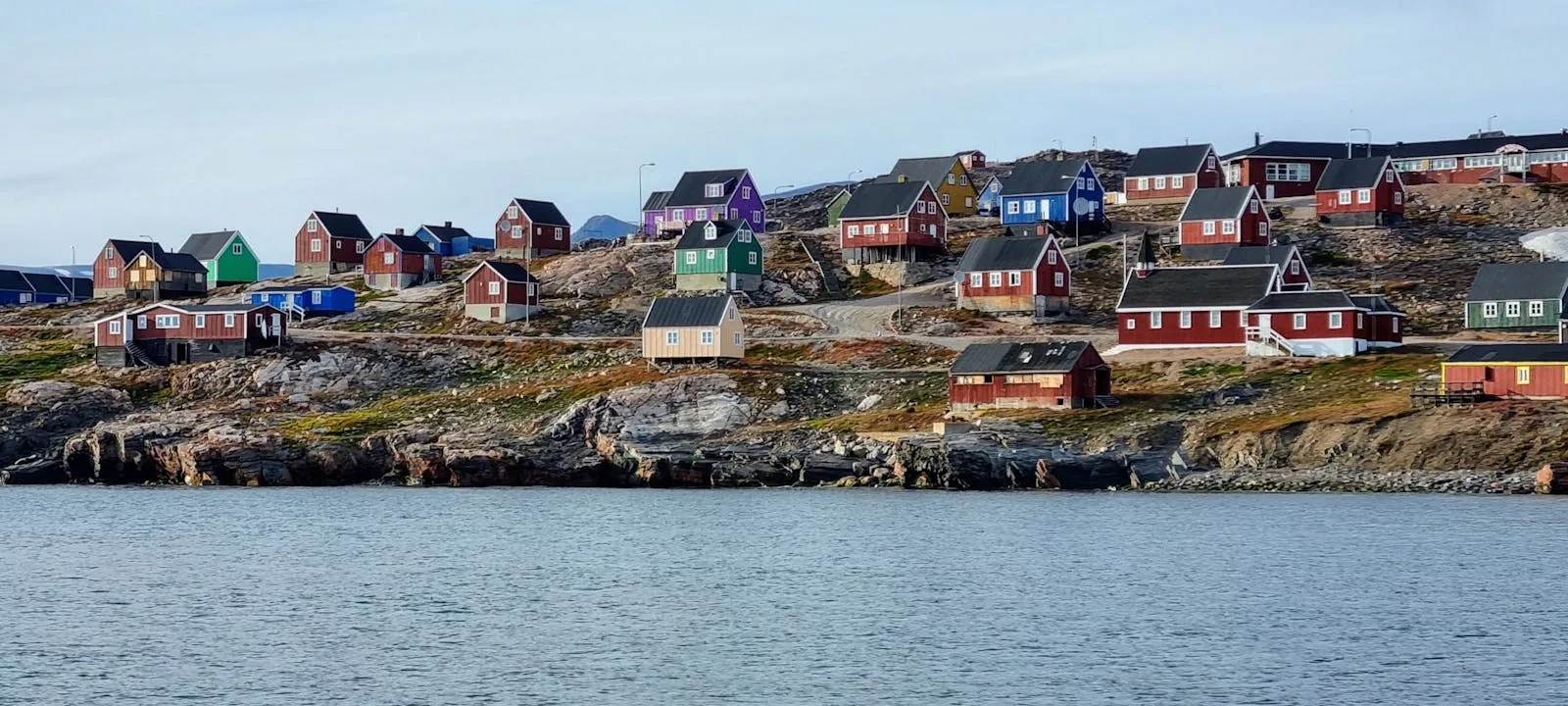
Colourful houses in a Greenlandic settlement with fjord behind

Visa & Entry

Greenland is part of the Kingdom of Denmark but not the EU or Schengen Area. However, since all flights transit through Denmark or Iceland (both Schengen), you need a valid Schengen visa to reach Greenland. EU/EEA/Swiss citizens need only a passport or national ID. US, Canadian, Australian, and most other Western passport holders get visa-free entry for up to 90 days. Check Danish immigration rules for your nationality.

Health & Safety

  • Nuuk has Queen Ingrid’s Hospital. Larger towns have health centres. Smaller settlements have nursing stations. Evacuation by helicopter or plane for serious cases.
  • Bring a full personal first aid kit for wilderness travel. Include blister care, painkillers, anti-diarrhoea medication, and any prescription medications you need (pharmacies exist only in larger towns).
  • Tap water is safe to drink everywhere. River water in the backcountry is also safe (no livestock, no agriculture upstream).
  • Mosquitoes are intense July–August, especially inland. Head nets and DEET are essential. They do not carry diseases but the sheer numbers can ruin a hike.
  • UV exposure is high due to reflection off ice and snow. Sunscreen and quality sunglasses are necessary even on cloudy days.
  • European Health Insurance Cards (EHIC/GHIC) are not valid in Greenland. Get proper travel insurance with emergency evacuation coverage.

Connectivity

  • Mobile: Tusass is the only operator. 4G/5G in towns, nothing between them. Danish SIM cards do not work. Buy a Tusass prepaid SIM at the airport or a Pisiffik store. Data is expensive ($15–25 for 5–10 GB).
  • WiFi: Available at most hotels and guesthouses. Often slow by European standards. Do not expect to stream video.
  • No coverage on trails: The Arctic Circle Trail has zero cell coverage for the entire 160 km. Carry a satellite communicator (InReach, SPOT) for emergencies.

Power & Plugs

European standard (Type C/K, 230V, 50Hz). Same as Denmark. Bring adapters if coming from outside Europe.

Language

  • Kalaallisut (West Greenlandic) is the official language. An Inuit-Aleut language with very long polysynthetic words completely unrelated to any European language.
  • Danish is the second language, spoken by most Greenlanders.
  • English works in tourist areas and with younger people. Outside of Nuuk and Ilulissat, English proficiency drops. Learn a few Greenlandic words: qujanaq (thank you), aluu (hello), inuugujoq (cheers).

Time Zone

Most of Greenland (including Nuuk and the west coast) uses UTC−2 year-round since 2023. Ittoqqortoormiit (Scoresby Sund) uses UTC−1. Qaanaaq and Thule Air Base use UTC−4. Greenland abolished daylight saving time in 2023.

Tips & Common Mistakes

What People Get Wrong

  • “I’ll just wing it” – No. Flights, accommodation, and tours in summer book out months ahead. Greenland has fewer than 1,000 hotel rooms in the entire country. Book everything 3–6 months in advance for June–August.
  • Tight connections – Scheduling a domestic Greenland flight and an international departure on the same day is gambling. Weather cancellations are normal. Always build in at least one buffer day.
  • Underestimating cold – Even in July, nights drop to 2–5°C. Wind chill makes it feel colder. Bring layers, not just one warm jacket. Merino base layers, fleece mid-layer, windproof/waterproof outer shell, warm hat, and gloves even in summer.
  • Overestimating infrastructure – There are no roads between towns, no trains, no Uber, no Amazon delivery. Shops close early. Sunday is dead. If you need something specific, bring it from home.
  • Skipping travel insurance – Emergency evacuation by helicopter can cost $10,000+. EHIC does not work here. Get proper coverage including flight cancellations and medical evacuation.
  • Approaching sled dogs – They are working animals, chained, and they bite. Never touch or approach without the musher’s explicit permission.

Smart Moves

  • Layer everything: Dress in layers you can add and remove. Arctic weather changes within hours. Waterproof boots with ankle support for any hiking.
  • Bring binoculars: Essential for whale watching, wildlife spotting, and appreciating the scale of icebergs. A compact 8×42 pair is ideal.
  • Dry bags: Protect electronics and sleeping bags. Boat transfers involve spray. Rain is horizontal. Zodiac landings are wet.
  • Satellite communicator: InReach Mini or similar for any backcountry travel. Non-negotiable for the ACT.
  • Say yes to kaffemik: If a local invites you for coffee, accept. It is the most important social custom. Remove shoes at the door. Stay as long as feels right.
  • Eat local: Try musk ox, reindeer, Arctic char, and whale. This food has sustained communities for millennia. Approach it with curiosity, not judgment.
  • Be patient: Greenlandic culture runs on “Arctic time.” Boats leave when conditions are right, not when the schedule says. Adjust your expectations. This is part of the experience.
  • Bring a good book: Weather days happen. Power outages happen. Embrace the downtime.
Packing essentials: Layered clothing (merino + fleece + shell), waterproof hiking boots, rain pants, warm hat and gloves, sunglasses (UV protection), sunscreen (SPF 50), head net (mosquitoes), dry bags, binoculars, power bank, universal adapter (Type C/K), and a reusable water bottle. For the ACT add: tent, sleeping bag rated to −5°C, stove + fuel, water-resistant map, satellite communicator, and 10 days of food.

Final Recommendation

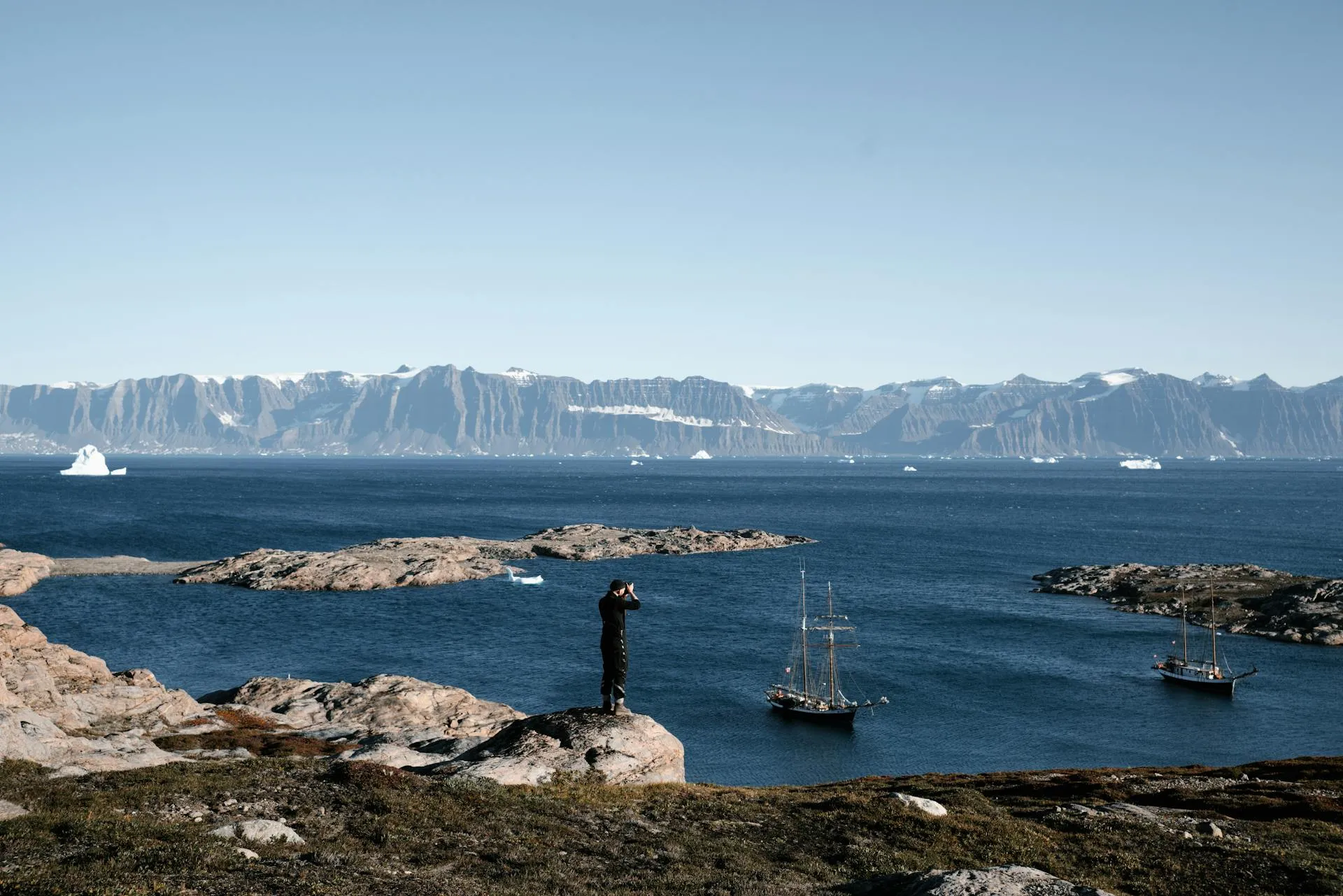
Dramatic Greenland landscape with icebergs and mountains at golden hour

Greenland is not a beach holiday. It is not a city break. It is not even a normal adventure trip. It is one of the last places on Earth where the landscape is genuinely bigger than anything humans have built, and where the logistics of getting around remind you that nature is still in charge.

The ice sheet covers 80% of the country. The other 20% holds 56,000 people scattered across settlements connected by nothing but air and sea. Icebergs the size of cathedrals drift past in silence. Whales surface next to your boat. Musk ox stand on the tundra looking like they walked out of the Pleistocene. And the light, especially in the low-sun months, is unlike anything you have seen.

Come prepared. Book early. Bring layers and patience. Accept that weather will rearrange your plans and that Arctic time is the only time that matters. If you can do that, Greenland will remind you what genuine remoteness feels like, in a landscape that looks the way it did before we changed everything else.

Start with Route A (West Coast) if you want the greatest hits. Route C (South Greenland) if you prefer culture and gentler terrain. Route B (ACT) if you are an experienced hiker who wants a serious Arctic trek. Whichever you choose, you will come back different.