Overview & Why Visit Greece

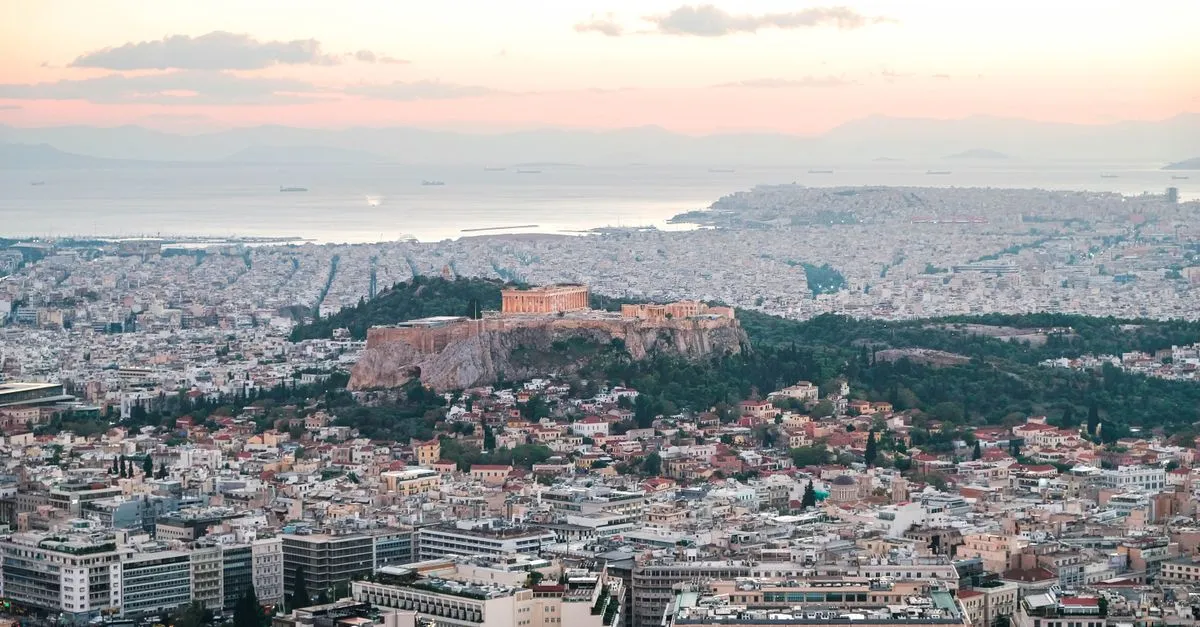
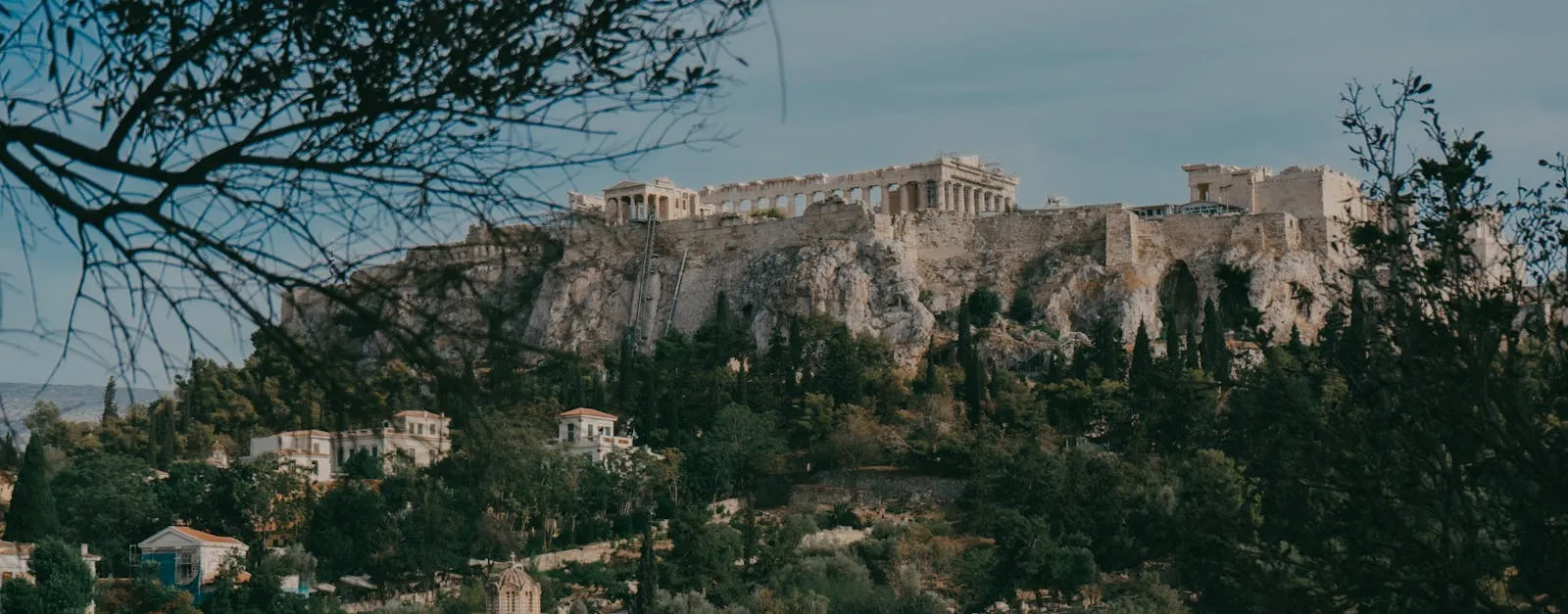
Panoramic view of Athens with the Acropolis rising above the city

Greece occupies the southern tip of the Balkan Peninsula plus roughly 6,000 islands scattered across the Aegean and Ionian seas, of which about 227 are inhabited. With 131,957 km² of territory and nearly 14,000 km of coastline, it packs an absurd density of ancient ruins, beaches, mountain villages, and culinary traditions into a country smaller than England. Eighteen UNESCO World Heritage Sites. The birthplace of democracy, Western philosophy, the Olympic Games, and political theatre. And a food culture where the phrase “fast meal” is treated as a contradiction in terms.

Greece is not just Athens and Santorini, though both earn their reputations. The mainland holds gorges deeper than the Grand Canyon (Vikos), monasteries perched on rock pillars that defy engineering logic (Meteora), a mountain where the gods allegedly lived (Olympus, 2,917 m), and a peninsula (the Peloponnese) so thick with ancient sites that you trip over Bronze Age ruins on a casual walk. Then there are the islands. The Cyclades deliver the postcard whites and blues. Crete operates as its own country with its own cuisine, dialect, and attitude. The Ionians are greener and calmer. The Dodecanese mix Byzantine churches with Ottoman mosques. Each archipelago has a different character.

Most first-timers do Athens plus two or three Cycladic islands. That combination works, connected by fast ferries and cheap flights. But the country rewards anyone willing to take a slower ferry to a quieter island, rent a car on the Peloponnese, or hike into the Zagori villages of Epirus where tourism barely registers. Greece has been receiving visitors for 2,500 years. It knows what it is doing.

🇬🇷 Capital

Athens (~660,000 city, ~3.7 million metro)

👥 Population

~10.4 million

📏 Size

131,957 km² (roughly the size of Alabama)

💰 Currency

Euro (€)

🌐 Language

Greek. English widely spoken in tourist areas

📞 Emergency

112 (EU-wide). Tourist police: 1571

Why Visit

🏛️ Ancient History

The Acropolis, Delphi, Olympia, Mycenae, Knossos. 3,000+ years of civilisation visible on every hillside and in every museum

🏝️ Island Hopping

Over 200 inhabited islands across six archipelagos. Ferries connect them like a maritime bus network. No two islands feel the same

🍴 Mediterranean Cuisine

Olive oil, fresh fish, feta, wild greens, slow-cooked lamb. Regional specialities change every island. Among the healthiest diets on Earth

🌊 Beaches

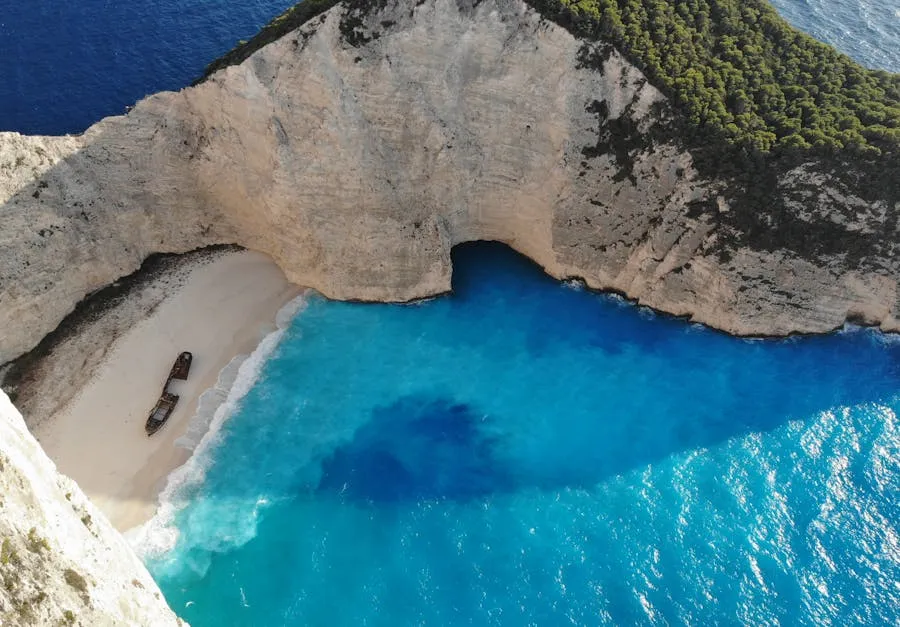
From volcanic moonscapes (Sarakiniko, Milos) to pink sand (Elafonisi, Crete) to shipwreck coves (Navagio, Zakynthos). Over 500 Blue Flag beaches

⛰ Outdoor Adventure

Gorge hikes in Crete, rock climbing in Kalymnos, Mt Olympus summit, sea kayaking through caves. Year-round activity options

☀️ Climate

300+ sunny days per year in the south. Swimmable seas from June through October. Mild winters on the islands and coast

Budget reality check: Greece uses the Euro and costs vary wildly by location. Expect €50–80 per day for budget travel (hostels, souvlaki, slow ferries) or €130–200 per day mid-range (boutique hotel, taverna meals, high-speed ferries). Santorini and Mykonos carry a 40–60% premium over other islands. The Peloponnese and northern mainland offer the best value. A souvlaki wrap costs €3–5. A slow ferry from Piraeus to Naxos runs about €30.

Best Time to Visit

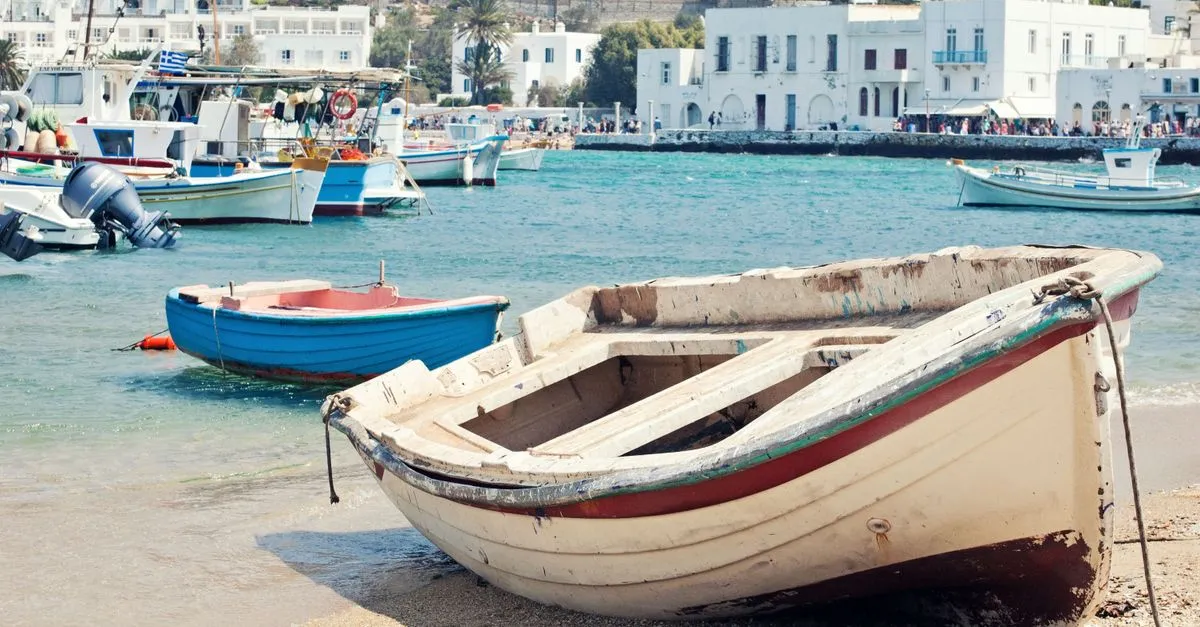
Greek island harbour in spring with colourful flowers and fishing boats

April through June and September through October. Those shoulder months deliver warm weather, manageable crowds, reasonable prices, and seas that are either warming up or still holding summer heat. Spring turns the mainland green with wildflowers and Orthodox Easter celebrations. Autumn has the warmest swimming, harvest festivals, and hotel rates that drop 30–40% from peak.

If forced to pick one month, late September wins. The sea is at its warmest (24–26°C), the summer crowds have thinned, ferries run on full schedules, tavernas are relaxed instead of frantic, and prices drop noticeably from August peaks. May is the runner-up, especially for wildflowers, hiking, and ancient site visits without the heat.

Summer (July and August) works for island hopping if you book ferries and accommodation well ahead. The Meltemi winds blow strong across the Aegean, cooling the Cyclades but making ferry crossings rough and some beaches unusable. Athens bakes at 38–42°C. Santorini and Mykonos become theme parks. Every ferry is packed. Prices peak and tempers shorten.

Winter (November through March) suits Athens, Thessaloniki, and Crete, which stay mild at 10–16°C. Most small islands shut down almost entirely. Ferry schedules reduce to a fraction. Mountain areas get genuine snow. Skiing exists on Parnassos and Vasilitsa. The trade-off is shorter days, some rain, and the fact that the Greece most people imagine simply does not exist between November and April.

Month-by-Month Overview

MonthTemp (Athens)Best ForCrowdsPricesRating
January5–13°CAthens museums, Thessaloniki food scene, skiing🟢 Low🟢 Low⭐⭐
February5–14°CCarnival (Patras), budget city breaks, skiing🟢 Low🟢 Low⭐⭐
March7–16°CEarly spring hiking, Athens sightseeing, wildflowers start🟢 Low🟢 Low⭐⭐⭐
April11–20°COrthodox Easter, wildflowers, Peloponnese, Crete hiking🟡 Moderate🟡 Moderate⭐⭐⭐⭐
May15–26°CPerfect weather, hiking season peak, early beach days🟡 Moderate🟡 Moderate⭐⭐⭐⭐⭐
June20–32°CBeach season opens, island hopping begins, long days🔴 High🔴 High⭐⭐⭐⭐
July23–35°CFull island season, Meltemi winds, festivals🔴 Peak🔴 Peak⭐⭐⭐
August23–36°CBeach only. Athens unbearable. Everything booked🔴 Peak🔴 Peak⭐⭐
September19–31°CWarmest sea, thinning crowds, best value island hopping🟡 Moderate🟡 Moderate⭐⭐⭐⭐⭐
October14–24°CStill swimmable, harvest season, quieter islands🟡 Moderate🟡 Moderate⭐⭐⭐⭐
November10–18°CBudget Athens, Thessaloniki, Crete still mild🟢 Low🟢 Low⭐⭐
December7–14°CChristmas in Athens, winter Crete, mountain villages🟢 Low🟢 Low⭐⭐
Meltemi warning: From mid-June through September, the Meltemi winds blow south across the Aegean, strongest in July and August. They cool the Cyclades but can reach gale force, cancelling ferries, making north-facing beaches unusable, and turning calm seas into whitecaps within hours. Check forecasts before island hopping and build flexibility into your schedule. The Ionian Islands are sheltered from the Meltemi.

Map of Greece

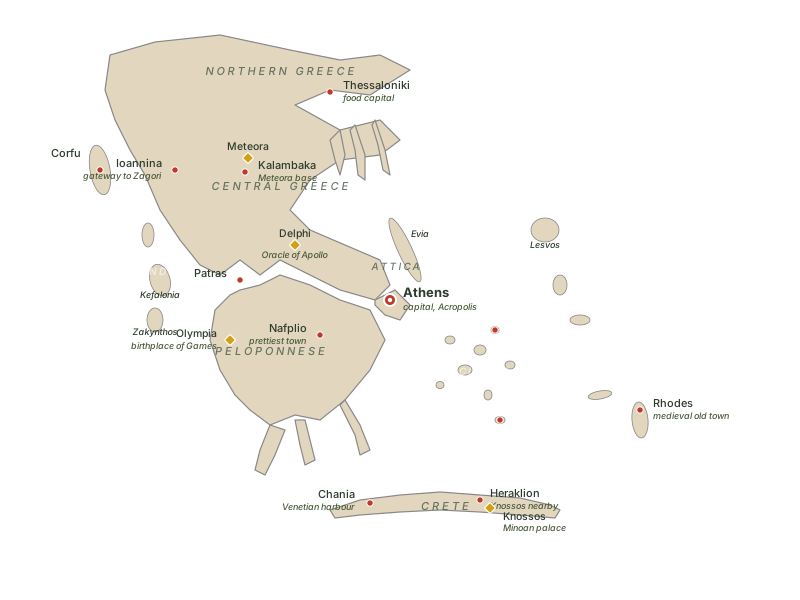
Greece occupies the southern end of the Balkan Peninsula, bordered by Albania, North Macedonia, and Bulgaria to the north and Turkey to the northeast. The mainland extends south into the Mediterranean, with the Peloponnese peninsula connected by the narrow Isthmus of Corinth (now cut by the Corinth Canal). Over 6,000 islands and islets are scattered across the Aegean Sea (east), the Ionian Sea (west), and the Sea of Crete (south). Crete, the largest island, sits 160 km south of the mainland.

Map of Greece showing main cities, islands and regions
Key distances (by ferry from Piraeus): Mykonos 2h 30min (high-speed) / 5h (slow), Santorini 5h (high-speed) / 8h (slow), Naxos 3h 30min (high-speed), Crete (Heraklion) 7h (high-speed) / 9h (overnight). Domestic flights: Athens to Santorini 45min, Athens to Thessaloniki 55min, Athens to Crete 50min.

Holidays & Festivals

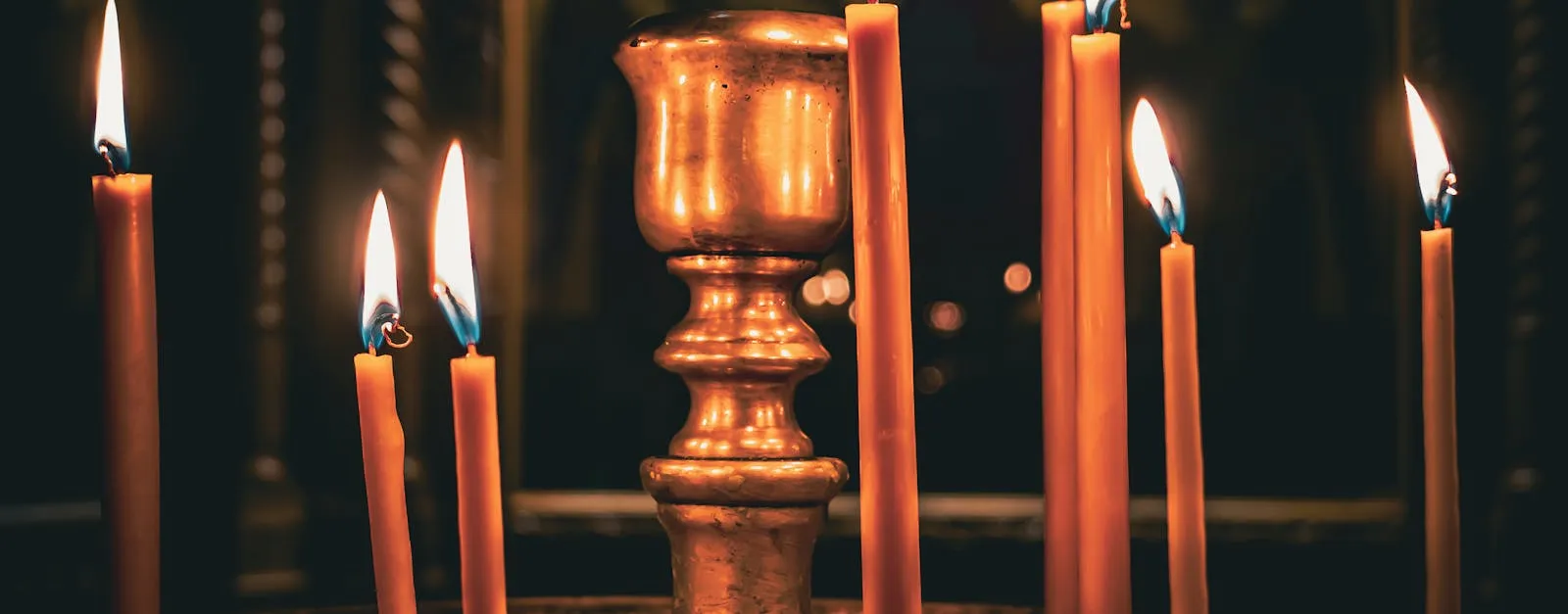
Greek Orthodox Easter celebration with candles and procession

Greece runs on the Orthodox calendar, which means Easter falls on a different date than Western Easter (sometimes the same week, sometimes five weeks later). It is the most important holiday in the country, far surpassing Christmas. National holidays close banks, government offices, and many shops. Saint’s day festivals (panigiria) bring music, food, and dancing to villages throughout summer.

DateHoliday / FestivalImpact on Travel
January 1New Year’s Day (Protochroniá)Public holiday. Vasilopita cake cut at midnight with a hidden coin for luck
January 6Epiphany (Theophánia)Public holiday. Blessing of the waters. Priests throw a cross into the sea and young men dive to retrieve it
February/MarchCarnival (Apokriés)Three weeks of celebrations before Lent. Patras has Greece’s largest carnival with floats and 100,000+ revellers
Clean MondayKathara DeftéraPublic holiday. Start of Lent. Kite-flying, seafood feasts, no meat. 48 days before Orthodox Easter
March 25Independence DayPublic holiday. Military parades. Also the Feast of the Annunciation. National pride at full volume
Variable (Apr/May)Orthodox Easter (Páscha)The biggest holiday. Holy Week services, midnight Resurrection, fireworks, lamb on the spit. Good Friday processions, Saturday midnight mass. Accommodation books out. Ferries packed
May 1Labour Day (Protomagia)Public holiday. Flower wreaths hung on doors. Workers’ demonstrations in cities
June 15Athens & Epidaurus Festival beginsAncient theatre performances through September. Epidaurus acoustics are extraordinary. Book early
August 15Assumption of the Virgin (Dekápentavgoustos)Public holiday. Biggest summer holiday. Islands packed with returning Greeks. Tinos pilgrimage draws thousands. Book everything 2+ months ahead
October 28Ohi DayPublic holiday. Commemorates Greece’s refusal of Mussolini’s 1940 ultimatum. Military parades, patriotic feeling
December 25–26ChristmasPublic holidays. Lower-key than Easter. Decorated boats (karavaki) instead of trees in some islands
Orthodox Easter warning: Easter is Greece’s most important holiday and the country effectively shuts down from Holy Thursday through Easter Monday. Ferries and flights book out weeks ahead. Hotel prices spike 50–100%. If you visit during Easter, book 2–3 months in advance. If you avoid it, the week after Easter is excellent: everything reopens, prices drop, and the festive atmosphere lingers.

Regions of Greece

Aerial view across the diverse Greek landscape of islands and coastline

Greece divides naturally into mainland regions and island groups, each with distinct character, cuisine, and pace.

Athens and Attica

Athens & Attica

The capital and its surrounding region. The Acropolis commands the skyline and 3,000 years of history pile up beneath it. Plaka, Monastiraki flea market, the National Archaeological Museum, rooftop bars with Parthenon views. Piraeus port connects to all island groups. Athens is loud, chaotic, covered in graffiti, and utterly compelling. Allow 2–3 days minimum.

Peloponnese

Peloponnese

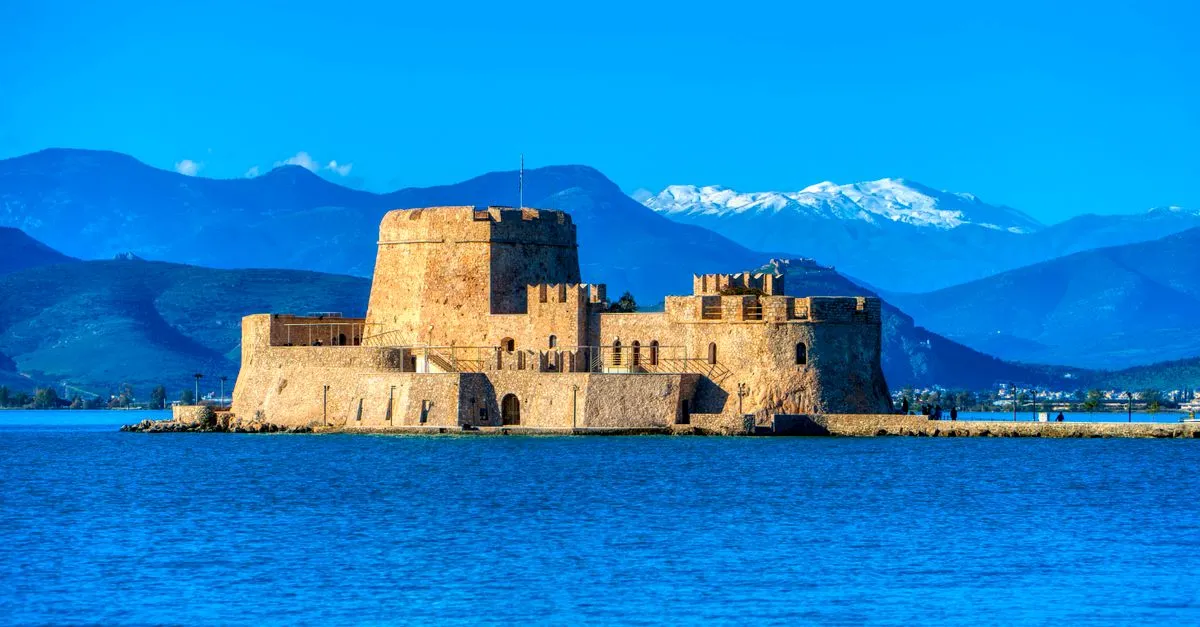
The large peninsula south of the Corinth Canal, connected to the mainland by a sliver of land and a spectacular bridge. Nafplio (Greece’s prettiest town), Mycenae (Bronze Age citadel), Epidaurus (perfect ancient theatre), Ancient Olympia (birthplace of the Games), Monemvasia (Byzantine rock fortress), and the wild Mani Peninsula. Best mainland road trip. 20–30% cheaper than the islands.

Central Greece

Central Greece (Delphi & Meteora)

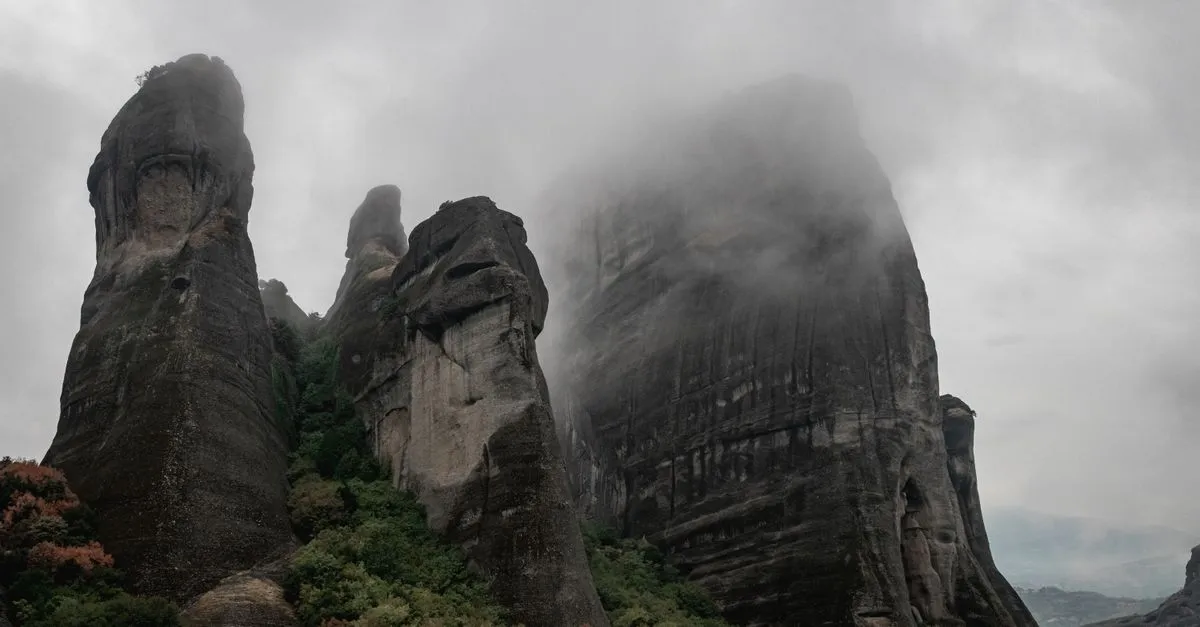
The Oracle of Delphi perches on the slopes of Mount Parnassus, where ancient Greeks came for prophecy. Four hours north, the Meteora monasteries sit on top of sandstone pillars that look like they were placed there by giants. Six monasteries remain active. Both are day trips from Athens or overnights from Thessaloniki. Pelion peninsula adds mountain villages and hidden beaches.

Northern Greece

Northern Greece

Thessaloniki is Greece’s second city and its best-kept food secret. Bougatsa pastry, mussels, street food that rivals Athens. Beyond it: the Zagori villages of Epirus (stone bridges, Vikos Gorge, barely any tourists), Mount Olympus (climbable in two days), Halkidiki’s three peninsulas of beaches, and the Prespa Lakes where Dalmatian pelicans breed. Feels like a different country from the islands.

Cyclades

Cyclades

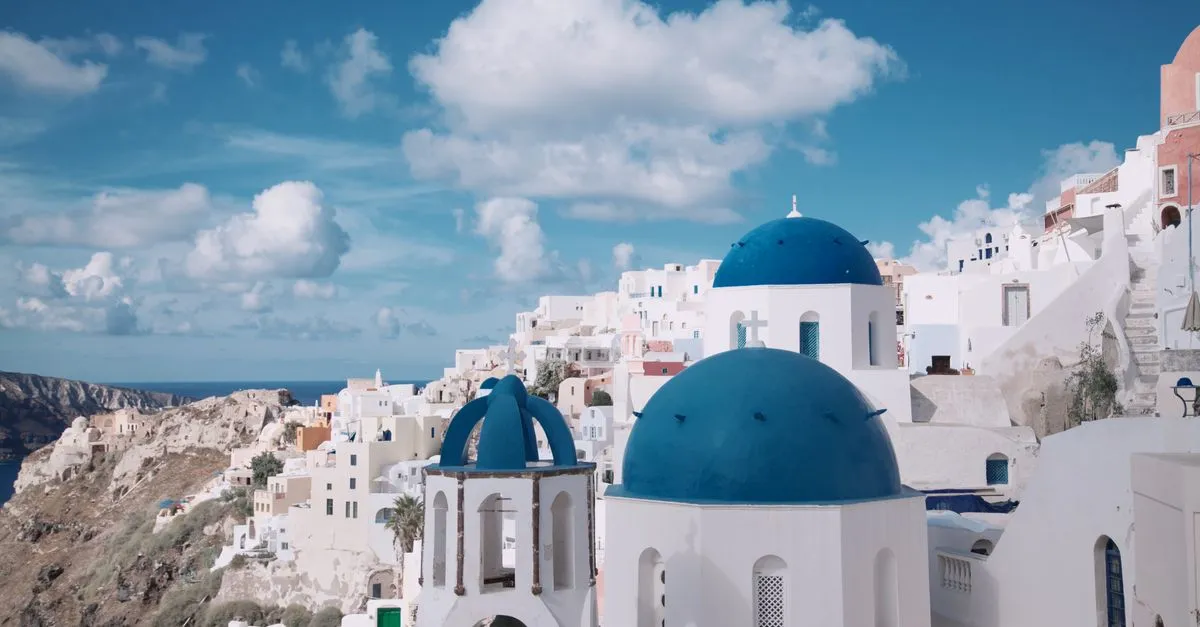
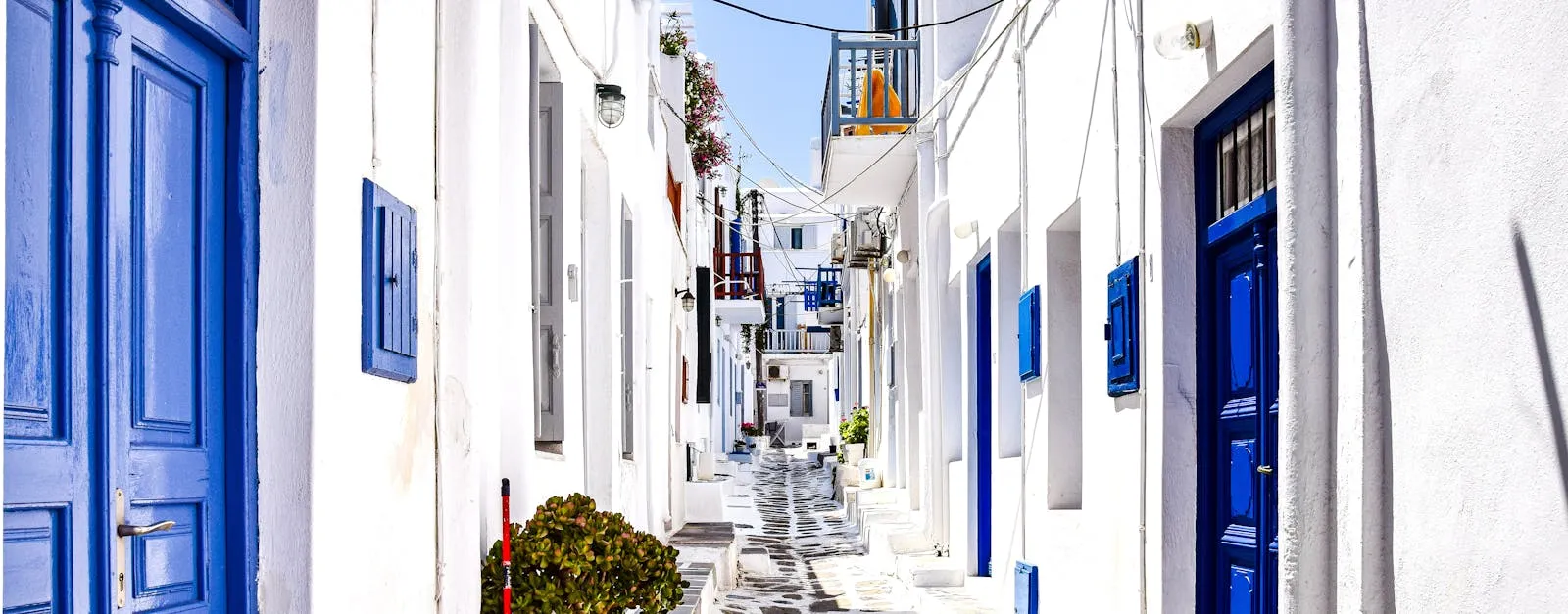
The postcard islands. Santorini’s caldera, Mykonos’s nightlife, Naxos’s beaches and villages, Paros’s balance of activity and calm, Milos’s volcanic coastline, Folegandros’s clifftop hora, Sifnos’s food culture, Tinos’s artisan marble villages. White cubic architecture, blue-domed churches, ferry-hopping between neighbours. Well-connected from Piraeus. The Cyclades are what most people picture when they think of Greece.

Ionian Islands

Ionian Islands

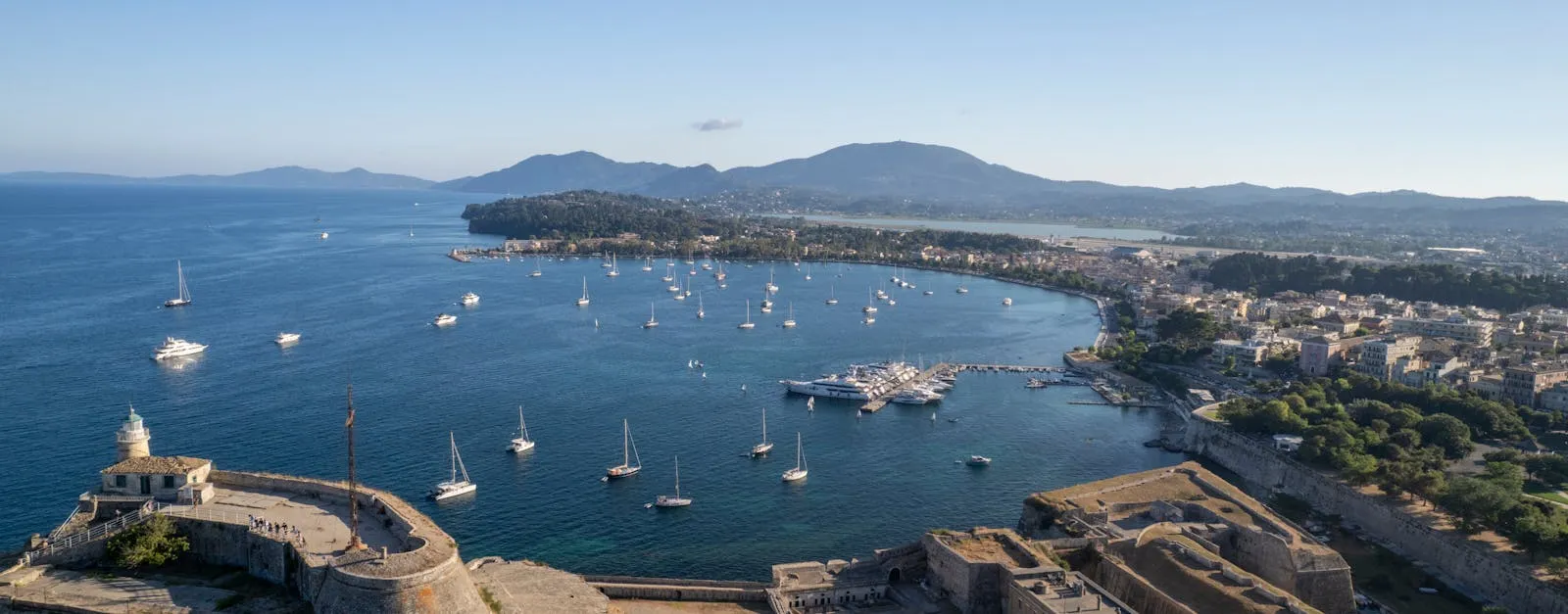
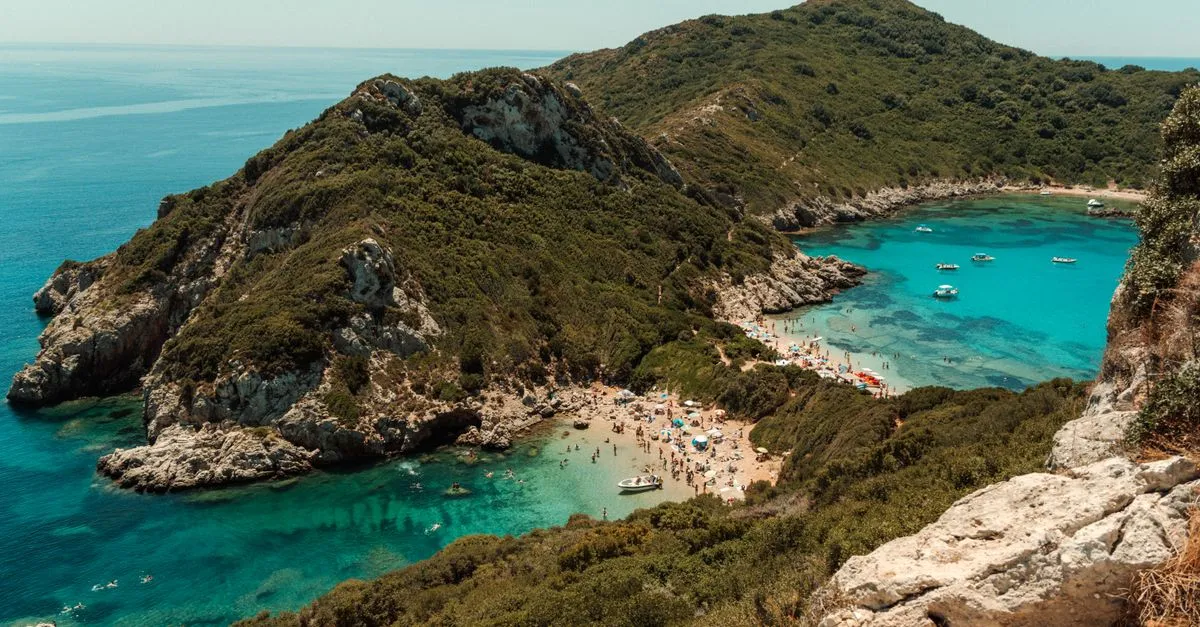
Corfu, Kefalonia, Zakynthos, Lefkada, Ithaca. The western islands are greener, lusher, and calmer than the Aegean. Venetian architecture instead of Cycladic cubes. Sheltered from the Meltemi winds. Navagio (Shipwreck Beach) on Zakynthos is Greece’s most photographed beach. Kefalonia has Myrtos Beach and Captain Corelli nostalgia. Better value than the Cyclades and easier to reach from Italy.

Dodecanese

Dodecanese & East Aegean

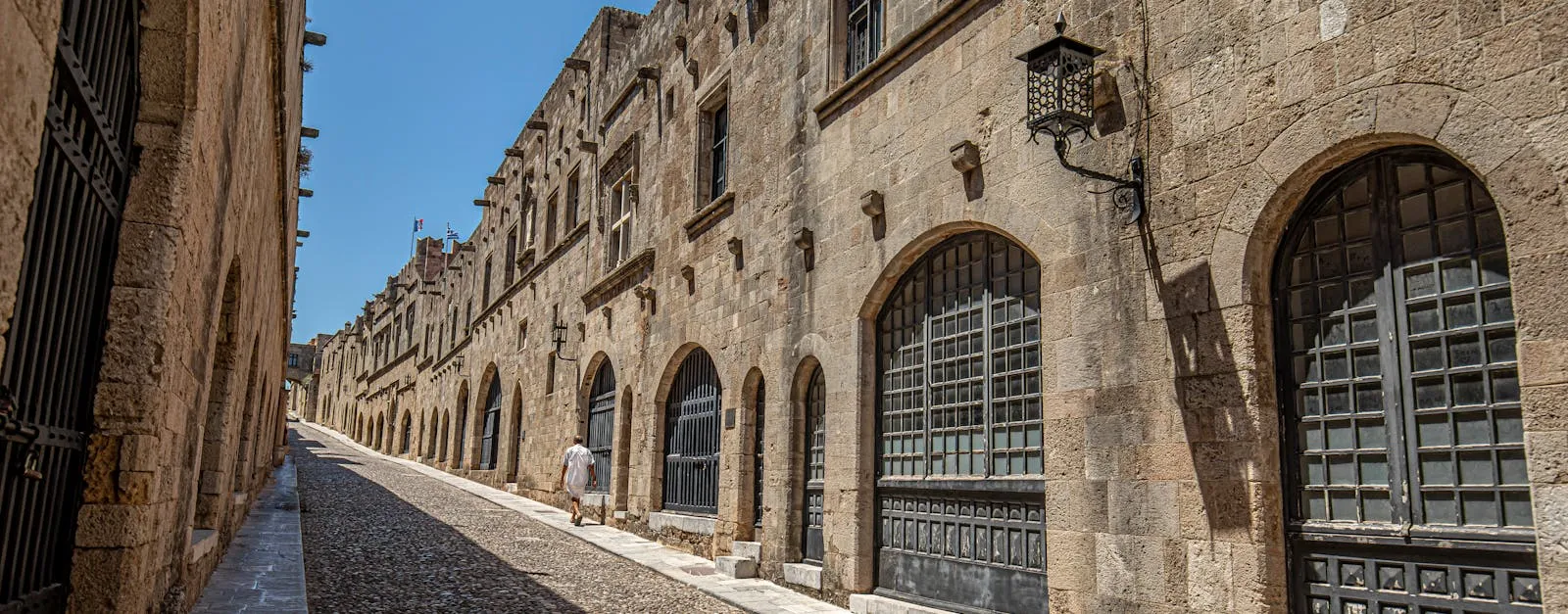
Rhodes has Europe’s finest medieval old town, a walled city you can lose yourself in for days. Kos offers beaches and budget prices. Patmos has the Cave of the Apocalypse where St John wrote Revelation. Symi is a pastel-coloured harbour that photographs like a painting. Kalymnos is a world-class rock climbing destination. Byzantine layers, Ottoman details, Italian colonial buildings. Closer to Turkey than to Athens.

Crete

Crete

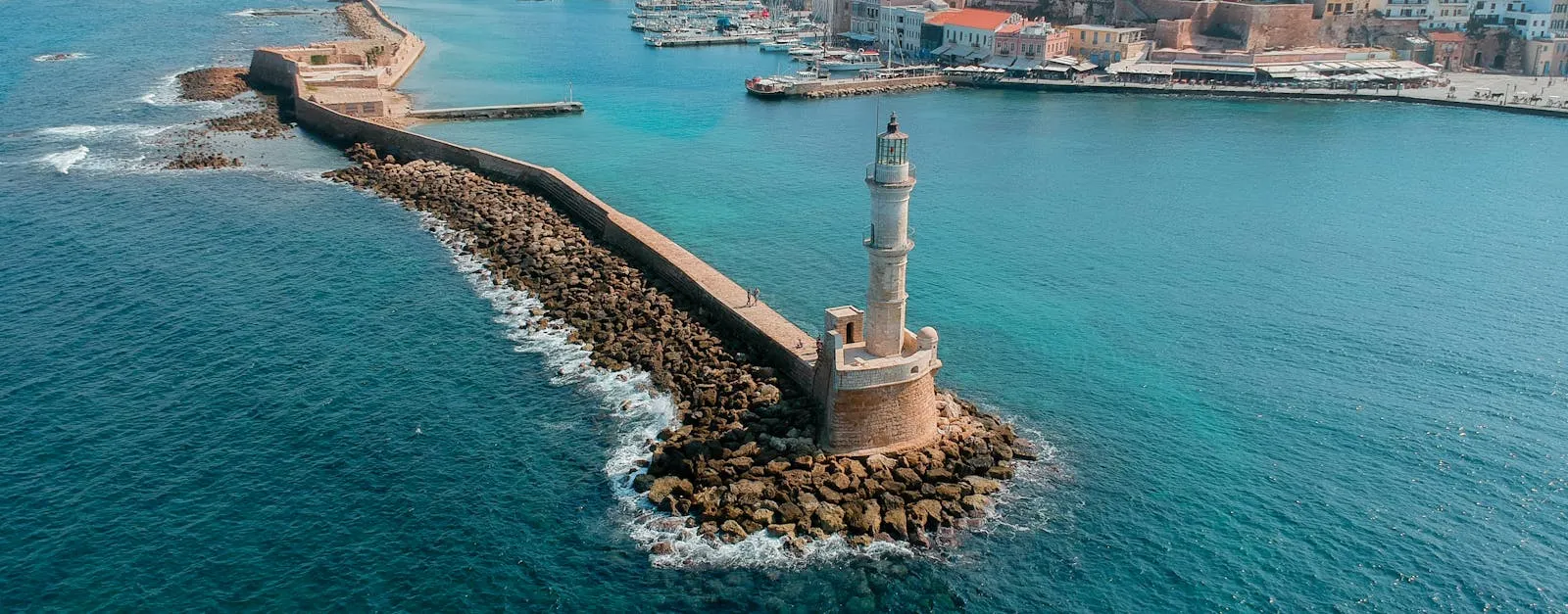
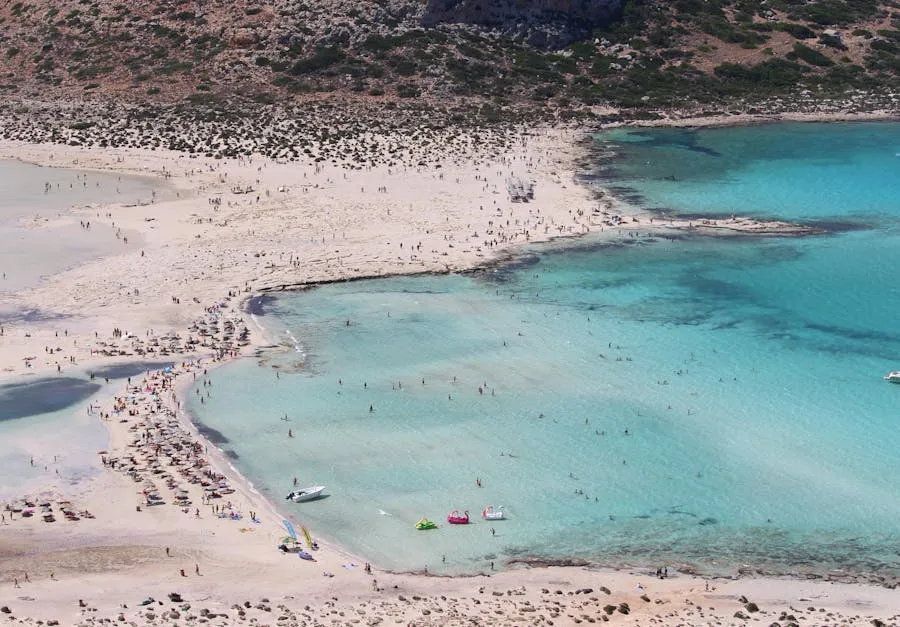
The largest island, practically a country within a country. Knossos (Minoan palace, 3,500 years old), the Samaria Gorge (16 km trek), Chania’s Venetian harbour, Rethymno’s old town, and beaches from the pink sands of Elafonisi to the turquoise lagoon of Balos. Cretan food is the best in Greece, built on olive oil, wild greens, and local cheese. Rewards 5+ days. Could fill a month.

Top Sightseeing

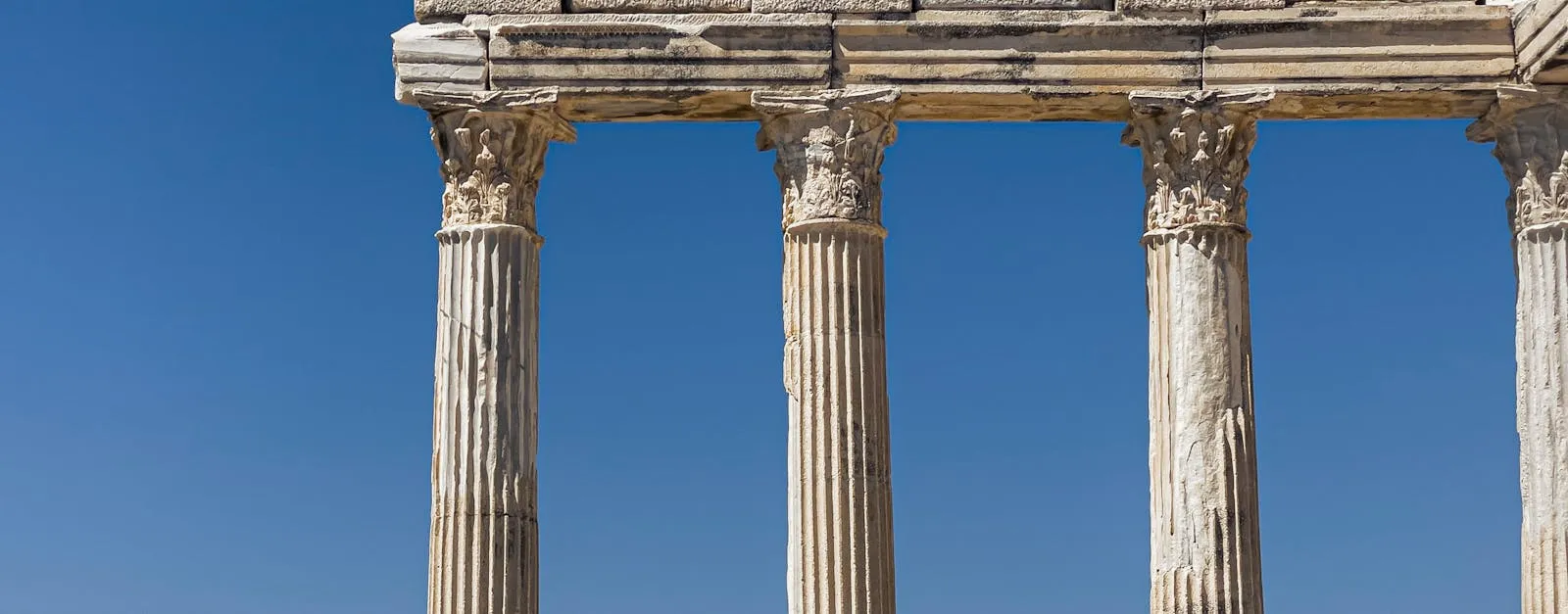
Ancient Greek temple columns against a clear blue sky

Greece invented the concept of monumental architecture and then left it lying around for 2,500 years. Ancient theatres still host performances. Temple columns still frame the sky. Volcanic islands still smoke. Narrowing to ten means leaving out places that would be headline attractions in any other country, but these are the ones that stop you mid-step.
  • Acropolis & Parthenon, Athens: The defining image of Western civilisation, a 5th-century BC temple complex on a limestone plateau above the city
  • Meteora Monasteries: Six active monasteries on sandstone pillars rising 300 m from the Thessalian plain
  • Santorini Caldera: A volcanic crater filled with the Aegean, ringed by white villages perched on 300 m cliffs
  • Delphi: The ancient Oracle’s sanctuary on Mount Parnassus, once considered the centre of the world
  • Palace of Knossos, Crete: Minoan civilisation headquarters, 3,500 years old, labyrinthine and vivid
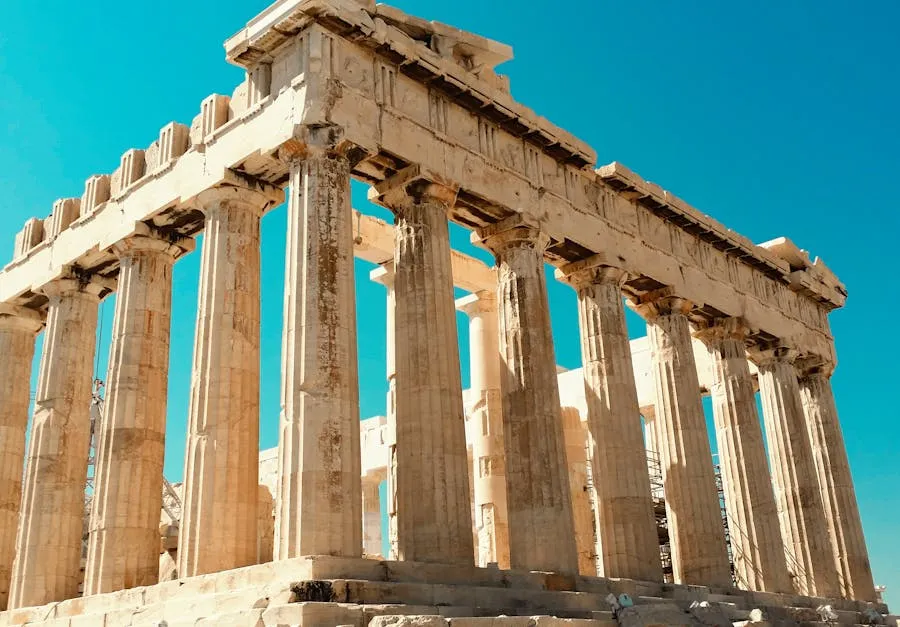
The Parthenon atop the Acropolis in Athens against a blue sky

Acropolis & Parthenon

The sacred rock of Athens, crowned by the Parthenon (447–432 BC), the Erechtheion with its Caryatid porch, and the Temple of Athena Nike. The new Acropolis Museum at the base displays the original sculptures in natural light with the Parthenon visible through glass walls. €30 combo ticket covers the Acropolis, Ancient Agora, Roman Agora, and three other sites (valid 5 days). Go at 8am opening or after 17:00 to avoid the worst crowds.
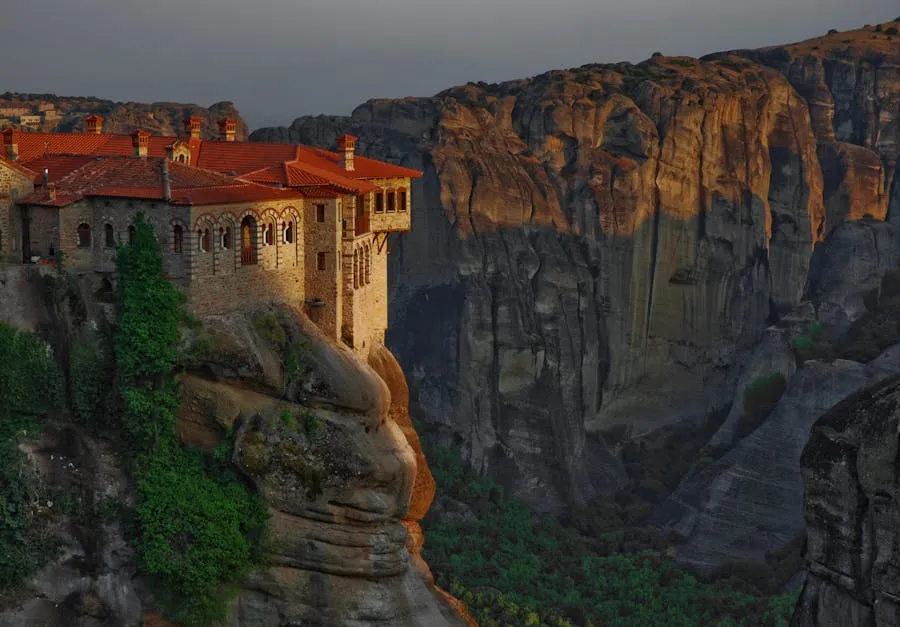
Monastery perched on a towering sandstone pillar at Meteora

Meteora Monasteries

Six functioning Eastern Orthodox monasteries built on natural sandstone pillars that rise up to 400 m above the plain. Originally accessible only by ladders and nets hauled up by rope. The Great Meteoron is the largest; Varlaam has the best frescoes; Holy Trinity is the most dramatically perched. Each charges €3 entry. Dress modestly (long trousers, covered shoulders). Visit 2–3 in a day. Base yourself in Kalambaka or Kastraki.

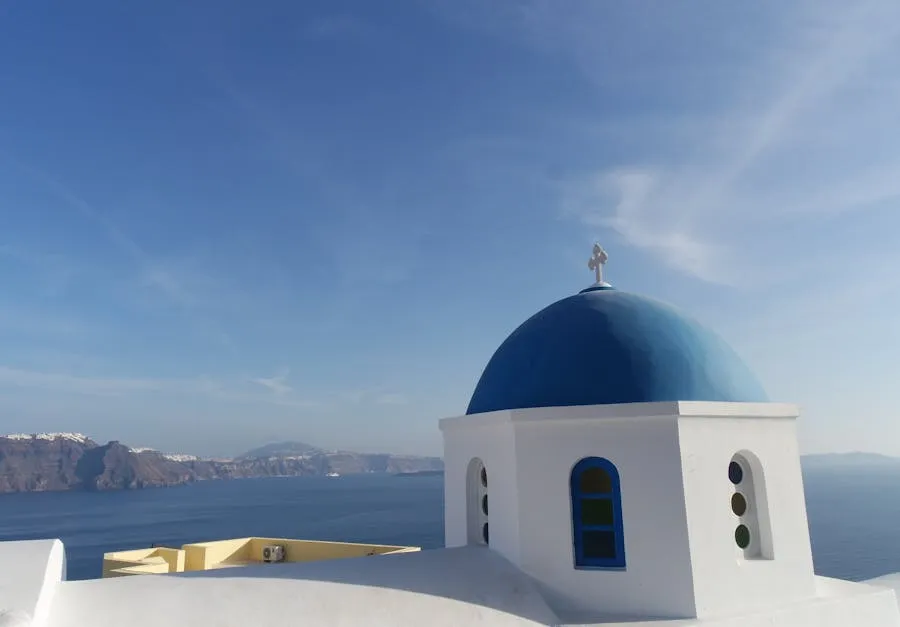
Blue-domed churches overlooking the Santorini caldera at sunset

Santorini Caldera

The remnant of a catastrophic volcanic eruption around 1600 BC that may have destroyed the Minoan civilisation. The caldera is 11 km across, filled with the Aegean, and ringed by cliffs topped with the white villages of Fira and Oia. The Fira-to-Oia hike (10 km, 3–4 hours) follows the caldera rim with continuous views. Oia sunset is famous but crowded. Fira is more accessible and cheaper. The volcanic hot springs at Nea Kameni are a boat trip away.

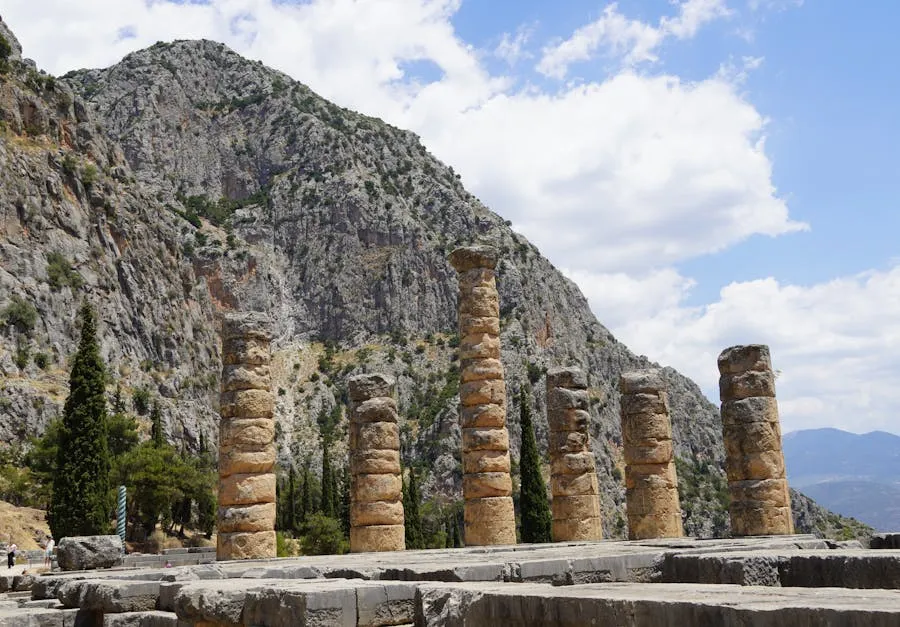
Ancient columns of the Temple of Apollo at Delphi

Delphi

The ancient Greeks considered Delphi the navel of the world (omphalos). The Oracle of Apollo dispensed prophecies that shaped wars and colonisation for a millennium. The Sacred Way climbs past treasuries to the Temple of Apollo and the 5,000-seat theatre. The stadium above hosted the Pythian Games. The museum holds the bronze Charioteer, one of the finest surviving Greek bronzes. €12. Day trip from Athens (2.5h drive) or overnight in the village.

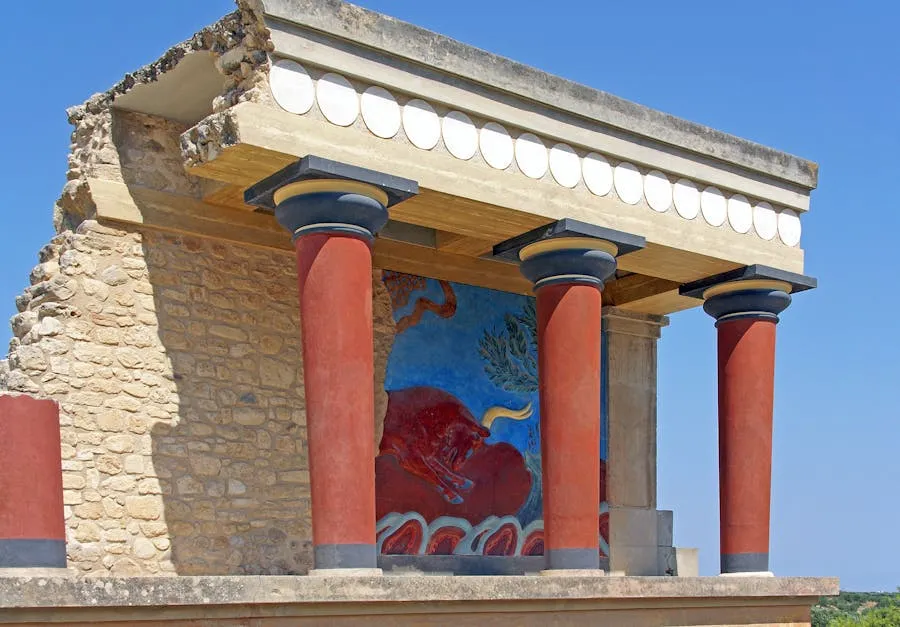
Reconstructed red columns at the Palace of Knossos in Crete

Palace of Knossos

The ceremonial and political centre of Minoan civilisation, occupied from roughly 2000 to 1400 BC. Sir Arthur Evans’s controversial concrete reconstructions divide opinion, but they make the multi-storey palace layout comprehensible in a way that bare ruins cannot. The throne room, the dolphin frescoes, the grand staircase. €15, or €20 combo with the Heraklion Archaeological Museum (which holds the originals). Allow 2 hours. 5 km south of Heraklion.

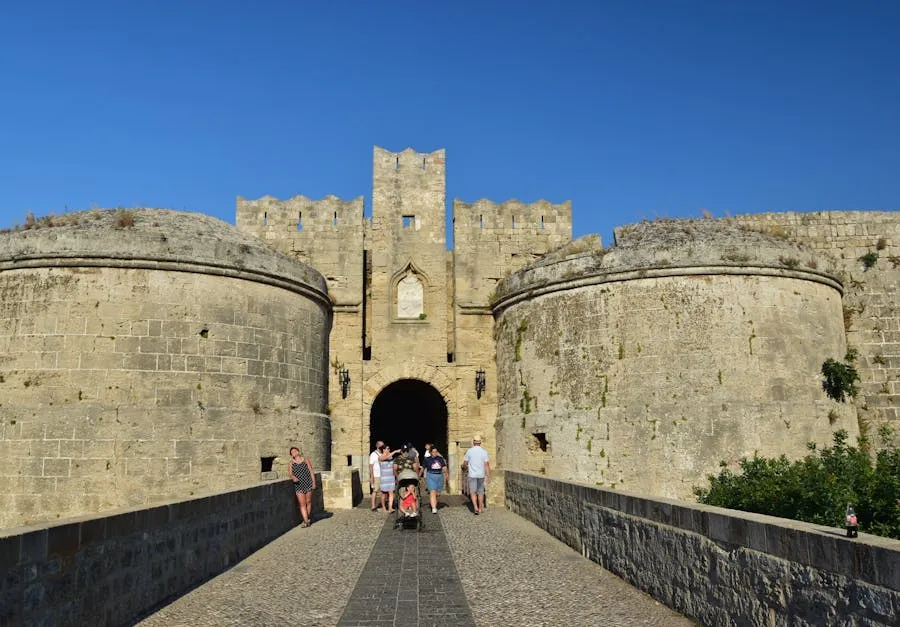
Medieval stone street in the Old Town of Rhodes

Rhodes Medieval Old Town

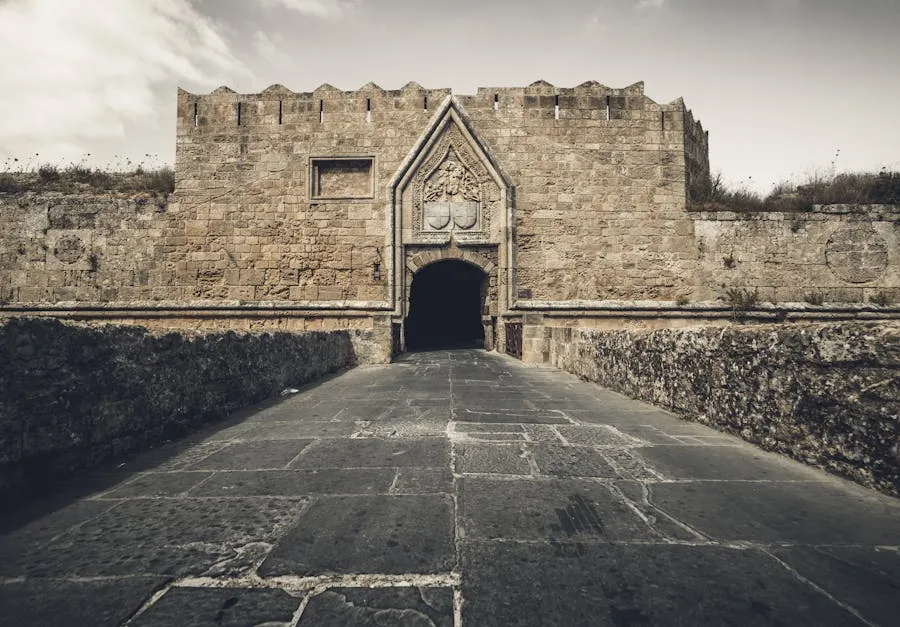
The best-preserved medieval town in Europe, built by the Knights of St John from 1309 to 1522. The Street of the Knights is a cobbled corridor of Gothic inns. The Palace of the Grand Master dominates the upper town. The old town is still inhabited, with restaurants, shops, and cats in every doorway. UNESCO World Heritage. No entry fee for the streets; Palace €8. Get lost deliberately.

The Lion Gate entrance to the ancient citadel of Mycenae

Mycenae

The Bronze Age citadel of Agamemnon, ruler of the Greeks at Troy. The Lion Gate (1250 BC) is the oldest monumental sculpture in Europe. Schliemann’s gold death masks (now in Athens) were found in the shaft graves here. The Treasury of Atreus (a beehive tomb with a 13 m corbelled dome) is an engineering marvel. €12. On the Peloponnese, 90 minutes from Athens by car. Combine with Nafplio and Epidaurus.

The ancient theatre of Epidaurus with its perfect semicircular seating

Epidaurus Theatre

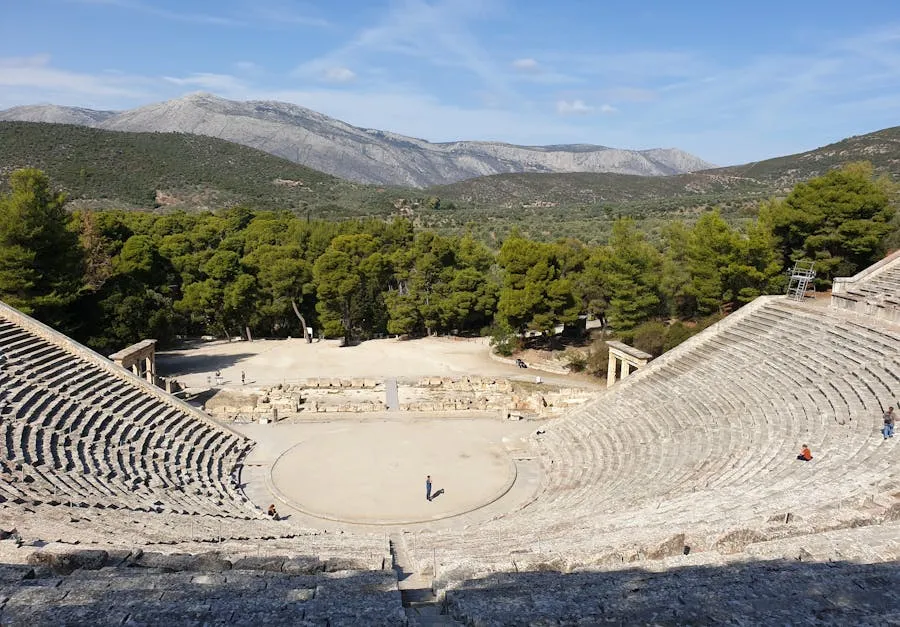
A 4th-century BC theatre for 14,000 spectators with acoustics so perfect that a match struck on stage can be heard in the back row. Still used for performances during the Athens and Epidaurus Festival (June–August), when ancient Greek drama is performed under the stars. €12. The surrounding Sanctuary of Asklepios was an ancient healing centre. 30 minutes from Nafplio on the Peloponnese.

Byzantine stone buildings on the rock fortress of Monemvasia

Monemvasia

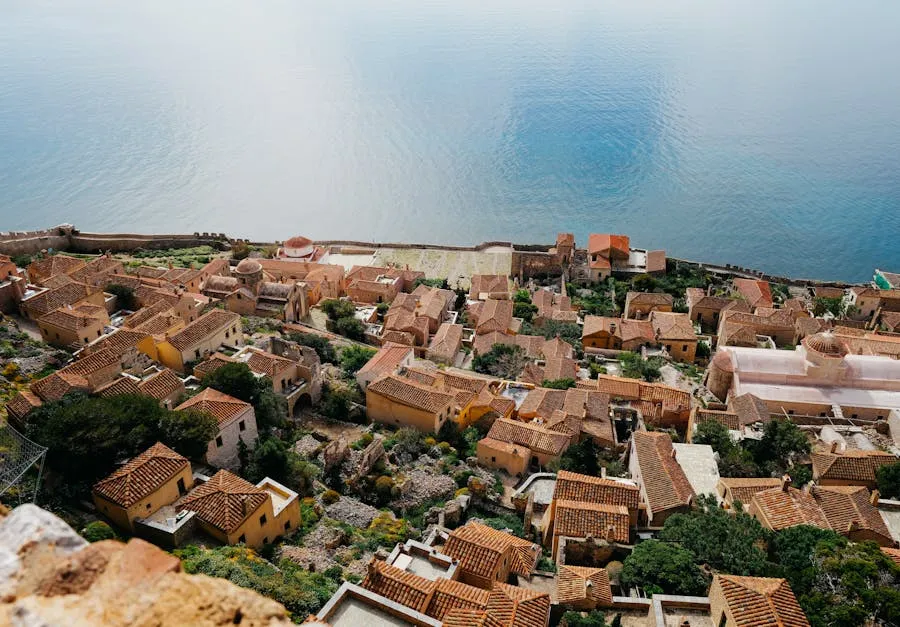
A medieval fortress town built on a massive offshore rock, connected to the Peloponnese by a single causeway. The lower town is a warren of Byzantine churches, stone houses, and hidden courtyards, still inhabited. The upper town is a ruined citadel with panoramic views. No cars allowed inside. Feels genuinely transported to another century. Free to enter. Boutique hotels occupy restored Byzantine buildings. 4 hours south of Athens.

Narrow passage through the Iron Gates of the Samaria Gorge

Samaria Gorge

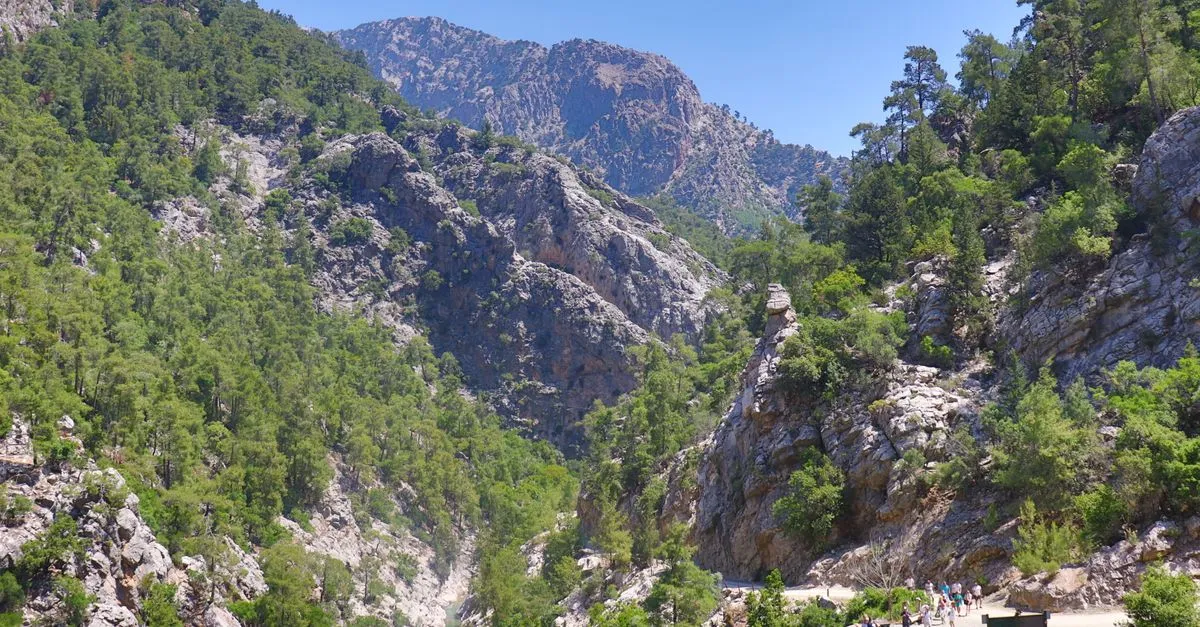
A 16 km trek through Europe’s longest gorge, from the White Mountains down to the Libyan Sea. The Iron Gates narrow to just 4 m wide with 300 m walls on either side. The hike takes 5–7 hours, descending 1,250 m. A ferry from Agia Roumeli at the bottom takes you back to civilisation. Open May through October (weather permitting). €5 entry. Start early, bring water, wear proper shoes.

Culture & Cuisine

Traditional Greek meze spread on a taverna table by the sea

Greek culture revolves around two things: the table and the conversation happening around it. Meals are shared, opinions are loud, hospitality is non-negotiable, and the concept of rushing through food is treated as a minor moral failing.

Culture

  • Philoxenia. Literally “love of strangers.” Greek hospitality is ancient and deeply felt. Refusing offered food or drink can cause genuine offence. Accept at least a small portion. A complimentary dessert, fruit, or raki after a meal is standard, not a sales tactic
  • Time. Greece runs later than northern Europe but earlier than Spain. Lunch 13:00–15:00. Dinner 20:30–22:00. Showing up at 18:00 for dinner means eating alone or finding a closed kitchen. Sunday lunch is sacred family time
  • The Volta. The evening stroll through town, similar to the Italian passeggiata. Entire families, grandparents to toddlers, walking the seafront or main plateia (square) between 19:00 and 22:00. This is social life in Greece
  • Religion. Greek Orthodoxy shapes daily life more than many visitors expect. Churches are everywhere, icons hang in taxis and shops, name days are celebrated as much as birthdays. Dress modestly in churches and monasteries (covered shoulders, long trousers or skirts)
  • Politics at the table. Greeks discuss politics passionately and expect you to have opinions. The economic crisis, EU relations, Turkey, the name dispute with North Macedonia. These are not taboo subjects, they are dinner conversation
  • Greetings. Two kisses on the cheek between friends, one on each side. Handshake for strangers. “Yia sas” (formal hello/goodbye), “yia sou” (informal). Nodding means no; tilting the head back means yes. This confuses everyone at first
Five phrases that matter. “Kalímera” (good morning), “kalispera” (good evening), “efcharistó” (thank you), “parakalo” (please/you’re welcome), “yia mas” (cheers, literally “to our health”). Greek is not easy, but even basic attempts earn genuine warmth. English is widely spoken in tourist areas and by younger Greeks.

Cuisine

Greek food is regional, seasonal, and olive-oil based. Crete has the most distinctive cuisine. Thessaloniki is the street food capital. The islands build meals around whatever the boats brought in that morning. Every region has its own cheese, its own pie, its own way of preparing lamb.

Greek souvlaki wrapped in warm pita with tomato and tzatziki

Souvlaki & Gyros

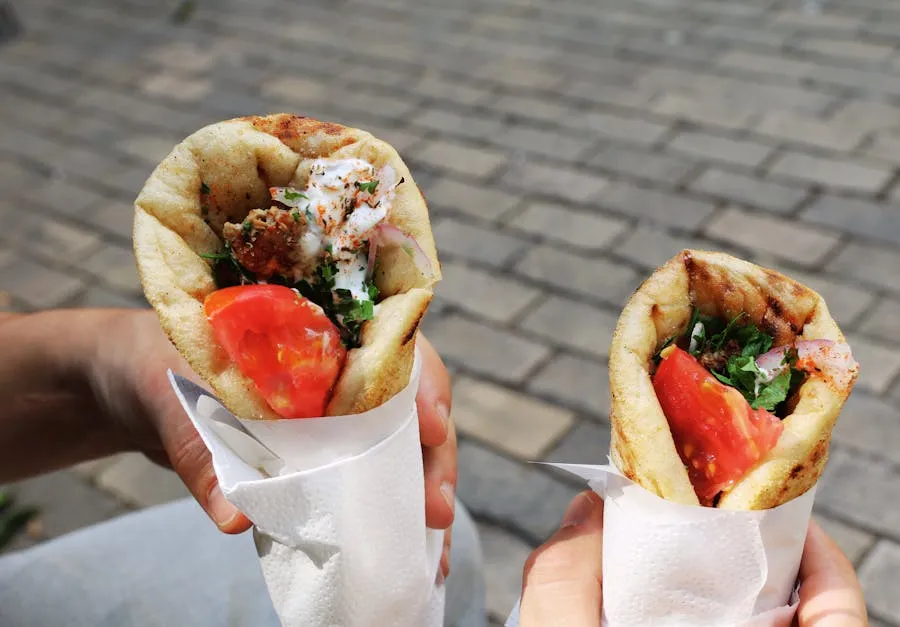
Greece’s fast food and national obsession. Souvlaki is skewered grilled meat (pork, chicken, or lamb). Gyros is meat carved from a vertical rotisserie. Both served in warm pita with tomato, onion, and tzatziki. €3–5 for a wrap. Every neighbourhood has its preferred shop and will argue about which is best.

Grilled octopus tentacles on a plate at a seaside taverna

Seafood

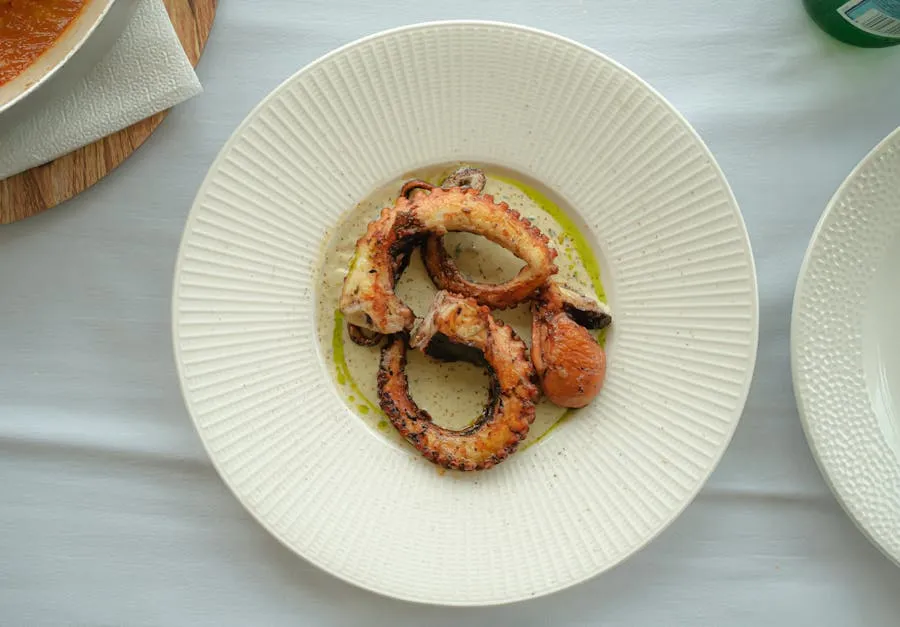
Grilled octopus dried on a line outside the taverna, then charred over coals. Fresh fish sold by weight (€40–100/kg, ask the price before ordering). Fried calamari. Grilled sardines. Shrimp saganaki in tomato sauce with feta. Island tavernas serve whatever was caught that morning. Always ask what is fresh.

Classic Greek salad with tomato, cucumber, feta and olives

Greek Salad (Horiatiki)

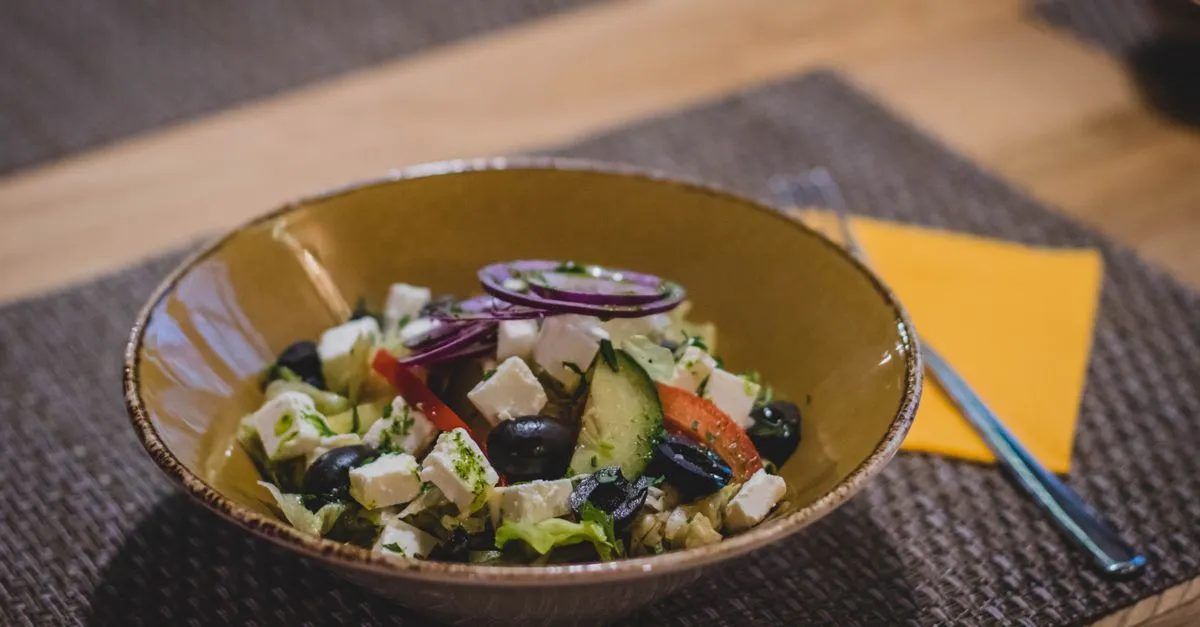
Tomato, cucumber, onion, green pepper, Kalamata olives, and a thick slab of feta, drowned in olive oil and oregano. No lettuce. Served at every meal. The quality depends entirely on the tomatoes and the olive oil, both of which are better in Greece than almost anywhere else. €6–10.

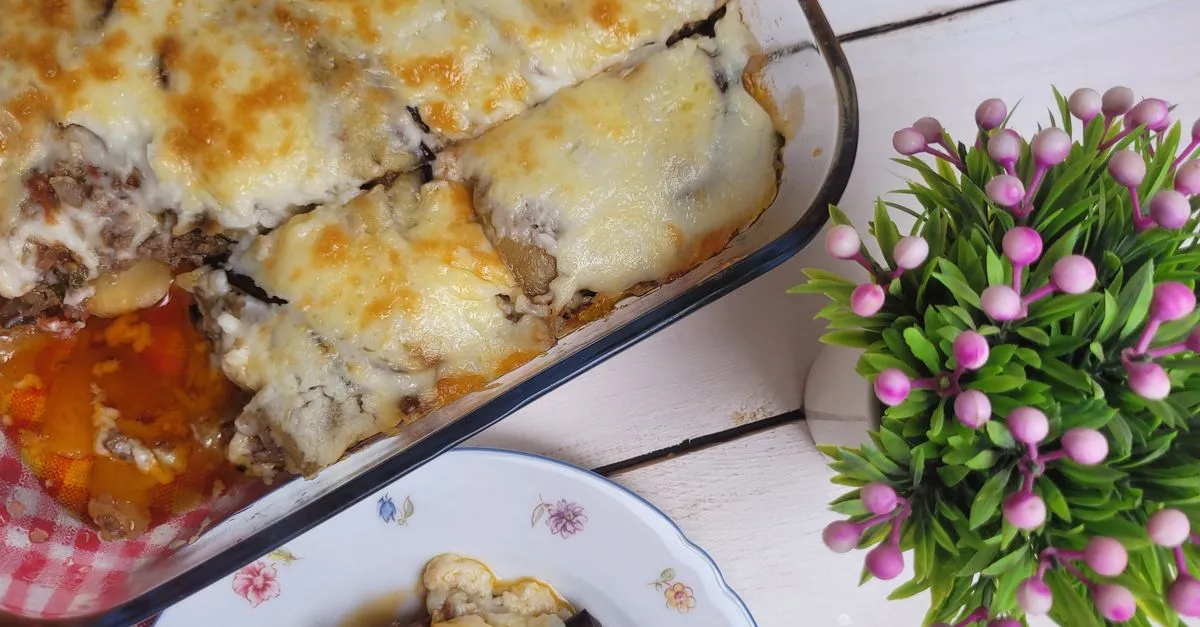
Baked moussaka in a ceramic dish with golden béchamel top

Moussaka

Layered aubergine, minced meat, potato, and béchamel sauce, baked until golden. Greece’s most famous cooked dish. Every taverna has its own version. Best eaten at lunch when it has just come out of the oven. €10–13. The vegetarian version (without meat) exists but is less common.

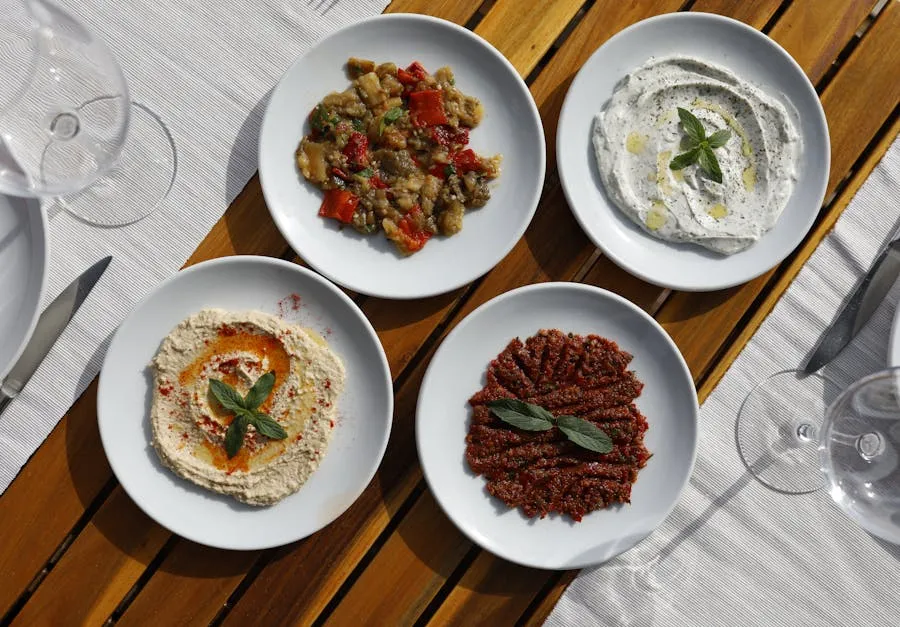
Spread of Greek meze dishes including dips and small plates

Meze & Dips

Shared plates are how Greeks eat. Tzatziki (yoghurt, cucumber, garlic), melitzanosalata (aubergine dip), taramosalata (fish roe dip), fava (yellow split pea purée), dolmades (stuffed vine leaves), spanakopita (spinach pie), tiropita (cheese pie). Order several and share. The bread is for scooping.

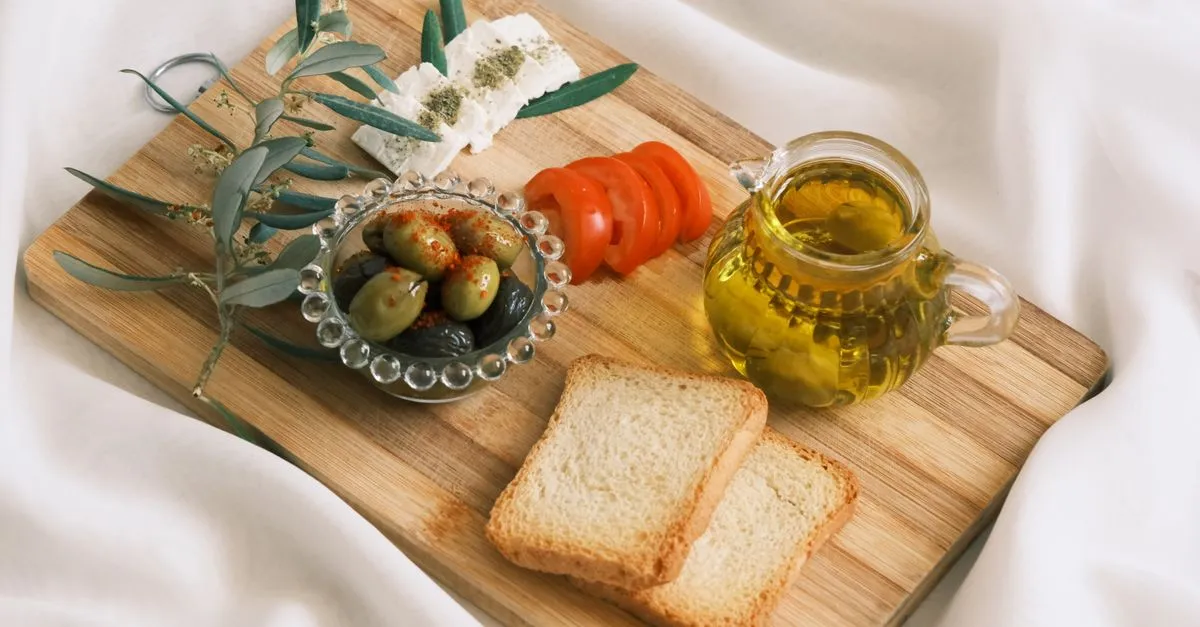
Cretan dakos salad with barley rusk, tomato and local cheese

Cretan Kitchen

Crete has its own food identity. Dakos (barley rusk with grated tomato and local myzithra cheese), kalitsounia (sweet or savoury pastries), wild greens (horta) foraged from the mountains, lamb with stamnagathi, and snails cooked in wine. The Cretan diet is a reason people live long here. Raki (tsikoudia) is poured freely after every meal.

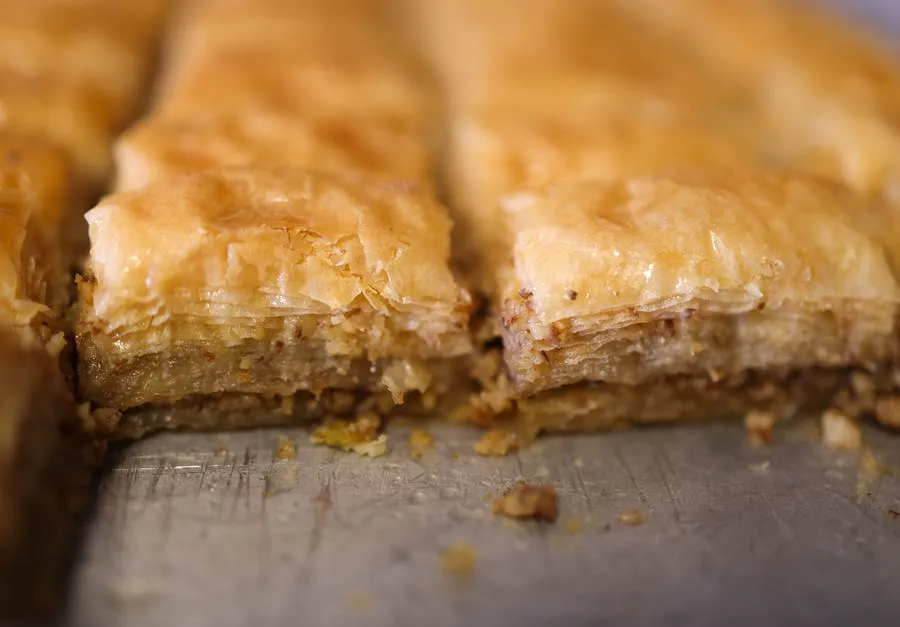
Layers of golden baklava dripping with honey and pistachios

Pastries & Sweets

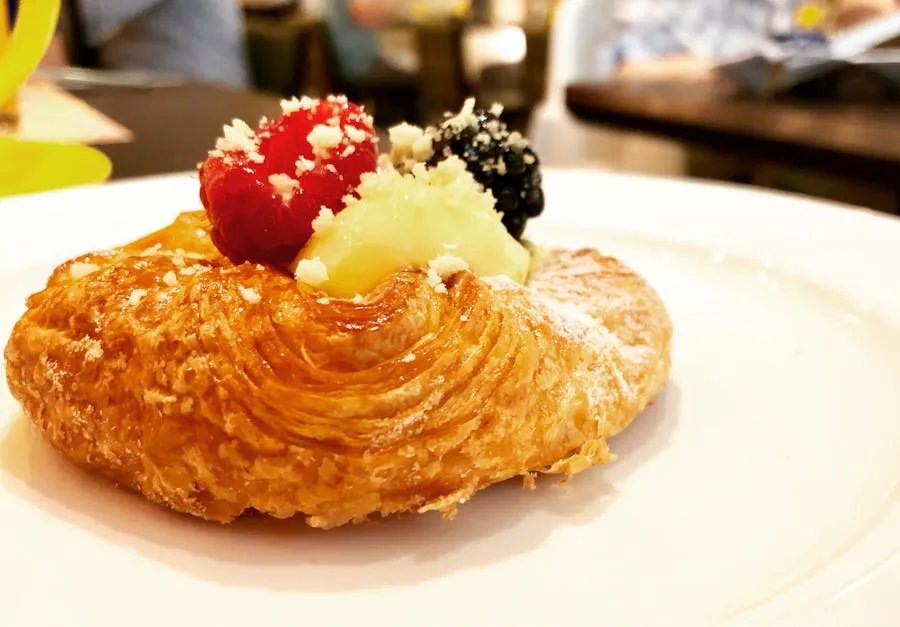
Baklava (layered filo, nuts, honey syrup), loukoumades (fried dough balls with honey), galaktoboureko (custard-filled filo), bougatsa (cream-filled pastry, best in Thessaloniki). Greek bakeries open early and serve tiropita and koulouri (sesame bread rings) for pennies. €1–3.50 for breakfast from a bakery.

Bougatsa pastry dusted with sugar and cinnamon in Thessaloniki

Thessaloniki Street Food

Greece’s culinary capital for street food. Bougatsa shops open at dawn. Koulouri sellers on every corner. Souvlaki joints that stay open until 4am. The Modiano and Kapani markets overflow with olives, spices, and seafood. Influences from Constantinople, Smyrna, and the Balkans make the flavour profile noticeably different from Athens.

Drinks

Ouzo is the national spirit, served with ice and water (which turns it milky white). Always accompanied by meze, never drunk on an empty stomach. Tsipouro is the mainland’s grape spirit, harsher and stronger. Raki (tsikoudia) in Crete is the same idea, poured after every meal as a sign of hospitality. Greek wine has improved enormously: Santorini Assyrtiko (crisp, volcanic minerality), Naoussa Xinomavro (Burgundy-like reds), and Cretan Vidiano are all worth seeking out. Coffee matters: freddo espresso and freddo cappuccino (€3–5) are the default summer drinks. Greek coffee (strong, sweet, served with the grounds) is the traditional option.

Activities & Hikes

Hiking trail through the dramatic Samaria Gorge in Crete

Greece is more mountainous than Switzerland (80% of the country is hills or mountains) with nearly 14,000 km of coastline, gorges deeper than the Grand Canyon, and a marine environment ranging from volcanic caves to sheltered lagoons. The country rewards active travellers who look beyond the beach.

Top Hikes

HikeLocationDifficulty & LengthHighlights
Samaria GorgeCrete (White Mountains)Moderate–hard, 16 km / 5–7 hrs, one-way downhillEurope’s longest gorge. Iron Gates narrows to 4 m. Ferry exit from Agia Roumeli. May–Oct. €5
Mt Olympus (Mytikas)Pieria, Central GreeceHard, 2-day round trip with mountain refugeThrone of the gods, 2,917 m. Refuge A at 2,100m (€15/night). Summit scramble requires confidence. Jun–Oct
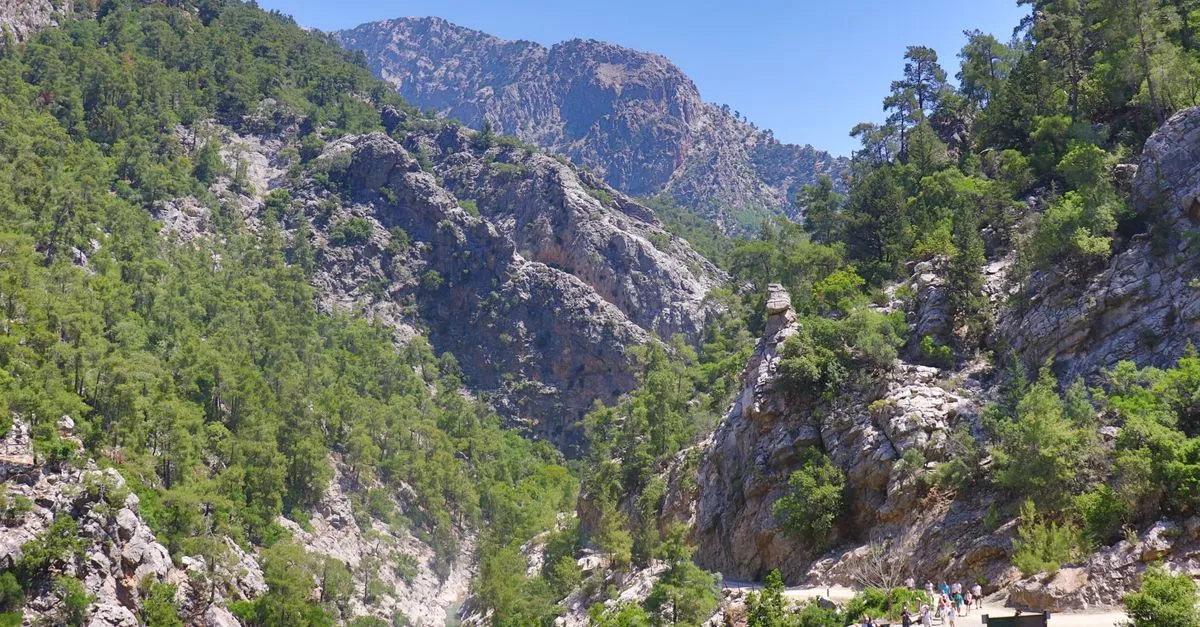
Vikos GorgeEpirus (Zagori)Moderate, 14 km / 6–7 hrsDeepest gorge relative to width in the world. Stone villages, arched bridges, barely any tourists. Year-round
Fira to OiaSantoriniModerate, 10 km / 3–4 hrsCaldera rim walk with continuous views of the volcanic crater and sea. Best at dawn before the heat
Menalon TrailPeloponnese (Arcadia)Moderate, 75 km / 5–8 daysCertified European trail through Arcadian mountain villages, forests, gorges. Sections walkable as day hikes
Corfu TrailCorfuModerate, 220 km / 8–12 daysEnd-to-end island traverse through olive groves, forests, coastal villages. Well-marked. Spring is best
Samaria logistics. Start from the Omalos Plateau (1,230 m, reached by early morning bus from Chania at 6:15). Walk downhill 16 km to Agia Roumeli on the south coast. Take the afternoon ferry to Hora Sfakion, then bus back to Chania. One-way hike with transport loop. Carry 2+ litres of water. The gorge is closed in heavy rain and outside May–October.

Beaches

Aerial view of Navagio Shipwreck Beach with turquoise water

Navagio (Shipwreck Beach)

Zakynthos. A rusted smuggler’s ship on white sand in a cove surrounded by 200 m limestone cliffs. Accessible only by boat. Most photographed beach in Greece.

Turquoise lagoon of Balos beach in northwest Crete

Balos Lagoon

Crete. A shallow turquoise lagoon where the sea changes colour with every step. Reached by boat from Kissamos or a rough dirt road plus 20-min scramble down.

Pink-tinged sand and shallow aquamarine water at Elafonisi

Elafonisi

Crete. Pink-tinged sand from crushed shells, shallow warm water you can wade across to a small island. Southwest corner of Crete, 75 km from Chania.

White pebble beach of Myrtos with towering cliffs behind

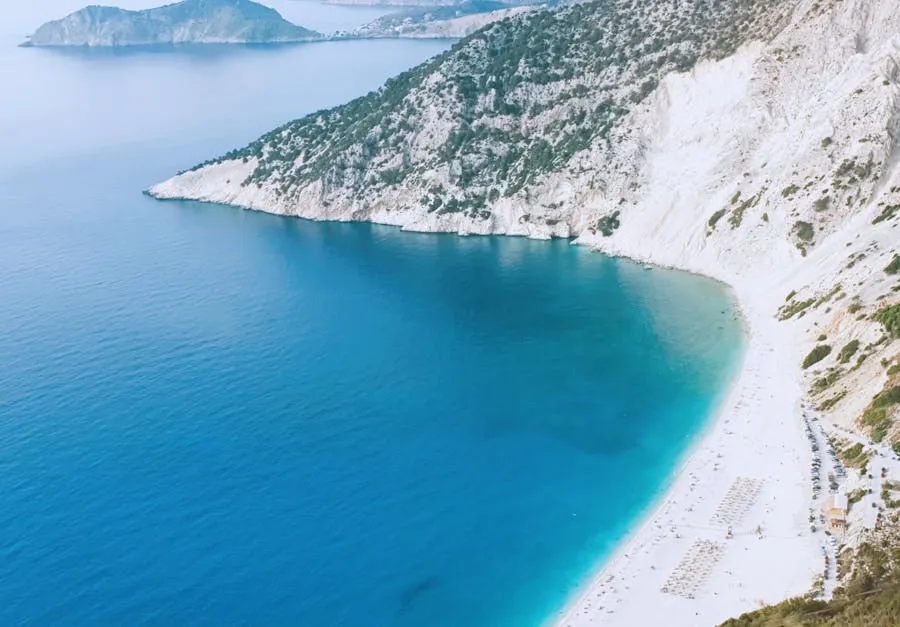
Myrtos Beach

Kefalonia. White pebbles, intense turquoise water, dramatic limestone cliffs. Views from the road above are as stunning as the beach itself.

Lunar white rock formations at Sarakiniko beach Milos

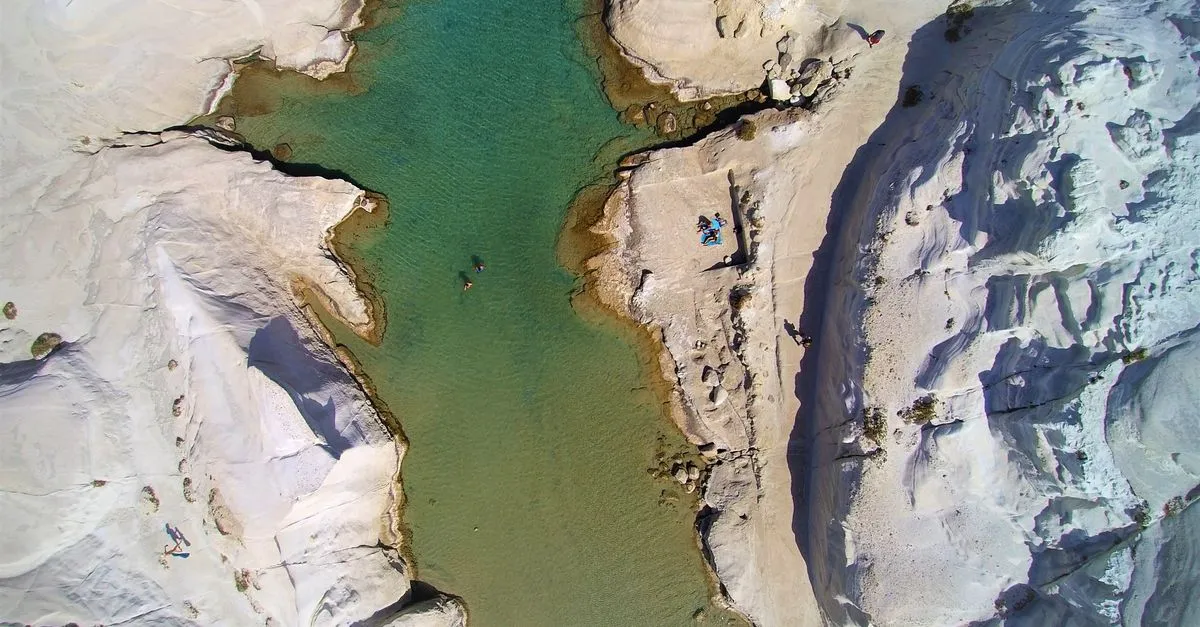
Sarakiniko

Milos. Volcanic white rock sculpted into lunar shapes by wind and waves. Swimming in a narrow channel between smooth white formations. Unlike any beach anywhere.

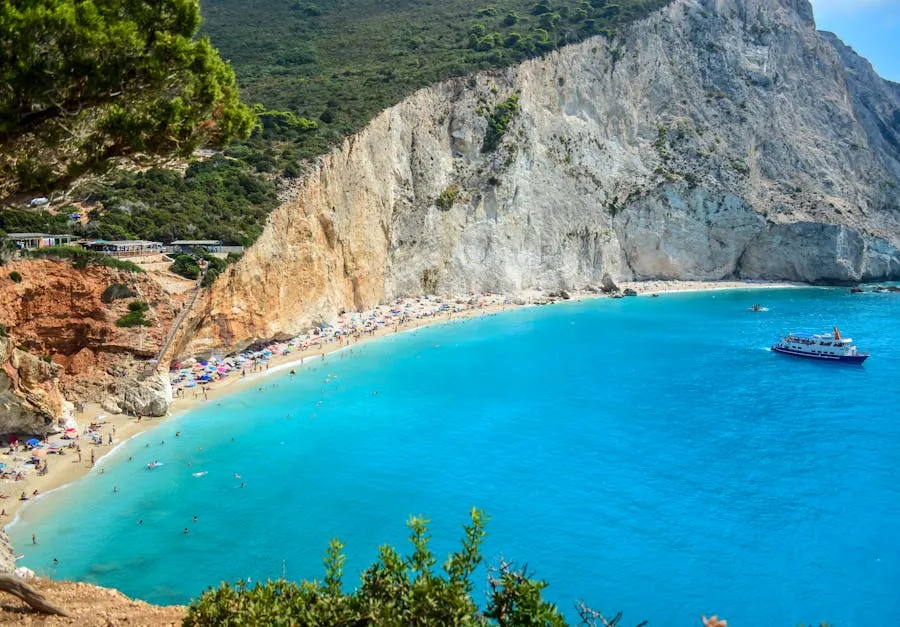
Porto Katsiki beach beneath towering white cliffs in Lefkada

Porto Katsiki

Lefkada. White pebble beach backed by 100 m vertical white cliffs. Accessed by 80 steps carved into the cliff. Turquoise water, spectacular setting.

Water Sports & Adventure

ActivityWhereNotes
Rock ClimbingKalymnos, Meteora, LeonidioKalymnos is a world-class limestone climbing destination. 3,500+ routes. Season: Mar–Nov. Festivals in Oct
Sea KayakingZakynthos (Blue Caves), Milos coast, KefaloniaGuided trips €40–80. Milos coastal tours access sea caves unreachable by land
DivingAlonissos Marine Park, Zakynthos, CreteNational Marine Park of Alonissos. Ancient shipwrecks, monk seal habitat. €50–90/dive with gear
SailingCyclades, Ionian, Saronic GulfFlotilla sailing from €500/week. Bareboat charter if qualified. The Ionian is calmer for beginners
Windsurfing & KitesurfingParos (Golden Beach), Naxos, RhodesMeltemi winds create ideal conditions Jul–Aug. Paros hosts international competitions

Hidden Gems

  • Zagori Villages, Epirus. 46 stone-built mountain villages connected by Ottoman-era arched bridges. Vikos Gorge, Drakolimni (Dragon Lake). Almost no international tourists. Greece at its most untouched
  • Mani Peninsula, Peloponnese. Tower houses, Byzantine churches, remote coves. The southern tip (Cape Tainaron) was the mythical entrance to Hades. Wild, sparse, beautiful
  • Folegandros. A tiny Cycladic island with a clifftop hora, no airport, and a fraction of Santorini’s visitors. The church of Panagia perches on the cliff edge at sunset
  • Pelion Peninsula. Mountain villages, stone paths, hidden beaches on the Pagasetic Gulf. The mythical home of the centaurs. Excellent food
  • Symi. A Dodecanese harbour town painted in every shade of ochre and terracotta. Tiny, peaceful, photogenic. Day trips from Rhodes but better as an overnight

Wildlife & Nature

Mediterranean coastline with crystal-clear waters and rocky shores

Greece sits at the crossroads of three continents, creating a meeting point for European, Asian, and African species. The combination of mountains, wetlands, islands, and coastline produces a biodiversity that surprises visitors who come expecting nothing but beaches and ruins.

Marine Life

🐋 Mediterranean Monk Seal

One of the world’s rarest mammals (~700 remain). Alonissos National Marine Park is the main habitat. Boat trips offer sightings but disturbing them is illegal and enforced

🐢 Loggerhead Sea Turtles

Caretta caretta nests on Zakynthos (Laganas Bay), Kefalonia, and Crete. Nesting season Jun–Oct. Volunteer programmes available. Night beach visits restricted in nesting areas

🐬 Dolphins

Bottlenose, striped, and common dolphins throughout the Aegean and Ionian. Best spotted on ferry crossings or dedicated wildlife boat trips from Amorgos, Alonissos, and the Saronic Gulf

Birdwatching

🦉 Prespa Lakes

Europe’s largest breeding colony of Dalmatian pelicans (the world’s biggest pelican). 260+ bird species. Shared between Greece, Albania, and North Macedonia. Remote and virtually tourist-free

🦅 Dadia Forest

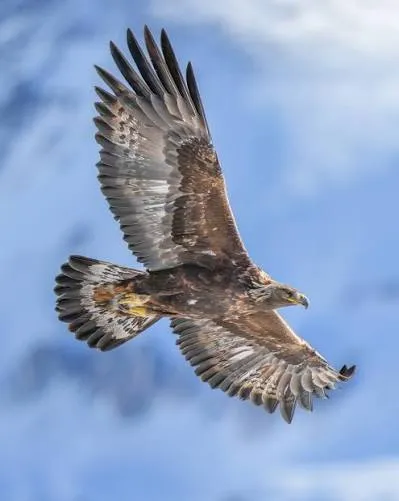
Thrace. 36 of Europe’s 38 raptor species recorded here, including black vultures, golden eagles, and imperial eagles. Observation hides available. One of the best raptor sites in Europe

🐦 Crete & Samaria

Griffon vultures soar above the Samaria and Imbros gorges. Lammergeiers (bearded vultures) in the White Mountains. Eleonora’s falcons on offshore islets Jul–Oct

National Parks & Protected Areas

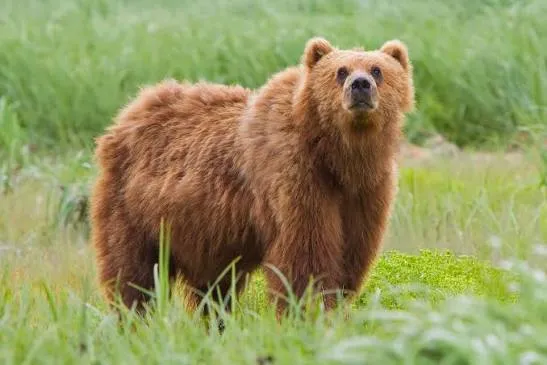
Greece has several national parks and over 400 Natura 2000 sites. Standouts include Vikos-Aoos (Epirus, deepest gorge, wolves, bears, chamois), Olympus (pine forests, alpine meadows, 1,700 plant species), Samaria Gorge (Crete, kri-kri wild goat), Alonissos Marine Park (monk seals, dolphins, shipwrecks), Parnassos (skiing and hiking near Delphi), and Prespa Lakes (pelicans, wetland birds). Park entry is generally free or €3–5. Facilities are basic compared to western European parks, which is part of the charm.

Route A: 7-Day Athens & Islands

Greek ferry departing a harbour with island in the background

The classic first-timer’s introduction. Athens for the history, then two Cycladic islands by fast ferry. Works year-round for Athens, but the island portion is best from May through October.

Budget estimate: €700–1,200 per person (excluding international flights). Includes accommodation, ferries, food, and key sights.

Day-by-day itinerary

Day 1: Arrive in Athens

Fly into Athens (ATH). Metro line 3 to the centre (€9). Check in near Plaka or Monastiraki. Evening walk through Plaka, dinner at a rooftop taverna with Acropolis views.

Day 2: Athens & the Acropolis

Acropolis at 8am opening (€30 combo ticket). Acropolis Museum afterwards. Afternoon in the Ancient Agora and Monastiraki flea market. Evening in Psyrri for meze and live rebetiko music.

Day 3: Athens to Naxos

Morning high-speed ferry from Piraeus to Naxos (3h 30min, €40–55). Afternoon exploring Naxos Town (Kastro, Portara gateway). Beach time at Agios Prokopios. Dinner at a harbour taverna.

Day 4: Naxos

Rent a car or ATV (€25–40/day). Drive to the mountain villages of Halki (kitron liqueur) and Apiranthos (marble village). Lunch at a village taverna. Afternoon at Plaka Beach (4 km of sand).

Day 5: Naxos to Santorini

Morning ferry to Santorini (1h 45min high-speed, €30–45). Check in at Fira or Imerovigli (caldera view, higher price) or Perissa/Kamari (beach, lower price). Afternoon exploring Fira. Sunset from Imerovigli.

Day 6: Santorini

Morning Fira-to-Oia hike along the caldera rim (10 km, 3–4 hours). Afternoon in Oia. Optional boat trip to volcanic hot springs at Nea Kameni. Sunset from Oia (arrive 90 minutes early for a spot).

Day 7: Santorini & Depart

Morning at Red Beach or Akrotiri archaeological site (€12, the “Minoan Pompeii”). Wine tasting at a Santorini winery (Assyrtiko, volcanic terroir). Afternoon flight from Santorini to Athens (45 min) and connect home, or overnight ferry back to Piraeus.

Route B: 14-Day Mainland & Island Hop

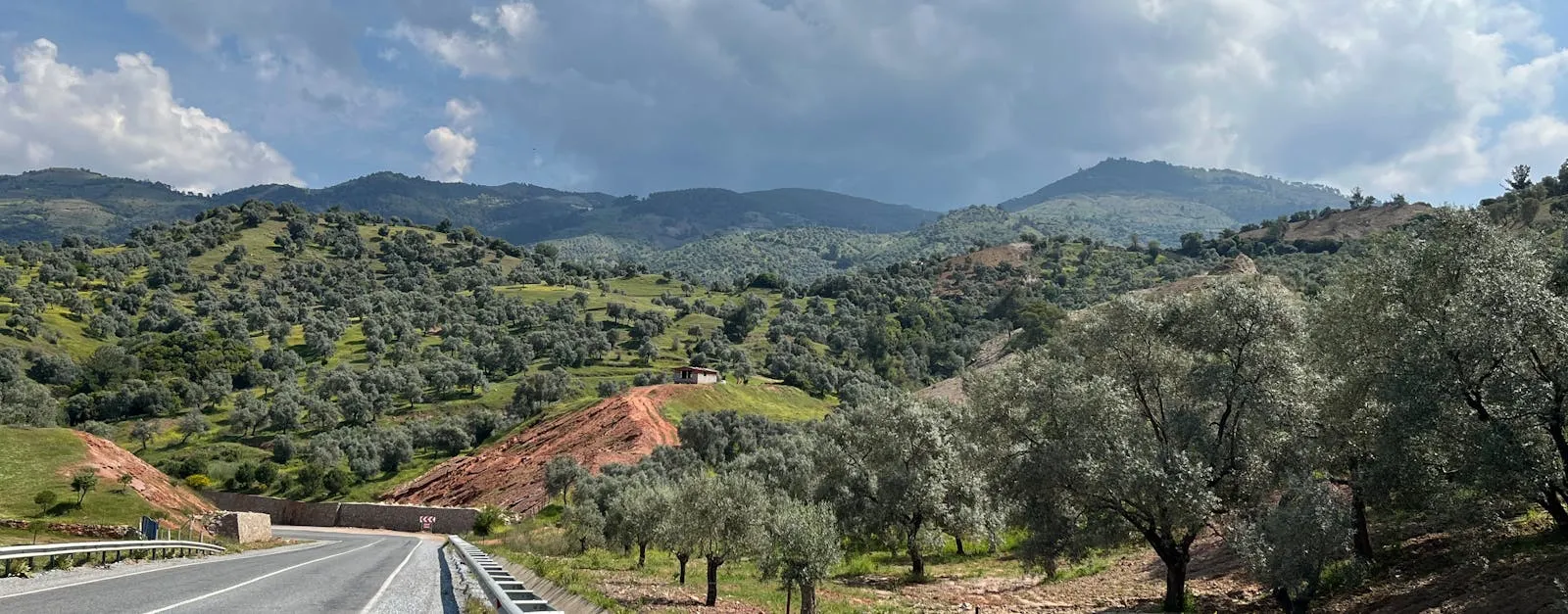
Scenic Greek mainland road winding through mountains and olive groves

Two weeks allows a proper mix of mainland depth and island discovery. Athens, the Peloponnese by car, then a Cycladic island hop. Best from April through October, with May and September as the sweet spots.

Budget estimate: €1,500–2,500 per person (excluding international flights). Includes car rental, ferries, accommodation, food, and sights.

Day-by-day itinerary

Day 1: Arrive in Athens

Fly into ATH. Metro to centre. Afternoon walk through Plaka, Monastiraki, and the Ancient Agora. Rooftop dinner with Acropolis view.

Day 2: Athens

Acropolis at opening. Acropolis Museum. Afternoon at the National Archaeological Museum (the gold of Mycenae, the Antikythera mechanism). Evening in Exarchia for street art and alternative culture.

Day 3: Athens to Nafplio

Pick up rental car. Drive to Corinth Canal (quick photo stop, 6 km cut, 80 m deep). Continue to Mycenae (Lion Gate, shaft graves, €12). Arrive Nafplio, Greece’s prettiest town. Evening on the waterfront.

Day 4: Epidaurus & Nafplio

Morning at Epidaurus ancient theatre (€12). Test the acoustics. Afternoon in Nafplio: climb to Palamidi fortress (999 steps), swim at Arvanitia beach, wander the Venetian old town. Dinner on the plateia.

Day 5: Monemvasia

Drive south to Monemvasia (2h 30min). Walk through the causeway gate into the medieval lower town. Explore Byzantine churches, hidden courtyards. Lunch with sea views. Walk up to the upper citadel for panoramic views. Overnight in a restored stone guesthouse.

Day 6: Mystras & Olympia

Drive via Sparta to Mystras (€12), a ruined Byzantine city on a hillside with frescoed churches. Continue west to Olympia (3h drive). Overnight near Ancient Olympia.

Day 7: Olympia to Delphi

Morning at Ancient Olympia (€12). The stadium, gymnasium, Temple of Zeus. Museum with Hermes of Praxiteles. Drive north to Delphi via the Rio-Antirrio bridge (4h). Overnight in Delphi village.

Day 8: Delphi to Athens, Ferry to Paros

Morning at Delphi (€12). Sacred Way, Temple of Apollo, museum. Drive back to Athens (2h 30min), return car at Piraeus. Afternoon/evening ferry to Paros (3h 30min high-speed, €40–55).

Day 9: Paros

Explore Parikia (Panagia Ekatontapyliani church, one of the finest Byzantine churches in Greece). Afternoon at Kolymbithres beach (wind-sculpted granite rocks). Evening in Naoussa harbour for seafood.

Day 10: Paros to Naxos

Short ferry to Naxos (40 min, €10). Portara gateway. Explore Naxos Town kastro. Drive to mountain villages: Halki (kitron), Apiranthos (marble). Plaka Beach in the afternoon.

Day 11: Naxos to Milos

Ferry to Milos (variable connections, 2–4h). Milos is volcanic and surreal. Afternoon at Sarakiniko (lunar white rocks) or Firiplaka beach. Evening in Adamas harbour.

Day 12: Milos

Boat tour around the island (€50–80, full day). Sea caves of Kleftiko, Sykia Cave, volcanic formations only reachable by water. The catacombs in Plaka. Sunset from Plaka kastro.

Day 13: Milos to Santorini

Ferry to Santorini (2–3h). Check in. Akrotiri archaeological site (€12). Red Beach. Wine tasting at a caldera-view winery. Sunset from Imerovigli or Oia.

Day 14: Santorini & Depart

Morning Fira-to-Oia hike or volcanic hot springs boat trip. Afternoon flight from Santorini (JTR) to Athens and home, or evening ferry back to Piraeus (8h overnight).

Route C: 21-Day Grand Tour

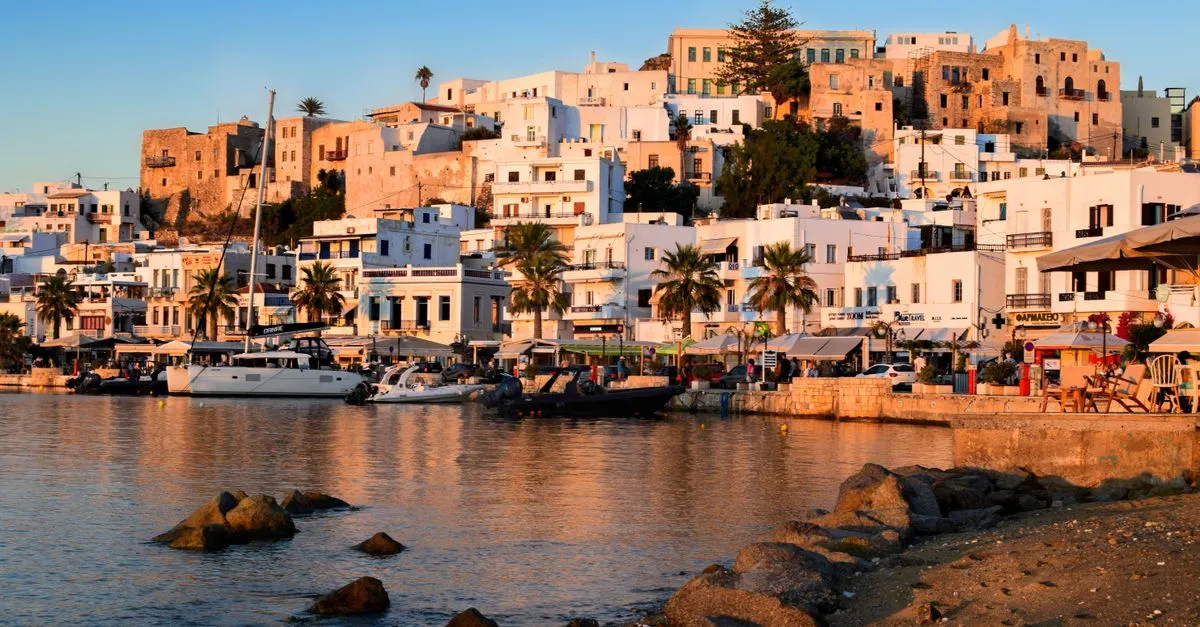
Panoramic view of a Greek island village cascading down to the harbour

Three weeks allows the full range: Athens, mainland highlights, northern Greece, and a proper Cycladic island hop ending on Crete. Best in May–June or September–October.

Budget estimate: €2,500–4,000 per person (excluding international flights). Mix of car rental, ferries, domestic flights, and island accommodation.

Day-by-day itinerary

Day 1: Arrive in Athens

Fly into ATH. Metro to centre. Afternoon in Plaka and Monastiraki. Evening rooftop dinner.

Day 2: Athens

Acropolis at opening. Museum. Ancient Agora. National Archaeological Museum. Evening in Psyrri or Exarchia.

Day 3: Delphi Day Trip

Rental car or organised tour to Delphi (2h 30min each way). Sacred Way, Temple of Apollo, museum, theatre. Return to Athens for the evening.

Day 4: Athens to Meteora

Drive or train to Kalambaka (4h drive, 4h 30min train). Afternoon visit to one or two monasteries. Sunset from the rocks. Overnight in Kalambaka or Kastraki village.

Day 5: Meteora & Thessaloniki

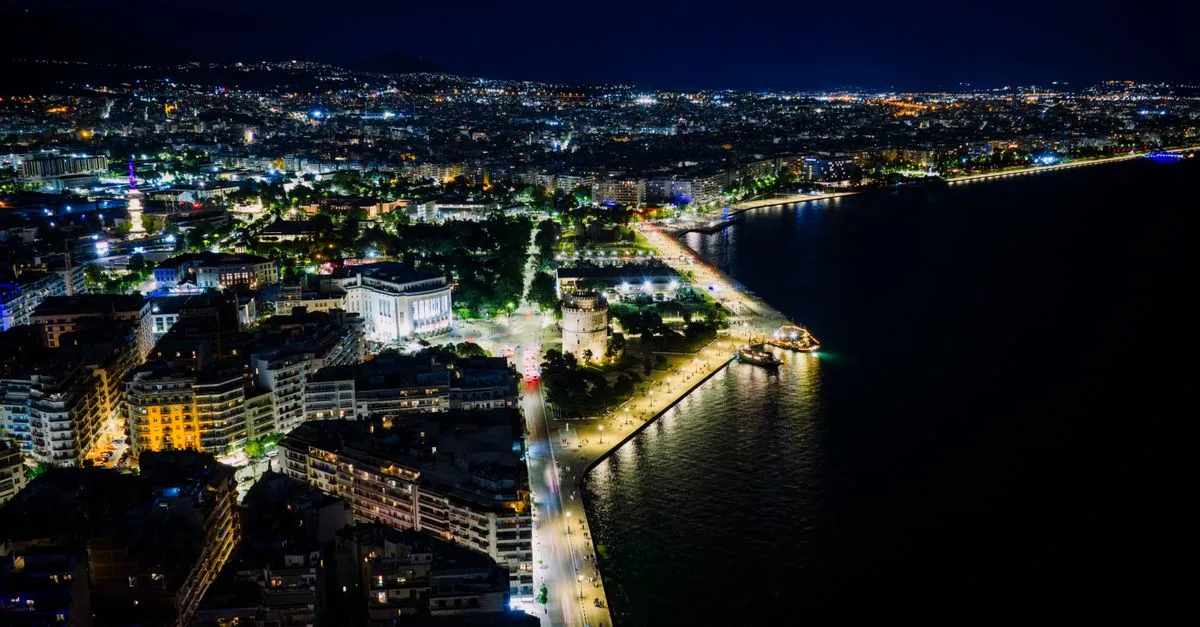
Morning monasteries (Great Meteoron, Varlaam, Holy Trinity). Drive to Thessaloniki (3h). Evening: White Tower waterfront walk, bougatsa, and meze in Ladadika district.

Day 6: Thessaloniki

Modiano and Kapani markets. Archaeological Museum. Ano Poli (upper town) with Byzantine walls and views. Lunch at a traditional taverna. Evening: Aristotelous Square seafront.

Day 7: Thessaloniki to Zagori

Drive west to the Zagori villages (3h 30min). Check in at a stone guesthouse in Papingo or Monodendri. Afternoon walk to Oxia Viewpoint over Vikos Gorge. Dinner of Epirus pies and grilled meats.

Day 8: Vikos Gorge Hike

Full-day hike through Vikos Gorge from Monodendri to Vikos village (14 km, 6–7h). Stone bridges, river pools, towering limestone walls. Return by taxi or arrange pickup. Evening in Papingo.

Day 9: Return to Athens, Fly or Ferry

Drive back to Athens (5h) or to Ioannina airport (1h) for a domestic flight. Drop car. Evening ferry from Piraeus or overnight in Athens before island hopping begins.

Day 10: Athens to Milos

Morning high-speed ferry to Milos (3h 30min). Afternoon at Sarakiniko beach. Evening in Adamas harbour. Milos is volcanic, surreal, and less crowded than Santorini.

Day 11: Milos Boat Tour

Full-day boat tour (€50–80): Kleftiko sea caves, Sykia Cave, volcanic arches. Swimming stops in turquoise coves. Evening in Plaka with sunset from the kastro.

Day 12: Milos to Sifnos

Short ferry to Sifnos (1h). The foodie island. Pottery villages, hiking trails between settlements, outstanding tavernas. Afternoon at Vathi beach and bay.

Day 13: Sifnos to Paros

Ferry to Paros (1h 30min). Parikia old town and church. Kolymbithres beach. Evening in Naoussa harbour for fresh fish.

Day 14: Paros to Naxos

Quick ferry (40 min). Mountain villages, Portara, Plaka Beach. Naxos is the largest and greenest Cycladic island. Lunch in Halki village.

Day 15: Naxos to Santorini

Ferry to Santorini (1h 45min). Akrotiri excavations. Red Beach. Wine tasting. Sunset from Imerovigli.

Day 16: Santorini

Fira-to-Oia caldera hike. Volcanic hot springs boat trip. Oia exploration. Evening at leisure.

Day 17: Santorini to Crete

Ferry to Heraklion (2h high-speed). Pick up rental car. Afternoon at Knossos (€15) and Heraklion Archaeological Museum (€12). Evening in Heraklion harbour.

Day 18: Crete – South Coast

Drive south to Matala (caves, beach) or Preveli Beach (palm forest gorge). Lunch at a village taverna. Continue to Rethymno for the evening: Venetian harbour, Fortezza fortress.

Day 19: Samaria Gorge

Early start from Chania (bus at 6:15 to Omalos). Hike the 16 km gorge (5–7h). Ferry from Agia Roumeli to Hora Sfakion, bus to Chania. Exhausted but triumphant evening dinner in Chania old town.

Day 20: Chania & Balos/Elafonisi

Day trip to Balos Lagoon (boat from Kissamos) or Elafonisi pink sand beach (75 km drive). Afternoon exploring Chania’s Venetian harbour and leather lane. Last Cretan dinner: dakos, lamb, raki.

Day 21: Depart from Crete

Morning in Chania old town. Drive to Chania airport (CHQ, 20 min) or Heraklion airport (HER, 2h). Fly home directly or connect through Athens.

Getting Around

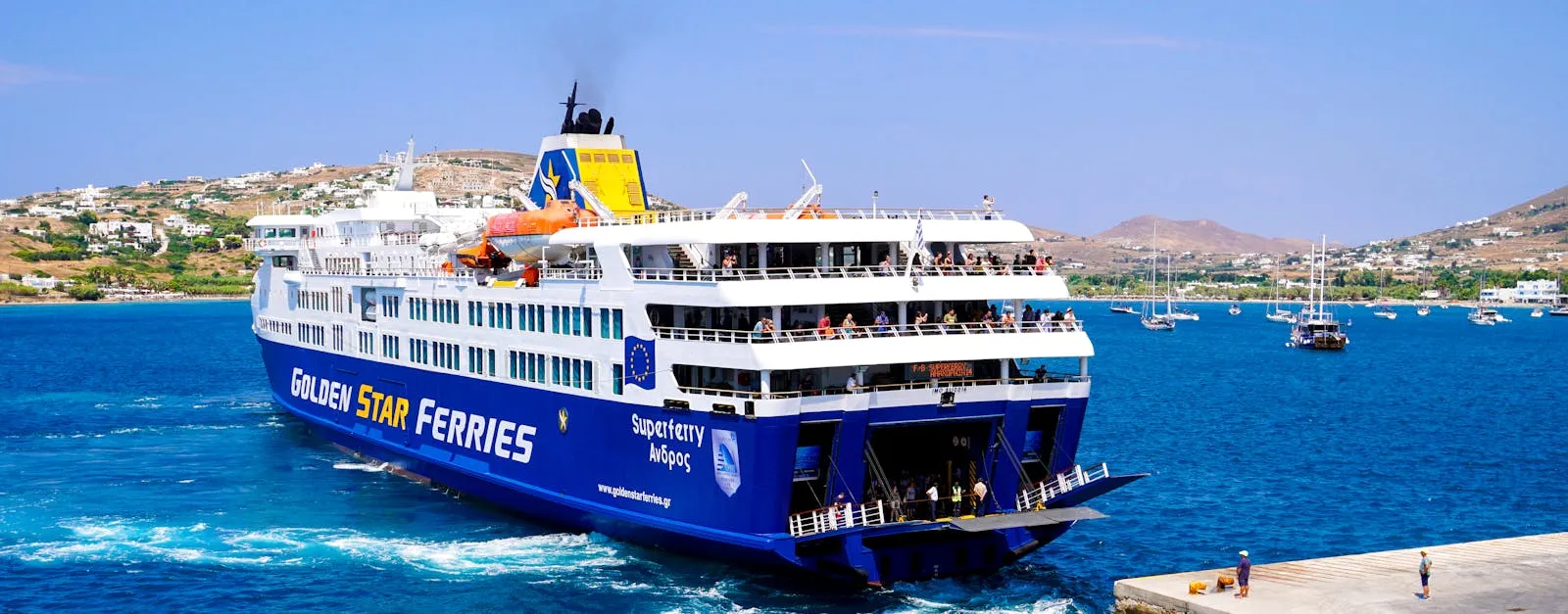
Blue and white ferry approaching a Greek island port

⛴️ Ferries

The backbone of island travel. Slow (€28–50) or high-speed (€55–110). Piraeus is the main hub

✈️ Flights

Athens to islands 45min. Aegean, Sky Express, Ryanair. From €30 booked early

🚌 KTEL Buses

Mainland network. €10–40 intercity. Reliable, frequent on main routes

🚗 Car Rental

€30–90/day. Essential for Crete, Peloponnese, larger islands

🚇 Athens Metro

€1.40 single. Clean, connects airport, port, and centre

🛵 Scooter/ATV

€20–55/day on islands. Popular but risky on gravel roads. Full licence required

Ferries

Ferries are the only way to reach most islands. Piraeus (30 min from central Athens by metro) is the main port for the Cyclades, Saronic islands, and Crete. Rafina (northeast of Athens) serves the northern Cyclades and Evia. Lavrio serves Kea and some Cycladic islands. The Ionian islands are reached from Patras, Igoumenitsa, or Kyllini on the mainland.

Two types: conventional (slow, cheaper, €28–50 to main Cycladic islands, take 4–8 hours) and high-speed catamarans (fast, pricier, €55–110, take 2–4 hours). In July and August, book 2–3 weeks ahead for popular routes. FerryHopper is the best booking site, showing all operators. Blue Star Ferries, SeaJets, Hellenic Seaways, and Minoan Lines are the main companies.

Ferry booking strategy: Use FerryHopper.com to compare schedules and prices across all operators. Slow ferries are half the price and fine for overnight crossings (Athens to Crete has comfortable cabins). High-speed ferries save time but are rough in Meltemi winds and cancel more often. Book 2–3 weeks ahead for July/August. Off-season schedules are reduced dramatically, sometimes to 2–3 boats per week for smaller islands.

Domestic Flights

Aegean Airlines, Sky Express, and Ryanair connect Athens with most island airports. Athens to Santorini or Mykonos is 45 minutes, to Crete 50 minutes, to Rhodes 55 minutes. Book 4–8 weeks ahead for fares from €30–80. Thessaloniki also has direct island connections. Flights save a full day over ferry crossings to distant islands like Crete and Rhodes.

Buses (KTEL)

KTEL operates the intercity bus network. Athens to Thessaloniki (5h, €35–45), Athens to Nafplio (2h, €15), Athens to Delphi (3h, €17). Reliable on main routes but infrequent to rural areas. Tickets from KTEL stations or ktelbus.com. On islands, local bus services connect towns and beaches but schedules are thin outside summer.

Trains

The train network is limited. Athens to Thessaloniki (4h 30min, €20–45) is the main route. Athens to Kalambaka for Meteora (4h 30min, €15–25) is scenic. Few other useful tourist routes. Trains are comfortable but buses are often faster and more frequent. Book via trainose.gr.

Driving

A car opens up the Peloponnese, Crete, and larger islands. Mainland motorways are modern with tolls (€3–10 per section). Island roads vary from good to terrible. Fuel €1.70–2.10/litre (islands are more expensive). Driving is on the right. An international driving permit is technically required for non-EU licences but rarely checked. Mountain roads can be narrow and hairpin-heavy. Rental from €30/day including insurance.

Island Transport

On smaller islands, local buses connect the port to the main town and 2–3 beaches. Schedules are built around ferry arrivals. Taxis exist but are scarce and unmetered on some islands. Scooters and ATVs are popular (€20–55/day) but accidents on gravel roads are common. Quad bikes require a car licence. Water taxis connect beaches inaccessible by road. Always carry cash for small water taxis and rural buses.

Budget Breakdown

Budget and costs

Greece sits in the middle of the European price spectrum. Cheaper than western Europe, pricier than the Balkans. Location matters enormously: Santorini and Mykonos cost 40–60% more than the mainland or quieter islands. The Peloponnese, northern Greece, and lesser-known islands like Naxos, Sifnos, and Folegandros offer excellent value.

Daily Budget Ranges

CategoryBudgetMid-rangeComfort
Accommodation€20–50 (hostel/domatia/budget room)€70–130 (boutique hotel/good studio)€150–400+ (caldera suite/luxury)
Food€15–25 (souvlaki, bakeries, tavernas)€40–60 (taverna meals, wine)€80–120 (fine dining, seafood by weight)
Transport€5–15 (buses, slow ferries)€20–40 (high-speed ferries, car rental share)€40–80 (flights, rental car, fast ferries)
Activities€5–10 (beaches, hikes, free sites)€15–35 (museums, boat trips)€50–100 (sailing, guided tours)
Daily Total€50–80€130–200€300+

Money-Saving Tips

🍴 Bakery Breakfast

Tiropita (cheese pie, €2–3.50) and a freddo espresso (€3–4) from a bakery is how most Greeks start the day. Skip hotel breakfast

🍳 Souvlaki Dinner

A souvlaki wrap (€3–5) is a full meal. Two wraps plus a drink for under €12. Available everywhere, often until late

⛴️ Slow Ferries

Conventional ferries cost half the price of high-speed. Overnight ferries to Crete include a cabin, saving a hotel night

🌊 Free Beaches

Most Greek beaches are public and free. Sunbed rental (€5–15/pair) is optional. The best beaches often have no facilities at all

🏛️ Combo Tickets

Athens €30 combo covers Acropolis + 6 sites (valid 5 days). Many archaeological sites have free admission on certain Sundays (Nov–Mar)

💦 Skip Mykonos & Santorini

Naxos, Paros, Milos, Sifnos, Folegandros offer similar beauty at 30–50% less. The quieter islands are often the better experience

Climate Resilience Levy (since 2025): Hotels charge an additional €1.50–15 per room per night depending on star rating and season (highest Apr–Oct). This is a government-mandated fee, not a hotel surcharge. Budget for it on top of room rates. 1–2 star: €1.50. 3 star: €5. 4 star: €10. 5 star: €15.
Tipping: Not mandatory but appreciated. Leaving 5–10% at tavernas is standard for good service. Round up taxi fares. Tip boat trip guides €2–5 if satisfied. No one will chase you down for not tipping. Service charges are sometimes included on tourist-area bills. Check before paying extra.

Practical Information

Practical travel information

💳 Visas

Schengen Area. Most Western passports visa-free 90 days. ETIAS (€7) expected Q4 2026

🏥 Health

No mandatory vaccinations. EU EHIC/GHIC for EU citizens. Travel insurance essential. Tap water safe in cities

💶 Money

Euro (€). Cards widely accepted. Carry cash for small tavernas, kiosks, water taxis

📶 SIM & WiFi

EU SIMs roam at home rates. Airalo/Holafly eSIMs. Physical SIMs: Cosmote, Vodafone, Wind at airports

🔌 Electricity

Type C/F (2 round pins), 230V/50Hz. Same as continental Europe

🛒 Safety

Very safe. Petty theft in Athens tourist areas. Summer hazards: extreme heat, wildfires, strong winds

Entry & Visas

Greece is in the EU and the Schengen Area. Most Western passport holders can enter visa-free for up to 90 days within any 180-day period. The EU’s ETIAS pre-travel authorization (€7, valid 3 years) is expected to launch in Q4 2026 for visa-exempt travellers. The EES (Entry/Exit System) is live from April 2026 with biometric registration at borders. Passport must be valid at least 3 months beyond your planned departure date.

Health

No mandatory vaccinations. EU/EEA citizens should carry an EHIC or GHIC card for state healthcare access. Private travel insurance is essential for everyone else. Pharmacies (farmakio, green cross sign) are well-stocked and pharmacists can advise on minor ailments. Tap water is safe in Athens, Thessaloniki, and most large islands. Some smaller islands have desalinated water that tastes poor. Bottled water is cheap (€0.50). Heatstroke is a genuine risk in July and August: carry water, wear a hat, avoid midday exertion.

Money

Currency is the Euro. Cards (Visa, Mastercard) are widely accepted in cities, hotels, and tourist-oriented businesses. Carry cash for small tavernas, rural areas, kiosks (periptera), water taxis, and small island businesses. ATMs are plentiful in towns but scarce in remote areas. At ATMs, always choose “charge in Euros” to avoid dynamic currency conversion fees. Bank hours: typically Mon–Fri 8:00–14:30.

Connectivity

EU roaming regulations mean EU/EEA SIM cards work at home rates. For non-EU visitors: Airalo and Holafly offer eSIMs. Physical SIMs from Cosmote (best coverage, including remote islands), Vodafone, or Wind are available at airports and shops. Expect to show a passport. Wi-Fi is available in most hotels and cafés. Mobile coverage can be spotty on remote islands and in mountain areas.

Language

Greek, written in the Greek alphabet. English is widely spoken in tourist areas, by younger Greeks, and in the hospitality industry. It drops off sharply in rural mainland areas and among older generations. Menus in tourist areas are usually bilingual. Learning to read a few Greek letters (alpha, beta, sigma, tau) helps with signs. Google Translate handles Greek reasonably well.

Safety

Greece is very safe. Violent crime against tourists is extremely rare. Petty theft (pickpocketing) exists in Athens tourist areas, especially on the metro and in Monastiraki/Omonia. Use common sense. Summer hazards are real: extreme heat (40°C+), wildfires (follow local authorities if smoke is visible), and strong Meltemi winds that can strand you on an island if ferries cancel. Stray dogs are common and generally friendly. Jellyfish appear seasonally in some areas.

Common Scams

Overcharging at tourist-area restaurants is the main risk. Always check menu prices before ordering, especially for fish sold by weight. Some Athens taxi drivers take longer routes or “forget” to start the meter. Insist on the meter (Tariff 1 in the city, Tariff 2 at night and outside city limits). The Athens airport to centre fare is fixed at €40 (day) / €55 (night).

Tips & Common Mistakes

Narrow whitewashed street in a Greek island village

Mistakes that cost time, money, or enjoyment. All avoidable.

  • Only visiting Santorini and Mykonos. They are beautiful but expensive, crowded, and not representative of Greece. Naxos, Milos, Folegandros, Sifnos, and the Ionian islands offer similar beauty with a fraction of the visitors and 30–50% lower prices. The Peloponnese mainland rivals any island for scenery and costs even less
  • Not booking ferries in July/August. Popular routes sell out, especially for cars. High-speed ferries to Santorini and Mykonos fill first. Book 2–3 weeks ahead through FerryHopper. Off-season, walk-up tickets are fine
  • Ignoring the Meltemi. These summer winds can cancel ferries, strand you on islands, and make north-facing beaches unusable. Build 1–2 buffer days into any island-hopping itinerary. The Ionian side is sheltered
  • Ordering fish without asking the price. Fresh fish at tavernas is sold by the kilogram, not by the portion. Prices range from €40 to €100/kg. A whole fish can easily cost €40–80. Always ask “póso kánei to kiló?” (how much per kilo?) before ordering. Frozen fish is cheaper and must be marked on the menu with an asterisk (*)
  • August 15 without booking. The Assumption of the Virgin is Greece’s biggest summer holiday. Half of Athens empties to the islands. Ferries and accommodation sell out weeks ahead. If you travel around this date, book everything 2 months in advance. Or avoid it entirely
  • Trying to see too many islands. Two or three islands in a week is ideal. Five islands in a week means spending most of your time on ferries and in port queues. Pick fewer islands, stay longer, and actually swim
  • Skipping the mainland. The Peloponnese, Meteora, Delphi, and the Zagori villages are world-class. Many visitors fly to Athens, catch a ferry immediately, and never see the mainland. That is like visiting Italy without leaving the Amalfi Coast
  • Renting a scooter without experience. Scooter accidents are the single most common tourist injury in Greece. Island roads are often unpaved, sandy, or steep. If you have never ridden one before, rent a car instead. If you do ride, wear the helmet, check the brakes, and avoid gravel
  • Nodding when you mean no. In Greece, a slight upward tilt of the head means “no” and a downward nod means “yes”. The opposite of most Western conventions. “Nai” (sounds like “nay”) means yes. “Ochi” means no. This causes genuine confusion in the first few days
  • Not carrying cash. Cards are accepted at hotels, restaurants, and shops in tourist areas. But kiosks (periptera), small village tavernas, water taxis, local buses, and some bakeries are cash-only. Always have €20–50 in small notes

Final Recommendation

Golden sunset over the Aegean Sea from a Greek island clifftop

Greece is the country that invented the idea of a good life and then spent 2,500 years refining it. The long lunch under a plane tree. The evening swim followed by grilled fish at a taverna where the owner pours raki and pulls up a chair. The ancient theatre where a play written in 400 BC still makes an audience laugh. Greece does not try to impress you. It simply is what it is, and what it is tends to be enough.

For a first visit, Athens plus two or three Cycladic islands gives you the greatest range: ancient history, volcanic drama, blue-domed villages, and some of the best swimming in the Mediterranean. A week is tight but works. Two weeks let you add the Peloponnese or Crete, and that is when Greece starts to reveal its real depth. Three weeks let you reach the mainland north, where Meteora and the Zagori villages will make you wonder why everyone crowds onto Mykonos.

Do not over-plan. The best moments in Greece are unscripted: the fisherman who insists you try his catch, the village festival you stumble into, the cove you find by taking a wrong turn on a dirt road. The ferry that gets cancelled is not a crisis, it is an excuse to stay another day on an island you were not ready to leave.

Learn five words of Greek. Eat the horiatiki salad at every meal. Take the slow ferry at least once. Order the meze platter and share it. And when someone pours you raki after dinner, do not refuse. It is not a drink. It is a handshake.