Overview & Why Visit Germany

Panoramic view of a German old town with half-timbered houses and church spires

Germany sits at the centre of Europe and packs an absurd amount of variety into a single country. Alpine peaks in the south, flat windswept coasts in the north, vine-draped river valleys in the west, sandstone canyons in the east, and some of the continent’s most liveable cities scattered throughout. The train network is excellent (most of the time), beer is genuinely cheaper than water in some places, and the street food scene runs deeper than most visitors expect.

Travel Style

Germany is one of the easiest countries in Europe to travel independently. Trains connect everything, hostels are clean and well-run, and English is widely spoken in cities and tourist areas. The Deutschland-Ticket (€49/month) gives unlimited regional train and city transit access across the entire country. Budget travellers eat well on Döner, Currywurst, and supermarket bread. Mid-range travellers find excellent value compared to France, the UK, or Scandinavia.

Key Facts

Area: 357,022 km² (roughly the size of Japan)
Currency: Euro (€)
Language: German (English widely spoken in cities)
Capital: Berlin
Population: ~84 million
Time zone: CET (UTC+1), CEST in summer (UTC+2)

Best For

Fairy-tale castles (Neuschwanstein, Burg Eltz), world-class museums (Berlin’s Museum Island, Munich’s Pinakotheken), beer gardens and wine regions, Christmas markets, Alpine hiking, medieval old towns (Rothenburg, Bamberg), the Autobahn, electronic music in Berlin, and one of the best rail networks on the planet.

📅 When to Go

May–Jun and Sep–Oct are the sweet spots. Jul–Aug is peak summer (hot, crowded). Late Nov–Dec for Christmas markets. Jan–Mar for skiing and budget city breaks.

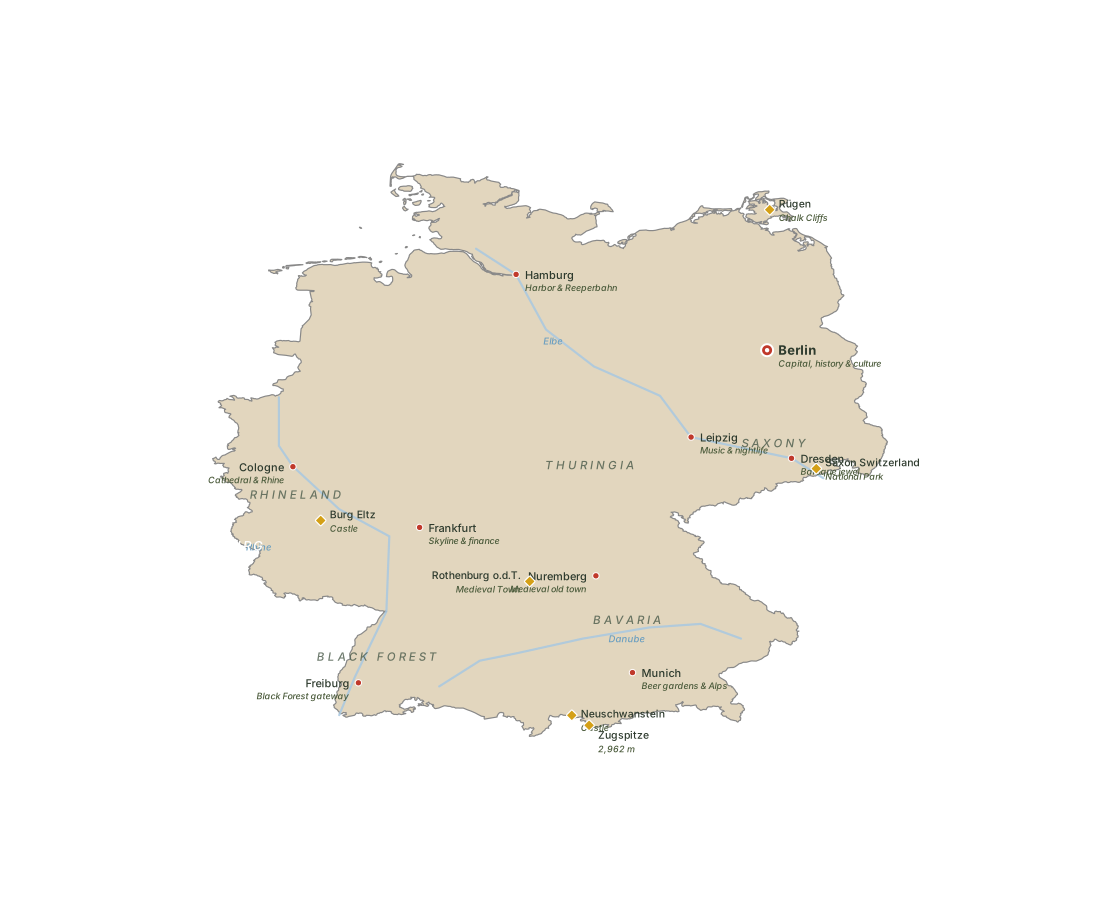
Map of Germany

Map of Germany showing major cities, regions and points of interest

Best Time to Visit

Autumn foliage in a German river valley with castle ruins

Germany is a genuine four-season destination. The best time depends entirely on what you want. May and September consistently deliver the best balance of weather, crowds, and prices. Summer (Jul–Aug) brings heat and school-holiday crowds. Winter is grey and cold but cheap, and the Christmas market season (late Nov–24 Dec) transforms every city.

☀️ Peak Summer

Jul–Aug. Longest days (sunset past 9 PM), warmest weather (25–35°C), but highest prices, most crowded attractions, and German school holidays filling every beach and mountain trail. 20–30% price premium on accommodation.

🌸 Sweet Spot

May–Jun & Sep–Oct. Warm days, manageable crowds, beer gardens open, full-bloom landscapes. September adds Oktoberfest and wine harvest season. May has three public holidays sending locals on mini-breaks.

🎄 Christmas Markets

Late Nov–24 Dec. Magical atmosphere in every city. Best markets: Nuremberg, Dresden, Cologne, Rothenburg. Accommodation prices spike during this period, especially on weekends. Book early.

❄️ Winter Budget

Jan–Mar. Cheapest flights and hotels. Grey skies in the north, snow in the Alps. Perfect for museum-heavy city trips, skiing, and spa towns. Feb brings Karneval chaos in the Rhineland.

Month-by-Month Overview

MonthSeasonBest RegionsCrowdsPricesRating
JanuaryWinterBavarian Alps (skiing), Berlin & Munich (museums, beer halls)🟢 Low🟢 Budget⭐⭐
FebruaryWinterCologne & Düsseldorf (Karneval), Alps (peak skiing)🟢 Low🟢 Budget⭐⭐⭐
MarchEarly SpringBlack Forest (hiking starts), Frankfurt, Rhine Valley🟢 Low🟢 Budget⭐⭐⭐
AprilSpringBonn (cherry blossoms), Berlin, Palatinate Wine Road🟡 Medium🟡 Mid⭐⭐⭐⭐
MayLate SpringRhine Valley, Neuschwanstein, Potsdam, everywhere🟡 Medium🟡 Mid⭐⭐⭐⭐⭐
JuneEarly SummerLake Constance, Munich beer gardens, Baltic coast🟡 Rising🟡 Mid–Peak⭐⭐⭐⭐⭐
JulyPeak SummerAlps (hiking), Rügen Island, Sylt, all coasts🔴 Very High🔴 Peak⭐⭐⭐⭐
AugustPeak SummerAlps (clearest skies), lakes, Hamburg🔴 Very High🔴 Peak⭐⭐⭐⭐
SeptemberEarly AutumnMunich (Oktoberfest), Alps (hiking), Rhine (wine harvest)🔴 High (Munich)🟡 Mid–Peak⭐⭐⭐⭐⭐
OctoberAutumnMosel Valley, Saxon Switzerland, Franconia🟡 Medium🟡 Mid⭐⭐⭐⭐
NovemberLate AutumnBerlin & Hamburg (culture), early Christmas markets🟢 Low🟢 Budget⭐⭐
DecemberWinter / AdventChristmas markets everywhere: Nuremberg, Dresden, Cologne🔴 High (markets)🔴 Peak (markets)⭐⭐⭐⭐

Holidays & Festivals

Colourful festival celebrations

Germany’s calendar is packed with festivals that are genuine reasons to time your trip. Oktoberfest and Christmas markets get the headlines, but Karneval in Cologne is equally wild, and the smaller wine festivals along the Rhine and Mosel are some of the best experiences you can have in Europe. Be aware that public holidays vary by state. Bavaria has 13 per year, Hamburg only 10. On public holidays, shops close completely.

Holidays, Festivals & Events

DateEventWhereWhat to ExpectType
1 JanNeujahr (New Year’s Day)NationwidePublic holiday. Everything closed. Berlin’s NYE party at the Brandenburg Gate is massiveHoliday
6 JanHeilige Drei Könige (Epiphany)BW, BY, ST onlyRegional holiday. Shops closed in Baden-Württemberg, Bavaria, and Saxony-AnhaltHoliday
Mid-Feb (varies)Karneval / FaschingCologne, Düsseldorf, Mainz, MunichRosenmontag parades are the peak. Millions in costume on the streets. Cologne is the epicentre. Not an official holiday but the Rhineland shuts down. 2026: Rosenmontag 16 FebMust See
FebBerlinale (Berlin Film Festival)BerlinMajor international film festival. Public screenings available. Berlin buzzes with cinema cultureCultural
Mar–Apr (varies)Karfreitag & Ostermontag (Easter)NationwideGood Friday and Easter Monday are public holidays. Shops closed both days. Domestic travel spikes over the long weekendHoliday
30 AprWalpurgisnachtHarz MountainsWitch-dance bonfires and folk festivals across the Harz region. Atmospheric and slightly wildCultural
1 MayTag der Arbeit (Labour Day)NationwidePublic holiday. Maypole celebrations in Bavaria. Demonstrations in some cities. Shops closedHoliday
May (varies)Christi Himmelfahrt (Ascension)NationwidePublic holiday, always Thursday. Also “Vatertag” (Father’s Day). Groups of men go hiking with beer carts. Creates a 4-day weekendHoliday
JunKieler WocheKielWorld’s largest sailing regatta plus massive folk festival. Free concerts, food stalls, 3+ million visitorsCultural
Jun–JulChristopher Street DayBerlin, Cologne, HamburgPride parades. Berlin’s is among Europe’s largest. Cologne and Hamburg also go bigCultural
Jul–AugBayreuther FestspieleBayreuthWagner opera festival. Tickets sold out years in advance. World-class performances in the FestspielhausCultural
SepWurstmarktBad DürkheimWorld’s largest wine festival in the Palatinate. Local wines, Riesling, Sekt, and food for 10 daysCultural
Mid Sep–early OctOktoberfestMunich (Theresienwiese)6.5 million visitors. Beer in 1L Maß only in big tents (€15+). Book accommodation months ahead. 2026: 19 Sep–4 OctMust See
3 OctTag der Deutschen EinheitNationwideGerman Unity Day. Public holiday. Celebrations especially in Berlin. Shops closedHoliday
31 OctReformationstagNorthern & eastern statesReformation Day. Public holiday in 9 of 16 states. Check your stateHoliday
11 NovMartinstag (St. Martin’s Day)NationwideLantern processions for children. Goose dinners. Official start of Karneval season at 11:11Cultural
Late Nov–24 DecWeihnachtsmärkte (Christmas Markets)EverywhereNearly every city and town. Best: Nuremberg Christkindlesmarkt, Dresden Striezelmarkt (since 1434), Cologne (5M visitors, 160+ stalls), Rothenburg ob der Tauber. Glühwein, Lebkuchen, handcraftsMust See
25–26 DecWeihnachten (Christmas)NationwideBoth days are public holidays. Everything closed. Family-focused. Restaurants very limitedHoliday
State holidays matter: Bavaria observes 13 public holidays per year, while Hamburg and Bremen only have 10. Corpus Christi, Assumption Day, and All Saints’ Day only apply in certain (mostly Catholic) states. Always check which state you’re in before planning a shopping day.

Regions of Germany

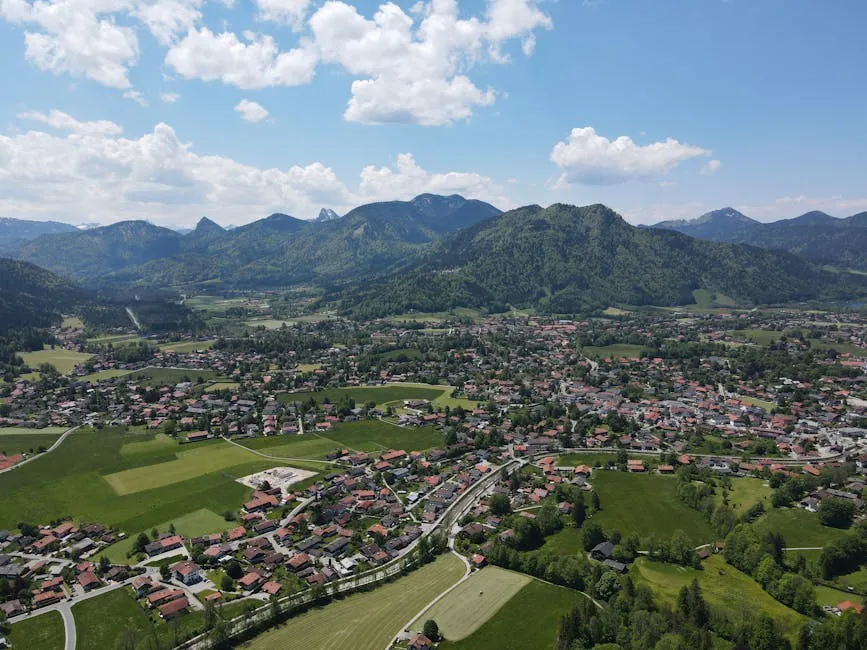
Aerial view of German countryside with rolling hills, forests and villages

Germany divides into wildly different regions, each with its own dialect, food, beer style, and personality. Bavaria and Berlin get most of the tourist attention, but some of the best experiences are in places most visitors skip entirely. The north and east are dramatically underrated.

Bavarian Alps with Neuschwanstein Castle

Bavaria (Bayern)

The stereotype most people picture when they think of Germany. Alpine peaks, lederhosen, beer halls, Neuschwanstein Castle, and Oktoberfest. Munich is cosmopolitan and expensive. The countryside is postcard-perfect. Most international tourists concentrate here, especially in summer.

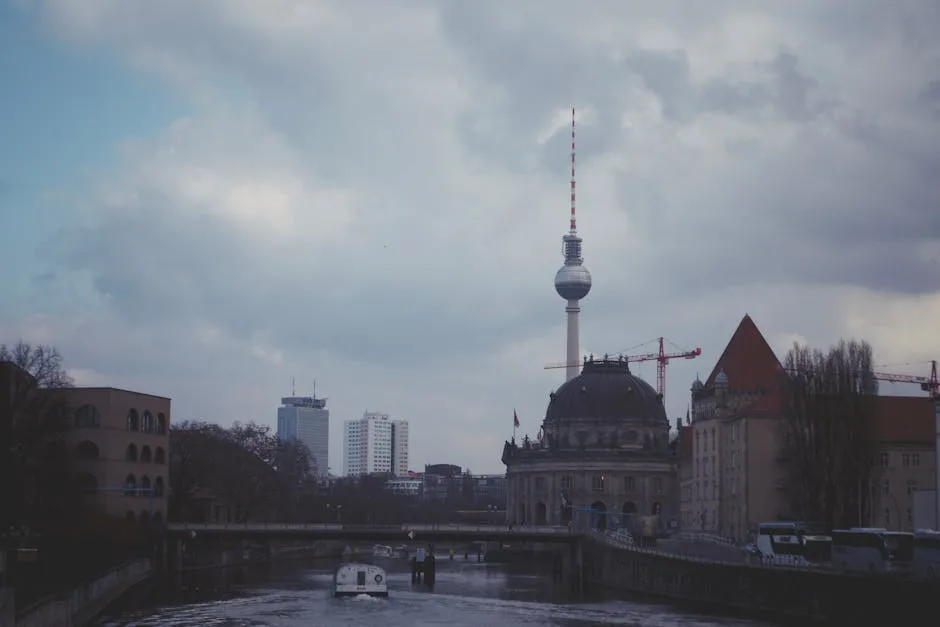
Berlin skyline with TV Tower and Spree river

Berlin & Brandenburg

Germany’s capital is unlike any other German city. Raw, creative, cheap by Western European standards, and packed with history from the Prussian empire to the Cold War. The nightlife is legendary. Brandenburg surrounding it offers Potsdam’s palaces, lakes, and cycling through the Spreewald wetlands.

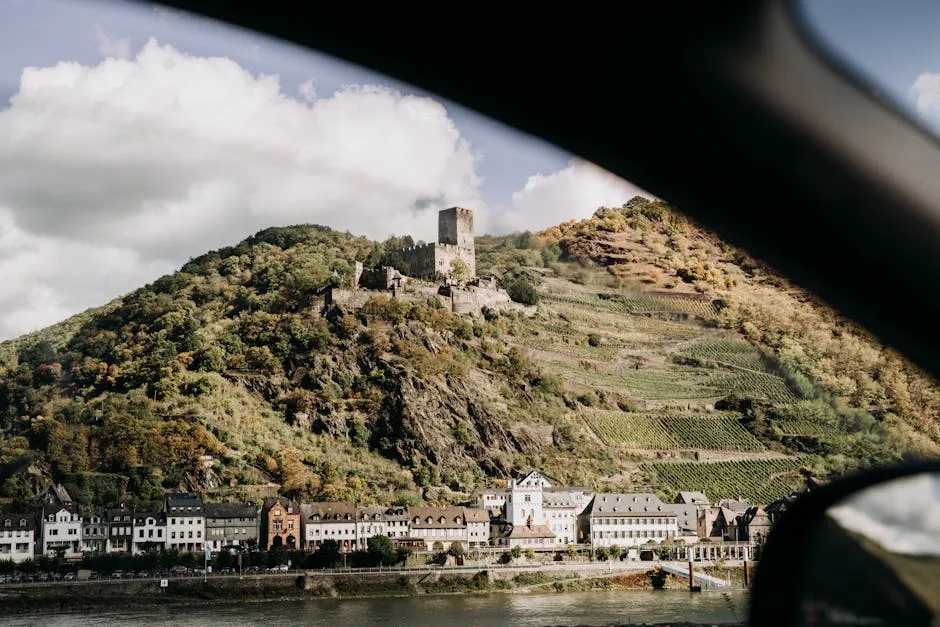
Rhine Valley with castles and vineyards

Rhine & Mosel Valleys

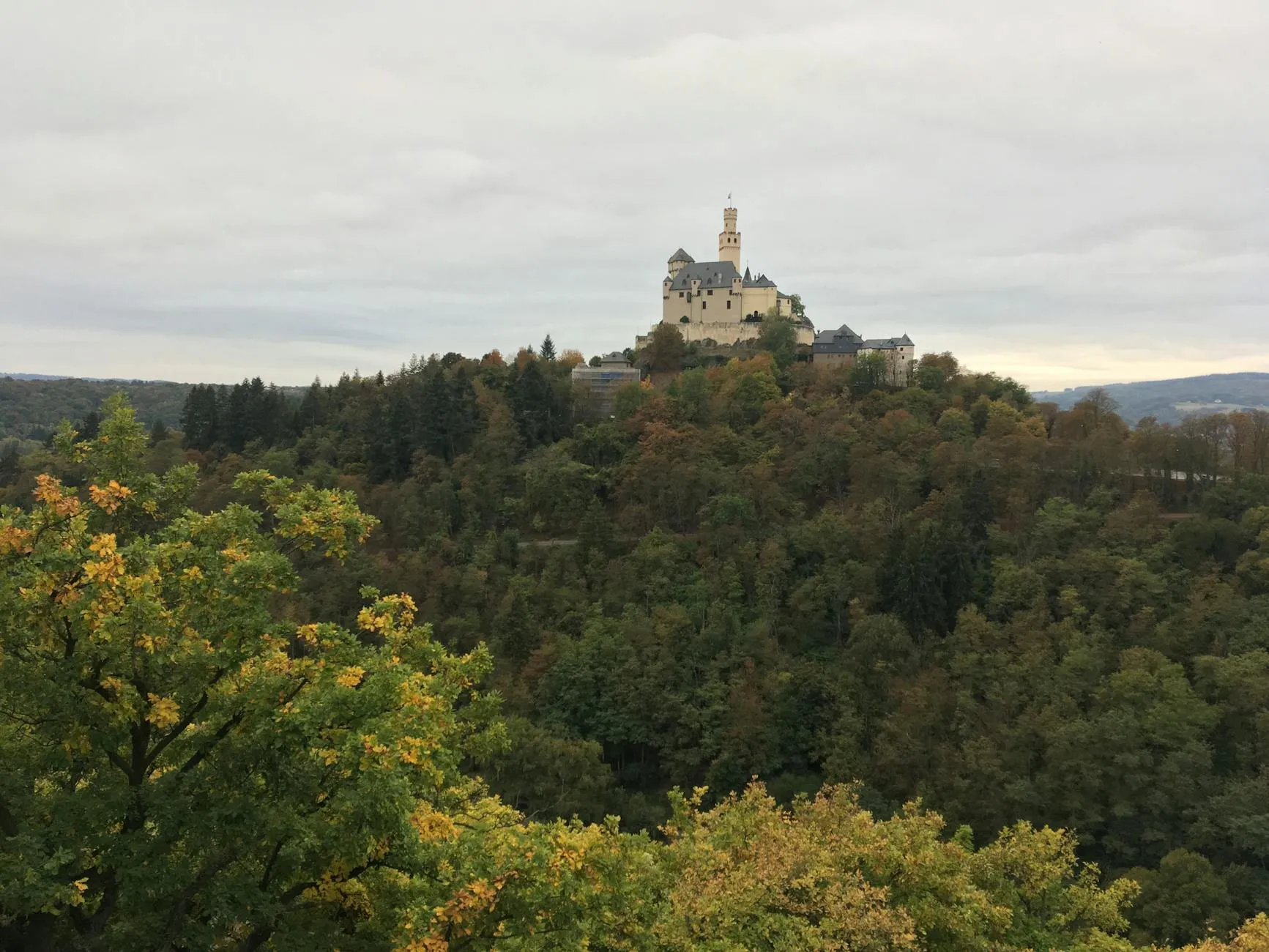
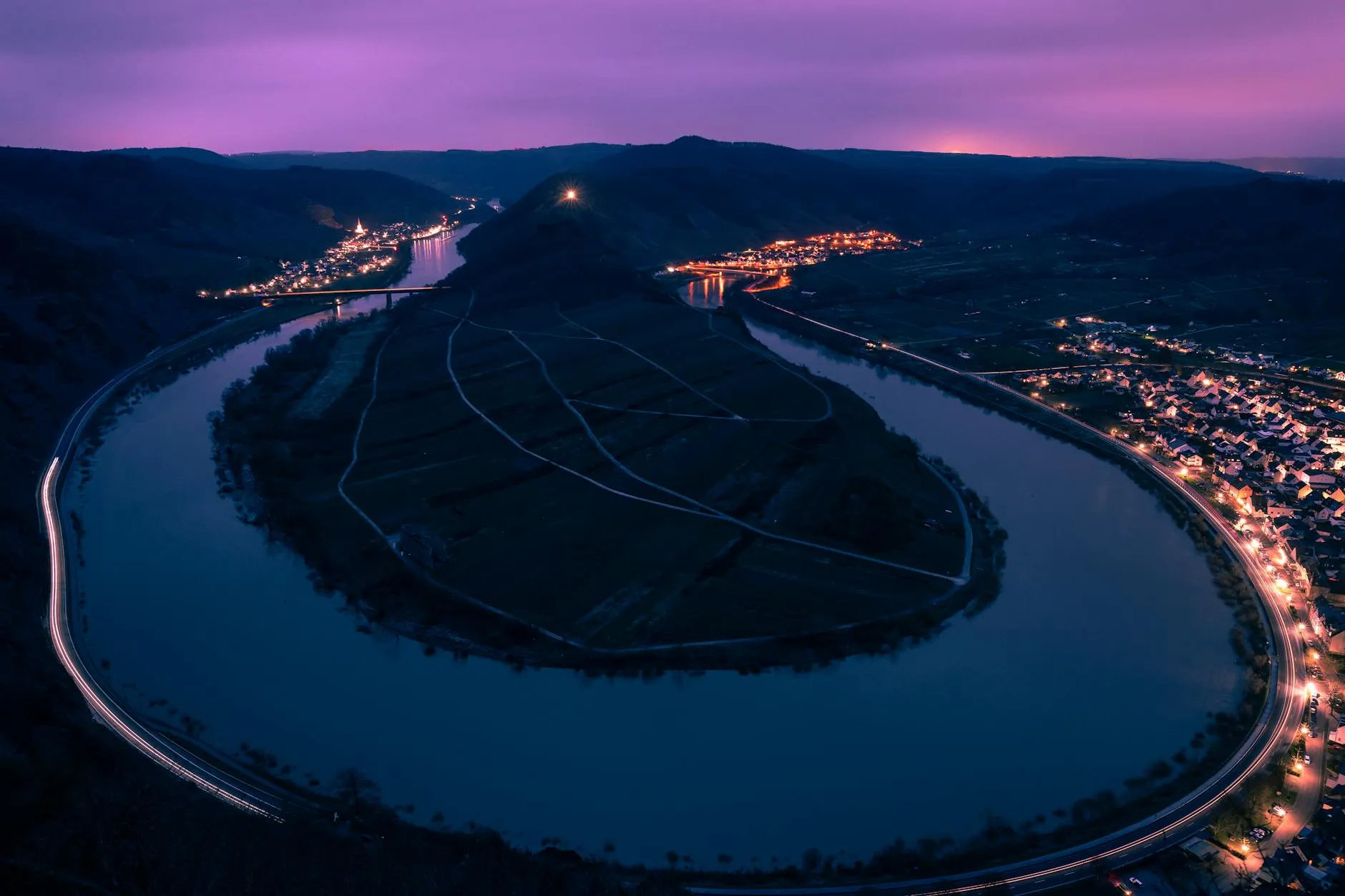
Castle-studded river valleys with steep vineyard slopes. The Upper Middle Rhine (UNESCO) between Koblenz and Bingen has more castles per kilometre than anywhere in Europe. The Mosel is quieter, smaller, and produces some of Germany’s best Riesling. Cologne and Düsseldorf anchor the region with cathedral culture and Altbier.

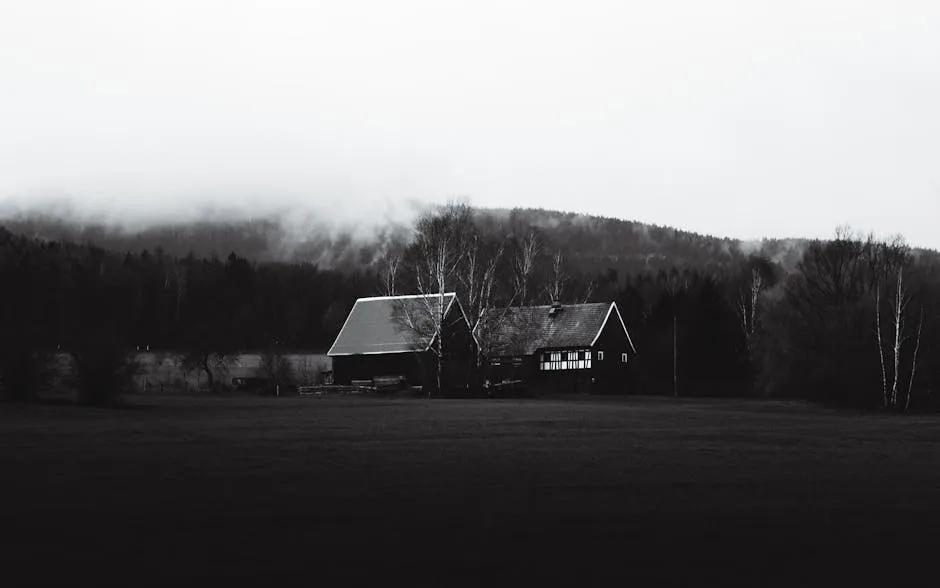
Black Forest landscape with farmhouse and rolling hills

Black Forest (Schwarzwald)

Dense conifer forests, cuckoo clocks, cherry cake (Schwarzwälder Kirschtorte), and some of Germany’s best hiking. Freiburg is a lively university city at the edge. Thermal spas dot the region (Baden-Baden is the most famous). Less touristy than Bavaria with equally dramatic scenery.

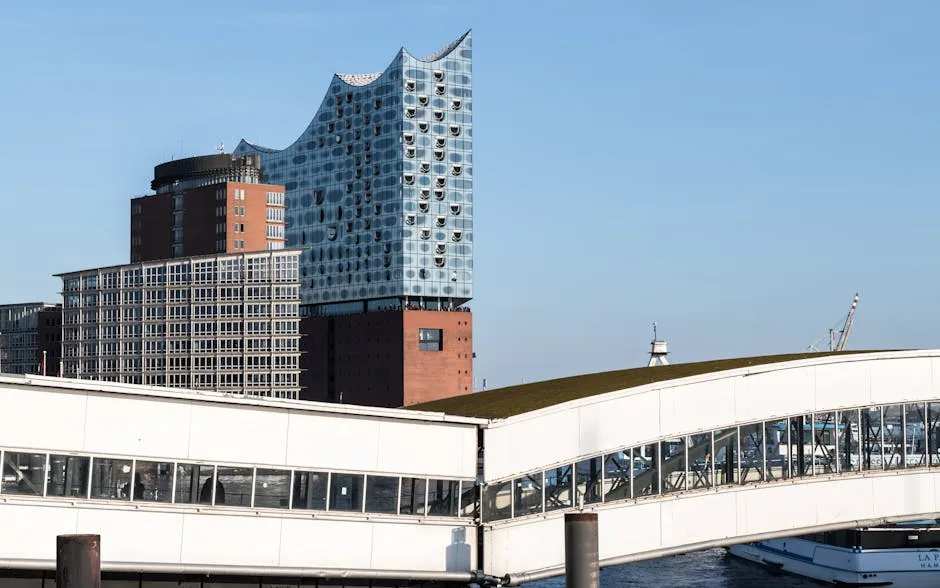
Hamburg harbour with Elbphilharmonie

Hamburg & the North

Germany’s gateway to the sea. Hamburg is elegant, wealthy, and proud, with the stunning Elbphilharmonie, the red-light Reeperbahn, and the massive harbour. The North Sea coast has windswept islands (Sylt, Amrum) and the Wadden Sea UNESCO site. The Baltic coast (Rügen, Usedom) has white chalk cliffs and old-school beach resorts.

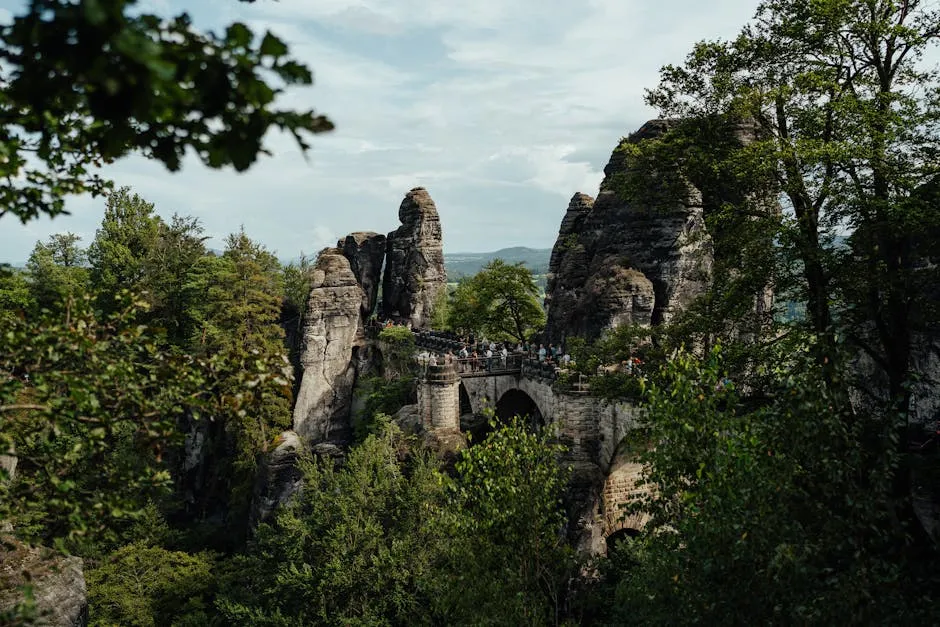
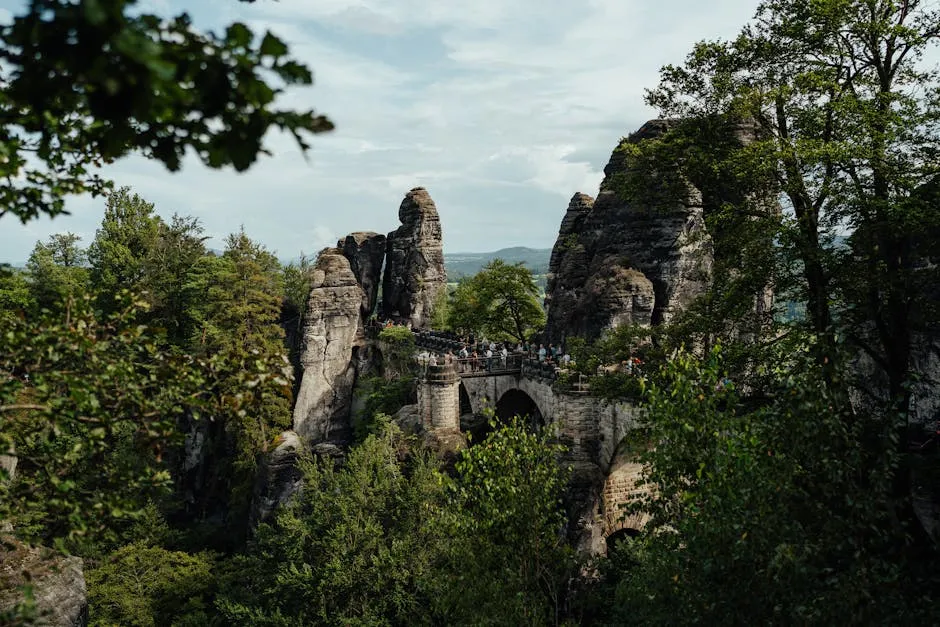
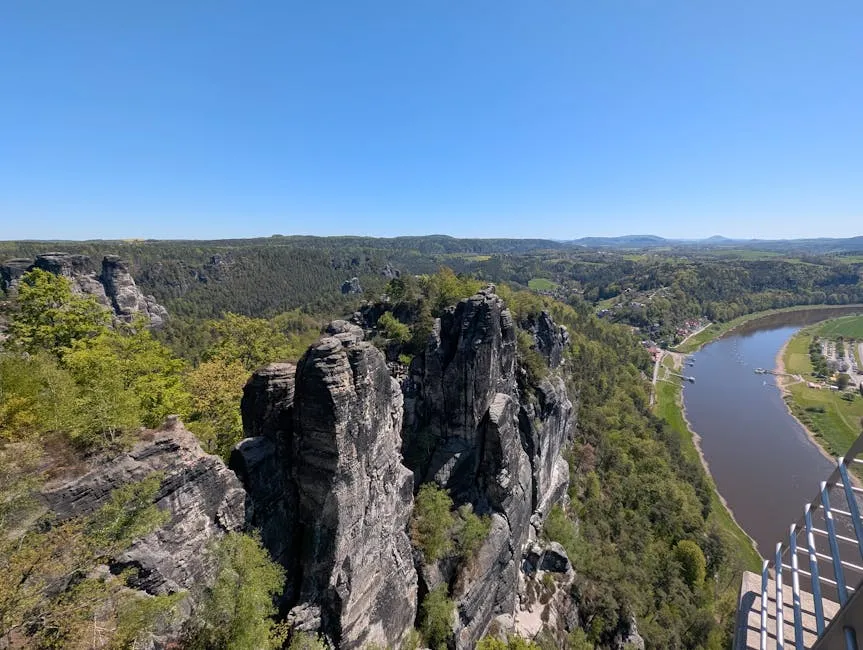
Saxon Switzerland sandstone pillars and Bastei Bridge

Saxony & Dresden

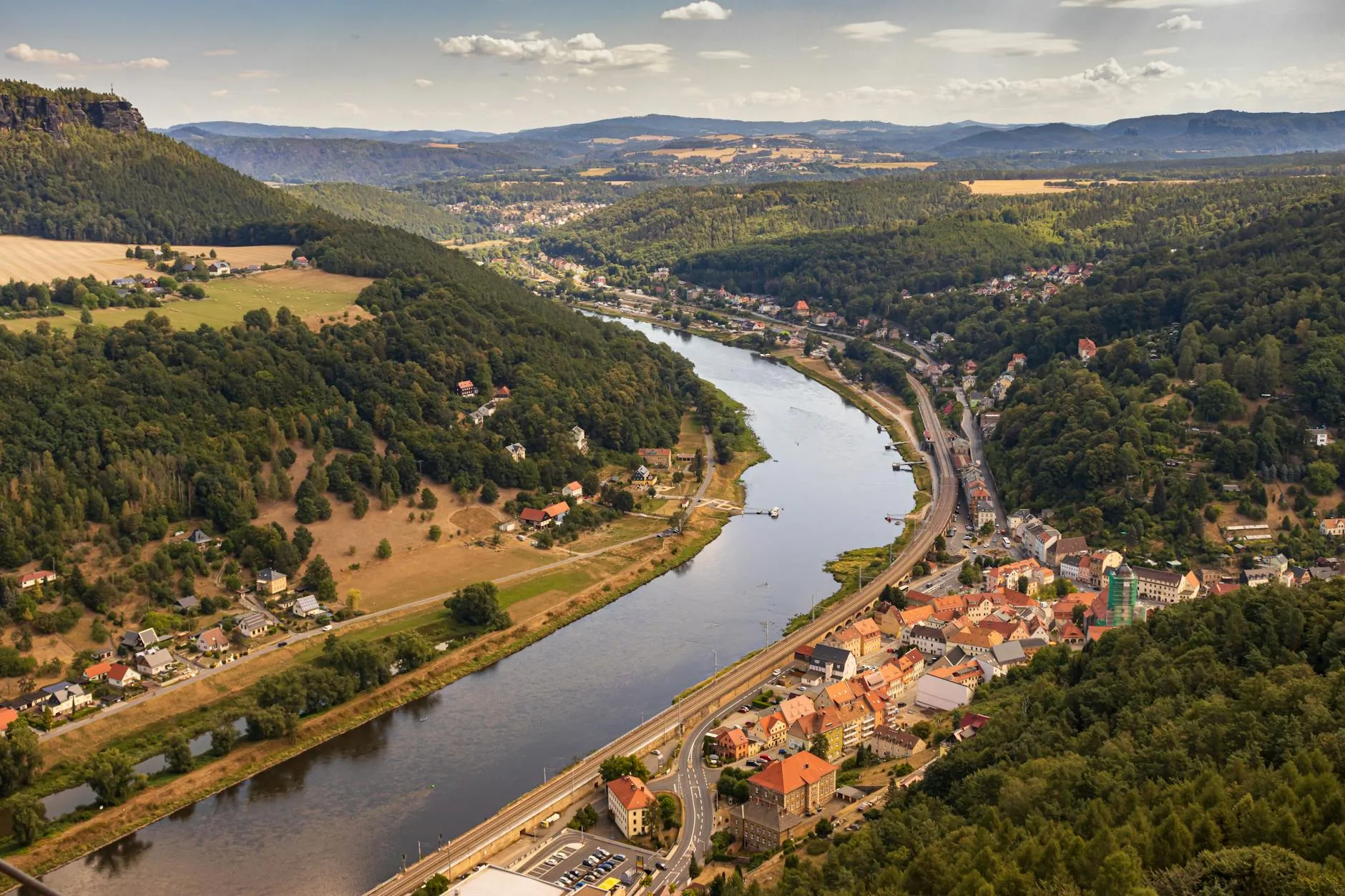
Dresden is the rebuilt baroque jewel of eastern Germany. Saxon Switzerland National Park has otherworldly sandstone pillars and the famous Bastei Bridge. Leipzig is the hipster counterpart to Berlin, with a booming creative scene. This region is considerably cheaper than the west and much less crowded.

Franconia (Northern Bavaria)

Bamberg (UNESCO), Nuremberg, and Würzburg form a triangle of medieval towns, smoked beer (Rauchbier), and bratwurst. Franconia has the highest brewery density on Earth. The Romantic Road starts here. Often overlooked by tourists rushing to Munich.

Baden-Württemberg

Stuttgart (Mercedes, Porsche), Heidelberg (Germany’s most photogenic university town), and Lake Constance (Bodensee) shared with Austria and Switzerland. The Schwäbische Alb plateau has dramatic cliffs and caves. Swabian cuisine (Spätzle, Maultaschen) is hearty and underrated.

Thuringia & the Harz

Weimar (Goethe, Bauhaus, Buchenwald), Erfurt’s medieval old town, and the wild Harz Mountains with witches’ legends and the Brocken summit. The narrow-gauge Harz steam railway is worth the trip alone. Very few international tourists make it here.

Romantic Road & Allgäu

Germany’s most famous driving route runs from Würzburg to Füssen, passing Rothenburg ob der Tauber (the most preserved medieval town in Germany), Dinkelsbühl, and ending at Neuschwanstein. Tourist-heavy but genuinely beautiful. The Allgäu Alps beyond are excellent for hiking and skiing.

Top Sightseeing

Neuschwanstein Castle surrounded by autumn forest and mountains

Germany has 52 UNESCO World Heritage Sites, more than almost any country. But some of the best things to see aren’t on any official list. Entry fees are modest by European standards. Most major museums offer free or discounted entry one evening per week.

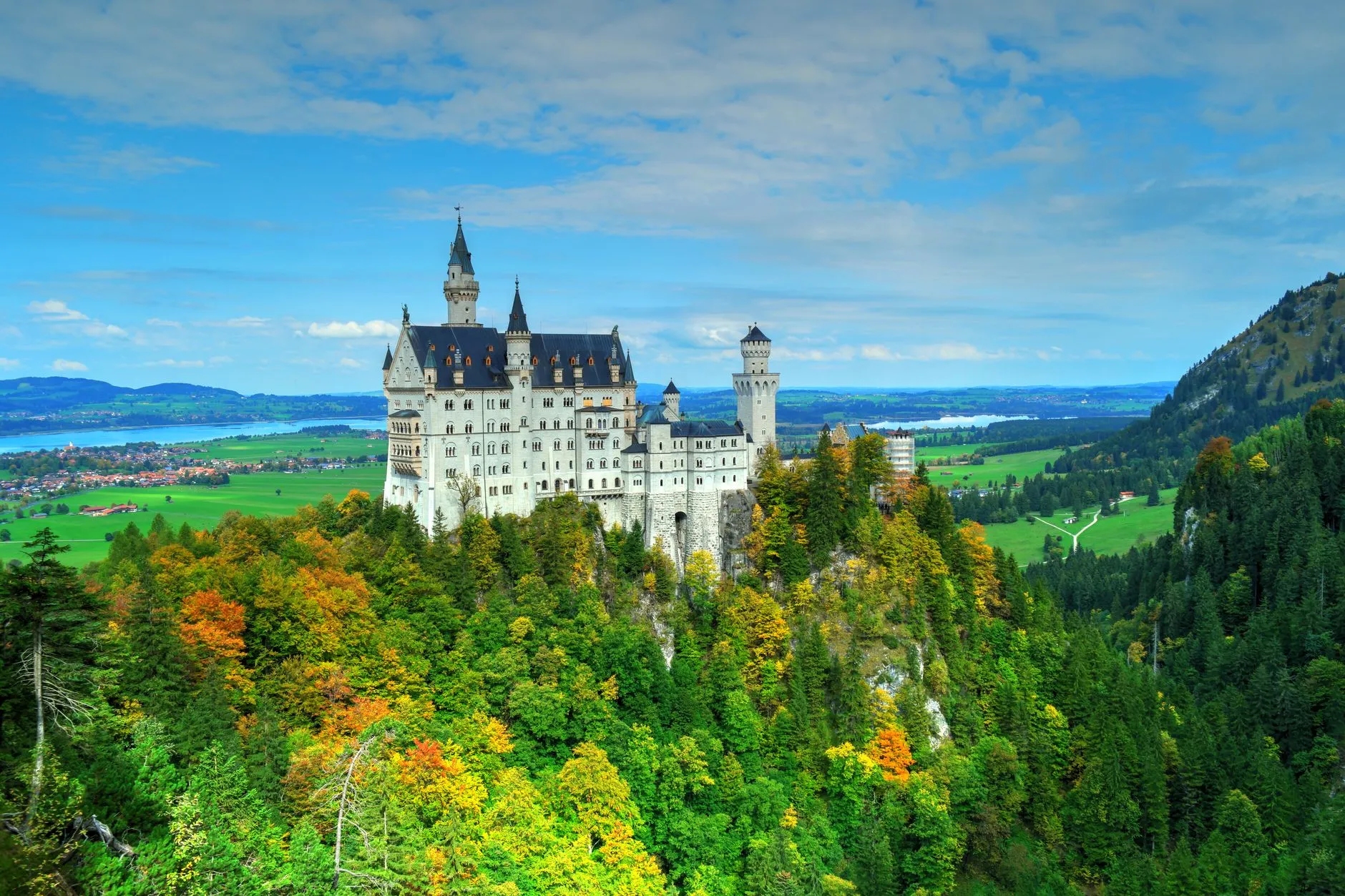
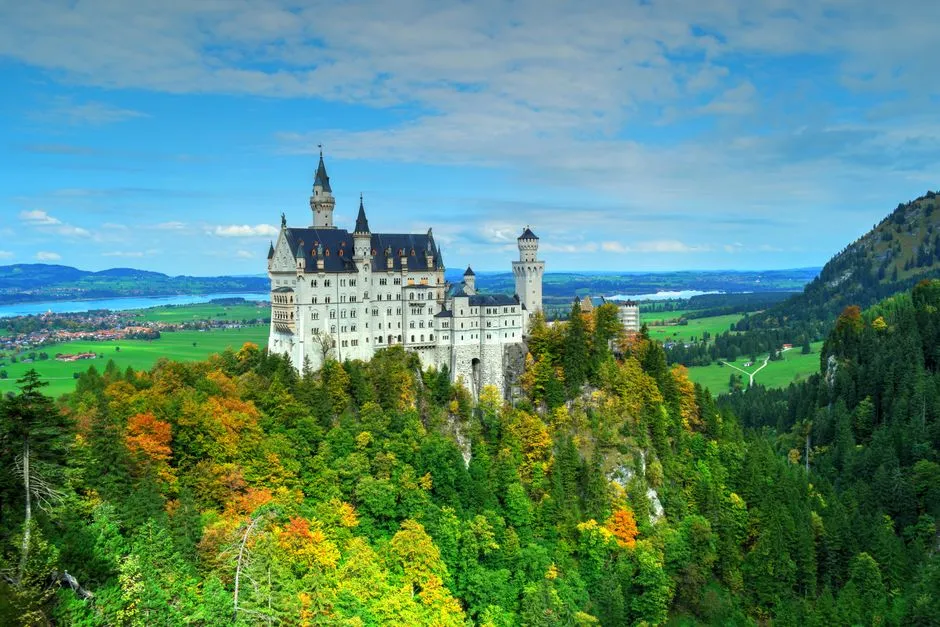
  • Neuschwanstein: The fairy-tale castle that inspired Disney. Kitsch and magnificent in equal measure
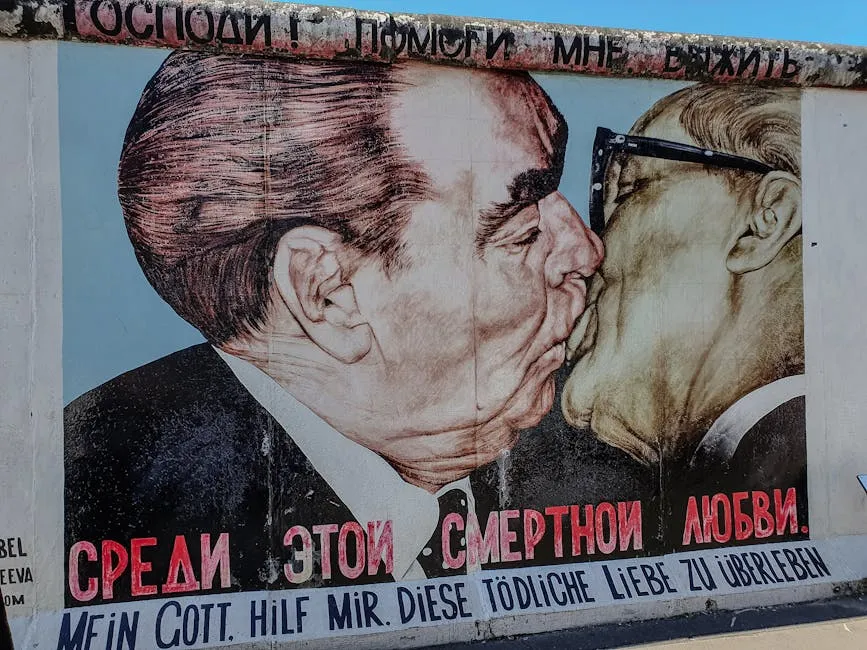
  • Berlin Wall & Memorial: The most powerful Cold War site anywhere
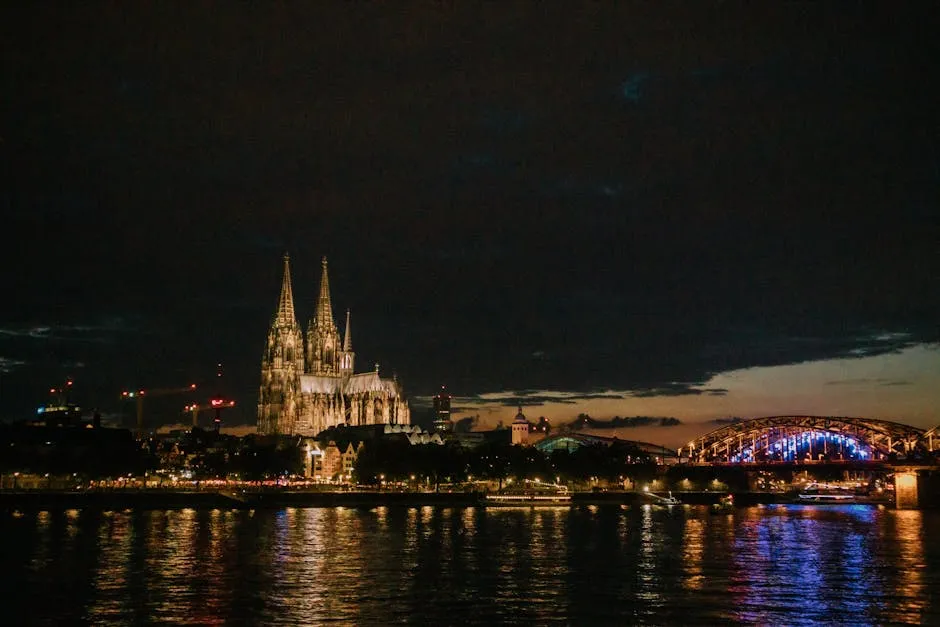
  • Cologne Cathedral: 632 years to build. Still overwhelms
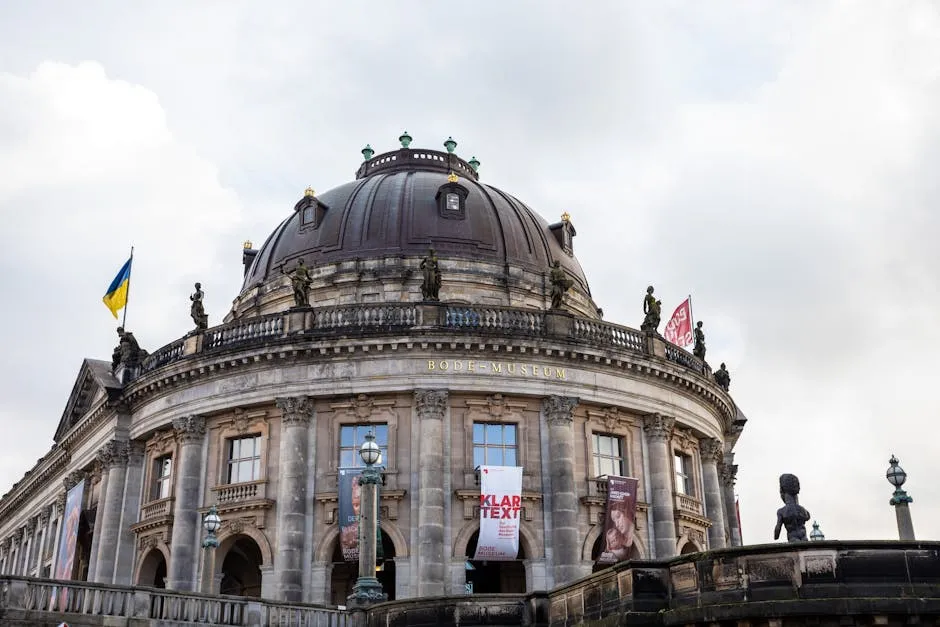
  • Museum Island, Berlin: Five world-class museums on one island (UNESCO)
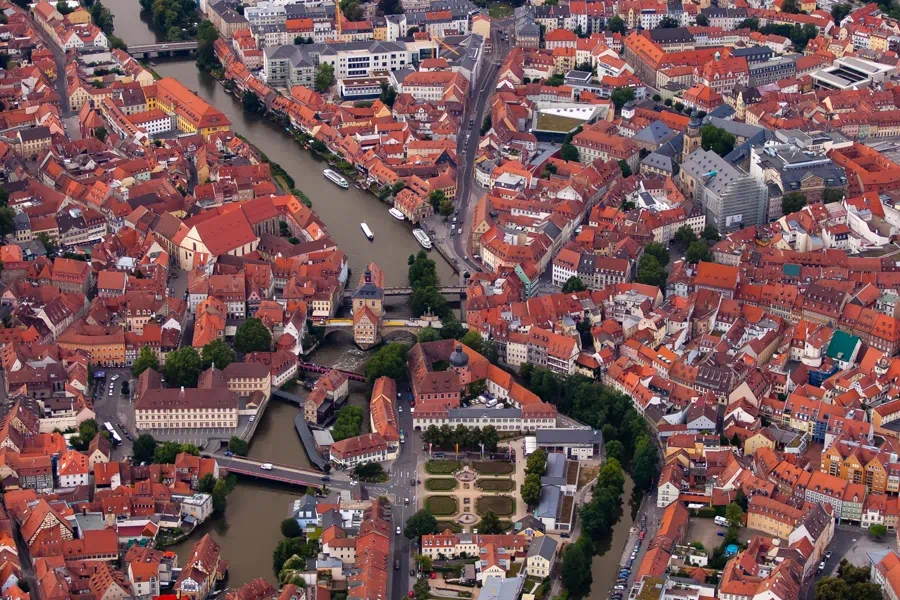
  • Bamberg old town: Medieval architecture untouched by WWII bombing (UNESCO)
Neuschwanstein Castle in the Bavarian Alps

Neuschwanstein Castle

Füssen, Bavaria — €15 timed entry, book online

Ludwig II’s fantasy castle, built 1869–1886, perched on a cliff above the Allgäu Alps. The interior is half-finished but extraordinary. The throne room alone justifies the visit. Book tickets weeks ahead in summer. The Marienbrücke bridge viewpoint is the classic photo spot. Combine with nearby Hohenschwangau Castle.

Must See
Berlin Wall Memorial with watchtower

Berlin Wall Memorial & East Side Gallery

Berlin — Free

The Gedenkstätte Berliner Mauer on Bernauer Straße preserves an original section of the death strip with watchtower, documentation centre, and Chapel of Reconciliation. The East Side Gallery is 1.3 km of murals painted on the wall in 1990. Both are free and essential.

Must See
Cologne Cathedral towering over the Rhine

Cologne Cathedral (Kölner Dom)

Cologne — Free entry; tower climb €6

Gothic masterpiece, 157 metres tall, started in 1248 and completed in 1880. The largest Gothic church in Northern Europe. The 533-step tower climb gives panoramic views over the Rhine. The Shrine of the Three Kings and the 14th-century stained glass windows are highlights. UNESCO listed.

Must See
Museum Island Berlin with Bode Museum at dusk

Museum Island (Museumsinsel)

Berlin — €19 day pass for all 5 museums

Five museums on a Spree River island. The Pergamon Museum (Ishtar Gate, Market Gate of Miletus), Neues Museum (Nefertiti bust), Alte Nationalgalerie (Romantic and Impressionist art). Allow a full day. The €19 combination ticket is excellent value.

Must See
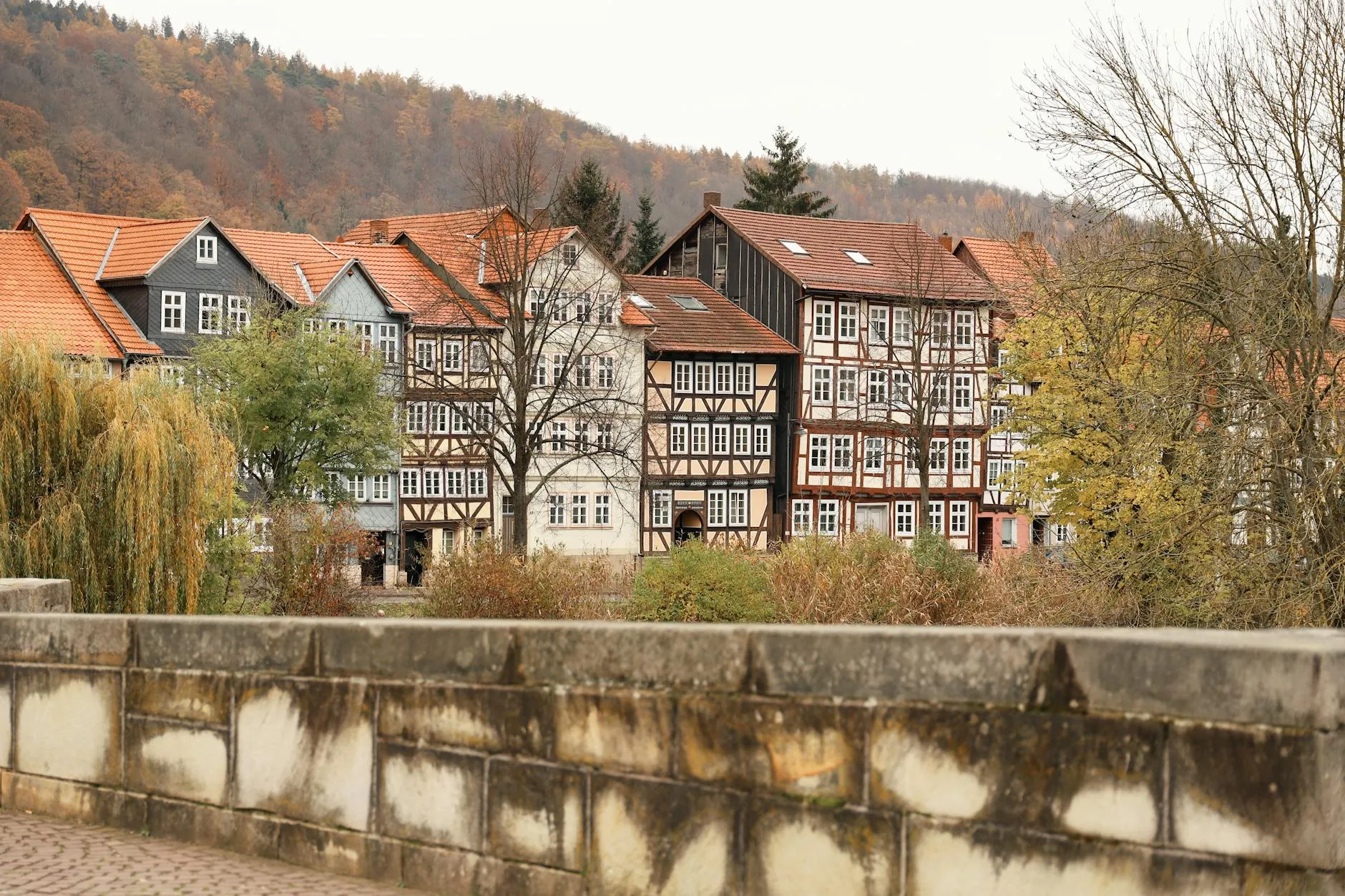
Medieval half-timbered houses in Rothenburg ob der Tauber

Rothenburg ob der Tauber

Franconia — Free to wander; Night Watchman tour €8

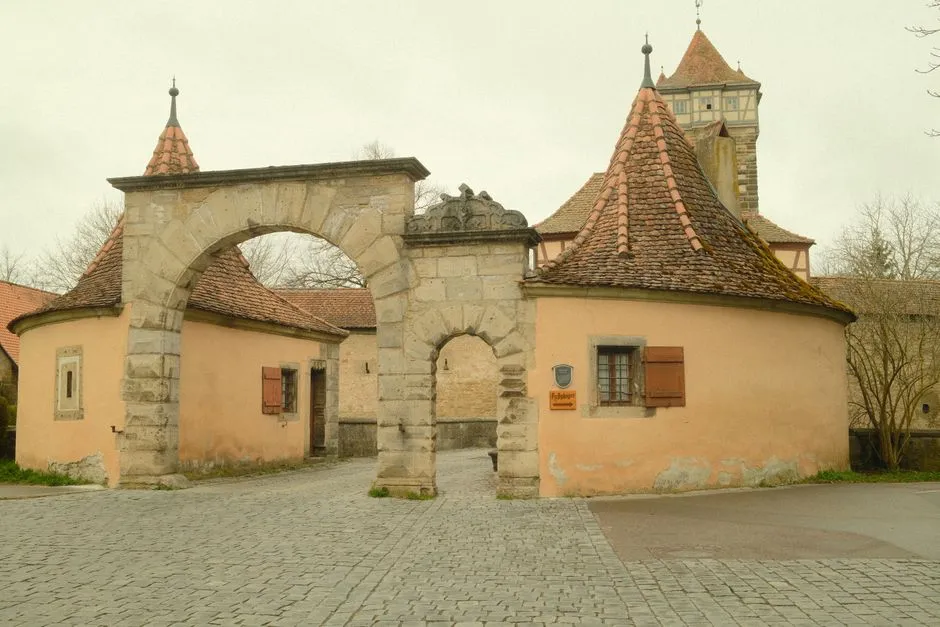
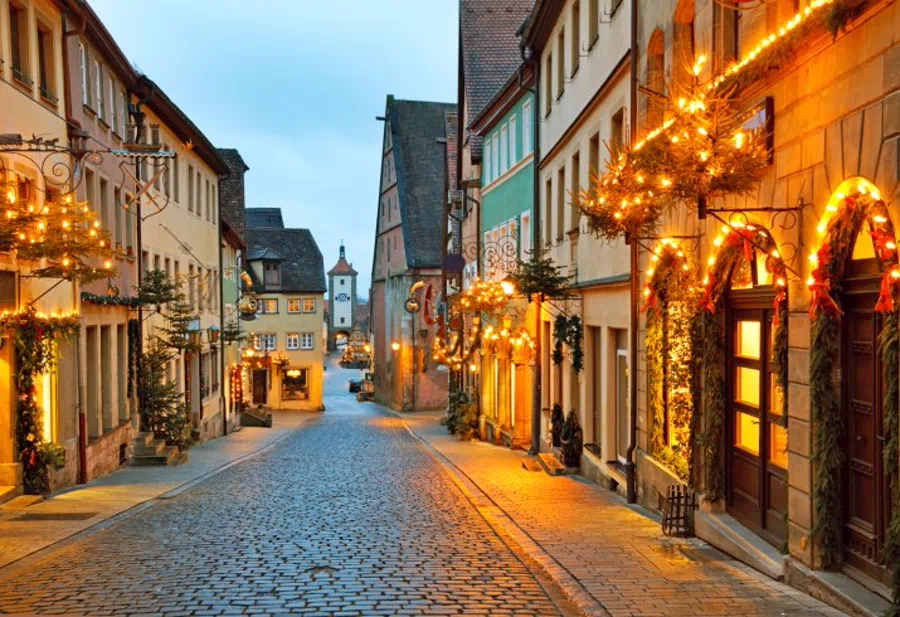
Germany’s best-preserved medieval town. Complete city walls you can walk, half-timbered houses from the 15th century, and the famous Plönlein fork in the road. Touristy by day, magical at dusk when the groups leave. The Night Watchman walking tour (in English, 8 PM) is one of the best tours in Germany.

Recommended
Bastei Bridge spanning sandstone pillars in Saxon Switzerland

Saxon Switzerland (Sächsische Schweiz)

Near Dresden — Free; parking €5

Dramatic sandstone pillars and gorges carved by the Elbe River. The Bastei Bridge (built 1851) spans a 200-metre gorge with views that genuinely stop you in your tracks. The fortress Festung Königstein sits on a flat-topped mesa above the river. Day-trippable from Dresden (45 min by S-Bahn).

Must See

Bamberg Old Town (UNESCO)

Franconia — Free to wander

A medieval city that survived WWII intact. The Altes Rathaus sits on a bridge over the river, the “Little Venice” fishermen’s houses line the waterfront, and nine breweries produce the local Rauchbier (smoked beer). One of the most atmospheric small cities in Germany.

Recommended

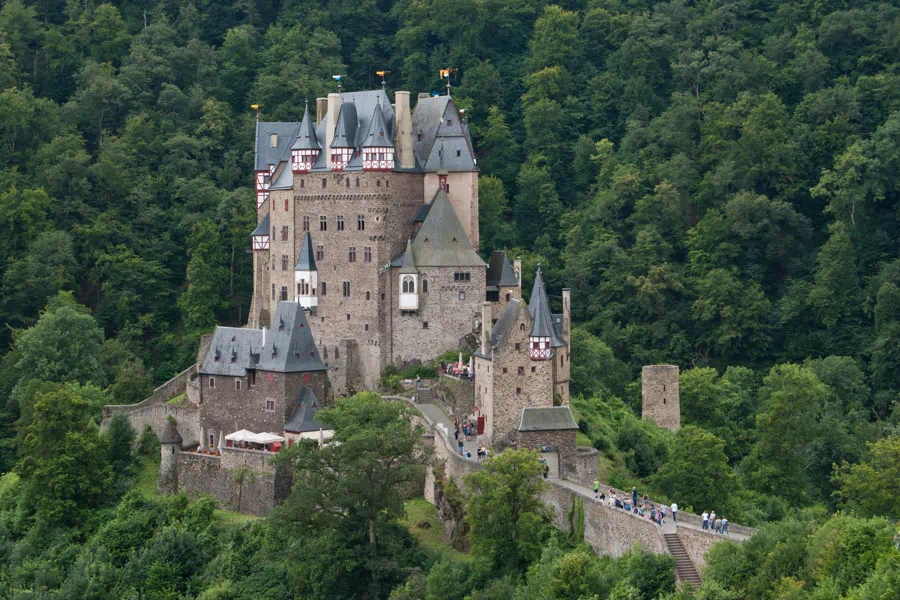
Burg Eltz

Mosel Valley — €12 guided tour

A fairy-tale castle hidden in a forest valley, owned by the same family for 850 years. Never destroyed, never conquered. The approach hike through the forest (1.5 km from the car park) builds the reveal perfectly. Far less crowded than Neuschwanstein and, many would argue, more atmospheric.

Recommended

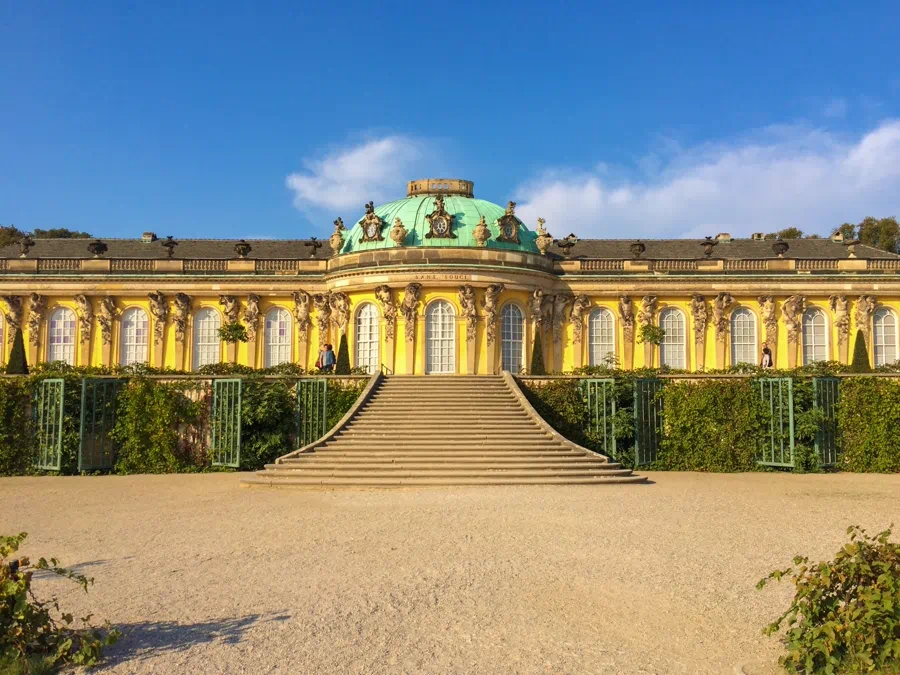
Sanssouci Palace

Potsdam — €14 timed entry

Frederick the Great’s summer palace, the “Prussian Versailles”. Rococo perfection with terraced vineyards, 300 hectares of gardens, and the Neues Palais. A half-day trip from Berlin by S-Bahn (40 min). The gardens are free; the palace requires a timed ticket.

Recommended

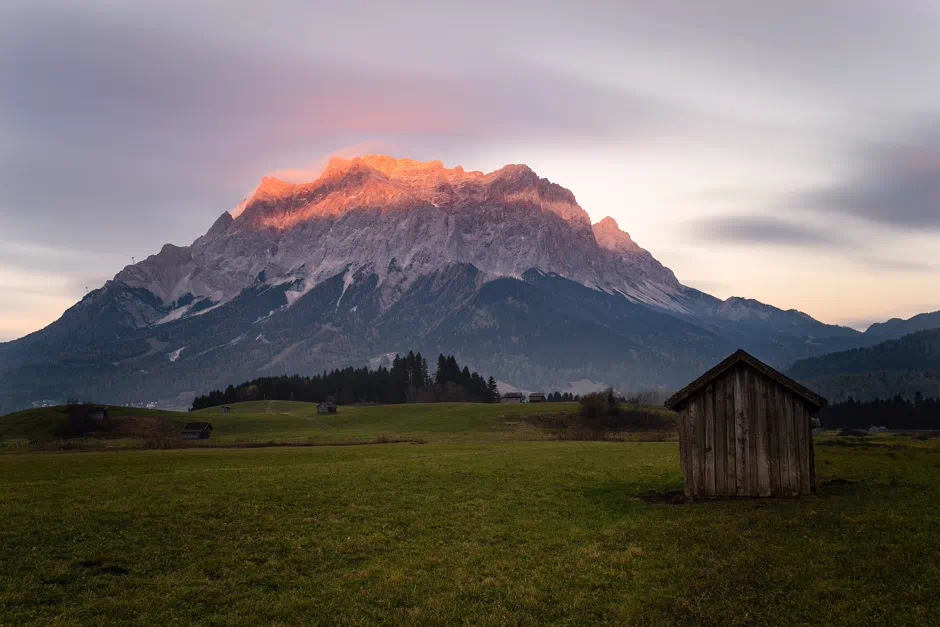
Zugspitze

Garmisch-Partenkirchen — €66 return cable car

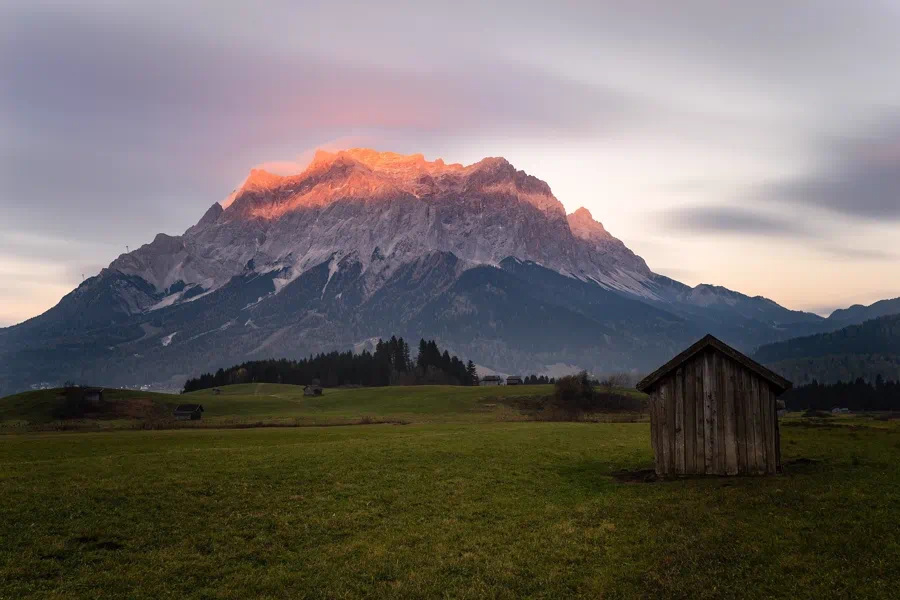
Germany’s highest peak (2,962 m). The Eibsee cable car takes you to the summit in 10 minutes with views into Austria, Italy, and Switzerland on clear days. There’s a glacier, a chapel, and two restaurants at the top. The Eibsee lake at the base is turquoise and swimmable in summer.

Recommended

Culture & Cuisine

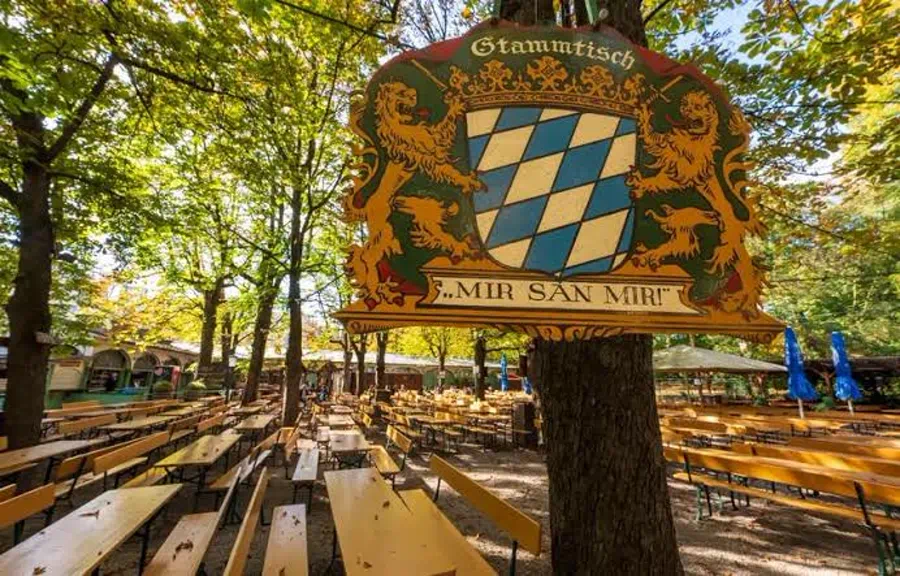
Traditional German beer garden with chestnut trees and long wooden tables

German culture runs deeper than beer and efficiency. The country produced Beethoven, Bach, Goethe, the Bauhaus, and modern electronic music. Every region has distinct traditions, dialects, and food. Understanding a few cultural norms makes travel smoother.

  • Punctuality: Germans are genuinely punctual. If a dinner reservation is at 7, arrive at 7. Trains run on schedules (or at least they’re supposed to). Being 15 minutes late is considered rude.
  • Cash culture: Germany is far more cash-dependent than most of Western Europe. Many restaurants, bakeries, and smaller shops don’t accept cards. Always carry €50–100 in cash. This is slowly changing but still catches visitors off guard.
  • Sunday closures: Shops are closed on Sundays by law. All of them. Supermarkets, clothing stores, everything except bakeries (limited hours), petrol stations, and some tourist shops. Plan your shopping for Saturday.
  • Pfand (deposit system): Most bottles and cans have a deposit (€0.08–0.25). Return them to any supermarket’s Pfand machine for a receipt. This is normal, not optional.
  • Quiet hours: Noise regulations (Ruhezeiten) apply: no loud noise between 10 PM–7 AM, and all day Sunday. Don’t do laundry, play music, or drill on Sunday. Neighbours will knock.
  • Recycling: Germany has 6 bins. Paper, plastic/packaging, glass (sorted by colour), organic, residual, and Pfand. Sorting is expected. Hostels will have signs.
  • Nudity: FKK (Freikörperkultur) is normalised at saunas, some beaches, and park sunbathing. Saunas are textile-free. Wearing a swimsuit in a German sauna is the weird thing, not the other way around.

Food & Cuisine

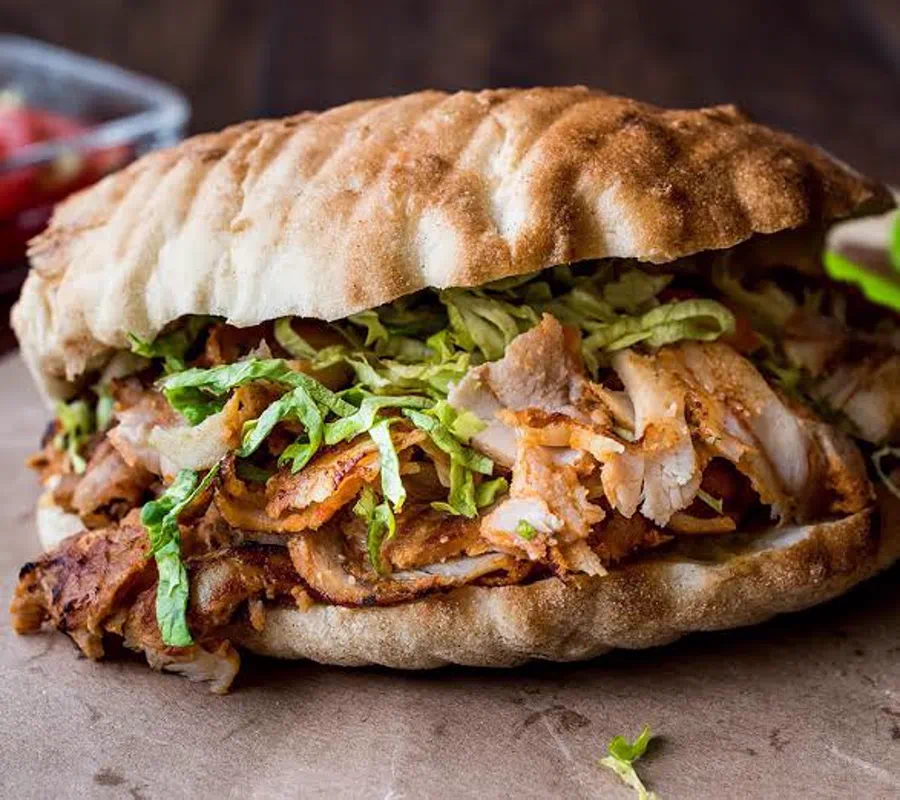
German food is much more varied than the stereotype of sausage and sauerkraut. Every region has specialities, and the quality of bread, meat, and dairy is generally excellent. The Döner Kebab is arguably Germany’s most popular street food, brought by Turkish immigrants and now a national institution.

Döner Kebab

Everywhere — €5–8

Germany’s unofficial national dish. Invented in its current form in Berlin in the 1970s. Rotisserie meat (lamb, chicken, or veal), salad, and sauce in flatbread. Quality varies wildly. Follow the queues. The best Döner spots have lines out the door.

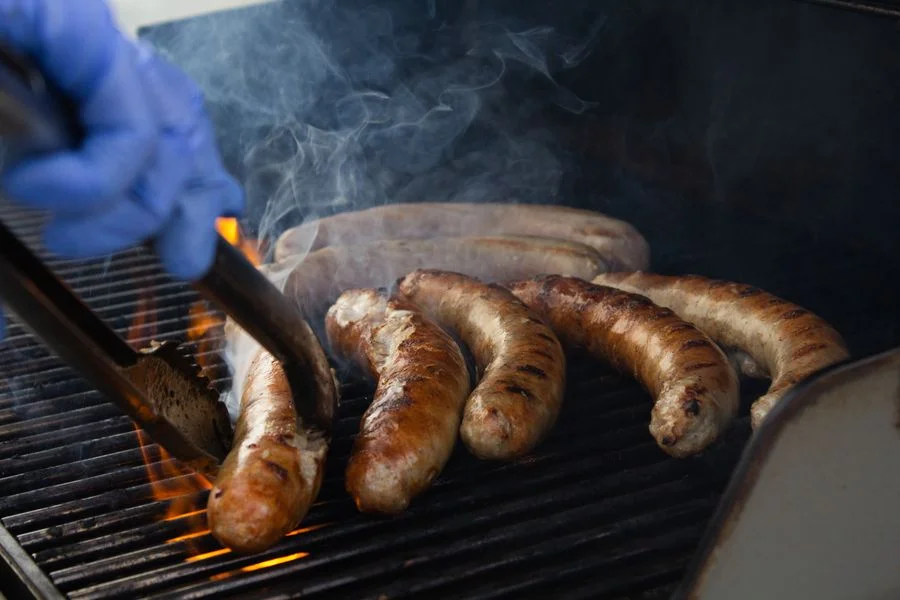
Bratwurst

Everywhere, especially Franconia & Thuringia — €3–5

Every region has its own version. Nürnberger Rostbratwurst (small, marjoram-spiced, served 6–12 at a time), Thüringer (longer, coarser), Currywurst (Berlin, chopped with curry ketchup). Market stalls and Imbiss stands are always the best.

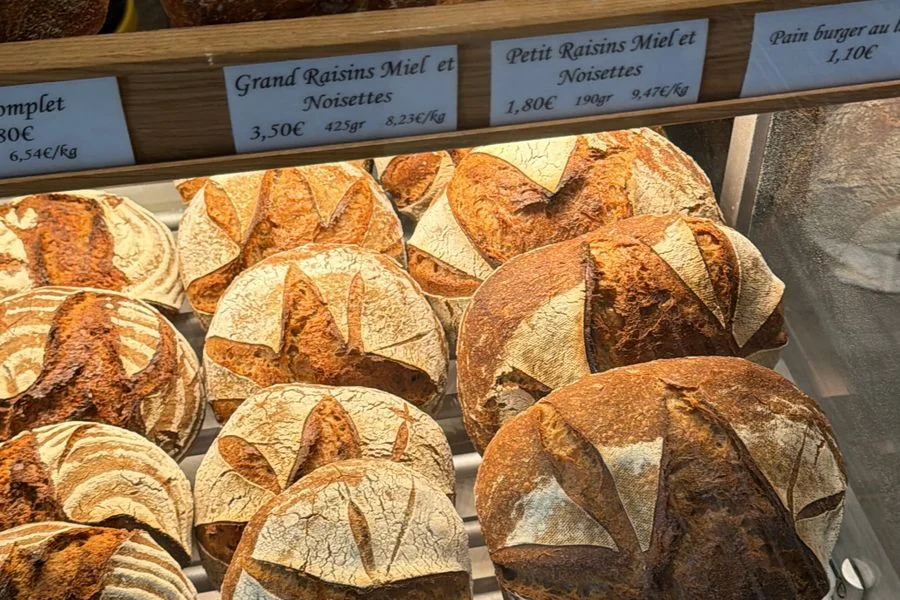
Brezel & Bread

Bakeries everywhere — €0.80–1.50

Germany has 3,200+ bread varieties and more bakeries per capita than any country. The Brezel (pretzel) in Bavaria is soft, salty, and perfect with Weisswurst and sweet mustard. German bread is genuinely world-class and you’ll miss it when you leave.

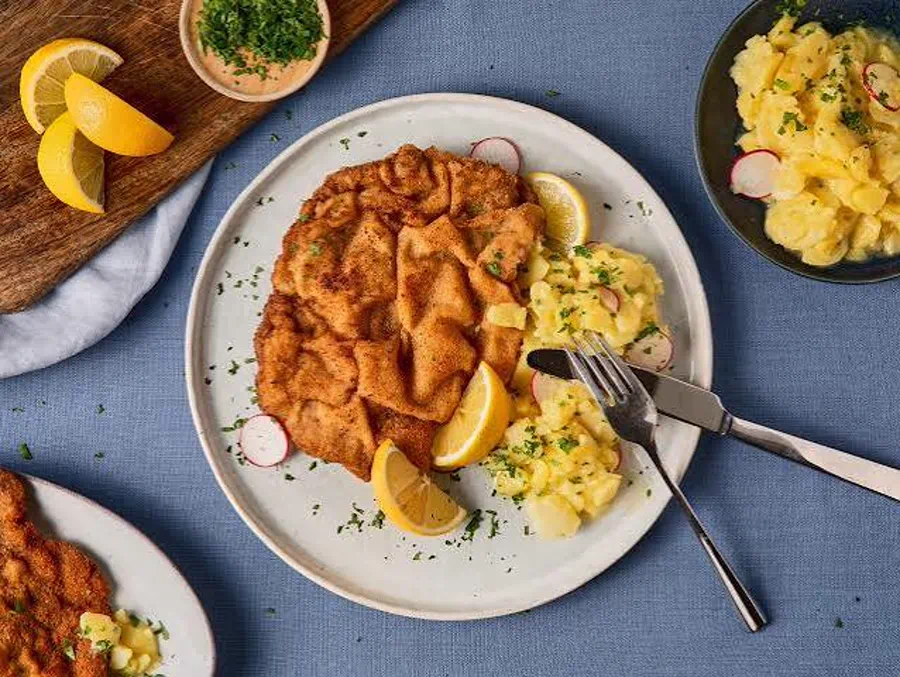
Schnitzel

Everywhere — €12–18 at restaurants

Breaded and fried pork or veal cutlet, served with fries or potato salad. Wiener Schnitzel (veal) is Austrian but served everywhere. Jägerschnitzel (with mushroom sauce) is the German twist. Huge portions at traditional restaurants.

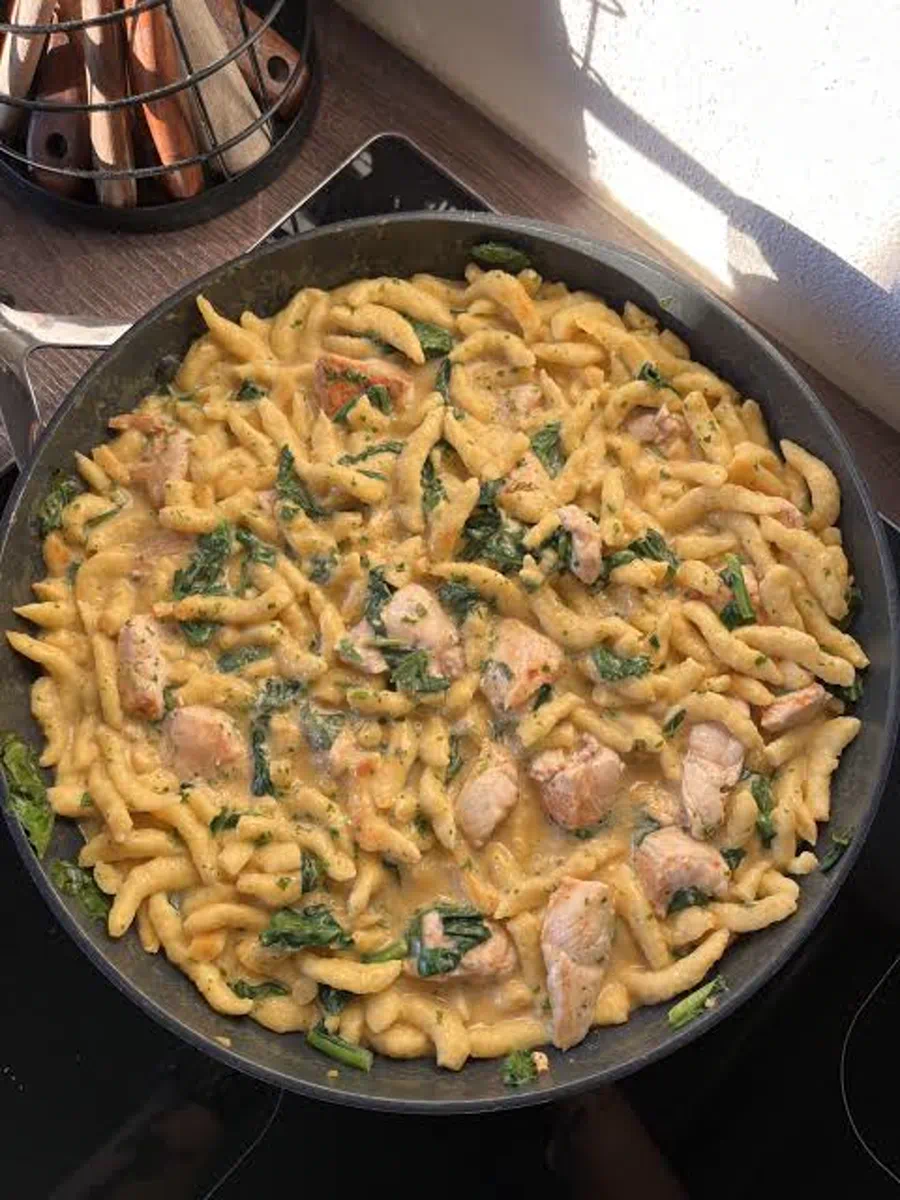
Spätzle

Baden-Württemberg & Bavaria — €9–14

Swabian egg noodles, irregular and chewy. Käsespätzle (with melted cheese and crispy onions) is the vegetarian comfort food of southern Germany. Filling, cheap, and deeply satisfying.

Flammkuchen

Alsace border / Rhineland — €8–12

Paper-thin crispy base with crème fraîche, onions, and bacon (Speck). Essentially German pizza but better. Common at wine festivals and beer gardens. The best ones come from wood-fired ovens.

Beer & Wine

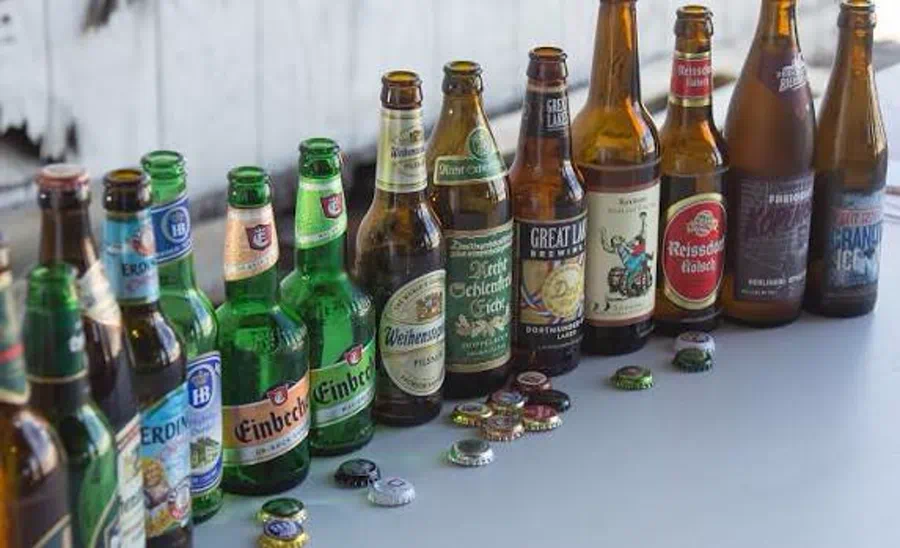
Germany has about 1,500 breweries producing 5,000+ different beers. The Reinheitsgebot (beer purity law, 1516) is the world’s oldest food regulation. Every region has its beer style. Wine comes from the Rhine, Mosel, Franconia, and Baden regions, and German Riesling is world-class.

Beer Garden Culture

Bavaria & beyond — €4–7/half-litre

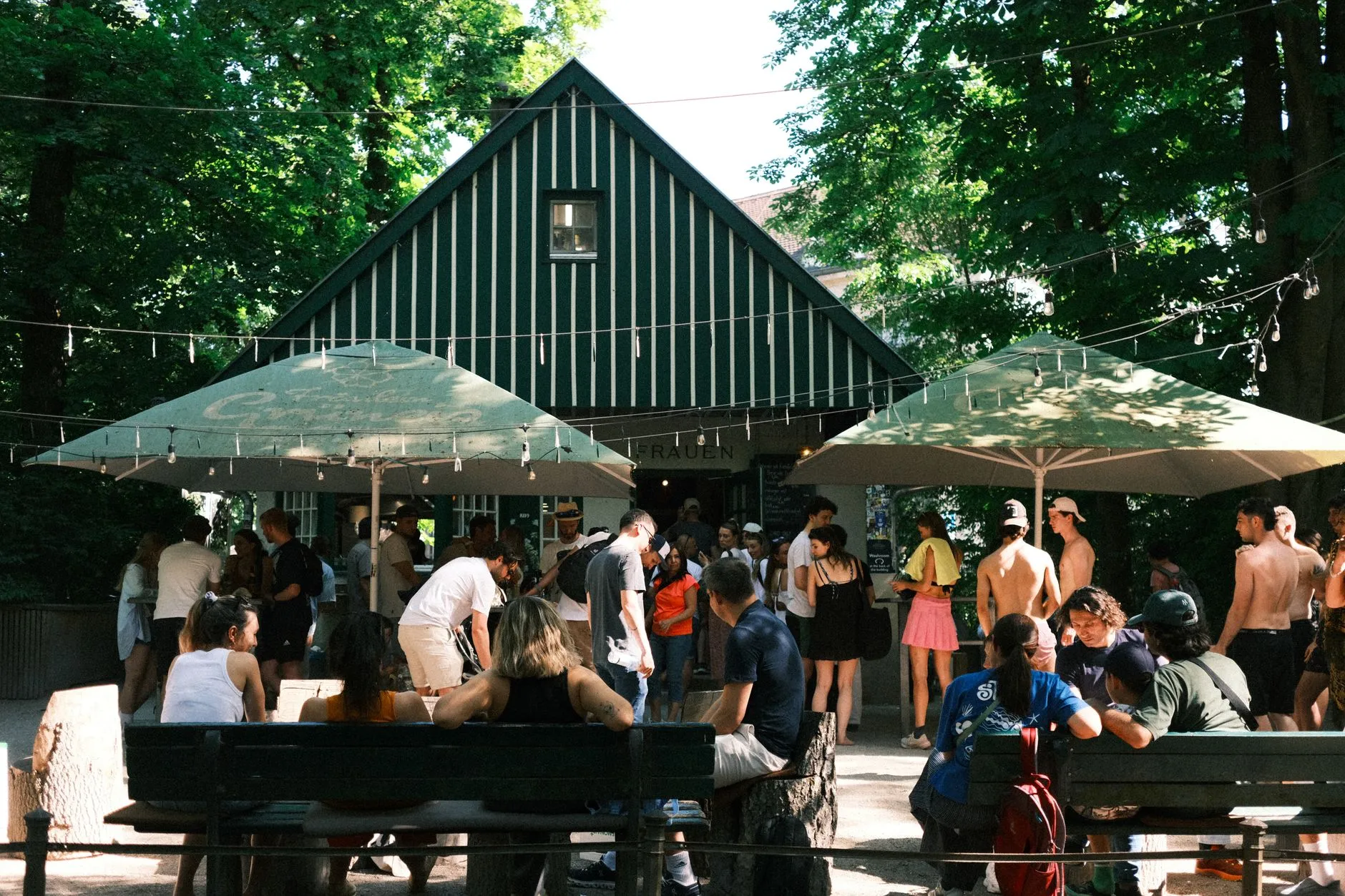
Outdoor drinking under chestnut trees. Bring your own food to traditional beer gardens (only beer must be bought on-site). Munich’s Englischer Garten has several. The atmosphere on warm evenings is unbeatable.

Regional Beer Styles

Weizenbier/Hefeweizen (Bavaria, cloudy wheat beer), Pils (north, crisp and bitter), Kölsch (Cologne only, light and served in tiny 200ml glasses), Altbier (Düsseldorf, copper-coloured), Rauchbier (Bamberg, smoked), Schwarzbier (Thuringia, dark lager), Berliner Weisse (Berlin, sour with syrup).

Wine Regions

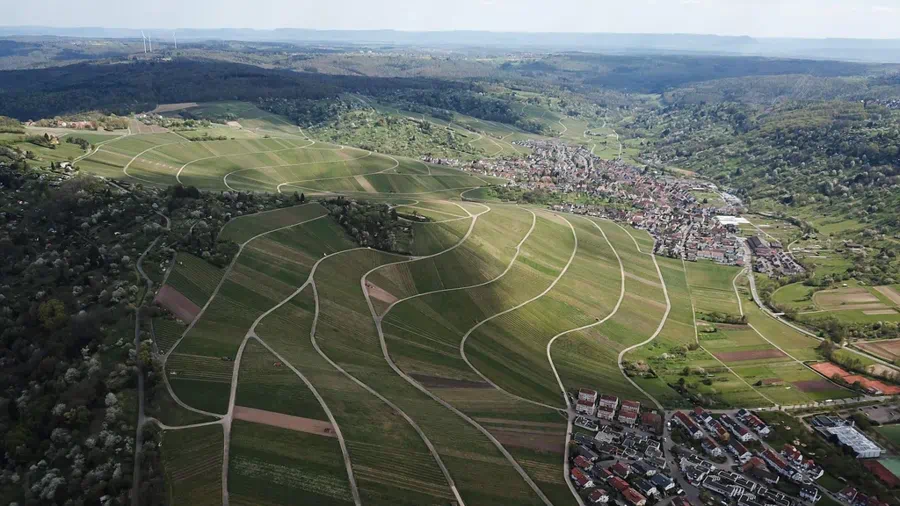
Mosel (steep slate vineyards, elegant Riesling), Rheingau (full-bodied Riesling, castle views), Pfalz/Palatinate (Germany’s sunniest wine region, festivals), Baden (Pinot Noir country near Freiburg), Franconia (dry wines in round Bocksbeutel bottles). Wine tastings along these routes are cheap (€5–15) and rarely crowded.

Budget eating: Supermarkets (Aldi, Lidl, Rewe) have excellent ready-made food, salads, and baked goods for €3–6. Bäckereien (bakeries) sell filled rolls for €2–4. Döner stands are €5–8 for a full meal. Beer gardens let you bring your own food. A day’s food on a tight budget runs €15–25.
Activities & Hikes

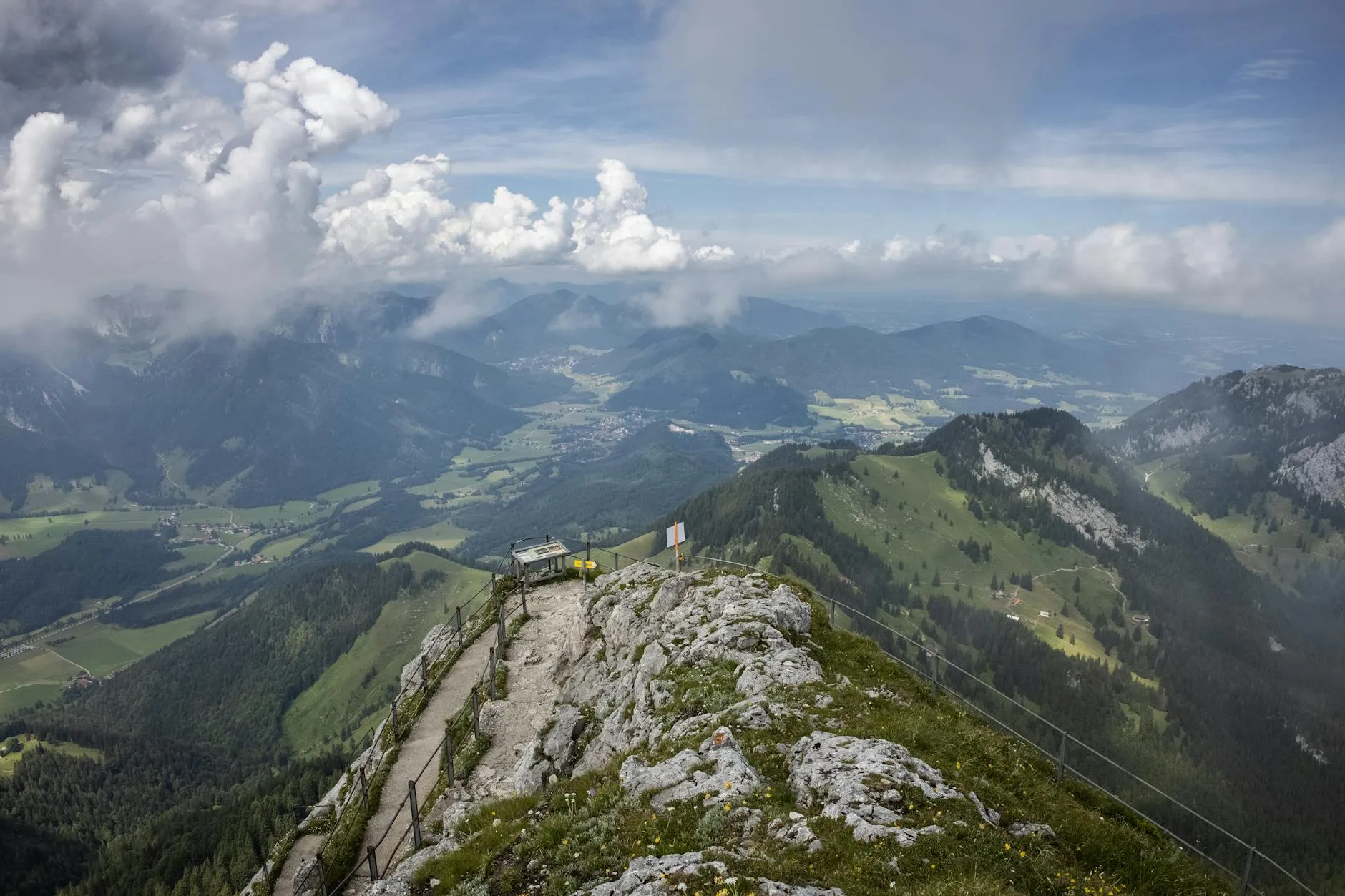
Hikers on an Alpine ridge trail with mountain panorama

Germany has some of the best-maintained hiking trails in Europe. Over 200,000 km of marked paths, from gentle river walks to serious Alpine routes. Cycling infrastructure is equally excellent. And then there’s everything else: skiing, climbing, river kayaking, thermal spas.

Top Hikes

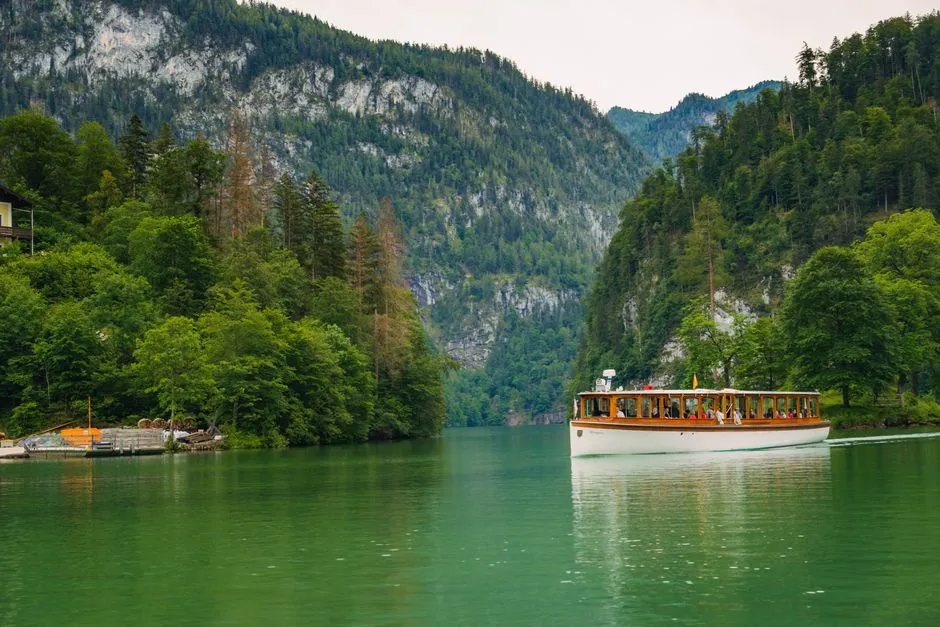
King's General View trail in Berchtesgaden

Königssee & Eagle’s Nest

Berchtesgaden — Half to full day — Easy to Moderate

Electric boat across the fjord-like Königssee to St. Barthäloma chapel, then hike to the Obersee. The Eagle’s Nest (Kehlsteinhaus) sits at 1,834 m with panoramic views. Both are doable in one long day. The boat ride alone is worth the trip.

Moderate
Hiking trail along Bastei sandstone formations

Malerweg (Painter’s Way)

Saxon Switzerland — 8 days / 112 km — Moderate

Germany’s most scenic long-distance trail through the sandstone pillars of the Elbe Sandstone Mountains. Passes the Bastei Bridge, Schrammsteine ridge, and fortress Königstein. Can be done in sections. Each stage ends in a village with accommodation.

Moderate
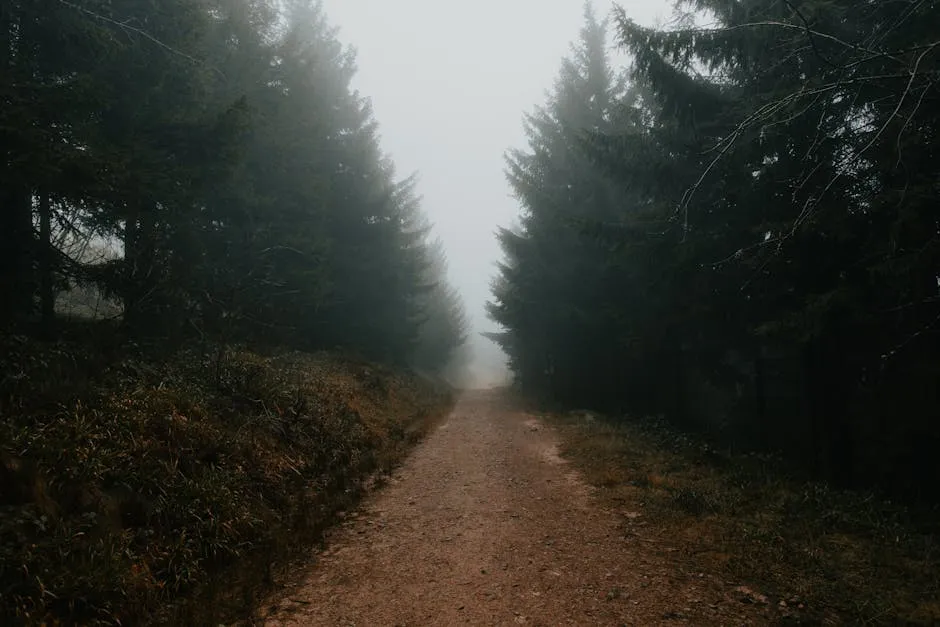
Misty trail through the Black Forest

Westweg (Black Forest)

Black Forest — 12 days / 285 km — Moderate

Germany’s classic long-distance trail from Pforzheim to Basel through dense forest, open ridges, and past waterfalls. The Feldberg (1,493 m) is the highest point. Can be shortened to 3–5 day sections. Well-marked with a red diamond.

Moderate

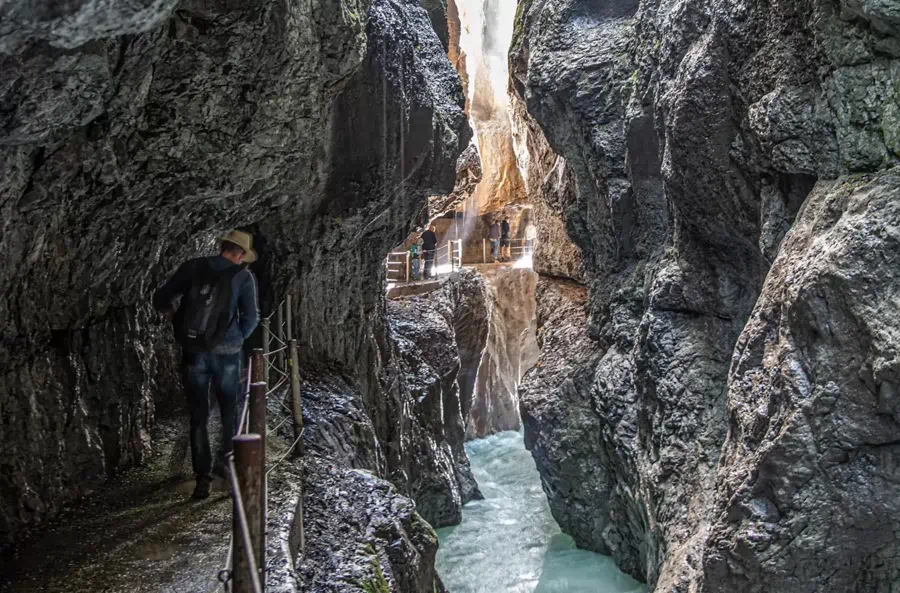
Partnachklamm Gorge

Garmisch-Partenkirchen — 1–2 hours — Easy

A dramatic narrow gorge with waterfalls, tunnels carved through rock, and turquoise water. Short but spectacular. The trail is carved into the cliff face. Accessible year-round, stunning in winter when the waterfalls freeze.

Easy

Rhön Biosphere Reserve

Central Germany — Day hikes — Easy

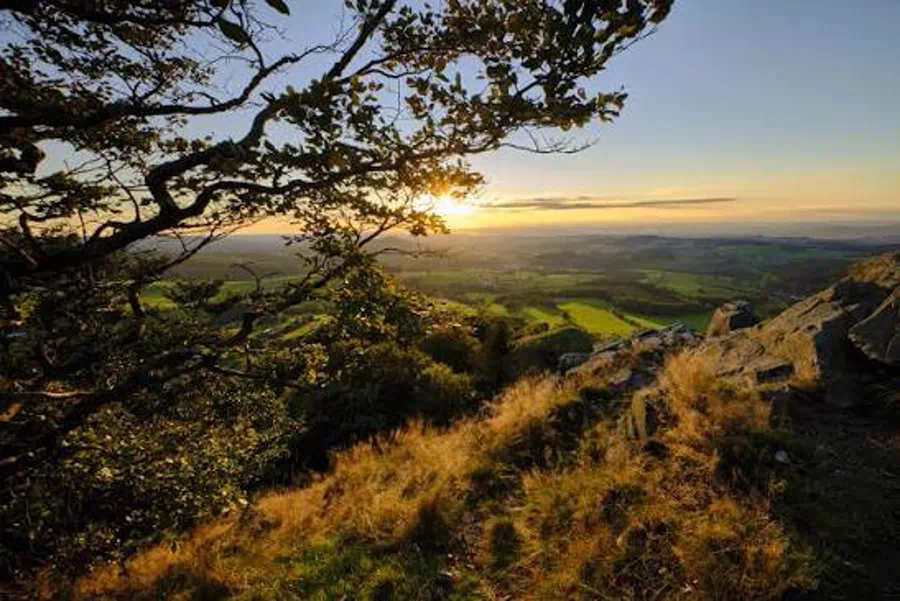
Rolling basalt hills, open moorland, and Germany’s best stargazing (certified Dark Sky Reserve). The Hochrhöner trail (180 km) crosses the entire reserve. Less famous than the Black Forest but equally beautiful and far less crowded.

Easy

Zugspitze via Höllental

Bavarian Alps — 8–10 hours — Hard

The most dramatic route up Germany’s highest peak. Involves a via ferrata section (iron rungs and cables), a glacier crossing, and serious exposure. Not for beginners. Crampons and harness needed. Most people take the cable car down.

Challenging

Other Activities

Cycling

Nationwide — bike rental €12–20/day

Germany has outstanding cycling infrastructure. The Elbe Cycle Path (1,260 km), Rhine Cycle Path, and Romantic Road are the most popular routes. Bikes go on regional trains with the Deutschland-Ticket (extra bike ticket needed, varies by state). Most cities have excellent bike-share systems.

Skiing

Bavarian Alps — day pass €40–55

Garmisch-Partenkirchen (classic, home of the Zugspitze), Oberstdorf (cross-country and ski jumping), and the Berchtesgaden area. Smaller and cheaper than Austrian/Swiss resorts but decent snow from December to March. The Zugspitze glacier offers the longest season.

Thermal Spas (Therme)

Nationwide — €15–35 for 2–4 hours

Germans take spa culture seriously. Baden-Baden’s Friedrichsbad (1877, Roman-Irish bathing, no swimwear) is the most famous. Therme Erding near Munich is Europe’s largest thermal spa complex. Saunas are textile-free, mixed-gender by default.

Rhine River Cruise

Koblenz–Bingen — €15–40 one-way

The Upper Middle Rhine Valley (UNESCO) by boat. 65 km of vineyard-covered slopes, 40+ castles, and the legendary Lorelei rock. KD Rhine Line runs daily. Combine with a train back (tracks run along both banks) for a perfect day trip.

The Deutschland-Ticket (€49/month) covers: All regional trains (RE, RB, S-Bahn), all city transit (U-Bahn, trams, buses), and some ferries. It does NOT cover ICE/IC long-distance trains. Buy via the DB Navigator app. For a 2+ week trip, this single ticket replaces dozens of separate transit purchases and saves a fortune.

Wildlife & Nature

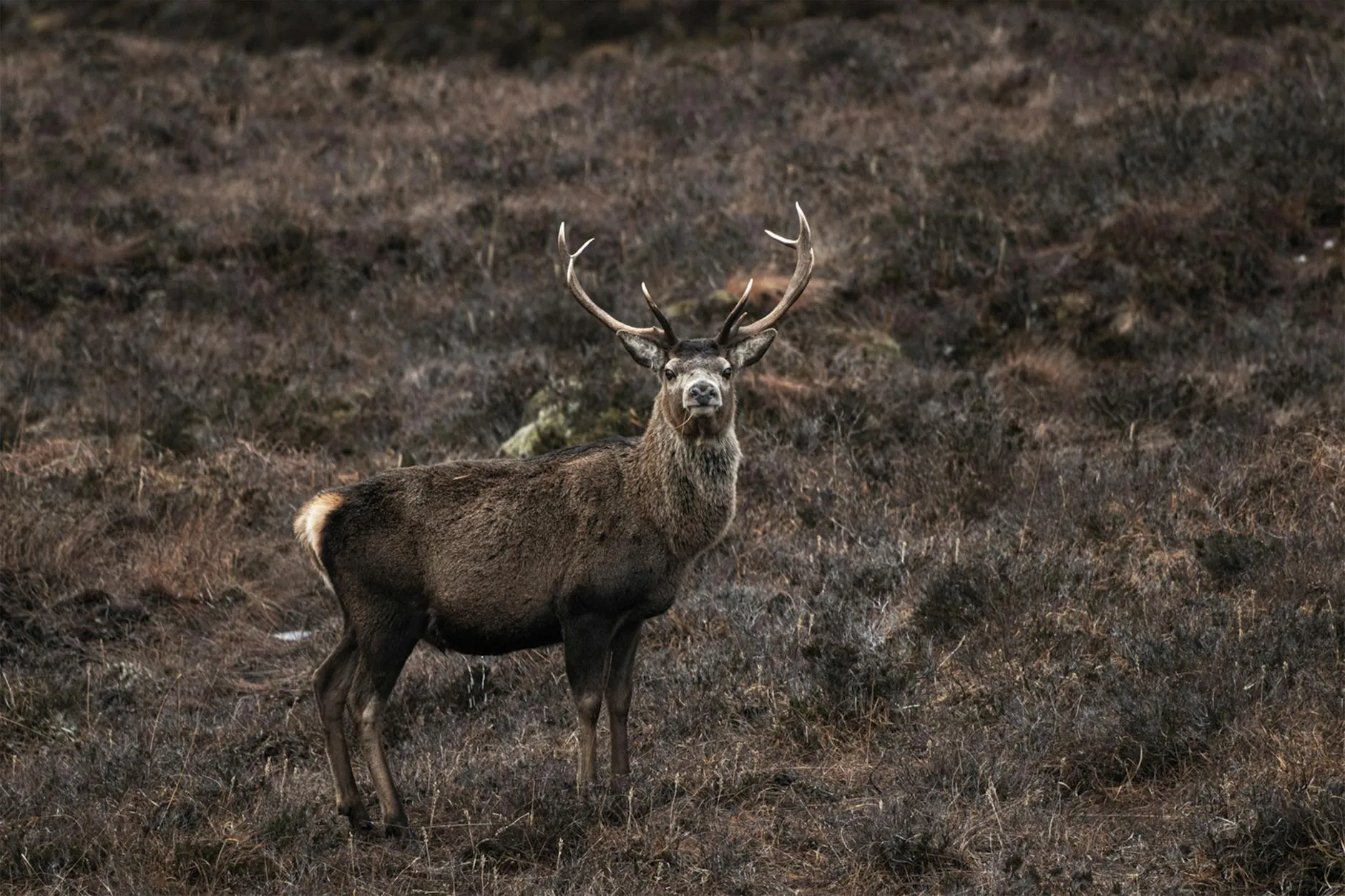
Red deer stag in misty German forest

Germany is more biodiverse than most visitors expect. 16 national parks, 17 biosphere reserves, and rewilding projects that have brought wolves and lynx back after centuries of absence. The Wadden Sea tidal flats alone host 10–12 million migratory birds annually.

Wadden Sea (UNESCO)

North Sea coast — Guided mudflat walks €8–12

The world’s largest tidal flat system. Walk on the sea floor at low tide, watch millions of migratory birds in spring and autumn, and spot harbour seals on sandbanks. Guided Wattwanderung (mudflat hikes) from Cuxhaven, Husum, or the Frisian Islands are unforgettable.

UNESCO

Wolves

Lusatia (Saxony/Brandenburg), Lower Saxony, Schleswig-Holstein

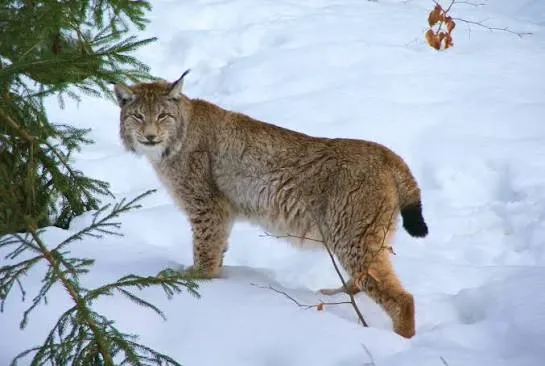
Grey wolves returned to Germany naturally from Poland in 2000. Now 180+ packs roam primarily in the northeast. Wild sightings are extremely rare. The Wolfsregion Lausitz information centre near Rietschen has exhibits and tracks.

Wildlife

Bavarian Forest National Park

Eastern Bavaria — Free entry, parking €5

Germany’s oldest national park (1970). Virgin-feeling forest with lynx, red deer, and a wildlife enclosure where you can see animals that are nearly impossible to spot in the wild (wolf, lynx, bear, bison). The 1,300 m Treetop Walk (Baumwipfelpfad) is spectacular.

Recommended

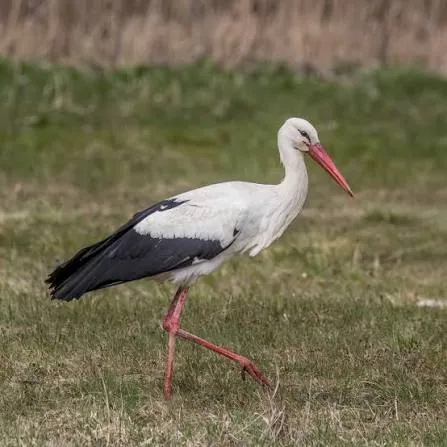
White Storks

Spreewald, Mecklenburg, Schleswig-Holstein

Germany hosts one of Europe’s largest white stork populations. Nests on rooftops and church towers are a common sight in rural eastern Germany from April to August. The Spreewald wetlands are a particularly good area.

Wildlife

Rügen Chalk Cliffs

Jasmund National Park, Rügen — Free

Dramatic white chalk cliffs plunging 118 metres into the Baltic Sea, backed by primeval beech forest (UNESCO). The Königsstuhl viewpoint is the most famous. Sea eagles nest in the forest canopy. The same cliffs Caspar David Friedrich painted in 1818.

Recommended

Berchtesgaden National Park

Bavarian Alps — Free entry

Germany’s only Alpine national park. Golden eagles, ibex (reintroduced), marmots, and chamois in pristine mountain scenery. The Watzmann (2,713 m) is one of the most impressive peaks in the Eastern Alps. The ice chapel (Eiskapelle) at its base persists year-round.

Recommended

European Bison

Rothaar Mountains (North Rhine-Westphalia)

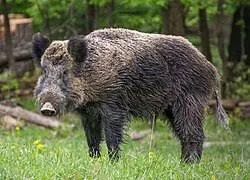
A small herd of European bison was released into the wild in 2013, the first free-roaming wisents in Western Europe in centuries. Guided tracking tours are available. The herd roams freely through the Rothaar range.

Wildlife

Müritz National Park

Mecklenburg Lake District — Free

Germany’s largest lake national park. Ospreys, white-tailed eagles, cranes (thousands in autumn migration), and otters. The Müritz is Germany’s second-largest lake. Canoe through connected waterways without seeing a building for hours.

Wildlife
Birdwatching: Best periods are spring migration (Mar–May) and autumn crane migration (Sep–Nov). The Wadden Sea, Müritz, and Rügen are top sites. Germany lies on the East Atlantic Flyway. The Kranich-Informationszentrum in Gross Mohrdorf tracks crane movements in real time.

Route A: Classic 2-Week Germany RECOMMENDED

ICE train crossing a viaduct through German countryside

The essential Germany trip. Covers the big hitters from Berlin to Bavaria with a stop in the Rhine Valley. All by train. This route works year-round but is best May–October. Every connection is covered by the Deutschland-Ticket (€49/month) except two optional ICE segments.

You’ll see about 60% of what Germany has to offer, focusing on the destinations that most justify the travel time. Nothing feels rushed. Every stop has enough to fill the days without needing to sprint between sights.

Day-by-day itinerary (14 days)

Days 1–3: Berlin

Day 1: Arrive. Check into hostel or hotel in Mitte or Kreuzberg. Walk Unter den Linden to Brandenburg Gate. Evening: dinner in Kreuzberg (Döner at Mustafa’s or sit-down Turkish at Hasir).

Day 2: Museum Island (Pergamon + Neues Museum, €19 combo). Afternoon: Berlin Wall Memorial (Bernauer Straße), then East Side Gallery. Evening: bar-hopping in Friedrichshain.

Day 3: Reichstag dome (free, book online), Holocaust Memorial, Checkpoint Charlie. Afternoon: Potsdam day trip (S-Bahn 40 min, covered by D-Ticket) for Sanssouci Palace.

Day 4: Dresden

Morning RE train Berlin–Dresden (2h, D-Ticket). Frauenkirche, Zwinger Palace, Green Vault. Walk the Brühlsche Terrasse along the Elbe. Stay 1 night.

Day 5: Saxon Switzerland Day Trip

S-Bahn to Kurort Rathen (35 min from Dresden, D-Ticket). Hike to Bastei Bridge (1h up). Explore the sandstone formations. Return to Dresden or move on to Nuremberg (3.5h by RE or 2h ICE €25–40 Sparpreis).

Days 6–7: Nuremberg & Bamberg

Day 6: Nuremberg: Imperial Castle, Handwerkerhof, Nürnberger Rostbratwurst at Bratwurstglöcklein. Afternoon: Nazi Rally Grounds Documentation Centre. Stay 2 nights.

Day 7: Day trip to Bamberg (40 min RE, D-Ticket). Altes Rathaus on the bridge, Little Venice, Schlenkerla Rauchbier tavern. Return to Nuremberg.

Day 8: Rothenburg ob der Tauber

RE to Rothenburg (1.5h, 1 change at Steinach, D-Ticket). Walk the complete city walls. Plönlein photo stop. Schneeballen pastry. Evening: Night Watchman tour (€8, 8 PM, English). Stay 1 night.

Days 9–11: Munich

Day 9: Train to Munich (3h RE via Augsburg, D-Ticket). Marienplatz Glockenspiel at 11 AM. Viktualienmarkt for lunch. Afternoon: Englischer Garten beer garden (Chinesischer Turm). Stay 3 nights.

Day 10: Neuschwanstein day trip: RE to Füssen (2h, D-Ticket), bus 73 to castle. Timed ticket (€15, book online). Return via Hohenschwangau.

Day 11: Deutsches Museum (science, full day possible) or BMW Welt/Museum. Afternoon: Nymphenburg Palace. Evening: Hofbräuhaus (tourist trap but worth one visit) or Augustiner-Keller beer garden.

Days 12–13: Rhine Valley

Day 12: ICE Munich–Koblenz (4h, Sparpreis €20–40). Afternoon: Ehrenbreitstein Fortress cable car. Stay in Bacharach or St. Goar (2 nights).

Day 13: Rhine boat trip Bacharach–St. Goar (KD Line, €15). Pass the Lorelei rock. Afternoon: hike to Burg Eltz from Moselkern (optional, 1.5h walk each way). Evening: Riesling tasting at any Weingut.

Day 14: Cologne & Departure

RE to Cologne (1.5h from Koblenz, D-Ticket). Kölner Dom (tower climb €6). Walk through the Altstadt. Kölsch beer at Päffgen or Früh. Depart from Cologne/Bonn Airport or Cologne Hauptbahnhof.

Budget: This entire route works on 2 Deutschland-Tickets (€98 total for all local/regional transport over 14 days). Only the Munich–Koblenz ICE is extra. Total transport: roughly €130–140 for 14 days of unlimited travel. That’s absurdly good value.

Route B: 3-Week Explorer

Half-timbered houses along a canal in Hamburg Speicherstadt

Everything in Route A plus Hamburg, the North Sea coast, and more time in the Alps. This adds the northern dimension that most tourists miss. Germany’s north coast is genuinely different from Bavaria, and Hamburg alone is worth 2–3 days.

Day-by-day itinerary (21 days)

Days 1–3: Berlin

Same as Route A. Museum Island, Wall Memorial, East Side Gallery, Potsdam day trip, Kreuzberg nightlife.

Days 4–5: Hamburg

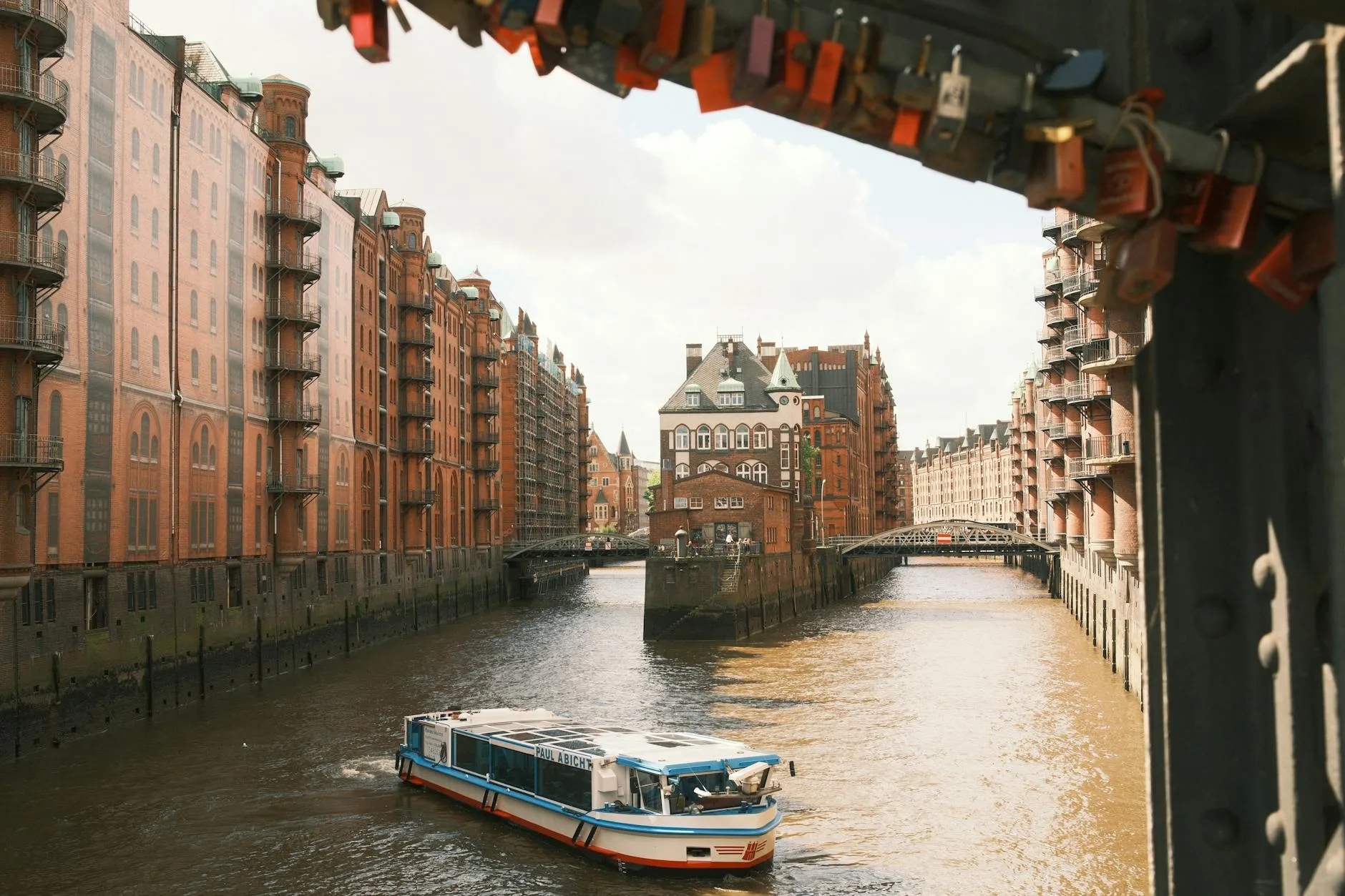
Day 4: RE/IC Berlin–Hamburg (2.5–3h). Speicherstadt warehouse district (UNESCO), Miniatur Wunderland (book ahead). Fish sandwich at the Fischmarkt. Stay 2 nights.

Day 5: Elbphilharmonie plaza (free, views over the port). HafenCity. Afternoon: St. Pauli and Reeperbahn. Evening: Schanzenviertel bars and restaurants.

Day 6: North Sea / Sylt or Wadden Sea

Train to Sylt (3h from Hamburg via the Hindenburgdamm car-train, D-Ticket covers RE) or day trip to Husum/Büsum for a Wattwanderung (guided mudflat walk, €8–12). Return to Hamburg or continue south.

Days 7–8: Dresden & Saxon Switzerland

Same as Route A Days 4–5. Berlin–Dresden by RE, Frauenkirche, Zwinger, Bastei Bridge hike.
Days 9–10: Nuremberg & Bamberg

Same as Route A Days 6–7. Imperial Castle, Documentation Centre, Bamberg day trip with Rauchbier.

Day 11: Rothenburg ob der Tauber

Same as Route A Day 8. City walls, Plönlein, Night Watchman tour.

Days 12–14: Munich & Day Trips

Day 12: Train to Munich. Marienplatz, Viktualienmarkt, Englischer Garten.

Day 13: Neuschwanstein day trip (same as Route A).

Day 14: Berchtesgaden day trip: RE to Berchtesgaden (2.5h, D-Ticket). Königssee boat to St. Barthäloma. Afternoon: Eagle’s Nest if time permits (€20 bus + lift). Return to Munich.

Days 15–16: Garmisch-Partenkirchen & Alps

Day 15: RE to Garmisch (1.5h from Munich, D-Ticket). Zugspitze cable car (€66 return) or hike Partnachklamm gorge. Stay 2 nights.

Day 16: Alpine hiking: Höllentalklamm gorge or Alpspitze Ostgrat. Or take the Eibsee loop trail (easy, turquoise lake). Afternoon: coffee and cake in Garmisch town.

Days 17–18: Black Forest & Freiburg

Day 17: Train via Munich–Freiburg (ICE 3.5h, Sparpreis €20–40). Freiburg Münster, Bächle (tiny canals), Schlossberg viewpoint. Stay 2 nights.

Day 18: Black Forest day: Feldberg hike (1,493 m), Todtnau waterfall, or Triberg waterfalls and cuckoo clock workshops. Schwarzwälder Kirschtorte at a farmhouse café.

Days 19–20: Rhine Valley

Same as Route A Days 12–13. Rhine boat trip, Burg Eltz, Riesling tasting. Stay in Bacharach.

Day 21: Cologne & Departure

Same as Route A Day 14. Kölner Dom, Altstadt Kölsch crawl, depart.

D-Ticket strategy: Buy one D-Ticket covering your first calendar month. If your trip spans two calendar months, you’ll need two (€98 total). Still far cheaper than individual tickets. The only extra costs are 2–3 ICE segments (bookable as Sparpreis from €17.90 each on bahn.de).

Route C: 1-Month Deep Dive

Mosel Valley vineyard terraces with river bend and village

The full Germany experience. Everything in Route B plus the Mosel Valley, Leipzig, the Harz Mountains, Lake Constance, and extended time in places that deserve it. This route rewards slow travellers who want to actually live in each place for a few days, not just photograph it.

Day-by-day itinerary (30 days)

Days 1–4: Berlin

Extended Berlin. Days 1–3 same as Route A. Day 4: Add Charlottenburg Palace, KaDeWe food floor, Tempelhof Field cycling, and deeper exploration of Neukölln or Prenzlauer Berg neighbourhoods.

Days 5–6: Leipzig

Day 5: RE Berlin–Leipzig (1.5h, D-Ticket). Nikolaikirche (where the 1989 Monday Demonstrations started), Völkerschlachtdenkmal (monumental Napoleonic war memorial). Spinnereibande Karl-Heine canal area for craft beer and street art. Stay 2 nights.

Day 6: Plagwitz galleries, Baumwollspinnerei art complex (former cotton mill, now studios and galleries), Auenwald forest canoe trip. Leipzig feels like Berlin did 15 years ago.

Days 7–8: Dresden & Saxon Switzerland

Same as Route B. Frauenkirche, Zwinger, Bastei Bridge. Extra time for the Green Vault treasury and a walk along the Elbe meadows at sunset.

Days 9–10: Harz Mountains

Day 9: RE to Wernigerode (3h via Halle, D-Ticket). Ride the Brockenbahn steam train to the Brocken summit (1,141 m, €50 return). Wernigerode’s colourful half-timbered old town. Stay 2 nights.

Day 10: Hike the Hexenstieg (Witches’ Trail) section through the Bode Valley gorge. Visit Quedlinburg (UNESCO, 30 min by bus), one of Germany’s most perfectly preserved medieval towns.

Days 11–13: Hamburg & North Sea

Same as Route B Days 4–6. Speicherstadt, Elbphilharmonie, Reeperbahn, Wadden Sea or Sylt day trip.

Days 14–15: Nuremberg, Bamberg & Rothenburg

Same as Route A/B. Imperial Castle, Bamberg Rauchbier, Rothenburg Night Watchman.

Days 16–19: Munich & Bavarian Alps

Days 16–17: Munich city (expanded). Add: Pinakotheken art museums, Dachau Memorial (S-Bahn + bus, free, deeply necessary). Viktualienmarkt, beer gardens.

Day 18: Neuschwanstein day trip.

Day 19: Königssee and Berchtesgaden. Boat, St. Barthäloma, Obersee hike. Eagle’s Nest if clear.

Days 20–21: Garmisch & Zugspitze

Same as Route B. Zugspitze summit, Partnachklamm, Eibsee. Extended Alpine hiking.

Days 22–23: Lake Constance (Bodensee)

Day 22: RE via Ulm to Lindau or Konstanz (3–4h, D-Ticket). Lindau island old town. Ferry to Bregenz (Austria) for views of three countries. Stay 2 nights.

Day 23: Mainau Island (flower island, €24), Meersburg medieval town (ferry from Konstanz), or cycle around the lake. The Bodensee is surprisingly warm for swimming in July–August.

Days 24–25: Black Forest & Freiburg

Same as Route B. Freiburg Münster, Feldberg hike, Schwarzwälder Kirschtorte. Optional: Baden-Baden thermal spa day.

Days 26–27: Heidelberg

Day 26: RE Freiburg–Heidelberg (2h, D-Ticket). Castle ruins above the Neckar (funicular €9 return). Alte Brücke at sunset. Philosophenweg hillside walk. Stay 2 nights.

Day 27: Old university buildings, Studentenkarzer (student jail), Heiliggeistkirche. Afternoon: Königstuhl hill walk. Evening: Untere Straße bars.

Days 28–29: Mosel & Rhine Valleys

Day 28: RE to Cochem (Mosel Valley, 3h via Koblenz, D-Ticket). Reichsburg castle. Wine tasting at a family Weingut. Stay 1 night in Cochem or Bernkastel-Kues.

Day 29: Train to Koblenz, boat down the Rhine to Bacharach. Castle spotting, Lorelei rock. Evening: Riesling at Weingut Fritz Bastian.

Day 30: Cologne & Departure

RE to Cologne. Dom tower climb, final Kölsch crawl through the Altstadt (Päffgen, Früh, Gaffel). Depart from Cologne Hbf or airport.

1-month budget estimate: Deutschland-Ticket €49 (or €98 if spanning two months) + 3–4 ICE legs at Sparpreis (~€80–120) + Brockenbahn €50 + Zugspitze €66 = total transport roughly €280–350 for a month of unlimited travel across Germany. Compare that to a 15-day Eurail pass at €400+.

Getting Around

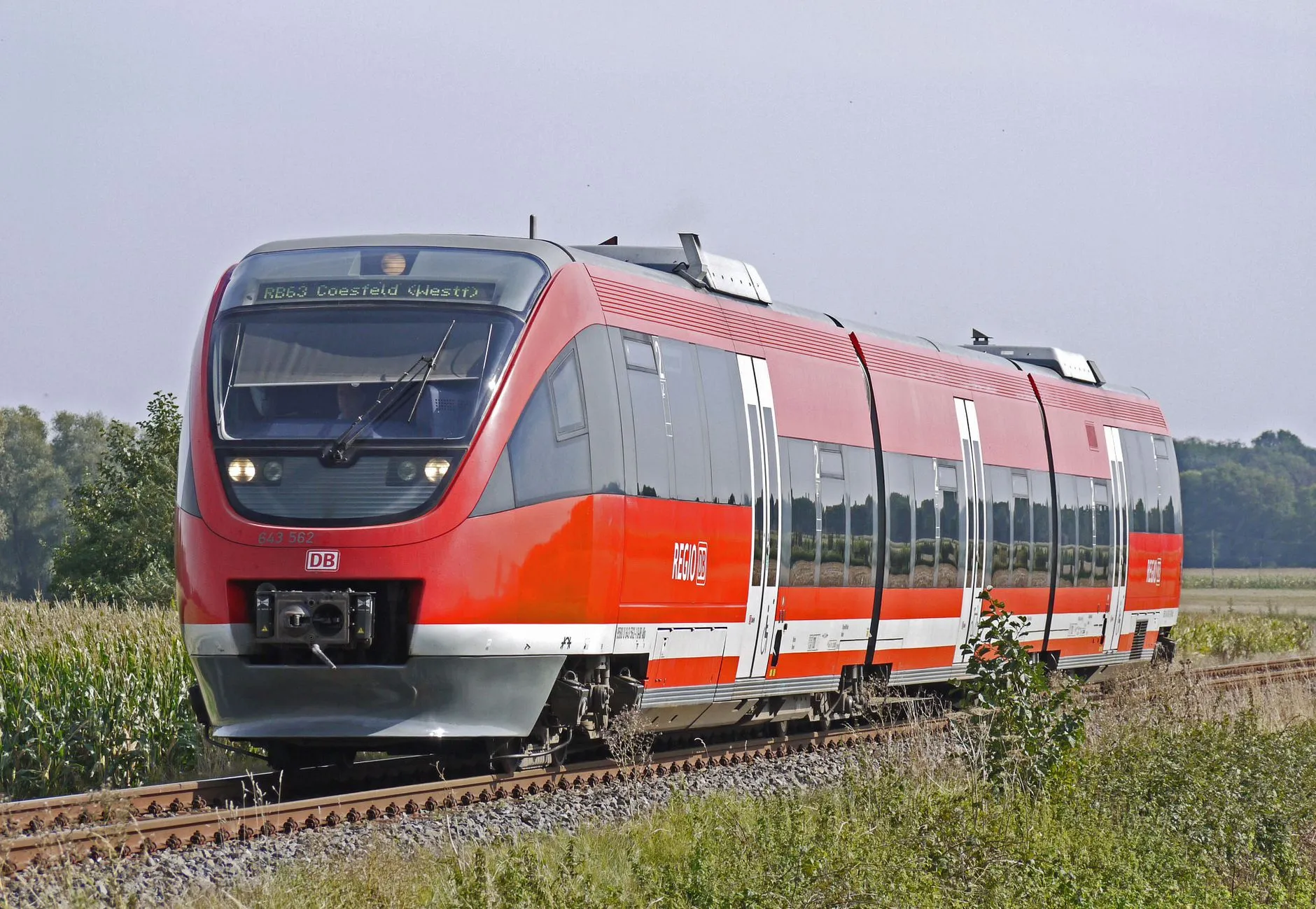
Red regional train passing through green German countryside

Germany has one of the densest rail networks in Europe. Nearly every town with more than 5,000 people has a train station. The Deutschland-Ticket has fundamentally changed budget travel in Germany since 2023.

Deutschland-Ticket (€49/month)

The single best deal in European travel. Unlimited travel on all regional trains (RE, RB), S-Bahn, U-Bahn, trams, and buses nationwide. Does NOT include ICE or IC long-distance trains. Buy via the DB Navigator app (subscription model, cancel monthly). Valid from the 1st of each month. For a 2-week trip, one ticket covers everything except a few ICE shortcuts.

ICE / IC (Long-distance)

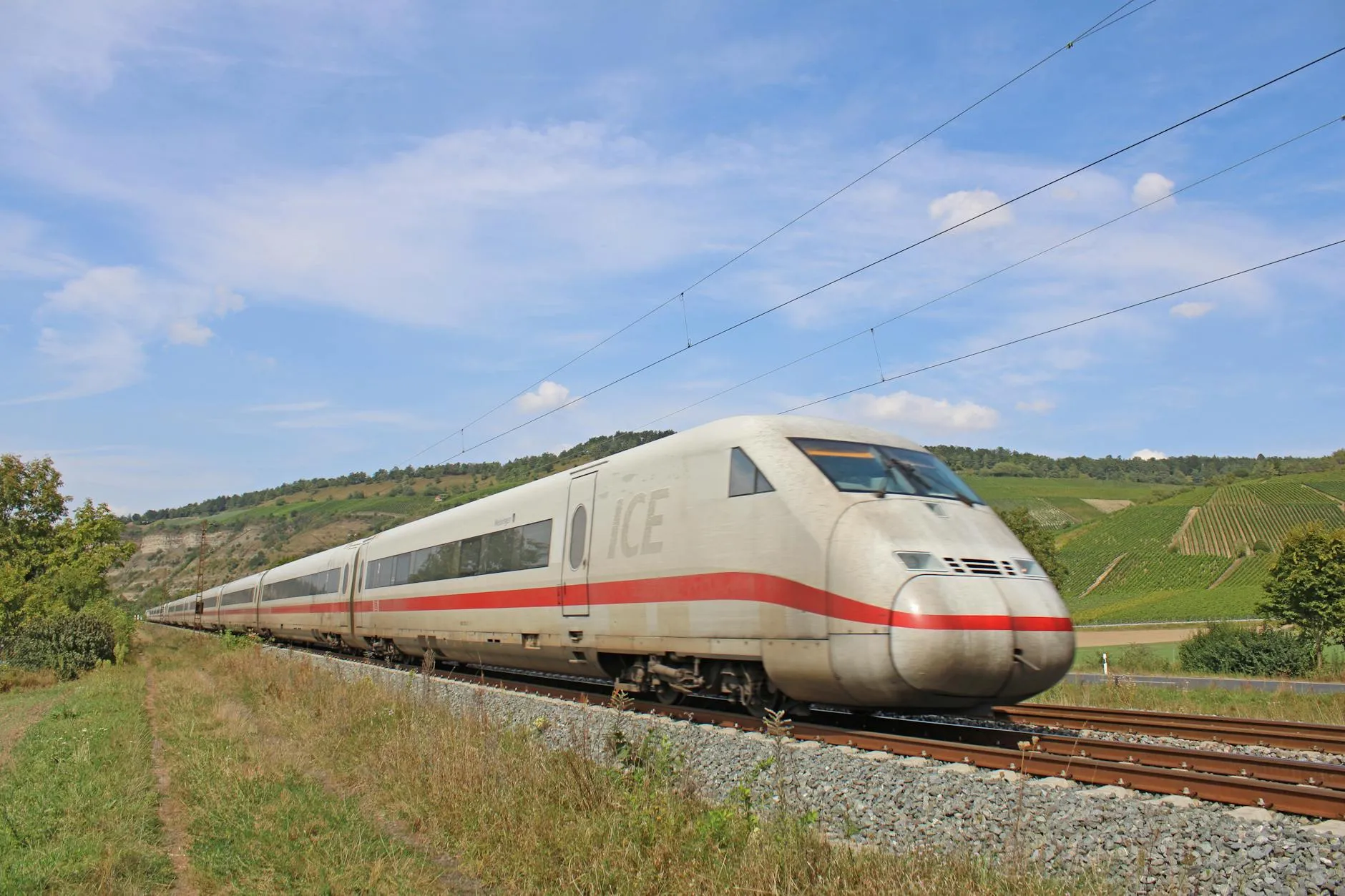
High-speed ICE trains connect major cities (Berlin–Munich 4h, Frankfurt–Cologne 1h). Sparpreis tickets from €17.90 when booked early on bahn.de. Flexible tickets are 3–5x more expensive. Book 2–4 weeks ahead for best prices. The D-Ticket does NOT cover these. Use ICE only for long legs where regional would take 5+ hours.

Regional Trains (RE/RB)

Covered by the D-Ticket. Slower than ICE but free with the pass. Berlin–Dresden takes 2h by RE vs 1.5h by ICE. The time difference is often small enough to save the ICE fare. Trains run every 30–60 minutes on major routes. No reservation needed.

FlixBus / FlixTrain

Budget alternative. Often cheaper than even Sparpreis ICE. Covers routes trains don’t. FlixTrain operates on select corridors at FlixBus prices. Book via the app. Useful for overnight legs or routes where train connections are poor.

City Transit

All covered by the Deutschland-Ticket. U-Bahn (metro), S-Bahn (suburban rail), trams, and buses in every city. No separate city transport tickets needed. This alone saves €3–8/day per city. Munich, Berlin, Hamburg, and Cologne have extensive metro systems.

Car Rental

Useful for the Romantic Road, Black Forest, and Alpine side trips. Autobahn has no general speed limit (on unrestricted sections). Fuel is expensive (€1.70–1.90/litre). Parking in cities is expensive and scarce. For most itineraries, trains are faster and cheaper than driving.

DB reliability: Deutsche Bahn trains are late more often than the stereotype suggests. In 2024, about 30% of long-distance trains arrived late. Build 30–60 minute buffers into connections. The DB Navigator app shows real-time delays and alternative routing. Regional trains are generally more reliable than ICE.

Budget Breakdown

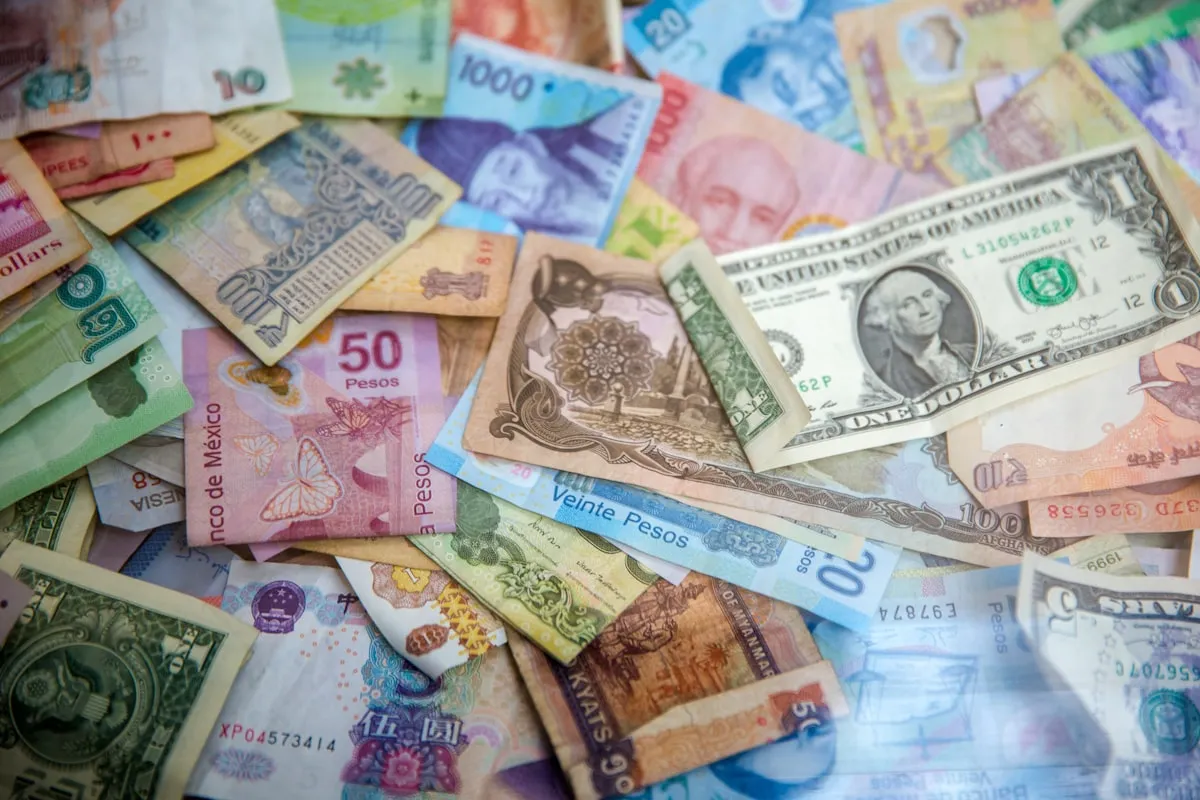
Budget planning with euros and calculator

Germany is mid-range by Western European standards. Cheaper than France, the UK, Switzerland, or Scandinavia. More expensive than Eastern Europe. Berlin and eastern Germany are notably cheaper than Munich and the south. The Deutschland-Ticket makes transport absurdly cheap.

CategoryBudget (€/day)Mid-Range (€/day)Comfort (€/day)
Accommodation€20–35 (hostels, Airbnb shared)€60–100 (hotel, private Airbnb)€120–200+ (boutique, 4-star)
Food€15–25 (supermarket, bakery, Döner, beer gardens BYO food)€30–50 (restaurants, cafés, beer gardens)€60–100 (fine dining, wine bars)
Transport€2–5 (D-Ticket prorated, ~€49/month)€5–15 (D-Ticket + occasional ICE Sparpreis)€20–40 (ICE flex, taxis)
Activities€5–10 (free museums, hiking, walking tours)€15–30 (paid museums, castle entries, boat trips)€40–80 (guided tours, thermal spas, concerts)
Daily Total€42–75€110–195€240–420

Typical Prices (2025–2026)

Accommodation

Hostel dorm: €18–35/night (Berlin cheaper, Munich expensive)
Private hostel room: €50–80
Mid-range hotel: €70–120
Airbnb (entire flat): €50–90
Budget hotel (Motel One, ibis): €65–95

Food & Drink

Döner Kebab: €5–8
Bakery sandwich/roll: €2–4
Currywurst: €3–5
Restaurant main: €12–22
Beer (500 ml, bar): €3.50–5.50
Beer (beer garden): €4–7/half-litre
Coffee: €2.50–4.50
Supermarket meal: €3–6

Transport

Deutschland-Ticket: €49/month (all regional + city transit)
ICE Sparpreis: €17.90–50
FlixBus: €5–25
Airport shuttle bus: €8–15
Taxi per km: ~€2.20
Bike rental: €12–20/day

Activities

Museum entry: €8–15
Castle entry: €10–15
Thermal spa: €15–35
Zugspitze cable car: €66 return
Rhine boat trip: €15–40
Walking tour (free, tip-based): €5–15 tip

Money-saving tips: The Deutschland-Ticket is the single biggest saver. Supermarket lunch + bakery breakfast cuts food costs by 50%. Many museums have free/discounted evenings. Beer gardens let you bring your own food (only beer must be bought). Berlin is 30–40% cheaper than Munich for accommodation and food.

Practical Information

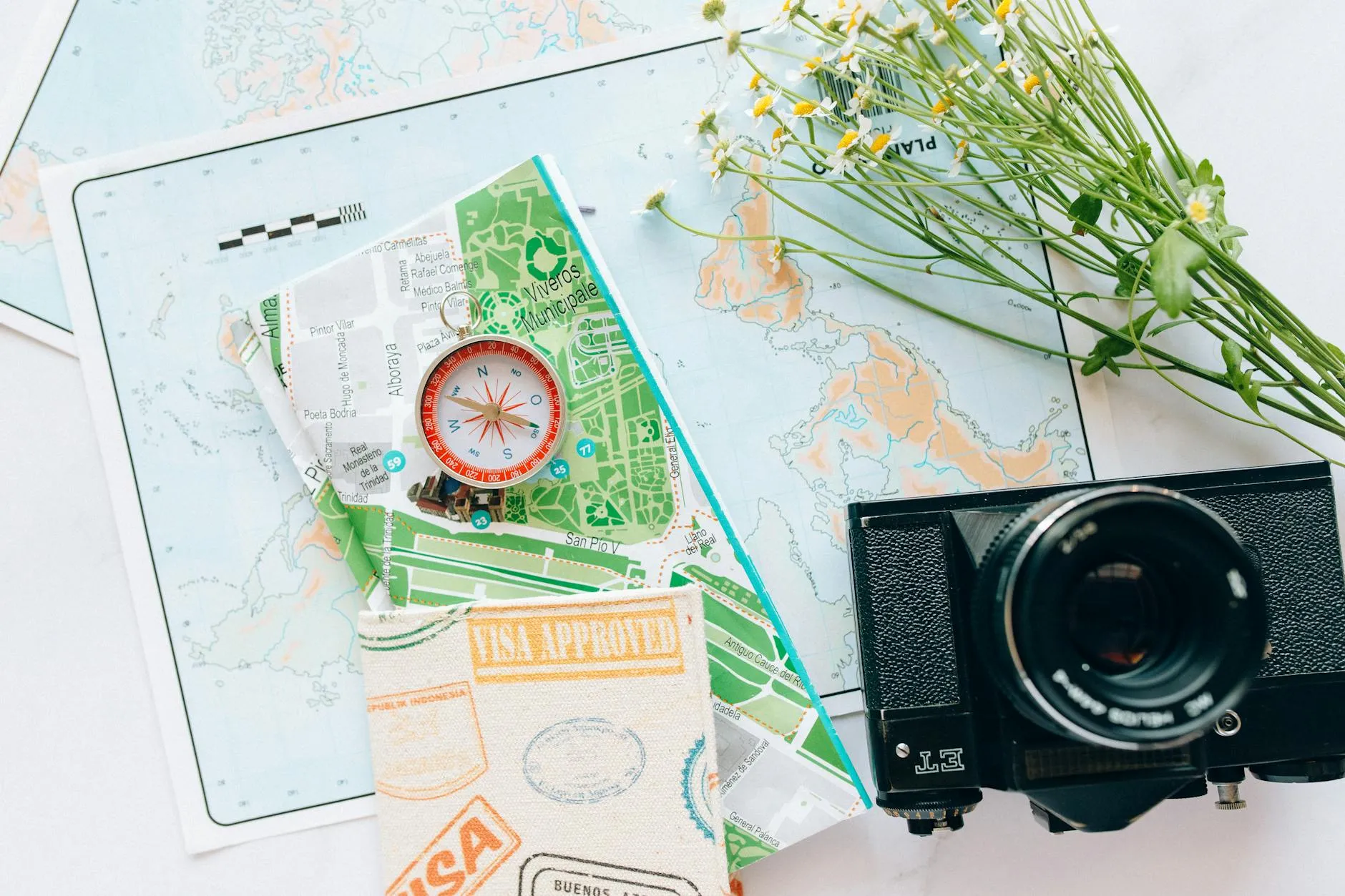
Travel essentials laid out on a map

Visa & Entry

EU/EEA/Swiss citizens: no visa, enter freely with ID card or passport. UK, US, Canada, Australia, Japan, and many others: visa-free for 90 days within any 180-day period (Schengen area). Check ETIAS requirements (planned but repeatedly delayed). Non-EU citizens need a passport valid for 3+ months beyond departure date.

Money

Euro (€). Cash is king. Many places don’t accept cards (especially bakeries, small restaurants, market stalls, some museums). ATMs (Geldautomat) everywhere. Avoid Euronet ATMs (high fees). Use bank ATMs (Sparkasse, Volksbank, Deutsche Bank). Tipping: 5–10% at restaurants, round up at bars and taxis. Say the total you want to pay when handing cash.

Language

German. English is widely spoken in cities, tourist areas, and by younger people. In rural areas and eastern Germany, English proficiency drops. Learning basic German phrases (Danke, Bitte, Entschuldigung, Sprechen Sie Englisch?) is appreciated and opens doors. Google Translate works well for menus and signs.

SIM & Internet

EU roaming rules apply for EU residents (use your home SIM). Non-EU visitors: prepaid SIMs from Aldi Talk (€8 starter + €8 for 3GB/month), Lidl Connect, or O2. Buy at any electronics store (MediaMarkt, Saturn) or supermarket. Registration required (bring passport). Free WiFi at most cafes, hostels, and DB Lounges.

Safety

Germany is very safe. Violent crime against tourists is extremely rare. Pickpocketing occurs in crowded tourist areas (Berlin Alexanderplatz, Munich Marienplatz, Cologne Cathedral area, train stations). Keep valuables secure in these spots. Emergency number: 112 (fire/ambulance) or 110 (police). Healthcare quality is excellent.

Health

No vaccinations required. Tap water is safe and excellent quality everywhere. Pharmacies (Apotheke, green cross sign) are well-stocked and pharmacists speak English. EU citizens: bring your EHIC/GHIC card for reciprocal healthcare. Non-EU: travel insurance is essential. Tick-borne encephalitis (TBE) exists in southern Germany; consider vaccination if hiking extensively in Bavaria or Baden-Württemberg.

Power & Plugs

Type C and F (Europlug / Schuko). 230V, 50Hz. Same as most of continental Europe. UK, US, and Australian visitors need an adapter.

Useful Apps

DB Navigator: Essential for trains (timetables, delays, tickets, D-Ticket).
Google Maps: Transit directions work perfectly.
Too Good To Go: Rescue bags from bakeries/restaurants for €3–5.
Komoot: Best hiking/cycling trail app for Germany.
PayPal / cash: Some places accept PayPal where cards fail.

Tips & Common Mistakes

Notebook with travel tips

Common Mistakes

❌ Only visiting Bavaria

The biggest mistake. Bavaria is beautiful but it’s one slice of a very diverse country. Berlin, Hamburg, Dresden, the Rhine Valley, and the north coast are genuinely different worlds. Treat Germany like you’d treat a continent, not a country.

❌ No cash

Showing up without euros in your wallet. Germany is far more cash-dependent than you’d expect from a wealthy Western European country. Cards fail at bakeries, market stalls, some restaurants, public toilets, and small museums. Always carry €50–100.

❌ Planning shopping on Sunday

All shops are closed on Sundays by law. ALL of them. No supermarkets, no clothing stores, no pharmacies (except emergency). Only bakeries (limited hours), petrol station shops, and some tourist shops in major cities. Do all shopping by Saturday evening.

❌ Buying individual city transport tickets

Paying €3.50 per single ride when the Deutschland-Ticket gives unlimited national transport for €49/month. If you’re staying more than a few days, the D-Ticket pays for itself almost immediately.

❌ Not booking Neuschwanstein tickets

Showing up without a timed entry ticket. In peak season, walk-ups are turned away by 10 AM. Book online at least 2 weeks ahead. Same applies to the Pergamon Museum, Sanssouci Palace, and the Reichstag dome.

❌ Wearing swimsuits in saunas

German saunas are textile-free. Wearing a swimsuit is considered unhygienic (the fabric traps sweat). Bring a large towel to sit on. This is completely normal and nobody stares. Mixed-gender nudity in saunas is standard.

Pro Tips

✅ Sparpreis tickets

Book ICE trains on bahn.de 2–4 weeks ahead for Sparpreis fares from €17.90. Same train, same seat, 70% cheaper than walk-up. Combine with the D-Ticket for regional legs. This combination keeps total transport costs under €200 for a 2-week trip.

✅ Beer garden BYO food

Traditional Bavarian beer gardens (the ones with gravel floors under chestnut trees) allow you to bring your own food. Only beer must be purchased on-site. Pack a supermarket picnic, buy a Maß of beer, and enjoy one of Germany’s best social institutions for €8 total.

✅ Free walking tours

Every major city has free tip-based walking tours (Sandemans, etc.). Berlin’s is particularly good. 2–3 hours. Tip €10–15 per person. You’ll learn more in one tour than hours of guidebook reading.

✅ Bakery breakfasts

German bakeries (Bäckerei) open at 6–7 AM and sell excellent filled rolls (belegte Brötchen) for €2–4. A coffee and a roll is €3–5. Skip hotel breakfast unless it’s included free. The bakery is fresher, cheaper, and more interesting.

✅ Pfand deposit returns

Every supermarket has Pfand machines for returning bottles and cans (€0.08–0.25 per item). Collect your empties. It adds up. Some locals leave bottles next to public bins for people who collect them for the deposit (called Pfandsammler).

✅ Visit the east

Saxony, Thuringia, and Mecklenburg are 30–50% cheaper than the west, have fewer tourists, and offer some of Germany’s most interesting cities (Leipzig, Dresden, Erfurt, Weimar). The east is dramatically underrated by international visitors.

Final Recommendation

Germany rewards the traveller who goes beyond the obvious. Yes, Neuschwanstein and Oktoberfest are worth your time. But so are the sandstone canyons of Saxon Switzerland, the smoked beer taverns of Bamberg, the chalk cliffs of Rügen, and a Tuesday evening in a Munich beer garden when the entire neighbourhood is there and the chestnut trees are in bloom.

The Deutschland-Ticket has made Germany one of the cheapest countries in Western Europe to travel, despite not being a cheap country to live in. €49 for a month of unlimited transit is an invitation to explore places that used to require separate tickets and complicated fare zones. Use it. Take the slower regional train. Get off at random stops. The country is dense enough that something interesting is never more than 30 minutes away.

Two weeks is enough for the highlights. Three weeks lets you breathe. A month lets you actually understand why each region considers itself distinct. If you only have one week, pick either Berlin + Saxony or Munich + Bavaria. Don’t try to combine both in 7 days.

Start with Route A (2 weeks) if it’s your first time. It covers the essential variety: Berlin’s history, Saxony’s landscapes, Franconia’s beer culture, Bavaria’s castles, and the Rhine’s romance. Total transport cost with the D-Ticket: roughly €130. That’s less than a single day’s skiing in Switzerland.