Overview & Why Visit France

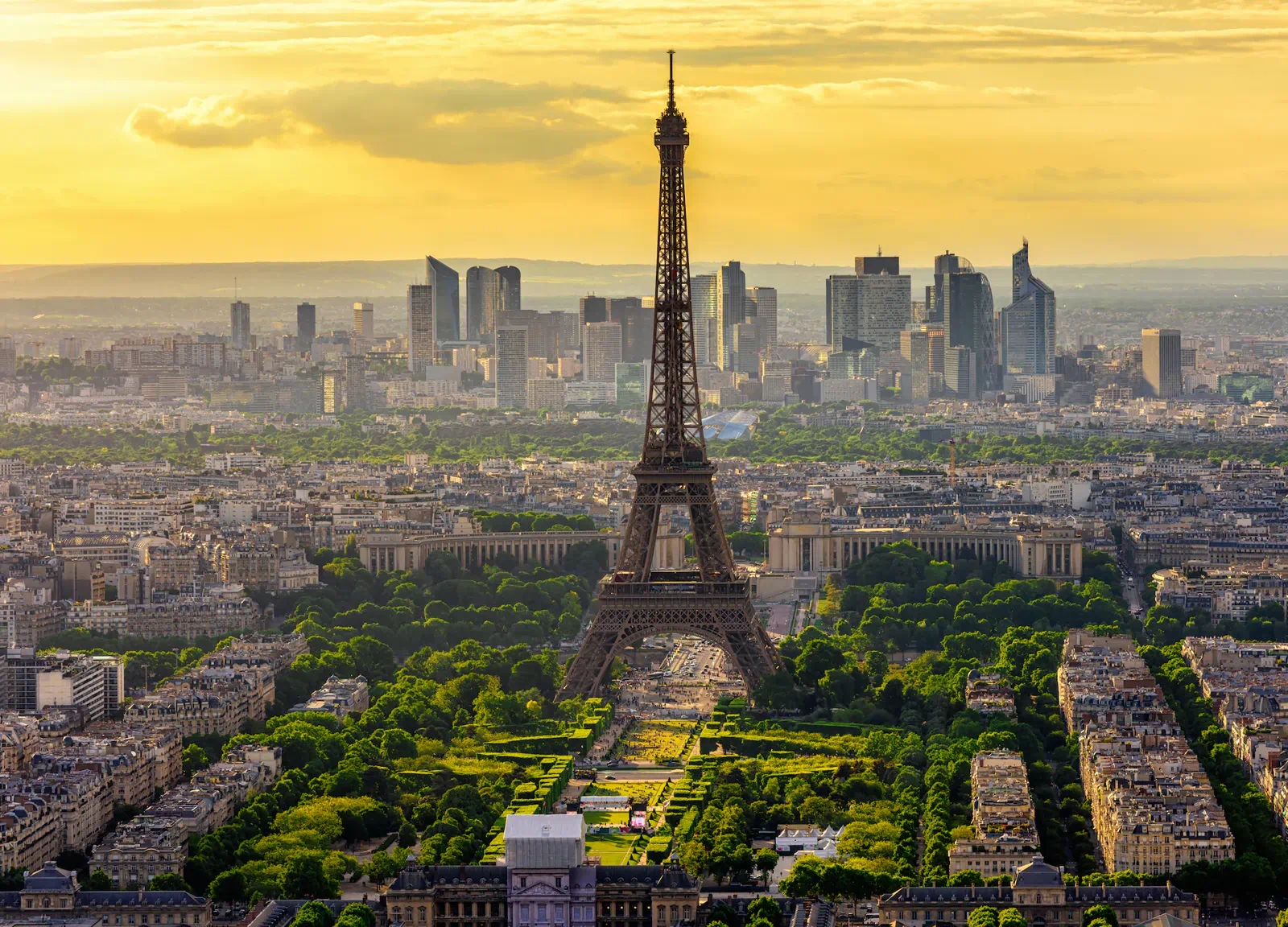
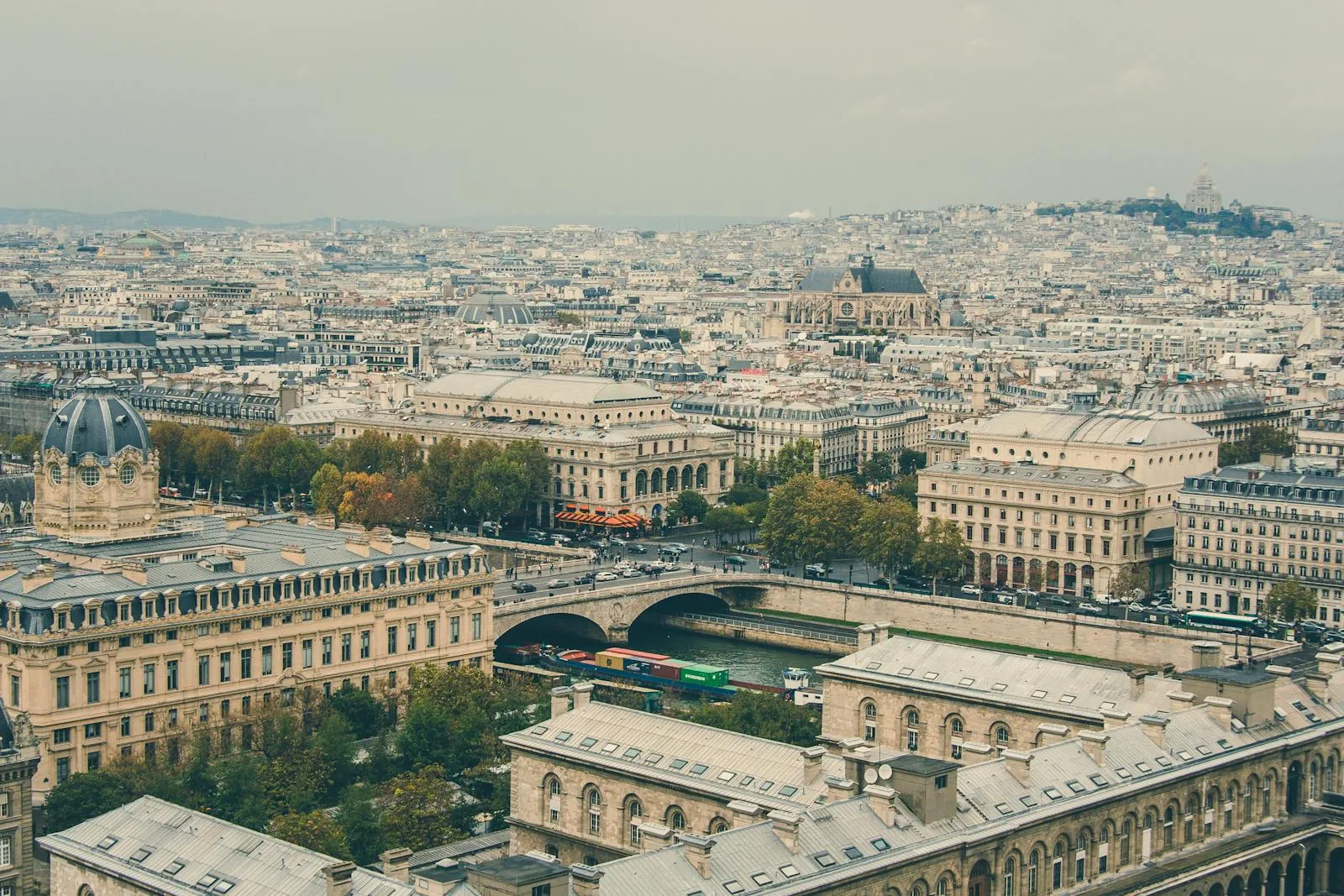
Panoramic view of Paris with the Eiffel Tower at sunset

France is the most visited country on Earth and somehow still manages to exceed expectations. Forty-nine UNESCO World Heritage Sites, over 180,000 km of marked hiking trails, 7,500 km of coastline spanning three different seas, and a culinary tradition so deeply embedded in the national identity that French gastronomy itself is UNESCO-listed. All of this spread across a country roughly the size of Texas.

Paris gets the headlines, but France is really a collection of countries wearing one flag. The lavender fields and limestone villages of Provence have almost nothing in common with the half-timbered houses and choucroute of Alsace. The wild surf beaches of the Atlantic coast feel like a different continent from the turquoise coves of Corsica. The Alpine peaks around Chamonix share nothing with the flat vineyards of Champagne except the same passport.

The food alone is worth the trip. This is not a country where you eat to refuel. Every region has its own cuisine, its own wines, its own cheeses, and its own fierce opinion about how things should be prepared. A simple lunch at a roadside bistro, a two-course formule for €14, can be one of the best meals of your trip. The wine starts at €3 a glass and rarely disappoints.

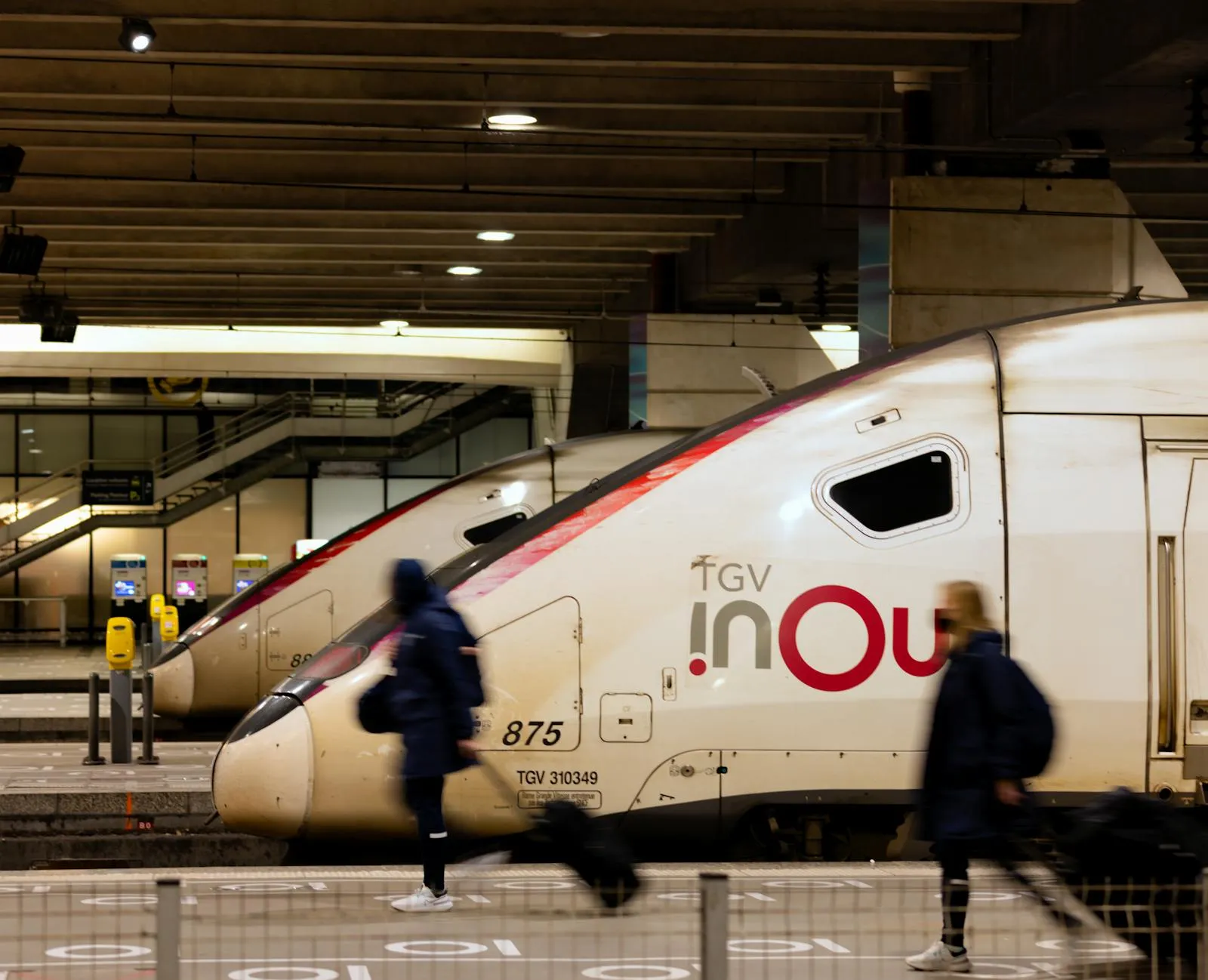
France invented the TGV, and it shows. The high-speed rail network connects Paris to Lyon in two hours, to Marseille in three, to Bordeaux in two. You can wake up in Paris, have lunch overlooking the Mediterranean, and be back for dinner. Regional trains fill the gaps. A car is only necessary if you want to explore the deep countryside, and even then the backroads are half the charm.

Budget travellers will find France more affordable than its reputation suggests, at least outside Paris. Regional cities like Lyon, Toulouse, Strasbourg, and Bordeaux offer world-class food, architecture, and culture at roughly half the Parisian price tag. Rural France, with its gîtes, marchés, and fermes auberges, is cheaper still.

Safety is excellent. Healthcare is world-class. Infrastructure works. The French reputation for rudeness is largely a Parisian myth, and even in Paris, a simple "Bonjour" before any interaction transforms the experience. Outside the capital, the warmth is immediate and genuine. France is not a difficult country to travel. It is, however, an endlessly rewarding one.
Best Time to Visit France

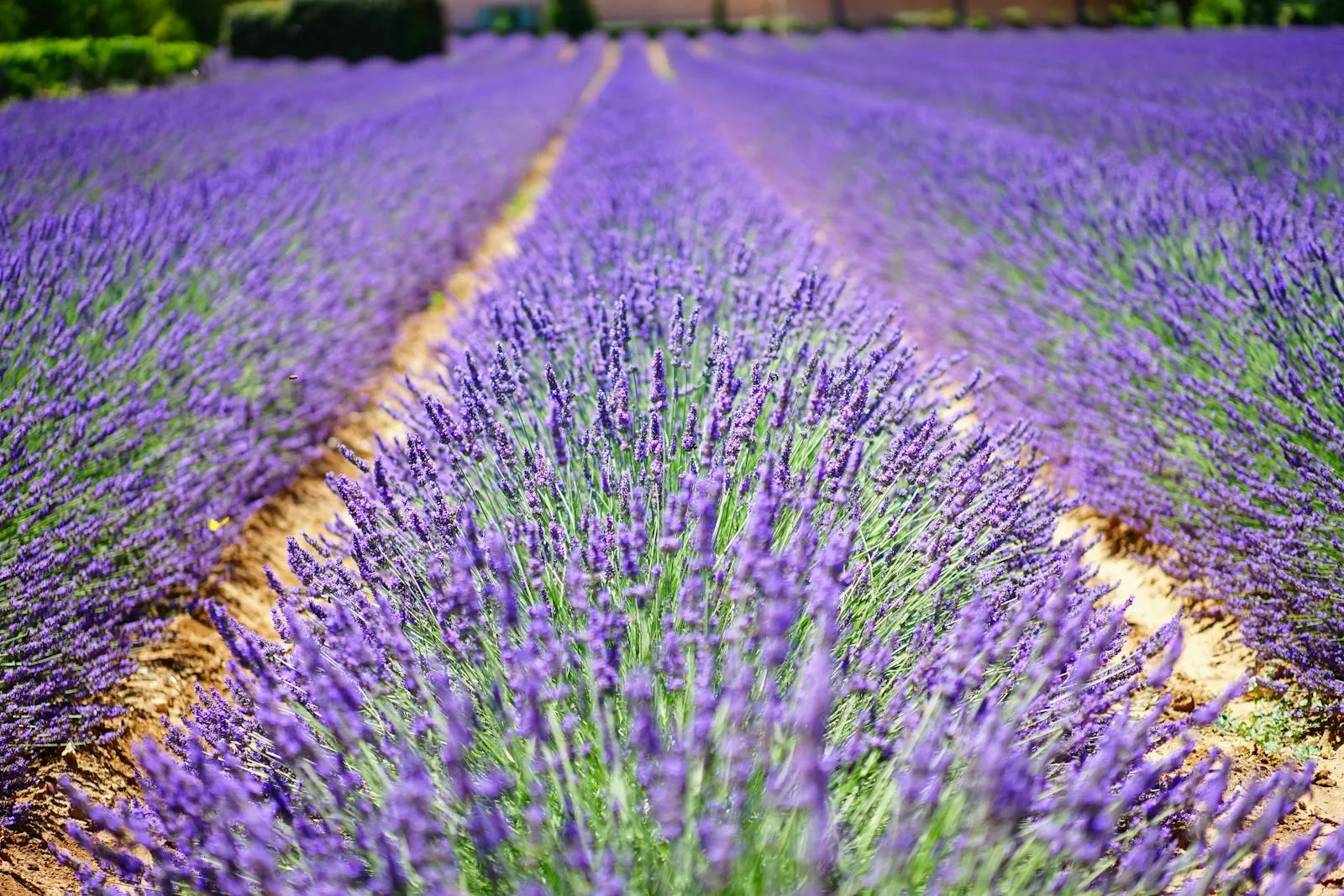
Lavender fields in Provence under summer sun

France works year-round, but the sweet spot for most travellers is May, June, or September. Warm enough for outdoor dining and beaches, cool enough for comfortable city exploring, and noticeably less crowded than the July-August crush when the entire country goes on vacation simultaneously.

The country spans multiple climate zones, so "best time" depends heavily on where you are going. The Mediterranean south bakes in summer. The Atlantic coast gets its best surf in autumn. The Alps have two distinct seasons. Paris is genuinely pleasant in spring and autumn but oppressively hot in August, when half its residents leave and half its good restaurants close.

MonthSeasonBest RegionsCrowdsPricesRating
JanuaryWinterAlps (ski) — Paris (museums)🟢 Low🟢 Low⭐⭐⭐
FebruaryWinterAlps (ski) — Côte d'Azur (Carnival)🟡 Moderate🟡 Moderate⭐⭐⭐
MarchEarly springParis — Provence — Loire🟢 Low🟢 Low⭐⭐⭐
AprilSpringAll France — cherry blossoms🟡 Moderate🟡 Moderate⭐⭐⭐⭐
MayLate springAll France — wildflowers🟡 Moderate🟡 Moderate⭐⭐⭐⭐⭐
JuneEarly summerAll regions — Fête de la Musique🟡 Rising🟡 Moderate⭐⭐⭐⭐⭐
JulySummer peakCoast — Alps — Brittany🔴 High🔴 Peak⭐⭐⭐⭐
AugustPeak vacationCoast only — avoid Paris🔴 Very High🔴 Peak⭐⭐⭐
SeptemberLate summerAll regions — grape harvest🟡 Moderate🟡 Moderate⭐⭐⭐⭐⭐
OctoberAutumnBurgundy — Loire — Alsace🟢 Low🟢 Low⭐⭐⭐⭐
NovemberLate autumnParis — Lyon — South🟢 Low🟢 Low⭐⭐⭐
DecemberWinterAlsace (markets) — Alps (ski)🟡 Moderate🟡 Moderate⭐⭐⭐
June is the overall best month. Long days, warm but not scorching temperatures, lavender beginning to bloom in Provence, and the country-wide Fête de la Musique on June 21 fills every public space with free live music. May is a close runner-up: slightly cooler, fewer tourists, and multiple public holidays giving everything a festive feel. September offers warm seas, the grape harvest across all wine regions, and autumn light that photographers chase.

Climate & Weather

France straddles three major climate zones, which is why packing for a two-week trip across the country feels like packing for three different holidays.

Atlantic/Oceanic (Northwest) covers Normandy, Brittany, the Loire, and up through Picardy. Mild year-round with frequent rain. Summers are pleasant but rarely hot (18–24°C). Winters are damp and grey (4–10°C). Brittany gets more rain than London. The upside: green landscapes, dramatic coastlines, and virtually no heatwaves.

Continental (East & Central) dominates Alsace, Burgundy, Champagne, and the interior. Cold winters with frost and occasional snow (0–5°C), warm summers (22–30°C). Spring and autumn are the most pleasant seasons. Lyon sits in this zone but with more Mediterranean influence, creating its own microclimate.

Mediterranean (South) rules Provence, the Côte d'Azur, Languedoc, and Corsica. Hot dry summers (28–35°C), mild winters (8–14°C), very little rain between June and September. The Mistral wind can drop temperatures sharply along the Rhône Valley even in summer. Corsica adds mountain weather on top of its Mediterranean base.

Mountain (Alps & Pyrenees) follows altitude more than latitude. Heavy snow from December through April at higher elevations. Summer in the valleys is warm (20–28°C) but nights are cool. Chamonix at 1,000m is 8–10°C cooler than Lyon in the valley below. The Pyrenees get more precipitation than the Alps but milder winters at equivalent altitudes.

Heatwaves are increasingly common. July and August temperatures above 40°C now hit Paris and southern France regularly. If you travel in high summer, plan for air conditioning (not universal in older hotels), carry water, and schedule outdoor sightseeing for mornings and late afternoons.

Seasons & Temperatures

France has four distinct seasons, each offering different rewards depending on the region.

Spring (March–May)

Cherry blossoms in Paris, wildflowers across the south, and vineyards turning green. March can still be cold and rainy, especially in the north. April brings longer days and milder temperatures. May is outstanding: warm, uncrowded, with multiple public holidays creating long weekends. Alpine roads begin reopening. The Mediterranean coast warms up without the summer crush.

Summer (June–August)

The south bakes. The coast is packed. The Alps are perfect for hiking. Paris empties of Parisians in August, leaving tourists with a strange, half-closed city. Provence hits its lavender peak in late June through mid-July. The Atlantic surf season peaks. Festivals everywhere. Budget accommodation gets scarce and expensive along the coast. The interior (Dordogne, Burgundy, Auvergne) offers a gentler summer with fewer crowds.

Autumn (September–November)

September is France's hidden gem month. Still warm in the south (25–28°C), wine harvest season across every region, autumn colours creeping through the Loire and Alsace. October is beautiful in Burgundy and the Dordogne. Mushroom season. Chestnut season in Corsica. November brings shorter days and lower temperatures, but Paris has a melancholic beauty and hotel prices drop significantly.

Winter (December–February)

Ski season in the Alps and Pyrenees. Alsace Christmas markets are among Europe's best (Strasbourg and Colmar draw massive crowds in December). Paris is cold (3–8°C) but atmospheric, with fewer tourists and no queues. The Côte d'Azur stays mild and sunny. Lyon hosts its famous Festival of Lights in early December. Rural France goes quiet, and many countryside restaurants and attractions close entirely.

SeasonParisNormandy/BrittanyAlsaceProvenceAlps (valleys)
Spring8–18°C7–15°C5–17°C10–22°C5–18°C
Summer15–27°C13–22°C14–26°C19–32°C12–26°C
Autumn8–20°C8–17°C5–18°C12–24°C4–16°C
Winter2–7°C3–9°C-1–5°C4–12°C-3–5°C

Map of France

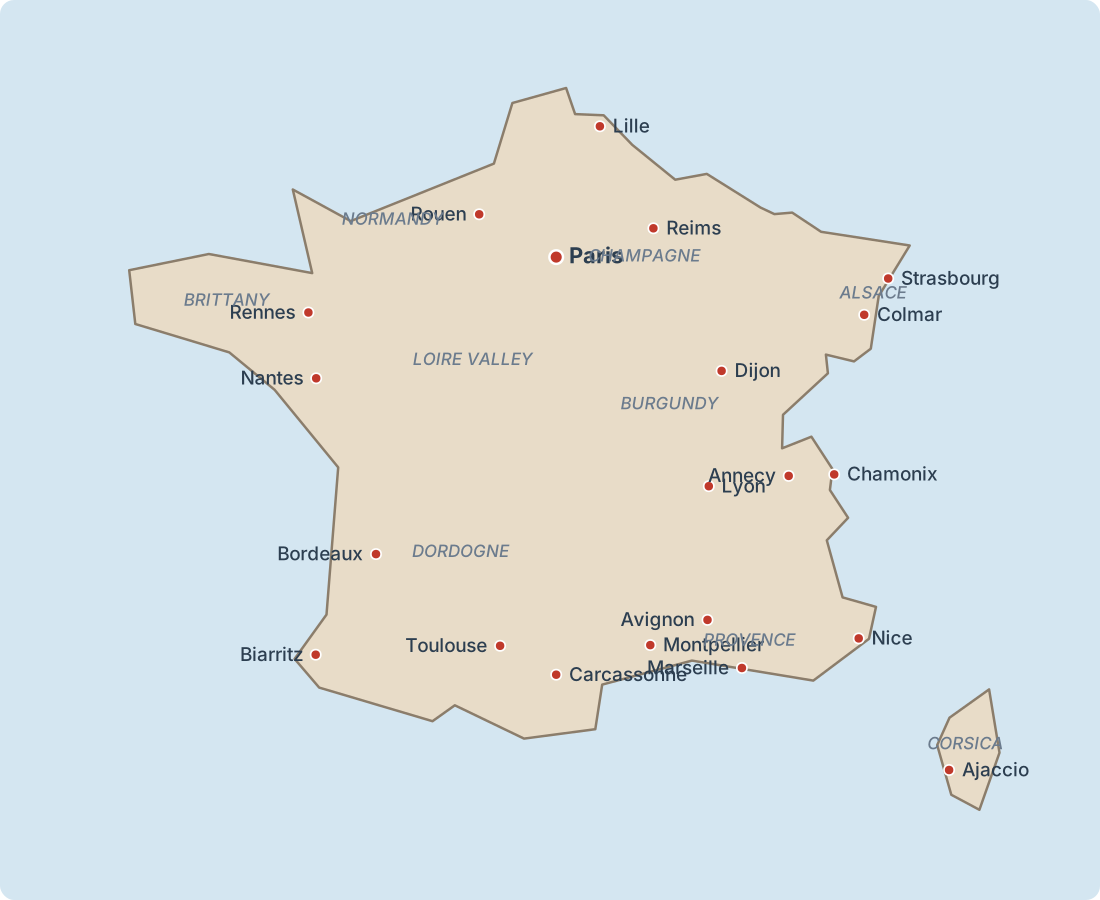
France is the largest country in Western Europe, roughly hexagonal in shape (the French call it "l'Hexagone"). It borders Belgium, Luxembourg, Germany, Switzerland, Italy, Spain, and Andorra, with coastline on the English Channel, the Atlantic Ocean, and the Mediterranean Sea. Corsica sits in the Mediterranean southeast of the mainland.

Map of France showing main cities, regions and transport connections
Key distances: Paris to Lyon 465 km (2h by TGV). Paris to Marseille 775 km (3h15 by TGV). Paris to Bordeaux 585 km (2h by TGV). Paris to Strasbourg 490 km (1h45 by TGV). Paris to Nice 935 km (5h30 by TGV). Lyon to Marseille 315 km (1h40 by TGV). Bordeaux to Toulouse 245 km (2h by train). Nice to Corsica (Bastia) 180 km (4–6h by ferry).

Holidays & Festivals

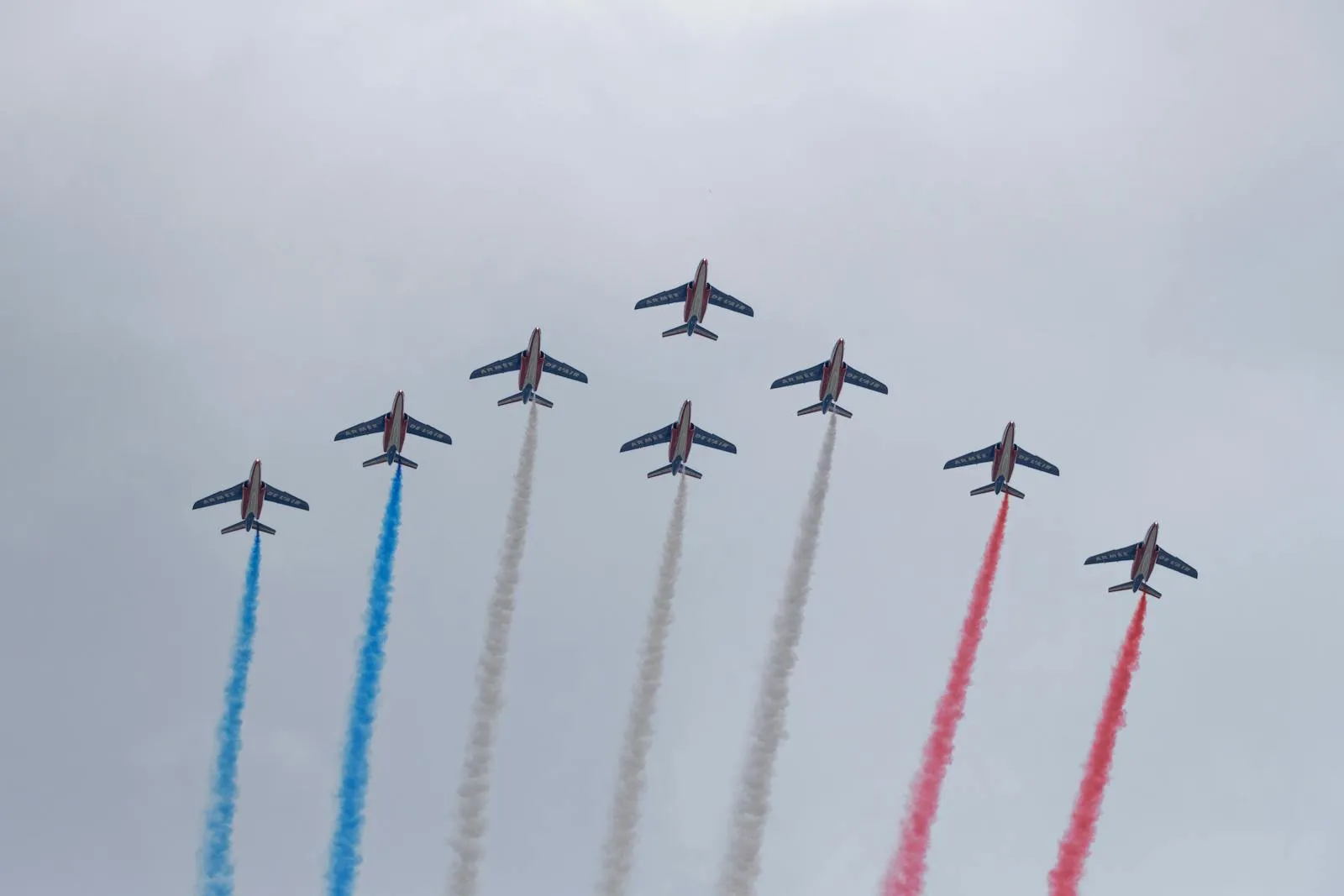
Bastille Day fireworks over Paris

France takes its holidays seriously. National public holidays close banks, government offices, and most shops. If a holiday falls on a Tuesday or Thursday, the French often "faire le pont" (make the bridge) by taking the Monday or Friday off as well. Plan around these dates or join the festivities.

DateHoliday / FestivalImpact on Travel
1 JanuaryNew Year's DayEverything closed
FebruaryNice CarnivalTwo weeks of parades and flower battles on the Promenade des Anglais
March/AprilEaster MondayMoveable; shops closed
1 MayLabour DayAlmost everything closes; lily of the valley sold on streets
8 MayVictory in Europe DayWWII commemoration; most shops closed
MayCannes Film FestivalRed carpet screenings; city buzzes even without accreditation
May/JuneAscension ThursdayMoveable; common bridge weekend
May/JuneWhit MondayMoveable; shops may open partially
21 JuneFête de la MusiqueFree live music on every street corner; one of Europe's best free festivals
14 JulyBastille DayNational day; military parade in Paris, fireworks nationwide
JulyTour de FranceThree-week cycling race; road closures along the route, final stage on the Champs-Élysées
JulyFestival d'AvignonTheatre festival in and around the Palais des Papes; accommodation books out
15 AugustAssumption of MaryPeak summer; many on vacation already
1 NovemberAll Saints' DayFamilies visit cemeteries; start of Toussaint school break
11 NovemberArmistice DayWWI commemoration
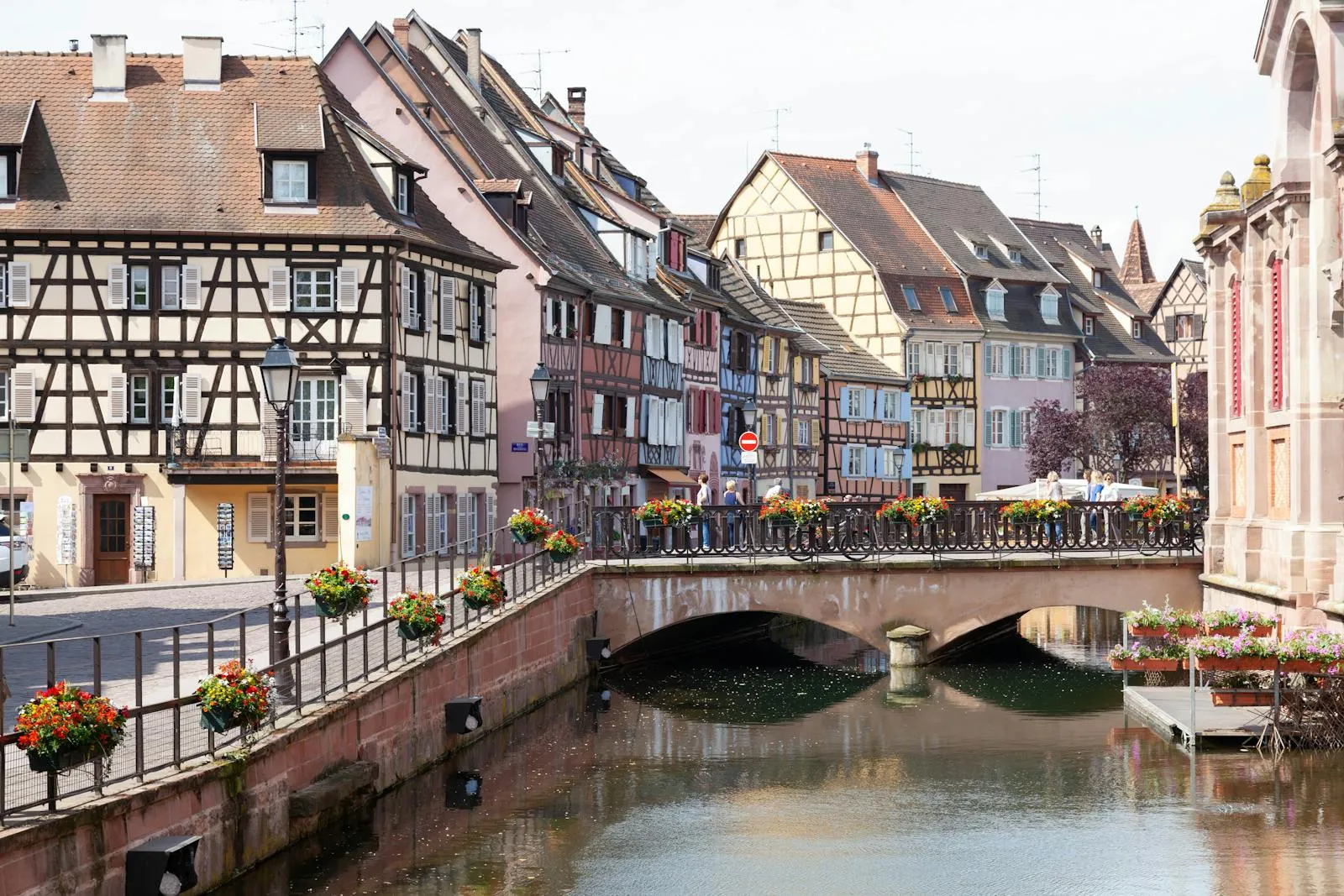
Late Nov–DecAlsace Christmas MarketsAmong Europe's oldest; Strasbourg's dates to 1570; accommodation scarce
8 DecemberFête des Lumières, LyonFour-night light festival illuminating buildings across the city
25 DecemberChristmas DayEverything closed; Réveillon (Christmas Eve dinner) is the main event
August is France's vacation month. The entire country shifts into holiday mode. Coastal towns overflow, but Paris, Lyon, and other cities empty out. Many independent restaurants and small shops close for two to four weeks. If you are visiting a specific restaurant or attraction outside tourist areas, check opening dates in advance.

Regions of France

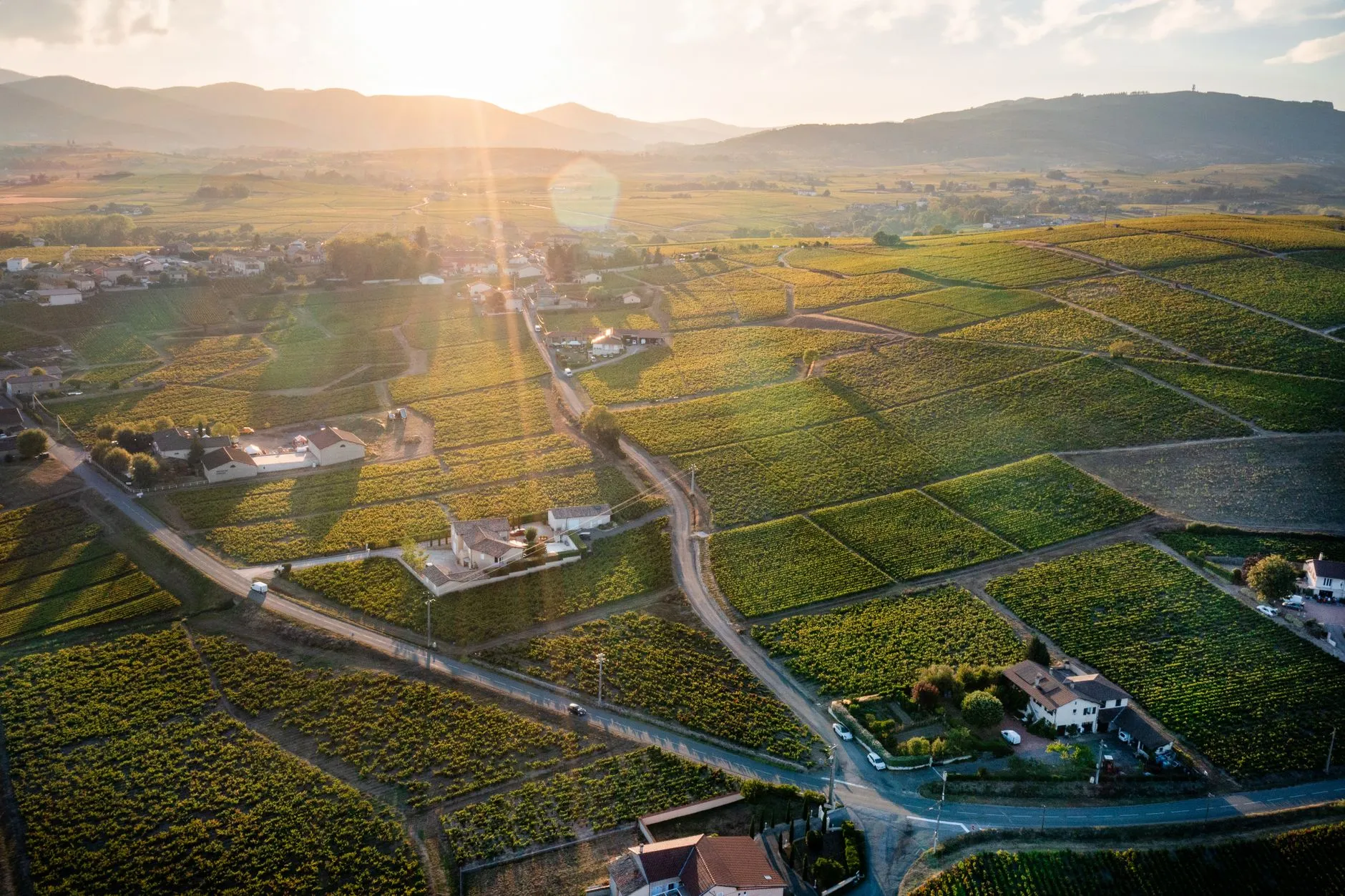
Panoramic aerial view across the diverse French countryside

France offers diverse landscapes and experiences across its regions.

Paris & le-de-France landscape

Paris & Île-de-France

Paris needs no introduction, but it does need realistic expectations. The city is overwhelming, occasionally frustrating, and fundamentally impossible to "do" in three days. The smartest approach is to pick a few arrondissements, walk them properly, eat well, and accept that you will be back.

Normandy & Brittany landscape

Normandy & Brittany

France's northwest coast combines dramatic cliffs, D-Day beaches, Celtic culture, and some of the best seafood in Europe. Normandy is green, pastoral, and steeped in WWII history. Brittany is wilder, more independent-minded, and has a coastline that rivals anything in the Mediterranean for beauty, if not for temperature.

Loire, Champagne & Burgundy landscape

Loire, Champagne & Burgundy

The heartland of France: châteaux that define Renaissance architecture, vineyards that produce some of the world's most celebrated wines, and gentle countryside that feels untouched by the rush of modern tourism. All three regions are easily reached from Paris and work brilliantly as short road trips or train-based excursions.

Alsace, Lyon & the Alps landscape

Alsace, Lyon & the Alps

Eastern France is where French and Germanic cultures blend, where the country's gastronomic capital sits, and where the highest peaks in Western Europe provide year-round adventure. This corridor from Strasbourg through Lyon to Chamonix contains some of France's most rewarding destinations.

Bordeaux & the Southwest landscape

Bordeaux & the Southwest

Southwest France is where the Atlantic coast meets wine country, cave paintings, duck confit, and the Pyrenees. Less touristed than Provence, more affordable than Paris, and home to a food culture that rivals Lyon for quality and exceeds it for generosity. The Basque Country adds a completely different cultural layer near the Spanish border.

Provence, Cte d'Azur & Corsica landscape

Provence, Côte d'Azur & Corsica

The south of France is where the light changes, the pace slows, and the landscape shifts to limestone, lavender, and Mediterranean blue. Provence delivers the postcard version of France that most people picture. The Côte d'Azur adds glamour and coastline.

Top Sightseeing

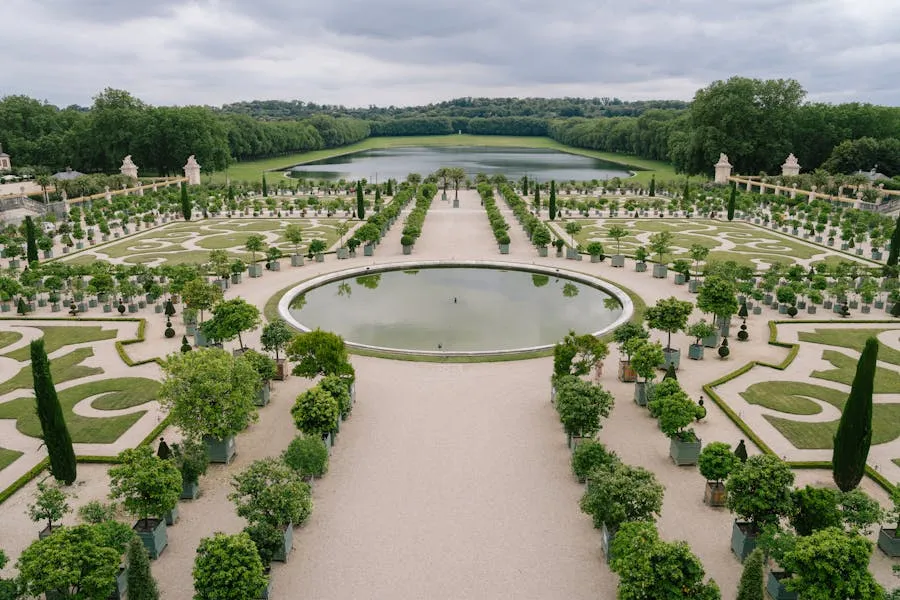
Palace of Versailles gardens with fountains and formal hedges

France has more UNESCO World Heritage Sites than almost any country on Earth, and even the unlisted stuff would be a headline attraction anywhere else. From Roman aqueducts to Gothic cathedrals to Impressionist collections to Alpine peaks, the range is staggering. These are the sights that consistently draw the strongest reactions.

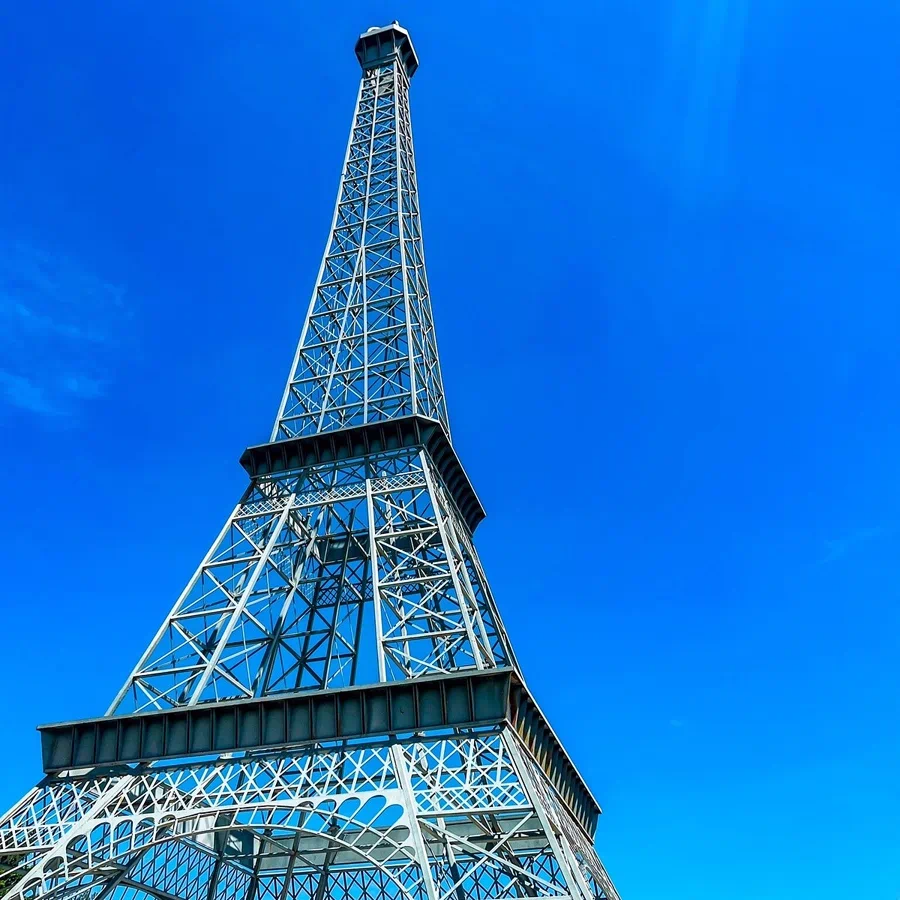
  • Eiffel Tower & Paris: The city of light — Notre-Dame, the Louvre, Musée d’Orsay, and neighbourhoods that reward aimless walking
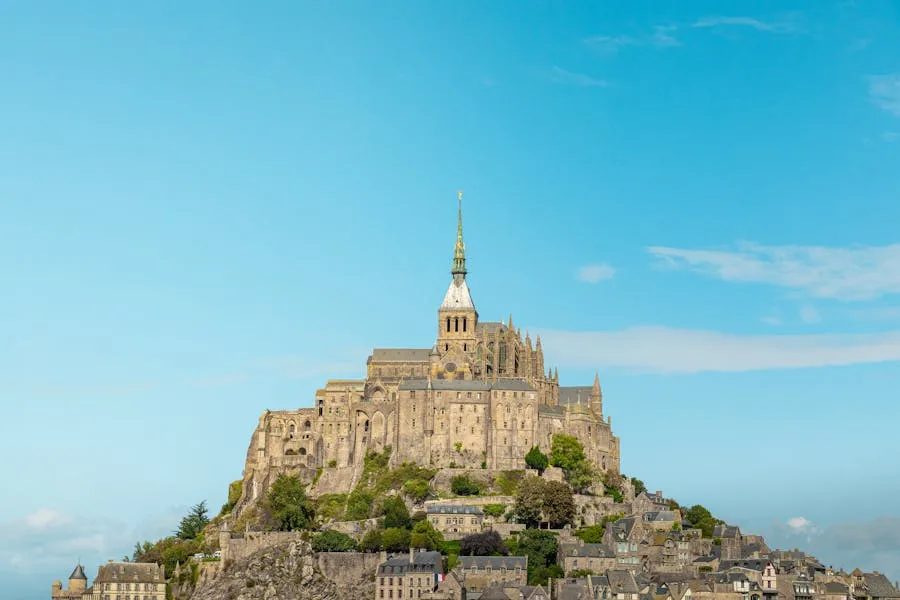
  • Mont Saint-Michel: A tidal island monastery that actually looks like the photos — arrive at dawn for the real magic when the day-trippers leave
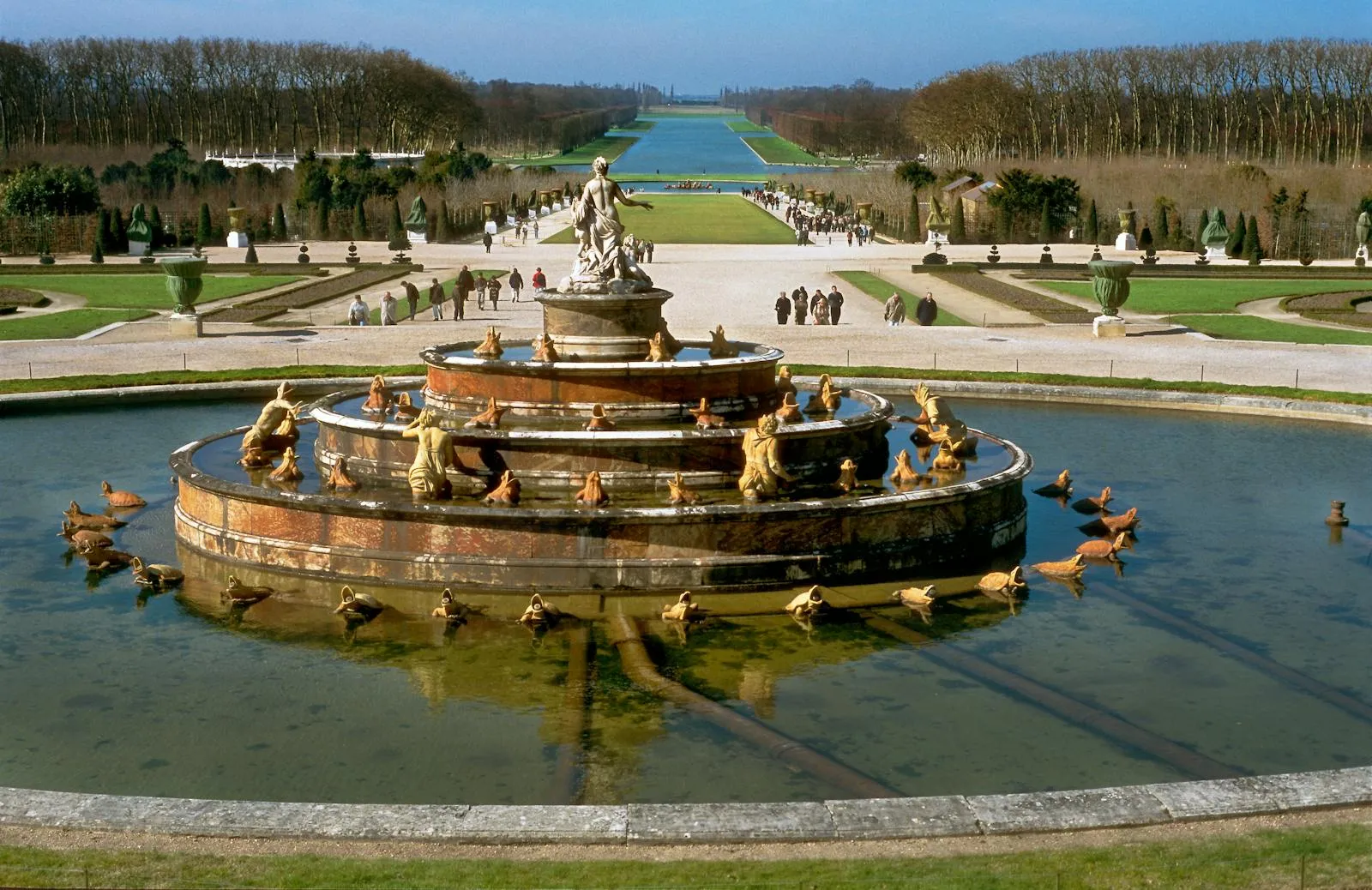
  • Palace of Versailles: Louis XIV’s monument to excess — the Hall of Mirrors, Marie-Antoinette’s hamlet, and Le Nôtre’s gardens
  • Pont du Gard: Roman aqueduct in Provence — three tiers of arches, 2,000 years old, still standing over a swimmable river
  • Mont Blanc & the Alps: Western Europe’s highest peak (4,808 m) — cable car to 3,842 m for views that make you forget to breathe
Eiffel Tower at night

Eiffel Tower, Paris

Still delivers, despite every cliché. Take the stairs to the second level for the best experience. At night, the hourly sparkle show is best watched from the Trocadéro across the river. Book timed entry or queue for stairs (shorter line).

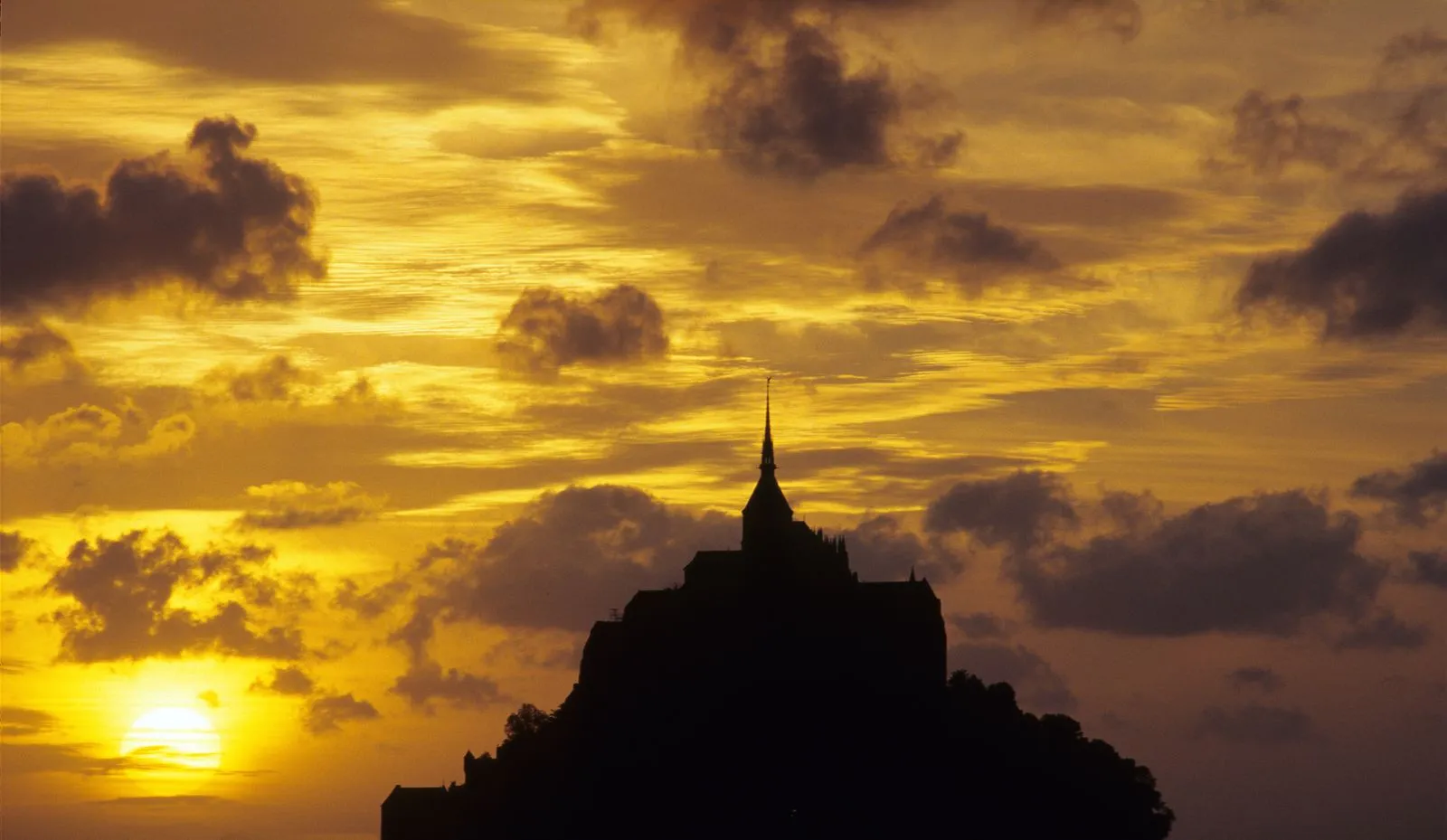
Mont Saint-Michel tidal island

Mont Saint-Michel

A tidal island topped by a medieval Benedictine monastery, rising from the flat Normandy coast like a vision. One of those rare places that actually looks like the photos. Arrive at dawn or, better, stay overnight in one of the island’s few hotels for the real magic — when the day-trippers leave and the island returns to silence, with the monastery lit against the sky. The causeway is walkable; parking is on the mainland.

Palace of Versailles gardens

Palace of Versailles

Louis XIV’s monument to excess, where 2,300 rooms, 67 staircases, and 1,400 fountains sprawl across a former hunting lodge. The Hall of Mirrors, Marie-Antoinette’s hamlet, and the geometrically perfect gardens designed by Le Nôtre are the highlights. Visit Tuesday through Thursday for smaller crowds. The gardens alone need half a day, especially during the summer fountain shows. €21 palace entry; gardens free except on show days.

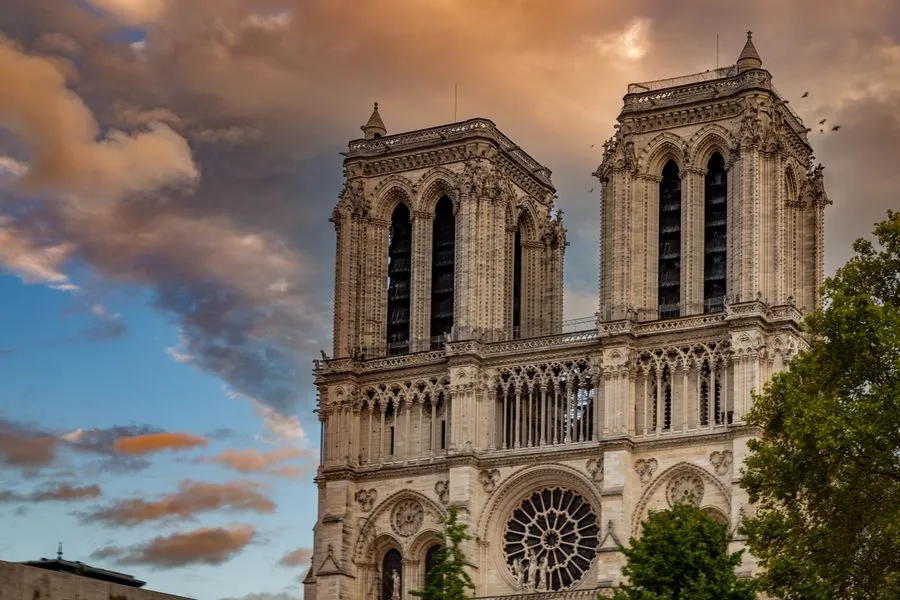
Notre-Dame de Paris

Notre-Dame de Paris

Reopened in December 2024 after the devastating 2019 fire and five years of painstaking restoration. The rebuilt oak-and-lead spire, cleaned stonework revealing original medieval colours, and new interior lighting designed to highlight the rose windows have made it more beautiful than before. Worth revisiting even if you have been. Free entry. The surrounding Île de la Cité is the historic heart of Paris.

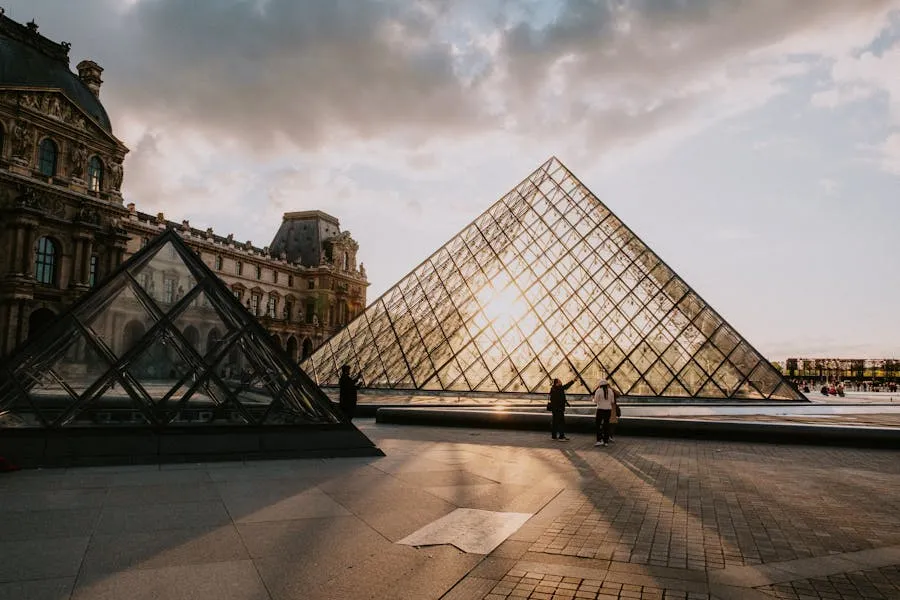
Louvre Museum pyramid

Louvre, Paris

The world’s largest art museum, with 35,000 works on display across a former royal palace. The Mona Lisa is small and perpetually crowded; the Winged Victory of Samothrace on the grand staircase and the Egyptian antiquities collection are better experiences. Go Friday evening for smaller crowds and a more atmospheric visit. €17; free first Saturday evening of each month. Allow 3–4 hours minimum and accept you will only see a fraction.

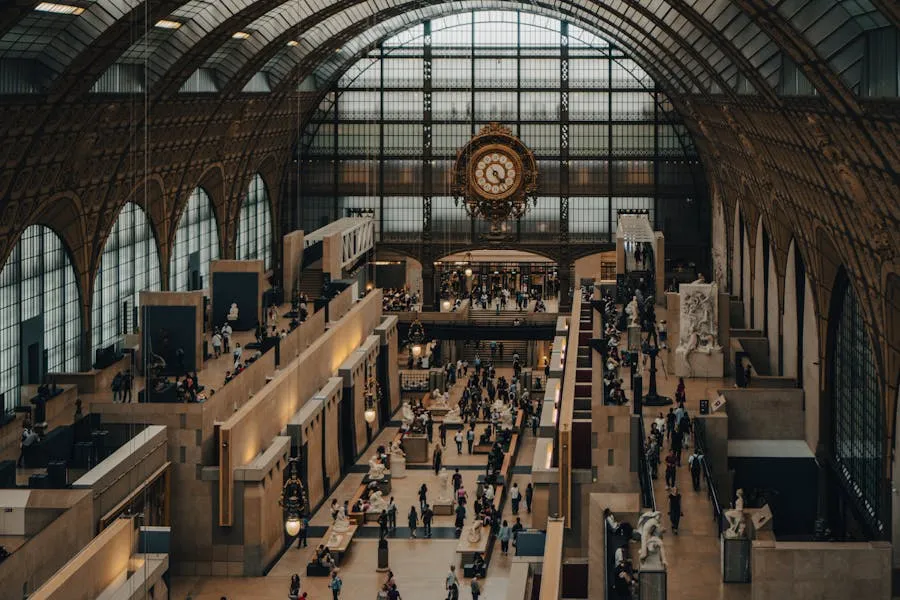
Musée d’Orsay interior

Musée d’Orsay, Paris

Impressionism’s greatest hits housed in a converted Beaux-Arts train station on the Left Bank. Monet’s water lilies, Renoir’s dancing couples, Degas’s ballerinas, Cézanne’s still lifes, Van Gogh’s self-portraits. The building itself, with its soaring glass-and-iron nave, is magnificent. Thursday evening openings until 9:45pm are less crowded and magical in the soft light. €16; combined tickets with the Orangerie available.

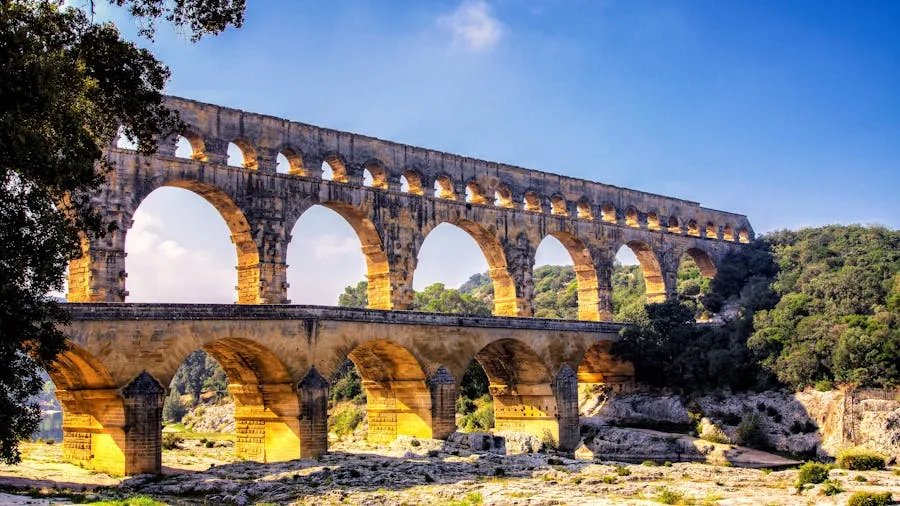
Pont du Gard Roman aqueduct

Pont du Gard

A Roman aqueduct spanning the Gardon River gorge in Provence, built around 19 BC to carry water 50 km to the city of Nîmes. Three tiers of arches, nearly 50 metres tall, still standing after 2,000 years without mortar. Swim in the river below it in summer and walk across the top tier for vertigo-inducing views down. The on-site museum explains the engineering. €9.50 entry; free to view from the riverbank.

D-Day beaches Normandy

D-Day Beaches, Normandy

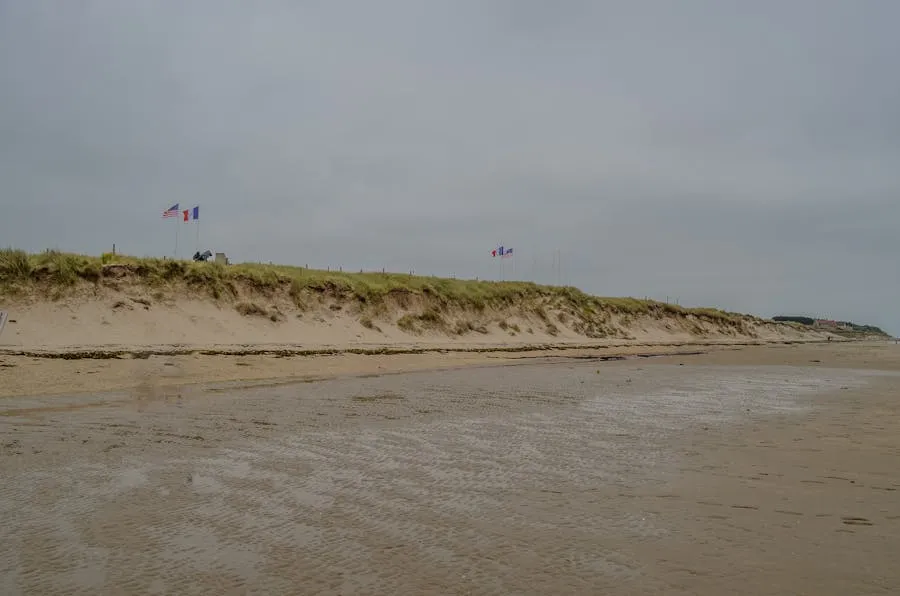
Omaha Beach, the cliff-top craters at Pointe du Hoc, the American Cemetery with its 9,387 white crosses overlooking the sea, and the artificial harbour remains at Arromanches. Hire a local guide or at minimum read the history before going. The landscape is peaceful now, with green fields running to quiet beaches, which makes the contrast with June 1944 more powerful than any museum. Allow a full day. Free entry to most sites.

Carcassonne medieval citadel

Carcassonne

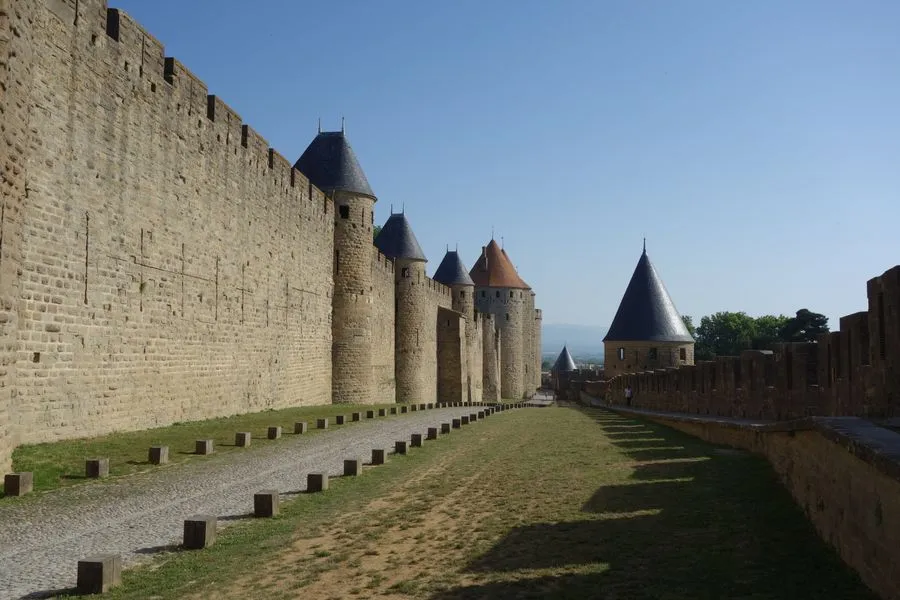
A restored double-walled medieval citadel with 52 towers and a 3-kilometre walk around the ramparts. Yes, it is heavily touristed by day, with souvenir shops lining the main streets. Visit at night when the walls are dramatically lit, the day-trippers have gone, and the restaurants in the old town serve cassoulet by candlelight. The surrounding Cathar castle ruins at Queríbus and Peyrepertuse are far emptier and equally dramatic.

Mont Blanc Alps

Mont Blanc & the Alps

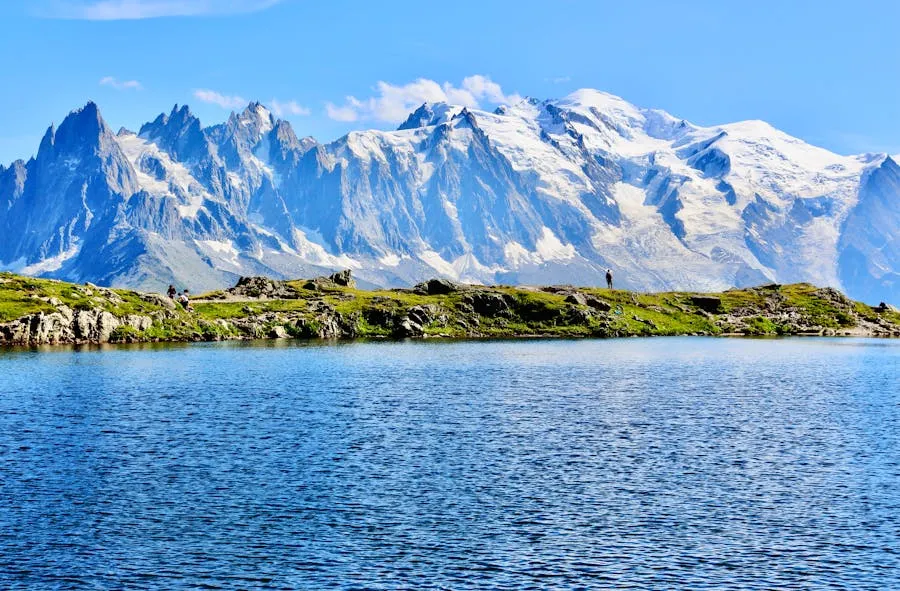
Western Europe’s highest peak at 4,808 metres, towering above Chamonix in the French Alps. The Aiguille du Midi cable car reaches 3,842 metres in 20 minutes for staggering views across four countries. The Step into the Void glass box extends over a 1,000-metre drop. Chamonix offers world-class skiing in winter and hiking in summer, including the famous Tour du Mont Blanc multi-day circuit. Cable car €71 return.

Château de Chambord in the Loire Valley

Château de Chambord

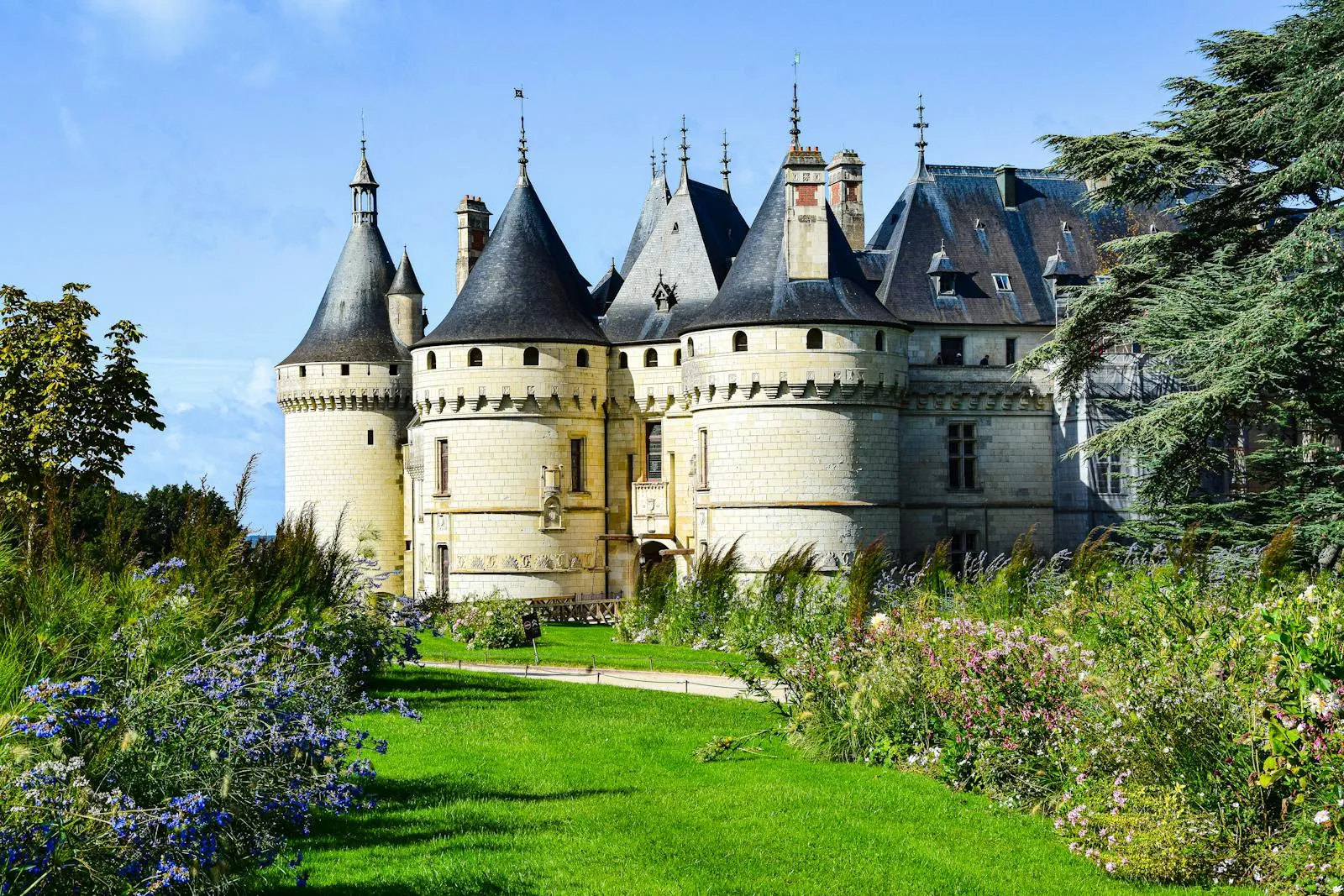
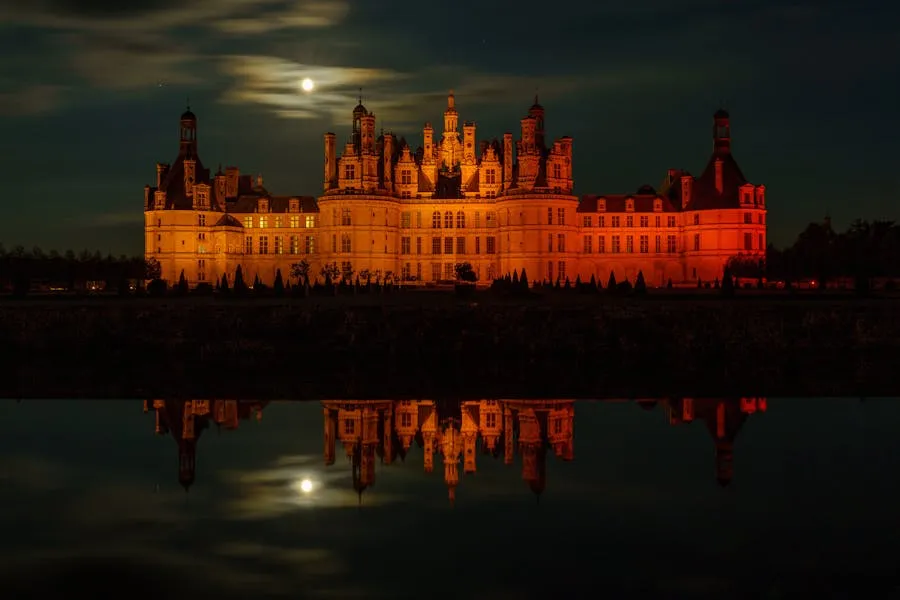
The largest and most theatrical château in the Loire Valley, built as a hunting lodge for François I in 1519. The double-helix staircase, possibly designed by Leonardo da Vinci, lets two people ascend and descend without meeting. 440 rooms, 84 staircases, and a rooftop terrace with a forest of turrets and chimneys that looks like a small city. Set in a 5,440-hectare walled estate (the largest enclosed park in Europe). €16 entry. Go early morning or late afternoon to avoid tour groups.

Gorges du Verdon turquoise river canyon

Gorges du Verdon

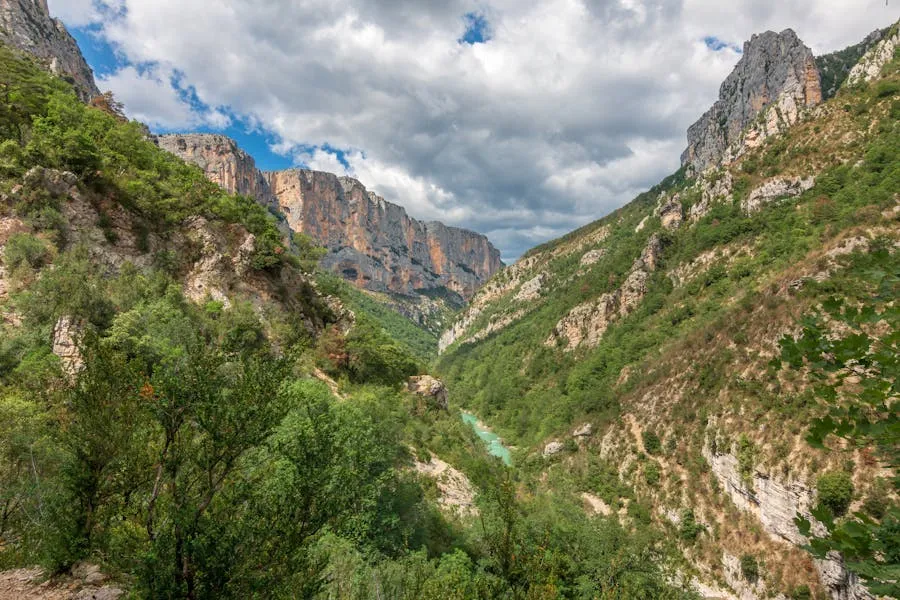
Europe's answer to the Grand Canyon: a 25-km limestone gorge with 700-metre vertical walls and turquoise water at the bottom. The Route des Crêtes on the north rim offers terrifying viewpoints over the edge. The Sentier Martel trail descends to the canyon floor with tunnels and ladders. Kayaking and paddleboarding on Lac de Sainte-Croix at the gorge mouth are accessible to everyone. Best visited with a car. Free access; parking at viewpoints €5–8.

Culture & Cuisine

Traditional French market stall with cheese wheels and charcuterie

France does not separate culture from daily life. The way you greet a shopkeeper, the order of a meal, the insistence on quality ingredients at a market stall, all of it is cultural expression. Understanding a few basics transforms the experience from tourist frustration to genuine connection.

Cultural Essentials

  • Bonjour is not optional. Always greet with "Bonjour" (or "Bonsoir" after 6pm) when entering any shop, restaurant, or interaction. "Au revoir" when leaving. This is not politeness; it is a social requirement. Skipping it is considered genuinely rude
  • La bise. The traditional cheek-kiss greeting has become less universal since 2020. Among friends and family it persists, but a warm smile and handshake is now perfectly standard for new acquaintances. The number of kisses varies by region (1 to 4)
  • Dress code. The French lean toward understated, put-together style. You will not be refused entry anywhere for wearing shorts and trainers, but you will get better service in restaurants and shops if you make a basic effort. No need to overdo it
  • Volume. Speaking quietly in public is expected. Loud conversations in restaurants, on trains, or in museums mark you as a tourist faster than anything else
  • Quart d'heure de politesse. If invited to someone's home for dinner, arrive 10–15 minutes after the stated time. Arriving on time or early is considered impolite. Bring wine or flowers, never chrysanthemums (associated with funerals)
  • Bread rules. Break baguette by hand, never cut it with a knife. Place bread directly on the tablecloth next to your plate, not on the plate itself. Bread accompanies the cheese course, not the main course (though nobody will stop you)

Food & Cuisine

French cuisine is UNESCO-listed and regionally diverse enough to spend months exploring. Every region has its own specialities, its own cheeses, its own wines, and its own fierce opinions about how everything should be prepared.

  • The formule/menu du jour. The single best value in French dining. A two or three-course lunch at a bistro or brasserie for €12–18. Available nearly everywhere at lunchtime. Dinner is a la carte and significantly more expensive
  • Meal timing. Lunch is 12:00–14:00. Dinner service begins around 19:30. Arriving at 18:00 will find most kitchens closed. Many restaurants do not serve between lunch and dinner (14:00–19:00)
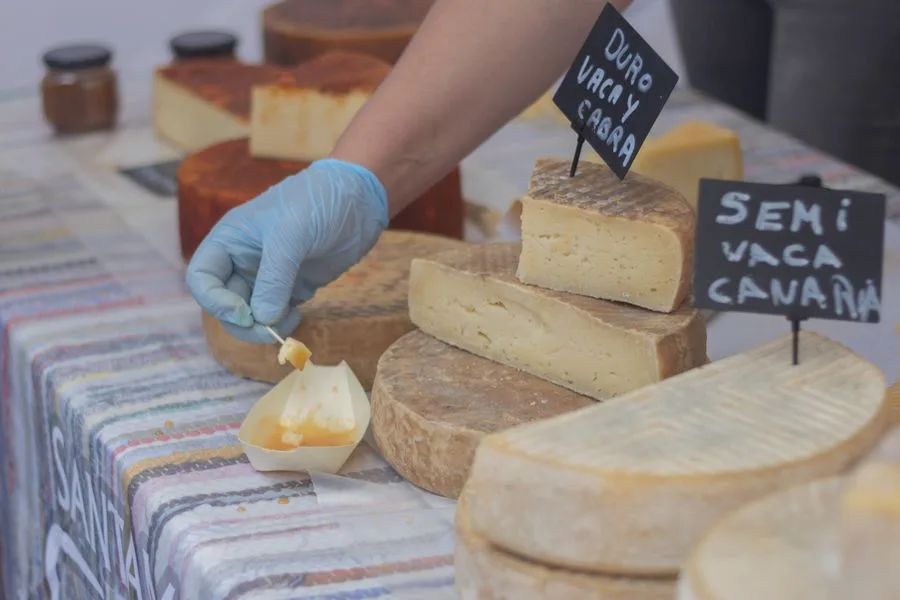
  • Cheese. France produces over 400 named cheeses. Every region claims its own. Brie and Camembert (Normandy), Roquefort (Aveyron), Comté (Jura), Reblochon (Savoie), Chèvre (Loire). Order a cheese plate at the end of the meal, after the main course and before dessert
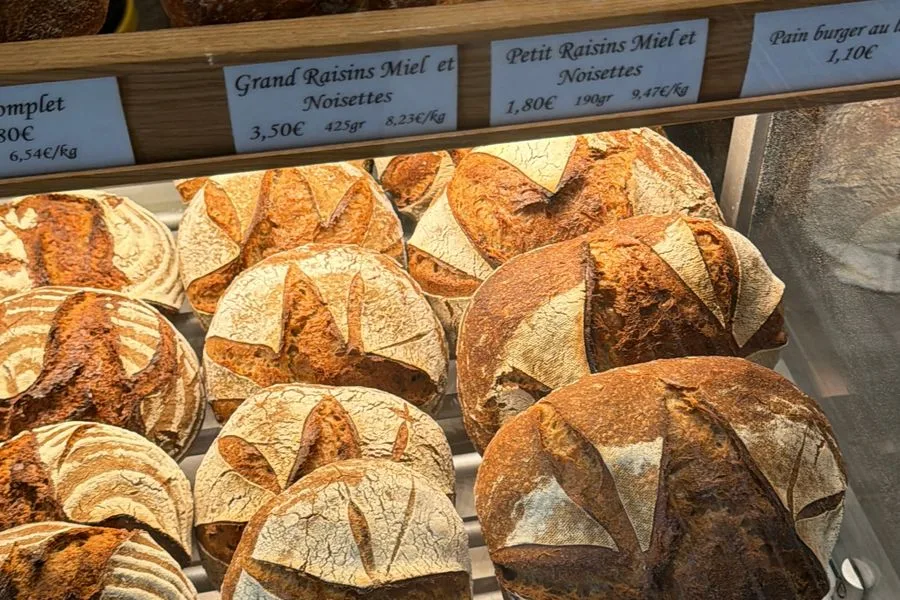
  • Boulangeries & pâtisseries. Morning croissants, baguettes, and pain au chocolat from a good boulangerie are non-negotiable. Look for the "Artisan Boulanger" sign, which guarantees bread made on premises from scratch. Chain bakeries are inferior
  • Regional specialities. Cassoulet (Toulouse), bouillabaisse (Marseille), raclette and fondue (Alps), choucroute (Alsace), galettes (Brittany), confit de canard (Southwest), socca (Nice), aligot (Auvergne). Each region takes its signature dishes seriously
  • Wine. House wine (vin de la maison) at restaurants is usually good and starts at €3–5 per glass. France's major wine regions (Bordeaux, Burgundy, Champagne, Rhône, Loire, Alsace, Languedoc) each produce distinctive styles. When in doubt, ask the server
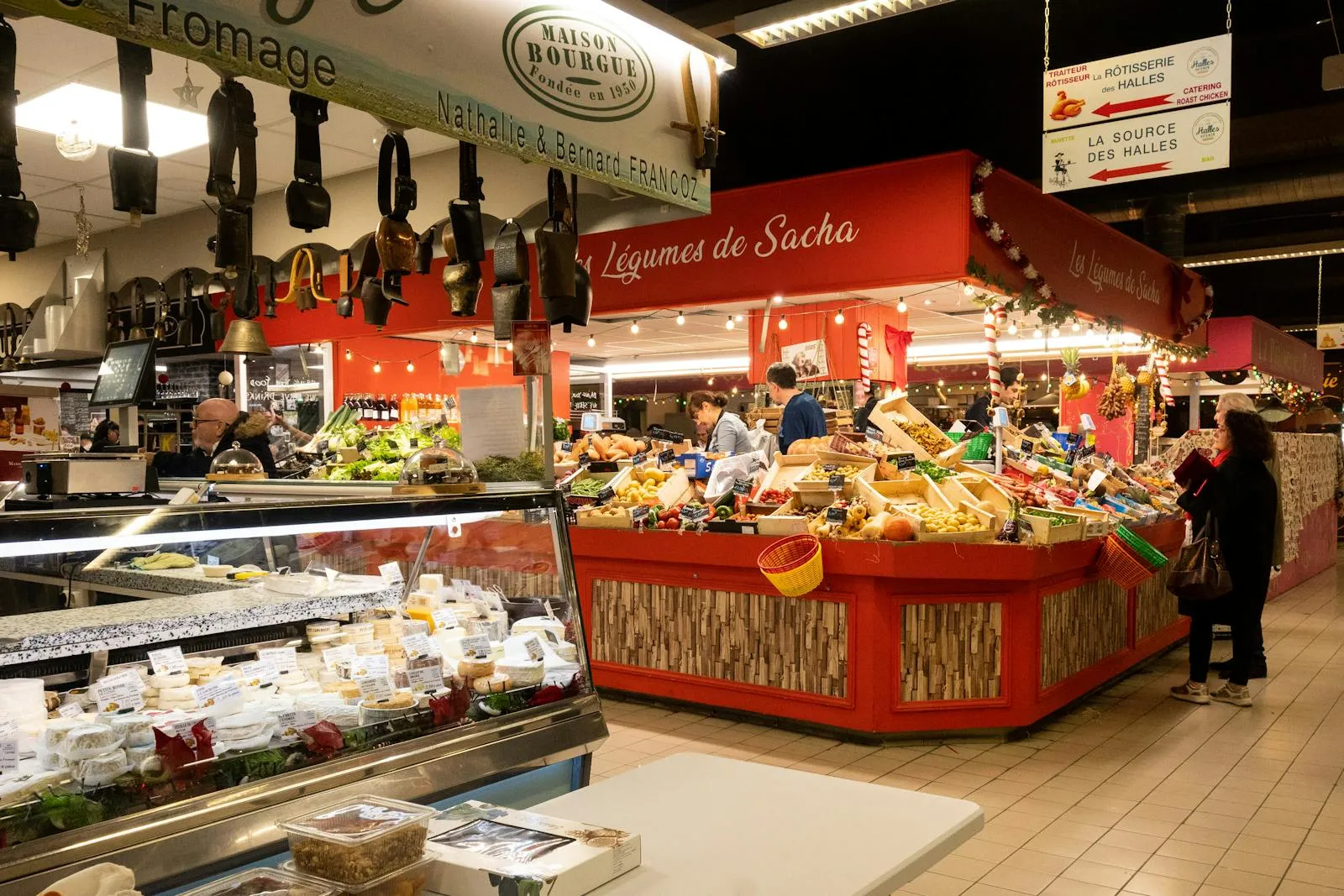
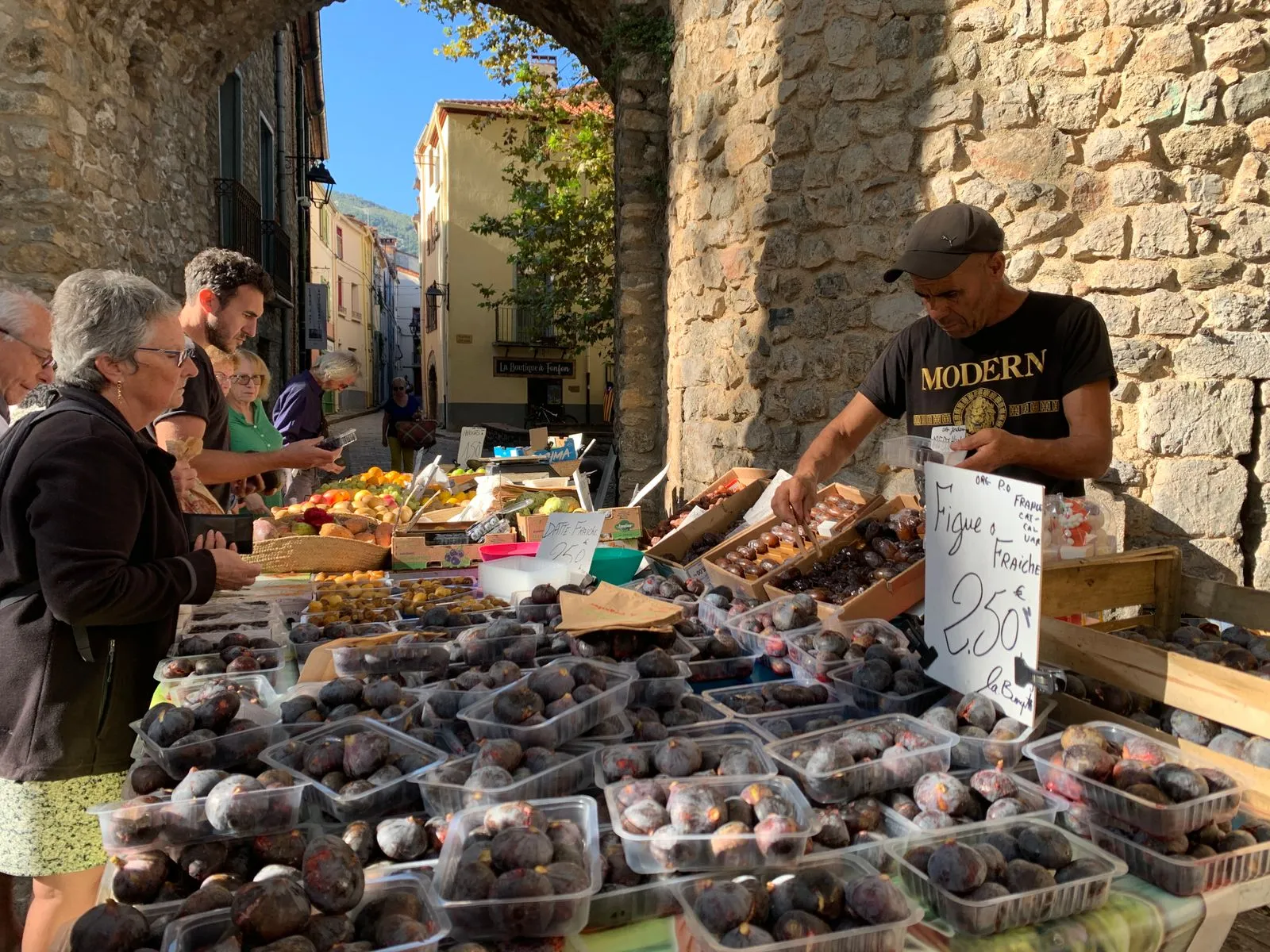
  • Markets. Nearly every town has a weekly or bi-weekly outdoor market. Saturday morning is most common. These are the best places to buy cheese, charcuterie, bread, fruit, and prepared foods. Go early for the best selection
  • Tipping. Service is included by law (service compris) on all restaurant bills. Tipping is never obligatory. Leaving a few coins (€1–2) or rounding up for good service is a nice gesture but not expected. Taxi drivers: round up to the nearest euro
  • Water. Tap water is perfectly safe. Ask for "une carafe d'eau" to get free tap water at restaurants. Ordering bottled water (eau minérale) is fine but unnecessary

Activities & Hikes

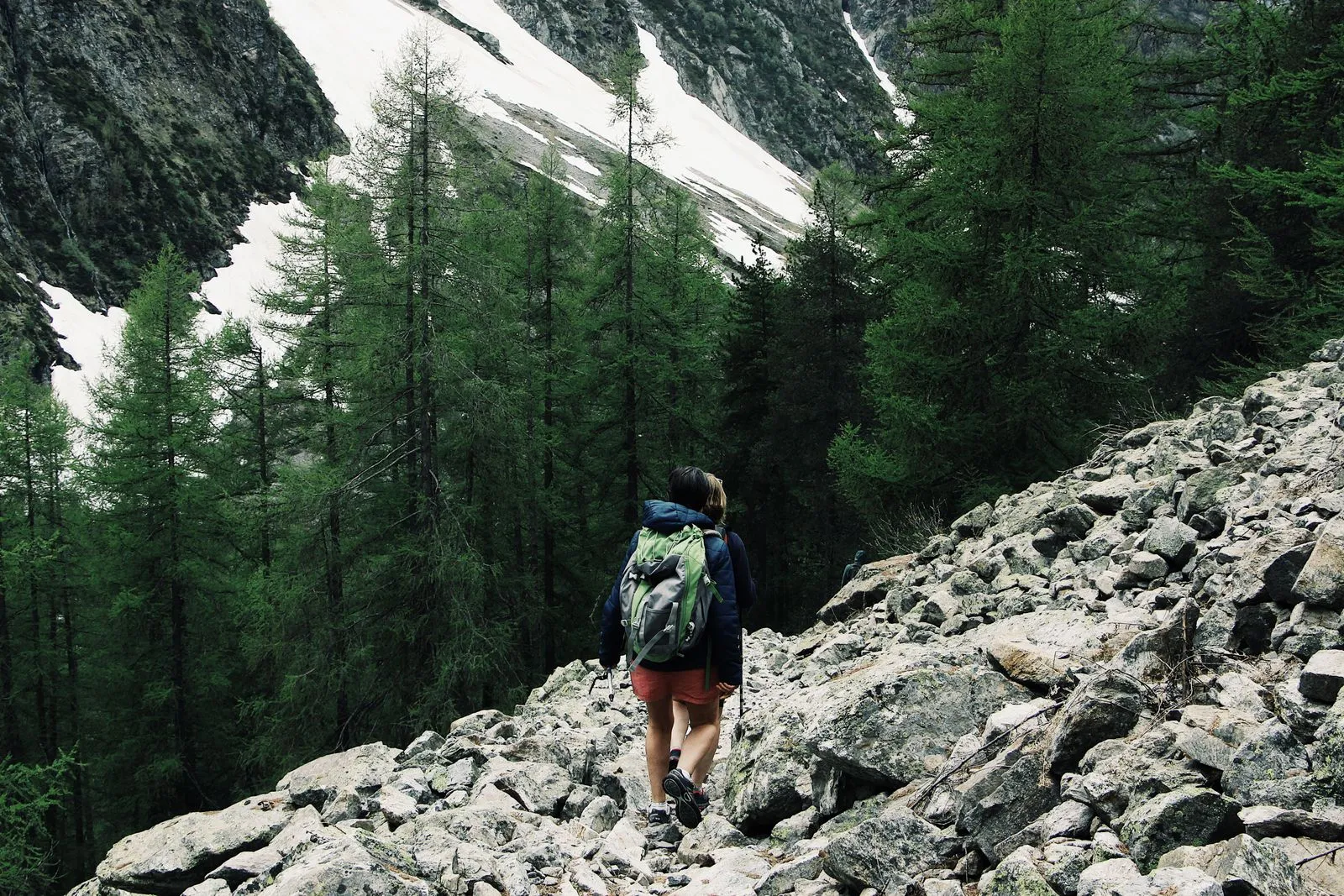
Hiker on a mountain trail with Mont Blanc in the background

France has over 180,000 km of marked trails, the largest hiking network in Europe. The GR (Grande Randonnée) system of long-distance paths crisscrosses the entire country, from coastal cliffs to Alpine passes to volcanic plateaux. Whether you want a gentle vineyard walk or a two-week mountain traverse, France delivers.

Top Hikes

HikeLocationDifficulty + LengthHighlights
Tour du Mont BlancAlps (France, Italy, Switzerland)Hard – 170 km, 10–12 daysCircuit around Western Europe's highest peak. 10,000 m total ascent. Mountain refuges with meals. Book months ahead for July/August
GR20, CorsicaCorsicaVery Hard – 180 km, 13–16 daysEurope's toughest long-distance trail. Exposed ridges, chains, scrambles. South-to-north is quieter. June–September only
GR10, PyreneesPyrenees (Atlantic to Mediterranean)Hard – 950 km, 50–55 daysFull traverse of the Pyrenees. Wild, varied, far less crowded than the TMB. Sections can be done individually
GR34, Brittany Coastal PathBrittanyEasy – 2,000 km totalEntire Breton coastline. Modest elevation, no technical terrain. Pink Granite Coast and Crozon Peninsula are highlights
GR5, Geneva to NiceFrench AlpsHard – 650 km, 30 daysVanoise, Écrins, and Mercantour national parks. Less famous than TMB but arguably more spectacular over full length
Tour des Écrins (GR54)Écrins National ParkHard – 180 km, 10–12 daysHigher and more remote than TMB, fewer hikers, wilder scenery. Often cited as France's finest alpine circuit
CalanquesMarseille to CassisEasy–Moderate – 2–6hCoastal hike through Calanques National Park. Turquoise inlets, white limestone cliffs. Bring water; no shade
Aiguilles Rouges / Lac BlancChamonix, AlpsModerate – 5–6h, 700 m gainBalcony trail with direct views of Mont Blanc. Lac Blanc is the classic destination. Cable car access from Flégère
Cirque de GavarniePyreneesEasy – 2–3h returnGlacial amphitheatre with Europe's highest waterfall (423 m). Easy terrain, spectacular reward
Sentier MartelGorges du VerdonModerate – 15 km, 6–7hCanyon floor hike with tunnels, ladders, and river crossings. Bring a torch. Shuttle bus returns you to the start
Puy de DômeAuvergneEasy – 45 min upVolcanic summit with panoramic views of 80+ extinct volcanoes. Rack railway alternative. UNESCO-listed chain

Practical Hiking Info

  • Trail marking. GR paths use red-and-white blazes. GRP (Pays) routes use red-and-yellow. PR (local loops) use yellow. The system is consistent and well-maintained across the country
  • Refuges. Mountain refuges provide bunk beds, meals (dinner, breakfast, and packed lunch), and basic facilities. Demi-pension (half-board) is the standard booking. €40–65 per night including dinner and breakfast. Book online through individual refuge websites or the refuge booking platforms
  • Wild camping. Bivouacking (tent pitched after 19:00, down by 09:00) is tolerated in many mountain areas above the tree line, except in national park core zones where it is forbidden. Valley camping requires official campsites

Activities

France has three coastlines and more rivers and lakes than most people realise. The Atlantic delivers world-class surf. The Mediterranean offers warm, clear water. Alpine lakes and Pyrenean rivers add whitewater and canyon adventures. This is not a country where water activities are an afterthought.

🏄 Surfing – Hossegor

France's Atlantic coast produces some of Europe's best beachbreaks. Hossegor and Capbreton are the epicentre: consistent swell, powerful waves, and a well-established surf culture. La Gravière is the heaviest wave, Plage des Estagnots more forgiving. Schools operate April through October.

🏄 Surfing – Basque Country

The coast from Biarritz to Hendaye offers reefs and points alongside beachbreaks. Côte des Basques in Biarritz is the classic longboard spot. Anglet and Guéthary add variety. Water stays warmer here than further north.

🏄 Surfing – Brittany

Cooler water, fewer crowds, consistent swell. La Torche on the tip of Finistère is Brittany's most famous wave. Less developed infrastructure but better solitude. Wetsuit essential year-round.

🪋 Kitesurfing

The Mistral and Tramontane winds make Mediterranean France one of Europe's best kitesurfing destinations. Leucate lagoon (Languedoc) is the top spot: flat water, side-shore wind, 300+ days of sun. The Camargue beaches and Hyères offer alternatives.

🚣 Gorges du Verdon

Kayaking and stand-up paddleboarding through turquoise canyon water. Electric boats available if you prefer not to paddle. The lower gorge is more dramatic but less accessible.

🧗 Canyoning

A uniquely French adventure sport combining hiking, swimming, rappelling, and jumping into natural pools. Best locations: Corsica (Restonica Valley, Bavella), Pyrenees, and the Alps near Annecy and Grenoble. Guided trips run June through September.

🏊 Whitewater Rafting

The Ubaye River (Alpes-de-Haute-Provence) and the Verdon offer Class III-IV rapids in spring and early summer when snowmelt fills the rivers. The Gave de Pau in the Pyrenees is another reliable option.

⛵ Calanques Sailing

The limestone inlets between Marseille and Cassis are best accessed by boat. Charter a small sailboat or join a group trip from Cassis. Calanque d'En-Vau has the clearest water.

🏊 Lake Swimming

Lac d'Annecy (Alps), Lac du Bourget (Savoie), and Lac de Sainte-Croix (Verdon) all have designated swimming areas with clear mountain water. Corsica's natural river pools are hidden gems.

Off the Beaten Path

France gets over 90 million tourists a year, but most of them concentrate in the same handful of places. Step slightly off the beaten path and you find entire regions, towns, and experiences that remain remarkably quiet even in peak season.

  • Conques, Aveyron. Tiny medieval village on the Santiago de Compostela pilgrimage route. The Romanesque abbey church has a stunning Last Judgment tympanum. The village has under 300 residents and looks unchanged since the Middle Ages
  • Collioüre, Roussillon. The fishing harbour that inspired Matisse and Derain to invent Fauvism. Colourful houses, Catalan culture, anchovy production, and a quiet Mediterranean beach. Close to the Spanish border and largely bypassed by Riviera tourists
  • Auvergne. The volcanic heart of France. Barely any international tourism. Crumbling châteaux, Romanesque churches, thermal spas, Cantal cheese, and hiking trails through extinct volcanic craters. Clermont-Ferrand is the gateway
  • The Lot Valley. Rocamadour gets the crowds, but the rest of the Lot département is quietly stunning. Cahors (Malbec wine), Figeac, Saint-Cirq-Lapopie (clifftop village above the river), and caves with prehistoric art
  • Jura Mountains. Sandwiched between Burgundy and Switzerland. Gentle mountains, dense forests, cross-country skiing, Comté cheese farms, and almost zero international tourists. The Cascades du Hérisson are a chain of waterfalls through mossy forest
  • Île de Ré. Low-key Atlantic island connected to La Rochelle by a bridge. Salt marshes, whitewashed villages, bicycle paths through oyster beds, and the kind of understated French beach culture that the Riviera lost decades ago
  • Ardèche. The Ardèche Gorge rivals the Verdon for scenery but gets a fraction of the visitors. Kayak the river through the natural stone arch of Pont d'Arc. The reconstructed Chauvet Cave (Grotte Chauvet 2) contains replicas of 36,000-year-old paintings
  • Alsace Route des Crêtes. WWI-era ridge road with panoramic views over both the Rhine plain and the Vosges forests. Combine with ferme auberge stops for Munster cheese, blueberry tart, and Alsatian wine. Almost entirely free of tourist coaches
  • The Aubrac Plateau. Wild, windswept highland between Aveyron and Lozère. Cattle country, granite villages, and the aligot tradition (mashed potato stretched with melted cheese until it reaches several metres). One of the least populated areas in Western Europe

Wildlife & Nature

White horses of the Camargue running through shallow water

France has eleven national parks, fifty-six regional nature parks, and some of the most diverse ecosystems in Europe. From the wetlands of the Camargue to the Alpine peaks of the Vanoise, the country offers serious nature experiences that most visitors overlook in favour of cities and food.

  • Camargue. The Rhône delta is Europe's largest wetland. Wild white horses, black bulls, pink flamingos, and over 400 bird species. Best visited on horseback, by bicycle, or from the ornithological park at Pont de Gau. Spring and autumn for migration
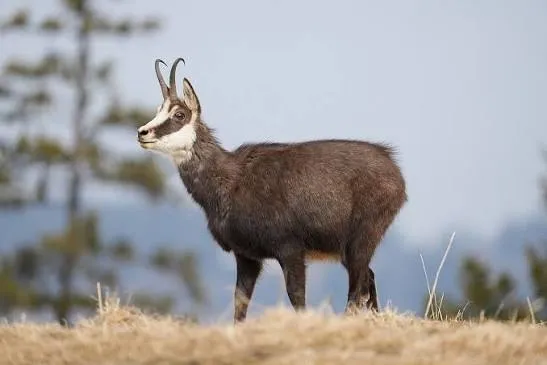
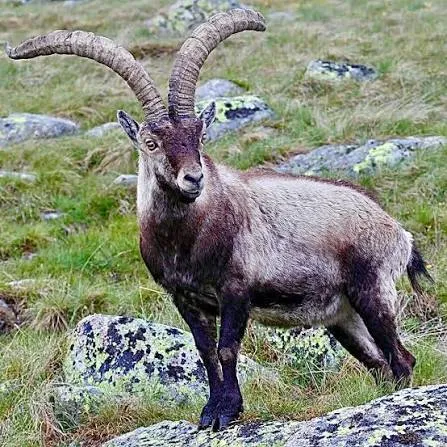
  • Vanoise National Park. France's oldest national park in the Savoie Alps. Ibex, chamois, marmots, and golden eagles. The park's core zone bans hunting and motorised access, creating genuine wilderness. Summer hiking through flower-filled meadows and past glacial lakes
  • Mercantour National Park. Where the Alps meet the Mediterranean, near the Italian border. Wolves (reintroduced since the 1990s), ibex, chamois, and the Vallée des Merveilles with over 40,000 Bronze Age rock engravings
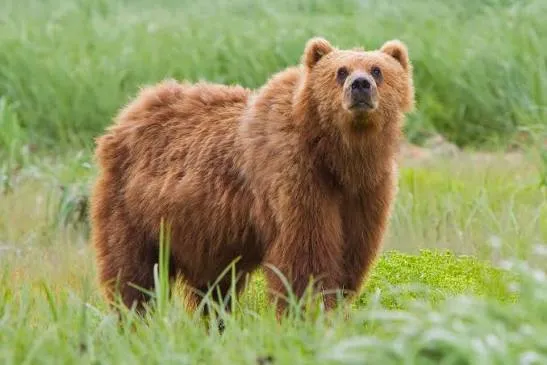
  • Pyrenees National Park. Brown bears (around 80 in the central Pyrenees), bearded vultures (gypaètes barbus), and isards (Pyrenean chamois). The Cirque de Gavarnie and the Néouvielle nature reserve are within the park boundaries
  • Corsica. The island is essentially one large natural park (Parc Naturel Régional de Corse covers 40% of the island). Mouflons, golden eagles, and the Corsican nuthatch (found nowhere else). Marine reserves around Scandola (UNESCO) and Lavezzi Islands protect rich underwater ecosystems
  • Écrins National Park. High-altitude wilderness between Grenoble and Briançon. Glaciers, Alpine meadows, and relatively few visitors compared to the Mont Blanc area. Over 100 summits above 3,000 m
  • Auvergne volcanoes. The Chaîne des Puys near Clermont-Ferrand is a UNESCO-listed chain of 80 extinct volcanoes. The Puy de Dôme dominates, but the Puy de Sancy (1,885 m) is the highest point in the Massif Central and offers volcanic-crater hiking unlike anywhere else in Western Europe
  • Birdwatching. Beyond the Camargue: the Dombes plateau north of Lyon has hundreds of lakes attracting migratory birds, the Baie de Somme in Picardy has a major seal colony and shorebird habitat, and Corsica's Scandola reserve is rich in ospreys and cormorants

Route A: 2-Week Classic France

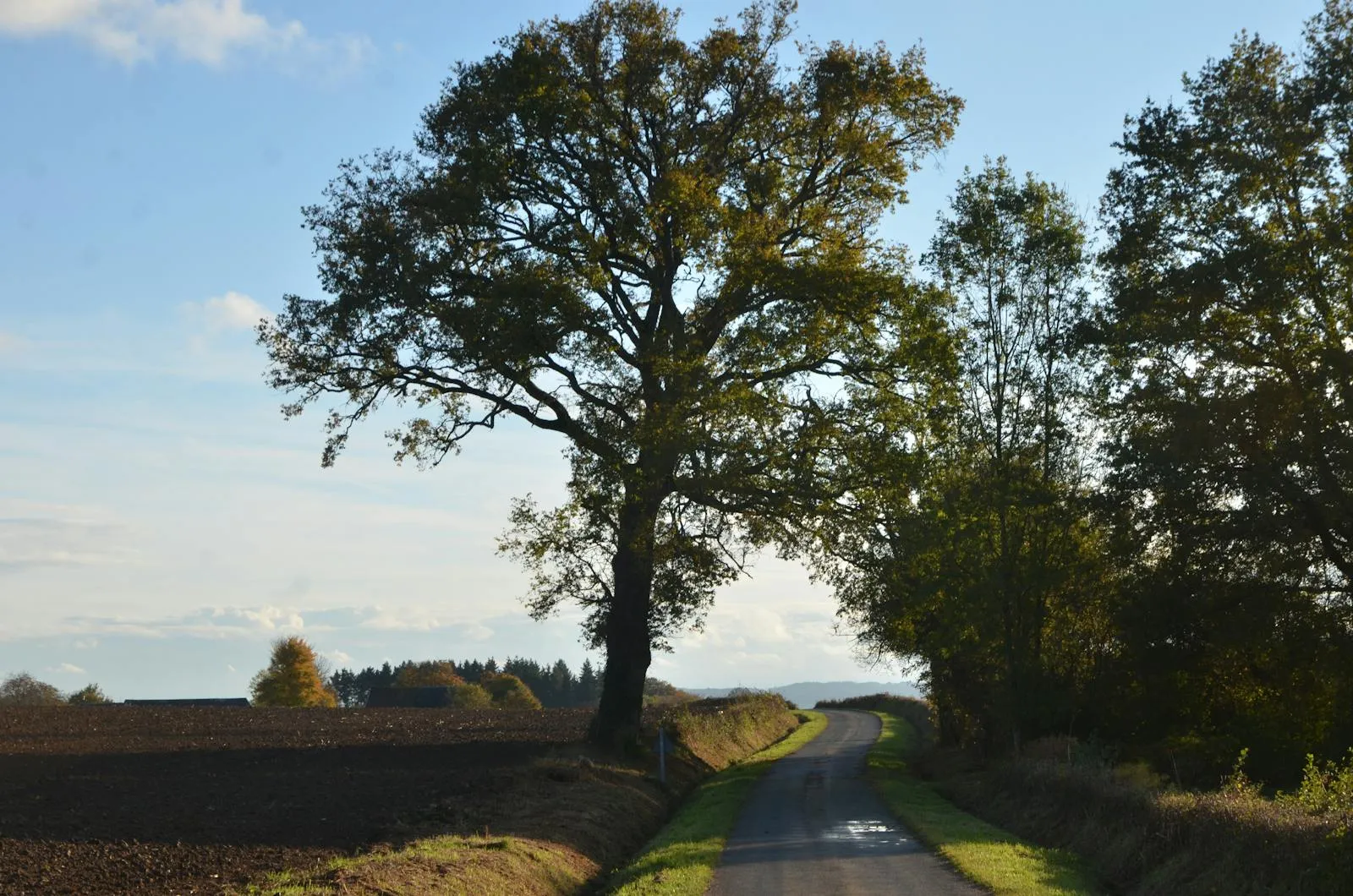
Tree-lined French country road through rolling green hills

The essential first-timer's route. Paris to the Mediterranean by train, covering France's greatest hits. Works best May–June or September–October. This is the route most recommended for a full France experience on a first visit.

Budget estimate: €2,000–3,500 per person (excluding international flights). Includes trains, accommodation, food, and key sights.

Day-by-day itinerary

Days 1–3: Paris

Arrive and settle in. Day 1: Marais, Île de la Cité, Notre-Dame. Day 2: Louvre (morning), Musée d'Orsay (afternoon), Saint-Germain. Day 3: Montmartre morning, Canal Saint-Martin afternoon, Eiffel Tower at sunset. Use the Métro and walk.

Day 4: Versailles

RER C to Versailles. Full day at the palace and gardens. Marie-Antoinette's Hamlet, the Grand and Petit Trianon. Return to Paris for dinner. Pre-book timed entry.

Day 5: Loire Valley

TGV to Tours (1h15). Pick up rental car or join a small-group tour. Afternoon at Chenonceau. Stay near Amboise.

Day 6: Loire Châteaux

Morning at Chambord. Afternoon at Amboise and Clos Lucé (Leonardo da Vinci's last home). Wine tasting in Vouvray. Drive or train to Bordeaux (evening).

Days 7–8: Bordeaux

Day 7: Bordeaux city. Miroir d'Eau, Cité du Vin, old town, dinner at a bistro. Day 8: Half-day in Saint-Émilion (wine tasting, medieval village). Afternoon at Dune du Pilat or the Arcachon oyster harbour.

Day 9: Carcassonne

Train from Bordeaux to Carcassonne (2h30). Explore the medieval citadel. Cassoulet for dinner. Stay inside the walls or in the ville basse.

Days 10–11: Provence

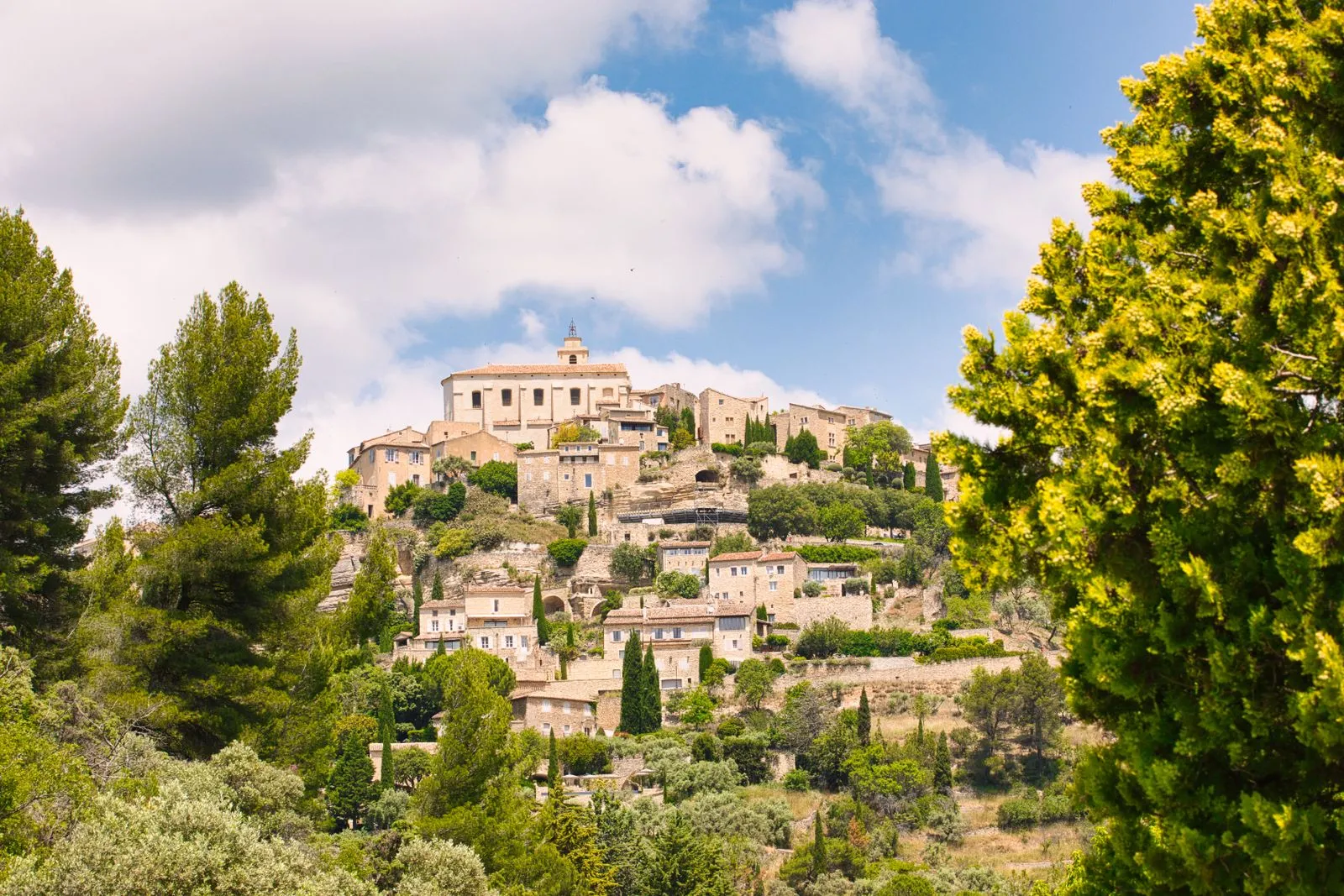
Train to Avignon (2h30). Day 10: Palais des Papes, Pont d'Avignon, wander the old town. Day 11: Rent a car for a Luberon loop: Gordes, Roussillon (ochre cliffs), Lourmarin. Return car in Avignon.

Days 12–13: Côte d'Azur

TGV to Nice (3h). Day 12: Vieux Nice, Cours Saleya market, Promenade des Anglais, Matisse Museum. Day 13: Day trip to Èze (medieval village with sea views), Monaco, or the Calanques of Cassis by train.

Day 14: Departure

Morning swim or final market visit. Fly out from Nice airport or TGV back to Paris (5h30).

Route B: 10-Day Northern France

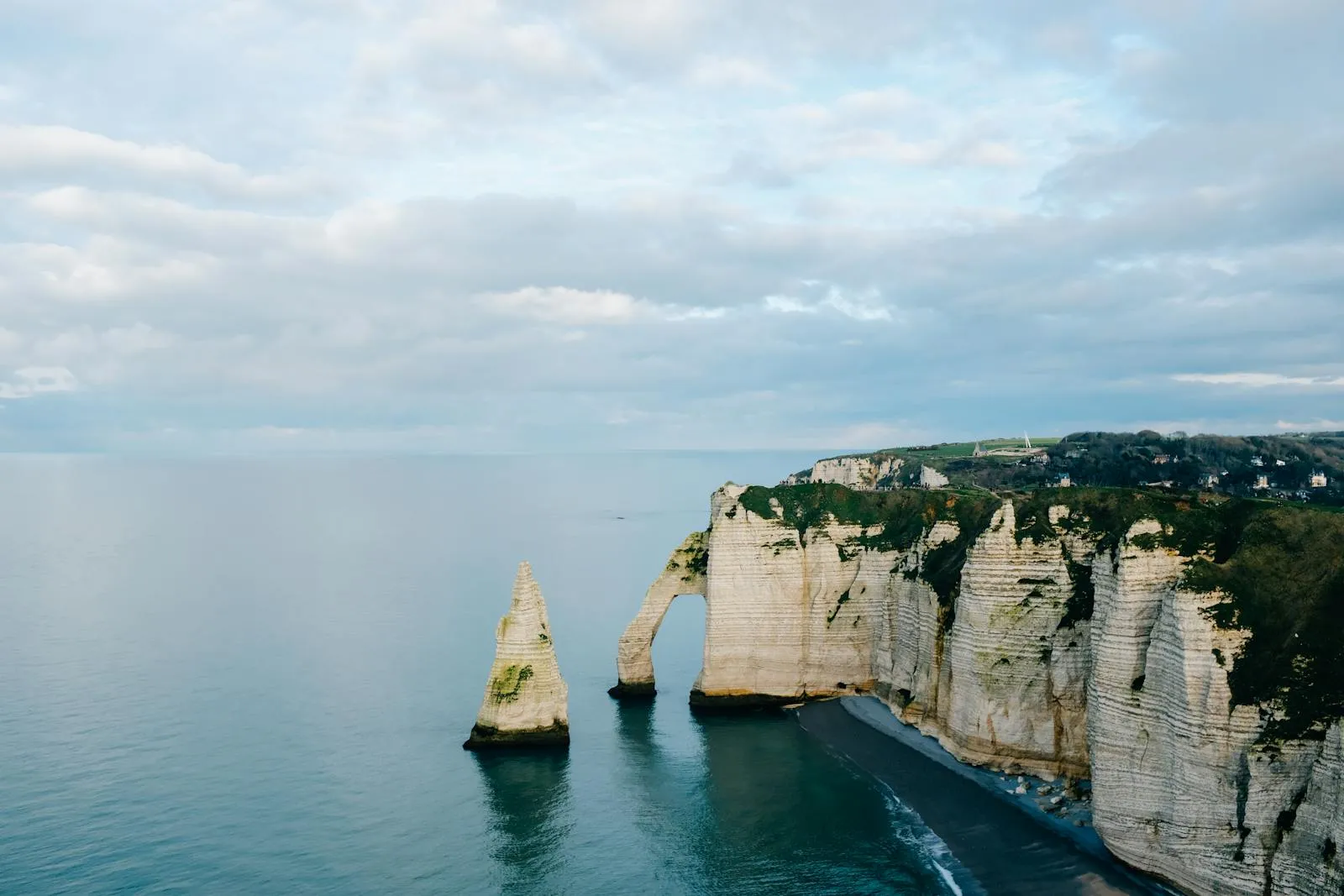
Scenic coastal cliffs of Étretat in Normandy

A road trip through the regions most tourists skip. WWII history, medieval towns, Champagne, Alsace, and two of France's most beautiful coastlines. Best with a rental car from Paris. Works well April–October.

Budget estimate: €1,400–2,400 per person. Includes car rental, fuel, accommodation, food, wine tastings, and sights.

Day-by-day itinerary

Day 1: Paris to Reims

Pick up rental car or TGV to Reims (45 min). Reims Cathedral, then Champagne cellar tours: Taittinger or Ruinart for atmosphere, a small grower in Épernay for character. Drive the Montagne de Reims vineyards at sunset.

Day 2: Reims to Strasbourg

Drive east through Champagne and Lorraine to Strasbourg (3h30). Afternoon exploring the Grande Île: La Petite France, the cathedral, and a winstub dinner with choucroute or tarte flambée.

Day 3: Alsace Wine Route

Drive the Route des Vins d'Alsace south from Strasbourg. Stops at Obernai, Riquewihr, Kaysersberg, and Colmar. Wine tastings at family domaines. Overnight in Colmar.

Day 4: Colmar to Beaune

Drive through the Vosges to Burgundy (3h). Afternoon in Beaune: Hôtel-Dieu, wine cellar tastings, dinner at a local bistro with a good Burgundy list.

Day 5: Burgundy

Morning drive along the Route des Grands Crus from Gevrey-Chambertin to Meursault. Stop for tastings at village domaines. Lunch at a ferme auberge. Afternoon in Dijon: Les Halles market, Palais des Ducs.

Day 6: Dijon to Bayeux

Long drive west (5h) or break the journey in Chartres (cathedral stop). Arrive in Bayeux late afternoon. See the Bayeux Tapestry if timing allows.

Day 7: D-Day Beaches

Full day on the Normandy beaches. Omaha Beach, Pointe du Hoc, the American Cemetery at Colleville-sur-Mer. A guided tour is highly recommended for historical context. Afternoon at Arromanches (Mulberry harbour remains).

Day 8: Mont Saint-Michel

Drive to Mont Saint-Michel (1h30). Explore the abbey and village. If tides align, cross the bay on foot with a guide. Stay overnight nearby to experience the island after the day-trippers leave.

Day 9: Brittany Coast

Drive to Saint-Malo (1h). Walk the ramparts, crêperie lunch. Afternoon at the Emerald Coast: Dinard or Cap Fréhel for cliff walks. Overnight in Saint-Malo.

Day 10: Étretat & Return

Drive to Étretat (3h). Walk the clifftop paths between the arches. Lunch overlooking the sea. Continue to Paris (2h30) or Rouen (1h) for a final stop at the Gothic cathedral. Return car.

Route C: 3-Week Grand Tour

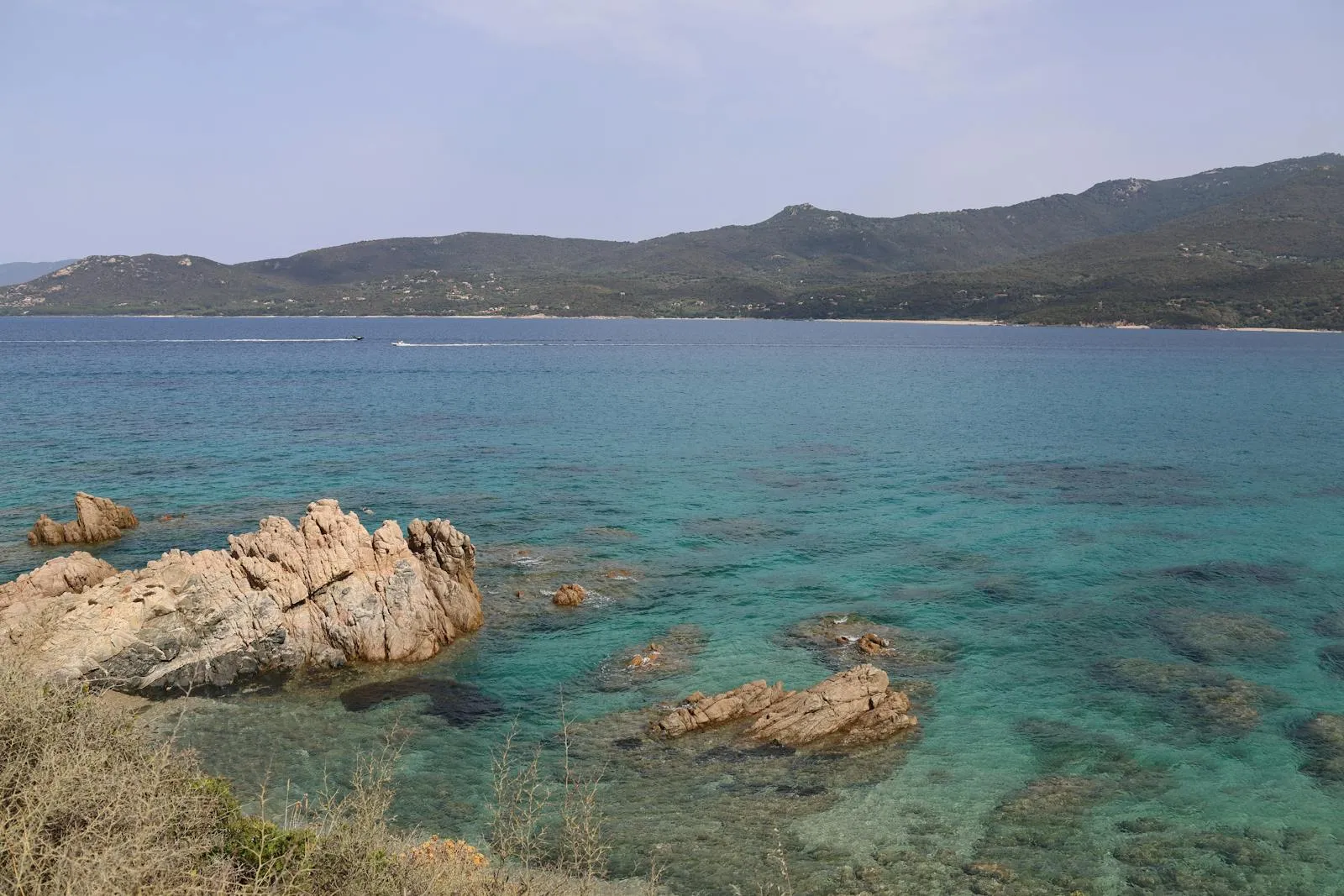
Mediterranean coastline near Corsica with turquoise waters

The definitive France trip. Three weeks covering the country's full range: cities, coastlines, mountains, wine regions, and islands. Requires a mix of trains and a short car rental. Best May–June or September for manageable weather and crowds.

Budget estimate: €3,500–5,500 per person. Includes internal flights/ferries, trains, short car rentals, accommodation, food, and sights.

Day-by-day itinerary

Days 1–3: Paris

Full Parisian immersion. Major museums, neighbourhood walks, evening along the Seine. Day trip to Versailles or Giverny.

Days 4–5: Normandy

Train to Bayeux. D-Day beaches, Mont Saint-Michel, Étretat cliffs. Cider and Camembert in the Pays d'Auge.

Day 6: Loire Valley

Train south to Tours. Chambord, Chenonceau, and Loire wines. Overnight near Amboise.

Days 7–8: Bordeaux & Southwest

TGV to Bordeaux. City exploration, Cité du Vin, Saint-Émilion excursion. Dune du Pilat.

Day 9: Basque Country

Train to Biarritz (2h). Surf culture, pintxos in Bayonne, Espelette peppers. Overnight in Biarritz or Saint-Jean-de-Luz.

Days 10–11: Carcassonne & Languedoc

Train to Carcassonne via Toulouse. Medieval citadel, cassoulet. Day 11: Pont du Gard and Nîmes, or Canal du Midi.

Days 12–13: Provence

Base in Avignon or Aix-en-Provence. Luberon villages, Gorges du Verdon (car needed), lavender fields (June–July). Arles and the Camargue if time allows.

Days 14–15: Côte d'Azur

Nice, Antibes, Monaco day trip. Swimming at Calanque d'En-Vau near Cassis. Market mornings, afternoon on the beach.

Days 16–18: Corsica

Ferry from Nice to Bastia (6h overnight) or fly (1h15). Rent a car. Day 16: Cap Corse peninsula. Day 17: Ajaccio, Calanques de Piana. Day 18: Bonifacio cliffs and Lavezzi Islands boat trip.

Day 19: Lyon

Fly Bastia to Lyon (1h20). Vieux Lyon, traboules, Fourvière basilica. Dinner at a traditional bouchon. France's gastronomic capital deserves at least one full evening.

Day 20: Annecy & Alps

Train or car to Annecy (2h). Lake walk or bike loop, old town, views of the surrounding peaks. Optional: cable car up La Tournette for high-altitude panorama.

Day 21: Return via Burgundy or Alsace

Drive or train north. Option A: Beaune and the Route des Grands Crus (wine tastings, Hôtel-Dieu). Option B: Strasbourg and Colmar if you prefer Alsace. TGV back to Paris for departure.

Getting Around

TGV high-speed train at a French railway station

France has one of Europe's best transport networks. The TGV high-speed rail system connects major cities in hours, regional trains fill the gaps, and the road network is excellent. You can cover the entire country without a car, though rural areas and mountain regions reward having one.
🚅 TGV High-Speed

Paris–Lyon 2h, Paris–Marseille 3h15, Paris–Bordeaux 2h. Book via SNCF Connect. Ouigo budget TGV from €10.

🚆 Regional Trains

TER trains cover rural France. Intercités for mid-distance. Slower but scenic. No reservation needed for most TER.

🚗 Driving

Excellent autoroute network with tolls (€50–80 Paris–Côte d’Azur). Diesel €1.70/L. Essential for Provence, Alsace, Dordogne.

🚇 Paris Métro

16 lines, runs 05:30–01:15 (02:15 Fri/Sat). Navigo Easy pass or carnet of 10 t+ tickets. Covers central Paris perfectly.

🚗 BlaBlaCar

France’s car-sharing platform. Cheaper than trains for many routes. Widely used by locals. Book via app.

✈️ Domestic Flights

Rarely needed thanks to TGV. Useful for Corsica, Nice, Toulouse from non-Paris cities. Check Air France, Transavia, easyJet.

Trains

  • TGV InOui. The premium high-speed service, up to 320 km/h. Paris to Lyon in 2 hours, to Marseille in 3h15, to Bordeaux in 2 hours, to Strasbourg in 1h45. Reservations compulsory, included with your ticket. Book at sncf-connect.com up to 4 months ahead for the cheapest Prem's fares (from €15)
  • Ouigo. SNCF's budget TGV. Same speed, less comfort: one class, strict luggage limits (one cabin bag + one bag, extras €5), no buffet car, check-in 30 minutes before departure. Fares from €10 for adults, €5 for children. Excellent value if you pack light
  • TER regional trains. Slower, no reservations required, fixed pricing. Connect smaller cities and towns. Reliable, frequent on major routes. Bikes welcome on most TER services
  • Intercités. Medium-distance services including overnight trains (Intercités de Nuit) with couchettes. Paris to the south, Paris to the Pyrenees. Reservation required
  • Rail passes. Eurail and Interrail passes cover SNCF trains but require separate seat reservations on TGV (€10–20 per journey). Worth it for extensive travel; point-to-point tickets are cheaper for 2–3 journeys if booked in advance. Passes do not work on Ouigo trains
  • Paris stations. The city has six major stations serving different directions. Gare du Nord (north, Eurostar to London), Gare de Lyon (south, Alps), Gare Montparnasse (west, southwest), Gare de l'Est (east, Alsace), Gare d'Austerlitz (central France), Gare Saint-Lazare (Normandy). Check which station your train departs from

Driving

  • Road quality. Excellent throughout the country. Autoroutes (motorways) are mostly toll roads; expect to pay €30–60 for longer cross-country drives. National roads (routes nationales) and departmental roads are free and often more scenic
  • Fuel. Diesel and petrol available everywhere. Supermarket petrol stations (Carrefour, Leclerc, Intermarché) are cheapest. Mountain areas have fewer stations. Current prices: €1.70–2.00 per litre
  • Parking. City centre parking is expensive (€2–4 per hour in major cities). P+R (park and ride) at city edges is much cheaper. Many old towns have free parking just outside the historic centre
  • Speed limits. 130 km/h on autoroutes (110 in rain), 80 km/h on two-lane roads, 50 km/h in towns. Radar cameras (both fixed and mobile) are everywhere and fines are immediate

Other Transport

  • Paris Métro. 16 lines, over 300 stations. Buy a carnet of 10 tickets (Navigo Easy card), a daily pass, or a weekly Navigo Découverte. The Métro closes around 01:00 (02:00 on weekends)
  • BlaBlaCar. France's ride-sharing platform. Widely used for intercity travel. Often cheaper than trains and available on routes with poor rail connections. Book through the app
  • Ferries to Corsica. Corsica Linea and La Méridionale from Marseille. Corsica Ferries from Nice and Toulon. 4–12 hours depending on the route and vessel. Night crossings save a hotel night. Book early in summer
  • Domestic flights. Air France, easyJet, and Volotea serve internal routes. Competitive with trains on Paris–Nice, Paris–Toulouse, and mainland–Corsica routes when booked in advance

Budget Breakdown

Café terrace on a Parisian boulevard

France's cost depends enormously on where you go. Paris and the Côte d'Azur are genuinely expensive. Regional France is surprisingly affordable, especially if you eat at lunch formules, stay in gîtes or chambres d'hôtes, and avoid July–August coastal accommodation.

CategoryBudgetMid-RangeComfort
Accommodation€20–40 (hostel/camping)€70–130 (hotel/B&B)€150–300+ (boutique/château)
Food€15–25 (markets/formule)€30–50 (bistro meals)€60–120+ (restaurants)
Transport€10–20 (regional/BlaBlaCar)€25–50 (advance TGV)€50–100+ (flexible/car)
Sights€0–10 (free museums/walks)€15–30 (major sights)€30–60 (guided tours)
Daily Total€50–90€140–260€290–580+

Money-Saving Tips

🍴 Formule du Jour

Two-course lunch set: €14–20. Same restaurant charges €30–50 for dinner. Lunch is always the best deal in France

🛒 Market Picnics

Baguette (€1.20), cheese (€3), charcuterie (€4), and a bottle of wine (€5). The best €13 meal in Europe

🚅 OUIGO Trains

SNCF’s budget TGV service: Paris–Lyon from €10, Paris–Marseille from €19. Book 3 months ahead for best fares

🎨 Free Museum Days

National museums free on the first Sunday of each month. Under-26 EU citizens get free entry to all national museums year-round

💧 Carafe d’Eau

Ask for a carafe d’eau (tap water) at any restaurant. It’s free and perfectly safe. Never pay for bottled water

📅 Avoid July–August

Prices peak and crowds swell. June and September offer the same weather at 20–30% less for accommodation

Paris vs. Regions

Paris typically costs 40–60% more than regional France for equivalent quality. A two-course lunch costs €14–18 in a Toulouse or Lyon bistro versus €22–30 in a comparable Parisian establishment. Hotel rooms follow the same pattern. Budget travellers should minimise Paris nights and maximise time in the regions.

Practical Information

Street signs and a pharmacy green cross in a French town

💳 Visas

France is part of the Schengen zone. Citizens of 190+ countries can enter visa-free for up to 90 days within any 180-day period.
🏥 Health

France has one of the world's best healthcare systems. Hospitals and clinics are widely available even in smaller towns

💶 Money

Euro (€). ATMs widely available, including in small towns.

📶 SIM & WiFi

EU roaming means most European SIM cards work at home rates.

🔌 Electricity

Type C and E plugs (European two-pin round). Voltage: 230V/50Hz.

🛒 Safety

France is generally very safe for travellers. Violent crime against tourists is rare

Visa & Entry

  • Schengen Area. France is part of the Schengen zone. Citizens of 190+ countries can enter visa-free for up to 90 days within any 180-day period. Passport must be valid for at least 3 months beyond your planned departure
  • ETIAS. From late 2026, non-EU nationals from visa-exempt countries will need an ETIAS travel authorisation (€7, valid for 3 years, applied online). This replaces the current visa-free entry for short stays
  • EES biometrics. The Entry/Exit System will record fingerprints and facial images at Schengen borders. Expect slightly longer processing at first entry points

Health

  • Healthcare quality. France has one of the world's best healthcare systems. Hospitals and clinics are widely available even in smaller towns
  • EHIC/GHIC. EU/EEA/Swiss citizens should carry a European Health Insurance Card (EHIC) or UK Global Health Insurance Card (GHIC). This entitles you to state healthcare on the same terms as French residents. You may need to pay upfront and claim reimbursement
  • Travel insurance. Strongly recommended for all visitors. Mandatory for Schengen visa applicants. Should cover medical expenses and repatriation at minimum
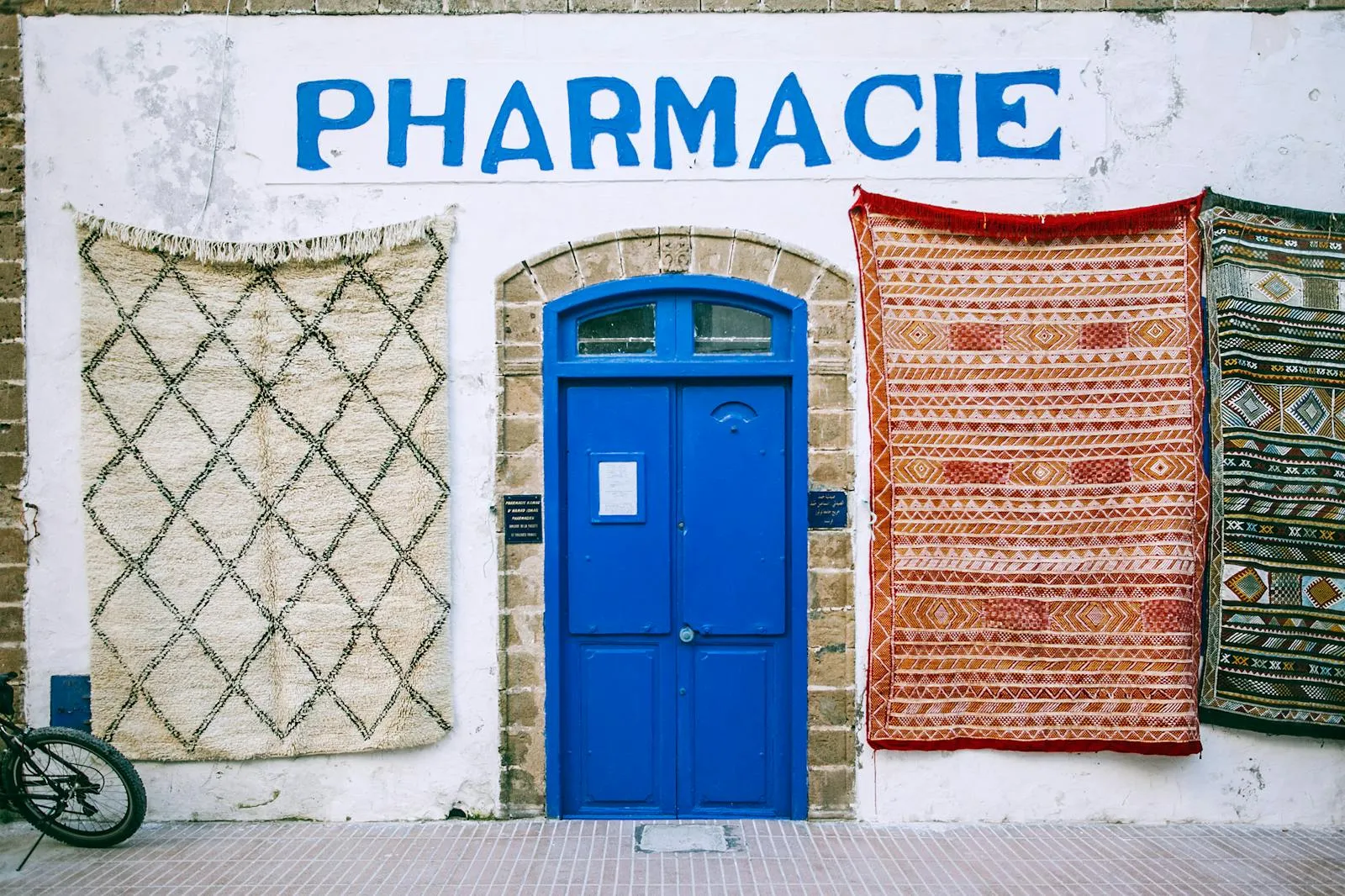
  • Pharmacies. Identified by green cross signs (lit at night). French pharmacists have extensive training and can treat minor ailments, insect bites, and basic injuries. Duty pharmacies (pharmacie de garde) operate outside hours and on Sundays; the address is posted in every pharmacy window
  • Emergencies. SAMU (medical emergency): 15. Police: 17. Fire brigade: 18. European emergency number: 112. All free from any phone
  • Tap water. Safe to drink throughout the country. Ask for "une carafe d'eau" at restaurants

Money

  • Currency. Euro (€). ATMs widely available, including in small towns. Credit and debit cards accepted almost everywhere; contactless (sans contact) up to €50 is standard
  • Cash. Some small markets, rural businesses, and parking meters still require cash. Carry €50–100 as backup

Connectivity & Power

  • WiFi. Available at most hotels, cafés, and many public spaces. Quality varies. TGV InOui offers free WiFi (variable reliability)
  • SIM cards. EU roaming means most European SIM cards work at home rates. Non-EU visitors can buy prepaid SIMs at tabacs (tobacconists) or electronics stores: Orange, SFR, Free Mobile, Bouygues
  • Power. Type C and E plugs (European two-pin round). Voltage: 230V/50Hz. UK visitors need an adapter; US/Canadian visitors need an adapter and may need a voltage converter for older devices

Safety

  • General. France is generally very safe for travellers. Violent crime against tourists is rare
  • Pickpockets. Active in Paris (Métro, Eiffel Tower area, Sacré-Cœur steps, Champs-Élysées), Nice (old town), and Marseille (crowded areas). Standard precautions: front pockets, zipped bags, awareness at tourist pinch points
  • Scams. The "gold ring" scam, petition signers, and friendship bracelet sellers operate around Paris tourist sites. Politely decline and walk on. Use official taxi ranks or ride-hailing apps; avoid unlicensed drivers at airports
  • Demonstrations. Political protests are a regular part of French civic life. They occasionally disrupt transport and city centres. Usually well-organised and peaceful, but avoid the fringes. Check local news if you see road closures

Tips & Common Mistakes

Bustling morning market in a French town square

France is not a difficult country to travel, but a few common mistakes can significantly diminish the experience. Most of them are easily avoided with basic preparation.

  • Skipping "Bonjour." This is the number one mistake. The French require a greeting before any interaction. Walk into a shop and ask for something without saying Bonjour first, and you will receive the cold, unhelpful service that fuels the stereotype. Say it. Mean it. Everything changes
  • Spending all your time in Paris. Paris is extraordinary, but France is not Paris. The regions offer equally world-class food, wine, scenery, and history at half the price and a tenth of the crowds. Budget at least half your trip outside the capital
  • Trying to see too many châteaux. Three Loire Valley châteaux in one day sounds efficient. By the third one they blur together. Pick two, spend proper time at each, and add a wine tasting or town walk in between
  • Eating dinner at 18:00. Most French restaurants do not serve dinner before 19:30. Arriving at 18:00 means either a tourist-trap or a closed kitchen. Adjust your meal timing: big lunch, light late dinner
  • Booking TGV tickets last minute. Walk-up TGV fares can be €100+ for routes that cost €15–25 when booked 3–4 months ahead. The pricing works like airlines. Plan your main train journeys early
  • Renting a car for city-only trips. Driving in Paris, Lyon, or Marseille is stressful and parking is expensive. Use trains between cities and only rent a car for rural areas (Dordogne, Luberon, Loire châteaux, Corsica)
  • Visiting the south in August. The Mediterranean coast in August is expensive, crowded, and uncomfortably hot. If August is your only option, head north (Normandy, Brittany) or to the mountains. June and September give you the same south with fewer crowds
  • Ignoring Sunday closures. Many shops close on Sundays, especially outside Paris. Restaurants may be open but bakeries and food shops often close by early afternoon. Stock up on Saturday if you need supplies
  • Over-tipping. Service is included in every restaurant bill by law. Leaving 15–20% on top is unnecessary and marks you as someone unfamiliar with the system. Round up or leave €1–2 for good service
  • Not learning basic French. You do not need fluency. "Bonjour," "Merci," "S'il vous plaît," "Excusez-moi," "L'addition, s'il vous plaît," and "Parlez-vous anglais?" cover 90% of interactions. The effort is what matters, not the pronunciation
  • Underestimating distances. France is the largest country in Western Europe. Paris to Nice is 935 km. Driving from Normandy to Provence in one day is technically possible but exhausting. Use the TGV for long distances and save the car for regional exploration

Final Recommendation

Final recommendation

France is the most visited country in the world for a reason, and the reason is not Paris. It is the combination: a country where you can hike across the Alps in the morning, eat a three-course lunch with wine for €16 at a roadside bistro, drive through lavender fields in the afternoon, and swim in the Mediterranean before dinner. All of it connected by trains that actually work, in a country where food is treated as a fundamental human right rather than a convenience.

For a first visit, the Classic France route (Route A) covers the essential north-to-south arc: Paris, the Loire, Bordeaux, Provence, and the Côte d'Azur. Two weeks is the minimum for this route; three weeks lets you slow down and actually enjoy it. If you have less than two weeks, pick a region and explore it properly rather than racing across the country.

Come in June if you can. The Fête de la Musique on the 21st fills every street with live music, the lavender is beginning to bloom, the days are long, and the summer crush has not yet begun. May is the smart alternative for lower prices and fewer tourists. September brings the grape harvest, warm seas, and golden light.

Say Bonjour. Eat at lunch. Drink the house wine. Take the TGV. Sit at café terraces. Buy cheese at markets. Walk old towns at sunset. And accept that no matter how long your trip is, you will leave having seen only a fraction of what France has to offer. That is not a problem. It is an invitation to come back.