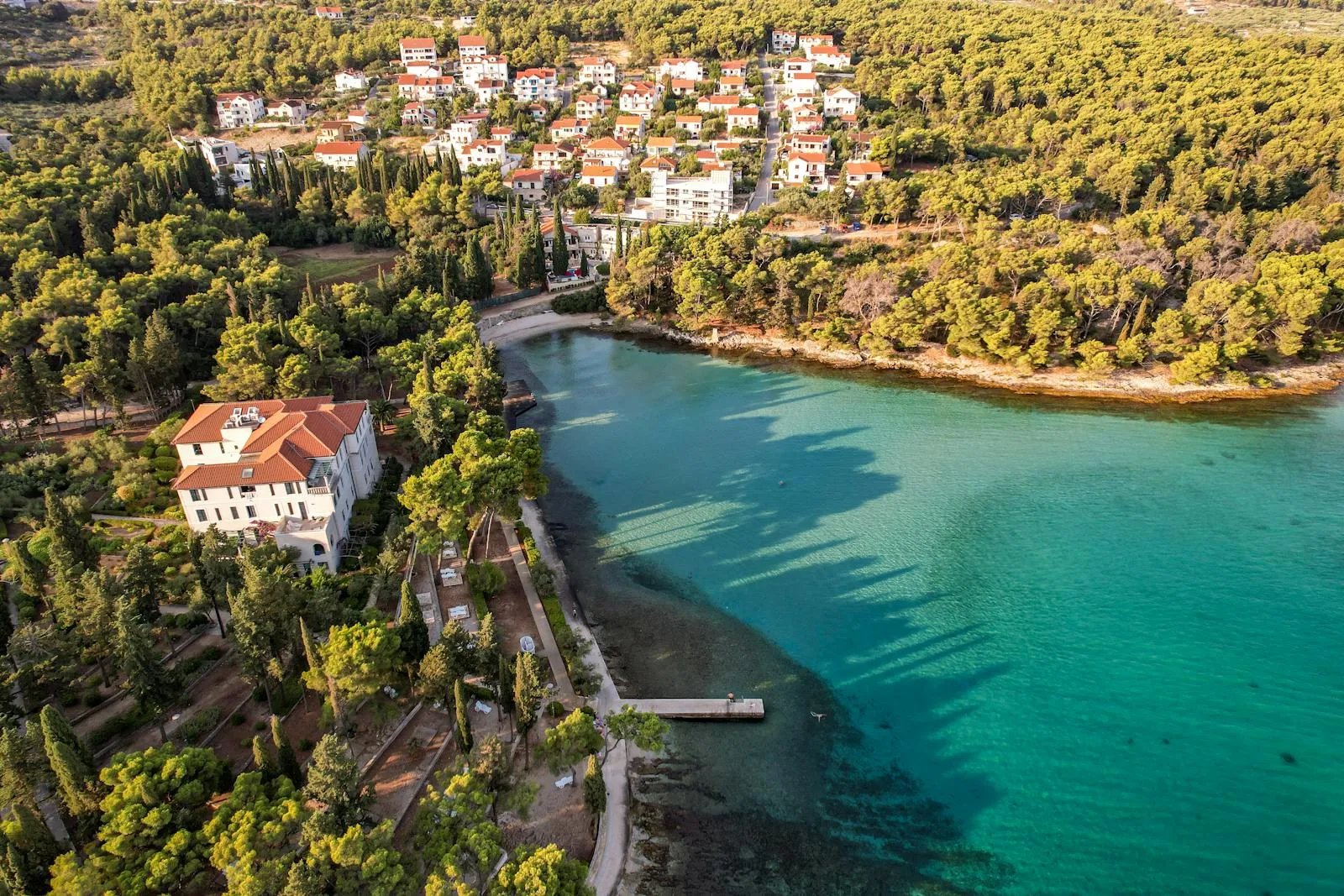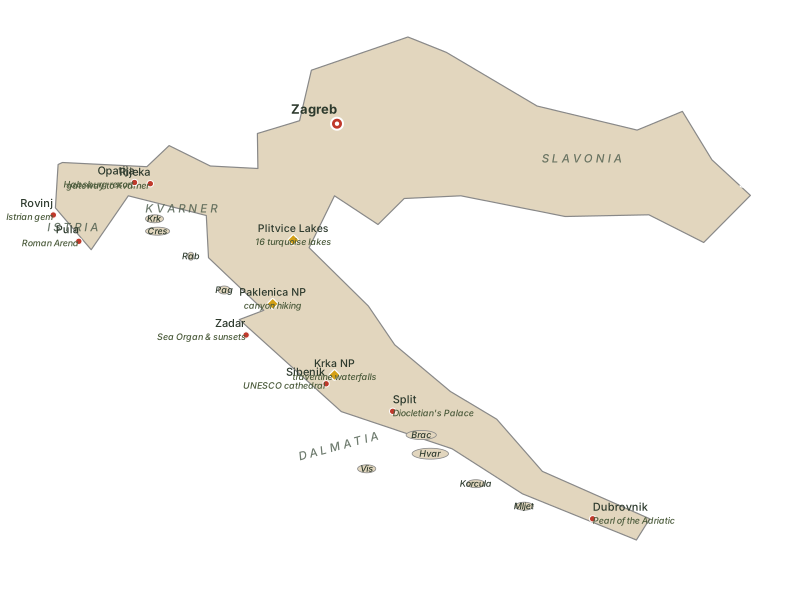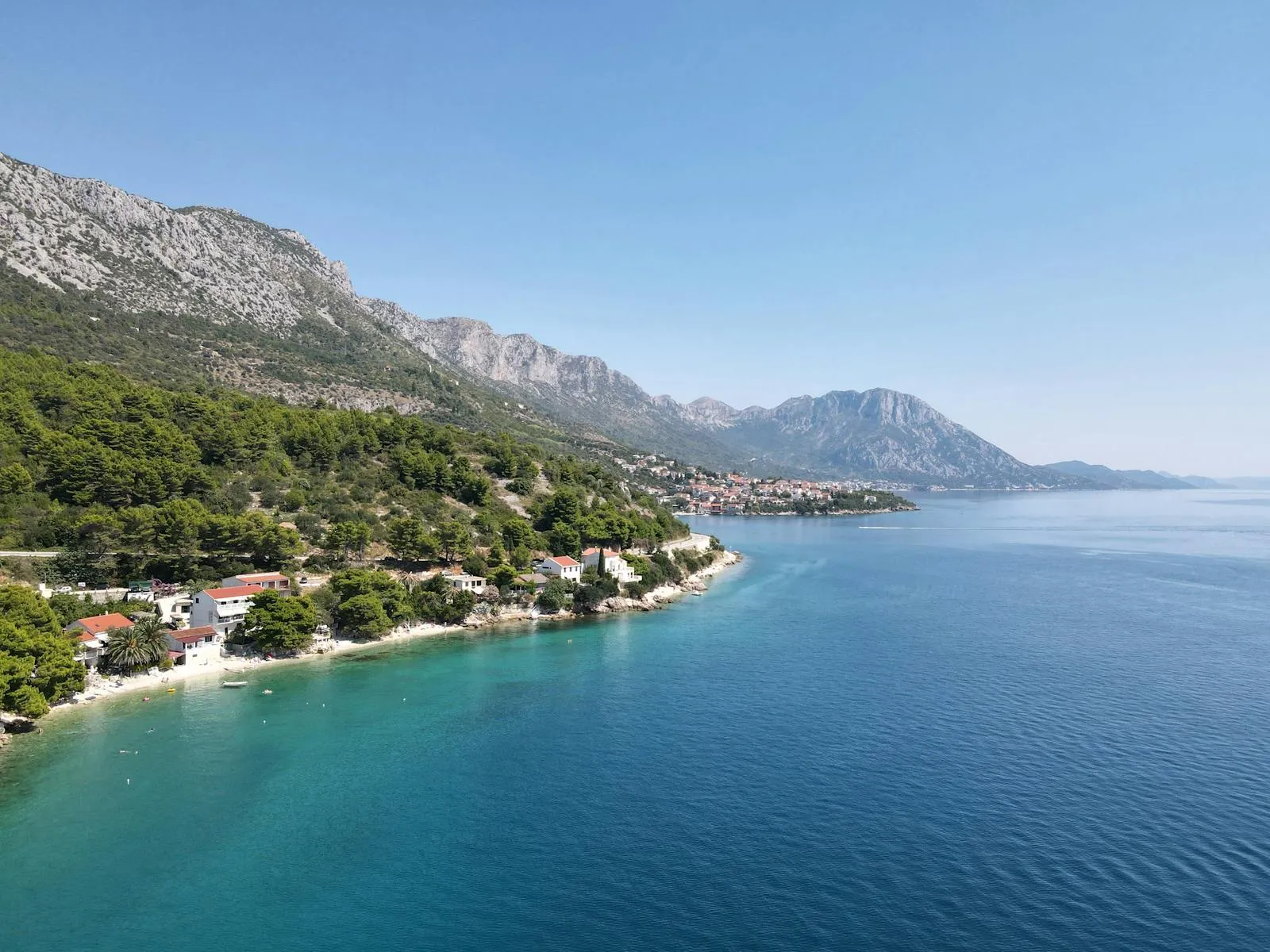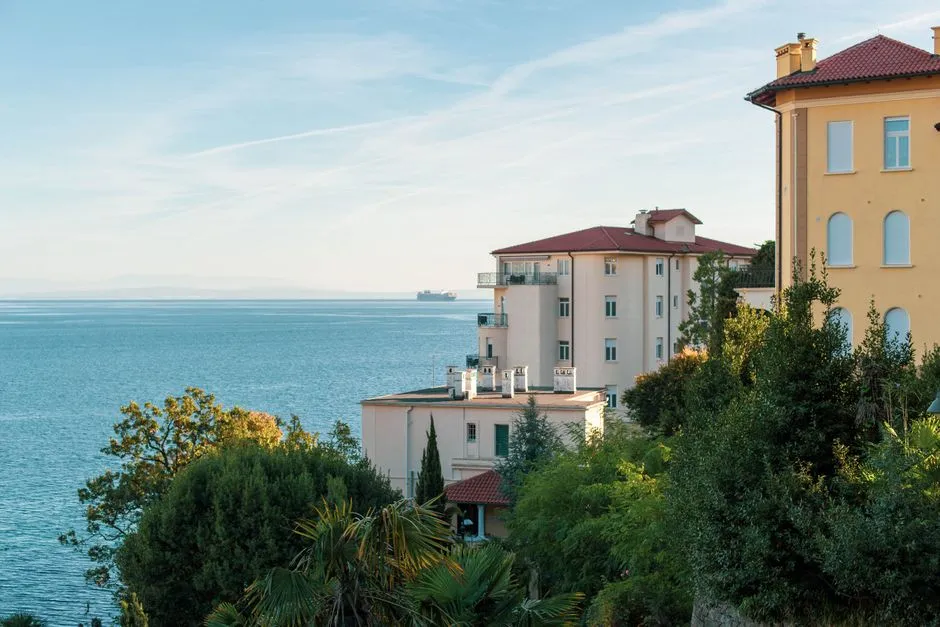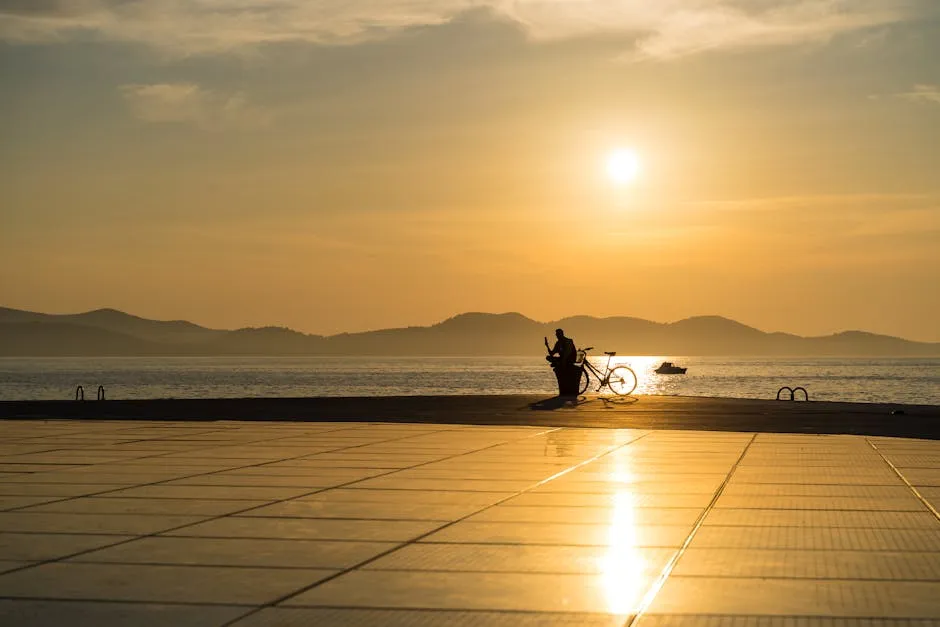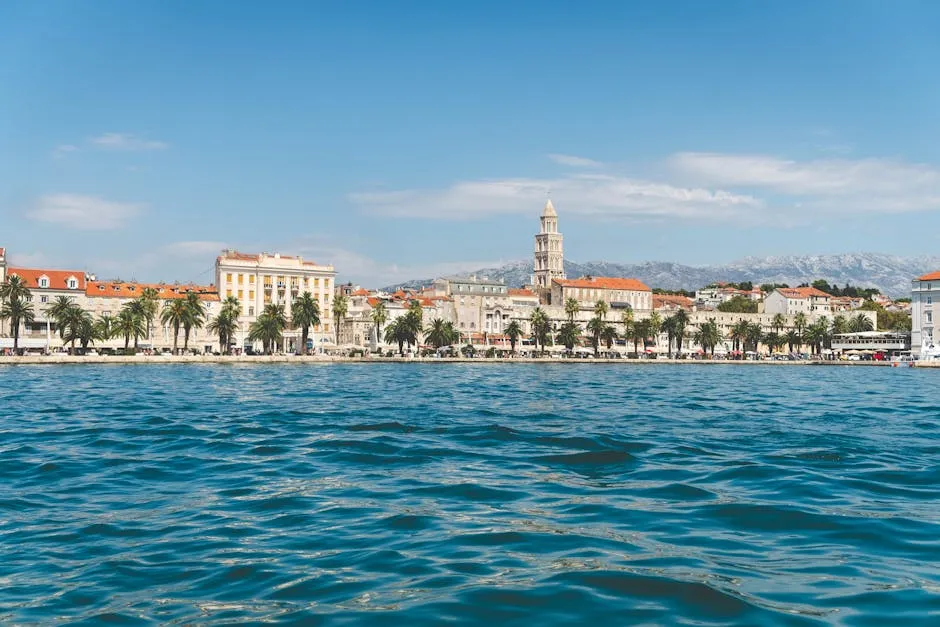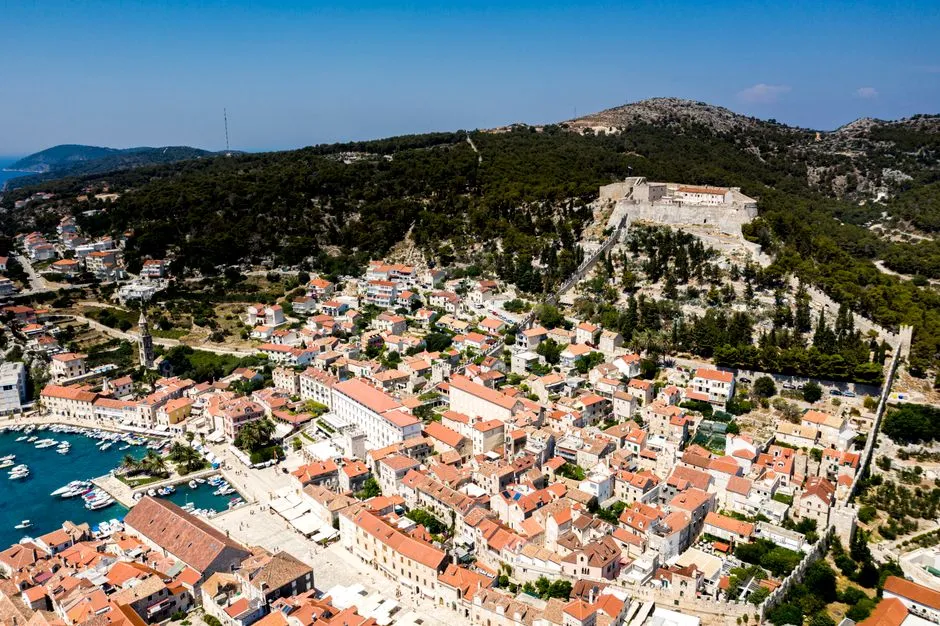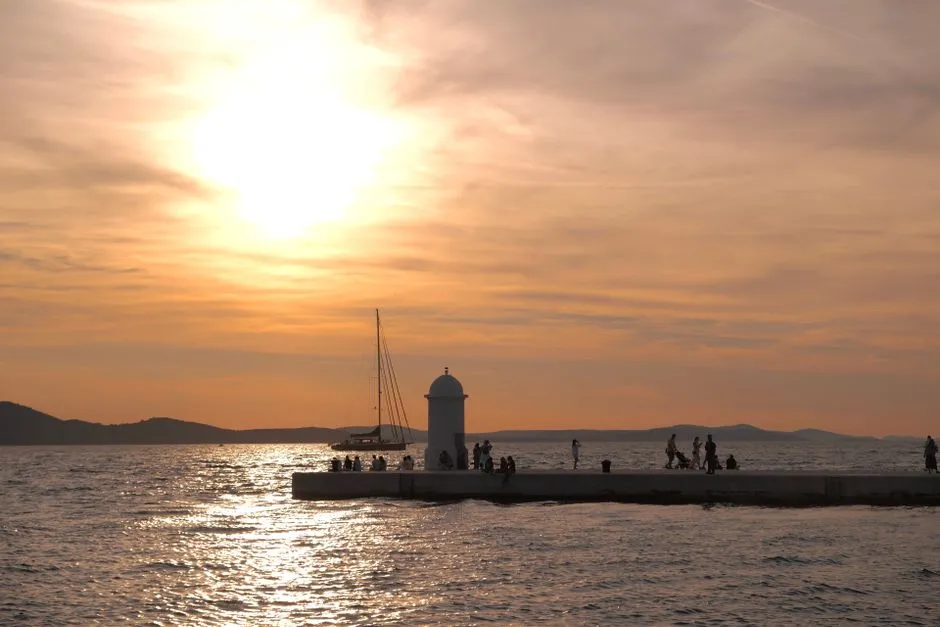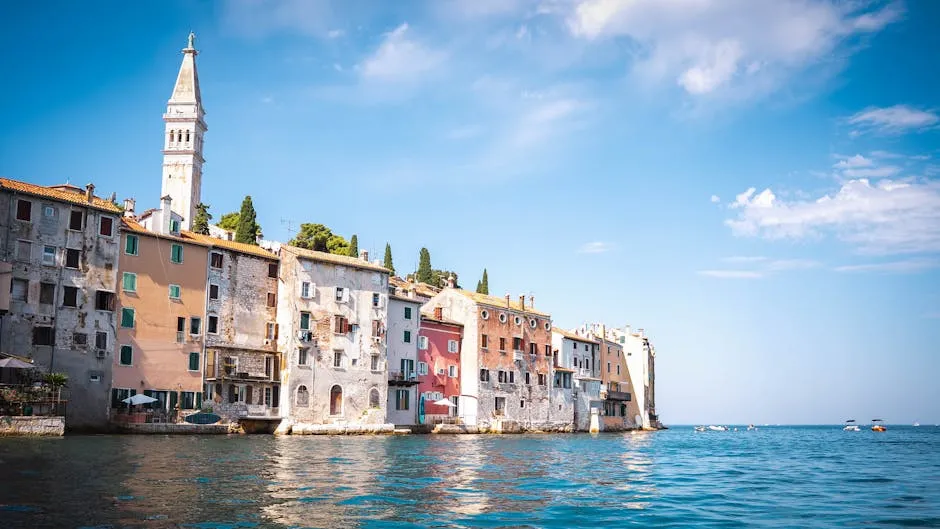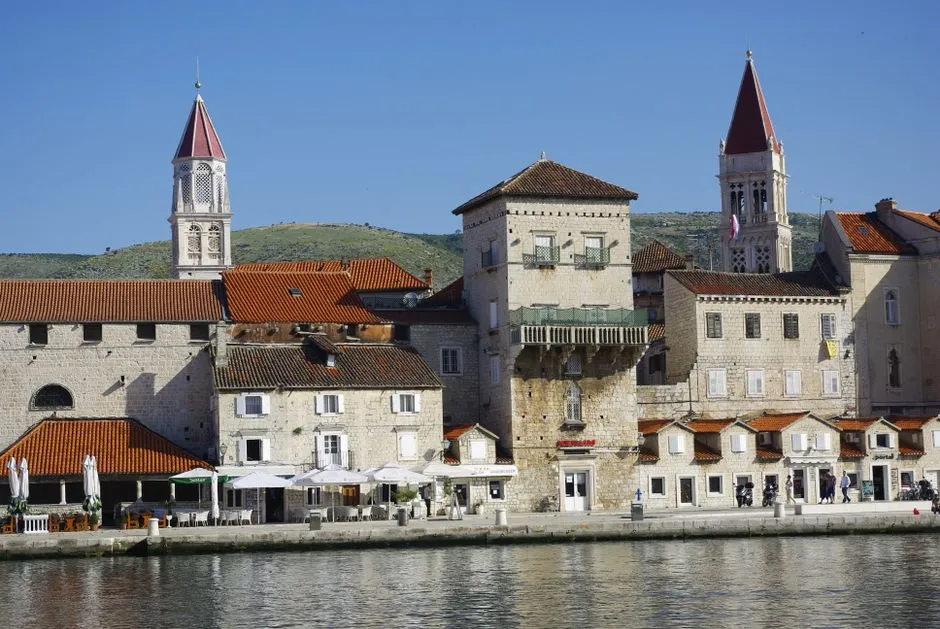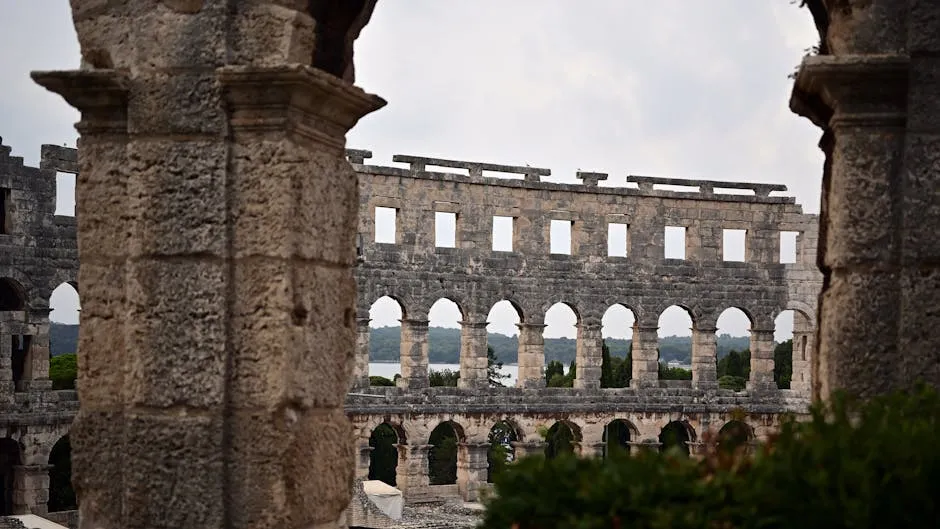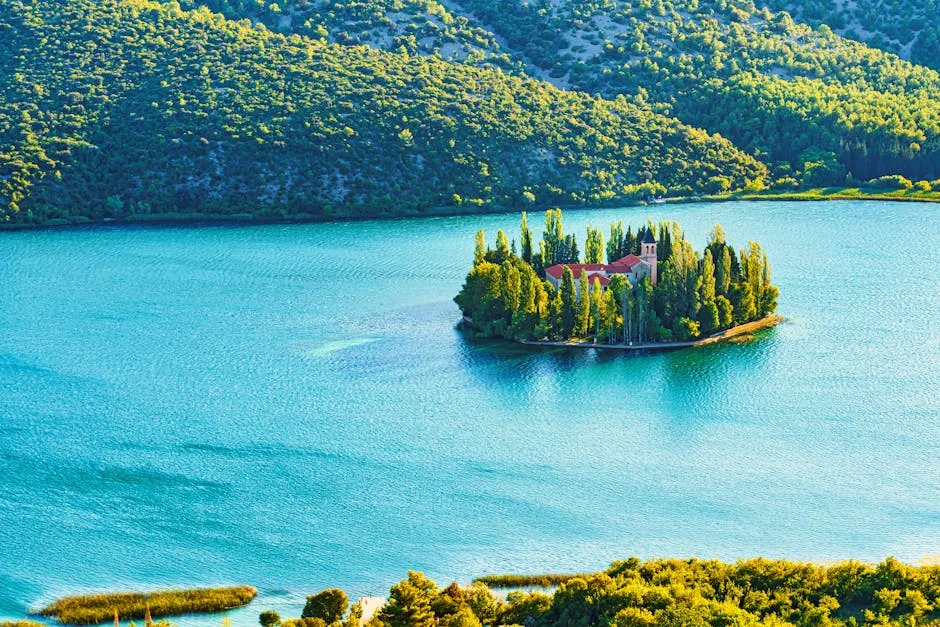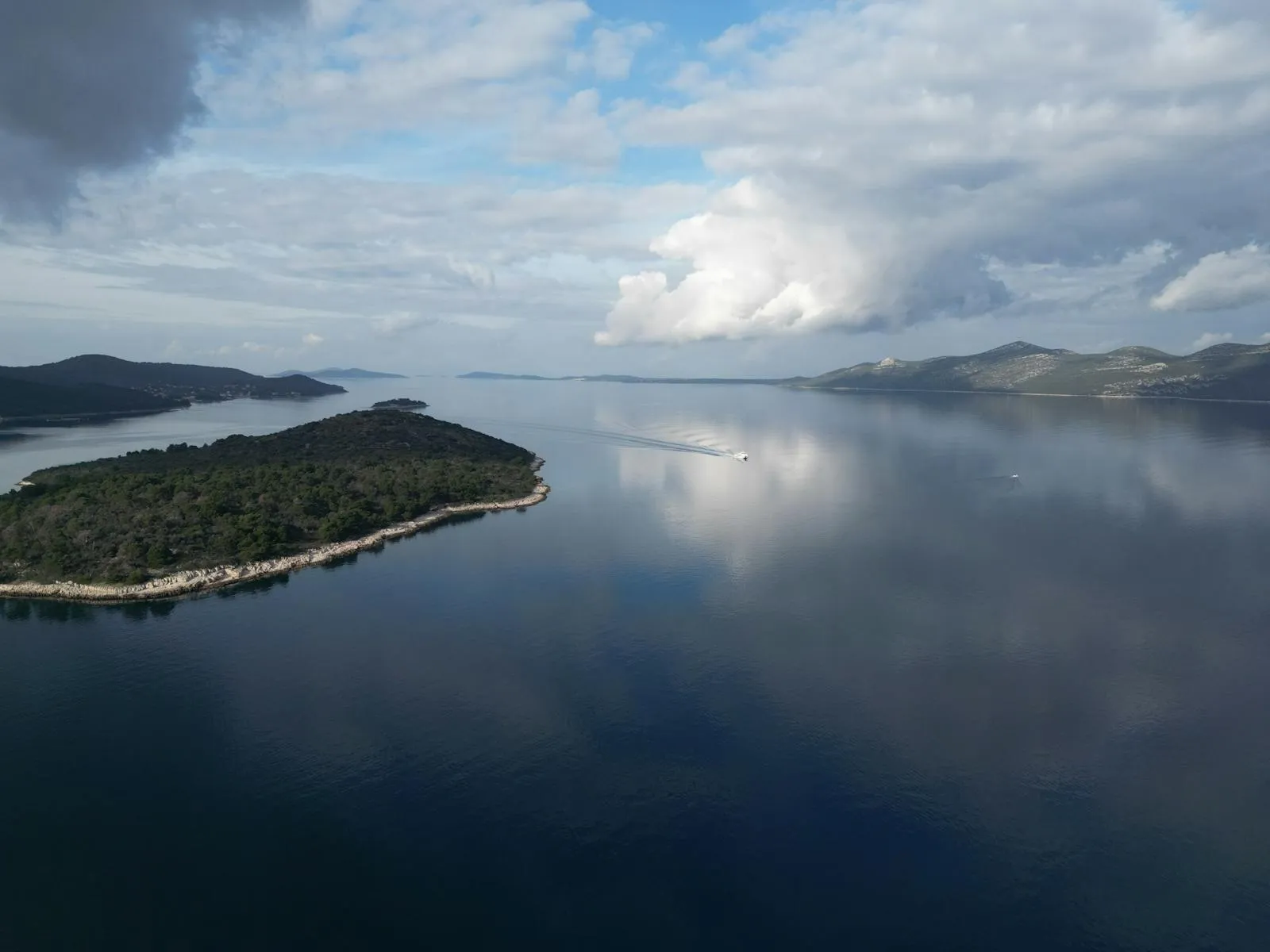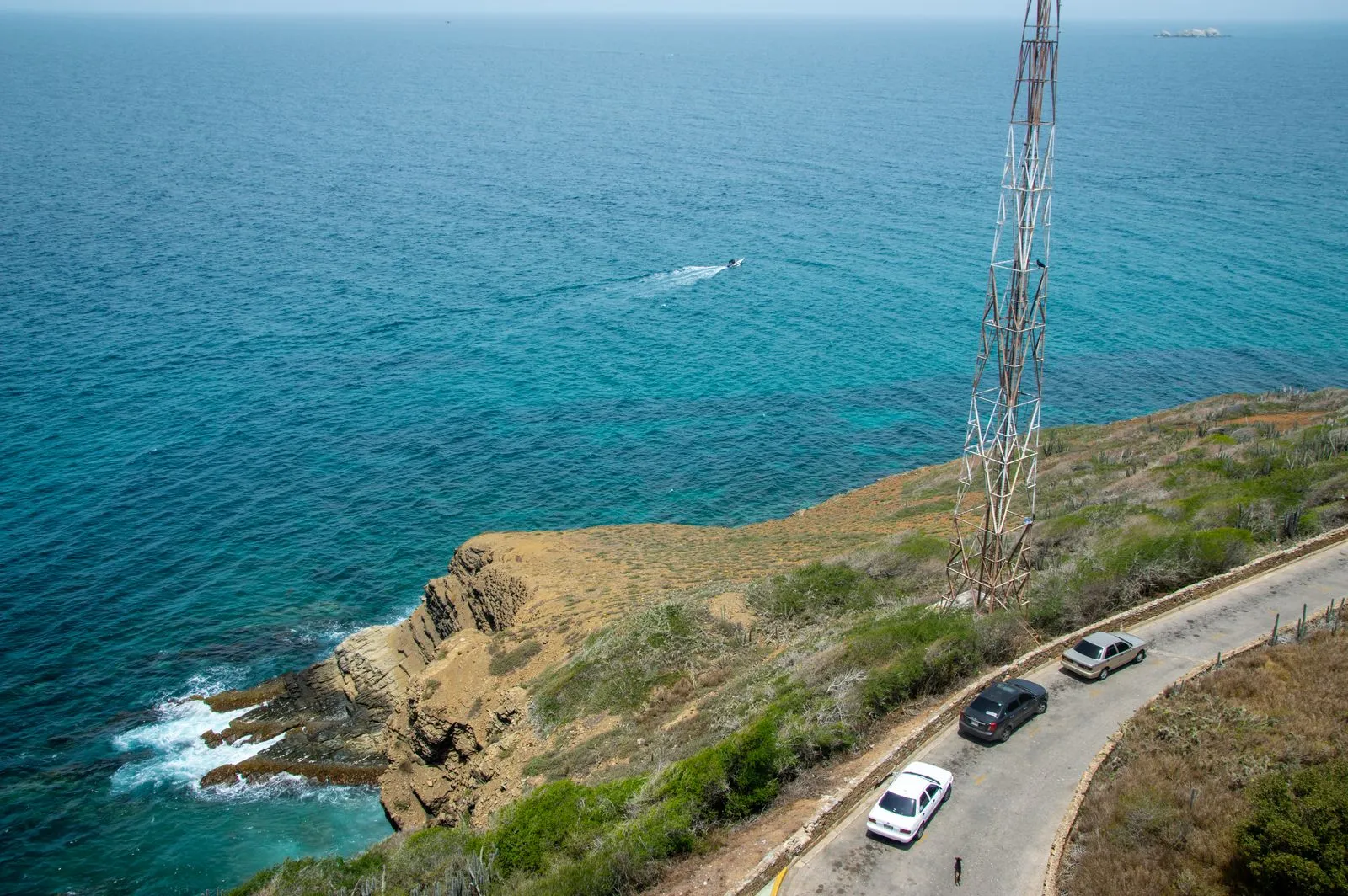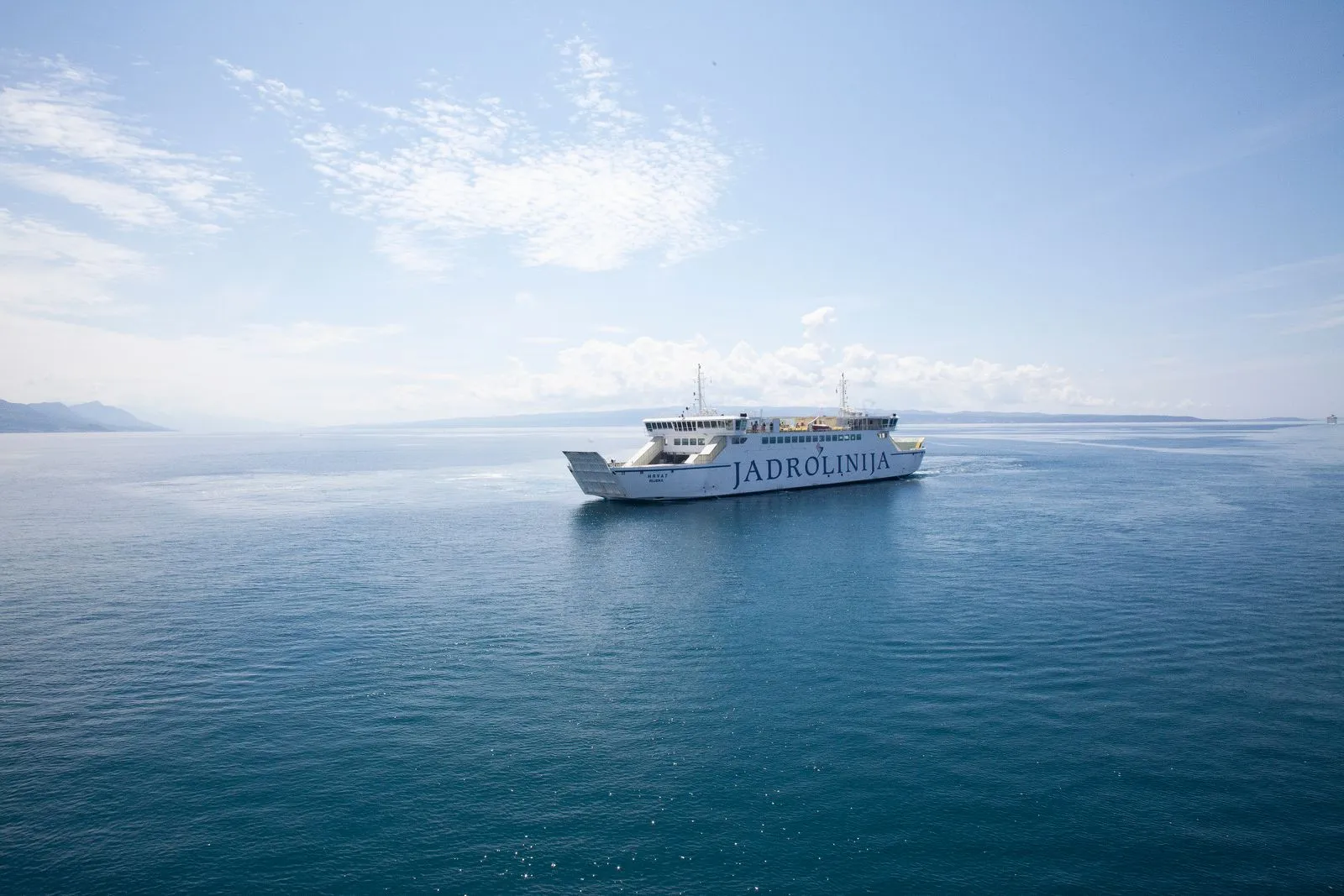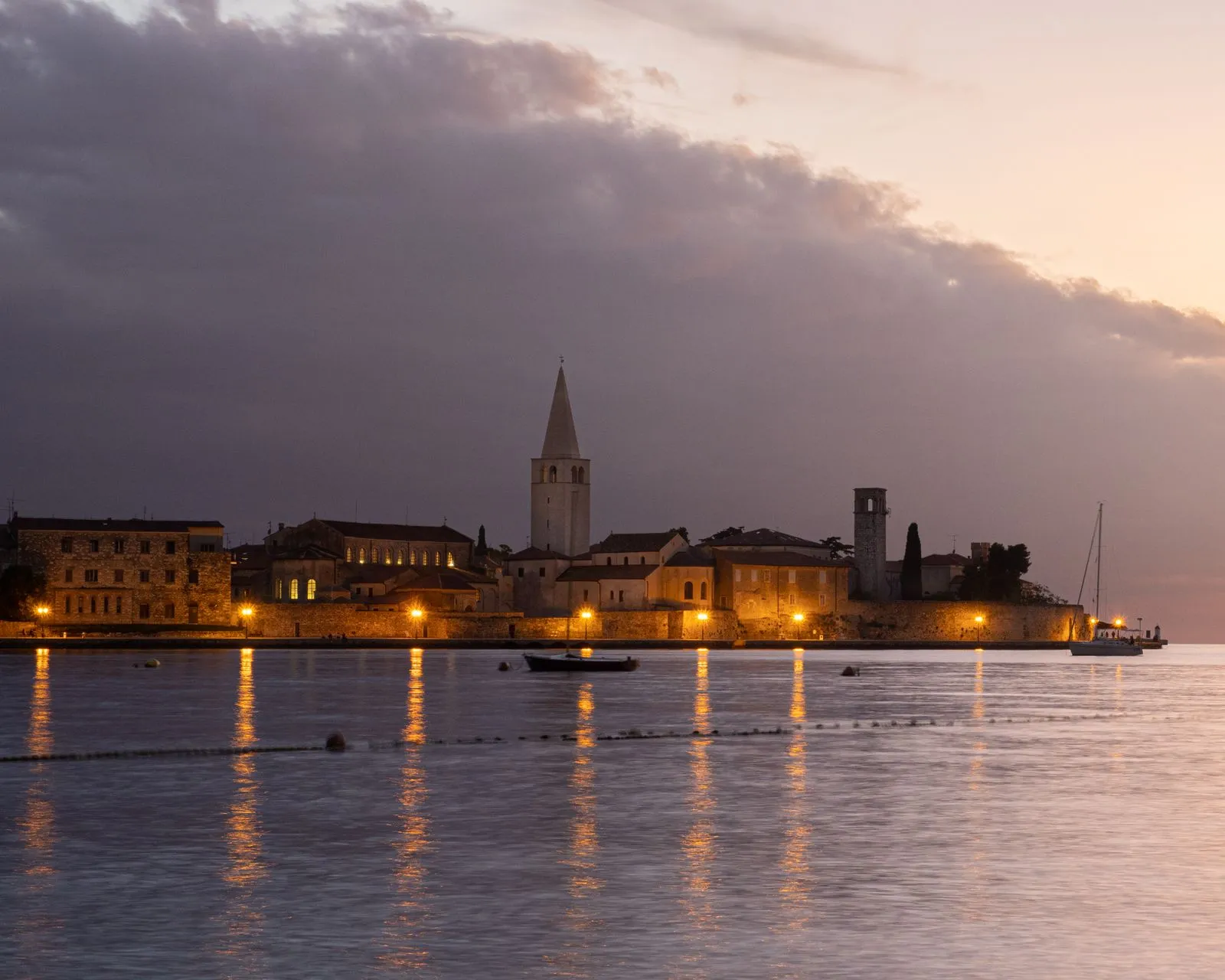
🏝 Croatia is a narrow, crescent-shaped country hugging the eastern Adriatic. 56,594 km² of land, roughly 6,000 km of coastline, and 1,246 islands (47 permanently inhabited). 🇪🇺 Joined the EU in 2013, adopted the Euro in January 2023, and entered Schengen the same month.
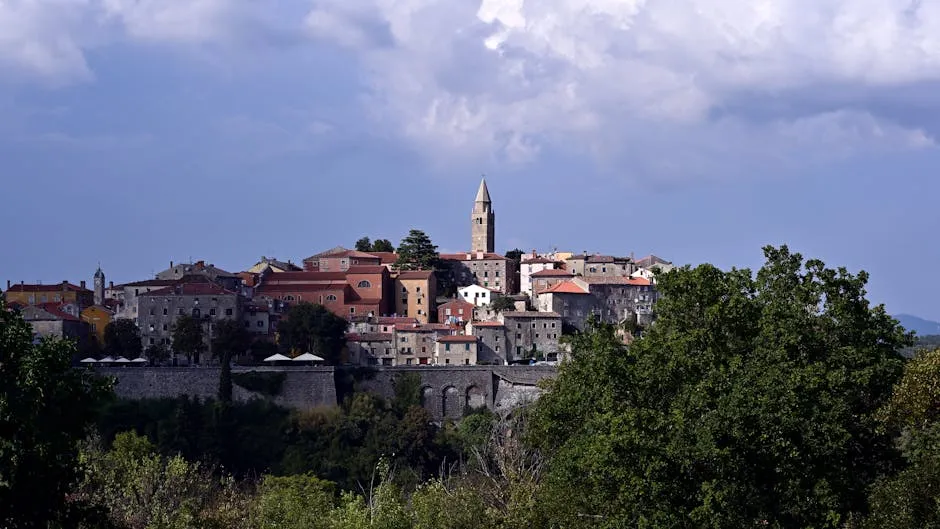
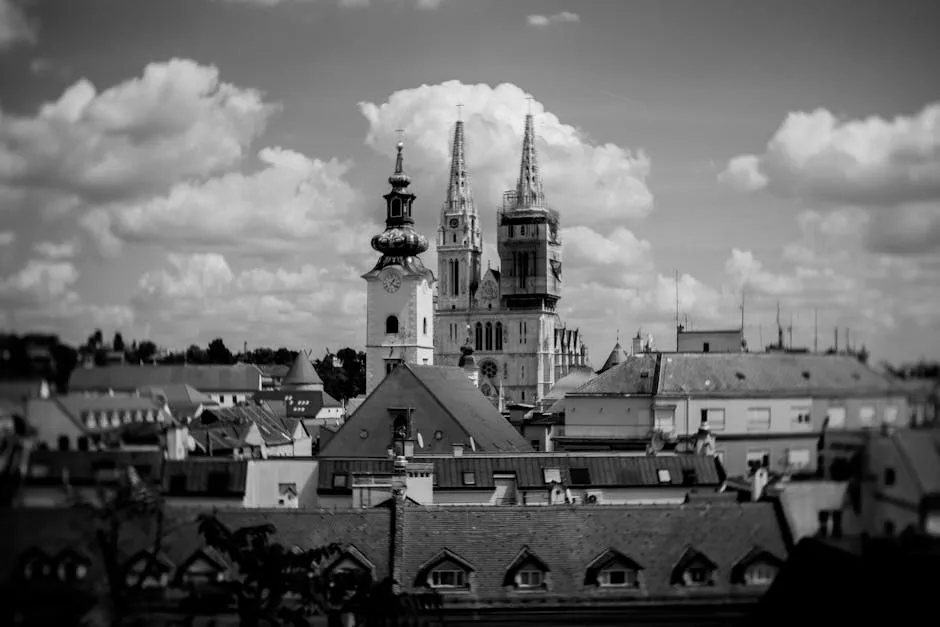
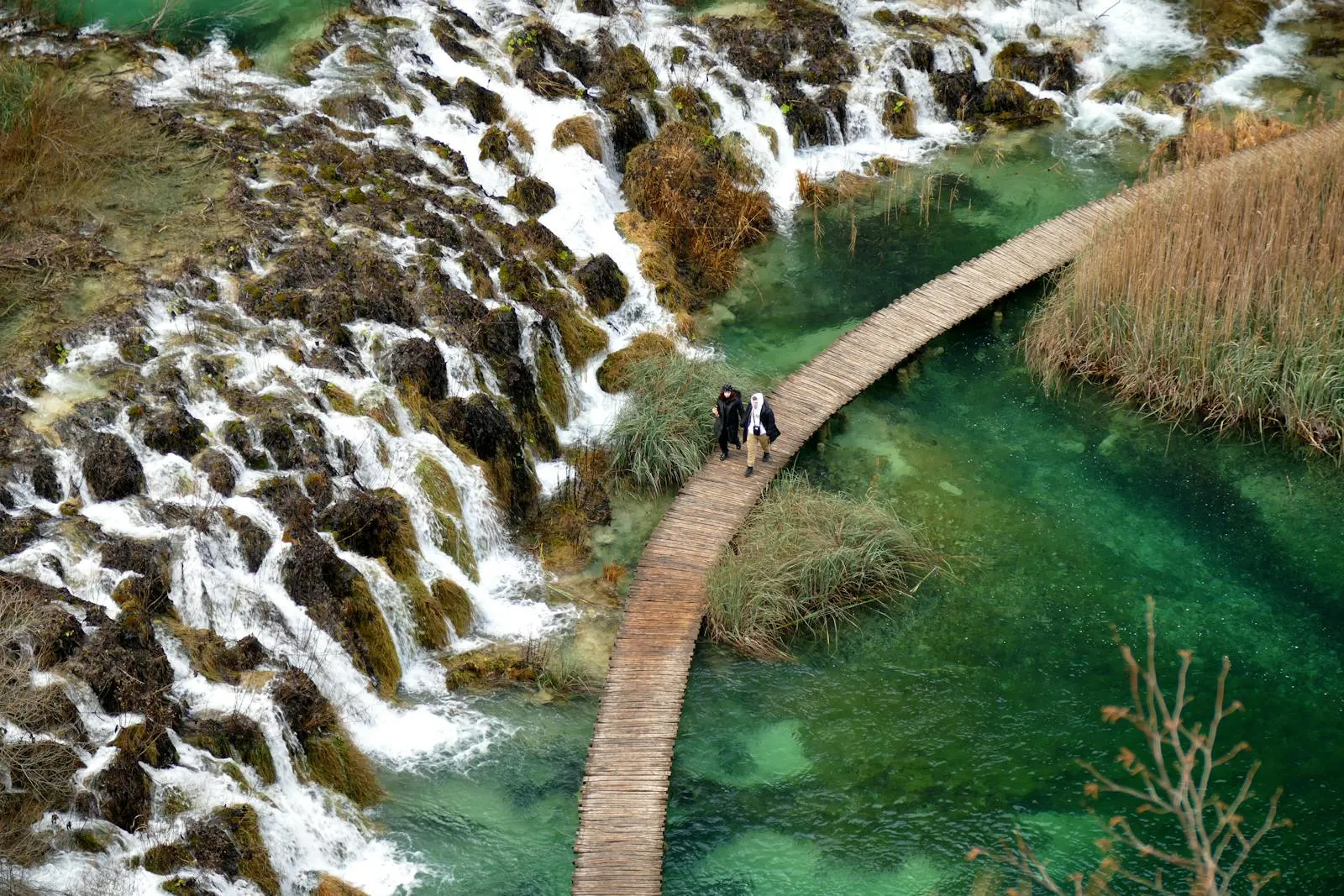
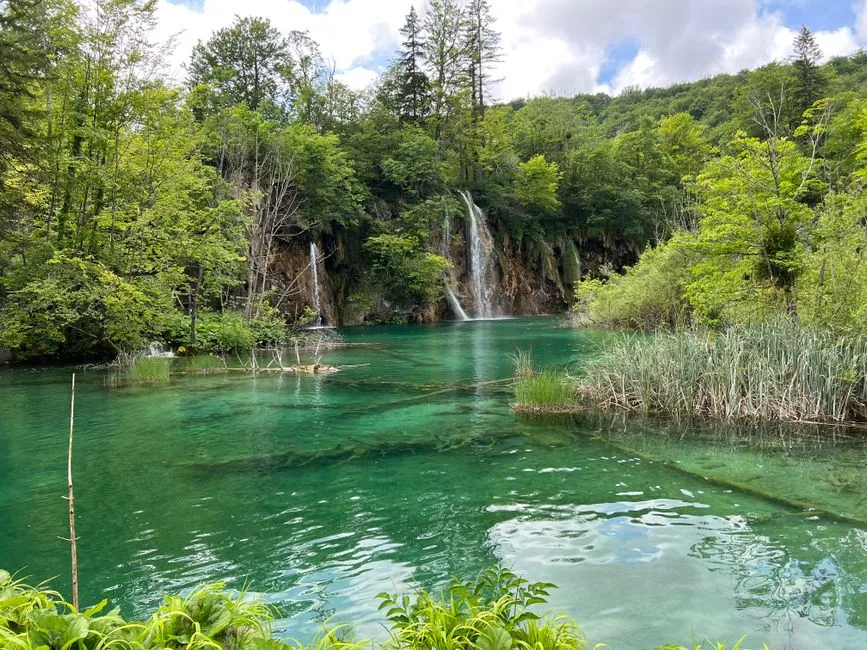
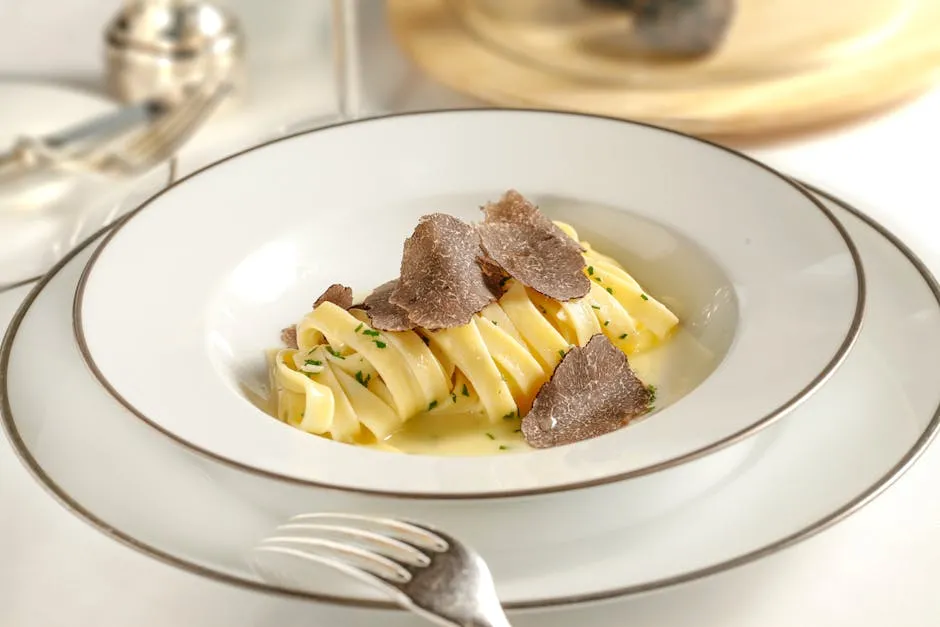
🏛 But Croatia is not just coast. Zagreb is a proper Central European capital with Habsburg architecture and cafe culture. 🌳 Plitvice Lakes are one of Europe’s most extraordinary natural sights. Istria has been called “the new Tuscany” for its hilltop villages and truffle forests.
🇭🇷 Capital
Zagreb (~800,000, metro ~1.1 million)
👥 Population
~3.9 million
📏 Size
56,594 km² (about the size of West Virginia)
💰 Currency
Euro (€) since January 2023
🌐 Languages
Croatian. English widely spoken on the coast and in tourism
📞 Emergency
112 (EU-wide). Pharmacies marked with green cross
Why Visit
🏝 Adriatic Coast & Islands
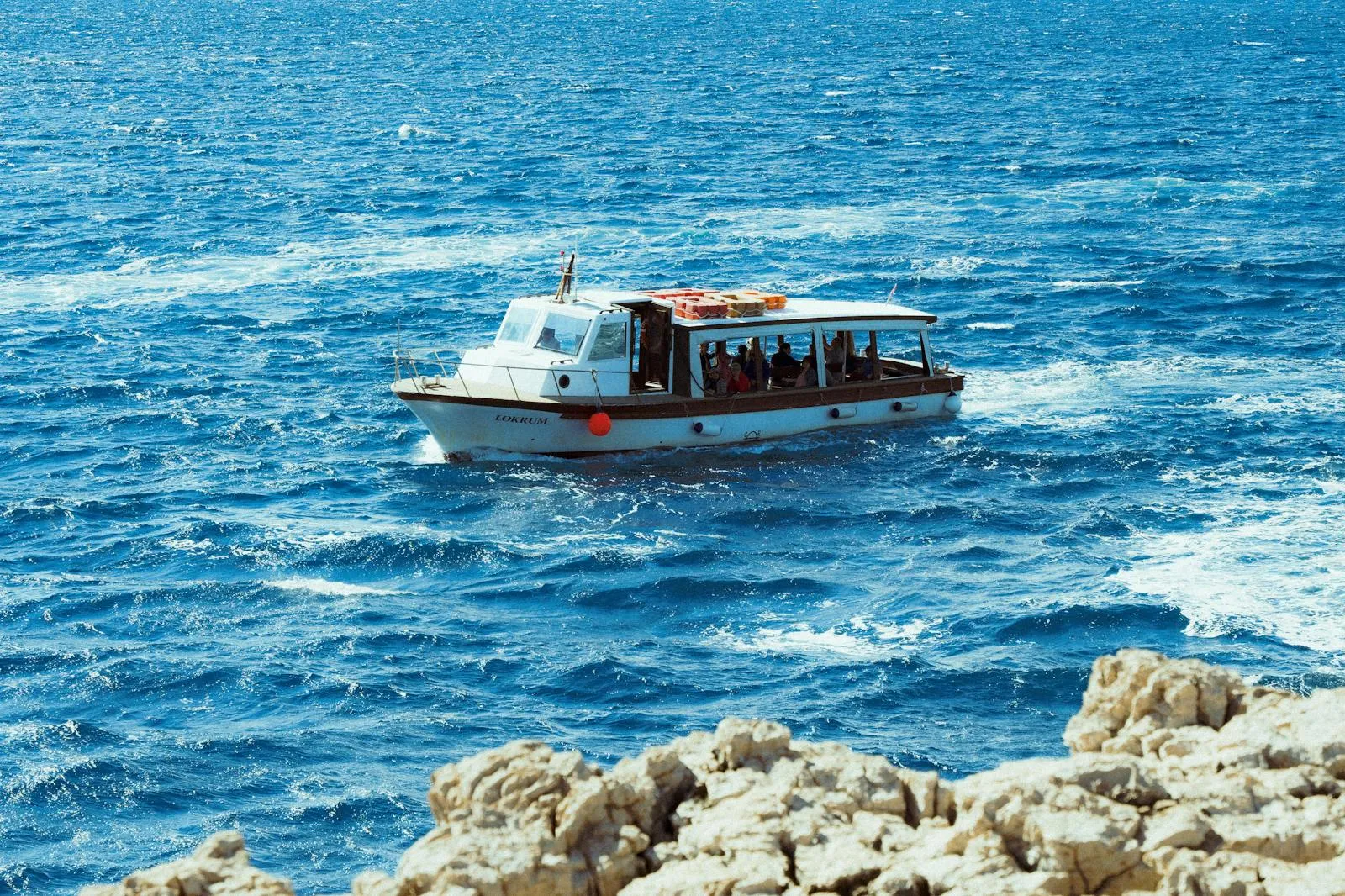
1,246 islands, crystal-clear water, secluded coves, and some of the cleanest beaches in the Mediterranean. Island-hopping by catamaran is easy and affordable
🌳 National Parks
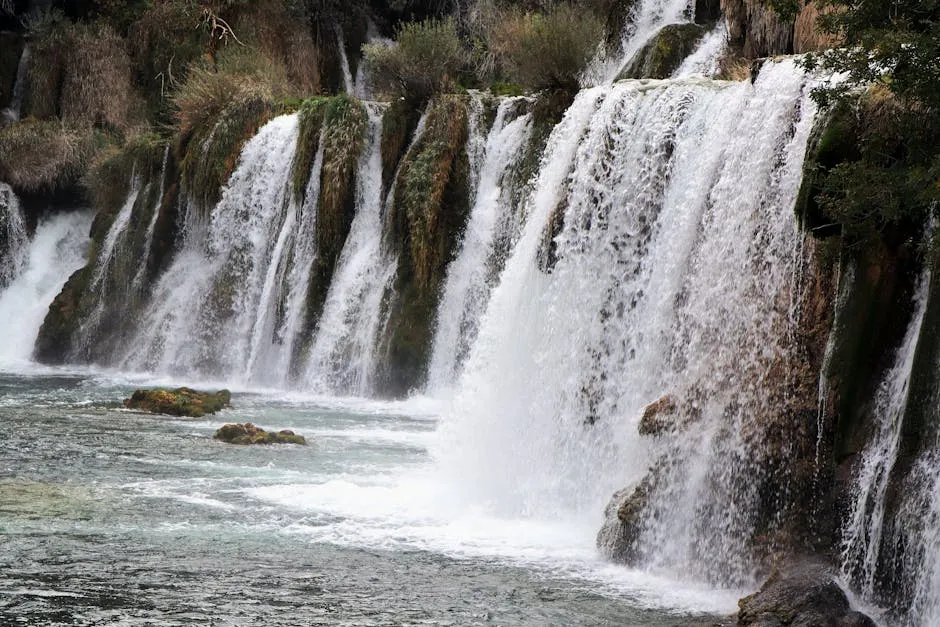
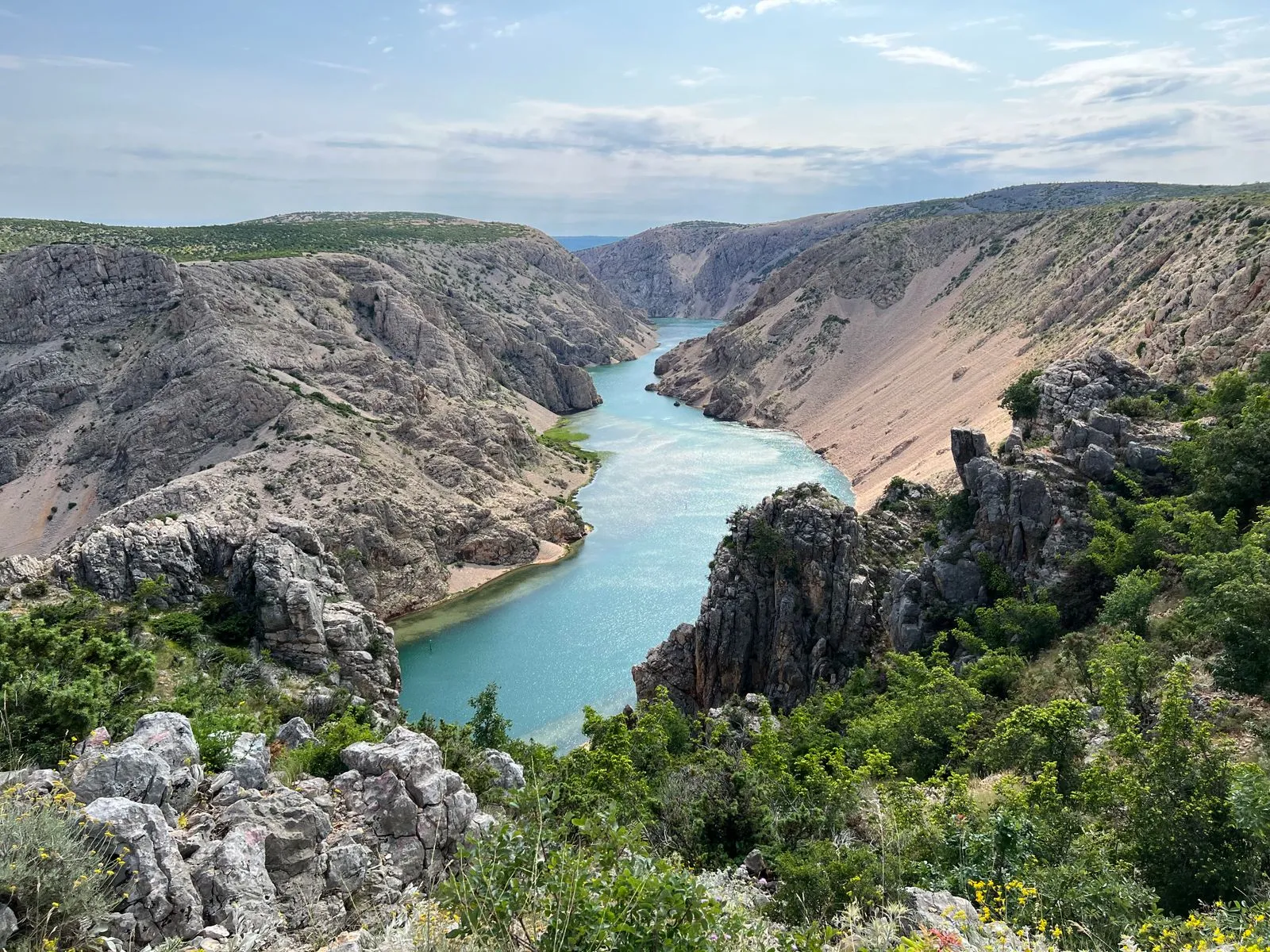
Eight national parks covering waterfalls, lakes, canyons, mountain ranges, and marine archipelagos. Plitvice and Krka are world-class
🏰 Medieval Old Towns
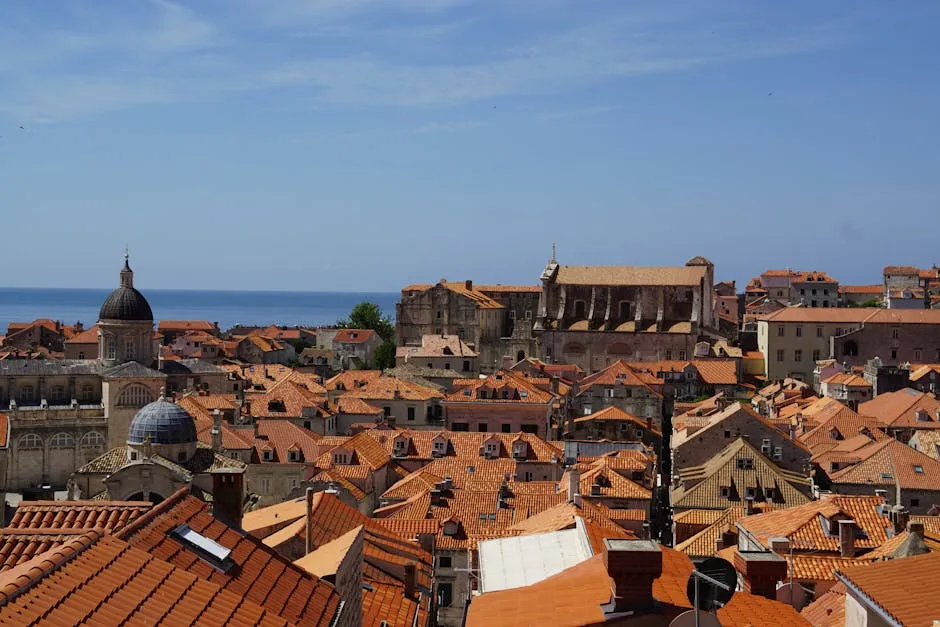
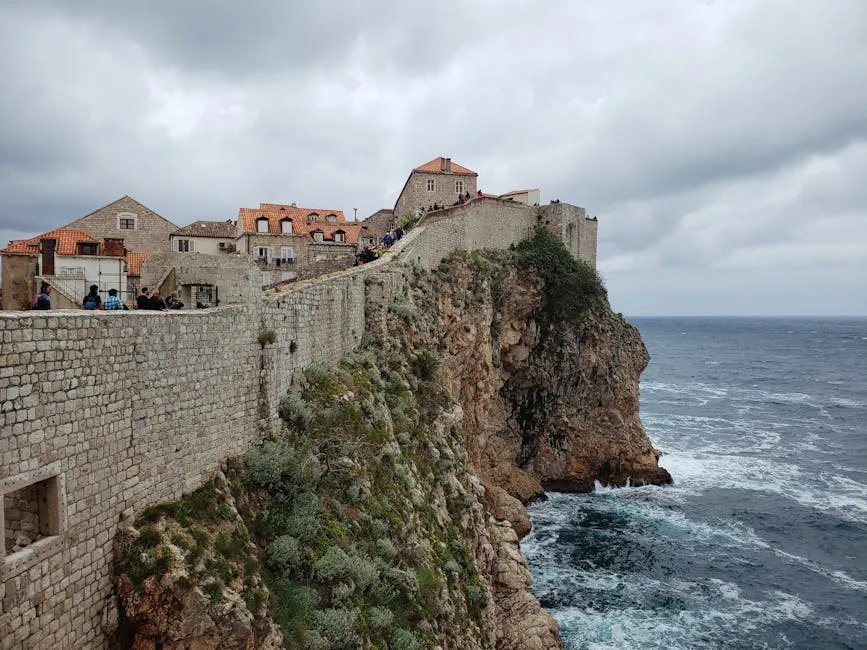
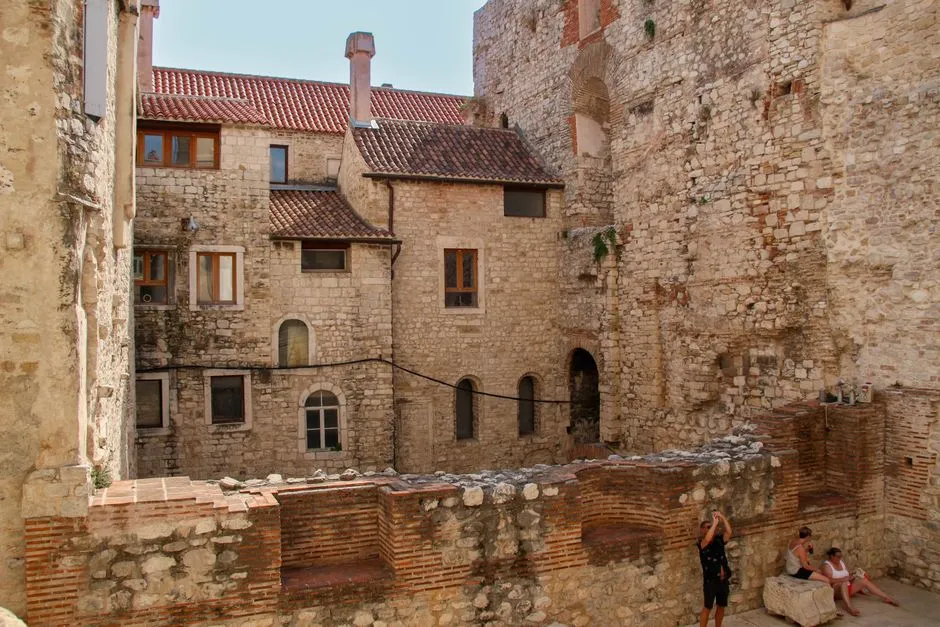
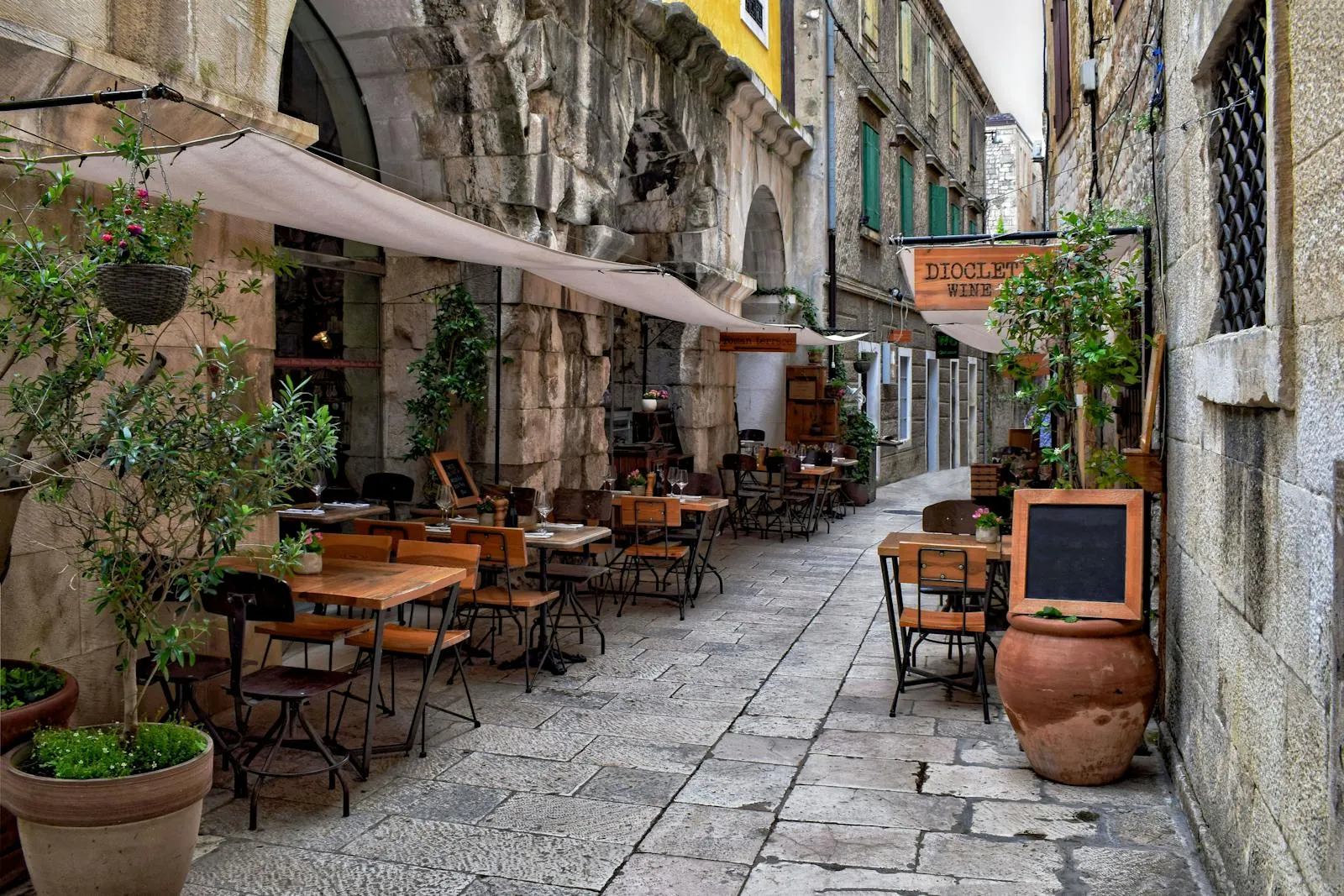
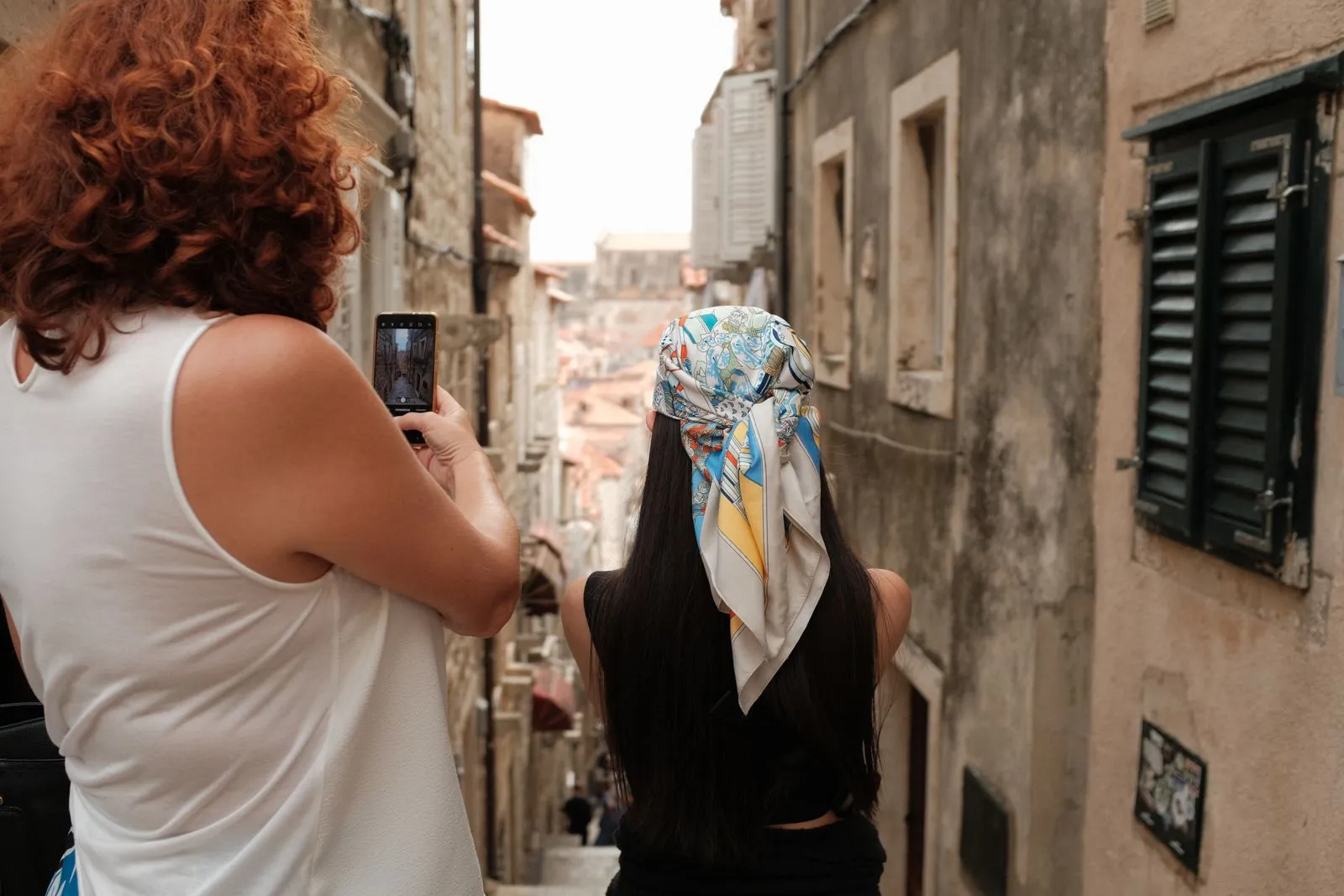
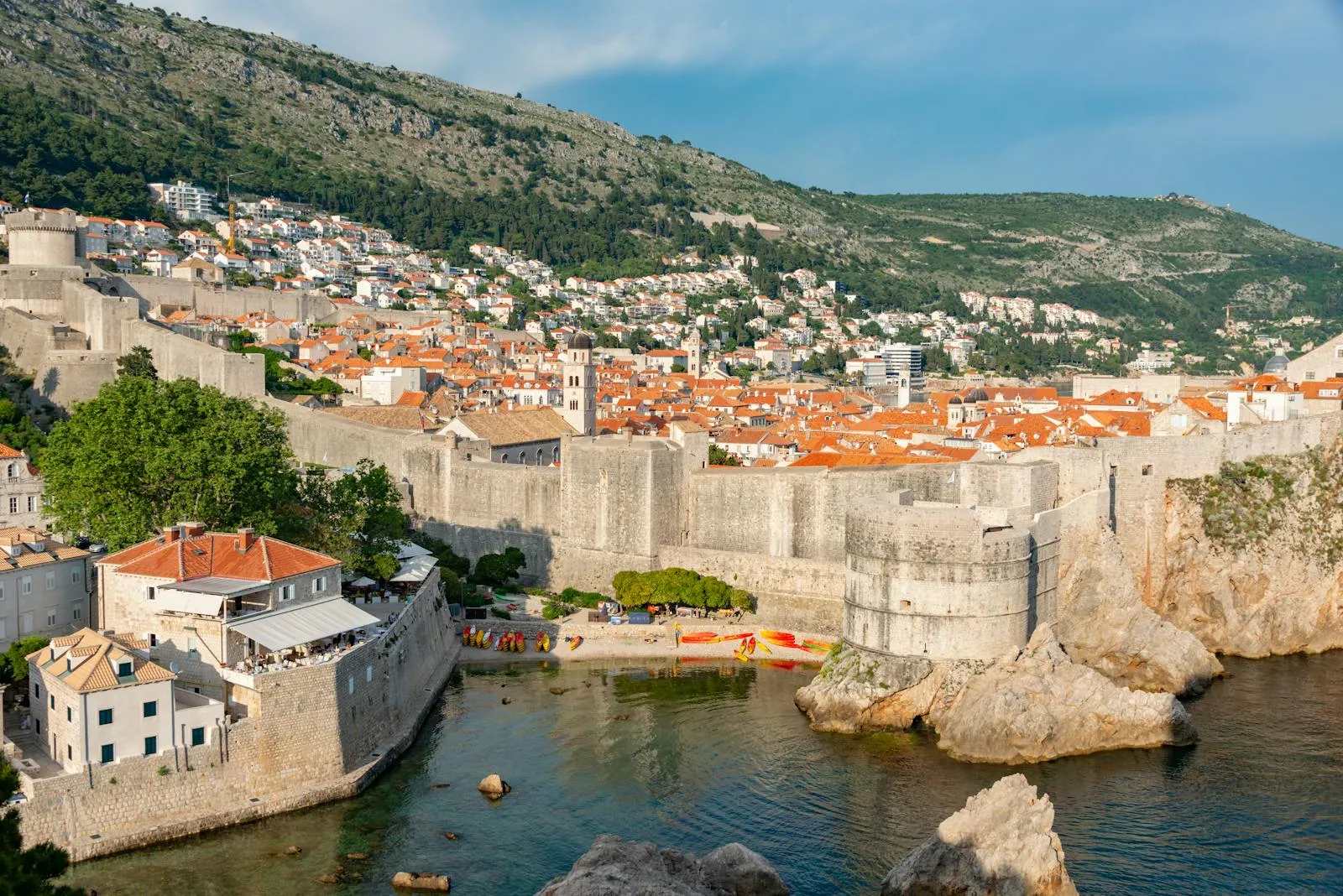
Dubrovnik, Split, Trogir, and Zadar have UNESCO-listed old towns built from Adriatic limestone. Intact city walls, Roman palaces, and Venetian architecture
🍲 Mediterranean Food & Wine
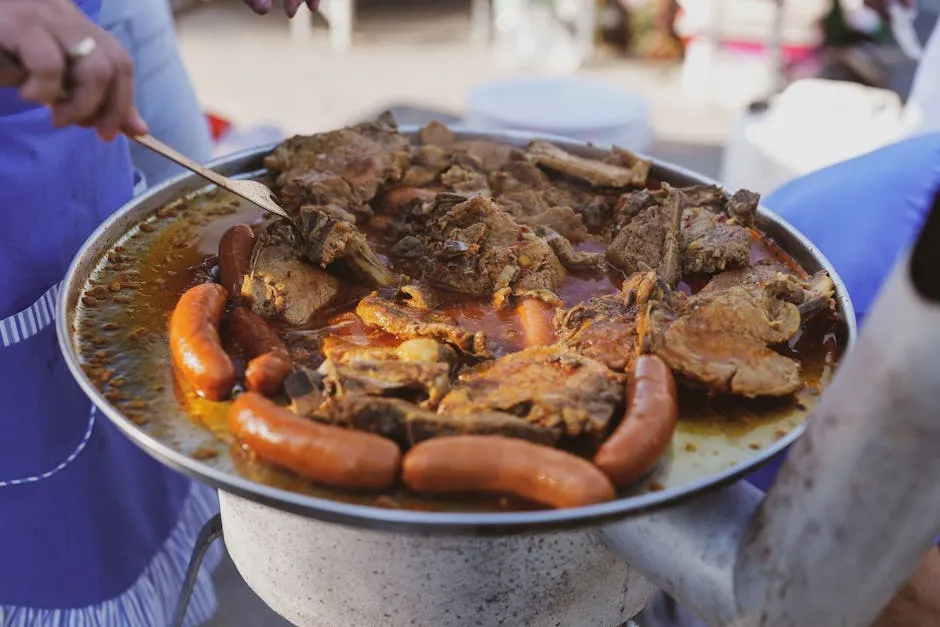
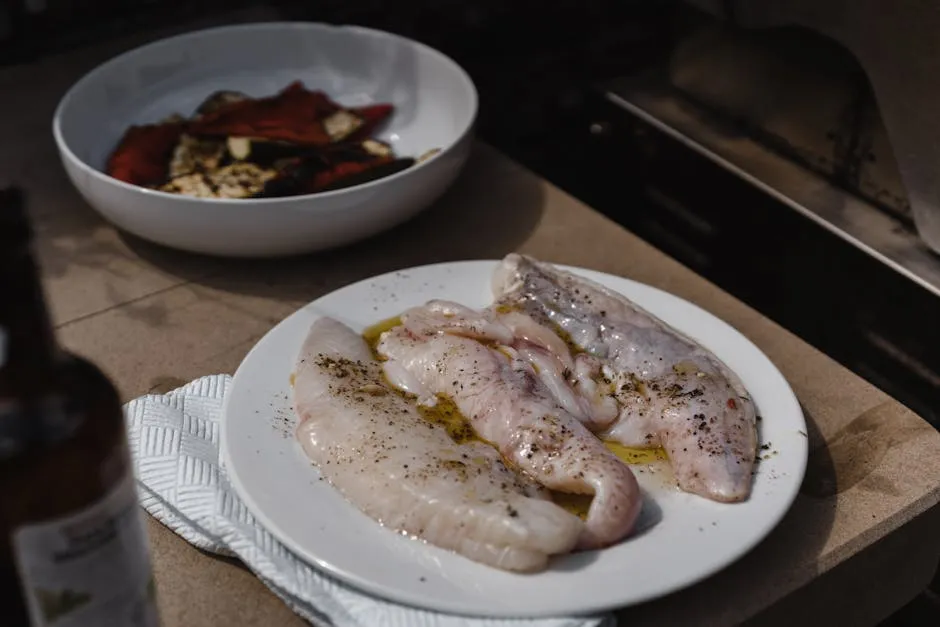
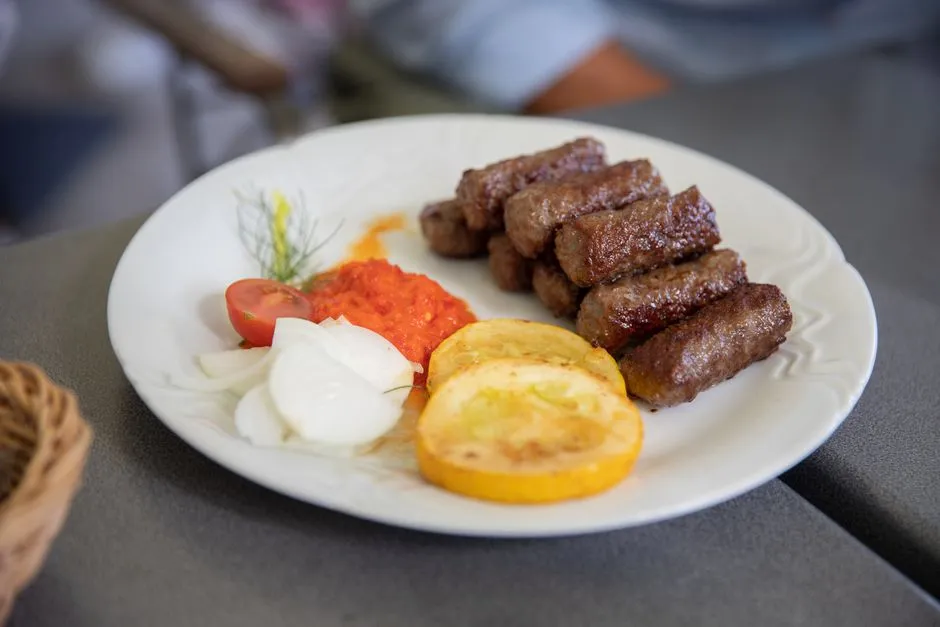
Istrian truffles and olive oil, Dalmatian grilled fish and peka, Slavonian kulen sausage, and local wines (Plavac Mali, Malvazija) that rarely leave the country
🐾 Diving & Water Sports
Exceptional visibility, underwater caves, WWII shipwrecks, and marine life. Kayaking around Dubrovnik, windsurfing in Bol, sailing the Kornati archipelago
💸 Affordable Mediterranean
Cheaper than Italy or Greece for accommodation, food, and transport. Local restaurants serve three-course meals for €15–25. Hostels from €15/night