South Korea Travel Guide

K-pop energy, ancient palaces, sizzling BBQ, and mountain trails. Your complete handbook for exploring the Land of the Morning Calm

🇰🇷 South Korea Couple Travel Low-Medium Budget 24 Sections

Overview & Why Visit South Korea

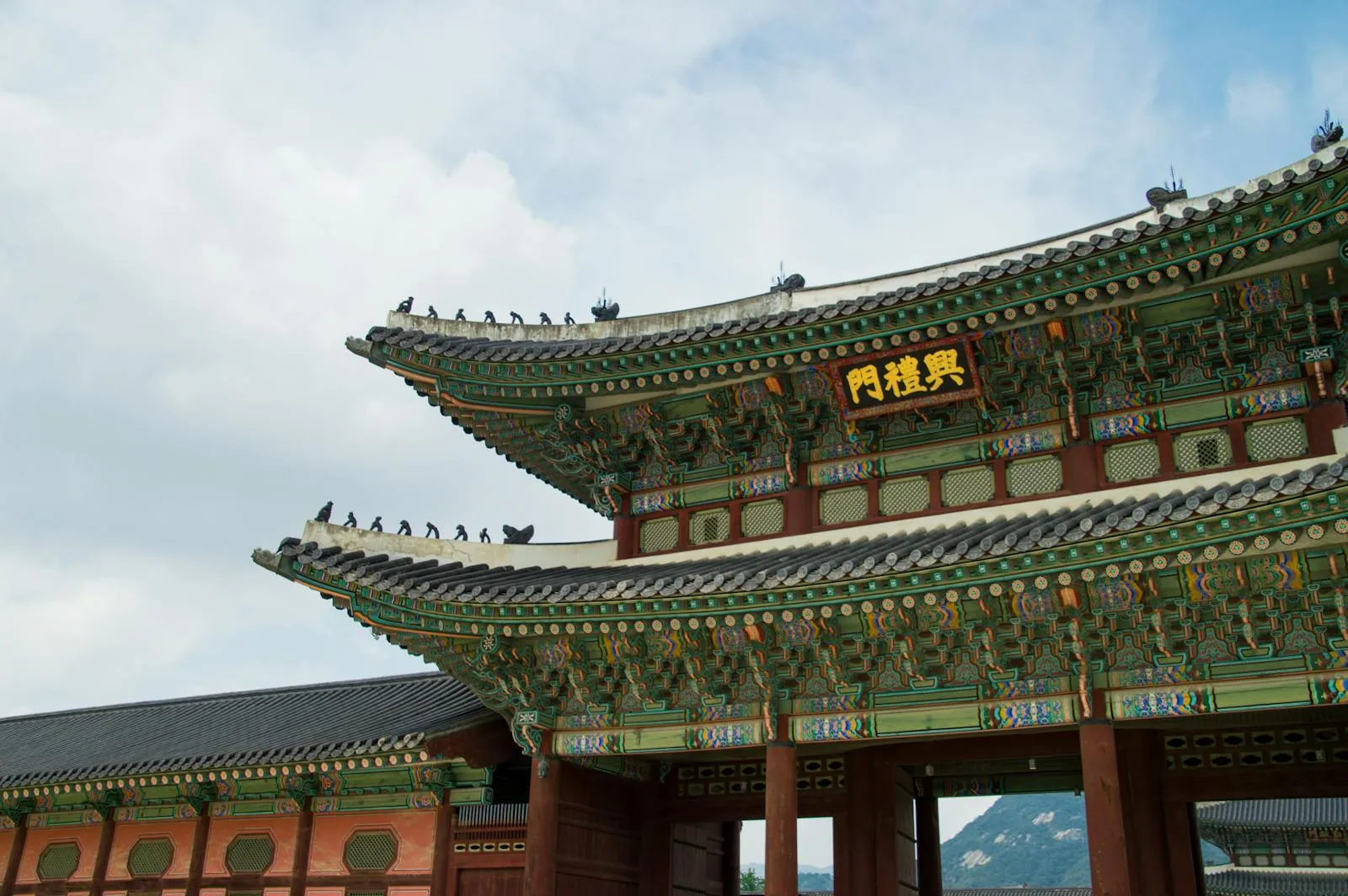
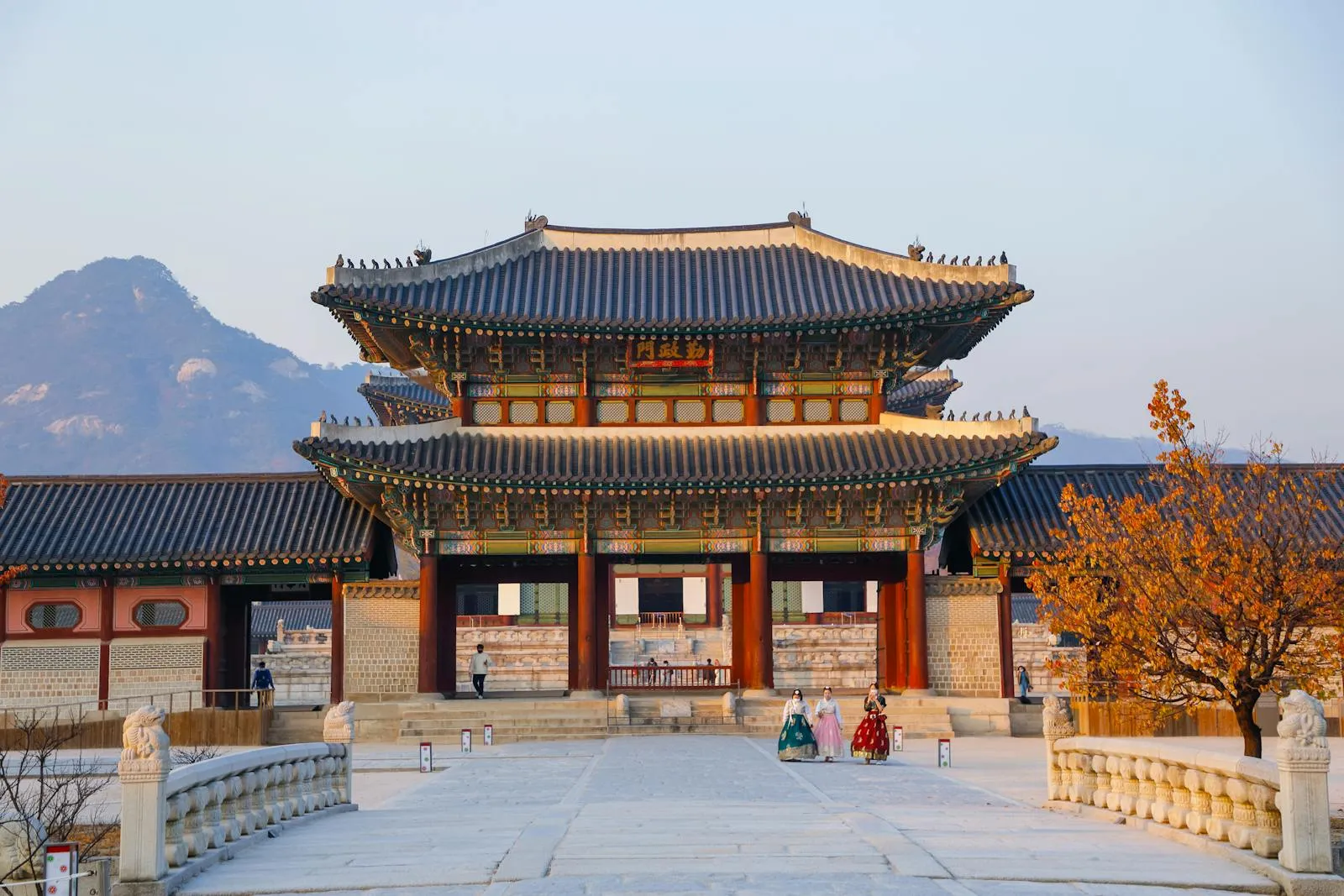
Gyeongbokgung Palace in Seoul with mountains behind

South Korea blends ancient and ultramodern: 600-year-old palaces beneath glass skyscrapers, Buddhist monks scrolling phones, and grilled pork belly meals with twenty side dishes costing less than European fast food. For couples, it delivers world-class food, cutting-edge culture, mountain scenery, and genuine affordability.

The “Land of the Morning Calm” occupies the southern half of the Korean Peninsula, roughly the size of Portugal or Indiana:

  • Compact but diverse: Despite its small size (100,363 km²), it packs in a remarkable range of experiences
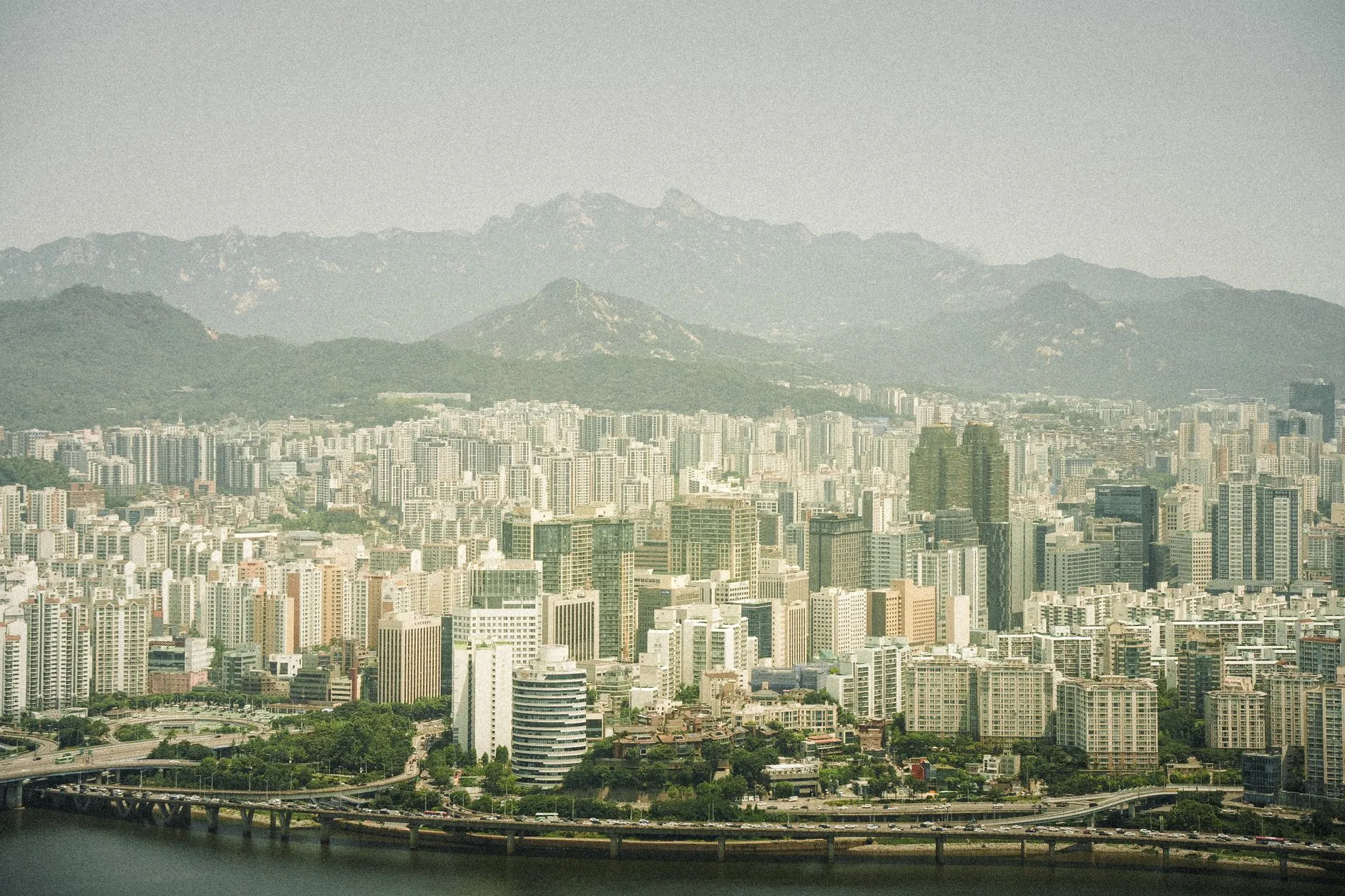
  • Seoul: The hyperkinetic capital of 10 million (26 million in greater metro)
  • Beyond the capital: Coastal cool of Busan, volcanic drama of Jeju Island, ancient ruins of Gyeongju
  • Mountainous terrain: Mountains cover 70% of the country, offering hiking trails everywhere
Population
52M
One of the most wired nations on Earth
Size
100K km²
Slightly smaller than Iceland
Currency
₩ KRW
Korean Won • ~₩1,300 = €1
Daily Budget
€74–150
Per couple, mid-range comfort

Korea’s modern history: one of humanity’s most dramatic transformations.

  • 1960: Poorer than most of sub-Saharan Africa
  • “Miracle on the Han River”: One generation to world’s 10th-largest economy
  • Global brands: Samsung, Hyundai, LG, globally influential cultural industry
  • DMZ: Korean War (1950–1953) scars visible at world’s most fortified border, 50 km from Seoul

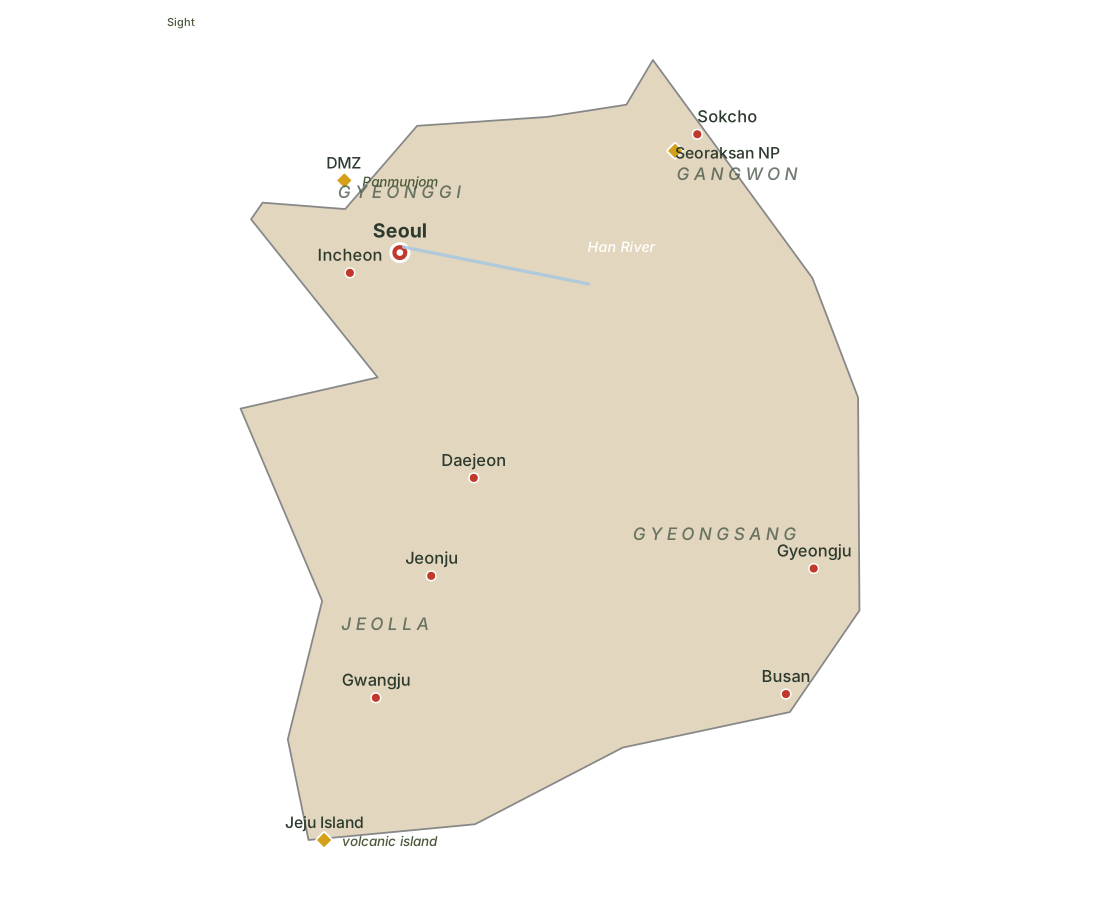
Map of South Korea

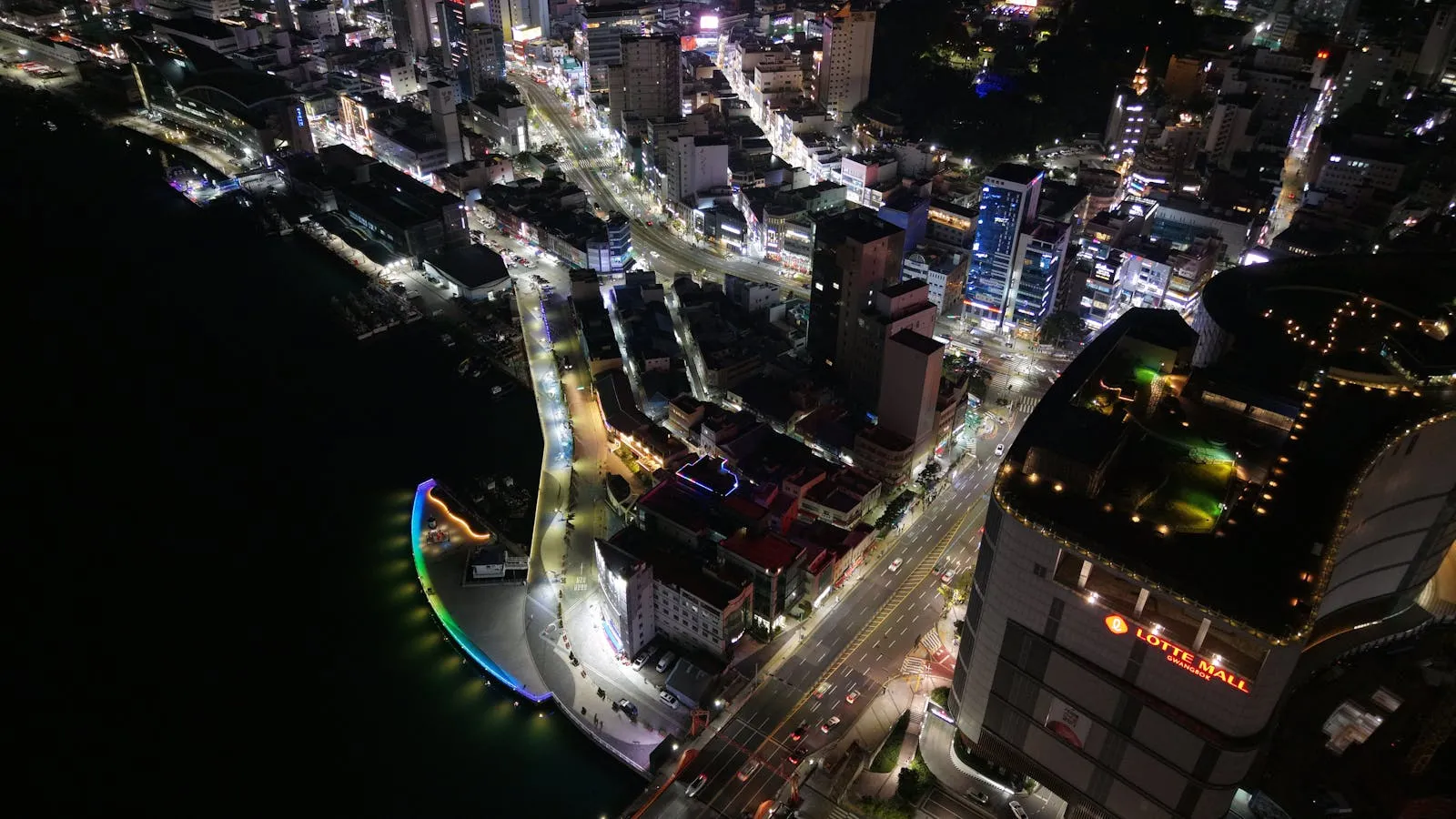
Stunning aerial shot of Busan cityscape at night with illuminated streets and buildings.

South Korea occupies the southern half of the Korean Peninsula: bordered by North Korea (DMZ at 38th parallel), Yellow Sea (west), East Sea (east), and Korea Strait (south). Despite its compact size, over 3,400 islands and 2,413 km coastline.

Map of South Korea showing key travel destinations and regions
📍 Geography Key Facts

70% mountains. One of Asia’s most mountainous countries. Taebaek range runs along the east coast like a spine. Incredible hiking, but population and agriculture concentrate in western lowlands and river valleys. Jeju Island (1.5h flight, 13h ferry) is a volcanic island with subtropical microclimate, UNESCO lava tubes, and Korea’s highest peak Hallasan (1,950m).

Best Time to Visit

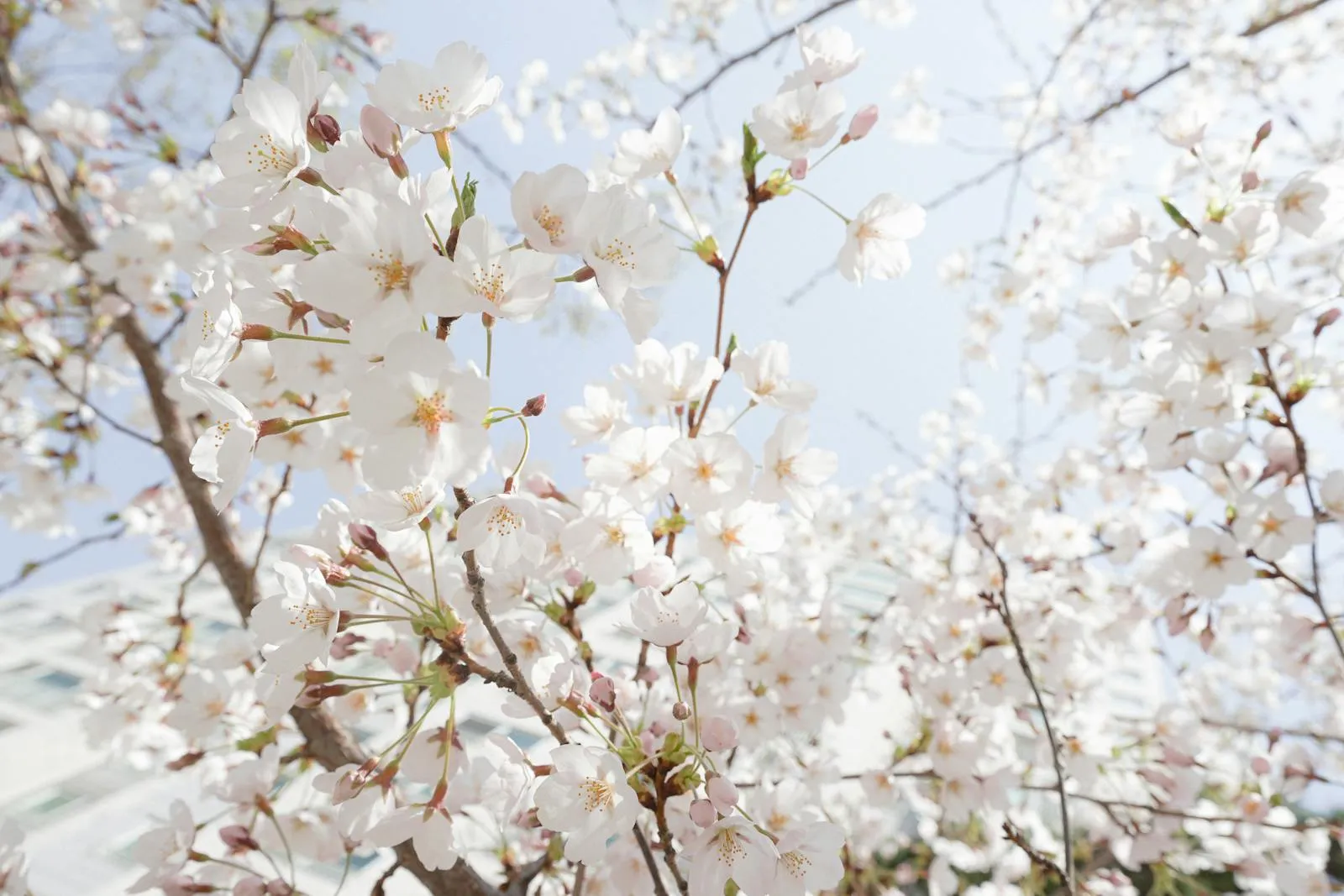
Close-up of blooming cherry blossoms in Seoul, capturing the essence of springtime.

South Korea has four distinct seasons with dramatic differences. At roughly the same latitude as southern Spain or Washington D.C., its continental climate means hotter summers and colder winters than expected. Timing matters. October’s golden autumn versus August’s sweltering monsoon is enormous.

🌸 Cherry Blossom Season (Late March – Mid April)

Korea’s cherry blossoms bloom slightly earlier than Japan’s, sweeping north from Jeju (late March) to Seoul (early–mid April). Jinhae (near Busan) hosts Korea’s biggest cherry blossom festival with 350,000+ trees. Yeouido in Seoul and Gyeongju are also spectacular. Less crowded and cheaper than Japan’s sakura season.

🍁 Autumn Foliage (October – November)

Arguably Korea’s most beautiful season. Mountains blaze with red, orange, and gold. Seoraksan peaks first (early October), followed by Jirisan and Naejangsan (late October–early November). Seoul’s palace gardens in November are stunning. Temperatures are ideal (12–20°C) and skies are crisp and clear.

💰 Budget Tip

Winter (December–February, excluding Seollal) is cheapest. Hotels drop 30–40%, flights are low, and you get Seoul and Busan largely to yourself. Cold (−5 to 5°C in Seoul), but ondol (floor heating) keeps interiors toasty, jjimjilbang spas are perfect cold-weather activities, and skiing at Pyeongchang adds a unique dimension. Layer up and enjoy steaming hotteok (sweet pancakes) from street vendors.

🌸 Spring (Mar–May)

5–22°C. The country shakes off winter quickly. Cherry blossoms arrive late March (Jeju/Busan) to mid-April (Seoul). Yellow dust (hwangsa) from China can affect air quality in March–April. Check forecasts and carry a mask.

☀️ Summer (Jun–Aug)

22–35°C. Hot, very humid. Jangma monsoon (late Jun–late Jul) brings heavy rain. August is the hottest month with oppressive humidity (70–85%). Typhoon risk increases. Best for: beach towns, Jeju Island, mountain retreats.

🍁 Autumn (Sep–Nov)

8–25°C. Glorious weather. Clear skies, comfortable temperatures, spectacular foliage. The best season for hiking and outdoor sightseeing. Peak foliage hits Seoraksan early October, Seoul/Busan late October–early November.

❄️ Winter (Dec–Feb)

−10–5°C. Cold and dry, with bitter Siberian winds. Seoul averages −3°C in January. Snow falls regularly, especially in mountain areas. Excellent for skiing (Pyeongchang hosted 2018 Olympics). Indoor culture thrives: jjimjilbang, cafes, museums.

Month Season Best Regions Crowds Prices Rating
JanuaryWinter (−8–3°C)Ski resorts, Seoul. Seollal (Lunar New Year) late month. Very cold🟢 Low🟢 Low⭐⭐⭐
FebruaryWinter (−5–5°C)Pyeongchang skiing, Seoul. Coldest month. Seollal holidays possible🟢 Low🟢 Low⭐⭐⭐
MarchEarly Spring (3–12°C)Seoul, Busan warming. Yellow dust risk. Cherry blossoms late month Jeju🟡 Medium🟡 Medium⭐⭐⭐⭐
AprilSpring (10–20°C)Jinhae Cherry Blossom Festival. Seoul, Gyeongju, Jeju. Perfect weather🔴 Very High🔴 High⭐⭐⭐⭐⭐
MayLate Spring (15–24°C)All regions excellent. Seoul, Seoraksan, DMZ, Jeju. Buddha’s Birthday🔴 High🔴 High⭐⭐⭐⭐⭐
JuneEarly Summer (20–28°C)Jeju, coastal areas. Jangma monsoon begins late month. Humid🟡 Medium🟡 Medium⭐⭐⭐
JulySummer (23–32°C)Beaches, indoor attractions. Jangma monsoon. Hot, humid, rainy🟡 Medium🟡 Medium⭐⭐⭐
AugustSummer (24–35°C)Beaches, mountains. Hottest & most humid month. Typhoon risk🔴 High🟡 Medium⭐⭐
SeptemberEarly Autumn (18–28°C)Seoul, Busan. Chuseok harvest festival mid-month. Weather improving🔴 High🔴 High⭐⭐⭐⭐
OctoberAutumn (12–22°C)Seoraksan, Naejangsan foliage. Seoul, Gyeongju. Peak autumn colors🔴 Very High🔴 High⭐⭐⭐⭐⭐
NovemberLate Autumn (5–15°C)Late foliage, Seoul, Busan. Crisp weather. Ginkgo trees golden🔴 High🟡 Medium⭐⭐⭐⭐⭐
DecemberEarly Winter (−2–8°C)Seoul Christmas lights, ski season begins. Cold but festive🟡 Medium🟡 Medium⭐⭐⭐⭐
⚠️ Dates to Avoid

Chuseok (Korean Thanksgiving, Sep/Oct): 3-day national holiday. Millions travel, transport books out, many restaurants close. Dates shift annually (lunar calendar).

Seollal (Lunar New Year, Jan/Feb): Same issues as Chuseok. 3-day holiday, mass domestic travel, business closures.

Jangma monsoon (late June–late July): Heavy rain and high humidity. Not impossible but uncomfortable for sightseeing.

Climate & Weather

South Korea has a continental climate with four distinct seasons and pronounced monsoon influence. Similar to US Northeast or northern Japan. Hot, humid summers and cold, dry winters with beautiful transitions. Monsoon (jangma) brings 50–60% of annual rainfall in 3–4 weeks during late June-July.

🌧️ Monsoon & Typhoons

Jangma (Monsoon): Late June to late July. Not constant rain, but frequent heavy downpours and overcast skies. Can dump 200–400mm in a week. Carry an umbrella and waterproof shoes. Indoor activities (museums, cafes, jjimjilbang) become your best friends.

Typhoons: August–September. Korea gets 2–3 typhoons per year on average. They can disrupt transport for 1–2 days. Monitor the Korea Meteorological Administration (kma.go.kr).

💡 Regional Variations
  • Seoul & North: Coldest winters (−10°C not uncommon), hottest summers. Biggest temperature swings.
  • Busan & South Coast: Milder winters (2–7°C), ocean-moderated. Slightly more rain.
  • Jeju Island: Subtropical. Warmest in winter (3–8°C), mild summers. Windiest place in Korea. Can be very windy year-round.
  • Gangwon-do (East Coast): Heaviest snowfall. Home to ski resorts. Cool summers in the mountains.

Holidays & Festivals

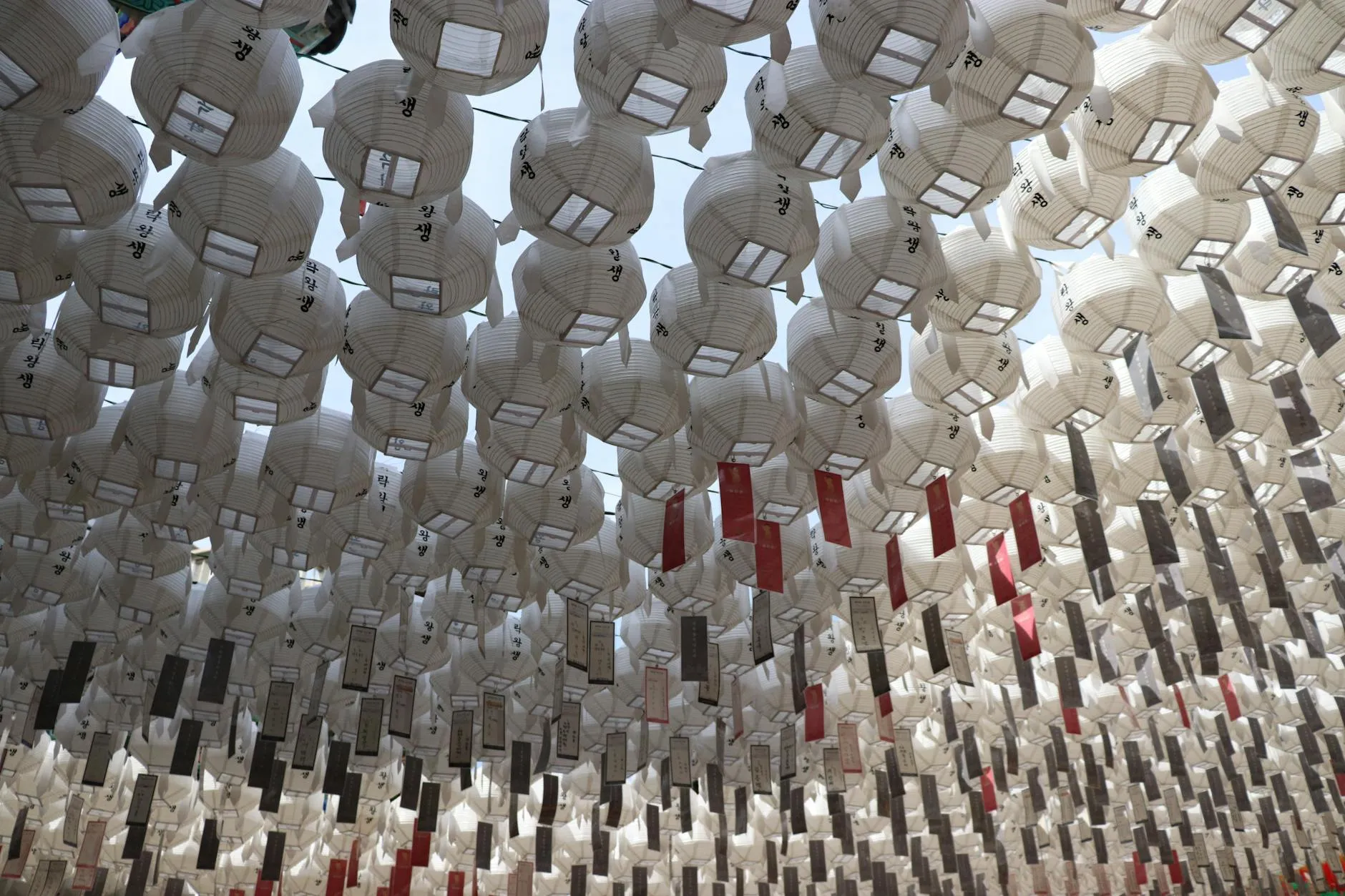
Rows of traditional paper lanterns hang outdoors in a festive display, capturing cultural heritage and artistry.

South Korea’s two biggest holidays (Seollal and Chuseok) trigger massive nationwide travel, with the entire country visiting family. Book domestic transport and accommodation well ahead for these periods.

Date / periodHoliday or festivalImpact on travel
1 JanSinjeong (New Year’s Day)Public holiday; quiet compared to Seollal
Jan–Feb (lunar)Seollal (Lunar New Year, 3 days)Most Koreans travel to ancestral hometowns; trains and buses sell out weeks ahead; many restaurants and shops closed. Tourist sites emptier in Seoul
1 MarSamiljeol (Independence Movement Day)National flag ceremonies; museums may have free entry
Apr–MayCherry blossom seasonNot a holiday but Jinhae, Yeouido (Seoul), and Gyeongju packed for blossoms; hotel prices rise
5 MayEorininal (Children’s Day)Parks, amusement parks, and family attractions extremely busy
May (lunar)Bucheonim Osinnal (Buddha’s Birthday)Temples decorated with colourful lanterns; lantern parade in Seoul (Jogyesa Temple). Beautiful photo opportunity
6 JunHyeonchungil (Memorial Day)Quiet national holiday; flags at half-mast
15 AugGwangbokjeol (Liberation Day)Independence from Japanese rule (1945); parades and ceremonies
Sep–Oct (lunar)Chuseok (Harvest Moon Festival, 3 days)Second-biggest holiday after Seollal; same travel chaos. Highways gridlocked, trains impossible without advance booking. Seoul empties out; tourist attractions quiet
3 OctGaecheonjeol (National Foundation Day)Mythological founding of Korea; public holiday
9 OctHangul DayCelebrates the Korean alphabet; cultural events
25 DecSeongtanjeol (Christmas)Public holiday; commercial but less dominant than in the West; couples treat it like Valentine’s Day
🏮 Festival highlights

Boryeong Mud Festival (Boryeong, Jul). Mud wrestling, mud slides, and general mayhem at Daecheon Beach. Hugely popular with expats and tourists. Jinju Lantern Festival (Jinju, Oct). Thousands of floating lanterns on the Namgang River. Andong Mask Dance Festival (Andong, Sep–Oct). Traditional talchum mask dances in a well-preserved Confucian village. Busan International Film Festival (BIFF) (Busan, Oct). Asia’s largest film festival with outdoor screenings on Haeundae Beach.

Regions of South Korea

Aerial panorama of the diverse South Korean landscape

South Korea offers diverse landscapes and experiences across its regions.

Seoul & Gyeonggi

Seoul & Gyeonggi

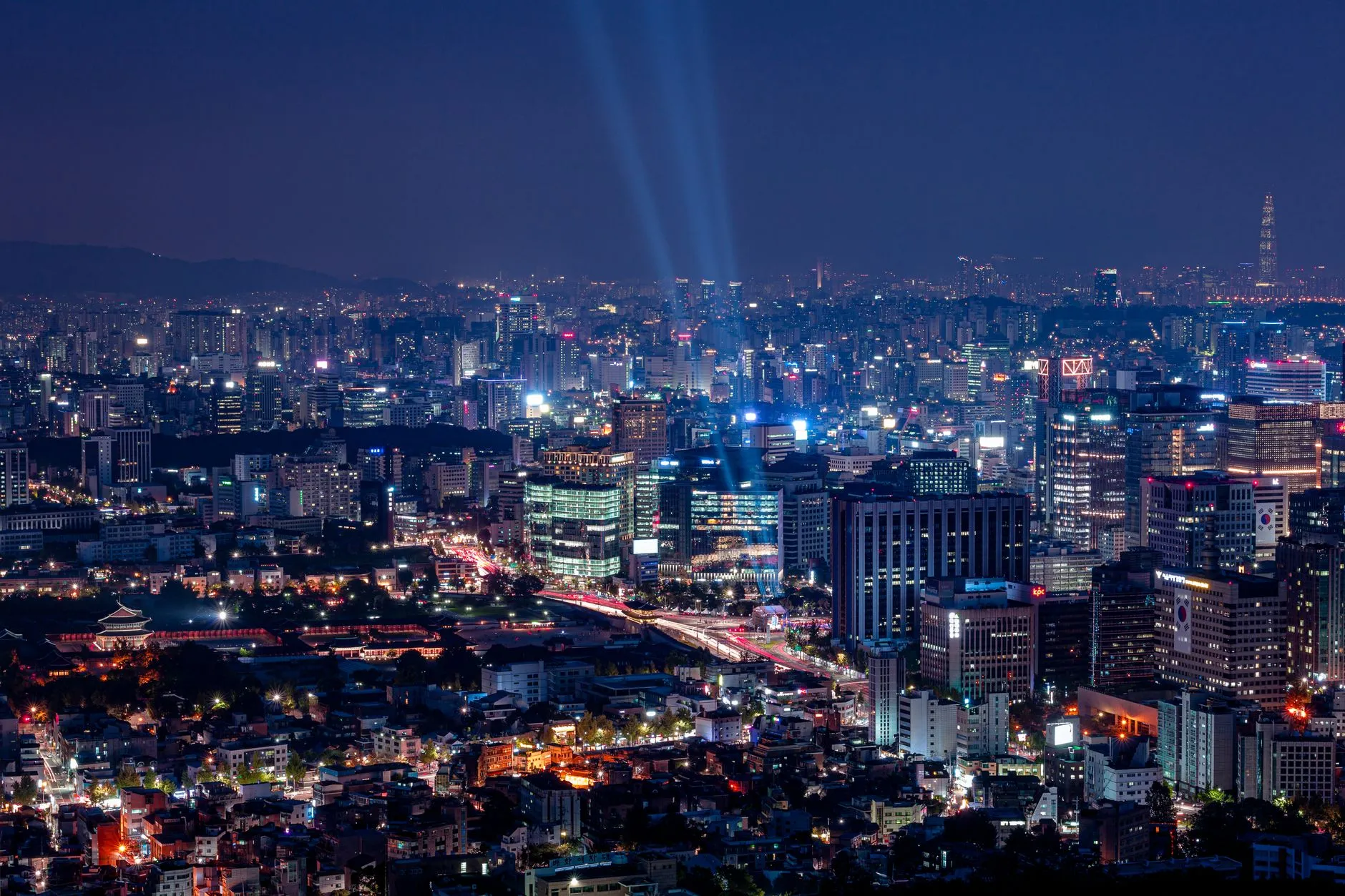
Seoul is one of the world's great megacities. A 10-million-person metropolis surrounded by mountains and bisected by the Han River. It manages to be simultaneously hyper-modern and deeply historical, with Joseon-dynasty palaces sharing skyline space with glass towers and neon-lit nightlife districts.

Busan, South Coast & Islands

Busan, South Coast & Islands

South Korea's second city and everything Seoul isn't: coastal, laid-back, and beach-focused. Busan (3. 4 million) sprawls along the southeastern coast with beaches, mountains, temples, and one of the world's busiest ports.

Top Sightseeing

Explore the ornate architecture of Gyeongbokgung Palace in Seoul, showcasing traditional Korean design elements.

These are the moments that define a trip to South Korea. A mix of ancient history, natural beauty, culinary adventure, and uniquely Korean cultural experiences that you won’t find anywhere else.

Gyeongbokgung Palace Seoul

Gyeongbokgung Palace, Seoul

Cost: ₩3,000 (€2), free in hanbok • Time: 2–3 hours

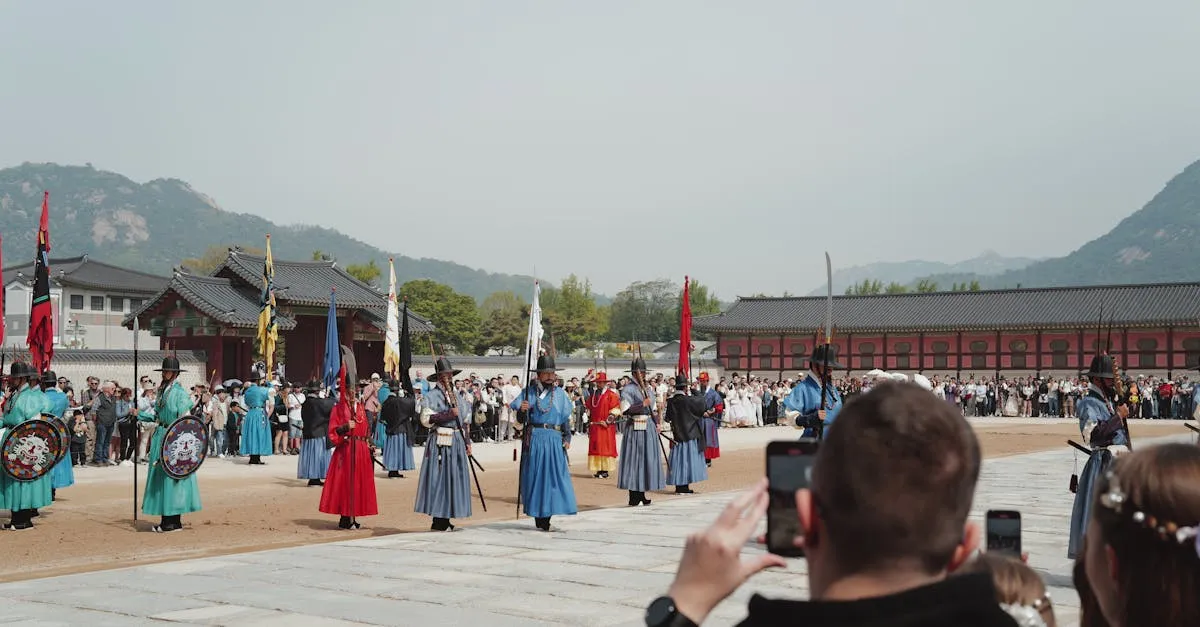
Seoul’s grandest palace (1395), restored to Joseon-dynasty splendour. The Changing of the Guard ceremony is mesmerising. Rent hanbok from the shops outside for free entry and stunning photos against the traditional architecture. The throne hall (Geunjeongjeon) and the pavilion over the lotus pond are highlights.

DMZ Korean border

DMZ & JSA Tour

Cost: ₩50,000–80,000 (€35–62) • Time: Half day

Standing at the world’s most heavily fortified border is a surreal, tense, unforgettable experience. The JSA (Joint Security Area) at Panmunjom lets you step briefly into North Korea inside the conference room. The Third Tunnel (a North Korean invasion tunnel) and Dora Observatory add context. Must book through authorised tour companies.

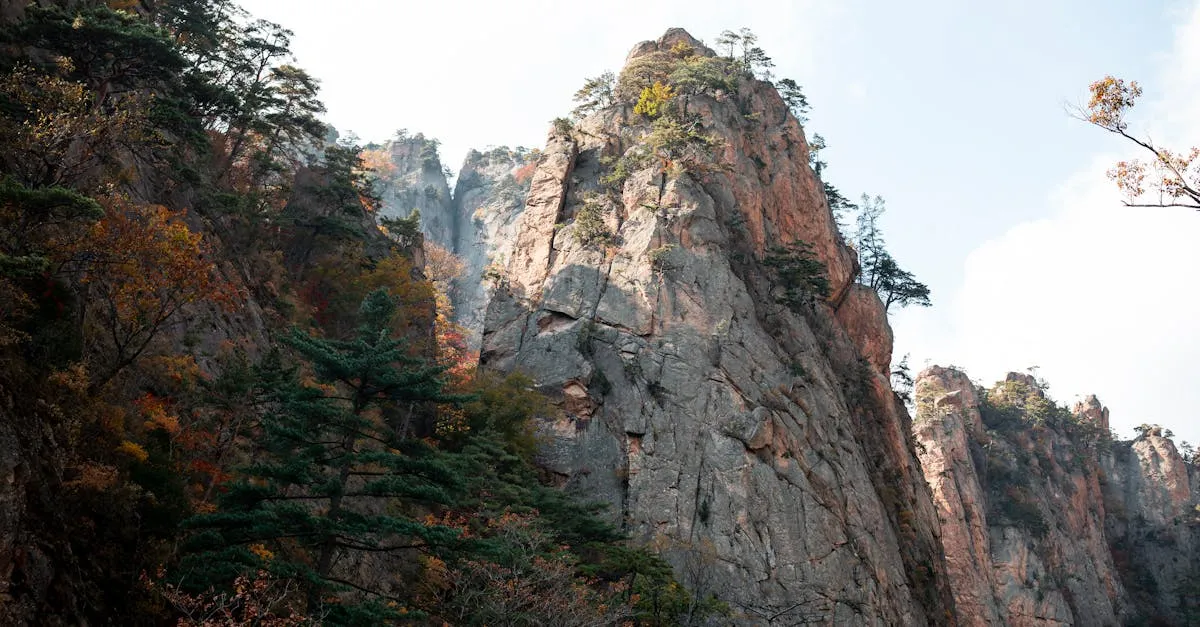
Seoraksan National Park autumn

Seoraksan National Park

Cost: Free entry (cable car ₩13,000) • Time: Half to full day

Korea’s most dramatic mountain scenery. Soaring granite peaks, waterfalls, Buddhist temples, and the country’s best autumn foliage. The Ulsanbawi Rock hike (4h return, 808 metal stairs) rewards with a 360° panorama. Visit in early October for peak autumn colour.

Jeju Island Hallasan

Jeju Island & Hallasan

Cost: Flight ₩50,000+ (€35+), most sites free or cheap • Time: 3–4 days

A volcanic island with its own microclimate, UNESCO lava tubes, Korea’s highest peak (1,950m), haenyeo free-divers, and 425 km of coastal walking trails. Hallasan summit hike is challenging but rewarding. Rent a car for maximum flexibility.

Korean BBQ grilling

Korean BBQ Experience

Cost: ₩12,000–25,000 (€8–19) per person • Time: 1.5–2 hours

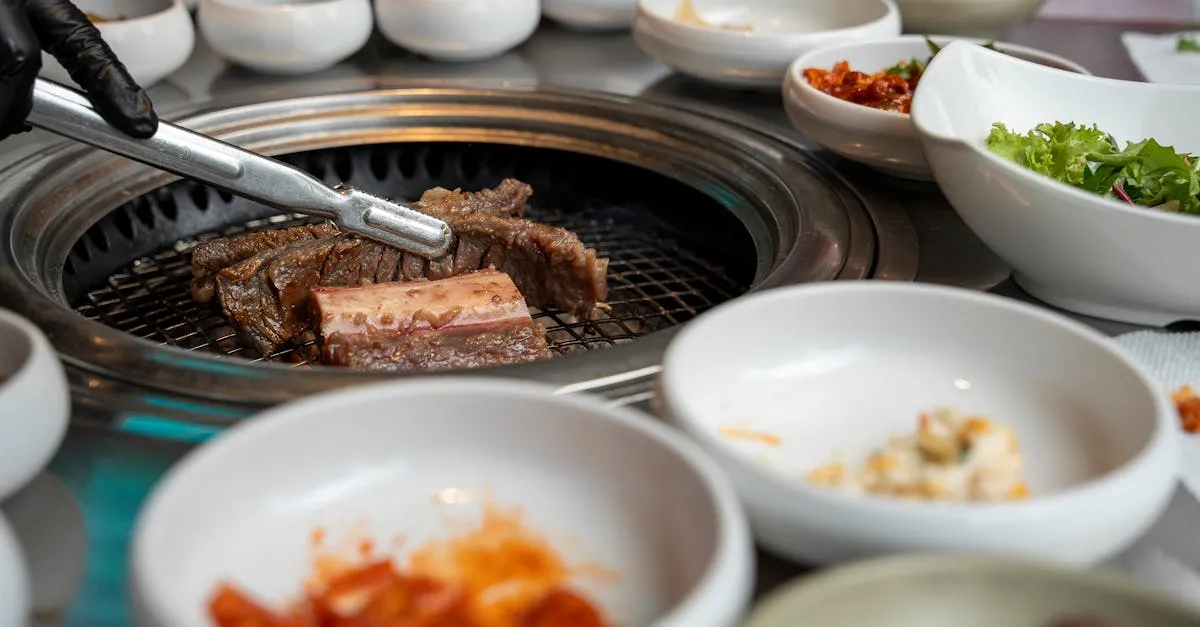
More than a meal. It’s a social ritual. Grill your own samgyeopsal (pork belly) or galbi (beef ribs) at the table, wrap in lettuce with ssamjang and garlic, enjoy unlimited banchan (side dishes), and wash it down with soju. Best experienced at local neighbourhood joints, not tourist traps.

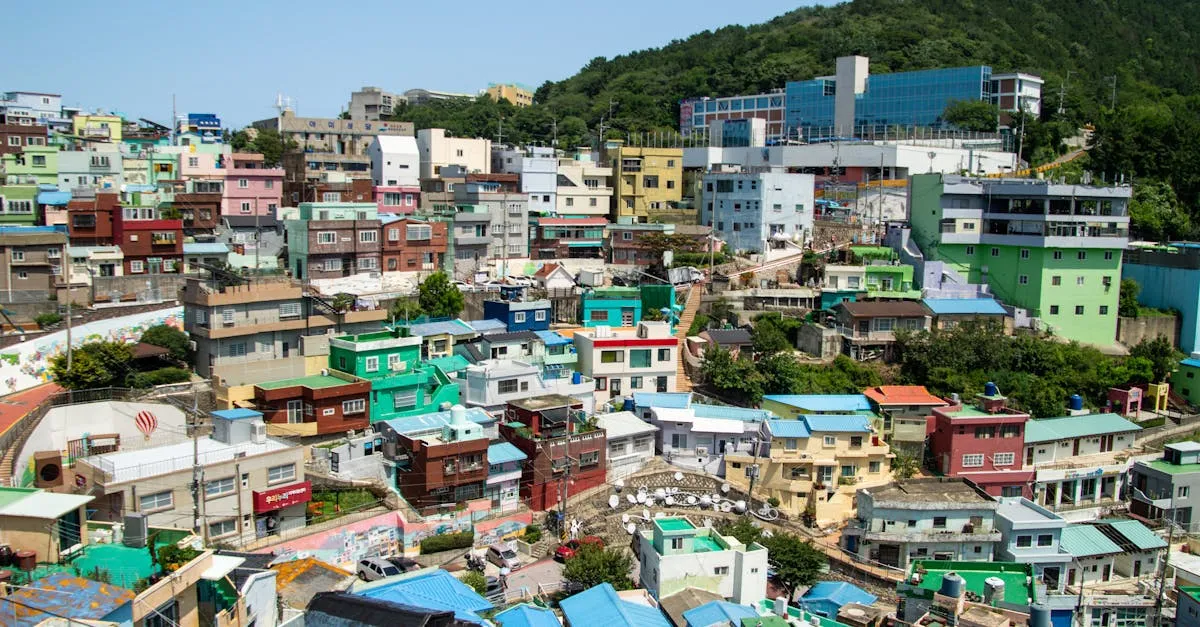
Gamcheon Culture Village Busan

Gamcheon Culture Village, Busan

Cost: Free • Time: 2–3 hours

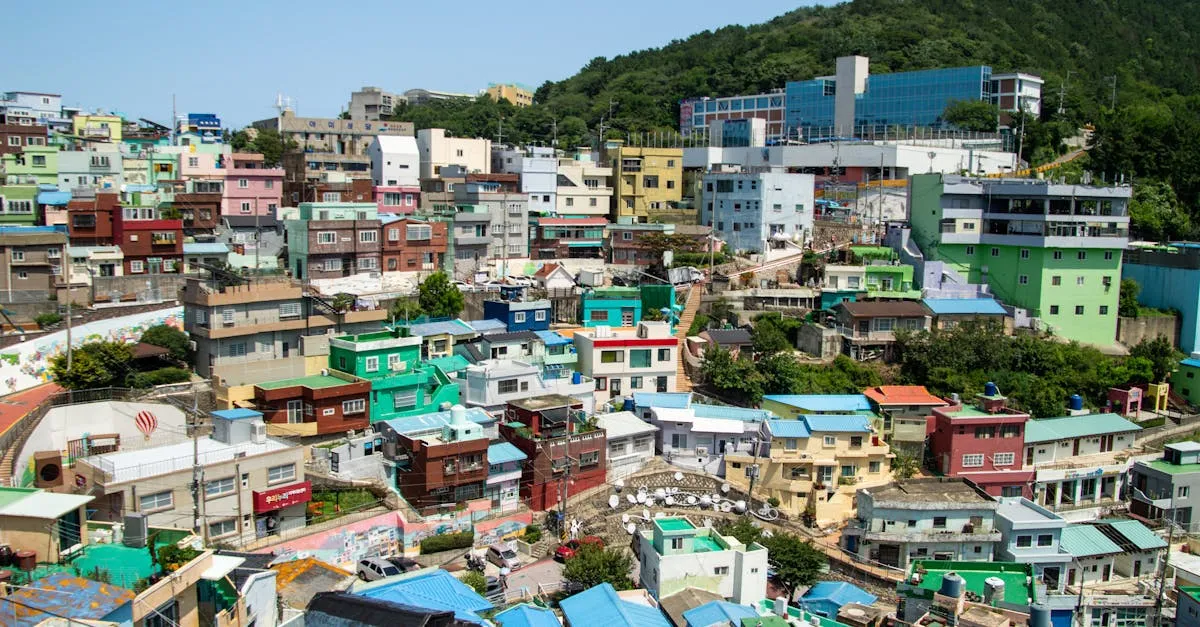
A hillside of pastel-painted houses, murals, art installations, and quirky cafes. Often called Korea’s “Machu Picchu” or “Santorini.” Originally a war-refugee settlement, now an art village. Wander the narrow alleys, stamp your map at checkpoints, and photograph the Little Prince statue overlooking the harbour.

Korean jjimjilbang spa

Jjimjilbang (Korean Spa)

Cost: ₩12,000–15,000 (€8–12) • Time: 2+ hours (or overnight!)

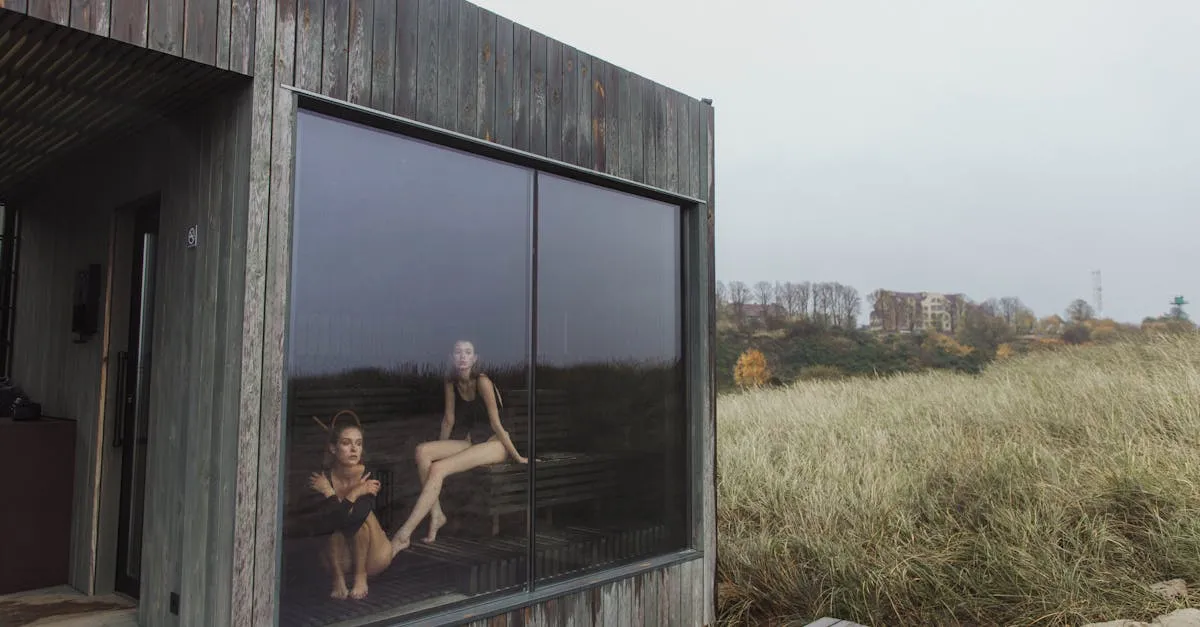
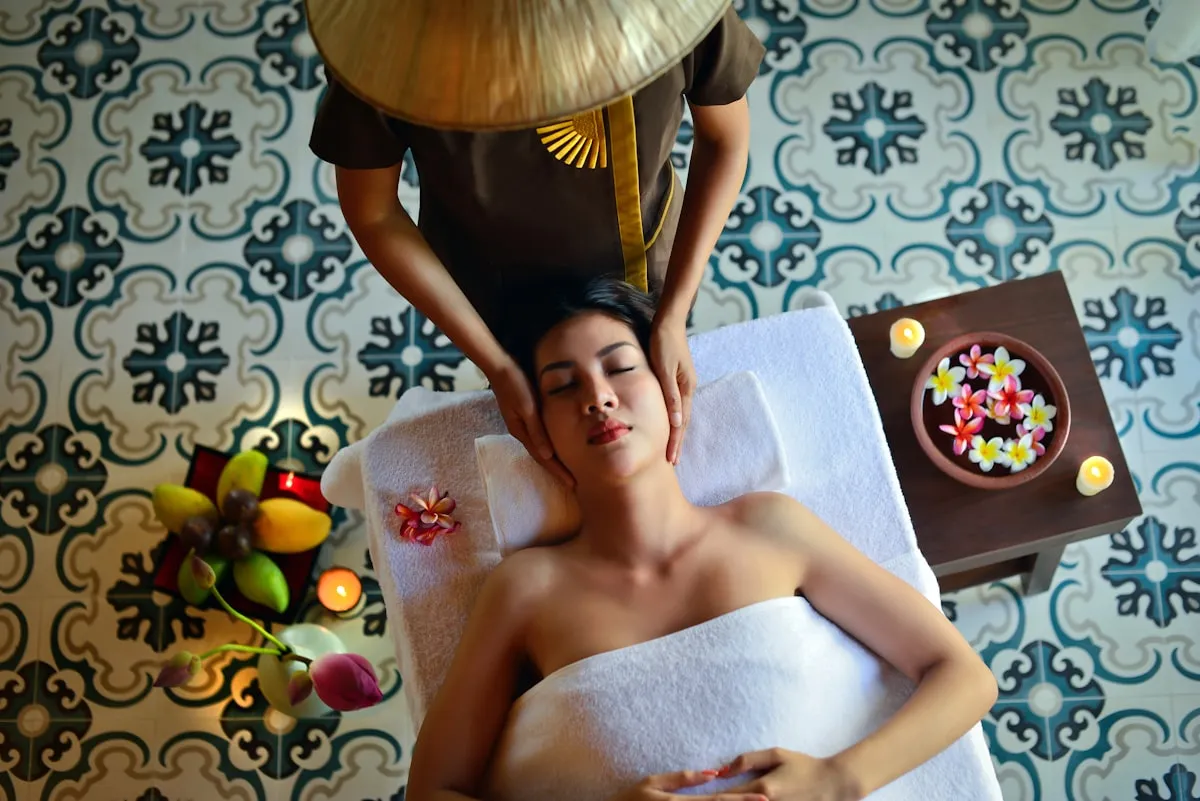
The quintessential Korean experience. A jjimjilbang is a multi-floor spa complex with hot and cold pools, saunas, themed rooms (salt, charcoal, ice), sleeping halls, restaurants, and entertainment. Wear the provided cotton uniforms (spa clothes) and sheep-head towel. Dragon Hill Spa in Seoul is the most famous. Many are open 24/7. Use as ultra-cheap accommodation.

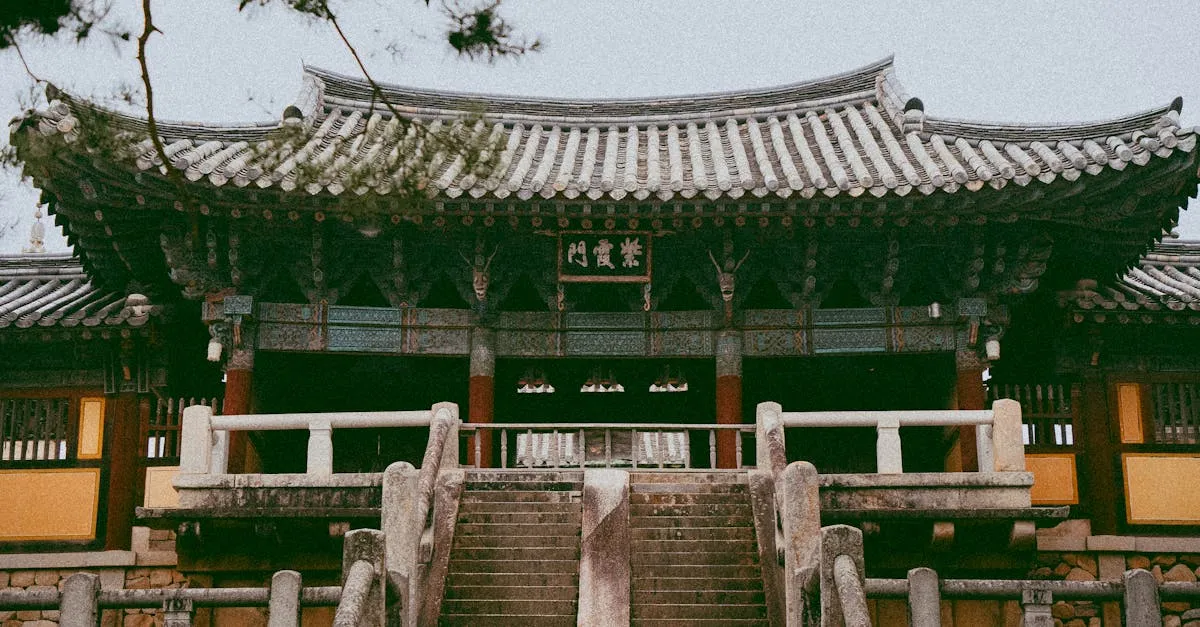
Bulguksa Temple Gyeongju

Bulguksa Temple, Gyeongju

Cost: ₩6,000 (€4) • Time: 2–3 hours

Korea’s most important Buddhist temple (UNESCO World Heritage, 528 AD). The stone bridges, pagodas, and main hall represent the pinnacle of Silla-dynasty architecture. Combine with the nearby Seokguram Grotto. A hilltop Buddha gazing out toward the East Sea.

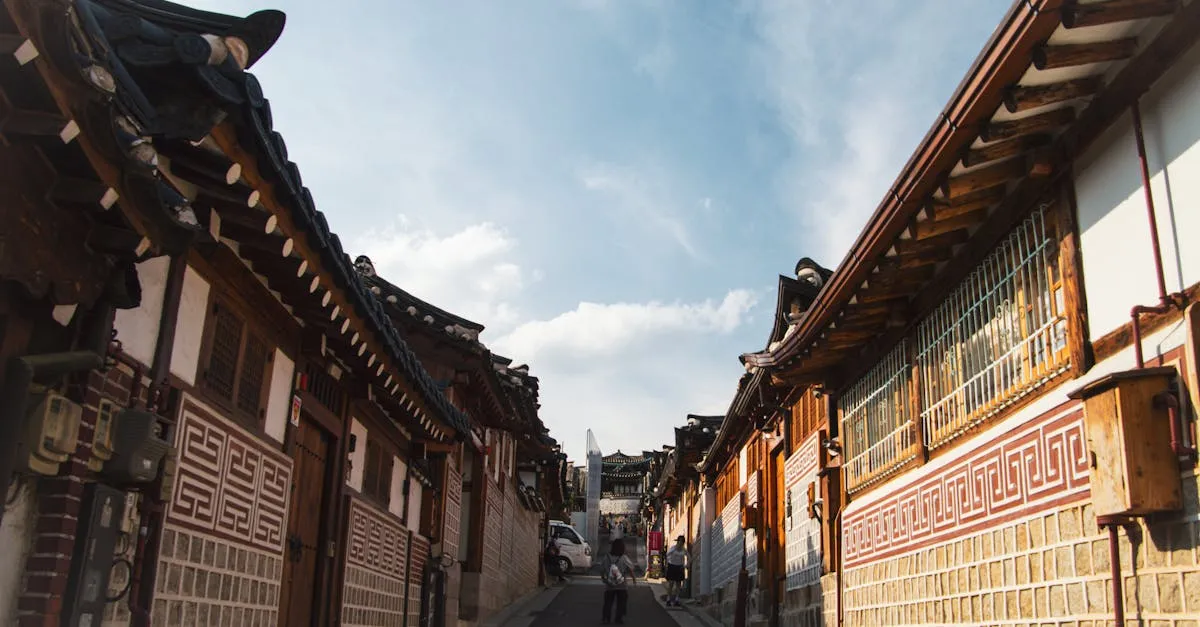
Bukchon Hanok Village Seoul

Bukchon Hanok Village, Seoul

Cost: Free • Time: 1–2 hours

A living neighbourhood of 600-year-old traditional Korean houses (hanok) on the hillside between Gyeongbokgung and Changdeokgung palaces. The narrow lanes offer framed views of traditional rooftops against modern skyscrapers. Best at dawn before crowds. Respectful quiet is essential. Residents live here.

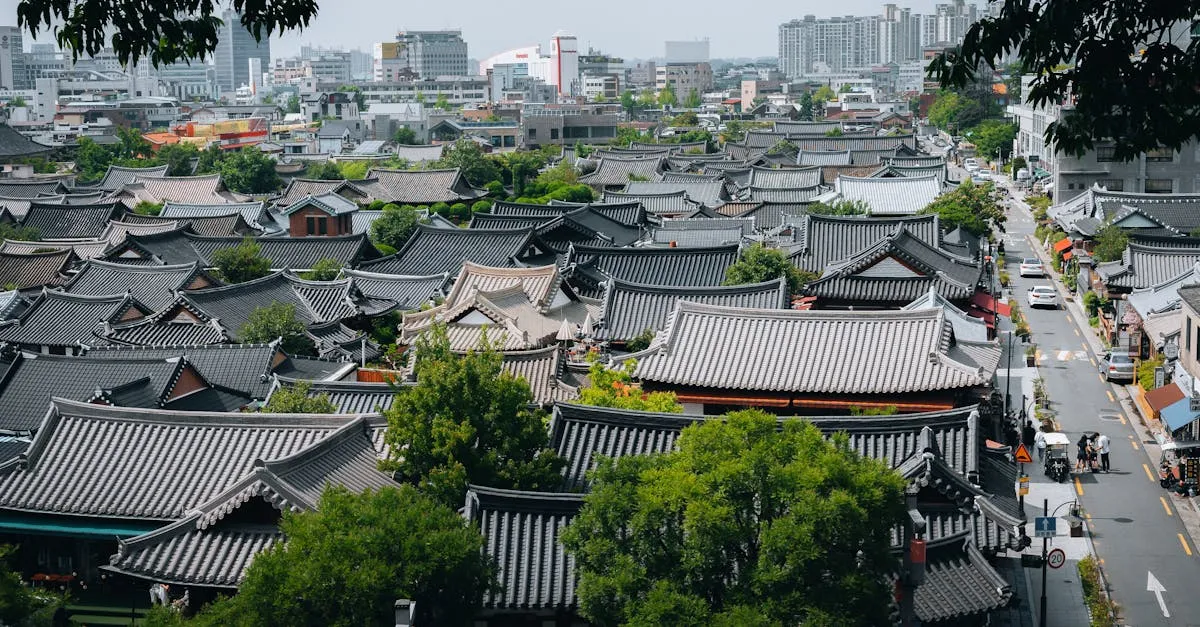
Jeonju Hanok Village

Jeonju Hanok Village & Bibimbap

Cost: Free entry, bibimbap ₩8,000–12,000 (€6–9) • Time: Half to full day

Korea’s largest and best-preserved hanok village (800+ houses), combined with the birthplace of its most famous dish. Eat authentic Jeonju bibimbap in a stone pot, rent hanbok, walk temple gardens, and sample local rice wine (makgeolli). 1.5 hours from Seoul by KTX. A perfect foodie day trip.

💰 Budget Sightseeing

Korea is remarkably affordable for sightseeing. Most temples and palaces are ₩1,000–6,000 (€0.74–€4). National parks are free. Seoul’s top museums (National Museum, War Memorial) are free. Wearing hanbok gets you free palace entry. Many experiences (Gamcheon, Bukchon, street food crawls, hiking) cost nothing at all. The most expensive activity is usually the DMZ tour.

Culture & Cuisine

Traditional Bukchon Hanok Village with wooden houses in Seoul

Korean culture is built on Confucian values of respect, hierarchy, and social harmony:

  • Age matters: Koreans ask your age early to determine correct formality level
  • Hierarchy embedded: Respect for elders deeply rooted in language and behavior
  • Generous leeway: Foreigners get understanding for cultural missteps
  • Effort earns warmth: Basic etiquette effort brings genuine appreciation

Essential Etiquette

Cultural Etiquette Essentials

Bowing

Slight bow (15°) for casual greetings, deeper bow (30-45°) for elders, formal situations, or showing respect. Bow when saying hello, goodbye, thank you, or apologizing.

Shoes Off

Remove shoes when entering homes, many traditional restaurants, temples, some guesthouses, and jjimjilbang. Look for shoe racks at entrances. Wear clean socks!

Drinking Etiquette

Pour drinks for others, never yourself. Use two hands when receiving. Turn away from elders when drinking. Accept the first drink offered. Refusing is impolite.

Age Hierarchy

Age determines social hierarchy. Always use polite speech forms with strangers and elders. Younger people defer to older. This is deeply ingrained in Korean culture.
Chopstick Rules

Never stick chopsticks upright in rice (funeral association). Korean chopsticks are metal and flat. Takes practice! Use the spoon for rice, chopsticks for side dishes.

Photography

Ask permission before photographing people, especially elderly or in traditional dress. No photos in temples during ceremonies. Some palaces restrict tripods.

Eating

Wait for the eldest to start eating. Use spoon for rice and soup, chopsticks for side dishes. Say “jal meokgesseumnida” (I will eat well) before eating.

Gifts

Give and receive items (money, business cards, gifts) with both hands, or right hand supported by left.Don’t give gifts in sets of 4 (sa = death). Don’t write names in red ink (also death association).

Key Korean Phrases

Budget
EnglishKoreanPronunciation
Thank you감사합니다Gamsahamnida
Hello안녕하세요Annyeonghaseyo
Excuse me / Sorry죄송합니다Joesonghamnida
Yes / No네 / 아니요Ne / Aniyo
How much?얼마예요?Eolmayeyo?
Delicious!맛있어요!Mashisseoyo!
Cheers!건배!Geonbae!
I will eat well잘 먹겠습니다Jal meokgesseumnida
I ate well잘 먹었습니다Jal meogeosseumnida
Where is..?..어디에요?..eodieyo?
🇷🇵 Cultural Context

Hangul (the Korean alphabet) was designed to be easy to learn. King Sejong created it in 1443 so commoners could read. You can learn to sound out Hangul in 1–2 hours. Even without understanding words, reading signs and menus transforms the experience. Download the “Learn Hangul” app on the plane.

Food & Cuisine

Korean food is one of the world’s great cuisines:

  • Banchan culture: Every meal comes with 5–15 small side dishes (kimchi, pickled vegetables, tofu, more)
  • Free and refillable: All banchan complimentary, ask for more anytime
  • Communal dining: Grilling meat together, sharing stews, pouring each other’s soju. One of the most enjoyable food cultures on Earth

Must-Try Korean Food

DishWhat It IsPrice RangeWhere to Try
Korean BBQ (Samgyeopsal) Thick pork belly slices grilled at your table, wrapped in lettuce with sides ₩12,000–18,000 (€8–14)/pp Any neighbourhood BBQ joint. Avoid tourist areas. Find where locals go
Galbi (Beef Ribs) Marinated beef short ribs, grilled tableside. Premium version of BBQ ₩18,000–30,000 (€13–23)/pp Majangdong Meat Market (Seoul) for wholesale prices
Bibimbap Rice topped with vegetables, egg, chili paste (gochujang). Mix and eat ₩8,000–12,000 (€6–9) Jeonju is the birthplace. Stone pot (dolsot) version is best
Tteokbokki Chewy rice cakes in spicy-sweet red chili sauce ₩3,000–5,000 (€2–4) Street food stalls everywhere. Sindang Tteokbokki Town in Seoul
Kimchi Jjigae Hearty stew of fermented kimchi, pork, and tofu ₩7,000–10,000 (€5–8) Any local restaurant. The most common Korean lunch
Sundubu Jjigae Bubbling soft tofu stew, served with raw egg cracked in ₩8,000–10,000 (€6–8) Specialty restaurants. Excellent vegetarian option (mushroom broth)
Chimaek Korean fried chicken + beer. Crispy, sauced (yangnyeom) or plain ₩18,000–25,000 (€13–19)/set for 2 BBQ Chicken, Kyochon, BHC chains. Or any neighbourhood chicken joint
Japchae Sweet potato glass noodles stir-fried with vegetables and beef ₩8,000–12,000 (€6–9) Most Korean restaurants serve it as a side or main
Kimbap Rice and fillings rolled in seaweed. Korea’s answer to sushi rolls ₩2,500–4,000 (€2–3) Kimbap Cheonguk or any convenience store

Budget Eating & Drinks

🏪 Convenience Stores & Budget

  • CU, GS25, 7-Eleven: Triangle kimbap ₩1,200 (€0.83), cup ramyeon ₩1,500 (€1), lunch boxes ₩3,500–5,000 (€2–3.85)
  • Kimbap Cheonguk: Budget chain. Kimbap rolls ₩2,500, ramen ₩4,000, donkatsu ₩6,000
  • Street food: Tteokbokki ₩3,000, hotteok ₩1,500, mandu (dumplings) ₩3,000, odeng (fish cake) ₩1,000
  • Market food: Gwangjang Market (Seoul) for bindaetteok (mung bean pancake, ₩5,000) and mayak kimbap

🍷 Drinks

  • Soju: Korea’s national spirit. ₩4,000–5,000/bottle at restaurants, ₩1,500 at convenience stores. Mix with beer for “somaek.”
  • Makgeolli: Milky rice wine, slightly sweet and fizzy. ₩5,000–8,000/bottle at restaurants.
  • Beer: Cass, Hite, OB. Light lagers. Craft beer scene growing (especially Itaewon, Gangnam). ₩5,000–8,000/pint.
  • Coffee: Korea is obsessed. Cafes on every corner. Americano ₩3,000–5,000. Chains: Mega Coffee, Ediya (budget), Starbucks.
  • Banana milk: The unofficial national drink. ₩1,500 at any convenience store. Binggeurae brand is iconic.

Activities & Hikes

Mountain trail scenery in South Korea

South Korea is 70% mountainous, and hiking (deungsan, 등산) is the national pastime:

Top Hikes

  • Weekend tradition: Millions of Koreans hit trails in full technical gear every weekend
  • Excellent infrastructure: Well-maintained trails with markers every 100m, rest shelters, sometimes vending machines on summits
  • Range of difficulty: Casual urban walks to challenging multi-day treks
  • Couple-friendly: Unforgettable experiences for all fitness levels

Hiking Comparison Table

Mountain Location Distance Difficulty Key Highlights
Hallasan Jeju Island 19.2km RT Moderate-Hard Highest peak, crater lake, reservation required, autumn colors
Bukhansan Seoul 6-8km RT Moderate Subway accessible, city views, granite peaks, fortress walls
Seoraksan Gangwon-do 4-20km Moderate-Hard Most scenic, Ulsanbawi stairs, cable car option, early foliage
Jirisan South Jeolla/Gyeongsang 40km+ ridge Advanced Multi-day trek, mountain shelters, first national park, wilderness
Naejangsan North Jeolla 5-8km RT Easy-Moderate Best autumn colors in Korea, temple, cable car, family-friendly
Mudeungsan Gwangju 7km RT Moderate Columnar jointing rocks, city access, less crowded, tea culture
Korean Hiking Culture & Safety
  • Full technical gear is standard: Koreans hike in complete outdoor gear regardless of difficulty. Expect to see ajummas (older women) in full Gore-Tex, hiking poles, and gaiters on easy trails. Don’t be intimidated, but do bring proper footwear.
  • Trail closures: Parks close trails during bad weather, high winds, or fire danger. Check conditions before traveling long distances.
  • Reservations required: Hallasan summit and Jirisan shelters require advance online booking. Popular dates fill up weeks ahead.
  • Winter hiking: Crampons mandatory November-March on most mountain trails. Ice axes needed for advanced routes. Rental available at park entrances (₩5,000-10,000/€4-8).
  • Start early: Many peaks have cutoff times for summit access (typically 12:00-14:00) to ensure safe descent before dark.
  • No camping: Wild camping is prohibited in national parks. Use designated shelters or stay in nearby towns.
Mountain Hut Culture: Makgeolli & Ramyeon at the Summit

One of Korea’s most delightful hiking traditions is rest shelters (sanjang) selling instant ramyeon, coffee, and makgeolli (rice wine) at mountain summits. After a challenging climb, sitting on a rock with steaming noodles and makgeolli while taking in views is quintessentially Korean. Prices surprisingly reasonable (₩3,000-5,000/€2-3.80) considering location. Some shelters have vending machines. Bring cash as card payments are rare.

Activities

South Korea offers diverse water experiences:

  • Adventure sports: Surfing, kayaking, water skiing
  • Cultural immersion: Traditional jjimjilbang spa experiences
  • Romantic escapes: Coastal getaways and island hopping
  • Year-round: Water activities available all seasons for couples

Beaches & Coastal Spots

Haeundae Beach (Busan)

Cost: Free

Korea’s most famous beach with 1.5km of golden sand. Packed in summer but offers excellent infrastructure, nearby cafes, and the Busan Aquarium. Perfect for people-watching and evening strolls along the waterfront.

Gwangalli Beach (Busan)

Cost: Free

Romantic alternative to Haeundae with stunning night views of the illuminated Gwangan Bridge (Diamond Bridge). Excellent beachfront restaurants and cafes. Fireworks festivals throughout the year.

Naksan Beach (Gangwon-do)

Cost: Free

East coast gem famous for spectacular sunrises. Less crowded than Busan beaches. Nearby Naksansa Temple offers cultural exploration. Popular with surfers and couples seeking quieter coastal vibes.

Hyeopjae Beach (Jeju)

Cost: Free

Jeju’s most beautiful beach with turquoise water and white sand mixed with crushed shells. Shallow waters perfect for swimming. Stunning views of Biyangdo Island. Pine forest provides natural shade.

Jungmun Beach (Jeju)

Cost: Free

Jeju’s premier surfing beach with consistent waves. Dramatic black volcanic sand and cliffs. Surf lessons available (₩50,000/€35 per session). Nearby Jungmun Resort complex offers dining and accommodation.

Swimming Season Restrictions

Korean beaches have strict official swimming seasons, typically July through August only. Lifeguards are only present during this period, and swimming outside designated times may result in fines. Red flags mean swimming is prohibited. Always check local conditions before entering the water.

Island Hopping Adventures

Island Access Cost Highlights
Udo Island Ferry from Jeju (Seongsan Port) ₩11,000 (€8) return Bike around the island (2-3hrs), peanut ice cream, pristine beaches, lighthouse views
Nami Island Ferry from Gapyeong ₩16,000 (€11) incl. ferry Winter Sonata filming location, tree-lined paths, romantic atmosphere, bike rentals
Oedo Botania Ferry from Geoje ₩15,000 (€11) Stunning botanical garden island, Mediterranean-style landscaping, 2-hour visit limit
Ulleungdo Ferry from Mukho/Pohang (3hrs) ₩100,000+ (€71+) return Remote volcanic island, dramatic cliffs, squid fishing culture, hiking trails, overnight stay recommended

Dragon Hill Spa (Seoul)

Cost: ₩15,000 (€11) per person

Massive 7-floor spa complex in Yongsan. Open 24 hours. Multiple themed saunas, rooftop pool, sleeping areas, restaurants. Popular with tourists. Can stay overnight for budget accommodation.

Spaland Centum City (Busan)

Cost: ₩18,000 (€13) weekday, ₩20,000 (€14) weekend

Luxury spa in world’s largest department store. Roman-themed architecture, 22 different spa zones, outdoor foot baths. More upscale than typical jjimjilbang.

Siloam Sauna (Seoul)

Cost: ₩12,000 (€8) per person

Traditional jjimjilbang near Seoul Station. Authentic local experience, less touristy. Multiple temperature baths, ice room, salt sauna, jimjil rooms. Open 24/7.

Jjimjilbang Etiquette for First-Timers
  • Nudity is mandatory in gender-separated bathing areas (no swimsuits allowed)
  • Shower thoroughly before entering any pools or baths. Scrub stations provided
  • Use the small towel provided for modesty when moving between areas
  • Co-ed areas (jimjil rooms) require wearing provided uniforms (shorts and t-shirt)
  • Tattoos may cause issues at some traditional establishments, though attitudes are relaxing
  • Overnight stays are common and acceptable. Sleeping mats provided in designated areas
  • Bring your own toiletries or purchase at the facility (body scrub services available for ₩20,000-30,000)

Why visit a jjimjilbang? Essential Korean cultural experience. Locals visit weekly for relaxation, socializing, and affordable overnight stays. For couples, separate for bathing, together for co-ed sauna rooms, snacks, and relaxation areas. Budget travelers use them as cheap accommodation (₩12,000-20,000 vs. ₩50,000+ for hostels).

Damyang bamboo forest

Damyang Bamboo Forest (Juknokwon)

Location: Jeollanam-do, near Gwangju (3h from Seoul)

Entry: ₩3,000 (~€2)

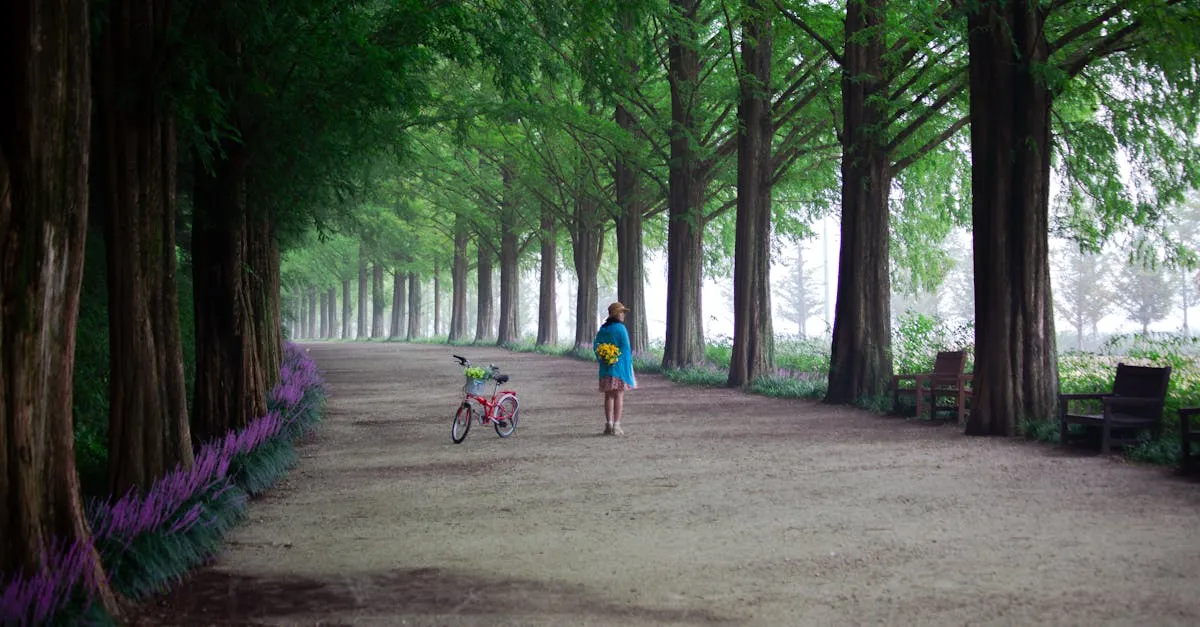
Walk through towering bamboo groves on elevated wooden paths. One of Korea’s most Instagram-famous yet surprisingly uncrowded spots. Nearby Metasequoia-lined road (free) equally stunning, especially in autumn when trees turn copper-red. Best spring or fall for comfortable temperatures and dramatic lighting.

Couple tip: Arrive early morning for misty, ethereal photos with almost no visitors.

Boseong green tea fields

Boseong Green Tea Fields

Location: Jeollanam-do (4h from Seoul)

Entry: ₩4,000 (~€3)

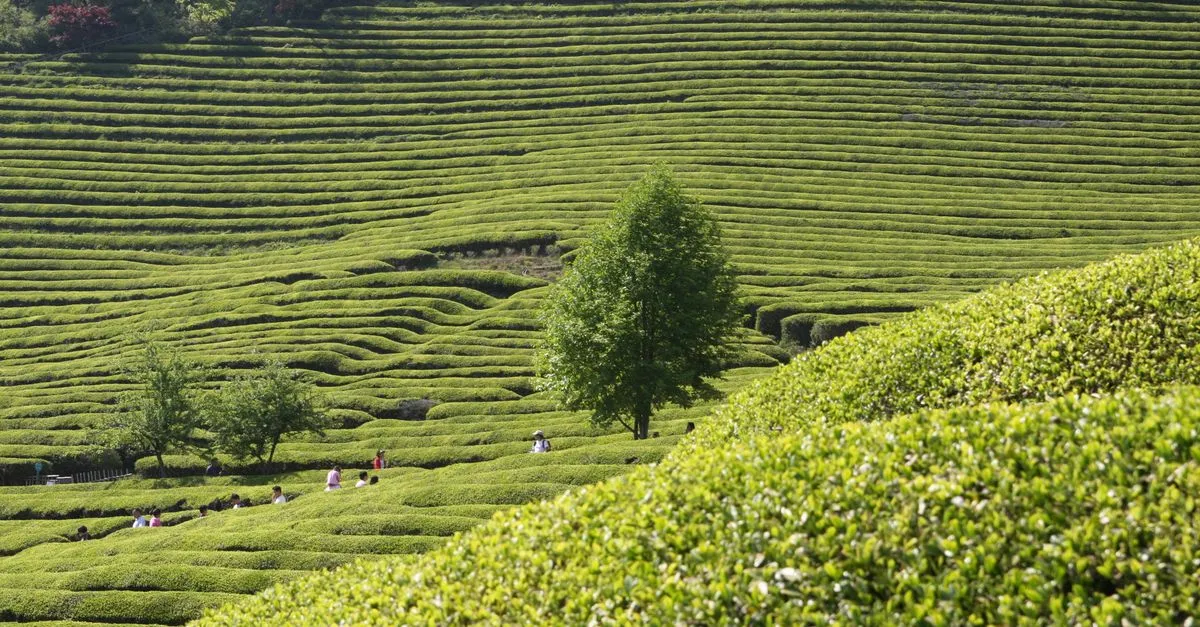
Rolling hills carpeted in perfectly manicured tea plantations create one of Korea’s most photogenic landscapes. Main tea-growing region; morning mist rolling over green rows is magical. Walk paths between tea bushes, sample fresh green tea ice cream, visit small tea museum.

Best time: May (fresh green growth) or September-October (harvest season)

Gamcheon Culture Village Busan

Gamcheon Culture Village (Busan)

Location: Busan, Saha-gu district

Entry: Free to walk; stamp trail ₩2,000

Nicknamed “Korea’s Santorini,” this hillside neighborhood explodes with color. Pastel houses, street art, quirky sculptures, and winding alleyways. Originally a refugee settlement, it’s been transformed into an art village while residents still live there. The stamp trail takes you to key photo spots and viewpoints.

Couple tip: Visit on weekdays to avoid weekend crowds. Sunset lighting is spectacular.

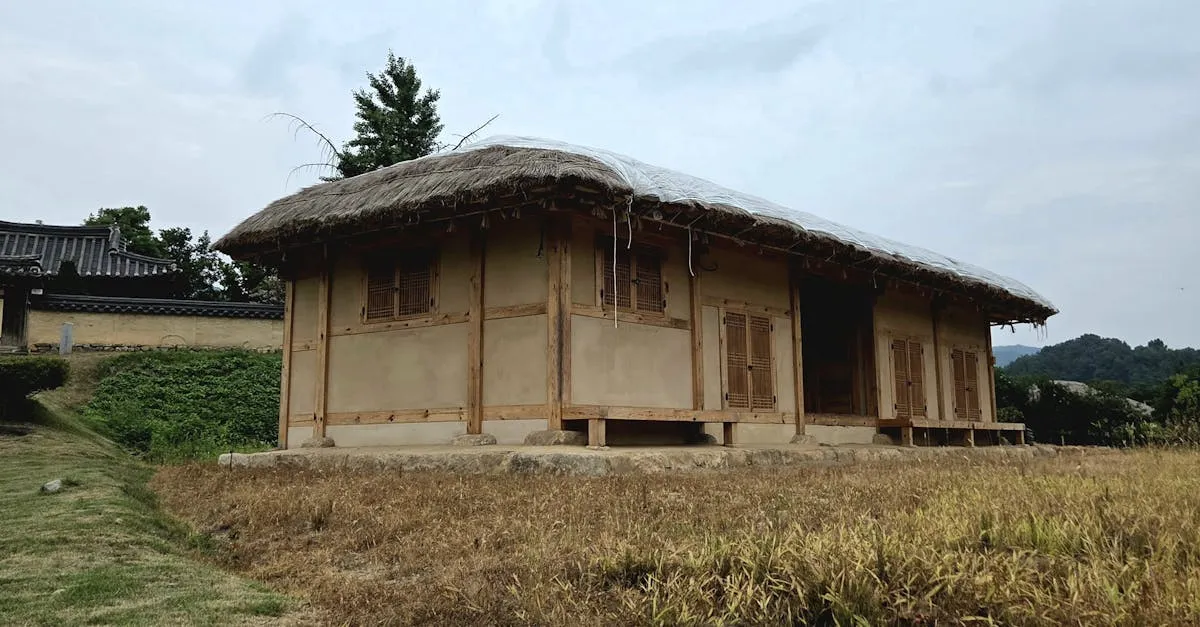
Andong Hahoe Village

Andong Hahoe Village

Location: Andong, Gyeongsangbuk-do (2.5h from Seoul by KTX)

Entry: ₩5,000 (~€4)

UNESCO World Heritage site and living folk village where people still inhabit 600-year-old traditional hanok houses. Unlike reconstructed “folk villages,” this is authentic. Real architecture, traditional lifestyle, genuine cultural heritage. Watch famous Hahoe Mask Dance performances (weekends) and walk Nakdong River cliffs for panoramic village views.

Stay overnight: Several hanok guesthouses offer traditional ondol floor sleeping (₩60,000-100,000/night).

Suncheon Bay wetland

Suncheon Bay Wetland & Garden

Location: Suncheon, Jeollanam-do (3h from Seoul)

Entry: Combo ticket ₩8,000 (~€6)

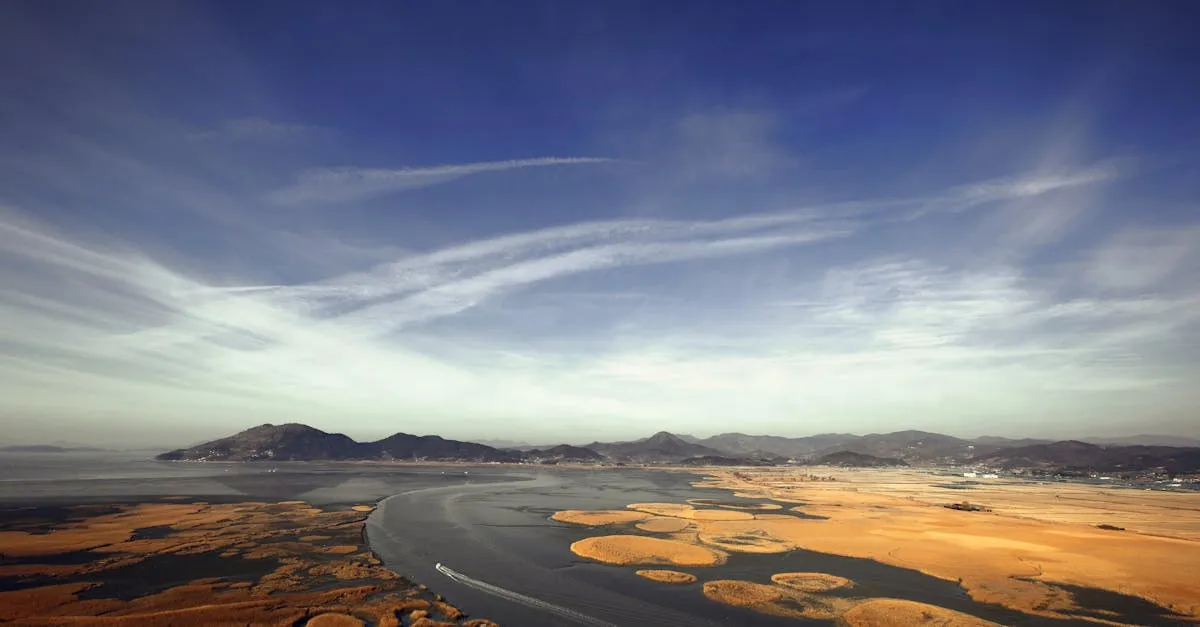
Korea’s premier coastal wetland ecosystem with elevated wooden walkways threading through vast reed fields. Adjacent Suncheon Bay National Garden is one of Asia’s largest eco-gardens. Incredible biodiversity with migratory birds, mudflats, stunning sunset views from observation deck. Rent bikes to cover more ground.

Best season: October-November when reeds turn golden and migratory birds arrive.

Tongyeong harbor

Tongyeong

Location: Gyeongsangnam-do (4.5h from Seoul, 2h from Busan)

Highlights: Cable car ₩12,000 RT, Dongpirang mural village (free)

Called “Korea’s Naples,” this coastal town offers dramatic sea views, colorful hillside murals, and some of the country’s best seafood. Cable car to Mireuksan Mountain provides 360? views of islands dotting turquoise sea. Wander Dongpirang’s steep alleys covered in street art, then feast on fresh raw fish at the harbor.

Romantic spot: Sunset from cable car or evening stroll along harbor promenade.

More Hidden Treasures

Gyeongju: The entire city is an open-air museum. Ancient capital of Silla Kingdom (57 BC-935 AD). UNESCO World Heritage sites everywhere. Bulguksa Temple (₩6,000), Seokguram Grotto (₩6,000), and dozens of grassy tumuli (royal burial mounds) you can walk among for free. Rent bikes and cycle between 1,000-year-old treasures. Anapji Pond stunning at night when illuminated.

Muuido Island: Just an hour from Seoul via Incheon, this quiet beach island feels worlds away from the capital’s intensity. Ferry from Jamjin-do (₩3,000) to explore small beaches, dramatic mudflats at low tide, local seafood restaurants. Far less touristy than Nami Island, with authentic local vibe perfect for couples wanting to decompress.

Ikseon-dong (Seoul): Technically in Seoul, but most tourists miss this gem. Maze of narrow hanok alleys transformed into hip cafe and restaurant district. Unlike touristy Bukchon, Ikseon-dong has intimate, local feel. Tiny coffee shops, craft beer bars, Korean dessert cafes, boutique shops tucked into traditional houses. Free to wander and perfect for couples seeking quieter Seoul experience.

Planning Your Hidden Gems

Don’t try to hit all in one trip. Choose 2-3 based on interests and route. Damyang, Boseong, and Suncheon work well together in Jeollanam-do. Gyeongju and Andong pair nicely in the southeast. Tongyeong fits perfectly into Seoul-Busan itinerary. Muuido ideal for relaxing day between intense Seoul sightseeing.

These hidden gems reveal Korea’s depth beyond K-pop and kimchi stereotypes. Fewer English signs, more authentic interactions, landscapes untouched by mass tourism. Pack comfortable shoes, download Papago translator, and embrace getting a little lost. That’s where the best memories happen.

Wildlife & Nature

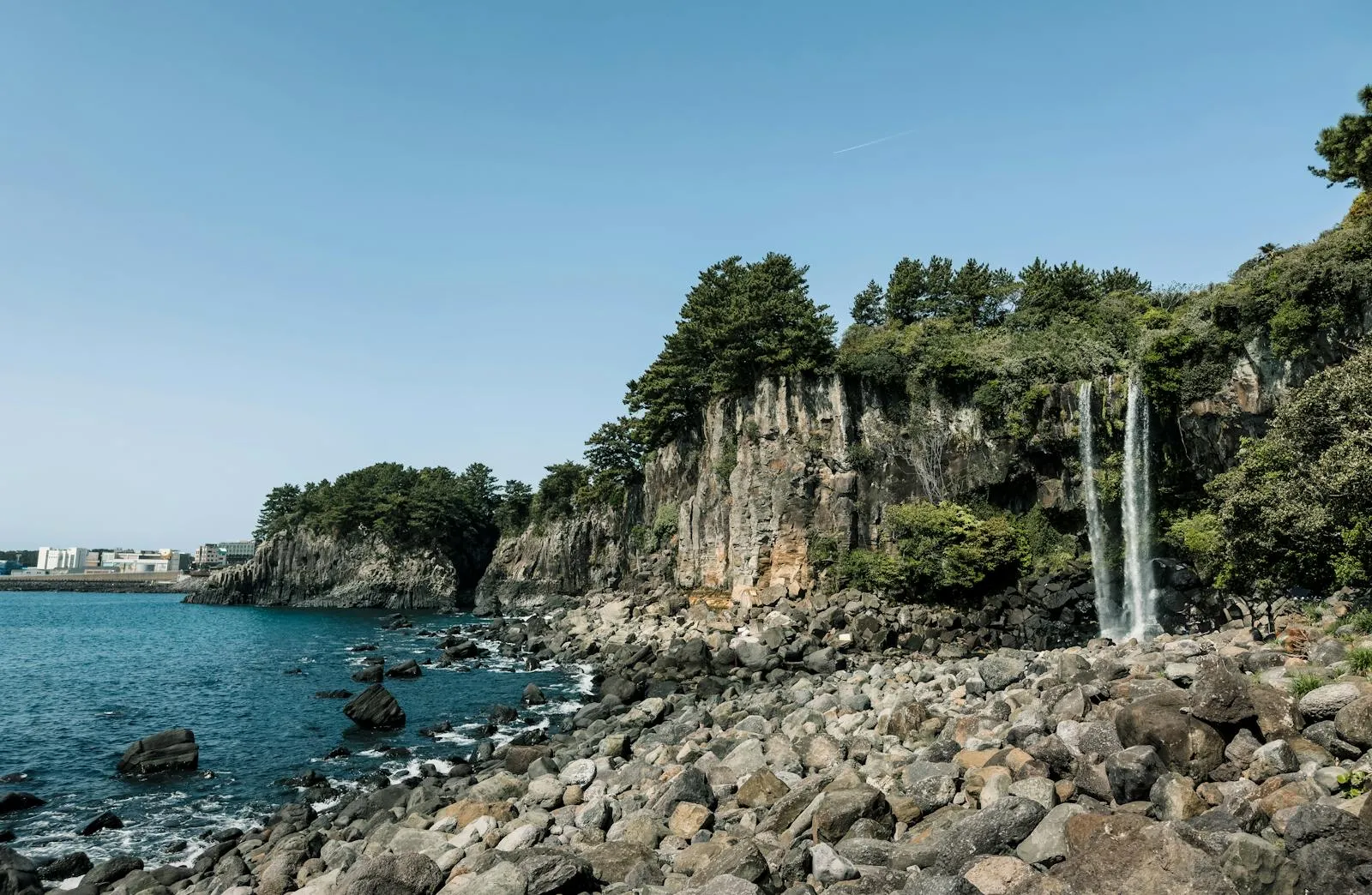
Serene coastal scene of Jeongbang Waterfall in Jeju Island, with rocky shore and blue ocean under a clear sky.

South Korea’s natural diversity surprises many visitors:

  • DMZ sanctuary: Accidental wildlife haven from world’s most militarized border to coastal wetlands hosting migratory birds
  • Seasonal spectacles: Cherry blossoms in spring, autumn foliage transformations
  • 22 national parks: Protect diverse ecosystems across the peninsula
  • Beyond hiking: Unique opportunities to witness wildlife, seasonal changes, traditional harmony with nature

The DMZ: An Accidental Eden

Nature’s Irony: The World’s Most Militarized Border

The Demilitarized Zone (DMZ) is a 250km long, 4km wide strip separating North and South Korea. It has become one of Asia’s most important wildlife sanctuaries. Untouched by human development for 70+ years, this accidental nature reserve harbors endangered species vanished elsewhere. Red-crowned cranes, Asiatic black bears, Korean water deer, even Amur leopards spotted via camera traps.

Visiting the DMZ: Cannot visit independently. All access requires organized tours from Seoul. Tours cost ₩50,000-80,000 (€35-62)/person, must be booked 3+ days ahead (passport required for security clearance). JSA (Joint Security Area) at Panmunjom most popular, offering the surreal experience of standing meters from North Korean soldiers.

Wildlife viewing: While DMZ tours focus on history and geopolitics, the journey through Civilian Control Zone reveals pristine landscapes. Cheorwon area (accessible separately) offers best wildlife viewing, particularly red-crowned cranes during winter (November-February). DMZ’s ecological significance has sparked discussions about UNESCO World Heritage Site and international peace park designation.

JSA/Panmunjom Tour

Cost: ₩70,000-80,000 (€50-62)

Duration: Half day

Visit the blue conference rooms straddling the border, see North Korean soldiers meters away, learn about the armistice. Strict dress code and behavior rules. Book 3-7 days ahead. Most historically significant tour option.

3rd Infiltration Tunnel Tour

Cost: ₩50,000-60,000 (€35-46)

Duration: Half day

Explore tunnel dug by North Korea for invasion purposes. Includes DMZ museum, Dora Observatory (view North Korea), Dorasan Station (northernmost train station). More accessible than JSA, fewer restrictions.

Bird Watching & Wetlands

Korea sits on the East Asian-Australasian Flyway, making it crucial stopover for migratory birds. Millions pass through Korean wetlands during spring and autumn migrations, with some overwintering.

Location Best Season Key Species Cost & Access
Suncheonman Bay Nov-Mar (cranes), Apr-May (migration) Hooded cranes (10,000+), white-naped cranes, spoonbills, egrets ₩8,000 (€6) entry, eco-boat ₩7,000 (€5). Korea’s largest coastal wetland, boardwalk trails, observation platforms.
Cheorwon (DMZ area) Oct-Feb Red-crowned cranes (endangered), white-naped cranes, bean geese Free access to observation points. Crane Observatory ₩3,000 (€2). Best viewing dawn/dusk. Bring binoculars.
Upo Wetland Year-round (best Apr-May, Oct-Nov) Migratory waterfowl, herons, kingfishers, otters Free entry. Korea’s largest inland wetland. Bike trails, observation decks, traditional villages nearby.
Junam Reservoir Nov-Feb Overwintering ducks, geese, swans, cranes Free. Near Changwon. Less developed than Suncheonman, more authentic birding experience.

Cherry Blossoms (Beotkkot, 및껋)

Korea’s cherry blossom season is a national obsession, rivaling Japan’s hanami culture. Bloom wave moves north from late March through mid-April, transforming the country into pink wonderland for ~10 days per location.

Yeouido (Seoul)
Early April
1.7km cherry tree tunnel along Hangang River. Free. Massive crowds but spectacular. Evening illuminations. Nearby: National Assembly, 63 Building.
Jinhae (Changwon)
Late March-Early April
Korea’s largest cherry blossom festival. 360,000+ trees. Gyeonghwa Station (abandoned railway), Yeojwacheon Stream. Free. Extremely crowded but worth it. Book accommodation months ahead.
Gyeongpo Lake (Gangneung)
Early-Mid April
4.3km lakeside path lined with cherry trees. Free. Less crowded than Seoul/Jinhae. Combine with nearby beaches and coffee street. Romantic atmosphere.
Jeju Island
Late March (earliest)
King cherry trees (larger blossoms). Jeju National University road most famous. Free. Warmer climate means earliest blooms in Korea. Combine with Hallasan hiking.

Bloom forecasting: Korea Meteorological Administration releases cherry blossom forecasts mid-March. Blooms last ~7-10 days per location. Peak viewing typically 3-5 days after initial bloom. Weather significantly impacts timing. Warm springs accelerate blooms.

Autumn Foliage (Danpung, 단풹)

If cherry blossoms are Korea’s spring spectacle, autumn foliage is its masterpiece. October to November transforms mountains and parks into blazing reds, oranges, and yellows. Peak tourism season, so book accommodation well ahead.

Naejangsan National Park

Peak: Early November

Cost: ₩3,500 (€2)

Widely considered Korea’s best autumn foliage destination. Maple tunnel leading to Naejangsa Temple is iconic. Cable car available (₩9,000/€6). Extremely crowded at peak, so arrive before 8am or visit weekdays. Night illuminations during festival period.

Seoraksan National Park

Peak: Late September-Early October

Cost: ₩3,500 (€2)

Korea’s earliest and most dramatic foliage. Granite peaks contrast with colorful forests. Ulsanbawi Rock trail offers stunning views. Book Sokcho accommodation 2-3 months ahead for peak weekends. Cable car to Gwongeumseong Fortress (₩11,000/€8).

Bukhansan National Park

Peak: Mid-Late October

Cost: Free

Seoul’s accessible autumn colors. Subway access makes it convenient but crowded. Multiple trails offer foliage viewing. Combine with fortress wall sections. Best for those without time to travel outside Seoul.

Odaesan National Park

Peak: Mid-October

Cost: ₩3,500 (€2)

Less crowded alternative to Seoraksan. Woljeongsa Temple surrounded by fir forest and maples. Easier trails suitable for casual hikers. Combine with nearby Pyeongchang (2018 Olympics site).

National Parks System

Korea operates 22 national parks (17 mountain, 4 marine, 1 historical) protecting the country’s most significant natural and cultural landscapes. Korea National Park Service maintains exceptional trail infrastructure, visitor centers, and conservation programs.

Most visited: Bukhansan (15+ million visitors annually), Seoraksan, Jirisan, Hallasan. Entry fees: Most parks ₩3,000-5,000 (€2-3.80); some free. Facilities: Well-marked trails, rest shelters, clean restrooms, visitor centers with English info, camping areas (reservation required).

Marine Life & Coastal Wildlife

Whale watching: Jangsaengpo (Ulsan) offers whale watching tours January-April when minke whales migrate through Korean waters. Tours ₩40,000-50,000 (€29-38)/person, 2-3h. Success rate varies; best February-March. Whale Culture Village museum provides context (₩3,000/€2).

Dolphins: Indo-Pacific bottlenose dolphins inhabit waters around Jeju Island. Boat tours from Seogwipo (₩30,000-40,000/€21-31) offer dolphin viewing. Responsible operators maintain distance and limit interaction. Best April-October.

Tide pools: Udo Island (off Jeju) features accessible tide pools with starfish, sea urchins, small fish. Free to explore during low tide. Bring water shoes. Respect marine life. Look but don’t touch.

Temple Stays: Nature & Spirituality

Temple Stay Experience

Temple stays offer a unique way to experience Korean nature and Buddhist culture. Stay overnight at a mountain temple, participate in meditation, Buddhist ceremonies, and vegetarian meals. Most temples are located in stunning natural settings within national parks.

Cost: ₩50,000-80,000 (€35-62) per person, includes accommodation, meals, and programs
Duration: 1-2 nights typical
Booking: templestay.com (English available)
What to expect: Early wake-up (4-5am), meditation, temple food (vegan), hiking, tea ceremony, evening chanting

Recommended temples for nature lovers:

  • Haeinsa (Gayasan National Park). UNESCO World Heritage Site, home to Tripitaka Koreana, surrounded by ancient forest
  • Golgulsa (Gyeongju). Cave temple, Sunmudo martial arts, mountain setting
  • Beomeosa (Busan). Geumjeongsan Mountain, accessible from Busan, autumn foliage
  • Woljeongsa (Odaesan National Park). Fir forest path, peaceful atmosphere, excellent for couples

Korea’s nature may surprise you with its accessibility, diversity, and the deep cultural connection Koreans maintain with the natural world. From the DMZ’s accidental wilderness to meticulously maintained national parks, from seasonal spectacles to intimate temple stays, nature experiences blend outdoor adventure with cultural immersion in ways few countries can match.

Route A: Classic 2-Week

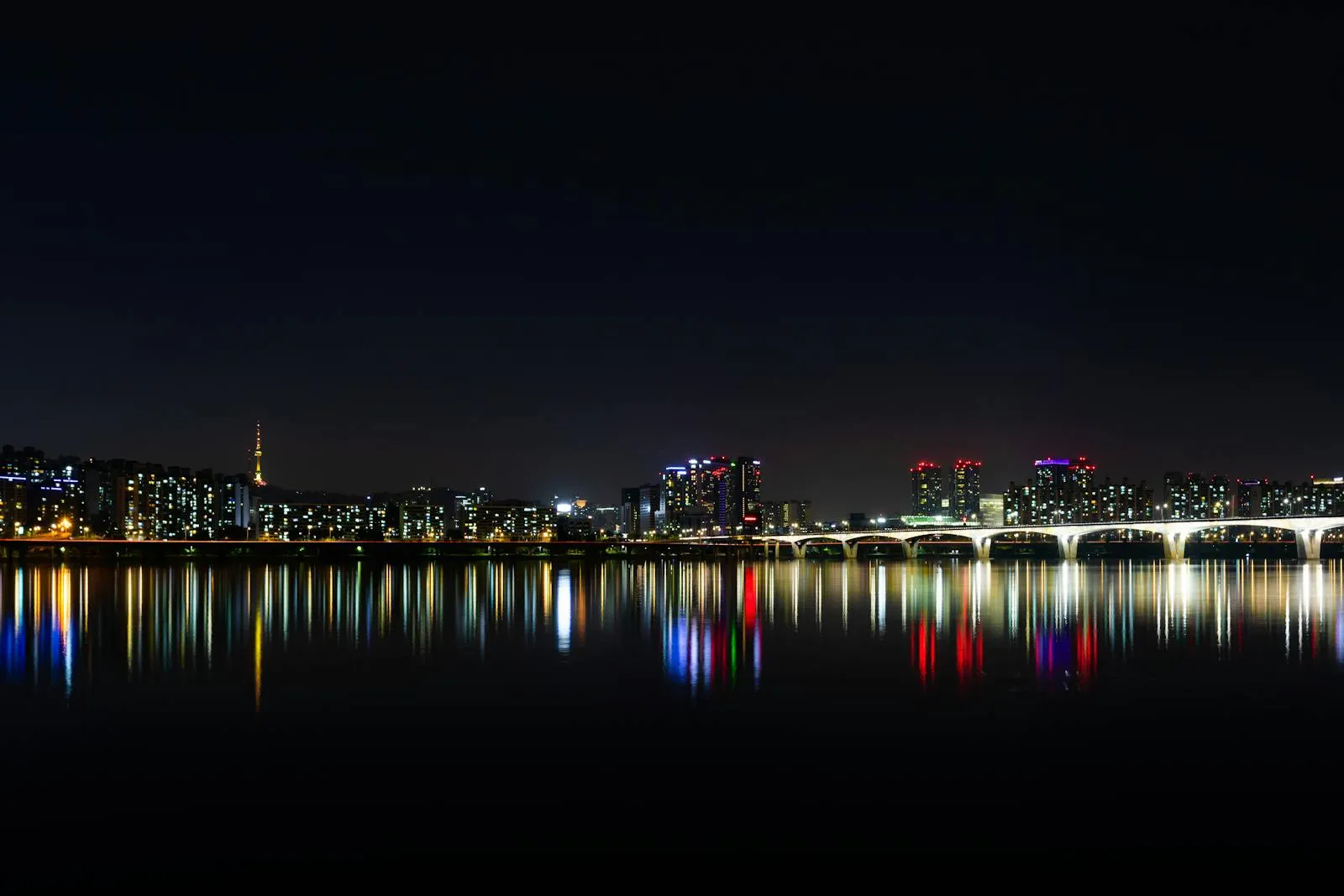
Stunning night view of Seoul's illuminated skyline reflected over the Han River.

This 14-day itinerary hits Korea’s greatest hits while maintaining a comfortable pace for couples. You’ll experience the capital’s energy, ancient history, coastal beauty, and island paradise without feeling rushed. Perfect for first-time visitors who want a comprehensive introduction to South Korea.

Transport Pass Recommendation

Consider the KR Pass (5-day flexible) at ₩193,000 (~€136) per person. It covers the Seoul→Singyeongju, Singyeongju→Busan, and Busan→Seoul KTX legs, plus unlimited additional KTX/train travel on activation days. Book at letskorail.com before arrival. Alternatively, buy individual KTX tickets. Total cost similar but less flexibility.

Day-by-day itinerary

Days 1–5: Seoul (5 nights)

Arrive Incheon Airport → Airport Railroad Express to Seoul Station (₩9,500, 43min) → Check into hotel in Myeongdong or Insadong area

Day 1: Recover from jet lag. Light exploration of Myeongdong shopping district, street food, casual dinner. Early night.

Day 2: Gyeongbokgung Palace (₩3,000/pp, free if wearing hanbok. Rent nearby for ₩15,000–25,000). Watch changing of the guard (10am, 2pm). Walk to Bukchon Hanok Village (free) for traditional architecture and photo ops. Afternoon in Insadong for tea houses and souvenir shopping. Evening at Gwangjang Market for bindaetteok (mung bean pancakes) and mayak gimbap.

Day 3: DMZ day trip (₩50,000–80,000/pp, book 3–7 days in advance, passport required). Tours include 3rd Infiltration Tunnel, Dora Observatory, Dorasan Station. Return to Seoul base each evening. Evening in Hongdae for indie shops, live music, and nightlife.

Day 4: Suwon Hwaseong Fortress day trip. Subway Line 1 to Suwon (1hr, ₩2,500). Walk the UNESCO fortress walls (₩1,000 entry). Lunch at famous galbi restaurant (₩40,000–60,000 for two). Return to Seoul. Evening at Dragon Hill Spa jjimjilbang (₩15,000).

Day 5: Modern Seoul: COEX Starfield Library (free), Gangnam Korean BBQ lunch (₩30,000–50,000 for two), Namsan Seoul Tower cable car for sunset (₩12,000 RT). Dinner in Itaewon. All day trips return to Seoul base.

Days 6–8: Gyeongju (3 nights)

Morning KTX: Seoul Station → Singyeongju Station (2hr, ₩28,000). Local bus to Gyeongju city center (20min, ₩1,500). Check into hanok guesthouse (₩60,000–100,000/night for traditional ondol room).

Day 6 afternoon: Bulguksa Temple (₩6,000). Stunning 8th-century Buddhist architecture. Seokguram Grotto (₩6,000, separate site uphill) for the famous stone Buddha. Return to city for dinner.

Day 7: Rent bikes (₩10,000/day) and cycle around Daereungwon Tomb Complex (grassy burial mounds, ₩3,000). Visit Cheomseongdae Observatory (oldest in Asia, free exterior viewing). Afternoon at Gyeongju National Museum (₩3,000). Evening at Anapji Pond (₩3,000). Arrive before sunset to see it illuminated. The reflection on the water is magical.

Day 8: Morning exploring Yangdong Village or relaxing in Gyeongju. Afternoon KTX to Busan.

Days 9–11: Busan (3 nights)

Afternoon KTX: Singyeongju → Busan Station (30min, ₩10,000). Check into hotel near Haeundae Beach or Seomyeon (central district).

Day 9 evening: Gwangalli Beach to see the illuminated Gwangan Bridge. Dinner at BIFF Square for street food (hotteok, ssiat hotteok, tteokbokki).

Day 10: Gamcheon Culture Village (free, stamp trail ₩2,000). Lunch at Jagalchi Fish Market. Buy fresh seafood downstairs, have it prepared upstairs (₩40,000–70,000 for two). Afternoon at Haeundae Beach. Evening at Shinsegae Centum City with Spaland jjimjilbang (₩15,000).

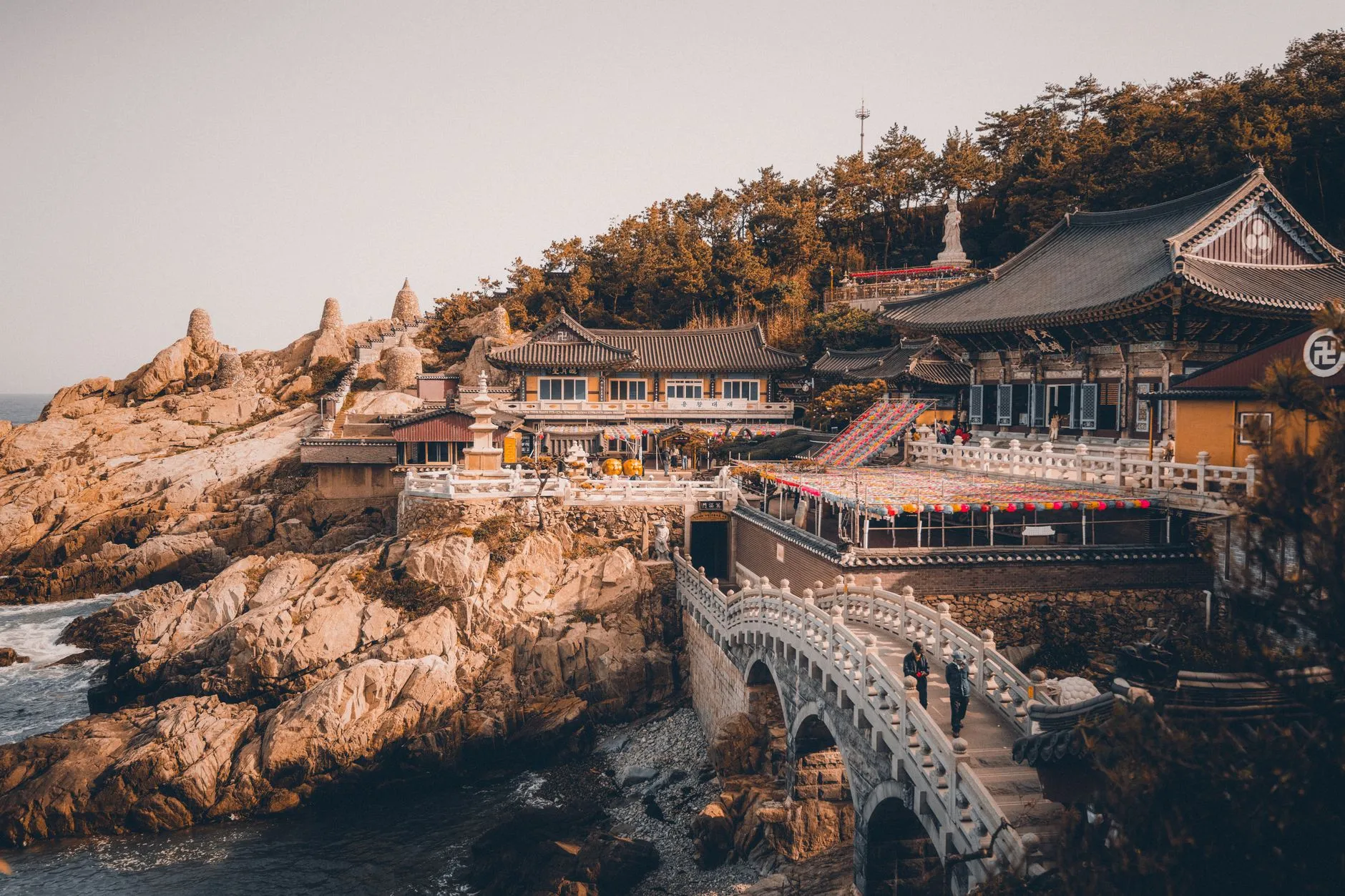
Day 11: Morning at Haedong Yonggungsa Temple (free). Stunning seaside temple. Afternoon can be Gamcheon Culture Village revisit or Taejongdae cliffs (free, scenic). Evening at BIFF Square for a final street food crawl.

Days 12–14: Jeju Island (3 nights)

Morning flight: Busan → Jeju (1hr, ₩50,000–80,000). Rent a car at airport (₩50,000–70,000/day). Essential for Jeju exploration. International license required.

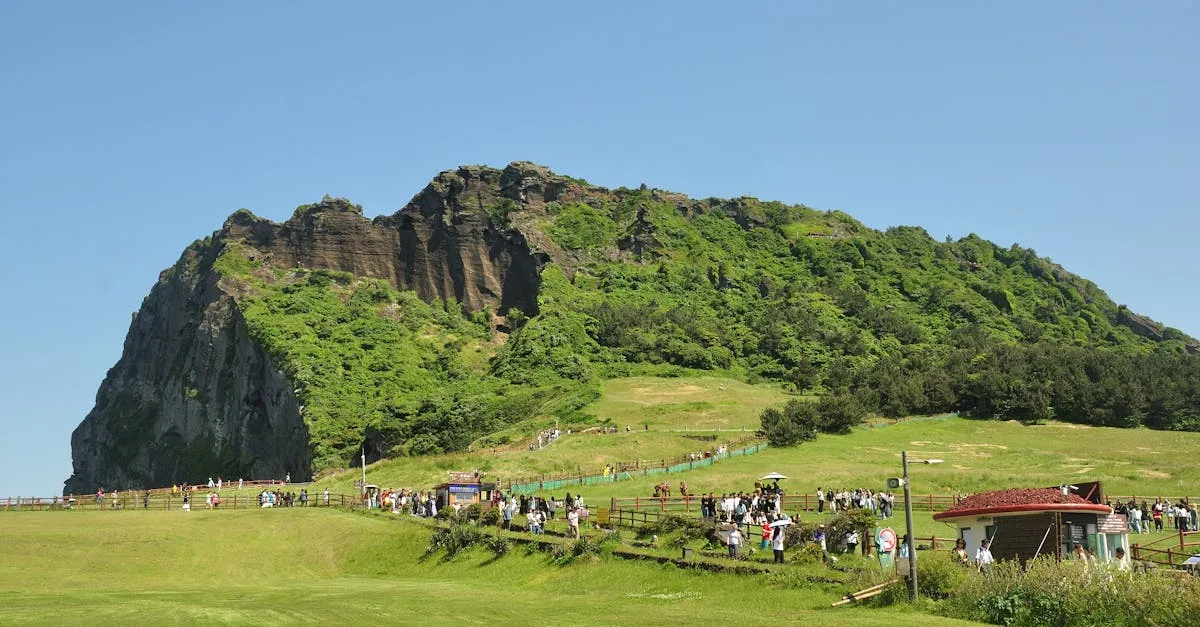
Day 12: Drive to Seongsan Ilchulbong (sunrise peak, ₩5,000). Hike to crater rim (30min). Lunch in Seongsan village. Afternoon at Manjanggul Lava Tube (₩4,000), one of the world’s longest lava tunnels. Evening check into hotel in Seogwipo or Jeju City. Dinner with Jeju black pork BBQ (₩40,000–60,000 for two).

Day 13: Book Hallasan hiking permit in advance (free, limited daily entries at visithalla.jeju.go.kr). Hike Seongpanak or Gwaneumsa trail to summit (8–10hr round trip) or shorter Eorimok trail (4hr). Pack lunch. Evening: Relax, light dinner, early sleep.

Day 14: Departure from Jeju. Morning flight to Seoul Gimpo or direct international departure from Jeju if available. No new sightseeing today.

This route balances iconic sights with authentic experiences, giving you palace grandeur, coastal beauty, island adventure, and modern city energy. You’ll return home with incredible photos, full bellies, and a deep appreciation for Korea’s diversity.

Route B: 3-Week Deep Dive

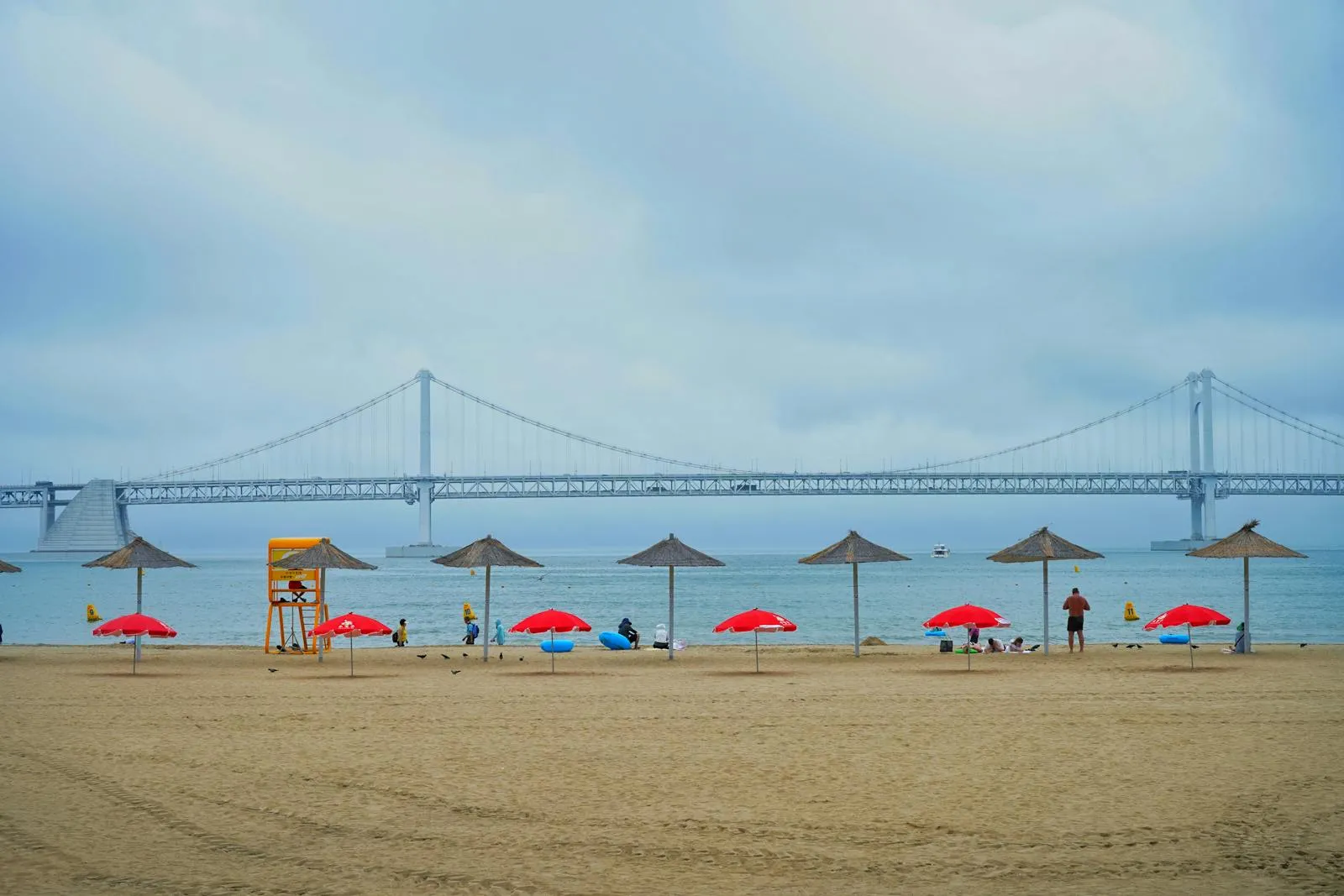
Relaxing beach scene featuring Gwangan Bridge in Korea with umbrellas and a lifeguard stand.

For couples with three weeks to spare, this comprehensive itinerary explores Korea from mountains to sea, megacity to folk village, modern to ancient. You’ll venture beyond the tourist trail, experience regional specialties, and gain a nuanced understanding of Korean culture and landscape. This is the trip for travelers who want to truly know Korea, not just visit it.

Transport Strategy

With this many destinations, consider the KR Pass 7-day flexible (₩250,000/~€177 per person if available) or buy individual KTX tickets as you go. The 7-day pass covers Seoul→Gangneung, Gangneung→Andong, Andong→Gyeongju, Gyeongju→Busan, and Busan→Seoul legs. For buses (Sokcho, Geoje, etc.), use the Kobus app or T-money card for seamless payment.

Day-by-day itinerary

Days 1–5: Seoul (5 nights)

Day 1: Arrive Incheon, settle into accommodation in Myeongdong or Jongno. Light exploration, street food dinner, early rest.

Day 2: Gyeongbokgung Palace (₩3,000, free in hanbok), National Folk Museum (included), Bukchon Hanok Village. Lunch in Insadong. Afternoon at Changdeokgung Palace and Secret Garden (₩8,000, English tour only, book ahead). Evening at Gwangjang Market for bindaetteok and mayak gimbap.

Day 3: DMZ day trip (₩50,000–80,000, book at least 3 days ahead, passport required). Return to Seoul base. Evening in Hongdae for indie music, street performances, and youthful energy.

Day 4: Nami Island/Chuncheon day trip. Ferry to Nami Island (₩16,000 includes ferry + entry). Walk or bike the tree-lined paths. Optional: continue to Chuncheon for dakgalbi lunch. Return to Seoul base.

Day 5: Morning hike at Bukhansan National Park (free, 3–5hr). Afternoon: COEX Starfield Library & Bongeunsa Temple. Evening: Namsan Seoul Tower cable car (₩12,000 RT) for sunset, dinner in Itaewon. All day trips return to Seoul base.

Days 6–8: Gangneung & East Coast (3 nights)

Day 6: Morning KTX Seoul → Gangneung (2hr, ₩27,000). Check into hotel near Gyeongpo Beach. Afternoon at the beach (free) and Gyeongpo Lake. Evening at Anmok Coffee Street. Famous for ocean-view cafes, watch sunset with an Americano.

Day 7: Morning at Jumunjin Breakwater (free). The iconic red lighthouse from BTS album photos. Lunch with fresh raw fish (hoe) at Jumunjin Fish Market (₩40,000–60,000 for two). Afternoon at Ojukheon House (₩3,000), birthplace of Shin Saimdang. Korean BBQ dinner and fresh seafood.

Day 8: Sokcho/Seoraksan day trip. Morning bus to Sokcho (1hr, ₩7,000). Local bus to Seoraksan National Park. Hike Ulsanbawi Rock trail (4hr round trip, ₩3,500 park entry). Return to Gangneung base.

Days 9–11: Andong & Hahoe Village (3 nights)

Day 9: Morning bus Gangneung → Andong (via transfer, ~4hr). Check into hotel. Afternoon at Andong Hahoe Mask Museum (₩2,000). Evening to try Andong jjimdak (braised chicken with vegetables and glass noodles, ₩30,000–40,000 for two). The city’s signature dish.

Day 10: Morning bus to Hahoe Village (40min, ₩2,500). Explore the UNESCO folk village (₩5,000 entry). Traditional hanok houses, riverside cliffs, peaceful rural atmosphere. Watch Hahoe Mask Dance performance if available (weekends, ₩5,000). Lunch in the village with simple Korean set meal (₩15,000–20,000/pp). Return to Andong base.

Day 11: Morning at Dosan Seowon Confucian Academy. Afternoon: Woryeong Bridge (free) for village views. Evening: traditional soju tasting. Bongjeongsa Temple visit if time permits.

Days 12–14: Gyeongju (3 nights)

Day 12: Morning bus/train Andong → Gyeongju (2hr, ₩12,000–18,000). Check into hanok guesthouse (₩70,000–120,000/night). Settle in, walk to nearby Cheomseongdae Observatory and Daereungwon Tomb Complex (₩3,000). Evening at Anapji Pond (₩3,000) for illuminated reflections.

Day 13: Full day: Bulguksa Temple (₩6,000, bus or taxi from city centre) and Seokguram Grotto (₩6,000). Afternoon: Gyeongju National Museum (₩3,000) to understand Silla history.

Day 14: Morning at Yangdong Village (UNESCO, ₩4,000). Traditional folk village. Afternoon at Bomun Lake area for cycling and relaxation.

Days 15–17: Busan & South Coast (3 nights)

Day 15: Morning KTX Gyeongju → Busan (30min, ₩10,000). Check into hotel near Haeundae or Seomyeon. Afternoon at Haeundae Beach. Evening: Gwangalli Beach for illuminated bridge views, dinner at a seafood restaurant (₩50,000–80,000 for two).

Day 16: Morning at Haedong Yonggungsa Temple (free, seaside). Lunch at Jagalchi Fish Market (₩40,000–70,000). Afternoon: Gamcheon Culture Village (free, stamp trail ₩2,000). Evening: BIFF Square street food crawl, then Seomyeon nightlife.

Day 17: Tongyeong day trip (1.5h bus, ₩12,000). Cable car to Mireuksan (₩12,000 RT), Dongpirang Mural Village, harbor lunch for fresh sashimi and Hallyeohaesang views (₩35,000–60,000 for two). Return to Busan base.

Days 18–20: Jeju Island (3 nights)

Day 18: Morning flight Busan → Jeju (1hr, ₩50,000–80,000). Rent car at airport (₩50,000–70,000/day, international license required). Drive to Seongsan Ilchulbong (₩5,000), hike to crater rim. Lunch in Seongsan. Afternoon: Manjanggul Lava Tube (₩4,000). Check into hotel in Seogwipo. Dinner: Jeju black pork BBQ (₩45,000–70,000 for two).

Day 19: Hallasan hike (book permit in advance at visithalla.jeju.go.kr, free). Seongpanak or Gwaneumsa trail to summit (8–10hr). Pack lunch and plenty of water. Evening: Rest, light dinner, early sleep.

Day 20: Recovery day. Morning: Jeju Olle trails. Afternoon: Seogwipo seafood, haenyeo diving women. Visit tangerine orchard if in season (Oct–Jan). Evening: Seafood dinner in Seogwipo (₩50,000–80,000 for two).

Day 21: Departure

Morning flight Jeju → Seoul Gimpo (1hr, ₩50,000–70,000) for international departure connection. Or fly direct from Jeju if available. Allow at least 3 hours before an international flight at Incheon. No new sightseeing today.

Budget Notes

Lower end: guesthouses, hostels, budget hotels; heavy street food and casual dining; minimal shopping. Higher end: 3-4 star hotels, more sit-down restaurants, regular activities (spas, cable cars, museums), moderate shopping. Car rental in Jeju is essential and included. Couples save significantly by sharing rooms and splitting meals. Add ₩200,000-300,000 buffer for flexibility and unexpected expenses.

What Makes This Route Special

Unlike the 2-week classic route, this itinerary gives you time to breathe. You’ll experience Korea’s regional diversity. The mountainous east coast, the traditional heartland of Andong, the ancient capital of Gyeongju, the vibrant port of Busan, and the volcanic beauty of Jeju. You’ll taste regional specialties including Chuncheon dakgalbi, Andong jjimdak, Jeju black pork, Sokcho raw fish. You’ll hike Korea’s two most iconic mountains (Seoraksan and Hallasan). You’ll stay in traditional hanok guesthouses and modern city hotels.

Most importantly, you’ll have time for spontaneity. An extra hour at a temple, a detour to a cafe with a view, a conversation with a local vendor. Three weeks transforms a trip from a checklist into an immersion. You’ll leave Korea not as tourists who visited, but as travelers who connected.

Customization Tips

Nature lovers: Add more hiking (Jirisan, Odaesan). Foodies: Extend Busan and Jeju for deeper culinary exploration. History buffs: Add Gongju and Buyeo (Baekje kingdom sites). Beach lovers: Extend east coast time (Yangyang, Sokcho beaches). K-culture fans: Add more Seoul time for K-pop experiences, drama filming locations, themed cafes. This route is a framework. Adjust based on your interests and energy levels.

Route C: 10-Day Highlights

Serene coastal scene of Jeongbang Waterfall in Jeju Island, with rocky shore and blue ocean under a clear sky.

10 days on the ground for South Korea's greatest hits. Arrival on Day 1, departure on Day 10, with 9 nights of sleep in between. The route covers three distinct faces of Korea: Seoul's palaces and modern hustle, Busan's beaches and seafood, and Jeju's volcanic landscapes. It ends with a transit night back in Seoul before flying out of Incheon. Fitness needs are moderate (lots of walking, optional volcanic hike on Jeju).

Day-by-day itinerary

Day 1: Arrival in Seoul

Land at Incheon International Airport. The AREX Express train reaches Seoul Station in about 45 minutes (₩9,500), or take the standard all-stop AREX for less. Check in around Myeongdong or Hongdae. Both put you on subway lines and near food. Recover with a slow neighbourhood walk and an easy first dinner with a bibimbap, a bowl of kimchi jjigae, or convenience-store onigiri and soju if you're wrecked. No palaces today.

Day 2: Seoul. Palaces, Hanok, Sunset

Start at Gyeongbokgung Palace for the changing-of-the-guard ceremony. Hanbok rental nearby gets you free palace entry and better photos. Wander north into Bukchon Hanok Village, then south to Insadong for traditional tea houses and craft shops. Lunch or early dinner at Gwangjang Market (mung bean pancakes, mayak gimbap, raw beef tartare). Finish with the cable car up to N Seoul Tower for sunset over the city.

Day 3: Seoul. DMZ Day Trip

Early start (pickup typically 7–8am) for a guided DMZ tour. This MUST be booked at least 3 days in advance and your passport is required at the border. Standard tours cover the Third Infiltration Tunnel, Dora Observatory looking into the North, and Imjingak Park. JSA/Panmunjom access depends on current security status. Tours return mid-afternoon. The day is emotionally heavy, so keep the evening gentle with a quiet dinner in Hongdae, maybe a craft beer or a late stroll along the Han River.

Day 4: Seoul → Busan

KTX from Seoul Station to Busan, ~2 hrs 30 min (₩59,800/pp ≈ €42). Seats are reservable and worth booking ahead in high season. Arrive around lunchtime, check in near Haeundae Beach. Spend the afternoon walking the beach and Dongbaek Island coastal path. Evening at Gwangalli for views of the illuminated Gwangan Bridge and a seafood dinner with grilled clams, raw fish, or a hotpot of spicy crab.

Day 5: Busan Full Day

Morning at Gamcheon Culture Village, the pastel hillside neighbourhood of murals and tiny galleries. Lunch at Jagalchi Fish Market. Pick something live downstairs, eat it cooked upstairs. Afternoon out to Haedong Yonggungsa, the rare seaside temple perched on the rocks east of the city. Evening street food at BIFF Square in Nampo-dong with ssiat hotteok (seed-stuffed pancakes) as the signature.

Day 6: Gyeongju Day Trip from Busan

KTX from Busan to Singyeongju Station, ~30 min, then a local bus or taxi into the historic centre. Gyeongju was the Silla dynasty capital for nearly a thousand years. Visit Bulguksa Temple and its UNESCO-listed Seokguram Grotto, then the Daereungwon Tomb Complex with its grass-mound royal burials. Rent a bike to loop between sites and Anapji Pond. Return to Busan in the evening.

Day 7: Busan → Jeju

Morning flight Gimhae → Jeju, ~1 hr (₩50,000–80,000/pp ≈ €35–55, book 2–4 weeks ahead). Rent a car at the airport if you're comfortable driving on the right. Jeju is built around the car. Head east to Seongsan Ilchulbong, the dramatic tuff-cone crater rising from the sea (~30 min walk to the rim). Evening in Seogwipo with Jeju black pork BBQ as the local specialty.

Day 8: Jeju Full Day

Morning at Manjanggul Lava Tube, one of the longest lava tubes in the world (about 1 km of the cave is open to visitors, cool inside, so bring a layer). Afternoon offers three very different options. Optional Hallasan summit hike: 8–10 hrs round trip via the Seongpanak or Gwaneumsa trails, the only two routes that reach the 1,947 m peak. For fit hikers only, start at dawn, weather can close the upper section without warning. Easier alternatives: ferry to Udo Island and rent electric bikes for a coastal loop, or walk a section of the Jeju Olle coastal trail network. Evening at Dongmun Market in Jeju City for tangerines, hairtail fish, and street snacks.

Day 9: Jeju → Seoul

Morning flight Jeju → Gimpo, ~1 hr. Drop bags at a hotel near Gimpo, Hongdae, or Myeongdong. Sleeping closer to the airport saves stress tomorrow. Afternoon for last-minute shopping with K-beauty in Myeongdong, designer browsing in Gangnam, or a final wander through Insadong for souvenirs. Farewell dinner with full Korean BBQ including samgyeopsal, soju, and all the side dishes.

Day 10: Departure

AREX from Seoul Station to Incheon Airport, ~60 min (₩9,500/pp). Allow at least 3 hours before an international departure. Incheon is large and immigration can be slow. A morning coffee or a final bowl of soft tofu stew near the station is fine. No new sightseeing today.

The route also works in reverse (Jeju first, Seoul last) and that order can actually be gentler. You finish in the capital with airport access already in hand. On timing, April brings cherry blossoms in Seoul and along the Gyeongju tomb park, while late October and early November give the country's famous autumn foliage on Hallasan and in the temple courtyards. Avoid late July and August unless you tolerate heavy humidity and monsoon rain, and book early for either peak window. Domestic flights and DMZ tours fill fast.

Booking Timeline
  • DMZ tour: minimum 3 days ahead, passport details required at booking. JSA/Panmunjom access depends on current status. Check at booking.
  • Domestic flights (Gimhae → Jeju, Jeju → Gimpo): 2–4 weeks ahead for best fares.
  • KTX Seoul → Busan: seats reservable; book ahead in cherry-blossom and autumn-foliage seasons.
  • Jeju rental car: reserve 1–2 weeks ahead, bring an International Driving Permit.
  • Hallasan hike: reservations required for Seongpanak and Gwaneumsa trails. Book through the national park reservation system in advance.

Getting Around

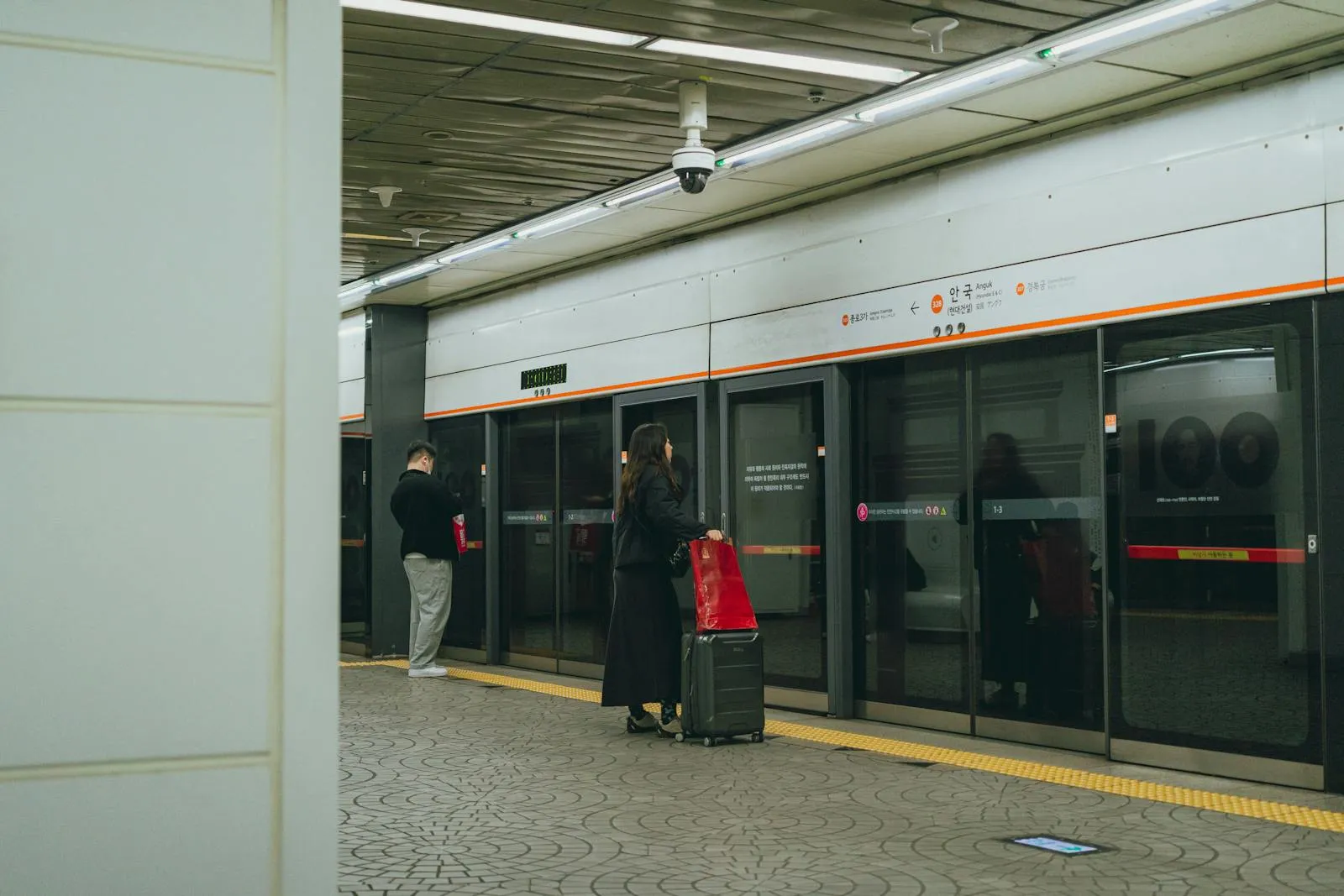
Travelers await the subway in Seoul's metro during springtime, capturing urban life.

South Korea has one of the world’s most efficient, affordable, and traveler-friendly transportation systems. Bullet trains connect major cities in hours, spotless subway systems have English signage everywhere. Getting around is remarkably easy even without speaking Korean.

🚅 KTX High-Speed

Seoul–Busan 2.5h (₩59,800). Seoul–Gwangju 1.5h. Book at letskorail.com or Korail Talk app. Reserve window seats.

🚇 Subway Systems

Seoul: 23 lines, world-class. Busan: 6 lines. English signage, numbered stations, barrier-free. T-money card for all transit.

🚌 Intercity Buses

Express and intercity terminals in every city. Frequent departures, comfortable seats. Book via Kobus or Express Bus app.

🚗 Taxis

Clean, metered, affordable. Base fare ₩4,800. Kakao T app for booking. International taxi drivers speak English. Night surcharge 20%.

✈️ Domestic Flights

Seoul–Jeju 1h (most-flown route globally). Korean Air, Asiana, Jin Air, T’way. Gimpo airport for domestic.

💳 T-money Card

Rechargeable transit card. Works on subway, bus, taxi, convenience stores. Buy at any station or airport. Transfer discounts.

⛵ Ferries

To islands (Jeju, Ulleungdo). Multiple daily sailings. Book via ferry booking sites. Weather cancellations common in winter.

🚗 Driving

International Driving Permit required. Excellent roads but dense city traffic. Navigation: Naver Map or KakaoMap (Google Maps limited).

The Single Most Useful Purchase

Buy a T-money card immediately upon arrival. This rechargeable IC card works on all subways, buses, and taxis nationwide, plus convenience store purchases. It costs ₩2,500 at any convenience store, then load money as needed. You’ll save money on every trip (discounts vs. single tickets) and avoid language barriers when paying.

T-money Card

The essential tool for all local transportation. This rechargeable IC card works on:

  • All subway systems nationwide
  • City buses
  • Many taxis (look for T-money logo)
  • Convenience store purchases

Buy at any convenience store (GS25, CU, 7-Eleven) for ₩2,500, then load money at machines in subway stations or convenience stores. Typical fares:

  • Seoul subway: ₩1,250 base fare (10km), ₩100 per additional 5km
  • Seoul bus: ₩1,200
  • Busan subway: ₩1,400

Transfer discount: Transfer between subway and bus (or bus to bus) within 30 minutes using same T-money card for discount. Essentially paying one base fare instead of two. Makes multi-leg journeys very cheap. Card has ₩500 deposit refunded when returned, but most travelers keep it as souvenir.

Subway Systems

Seoul has 23 lines covering 331 stations. One of the world’s largest and most efficient metros. Busan has 6 lines. Both systems:

  • Spotlessly clean with air conditioning
  • English signage on all signs, maps, and announcements
  • Numbered stations (e.g., Line 2, Station 219) making navigation easy
  • Barrier-free with elevators at most stations

Intercity Buses

Extensive network connecting all cities and towns. Two types:

  • Express buses (gosok): Faster, fewer stops, more expensive. Seoul–Busan ~4.5 hours, ₩23,000–34,000
  • Intercity buses (sioe): More stops, slightly slower, cheaper

Book tickets at kobus.co.kr (English available) or buy at bus terminals using T-money card or cash. Buses comfortable with reclining seats, drivers take rest stops every 2h. Cheaper than KTX but takes longer. Good option for routes not served by train or on tight budget.

Taxis

Metered, safe, and cheap by Western standards. Types:

  • Regular taxis (silver/white): ₩4,800 base fare in Seoul, ₩3,800 in other cities
  • Deluxe taxis (black): ₩7,000 base fare, more spacious, drivers speak some English

Night surcharge of 20% applies midnight-4am. No tipping. Not customary in Korea. Use Kakao T app (Korea’s Uber) to call taxis with English interface and automatic payment. App shows fare estimate and driver location. Regular taxis can be hailed on street, but drivers may not speak English. Have destination written in Korean or show on phone.

Domestic Flights

Jeju Island is Korea’s busiest domestic route with dozens of daily flights. Budget airlines offer competitive prices:

  • Jeju Air
  • T’way Air
  • Jin Air
  • Air Busan

Typical fares: Seoul-Jeju from ₩50,000, Busan-Jeju from ₩40,000. Book 2-4 weeks ahead for best prices. Important: Domestic flights use Gimpo Airport (GMP) in Seoul, NOT Incheon. Gimpo closer to city center (30 minutes by subway). Other domestic routes include Seoul-Busan (1h, ₩60,000-90,000), but KTX usually more convenient city-center to city-center.

Ferries

Ferries connect the mainland to islands:

  • Jeju from Mokpo: 4.5 hours, ₩40,000–80,000 depending on cabin class. However, flying is usually cheaper and much faster.
  • Udo Island from Jeju: 15 minutes, ₩11,000 round-trip. Ferries run every 30–60 minutes.
  • Other islands: Ferries to Ulleungdo, Hongdo, and smaller islands from various ports.

Ferry schedules can be affected by weather, especially in winter. Check conditions before planning island trips.

Driving & Car Rental

International Driving Permit (IDP) is accepted in Korea. Drive on the right side of the road. However, driving is NOT recommended for Seoul:

  • Aggressive traffic and complex road systems
  • Parking is expensive (₩3,000–5,000/hour) and scarce
  • Public transport is faster and cheaper

Driving is good for: Jeju Island road trips, countryside exploration, visiting remote temples or national parks. Rental costs ₩40,000–80,000/day depending on car size. Gas is around ₩1,700/liter. Tolls on highways (Seoul–Busan highway costs ~₩30,000). GPS navigation is included with rentals, but set it to English.

Navigation Apps

Google Maps Doesn’t Work Properly

Due to South Korean national security laws restricting map data export, Google Maps is severely limited in Korea. It shows locations but cannot provide walking or transit directions. You MUST use Korean apps instead.

Essential navigation apps:

  • Naver Map: The best and most accurate. English interface available. Shows real-time transit, walking directions, and business information. Download offline maps for areas you’ll visit.
  • Kakao Map: Also excellent, slightly better for finding restaurants and cafes. English support is improving.
  • Subway Korea: Dedicated subway app with route planning and real-time train locations.

Download these apps before your trip and familiarize yourself with the interface. They’re essential for navigating Korea.

Accessibility

Korea’s public transport is increasingly accessible. Most subway stations have elevators, and newer buses have low floors and wheelchair ramps. KTX trains have wheelchair spaces and accessible bathrooms. However, some older buildings and neighborhoods (like Bukchon) have steep hills and stairs that may be challenging for mobility-impaired travelers.

Budget Breakdown

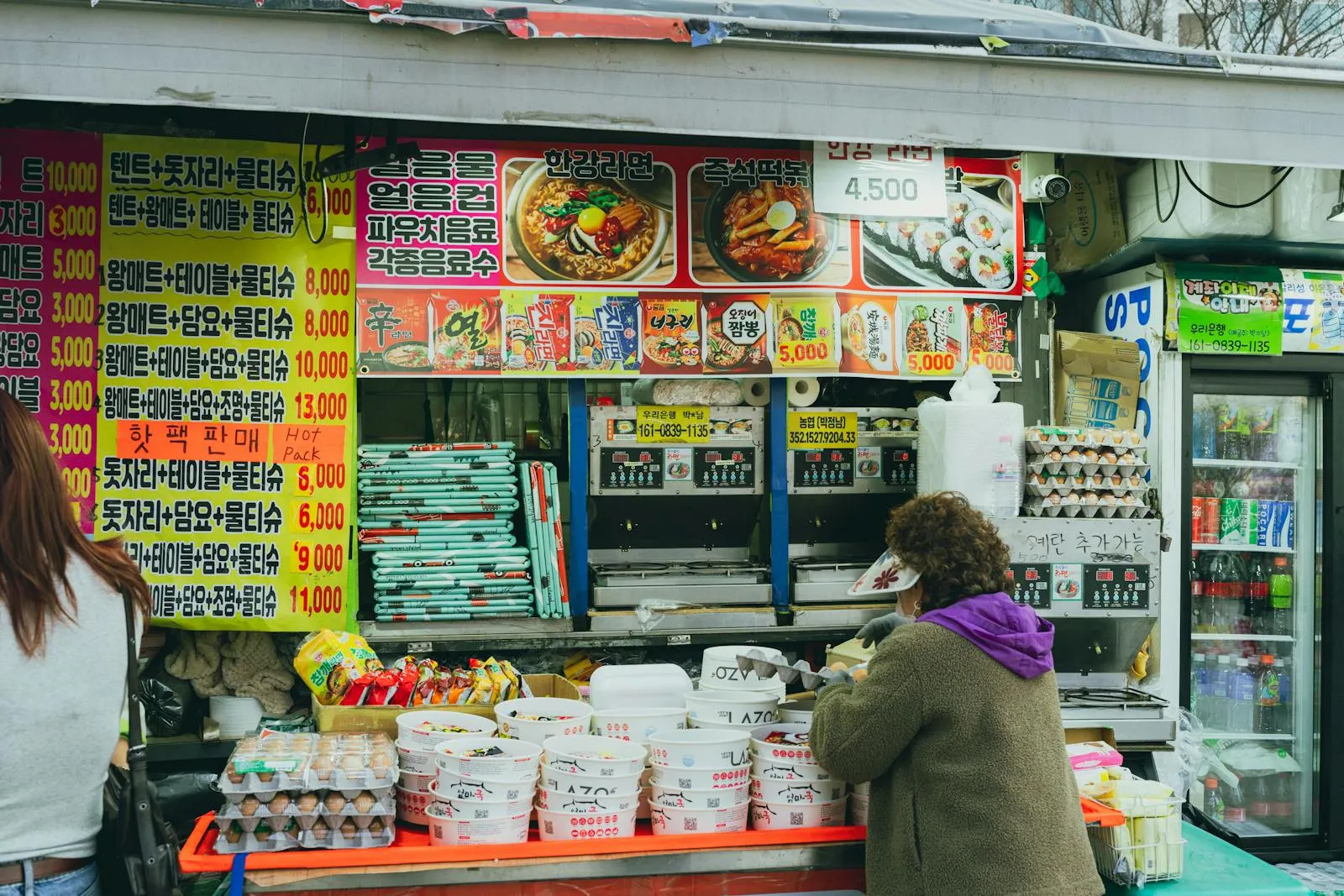
A vibrant Korean street food stall in Seoul, showcasing local culture and cuisine.

South Korea offers excellent value for travelers, especially compared to neighboring Japan. You can eat incredible food, stay in clean accommodation, and travel efficiently on a range of budgets. Here’s a detailed breakdown of costs for couples traveling together.

Daily Budget by Travel Style

Category Budget (₩/day/couple) Mid-Range (₩/day/couple) Comfort (₩/day/couple)
Accommodation ₩40,000–60,000
(€29–46)
₩80,000–120,000
(€57–92)
₩150,000–250,000
(€106–192)
Food ₩40,000–60,000
(€29–46)
₩60,000–90,000
(€42–69)
₩100,000–150,000
(€71–115)
Transport ₩10,000–20,000
(€7–15)
₩20,000–40,000
(€14–31)
₩40,000–80,000
(€29–62)
Activities ₩10,000–20,000
(€7–15)
₩20,000–40,000
(€14–31)
₩40,000–80,000
(€29–62)
Daily Total ₩100,000–160,000
(€71–123)
₩180,000–290,000
(€127–223)
₩330,000–560,000
(€234–431)

Money Matters

South Korea is primarily a cash and card economy using Korean Won (KRW, ₩) only. Credit and debit cards are accepted almost everywhere, including subway stations, convenience stores, and even many street markets. However, cash is still needed for:

  • Some traditional markets and small family restaurants
  • Street food vendors (though this is changing)
  • Bus terminals and some intercity buses
  • Temple donations and small shops in rural areas

ATMs: Available at every convenience store (look for “Global ATM” signs). Citibank and Hana Bank ATMs are most reliable for foreign cards. Withdrawal fees vary by your home bank (typically €3–5 per transaction). Withdraw larger amounts to minimize fees. ATMs dispense ₩10,000 and ₩50,000 notes.

No tipping: Tipping is not customary in Korea and can even be considered rude. Service charges are included in bills at restaurants and hotels. Taxi drivers, hotel staff, and restaurant servers do not expect tips. The only exception is luxury hotel concierges for exceptional service, but even this is rare.

Korea vs. Japan: Value Comparison

South Korea offers excellent value compared to Japan. Similar quality food, accommodation, and transport typically cost 60–70% of Japanese prices. A bowl of ramen in Korea costs ₩8,000 (~€6) vs. ¥1,000 (~€8) in Japan. Mid-range hotels are ₩100,000 (~€71) vs. ¥15,000 (~€124) in Japan. KTX tickets are cheaper than Shinkansen for similar distances. If you’re choosing between the two countries on a budget, Korea stretches your money further without sacrificing quality.

Practical Information

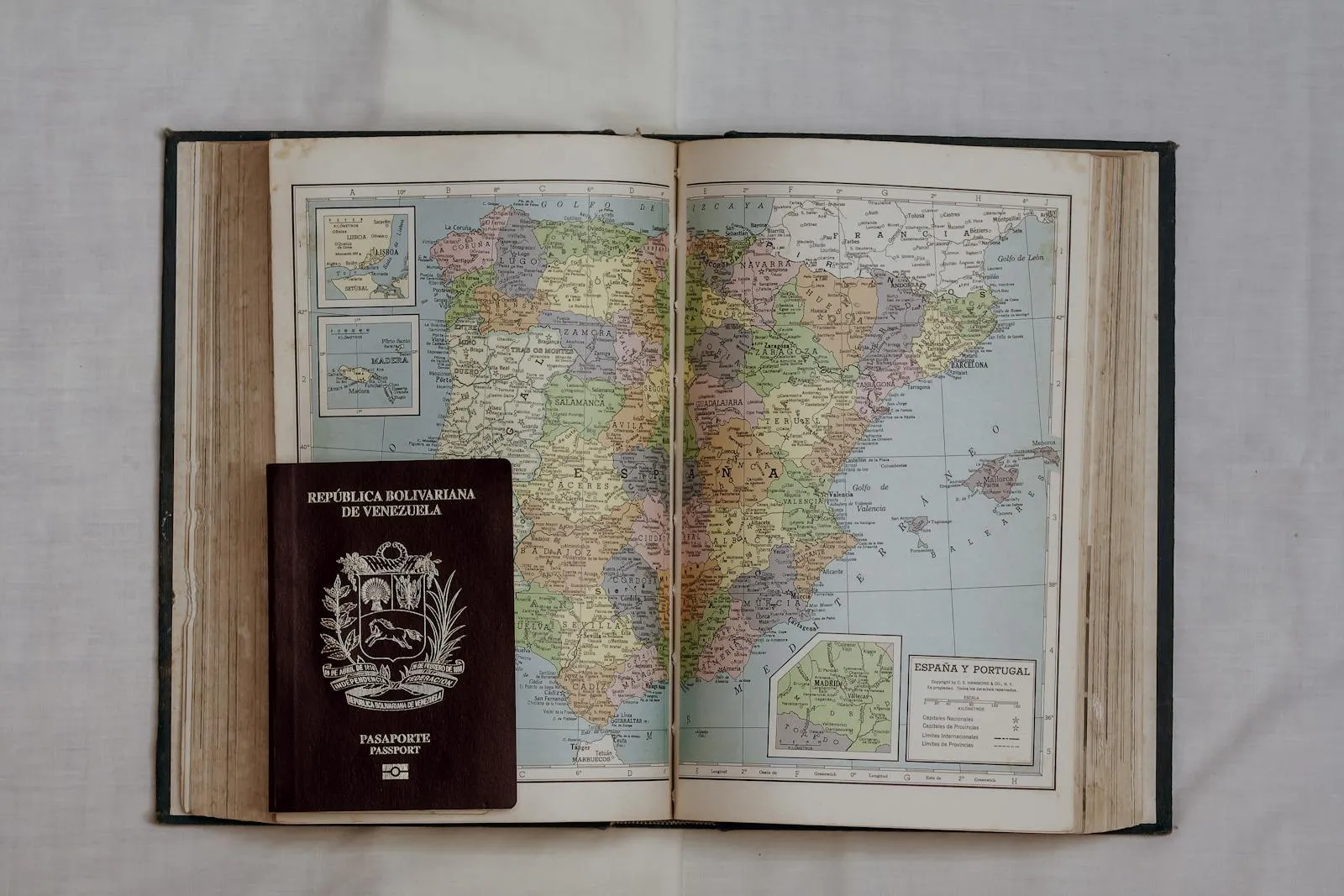
Open vintage atlas showing Spain and Portugal with a Venezuelan passport on top, symbolizing travel.

💳 Visas

90-day visa-free for most Western passports. K-ETA (~€9) may be required – check current status. Apply 72h before departure.

🏥 Health

No mandatory vaccinations. Excellent healthcare system. National health insurance covers some costs. Pharmacies everywhere.

💶 Money

KRW (₩). €1 ≈ ₩1,500. Cards accepted almost everywhere. T-money card for transit. ATMs at convenience stores (7-Eleven, CU).

📶 SIM

KT, SKT, LG U+. Tourist SIMs at Incheon Airport. eSIM available. Excellent 5G/LTE coverage nationwide.

🔌 Electricity

Type C/F plugs (European 2-pin round), 220V/60Hz. No adapter needed for EU travellers. Note: 60Hz not 50Hz.

🛒 Safety

Extremely safe. One of the lowest crime rates globally. Walk anywhere at any hour. Biggest risk: language barrier in emergencies.

Safety & Emergency Services

South Korea is extremely safe, consistently ranking among countries with lowest crime rates globally. Seoul repeatedly ranked as one of the safest major cities worldwide. Safe to walk anywhere at night, even in unfamiliar neighborhoods. Violent crime against tourists virtually unheard of.

Emergency Numbers

Service Number Notes
Police 112 English available
Fire/Ambulance 119 English available
Tourist Helpline 1330 English 24/7, incredibly helpful

Health & Medical Care

No special vaccinations required for travel to South Korea. Tap water safe to drink throughout country, though many Koreans prefer filtered water. Pharmacies (yakguk) found on virtually every block and can provide over-the-counter medications for common ailments.

Korean hospitals and clinics are excellent quality and affordable by international standards. Many doctors speak English, especially in Seoul. Travel insurance still recommended for major medical emergencies. Pharmacists can often help with minor issues without needing doctor visit.

Air Pollution Alert

Air pollution (microdust/misemeonji, ????) can be severe from March to May, with particulate matter drifting from China. Check the AQI (Air Quality Index) app daily. When levels are high, wear a KF94 mask (Korean equivalent of N95). Available at any convenience store for ₩1,000-2,000 each.

Essential Apps to Download

App Purpose Why Essential
Naver Map Navigation Google Maps is deliberately inaccurate in Korea due to security laws. Naver is essential for navigation and transit.
Kakao T Taxi booking Korea’s Uber. English interface, shows fare estimates, no language barrier with drivers.
Papago Translation Naver’s translator. Significantly better than Google Translate for Korean. Has camera translation for menus/signs.
KakaoTalk Messaging Korea’s WhatsApp. Everyone uses it. Needed for some restaurant reservations and local communication.
Korail Train booking Book KTX and other trains. English interface. Essential for intercity travel.
T-money Transit payment Manage your T-money card balance, check transit history. Can reload card via app.
Coupang Delivery Korea’s Amazon. Incredibly fast delivery (often same-day). Useful for longer stays.
Download Before You Go

Download and set up these apps before leaving home. Some require phone verification or work better with a Korean phone number, so having them ready saves time at the airport.

Tips & Common Mistakes

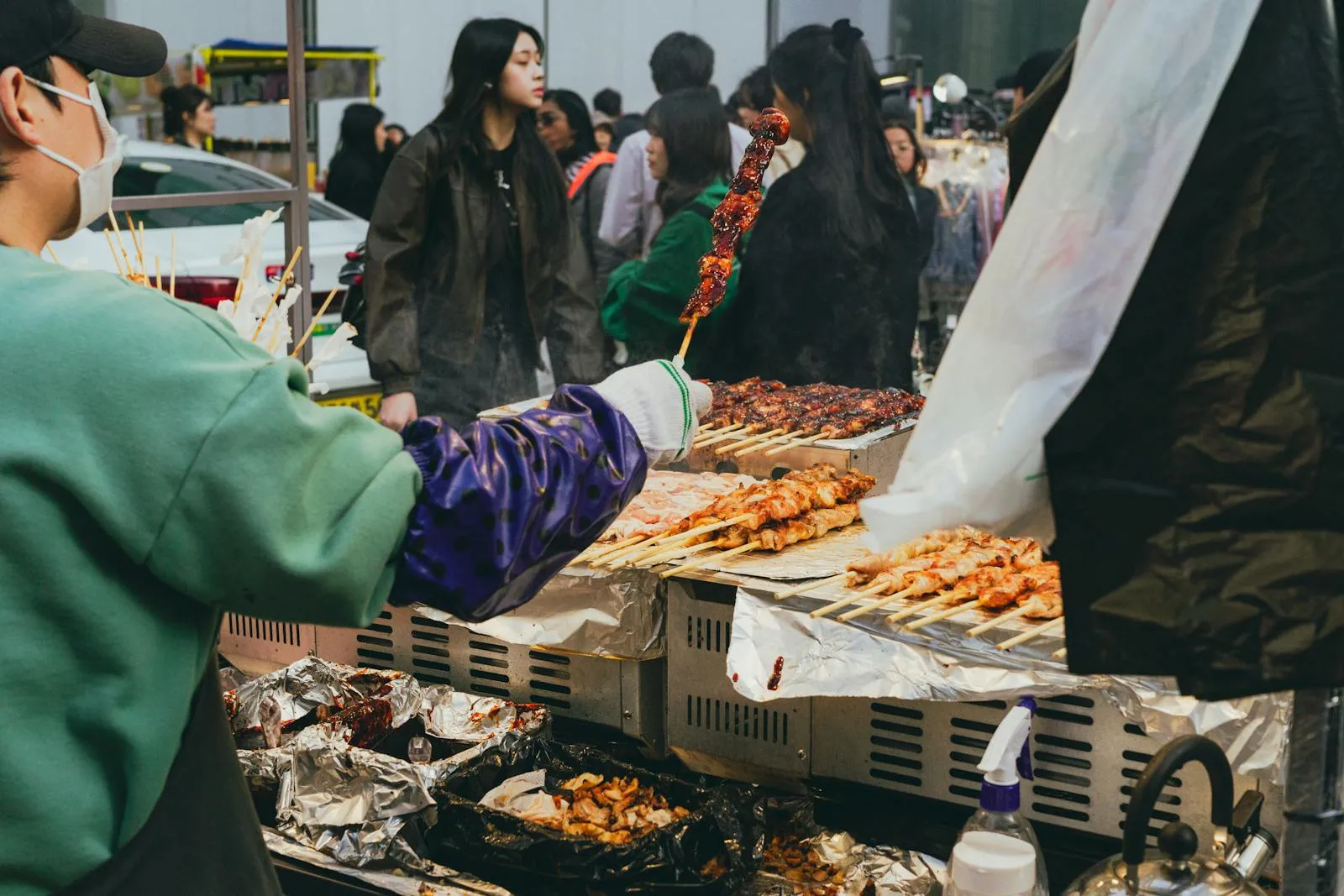
Discover the vibrant street food culture in Seoul with this lively market image.

Top 10 Tips for South Korea

1. Learn Hangul Before You Go

It takes just 2 hours and will transform your experience. Being able to read signs, menus, and subway stations (even without understanding words) makes navigation infinitely easier and shows respect for Korean culture.
2. Install Naver Map, NOT Google Maps

Google Maps is deliberately inaccurate in South Korea due to security laws. It lacks transit data and won’t route properly. Naver Map is essential. Download it before you arrive and learn the interface.

3. Get T-money Card Immediately

Buy a T-money card at Incheon Airport as soon as you land. It works for subway, buses, taxis, convenience stores, and even some vending machines. It’s your universal payment tool.

4. Don’t Tip Anywhere

Tipping is not part of Korean culture and can be confusing or even insulting. Service charges are included in prices. Leaving money on the table may result in staff running after you thinking you forgot it.

5. Carry Your Passport Always

You need it for hotel check-ins, some attractions (palaces, DMZ), duty-free shopping, and police can request identification. Keep it secure but accessible. Photocopy or phone photo not sufficient.

6. Book Hallasan Permits Early

Jeju’s Hallasan has daily visitor limits that fill up quickly, especially weekends and during foliage season (October). Book permits online as soon as dates confirmed. Sometimes weeks ahead.

7. Try Jjimjilbang at Least Once

Korean bathhouses (jjimjilbang) are uniquely Korean experience beyond just bathing. Social spaces with saunas, sleeping areas, restaurants, and entertainment. Cultural immersion and budget accommodation in one.

8. Eat Where Koreans Eat

Tourist restaurants near major attractions are overpriced and mediocre. Walk 2-3 blocks away or ask locals. Look for places packed with Koreans. That’s where good food is. Don’t fear language barrier as pointing works.

9. Convenience Stores Are Your Friend

Korean convenience stores (GS25, CU, 7-Eleven) have surprisingly good food at rock-bottom prices. Triangle kimbap (₩1,500), instant noodles with hot water stations, decent coffee, and even full meals. Open 24/7.

10. Download Papago App

Papago is better than Google Translate for Korean. Has camera translation for menus and signs, voice translation for conversations, and more accurate text translation. Made by Naver specifically for Korean language.

Common Mistakes to Avoid

1. Using Google Maps

This is the #1 mistake tourists make. Google Maps is inaccurate in Korea, missing transit data, and won't route properly due to South Korean security laws restricting map data export. You'll get lost, miss buses, waste hours. Use Naver Map exclusively.

2. Have Cash

While Korea is highly cashless in modern areas, traditional markets are cash-only. Namdaemun, Gwangjang, Jagalchi all require cash. Always carry ₩50,000-100,000 in small bills. ATMs are everywhere (look for "Global ATM" signs).

3. Underestimating Distances

Korea looks small on a map, but mountains make travel slower than expected. Seoul to Busan is 325km but takes 2.5-3h by KTX. Driving even slower due to mountainous terrain. Plan realistic itineraries. Don't try to see everything in one week.

4. Visiting Only Seoul

Seoul is amazing, but staying only in Seoul means missing 80% of what makes Korea special. Temples, mountains, coastal beauty, island culture, and regional food diversity are outside the capital. Budget at least 40% of time outside Seoul.

5. Ignoring Seasonal Timing

Cherry blossoms last only 1-2 weeks and bloom progressively from south (late March) to north (mid-April). Autumn foliage peaks vary by latitude and elevation. Missing timing by even a week means missing the spectacle. Check forecasts and plan accordingly.

6. Not Booking KTX for Holidays

Chuseok (Korean Thanksgiving, September/October) and Seollal (Lunar New Year, January/February) are massive holidays when the entire country travels. KTX trains sell out weeks in advance. Book early or avoid these periods entirely. Many restaurants and shops close.

7. Wearing Shoes Indoors

This is huge cultural faux pas. Always remove shoes when entering homes, many traditional restaurants, temples, some guesthouses, and jjimjilbang. Look for shoe racks at entrances. Wearing shoes inside considered extremely rude and unhygienic.

8. Expecting English Everywhere

Outside Seoul/Busan tourist areas, English is very limited. Even in Seoul, many locals speak minimal English. Don't expect restaurant staff, taxi drivers, or shop owners to speak English. Learn basic Korean phrases, use Papago app, embrace the challenge.

The Power of Smiling

Koreans are incredibly helpful to tourists, even with language barriers. A smile, polite bow, and “kamsahamnida” (thank you) go a long way. Don’t be afraid to ask for help. Most people will try their best to assist.

Final Recommendation

Beautiful view of Gyeongbokgung Palace's traditional architecture with mountains in the background at sunset.

South Korea is an incredible destination that punches far above its weight. For a couple on an extended trip, it offers world-class food at affordable prices, stunning seasonal nature, ultra-efficient transportation, unbeatable safety, and a culture that seamlessly blends 5,000 years of history with bleeding-edge modernity. From the neon-lit streets of Gangnam to the misty peaks of Seoraksan, from sizzling samgyeopsal to serene temple stays, Korea will surprise you at every turn.

What makes Korea special isn’t just the famous attractions. It’s the everyday experiences. It’s the ajumma (middle-aged woman) at a pojangmacha (street tent restaurant) who insists on giving you extra banchan because you’re foreign. It’s the perfectly timed cherry blossom petal falling into your coffee at a Bukchon hanok cafe. It’s the 3am jjimjilbang session after a night of karaoke, lying on a heated jade floor contemplating life. It’s the elderly monk at Haeinsa who speaks no English but somehow communicates profound wisdom through a smile and a bow.

Final Thoughts

Korea is a country that rewards curiosity and openness. Yes, there’s a language barrier. Yes, the culture is different. Yes, you’ll make mistakes with chopsticks and bowing etiquette. But that’s part of the adventure. Koreans are incredibly welcoming to tourists who show genuine interest in their culture. Learn a few phrases in Korean, try the street food, take off your shoes without being asked, bow when saying thank you. These small gestures will open doors and create connections.
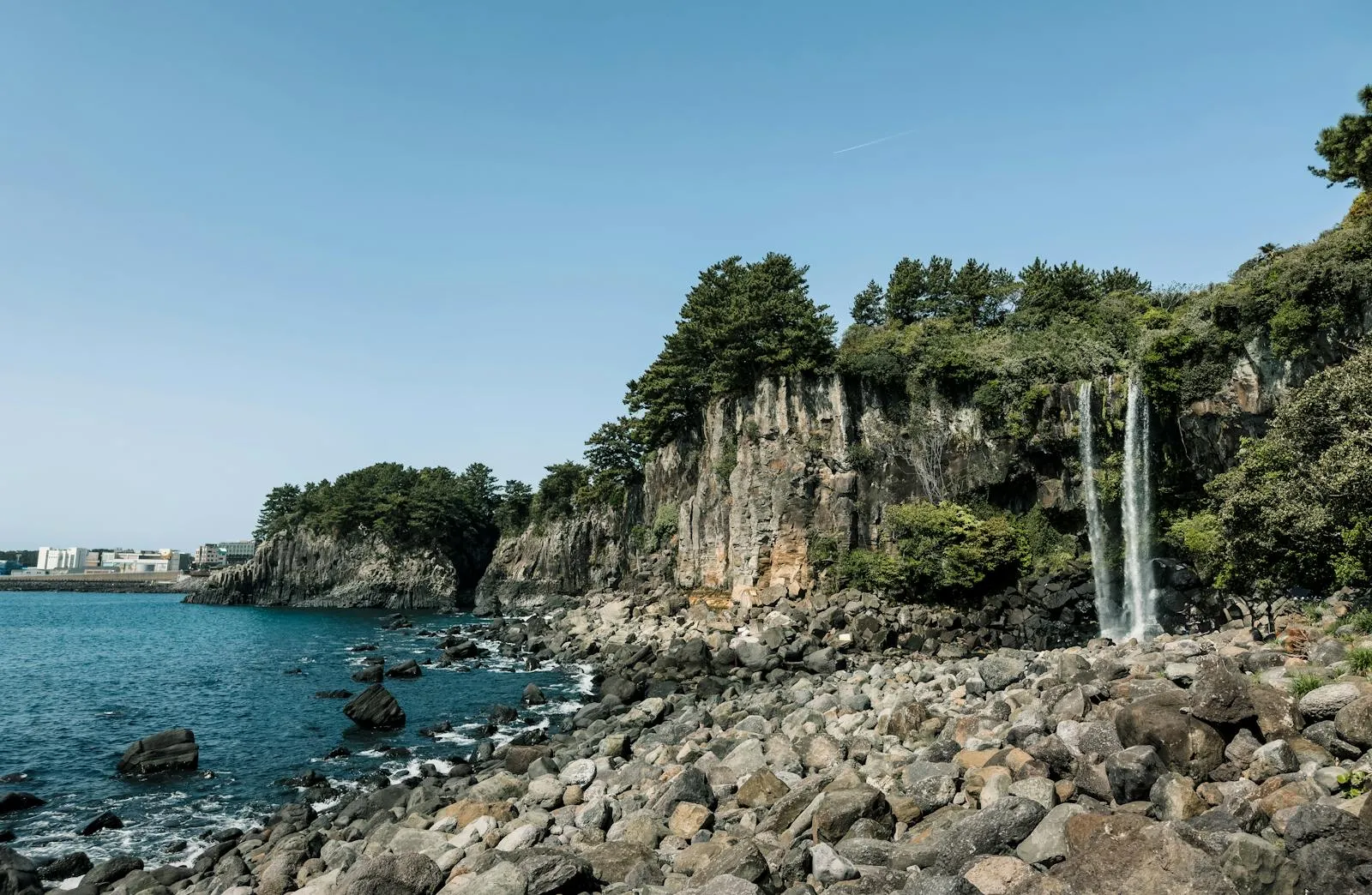
The beauty of Korea is that it offers something for every type of traveler. History buffs can spend weeks exploring palaces, temples, and UNESCO sites. Foodies can eat their way through regional cuisines and Michelin-starred restaurants. Nature lovers can hike mountains, explore islands, and chase seasonal beauty. City enthusiasts can get lost in Seoul’s neighborhoods, each with its own distinct character. And couples can enjoy romantic experiences unique to Korean culture.