Japan Travel Guide
Ancient temples, neon cities, and a culture of exquisite precision. Your complete handbook for exploring the Land of the Rising Sun.

🇯🇵 Japan Couple Travel Low-Medium Budget 25 Sections

Overview & Why Visit Japan

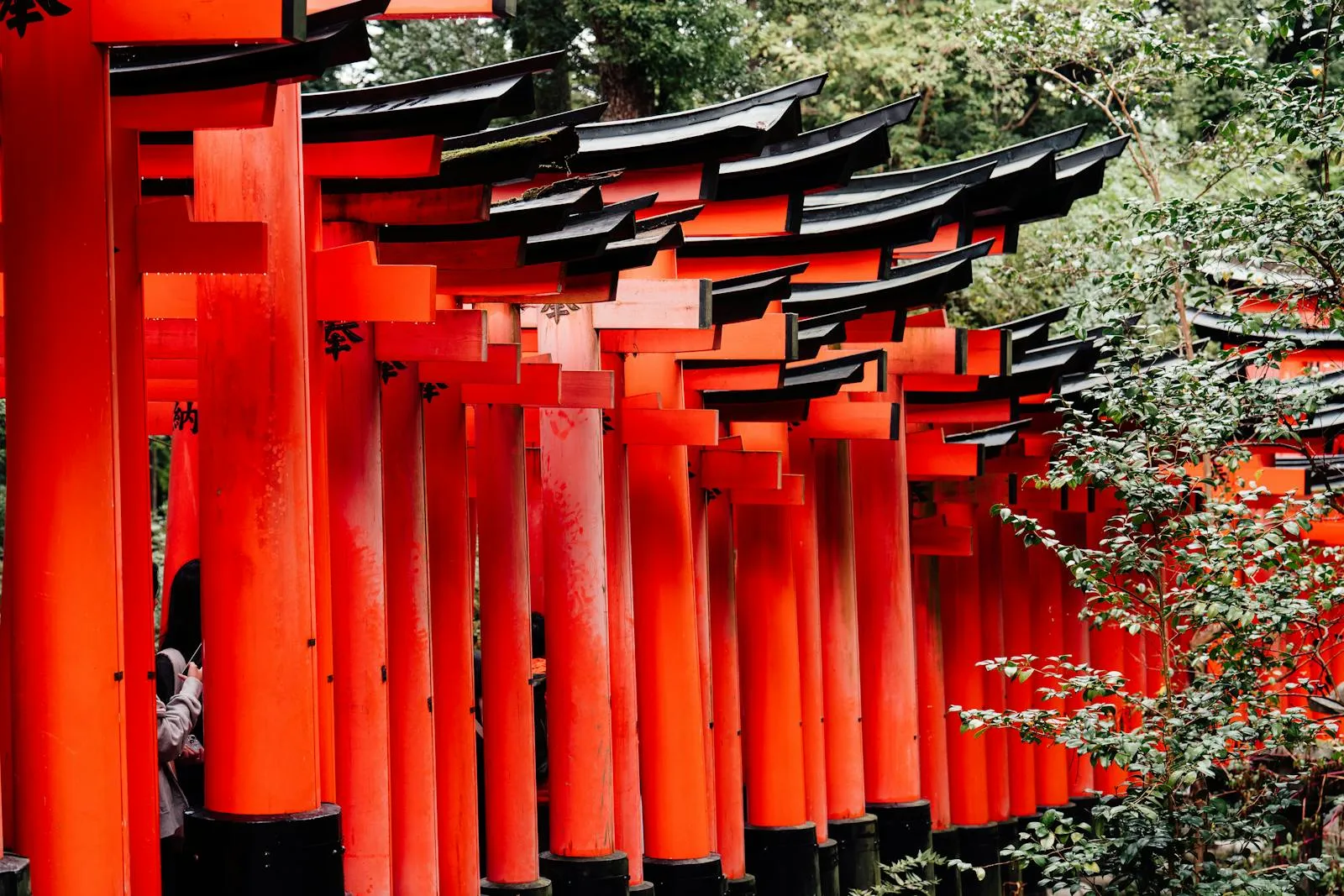
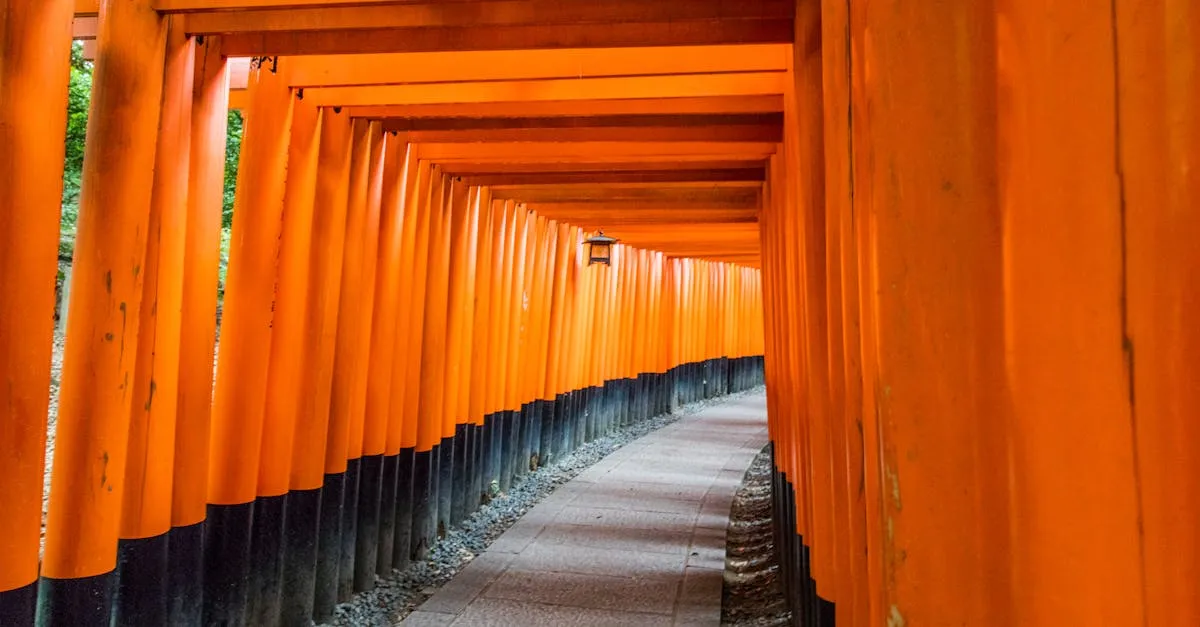
Fushimi Inari Shrine torii gates in Kyoto

Japan blends ancient tradition with dizzying modernity. Thousand-year-old temples stand beside neon skyscrapers. Bullet trains pass rice paddies at 300 km/h. Convenience store lunches rival restaurant meals. Daily interactions (buying tickets, ordering ramen, visiting public baths) become memorable experiences.

The archipelago stretches 3,000 km from frozen Hokkaido to subtropical Okinawa:

  • Four main islands: Honshu, Hokkaido, Kyushu, Shikoku, plus thousands of smaller islands
  • Size: Roughly 378,000 km², about the same as California or slightly larger than Italy
  • Natural features: Snow-capped mountains, active volcanoes, bamboo forests, coral reefs, Mt. Fuji. All accessible via world-class rail.
  • Cultural depth: Kyoto has 2,000+ temples and shrines. Tokyo sustains Earth's highest concentration of Michelin-starred restaurants.

Why Japan Fits Your Trip Perfectly

Japan is a good fit for Food loverTokyo & Osaka are world top-tier destinations. The culture and vast opportunitys of epic temples (Kyoto, Nara, Kamakura) are a good fit for first-time Asia visitors wanting safety and ease. During late March–early April there is the well known Sakura (cherry blossom), but also the autumm or winter offers a lot for foliage travellers or Skiing interested.

🏯 Capital & Size

Tokio 都 (population ~125 million).

Roughly 378,000 km² (about the size of California)

💰 Currency

JPY. 1 EUR ≈ 7.8 CNY. 1 USD ≈ 7.2 CNY

🌐 Language

Mandarin (Putonghua). Very limited English outside international hotels

🔒 Daily Budget

Per couple, mid-range comfort

€120–220

Map of Japan

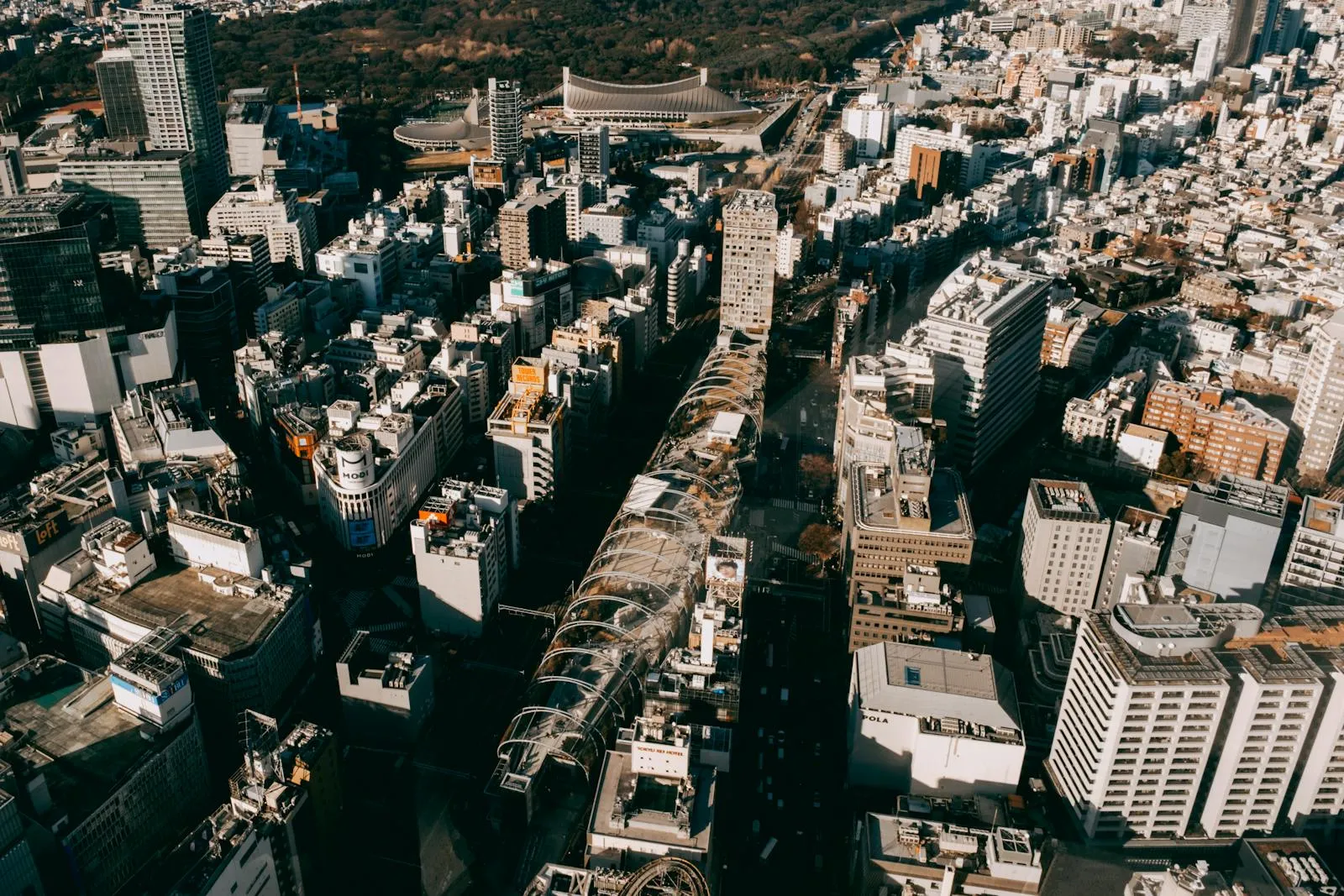
Aerial view of Tokyo, Japan, showcasing dense urban architecture under bright sunlight.

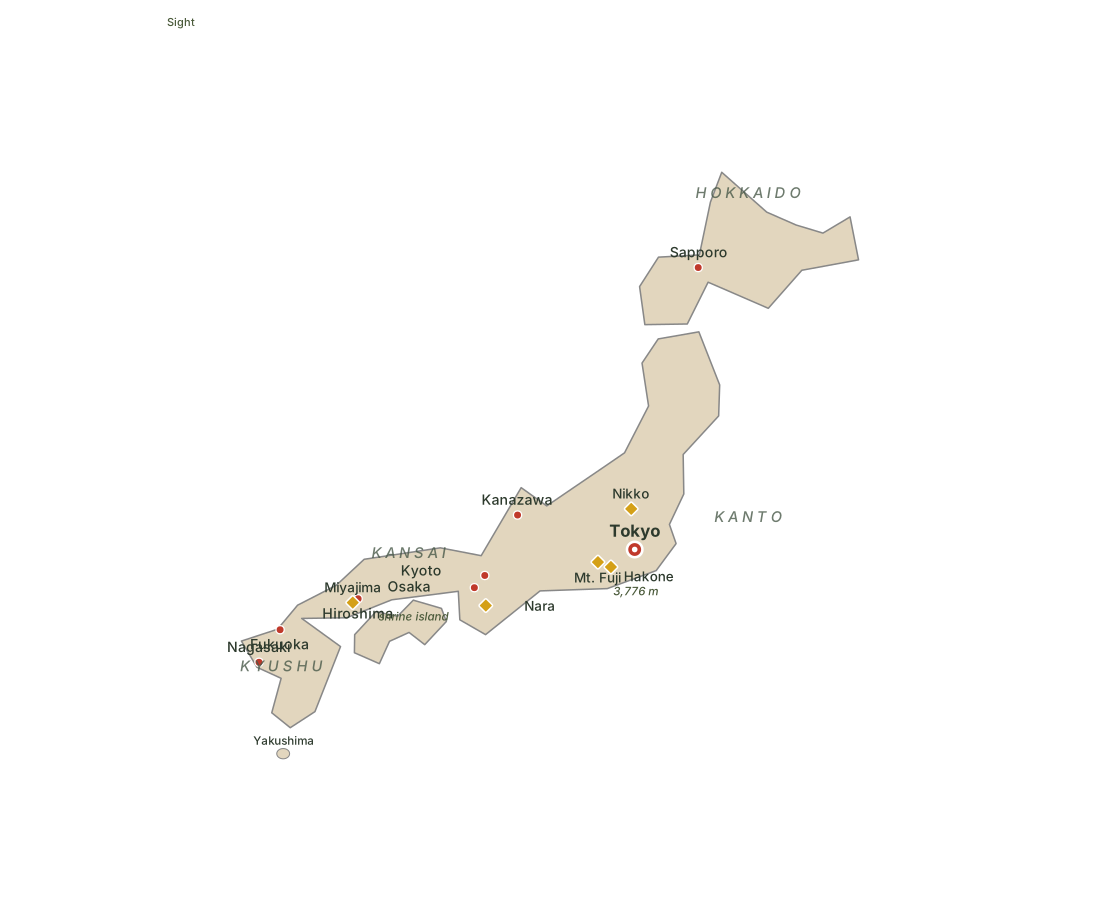
Japan is an archipelago of 6,852 islands stretching 3,000 km. Four main islands (Honshu, Hokkaido, Kyushu, Shikoku) hold most of the population. Honshu is the largest and home to Tokyo, Kyoto, and Osaka. Hokkaido offers northern wilderness. Kyushu is the southwestern gateway. Shikoku is the smallest, known for its pilgrimage trail. Okinawa extends far southwest with subtropical beaches and distinct culture.

Map of Japan showing key travel destinations and regions
📍 Geography Key Facts

Japan is an island nation with no land borders. All entry is by air or sea. The country sits on the Pacific Ring of Fire with 111 active volcanoes and frequent earthquakes. The four main islands are connected by bridges, tunnels, and the Shinkansen rail network. From Tokyo, Kyoto is 2h15m by bullet train and Hiroshima is 4 hours.

Best Time to Visit

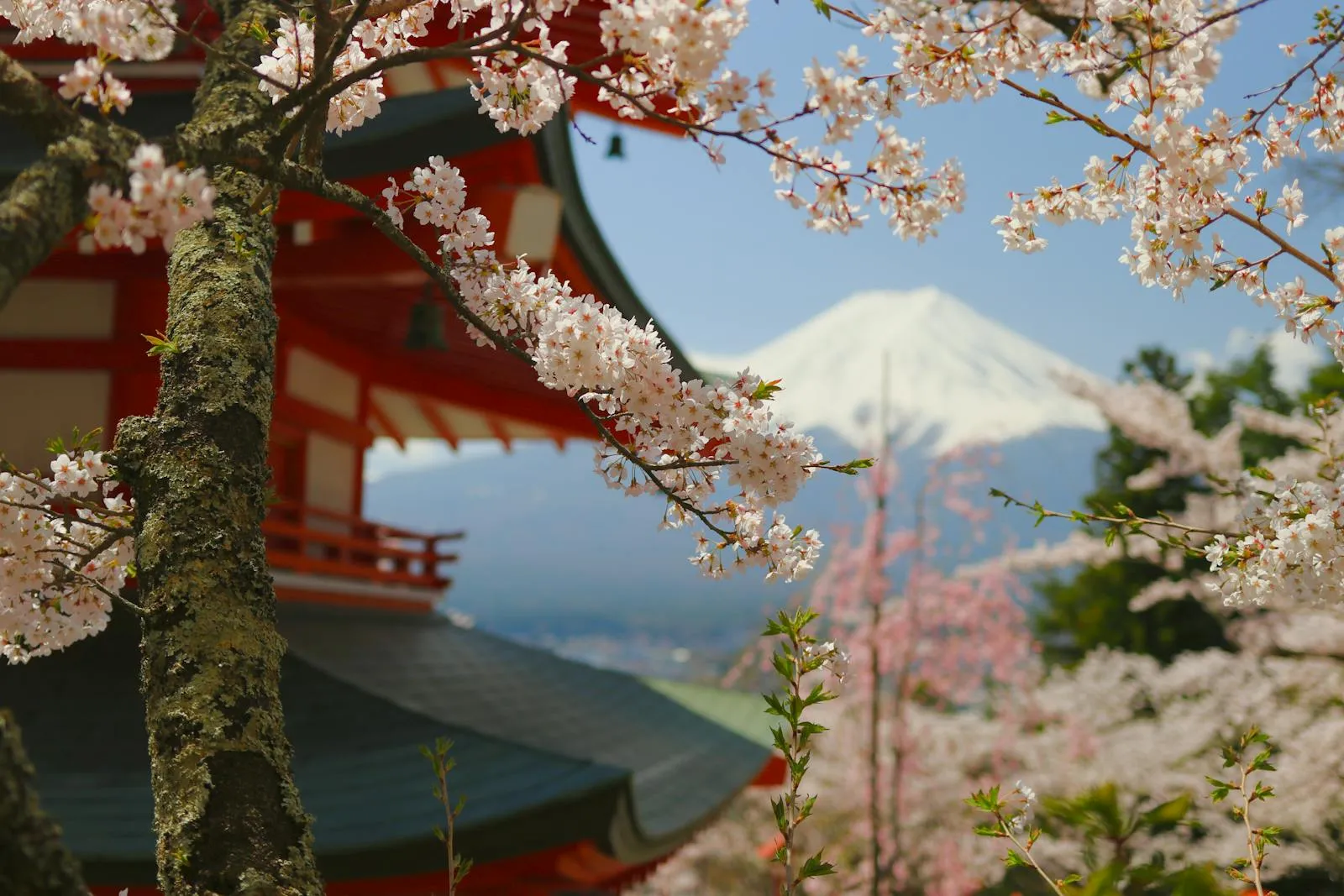
Stunning view of Chureito Pagoda with cherry blossoms framing Mount Fuji in spring.

Climate & Weather

Japan has four distinct seasons, unlike tropical Southeast Asia. Spanning 25 degrees of latitude creates regional variation. Hokkaido has cold, snowy winters and cool summers. Okinawa is subtropical year-round. The Golden Route (Tokyo - Kyoto - Osaka - Hiroshima) has a climate similar to central Europe but with higher summer humidity.

🌸 Spring (Mar–May)

10–22°C. Mild, increasingly warm. Cherry blossom season peaks late March to mid-April. Some rain but generally pleasant. The most popular tourist season.

☀️ Summer (Jun–Aug)

25–35°C. Hot and very humid. Tsuyu (rainy season) runs mid-June to mid-July with persistent drizzle. August is the hottest month. Typhoon risk increases from August.

🍁 Autumn (Sep–Nov)

15–25°C. Comfortable temperatures, lower humidity. Stunning koyo (autumn foliage) peaks mid-October in Hokkaido, mid-November in Kyoto. Typhoon risk in September.

❄️ Winter (Dec–Feb)

0–10°C. Cold but mostly dry on the Pacific side (Tokyo, Kyoto). Heavy snow on the Sea of Japan side and Hokkaido means world-class skiing. Clear skies mean the best Mt. Fuji views.

Month Season Best Regions Crowds Prices Rating
JanuaryWinter (0–10°C)Hokkaido powder snow, Tokyo, Kyoto temples. New Year holidays busy🟡 Medium🟡 Medium⭐⭐⭐⭐
FebruaryWinter (2–10°C)Sapporo Snow Festival, ski resorts, Okinawa. Plum blossoms begin🟢 Low🟢 Low⭐⭐⭐⭐
MarchEarly Spring (8–15°C)🌸 Kyushu cherry blossoms late month. Tokyo, Kyoto warming up🔴 High🔴 High⭐⭐⭐⭐⭐
AprilSpring (10–20°C)🌸 Peak Sakura Season - Tokyo/Kyoto. Hanami parties. Golden Week late month🔴 Very High🔴 Peak⭐⭐⭐⭐⭐
MayLate Spring (15–22°C)Hokkaido cherry blossoms. Golden Week crowds early month. Wisteria blooms🔴 High🔴 High⭐⭐⭐⭐⭐
JuneTsuyu Rainy (20–28°C)Okinawa, indoor attractions. Hydrangea season. Humid, frequent rain🟡 Medium🟡 Medium⭐⭐⭐
JulySummer (25–32°C)Hokkaido, Japanese Alps, beaches. Festivals begin. Hot & humid🔴 High🔴 High⭐⭐⭐
AugustSummer (27–35°C)Mountains, Obon festivals mid-month. Hottest month. Beach season🔴 High🔴 High⭐⭐⭐
SeptemberEarly Autumn (22–30°C)Typhoon risk. Tokyo, Kyoto still warm. Crowds drop after mid-month🟡 Medium🟡 Medium⭐⭐⭐
OctoberAutumn (15–23°C)🍁 Early koyo (foliage) Hokkaido. Tokyo, Kyoto perfect weather. Festivals🔴 High🔴 High⭐⭐⭐⭐⭐
NovemberAutumn (10–18°C)🍁 Peak foliage Kyoto, Nikko. Crisp weather. Autumn colors spectacular🔴 Very High🔴 High⭐⭐⭐⭐⭐
DecemberEarly Winter (5–12°C)Tokyo, Osaka, Hiroshima. Christmas illuminations. Ski season begins🟡 Medium🟡 Medium⭐⭐⭐⭐
⚠️ Dates to Avoid

Golden Week:(Apr 29 – May 5): Japan’s longest holiday. Domestic travel surges, prices spike 2–3x, trains and hotels sell out. Avoid unless you book months ahead.

Obon: (Aug 13–16): Summer holiday when millions travel to ancestral homes. Transport is packed and accommodation scarce.

New Year: (Dec 28 – Jan 3):Many businesses close. Good for temple visits (hatsumode) but limited dining options.

🌪️ Tsuyu & Typhoon Season

Tsuyu (Rainy Season): Mid-June to mid-July. Not constant downpour but persistent drizzle and overcast skies. Hokkaido is largely unaffected. Pack a compact umbrella.

Typhoon Season: August through October, with September being the peak. Typhoons can disrupt Shinkansen services and flights for 1–2 days. Monitor forecasts via the Japan Meteorological Agency (jma.go.jp) and have flexible plans.

Hottest Month
August
31–34°C + extreme humidity
Coldest Month
January
0–10°C (Honshu), −10°C (Hokkaido)
Wettest Period
Jun–Jul
Tsuyu rainy season, 150–200mm/month
Driest Period
Dec–Feb
Pacific side: clear, sunny, cold

Holidays & Festivals

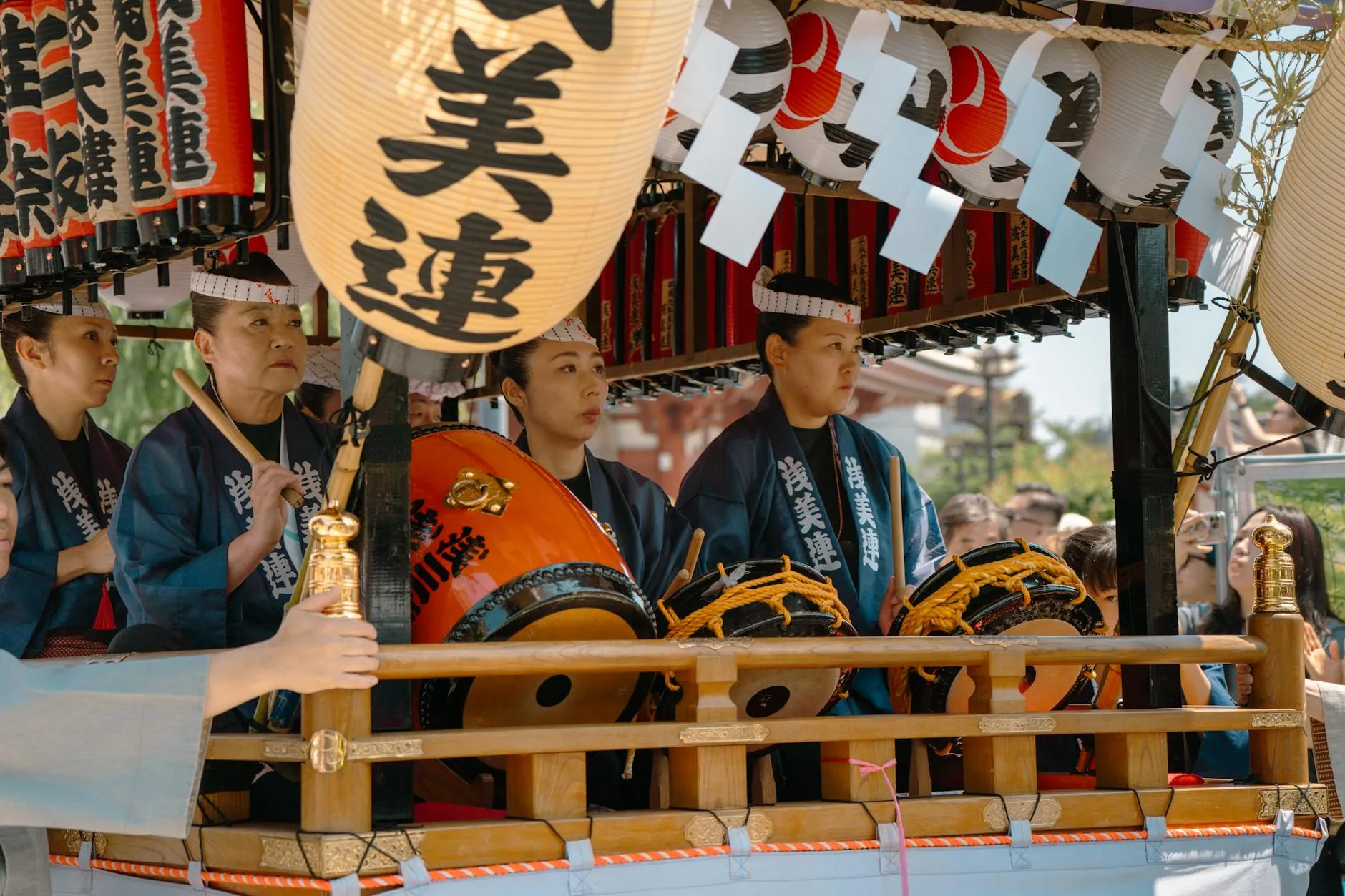
A vibrant scene of taiko drummers at a traditional Japanese festival in Tokyo.

Japan's holiday calendar combines ancient Shinto and Buddhist traditions with modern national observances. Three holiday clusters (Golden Week, Obon and New Year) trigger the most extreme domestic travel surges and should be planned around carefully.

Date / periodHoliday or festivalImpact on travel
1 JanGantan-sai (New Year’s Day)Most important holiday; trains packed 28 Dec–4 Jan; shrines crowded for hatsumode (first shrine visit); many restaurants closed 1–3 Jan
2nd Mon JanSeijin no Hi (Coming of Age Day)Long weekend; young adults in kimono at shrines
11 FebKenkoku Kinen no Hi (National Foundation Day)Public holiday; quiet
23 FebTennô Tanjôbi (Emperor’s Birthday)Imperial Palace grounds open to public; otherwise quiet
Late Mar–mid AprCherry blossom season (hanami)Not a public holiday but Japan’s biggest tourism event; hotels in Kyoto and Tokyo at peak pricing; parks packed for picnics under the blossoms
29 Apr–5 MayGolden Week (4 holidays combined)The worst week to travel: Showa Day (29 Apr), Constitution Day (3 May), Greenery Day (4 May), Children’s Day (5 May). Everything booked months ahead; Shinkansen standing-room only; prices at annual peaks
3rd Mon JulUmi no Hi (Marine Day)Summer long weekend; beach towns busy
11 AugYama no Hi (Mountain Day)Near Obon; combined holidays create extended break
13–16 AugObon (Festival of the Dead)Not a public holiday but most companies close; second-biggest travel surge after New Year. Flights and trains fully booked; Kyoto Daimonji fire festival (16 Aug)
3rd Mon SepKeiro no Hi (Respect for the Aged Day)Often creates a bridge with Autumnal Equinox, "Silver Week"
~23 SepShûbun no Hi (Autumnal Equinox)Bridge holiday with Keiro no Hi; popular travel weekend
2nd Mon OctSports DayLong weekend; autumn foliage season begins
3 NovBunka no Hi (Culture Day)Public holiday; museums and galleries often free entry
23 NovKinrô Kansha no Hi (Labour Thanksgiving)Quiet holiday; autumn colours peak in Kyoto
31 DecÔmisoka (New Year’s Eve)Temple bells ring 108 times at midnight (joya no kane); soba noodle tradition; transport packed from 28 Dec
🎐 Matsuri (festival) highlights

Gion Matsuri (Kyoto, all July, procession 17 & 24 Jul): Japan's most famous festival with massive floats, yukata-clad crowds, street food. Nebuta Matsuri (Aomori, 2–7 Aug): enormous illuminated floats paraded through streets. Awa Odori (Tokushima, 12–15 Aug): largest dance festival in Japan. Takayama Matsuri (Takayama, 14–15 Apr & 9–10 Oct): ornate Edo-period floats in a beautifully preserved mountain town.

Regions of Japan

Panoramic aerial view across the diverse Japanese landscape

Japan offers diverse landscapes and experiences across its regions.

Kanto & Central Honshu landscape

Kanto & Central Honshu

Eastern Honshu is where most visitors spend their time. Tokyo anchors the region as Japan's hypermodern capital, while surrounding areas offer Mt. Fuji views, hot spring towns, mountain trails, and traditional post-towns centuries removed from the neon metropolis.

Kansai, Kyushu & Islands landscape

Kansai, Kyushu & Islands

Western Japan is the cultural heartland. Kansai (Kyoto–Osaka–Nara) holds the highest concentration of historical sites, while Kyushu offers onsen towns, active volcanoes, and a relaxed atmosphere. Islands from Miyajima to Okinawa add another dimension.

Top Sightseeing

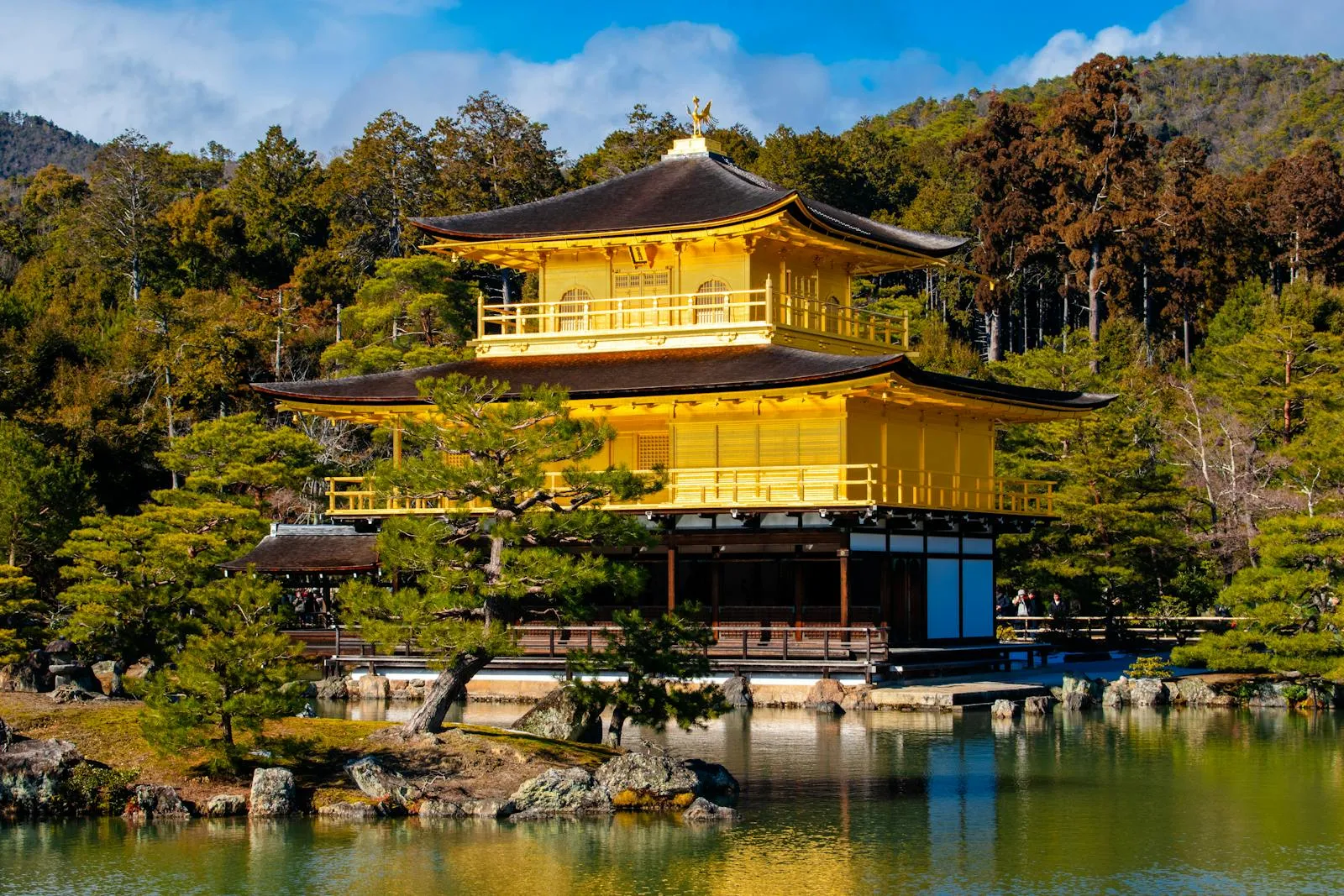
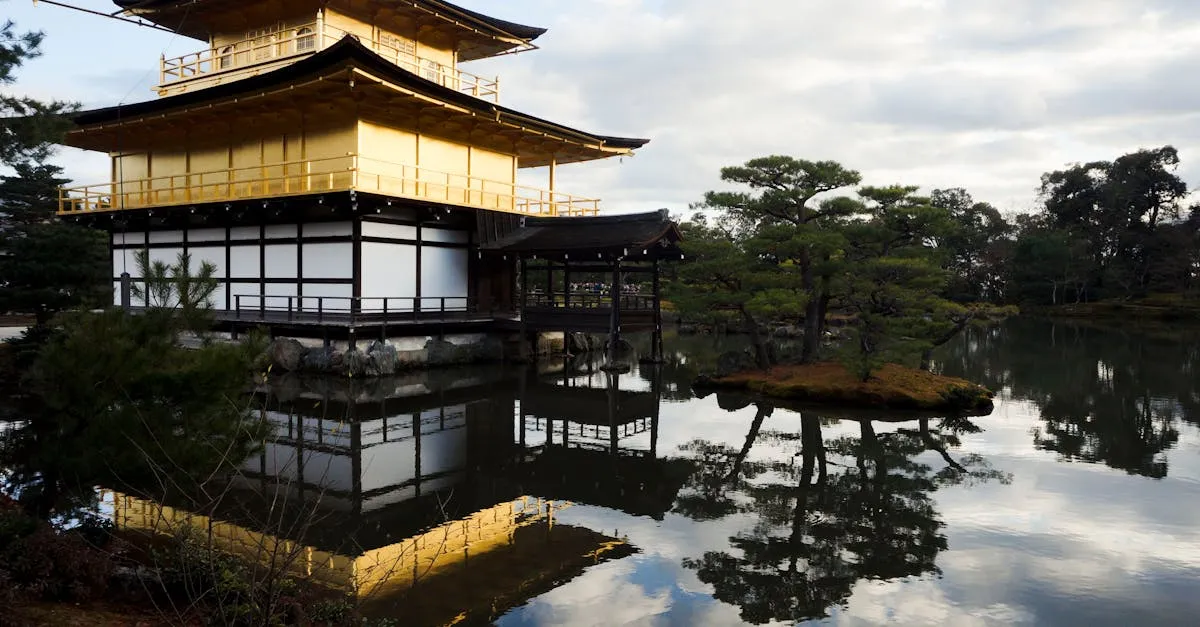
Scenic view of the iconic Kinkaku-ji Temple surrounded by lush greenery and reflecting in the tranquil pond.

Japan compresses 2,000 years of temple architecture, volcanic landscapes, futuristic cities, and a food culture elevated to art form into an island chain smaller than California. These are the experiences that define a Japan trip — moments that appear in every “best of” list because they genuinely deliver.

  • Kyoto’s temples: Fushimi Inari’s 10,000 vermillion torii gates, Kinkaku-ji’s gold pavilion, and the zen rock garden of Ryōan-ji
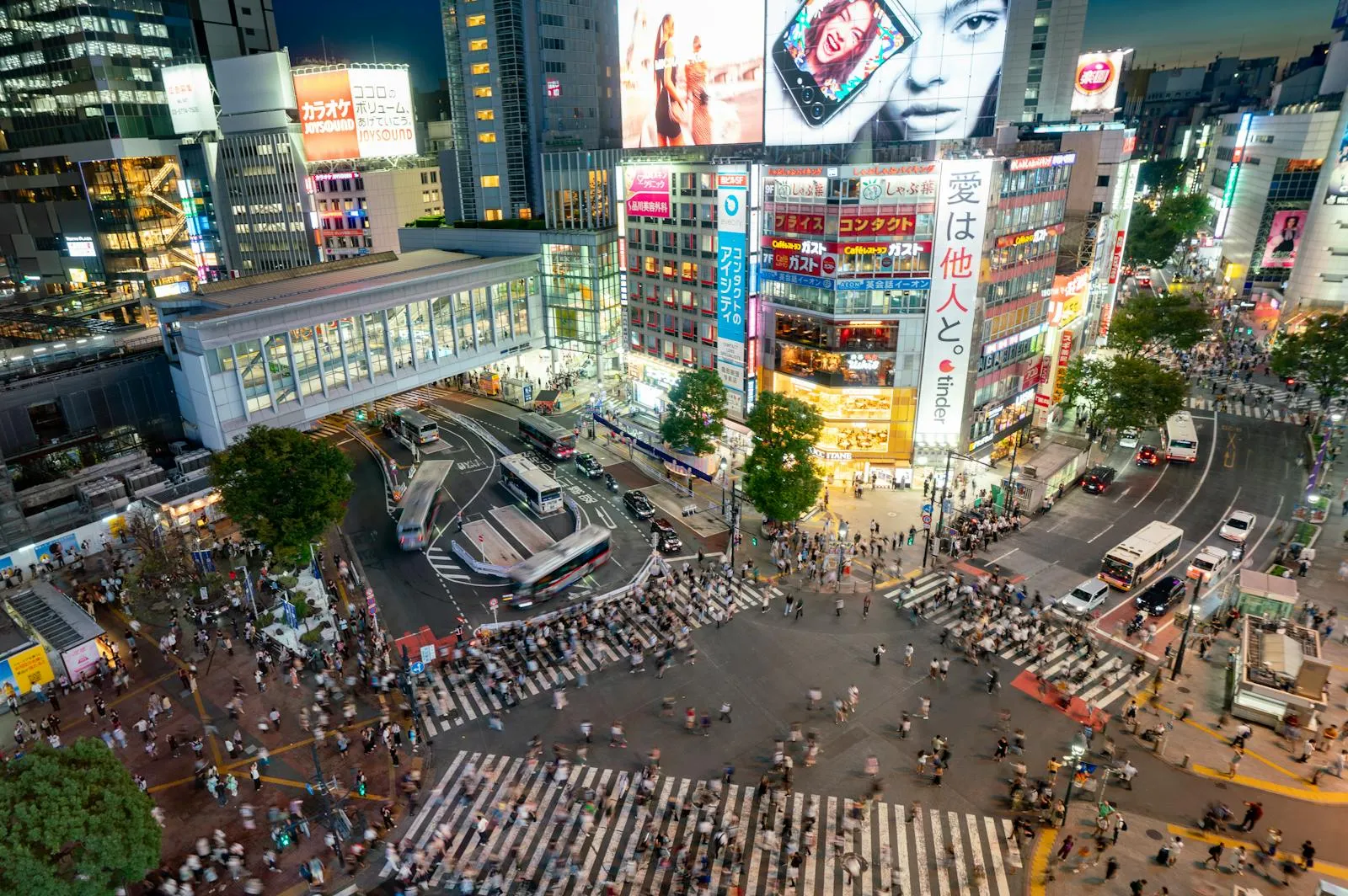
  • Tokyo: Shibuya Crossing, Tsukiji Outer Market, Meiji Shrine, Akihabara — a city that reinvents itself every few blocks
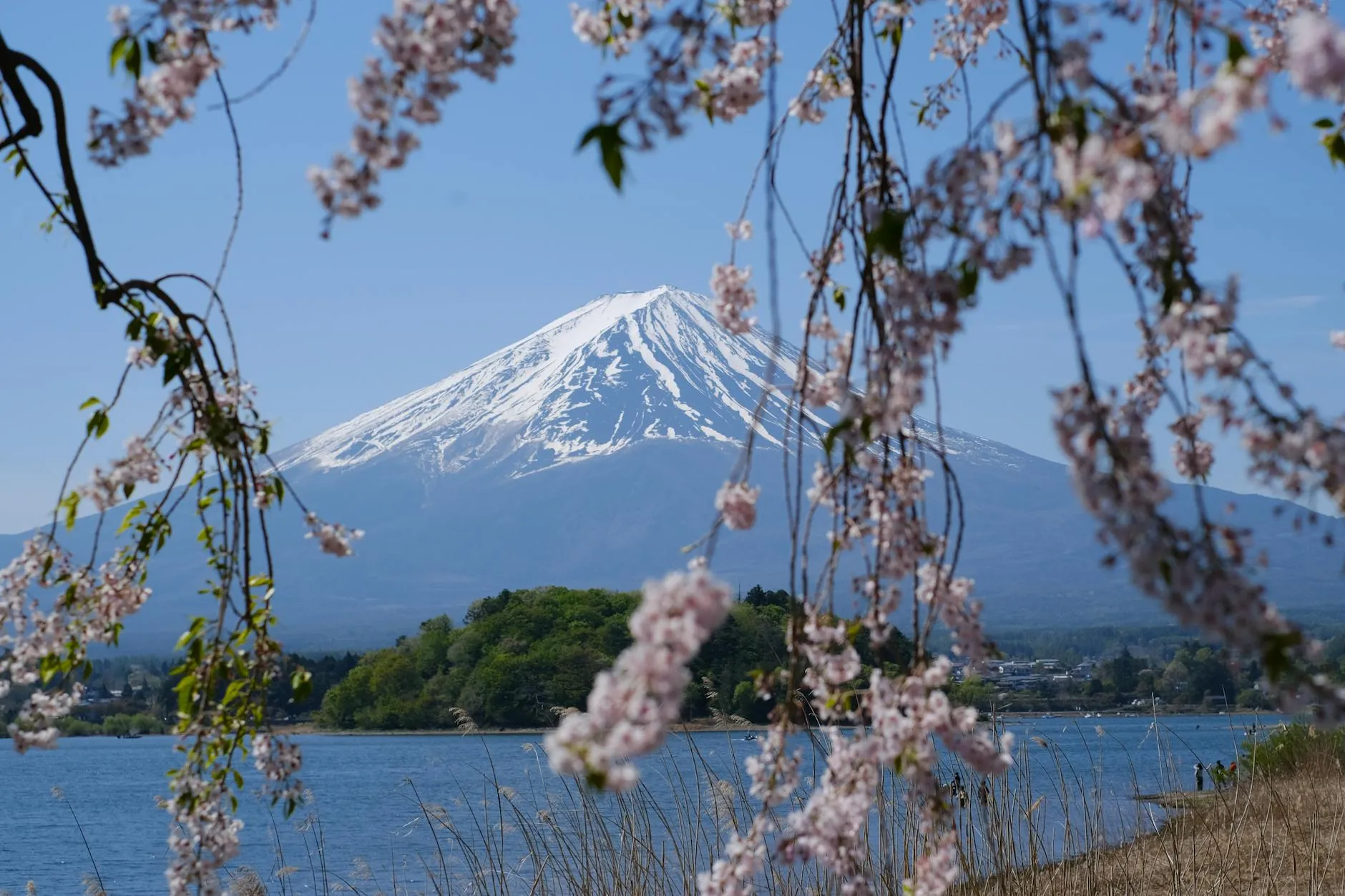
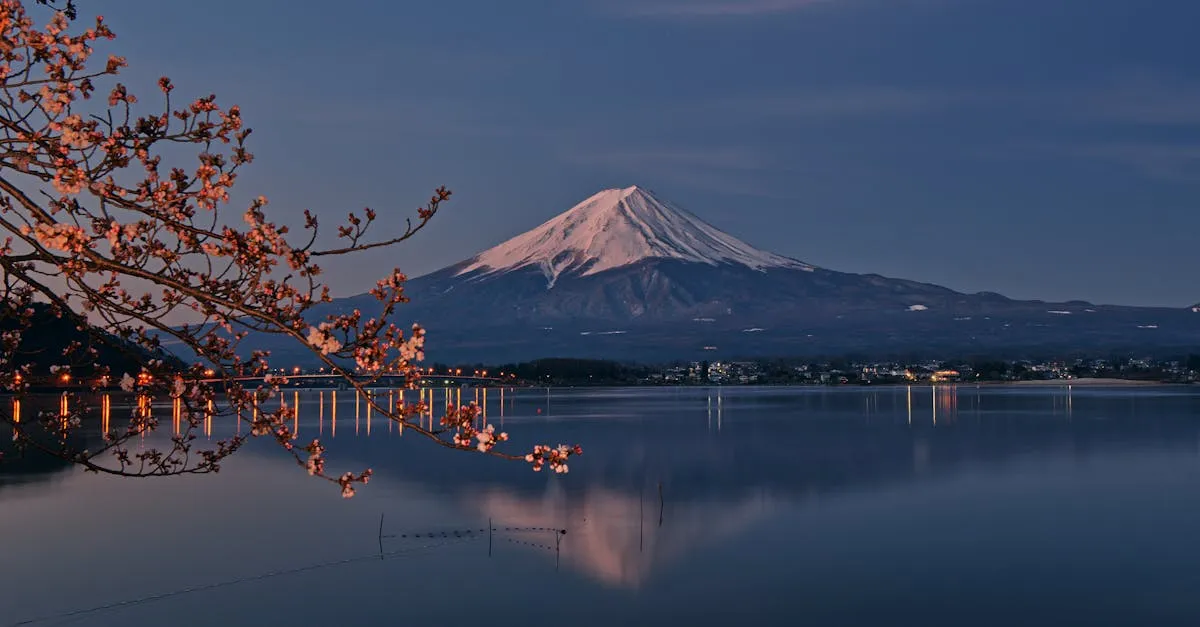
  • Mt Fuji: Japan’s sacred 3,776 m icon — visible from Tokyo on clear days, hikeable July–September, perfectly framed from Lake Kawaguchiko
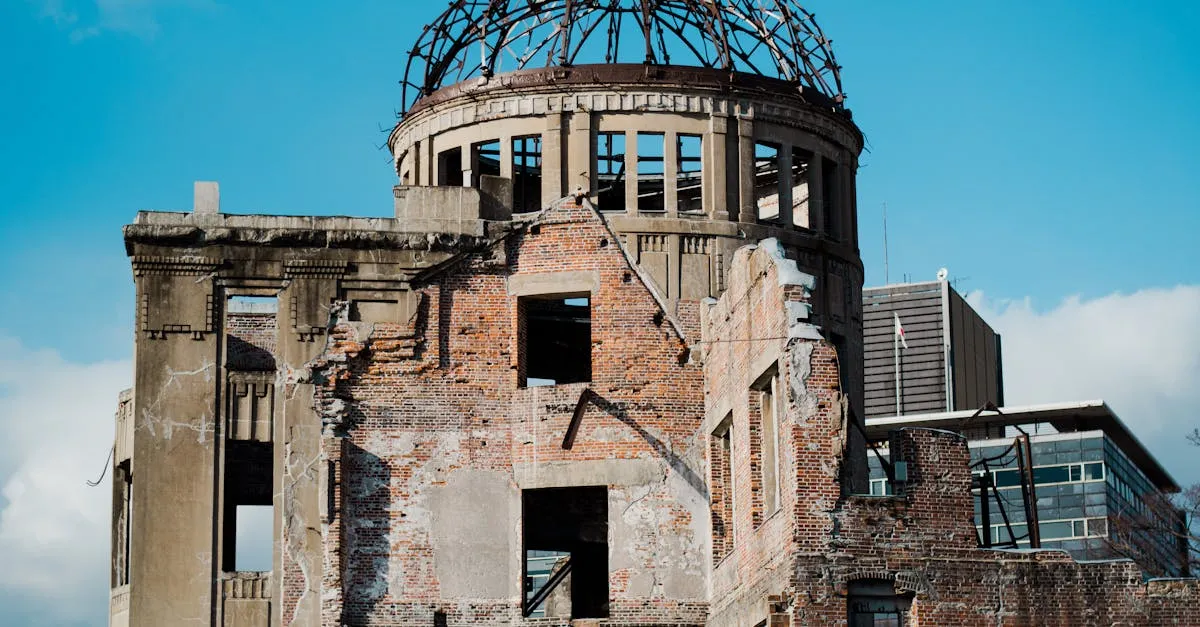
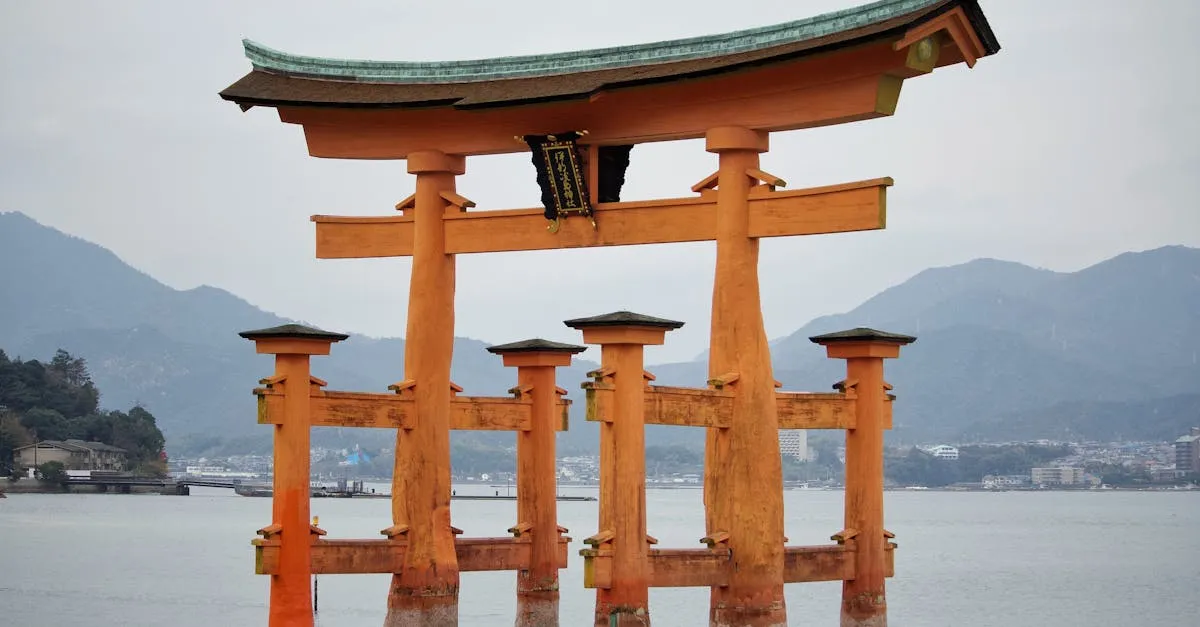
  • Hiroshima & Miyajima: The Peace Memorial, the floating torii gate, and a city rebuilt as a testament to resilience
  • Japanese Alps: Tateyama Kurobe Alpine Route, Kamikōchi valley, and the thatched-roof villages of Shirakawa-gō (UNESCO)
Fushimi Inari torii gates Kyoto

Fushimi Inari Shrine, Kyoto

Cost: Free, open 24/7 • Time: 1–3 hours

Ten thousand vermillion torii gates tunnel up Mount Inari behind Kyoto's most visited shrine. The lower paths are crowded by mid-morning. The full loop to the summit takes 2–3 hours and rewards with peaceful forest and city views. Go at dawn for empty paths and magical light.

Kinkaku-ji Golden Pavilion Kyoto

Kinkaku-ji (Golden Pavilion), Kyoto

Cost: ¥500 (€3) • Time: 45–60 minutes

A Zen temple covered in gold leaf, reflected perfectly in its mirror pond. One of the most photographed buildings in Asia. The gardens are meticulously maintained. Visit early morning or late afternoon for the best reflections and fewer crowds.

Hiroshima Peace Memorial

Hiroshima Peace Memorial & Museum

Cost: ¥200 (€1) • Time: 2–3 hours

The A-Bomb Dome, the only structure left standing near the blast epicentre, is a UNESCO World Heritage Site. The renovated museum tells the story of August 6, 1945 through personal artifacts and survivor testimonies. Prepare to be moved. One of the most important museums in the world.

Miyajima floating torii gate

Miyajima Island & Floating Torii

Cost: Ferry ¥180 (free with JR Pass), shrine free • Time: Half day

The great torii gate of Itsukushima Shrine appears to float on the sea at high tide. One of Japan's most iconic images. At low tide you can walk out to touch it. The island also has wild deer, maple-leaf-shaped momiji manju cakes, and excellent oysters.

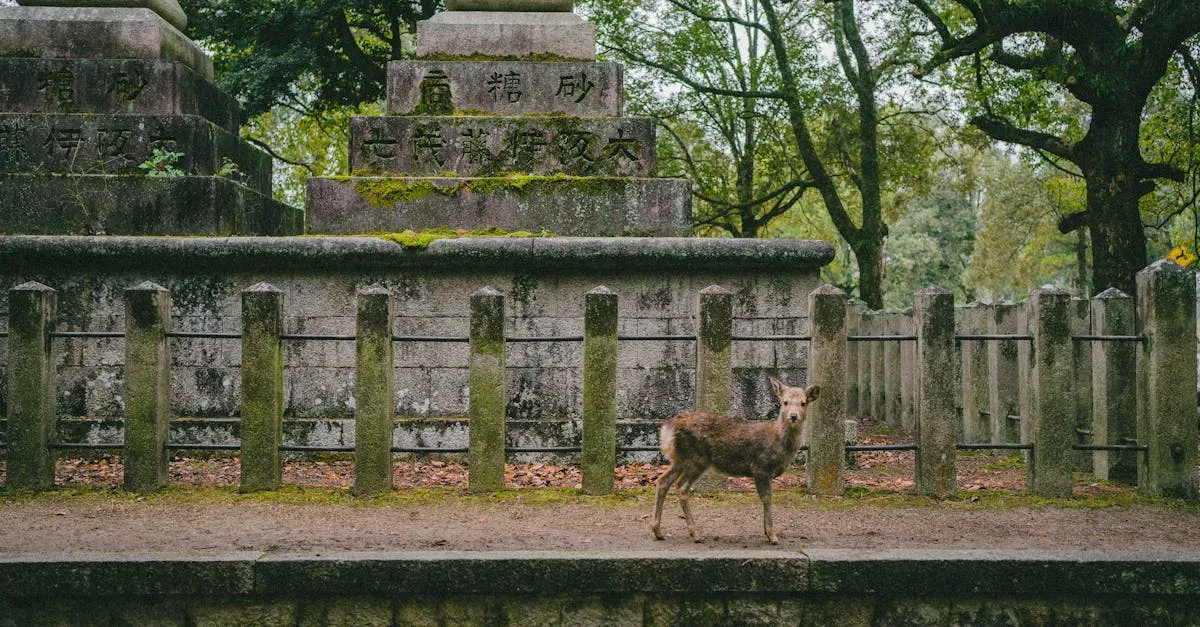
Nara deer park

Nara Deer Park & Todai-ji

Cost: Park free, Todai-ji ¥600 (€4) • Time: Half day

Over 1,200 sacred sika deer roam freely, bowing for shika-senbei crackers (€200). Todai-ji houses the 15-metre Great Buddha (Daibutsu) in the world's largest wooden building. The combination of playful deer and awe-inspiring temple is uniquely Japanese.

Mount Fuji reflection

Mt. Fuji & Hakone

Cost: Hakone Free Pass ¥6,100, Fuji climb free (hut stay ¥7,000–10,000) • Time: 1–2 days

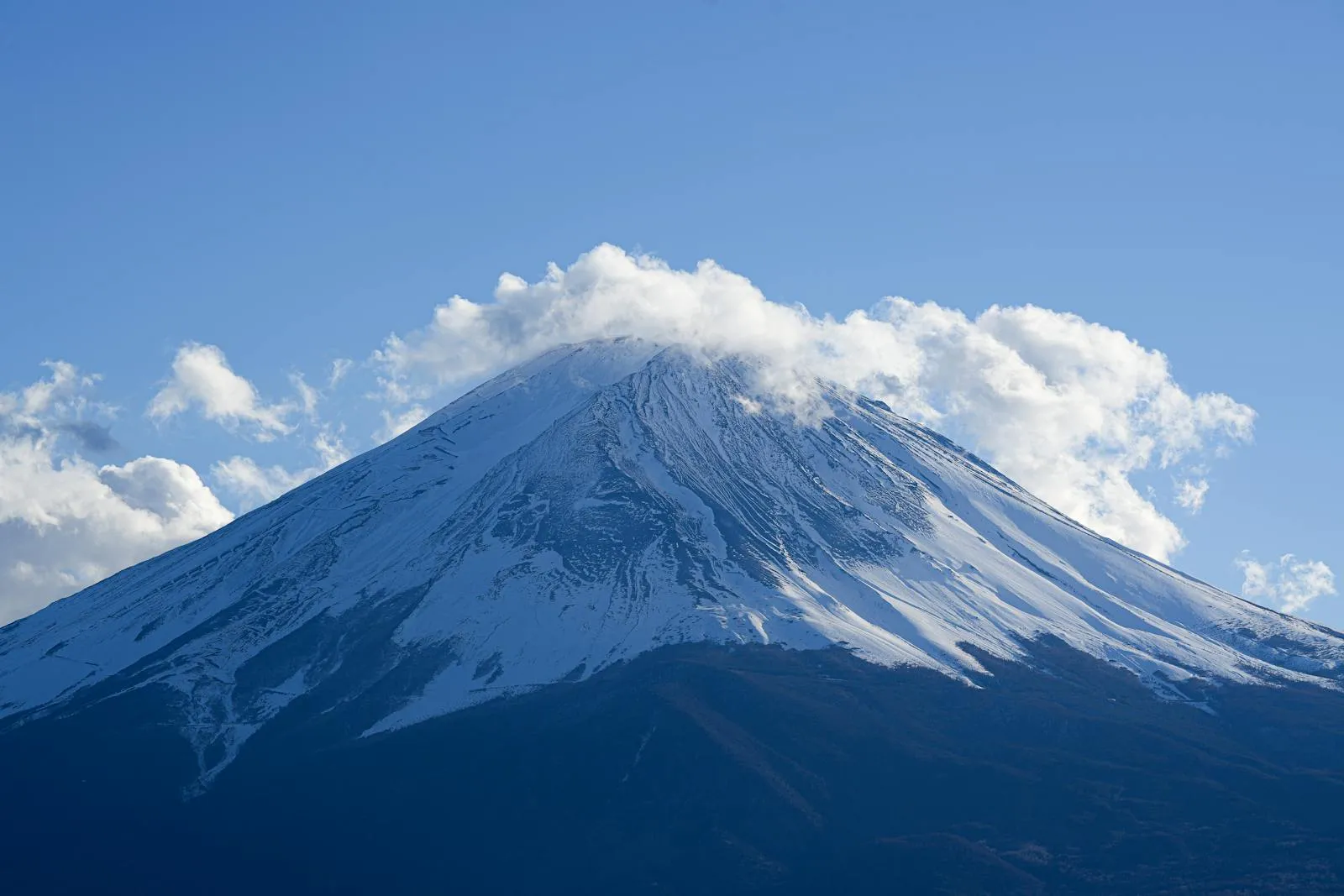
Japan's sacred 3,776m volcano is visible from Tokyo on clear days. Hakone offers the most accessible views plus hot springs. Climbing Fuji (July–September only) is a once-in-a-lifetime sunrise experience. Most climbers ascend overnight to reach the summit for dawn.

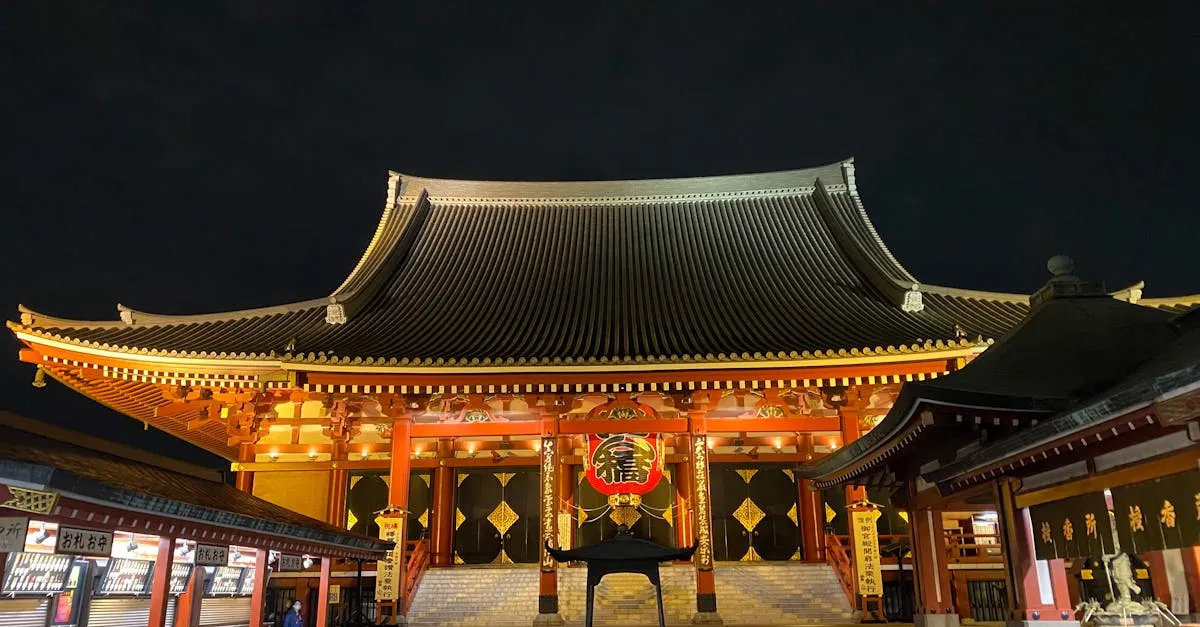
Sensoji temple Tokyo

Tokyo: Senso-ji, Shibuya & teamLab

Cost: Senso-ji free, teamLab ¥3,800 (€23) • Time: Full day

Three faces of Tokyo. Ancient Senso-ji temple in Asakusa (Tokyo's oldest, 645 AD), the mesmerising Shibuya Crossing (busiest intersection on Earth), and teamLab Borderless/Planets (immersive digital art installations). Add Meiji Shrine (free, serene forest in the heart of the city) for spiritual balance.

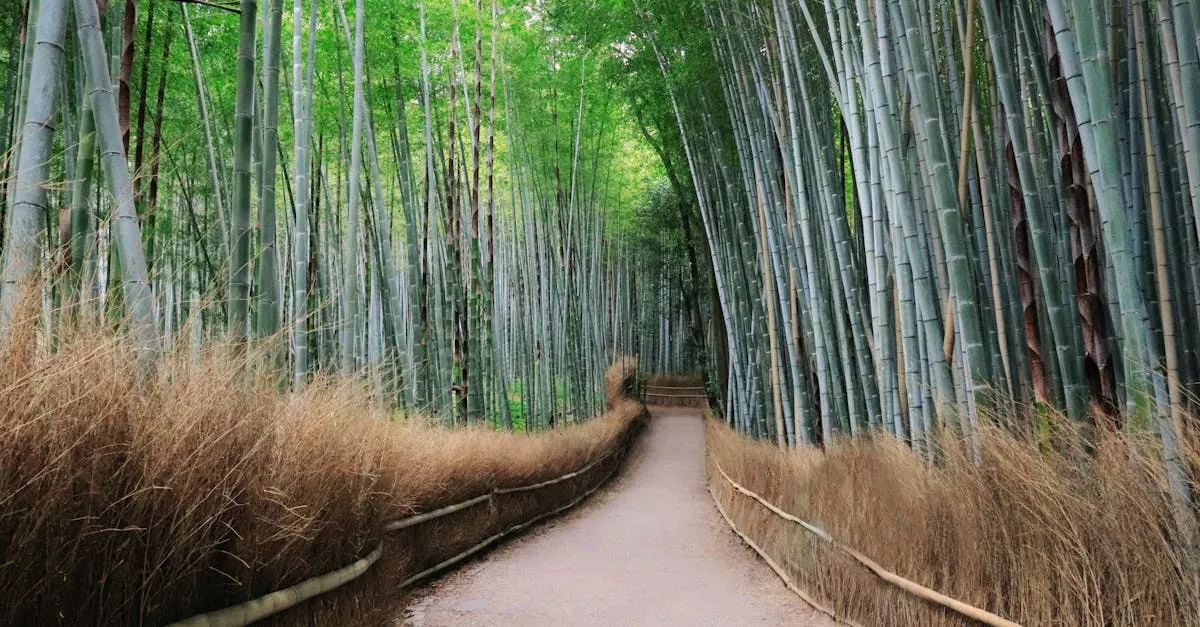
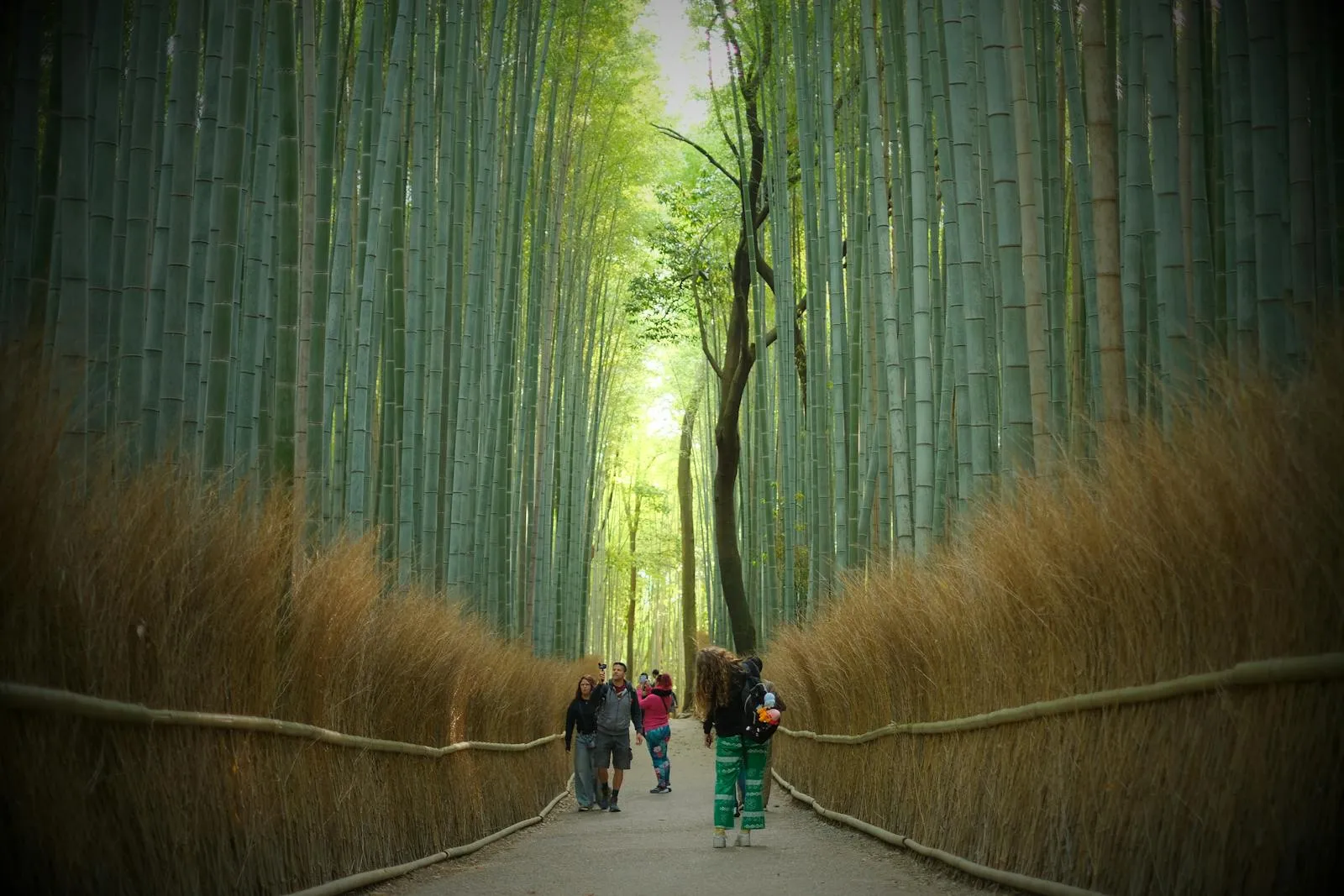
Arashiyama bamboo grove Kyoto

Arashiyama Bamboo Grove, Kyoto

Cost: Free • Time: 1–2 hours

A towering bamboo forest that creates an otherworldly green tunnel. The sound of wind through the bamboo stalks was voted one of Japan's top 100 soundscapes. Visit at 7 AM to experience it without crowds. Combine with the nearby monkey park (€550 for panoramic city views and wild macaques) and Tenryu-ji temple garden (€500).

Dotonbori street food Osaka

Dotonbori Street Food, Osaka

Cost: ¥500–1,500 per snack • Time: Evening

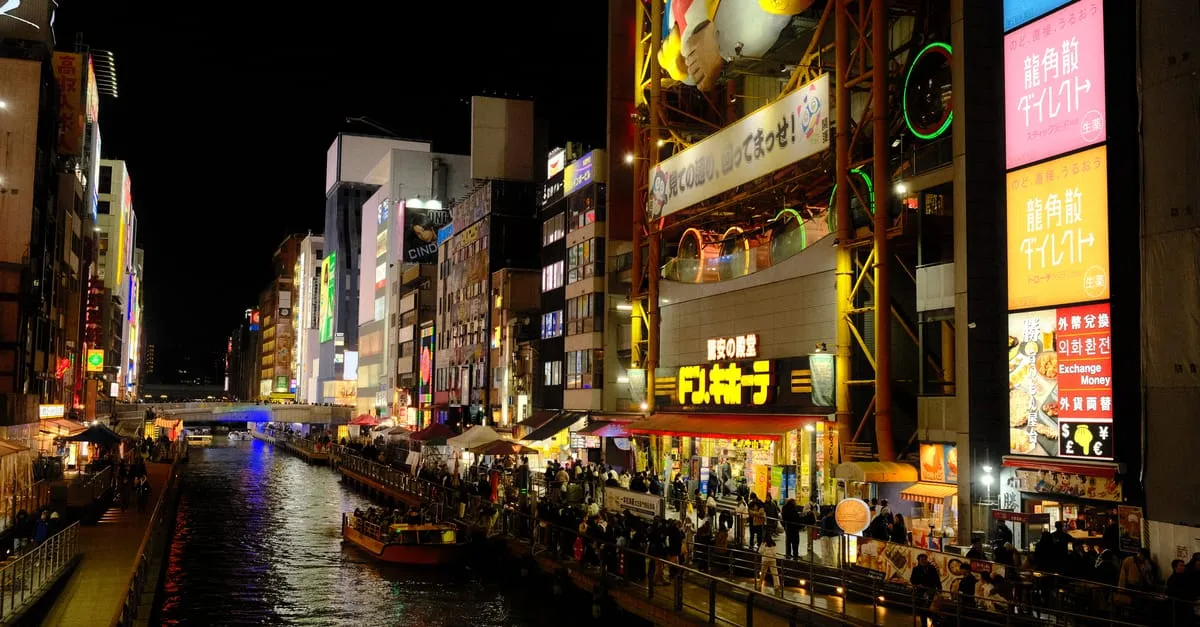
Osaka's neon-drenched canal street is Japan's street food capital. Takoyaki (octopus balls, €500), okonomiyaki (savoury pancake, €800), gyoza, kushikatsu (fried skewers), and the giant Glico Running Man sign. Come hungry, eat everything, roll home happy.

Japanese onsen hot spring

Onsen (Hot Springs) Experience

Cost: Public bath ¥500–1,500, ryokan stay ¥15,000–50,000+ • Time: 1–2 hours (bath) or overnight

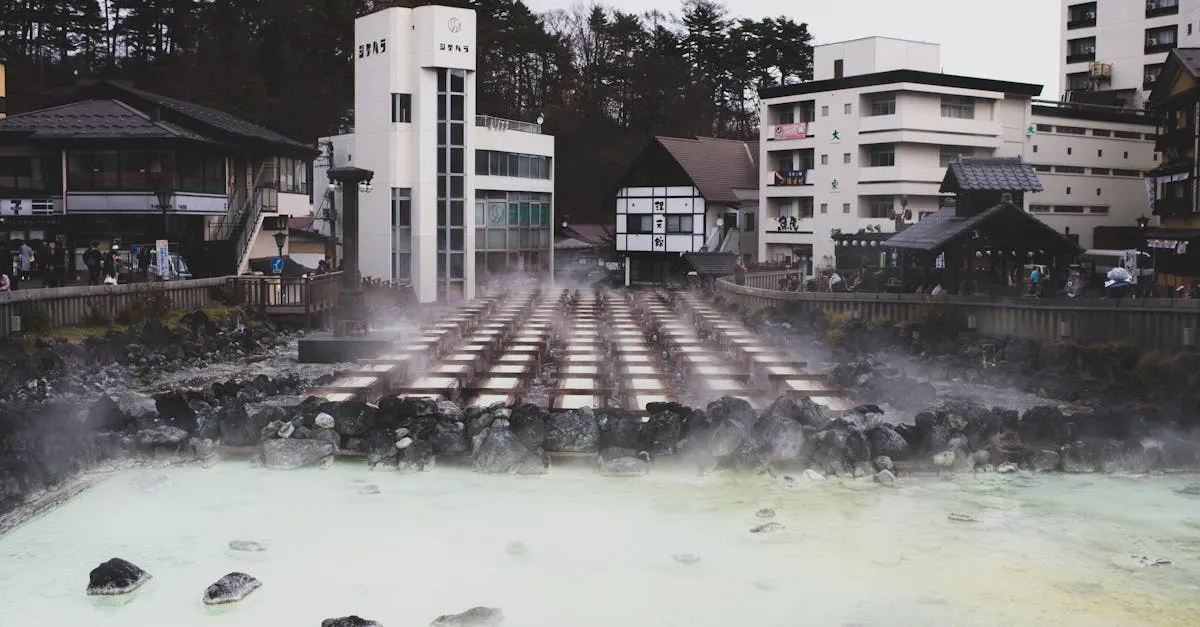
Bathing in a natural hot spring is quintessential Japan. Public onsen are affordable and found everywhere. For the ultimate experience, stay at a ryokan (traditional inn) with private rotenburo (outdoor bath). Top onsen towns: Hakone, Beppu, Kinosaki, Kusatsu, Noboribetsu. Note: most onsen ban visible tattoos.

💰 Budget Sightseeing

Many of Japan's best experiences are free or nearly free. Fushimi Inari, Arashiyama Bamboo Grove, Meiji Shrine, Senso-ji, Shibuya Crossing, Nara deer park, most Shinto shrines, and neighbourhood walks. The paid temples are typically Y300-Y600. Japan's sightseeing is remarkably affordable. It's accommodation and transport that drive costs.

Culture & Cuisine

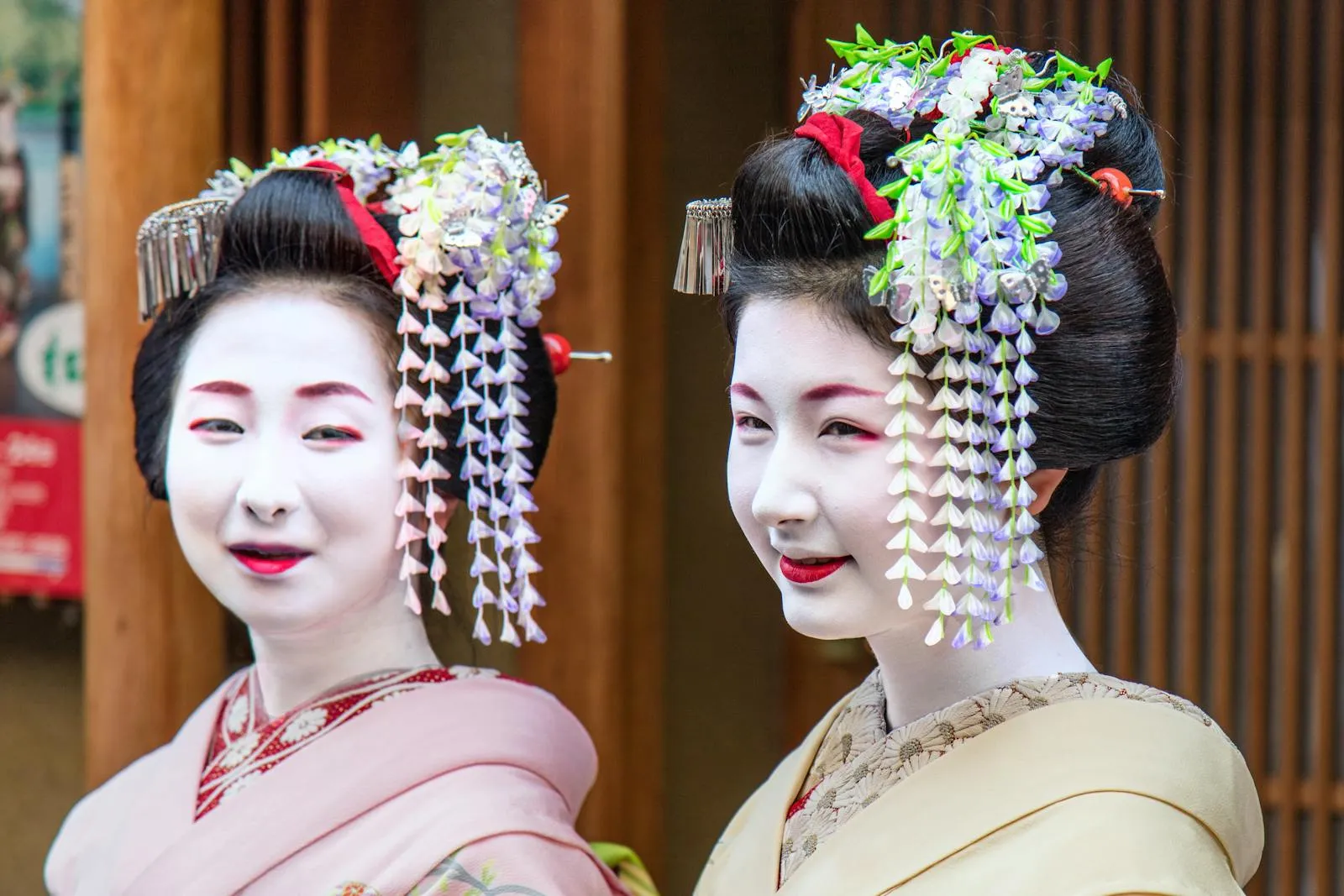
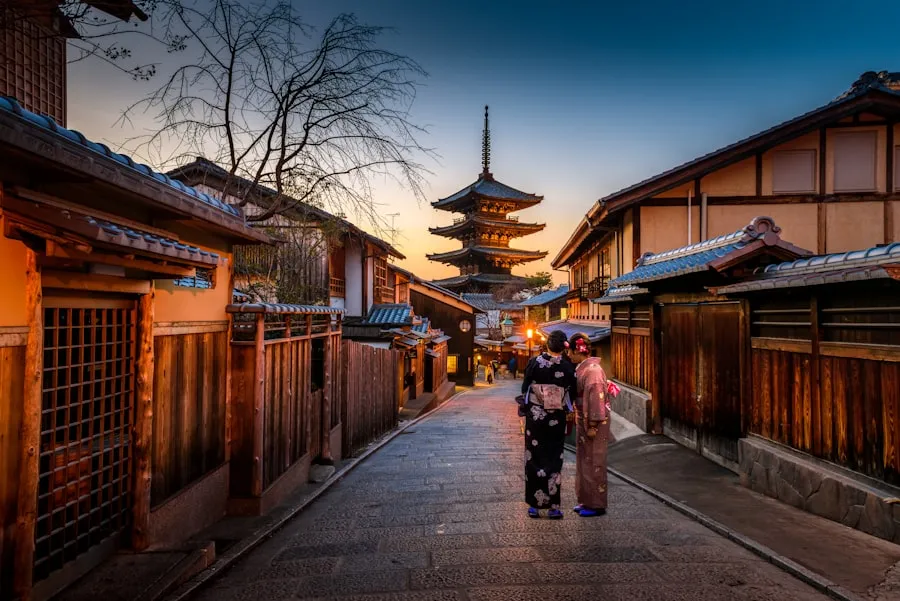
Elegant portrait of two geisha in traditional attire in Kyoto, Japan.

Japan is a conformist society where harmony, mutual respect and group consensus are valued. Other values such as collectiveness, diligence and conflict avoidance are actually the results of the need for social harmony. Japanese religion also has an influence on common Japanese values.

Some of the core values are:
  • Maintain Harmony & Avoid Conflict: Japan is well known to be a group-oriented society, and like other such societies, avoiding conflict is key to maintaining good relationships in business, both within and outside your organization. This value explains much about Japanese communication styles (see below) and drives a considerable amount of the observable interpersonal behavioral across all levels of society. The point: stay calm, be more reserved, and avoid being overly direct.
  • Doing your best & Hard Work: In Japan hard work is highly valued. It is a so called "masculine", competitive society and working long hours is considered normal (while labor laws call for a 40-hour work week, according to a 2016 government study over 25% of Japanese companies demand at least 80 hours of overtime per month).
  • Japan is conservative: As a conservative society generally, Japan and its companies have many rules and processes designed to limit risk. It can, therefore, take a lot of time for decisions to be made or for things to change. This ties in with the importance of building trust there, meaning that you should expect to spend a lot of time and effort on building relationships, as well.
  • Respecting your elders: Respect for elders is what matters. Keiro no Hi - 敬老の日 (Respect for the Aged Day) is a Japanese public holiday that honors the wisdom, experience, and contributions of older adults
  • Hierarchy Matters: While not as hierarchical as many countries, status is still very important in Japan. Seniority grants automatic respect, and they're very sensitive to titles. In addition, a person's position dictates such things as speaking (and even sitting) order in meetings, language choice in emails, and the level of deference overall.
🇷🇵 Cultural Context

Japan's two main spiritual traditions (Shinto and Buddhism) coexist peacefully. Shinto is nature-based with shrines and torii gates. Buddhism has temples with Buddha statues. Most Japanese participate in both: Shinto for births and New Year, Buddhism for funerals and ancestor veneration. Shrines have torii gates and shimenawa ropes. Temples have Buddha statues and incense. Both are welcoming to respectful visitors of any faith.

Essential Etiquette

SituationDoDon’t
Greeting Bow from the waist (15–30°). A slight nod is fine for casual situations. Don’t press palms together (that’s Southeast Asian). Don’t bow while shaking hands simultaneously.
Shoes Remove shoes when entering homes, ryokans, temples, some restaurants. Look for a genkan (entryway step up). Never step on tatami mats with shoes. Never wear toilet slippers outside the bathroom.
Trains Queue in marked lines on platforms. Keep bags in front of you or on overhead racks. Don’t talk on the phone. Don’t eat (snacks OK on long-distance trains). Keep conversations quiet.
Temples & Shrines Bow at torii gates. Wash hands at the purification fountain (temizu). Toss a coin, bow twice, clap twice, bow once at shrines. Don’t point at sacred objects. Don’t take selfies during ceremonies. Don’t sit on or lean against religious structures.
Onsen (Hot Springs) Wash thoroughly before entering the bath. Use the small towel for modesty (not in the water). Tie hair up so it doesn’t touch water. Don’t wear swimsuits (onsen are nude bathing). Don’t put your towel in the water. No photos.
Eating Say “itadakimasu” before eating (thanks for the food) and “gochisousama” after. Slurping noodles is polite! Don’t stick chopsticks upright in rice (funeral ritual). Don’t pass food chopstick-to-chopstick (also funeral). Don’t tip.
Money Place money on the tray provided at cash registers. Receive change with both hands. Don’t hand money directly to the cashier. Don’t count your change in front of them (it implies distrust).
Rubbish Carry a small bag for your trash. Use convenience store bins if you buy something there. Don't litter, but also don't expect public bins. They were largely removed after the 1995 sarin attacks.

Key Japanese Phrases

People in Japan greet one another with a bow. A bow can range from a modest nod of the head to a deep waist bend. A deeper, longer bow shows respect, while a short nod of the head is casual and informal.

Below, we'll go through some key phrases so you can interact with the local residents and have a fun time in Japan.
  • Hello (こんにちは) is pronunced: Konnichiwa"
  • Goodbye (さようなら) is pronunced: "Sayounara"
  • Thank you (ありがとうございます) and is pronunced: "Arigatou gozaimasu"
  • Excuse me / Sorry (すみません) is pronunced: "Sumimasen"
  • Yes / No (はい / いいえ) is pronunced: "Hai / Iie"
  • Delicious! (おいしい) is pronunced:Hai / Iie "Oishii!"
  • How much?! (いくらですか) is pronunced: "Ikura desu ka?"
  • Where is..?! ( どこですか) is pronunced: ""..wa doko desu ka?"
  • I don’t understand! (わかりません) is pronunced: "Wakarimasen"
  • Cheers!! (乾杯) is pronunced:"Kanpai!"

Food & Cuisine

Japan has the most Michelin stars of any country, but the real magic is that even the cheapest meal is prepared with extraordinary care.

  • Y500 ramen at a train station is standout quality
  • Y150 onigiri from 7-Eleven is fresh and delicious
  • Y700 gyudon from Yoshinoya is satisfying and well-prepared
  • The truth: Japan barely has bad food at all

Must-Try Japanese Food

DishWhat It IsPrice RangeWhere to Try
Ramen Wheat noodles in rich broth (shoyu, miso, tonkotsu, shio) ¥800–1,200 (€5–8) Everywhere. Regional styles: Tokyo (shoyu), Osaka (tonkotsu), Sapporo (miso)
Sushi Vinegared rice with fresh fish, served as nigiri, maki, or sashimi ¥1,000–3,000 (conveyor), ¥5,000–20,000+ (omakase) Conveyor belt (kaitenzushi) for budget; Tsukiji/Toyosu area for splurge
Gyudon Simmered beef on rice, Japan's fast food staple ¥500–700 (€3–5) Yoshinoya, Sukiya, Matsuya. Open 24/7, everywhere.
Okonomiyaki Savoury pancake with cabbage, meat, and toppings ¥800–1,200 (€5–8) Osaka-style (mixed) or Hiroshima-style (layered with noodles)
Takoyaki Crispy octopus balls with sauce and bonito flakes ¥500–700 (€3–5) Dotonbori, Osaka is the spiritual home of takoyaki
Tempura Lightly battered and fried seafood/vegetables ¥1,000–2,000 (€6–13) Tenya chain for budget; specialist restaurants for sublime versions
Yakitori Grilled chicken skewers, various cuts ¥100–200 per skewer (€0.64–1.30) Under-the-tracks izakayas (yakitori-ya) in Shinjuku, Yurakucho
Tonkatsu Breaded and deep-fried pork cutlet with shredded cabbage ¥1,000–1,800 (€6–12) Maisen (Tokyo) is legendary. Served with tonkatsu sauce and rice.
Kaiseki Multi-course traditional meal, seasonal ingredients, art on a plate ¥5,000–30,000+ (€30–200+) Kyoto is the spiritual home of kaiseki. Ryokan dinners often include it.

Budget Eating Strategies

🏪 Convenience Stores (Konbini)

Japan's secret weapon for budget eating. 7-Eleven, Lawson, and FamilyMart serve genuinely excellent food 24/7.

  • Onigiri (rice balls): ¥120–200 (€0.74–1.30)
  • Bento boxes: ¥400–700 (€2–4.60)
  • Sandwiches: ¥200–350 (€1–2.30)
  • Hot items (karaage, nikuman): ¥150–300 (€0.92–2)
  • Late-night discount: bento marked down 20–50% after 8 PM

🍷 Drinks

  • Beer: ¥250 (konbini can) to ¥500–800 (izakaya draft). Asahi, Kirin, Sapporo, Suntory.
  • Sake: ¥300–800 per glass at izakayas. Try regional varieties.
  • Japanese whisky: Suntory, Nikka. Highball (whisky & soda) is the go-to at €300–500.
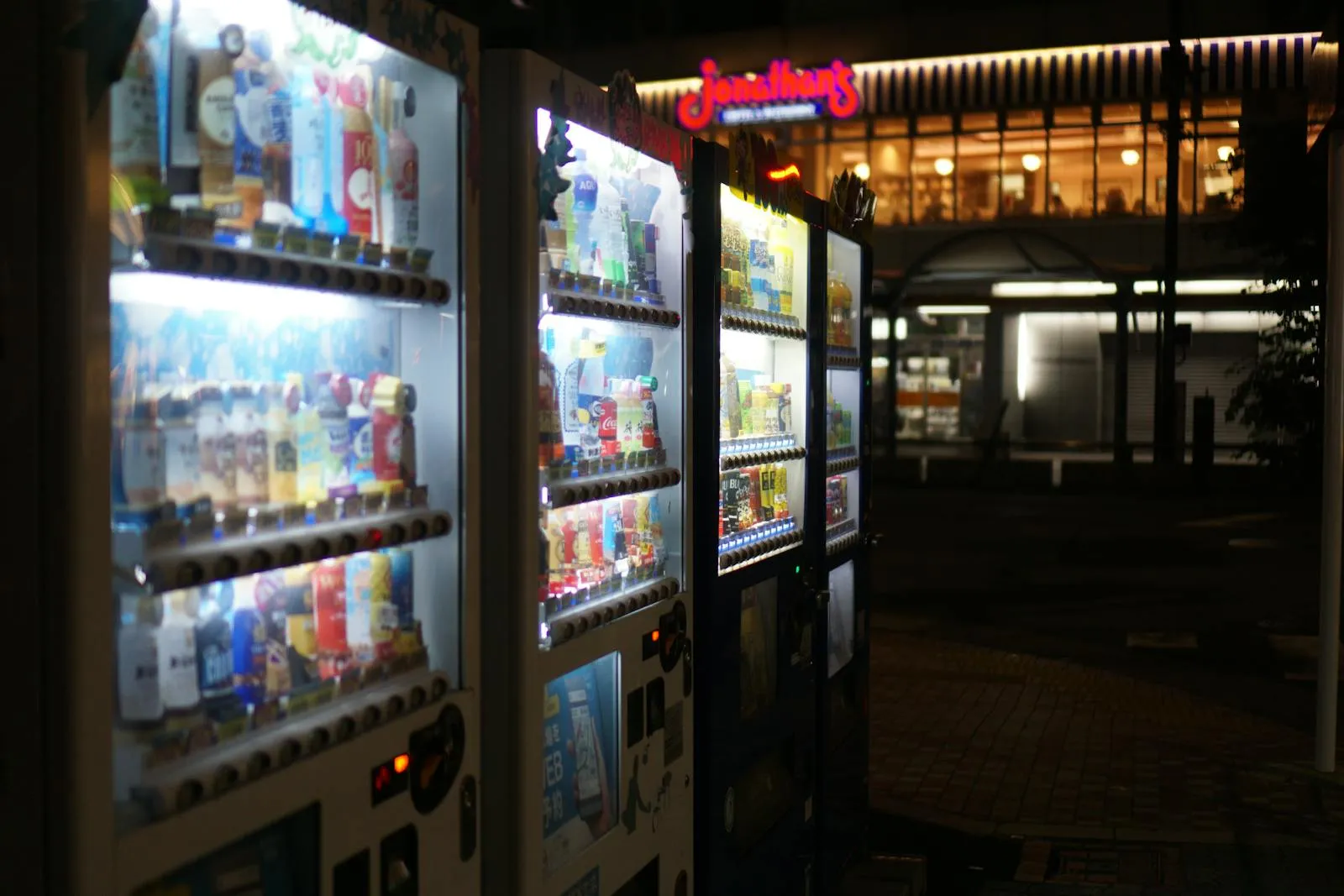
  • Vending machines: On literally every corner. Hot/cold drinks ¥100–160. Boss Coffee is an institution.
  • Green tea: Free at most restaurants. Matcha lattes everywhere.
⚠️ Vegetarian & Dietary Notes

Japan can be challenging for vegetarians. Dashi (fish stock) is in almost everything, including miso soup and many sauces. Look for shojin ryori (Buddhist vegetarian cuisine) in Kyoto and Koyasan. The phrase “watashi wa bejitarian desu” (I am vegetarian) helps. T’s TanTan at Tokyo Station serves excellent vegan ramen. HappyCow app is essential.

Activities & Hikes

Serene view of snow-capped Mount Fuji under clear blue skies, perfect for nature lovers.

Japan is a hiker's paradise most visitors overlook.

Top Hikes

  • 73% mountains: Well-maintained trails from gentle temple walks to serious alpine expeditions
  • Thoughtful infrastructure: Clearly marked trails, mountain huts with meals/lodging, trailhead vending machines
  • Accessibility: Characteristically well-organized and hiker-friendly

Mt. Fuji (Fujisan)

Difficulty: Moderate–Strenuous • Time: 6–8h up, 3–4h down • Season: July 1 – Sep 10 only

Japan's sacred volcano (3,776m). Most climbers take the Yoshida Trail, ascending overnight to reach the summit for sunrise (goraiko). Mountain huts (€7,000–10,000 with dinner/breakfast) provide rest stops. Altitude sickness is real, so acclimatise at Station 7 or 8. Entry fee: €2,000 (≈ €12).

Kumano Kodo Pilgrimage

Difficulty: Moderate • Time: 3–5 days • Season: Year-round (avoid summer heat)

An ancient pilgrimage network through the mountains of the Kii Peninsula (Wakayama/Mie). UNESCO World Heritage alongside Spain's Camino de Santiago. The Nakahechi route (3–4 days) passes through ancient cedar forests, mountain villages, and sacred hot springs. Accommodation in traditional minshuku along the way.

Nakasendo Trail: Magome to Tsumago

Difficulty: Easy • Time: 3–4 hours • Season: Year-round

A beautifully preserved section of the historic highway that connected Kyoto and Tokyo during the Edo period. The 8 km walk between two perfectly preserved post-towns passes through forests, farmland, and waterfalls. Tsumago feels frozen in time with no power lines and no vending machines. Accessible from Nagoya.

Fushimi Inari Full Loop, Kyoto

Difficulty: Easy–Moderate • Time: 2–3 hours • Season: Year-round

More than just the famous torii gates near the base. The full circuit up and over Mount Inari passes through increasingly sparse (and crowd-free) forest trails with small sub-shrines and city panoramas. Most tourists turn back after 20 minutes. The summit rewards those who continue.

Kamikochi, Japanese Alps

Difficulty: Easy (valley) to Strenuous (peaks) • Time: Half day to multi-day • Season: Mid-April to November

A stunning alpine valley at 1,500m in the Northern Alps. Crystal-clear rivers, snow-capped peaks, and golden larches in autumn. The flat riverside walk from Kappa Bridge is accessible to anyone. Serious hikers can summit 3,000m+ peaks via mountain hut networks. No cars allowed. Access by bus from Takayama or Matsumoto.

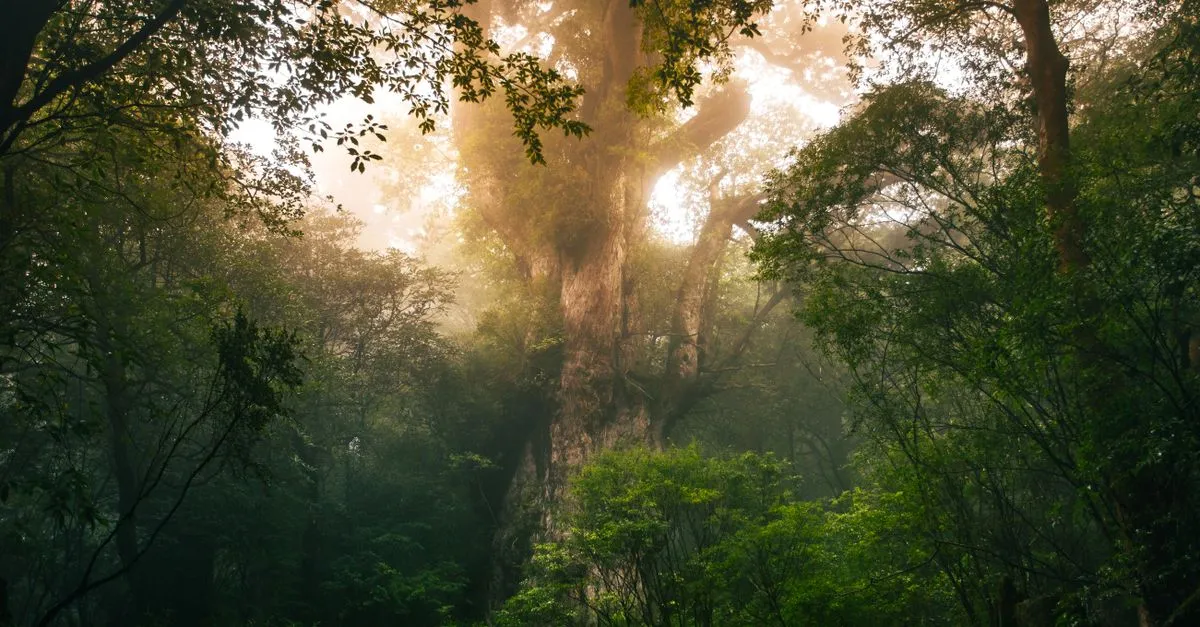
Yakushima Ancient Forest

Difficulty: Moderate–Strenuous • Time: 8–10 hours (Jomon Sugi) • Season: Year-round (wet!)

A subtropical island south of Kyushu, home to ancient cedar trees (yakusugi) over 1,000 years old. The Jomon Sugi tree is estimated at 2,170–7,200 years old. The moss-covered forest inspired Miyazaki's "Princess Mononoke." Budget 2–3 days on the island. Fly from Osaka or Kagoshima.

⚠️ Hiking Safety in Japan
  • Bear awareness: Black bears on Honshu, brown bears on Hokkaido. Carry a bear bell (kuma-suzu, ¥500) on mountain trails. Bears rarely attack but encounters happen.
  • Weather: Mountain weather changes rapidly. Carry rain gear even on sunny days. Check forecasts before alpine hikes.
  • Trailhead registration: Sign the hiking register (tozan todoke) at trailheads for popular mountains. Mandatory for Mt. Fuji.
  • Emergency: Call 110 (police) or 119 (ambulance). Mountain rescue is well-organised but can take hours in remote areas.

Activities

Japan is an island nation with 29,000+ km of coastline:

  • Subtropical coral reefs in Okinawa for diving/snorkelling
  • Wild Pacific surf for surfing and beaches
  • Serene mountain rivers for rafting/kayaking
  • 27,000+ hot spring sources where onsen culture shapes the Japanese experience

Onsen (Hot Springs)

Japan's most iconic water experience. Natural volcanic hot springs range from grand resort hotels to rustic outdoor pools carved into mountainsides. The ritual of washing, soaking, and relaxing in mineral-rich water is profoundly restorative.

  • Public onsen: ¥500–1,500 (€3–10). Available in every region.
  • Rotenburo: Outdoor baths with mountain/ocean/snow views.
  • Top towns: Hakone, Beppu, Kinosaki, Kusatsu, Noboribetsu, Kurokawa
  • Tattoo note: Many onsen ban visible tattoos. Seek “tattoo-friendly” venues or rent a private bath (kashikiri, ¥3,000–5,000/hour).

Okinawa Diving & Snorkelling

Japan's tropical south offers world-class diving with coral reefs, manta rays, and exceptional visibility (30m+). The Kerama Islands and Miyako Island are standout locations.

  • Intro dive: ¥10,000–15,000 (€60–100)
  • Snorkelling tours: ¥5,000–8,000 (€30–53)
  • Season: April–October (water 24–29°C)
  • Churaumi Aquarium: whale shark tank, ¥2,180 (€13)

River Activities

Whitewater rafting on the Yoshino River (Shikoku) and Tone River (Gunma) offers class III–IV rapids. Calmer options include river kayaking in the Japanese Alps and the famous Hozugawa River boat ride (€4,100) through Arashiyama gorge near Kyoto.

Beaches

Beyond Okinawa, Japan has quality beaches for summer visitors:

  • Kamakura/Enoshima: Closest beaches to Tokyo (1 hour). Lively in summer.
  • Shirahama (Wakayama): White sand, accessible from Osaka.
  • Amami Oshima: Between Kyushu and Okinawa, less touristed, stunning reefs.
  • Beach season: July–August on Honshu, April-October on Okinawa.

Whale Watching

Humpback whales visit Okinawa waters January-March. The Ogasawara Islands (27 hours by ferry from Tokyo) offer encounters with sperm whales year-round and dolphins. Tours from Y6,000-Y8,000.

✅ Best Water Combo

For your trip, the essential water experience is an onsen stay. Budget at least one night at a ryokan with private outdoor bath. If visiting in summer, add snorkelling in Okinawa. The Hozugawa boat ride pairs perfectly with Arashiyama sightseeing in Kyoto.

Off the Beaten Path

Beyond the Golden Route lies another Japan. Quieter, more authentic, often more rewarding.

  • Seasoned traveller picks: Places experienced Japan visitors recommend
  • Trade crowds for culture: Exchange Instagram hotspots for genuine immersion
  • Accessible: Most reachable by public transport with planning
Naoshima art island

Naoshima (Art Island)

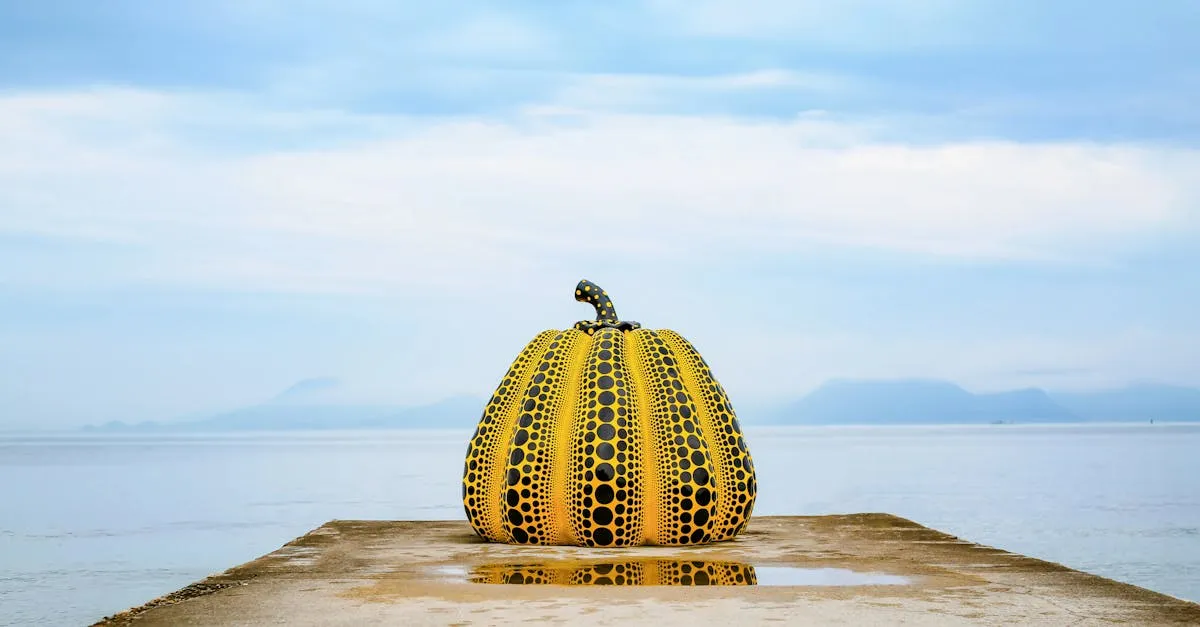
A tiny island in the Seto Inland Sea transformed into an open-air contemporary art museum by the Benesse Foundation. Tadao Ando-designed museums house works by Monet, Kusama (the famous pumpkin), and Turrell. Rent a bicycle and spend a day cycling between installations. Ferry from Takamatsu or Uno. Budget: €3,000 (≈ €18)–5,000 for museum entries.

Koyasan temple Mount Koya

Koyasan (Mt. Koya)

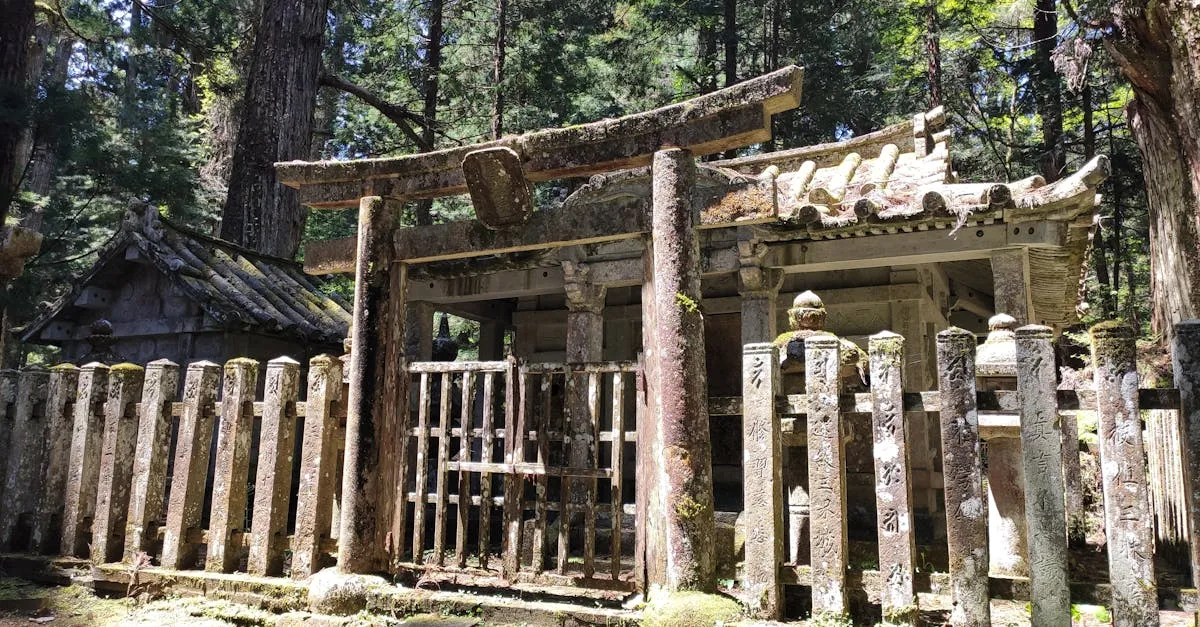
The headquarters of Shingon Buddhism, perched atop a mountain south of Osaka. Stay overnight in a temple lodging (shukubo, €10,000–15,000 with vegetarian dinner and breakfast). Walk through the atmospheric Okunoin cemetery with 200,000 graves under towering cedars, illuminated by lanterns at night. 90 minutes from Osaka by train + cable car.

Shirakawa-go thatched village

Shirakawa-go & Gokayama

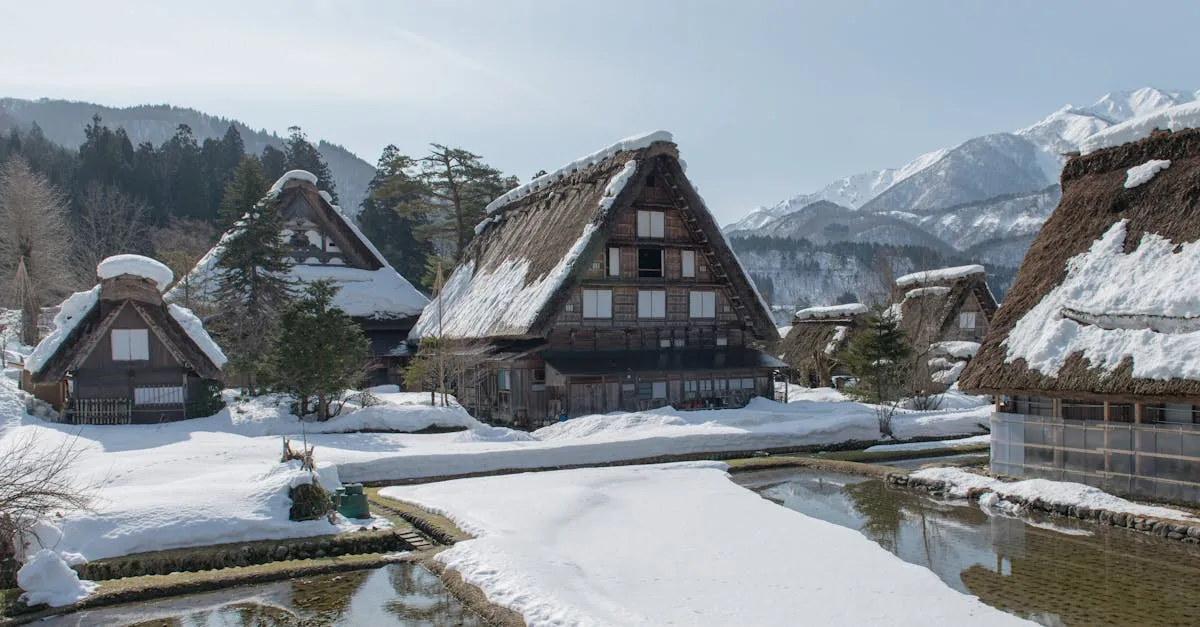
UNESCO-listed villages of gassho-zukuri (steep thatched-roof) farmhouses in the mountains between Takayama and Kanazawa. The roofs are designed to shed heavy snowfall. Stay overnight in a farmhouse for the most magical experience. Particularly stunning in winter when the village is blanketed in snow and illuminated at night.

Onomichi temple walk

Onomichi (Temple Walk)

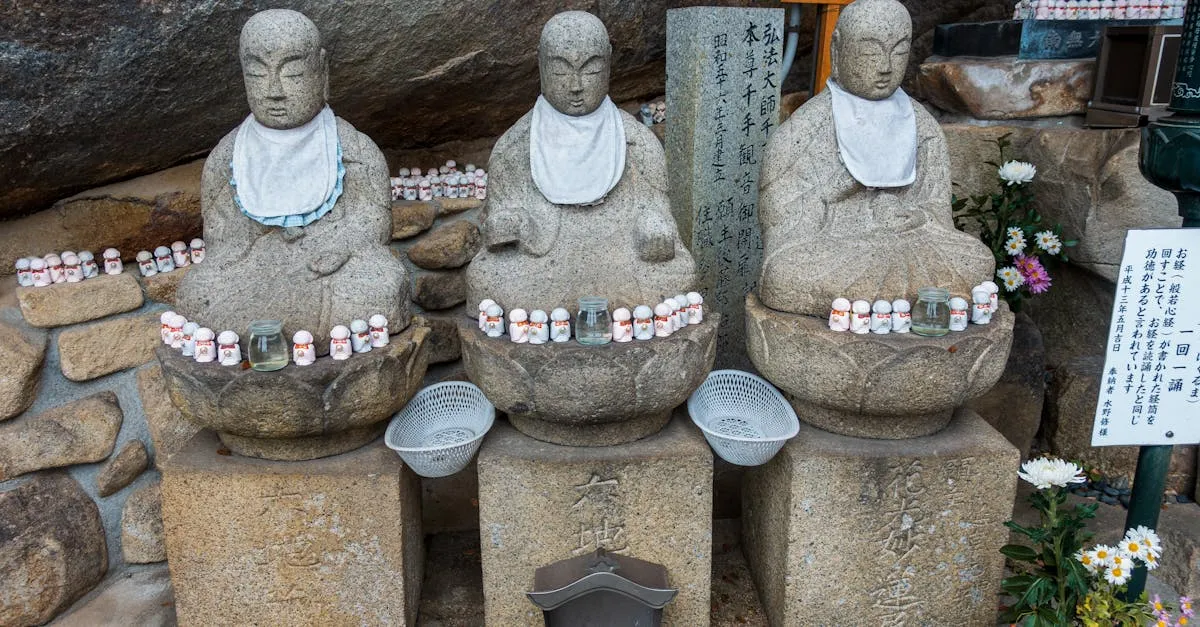
A hillside port town on the Seto Inland Sea with 25 temples connected by a winding hillside path. Cats lounge in temple gardens, traditional shophouses sell handmade ice cream, and the Shimanami Kaido cycling bridge to Shikoku starts here. A wonderful antidote to the intensity of big-city Japan. 1.5 hours from Hiroshima.

Yakushima ancient cedar forest

Yakushima

A subtropical island of ancient cedar forests and moss-covered valleys that inspired Studio Ghibli's "Princess Mononoke." The Jomon Sugi cedar tree is estimated at 2,000–7,000+ years old. Budget 2–3 days minimum. Fly from Kagoshima or Osaka. Best avoided during typhoon season (Sep–Oct).

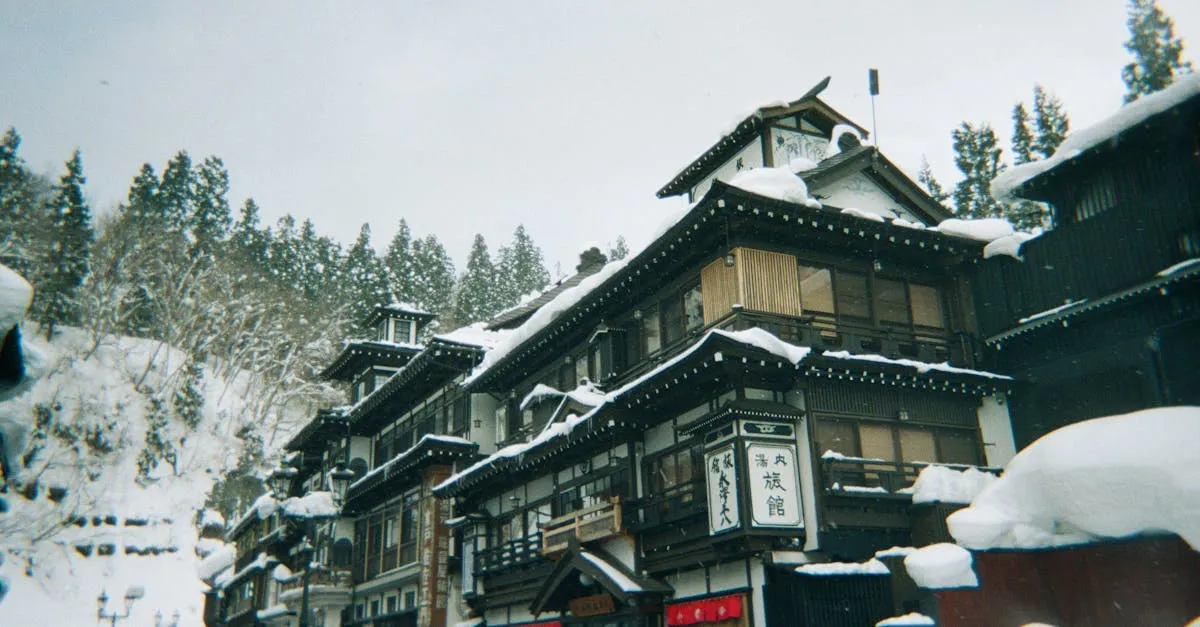
Kinosaki Onsen hot spring town

Kinosaki Onsen

A picturesque hot spring town on the Sea of Japan coast. Seven public bathhouses connected by a willow-lined canal. Stay at a ryokan, don a yukata (cotton robe) and geta (wooden sandals), and stroll between baths at sunset. The all-bath pass (€1,300) covers all seven. 2.5 hours from Kyoto, a perfect pre- or post-Kyoto stop.

💡 Hidden Gem Strategy

Pick one or two hidden gems to weave into your main itinerary. Naoshima fits between Hiroshima and Osaka. Koyasan works as a day trip or overnight from Osaka. Shirakawa-go slots between Takayama and Kanazawa on Route B. Don't try to do all of them. The point is to slow down and go deeper in one place rather than racing through many.

Wildlife & Nature

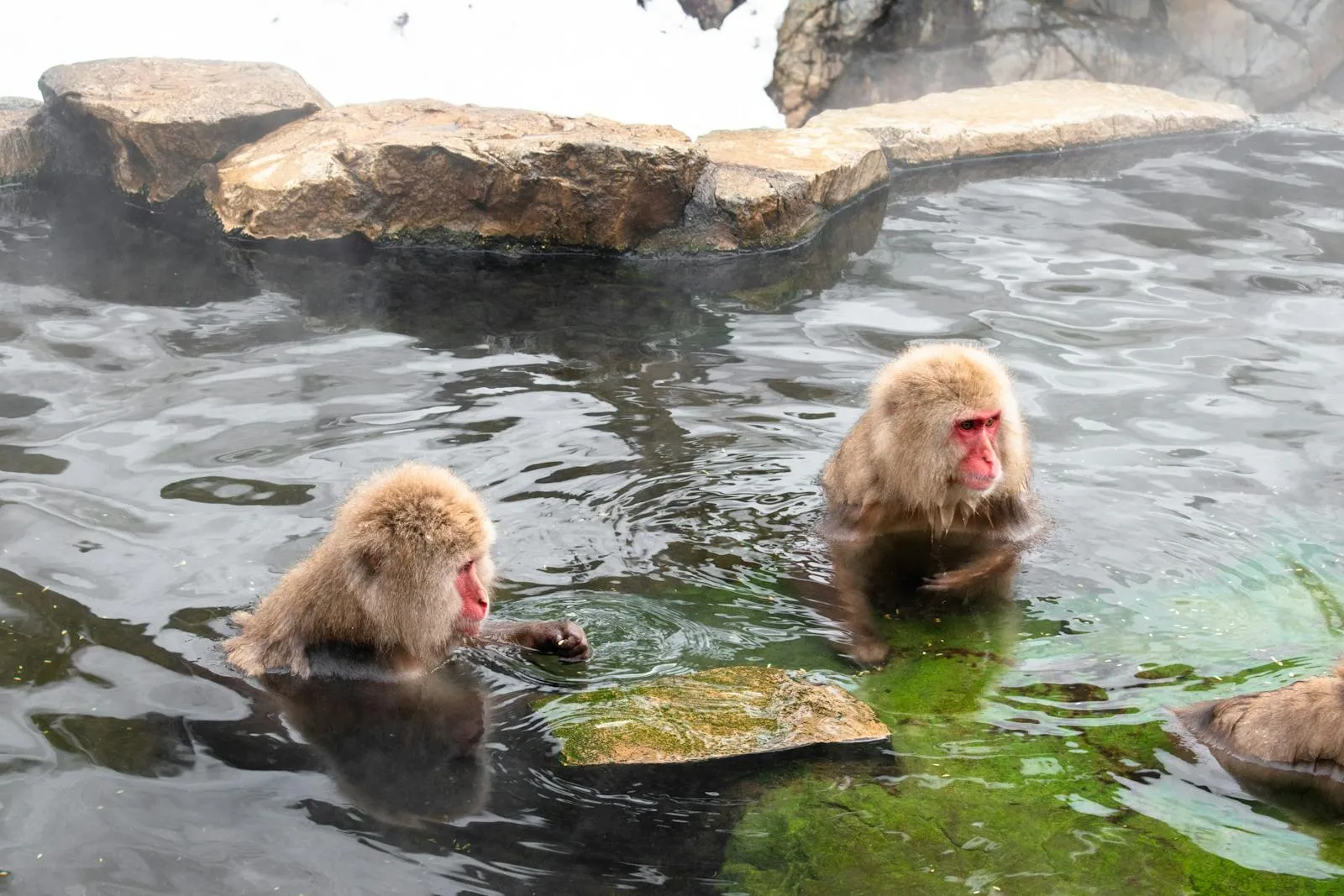
Two Japanese macaques relaxing in a hot spring in Yamanouchi, Nagano, Japan.

Japan's wildlife is more diverse than expected.

  • 3,000 km latitudinal range: Habitats from subarctic tundra to subtropical coral reefs
  • 73% forest cover: Rich biodiversity across the archipelago
  • Iconic experiences: Several wildlife encounters rank among Asia's best

Snow Monkeys (Japanese Macaques)

Where: Jigokudani Monkey Park, Nagano • Cost: ¥800 (€5) • Season: Year-round (best Dec–Mar)

The world-famous image of macaques soaking in hot springs while snow falls around them. Jigokudani is a 30-minute walk from the bus stop through a forest trail. The monkeys are wild and unrestrained. They come and go as they please. Winter mornings offer the most monkeys and the most dramatic photography.

Nara’s Sacred Deer

Where: Nara Park • Cost: Free (deer crackers ¥200) • Season: Year-round

Over 1,200 sika deer roam freely through Nara's temples and streets. Designated as national treasures and considered divine messengers in Shinto tradition. They have learned to bow for shika-senbei crackers. Baby deer (fawns) appear in June. Adorable but keep your distance.

Tancho Cranes (Red-Crowned Cranes)

Where: Kushiro Wetlands, Hokkaido • Cost: Free • Season: November–March

Japan's most elegant bird and a symbol of longevity and luck. The cranes' mating dance in the snow is one of nature's great spectacles. Winter feeding stations near Kushiro and Tsurui allow close observation and photography. Around 1,800 cranes survive in the wild.

Bears of Japan

Where: Hokkaido (brown bears), Honshu mountains (Asiatic black bears)

Hokkaido's Shiretoko Peninsula (UNESCO) is home to one of the densest brown bear populations in the world. Boat tours along the coast frequently spot bears fishing for salmon (July–September). On Honshu, black bears inhabit mountain forests. Encounters are rare but carry bear bells when hiking.

Marine Life

Okinawa's coral reefs support whale sharks, manta rays, sea turtles, and hundreds of fish species. Humpback whales visit January–March. The Ogasawara Islands (a 24-hour ferry from Tokyo) offer dolphin swimming and sperm whale watching year-round. Churaumi Aquarium in Okinawa is one of the world's largest (€2,180).

Fireflies (Hotaru)

Season: Late May to mid-July • Where: Rural areas, especially Shikoku and Kansai

Firefly viewing (hotaru-gari) is a beloved early-summer tradition. Thousands of glowing insects dance over streams and rice paddies at dusk. Several locations near Kyoto run special viewing events. Free, magical, and impossible to photograph adequately.

🌳 National Parks

Japan has 34 national parks covering diverse ecosystems. The most accessible for Golden Route travellers: Hakone-Fuji-Izu (volcanoes, hot springs), Yoshino-Kumano (pilgrimage forests), and Setonaikai (Inland Sea islands). All are free to enter. For remote wilderness, Shiretoko (Hokkaido, UNESCO) and Yakushima (ancient forests, UNESCO) are extraordinary but require separate trips.

Route A: Classic 2-Week Golden Route

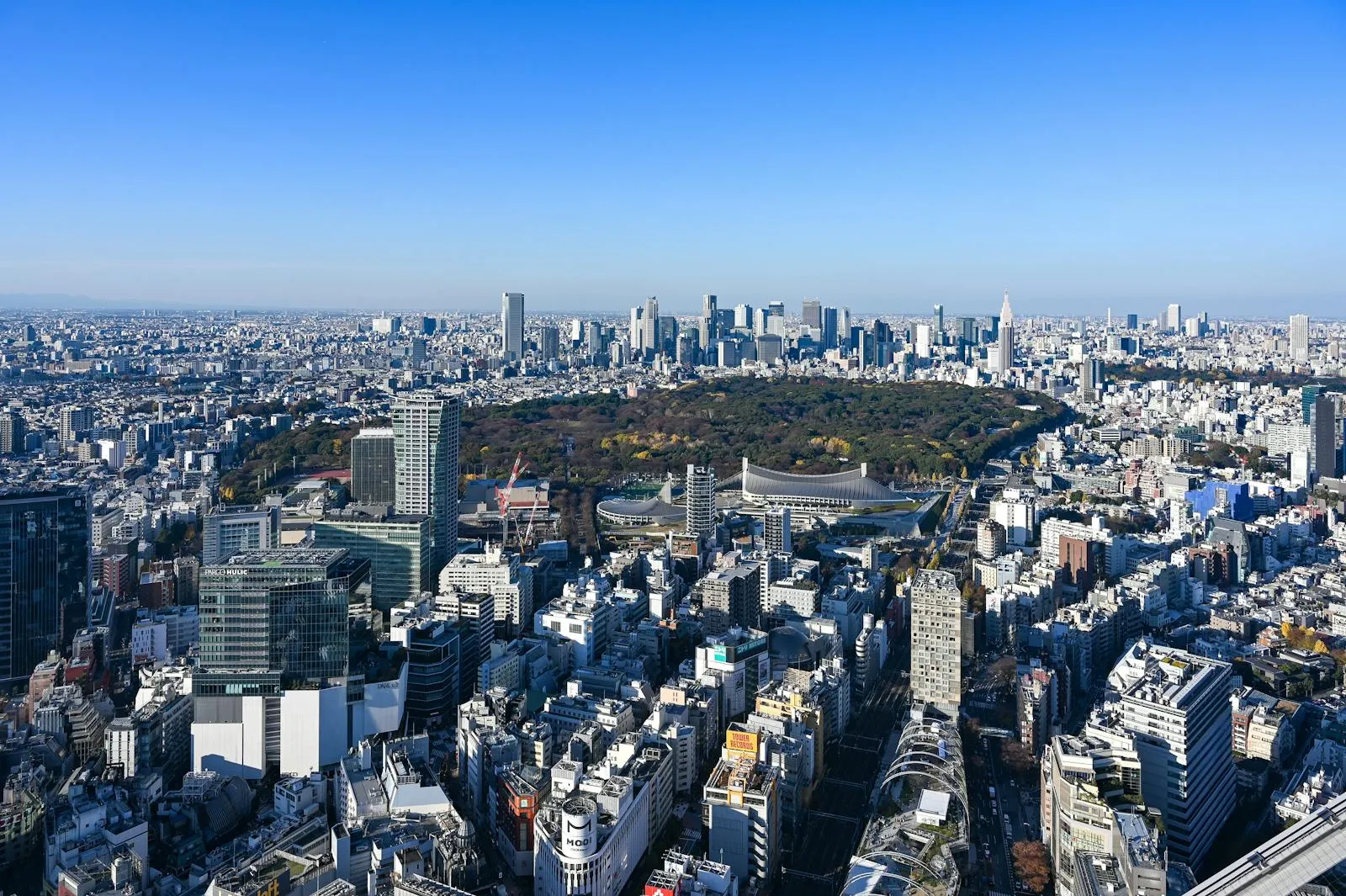
Aerial view of Tokyo cityscape featuring Shinjuku Park surrounded by skyscrapers under a clear blue sky.

The most popular first-time Japan itinerary, connecting the country's greatest hits by Shinkansen. A 14-day JR Pass (€80,000 / ~€488) covers most train legs. Check current pricing as rates changed in 2023. Fly into Tokyo, fly out of Osaka (or vice versa) to avoid backtracking.

Day-by-day itinerary

Days 1–4: Tokyo

Day 1: Arrive at Narita or Haneda. Transfer to your hotel in Shinjuku, Shibuya, or Ginza. Walk to find ramen or conbini dinner, sleep early to break the jet lag. No sightseeing today.

Day 2: Asakusa (Senso-ji) → Akihabara → Shibuya Crossing → Harajuku/Meiji Shrine.

Day 3: Tsukiji Outer Market (morning sushi) → teamLab Planets → Roppongi or Odaiba.

Day 4: Day trip to Hakone (Hakone Free Pass from Shinjuku €6,100: train, cable car, ropeway over Owakudani volcanic valley, pirate ship on Lake Ashi with Mt. Fuji views) or day trip to Kamakura (Great Buddha, Hase-dera, beach) or Nikko (Toshogu Shrine). Return to Tokyo same evening.

Budget: ¥18,000–28,000/day couple (hotel ¥10,000–15,000, food ¥5,000–8,000, transport ¥1,500–2,000, activities ¥1,500–3,000)

Days 5–8: Kyoto

Day 5: Shinkansen to Kyoto (2h15m). Arrive early afternoon, check in, drop bags. Keep it light with a slow walk through Gion's lantern-lit streets, the Shirakawa canal, dinner at Pontocho Alley. No temples today. Save the legs.

Day 6: Eastern Kyoto: Fushimi Inari at dawn (free, quieter before 8am) → Kiyomizu-dera → Ninenzaka & Sannenzaka lanes → Gion geisha district (evening).

Day 7: Western Kyoto: Kinkaku-ji (Golden Pavilion) → Arashiyama (bamboo grove, monkey park) → Philosopher’s Path → Nishiki Market for dinner.

Day 8: Day trip to Nara (45 min). Deer park, Todai-ji Great Buddha, Kasuga Taisha. Return to Kyoto. Tea ceremony experience in the afternoon if time allows.

Budget: ¥15,000–22,000/day couple. Bus day pass ¥700. Temple entries ¥300–600 each.

Days 9–11: Hiroshima & Miyajima

Day 9: Shinkansen to Hiroshima (1h40m from Kyoto). Peace Memorial Museum → A-Bomb Dome → Peace Park. Dinner: Hiroshima-style okonomiyaki.

Day 10: Ferry to Miyajima Island. Floating torii gate, Itsukushima Shrine, deer, momiji manju. Optional: Overnight on Miyajima (magical after day-trippers leave at 5 PM) or return to Hiroshima.

Day 11: Morning free in Hiroshima or Miyajima. Afternoon Shinkansen to Osaka (1h30m).

Budget: ¥14,000–20,000/day couple. JR Pass covers all Shinkansen and Miyajima ferry.

Days 12–14: Osaka

Day 12: Osaka Castle → Shinsekai (kushikatsu, Tsutenkaku Tower) → Dotonbori (evening street food crawl: takoyaki, okonomiyaki, gyoza).

Day 13: Kuromon Market (morning seafood) → Namba/Shinsaibashi shopping → Umeda Sky Building sunset. Evening izakaya.

Day 14: Morning free for last-minute shopping or relaxation. Departure from Kansai International Airport.

Budget: ¥14,000–20,000/day couple. Osaka is more affordable than Tokyo for food and accommodation.

Total Days
14
Comfortable, not rushed
JR Pass Value
¥80,000
14-day, check current pricing
Total Budget
€2,400–4,100
Per couple, mid-range, 14 days
✅ Route A Pro Tips
  • Fly into Tokyo Narita/Haneda, out of Osaka Kansai (or vice versa). Saves time and money vs. backtracking.
  • Activate the 14-day JR Pass on Day 5 (when you leave Tokyo for Kyoto). Days 1–4 in Tokyo only need a Metro day pass (¥600).
  • Book Kyoto hotels 1–3 months ahead during cherry blossom and autumn foliage seasons.

Route B: 3-Week Deep Dive

Discover the enchanting Arashiyama Bamboo Grove in Kyoto, Japan, with strolling visitors enhancing its natural beauty.

For those with more time, this route adds the cultural riches of the northern corridor (Takayama, Kanazawa, and the Japanese Alps) to the Golden Route core. This is the route for travellers who want to go beyond the highlights and experience Japan's quieter, more traditional side. A 21-day JR Pass (€110,000 / ~€672) covers the Shinkansen and regional JR lines. Check current pricing before purchase as rates have changed since 2023.

Day-by-day itinerary

Days 1–4: Tokyo

Day 1: Arrive at Narita or Haneda. Transfer to your hotel, find dinner nearby, sleep early. No sightseeing today. Let the jet lag settle.

Day 2: Asakusa (Senso-ji) → Akihabara → Shibuya Crossing → Harajuku/Meiji Shrine.

Day 3: Tsukiji Outer Market (morning sushi) → teamLab Planets → Roppongi or Odaiba.

Day 4: Day trip to Hakone (Hakone Free Pass from Shinjuku €6,100: train, cable car, ropeway over Owakudani volcanic valley, pirate ship on Lake Ashi with Mt. Fuji views) or day trip to Kamakura or Nikko. Return to Tokyo same evening.

Days 5–7: Takayama & Japanese Alps

Day 5: Shinkansen to Nagoya, then bus to Takayama (or Shinkansen to Nagano, train to Matsumoto, bus to Takayama). Arrive afternoon. Explore the beautifully preserved Edo-period old town, morning markets, sake breweries. Try Hida beef for dinner.

Day 6: Day trip to Shirakawa-go (50 min bus, ¥2,600 round trip). Walk through the UNESCO thatched-roof village. Return to Takayama for evening onsen.

Day 7: Morning free in Takayama. Optional visit to Matsumoto Castle (one of Japan's 12 original castles, stunning black exterior, €700) if you didn't stop there on arrival. Afternoon bus to Kanazawa (2h).

Days 8–10: Kanazawa

Day 8: Kenroku-en garden (¥320, one of Japan’s top 3 gardens). Nagamachi samurai district. Omicho Market for fresh seafood lunch (crab, uni, sashimi).

Day 9: 21st Century Museum of Contemporary Art (¥450). Higashi Chaya geisha district (traditional tea houses, gold leaf shops). Evening stroll along Asano River.

Day 10: Morning free for shopping or additional sightseeing. Afternoon Shinkansen to Kyoto (2h15m).

Days 11–14: Kyoto

Day 11: Fushimi Inari (dawn is best) → Kinkaku-ji → Arashiyama (bamboo grove, monkey park).

Day 12: Eastern Kyoto: Kiyomizu-dera → Ninenzaka & Sannenzaka lanes → Gion geisha district (evening).

Day 13: Philosopher’s Path → Nishiki Market (food stalls, pickles, fresh seafood) → tea ceremony experience → Pontocho alley dinner.

Day 14: Day trip to Nara (45 min). Deer park, Todai-ji Great Buddha, Kasuga Taisha. Return to Kyoto for evening.

Days 15–17: Hiroshima & Miyajima

Day 15: Shinkansen to Hiroshima (1h40m from Kyoto). Peace Memorial Museum → A-Bomb Dome → Peace Park. Dinner: Hiroshima-style okonomiyaki.

Day 16: Ferry to Miyajima Island. Floating torii gate, Itsukushima Shrine, deer, momiji manju. Recommended: Overnight on Miyajima (the island is magical after day-trippers leave at 5 PM. You'll have the shrines and beaches nearly to yourself).

Day 17: Morning on Miyajima or return to Hiroshima. Afternoon Shinkansen to Osaka (1h30m).

Days 18–20: Osaka

Day 18: Osaka Castle → Shinsekai (kushikatsu, Tsutenkaku Tower) → Dotonbori (evening street food crawl: takoyaki, okonomiyaki, gyoza).

Day 19: Kuromon Market (morning seafood) → Namba/Shinsaibashi shopping → Umeda Sky Building sunset. Evening izakaya.

Day 20: Day trip to Himeji Castle (45 min Shinkansen, €1,050, Japan's finest original castle, UNESCO World Heritage) or Koyasan (mountain temple complex, 2h by train) or Naoshima art island (ferry from Uno Port).

Day 21: Morning free for last-minute shopping. Departure from Kansai International Airport.

Total Days
21
Thorough, unhurried
JR Pass Value
¥110,000
21-day, check current pricing
Total Budget
€3,496–5,500
Per couple, mid-range, 21 days
🐾 Want Snow Monkeys?

Add 2 extra days between Tokyo and Takayama. Shinkansen Tokyo to Nagano (1h20m), bus to Jigokudani Snow Monkey Park (€800), Zenko-ji Temple, Matsumoto Castle. This extends the trip to 23 days. Best visited November–March when monkeys bathe in hot springs.

Route C: 10-Day Highlights

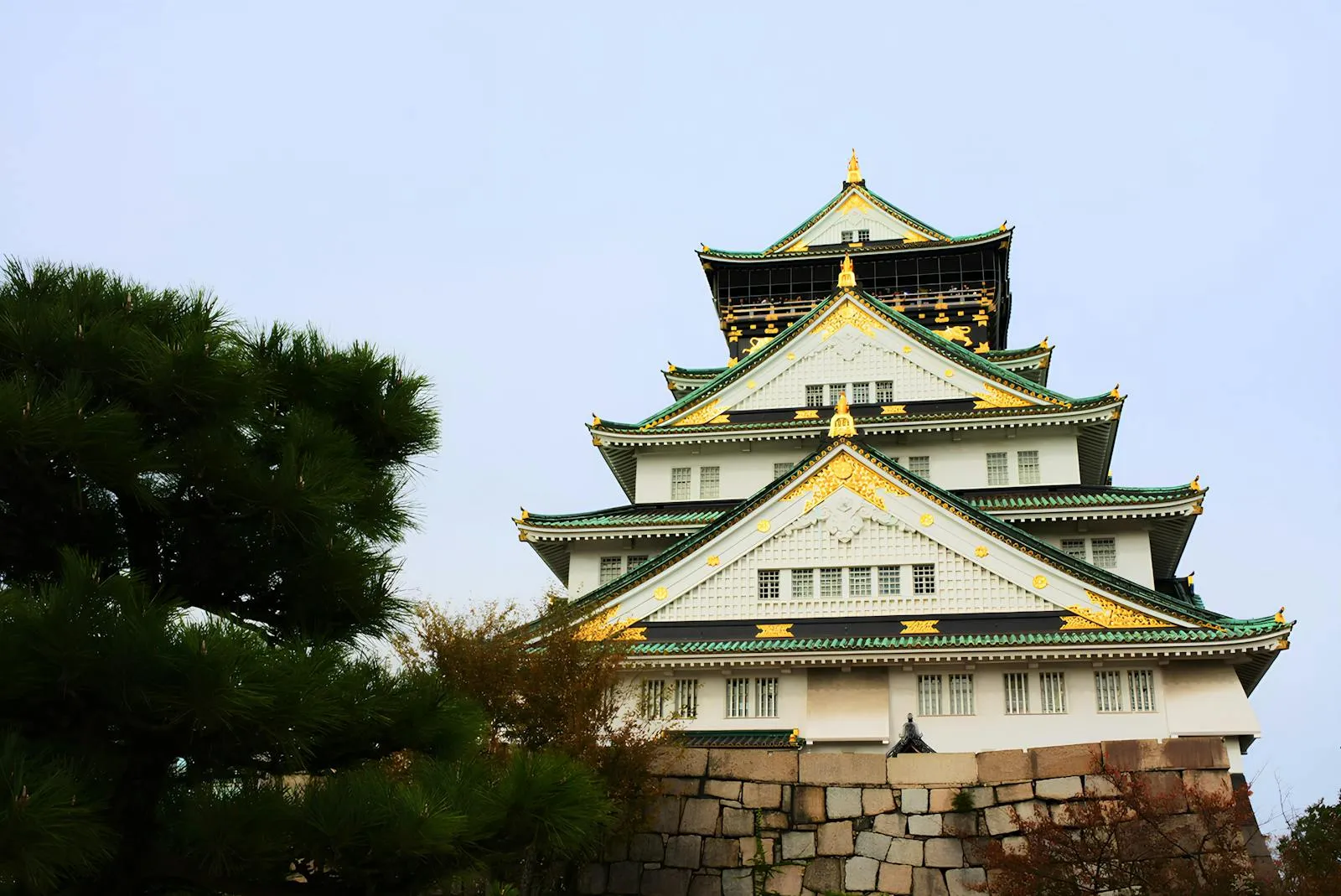
Majestic view of Osaka Castle with striking architecture set against a clear sky.

Ten calendar days really means nine nights of sleep, with Day 1 burned on arrival and Day 10 burned on departure. That leaves seven working days split across three bases. Tokyo for the neon and the temples-in-a-megacity contrast, Kyoto for the old capital, and Osaka as the food base and launchpad for a Hiroshima & Miyajima day trip. Fly into Tokyo (Narita or Haneda), fly out of Kansai International. Activate a 7-day JR Pass on Day 4. It covers every Shinkansen leg from Tokyo onwards plus the Hiroshima return and the final airport transfer.

Day-by-day itinerary

Day 1: Arrival in Tokyo

Land at Narita or Haneda, clear immigration, and grab cash from a 7-Eleven ATM before leaving the airport. Narita Express or Keisei Skyliner from NRT (~€3,000 / ~€18, 60–90 min), or the Tokyo Monorail / Keikyu Line from HND (~€500 / ~€3, 30 min). Check into a hotel in Shinjuku, Shibuya, or Ginza, walk five minutes to find ramen or a conbini dinner, then sleep early to break the jet lag. No sightseeing today. Resist the urge.

Days 2–3: Tokyo

Two full days to crack Tokyo open. Day 2 leans traditional and east: Senso-ji temple and Nakamise shopping street in Asakusa at opening time, then Akihabara for the electronics-and-anime overload, finishing at teamLab Planets in Toyosu (book tickets in advance, ~¥3,800 / ~€23). Day 3 swings west and modern: the Shibuya Scramble crossing and Shibuya Sky observation deck, then Meiji Shrine in its forest, Harajuku’s Takeshita Street for the crepe-and-fashion circus, and Shinjuku’s Omoide Yokocho alleyways for yakitori at night. Squeeze in Tsukiji Outer Market for a sushi breakfast on whichever morning has the earliest start.

Day 4: Tokyo → Kyoto (Shinkansen travel day)

Activate the 7-day JR Pass at the station window before boarding. Tokyo to Kyoto on the Hikari Shinkansen, ~2h15m, reserved seat on the right side for the Mount Fuji view about 40 minutes in. Check into a Kyoto hotel near the station or Gion, drop bags, then keep it light with a slow walk through Gion's lantern-lit streets at dusk, the Shirakawa canal stretch, and a kaiseki-light or yakitori dinner. No temples today. Save the legs.

Days 5–6: Kyoto (with Nara day trip)

Day 5 is full Kyoto. Fushimi Inari shrine at sunrise to beat the crowds on the vermilion torii path (free, allow 2–3 hours for the upper loop), then Kinkaku-ji golden pavilion, then Arashiyama's bamboo grove and the Tenryu-ji garden in the afternoon. Day 6 is the Nara day trip: 45 minutes south by JR (covered by the pass), Todai-ji's giant bronze Buddha, the bowing deer in Nara Park, and back to Kyoto by early evening for Kiyomizu-dera at sunset and a wander through the Higashiyama lanes. Pontocho Alley for dinner.

Day 7: Kyoto → Osaka

Barely a travel day. 15 minutes on the Shinkansen or 30 minutes on the JR Special Rapid (pass covered). Move in the morning, drop bags at an Osaka hotel near Namba or Umeda, and you've got a full afternoon. Wander Amerikamura, then dive into Dotonbori as the neon switches on. The Glico running man sign, takoyaki from a street stall, okonomiyaki at a sit-down place, and the canal at night. Osaka eats louder than Kyoto. Lean into it.

Day 8: Hiroshima & Miyajima day trip

The long one. Budget 14 hours door to door. Early Shinkansen Osaka to Hiroshima (~1h30m, pass covered), straight to the Peace Memorial Park, A-Bomb Dome, and the Peace Memorial Museum (€200 / ~€1.20, allow 2 hours and bring tissues). Tram or train to Miyajimaguchi, JR ferry across to Miyajima (pass covered), the floating torii of Itsukushima Shrine at high tide, deer on the paths, and momiji manju cakes from the shopping street. Last Shinkansen back to Osaka around 8–9 pm. You will be wrecked.

Day 9: Osaka (recovery and farewell)

Start slow after yesterday. Late breakfast, then Osaka Castle and its park in the morning (castle entry €600 / ~€3.70). Lunch at Kuromon Ichiba market with grilled scallops, wagyu skewers, fresh uni. Afternoon in Shinsekai for kushikatsu (deep-fried skewers, the local obsession) under the Tsutenkaku Tower. Sunset from the Umeda Sky Building's Floating Garden Observatory (€1,500 / ~€9). Farewell izakaya dinner somewhere loud in Namba.

Day 10: Departure from KIX

Check out, grab the JR Haruka Express from Shin-Osaka or Tennoji direct to Kansai International (~50 min, pass covered on its final day), or the Nankai Rapit from Namba if the pass has lapsed (~€1,490 / ~€9, 40 min). Allow at least 3 hours before an international flight. International terminal, security, last conbini onigiri, fly home.

The route runs equally well in reverse. Fly into Kansai, end in Tokyo, and you front-load the food-and-fireworks energy of Osaka while saving Tokyo's scale for the finale. If you can stretch to 12 days, the cleanest extension is inserting Hakone for two nights between Tokyo and Kyoto. Ryokan with an onsen bath, the Hakone Loop (pirate ship, ropeway, open-air museum), and Mount Fuji views across Lake Ashi on a clear morning. Don't try to add a fourth base inside the 10-day frame. It tips the trip from brisk to broken.

⚠️ 10 days is doable, but it’s tight

This is the Golden Route at full tempo. You will hit your step count every single day, eat most meals on the move, and arrive at the airport tired. Skipping the Hiroshima day trip and using Day 8 as a second Kyoto/Osaka day is the single biggest pace-saver if you'd rather travel slower. You lose the Peace Memorial and the floating torii, but you gain a real rest day. Anyone travelling with kids, anyone over 65, or anyone who hates rushing should add at least 2–3 days or drop a city.

Getting Around

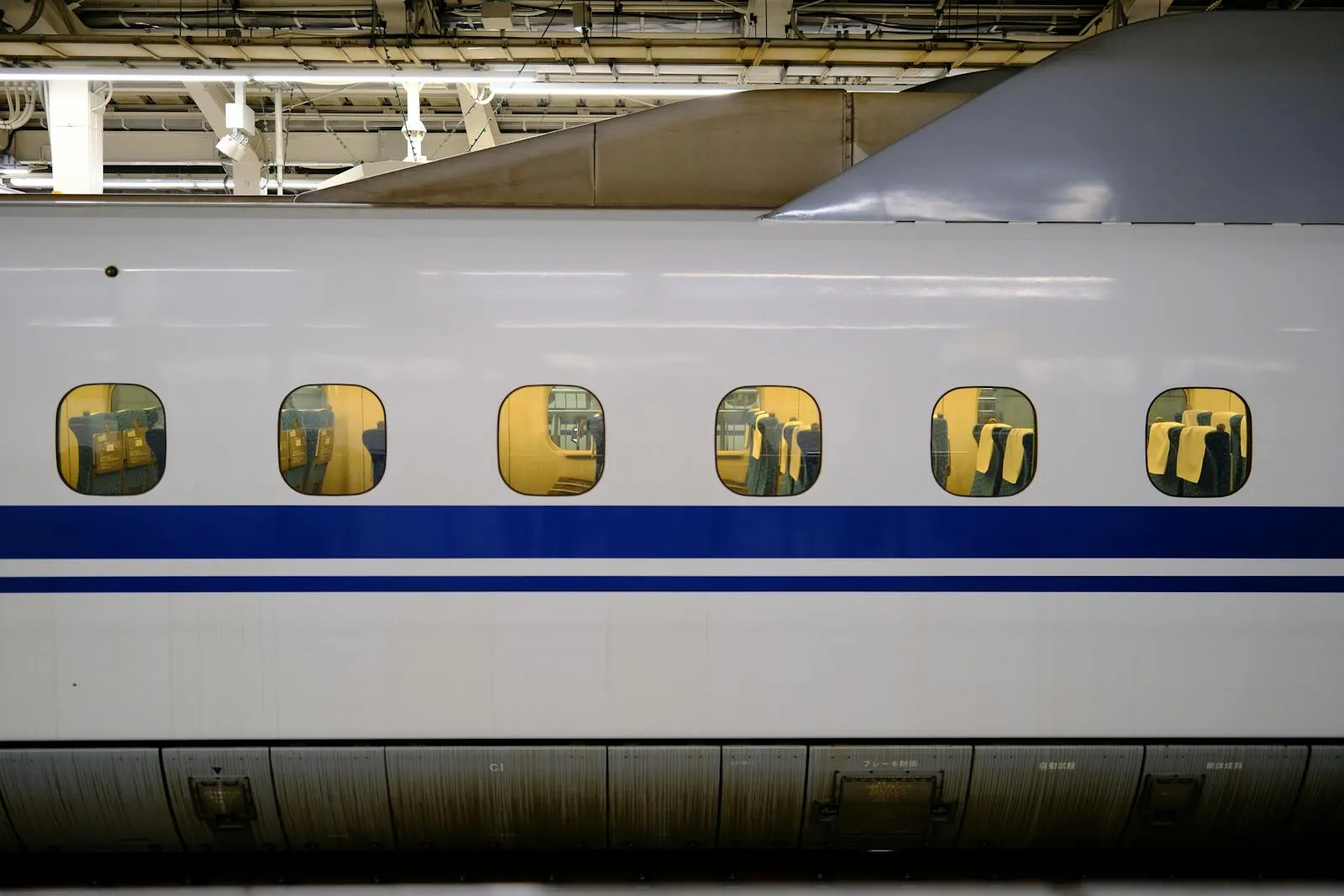
View of the interior of a Shinkansen bullet train through windows at Tokyo Station, Japan.

Japan has Earth's best public transport. Trains run to the second, stations are immaculate, the network connects virtually every town. You'll never need a car. The system is complex (multiple operators, pass options, reserved vs. unreserved seats) but once you understand the basics, getting around is a joy.

🚅 Shinkansen

Bullet trains up to 320 km/h. Tokyo–Kyoto 2h15, Tokyo–Osaka 2h30. Covered by JR Pass (except Nozomi/Mizuho).

💳 IC Cards

Suica/Pasmo/ICOCA tap-and-go cards. Work on all trains, subways, buses, convenience stores. Essential purchase on day one.

🚇 Metro/Subway

¥140–314 per ride. Tokyo, Osaka, Kyoto. Fast, clean, runs 05:00–00:30. Google Maps shows real-time schedules.

🚌 Highway Buses

Budget alternative to Shinkansen. Overnight buses save a hotel night. Tokyo–Osaka ¥3,000–5,000. Book via Willer Express.

🚗 Taxis

Base fare ¥500–700 + meter. Expensive but useful late at night. Doors open/close automatically. Don’t touch them.

✈️ Domestic Flights

Peach, Jetstar for Okinawa, Hokkaido, Kyushu. ¥5,000–20,000 one-way. Book early for budget fares.

Shinkansen (Bullet Train)

Japan's high-speed rail is the backbone of intercity travel. Smooth, quiet, punctual (average annual delay: 54 seconds), covered by JR Pass.

RouteTimeOne-Way CostNotes
Tokyo → Kyoto 2h 15m ¥13,320 (€81) Tokaido Shinkansen. Most frequent route. Mt. Fuji views (right side).
Tokyo → Osaka 2h 30m ¥13,870 (€85) Same line as Kyoto, 15 min further.
Kyoto → Hiroshima 1h 40m ¥11,210 (€68) Sanyo Shinkansen. Covered by JR Pass.
Tokyo → Kanazawa 2h 30m ¥14,380 (€87) Hokuriku Shinkansen. Scenic mountain route.
Tokyo → Nagano 1h 20m ¥8,340 (€51) Hokuriku Shinkansen. For snow monkeys.

Japan Rail Pass (JR Pass)

7-Day Pass

¥50,000 (~€308) per person

Best for Route C (10-day trip). Covers the Golden Route Shinkansen rides, local JR trains, and Miyajima ferry. Activate it when you start using Shinkansen.

14-Day Pass

¥80,000 (~€488) per person

Best for Route A (2-week trip). The sweet spot for most travellers. Covers all JR Shinkansen (except Nozomi/Mizuho), JR local trains, some JR buses, and Miyajima ferry.

21-Day Pass

¥110,000 (~€672) per person

Best for Route B (3-week trip) or if you plan extensive exploration beyond the Golden Route (Hokkaido, Kyushu, Shikoku).

Break-Even Guide
Tokyo–Kyoto return = ¥26,640

Add Hiroshima (¥22,420 return) and the 7-day pass pays for itself. Two long Shinkansen trips justify any pass duration.

⚠️ JR Pass Important Notes
  • Nozomi/Mizuho excluded: The fastest Shinkansen services are NOT covered. Use Hikari or Sakura (only 10–15 min slower).
  • Purchase: Can now be bought in Japan at major JR stations. Also available online at japanrailpass.net.
  • Activation: Choose your start date carefully. Activate the day you first use Shinkansen, not necessarily arrival day.
  • Seat reservation: Free with JR Pass. Reserve at any JR ticket office (midori-no-madoguchi) or use the SmartEX app.

City Transport

ModeCostNotes
Subway/Metro ¥140–314 (€0.92–2) per ride Tokyo Metro, Osaka Metro, Kyoto (limited). Fast, clean, efficient.
IC Cards (Suica/Pasmo) ¥500 deposit + charge Rechargeable tap-and-go cards. Work on all trains, subways, buses, and even convenience stores/vending machines. Essential!
City Buses ¥230 flat fare (Kyoto) Kyoto bus day pass ¥700. Osaka and Tokyo mainly use subway.
Taxis ¥500–700 base fare + meter Expensive but useful late at night. Doors open/close automatically. Don't touch!
Bicycle Rental ¥500–1,500/day Excellent for Kyoto, Nara, Naoshima, small towns. Many hotels offer free bikes.
Highway Buses ¥2,000–8,000 intercity Budget alternative to Shinkansen. Overnight buses save a hotel night (e.g., Tokyo to Osaka €3,000–5,000).
Domestic Flights ¥5,000–20,000 one-way Budget airlines (Peach, Jetstar) for Okinawa, Hokkaido, Kyushu. Book early for best prices.
💡 Transport Pro Tips
  • Google Maps is superb for Japan transit. It shows real-time train schedules, platform numbers, transfer times, and walking directions within stations.
  • Hyperdia (hyperdia.com) is the definitive train timetable. Filter by “JR Pass compatible” to exclude Nozomi/Mizuho.
  • Takkyubin (luggage forwarding): Send your suitcase to your next hotel for ~€2,000. Available at any convenience store. Travel with just a day bag on the Shinkansen. This service is life-changing.
  • IC Card tip: Get Suica (JR East, Tokyo) or ICOCA (JR West, Osaka). Both work nationwide. Available at station ticket machines.

Budget Breakdown

Illuminated vending machines on a Tokyo street at night. Captures urban nightlife vibes.

Japan has a reputation for being expensive, but it's far more affordable than most think, especially with the weak yen (~€150 = €1). Smart choices (konbini meals, business hotels, JR Pass) bring costs within reach for extended-trip couples.

Daily Budget Per Couple (USD)

Category💲 Backpacker💰 Mid-Range🌟 Comfort
Accommodation €41–70 €64–120 €110–250
Type Hostel dorm/capsule Business hotel twin Ryokan or boutique hotel
Food €28–45 €41–75 €69–150
Style Konbini + gyudon chains Mix of konbini, ramen, 1 nice meal Restaurant meals, izakaya, sushi
Local Transport €7–12 €11–18 €17–30
Activities €5–10 €14–30 €28–60
Daily Total (couple) €81–137 €131–243 €224–490
Per Person Per Day €40–69 €65–122 €112–245

2-Week Trip Budget (Couple, Mid-Range)

ItemCost (USD)Notes
Accommodation (13 nights) €837–1,560 Mix of business hotels and 1–2 hostel nights
JR Pass (14-day, x2) €975 ¥80,000 each. Covers all Shinkansen + local JR
Food (14 days) €580–1,050 Mix of budget and mid-range meals
Local transport €156–250 Metro, buses, IC card top-ups
Activities & entry fees €138–350 Temples, museums, teamLab, onsen
Ryokan stay (1 night) €184–400 Optional but highly recommended splurge
SIM/eSIM (2 cards) €37–70 2-week tourist SIM or eSIM
Total (couple, 2 weeks) €2,907–4,740 Excluding international flights
Per person €1,454–2,370 ~€104–170 per person per day

Where to Save Money

💲 Big Savings

  • Konbini meals: Breakfast/lunch at 7-Eleven, Lawson, FamilyMart at €300–700 per meal, excellent quality
  • 100-yen shops: Daiso, Seria, Can*Do for snacks, toiletries, souvenirs
  • Free sightseeing: Fushimi Inari, Meiji Shrine, Senso-ji, Arashiyama, shrines, parks
  • Highway buses: Tokyo–Osaka overnight €3,000–5,000 (saves hotel + train)
  • Discount bento: Supermarkets and konbini discount bento 20–50% after 8 PM

🌟 Worth the Splurge

  • One ryokan night: The dinner, onsen, and tatami experience is unforgettable
  • Conveyor belt sushi: Still affordable (¥1,500–3,000) and endlessly fun
  • JR Pass: Expensive upfront but massive savings if doing the Golden Route
  • teamLab: ¥3,800 is steep but the immersive art is world-class
  • One omakase meal: Chef's choice sushi, €5,000–10,000 for a 10+ course experience
💱 Currency & Payment
  • Currency: Japanese Yen (¥, JPY) only. No dual-currency system. ~¥150 = €1.
  • Cash is king: Many small shops, restaurants, shrines, and vending machines are cash-only. Always carry €10,000–20,000.
  • ATMs: 7-Eleven ATMs and Japan Post ATMs reliably accept foreign cards. Most bank ATMs do NOT.
  • Credit cards: Accepted at hotels, department stores, chain restaurants, and convenience stores. Visa/Mastercard preferred.
  • IC Cards: Suica/Pasmo work as contactless payment at konbini, vending machines, and many shops.

Money-Saving Tips

🍳 Konbini Meals

7-Eleven, Lawson, and FamilyMart serve genuinely excellent food 24/7. Onigiri (¥130), bento boxes (¥400–600), fresh sandwiches

🍚 Lunch Sets

Most restaurants offer set lunches 30–50% cheaper than dinner. Same kitchen, same quality, better value

🚅 JR Pass Calculator

A 7-day JR Pass (¥50,000) pays for itself with a single Tokyo–Kyoto–Hiroshima circuit. Calculate at hyperdia.com

🏠 Business Hotels

Toyoko Inn, Dormy Inn, Route Inn: clean twins for ¥8,000–12,000. Dormy Inn includes free onsen and evening ramen

💰 100-Yen Shops

Daiso, Can Do, Seria have everything from travel essentials to souvenirs. Quality far better than you’d expect

🍺 Vending Machines

Drinks ¥100–160 from machines vs ¥300–500 at cafés. On every street corner, hot and cold options

🎫 City Passes

Tokyo Subway 72-Hour Pass (¥1,500), Kansai Thru Pass (2-day ¥4,480). Both save over individual fares

♨ Free Onsen

Foot baths (ashiyu) are free in most hot spring towns. Public sentō (bathhouses) cost ¥500–800 for a full soak

Practical Information

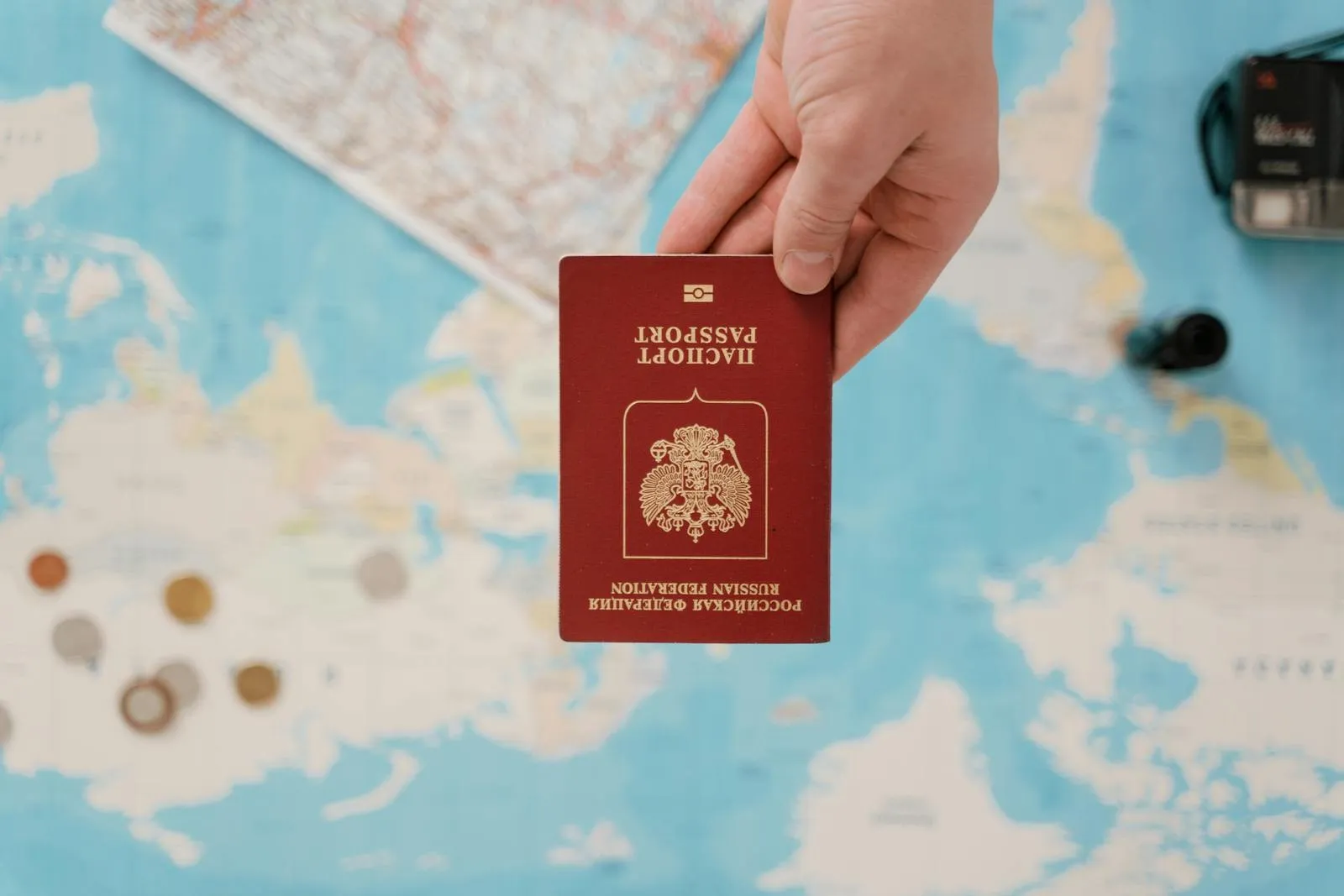
A hand holding a Russian passport above a travel-themed map, capturing world travel concepts.

💳 Visas

90-day visa-free entry. No visa required, no fee.

🏥 Health

No mandatory vaccinations. Healthcare excellent but expensive. Travel insurance essential

📶 SIM & WiFi

eSIM (¥2,000–4,000 for 2 weeks) or pocket WiFi rental (¥4,000–8,000 for 2 weeks). Free WiFi exists but is spotty.

🛒 Safety

One of the safest countries in the world. Almost zero violent crime against tourists. Lost items often returned

Health & Safety

Practical Essentials

TopicDetails
Time Zone JST (UTC+9). No daylight saving.
Electricity 100V, 50Hz (east) / 60Hz (west). Type A and B plugs (same as US, two flat prongs). European devices need an adapter.
Tipping No tipping in Japan. It can be considered rude or confusing. Service charges are included. Just say “gochisousama deshita” (thank you for the meal).
Drinking Age 20 years old (strictly enforced at convenience stores with age verification buttons).
Smoking Banned in most indoor public spaces. Designated smoking areas (kitsuen-jo) on streets. Heavy fines for smoking while walking in some cities.
Internet eSIM (¥2,000–4,000 for 2 weeks) or pocket WiFi rental (¥4,000–8,000 for 2 weeks). Free WiFi exists but is spotty. Recommendation: get an eSIM before arrival.
Trash Public bins are rare. Carry a small bag for your rubbish. Convenience stores have bins if you buy something. Recycling is mandatory. Sort into burnable, plastic, PET bottles, cans.
Toilets Japanese toilets are the best in the world. Heated seats, bidets, sound-masking buttons. Public toilets are clean and free (even at train stations).
Language Limited English outside major tourist areas. Google Translate with camera mode is invaluable. Station names and signs are in romaji (Latin alphabet). Learn basic phrases, it makes a huge difference.
Tattoos Many onsen, public baths, gyms, and some ryokan ban visible tattoos (association with yakuza). Check policies in advance. Tattoo cover stickers exist. Private baths (kashikiri) are an alternative.
🌊 Natural Disaster Preparedness
  • Earthquakes: Frequent (most are minor). If strong, drop, cover, hold on. Stay away from windows. Don't rush outside. Buildings are earthquake-resistant.
  • Typhoons: Aug–Oct (mainly Sep). Monitor JMA (jma.go.jp) forecasts. Shinkansen and flights may be suspended for 1–2 days. Hotels are safe shelter.
  • Apps: Safety Tips (multilingual disaster alerts), Yurekuru Call (earthquake early warning), NHK World (English news). Download before travel.

Tips & Common Mistakes

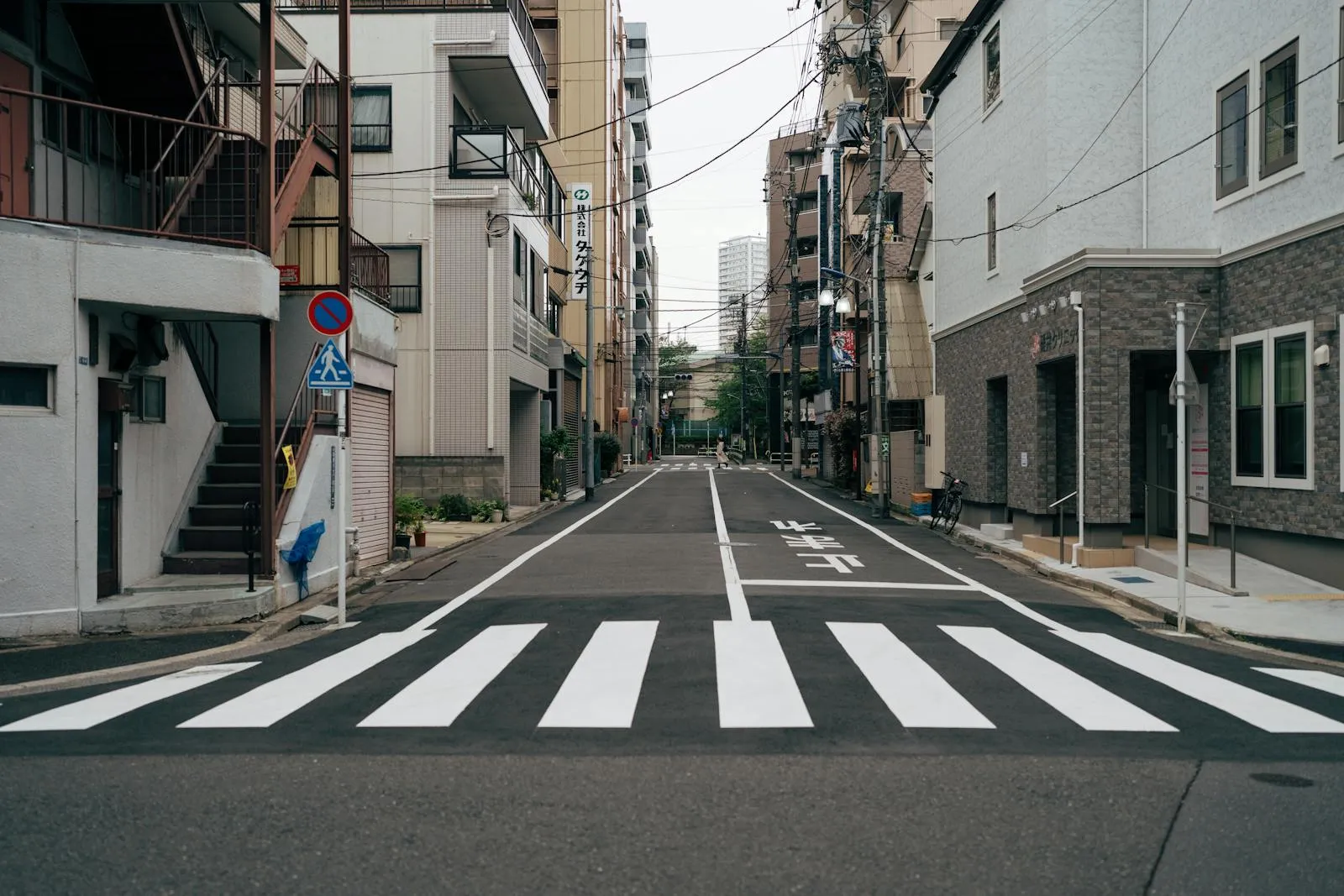
Tokyo city street with crosswalk and urban architecture, portraying Tokyo's urban atmosphere.

✅ Top Tips

1. Get a JR Pass (If Doing the Golden Route)

A single Tokyo–Kyoto–Hiroshima–Osaka Shinkansen circuit costs ~¥38,000. The 7-day JR Pass is ¥50,000 and covers unlimited JR trains plus extras. If you take 3+ Shinkansen rides, it pays for itself. Calculate your routes on hyperdia.com before buying.

2. Always Carry Cash

Despite Japan's tech prowess, it remains cash-dependent. Small restaurants, street food, shrines, some buses, rural areas are cash-only. Keep ¥10,000–20,000 on hand. 7-Eleven ATMs are your friend.

3. Konbini Are Your Best Friend

Japanese convenience stores (7-Eleven, Lawson, FamilyMart) are nothing like Western ones. Fresh onigiri, bento, coffee, ATMs, ticket printing, parcel shipping, free WiFi, clean toilets. They solve 80% of daily travel needs. Visit one within the first hour.

4. Use Takkyubin (Luggage Forwarding)

Send your suitcase to your next hotel for ~¥2,000. Drop it at a convenience store or hotel. Travel light on the Shinkansen with just a day bag. Yamato Transport (kuroneko) or Sagawa. Allow 1–2 days. This service transforms Japan travel.

5. Download These Apps

  • Google Maps: Best for transit navigation. Download offline maps.
  • Google Translate: Camera mode for menus/signs. Download Japanese offline.
  • Suica app: Digital IC card (iPhone). Or get physical card at station.
  • Tabelog: Japan’s restaurant review app (more trusted than Google locally).
  • Safety Tips: Multilingual disaster alerts from Japanese government.

6. Learn the Escalator Rule

Stand on the left in Tokyo (walk on right). Stand on the right in Osaka (walk on left). Yes, it switches between cities. Getting this wrong earns disapproving looks faster than any other faux pas.

❌ Common Mistakes

MistakeWhy It’s a ProblemSolution
Trying to see too much Japan rewards depth over breadth. Rushing through 5 cities in 7 days is exhausting and shallow. Pick 3–4 cities max for 2 weeks. Spend 3+ days in Kyoto and Tokyo each.
Ignoring Nara Many skip it for Kyoto/Osaka. The deer park + Great Buddha combo is unmissable and only takes half a day. Add Nara as a Kyoto day trip. 45 minutes each way. Don’t skip it.
Visiting during Golden Week Apr 29–May 5: everything is booked, crowded, and expensive. Avoid if possible. If you must go, book everything 6+ months ahead.
Not reserving Shinkansen seats Unreserved cars can be packed during peak times. Standing for 2+ hours is no fun. Reserve seats free at JR ticket offices (green windows). Takes 2 minutes.
Eating only at tourist restaurants Tourist-area restaurants near temples are often mediocre and overpriced. Walk 2 blocks from any major attraction. Follow local salarymen to lunch spots. Use Tabelog.
Blowing your nose in public Considered very rude in Japan. Sniffling is preferred over blowing. Step away to a restroom or quiet corner. Carry tissues (often handed out free on streets).
Forgetting to remove shoes Wearing shoes on tatami or in a genkan area is a serious faux pas. Watch what others do. Look for shoe racks and slippers at entrances.
Skipping travel insurance A hospital visit can cost ¥50,000+ without insurance. Ambulance is free but treatment isn’t. Get comprehensive travel insurance covering medical and trip cancellation.
💡 Insider Hack: Tax-Free Shopping

Foreign visitors can claim 10% consumption tax back on purchases over ¥5,000 at stores displaying the “Tax Free” sign. Bring your passport. Electronics, clothing, food, and cosmetics all qualify. Don Quijote (Donki) and department stores make the process easy. Items must leave Japan unopened (consumables) or within 30 days (general goods).

Final Recommendation

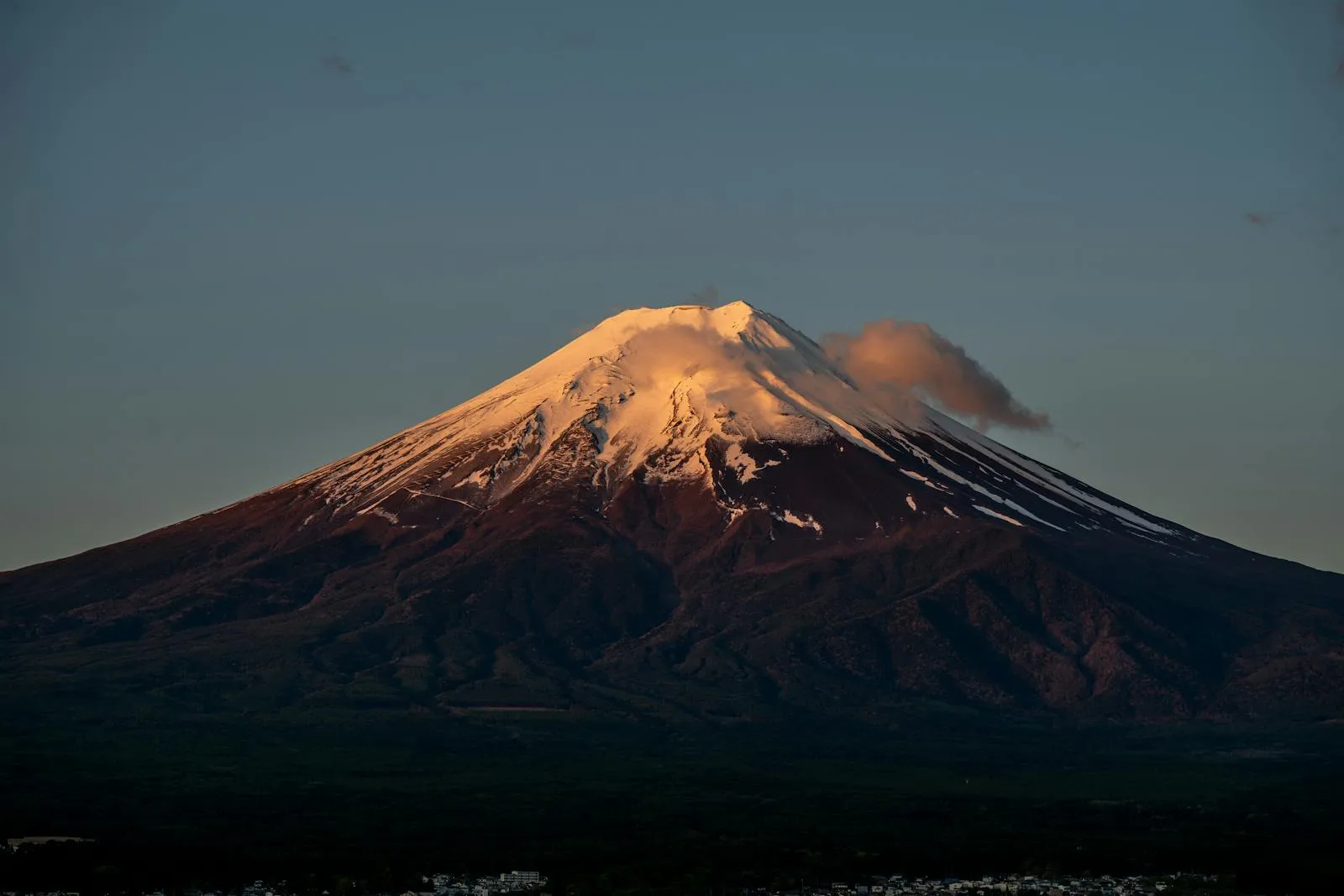
Stunning capture of Mount Fuji with a snowy peak at sunset, showcasing its natural beauty.

Japan is one of Earth's greatest travel destinations. A country where 1,200-year-old temples and robot restaurants coexist, where food ranges from life-changing to transcendent, where trains run with Swiss precision and people treat strangers with miraculous kindness. It is safe, clean, efficient, beautiful, weird, profound, and endlessly surprising.

For couples on extended trips, Japan offers unmatched depth. Eat like royalty on a budget via konbini and ramen shops. Travel the country's length by Shinkansen in a day. Soak in volcanic hot springs while snow falls, walk through cherry blossom tunnels, bow with deer in ancient temple grounds, witness the world's most moving peace memorial. All within two weeks.

The Rating

Overall
10/10
Unmissable destination
Food
10/10
Best food country in the world
Culture
10/10
Unmatched depth and uniqueness
Value
7/10
Not cheap, but worth every yen
Safety
10/10
Safest country we’ve visited
Transport
10/10
Best public transport on Earth
Couple Friendly
9/10
Ryokan, onsen, incredible shared meals
Ease of Travel
8/10
Excellent infrastructure, limited English

Our Recommended Plan

🇯🇵 The Ideal Japan Trip
  • Duration: 14 days minimum (Route A). 21 days if you can (Route B).
  • Route: Tokyo (4d) → Hakone (1d) → Kyoto (3d) + Nara day trip → Hiroshima + Miyajima (2d) → Osaka (2d)
  • Budget: €2,944–4,700 per couple for 2 weeks (mid-range, excluding flights)
  • Best timing: Late March–mid April (cherry blossoms) or October–November (autumn foliage)
  • Must-do splurge: One night in a ryokan with onsen and kaiseki dinner
  • Transport: 14-day JR Pass (¥80,000 per person). Activate when you first use Shinkansen.