Visa
Most nationalities require a visa. China now offers visa-free transit (144 hours) for citizens of 54 countries including most European nations, the US, Canada, Australia, and New Zealand — valid at major airports and ports. This covers stays up to 6 days without a visa if you have an onward ticket to a third country. For longer stays, apply for a tourist visa (L-visa) at the Chinese embassy/consulate. Processing takes 4–7 business days. Cost varies by nationality (€126 for most EU citizens). 30-day single entry is standard; 60-day and multiple-entry options available.
Internet & The Great Firewall
Google, Gmail, YouTube, WhatsApp, Instagram, Facebook, Twitter/X, and many Western news sites are blocked in mainland China. A VPN is essential. Install and configure it before you arrive — VPN websites are blocked inside China. Recommended: ExpressVPN, Astrill, or NordVPN. Download offline Google Maps and any needed content before crossing the border. Chinese alternatives: Baidu Maps (navigation), WeChat (messaging), Bilibili (video).
SIM Cards & Connectivity
- eSIM: Airalo or Holafly China eSIMs work immediately on arrival. Data only, no local number. From ~€5 for 1 GB / 7 days. Some eSIMs include VPN tunnel (check before purchase)
- Physical SIM: China Unicom or China Mobile tourist SIMs available at airports. Requires passport. ~¥100–200 for 30 days with data. Gives you a local phone number (useful for some apps)
- Wi-Fi: Hotels, cafes, and restaurants almost always have free Wi-Fi. Airport Wi-Fi requires a Chinese phone number for login (use your SIM)
Health & Vaccinations
- No mandatory vaccinations for entry (unless arriving from a yellow fever zone)
- Recommended: Hepatitis A, Typhoid, Tetanus, and seasonal flu. Japanese Encephalitis if visiting rural areas in summer
- Tap water is not drinkable. Always drink boiled or bottled water. Hotels provide electric kettles (used constantly — Chinese people drink hot water year-round)
- Pharmacies are widespread. Basic medications available without prescription. Bring your own prescription medicines with the original packaging and a doctor’s letter
- Hospitals in major cities are modern and well-equipped. International clinics in Beijing, Shanghai, Guangzhou, and Chengdu. Travel insurance with medical evacuation coverage recommended
Safety
China is one of the safest countries for travellers. Violent crime against foreigners is extremely rare. Petty theft (pickpocketing in crowded areas, tourist scams) is the main risk. Common scams: “art students” inviting you to a gallery, “tea ceremony” invitations from friendly strangers, fake monks asking for donations, taxi drivers who refuse the meter. The standard defence: politely decline unsolicited invitations from strangers near tourist sites.
Language
Mandarin Chinese (Putonghua) is the official language. English is very limited outside international hotels, airports, and major tourist sites in Beijing/Shanghai. In smaller cities and rural areas, assume zero English. Essential tools: Google Translate (download Chinese offline pack before arrival), Pleco (best Chinese dictionary app), and saved Chinese-character names of your hotel, destinations, and dietary needs on your phone. Learn at least: nǐ hǎo (hello), xièxie (thank you), duōshao qián (how much?).
Electricity
220V / 50Hz. Outlets accept Type A (two flat pins), Type I (Australian-style), and Type C (European two-round-pin). Most modern Chinese sockets are universal and accept all three types. A universal adapter is safest but often unnecessary. USB charging ports are common in hotels, trains, and airports.
Tibet Special Rules
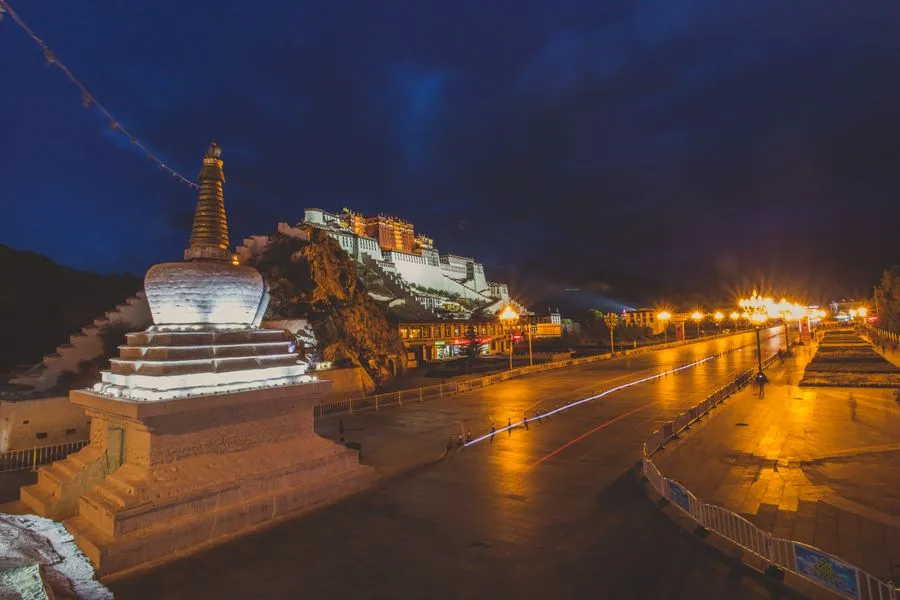
Tibet requires a permit and a licensed tour agency. Independent travel is not allowed. Your agency arranges the Tibet Travel Permit, Alien’s Travel Permit (for areas outside Lhasa), and Military Permit (for sensitive border areas). Book at least 20 days in advance. The permits are linked to your passport number. Budget ~€600–1,000 for a 5–7 day guided tour including permits, accommodation, driver, and guide. Altitude acclimatisation is critical — Lhasa sits at 3,650 m and many sites are above 4,000 m.
![Crowded Beijing subway car during rush hour with passengers checking phones]()
Things That Catch People Off Guard
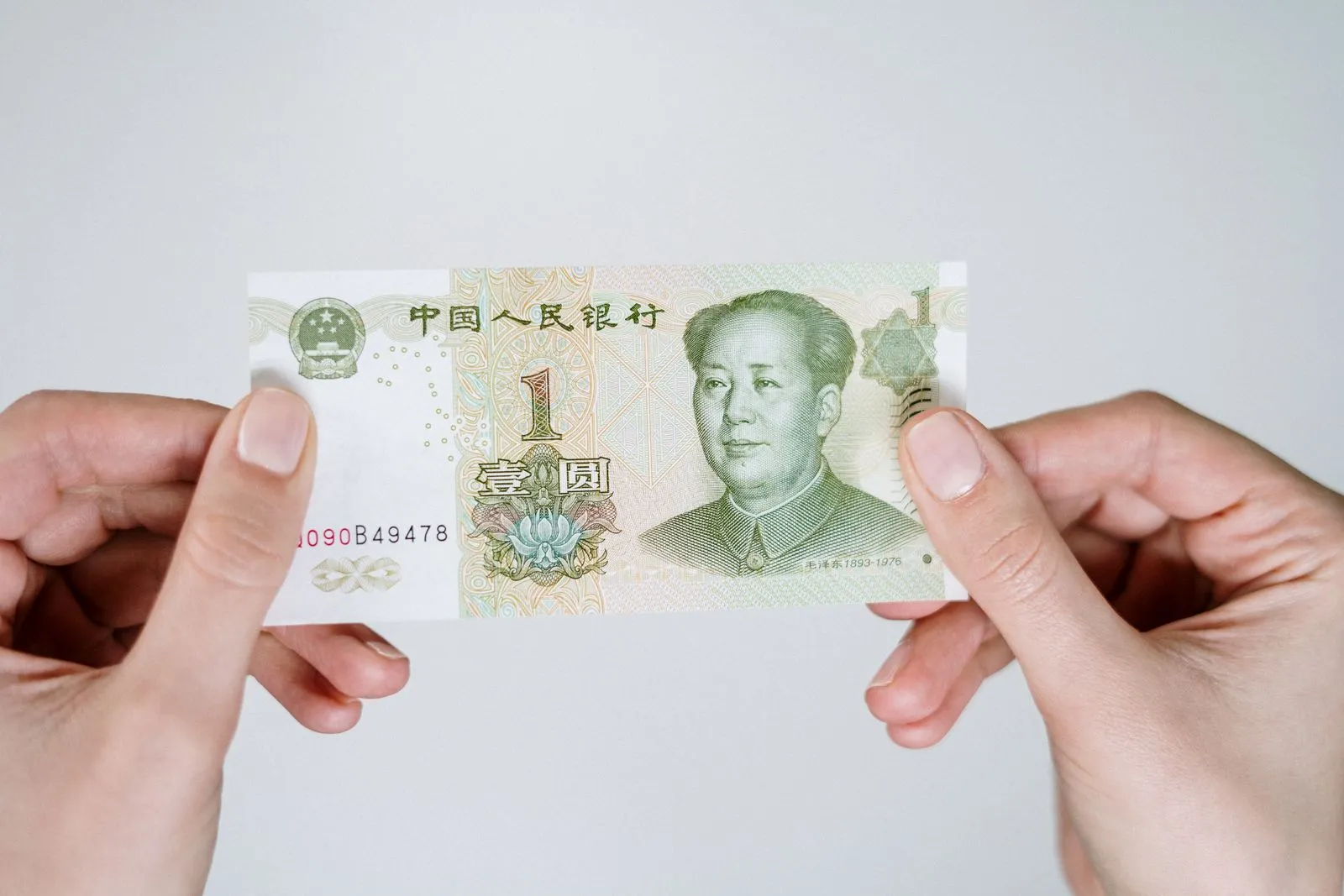
- Alipay/WeChat Pay is not optional. Set up Alipay with your international card before you arrive. Without it, you cannot pay at most restaurants, shops, or transport. Cash is technically legal tender but many vendors no longer handle it smoothly. Test a small payment immediately after setup
- VPN before you land. You cannot download or configure a VPN inside China because VPN provider websites are blocked. Install and test it at home. If your VPN stops working (common during political events), try switching servers or protocols. Have a backup VPN app
- Google nothing works. Google Search, Gmail, Google Maps, Google Translate — all blocked without VPN. Download offline maps and translation packs. Baidu Maps and Baidu Translate are the local alternatives and work better for Chinese addresses anyway
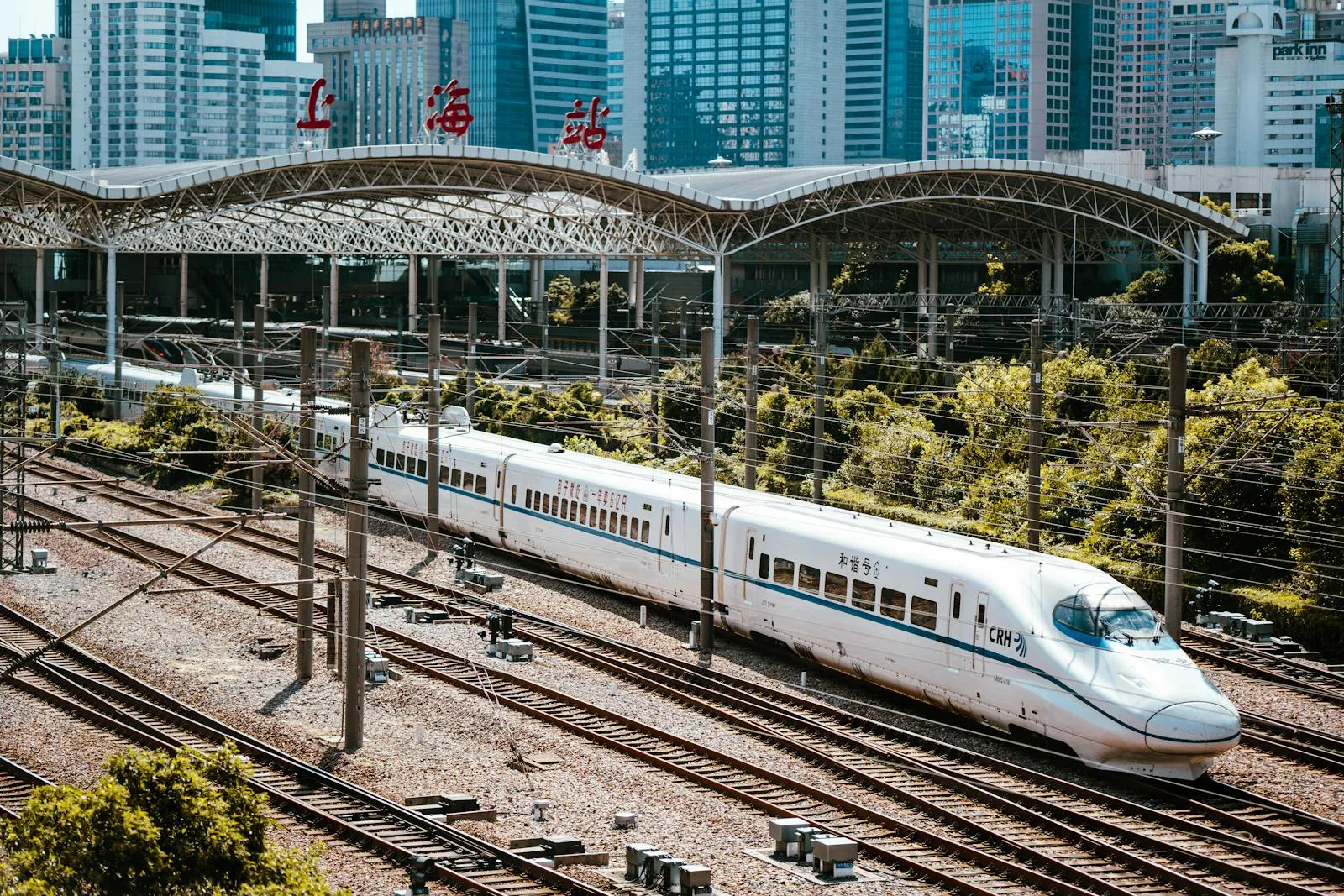
- Book train tickets early for holidays. Chinese New Year (Jan/Feb), National Day (1–7 October), and Labour Day (1–5 May) involve the largest human migrations on Earth. Tickets sell out within minutes of release (30 days before departure). Avoid travel during these periods if possible
- Squat toilets are standard. Western-style toilets exist in hotels, malls, and airports. Everywhere else, expect squat toilets. Carry your own toilet paper (none provided) and hand sanitiser. Some public toilets use facial-recognition dispensers that give you 60 cm of paper per face per 10 minutes
- Spitting and loudness. Cultural norms around personal space, queuing, and noise differ from Western expectations. Do not take it personally. Nobody is being rude to you — the norms are just different
- Pollution days happen. Beijing and northern cities can have severe smog, especially in winter. Check AQI (Air Quality Index) on the IQAir app. Bring a decent mask (N95/KN95) for bad days (AQI above 150). Southern and western China are significantly cleaner
Common Mistakes
What to Pack
- Universal power adapter — most Chinese sockets accept multiple plug types but bring one to be safe
- Toilet paper & hand sanitiser — carry a small supply everywhere
- KN95/N95 masks — for pollution days in northern cities
- Layering system — China spans from tropical to subarctic; temperature swings within a single trip can be 30 °C+
- Rain jacket — summer monsoon season (Jun–Sep) brings sudden downpours, especially in the south and southwest
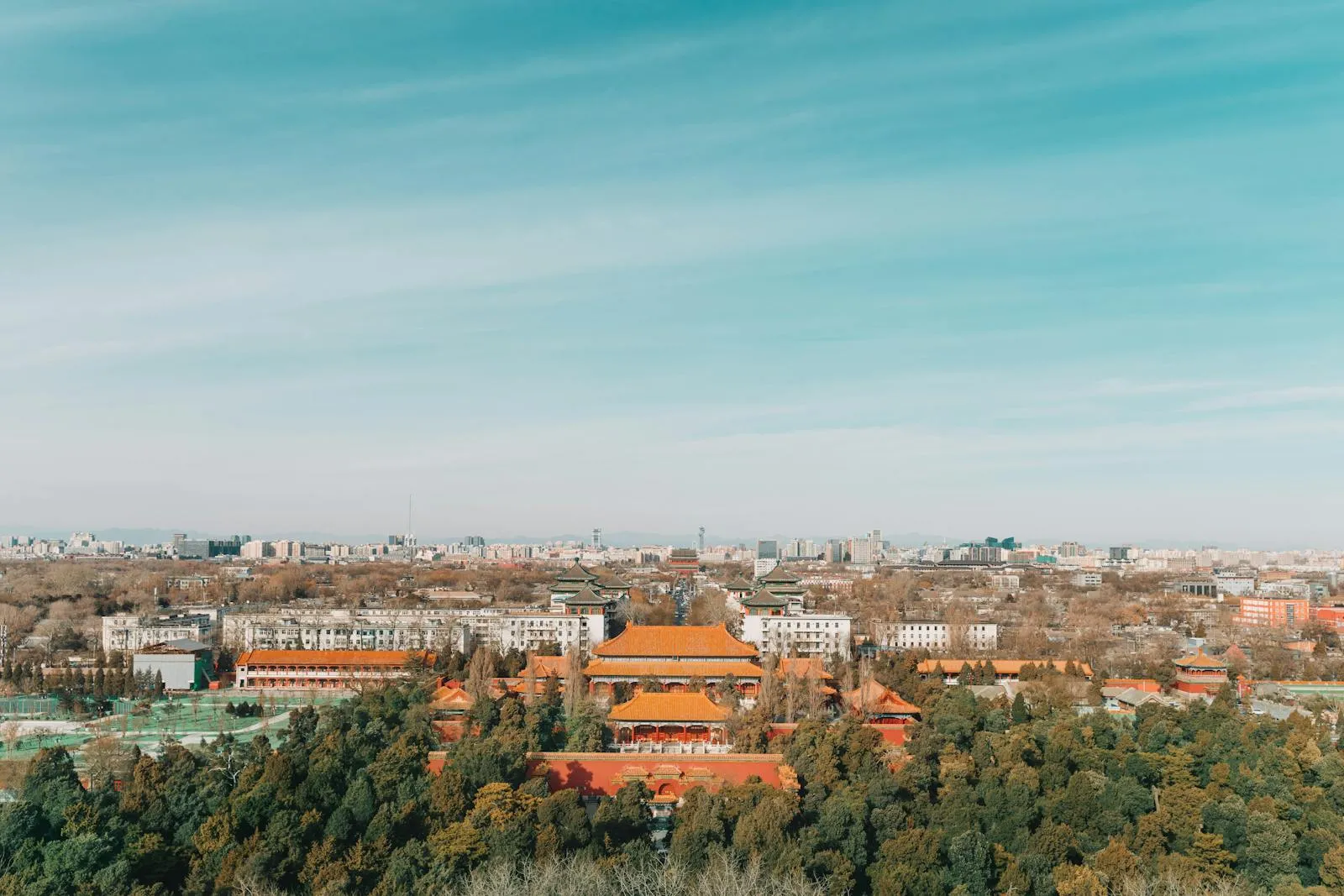
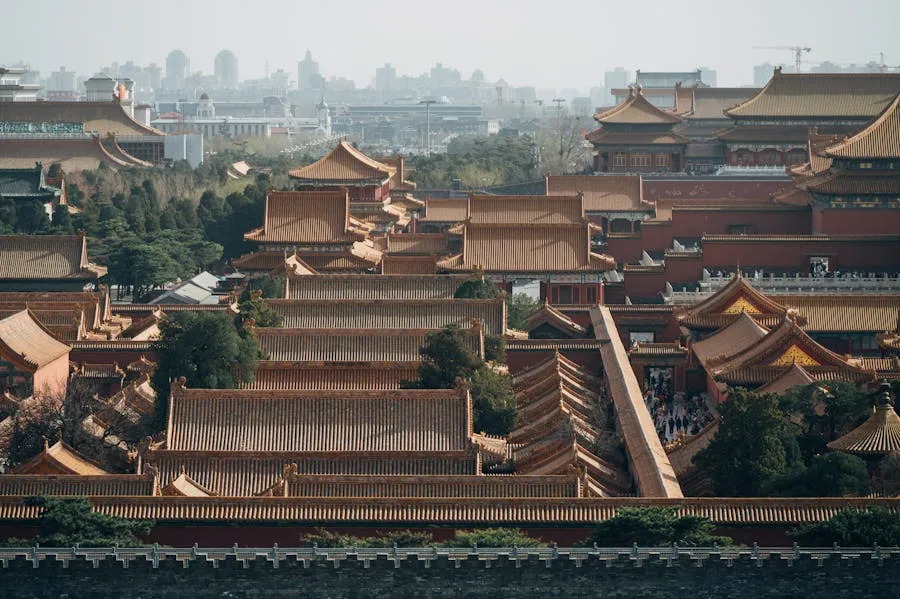
- Comfortable walking shoes — Chinese cities and sights involve enormous amounts of walking. The Forbidden City alone is a 5 km walk
- Prescription medications in original packaging — with a doctor’s letter if possible
![Sunset over traditional Chinese rooftops with pagoda silhouette]()
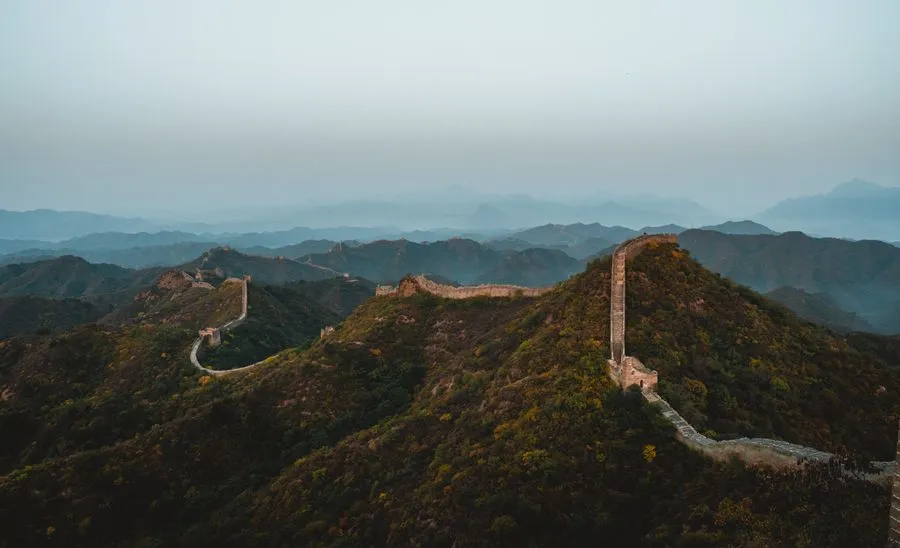
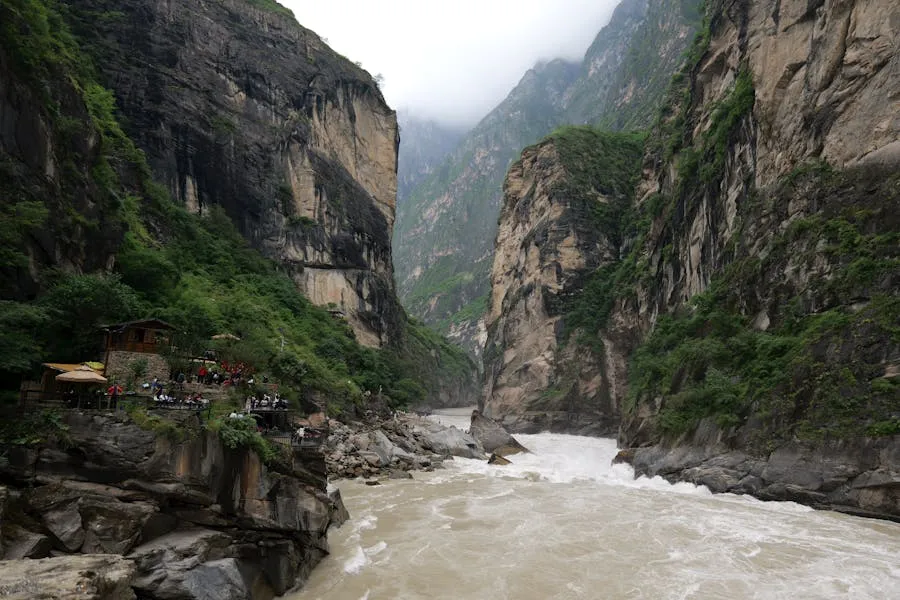
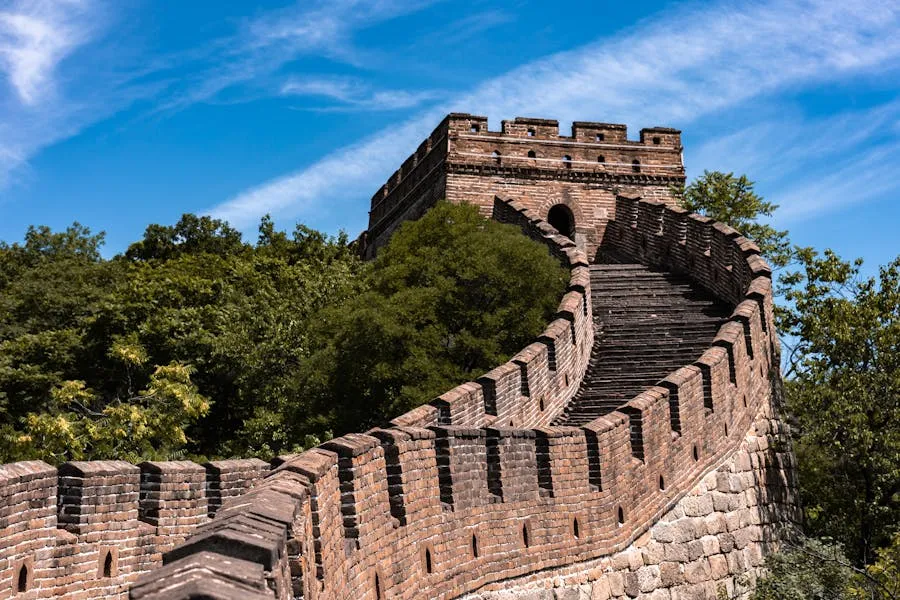
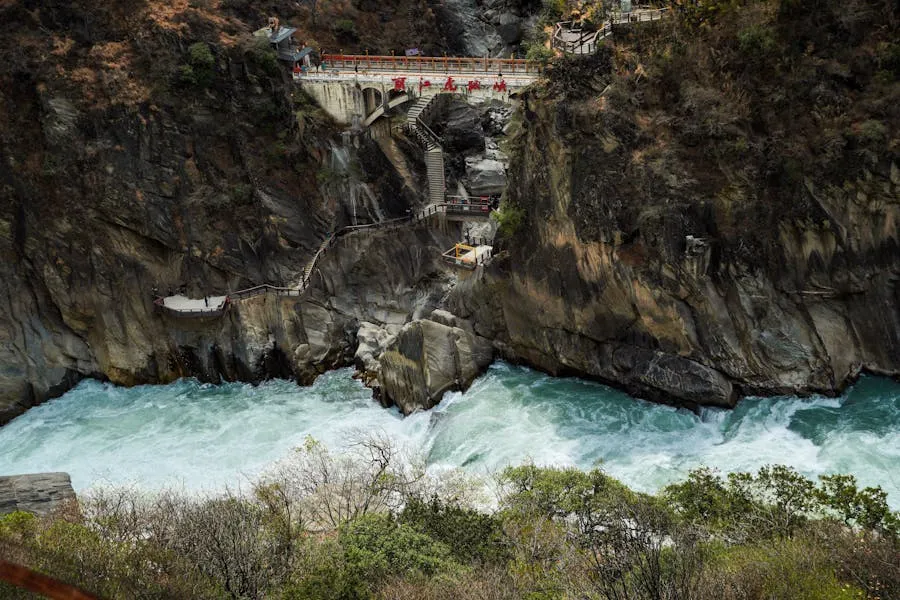
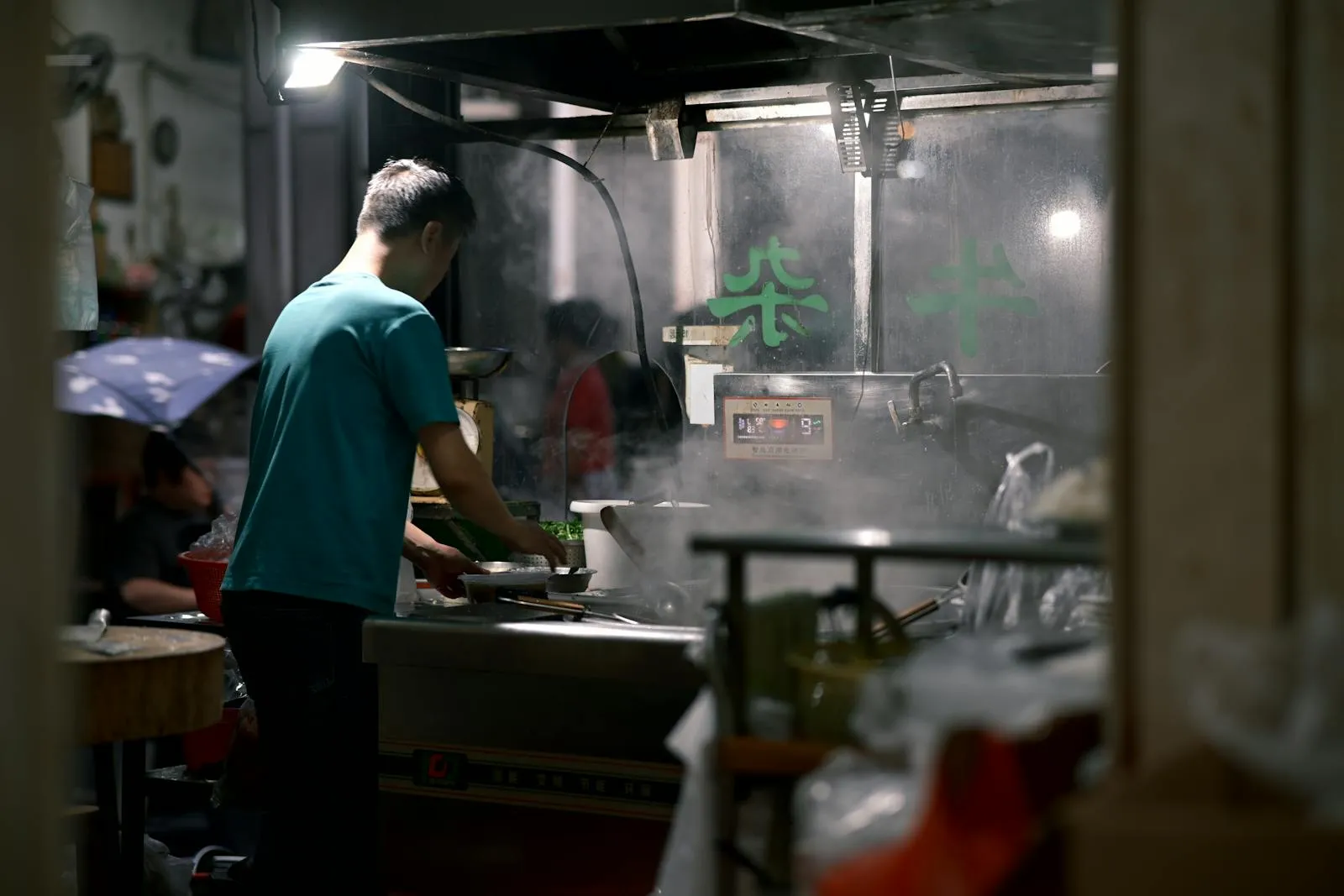
China is hard to travel in and impossible to forget. The language barrier is real, the internet restrictions are frustrating, and the scale of the country makes every logistical decision feel consequential. None of that matters once you are standing on the Great Wall at Jinshanling with nobody around you, or watching a Sichuan grandmother hand-pull noodles in a steam-filled street stall, or hiking above Tiger Leaping Gorge as the Yangtze roars 3,000 metres below.
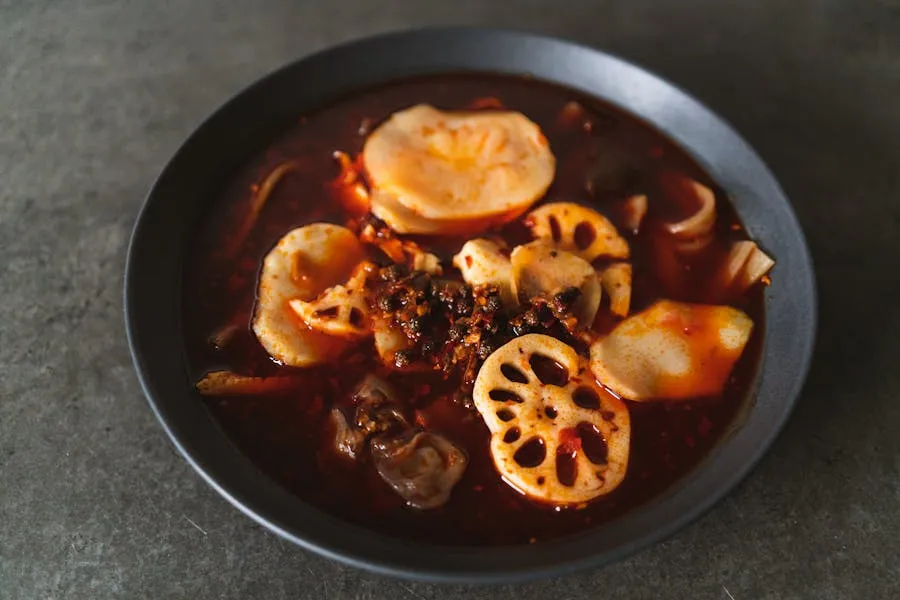
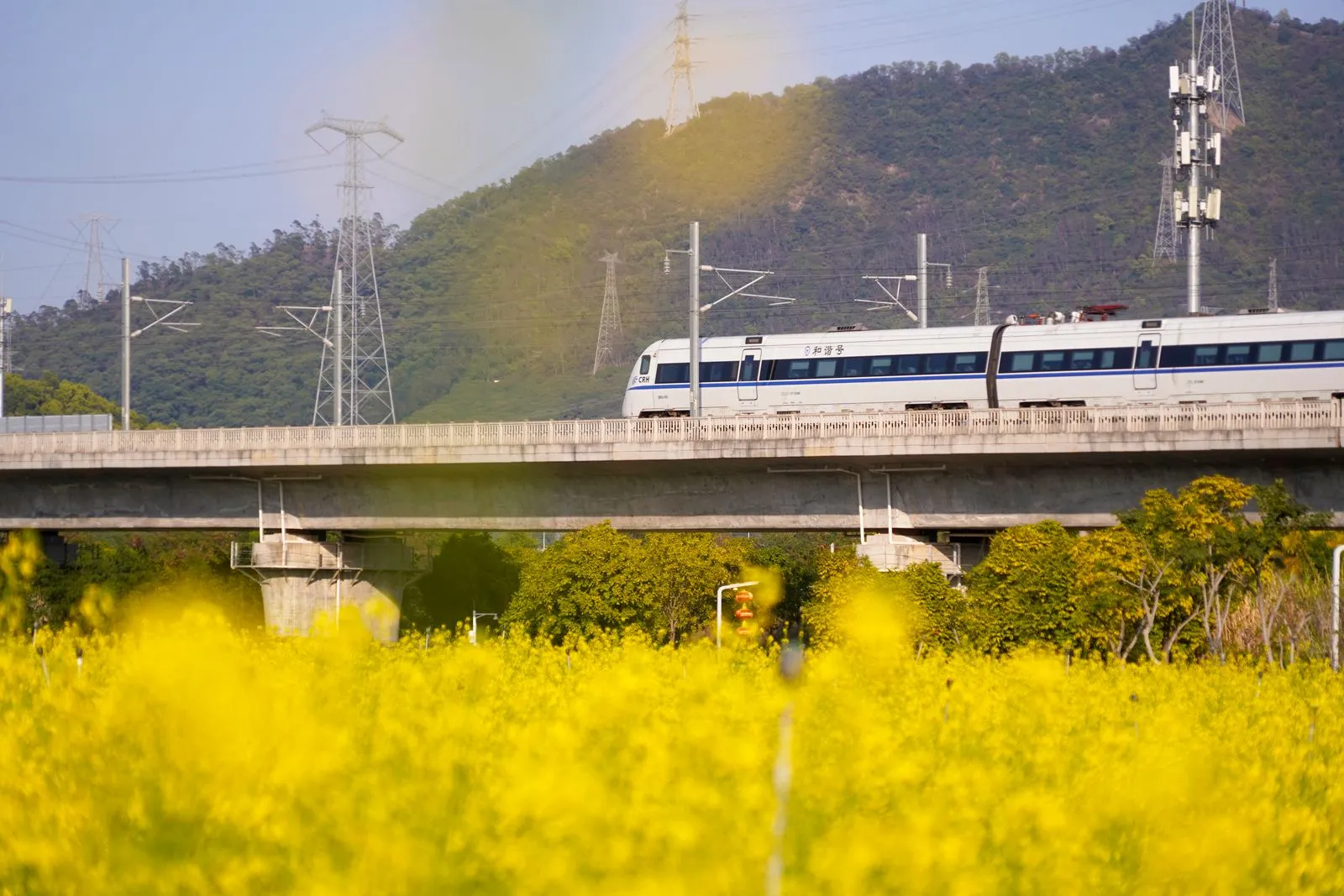
The food alone justifies the trip. Eight distinct regional cuisines, each deep enough to spend a lifetime exploring, and all of them better on the ground than anything you have tasted outside China. The infrastructure is the best in Asia — 350 km/h trains, spotless metro systems, mobile payment for everything. The history is 5,000 years deep and physically present everywhere.
Start with the Golden Triangle if you have 10 days. Add the Southwest if you have 3 weeks. Give it a month and you will only scratch the surface, but you will understand why people come back.
Set up Alipay and your VPN before you land. Everything else you can figure out on the ground.
↑