Panama Travel Guide

Where two oceans meet, skyscrapers touch clouds, and island life runs on its own clock

🇵🇦 Panama Couple Travel Mid Budget

Overview & Why Visit Panama

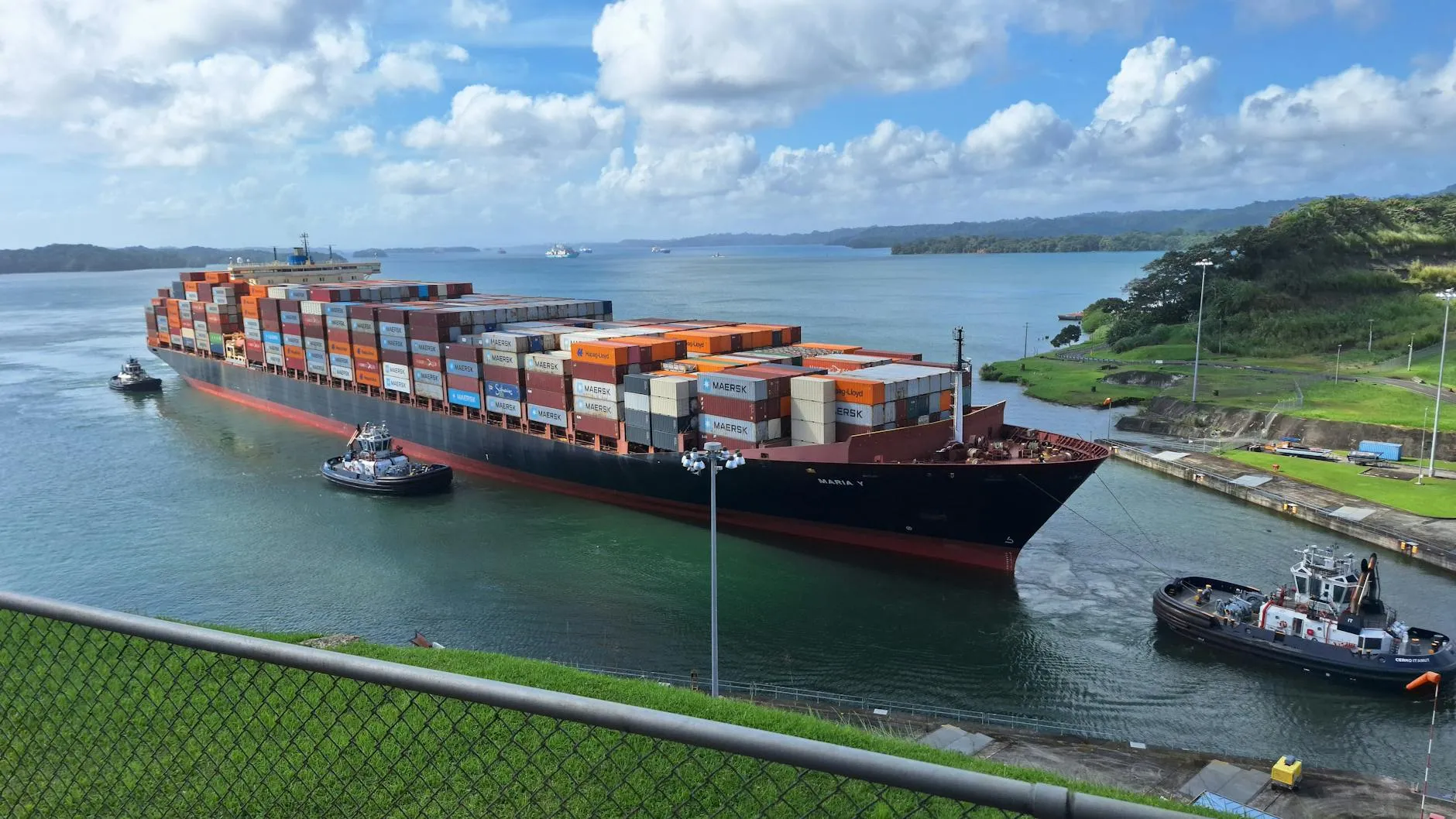
Panama Canal scenic view

Panama occupies a narrow isthmus connecting Central and South America. That geography has shaped everything about the country. Its history, its economy, its extraordinary biodiversity, and the canal that made it famous. At just 75,517 km² (roughly the size of Ireland), Panama packs two coastlines, tropical rainforests, cloud-draped highlands, indigenous island territories, and a gleaming modern capital into a surprisingly compact space.

The isthmus runs roughly west to east (not north to south, as most maps imply), with the Caribbean on the north coast and the Pacific on the south. At its narrowest, it is barely 50 km wide. Narrow enough for the Canal to cross in 80 km. Over 1,500 islands dot both coasts, from the Caribbean San Blas archipelago to the Pacific Pearl Islands. The Cordillera Central mountain chain runs along the spine, peaking at Volcán Barú (3,475 m) in the western province of Chiriquí.

History matters for understanding modern Panama. The Spanish used it as a transit corridor for Peruvian gold and silver (the Camino Real and Camino de Cruces from the Pacific to the Caribbean). After independence from Spain in 1821, Panama became part of Gran Colombia. It seceded in 1903, with US military support, explicitly to enable the Canal’s construction. The Canal opened in 1914. The US controlled a 16-km-wide Canal Zone through the middle of the country until the Torrijos-Carter Treaties of 1977 began a phased handover, completed on 31 December 1999. The 2016 Canal expansion added Neopanamax locks, doubling capacity and allowing ships up to 366 m through. This history is everywhere. In Casco Viejo’s colonial architecture, in the former Canal Zone towns of Gamboa and Ancón, in the pride Panamanians express about the handover, and in the ongoing geopolitical balancing act between the US and China.

Economically, Panama runs on services. Canal tolls ($3–4 billion/year in revenue), international banking (one of Latin America’s largest financial centres), the Colón Free Trade Zone (the largest free port in the Americas after Hong Kong), copper mining (Cobre Panamá, though controversial), and tourism. The country uses the US dollar as legal tender (since 1904). The balboa exists only as coins at a permanent 1:1 peg. This dollar economy eliminates exchange-rate hassles but raises the price floor compared to peso/colón neighbours. Panama City’s skyline of glass towers reflects one of Latin America’s fastest-growing economies. But drive two hours into Darién or the Ngäbe-Buglé comarca and you will find communities with no running water. The inequality is sharp and visible.

For independent travellers, Panama offers an unusual combination. The convenience of a US-dollar economy (no currency exchange hassles), a well-connected domestic flight network, Caribbean islands that rival the Maldives for clarity, and highland towns where the air is cool enough for coffee cultivation. It sits at a mid-range price point. More expensive than Colombia or Nicaragua due to the dollar economy, but cheaper than Costa Rica for comparable experiences.

Population
~4.4M
Mestizo, Afro-Panamanian, Indigenous, European and Asian heritage
Size
75,517 km²
Narrowest point of the Americas; two oceans 80 km apart
Currency
USD / PAB
US Dollar is legal tender; Balboa exists only as coins (1:1 peg)
Daily Budget
$50–110
Per couple, comfortable mid-range; see full breakdown below

Why Panama Fits a Long Trip

Travel Style

Independent Mid-Range: Self-organised travellers mixing hostels in Bocas with mid-range boutique hotels in Casco Viejo and highland cabins in Boquete. Domestic flights skip long bus legs; shared shuttles cover overland transfers. Mix of street ceviche, fonda lunches, and the occasional rooftop dinner.

Daily Budget: $50–110 per person (accommodation, food, transport, activities). Mid-range Latin American pricing inflated by the USD economy.

Key Facts

  • Capital: Panama City
  • Population: ~4.4 million
  • Language: Spanish (official); English widely spoken in Panama City & Bocas; indigenous languages in comarcas
  • Currency: US Dollar (legal tender); Balboa coins (1:1 peg)
  • Religion: Roman Catholic (~75%), Evangelical Protestant minority
  • Time Zone: EST (GMT-5, no DST)
  • Size: 75,517 km² (similar to Ireland)

Best For

  • Canal & engineering history enthusiasts
  • Caribbean snorkellers & divers (San Blas, Bocas, Coiba)
  • Coffee culture travellers (Boquete Geisha origin)
  • Indigenous cultural immersion (Guna Yala, Emberá)
  • Birders (970+ species, more than US + Canada combined)
  • Travellers wanting USD convenience in Latin America
  • Surfers (Pacific breaks: Venao, Santa Catalina)
  • Couples wanting compact, varied two-week trips

📅 When to Go

Dec–Apr (dry season). Pacific side driest. Caribbean wetter year-round. Jan–Mar ideal for hiking.

✅ Couple Travel Advantage

Private rooms run $30–80/night in most tourist areas. Bocas del Toro and Boquete have a strong mid-range hotel scene that couples can tap without stretching the daily budget. Splitting boat transfers, island tours, and Canal visits between two people makes Panama noticeably more affordable per person than solo travel.
Map of Panama

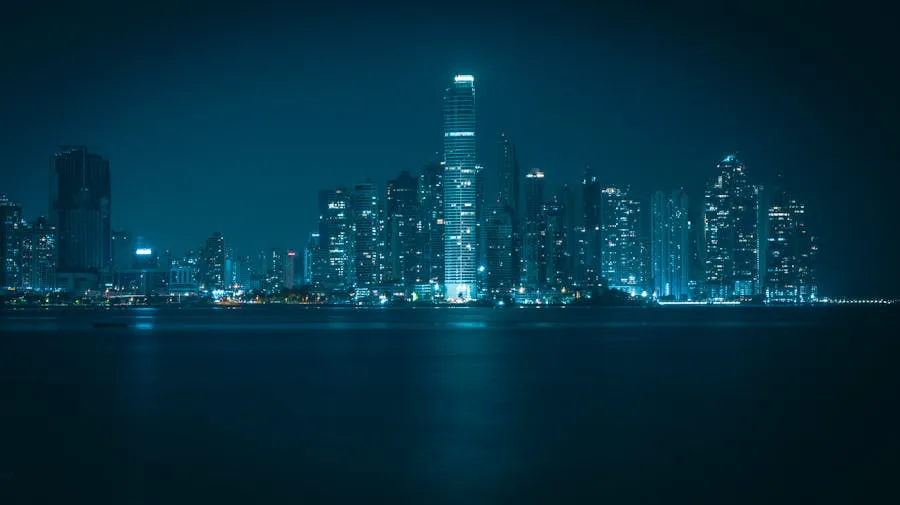
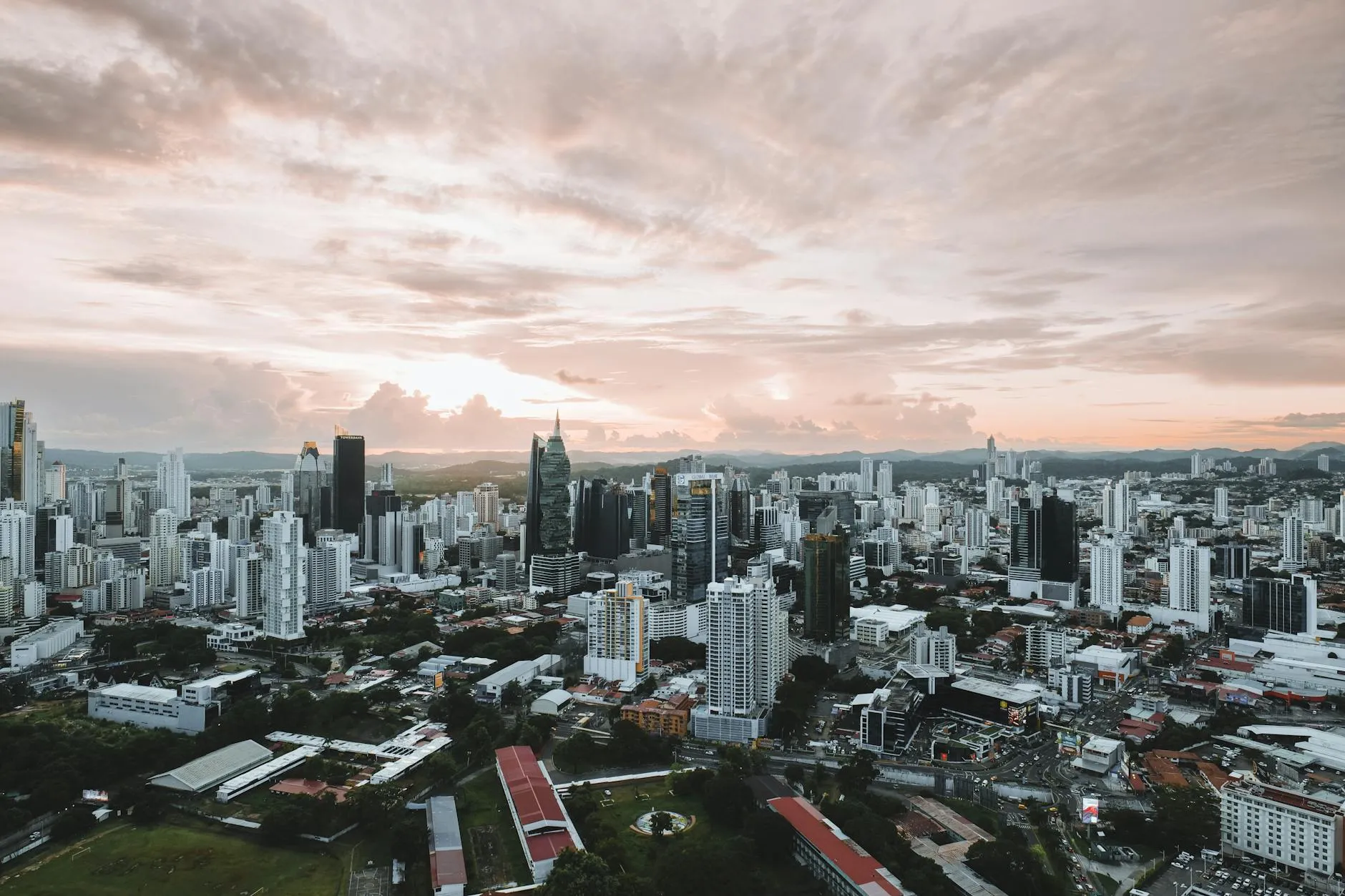
Dramatic aerial view of Panama City skyline during sunset showcasing modern skyscrapers.

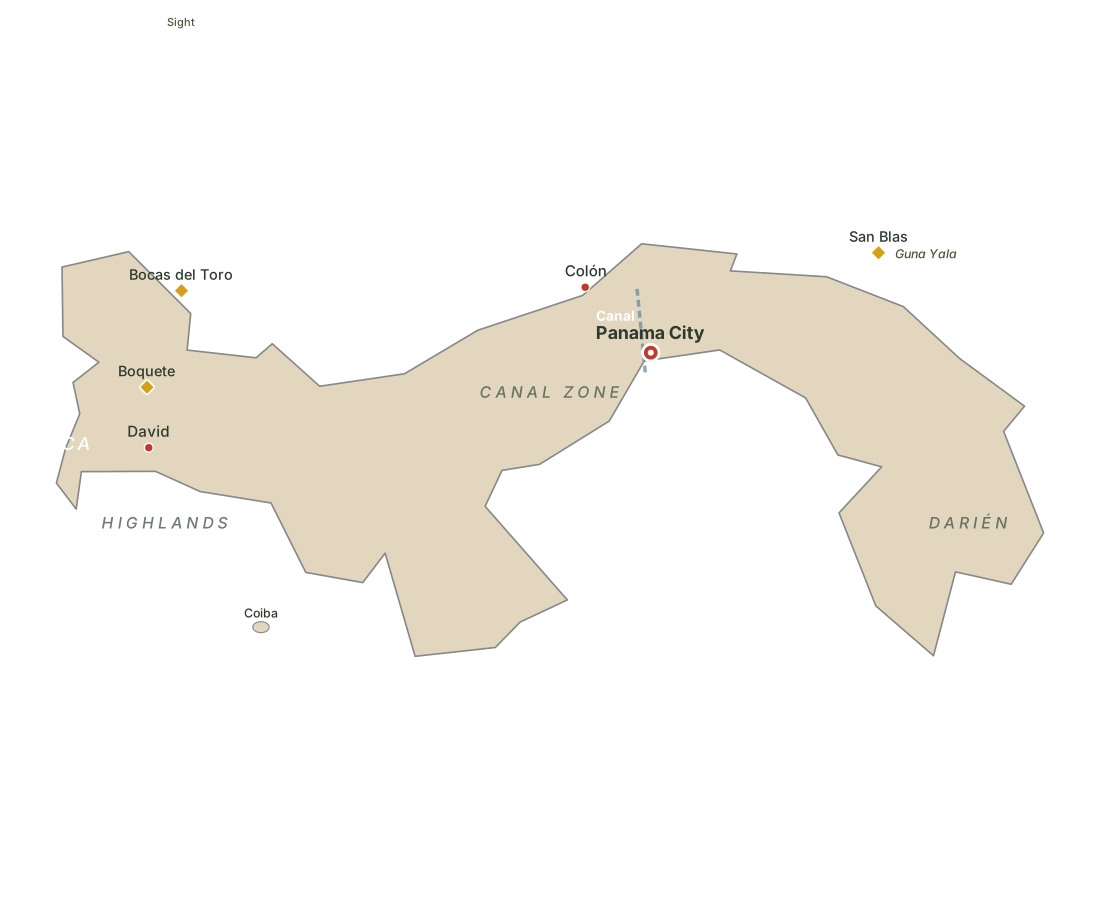
Panama’s S-shaped isthmus runs roughly west to east, with the Caribbean coast on the north and the Pacific on the south. The map below shows the main destinations covered in this guide. Panama City and the Canal at the centre, Bocas del Toro and the western highlands of Boquete to the west, the San Blas (Guna Yala) archipelago to the northeast along the Caribbean coast, and the Darién wilderness extending east to the Colombian border. Distances are short by Latin American standards. Most major destinations sit within a 1-hour flight or a half-day overland from the capital.

Map of Panama showing key travel destinations and regions

Panama stretches roughly 770 km from Costa Rica in the west to Colombia in the east, but at the Canal it narrows to just 80 km between oceans. The S-shaped isthmus means the Canal actually runs north–south, not east–west. A fact that surprises most first-time visitors.

Best Time to Visit

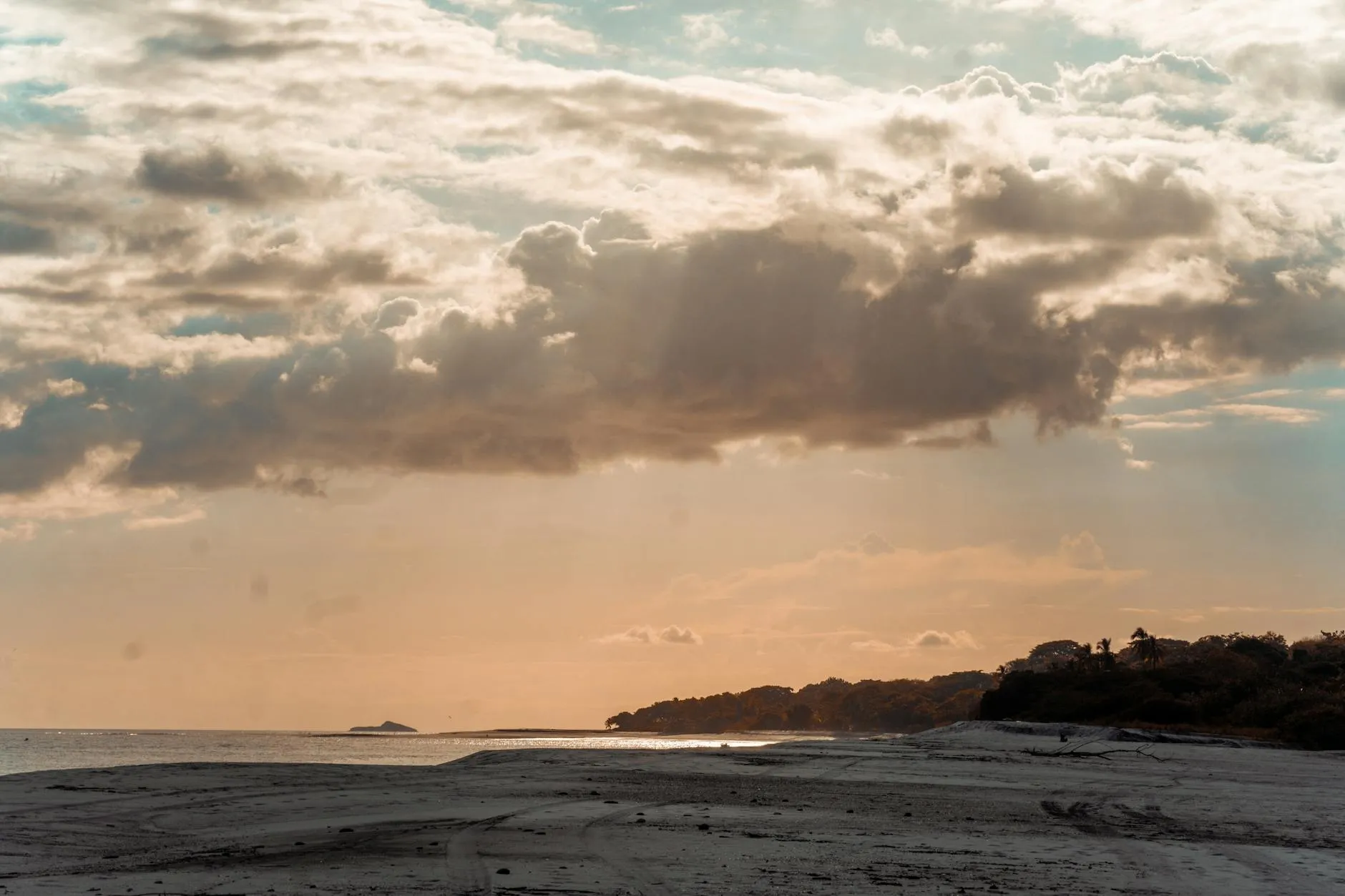
A breathtaking beach scene in Panama, showcasing a serene sunset with dramatic clouds.

Panama has two seasons. The dry season (verano) from mid-December to mid-April, and the wet season (invierno) from mid-April to mid-December. The dry season is the most popular and reliable window, with clear skies across most of the country. The wet season brings afternoon downpours. Mornings are usually clear. It offers lower prices, fewer crowds, and lush green landscapes.

MonthSeasonBest RegionsCrowdsPricesRating
JanuaryDryEverywhere. Canal, Bocas, San Blas🔴 High🔴 High⭐⭐⭐⭐⭐
FebruaryDryEverywhere. Carnival festivities🔴 High🔴 Peak⭐⭐⭐⭐⭐
MarchDry/HotBeaches, Canal, highlands still pleasant🟡 Moderate🟡 Moderate⭐⭐⭐⭐⭐
AprilTransitionPacific coast, Canal. Semana Santa🟡 Moderate🟡 High⭐⭐⭐⭐
MayRainy beginsBocas del Toro (drier), Canal, city🟢 Low🟢 Low⭐⭐⭐
AugustRainyBocas del Toro, highlands. Whale watching🟢 Low🟢 Low⭐⭐⭐
SeptemberRainy (heavy)Limited. Heavy downpours, flooding risk🟢 Very Low🟢 Lowest⭐⭐
OctoberRainy (peak)Limited. Wettest month nationwide🟢 Very Low🟢 Lowest⭐⭐
NovemberLate rainyCity, Canal. Rains easing, Independence Day🟢 Low🟢 Low⭐⭐⭐
DecemberDry beginsEverywhere improving. Holiday season🔴 High🔴 Peak⭐⭐⭐⭐
✅ Caribbean vs. Pacific

The Caribbean side (Bocas del Toro, San Blas) receives rain year-round and has a mini dry season in September–October. The Pacific side follows the standard dry/wet pattern. Plan Caribbean beach days for mornings regardless of season.

Climate & Weather

Panama’s climate is tropical maritime below 700 m and subtropical above 1,500 m. Lowland temperatures hold steady at 27–34°C year-round with 80–90% humidity. The western highlands around Boquete (1,200 m) offer a pleasant 15–25°C with cooler nights. Rainfall varies dramatically by coast: the Caribbean side receives 3,000–4,000 mm annually, while the Pacific coast gets 1,500–2,500 mm, concentrated in the wet season.

Hurricanes almost never hit Panama. It sits below the Caribbean hurricane belt, making it one of the safest tropical destinations for weather-related disruptions. The only significant storm risk is from Caribbean swells during November, which can temporarily cut boat access to San Blas and the Bocas outer cays.

In Köppen terms, Panama spans several climate zones within a small area. Af (tropical rainforest) on the Caribbean coast and Darién, where rain falls year-round with no real dry season. Am (tropical monsoon) on the Pacific lowlands around Panama City and Colón, with a pronounced wet/dry cycle. Aw (tropical savanna) on the dry arc of the Azuero Peninsula and parts of Coclé province, where four months of genuine dryness create something close to grassland. And Cfb (temperate oceanic) in the highlands above 1,500 m around Boquete and Cerro Punta, where temperatures occasionally dip below 10°C at night.

The Cordillera Central running along Panama’s spine acts as a rain barrier. Northeast trade winds carry moisture-laden Caribbean air into the mountains, dumping it on the Caribbean side and leaving the Pacific coast in relative rain shadow. This means Bocas del Toro can receive heavy rain even in “dry” season months, while the Pacific beaches around Pedasí may see no rain at all from January to April. Travellers who plan by “dry season = everywhere is dry” will be caught off guard on the Caribbean coast.

Microclimates add another layer. Cloud forests around Boquete and Cerro Punta produce daily afternoon mist (bajareque). A fine drizzle that can persist for hours, keeping the forest damp even on otherwise sunny days. The Azuero Peninsula is the driest part of the entire country (some areas see as little as 1,200 mm annually), while Darién is among the wettest places in the Americas (4,000+ mm). El Valle de Antón, sitting in a volcanic crater at 600 m, creates its own weather system. Usually clear mornings, cloudy by noon, showers by 2 PM.

⚠ Humidity Warning

Lowland humidity regularly exceeds 85%. Pack moisture-wicking clothing, carry a water bottle, and plan strenuous activities for early morning. The highlands around Boquete and El Valle are the relief valve. Noticeably cooler and drier.

✅ Packing for Climate Swings

Panama’s altitude range (sea level to 3,475 m) means packing for multiple climates. Bring quick-dry, moisture-wicking fabrics for the lowlands. A light rain jacket year-round (afternoon showers are near-daily in wet season). And a fleece or lightweight down layer for highland evenings in Boquete, Cerro Punta, or a Volcán Barú summit attempt. Reef-safe sunscreen is important. Conventional sunscreen damages the coral you came to snorkel.

Seasons & Temperatures

Panama has two seasons rather than four, divided sharply by rainfall rather than temperature. Locals call them verano (summer, the dry season, December to April) and invierno (winter, the wet season, May to November). The temperature stays nearly constant. What changes is the sky. Each season has distinct advantages for different activities, regions, and budgets. The breakdown below covers what to expect, what works, and what to avoid in each.

Dry Season (Mid-December – Mid-April)

Clear skies dominate the Pacific slope, Panama City, and the Canal Zone. Boquete and the Chiriquí highlands enjoy cool, pleasant days. Bocas del Toro is drier than the wet season but still gets occasional showers. This is peak season: hotels fill, prices rise 20–40%, and popular spots like San Blas require advance booking for sailboat tours.

Wet Season (Mid-April – Mid-December)

Mornings are typically clear and warm; rain arrives in the afternoon, often as intense but short-lived tropical downpours. The countryside turns deeply green, waterfalls swell, and wildlife is more active. Accommodation prices drop, crowds thin, and the surfing on the Pacific coast (Santa Catalina) improves. Humpback whales visit the Pacific from July to October.

✅ Best Compromise

January to March offers the driest weather across both coasts. For budget travellers, late November and early December provide improving weather with wet-season pricing still in effect.

Average Temperatures

Lowland temperatures hold remarkably steady year-round. Panama City and Bocas del Toro hover in the high 20s to low 30s every month, with night-time lows rarely dipping below 23°C. Boquete, at 1,200 m, runs roughly 10°C cooler. The bigger variable is rain. The table below shows average daytime highs by month, plus rainy days in Panama City to help time visits around the wet season’s afternoon downpours.

MonthPanama City (°C)Bocas del Toro (°C)Boquete (°C)Rain days (PTY)
Jan24–3224–3014–244
Feb24–3324–3014–252
Mar24–3424–3114–262
Apr25–3325–3115–257
May25–3225–3115–2417
Jun24–3125–3015–2316
Jul24–3125–3015–2314
Aug24–3125–3015–2315
Sep24–3125–3114–2316
Oct24–3125–3014–2319
Nov24–3125–3014–2317
Dec24–3224–3014–2410

Holidays & Festivals

Colorful holiday celebrations and festivals

Panama has a dense calendar of public holidays and regional festivals. National holidays mean bank closures and reduced transport schedules. The November cluster (3rd, 4th, 5th, 10th, 28th) creates a month of celebrations that can complicate logistics but offers vibrant cultural experiences.

DateHolidayNotes
1 JanNew Year’s DayNational holiday; fireworks over Panama City Bay
9 JanMartyrs’ DayCommemorates 1964 Canal Zone riots; solemn national holiday
Feb/MarCarnavalMon–Tue before Ash Wednesday; Las Tablas is the epicentre
Mar/AprGood FridayNational holiday; many businesses close Thu–Sun
1 MayLabour DayNational holiday
15 AugPanama City Foundation DayPanama City only (PTY founded 1519)
3 NovSeparation from ColombiaMajor national holiday; parades nationwide
4 NovFlag DayNational holiday
5 NovColón DayColón city celebration
10 NovCry for IndependenceCommemorates Los Santos uprising of 1821
28 NovIndependence from SpainNational holiday
8 DecMother’s DayNational holiday (unique to Panama)
25 DecChristmas DayNational holiday
🎉 Carnaval in Las Tablas

Panama’s Carnaval is the country’s biggest party, centred on the Azuero Peninsula town of Las Tablas. Two rival queens (Calle Arriba and Calle Abajo) compete through elaborate floats, music, and the famous culecos. Water trucks that drench the crowd. Book accommodation months in advance. The four-day celebration draws 100,000+ visitors to a town of 9,000.

🎉 Festival del Cristo Negro

Every 21 October, up to 60,000 pilgrims walk to Portobelo on the Caribbean coast to venerate the Black Christ statue. The colonial-era fortress town transforms into a massive religious and cultural event with Congo drumming, traditional dance, and all-night celebrations. Plan transport early. Roads to Portobelo become heavily congested.

🎉 Festival de la Mejorana

Held in Guararé (Azuero Peninsula) each September, this week-long festival celebrates Panamanian folk music, dance, and traditional dress. It is the most important folklore festival in the country, featuring the mejorana guitar, tamborito dancing, and pollera dress competitions.

Regions of Panama

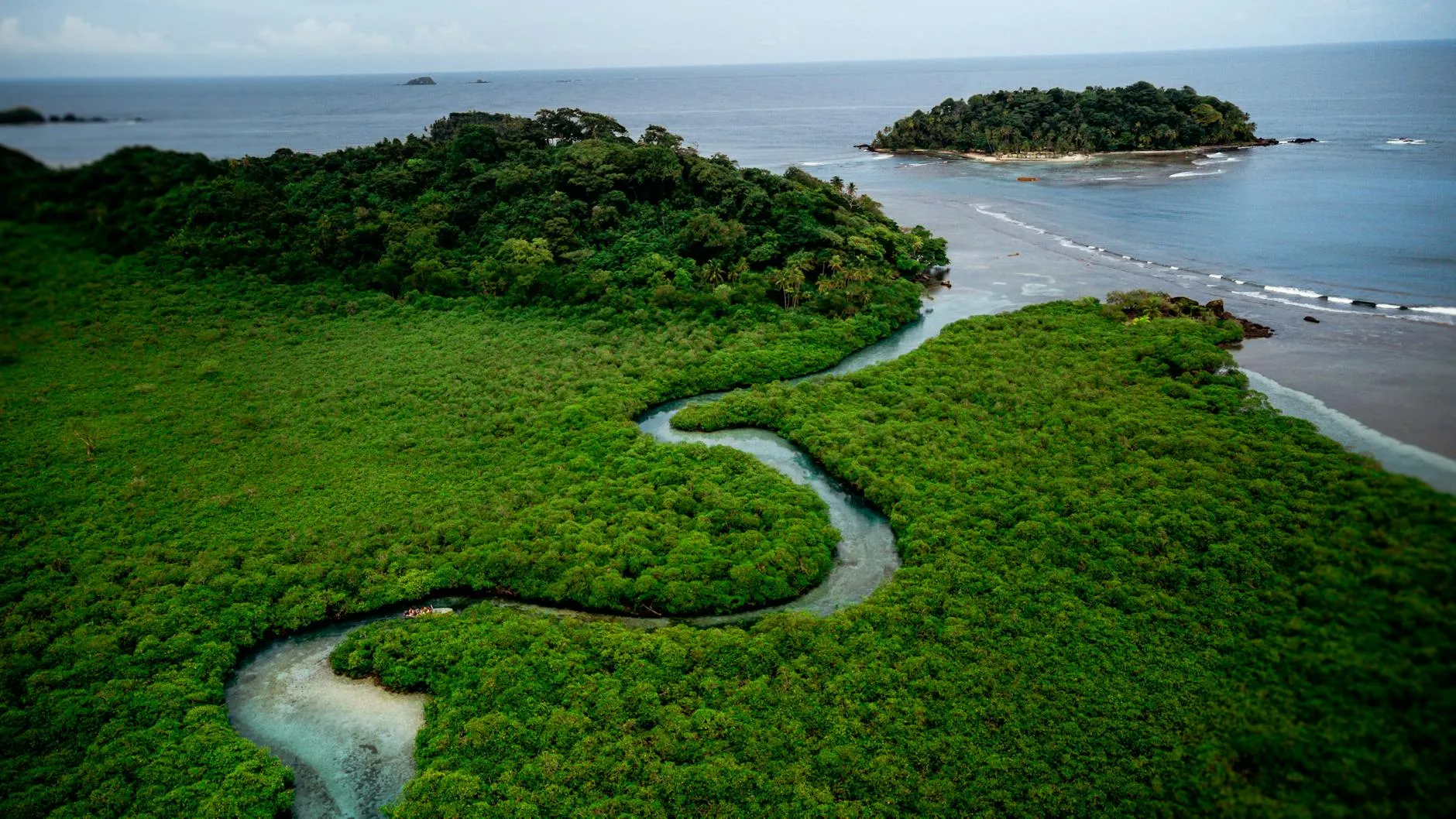
Aerial panorama of the Panamanian landscape with canal and jungle

Panama offers diverse landscapes and experiences across its regions.

Caribbean & Western Highlands

Caribbean & Western Highlands

The western half of Panama contains the country's most visitor-friendly variety. Everything from the Costa Rican border to the Azuero Peninsula. Caribbean island hopping, highland coffee culture, Pacific surf, and folk-tradition heartland, all within a day's drive of each other.

Canal Zone & East

Canal Zone & East

The eastern half of Panama contains the Canal corridor, the capital, and the wildest frontier left on the isthmus. This is where the country's urban energy, engineering heritage, indigenous autonomy, and roadless jungle coexist within a few hours of each other. A contrast sharper than any other small country in the Americas.

Top Sightseeing

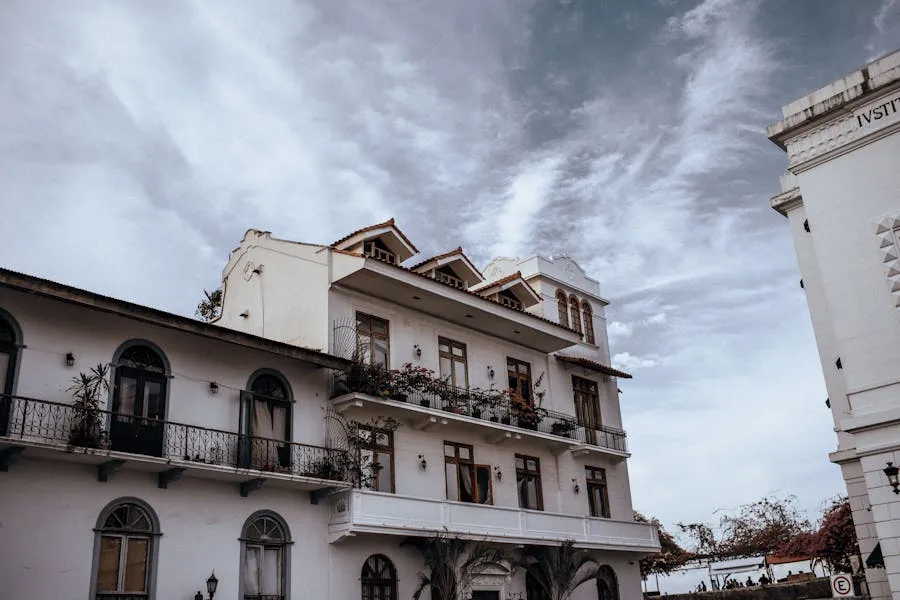
Colonial buildings in Casco Viejo, Panama City

Panama’s sightseeing punches well above its small size. A country narrower than many European countries holds one of humanity’s greatest engineering feats, two pristine indigenous archipelagos, cloud-forest highlands, and a UNESCO colonial quarter — all connected by short flights or drives.

  • Panama Canal: One of humanity’s greatest engineering feats — the Miraflores Locks visitor centre puts you metres from transiting ships
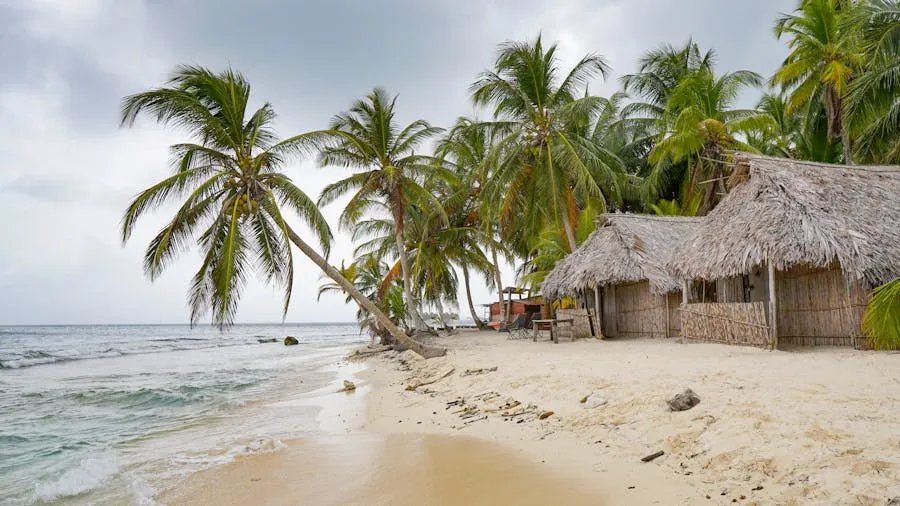
  • San Blas Islands: 365+ islands managed by the indigenous Guna Yala — palm-fringed, minimally developed, and accessible only by boat or small plane
  • Bocas del Toro: Caribbean archipelago of mangroves, reef snorkelling, surf breaks, and overwater bungalows
  • Casco Viejo: Panama City’s UNESCO-listed old quarter — colonial architecture, rooftop bars, and the country’s best restaurant scene
  • Boquete & Volcán Barú: Cloud-forest highland town — Panama’s highest peak (3,475 m), coffee plantations, and quetzal sightings
Miraflores Locks & Canal Museum

Miraflores Locks & Canal Museum

Watch ships transit the Canal from the viewing deck. The expanded locks (2016) handle Neopanamax vessels carrying 14,000+ containers. Visitor centre has four floors of exhibits. Go early morning or late afternoon to catch transits. Entry $20. Budget 2 hours.

Casco Viejo

Casco Viejo

Panama City’s UNESCO-listed colonial quarter. Wander plazas, restored 18th-century facades, rooftop bars, and the ruins of the Jesuit convent. The presidential palace (Palacio de las Garzas) with its resident herons is visible from the seawall. Half a day walking, longer if you stop for ceviche.

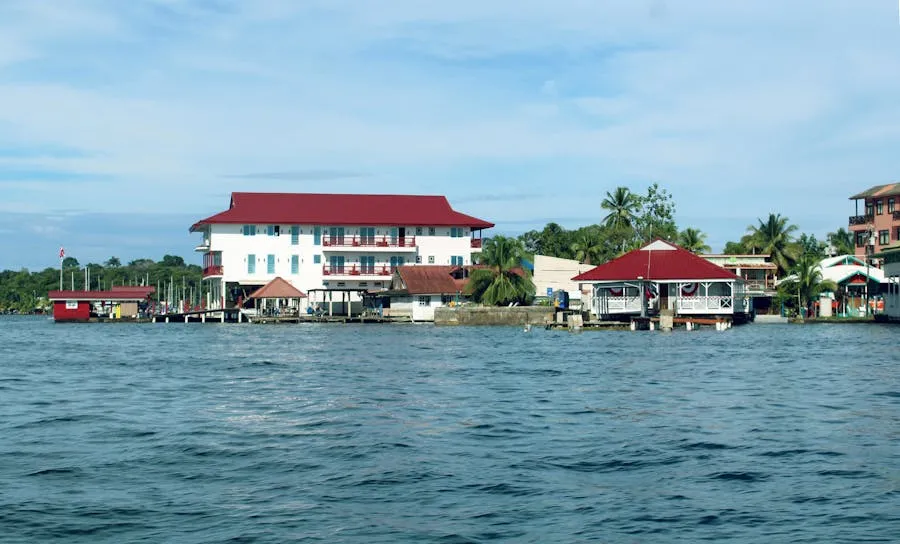
Colourful waterfront buildings on stilts in Bocas del Toro

Bocas del Toro

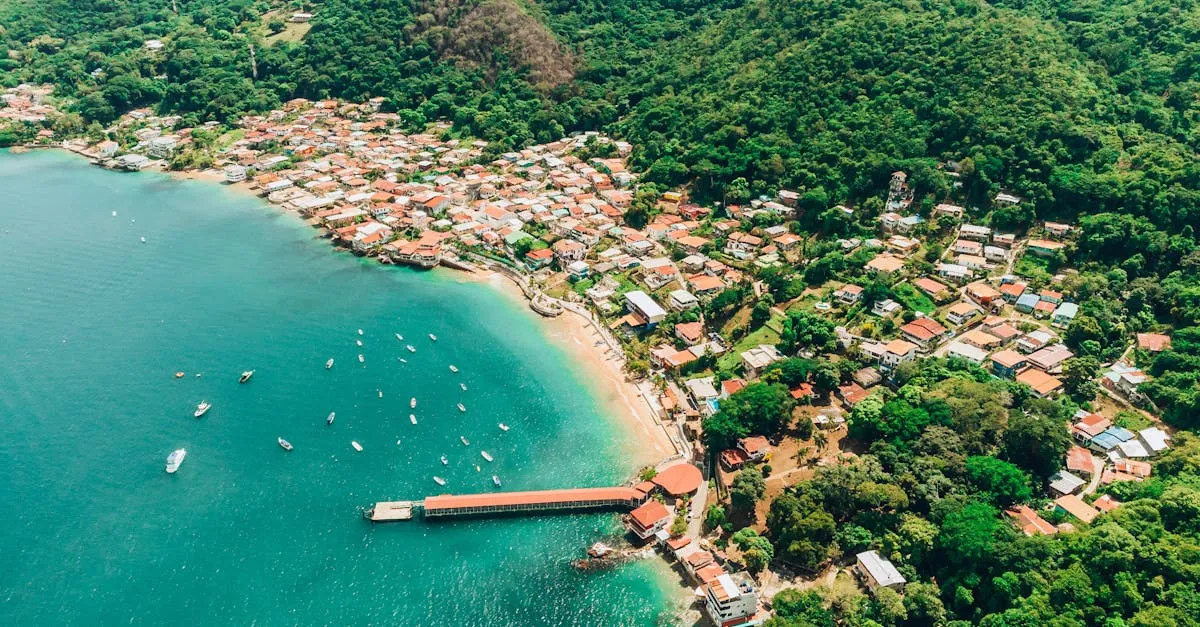
A Caribbean archipelago of mangrove islands, coral reefs, and laid-back beach towns. Snorkelling, surfing, and overwater restaurants. Isla Bastimentos has Red Frog Beach and a marine park. Rainy but warm year-round.

Traditional Emberá thatched huts along a jungle riverbank

Emberá Village

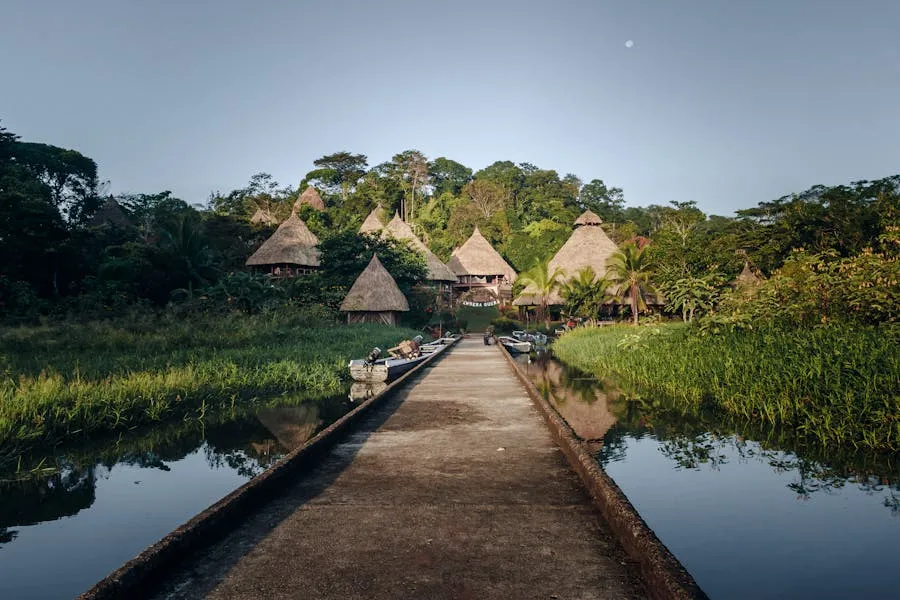
Indigenous communities along the Chagres River offer day visits with traditional dance, crafts, and a dugout canoe ride through primary rainforest. A genuine cultural exchange, not a theme park. Book through a community-approved operator.

Biomuseo

Biomuseo

Frank Gehry’s only building in Latin America, dedicated to Panama’s role as a biological bridge between continents. The colourful titanium-panel exterior is as striking as the exhibits inside. Located on the Amador Causeway with bay views. Entry $22. 1–2 hours.

San Blas Islands

San Blas Islands

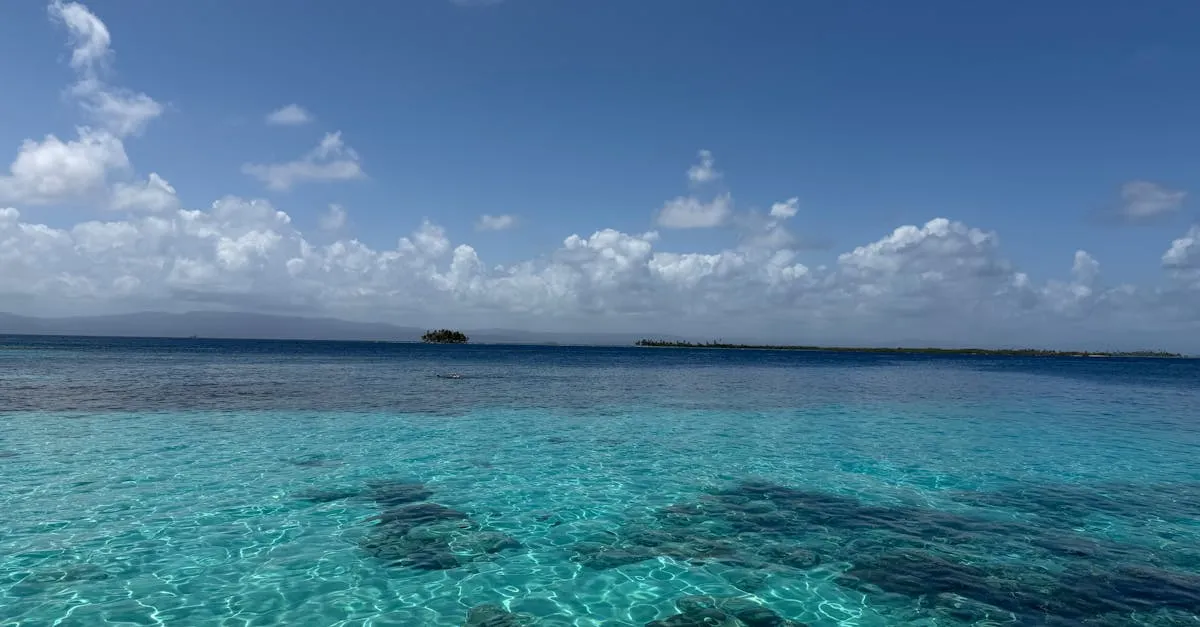
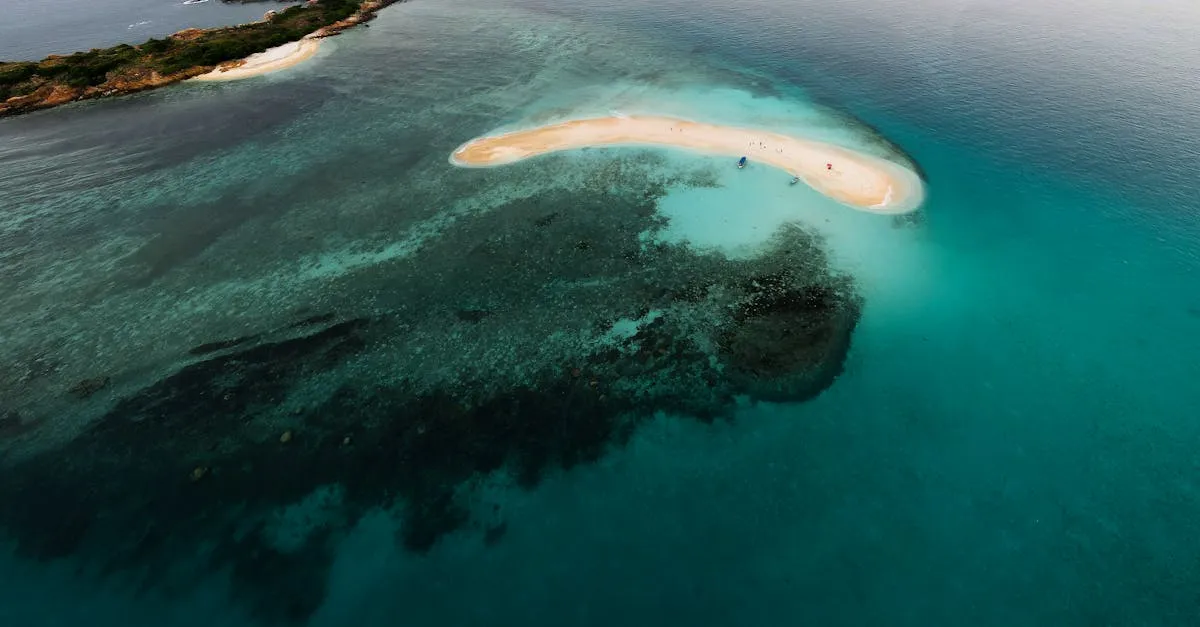
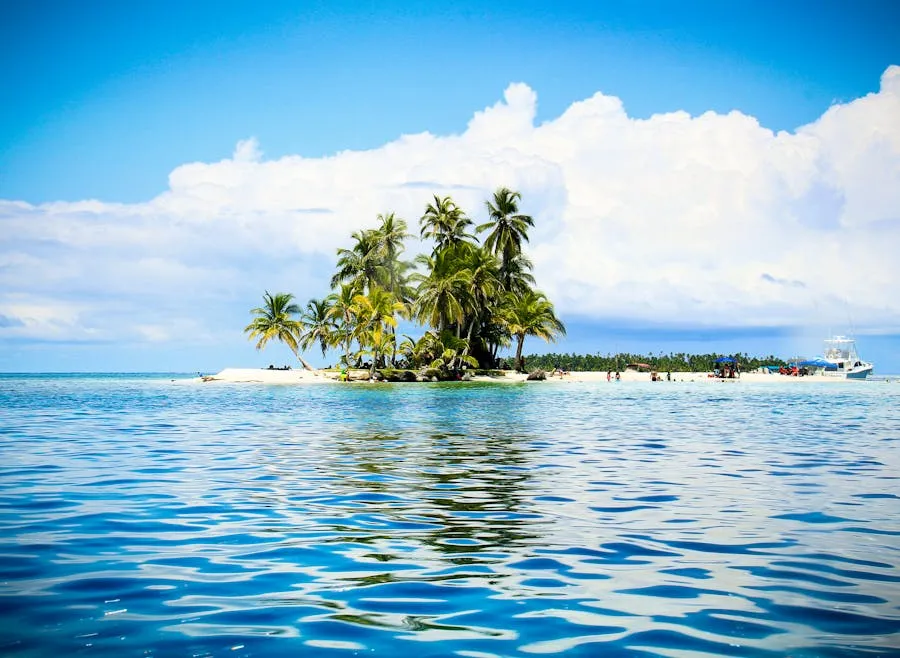
Crystal-clear Caribbean water, palm-fringed sandbanks, and Guna culture. Best experienced as a 2–3 night stay with a host family rather than a rushed day trip. Access by 4WD + lancha from Panama City (3.5h) or 20-min flight. $20 Guna entry fee plus $60–120/night all-inclusive.

Volcán Barú Sunrise

Volcán Barú Sunrise

The pre-dawn hike (4–5 hours up) rewards with views of both the Pacific and Caribbean from Panama’s 3,475 m summit. On a clear day. 4WD transport to trailhead from Boquete around 2 AM. Demanding but accessible to averagely fit hikers. Allow a full rest day after.

Portobelo

Portobelo

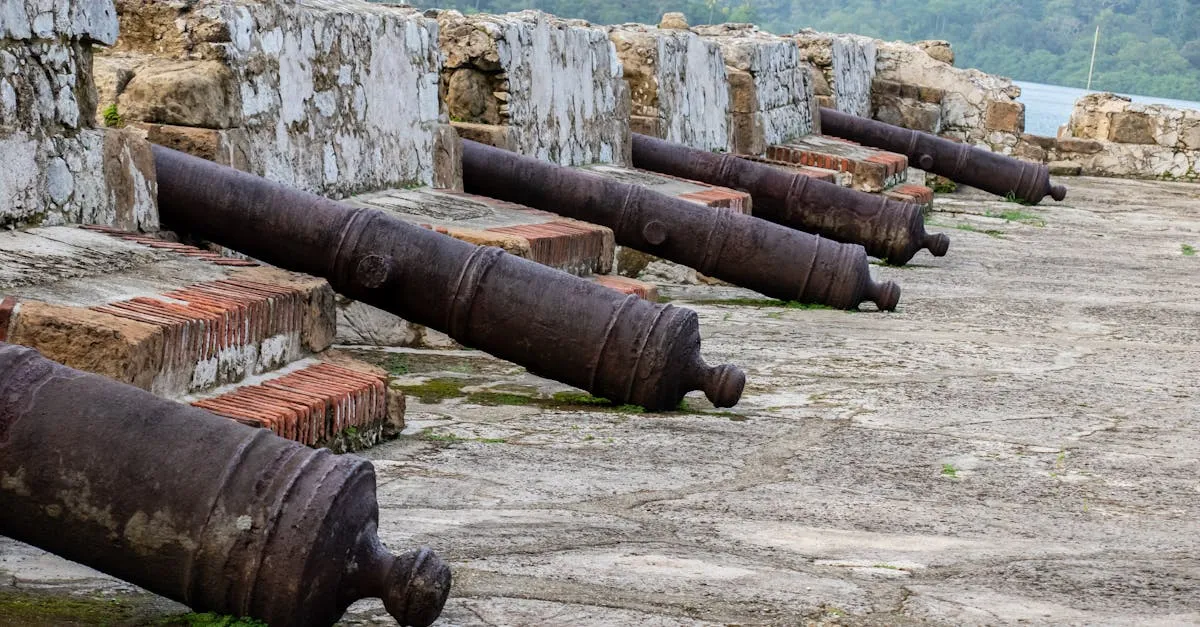
Spanish colonial forts (UNESCO) where Peruvian gold was shipped to Spain, the Black Christ church with its venerated statue, and Afro-colonial Congo culture on the Caribbean coast. A 90-minute drive from Panama City; quieter and more historically layered than the Pacific side.

Panamá Viejo

Panamá Viejo

The ruins of the original Panama City (founded 1519, sacked by Henry Morgan in 1671). The stone tower is the most photographed ruin in the country. UNESCO World Heritage Site. Entry $15. Budget 1 hour. Combine with a Casco Viejo afternoon.

Gamboa & Pipeline Road

Gamboa & Pipeline Road

Rainforest 45 min from Panama City inside Soberanía National Park. Pipeline Road is one of the world’s top birding trails (400+ species recorded). Monkey Island boat tours on Gatún Lake reliably produce capuchins and howler monkeys. Half or full-day trip.

Culture & Cuisine

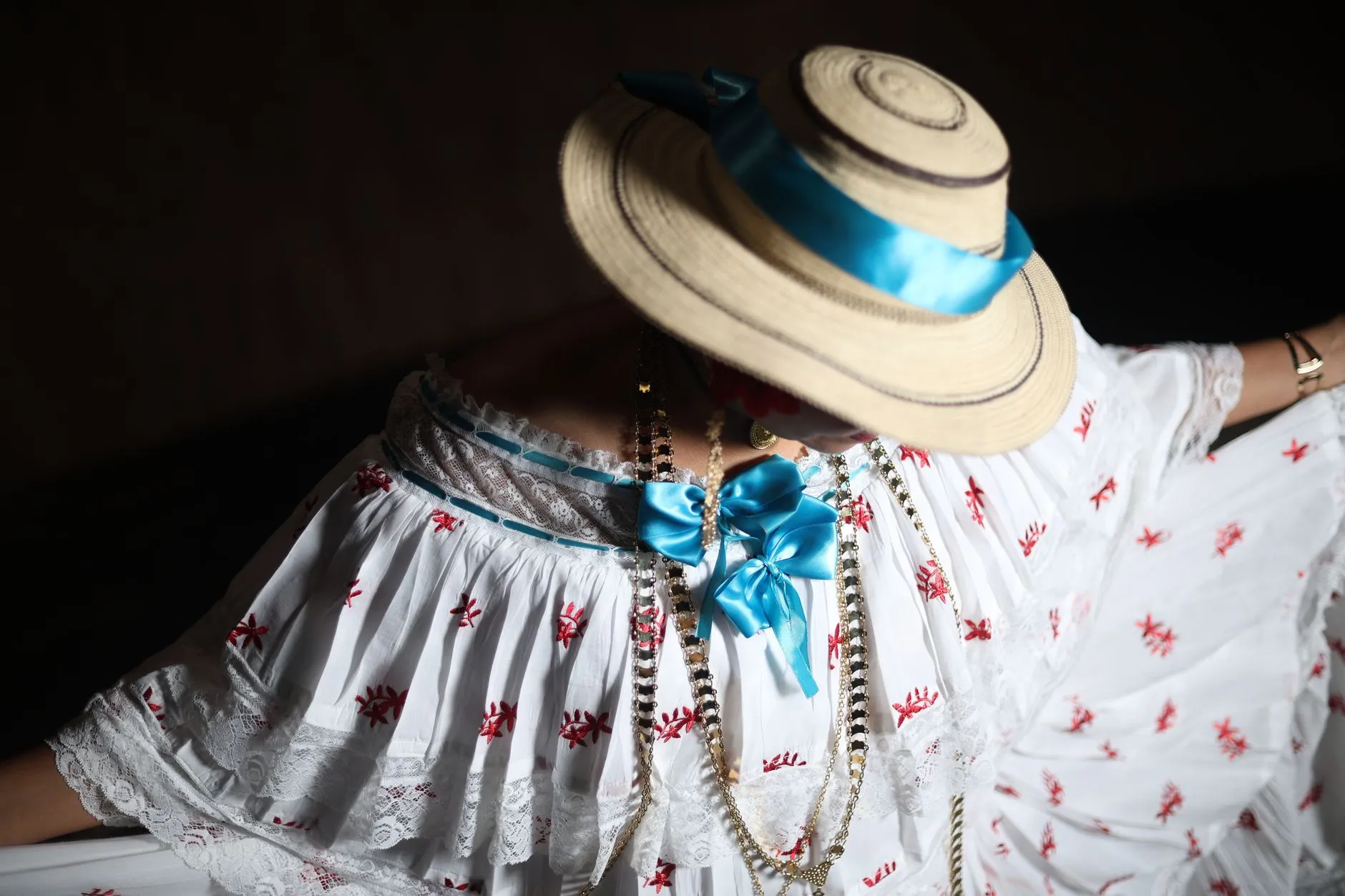
A close-up of a traditional pollera dress adorned with a straw hat and vibrant blue ribbon, showcasing cultural elegance.

Panama’s culture reflects its crossroads position: Spanish colonial heritage, Afro-Caribbean traditions from the Canal-era West Indian workers, seven indigenous groups (Guna, Emberá, Wounaan, Ngäbe-Buglé, Naso, Bri Bri, Bokota), and a significant Chinese, Indian, and Middle Eastern diaspora. This mix produces a society that is outwardly cosmopolitan in the capital and deeply traditional in the interior provinces.

National identity revolves around the Canal. It appears on the currency, the stamps, and the sense of strategic self-importance that sets Panama apart from its Central American neighbours. Baseball (not football) is the national sport. Panama has sent more players per capita to the US Major Leagues than almost any other country. Music ranges from reggaeton and salsa in the cities to the tamborito folk drums of the Azuero Peninsula. The country considers itself culturally distinct from both Central and South America, and most Panamanians will tell you so unprompted.

  • Greetings: A handshake on first meeting. Close acquaintances greet with one kiss on the cheek. Use usted (formal “you”) until invited to use . Saying buenos días, buenas tardes, or buenas noches when entering a shop, taxi, or elevator is expected, not optional. Skipping it reads as rude.
  • Language: Spanish is official and universal. English is widely spoken in Panama City’s business district, Casco Viejo tourism zones, and Bocas del Toro (significant Afro-Caribbean Creole English population). Indigenous languages persist in the comarcas. Mandarin signage is common in El Dorado and Chinatown areas of the capital.
  • Dress: Panamanians dress well, especially in the capital. Smart-casual is expected for restaurants and nightlife in Casco Viejo and the banking district. Shorts and flip-flops are fine for beaches but draw looks in upscale Panama City restaurants.
  • Religion: Predominantly Roman Catholic (~75%), with a growing evangelical Protestant minority. Religious festivals matter in small towns. Respect Sunday closures in the interior provinces (Azuero, Coclé, Veraguas). Holy Week is a major travel period. Book ahead.
  • Photography in Guna Yala: Always ask before photographing Guna people or their molas (textile art). Many Guna charge $1 per photo. This is standard practice, not a scam. The same respect applies when visiting Emberá or Ngäbe communities.
  • Indigenous comarcas: Five autonomous indigenous territories (Guna Yala, Emberá-Wounaan, Ngäbe-Buglé, Naso Tjer Di, Bri Bri) have their own governance and entry rules. Pay entry fees without bargaining. These are self-governing territories, not tourist attractions with a theme.
  • Tipping: 10% is standard in restaurants (often added automatically as propina). Taxi drivers do not expect tips. Tour guides appreciate 10–15% of the tour cost. In San Blas, tipping your boat captain $5–10 is appreciated.
  • Punctuality: Social events run on “Panama time” (30–60 minutes late is normal). Business meetings, flights, and long-distance buses are more punctual. Bocas water taxis leave when full, not on schedule.
  • Sensitive topics: The Canal, the US invasion of 1989 (la invasión), and Panama’s current diplomatic balancing between the US and China are sensitive subjects. Engage with curiosity, not strong opinions. Panamanians have nuanced views on all three.

Food & Cuisine

Panamanian cuisine sits at a crossroads. Spanish colonial roots, indigenous staples (corn, yuca, plantain), Afro-Caribbean influence on the coasts (coconut milk, scotch bonnet peppers), a strong Chinese presence (chow mein appears on menus even in interior dive bars), and US Canal-era influence (more burgers, pancakes, and fast-food chains than elsewhere in Central America). The result is hearty comfort food rather than haute cuisine. Heavy on rice, beans, and fried plantains, seasoned with sofrito bases of onion, pepper, garlic, and cilantro. Coconut dominates on the Caribbean coast. Tomato and annatto colour the Pacific side.

The food scene in Panama City has evolved rapidly. Casco Viejo now has rooftop tasting menus, Peruvian-Japanese nikkei fusion, and third-wave coffee bars alongside $3 street-corner empanadas. Outside the capital, stick to fondas (family-run lunch counters) and mercados for the best and cheapest food.

  • Sancocho: The national dish and the soul of Panamanian cooking. A chicken stew with culantro (sawtooth coriander, not cilantro), yuca, ñame root, corn, and oregano. Considered the hangover cure, celebration opener, and daily comfort meal. Every family has its own recipe. The best versions come from small-town fondas, not tourist restaurants. Order it with a side of white rice.
  • Ceviche de corvina: Sea bass cured in lime juice with red onion, cilantro, celery, and habanero. The Mercado de Mariscos in Panama City serves it for $5–8 at the outdoor upstairs counter. Peak lunchtime, avoid late afternoon when supplies thin. Octopus and shrimp variations are also common.
  • Hojaldra: Deep-fried dough served for breakfast, often alongside scrambled eggs, white cheese, and coffee. Think of a denser, less sweet version of a beignet. Ubiquitous at roadside breakfast stands for $0.50–1.
  • Carimañola: Torpedo-shaped yuca fritter stuffed with spiced ground beef. A street snack found at every bus terminal and roadside stall, $1–2 each. Crispy outside, starchy and meaty inside.
  • Patacones: Twice-fried green plantain discs, served as a side with almost everything. Smash, fry, salt. Simple and addictive. Tostones are the thinner, crispier variation. Both appear at every meal from breakfast to late-night drinking food.
  • Ropa vieja: Slow-braised shredded beef in a tomato-pepper sauce, served over rice. A Spanish-Caribbean staple shared with Cuba and Venezuela. In Panama, it tends to be milder and more tomato-forward than the Cuban version.
  • Arroz con pollo: Chicken and rice cooked together with vegetables, olives, capers, and annatto (achiote) for its signature yellow-orange colour. The everyday lunch across the country. If a fonda has only one dish, this is it.
  • Caribbean coast specials: On the Bocas and Colón coasts, the food shifts to Afro-Caribbean flavours. Rondón is a slow-cooked coconut-milk seafood stew with root vegetables, yuca, and plantain. Rice and beans cooked in coconut milk (rice ’n’ beans) replaces standard rice as the daily staple. Fish in coconut sauce with patacones is the default dinner.
  • Raspao: Shaved ice drenched in fruit syrup and sweetened condensed milk. The street-corner refresher on hot lowland days. Flavours include tamarind, coconut, mango, and the mysteriously addictive kola champion. $0.50–1.
  • Chicha: Fresh fruit drinks blended with water or milk. Chicha de papaya, tamarindo, and marañón (cashew fruit) are common. In the Azuero interior, chicha de maíz (fermented corn drink) is the traditional festive beverage.
  • Seco Herrerano: Panama’s national liquor, distilled from sugarcane in the Herrera province. Drink it as seco con leche (with milk, sounds strange, tastes smooth) or as the base of a chichita cocktail with fruit juice. Cheap ($5–8 per bottle) and ubiquitous at fiestas.
  • Geisha coffee: Boquete’s world-famous varietal, originally from Ethiopia, thrives in the volcanic soil and misty climate of Chiriquí. A cup at origin costs $5–15 at specialty cafés (Bajareque Coffee House, Café Unido, Kotowa). The same coffee sells for $50–100/cup at overseas auction houses. Even if you don’t care about coffee culture, tasting Geisha at source is a unique Panamanian experience.
✅ Budget Eating

Look for fondas (family-run lunch counters) serving comida corriente. A set plate of rice, beans, meat, salad, and a drink for $3–5. This is the best lunch value in the country, available in every town. In Panama City, the Mercado de Mariscos outdoor counter serves ceviche from $2. For dinner, Casco Viejo’s side streets have $6–10 plates that rival the $25 rooftop menus nearby. In Bocas, look for Caribbean fish plates at local joints off the main tourist strip for $5–8.

Activities & Hikes

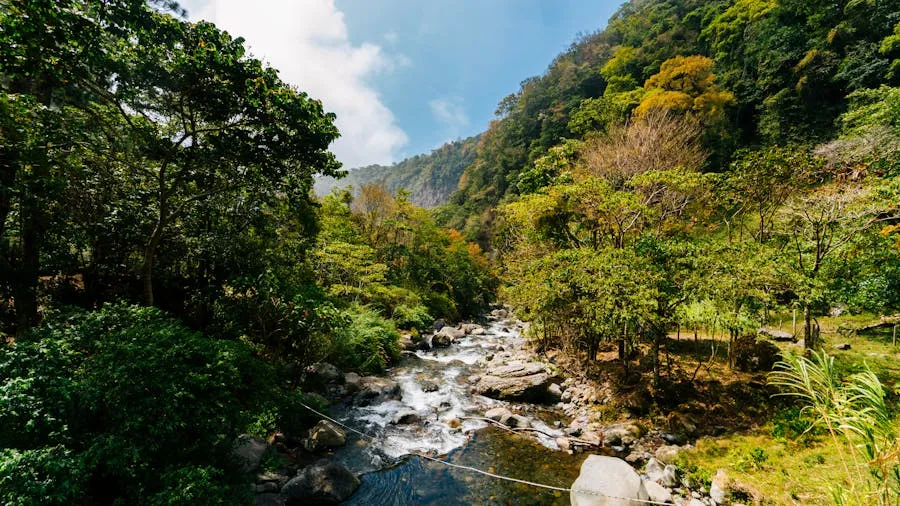
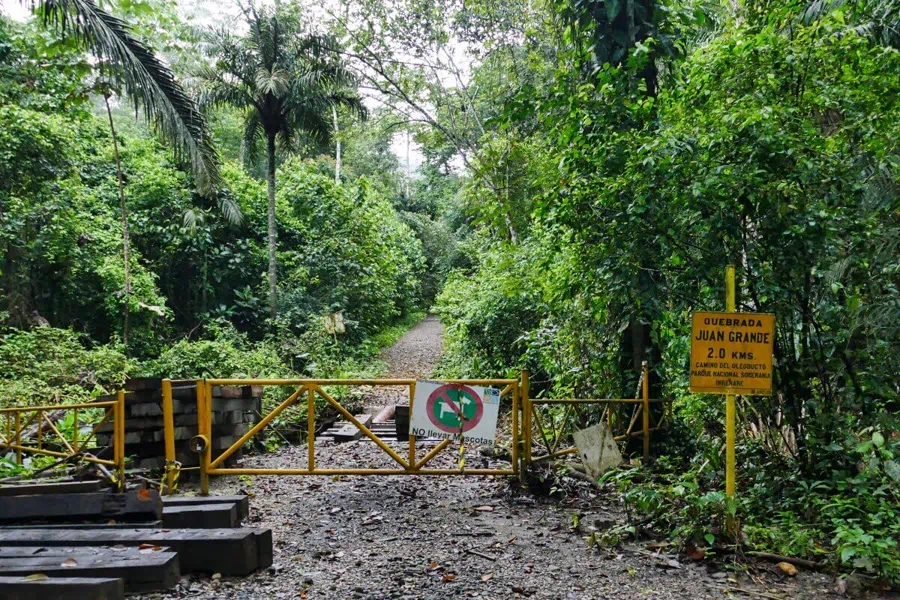
Rainforest stream in Boquete, Panama

Panama’s hiking ranges from gentle cloud-forest walks to a serious volcano summit. The Chiriquí highlands around Boquete and Cerro Punta hold the best trails. Cool temperatures, biodiverse cloud forest, and accessible trailheads. The Canal corridor offers shorter walks with world-class birding. The table below covers the main trails with difficulty, duration, and what makes each worth doing. Sorted from easy to demanding.

Top Hikes

TrailRegionDifficultyDurationHighlights
Volcán Barú SummitBoqueteHard10–12h round tripBoth-ocean views from 3,475 m. Pre-dawn start essential
Sendero Los QuetzalesBoquete to Cerro PuntaModerate5–7h one wayCloud forest. Quetzal sightings. River crossings
Pipeline RoadGamboa / Soberanía NPEasy2–6h400+ bird species. Monkeys. 17 km flat trail
Sendero La India DormidaEl Valle de AntónModerate3–4h round tripVolcanic crater rim views. Petroglyph site
Isla Bastimentos NP trailsBocas del ToroEasy–Moderate1–3hRed frog habitat. Jungle-to-beach trail
Darién jungle trekDariénVery Hard3–7 daysGuided only. Harpy eagles. Emberá villages
⚠ Volcán Barú Conditions

The summit trail starts at 2 AM and gains 1,800 m of elevation on loose volcanic rock. Temperatures drop to near freezing at the top. Bring warm layers, headlamp, and water. The road variant (4WD track) is easier but longer (13 km each way). Cloud cover obscures the two-ocean view more often than not. Dry season mornings give the best odds.

Activities

Two coastlines, hundreds of islands, and warm water year-round make Panama one of Central America’s strongest water-activity destinations. From beginner snorkelling in shin-deep lagoons to advanced dive sites with hammerhead sharks. The Caribbean side (Bocas, San Blas, Portobelo) has the clearest water and most coral. The Pacific side (Coiba, Pearl Islands, Santa Catalina) has bigger pelagic life and consistent surf. The list below covers the main options, locations, costs, and seasons.

  • Snorkelling & diving in Bocas del Toro: Coral gardens at Hospital Point, Crawl Cay, and Zapatilla Cays. Visibility is best September–October. PADI courses from $250. Nurse sharks, rays, and seahorses are common.
  • San Blas island-hopping: Multi-day sailboat trips between Guna Yala islands. Snorkelling off uninhabited cays with pristine hard coral. Popular 4–5 day sailboat crossings to Cartagena, Colombia ($450–600 including food).
  • Surfing at Santa Catalina: Panama’s best Pacific surf break. Consistent swells from April to October. The point break at La Punta handles waves up to triple overhead. Beginner-friendly beach breaks nearby.
  • Whale watching (Pacific): Humpback whales migrate from both hemispheres to Panama’s Pacific waters. Northern humpbacks arrive July–October. Southern humpbacks January–March. Boat tours depart from Pedasí, Isla Contadora, and the Gulf of Chiriquí.
  • White-water rafting: The Río Chiriquí and Río Chiriquí Viejo near Boquete offer Class III–IV rapids during the wet season. Half-day trips from $65.
  • Kayaking: Mangrove channels in Bocas del Toro and the Chagres River in the Canal Zone offer sheltered paddling with excellent wildlife spotting (sloths, monkeys, crocodiles).
✅ Couple Tip

The San Blas to Cartagena sailboat crossing is one of the most romantic multi-day adventures in the Americas. Sleeping on deck under stars, stopping at uninhabited islands, and arriving in Colombia by sea. Book a cabin (not hammock) for comfort. The crossing typically runs $500–600 per person all-inclusive.

Off the Beaten Path

Beyond the headline sites (the Canal, Bocas, San Blas, Boquete), Panama has pockets that most visitors miss entirely. These are the places that reward a third week, a second visit, or a willingness to take a 6-hour bus instead of a flight. The list below covers the most worthwhile alternatives, with what each offers and how to reach it.

El Valle de Antón crater village

El Valle de Antón

A town built inside the crater of an extinct volcano, 2 hours from Panama City at 600 m. Sunday market for crafts, hot springs, golden frog sanctuary, and the La India Dormida hike (3–4h). Cooler than the lowlands and far fewer tourists than Boquete.

Isla Coiba tropical beach

Isla Coiba

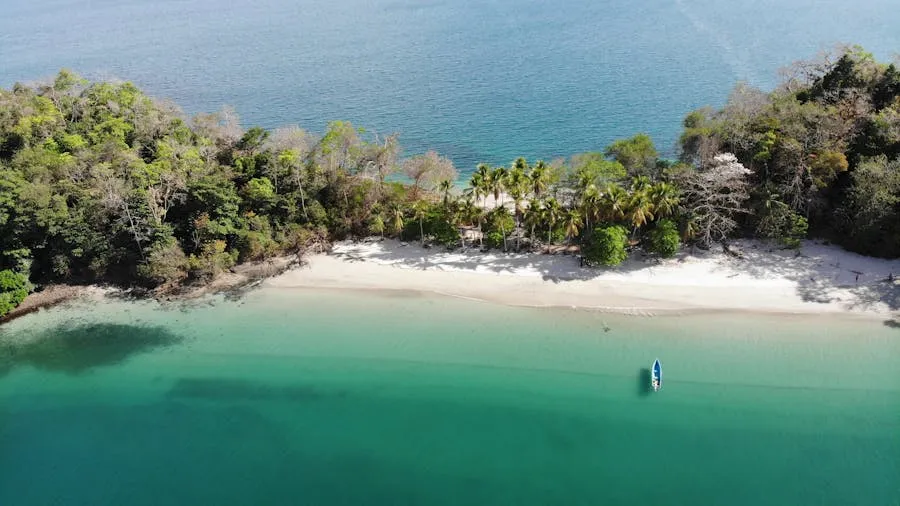
A former penal colony turned UNESCO-listed national park. The marine reserve around the island has some of the best diving in the eastern Pacific. Hammerhead sharks, mantas, and seasonal whale sharks. Access from Santa Catalina by boat (90 min). Day trips $80–120.

Pearl Islands archipelago

Pearl Islands

Archipiélago de las Perlas. 250 islands in the Gulf of Panama, 2 hours by ferry from Panama City. White-sand beaches, seasonal humpback whale watching (Jul–Oct), and very few visitors outside of Isla Contadora. Where the Spanish found enormous pearls in the 16th century.

Portobelo colonial fortress

Portobelo’s Congo Culture

The Afro-colonial Diablos y Congos tradition. A theatrical re-enactment of slave resistance featuring elaborate devil masks and Congo drumming. Performed during Carnival and on specific saint days. Rarely seen by tourists.

Camino de Cruces jungle trail

Camino de Cruces

The original Spanish colonial trail across the isthmus, predating the Canal by 400 years. Sections near Gamboa are still hikeable through the jungle. Stone paving emerges from the undergrowth in places. You walk on the same cobbles that Peruvian gold crossed in the 16th century.

Santa Fé mountain village

Santa Fé (Veraguas)

A highland town with waterfalls, coffee farms, and orchid gardens. All without the Boquete tourist infrastructure. Genuine rural Panama at 500 m elevation. 5 hours from Panama City. The antidote to the gringo trail.

Wildlife & Nature

Sloth in Bocas del Toro, Panama

Panama’s position as the land bridge between North and South America makes it one of the most biodiverse countries on Earth relative to its size. Species from both continents overlap here, and the result is staggering: 970+ bird species, 255 mammal species, 229 reptile species, and over 10,000 plant species.

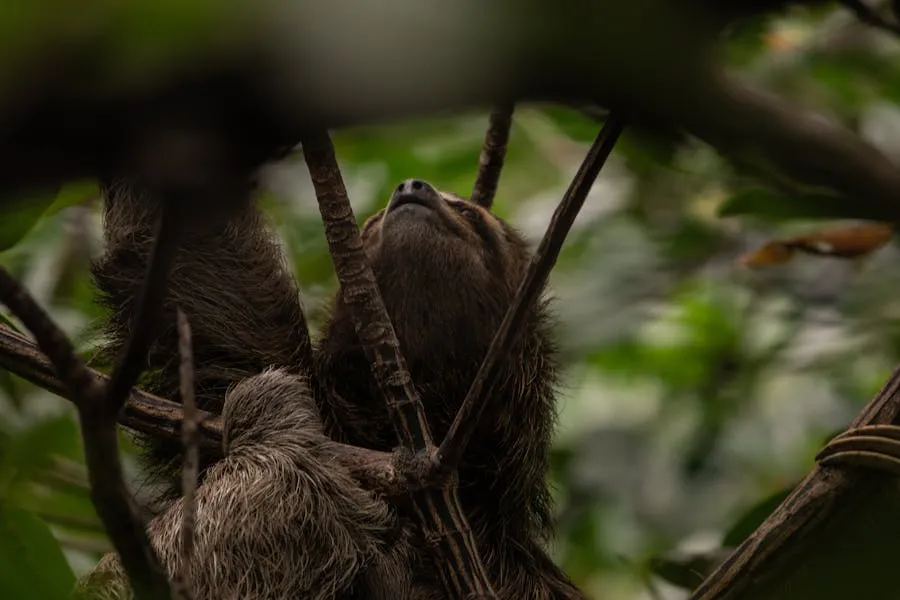
  • Sloths: Both two-toed and three-toed sloths are common in Bocas del Toro, Gamboa, and throughout the Canal Zone. Sloth sanctuaries near Gamboa offer ethical viewing.
  • Howler monkeys: Their deep, carrying calls are the soundtrack of the Panamanian forest. Easily spotted in Soberanía NP, Bocas del Toro, and Metropolitan Natural Park (inside Panama City).
  • Harpy eagle: Panama’s national bird and the world’s most powerful eagle. Darién is the best place to see them. Sightings are rare but unforgettable.
  • Resplendent quetzal: Found in the cloud forests around Boquete and Volcán. Best spotting season is March–June (breeding).
  • Marine life: Humpback whales, whale sharks (seasonal, Coiba Island), sea turtles (nesting at Isla Cañas and Isla Iguana), and reef fish across both coasts.
  • Poison dart frogs: The red frog of Bastimentos (Bocas del Toro) is an icon. Blue, green, and gold morphs exist in different Panamanian forests.
✅ Best Wildlife Spots

For the most species per hour: Pipeline Road (Gamboa) for birds, Monkey Island boat tour for primates, and Bocas del Toro for sloths and red frogs. All three are accessible without a multi-day expedition.

Route A: Classic 10-Day Canal & Coast

Explore the lush and mountainous landscape of El Valle de Antón with winding roads surrounded by greenery.

The first-timer circuit that covers Panama’s three headline acts. The Canal, the Caribbean islands, and the highland coffee country. Ten days on the ground with nine nights of sleep. Arrival on day 1, departure on day 10. Three base changes, two domestic flights to skip long bus legs, and a deliberate climate progression from sea-level heat (Panama City, 32°C) through Caribbean humidity (Bocas, 30°C) to cool highlands (Boquete, 20°C). Average fitness is enough. The only strenuous option (Volcán Barú) is swappable for a rest day.

Day-by-day itinerary

Day 1: Arrival in Panama City

Land at Tocumen International (PTY). Taxi or Uber to Casco Viejo hotel (~$30–35, 40 min without traffic, up to 90 min at rush hour). Walk the Casco Viejo loop. Plaza de la Independencia, the cathedral, rooftop-bar-lined Calle 3a. Dinner at a Casco Viejo restaurant. Try ceviche de corvina. Sleep early. Jet lag plus Panama heat demands a gentle first day.

Day 2: Casco Viejo & the Canal

Morning: Miraflores Locks visitor centre ($20, arrive by 9 AM to catch the first Neopanamax transits. The observation deck has live narration). Budget 2 hours. Taxi to the Biomuseo on the Amador Causeway ($22, designed by Frank Gehry, 1–2 hours on biodiversity and the land bridge). Walk the Causeway for Panama Bay views and grab lunch at one of the causeway restaurants. Late afternoon: Mercado de Mariscos in Casco Viejo. $5–8 ceviche cups upstairs, whole fish downstairs. Sunset from the Plaza de Francia seawall.

Day 3: Gamboa & rainforest day trip

Hire a taxi or join a tour to Gamboa (45 min from Casco Viejo). Pipeline Road in Soberanía National Park is one of the hemisphere’s top birding sites. 300+ species recorded along a single track. Even non-birders will see toucans, trogons, and howler monkeys. Afternoon: Monkey Island boat tour on Gatún Lake ($25–35, 1.5 hours, capuchins and tamarins guaranteed). Return to Panama City by late afternoon. Optional evening: rooftop drinks at Tantalo or CasaCasco in Casco Viejo.

Day 4: Fly to Bocas del Toro

Early flight PTY → BOC (~1 hour, $100–140 one way on Air Panama or Copa). Land on Isla Colón, water-taxi to your hotel if it’s on a different island ($3–6). Afternoon: walk Bocas Town. Colourful Caribbean-Creole wooden houses over the water, reggaeton from every bar, cheap hostels mixed with boutique hotels. Dinner on the waterfront. Caribbean-style fish in coconut sauce with patacones and rice & beans.

Day 5: Bastimentos & Red Frog Beach

Water taxi to Isla Bastimentos ($3–5, 10 min). Trail through the forest to Red Frog Beach ($5 entry). A long golden-sand beach backed by jungle, named for the tiny red poison-dart frogs along the path. Snorkel at the reef off the beach or swim the surf break. Lunch at a Bastimentos waterfront restaurant. Afternoon: kayak through the mangrove channels behind Old Bank village. Birdlife and silence.

Day 6: Zapatilla Cays & Starfish Beach

Full-day boat tour ($25–35 pp). First stop Zapatilla Cays, two postcard-perfect sand-and-palm islands inside the Bastimentos Marine Park. Snorkel the coral garden off the east side (visibility 10–20 m, turtles common). Second stop Starfish Beach on the northwest shore of Isla Colón. Shallow turquoise water and dozens of large orange starfish on the sandy bottom. Return to Bocas Town by 3 PM. Evening: Bocas nightlife (small but lively bar strip).

Day 7: Bocas → Boquete overland

Water taxi from Bocas Town to Almirante on the mainland ($6, 30 min). Shuttle bus Almirante → Boquete (4–5 hours, $25–35, booked through your hotel or a Bocas travel agency). The drive climbs through lowland banana plantations into the Chiriquí highlands. Watch the temperature drop as you gain altitude. Arrive Boquete (1,200 m, 20°C) in the afternoon. Settle into a highland hotel or cabin. First impression: cool air, flowering gardens, hummingbirds.

Day 8: Coffee country & cloud forest

Morning: coffee farm tour at Finca Lérida or Kotowa ($30–60, 2–3 hours). This is the birthplace of Geisha coffee. The world’s most expensive variety, $50–100 per cup at overseas auction houses, $5 here at the source. Learn the process from cherry to cup, taste three to five single-origin varieties. Afternoon: Sendero Los Quetzales partial hike (3 hours out-and-back from the Boquete trailhead, well-marked, cloud-forest canopy, chance of spotting a resplendent quetzal November–April). Alternative: hot springs at Caldera ($5, 30 min from Boquete).

Day 9: Volcán Barú or rafting

Option A: Volcán Barú sunrise hike. Depart 2 AM by 4WD to the trailhead, then 4–5 hours to the summit (3,475 m). On a clear morning you can see both the Caribbean and the Pacific. One of only two places on Earth where this is possible. Descend by 10 AM, nap the rest of the day. Option B: white-water rafting on Río Chiriquí Viejo (Class III–IV, $65–90, half day, no experience needed). Either way, reward yourself with a long dinner in Boquete.

Day 10: Return to Panama City & departure

Taxi or shuttle Boquete → David airport (45 min, $20–30). Fly David (DAV) → PTY (45 min, $80–140). If your international flight is evening, you have time for a final Casco Viejo lunch or a quick visit to Panamá Viejo ruins (the original 1519 settlement, $15 entry, 1 hour). Departure from Tocumen.

✅ Budget for This Route

Expect $900–1,400 per person for 10 days (excluding international flights). The two internal flights (PTY–BOC $100–140, DAV–PTY $80–140) are the biggest fixed costs. Accommodation ranges from $15/night (Bocas dorm) to $80/night (Boquete boutique hotel). Daily food and transport: $25–45 eating at local restaurants and using shared shuttles.

Route B: 2-Week Explorer

Crystal clear waters and palm island in Guna Yala

Route A plus the single experience that makes Panama unlike anywhere else in Central America. San Blas (Guna Yala). This route adds the indigenous Caribbean archipelago, gives each base an extra day to breathe, and slots in a free day in Panama City for deeper exploration or a side trip to El Valle de Antón. Fourteen days on the ground with thirteen nights of sleep. Four base changes, two domestic flights, one overland shuttle, and a 4WD-plus-boat transfer to Guna Yala. Average fitness is fine. No multi-day treks. The logistics are slightly more complex than Route A because San Blas transport is weather-dependent and must be pre-arranged.

Day-by-day itinerary

Day 1: Arrival in Panama City

Land at Tocumen (PTY). Taxi or Uber to Casco Viejo (~$30–35). Walk the colonial quarter, dinner at a local restaurant. Same as Route A: gentle start, settle in.

Day 2: Canal & Casco Viejo

Miraflores Locks ($20, arrive by 9 AM for transits), Biomuseo ($22, 1–2 hours), Amador Causeway. Afternoon: Mercado de Mariscos ceviche, Casco Viejo walking loop. Sunset from Plaza de Francia.

Day 3: Gamboa rainforest day trip

Pipeline Road birding walk (300+ species possible), Monkey Island boat tour on Gatún Lake ($25–35). Return to Panama City mid-afternoon. Pack for San Blas: bring cash (no ATMs), reef-safe sunscreen, waterproof bag. Confirm 4WD pickup time with your San Blas operator for tomorrow.

Day 4: Panama City → San Blas (Guna Yala)

4WD picks you up at 5–6 AM from your hotel. Drive 2.5–3 hours to the Guna comarca coast at Puerto Cartí. The last hour is a rough dirt mountain road that explains why a 4WD is non-negotiable. At the coast, transfer to a lancha (motorised dugout canoe, 20–45 min, $20–30). Arrive on your assigned island by midday. Pay the $20 Guna entry fee in cash. Afternoon: swim, snorkel, decompress. Accommodation is basic. Thatched-roof cabin on sand, communal meals, shared bathrooms, no hot water, no WiFi. This is the appeal, not a shortcoming.

Day 5: San Blas island hopping

Full-day boat tour included in your all-inclusive rate ($60–120/night per person covers meals, accommodation, and group boat trips). Visit 2–3 uninhabited cays. Some are the size of a tennis court with a single palm tree. Snorkel coral reefs (visibility 10–25 m), wade through natural tidal pools, eat lunch on a sandbar. Buy a mola (traditional Guna reverse-appliqué textile, $20–60 depending on complexity) directly from the artisans who made it. Photography of Guna people costs $1 per photo. This is standard practice, not a tourist trap.

Day 6: San Blas → Panama City

Third night optional (some visitors stay 3 nights; most find 2 sufficient before the simplicity becomes monotonous). Morning lancha back to the coast, 4WD back to Panama City by early afternoon. Hot shower, real bed, city dinner. Two nights of no connectivity makes the city feel different when you return.

Day 7: Panama City free day

Flex day. Options: Panamá Viejo ruins ($15, the original 1519 settlement), shopping at Albrook Mall (Latin America’s largest), Cinta Costera waterfront walk, or a day trip to El Valle de Antón (2 hours west, volcanic crater town at 600 m, Sunday craft market, India Dormida hike, hot springs). If skipping El Valle, use this day to decompress and do laundry before the next leg.

Day 8: Fly to Bocas del Toro

Morning flight PTY → BOC (~1 hour, $100–140). Arrive Isla Colón, water taxi to hotel. Explore Bocas Town. Waterfront restaurants, Afro-Caribbean Creole culture, reggaeton soundtrack. Dinner: fish in coconut sauce, patacones, cold Balboa beer.

Day 9: Bastimentos & Red Frog Beach

Water taxi to Isla Bastimentos ($3–5). Trail to Red Frog Beach ($5 entry, look for red poison-dart frogs on the path). Snorkel the reef, swim, read. Lunch at a Bastimentos waterfront spot. Afternoon kayak through mangroves near Old Bank.

Day 10: Zapatilla Cays

Full-day boat tour ($25–35). Zapatilla Cays (snorkel the east-side coral garden, turtles common), then Starfish Beach (shallow turquoise water, orange starfish). Return by 3 PM. Evening: Bocas bar crawl or simply an early night before the travel day tomorrow.

Day 11: Bocas → Boquete overland

Water taxi to Almirante ($6), shuttle bus to Boquete (4–5 hours, $25–35). Watch the landscape transform from Caribbean coast through banana lowlands to highland cloud forest. Arrive Boquete in the cool of late afternoon (1,200 m, 20°C). Check into a highland hotel.

Day 12: Coffee country & cloud forest

Morning: Geisha coffee tour at Finca Lérida or Kotowa ($30–60). Taste the world’s most expensive coffee at its source for $5 a cup. Afternoon: Sendero Los Quetzales partial hike (3 hours out-and-back, cloud forest, chance of quetzal sighting Nov–Apr) or hot springs at Caldera ($5).

Day 13: Volcán Barú or rafting & return

Option A: Barú sunrise hike (depart 2 AM, summit 3,475 m, see both oceans on a clear day, descend by 10 AM). Option B: white-water rafting on Río Chiriquí Viejo (Class III–IV, $65–90, half day). Afternoon: shuttle or taxi to David, fly DAV → PTY (45 min, $80–140).

Day 14: Departure

Final morning in Panama City. Panamá Viejo ruins if not done on Day 7. Last ceviche at Mercado de Mariscos. Departure from Tocumen.

✅ San Blas Logistics

Book San Blas as a package (transport + accommodation + meals + boat tours) through a local operator. Do not book transport only. Expect $60–120 per person per night all-inclusive. The 4WD ride takes 2.5–3 hours on a rough road. Alternatively, a 20-minute charter flight from PTY to a Guna airstrip removes the road entirely ($80–120 each way). November through April seas can be rough, occasionally cancelling boat tours on the outer cays. Bring all the cash you need. There are no ATMs in the archipelago.

✅ Budget for This Route

Expect $1,200–1,900 per person for 14 days (excluding international flights). Major costs: two internal flights ($180–280 total), San Blas package (2 nights, $120–240), Boquete accommodation ($50–80/night). Daily food and transport outside San Blas: $25–45.

Route C: 3-Week Deep Dive

A stunning aerial view of a coastal city overlooking the vast ocean under a clear blue sky.

The route for travellers with three weeks and the desire to see Panama beyond the standard circuit. Adds the Pacific coast (Azuero Peninsula, Santa Catalina, and Coiba marine reserve), plus the Darién fringe and Pearl Islands. Areas that 90% of visitors never reach. Twenty-one days on the ground with twenty nights of sleep. Six base changes, two domestic flights, several overland bus legs, and two boat transfers. Fitness: moderate to demanding. Some days involve 6–8 hours of bus travel, and the Barú summit is a serious hike. This route hits all four of Panama’s faces. Canal corridor, Caribbean islands, Pacific coast, and highland interior. No backtracking. The geography flows west and then loops back east.

Day-by-day itinerary

Day 1: Arrival in Panama City

Land at Tocumen (PTY), taxi to Casco Viejo (~$30–35). Walk the colonial quarter, dinner nearby. Gentle first day as per Route A.

Day 2: Canal & Casco Viejo

Miraflores Locks ($20, 9 AM for transits), Biomuseo ($22), Amador Causeway. Afternoon: Mercado de Mariscos, Casco Viejo loop, sunset at Plaza de Francia. Same Canal day as previous routes. It remains unmissable.

Day 3: Portobelo & Caribbean forts

Day trip to Portobelo (1.5 hours northeast of Panama City by car). Spanish colonial forts (UNESCO), the Iglesia de San Felipe and its venerated Black Christ statue (Cristo Negro), and Afro-colonial Congo culture. Quieter and more historically layered than anything in Panama City. Snorkel at a nearby reef if time allows. Return to Panama City for dinner. This day is unique to Route C; the other routes skip the Caribbean side of the canal corridor entirely.

Day 4: Emberá village on Río Chagres

Half-day or full-day visit to an Emberá indigenous community on the Chagres River, reachable by dugout canoe from Gamboa (tours $80–120, includes boat, guide, lunch, cultural demonstration). The Emberá chose to maintain traditional dress and architecture while welcoming visitors. This is not a theme park but a functioning village. Afternoon: optional Darién extension (requires 2 extra days, permits, licensed guide, and SENAFRONT coordination. Most travellers skip this and add the time elsewhere). Return to Panama City.

Day 5: Panama City → San Blas (Guna Yala)

4WD pickup at 5–6 AM, 2.5–3 hours to the coast, lancha to your assigned island. $20 Guna entry fee. Settle in, swim, decompress. Basic cabin, all-inclusive meals ($60–120/night pp). No WiFi, no ATMs, no hot water. Bring all cash you need.

Days 6–7: San Blas island hopping

Two full days in the archipelago. Boat tours to uninhabited cays, snorkelling coral reefs, tidal-pool wading, buying molas from Guna artisans ($20–60 each). Three nights gives deeper immersion than Route B’s two. You’ll get to outer cays that day-trippers never reach. Fresh lobster and fish for every meal. On Day 7 afternoon: lancha + 4WD back to Panama City.

Day 8: Pearl Islands

Ferry from Panama City to Isla Contadora (2 hours, $55–70 each way on Sea Las Perlas). Small Pacific island with white-sand beaches, snorkelling, and seasonal whale watching (humpbacks July–October). Day trip or overnight. Contadora has boutique hotels and a village with restaurants. The Pearl Islands are where the Spanish found enormous pearls in the 16th century. Today they’re a quiet Pacific escape. Return to Panama City by evening ferry if day-tripping.

Day 9: Panama City → Azuero Peninsula

Bus from Albrook terminal to Las Tablas (4–5 hours, $10–12). Las Tablas is the Carnival capital. Wild outside February, sleepy the rest of the year. Continue by local bus to Pedasí (45 min, $3). Check into a small hotel. Evening: walk the quiet colonial streets, dinner at a local fonda. The Azuero is the heartland of Panamanian folk culture. The pollera national dress, diablos sucios (devil dancers), and Corpus Christi festivals all originate here.

Day 10: Pedasí & Isla Iguana

Morning boat trip to Isla Iguana wildlife refuge ($30–40 return, 30 min from Playa Arenal). Snorkel the reef (best visibility Dec–Apr), watch magnificent frigatebird colonies, walk the beach. Afternoon: surf at Playa Venao (30 min drive from Pedasí, board rental $10–15/day, consistent beach break suitable for beginners). Or simply rest at Playa Los Destiladeros. A quiet golden cove.

Day 11: Azuero → Santa Catalina

Long travel day. Bus Pedasí → Chitré (1.5 hours), Chitré → Santiago (1.5 hours), Santiago → Soná (1 hour), Soná → Santa Catalina (2 hours). Total: 6–7 hours of buses. Alternatively, pre-arrange a shared shuttle ($40–60 direct). Arrive Santa Catalina. A dusty surf village at the end of a dirt road. Dinner, early night. The remoteness is the point. This is where Panama stops trying to be modern.

Day 12: Coiba National Park

Full-day boat trip to Isla Coiba ($80–120 pp, includes park entry $20, snorkel gear, lunch on Granito de Oro beach). Coiba was a penal colony from 1919 to 2004, which accidentally preserved one of the Pacific’s last intact marine ecosystems. Snorkel 2–3 sites. White-tip reef sharks, sea turtles, schools of jacks, occasional manta rays. Divers: multi-day trips available ($150–250/day, chance of hammerheads and seasonal whale sharks). UNESCO World Heritage Site since 2005.

Day 13: Santa Catalina surf day

Rest and surf day. Santa Catalina’s point break is one of Panama’s best. Consistent right-hander, works at all tides, suitable for intermediate to advanced surfers. Beginners: take a lesson at the beach break ($30–40, 2 hours). Non-surfers: kayak, hike the coastal trail, or simply hammock. Afternoon: prepare for tomorrow’s move.

Day 14: Santa Catalina → Boquete

Another long bus day. Santa Catalina → Santiago → David → Boquete (6–8 hours total with connections). Pre-arranged shuttle cuts this to 5–6 hours. Arrive Boquete in the cool highland evening (1,200 m, 20°C). Settle into a cabin or hotel. The temperature drop from Pacific-coast heat to highland cool is dramatic and welcome.

Day 15: Boquete. Coffee & cloud forest

Morning: Geisha coffee tour at Finca Lérida or Kotowa ($30–60). Taste the world’s most expensive coffee for $5 at its source. Afternoon: Sendero Los Quetzales partial hike (3 hours, cloud forest, quetzal chance Nov–Apr) or hot springs at Caldera ($5). Evening: long dinner in Boquete. The highland restaurant scene is surprisingly good.

Day 16: Volcán Barú

The big one. Depart 2 AM by 4WD to the trailhead, 4–5 hours to the summit (3,475 m). Sunrise over both oceans on a clear morning. Worth the sleep deprivation. Descend by 10 AM. Afternoon: collapse. This is the most physically demanding day of the entire route. Skip it if you prefer and substitute a white-water rafting day on Río Chiriquí Viejo (Class III–IV, $65–90).

Day 17: Boquete → Bocas del Toro

Shuttle Boquete → Almirante via David (4–5 hours, $25–35). Water taxi from Almirante to Bocas Town on Isla Colón ($6, 30 min). Check in, walk the waterfront, dinner. Caribbean fish in coconut sauce with coconut rice. Bocas is the reward after a week of buses and hikes. Hammock time.

Day 18: Bastimentos & Red Frog Beach

Water taxi to Bastimentos ($3–5). Trail to Red Frog Beach ($5 entry), snorkel the reef, swim. Afternoon kayak through the mangrove channels. With three weeks you can afford a slower pace here than Route A or B. Take it.

Day 19: Zapatilla Cays & outer islands

Full-day boat tour ($25–35). Zapatilla Cays (snorkelling, turtles), Starfish Beach, and possibly Isla Solarte or Cayo Coral for reef diversity. This is your last full Caribbean day. Slow down, snorkel long, eat on the boat.

Day 20: Bocas → Panama City

Fly BOC → PTY (~1 hour, $100–140). Arrive Panama City by midday. Afternoon: any gaps. Panamá Viejo ruins ($15), Cinta Costera walk, or rooftop bar in Casco Viejo. Pack, organise souvenirs (molas from San Blas, coffee from Boquete).

Day 21: Departure

Final morning in Panama City. If your flight allows, revisit Mercado de Mariscos for one last ceviche. Departure from Tocumen.

⚠ Darién Safety

The Darién Gap near the Colombian border is not safe for independent travel due to irregular migration routes and security concerns. The Emberá village day trips from Panama City are safe and well-established. Multi-day Darién treks require licensed guides and SENAFRONT (border police) coordination.

✅ Budget for This Route

Expect $2,000–3,200 per person for 21 days (excluding international flights). Major costs: two internal flights ($180–280), San Blas package (3 nights, $180–360), Coiba day trip ($80–120), Pearl Islands ferry ($110–140 return). Many long bus legs are cheap ($5–15 each) but time-intensive. Daily food and local transport: $25–45.

Getting Around

Local transportation and getting around

✈️ Domestic flights

PTY–Bocas, PTY–David, PTY–San Blas

🚌 Long-distance bus

PTY–David, PTY–Chitré

🚇 Metro (PTY)

Within Panama City

🚗 Uber / DiDi

Panama City metro area

🚅 Yellow taxi

City rides

⛵ Water taxi

Bocas del Toro islands

🚆 4WD + boat

San Blas access

🚲 Car rental

Azuero, Boquete, road trips

Panama has the best domestic transport network in Central America. Two international airports, a domestic flight network reaching every major region in under 90 minutes, a modern metro in Panama City, and a comprehensive long-distance bus system run from a single hub (Albrook Terminal). Distances are short, infrastructure is reliable, and the US-dollar economy means no haggling over fares. The table below covers each mode, what it’s best for, typical costs, and practical notes.

ModeUse CaseCostNotes
Domestic flightsPTY–Bocas, PTY–David, PTY–San Blas$80–140 one wayAir Panama main carrier; book early dry season
Long-distance busPTY–David, PTY–Chitré$10–20Modern coaches. 5–7h to David. Frequent departures from Albrook Terminal
Metro (PTY)Within Panama City$0.35Two lines. Clean, air-conditioned. Covers airport to city centre
Uber / DiDiPanama City metro area$3–15Reliable and metered. Safer than hailing random taxis
Yellow taxiCity rides$2–8No meters. Agree on price before entering
Water taxiBocas del Toro islands$3–10Shared boats run fixed routes. Private charters available
4WD + boatSan Blas access$50–80 each wayRough road (2.5h) + boat. Book through operators
Car rentalAzuero, Boquete, road trips$30–60/dayEssential for Azuero Peninsula. International licence accepted
✅ The Albrook Hub

Albrook bus terminal in Panama City is the central hub for all long-distance buses. It is also adjacent to Albrook Mall (the largest in Central America) and connected by Metro Line 1. Arrive early for David-bound buses during holidays.

Budget Breakdown

Budget breakdown and travel costs

Panama’s USD economy means no exchange-rate surprises, but prices are higher than most of Central America. The canal, its banking sector, and US-dollar wages push costs above Colombian or Guatemalan levels while remaining well below Costa Rica’s tourist-zone pricing.

CategoryBudgetMid-rangeComfort
Accommodation (double)$25–40/night$50–90/night$100–200/night
Food (couple/day)$12–20$25–45$50–80
Transport (per day)$5–15$15–35$40–80
Activities$0–10$15–40$50–150
Daily total (couple)$45–85$100–200$240–500

Money-Saving Tips

🍴 Eat at Fondas

Full plate at a fonda (local canteen) for $3–5. Tourist restaurants charge $12–20 for similar food

🚇 Panama City Metro

$0.35 per ride. Fastest, cheapest, and air-conditioned way to get around the city

✈️ Book Flights Early

Internal flights to David, Bocas, San Blas are cheapest 2–4 weeks ahead. Air Panama runs regular sales

🏠 Hostel Kitchens

Bocas del Toro waterfront hostels with shared kitchens let you cook with market-fresh seafood at a fraction of restaurant prices

🛒 Stock Up on Mainland

Super 99 and Rey are affordable supermarkets. Buy basics before heading to islands where everything costs 2–3x more

📅 Green Season

May–November brings afternoon rain but 30–40% lower prices. Mornings are usually dry enough for activities

Practical Information

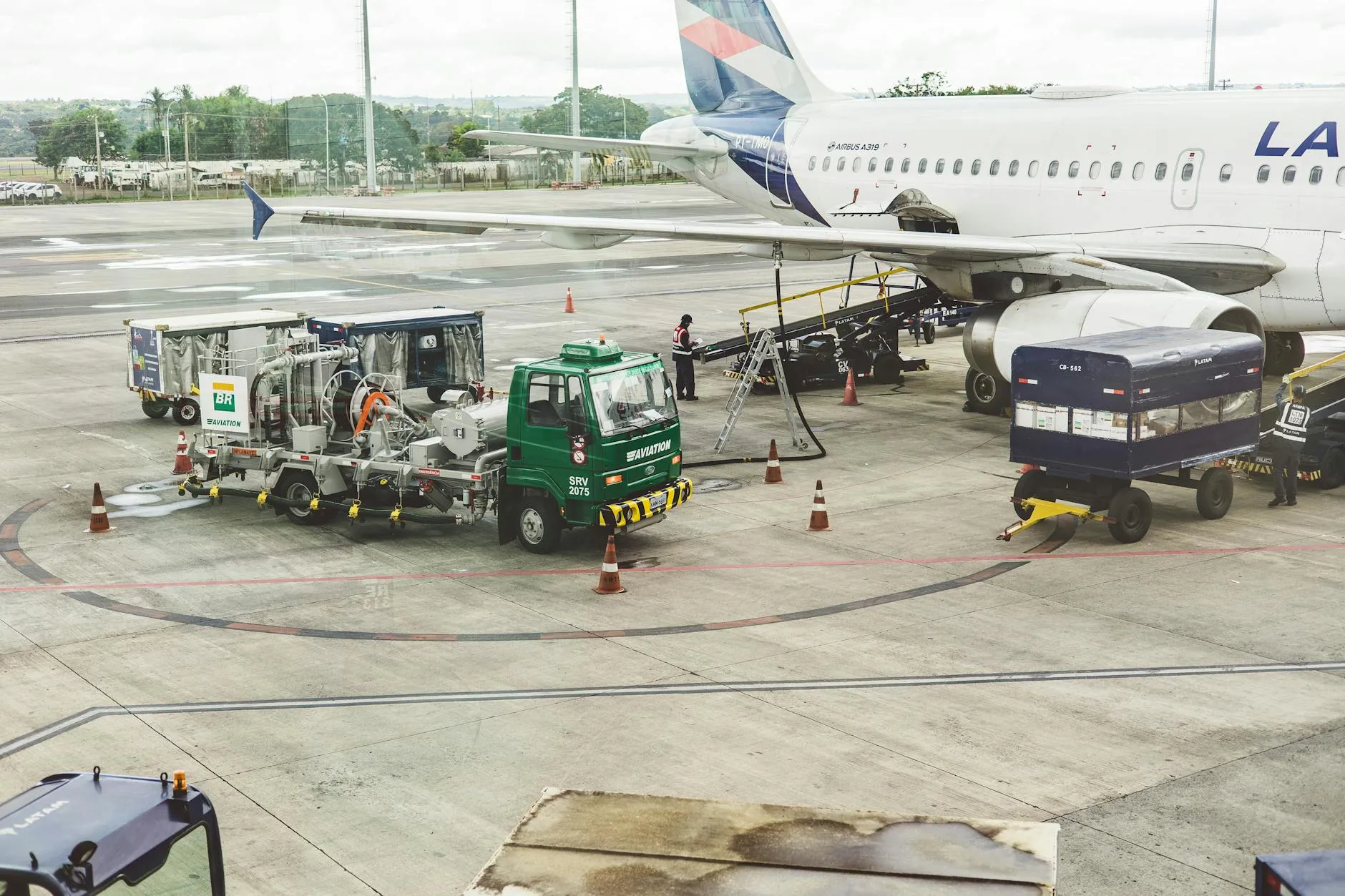
Ground support services in action at an airport terminal with visible aircraft and service vehicles.

💳 Visas

Most Western passport holders receive 90–180 days visa-free on arrival. Onward ticket sometimes requested.

🏥 Health

Yellow fever certificate required if arriving from an affected country. Routine vaccines recommended.

💶 Money

US Dollar (USD). Balboa (PAB) exists only as coins (1:1 peg).

📶 SIM & WiFi

Claro, Tigo, and Digicel available at Tocumen Airport arrivals. 5 GB data plan ~$5–10.

🔌 Electricity

Type A/B (US-style flat prongs), 110V/60Hz.

🛒 Safety

Tourist areas generally safe. Avoid Curundú, El Choríllo, and Colón city centre at night.

The administrative essentials. Visas, currency, vaccinations, safety, connectivity, and the small practical details that smooth a trip. Panama is one of the easier Latin American countries logistically. Visa-free entry for most Western passport holders, US dollar as legal tender, drinkable tap water in most cities, and 4G coverage across the populated areas. The table below summarises what you need to know before arriving.

ItemDetail
VisaMost Western passport holders receive 90–180 days visa-free on arrival. Onward ticket sometimes requested.
CurrencyUS Dollar (USD). Balboa (PAB) exists only as coins (1:1 peg). Paper money is all USD.
LanguageSpanish official. English widely understood in Panama City and Bocas del Toro (Canal-era US legacy).
Time zoneEST year-round (UTC–5). No daylight saving time.
PowerType A/B (US-style flat prongs), 110V/60Hz.
SIM cardsClaro, Tigo, and Digicel available at Tocumen Airport arrivals. 5 GB data plan ~$5–10.
VaccinationsYellow fever certificate required if arriving from an affected country. Routine vaccines recommended. Malaria prophylaxis for Darién and San Blas.
Tap waterSafe to drink in Panama City, Boquete, and major towns. Bottled/filtered in rural areas and islands.
SafetyTourist areas generally safe. Avoid Curundú, El Choríllo, and Colón city centre at night. Use registered taxis or Uber.
AirportTocumen International (PTY), 24 km from city centre. Metro Line 2 extension under construction. Currently taxi/Uber $25–35 to Casco Viejo.

Tips & Common Mistakes

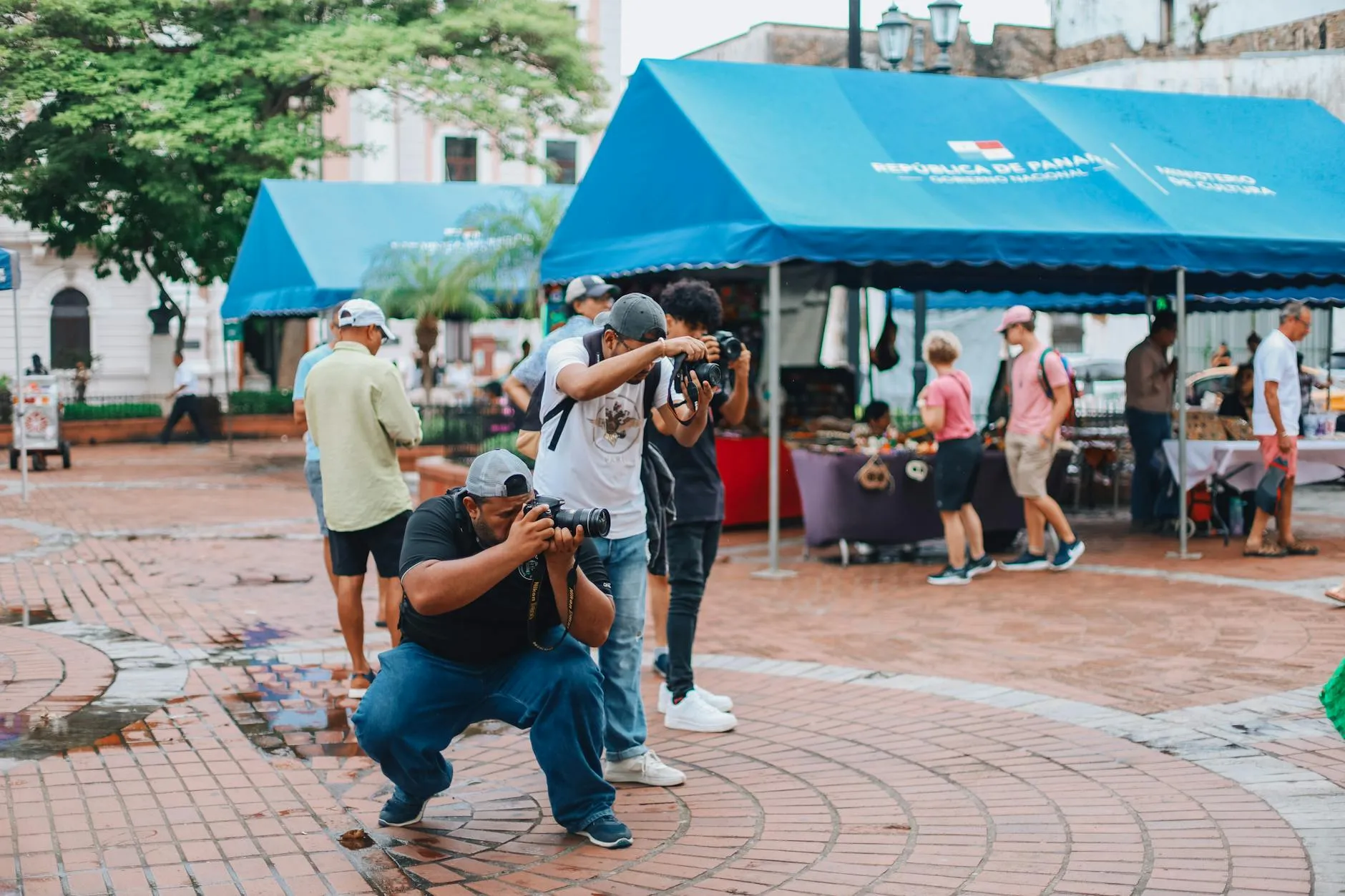
Photographers capturing moments in an urban Panama park with market stalls and diverse people.

The things that catch first-time visitors off guard. The price of bottled water, the speed at which Bocas weather changes, why the “direct” bus to Bocas takes 10 hours. The list below is the distilled wisdom from travellers who learned these things the hard way.

  • Don’t skip the Canal: Some backpackers dismiss it as “just a big ditch.” Watching a Neopanamax ship slide through with centimetres to spare is genuinely impressive. Go to Miraflores, not just the viewing point.
  • Book San Blas early: Island cabins have limited capacity. During dry season, popular islands fill 2–4 weeks in advance. Book transport + accommodation as a package.
  • Carry cash outside the city: San Blas, Azuero market towns, Darién, and some Bocas del Toro businesses are cash-only. Withdraw enough USD before leaving Panama City.
  • Respect Guna autonomy: Guna Yala is self-governed. Visitors pay island landing fees ($2–5), photography fees, and follow island rules. This is not a resort. It’s someone’s home territory.
  • Don’t underestimate Volcán Barú: It looks like a “walk up” on the map but gains 1,800 m with summit temperatures near freezing. Bring layers, headlamp, plenty of water.
  • Plan for the November holiday cluster: With national holidays on the 3rd, 4th, 5th, 10th, and 28th, November has frequent closures and road congestion. Great for culture. Challenging for logistics.
  • Negotiate taxi prices first: Panama City taxis have no meters. Agree on the fare before getting in. Uber/DiDi give transparent pricing.
  • Don’t ignore the Pacific: Most visitors focus on the Caribbean, but the Pacific coast (Santa Catalina, Pedasí, Coiba) has world-class surf, diving, and whale watching with far fewer tourists.
✅ Couple Tip

Panama City’s Casco Viejo has a strong rooftop bar and restaurant scene. For a special evening, try Tantalo rooftop or CasaCasco terraza at sunset. Views over the Bay of Panama and the old town. Budget $30–50 for two including cocktails.

Final Recommendation

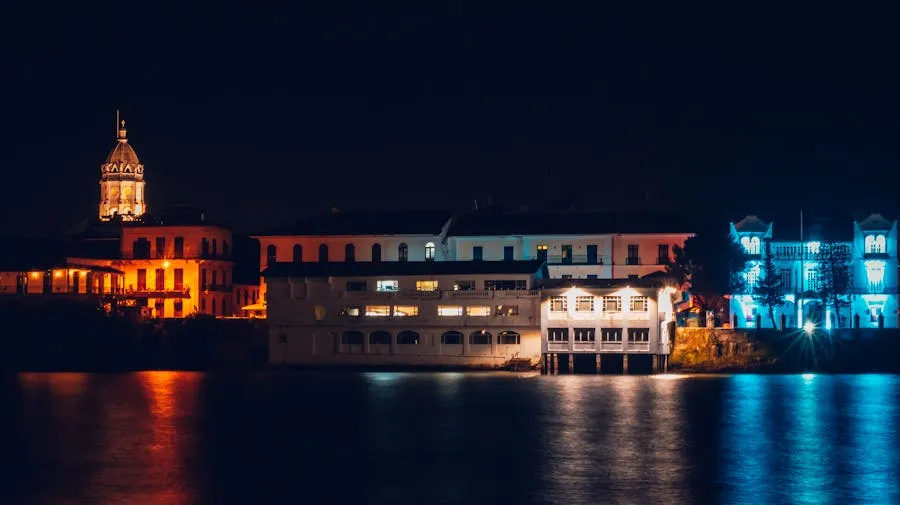
Panama City waterfront at night

Panama punches well above its size. In two weeks you can stand atop a volcano at sunrise, watch container ships glide through one of the great engineering feats of the modern age, sleep in a hammock on a Guna island where the nearest WiFi is a boat ride away, taste $100-a-cup coffee at its source for $5, snorkel Caribbean coral in the morning and surf Pacific waves in the afternoon.

The USD economy simplifies budgeting but raises the floor compared to neighbouring countries. Expect to spend more than Colombia or Guatemala, but less than Costa Rica. The payoff is convenience: ATMs work with any card, tipping norms are familiar, and the domestic transport network (flights, modern buses, Metro) is the best in Central America.

Start with Route A (Panama City, Bocas, Boquete) if you have 10 days. Add San Blas for two weeks. Go deeper (Azuero, Coiba, Darién) if you have three weeks and want to see a side of the country that most visitors miss entirely.

✅ The One Thing Not to Miss

San Blas (Guna Yala). The combination of indigenous autonomy, absurdly clear water, and genuine remoteness is unlike anything else in the Americas. It is not the most comfortable accommodation you will ever have. But it may be the most memorable.