☀ Mexico’s travel seasons are shaped by two factors: rain and heat. The dry season (November–April) is the classic window. But the shoulder months offer excellent value with manageable weather.
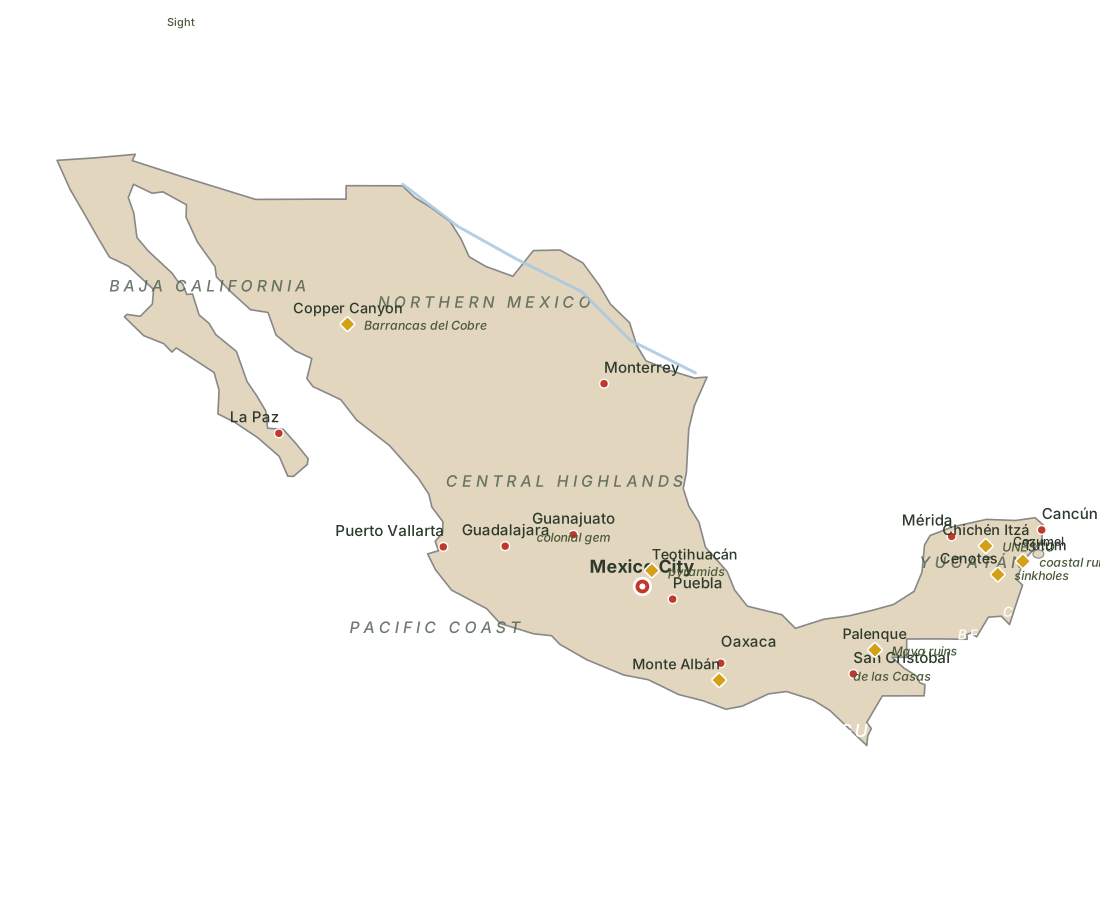
Hurricane season: June to November affects the Caribbean coast (Cancún, Tulum, Playa del Carmen) and Pacific coast. The Yucatán interior (Mérida, Valladolid) and highlands (Oaxaca, CDMX, San Cristóbal) are largely unaffected. Inland travel during rainy season is perfectly viable.
Sargassum seaweed (Apr–Aug): Massive mats of brown seaweed wash ashore on Caribbean-facing beaches, peaking June–July. Tulum beach and parts of Playa del Carmen are hit hardest. Naturally shielded beaches: Isla Mujeres (north shore), Cozumel (west coast), Cancún’s north arc, and the entire Pacific coast. Major resorts deploy daily cleanup crews, but budget beaches may be thick with sargassum. Cenotes, ruins, and inland destinations are completely unaffected. Don’t cancel your trip, just adjust your beach expectations or switch coasts. Mid-November to mid-December is the cleanest Caribbean beach window with low crowds and post-hurricane calm.
Climate & Weather
Mexico’s climate varies dramatically by altitude and coast. The coastal lowlands are tropical and humid year-round, while the central highlands (Mexico City at 2,240 m, Oaxaca at 1,550 m) enjoy spring-like temperatures even in summer. Understanding this altitude effect is key to planning comfortable travel.
Altitude matters: Mexico City averages 15–25°C year-round thanks to its 2,240 m elevation. Pack layers for highland cities. Mornings can be cool (10°C) even when the coast is sweltering at 35°C. San Cristóbal de las Casas (2,200 m) can drop below 5°C on winter nights.
Rain pattern: The rainy season (Jun–Sep) typically brings 1–3 hour afternoon downpours followed by sunshine. Mornings are usually clear. Plan outdoor activities for the morning and embrace the afternoon break. Perfect for museums, markets, and mezcal.
Seasons & Temperatures
Mexico’s seasons affect pricing, crowds, and regional accessibility. The dry season is universally good, but savvy travellers can exploit the shoulder and rainy seasons for significant savings.
Dry Season (November – April)
Clear skies, comfortable temperatures, and the busiest tourism window. Prices highest during Christmas/New Year and Semana Santa (Easter week). Mérida and Yucatán interior hit 35°C+ in March–April. Whale watching in Baja California Sur (Jan–Mar) and monarch butterfly season in Michoacán (Nov–Mar) are dry-season highlights.
Rainy Season (May – October)
Afternoon thunderstorms, lush green landscapes, and dramatically lower prices. The Caribbean coast faces hurricane risk (Aug–Oct at its height), but the highlands and Pacific side are manageable. Sea turtle nesting season (Jun–Nov) on both coasts. Día de los Muertos preparations begin in late October.
Best value window: Late April to mid-June offers the sweet spot. Dry season weather lingers, prices drop, and crowds thin. October is underrated. Rain is tapering, prices are low, and Día de los Muertos (Nov 1–2) is around the corner. Cleanest backpacking window: Mid-November to mid-December. Post-hurricane, pre-Christmas crowds, sargassum-free Caribbean beaches, dry weather, and shoulder-season prices across the board.
Average Temperatures
Monthly averages across Mexico’s main travel destinations. Highland cities stay mild year-round, while coastal areas are consistently hot and humid.