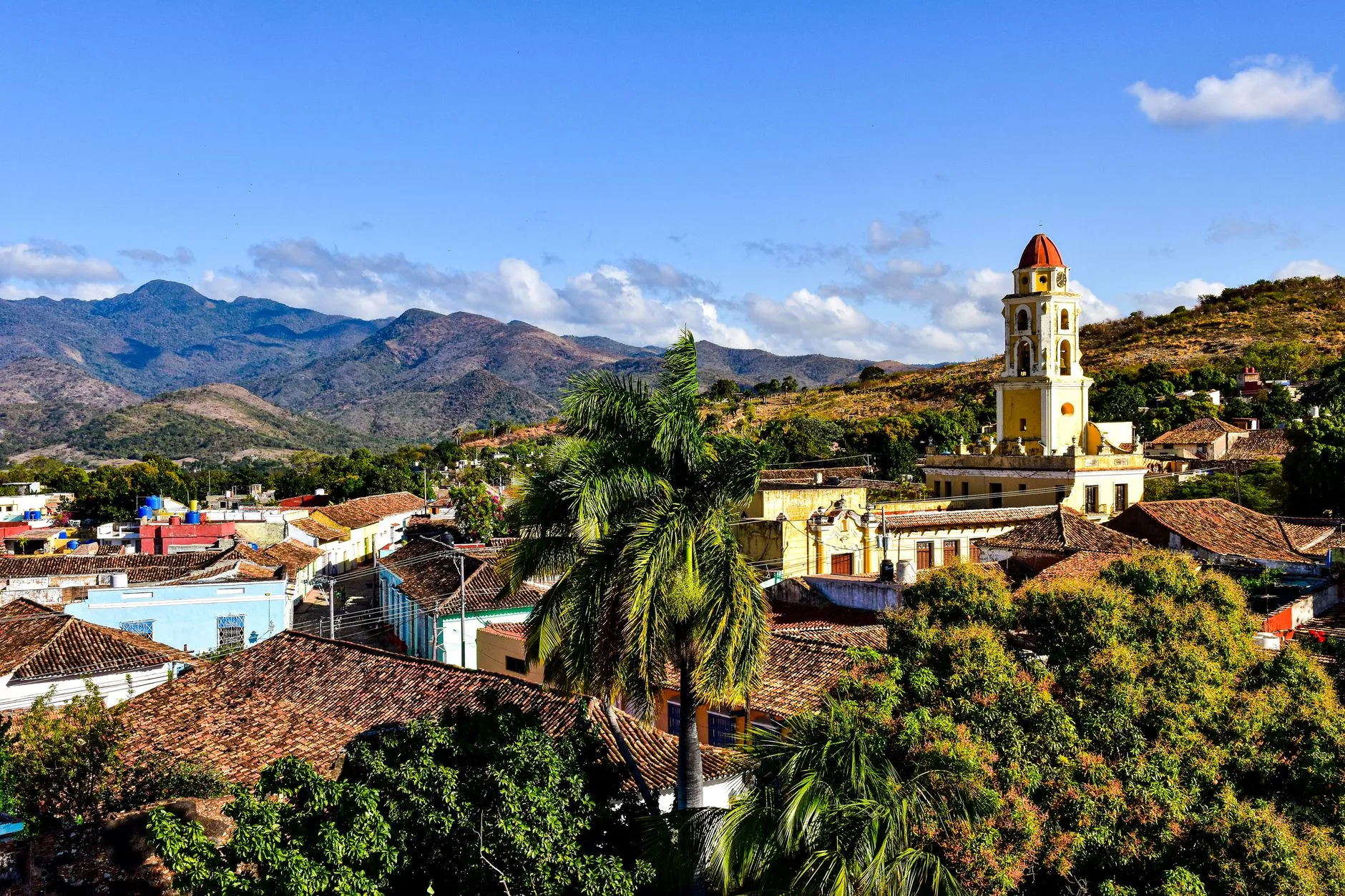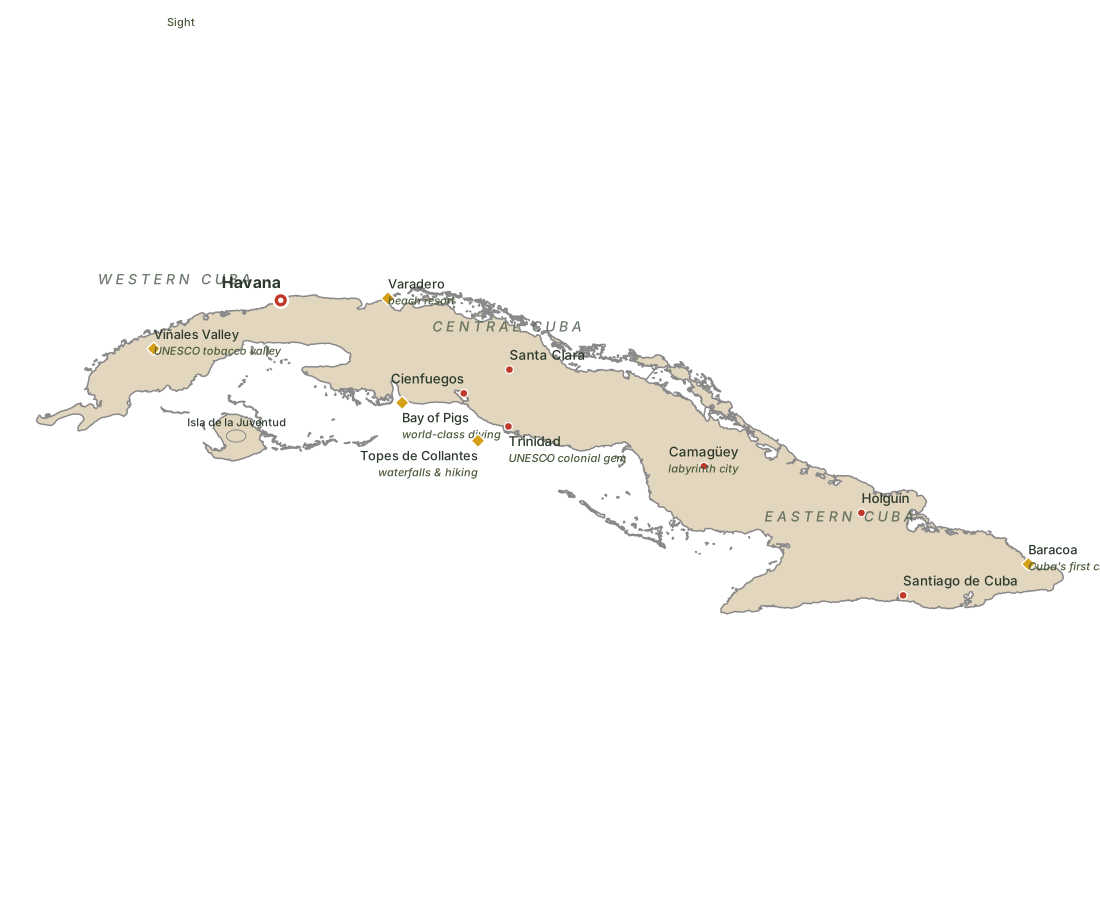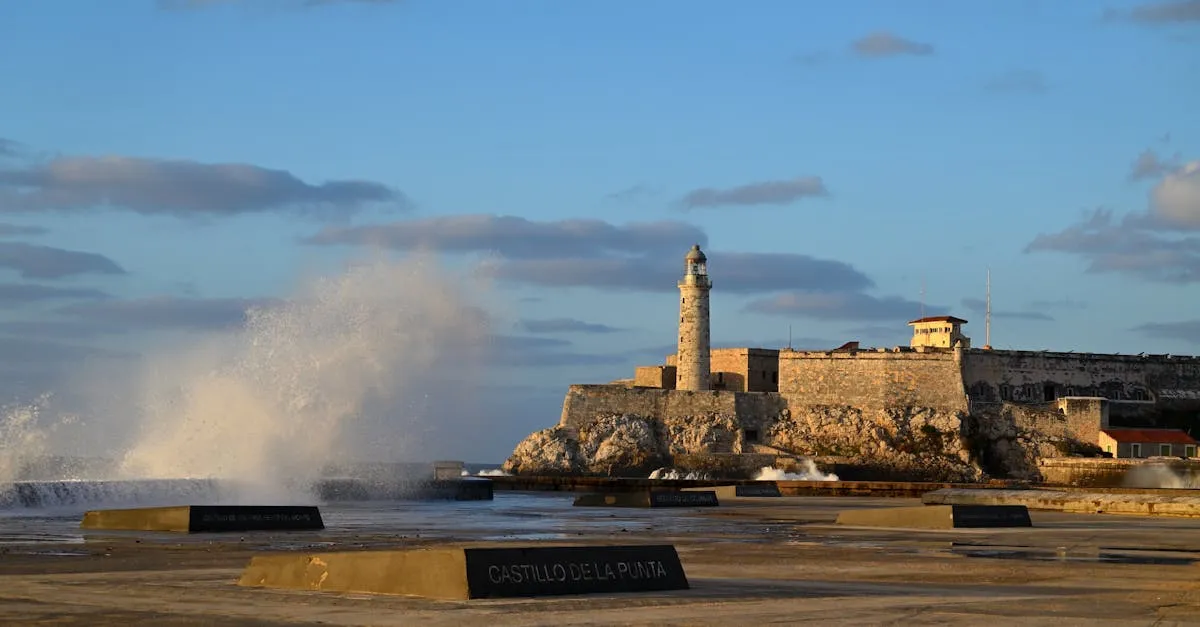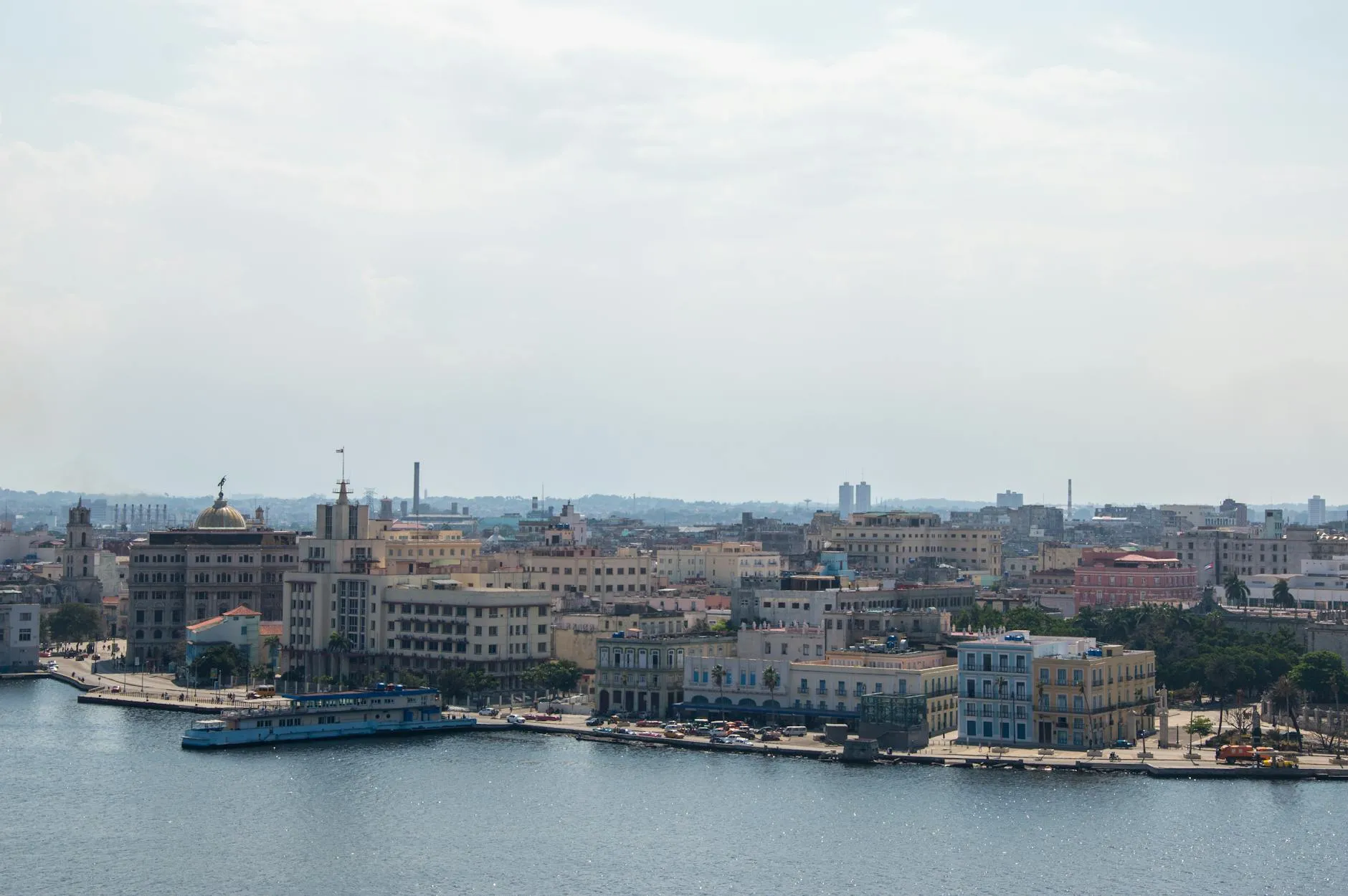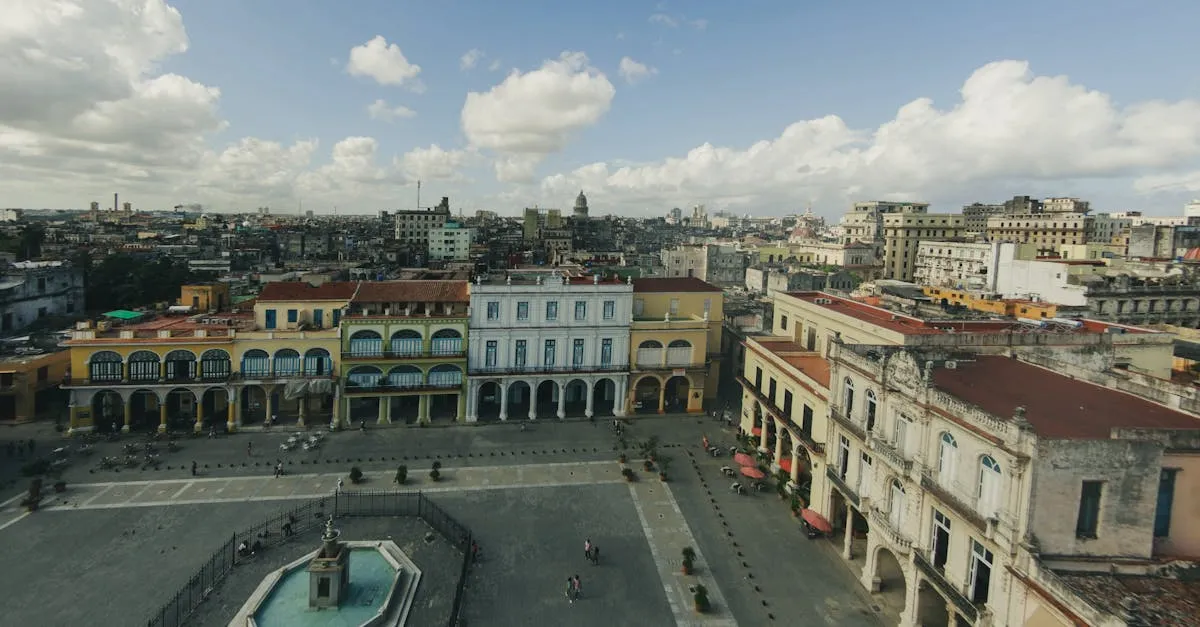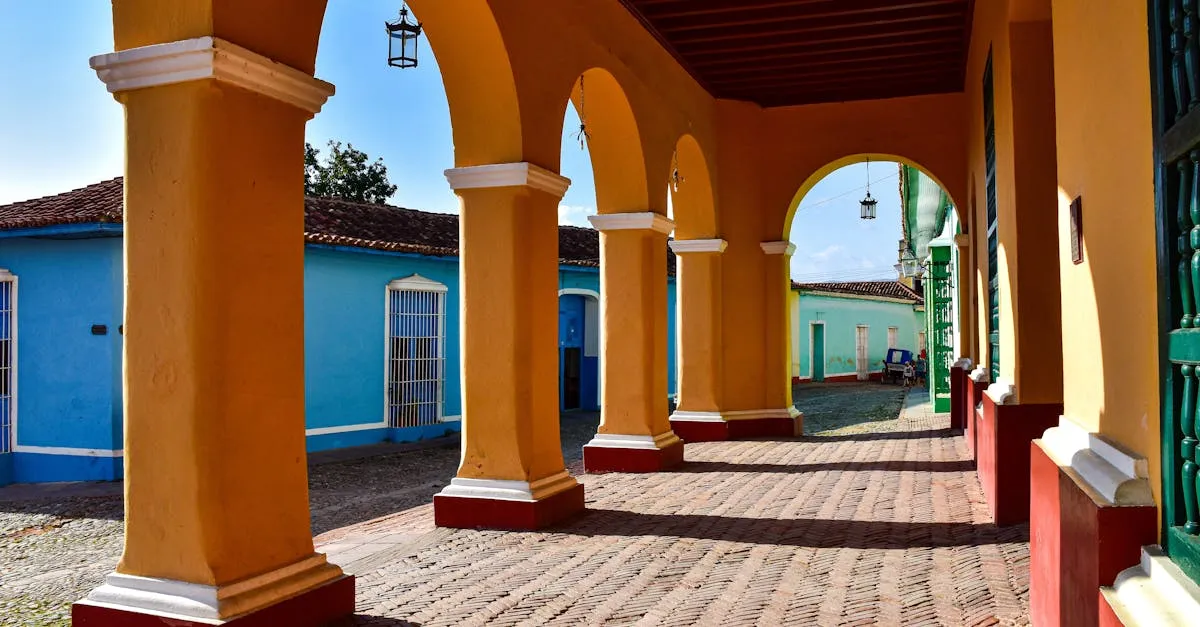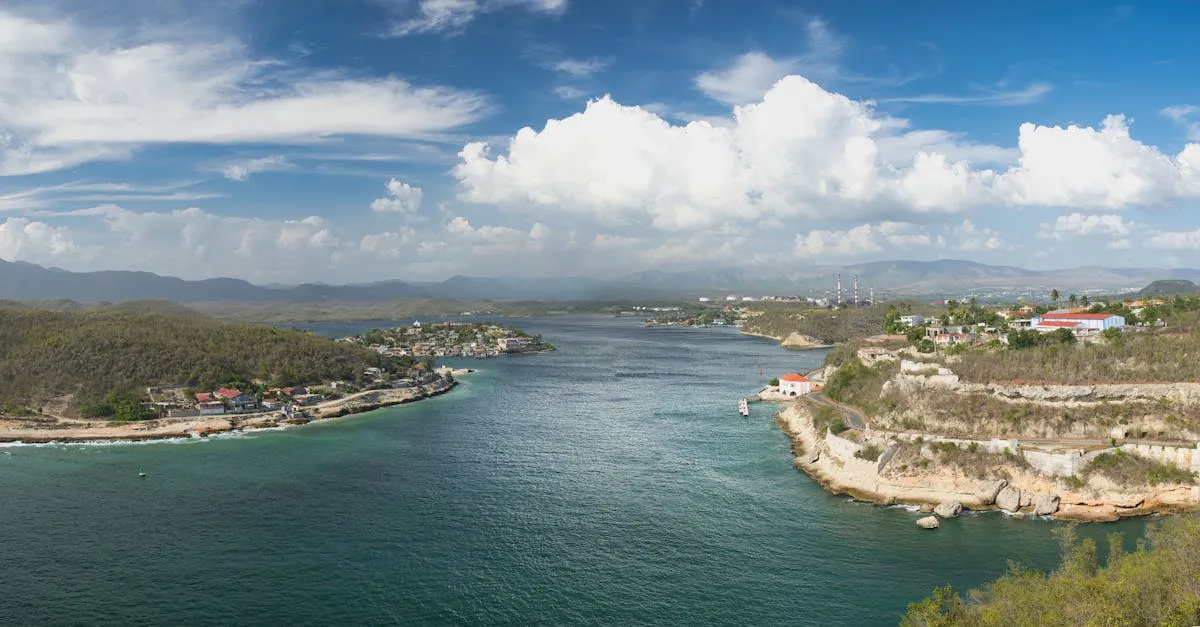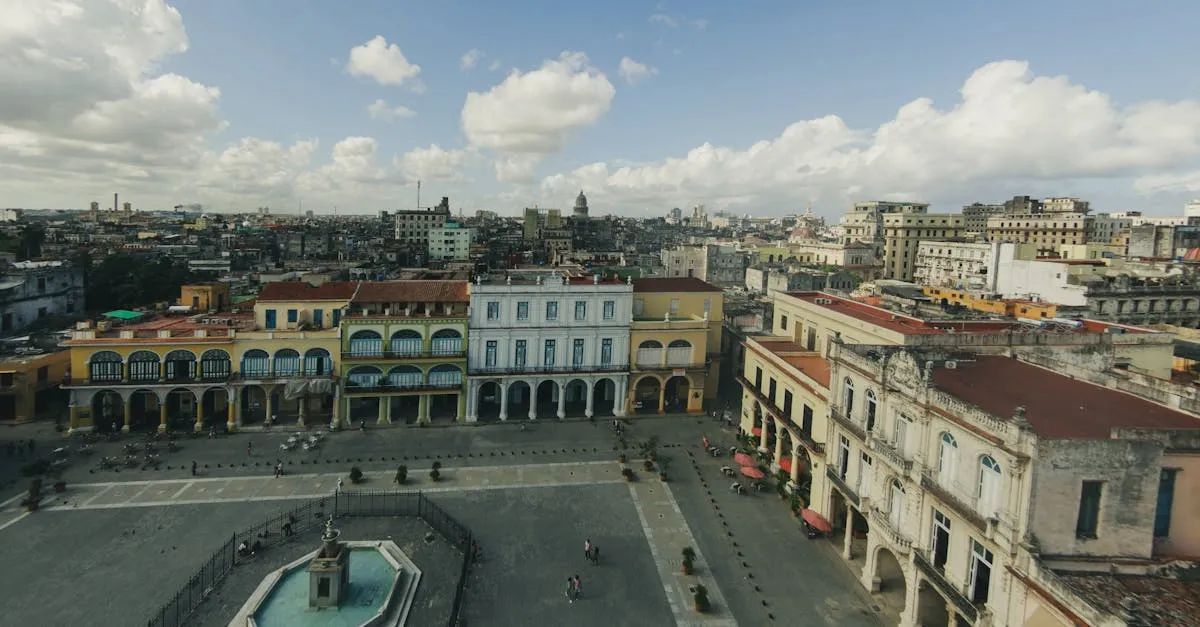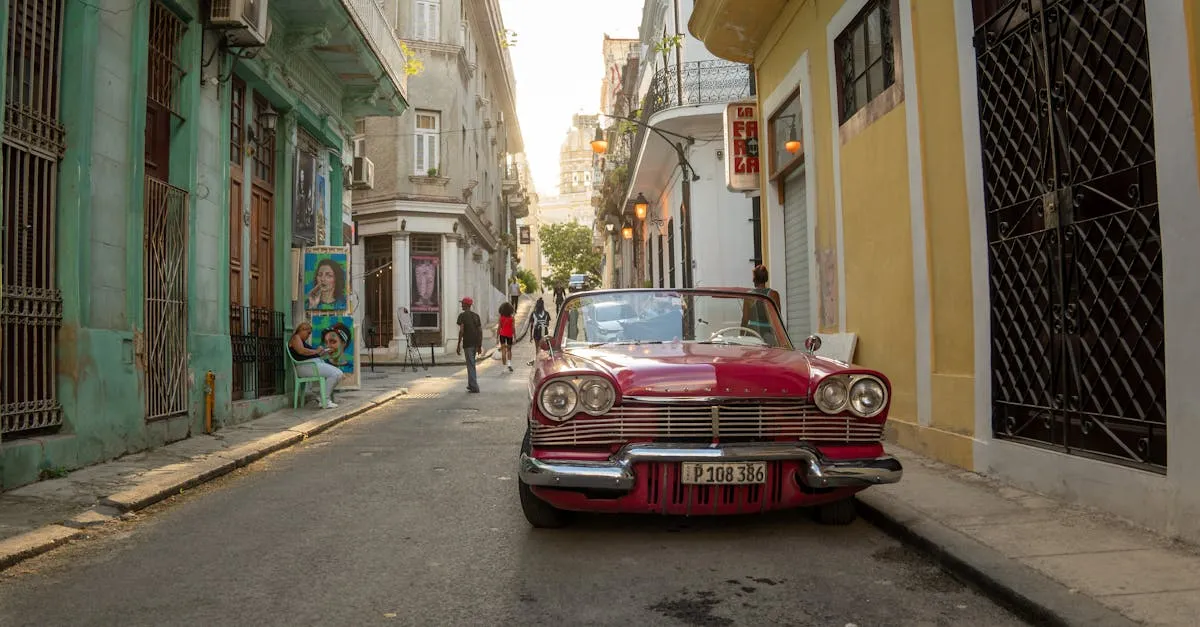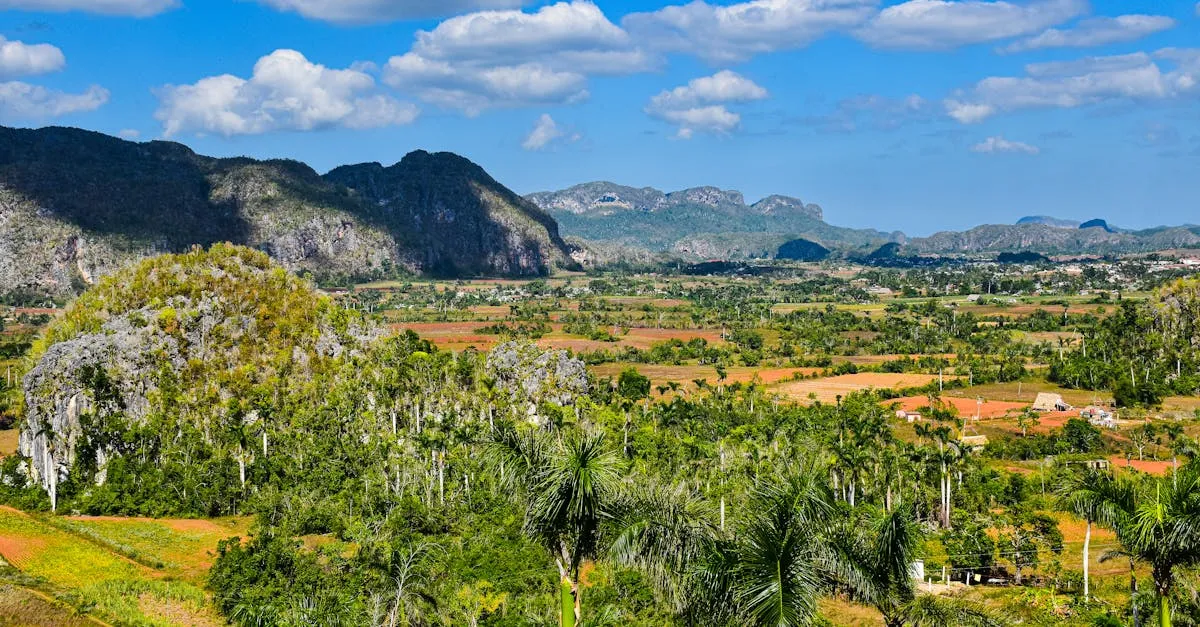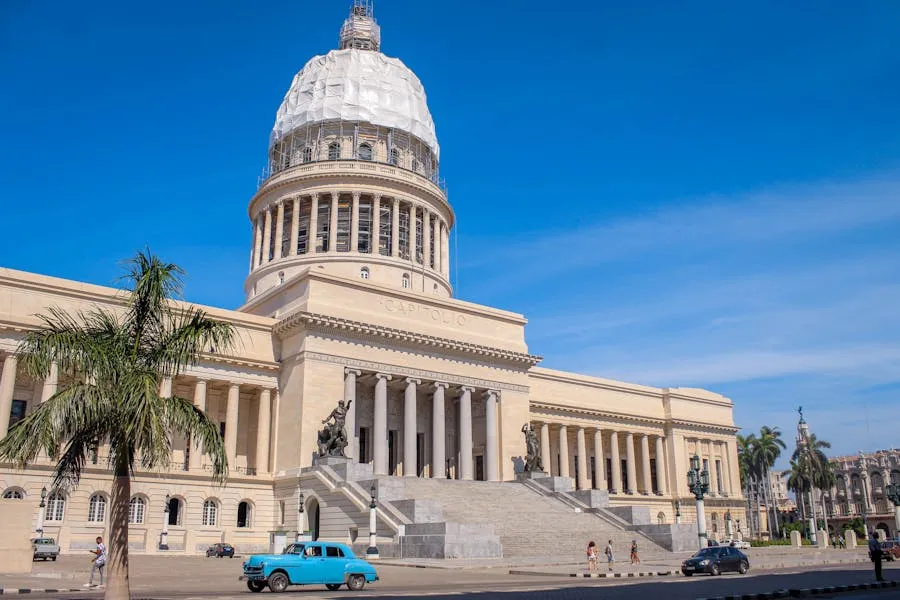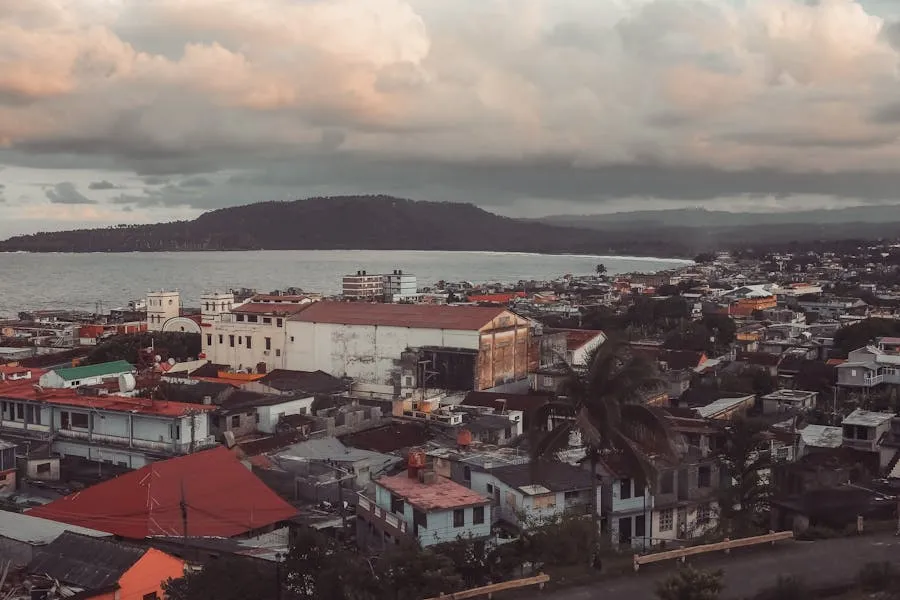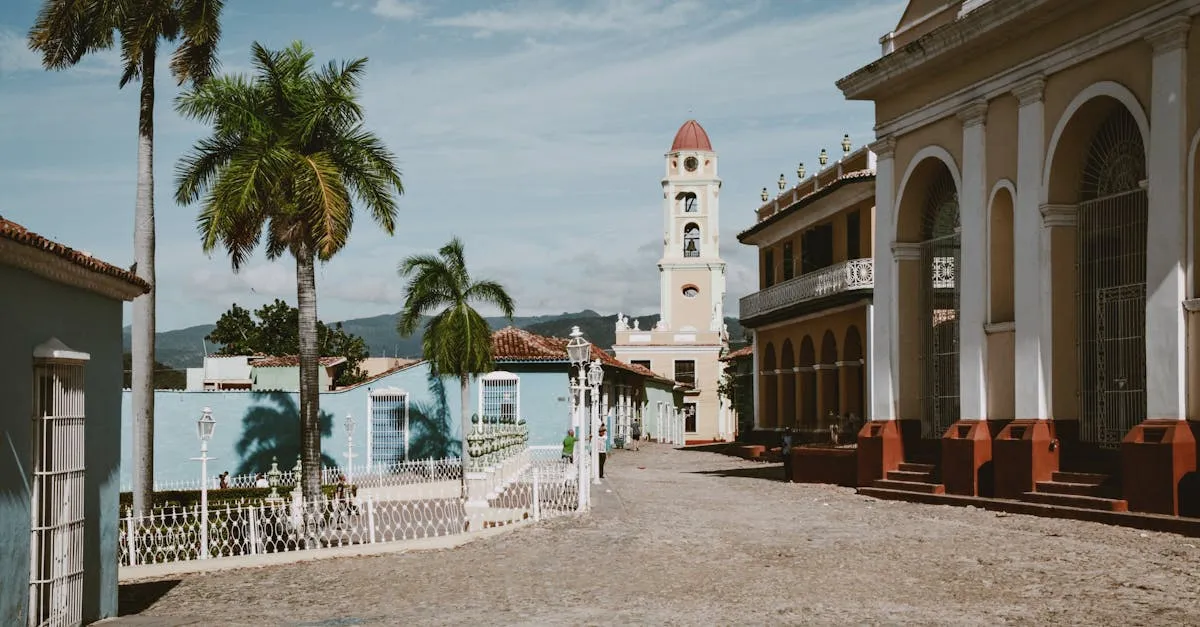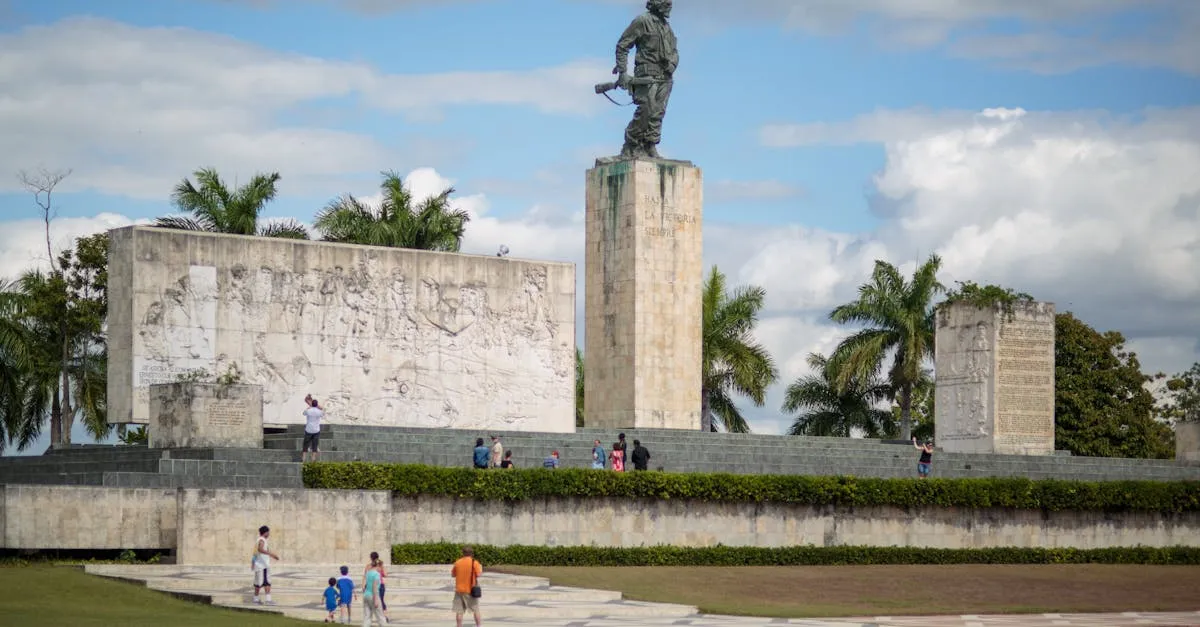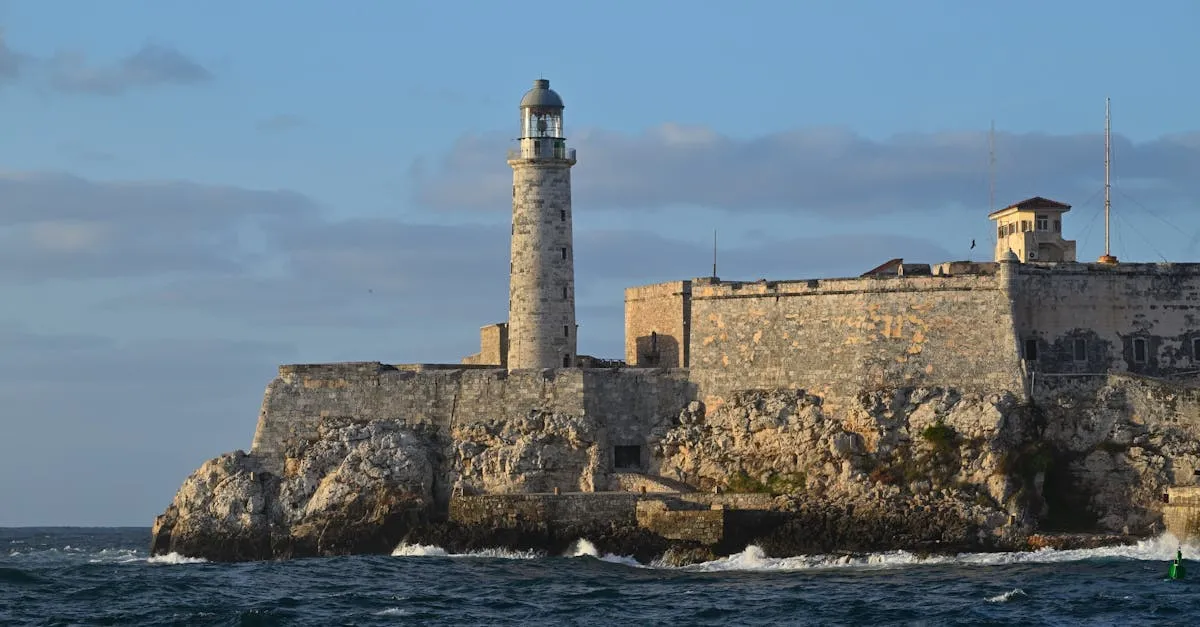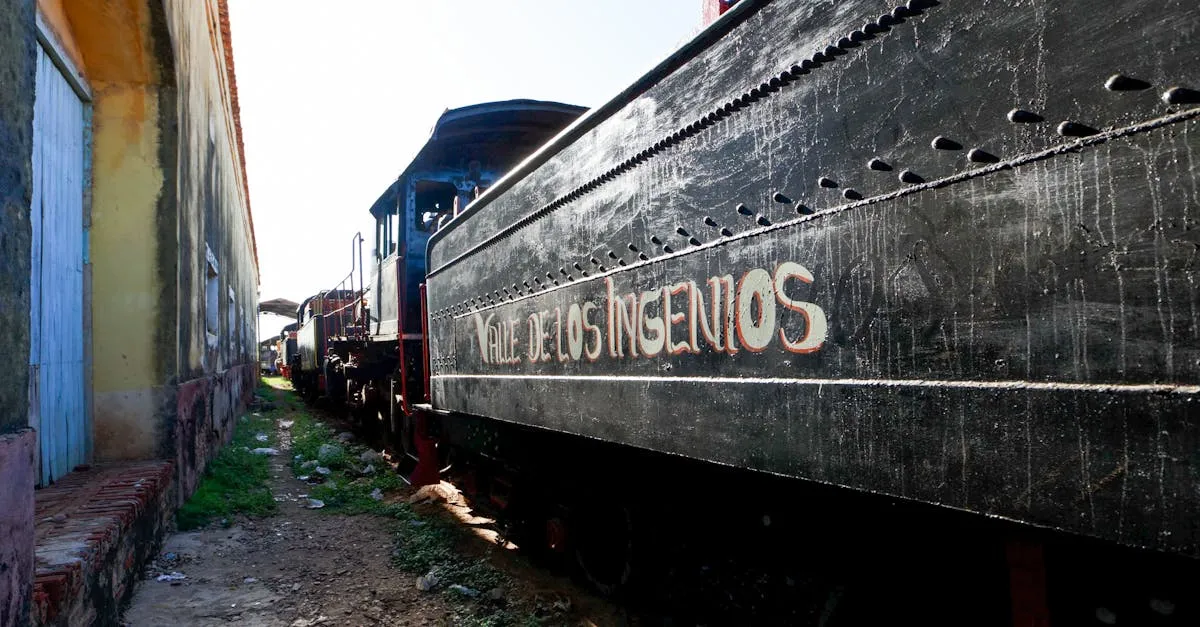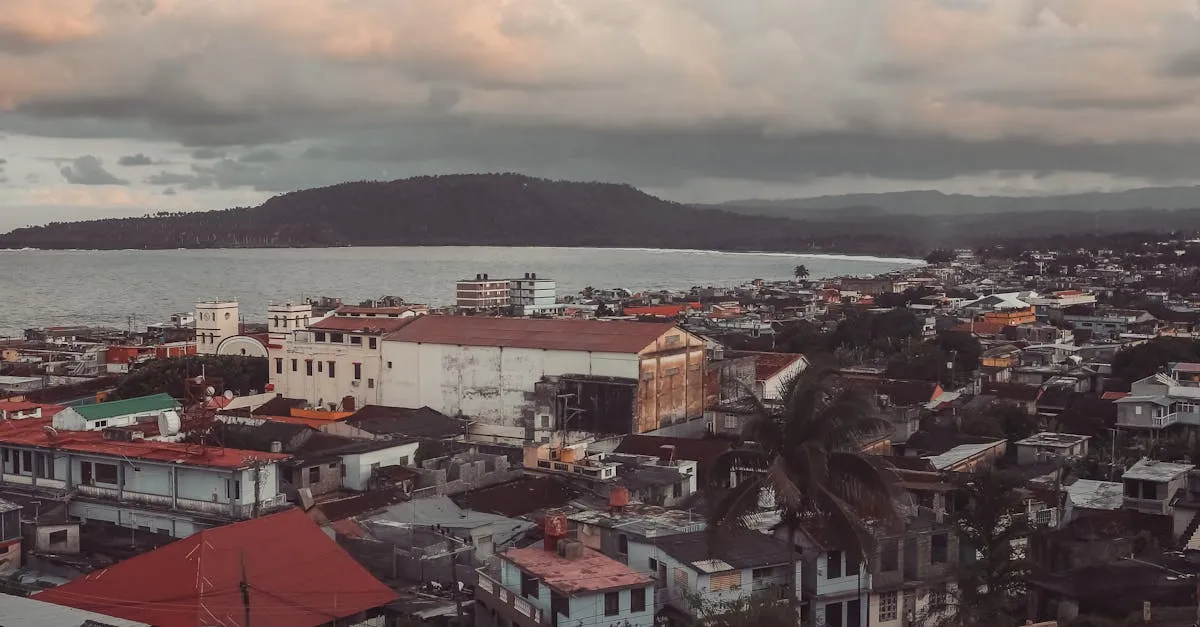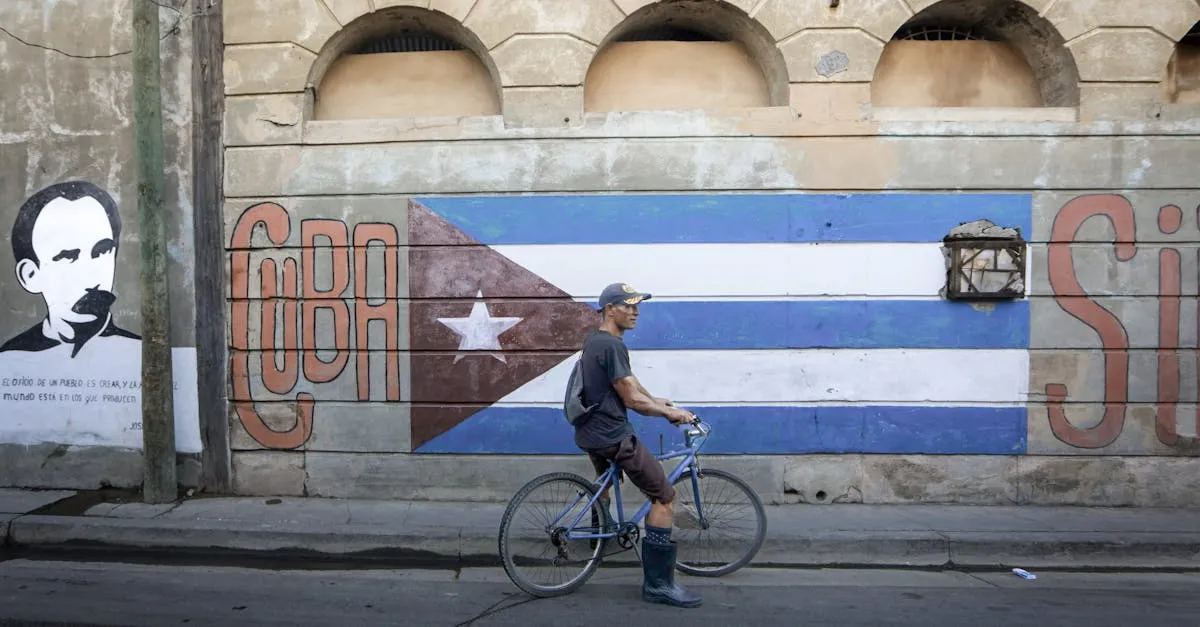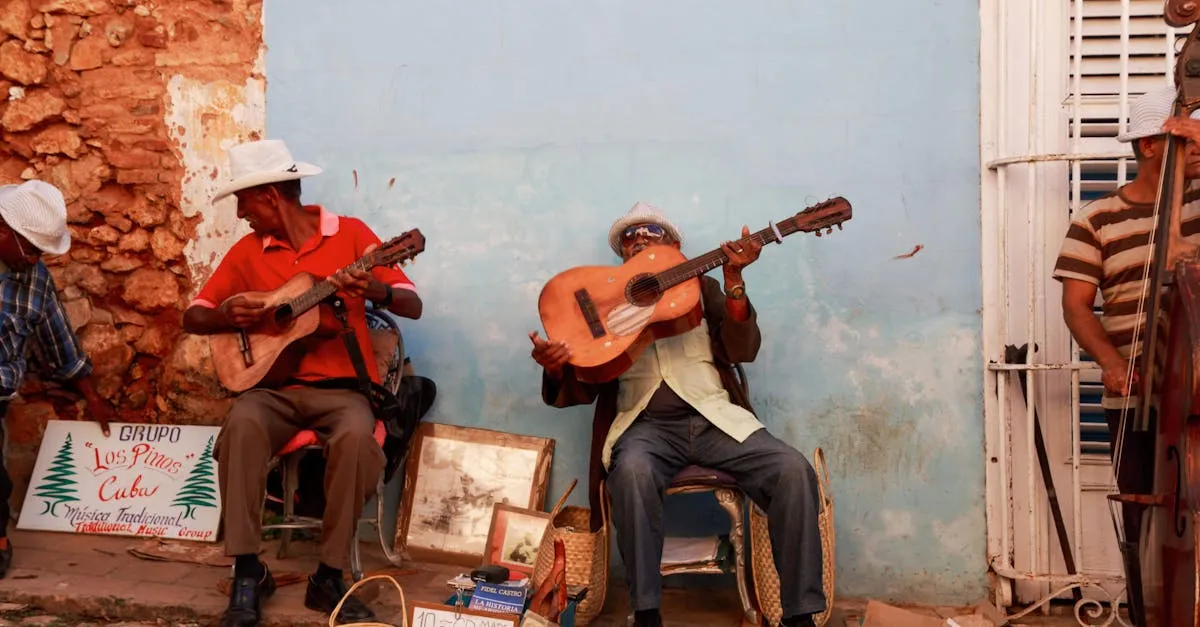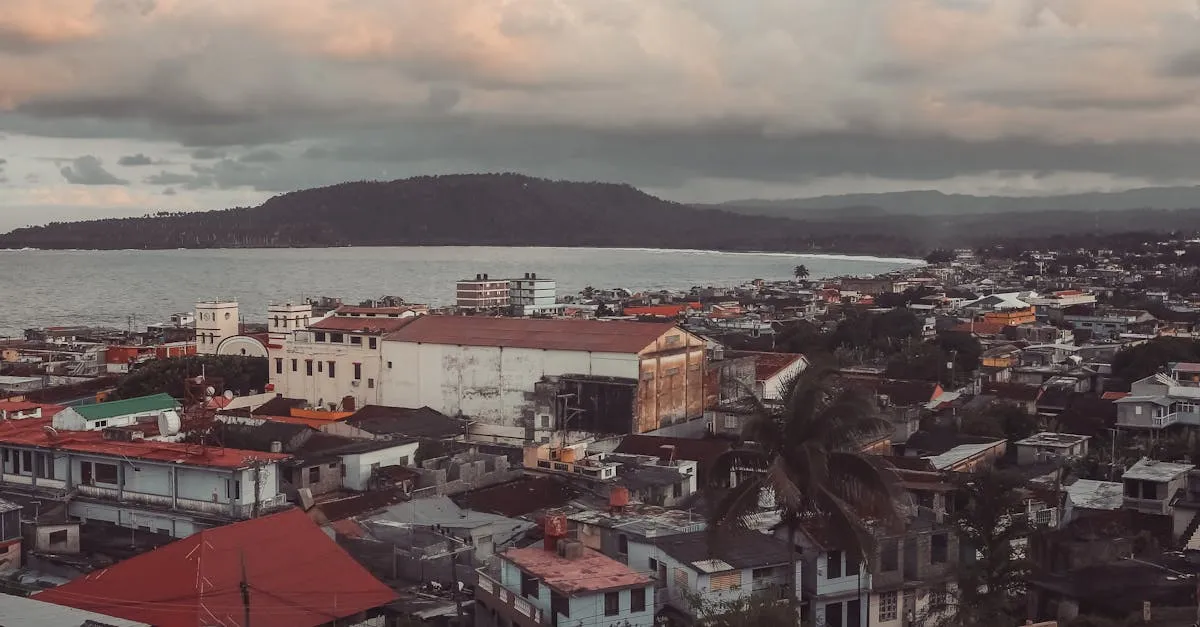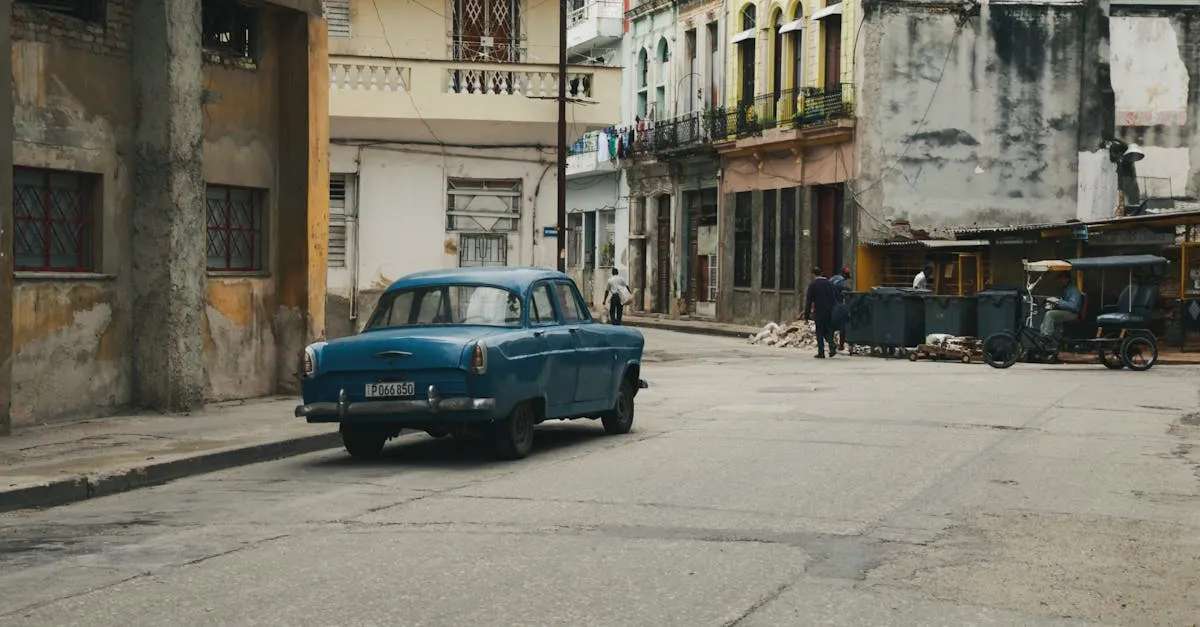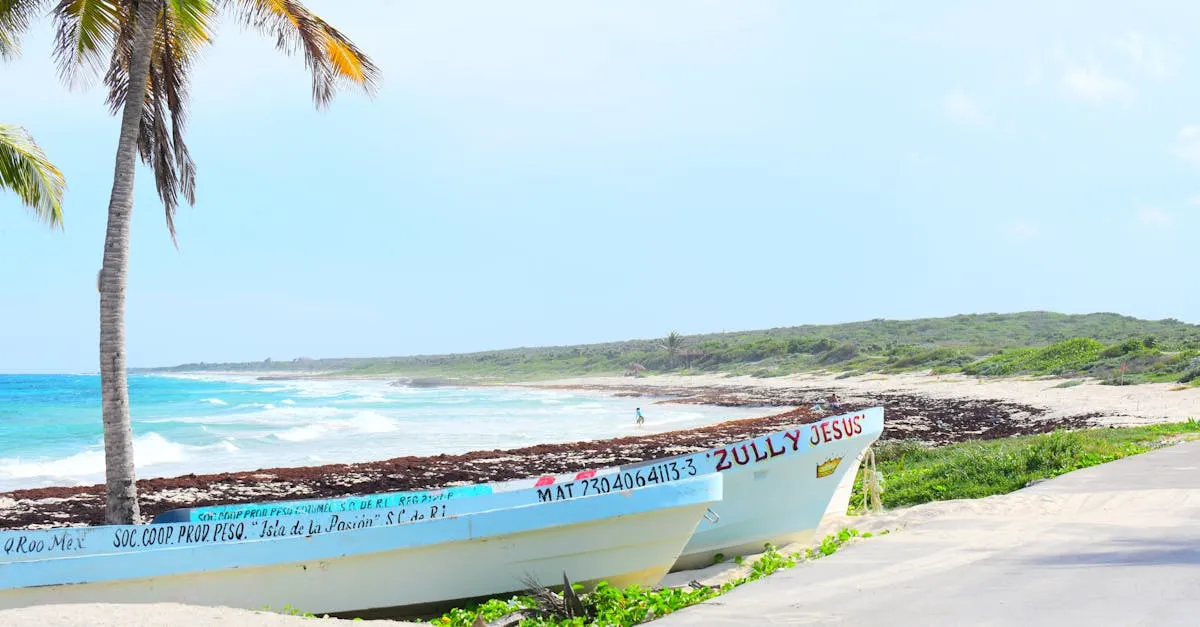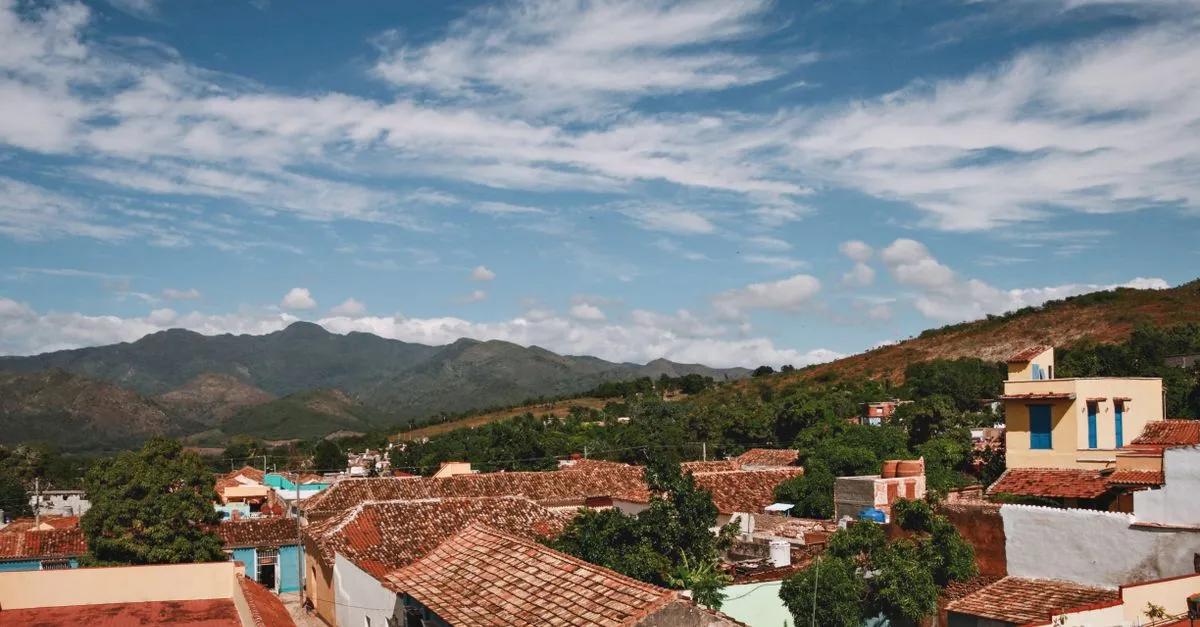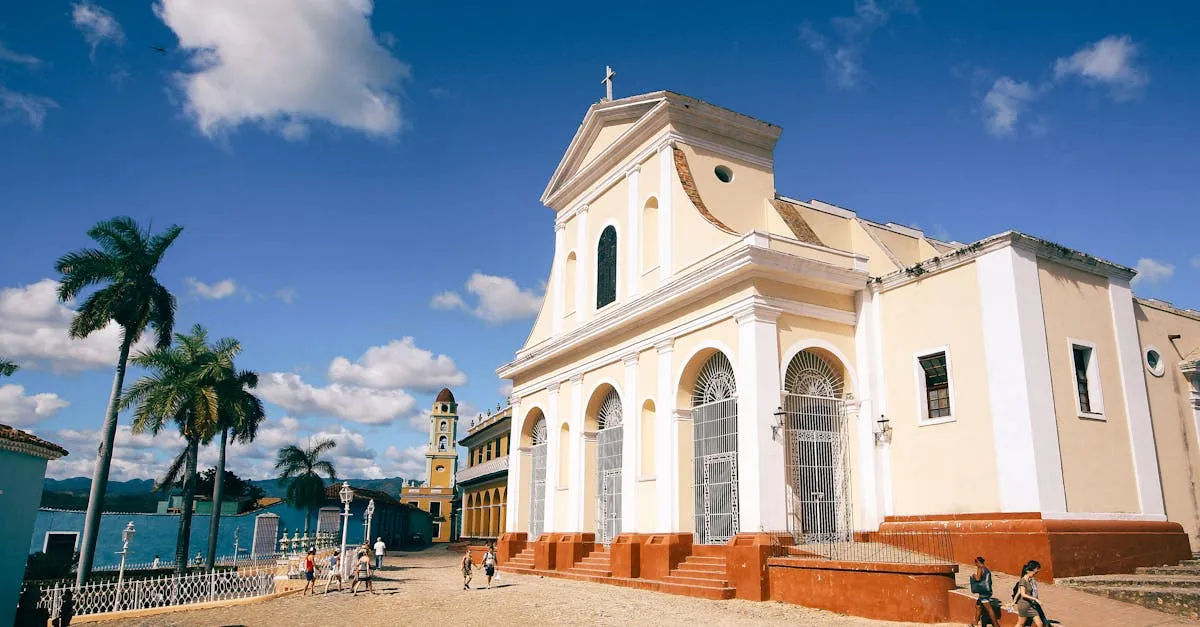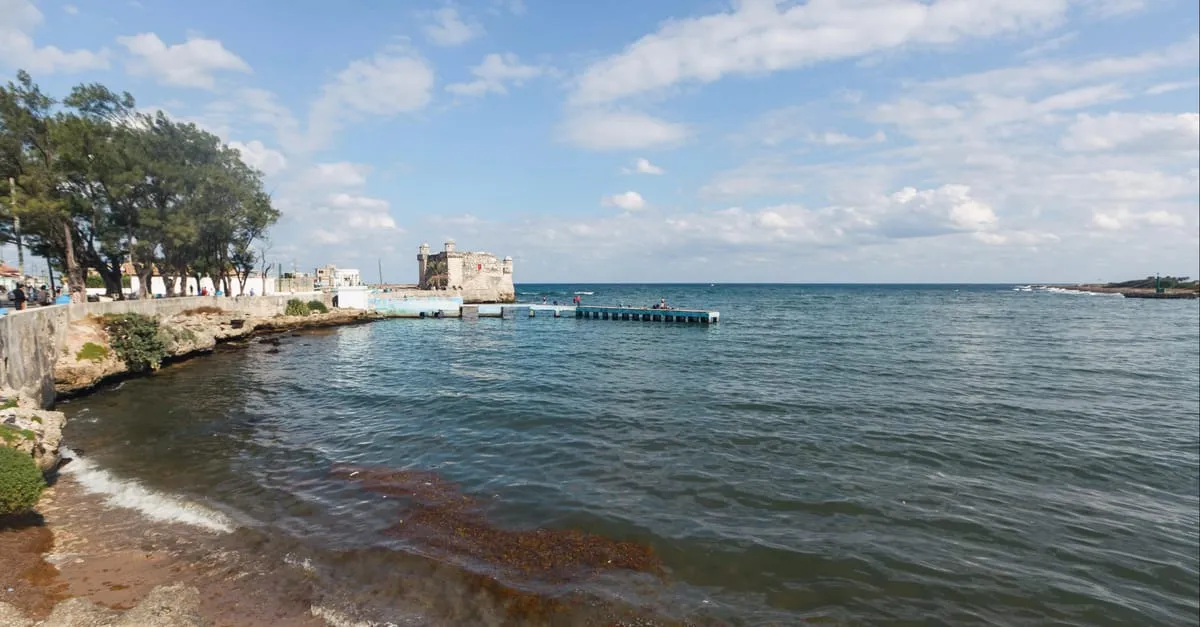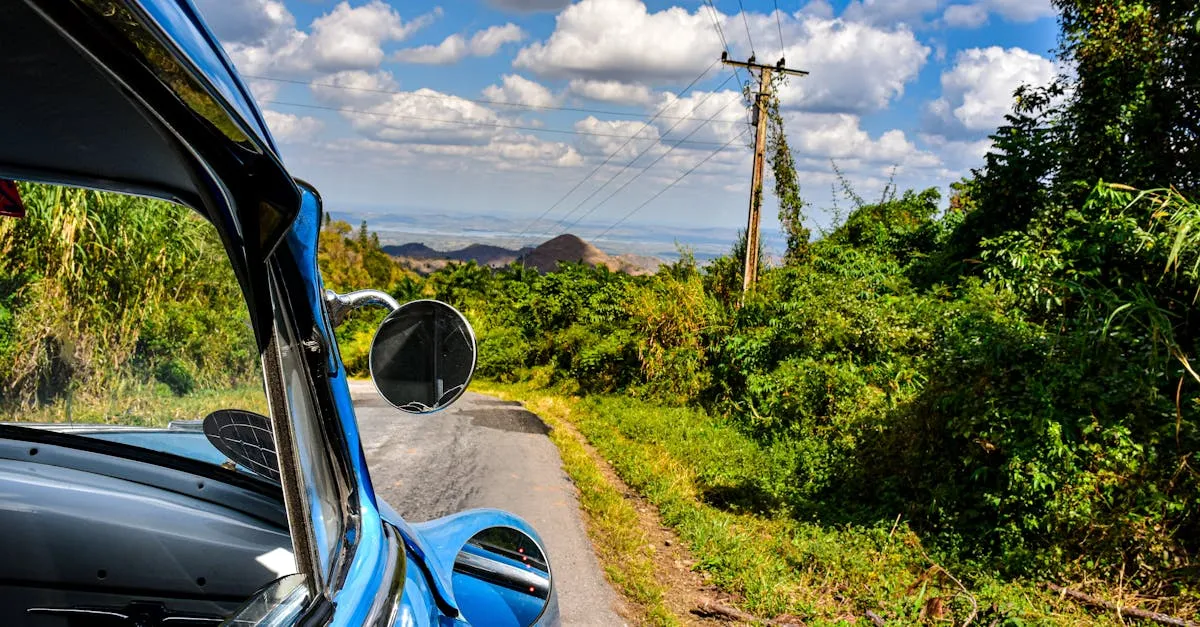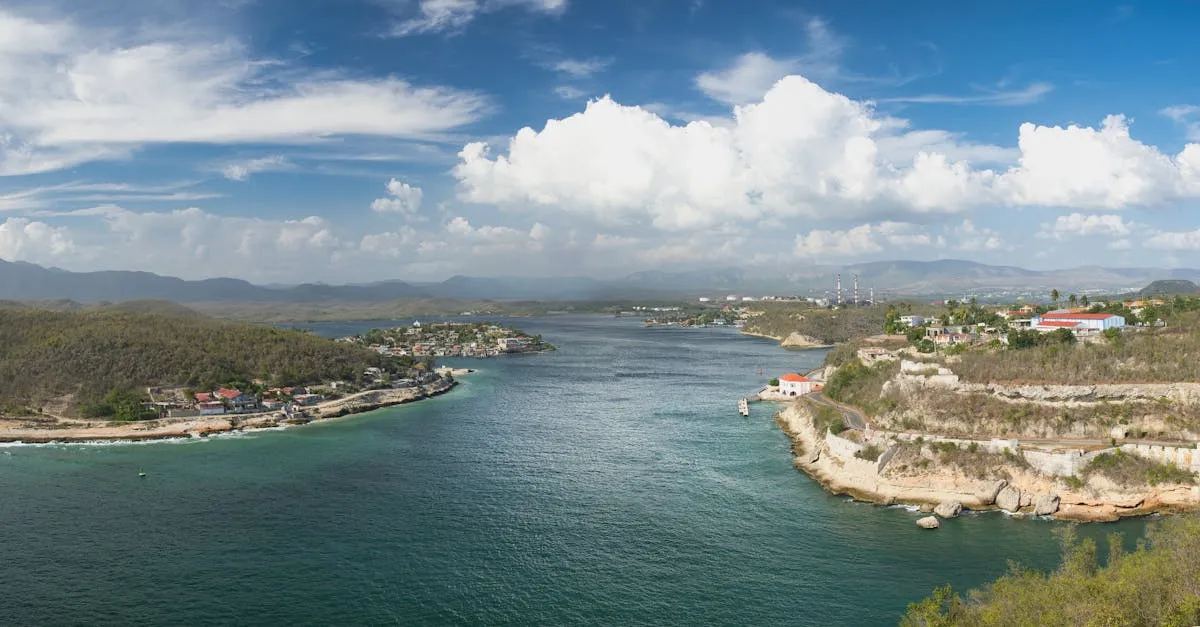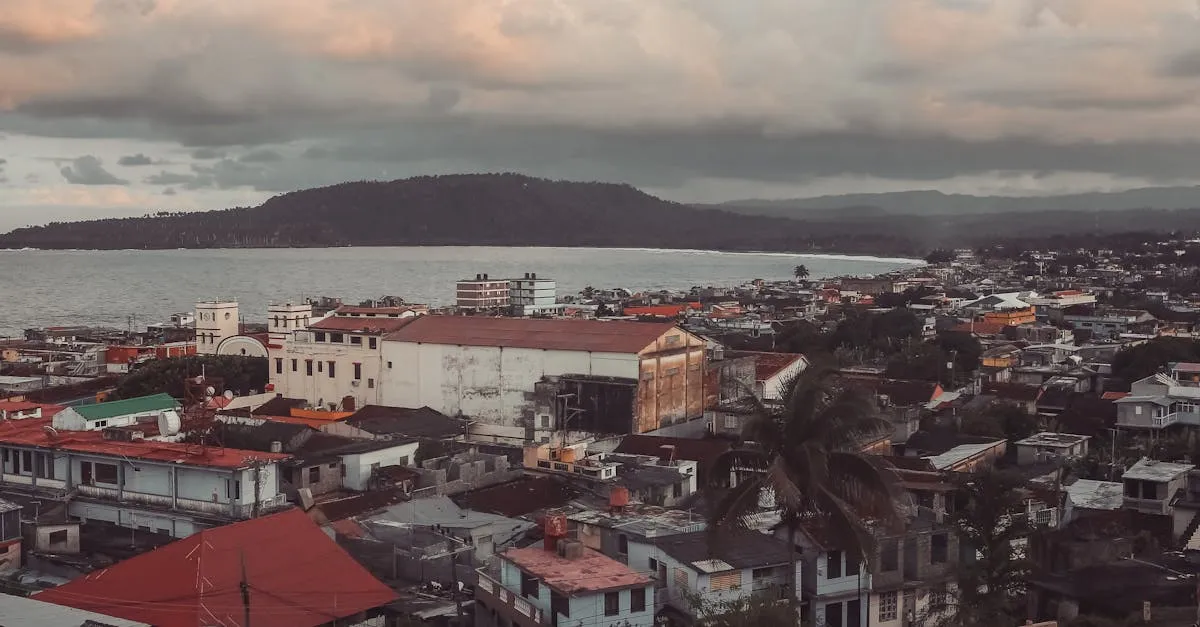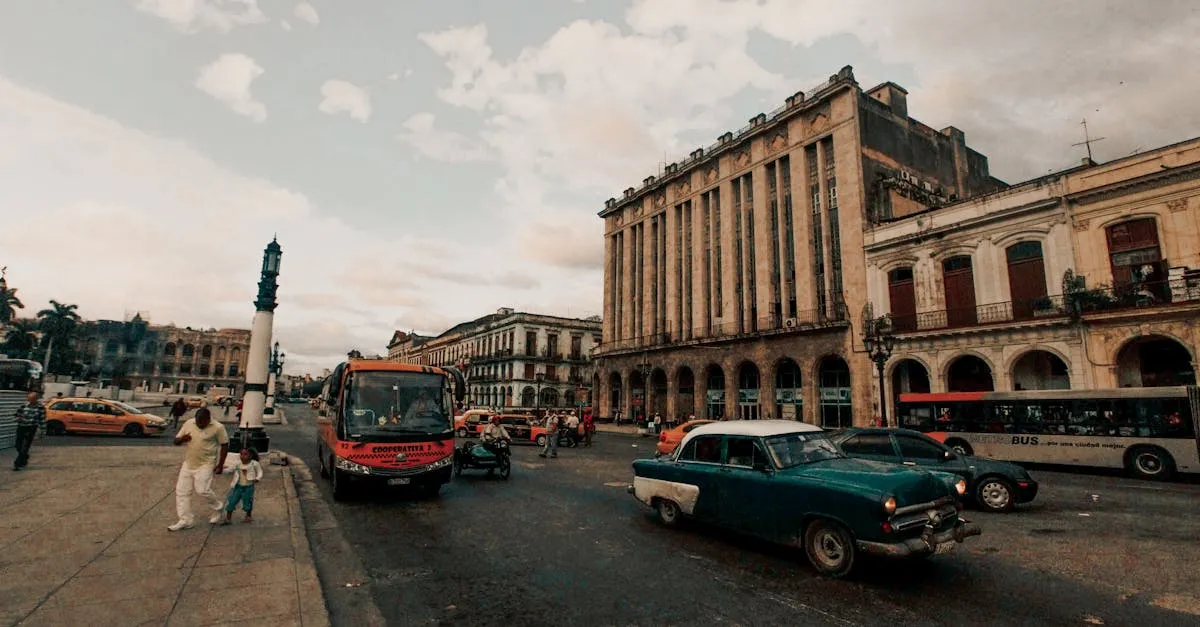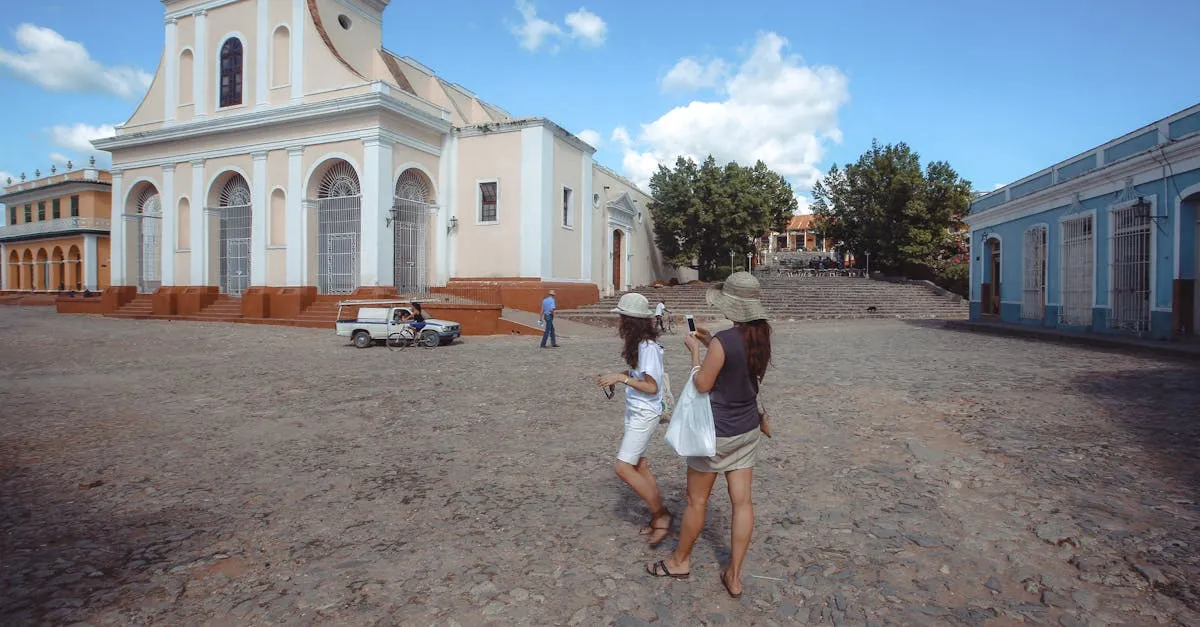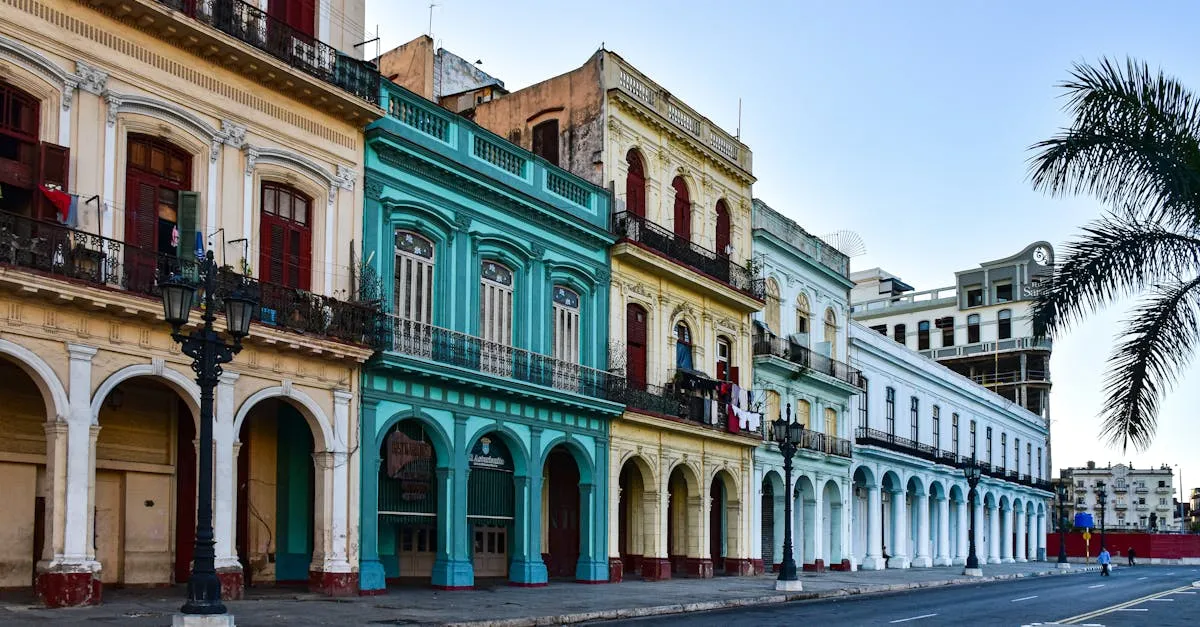
🇨🇺 Cuba is the Caribbean’s largest island. It’s a place where crumbling colonial grandeur, 1950s American cars, Afro-Caribbean rhythms, and revolutionary history collide in a way that exists nowhere else on Earth. ⚠ The infrastructure crisis of 2024–2026 makes independent travel harder than ever. But those who come prepared find an island of extraordinary warmth, resilience, and cultural depth.
Travel Style
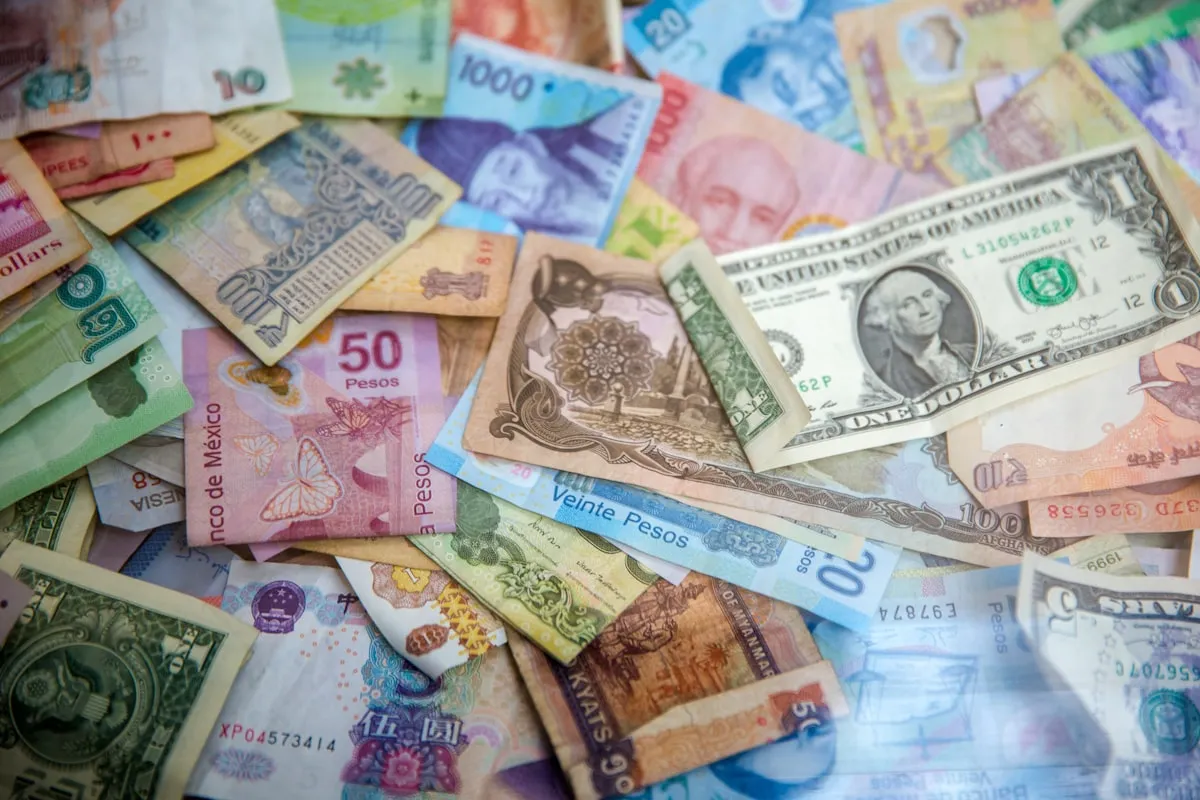
Cuba demands flexibility and patience. Stay in casas particulares (family homestays). They’re the heart of independent travel here. Move between cities by Viazul bus or colectivo (shared taxi). Bring all your money in cash (EUR or USD). ATMs and cards are unreliable or non-functional. Typical casa: US$25–40 (≈ €23–37)/night.
Key Facts
Area: 109,884 km² (roughly the size of Bulgaria)
Currency: Cuban Peso (CUP), but EUR/USD used widely
Language: Spanish (very limited English)
Capital: Havana (La Habana)
Population: ~11 million
Best For
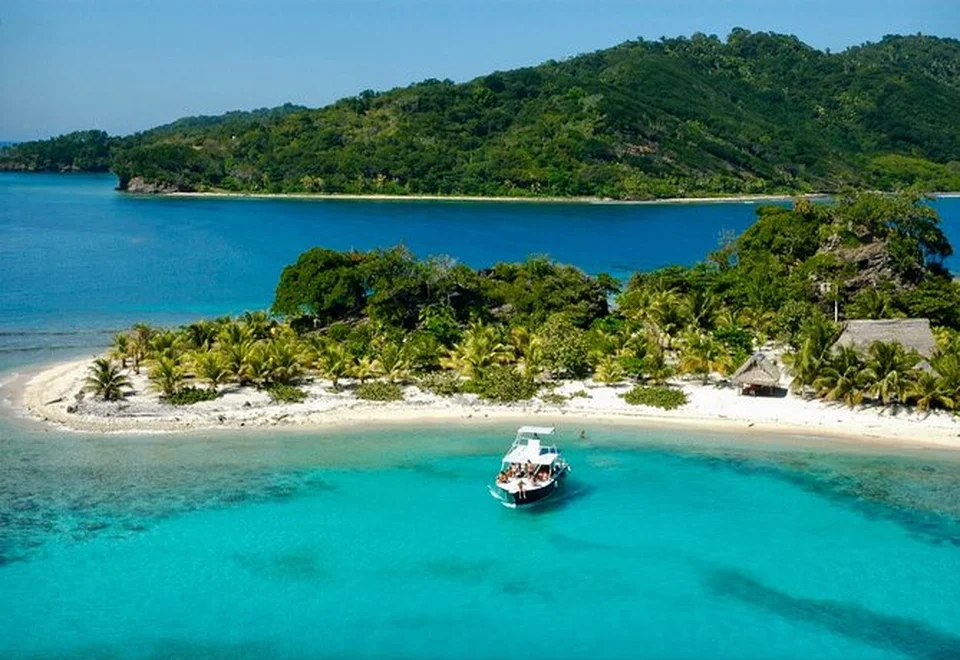
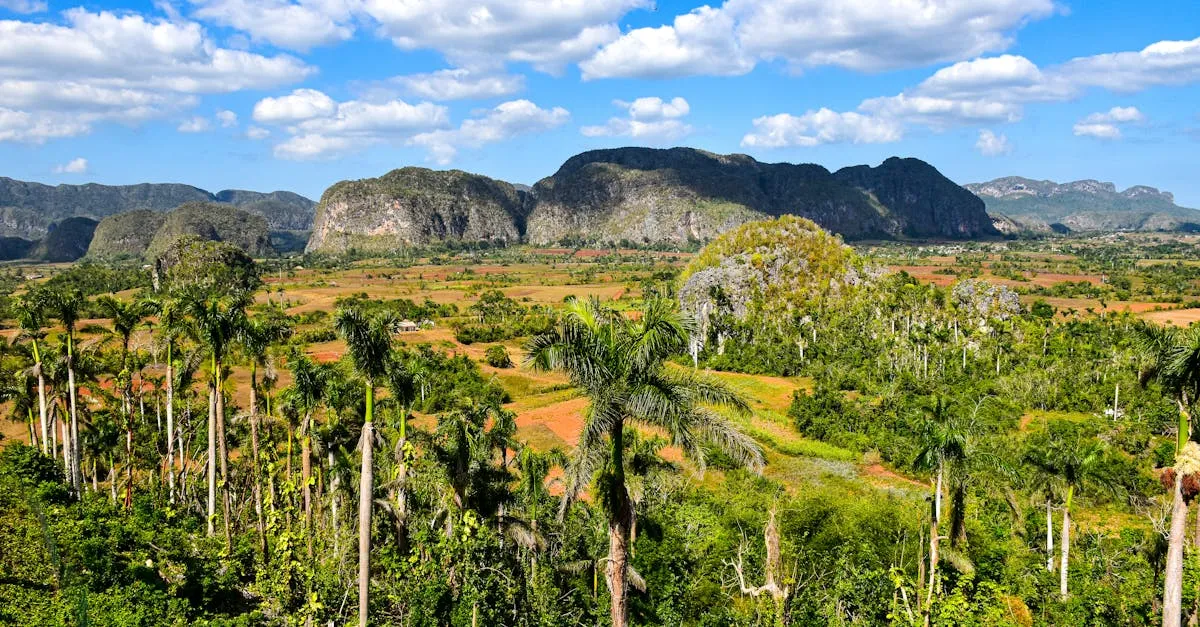
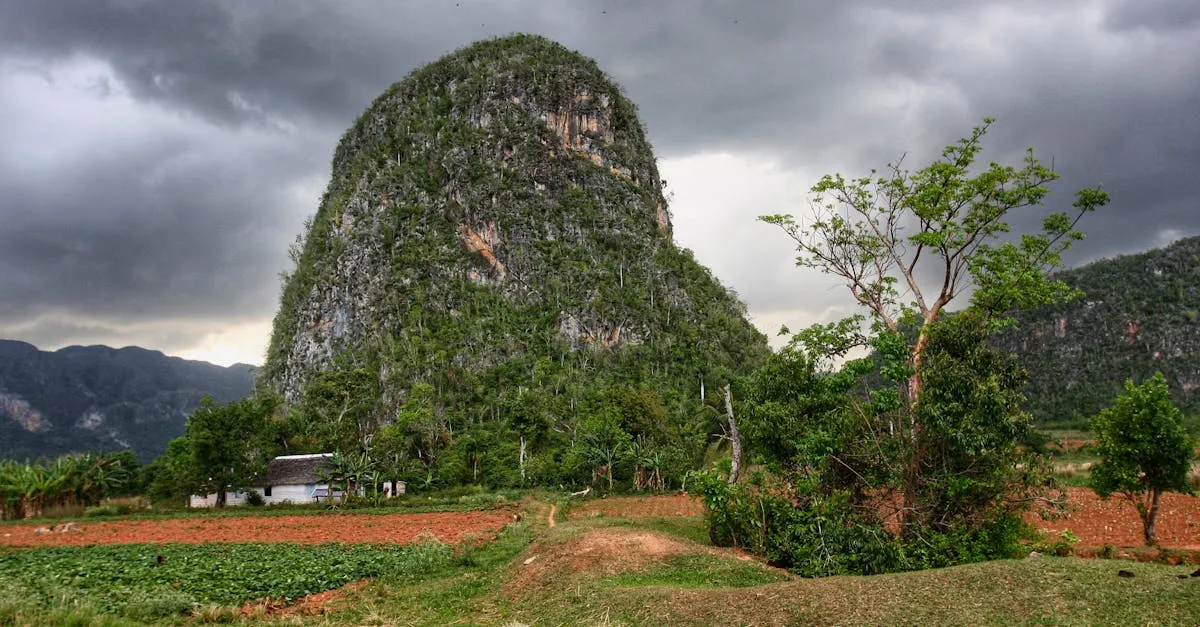
Time-capsule colonial cities, son & salsa music, vintage car culture, world-class diving (Bay of Pigs), tobacco country (Viñales), Afro-Caribbean dance, rum & cigar culture, pristine beaches, and one of the safest countries in Latin America.
📅 When to Go
Nov–Apr (dry season). Hurricane risk Jun–Nov. Dec–Mar high season, higher prices. Feb warmest sweet spot.