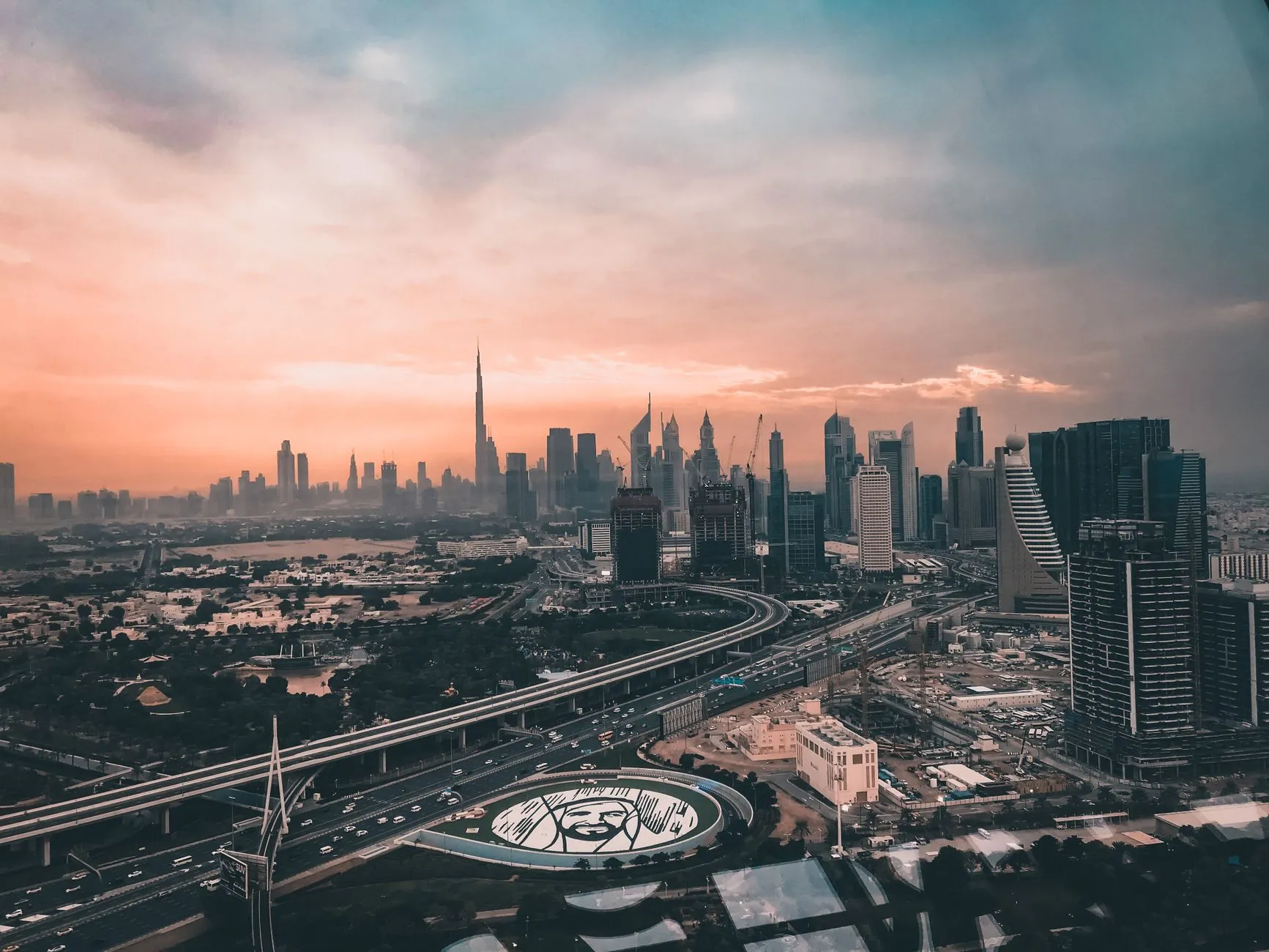
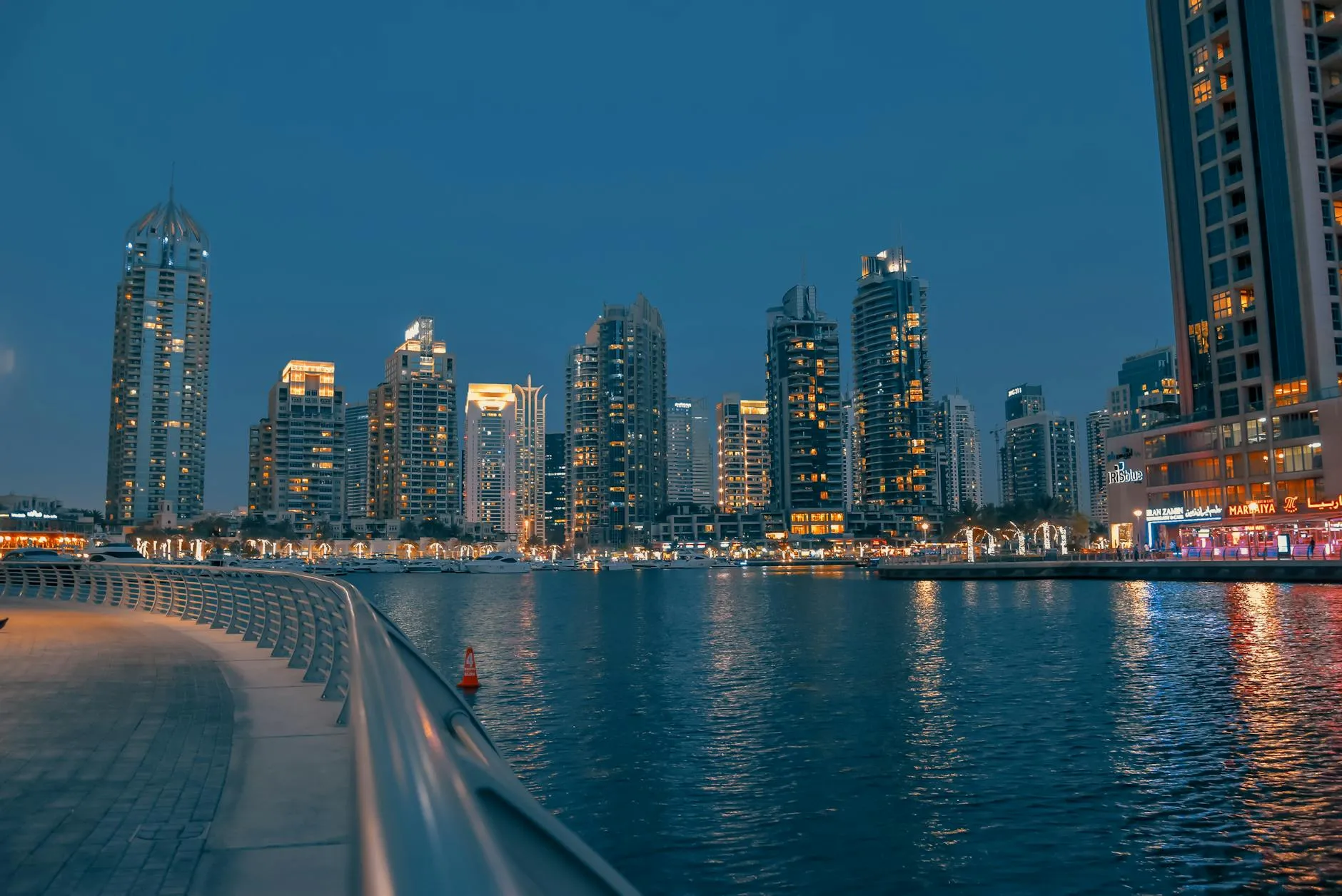
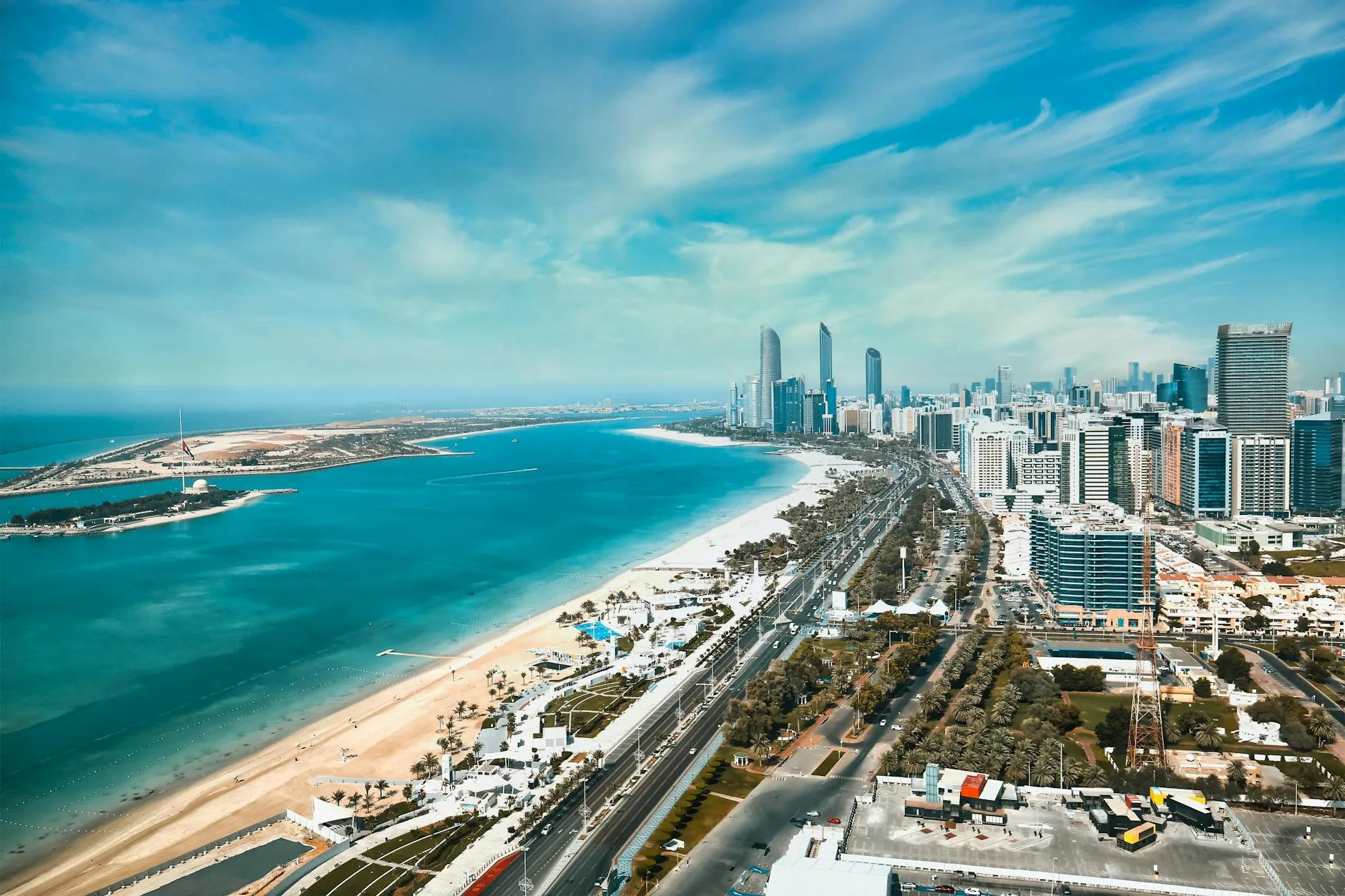
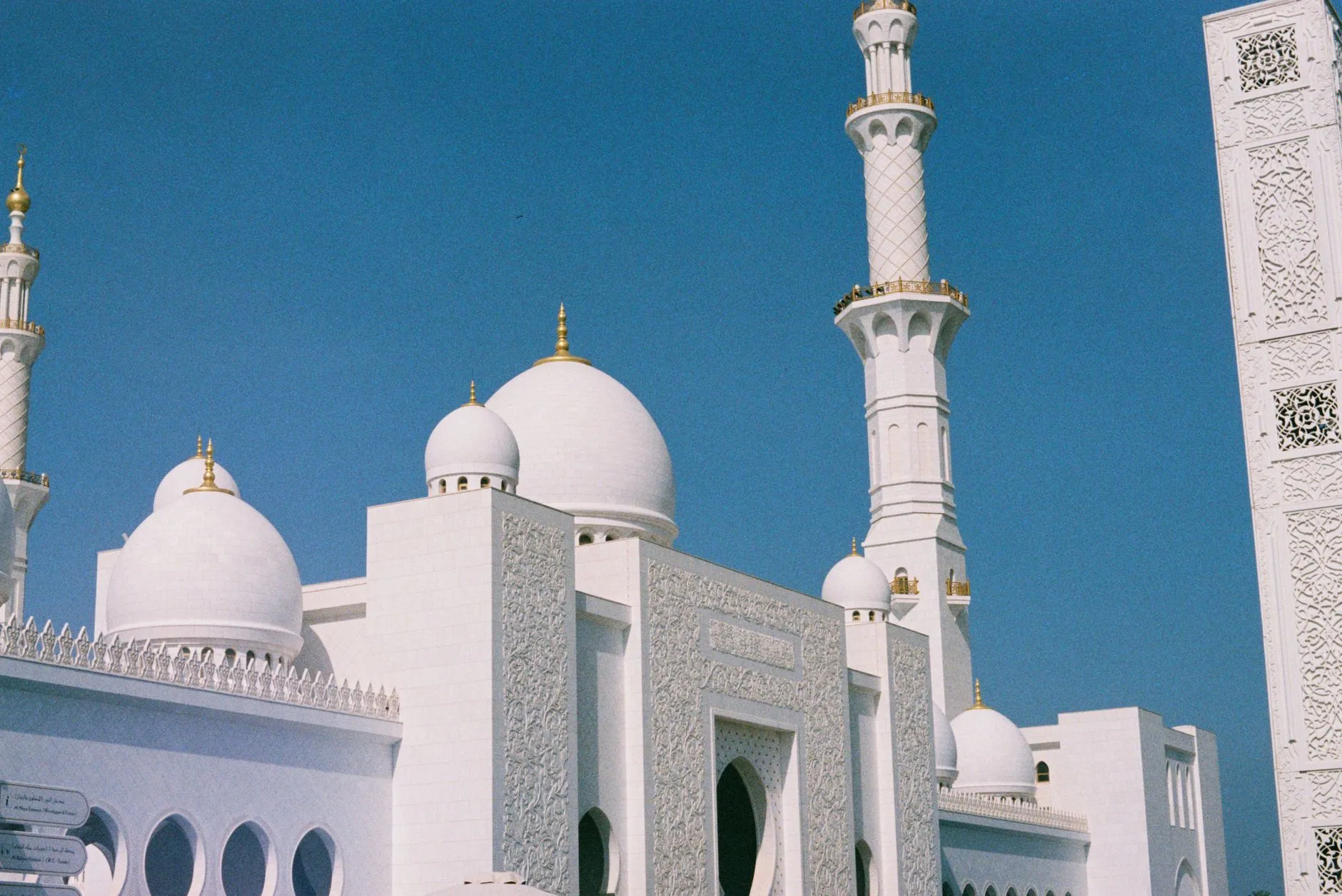
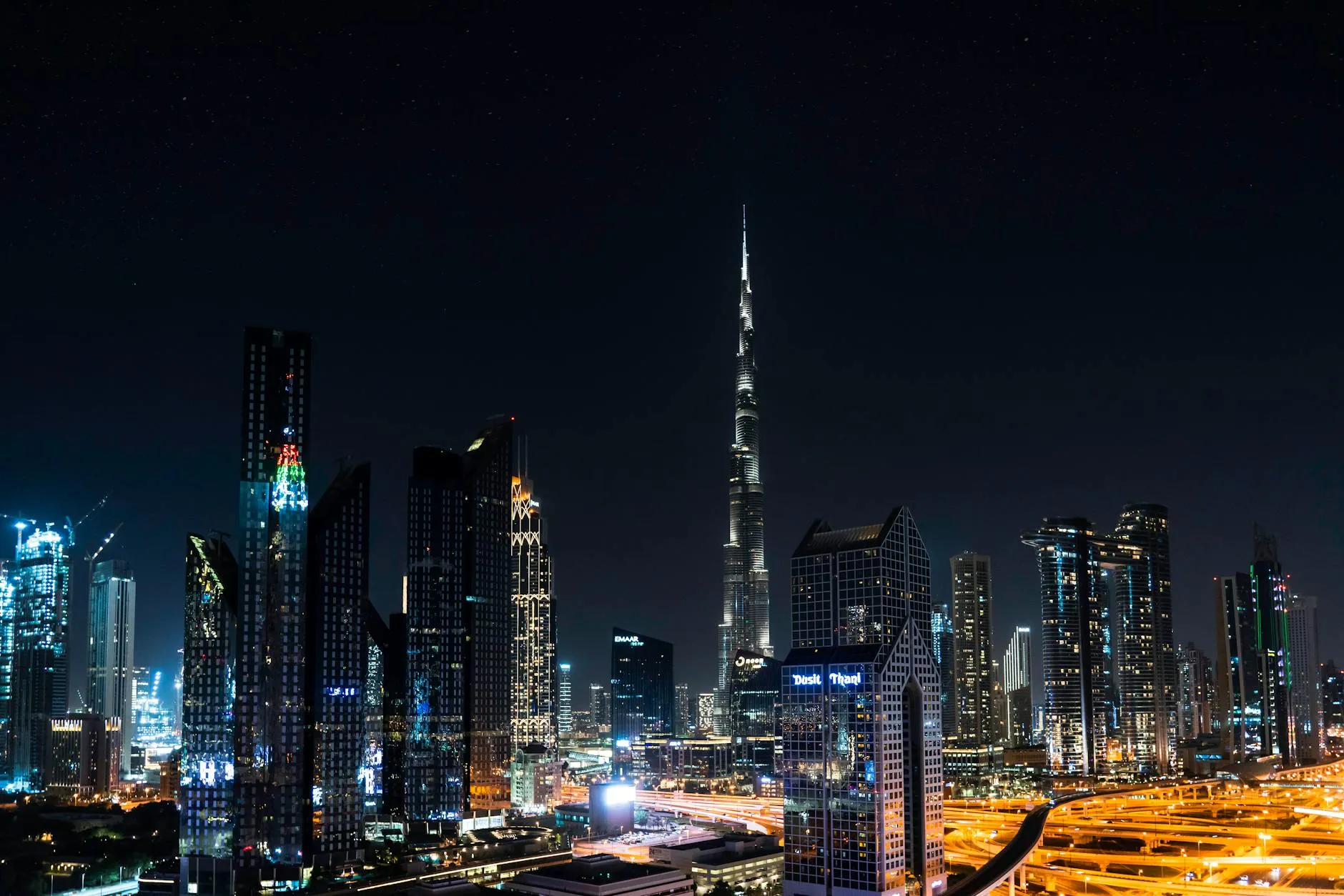
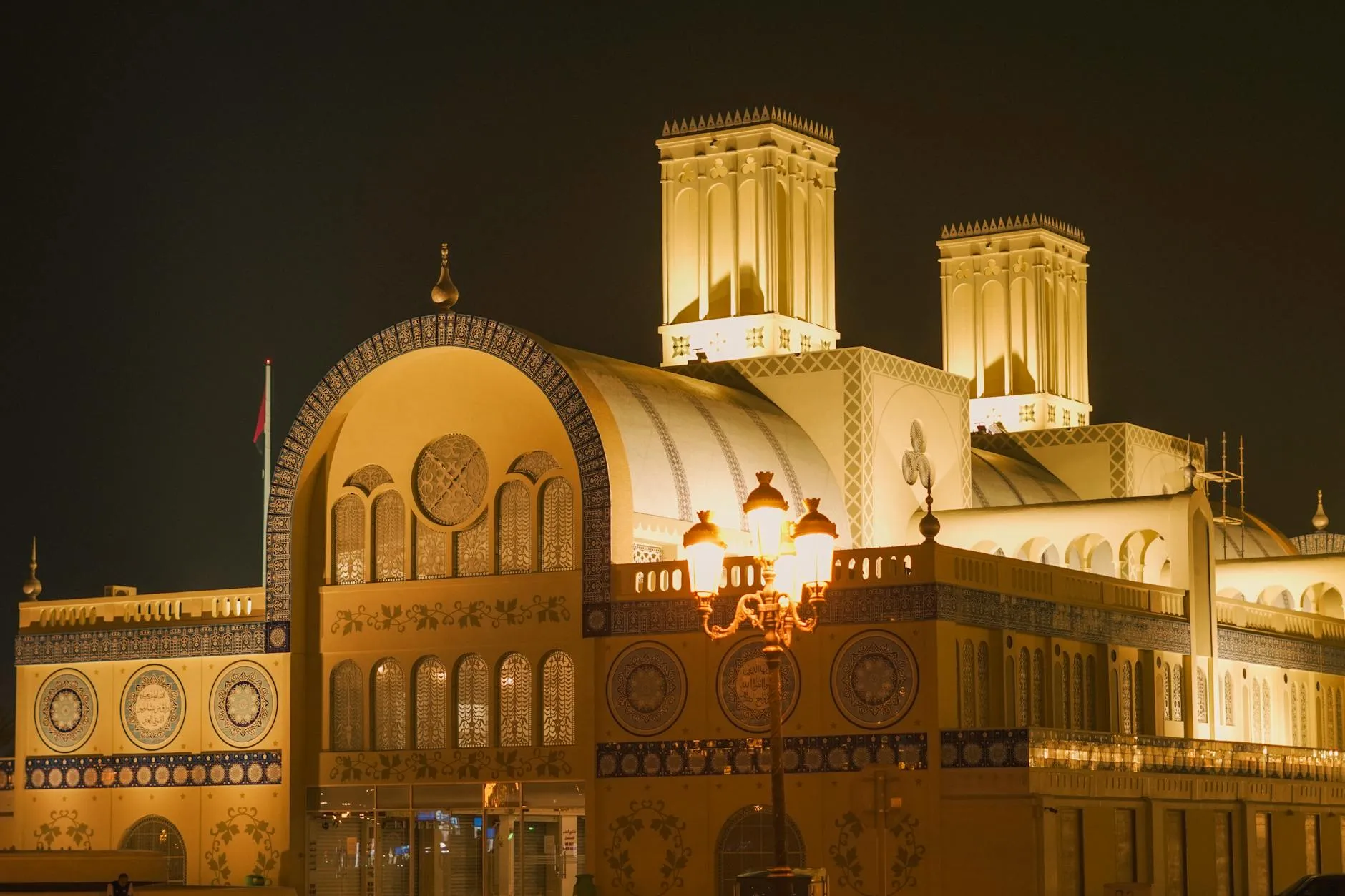
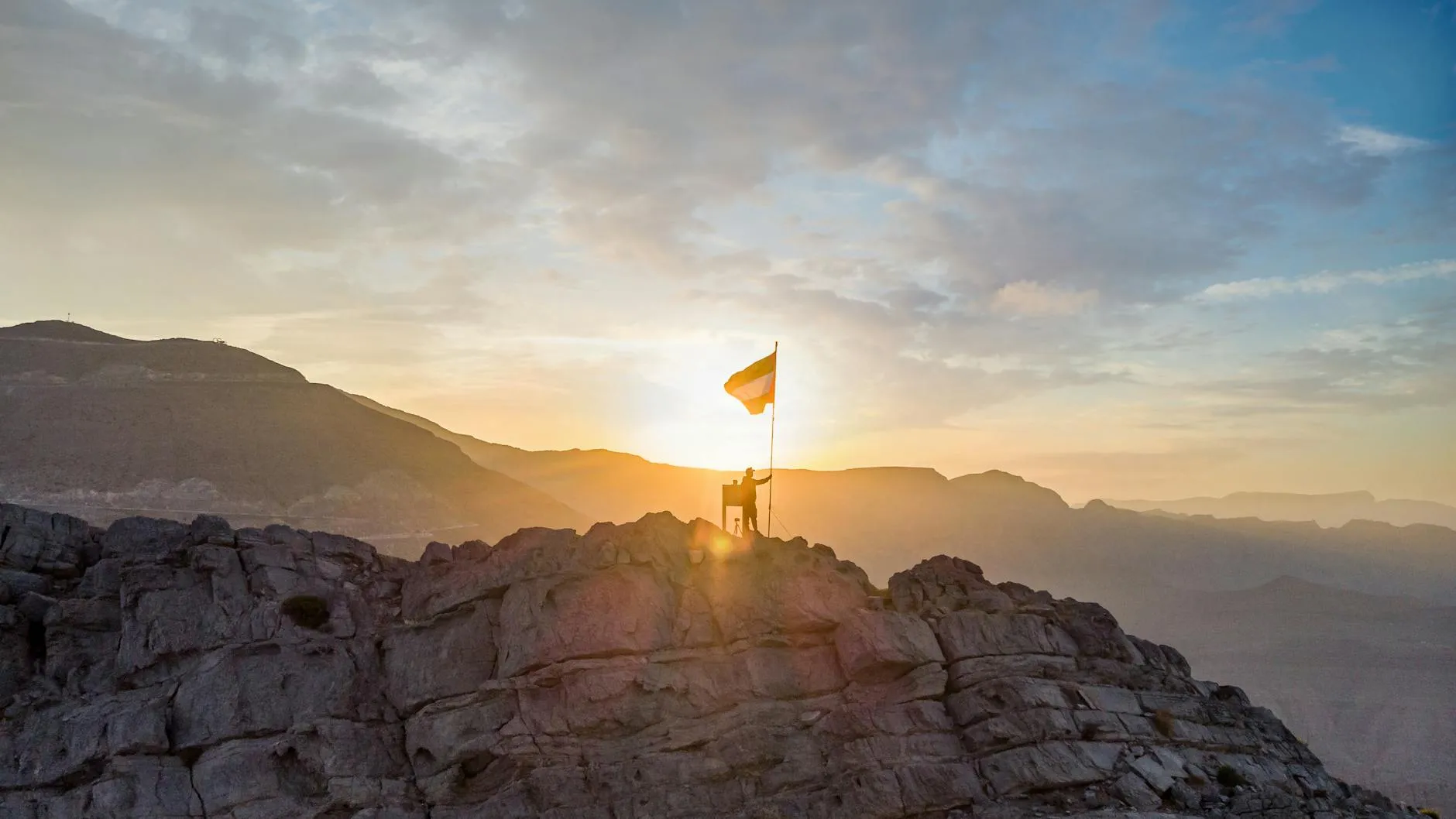
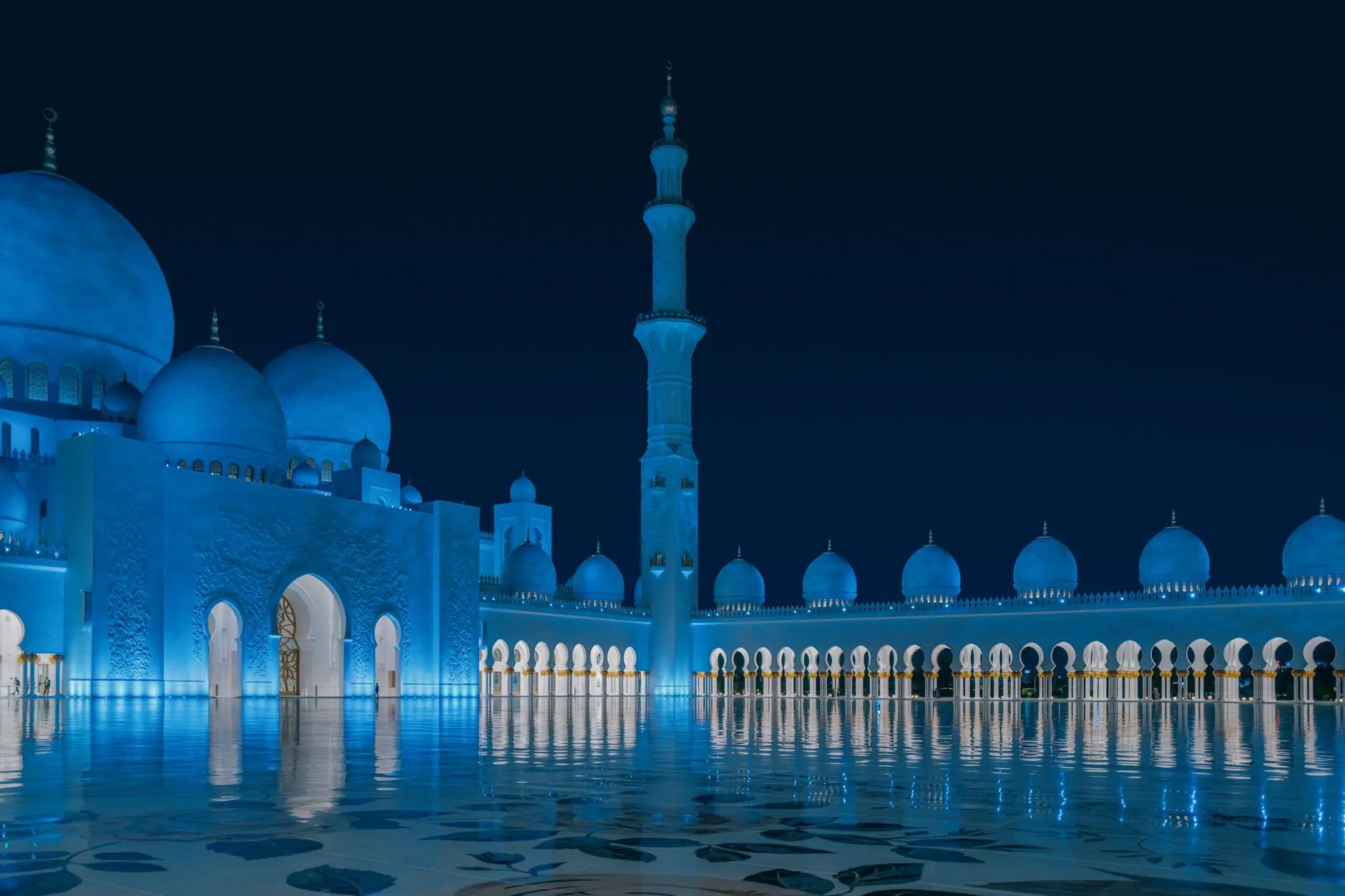
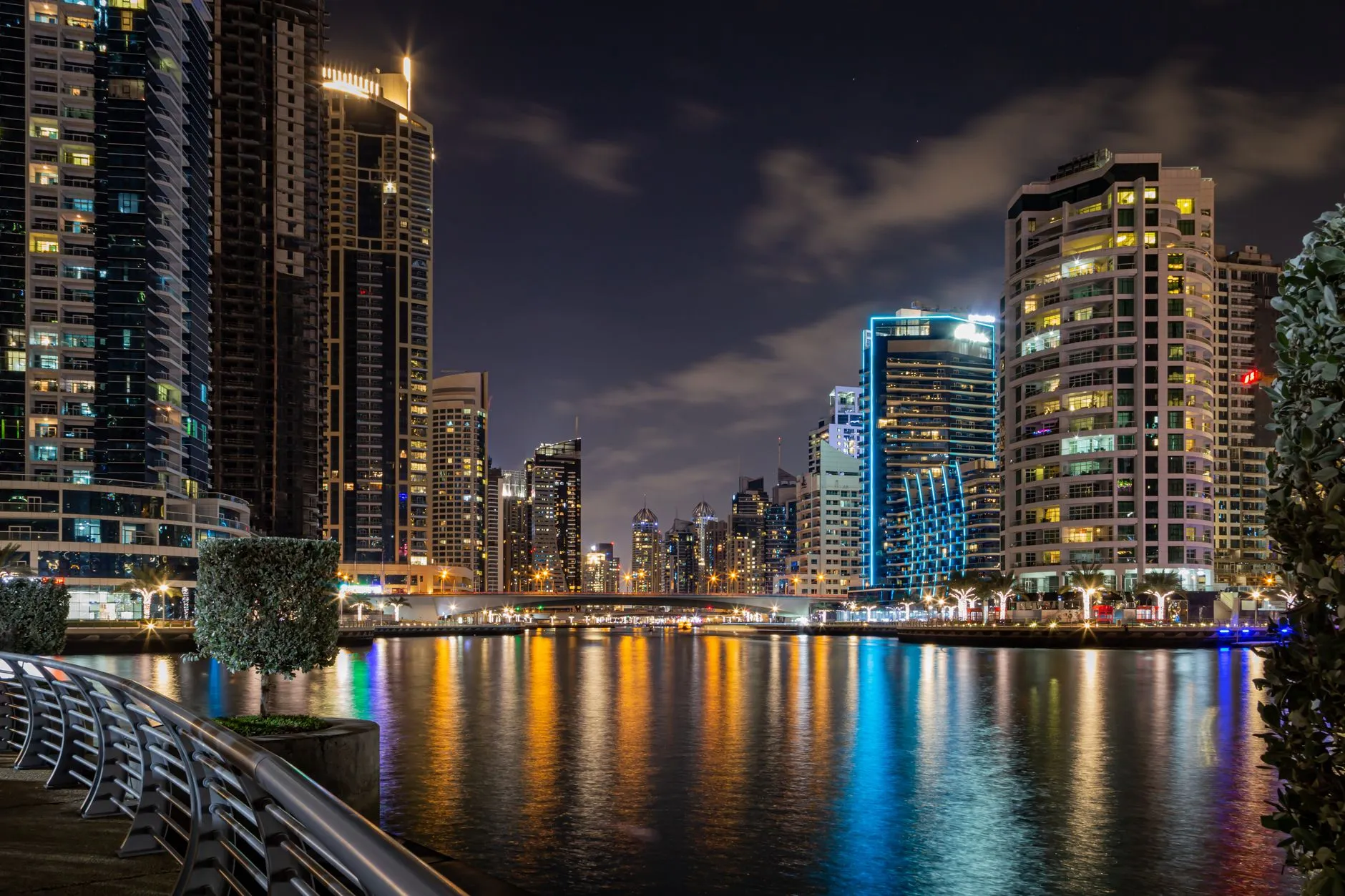
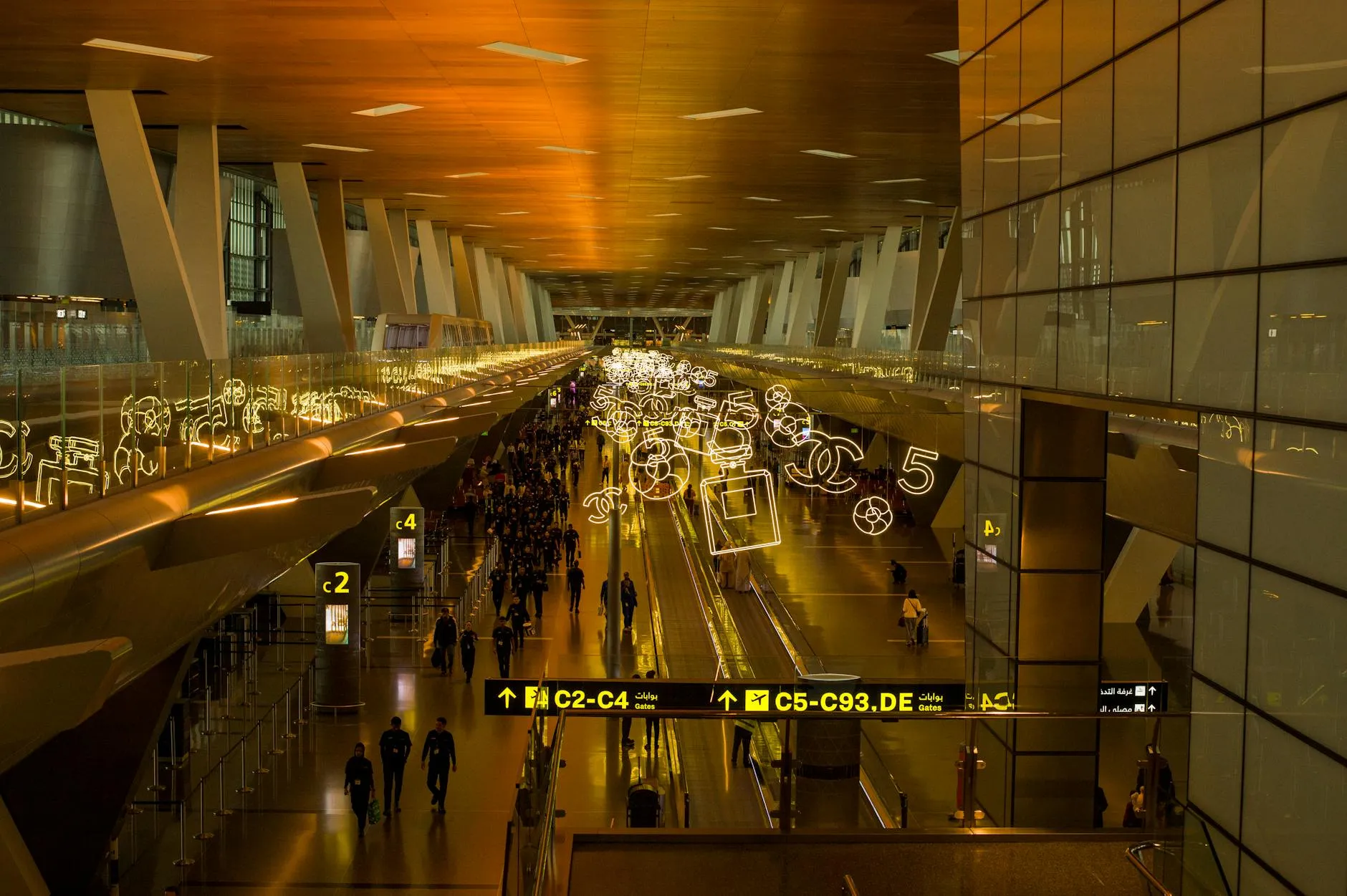
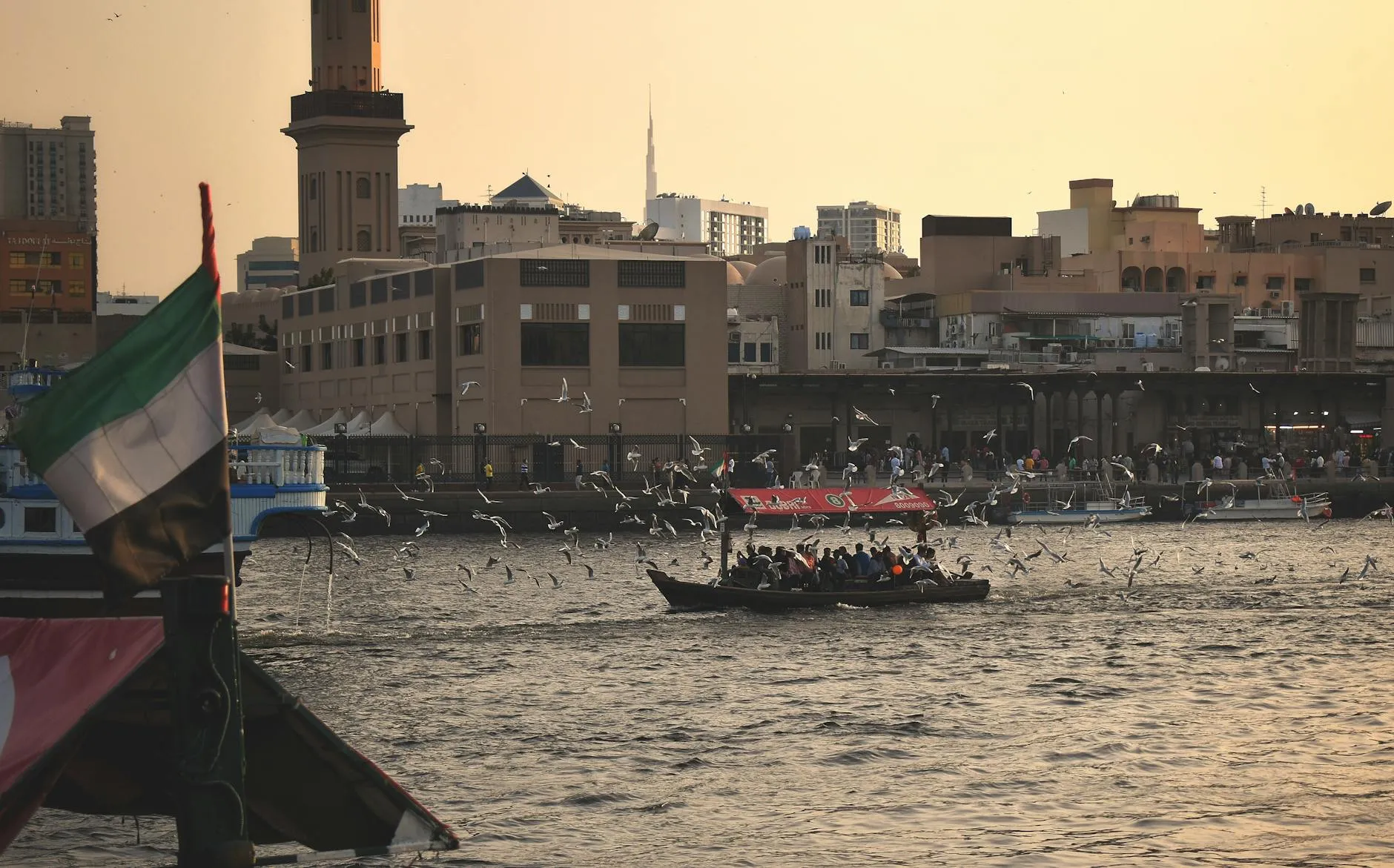
🇦🇪 The UAE is a federation of seven emirates wedged between the Arabian Gulf and the Gulf of Oman, roughly the size of Austria. On paper, it sounds small. In practice, it packs more extremes into 83,600 square kilometres than most continents manage. 🏙 Dubai has the world's tallest building, the world's largest choreographed fountain, and a man-made island shaped like a palm tree. Abu Dhabi has one of the planet's most beautiful mosques and a Louvre outpost designed by Jean Nouvel. An hour north, Sharjah bans alcohol entirely and calls itself the Cultural Capital of the Arab World. In Ras Al Khaimah, a Guinness Record zipline drops 2.8 kilometres from the country's highest peak while Fujairah's east coast has coral reefs most visitors never hear about.
💰 What surprises first-timers is how affordable the UAE can be if you know where to look. Yes, the Burj Al Arab charges four figures a night. But a shawarma in Deira is 8?15 AED (? ?2?4), the Dubai Metro runs on a contactless Nol card for a few dirhams per trip, and Sharjah offers hotel rooms at a fraction of Dubai prices just 30 minutes away by bus. A savvy traveller can manage on ?80?110 per day including accommodation.
The elephant in the room is the law. The UAE is a Muslim country with strict rules that apply to everyone, including tourists. No public drunkenness. No public displays of affection beyond brief hand-holding. No swearing — not even a muttered expletive in traffic. During Ramadan, eating and drinking in public during daylight is illegal for everyone. Drugs carry a zero-tolerance policy with severe prison sentences. None of this should stop you from visiting, but it is worth understanding before you arrive. Within those boundaries, the UAE is one of the safest countries on Earth, the hospitality is genuine, and the food scene — drawing on 200+ nationalities — is extraordinary.
🇦🇪 Capital
Abu Dhabi (~4.14 million)
👥 Population
~10 million (89% expatriates)
💰 Currency
UAE Dirham (AED) — 1 EUR ≈ 4.0 AED
🌐 Languages
Arabic (official); English widely spoken
⏰ Time Zone
GMT+4 (no daylight saving)
⚡ Power
Type G (British 3-pin), 220V — EU travellers need adapter
Budget reality: Budget travellers spending AED 300–450/day (≈ €75–115) can stay in hostels or Sharjah hotels, eat at Indian/Pakistani cafeterias, and use the Metro. Mid-range travellers should budget AED 700–1,200/day (≈ €175–300) for comfortable hotels, restaurant meals, and taxis. Dubai is expensive by default — the savings come from knowing where to eat, when to visit, and which emirate to sleep in.
Best Time to Visit
🌡 The UAE has one mode: hot. The question is how hot. ☀ November to March brings daytime temps around 24?28?C with cool evenings?genuinely pleasant for sightseeing, desert safaris, and beach days. This is high season. Hotels are 30?50% more expensive, and major events fill up the calendar.
🔥 June to September, the UAE becomes one of the hottest places on Earth. Daytime temps hit 40?45?C (sometimes 50?C inland at Al Ain), and coastal humidity makes it feel worse. But everything is air-conditioned?malls, taxis, restaurants, even bus stops. The payoff: hotel prices drop 40?60%, attractions are empty, and you get the country to yourself.
🍂 The shoulder months (April, May, October) offer a decent compromise. Still hot, but not brutal. Prices sit between high season and summer lows. Sandstorms are most common in March and April.
Month-by-Month Overview
Month
Temp (°C)
Best For
Crowds
Prices
Rating
January
24 / 16
Dubai Shopping Festival — outdoor sightseeing
🔴 High
🔴 High
⭐⭐⭐⭐⭐
February
25 / 17
Ramadan vibes (2026) — cultural immersion
🔴 High
🔴 High
⭐⭐⭐⭐⭐
March
28 / 19
Eid al-Fitr (2026) — Art Dubai — beach
🔴 High
🔴 High
⭐⭐⭐⭐⭐
April
32 / 22
Desert excursions before heat — shoulder deals
🟡 Moderate
🟡 Moderate
⭐⭐⭐⭐
May
36 / 25
Off-season bargains — indoor attractions
🟢 Low
🟢 Low
⭐⭐⭐
June
39 / 28
Indoor-only — DSS begins — deep discounts
🟢 Low
🟢 Low
⭐⭐
July
41 / 31
Dubai Summer Surprises — waterparks
🟢 Low
🟢 Low
⭐⭐
August
41 / 31
Lowest prices of the year
🟢 Low
🟢 Low
⭐⭐
September
39 / 28
Heat easing — pre-season deals
🟢 Low
🟢 Low
⭐⭐⭐
October
35 / 25
Season opening — beach weather returns
🟡 Moderate
🟡 Moderate
⭐⭐⭐⭐
November
31 / 21
F1 Abu Dhabi GP — perfect weather
🔴 High
🔴 High
⭐⭐⭐⭐⭐
December
26 / 18
National Day — NYE fireworks — cool evenings
🔴 High
🔴 High
⭐⭐⭐⭐⭐
Best window: November to March for outdoor comfort. If you don’t mind indoor-heavy days and want 40–60% off hotels, July–August is surprisingly viable — everything of interest is air-conditioned anyway.
Climate & Weather
The UAE sits squarely in the hot desert climate zone (BWh Köppen). Annual rainfall averages just 75–87 mm — most of it falling in brief winter showers between December and March. The east coast (Fujairah) gets slightly more rain due to orographic lift from the Hajar Mountains, and the mountains themselves are noticeably cooler, sometimes 10°C below coastal temperatures. Humidity is the wild card: coastal cities like Dubai and Abu Dhabi can hit 90%+ humidity in summer, making the real-feel temperature significantly worse than the thermometer suggests. Inland areas like Al Ain are drier but hotter. Sandstorms (shamal winds) are most common March–April and can close outdoor attractions for a day.
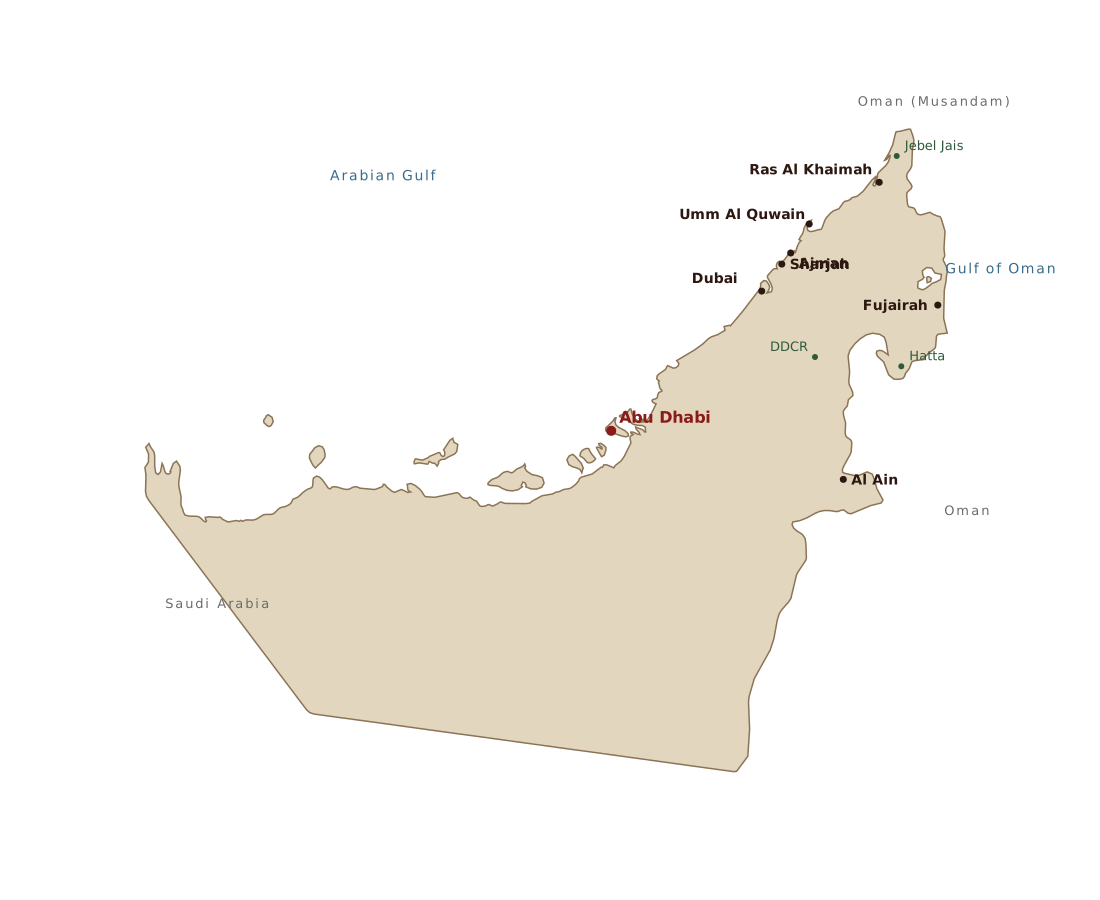
Map of the UAE
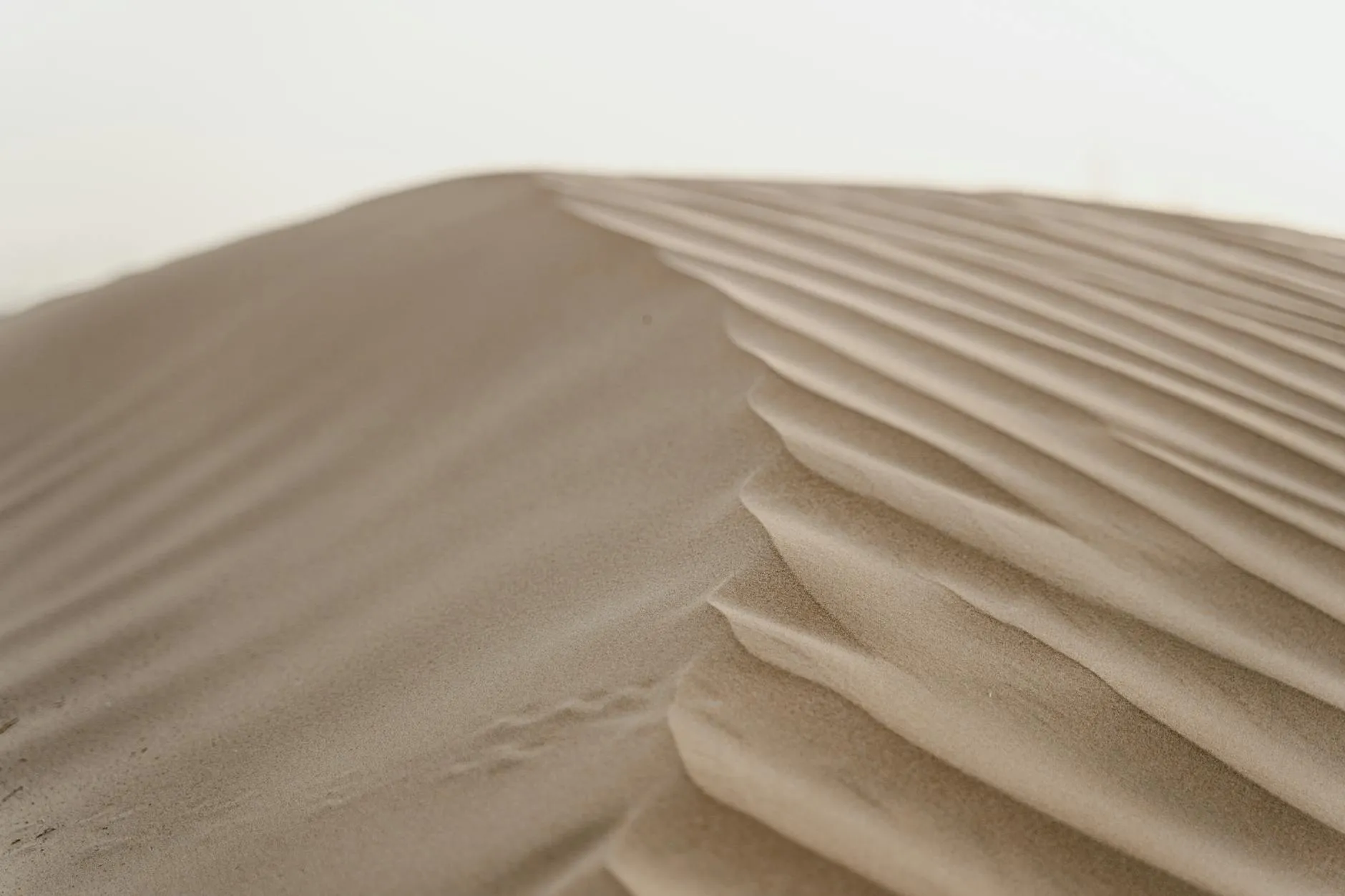
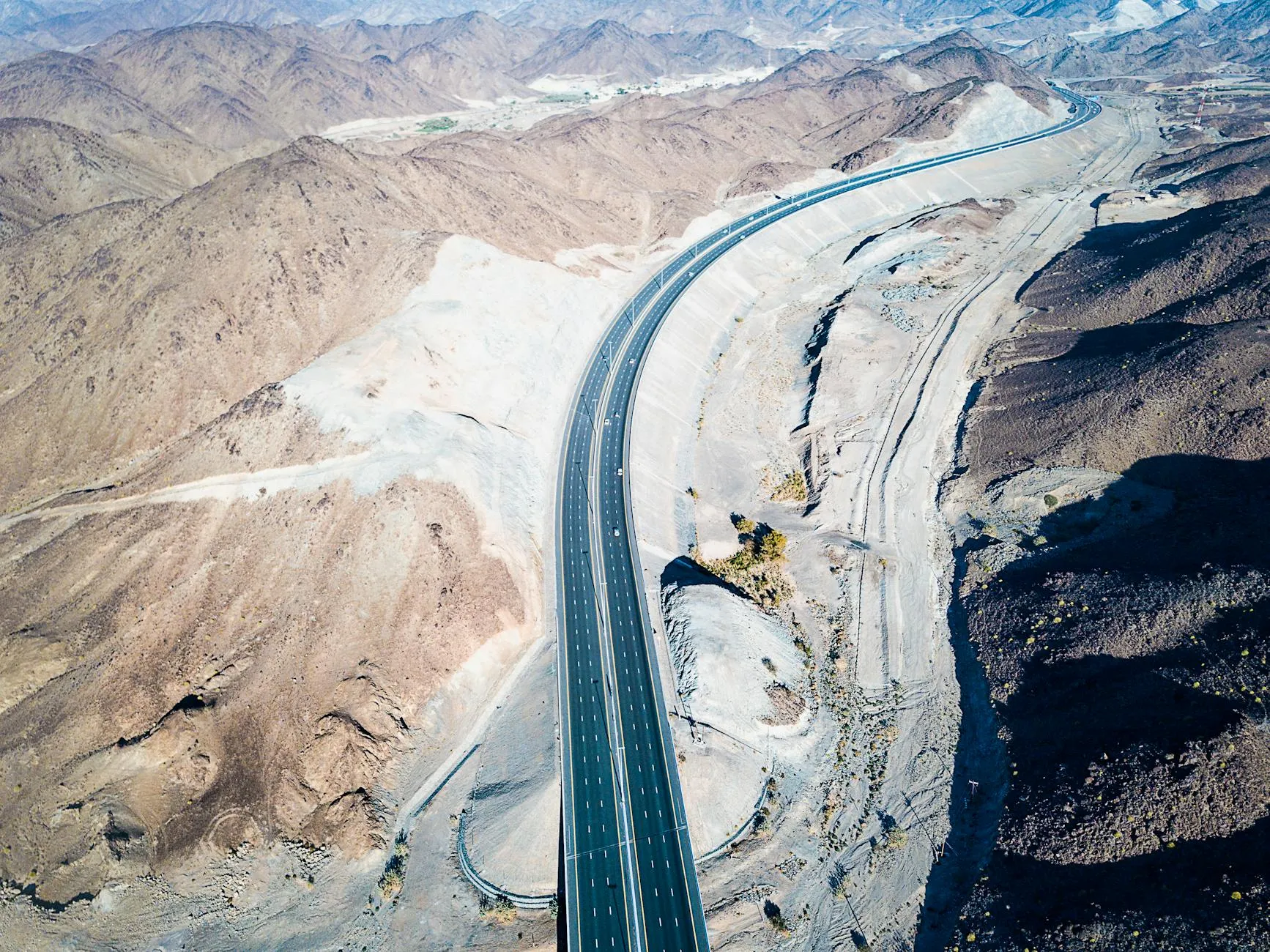
The UAE occupies the eastern tip of the Arabian Peninsula, bordered by Saudi Arabia to the south and west, Oman to the east and north (including the Musandam exclave), with the Arabian Gulf coast running along the north and the Gulf of Oman on the east coast. Despite its small size, the geography shifts from flat coastal plains and salt flats (sabkha) in the west to red sand dunes in the south, and the rugged Hajar Mountains along the eastern border with Oman. Most of the population and infrastructure clusters along the Gulf coast between Abu Dhabi and Ras Al Khaimah.
Key distances: Dubai to Abu Dhabi 140 km (1.5h) • Dubai to Sharjah 15 km (30 min–1.5h with traffic) • Dubai to Ras Al Khaimah 100 km (1.5h) • Dubai to Fujairah 130 km (2h via Hajar Mountains) • Dubai to Hatta 130 km (1.5h) • Dubai to Al Ain 160 km (2h).
Holidays & Festivals
The UAE observes a mix of Islamic holidays (which shift 10–11 days earlier each year based on the lunar calendar) and fixed national celebrations. Islamic holidays are confirmed by moon sighting, so dates can shift by a day. Ramadan is the most impactful for travellers — eating, drinking, and smoking in public during daylight hours is illegal for everyone, including non-Muslims.
Holidays, Festivals & Events
Date
Event
Where
What to Expect
Type
1 Jan
New Year’s Day
Nationwide
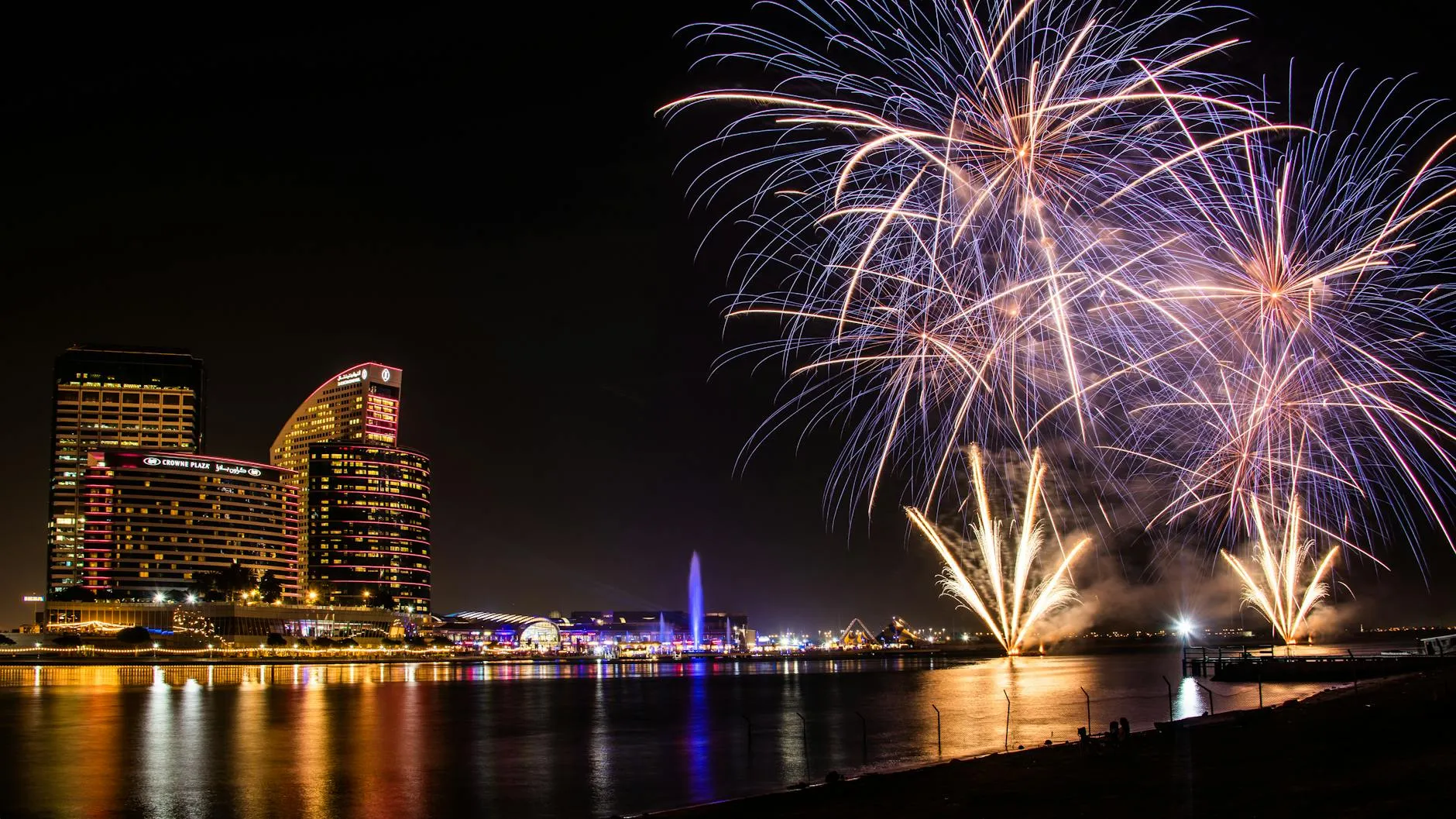
Public holiday. Spectacular fireworks at Burj Khalifa — book hotels months ahead
Holiday
~18 Feb–19 Mar (2026)
Ramadan
Nationwide
Daytime eating/drinking in public illegal. Many restaurants close daytime. Iftar buffets after sunset are a highlight. Shorter business hours
Cultural
~19–22 Mar (2026)
Eid al-Fitr
Nationwide
3–4 day holiday. Festive atmosphere, special events, family outings. Hotels and flights book up
Holiday
~26 May (2026)
Arafat Day
Nationwide
Holy day. Government offices closed
Holiday
~27–28 May (2026)
Eid al-Adha
Nationwide
Feast of Sacrifice. 3–4 day break. Busy travel period, higher prices
Holiday
~17 Jun (2026)
Hijri New Year (1448)
Nationwide
Public holiday. Normal tourist operations
Holiday
~26 Aug (2026)
Prophet’s Birthday (Mawlid)
Nationwide
Public holiday. Normal tourist operations
Holiday
2–3 Dec
UAE National Day (Eid Al Etihad)
Nationwide
Biggest celebration. Fireworks, parades, flag displays, air shows. Hotels at their highest prices. Book well ahead
Must See
Ramadan (Feb 18 – ~Mar 19, 2026): Eating, drinking, smoking, and chewing gum in public during daylight hours is illegal for everyone, including tourists. Designated areas in some malls and hotels allow discreet eating. After sunset, cities come alive — Iftar buffets at hotels are a cultural highlight and worth booking. Expect shorter business hours, more conservative dress expectations, and a uniquely atmospheric experience. Live music and loud entertainment are toned down.
The Seven Emirates
The UAE is a federation of seven emirates, each with its own ruler and distinct personality. Most travellers only see Dubai and Abu Dhabi, but the smaller emirates offer genuinely different experiences — from adventure sports in the mountains to quiet mangrove coastlines to the country’s most conservative cultural hub.
Abu Dhabi
The capital and largest emirate (85% of UAE land area). Home to the Sheikh Zayed Grand Mosque, Louvre Abu Dhabi, Ferrari World, and Yas Island (F1 Grand Prix). More refined and slightly cheaper than Dubai (20–30% less for equivalent hotels). Al Ain, the inland oasis city, has a UNESCO-listed oasis and Jebel Hafeet mountain. Best for: culture, architecture, luxury at lower prices than Dubai.
Dubai
The most visited city in the Middle East (17+ million international visitors in 2023). Burj Khalifa, Palm Jumeirah, Dubai Mall, Gold Souk, Museum of the Future, and 14 Michelin-star restaurants. The most cosmopolitan emirate with 200+ nationalities. Excellent Metro, vibrant nightlife, and a food scene that rivals any world capital. Best for: first-timers, foodies, nightlife, shopping.
Sharjah
The Cultural Capital of the Arab World (UNESCO 1998). Most conservative emirate — alcohol is completely banned, dress codes are stricter. Home to the Sharjah Museum of Islamic Civilization, Rain Room installation, and the restored Heart of Sharjah heritage district. Budget-friendly base just 30 minutes from Dubai by bus. Best for: budget travellers, culture, museums.
Ras Al Khaimah
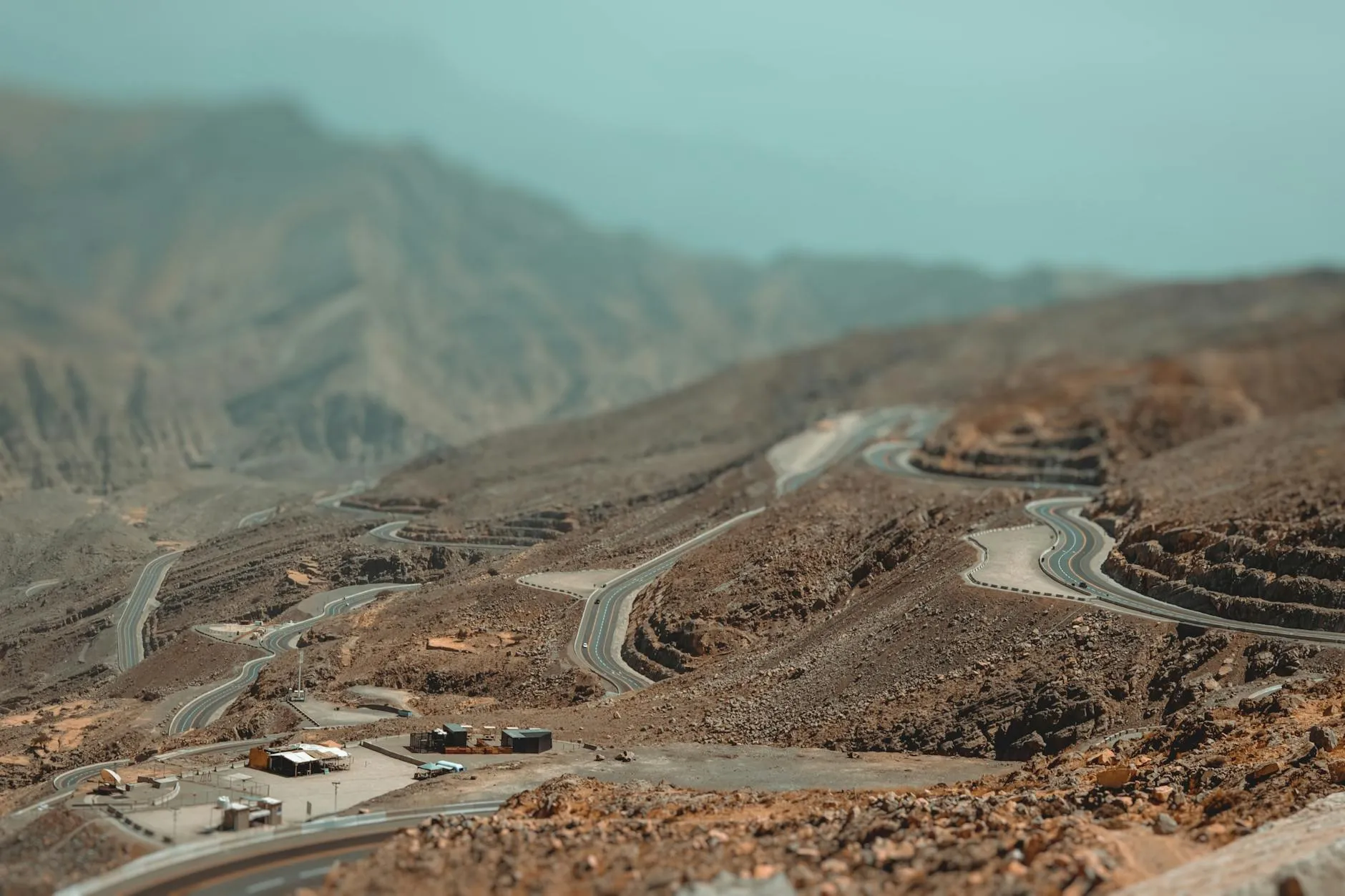
The adventure emirate. Home to Jebel Jais (1,934m, UAE’s highest peak), the world’s longest zipline (2.8 km), via ferrata climbing, and excellent hiking in the Hajar Mountains. Beach resorts are significantly cheaper than Dubai. Growing luxury scene without the Dubai crowds. Best for: adventure, hiking, mountain scenery, budget beach resorts.
Fujairah
The only emirate entirely on the Gulf of Oman (east coast). Different vibe — slower, more local, mountains meeting coast. Snoopy Island has the best snorkeling in the UAE. Fujairah Fort dates to the 16th century. Shipwrecks for diving, warm year-round waters, and world-class spa resorts. Best for: diving, snorkeling, beach escapes, history.
Ajman & Umm Al Quwain
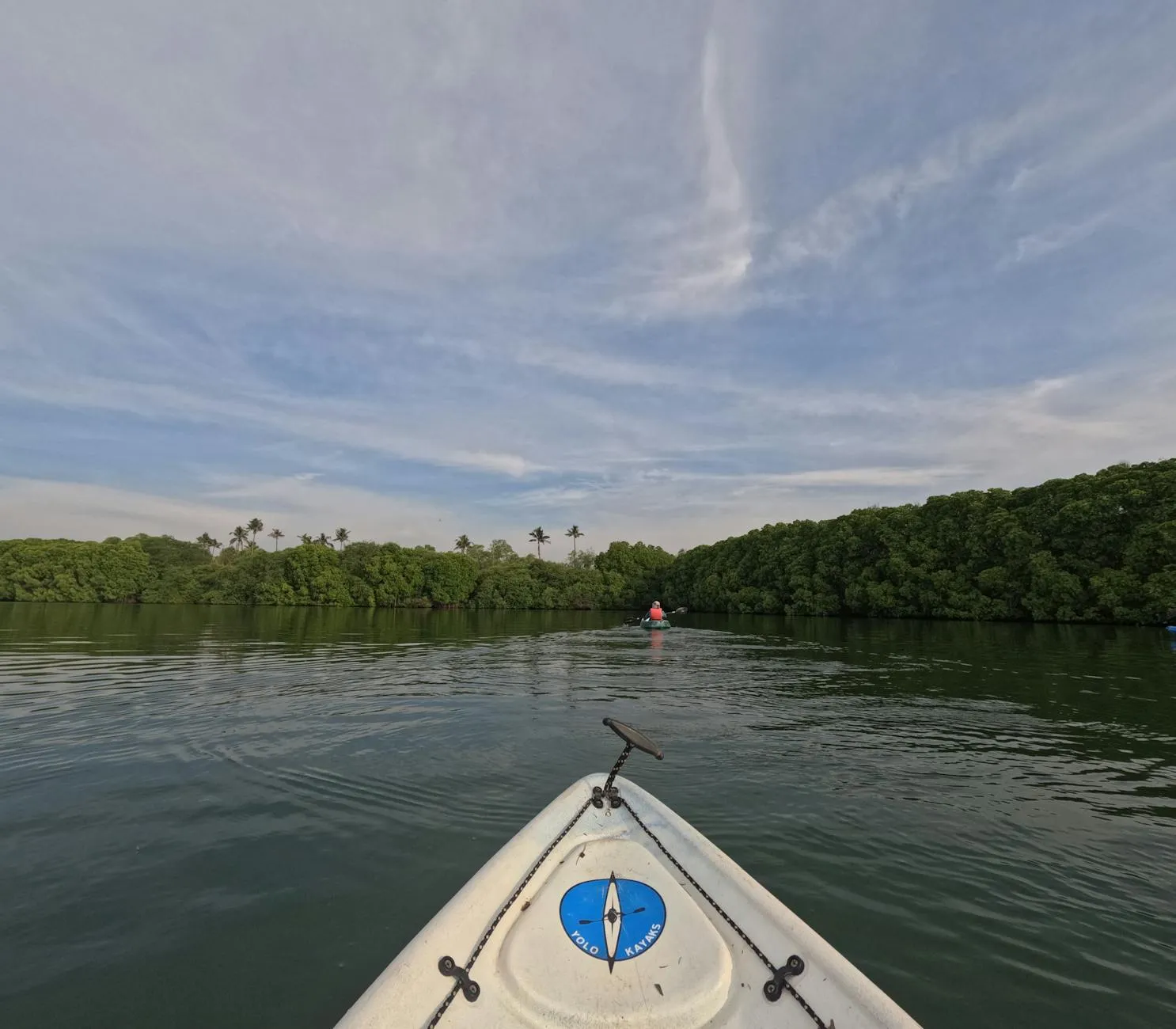
The two smallest emirates, largely untouched by flashy development. Ajman offers beautiful seaside at prices far below Dubai, with traditional dhow boatbuilding yards. Umm Al Quwain has mangrove beaches, kayaking through mangrove islands, and an almost sleepy, retro feel. Neither has skyscrapers or mega-malls — that’s the point. Best for: authentic local life, budget coastal escapes, mangrove nature.
Top Sightseeing
The UAE’s sightseeing divides neatly between jaw-dropping modern engineering and pockets of genuine heritage that most visitors miss entirely. The headline attractions are world-famous, but the lesser-known sites — heritage quarters, wildlife sanctuaries, mountain forts — often provide the more memorable experiences.
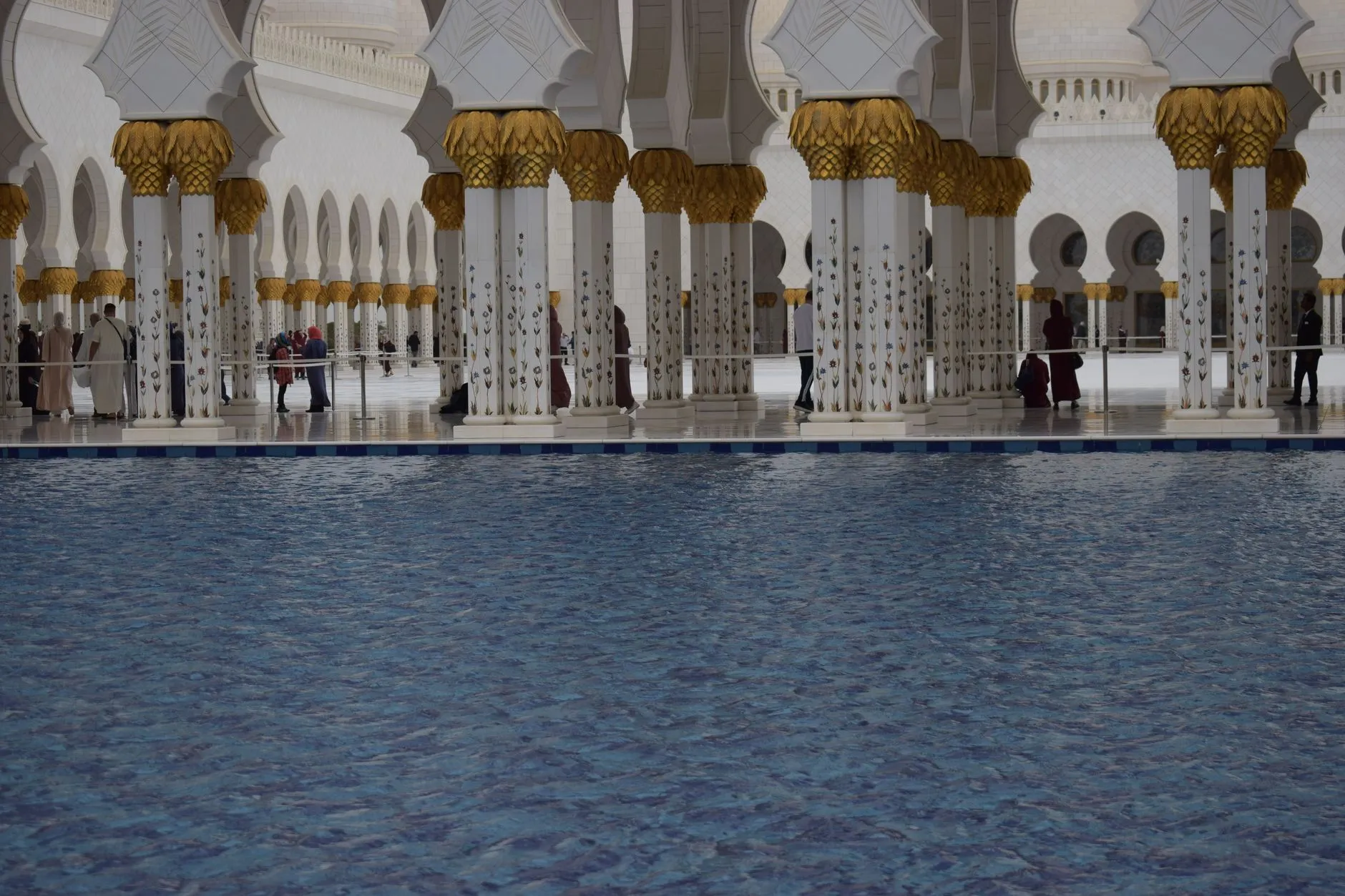
Sheikh Zayed Grand Mosque (Abu Dhabi): 82 domes, 1,000 columns, capacity 40,000 worshippers, and one of the world’s largest hand-knotted carpets. Free entry. Arguably the most beautiful mosque a non-Muslim can visit anywhere.
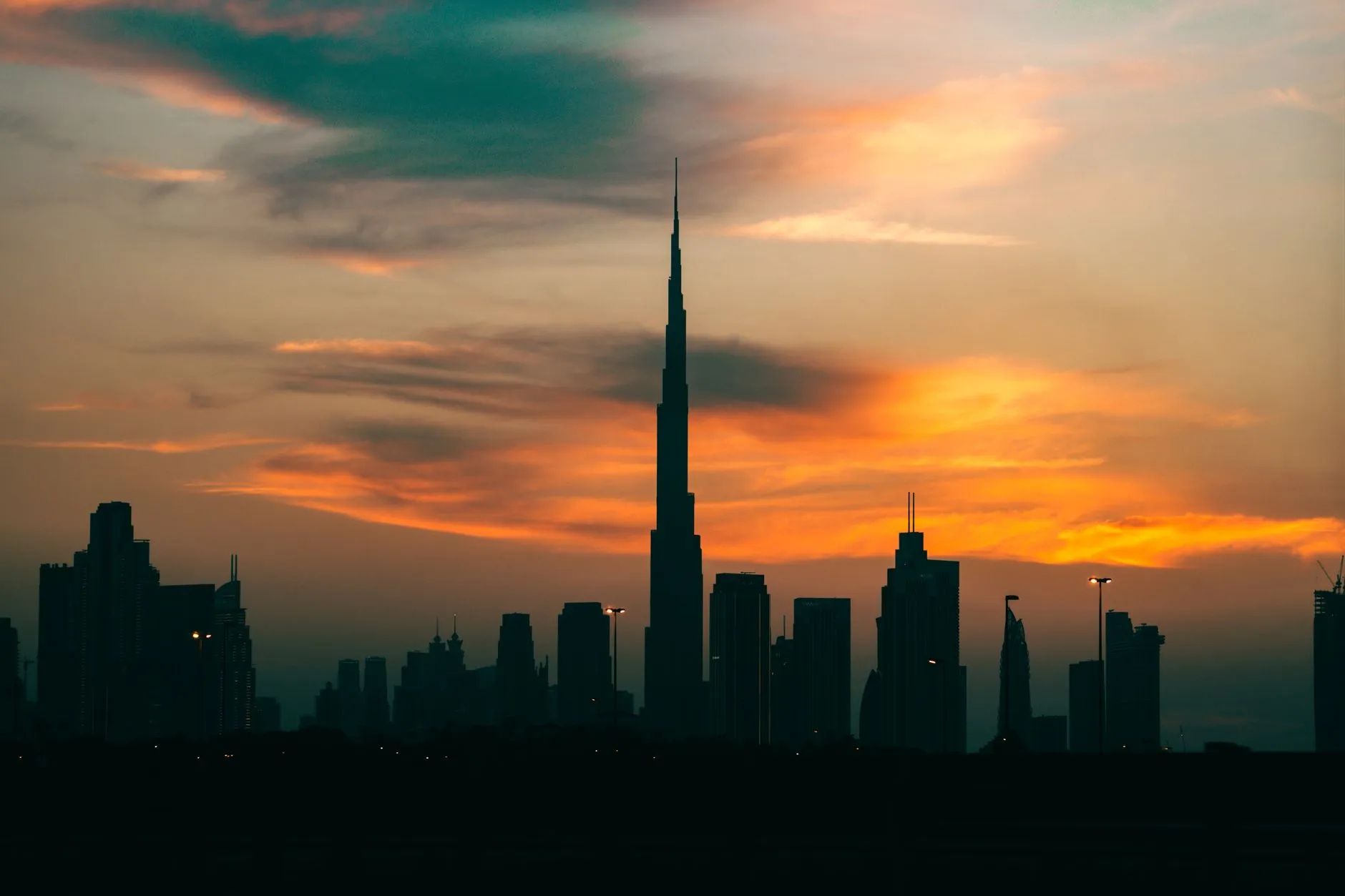
Burj Khalifa (Dubai): 828 metres, still the world’s tallest building. Observation decks at floors 124 (AED 169 / ≈ €42) and 148 (AED 399 / ≈ €100). Book sunset slots for the best views.
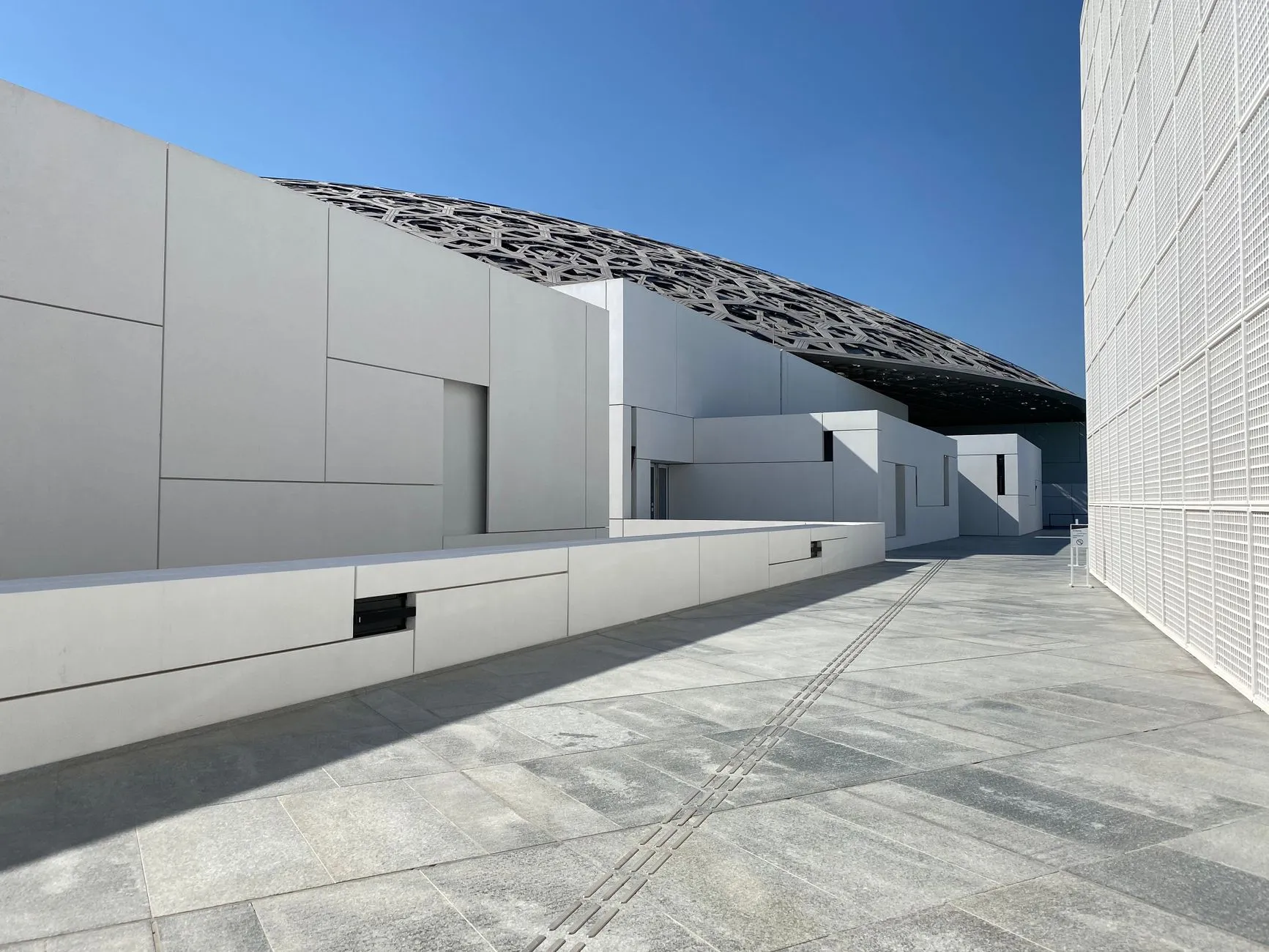
Louvre Abu Dhabi: Jean Nouvel’s light-dome masterpiece. AED 63 (≈ €16). World-class collection spanning ancient Mesopotamia to contemporary art.
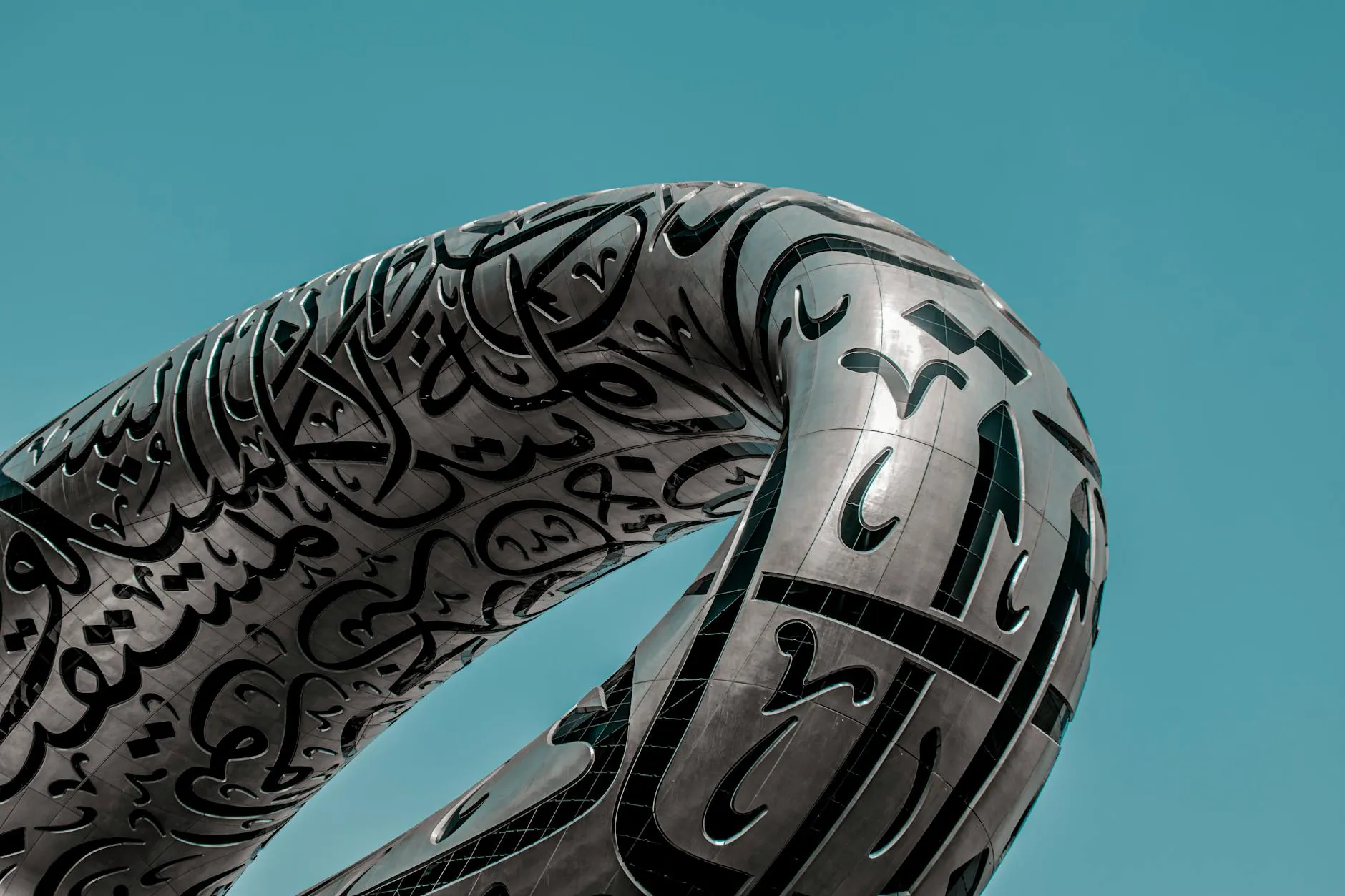
Museum of the Future (Dubai): Torus-shaped landmark. AED 149 (≈ €37). Immersive exhibits on space, ecology, and technology. The building itself is the main attraction.
Al Fahidi Historic District (Dubai): Wind-tower houses, narrow lanes, galleries, and the Dubai Museum. Free to wander. The best antidote to glass-tower fatigue.
Sheikh Zayed Grand Mosque
Free entry. Open daily except Friday morning. Dress code enforced (abayas/kanduras provided free). Go at sunset for the colour transition from white to gold to blue. Photography allowed everywhere. Allow 2–3 hours.
Burj Khalifa & Dubai Fountain
The fountain show runs every 30 minutes from 6pm — free from the waterfront. For the observation deck, book online (walk-up prices are higher). The 148th floor “At the Top Sky” includes a hosted lounge. Combine with Dubai Mall (1,200+ shops, aquarium, ice rink).
Louvre Abu Dhabi
AED 63 (≈ €16). Closed Mondays. The “rain of light” through the dome is best experienced at midday. Collection spans civilisations. Allow 3–4 hours. The building alone is worth the trip even if you skip the galleries.
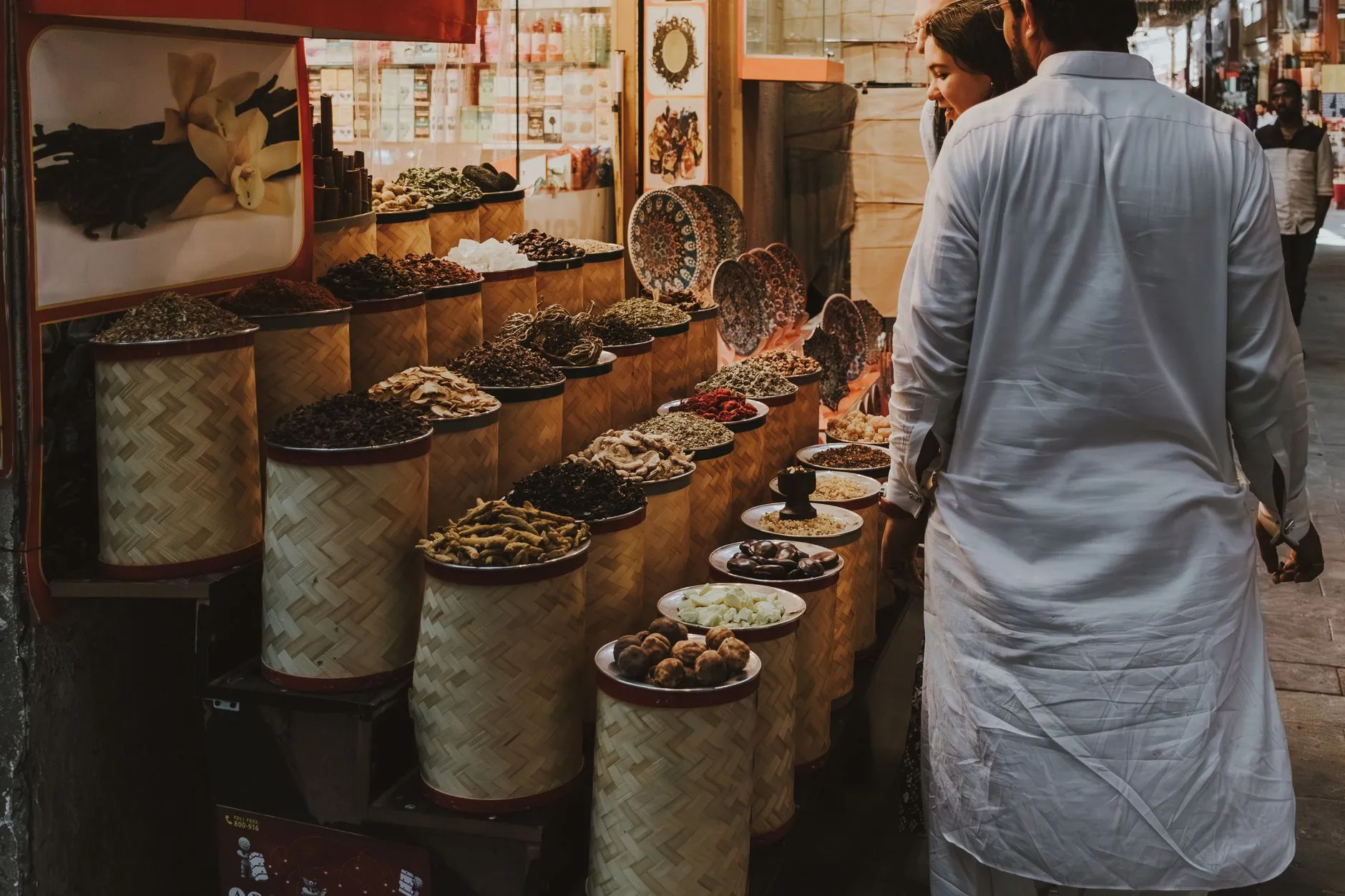
Gold Souk & Spice Souk
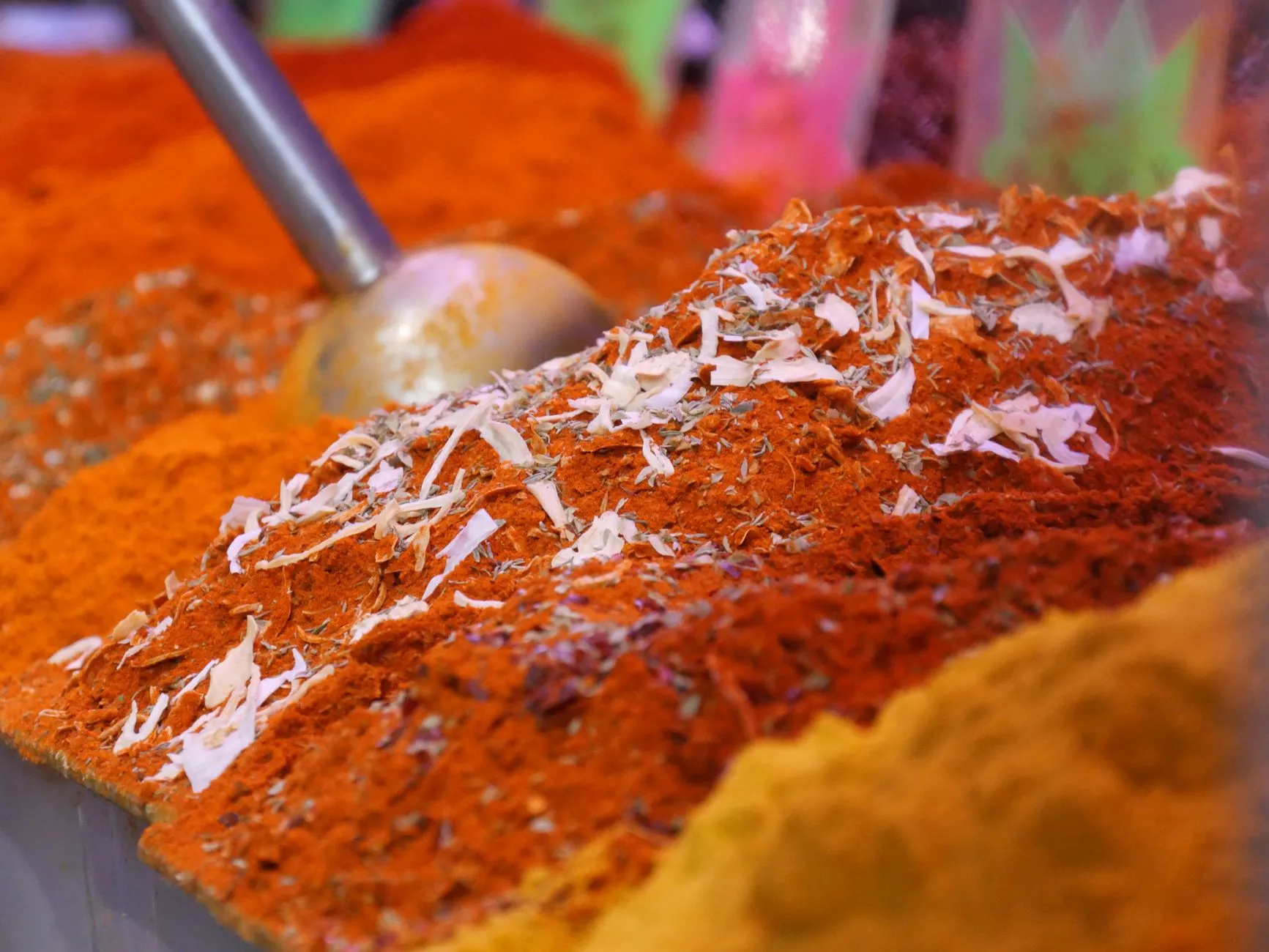
Traditional markets in Deira, across the creek from old Dubai. Negotiate hard — 30–40% off the starting price is normal. Gold is sold by weight (competitive global rates) plus a making charge. The Spice Souk next door is a sensory overload of saffron, cardamom, and frankincense.
Desert Safari
AED 120–200 (≈ €30–50) for a budget safari with dune bashing, camel ride, and Bedouin-style dinner. Premium safaris at DDCR (Dubai Desert Conservation Reserve) cost more but include conservation-focused experiences, hot air balloons, and falconry. Go at sunset.
Museum of the Future
AED 149 (≈ €37). The Arabic calligraphy-covered torus is Dubai’s most photogenic building. Inside, immersive exhibits explore space stations, rainforest ecosystems, and AI futures. Allow 2–3 hours. Book online to avoid queues.
Dubai Frame
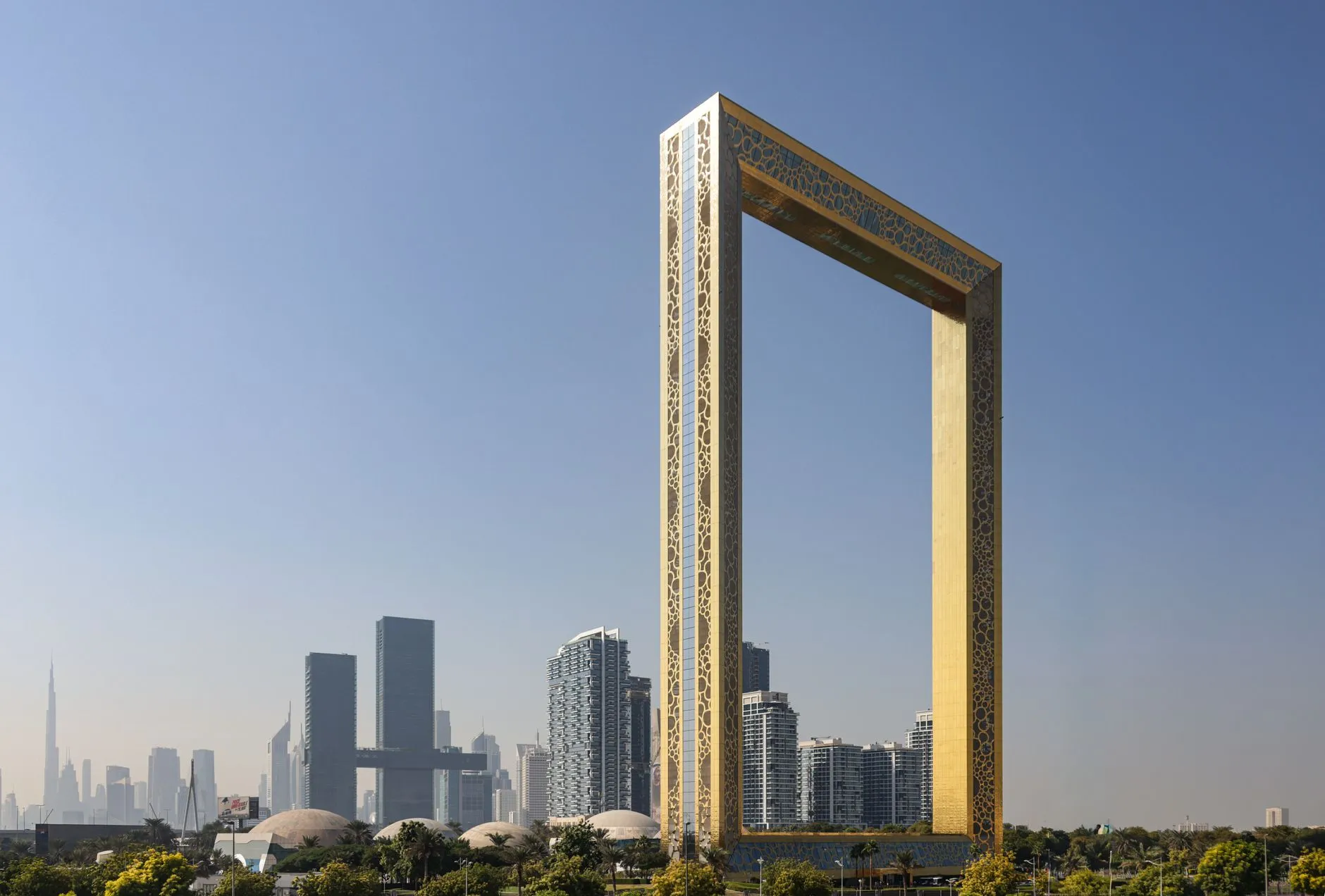
AED 50 (≈ €12.50). A 150-metre picture frame with a glass-floor walkway. One side frames old Deira; the other frames Sheikh Zayed Road’s skyscrapers. Cheesy concept, genuinely great views. Go early morning for short queues.
Al Ain Oasis & Jebel Hafeet
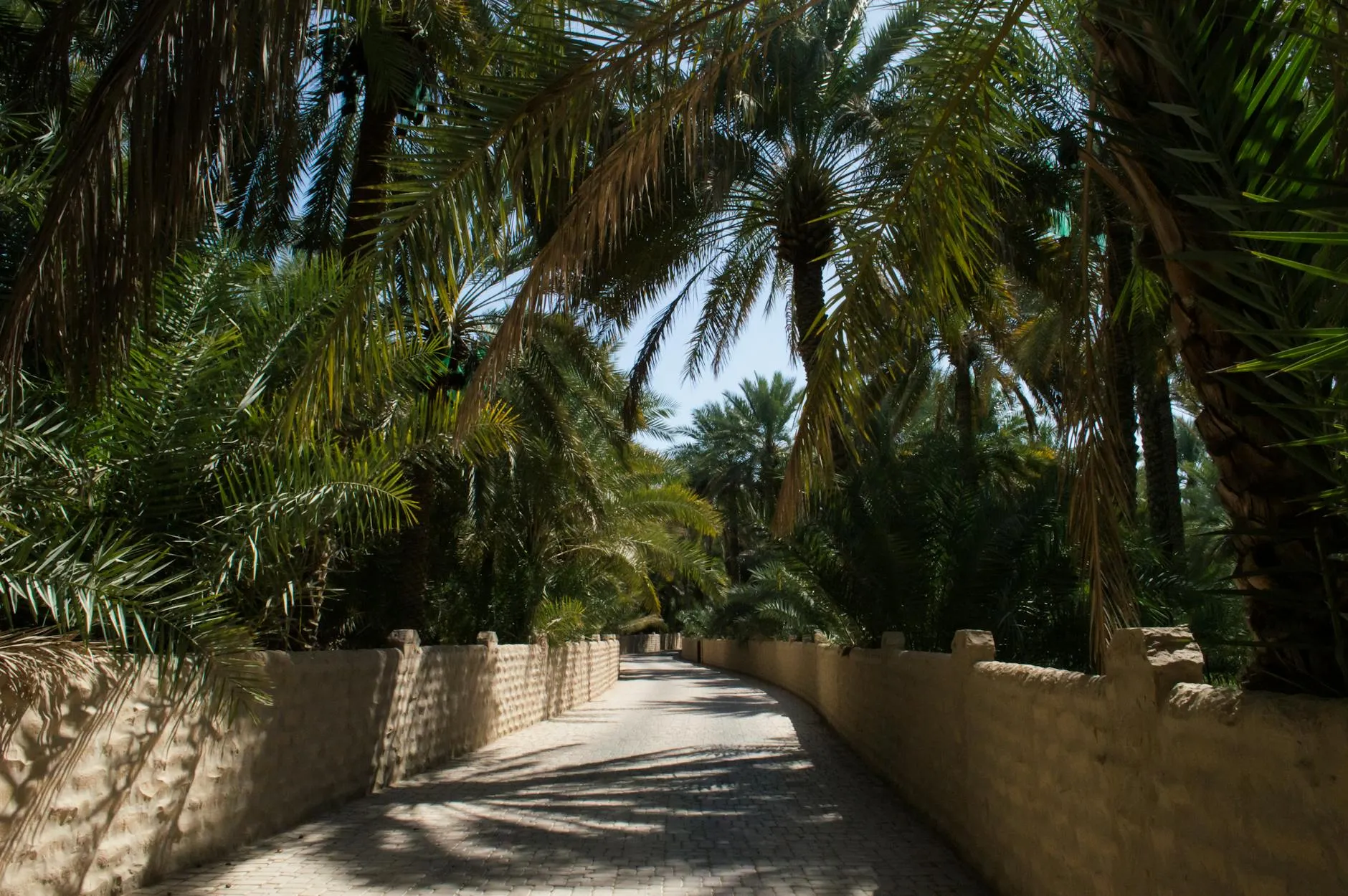
UNESCO-listed oasis with 147,000 date palms and traditional falaj irrigation. Free entry. Jebel Hafeet (1,249m) has a spectacular drive to the summit with panoramic views. Al Ain is Abu Dhabi’s inland garden city — cooler in concept, hotter in temperature.
The UAE is simultaneously one of the most cosmopolitan and one of the most conservative countries you can visit. Only 11% of the population is Emirati — the rest are expatriates from South Asia, the Philippines, Europe, Africa, and everywhere in between. This creates a fascinating cultural layering where a Pakistani truck driver, a Filipino nurse, a British banker, and an Emirati businessman share the same city but inhabit very different worlds.
Culture
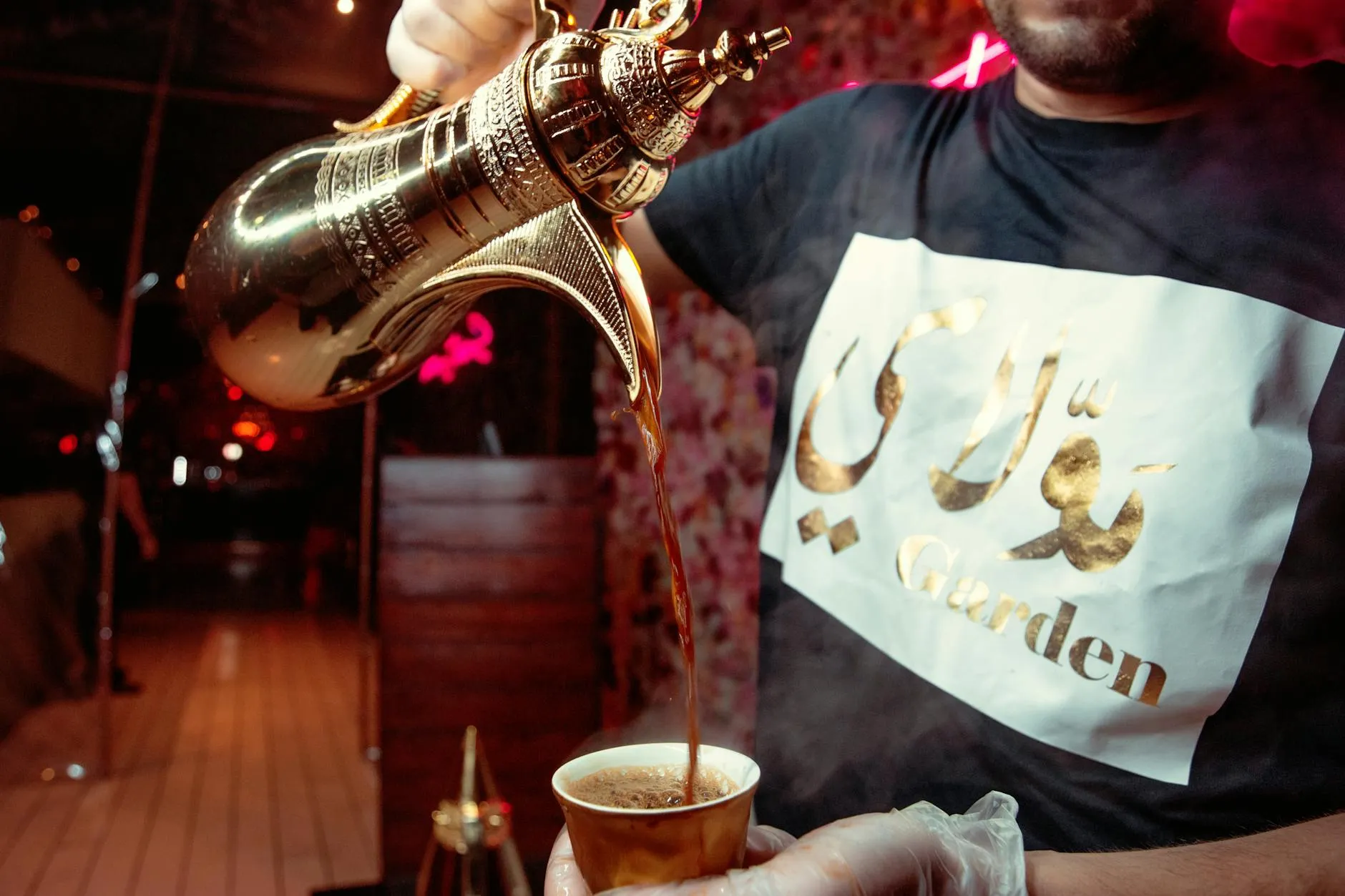
Hospitality (diyafa): Offering Arabic coffee (gahwa) and dates to guests is a foundational social ritual. If an Emirati offers you coffee, accept — it’s a genuine welcome. Shake the cup gently side to side when you’ve had enough.
Dress code: Shoulders and knees covered in malls, markets, and public transport. Swimwear is fine at the beach and pool — cover up when leaving. Mosques require arms, legs, and hair covered for women; long trousers and covered shoulders for men. Free abayas and kanduras are provided at Sheikh Zayed Grand Mosque.
No PDA: Kissing in public can lead to arrest. Brief hand-holding between married couples is tolerated in tourist areas. Keep it discreet.
Photography: Do not photograph people (especially women) without permission. Never photograph military or government buildings. Ask before photographing Emiratis.
Alcohol: Legal only in licensed venues (hotel bars, restaurants, clubs) for ages 21+. Public intoxication is illegal. Sharjah has a total alcohol ban. Zero-tolerance drink-driving.
Swearing & gestures: Rude language and offensive gestures (including the middle finger) are criminal offences. This applies in traffic too. Social media posts deemed offensive carry the same risk.
Drugs: Zero tolerance. Even trace amounts can lead to years in prison. Some common Western medications (certain painkillers, ADHD medication, anti-anxiety drugs) are controlled — check the Ministry of Health list before packing. CBD products are illegal.
Key phrases:As-salaam alaikum (peace be upon you — universal greeting), Wa alaikum as-salaam (reply), Shukran (thank you), Inshallah (God willing — you’ll hear this constantly), Yalla (let’s go), Habibi/Habibti (dear friend, male/female). English works everywhere urban but a few Arabic words go a long way in building rapport.
LGBTQ+ Travellers
Same-sex sexual activity is illegal in the UAE. While “private life is respected” in practice, any public expression of a same-sex relationship or behaviour deemed to cause public offence can lead to prosecution. There is no legal recognition of same-sex relationships. LGBTQ+ travellers visit the UAE regularly, but discretion is essential.
Food & Cuisine
The UAE’s food scene is one of the most diverse on Earth. With 200+ nationalities living here, you can eat Pakistani biryani for lunch, Japanese ramen for dinner, and Ethiopian injera for breakfast — all within walking distance. But the real discovery for most visitors is Emirati cuisine itself, which is almost entirely unknown outside the Gulf.
Machboos
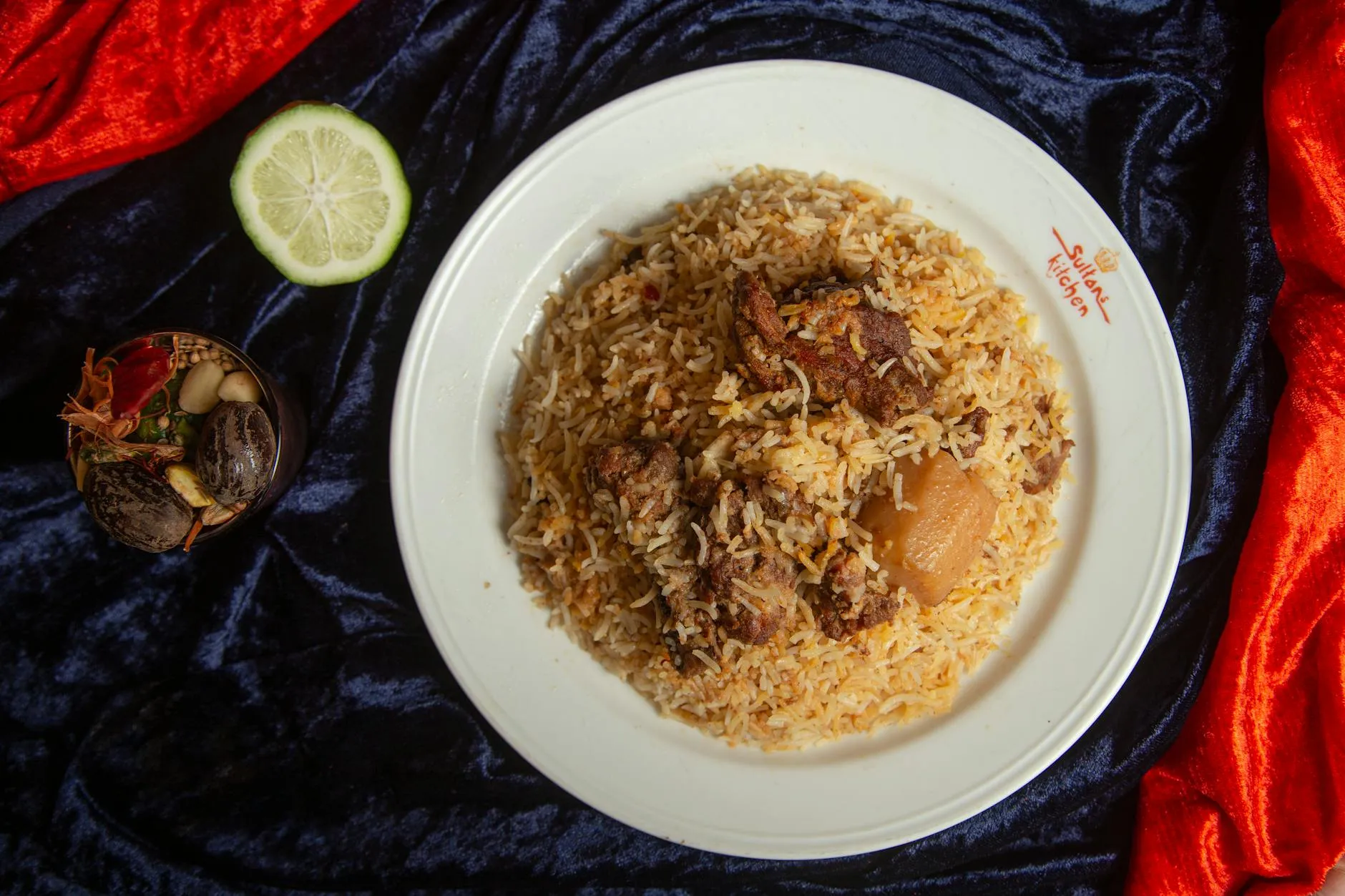
The national dish. Spiced rice with meat (lamb, chicken, or fish) cooked with a distinctive Emirati spice blend called bezar — cardamom, cinnamon, dried limes (loomi), turmeric, and saffron. Similar to biryani but with its own character. Found at Emirati restaurants for AED 35–60 (≈ €9–15).
Harees
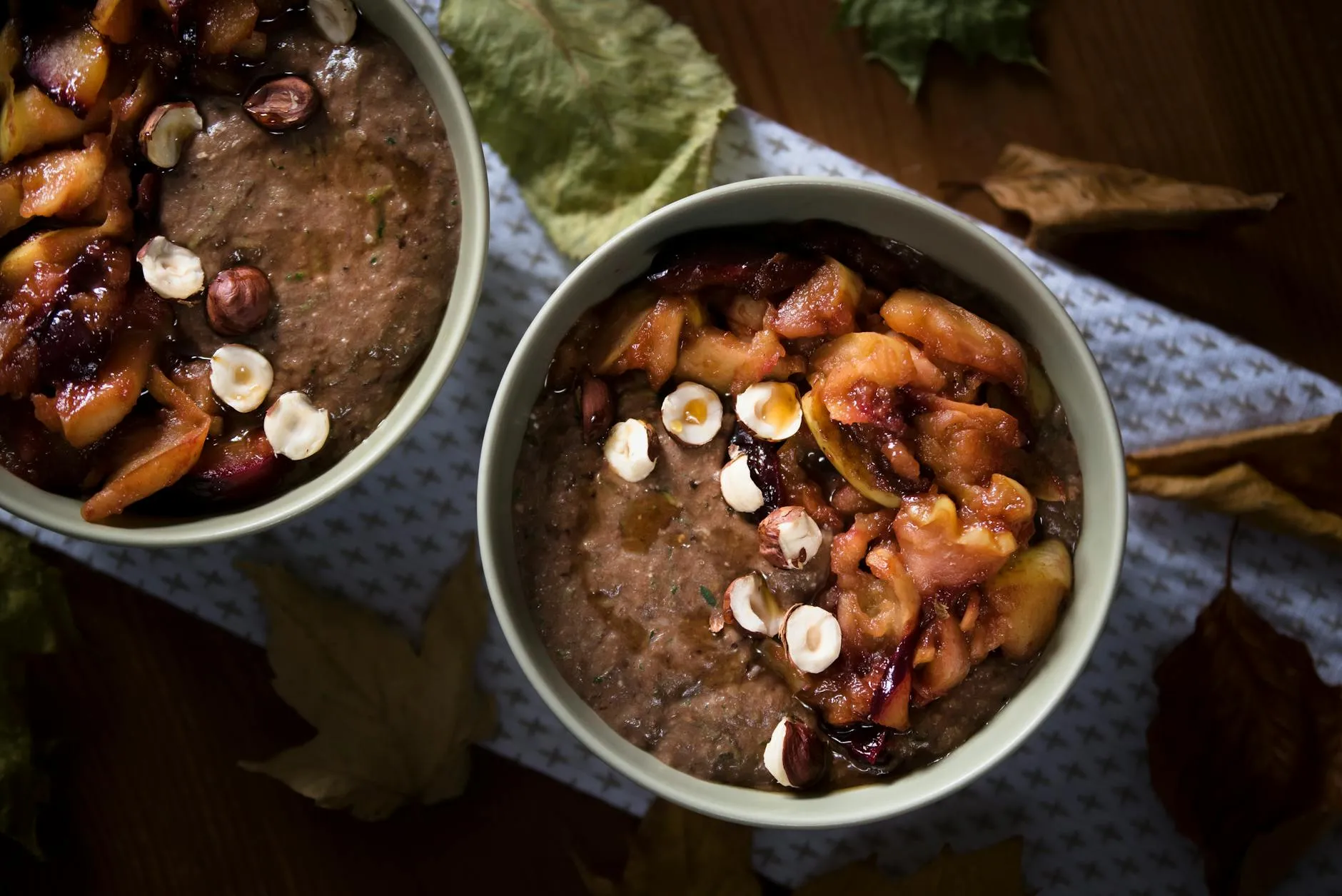
Wheat and meat slow-cooked into a smooth, porridge-like consistency, seasoned with cinnamon and ghee. Emirati comfort food, especially popular during Ramadan. Deceptively simple-looking but deeply flavourful. A bowl costs AED 20–35 (≈ €5–9).
Luqaimat
Deep-fried dough balls drizzled with date syrup — the ubiquitous Emirati dessert. Crunchy outside, fluffy inside, dangerously addictive. Found at every festival, food court, and Emirati restaurant. A plate is AED 15–25 (≈ €4–6).
Street Food (Multi-Cultural)
The backbone of affordable eating. Shawarma AED 8–15 (≈ €2–4), falafel wraps AED 10–15, Indian/Pakistani cafeteria meals AED 20–30 (≈ €5–8), Filipino kamayan feasts, and Lebanese manoushe. Deira and Bur Dubai are the epicentres. You can eat extremely well for under €10/meal.
Karak Tea & Arabic Coffee
Karak tea — strong tea with cardamom and evaporated milk — is the street drink of Dubai. AED 1–3 (≈ €0.25–0.75) from any cafeteria. Arabic coffee (gahwa) is cardamom-infused and served with dates in a welcoming ritual. Both are essential daily experiences.
Fine Dining
Dubai has 14 Michelin-star restaurants. Tasting menus at top establishments run AED 500–1,500+ (≈ €125–375+). Even without Michelin, the restaurant scene is world-class. Booking ahead is essential for popular spots, especially Thursday–Friday evenings.
Where to Eat Emirati
Al Fanar Restaurant (multiple locations) serves traditional Emirati food in a recreated 1960s village setting. Arabian Tea House in Al Fahidi offers courtyard dining with mezze and Emirati specialties. For a deeper cultural experience, the Sheikh Mohammed Centre for Cultural Understanding (SMCCU) hosts meals where Emirati hosts explain dishes and answer questions about local life — one of the most genuinely educational food experiences in the country.
Eating Practicalities
Restaurants in malls open 10am–10pm (later on weekends). Street-food cafeterias in Deira and Bur Dubai run from early morning to midnight. During Ramadan, expect daytime closures — but Iftar buffets after sunset (from AED 100–300 / ≈ €25–75 at hotels) are a highlight worth experiencing. Alcohol is only available in licensed hotel restaurants and bars; expect AED 45–60 (≈ €11–15) per pint. Tap water is safe (desalinated) but most people drink bottled.
Wildlife & Nature
The UAE’s wildlife is often overshadowed by its architectural ambitions, but the desert, mountains, and coastline host a surprising diversity of species. Conservation efforts have brought several animals back from the brink of extinction, and wildlife viewing is increasingly accessible.
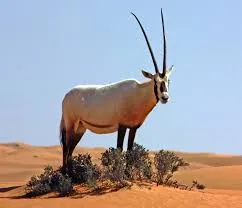
Arabian Oryx
Where: Dubai Desert Conservation Reserve, Al Marmoom
Once extinct in the wild, the Arabian oryx is a conservation success story. These stunning white antelopes with long, straight horns were reintroduced through captive breeding programs. They can detect rainfall from 80 km away and move toward it. The UAE’s conservation reserves now host healthy populations roaming free across the dunes.
Arabian Falcon
Where: Falconry centers, Abu Dhabi Falcon Hospital
Falconry is a UNESCO Intangible Cultural Heritage and deeply embedded in Emirati identity. The saker and peregrine falcons are prized, with some birds valued at over $100,000. The Abu Dhabi Falcon Hospital is the world’s largest falcon hospital, treating over 6,000 birds annually and offering tours to visitors.
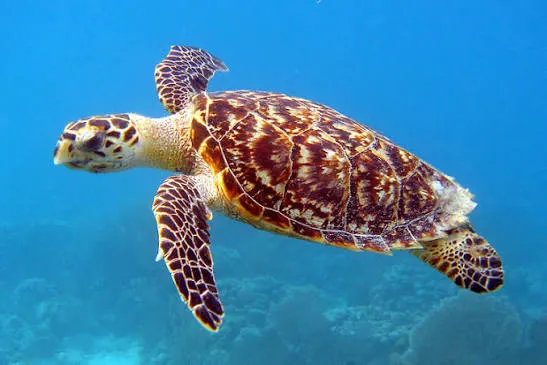
Hawksbill Sea Turtle
Where: Sir Bu Nair Island, Ras Al Khaimah coast
Endangered hawksbill turtles nest on UAE beaches from April to July. The Sir Bu Nair marine reserve is a critical nesting site. Several resorts in RAK and Fujairah offer turtle-watching tours during nesting season. Juans, green turtles, and leatherbacks also pass through UAE waters, particularly along the east coast.
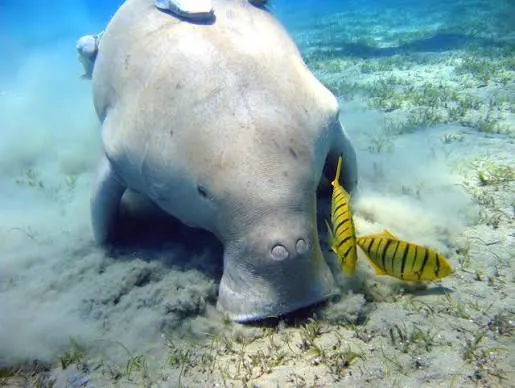
Dugong
Where: Abu Dhabi coast, Sir Bu Nair
The Gulf hosts the world’s second-largest dugong population after Australia. Abu Dhabi alone has an estimated 3,000+ dugongs — gentle, herbivorous marine mammals sometimes called “sea cows.” They graze on seagrass beds and can grow up to 3 metres long. Conservation programs have helped populations stabilise in recent years.
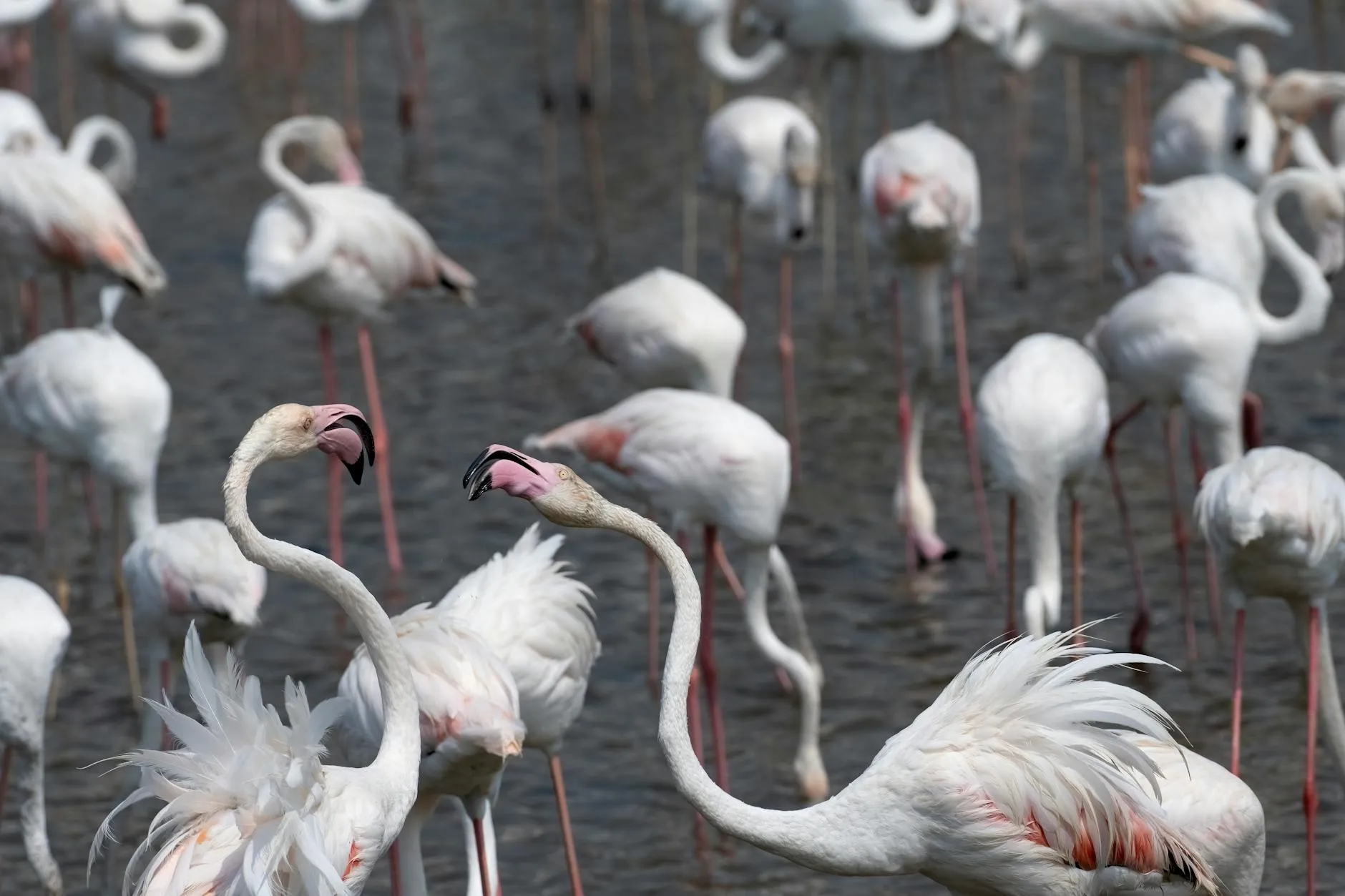
Wildlife viewing tip: The Ras Al Khor Wildlife Sanctuary in Dubai offers free entry and flamingo viewing hides right in the city. The Dubai Desert Conservation Reserve offers guided wildlife safaris to see oryx and gazelles. Al Qudra Lakes at dawn are excellent for birdwatching.
Activities & Adventures
🏆Looking for the best tours and experiences? Browse our hand-picked recommendations across 17 countries — from skip-the-line museum tickets to sunrise hot air balloon rides.
The UAE packs a surprising amount of adventure into a small country. The Hajar Mountains offer genuine hiking and climbing, the desert has everything from dune bashing to camel trekking, the east coast has diving and snorkeling, and the cities have engineered thrills that break world records on a regular basis.
⛰ Top Activities & Adventures
🏃 Jais Flight (Zipline)
Location: Jebel Jais, RAK Cost: AED 430 (≈ €108) World’s longest zipline: 2.8 km at up to 120 km/h. Guinness Record holder. Soar over the Hajar Mountains with breathtaking views. Book ahead — this is bucket-list material.
🧗 Via Ferrata
Location: Jebel Jais, RAK Cost: AED 350+ (≈ €88+) 1 km climbing/hiking route on mountain cliffs. No prior experience needed. Steel cables, ladders, and suspension bridges. Adrenaline with safety. Spectacular mountain scenery.
🪂 Skydiving
Location: Palm Jumeirah, Dubai Cost: AED 2,199 (≈ €550) Tandem jump over Palm Jumeirah. Bucket-list views of Dubai’s coastline from 4,000m. The most photogenic skydive in the Middle East. Video package available.
🧙 Diving & Snorkeling
Location: Snoopy Island, Fujairah Cost: From AED 200 (≈ €50) Best underwater experience in UAE. Coral reefs, tropical fish, shipwrecks. Year-round warm waters (24–34°C). Day trips from Fujairah. Excellent visibility.
🏜 Desert Safari
Location: Dubai / RAK / Abu Dhabi Cost: AED 120–200 (budget) / AED 500+ (premium) Dune bashing, camel rides, sandboarding, Bedouin dinner. Premium DDCR safaris include conservation experiences, hot air balloons, and falconry. Go at sunset.
🚤 Kayaking
Location: Hatta / UAQ mangroves Cost: From AED 100 (≈ €25) Hatta Dam kayaking through turquoise mountain pools. Mangrove kayaking at Umm Al Quwain for wildlife spotting. Peaceful, scenic, and accessible to beginners.
🎈 Hot Air Balloon
Location: Dubai Desert (DDCR) Cost: AED 1,200+ (≈ €300+) Sunrise flight over conservation reserve. Arabian oryx and gazelles below. Champagne breakfast included. Book well ahead — limited daily capacity. Magical experience.
🚴 Cycling
Location: Al Qudra, Dubai Cost: Free access 50 km cycling track through desert landscape past Al Qudra Lakes. Flamingos at dawn. Bring water. Popular with Dubai’s cycling community. Bike rentals available nearby.
⛰ Hiking in the Hajar Mountains
⛰ Jebel Jais Viewing Deck Trail
Location: RAK Difficulty: Easy — 2–3 hrs UAE’s highest peak (1,934m). Mountain views, cooler temperatures, clear-sky panoramas. Paved access road to the summit. Best November–March.
🌊 Wadi Shawka
Location: RAK Difficulty: Moderate — 4–5 hrs Rocky wadi with natural pools. Best after rain when pools fill. Bring shoes with grip. Remote and scenic. Popular with local hikers.
🌊 Hatta Mountain Trails
Location: Dubai (Hatta exclave) Difficulty: Easy–Moderate — 2–6 hrs Multiple marked trails. Hatta Dam, mountain pools, heritage village. 1.5h from Dubai. Well-maintained trails with signage. Kayaking available at the dam.
⛰ Wadi Ghalilah
Location: RAK Difficulty: Moderate–Hard — 5–7 hrs Remote wadi valley. Abandoned villages, dramatic rock formations. Bring GPS and plenty of water. For experienced hikers only. Stunning but challenging.
Heat warning: Never hike in the UAE between June and September. Even in winter, start early (before 8am), carry at least 3 litres of water per person, wear sun protection, and tell someone your route. Mountain trails are unregulated — there are no rescue teams on standby.
Free & Cheap Experiences
Dubai Creek abra ride: AED 1 (≈ €0.25) for a traditional water taxi crossing between Bur Dubai and Deira. Best at sunset.
JBR Beach & Dubai Marina Walk: Free beach access and a waterfront promenade with street performers and food trucks.
Dubai Fountain: Shows every 30 minutes from 6pm. Free from the waterfront. One of the world’s best free attractions.
Ras Al Khor Wildlife Sanctuary: Free entry. Flamingo viewing hides right inside Dubai. Up to 25,000 migratory birds in winter.
Al Qudra Lakes: Free. Desert lakes with flamingos, desert wildlife, and the “Love Lakes” heart-shaped formations. Best at dawn.
Al Fahidi walking tour: Free heritage district exploration. Wind towers, art galleries, coffee shops, and the creek.
Route Planner
Planning a trip to United Arab Emirates requires consideration of several factors that affect routing, timing, and budget. Visa requirements vary by nationality, domestic transport ranges from modern highways to unpaved mountain roads, and seasonal weather can dramatically alter your experience. The routes below are designed around United Arab Emirates's geography and transport networks, but conditions change — always verify road access, border crossings, and transport schedules before departing.
Before choosing a route, consider: your time frame (a focused one-week trip differs vastly from a three-week exploration), your budget (some routes require domestic flights or private transport), what you want to see (cities, nature, culture, adventure), and seasonal conditions (monsoon, dry season, temperature extremes). Each route is a template — adjust it to fit your style.
🚀
Plan Your Trip with the Travel Planner
Build a personalised itinerary with weather forecasts, safety warnings, visa info, transport options, and cost estimates — all in one report.
We hand-picked the highest-rated hotels, apartments and resorts for your trip — from budget stays to luxury retreats. Filter by country, budget and guest rating.
The essential first-timer route. Seven days covering the two headline emirates with a desert safari, the best museums, iconic landmarks, and enough free time for souk wandering and beach days. Works year-round but best November–March.
Budget estimate: AED 3,500–7,000 (≈ €875–1,750) per person for 7 days, excluding international flights. Budget end assumes hostel dorms, street food, Metro transport. Upper end assumes mid-range hotel, restaurant meals, taxis.
Day-by-day itinerary
Day 1: Arrive Dubai — Old Dubai
Land at DXB, get your visa stamp, buy a Nol card at the Metro station. Head to Al Fahidi Historic District — wind-tower houses, Dubai Museum (AED 3), and coffee at Arabian Tea House. Take an abra across the creek (AED 1) to Deira. Explore the Gold Souk and Spice Souk. Evening: walk along the creek or grab dinner at a Pakistani cafeteria in Deira (AED 20–30).
Day 2: Modern Dubai
Morning: Burj Khalifa observation deck (book sunrise slot online for AED 169). Browse Dubai Mall — aquarium, ice rink, or just window-shop 1,200 stores. Afternoon: Metro to Dubai Marina and walk to JBR Beach. Evening: watch the Dubai Fountain show (free, every 30 min from 6pm) from the waterfront.
Day 3: Museum of the Future & Dubai Frame
Morning: Museum of the Future (AED 149, book online). One of the most impressive museum experiences in the Middle East. Afternoon: Dubai Frame (AED 50) for panoramic views of old and new Dubai. Walk through Zabeel Park if weather allows. Evening: dinner at Al Fanar for traditional Emirati cuisine, or explore the food scene in DIFC.
Day 4: Desert Safari
Free morning — beach, shopping, or sleep in. Afternoon (3–4pm pickup): desert safari. Dune bashing in a 4x4, camel ride, sandboarding, henna painting, and a Bedouin-style barbecue dinner under the stars. Budget safaris start at AED 120 (≈ €30). Premium options at DDCR include falconry and wildlife drives (AED 500+). Return to hotel by 9–10pm.
Day 5: Abu Dhabi — Sheikh Zayed Mosque & Louvre
Bus from Dubai (Union Square, AED 25, 90 min) or hire a car. Morning: Sheikh Zayed Grand Mosque — free entry, allow 2–3 hours. The mosque at midday light is extraordinary. Afternoon: Louvre Abu Dhabi (AED 63). The “rain of light” through the dome, plus a genuinely world-class collection. Evening: walk the Corniche (8 km waterfront). Stay overnight in Abu Dhabi or return to Dubai.
Day 6: Abu Dhabi / Yas Island
If staying in Abu Dhabi: Yas Island for Ferrari World (world’s fastest roller coaster), Yas Waterworld, or Warner Bros World. Pick one — each is a full day. Alternatively, day-trip to Al Ain (2h drive): UNESCO oasis, Jebel Hafeet summit drive, Al Ain Zoo. Return to Dubai evening.
Day 7: Free Day & Departure
Use this day for whatever you missed or most enjoyed. Options: Sharjah museums (30 min from Dubai, very cheap), Ras Al Khor flamingos (free, early morning), more beach time, last-minute souk shopping, or a brunch (Friday brunch is a UAE institution — all-you-can-eat at hotels from AED 200). Depart from DXB.
Route B: 2-Week All Seven Emirates
The comprehensive tour for travellers who want to see beyond the headlines. Two weeks covers all seven emirates, the Hajar Mountains, the east coast, and the deep desert — giving you a complete picture of a country most visitors only scratch the surface of. Requires a rental car for days 8–13.
Budget estimate: AED 8,000–16,000 (≈ €2,000–4,000) per person for 14 days, excluding international flights. Includes 6 days rental car (~AED 1,200 total).
Day-by-day itinerary
Days 1–4: Dubai
Follow Route A Days 1–4: Old Dubai, Modern Dubai, Museum of the Future/Dubai Frame, desert safari. Add: SMCCU cultural meal (book ahead), Al Qudra Lakes sunrise cycling, and a deeper exploration of Deira’s Pakistani/Indian food scene.
Day 5: Sharjah
Bus to Sharjah (AED 10, 30 min without traffic). Heart of Sharjah heritage district, Sharjah Museum of Islamic Civilization, Rain Room art installation, and the House of Wisdom library. Note: no alcohol in Sharjah. Great museum value — most entries under AED 20. Lunch at a local cafeteria. Return to Dubai or stay in Sharjah (significantly cheaper hotels).
Days 6–7: Abu Dhabi
Day 6: Bus to Abu Dhabi (AED 25, 90 min). Sheikh Zayed Grand Mosque and Louvre Abu Dhabi. Day 7: Yas Island (Ferrari World or Yas Waterworld) or Saadiyat Island beach and cultural district. Evening: Corniche sunset walk and dinner at a seafood restaurant on the waterfront.
Day 8: Al Ain
Pick up rental car. Drive to Al Ain (2h from Abu Dhabi). Visit the UNESCO Al Ain Oasis (free), drive up Jebel Hafeet (1,249m) for panoramic views, and explore Al Ain Zoo if interested. Al Ain is the greenest city in the UAE — a genuine oasis in the desert. Overnight in Al Ain.
Day 9: Hatta
Drive to Hatta (Dubai exclave, 2h from Al Ain). Hatta Dam kayaking in turquoise mountain pools, Hatta Heritage Village (restored fort and watchtowers), and hiking on marked mountain trails. Cooler temperatures than the coast. Overnight at Hatta Sedr Trailers or drive to Fujairah.
Days 10–11: Fujairah & East Coast
Day 10: Drive to Fujairah (1.5h from Hatta via mountain roads). Snoopy Island snorkeling or diving — the best underwater experience in the UAE. Visit Fujairah Fort (16th century) and Al Bidya Mosque (believed oldest in UAE). Day 11: Beach day, spa, or a second dive. The east coast pace is deliberately slow — embrace it.
Day 12: Ras Al Khaimah & Mountains
Drive north to Ras Al Khaimah (2.5h from Fujairah via coast road). Jebel Jais — drive to 1,934m for mountain views. If adventurous: Jais Flight zipline (AED 430) or via ferrata (AED 350+). Hike at Wadi Shawka if time allows. Overnight in RAK beach resort (significantly cheaper than Dubai).
Day 13: Ajman & Umm Al Quwain
Drive south along the coast. Stop at Ajman — dhow boatbuilding yards, Ajman Museum (fort), and a quiet beach. Continue to Umm Al Quwain for mangrove kayaking at Khor Al Yeefrah. These two emirates are the “real” UAE — quiet, local, and without a glass tower in sight. Drive back to Dubai (1h from UAQ).
Day 14: Buffer Day & Departure
Last-minute shopping at souks or malls. Visit anything missed. Friday brunch if timing works. Depart from DXB or return rental car and relax before an evening flight.
Route C: 3-Day Dubai Express
For travellers on a layover or with limited time. Three days is enough to hit Dubai’s highlights and get a genuine feel for the city. Works even with a long layover — Dubai is only 15 minutes from the airport by Metro.
Budget estimate: AED 1,500–3,000 (≈ €375–750) per person for 3 days.
Day-by-day itinerary
Day 1: Old & New Dubai
Morning: Al Fahidi Historic District, creek abra crossing (AED 1), Gold Souk and Spice Souk in Deira. Lunch at a Pakistani cafeteria. Afternoon: Metro to Dubai Mall and Burj Khalifa observation deck (AED 169, book sunset slot). Evening: Dubai Fountain show (free). Dinner at a restaurant overlooking the fountain.
Day 2: Modern Icons & Beach
Morning: Museum of the Future (AED 149) or Dubai Frame (AED 50). Afternoon: JBR Beach and Dubai Marina walk. If time: Palm Jumeirah monorail for views of the Atlantis. Evening: dinner in DIFC, JBR, or for budget travellers, more Deira street food.
Day 3: Desert or Culture
Option A: Half-day desert safari (morning departures available, AED 200–350). Return by early afternoon, last-minute shopping, depart. Option B: Day trip to Sharjah museums (30 min by bus). Option C:Ras Al Khor flamingos at dawn (free), then Al Seef heritage waterfront for a final creek-side coffee. Depart.
Getting Around
🚇 Dubai Metro
Clean, efficient, air-conditioned. Covers most major attractions. AED 4–12 per trip. Get a Nol card.
Traditional water taxi on Dubai Creek. AED 1. The cheapest and most atmospheric transport in the country.
🚆 Abu Dhabi Transit
City buses cover main routes. No metro yet (under construction). Taxis and Careem are the practical option.
Dubai Metro
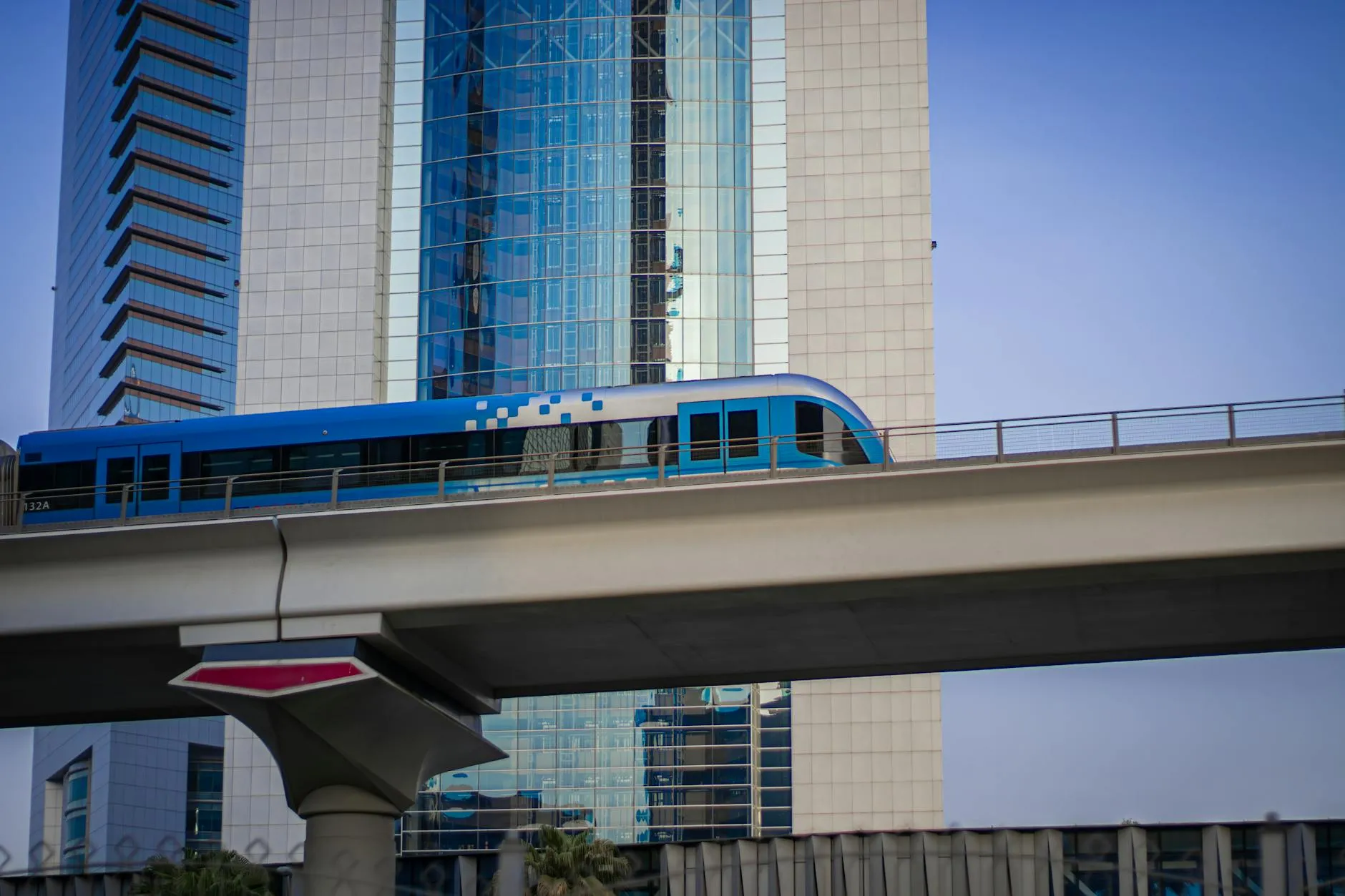
Two lines (Red and Green) cover most tourist areas: the airport (Terminal 1 & 3), Burj Khalifa/Dubai Mall, Dubai Marina, JBR, DIFC, and the historic Deira area. Buy a Nol card (AED 25 including AED 19 credit) at any station. Day pass: AED 22 (≈ €5.50). Gold Class carriages at the front are less crowded but cost double. Women-only carriages are at the front — respect them. Eating, drinking, and chewing gum on the Metro is fined AED 100.
Intercity Travel
Dubai to Abu Dhabi: Public bus from Union Square station, AED 25 (≈ €6), every 20–30 minutes, 90 minutes. Comfortable and the cheapest option. Taxis cost AED 250–350 one way. Dubai to Sharjah: Bus AED 10, but traffic can turn a 30-minute trip into 90+ minutes during rush hour. Dubai to RAK/Fujairah/Hatta: No direct public transport — rental car or taxi. The roads are outstanding, well-signposted, and driving is straightforward once you adjust to the aggressive speeds on Sheikh Zayed Road.
Car Rental
International chains (Hertz, Avis, Europcar) and local companies are available at airports and throughout cities. From AED 100/day (≈ €25/day) for economy. International Driving Permit accepted; EU, UK, and US licences are often accepted directly. Speed cameras everywhere — stick to posted limits. Dubai’s Salik toll system charges AED 4 per gate (automated, billed to rental). Petrol is very cheap at AED 3.30/L (≈ €0.83/L). Warning: police can impound vehicles for serious violations with fines of AED 50,000+ to release.
Transport strategy: Dubai Metro + walking for Dubai sightseeing. Intercity bus for Abu Dhabi. Rental car for RAK, Fujairah, Hatta, and Al Ain. Taxis/Careem for last-mile connections and late-night travel. This combination keeps transport costs to AED 30–50/day (≈ €8–13/day) for most of your trip.
The UAE’s reputation as expensive is only half true. Dubai’s headline attractions and nightlife are genuinely pricey, but the street food, public transport, and smaller emirates offer real value. The key is knowing where the savings hide.
Daily Budget Ranges
Category
Budget
Mid-range
Comfort
Accommodation
AED 80–150 (≈ €20–38) Hostel dorm / Sharjah hotel
AED 300–600 (≈ €75–150) 3–4 star hotel
AED 1,000–3,000+ (≈ €250–750+) 5-star resort
Food
AED 60–100 (≈ €15–25) Street food & cafeterias
AED 200–350 (≈ €50–88) Restaurants
AED 600+ (≈ €150+) Fine dining & hotel bars
Transport
AED 20–40 (≈ €5–10) Metro & bus
AED 80–150 (≈ €20–38) Mix of Metro & taxi
AED 300+ (≈ €75+) Private car & Careem
Activities
AED 50–100 (≈ €13–25) Free sights & 1 paid entry
AED 200–400 (≈ €50–100) 2–3 attractions/day
AED 800+ (≈ €200+) Premium experiences
Daily Total
AED 210–390 (≈ €53–98)
AED 780–1,500 (≈ €195–375)
AED 2,700+ (≈ €675+)
Money-Saving Tips
🍴 Eat Like a Local
Indian/Pakistani/Filipino cafeterias in Deira and Bur Dubai serve full meals for AED 20–30 (≈ €5–8). Better food than many tourist restaurants at a fraction of the price.
🚇 Metro Over Taxi
Dubai Metro costs AED 4–12 per trip vs AED 50–100 for a taxi. A Nol day pass (AED 22) gives unlimited travel. That’s 80% savings on city transport.
🌴 Visit Off-Season
June–September hotel prices drop 40–60%. Yes, it’s brutally hot outside, but everything worth seeing is air-conditioned. A 5-star hotel for the price of a 3-star in season.
🛍 Free Attractions
Dubai Fountain, JBR Beach, Dubai Marina Walk, Ras Al Khor flamingos, Al Fahidi, creek abra (AED 1), Al Qudra Lakes — some of the best experiences cost nothing.
🏙 Sleep in Sharjah
Hotels in Sharjah cost 30–50% less than Dubai equivalents. Regular buses connect both cities (AED 10, 30 min at quieter times). Trade convenience for significant savings.
💰 Abu Dhabi Luxury
The same luxury hotel brand costs 20–30% less in Abu Dhabi than Dubai. If you want to splurge, do it in the capital and bus to Dubai for day trips.
Tipping: Not mandatory but appreciated. 10% at restaurants (sometimes auto-added as service charge). AED 5–10 for hotel porters and valets. Round up taxi fares. The Tourism Dirham adds AED 7–20/night to hotel bills depending on category — this is unavoidable.
Most Western passport holders (EU/EEA, UK, US, Canada, Australia, New Zealand, Japan, South Korea, Singapore, and 80+ others) receive a free visa on arrival for 90 days (multiple entry, valid 6 months). No advance paperwork, no fees — just go to immigration and get stamped. Some nationalities receive 30-day visas on arrival. Indian, Pakistani, Bangladeshi, and Filipino nationals generally need a pre-arranged tourist visa (AED 300–400 / ≈ €75–100). Overstay fine: AED 50/day (≈ €12.50/day). eSIMs and e-visas can be arranged through airlines (Emirates, Etihad) or the ICA website.
Health & Safety
No vaccinations are required (yellow fever certificate needed if arriving from an endemic country). Tap water is safe (desalinated) but most people drink bottled. Healthcare is world-class but very expensive — a simple ER visit can cost AED 2,000+ (≈ €500+) without insurance. Travel health insurance is essential. The main health risks are sunstroke, dehydration (drink far more water than you think you need), and sunburn. Pharmacies are well-stocked, but some common Western medications are controlled — check the UAE Ministry of Health list before packing prescription drugs.
Safety
The UAE is one of the safest countries in the world. Violent crime against tourists is essentially nonexistent. The country is heavily policed and well-surveilled. Solo female travellers report feeling very safe — women-only Metro carriages, taxis, and women-only beach days are available. The main “safety” risks are legal ones: breaking social conduct rules (see Culture & Etiquette section) carries genuine consequences. Follow the rules and you are safer here than in most Western cities.
Connectivity
Excellent 5G and LTE coverage everywhere. Tourist SIM cards from du and Etisalat are available at airports (from AED 50 / ≈ €12.50 for 1–2 GB). eSIM support is widely available. Free Wi-Fi in all malls, hotels, and airports. WhatsApp text messaging works, but VoIP calls (WhatsApp calls, FaceTime) may be restricted. VPN usage is technically regulated, but enforcement for personal use by tourists is rare.
Shopping
Dubai Mall, Mall of the Emirates, and Yas Mall (Abu Dhabi) are mega-malls with 1,000+ shops each. The Dubai Shopping Festival (December–January) offers city-wide sales and raffles. Gold Souk prices are competitive globally — negotiate 30–40% off the starting price. VAT refund for tourists is available at airports (minimum spend AED 250 per transaction). Good souvenirs: spices, dates, oud perfume, Arabic coffee sets, and camel-milk chocolate.
Most UAE travel mistakes are avoidable with basic awareness. These are the ones that cost time, money, or legal trouble.
Visiting June–September without understanding the heat. It’s not just “warm” — it’s 45°C with 90% humidity. Outdoor activities are impossible between 10am and 5pm. If you visit in summer, plan an indoor-heavy itinerary and enjoy the massive hotel discounts.
Only seeing Dubai. Most visitors never leave Dubai. Abu Dhabi has better cultural attractions (Sheikh Zayed Mosque, Louvre). RAK has mountains and adventure. Fujairah has diving. The smaller emirates offer the most authentic local experiences. Rent a car for 2–3 days.
Underestimating Sharjah’s rules. Sharjah bans alcohol entirely and enforces stricter dress codes than Dubai. What’s tolerated in Dubai Marina may cause problems 30 minutes away. Know which emirate you’re in.
Eating only at malls and hotels. Mall food courts and hotel restaurants are 3–5x the price of local cafeterias. The best food in Dubai is in Deira and Bur Dubai, served at Pakistani, Indian, and Lebanese spots with no English menus. Ask your taxi driver where they eat.
Public displays of affection. A quick kiss goodbye can genuinely lead to arrest. This is not a theoretical risk. Keep physical affection private.
Swearing or rude gestures in traffic. Road rage, the middle finger, or shouting at another driver can result in fines, jail, or deportation. Dubai traffic is aggressive — stay calm.
Packing controlled medications without checking. Codeine, tramadol, some ADHD medications, and certain anti-anxiety drugs are banned. CBD products are illegal. Check the UAE Ministry of Health list before you fly.
Ignoring Ramadan. If your visit overlaps with Ramadan, eating, drinking, or smoking in public during daylight hours is illegal. Many restaurants close during the day. Plan around it or embrace the experience (Iftar after sunset is wonderful).
Taking taxis everywhere in Dubai. The Metro covers most tourist areas for AED 4–12 per trip. A single taxi ride costs what a full day of Metro travel costs. Buy a Nol card on arrival.
Booking Burj Khalifa at the door. Walk-up prices are significantly higher than online prices, and busiest-time slots sell out. Book at least 24 hours ahead online, ideally for sunset.
The UAE is a country of contradictions that somehow work. A place where a 828-metre skyscraper stands an hour from a mountain where goats outnumber people. Where you can eat the world’s best sushi for lunch and a AED 8 shawarma for dinner. Where the law bans swearing but the hospitality is among the warmest you’ll encounter anywhere. It is not a country that fits neatly into travel categories, and that is precisely why it rewards the curious.
For a first visit, a week covering Dubai and Abu Dhabi (Route A) is the sweet spot. You get the architectural spectacle, the food scene, the cultural depth of Sheikh Zayed Mosque and the Louvre, a desert safari, and enough time to discover that the old souks are more interesting than the mega-malls. Come between November and March for comfortable weather, or July–August if you want 5-star hotels at 3-star prices and can handle the heat.
For a second visit — or if you have two weeks — rent a car and drive north. The Hajar Mountains above Ras Al Khaimah feel like a different country. Fujairah’s east coast has diving that rivals the Red Sea at a fraction of the crowds. Hatta’s mountain pools are gorgeous. And the quiet northern emirates (Ajman, Umm Al Quwain) show you what the UAE looked like before the oil money arrived.
Budget AED 300–500 per day for a comfortable mid-range experience, eat at local cafeterias, use the Metro, and visit during shoulder season for the best balance of weather and price. The UAE is not what you expect. Give it a chance to surprise you.
In three sentences: One week covering Dubai and Abu Dhabi is the ideal first trip, best between November and March. Eat at local cafeterias in Deira, visit Sheikh Zayed Mosque at sunset, take the Metro everywhere, and do a desert safari on your fourth day. The UAE is expensive by reputation but manageable by strategy — the trick is knowing where the real country hides behind the glass towers.