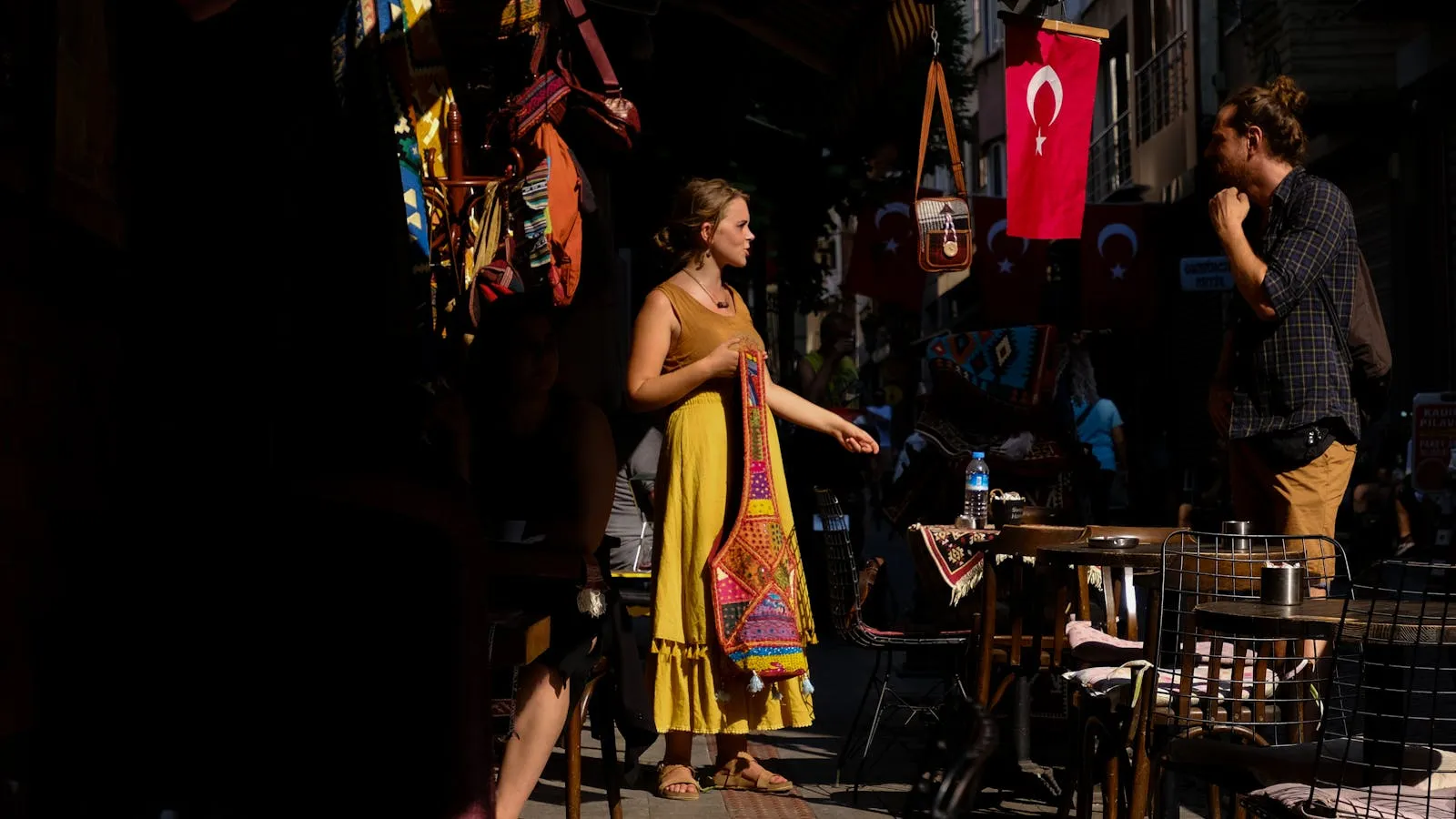
Overview & Why Visit Turkey

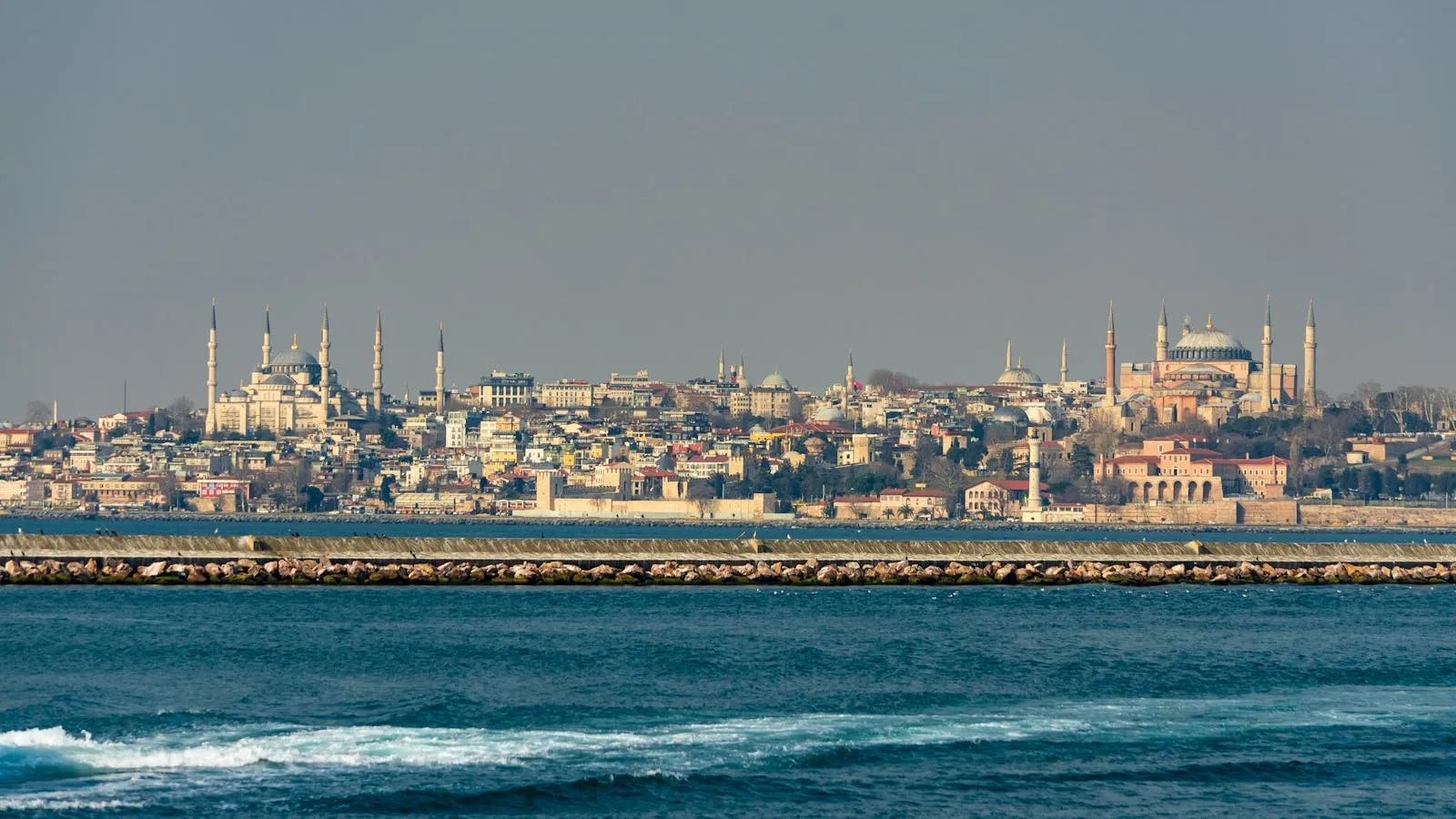
Epic panoramic skyline of Istanbul with mosques, minarets, and the Bosphorus at golden hour

Turkey is one of those countries that keeps outperforming expectations. It spans two continents, holds the ruins of at least a dozen major civilisations, has a coastline longer than most people realise, and produces food that routinely makes travellers rethink their entire ranking system. All of this at prices that feel like a clerical error if you are coming from Western Europe.

Istanbul alone would justify the trip. A city of 16 million straddling Europe and Asia, with Byzantine churches, Ottoman mosques, Roman cisterns, and rooftop bars all within walking distance of each other. But Turkey is not Istanbul any more than France is Paris. Head south and you find the fairy chimneys of Cappadocia, where people carved entire cities into soft volcanic rock and where hot air balloons fill the sky at sunrise. Keep going and the Mediterranean coast unfolds: ancient Lycian ruins on empty beaches, turquoise water so vivid it looks edited, and small towns where a three-course fish dinner costs less than a London sandwich.

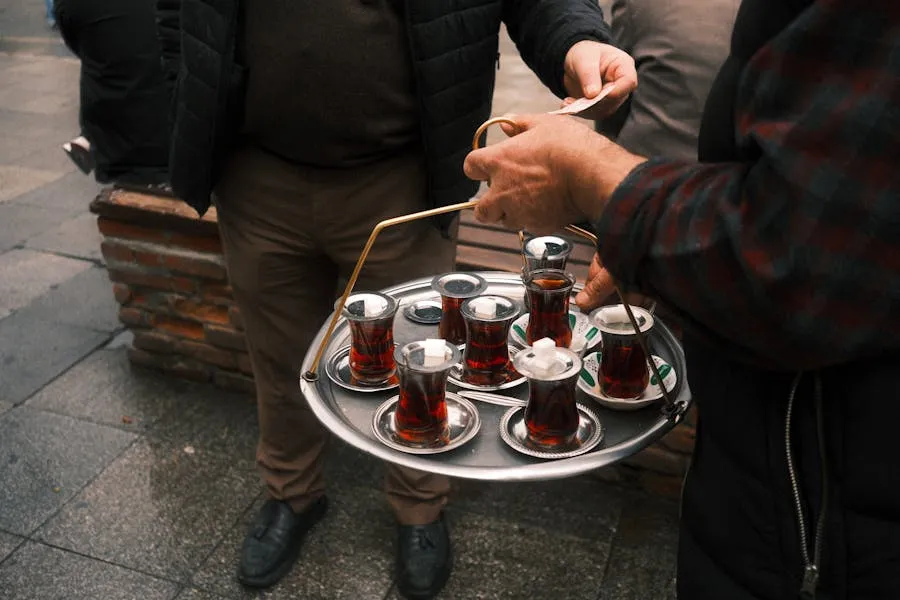
The food deserves its own paragraph because it genuinely changes how you eat. Turkish breakfast alone is a revelation. A huge spread of cheese, olives, eggs, honey, bread, tomatoes, cucumbers, and spicy sausage that takes up the entire table. Then there are the kebabs (far beyond what the word suggests abroad), the street food, the meze culture, the baklava from Gaziantep, and the omnipresent tea served in tulip-shaped glasses. Accepting tea from a shopkeeper is not a transaction. It is Turkish hospitality in its purest form.

The history goes deep. Ephesus is the best-preserved Roman city in the Mediterranean. Göbekli Tepe predates Stonehenge by 7,000 years. The underground cities of Cappadocia go eight levels down. Hagia Sophia has been a cathedral, a mosque, a museum, and a mosque again. Troy is real and you can visit it. The giant stone heads on Mount Nemrut watch the sunrise from 2,000 metres. This is a country where you trip over history on the way to lunch.

Infrastructure is solid. Domestic flights are cheap and frequent. Intercity buses are comfortable and cover every route. The Istanbulkart gets you across Istanbul for pocket change. English is widely spoken in tourist areas, though a few Turkish words go a long way inland. Safety is good. Over 50 million tourists visit annually, and street-level scams in Istanbul are the main thing to watch for, not serious crime.

Turkey is also genuinely affordable. A backpacker can travel well on $50–65 a day. Mid-range comfort runs $80–150. Even at the higher end, the value compared to Greece, Italy, or Spain is striking. The Turkish Lira has been volatile, which is unfortunate for residents but means foreign currencies stretch further than they did a few years ago. Two weeks here will feel like a month anywhere else.

Best Time to Visit Turkey

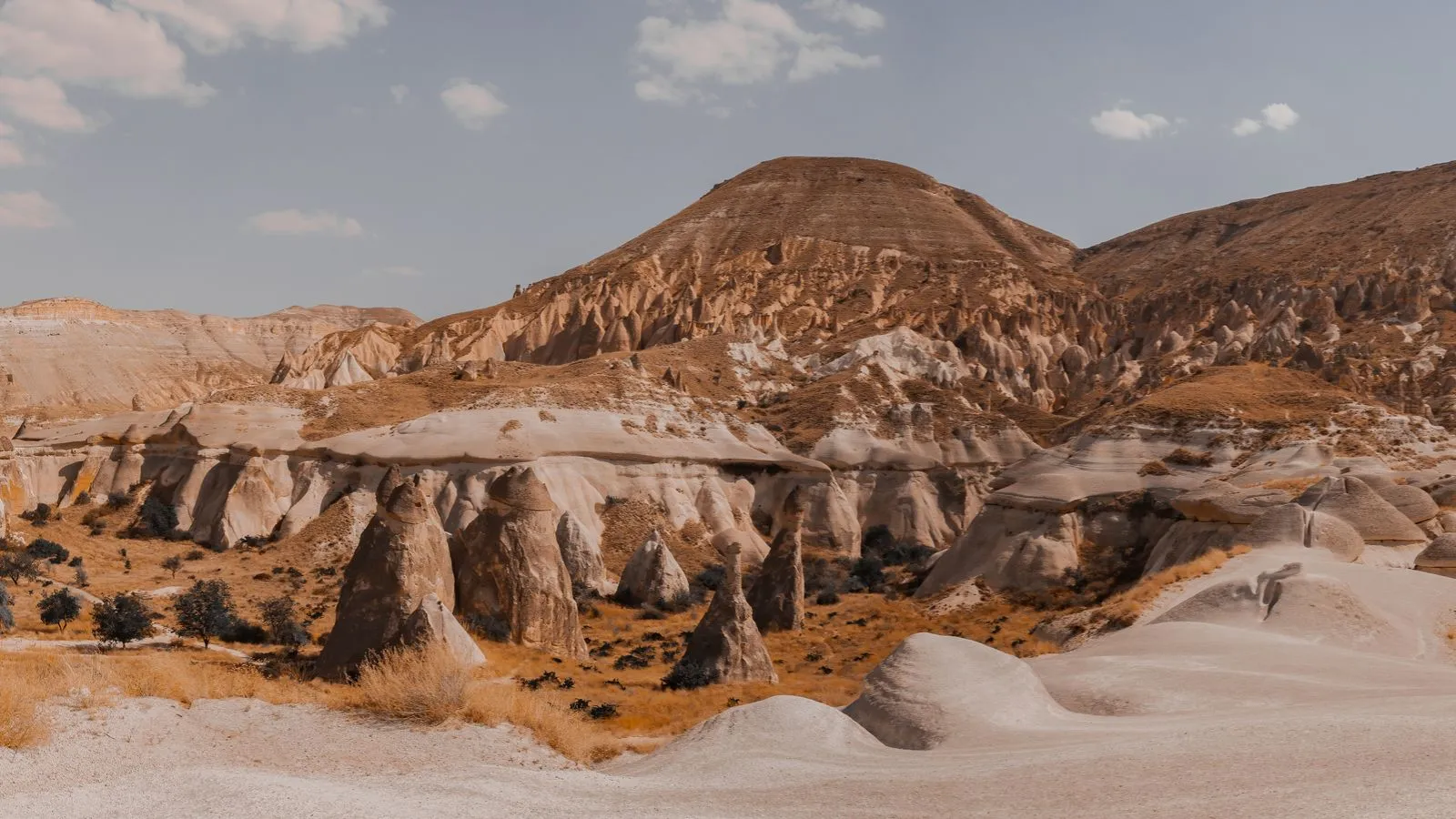
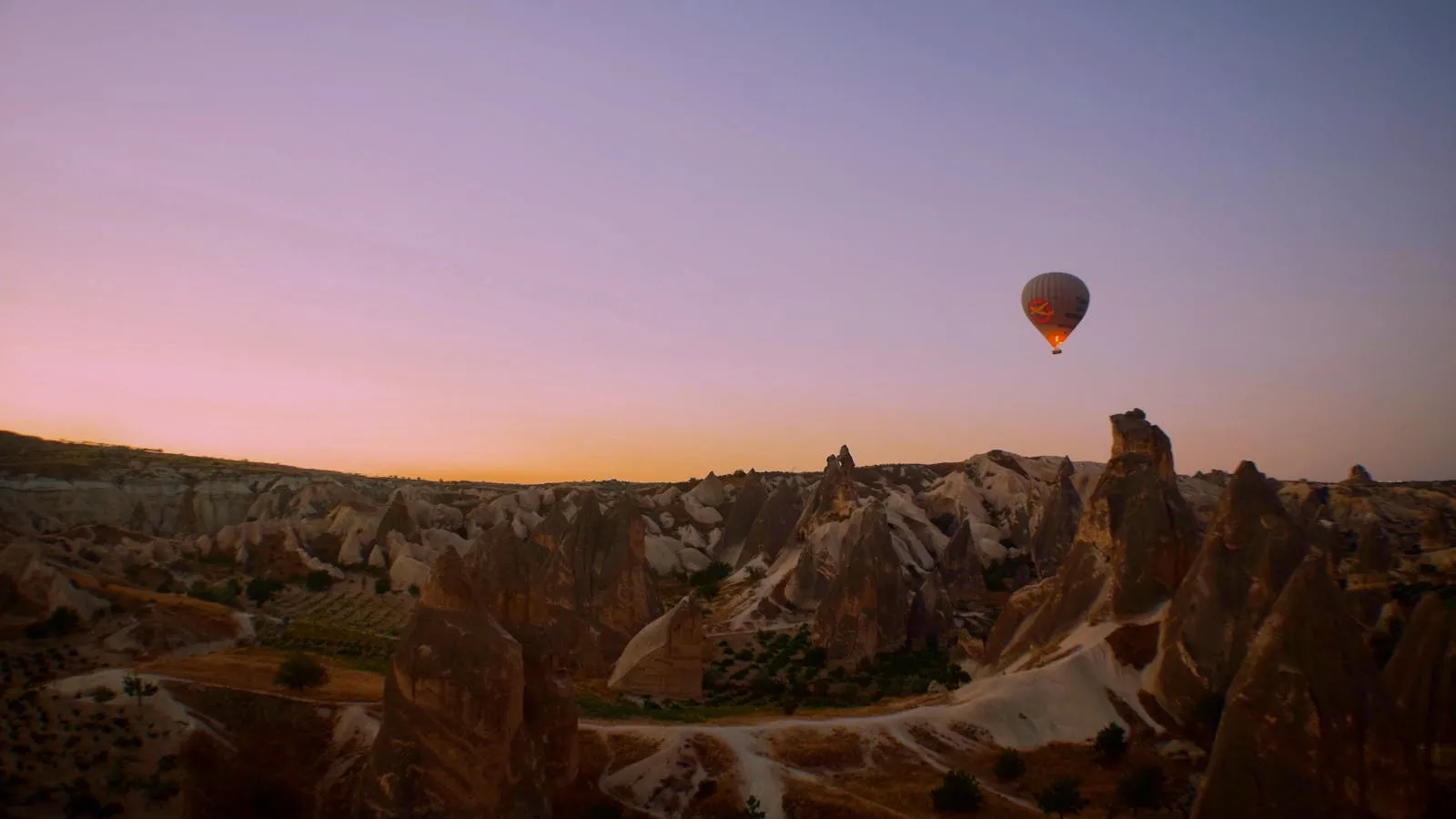
Scenic panoramic view of Cappadocia's fairy chimneys and valleys at sunrise

Turkey works year-round, but the sweet spot is September and October. Still warm on the coast, perfect balloon weather in Cappadocia, fewer crowds at major sites, and prices drop noticeably from the summer peak. May and June are strong alternatives with longer days and spring energy.

The country spans multiple climate zones, so the answer changes depending on where you are headed. The Mediterranean coast bakes in July and August. Istanbul gets humid in summer and cold and damp in winter. Cappadocia has proper seasons with snow in winter and scorching heat in midsummer. Eastern Turkey has extreme continental weather that makes it best suited to late spring or early autumn.

MonthSeasonBest RegionsCrowdsPricesRating
JanuaryWinterIstanbul (museums) – Uludağ (ski)🟢 Low🟢 Low⭐⭐⭐
FebruaryWinterIstanbul – Antalya (mild coast)🟢 Low🟢 Low⭐⭐⭐
MarchEarly springIstanbul – Aegean – Antalya🟢 Low🟢 Low⭐⭐⭐
AprilSpringAll Turkey – tulips in Istanbul🟡 Moderate🟡 Moderate⭐⭐⭐⭐
MayLate springAll regions – swimming starts🟡 Moderate🟡 Moderate⭐⭐⭐⭐⭐
JuneEarly summerCoast – Cappadocia – East🟡 Rising🟡 Moderate⭐⭐⭐⭐⭐
JulySummer peakCoast – Black Sea – Kaçkar🔴 High🔴 Peak⭐⭐⭐
AugustPeak heatCoast only – avoid inland🔴 Very High🔴 Peak⭐⭐
SeptemberLate summerAll regions – best overall🟡 Moderate🟡 Moderate⭐⭐⭐⭐⭐
OctoberAutumnCappadocia – Aegean – Istanbul🟢 Low🟢 Low⭐⭐⭐⭐⭐
NovemberLate autumnIstanbul – Antalya – Cappadocia🟢 Low🟢 Low⭐⭐⭐
DecemberWinterIstanbul – Cappadocia (snow)🟢 Low🟢 Low⭐⭐⭐
September is the overall best month. The summer crowds have thinned, the sea is still warm for swimming, Cappadocia has near-perfect balloon conditions, and prices drop from summer peaks. October is equally good for inland destinations. May and June are the spring alternatives with wildflowers, long days, and tulip season in Istanbul (April into early May). Avoid inland sites in August when temperatures regularly exceed 40°C.

Climate & Weather

Turkey sits across several climate zones, and the differences are dramatic. The Mediterranean coast and the Black Sea coast might as well be different countries weather-wise.

Istanbul & Marmara has a transitional climate. Hot and humid summers (28–33°C), cold and damp winters (3–8°C). Rain is common from November through March. Best visited April through June or September through November.

Mediterranean & Aegean coast gets classic Mediterranean weather. Hot, dry summers (30–38°C), mild winters (10–16°C). Swimming season runs May through October. The Turquoise Coast between Fethiye and Antalya is warmest.

Cappadocia & Central Anatolia is semi-arid with proper continental extremes. Summer days hit 35°C but nights cool down. Winters bring snow and temperatures well below freezing. Balloon flights operate roughly April through November, weather permitting.

Black Sea coast is green for a reason. Rain year-round, mild temperatures (rarely above 28°C in summer, rarely below 5°C in winter). Tea plantations thrive here. Bring a rain jacket regardless of season.

Eastern Turkey has extreme continental climate. Winters are genuinely harsh (minus 10–20°C around Lake Van and Kars). Summers are hot and dry inland. Only visit between May and October unless you are prepared for serious cold.

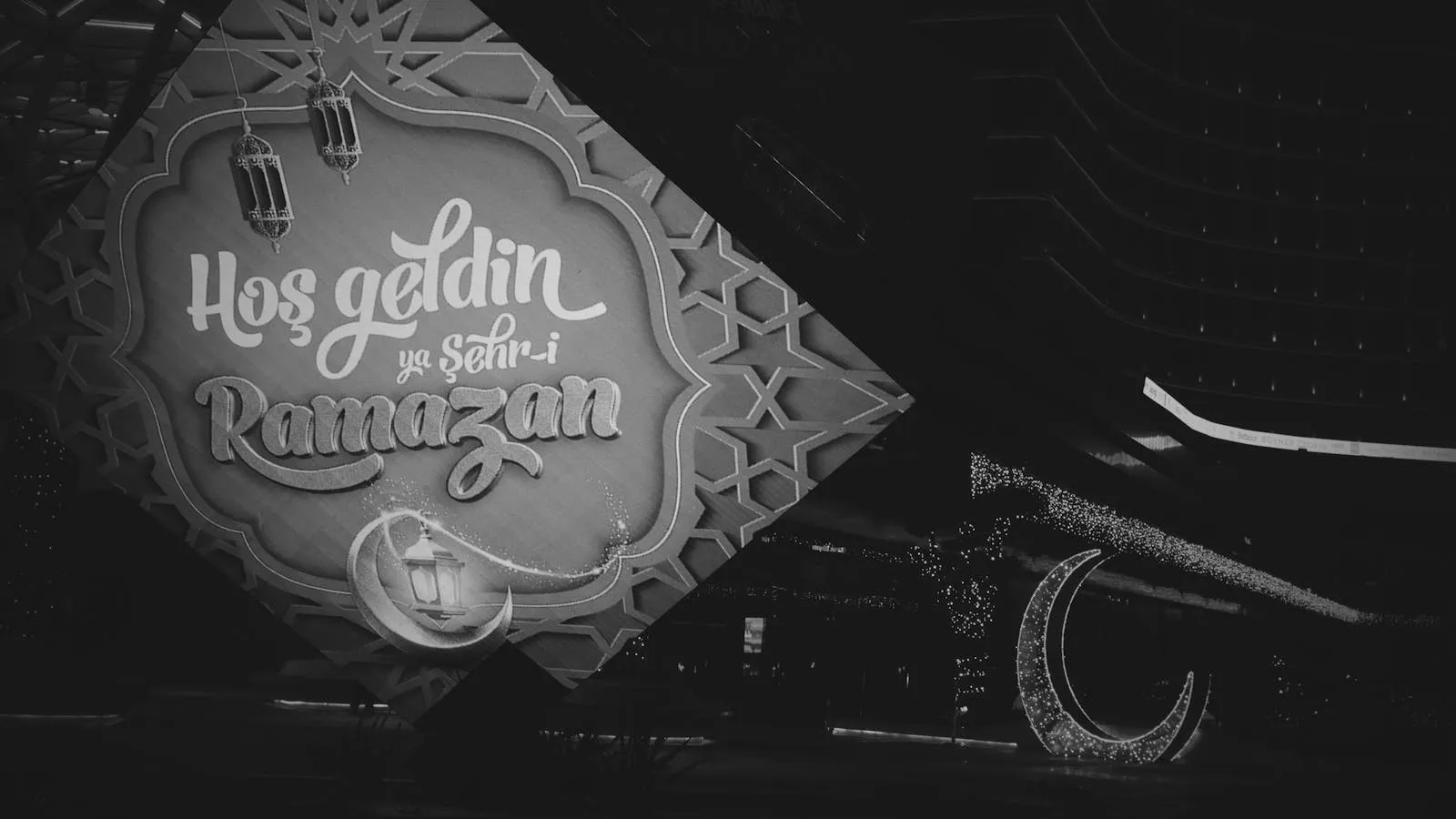
Ramadan timing matters. During Ramadan, be respectful of fasting in conservative and non-touristy areas. Avoid eating, drinking, or smoking openly in public during daylight hours in those places. Tourist zones and resort towns are generally unaffected. Ramadan shifts roughly 10 days earlier each year (approximately February–March in 2026–2027).
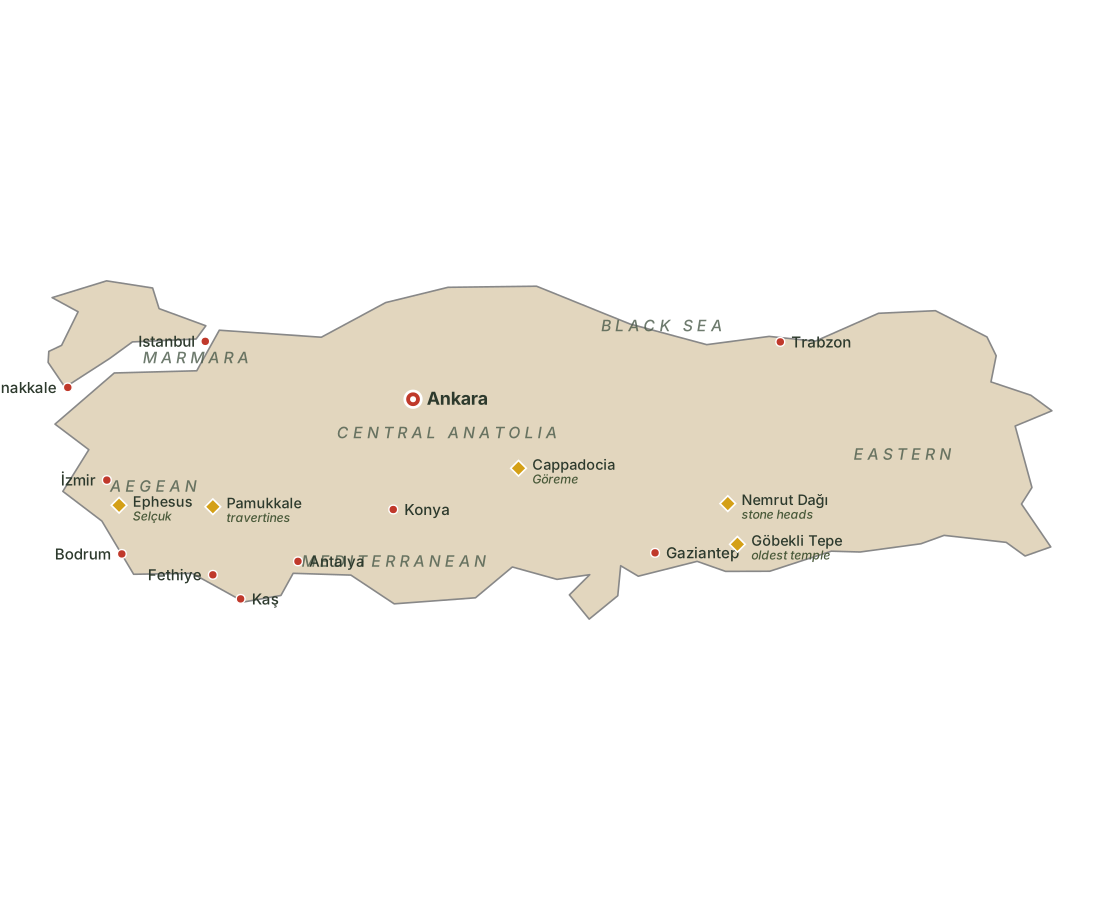
Map of Turkey

Turkey occupies the crossroads of Europe and Asia. The European part (Thrace) is small but contains half of Istanbul. The Asian part (Anatolia) makes up 97% of the country. Bordered by Greece and Bulgaria to the northwest, Georgia and Armenia to the northeast, Iran to the east, and Iraq and Syria to the southeast. Coastlines on four seas: the Mediterranean, the Aegean, the Black Sea, and the Sea of Marmara.

Map of Turkey showing main cities, regions and transport connections
Key distances: Istanbul to Ankara 450 km (4h by YHT train, 1h15 by air). Istanbul to Cappadocia 730 km (1h20 by air, 10h+ by bus). Istanbul to Antalya 700 km (1h15 by air, 10h by bus). Antalya to Cappadocia 530 km (8h by bus). Istanbul to Izmir 480 km (1h by air, 5h30 by bus). Fethiye to Antalya 200 km (3h30 by bus). Ankara to Konya 260 km (1h45 by YHT). Istanbul to Bodrum 700 km (1h by air).
Holidays & Festivals

Whirling dervish ceremony in Konya

Turkey observes both secular national holidays and Islamic religious holidays. Secular holidays have fixed dates. Islamic holidays follow the lunar calendar and shift roughly 10 days earlier each year. During Eid festivals (Bayram), domestic transport books out fast, accommodation prices rise in popular areas, and many businesses close for several days. Plan around these dates or embrace the festive atmosphere.

DateHoliday / FestivalImpact on Travel
1 JanuaryNew Year's DaySome shops closed; mostly a normal day
Feb–Mar (2026)Ramadan (Ramazan)~30-day fasting period; tourist areas unaffected, respect fasting in conservative areas
~20–22 Mar 2026Eid al-Fitr (Ramazan Bayramı)3-day public holiday; heavy domestic travel, transport and hotels book out
23 AprilNational Sovereignty and Children's DayParades and school performances; offices closed
1 MayLabour DayPublic holiday; demonstrations possible in Istanbul (Taksim area)
19 MayYouth and Sports DayCommemorates Atatürk; ceremonies at stadiums and schools
~27–30 May 2026Eid al-Adha (Kurban Bayramı)4-day public holiday; the biggest holiday of the year. Everything closes, domestic travel peaks
15 JulyDemocracy and National Unity DayCommemorates 2016; ceremonies and closures
30 AugustVictory DayMilitary parades; offices closed
29 OctoberRepublic DayTurkey's most important secular holiday; fireworks, ceremonies nationwide
AprilIstanbul Tulip FestivalMillions of tulips across parks and gardens; the tulip originated in Turkey
June–JulyIstanbul Music FestivalClassical music, opera, ballet at historic venues
June–JulyAspendos Opera & BalletPerformances in a 2,000-year-old Roman theatre near Antalya
SeptemberCappadocia Ultra TrailTrail running through fairy chimneys; book early
DecemberMevlana Commemoration, KonyaWhirling Dervish ceremonies honouring Rumi; 10–17 December
Bayram holidays are Turkey's biggest travel disruption. Both Eid festivals (especially Kurban Bayramı) cause mass domestic migration. Bus tickets, flights, and coastal accommodation sell out weeks ahead. If your dates overlap, book everything early or embrace the chaos. The festive atmosphere is genuine and welcoming, but spontaneous travel becomes difficult.

Regions of Turkey

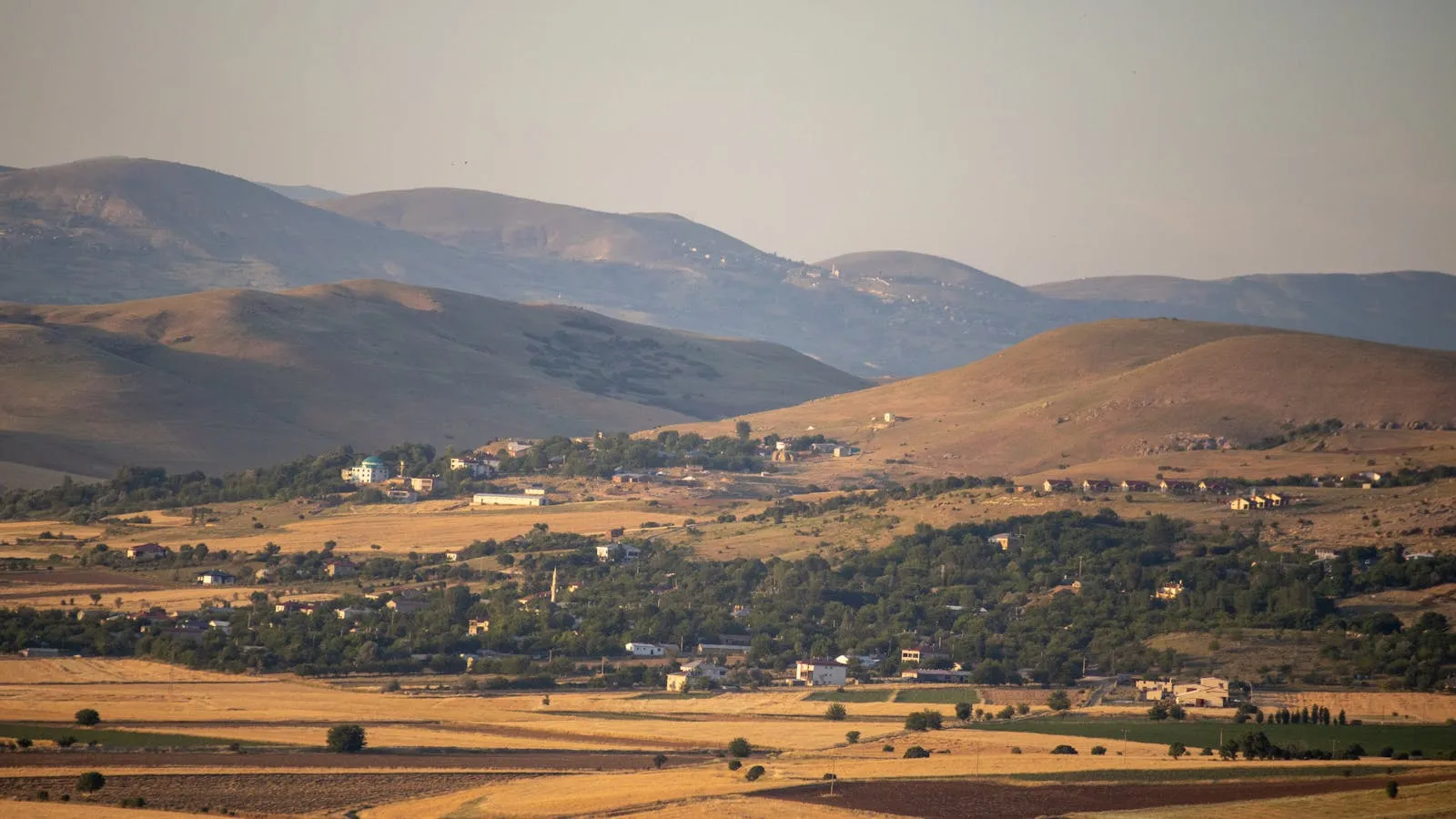
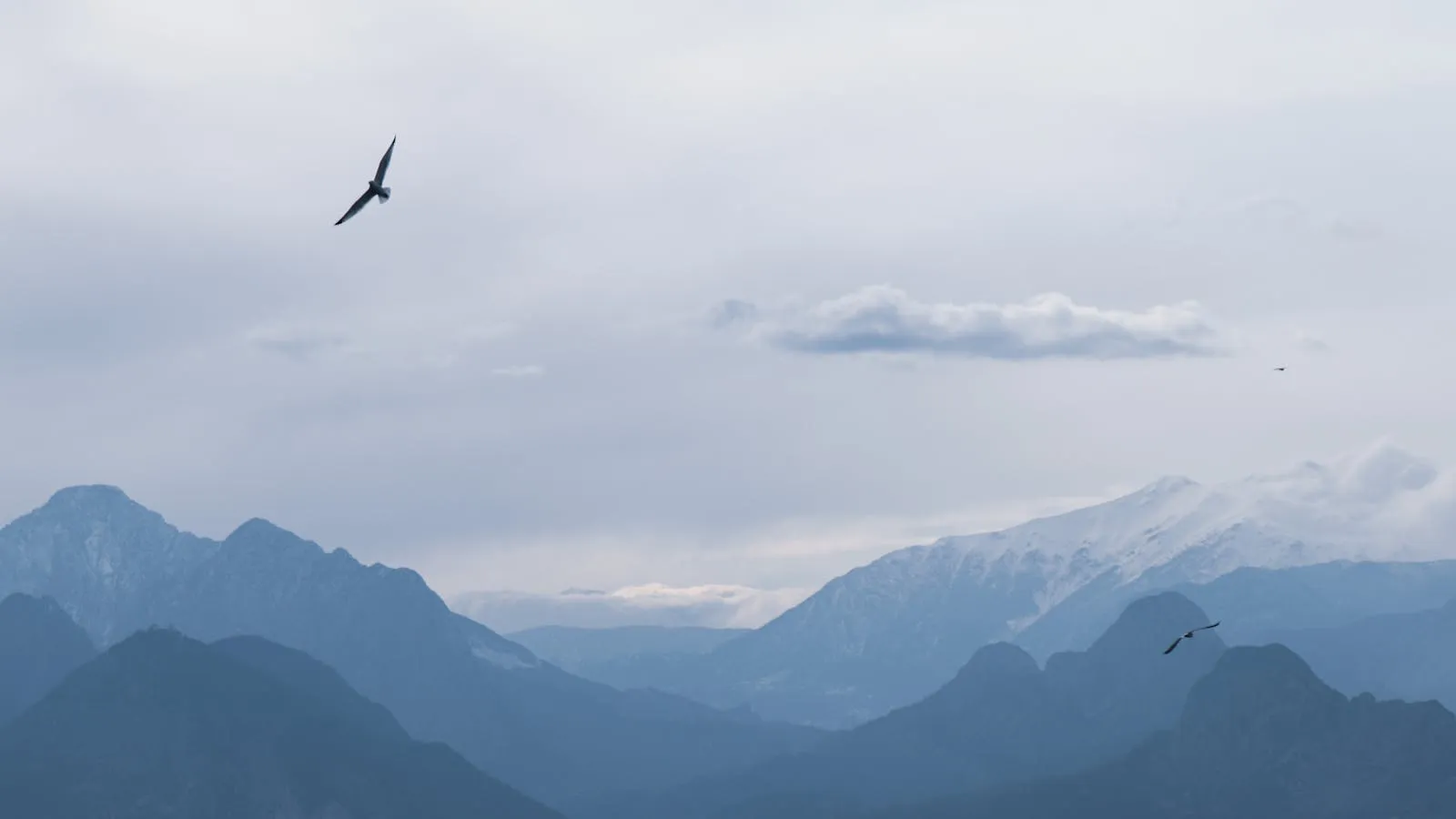
Aerial view across the diverse Turkish landscape

Turkey is enormous and varied. The coast, the interior highlands, and the east feel like different countries sharing one passport. Six broad regions cover the main travel areas.

Istanbul skyline

Istanbul & Marmara

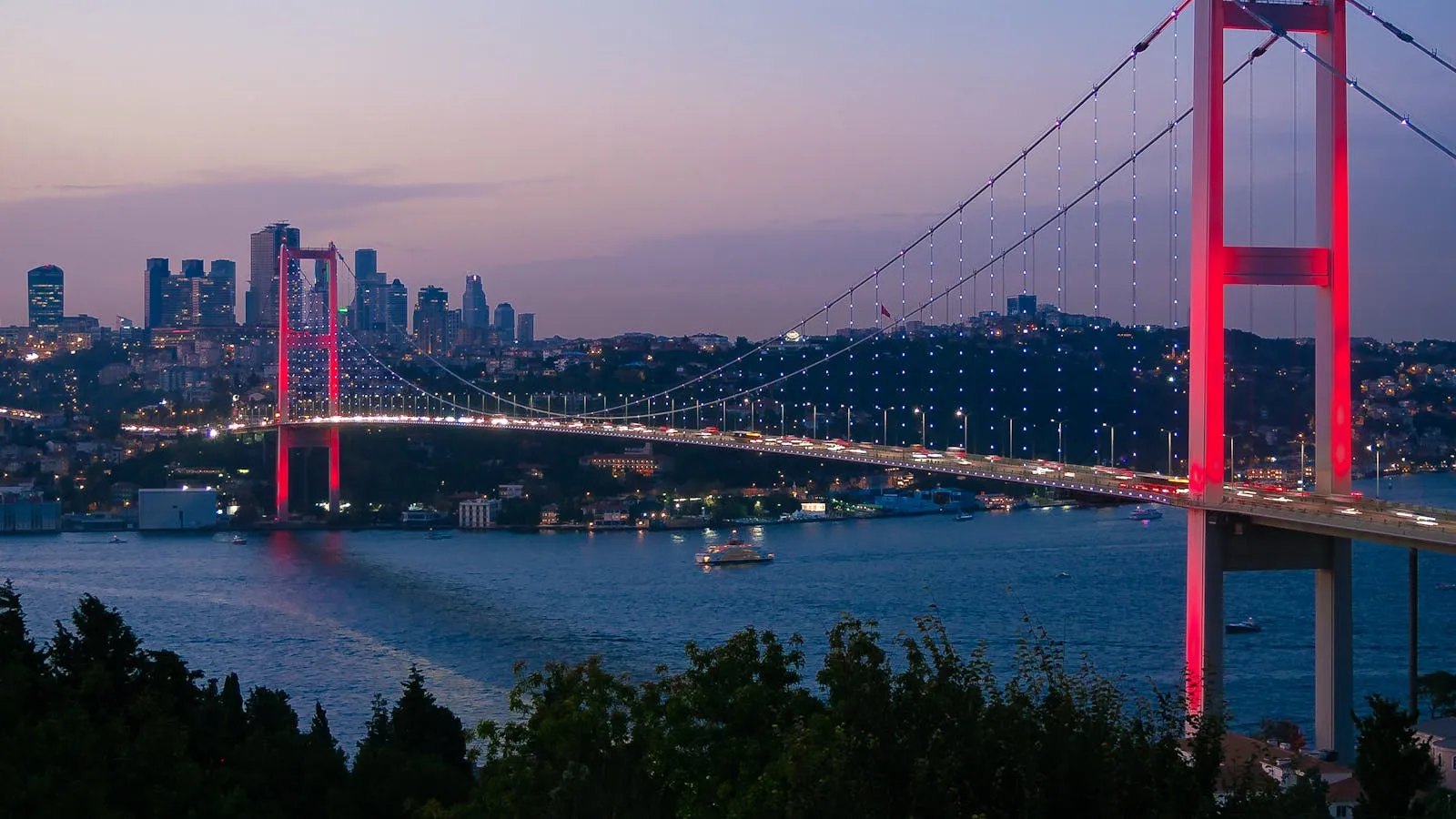
Istanbul is the anchor. Hagia Sophia, Blue Mosque, Topkapı Palace, the Grand Bazaar, the Bosphorus, and a food scene that never stops. The Asian side (Kadıköy) is where locals actually live and eat. Allow 3–5 days minimum. Gallipoli and Troy are day trips from Çanakkale, reachable by bus or ferry from Istanbul.

Cappadocia fairy chimneys

Cappadocia & Central Anatolia

Göreme is the base for balloon rides, cave churches, underground cities, and valley hikes through surreal rock formations. Stay in a real cave hotel carved into the rock, not a "cave-style" room with decorated walls. Ankara (the capital) has the excellent Museum of Anatolian Civilisations. Konya is the home of Rumi and the Whirling Dervishes.

Aegean coast ruins

Aegean Coast

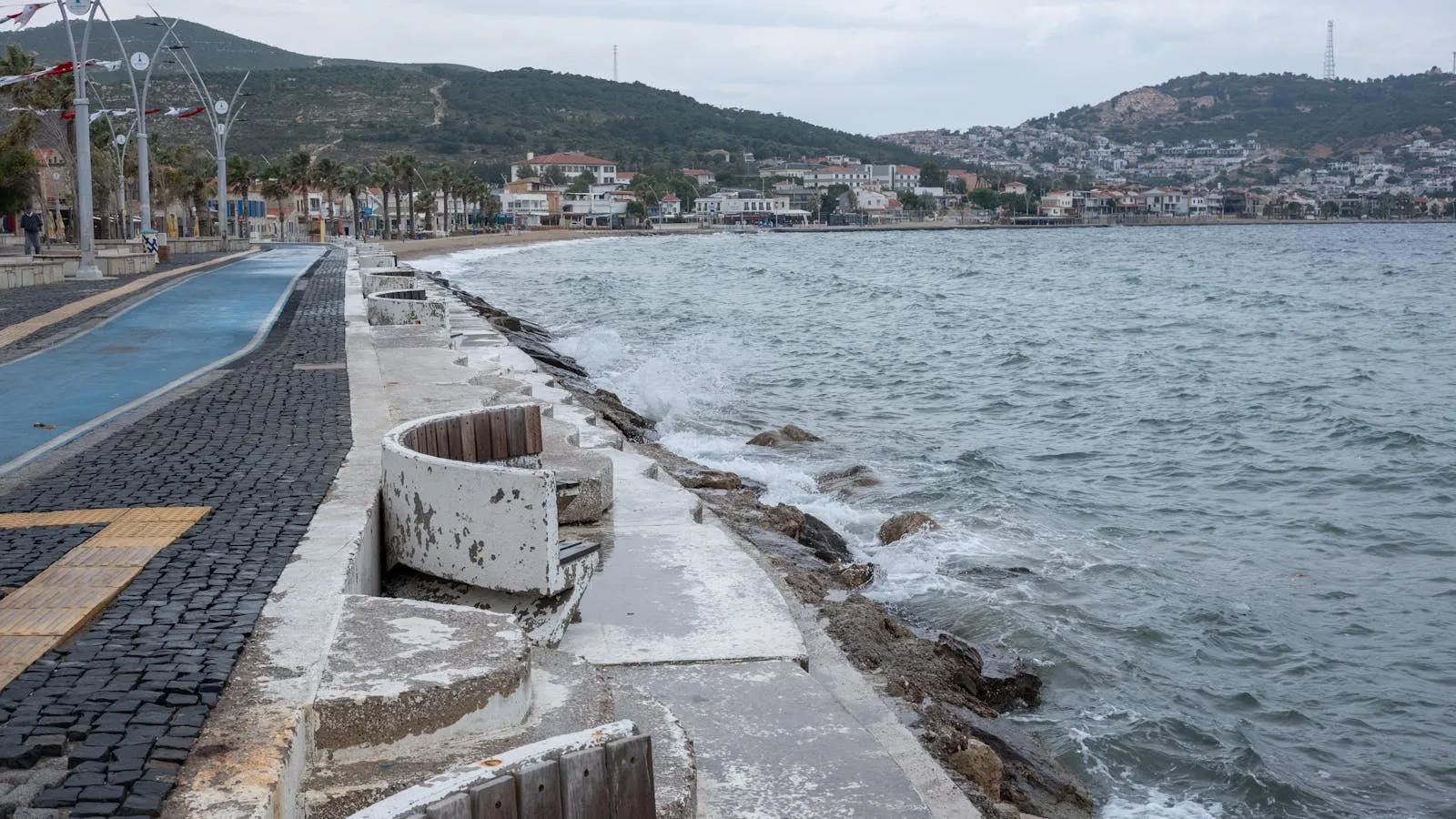
Ephesus near Selçuk is the star attraction, with the Library of Celsus and a 25,000-seat theatre. Pamukkale's white travertine terraces with Hierapolis ruins on top are unforgettable. Bodrum adds castle ruins and nightlife. Çeşme and Alaçatı are popular for windsurfing and boutique village charm. Şirince, a hilltop wine village near Ephesus, makes a perfect lunch stop.

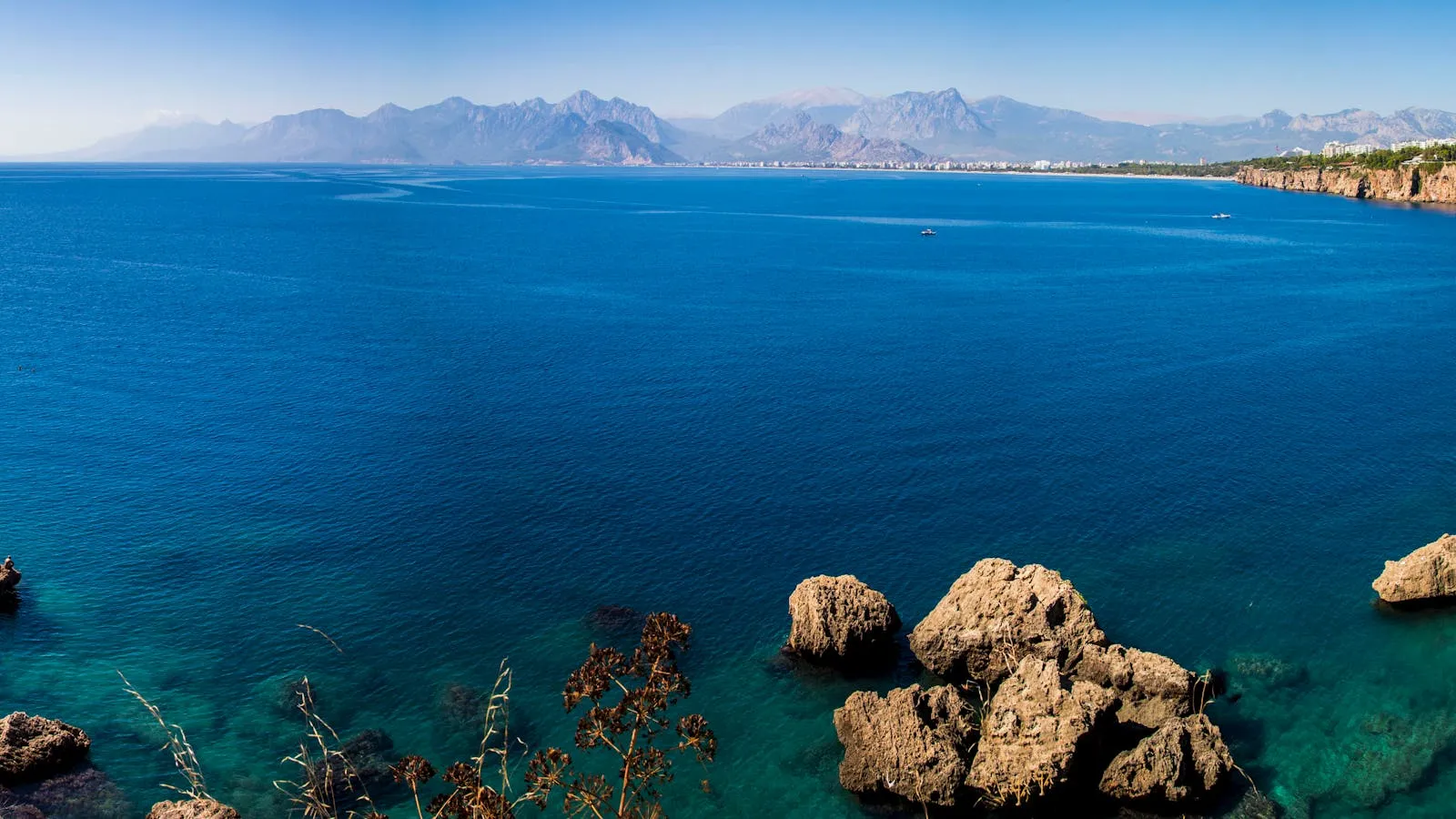
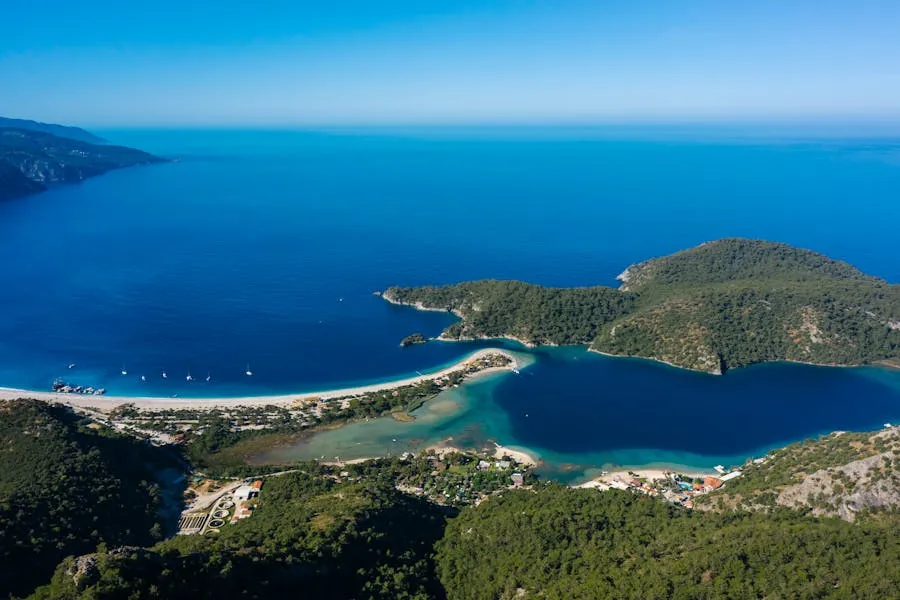
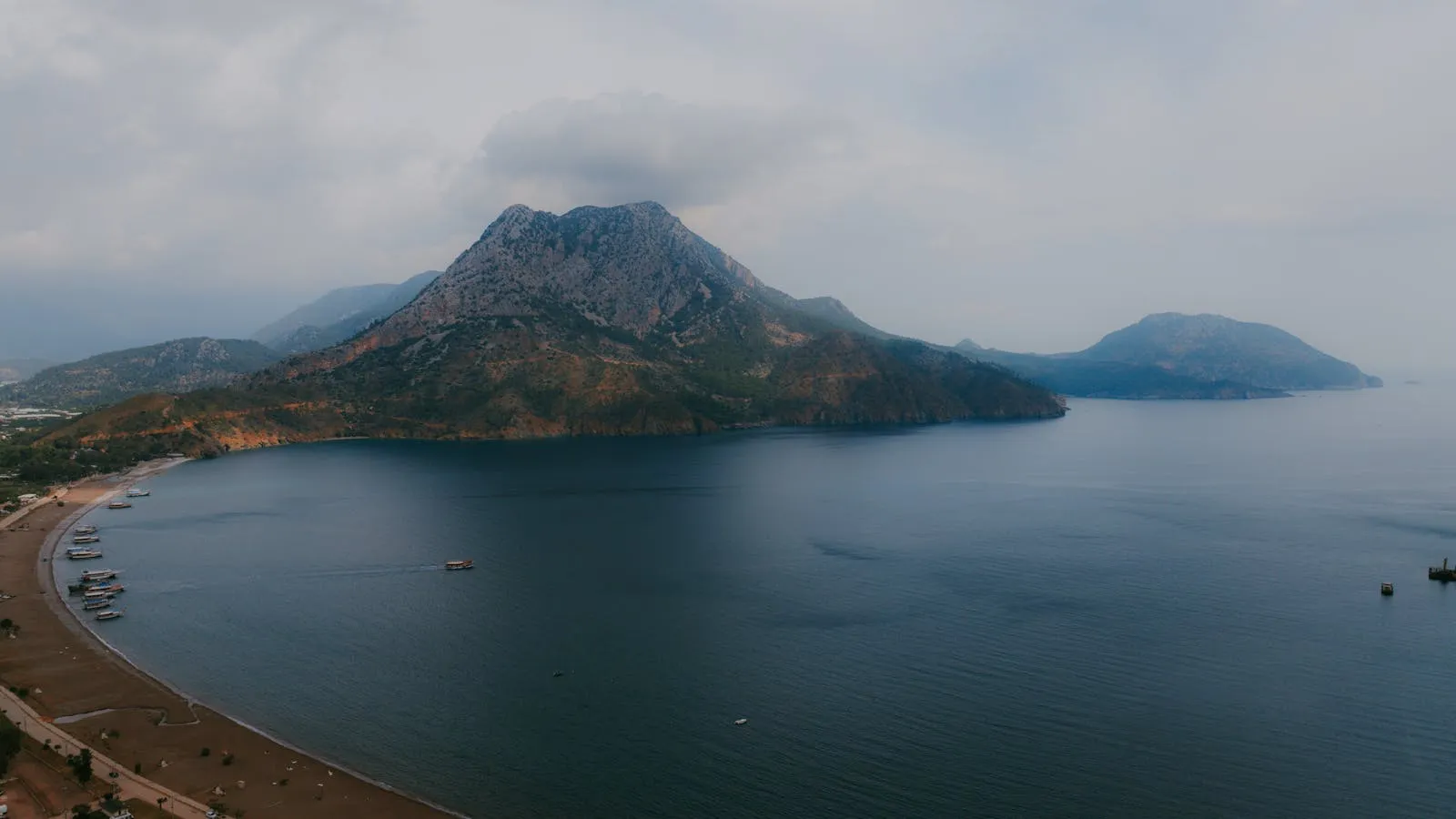
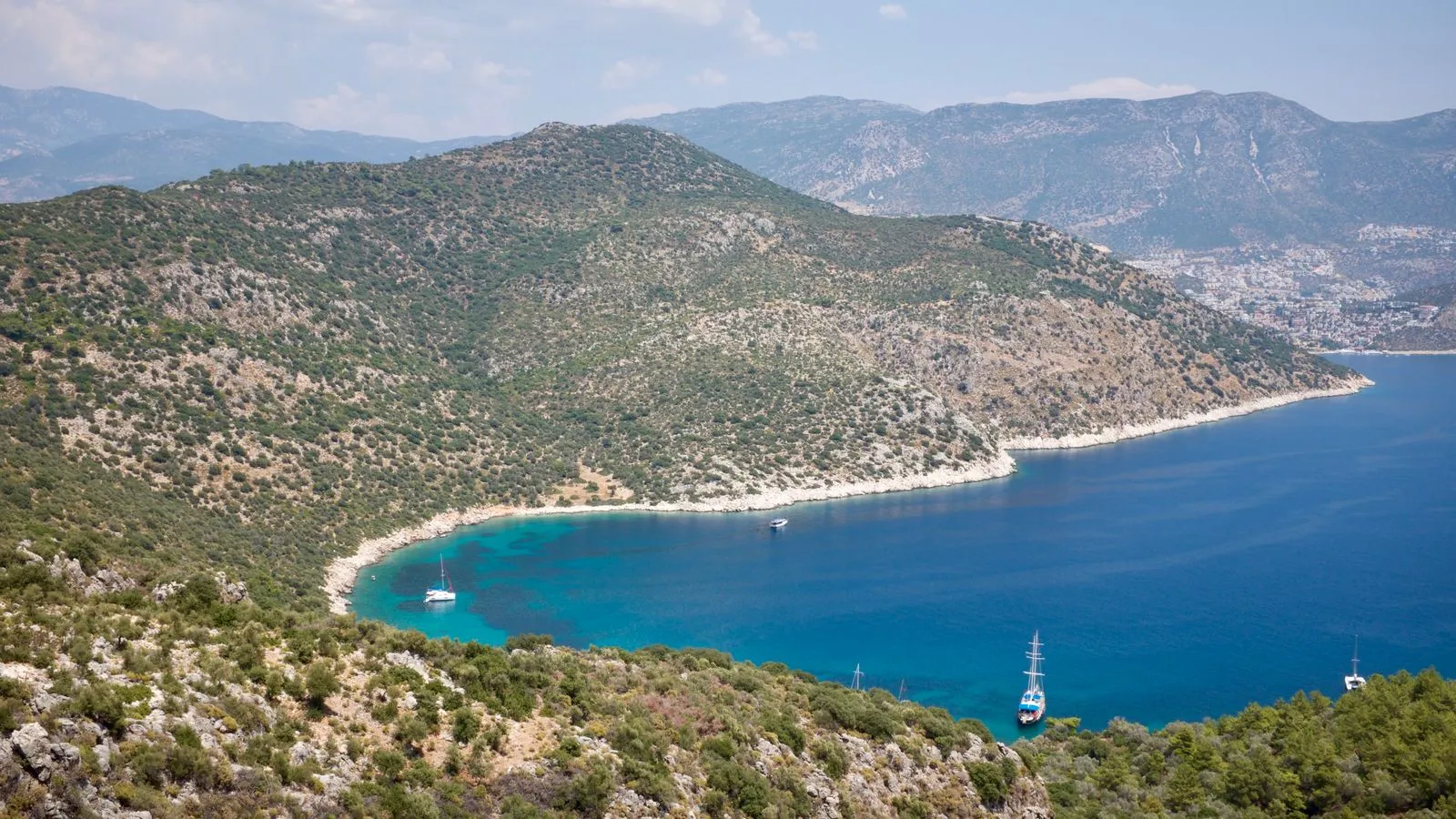
Turquoise Coast bay

Mediterranean / Turquoise Coast

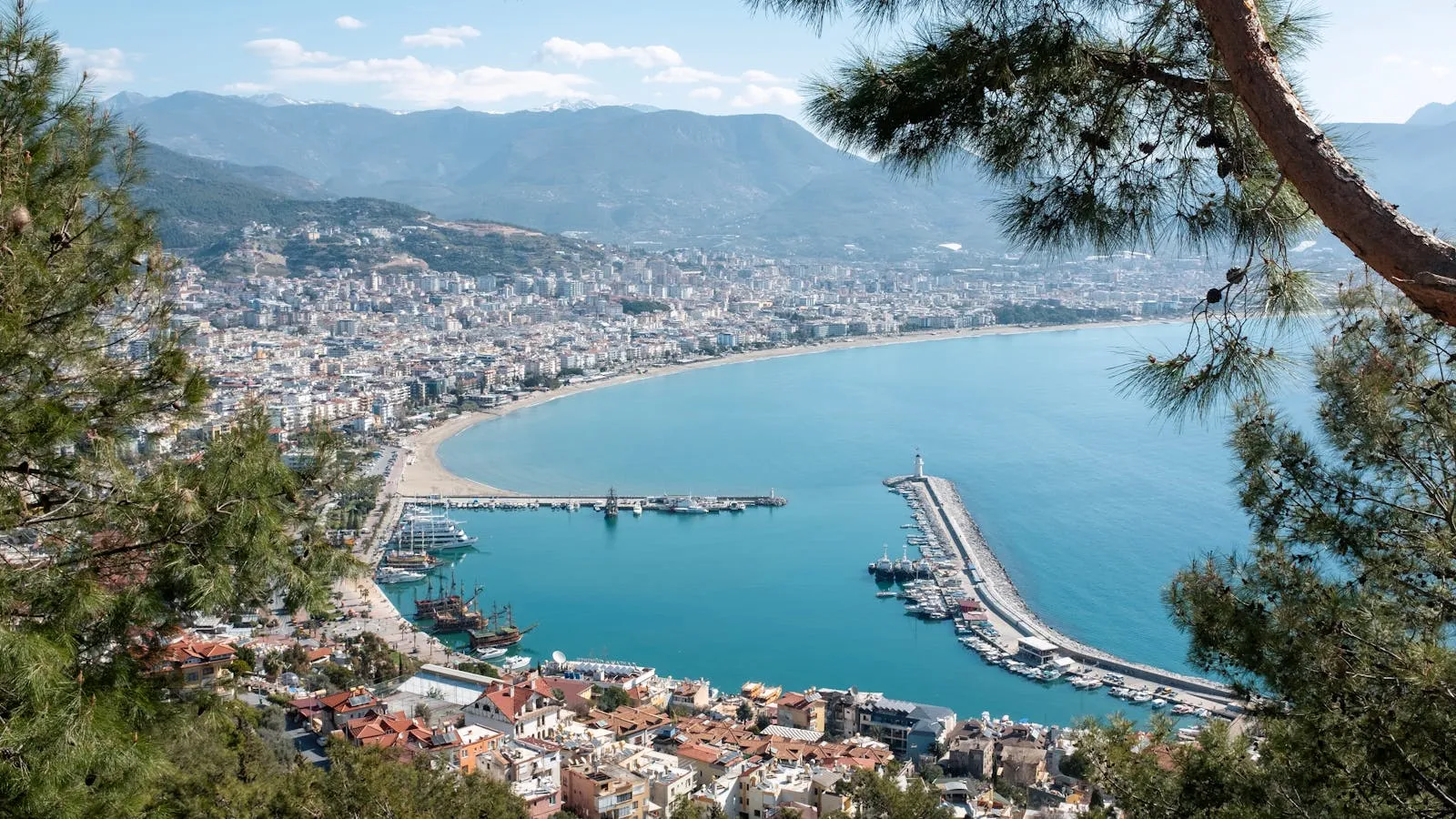
The stretch from Fethiye to Antalya is Turkey at its most photogenic. Ölüdeniz (Blue Lagoon), paragliding from Babadağ, boat trips to Kekova's sunken city, Olympos treehouse hostels, and Patara's endless beach. Antalya's old town (Kaleiçi) is a beautiful base. The 540-km Lycian Way hiking trail runs along this coast. Aspendos has the best-preserved Roman theatre in the world.

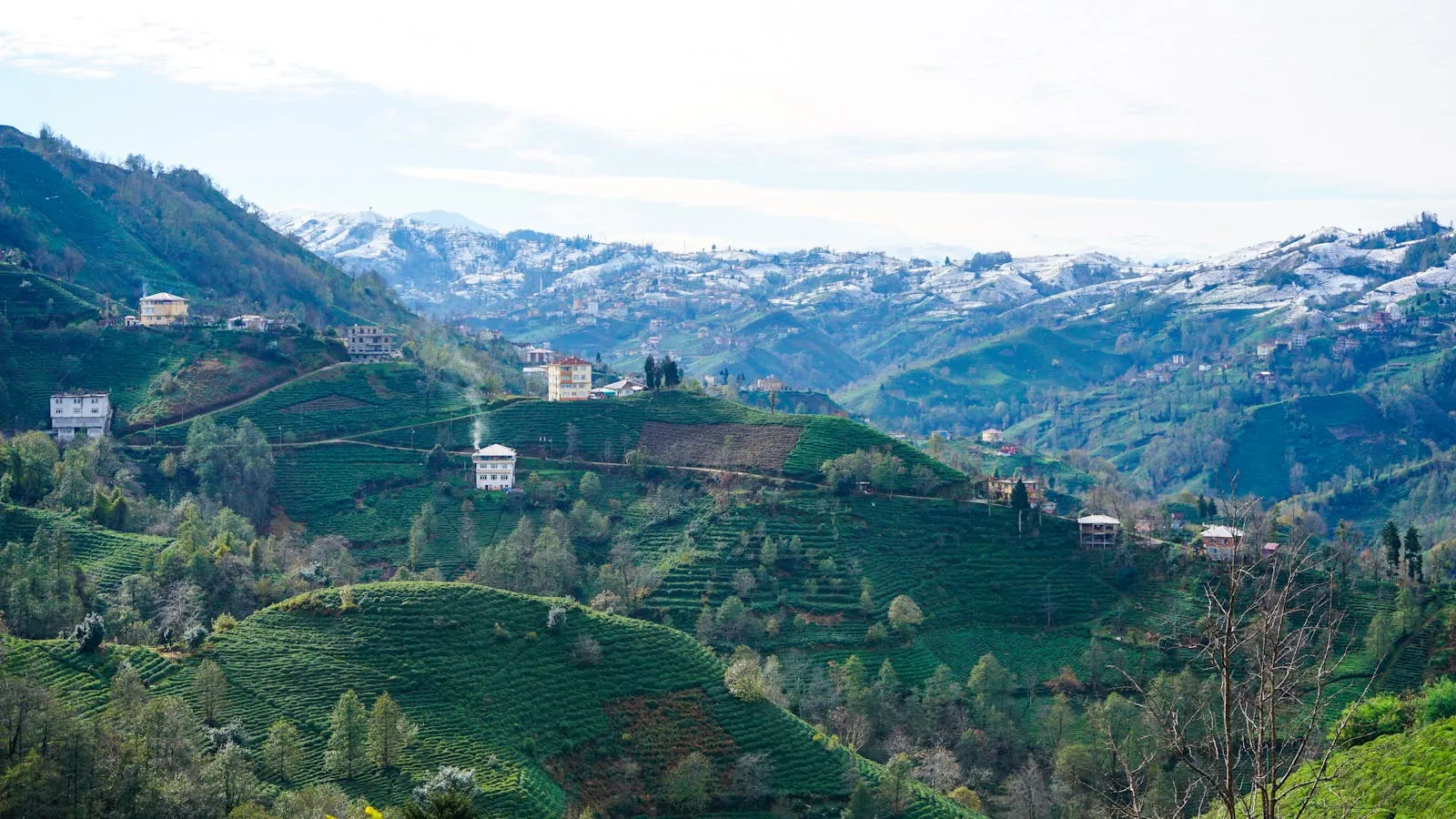
Green mountains along the Black Sea coast

Black Sea Coast

Wet, green, and almost entirely overlooked by international tourists. Trabzon is the gateway to Sumela Monastery, clinging to a cliff face above a forested valley. Uzungöl is a mountain lake surrounded by alpine meadows and tea plantations. The Kaçkar Mountains offer serious trekking. The food is different here: butter, anchovies, cornbread, and fondue-like muhlama.

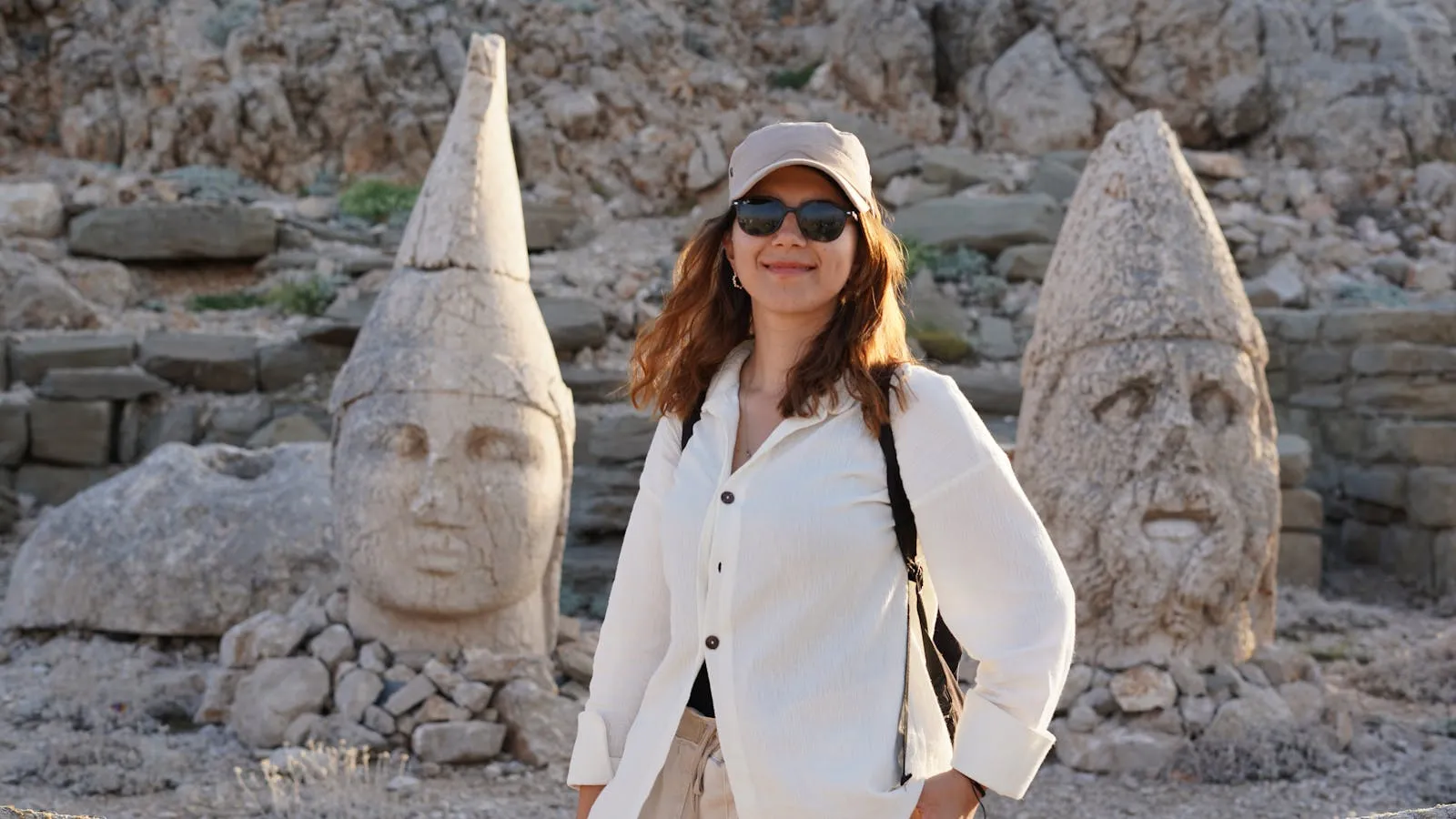
Mount Nemrut stone heads at sunrise

Eastern Turkey

The adventurous frontier. Göbekli Tepe near Şanlıurfa is the world's oldest known temple complex (12,000 years). Mount Nemrut has giant stone heads at 2,000 metres. Lake Van is a vast alkaline lake with an Armenian church on an island. Gaziantep is Turkey's undisputed food capital, especially for baklava. Less tourist infrastructure, more conservative, more rewarding for those willing to make the effort.

Top Sightseeing

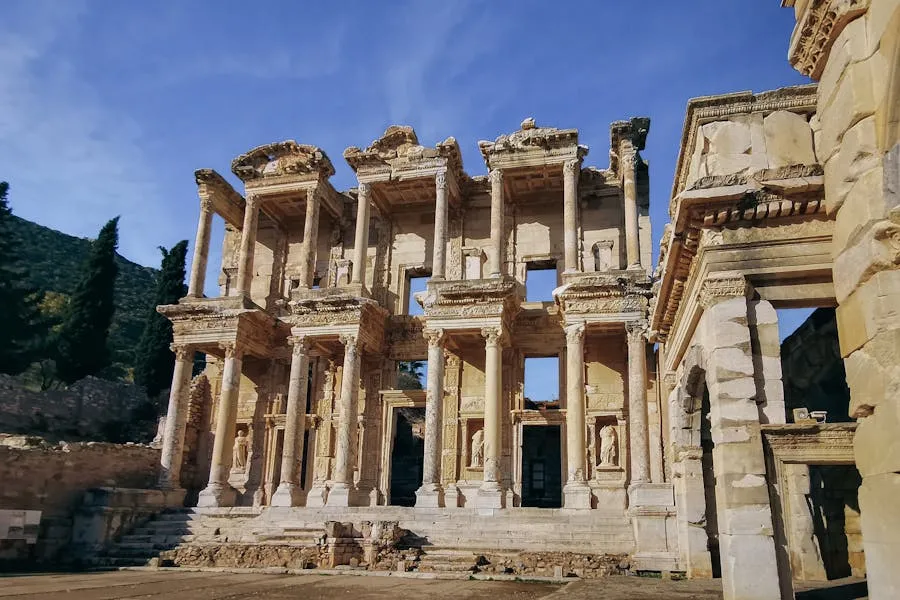
The Library of Celsus at Ephesus

Turkey has more ancient ruins, religious monuments, and geological oddities than most travellers can absorb in a single trip. The range is staggering. Byzantine, Roman, Ottoman, Hittite, Lycian, and structures older than all of them. These are the sights that consistently leave the strongest impression.

  • Hagia Sophia, Istanbul: 1,500 years old, cathedral-turned-mosque-turned-museum-turned-mosque again — still one of the most extraordinary buildings on Earth
  • Cappadocia Balloon Ride: The bucket-list experience — hundreds of balloons rising at sunrise over fairy chimneys and cave valleys
  • Ephesus: The best-preserved Roman city in the Mediterranean — Library of Celsus, Great Theatre, Terrace Houses
  • Pamukkale: Surreal white travertine terraces cascading down a hillside with warm mineral water and Hierapolis ruins on top
  • Göbekli Tepe: The world's oldest known temple — 12,000 years old, rewriting human history
Hagia Sophia interior

Hagia Sophia, Istanbul

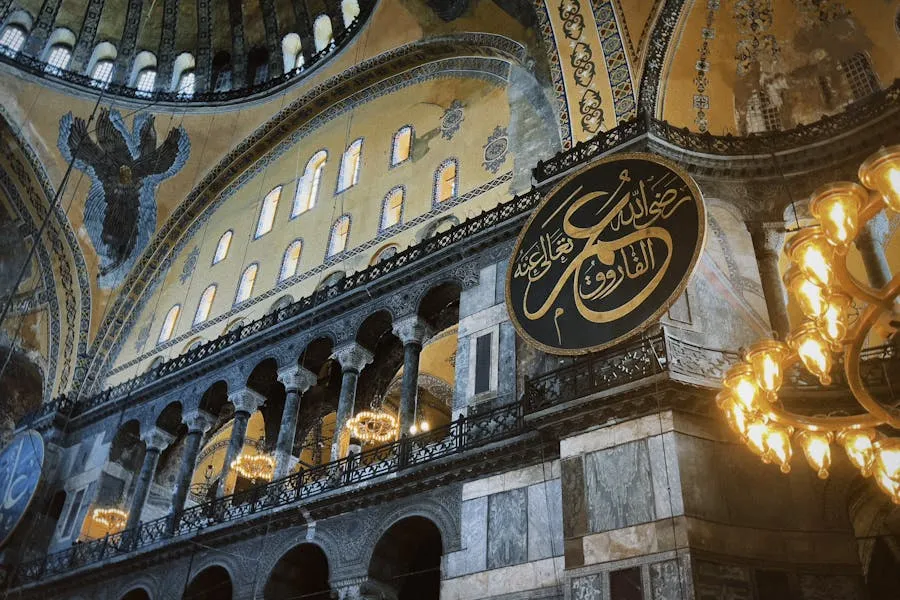
Built in 537 AD as a cathedral, converted to a mosque in 1453, a museum from 1934, and a mosque again since 2020. The massive dome, the golden mosaics still partially visible, and the sheer scale of the interior are breathtaking regardless of your beliefs. Free entry as a functioning mosque. Remove shoes, dress modestly, and visit outside prayer times for the best experience. The upper gallery (separate ticket, ~$30) gives the best view of the dome and mosaics.

Hot air balloons over Cappadocia

Cappadocia Balloon Ride

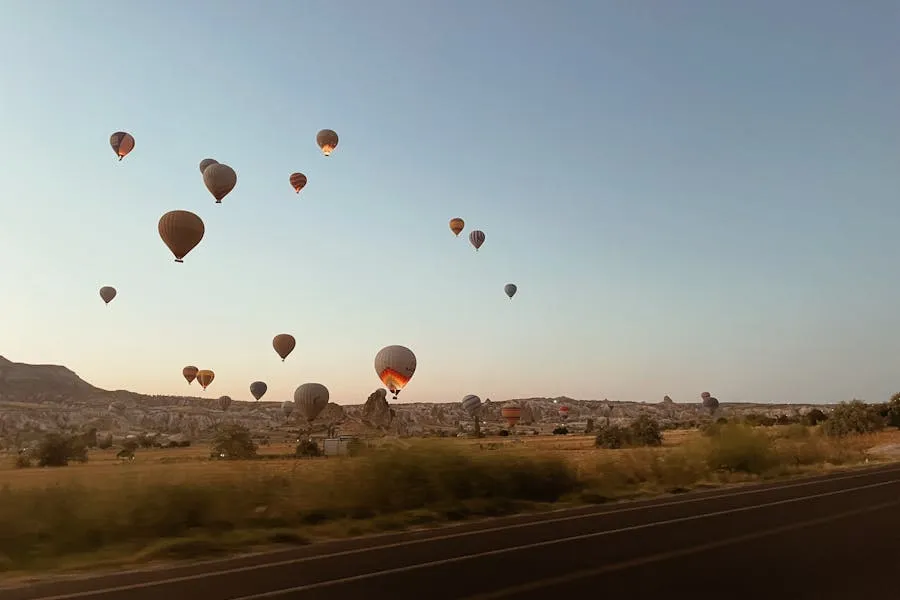
Over 100 balloons launch at sunrise on clear mornings, drifting over the fairy chimneys, rock valleys, and cave dwellings of Göreme. This is not overhyped. It is as spectacular as every photo suggests. Flights cost $170–300 and last about an hour. Book through operators on the official SHGM registry or via GetYourGuide. Schedule your first morning and keep a backup day, because weather cancellations are common. Even watching from the ground is extraordinary.

Library of Celsus at Ephesus

Ephesus

Once the fourth-largest city in the Roman Empire, Ephesus near Selçuk is astonishingly well preserved. The Library of Celsus is the iconic facade, but the 25,000-seat Great Theatre, the marble-paved streets, and the Terrace Houses (extra ticket, worth it for the frescoes and mosaics) make this a genuine half-day site. Arrive early morning or late afternoon to avoid tour-bus crowds. Entry ~$15–20. Combine with nearby Şirince village for wine tasting and lunch.

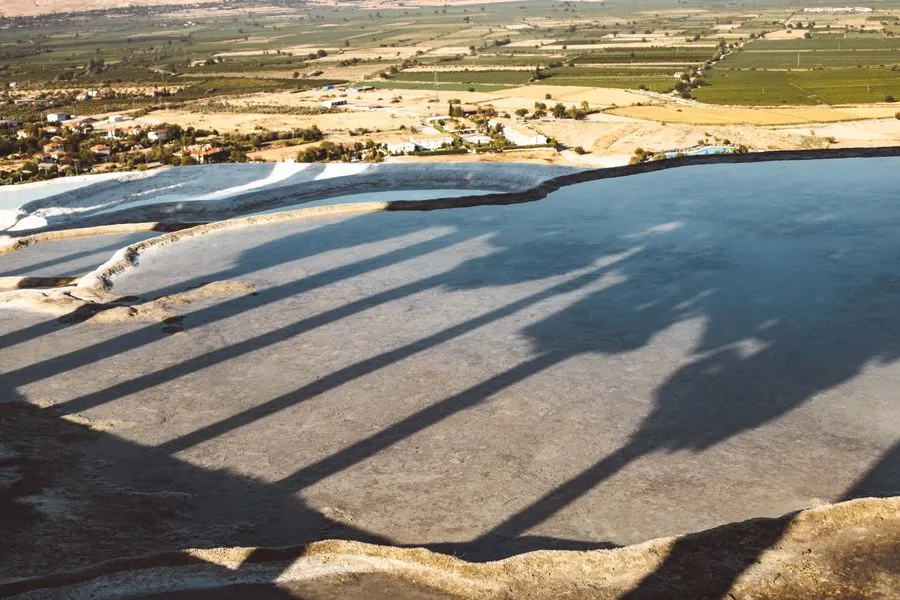
White travertine terraces of Pamukkale

Pamukkale

White calcium travertine terraces cascade down a hillside, filled with warm thermal water. Walk barefoot through the shallow pools. At the top, the ruins of Hierapolis include a Roman theatre and Cleopatra's Antique Pool (~$15), where you swim among submerged Roman columns in naturally warm mineral water. Most day-trippers arrive midday. Stay overnight in the town below and visit at sunrise or sunset for better light and fewer people.

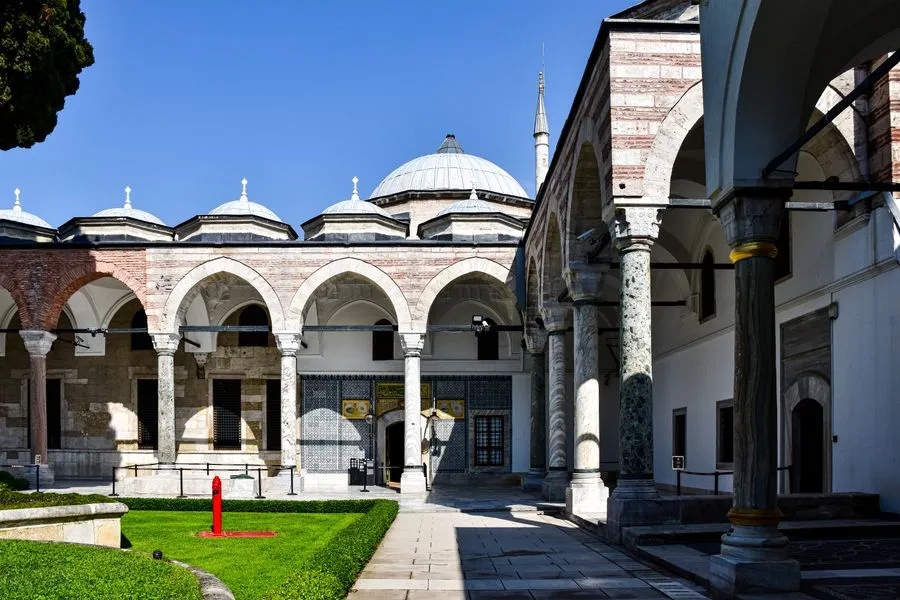
Topkapı Palace courtyard

Topkapı Palace, Istanbul

The main residence of Ottoman sultans for nearly 400 years. Four courtyards, the Imperial Treasury (including the 86-carat Spoonmaker's Diamond), the Harem (separate ticket), and views over the Golden Horn and Bosphorus. Combined ticket with Harem ~$45. Allow 2–3 hours. The Museum Pass Istanbul (~$105) covers this and multiple other sites, paying for itself at four visits.

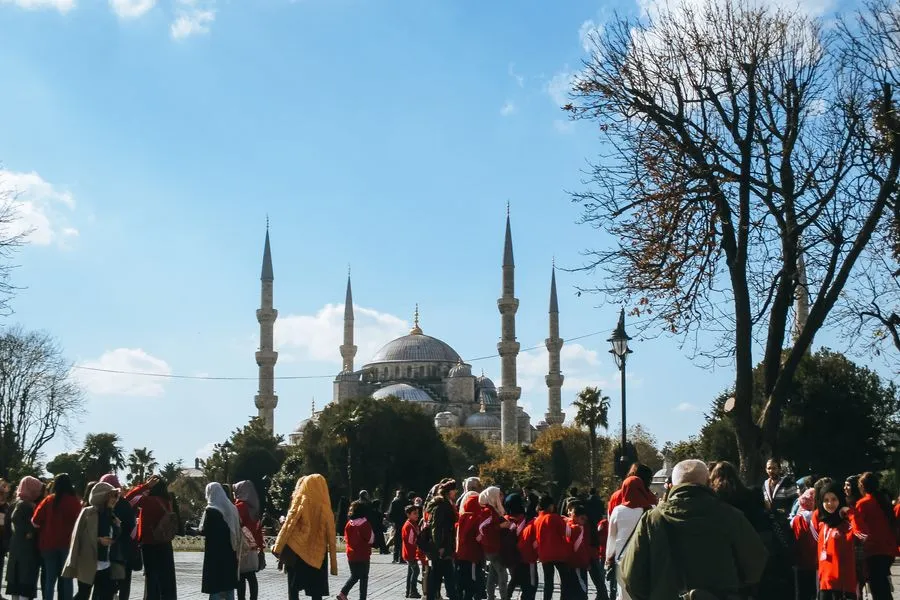
Blue Mosque at dusk

Blue Mosque (Sultan Ahmed), Istanbul

Six minarets, over 20,000 handmade İznik tiles in blue and white, and a cascading dome system that creates an overwhelming sense of space inside. Free entry as an active mosque. Visit between prayer times. Shoes off, modest dress, scarves available for women at the entrance. The courtyard at night, lit up and reflected in wet cobblestones, is one of Istanbul's defining images.

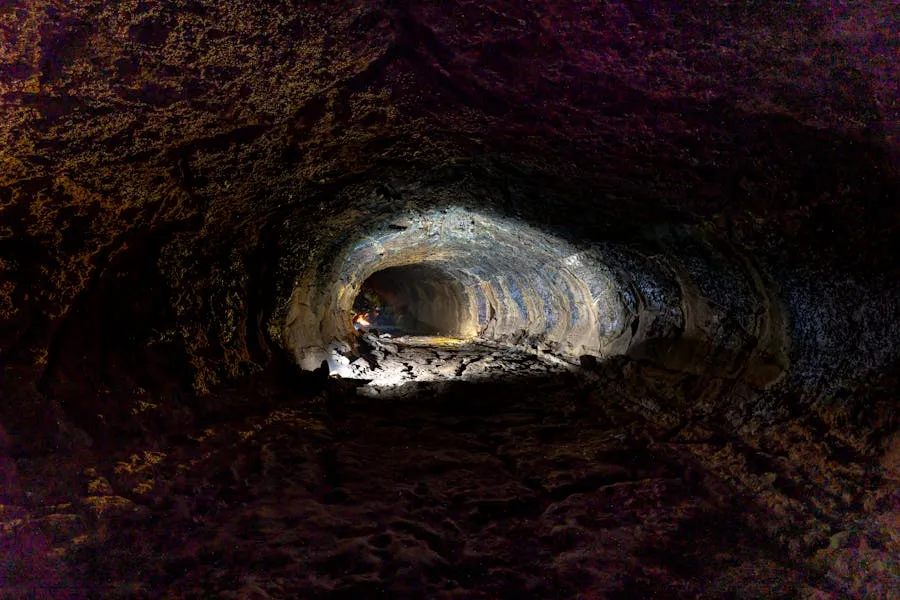
Underground city tunnels in Cappadocia

Underground Cities, Cappadocia

Derinkuyu goes eight levels deep, with room for 20,000 people. Kaymaklı is slightly smaller but equally impressive. These were carved as refuges from invaders, complete with ventilation shafts, water wells, wine cellars, and stone doors that could be rolled shut from inside. Bring a light jacket (it is cool underground) and be prepared for narrow passages. Entry ~$10–15 each. Both are within 30 minutes of Göreme.

Paragliding over Ölüdeniz Blue Lagoon

Ölüdeniz & Babadağ Paragliding

The Blue Lagoon at Ölüdeniz is Turkey's most photographed beach, and the view from above is even better. Tandem paragliding from Babadağ (1,960m) gives you 25–40 minutes of soaring over turquoise water and forested coastline. No experience needed. Operators in Fethiye and Ölüdeniz run multiple flights daily, weather permitting. One of the most popular paragliding sites in the world for good reason.

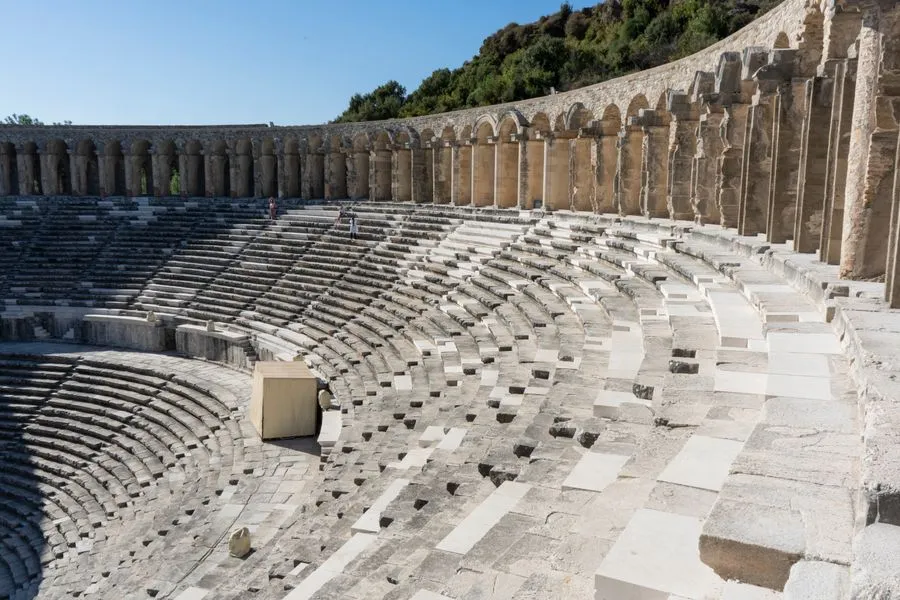
Aspendos Roman theatre

Aspendos Theatre

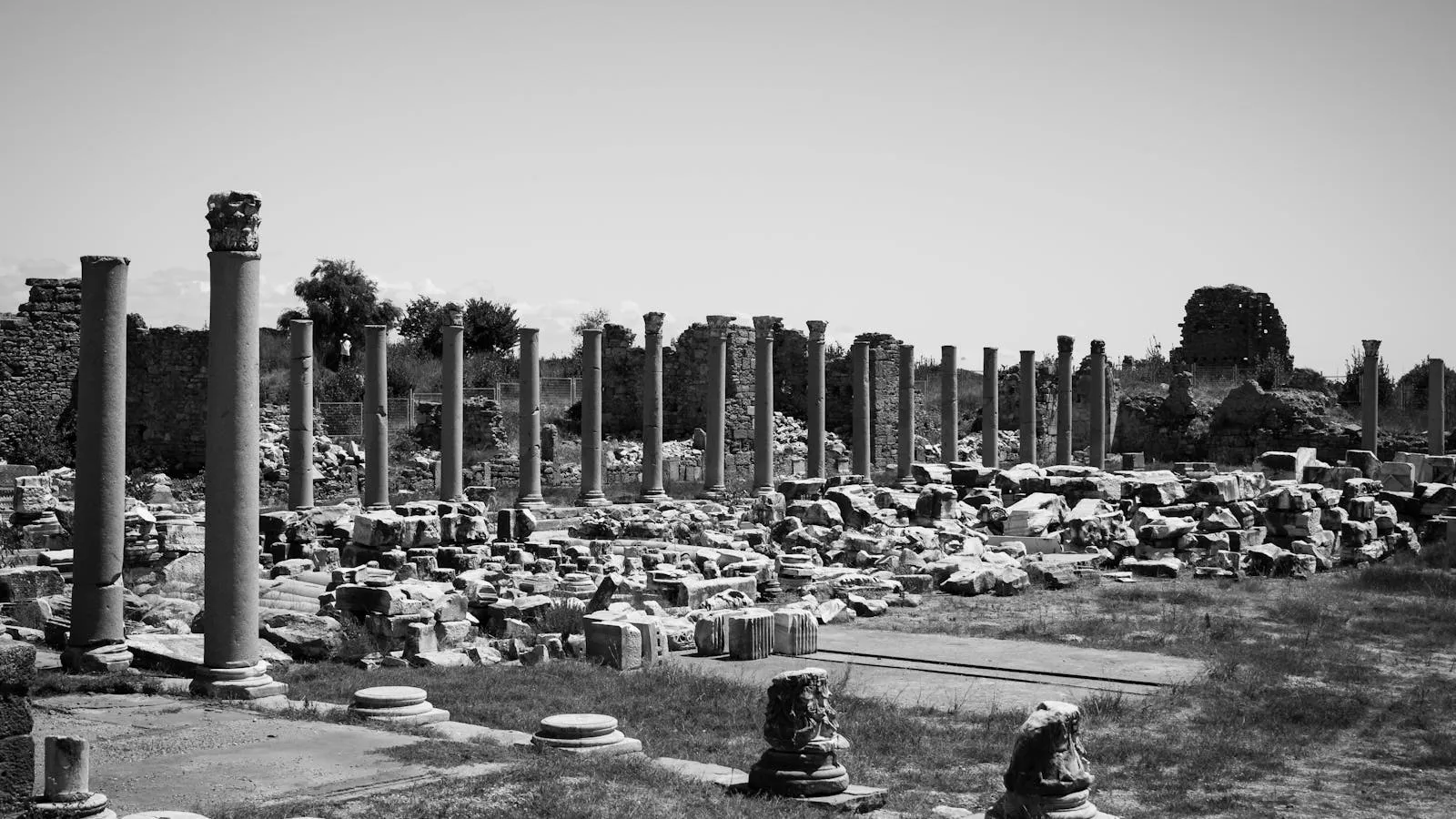
The best-preserved Roman theatre in the world. Built in 155 AD, it seats 12,000 and still hosts opera and ballet performances. The acoustics are remarkable: a coin dropped on the stage can be heard from the top row. Near Antalya, easy to combine with a visit to Perge (another impressive Pamphylian ruin site). Entry ~$5. One of Turkey's most underrated sights.

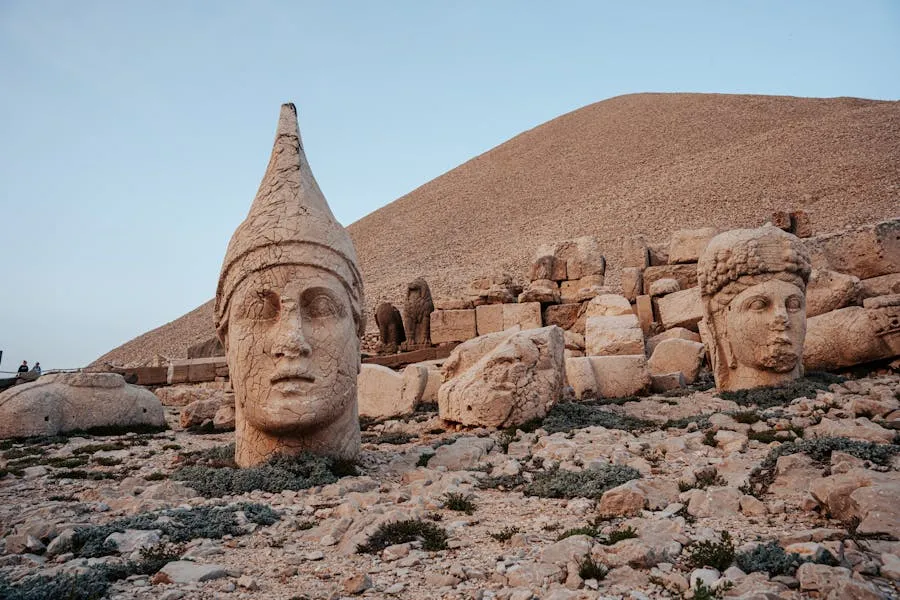
Giant stone heads on Mount Nemrut at sunrise

Mount Nemrut (Nemrut Dağı)

Giant stone heads of gods and kings sit at 2,134 metres, placed there by King Antiochus I in the 1st century BC as part of his own funerary monument. The sunrise and sunset views from the summit, with the heads silhouetted against the sky, are genuinely otherworldly. Remote (nearest town is Kahta or Adıyaman), which keeps crowds thin. A guided tour or rental car is essential. Best visited May through October.

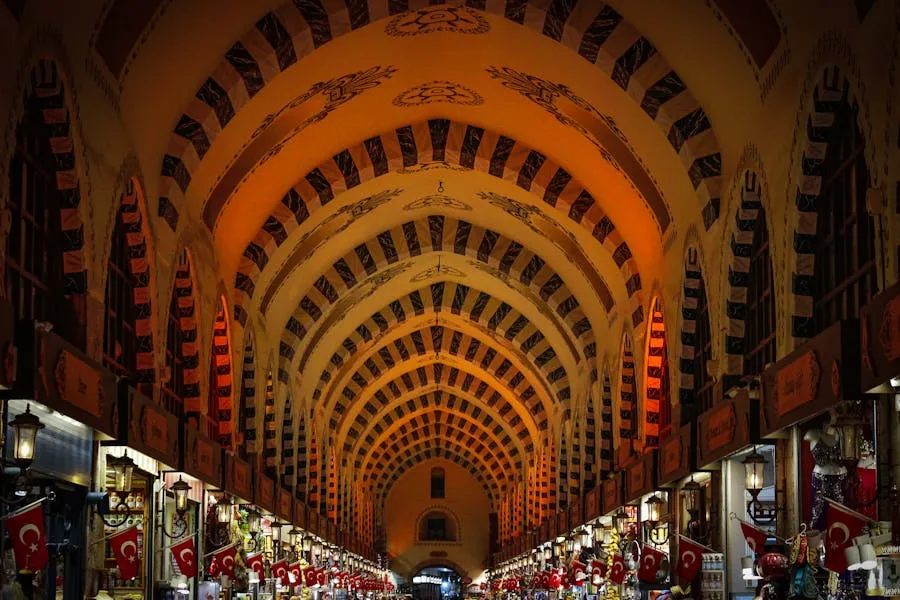
Grand Bazaar interior

Grand Bazaar, Istanbul

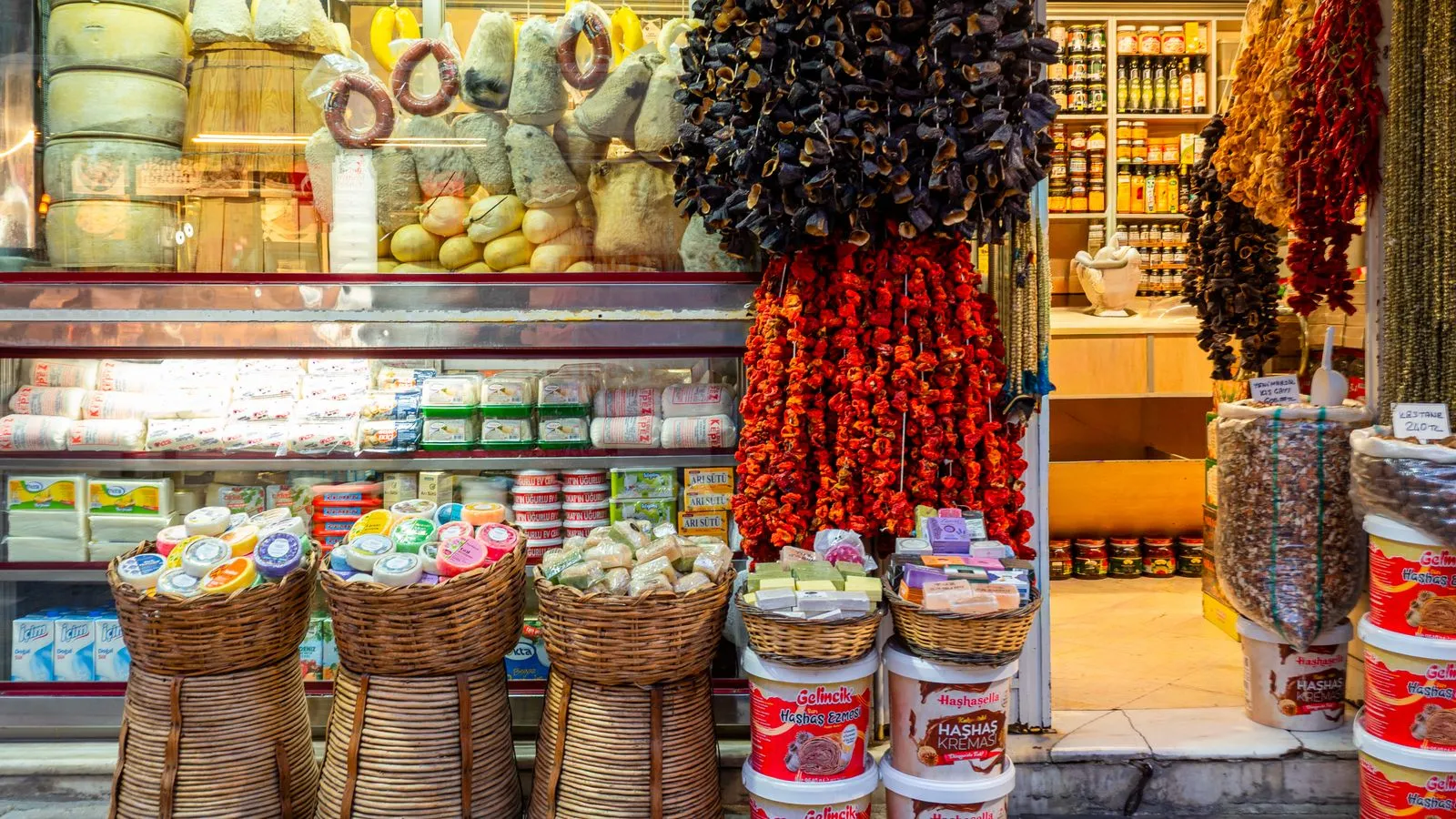
One of the oldest and largest covered markets in the world: 4,000+ shops across 60 streets. Overwhelming, noisy, and fascinating. Carpets, ceramics, leather, jewellery, spices, lamps, and aggressive salesmanship. Set a budget before entering. Haggle starting at 20–25% of the asking price. The Spice Bazaar (Mısır Çarşısı) nearby is smaller, more focused, and better for actual food shopping: spices, tea, lokum, dried fruits.

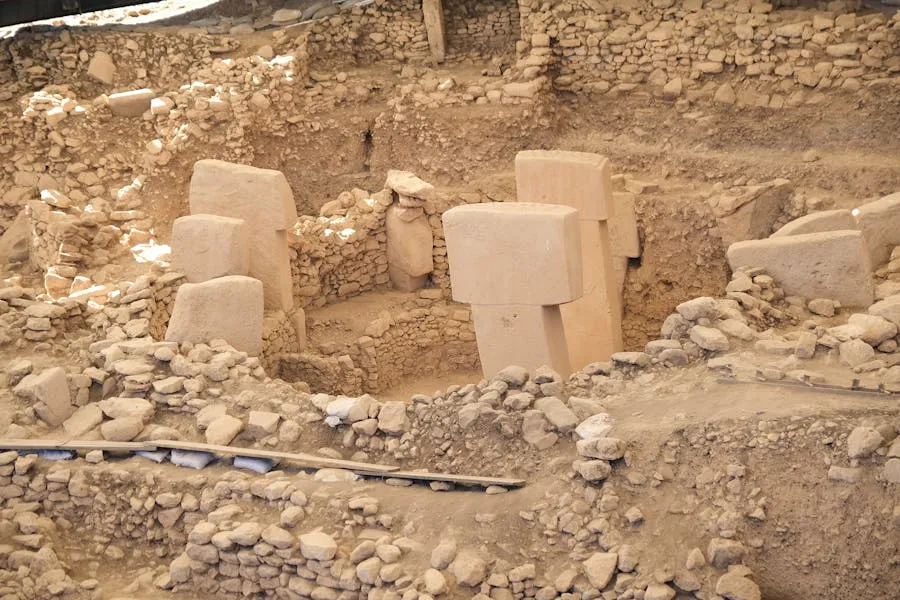
Göbekli Tepe archaeological site

Göbekli Tepe

The world's oldest known temple complex, dating to approximately 10,000 BC. Massive T-shaped pillars carved with animal reliefs, built by hunter-gatherers before agriculture, before pottery, before the wheel. This site rewrote the textbook on early human civilisation. Near Şanlıurfa in southeastern Turkey, which is also worth visiting for its sacred fish pools and bazaar. The new museum and visitor centre are well designed.

Culture & Cuisine

Colourful spice stall at a Turkish bazaar

Turkey is a secular country with deep Islamic cultural roots, and understanding a few basics transforms the experience. Hospitality is central to Turkish identity. The warmth is not performative. People will genuinely go out of their way to help, feed, and welcome you. Reciprocating with basic respect for local customs goes a long way.

Cultural Essentials

  • Mosque visits. Remove shoes at the entrance. Cover shoulders and knees (both men and women). Women must cover hair with a scarf (most mosques provide coverings). Avoid visiting during prayer times. Speak quietly and skip the flash photography
  • Tea etiquette. Being offered çay (tea) is genuine Turkish hospitality. In authentic contexts like shops, homes, or workshops, refusing is considered rude. In tourist zones near bazaars, tea from aggressive strangers may lead to sales pressure, but you are never obligated to buy anything after accepting tea
  • Body language. Showing the sole of your foot is disrespectful. Pointing at someone with your finger is rude; use your whole hand. Turks say "no" with a quick upward head tilt and a click of the tongue, which can look like a nod to foreigners
  • Haggling. Expected and enjoyable in bazaars and markets. Not done in restaurants, supermarkets, or formal retail. Start at 20–25% of the asking price and work toward a number both sides can live with. Walking away is a legitimate tactic, not rudeness
  • Dress code. Turkey is secular and casual dress is fine in tourist areas. In conservative areas (especially eastern Turkey, smaller towns, and rural villages), modest dress is appreciated. Mosques require covered shoulders, knees, and hair for women
  • Basic Turkish. "Merhaba" (hello), "Teşekkürler" (thank you), "Lütfen" (please), "Hayır" (no), "Evet" (yes). Even a few words of Turkish delights people and changes the interaction entirely
  • Alcohol. Available widely in tourist areas, bars, and restaurants. Rakı is the national spirit. Be cautious of fake alcohol in some Aegean resort clubs; check bottle seals. More limited in conservative eastern areas

Food & Cuisine

Turkish food is one of the world's great cuisines, and it is not just kebabs. Every region has its own specialities, and eating your way through the country is a legitimate travel strategy.

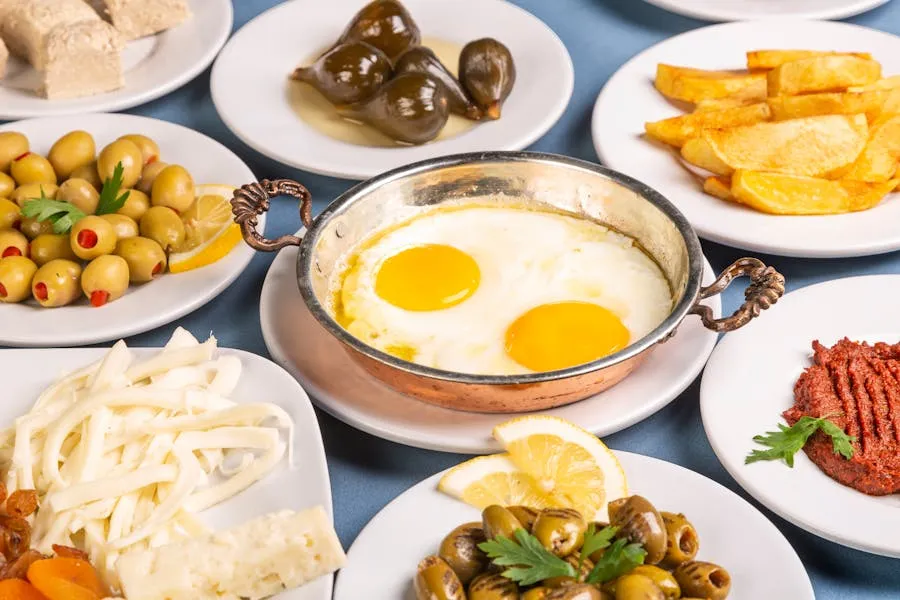
Full Turkish breakfast spread with cheese, olives, eggs, and tea

Breakfast (Kahvaltı)

The full Turkish breakfast spread is a table-covering feast: cheese varieties, olives, eggs (menemen scramble), bread, honey, jam, tomatoes, cucumbers, sucuk (spicy sausage), and endless tea. This is how Turkey starts the day and it is magnificent.

Turkish kebab varieties on a plate

Kebabs

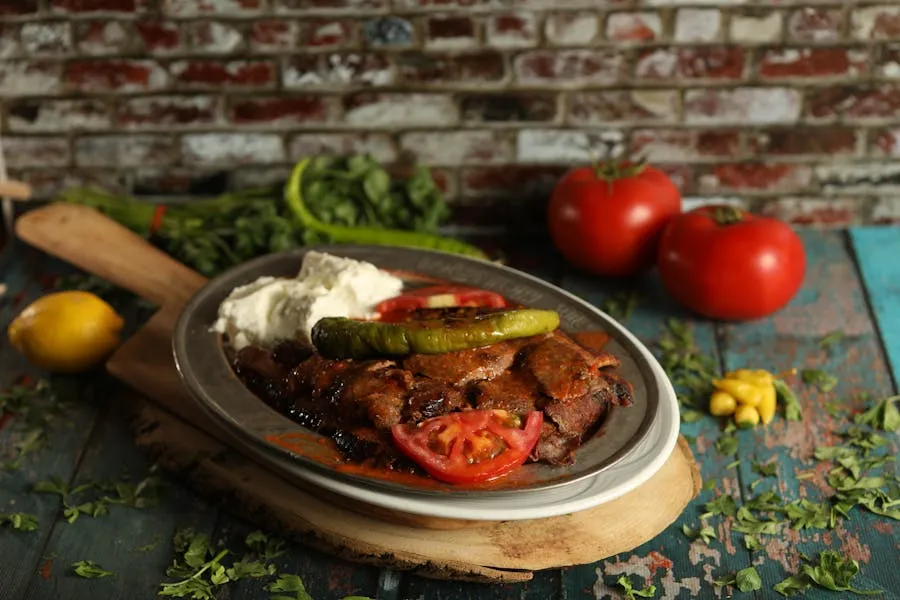
Far beyond the doner. İskender (over bread with tomato sauce and yogurt), Adana (spicy, on a skewer), şiş (grilled cubes), and testi kebab (cracked open from a clay pot at your table, a Cappadocia specialty).

Turkish street food vendor with simit and lahmacun

Street Food

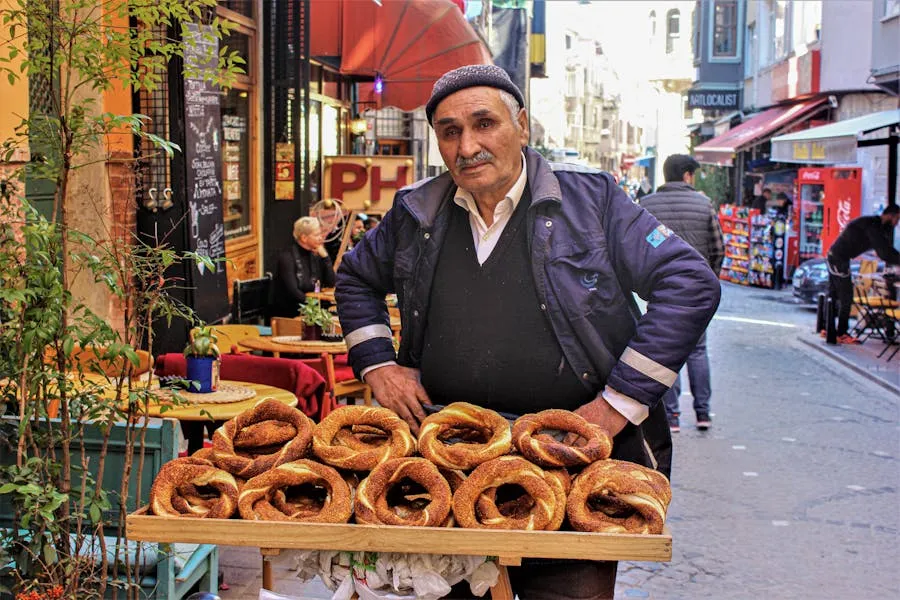
Simit (sesame bread ring, ~$0.50), gözleme (stuffed flatbread), lahmacun (thin crispy flatbread with spiced meat, rolled up with lemon and greens), balık ekmek (fish sandwich, Istanbul's Galata Bridge specialty), and dondurma (stretchy ice cream, where the vendor performance is half the fun).

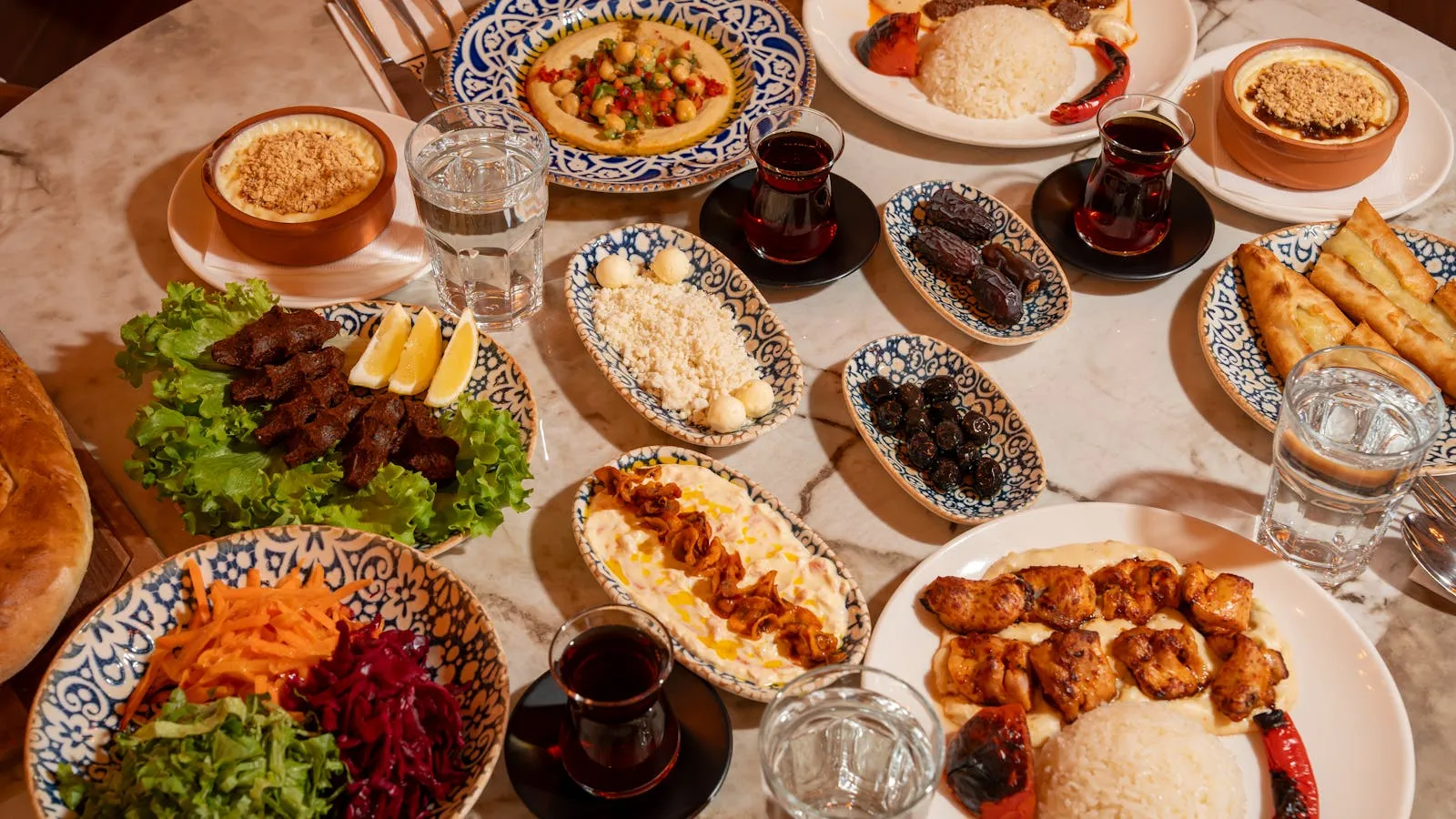
Turkish meze spread with hummus, dolma, and dips

Meze Culture

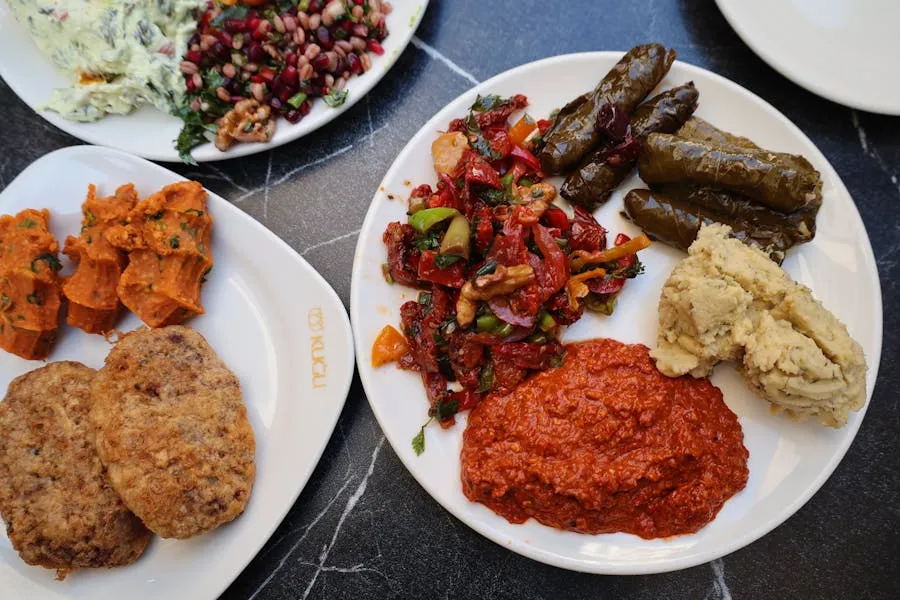
Small shared plates ordered before the main course: hummus, baba ghanoush, dolma (stuffed grape leaves), acılı ezme (spicy paste), haydari (yogurt dip). Meze with rakı on a warm evening is quintessential Turkey.

Turkish lokanta with steam trays of home-cooked dishes

Lokanta

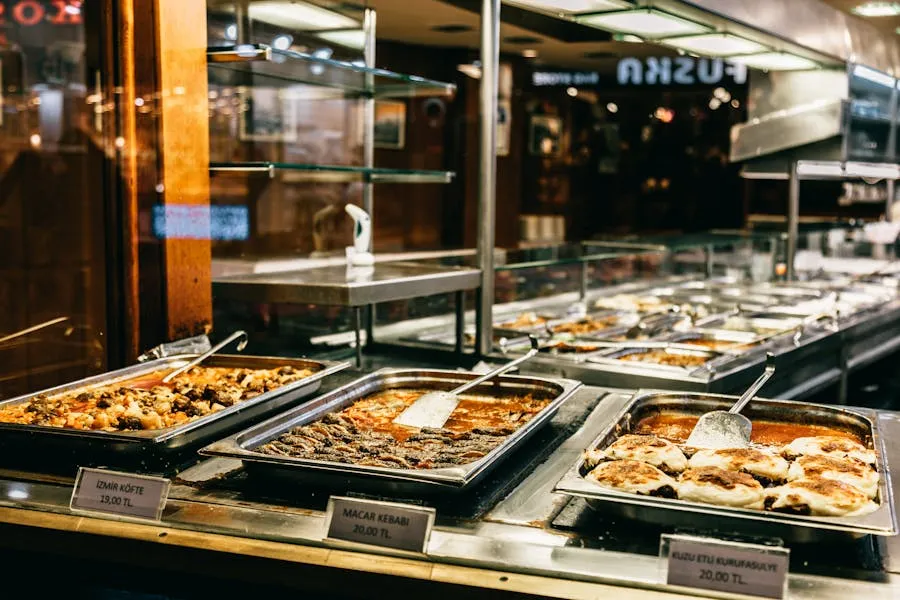
The steam-tray eateries where locals eat lunch. Point at what looks good, sit down, eat well for $5–10. Best value meals in Turkey. Walk 2–3 streets away from major attractions for lower prices and better food.

Turkish tea served in traditional tulip glasses

Drinks

Çay (tea) is the lifeblood of Turkey, served in tulip glasses everywhere. Türk kahvesi (Turkish coffee) is thick, unfiltered, UNESCO-listed. Ayran (salted yogurt drink) is perfect with kebabs. Fresh pomegranate and orange juice is cheap and everywhere. Rakı is the anise spirit that turns white with water, nicknamed "lion's milk".

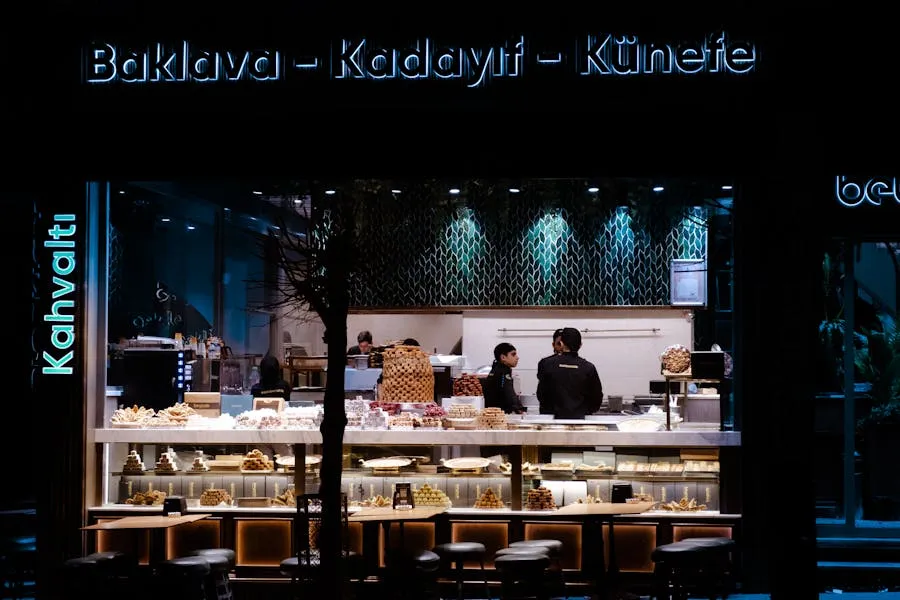
Turkish baklava and kunefe pastries

Sweets

Baklava from Gaziantep is the benchmark. Künefe (hot cheese pastry with syrup) is addictive. Lokum (Turkish delight) varies wildly in quality; buy from a proper confectioner, not tourist-trap boxes.

Tipping: 5–10% at restaurants. Round up for taxis. Small tip for hamam attendants. Not obligatory but appreciated.

Activities & Hikes

Hiker on the Lycian Way coastal trail

Turkey's outdoor offerings go well beyond beach lounging. The Lycian Way is one of the world's great long-distance trails. Cappadocia's valleys offer surreal day hikes. The coastline delivers everything from paragliding to wreck diving. And the Turkish hamam experience is a cultural activity that doubles as the best shower of your life.

Top Hikes

HikeLocationDifficulty + LengthHighlights
Lycian WayMediterranean coast (Fethiye to Antalya)Moderate–Hard – 540 km, 4–6 weeks fullOne of the world's best long-distance trails. Ancient ruins on the beach, turquoise coves, mountain passes. Sections can be done individually (Fethiye–Kaş is the most popular 4–5 day stretch)
Rose & Red ValleyCappadocia, GöremeEasy–Moderate – 6–8 km, 2–3hFairy chimneys, cave churches with frescoes, sunset viewpoints. The most scenic day hike in Cappadocia. Ends at a hilltop café for sunset
Love ValleyCappadocia, GöremeEasy – 4 km, 1–2hPhallic rock formations, vineyards, surreal landscape. Short and photogenic
Ihlara ValleyCappadocia (Aksaray)Easy – 14 km, 3–4hDeep canyon with a river, Byzantine cave churches, and greenery. Less crowded than Göreme. Walk part or all of it
Kaçkar MountainsBlack Sea regionHard – multi-dayAlpine meadows, glacial lakes, remote villages. Proper mountain trekking with limited infrastructure. Best June–September
Butterfly ValleyFethiyeModerate – steep descentSecluded beach in a deep gorge, accessible by boat or a challenging trail from Faralya village. Camping and basic bungalows available
Mount Nemrut approachEastern TurkeyEasy – 2 km from car parkShort walk to the summit with giant stone heads. The hike is easy but the drive to get there is long

Activities

Turkey's coastline, mountains, and cultural traditions offer activities well beyond standard sightseeing.

🌀 Hot Air Ballooning

Cappadocia is the world capital of hot air ballooning. Over 100 balloons launch at sunrise on clear mornings. $170–300 per flight. Book through operators on the official SHGM registry. Keep a backup day for weather cancellations.

🧸 Paragliding

Tandem paragliding from Babadağ (1,960m) over Ölüdeniz Blue Lagoon. 25–40 minutes of flight time. No experience needed. One of the world's top paragliding locations. Multiple operators in Fethiye.

🚣 Gulet Cruising

Traditional wooden gulet boats cruise the Turquoise Coast. Day trips from Fethiye (12 Islands), Kaş, and Bodrum. Multi-day cabin charters available. Swimming stops in secluded coves, meals on board.

♨ Turkish Hamam

The traditional bath house experience. Heated marble slab, steam, scrub (kese), foam massage. Do this at least once. Basic hamams start at $30–60. Historic hamams in Istanbul (Çemberlitış, Kılıç Ali Paşa) cost more but are worth the setting.

🌊 Scuba Diving

Kaş is the diving capital of Turkey. Wrecks, reefs, and clear Mediterranean water. Canyon dive at the Kas–Kekova underwater sites. Fethiye and Bodrum also have established dive operators. Water is warm enough without a thick wetsuit from June through October.

🏊 Whitewater Rafting

Köprülü Canyon near Antalya offers accessible rafting through a spectacular gorge with Roman bridges overhead. Class II–III rapids, suitable for beginners. Full-day trips with lunch included.

🎨 Pottery in Avanos

Avanos in Cappadocia has been a pottery centre for centuries, using red clay from the Kızılırmak River. Workshops offer hands-on sessions where you throw your own pot on a wheel. Good for a morning activity between hikes.

💆 Whirling Dervishes

The Sema ceremony of the Mevlevi order. Konya is the spiritual home (especially during the December commemoration), but ceremonies also run in Cappadocia and Istanbul. A meditative, genuinely moving cultural experience. Not a tourist show.

Wildlife & Nature

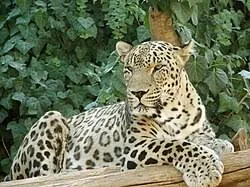
Turkey's diverse natural landscapes and wildlife

Turkey's position at the junction of Europe, Asia, and the Mediterranean creates significant biodiversity. The country is less known for wildlife tourism than for its ruins and beaches, but several areas offer genuine nature experiences.

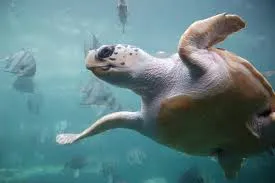
Loggerhead sea turtle swimming in the Mediterranean

Loggerhead Turtles (Caretta caretta)

Dalyan and Patara beaches are major nesting sites. Dalyan's İztuzu Beach is protected, with restricted access during nesting season (May–October). Boat trips up the Dalyan River pass Lycian rock tombs and reach the beach. Patara's 18-km strand is Turkey's longest beach and another important nesting ground.

Brown bear in a mountain forest

Kaçkar Mountains

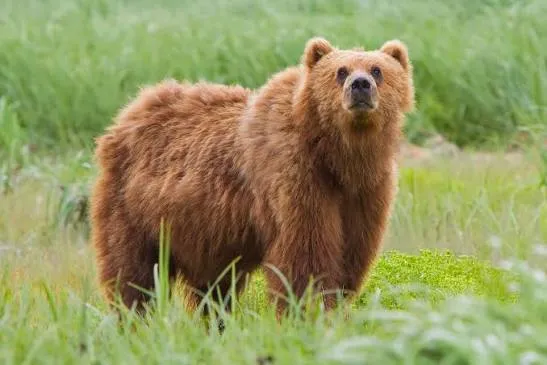
The highest peaks of Turkey's Black Sea range, reaching 3,937m. Alpine meadows (yaylas), glacial lakes, and forests home to brown bears, wolves, and chamois. Serious trekking country with limited infrastructure. Best June through September.

Jersey Tiger butterfly with orange wings

Butterfly Valley (Kelebek Vadisi)

A steep gorge near Fethiye that shelters the Jersey Tiger butterfly and dozens of other species. Accessible by boat from Ölüdeniz or via a challenging trail from Faralya. The valley is a nature reserve with basic camping.

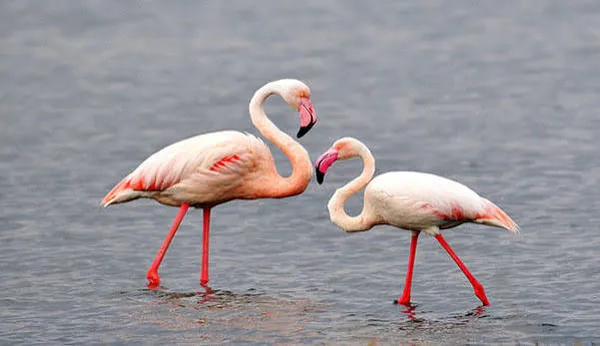
Flamingos in a Turkish wetland

Birdwatching

The Goksu Delta near Silifke is a Ramsar wetland with flamingos, pelicans, and over 300 species. Lake Burdur hosts the largest wintering population of white-headed ducks. The Bosphorus is one of the world's great raptor migration corridors in autumn.

Red fox in a rocky landscape

Göreme National Park (UNESCO)

Beyond the fairy chimneys, the park protects a unique geological landscape. The valleys shelter rock-nesting birds, foxes, and reptiles adapted to the semi-arid environment.

Eternal flames of YanartaÅŸ burning through rock at night

Olympos & Chimera

The eternal flames of Yanartaş (Chimera), where natural gas seeps through rock and burns permanently, sit within a coastal national park. Olympos itself combines ancient Lycian ruins with a beach surrounded by pine forest.

Route A: 2-Week Classic Turkey

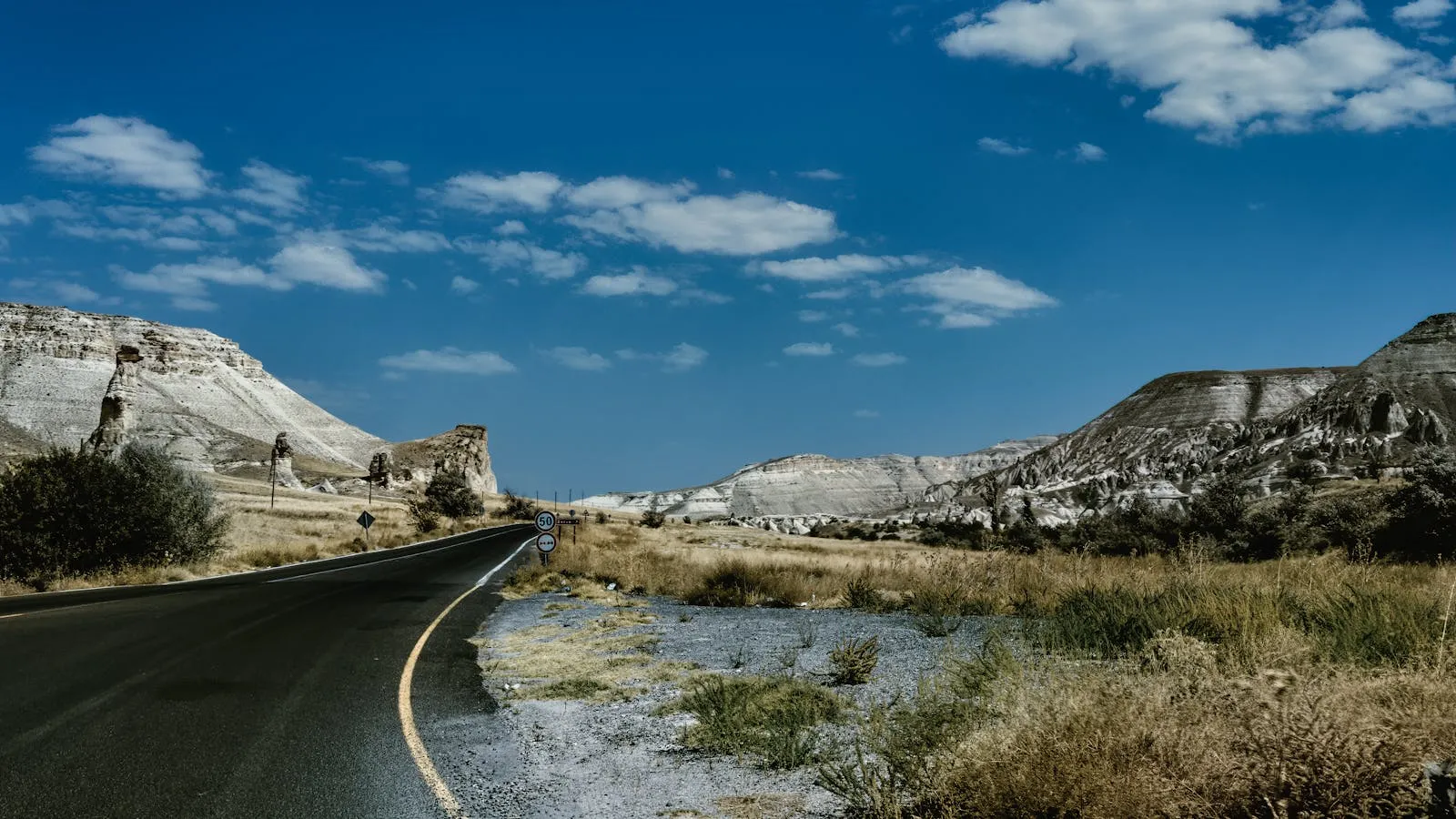
Scenic Turkish coastal road along the Mediterranean

The essential first-timer's route covering Turkey's four biggest draws: Istanbul, Cappadocia, the Aegean ruins, and the Mediterranean coast. Works best May–June or September–October. Two domestic flights keep travel time manageable.

Budget estimate: $1,800–3,000 per person (excluding international flights). Includes domestic flights, buses, accommodation, food, balloon ride, and key sights.

Day-by-day itinerary

Days 1–3: Istanbul

Day 1: Sultanahmet. Hagia Sophia, Blue Mosque, Basilica Cistern, Hippodrome. Day 2: Topkapı Palace (morning), Grand Bazaar and Spice Bazaar (afternoon), Süleymaniye Mosque. Day 3: Bosphorus cruise, Galata Tower, İstiklal Avenue, cross to Kadıköy on the Asian side for dinner. Get an Istanbulkart on arrival.

Days 4–5: Cappadocia

Fly Istanbul to Kayseri (1h20). Day 4: Balloon ride at sunrise (book for first morning, keep Day 5 as backup). Göreme Open Air Museum. Sunset at Uçhisar Castle. Day 5: Hike Rose and Red Valleys. Underground city (Derinkuyu or Kaymaklı). Pottery workshop in Avanos if time allows. Stay in a cave hotel.

Day 6: Konya

Bus from Göreme to Konya (3h30). Mevlana Museum (Whirling Dervishes origin). Lunch of etli ekmek (Konya flatbread). Evening bus to Pamukkale/Denizli (5h) or overnight in Konya.

Day 7: Pamukkale

Early morning at the travertine terraces (fewer crowds, better light). Walk barefoot through the pools. Swim in Cleopatra's Antique Pool. Explore Hierapolis ruins and Roman theatre. Afternoon bus to Selçuk (3h).

Days 8–9: Ephesus & Aegean

Day 8: Ephesus (arrive early). Library of Celsus, Great Theatre, Terrace Houses. Afternoon in Şirince for wine tasting and village lunch. Day 9: Bus to Fethiye (5h) via Bodrum shortcut or direct bus.

Days 10–11: Fethiye & Ölüdeniz

Day 10: 12 Islands boat trip from Fethiye. Swimming, lunch on board. Day 11: Paragliding from Babadağ over Ölüdeniz (morning). Afternoon at the Blue Lagoon beach or Butterfly Valley by boat.

Days 12–13: Kaş or Antalya

Option A: Bus to Kaş (2h30). Boat trip to Kekova sunken city, diving, laid-back town atmosphere. Option B: Bus to Antalya (4h). Kaleiçi old town, Antalya Museum, Düden Waterfalls. Day trip to Aspendos and Perge.

Day 14: Departure

Fly from Antalya (direct flights to most European cities) or connect through Istanbul.

Route B: 3-Week Backpacker Loop

Backpackers overlooking a turquoise bay on the Aegean coast

A backpacker-friendly anti-clockwise loop covering the western half of Turkey. Slower pace, more coast, more variety. Entirely doable by bus. Best April–June or September–October.

Budget estimate: $1,200–2,200 per person (excluding international flights). Budget travellers can push this under $60/day with hostels, street food, and buses.

Day-by-day itinerary

Days 1–3: Istanbul

Old City sights, Bosphorus, Asian side exploration. Budget tip: stay in Sultanahmet or Beyoğlu hostels. Eat at lokantas. Ferry rides are the cheapest Bosphorus experience.

Day 4: Çanakkale & Gallipoli

Bus from Istanbul (5h). Gallipoli battlefields and ANZAC memorials. Overnight in Çanakkale. Troy archaeological site is nearby (30 min) for the next morning.

Day 5: Troy & Ayvalık

Morning at Troy. Afternoon bus south to Ayvalık (3h), a charming Aegean olive-oil town with Greek island views. Cunda Island for seafood dinner.

Days 6–7: İzmir & Selçuk

Day 6: Bus to İzmir (3h). Kordon promenade, Ke­meraltı bazaar. Day 7: Train to Selçuk (1h20). Ephesus and Şirince. Overnight in Selçuk.

Day 8: Pamukkale

Bus from Selçuk to Denizli/Pamukkale (3h). Travertines, Hierapolis, Cleopatra's Pool. Overnight in Pamukkale town.

Days 9–10: Konya & Cappadocia

Day 9: Bus to Konya (5h). Mevlana Museum. Evening bus to Göreme (3h30). Day 10: Balloon ride (sunrise), Göreme Open Air Museum, valley hike, underground city.

Day 11: Cappadocia continued

Second day for backup balloon if needed. Deeper exploration: Ihlara Valley day trip, Avanos pottery, Uçhisar viewpoints. Cave hotel night.

Days 12–13: Antalya

Overnight bus from Göreme to Antalya (8h, saves a hotel night). Day 12: Kaleiçi old town, Antalya Museum, Konyaaltı Beach. Day 13: Day trip to Aspendos and Perge, or Side ruins.

Days 14–15: Olympos & Kaş

Day 14: Bus to Olympos (1h30). Treehouse hostels, ancient ruins on the beach. Hike to Chimera (eternal flames) at night. Day 15: Bus to Kaş (2h30). Boat trip to Kekova sunken city.

Days 16–17: Fethiye & Ölüdeniz

Day 16: Bus to Fethiye (2h). 12 Islands boat trip. Day 17: Paragliding, Blue Lagoon, Butterfly Valley. Night bus to Marmaris or Bodrum.

Days 18–19: Bodrum

Castle of St. Peter (Bodrum Museum of Underwater Archaeology). Beach clubs, gulet harbour, old town wander. Relaxed final days. Day 19: bus to İzmir or fly to Istanbul for departure.

Days 20–21: Buffer / Return

Extra days for missed spots or slow travel. Return to Istanbul by flight from Bodrum (1h) or bus from İzmir.

Route C: 1-Month Grand Tour

Stone heads at sunrise on Mount Nemrut

The definitive Turkey trip. Four weeks covering the country's full range: Istanbul, the western classics, the Mediterranean coast, Cappadocia, and a push into the less-visited east. Requires a mix of flights, buses, and patience. Best May–June or September–October.

Budget estimate: $2,500–4,500 per person. Includes domestic flights, buses, accommodation, food, activities, and sights.

Day-by-day itinerary

Days 1–4: Istanbul

Full immersion. Sultanahmet sights, Bosphorus cruise, Grand Bazaar, Asian side (Kadıköy), Dolmabahçe Palace. An extra day allows for the Princes' Islands ferry trip or a deeper neighbourhood exploration of Balat and Fener.

Days 5–6: Gallipoli, Troy & North Aegean

Bus to Çanakkale. Gallipoli battlefields, Troy. Continue south to Ayvalık for olive oil country and Cunda Island seafood.

Days 7–8: İzmir, Ephesus & Surroundings

İzmir Kordon and bazaar. Selçuk for Ephesus and Şirince. Optional: Bergama (Pergamum Acropolis) if history is a priority.

Day 9: Pamukkale

Bus from Selçuk. Full day at the travertines, Hierapolis, and Cleopatra's Pool. Overnight in town.

Days 10–12: Fethiye, Ölüdeniz & Kaş

Day 10: 12 Islands boat trip. Day 11: Paragliding, Blue Lagoon, Butterfly Valley. Day 12: Bus to Kaş. Boat trip to Kekova sunken city. Diving if interested.

Days 13–14: Olympos & Antalya

Day 13: Olympos ruins, treehouse hostels, hike to Chimera at night. Day 14: Bus to Antalya. Kaleiçi, Antalya Museum, beach afternoon.

Day 15: Aspendos, Perge & Side

Day trip from Antalya to the ancient Pamphylian cities. Aspendos theatre, Perge ruins, Side waterfront ruins.

Days 16–18: Cappadocia

Fly from Antalya to Kayseri (1h). Three days allows the balloon ride (with backup day), Göreme Open Air Museum, underground city, multiple valley hikes, Avanos pottery, Whirling Dervish ceremony, and Ihlara Valley day trip.

Day 19: Konya

Bus from Cappadocia (3h30). Mevlana Museum and the spiritual heart of Sufi culture. Evening bus or train to Ankara.

Day 20: Ankara

Museum of Anatolian Civilisations (one of the world's best archaeological museums). Anıtkabir (Atatürk Mausoleum). The capital is not a tourist city, but this museum alone justifies the stop.

Days 21–22: Eastern Turkey – Gaziantep

Fly from Ankara to Gaziantep (1h15). Turkey's food capital. The best baklava in the world. The Zeugma Mosaic Museum. The copper bazaar. Eat everything.

Days 23–24: Şanlıurfa & Göbekli Tepe

Bus from Gaziantep (2h30). Göbekli Tepe (the world's oldest temple). The Haleplibahçe Mosaics. Balıklıgöl (sacred fish pools). The bazaar. Accommodation is basic but the experience is unforgettable.

Days 25–26: Mount Nemrut & Malatya

Car or guided tour from Şanlıurfa to Nemrut summit for sunrise among the giant stone heads. Continue to Malatya (dried apricot capital) or fly back to Istanbul.

Days 27–28: Bodrum or Black Sea Extension

Option A: Fly to Bodrum for two beach days and gulet harbour relaxation before departure. Option B: Fly to Trabzon for Sumela Monastery and Uzungöl. Both connect easily to Istanbul for departure on Day 28–30.

Getting Around

Ferry crossing the Bosphorus with Istanbul skyline behind

Turkey's transport network is better than most travellers expect. Domestic flights are cheap and frequent. Intercity buses are comfortable and cover every conceivable route. Istanbul's public transport is excellent. A car is only necessary for the Turquoise Coast backroads and remote eastern areas.

✈️ Domestic Flights

Istanbul–Cappadocia 1h20, Istanbul–Antalya 1h15. Turkish Airlines and Pegasus. $40–100 booked 3–4 weeks ahead.

🚍 Intercity Bus

Metro Turizm, Kamil Koç, Pamukkale. Comfortable, with AC, WiFi, tea service. Overnight buses save hotel nights.

🚅 Trains (YHT)

High-speed Ankara–Istanbul 4h (~$30), Ankara–Konya 1h45. Limited but growing network. Book at tcdd.gov.tr.

🚐 Dolmuş

Shared minibuses on fixed routes. Flag them down, tell the driver your stop. Very cheap. Essential for short hops.

🚗 Car Rental

$30/day + fuel. Best for Turquoise Coast, countryside. Drive on right. Avoid driving in Istanbul.

🚕 Taxis

Yellow taxis with meters. Use BiTaksi or iTaksi apps. Never accept "broken meter." Confirm daytime rate (gündüz).

Flights

  • Turkish Airlines. National carrier with excellent domestic network. Includes 23kg checked luggage, meal, and drinks. More expensive than Pegasus but more comfortable and flexible
  • Pegasus Airlines. Budget carrier with extensive domestic routes. Hand luggage only in base fare; add checked bag separately. Fares from $30–40 booked in advance. The no-frills choice
  • SunExpress. Mainly seasonal and coastal routes. Useful for direct flights to Antalya, Dalaman, and İzmir
  • Tip. Istanbul has two airports: IST (European side, main hub) and SAW (Asian side, budget carriers). Check which one your flight uses. IST is connected by the M11 metro line; SAW by Havabus shuttle to Taksim

Buses

  • Quality. Turkish intercity buses are significantly better than most European equivalents. Air conditioning, reclining seats, WiFi, and an attendant serving tea, coffee, water, and snacks are standard on major companies
  • Major companies. Metro Turizm, Kamil Koç, Pamukkale, and Suha are reliable. Buy tickets at otogar (bus station), online, or through the company apps
  • Overnight buses. A legitimate strategy for long distances. Istanbul–Cappadocia (10h), Göreme–Antalya (8h). You save a night's accommodation and wake up at your destination
  • Servis. Most bus companies offer free shuttle minibuses (servis) between the city centre and the otogar, which is often on the outskirts. Ask at the ticket counter

Istanbul Transport

  • Istanbulkart. Rechargeable transit card. Works on metro, tram, bus, ferry, and funicular. ~$0.50 per trip. Available at metro stations and kiosks. Essential for any stay longer than one day
  • Ferries. The Bosphorus ferries between Europe and Asia are both transport and sightseeing. Kadıköy–Eminönü is the classic crossing. Use the Istanbulkart for regular ferries; tourist Bosphorus cruises are a separate (more expensive) service
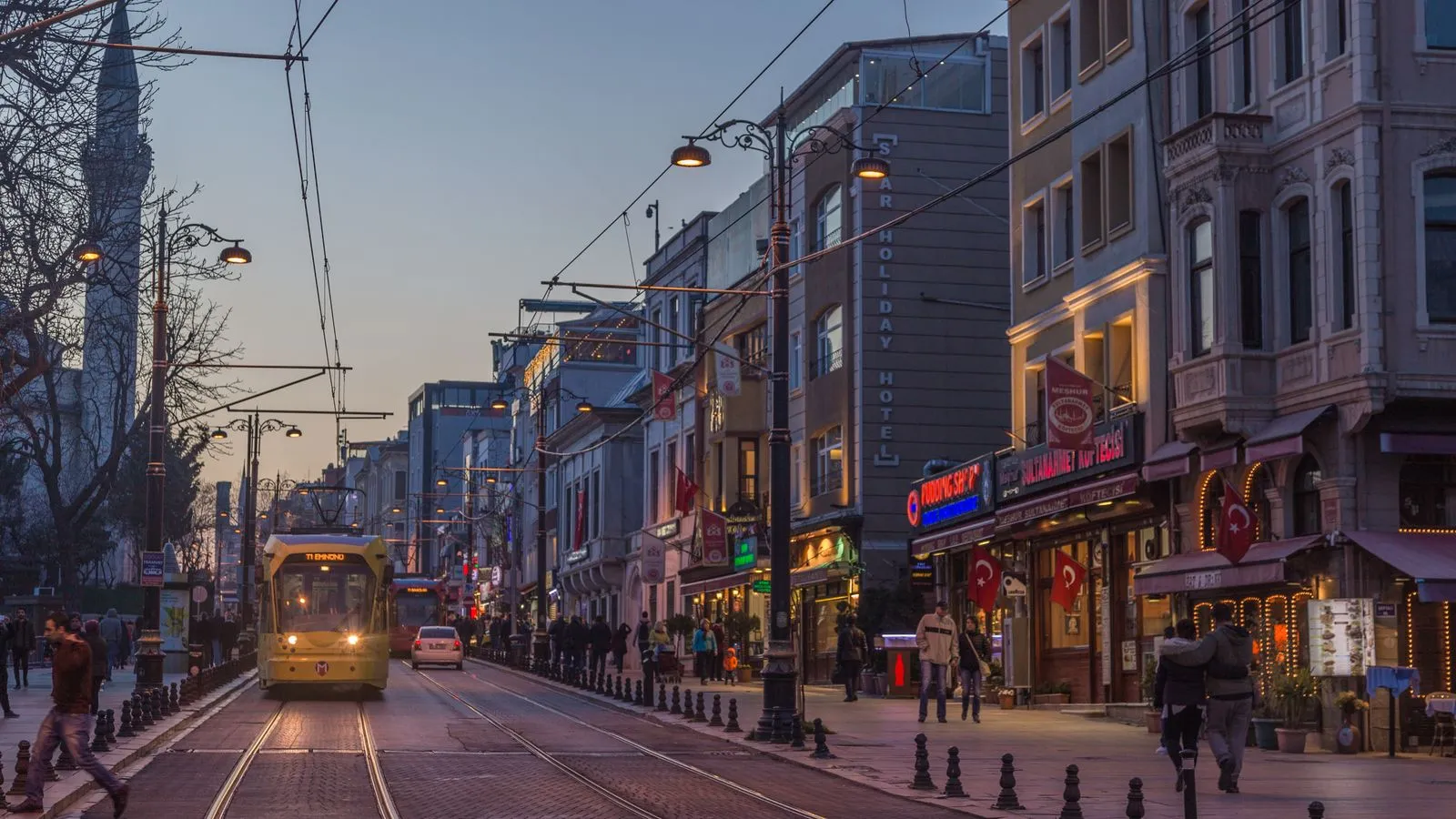
  • Metro and tram. The T1 tram runs through Sultanahmet and is the most useful tourist line. The metro is expanding rapidly. Google Maps covers Istanbul transit well

Budget Breakdown

Street food vendor grilling kebabs at a busy market

Turkey is one of the best-value destinations accessible from Europe. The Turkish Lira has been volatile in recent years, which means foreign currencies stretch further than they used to. Prices below are 2026 estimates and may shift. Always check current exchange rates before your trip.

CategoryBudgetMid-RangeComfort
Accommodation$15–30 (hostel/pension)$50–100 (boutique/cave hotel)$120–250+ (luxury hotel)
Food$10–20 (street food/lokanta)$25–40 (restaurant meals)$50–80+ (fine dining)
Transport$5–15 (dolmuş/local bus)$20–40 (intercity bus)$40–100 (flights/car)
Sights$5–15 (mosques free, ruins)$20–45 (palace combos)$170–300 (balloon ride)
Daily Total$40–65$80–150$150–250+

Money-Saving Tips

🍴 Eat at Lokantas

Steam-tray eateries where locals eat. Point at what looks good. Full meal for $5–10. Walk 2–3 streets from tourist sites for honest prices

🚌 Overnight Buses

Istanbul–Cappadocia overnight saves $15–30 on a hotel. Comfortable seats, tea service included. Arrive at sunrise

💳 Museum Pass Istanbul

~$105 covers Topkapı, Harem, Basilica Cistern, and more. Pays for itself at 4+ sites and lets you skip ticket queues

💰 Revolut or Wise Card

Best exchange rates on card payments. Always choose TRY at terminals, never accept dynamic currency conversion to your home currency

🛒 Haggle in Bazaars

Start at 20–25% of asking price. Walk away if needed. Never buy at the first shop. The Grand Bazaar marks up 5–10x initial price

🏠 Stay in Pensions

Family-run pensions ($30–60) usually include a full Turkish breakfast. Better value and more character than chain hotels

Key Cost Notes

Booking.com is restricted within Turkey. Book accommodation before arrival or use Hotels.com, Airbnb, Hostelworld, or contact properties directly. This catches many travellers off guard.

ATMs. Widely available. Use major banks (Ziraat, İşbank, Garanti BBVA) to avoid excessive fees. Exchange only small amounts at the airport. City-centre exchange offices (Döviz Bürosu) offer far better rates. Count money at the counter before walking away.

Practical Information

Istanbulkart transit card on a turnstile reader

💳 Visas

Many nationalities need an e-Visa (~$50) via the official evisa.gov.tr. EU/Schengen citizens enter visa-free. 90 days in 180.

🏥 Health

No required vaccinations. Good private hospitals. Pharmacies (Eczane) are well-stocked and pharmacists highly trained. Travel insurance essential.

💶 Money

Turkish Lira (TRY / ₺). High inflation; prices change frequently. Cards accepted in cities, cash needed in markets and rural areas.

📶 SIM & WiFi

eSIM available (Turkcell, Vodafone). Excellent 4G/5G in cities and tourist areas. Download offline maps before arrival.

🔌 Electricity

Type C and F plugs (European two-pin round). 220V/50Hz. Same as most of continental Europe.

🛒 Safety

Generally safe. 50+ million tourists annually. Low violent crime. Street scams in Istanbul are the main concern.

Visa & Entry

  • e-Visa. Many nationalities (US, UK, Canada, Australia) can apply online at the official government site evisa.gov.tr. Processing is instant. Cost ~$50 USD. Typically 90 days within a 180-day period. Warning: third-party sites charge $100+. Only use the .gov.tr domain
  • Visa-free. EU/Schengen citizens enter visa-free for 90 days in 180. Singapore and several other nationalities are also visa-free
  • Requirements. Passport valid 6+ months beyond intended stay. Overstay fines are approximately $50/day

Health

  • Tap water. Not recommended for drinking. Bottled water is cheap and available everywhere
  • Pharmacies (Eczane). Well-stocked and pharmacists are highly trained. Go there first for minor issues. Duty pharmacies (Nöbetçi Eczane) operate 24/7 on weekends and holidays; search online for the nearest one
  • Hospitals. Good private hospitals in major cities, but expensive without insurance. Travel insurance is essential
  • Sun protection. Strong sun on the coast in summer. Sunscreen, hat, and hydration are not optional
  • Emergencies. 112 (general), 155 (police), 156 (gendarmerie), 153 (Istanbul tourist police). Tourist police hotline: 444 0 887 (multilingual)

Connectivity

  • eSIM. Available from Turkcell and Vodafone. 4G/5G coverage excellent in cities and tourist areas. Limited in remote east and mountain areas
  • Google Translate. Useful for inland areas where English is limited. Camera translation works on Turkish menus and signs
  • Apps. BiTaksi/iTaksi (safe taxi booking), Google Maps (good coverage, download offline), Istanbulkart app (manage transit card)

Safety & Scams

  • General. Turkey is generally safe. Violent crime against tourists is rare. Street-level scams concentrated in Istanbul's Sultanahmet and Taksim areas are the main concern
  • The bar scam (HIGH SEVERITY). A "friendly local" near tourist sites invites you for drinks at a specific bar. The bill arrives at 10x normal with intimidating staff. Never follow a stranger to a bar they chose. Targets solo male travellers primarily
  • Shoeshine drop trick. A man drops his brush near you. You pick it up, he offers a "free" shine, then demands $50–100. Keep walking
  • Taxi scams. "Broken meter," night rate during daytime, scenic routes, bill-swapping (50 TL note becomes 5 TL "you underpaid"). Use BiTaksi or iTaksi apps. Always confirm meter is on daytime rate (gündüz)
  • Currency switcharoo. POS terminal shows USD/EUR instead of TRY. Confirm the terminal displays ₺ (TRY) before tapping your card
  • Carpet shop pressure. Free tea and a guided bazaar tour lead to pressure to buy overpriced carpets. Accepting tea does not obligate you to buy anything
  • Restaurant bill padding. Extra items charged as "complimentary" meze, no-price menus in tourist zones. Always ask for a menu with prices. Check the bill carefully
  • Fake balloon bookings. Fake websites take payment for Cappadocia balloon flights that do not exist. Book only through operators on the official SHGM registry or via established platforms like GetYourGuide

Tips & Common Mistakes

Busy morning at the Spice Bazaar in Istanbul

Turkey is not a difficult country to travel, but a few common mistakes can cost you money, time, or a worse experience than necessary. Most are easily avoided.

  • Not booking balloons early enough. Cappadocia balloon rides sell out weeks ahead in peak season. Book before you arrive in Turkey, not when you get to Göreme. Schedule for your first morning and keep a backup day for weather cancellations
  • Following strangers to bars in Istanbul. The "friendly local" bar scam is the most costly tourist trap in Turkey. If someone you just met suggests a specific bar, walk away. No exceptions. This is not paranoia; it is documented hundreds of times
  • Accepting dynamic currency conversion. When an ATM or card terminal asks if you want to pay in your home currency, always say no. Choose Turkish Lira (TRY). The conversion markup is typically 3–8% and goes straight to the intermediary
  • Changing all your money at the airport. Airport exchange rates are terrible. Change only $20 for initial transport (airport bus or taxi). Use city-centre exchange offices or ATMs for the rest
  • Trying to use Booking.com inside Turkey. It is restricted. Book accommodation before you enter the country, or use Hotels.com, Airbnb, Hostelworld, or contact properties directly
  • Visiting Ephesus at midday. Tour buses arrive between 10:00 and 14:00. Go early morning (opening time) or late afternoon for a fraction of the crowds and better light for photos
  • Skipping the Asian side of Istanbul. Most tourists never cross the Bosphorus. Kadıköy has better food, lower prices, and a more authentic feel than any tourist-area restaurant. The ferry ride over is beautiful
  • Driving in Istanbul. Traffic is brutal, parking is scarce and expensive, and the public transport system is excellent. There is no reason to drive in Istanbul. Save the rental car for the Turquoise Coast
  • Not carrying cash. Cards work in cities and tourist areas, but smaller shops, markets, rural pensions, and dolmuş minibuses are often cash-only. Keep some small TRY bills on you
  • Underestimating distances. Turkey is large. Istanbul to Antalya is 700 km. Driving or busing between distant cities eats entire days. Use domestic flights for long jumps (Istanbul to Cappadocia, Antalya to Gaziantep) and save buses for shorter coastal hops
  • Inland sightseeing in August. Cappadocia, Pamukkale, and Ephesus all regularly exceed 40°C in July and August. Walking through sun-exposed ruins in that heat is genuinely unpleasant. Visit these sites in spring or autumn
  • Buying at the first price in bazaars. The initial asking price in the Grand Bazaar or any tourist market is 5–10 times the actual value. Haggle starting at 20–25% of the asking price. Walk away if the seller won't budge. There are 4,000 more shops

Final Recommendation

Final recommendation

Turkey is the kind of country that makes you wonder why you waited so long to visit. The combination is hard to beat: a city like Istanbul that could fill a week on its own, landscapes in Cappadocia that genuinely look like another planet, a Mediterranean coastline with ancient ruins scattered across empty beaches, food that runs from perfect street-corner simit to multi-course meze feasts, and all of it at prices that feel generous even on a tight budget.

For a first visit, the 2-Week Classic route (Route A) covers the essential arc: Istanbul, Cappadocia, the Aegean ruins, and the Mediterranean coast. Two weeks is the minimum to do this justice. If you have three weeks, the Backpacker Loop adds depth and slower travel. A month lets you push east to Göbekli Tepe and Nemrut, which is where Turkey stops feeling like a tourist destination and starts feeling like genuine exploration.

Come in September if you can. The summer crowds thin out, the sea is still warm, Cappadocia has near-perfect balloon weather, and the light turns golden over the ruins. May and June are the spring alternatives with wildflowers, long days, and Istanbul's tulip season.

Drink the tea. Eat the breakfast. Watch the balloons. Walk barefoot through Pamukkale. Take the Bosphorus ferry at sunset. Haggle in the bazaar and accept that you probably overpaid anyway. And do not skip the Asian side of Istanbul. Turkey is a country that rewards curiosity, and there is always more to find than you expected.