Overview & Why Visit Saudi Arabia

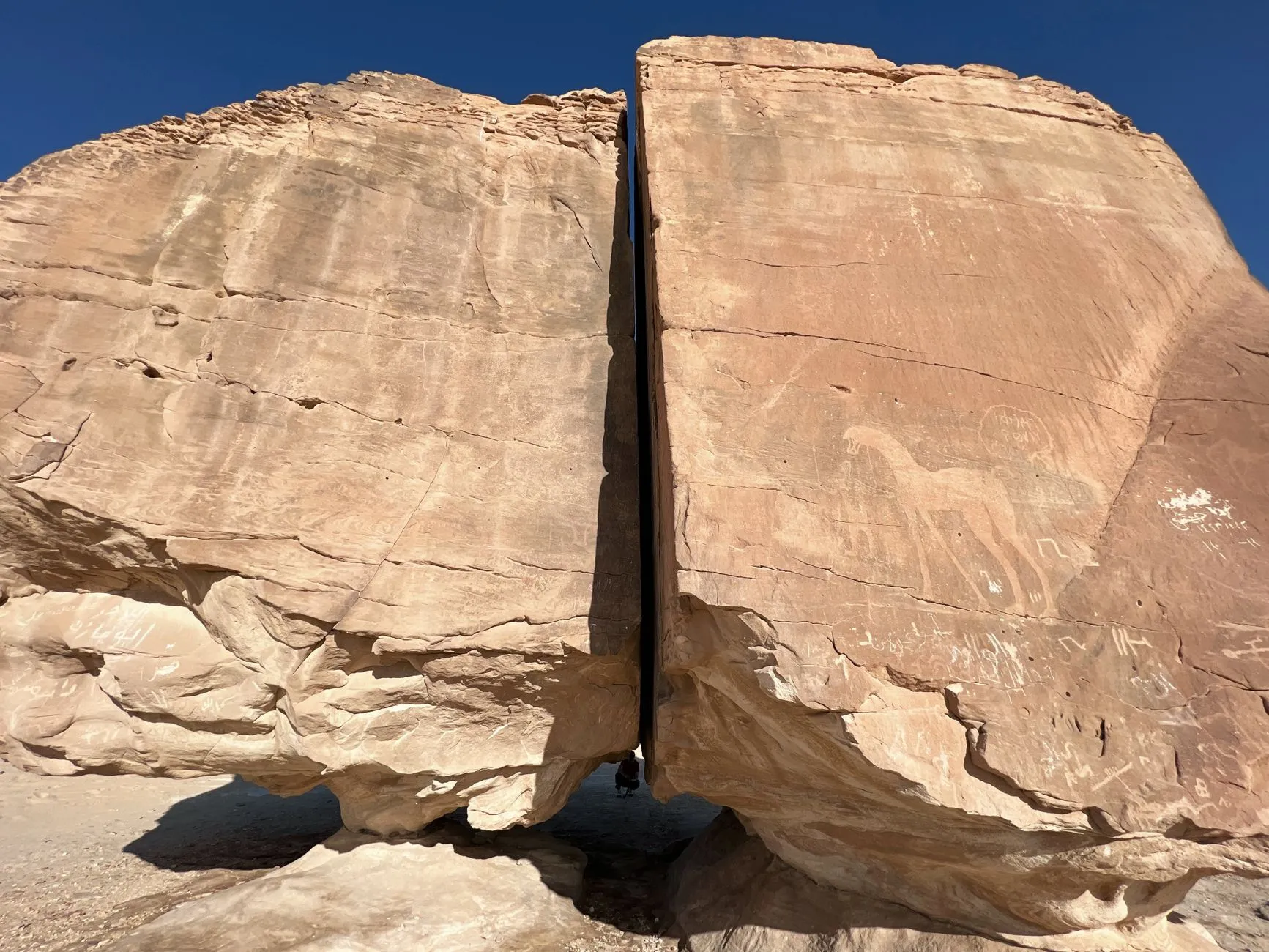
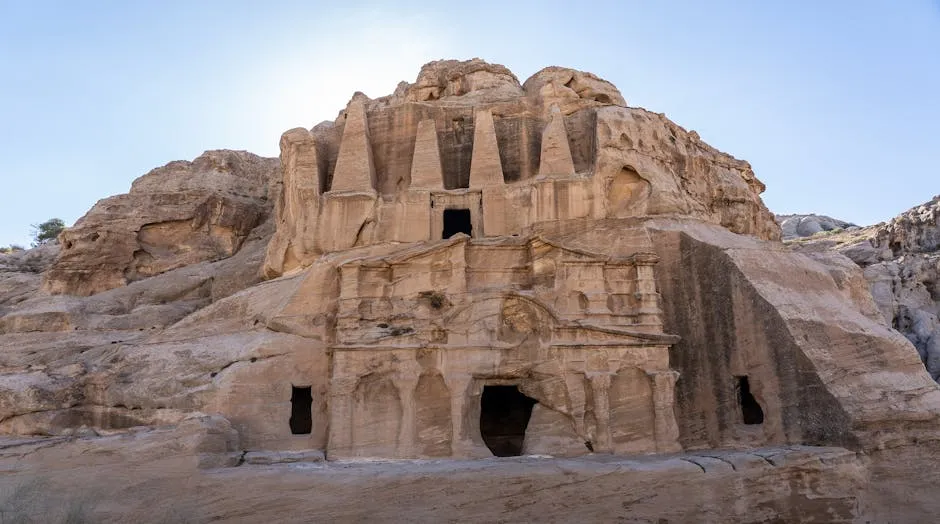
Hegra tombs carved into sandstone cliffs at sunset in AlUla

Saudi Arabia is enormous. 2.15 million square kilometres of desert, mountains, coastline, and ancient heritage sites that were off-limits to tourists until 2019. For decades, the kingdom only admitted business travellers, pilgrims heading to Mecca, and expat workers. That changed with Vision 2030 and the tourist eVisa. Now anyone from 66+ countries can apply online, get approved in minutes, and visit a country that most people know almost nothing about.

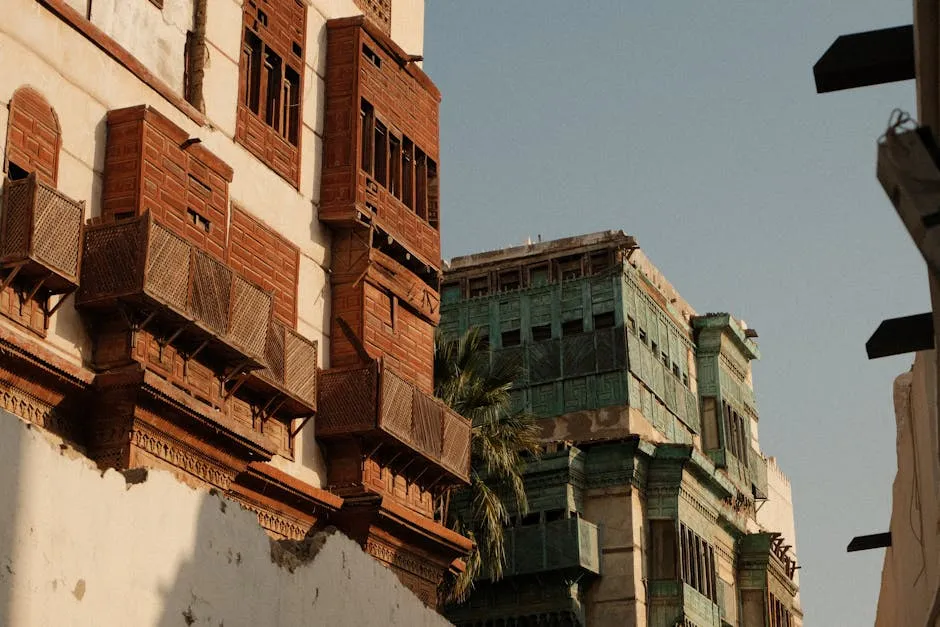
What you find is genuinely surprising. AlUla has Nabataean tombs that rival Petra, carved into sandstone cliffs 2,000 years ago. The Red Sea coast has some of the healthiest coral reefs left on the planet. The Asir highlands in the south are green, misty, and cool while the rest of the country bakes at 45°C. Riyadh is building a six-line metro system, Diriyah is restoring its UNESCO mud-brick palaces, and Jeddah’s Al-Balad old town has coral-stone merchant houses with lattice balconies that look nothing like the glass towers you might expect.

The country is still figuring out tourism. Infrastructure is excellent in cities but thin in remote areas. English works everywhere urban, less so in villages. There is no alcohol. Shops close five times daily for prayer. The weekend is Friday and Saturday. These are not obstacles, just things worth knowing before you book. Saudi hospitality is legendary and genuine. Strangers invite you for coffee. People go out of their way to help. The food is outstanding and almost entirely unknown outside the Gulf.

Travel Style

Saudi Arabia works best as a fly-and-hub trip. Distances are vast (Riyadh to Jeddah is 950 km), so domestic flights are essential. Budget airlines like flynas and flyadeal offer fares from SAR 100 ($27) one-way. Cities have Uber, Careem, and the new Riyadh Metro. Car rental is straightforward for those comfortable with fast highway driving.

🇷🇺 Capital

Riyadh

👥 Population

~36 million

📏 Size

2.15 million km² (roughly the size of Western Europe)

💰 Currency

Saudi Riyal (SAR), pegged at 3.75:$1

🌐 Language

Arabic (English widely spoken in cities)

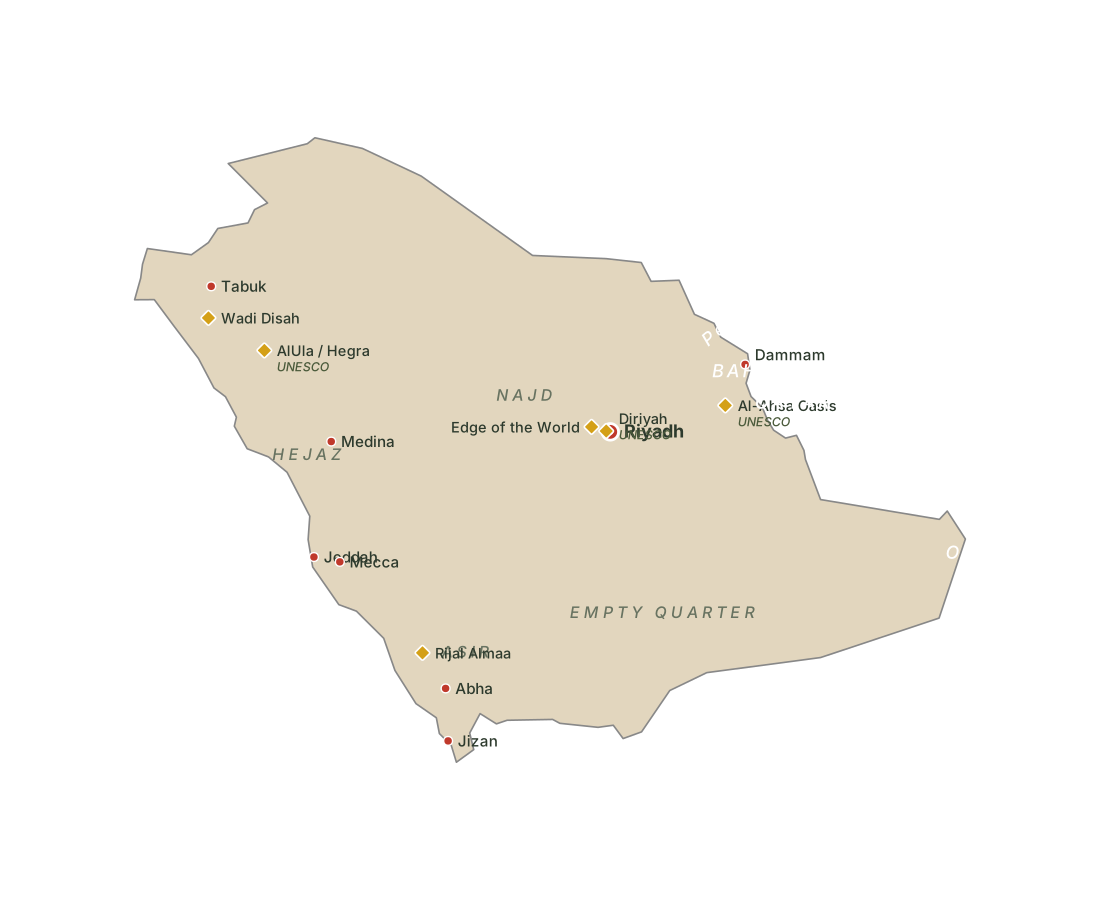
Map of Saudi Arabia

Illustrated map of Saudi Arabia showing major cities, regions, sights and routes
Reading the map: Red dots mark major cities, the red ring marks Riyadh (capital). Gold diamonds highlight key sights and heritage sites. Saudi Arabia is vast. Riyadh to AlUla is roughly 1,000 km by air. Jeddah to Abha is another 600 km south. Domestic flights are the practical way to connect regions, though the Haramain high-speed train links Jeddah, Mecca, and Medina.

Best Time to Visit

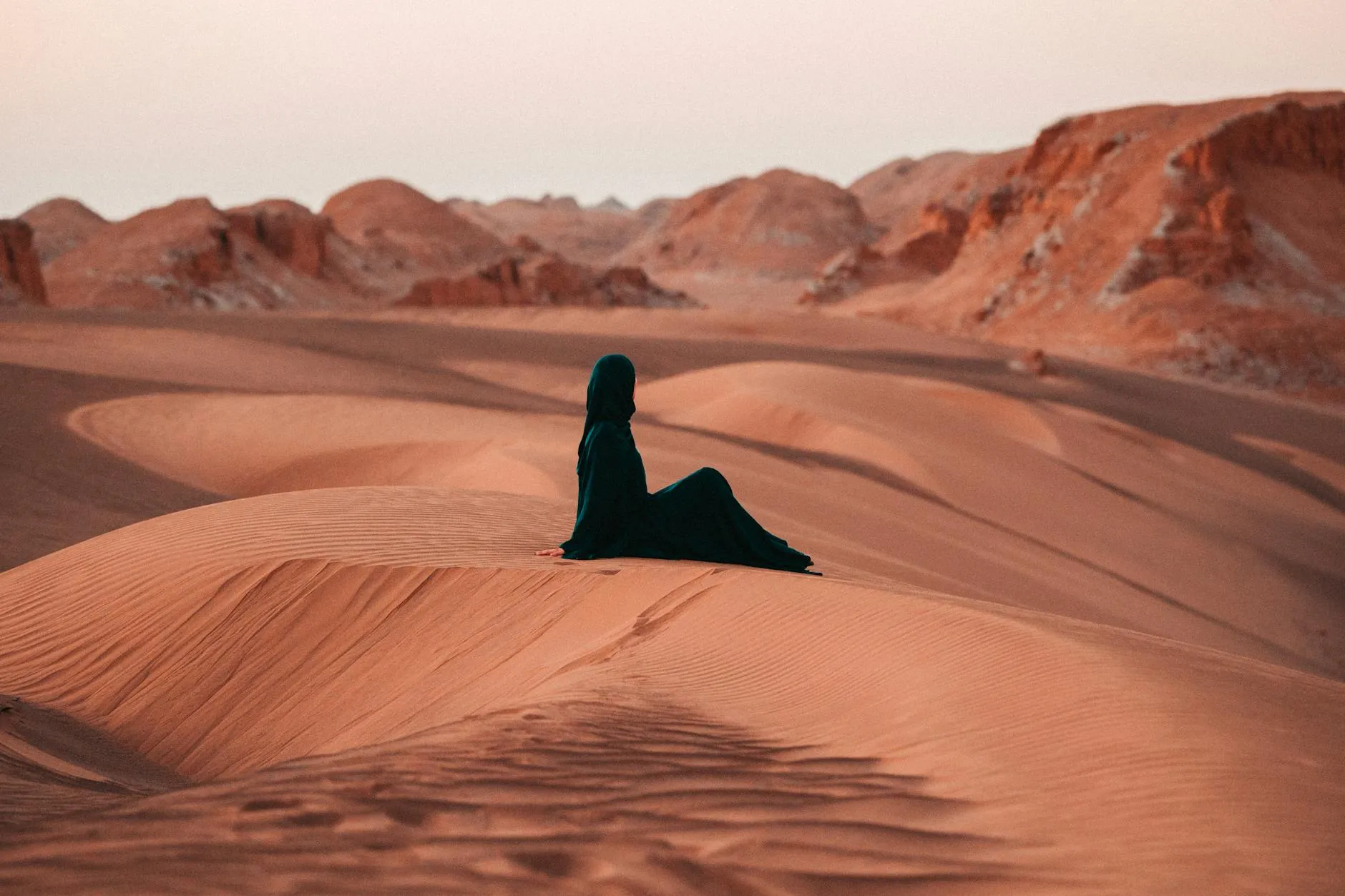
Golden light over desert dunes at sunset in Saudi Arabia

Saudi Arabia has two seasons that matter for travellers. October through March is comfortable across most of the country, with daytime temperatures between 20–30°C in Riyadh and Jeddah, cool desert nights, and the entire events calendar in full swing. This is when AlUla opens its heritage season, Riyadh Season runs its massive entertainment programme, and the Red Sea diving visibility is excellent. April and May are warm but manageable shoulder months with fewer crowds.

June through September is extreme heat season. Riyadh regularly hits 45–50°C. Jeddah is slightly cooler but punishingly humid. The only comfortable places in summer are the Asir highlands around Abha (25–30°C at 2,200m elevation) and indoor/coastal experiences. Avoid the interior desert in summer unless you have a specific reason and a very reliable air-conditioned vehicle.

Two Islamic calendar events significantly affect travel. Ramadan (shifts ~10–11 days earlier each year) means restaurants close during daylight hours, activity slows during the day, and evenings come alive after iftar. It is a fascinating cultural experience but limits daytime options. Hajj season brings millions of pilgrims to Mecca and Medina, making those cities inaccessible or extremely crowded, and some visa categories are suspended.

Month-by-Month Overview

MonthSeasonBest RegionsCrowdsPricesRating
JanuaryCool/dryRiyadh — AlUla — Jeddah🟡 Moderate🟡 Moderate⭐⭐⭐⭐
FebruaryCool/dryAll regions — AlUla peak — Founding Day🟡 Moderate🟡 Moderate⭐⭐⭐⭐⭐
MarchSpringAlUla — Jeddah — Desert — Red Sea🟡 Moderate🟡 Moderate⭐⭐⭐⭐⭐
AprilWarmingJeddah — Red Sea — Tabuk — F1🔴 High🔴 High⭐⭐⭐⭐
MayHotRed Sea coast — Asir highlands🟢 Low🟢 Low⭐⭐⭐
JuneExtreme heatAbha/Taif highlands only🟢 Low🟢 Low
JulyExtreme heatAbha/Taif highlands only🟢 Low🟢 Low
AugustExtreme heatAbha/Taif — indoor Riyadh/Jeddah🟢 Low🟢 Low
SeptemberStill hotRed Sea diving (visibility peak)🟢 Low🟢 Low⭐⭐
OctoberCool returningAll regions — Riyadh Season opens🟡 Rising🟡 Moderate⭐⭐⭐⭐⭐
NovemberCool/dryAll regions — AlUla season — desert🟡 Moderate🟡 Moderate⭐⭐⭐⭐⭐
DecemberCool/dryAll regions — events — Saudi Cup🔴 High🔴 High⭐⭐⭐⭐
Temperature reference: Riyadh in January averages 7–21°C. Riyadh in July averages 27–44°C. Jeddah stays 19–30°C in winter and 27–39°C in summer (but very humid). Abha in the highlands sits at 8–20°C in winter and 15–28°C in summer. Desert nights from November to February can drop to 5°C.
Ramadan 2026–2027: Ramadan begins approximately February 18, 2026 and February 8, 2027. Eid al-Fitr falls around March 20, 2026 and March 10, 2027. During Ramadan, no eating, drinking, or smoking in public during daylight hours. Most restaurants open only after sunset. It is a beautiful cultural experience but plan accordingly.

Holidays & Festivals

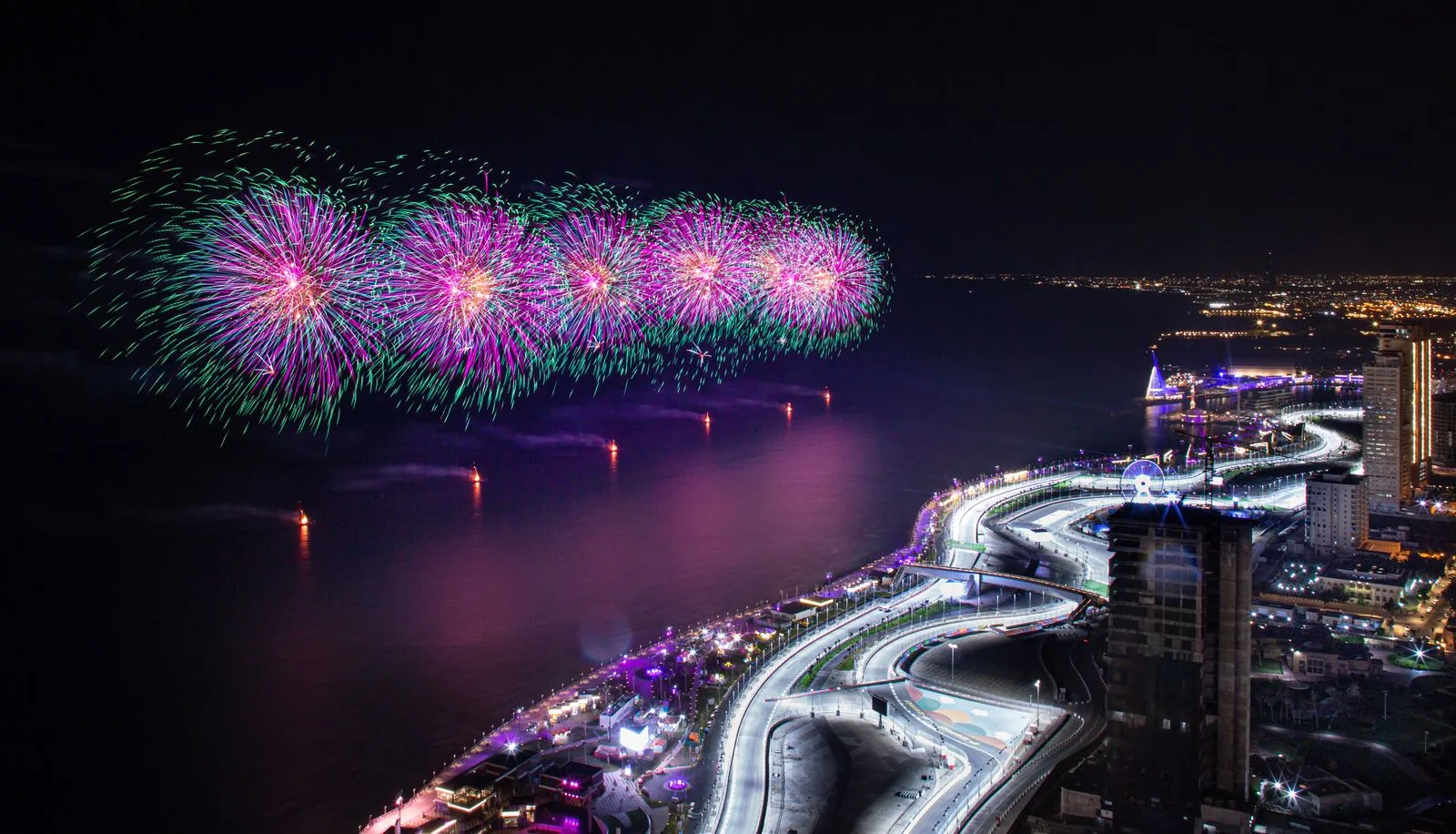
Fireworks illuminating a waterfront cityscape during a Saudi festival celebration

Saudi Arabia’s calendar mixes fixed national holidays with Islamic dates that shift roughly 10–11 days earlier each Gregorian year. The two Eid celebrations effectively shut down the country for several days. Government offices, banks, and many shops close. Hotels in popular destinations book out. Domestic flights fill up fast. On the positive side, the festive atmosphere is genuine, cities are decorated, and Saudi families are out in force enjoying the holidays.

Holiday2026 Date2027 DateNotes
Founding DayFeb 22Feb 22Fixed. Celebrates founding of first Saudi state in 1727. Fireworks and cultural events.
Ramadan begins~Feb 18~Feb 8Month of fasting. No public eating/drinking during daylight. Restaurants open after sunset.
Eid al-Fitr~Mar 20~Mar 10End of Ramadan. 3-day national holiday. Major celebrations, family gatherings. Everything busy.
Eid al-Adha~May 27~May 17Festival of Sacrifice during Hajj. 4-day holiday. Mecca area extremely crowded.
National DaySep 23Sep 23Fixed. Kingdom unification in 1932. Massive celebrations nationwide, fireworks, events.
Events calendar: Riyadh Season (Oct–Mar) is a massive entertainment programme with concerts, comedy, sports, and theme parks across 11 zones. The Jeddah F1 Grand Prix runs annually in spring. AlUla’s Winter at Tantora festival brings music, art, and heritage events from November to March. The Saudi Cup in February is the richest horse race on the planet ($20M purse). Check visitsaudi.com/en/events for current listings.

Regions of Saudi Arabia

View across AlUla valley with sandstone formations and palm oasis

Saudi Arabia is roughly the size of Western Europe, and the regions are as different as Scandinavia is from the Mediterranean. The Hejaz coast and highlands in the west hold most of the historical sites and the country’s most cosmopolitan city. The central Najd plateau is where the Saudi state began, anchored by the modern capital Riyadh. The southern Asir highlands feel like a different country entirely, green and cool. The eastern coast faces the Persian Gulf. And the northwest around Tabuk is an emerging adventure frontier with canyons and Mars-like desert.

Al-Balad old town in Jeddah with coral-stone buildings and wooden mashrabiya balconies

The Hejaz (West)

The historic heartland. Jeddah is the commercial capital with its UNESCO-listed Al-Balad old town, 30 km Corniche, and the best food scene in Saudi. AlUla is the flagship heritage destination with Hegra’s 111 Nabataean tombs, Elephant Rock, and the mirrored Maraya concert hall. Mecca (Muslims only) and Medina are Islam’s two holiest cities. Taif at 1,900m is the summer escape with rose farms (harvest Mar–Apr). Yanbu offers excellent Red Sea diving.

Riyadh skyline with Kingdom Centre Tower at dusk

Najd (Central Plateau)

Riyadh is the capital and largest city (8 million). Kingdom Centre Tower’s Sky Bridge observation deck, the new 6-line Metro, Masmak Fort, and the National Museum. Diriyah, 20 minutes from central Riyadh, is where the Saudi state was founded in 1727. Its At-Turaif UNESCO palaces are being restored as part of a $63B heritage project. Edge of the World (Jebel Fihrayn) is a 300m cliff face 100 km northwest, reachable by 4x4. Ushaiger is an atmospheric abandoned mud-brick village.

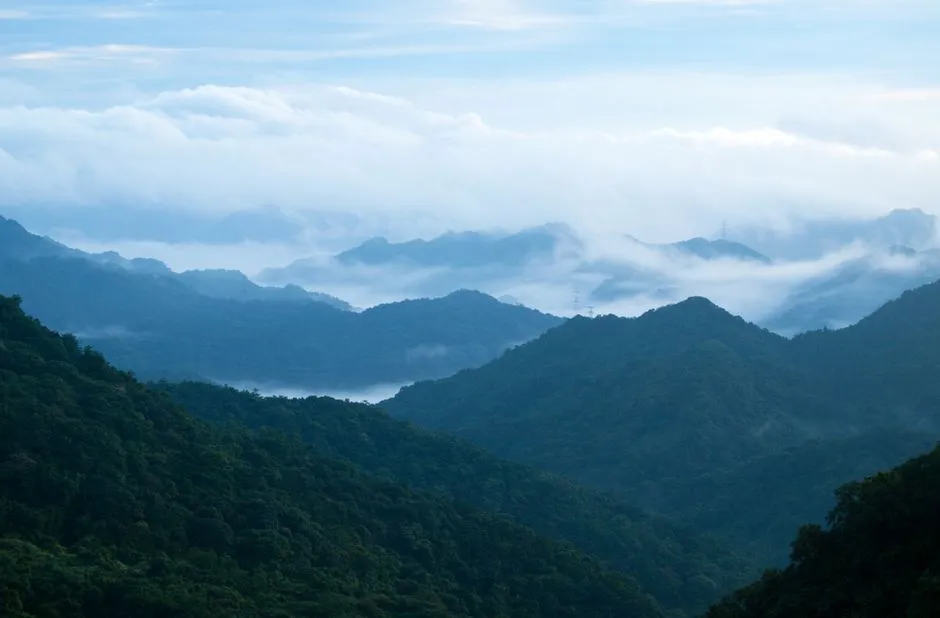
Green terraced hillsides in the Asir highlands near Abha

Asir & Southern Highlands

The surprise of Saudi Arabia. Abha sits at 2,200m with misty mornings, cool temperatures, and green terraced hillsides. Jabal Sawda reaches roughly 3,000m (the country’s highest peak). Asir National Park covers 4,500 km² of juniper forest and hiking trails. Rijal Almaa is a 900-year-old heritage village with painted houses that earned UNESCO Intangible Heritage status. The far south has Farasan Islands, a pristine tropical archipelago, and the coastal town of Jizan.

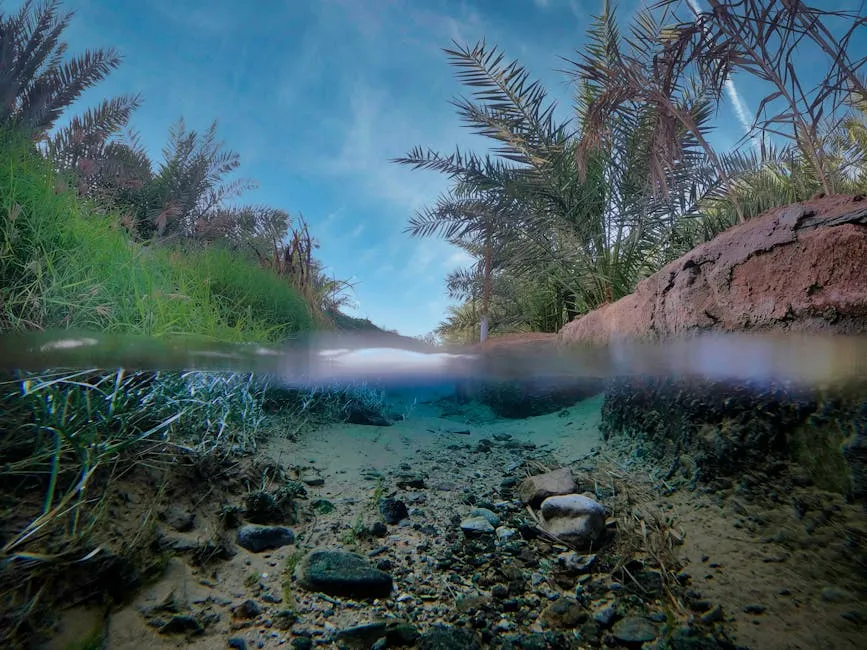
Al-Ahsa oasis with dense date palm groves

Eastern Province

The Gulf coast. Dammam and Al Khobar have Half Moon Bay (the best Gulf beaches) and the Ithra cultural centre. The King Fahd Causeway connects to Bahrain for easy day trips. Al-Ahsa Oasis is a UNESCO World Heritage Site, the largest oasis in the world with 2.5 million date palms and distinctive local Hassawi red rice. This region is the oil heartland and has a more Gulf-flavoured culture than the rest of Saudi.

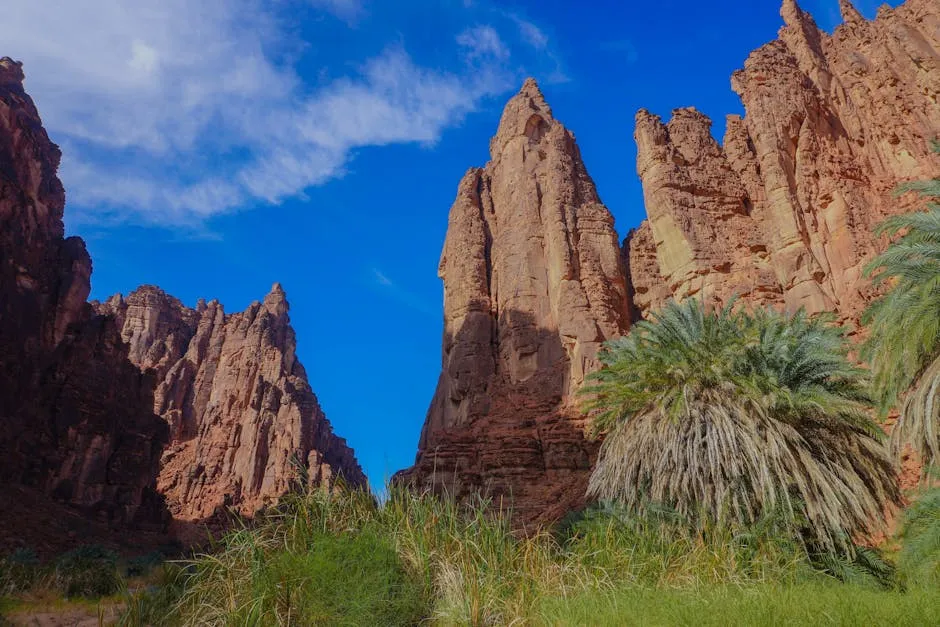
Wadi Disah canyon with towering sandstone cliffs

Northwest (Tabuk & Beyond)

The emerging adventure frontier. Wadi Disah is a dramatic canyon carved through sandstone, excellent for hiking. The Hisma Desert has Mars-like terrain of red sand and weathered rock formations. Sharma Beach on the northern Red Sea coast has crystal-clear water. NEOM, the $500B megaproject, is under construction here. Its Sindalah luxury island resort is already open. Tabuk itself is a pleasant small city and gateway to the region.

Top Sightseeing

Qasr al-Farid tomb at Hegra, a massive carved facade standing alone in the desert

Saudi Arabia has eight UNESCO World Heritage Sites and dozens of lesser-known heritage locations that would be headline attractions in any other country. The problem is distance. You cannot see everything in a single trip unless you have a month and a tolerance for domestic flights. Focus on what interests you most and accept that the second trip will be just as rewarding.

Row of carved Nabataean tomb facades at Hegra in AlUla

Hegra (Mada’in Salih), AlUla

Saudi Arabia’s first UNESCO site. 111 Nabataean tombs carved into sandstone cliffs over 2,000 years ago, from the same civilisation that built Petra. Unlike Petra, Hegra is uncrowded. Qasr al-Farid, a single massive tomb standing alone in open desert, is the most photographed monument in the country. Guided tours required (SAR 50). Book 2–4 weeks ahead in peak season. Best visited Oct–Apr.

Restored mud-brick Najdi architecture at At-Turaif district in Diriyah

At-Turaif District, Diriyah

The birthplace of the Saudi state, founded in 1727. Restored Najdi mud-brick palaces on the edge of Wadi Hanifah, 20 minutes from central Riyadh. The surrounding $63B Diriyah Gate project includes Bujairi Terrace with 20+ restaurants. UNESCO World Heritage since 2010. Entry is free for the exterior walkways. Interior museums have a small fee.

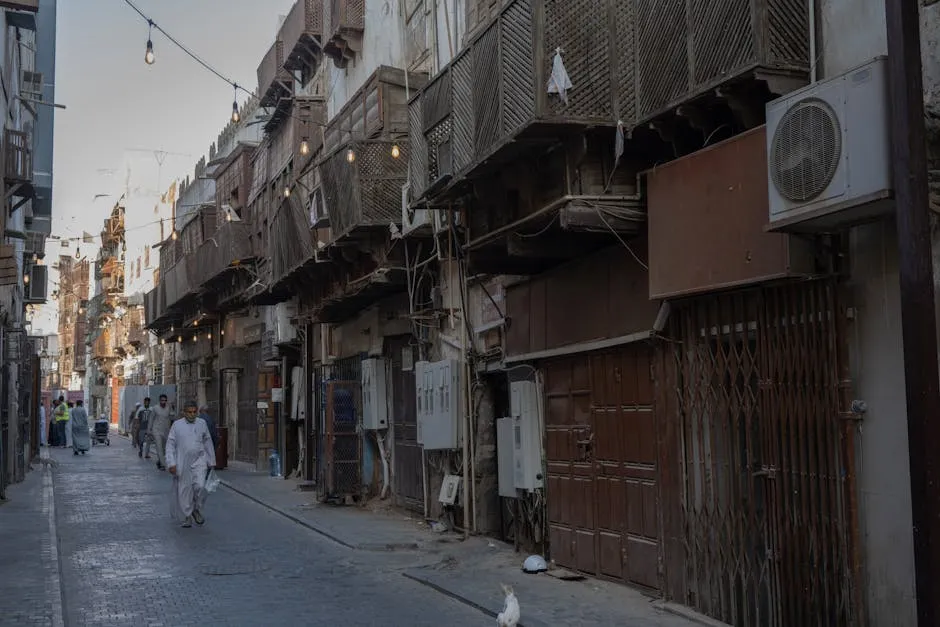
Narrow alley in Jeddah Al-Balad with coral-stone walls and wooden mashrabiya

Historic Jeddah (Al-Balad)

UNESCO-listed since 2014. Coral-stone merchant houses from the Ottoman era with distinctive wooden mashrabiya lattice balconies. Narrow alleys, old mosques, and traditional souks. Best explored on foot in the early morning or late afternoon when the light hits the facades. Nassif House Museum is the main interior you can visit. The area is surrounded by modern Jeddah, making the contrast striking.

Edge of the World cliff face at the Tuwaiq Escarpment near Riyadh

Edge of the World (Jebel Fihrayn)

A 300-metre cliff face at the Tuwaiq Escarpment, roughly 100 km northwest of Riyadh. The flat plateau drops away to an ancient seabed stretching to the horizon. You need a 4x4 for the last section of track. No facilities, no fences, no tickets. Best as a half-day trip from Riyadh, ideally arriving for late afternoon light. Bring water and snacks.

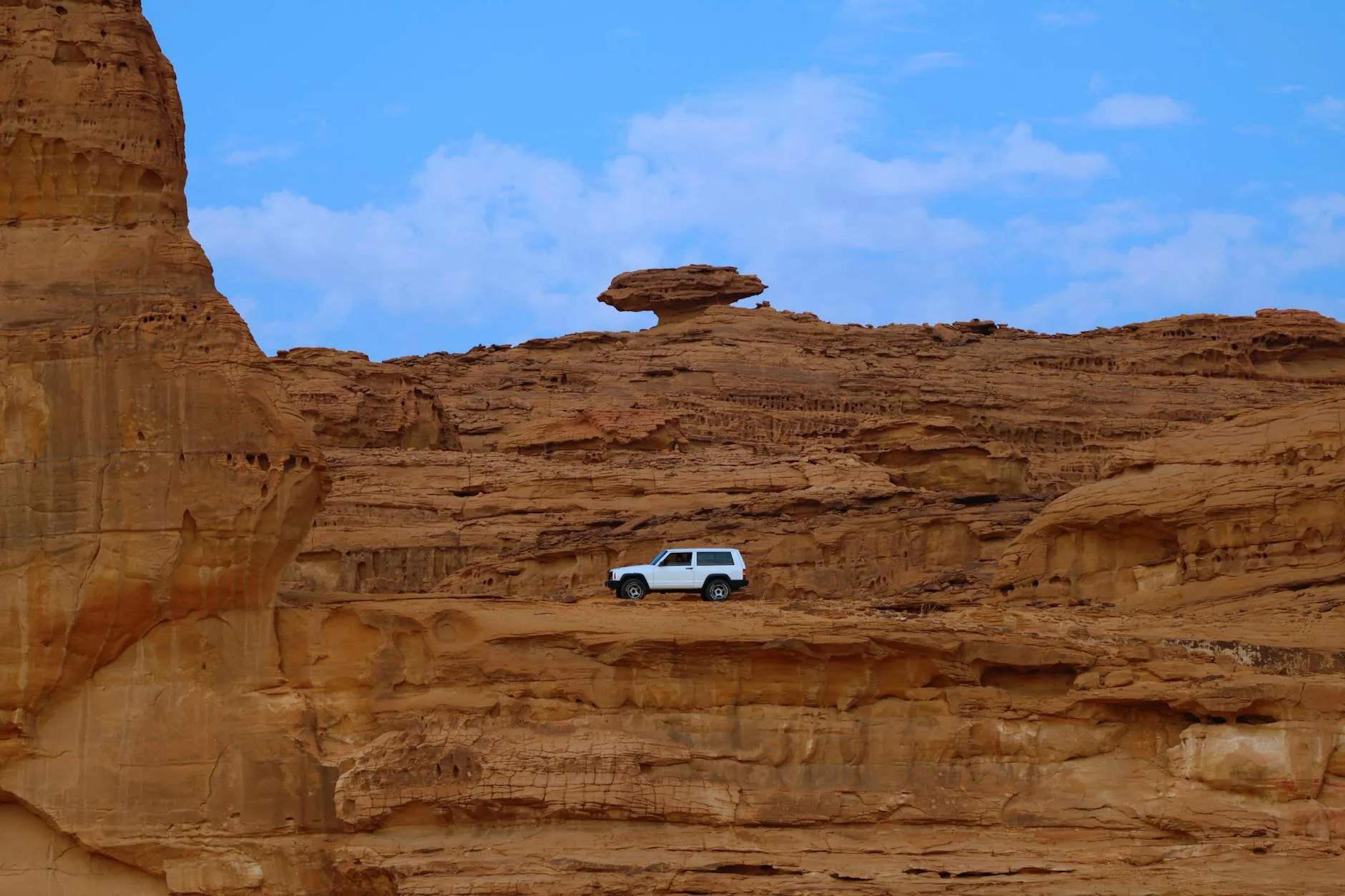
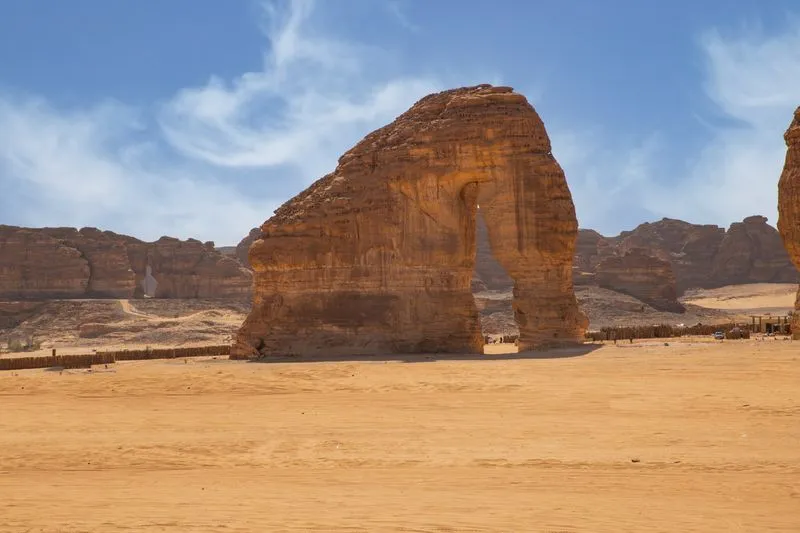
Elephant Rock sandstone formation under clear blue sky in AlUla desert

Elephant Rock & Maraya, AlUla

Elephant Rock is a natural sandstone formation shaped like an elephant, illuminated at night. Maraya is the world’s largest mirrored building, a concert hall that reflects the desert landscape. Both are part of the AlUla experience and easily combined with Hegra. Maraya hosts concerts and events during the Winter at Tantora festival (Nov–Mar).

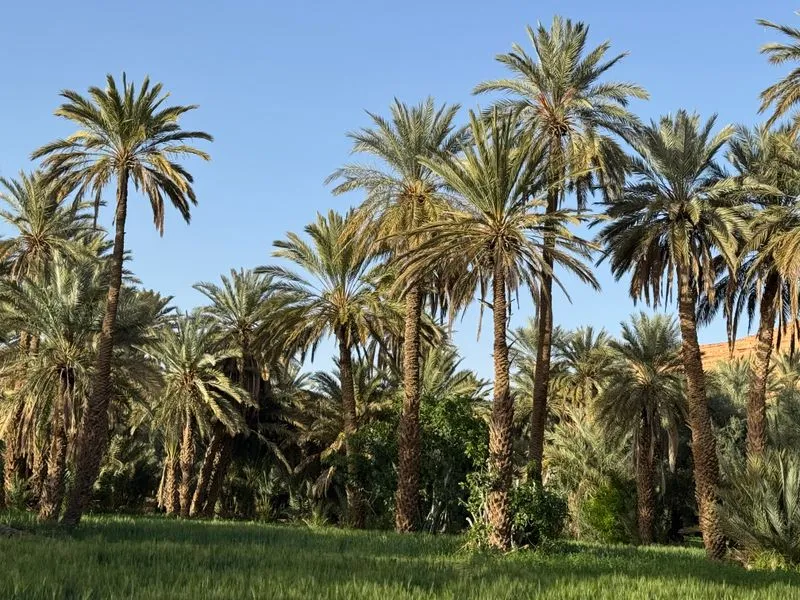
Palm oasis with dense date palm groves under desert sky

Al-Ahsa Oasis

The world’s largest oasis. 2.5 million date palms, natural springs, and a UNESCO designation since 2018. Al-Qarah Mountain has cool caves you can walk through. The local Hassawi red rice is grown only here. Al-Ahsa is in the Eastern Province, reachable by train from Riyadh (about 4 hours) or by car from Dammam.

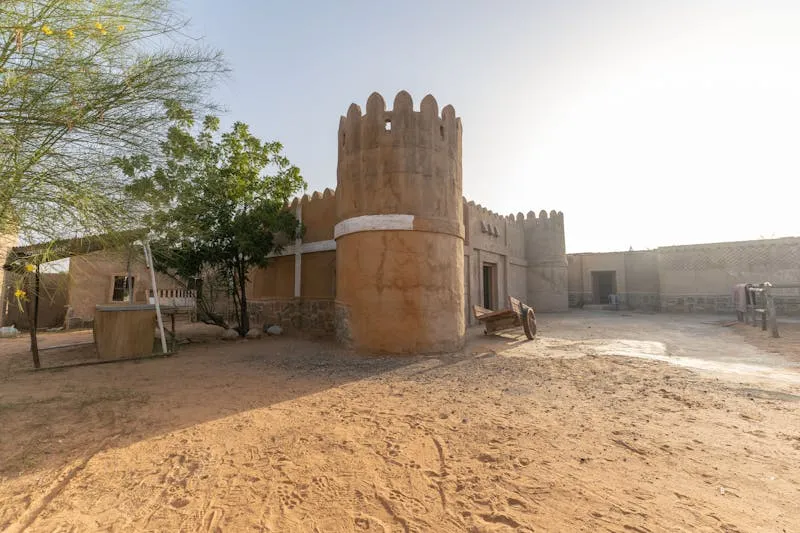
Traditional sandstone fortress with towers in desert landscape

Masmak Fort, Riyadh

The clay-and-mud-brick fortress where Abdulaziz ibn Saud recaptured Riyadh in 1902, the event that led to the founding of modern Saudi Arabia. Small but historically significant. Free entry. The spearhead from the 1902 raid is still embedded in the main door. Located in the old city centre near the souk area.

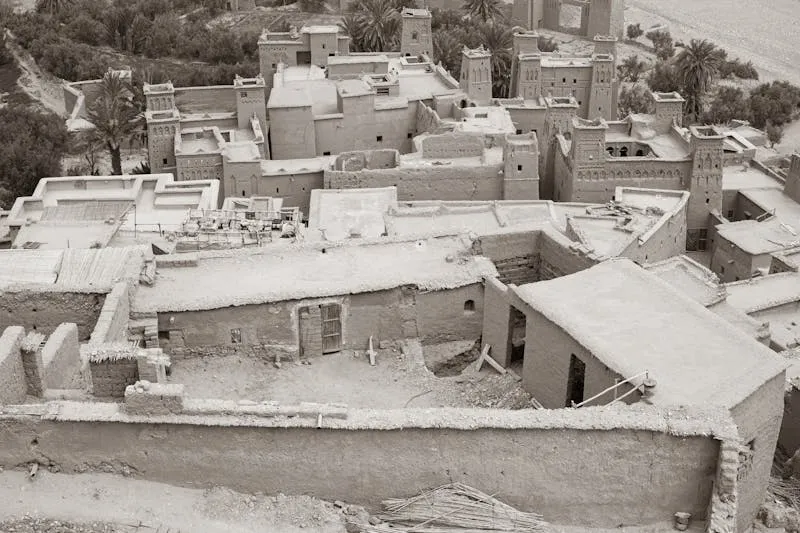
Ancient mud-brick village with traditional multi-storey architecture

Rijal Almaa Heritage Village

A 900-year-old village in the Asir highlands with multi-storey stone towers decorated with Al-Qatt Al-Asiri painted patterns (UNESCO Intangible Heritage). The village has been restored as a museum. It is about an hour from Abha, set into a steep mountainside. One of the most visually distinctive places in the country.

Culture & Etiquette

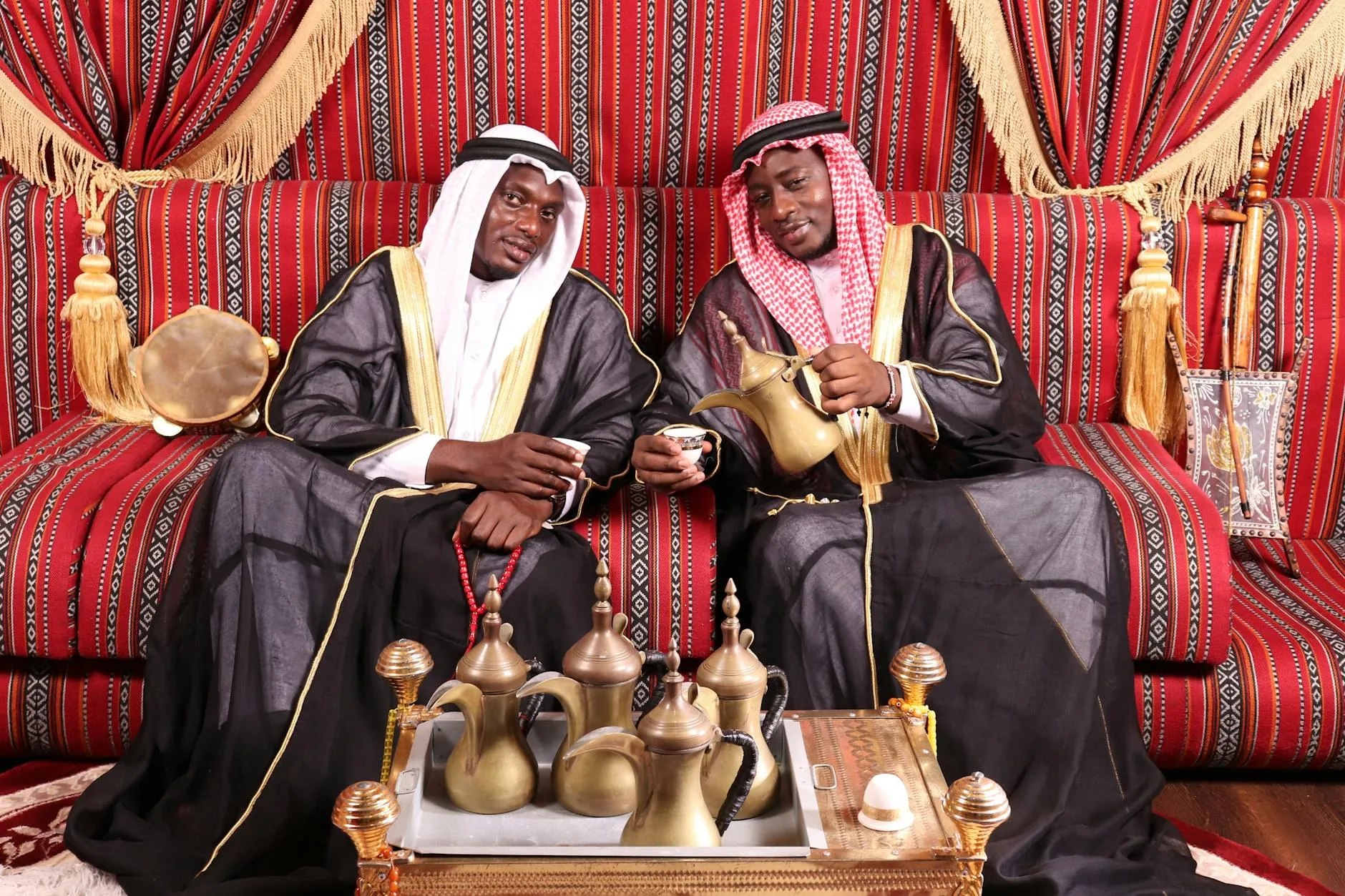
Traditional Arabic coffee ceremony with dallah pot and small cups on a tray

Saudi Arabia is a deeply conservative society rooted in Islamic tradition that has been undergoing rapid social change since 2016. Women now drive, attend sports events, and travel independently. Cinemas reopened in 2018 after a 35-year ban. Mixed-gender entertainment venues and international concerts are now normal in Riyadh and Jeddah. But this is still a country where alcohol is completely prohibited, prayer times structure the day, and religious and cultural norms deserve genuine respect.

Dress Code

Foreign women are no longer legally required to wear an abaya, but modest clothing is expected everywhere. Shoulders and knees should be covered. In Mecca and Medina, stricter standards apply. Men should avoid shorts above the knee in traditional areas. Malls and modern entertainment venues are more relaxed. When in doubt, look at what locals are wearing and match that level of coverage.

Prayer Times

Five daily prayers punctuate the day, and they affect everything. Shops, restaurants, and businesses close for roughly 20–30 minutes each time. Malls and international hotels are less strict. Friday is the primary prayer day, and very little is open until around 4–5 PM. Prayer times shift throughout the year, so download the “Muslim Pro” app or check locally to plan around closures.

Hospitality

Saudi hospitality (diyafa) is famous and genuine. Strangers may invite you for Arabic coffee and dates. Refusing the first cup is considered impolite. If invited to someone’s home, bring a small gift like sweets or chocolates. Remove shoes at the door. Eat with your right hand when sharing a communal platter. The generosity can be overwhelming and is almost always completely sincere.

Things to Know

  • No alcohol, anywhere, at all. Do not attempt to bring any into the country.
  • Always ask permission before photographing people, especially women. Never photograph government buildings, military installations, or oil facilities.
  • The weekend is Friday and Saturday, not Saturday and Sunday.
  • Public displays of affection are frowned upon. LGBTQ+ relationships are illegal and not tolerated.
  • Non-Muslim visitors cannot enter Mecca. The central area of Medina around the Prophet’s Mosque is open to all faiths.
  • Social media is monitored. Avoid posting content critical of the country, the royal family, or Islam. This is taken seriously.
  • Tipping is appreciated but not mandatory. 10% at restaurants is generous.

Safety

Saudi Arabia has an extremely low crime rate. Violent crime against tourists is essentially unheard of. Solo female travellers report feeling safe in cities and tourist areas. The US State Department issues a broad “Reconsider Travel” advisory due to regional tensions, but this does not reflect the tourist experience in practice. Avoid the Yemen border region. Driving standards are the biggest actual safety concern for visitors.
Food & Cuisine

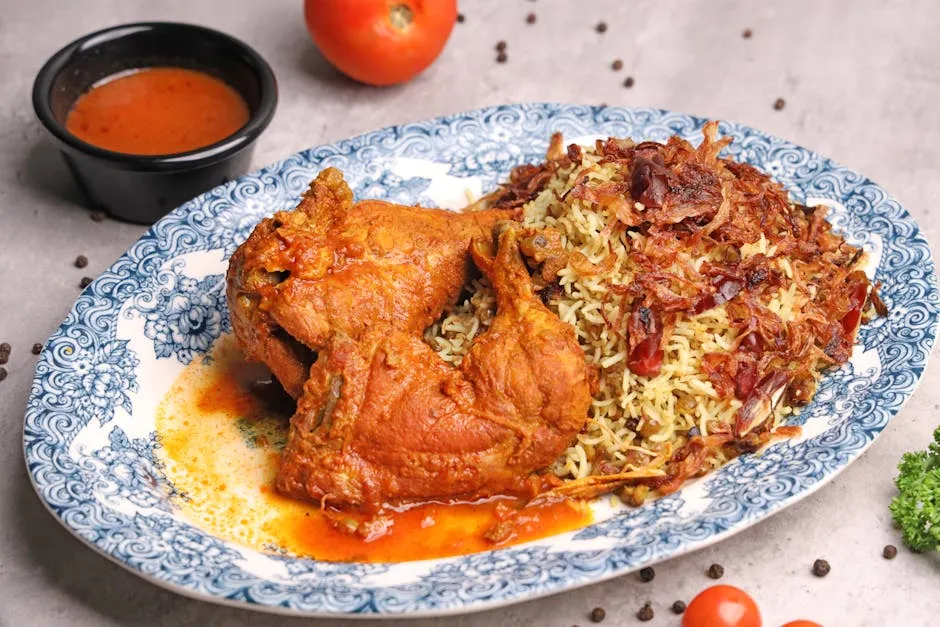
Large platter of kabsa with fragrant rice and roasted chicken served communally

Saudi food is one of the genuine surprises of the country. Most visitors arrive with no idea what Saudi cuisine even looks like, and leave thinking about kabsa for weeks. The cooking is rice-heavy, spice-rich, and deeply influenced by Bedouin traditions, Yemeni migration, Ottoman rule, and Indian Ocean trade. Each region has its own specialities. Jeddah has the most diverse food scene. Riyadh has the most restaurants. The south uses more chilli and fenugreek. The east leans toward Gulf seafood. And the coffee culture rivals anything in Melbourne or Tokyo.

Plate of kabsa with fragrant spiced rice topped with roasted chicken

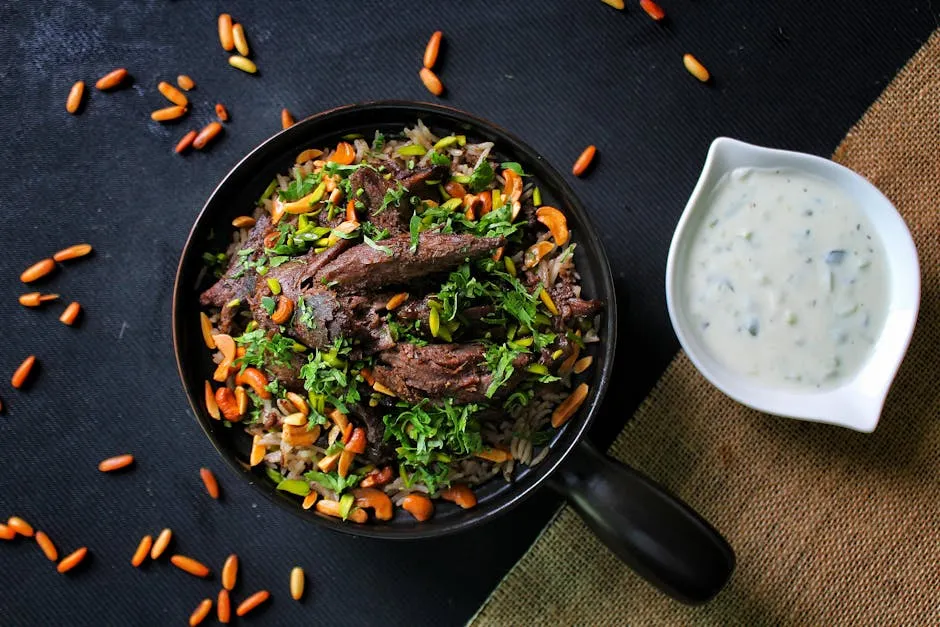
Kabsa

The national dish. Fragrant basmati rice cooked with cardamom, cinnamon, cloves, saffron, and dried lime (loomi), topped with roasted chicken, lamb, or goat. Served with daqoos (tomato sauce), fried raisins, and toasted almonds. SAR 25–40 per plate. Every restaurant serves it. Some are extraordinary, none are bad. This is the dish you will eat most often and never tire of.

Mandi with slow-smoked meat falling off the bone on smoky rice

Mandi

Meat slow-smoked in an underground pit (tannour) until it falls apart, served over smoky rice. Yemeni in origin but adopted across Saudi Arabia and now central to celebrations and family gatherings. The wood-smoke flavour distinguishes it from kabsa. Often served on an enormous communal platter.

Creamy saleeg rice porridge topped with roasted chicken

Saleeg

The Hejazi “risotto”. Short-grain rice cooked slowly in broth and milk until thick and creamy, topped with roasted chicken. A comfort dish from western Saudi Arabia, particularly popular in Jeddah and Mecca. Richer and smoother than kabsa or mandi. Usually SAR 30–50.

Stuffed mutabbaq pastry being fried on a griddle

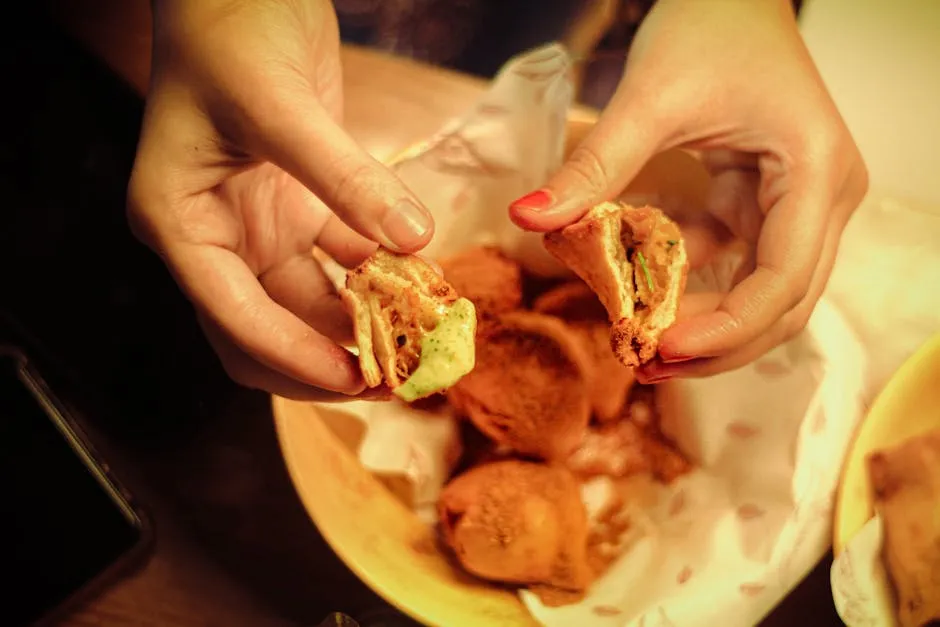
Mutabbaq

Stuffed fried pastry. Thin dough folded around minced meat, egg, and onions, fried until crispy. Sweet versions exist with banana and Nutella. SAR 5–15 at street stalls. The best ones are made to order on a hot griddle in front of you. Essential street food, available everywhere.

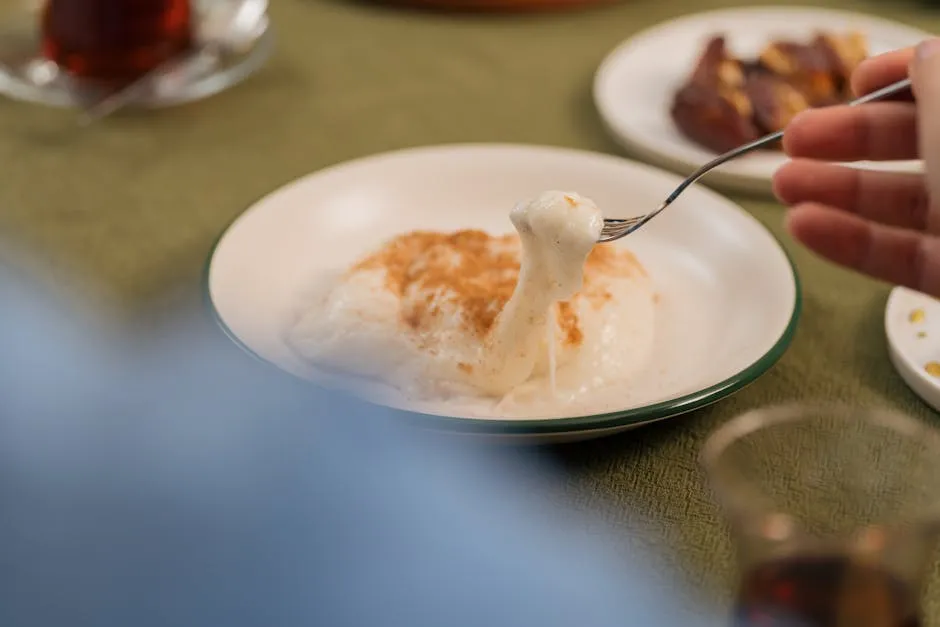
Bowl of jareesh, thick crushed wheat porridge with yoghurt

Jareesh

Crushed wheat cooked slowly with yoghurt or broth until thick and creamy. Najdi Bedouin origin. Officially declared a national dish alongside kabsa in 2023. Popular during Ramadan. The texture is somewhere between porridge and risotto. Not photogenic, but deeply satisfying.

Arabic coffee being poured from a traditional dallah into small cups alongside dates

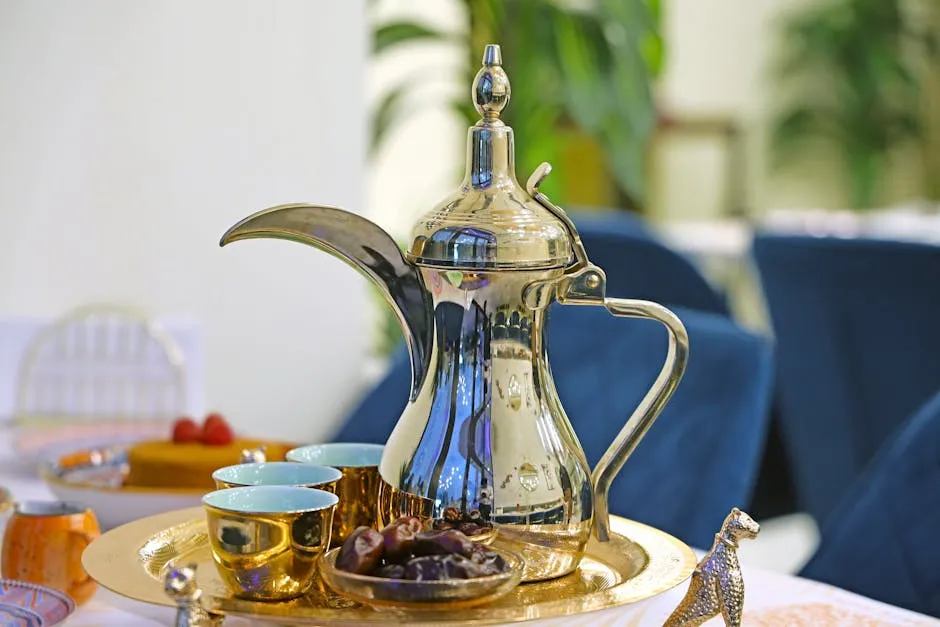
Arabic Coffee (Gahwa)

Light cardamom-infused brew served in tiny handleless cups alongside dates. Central to Saudi hospitality. The coffee pot (dallah) appears on banknotes. SAR 10–15 per pot at cafes. In homes, it is offered continuously. The specialty coffee scene in Riyadh and Jeddah is also excellent, with independent roasters serving flat whites and pour-overs at SAR 15–25. No alcohol means the cafe culture is thriving.

Regional flavours: Najd (Riyadh) specialises in kabsa, jareesh, and matazeez (wheat dumplings in stew). Hejaz (Jeddah) has saleeg, mutabbaq, and the most diverse international food scene. The south (Asir/Jizan) uses more chilli and fenugreek, with haneeth (pit-roasted lamb) and honey-drizzled flatbreads. The east (Dammam/Al-Ahsa) leans into seafood and Gulf flavours. Al Baik, the beloved Saudi fried chicken chain, is a national institution. Try it at least once.

Activities & Adventures

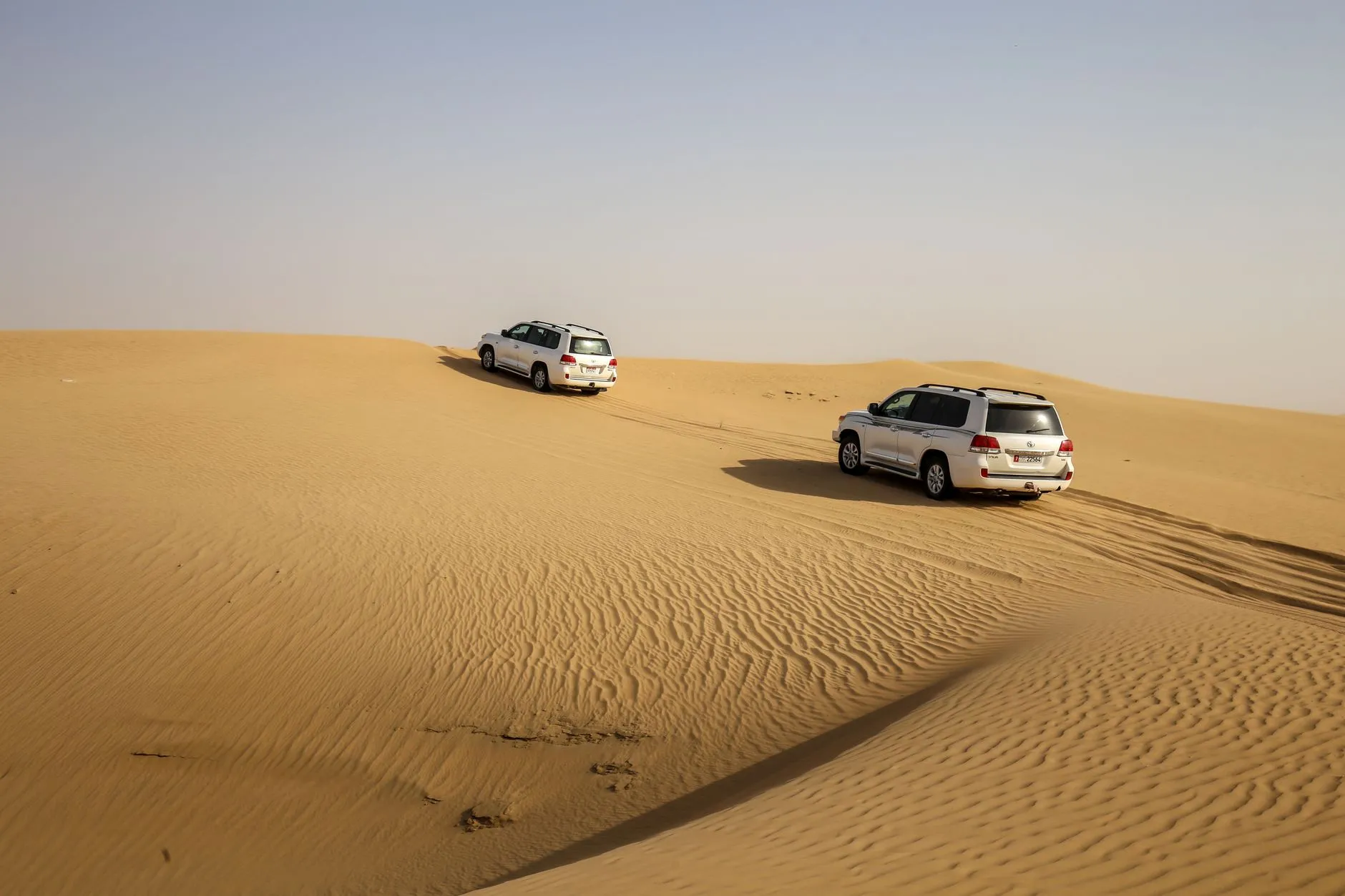
Dune bashing in the red sands of the Empty Quarter at golden hour

Saudi Arabia has three distinct adventure landscapes. The desert interior offers dune bashing, cliff walks, and stargazing under some of the darkest skies in the Middle East. The 1,800 km Red Sea coastline has coral reefs with 300+ coral species and over 1,000 fish species. The Asir highlands have forests, hiking trails, and cable car rides at 3,000 metres. Most activities are concentrated in the October–March season when temperatures are manageable, though the Red Sea and highlands work year-round.

🏜️ Desert & Dunes

Dune bashing near Riyadh and in the Empty Quarter (Rub’ al Khali), the world’s largest continuous sand desert. Bedouin glamping with stargazing, campfire cooking, and camel rides. Edge of the World half-day trip from Riyadh (300m cliff at Tuwaiq Escarpment). The Hisma Desert near Tabuk has Mars-like red sand and weathered rock formations. No permits needed for most desert excursions, but a 4x4 is essential off paved roads.

🌊 Red Sea Diving & Snorkelling

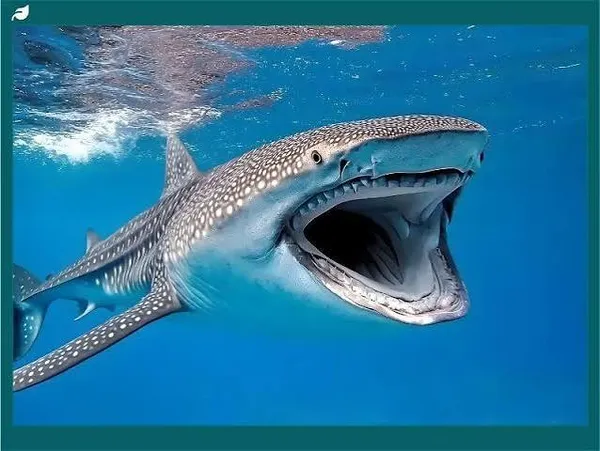
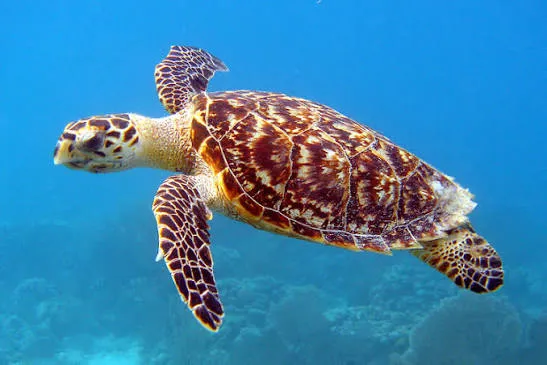
The Saudi Red Sea coast is among the least-dived stretches of reef on the planet. 300+ coral species, 1,000+ fish species, reef sharks, barracuda, and whale sharks. Key dive sites around Jeddah include Seven Sisters Reef, Cable Wreck, and Ann Ann Wreck. Yanbu and Umluj offer pristine beaches and excellent snorkelling. Visibility peaks June–September but the water is warm year-round. The Farasan Islands in the far south have sea turtles and dolphins.

⛰️ Mountain Hiking

Asir National Park covers 4,500 km² of juniper forest and highland terrain. Jabal Sawda, the country’s highest peak at roughly 3,000m, is reachable by road with hiking trails near the summit. Cable car rides descend from the plateau into valleys. Wadi Disah near Tabuk is a dramatic canyon carved through sandstone cliffs, excellent for a full-day hike. Most trails are not heavily marked. Bring GPS and plenty of water.

🌄 Heritage Experiences

Hot air balloon over Hegra at sunrise (AlUla, book ahead). AlUla heritage circuit covering Hegra, Dadan, and Jabal Ikmah (pre-Nabataean inscriptions). Diriyah heritage walk through restored At-Turaif palaces. Jeddah Al-Balad walking tour through the old town. Rock art sites at Hail (UNESCO) and Hima in the south. Most heritage sites have modest entry fees (SAR 20–50).

🎲 Entertainment & Events

Riyadh Season (Oct–Mar) is a massive programme with 11 entertainment zones, concerts, sports, and comedy. Qiddiya Six Flags (opened late 2025) is the first Six Flags outside the United States. The Jeddah F1 Grand Prix in spring uses the fastest street circuit in the world. International concerts and events happen regularly in Riyadh, Jeddah, and AlUla.

🐢 Wildlife Encounters

The AlUla Nature Reserve has reintroduced Arabian oryx, ibex, and sand gazelles. Guided wildlife safaris are available. The Red Sea offers encounters with reef sharks, sea turtles, and seasonal whale sharks. Farasan Islands have dolphins and seabird colonies. The Asir highlands are on bird migration routes with diverse raptor populations. Desert wildlife includes Arabian foxes, sand cats, and various reptiles.

Wildlife & Nature

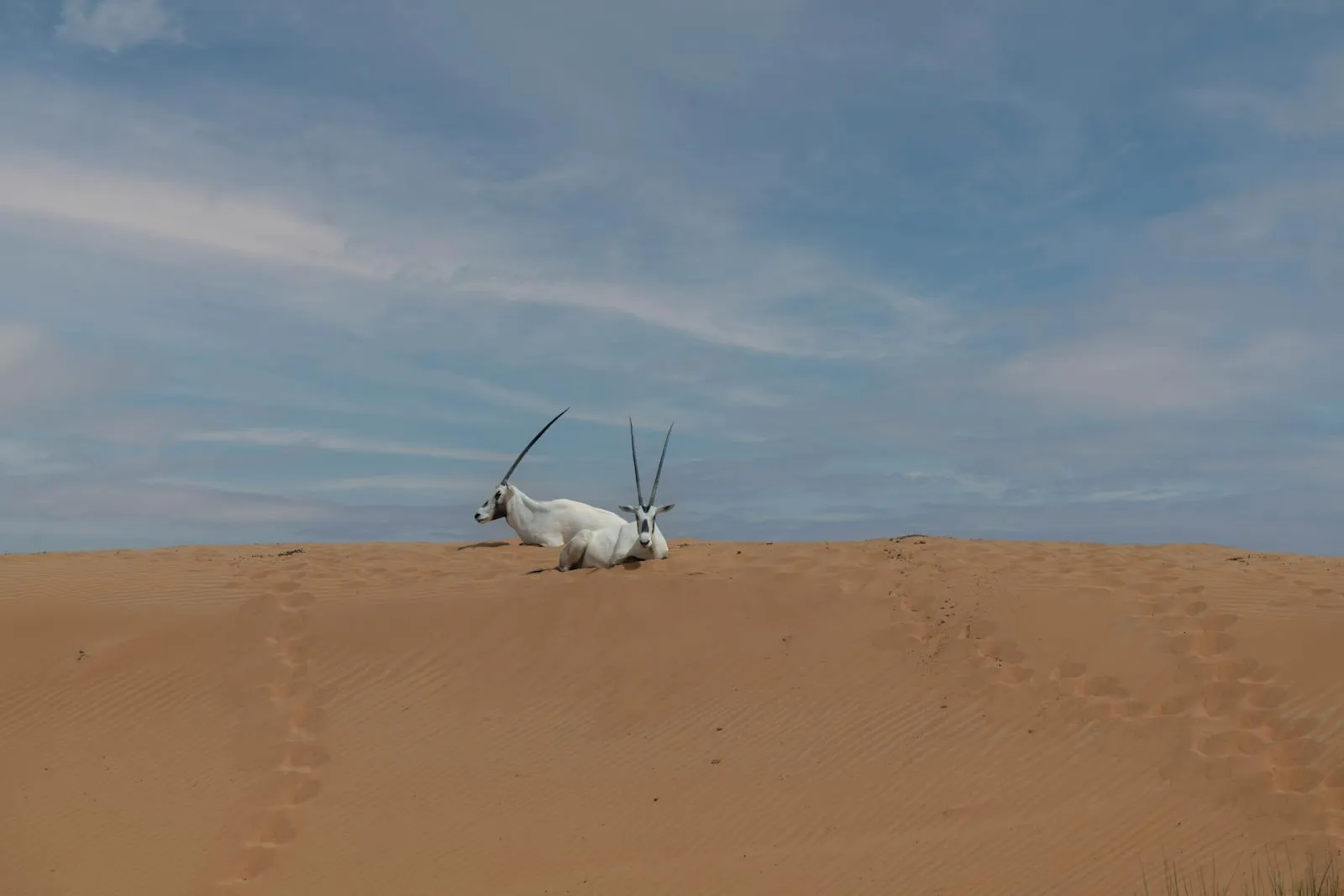
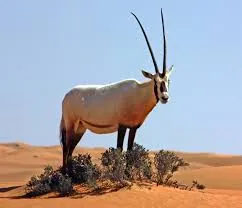
Arabian oryx resting on a sand dune under clear desert sky

Saudi Arabia is not the barren desert that most people imagine. The country spans multiple biomes: coral reef coastline, juniper-clad mountains, volcanic lava fields (harrat), mangrove estuaries, and the largest continuous sand desert on earth. Conservation is increasingly a priority, with large reserves protecting reintroduced species and marine areas gaining protection along the Red Sea coast.

Arabian oryxes resting in sandy desert habitat

🐃 Arabian Oryx

The national animal, extinct in the wild by the 1970s and successfully reintroduced in protected reserves. The AlUla Nature Reserve and the Uruq Bani Ma’arid reserve (UNESCO) are the best places to see them. Guided safaris in AlUla include oryx, ibex, and sand gazelle viewing. The reintroduction programme is one of the most successful conservation stories in the Middle East.

Colorful coral reef with fish in Red Sea waters

🐠 Red Sea Marine Life

Over 300 coral species and 1,000+ fish species. The Saudi Red Sea coast has some of the healthiest reef systems left in the world, partly because it was closed to mass tourism until recently. Reef sharks, barracuda, moray eels, and seasonal whale sharks. Diving conditions are excellent year-round with water temperatures between 22–30°C.

Pink flamingos standing by the ocean shore

🐦 Birdwatching

Saudi Arabia sits on major Afro-Eurasian bird migration routes. The Asir highlands have diverse resident species in juniper forests. The Red Sea coast and Farasan Islands attract seabirds, herons, and flamingos. Spring and autumn migration seasons bring raptors, storks, and warblers. Tanoumah area in Asir and the Jeddah coastline are particularly rewarding.

Desert landscape with palm trees and mountains in Tabuk, Saudi Arabia

🌴 Desert Ecosystems

The Empty Quarter and Hisma Desert look lifeless but support Arabian foxes, sand cats, desert hares, and numerous reptile species. Desert flora blooms briefly after rare winter rains, especially in the northwest. The volcanic harrat lava fields (Khaybar, north of Medina) have a unique basalt landscape unlike anything else in the country.

Route A – Classic 2-Week Saudi Arabia RECOMMENDED

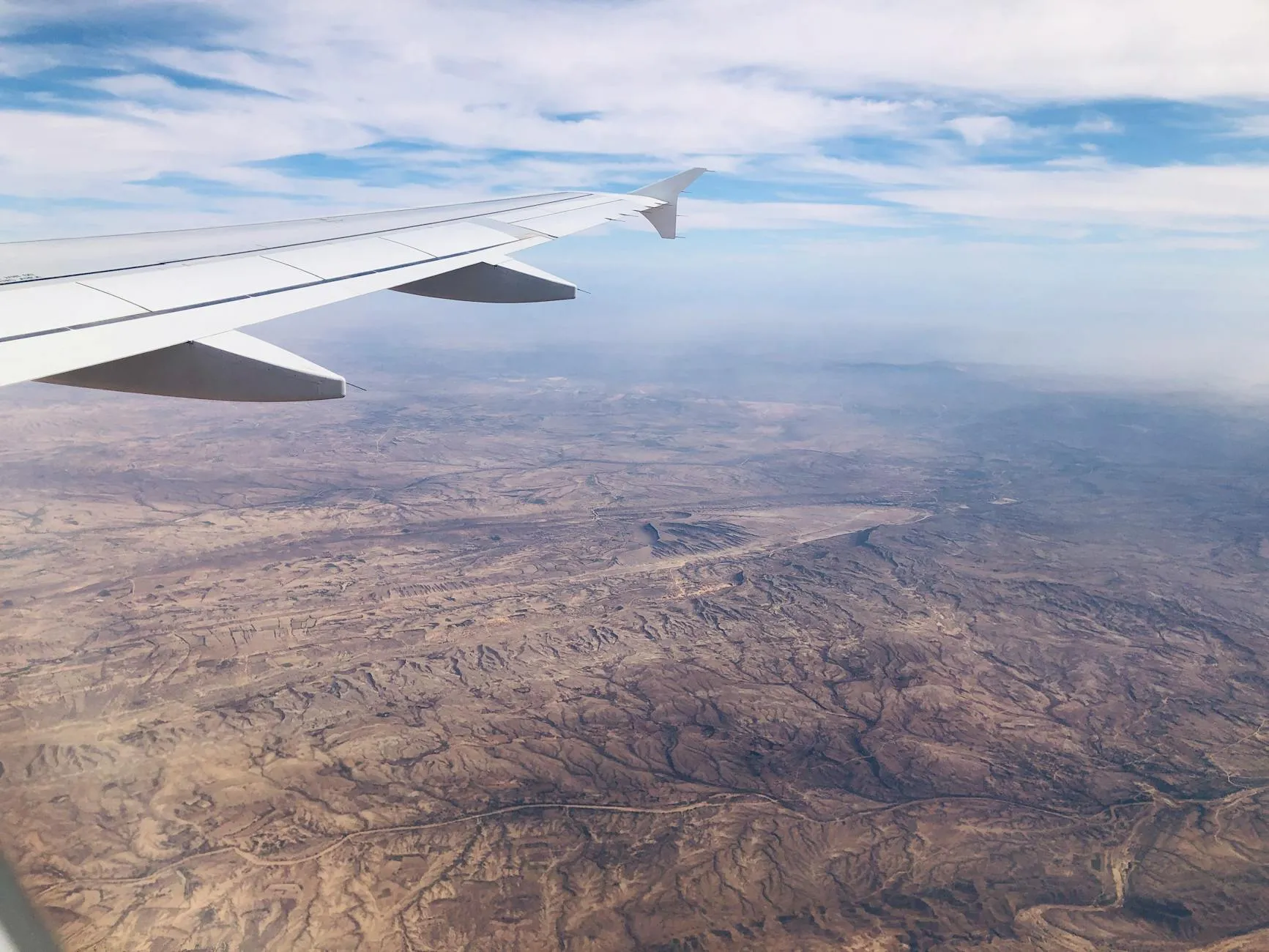
Domestic aircraft flying over Saudi desert landscape with mountains in distance

The essential first trip. Covers the three pillars of Saudi tourism: Riyadh (modern capital + heritage), AlUla (ancient heritage), and Jeddah (Red Sea coast + old town). Connected by domestic flights. Works best October–April. You will see roughly 60–70% of what makes Saudi Arabia special, and you will understand why people come back for more.

Total cost estimate: SAR 7,000–15,000 ($1,850–4,000) per person excluding international flights, depending on accommodation level. Domestic flights add SAR 500–1,200 for the three legs.

Day-by-day itinerary (14 days)

Days 1–3 – Riyadh

Day 1: Arrive at King Khalid International Airport (RUH). Take the Metro or Uber to your hotel. Evening walk through Deera district. Dinner at a kabsa restaurant near Masmak Fort. Get your bearings in a city that sprawls endlessly.

Day 2: Masmak Fort and the National Museum (morning, 2–3 hours). Lunch in the souk area. Afternoon: Kingdom Centre Tower Sky Bridge for a panoramic view of the city. Evening: Boulevard Riyadh City entertainment complex if Riyadh Season is running.

Day 3: Day trip to Diriyah. At-Turaif UNESCO site (morning). Lunch at Bujairi Terrace. Afternoon: Wadi Hanifah walk or the Edge of the World trip (half-day, 4x4 needed, return by sunset). The cliff is extraordinary in late afternoon light.

Day 4 – Riyadh to AlUla

Morning flight Riyadh to AlUla (~2 hours). Check into accommodation. Afternoon: explore AlUla Old Town (12th-century mud-brick). Walk the palm-lined oasis. Evening: Elephant Rock at sunset. The scale of the landscape hits you immediately. Book your Hegra tour for tomorrow if not already arranged.

Days 5–7 – AlUla

Day 5: Hegra (Mada’in Salih) guided tour (morning, 2–3 hours). Qasr al-Farid standalone tomb. Afternoon: Dadan archaeological site and Jabal Ikmah inscriptions. These pre-Nabataean sites are less famous but fascinating.

Day 6: Hot air balloon at sunrise (book well ahead, ~SAR 800–1,200). After landing: Maraya mirror building (exterior or event if scheduled). Afternoon: drive through the dramatic Ashar Valley. Starfield observatory or desert dinner experience in the evening.

Day 7: Free morning for hiking or revisiting sites. AlUla is the kind of place where you keep seeing things you missed. Afternoon flight to Jeddah (~1.5 hours) or evening departure.

Days 8–10 – Jeddah

Day 8: Al-Balad old town walking tour (morning, the light is best before 10 AM). Nassif House Museum. Lunch in Al-Balad or the nearby fish market. Afternoon: Corniche walk (30 km total, pick a section). King Fahd Fountain is visible from the waterfront. Evening: dinner in the Tahlia district restaurant scene.

Day 9: Full-day Red Sea experience. Snorkelling or diving trip from Jeddah marina (book ahead, SAR 200–500). The reef starts surprisingly close to the city. Alternatively, drive north to Umluj for pristine beaches (3 hours). Evening: seafood dinner at Jeddah waterfront.

Day 10: Morning: Floating Mosque (Al-Rahma Mosque) and modern Jeddah exploration. Jeddah Tower construction viewpoint. Afternoon: shopping at Red Sea Mall or traditional souk for souvenirs (oud, dates, Arabic coffee). Evening: Al-Balad revisit at night when the old town is illuminated.

Days 11–12 – Medina

Day 11: Haramain High-Speed Train from Jeddah to Medina (~2 hours, SAR ~100). Check into hotel. Afternoon: Al-Masjid an-Nabawi (Prophet’s Mosque), open to all faiths in the surrounding areas. The mosque complex is enormous and architecturally impressive regardless of your religious background. Walk the adjacent market streets.

Day 12: Morning: Quba Mosque and Uhud battlefield area. These sites are accessible to non-Muslim visitors and historically significant. Afternoon: Medina date market. The variety of dates here is staggering. Return to Jeddah by train or continue by domestic flight.

Days 13–14 – Taif or Jeddah Buffer

Option A (Taif): Drive from Jeddah to Taif (~2 hours, dramatic mountain road). Rose farms (best in Mar–Apr). Cable car. Traditional souks. Taif sits at 1,900m and is noticeably cooler than Jeddah. Return to Jeddah for departure.

Option B (Jeddah buffer): Use these days to revisit favourites, rest, or add another dive day. Depart from JED.

Budget: Domestic flights (3 legs): SAR 500–1,200. Hotels mid-range: SAR 250–400/night (~SAR 3,500–5,600 total). Food: SAR 100–200/day (~SAR 1,400–2,800 total). Activities/entry: SAR 500–1,500. Haramain train: SAR 100 each way. Total excluding international flights: SAR 6,000–11,000 ($1,600–2,900) per person.

Route B – 3-Week Explorer

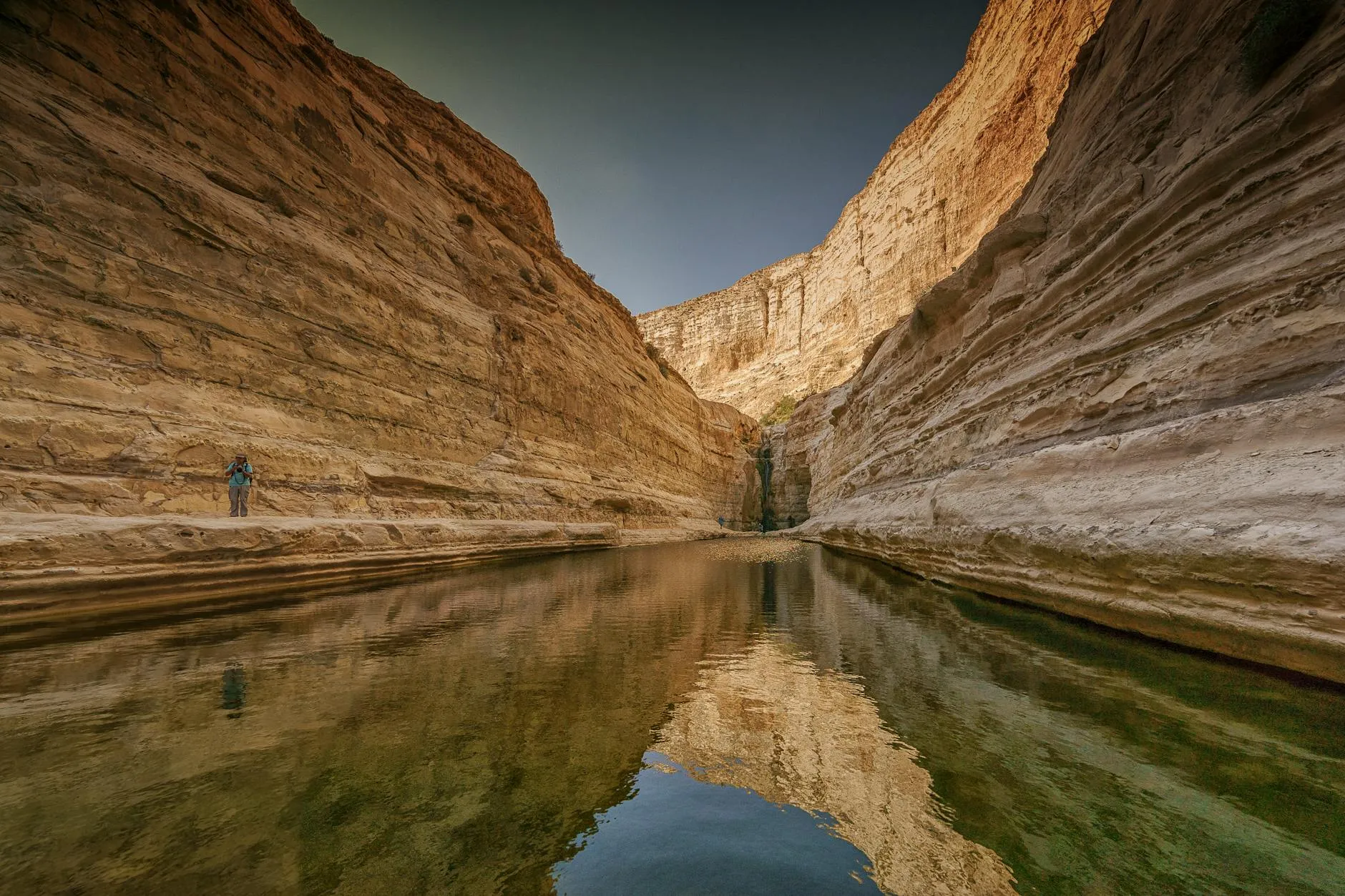
Wadi Disah canyon with towering sandstone walls and green palm floor

Everything in Route A plus the northwest adventure region (Tabuk, Wadi Disah) and the Eastern Province (Al-Ahsa, Dammam). This route requires 4–5 domestic flights and covers vastly more terrain. Best for travellers who want to understand the country beyond the tourist highlights. Works October–March only due to heat.

Total cost estimate: SAR 12,000–25,000 ($3,200–6,700) per person excluding international flights.

Day-by-day itinerary (21 days)

Days 1–3 – Riyadh

Same as Route A. Masmak Fort, National Museum, Kingdom Centre Tower, Diriyah At-Turaif, Edge of the World. Three full days gives you Riyadh without rushing.

Day 4 – Al-Ahsa Oasis

Drive or train from Riyadh to Al-Ahsa (~3.5 hours by car, ~4 hours by SAR train). Explore the UNESCO oasis. Al-Qarah Mountain caves. Walk through the date palm groves (2.5 million palms). Try the local Hassawi red rice at a traditional restaurant. Stay 1 night in Al-Ahsa.

Day 5 – Dammam and Al Khobar

Drive from Al-Ahsa to Dammam/Al Khobar (~1.5 hours). Half Moon Bay beach. Ithra (King Abdulaziz Centre for World Culture), an impressive cultural complex. If time allows, cross the King Fahd Causeway to Bahrain for an evening (passports needed, ~30 min crossing). Stay 1 night.

Days 6–9 – AlUla

Fly Dammam to AlUla (via Riyadh or direct if available). Four days allows a thorough exploration: Hegra, Dadan, Jabal Ikmah, Elephant Rock, Maraya, hot air balloon, Ashar Valley, Old Town, and at least one desert dinner experience. AlUla rewards slow exploration. The landscape changes colour every hour.

Days 10–12 – Tabuk and Wadi Disah

Day 10: Fly or drive from AlUla to Tabuk (~3 hours drive). Check in. Afternoon: Tabuk Castle and city exploration.

Day 11: Full day at Wadi Disah. Drive from Tabuk (~2 hours). Hike the canyon floor between towering sandstone walls. Bring lunch and plenty of water. The canyon is roughly 15 km long. You do not need to hike the entire thing. Return to Tabuk.

Day 12: Sharma Beach on the northern Red Sea coast (1.5 hours from Tabuk). Crystal-clear water, empty beaches. Hisma Desert detour if time allows. The Mars-like landscape is unlike anything in the south. Fly to Jeddah in the evening.

Days 13–15 – Jeddah

Same as Route A Days 8–10. Al-Balad old town, Red Sea diving/snorkelling, Corniche, seafood dining, and the general energy of Saudi Arabia’s most cosmopolitan city.

Days 16–17 – Medina

Haramain train to Medina. Al-Masjid an-Nabawi complex, Quba Mosque, Uhud area. Date market shopping. The pace in Medina is calmer than Jeddah or Riyadh. Return to Jeddah by train.

Days 18–19 – Taif

Drive Jeddah to Taif (~2 hours). Rose farms, cable car, traditional souks, Shubra Palace. The mountain air is a relief after coastal humidity. The drive up from Jeddah through the Hejaz Mountains is scenic and dramatic. Stay 1–2 nights.

Days 20–21 – Buffer and Departure

Return to Jeddah. Use remaining time for shopping, revisiting Al-Balad, or a final dive day. Depart from JED. Alternatively, fly from Taif if routes align.

Key additions over Route A: Al-Ahsa Oasis (UNESCO), Dammam/Gulf coast, Wadi Disah canyon, Sharma Beach, Hisma Desert, and Taif. These additions show the geographic diversity that a 2-week trip misses entirely.

Route C – 1-Month Deep Dive

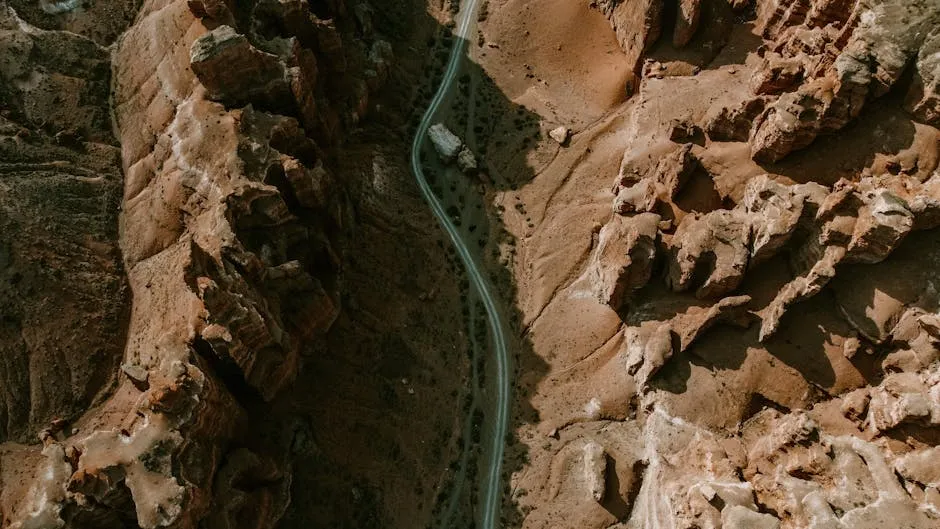
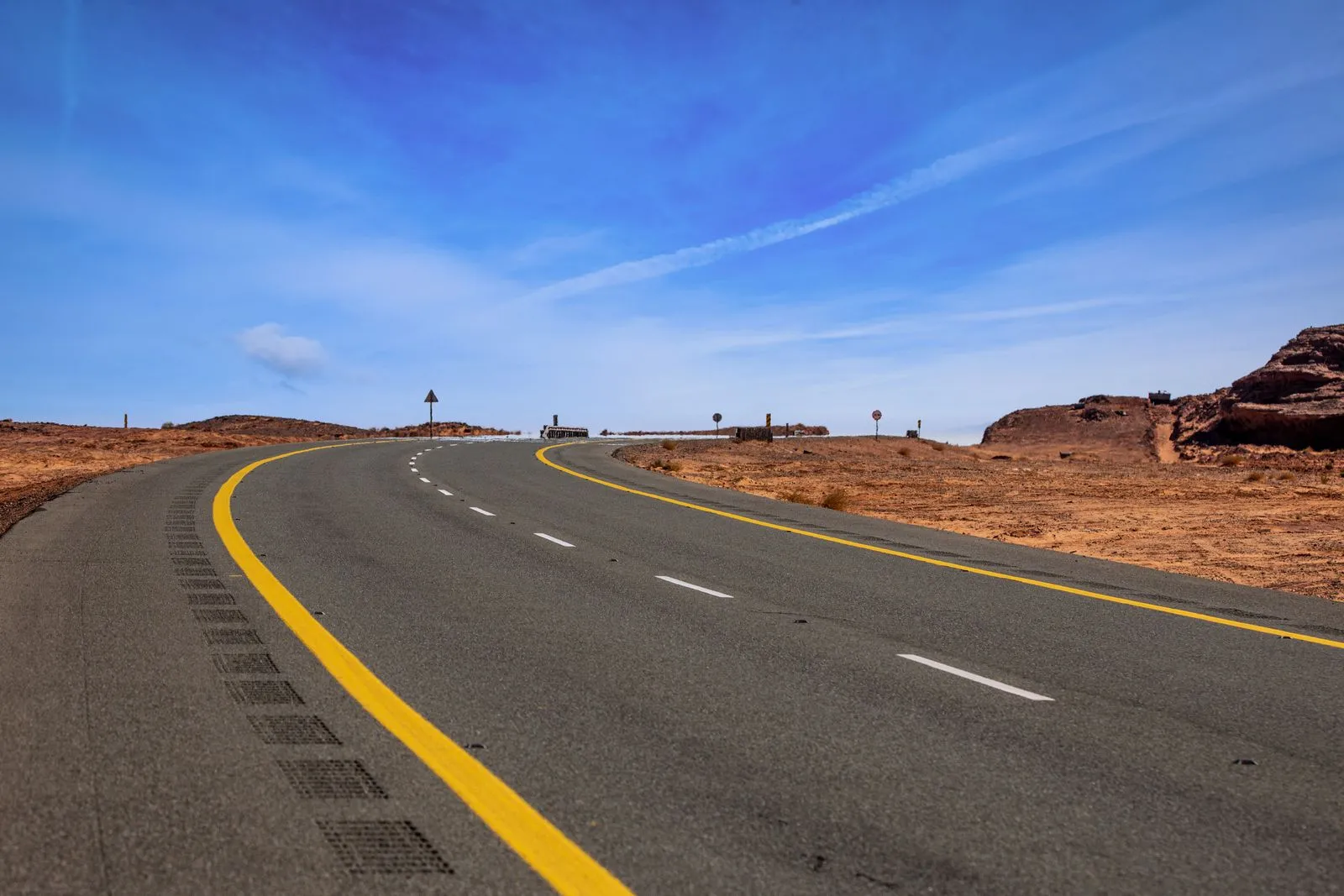
Scenic curved road cutting through the desert landscape in Tayma, Saudi Arabia

The comprehensive Saudi Arabia trip. Everything in Route B plus the Asir highlands, Farasan Islands, and enough buffer days to handle delays, rest days, and spontaneous detours. This route uses 6–8 domestic flights and covers the full range of Saudi landscapes from Gulf coast to Red Sea, from 3,000m mountains to the Empty Quarter desert. A month is not too long for a country this size.

Total cost estimate: SAR 20,000–45,000 ($5,300–12,000) per person excluding international flights.

Day-by-day itinerary (30 days)

Days 1–3 – Riyadh

As Route A/B. Masmak Fort, National Museum, Kingdom Centre Tower, Diriyah, Edge of the World. With a full month ahead, take your time. Eat at local kabsa restaurants. Ride the new Metro.

Days 4–5 – Al-Ahsa and Eastern Province

Train or drive to Al-Ahsa. UNESCO oasis, Al-Qarah caves, Hassawi red rice lunch. Continue to Dammam/Al Khobar. Half Moon Bay, Ithra cultural centre, optional Bahrain day trip via the Causeway. Fly to AlUla.

Days 6–9 – AlUla

Four unhurried days. Hegra, Dadan, Jabal Ikmah, Elephant Rock, Maraya, hot air balloon, Ashar Valley, Old Town. With time, consider the AlUla Oasis Trail walk and a desert camping night.

Days 10–12 – Tabuk Region

Drive or fly to Tabuk. Wadi Disah full-day canyon hike. Sharma Beach day. Hisma Desert exploration. The northwest feels remote and wild in a way that the rest of Saudi does not. Fly to Jeddah.

Days 13–16 – Jeddah

Four days allows proper exploration. Al-Balad old town at different times of day. Red Sea diving (2 days). Corniche. Fish market lunch. Tahlia restaurant scene. Shopping for oud, frankincense, dates. Visit the King Fahd Fountain at sunset.

Days 17–18 – Medina

Haramain train to Medina. Al-Masjid an-Nabawi, Quba Mosque, Uhud. Date market. The atmosphere in Medina is distinctly calmer than other Saudi cities. Return to Jeddah by train.

Days 19–20 – Taif

Drive to Taif. Rose farms (Mar–Apr season), cable car, Shubra Palace, mountain souks. Enjoy the cooler elevation. Drive back to Jeddah or continue south.

Days 21–24 – Asir Highlands

Day 21: Fly Jeddah to Abha (~1 hour). Check into hotel at 2,200m elevation. The temperature difference from Jeddah is immediately noticeable. Afternoon: Abha city walk, Al-Muftaha village.

Day 22: Jabal Sawda drive (~3,000m). Asir National Park hiking. Cable car ride descending from the plateau. The landscape is genuinely green, with juniper forests and terraced farming on steep hillsides.

Day 23: Day trip to Rijal Almaa heritage village (~1 hour from Abha). Multi-storey stone towers with Al-Qatt Al-Asiri painted decorations. One of the most photogenic places in Saudi Arabia. Afternoon: explore surrounding village roads.

Day 24: Drive to Jizan coast (2–3 hours descending from highlands). The landscape shifts from mountain to tropical as you drop in altitude. Evening in Jizan.

Days 25–26 – Farasan Islands

Ferry from Jizan to Farasan Islands (~1.5 hours, free or cheap). Pristine archipelago with mangroves, dolphins, sea turtles, and empty beaches. Very few tourists. The pace of life here is completely different from mainland Saudi. Snorkelling off the main island. Stay 1–2 nights in basic accommodation. Return to Jizan.

Days 27–28 – Hail Region (optional)

Fly Jizan to Hail (via Jeddah or Riyadh). UNESCO rock art sites with Neolithic petroglyphs. Jubbah and Shuwaymis sites. A’arif Fort. This region is off the main tourist circuit and sees very few visitors. If time is tight, skip Hail and add buffer days to Jeddah or Riyadh.
Days 29–30 – Return to Riyadh and Departure

Fly to Riyadh. Final day for shopping (dates, Arabic coffee, oud perfume), revisiting the Diriyah area, or simply resting. Depart from RUH.

What this adds over Route B: The Asir highlands (Abha, Rijal Almaa, Jabal Sawda), Farasan Islands, Jizan coast, and optionally the Hail rock art region. These areas are the least-touristed parts of Saudi Arabia and show a side of the country that contradicts every stereotype.

Getting Around

Haramain high-speed train at a station platform in Saudi Arabia

Saudi Arabia is vast. Riyadh to Jeddah is 950 km. Jeddah to AlUla is 800 km. Jeddah to Abha is 600 km. You will fly between regions. Within cities, ride-hailing apps (Uber, Careem, Jeeny) work reliably and are the easiest option. Riyadh’s new Metro makes the capital navigable without a car. Renting a car is straightforward for those who are comfortable with fast highway driving and confident with GPS navigation.

✈️ Domestic Flights

The practical backbone of Saudi travel. Saudia (national carrier), flynas, and flyadeal (both low-cost) cover all major routes. Riyadh Air (new) is adding capacity. Fares range from SAR 100–500 one-way depending on route and timing. Riyadh–Jeddah is 1.5 hours, from SAR 100–200 if booked 1–3 weeks ahead. A comprehensive 3-week trip uses 5–7 flight legs. Promotional fares drop as low as SAR 95 ($25) occasionally.

🚆 Trains

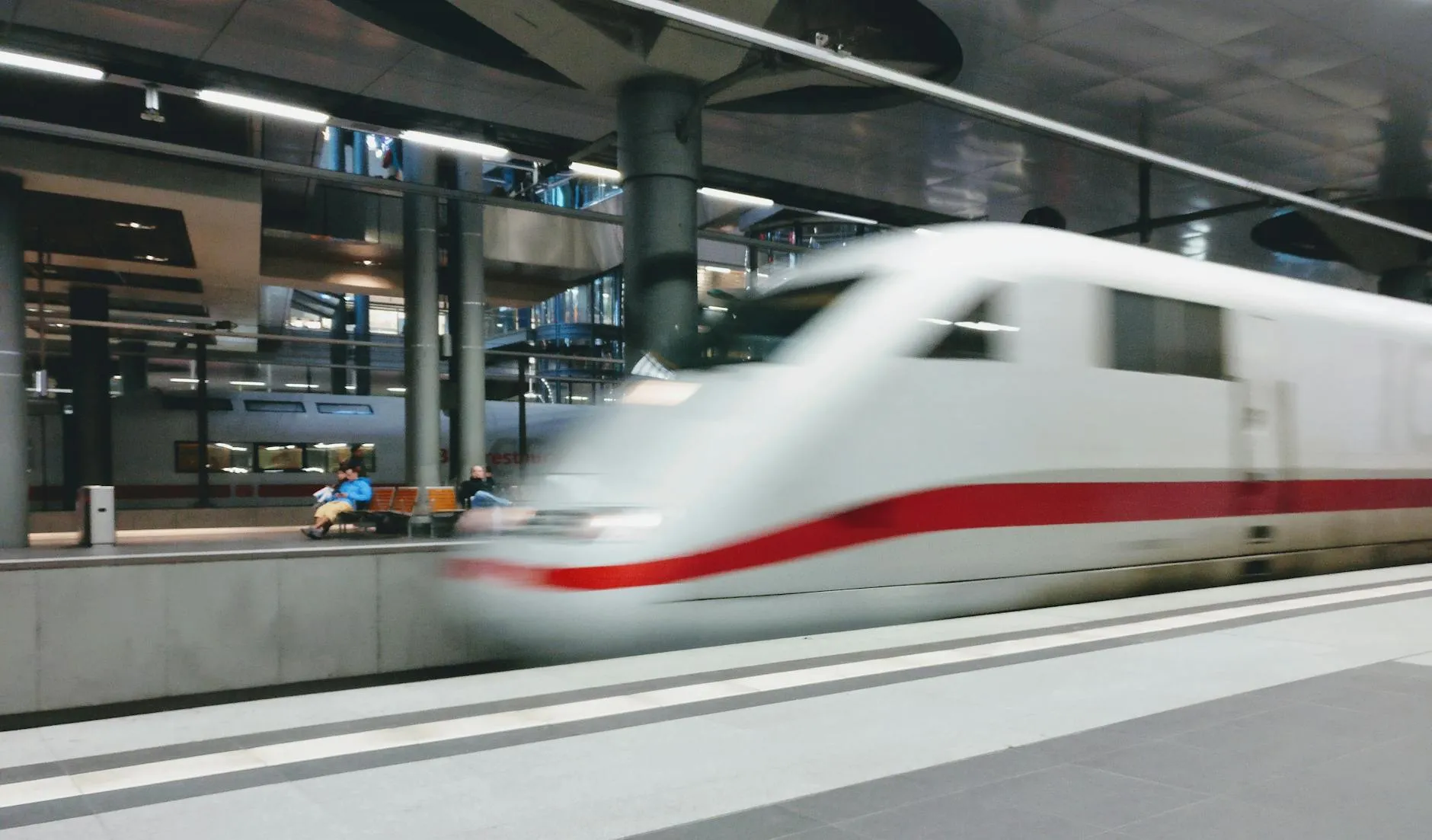
Haramain High-Speed Railway: Mecca–Jeddah–JED Airport–Medina. Up to 300 km/h. SAR ~100, roughly 2 hours Jeddah–Medina. Comfortable and reliable. SAR network: Riyadh to Dammam (~4 hours), Riyadh north to Qurayyat via Hail and Al Jouf. Book on the official SAR website or app. The Haramain train is the most pleasant intercity transport option in the country.

🚗 Car Rental

SAR 100–250/day from international companies (Hertz, Avis) and local firms (Theeb, Lumi). International Driving Permit required. Highways are modern and well-maintained. Petrol is very cheap. Speed cameras are everywhere and fines are automatic. Locals drive fast and sometimes aggressively. Watch for camels on rural roads. Gas stations with rest areas appear every 50–100 km on intercity routes.

🚕 City Transport

Riyadh Metro: 6 lines opened late 2024, including airport connection (~23 min to centre). Very affordable (low single-digit SAR). Uber/Careem/Jeeny: Work in all major cities. Preferred over street taxis. SAR 20–50 for typical city rides. SAPTCO buses: National intercity bus service. Regular and VIP. Cheap (SAR 50–150) but slow. Jeddah–Riyadh by bus is roughly 8 hours.

Key distances: Riyadh–Jeddah: 950 km (1.5h flight, 8h drive). Riyadh–Dammam: 400 km (4h train/drive). Jeddah–AlUla: 800 km (1.5h flight). Jeddah–Medina: 420 km (2h Haramain train). Jeddah–Abha: 600 km (1h flight). Always check driving distances before assuming you can drive between cities in a day.

Budget Breakdown

Saudi Arabia is not as cheap as Southeast Asia, but it is significantly cheaper than the UAE or Qatar for comparable quality. The tourist visa costs ~SAR 535 ($142), which is the biggest fixed cost. After that, street food and budget accommodation keep costs reasonable. The biggest variable is domestic flights and whether you stay in budget or mid-range hotels.

Daily Budget by Level

LevelSAR/DayUSD/DayAccommodationFoodTransport
Budget200–400$53–107Hostel/guesthouse SAR 80–150Street food SAR 30–60Metro, buses
Mid-range500–900$133–2403–4* hotel SAR 250–400Local restaurants SAR 80–180Uber, some flights
Luxury1,500–3,000+$400+5* hotel SAR 800–2,000+Fine dining SAR 250–600Private car, flights

Key Fixed Costs

ItemCost (SAR)Cost (USD)Notes
Tourist eVisa~535~$142Includes medical insurance + VAT. 1-year multi-entry.
International flights (Europe)$300–600Return. Saudia, Wizz Air, Gulf carriers with connection.
Domestic flight (per leg)100–500$27–133Book 1–3 weeks ahead for best prices.
Haramain train (JED–MED)~100~$27Each way. Comfortable high-speed.
Car rental (per day)100–250$27–67Plus cheap petrol.
Hegra entry (AlUla)50$13Guided tour required.
SIM card/eSIM50–100$13–27stc, Mobily, Zain. 5G in cities.

Trip Total Estimates

TripBudgetMid-RangeNotes
2-week trip (per person)SAR 5,000–7,000 ($1,300–1,900)SAR 9,000–15,000 ($2,400–4,000)Excl. international flights
3-week trip (per person)SAR 7,000–10,000 ($1,900–2,700)SAR 14,000–25,000 ($3,700–6,700)More flights = higher transport cost
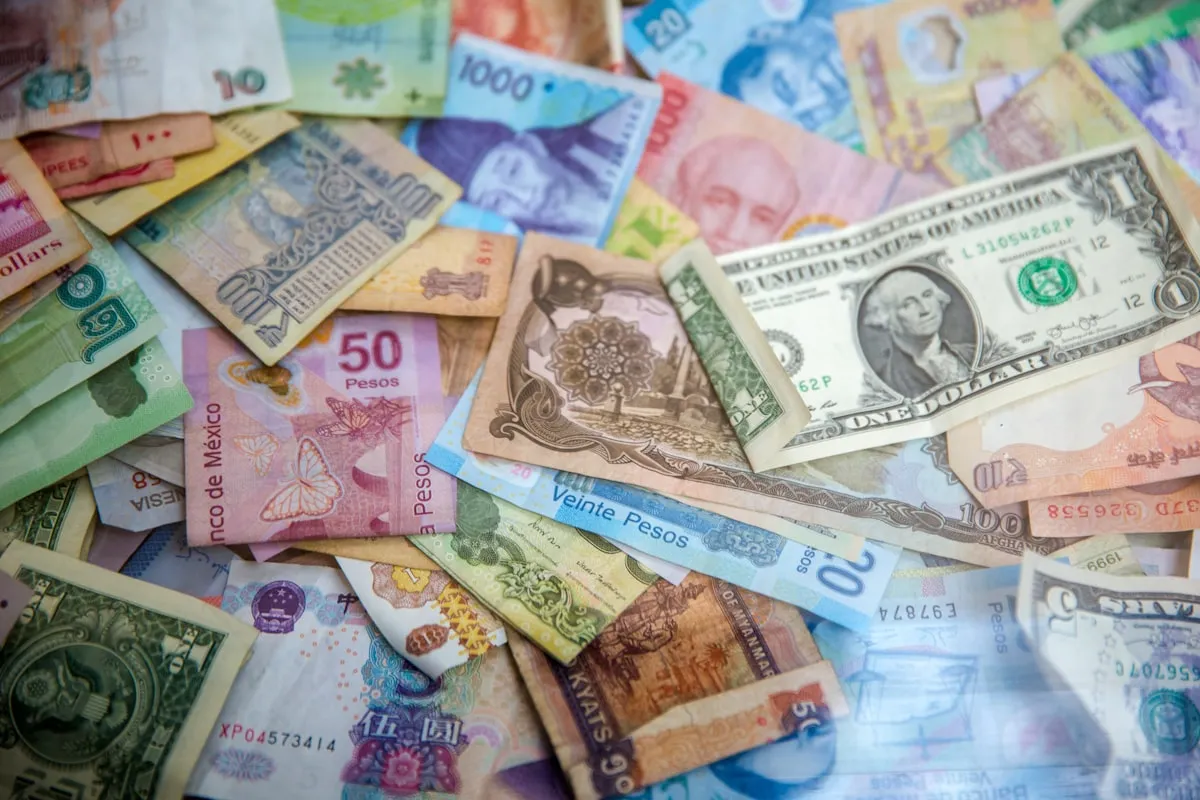
Payment: Credit and debit cards (Visa/Mastercard) are accepted almost everywhere, including small shops. Apple Pay and mada (Saudi debit) are ubiquitous. ATMs are widely available. 15% VAT applies to most goods and services. Tipping is not mandatory but appreciated: 10% at restaurants is generous, SAR 5–10 for hotel staff.

Practical Information

Visa

Tourist eVisa at visa.visitsaudi.com for 66+ countries. Cost ~SAR 535 ($142) including medical insurance and VAT. 1-year validity, multiple entry, 90 days per visit, 180 days cumulative. Processing is typically instant online. You can also get the visa on arrival at major airports. Passport must be valid 6+ months from entry. GCC citizens are visa-free. Holders of valid US, UK, or Schengen visas (used at least once) qualify regardless of nationality. Hajj requires a separate visa through the Nusuk platform.

Health & Safety

No mandatory vaccinations. Tap water is safe in cities (desalinated) but bottled water is cheap and widely preferred. Healthcare is modern in cities. Travel insurance is included in the visa fee but consider additional coverage for adventure activities. Pharmacies are well-stocked. Heat-related illness is the biggest health risk in summer. Drink 3–4 litres of water daily in hot months. Sunscreen is essential. The UV index is extreme.

Connectivity

SIM cards from stc, Mobily, or Zain are available at the airport and city shops. eSIM works with most modern phones. 5G coverage in cities is excellent. Rural and desert coverage is spotty. Download offline maps before venturing into desert areas. WiFi is available at hotels, cafes, and malls. VoIP services (WhatsApp calls, FaceTime) work normally.

Language

Arabic is the official language. English is widely spoken in cities, hotels, restaurants, and tourist areas. Road signs are bilingual (Arabic/English) on major routes but sometimes Arabic-only on smaller roads. Menu translations are common but not universal. In rural areas and small towns, Arabic basics help. Google Translate works well for Arabic and is useful for menus and signs.

Power & Plugs

220V, Type G plugs (same as UK, three rectangular pins). Bring an adapter if coming from continental Europe or North America. Hotels sometimes have multi-plug sockets but do not rely on it.

Useful Apps

Uber/Careem/Jeeny for rides. Google Maps for navigation (offline maps for desert). Absher for visa management and government services. SAR app for train bookings. Visit Saudi for events and attraction listings. Muslim Pro for prayer times (useful for planning around closures even if you are not Muslim).

Tips & Common Mistakes

Saudi Arabia rewards a bit of preparation. Most frustrations travellers report come down to timing, distances, and not understanding how daily life revolves around prayer schedules. A few things to keep in mind before you go.

Things Worth Doing

  • Book AlUla and Hegra tours 2–4 weeks ahead during peak season. Slots fill up fast, especially for sunrise visits.
  • Download offline maps before heading into the desert. Mobile signal drops off quickly outside cities.
  • Accept Arabic coffee when offered. Refusing is considered rude, and the ritual of pouring and serving is part of the experience.
  • Dress modestly everywhere. Shoulders and knees covered for both men and women. The rules are relaxed compared to five years ago, but respect goes a long way.
  • Carry a printed copy of your visa at immigration. The e-visa system works, but border officers sometimes want paper.
  • Try Al Baik fried chicken at least once. It sounds like a joke, but this local fast-food chain is a genuine Saudi obsession.
  • Book domestic flights 1–3 weeks in advance. Prices triple closer to departure.

Mistakes That Trip People Up

  • Visiting in summer without understanding the heat. At 45–50°C, outdoor activities are impossible in most regions from June through August. Asir is the only exception.
  • Planning to drive between all cities. The distances are enormous. Riyadh to AlUla is over 900 km. Domestic flights are cheap and save entire days.
  • Arriving during Ramadan without preparation. Restaurants close during daylight hours. You will not starve, but finding food before iftar takes effort.
  • Ignoring prayer time closures. Shops, restaurants, and some attractions close five times a day for 20–30 minutes. Plan tight schedules around these windows.
  • Photographing people without asking, especially women. This can escalate quickly and is taken seriously.
  • Bringing alcohol into the country. This carries serious legal consequences, up to detention and deportation.
  • Overstaying your visa. The fine is SAR 100 per day, and repeated violations can lead to detention and a travel ban.

Saving Money

  • Many heritage sites, mosques, and beaches are free. The Jeddah Corniche, Al-Balad old town, and most mosques cost nothing.
  • Street food is excellent and cheap. Shawarma, mutabbaq, and foul cost SAR 5–15.
  • Fly flynas or flyadeal instead of Saudia for domestic routes. Same planes, half the price.
  • Use the Riyadh Metro instead of Uber within the capital. It opened in 2024 and covers most tourist areas.
  • SAPTCO intercity buses are extremely cheap if you have time and flexibility.
  • Buy dates and spices from local markets, not tourist shops. The quality is the same, the price is not.

Final Recommendation

Saudi Arabia is not a polished tourism product like Thailand or Spain. It is a country that opened its doors to tourists five minutes ago in historical terms, and the experience reflects that. Some things work brilliantly. The domestic flight network, city infrastructure, ride-hailing apps, and food scene are all excellent. Other things are still rough. Remote heritage sites lack facilities. Adventure activities outside established operators are unregulated. Friday closures catch people off guard. And the heat from June to September makes half the country effectively off-limits.

But what you get in return is access to a place that few independent travellers have seen. Hegra is as impressive as Petra with a fraction of the visitors. The Red Sea reefs are in better condition than most of their Egyptian neighbours. The Asir highlands look nothing like the desert most people imagine. And Saudi hospitality is not marketing. People genuinely go out of their way to welcome you, offer you coffee, and make sure you are enjoying their country.
The sweet spot is a 2–3 week trip between October and March. Start with Riyadh, fly to AlUla, fly to Jeddah, and add the south or east if you have time. Budget SAR 500–900/day for a comfortable mid-range experience. Fly between regions. Use Uber in cities. Eat the local food. And bring an open mind. Saudi Arabia is not what you expect. That is exactly the point.
In three sentences: Two weeks covering Riyadh, AlUla, and Jeddah is the ideal first trip, best between October and March. Fly between regions, eat kabsa and mandi, visit Hegra at sunrise, and accept every offer of Arabic coffee. Saudi Arabia is the biggest new destination in the Middle East and still uncrowded enough to feel like a discovery.