Overview & Why Visit Russia

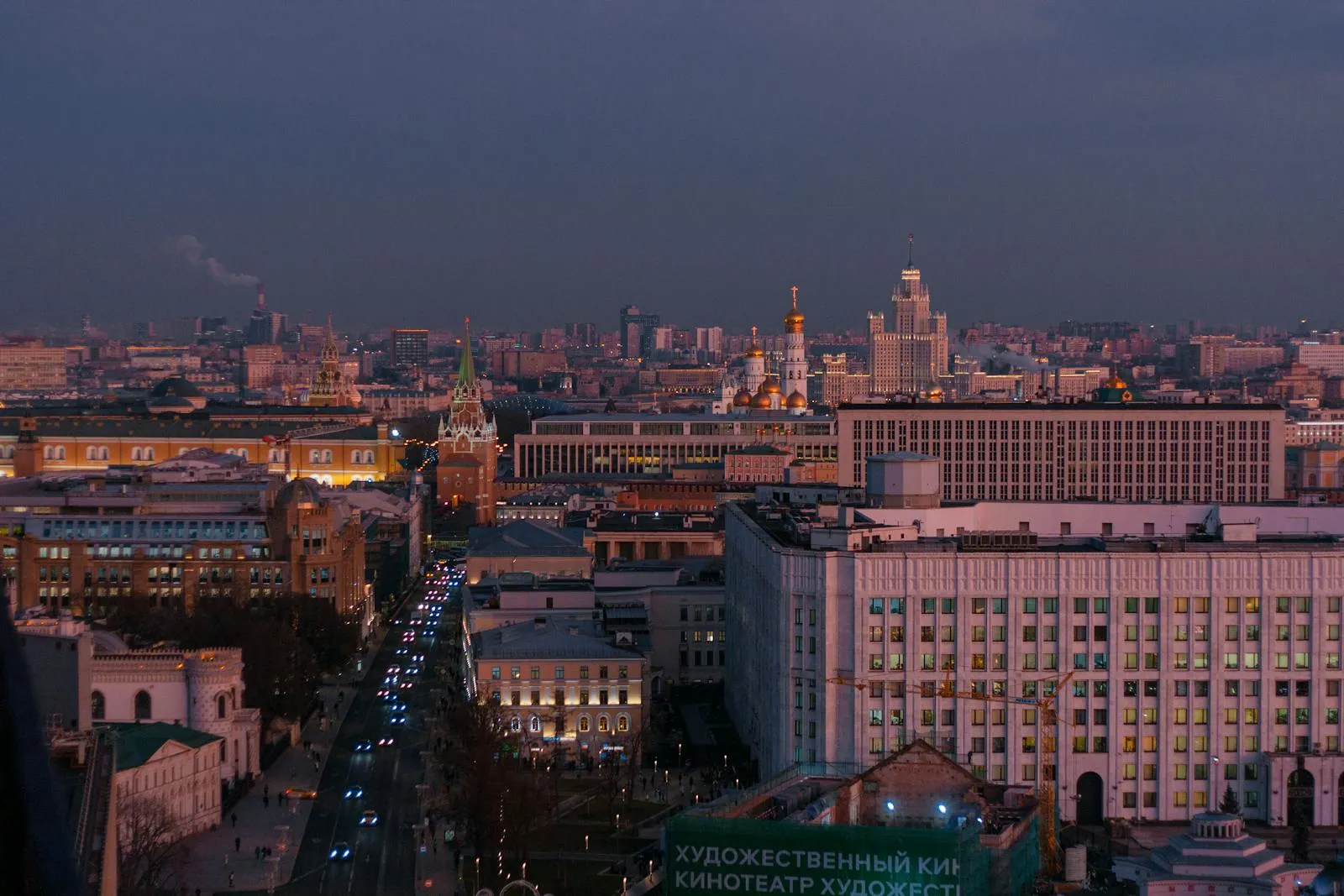
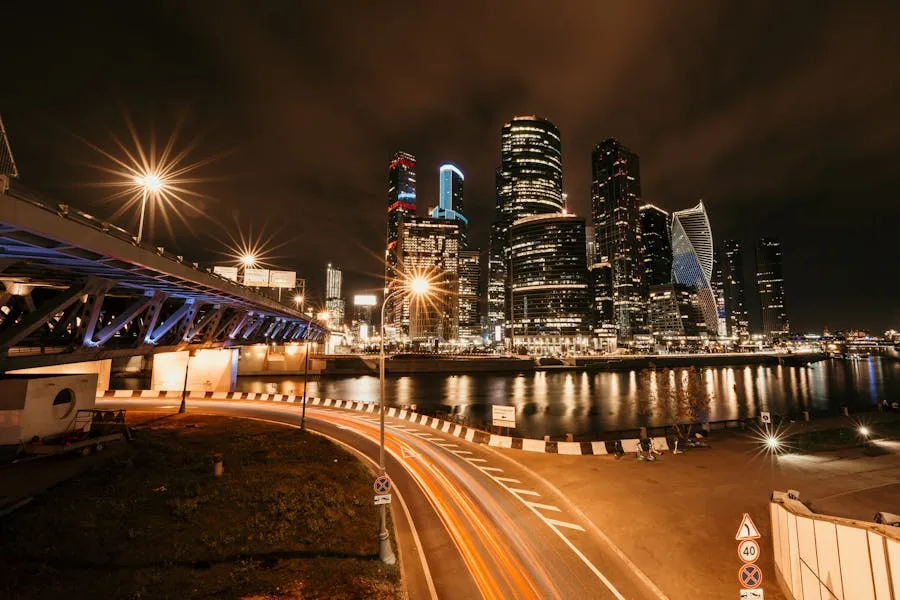
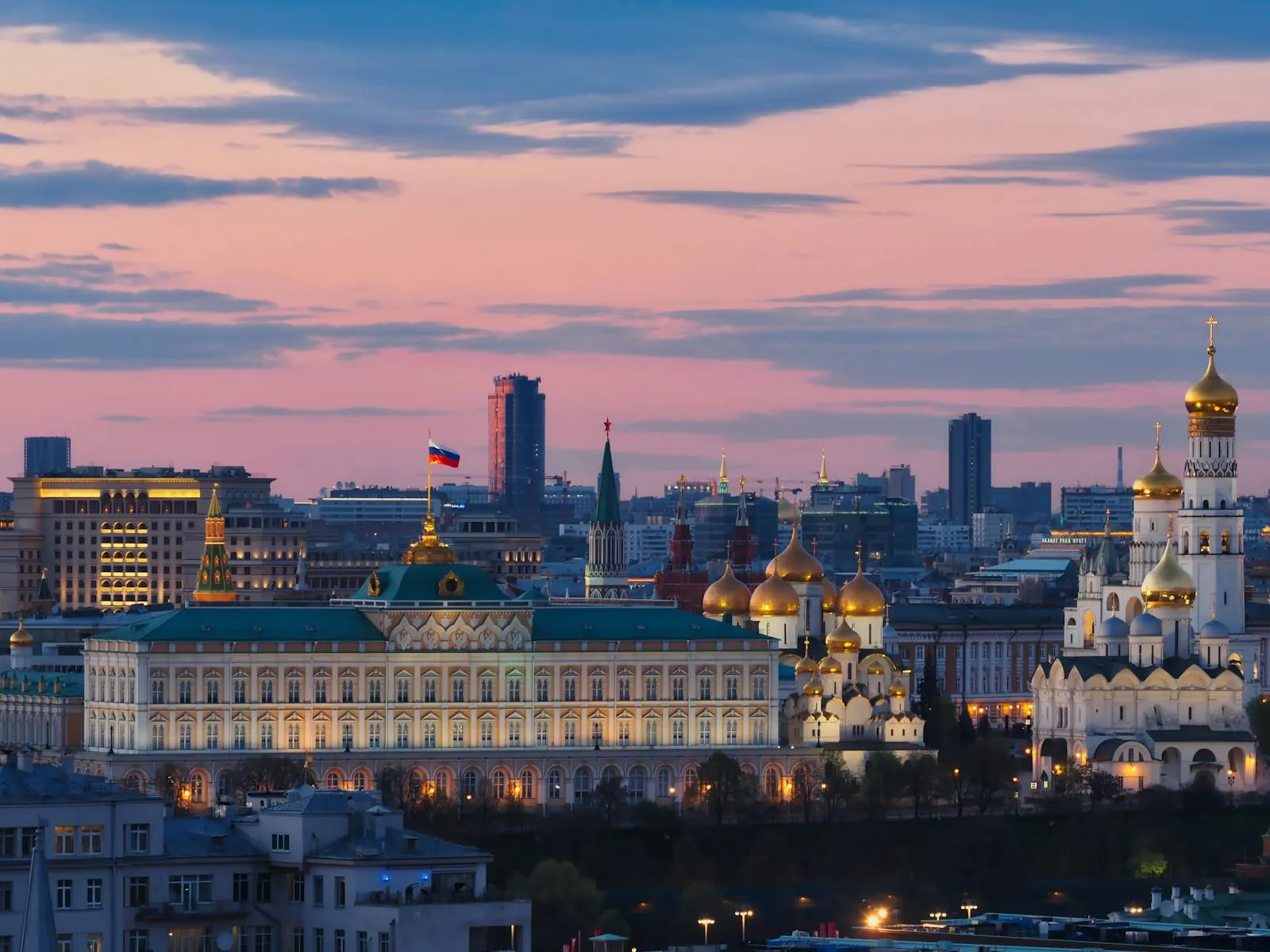
Panoramic view of Moscow with the Kremlin and Moscow River at dusk

Russia is the largest country on Earth. 17.1 million km² stretching across 11 time zones, from the Baltic exclave of Kaliningrad to the Pacific port of Vladivostok. It spans two continents, holds one fifth of the world’s forests, and has a coastline on three oceans. The population is roughly 146 million, with about 13 million in Moscow alone.

Most visitors focus on the two great cities. Moscow is the brash, energetic capital where medieval kremlins sit next to Soviet monoliths and glass skyscrapers. St Petersburg is the imperial counterweight, a city of canals, baroque palaces, and the Hermitage, one of the world’s largest art museums. Together they account for the vast majority of tourist visits to Russia and can be reached on the Sapsan high-speed train in under four hours.

But the country beyond these two cities is where Russia becomes genuinely extraordinary. The Golden Ring, a chain of medieval towns northeast of Moscow, preserves onion-domed churches and whitewashed kremlins from a Russia that predates the Romanovs. Lake Baikal in Siberia is the oldest, deepest, and most voluminous freshwater lake on the planet. Kamchatka, a volcanic peninsula in the Russian Far East, has geysers, brown bears the size of small cars, and almost zero roads. The Trans-Siberian Railway, 9,289 km from Moscow to Vladivostok across seven time zones, remains one of the great overland journeys.

Travel to Russia is more complicated than it used to be. International sanctions since 2022 mean no direct flights from Western countries, Mastercard and Visa cards do not work, and reliable information is harder to find. But travel is still possible. E-visas exist for EU citizens and many other nationalities. Flights connect through Istanbul, Dubai, Belgrade, or Tbilisi. Cash and workarounds handle payments. Thousands of European travellers still visit every year.

🇷🇺 Capital

Moscow (~13 million, metro ~21 million)

👥 Population

~146 million

📏 Size

17.1 million km² (11 time zones)

💰 Currency

Russian Ruble (₽). Western cards do not work

🌐 Language

Russian. Cyrillic alphabet. Very little English outside Moscow/St Petersburg

Best Time to Visit

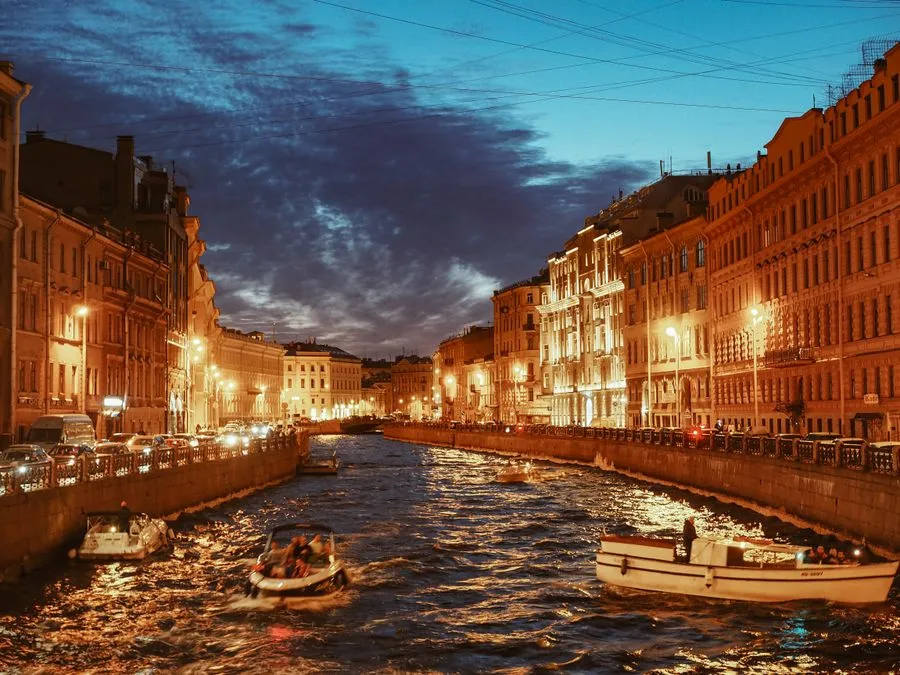
St Petersburg canal lined with baroque buildings under soft summer light

June through early September for the main cities and Siberia. This is when St Petersburg has its famous White Nights (late May to mid-July), when the sun barely sets and the city stays alive around the clock. Moscow is warm and walkable. Lake Baikal is hikeable. Kamchatka is accessible.
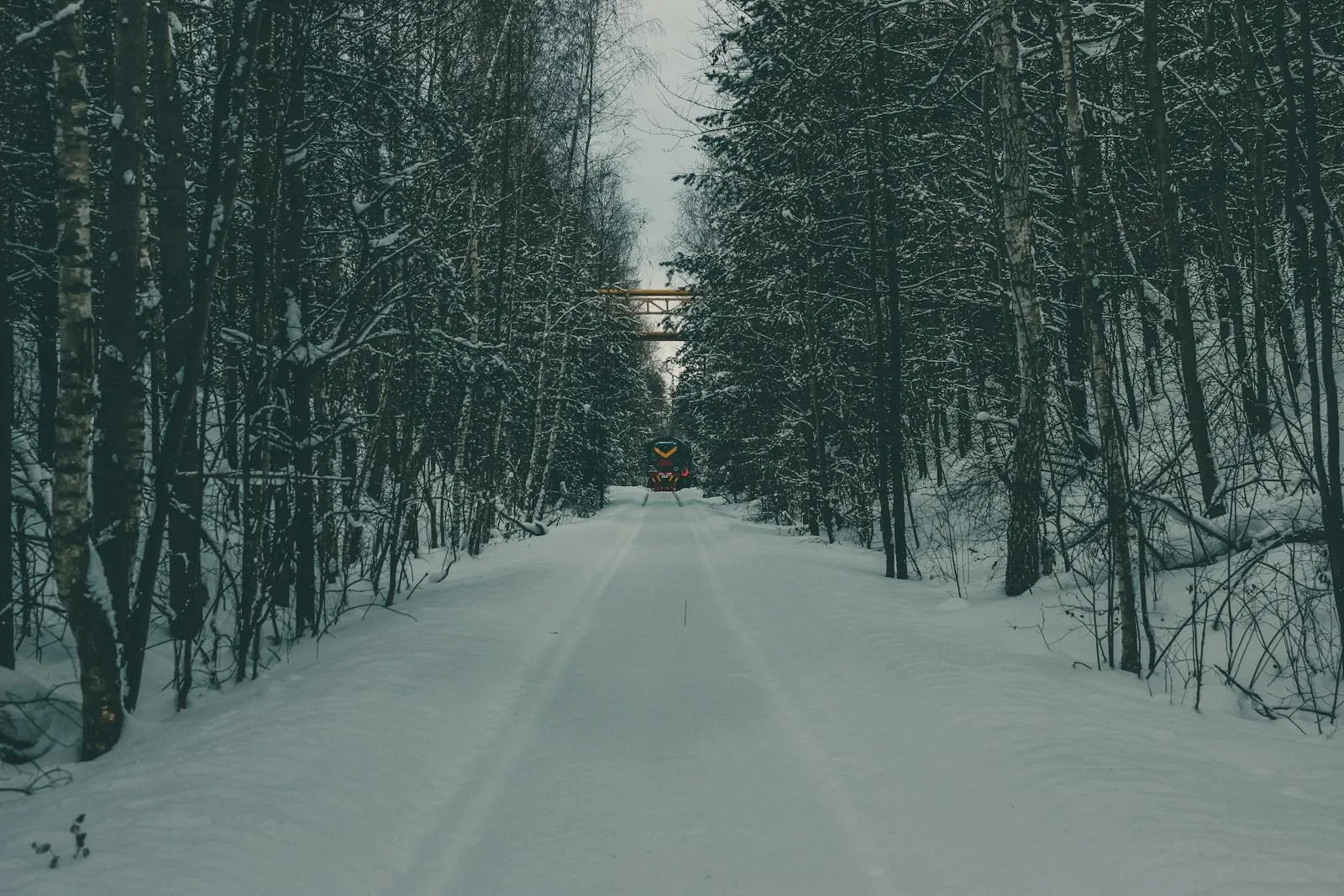
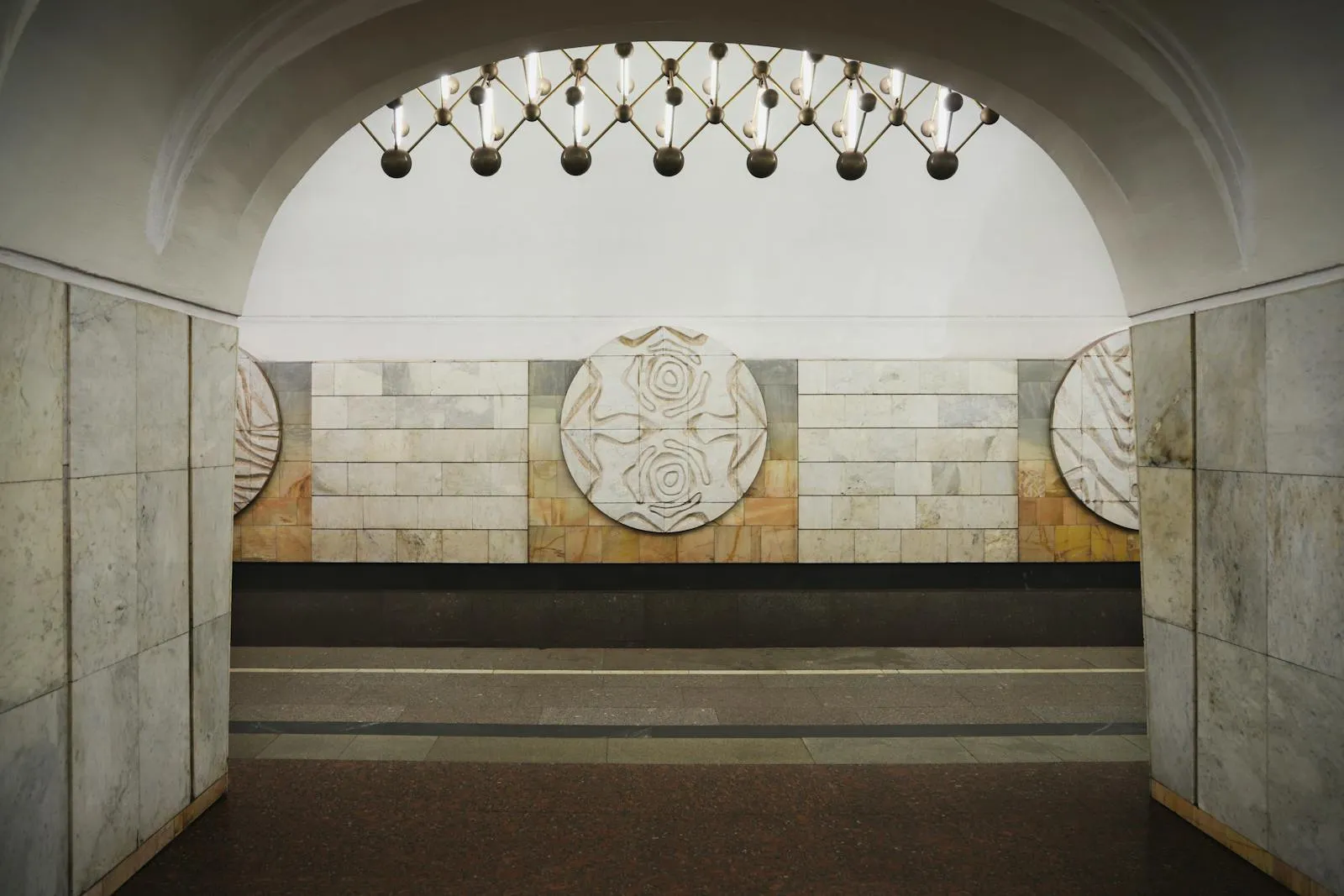
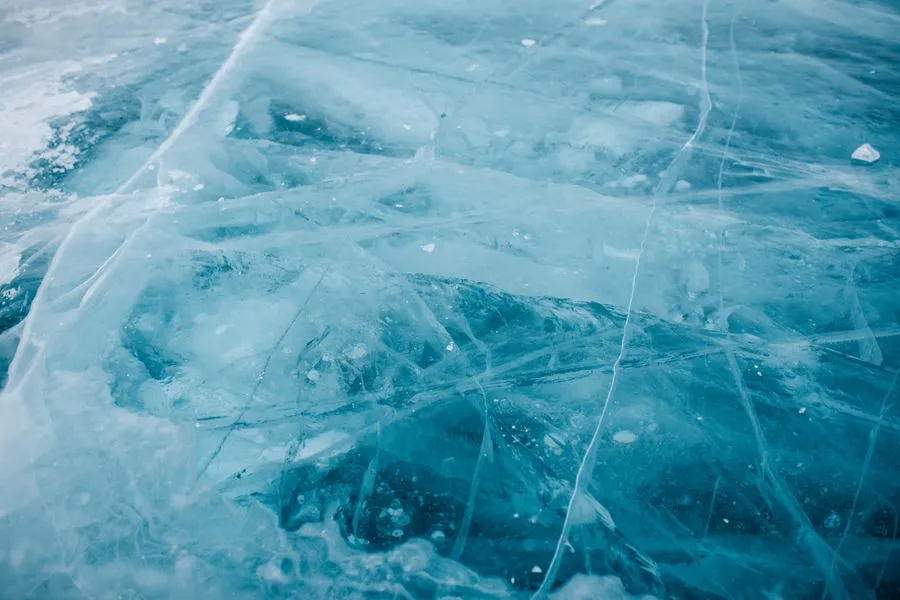
Late February to March is the best window for winter experiences. Lake Baikal freezes into thick transparent ice with surreal formations, dog sledding and ice fishing are possible, and Moscow under fresh snow has a quiet grandeur. Temperatures drop to −20 °C or lower, but the cities function perfectly. If you can handle the cold, winter hotel rates are dramatically lower.

April–May and September–October are shoulder seasons. Fewer crowds, lower prices, but weather is unpredictable. Spring can be muddy. Autumn brings spectacular foliage, especially along the Golden Ring and in Siberia.

MonthConditionsBest ForCrowdsPricesRating
JanuaryDeep winter, −10 to −25 °CNew Year in Moscow, winter sports🟢 Low🟢 Low⭐⭐
FebruaryCold, −8 to −20 °CBaikal ice season begins, Maslenitsa🟢 Low🟢 Low⭐⭐⭐
MarchThawing begins, −3 to −10 °CPeak Baikal ice, Northern Lights🟢 Low🟢 Low⭐⭐⭐
AprilMuddy, 5–12 °CSpring in Moscow, Easter (Orthodox)🟢 Low🟢 Low⭐⭐
MayWarming, 12–20 °CVictory Day, White Nights begin🟡 Moderate🟡 Moderate⭐⭐⭐⭐
JuneWarm, 18–25 °CWhite Nights peak, all regions open🔴 High🔴 High⭐⭐⭐⭐⭐
JulyHot in cities, 20–30 °CKamchatka, Baikal, Altai hiking🔴 High🔴 High⭐⭐⭐⭐⭐
AugustWarm, 18–28 °CSiberia, bear watching, beaches🔴 High🔴 High⭐⭐⭐⭐
SeptemberCooling, 10–18 °CGolden Ring autumn colours, fewer crowds🟡 Moderate🟡 Moderate⭐⭐⭐⭐⭐
OctoberCool, 3–10 °CAutumn foliage, cultural season opens🟢 Low🟢 Low⭐⭐⭐
NovemberGrey, damp, 0–5 °CTheatre/opera season, low prices🟢 Low🟢 Low⭐⭐
DecemberSnow, −5 to −15 °CMoscow Christmas markets, snow magic🟡 Moderate🟡 Moderate⭐⭐⭐
White Nights. From late May to mid-July, St Petersburg barely gets dark. The city celebrates with festivals, open-air concerts, and bridge-raising ceremonies over the Neva at 1:30 AM. It is the single most popular time to visit. Book accommodation months in advance.

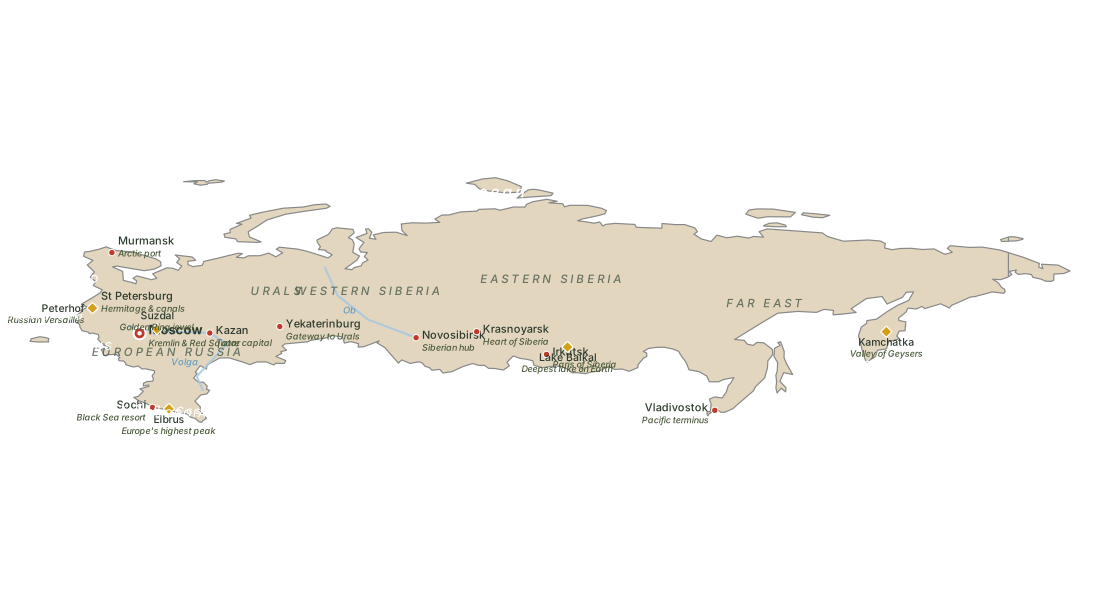
Map of Russia

Map of Russia showing major cities, regions, and landmarks

Holidays & Festivals

Victory Day celebrations on Red Square with Russian flags

Russia has eight major public holidays. The New Year period (1–8 January) is by far the biggest, when the entire country shuts down for over a week. Victory Day on 9 May is the most emotionally significant, with massive military parades and genuine public emotion. Public holidays close banks and government offices. Tourist attractions in Moscow and St Petersburg generally stay open, sometimes with adjusted hours.

DateHolidayNotes
1–8 JanNew Year HolidayCountry shuts down. Biggest holiday period. Festive markets, fireworks, decorated cities
7 JanOrthodox ChristmasCelebrated on 7 January (Julian calendar). Church services, traditional meals. Re-established in 1991
23 FebDefender of the Fatherland DayOfficially honours military personnel. Informally celebrated as “Men’s Day”
8 MarInternational Women’s DayMajor holiday. Men give flowers and gifts to women. Restaurants fully booked
1 MaySpring & Labour DayFormer Soviet Workers’ Day. Now a spring holiday. Parades and picnics
9 MayVictory DayMassive military parade on Red Square. Veterans honoured. Flowers on wartime graves. Fireworks
12 JunRussia DayMarks 1991 declaration of sovereignty. Concerts, festivals, fireworks nationwide
4 NovUnity DayCommemorates end of Polish occupation (1612). Replaced October Revolution Day

Festivals Worth Timing

🥞 Maslenitsa

Pancake Week before Lent (Feb/Mar). A week of blini, folk music, outdoor fairs, and burning a straw effigy of winter. Best experienced in Moscow, Suzdal, or any Golden Ring town

☀ White Nights Festival

Late May to mid-July in St Petersburg. The Mariinsky Theatre runs a world-class performing arts festival. Open-air concerts. The Scarlet Sails graduation ceremony in late June draws over a million spectators

🏆 Victory Day Parade

9 May, Red Square, Moscow. The largest annual military parade in Russia. Emotional ceremonies, Immortal Regiment marches, and evening fireworks over the Kremlin. Arrives with significant security and road closures

🎡 Moscow Film Festival

Late April. One of the oldest film festivals in the world (since 1935). International and Russian premieres. Events at venues across Moscow

🎸 Stars of the White Nights

The Mariinsky Theatre’s flagship festival (May–July). Opera, ballet, and symphonic performances featuring international stars. Tickets sell out months in advance

🎄 Russian New Year

31 Dec – 1 Jan. The single biggest celebration. Ded Moroz (Grandfather Frost) brings gifts. Champagne at midnight. Olivier salad on every table. Cities lit up spectacularly

Regions of Russia

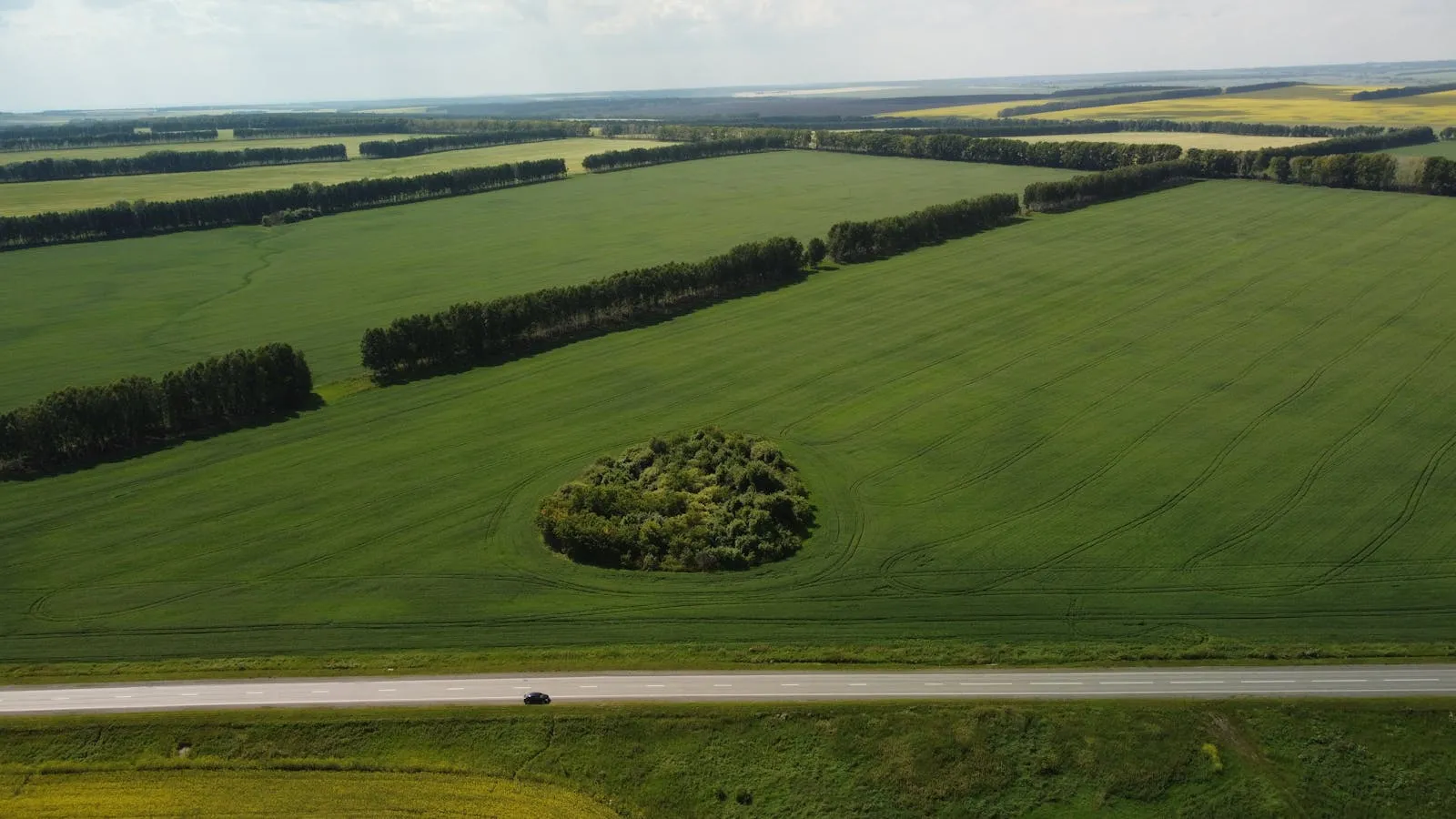
Aerial view of Russian landscape showing the diversity from forests to rivers
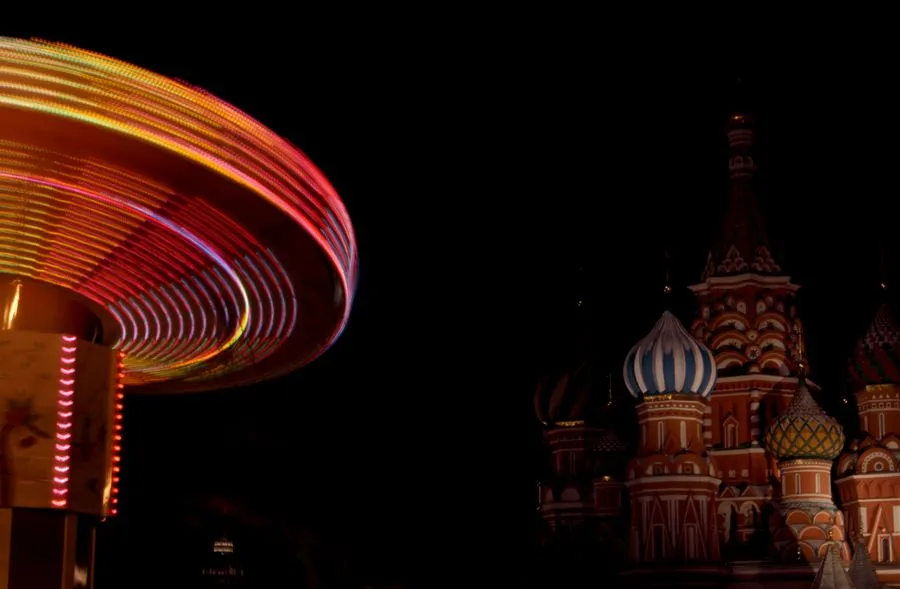
Moscow Kremlin and St Basil Cathedral from the river at night

🏛 Moscow & Surroundings

The capital and its environs. Red Square, the Kremlin, the Bolshoi Theatre, and a metro system that doubles as an underground palace. Sergiev Posad (Golden Ring) is a 90-minute day trip. The starting point for almost every trip to Russia

St Petersburg canal with baroque palaces and bridges at sunset

🏘 St Petersburg & Baltic

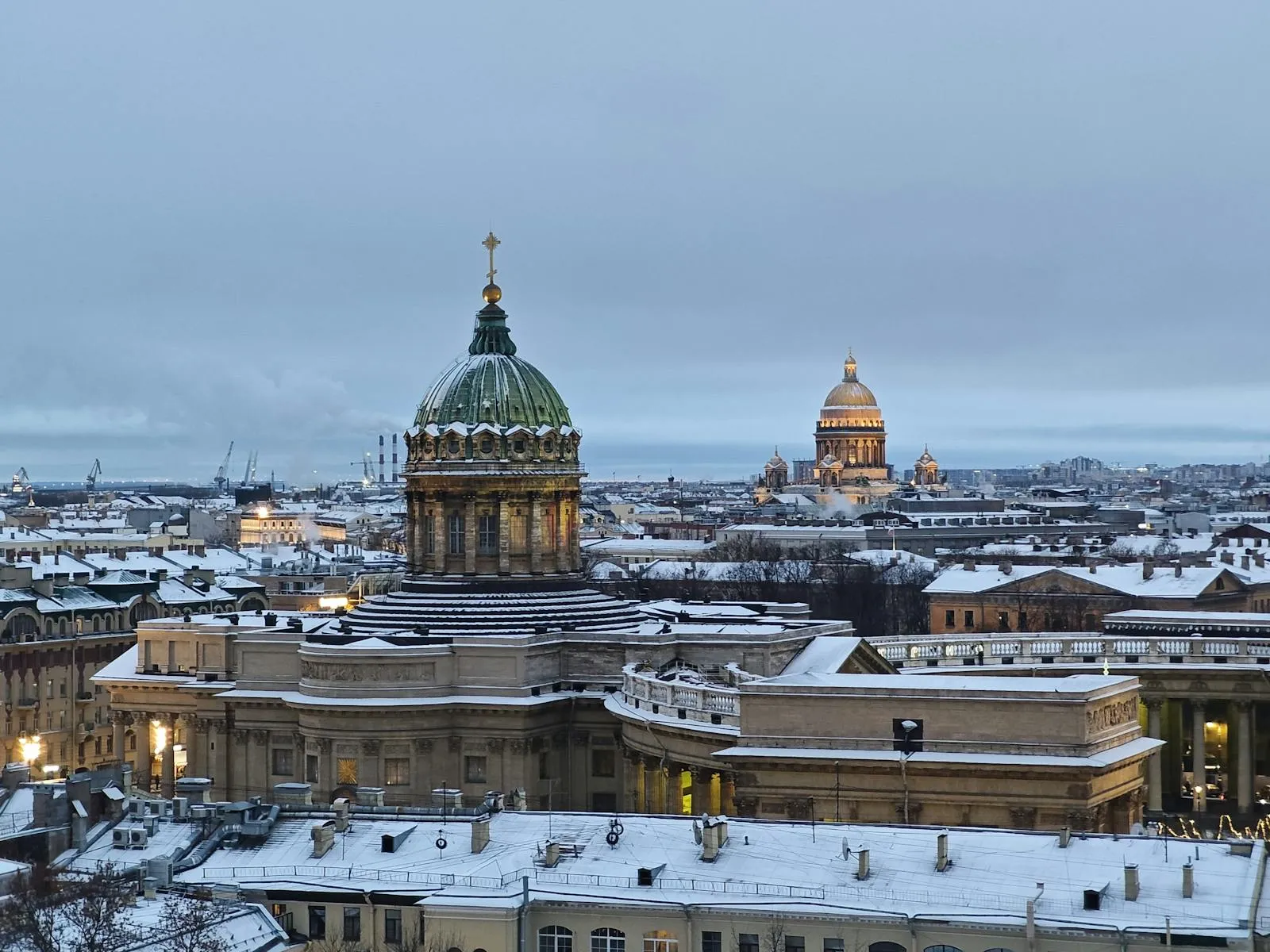
The imperial capital. The Hermitage, Peterhof, Nevsky Prospekt, and a network of canals earning it the name “Venice of the North.” White Nights from late May to mid-July. The cultural capital of Russia and one of the most beautiful cities in Europe

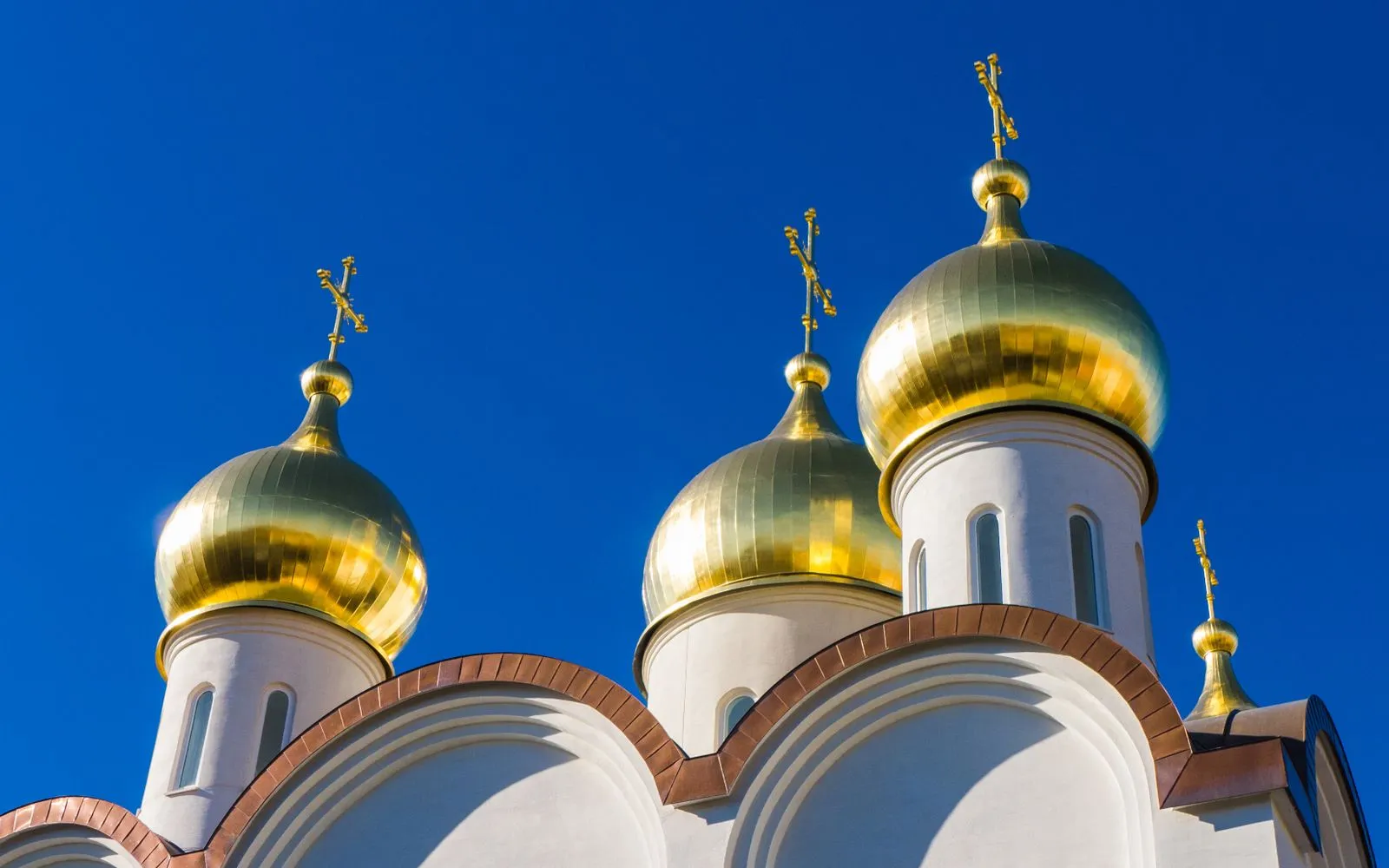
Suzdal golden domes and whitewashed walls against a blue sky

⛪ Golden Ring

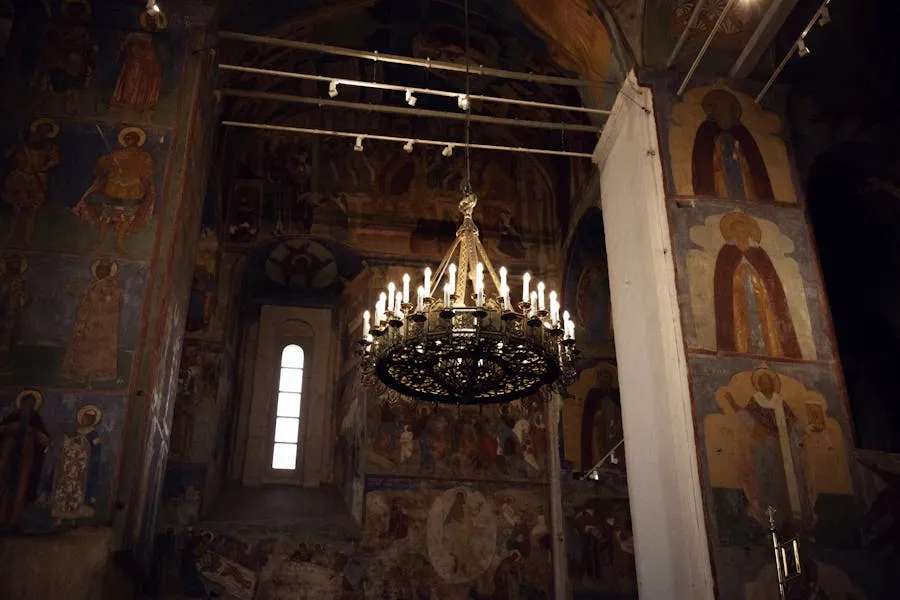
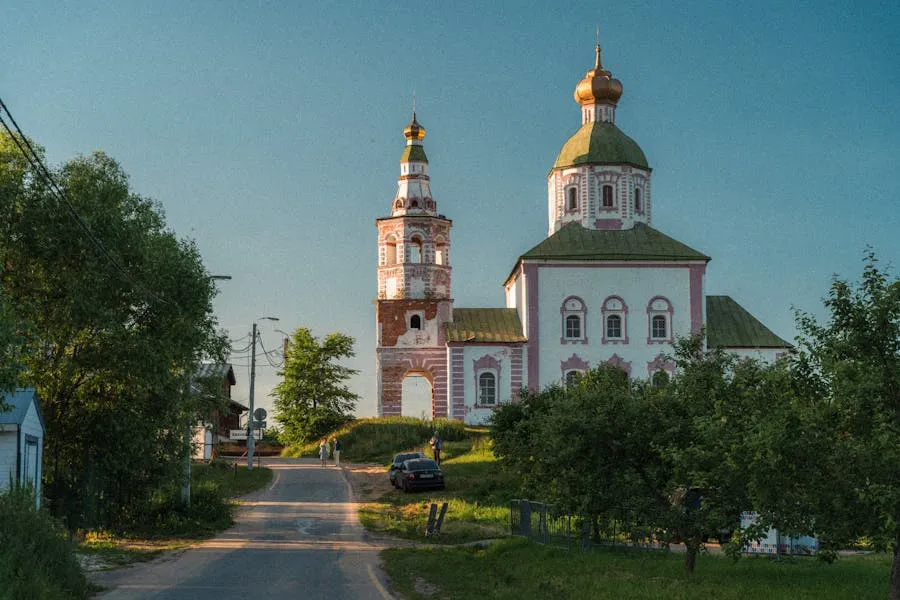
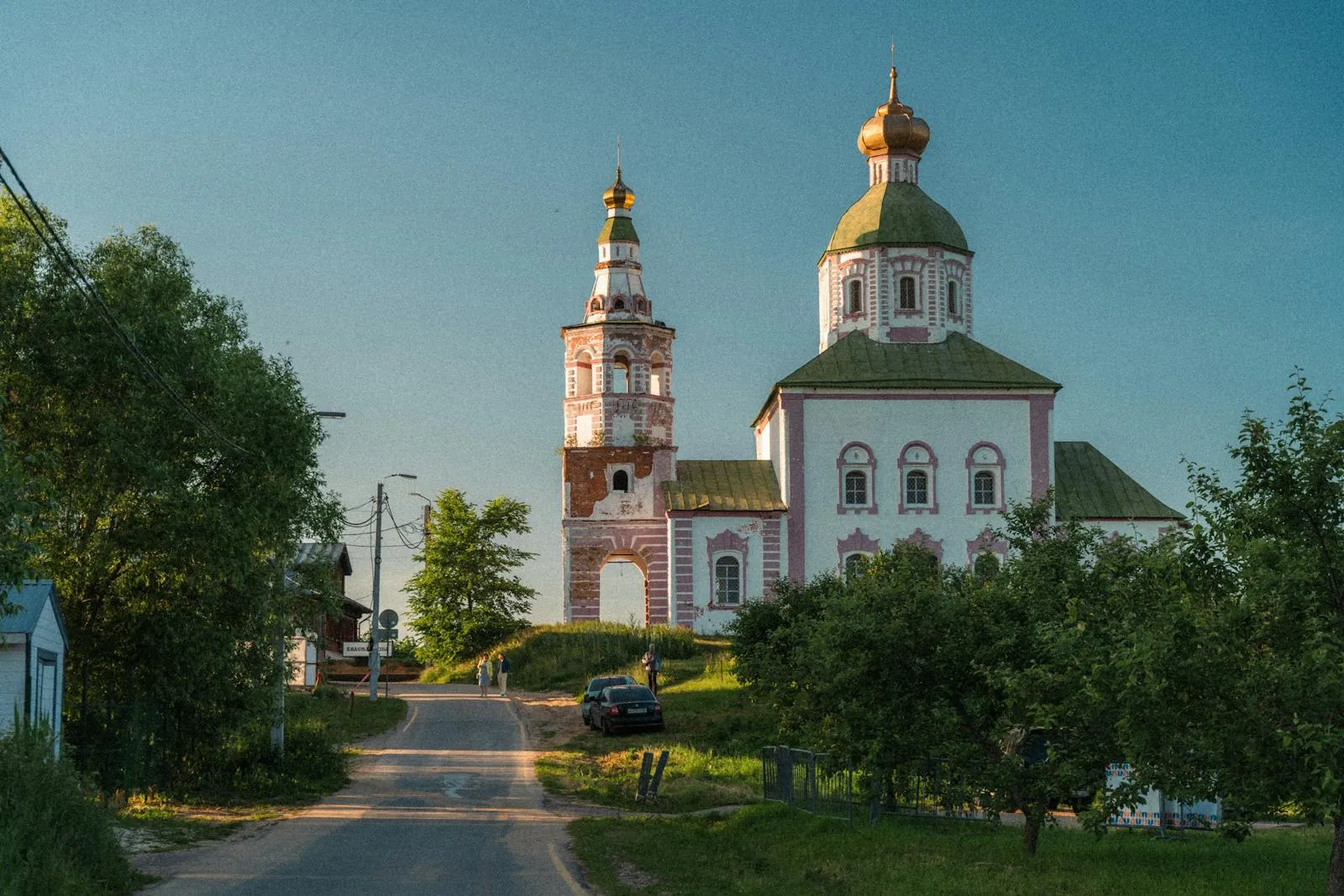
Nine medieval cities northeast of Moscow. Suzdal (open-air museum, 200+ monuments), Vladimir (12th-century UNESCO cathedrals), Sergiev Posad (the Russian Vatican), Yaroslavl (UNESCO old town). A 700 km circuit of onion domes and ancient monasteries

Sochi coastal city with Caucasus mountains in the background

🏔 Caucasus & Black Sea

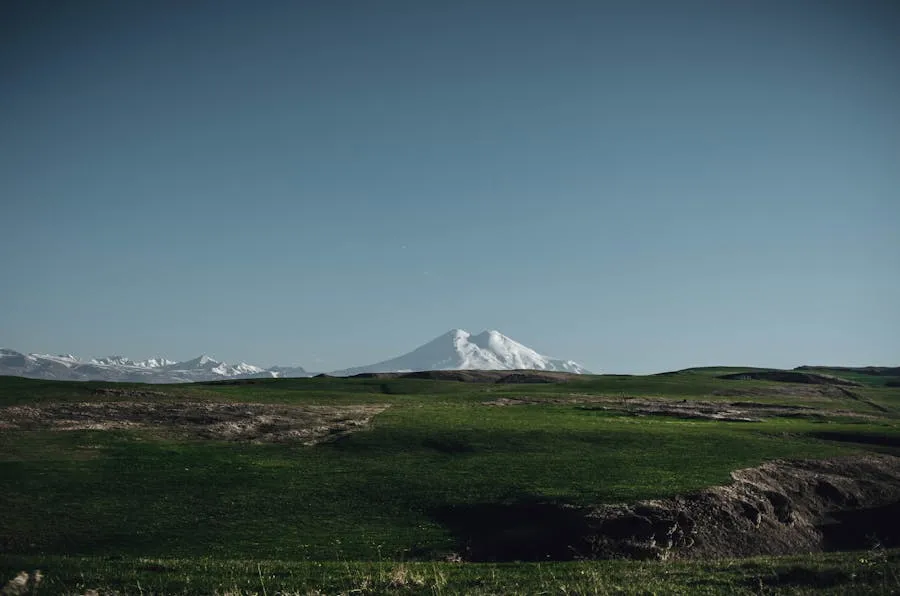
Sochi (2014 Winter Olympics, Black Sea beaches, Rosa Khutor skiing), the Caucasus mountains, and Kazan to the northeast with its Tatar-Russian cultural fusion. Mt Elbrus (5,642 m) is Europe’s highest peak. Warm climate, subtropical vegetation, mountain trails

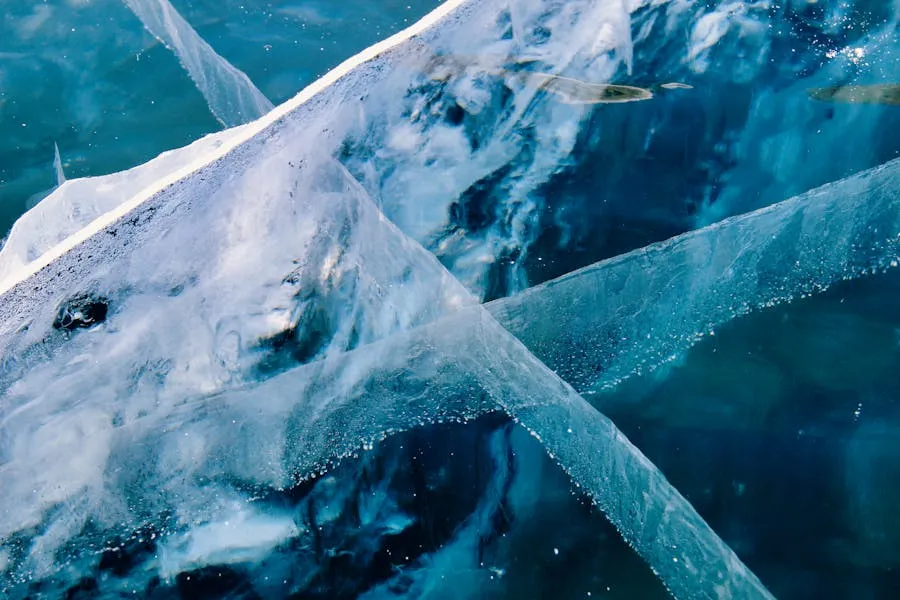
Lake Baikal frozen turquoise ice with dramatic cracks and bubbles

💧 Siberia & Lake Baikal

The heart of Asia. Lake Baikal is 25 million years old, 1,700 m deep, and holds 20% of the world’s unfrozen freshwater. Irkutsk is the gateway. The Trans-Siberian runs through. Winter brings transparent ice and dog sledding. Summer brings hiking and swimming in startlingly clear water

Kamchatka volcanic landscape with steaming crater and snow

🌋 Kamchatka & Far East

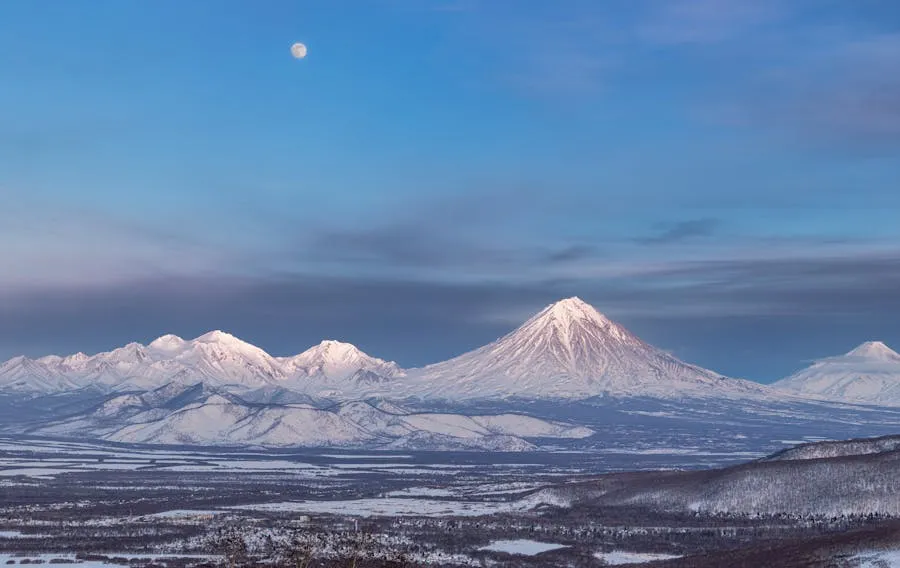
The ultimate frontier. 300+ volcanoes (30 active), the Valley of Geysers (only geyser field in Eurasia), brown bears the size of small vehicles, and Vladivostok at the end of the Trans-Siberian. No roads connect Kamchatka to the mainland. Fly in, explore on foot or by helicopter

Top Sightseeing

St Basil Cathedral on Red Square with colourful onion domes

Russia has a concentration of world-class sights that few countries can match. Imperial palaces, medieval fortresses, natural wonders, and engineering feats are spread across two continents. These ten are the ones that define a first visit.

Red Square at dusk with the Kremlin walls and St Basil Cathedral illuminated

Red Square & Kremlin

The political and spiritual heart of Russia. St Basil’s Cathedral, Lenin’s Mausoleum, the GUM department store, and the Kremlin walls enclosing cathedrals, armouries, and the seat of government. Daily visitor caps remain in place. Book Kremlin tickets online

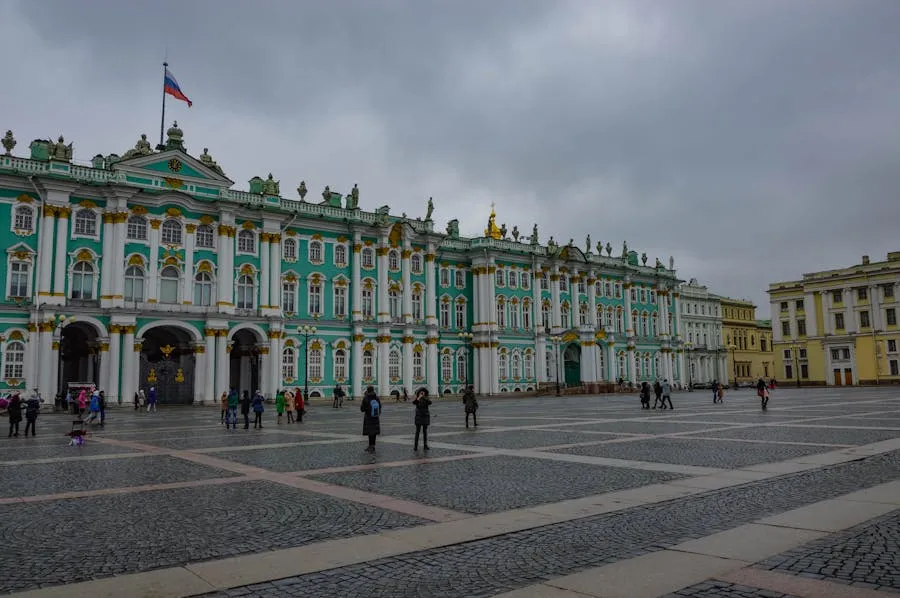
Winter Palace facade of the Hermitage Museum in pale green and white

Hermitage Museum

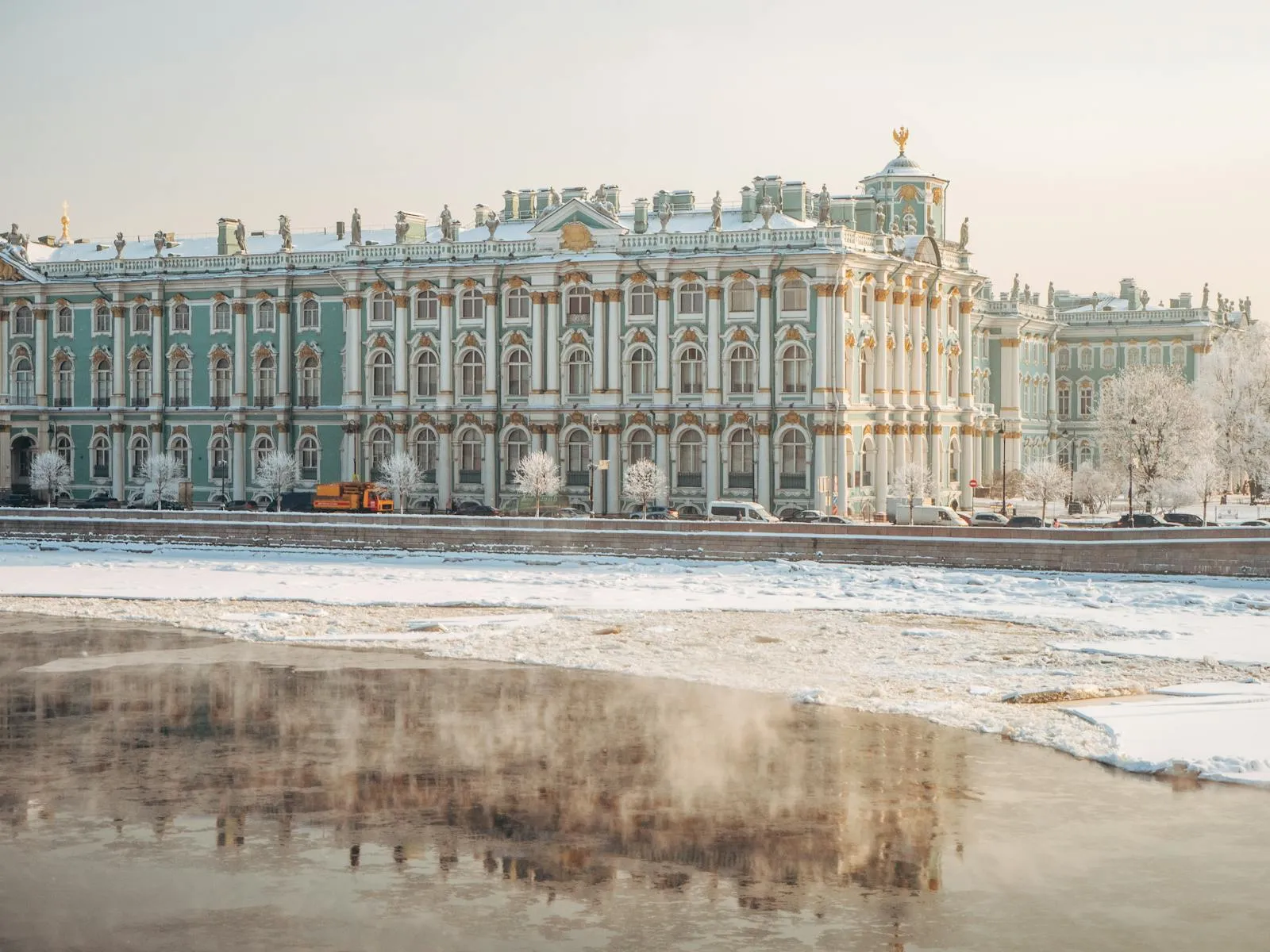
Founded in 1764 by Catherine the Great. Over 3 million items across six buildings including the Winter Palace. Prehistoric artefacts to Impressionist masterpieces. You could spend days and barely scratch the surface. One of the largest and most important art museums on Earth

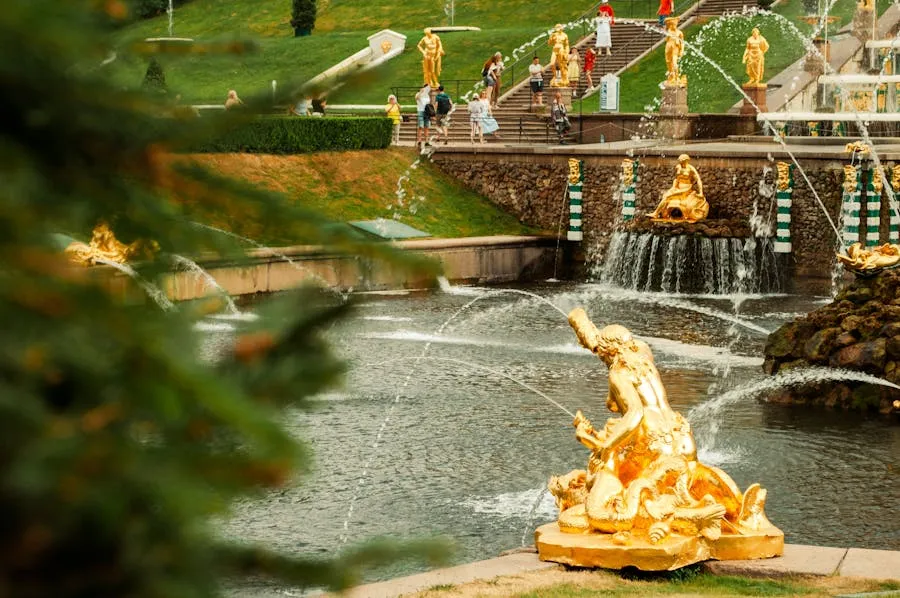
Peterhof Grand Cascade with golden statues and fountains flowing towards the sea

Peterhof Palace

The “Russian Versailles,” 30 km west of St Petersburg. The Grand Cascade has 64 fountains and 200 bronze statues. Fountain season runs May to October. Several additional palaces and parks on the grounds, each with its own admission

Crystal clear turquoise ice of frozen Lake Baikal with cracks and bubbles

Lake Baikal

The oldest (25 million years), deepest (1,700 m), and most voluminous freshwater lake on Earth. Contains 20% of the world’s unfrozen freshwater. UNESCO World Heritage Site. The Baikal seal (nerpa) is the only freshwater seal species. Winter ice is thick enough to drive on

Trans-Siberian railway train crossing a bridge over a river with forests

Trans-Siberian Railway

9,289 km from Moscow to Vladivostok across seven time zones. The longest railway on Earth, built 1891–1916. The full journey takes seven days. Stops at Yekaterinburg, Novosibirsk, Irkutsk (for Baikal). From ₽20,000 (~€200) for the entire route in third class

Suzdal panorama with golden-domed churches and green meadows

Suzdal

The most photogenic Golden Ring city. Population 10,000. Over 200 architectural monuments. Five monasteries. No buildings over two stories in the historic centre. A 10th-century kremlin. Wooden churches in the Museum of Wooden Architecture. Frozen in medieval time

Valley of Geysers in Kamchatka with steam rising from the earth

Valley of Geysers

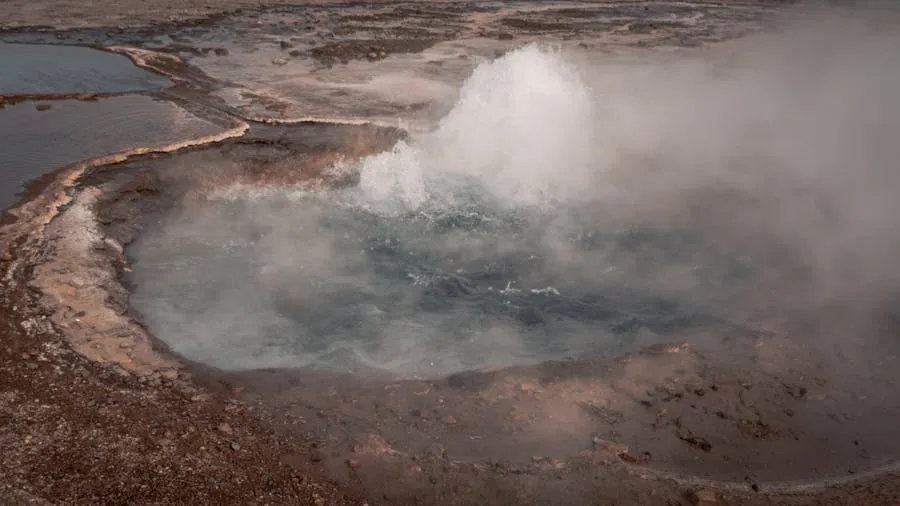
The only geyser field in Eurasia and the second-largest in the world after Yellowstone. About 90 geysers in a 6 km basin on the Kamchatka Peninsula. Helicopter access only (~€700/day). The Velikan geyser shoots water 25 m into the air every six hours

Kazan Kremlin with white walls and the blue-domed Kul Sharif Mosque

Kazan Kremlin

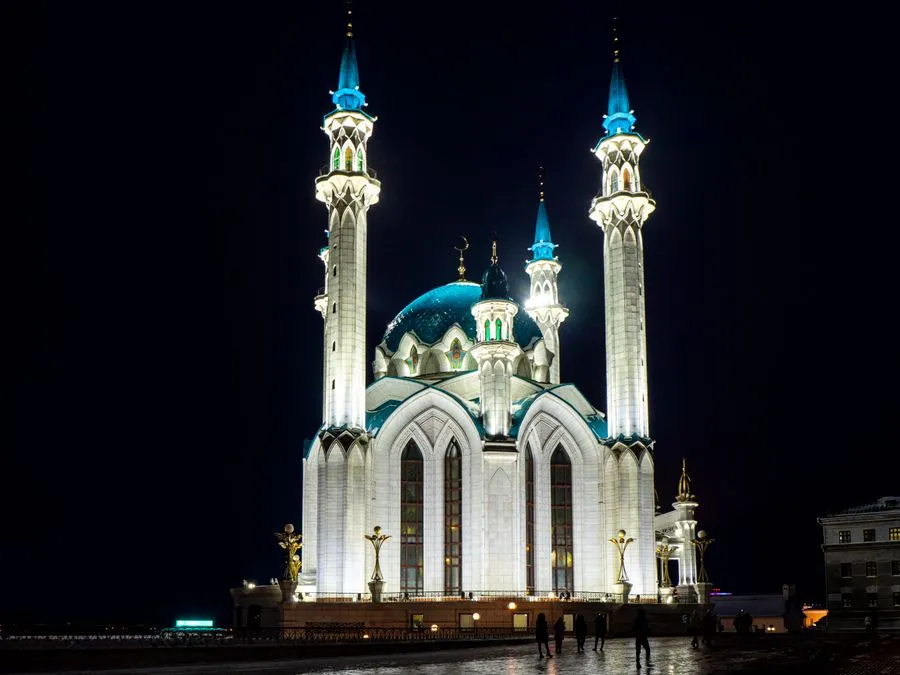
UNESCO World Heritage Site where the Kul Sharif Mosque and the Annunciation Cathedral stand side by side. A symbol of Russia’s multicultural identity. Kazan is the capital of Tatarstan, with Tatar cuisine (chak-chak, echpochmak) and a vibrant Bauman Street

Church of the Savior on Spilled Blood with mosaic-covered domes

Church of the Savior on Spilled Blood

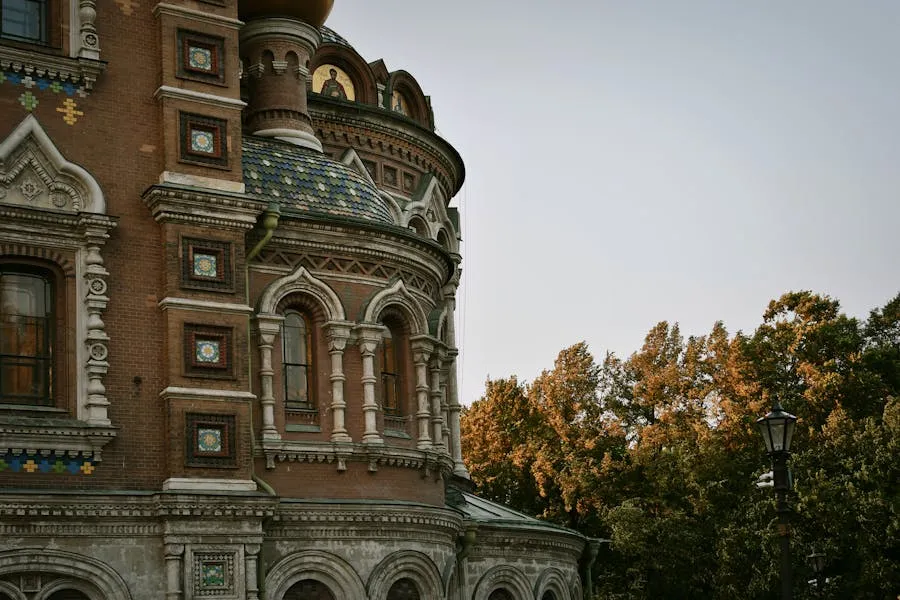
St Petersburg’s most photographed church. Built 1883–1907 on the site where Alexander II was assassinated. The interior contains 7,500 m² of mosaics, more than any other church in the world. The kaleidoscopic domes are modelled on St Basil’s in Moscow

Ornate Moscow Metro station with chandeliers and marble columns

Moscow Metro

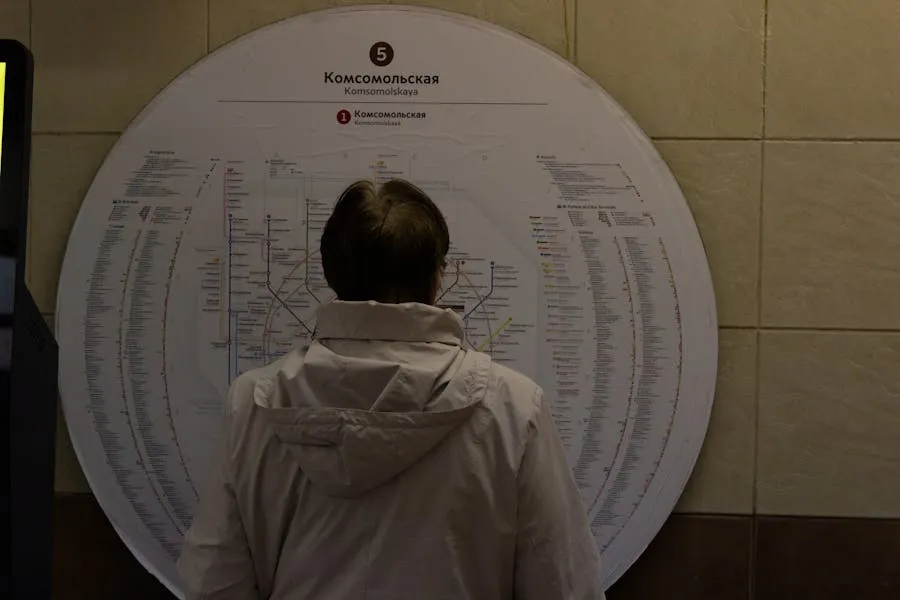
Opened in 1935, the Moscow Metro is itself a tourist attraction. Stations like Komsomolskaya, Mayakovskaya, and Novoslobodskaya feature chandeliers, mosaics, marble columns, and stained glass that rival any museum. A single ride costs ₽50 (~€0.50)

Culture & Cuisine

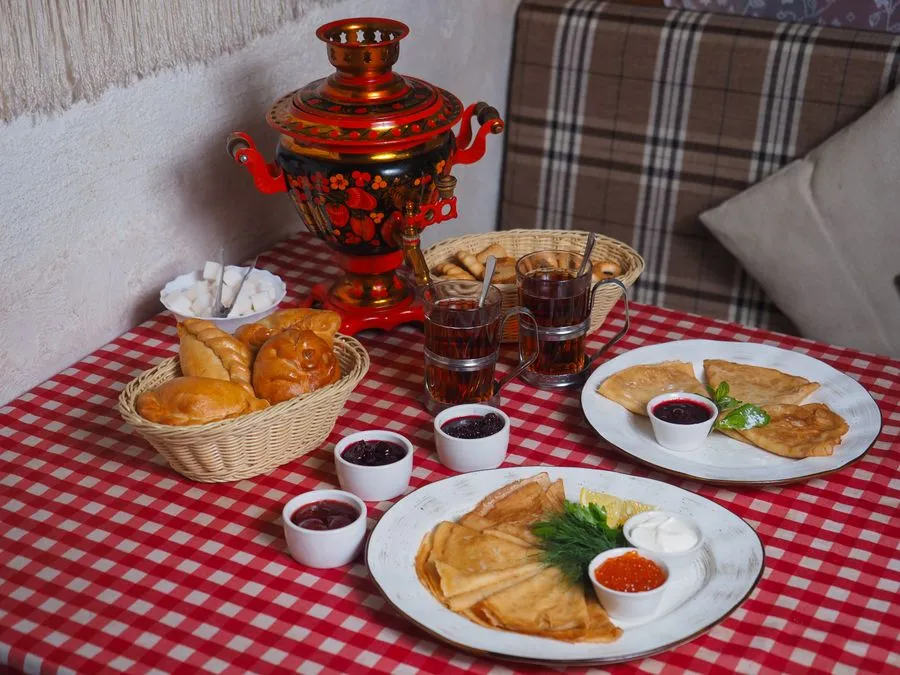
Traditional Russian restaurant with samovar and folk decoration

Russian culture runs deep and contradictory. The country that produced Tolstoy, Dostoevsky, and Chekhov also invented the communal apartment and the Soviet cafeteria. The Bolshoi Ballet performs in a theatre of imperial grandeur while ordinary Russians drink tea from a samovar and argue about literature at the kitchen table. The culture is literary, musical, theatrical, and fiercely proud of its creative traditions.

Food in Russia is far better than its reputation. The peasant tradition of hearty soups, dumplings, and pickled everything evolved through centuries of French, Central Asian, and Caucasian influence. Moscow and St Petersburg now have genuinely excellent restaurant scenes. But the real discoveries come from regional variety, from Tatar pastries in Kazan to smoked omul fish on the shores of Baikal to Kamchatka crab pulled straight from the Pacific.

Bowl of deep red borscht with smetana sour cream and fresh dill

🍲 Borscht & Soups

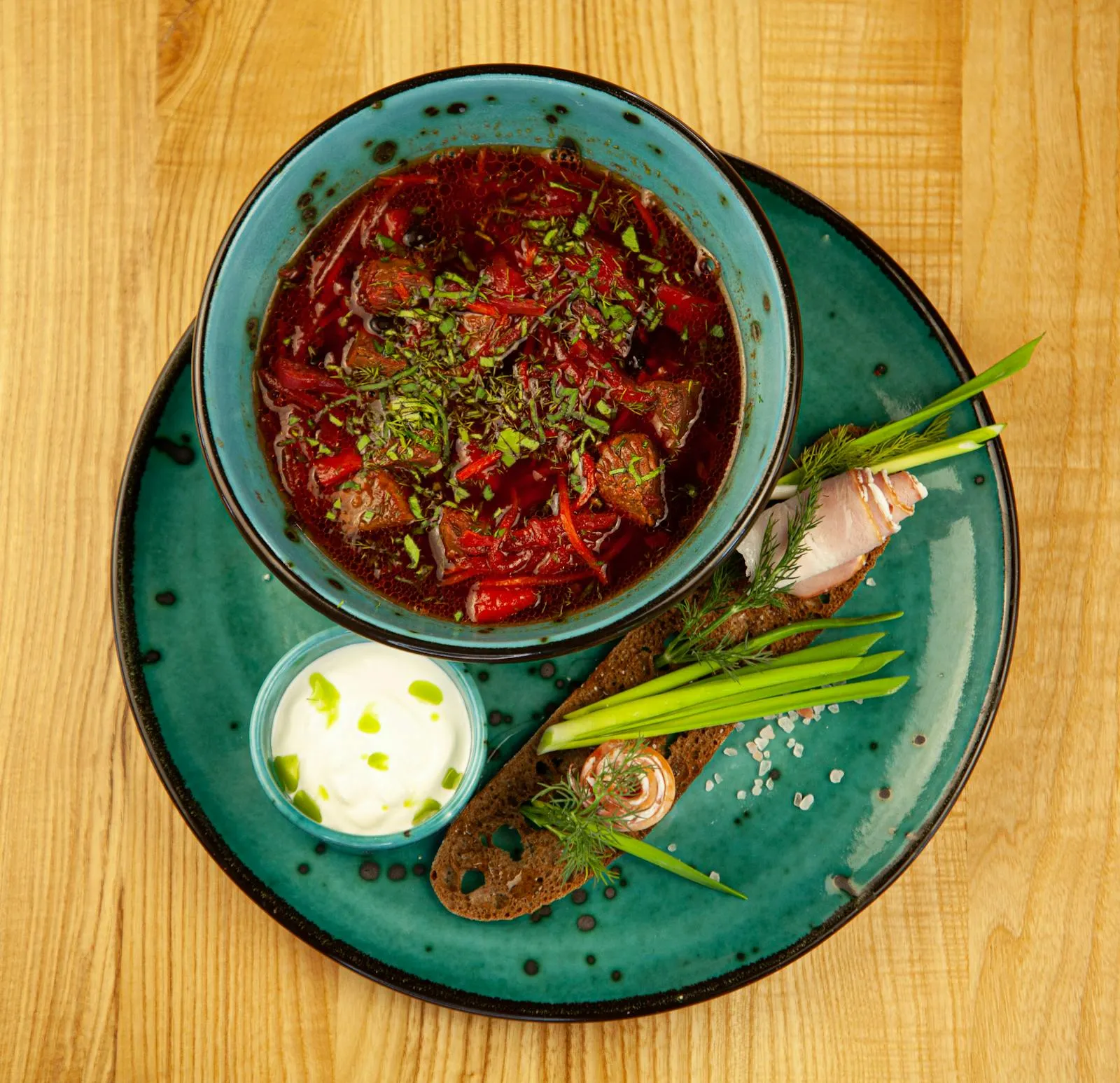
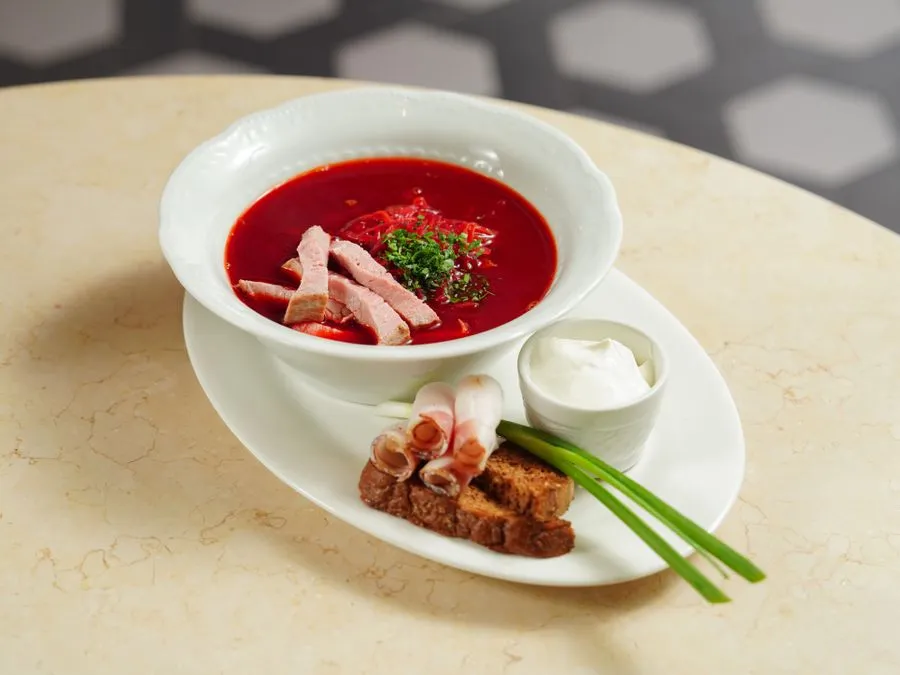
Borscht (beetroot soup) with a swirl of smetana. Shchi (cabbage soup), the thousand-year staple. Solyanka (thick, sour, spicy). Ukha (clear fish broth). Russian soups are meals in themselves, served with black bread and sour cream. Every region has its own variation

Plate of pelmeni dumplings with sour cream and fresh herbs

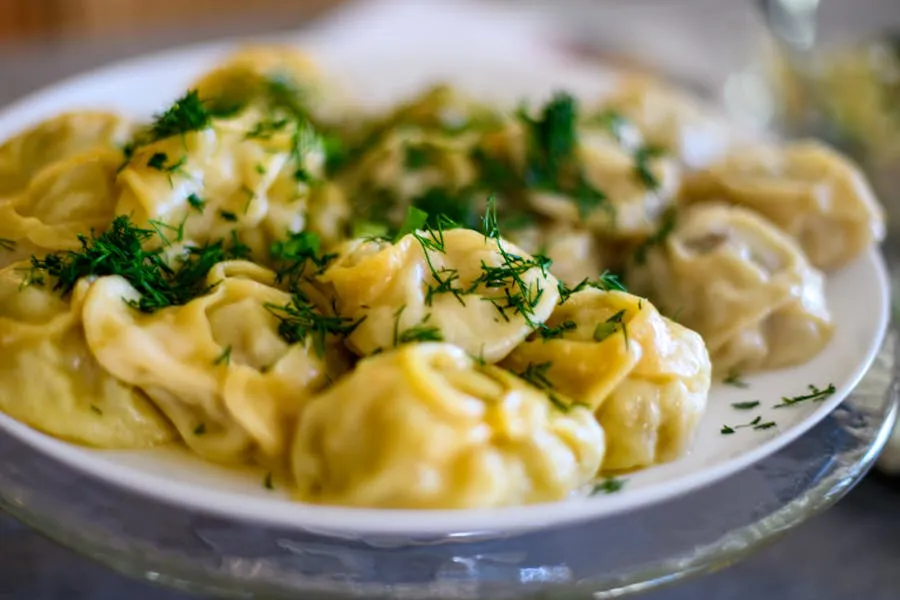
🥘 Pelmeni

Siberian dumplings. Minced meat (traditionally 45% beef, 35% lamb, 20% pork) wrapped in thin dough and boiled. Served with butter, smetana, vinegar, or mustard. Made in huge batches and frozen for the Siberian winter. The Russian comfort food

Stack of golden blini pancakes topped with red caviar and dill

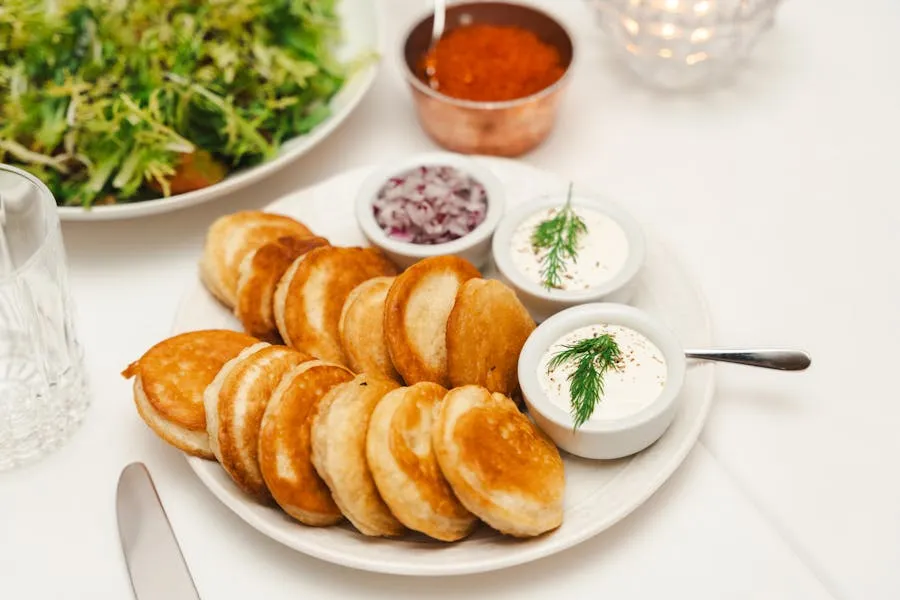
🥐 Blini & Caviar

Thin yeasted buckwheat pancakes, the ritual food of Maslenitsa. Topped with smetana, jam, or salmon caviar. Red caviar is affordable (₽300–500 per jar in supermarkets). Black sturgeon caviar is the luxury version. Blini are also a common breakfast

Beef Stroganoff with sour cream sauce served over rice

🍖 Beef Stroganoff

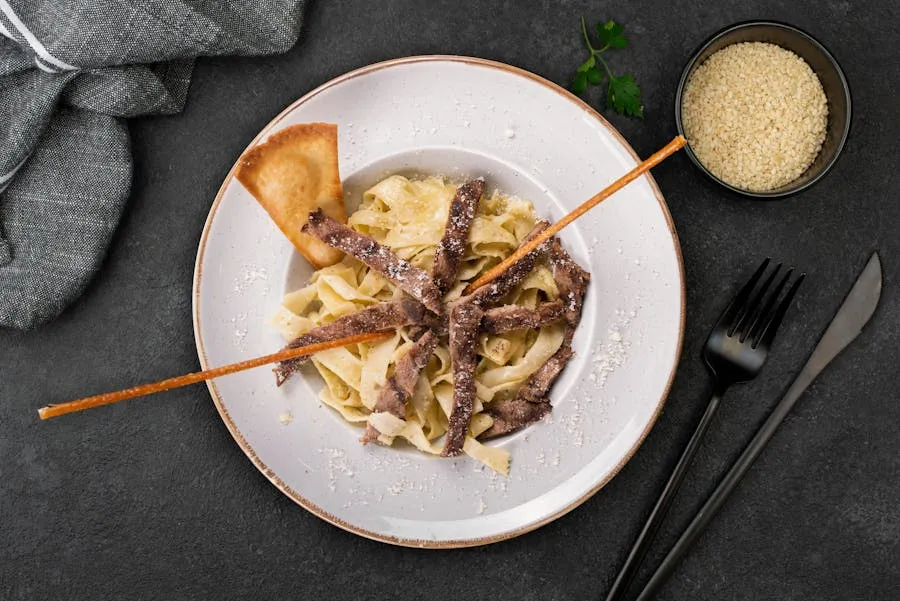
Sautéed beef in a smetana (sour cream) sauce. Invented in mid-19th-century Russia and now eaten worldwide. In Russia, it is typically served with mashed potatoes or buckwheat kasha. Simple, rich, and surprisingly easy to find done well

Russian vodka in small glasses with pickles and black bread on the side

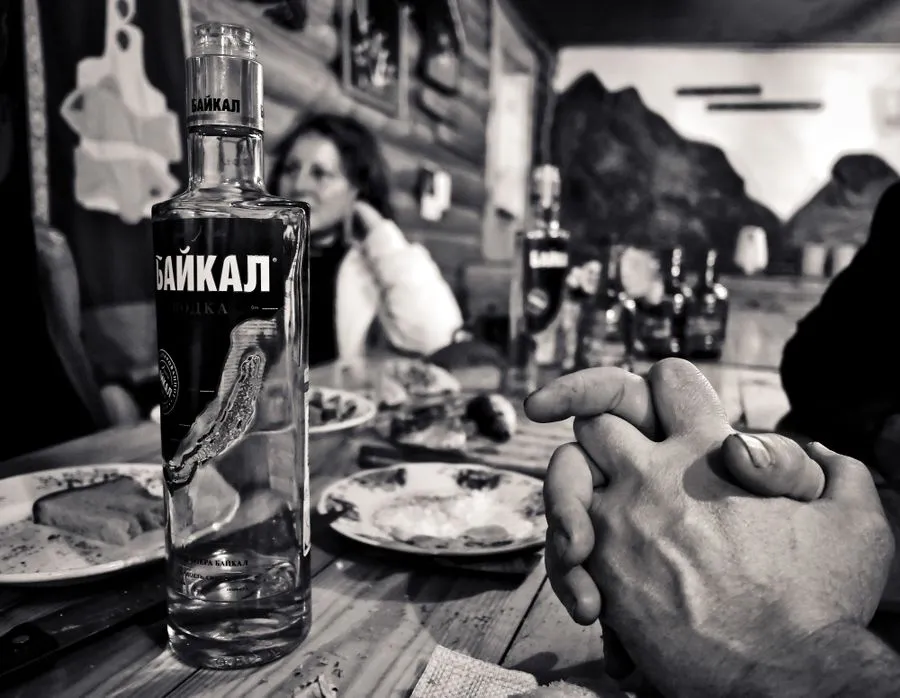
🍸 Vodka & Zakuski

Vodka is drunk cold, in small shots, always with food. Zakuski (appetisers) are the accompaniment: pickled cucumbers, herring, black bread, caviar, cured meats. A proper vodka zakuski spread is a social ritual. Kvass (fermented bread drink) is the non-alcoholic staple

Russian samovar with ornate design pouring tea into a traditional glass

☕ Tea & Samovar Culture

Russia is one of the world’s largest tea consumers. Black tea, brewed strong in a samovar and diluted with hot water. Drunk with sugar, jam (varenye), or lemon. The kitchen-table tea ritual is central to Russian social life. Coffee is gaining ground but tea still dominates

Banya. The Russian steam bath is a cultural institution. Heated to 80–100 °C, followed by birch-branch beating (venik) and a cold plunge. Moscow’s Sanduny Baths (since 1808) are the most famous. Expect to spend 2–3 hours. Bring a towel and flip-flops, or rent them. An essential Russian experience.

Activities & Hikes

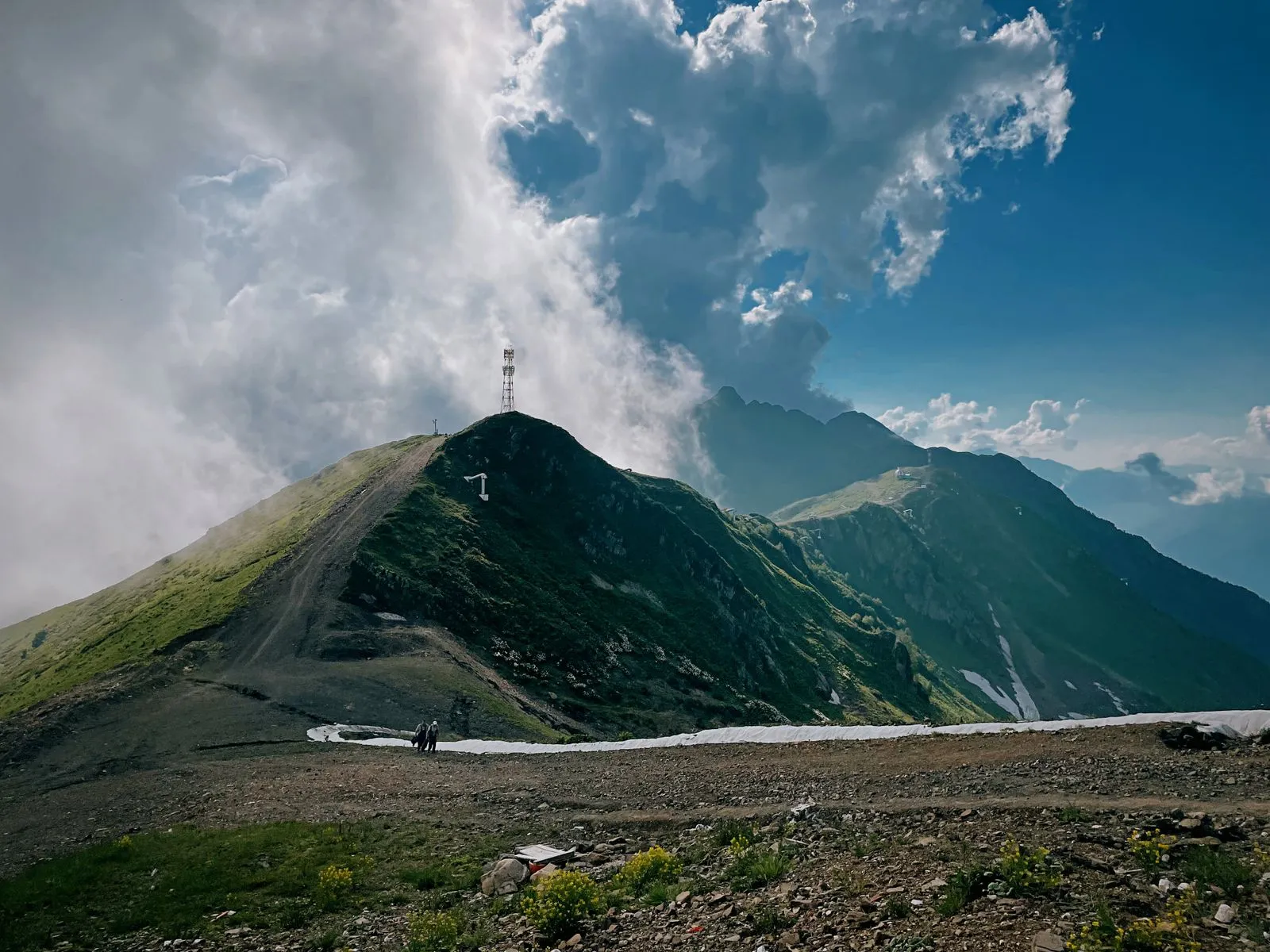
Hikers on a mountain trail in the Caucasus with dramatic peaks and valleys

Russia has more outdoor range than any single country. The Caucasus offers Alpine-grade mountaineering. Kamchatka has active volcanoes you can trek up to the crater rim. Siberia has wilderness on a continental scale. And the Trans-Siberian Railway is an activity in itself, a week-long journey through seven time zones that changes how you understand distance.

ActivityWhereSeasonDifficultyNotes
Trans-Siberian RailwayMoscow–VladivostokYear-roundEasy9,289 km, 7 days non-stop. Break journey at Yekaterinburg, Novosibirsk, Irkutsk. From ₽20,000 (~€200)
Mt Elbrus ascentCaucasus, Kabardino-BalkariaJun–SepHard5,642 m, Europe’s highest peak. Cable car to 3,800 m, then climb. Technical but non-technical route exists. Guided trips essential
Kamchatka volcano trekkingKamchatka PeninsulaJul–SepModerate–HardAvachinsky (2,741 m) is a day hike. Mutnovsky and Gorely are multi-day. Helicopter access for remote volcanoes
Lake Baikal ice trekkingOlkhon Island, ListvyankaFeb–MarEasy–ModerateWalk on transparent frozen ice. Ice caves, bubbles, cracks. Dog sledding and hovercraft rides available
Altai Mountains trekkingAltai RepublicJun–SepModerate–HardUNESCO Golden Mountains. Belukha peak (4,509 m). Multi-day treks through pristine alpine meadows
Bear watchingKamchatka (Kurilskoye Lake)Jul–SepEasy800+ brown bears in Kronotsky reserve. Salmon run season draws bears to rivers. Guided observation from platforms
Skiing (Rosa Khutor)Sochi/Krasnaya PolyanaDec–AprAll levels2014 Olympic venue. 77 km of runs, modern lifts, 2,320 m peak. Day passes from ₽3,000 (~€30)
Moscow Metro architectural tourMoscowYear-roundEasySelf-guided tour of 10–15 ornate stations. Komsomolskaya, Mayakovskaya, Novoslobodskaya, Ploshchad Revolyutsii
Volga River cruiseMoscow–AstrakhanMay–OctEasyMulti-day cruises through Golden Ring cities. Uglich, Yaroslavl, Kostroma, Nizhny Novgorod. From ₽50,000 (~€500)
Northern LightsMurmansk, Kola PeninsulaSep–MarEasyMurmansk is the largest city in the Arctic. Aurora viewing tours available. Best chances Dec–Feb on clear nights

🚆 Best Train Journeys

Trans-Siberian (Moscow–Vladivostok, 7 days). Sapsan (Moscow–St Pete, 4 hours). Baikal-Amur Mainline (BAM, the “other” Trans-Siberian through wilder terrain)

🏔 Best Hiking

Caucasus (Elbrus region, Dombay). Kamchatka volcanoes. Altai Mountains. Baikal Great Trail (55 km along the lake). Stolby Nature Reserve near Krasnoyarsk

🏂 Best Skiing

Rosa Khutor (Sochi, Olympic venue). Sheregesh (Siberia, powder snow). Elbrus (highest skiable peak in Europe). Dombaiy (Caucasus, uncrowded)

🚢 Best Winter Adventures

Baikal ice trekking (Feb–Mar). Dog sledding (Murmansk, Baikal). Ice fishing. Yakutsk at −50 °C (the coldest city experience on Earth)

Wildlife & Nature

Brown bear fishing for salmon in a Kamchatka river

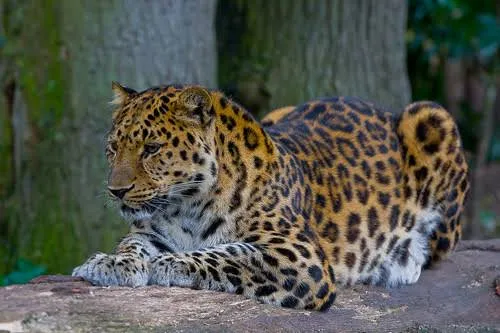
Russia is one of the most biodiverse countries on Earth, covering 13 bioregions from Arctic tundra to subtropical Black Sea coast to monsoon forests in the Far East. It has 103 zapovedniks (strict nature reserves under IUCN category 1a, the highest protection level in the world), 50+ national parks, and nine UNESCO natural World Heritage Sites. Three of the planet’s most charismatic predators, the brown bear, the Siberian tiger, and the Amur leopard, all live here.

Kamchatka brown bear catching salmon in a rushing river

🐻 Brown Bears

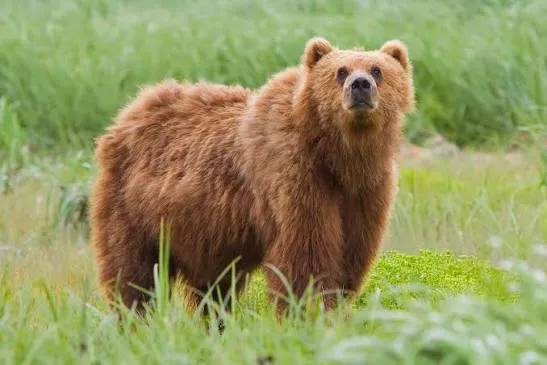
Kamchatka has the densest brown bear population on Earth. The Kronotsky reserve alone has 800+, some exceeding 540 kg. Bears congregate at salmon streams in July–September. Observation platforms at Kurilskoye Lake. Also present in Baikal region, Caucasus, and throughout Siberia

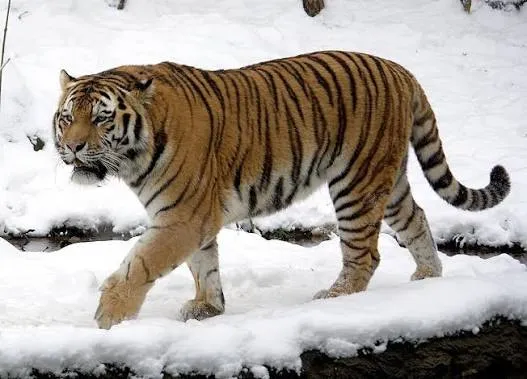
Siberian tiger walking through snow-covered forest

🐅 Siberian Tiger

The world’s largest cat. Around 480–540 remain in the wild, almost exclusively in Primorsky Krai in the Russian Far East. The Sikhote-Alin range (UNESCO) is their primary habitat. Sightings in the wild are extremely rare. Zov Tigra National Park aids conservation

Baikal seal nerpa resting on rocks by the lake

🦟 Baikal Seal (Nerpa)

The only freshwater seal species on Earth, endemic to Lake Baikal. Population around 100,000. Evolved in the lake over millions of years. Best spotted around Ushkany Islands (boat trips from Olkhon). Curious and sometimes approachable when resting on sun-warmed rocks

Polar bear walking on Arctic sea ice

🦫 Polar Bears & Arctic Wildlife

Franz Josef Land, Wrangel Island, and the Chukotka coast host polar bears, walruses, beluga whales, and tens of thousands of nesting seabirds. Wrangel Island has the highest density of polar bear dens in the Arctic. Expedition cruises are the access method

National Parks & Nature Reserves

Steaming volcanic landscape of Kronotsky Nature Reserve in Kamchatka

🌋 Kronotsky Zapovednik

10,990 km² on the Kamchatka coast. Valley of Geysers, active volcanoes, 800+ brown bears. UNESCO (Volcanoes of Kamchatka). Helicopter access only. About 3,000 tourists per year. One of the most strictly protected areas on Earth

Lake Baikal shoreline with crystal clear water and forested hills

💧 Lake Baikal Reserves

Multiple protected areas ring the lake. Barguzinsky Zapovednik (Russia’s first, 1916) protects sable, bears, and forest reindeer. Zabaykalsky National Park covers the eastern shore. UNESCO World Heritage Site. The lake’s endemic species are of exceptional evolutionary value

Dense temperate forest in the Sikhote-Alin mountain range

🌳 Sikhote-Alin

UNESCO World Heritage Site in the Russian Far East. The largest intact habitat for the Siberian tiger. 240+ bird species, brown bears, Himalayan black bears, goral, sika deer. Subtropical tiger and taiga-dwelling brown bear share the same territory, a globally unique assemblage

Altai Mountains alpine meadow with snow-capped peaks in the background

🏔 Golden Mountains of Altai

UNESCO site in southern Siberia. Snow leopard, Altai argali sheep, alpine meadows, glacial lakes. Belukha peak (4,509 m). Multi-day trekking routes through pristine wilderness. The Altai people maintain shamanic traditions. Less visited than the Caucasus

Western Caucasus forested mountains with mist in the valleys

🌴 Western Caucasus

UNESCO World Heritage Site. Old-growth forests, alpine meadows, glaciers. European bison (re-introduced), Caucasian tur (mountain goat), chamois, brown bears, Persian leopard (extremely rare). 6,000+ plant species. One of the few mountain areas in Europe without significant human impact

Arctic landscape with icebergs and seabird colonies on rocky cliffs

❄ Great Arctic Zapovednik

The largest protected area in the Arctic. Over 41,000 km² in the northernmost reaches of Russia. Polar bears, Arctic lemmings, ringed seals, beluga whales. Tens of thousands of nesting seabirds in summer. Established 1993

Route A: 10-Day Two Capitals (Moscow & St Petersburg)

Sapsan high-speed train at a Russian station platform

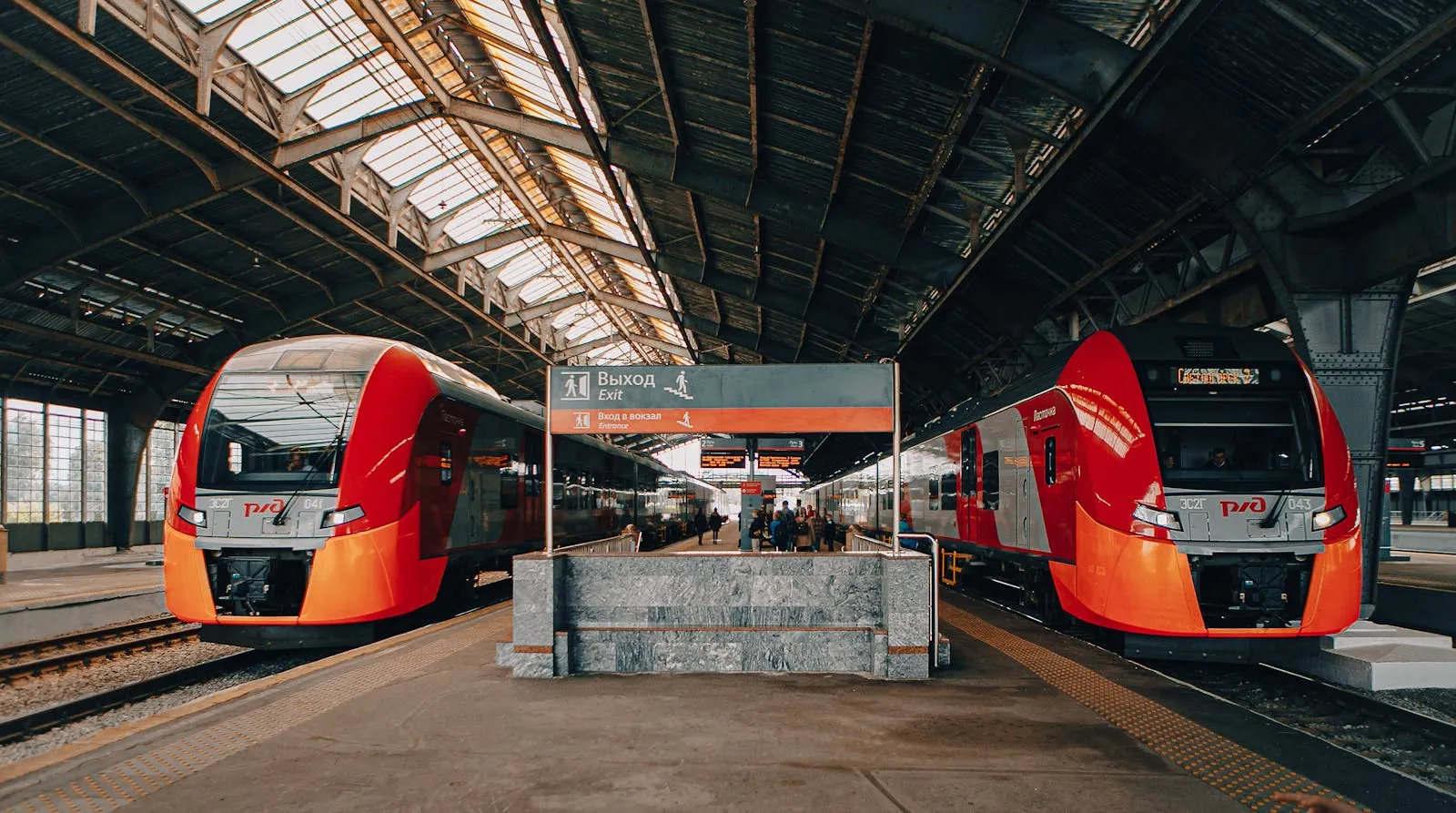
The classic first-timer’s route. Moscow and St Petersburg connected by the Sapsan high-speed train (3–4 hours). No car needed. Works year-round, but best May–September. Add a day trip to Sergiev Posad (Golden Ring) and Peterhof for depth.

Budget: €50–90/day (hostel/mid-range, eating at stolovayas and mid-range restaurants, metro, Sapsan ticket). Peak White Nights season adds 20–30%.

Transport: Fly into Moscow, out of St Petersburg (or reverse). Sapsan between the two cities (~€30–60). Metro in both cities. Suburban trains for day trips.

Day-by-day itinerary

Day 1–2: Moscow – Red Square & Kremlin

Arrive Moscow. Walk Red Square, St Basil’s Cathedral, GUM department store. Day 2: Kremlin (book tickets online), Armoury Chamber, Cathedral Square. Evening: Bolshoi Theatre area, Tverskaya Street.

Day 3: Moscow – Metro & Tretyakov Gallery

Morning: self-guided Moscow Metro tour (Komsomolskaya, Mayakovskaya, Ploshchad Revolyutsii, Novoslobodskaya). Afternoon: Tretyakov Gallery (Russian art from icons to avant-garde). Evening: Gorky Park or Patriarshiye Prudy.

Day 4: Day Trip – Sergiev Posad

Train from Moscow (1h20). Trinity Lavra of St Sergius, the spiritual heart of Russian Orthodoxy and a UNESCO site. The most important monastery in Russia. Return to Moscow by evening.

Day 5: Moscow – Arbat & Contemporary

Morning: Old Arbat Street (pedestrian, street performers). Afternoon: Moscow City skyscrapers or VDNKh exhibition centre and Space Museum. Evening: Sanduny Baths (banya experience).

Day 6: Sapsan to St Petersburg

Morning Sapsan to St Petersburg (3–4 hours). Afternoon: walk Nevsky Prospekt from Moscow Station to the Admiralty. Kazan Cathedral, Singer Building. Evening: first view of Palace Square and the Winter Palace.

Day 7: St Petersburg – Hermitage

Full day at the Hermitage Museum. 3 million items across six buildings. Prioritise the Italian Renaissance rooms, Impressionists, Gold Room (separate ticket). You cannot see everything in a day. Do not try.

Day 8: St Petersburg – Peterhof

Hydrofoil from the Neva embankment to Peterhof (30 min). Grand Cascade, Lower Park, Grand Palace. Return via hydrofoil or suburban train. Evening: Church of the Savior on Spilled Blood (exterior at dusk).

Day 9: St Petersburg – Canals & Fortress

Peter and Paul Fortress (burial site of the Romanovs). Boat tour of the canals. Russian Museum (Russian art complement to the Hermitage). Mariinsky Theatre for ballet or opera in the evening.

Day 10: Departure

Last morning walk along the Neva. Catherine Palace at Tsarskoye Selo (Amber Room) if time allows (30 min by train). Fly out from Pulkovo Airport.

Route B: 2-Week Cultural Deep Dive

Golden Ring medieval churches reflecting in a river at dawn

This route adds the Golden Ring and Kazan to the two capitals. It shows Russia’s depth: medieval monasteries, Tatar culture, and the full arc of Russian history from 12th-century Vladimir to 21st-century Moscow. Trains and buses connect everything. No car needed. Best May–September.

Budget: €45–80/day. Golden Ring towns are cheaper than the capitals. Kazan is excellent value.

Transport: Fly into Moscow. Trains to Vladimir/Suzdal, Yaroslavl, Kazan. Sapsan to St Petersburg. Fly out of St Petersburg.

Day-by-day itinerary

Day 1–3: Moscow

Red Square, Kremlin, Tretyakov Gallery, Moscow Metro tour, Arbat Street, banya. Same as Route A days 1–3 plus Sergiev Posad day trip.

Day 4–5: Vladimir & Suzdal

Train from Moscow to Vladimir (1h45). UNESCO cathedrals (Assumption, St Demetrius), Golden Gate. Bus to Suzdal (45 min). The open-air museum. Kremlin, monasteries, Museum of Wooden Architecture. Overnight in Suzdal.

Day 6: Yaroslavl

Bus or train from Suzdal/Vladimir to Yaroslavl. UNESCO old town, Church of Elijah the Prophet, Strelka park at the Volga-Kotorosl confluence. The unofficial capital of the Golden Ring.

Day 7–8: Kazan

Overnight train or flight from Yaroslavl/Moscow. Kazan Kremlin (UNESCO), Kul Sharif Mosque, Bauman Street. Tatar cuisine: chak-chak, echpochmak, gubadiya. A city where mosque and cathedral stand 50 metres apart.

Day 9: Travel to St Petersburg

Flight from Kazan to St Petersburg (2.5 hours). Settle in, evening walk along Nevsky Prospekt.

Day 10–14: St Petersburg

Hermitage (full day). Peterhof (day trip). Peter and Paul Fortress. Church of the Savior on Spilled Blood. Russian Museum. Canal boat tour. Mariinsky Theatre. Catherine Palace (Tsarskoye Selo). White Nights if visiting Jun–Jul.

Route C: 3-Week Trans-Siberian Grand Journey

Trans-Siberian train crossing a vast Siberian landscape with forests and river

Three weeks lets you combine the two capitals with the full Trans-Siberian experience. Moscow to St Petersburg, then the Golden Ring, then the railway east to Irkutsk and Lake Baikal. This is the route that shows Russia’s true scale. Best June–September. A rental car is not needed. Trains and one or two flights handle everything.

Budget: €40–75/day. Siberia is cheaper than Moscow/St Pete. Third-class train (platskart) is the budget option. Second-class (kupe) is more comfortable.

Transport: Fly into Moscow. Sapsan to St Pete. Train Moscow–Yekaterinburg–Irkutsk. Fly out of Irkutsk (or continue to Vladivostok).

Day-by-day itinerary

Day 1–4: Moscow

Red Square, Kremlin, Tretyakov, Metro tour, Sergiev Posad day trip. Same as Route A.

Day 5–6: Golden Ring (Vladimir & Suzdal)

Train to Vladimir, bus to Suzdal. UNESCO cathedrals, Kremlin, monasteries, Museum of Wooden Architecture. Return to Moscow.

Day 7–8: Trans-Siberian – Moscow to Yekaterinburg

Board the Trans-Siberian at Yaroslavsky Station. 26 hours to Yekaterinburg. Watch the Urals slide past. Chat with compartment-mates over tea from the samovar. Yekaterinburg: Church on the Blood (Romanov execution site), Ganina Yama monastery.

Day 9–10: Trans-Siberian – Yekaterinburg to Novosibirsk

Reboard. 18 hours across the West Siberian Plain. Novosibirsk: Russia’s third city, Akademgorodok (science city), Opera House (largest in Russia). One night.

Day 11–13: Trans-Siberian – Novosibirsk to Irkutsk

32 hours through Krasnoyarsk (stop for Stolby Nature Reserve if time allows) to Irkutsk. “Paris of Siberia.” Wooden lace houses, 130 Kvartal historic quarter. Base for Lake Baikal.

Day 14–16: Lake Baikal

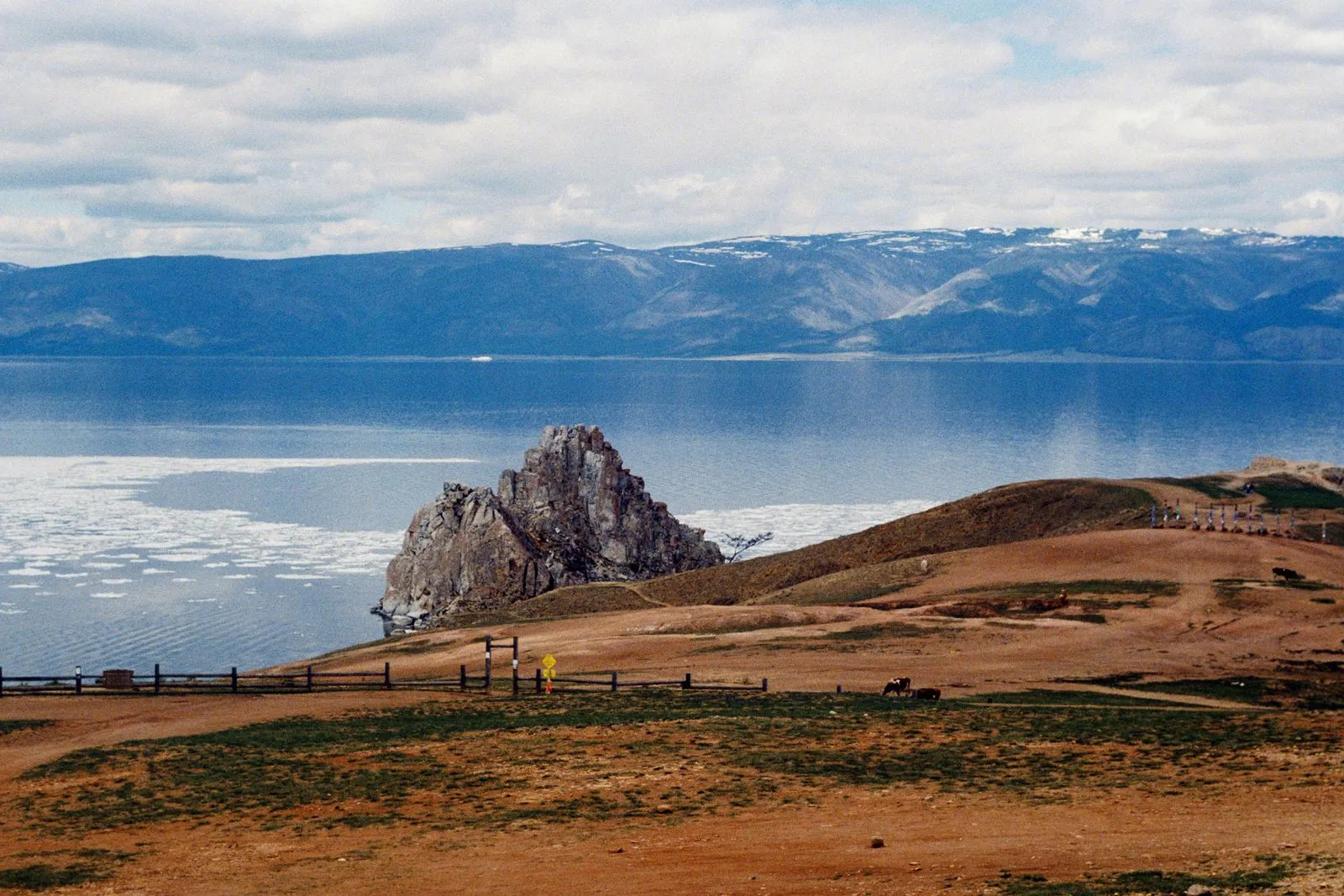
Marshrutka or bus to Listvyanka (1 hour). Baikal Museum. Ferry or road to Olkhon Island (5–6 hours). Shamanka Rock, Cape Khoboy. If winter: walk on transparent ice, see ice caves, frozen bubbles. If summer: swim, hike the Great Baikal Trail (55 km, multi-day).

Day 17: Return to Irkutsk

Last morning at Baikal. Return to Irkutsk. Evening: try omul fish (smoked Baikal whitefish) at a local restaurant.

Day 18–19: Fly to St Petersburg

Flight Irkutsk to St Petersburg (6 hours). Hermitage, Peterhof, canals, Mariinsky Theatre. Compressed but the contrast with Siberia is striking.

Day 20–21: St Petersburg & Departure

Church of the Savior on Spilled Blood, Russian Museum, Peter and Paul Fortress. Last evening walk along the Neva. Fly out from Pulkovo.

Getting Around

Moscow Metro train arriving at an ornate station with marble and chandeliers

🚆 Trains

The backbone of Russian travel. Sapsan: Moscow–St Pete, 3–4h, from €30. Trans-Siberian: Moscow–Vladivostok, 7 days. Third class (platskart) is open bunks. Second class (kupe) is 4-berth compartments. Book on rzd.ru or aviasales.ru

✈ Domestic Flights

Essential for Kamchatka, Vladivostok, Murmansk, Sochi. Airlines: Aeroflot, S7, Ural Airlines, Rossiya. Book via aviasales.ru (works with foreign cards). Moscow has 3 airports: Sheremetyevo, Domodedovo, Vnukovo

🚇 Metro

Moscow and St Petersburg have extensive metro systems. Moscow: 250+ stations, ₽50 per ride, Troika card for multiple trips. St Pete: 5 lines, deepest metro in the world. Clean, fast, safe at all hours

🚕 Yandex GO

The Russian Uber. Works everywhere, even small Siberian towns. Affordable. Payment by cash or Russian bank card. Foreign cards sometimes work in the app. Essential for getting around within cities

🚌 Buses & Marshrutkas

Long-distance buses connect cities without rail links. Marshrutkas (minibuses) run fixed routes in cities and between nearby towns. Cheap but can be crowded. Golden Ring towns are well connected by bus

🚘 Rental Cars

Possible but not recommended for first-timers. International driving permit (1968 convention) required. Roads outside major cities can be poor. Useful for the Golden Ring loop or Caucasus mountain roads

Getting into Russia. No direct flights from Western countries (sanctions). Connect through Istanbul, Dubai, Abu Dhabi, Belgrade, Tbilisi, Yerevan, or Astana. Turkish Airlines, Emirates, FlyDubai, Air Serbia, and Gulf carriers operate the most routes. Book connecting flights separately for best prices.
RouteTransportDurationCost (approx.)Notes
Moscow–St PetersburgSapsan train3–4 hours€30–60High-speed, comfortable, city centre to city centre
Moscow–St PetersburgOvernight train8 hours€15–30Red Arrow or Grand Express. Quintessential Russian experience
Moscow–VladivostokTrans-Siberian7 days€200–4009,289 km. Third or second class. Break journey at stops
Moscow–KazanTrain11–14 hours€25–50Overnight preferred. Also flights (1.5 hours, ~€60)
Moscow–IrkutskFlight5.5 hours€100–200Or Trans-Siberian (3.5 days). Flights save time
Moscow–SochiFlight2.5 hours€40–80Also train (24–28 hours, scenic Black Sea coast)

Budget Breakdown

Budget and costs

Russia is remarkably affordable once you get there. The catch is getting there (indirect flights cost more since 2022) and the payment situation (Western bank cards do not work). Outside Moscow and St Petersburg, prices drop further. A stolovaya (Soviet-style canteen) lunch for ₽300 (~€3) is normal across the country. All prices in Euros are approximate, based on ₽100 = ~€1.

Daily Budget Ranges

CategoryBudgetMid-rangeComfort
Accommodation€10–25 (hostel/guesthouse)€40–80 (3-star hotel/good apartment)€80–200+ (4-star/boutique)
Food€8–15 (stolovaya, street food, markets)€20–40 (restaurants, wine)€50–100 (fine dining, tasting menus)
Transport€3–8 (metro, city buses, marshrutka)€15–40 (Sapsan, domestic flights booked early)€40–80 (kupe class trains, taxis)
Activities€2–8 (museums, churches, parks)€10–25 (guided tours, boat trips)€30–100 (helicopter tours, banya VIP)
Daily Total€23–56€85–185€200–480

Money-Saving Tips

🍴 Stolovaya Canteens

Soviet-era self-service cafeterias. Point at what you want. A full meal (soup, main, drink) costs ₽250–400 (~€2.50–4). Found everywhere. Mu-Mu, Grabli, and Stolovaya 57 are popular chains in Moscow

💰 Cash Strategy

Bring Euros or USD in good condition. Exchange at banks (not airports or hotels). Sberbank and VTB have the best rates. Exchange offices (obmen valyuty) are common. Carry enough cash for your entire trip

🚆 Third-Class Trains

Platskart (third class) on the Trans-Siberian is open-plan bunks. Cheaper than kupe by 40–60%. The most social way to travel. Bring your own food and tea. ₽3,000–6,000 for long segments

🎫 Free Museum Days

Many museums have free days (often third Thursday or last Sunday of the month). The Hermitage is free the third Thursday. Check museum websites. Student discounts (ISIC) widely accepted

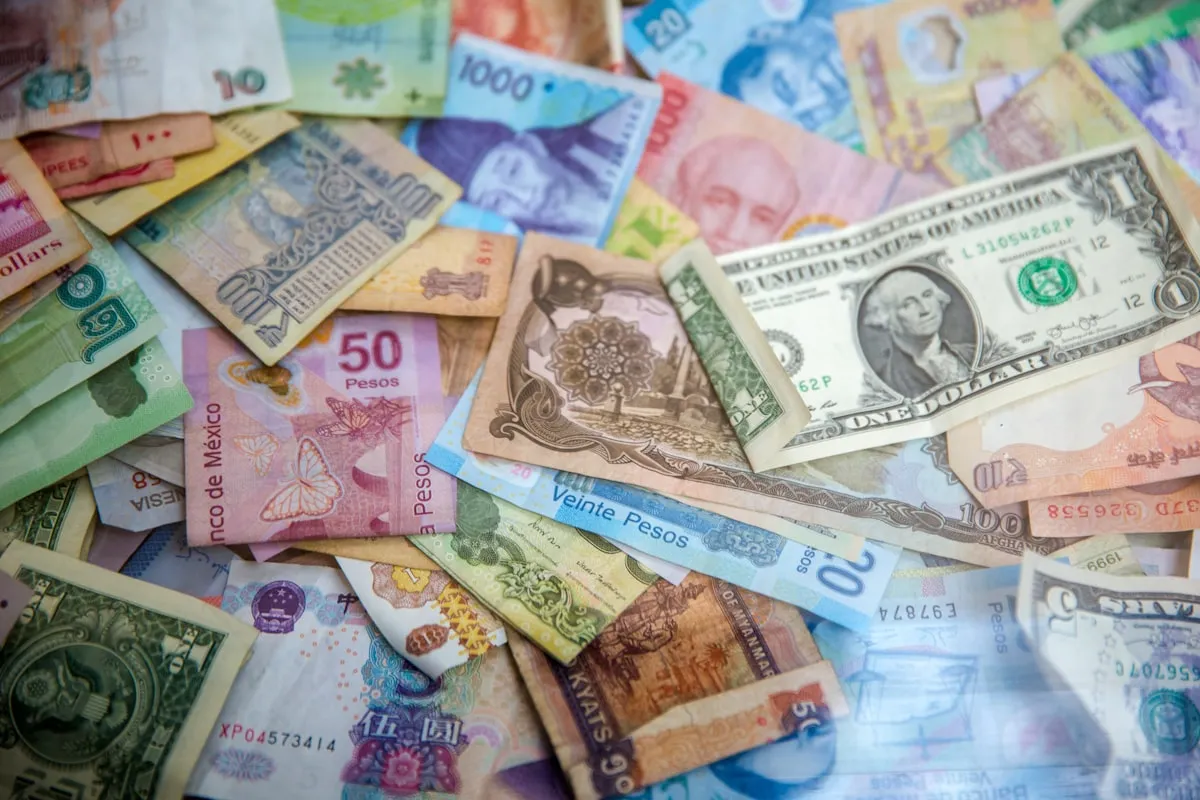
Payment reality since 2022. Visa and Mastercard do not work in Russia. Apple Pay, Google Pay, and PayPal are suspended. You need cash (Rubles, exchanged from Euros/USD) or a MIR-system card (available from some Turkish, Kazakh, or Uzbek banks). UnionPay cards from Chinese banks work at some terminals. Plan your cash carefully. ATMs exist but will not dispense to Western cards.

Practical Information

Practical travel information

💳 Visas

E-visa available for many nationalities (30 days, single entry, ~€40). Apply online 4–20 days before travel. Traditional tourist visa via consulate still exists

🏥 Health

No mandatory vaccinations. Tick-borne encephalitis vaccine recommended for Siberian hiking. Pharmacies (apteka) well-stocked. Tap water not safe to drink in most cities

💶 Money

Russian Ruble (₽). Western cards do not work. Bring Euros/USD cash to exchange. MIR cards from Turkish/Kazakh banks as backup

📶 SIM & WiFi

SIM cards from MTS, Beeline, Megafon. Passport required. 20–50GB for ₽500–1,000 (~€5–10). Free Wi-Fi in hotels, metro, and most cafés

🔌 Electricity

Type C/F (2 round pins), 220V/50Hz. Same as continental Europe. UK/US/AUS travellers need adapters

🛒 Safety

Generally safe. Petty theft in tourist areas of Moscow and St Pete. Avoid political gatherings. Register within 7 days of arrival (hotel does this automatically)

Entry & Visas

Russia introduced an electronic visa (e-visa) system allowing 30-day stays for citizens of many countries. Apply on the Russian MFA website 4–20 days before travel. The e-visa is single entry and valid for one purpose (tourism). Traditional tourist visas (via Russian consulates, requiring an invitation letter from a hotel or tour agency) remain available for longer stays or multiple entries. Check current eligibility carefully. Entry restrictions and visa rules have changed frequently since 2022.

Health & Money

No mandatory vaccinations. Tick-borne encephalitis vaccination is recommended if hiking in Siberia or the Urals (May–September). Pharmacies (apteka) are common and well-stocked. Basic medications available without prescription. Tap water is not safe to drink in most Russian cities. Boil it or buy bottled water. Currency is the Russian Ruble (₽). Exchange cash at Sberbank, VTB, or Alfa-Bank branches for the best rates. Keep exchange receipts. Avoid money changers near tourist sights.

Connectivity

Russian mobile operators (MTS, Beeline, Megafon, Tele2) sell tourist SIM cards at airports and city shops. Passport required for purchase. Data is cheap: 20–50GB costs ₽500–1,000 (~€5–10). Coverage is excellent in cities and along major highways but drops off in remote Siberia and Kamchatka. Free Wi-Fi in the Moscow and St Petersburg metro, most hotels, and chain cafés.

Language

Russian is the only widely spoken language. English proficiency is low outside upscale hotels and hostels in Moscow and St Petersburg. Learn the Cyrillic alphabet before you go. It takes an afternoon and transforms navigation. Google Translate’s camera mode reads signs and menus. Key phrases: “spasibo” (thank you), “da/nyet” (yes/no), “skolko stoit?” (how much?), “gde...?” (where is...?).

Safety

Russia is generally safe for tourists. Violent crime against foreigners is rare. Pickpocketing exists in Moscow metro and tourist zones. Avoid any political protests or demonstrations. Register your stay within 7 working days of arrival (hotels do this automatically; for private stays, the host must register you at the post office or online). Keep a photocopy of your passport, visa, and migration card separately from the originals. Police checks of documents happen occasionally.

Tips & Common Mistakes

Evening view of a Russian city with golden church domes

Mistakes that cost time, money, or comfort. All avoidable with basic preparation.

  • Not learning Cyrillic. The single biggest quality-of-life improvement for Russia travel. 33 letters, many similar to Latin or Greek. An afternoon of practice lets you read metro signs, street names, menus, and train schedules. Without it you are functionally illiterate
  • Assuming Western cards work. Visa and Mastercard have not functioned in Russia since 2022. Apple Pay, Google Pay, PayPal are all suspended. Bring enough cash (Euros or USD) for your entire trip and exchange at bank branches. Running out of cash with no way to get more is a real risk
  • Not booking the Hermitage timed entry. Walk-up queues exceed 2–3 hours in summer. Buy timed-entry tickets online. Free on the third Thursday of each month, but expect enormous crowds
  • Underestimating distances. Moscow to Vladivostok is 9,289 km. Flying Moscow to Kamchatka takes 9 hours. Even Moscow to Irkutsk is 5.5 hours by air. Do not try to “see Siberia” in a weekend. One region per week is realistic
  • Skipping registration. Foreign visitors must register within 7 working days of arrival. Hotels do this automatically. If staying privately, the host must register you (post office or gosuslugi.ru). Failure to register can result in fines or deportation at the next police check
  • Flying direct from the West. There are no direct flights from EU/UK/US to Russia since 2022. You must connect through a third country (Turkey, UAE, Serbia, Georgia, Armenia, Kazakhstan). Book each leg separately for best prices. Allow 3+ hours for connections
  • Ignoring the banya. The Russian bathhouse is not just a tourist novelty. It is a genuine cultural institution. Locals go weekly. Sanduny in Moscow and Yamskiye Bani in St Petersburg are the historic options. Bring or rent a felt hat. Drink tea, not alcohol, between rounds
  • Photographing military/police sites. Do not photograph military installations, border zones, or uniformed police without permission. This is taken seriously. Airports and train stations are fine. When in doubt, ask
  • July in Moscow without booking ahead. Moscow hotels spike in price during summer festivals and holidays. St Petersburg during White Nights (late Jun–early Jul) can double in price. Book accommodation at least 2–3 months ahead for peak season
  • Expecting Western-style customer service. Russian service culture is direct. Waiters will not smile at you or ask if everything is okay. This is not rudeness. It is normal. Once you adjust, you may find the lack of performative friendliness refreshing

Final Recommendation

Golden sunset over Moscow skyline with church domes silhouetted

Russia is not an easy trip. The visa paperwork, the indirect flights, the cash-only payment situation, the Cyrillic alphabet, the distances that stretch beyond what feels physically possible. Everything about visiting Russia requires more effort than the European average. But the payoff is proportional.

The Hermitage alone justifies a trip to St Petersburg. Lake Baikal in winter, with ice so clear you can see 40 metres down, is unlike anything else on Earth. The Trans-Siberian Railway is not just a train ride. It is a slow, rattling lesson in how large a single country can be, how the forest never ends, and how a shared meal in a train compartment with people who speak none of your language somehow becomes a conversation.

For a first visit, the Moscow–St Petersburg route is the obvious choice. Ten days, two cities connected by a fast train, a day trip or two for depth. It covers the greatest range with the least logistics. If you have three weeks and the nerve for the Trans-Siberian, stretch east to Irkutsk and Baikal. The further from Moscow you travel, the more Russia reveals what no guidebook quite captures: the hospitality, the absurd generosity, the landscapes that feel like they were designed for a planet larger than this one.

Learn Cyrillic. Bring enough cash. Pack patience. And when someone offers you a third cup of tea from the train samovar, say da.