💳 Visas
E-visa required for most nationalities. Apply online 4+ days ahead. 30-day tourist e-visa ~$25, 1-year ~$40
🏥 Health
Hepatitis A/B, typhoid recommended. Malaria prophylaxis for some regions. Drink bottled water only
💶 Money
Indian Rupee (₹). Cards accepted in cities and chain hotels. Cash essential in smaller towns
📶 SIM & WiFi
Airtel or Jio SIM. 1–2GB/day for ₹200–500/month. Passport + photo required. Takes 1–24h to activate
🔌 Electricity
Type C/D/M (2 or 3 round pins), 230V/50Hz. Sockets vary wildly. Carry a universal adapter
🛒 Safety
Generally safe. Scams and hassle are the main issues, not violent crime. Women should take extra precautions
Visas
Most nationalities need a visa. The e-visa is available for 150+ countries and is the easiest option. Apply at indianvisaonline.gov.in at least 4 days before arrival (aim for 1–2 weeks to be safe). 30-day single entry (~$25), 1-year multiple entry (~$40), 5-year multiple entry (~$80). The e-visa is valid for arrival at 28 designated airports and 5 seaports. Have a printout of your e-visa confirmation. Visa on arrival is not available for most nationalities.
Health
Recommended vaccinations include Hepatitis A and B, typhoid, and routine boosters. Malaria prophylaxis is advisable for rural areas, especially during and after monsoon. Japanese encephalitis vaccine for extended rural stays. Drink only bottled or filtered water. Check the seal on bottles (refilling is a scam in some areas). Avoid ice from street vendors. Peel your own fruit. Carry oral rehydration salts (ORS) for inevitable stomach issues. Pharmacies are everywhere and stock most common medications without prescription.
Money
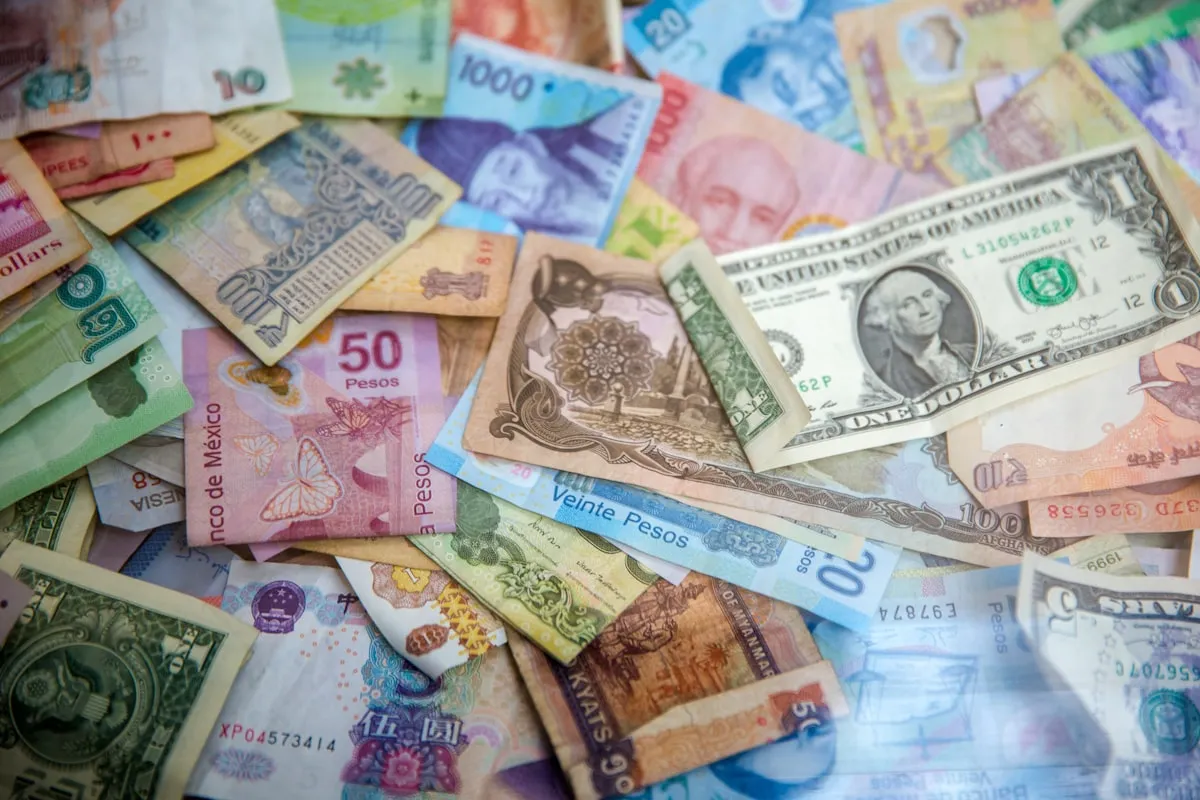
The Indian Rupee (₹) comes in notes of 10, 20, 50, 100, 200, 500, and 2,000. Cards are accepted at hotels, restaurants, and shops in cities. UPI (India’s digital payment system) is everywhere but requires an Indian bank account. Cash is still essential for street food, auto-rickshaws, small shops, and rural areas. ATMs are widespread. SBI, HDFC, and ICICI are the most reliable. International withdrawal fees apply. Always select “without conversion” at ATMs.
Connectivity
Get a local SIM card on arrival. Airtel and Jio are the best networks. You need your passport and a passport photo. Activation takes 1–24 hours (biometric verification required at the shop). Plans are incredibly cheap: ₹200–500 for 1–2GB/day for 28 days with unlimited calls. Wi-Fi is available in most hotels and cafés but often slow. A local SIM with data is essential for maps, Uber/Ola, train tracking, and translation.
Safety
India is generally safe for travellers but the hassle factor is real. Touts, aggressive sellers, fake guides, and scammers are part of daily life in tourist areas. Violent crime against foreign tourists is rare. Petty theft happens in crowded areas and on trains (lock your bag to the berth chain). Women should dress conservatively, avoid walking alone at night in isolated areas, and use women-only train compartments. Solo female travellers have a range of experiences, from deeply positive to uncomfortable. Kerala, Himachal Pradesh, and the northeast are generally considered the safest and least hassle-prone states.
![Colorful Indian street market with spices and textiles]()
Mistakes that cost time, money, comfort, or sanity. All avoidable with preparation.
- Not booking trains early enough. Popular routes (Delhi–Varanasi, Delhi–Jaipur, Mumbai–Goa) sell out weeks ahead in high season. Booking opens 120 days before departure on IRCTC. Do it the day it opens for AC classes
- The “hotel is closed” scam. Taxi or rickshaw drivers at airports and stations will tell you your hotel has closed, burnt down, or has a hygiene problem. They want to take you to a commission hotel instead. Ignore them. Call your hotel directly
- The gem/carpet scam. A friendly local befriends you, takes you to a shop, and convinces you to buy gems/carpets to “export to your country for profit.” The gems are worthless glass. This scam has been running for decades and still catches people
- Drinking tap water. Do not drink tap water anywhere in India. Bottled water only. Check the seal is intact (some vendors refill bottles). Brush teeth with bottled water for the first week. Avoid ice from street vendors
- Trying to see too much. India is enormous and travel between cities takes longer than maps suggest. Two or three regions in two weeks is plenty. Four cities in seven days is exhausting and you will spend most of your time in transit
- No buffer days. Build in at least one free day per week. Stomach bugs, delayed trains, exhaustion, and spontaneous detours are all part of India travel. The tightest itinerary is the one most likely to break
- Ignoring the heat. April through June in the plains is genuinely dangerous. Delhi at 45°C with humidity makes outdoor sightseeing impossible between 11:00 and 16:00. Plan your hot-weather days around early mornings and evenings
- Not using ride apps. Uber and Ola work in every major city and are usually cheaper than negotiating with a rickshaw driver. They also eliminate the exhausting fare bargaining that drains energy in the first few days
- Falling for “official” tourist offices. Fake government tourist offices operate near train stations, especially in Delhi (near New Delhi station at Paharganj). The real tourism office does not send touts to intercept you on the street. Walk past everyone who approaches you at the station
- Underestimating culture shock. India is intense in ways that no guidebook fully prepares you for. The noise, the crowds, the poverty, the constant attention from strangers. It gets easier after 3–4 days. Start in a calmer city (Jaipur, Kochi, Udaipur) rather than Delhi if you want a gentler introduction
![Golden sunset over an Indian temple silhouette]()
India breaks you in the first three days and rebuilds you by day five. The sensory overload, the chaos, the relentless energy of a billion-person civilisation moving at full speed in every direction. There is nothing like it anywhere else. And once it clicks, it becomes the place that every other destination gets measured against.
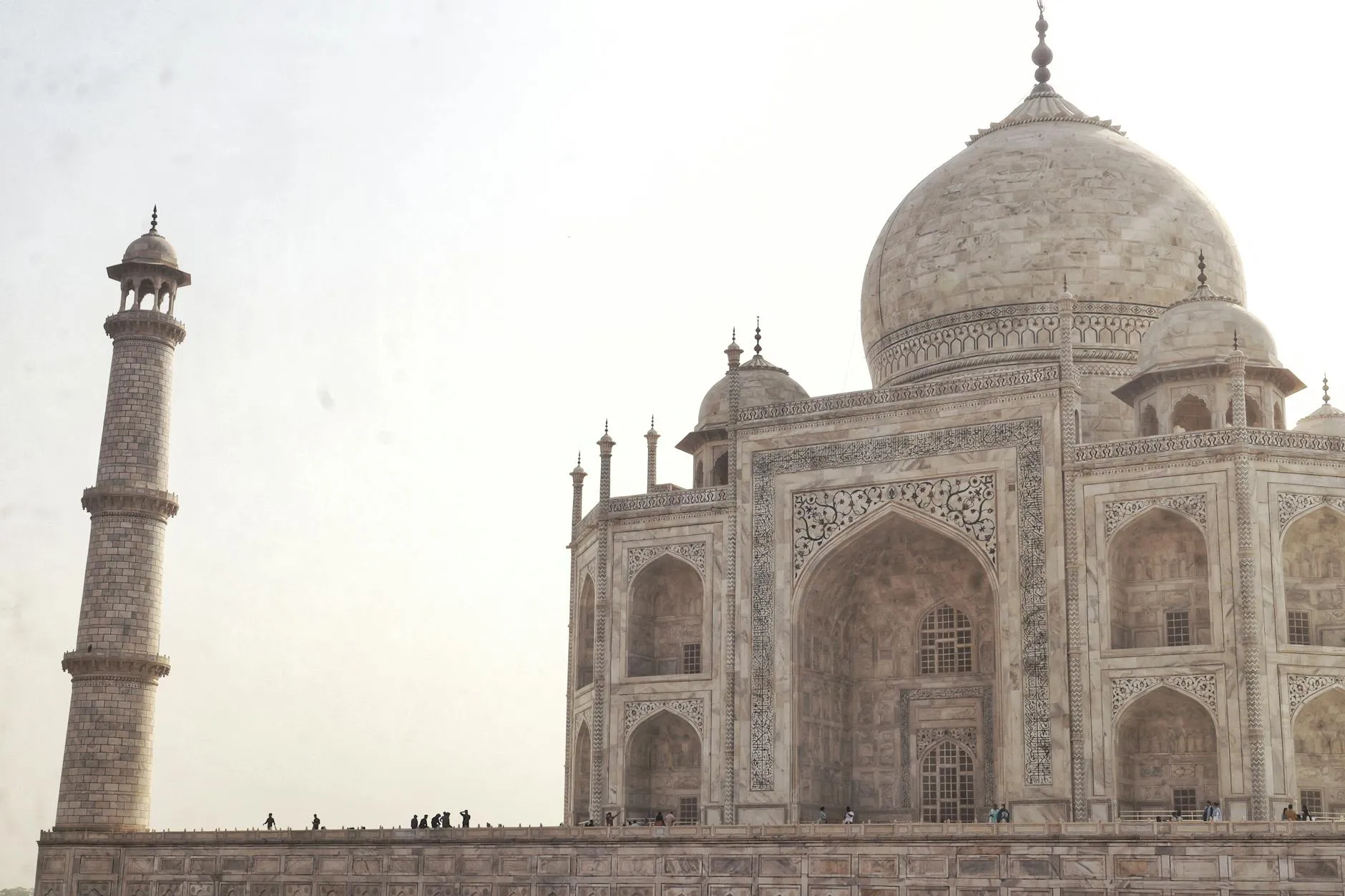
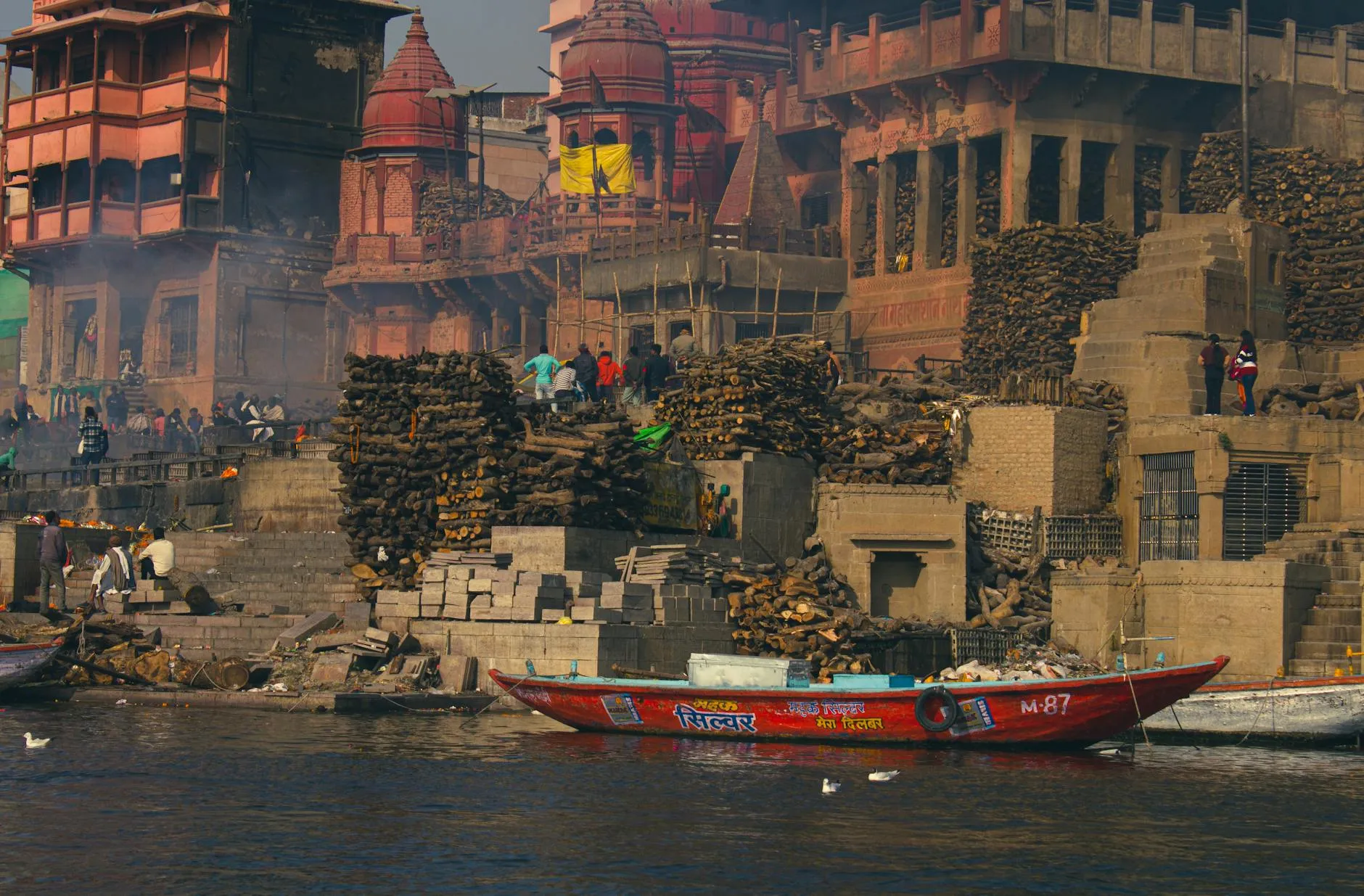
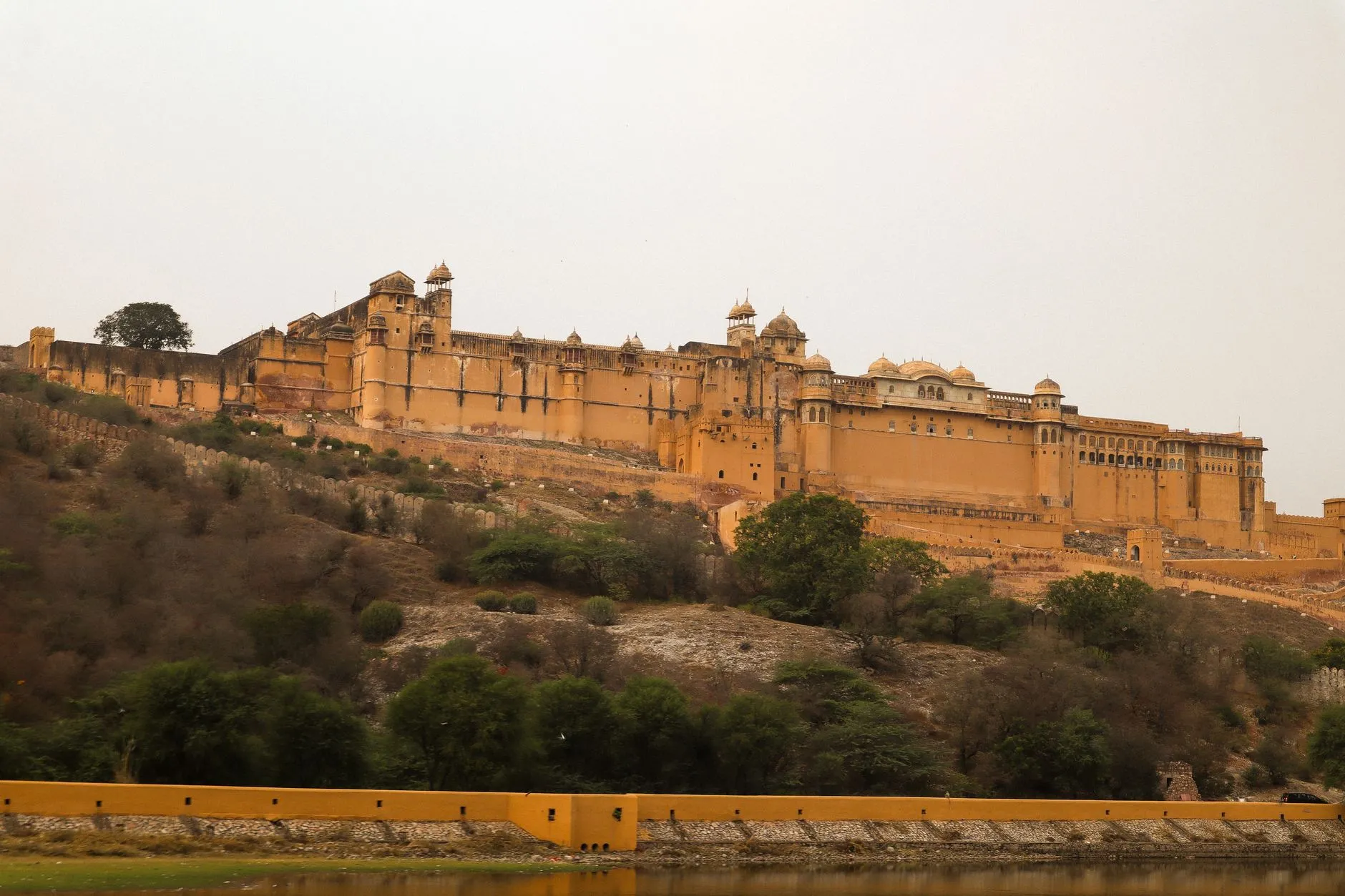
For a first visit, start with the Golden Triangle (Delhi, Agra, Jaipur) and push into Rajasthan. Two weeks is enough for a life-changing trip. Add Varanasi if you can handle intensity. Add Kerala if you want the polar opposite. Three weeks lets you do both north and south, and that is when India’s true range reveals itself.
Do not over-plan. The best moments in India are unscripted. The chai stall conversation with a stranger who invites you to his cousin’s wedding. The temple ceremony you stumble into. The train journey where your compartment mates share their tiffin boxes and life stories. India rewards openness and punishes rigidity. Travel loose.
Get the e-visa sorted. Book your first two nights. Book the first train. And then let India do what it does. It will frustrate you, amaze you, exhaust you, and make you want to come back before you have even left.