South Africa’s seasons are reversed from the Northern Hemisphere. December to February is summer, June to August is winter. But the country spans 13 degrees of latitude with three distinct climate zones, so “best time” depends entirely on what you want to do and where you want to go.
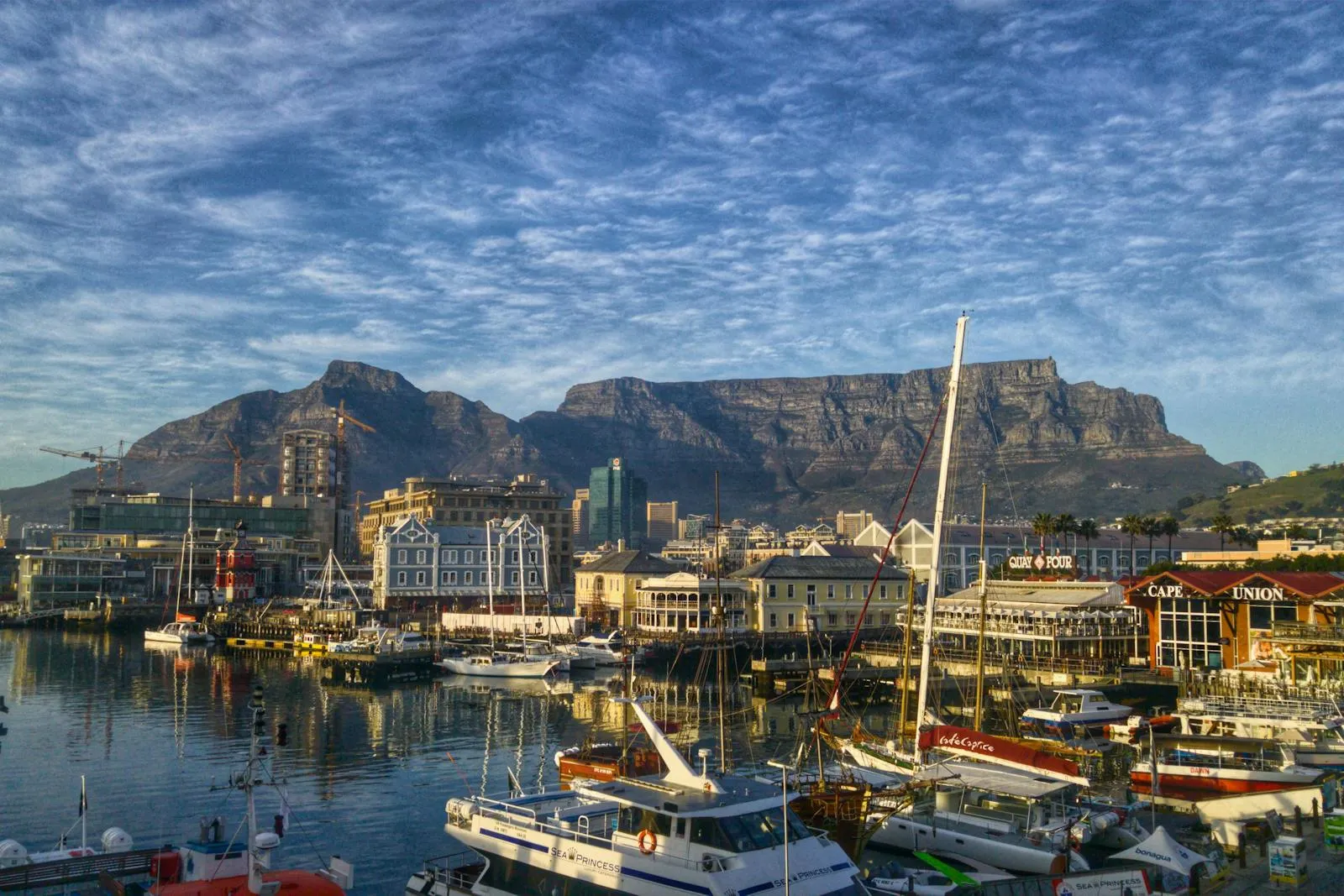
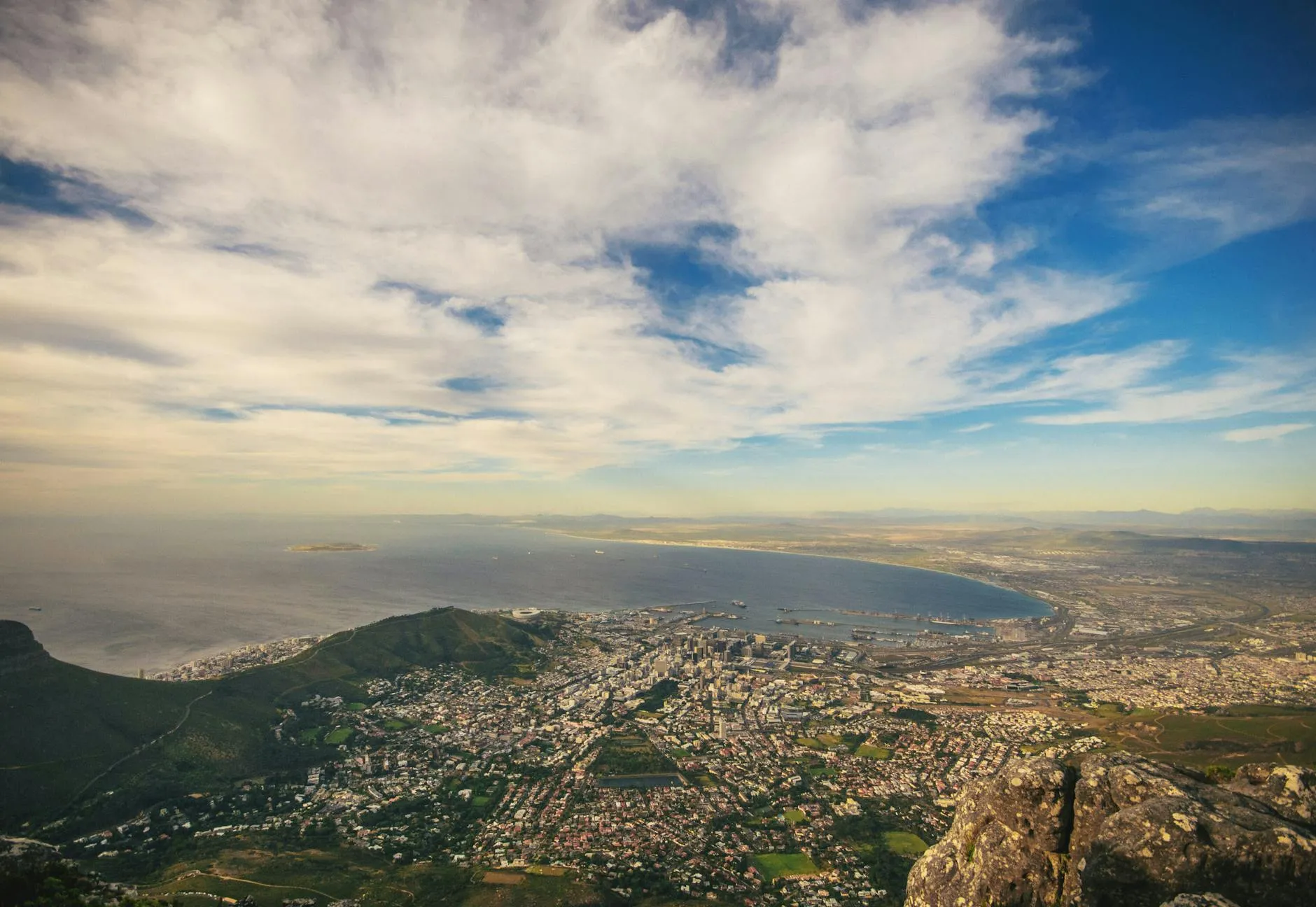
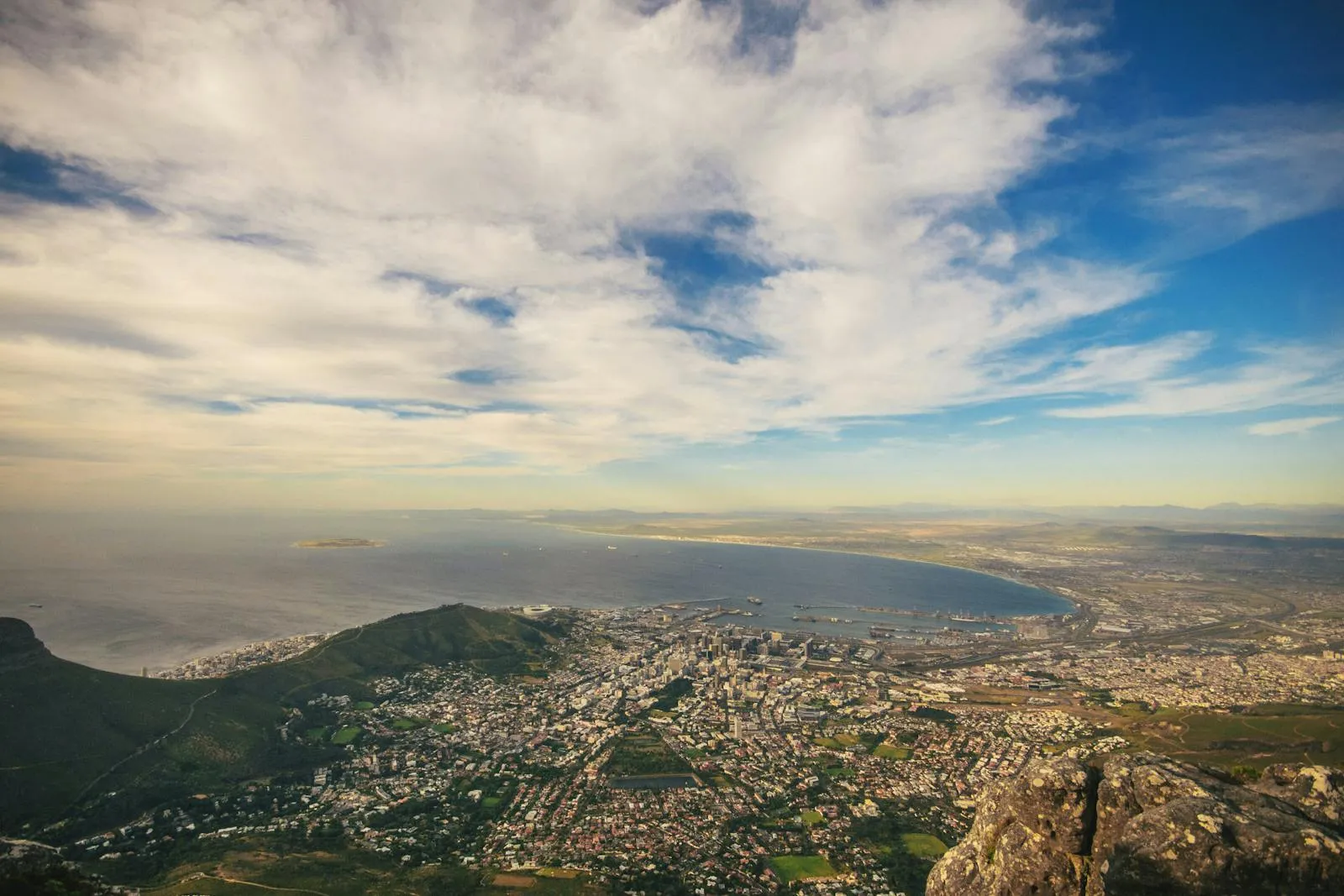
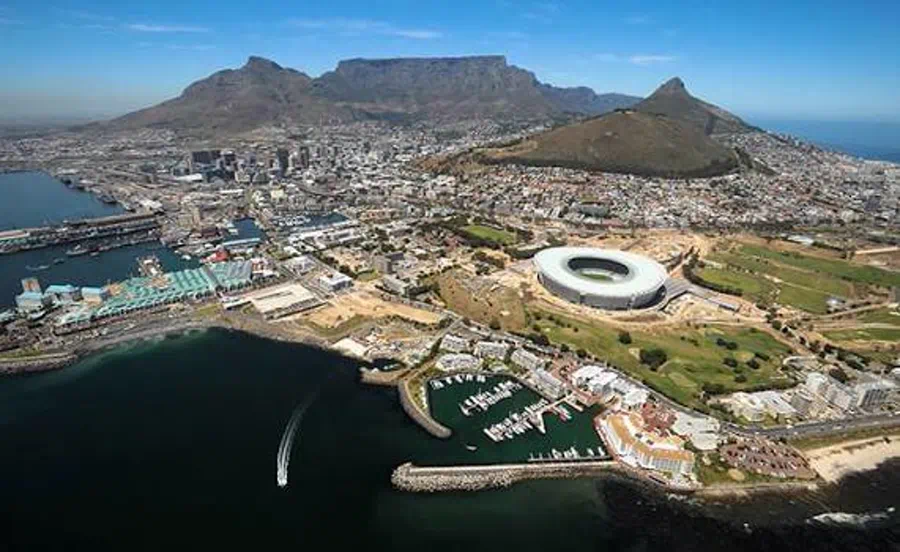
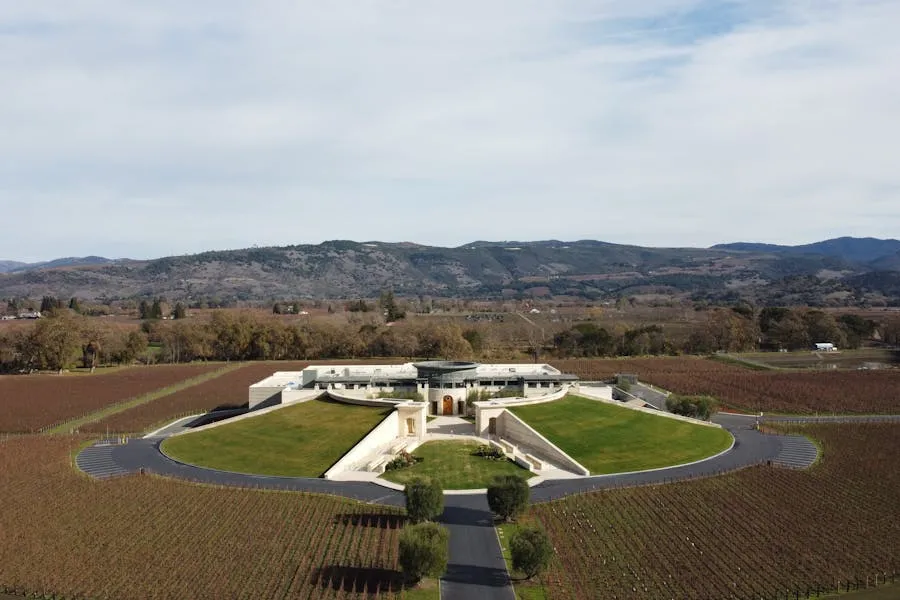
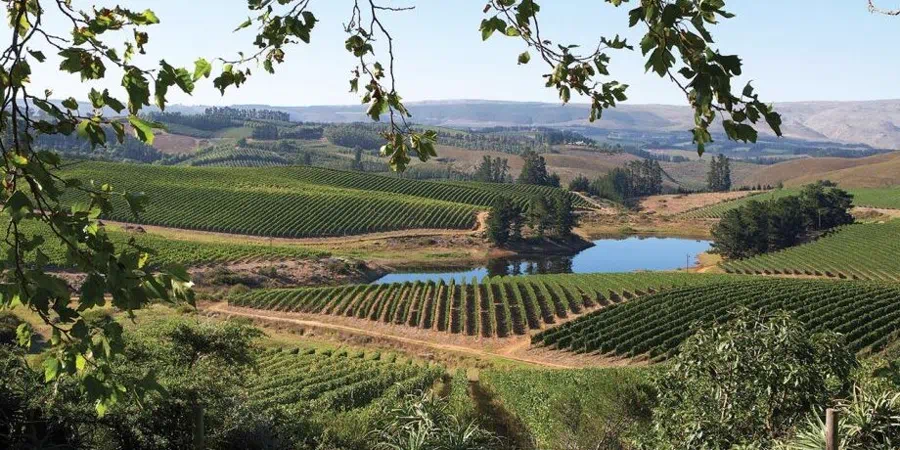
- Cape Town & Western Cape (Oct–Mar): Mediterranean climate. Summer brings warm, dry weather (25–30 °C), long days, and minimal rain. December–January is high season with high prices and crowds. November and March are excellent shoulder months with similar weather and fewer people.
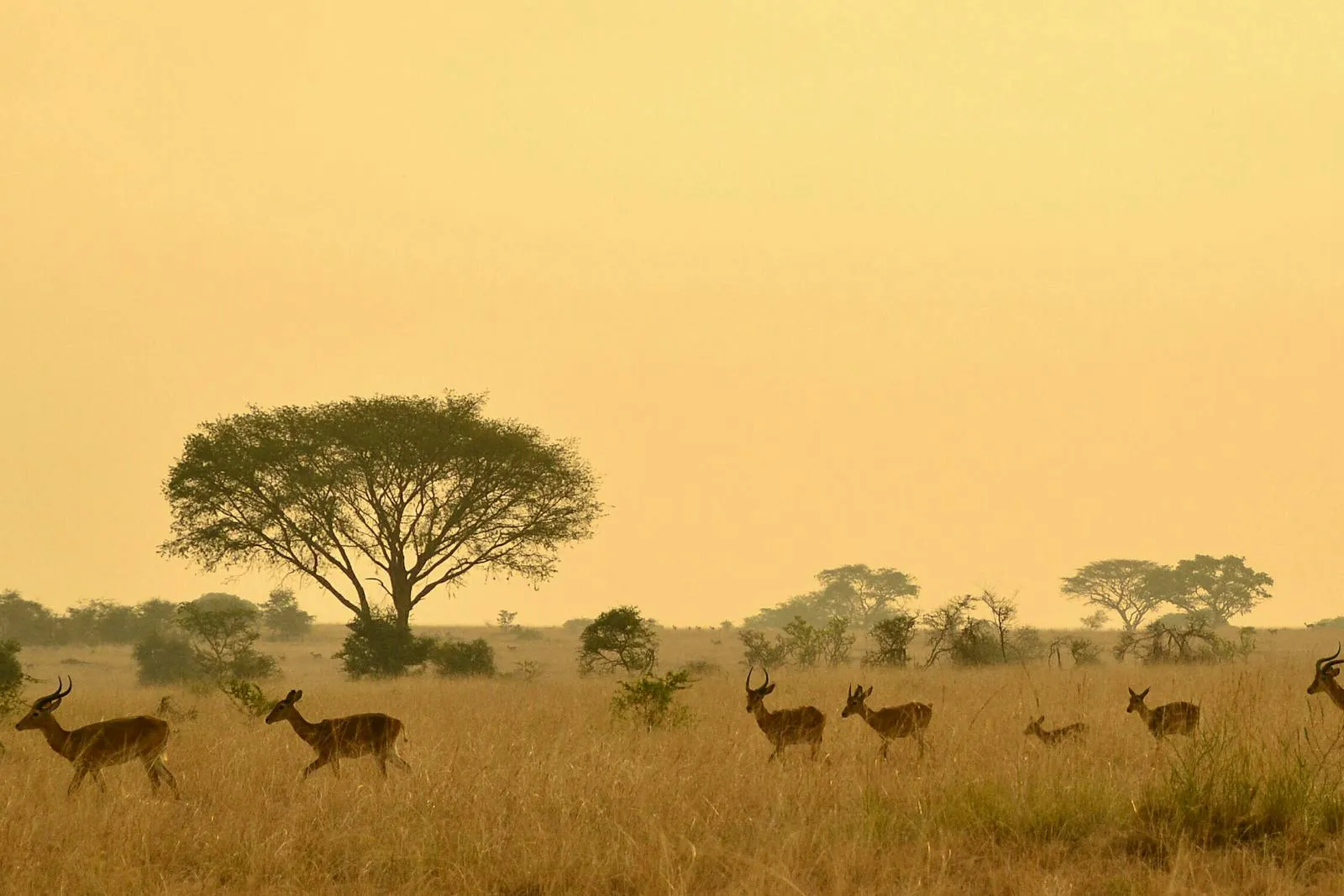
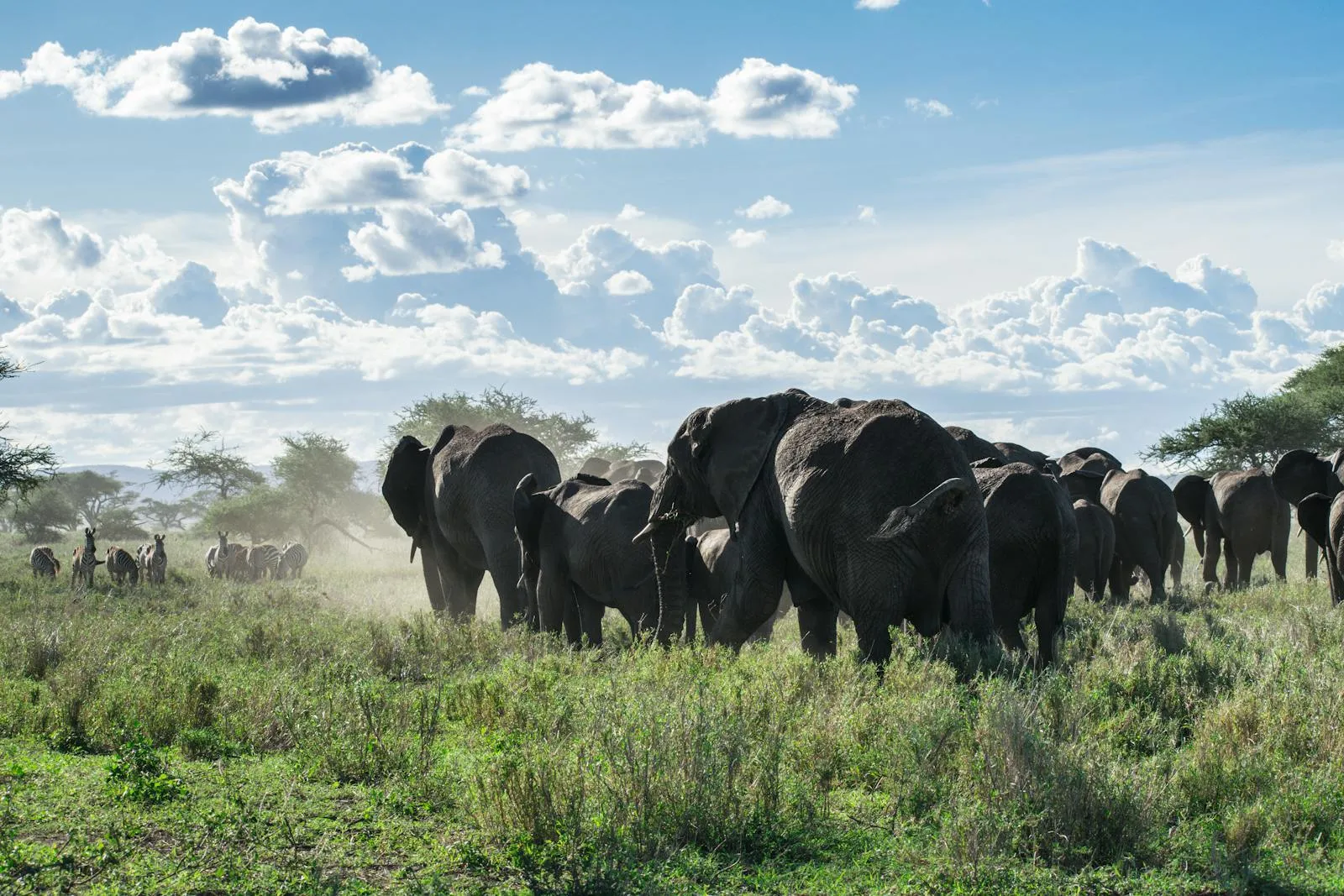
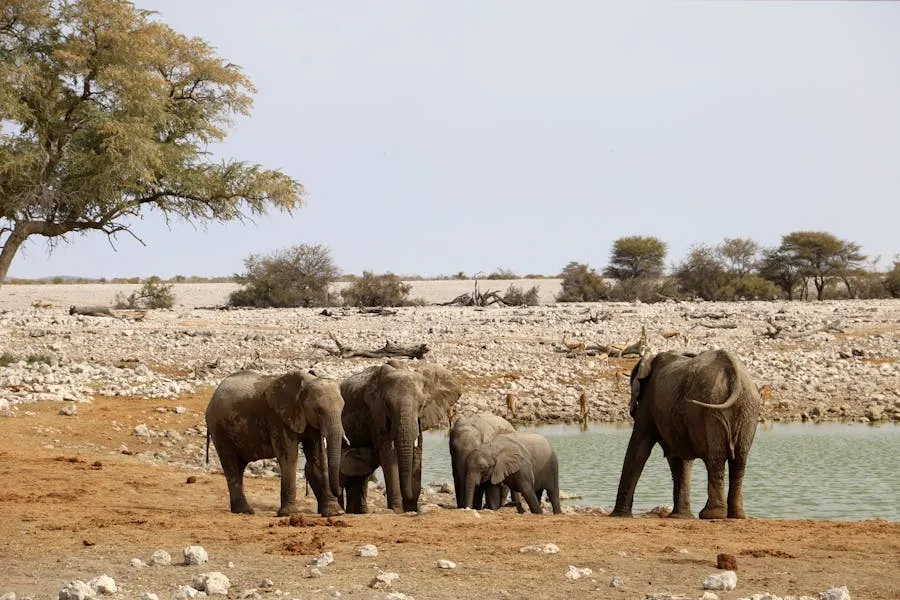
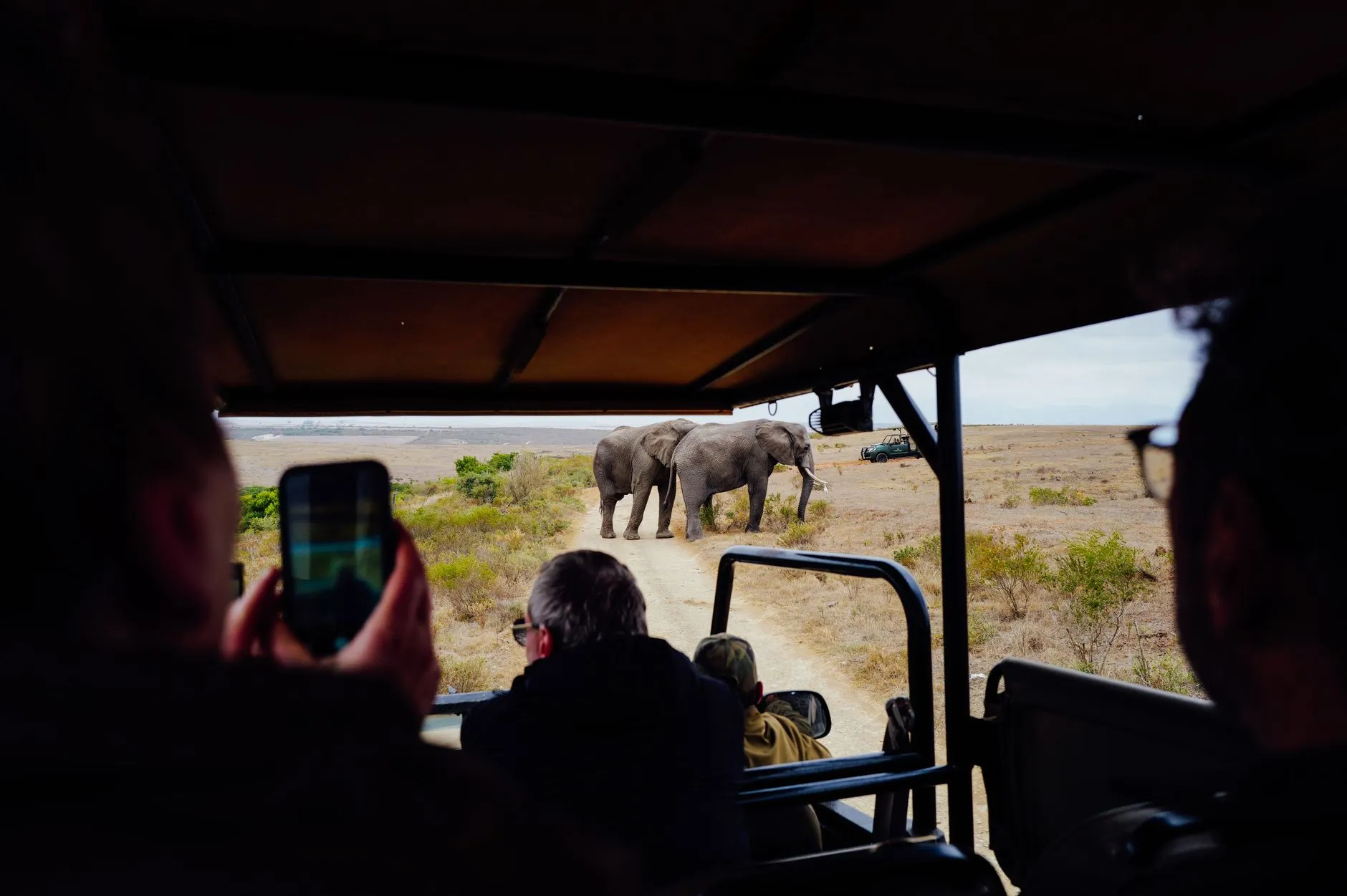
- Safari / Kruger (May–Oct): Dry winter is best for game viewing. Vegetation thins out, animals concentrate around waterholes, and malaria risk drops. Morning game drives are cold (5–15 °C), so bring layers. Green season (Nov–Apr) has lush landscapes and baby animals but thicker bush and afternoon thunderstorms.
- Garden Route (year-round): Temperate with rain possible any month. Summer (Dec–Feb) is warmest and busiest. Autumn (Mar–May) is often the sweet spot with warm, quieter, and stable weather.
- KwaZulu-Natal & Durban (year-round): Subtropical. Warm and humid in summer (Oct–Mar) with afternoon thunderstorms. Winter is mild, dry, and excellent for hiking the Drakensberg.
- Whale watching (Jul–Nov): Southern right whales calve in Walker Bay (Hermanus) from June to December, with high season August–October. Humpbacks pass through KZN June–November.
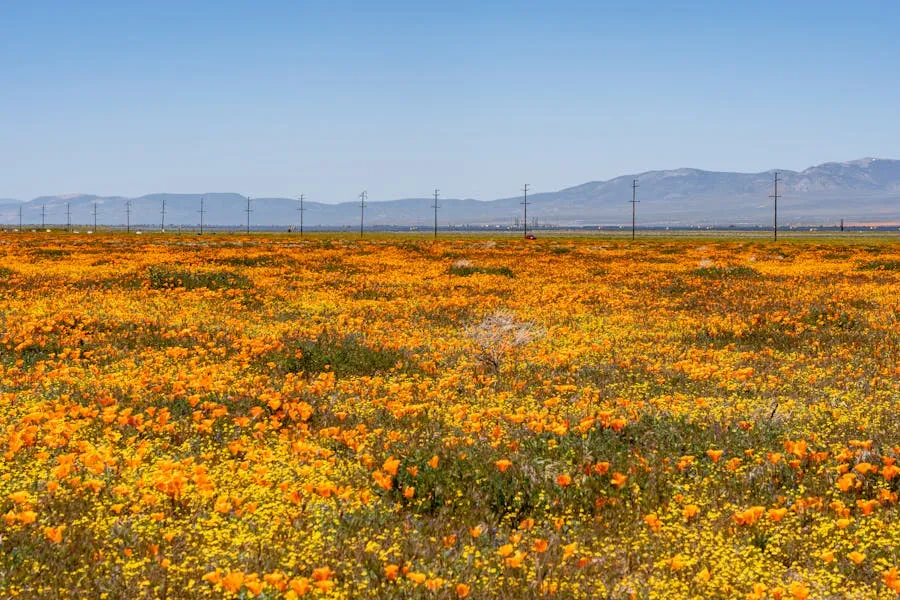
Sweet spot: October–November balances everything: Cape Town warming up, Kruger still in dry season (tail end), whale season in full swing, wildflowers in the West Coast, and shoulder-season pricing everywhere except school holidays. For budget, May–June offers good weather, empty parks, and low prices outside of Kruger.
Month-by-Month Overview
| Month | Season | Best Regions | Crowds | Prices | Rating |
|---|
| January | Summer | Cape Town beaches, Garden Route, Drakensberg | 🔴 High | 🔴 High | ⭐⭐⭐ |
| February | Summer | Cape Town, Winelands harvest, coast | 🟡 Moderate | 🟡 Moderate | ⭐⭐⭐ |
| March | Autumn | Cape Winelands vendimia, Garden Route | 🟡 Moderate | 🟡 Moderate | ⭐⭐⭐⭐ |
| April | Autumn | Kruger (drier), Cape Town pleasant, Drakensberg | 🟢 Low | 🟢 Low | ⭐⭐⭐⭐ |
| May | Early Winter | Kruger excellent, KwaZulu-Natal (dry season starts) | 🟢 Low | 🟢 Low | ⭐⭐⭐⭐⭐ |
| June | Winter | Best Kruger safari conditions, whale season starts (Hermanus) | 🟡 Moderate | 🟡 Moderate | ⭐⭐⭐⭐⭐ |
| July | Winter | Kruger at its best, whale watching, dry & clear | 🔴 High | 🔴 High | ⭐⭐⭐⭐⭐ |
| August | Late Winter | Kruger, Hermanus whales at their best, wildflowers begin | 🔴 High | 🔴 High | ⭐⭐⭐⭐⭐ |
| September | Spring | Namaqualand wildflowers, whales, Kruger babies | 🔴 High | 🔴 High | ⭐⭐⭐⭐⭐ |
| October | Spring | Everywhere (spring blooms, warming, baby animals) | 🟡 Moderate | 🟡 Moderate | ⭐⭐⭐⭐⭐ |
| November | Early Summer | Cape Town warming, Garden Route, Drakensberg | 🟡 Moderate | 🟡 Moderate | ⭐⭐⭐⭐ |
| December | Summer | Cape Town, beaches (domestic holiday high season) | 🔴 Very High | 🔴 High | ⭐⭐⭐ |
Climate & Weather
🌡 South Africa has three distinct climate zones driven by ocean currents and the high interior plateau (1,200–1,800 m).
- Western Cape (Mediterranean): ☀ Hot, dry summers (Dec–Feb, 25–35 °C) with the southeaster wind. Cool, wet winters (Jun–Aug, 8–18 °C). Cape Town gets 515 mm/year, mostly May–August.
- Eastern seaboard & KwaZulu-Natal (subtropical): 🌧 Warm and humid year-round. Summer (Oct–Mar) brings afternoon thunderstorms and 28–32 °C. Durban gets 1,009 mm/year, mostly in summer. Winters are mild (17–23 °C) and dry.
- Highveld / Gauteng (continental): Warm summers with dramatic afternoon thunderstorms. Winter is dry, sunny, cold at night (0–5 °C) but pleasant during the day (15–20 °C). Johannesburg sits at 1,753 m, so UV is intense year-round.
- Lowveld / Kruger (semi-arid subtropical): Hot, humid summers (Oct–Mar, 30–40 °C) with malaria risk. Dry, mild winters (May–Sep, 10–26 °C) are prime safari season. Rainfall 500–700 mm/year.
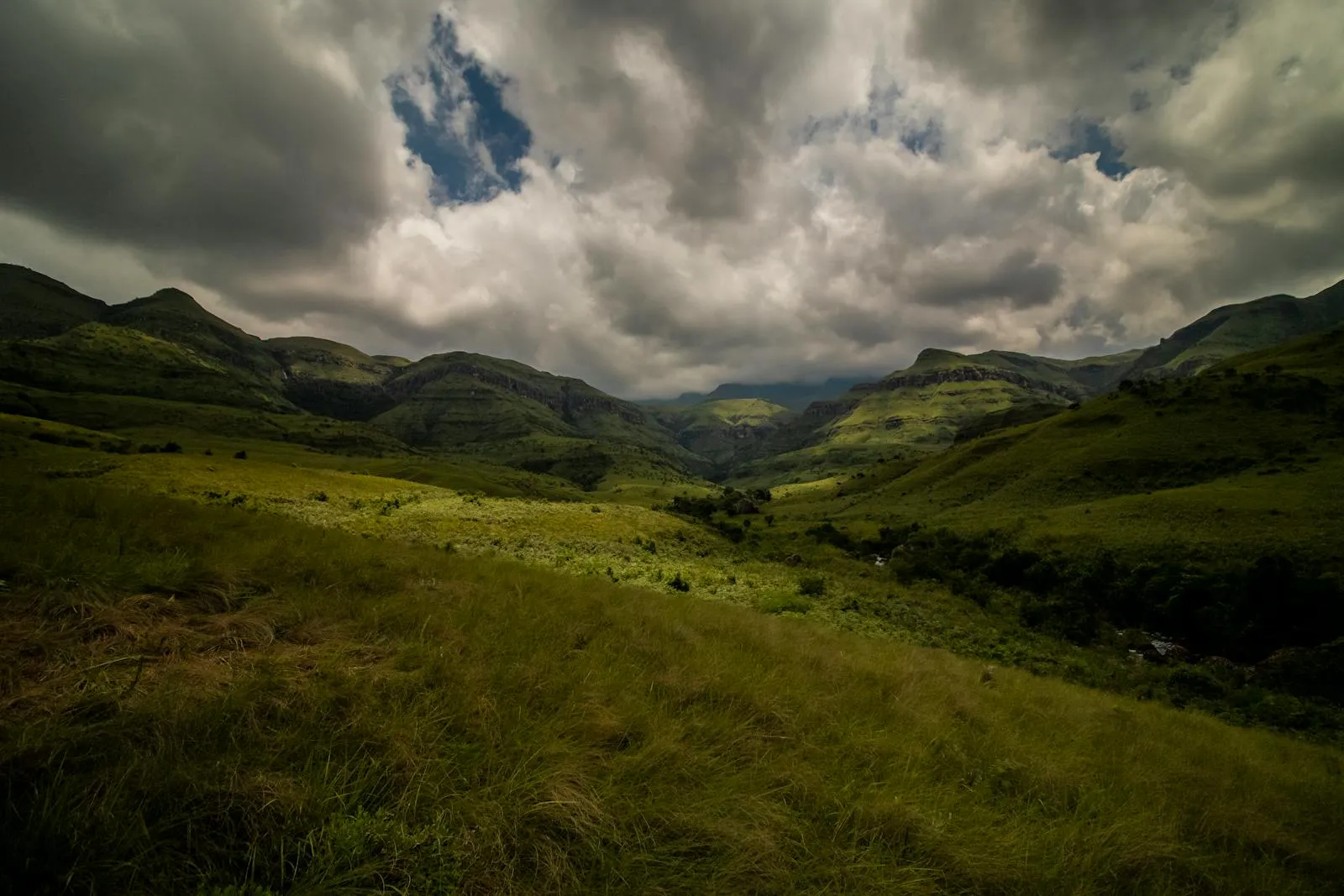
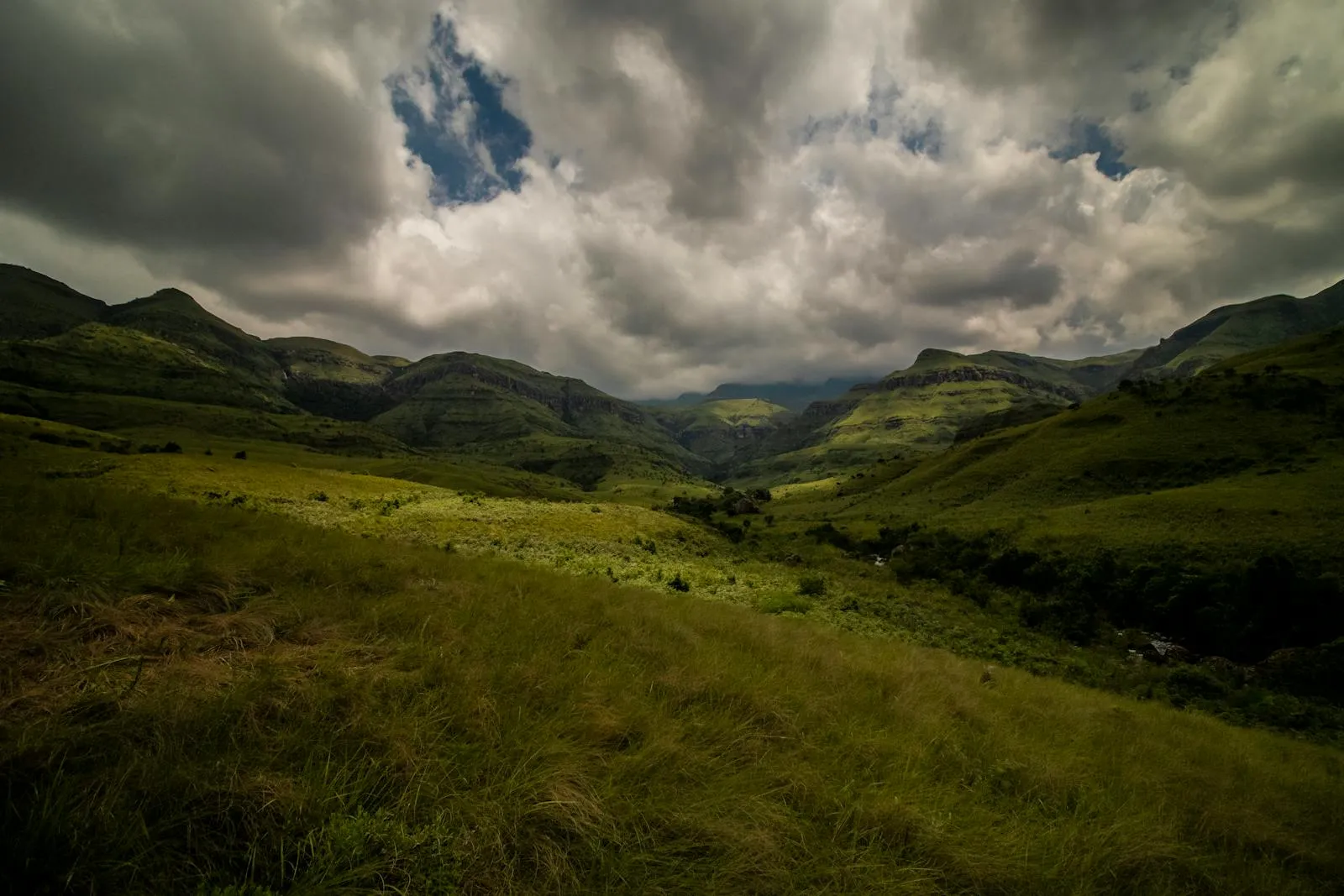
- Drakensberg (alpine): ❄️ Summer rain (Oct–Mar), dry winters. Snow on peaks in winter (Jun–Aug). Temperatures can drop below −10 °C at altitude.
☀ The country is generally sunny. Johannesburg averages 3,124 sunshine hours per year. UV levels are consistently high (8–12+), especially at altitude. Sunscreen, hat, and sunglasses are essential year-round.
Seasons & Temperatures
South Africa’s seasons are the reverse of the Northern Hemisphere. Summer (December–February) is hot and wet in the east but dry in the Cape. Winter (June–August) is the dry season in the east (prime safari time) but rainy in the Cape. The table below shows Cape Town (Mediterranean), Durban (subtropical), and Johannesburg (highveld) for comparison.
| Month | Cape Town °C | Durban °C | Joburg °C | Kruger °C | Best For |
|---|
| Jan | 26 / 16 | 30 / 21 | 26 / 15 | 33 / 20 | Cape beaches, Drakensberg hiking |
| Feb | 27 / 16 | 30 / 21 | 25 / 14 | 32 / 20 | Cape Town, wine harvest |
| Mar | 25 / 14 | 29 / 20 | 24 / 13 | 31 / 18 | Garden Route, quieter everywhere |
| Apr | 23 / 12 | 27 / 17 | 22 / 10 | 29 / 14 | Autumn colours, transition month |
| May | 20 / 9 | 25 / 14 | 19 / 7 | 27 / 10 | Safari season starts, low prices |
| Jun | 18 / 8 | 23 / 11 | 16 / 4 | 25 / 7 | Whale watching begins, dry Kruger |
| Jul | 18 / 7 | 23 / 11 | 17 / 4 | 25 / 6 | Best safari, sardine run (KZN) |
| Aug | 18 / 8 | 23 / 13 | 19 / 6 | 27 / 9 | Best whale watching (Hermanus), wildflowers begin |
| Sep | 20 / 9 | 24 / 15 | 22 / 9 | 29 / 13 | Wildflower season (West Coast/Namaqualand) |
| Oct | 22 / 11 | 25 / 17 | 24 / 12 | 30 / 16 | Best all-rounder month (everything) |
| Nov | 24 / 13 | 27 / 18 | 24 / 13 | 31 / 18 | Shoulder prices, good weather |
| Dec | 26 / 15 | 29 / 20 | 25 / 14 | 32 / 19 | High season, holiday prices |
The southeast trade winds (“Cape Doctor”) blow strongly in Cape Town from October to March, often gusting 40–60 km/h. This keeps the air clear but can make beach days uncomfortable on the Atlantic side. The Indian Ocean coast around Durban is warm enough for swimming year-round (22–27 °C), while the Atlantic side near Cape Town is cold (10–16 °C). Wetsuit territory even in summer.