Madagascar’s culture is unlike anything else in Africa. The Malagasy people are of mixed Austronesian (Southeast Asian) and East African descent, and the culture reflects both. The language is Austronesian, related to Malay and Indonesian. The ancestor worship, music, and social structures blend African, Asian, and later Arab and European influences into something entirely unique.
Fady (Taboos)
Fady are sacred prohibitions that vary by region, family, and village. Some are universal (never point at a tomb, never pass food directly hand to hand at a funeral), others are hyper-local (a village where whistling after dark is forbidden, or a lake where swimming on Tuesdays is fady). There is no master list. Always ask your guide or host about local fady before doing anything unfamiliar. Violating a fady is deeply disrespectful and can cause genuine distress to your hosts. When in doubt, ask.
Fihavanana (Social Bonds)
Fihavanana is the foundational Malagasy value – roughly translated as solidarity, kinship, or the bond between people. It explains why a stranger will invite you to share a meal, why decisions are made by consensus, and why direct confrontation is avoided. Malagasy people rarely say no directly. A vague answer or a change of subject means no. Respect this indirectness rather than pushing for a straight answer.
Mora Mora
Literally “slowly, slowly.” This is not laziness or inefficiency. It is a genuine philosophical approach to life, work, and time. Things happen when they happen. Buses leave when they are full, not when the schedule says. Meetings start when everyone arrives. Meals appear when they are ready. Accepting mora mora is essential to enjoying Madagascar. Fighting it guarantees frustration.
Music & Performance
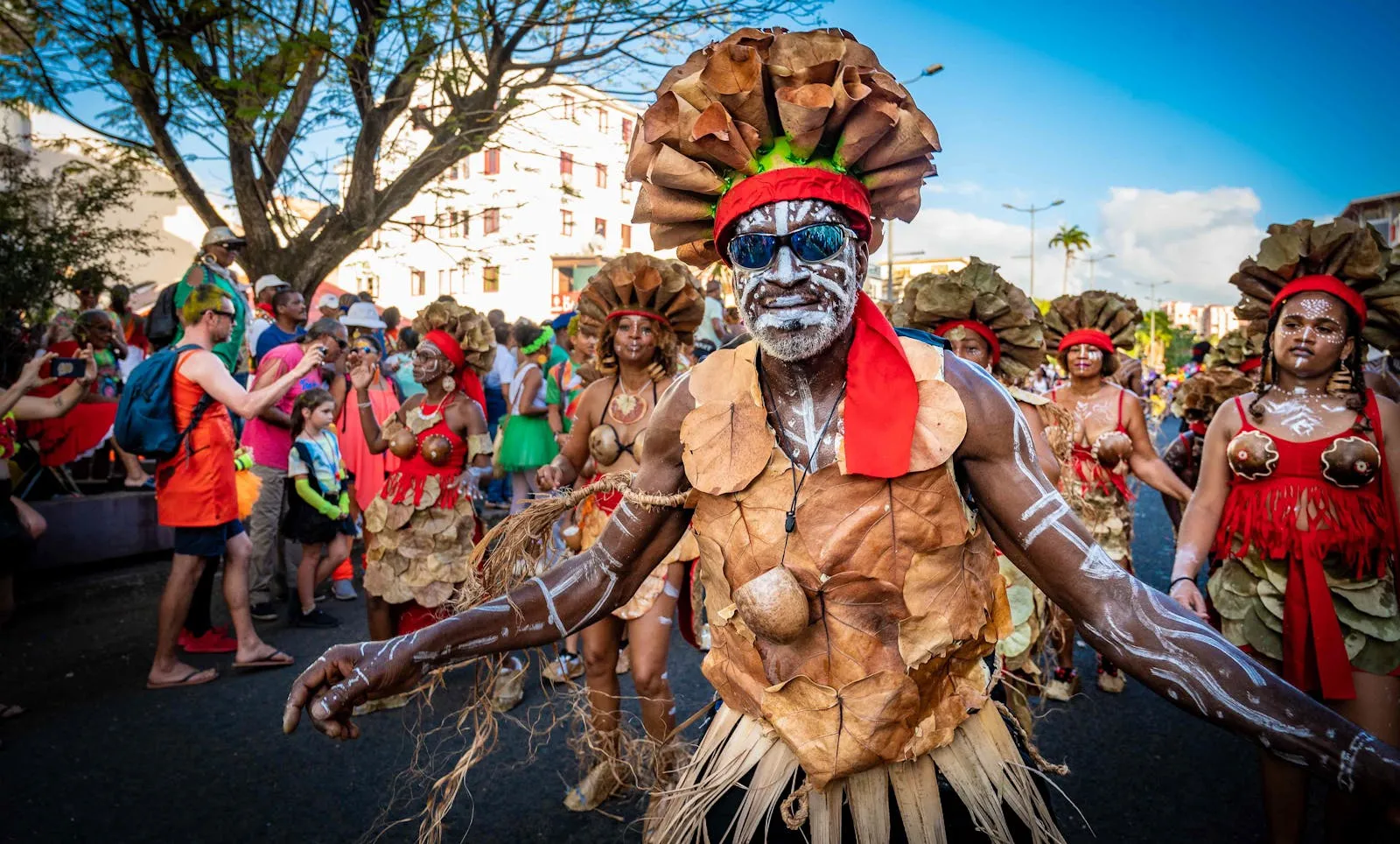
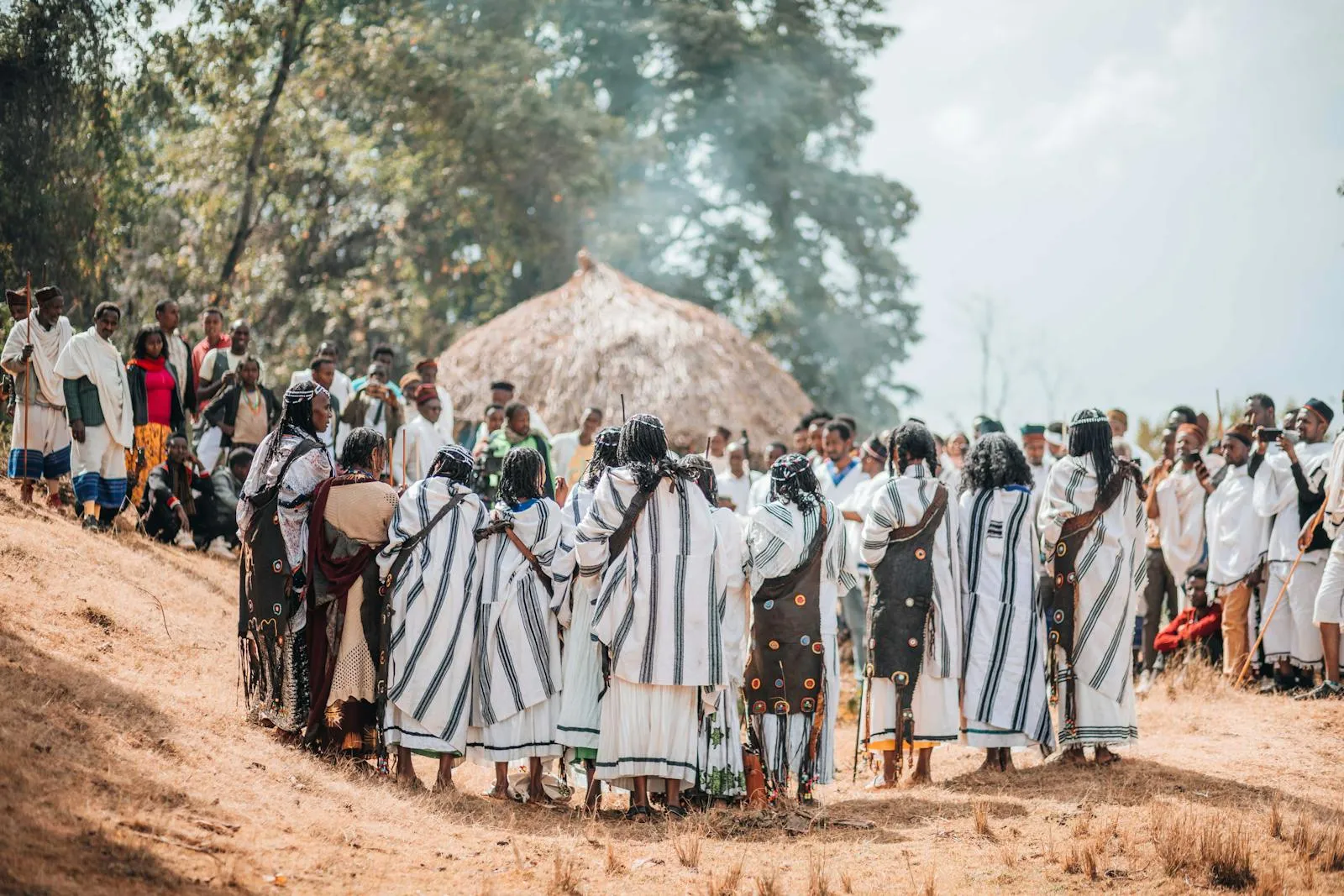
Salegy is the dominant popular music – fast, rhythmic, and built around electric guitar, bass, and percussion. Originating from the north coast, it now dominates radio and nightlife nationwide. The valiha (bamboo tube zither) is the national instrument, producing a delicate, harp-like sound. Hiragasy is traditional highland performance combining music, dance, oratory, and acrobatics. If you see a hiragasy troupe performing at a ceremony, stay and watch.
Key Etiquette
- Greetings matter. Always greet people before any interaction. “Salama” (hello) goes a long way. In the highlands, the full greeting exchange (“Manao ahoana” / “Tsara fa misaotra”) is expected
- Ask before photographing. Especially of people, ceremonies, and tombs. Many Malagasy believe photographs can capture the soul. Offer to show people the photo after
- Dress modestly at sacred sites. Cover shoulders and knees at tombs, churches, and during Famadihana ceremonies
- Gifts when visiting villages. School supplies (pens, notebooks) or rice are appropriate gifts. Avoid giving money directly to children
- Eat with the right hand. The left hand is considered unclean in many communities, following the same convention found across much of Africa and Asia
- Vazaha awareness. “Vazaha” means foreigner. You will hear it constantly, usually shouted cheerfully by children. It is not an insult. But it means you are always visible and always a curiosity, especially outside Tana and tourist areas
Language basics: Learning a few words of Malagasy earns enormous goodwill. “Salama” (hello), “Misaotra” (thank you), “Azafady” (excuse me/please), “Veloma” (goodbye), “Tsy misy olana” (no problem). French is widely spoken in cities and by guides. English is rare outside tourism contexts. A French phrasebook is more useful than an English one.