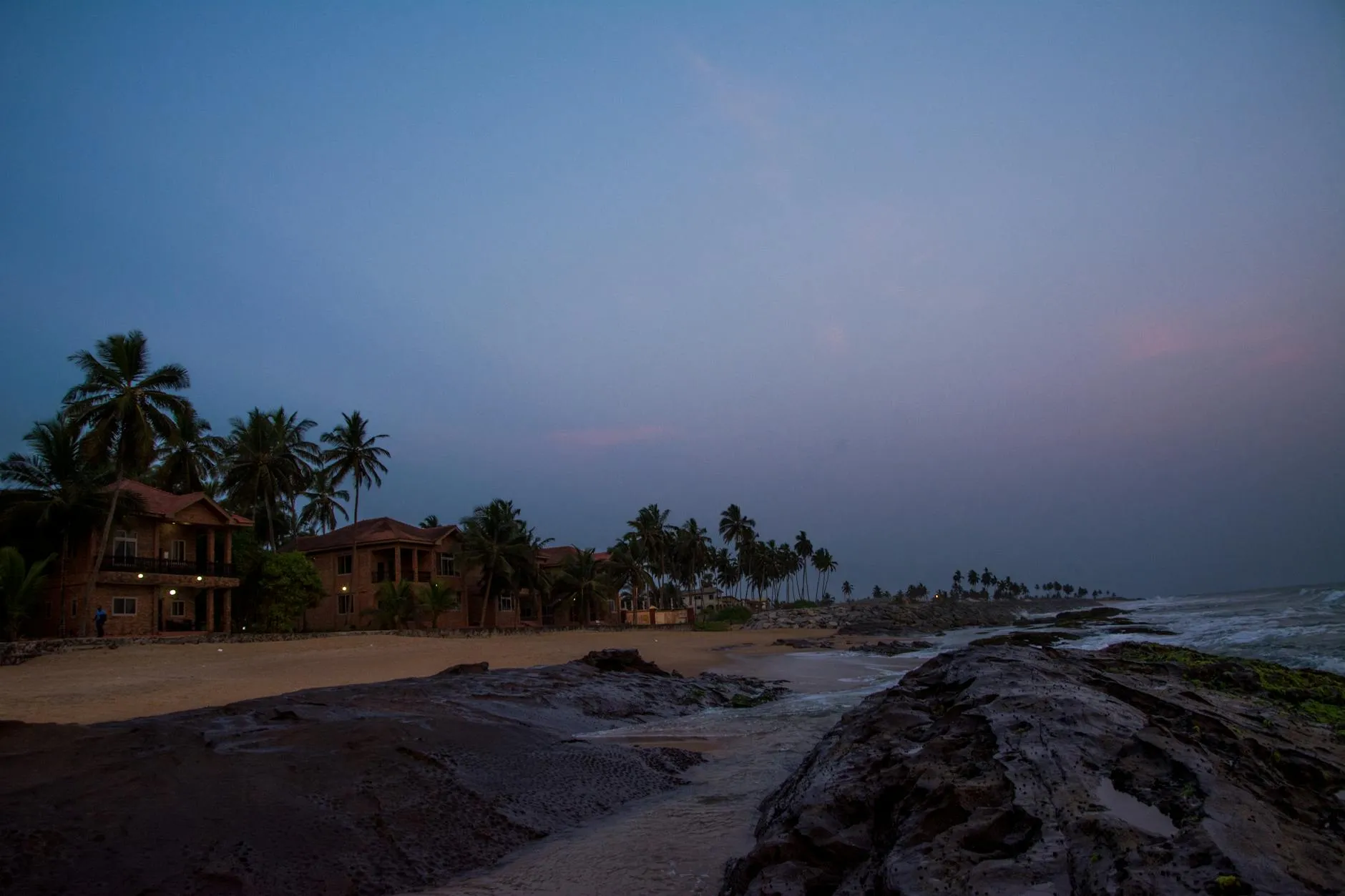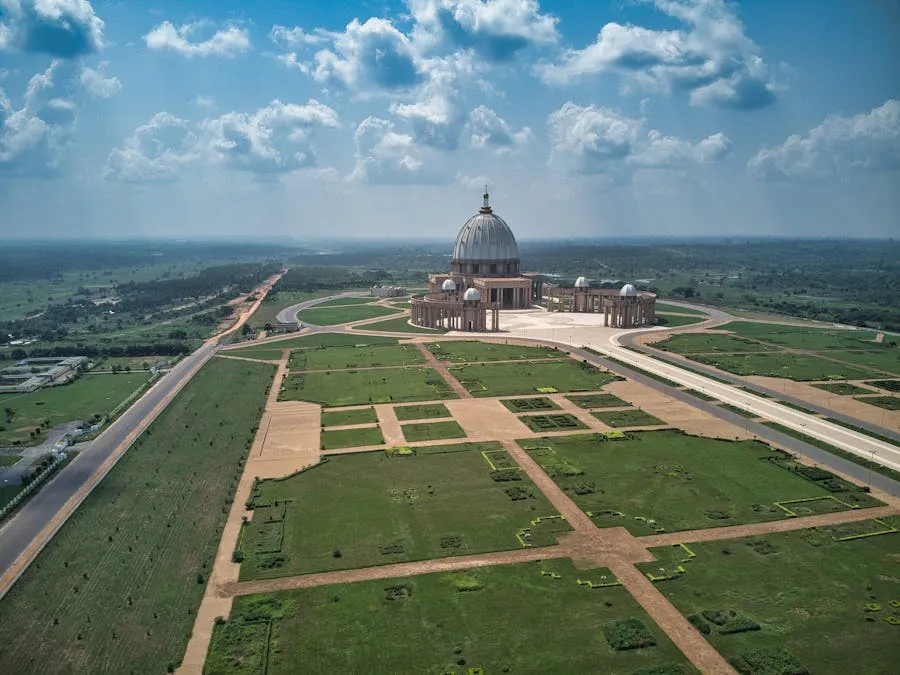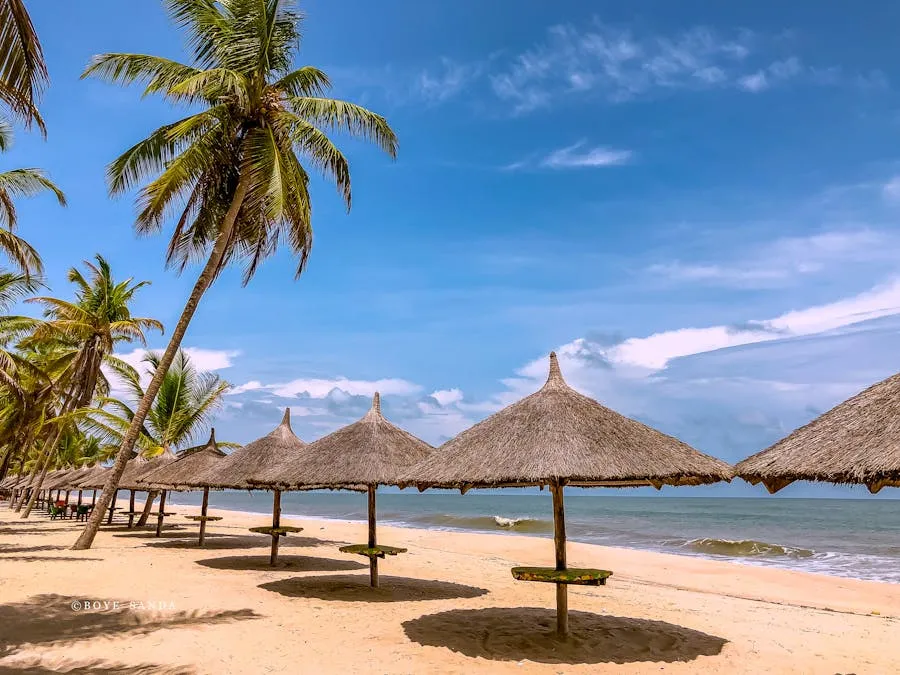
Côte d’Ivoire — Ivory Coast — is West Africa’s economic engine and cultural kaleidoscope. The country rarely appears on mainstream travel lists, and that is precisely the point. There is no overtourism. There are no queues. What there is: the world’s largest church rising from the savanna outside a planned capital that almost nobody lives in, 500 km of Atlantic coastline backed by coconut palms, three UNESCO-listed national parks protecting some of the last primary rainforest in West Africa, and a street-food culture that could hold its own against any country on the continent.
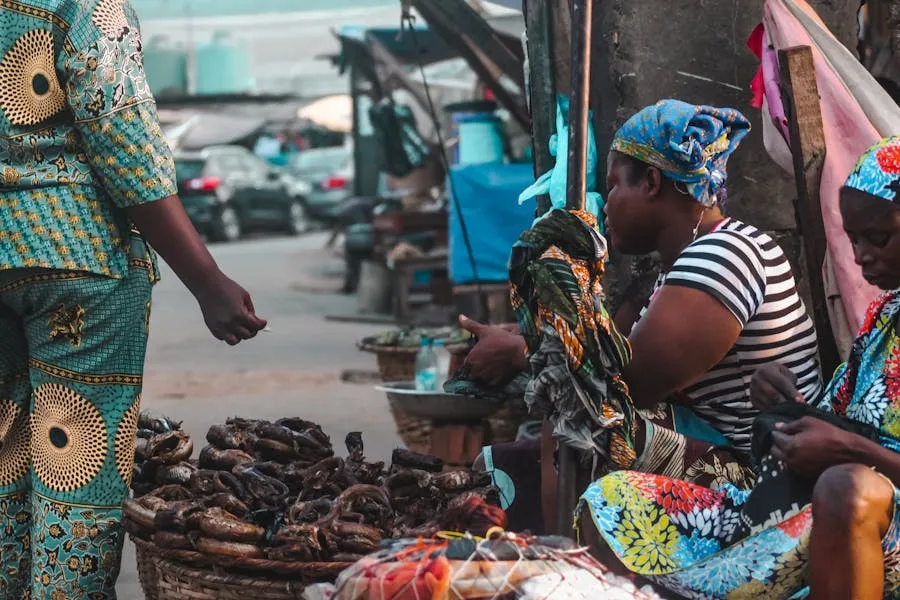
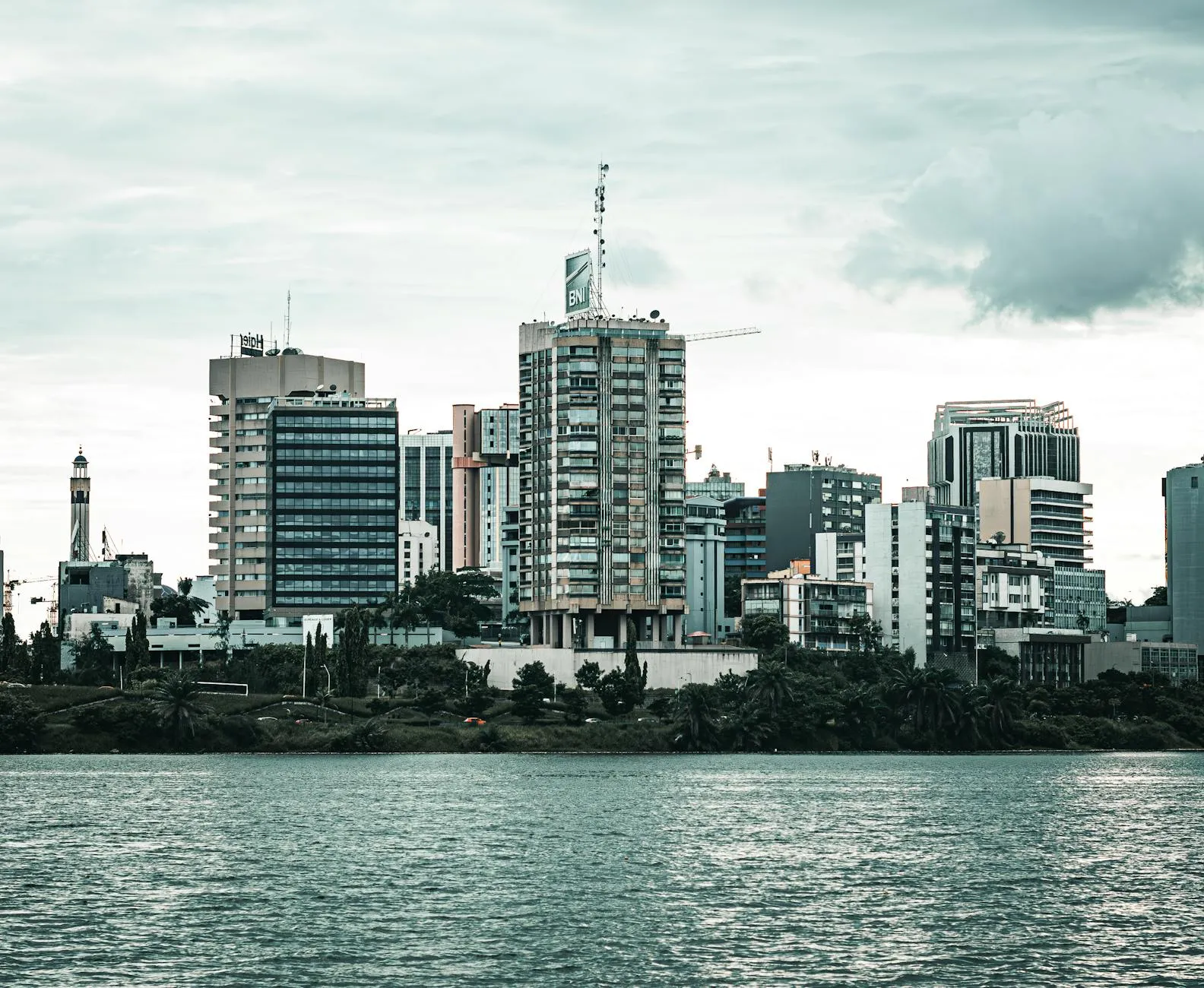
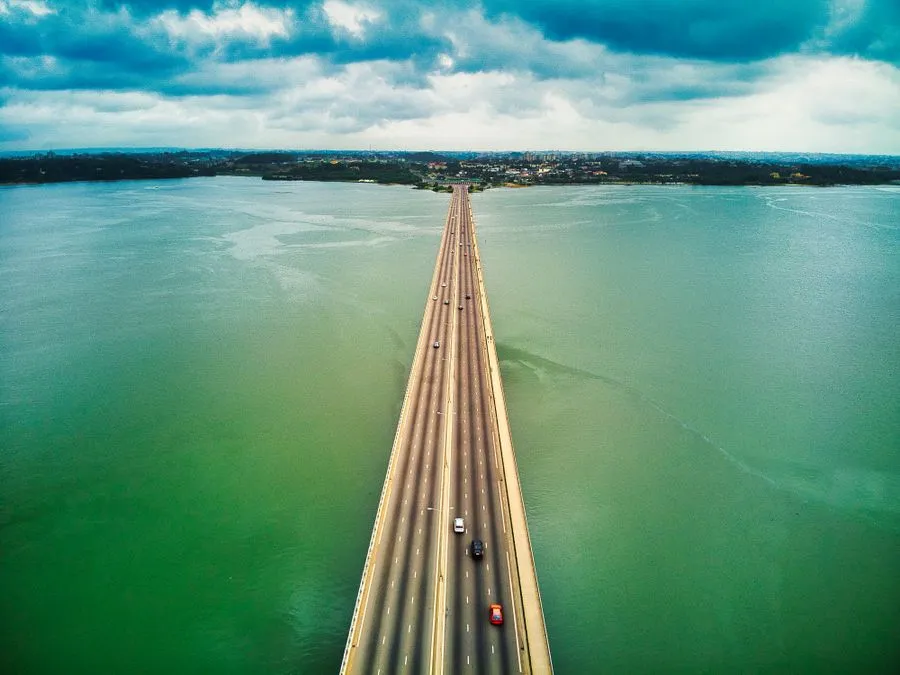
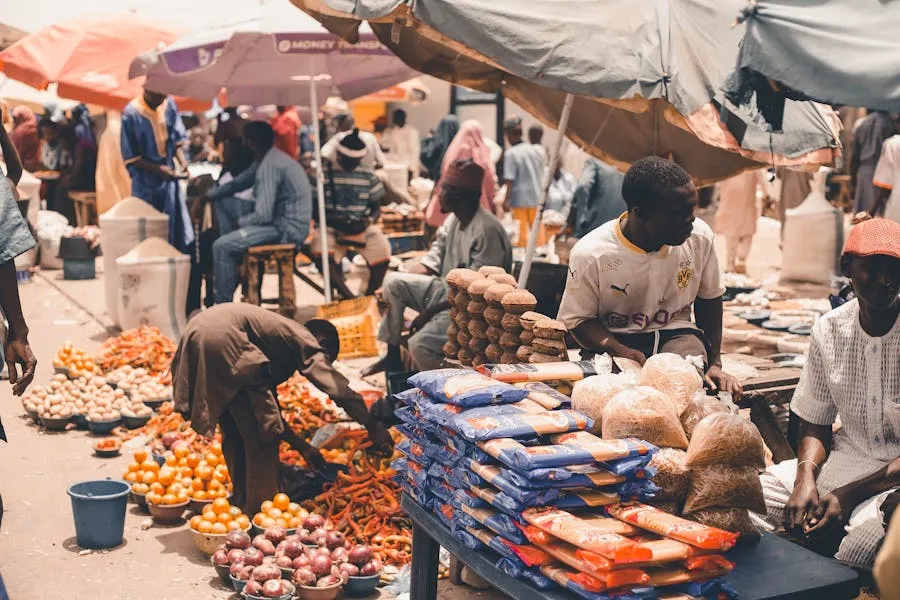
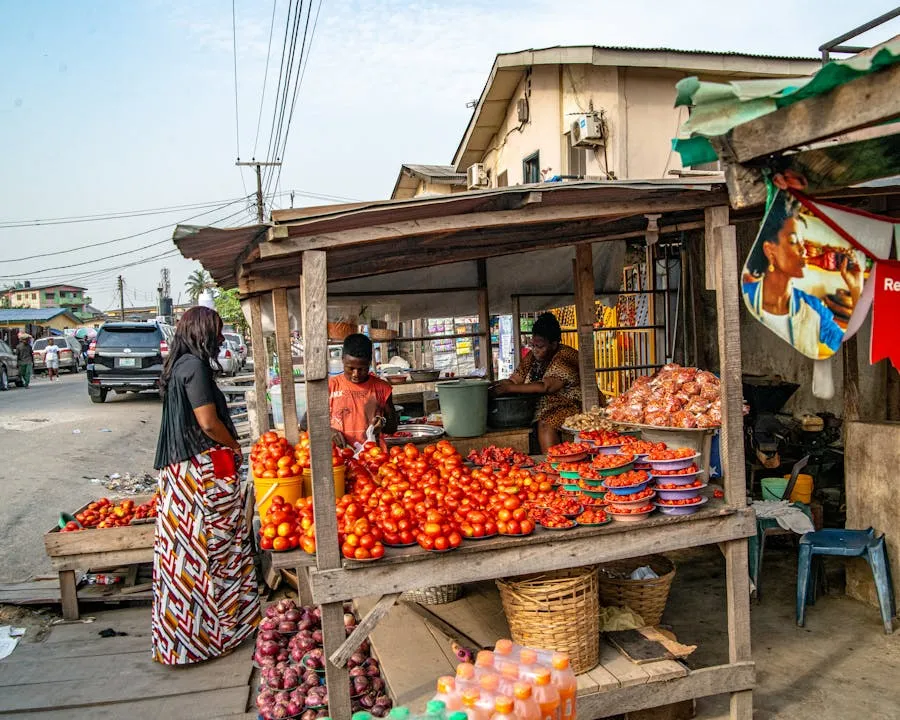
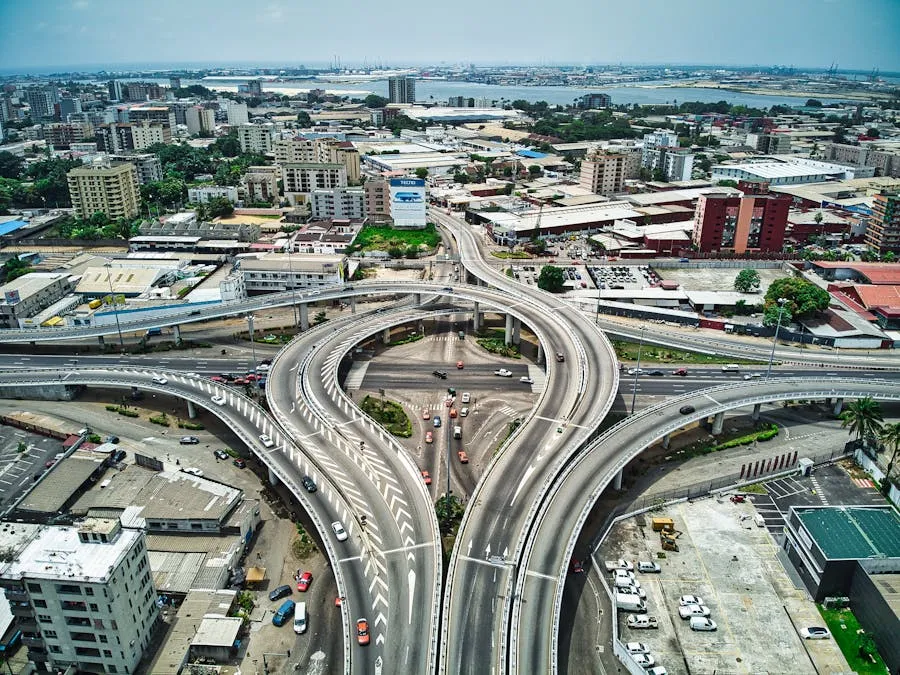
Abidjan, the de-facto capital, is routinely called the “Paris of West Africa” and occasionally the “Manhattan of Africa.” The Plateau district has genuine skyscrapers, rooftop bars, and a Francophone energy that feels closer to Dakar or Marseille than to anglophone Lagos next door. The nightlife runs on Coupé-Décalé and Zouglou. The food runs on atti?ké, alloco, and garba — dishes that most visitors outside West Africa have never tasted.
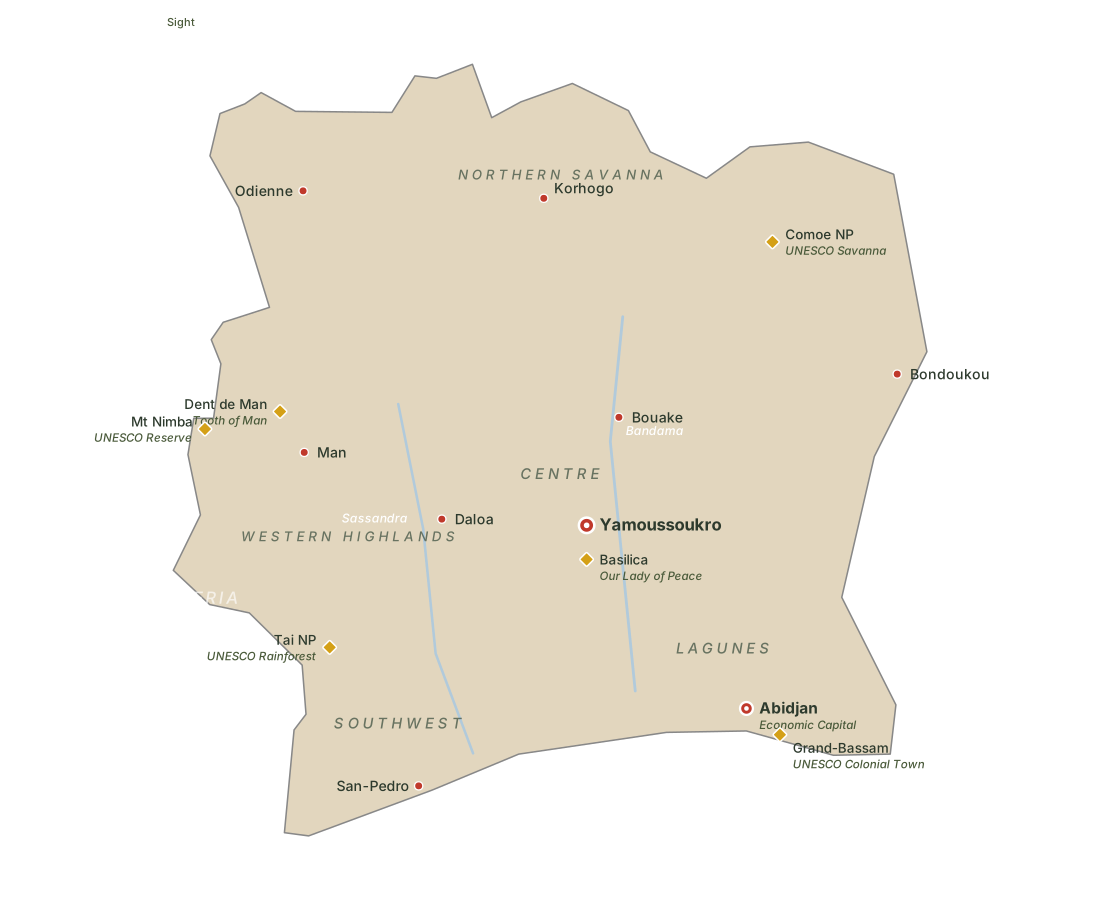
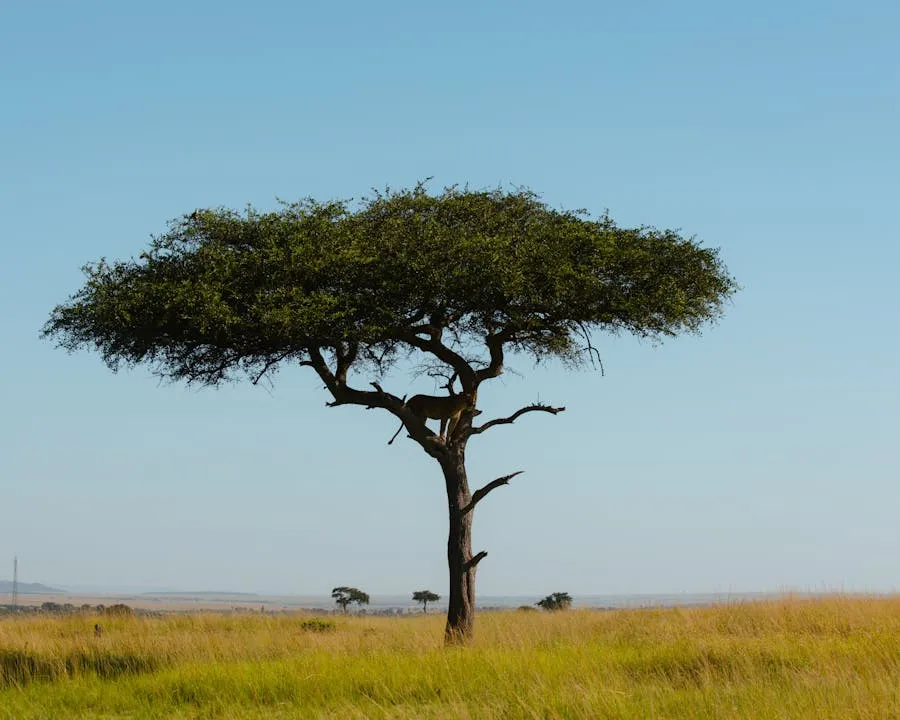
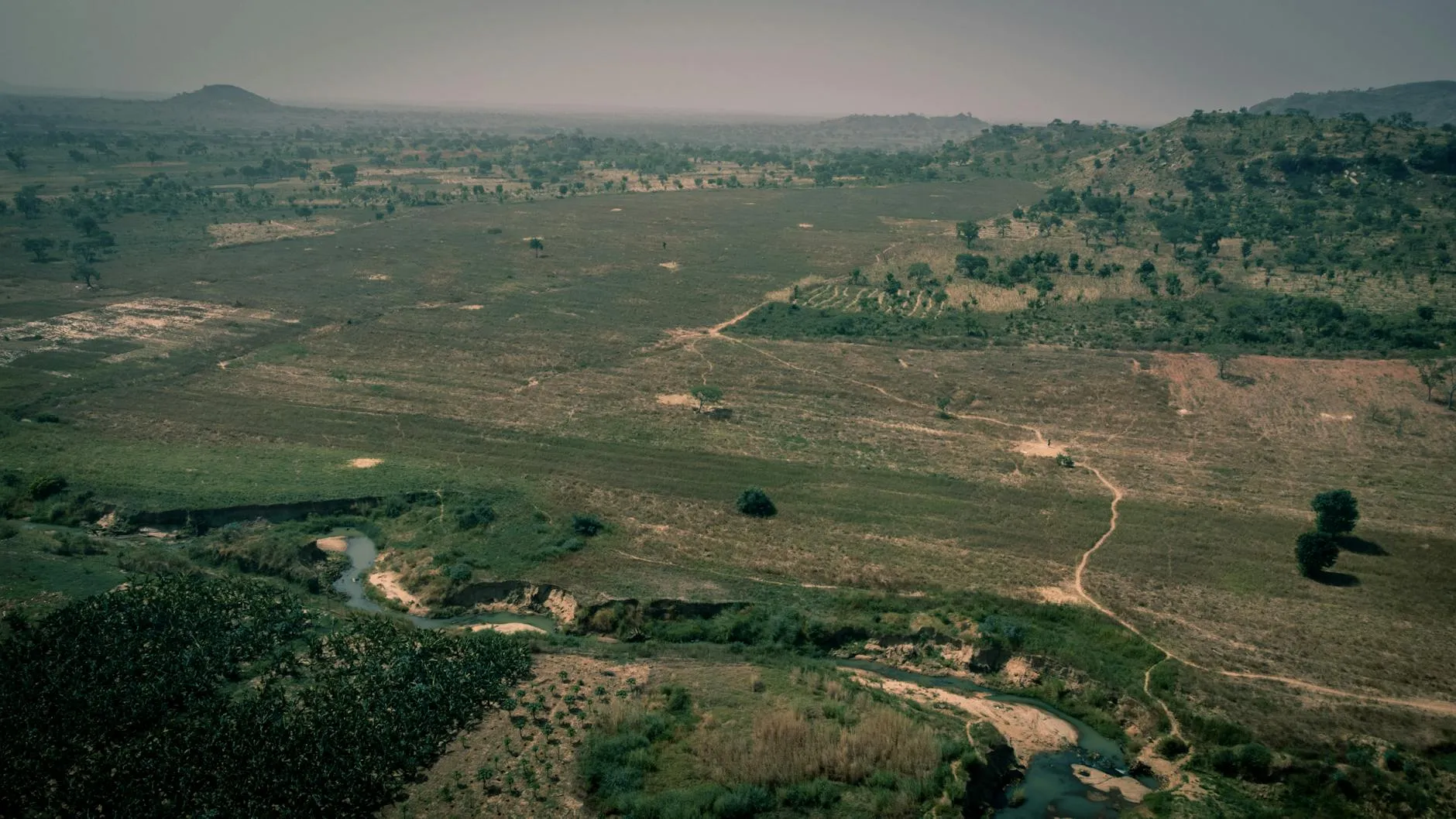
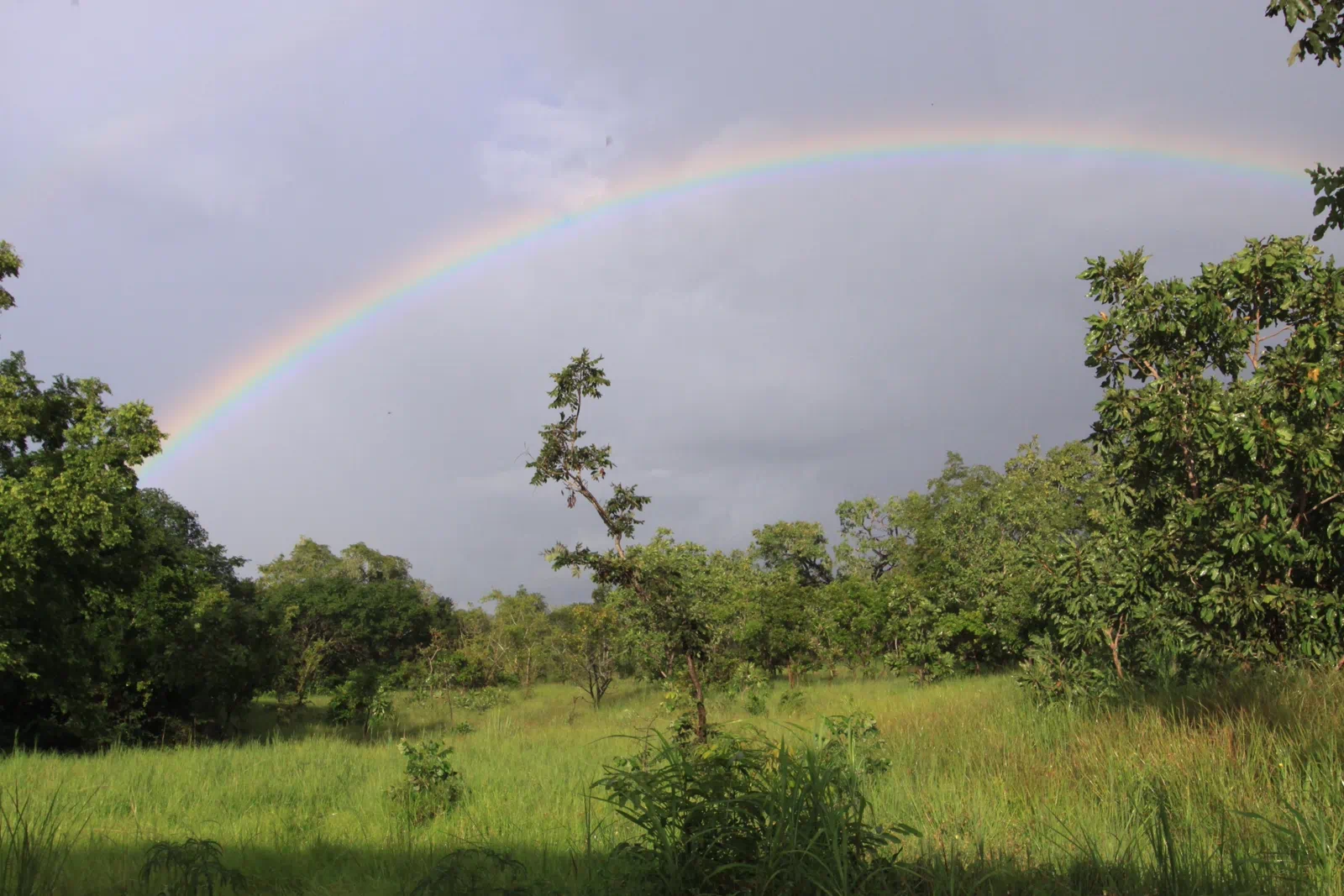
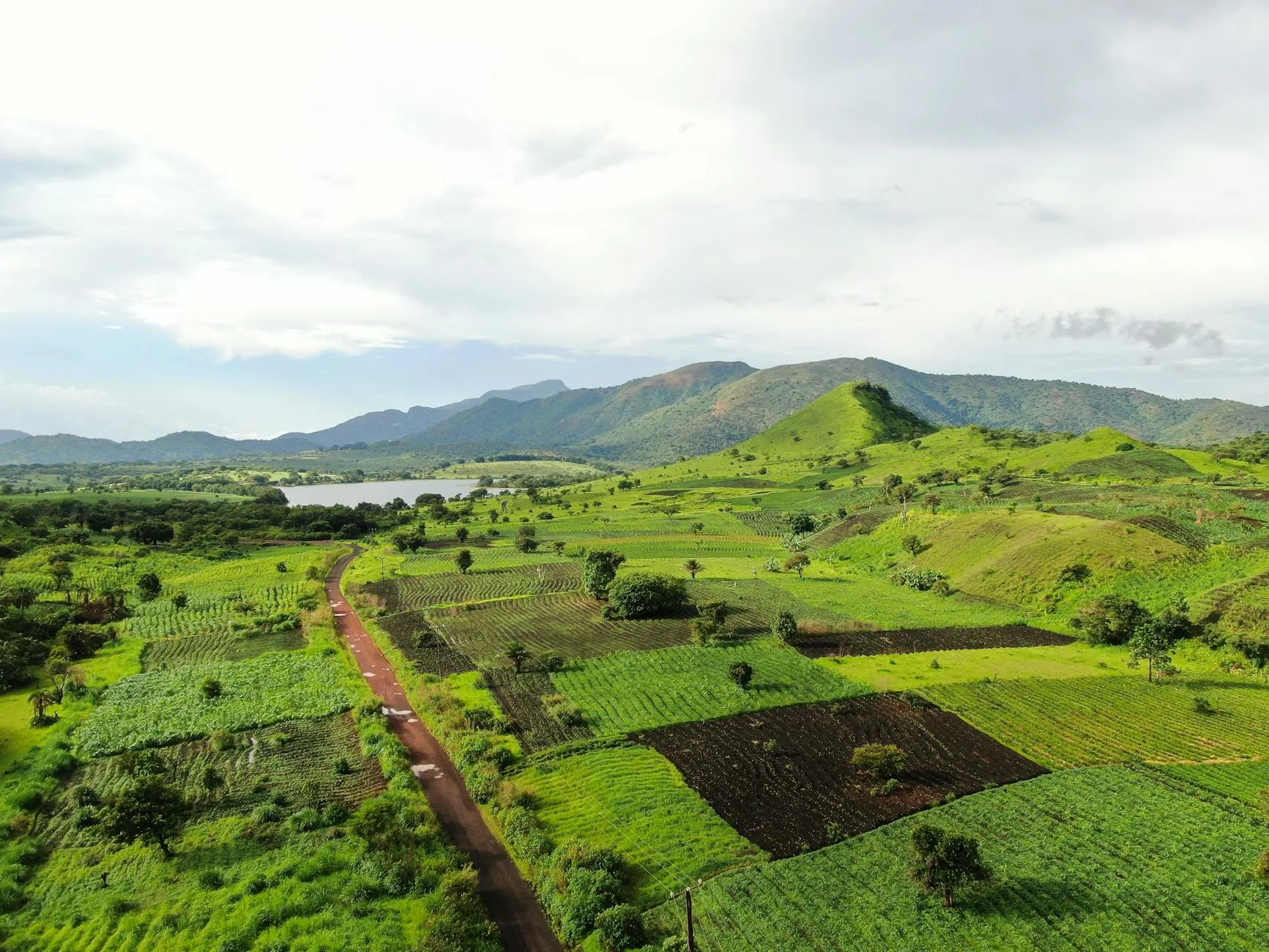
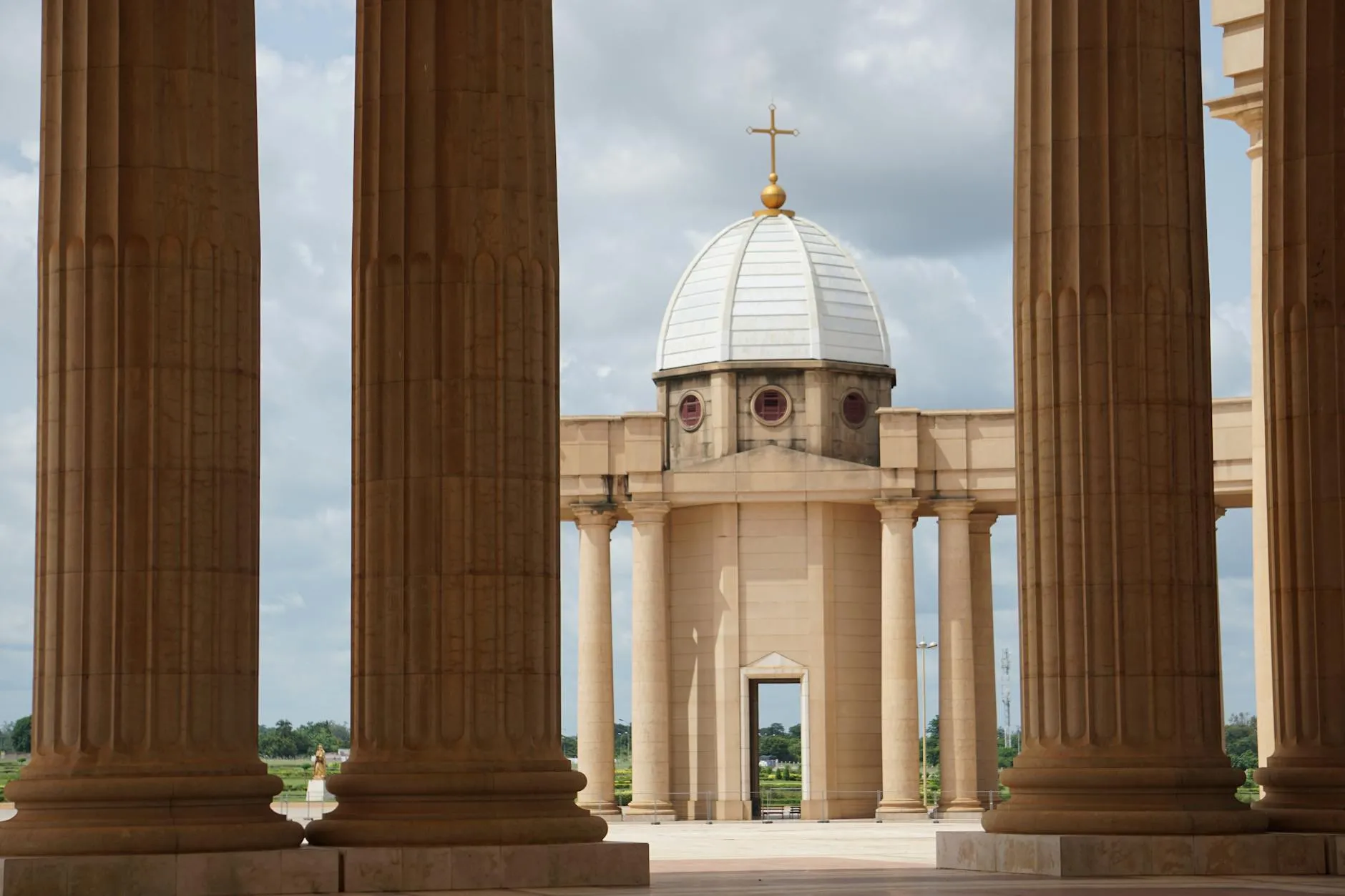
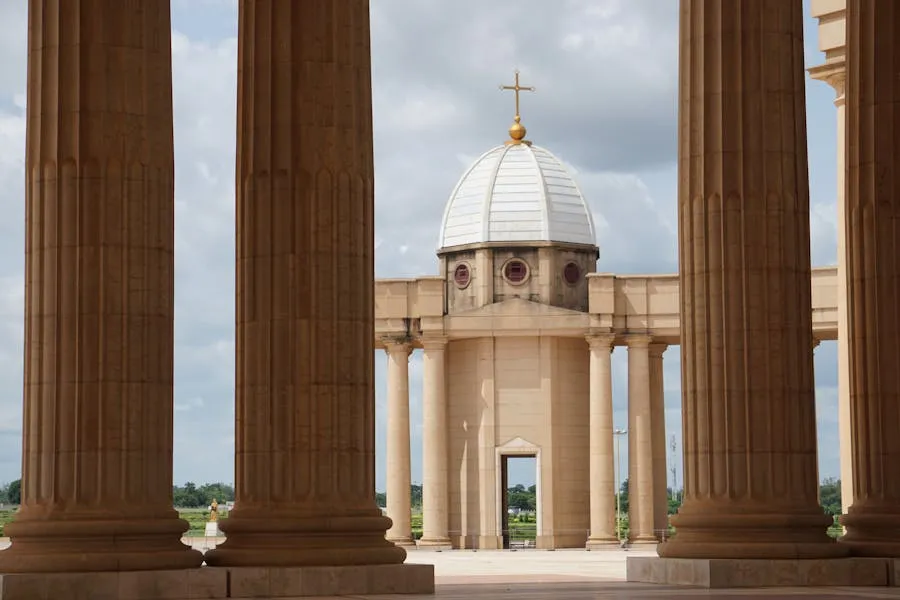
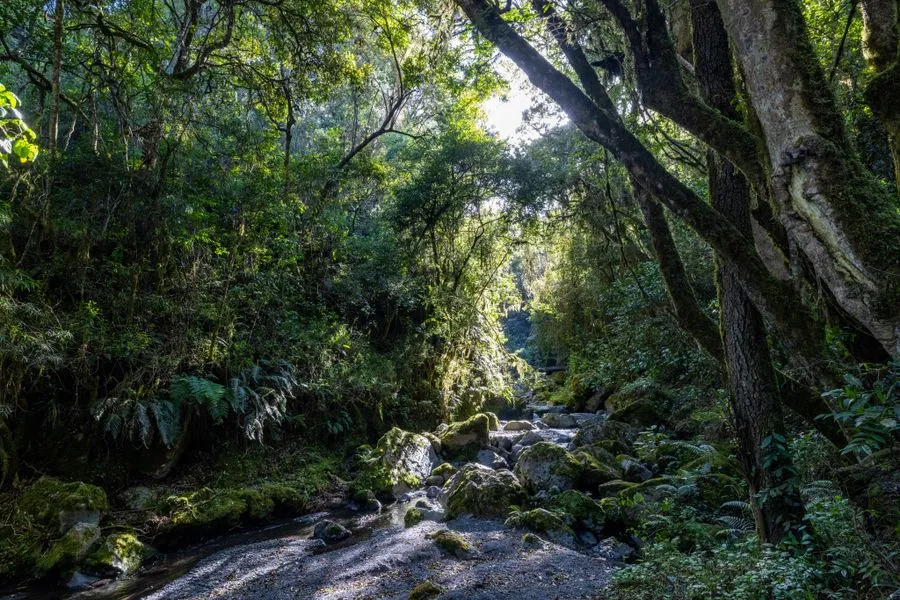
Beyond the city, the country splits into distinct zones. The humid, forested southwest holds Taï National Park, home to the world’s most studied wild chimpanzee population and pygmy hippos. The western highlands around Man offer vine bridges, sacred monkey forests, and the Dent de Man peak. The northern savanna — drier, Muslim-influenced, and culturally Sénoufo — produces the famous Korhogo painted cloth. And in the centre, Yamoussoukro’s Basilica of Our Lady of Peace stands as one of the most surreal buildings on the planet: a scaled-up replica of St. Peter’s in Rome, set among crocodile lakes on the edge of cocoa country.
The country is the world’s largest cocoa producer, and cocoa farming shapes the landscape, economy, and rhythm of daily life. Francophone, CFA-franc-using, and increasingly stable since 2012, Ivory Coast is one of West Africa’s most accessible entry points for independent travellers. The infrastructure is improving, e-Visas are available, and the “Sublime Côte d’Ivoire” tourism investment programme is building capacity without yet spoiling the experience.