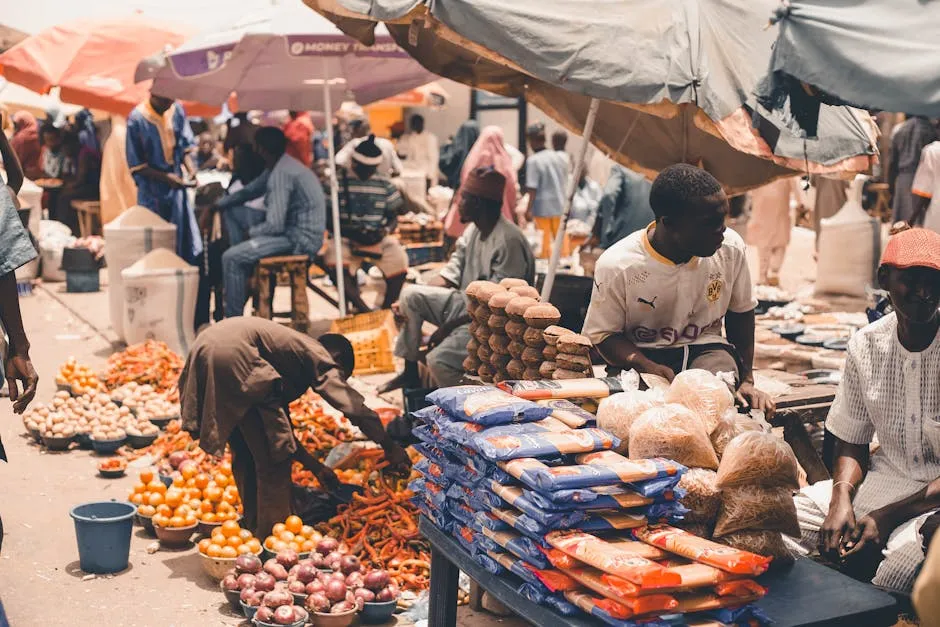
Overview & Why Visit

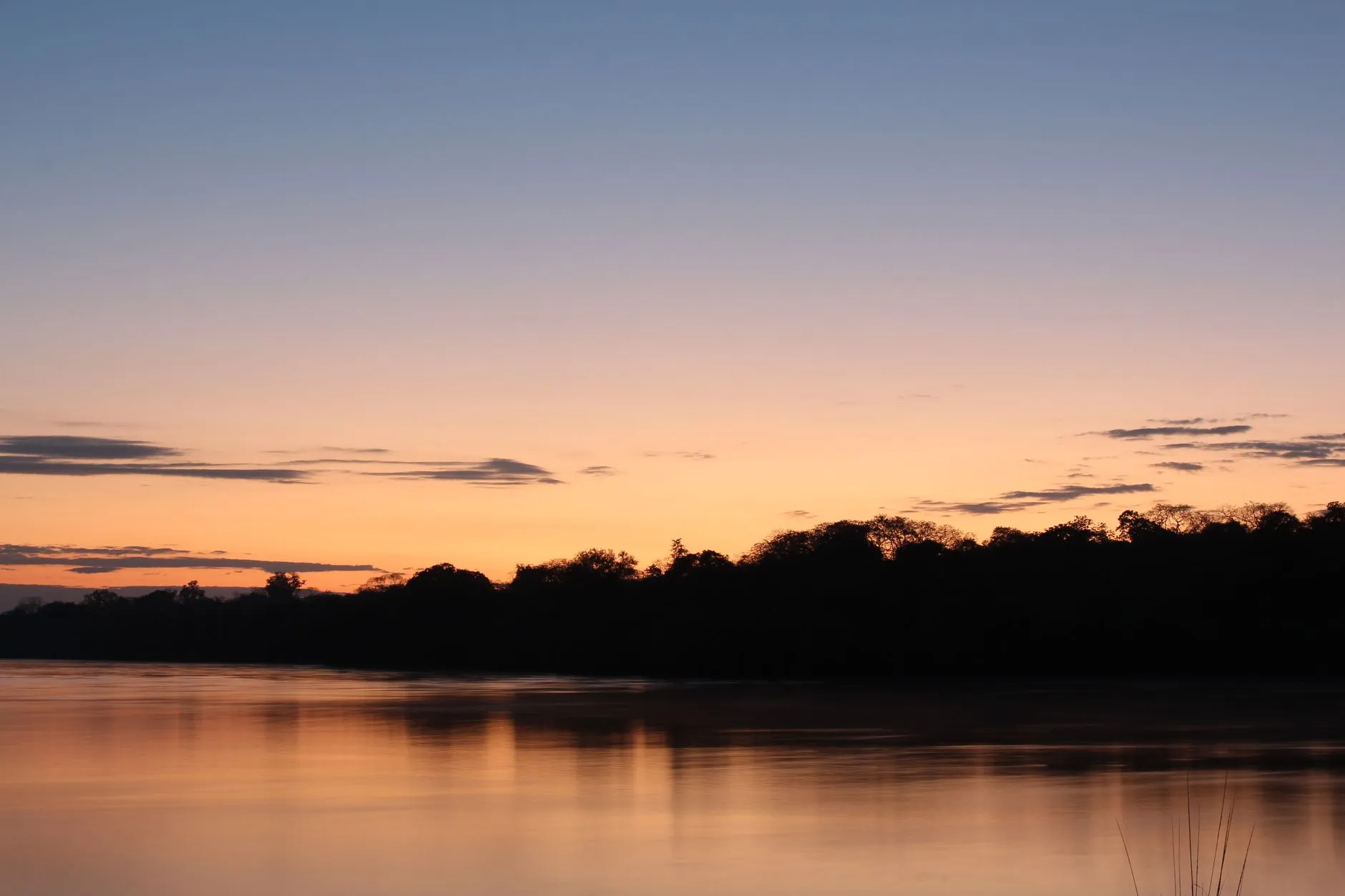
Kinshasa skyline along the Congo River at dusk
⚠ Active conflict zone. As of mid-2026, the US State Department rates the DRC at Level 4 — Do Not Travel. The M23 armed group occupies Goma and Bukavu, Virunga and Kahuzi-Biéga national parks are closed to visitors, and an Ebola outbreak is active in Ituri Province. This guide documents what the country offers and how to travel here, but visiting most of the DRC’s headline attractions is not possible at the time of writing. Check current advisories before making any plans.

The Democratic Republic of the Congo is Africa’s second-largest country by area and the continent’s most biologically extravagant. It holds half of Africa’s remaining tropical rainforest, the world’s deepest river, two of the planet’s most active volcanoes, three species of great ape found nowhere else on Earth, and a musical tradition — Congolese rumba — that reshaped the sound of the entire continent. By almost any metric of natural and cultural wealth, the DRC is one of the most extraordinary countries in the world.

It is also one of the hardest places on Earth to travel. Decades of conflict, a near-total absence of road infrastructure outside major cities, eye-watering visa costs, and an ongoing insurgency in the east mean that the DRC receives almost no tourists. The few who come tend to be gorilla trekkers heading for Virunga, NGO workers, or the rare overland traveller willing to endure multi-day river journeys and bureaucratic shakedowns for the privilege of seeing a country that most of the world never will.

First-timers should be realistic: at the time of writing, the only areas considered even remotely accessible are Kinshasa and its surroundings, and Lubumbashi in the far south. The eastern parks — Virunga, Kahuzi-Biéga, and the Lake Kivu shore — are in active conflict zones. This guide covers the full country because the situation can change, and because understanding what the DRC contains is the first step toward being ready when it does.

🇨🇩 Capital

Kinshasa (~17 million, 3rd largest in Africa)

👥 Population

~95.5 million

💰 Currency

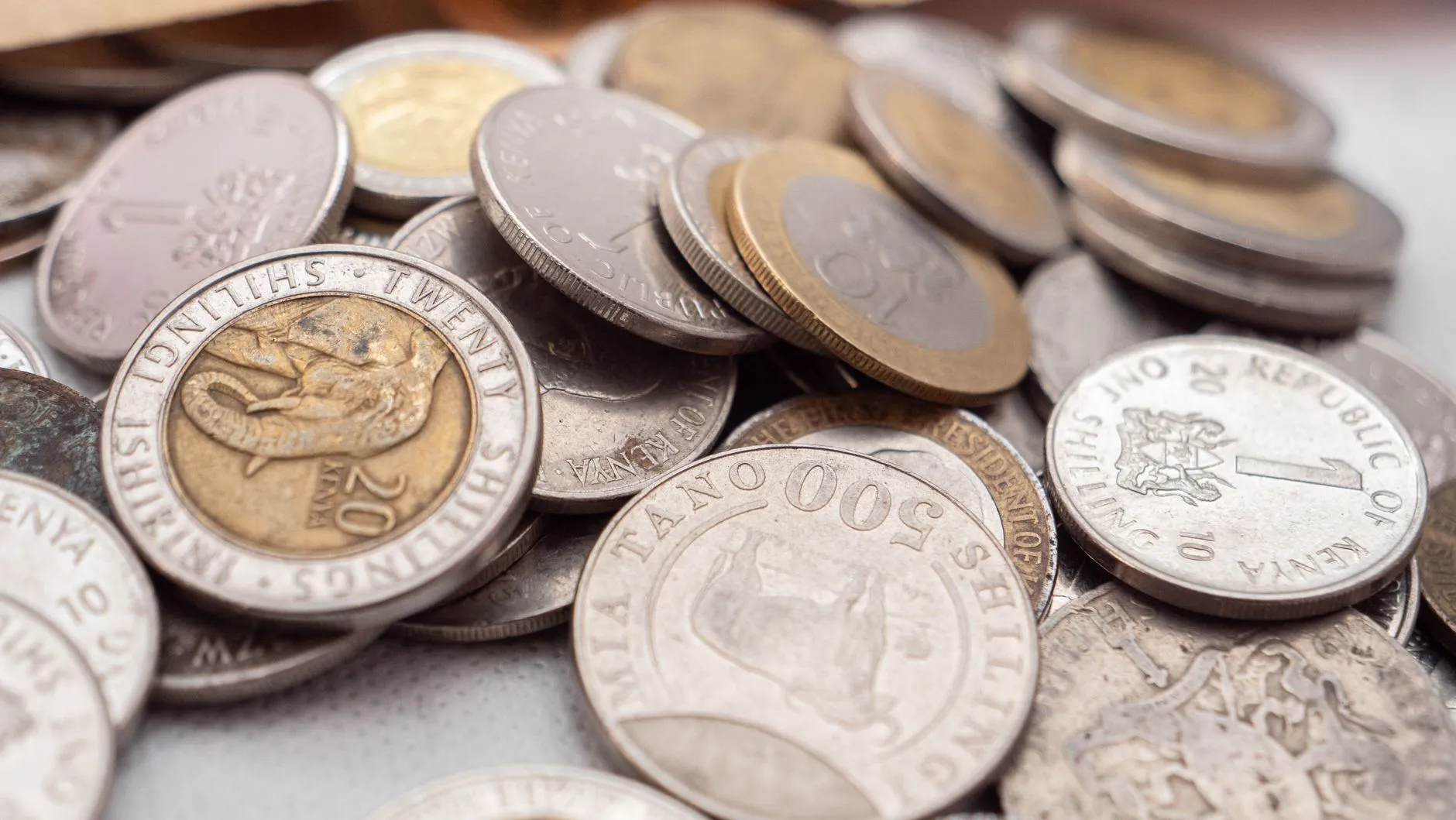
Congolese Franc (CDF). USD widely accepted.

🌐 Languages

French (official), Lingala, Swahili, Kikongo, Tshiluba

⏰ Time Zone

UTC+1 (west) / UTC+2 (east)

📏 Size

2,344,858 km² — the size of Western Europe

Why Visit

🦍 Great Apes

Mountain gorillas, eastern lowland gorillas, bonobos, and chimpanzees — three great ape species found only here. The DRC is the single most important country on Earth for primate conservation.

🌋 Volcanoes

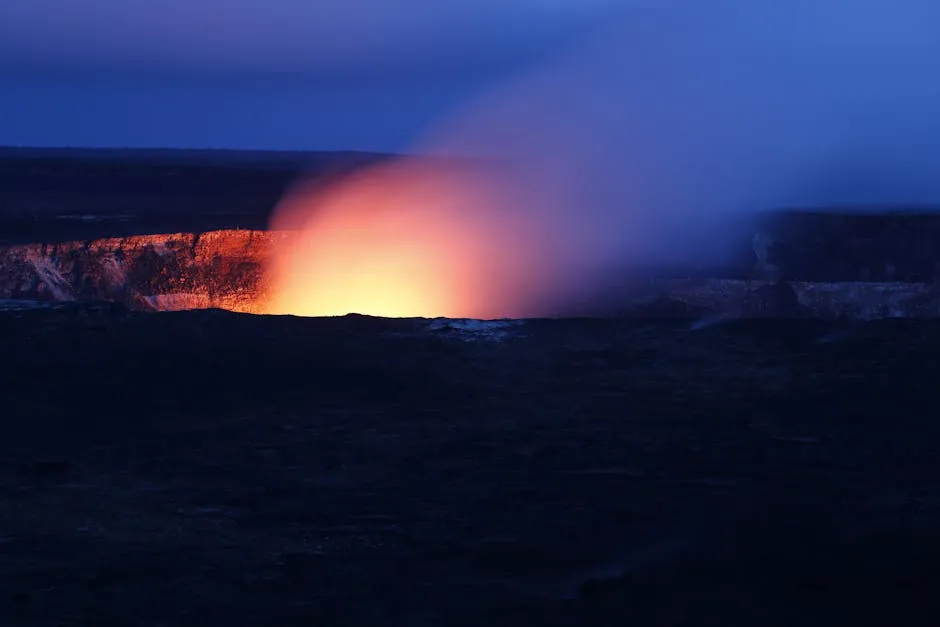
Nyiragongo’s lava lake and Nyamuragira’s eruptions make the Virunga range one of the most dramatic volcanic landscapes in Africa. When accessible, the Nyiragongo summit trek is a bucket-list experience.

🍲 Congolese Cuisine

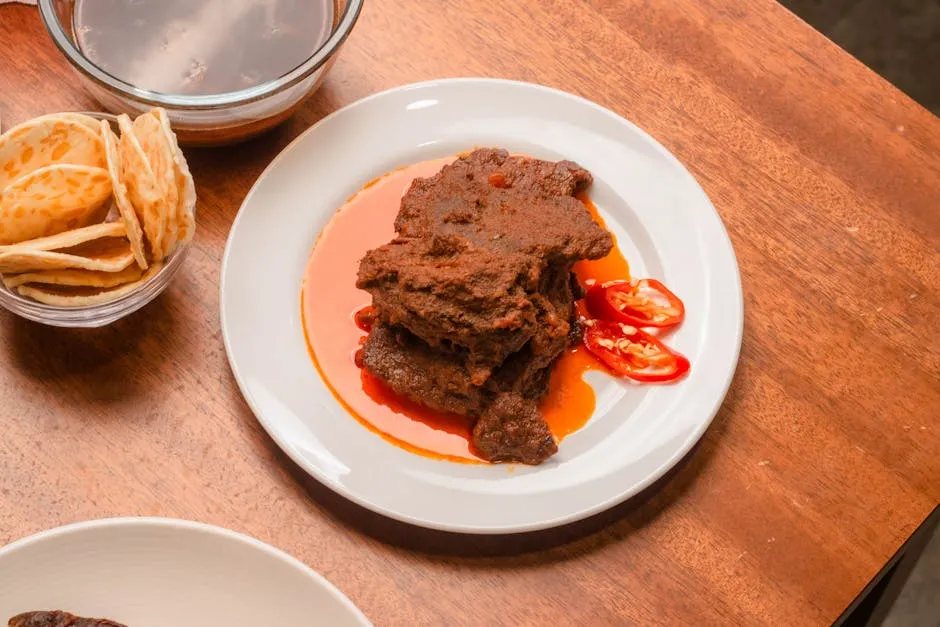
Moambe chicken in palm nut sauce, pondu simmered since dawn, liboke steamed in banana leaves, and pili pili that burns clean. Street food culture centered on smoke, charcoal, and communal plates.

🎶 Congolese Rumba

Kinshasa is the birthplace of soukous and Congolese rumba — the music that defined modern African popular culture. Live music venues still fill every night of the week.

🌊 Congo River

The world’s deepest river and second longest in Africa. The ferry from Kinshasa to Kisangani is one of the great river journeys — if you have the weeks and nerve for it.

🌿 Rainforest

Half of Africa’s remaining tropical rainforest is here — including Salonga, the largest tropical forest reserve on the continent. Home to bonobos, forest elephants, and okapi.
Budget reality: The DRC is not a budget destination. The e-visa alone costs ~$560 (visa + service + border fees). Domestic flights run $200–500 per leg, decent Kinshasa hotels start at $50/night, and gorilla permits (when parks are open) are $400. Expect to spend $100–200/day minimum for independent travel, more if you need security arrangements or domestic flights.

Best Time to Visit

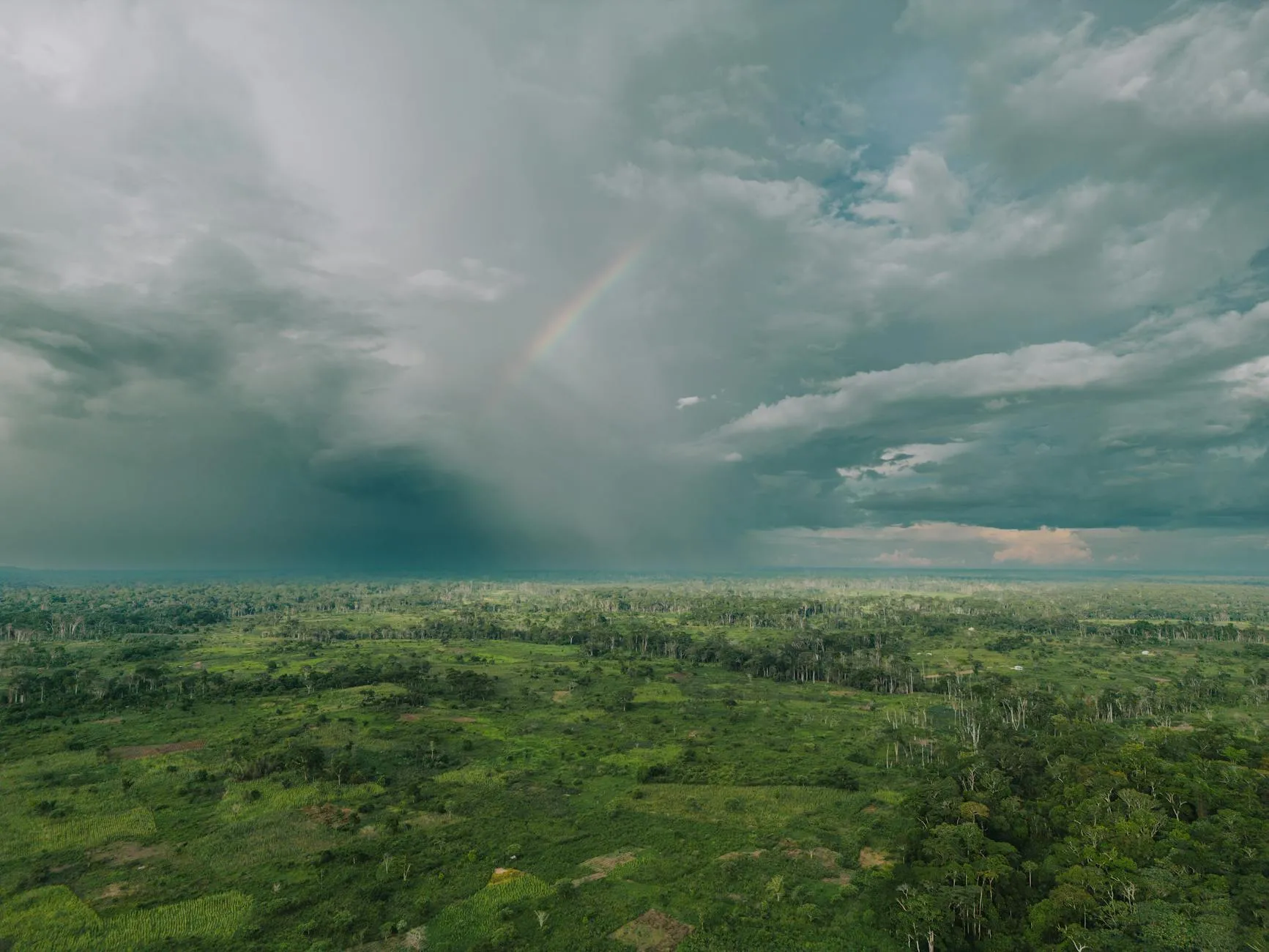
Tropical rain over the Congo River basin

The DRC straddles the equator, so “seasons” mean wet and dry rather than hot and cold. The main dry season runs from June to August across most of the country, with a shorter dry window in December to February. The long rains fall from September to November and March to May. Roads deteriorate dramatically in the wet season — many become impassable outside main cities — and disease risk (malaria, cholera) increases. For practical travel, the June–August dry season is the only sensible window for most of the country.

Gorilla trekking (when parks are operational) is best in the dry months, when trails are more manageable and visibility is better. Kinshasa is accessible year-round but uncomfortably hot and humid from October to May. Lubumbashi in the south has a more pronounced dry season (May–October) with cooler, pleasant temperatures.

Be aware that conflict, not climate, is the primary factor determining when and where you can travel. Always check the security situation before planning a trip, regardless of the weather.

Month-by-Month Overview

MonthSeasonBest RegionsCrowdsPricesRating
JanuaryShort dryKinshasa — Lubumbashi (rainy)🟢 Low🟢 Low⭐⭐⭐
FebruaryShort dry endsKinshasa — some eastern highlands🟢 Low🟢 Low⭐⭐⭐
MarchLong rains beginCities only🟢 Low🟢 Low⭐⭐
AprilHeavy rainsCities only🟢 Low🟢 Low
MayRains easingLubumbashi drying — Kinshasa wet🟢 Low🟢 Low⭐⭐
JuneDry seasonCountrywide — gorilla trekking (if open)🟡 Moderate🟡 Moderate⭐⭐⭐⭐⭐
JulyDry seasonCountrywide — best month overall🟡 Moderate🟡 Moderate⭐⭐⭐⭐⭐
AugustDry seasonCountrywide — gorilla trekking (if open)🟡 Moderate🟡 Moderate⭐⭐⭐⭐⭐
SeptemberRains returnLubumbashi — Kinshasa getting wet🟢 Low🟢 Low⭐⭐⭐
OctoberWet seasonLubumbashi only🟢 Low🟢 Low⭐⭐
NovemberWet seasonLubumbashi only🟢 Low🟢 Low⭐⭐
DecemberShort dry beginsKinshasa — Lubumbashi🟢 Low🟡 Moderate⭐⭐⭐
Best window: June–August is the clear winner — driest roads, cooler temperatures in the highlands, and the theoretical gorilla trekking season. December–February offers a secondary dry window. The DRC gets almost no tourism regardless of season, so “crowds” and “prices” are relative — you will likely be the only tourist in most places.

Climate & Weather

The DRC’s climate varies dramatically across its enormous area. The central Congo Basin is classic equatorial — hot, humid, and wet year-round, with temperatures rarely dropping below 25°C or rising above 35°C. Kinshasa sits just south of the equator and bakes in heat and humidity from October to May, with the worst rains in November–March. The eastern highlands around Goma and Bukavu are cooler (15–25°C) due to altitude, with more evenly distributed rainfall. Lubumbashi in the far south has the most pleasant climate — a clear dry season from May to October with cool mornings (10–15°C) and warm afternoons (25–28°C).

Seasons & Temperatures

The DRC spans the equator, so seasons are inverted between north and south. In practical terms, most travellers experience two patterns:

SeasonMonthsKinshasaEastern HighlandsLubumbashi
Main DryJun–Aug24–30°C, low humidity15–22°C, some rain10–26°C, clear skies
Short DryDec–Feb24–32°C, brief rains16–24°C, moderate rain18–28°C, afternoon storms
Long RainsMar–May25–33°C, heavy rain15–22°C, persistent rain15–27°C, rains ending
Short RainsSep–Nov25–34°C, building rain16–23°C, moderate rain18–30°C, storms begin

Map of DR Congo

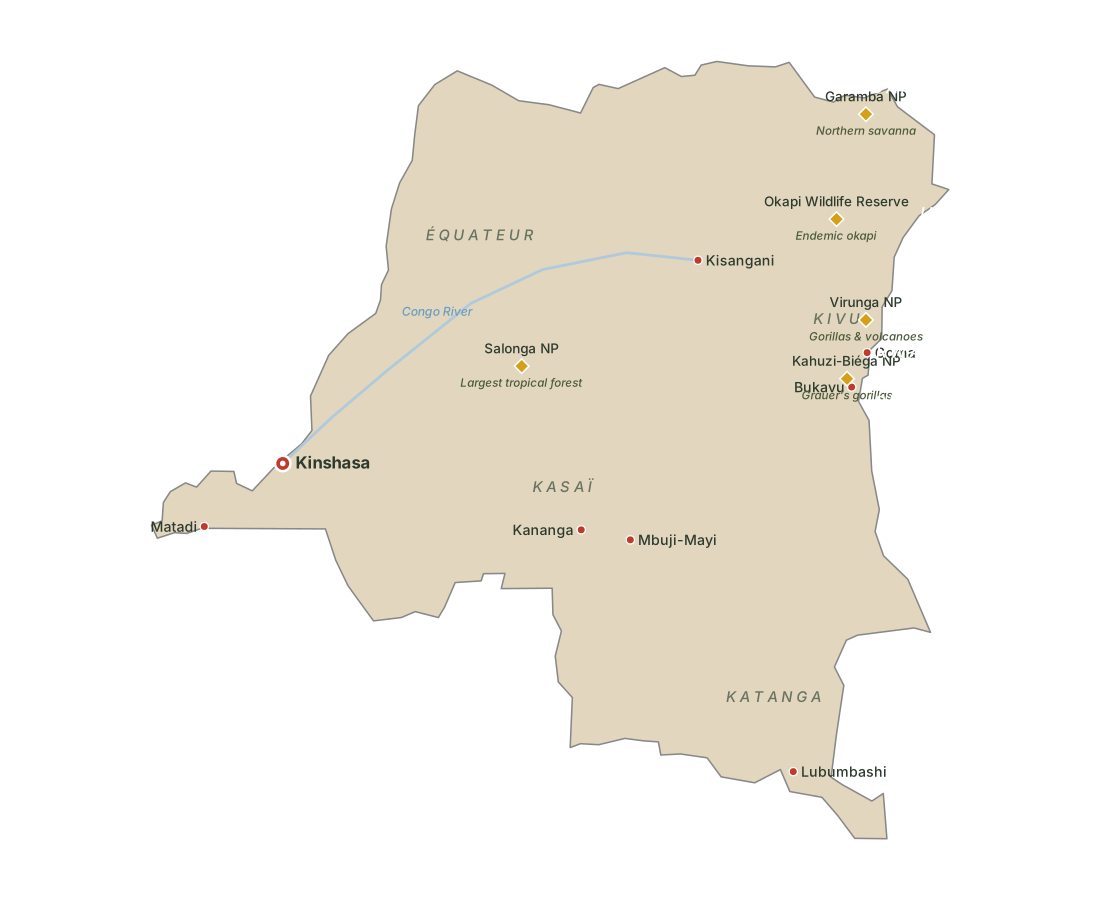
The DRC is enormous — 2,344,858 km², roughly the size of Western Europe. It borders nine countries: Republic of the Congo, Central African Republic, South Sudan, Uganda, Rwanda, Burundi, Tanzania, Zambia, and Angola. The Congo River and its tributaries form the country’s primary transport network, and the distance from Kinshasa in the west to Lubumbashi in the southeast is over 2,000 km by road — a journey that can take days or weeks depending on conditions.

Map of the Democratic Republic of the Congo showing major cities, national parks, and regions
Key distances: Kinshasa to Lubumbashi: ~2,000 km (fly 2.5h, road 3–7 days). Kinshasa to Goma: ~2,200 km (fly 3h, road effectively impossible). Kinshasa to Kisangani: ~1,750 km (river barge 7–14 days). Kinshasa to Brazzaville: 4 km across the Congo River (ferry 20 min).

Holidays & Festivals

Congolese independence day celebration in Kinshasa

Public holidays in the DRC are centred around independence history and national identity. Expect government offices, banks, and some businesses to close on these dates. Kinshasa can see large demonstrations or celebrations on politically significant days, which may affect movement — avoid crowds and monitor local news.

DateHoliday / FestivalImpact on Travel
January 1New Year’s DayBanks & offices closed. Celebrations in Kinshasa.
January 4Martyrs’ DayCommemorates 1959 independence riots. Political gatherings possible.
January 16–17National Heroes’ DayHonours Patrice Lumumba and Laurent Kabila. Demonstrations possible.
May 1Labour DayOffices closed. Minimal impact.
May 17Liberation DayMarks 1997 overthrow of Mobutu. Political events in Kinshasa.
June 30Independence DayBiggest national holiday. Military parades, road closures, celebrations countrywide.
August 1Parents’ DayFamily-oriented. Minimal travel impact.
November 17Armed Forces DayMilitary events, some road restrictions near barracks.
December 25ChristmasWidely celebrated (95% Christian). Businesses closed.
VariableEid al-Fitr / Eid al-AdhaMuslim minority observes. Minimal national impact.
Independence Day (June 30): While festive, this date can bring large crowds and heightened political tensions. Foreigners should avoid gatherings and stay informed about curfews or restrictions. In recent years, demonstrations have occasionally turned violent, especially in Kinshasa.

Regions

View across the lush green hills of eastern Congo

The DRC divides into 26 provinces, but for travellers the country breaks into five broad zones — each with dramatically different character, accessibility, and risk profiles.

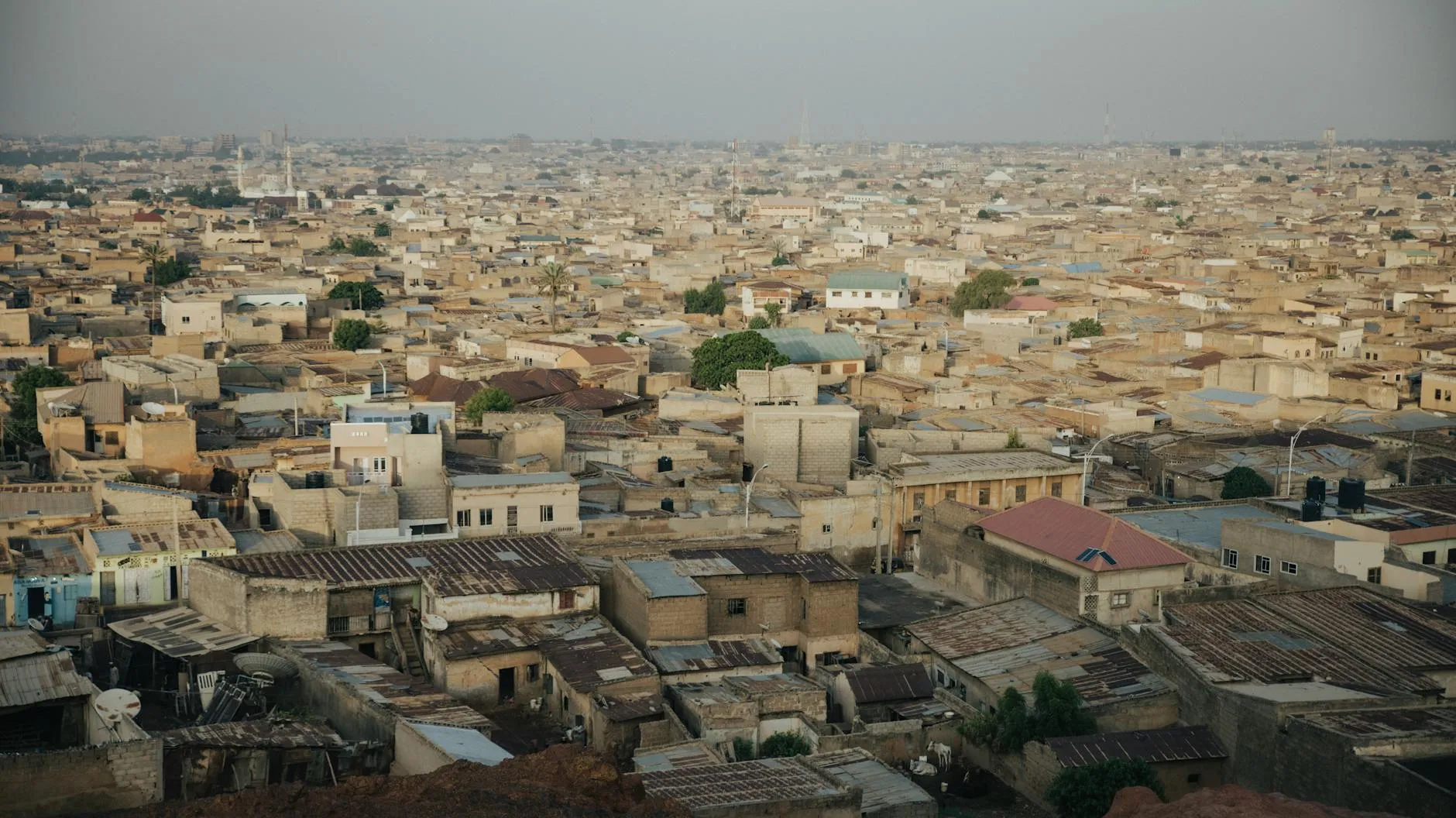
Boulevard du 30 Juin in Kinshasa

Kinshasa & the West

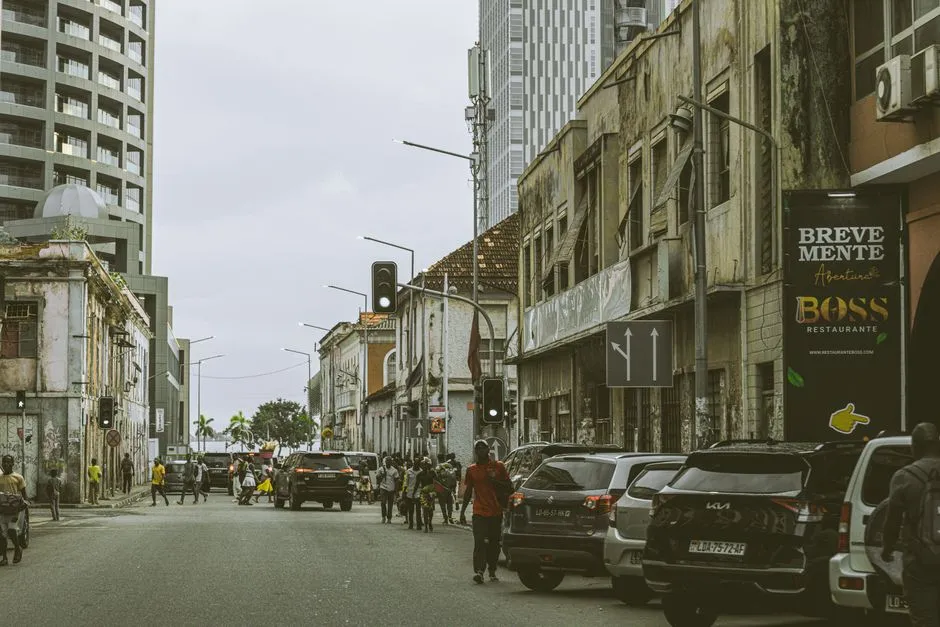
The capital and its surroundings are the most accessible part of the DRC. Kinshasa is a chaotic megacity of 17 million — live music, vibrant markets, and the ferry crossing to Brazzaville. The Gombe commune is the safest area. Kongo Central province to the south reaches the Atlantic coast (Muanda) and the Inga Falls area.

Best for: City culture, music, food, Congo River crossing.

Street scene in Lubumbashi

Katanga & the South

Lubumbashi, the second city, is the mining capital of the copper belt and feels more orderly than Kinshasa. Nearby Kundelungu National Park has the 340m Lofoi Falls. Upemba National Park offers lakes and diverse wildlife in a remote setting. This region borders Zambia and is relatively more stable.

Best for: Lubumbashi city life, Lofoi Falls, calmer pace.

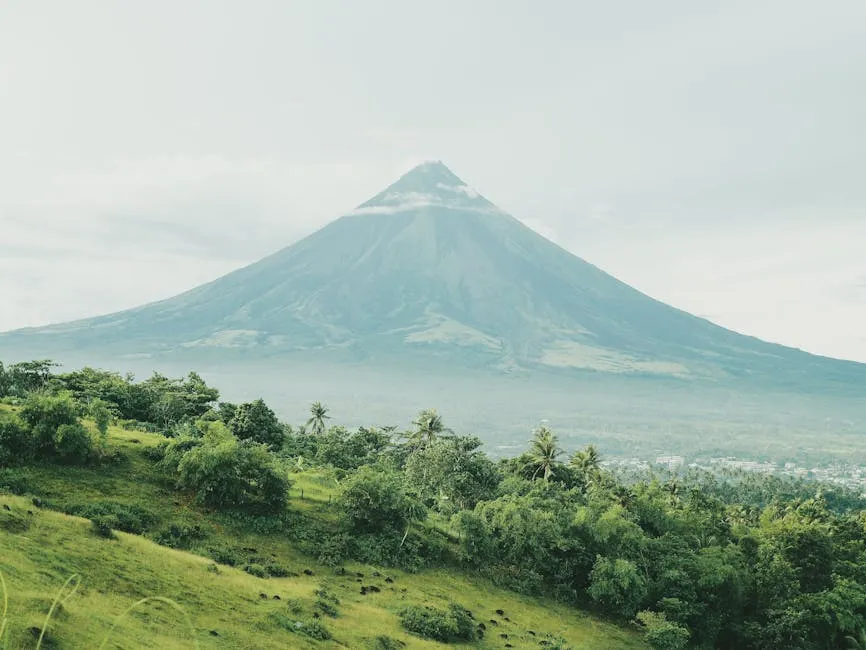
Nyiragongo volcano with lava glow at dusk

Eastern Highlands (Kivu)

The most spectacular — and most dangerous — region. Virunga National Park (mountain gorillas, Nyiragongo volcano), Kahuzi-Biéga (eastern lowland gorillas), and the shores of Lake Kivu. Currently occupied by M23 armed groups. Effectively inaccessible as of 2026.

Best for: Gorilla trekking, volcano treks — when peace returns.

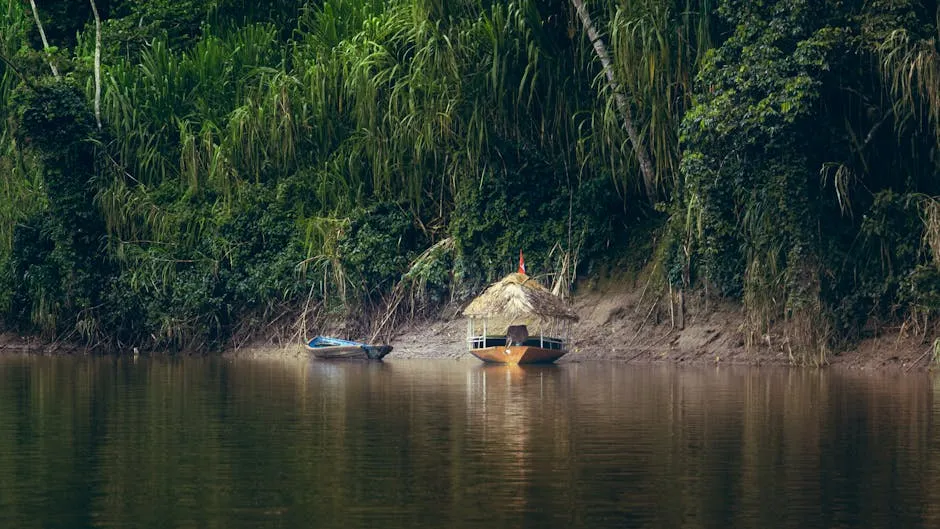
Congo River with dense forest on both banks

Central Congo Basin

The vast equatorial interior is mostly roadless rainforest traversed by the Congo River and its tributaries. Kisangani sits at the Boyoma Falls. Salonga National Park — the largest tropical forest reserve in Africa — protects bonobos and forest elephants. Access is by river barge or small aircraft only.

Best for: Serious adventurers, river journeys, primate research.

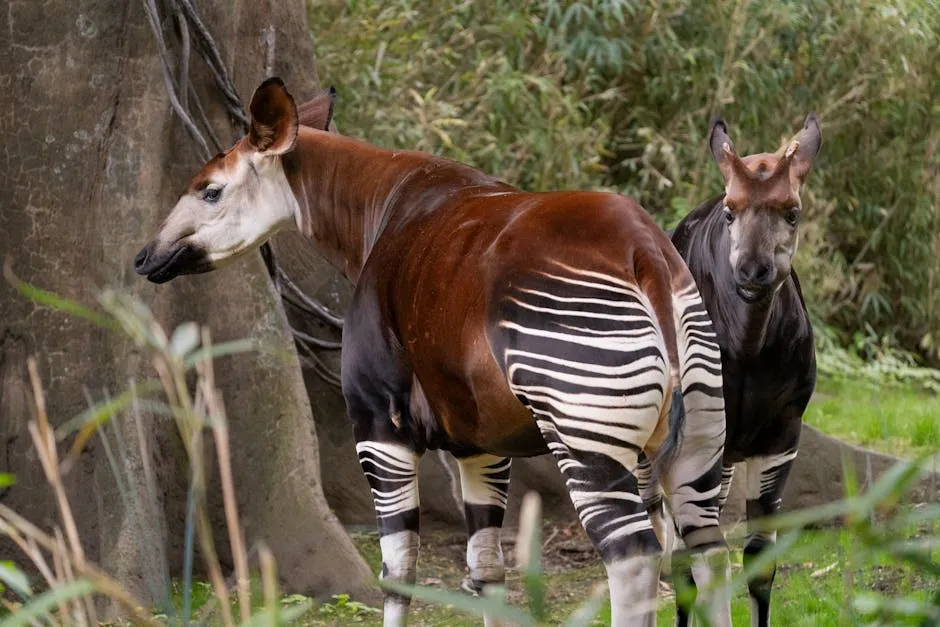
Okapi in dense forest

Northeast (Ituri & Uele)

Home to the Okapi Wildlife Reserve and Garamba National Park (where the last wild northern white rhinos once roamed). Ituri Province is under military siege and experiencing an Ebola outbreak as of 2026. Armed groups including ADF operate throughout. Extremely dangerous — avoid entirely.

Best for: Okapi, Garamba — when security improves.

Security reality: Only Kinshasa and Lubumbashi are considered remotely accessible for independent travellers as of 2026. Even within Kinshasa, stay in the Gombe commune, avoid walking alone, and never travel after dark. All eastern and northeastern provinces are active conflict zones.

Top Sightseeing

Panoramic view of the Congo River from Kinshasa

The DRC’s sights span the full range from urban chaos to untouched wilderness — but access is the overriding constraint. This list covers what the country has to offer, noting current accessibility honestly.

  • Virunga National Park: Africa’s oldest national park. Mountain gorillas, the Nyiragongo lava lake, hippos in Lake Edward. Currently closed — M23 conflict.
  • Kahuzi-Biéga National Park: Last refuge of the eastern lowland gorilla. UNESCO World Heritage. Effectively inaccessible — South Kivu conflict zone.
  • Kinshasa: 17 million people, Congolese rumba clubs, Marché Central, the Académie des Beaux-Arts, and the ferry across to Brazzaville.
  • Lofoi Falls: 340m waterfall in Kundelungu National Park near Lubumbashi — one of Africa’s highest.
  • Congo River: The barge journey from Kinshasa to Kisangani is one of Africa’s great adventures — 7 to 14 days of floating market, forest, and river life.
Bustling market stall in Kinshasa

Kinshasa’s Marché Central

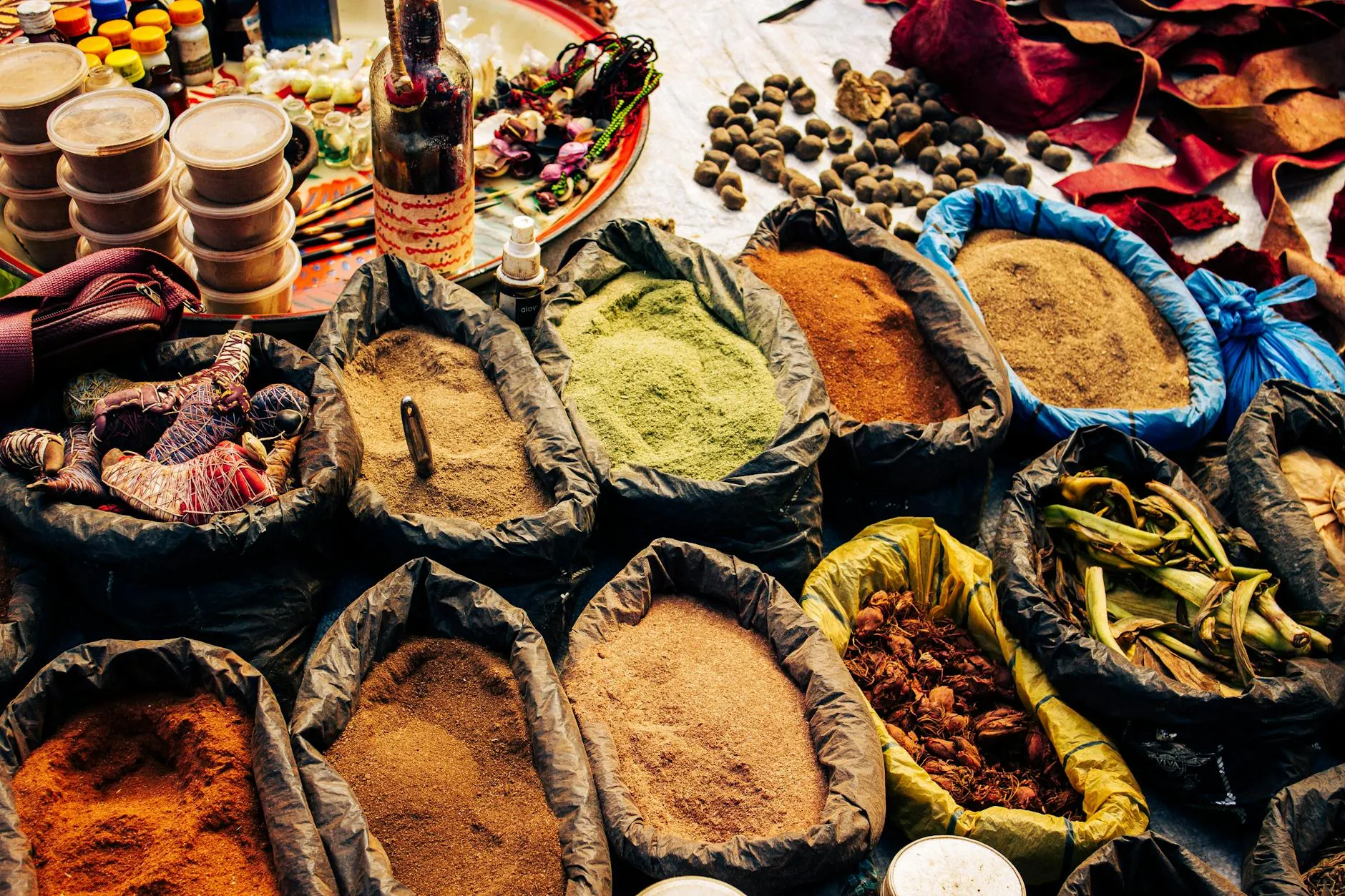
Kinshasa’s main market is overwhelming in the best way — mountains of cassava, catfish as long as your arm, racks of pili pili, fabric vendors, and the perpetual soundtrack of haggling. Go early morning when the fish section is freshest and the heat hasn’t become unbearable. Keep valuables hidden and go with a local guide.

Nyiragongo volcano crater at night

Mount Nyiragongo

A 3,470m stratovolcano with one of the world’s few persistent lava lakes. The overnight summit trek — sleeping on the crater rim watching the lava churn below — was the DRC’s most iconic experience. Permits were $300. Currently closed due to M23 occupation of Goma.

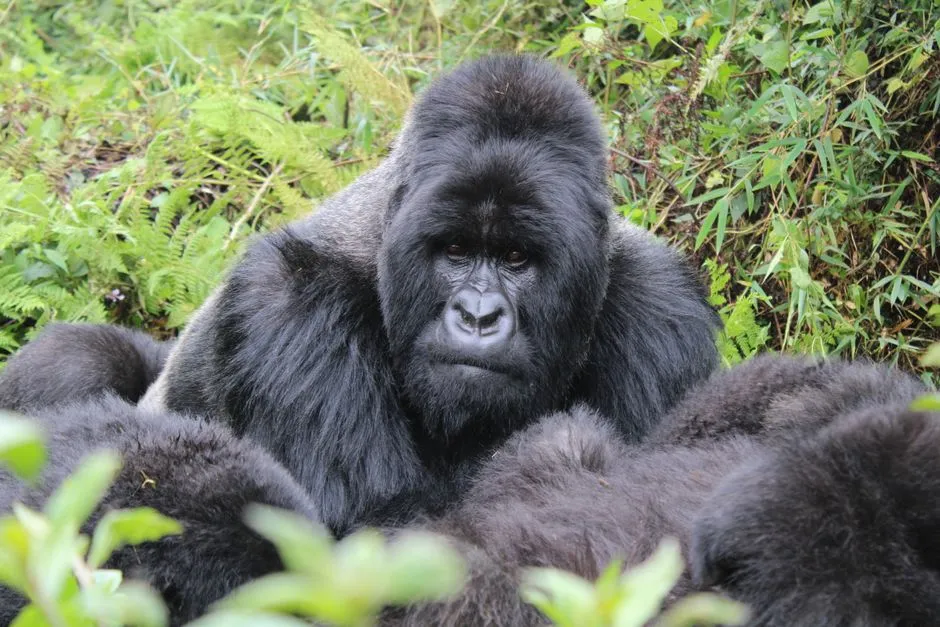
Mountain gorilla in dense vegetation

Gorilla Trekking

The DRC holds both mountain gorillas (Virunga) and eastern lowland gorillas (Kahuzi-Biéga) — making it the only country where you can see both species. Permits were $400, a fraction of Rwanda’s $1,500. Both parks are closed as of 2026.

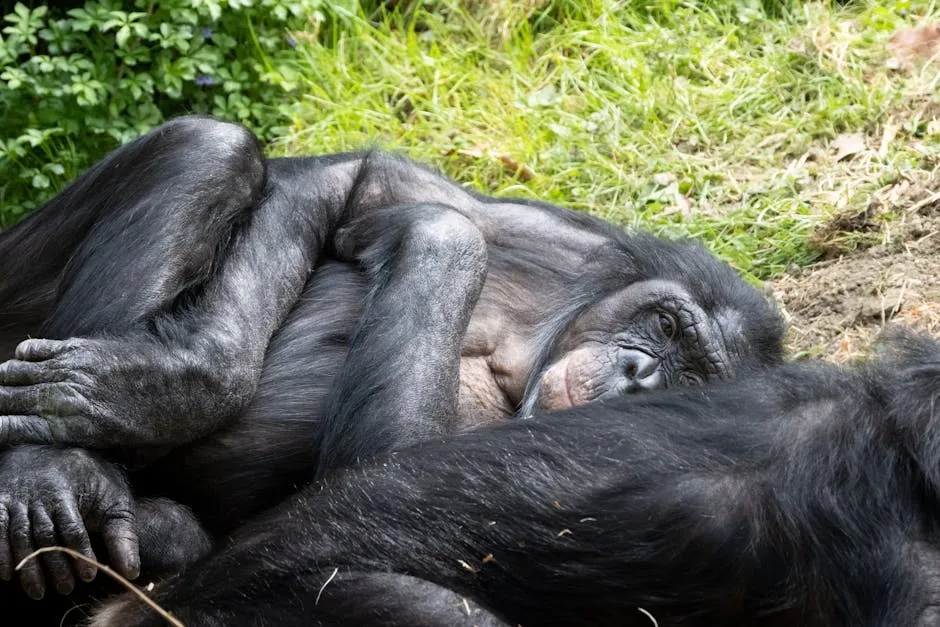
Bonobo in a forest canopy

Lola ya Bonobo Sanctuary

The world’s only bonobo sanctuary, located just outside Kinshasa in Petites Chutes de la Lukiáya. Bonobos are our closest living relative alongside chimps, and are found only in the DRC. The sanctuary rehabilitates orphaned bonobos. One of the few wildlife experiences accessible near Kinshasa. Entry ~$25.

Colourful paintings at the Academie des Beaux-Arts

Académie des Beaux-Arts

Kinshasa’s art school and gallery showcases Congolese contemporary art — painting, sculpture, and performance. It’s been producing Africa’s most influential visual artists since 1943. Ask to visit the student studios for the real experience.

Lofoi Falls cascading down a cliff face

Lofoi Falls

One of Africa’s highest single-drop waterfalls at 340m, hidden in Kundelungu National Park in Katanga. The hike to the base takes several hours through miombo woodland. Infrastructure is minimal — bring everything you need. Best visited from Lubumbashi with a local guide and 4x4.

River barge loaded with goods on the Congo River

Congo River Barge Journey

The river barge from Kinshasa to Kisangani is a floating village — vendors, livestock, and hundreds of passengers on a steel platform drifting through endless rainforest. The journey takes 7–14 days upstream. It is uncomfortable, unpredictable, and genuinely unforgettable for those with the constitution for it.

Ferry crossing the Congo River between Kinshasa and Brazzaville

Kinshasa–Brazzaville Ferry

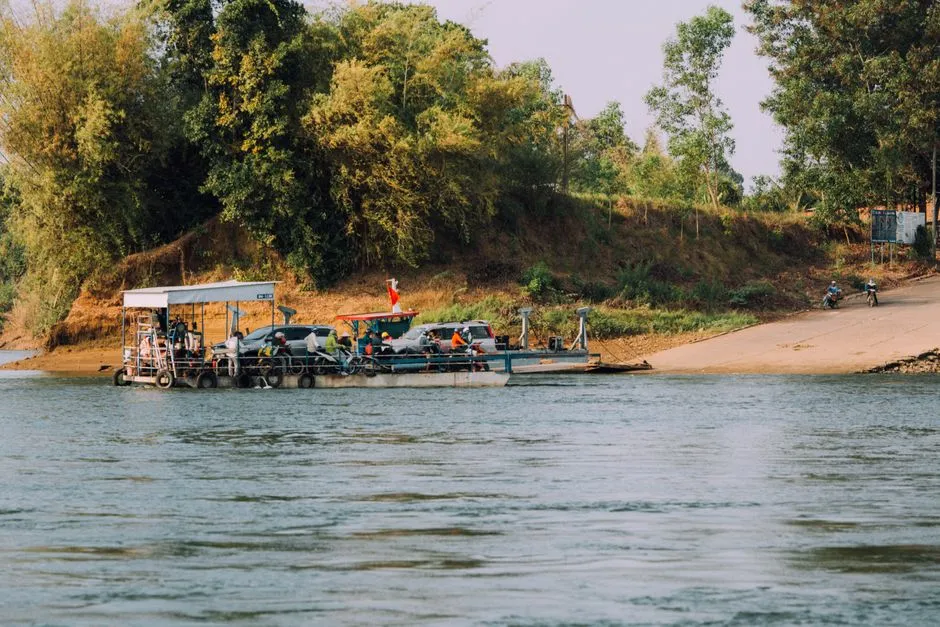
The world’s closest capital cities sit 4 km apart across the Congo River. The public ferry takes about 20 minutes and costs a few dollars. You need a visa for the destination country. Service is unreliable — no Sundays, stops in late afternoon, may close without notice.

Culture & Cuisine

Street musicians playing Congolese rumba in Kinshasa

Culture

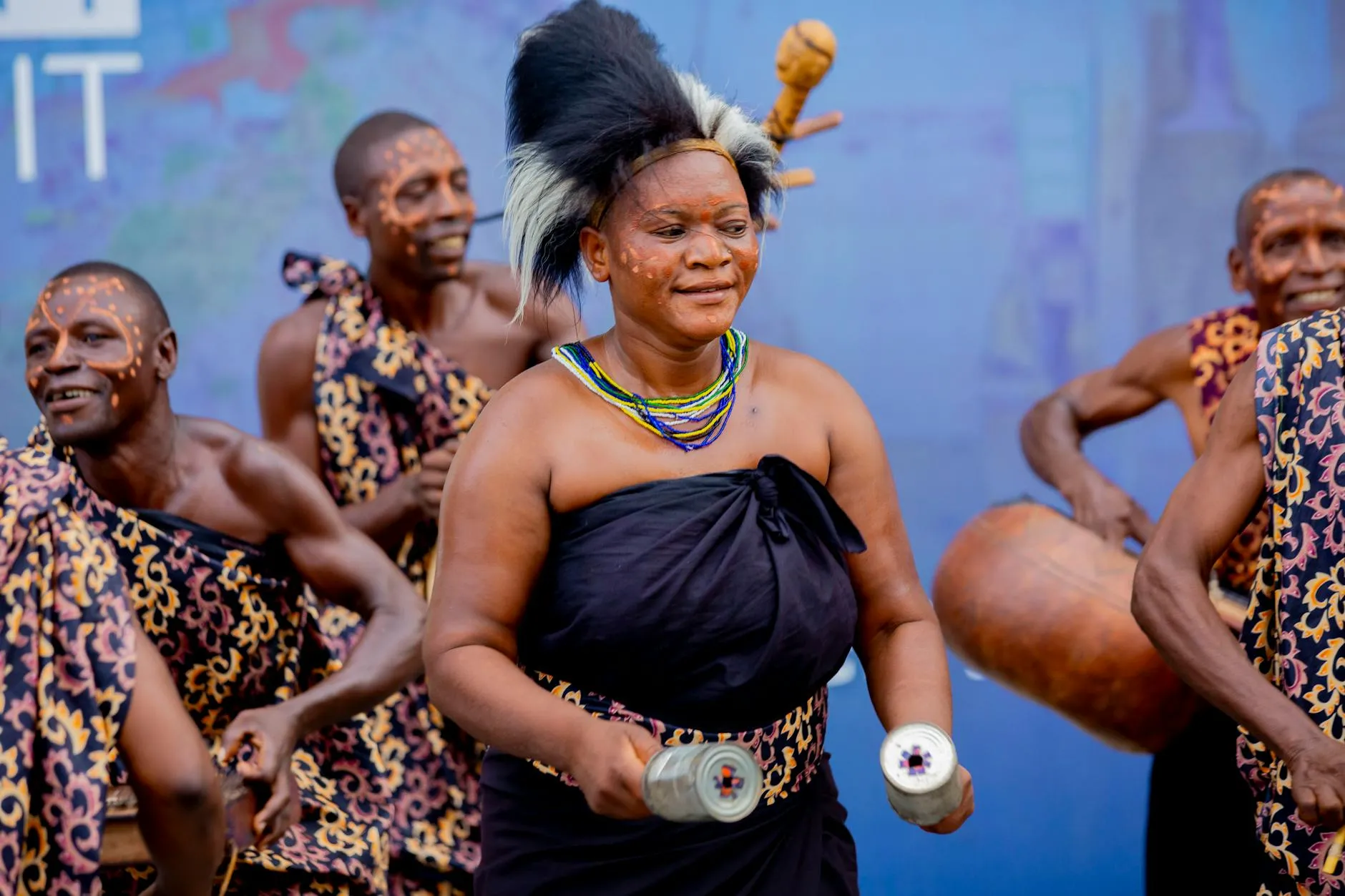
  • Congolese rumba & soukous: Kinshasa birthed the music that defined modern Africa. From Franco to Papa Wemba to Koffi Olomidé, Congolese rumba evolved into soukous and spread across the continent. Live music is everywhere — bars in Matonge fill nightly. This is the DRC’s greatest cultural export and the heartbeat of the capital.
  • French is essential: French is the official language and lingua franca between ethnic groups. English is almost nonexistent outside international hotels and NGO compounds. Learn basic French or travel with a French-speaking guide — there is no way around this.
  • Religion: About 95% Christian (Catholic majority), which shapes daily life, music, and social gatherings. Churches are packed on Sundays. Religious holidays are observed seriously.
  • Communal eating: Meals are shared events. Fufu is torn by hand and dipped into communal stew. Eating alone in public is unusual. Accept invitations — hospitality is deeply valued and refusing food can cause offence.
  • Respect for elders: Age carries authority. Greet older people first, use formal address, and defer in conversation. This applies in markets, negotiations, and especially when dealing with officials.
  • Photography caution: Never photograph military installations, police, government buildings, or soldiers. Even photographing bridges or airports can lead to detention. Always ask before photographing people. Checkpoints are not photo opportunities.
Key phrases (French/Lingala): Bonjour (Hello) • Merci (Thank you) • Combien? (How much?) • Mbote (Hello in Lingala) • Melasi (Thank you in Lingala) • Boni? (How are you? in Lingala)

Cuisine

Congolese food is built on three pillars: cassava, palm oil, and fire. Every meal revolves around a starchy base — fufu, chikwangue, rice, or plantains — paired with a deeply flavoured stew or grilled meat. The cooking is slow, the portions generous, and the pili pili (chili paste) ever-present. The national dish is moambe chicken: palm nut cream simmered until it splits into a brick-red sauce that clings to everything.

Moambe chicken in palm nut sauce with rice

Moambe Chicken

The national dish. Chicken simmered in a thick sauce made from palm nut cream — rich, slightly sweet, stained orange-red. Served with fufu, rice, or fried plantains. Every household has their version. Best at Kinshasa’s nganda restaurants, especially in Bandalungwa commune.

Dark green pondu (cassava leaf stew) in a bowl

Pondu / Saka-saka

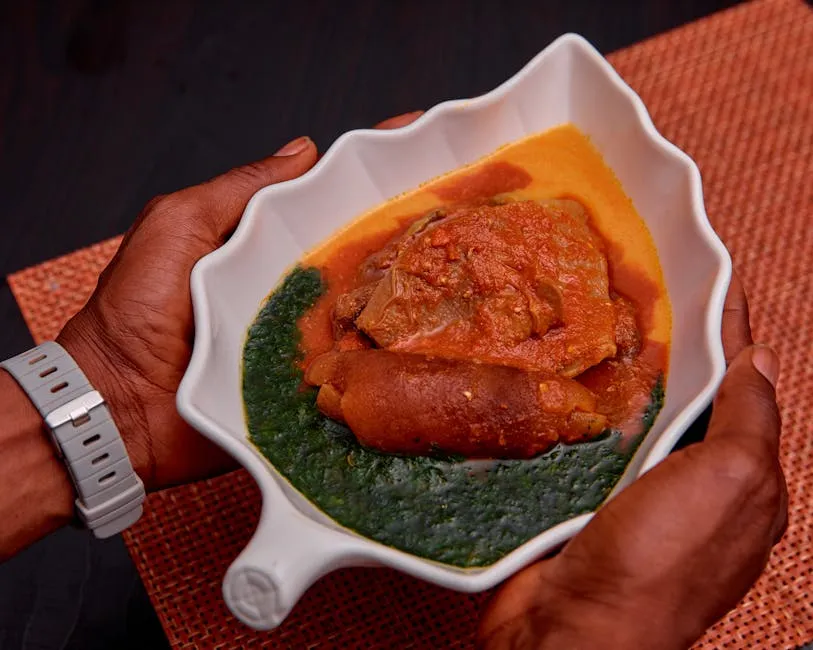
Cassava leaves pounded and simmered for hours with palm oil, smoked fish, garlic, and onions. The leaves cook down to a dark green paste that’s silky smooth with deep umami flavour. Every Congolese person considers their mother’s pondu the best. Roadside stands in Kisangani serve the definitive version, simmering since dawn.

Fish wrapped in banana leaf (liboke)

Liboke

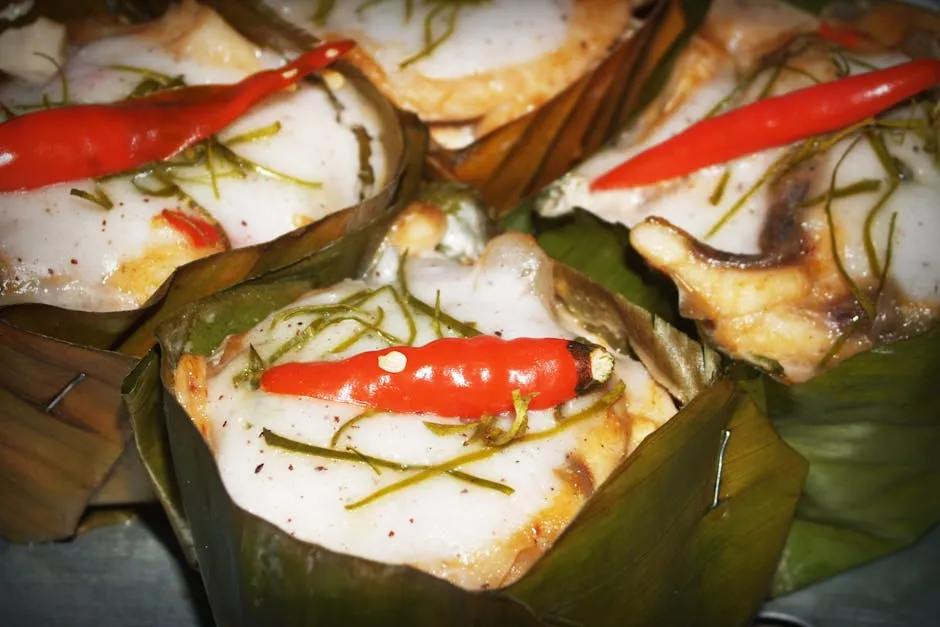
Fish, chicken, or meat marinated in spices, wrapped in banana leaves, and steamed or grilled. The leaves lock in steam and smoke, infusing everything with a layered, vegetal flavour. Liboke de poisson (tilapia or catfish from the Congo River) is the classic.

White fufu ball served alongside stew

Fufu

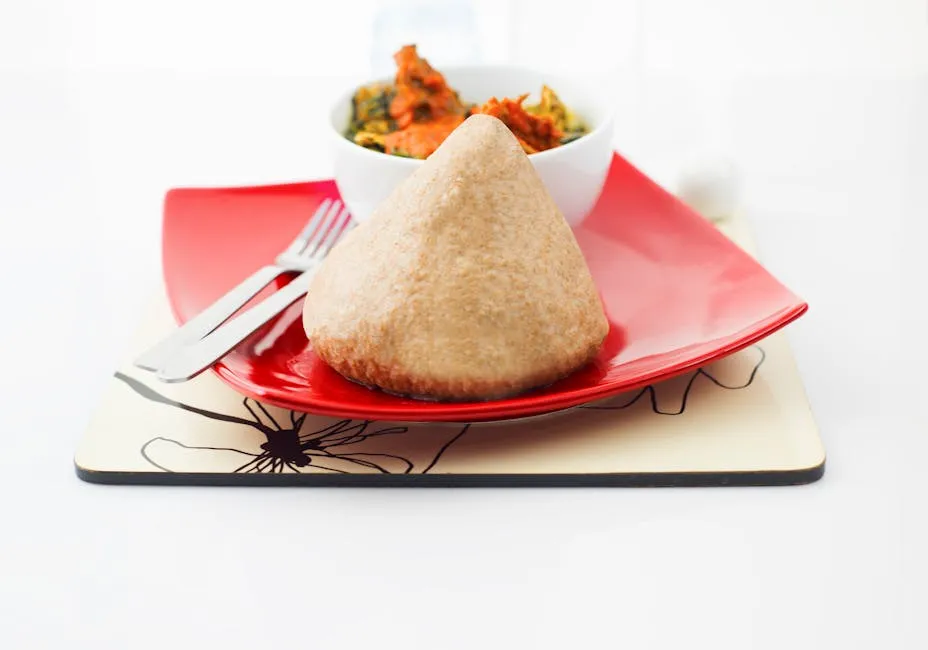
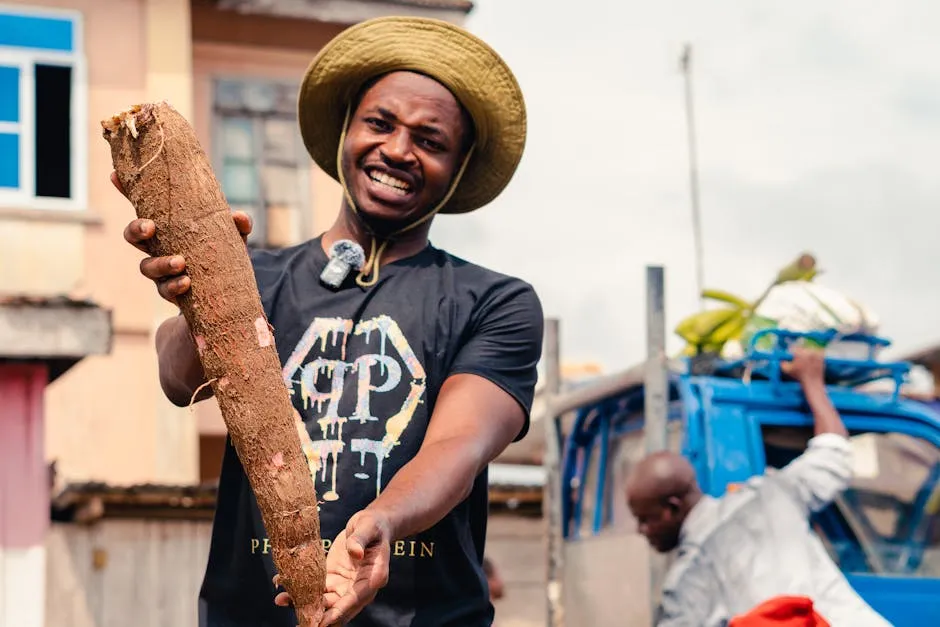
The foundation of Congolese eating. Cassava or corn flour stirred into a smooth, elastic ball. You tear off a piece, make an indentation with your thumb, and scoop up stew. The texture is somewhere between bread dough and mochi. Women pound it in massive wooden mortars at Marché Central — the rhythmic thud carries for blocks.
Chikwangue (fermented cassava bread) in banana leaf wrapper

Chikwangue

Fermented cassava wrapped in banana leaves and steamed into dense, chewy cylinders. The fermentation gives it a sour tang that makes your mouth water. Street vendors in Bukavu sell it still warm from steaming. Tear it open and the inside glistens like alabaster.

Golden fried mikate (beignets) on a plate

Mikate

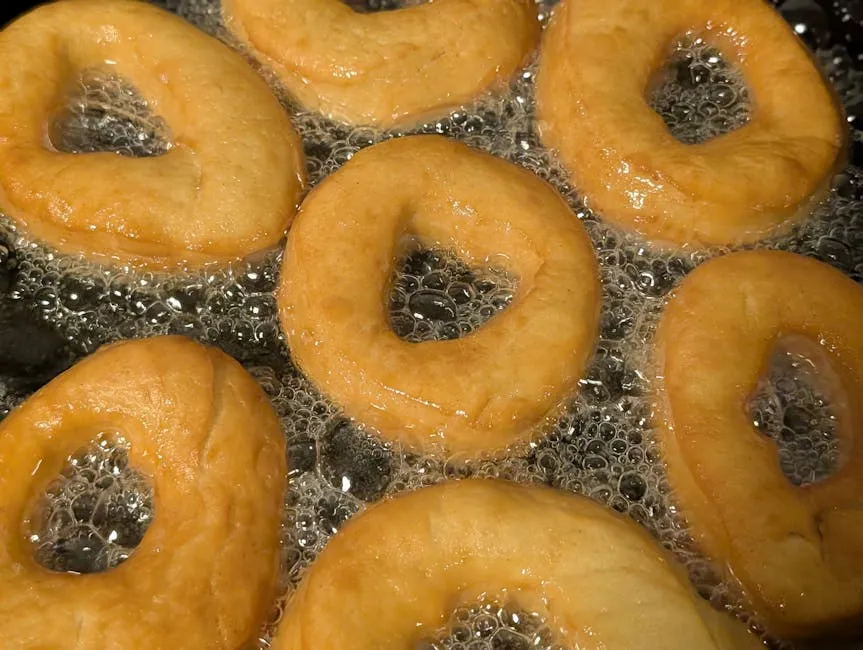
Puffy deep-fried dough balls — crisp outside, airy inside. The batter hisses when it hits the oil, and the vendor flips them with long sticks. Morning staple at Lubumbashi’s Kenya market. Best when so fresh the steam burns your fingers.

Drinks

Primus is the beer of the DRC — green bottles, served cold (when there’s electricity), and found at every roadside bar. Palm wine is fermented from the sap of wild palm trees, 5–7% alcohol, with a slightly sour, yeasty flavour. Pili pili is not a drink but appears on every table — fiery chili paste ground with garlic and palm oil that burns in layers.

Street Food

Congolese street food doesn’t have fixed locations — it has fixed times. Follow the smoke: at 6 AM, bread vendors balance baguettes on their heads along Boulevard du 30 Juin. At midday, office workers queue for moambe from carts in Gombe. At sunset, goat skewer vendors set up outside beer halls, fanning charcoal with cardboard. The meat gets rubbed with garlic, ginger, and bouillon cubes. Grilled goat (ntaba) with cold Primus is the definitive Kinshasa evening meal.

Activities & Hikes

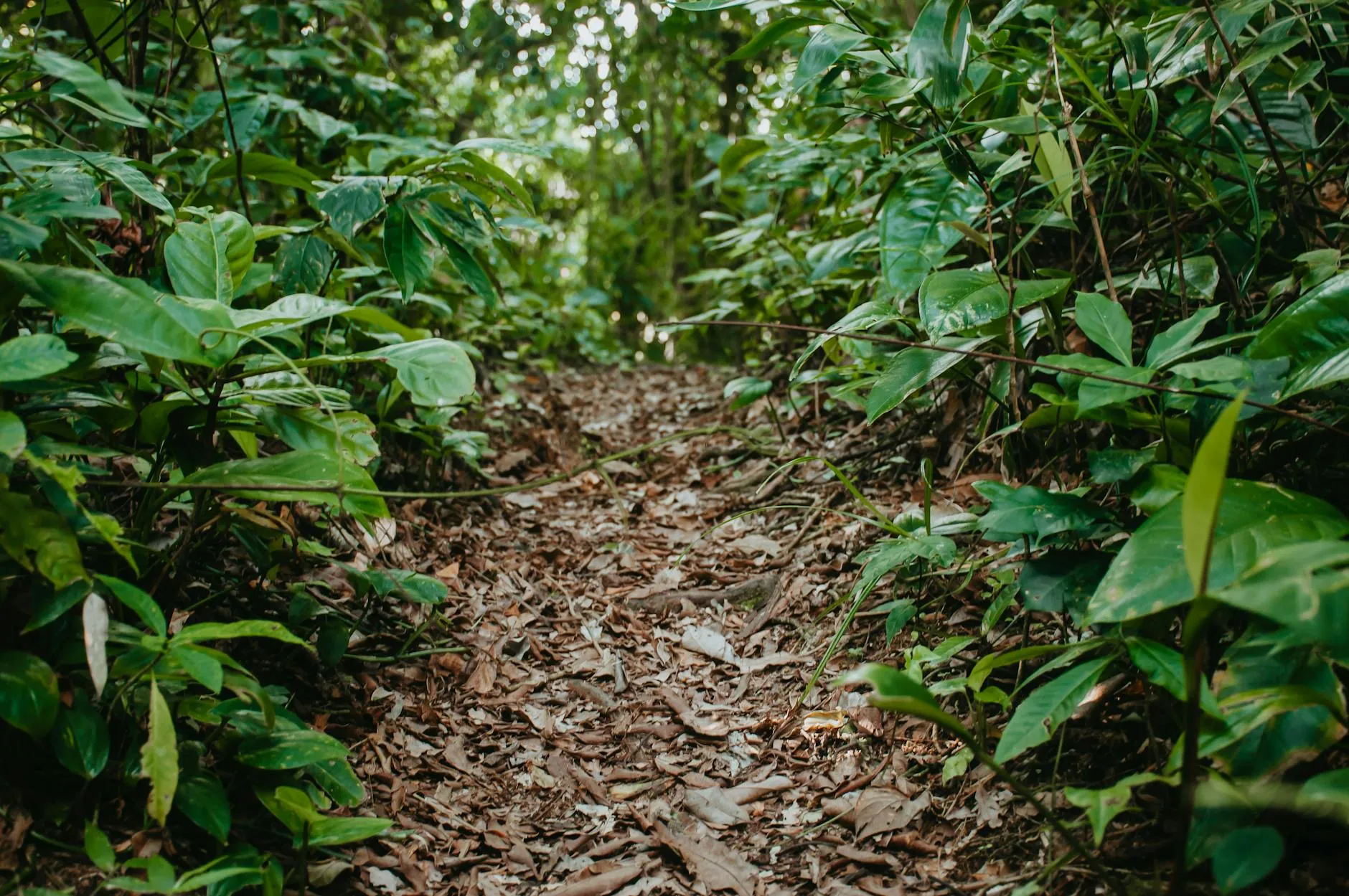
Hiking trail through dense tropical forest in the DRC

The DRC’s outdoor activities are among the most extraordinary in Africa — and among the hardest to access. Most of the headline experiences (Nyiragongo volcano trek, gorilla trekking, Lake Kivu kayaking) are in the conflict-affected east and currently unavailable. What remains accessible is limited but still worthwhile, particularly the bonobo sanctuary near Kinshasa and some southern parks.

Top Treks & Activities

ActivityLocationDifficulty & DurationStatus (2026)
Nyiragongo Volcano TrekVirunga NP, North KivuHard • 6h up, overnight, 3h down🔴 Closed (M23 conflict)
Mountain Gorilla TrekkingVirunga NP, North KivuModerate • 2–6h depending on group🔴 Closed (M23 conflict)
Eastern Lowland Gorilla TrekKahuzi-Biéga NP, South KivuModerate • 2–4h🔴 Closed (conflict zone)
Lola ya Bonobo VisitLes Petites Chutes, near KinshasaEasy • Half day🟢 Accessible
Lofoi Falls HikeKundelungu NP, KatangaModerate • Full day🟡 Accessible with 4x4 & guide
Congo River BargeKinshasa to KisanganiEndurance • 7–14 days🟡 Operational but unpredictable
Kinshasa–Brazzaville FerryCongo River crossingEasy • 20 minutes🟢 Accessible (need visa)
Mount Kahuzi SummitKahuzi-Biéga NP, South KivuHard • 3,308m, full day🔴 Closed (conflict zone)
Honest assessment: As of 2026, the only outdoor activities realistically accessible to visitors are Lola ya Bonobo (near Kinshasa), the Kinshasa–Brazzaville ferry, and the Lofoi Falls area (from Lubumbashi with security arrangements). Everything in the eastern half of the country is in or adjacent to active conflict zones.

When the East Reopens

If security improves in the Kivu provinces, the DRC becomes one of Africa’s most compelling adventure destinations. The Nyiragongo overnight trek — sleeping on the crater rim above a churning lava lake at 3,470m — is unlike anything else on the continent. Gorilla trekking in Virunga and Kahuzi-Biéga was available at $400 per permit, a fraction of Rwanda’s $1,500. Lake Kivu’s shoreline around Goma and Bukavu offered kayaking, island hopping, and some of Africa’s most dramatic lakeside scenery. These experiences may return — monitor the Virunga National Park website (virunga.org) for updates.

Congo River Journey

The river barge from Kinshasa to Kisangani is not really an “activity” in the recreational sense — it is an endurance event. You share a rusting steel platform with hundreds of passengers, their livestock, and a floating market of canoes that lash alongside to trade fish, fruit, and bushmeat. Sleeping is on the deck or in a shared cabin. The journey takes 7–14 days upstream, less downstream. There is no schedule. You bring your own food, water purification, mosquito net, and patience. It is also one of the most extraordinary travel experiences in Africa for those with the nerve for it.

Wildlife & Nature

Dense tropical rainforest canopy in the Congo Basin

The DRC is the single most important country in Africa for biodiversity. Its forests, mountains, and rivers harbour three species of great ape, Africa’s only endemic giraffe relative (the okapi), the continent’s largest tropical forest reserve, and over 1,100 bird species. Five UNESCO World Heritage Sites — all currently on the Danger list — protect fragments of this extraordinary natural wealth.

Great Apes

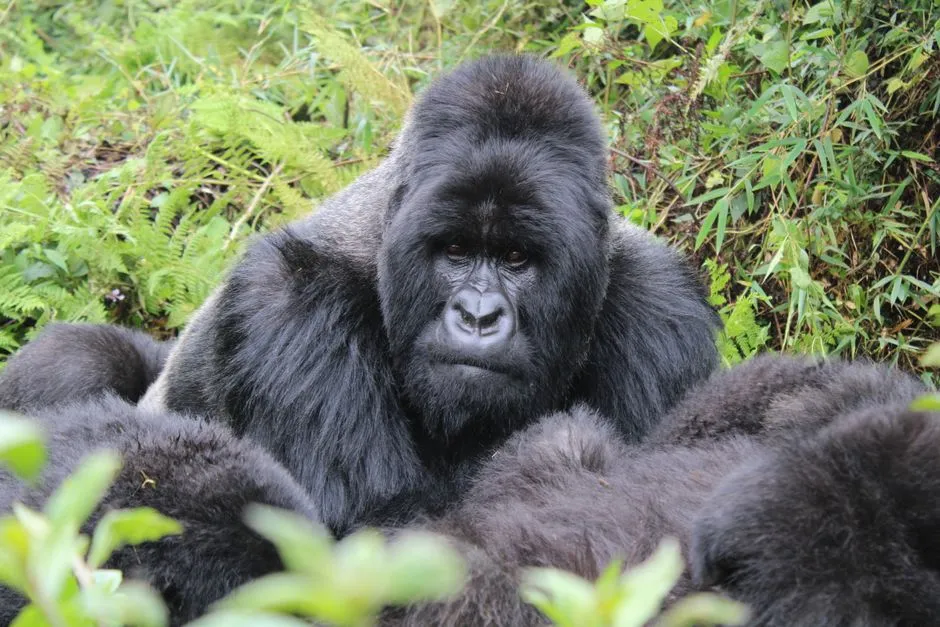
Mountain gorilla silverback in dense forest

Mountain Gorilla

About 1,063 remain in the Virunga massif shared with Rwanda and Uganda. The DRC’s Virunga National Park holds roughly a third. Permits were $400 — the most affordable gorilla trekking in Africa. Currently inaccessible due to M23 conflict.

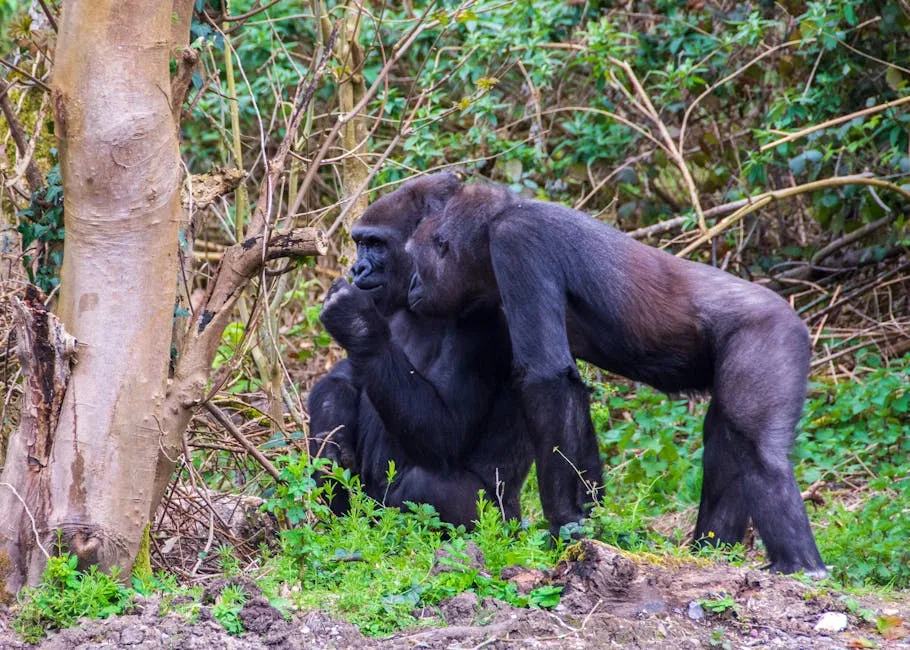
Grauer's eastern lowland gorilla in rainforest

Grauer’s Gorilla

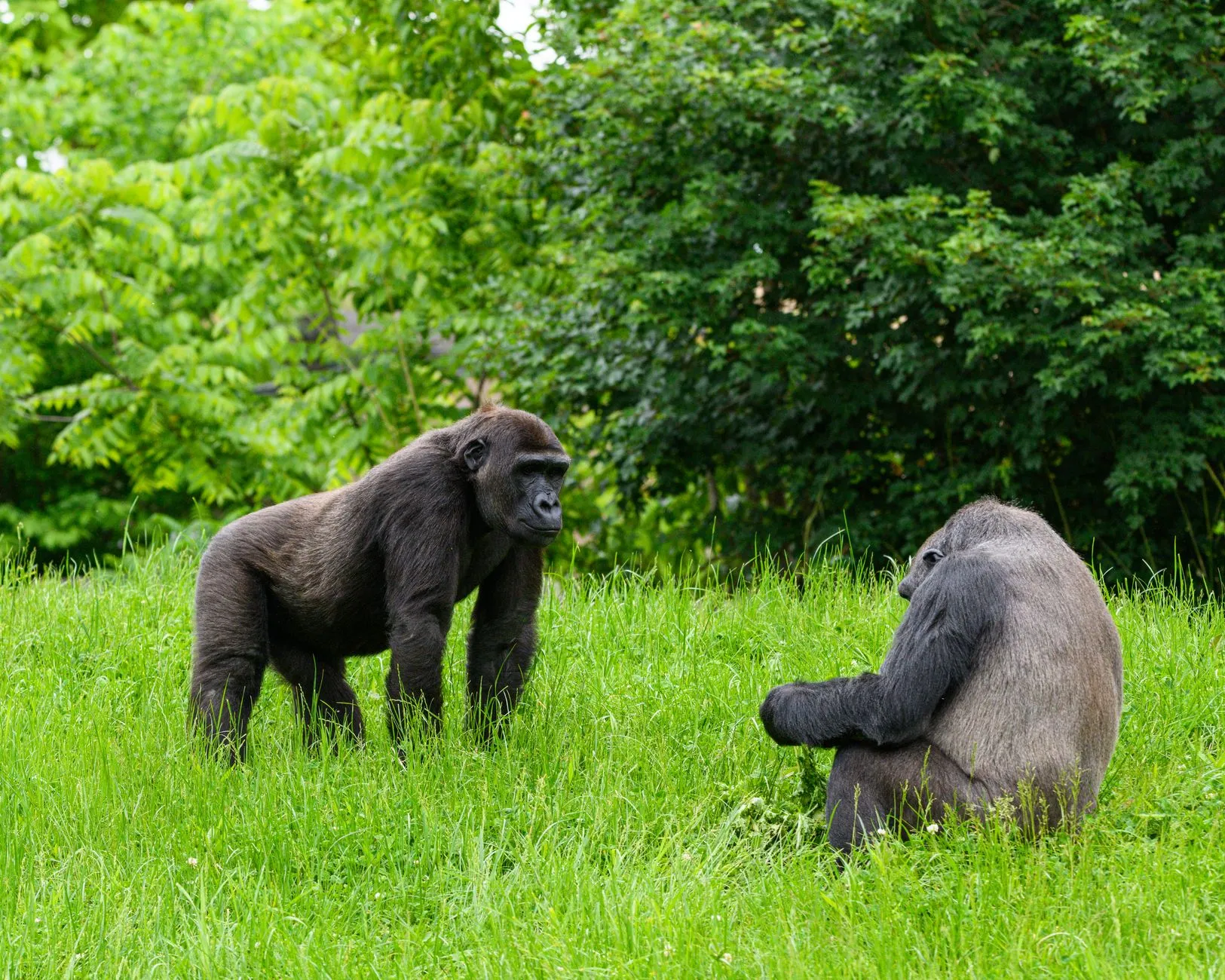
The eastern lowland gorilla is found only in the DRC. Kahuzi-Biéga National Park is their last stronghold, with ~181 individuals recorded in the 2011 census — down from 600 before the wars. The world’s largest gorilla subspecies, and critically endangered.

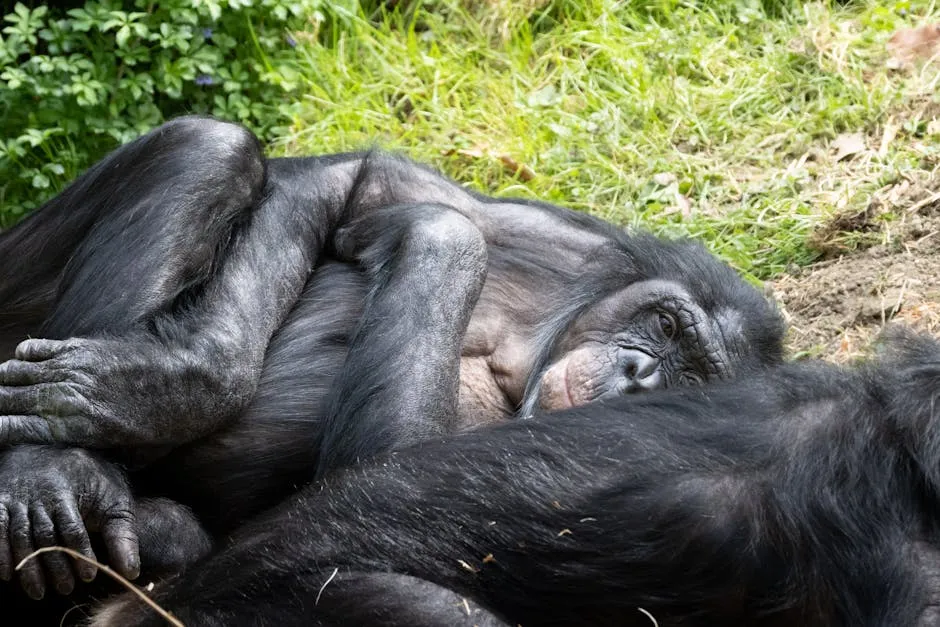
Bonobo resting in forest clearing

Bonobo

Our closest living relative alongside chimps, found only in the DRC — nowhere else on Earth. Salonga and Lomami national parks protect wild populations. The Lola ya Bonobo sanctuary near Kinshasa is the only place to reliably see them.

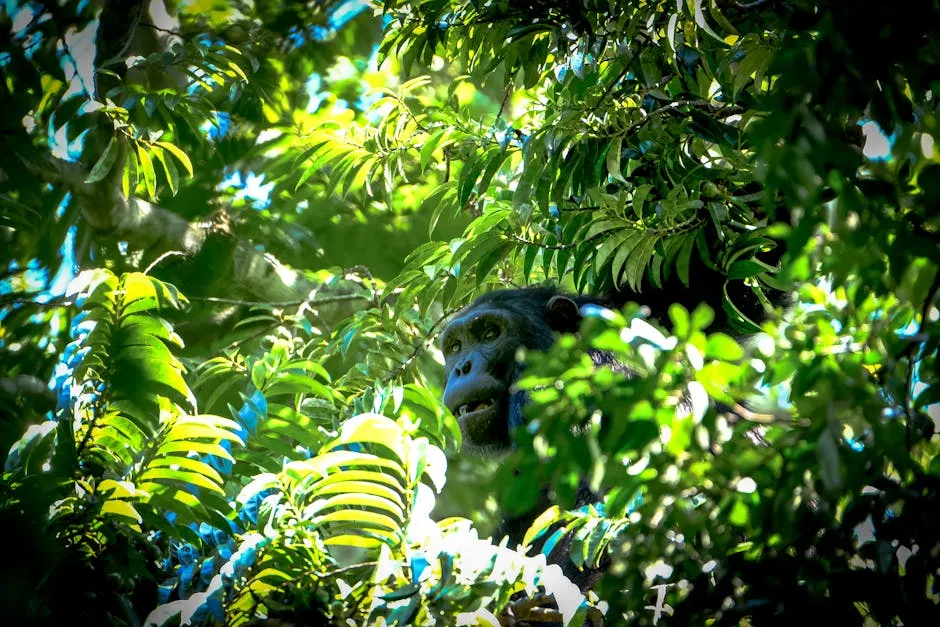
Chimpanzee peering through forest canopy

Chimpanzee

Eastern chimpanzees inhabit forests across the DRC, including Virunga and Kahuzi-Biéga. Habituated groups were sometimes encountered during gorilla treks. Wild populations are threatened by habitat loss and bushmeat hunting.

Other Wildlife

Okapi with zebra-striped legs in forest clearing

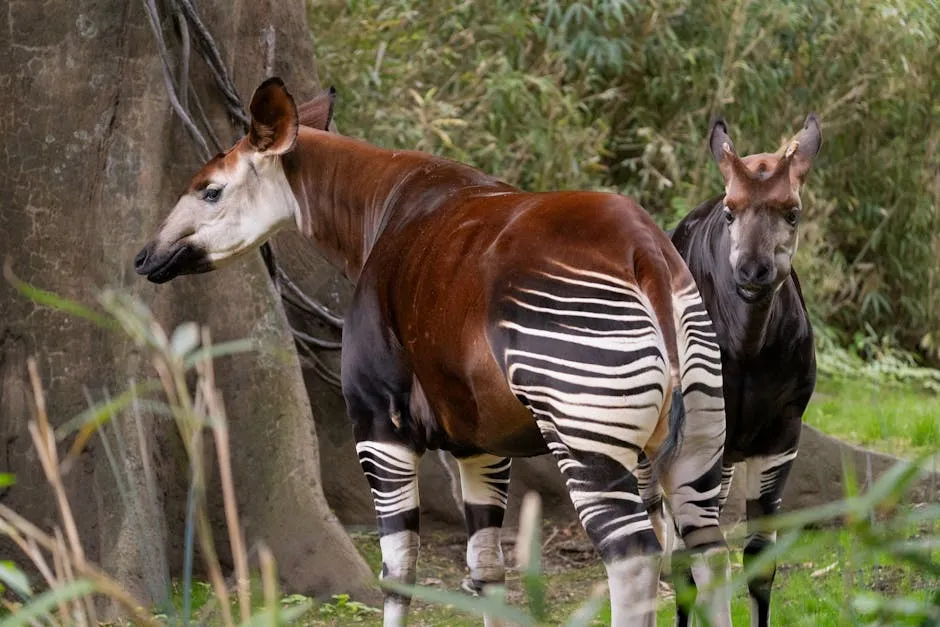
Okapi

The “forest giraffe” is a DRC endemic found only in the Ituri rainforest. Its zebra-striped legs and velvety chocolate coat make it one of Africa’s most striking animals. The Okapi Wildlife Reserve is a UNESCO World Heritage Site — currently in a conflict zone.

African forest elephant in lush green habitat

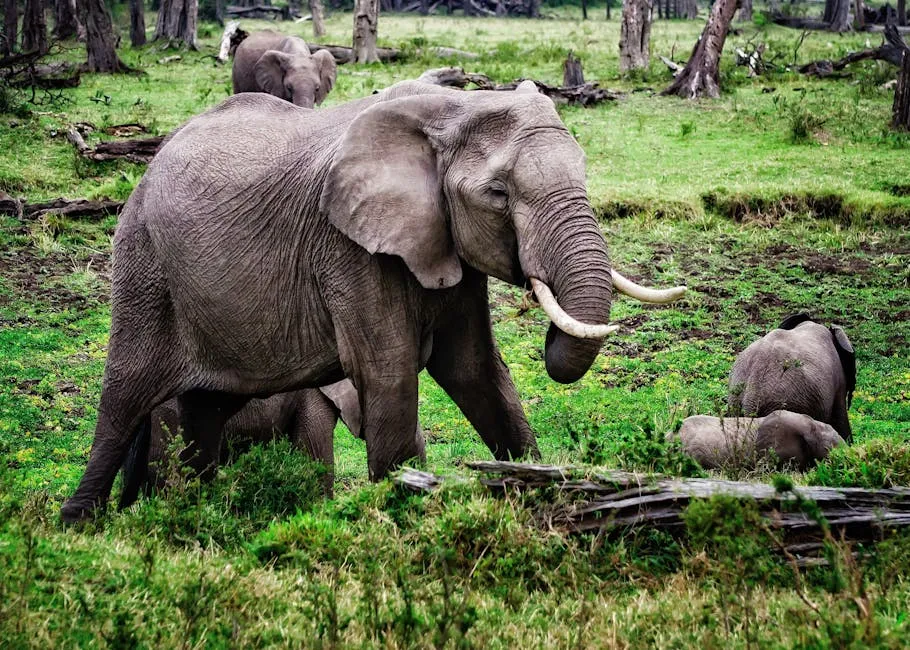
Forest Elephant

The smaller, rounder-eared African forest elephant roams the DRC’s central and eastern forests. Salonga National Park is a key refuge. Populations have been devastated by ivory poaching during decades of conflict.

Congo peafowl with iridescent blue-green plumage

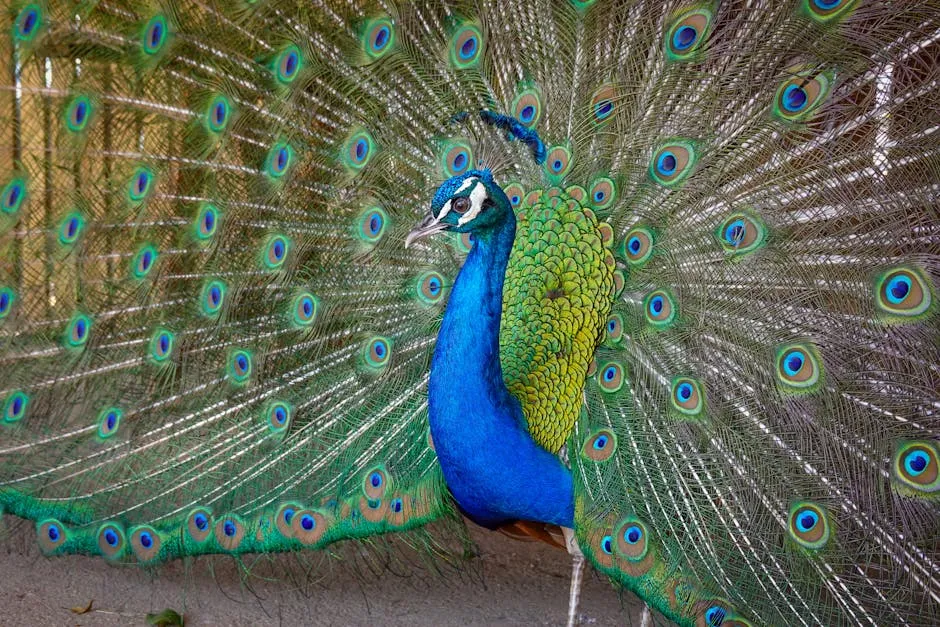
Congo Peafowl

Africa’s only true peafowl, endemic to the DRC’s deep rainforest. Discovered by science only in 1936, it remains one of Africa’s rarest and most elusive birds. The male has iridescent blue-green plumage.

Hippos resting in an African river

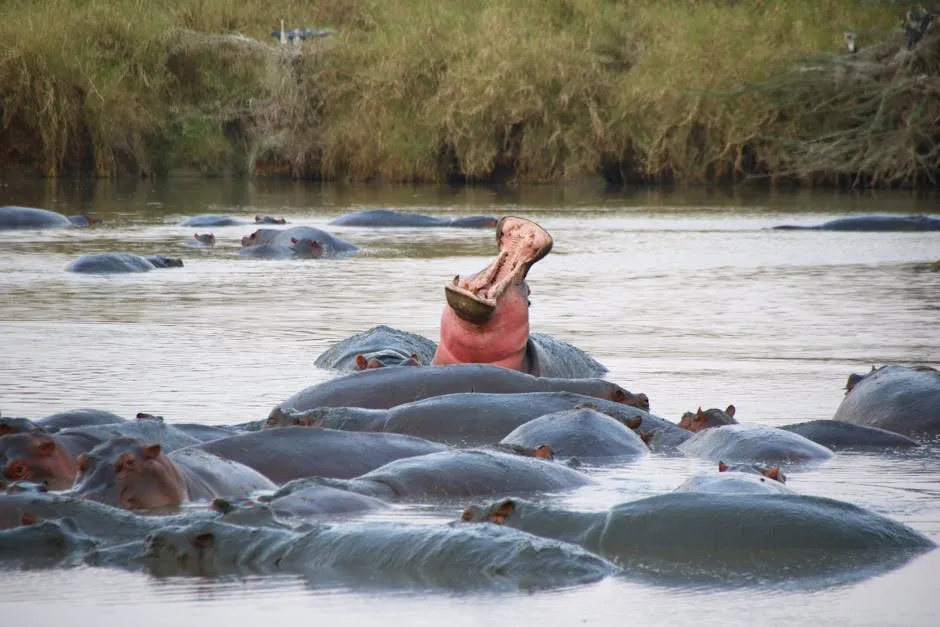
Hippopotamus

Lake Edward in Virunga National Park once held one of Africa’s densest hippo populations. Numbers have declined sharply due to poaching for meat during conflict. Still present in the Congo River system and its tributaries.

Iridescent sunbird perched on a branch

Birdlife

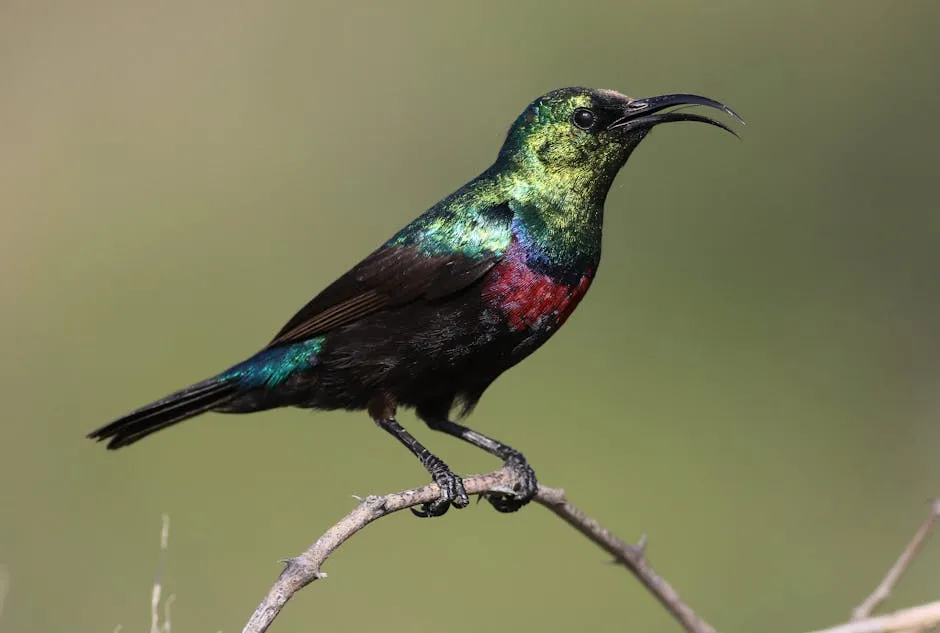
Over 1,100 bird species — among the highest counts in Africa. The Albertine Rift alone holds 42+ endemics including the Albertine owlet, Rockefeller’s sunbird, and the African green broadbill. Kahuzi-Biéga has 349 recorded species.

Bongo antelope with chestnut coat and white stripes

Bongo

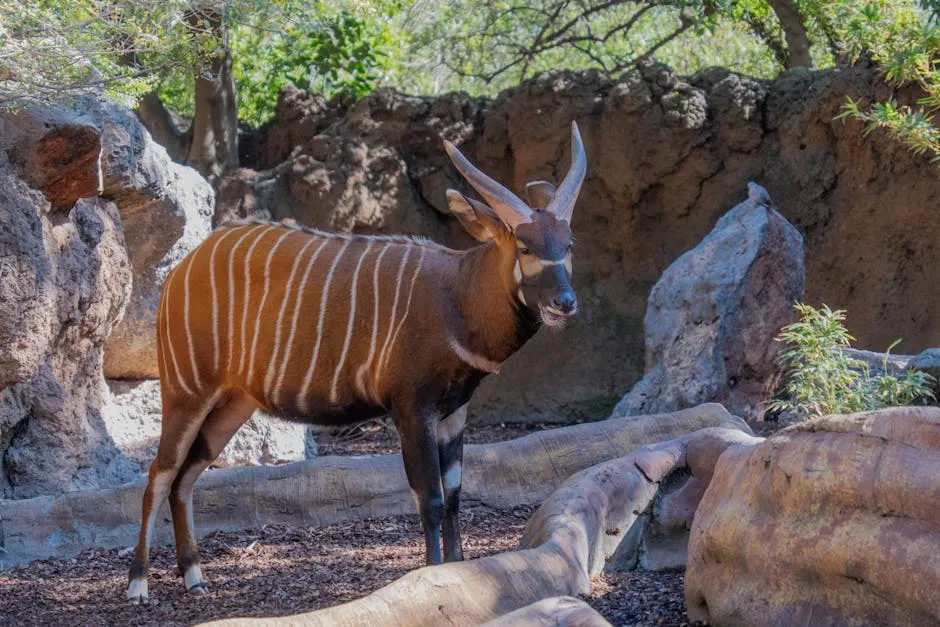
The eastern bongo, a large forest antelope with striking chestnut colouring and white stripes, inhabits the DRC’s montane and lowland forests. Critically endangered and extremely shy — seeing one in the wild is a rare privilege.

National Parks

The DRC has ten national parks, five of which are UNESCO World Heritage Sites (all on the Danger list). Virunga (7,800 km²) is the oldest in Africa. Salonga (36,000 km²) is the largest tropical forest reserve on the continent. Kahuzi-Biéga (6,000 km²) protects the Grauer’s gorilla. Garamba was the last refuge of the northern white rhino in the wild (now functionally extinct). Okapi Wildlife Reserve protects the only wild okapi habitat. Together, these parks represent an irreplaceable fraction of the planet’s biodiversity — and all are under threat from conflict, poaching, and resource extraction.

Route A: 2-Week Kinshasa & Southern Circuit

Kinshasa street scene with traffic and market stalls

The only route that stays within areas considered relatively accessible as of 2026. This combines Kinshasa’s urban intensity with Lubumbashi’s calmer southern character and a side trip to Kundelungu National Park. Requires one domestic flight (Kinshasa–Lubumbashi). Not a traditional backpacking route — security considerations dominate every decision.

Budget estimate: $2,500–4,000 per person (excluding international flights and visa). Visa ~$560, domestic flight ~$300–500, accommodation $50–150/night, 4x4 hire for Kundelungu $100–200/day.

Day-by-day itinerary

Day 1–2: Arrive Kinshasa

Arrive at N’djili International Airport. Clear immigration (have your e-visa printout, yellow fever card, and USD for the $90 VAP fee). Transfer to a hotel in Gombe commune. Spend Day 2 acclimatising: walk Boulevard du 30 Juin, visit the Académie des Beaux-Arts, eat your first moambe chicken at a nganda restaurant in Bandalungwa.

Day 3: Lola ya Bonobo

Day trip to the bonobo sanctuary at Les Petites Chutes de la Lukiáya, about 30 km south of Kinshasa. Hire a private car ($30–50). The sanctuary opens at 9 AM. Spend 2–3 hours observing the bonobos. Return to Kinshasa for an evening of live Congolese rumba in Matonge.

Day 4–5: Kinshasa Deep Dive

Marché Central early morning (6–7 AM for the fish section). National Museum of the Congo. River promenade along the Congo. Cross to Brazzaville by ferry if you have a Republic of Congo visa (easy day trip). Day 5: explore Matonge for music, fabric shops, and street food. Try mikate and kamundele from street vendors.

Day 6: Fly to Lubumbashi

Domestic flight Kinshasa–Lubumbashi (~2.5h, $300–500). Transfer to hotel. Lubumbashi feels immediately different: smaller, more orderly, cooler. Evening walk in the city centre and dinner at a local restaurant.

Day 7–8: Lubumbashi

Explore the mining capital. Visit Kenya market for street food (mikate at dawn). The zoo and botanical gardens give a sense of the city’s colonial-era layout. Evening: Primus and grilled goat at one of the outdoor beer gardens.

Day 9–11: Kundelungu National Park & Lofoi Falls

Hire a 4x4 with driver/guide ($100–200/day) for the journey to Kundelungu NP. The road is rough and takes several hours. Camp or stay in basic guesthouses near the park. Day 10: hike to Lofoi Falls (340m) — the trail is unmaintained but the reward is one of Africa’s most spectacular waterfalls in complete solitude. Day 11: return to Lubumbashi.

Day 12–13: Lubumbashi & Surroundings

Buffer days for weather delays or extended exploration. Visit the copper mines area (exterior only — working mines are restricted). Day trip to Lake Tshangalele for birdwatching. Stock up on souvenirs: malachite jewellery from Katanga is the DRC’s most distinctive craft.

Day 14: Depart

Fly Lubumbashi–Kinshasa, connect to international flight. Or fly direct from Lubumbashi (some international connections via Addis Ababa, Johannesburg, or Nairobi). Remember the $55 departure fees.

Route B: 3-Week Grand Tour (When Peace Returns)

Lake Kivu shoreline with mountains in the background
⚠ Aspirational route. This itinerary covers what was possible before the M23 escalation and what may become possible again if peace returns to eastern DRC. As of 2026, the eastern portions of this route are in active conflict zones and cannot be travelled. It is included for future reference.

The full DRC experience: Kinshasa’s urban energy, the Nyiragongo volcano trek, gorilla trekking in Virunga and Kahuzi-Biéga, the shores of Lake Kivu, and Lubumbashi’s southern calm. This route requires domestic flights and a willingness to accept significant logistical uncertainty.

Budget estimate: $5,000–8,000 per person (excluding international flights and visa). Multiple domestic flights, gorilla permits ($400 each), Nyiragongo permit ($300), accommodation and guides.

Day-by-day itinerary

Day 1–3: Kinshasa

As Route A. Arrive, acclimatise, visit Lola ya Bonobo, explore Matonge and Marché Central. Evening rumba sessions. Ferry to Brazzaville for a day trip.

Day 4: Fly to Goma

Domestic flight Kinshasa–Goma (~3h). Goma sits at the foot of Nyiragongo on the northern shore of Lake Kivu. Check into accommodation and register with Virunga NP for tomorrow’s trek. Evening: watch the glow of the lava from the town.

Day 5–6: Nyiragongo Volcano Trek

Day 5: begin the 6-hour ascent of Nyiragongo (3,470m). The trail passes through montane forest and lava fields. Overnight in basic shelters on the crater rim. The lava lake churns 200m below — an otherworldly experience. Day 6: descend (3h) and return to Goma.

Day 7–8: Gorilla Trekking (Virunga)

Two days of gorilla trekking in Virunga’s Mikeno sector. Treks start at Rumangabo or Bukima and take 2–6 hours depending on where the gorilla families are. You spend one hour with a habituated family. The proximity is extraordinary — silverbacks within arm’s reach.

Day 9–10: Lake Kivu & Bukavu

Travel from Goma to Bukavu along the lake’s western shore (boat or road, security permitting). Bukavu has a stunning lakeside setting and serves as the gateway to Kahuzi-Biéga. Explore the town, eat chikwangue by the lake.

Day 11–12: Kahuzi-Biéga (Grauer’s Gorilla)

Day trip to Kahuzi-Biéga National Park for eastern lowland gorilla trekking. These are the world’s largest gorillas — adult males can weigh 250 kg. The park entrance is about 30 km from Bukavu. Optional: summit of Mount Kahuzi (3,308m) on Day 12.

Day 13: Fly to Lubumbashi

Fly Bukavu–Lubumbashi (via Kinshasa if no direct connection). Transition from volcanic highlands to the copper belt. Evening in Lubumbashi.

Day 14–17: Lubumbashi & Kundelungu

As Route A Days 7–11. Explore Lubumbashi, drive to Kundelungu for Lofoi Falls, return.

Day 18–20: Return to Kinshasa & Depart

Fly back to Kinshasa. Use buffer days for delays (common with DRC domestic flights). Final evening of rumba music. Depart from N’djili Airport.

Route C: 1-Week Kinshasa Focus

Colourful Kinshasa street with vendors and traffic

A compact route for those who want to experience the DRC but have limited time or are unwilling to venture far from the capital. Kinshasa alone can fill a week — it is one of Africa’s largest and most intense cities, with a music scene, food culture, and street energy that reward deep exploration.

Budget estimate: $1,200–2,000 per person (excluding international flights and visa). Accommodation $50–100/night, meals $10–30/day, transport and guides $50–100/day.

Day-by-day itinerary

Day 1: Arrive & Gombe

Arrive N’djili Airport, clear immigration, transfer to Gombe. Walk the commune to orient yourself: Boulevard du 30 Juin, river promenade, embassies. Dinner at a hotel restaurant to ease in.

Day 2: Marché Central & Museums

Marché Central at dawn (6–7 AM). National Museum of the Congo. Académie des Beaux-Arts. Lunch at a nganda restaurant. Afternoon: rest (the heat is punishing). Evening: first taste of live rumba in Matonge.

Day 3: Lola ya Bonobo

Full day trip to the bonobo sanctuary. Hire a car and driver. The bonobos are extraordinary — watching them play, argue, and reconcile is like seeing a mirror of early human society. Return to Kinshasa by late afternoon.

Day 4: Brazzaville Day Trip

Ferry across to Brazzaville (need Republic of Congo visa, ~$50 transit visa available). Walk the Bacongo district, see the Basilique Sainte-Anne, lunch by the river. Return to Kinshasa by late afternoon (ferry stops running).

Day 5: Food & Music Deep Dive

Dedicated food day. Morning: mikate and coffee at a street stall. Lunch: moambe chicken at Chez Maman Colonel in Bandalungwa. Afternoon: pondu tasting at different nganda restaurants. Evening: serious rumba club — ask your hotel for current recommendations, as venues change rapidly.

Day 6: Kinshasa Outskirts

Visit the rapids at Kinsuka or the Zongo waterfalls south of the city (requires 4x4 and guide). Alternatively, explore the Kingabwa pottery district or visit a sapeur gathering if one is scheduled. Evening: final street food crawl through Victoire neighbourhood.

Day 7: Depart

Last morning in Kinshasa. Pick up malachite souvenirs or Congolese music recordings. Transfer to N’djili Airport. Remember the $55 departure fees ($50 exit + $5 boarding).

Getting Around

River barge on the Congo River

✈️ Domestic Flights

Only realistic option for long distances. Unreliable schedules, frequent cancellations. $200–500 per leg.

⛵ River Transport

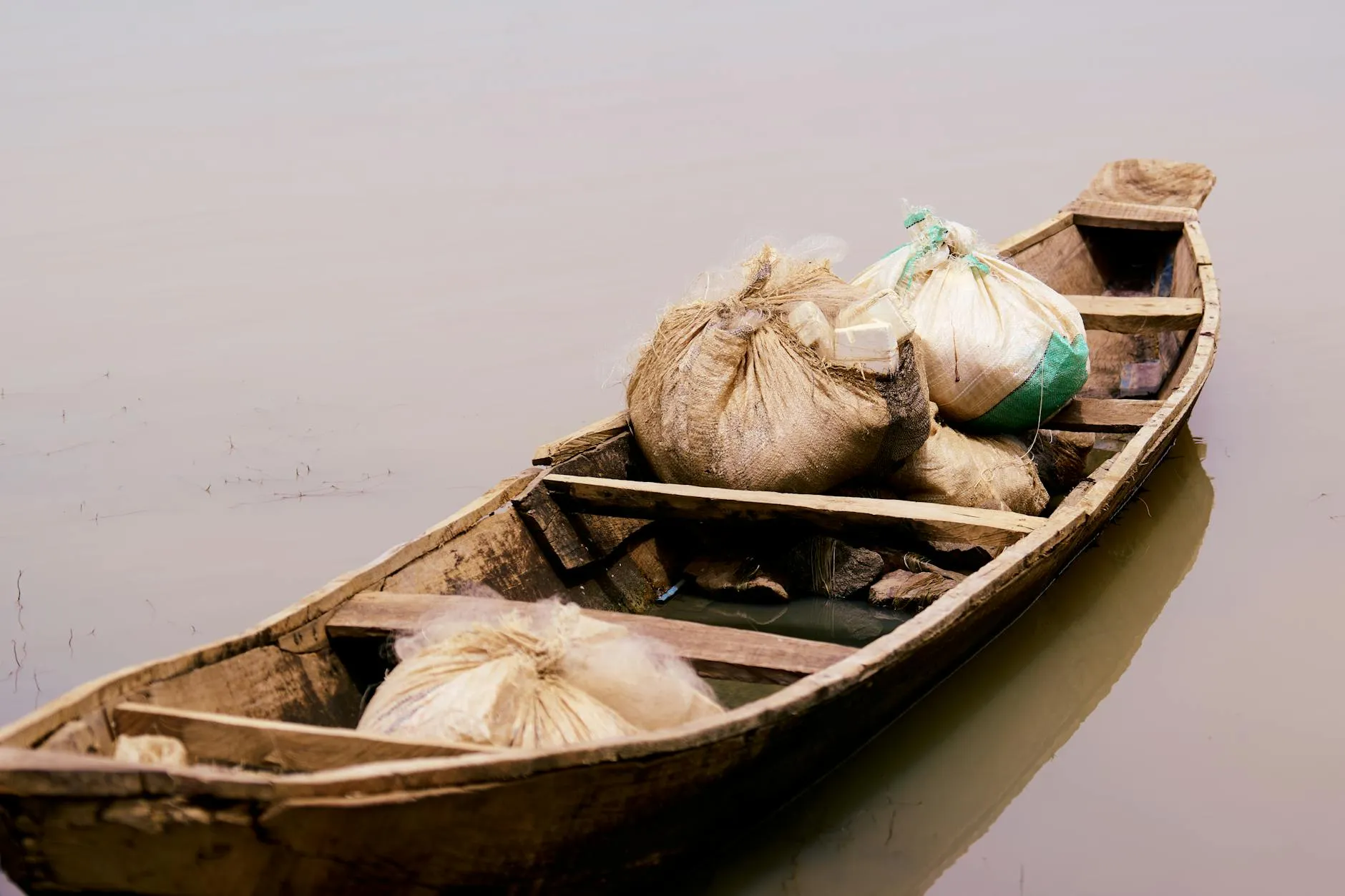
The Congo River is a highway. Barges and pirogues link Kinshasa to Kisangani (7–14 days). Slow but the only option for much of the interior.

🚗 Private Car

Hire a driver and 4x4 for any road travel. Do not drive yourself. $50–200/day depending on vehicle and distance.

🚌 Public Transport

Unregulated minibuses and shared taxis in cities. Generally unsafe. Avoid for intercity travel entirely.

🚲 Motorbike Taxi

Common in cities. Negotiate price before riding. No helmets available. Use only for short trips in daylight.

⛵ Ferry

Kinshasa–Brazzaville crossing. ~20 min, few dollars. No Sundays, stops late afternoon. May close without notice.

Domestic Flights

For any journey beyond Kinshasa’s immediate surroundings, flying is the only practical option. The road network is catastrophic — most intercity routes are impassable in the rainy season and challenging even in the dry season. Airlines include Congo Airways (the state carrier), Ethiopian Airlines (some domestic routes via code-share), and smaller operators. Be aware that no DRC airline has received an FAA safety assessment. Flights cancel without notice. Build buffer days into any itinerary that relies on domestic connections. Goma and Bukavu airports are currently non-operational due to M23.

River Transport

The Congo River and its tributaries are the DRC’s oldest and most reliable transport network. The Kinshasa–Kisangani barge route is the backbone of interior travel. Commercial barges carry passengers and cargo on a journey that takes 7–14 days upstream. Conditions are basic: bring your own food, water purification, mosquito net, and all supplies. Pirogues (dugout canoes) serve shorter river routes and tributaries. River travel is slow but often the only option in the central basin.

Roads

Outside Kinshasa and Lubumbashi, assume roads are unpaved, potholed, and potentially impassable. The rainy season (October–May) turns most routes into mud tracks. If you must travel by road, hire a 4x4 with an experienced local driver. Travel in convoy in remote areas. Military and police checkpoints are common — always carry your passport, visa, and vehicle documents. Never travel after dark.

Airport fees: International departure: $50 exit fee + $5 boarding fee. Domestic departure: $10. Pay in USD cash at check-in. Have exact change ready — officials may claim they have no change and pocket the difference.

Budget Breakdown

Congolese franc banknotes and USD dollars

The DRC is not a budget destination by any measure. The visa alone costs more than a week of backpacking in Southeast Asia. Domestic flights, private transport, and the need for security-conscious accommodation push costs far above most African countries. There is no hostel infrastructure, no backpacker trail, and no competition driving prices down.

Daily Budget Ranges

CategoryBudgetMid-RangeComfort
Accommodation$30–50 (guesthouse)$80–150 (business hotel)$200–400 (international hotel)
Food$10–15 (street food & nganda)$20–40 (restaurants)$50–80 (hotel dining)
Local Transport$10–20 (moto-taxi, shared taxi)$30–60 (private car)$80–150 (car + driver full day)
Activities$5–15 (markets, walking)$25–50 (sanctuary, museums)$300–400 (gorilla permits)
Daily Total$55–100$155–300$630–1,030

Money-Saving Tips

💰 Carry USD

US dollars are accepted everywhere for larger transactions. Bring clean, post-2006 bills. Torn or marked notes will be refused. Small denominations ($1, $5, $10) are essential for checkpoints and fees.

🍴 Eat at Ngandas

Nganda restaurants in Kinshasa serve enormous plates of moambe, pondu, and grilled meat for $3–8. The food is better than hotel restaurants and a fraction of the price. Ask locals for recommendations.

🎫 Book Flights Early

DRC domestic flights get more expensive closer to departure. Book as far ahead as possible and confirm repeatedly. Pay in USD if possible to avoid CDF exchange rate fluctuations.

🛒 Negotiate Everything

There is no fixed pricing for most services outside hotels. Negotiate taxi fares, guide fees, and even some restaurant prices before committing. Always agree on the price before getting in a vehicle.

💳 Visa Planning

The e-visa is already expensive ($300 + $169 + $90 = $559). Don’t add rush processing fees ($59–99) unless you have to. Apply at least 3 weeks in advance to use standard processing.

⛺ Stay Longer per City

Domestic flights are the biggest budget killer. Minimise the number of flights by spending more days in each location rather than hopping between cities.

Tipping: Not formally expected but appreciated. Round up restaurant bills by 10%. Tip guides $5–10/day, drivers $3–5/day. At checkpoints, small “gifts” (1,000–2,000 CDF or $1) may be requested — this is unofficial but common. Refusing politely is an option but may delay you.

Practical Information

Passport with DRC visa stamp and yellow fever card

💳 Visa

e-Visa required ($300 + fees). 7-day stay, extendable. Apply via evisa.gouv.cd. Processing 11–13 days. Plus $90 VAP fee on arrival. Total ~$559.

🏥 Health

Yellow fever vaccination mandatory. Malaria prophylaxis essential. Ebola outbreaks recurrent. Medical evacuation insurance strongly recommended.

💶 Money

Congolese Franc (CDF). USD widely accepted. ATMs unreliable. Carry cash. Clean post-2006 US bills only.

📶 SIM & Internet

Vodacom, Airtel, Orange available. Buy SIM at airport. Internet slow and unreliable outside Kinshasa. Mobile data is the primary connection method.

🌐 Language

French is essential. English almost non-existent outside NGO circles. Learn basic French or hire a guide. Lingala widely spoken in Kinshasa; Swahili in the east.

🔌 Electricity

220V, 50Hz. Type C and D plugs (European two-pin). Power unreliable — outages common even in Kinshasa. Carry a power bank.

Visa Details

The DRC e-visa is obtained via evisa.gouv.cd and grants a 7-day single-entry stay (extendable at the DGM office). The visa fee is $300, plus a service fee of $169 through the portal, totalling $469 online. On arrival, you must pay a $90 VAP (Visa AéroPortuaire) border fee in cash to receive the actual visa stamp. Grand total: approximately $559. You need a passport valid for 6+ months with two blank pages, a yellow fever vaccination card, and proof of travel arrangements. Processing takes 11–13 working days (standard). The DRC was preparing a full e-Visa system as of 2025 — check for updates.

Health

Yellow fever vaccination is mandatory — you will be denied entry without the WHO card. Take malaria prophylaxis (Malarone or Doxycycline) and use DEET-based repellent. Ebola outbreaks are recurrent — Ituri Province had an active Ebola Bundibugyo outbreak as of May 2026. Cholera and Mpox outbreaks also continue. The local health infrastructure is inadequate by any standard — pharmacies are poorly regulated, and quality medical care is unavailable outside Kinshasa’s few international clinics. Medical evacuation insurance is not optional — it is essential. The nearest quality medical facilities are in Nairobi or Johannesburg.

Safety

The DRC carries the highest travel advisory ratings from all major governments (Level 4 Do Not Travel from the US, Avoid All Travel from Canada and Australia). This is not theoretical — violent crime, armed conflict, kidnapping, and disease outbreaks are real and ongoing risks. If you choose to visit: stay in Gombe commune in Kinshasa, never walk alone, avoid all travel after dark, hire a trusted local fixer or guide, register with your embassy, and have a contingency plan for emergency evacuation. In eastern DRC, the situation is orders of magnitude worse — do not go.

Emergency Contacts

Police: 112 (unreliable). US Embassy Kinshasa: +243 81 556 0151. UK Embassy: operates through Kinshasa. For medical emergencies, contact your hotel’s security desk first — they can arrange private ambulance services faster than the public system.

Tips & Common Mistakes

Military checkpoint with barrier on a DRC road

The DRC punishes unpreparedness more than almost any other destination. These are the mistakes that cost time, money, or worse.

  • Thinking you can wing it. The DRC is not a place for improvisation. Every logistical detail — transport, accommodation, guides, permits — must be arranged in advance. Walk-up options barely exist outside Kinshasa’s Gombe district.
  • Not carrying enough USD cash. ATMs are unreliable and often empty. Credit cards work at a handful of Kinshasa hotels and nowhere else. Bring enough clean, post-2006 USD for your entire trip. $1 and $5 bills are essential for checkpoints, tips, and small purchases.
  • Photographing the wrong things. Taking photos of military, police, government buildings, airports, or bridges can result in detention, confiscation of equipment, and fines. This is enforced, not theoretical. Always ask before photographing people.
  • Travelling after dark. Violent crime increases dramatically after sunset. Even in Kinshasa’s Gombe commune, do not walk alone at night. Take a hotel-arranged car for evening outings.
  • Assuming the east is accessible. Goma, Bukavu, Virunga, and Kahuzi-Biéga appear in every DRC tourism article. As of 2026, they are in active conflict zones occupied by M23 forces. Do not assume articles from 2019 or 2023 reflect current reality.
  • Skipping yellow fever vaccination. This is not a suggestion — it is a hard entry requirement. You will be turned away at the airport without a valid WHO yellow fever card.
  • Underestimating visa costs and time. The e-visa process costs ~$559 total and takes 11–13 working days minimum. Don’t book flights before your visa is confirmed. The fee is non-refundable if rejected.
  • Using public transport. All major travel advisories say the same thing: avoid public transport entirely. Minibuses and shared taxis are unregulated, overcrowded, and frequently involved in accidents or targeted by criminals. Hire private transport.
  • Not having medical evacuation insurance. If you have a serious medical emergency in the DRC, you need to get out of the country. Local hospitals cannot provide the standard of care you need. Medevac insurance is not optional.
  • Forgetting departure fees. $50 exit fee + $5 boarding fee for international flights, payable in USD cash at check-in. If you’ve spent your last dollars, you’re stuck.

Final Recommendation

Sunset over the Congo River with silhouetted boats

There is no way to write about the DRC without confronting the contradiction at its centre. This is a country of almost incomprehensible natural wealth — three great ape species, the world’s deepest river, half of Africa’s remaining rainforest, volcanoes with permanent lava lakes — and it is simultaneously one of the most dangerous and difficult places on Earth to visit. That tension is not going to resolve itself in a travel guide.

If you go — and going means accepting real risk, real discomfort, and real expense — what you find is a country of extraordinary people living with extraordinary resilience. Kinshasa alone is worth the trip: a city of 17 million where the music never stops, where moambe chicken simmers in every neighbourhood, where sapeurs press their suits with more care than any Parisian, and where the Congo River rolls past carrying the weight of a continent. The bonobo sanctuary outside the city is one of the most moving wildlife experiences in Africa. And Lubumbashi in the south offers a calmer counterpoint — mining town energy, Lofoi Falls in the distance, and the sense that the DRC is more than its headlines.

The east will reopen eventually. When it does, the DRC will offer gorilla trekking at a third of Rwanda’s price, a volcano trek unlike anything else in Africa, and national parks the size of small countries with almost no visitors. Keep watching. When the news from Goma changes, be ready.

This is not a country that makes it easy to love. It is a country that makes it impossible to forget.