Overview & Why Visit

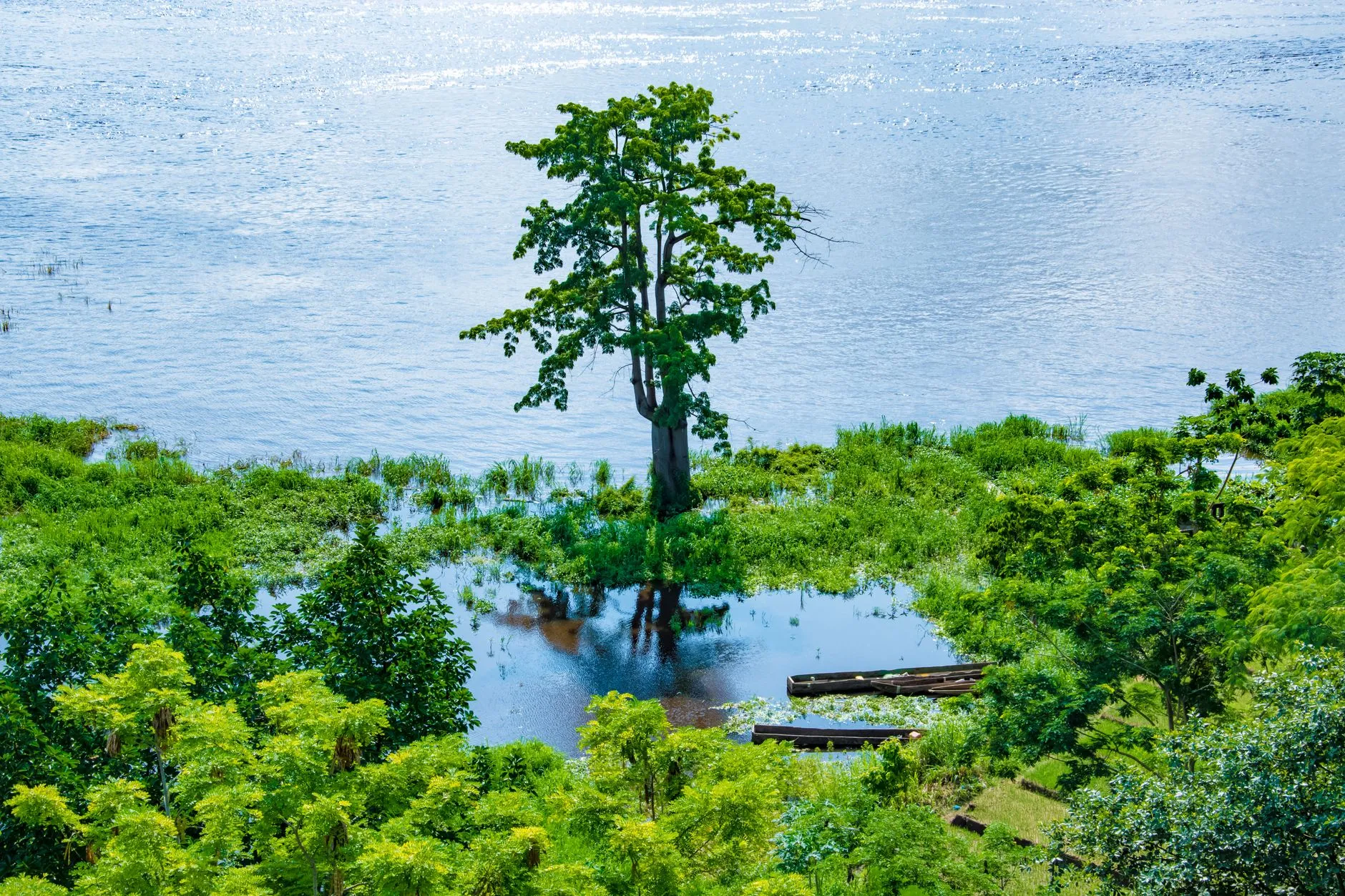
Brazzaville cityscape along the Congo River

The Republic of the Congo — usually called Congo-Brazzaville to distinguish it from its much larger neighbour, the Democratic Republic of the Congo — is one of the least-visited countries in Africa. That is not because it lacks things to see. It has western lowland gorillas in some of the continent’s most pristine rainforest, a capital city where dandies in designer suits stroll the streets as a century-old act of cultural defiance, and a coastline where sea turtles nest on empty Atlantic beaches. What it lacks is infrastructure, easy visas, and anything resembling a tourism industry outside a handful of high-end safari lodges.

This is Central Africa without filters. Getting around takes effort, French is essential, and the bureaucracy surrounding visas and checkpoints can test your patience. But for the kind of traveller who finds reward in difficulty — who would rather spend a week tracking gorillas through trackless rainforest than queuing for a gondola ride — Congo-Brazzaville is one of the most compelling destinations on the continent.

First-timers should plan around two anchors: Brazzaville for the urban culture, and Odzala-Kokoua National Park for the wildlife. Everything else — Pointe-Noire’s beaches, the remote northern parks, the Congo River ferry to Kinshasa — is a bonus that depends on your budget, your time, and your tolerance for unpredictable logistics.

🇨🇬 Capital

Brazzaville (~2.4 million)

👥 Population

~6 million

💰 Currency

Central African CFA Franc (XAF). 1,000 XAF ≈ $1.60 USD

🌐 Languages

French (official), Lingala, Kituba

⏰ Time Zone

WAT (UTC+1), no daylight saving

⚡ Power

230V, Type C/E plugs (European two-pin)

Why Visit

🦍 Gorilla Trekking

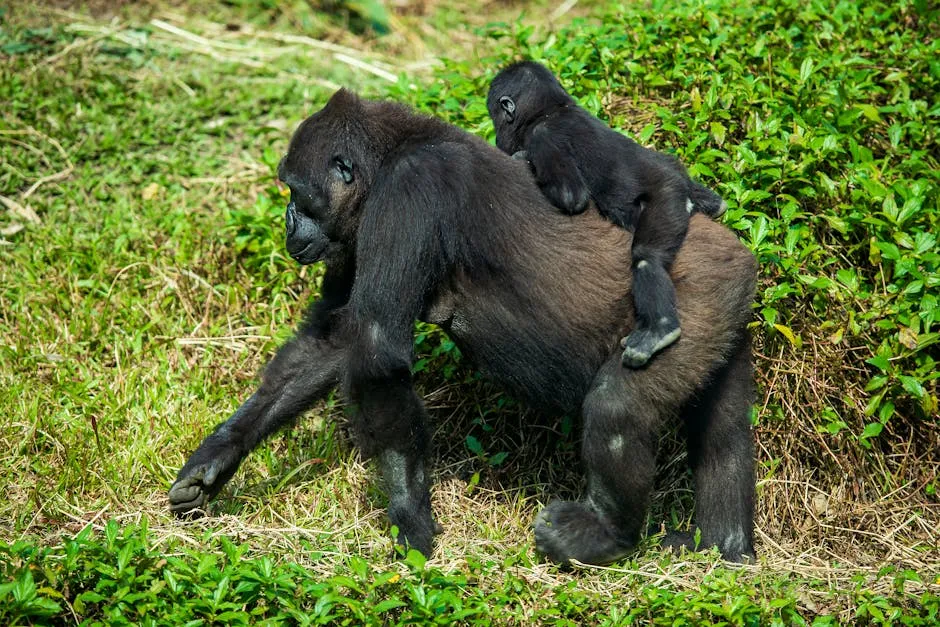
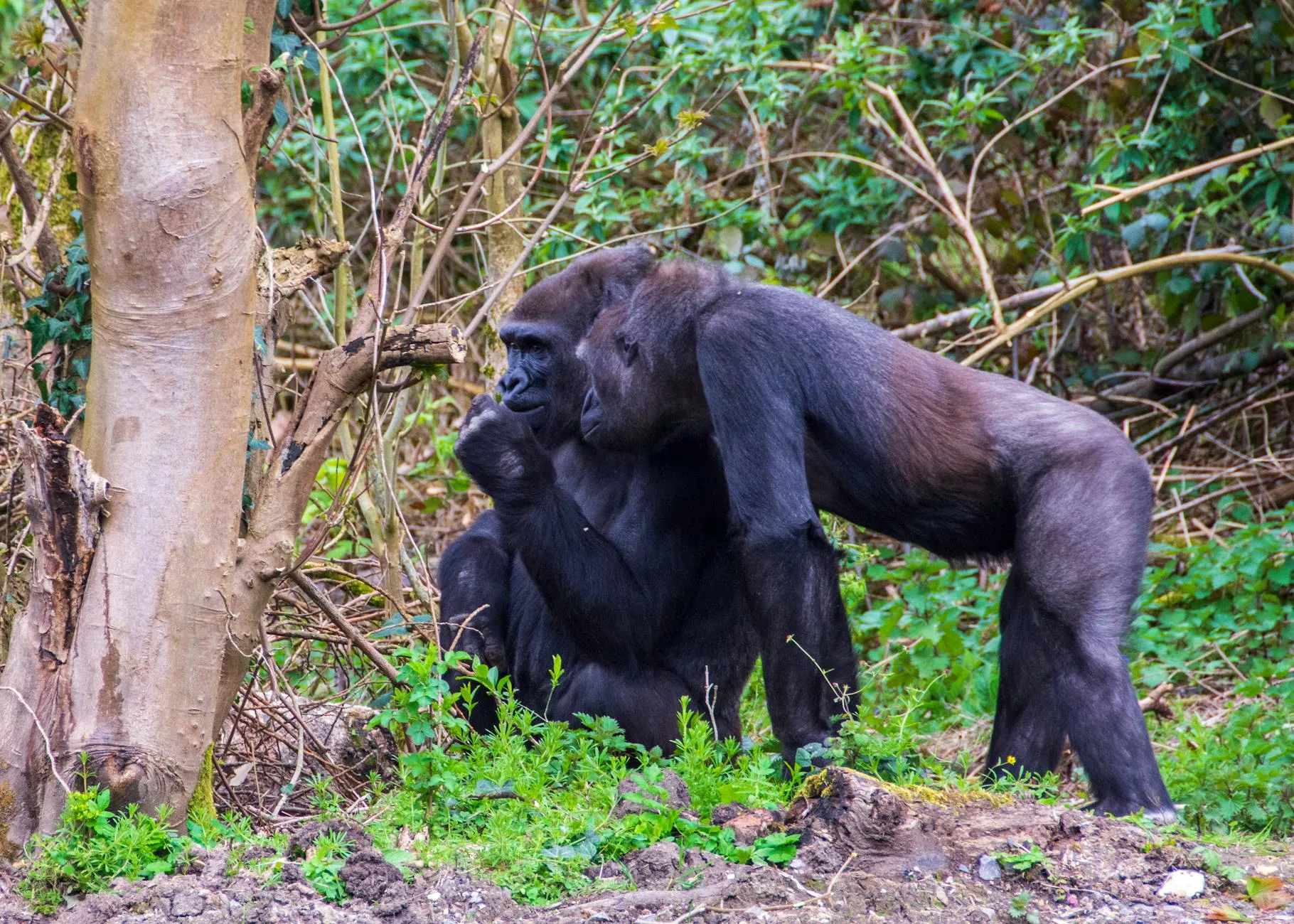
Western lowland gorillas in Odzala-Kokoua — far fewer visitors and lower permit costs than Rwanda or Uganda. Groups of 3–4 guests maximum.

👔 La Sape Culture

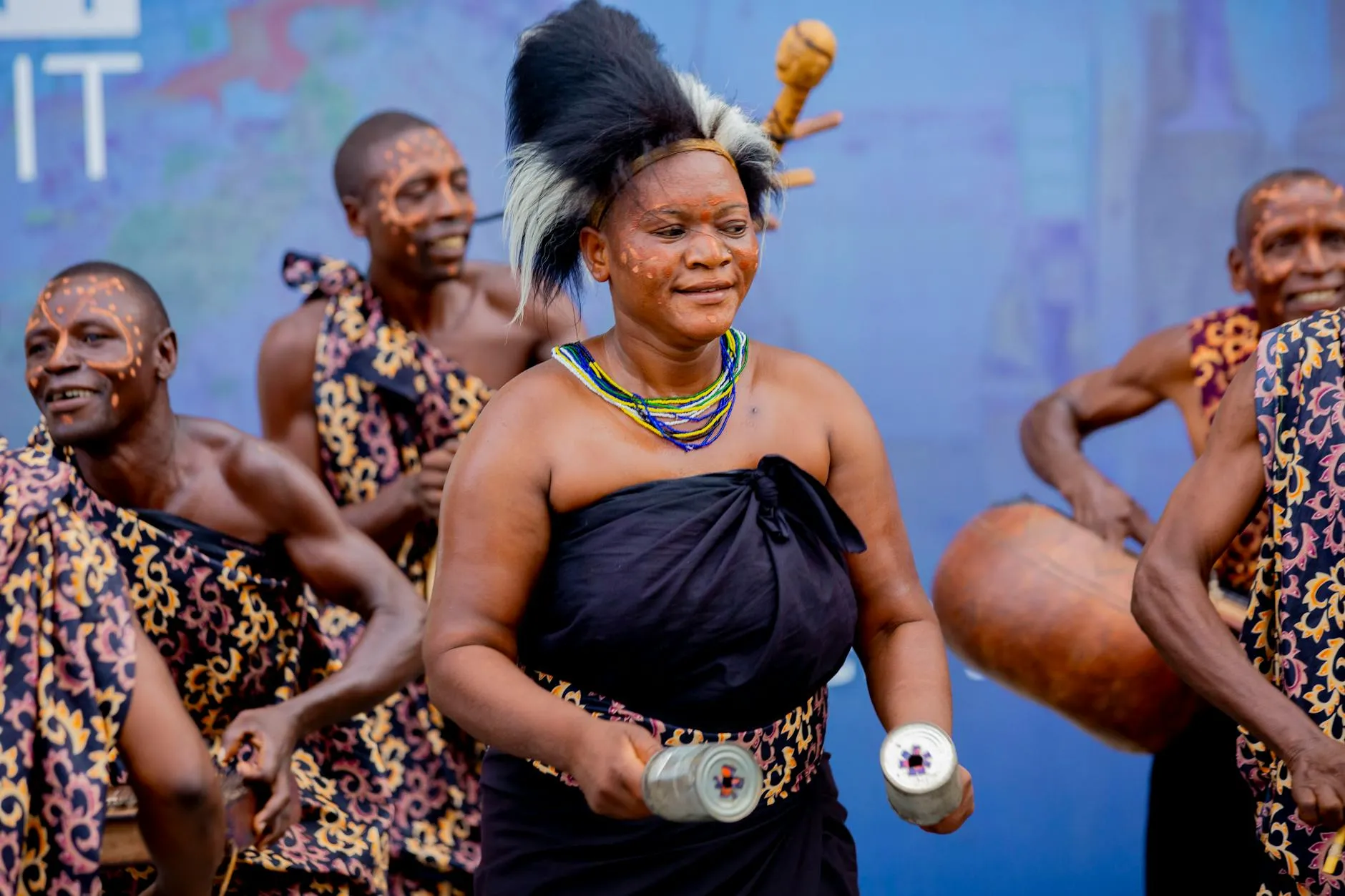
Brazzaville’s legendary sapeurs — a 100+ year tradition of elegance as resistance, where Congolese men and women dress in sharp designer suits as cultural expression.

🌿 Pristine Rainforest

The Congo Basin holds Earth’s second-largest tropical forest. Parks like Nouabalé-Ndoki are called “the Last Eden” — virtually untouched.

🌎 Two Capitals, One River

Brazzaville and Kinshasa are the world’s closest capital cities, separated only by the Congo River. A 10-minute speedboat ride connects two different countries.

🐺 Rare Wildlife

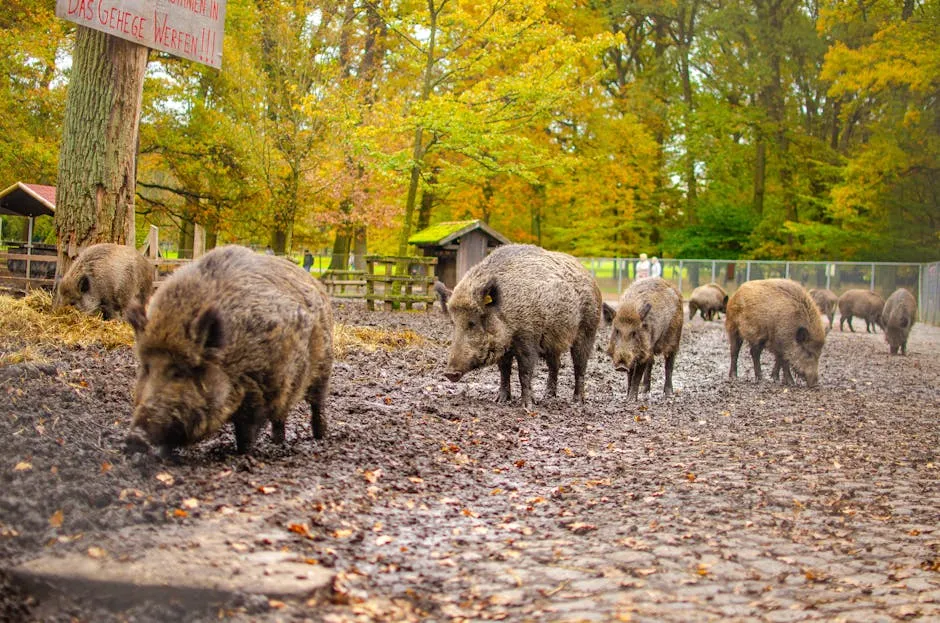
Forest elephants, chimpanzees, bongo antelopes, giant forest hogs, and over 440 bird species — the “Forest 5” rivals any Big Five checklist.

🍲 Cassava Cuisine

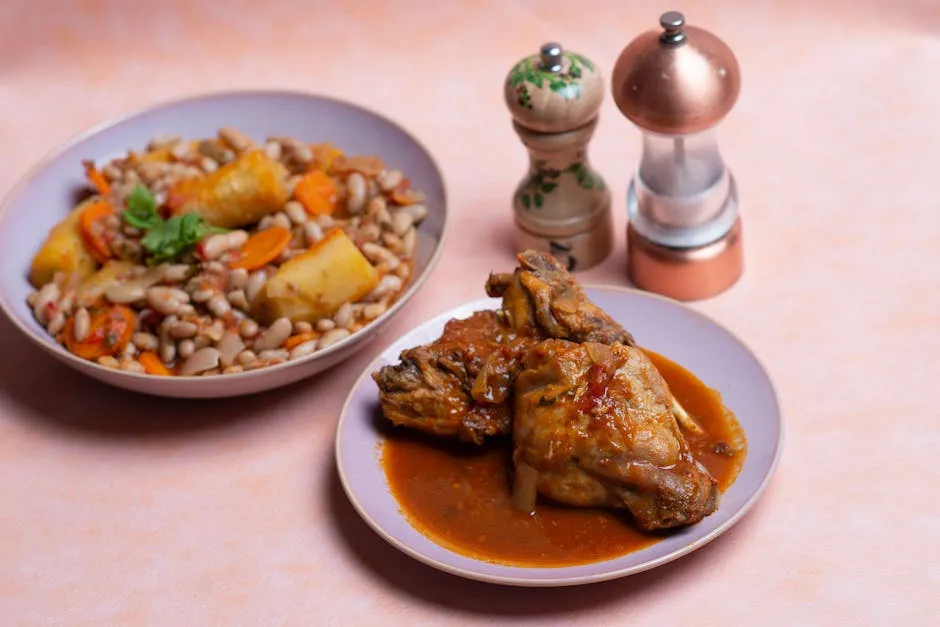
Moambe chicken in palm nut sauce, saka saka, liboke wrapped in banana leaves, fufu eaten with hands — deeply flavourful food you won’t find anywhere else.
Budget reality check: Congo-Brazzaville is not a budget destination. City travel runs $50–80/day minimum, and Odzala safari lodges cost $700–1,000+ per person per night all-inclusive. The “budget backpacker” route in this guide skips the expensive lodges but still requires $50+/day for basic travel. Factor in visa fees ($160–200), mandatory yellow fever vaccination, and medical evacuation insurance before committing.

Best Time to Visit

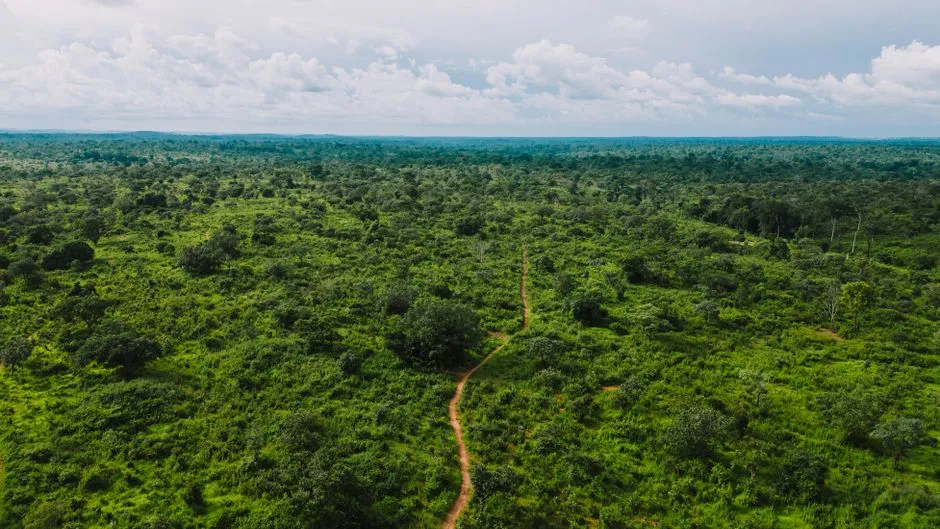
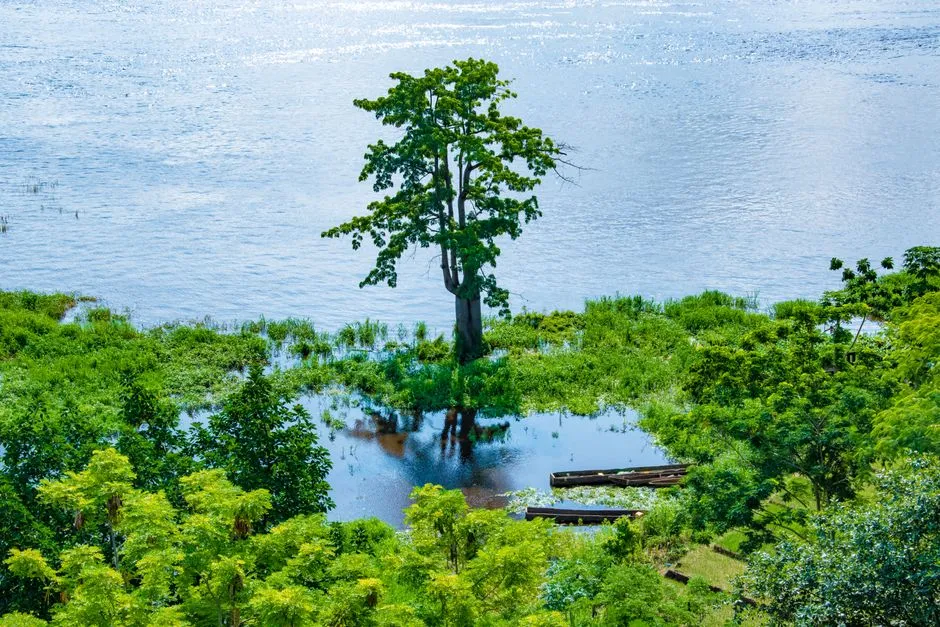
Congo Basin rainforest canopy

Congo-Brazzaville has one answer: June to September. This is the dry season across most of the country — almost no rain, temperatures between 25–30°C, lower humidity, and the best conditions for gorilla trekking in Odzala-Kokoua. July is the coolest and driest month. September is still dry but the rains are approaching.

The wet season (November to April) brings heavy afternoon storms, 160–265mm of rain per month, high humidity, and flooding on rural roads. Some safari lodges close entirely. Brazzaville and Pointe-Noire remain accessible year-round, but rural travel becomes genuinely difficult. May and October are transition months — workable but unpredictable.

One important caveat: northern Congo (Ouesso, Impfondo, Nouabalé-Ndoki) follows a different pattern. The equatorial north gets rain year-round, with a drier window from December to February. If your plans include the far north, research the specific region’s seasons separately.

Month-by-Month Overview

MonthTemp (°C)Rain (mm)Best ForCrowdsPricesRating
January31160City visits only🟢 Low🟢 Low⭐⭐
February32137City visits only🟢 Low🟢 Low⭐⭐
March33167Hottest month — avoid rural🟢 Low🟢 Low
April33191Wettest — avoid🟢 Low🟢 Low
May32118Transition — rain tapering🟢 Low🟡 Moderate⭐⭐⭐
June308Dry season starts — gorilla trekking🟡 Moderate🔴 Peak⭐⭐⭐⭐⭐
July293Best month — coolest, driest🔴 High🔴 Peak⭐⭐⭐⭐⭐
August304Dry continues — wildlife excellent🔴 High🔴 Peak⭐⭐⭐⭐⭐
September3134Last dry month — still excellent🟡 Moderate🟡 Moderate⭐⭐⭐⭐
October32139Wet returns — some lodges closing🟢 Low🟢 Low⭐⭐
November31261Rainiest month — flooding🟢 Low🟢 Low
December31172Heavy rain continues🟢 Low🟢 Low
Peak season note: “High crowds” in Congo means perhaps a dozen visitors at Odzala in a given week. This is not Maasai Mara. But lodge capacity is tiny (6–12 rooms per camp), so July–August books out months in advance. Reserve your safari accommodation at least 4–6 months ahead.

Climate & Weather

Congo-Brazzaville sits squarely in the tropics, straddling the equator in the north. Temperatures barely vary — expect 29–33°C year-round everywhere. The defining variable is rain, not heat.

Brazzaville and the south follow the classic Central African pattern: dry from June to September, wet from October to May, with the heaviest rain in November (261mm). The city remains functional year-round, but flooded streets and power outages increase during the wet season.

Pointe-Noire and the coast get slightly less annual rainfall (~1,200mm) moderated by Atlantic breezes. The dry season is the same June–September window, but the coast is more humid year-round.

Northern Congo (Ouesso, Impfondo, Odzala) is equatorial rainforest — 1,500mm+ annual rainfall. Odzala is best June–September, but expect some rain even in the dry season. The far north around Lac Télé has a partially reversed pattern with drier spells from December to February.

Map of Congo

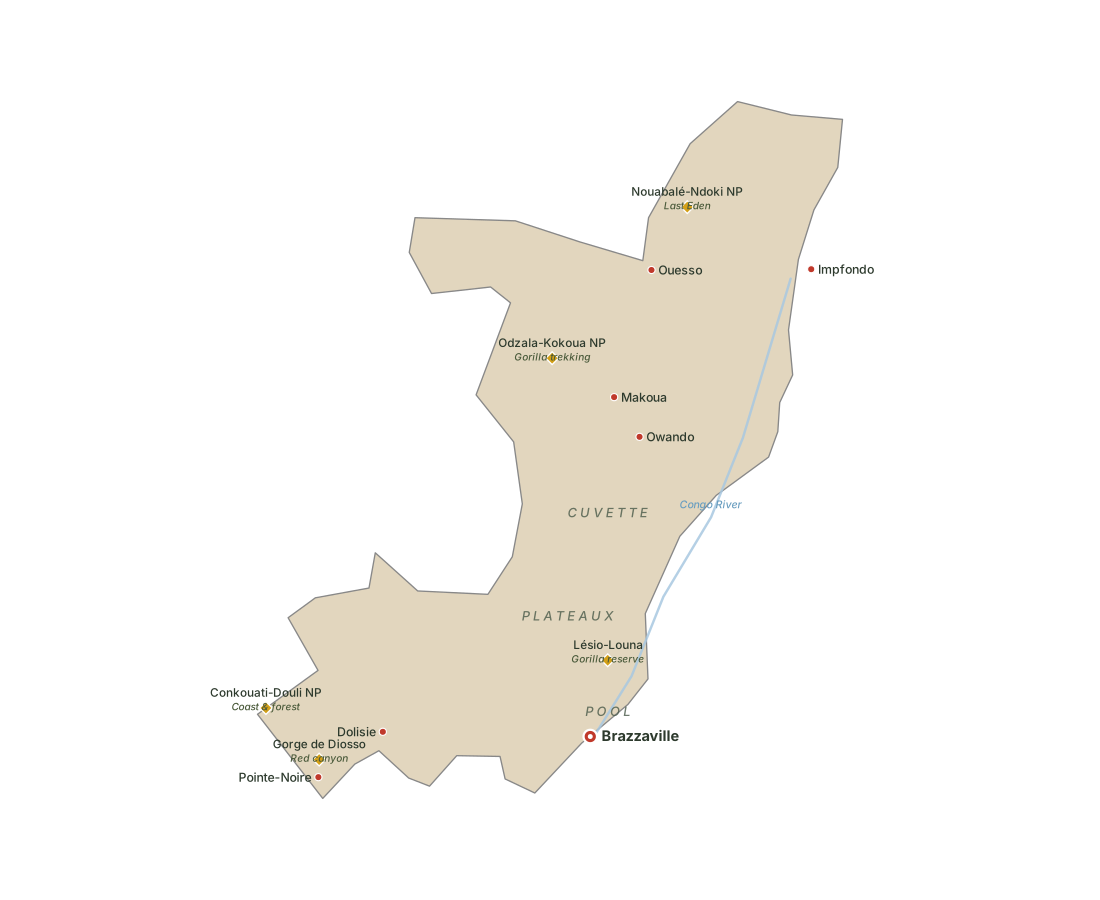
The Republic of the Congo is shaped like a long north–south corridor, stretching from the equatorial rainforests bordering Cameroon and the Central African Republic in the north to the Atlantic coast in the southwest. It shares its eastern border — and the Congo River — with the much larger Democratic Republic of the Congo. Gabon lies to the west, and a small strip of Cabinda (Angola) sits at the southern coast.

Map of the Republic of the Congo showing key destinations
Key distances: Brazzaville to Pointe-Noire — 510 km (fly, do not drive). Brazzaville to Odzala-Kokoua — 800 km (9-hour drive on N2 or 2-hour charter flight). Brazzaville to Ouesso — 900 km on the N2 (12+ hours). Brazzaville to Kinshasa (DRC) — 1.5 km across the Congo River (10-minute speedboat).

Holidays & Festivals

Celebration in Brazzaville

Congo-Brazzaville observes a mix of national political holidays and Christian/international celebrations. Independence Day (15 August) is the biggest event — parades, speeches, and street celebrations, particularly in Brazzaville. Most public holidays mean government offices, banks, and many shops close. Markets and informal restaurants usually stay open.

DateHolidayImpact on Travel
1 JanuaryNew Year’s DayBanks and offices closed. Hotels may charge peak rates.
5 FebruaryDay of the 1959 VictimsCommemoration — some closures, no major disruption.
8 MarchInternational Women’s DayPublic holiday. Celebrations especially visible in Brazzaville.
March/AprilEaster MondayVariable date. Banks and offices closed. Transport runs normally.
1 MayLabour DayPublic holiday. Reduced services.
May/JuneWhit MondayVariable date. Government offices closed.
10 JuneReconciliation DayNational day of unity. Ceremonies in major cities.
15 AugustIndependence DayMain national holiday. Parades, street events, fireworks. Book accommodation in Brazzaville early.
1 NovemberAll Saints’ DayPublic holiday. Cemetery visits. Minor travel impact.
28 NovemberRepublic DayPolitical ceremonies. Government offices closed.
25 DecemberChristmas DayMajor holiday. Church services, family gatherings. Limited transport.
Independence Day (15 Aug): Falls in the dry season — the best travel period. Brazzaville hotels fill up. Book accommodation at least 2 weeks ahead if your trip overlaps. The atmosphere is festive, but expect military parades and road closures in the capital.

Regions

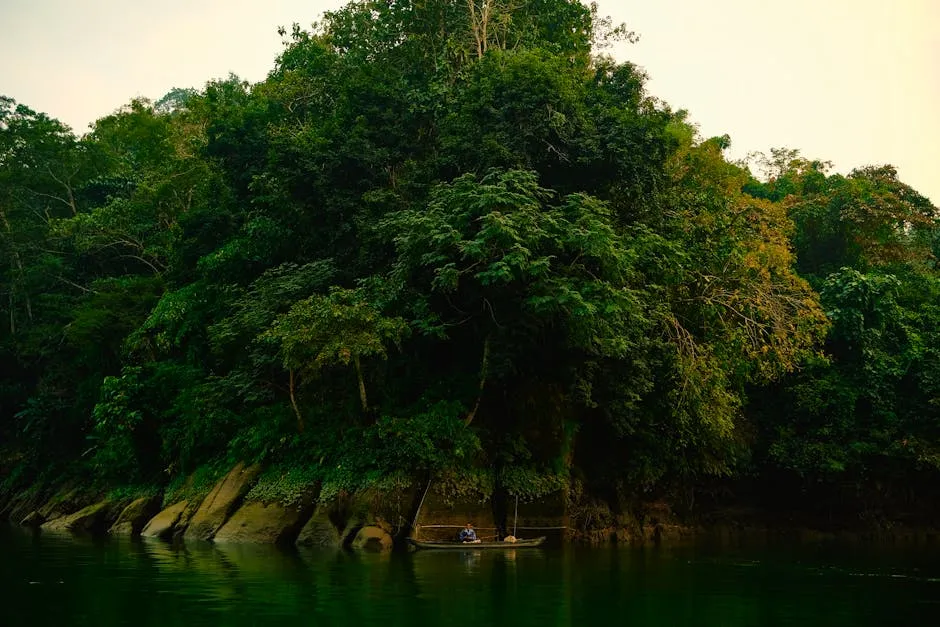
Congo River landscape

Congo-Brazzaville divides naturally into four zones, each with a distinct character. Most travellers see two — Brazzaville and the northern parks — but the coast and the deep north offer genuine rewards for those with time.

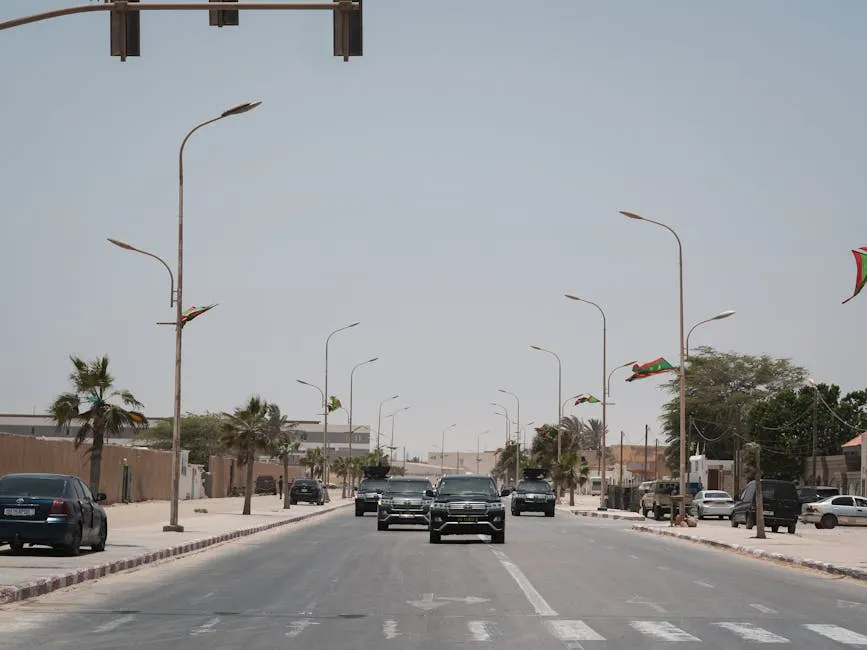
Brazzaville street scene with traffic and palm trees

Brazzaville & the South

The capital and cultural heart of the country. La Sape culture, Poto-Poto Market, Basilique Sainte-Anne, the Congo River waterfront, and the ferry to Kinshasa. Lésio-Louna Gorilla Reserve is a day trip away. Most international flights land here. Best for: culture, food, city life, La Sape.

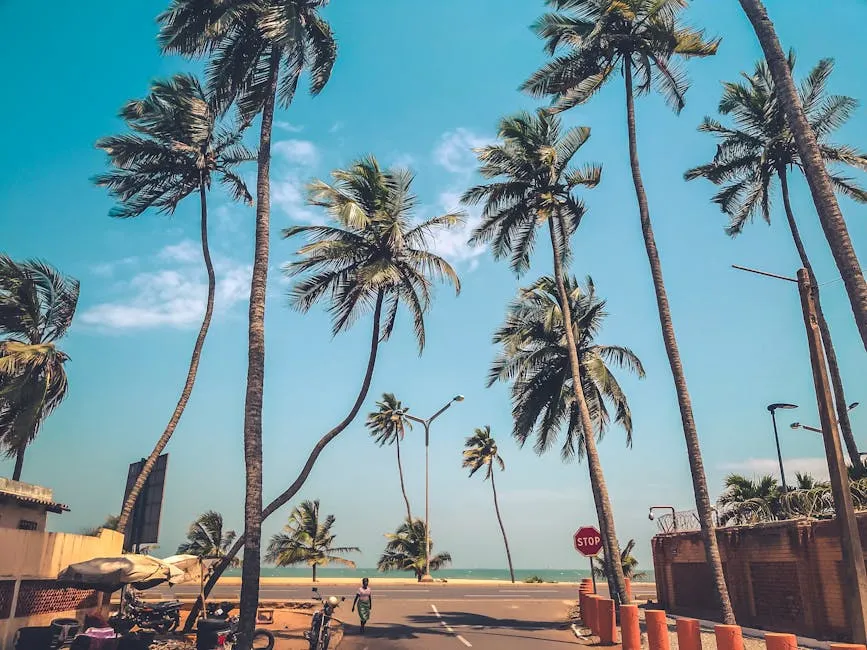
Atlantic beach near Pointe-Noire

Atlantic Coast & Pointe-Noire

The economic capital on the coast — Atlantic beaches, the spectacular Gorge de Diosso canyon, fresh seafood restaurants, and access to Conkouati-Douli National Park (sea turtles, mangroves, forest elephants). Fly here from Brazzaville. Best for: beaches, relaxation, canyon scenery, seafood.

Tropical rainforest in Odzala-Kokoua

Northwest & Odzala-Kokoua

The crown jewel. 13,600 km² of pristine rainforest with ~7,200 western lowland gorillas, forest elephants, and the “Forest 5”. Accessible by charter flight (2 hours) or the N2 highway (9+ hours from Brazzaville). Safari lodges only — no independent access. Best for: gorilla trekking, wildlife, primeval forest.

River scene in northern Congo

Deep North & Ouesso

Frontier territory. Ouesso is the gateway to Nouabalé-Ndoki (“Last Eden”), the Sangha Trinational UNESCO site, and the remote Lac Télé. This is expedition-level travel — limited infrastructure, pirogue boats, and coordination with Wildlife Conservation Society. Best for: exploration, extreme remoteness, serious wildlife.

Top Sightseeing

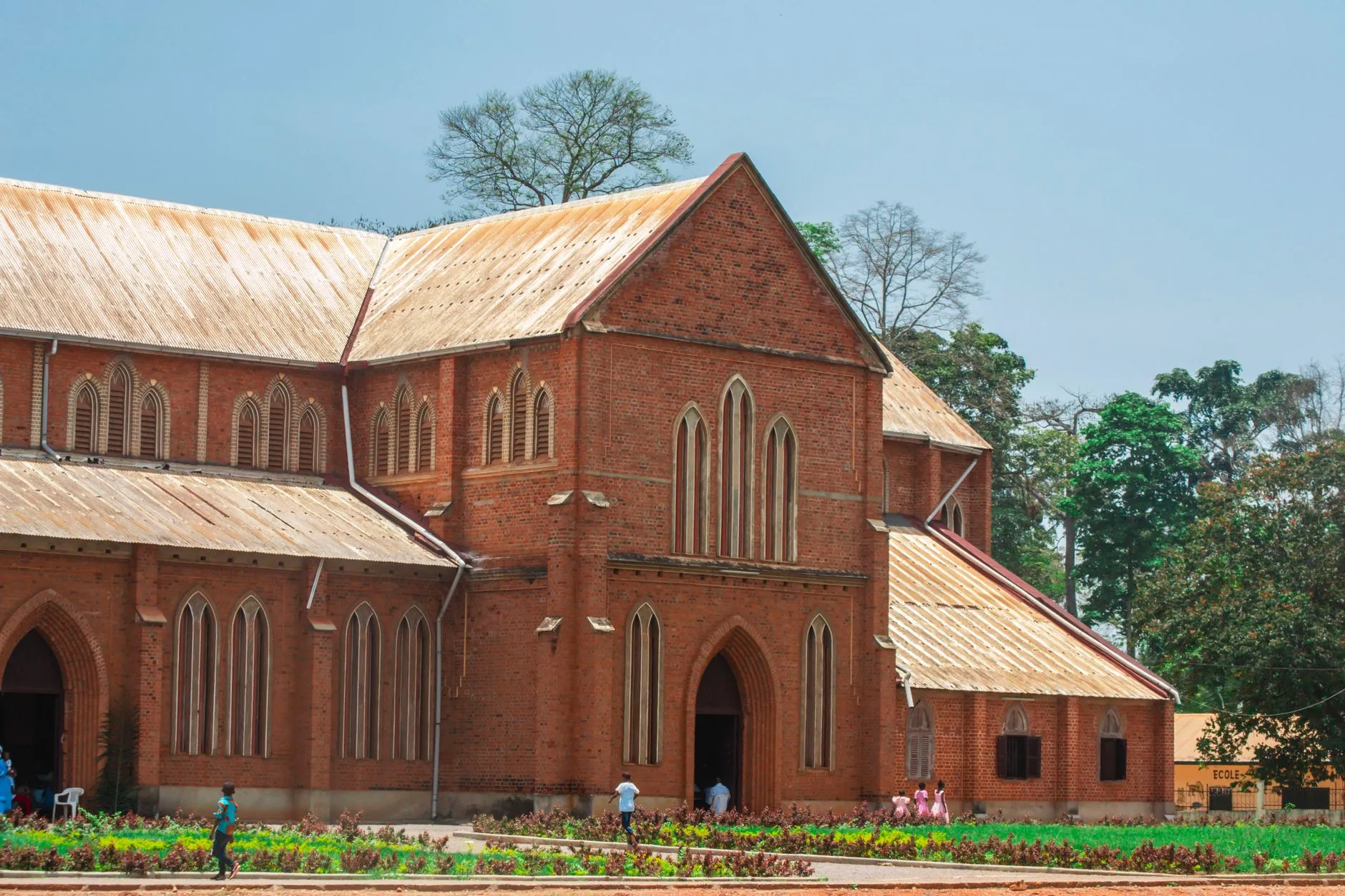
Basilique Sainte-Anne in Brazzaville

Congo-Brazzaville is not a country of monuments and museums. The sights here are either natural — gorillas, canyons, rainforest — or cultural experiences that happen on the street. The following are the highlights that make the logistics worthwhile.

  • Odzala-Kokoua National Park: The reason most people come to Congo. Western lowland gorilla trekking with groups of 3–4 guests maximum.
  • Gorge de Diosso: A spectacular red-orange canyon near Pointe-Noire — the most photogenic natural site you can reach without a 4x4.
  • Brazzaville’s Sapeur culture: Weekend gatherings of impeccably dressed men and women in the Bacongo neighbourhood.
  • Congo River waterfront: Views of Kinshasa across the water, pirogue boats, river life.
  • Basilique Sainte-Anne: The striking green-roofed cathedral, Brazzaville’s architectural landmark.
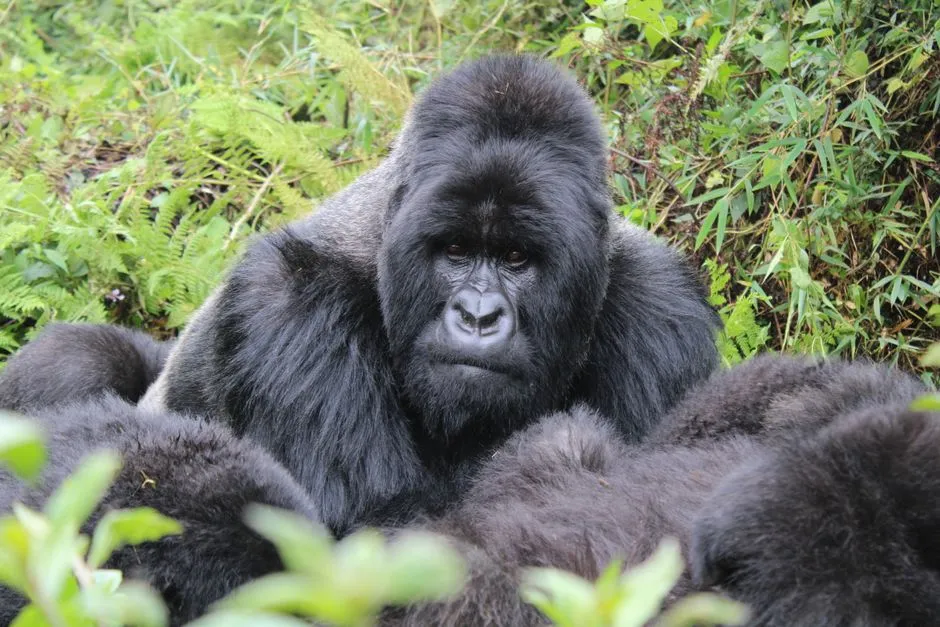
Western lowland gorilla in Odzala-Kokoua rainforest

Odzala-Kokoua National Park

Africa’s oldest park (1935), now managed by African Parks. Trek to habituated gorilla families with a 1-hour viewing limit, or watch unhabituated groups from treehouses at baï clearings with no time limit. Forest elephants gather at mineral-rich clearings. Permits ~$130–450. All-inclusive lodges $700–1,000+/night. Book 4–6 months ahead.

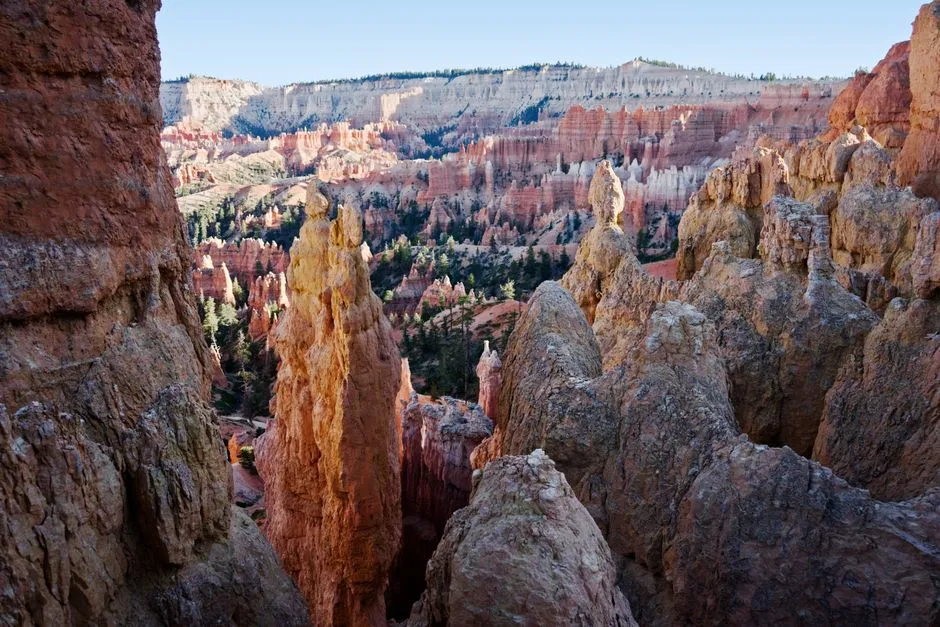
Red-orange cliffs of Gorge de Diosso near Pointe-Noire

Gorge de Diosso

A dramatic canyon of eroded red laterite cliffs plunging toward the Atlantic. Free to visit, about 30 minutes north of Pointe-Noire by taxi. Best photographed in late afternoon light. The gorge is expanding due to erosion — stay well back from the crumbling edges.

Sapeur in colourful suit walking through Brazzaville

La Sape & the Sapeurs

Head to the Bacongo neighbourhood on weekends to see sapeurs promenading in designer suits. This is not a performance for tourists — it is a living tradition. Ask respectfully before photographing. Weddings and funerals are the biggest displays. Free, but hiring a local guide ($20–30) helps you find the right spots and make introductions.

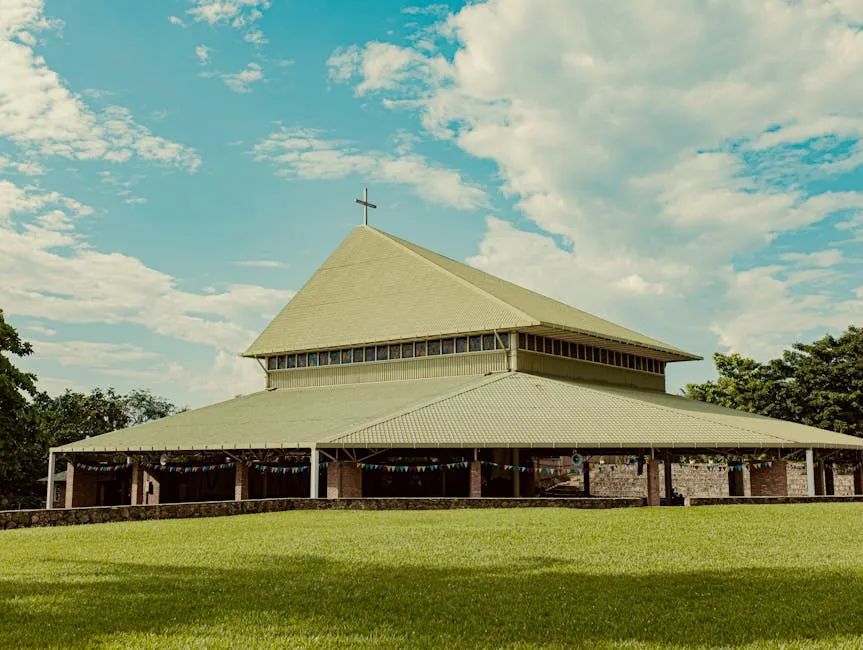
Green-roofed Basilique Sainte-Anne in Brazzaville

Basilique Sainte-Anne

Brazzaville’s most recognisable building — a green-tiled roof rising above the city centre. Built in 1943, it blends European Gothic with Central African design. Free to enter. Visit during a Sunday service for the full atmosphere, including spirited hymns and vibrant congregation dress.

Congo River with boats and Kinshasa skyline in background

Congo River & Kinshasa Ferry

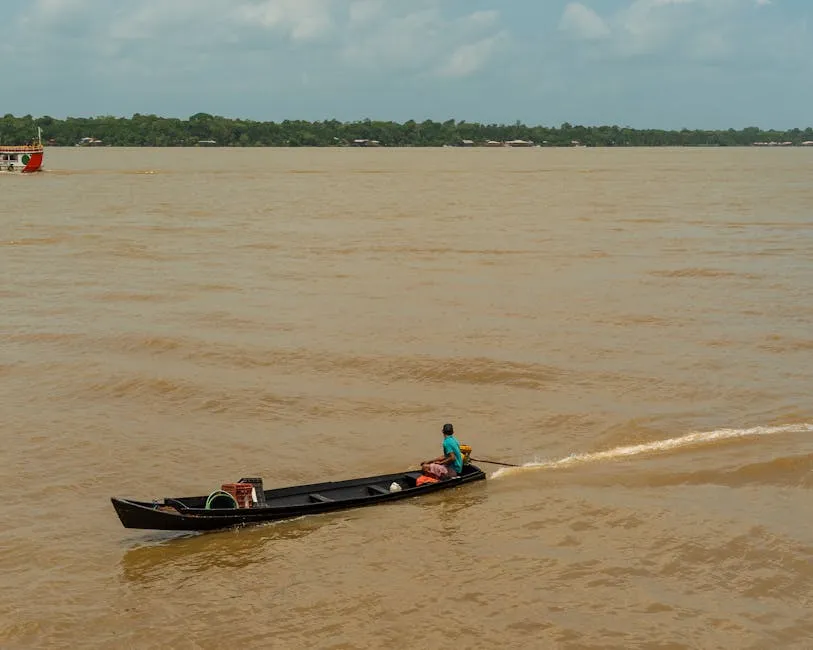
The Congo River is one of Africa’s great waterways, and the Brazzaville waterfront gives views of Kinshasa’s towers directly across. The ferry crossing ($10–50 depending on vessel) takes 10 minutes by speedboat — but you need a DRC visa. Sunset boat rides and pirogue trips are available without crossing.

Colourful market stall at Poto-Poto in Brazzaville

Poto-Poto Market

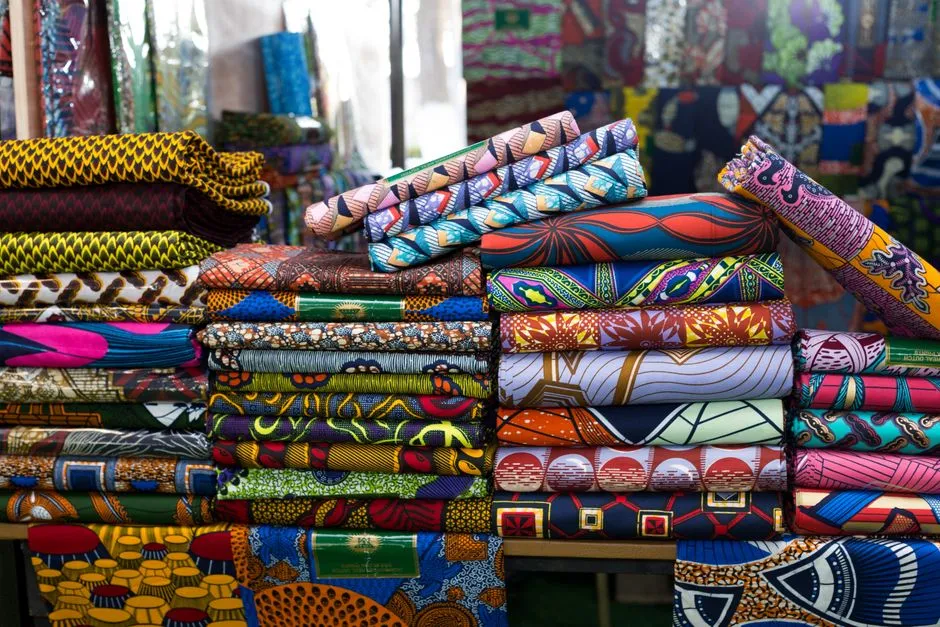
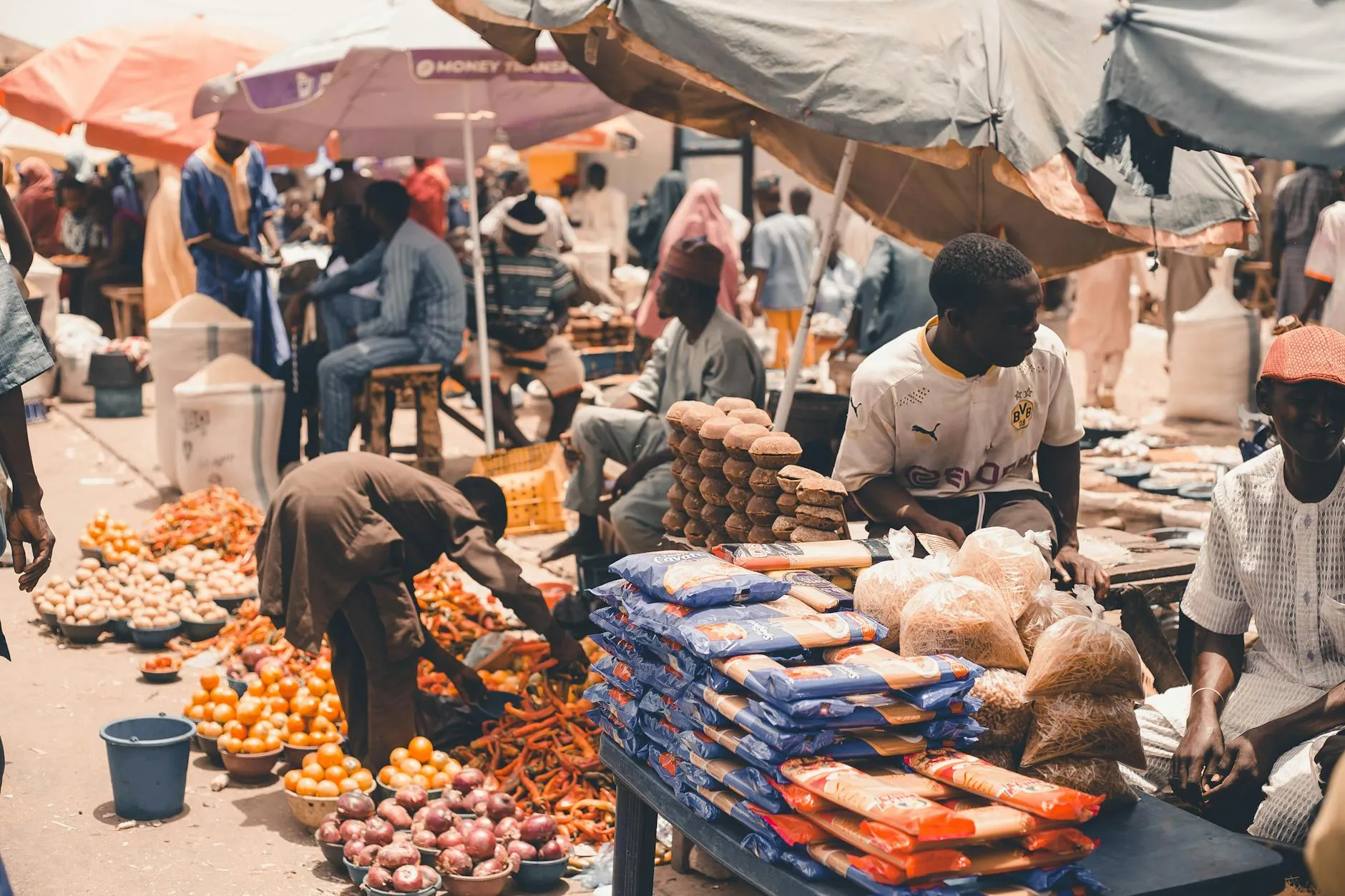
Brazzaville’s largest and most vibrant market. Fabric, produce, crafts, carved masks, and the Poto-Poto School of Art nearby. Come in the morning for the liveliest atmosphere. Keep valuables secure and ask before photographing vendors.

Semi-wild gorilla at Lésio-Louna reserve

Lésio-Louna Gorilla Reserve

A more accessible gorilla experience closer to Brazzaville. Orphaned gorillas reintroduced to the wild — not fully wild trekking like Odzala, but easier logistics, shorter walks, and a fraction of the cost. Includes boat rides through the reserve. Good for travellers who cannot afford or reach Odzala.

Beach and mangroves at Conkouati-Douli

Conkouati-Douli National Park

A coastal park near the Gabon border mixing Atlantic beach, mangrove swamp, and dense forest. Sea turtles nest here (November–March), and forest elephants occasionally emerge onto the beach. Access via 5-hour truck ride from Pointe-Noire. Basic accommodation only.

Culture & Cuisine

Congolese food and culture scene

Congolese culture is shaped by its French colonial history, the Congo River, and deeply rooted Central African traditions. Brazzaville has a creative energy that belies its modest size — from the sapeurs to Congolese rumba to a growing street art scene. Outside the cities, life revolves around community, the river, and the forest.

Culture

  • La Sape: The Société des Ambianceurs et des Personnes Élégantes is more than fashion — it is a 100-year philosophy of elegance as resistance, born when colonial-era domestic workers turned their employers’ cast-off suits into a statement of pride. Rules include maximum three colours per outfit, no counterfeits, and a specific walking style. Both men (sapeurs) and women (sapeuses) participate.
  • Congolese rumba: One of Africa’s most influential music traditions, born from Cuban son music filtered through Congolese rhythm. Papa Wemba (also the “Pope of Sape”) and Koffi Olomidé are legendary figures. Soukous — the high-energy dance derivative — fills clubs in Brazzaville.
  • Language: French is the official language and essential for travel. Lingala is the most widely spoken local language in Brazzaville, Kituba in the south. English is almost non-existent outside a few high-end hotels. Download an offline French dictionary before arriving.
  • Communal eating: Meals are shared. Food is often eaten with the right hand, particularly fufu. Sitting around a single large plate is standard in homes and many local restaurants.
  • Photography: Do not photograph military personnel, police, government buildings, bridges, or airports. This can lead to detention. Always ask people before taking their portrait — most will agree, especially if you show them the photo.
  • Religion: Predominantly Christian (Catholic and Protestant), with some animist traditions in rural areas. Sunday services are vibrant, musical, and welcoming to visitors.
Key phrases: Bonjour (hello), Merci beaucoup (thank you very much), Combien? (how much?), S’il vous plaît (please), Où est...? (where is...?). Even basic French unlocks doors. In markets, a smile and “Bonjour, ça va?” before asking prices makes a significant difference.

Cuisine

Congolese cooking is cassava-based, built on palm oil, peanuts, smoked fish, and slow-cooked stews. French colonial influence shows in the bakeries and patisseries in Brazzaville and Pointe-Noire, while Lebanese restaurants offer an alternative in both cities. The food is hearty, communal, and heavily spiced with pili pili chili sauce.

Poulet moambe chicken in palm nut sauce

Poulet Moambe

The national dish — chicken slow-cooked in thick palm nut sauce until the meat falls apart. Rich, smoky, mahogany-coloured. Served with rice or fufu. Also the national dish of the DRC and Angola. Order it at any nganda restaurant.

Saka saka cassava leaves with smoked fish

Saka Saka (Pondu)

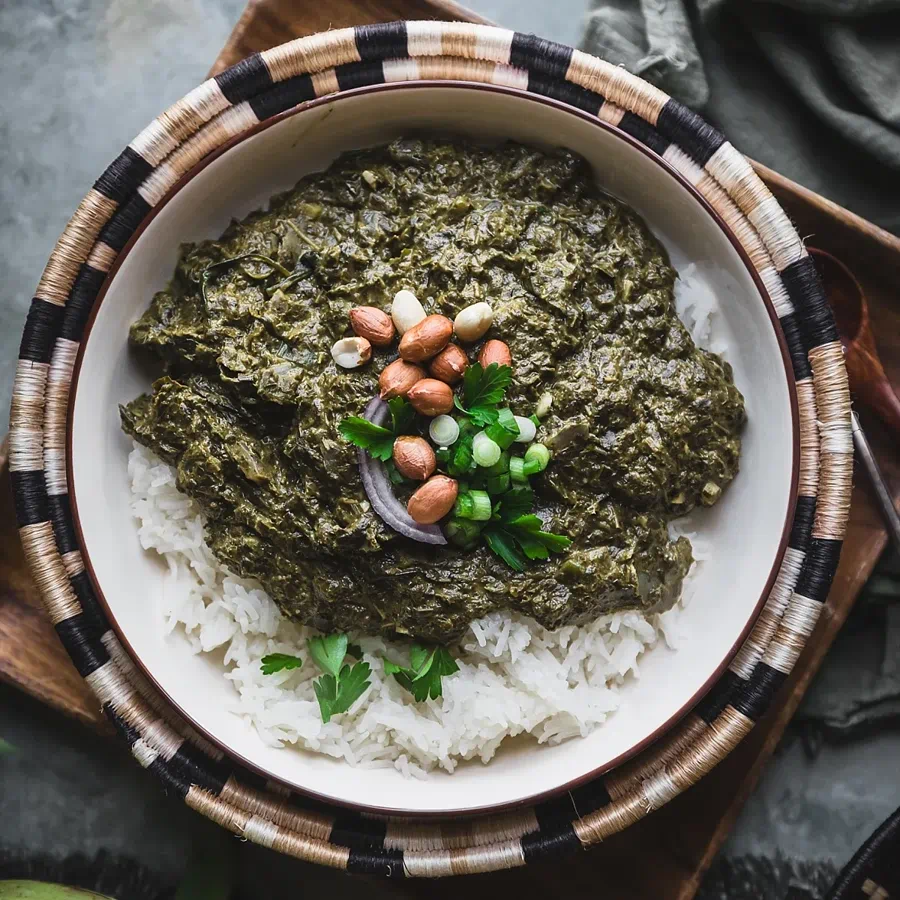
Pounded cassava leaves cooked with palm oil, smoked fish, and peanut butter. The soul of Congolese cooking — eaten daily, cheap, and deeply flavourful. Every household has their own version. Often served alongside chikwanga (fermented cassava wrapped in banana leaves).

Fish wrapped in banana leaves for liboke

Liboke (Maboke)

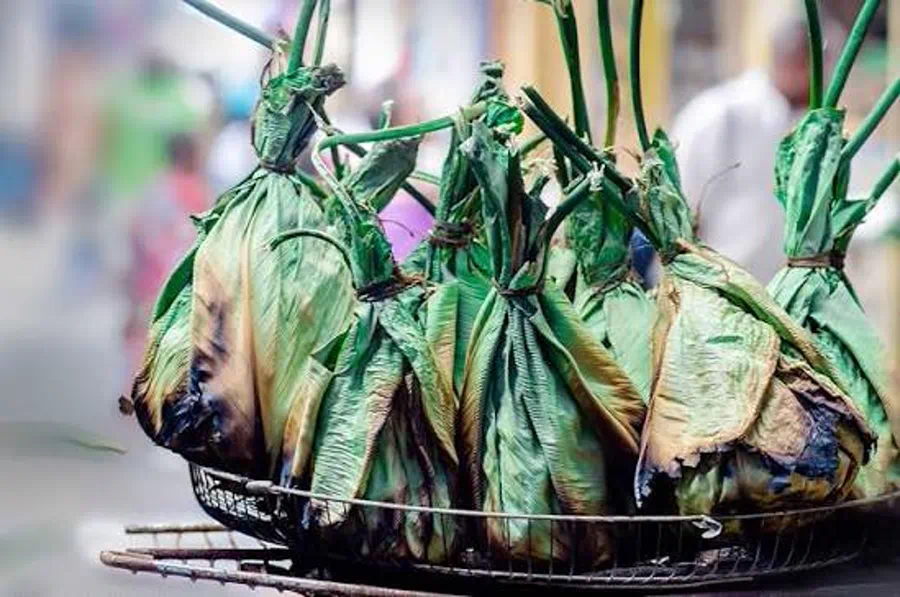
Fish, chicken, or meat marinated with onions, tomatoes, and spices, then wrapped tightly in banana leaves and steamed or grilled. The banana leaf traps moisture and flavour. Unwrapping a liboke at the table is one of Congo’s best food moments.

Fufu dough with stew

Fufu & Chikwanga

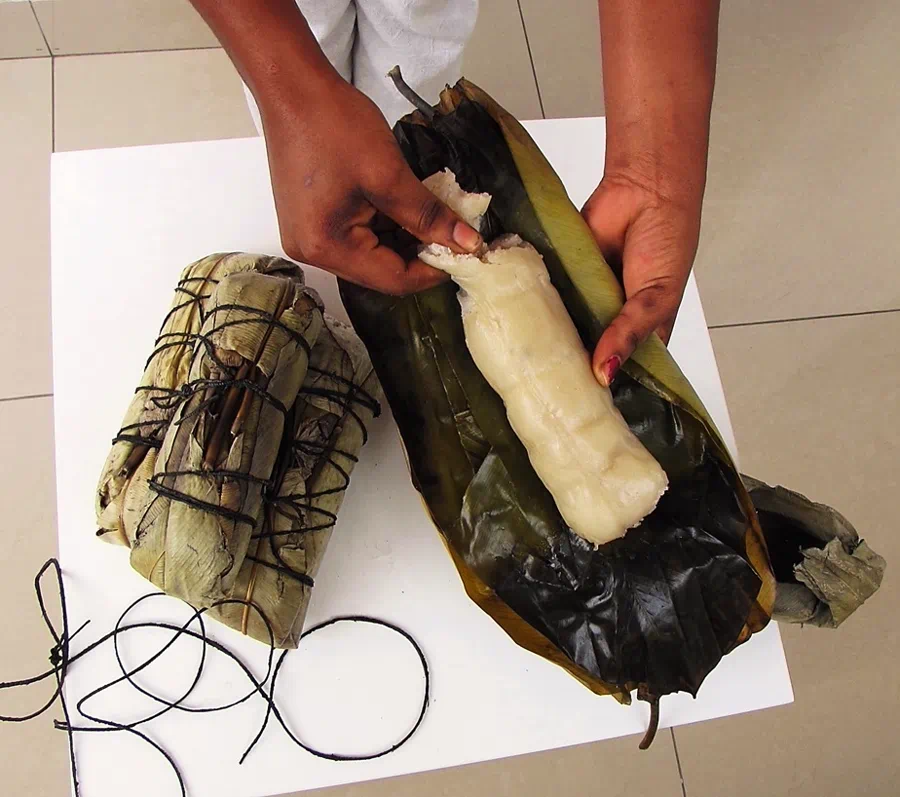
Fufu is pounded cassava dough — tear off a piece with your right hand, shape it into a ball, dip it into sauce. Chikwanga is the fermented version, wrapped in banana leaves, with a denser texture and slightly tangy flavour. Both are ubiquitous accompaniments.

Grilled meat brochettes with peanut sauce

Brochettes & Street Food

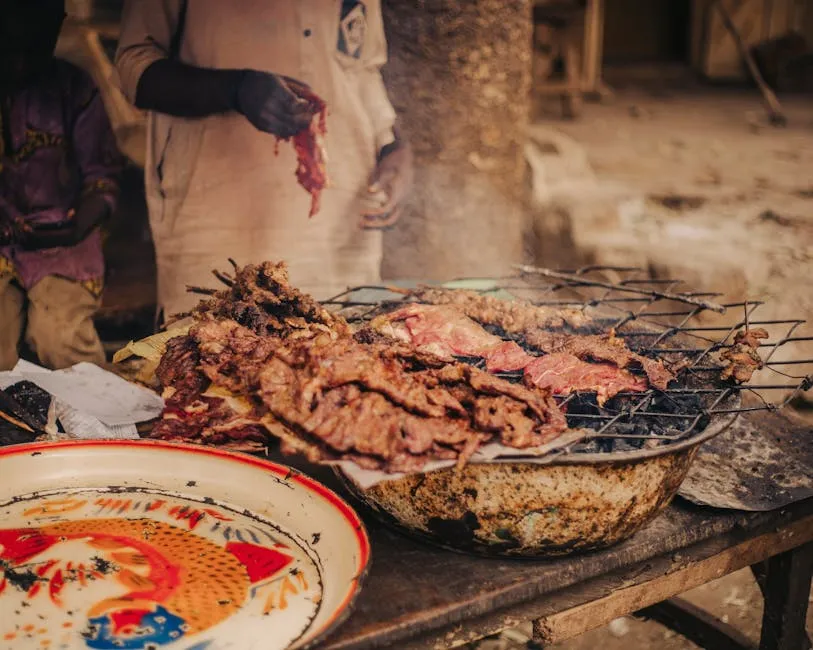
Grilled meat skewers with spicy peanut or chili sauce, sold at every roadside grill. Also: mikate (fried dough balls), grilled corn, fried plantains (makemba), and grilled tilapia from the Congo River. Street food runs $1–3 per serving.

Bottles of Congolese beer and palm wine

Drinks

Primus and Ngok are the local beers (~$3). Palm wine (vin de palme) is the traditional drink — fermented sap from wild palms, sweet and mildly alcoholic. French-style coffee is the morning staple. Stick to bottled water everywhere.

Eating Practicalities

In cities, eat at nganda restaurants — informal local eateries serving regional specialties for $3–8 per plate. These are where Congolese people actually eat, and the food is consistently better than hotel restaurants. Lunch is the main meal (2–4 PM), dinner after 8 PM. French bakeries sell bread, croissants, and pastries in the mornings. In rural areas, food options are extremely limited — carry snacks and rely on whatever the village kitchen is cooking that day.

Activities & Hikes

Forest trail in Odzala-Kokoua

Congo-Brazzaville is not a hiking destination in the traditional sense — there are no marked trail networks or mountain refuges. Activities here are about wildlife encounters, river journeys, and exploring rainforest on foot with local guides. Everything outside Brazzaville and Pointe-Noire requires advance planning and, in most cases, a tour operator.

Top Activities

ActivityLocationDifficulty & DurationHighlights
Gorilla trekkingOdzala-KokouaModerate — 2–6 hours walkingTrack habituated western lowland gorilla families. Max 3–4 guests, 1-hour viewing. Muddy terrain, rubber boots provided.
Baï watchingOdzala-Kokoua (Lango)Easy — seated observationWatch forest elephants and gorillas from elevated treehouses at mineral clearings. No time limit, no permit. Dawn and dusk best.
Forest walksOdzala-Kokoua, Nouabalé-NdokiModerate — 3–5 hoursGuided walks through primary rainforest. Track primates, identify medicinal plants, observe forest floor ecology.
Night walksOdzala-KokouaEasy to moderate — 2 hoursSpotlight walks after dark. Pottos, bush babies, giant snails, tree frogs, and occasionally forest elephants.
River boat tripsOdzala (Lekoli River), Lésio-LounaEasy — 2–4 hoursPirogue or motorboat along jungle rivers. Kingfishers, crocodiles, monkeys on the banks. Sunset trips are atmospheric.
Gorilla visits (semi-wild)Lésio-Louna ReserveEasy — 1–3 hoursReintroduced orphan gorillas in a sanctuary setting. Shorter walks, easier terrain than Odzala. Good alternative for budget travellers.
Kinshasa day tripBrazzaville → DRC ferryEasy (but bureaucratic)Cross the Congo River by speedboat. Explore Kinshasa’s markets, music scene, and chaos. Requires DRC visa arranged in advance.
Gorge de Diosso walkPointe-NoireEasy — 1–2 hoursWalk along the rim of the red canyon. No guide required. Best in late afternoon light. Stay back from crumbling edges.
Gear for forest trekking: Long sleeves and trousers (tucked into socks), rubber boots (usually provided by lodges), insect repellent (50% DEET), rain jacket even in dry season, waterproof bag for camera. Guides carry emergency supplies. No special fitness level needed for baï watching or river trips, but gorilla trekking involves 2–6 hours of walking on uneven, muddy trails.

Beaches

Wide sandy beach near Pointe-Noire

Pointe-Noire Beaches

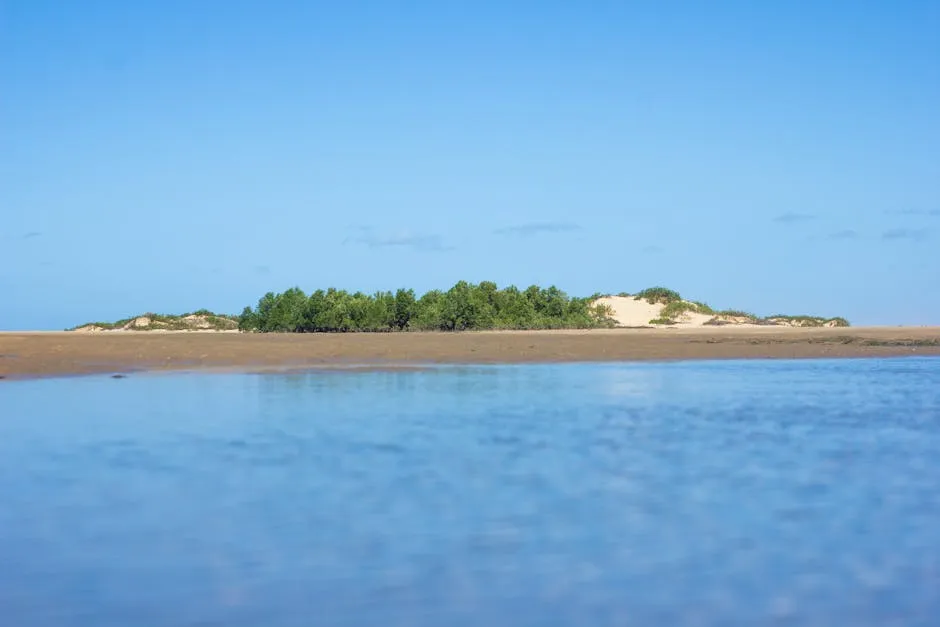
Wide sandy Atlantic beaches. Swimming is possible but currents can be strong. The main beach near town gets busy on weekends; head south to Côte Sauvage for emptier stretches.

Deserted beach at Conkouati-Douli

Conkouati-Douli Coast

Remote, deserted beaches inside the national park. Sea turtles nest here November–March. Access only with a guide and 4x4 from Pointe-Noire (5 hours). Basic camping infrastructure.

Off the Beaten Path

Everything in Congo is off the beaten path by most standards, but these push further into genuine frontier territory:

  • Lac Télé: A remote circular lake near Impfondo, legendary home of Mokele-mbembe (a cryptid resembling a sauropod). Requires WCS coordination, a flight to Impfondo, jeep to Epena, then on foot. Multi-day expedition. The lake itself is hauntingly beautiful even without dinosaurs.
  • Nouabalé-Ndoki National Park: Called “the Last Eden” by National Geographic. Part of the Sangha Trinational UNESCO site shared with Cameroon and CAR. Western lowland gorillas and forest elephants in clearings. Contact Wildlife Conservation Society for access. Extremely remote.
  • Loufoulakari Falls: Waterfalls within day-trip range of Brazzaville. A break from the city that does not require a full expedition.
  • Makoua: Small town on the equator along the N2. The equator marker itself is modest, but it breaks up the long drive north.
  • Ouesso: The northern frontier town and gateway to Nouabalé-Ndoki. Home to Pygmy communities and the end of the paved road.

Wildlife & Nature

Western lowland gorilla in Congo rainforest

Congo-Brazzaville sits in the heart of the Congo Basin — Earth’s second-largest tropical forest and one of the planet’s most biodiverse ecosystems. The wildlife here is forest-adapted, elusive, and often seen only with expert trackers. This is not savanna game-driving — encounters are intimate, rare, and earned through patience. Odzala-Kokoua alone holds ~7,200 western lowland gorillas and ~7,500 forest elephants.

The “Forest 5”

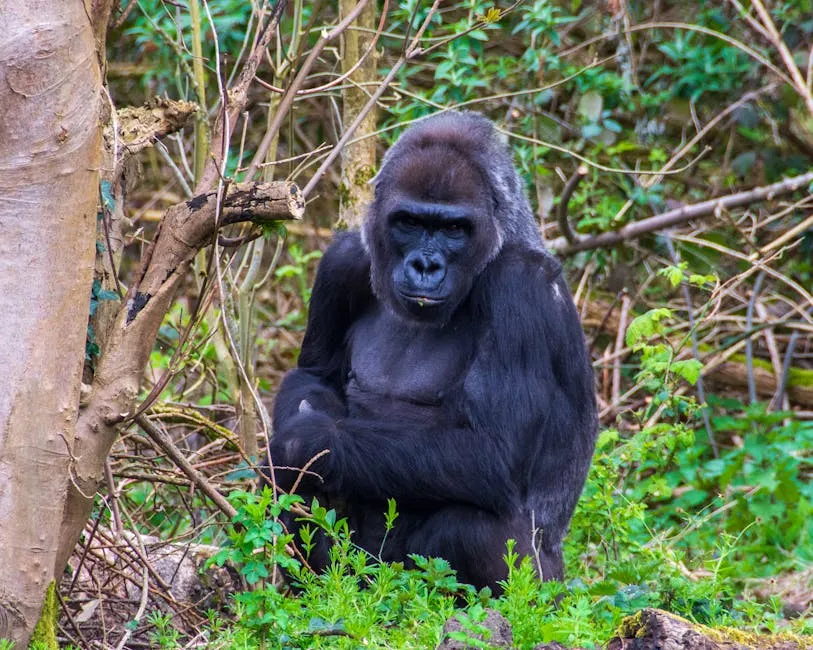
Western lowland gorilla silverback in rainforest

Western Lowland Gorilla

Critically endangered. Odzala-Kokoua has the largest accessible population. Smaller than mountain gorillas but equally compelling — silverbacks can weigh 180 kg. Habituated groups allow 1-hour visits; unhabituated groups watched from treehouses.

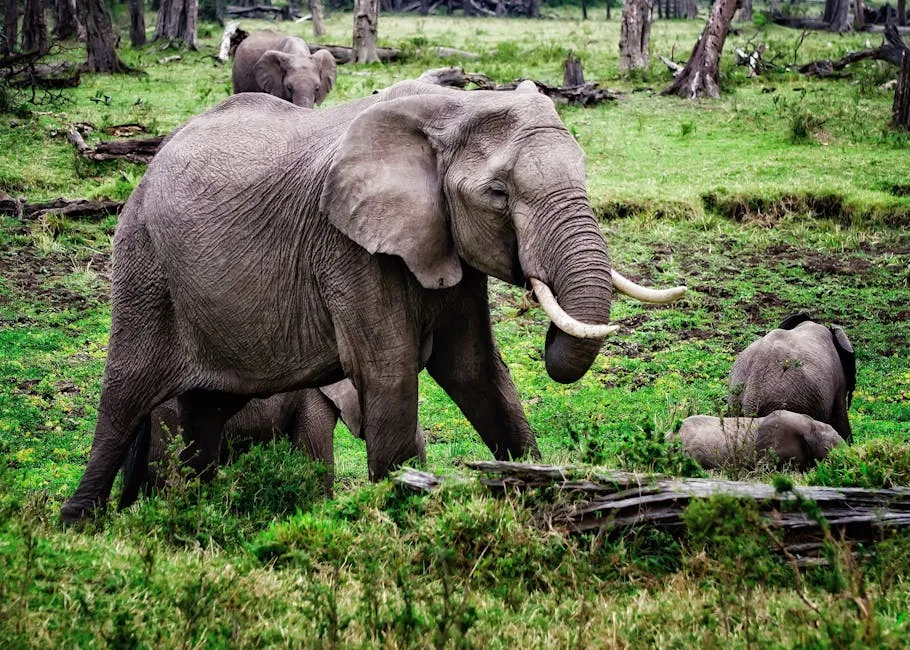
African forest elephant in clearing

Forest Elephant

Smaller than savanna elephants with straighter tusks and rounder ears. Congregate at baï clearings to eat mineral-rich soil. Best seen from elevated hides at Lango Camp. ~7,500 in Odzala alone.

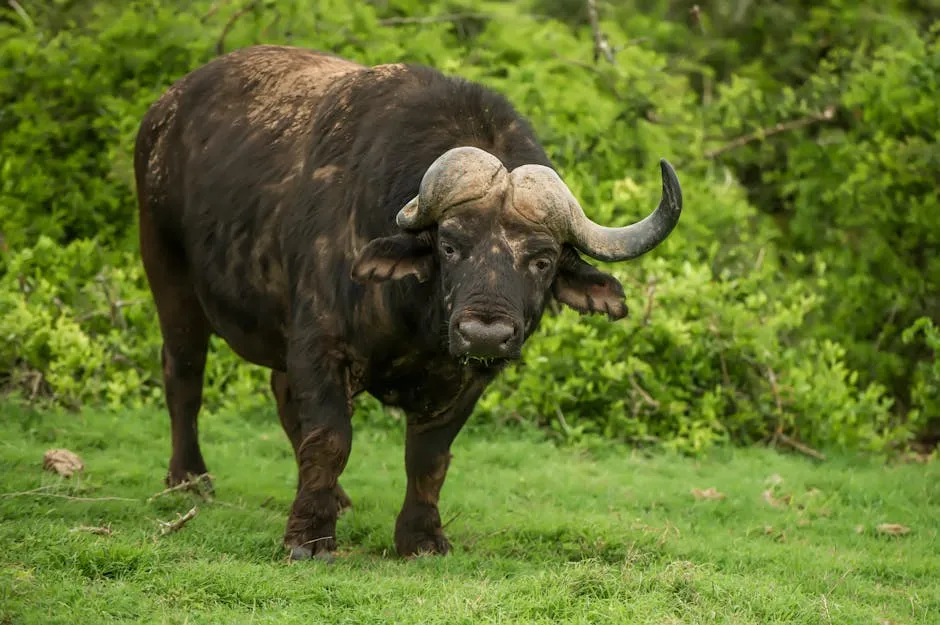
African forest buffalo in dense vegetation

Forest Buffalo

A smaller, reddish-brown subspecies of the African buffalo adapted to dense forest. Shy and rarely seen in the open — baï clearings offer the best chance. More solitary than their savanna cousins.

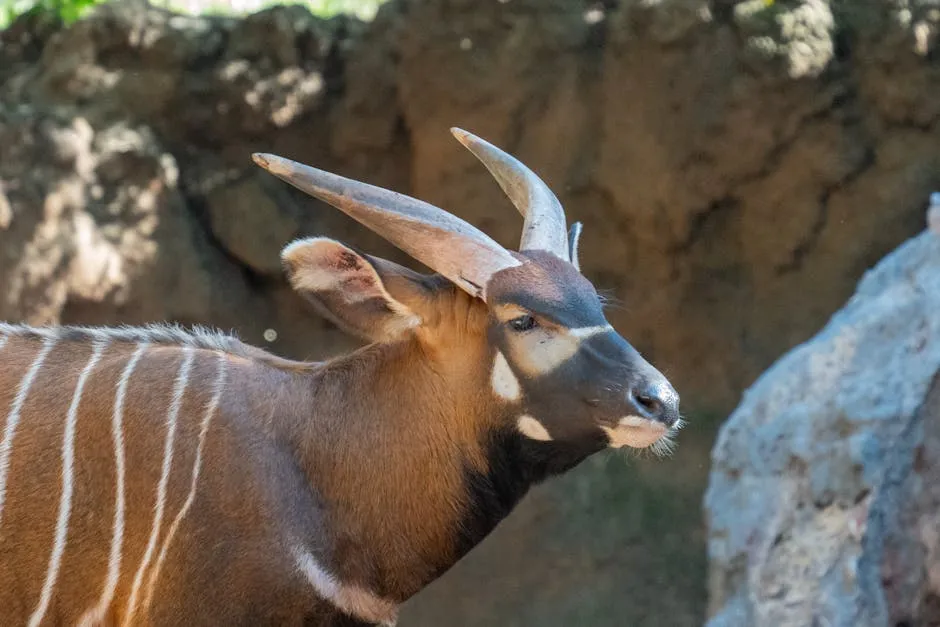
Bongo antelope with white stripes and curved horns

Bongo Antelope

One of Africa’s most elusive large mammals. Chestnut-coloured with white vertical stripes, curved horns. Lives deep in primary forest. Sightings are rare and thrilling — mostly at baï clearings at dawn.

Giant forest hog foraging on forest floor

Giant Forest Hog

The world’s largest wild pig, weighing up to 275 kg. Dark-haired, tusked, and surprisingly fast. Found in Odzala’s forest clearings. Not dangerous but impressive to encounter at close range.

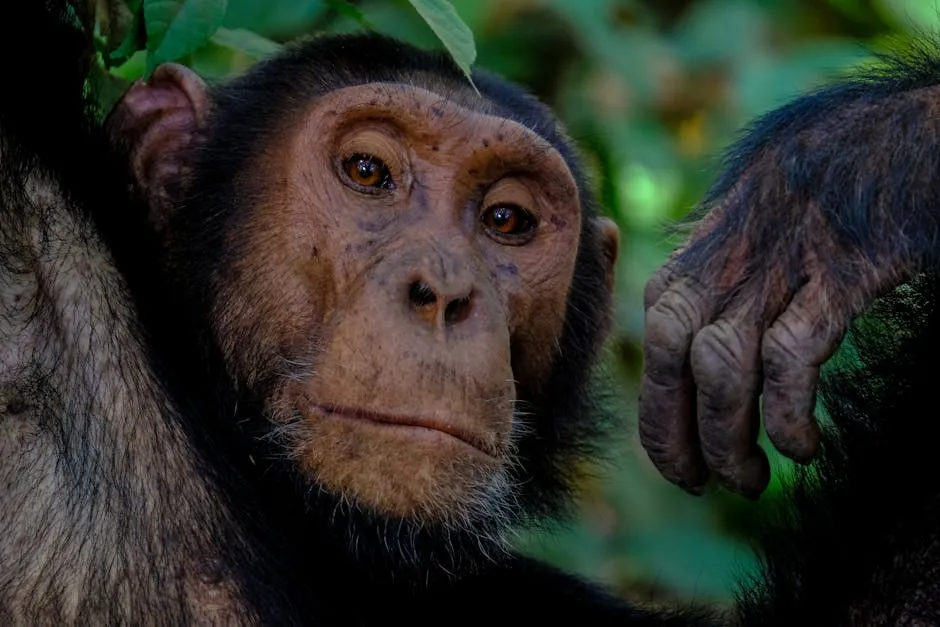
Chimpanzee in forest canopy

Chimpanzee

Present in multiple parks including Odzala and Nouabalé-Ndoki. Harder to habituate than gorillas — sightings often come through hearing their calls and tracking movement through the canopy above.

Other Notable Wildlife

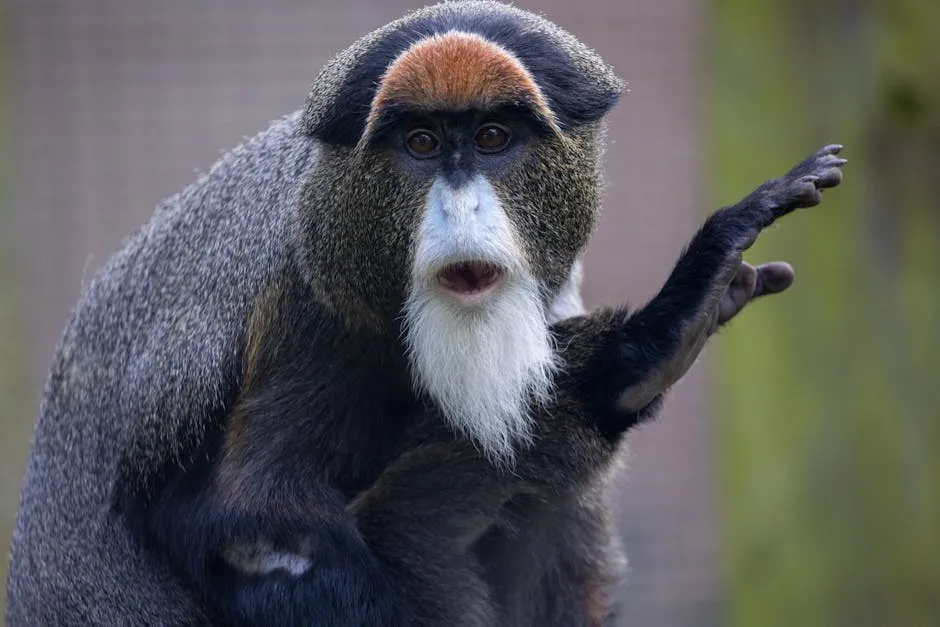
De Brazza's monkey with orange crown and white beard

De Brazza’s Monkey

A colourful primate with an orange crown and white beard. Named after the explorer who founded Brazzaville. Commonly seen along rivers and forest edges.

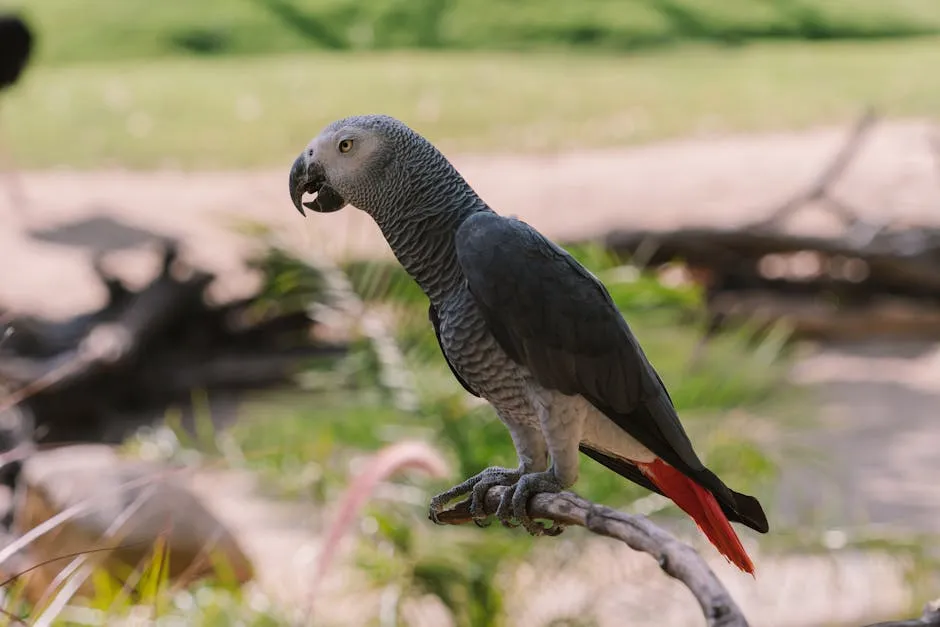
African grey parrot with red tail perched on branch

African Grey Parrot

The iconic grey parrot with a red tail — one of the world’s most intelligent birds. Seen (and heard) throughout the forest canopy. Wild populations declining from trapping.

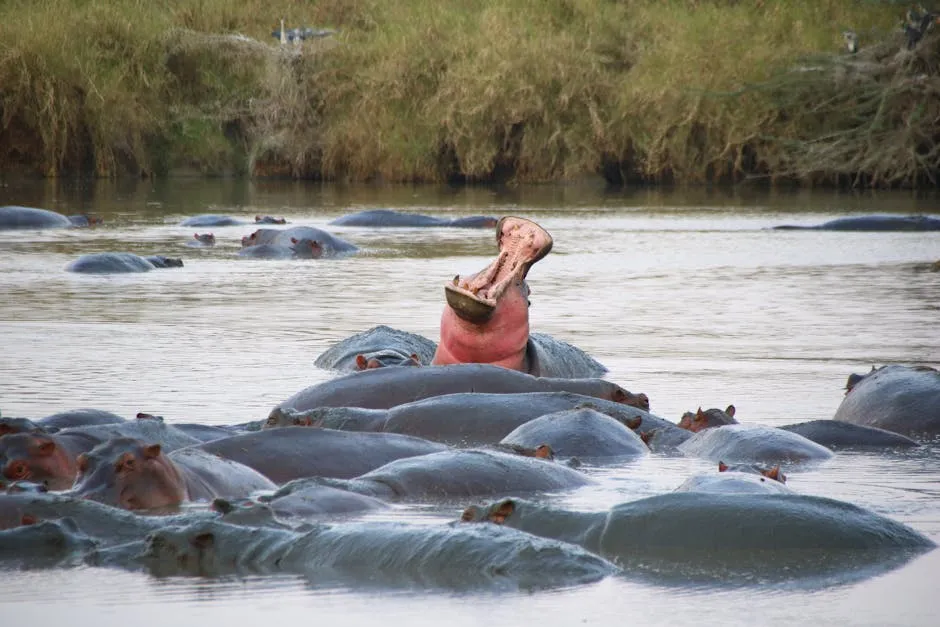
Hippopotamus surfacing in African river

Hippo

Present in Congo’s rivers, especially during dry season when water levels drop. River boat trips occasionally encounter them. Keep a safe distance — hippos are Africa’s most dangerous large mammal.

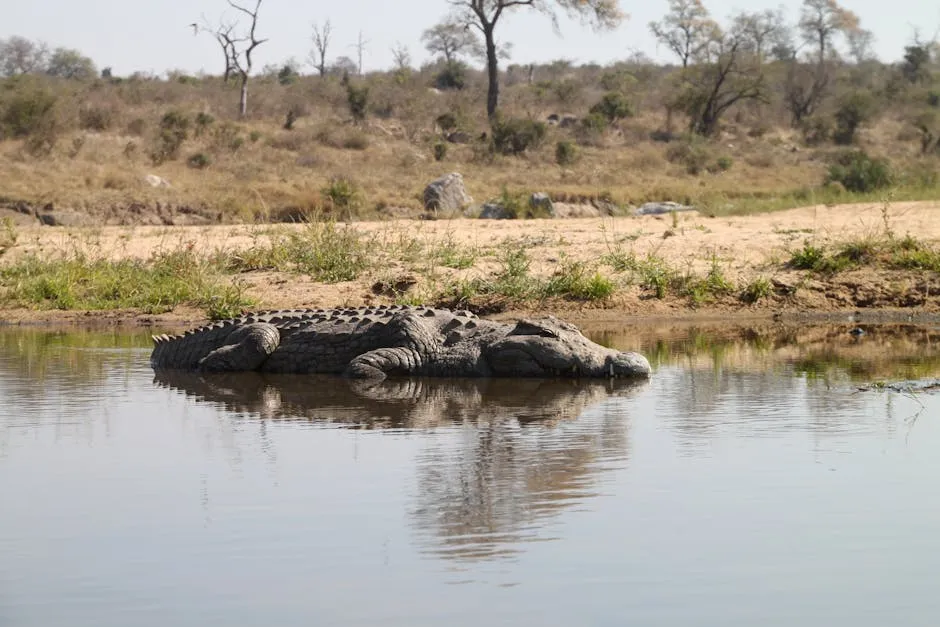
Crocodile basking on riverbank

Slender-snouted Crocodile

A fish-eating crocodile found in Congo’s rivers and streams. Smaller and less aggressive than the Nile crocodile. Sometimes spotted on river trips, basking on logs.

Birding

🐦 Odzala-Kokoua

440+ species recorded. Forest specialties include the Congo serpent eagle, black dwarf hornbill, chestnut wattle-eye, and great blue turaco. Dawn and dusk are best. The rainy season (surprisingly) offers the best birding as migrants arrive and breeding activity peaks.

🐦 River & Wetland Birds

Congo’s rivers host African finfoot, palm-nut vulture, kingfishers (multiple species), and herons. The Lekoli River in Odzala is particularly productive. River boat trips double as excellent birding excursions.

National Parks

Congo has four significant protected areas. Odzala-Kokoua is the most accessible and best-managed thanks to African Parks. Nouabalé-Ndoki is more remote but scientifically extraordinary, managed by the Wildlife Conservation Society. Conkouati-Douli offers the unusual combination of forest and coast. Lésio-Louna is the easiest to reach from Brazzaville and the most affordable gorilla experience. None of these parks can be visited independently — all require coordination with park authorities or tour operators.

Route A: 2-Week Highlights

Odzala rainforest clearing with wildlife

The essential Congo trip. This route covers the two pillars — Brazzaville’s culture and Odzala-Kokoua’s wildlife — plus Pointe-Noire’s coast for contrast. Best from June to September. Requires a charter flight to Odzala (book through your lodge operator). This is the route for travellers with a safari-level budget who want to see Congo’s highlights without expedition-level logistics.

Budget estimate: $8,000–14,000 per person (flights, Odzala all-inclusive safari, city hotels, domestic flights, visa, insurance). Odzala lodges account for 60–70% of the total cost.

Day-by-day itinerary

Day 1–2: Arrive in Brazzaville

Arrive at Maya-Maya Airport. Check into a mid-range hotel ($50–100/night). Day 1: recover and orient. Day 2: Poto-Poto Market in the morning, Pierre Savorgnan de Brazza Mausoleum, walk the Congo River waterfront with views of Kinshasa. Dinner at a nganda restaurant — order poulet moambe.

Day 3: Brazzaville — La Sape & Basilique

Morning: visit Basilique Sainte-Anne, ideally during Sunday service. Afternoon: head to Bacongo neighbourhood to see sapeurs. Hire a local guide ($20–30) for introductions. Evening: live music at a Brazzaville bar — Congolese rumba is best heard live.

Day 4–10: Odzala-Kokoua National Park

Charter flight from Brazzaville (2 hours). Check into your lodge (Ngaga, Lango, or Mboko Camp). Days 4–10 are structured by the lodge: gorilla trekking (1–2 sessions), baï watching from elevated hides, forest walks, night walks, river trips on the Lekoli. The guides are excellent — trust their pace. Expect early mornings (5:30 AM) and long forest walks. Bring binoculars. All meals included.

Day 11: Return to Brazzaville

Charter flight back to Brazzaville. Rest day. Optional: Loufoulakari Falls day trip if energy allows. Otherwise, revisit the waterfront or explore the growing street art scene.

Day 12–13: Pointe-Noire

Domestic flight to Pointe-Noire (~$150). Day 12: Gorge de Diosso in the afternoon (taxi, 30 minutes north), photograph the red cliffs in golden light. Seafood dinner at Chez Gaspard or Sous les Manguiers. Day 13: morning at Côte Sauvage beach, afternoon at leisure. Try grilled tilapia at a beachside grill.

Day 14: Depart

Fly Pointe-Noire → Brazzaville → international connection. Or fly direct from Pointe-Noire if connections exist.

Route B: 3-Week Extended Explorer

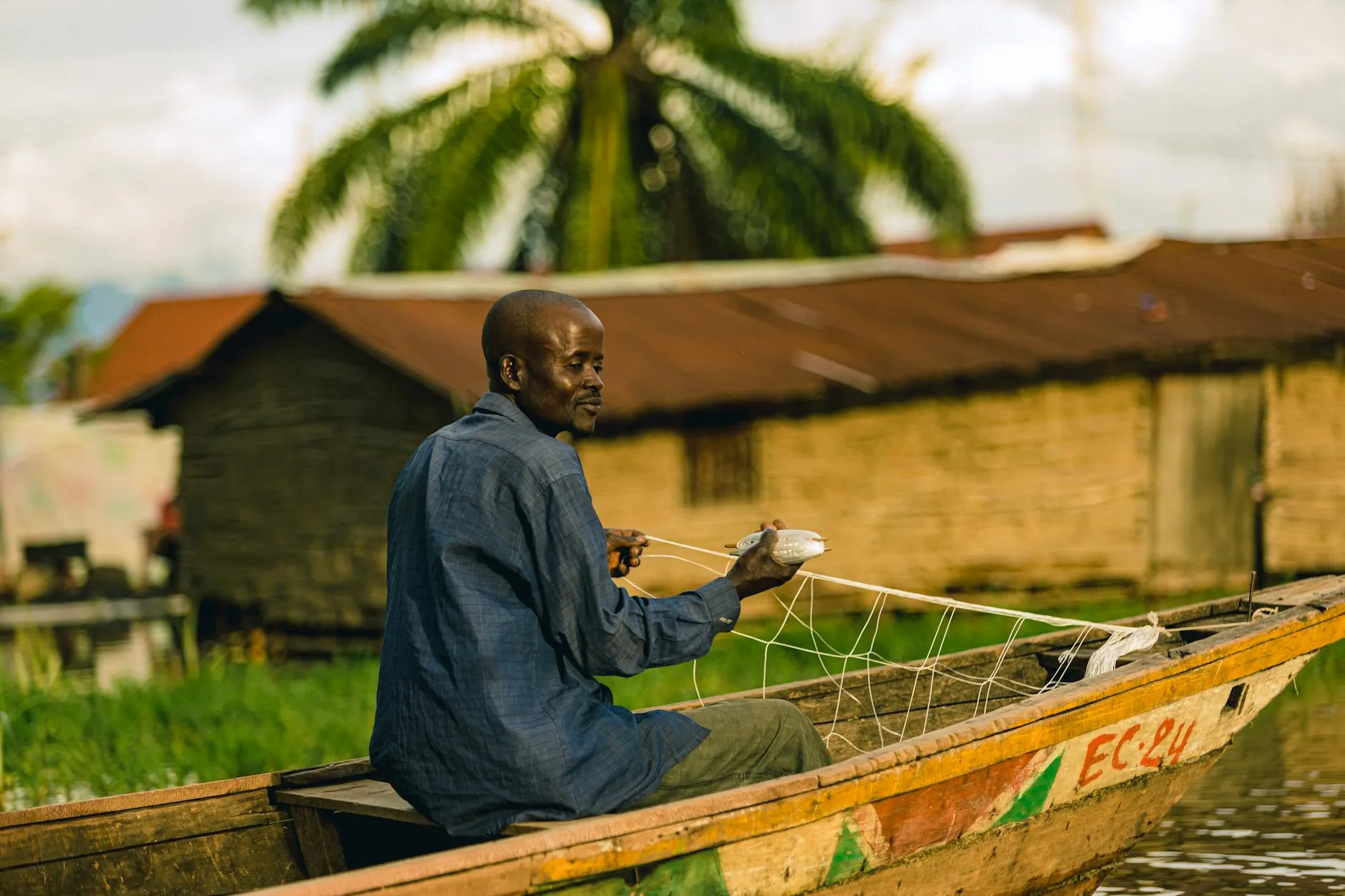
Congo River boat journey

Route A plus a gorilla warm-up at Lésio-Louna, a day trip to Kinshasa, and the coastal park at Conkouati-Douli. This route adds depth and variety without requiring expedition logistics. You still need the Odzala safari budget, but the extra week spreads the intensity. Best June to September. Requires a DRC visa for the Kinshasa crossing.

Budget estimate: $10,000–16,000 per person. Adds Lésio-Louna fees, DRC visa, Conkouati transport, and a week of additional city/coast accommodation.

Day-by-day itinerary

Day 1–3: Brazzaville

Same as Route A. Arrive, orient, Poto-Poto Market, Congo River waterfront, Basilique Sainte-Anne, sapeurs in Bacongo. Three nights gives a more relaxed pace and time to adjust to the climate.

Day 4–5: Lésio-Louna Gorilla Reserve

Day trip or overnight to Lésio-Louna. Short walks to see semi-wild reintroduced gorillas. Boat rides through the reserve. This is a gentler introduction to Congo’s primates before the full Odzala experience. Easier terrain, suitable for most fitness levels.

Day 6–12: Odzala-Kokoua National Park

Charter flight to Odzala. Full safari programme: gorilla trekking, baï watching, forest walks, night walks, river trips. Seven nights allows you to stay at two different camps (e.g. Ngaga for gorillas + Lango for baï watching). All meals and activities included in lodge rate.

Day 13: Return to Brazzaville

Charter flight back. Rest and decompress. Evening: Congolese rumba in a Brazzaville music bar.

Day 14–15: Kinshasa Day Trip

Take the speedboat across the Congo River to Kinshasa (10 minutes, requires DRC visa). Explore the Académie des Beaux-Arts, Marché Central, and the vibrant chaos of one of Africa’s largest cities. Return by ferry the same day or stay overnight. The contrast between the two capitals — separated by 1.5 km of river — is striking.

Day 16–17: Fly to Pointe-Noire

Domestic flight. Gorge de Diosso on arrival afternoon. Full day at the beach, seafood restaurants. Relax after two weeks of forest and city intensity.

Day 18–20: Conkouati-Douli National Park

Arrange transport from Pointe-Noire (5 hours by truck, book through a local operator). Two nights in the park — beach, mangrove boat trips, forest walks. If visiting November–March, sea turtle nesting may be active. Basic accommodation only — this is rougher than Odzala.

Day 21: Depart

Return to Pointe-Noire, fly to Brazzaville for international connection.

Route C: 2-Week Budget Backpacker

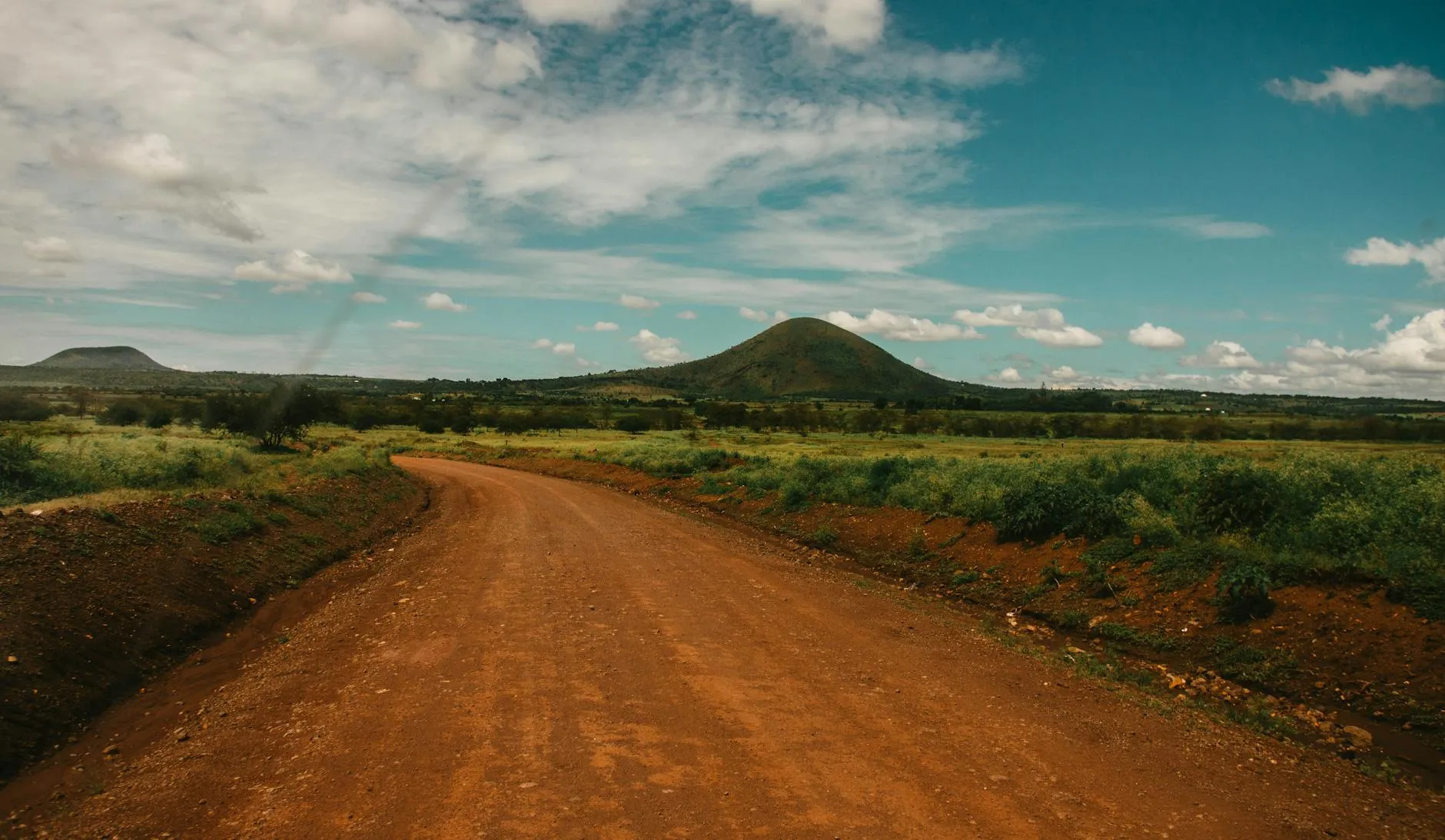
N2 highway through Congo countryside

Congo without the $1,000/night safari lodges. This route skips Odzala (which cannot be done cheaply) and focuses on what you can experience on a backpacker budget: Brazzaville’s culture, Lésio-Louna’s affordable gorilla option, the N2 road north through the country’s interior, and Pointe-Noire’s coast. This is hard travel — shared taxis, basic guesthouses, checkpoint negotiations, and limited food options outside cities. But it is also the most authentic way to see the country.

Budget estimate: $1,200–2,000 per person (excluding international flights). Guesthouses $15–30/night, street food $5–10/meal, domestic flight ~$150, bush taxis and shared transport.

Day-by-day itinerary

Day 1–3: Brazzaville

Same cultural programme as Routes A/B but on a tighter budget. Stay at a guesthouse ($15–30/night). Eat at nganda restaurants and street food stalls. Poto-Poto Market, sapeurs in Bacongo (no entrance fee), Basilique Sainte-Anne, Congo River waterfront. A cold Primus beer at sunset costs ~$3.

Day 4–5: Lésio-Louna Gorilla Reserve

The budget gorilla option. Day trip or one overnight. Shorter walks, semi-wild gorillas, boat rides. A fraction of Odzala’s cost. Arrange transport from Brazzaville through a local operator or the reserve directly.

Day 6–7: N2 North to Owando/Makoua

Take a bush taxi or shared transport north on the N2 highway. The road is paved (rebuilt by Chinese contractors) but the journey is long and there are 8+ military checkpoints. Carry photocopies of your passport, visa, and vaccination certificate. Stop in Makoua to cross the equator. Basic guesthouses in both towns.

Day 8–9: Continue to Ouesso

The northern terminus of the N2. Ouesso is a frontier town — the gateway to Nouabalé-Ndoki, home to Pygmy communities, and the end of the road (literally). Not much to “see” in the tourist sense, but this is deep Central Africa. The market is fascinating. Arrange transport back south.

Day 10–11: Return South

Long days on the N2 heading back to Brazzaville. The return drive gives you a second look at the countryside and the chance to stop at villages missed on the way up. Alternatively, check if any domestic flights connect Ouesso to Brazzaville (rare but occasionally available).

Day 12–14: Pointe-Noire

Fly from Brazzaville to Pointe-Noire (~$150). Gorge de Diosso (free), Côte Sauvage beach, grilled fish on the sand. This is the decompression after the north. Stay at a budget hotel near the beach. Final day: seafood lunch, pack, fly home via Brazzaville.

Getting Around

Green taxi on a Brazzaville street

✈️ Domestic Flights

BZV ↔ PNR is the essential route. Charter flights for safari parks. Limited but necessary.

🚗 Taxis

Green/white (Brazzaville), blue/white (Pointe-Noire). Not metered — negotiate every fare before getting in.

🚌 Bush Taxis

Shared minibuses between cities. Cheap but slow — leave when full. Budget intercity option.

⛵ River Boats

Congo River ferries, pirogues for remote areas. The Kinshasa crossing is 10 minutes by speedboat.

🚗 4x4 Rental

Essential for rural roads. Available with driver in Brazzaville. Do not attempt self-drive outside cities.

🚆 Rail

Congo-Ocean Railway (BZV–PNR) is currently freight-only. Passenger service suspended indefinitely.

Domestic Flights

The only practical way to travel between Brazzaville and Pointe-Noire. The overland route (N1 highway) is unsafe due to reported vehicle attacks — fly instead (~$150 per leg, 1 hour). For Odzala-Kokoua and remote parks, charter flights are arranged through your lodge operator (2 hours from Brazzaville). Domestic aviation in Congo is basic — delays are common, schedules flexible, and planes small. Reconfirm flights 24 hours ahead.

City Taxis

The standard way to get around Brazzaville and Pointe-Noire. Always negotiate the fare before departing — there are no meters. A cross-town ride in Brazzaville costs $2–5. Shared taxis (cent-cent) follow set routes and cost under $1 — the cheapest option but you need to know the routes. Taxis are not available after dark in many areas — arrange transport before sunset.

Intercity Road Travel

The N2 highway (Brazzaville → Owando → Makoua → Ouesso) is the main overland artery. It is paved, in reasonable condition, and the only road most travellers will use. The journey is 12+ hours with 8+ military checkpoints. At each checkpoint: show documents through the car window, do not exit the vehicle, do not offer money, and if pressed, ask for the officer’s badge number. Carry multiple photocopies of your passport, visa, and yellow fever certificate.

The N1 highway (Brazzaville → Dolisie → Pointe-Noire) exists on paper but do not travel it. Reports of armed attacks on vehicles make this route dangerous. Fly between the two cities.

River Transport

The Brazzaville–Kinshasa ferry is a regular service: speedboats take 10 minutes ($10–50 depending on vessel), slow ferries 2–3 hours. You need valid visas for both countries. Port hours are 8 AM–4 PM (noon on Sundays). The experience is chaotic but functional. For remote areas, pirogues (dugout canoes) are the only option — these are arranged locally. River barges from Brazzaville to Impfondo take 9 days (extremely slow, scenic, uncomfortable).

Travel essentials: Always carry small bills (change is scarce everywhere). Travel with spare fuel, food, and water on long drives. Daylight travel only outside cities. 4x4 is essential for any road not named N2. And always, always carry your documents — you will be asked for them multiple times per day.

Budget Breakdown

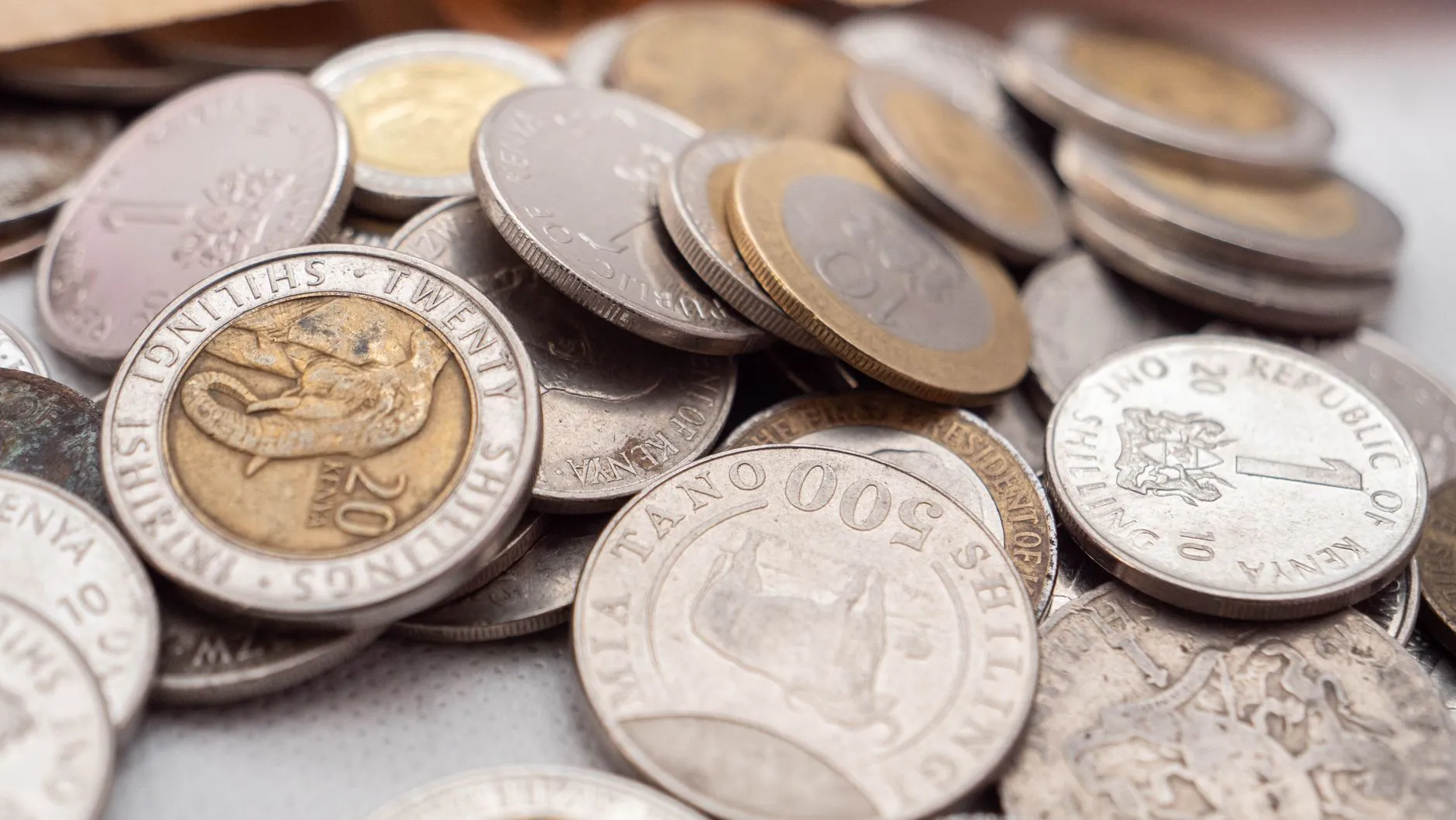
CFA franc banknotes and coins

Congo-Brazzaville is expensive by African standards. The budget backpacker tier is achievable in cities, but the moment you add safari lodges, the cost jumps to luxury levels. There is very little middle ground — the country has not developed the mid-range tourism infrastructure found in East Africa.

Daily Budget Ranges

CategoryBudget ($50–80/day)Mid-range ($100–250/day)Safari/Luxury ($600–1,000+/day)
AccommodationGuesthouses $15–303-star hotels $50–100Eco-lodges (all-inclusive)
FoodStreet food & ngandas $5–10/mealRestaurants $15–20/mealIncluded in lodge rate
ActivitiesWalking, markets, free sightsCity tours, river trips, Lésio-LounaGorilla trekking, baï watching, forest walks
TransportShared taxis, bush taxisPrivate taxis, domestic flightsCharter flights, 4x4 with driver

Key Costs

🦍 Gorilla Trekking

Odzala permits: $130–450. All-inclusive lodge: $700–1,000+/night/person. Lésio-Louna: significantly cheaper (enquire directly).

✈️ Domestic Flights

BZV ↔ PNR: ~$150 per leg. Charter flight to Odzala: included in safari package (typically $500–800 round trip).

💳 Visa & Entry

Visa fee: $160 (US) / $200 (other nationalities). Yellow fever vaccination: $50–150 depending on your country. Processing: 2–4 weeks.

🏥 Insurance

Medical evacuation insurance: $50–200 for trip duration. Not optional — nearest adequate hospital may be in another country.

🍺 Daily Essentials

Beer: ~$3. Taxi ride: $1–3. Bottled water: $0.50–1. SIM card: $5–10. Intercity bus: $25–45.

💰 Congo River Ferry

Speedboat to Kinshasa: $10–50. Slow ferry: less. DRC visa (if crossing): additional cost arranged in advance.

Tipping: Not culturally expected in local restaurants. In safari lodges, a tip of $10–20/day for guides and $5–10/day for camp staff is appropriate and appreciated. Round up taxi fares for good service. Hotel porters: 1,000–2,000 XAF.

Money

Congo is a cash economy. Carry Central African CFA francs (XAF) in small denominations. ATMs exist in Brazzaville and Pointe-Noire but are unreliable — do not depend on them as your sole cash source. Credit cards work only at high-end hotels. Bring backup euros or US dollars (bills printed after 2013 — older bills are often rejected). No crypto, no Apple Pay, no Western payment apps. Change money at banks in Brazzaville, not at the airport.

Practical Information

Street scene in Brazzaville

💳 Visa

Required for most nationalities. No visa on arrival. Letter of Invitation (LOI) needed. Start 6+ weeks early.

🏥 Health

Malaria endemic. Yellow fever certificate mandatory. Medevac insurance essential. Drink only bottled water.

💶 Money

CFA francs (XAF), cash only. ATMs unreliable. Bring backup euros/USD. Credit cards almost useless.

📶 SIM & Internet

4G in cities, 3G/Edge elsewhere, nothing in rural areas. SIM cards available. Carry a power bank.

🌐 Language

French essential. English almost non-existent. Download offline French translation before arriving.

🔌 Electricity

230V, Type C/E plugs (European). Power outages common even in cities. Bring a power bank and adapter.

Visa & Entry

Visa required for most nationalities with no visa on arrival for most. You need a Letter of Invitation (LOI) from a Congolese host, hotel, or tour operator. Required documents: passport (valid 6+ months), visa application, 2 photos, yellow fever certificate, LOI or hotel booking, and round-trip flight ticket. Fees: $160 (US passport, 2-year multi-entry) or $200 (other nationalities, 90-day multi-entry). Processing takes 2–4 weeks — start early. E-visa exists for some nationalities but is not widely reliable.

Health

Malaria is endemic everywhere in Congo — take prophylaxis (malarone or doxycycline), use DEET repellent, and sleep under treated mosquito nets. Yellow fever vaccination is mandatory — your certificate will be checked at entry. Recommended additional vaccines: Hepatitis A/B, Typhoid, Polio, Rabies (especially for remote areas). Medical facilities are extremely limited outside Brazzaville. Carry a personal medical kit with antibiotics, rehydration salts, and basic first aid. Medical evacuation insurance is not optional — the nearest decent hospital for serious illness or injury may be in another country entirely.

Safety

Travel advisories rate Congo at Level 2 (Exercise increased caution). Armed robbery, mugging, and carjacking occur, especially at night in Brazzaville and Pointe-Noire. Avoid the Pool Department (southeast) due to militia activity. Do not travel between Brazzaville and Pointe-Noire overland (fly instead). No night travel outside cities. Travel in convoys (2+ vehicles) when possible outside urban areas. Avoid all demonstrations. Women may face verbal harassment — extra caution when alone.

Checkpoints

Armed military and police checkpoints are throughout the country. Stay in your vehicle, present documents through the window, and remain calm. Do not pay bribes — if pressured, politely ask for the officer’s name and badge number. Carry multiple photocopies of your passport, visa, and vaccination certificate (keep originals secure). This is routine, not dangerous, but it adds time to every journey.

Internet & Communications

Usable 4G in Brazzaville and Pointe-Noire. 3G or Edge coverage in smaller towns. No connectivity in rural areas, parks, or on the N2 between towns. SIM cards are available in cities — eSIM options are emerging but not reliable. Power outages are common even in the capital — carry a power bank. Wi-Fi in hotels is slow and intermittent.

Tips & Common Mistakes

Traveller at a Congo checkpoint

Congo-Brazzaville punishes lack of preparation harder than most countries. These are the mistakes that cost real time, money, or safety.

  • Confusing the two Congos. Republic of the Congo (Brazzaville) and Democratic Republic of the Congo (Kinshasa) are different countries with different visas, histories, and travel realities. Make sure your visa, flights, and research target the correct one
  • Starting the visa too late. The process requires a Letter of Invitation, takes 2–4 weeks, and involves gathering multiple documents. Start 6+ weeks before departure. There is no visa on arrival for most nationalities
  • Driving between Brazzaville and Pointe-Noire. The N1 highway has reports of armed attacks on vehicles. Fly between the two cities. The flight is $150 and 1 hour. The drive is dangerous and not worth the risk
  • Photographing military, police, or government buildings. This can lead to detention, confiscation of your camera, and hours of bureaucratic hassle. Do not photograph anything with a uniform or a flag unless explicitly told it is acceptable
  • Relying on credit cards or ATMs. This is a cash economy. ATMs in Brazzaville and Pointe-Noire exist but frequently malfunction. Carry sufficient CFA francs in small bills. Bring backup euros or USD (post-2013 bills only)
  • Skipping malaria prophylaxis. Malaria is endemic everywhere in Congo, including urban areas. Take your prophylaxis, use DEET, sleep under nets. This is not optional
  • Trying to visit Odzala independently. You cannot show up at the park. All visits must be booked through an operator (Congo Conservation Company or African Parks). Lodges have 6–12 rooms each and fill months in advance during dry season. Book 4–6 months ahead
  • Underestimating medical evacuation needs. The nearest adequate hospital for serious conditions may be in Cameroon, Gabon, or South Africa. Medevac insurance is not a nice-to-have — it is essential
  • Not carrying document copies at checkpoints. You will pass through 8+ military checkpoints on the N2. Each one asks for passport, visa, and vaccination certificate. Carry multiple photocopies and keep originals secure in a money belt
  • Expecting English to work. English is almost non-existent outside a handful of high-end hotel reception desks. Download offline French translation before arriving. Even basic phrases make a significant difference in markets, taxis, and restaurants
  • Forgetting a power bank. Power outages are normal, even in Brazzaville. Hotels may not have backup generators. A fully charged power bank is essential daily carry
  • Treating Congo as a budget destination. City travel is manageable on $50–80/day, but the reason most people come — gorilla trekking — costs $700–1,000+/night. Plan your budget honestly before committing

Final Recommendation

Final recommendation

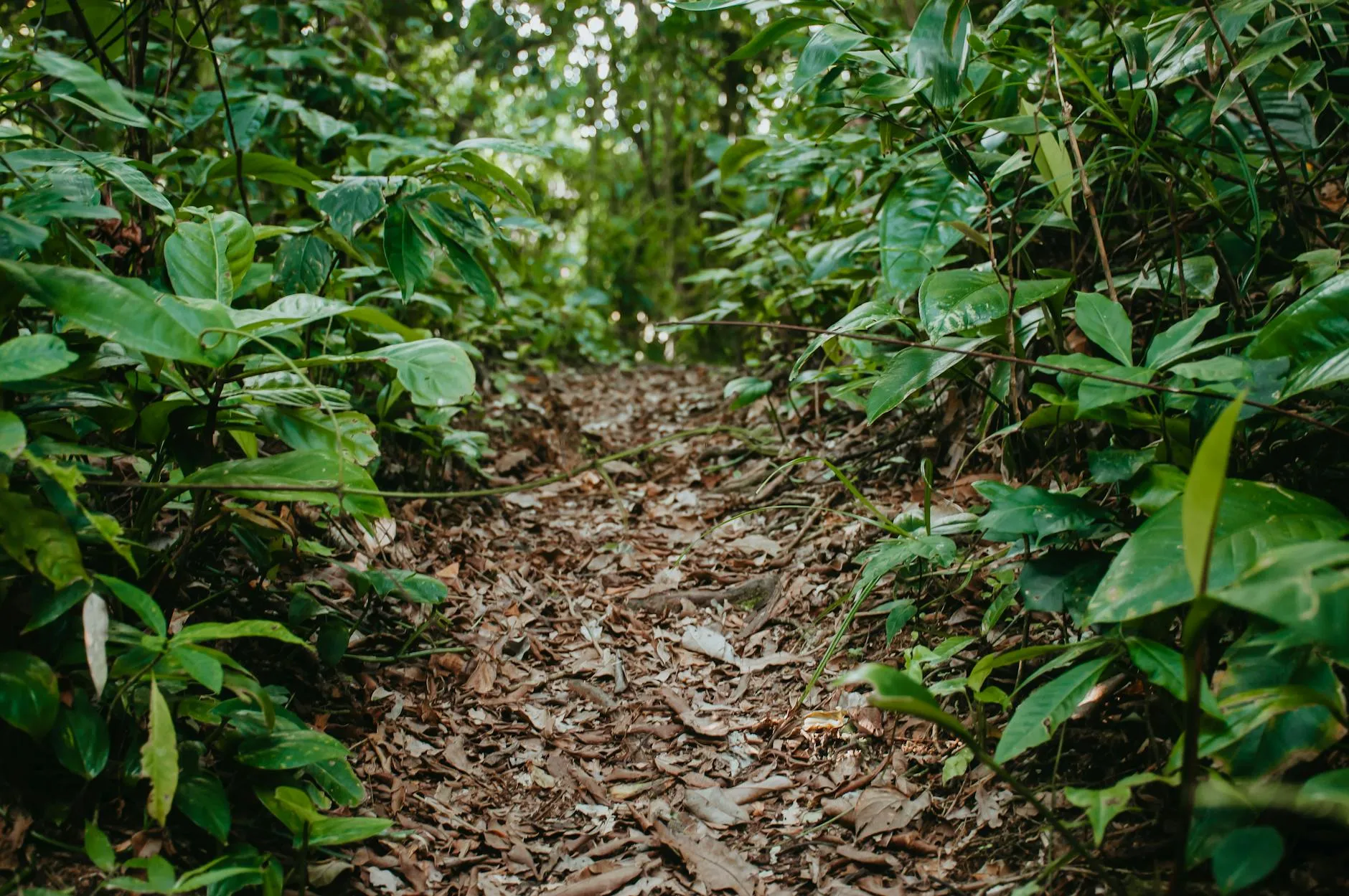
Congo-Brazzaville is not a country you visit casually. The visa process is slow, the logistics are demanding, the cost of the headline attraction rivals East African luxury safaris, and there is no tourism infrastructure smoothing the edges. Everything that makes travel easy in Southeast Asia or Europe is absent here. You will negotiate with soldiers at checkpoints, struggle with unreliable ATMs, and eat whatever the roadside kitchen has cooked that day.

What you get in return is something increasingly rare: a place where the forest is genuinely wild, the gorillas have barely seen humans, the culture has not been performed for tourists, and you might be the only foreign visitor a town has seen in months. Sitting in a treehouse at dawn watching forest elephants emerge from the mist, or standing in Bacongo watching a sapeur adjust his cufflinks with the seriousness of a surgeon — these are not experiences you can replicate anywhere else.
For a first visit, the 2-Week Highlights route covers the essential arc: Brazzaville for the culture, Odzala-Kokoua for the wildlife, Pointe-Noire for the coast. If money is the constraint, the Budget Backpacker route proves that Congo is worth visiting even without the safari — Lésio-Louna offers gorillas at a fraction of the cost, and the N2 road north is an adventure in itself. Three weeks adds Kinshasa, Conkouati-Douli, and breathing room.
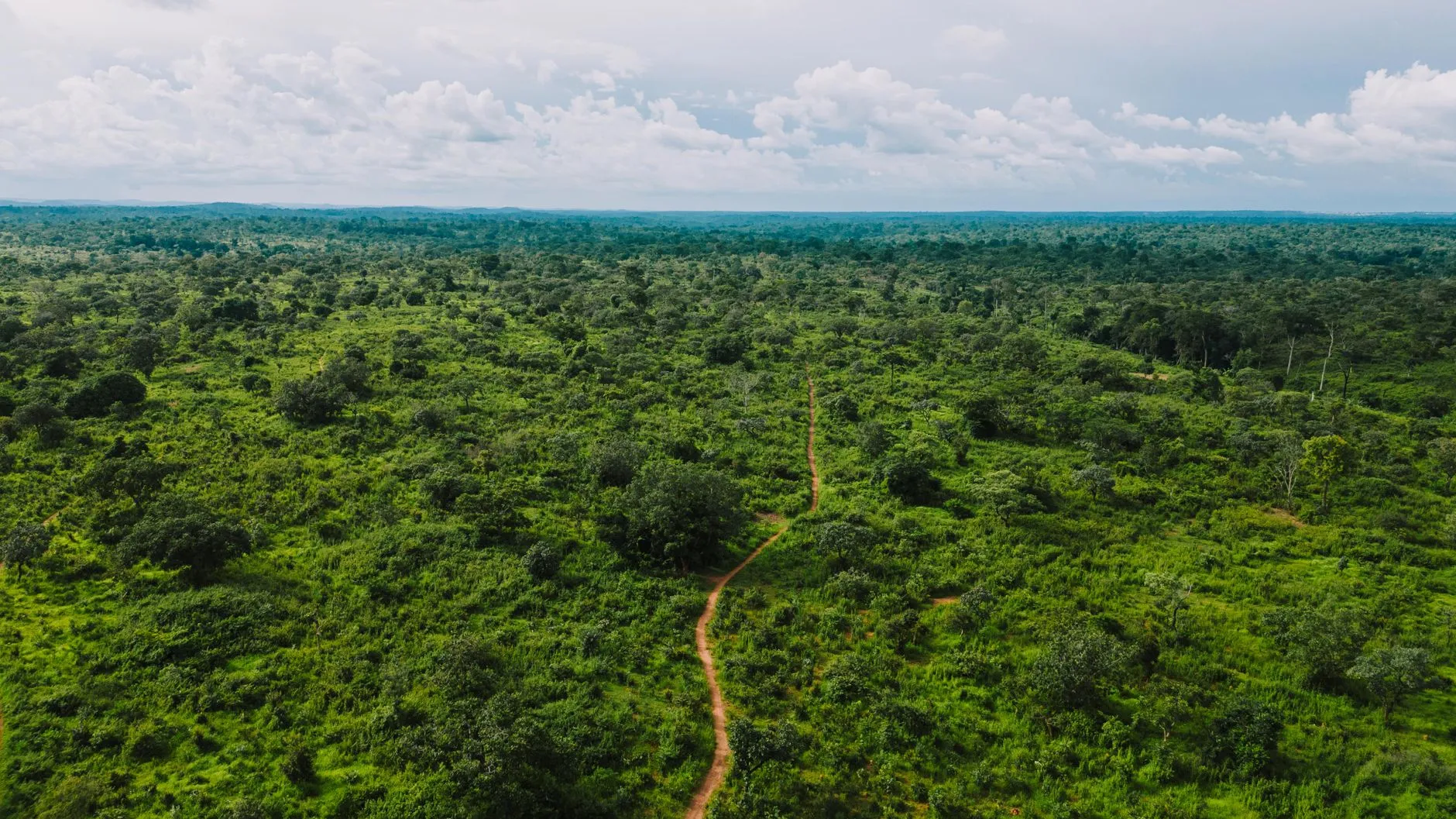
Come in July or August. Learn French phrases. Carry cash in small bills. Take your malaria pills. And leave your expectations of how travel should work at the airport. Congo-Brazzaville does not make it easy, but it makes it worth it.