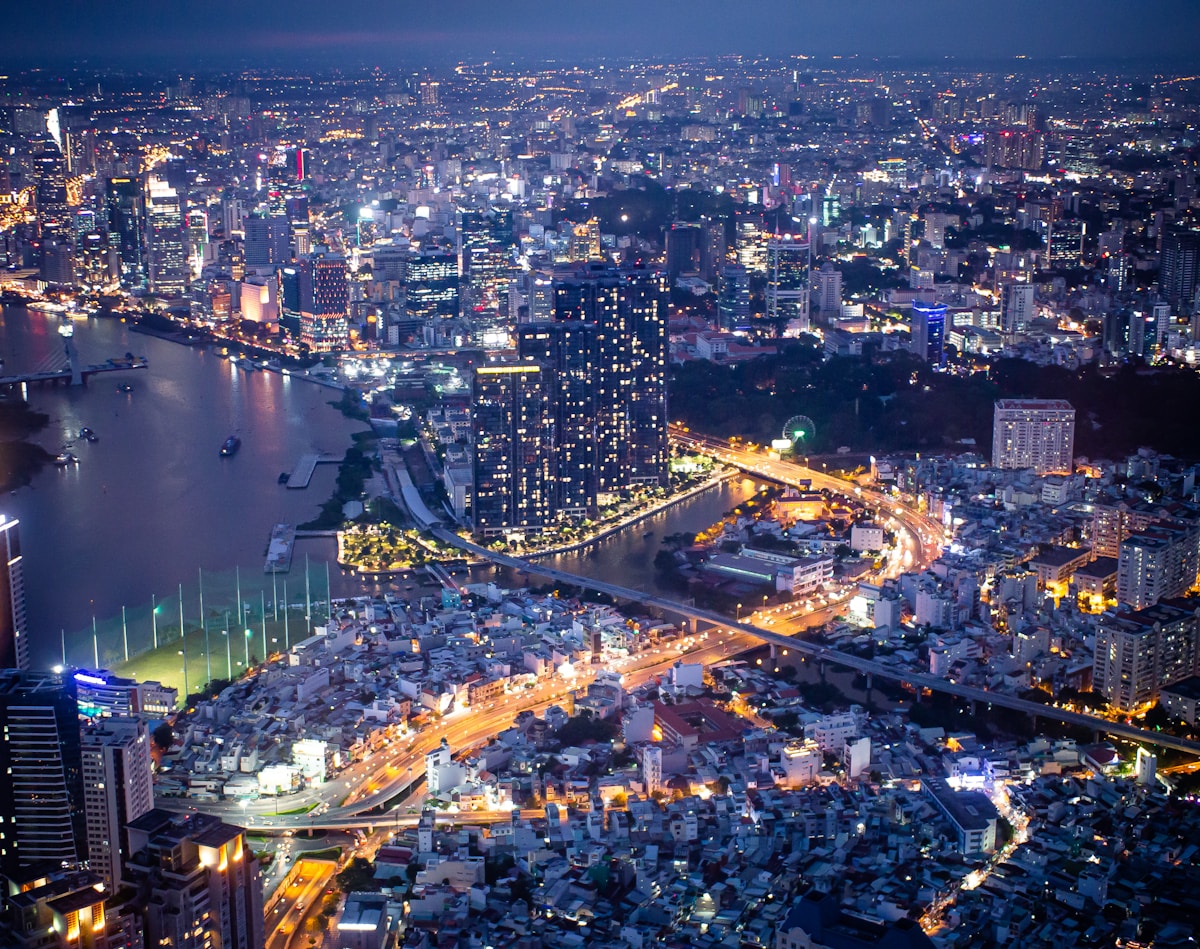
Vietnam — From Hanoi to Saigon

Karst peaks, imperial cities, street food paradise — a 1,600 km journey through Southeast Asia's most captivating country

For: Couple, low-to-medium budget Style: Hostels / backpacking / occasional Airbnb

Vietnam Overview

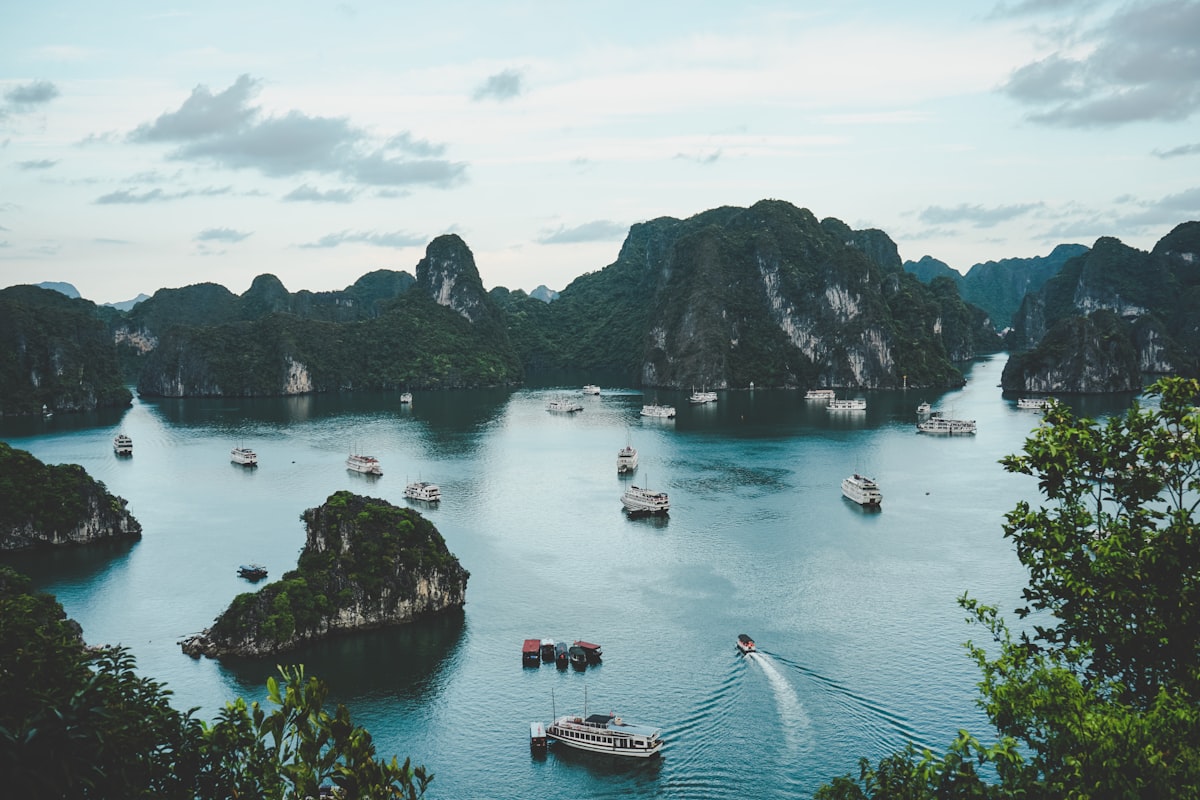
Ha Long Bay limestone karsts Vietnam

Vietnam stretches like an elegant S-curve along the eastern edge of the Indochinese Peninsula, spanning more than 1,600 kilometers from the misty mountains of Sapa in the north to the lush waterways of the Mekong Delta in the south. This remarkable geography divides the country into three distinct regions — the mountainous north with its terraced rice fields and ethnic minority villages, the narrow central coast with its imperial cities and pristine beaches, and the tropical south with its bustling metropolis and fertile delta. Home to over 100 million people, Vietnam pulses with an energy that seamlessly blends ancient traditions with rapid modernization, where motorbikes weave through streets lined with French colonial architecture, Buddhist pagodas stand beside gleaming skyscrapers, and street food vendors serve up culinary masterpieces for less than the price of a coffee back home.

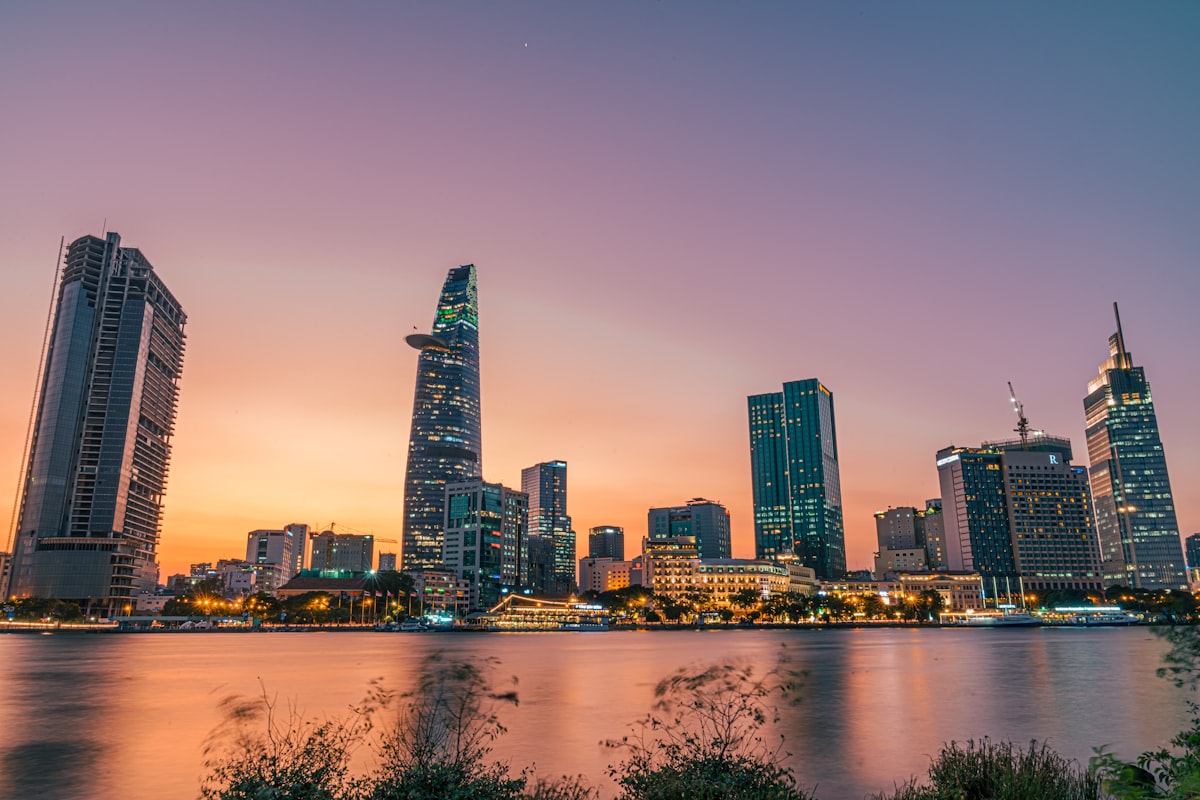
The capital city of Hanoi anchors the north with its tree-lined boulevards, serene lakes, and thousand-year history, while Ho Chi Minh City in the south drives the nation's economic engine with relentless entrepreneurial spirit. Vietnamese, a tonal language that can sound musical or bewildering to Western ears, is the official tongue, though English is increasingly spoken in tourist areas and among younger generations. The country's cultural tapestry is far richer than many visitors expect — beyond the ethnic Vietnamese majority, 54 distinct ethnic groups call this nation home, each preserving unique languages, customs, and traditional dress. From the Hmong and Dao people of the northern highlands to the Cham communities along the central coast, this diversity adds layers of discovery for travelers willing to venture beyond the main tourist trail.

For budget-conscious couples, Vietnam represents exceptional value without sacrificing experience. The Vietnamese Dong (VND) trades at approximately 27,000 to 1 Euro, meaning your money stretches remarkably far — a hearty bowl of pho costs 30,000-50,000 VND (1-2 EUR), a comfortable mid-range hotel room runs 600,000-900,000 VND (25-35 EUR), and even a full day's motorbike rental rarely exceeds 150,000 VND (6 EUR). This affordability extends beyond mere survival; you can indulge in cooking classes, guided tours, spa treatments, and excellent meals while maintaining a daily budget of 40-60 EUR per couple. The travel style here rewards the adventurous and flexible — those willing to eat where locals eat, navigate chaotic traffic, embrace the occasional language barrier, and trade sterile comfort for authentic experience will find Vietnam endlessly rewarding. The infrastructure for independent travel is excellent, with reliable buses, affordable domestic flights, and a well-established backpacker network that makes planning straightforward even for first-time visitors to Southeast Asia.

Travel Style

Budget Couple Focus: Independent travelers seeking authentic experiences without luxury price tags. Comfortable with street food, local transport, and occasional challenges. Mix of planned highlights and spontaneous discoveries.

Daily Budget: 40-60 EUR per couple (accommodation, food, transport, activities)

Key Facts

  • Capital: Hanoi (north)
  • Largest City: Ho Chi Minh City (south)
  • Population: 100+ million
  • Language: Vietnamese (tonal)
  • Currency: Vietnamese Dong (VND)
  • Exchange Rate: ~27,000 VND = 1 EUR
  • Ethnic Groups: 54 recognized groups

Best For

  • Food lovers & culinary adventurers
  • History & culture enthusiasts
  • Beach seekers & island hoppers
  • Motorbike touring & road trips
  • Photography & landscape lovers
  • Budget travelers seeking value
  • First-time Southeast Asia visitors

Best Time to Visit Vietnam

Planning the timing of your Vietnam journey requires understanding a crucial fact that catches many first-time visitors off guard: this elongated country spans multiple climate zones, meaning there is no single "perfect" season that delivers ideal weather everywhere simultaneously. The mountainous north experiences four distinct seasons with chilly winters and hot, humid summers; the central coast faces its own weather patterns influenced by monsoons that strike at different times than the rest of the country; and the tropical south maintains warm temperatures year-round with a pronounced wet season from May through October. This climatic complexity means that while someone is enjoying perfect beach weather in Phu Quoc, another traveler might be getting drenched in Hoi An, and a third could be shivering in Sapa — all on the same day.

For travelers planning a comprehensive north-to-south journey, the sweet spots emerge clearly: March through April and November through early December offer the best all-country overlap. During these windows, the north has shaken off winter's chill but hasn't yet succumbed to summer's oppressive heat, the central coast enjoys its driest and most pleasant conditions, and the south remains largely dry with comfortable temperatures. March and April bring the added bonus of blooming flowers and vibrant green landscapes following winter rains, while November and early December offer post-monsoon freshness and the year's most reliable sunshine across all regions. These periods do attract more visitors than the true off-season, but crowds remain manageable outside of major holidays like Tet (Vietnamese New Year, typically late January or February), and prices stay reasonable compared to the December-February peak.

The trade-offs become more pronounced outside these optimal windows. December through February delivers perfect weather in the south and central regions, making it peak season for beach destinations, but northern areas like Hanoi and Sapa can be genuinely cold and gray, with temperatures occasionally dropping to 5-10°C in the mountains. Conversely, June through August brings summer vacation crowds and intense heat to the north and south (often exceeding 35°C with stifling humidity), though this period can work well for central coast destinations like Da Nang and Hoi An, which experience their dry season. The September-October shoulder period offers excellent value and fewer tourists, but you're gambling with lingering monsoon rains, particularly in the central regions where typhoons occasionally strike. Budget-conscious couples willing to accept some weather uncertainty can find exceptional deals during these quieter months, with hotel rates dropping 30-50% and attractions blissfully uncrowded.

Window Months Weather Crowds Prices Verdict
Peak Season Dec-Feb, Jul-Aug Mixed: South/Central excellent, North cold (Dec-Feb) or hot (Jul-Aug) High, especially beaches & cities Highest rates, book ahead Best for south-focused trips or summer holidays only
Best Value Recommended Mar-May Excellent all regions; warm, mostly dry, green landscapes Moderate, manageable Good value, reasonable rates Ideal for comprehensive north-south journeys
Shoulder Best Overall Sep-Nov Very good; post-monsoon freshness, comfortable temps Low to moderate Excellent deals available Perfect balance of weather, value, and fewer tourists
Low/Wet Season Jun-Aug (south) Risky: Heavy rain in south/Mekong, hot & humid north Lowest crowds Best prices (30-50% off) For flexible travelers accepting weather gambles

Key Takeaway: The Golden Windows

For a full Vietnam experience covering north, central, and south regions, target late March through April or November through early December. These windows deliver the best weather across all climate zones, reasonable prices, and manageable crowds. Avoid Tet holiday (Vietnamese New Year, late Jan/Feb) when prices spike and transport becomes chaotic.

Vietnam Map & Regions

Sapa Hanoi Ha Long Bay Ninh Binh Phong Nha Hue Da Nang Hoi An Nha Trang Da Lat Ho Chi Minh City Mekong Delta Phu Quoc NORTH CENTRAL SOUTH

Vietnam's distinctive S-shaped geography naturally divides into three regions, each with its own character, climate, and attractions. The North encompasses the capital Hanoi, the dramatic limestone seascapes of Ha Long Bay, the terraced rice paddies and ethnic minority villages of Sapa, and the stunning karst landscapes of Ninh Binh. This region experiences four seasons, with cool winters (December-February) and hot, humid summers, making spring (March-April) and autumn (September-November) the most comfortable times to visit. The Central Coast forms the narrow waist of the country, stretching from the caves of Phong Nha through the imperial city of Hue to the beach towns of Da Nang and the UNESCO-listed ancient port of Hoi An. This region faces unique weather patterns, with the best conditions typically from February through August, while September through December can bring heavy rains and occasional typhoons. The South embraces the economic powerhouse of Ho Chi Minh City, the beach resort of Nha Trang, the cool highland retreat of Da Lat, the intricate waterways of the Mekong Delta, and the island paradise of Phu Quoc. With its tropical climate, the south remains warm year-round, experiencing a distinct wet season from May through October and a dry season from November through April that draws beach-seekers from around the world.

Climate & Weather

Rice terraces in northern Vietnam

Vietnam's elongated geography stretches over 1,650 kilometers from north to south, creating three dramatically different climate zones that challenge the notion of a single "best time" to visit. Understanding these regional variations is essential for planning your journey, as the weather patterns in Hanoi bear little resemblance to those in Ho Chi Minh City, and what constitutes ideal conditions in one region may be the worst possible time in another. This climatic diversity means that somewhere in Vietnam is always experiencing pleasant weather, making the country a year-round destination for those willing to plan strategically.

The northern region, encompassing Hanoi, Sapa, Ha Long Bay, and the mountainous provinces bordering China, experiences four distinct seasons remarkably similar to those in southern Europe. Winter months from December through February bring genuinely cold and damp conditions, with temperatures in Hanoi dropping to 10-20°C and the highland town of Sapa occasionally seeing frost and temperatures near 0°C. This is the only part of Vietnam where you'll need a proper jacket, and locals bundle up in winter coats as if facing Arctic conditions. Spring (March-April) brings pleasant warmth and the famous drizzle known as "crachin," while summer (May-September) turns hot and humid with temperatures soaring to 28-35°C and frequent afternoon thunderstorms. Autumn (October-November) offers crisp, clear days that many consider the finest weather of the year, with golden light perfect for photography and comfortable temperatures ideal for exploration.

The central coast, running from Hue through Da Nang to Hoi An and down to Nha Trang, operates on a tropical monsoon pattern with a pronounced dry season from January through August and a wet season from September through December. This region enjoys some of Vietnam's finest beach weather during the northern hemisphere spring and summer, with temperatures ranging from 22-36°C and abundant sunshine from February through August. However, the central coast faces a significant challenge during autumn: typhoon season. From September through November, tropical storms can bring torrential rains, flooding, and dangerous conditions, making this the worst time to visit cities like Hue and Hoi An. The timing of the rainy season here is crucial to understand, as it's completely opposite to the south, meaning you cannot simply "follow the sun" down the coast.

The southern region, including Ho Chi Minh City, the Mekong Delta, and the islands of Phu Quoc and Con Dao, simplifies matters with just two seasons: dry (November-April) and wet (May-October). Temperatures remain consistently warm to hot year-round, typically ranging from 25-35°C with little variation. The dry season brings reliably sunny days perfect for beach holidays and outdoor activities, while the wet season doesn't mean constant rain but rather short, intense afternoon downpours that clear quickly, often leaving the rest of the day pleasant. Many travelers find the wet season perfectly manageable in the south, as the morning hours are usually dry and the afternoon storms provide welcome relief from the heat. The key advantage of southern Vietnam is its predictability: if you visit during the dry season, you're almost guaranteed excellent weather.

Region Dry Season Wet Season Best Months Avoid
North (Hanoi, Sapa, Ha Long) Oct-Apr May-Sep Oct-Nov, Mar-Apr Dec-Feb (cold), Jul-Aug (very hot)
Central (Hue, Da Nang, Hoi An) Jan-Aug Sep-Dec Feb-May Sep-Nov (typhoons)
South (HCMC, Mekong, Phu Quoc) Nov-Apr May-Oct Dec-Mar Sep-Oct (peak wet)

The Silver Lining: Opposite Seasons

Here's the crucial insight that makes Vietnam a year-round destination: the northern and southern regions have opposite rainy seasons, while the central coast follows yet another pattern. When it's wet in Hanoi (May-September), it's dry and beautiful in Ho Chi Minh City. When typhoons threaten the central coast (September-November), both the north and south are clearing up. This means you can always find excellent weather somewhere in Vietnam, and savvy travelers can design itineraries that chase the sunshine by moving between regions strategically. There is no "bad time" to visit Vietnam overall — only bad times to visit specific regions.

Monthly Temperatures

The following comprehensive temperature guide breaks down conditions month by month across Vietnam's three climate zones, helping you identify the optimal time for your specific itinerary. The color coding indicates weather quality: green for excellent conditions, yellow for acceptable but not ideal, orange for challenging, and red for conditions best avoided. Remember that these are general patterns, and actual conditions can vary year to year, particularly with the increasing unpredictability of climate change.

Month North (Hanoi) Central (Da Nang) South (HCMC) Overall Rating Best For
January 10-20°C
Cold & damp
20-24°C
Mild & dry
28-32°C
Dry & sunny
Good South & Central coast, avoid North unless you like cold
February 15-23°C
Cool & clearing
22-26°C
Perfect beach weather
28-33°C
Dry & sunny
Excellent Best month nationwide, ideal for full country tours
March 20-25°C
Pleasant spring
24-29°C
Warm & dry
30-35°C
Hot & dry
Excellent Perfect for North, great for Central, hot but dry in South
April 22-28°C
Warm & pleasant
28-34°C
Beach season peaks
32-35°C
Very hot
Good Excellent for North & Central, South getting uncomfortably hot
May 28-33°C
Rain begins
28-34°C
Still mostly dry
30-35°C
Wet season starts
Mixed Central coast best option, North & South transitioning
June 30-35°C
Hot & wet
30-36°C
Peak beach season
28-32°C
Daily rain likely
Mixed Central coast shines, North & South manageable but wet
July 30-35°C
Hot & humid
30-38°C
Hot but sunny
28-32°C
Afternoon storms
Mixed Central coast ideal, elsewhere hot & wet but manageable
August 30-35°C
Peak wet season
30-36°C
Still excellent
28-32°C
Heavy afternoon rain
Challenging Central coast only reliable option, elsewhere quite wet
September 25-30°C
Rain easing
28-34°C
TYPHOON RISK!
28-32°C
Still wet
Challenging Difficult month nationwide, avoid Central coast entirely
October 22-28°C
Clearing & pleasant
24-30°C
TYPHOON RISK!
28-32°C
Rain decreasing
Mixed North improving rapidly, avoid Central, South transitioning
November 20-25°C
Crisp & clear
22-28°C
Rain ending
28-30°C
Drying out
Good North at its finest, South improving, Central still risky
December 10-18°C
Cold & damp
20-25°C
Pleasant & dry
28-30°C
Dry season begins
Good South & Central excellent, North cold but manageable

This temperature matrix reveals several strategic insights for trip planning. February through April represents the sweet spot for visiting the entire country, with all three regions experiencing favorable conditions — though you'll pay premium prices and encounter larger crowds during this window. The summer months of June through August favor the central coast dramatically, making it the ideal time for beach holidays in Da Nang, Hoi An, and Nha Trang while the north and south swelter under monsoon conditions. The autumn months of October and November see the north at its absolute finest, with crystal-clear skies and comfortable temperatures perfect for trekking in Sapa or cruising Ha Long Bay, while the south transitions back to dry season and the central coast remains risky.

The color-coded ratings should be interpreted with nuance rather than as absolute verdicts. A "challenging" rating doesn't mean travel is impossible, merely that you'll need to plan around weather constraints, accept some rainy days, and perhaps adjust your expectations. Many travelers find the wet season perfectly manageable, particularly in the south where rain typically falls in predictable afternoon bursts rather than all-day deluges. The "weather-bad" ratings for the northern winter and central coast typhoon season are more serious warnings: these conditions can genuinely disrupt travel plans, close attractions, and create uncomfortable or even dangerous situations. Budget extra time and flexibility into your itinerary during these periods, or better yet, avoid them entirely unless you have compelling reasons to visit.

Travel Seasons & Planning

Vietnam's tourism industry operates on a complex seasonal rhythm driven by both international visitor patterns and massive domestic travel during Vietnamese holidays. The peak season runs from December through February and again in July and August, coinciding with winter holidays in the Northern Hemisphere and summer vacation periods. During these months, popular destinations like Ha Long Bay, Hoi An, and Phu Quoc see their highest visitor numbers, hotels charge premium rates (often 50-100% above low season prices), and advance booking becomes essential for quality accommodations. Domestic tourism surges during these periods as well, with Vietnamese families taking advantage of school holidays to explore their own country. The advantages of peak season travel include the most reliable weather in most regions, the fullest range of tours and activities operating, and the vibrant atmosphere that comes with bustling destinations. However, you'll pay significantly more, encounter crowds at major attractions, and need to book everything well in advance to secure your preferred options.

The shoulder seasons of March through May and September through November offer the best value proposition for savvy travelers willing to accept slightly less predictable weather in exchange for substantial savings and fewer crowds. March through May is particularly attractive, as the weather remains excellent across most of the country (with the south getting hot but still dry), yet prices haven't reached their peak season heights and popular sites feel less congested. September through November presents more regional variation: the north enjoys spectacular autumn weather, the south transitions from wet to dry, but the central coast faces typhoon risks that make this period less appealing for beach-focused itineraries. Shoulder season travelers benefit from hotel rates 20-40% below peak prices, more availability for last-minute bookings, better opportunities to interact with locals who aren't overwhelmed by tourist hordes, and the flexibility to adjust plans based on weather forecasts. Tour operators and hotels are often willing to negotiate during these periods, and you'll find it easier to secure reservations at popular restaurants and attractions without advance planning.

The low season varies dramatically by region and doesn't follow a single nationwide pattern. In the north, the coldest months of December through February constitute low season for international tourists (though domestic visitors still come), while May through September brings wet season conditions that deter some travelers. The central coast experiences its low season during the September through December rainy period when typhoon risks make beach holidays unappealing. The south's low season runs from May through October during the wet monsoon, though as noted earlier, this is often more manageable than it sounds. Low season travel offers the deepest discounts (sometimes 50% or more off peak rates), the emptiest attractions, and the most authentic local experiences, but requires flexibility, patience with weather disruptions, and acceptance that some tours and seasonal businesses may not operate. Experienced travelers who understand regional weather patterns can find exceptional value by visiting specific regions during their low seasons while avoiding the truly problematic periods like central coast typhoon season.

Peak Season (Dec-Feb, Jul-Aug)

  • Pro: Most reliable weather across regions
  • Pro: All tours & activities operating
  • Pro: Vibrant, energetic atmosphere
  • Pro: Best for first-time visitors
  • Con: Highest prices (50-100% premium)
  • Con: Crowded major attractions
  • Con: Must book well in advance
  • Con: Less authentic local interaction

Shoulder Season (Mar-May, Sep-Nov)

  • Pro: 20-40% lower prices
  • Pro: Fewer crowds, more availability
  • Pro: Better local interactions
  • Pro: Flexibility to negotiate rates
  • Con: Weather less predictable
  • Con: Some regional limitations (typhoons)
  • Con: Occasional tour cancellations
  • Con: Need weather contingency plans

Low Season (Varies by Region)

  • Pro: Deepest discounts (50%+ off)
  • Pro: Empty attractions, no crowds
  • Pro: Most authentic experiences
  • Pro: Easy last-minute bookings
  • Con: Significant weather disruptions
  • Con: Some businesses closed
  • Con: Limited tour availability
  • Con: Requires high flexibility

Tet: Vietnamese New Year (Late January / Early February)

Tet, the Vietnamese Lunar New Year, is the single most important holiday in Vietnamese culture and creates unique travel conditions that demand special planning. Falling in late January or early February (dates vary annually based on the lunar calendar), Tet triggers a massive nationwide migration as Vietnamese people return to their hometowns for family celebrations. For approximately one week surrounding the actual holiday, the entire country essentially shuts down: businesses close, restaurants stop serving, attractions reduce hours or close entirely, and transportation becomes chaotic as millions of people travel simultaneously.

The challenges: Hotels and flights book out months in advance, with prices spiking 50-100% above normal rates. Many family-run businesses, local restaurants, and small shops close for 3-7 days. Transportation becomes extremely crowded and expensive. Tourist services operate on reduced schedules. ATMs may run out of cash as banks close. The rewards: Tet offers an unparalleled cultural experience if you plan properly. Cities explode with decorations, flower markets, and festive atmosphere in the days leading up to the holiday. Traditional customs, special foods, and family celebrations provide insights into Vietnamese culture unavailable at other times. The period immediately after Tet (late February) can offer excellent value as domestic travelers return home and international tourists haven't yet arrived in force.

Strategy: If you want to experience Tet, book accommodations and transportation at least 3-4 months in advance, stock up on cash before banks close, and plan to spend the actual holiday days (typically 3-4 days) in one location rather than trying to travel. Alternatively, avoid Vietnam entirely during the core Tet period (approximately 5 days before through 3 days after the holiday) if you prefer normal travel conditions and aren't interested in the cultural experience.

Typhoon Season Warning: Central Coast (September-November)

The central coast of Vietnam, stretching from Hue through Da Nang, Hoi An, and down to Quy Nhon, faces genuine typhoon risks from September through November, with October typically seeing the highest frequency of storms. These are not mere heavy rainstorms but potentially dangerous tropical cyclones that can bring destructive winds, flooding, landslides, and coastal storm surges. During typhoon season, the central coast experiences an average of 3-5 significant storms, though not all make direct landfall.

Risks include: Flight cancellations and transportation disruptions lasting several days. Flooding in low-lying areas including Hoi An's ancient town. Beach erosion and dangerous surf conditions. Power outages and infrastructure damage. Closure of attractions, tours, and outdoor activities. In severe cases, mandatory evacuations of coastal areas. If you must visit during this period: Monitor weather forecasts closely and maintain flexible plans. Book refundable accommodations when possible. Purchase comprehensive travel insurance covering weather disruptions. Stay informed through your hotel or local authorities. Have contingency plans for extending stays or changing routes. Consider staying inland rather than directly on the coast.

Recommendation: Unless you have compelling reasons to visit the central coast during September-November, plan your itinerary to explore this region during its excellent weather window from February through August, and spend the autumn months in northern or southern Vietnam instead.
What to Pack for Vietnam

Packing for Vietnam requires strategic thinking because you will encounter dramatically different climates depending on where and when you travel. The south remains hot and humid year-round, with temperatures hovering between 25-35°C (77-95°F), while the north experiences genuine seasons — Hanoi can be surprisingly chilly in winter, and Sapa in the northern mountains can drop near freezing from December through February. The central coast brings its own challenges with heavy rains from September to January. Your packing list needs to accommodate sweltering heat, sudden downpours, cool mountain evenings, and the cultural expectation of modest dress at religious sites.

Lightweight, breathable fabrics are your best friend in Vietnam's tropical climate. Cotton and linen dry slowly in the humidity, so consider moisture-wicking synthetic fabrics or merino wool for base layers. Even if you are visiting only the south, pack at least one light fleece or long-sleeve layer for over-air-conditioned buses and restaurants — Vietnamese establishments often blast the AC to arctic levels. For temple visits, you will need clothing that covers shoulders and knees; a lightweight sarong or scarf serves double duty as temple cover-up, beach blanket, and emergency sun protection. Rain protection is non-negotiable: a compact rain jacket with good ventilation prevents you from cooking in your own humidity, and a small dry bag protects electronics during sudden monsoon downpours or boat trips.

Footwear deserves careful consideration because you will be walking on everything from polished temple floors to muddy rice paddies. Comfortable walking shoes with good arch support are essential for city exploration, but you will also want sandals or flip-flops for beach towns and casual wear. If you plan any trekking, especially in Sapa or the Ha Giang Loop, bring proper hiking shoes with ankle support and grip. Sandals with a heel strap (not flip-flops) work well for boat trips and wet conditions. Beyond clothing, prioritize sun protection (Vietnam's tropical sun is fierce), mosquito repellent with at least 30% DEET for dengue prevention, and a reusable water bottle to avoid contributing to Vietnam's plastic problem. The good news for German travelers: your standard Type C and F plugs work perfectly in Vietnamese outlets, so you can leave the adapter at home.

Item Priority Notes
Lightweight breathable clothes Essential Moisture-wicking fabrics dry faster than cotton
Light layers / fleece Essential (North) Sapa can drop near 0°C in winter; AC buses are freezing
Rain jacket Essential Breathable fabric to avoid humidity buildup
Comfortable walking shoes Essential Good arch support for city exploration
Sandals with heel strap Recommended Better than flip-flops for boats and wet conditions
Modest temple clothing Essential Covers shoulders and knees; sarong works well
Sunscreen, hat, sunglasses Essential Tropical sun is intense; reapply sunscreen frequently
Mosquito repellent (DEET 30%+) Essential Dengue prevention; apply especially at dawn/dusk
Quick-dry towel Recommended Budget guesthouses may not provide towels
Waterproof phone case / dry bag Recommended Protects electronics during boat trips and rain
Power adapter Not needed German Type C/F plugs work in Vietnam (also Type A)
Reusable water bottle Recommended Reduce plastic waste; many hotels have refill stations
Basic first aid kit Recommended Include anti-diarrheal, pain reliever, bandages, antiseptic

Hot & Humid South

Ho Chi Minh City, Mekong Delta, and southern beaches stay consistently hot (25-35°C) year-round. Pack lightweight, breathable fabrics, sun protection, and minimal layers. Humidity is high, so clothes dry slowly — bring quick-dry options.

Cool Northern Mountains

Sapa, Ha Giang, and northern highlands can be genuinely cold (5-15°C) from November to March, with occasional frost. Bring fleece, long pants, and a warm layer for evenings. Locals wear down jackets in winter — do not underestimate the chill.

Rainy Season Essentials

Monsoon rains vary by region but generally peak May-October (south) and September-January (central coast). A breathable rain jacket, waterproof bag, and sandals with grip are essential. Embrace the rain — it cools things down and clears quickly.

Power Adapter: Vietnam uses Type A (American two-flat-pin), Type C (European two-round-pin), and Type F (European two-round-pin with ground clips). German travelers can use their standard plugs without an adapter. Voltage is 220V, 50Hz — same as Germany.

Northern Vietnam

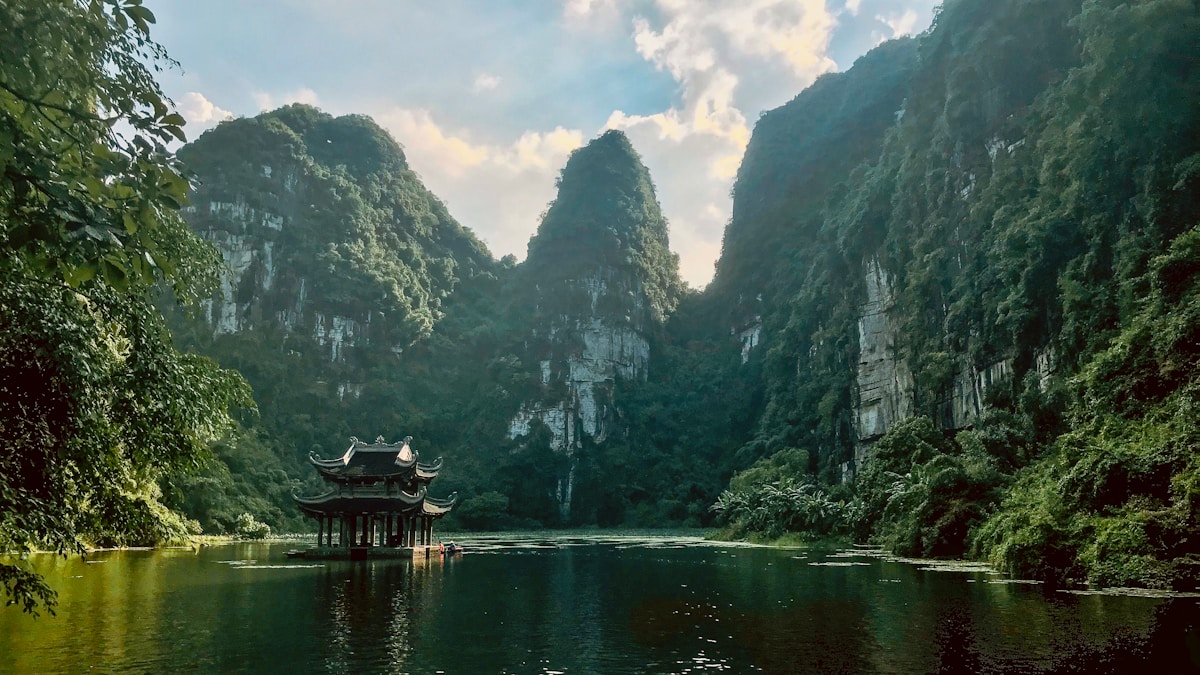
Boat ride through karst mountains at Trang An, Ninh Binh

Northern Vietnam offers a compelling mix of urban energy, natural wonders, and cultural depth that stands in sharp contrast to the tropical languor of the south. Hanoi, the capital, is a city of contradictions where French colonial villas share streets with Soviet-era concrete blocks, and ancient temples stand surrounded by motorbike chaos.

  • Old Quarter: A labyrinth of narrow streets originally organized by trade guilds, where each street still bears the name of its historical specialty (Hang Bac for silver, Hang Gai for silk)
  • Temple of Literature: Vietnam's first university (founded 1070 AD) offers a serene escape and insight into the country's Confucian scholarly tradition
  • Museum of Ethnology: Essential context for understanding Vietnam's 54 ethnic groups before you encounter them in the northern mountains
  • Hoan Kiem Lake: The city's living room, where locals practice tai chi at dawn and stroll in the evening
  • Street Food Capital: Sidewalk kitchens serve everything from pho and bun cha to more adventurous delicacies

Ha Long Bay, a UNESCO World Heritage Site, is Vietnam's most iconic natural wonder: nearly 2,000 limestone karsts rise dramatically from emerald waters, creating a seascape that has inspired poets and painters for centuries.

  • Standard experience: Overnight cruise to wake up surrounded by karsts, explore Sung Sot Cave with cathedral-like chambers, kayak through hidden lagoons
  • Crowds: Popular during Vietnamese holidays, but the sheer scale means you can find tranquility in remote areas
  • Alternative: Lan Ha Bay to the south offers similar karst scenery with a fraction of the boat traffic
  • Budget cruises: €55–90/person for one night
  • Better quality: €140–180 gets significantly better boat, food, and itinerary
  • Booking tip: Use reputable agencies in Hanoi rather than online to avoid notorious booking scams

Sapa and the surrounding northern mountains present a completely different Vietnam — one of terraced rice paddies cascading down mountainsides, ethnic minority villages where traditional dress is still everyday wear, and cool mountain air that can shock visitors arriving from Hanoi's heat.

  • Sapa town: Somewhat overdeveloped and touristy, but serves as base for trekking into surrounding valleys
  • Villages: H'mong, Dao, and Tay communities maintain traditional lifestyles in the valleys
  • Best seasons for rice terraces: June (flooded, reflecting sky like mirrors) and September–October (golden before harvest)
  • Fansipan: Vietnam's highest peak (3,147m) — accessible via controversial cable car (built 2016) or challenging two-day trek
  • Getting there: Overnight train from Hanoi to Lao Cai (€20–30 soft sleeper, 4-berth cabin) — arrive refreshed and ready to trek

Ninh Binh, often called "Ha Long Bay on Land," offers a more accessible alternative to the famous bay with its dramatic karst landscape rising from rice paddies and winding rivers.

  • Trang An UNESCO complex: Boat tour through caves and between karsts — feels like a journey through a fantasy landscape
  • Tam Coc: More intimate experience with local rowers who famously use their feet to propel boats
  • Mua Cave viewpoint: Climb to the top for one of Vietnam's most spectacular 360-degree panoramas of karsts, rice fields, and the winding Ngo Dong River
  • Day trip: Easy from Hanoi (2 hours by bus or train)
  • Overnight stay: Allows relaxed exploration and magical early morning light on rice paddies
  • Ha Giang Loop: For the truly adventurous — Vietnam's most dramatic mountain scenery via 3–4 day motorbike journey through hairpin turns, ethnic minority villages, and Himalayan-like landscapes
Northern Vietnam Transport Connections:
Hanoi to Ha Long Bay: 3.5-4 hours by bus (included in most cruise packages) or private car (€70-90 one-way).
Hanoi to Sapa: Overnight train to Lao Cai (8 hours, €20-30 soft sleeper), then 1-hour bus/van to Sapa; or direct bus (6 hours, €15-20).
Hanoi to Ninh Binh: 2 hours by train (€4.50-9) or bus (€4.50-7); easy day trip or overnight stay.
Hanoi to Ha Giang: 6-7 hours by bus (€9-15); most travelers arrange motorbike rentals and guides in Ha Giang town.
Destination Time Needed Budget/Day Highlight
Hanoi 2-3 days €25-40 Old Quarter street food, Temple of Literature, Museum of Ethnology
Ha Long Bay 1-2 nights €60-200 UNESCO karst seascape, overnight cruise, kayaking, Sung Sot Cave
Sapa 2-3 days €20-35 Rice terraces, ethnic minority villages, Fansipan peak (3,147m)
Ninh Binh 1-2 days €20-30 Trang An UNESCO, Tam Coc boat rides, Mua Cave viewpoint
Ha Giang Loop 3-4 days €25-40 Most dramatic mountain scenery, motorbike adventure, remote villages

Central Vietnam & The South

Hoi An riverside at sunset, Vietnam

Central Vietnam unfolds as a tapestry of imperial grandeur, coastal beauty, and underground wonders that captivate travelers seeking both cultural depth and natural splendor. Hue, the former imperial capital, stands as a testament to Vietnam's royal past with its magnificent Imperial Citadel — a sprawling forbidden city that once housed the Nguyen Dynasty emperors. Along the serene Perfume River, elaborate royal tombs rise from the landscape, each a masterpiece of Vietnamese architecture and feng shui principles. The city's war-torn history adds poignant layers to its narrative, while the local culinary scene centers around bun bo Hue, a spicy beef noodle soup that rivals pho in complexity and flavor, distinguished by its lemongrass-infused broth and thick rice noodles. Moving south to Da Nang, Vietnam's most livable city surprises visitors with its blend of urban sophistication and natural attractions. The Golden Bridge has become an Instagram sensation — a pedestrian walkway held aloft by giant stone hands emerging from the mountainside at Ba Na Hills. The Marble Mountains offer cave temples and panoramic views, while My Khe Beach stretches for miles with pristine white sand. On weekend evenings, the Dragon Bridge comes alive, literally breathing fire and water in a spectacular show that draws crowds along the Han River waterfront.

Just 30 kilometers south lies Hoi An, a UNESCO World Heritage site that has earned recognition as one of the Top 51 Most Beautiful Destinations. This ancient trading port has preserved its soul while welcoming the world, its lantern-lit streets creating an enchanting atmosphere that intensifies after sunset when hundreds of silk lanterns illuminate the Thu Bon River.

  • Tailoring industry: Legendary — skilled craftspeople produce custom-fitted suits, dresses, and leather goods within 24 hours
  • Cooking classes: Immersive experiences where you'll learn to craft cao lau noodles and white rose dumplings
  • Cycling: Ride through rice paddies to nearby An Bang Beach
  • Japanese Covered Bridge: Iconic 16th-century structure perfect for photography
  • Old quarter: Pedestrian-only area with mustard-yellow colonial buildings and wooden shophouses, vibrantly alive with cafes, galleries, and riverside restaurants

Venture inland to Phong Nha-Ke Bang National Park, a UNESCO World Heritage site that harbors some of Earth's most spectacular cave systems.

  • Son Doong Cave: World's largest cave — contains its own jungle, river, and weather system, with chambers large enough to fit a 40-story skyscraper. Access strictly limited to 1,000 permits annually, requires bookings up to a year in advance and challenging multi-day expedition
  • Paradise Cave: More accessible — stretches 31km with cathedral-like chambers adorned with otherworldly stalactites
  • Dark Cave: Adventure seekers can zipline across the river, kayak into darkness, and wallow in therapeutic mud baths
  • Hang En: World's third-largest cave, offers moderate overnight camping experience beneath its colossal entrance
  • The park: Karst landscape, dense jungle, and underground rivers create an adventure playground for spelunkers and nature enthusiasts

Southern Vietnam presents a different character entirely, anchored by the frenetic energy of Ho Chi Minh City (still widely called Saigon).

  • War Remnants Museum: Sobering documentation of the Vietnam War's impact
  • Cu Chi Tunnels: Extensive underground network used by Viet Cong fighters — claustrophobic glimpse into guerrilla warfare tactics
  • District 1: Pulses with commerce and nightlife, from colonial-era architecture around Dong Khoi Street to backpacker chaos of Bui Vien Street
  • Ben Thanh Market: The city's commercial heart, a sensory overload of silk, spices, and souvenirs
  • Mekong Delta: Maze of waterways where life revolves around the river — visit Cai Rang floating market at dawn, stay in homestays, navigate narrow canals shaded by coconut palms
  • Da Lat: The "Little Paris" of Vietnam — cool highland respite with French colonial villas, pine forests, waterfalls, and thriving coffee culture
  • Phu Quoc: Vietnam's largest island with white-sand beaches and turquoise waters ideal for snorkeling
  • Nha Trang: Developed beach resort city perfect for island-hopping tours and water sports
Hai Van Pass Transport Tip: The legendary mountain pass between Hue and Da Nang ranks among the world's most scenic coastal drives. While motorbike enthusiasts tackle the winding road, train travelers enjoy equally spectacular views from the Reunification Express as it hugs cliffsides high above the East Sea. Book a window seat on the right side when traveling south for the best panoramas.

Top Sightseeing

Trang An scenic landscape Ninh Binh Vietnam

Vietnam's attractions span the full spectrum from UNESCO World Heritage sites to natural wonders that rank among Asia's most impressive. This curated ranking balances iconic must-sees with hidden gems, considering factors like uniqueness, accessibility, cultural significance, and traveler satisfaction. Entry costs remain remarkably affordable compared to Western destinations, though some experiences like Ha Long Bay cruises and Son Doong Cave expeditions command premium prices. Time allocations reflect realistic itineraries that allow proper exploration without rushing — many travelers underestimate how much time places like Hoi An and Sapa deserve. The ratings system distinguishes between absolute must-sees that define a Vietnam journey, highly recommended sites that significantly enhance your experience, and recommended attractions that appeal to specific interests or provide regional variety.

Attraction Region Type Time Needed Entry Cost Rating
Ha Long Bay (cruise) North Natural Wonder 2 days €55-90 Must-See
Hoi An Ancient Town Central UNESCO Heritage 3-4 days Free (old town tickets ~€4.50) Must-See
Phong Nha Caves Central Adventure/Nature 2-3 days €4.50-20 per cave Must-See
Sapa Rice Terraces North Trekking/Culture 2-3 days Free Must-See
Ninh Binh / Trang An North UNESCO/Nature 1-2 days €7 boat ride Highly Recommended
Hue Imperial Citadel Central History 1-2 days €6.50 Highly Recommended
Ha Giang Loop North Adventure 3-4 days Free Highly Recommended
Cu Chi Tunnels South History Half day €4.50 Recommended
Mekong Delta South Culture 1-2 days €9-20 tour Recommended
Golden Bridge Da Nang Central Iconic Half day €20 (Ba Na Hills) Recommended
Da Lat South Nature/City 2-3 days Free Recommended
Phu Quoc Island South Beach 3-4 days Free Recommended
Hanoi Old Quarter North Culture 2 days Free Must-See
War Remnants Museum South History 2-3 hours €2 Must-See
My Son Sanctuary Central UNESCO Temple Half day €4.50 Optional

The geographic distribution of these attractions reveals Vietnam's remarkable diversity — the north dominates with mountain landscapes and cultural trekking, central Vietnam balances history with natural wonders, and the south offers urban energy alongside tropical relaxation. First-time visitors with limited time should prioritize the six "Must-See" destinations, which collectively capture Vietnam's essence: the ethereal seascape of Ha Long Bay, Hoi An's preserved trading port charm, Phong Nha's subterranean marvels, Sapa's terraced highlands, Hanoi's chaotic old quarter vitality, and the sobering historical perspective of the War Remnants Museum. These experiences provide the foundational memories that define a Vietnamese journey.

Budget considerations vary dramatically — while most temple sites and natural areas charge nominal fees under €9 premium experiences like multi-day Ha Long Bay cruises or Ba Na Hills (home to the Golden Bridge) require significantly more investment. The "Free" designations indicate no entry fees for the general area, though specific activities, guides, or transport within those destinations will incur costs. Time allocations assume a relaxed pace with proper exploration; rushing through Hoi An in a single day or Sapa in 24 hours would miss the essence of these places. The "Highly Recommended" tier represents attractions that dramatically enhance a Vietnam itinerary without being absolutely essential — skip them only if time or budget constraints demand difficult choices. The Ha Giang Loop, for instance, offers arguably Vietnam's most spectacular scenery but requires a 3-4 day commitment in the far north. Similarly, Ninh Binh provides a more accessible alternative to Ha Long Bay with its limestone karsts rising from rice paddies rather than sea, perfect for travelers seeking similar landscapes without the cruise commitment or crowds.

Culture & History

Vietnamese woman in traditional ao dai dress

Vietnam's history stretches back more than 4,000 years, a tapestry woven with threads of independence, resistance, and resilience. For nearly a millennium, from 111 BCE to 938 CE, Vietnam endured Chinese rule, absorbing Confucian philosophy, administrative systems, and cultural practices while fiercely maintaining its distinct identity. The French colonial period (1887-1954) left its mark in architecture, cuisine, and language, followed by the devastating American War (known in the West as the Vietnam War) that ended in 1975 with reunification under communist rule. Today's Vietnam is a nation that honors its past while racing toward the future, where ancient temples stand beside gleaming skyscrapers and war memorials coexist with thriving markets.

The country's cultural richness is amplified by its ethnic diversity. While the Kinh people comprise approximately 86% of the population, Vietnam is home to 54 officially recognized ethnic groups, each with distinct languages, customs, and traditions. In the mountainous northern regions, you'll encounter the H'mong with their intricate embroidered textiles, the Dao people known for their herbal medicine traditions, and the Tay and Thai communities who have cultivated terraced rice fields for centuries. This diversity creates a cultural mosaic that varies dramatically from region to region, making every journey through Vietnam a discovery of new traditions and perspectives.

Vietnamese culture is deeply rooted in Confucian values emphasizing respect for elders, education, and social harmony, blended seamlessly with Buddhist spirituality and ancestor worship. Pagodas and temples dot the landscape, serving as both spiritual centers and architectural marvels where incense smoke curls toward ornate ceilings and monks chant ancient prayers. Family and community remain the bedrock of Vietnamese society, with multi-generational households still common and festivals celebrated collectively. The graceful ao dai, Vietnam's traditional dress with its flowing silk panels, appears at weddings, Tet celebrations, and formal occasions. Water puppetry, a uniquely Vietnamese art form dating back to the 11th century, continues to enchant audiences in Hanoi's theaters, where wooden puppets dance across water stages to traditional music.

Vietnam's war legacy remains an inescapable part of the cultural landscape, and responsible travelers approach this history with sensitivity and respect. Sites like Ho Chi Minh City's War Remnants Museum, the Cu Chi Tunnels, and the Demilitarized Zone (DMZ) near Hue offer sobering insights into the conflict's human cost. These aren't merely tourist attractions but sacred spaces of memory where millions of Vietnamese and foreign soldiers lost their lives. Visitors who approach these sites with genuine curiosity and humility often find that Vietnamese people, despite the trauma of war, display remarkable openness and warmth toward foreigners, embodying a cultural capacity for forgiveness and forward movement that is both humbling and inspiring.

Cultural Etiquette Tips

  • Shoes off: Always remove footwear before entering homes, temples, and some shops. Look for shoes at the entrance as your cue.
  • Modest dress: Cover shoulders and knees when visiting pagodas, temples, and sacred sites. Bring a scarf or shawl for coverage.
  • Photography respect: Always ask permission before photographing people, especially ethnic minorities and monks. A smile and gesture go a long way.
  • Head taboo: Never touch someone's head, including children, as it's considered the most sacred part of the body in Buddhist culture.
  • Two hands: When giving or receiving items, especially to elders, use both hands as a sign of respect.
  • Pointing: Don't point your feet at people or religious objects. Feet are considered the lowest and least clean part of the body.

Food & Cuisine

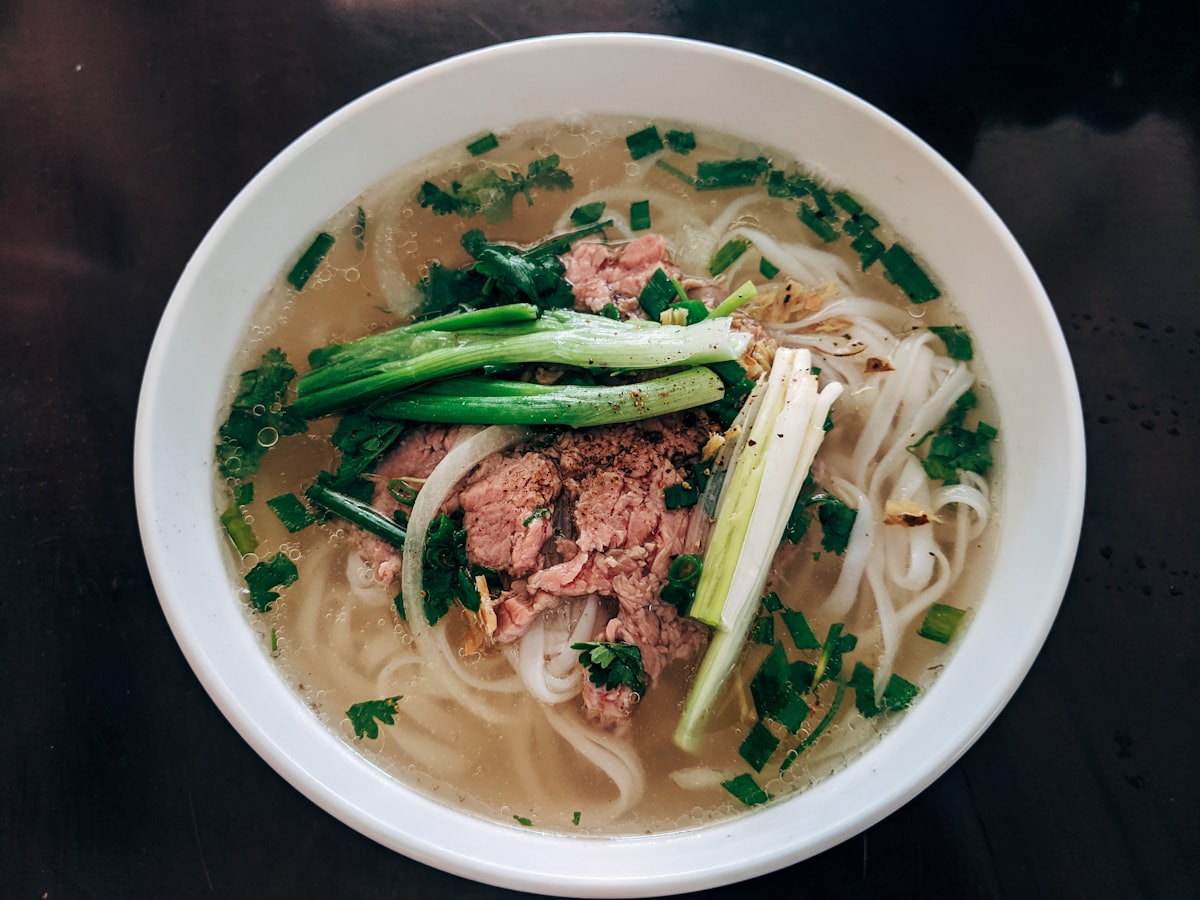
Vietnamese pho soup with fresh herbs

Vietnamese cuisine ranks among the world's greatest culinary traditions, a sophisticated balance of fresh ingredients, complex flavors, and regional diversity that reflects the country's geography and history. Unlike heavy, oil-laden dishes found in some Asian cuisines, Vietnamese food emphasizes freshness.

  • Fresh ingredients: Meals built around abundant herbs, crisp vegetables, delicate rice noodles
  • Balanced flavors: Perfect combinations of sweet, salty, sour, and spicy
  • Herb plates: Every dish arrives with fresh Thai basil, cilantro, mint, perilla — customize to your preference
  • Healthy cuisine: Considered one of the healthiest in the world
  • Street food culture: Vendors perfect single dishes over generations, often starting before dawn to prepare broths that simmer for hours

The true heart of Vietnamese food culture beats on the streets, where vendors have perfected single dishes over generations, often starting before dawn to prepare broths that simmer for hours or hand-rolling fresh spring rolls throughout the day. Street food isn't a budget alternative to restaurant dining — it's the authentic expression of Vietnamese culinary art, where a grandmother's pho stall might serve the best bowl you'll ever taste for less than two dollars. The social aspect is equally important: locals perch on tiny plastic stools at sidewalk stalls, slurping noodles and sipping iced coffee while motorbikes whiz past, creating a dining experience that's as much about atmosphere and community as it is about food.

Regional variations create distinct culinary identities across Vietnam's length:

  • Northern cuisine (Hanoi): Subtlety and restraint, cleaner broths, less spice — reflects Chinese influence and cooler climate
  • Central Vietnam (Hue): Bold spiciness and elaborate royal cuisine traditions
  • Southern (Ho Chi Minh City): Sweeter flavors, coconut milk, abundant fresh herbs — tropical influence

This diversity means you could eat three meals a day for months and never repeat a dish, from the humblest banh mi cart to sophisticated restaurants reimagining traditional recipes with modern techniques.

Dish Region Description Price Must-Try
Pho North Iconic beef or chicken noodle soup with aromatic broth, rice noodles, and fresh herbs. Hanoi-style is cleaner and more refined than southern versions. €1.50-2 ★★★★★
Bun cha North Grilled pork patties and slices served with rice noodles, herbs, and dipping sauce. Made famous by Obama's 2016 Hanoi meal with Anthony Bourdain. €2-2.50 ★★★★★
Banh mi All regions French-influenced baguette sandwich with endless fillings: pate, cold cuts, grilled pork, fried egg, pickled vegetables, cilantro, and chili. €0.75-1.50 ★★★★★
Bun bo Hue Central Spicy beef noodle soup with thick round noodles, lemongrass, and shrimp paste. Hue's signature dish packs more heat than pho. €1.50-2 ★★★★
Cao lau Central (Hoi An) Thick, chewy noodles unique to Hoi An, traditionally made with water from a specific ancient well. Served with pork, greens, and crispy crackers. €2-2.50 ★★★★★
Com tam South Broken rice (fractured grains) with grilled pork chop, shredded pork skin, fried egg, pickled vegetables, and fish sauce. €1.50-2 ★★★★
Banh xeo South Crispy savory crepe made with rice flour and turmeric, filled with shrimp, pork, bean sprouts. Wrap in lettuce with herbs and dip in sauce. €2-2.50 ★★★★
Goi cuon All regions Fresh spring rolls with translucent rice paper wrapping shrimp, pork, rice noodles, and herbs. Served with peanut dipping sauce. €1-2 ★★★★
Ca phe trung North (Hanoi) Egg coffee — whipped egg yolk with condensed milk creating a creamy, dessert-like topping over strong Vietnamese coffee. Invented in 1940s Hanoi. €1-2 ★★★★★
Ca phe sua da All regions Vietnamese iced coffee — strong dark roast dripped through a phin filter over sweetened condensed milk and ice. Intensely caffeinated and addictive. €0.50-1.50 ★★★★★

Street Food Tips

Look for busy stalls with high turnover — fresh ingredients and quick cooking mean safer food. Watch locals and order what they're eating. Don't fear street food; it's often cleaner than tourist restaurants. Bring tissues (vendors rarely provide napkins) and hand sanitizer. Peak times (7-9am, 11am-1pm, 5-7pm) guarantee the freshest food. Learn basic Vietnamese numbers to negotiate prices, though most street food is already incredibly cheap.

Coffee Culture

Vietnam is the world's second-largest coffee exporter, and coffee culture runs deep. Traditional ca phe sua da (iced coffee with condensed milk) is the national drink, served at every street corner. The slow drip phin filter creates strong, concentrated coffee that's sipped leisurely while watching street life. Hanoi's egg coffee (ca phe trung) and coconut coffee (ca phe cot dua) offer unique variations. Modern cafes blend Vietnamese coffee traditions with international styles, creating Instagram-worthy spaces that remain affordable.

Cooking Classes

Cooking classes offer hands-on immersion into Vietnamese cuisine, typically including market tours to select ingredients, instruction in traditional techniques, and a meal you've prepared yourself. Hoi An, Hanoi, and Ho Chi Minh City offer the most options, ranging from half-day classes (€20-35) to full-day experiences with countryside visits (€45-70). You'll learn to balance fish sauce, lime, sugar, and chili; roll perfect spring rolls; and understand the philosophy behind Vietnamese cooking. Most classes accommodate vegetarians and provide recipe booklets.

Bia Hoi — World's Cheapest Beer

Bia hoi (fresh beer) costs just €0.25-0.25 per glass, making it quite possibly the world's cheapest beer. This light, refreshing draft beer is brewed daily without preservatives and must be consumed within 24 hours. Bia hoi corners, especially in Hanoi's Old Quarter, become social hubs each evening where locals and travelers gather on tiny plastic stools, drinking fresh beer and snacking on peanuts, grilled meats, and fried tofu. The alcohol content is low (around 3%), making it perfect for Vietnam's hot climate. Join the bia hoi culture for an authentic, affordable Vietnamese social experience — just pace yourself, as those small glasses add up quickly!

Adventure & Water Activities

Kayaking through Ha Long Bay caves Vietnam

Vietnam's diverse geography creates a playground for adventure seekers, from world-class cave systems to pristine diving sites and legendary motorbiking routes. The Phong Nha-Ke Bang National Park in central Vietnam contains some of the planet's most spectacular caves, including Son Doong, the world's largest cave, discovered only in 2009. While Son Doong expeditions require serious commitment (5 days, €2,700), the park offers caves for every level, from easy walks through Paradise Cave's cathedral-like chambers to challenging multi-day expeditions through underground rivers. The karst landscape that creates these caves extends to Ha Long Bay, where kayaking between limestone islands reveals hidden lagoons, floating villages, and secluded beaches accessible only by water.

Vietnam's 3,260-kilometer coastline offers exceptional diving and snorkeling, though conditions vary dramatically by season and location. Nha Trang, the country's diving capital, provides year-round access to colorful coral reefs, diverse marine life, and numerous dive shops catering to all certification levels. The Con Dao Islands, once a notorious prison colony, now protect some of Vietnam's most pristine reefs and offer rare opportunities to dive with sea turtles. Phu Quoc's clear waters and developing dive infrastructure make it increasingly popular, while the Cham Islands near Hoi An provide excellent day-trip snorkeling in a UNESCO Biosphere Reserve. Surfing has gained traction in recent years, with Da Nang and Mui Ne offering consistent waves, warm water, and a growing surf culture that welcomes beginners.

Motorbiking through Vietnam ranks among Southeast Asia's classic adventures, offering unparalleled freedom to explore remote regions at your own pace. The Ha Giang Loop in the far north traverses dramatic mountain passes, terraced rice fields, and ethnic minority villages over 3-4 days of challenging but rewarding riding. The Ho Chi Minh Highway, running the country's length, provides a less-traveled alternative to the coastal Highway 1, passing through Central Highlands coffee plantations and mountain scenery. However, motorbiking in Vietnam demands respect: traffic is chaotic, roads can be treacherous, and accidents are the leading cause of tourist injuries and deaths. If you're an inexperienced rider, consider hiring an Easy Rider (experienced driver-guides) or sticking to organized tours rather than renting a bike independently.

Activity Location Best Season Cost Difficulty
Caving Phong Nha-Ke Bang Year-round (dry season Feb-Aug best) €4.50-2,700 (Son Doong!) Beginner to Expert
Kayaking Ha Long Bay Mar-May, Sep-Nov Included in cruises Easy
Scuba Diving Nha Trang Feb-Sep (best visibility) €45-70 for 2 dives All levels
Snorkeling Phu Quoc Nov-Mar (dry season) €15-20 day trip Easy
Snorkeling Cham Islands Mar-Sep €20-25 day trip Easy
Motorbiking Ha Giang Loop Sep-Nov (post-monsoon) €15-20/day rental Experienced riders
Surfing Da Nang (China Beach) Sep-Mar €9-15 board rental Beginner-Intermediate
Kitesurfing Mui Ne Nov-Apr (strong winds) €45-70 lesson Intermediate
Sandboarding Mui Ne Sand Dunes Year-round (sunrise best) €4.50-9 Easy
Rock Climbing Cat Ba Island Year-round (Oct-Apr best) €25-45 guided All levels

Motorbike Safety Warning

Motorbiking is the single biggest danger for tourists in Vietnam. Traffic fatalities are common, and accidents frequently result in serious injuries, ruined trips, and massive medical bills. Vietnamese traffic operates by different rules than Western countries, with constant horn honking, unexpected maneuvers, and vehicles of all sizes sharing the road. Many rental bikes are poorly maintained, and travel insurance often doesn't cover unlicensed riders (most tourists don't have valid Vietnamese motorcycle licenses).

Before renting a motorbike: Honestly assess your riding experience. If you're not a confident, experienced rider, don't learn in Vietnamese traffic. Always wear a helmet (required by law and essential for safety). Check brakes, lights, and tires before accepting a rental. Take photos of existing damage to avoid disputes. Carry your passport, rental agreement, and insurance documents. Consider hiring an Easy Rider (experienced local driver-guide) for mountain routes — they know the roads, handle the riding, and provide cultural insights for €20-35 per day.

Walks & Hikes

Sapa rice terraces trekking Vietnam

Vietnam's trekking landscape is as diverse as its geography, offering everything from gentle rice terrace walks through minority villages to challenging multi-day mountain expeditions. The northern highlands around Sapa and Ha Giang provide the most dramatic scenery, with terraced valleys carved into steep mountainsides and ethnic communities maintaining centuries-old agricultural traditions. Central Vietnam's jungle-clad national parks offer a different experience entirely, with cave systems, underground rivers, and pristine rainforest that feels genuinely remote and wild.

The Central Highlands present yet another dimension, with rolling grasslands and pine forests that feel more like Scotland than Southeast Asia. Da Lat serves as the gateway to this cooler, more temperate region, while the legendary Ta Nang - Phan Dung route challenges experienced trekkers with its length and exposure. In the south, Cat Tien National Park and the islands off the coast provide opportunities for shorter nature walks combined with wildlife watching, making them ideal for travelers who want a taste of Vietnam's natural beauty without committing to multi-day expeditions.

The best trekking season varies by region, but generally the dry, cooler months from October to April offer the most comfortable conditions. Northern treks can be cold and misty in winter (December-February), adding atmosphere but requiring warm layers. The summer monsoon (May-September) makes many trails muddy and difficult, though Phong Nha's cave treks remain accessible during this period. Independent trekking is possible on some routes, but hiring local guides not only ensures you don't get lost but also provides cultural insights and supports rural communities directly.

Trek/Walk Region Duration Difficulty Best Season Highlights
Sapa Valley Trek North 1-3 days Moderate Sep-Nov, Mar-May Rice terraces, minority villages, homestays
Fansipan Summit North 1 day (or cable car) Challenging Oct-Dec, Mar-Apr Vietnam's highest peak (3,147m), "Roof of Indochina"
Ha Giang Loop North 3-4 days by motorbike Moderate (riding) Sep-Nov Dramatic karst mountains, Ma Pi Leng Pass, Dong Van Plateau
Cat Ba Island North Half-1 day Easy-Moderate Mar-May, Sep-Nov National park jungle, viewpoints, less touristy than Ha Long
Phong Nha Jungle Trek Central 1-2 days Moderate-Hard Feb-Aug Caves, underground rivers, pristine jungle
Bach Ma National Park Central Half-1 day Easy-Moderate Feb-May Waterfalls, French hill station ruins, biodiversity
Ta Nang - Phan Dung Central Highlands 2-3 days Hard Nov-Apr "Most beautiful trekking route in Vietnam", grasslands
Da Lat Countryside South Half-1 day Easy Nov-Apr Waterfalls, flower gardens, pine forests
Local Insight: Guided treks with ethnic minority homestays in Sapa are the most rewarding experience — you'll support local communities directly while gaining authentic cultural insights. Expect to pay €15-25 per day including food and bed, with your guide often being from the village you'll stay in. The H'mong, Dao, and Tay families who host trekkers provide simple but hearty meals and a genuine glimpse into mountain life that no hotel can replicate.

Wildlife & Nature

Tropical jungle and river in Vietnam national park

Vietnam harbors extraordinary biodiversity, with more than 30 national parks protecting ecosystems that range from tropical rainforest to alpine meadows. The country is home to roughly 10% of the world's species despite covering less than 1% of its land area, a concentration that reflects both its varied topography and its position at the crossroads of several biogeographic zones. New species are still being discovered regularly, including large mammals like the saola (Asian unicorn), which wasn't known to science until 1992 and remains one of the world's rarest and most elusive animals.

This natural wealth faces significant threats from habitat loss, poaching, and development pressure. Vietnam has lost much of its original forest cover, and many species exist in small, fragmented populations. Conservation efforts are improving, with several national parks now well-managed and offering genuine wildlife encounters, but the situation remains precarious for many endemic species. The Cat Ba langur, for instance, numbers fewer than 70 individuals, making it one of the world's most endangered primates, yet it can still be seen by patient visitors to Cat Ba National Park.

For travelers, Vietnam's national parks offer opportunities to see wildlife that ranges from common to critically endangered. Primate watching is particularly rewarding, with several species of langurs and gibbons inhabiting accessible forests. Marine life is equally impressive, with coral reefs around Nha Trang, Phu Quoc, and especially Con Dao supporting diverse fish populations and occasional visits from whale sharks. Birdwatchers will find Vietnam a paradise, with more than 900 recorded species including numerous endemics. The key to wildlife encounters is patience, early starts, and choosing the right season — many animals are most active at dawn and during the cooler months.

Primates

Vietnam's primate diversity is remarkable, with langurs being the most iconic. The Cat Ba langur is critically endangered with only around 70 individuals remaining, but can be spotted with local guides on Cat Ba Island. Gibbons inhabit Phong Nha and Cat Tien, their haunting morning calls echoing through the forest canopy. Macaques are common in many parks, often bold and curious around visitors. The red-shanked douc langur, found on Son Tra Peninsula near Da Nang, is considered one of the world's most beautiful primates.

Marine Life

Vietnam's coastline and islands support vibrant coral reef ecosystems, with the best diving and snorkeling around Nha Trang, Phu Quoc, and Con Dao. Con Dao is particularly special for sea turtle nesting from June to September, when green and hawksbill turtles come ashore to lay eggs. Whale sharks occasionally appear around Phu Quoc, though sightings are rare and unpredictable. The marine protected areas are gradually recovering from overfishing, with fish populations and coral health improving in well-managed zones.

Birds

With more than 900 bird species recorded, Vietnam ranks among Asia's top birding destinations. Tam Dao, Cuc Phuong, Bach Ma, and Cat Tien national parks are premier birding sites, each with distinct species assemblages. The Vietnamese pheasant is endemic and highly sought by birders, found in central highland forests. Migration seasons (March-May and September-November) bring additional species, while resident tropical birds provide year-round interest. Early morning walks with local guides dramatically increase sighting success.

Unique Species

The saola, dubbed the "Asian unicorn," was discovered in 1992 and remains one of the world's most mysterious large mammals. Critically endangered and rarely seen even by researchers, it inhabits remote forests along the Vietnam-Laos border. The Tonkin snub-nosed monkey, another critically endangered primate, survives in small populations in northern forests. The red-shanked douc langur on Son Tra Peninsula near Da Nang is one of the few endangered species that visitors have a realistic chance of seeing, particularly on early morning hikes.

Park Region Highlights Best Time Entry Fee
Cuc Phuong North Ancient forest, primates, butterflies (Apr-May) Year-round €2.50
Cat Tien South Gibbons, 300+ bird species, night safari Nov-Apr €4.50
Phong Nha-Ke Bang Central Caves, jungle, endemic species Feb-Aug Varies
Ba Be North Largest natural lake, boat trips, waterfalls May-Nov €2
Con Dao South Sea turtles, coral reefs, pristine beaches Mar-Sep Free
Wildlife Tip: Son Tra Peninsula near Da Nang is one of the easiest places to see red-shanked douc langurs — called "the queen of primates" for their striking coloration and elegant appearance. Visit early morning (6-8 AM) when they're most active and feeding in the trees. Local guides know the troops' territories and can dramatically increase your chances of good sightings. The peninsula is just 30 minutes from Da Nang city center, making it accessible even for travelers on tight schedules.

Hidden Gems

Ban Gioc waterfall Vietnam hidden gem

Beyond Vietnam's famous destinations lies a network of lesser-known places that offer equally compelling experiences without the crowds. These hidden gems range from remote mountain valleys to pristine coastal stretches, each providing a glimpse of Vietnam before mass tourism transformed the most accessible sites. Visiting these places requires slightly more effort — longer bus rides, fewer English speakers, more basic accommodation — but rewards travelers with authentic encounters and the satisfaction of genuine discovery.

The north holds some of Vietnam's most dramatic hidden destinations, with Pu Luong Nature Reserve offering Sapa's beauty without its tourist infrastructure, and Cao Bang province remaining genuinely remote despite hosting Southeast Asia's largest waterfall. Central Vietnam's coast is dotted with emerging destinations like Quy Nhon, where Vietnamese families vacation but foreign tourists rarely venture, creating a fascinating window into domestic tourism culture. The beaches are just as beautiful as those in Nha Trang or Da Nang, the seafood just as fresh, but the atmosphere is purely Vietnamese.

In the south, Con Dao Islands stand apart as Vietnam's most pristine archipelago, protected by their history as a prison island and their relative inaccessibility. Limited flights and accommodation keep visitor numbers manageable, preserving the islands' natural beauty and wildlife. Mui Ne, while no longer truly hidden, remains refreshingly low-key compared to other beach destinations, with its surreal sand dunes and kitesurfing culture attracting a more adventurous crowd. These destinations share a common thread: they offer the Vietnam experience without the Vietnam tourist trail, rewarding those willing to venture slightly off the beaten path.

Pu Luong Nature Reserve

Region: North

Stunning rice terraces without Sapa's crowds, Pu Luong offers authentic homestays with Thai and Muong ethnic minorities. Bamboo water wheels dot the landscape, traditional villages cling to hillsides, and bamboo rafting provides a unique perspective on the valley. Accommodation runs €15-20 per night including hearty home-cooked meals. The reserve is 4 hours from Hanoi and sees a fraction of Sapa's visitors, making it ideal for travelers seeking genuine cultural immersion.

Cao Bang & Ban Gioc Waterfall

Region: North

Southeast Asia's largest cross-border waterfall straddles the Vietnam-China border in spectacular fashion, with multiple tiers cascading over 30 meters. The surrounding karst landscape rivals Ha Giang's drama but sees very few tourists due to its remote location 7 hours north of Hanoi. Nguom Ngao Cave nearby offers another natural wonder. The region remains authentically rural, with ethnic Tay villages and rice terraces providing cultural context to the natural beauty.

Dong Hoi & Bai Nhat Beach

Region: Central

The gateway to Phong Nha caves, Dong Hoi is developing an emerging backpacker scene but remains refreshingly uncrowded. Bai Nhat Beach stretches for kilometers with barely a soul on it, while the town's riverfront comes alive at night with cheap local seafood restaurants. It's perfectly positioned for exploring Phong Nha's caves while enjoying beach time, and costs a fraction of more famous coastal destinations. The DMZ sites are also accessible from here.

Quy Nhon

Region: Central

This beautiful coastal city between Hoi An and Nha Trang remains virtually undiscovered by foreign tourists, making it a fascinating glimpse into Vietnamese beach culture. Untouched beaches stretch north and south of the city, superb seafood restaurants line the waterfront, and Cham towers dot the surrounding countryside. The city has proper infrastructure and comfort but none of the tourist hustle. It's where Vietnamese families vacation, creating an authentic atmosphere that's increasingly rare along the coast.

Con Dao Islands

Region: South

Former prison island turned pristine paradise, Con Dao offers Vietnam's best diving, sea turtle nesting from June to September, and dramatic historical sites. Limited flights from Ho Chi Minh City and Hanoi keep development minimal, preserving the islands' natural beauty. The national park covers much of the archipelago, protecting both terrestrial and marine ecosystems. Accommodation is more expensive than mainland Vietnam, but the experience of having pristine beaches and coral reefs largely to yourself justifies the cost.

Mui Ne

Region: South

Vietnam's kitesurfing capital offers surreal landscapes of white and red sand dunes that feel more Saharan than Southeast Asian. The fairy stream winds through colorful rock formations, while the fishing village maintains its working character despite tourism development. Mui Ne attracts a more adventurous, budget-conscious crowd than nearby Phan Thiet, with numerous hostels and guesthouses offering excellent value. The wind season (November-March) brings kitesurfers from around the world, creating a unique international community.

3-Week Classic North to South RECOMMENDED

This is the quintessential Vietnam journey, following the country's natural spine from the Red River Delta to the Mekong. You'll experience all three climate zones, traverse the dramatic Hai Van Pass, and have time to truly absorb each destination rather than rushing through. With five strategic stops and a minimum of three nights in each location, this route balances depth with breadth, giving you space to slow down, get clothes tailored in Hoi An, and fall in love with Vietnam's most captivating places.

This route balances iconic sights with authentic experiences. You'll eat pho in Hanoi's Old Quarter at dawn, kayak through limestone karsts in Ha Long Bay, cycle through rice paddies in Ninh Binh, explore imperial tombs in Hue, and navigate the chaotic energy of Ho Chi Minh City. The pacing is deliberate—long enough to avoid burnout, short enough to maintain momentum. By merging nearby destinations into single bases, you eliminate exhausting one-night dashes while still covering Vietnam's essential highlights. For couples on a mid-range budget, this is the sweet spot.

Hanoi & Ha Long Bay (5d) → Ninh Binh (3d) → [train/flight] → Hue & Da Nang (4d) → Hoi An (4d) → [flight] → HCMC & Mekong Delta (5d)
Days Location Highlights Transport Est. Cost/Day (couple)
1-5 Hanoi & Ha Long Bay City exploration (Old Quarter, Ho Chi Minh Mausoleum, Temple of Literature), street food tours, Ha Long Bay 2-day/1-night cruise (depart Day 3, return Day 4), water puppet show Fly in €35-55
6-8 Ninh Binh "Ha Long Bay on land." Tam Coc boat ride, Trang An complex (UNESCO), Bai Dinh Temple, cycling through karst landscapes, Mua Cave viewpoint Bus 2h €25-35
9-12 Hue & Da Nang Fly or train from Hanoi. Imperial Citadel, Perfume River boat trip, Thien Mu Pagoda, royal tombs. Hai Van Pass motorbike/bus (Day 11). Marble Mountains, My Khe Beach, Dragon Bridge. Flight/train 2-12h €28-38
13-16 Hoi An Ancient town (UNESCO), Japanese Bridge, lantern-lit streets, cooking class, beach days at An Bang, My Son Sanctuary day trip, tailoring Bus 1h €25-35
17-21 Ho Chi Minh City & Mekong Delta War Remnants Museum, Cu Chi Tunnels, District 1 walking, Ben Thanh Market. Mekong Delta day trip or overnight (floating markets, fruit orchards, sampan rides). Departure Day 22. Flight 2h €30-42
Total Budget Estimate: 3 weeks for a couple = €900-1,350 (excluding international flights). This route follows Vietnam's natural geography and covers all three climate zones—subtropical north, tropical central coast, and equatorial south. Key merges: Ha Long Bay folded into Hanoi base. Da Nang merged with Hue (short transfer). Mekong Delta folded into HCMC base. All stops meet the 3-night minimum for sustainable pacing.

4-Week Grand Tour

If you have a full month, this is the route that unlocks Vietnam's full spectrum. You'll trek through terraced rice fields in Sapa, explore some of the world's most spectacular caves in Phong Nha-Ke Bang National Park, and decompress on the white-sand beaches of Phu Quoc. This itinerary doesn't just hit the highlights—it ventures into the country's wild edges while maintaining a sustainable pace with seven strategic stops, each offering at least three nights to truly settle in.

The extra week allows for a more humane pace. You won't feel rushed in Hanoi, you can do a proper multi-day trek in Sapa, and you'll have time to explore multiple caves in Phong Nha (including the legendary Son Doong if you book far in advance). Ending on Phu Quoc means you'll fly home relaxed, not exhausted. This is the complete Vietnam experience—mountains, caves, cities, countryside, and beach. Da Lat is dropped to maintain the 3-night minimum rule, but can be added as an optional 3-night stop between Hoi An and HCMC for those with 30+ nights available.

Hanoi & Ha Long Bay (4d) → Sapa (3d) → Ninh Binh & Phong Nha (4d) → Hue & Da Nang (4d) → Hoi An (4d) → HCMC & Mekong Delta (4d) → Phu Quoc (4d)
Days Location Highlights Transport Est. Cost/Day (couple)
1-4 Hanoi & Ha Long Bay City exploration, street food, Ha Long Bay 2-day/1-night cruise, water puppet show Fly in €35-55
5-7 Sapa Rice terraces, ethnic minority villages, Fansipan, homestay trekking Overnight train/bus 8h €35-55
8-11 Ninh Binh & Phong Nha Tam Coc, Trang An. Overnight train/bus to Phong Nha. Paradise Cave, Dark Cave, Phong Nha Cave, jungle trekking Bus/train €28-40
12-15 Hue & Da Nang Imperial Citadel, royal tombs, Thien Mu Pagoda. Hai Van Pass. Marble Mountains, My Khe Beach, Dragon Bridge Bus 4h €28-38
16-19 Hoi An Ancient Town, tailoring, cooking class, An Bang Beach, My Son Sanctuary, lanterns Bus 1h €25-35
20-23 Ho Chi Minh City & Mekong Delta War Remnants Museum, Cu Chi Tunnels, Ben Thanh Market. Mekong Delta day trips (floating markets, fruit orchards, sampan rides) Flight 2h €30-42
24-27 Phu Quoc Beach relaxation, snorkeling, night market, pepper farms. Day 28 departure. Flight 1h €35-55
Total Budget Estimate: 4 weeks for a couple = €1,250-1,800 (excluding international flights). This route adds the best of mountains, caves, and beach—the complete Vietnam experience. Total: 4+3+4+4+4+4+4 = 27 nights. All stops ≥3 nights. Note: Da Lat is dropped to maintain sustainable pacing (mention as optional 3-night add-on between Hoi An and HCMC for 8 stops/30 nights). Book Phong Nha cave tours and Sapa treks in advance during peak season.

2-Week Highlights

Two weeks is tight, but it's enough to capture Vietnam's essence if you're strategic. This route uses two domestic flights to compress travel time, allowing you to hit the major highlights without spending half your trip on buses. With four strategic stops and a minimum of three nights in each location, you'll sacrifice some breadth but maintain depth—enough time in each place to truly experience it rather than just checking boxes.

The key trade-off here is time versus money. Flights add cost but save precious daylight hours. You'll skip Sapa, Phong Nha, and Da Lat, but you'll still experience the Old Quarter's chaos, Ha Long Bay's majesty, Hoi An's charm, and the Mekong's tranquility. Ninh Binh becomes an optional day trip from Hanoi rather than a separate stop. This is the route for travelers with limited vacation days who want to maximize impact while maintaining sustainable pacing. It's efficient without being frantic.

Hanoi & Ha Long Bay (4d) → [flight] → Hue & Central Vietnam (3d) → Hoi An (3d) → [flight] → HCMC & Mekong Delta (3d)
Days Location Highlights Transport Est. Cost/Day (couple)
1-4 Hanoi & Ha Long Bay Old Quarter, street food, Ha Long Bay 2-day/1-night cruise, water puppet show. Ninh Binh as optional day trip from Hanoi. Fly in €35-55
5-7 Hue & Central Vietnam Fly Hanoi→Hue. Imperial Citadel, tombs, Hai Van Pass. Transfer to Hoi An on Day 8 morning. Flight 1.5h €26-36
8-10 Hoi An Ancient town, cooking class, beach, My Son day trip Bus 3h €25-35
11-13 Ho Chi Minh City & Mekong Delta Fly from Da Nang. War Museum, Cu Chi Tunnels, Mekong Delta day trip. Day 14 departure. Flight 1.5h €30-42
Total Budget Estimate: 2 weeks for a couple = €630-990 (excluding international flights). Flights add cost but save time—this route covers the essentials with sustainable pacing. Total: 4+3+3+3 = 13 nights. All stops ≥3 nights. Key drops: Ninh Binh (mention as optional day trip from Hanoi). Mekong Delta folded into HCMC. Book domestic flights early for best prices (VietJet, Bamboo Airways, Vietnam Airlines).

Getting Around Vietnam

Vietnam's transport infrastructure has improved dramatically in recent years, offering travelers a wide range of options from budget sleeper buses to comfortable domestic flights. The country's narrow shape makes north-to-south travel straightforward, with most routes running along the coast. The legendary Reunification Express train connects Hanoi to Ho Chi Minh City, offering one of Southeast Asia's most scenic rail journeys, particularly the spectacular section over Hai Van Pass between Hue and Da Nang.

For budget travelers, overnight buses and trains are excellent choices that save accommodation costs while covering long distances. Grab (Southeast Asia's Uber equivalent) has revolutionized city transport, eliminating the taxi scam problem that once plagued tourists. In smaller towns like Hoi An and Ninh Binh, bicycles are the perfect way to explore at a leisurely pace. Scooter rental is ubiquitous and cheap, but Vietnam's chaotic traffic makes it suitable only for experienced riders — accidents are common.

Mode Routes Cost Duration Comfort Notes
Domestic flights Hanoi-HCMC, Da Nang-HCMC €20-45 1.5-2h Good VietJet, Bamboo Airways, book ahead
Reunification Express train Hanoi-Hue-Da Nang-HCMC €15-55 3-34h Good (soft sleeper) Scenic Hue-Da Nang section
Overnight train Hanoi-Sapa (Lao Cai) €15-25 8h OK Saves hotel night
Sleeper bus Most routes €9-15/10h 6-14h Basic Reclines flat, saves accommodation
Limousine bus Major routes €9-20 varies Good Modern, WiFi, wider seats
Grab (app) All cities €2-5.50 short trips Good Fixed prices, no scam risk
Scooter rental Everywhere €3.50-5.50/day varies Fun but dangerous, need experience
Bicycle Hoi An, Ninh Binh, rural areas €1-2.50/day Good Best way to explore small towns
Booking Tips: Book trains on 12go.asia or baolau.com for English interface and easy payment. For flights, book directly through VietJet or Bamboo Airways apps for the cheapest prices — third-party sites add significant markup. Train tickets can sell out during Vietnamese holidays (Tet, April 30), so book 1-2 weeks ahead during peak season.

Budget & Costs

Daily Budget Categories (Per Couple)

Category Budget (€30-50/day) Mid-Range (€70-110/day) Comfort (€140+/day)
Accommodation €9-15 (private room, fan, shared bath) €20-35 (hotel, A/C, private bath) €55+ (boutique hotel, pool)
Food €9-15 (street food, local restaurants) €20-25 (mix of local and tourist restaurants) €35+ (tourist restaurants, Western food)
Transport €4.50-9 (buses, trains, occasional Grab) €15-20 (mix of buses, trains, flights) €25+ (flights, private transfers)
Activities €9-15 (free sights, occasional tour) €20-20 (regular tours, entrance fees) €20+ (premium tours, experiences)
Total €30-50 €70-110 €140+

Specific Costs (Examples)

Item Cost
Street food meal (pho, banh mi) €1-2
Restaurant meal (local place) €2.50-5.50
Tourist restaurant meal €7-15
Local beer (bia hoi) €0.25-0.50
Restaurant beer €1-2
Vietnamese coffee €0.75-1.50
Hostel dorm bed €4.50-7
Budget private room €9-15
Mid-range hotel €20-35
Airbnb apartment €20-45
Ha Long Bay 2D/1N cruise €70-140
Domestic flight (one-way) €20-45
Train ticket (Hanoi-Hue, soft sleeper) €30-40
Sleeper bus (10-hour journey) €9-15
Grab ride (5km in city) €2-3.50
Scooter rental (per day) €3.50-5.50
Museum/temple entry €1-2.50
Cooking class €20-30

3-Week Total Cost (Couple, Excluding International Flights)

Travel Style Total Cost (21 days)
Budget €680-1,050
Mid-Range €1,550-2,250
Comfort €2,900+
Currency & Money Tips: Vietnam uses Vietnamese Dong (VND). Exchange rates: 1 EUR = ~27,000 VND, 1 USD = ~25,000 VND, 1 AUD = ~16,500 VND (rates fluctuate). ATMs are everywhere but charge 50,000-100,000 VND (€2-3.50) per withdrawal — use Wise or Revolut cards to minimize fees. Carry small bills (20,000, 50,000, 100,000 VND notes) as street vendors rarely have change for 500,000 notes. Credit cards are accepted at hotels and upscale restaurants but rare elsewhere. Bargaining is expected at markets but not in restaurants or for services with posted prices.

Practical Information

Visa Options for Germans (and most EU/Western nationals)

Option Duration Cost Process Notes
Visa exemption 45 days Free Automatic on arrival Single entry, passport valid 6+ months
E-visa 90 days €20 Apply online 3+ days before Single/multiple entry, evisa.xuatnhapcanh.gov.vn
Visa on arrival 30 days €20-45 Approval letter + airport fee Only for flights, not land borders

Essential Apps

App Purpose Why Essential
Grab Transport (taxi/bike) Fixed prices, no scam risk, works everywhere
Google Maps Navigation Download offline maps! Works without data
12go.asia Transport booking Book buses, trains, flights in English
Google Translate Communication Camera translate for Vietnamese signs/menus
Booking.com / Hostelworld Accommodation Last-minute bookings, reviews, flexible cancellation

Health & Safety

Vaccinations: No mandatory vaccinations required for Vietnam. Recommended: Hepatitis A and B, Typhoid, Tetanus. Rabies if planning rural/adventure travel. Malaria risk is low in tourist areas but present in remote highlands — consult travel doctor.

Dengue Fever: Present year-round, especially during rainy season. No vaccine available for travelers. Use insect repellent (DEET 30%+), wear long sleeves at dawn/dusk, sleep under mosquito nets in budget accommodation.

Water & Food: Tap water is NOT safe to drink. Buy bottled water (5,000-10,000 VND) or use filtered water at hotels. Ice is generally safe in tourist areas (made from purified water). Street food is usually safe if freshly cooked and busy — avoid pre-cut fruit and raw vegetables unless you can peel/wash them yourself.

Travel Insurance: Essential. Medical care is good in major cities but expensive for foreigners. Evacuation from remote areas can cost €9,000+. Scooter accidents are common — ensure your policy covers motorbike riding (many don't without extra premium).

SIM Card: Buy a Viettel SIM card at the airport immediately after arrival. Cost: €4.50-9 for 3-4 weeks of data (10-20GB). Viettel has the best nationwide coverage, including remote areas like Ha Giang and Phong Nha. Bring your passport for registration. eSIM options are also available through providers like Airalo if your phone supports it.

Essential Travel Tips

Bargaining

Bargaining is expected and part of the fun at markets, with street vendors, and for services like scooter rentals. NOT appropriate in restaurants, cafes, or shops with posted prices. Start at 50% of the asking price and settle around 60-70%. Always smile, stay friendly, and be willing to walk away if the price is too high — they'll often call you back with a better offer. Remember: you're haggling over cents, not dollars.

Scam Awareness

Common scams: taxi meter manipulation (use Grab instead), overcharging tourists at markets, aggressive shoe-shine vendors who grab your shoes, motorbike rental "damage" deposits that are never returned. Stay calm, agree on prices beforehand, take photos of rental vehicles, and don't be afraid to walk away. Most Vietnamese are honest and welcoming — scams are the exception, not the rule, but awareness helps.

Crossing Streets

Vietnam's traffic looks terrifying but follows its own logic. The key: walk slowly and steadily at a constant pace. Don't stop, don't run, don't hesitate. Motorbikes will flow around you like water. Make eye contact with drivers, raise your hand slightly to signal intent. Start by crossing alongside locals until you get the rhythm. After a day or two, it becomes second nature. Intersections are the most chaotic — wait for a gap or follow locals.

Respecting Culture

Remove shoes before entering homes, temples, and some shops (look for shoe piles at the entrance). Dress modestly at religious sites — cover shoulders and knees. Don't point your feet at Buddha statues or people (feet are considered unclean). Ask permission before photographing people, especially ethnic minorities. Public displays of affection are frowned upon. Vietnamese people are incredibly welcoming and forgiving of cultural mistakes, but effort is appreciated.

Weather Preparedness

Always carry a lightweight rain jacket — sudden downpours are common. Northern Vietnam (Hanoi, Sapa, Ha Giang) can be surprisingly cold December-February, with temperatures dropping to 5-10°C in the mountains. Central coast faces typhoon risk September-November. Southern Vietnam has predictable afternoon rain showers May-October but stays warm year-round. Pack layers for the north, quick-dry clothes for the south, and waterproof bags for electronics.

Staying Connected

Free WiFi is available everywhere — cafes, hostels, restaurants, even street food stalls. Quality varies but is generally good enough for messaging and browsing. Buy a Viettel SIM card (€4.50-9) for reliable 4G data nationwide. Download offline Google Maps for your route before leaving WiFi. WhatsApp and Facebook Messenger are the primary communication apps. Instagram and Facebook work fine (no VPN needed). Charging outlets are standard European two-pin.

Final Recommendation

Ho Chi Minh City skyline illuminated at night

Vietnam is one of the world's best-value travel destinations, offering an unbeatable combination of incredible food, dramatic landscapes, rich history, and genuinely warm people. For a couple traveling on a low-to-medium budget, €30-50 per day covers everything comfortably — accommodation, food, transport, and activities. Even mid-range travelers spending €70-110 per day will find Vietnam remarkably affordable compared to Europe, Australia, or North America. The country rewards slow travel: spend extra days in places that resonate rather than rushing through a checklist.

The classic 3-week north-to-south route (Hanoi → Sapa/Ha Giang → Ninh Binh → Phong Nha → Hue → Hoi An → Da Lat → Ho Chi Minh City → Mekong Delta) covers all the highlights efficiently without feeling rushed. March-April and November are the optimal travel months, offering the best weather across all regions. Don't skip the street food — it's not just cheap, it's genuinely world-class. Take the train over Hai Van Pass between Hue and Da Nang for one of Asia's most scenic rail journeys. Spend at least 3-4 nights in Hoi An; everyone wishes they'd stayed longer.

Vietnam will exceed your expectations. The landscapes are more dramatic than photos suggest, the food is better than you've heard, and the people are warmer than guidebooks convey. It's a country that rewards curiosity, flexibility, and a willingness to step outside your comfort zone. Whether you're a budget backpacker or a comfort-seeking traveler, Vietnam delivers unforgettable experiences at every price point. Go with an open mind, embrace the chaos, and prepare to fall in love with Southeast Asia's most dynamic destination.

5 Experiences You Absolutely Cannot Miss

  • Ha Giang Loop: 3-4 day motorbike journey through Vietnam's most dramatic mountain scenery. Challenging but life-changing.
  • Hoi An at Night: Lantern-lit streets, riverside cafes, and the monthly Full Moon Festival. Pure magic.
  • Phong Nha Caves: Paradise Cave and Dark Cave offer world-class spelunking. Hang Son Doong (world's largest cave) for serious adventurers.
  • Street Food Tour: Hire a local guide in Hanoi or HCMC. You'll discover dishes you'd never find alone and learn the stories behind them.
  • Train Over Hai Van Pass: The Reunification Express between Hue and Da Nang hugs the coast for 2 hours of jaw-dropping scenery. Sit on the right side heading south.