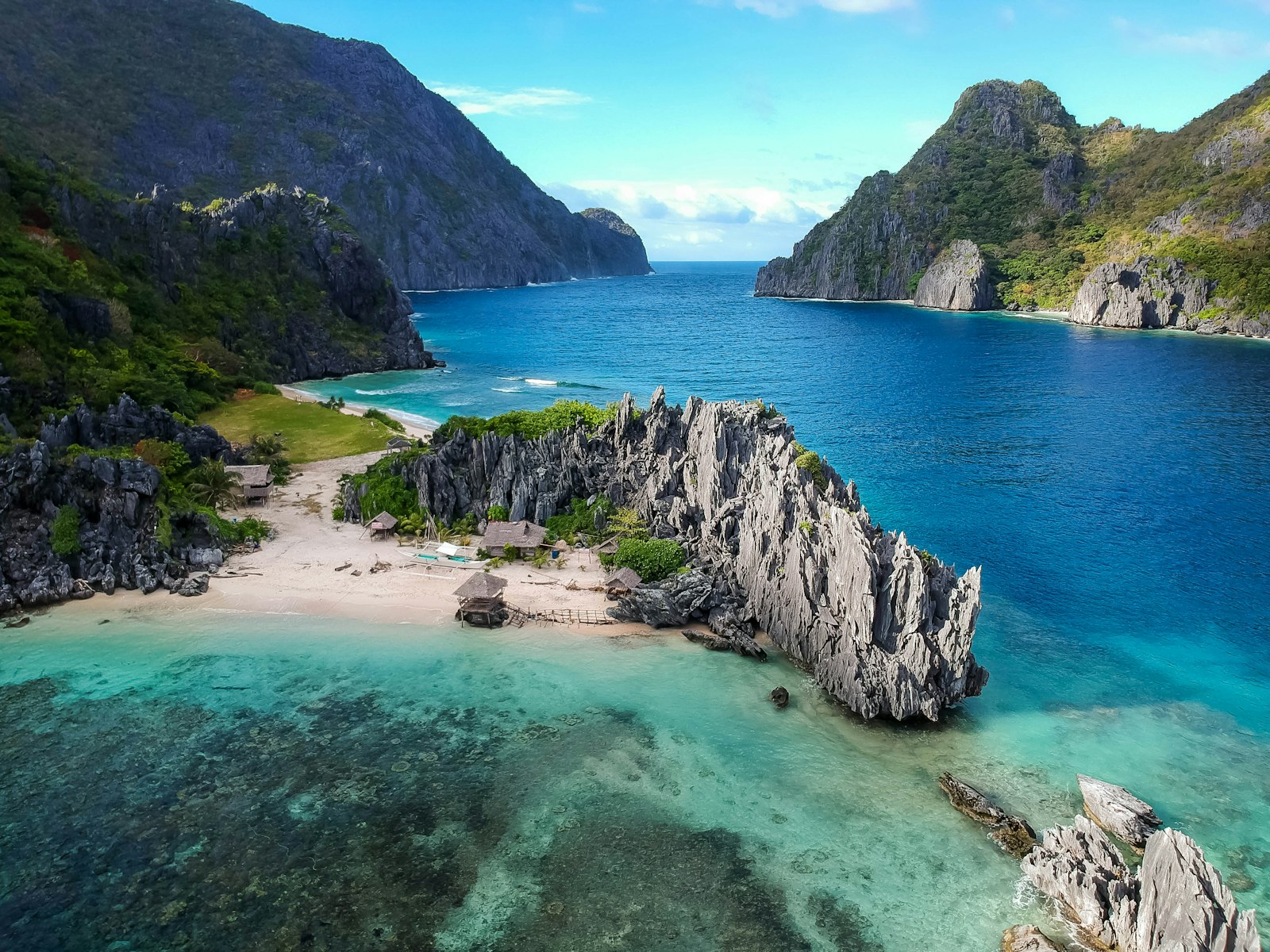
The Visayas are the Philippines’ island heartland — where you find the beaches, the diving, the whale sharks, and the chocolate hills that define most travellers’ Philippine experience. Palawan, stretching southwest toward Borneo, is consistently rated among the world’s best islands. Mindanao, the second-largest island, is less visited but offers adventurous rewards.
Cebu & Surroundings
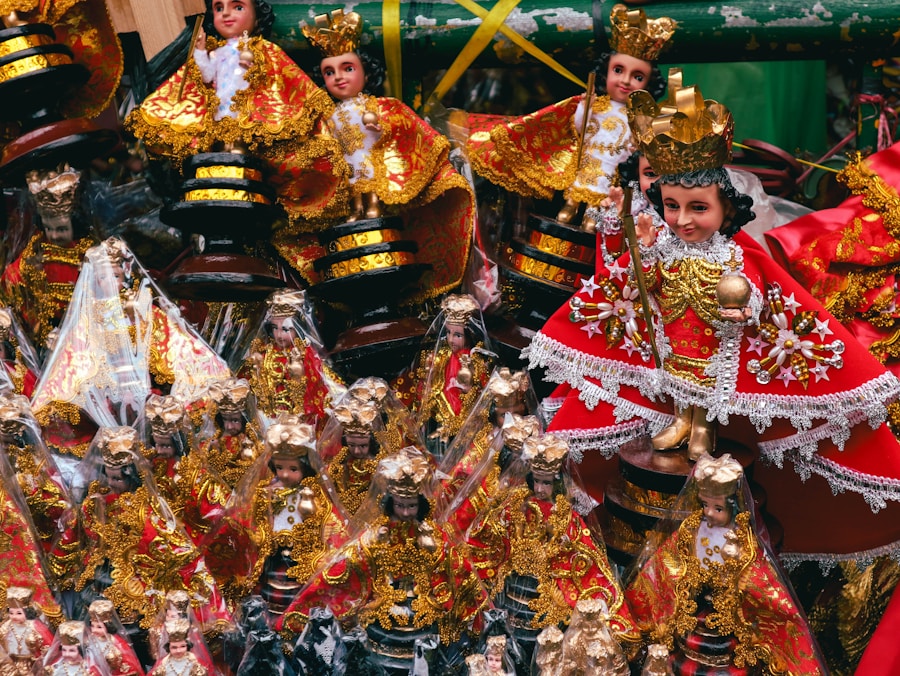
Cebu is the Visayas’ transport hub and gateway to the best island-hopping routes. Cebu City itself has the Basilica del Santo Niño (oldest church in the country), Magellan’s Cross, and excellent lechon (roast pig). But the real magic is outside the city.
Moalboal
Walk off the beach at Panagsama and snorkel with a massive sardine ball — millions of sardines swirling in a mesmerising tornado just metres from shore. Sea turtles graze on the reef below. Free entry; snorkel gear rental €3–5/day. One of the Philippines’ most accessible marine experiences.
Kawasan Falls
Three-tiered turquoise waterfall near Moalboal. The canyoneering adventure from Badian (€15–25 with guide) includes cliff jumping, natural waterslides, and swimming through canyons before emerging at the falls. One of the best adventure activities in the Philippines.
Malapascua Island
The only place in the world where you can reliably dive with pelagic thresher sharks at dawn. These elegant sharks, with tail fins as long as their bodies, visit a cleaning station at 20–30m depth. Two dives: €50–70. Also excellent for manta rays (seasonal) and white-tip reef sharks.
Osmeña Peak
Cebu’s highest point (1,013m) with jagged, otherworldly rock formations. Easy 20-minute hike from the road. Best at sunrise. Combine with a visit to nearby Kawasan Falls for a full day. Free entry.
Bohol
A short ferry from Cebu (2 hours, €8–15), Bohol is famous for the Chocolate Hills — over 1,200 cone-shaped hills that turn chocolate brown in the dry season — and the tiny Philippine tarsier, one of the world’s smallest primates. Visit the tarsiers only at the accredited Philippine Tarsier Sanctuary in Corella (not roadside “tarsier shows”, which are exploitative). The Loboc River cruise (buffet lunch on a floating restaurant, €8) is pleasant but touristy. Rent a motorbike (€5–8/day) to explore independently — the countryside is stunning.
El Nido & Palawan
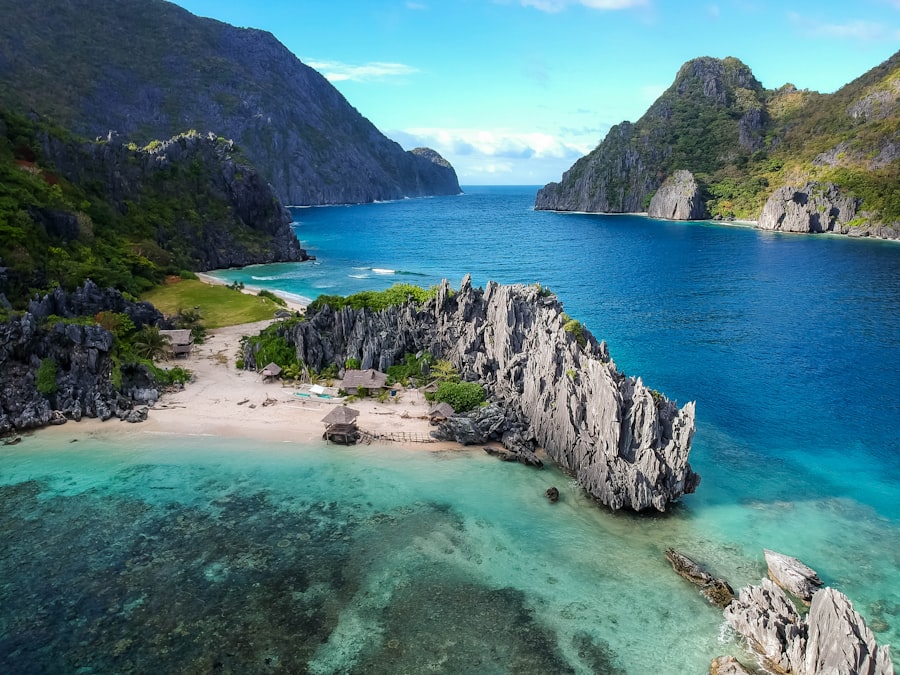
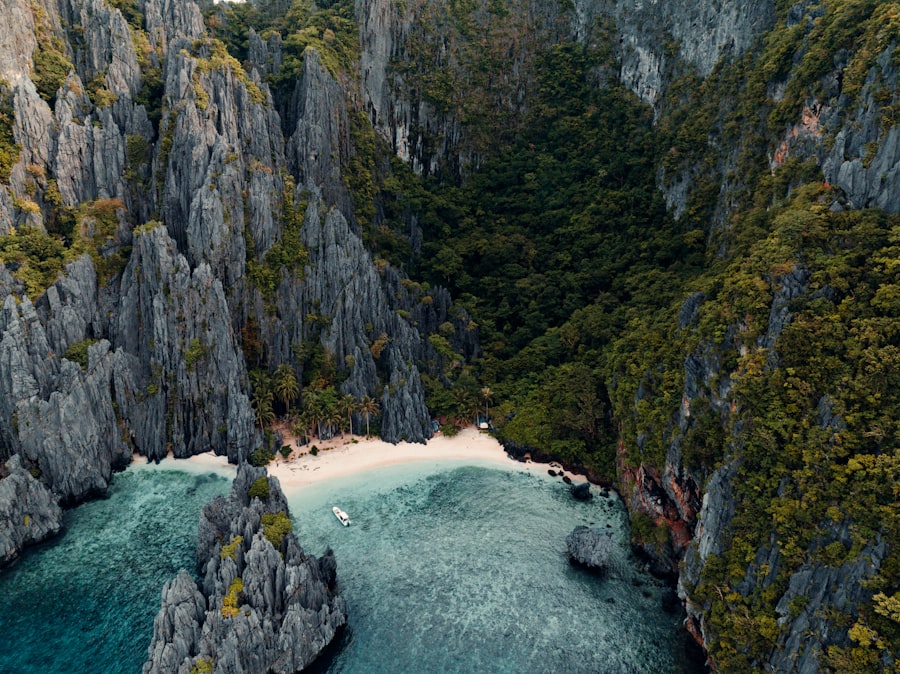
El Nido is the crown jewel of Philippine tourism — towering black limestone cliffs dropping into lagoons of impossible blue. The standard island-hopping tours (A, B, C, D) visit Big Lagoon, Small Lagoon, Secret Lagoon, Shimizu Island, and more. Tour A and C are the most popular (€12–18 including lunch). The town itself is compact and walkable, with excellent restaurants and a mellow beach-town vibe.
Big & Small Lagoon
Kayak through narrow cliff openings into hidden emerald lagoons surrounded by sheer karst walls. Unforgettable. Kayak rental: €3–5 at Big Lagoon (mandatory during busy periods to control swimmer numbers).
Nacpan Beach
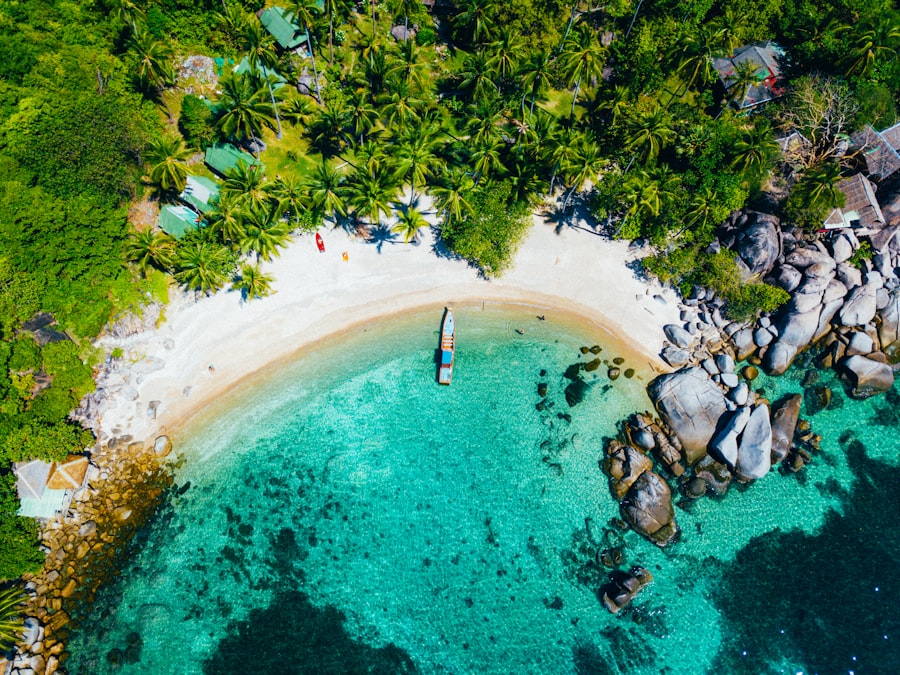
A 4km golden sand beach 45 minutes from El Nido town. Far less crowded than the island-hopping sites. Perfect for a half-day escape. Tricycle there and back: €6–8.
Coron
Coron is El Nido’s wilder, less polished sibling — and arguably more rewarding for divers and adventurers. The star attractions are WWII Japanese shipwrecks (sunk by American bombers in 1944, now spectacular dive sites at 10–35m depth), Kayangan Lake (crystal-clear freshwater lake surrounded by cliffs — often called the cleanest lake in the Philippines), and Twin Lagoon (hot and cold water meeting in a cliff-enclosed pool). Island-hopping tours: €12–18. Wreck dives: €40–60 for two dives.
Siargao
The Philippines’ surfing capital, home to the legendary Cloud 9 break. But Siargao is far more than waves — it’s a laid-back island paradise with coconut palm-lined roads, hidden rock pools (Magpupungko), mangrove forests, and world-class island hopping to Naked Island, Daku Island, and Guyam Island. The vibe is distinctly bohemian, attracting digital nomads, surfers, and travellers who came for a week and stayed for a month. Rent a motorbike (€5–8/day) and explore. Surf lessons at Cloud 9: €10–15/hour.
Boracay
Once the Philippines’ most famous beach, Boracay was closed for rehabilitation in 2018 and reopened cleaner and more regulated. White Beach remains stunning — 4km of powder-white sand with excellent sunset views. The island now has strict environmental rules (no beach drinking, no smoking on the sand). It’s more developed and pricier than other Philippine islands but offers reliable infrastructure, nightlife, and water sports. Best December–May. Budget accommodation available in Stations 2 and 3.
Dumaguete, Siquijor & Apo Island
Dumaguete is a pleasant university city, gateway to Apo Island (world-class snorkelling with sea turtles, €15–20 day trip) and the mystical island of Siquijor (known for traditional healers, fireflies, waterfalls, and a wonderfully unhurried pace). Siquijor in particular is a hidden gem that most tourists skip — expect empty beaches, €10 guesthouses, and locals who still practise ancestral healing rituals. Ferry from Dumaguete to Siquijor: 1 hour, €4–6.