New Zealand — Aotearoa Travel Guide

From geothermal wonders to glacier-carved fjords — the complete planning guide

For: Couple, low-to-medium budget Style: Road trip / campervan

Country Overview

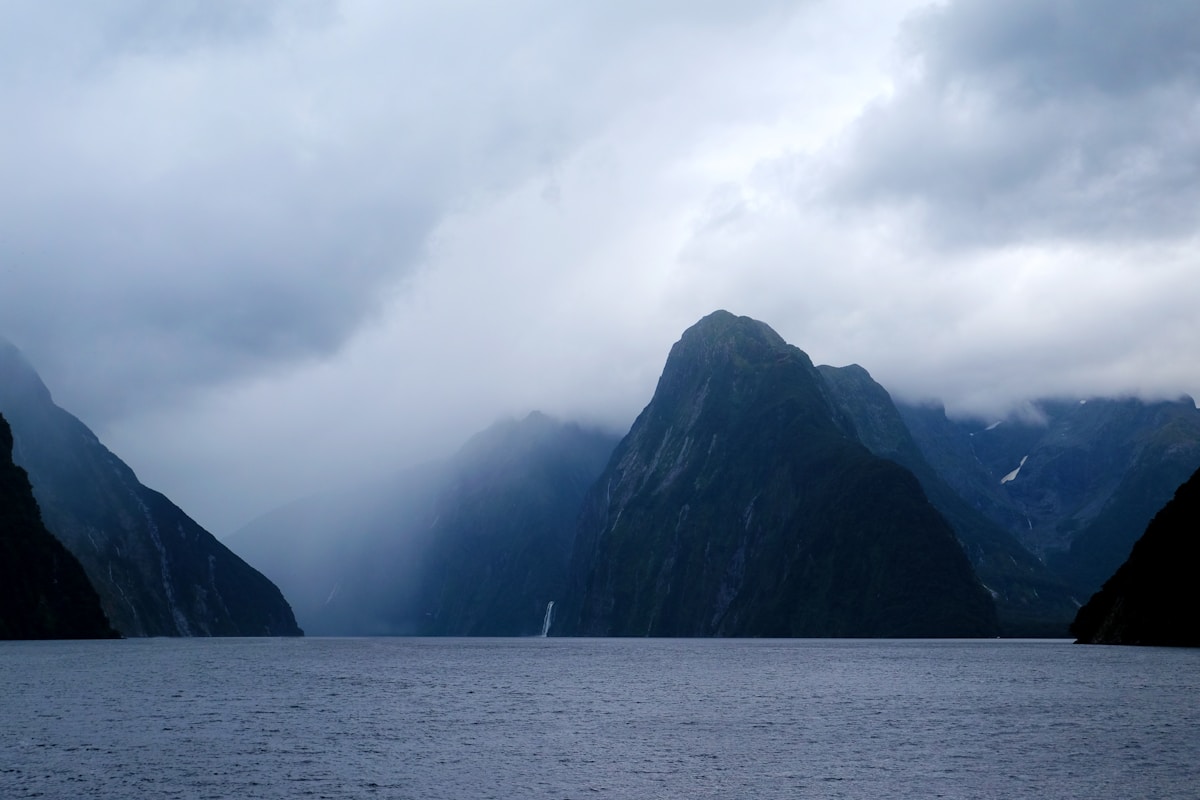
Milford Sound, New Zealand

New Zealand (Aotearoa in Māori, meaning "Land of the Long White Cloud") is a stunning island nation in the southwestern Pacific, comprising two main islands and numerous smaller ones. With a population of around 5.2 million, the country balances modern cities like Auckland (largest) and Wellington (capital) with vast wilderness areas.

Key characteristics:

  • Size: Roughly the size of the UK or Colorado
  • Distance: Auckland to Queenstown is about 1,400km
  • Perfect for road trips: Experience subtropical beaches, geothermal wonderlands, alpine peaks, fjords, and temperate rainforests all within a few weeks
  • Well-maintained roads with manageable distances
  • Every turn reveals another postcard-worthy vista

New Zealand's reputation as an adventure destination is well-earned, but it's equally rewarding for those seeking natural beauty, Māori cultural experiences, world-class wine regions, and the simple pleasure of soaking in natural hot springs under the stars. The country's isolation has created unique ecosystems and a relaxed, welcoming culture that makes visitors feel immediately at home.

Travel Style

Perfect for: Couples seeking nature and adventure on a moderate budget. Road trips and campervans are the quintessential NZ experience, offering flexibility to chase good weather and linger at favorite spots. The freedom of the open road combined with stunning scenery at every turn makes this the ideal way to explore.

Key Facts

Currency: NZD (New Zealand Dollar)
Driving: Left side of the road
Power: 230V, Type I plugs
Languages: English & Te Reo Māori (official)
Tipping: Not expected — service charges included
Time Zone: NZST (UTC+12, +13 in summer)

Best For

Top experiences: Hiking (called "tramping" locally), nature photography, adventure sports (bungy, skydiving, jet boating), wine regions (especially Marlborough and Central Otago), Māori cultural immersion, natural hot springs, wildlife encounters, and scenic drives that rival anywhere on Earth.

Best Time to Visit

The sweet spot for visiting New Zealand is mid-March to mid-May — the autumn shoulder season. You'll enjoy warm-enough weather for hiking, stunning autumn colors (especially in Central Otago and around Wanaka), and significantly lower prices and crowds compared to peak summer. The weather is generally stable, with long daylight hours and crisp, clear days perfect for photography.

Window Months Temp Range Crowds Prices Verdict
Peak Summer Dec–Feb 20–25°C Very High +30–50% Great weather, very crowded, expensive
Shoulder Autumn RECOMMENDED Mar–May 12–20°C Low–Moderate Moderate Best value — warm enough, stunning colors, fewer tourists
Low Winter Jun–Aug 5–12°C Very Low Cheapest Skiing/snow sports only, many attractions closed
Shoulder Spring Sep–Nov 10–18°C Low–Moderate Moderate Variable weather, wildflowers, lambing season
Perfect Timing for Your Trip: A 3-week New Zealand side trip in March–April hits the sweet spot — warm enough for hiking and outdoor activities, stunning autumn colours in wine regions and around Queenstown, and 20–30% cheaper than peak summer. You'll avoid the December–February crush while still enjoying excellent weather and full access to all attractions.

Climate & Weather

New Zealand countryside

New Zealand has a maritime/oceanic climate that's milder than Australia but considerably wetter. The country is famous for experiencing "four seasons in one day" — you can start with sunshine, encounter rain by lunch, and finish with clear skies at sunset.

Always carry:

  • Layers
  • Waterproof gear
  • Even when the morning looks perfect

The North Island is generally warmer, with subtropical conditions in the far north (Northland) and temperate weather further south. Wellington, at the southern tip, is notoriously windy with gusts regularly exceeding 30 km/h.

The South Island ranges from temperate to alpine, with dramatic weather variations:

  • West Coast: Receives 5,000–8,000mm of rain annually (Milford Sound gets 6,800mm), creating lush temperate rainforests
  • East Coast: Just over the mountains, Christchurch receives only 640mm per year
  • Rain shadow effect: The Southern Alps wring out moisture from westerly winds, leaving the eastern side much drier and sunnier
Region Annual Rainfall Rainy Days/Year Character
Northland/Bay of Islands 1,500mm 130 Warmest region, subtropical feel
Auckland 1,250mm 137 Mild year-round, occasionally humid
Rotorua 1,350mm 120 Geothermal warmth, misty mornings
Wellington 1,250mm 123 Very windy — 30+ km/h common
Nelson/Marlborough 950mm 95 Sunniest — 2,400+ hours/year
Christchurch 640mm 85 Driest city, rain shadow effect
West Coast (Hokitika) 2,900mm 175 Lush temperate rainforest
Milford Sound 6,800mm 182 Wettest place in NZ — rain creates waterfalls
Queenstown 1,075mm 100 Four distinct seasons, alpine climate

Temperatures by Region

New Zealand's temperatures vary significantly between regions and seasons. The North Island stays warmer year-round, while the South Island experiences more dramatic seasonal swings, especially in alpine areas like Queenstown and Milford Sound. Understanding these patterns helps you pack appropriately and set realistic expectations for outdoor activities.

Region Jan (High/Low) Feb (High/Low) Mar (High/Low) Apr (High/Low) May (High/Low) Jun (High/Low)
Auckland 24°C / 16°C 24°C / 16°C 23°C / 15°C 20°C / 13°C 17°C / 10°C 15°C / 8°C
Rotorua 24°C / 13°C 24°C / 13°C 22°C / 11°C 18°C / 8°C 15°C / 5°C 12°C / 2°C
Wellington 21°C / 14°C 21°C / 14°C 19°C / 12°C 17°C / 10°C 14°C / 8°C 12°C / 6°C
Nelson 23°C / 13°C 23°C / 13°C 21°C / 11°C 18°C / 8°C 14°C / 5°C 12°C / 3°C
Christchurch 23°C / 12°C 22°C / 12°C 20°C / 10°C 17°C / 7°C 14°C / 4°C 11°C / 1°C
Queenstown 22°C / 10°C 22°C / 10°C 19°C / 8°C 15°C / 4°C 10°C / 1°C 7°C / −2°C
Milford Sound 19°C / 10°C 19°C / 10°C 17°C / 8°C 14°C / 5°C 10°C / 2°C 7°C / −1°C
South Island Temperature Drop: South Island temperatures drop quickly in April–May, especially in alpine regions. If visiting Queenstown or Milford Sound in late April or May, expect near-freezing nights and the possibility of snow at higher elevations. The North Island stays 5–8°C warmer, making it a better choice for those seeking milder autumn weather.

Peak, Shoulder & Low Seasons

Understanding New Zealand's seasonal pricing and crowd patterns is crucial for planning. The difference between peak and shoulder season can mean 30–50% savings on accommodation and rental cars, plus dramatically better availability and shorter queues at popular attractions.

Season Dates Accommodation Rental Car/Day Crowd Level Best For
Peak Summer Dec 20 – Feb 15 +30–50% NZ€70–120 Very High Beach weather, long daylight, all attractions open
Shoulder Autumn BEST VALUE Mar – May Base price NZ€35–70 Low–Moderate Autumn colours, value, excellent hiking weather
Low Winter Jun – Aug −40–50% NZ€25–50 Very Low Skiing, snow sports, budget travel
Shoulder Spring Sep – Nov Base price NZ€35–70 Low–Moderate Wildflowers, lambing season, variable weather

Peak Summer (December 20 – February 15)

This is when New Zealand is at its busiest and most expensive. Kiwis take their summer holidays, and international tourists flood in for guaranteed warm weather and long daylight hours (sunset around 9pm in the south). Popular spots like Milford Sound, Queenstown, and the Bay of Islands require advance bookings, and rental cars can be scarce. However, the weather is reliably excellent, all attractions are open, and the energy is vibrant.

Shoulder Autumn (March – May)

The golden season for value-conscious travelers. March still feels like summer with warm days and calm weather, while April and May bring spectacular autumn colors, especially around Wanaka, Arrowtown, and Central Otago wine regions. Crowds thin dramatically after mid-March, prices drop to base levels, and you'll have hiking trails and viewpoints largely to yourself. The weather remains stable enough for most outdoor activities, though South Island alpine areas get chilly by May.

Low Winter (June – August)

New Zealand transforms into a winter wonderland, with snow blanketing the Southern Alps and ski fields opening at Mt Ruapehu, Queenstown, and Wanaka. This is the cheapest time to visit, with accommodation often 40–50% below peak prices. However, many coastal attractions close, daylight hours are short (sunset around 5pm), and weather can be harsh. Only recommended if you're specifically coming for skiing or snow sports, or if you're on a very tight budget and don't mind cold, wet conditions.

Shoulder Spring (September – November)

Spring brings wildflowers, newborn lambs dotting green hillsides, and increasingly pleasant weather. However, it's also the most unpredictable season — you might get glorious sunshine or week-long rain. Prices remain at base levels, crowds are still light, and by November the weather often rivals summer. This is a good choice for flexible travelers who can adjust plans based on weather forecasts.

Great Walks Booking: The Milford Track and other popular Great Walks require booking 6+ months in advance for peak season (October–April). In shoulder and low season, walk-in availability is sometimes possible, and the Department of Conservation (DOC) releases last-minute spots. Check the DOC website regularly if you're hoping for a late booking.

What to Pack

New Zealand hiking trail

New Zealand's "four seasons in one day" weather demands a layering strategy. You'll need to be prepared for sun, rain, wind, and cold — sometimes all within a few hours. The key is versatile, quick-drying layers that you can add or remove as conditions change. Don't overpack; laundromats are common, and you can buy quality outdoor gear (especially merino wool) in NZ if needed.

Item Why Essential
Merino base layers NZ is world-famous for merino wool — consider buying there. Regulates temperature, doesn't smell, dries quickly.
Waterproof shell jacket Non-negotiable — rain can appear anywhere, anytime, even on sunny days. Must be breathable for hiking.
Fleece or down mid-layer Evenings get cold, especially in the South Island. Essential for alpine areas and early mornings.
Hiking boots (ankle support) Alpine tracks, uneven terrain, and mud require proper footwear. Break them in before your trip.
Sandals / flip-flops Beaches, hot springs, campground showers, and giving your feet a break after long hikes.
Sunscreen SPF50+ UV index is 40% higher than Europe due to ozone hole — you WILL burn in 15 minutes on clear days.
Insect repellent (DEET) Sandflies in Fiordland and West Coast are VICIOUS — welts last weeks. Strong DEET is essential.
Beanie + gloves Essential for South Island April–May, and any alpine areas. Mornings can be near-freezing.
Swimsuit Hot pools, beaches, and glacial lakes (if you're brave). Many free hot springs require swimwear.
Reusable water bottle Tap water is safe and delicious everywhere in NZ. Save money and reduce plastic waste.
UV Warning: New Zealand's UV index is 40% higher than equivalent latitudes in Europe due to the ozone hole over Antarctica. You WILL burn in 15 minutes on a clear day, even in autumn, even when it doesn't feel hot. SPF50+ sunscreen is essential, and reapply every 2 hours when outdoors. Locals take sun protection very seriously — follow their lead.
Sandfly Defense: Sandflies (namu in Māori) in Fiordland and the West Coast are legendary for their viciousness. They leave itchy welts that can last weeks and drive people to distraction. Strong DEET-based repellent (50%+) combined with covered skin at dawn and dusk near water is your best defense. Locals swear by brands like Goodbye Sandfly or Smidge. Don't underestimate these tiny terrors — they can ruin otherwise perfect days.

North Island

New Zealand North Island landscape

The North Island (Te Ika-a-Māui — "the fish of Māui" in Māori legend) is warmer, more populated, and culturally rich. This is the heartland of Māori culture, home to geothermal wonders found nowhere else on Earth, and where you'll experience the vibrant energy of New Zealand's major cities. The North Island offers a perfect blend of urban sophistication and natural spectacle.

Auckland & Northland

Auckland, the "City of Sails," is New Zealand's largest city, sprawling across volcanic hills and two harbors. The Harbour Bridge, Sky Tower, and ferry rides to volcanic Rangitoto Island offer urban adventures. Northland, stretching north, is subtropical and historically significant — the Bay of Islands offers world-class sailing, dolphin encounters, and the Waitangi Treaty Grounds where New Zealand's founding document was signed. Cape Reinga, at the northern tip, is where the Tasman Sea meets the Pacific Ocean, a place of deep spiritual significance to Māori. Ninety Mile Beach (actually 55 miles) and ancient Kauri forests complete the region's appeal.

Coromandel Peninsula

Just east of Auckland, the Coromandel Peninsula is a beach lover's paradise. Cathedral Cove, with its iconic natural arch, is one of New Zealand's most photographed spots (and it's free). Hot Water Beach lets you dig your own hot pool in the sand at low tide — bring a shovel and arrive two hours either side of low tide. The charming town of Hahei serves as a base, while Thames offers gold rush history and access to forest walks.

Rotorua & Taupō

Rotorua is New Zealand's geothermal wonderland, where the earth bubbles, steams, and erupts. Wai-O-Tapu Thermal Wonderland showcases the Champagne Pool and Devil's Bath in surreal colors. Te Puia offers Māori cultural performances alongside the Pōhutu geyser, while Whakarewarewa Forest provides world-class mountain biking and the magical Redwoods Treewalk illuminated at night. Nearby Taupō, on the shores of New Zealand's largest lake, offers Huka Falls (220,000 liters per second), excellent trout fishing, and skydiving with volcanic views. It's also the gateway to Tongariro National Park.

Tongariro National Park

New Zealand's oldest national park and a dual UNESCO World Heritage site (for both natural and Māori cultural significance), Tongariro is dominated by three active volcanic peaks. The Tongariro Alpine Crossing (19.4km, 7–8 hours) is consistently rated one of the world's best day hikes, traversing lunar landscapes, emerald lakes, steaming vents, and volcanic craters. Mt Ruapehu offers skiing in winter, while the park's spiritual significance to Māori adds depth to every visit. This is Middle-earth brought to life — Mt Ngauruhoe doubled as Mount Doom in the Lord of the Rings films.

Wellington

New Zealand's compact, creative capital punches above its weight. Te Papa Tongarewa, the national museum, is world-class and free, offering deep dives into Māori culture, natural history, and New Zealand's story. Cuba Street buzzes with cafes, street art, and nightlife, while the cable car offers panoramic views. Weta Workshop tours reveal the magic behind Lord of the Rings and countless other films. Wellington is also New Zealand's craft beer capital, with dozens of breweries within walking distance. From here, catch the scenic Interislander ferry to the South Island — the 3-hour crossing through the Marlborough Sounds is spectacular.

Auckland & Northland

Urban energy meets subtropical beaches. Bay of Islands sailing, Cape Reinga, ancient Kauri forests, and the vibrant City of Sails.

Coromandel Peninsula

Cathedral Cove's iconic arch, Hot Water Beach's DIY hot pools, golden sand beaches, and laid-back coastal charm.

Rotorua & Taupō

Geothermal wonders, Māori culture, mountain biking, Huka Falls, and the gateway to Tongariro's volcanic landscapes.

Tongariro National Park

World-famous Alpine Crossing, active volcanoes, emerald lakes, and dual UNESCO World Heritage status.

Wellington

Creative capital with Te Papa museum, craft beer scene, Weta Workshop, Cuba Street vibes, and the Interislander ferry.

South Island

Steam rising from geothermal pools in Rotorua forest

The South Island (Te Waipounamu — "the greenstone waters") is where New Zealand's wild heart beats strongest. Less populated, more dramatic, and home to the Southern Alps, this is where you'll find the country's most iconic landscapes — towering fjords, glaciers, turquoise lakes, and peaks that pierce the sky. The weather is more extreme, the distances greater, but the rewards are unforgettable.

Nelson & Abel Tasman

Nelson, at the top of the South Island, is New Zealand's sunniest city, averaging over 2,400 hours of sunshine annually. It's a haven for artists, with galleries, craft breweries, and a thriving food scene. Abel Tasman National Park, just north, is famous for golden beaches accessible only by foot or kayak. Paddling past Split Apple Rock while seals bask nearby is magical. The Abel Tasman Coast Track is one of New Zealand's Great Walks, offering 3–5 days of coastal tramping, or you can sample sections via water taxi for ultimate flexibility.

West Coast

The West Coast is wild, wet, and wonderful. Pancake Rocks at Punakaiki showcase limestone formations that look like stacked pancakes, with blowholes erupting at high tide. Franz Josef and Fox Glaciers descend from the Southern Alps almost to sea level — heli-hike tours (around NZ€400pp) let you walk on ancient ice. Hokitika Gorge's impossibly turquoise water is a photographer's dream. Dense temperate rainforest cloaks everything, fed by 3,000–8,000mm of annual rainfall. This is New Zealand at its most primal.

Canterbury & Mt Cook

Christchurch, rebuilt after the devastating 2011 earthquake, is a vibrant city with street art, the beautiful Botanic Gardens, and a resilient spirit. Heading inland, Aoraki/Mt Cook (3,724m) dominates the skyline — New Zealand's highest peak. The Hooker Valley Track (3 hours return) is an easy walk offering stunning glacier and mountain views, while the Mueller Hut route challenges experienced trampers. Lake Tekapo, with its iconic Church of the Good Shepherd, sits within the Aoraki Mackenzie International Dark Sky Reserve — some of the darkest skies on Earth for stargazing.

Queenstown & Wanaka

Queenstown is the self-proclaimed "Adventure Capital of the World," and it delivers — bungy jumping (invented here), skydiving, jet boating, luge, paragliding, and more. The town itself is stunning, nestled on Lake Wakatipu beneath the Remarkables mountain range. Nearby Wanaka offers a more relaxed vibe, with That Wanaka Tree (Instagram-famous), Roys Peak (5–6 hour hike with 360° views), and excellent skiing in winter. Arrowtown, a short drive from Queenstown, showcases gold rush history and spectacular autumn colors. The Gibbston Valley wine region produces world-class Central Otago Pinot Noir.

Fiordland

Fiordland is New Zealand's most dramatic region, where mountains plunge directly into the sea, creating fjords (technically sounds) of breathtaking beauty. Milford Sound, often called the "Eighth Wonder of the World," is the crown jewel — cruises (NZ€55–80pp) reveal sheer cliffs, waterfalls cascading hundreds of meters, dolphins, and penguins. Morning cruises offer the calmest water and best light. Doubtful Sound is quieter, larger, and harder to reach, with overnight cruises available. Te Anau serves as the gateway town, with glowworm caves worth visiting. The Milford Track, one of New Zealand's 10 Great Walks, is a 4-day, 53km tramp through pristine wilderness — book many months ahead.

Otago & Dunedin

Dunedin wears its Scottish heritage proudly, with Victorian architecture, Larnach Castle, and a vibrant student population. The Otago Peninsula is a wildlife hotspot — the Royal Albatross Centre hosts the only mainland albatross colony in the world, while yellow-eyed penguins and fur seals are common sights. The Moeraki Boulders, perfectly spherical rocks scattered along the beach, are a geological curiosity. Central Otago's wine region produces some of the world's finest Pinot Noir, with cellar doors offering tastings against a backdrop of rugged mountains.

Nelson & Abel Tasman

Sunniest city, golden beaches, kayaking with seals, coastal tramping, and craft beer scene.

West Coast

Pancake Rocks, glacier heli-hikes, Hokitika Gorge, temperate rainforest, and wild weather.

Canterbury & Mt Cook

Christchurch's resilience, Aoraki/Mt Cook's majesty, Hooker Valley Track, Lake Tekapo stargazing.

Queenstown & Wanaka

Adventure capital, bungy jumping, Roys Peak, Arrowtown autumn colors, Central Otago Pinot Noir.

Fiordland

Milford Sound cruises, Doubtful Sound wilderness, Milford Track, Te Anau glowworm caves.

Otago & Dunedin

Scottish heritage, Royal Albatross Centre, yellow-eyed penguins, Moeraki Boulders, world-class Pinot Noir.

Top Sightseeing

New Zealand punches far above its weight when it comes to world-class experiences. From free hiking trails to once-in-a-lifetime adventures, the country offers something for every budget and interest. Many of the best experiences — hiking, beaches, scenic drives, and natural hot springs — are completely free, making New Zealand surprisingly accessible even for budget-conscious travelers.

# Experience Location Why Special Cost
1 Milford Sound Cruise Fiordland Sheer cliffs, waterfalls, dolphins, penguins — "Eighth Wonder of the World" NZ€55–80pp
2 Tongariro Alpine Crossing Central North Island Volcanic landscapes, emerald lakes, lunar scoria — world's best day hike Free (shuttle ~€35)
3 Abel Tasman Kayaking Nelson Golden beaches, seals, crystal water, Split Apple Rock NZ€85–180pp
4 Hobbiton Movie Set Matamata The Shire brought to life, drink at the Green Dragon Inn NZ€80pp
5 Wai-O-Tapu Geothermal Rotorua Champagne Pool, Devil's Bath, Artist's Palette — surreal colors NZ€35pp
6 Franz Josef Heli-Hike West Coast Walk ON a glacier with helicopter access — bucket list experience NZ€400pp
7 Bay of Islands Sailing Northland Dolphins, 144 islands, historic Waitangi Treaty Grounds NZ€90–150pp
8 Hooker Valley Track Mt Cook Easy walk, swing bridges, glacier-terminal lake, Aoraki views Free
9 Te Papa Museum Wellington NZ history, Māori culture, world-class interactive exhibits Free
10 Queenstown Bungy Queenstown Kawarau Bridge (43m) or Nevis (134m) — birthplace of bungy NZ€180–275pp
11 Cathedral Cove Coromandel Iconic rock arch, turquoise water, golden sand beach Free
12 Waitomo Glowworm Caves Waikato Boat through underground glowworm galaxy — magical experience NZ€50pp
13 Roys Peak Wanaka Instagram-famous ridge walk, 360° panorama, sunrise/sunset magic Free
14 Kaikōura Whale Watching Canterbury Coast Sperm whales year-round, dolphins, seals, albatross NZ€140pp
15 Huka Falls Taupō 220,000 litres/second through narrow canyon — raw power Free
Budget-Friendly Excellence: Many of New Zealand's best experiences are free — hiking trails like Tongariro and Hooker Valley, beaches like Cathedral Cove, scenic drives, natural hot springs, and world-class museums like Te Papa. A couple can have an incredible trip even on a tight budget by focusing on nature over paid attractions. The country's greatest asset is its landscapes, and those are accessible to everyone.

New Zealand Geography & Map

Auckland Hamilton Rotorua Napier Wellington Nelson Greymouth Christchurch Wanaka Queenstown Te Anau Invercargill

New Zealand consists of two main islands — the North Island (Te Ika-a-Maui) and the South Island (Te Waipounamu) — separated by the Cook Strait. The North Island is characterized by volcanic activity, geothermal areas, and rolling green hills, while the South Island features the dramatic Southern Alps mountain range, fjords, and glaciers. The country stretches approximately 1,600 kilometers from north to south, with a total land area similar to the United Kingdom or Japan, yet home to only around 5 million people.

The geographic diversity is remarkable for such a compact nation. From the subtropical Bay of Islands in the far north to the temperate rainforests of Fiordland in the deep south, New Zealand encompasses an extraordinary range of landscapes and climates. The North Island's central plateau hosts active volcanoes including Mount Ruapehu and Mount Tongariro, while the geothermal wonderland around Rotorua features bubbling mud pools, geysers, and hot springs. The South Island's West Coast receives some of the highest rainfall in the world, creating lush rainforests, while Central Otago on the eastern side of the Alps experiences a semi-arid continental climate with hot summers and cold winters.

This geographic isolation, located in the southwestern Pacific Ocean over 2,000 kilometers from Australia, has resulted in unique flora and fauna found nowhere else on Earth. The lack of land mammals (except for bats) before human arrival allowed birds to dominate the ecosystem, leading to the evolution of flightless species like the kiwi, kakapo, and the now-extinct moa. Understanding New Zealand's geography is essential for trip planning, as distances can be deceptive — while the country appears small on a map, winding mountain roads and the need to account for ferry crossings mean that traveling between destinations often takes longer than expected.

Māori Culture & Heritage

Maori cultural performance

Te Ao Māori: The Māori World

The Māori people arrived in Aotearoa (New Zealand) from Polynesia around 1250-1300 AD, navigating vast Pacific distances in ocean-going waka (canoes) using sophisticated knowledge of stars, currents, and bird migration patterns.

Key aspects of Māori culture:

  • Social structure: Organized around iwi (tribes) and hapu (sub-tribes)
  • Lineage: Each iwi traces its lineage back to specific ancestral waka
  • Treaty of Waitangi (1840): New Zealand's founding document, signed between Māori chiefs and the British Crown
  • Ongoing dialogue: Interpretation and implementation remain subjects of reconciliation efforts

Māori culture is experiencing a renaissance in modern New Zealand, with Te Reo Māori (the Māori language) now taught in schools and increasingly heard in everyday life. The language is an official language of New Zealand alongside English and New Zealand Sign Language. Māori concepts like manaakitanga (hospitality), kaitiakitanga (guardianship of the environment), and whanaungatanga (kinship and relationships) are increasingly recognized as core New Zealand values. Traditional arts including whakairo (carving), tukutuku (weaving), and ta moko (traditional tattooing) continue to thrive and evolve, with contemporary Māori artists gaining international recognition while maintaining connections to ancestral traditions.

For visitors, engaging respectfully with Māori culture provides profound insights into New Zealand's identity and history. This isn't a culture preserved in museums — it's living, breathing, and integral to modern New Zealand society. From the haka performed by the All Blacks rugby team to the Māori place names that dot the landscape, from contemporary Māori film and music to traditional cultural performances, Te Ao Māori is woven throughout the New Zealand experience. Understanding basic protocols and showing respect for taonga (treasures) and sacred sites enriches any visit and demonstrates cultural sensitivity that Māori communities deeply appreciate.

Top 3 Māori Cultural Experiences

  1. Rotorua Cultural Performance & Hangi — Experience traditional song, dance, and poi performance followed by a hangi feast cooked in an earth oven using geothermal heat. Mitai Māori Village and Tamaki Māori Village offer immersive evening experiences.
  2. Waitangi Treaty Grounds — Visit the birthplace of modern New Zealand in the Bay of Islands. Walk through the Treaty House, see the world's largest ceremonial waka, and watch powerful cultural performances that bring history to life.
  3. Te Papa Museum, Wellington — Free admission to explore extensive Māori galleries featuring taonga, including the ornately carved wharenui (meeting house) and the opportunity to learn about Māori history, art, and contemporary culture through world-class exhibitions.

Where to Experience Māori Culture

Rotorua — Cultural Capital

The heart of Māori tourism, Rotorua offers the most concentrated cultural experiences. Te Puia features the New Zealand Māori Arts and Crafts Institute where you can watch carvers and weavers at work, plus the famous Pohutu geyser. Whakarewarewa Living Māori Village is a genuine community where families have lived for centuries, using geothermal energy for cooking and heating. Evening cultural performances at Tamaki or Mitai villages combine storytelling, song, dance, and traditional hangi feasts for an immersive experience.

Bay of Islands — Historical Heart

The Waitangi Treaty Grounds in the Bay of Islands is New Zealand's most important historic site. The beautifully curated museum explains the Treaty's complex history from both Māori and European perspectives. Watch the dramatic cultural performance in the modern carved meeting house, then explore the grounds including the world's largest ceremonial waka, which is launched annually on Waitangi Day (February 6th). The nearby town of Russell and surrounding areas offer additional historical insights into early Māori-European contact.

Wellington — Contemporary Culture

Te Papa Tongarewa (Museum of New Zealand) in Wellington houses the nation's most significant Māori taonga collection, with entire floors dedicated to Māori history, art, and culture. The exhibitions blend traditional artifacts with contemporary perspectives and multimedia presentations. Wellington also offers Māori-guided tours, contemporary Māori art galleries, and the opportunity to experience urban Māori culture. The city's compact size makes it easy to explore multiple cultural sites in a day.

Cultural Experiences & Activities

A hangi is the traditional Māori method of cooking food in an earth oven, where meat and vegetables are placed in baskets over heated stones in a pit, covered with earth, and left to steam for several hours. The result is incredibly tender, smoky-flavored food that's unlike anything cooked by conventional methods. Many cultural experiences include a hangi feast, but you can also find hangi served at some restaurants and occasionally at local markets. The communal nature of preparing and sharing a hangi reflects the Māori value of manaakitanga (hospitality and generosity).

Kapa haka (Māori performing arts) encompasses traditional and contemporary song, dance, and chanting. The haka — made famous by the All Blacks rugby team — is just one element of kapa haka. Performances include waiata (songs), poi dances (rhythmic movements with balls on strings), and various action songs that tell stories of ancestors, battles, love, and daily life. The passion, precision, and power of kapa haka performances are genuinely moving, even for those who don't understand the Te Reo Māori lyrics. Regional kapa haka competitions showcase the highest levels of performance art.

Pounamu (greenstone or jade) holds deep spiritual significance in Māori culture and is found only on the South Island's West Coast. Hokitika is the center of pounamu carving, where you can watch master carvers at work and learn about the stone's cultural importance. Traditional designs like the hei tiki (human figure pendant), koru (spiral representing new life), and manaia (spiritual guardian) each carry specific meanings. If you purchase pounamu jewelry, it's traditional for it to be given as a gift rather than bought for yourself, and many believe it should never be removed once worn.

Essential Te Reo Māori Phrases

Māori English Pronunciation Guide
Kia ora Hello / Thank you kee-ah OR-ah
Haere mai Welcome HIGH-reh my
Haere rā Goodbye (to person leaving) HIGH-reh RAH
Kā kite anō See you later kah KEE-teh ah-NOH
Whānau Family / Extended family FAH-no
Kai Food kye (rhymes with "eye")
Manaakitanga Hospitality / Kindness mah-nah-ah-kee-TAHNG-ah
Taonga Treasure / Precious item tah-ONG-ah
Aotearoa New Zealand (Land of the Long White Cloud) ah-oh-teh-ah-ROH-ah
Kaitiakitanga Guardianship / Environmental stewardship kye-tee-ah-kee-TAHNG-ah

Marae Etiquette & Protocol

A marae is a communal gathering place that serves as the focal point of Māori communities, consisting of a wharenui (carved meeting house) and surrounding buildings and grounds. Visiting a marae is a privilege that comes with responsibilities and protocols. The pōwhiri (welcoming ceremony) is a formal process involving speeches, waiata, and the hongi (traditional greeting where noses are pressed together). Visitors are considered manuhiri (guests) and must wait to be called onto the marae atea (courtyard) by the tangata whenua (hosts). During the pōwhiri, remain quiet and respectful, and follow the lead of your group's spokesperson if you're part of an organized visit.

When visiting a marae, dress modestly and conservatively — shoulders and knees should be covered. Remove shoes before entering the wharenui, as it's considered a sacred space representing the body of an ancestor. Never sit on tables or pillows (which are for heads only), and don't eat or drink inside the wharenui unless specifically invited to do so. Photography may be restricted, so always ask permission before taking photos. If food is served, it's important to accept it graciously as declining kai can be seen as rejecting the manaakitanga (hospitality) being offered. The marae is a living cultural institution, not a tourist attraction, so approach any visit with humility and respect.

Most tourists will experience marae protocol through organized cultural tours rather than independent visits to working marae. These tours are designed to introduce visitors to Māori customs in a controlled, educational environment where questions are welcomed and cultural guides explain the significance of each element. This is an appropriate and respectful way to learn about Māori culture. If you're invited to a marae as part of a business or educational delegation, consider it a significant honor and prepare by learning basic protocols in advance. Your hosts will appreciate the effort to understand and respect their tikanga (customs and protocols).

Food & Wine

New Zealand wine and food

New Zealand Food Culture

New Zealand's food culture reflects its agricultural heritage, multicultural population, and geographic isolation. The farm-to-table movement isn't a trend here — it's simply how things have always been done.

Key characteristics:

  • Small population + abundant farmland: Access to exceptional quality meat, dairy, seafood, and produce
  • Clean, green image: Strict biosecurity laws and sustainable farming practices ensure high food safety standards
  • Quality over quantity: Even simple dishes like fish and chips or a meat pie can be surprisingly good when made with premium ingredients

The culinary scene has evolved dramatically over the past two decades:

  • From traditional "meat and three veg" to embracing diverse influences from Pacific Island, Asian, and European cuisines
  • Major cities: Auckland, Wellington, and Christchurch boast world-class restaurants helmed by innovative chefs
  • Refreshingly unpretentious: Excellent food at casual cafes or food trucks as well as fine dining establishments
  • Flat white coffee culture: Serious business, with baristas treated as skilled artisans

Seasonal eating is ingrained in New Zealand food culture, with farmers' markets thriving in towns throughout the country. Summer brings an abundance of stone fruits, berries, and tomatoes, while winter is the time for hearty root vegetables and citrus. Seafood varies by season and region, with green-lipped mussels, Bluff oysters, crayfish (rock lobster), and various fish species featuring prominently. The Māori tradition of gathering kai moana (seafood) continues, though strict regulations protect marine resources. This connection to seasons and local sourcing means menus change frequently, and the best restaurants proudly list their suppliers, celebrating the farmers, fishers, and producers who make their cuisine possible.

Must-Try New Zealand Foods

Green-lipped mussels are uniquely New Zealand, farmed in the pristine waters of the Marlborough Sounds and Coromandel. These large, plump mussels have a distinctive green edge to their shells and a sweet, delicate flavor. They're served steamed with white wine and garlic, baked with herb butter, or in creamy chowders. New Zealand lamb is world-renowned for its tenderness and mild flavor, a result of sheep grazing on lush pastures year-round. Whether roasted with rosemary, grilled as chops, or slow-cooked in a stew, lamb is a staple that appears on menus from casual pubs to fine dining restaurants. Don't miss trying hogget (year-old lamb) or mutton for deeper, more complex flavors.

Pavlova, or "pav," is the unofficial national dessert — a meringue-based creation with a crispy exterior and soft, marshmallow-like interior, topped with whipped cream and fresh fruit (usually kiwifruit and strawberries). New Zealanders and Australians have a friendly rivalry over who invented it, but Kiwis claim it was created in honor of Russian ballerina Anna Pavlova's 1920s tour. Meat pies are a national obsession, with bakeries competing fiercely for the annual Supreme Pie Awards. These aren't the sad, greasy pies of stereotype — New Zealand pies feature flaky pastry and generous fillings ranging from classic mince to gourmet combinations like venison and wild mushroom or butter chicken. Grab one from a local bakery for the authentic experience.

Whitebait fritters are a seasonal delicacy (August-November) made from tiny juvenile fish caught in West Coast rivers, mixed with egg and fried into small patties. They're expensive due to limited availability but considered a true treat by locals. Hangi, the traditional Māori earth oven cooking method, produces incredibly tender meat and vegetables with a distinctive smoky flavor — experience it at cultural performances or occasionally at markets and special events. Kumara (sweet potato) was brought to New Zealand by Māori settlers and remains a staple, roasted, mashed, or made into chips. Finally, hokey pokey ice cream (vanilla with honeycomb toffee pieces) is the classic Kiwi flavor, though New Zealand ice cream in general is exceptional due to high-quality dairy.

Daily Food Budget Guide

  • Budget: NZ€25-50/day — Supermarket meals, bakery pies, food court options, occasional fish and chips
  • Mid-range: NZ€55-100/day — Cafe breakfasts, casual lunch, pub or mid-range restaurant dinner
  • Splurge: NZ€140+/day — Fine dining experiences, wine tastings, premium restaurants with wine pairings
  • Money-saving tip: Lunch specials and early bird dinner deals (5-6pm) offer significant savings at restaurants

Wine Regions & Varieties

Region Primary Grapes Characteristics & Notes
Marlborough Sauvignon Blanc, Pinot Noir World-famous Sauvignon Blanc with intense tropical fruit and herbaceous notes. Produces 75% of NZ wine. Sunny climate, cool nights, and alluvial soils create distinctive crisp, aromatic wines. Cloudy Bay and Brancott Estate pioneered the region.
Central Otago Pinot Noir, Riesling World's southernmost wine region, producing exceptional Pinot Noir with intense fruit flavors and silky texture. Continental climate with hot days and cool nights. Stunning mountain scenery makes cellar door visits memorable. Premium prices reflect quality and limited production.
Hawke's Bay Merlot, Cabernet Sauvignon, Syrah, Chardonnay North Island's premier red wine region with warm, dry climate ideal for Bordeaux varieties. Gimblett Gravels sub-region produces powerful, age-worthy reds. Art Deco Napier city makes an excellent base for wine touring. Over 70 wineries, many with excellent restaurants.
Martinborough Pinot Noir, Sauvignon Blanc Boutique region near Wellington producing elegant, refined Pinot Noir. Compact village with 20+ wineries within walking/cycling distance. Annual Toast Martinborough festival (November) is hugely popular. Cool climate similar to Burgundy creates wines with finesse and complexity.
Waiheke Island Cabernet Sauvignon, Merlot, Syrah Boutique island wine region 40 minutes by ferry from Auckland. Warm microclimate produces rich, full-bodied reds. Stunning coastal views and upscale restaurants make it a premium day trip destination. Small production, high prices, but exceptional quality and experience.

New Zealand wine has achieved international acclaim remarkably quickly, with the modern wine industry only developing since the 1970s. The country's cool climate and long sunshine hours create ideal conditions for aromatic white wines and elegant reds. Marlborough Sauvignon Blanc put New Zealand wine on the world map and remains the flagship export, but the diversity of regions and varieties has expanded dramatically. Central Otago Pinot Noir now commands premium prices and critical acclaim, while Hawke's Bay produces world-class Bordeaux-style blends and Syrah that rivals the Northern Rhone.

Wine tourism is highly developed, with most wineries offering cellar door tastings (usually NZ€9-20, often refunded with purchase). Many wineries feature excellent restaurants showcasing local produce paired with their wines — these winery restaurants often rank among the region's best dining experiences. The compact size of regions like Martinborough and Waiheke Island makes them perfect for self-guided or organized wine tours. Marlborough and Hawke's Bay require more planning due to their size, but both offer excellent tour operators who handle transportation between wineries. Always designate a sober driver or use tour services, as New Zealand has strict drink-driving laws and rural roads can be challenging.

Beyond the major regions, emerging areas like Nelson, Canterbury, and Waitaki Valley are producing exciting wines worth seeking out. New Zealand winemakers are increasingly experimenting with alternative varieties like Gruner Veltliner, Albarino, and Tempranillo, while sustainable and organic viticulture practices are becoming standard. The wine industry's commitment to environmental stewardship aligns with New Zealand's clean, green image. When visiting wineries, don't hesitate to ask questions — Kiwi winemakers and cellar door staff are generally passionate, knowledgeable, and happy to share their stories without pretension.

Foodie Cities

Wellington has the highest number of cafes and restaurants per capita in the world. The compact city center makes it easy to explore diverse cuisines from Vietnamese to Ethiopian. Cuba Street and Courtenay Place are dining hotspots. Auckland offers the most diverse food scene, reflecting its multicultural population. Don't miss the night markets for Asian street food. Queenstown punches above its weight with innovative restaurants like Rata and Botswana Butchery, plus the famous Fergburger for epic burgers.

Wine Trail Highlights

Marlborough Wine Trail: Rent bikes and cycle between cellar doors in Renwick — flat terrain, beautiful vineyards, 30+ wineries within easy reach. Gibbston Valley, Central Otago: Scenic drive through dramatic landscapes, premium Pinot Noir, and the famous Gibbston Valley Cheesery. Waiheke Island: Combine wine tasting with stunning coastal views, art galleries, and beaches. Cable Bay, Mudbrick, and Stonyridge are standouts. Ferry from Auckland makes it an easy day trip.

Budget Eating Tips

Shop at Pak'nSave or Countdown supermarkets for groceries — much cheaper than eating out. Many have hot food sections with roast chickens and ready-meals. Asian food courts in cities offer filling meals for NZ€9-15. Bakeries provide excellent value pies, sandwiches, and pastries. Take advantage of happy hour specials at pubs (usually 4-6pm). Farmers' markets offer fresh produce and prepared foods at reasonable prices, plus a great local experience.

Craft Beer & Coffee Culture

New Zealand's craft beer scene has exploded over the past decade, with over 200 breweries producing everything from hoppy IPAs to rich stouts and experimental sours. The country's hop-growing industry (particularly Nelson Sauvin hops) has gained international recognition, and Kiwi brewers aren't afraid to push boundaries. Garage Project in Wellington, Tuatara, and Panhead are national favorites, while regional breweries like Emerson's (Dunedin), Good George (Hamilton), and Altitude (Queenstown) offer excellent local options. Most towns have at least one craft brewery with a taproom, and many offer tours and tastings. Beer festivals occur throughout the year, with Beervana in Wellington being the largest.

Coffee culture in New Zealand is serious business, with the flat white — a double shot of espresso with microfoam milk — being the national drink. Kiwis are particular about their coffee, and you'll find excellent espresso in even small towns. The cafe culture emphasizes quality beans (often locally roasted), skilled baristas, and a relaxed atmosphere. Wellington is often called the coffee capital, with legendary cafes like Flight Coffee and Mojo, but Auckland, Christchurch, and other cities have equally passionate coffee scenes. Don't expect drip coffee or huge American-style servings — New Zealand coffee is European-influenced, focused on espresso-based drinks served in smaller, more concentrated portions.

The combination of excellent coffee, fresh food, and relaxed atmosphere makes New Zealand cafes ideal for lingering over brunch — a weekend ritual for many Kiwis. Expect to find creative brunch menus featuring avocado toast (yes, it's a thing here), eggs benedict variations, pancakes with local honey and fruit, and innovative vegetarian options. Service is friendly but not hovering, and it's perfectly acceptable to spend an hour or two over coffee and a meal. Many cafes roast their own beans or partner with local roasters, and staff can usually tell you about the origin and flavor profile of their coffee. This attention to detail and quality extends throughout New Zealand's food and beverage culture, making it a genuine pleasure for food and drink enthusiasts.

🌍 Wildlife Encounters

New Zealand Wildlife

New Zealand's wildlife is unlike anywhere else on Earth, a living testament to 85 million years of evolutionary isolation. When the landmass broke away from the ancient supercontinent of Gondwana, it carried with it a unique cargo of flora and fauna that would develop in spectacular isolation. Without land mammals to compete with or predate upon them, birds evolved to fill ecological niches occupied elsewhere by mammals. The result is an extraordinary collection of endemic species found nowhere else on the planet, from flightless birds that rule the forest floor to alpine parrots with problem-solving abilities that rival primates.

This isolation created a biodiversity hotspot of global significance, but it also made New Zealand's wildlife exceptionally vulnerable to introduced species. The arrival of humans, first Polynesian settlers around 1280 CE and later European colonizers, brought rats, stoats, possums, and other predators that devastated native populations. Today, New Zealand leads the world in conservation innovation, with ambitious predator-free initiatives, mainland island sanctuaries, and community-led restoration projects working to turn the tide. Visitors to New Zealand have the rare privilege of witnessing conservation in action while encountering species that have captivated scientists and nature lovers for centuries.

From the depths of the ocean to the peaks of the Southern Alps, New Zealand offers wildlife experiences that range from guaranteed sightings to once-in-a-lifetime encounters. The country's compact size means you can watch sperm whales breaching off Kaikoura in the morning and search for kiwi in native bush by evening. Whether you're a dedicated birder adding endemic species to your life list, a marine enthusiast seeking dolphins and seals, or simply someone who appreciates the wonder of nature, New Zealand's wildlife will leave you with memories and photographs to treasure forever.

Iconic Species of Aotearoa

New Zealand is home to an astonishing array of unique creatures, each adapted to specific ecological niches in this isolated archipelago. The following table highlights ten of the most iconic species you might encounter during your travels, along with practical information about where to see them and their current conservation status. Many of these species are taonga (treasures) to Māori, who have served as guardians of these creatures for centuries and whose traditional knowledge continues to inform modern conservation efforts.

Understanding the conservation status of these species adds depth to any wildlife encounter. New Zealand uses a threat classification system that ranges from "Not Threatened" through various categories of risk to "Nationally Critical." Many of the species listed here have been brought back from the brink of extinction through intensive conservation management, including predator control, captive breeding programs, and habitat restoration. When you encounter these animals in the wild, you're witnessing the success of decades of dedicated conservation work by scientists, rangers, volunteers, and local communities.

Species Māori Name Where to See Conservation Status
Kiwi Kiwi Stewart Island, Zealandia, Cape Kidnappers, Rotorua (Rainbow Springs) Vulnerable (varies by species)
Kea Kea Arthur's Pass, Fiordland, Mount Cook Village, Milford Sound Nationally Endangered
Yellow-eyed Penguin Hoiho Otago Peninsula, Catlins, Stewart Island, Moeraki Nationally Endangered
Blue Penguin Korora Oamaru, Akaroa, Wellington waterfront, Bay of Islands At Risk - Declining
Tuatara Tuatara Zealandia, Tiritiri Matangi Island, Stephens Island (restricted) At Risk - Relict
Hector's Dolphin Tutumairekurai Akaroa Harbour, Banks Peninsula, West Coast South Island Nationally Endangered
Tui Tui Widespread in native forest and urban gardens throughout NZ Not Threatened
Weta Weta Zealandia, Tiritiri Matangi, native forest reserves nationwide Varies by species
NZ Fur Seal Kekeno Kaikoura, Cape Foulwind, Otago Peninsula, Abel Tasman Not Threatened
Sperm Whale Parāoa Kaikoura (year-round), occasionally Bay of Plenty and Hauraki Gulf Not Threatened (globally Vulnerable)

Premier Wildlife Experiences

New Zealand offers world-class wildlife viewing opportunities that combine accessibility with genuine wilderness experiences. Unlike many destinations where wildlife encounters feel staged or artificial, New Zealand's compact geography and well-managed conservation areas allow you to observe animals in their natural habitats with minimal disturbance. The country's tourism operators are among the world's most responsible, with strict codes of conduct that prioritize animal welfare and sustainable practices. Many operators work closely with conservation organizations, meaning your visit directly supports ongoing protection efforts.

Kaikoura, on the South Island's east coast, has earned international recognition as one of the world's premier marine wildlife destinations. Here, a unique confluence of ocean currents creates a nutrient-rich environment that attracts an extraordinary diversity of marine life. Year-round sperm whale watching is the headline attraction, with these magnificent creatures diving to depths of over 1,000 meters to hunt giant squid before surfacing to breathe. The success rate for whale sightings exceeds 95%, making Kaikoura one of the most reliable places on Earth to see these ocean giants. Beyond sperm whales, the waters around Kaikoura host dusky dolphins (often seen in pods of hundreds), New Zealand fur seals, albatrosses, and during migration seasons, humpback whales and orcas.

The Otago Peninsula, just 30 minutes from Dunedin, offers one of the world's most accessible opportunities to observe rare seabirds and marine mammals. The peninsula is home to the only mainland breeding colony of northern royal albatross, birds with wingspans exceeding three meters that spend most of their lives soaring over the Southern Ocean. The Royal Albatross Centre at Taiaroa Head provides viewing galleries and expert interpretation. The peninsula's sheltered bays and beaches host yellow-eyed penguins (hoiho), one of the world's rarest penguin species with fewer than 4,000 individuals remaining. Evening viewing hides allow you to watch these penguins return from sea to their nests in the coastal vegetation. New Zealand fur seals bask on the rocky shores, and occasionally, sea lions haul out on the beaches, reminding visitors that this is their territory.

Stewart Island, New Zealand's third-largest island located south of the South Island, offers the country's best opportunity to see kiwi in the wild. The island's relative isolation and intensive predator control have allowed kiwi populations to thrive, and the local subspecies (Tokoeka) is notably less shy than mainland birds. Guided night walks on the beaches near Oban regularly encounter kiwi foraging in the sand and vegetation, providing magical close-up views of these iconic birds. Beyond kiwi, Stewart Island is a birding paradise with abundant native species including kaka, bellbirds, fantails, and the rare yellowhead. The island's Ulva Island, a predator-free sanctuary, allows daytime encounters with remarkably tame native birds in pristine native forest.

Zealandia, located just minutes from central Wellington, represents the cutting edge of conservation science and urban wildlife restoration. This 225-hectare ecosanctuary is surrounded by a predator-proof fence, creating a mainland island where native species can thrive without threat from introduced mammals. Since its establishment in 1999, Zealandia has reintroduced over 20 native species, many of which had been absent from the Wellington region for over a century. Visitors can see tuatara (ancient reptiles that predate dinosaurs), kaka (forest parrots), takahe (flightless rails once thought extinct), and numerous native bird species. Night tours offer opportunities to see kiwi, weta (giant insects), and glowworms. Zealandia's success has transformed Wellington into the "wildlife capital" of New Zealand, with native birds now common in suburban gardens throughout the city.

✅ Zealandia: Conservation Success Story

Zealandia Te Māra a Tane represents one of the world's most ambitious urban rewilding projects. The 225-hectare ecosanctuary in Wellington is surrounded by an 8.6-kilometer predator-proof fence, the first of its kind in the world when completed in 1999. This barrier excludes all introduced mammals, allowing native species to flourish as they did before human arrival. The results have exceeded even optimistic projections: species like the hihi (stitchbird) and tieke (saddleback), extinct on the mainland for over a century, now thrive here. The sanctuary's success has created a "halo effect," with native birds spreading into surrounding suburbs and transforming Wellington's urban ecology. Zealandia offers day and night tours, with the night experience particularly magical as you encounter kiwi, weta, and tuatara by torchlight. The visitor center features excellent exhibitions on New Zealand's natural history and conservation challenges. Entry fees directly support conservation work, making every visit a contribution to protecting New Zealand's unique biodiversity.

Wildlife Watching Opportunities

Whether you're drawn to marine mammals, rare birds, or unique terrestrial species, New Zealand offers diverse wildlife experiences across its varied landscapes. The following opportunities represent some of the best ways to connect with New Zealand's extraordinary fauna, each offering different perspectives on the country's conservation challenges and successes.

🌊 Marine Hotspots

New Zealand's coastline stretches over 15,000 kilometers, creating countless opportunities for marine wildlife encounters. Beyond Kaikoura's famous whales, the Bay of Islands offers swimming with dolphins, the Hauraki Gulf provides orca and Bryde's whale sightings, and the Marlborough Sounds host resident dolphin pods. Akaroa Harbour is home to the critically endangered Hector's dolphin, the world's smallest dolphin species. Seal colonies dot the coastline from Cape Foulwind to the Catlins, with viewing platforms allowing respectful observation. The Fiordland coast offers rare sightings of Fiordland crested penguins, while the sub-Antarctic islands (accessible via specialized expeditions) host massive breeding colonies of albatrosses, penguins, and seals. Responsible operators follow strict guidelines: no touching wildlife, maintaining safe distances, and limiting time spent with animals to minimize disturbance.

🐦 Bird Watching Paradise

With over 200 bird species including more than 70 endemics, New Zealand is a birding destination of global significance. The country's predator-free islands and mainland sanctuaries offer unparalleled opportunities to observe rare species. Tiritiri Matangi Island near Auckland hosts 11 reintroduced species including takahe, kokako, and hihi. Kapiti Island off Wellington's coast is home to little spotted kiwi and kaka. The West Coast's Okarito Lagoon is the breeding ground for the rarest kiwi species, the rowi. Miranda on the Firth of Thames hosts thousands of migratory shorebirds including bar-tailed godwits that fly non-stop from Alaska. The Catlins and Stewart Island offer sightings of yellow-eyed penguins and Fiordland crested penguins. Serious birders should consider guided tours with local experts who can identify species by call and know the best locations and times for sightings.

🤝 Conservation Volunteering

For travelers seeking deeper engagement with New Zealand's conservation efforts, numerous opportunities exist to contribute directly to wildlife protection. The Department of Conservation (DOC) offers volunteer programs ranging from single-day activities to multi-week placements. Tasks might include predator trapping, track maintenance, wildlife monitoring, or habitat restoration. Organizations like the Kiwi Trust, Project Jonah, and local conservation groups welcome volunteers for specific projects. Some lodges and eco-tourism operators incorporate conservation activities into their guest experiences, such as checking predator traps or participating in bird counts. These experiences provide insight into the challenges of conservation in New Zealand, from the ongoing battle against introduced predators to the complexities of managing endangered species. Volunteers gain hands-on experience, contribute meaningfully to conservation outcomes, and develop a deeper connection to New Zealand's unique natural heritage.

Wildlife Viewing Ethics

Responsible wildlife viewing is essential to ensure that tourism doesn't harm the very species visitors come to see. New Zealand has strict regulations governing wildlife interactions, and reputable operators adhere to codes of conduct that prioritize animal welfare. When observing wildlife independently, maintain safe distances (at least 20 meters for seals and sea lions, 50 meters for whales and dolphins), never feed wild animals, stay quiet to avoid disturbing them, and never chase or attempt to touch wildlife. Many species, particularly seabirds and marine mammals, are protected by law, with significant penalties for harassment or disturbance. Flash photography can disturb nocturnal species like kiwi and should be avoided. By following these guidelines, you help ensure that New Zealand's wildlife remains wild and that future generations can enjoy the same extraordinary encounters.

Great Walks — New Zealand's Premier Multi-Day Hikes

Hiker following boardwalk path through Milford Track mountains

New Zealand's Great Walks represent the crown jewels of the country's tramping heritage, a carefully curated collection of ten multi-day hiking experiences that showcase the nation's most spectacular landscapes. Managed and maintained by the Department of Conservation (DOC), these tracks traverse environments ranging from coastal forests and alpine passes to volcanic plateaus and pristine waterways. Each Great Walk offers comfortable hut accommodation with bunks, heating, and basic facilities, creating a supported wilderness experience that balances adventure with accessibility. The tracks are meticulously maintained with boardwalks, bridges, and clear signage, making them suitable for fit hikers without requiring technical mountaineering skills. From the rainforest-clad valleys of Fiordland to the golden beaches of Abel Tasman, the Great Walks provide an unparalleled introduction to New Zealand's natural diversity, attracting over 90,000 trampers annually from around the globe.

The popularity of these iconic routes means that advance planning is essential, particularly during the peak summer season from October through April. DOC operates a booking system that opens months in advance, with some tracks — notably the Milford Track and Routeburn Track — selling out within hours of bookings opening. Hut fees range from NZ€20 to NZ€70 per night depending on the track and season, with the premium tracks commanding higher prices due to their enhanced facilities and limited capacity. The booking system ensures environmental protection by capping daily numbers, preventing overcrowding and minimizing impact on fragile ecosystems. International visitors should note that bookings typically open in late June for the following summer season, and flexibility with dates significantly improves your chances of securing spots. For those unable to commit to multi-day expeditions or who miss out on bookings, many Great Walks offer exceptional day-walk sections that provide a taste of the experience without the overnight commitment.

Beyond the official Great Walks, New Zealand's trail network includes hundreds of shorter day hikes that rival the scenery of their multi-day counterparts while requiring less logistical planning. The Tongariro Alpine Crossing, often called the best day hike in New Zealand, traverses volcanic terrain with emerald lakes and steaming vents in a challenging 7-8 hour journey. The Hooker Valley Track in Aoraki/Mount Cook National Park delivers glacier views with minimal elevation gain, making it accessible to families. Rob Roy Glacier Track in the Matukituku Valley offers a steep but rewarding climb to a hanging glacier amphitheater, while Roys Peak near Wanaka has become Instagram-famous for its panoramic summit vista over Lake Wanaka. These day walks provide flexibility for travelers with limited time or those preferring to return to comfortable accommodation each evening, while still delivering the dramatic landscapes that make New Zealand a hiking paradise.

The Ten Great Walks

Walk Name Location Duration Distance Difficulty Highlight
Milford Track Fiordland, South Island 4 days 53.5 km Moderate Rainforest valleys, Sutherland Falls, alpine pass
Routeburn Track Fiordland/Mt Aspiring, South Island 2-4 days 32 km Moderate Alpine scenery, Harris Saddle views, beech forest
Kepler Track Fiordland, South Island 3-4 days 60 km Moderate Alpine ridgeline, Lake Te Anau, limestone bluffs
Abel Tasman Coast Track Nelson/Tasman, South Island 3-5 days 60 km Easy Golden beaches, coastal forest, tidal crossings
Heaphy Track Kahurangi National Park, South Island 4-6 days 78.4 km Moderate Diverse ecosystems, West Coast beaches, nikau palms
Tongariro Northern Circuit Tongariro National Park, North Island 3-4 days 43 km Moderate-Hard Volcanic landscape, emerald lakes, Mt Ngauruhoe
Whanganui Journey Whanganui National Park, North Island 3-5 days 87 km (canoe) Easy-Moderate River journey, historical sites, native forest
Lake Waikaremoana Track Te Urewera, North Island 3-4 days 46 km Moderate Lake views, Panekiri Bluff, podocarp forest
Rakiura Track Stewart Island/Rakiura 3 days 32 km Moderate Coastal forest, kiwi spotting, remote island setting
Paparoa Track Paparoa National Park, South Island 2-3 days 55 km Moderate Limestone karst, Punakaiki Rocks, alpine tops

⚠ Booking Critical Information

Great Walks bookings open in late June for the following summer season (October-April). Popular tracks like Milford and Routeburn sell out within hours. Book immediately when the system opens, have flexible dates, and consider shoulder season (October, April) for better availability. Hut fees range from NZ€20-80 per night. Cancellations occasionally create last-minute availability — check the DOC website regularly if your preferred dates are full.

Multi-Day vs Day Hikes: Choosing Your Adventure

Multi-Day Great Walks

  • Immersive experience: Deep wilderness connection, sunrise/sunset in remote locations, wildlife encounters at dawn and dusk
  • Hut community: Social atmosphere with fellow trampers, shared meals, evening storytelling and camaraderie
  • Complete landscapes: Experience full ecosystem transitions, weather changes, and the rhythm of multi-day journeys
  • Physical achievement: Sense of accomplishment from completing iconic routes, building fitness over consecutive days
  • Less crowded sections: Day-trippers concentrate at trailheads; interior sections offer more solitude

Day Walks

  • Flexibility: No advance booking stress, adapt to weather, change plans spontaneously, easier logistics
  • Comfort: Return to hotels, hot showers, varied meals, and comfortable beds each night
  • Lighter packs: Carry only day essentials, no sleeping bag or multi-day food supplies
  • Cost-effective: No hut fees, reduced gear requirements, easier on tight budgets
  • Accessibility: Suitable for varying fitness levels, families with children, those with time constraints
  • Variety: Sample multiple regions in one trip rather than committing days to a single track

Notable Day Walk Alternatives

Tongariro Alpine Crossing: New Zealand's most celebrated day hike traverses 19.4 km of volcanic terrain in 7-8 hours, passing emerald lakes, Red Crater, and steaming fumaroles. Shuttle services operate from Whakapapa Village and National Park Village. Start early to avoid crowds and afternoon weather deterioration.

Hooker Valley Track: A 10 km return walk in Aoraki/Mount Cook National Park delivers stunning glacier and mountain views with minimal elevation gain. Three swing bridges cross glacial streams, and the track terminates at Hooker Lake with icebergs calving from the glacier terminus. Suitable for all fitness levels, 3-4 hours return.

Rob Roy Glacier Track: Located in Mt Aspiring National Park near Wanaka, this 10 km return track climbs steeply through beech forest to a dramatic hanging glacier amphitheater. The final viewpoint offers close-up views of ice falls and avalanche activity. Allow 3-4 hours return; requires moderate fitness for the sustained climb.

Roys Peak Track: The 16 km return climb near Wanaka gains 1,228 meters to a summit with 360-degree views over Lake Wanaka, Mt Aspiring, and surrounding peaks. The famous Instagram viewpoint sits just below the summit. Start at dawn to avoid heat and crowds; allow 5-6 hours return for this challenging but non-technical climb.

Hidden Gems – Off the Beaten Track

That Wanaka Tree standing alone in Lake Wanaka with mountain backdrop

Beyond the well-known highlights like Milford Sound and Tongariro Crossing, New Zealand conceals a wealth of spectacular places that even many locals barely know. These hidden jewels offer authentic nature experiences without crowds, pristine landscapes, and often a more intense connection to the wild beauty of the land. Those willing to leave the beaten paths and invest a bit more time in planning and travel will be rewarded with experiences found in no standard travel itinerary.

Oparara Basin – Limestone Wonder in Kahurangi National Park

Deep in the northern part of the South Island, hidden within the vast Kahurangi National Park, lies the Oparara Basin — a geological wonderland of massive limestone arches, underground cave systems, and ancient rainforest. The two spectacular natural arches, Oparara Arch and Moria Gate Arch, rank among the largest of their kind worldwide and tower majestically over the dark, tannin-stained river. The journey there leads over a bumpy gravel road that is already part of the adventure.

The area is not only geologically fascinating but also a paradise for birdwatchers: rare species like the Great Spotted Kiwi and the Whio (Blue Duck) live here. The caves of the Oparara system also harbor significant paleontological finds, including bones of the extinct Haast's Eagle and the Moa. Several short walking tracks have been established for visitors, leading through dense podocarp rainforest to the main attractions. The remoteness and mystical atmosphere make this place an unforgettable experience for all who seek something special.

Stewart Island – New Zealand's Third Island

Stewart Island, or Rakiura ("Land of the Glowing Skies"), lies south of the South Island and with 85% of its area designated as Rakiura National Park, it is one of the most pristine conservation areas in the country. The island is home to about 400 people but thousands of kiwi — here you have the world's best chances of seeing the shy national bird in the wild, especially at Ocean Beach at dawn or dusk. The island is accessible only by ferry or small plane from Bluff, which already makes the journey a small adventure.

The main village of Oban offers a relaxed, timeless atmosphere with some cozy accommodations, cafes, and a small museum. For hikers, the multi-day Rakiura Track is one of New Zealand's "Great Walks," leading through dense rainforest, along lonely bays, and over hill ranges. The island is also a paradise for birdwatchers: besides kiwi, kaka, tui, bellbirds, and numerous seabirds live here. The clear air and absence of light pollution also make Stewart Island an excellent place for stargazing — in clear weather, even the Southern Lights (Aurora Australis) are visible.

Forgotten World Highway – The Forgotten Road

State Highway 43, better known as the Forgotten World Highway, is one of New Zealand's loneliest and most atmospheric roads. The 150-kilometer stretch between Stratford and Taumarunui leads through a forgotten landscape of rolling hills, abandoned settlements, and dense forests. Particularly noteworthy: along the entire route there is not a single gas station — so planning is essential. The road is mostly paved but has some narrow, winding sections and a single-lane tunnel, the Moki Tunnel, which passes unlit through the mountain.

Along the route you'll find relics from pioneer times: abandoned schools, overgrown cemeteries, and the ruins of former farms that bear witness to the harsh living conditions of early settlers. The village of Whangamomona declared itself an independent republic in 1989 and has since celebrated a quirky Republic Day every two years. The landscape is characterized by a melancholic beauty: endless green hills, deep valleys, and a silence rarely experienced in this form. For motorcyclists and road trip enthusiasts, this route is an absolute must — a window into a New Zealand that time seems to have forgotten.

The Catlins – Wilderness at the Southern End

The Catlins region in the southeast of the South Island is one of New Zealand's least visited coastal landscapes, yet it offers an incredible diversity of natural wonders in a compact area. Spectacular waterfalls like Purakaunui Falls and McLean Falls plunge through dense rainforest, while the coast features dramatic cliffs, hidden bays, and the famous petrified forest of Curio Bay. At low tide, you can marvel at 180-million-year-old petrified tree stumps from the Jurassic period — a surreal experience.

The wildlife of the Catlins is extraordinary: New Zealand sea lions, among the world's rarest seal species, bask on the beaches. In Curio Bay, with some luck you can observe Hector's dolphins, the smallest and rarest dolphin species. Yellow-eyed penguins return to the beaches at sunset, and numerous native birds live in the forests. The infrastructure is deliberately minimalist: small villages, simple accommodations, and hardly any cell phone reception. That's exactly what makes this region so charming — here you experience New Zealand in its most pristine form, wild, untamed, and breathtakingly beautiful.

Marlborough Sounds – Labyrinth of Fjords and Bays

The Marlborough Sounds in the north of the South Island are a branching network of drowned river valleys that form a labyrinth of fjords, bays, and forested hills. While Picton is known as the starting point for the ferry to the North Island, many travelers overlook the spectacular waterscape that lies beyond. The Queen Charlotte Track is one of the country's most beautiful multi-day walks, leading 71 kilometers through native forests, along coastal sections with breathtaking views of the turquoise water, and to remote bays.

The Sounds are a paradise for water sports enthusiasts: kayaking through the quiet bays, sailing between the islands, or stand-up paddling in sheltered waters are among the most popular activities. Many accommodations are accessible only by boat, conveying a feeling of complete seclusion. The region is also famous for its seafood — green-lipped mussels and salmon are farmed here in aquaculture. A visit to one of the floating restaurants or a wine tasting at one of the wineries on the shore rounds out the experience. The Marlborough Sounds offer a perfect blend of adventure, relaxation, and culinary pleasure.

Great Barrier Island – Dark Sky Sanctuary

Great Barrier Island (Aotea) lies about 90 kilometers northeast of Auckland in the Hauraki Gulf and is one of New Zealand's most remote inhabited islands. With only about 1,000 residents, no power grid, and minimal infrastructure, the island offers an authentic off-grid experience. In 2017 it was certified as an International Dark Sky Sanctuary — one of only a few places worldwide with this designation. The complete absence of light pollution makes the island one of the world's best places for stargazing; the Milky Way shines here in full splendor.

The island is a paradise for nature lovers and adventurers: hiking trails lead through ancient kauri forests, to abandoned gold mines, and up mountain peaks with panoramic views. The Kaitoke Hot Springs are natural hot springs in the middle of the forest, inviting relaxation after a hike. The coasts offer lonely beaches, excellent surf spots, and opportunities for diving and snorkeling. Access is by ferry or small plane from Auckland, and the island has deliberately avoided mass tourism. Those who come here seek peace, nature, and a life in harmony with the elements — a place to truly disconnect.

Akaroa – French Flair on the Pacific

Akaroa, a picturesque harbor town on the Banks Peninsula near Christchurch, is a piece of France in New Zealand. In 1840, French settlers attempted to establish a colony here but arrived a few days too late — the British had already declared sovereignty over New Zealand. Nevertheless, the French stayed and shaped the town with their street names, architecture, and culinary traditions. Today you'll find charming cafes, French patisseries, and restaurants that combine local seafood with French refinement.

The real attraction of Akaroa, however, is the Hector's dolphins, the world's smallest and rarest dolphins, found only in New Zealand waters. Akaroa Harbour is one of the few places where you can swim with these playful creatures — an unforgettable experience. The landscape of the Banks Peninsula is of volcanic origin and offers dramatic coastlines, hidden bays, and hiking trails with spectacular views. The drive from Christchurch to Akaroa via the Summit Road is already a highlight, with panoramic views over the crater walls and the Pacific. Akaroa is the perfect place for a relaxed day trip or an extended weekend full of pleasure and nature.

Wairarapa – Wine, Stars, and Seals

The Wairarapa region east of Wellington is unknown to many New Zealand travelers, yet it offers a fascinating blend of wine culture, dark skies, and wild coastline. The area around Martinborough is known for its excellent Pinot Noirs and invites leisurely wine tastings at boutique wineries. The Wairarapa Dark Sky Reserve, one of the world's largest, offers exceptional conditions for stargazing — the Milky Way, Magellanic Clouds, and with luck even the Southern Lights are visible here.

The coast at Cape Palliser is rugged and untamed: the road there leads over winding roads along steep cliffs. At the Cape itself stands a historic lighthouse, reached by climbing 250 steps — the view is breathtaking. Along the way you pass one of New Zealand's largest fur seal colonies, where hundreds of seals laze on the rocks. The Pinnacles, bizarre rock formations of eroded sedimentary rock, look like an alien landscape. Wairarapa combines culinary pleasures with spectacular nature and is a perfect destination for those who want to travel off the main routes.

Manupirua Hot Springs – Hot Springs on the Lakeshore

The Manupirua Hot Springs on Lake Rotoiti in the Rotorua district are accessible only by boat or after a multi-hour hike — and that's exactly what makes them so appealing. These natural hot springs lie directly on the shore of the lake, hidden among rocks and native vegetation. The hot thermal water mixes with the cool lake water, creating natural pools with perfect bathing temperature. The remoteness and pristine surroundings make bathing here an almost meditative experience.

Most visitors reach the springs by kayak or motorboat from the settlement of Lake Rotoiti — the journey across the lake is already an adventure. Alternatively, the Eastern Okataina Walkway leads through dense podocarp rainforest to the springs, a challenging but rewarding hike. The area is part of the Te Urewera region and has deep spiritual significance for the local Maori. There is no infrastructure on site — no changing rooms, no toilets, only nature in its purest form. Those who make the effort are rewarded with one of New Zealand's most authentic thermal bathing experiences, far from commercial spa facilities.

Whirinaki Forest – The Forgotten Rainforest

Whirinaki Forest Park, located about 90 kilometers southeast of Rotorua, is often described as one of New Zealand's most beautiful and pristine podocarp rainforests. While the nearby Redwoods Forest at Rotorua is overrun by tourists, Whirinaki remains surprisingly quiet. Here grow centuries-old rimu, totara, and matai trees whose canopies form a dense leafy roof through which little light penetrates. The forest floor is covered with ferns, mosses, and lichens — a primeval forest atmosphere like something from a fantasy film.

Several walking tracks open up the forest, from short walks to multi-day treks. The Whirinaki Track is a 5-6 hour loop that leads through the most beautiful parts of the forest, past giant tree titans and along crystal-clear rivers. For birdwatchers, the forest is a paradise: kereru (Maori pigeons), tui, kaka, and with some luck even the rare kokako live here. The silence and remoteness of the forest create an almost spiritual atmosphere — a place to leave behind the hectic pace of everyday life and immerse yourself in the timelessness of nature. Whirinaki is an insider tip for all who seek authentic nature experiences without crowds.

Overview of Hidden Gems

Name Region Why Visit? Time Needed
Oparara Basin Kahurangi NP, South Island Massive limestone arches, caves, rainforest Half day
Stewart Island South of South Island Kiwi spotting, pristine nature, Rakiura Track 2–4 days
Forgotten World Highway Central North Island (SH43) Lonely road, pioneer history, Moki Tunnel Half day
The Catlins Southeast South Island Waterfalls, petrified forest, sea lions, penguins 1–2 days
Marlborough Sounds North South Island Queen Charlotte Track, kayaking, fjord landscape 2–4 days
Great Barrier Island Hauraki Gulf, north of Auckland Dark Sky Sanctuary, hot springs, off-grid experience 2–3 days
Akaroa Banks Peninsula, South Island French flair, Hector's dolphins, coastal landscape 1 day
Wairarapa East of Wellington Wineries, Dark Sky Reserve, Cape Palliser seals 1–2 days
Manupirua Hot Springs Lake Rotoiti, Rotorua district Boat-access-only thermal springs on the lake Half day
Whirinaki Forest Southeast of Rotorua Ancient podocarp rainforest, no crowds Half day to 1 day

🚗 Campervan Tips for Hidden Gems

Many of these hidden places lie off the main routes and require flexibility with accommodation. A campervan is the ideal means of transport to explore these regions: you can spontaneously stay overnight in remote locations, are independent of hotel availability, and can adapt your route according to weather and mood. However, note that not all roads (e.g., Forgotten World Highway) are suitable for large motorhomes — a compact campervan or car with roof tent is often the better choice. Respect the Freedom Camping rules and use designated sites to protect nature.

3-Week Classic Route (Both Islands) — RECOMMENDED

Misty mountains and still waters in Fiordland's Doubtful Sound

This is the gold standard for first-time visitors with 3 weeks to spare. You'll cover both islands, hit every major highlight, and maintain a comfortable pace without feeling rushed. The route flows logically from north to south, minimizing backtracking and maximizing scenery per kilometer driven.

Auckland (3n) → Rotorua & Taupō (3h) → Wellington (4h) → [FERRY 3.5h]Abel Tasman (2h) → West Coast & Franz Josef (4.5h) → Queenstown & Mt Cook (5h)
Days Location Highlights Nights
1–3 Auckland City exploration, Waiheke Island day trip (wine & beaches), Sky Tower, Viaduct Harbour 3
4–7 Rotorua & Taupō Wai-O-Tapu geothermal, Te Puia, Redwoods Treewalk, Māori cultural evening, Huka Falls, Tongariro Alpine Crossing (buffer day for weather). Base in Taupō, day-trip Rotorua. 4
8–10 Wellington Te Papa museum, Cuba Street, craft beer scene, waterfront walk, Zealandia sanctuary. Take ferry on morning of Day 11. 3
11–13 Abel Tasman Interislander ferry, drive to Nelson, kayaking, coastal track, water taxi 3
14–16 West Coast & Franz Josef Punakaiki Pancake Rocks, glacier walks, rainforest trails, Lake Matheson 3
17–21 Queenstown & Mt Cook Adventure activities, Arrowtown, Milford Sound day trip, Wanaka day trip via Crown Range, Mt Cook/Hooker Valley Track day trip, stargazing, depart from Christchurch 5

Total driving: ~2,800 km over 21 days (avg ~130 km/day — NZ roads are scenic but winding, allow extra time)

Why this route works: Six destinations instead of eight means 3–5 nights per stop — enough time to actually hike, explore, and rest. Rotorua and Taupō are merged into one base area (Taupō makes a great hub for day-tripping to Rotorua's geothermal sites and the Tongariro Alpine Crossing, with a weather buffer day built in). Queenstown gets 5 nights as a hub for Milford Sound, Wanaka, and Mt Cook day trips, eliminating multiple hotel changes. Fly into Auckland, out of Christchurch (or vice versa) to avoid backtracking. One-way rentals cost an extra NZ$50–200 relocation fee, but save 1,000+ km of driving.

✓ Pros

  • Covers both islands comprehensively
  • Relaxed pacing — 3–5 nights per stop
  • Weather buffer day for Tongariro Crossing
  • Queenstown hub eliminates backtracking
  • Time for hiking, not just driving

✗ Cons

  • Skips Coromandel and Kaikoura
  • 3 weeks minimum commitment
  • One-way rental fee (NZ$50–200)
  • Requires advance ferry booking
  • Still a lot of driving on South Island

2-Week South Island Focus

If you only have 2 weeks, skip the North Island entirely and dive deep into the South Island. This is where New Zealand's most dramatic scenery lives — the Southern Alps, fjords, glaciers, and turquoise lakes that define the country's visual identity. You'll have time to explore properly rather than rushing through both islands.

Mt Cook & TekapoQueenstown (3h) → Milford Sound day trip (2h each way) → Haast Pass (4h) → West Coast & Franz Josef (2.5h) → Arthur's Pass (4.5h) → Christchurch & Canterbury (2.5h)
Days Location Highlights Nights
1–3 Mt Cook & Tekapo Arrive Christchurch, drive to Mt Cook. Hooker Valley Track, Tasman Glacier, stargazing at Dark Sky Reserve, Church of the Good Shepherd 3
4–7 Queenstown Adventure activities, Arrowtown, Glenorchy, Milford Sound day trip, Wanaka day trip via Crown Range (Roy’s Peak if weather allows) 4
8–10 West Coast & Franz Josef Haast Pass drive, glacier walks, heli-hike, rainforest trails, Hokitika Gorge 3
11–13 Christchurch & Canterbury Scenic drive via Arthur’s Pass, Devil’s Punchbowl Falls, city exploration, Botanic Gardens, departure on Day 14 3

Total driving: ~1,700 km loop (avg ~130 km/day — less driving than the both-islands route)

Queenstown gets 4 nights as a hub — enough time for adventure activities and day trips to Milford Sound and Wanaka without extra hotel changes. The Milford Sound day is long (~10 hours from Queenstown including the cruise) but eliminates a night in Te Anau. Wanaka is just 1 hour from Queenstown via the scenic Crown Range, making it perfect for a day trip (Roy’s Peak hike if weather allows, or Blue Pools and That Wanaka Tree). Christchurch gets 3 nights at the end for proper city exploration after the scenic Arthur’s Pass drive. If you have an extra day, add Abel Tasman: drive from Arthur’s Pass to Nelson (4h), spend 2 nights kayaking and walking the coastal track, then ferry to Wellington.

✓ Pros

  • Most dramatic scenery concentrated
  • Less driving overall
  • Loop with 3+ nights per stop
  • South Island is what makes NZ unique
  • Better pacing than 2-week both-islands

✗ Cons

  • Miss Rotorua geothermal areas
  • Miss Tongariro Alpine Crossing
  • Miss Coromandel beaches
  • Miss Maori culture heartland
  • Still requires 2 weeks minimum

10-Day Express

This is the absolute minimum for a New Zealand trip. With only 10 days, you have two options: touch both islands using a domestic flight to skip long drives, or focus entirely on the South Island by car. This route covers both islands by flying Wellington to Queenstown, which saves 10+ hours of driving and lets you enjoy the highlights of each island without exhausting yourself on the road.

Auckland (3n) → Wellington (6h drive) → [FLY 1.5h]Queenstown (Milford Sound day trip) → fly out
Days Location Highlights Nights
1–3 Auckland City highlights, Waiheke Island wine and beaches, Sky Tower, Viaduct Harbour 3
4–6 Wellington Drive from Auckland (6–7h, optional Rotorua or Taupō stop en route for a few hours), Te Papa museum, Cuba Street, craft beer scene, waterfront walk 3
7–9 Queenstown Fly Wellington→Queenstown (1.5h), adventure activities, Arrowtown, Milford Sound day trip (Day 8) 3
10 Queenstown departure Morning free, fly out from ZQN

Total driving: ~640 km (Auckland to Wellington only — fly the rest)

Reality check: 10 days means choosing between North and South Island depth. This route touches both islands via a domestic flight, giving you 3 nights per stop with no rushed mornings. Rotorua can be visited as a stop on the Auckland→Wellington drive (add 2–3 hours for Wai-O-Tapu or Te Puia), but you won’t have time for an overnight stay. The South Island’s West Coast, glaciers, Mt Cook, and Wanaka are skipped entirely. If you’d rather see the South Island’s dramatic scenery instead of the North Island’s geothermal areas, fly directly into Christchurch and do the 2-Week South Island route in 10 days (cut one stop, reduce nights slightly). Either way, 10 days in NZ means making hard choices — plan to return.

✓ Pros

  • Both islands via domestic flight
  • 3 nights per stop — no rushed mornings
  • Flight saves 10+ hours of driving
  • Queenstown gets 3 full nights
  • Fly in AKL, out ZQN (efficient)

✗ Cons

  • Misses West Coast, glaciers, Mt Cook
  • Misses Rotorua (unless you stop en route)
  • Domestic flight adds ~€60–120
  • Still a compressed experience
  • No time for South Island road trip

Getting Around

Campervan on scenic New Zealand road

New Zealand is built for road trips. Public transport exists but is limited outside cities. Most travelers rent a car or campervan and drive themselves. The freedom to stop at scenic viewpoints, detour to hidden beaches, and camp in remote spots makes self-drive the best way to experience NZ.

Campervan / Rental Car

The most popular option for travelers. Campervans combine accommodation and transport, making them cost-effective for couples. Rental cars are cheaper but require separate accommodation bookings. Both give you complete freedom to explore at your own pace.

  • Rental car (small): NZ€35-70/day shoulder season, NZ€70-120/day peak summer
  • Campervan (2-berth): NZ€70-150/day depending on season and company (Jucy, Wicked, Britz, Maui)
  • Buy a van: Possible in Auckland or Christchurch backpacker markets. Budget NZ€3,600-8,000 for a reliable van. Check WOF (Warrant of Fitness = roadworthiness cert, like TÜV) and rego (registration). Resell before leaving.
  • Fuel: ~NZ€3.00/L petrol. Budget NZ€45-80/day for typical driving (150-200km).
  • Drive on the LEFT (same as Australia and UK). Steering wheel on right side of car.
NZ roads are deceptive: They're narrow, winding, and often gravel in rural areas. Drive times are longer than GPS estimates suggest. A 200km drive might take 3-4 hours, not 2. Don't underestimate distances — the roads wind through mountains, not across flat plains. One-lane bridges are common (give way signs indicate priority). Take your time and enjoy the scenery.

InterCity / Bus

InterCity is the main bus network connecting all major towns. The FlexiPass system lets you buy hours of travel and use them flexibly across routes. Good for solo travelers or those without a license, but less flexible than driving.

  • FlexiPass: 15h pass ~NZ€140 25h ~NZ€220 45h ~NZ€360
  • GreatSights / Kiwi Experience: Hop-on hop-off backpacker buses with guided commentary
  • Naked Bus: Budget option, fares from NZ€1 if booked early (now merged with InterCity)

Interislander Ferry

The Interislander ferry connects Wellington (North Island) to Picton (South Island) across Cook Strait. The 3.5-hour crossing is scenic but can be rough — Cook Strait is one of the world's most turbulent waterways. Book ahead, especially if traveling with a vehicle.

  • Wellington ↔ Picton: 3.5 hours, multiple sailings daily
  • Walk-on passenger: NZ€70-85pp
  • With car/van: NZ€200-280 total (vehicle + 2 passengers)
  • Bluebridge: Cheaper alternative ferry, NZ€50-70pp walk-on
Ferry booking tip: Book the ferry at least 2-3 weeks ahead in shoulder season, 6+ weeks in peak summer. Walk-on passengers can sometimes get day-of bookings, but vehicles need advance reservation. Morning sailings tend to be calmer. Take seasickness tablets if you're prone — the crossing can be very rough.

Domestic Flights

Domestic flights are cheap if booked early and useful for open-jaw itineraries (fly into one city, out of another). Air New Zealand and Jetstar are the main carriers.

  • Auckland ↔ Queenstown: NZ€70-150 one-way booked early
  • Auckland ↔ Christchurch: NZ€55-120 one-way
  • Wellington ↔ Queenstown: NZ€65-130 one-way

Freedom Camping

New Zealand has strict freedom camping laws to protect the environment. You need a certified self-contained vehicle (with toilet and waste tank) to camp for free in designated areas. Without certification, you must use DOC campsites or holiday parks.

  • Self-contained vehicles: Can camp free in designated freedom camping areas (blue signs)
  • Non-self-contained: Must use DOC campsites (NZ€7-15/night) or holiday parks (NZ€20-45/site)
  • CamperMate app: Essential — shows free/paid camping spots, dump stations, water refill points
  • DOC campsites: Basic facilities (toilets, sometimes water), beautiful locations, first-come first-served
  • Holiday parks: Full facilities (showers, kitchens, laundry, wifi), more expensive but comfortable
Freedom camping fines: Fines for illegal freedom camping are NZ€180-400. Rangers actively patrol popular spots, especially in Queenstown, Wanaka, and coastal areas. If your van isn't self-contained, stick to DOC sites and holiday parks. Don't risk it — the fines are steep and enforcement is real.

Budget Breakdown

New Zealand currency and landscape

New Zealand is not cheap, but it's manageable on a moderate budget if you cook your own meals and mix free activities with a few paid splurges. Here's a realistic budget breakdown for a couple traveling in a campervan during shoulder season (March-April).

Category Budget/Day (couple) 3-Week Total Notes
Accommodation (campervan rental incl.) NZ€90-150 NZ€1,900-3,150 Campervan rental = accommodation. Mix DOC sites + holiday parks.
Fuel NZ€45-80 NZ€940-1,680 Based on ~200km/day, 12L/100km, €3/L
Food & Groceries NZ€55-90 NZ€1,150-1,890 Cook in van. Countdown/Pak'nSave cheapest. Eating out ~€20-40pp.
Activities NZ€35-80 NZ€760-1,680 Mix of free hikes + 4-5 paid activities
Ferry (one-way, with van) NZ€220-300 One-time cost
Misc (SIM, laundry, parking) NZ€15-25 NZ€280-525 Spark or Vodafone SIM ~€25/month
TOTAL NZ€240-425 NZ€5,250-9,225

Currency conversions (approximate):

  • AUD: NZ€1 = AU€0.90 → AU€4,700-8,300 for 3 weeks
  • EUR: NZ€1 = €0.52 €3,000-4,800 for 3 weeks

Shoestring

NZ€160/day (couple)

  • Free/DOC camping only
  • Cook every meal
  • Mostly free activities
  • No glacier heli-hike
  • Older campervan

3-week total: ~NZ€3,400

Moderate YOUR TIER

NZ€320/day (couple)

  • Mix camping + holiday parks
  • Cook mostly + eat out 2-3x/week
  • 4-5 paid activities
  • Milford cruise, Tongariro shuttle
  • Decent campervan

3-week total: ~NZ€6,600

Comfortable

NZ€500/day (couple)

  • Holiday parks + occasional motel
  • Eat out daily
  • All major activities
  • Glacier heli-hike, skydive
  • Newer campervan or car+hotels

3-week total: ~NZ€10,400

The best things in NZ are free: New Zealand's best experiences are overwhelmingly free — hiking, beaches, scenic drives, natural hot springs, viewpoints. A couple can have an amazing 3-week trip for NZ€5,400-8,000 by cooking in the van and mixing free hikes with a few splurge activities (Milford Sound cruise, Tongariro shuttle, maybe one glacier walk or bungy jump).

Sample Activity Costs

Activity Cost (per person) Worth it?
Milford Sound cruise NZ€80-130 MUST-DO
Tongariro Alpine Crossing shuttle NZ€40-55 MUST-DO
Franz Josef glacier walk (guided) NZ€80-150 Recommended
Glacier heli-hike NZ€400-550 Splurge (amazing but pricey)
Abel Tasman water taxi + kayak NZ€70-120 Recommended
Queenstown bungy jump NZ€180-275 If you're into it
Skydive (Queenstown/Wanaka) NZ€270-499 Splurge
Wai-O-Tapu geothermal park NZ€30.50 MUST-DO
Te Puia (Rotorua cultural + geothermal) NZ€55-79 Recommended
Hooker Valley Track (Mt Cook) FREE MUST-DO
Cathedral Cove walk FREE MUST-DO
Roy's Peak Track (Wanaka) FREE Recommended

Essential Tips

Practical wisdom from travelers who've done the NZ road trip. These tips will save you money, time, and headaches.

1. Book the Interislander early

Prices double last-minute, especially with a vehicle. Book 4-6 weeks ahead in shoulder season, 8+ weeks in summer. Walk-on passengers have more flexibility, but vehicles need advance booking.

2. Download CamperMate app

Essential for finding campsites, dump stations, and free camping spots. Works offline. Shows user reviews, facilities, and whether sites are self-contained only. Download before you arrive.

3. Grocery shop at Pak'nSave

NZ's cheapest supermarket, significantly cheaper than New World or Countdown. Look for the yellow branding. Stock up on groceries in larger towns before heading to remote areas.

4. Get a Spark SIM

Best rural coverage in NZ. Vodafone is good in cities but spotty in remote areas. Spark prepaid SIM ~NZ€25 for 1 month with 5-10GB data. Buy at airport or any Spark store.

5. Carry cash

Some DOC campsites and small-town cafes are cash-only. Honesty boxes at DOC sites require exact change. Carry NZ€90-200 in small bills. ATMs are rare in remote areas.

6. Sandfly defense

DEET repellent is essential, especially in Fiordland and West Coast. Sandflies are tiny, vicious, and relentless at dawn/dusk. Long sleeves and pants help. Antihistamine cream for bites.

7. Respect DOC hut/campsite bookings

Great Walks require advance booking (Milford, Routeburn, Kepler). Other tracks have first-come huts. DOC takes bookings seriously — don't show up without one on popular tracks.

8. Watch for one-lane bridges

Very common in rural NZ. Give way signs indicate priority. If the arrow points toward you, you have right of way. If it points away, you must wait. Don't assume — check the sign.

9. UV protection

NZ's UV is extreme even in autumn due to the ozone hole. Sunscreen SPF50+, sunglasses, and a hat every day. You'll burn faster than in Europe or North America. Reapply sunscreen often.

10. Plan for weather changes

"Four seasons in one day" is real in NZ. Always have a rain jacket accessible. Weather can change in minutes, especially in the mountains. Check forecasts daily (MetService app).

11. Book Milford Sound early

Cruises don't sell out as fast as the Milford Track, but morning departures are best (calmer water, better light). Book 2-3 weeks ahead. Real Journeys and Mitre Peak Cruises are the main operators.

12. Fuel up in towns

Petrol stations can be 100+ km apart on the West Coast and in Fiordland. Fill up whenever you see a station in remote areas. Don't assume there's another one "just down the road."

13. Tipping is NOT expected

NZ doesn't have a tipping culture. Service is included in prices. Tipping is appreciated but never expected. Don't feel obligated to tip at cafes or restaurants.

14. Biosecurity is strict

Declare ALL food, hiking boots, and outdoor gear at customs. Dirty boots get confiscated or cleaned (NZ€360+ fine). NZ takes biosecurity seriously to protect native ecosystems. Be honest on the declaration form.

Bonus tip: Download offline maps in Google Maps before you go. Cell coverage is patchy in remote areas. Having offline maps for the entire South Island will save you when GPS fails in the mountains.
Volcanic landscape along the Tongariro Alpine Crossing

Practical Information

Visa & Entry Requirements

As German citizens traveling from Australia, you'll need to obtain a New Zealand Electronic Travel Authority (NZeTA) before your departure. This digital visa waiver is mandatory for all visa-waiver country nationals, including EU passport holders, and must be secured prior to boarding your flight. The NZeTA costs NZD €15 if applied for through the official mobile app, or NZD €20 via the website — the app option is recommended for cost savings and typically faster processing.

In addition to the NZeTA, you'll be required to pay the International Visitor Conservation and Tourism Levy (IVL), which costs NZD €30 per person. This levy funds conservation projects and tourism infrastructure throughout New Zealand. The IVL is paid simultaneously with your NZeTA application, bringing your total entry cost to approximately NZD €45-58 per person. Once approved, your NZeTA remains valid for two years and permits multiple visits of up to 90 days each — perfect if you decide to return to New Zealand during your Australian extended trip period.

Processing times for the NZeTA typically take up to 72 hours, though many applications are approved within minutes. To avoid any last-minute stress, apply at least one week before your intended travel date. Ensure your passport has a minimum validity of three months beyond your planned departure date from New Zealand. You'll need to present your approved NZeTA (either printed or on your mobile device) along with your passport when checking in for your flight and upon arrival at New Zealand immigration.

Biosecurity Alert: New Zealand has some of the world's strictest biosecurity regulations to protect its unique ecosystem. You must declare ALL food items, outdoor gear, camping equipment, hiking boots, and any items that have been in contact with soil, animals, or plants. Failure to declare can result in instant fines of up to NZD €360 or prosecution. Clean all hiking boots thoroughly before arrival — biosecurity officers will inspect them. When in doubt, declare it. The consequences of non-declaration far outweigh the minor inconvenience of inspection.

Health & Safety

New Zealand does not require any mandatory vaccinations for travelers from Australia or Europe, making pre-trip medical preparation straightforward. However, the country's healthcare system, while excellent in quality, can be prohibitively expensive for international visitors. A standard general practitioner (GP) consultation costs between NZD €45-80, while an emergency room visit can easily exceed NZD €270 before any treatment or procedures. Specialist care, ambulance services, and hospital stays will cost significantly more.

Given these costs, comprehensive travel insurance is strongly recommended, though not legally mandatory. Your policy should specifically cover medical evacuation, adventure activities (if you plan to do bungy jumping, skydiving, jet boating, or multi-day hikes), and ideally include coverage for trip cancellation due to weather — a real possibility in New Zealand's changeable climate. Check whether your Australian Extended Travel Visa insurance extends coverage to New Zealand; many policies do, but confirm the details and any exclusions before relying on it.

New Zealand operates a unique Accident Compensation Corporation (ACC) system, a no-fault accident insurance scheme that covers injury treatment costs for all visitors, regardless of how the accident occurred. This is excellent news if you twist an ankle on a hike or have a skiing accident. However — and this is crucial — ACC only covers injuries, not illnesses. If you develop food poisoning, catch the flu, or have a medical condition flare up, you'll pay full private rates for treatment. This distinction makes travel insurance even more important.

New Zealand's proximity to the Antarctic ozone hole means UV radiation levels are exceptionally high, even on overcast days. The UV index regularly reaches 12-13 during summer months (December-February), and remains elevated through autumn. SPF 50+ sunscreen is essential and should be reapplied every two hours, especially if you're hiking, at the beach, or on the water. Locals take sun protection seriously — you should too. Sunburn can occur in as little as 10-15 minutes during peak UV periods.

Water safety deserves special attention. Many of New Zealand's rivers have deceptively strong currents and cold temperatures, even in summer. Only swim at patrolled beaches marked with red and yellow flags, where surf lifeguards are on duty. The southern lakes, while stunning, carry a real hypothermia risk even during warm months due to glacial meltwater. Always check local conditions before entering any water. If you're planning coastal walks or beach time on the West Coast, be aware of rogue waves and never turn your back on the sea.

Finally, prepare yourself for New Zealand's most notorious pest: the sandfly. These tiny biting insects are relentless in Fiordland, along the West Coast, and around Milford Sound — precisely the areas you'll most want to visit. Unlike mosquitoes, sandflies are active during the day and can bite through thin clothing. Bring a strong insect repellent containing DEET (30%+) or picaridin, and consider treating your clothing with permethrin before your trip. Locals aren't exaggerating when they say sandflies can ruin an otherwise perfect day outdoors.

Service Number When to Use
Emergency Services 111 Police, Fire, Ambulance — life-threatening emergencies only
Police Non-Emergency *555 Report non-urgent incidents, traffic hazards (mobile only)
Healthline 0800 611 116 Free 24/7 health advice from registered nurses
DOC Emergency 0800 362 468 Backcountry emergencies, lost hikers, hut issues
National Poison Centre 0800 764 766 Poisoning, bites, stings, toxic plant ingestion
Mental Health Crisis 1737 Free 24/7 support, text or call

Connectivity & Communication

Mobile phone coverage in New Zealand is excellent in urban areas and along major tourist routes, but becomes patchy to non-existent once you venture into rural regions, mountain areas, or the backcountry. The South Island's West Coast is particularly notorious for large coverage dead zones — you may drive for hours without signal between Westport and Haast. This isn't a minor inconvenience; it's a genuine safety consideration when you're relying on your phone for navigation, weather updates, or emergency contact.

Purchase a local prepaid SIM card immediately upon arrival at the airport. The three main carriers are Spark (best rural and highway coverage, recommended for road trips), 2degrees (budget-friendly, good in cities but weaker in remote areas), and Vodafone NZ (middle ground for coverage and price). Expect to pay around NZD €25-50 for a 4-6 week prepaid plan with 10-20GB of data, which should be sufficient for navigation, social media, and staying in touch. Airport kiosks often have tourist-specific plans with good data allowances.

Free WiFi is widely available and can help stretch your mobile data. You'll find it at all public libraries, i-SITE visitor information centers (present in virtually every town), many Department of Conservation (DOC) campsites, and chain establishments like McDonald's and Starbucks. Holiday parks and hostels typically offer WiFi, though speeds can be slow during peak evening hours when everyone is uploading their day's photos. Some cafes provide WiFi with purchase — just ask for the password.

Before heading into remote areas, download offline maps for your entire route. Google Maps allows you to download regions for offline use, while Maps.me provides excellent topographic detail for hiking. This preparation is essential for the South Island's west coast, Fiordland, and any backcountry travel. Don't assume you'll have signal when you need it — plan as if you won't, and you'll never be caught unprepared.

Coverage Tip: If you're planning extensive South Island travel, particularly along the West Coast or through Central Otago, choose Spark as your carrier. Their rural coverage is significantly better than competitors, which can be the difference between having navigation assistance or driving blind on winding mountain roads. The small price premium is worth the peace of mind.

Money & Costs

New Zealand uses the New Zealand Dollar (NZD), which trades at approximately 0.55 EUR or 0.90 AUD at the time of writing — though exchange rates fluctuate, so check current rates before your trip. Coming from Australia, you'll find prices feel somewhat familiar, though New Zealand is generally 10-20% more expensive for most goods and services. Groceries, fuel, and accommodation tend to be the biggest budget items.

Credit and debit cards are accepted virtually everywhere in New Zealand, from major cities to small-town cafes and even farmers markets. Visa and Mastercard are universally accepted; American Express less so. Contactless "tap" payments are the norm, and you'll rarely see anyone using chip-and-PIN for transactions under NZD €180. Most establishments accept international cards without issue, though your bank may charge foreign transaction fees — check before you travel and consider a fee-free travel card if you don't already have one.

Despite the ubiquity of card payments, carrying some cash remains wise. Remote areas, some Department of Conservation huts (though many now have electronic payment options), small-town cafes, and roadside fruit stalls may be cash-only. Aim to keep NZD €90-200 in small denominations (NZD €20 and €45 notes) for these situations. ATMs are available in all towns and most villages, and major banks (ANZ, ASB, BNZ, Westpac) typically don't charge surcharges for international card withdrawals, though your home bank may still apply fees.

One pleasant aspect of New Zealand's payment culture: tipping is not expected. Service charges are included in menu prices, and staff are paid proper wages rather than relying on tips. While rounding up the bill or leaving small change for exceptional service is appreciated, it's genuinely optional and never expected. This applies to restaurants, cafes, taxis, tour guides, and all service industries. Don't feel obligated to calculate percentages — the price you see is the price you pay.

Driving & Road Rules

New Zealand drives on the left side of the road, identical to Australia and the United Kingdom. If you've been in Australia for several months before arriving, you'll have no adjustment period. However, if you're coming directly from Germany or haven't driven left-hand traffic before, give yourself time to adapt, especially on rural roads where the temptation to drift toward the center can be strong when you're the only car visible.

Your German driver's license is technically valid in New Zealand for up to 12 months, but obtaining an International Driving Permit (IDP) before leaving Germany is strongly recommended. While not legally required, an IDP provides an official English translation of your license and can prevent confusion with rental companies and police. Some rental agencies may insist on seeing one, particularly for younger drivers or those renting larger campervans. The IDP costs around EUR 15-20 from ADAC or your local licensing authority and is valid for one year.

Speed limits are strictly enforced throughout New Zealand, with fixed speed cameras and mobile police units common on all major routes. The standard open road limit is 100 km/h, though this often feels optimistic on winding, narrow rural roads where 80 km/h is more realistic. Urban areas are 50 km/h unless otherwise posted. Temporary speed limits (often 30-50 km/h) are common through roadworks and small towns — these are heavily policed, and fines start at NZD €25 for minor infractions and escalate quickly. New Zealand takes speeding seriously; don't assume you can exceed limits without consequence.

One-lane bridges are a quintessential New Zealand driving experience, particularly common on the South Island and rural North Island routes. These narrow bridges require one direction of traffic to give way to the other. Approach slowly and look for the blue rectangular sign indicating priority: a larger arrow shows who has right of way, a smaller arrow indicates you must give way. If you have priority, proceed confidently but watch for oncoming traffic that may not have seen the sign. If you must give way, stop before the bridge and wait until all oncoming traffic has cleared before proceeding.

Fuel prices range from NZD €2.50-3.00 per liter (roughly EUR 1.40-1.65), with premium grades costing more. Prices are highest in remote areas and lowest in major cities. Always fill up before remote stretches — the West Coast between Westport and Haast, the Forgotten World Highway, and Central Otago routes can have 150+ km between fuel stations. Running out of fuel in these areas means an expensive rescue and tow. Use apps like GasPy or Gaspy to find the cheapest nearby fuel and plan your fill-ups strategically.

Road conditions on State Highways and major routes are generally excellent, with well-maintained sealed surfaces. However, many scenic detours, DOC campsite access roads, and backcountry routes are gravel. These can be narrow, winding, and occasionally rough — drive slowly and watch for oncoming traffic, especially logging trucks on West Coast forestry roads. Mountain passes (Arthur's Pass, Lewis Pass, Crown Range, Milford Road) can close temporarily due to snow, ice, or heavy rain. Check nzta.govt.nz or the NZTA Journey Planner app for real-time road conditions before attempting these routes.

If you're traveling by campervan, understand New Zealand's freedom camping rules, which have become increasingly restricted in recent years. Freedom camping is only permitted in certified self-contained vehicles displaying a blue self-containment warrant. These vehicles must have fixed toilets, grey water tanks, and fresh water storage. If your campervan isn't certified self-contained, you must stay at designated campsites. Department of Conservation (DOC) campsites cost NZD €7-15 per night for basic facilities (toilets, water, sometimes cooking shelters), while commercial holiday parks charge NZD €35-60 per night for powered sites with showers and amenities. Fines for illegal freedom camping start at NZD €180 and can reach NZD €9,000 for repeat offenders or environmental damage.

Road Type Speed Limit Notes
Open Road / State Highway 100 km/h Default unless posted otherwise; often unrealistic on winding roads
Urban Areas 50 km/h Standard in towns and cities unless signed differently
School Zones 40 km/h During school hours (usually 8am-9am, 3pm-4pm on school days)
Roadworks / Temporary 30-50 km/h Heavily enforced; fines double in some work zones
Gravel Roads No set limit Drive to conditions; 60-80 km/h typical, slower on rough sections

Useful Apps & Resources

The right apps can transform your New Zealand experience from stressful navigation and guesswork into smooth, informed travel. Download these before you arrive, and load them with offline data where possible. Many require minimal data once set up and can function in areas with poor connectivity.

App Name Purpose Cost Key Features
CamperMate Campsites & Facilities Free 20,000+ campsites, dump stations, free WiFi locations, user reviews
Rankers Camping NZ Camping Guide Free DOC sites, holiday parks, freedom camping spots, offline maps
WikiCamps NZ Camping & Travel NZD €4.99 Most comprehensive database, works offline, trip planning tools
MetService Weather Forecasts Free Official NZ weather, severe weather warnings, marine forecasts, radar
DOC Tracks & Huts Hiking & Conservation Free Track conditions, hut bookings, alerts, safety info, offline track maps
Google Maps Navigation Free Download regions for offline use; essential for areas without coverage
Maps.me Offline Maps Free Detailed topographic maps, hiking trails, works completely offline
i-SITE NZ Visitor Information Free Find visitor centers, local events, activity bookings, travel advice
Bookme Activity Discounts Free Last-minute deals on tours, activities, accommodation (20-50% off)
GasPy Fuel Prices Free Real-time fuel prices, find cheapest nearby stations, price alerts
NZTA Journey Planner Road Conditions Free Real-time traffic, road closures, weather warnings, journey times

Emergencies & Useful Contacts

Knowing who to call in different situations can save valuable time and stress. New Zealand's emergency services are professional and responsive, but it's important to use the right number for the right situation to avoid overwhelming the 111 system with non-emergencies.

Emergency Services Protocol: Dial 111 only for genuine emergencies where life, property, or safety is at immediate risk. This includes medical emergencies, fires, serious accidents, crimes in progress, or when someone is in immediate danger. When you call, clearly state whether you need Police, Fire, or Ambulance. The operator will ask for your location — if you don't know exactly where you are, describe landmarks, road names, or use your phone's GPS coordinates. Stay calm and answer questions clearly. Do not hang up until told to do so.

Emergency Services

Dial: 111

Available: 24/7, free from any phone

When to call:

  • Medical emergency (chest pain, severe injury, unconsciousness)
  • Fire or explosion
  • Serious accident (car crash with injuries)
  • Crime in progress or immediate threat
  • Someone in immediate danger

What to say: State which service you need (Police/Fire/Ambulance), your location, and the nature of the emergency. Stay on the line and follow instructions.

Roadside Assistance

AA New Zealand: 0800 500 222

Available: 24/7

When to call:

  • Vehicle breakdown or won't start
  • Flat tire or battery
  • Locked keys in car
  • Out of fuel
  • Minor accident (no injuries)

Note: Check if your rental vehicle includes AA coverage or if your travel insurance provides roadside assistance. Some credit cards also include this benefit. Have your policy/membership number ready when calling.

Consular Assistance

German Embassy Wellington

Phone: +64 4 473 6063

Emergency: +64 21 222 8695 (after hours)

Email: info@wellington.diplo.de

Address: 90-92 Hobson Street, Thorndon, Wellington 6011

When to contact:

  • Lost or stolen passport
  • Serious legal trouble or arrest
  • Hospitalization or serious illness
  • Death of a travel companion
  • Natural disaster or civil emergency

Note: The embassy cannot provide financial assistance, pay bills, or get you out of jail, but can help you contact family, find legal representation, and issue emergency travel documents.

Additional Resources: Register your travel with the German Federal Foreign Office's crisis prevention system (Elefand) before departure. This allows the embassy to contact you in case of natural disasters, civil unrest, or family emergencies. It's free, takes five minutes, and could be invaluable in a crisis situation. Visit auswaertiges-amt.de and search for "Elefand" to register.

Final Recommendation

Scenic highway winding toward snow-capped New Zealand mountains

After analyzing weather, costs, routes, and timing, here's the tailored recommendation for backpackers. This plan balances budget, time, and experience quality for a couple on a Extended Travel visa in Australia looking to add New Zealand to their adventure.

When to Go

Visit in March to mid-April, during the shoulder season between your Sydney work phase and Perth travel start (or as a side trip from Cairns). This is New Zealand's autumn — warm enough for hiking and camping, 20-30% cheaper than peak summer, and far fewer crowds. You'll catch the tail end of summer weather with the beginning of autumn colors.

Which Route

Do the 3-Week Classic Route (both islands) — fly into Auckland, out of Christchurch. This is the gold standard for first-time visitors. You'll hit every major highlight without feeling rushed, and the one-way route eliminates backtracking. The NZ€45-150 one-way rental fee is worth it to avoid retracing 1,000+ km.

Transport

Rent a 2-berth campervan for the full 3 weeks. This gives you accommodation + transport in one package, making it more cost-effective than car + hostels for a couple. Book with Jucy, Wicked, or Britz 4-6 weeks ahead. Look for shoulder season deals (often 10-20% off).

Budget

Plan NZ€6,300-8,000 for 3 weeks as a couple (~AU€5,650-7,200 / ~€3,600-4,200). This covers the campervan, fuel, food, ferry, and 4-5 paid activities. You'll cook most meals in the van, mix DOC campsites with occasional holiday parks, and splurge on the must-do activities (Milford Sound, Tongariro, glacier walk).

Must-Not-Miss

These five experiences define New Zealand and should be non-negotiable on your itinerary:

  • Milford Sound cruise — the most dramatic fjord scenery on Earth
  • Tongariro Alpine Crossing — NZ's best day hike, volcanic landscapes
  • Abel Tasman — golden beaches, kayaking, coastal walks
  • Queenstown — adventure capital, stunning scenery, vibrant town
  • Rotorua geothermal areas — Wai-O-Tapu, Te Puia, Maori culture

Book Ahead

Reserve these items as soon as your dates are confirmed:

  • Interislander ferry (4-6 weeks ahead) — with vehicle, Wellington → Picton
  • Campervan rental (4-6 weeks ahead) — shoulder season has good availability but book early for best rates
  • Milford Sound cruise (2-3 weeks ahead) — morning departure preferred
  • Tongariro Alpine Crossing shuttle (1-2 weeks ahead) — essential for the hike
Why this works for you: New Zealand packs an absurd amount of natural beauty into a country smaller than Italy. Three weeks in a campervan during autumn shoulder season gives you the best of both islands at 20-30% less than peak prices, with warm-enough weather and a fraction of the crowds. It's the perfect complement to your Australian adventure — close enough to visit easily, different enough to feel like a whole new world.

Summary Table

Decision Recommendation
Duration 3 weeks
Best months March – mid-April
Route 3-Week Classic (both islands)
Transport 2-berth campervan rental
Budget (couple) NZ€6,300-8,000 (~AU€5,650-7,200 / ~€3,600-4,200)
Fly In: Auckland, Out: Christchurch
Top 3 highlights Milford Sound, Tongariro, Abel Tasman

New Zealand is waiting. Start planning, book that campervan, and get ready for the road trip of a lifetime.