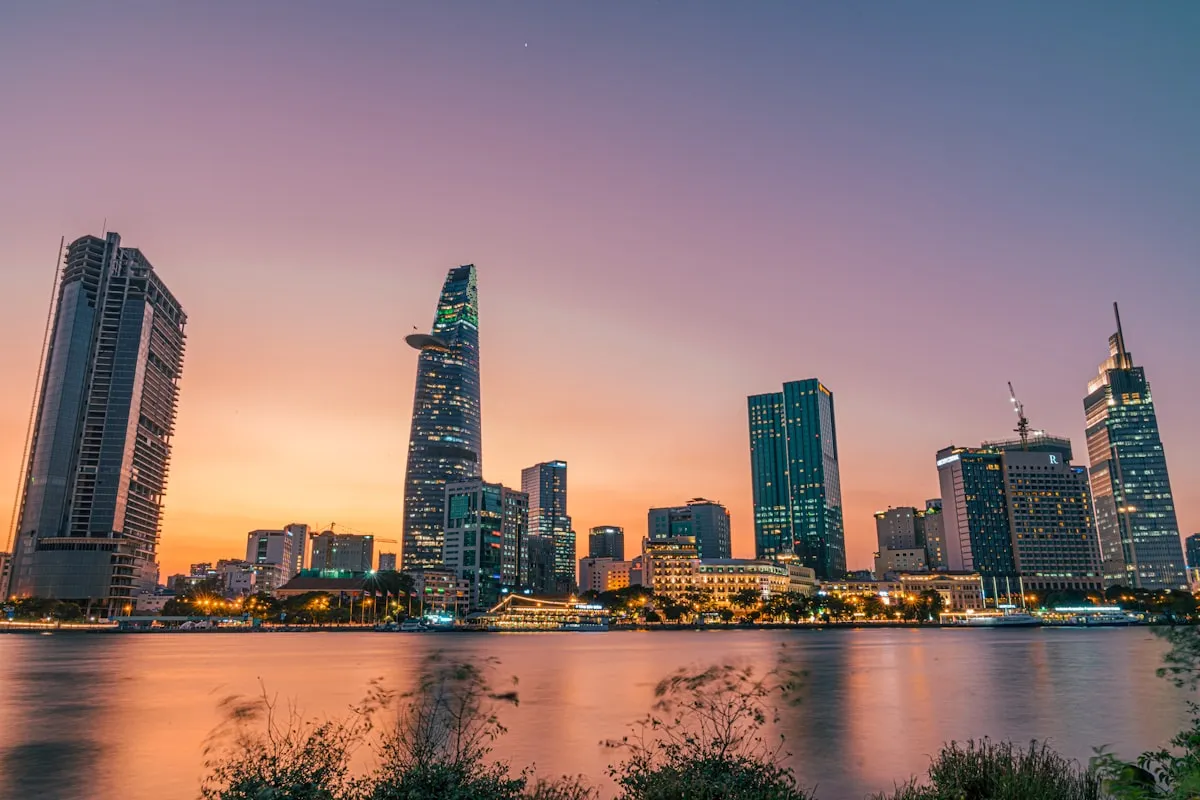
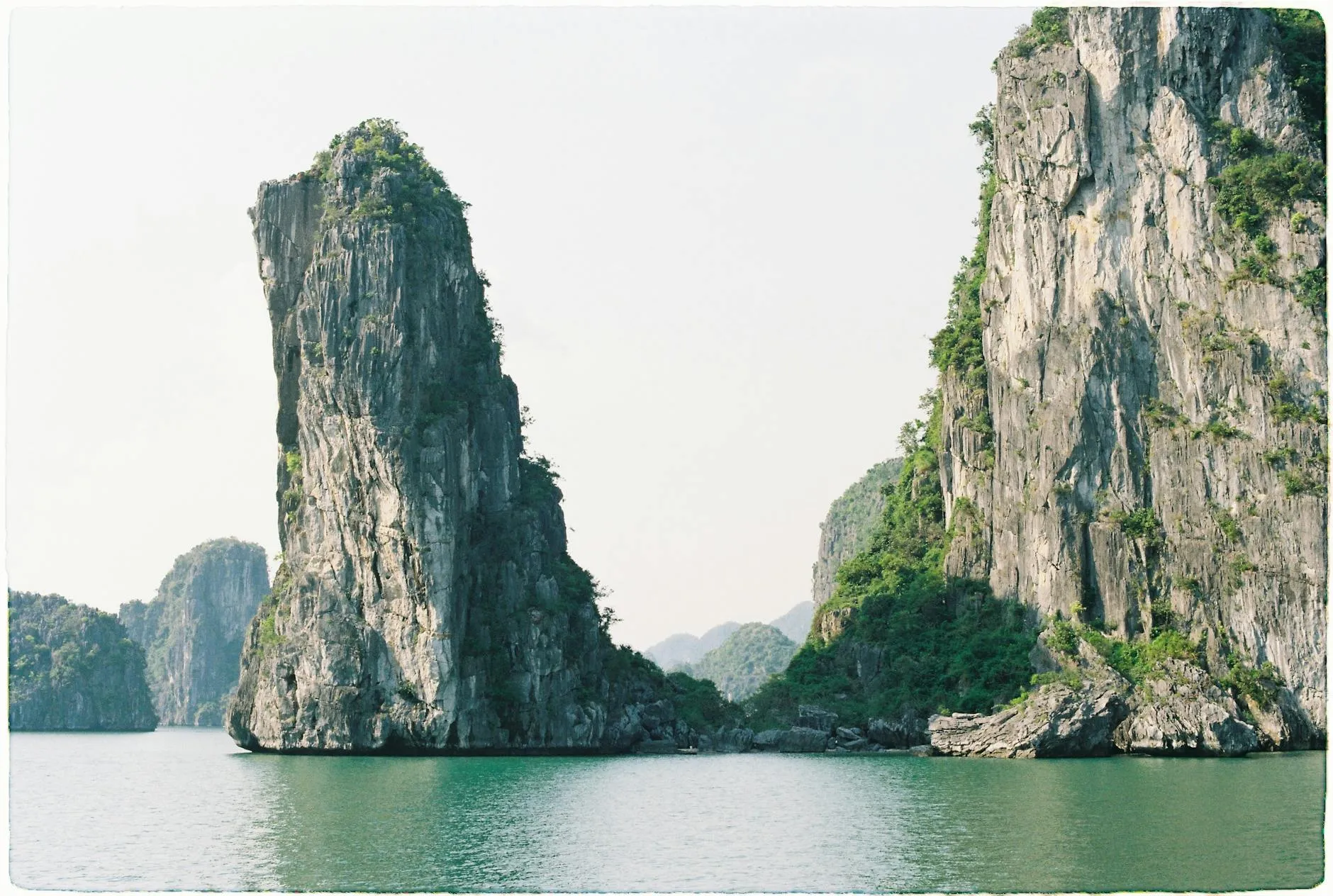
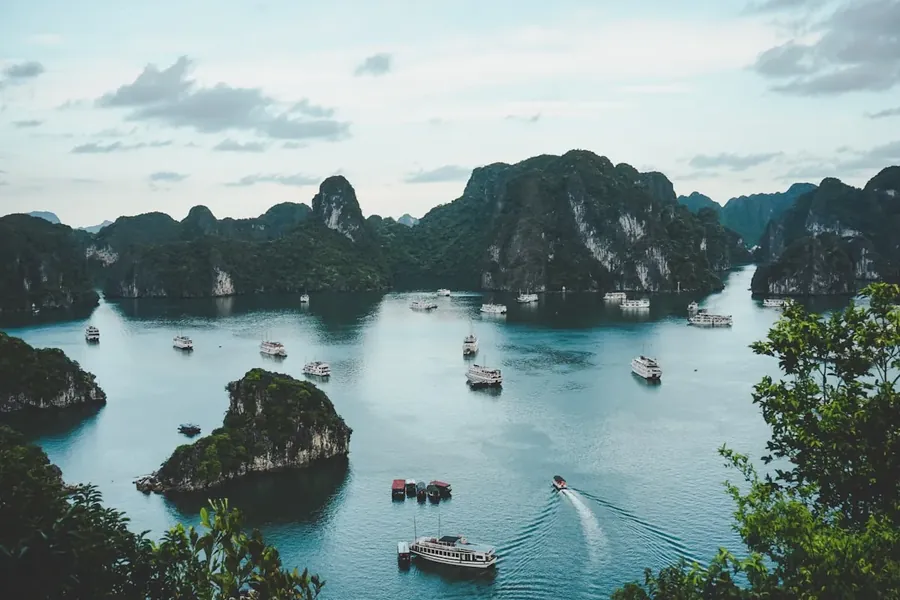
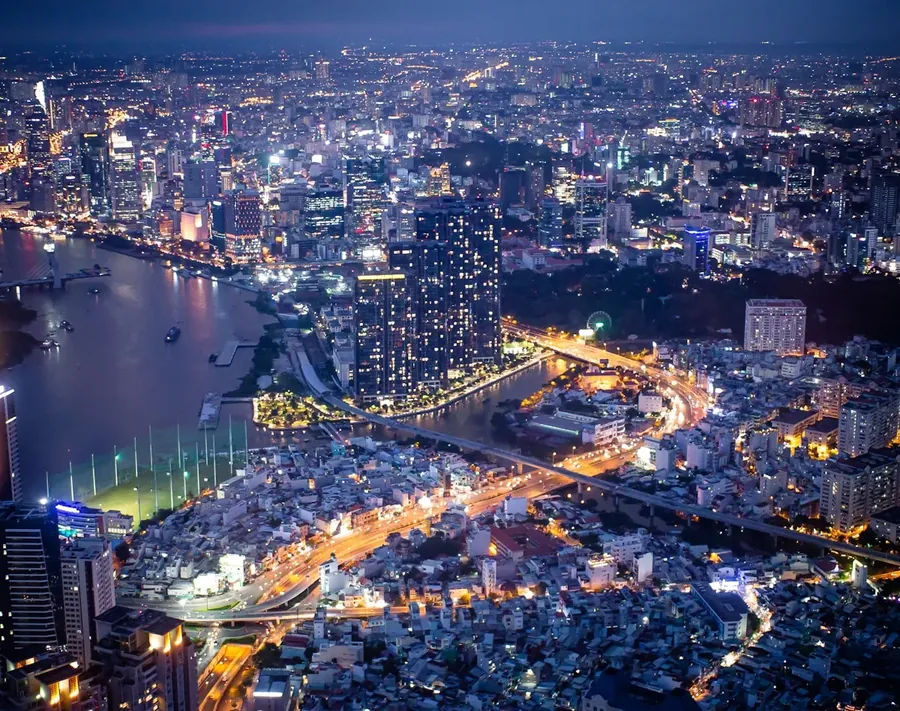
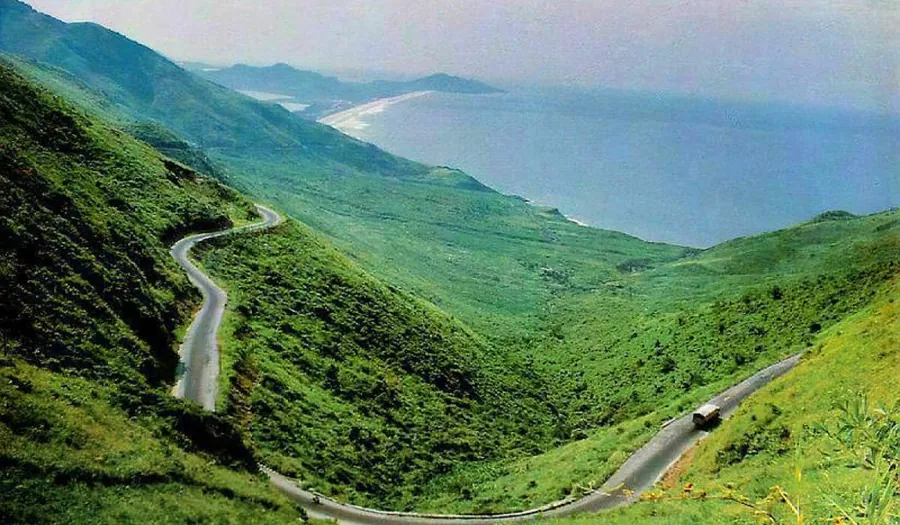
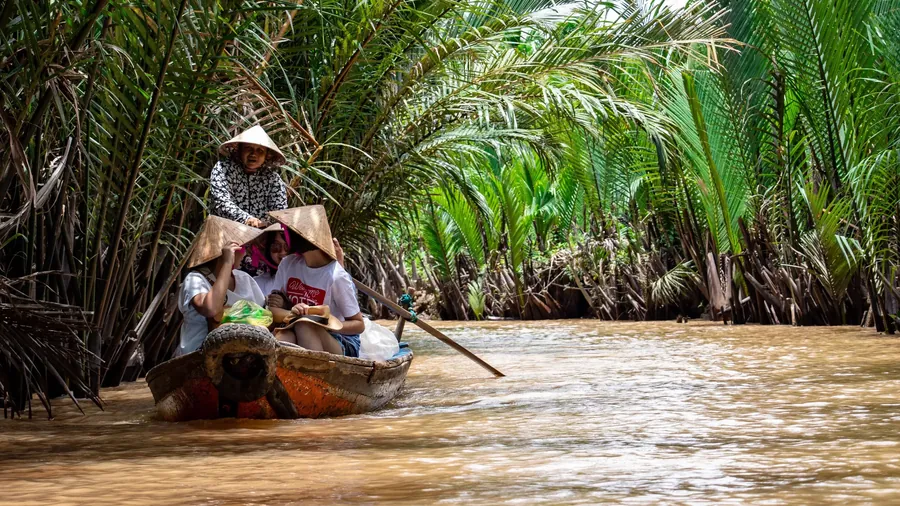
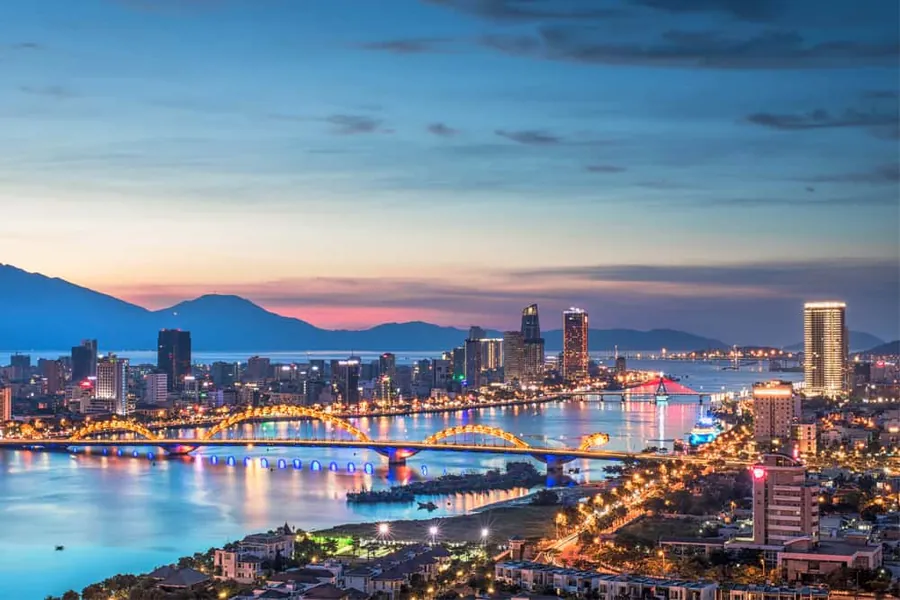
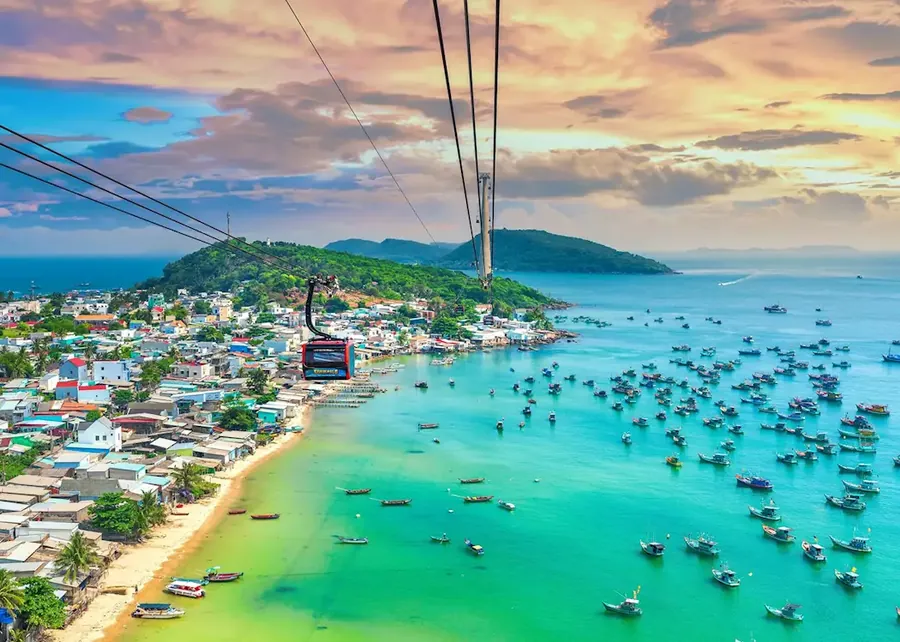
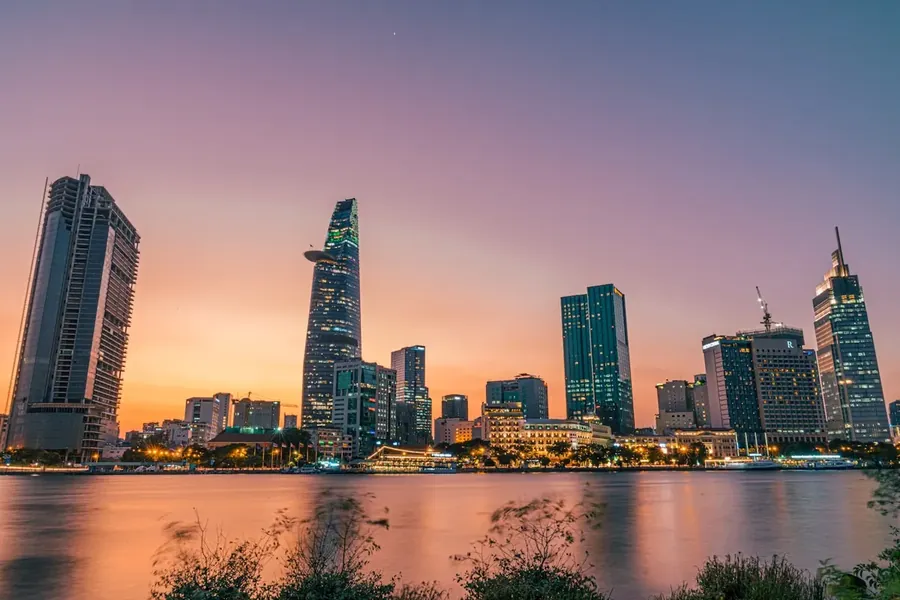
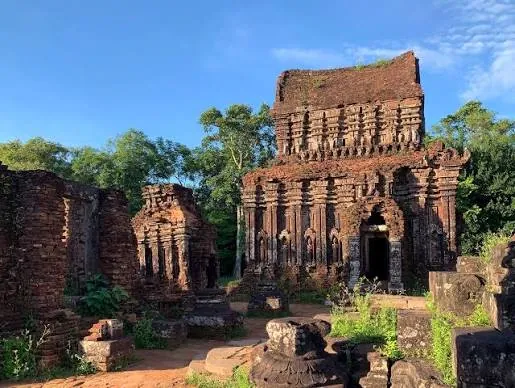
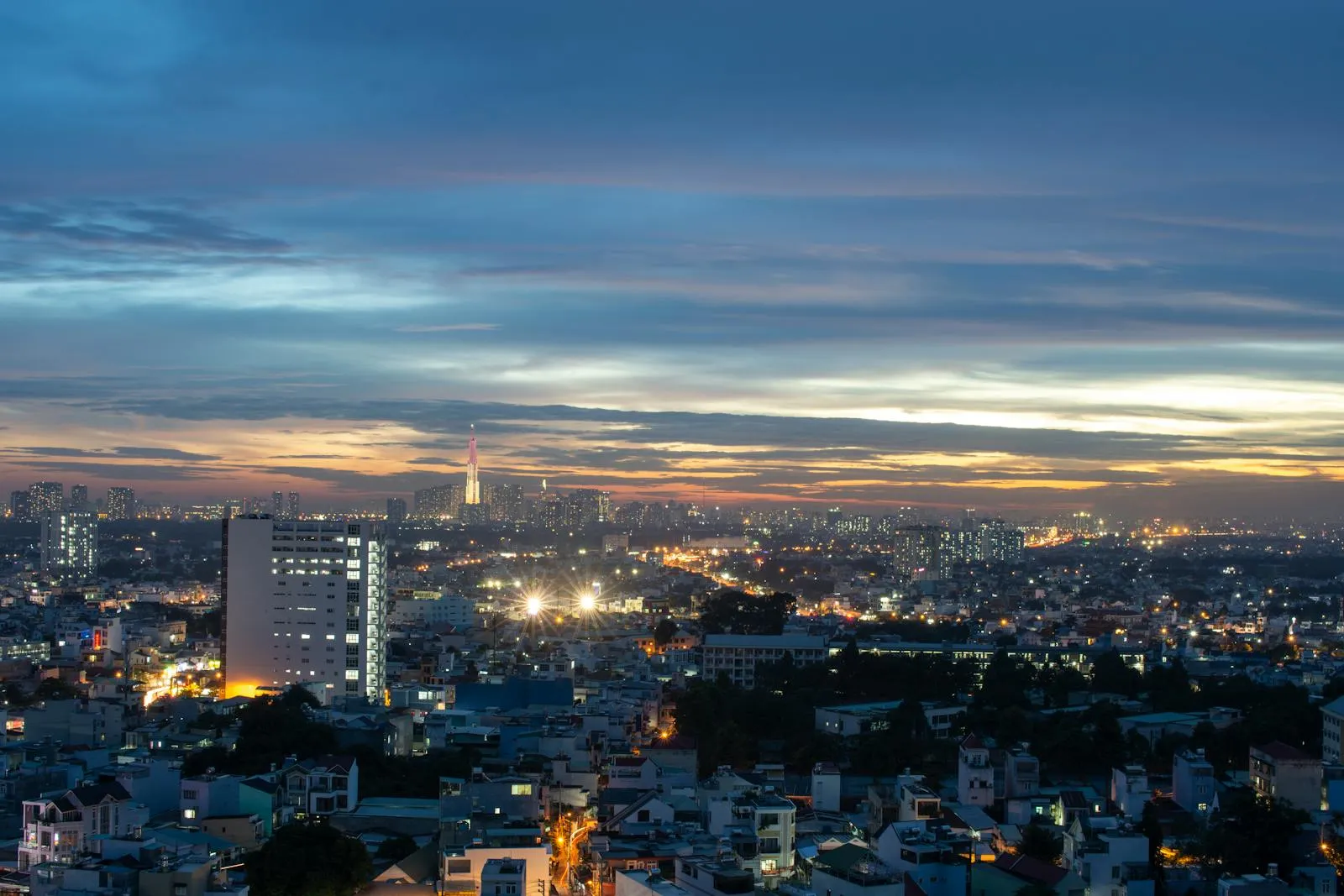
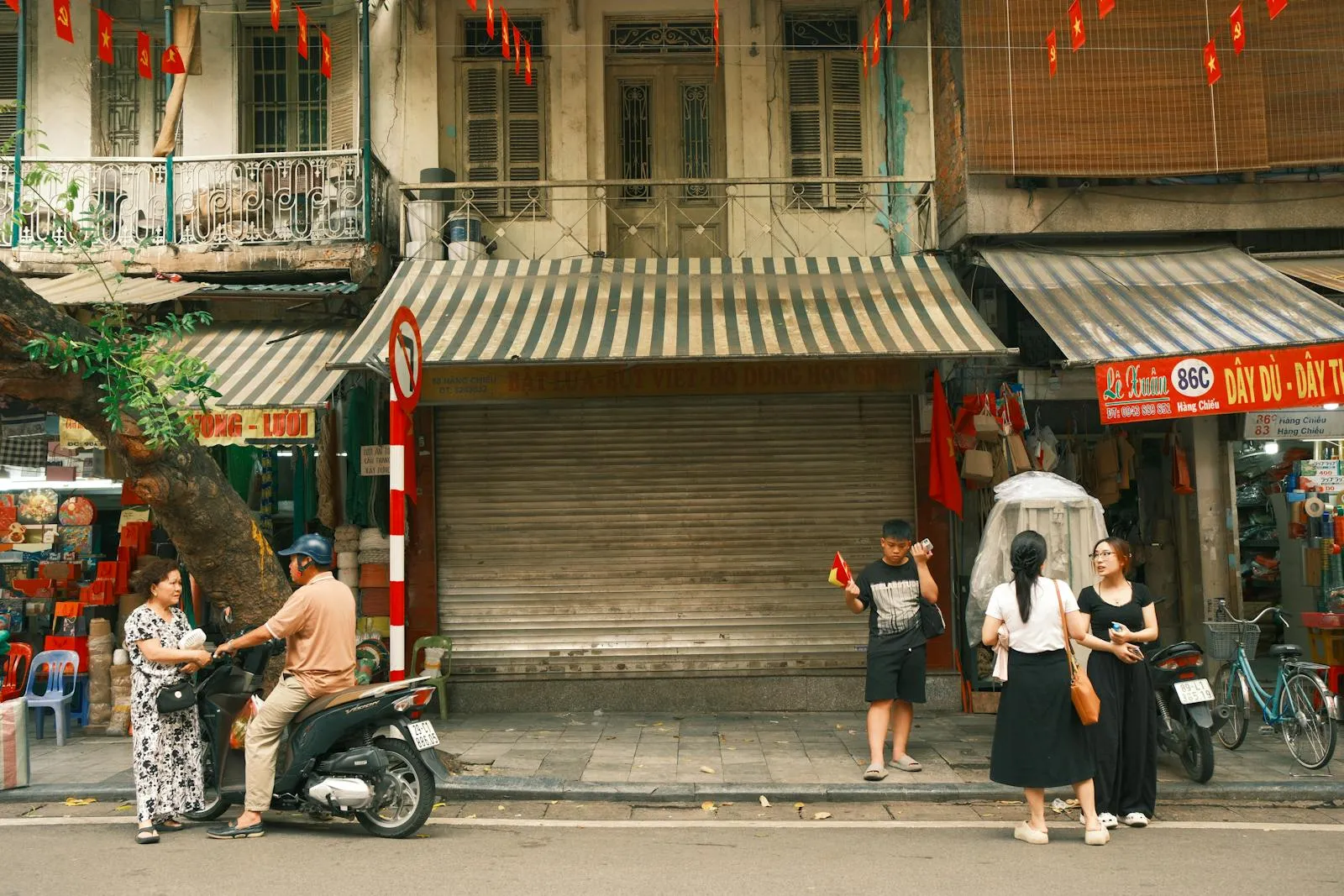
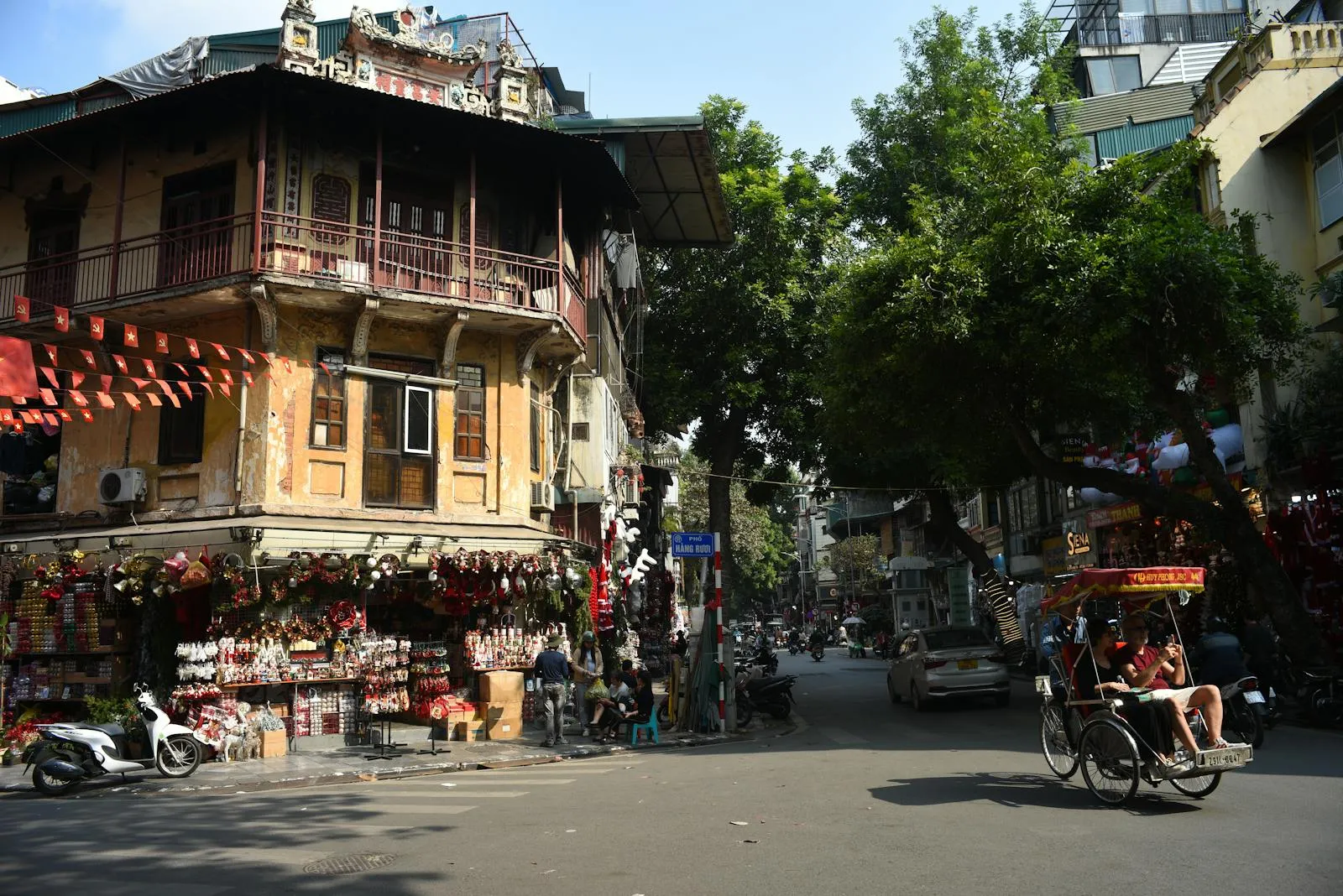
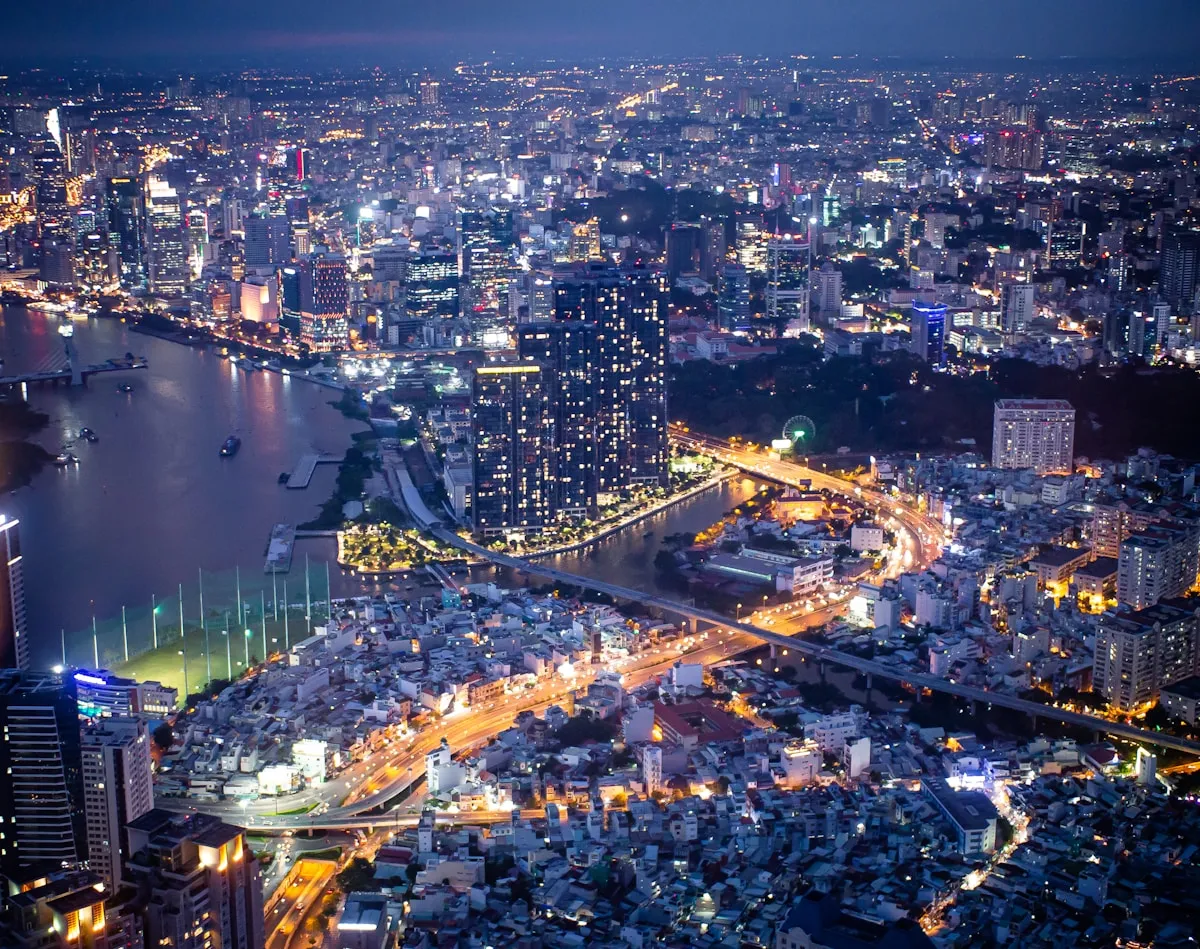
Vietnam's history stretches 4,000+ years, woven with independence, resistance, and resilience. Nearly a millennium under Chinese rule (111 BCE-938 CE) absorbed Confucian philosophy and administrative systems while maintaining distinct identity. French colonial period (1887-1954) left marks in architecture, cuisine, and language. American War (Vietnam War) ended 1975 with reunification under communist rule. Today's Vietnam honors its past while racing toward the future. Ancient temples stand beside skyscrapers. War memorials coexist with thriving markets.
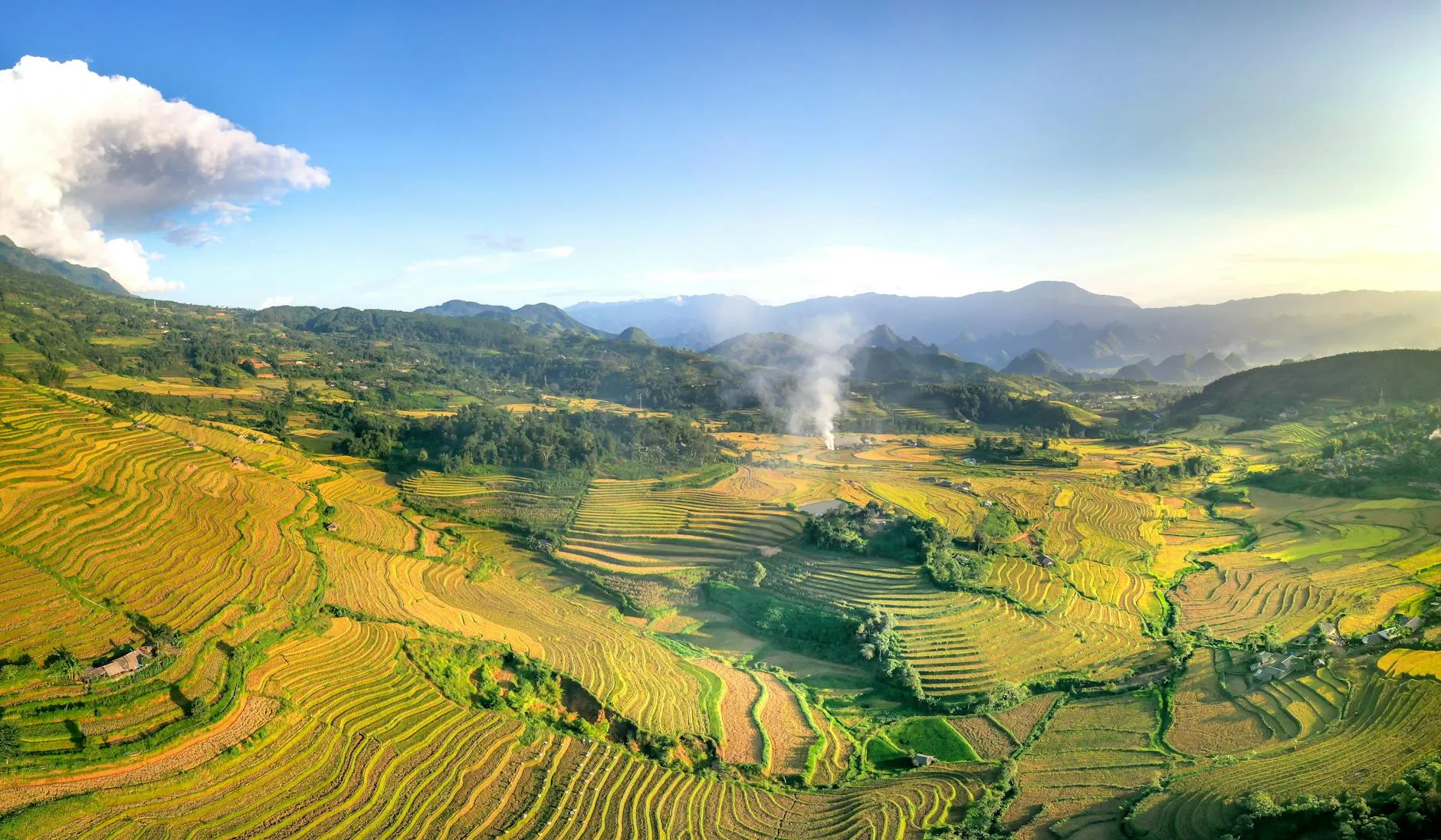
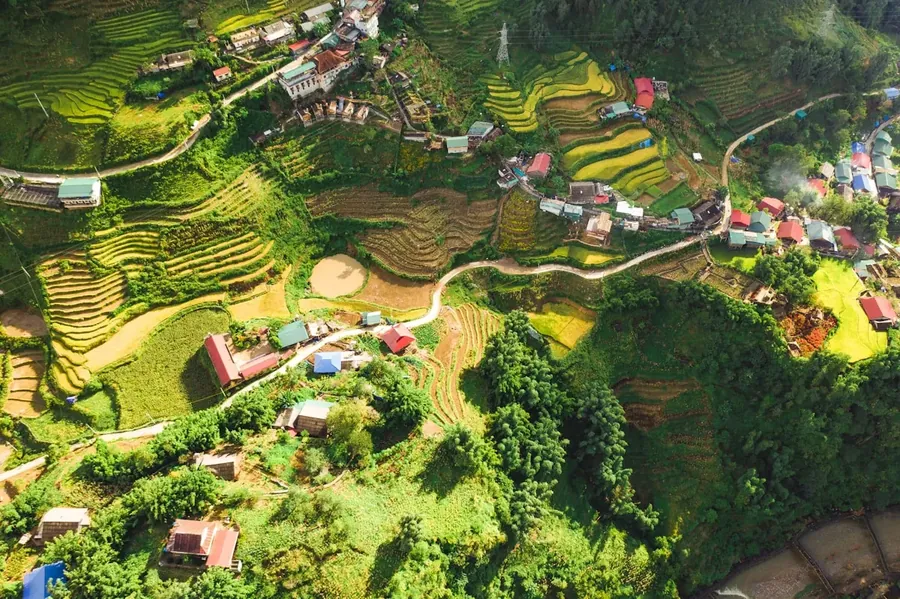
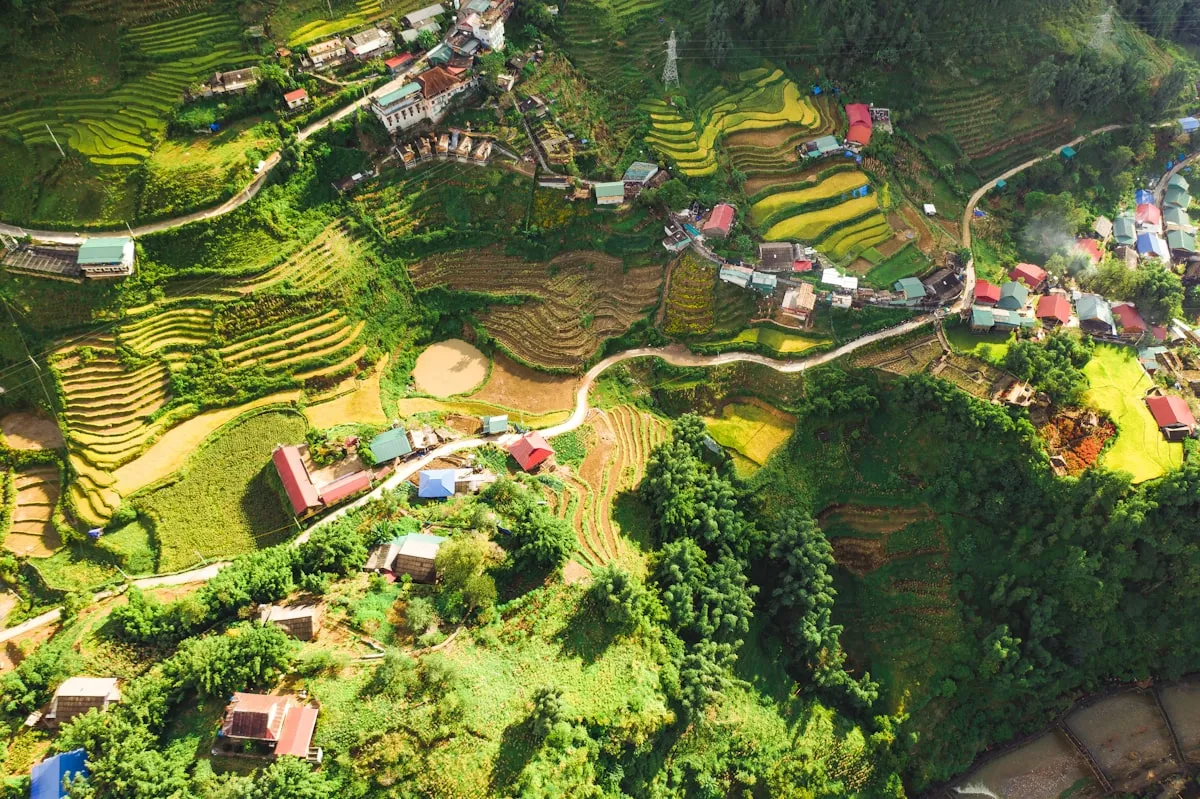
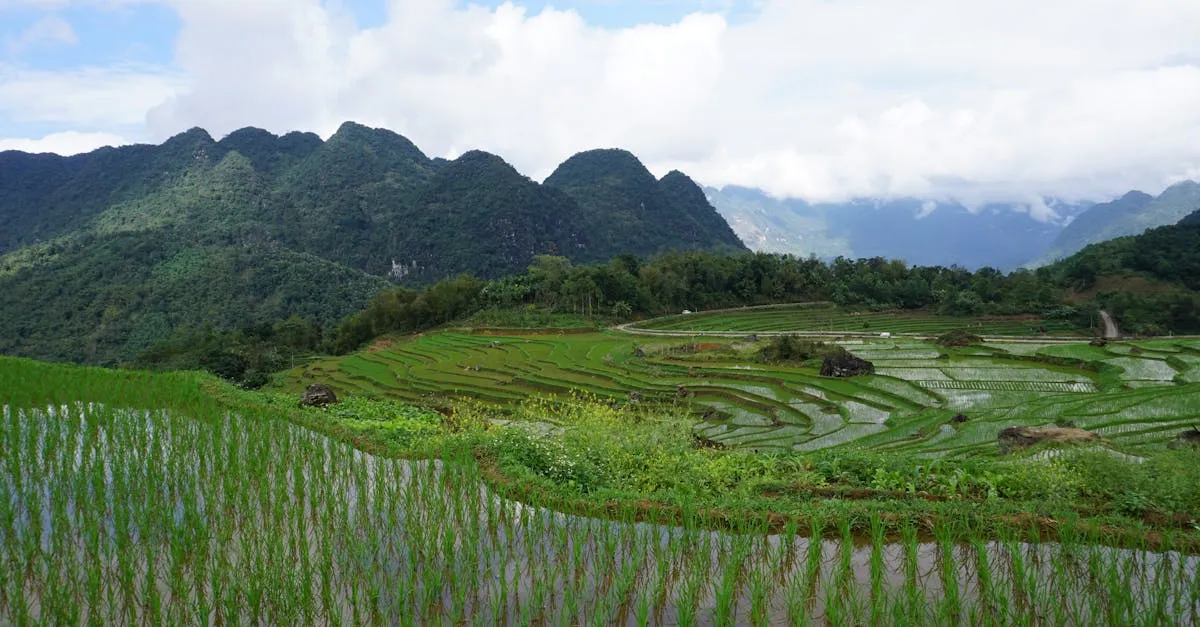
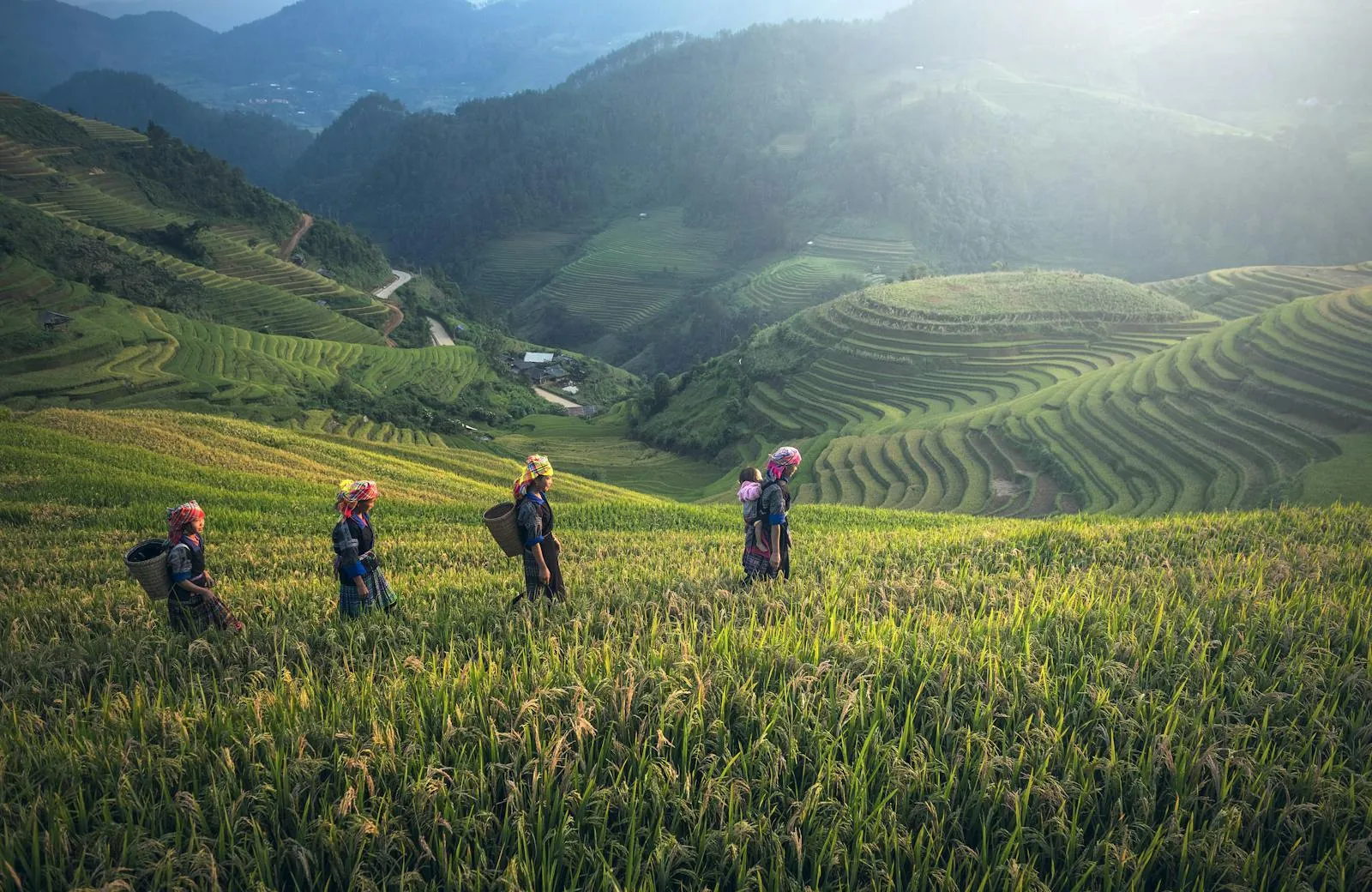
Cultural richness amplified by ethnic diversity. Kinh people comprise ~86% of population. 54 officially recognized ethnic groups preserve distinct languages, customs, and traditions. Northern mountains have H'mong with intricate embroidered textiles, Dao with herbal medicine traditions, Tay and Thai cultivating terraced rice fields for centuries. This diversity creates cultural mosaic varying dramatically region to region.
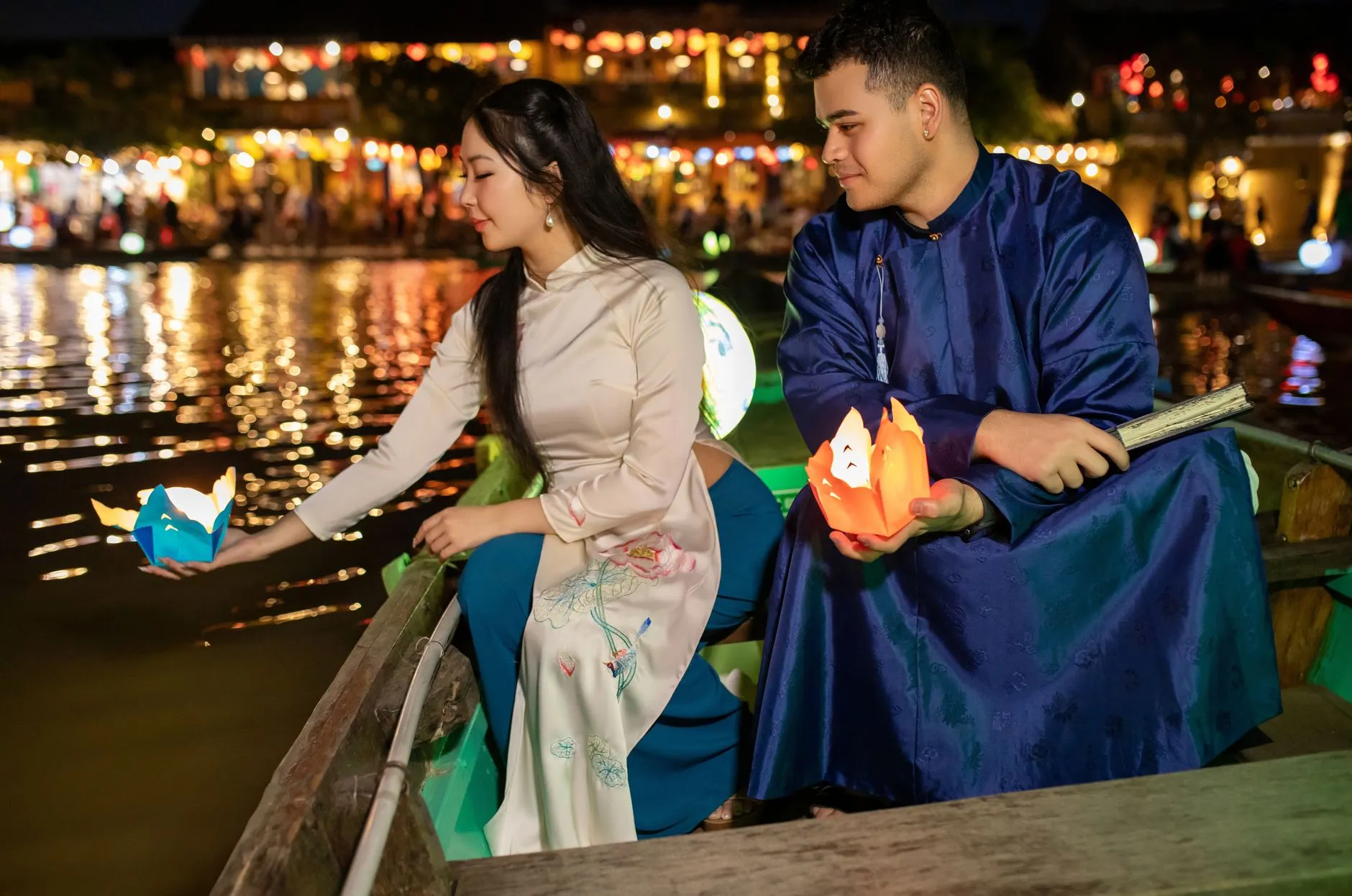
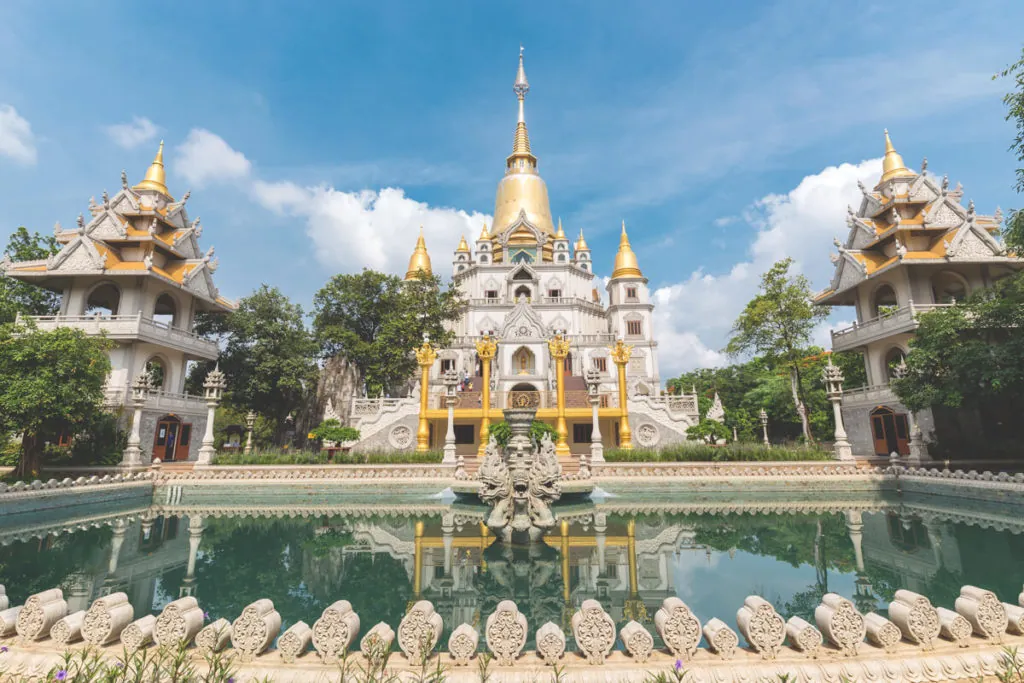
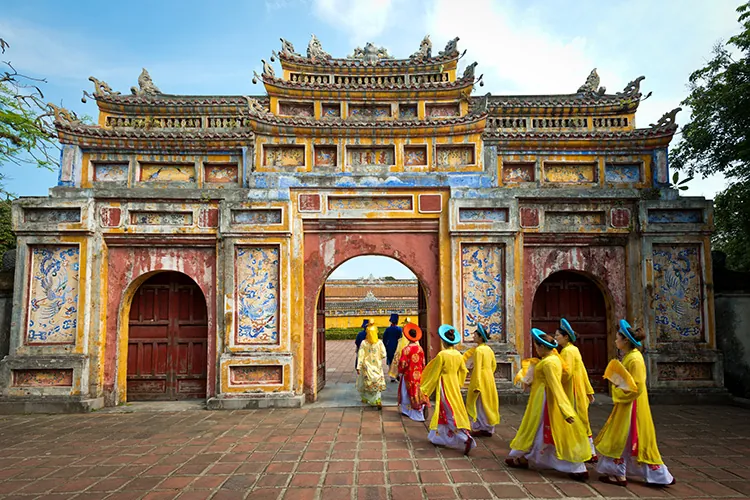
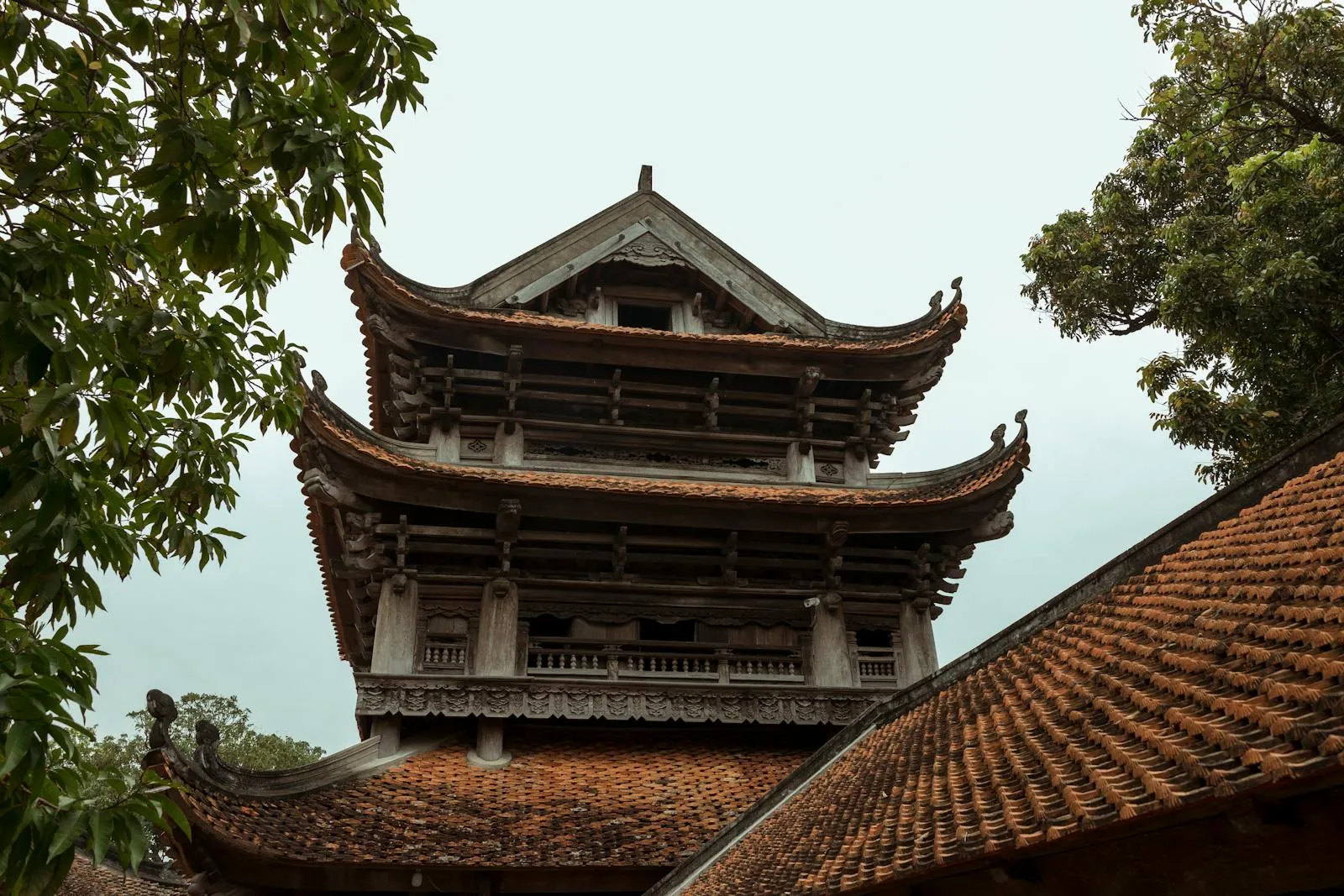
Vietnamese culture rooted in Confucian values (respect for elders, education, social harmony), blended with Buddhist spirituality and ancestor worship. Pagodas and temples serve as spiritual centers and architectural marvels. Family and community remain bedrock, multi-generational households common, festivals celebrated collectively. Graceful ao dai (traditional dress) appears at weddings, Tet, formal occasions. Water puppetry, uniquely Vietnamese art from 11th century, continues enchanting audiences in Hanoi theaters.
Vietnam's war legacy remains inescapable. Sites like War Remnants Museum, Cu Chi Tunnels, DMZ near Hue offer sobering insights into conflict's human cost. These are sacred memory spaces where millions died. Visitors approaching with genuine curiosity and humility often find Vietnamese people display remarkable openness and warmth toward foreigners, embodying cultural capacity for forgiveness and forward movement.
Cultural Etiquette Tips
- Shoes off: Always remove footwear before entering homes, temples, and some shops. Look for shoes at the entrance as your cue.
- Modest dress: Cover shoulders and knees when visiting pagodas, temples, and sacred sites. Bring a scarf or shawl for coverage.
- Photography respect: Always ask permission before photographing people, especially ethnic minorities and monks. A smile and gesture go a long way.
- Head taboo: Never touch someone's head, including children, as it's considered the most sacred part of the body in Buddhist culture.
- Two hands: When giving or receiving items, especially to elders, use both hands as a sign of respect.
- Pointing: Don't point your feet at people or religious objects. Feet are considered the lowest and least clean part of the body.
Food & Cuisine
🍴 Vietnamese cuisine ranks among the world's greatest culinary traditions. Sophisticated balance of fresh ingredients, complex flavors, and regional diversity reflecting geography and history. Unlike heavy, oil-laden dishes in some Asian cuisines, Vietnamese food emphasizes freshness: abundant herbs, crisp vegetables, delicate rice noodles. Perfect sweet, salty, sour, spicy combinations. Herb plates (Thai basil, cilantro, mint, perilla) let you customize to preference. 🌯 Considered one of world's healthiest cuisines.
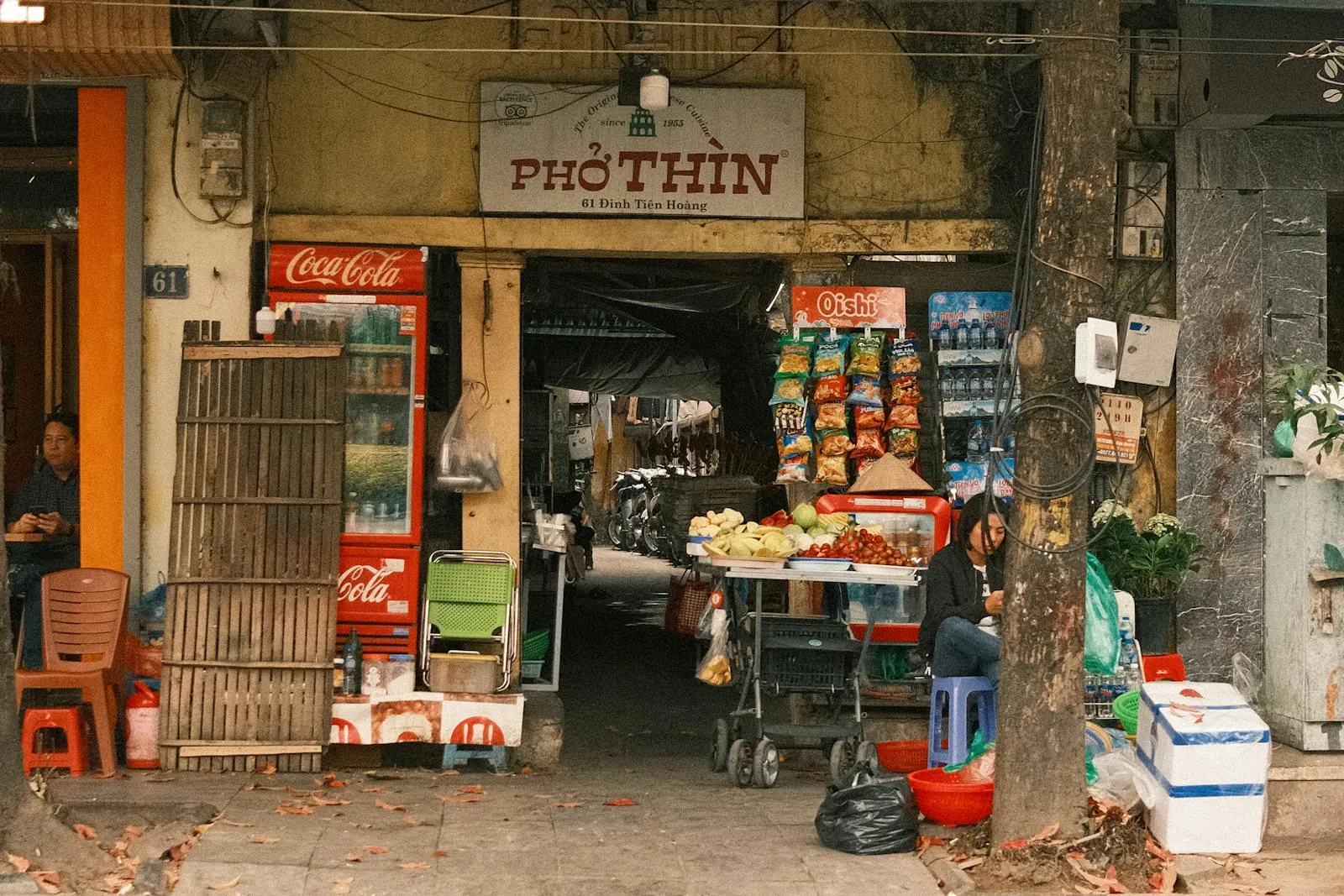
💰 Street food is the authentic expression of Vietnamese culinary art. Grandmother's pho stall might serve the best bowl for under €2. Social aspect equally important: locals perch on tiny plastic stools at sidewalk stalls, slurping noodles and sipping iced coffee while motorbikes whiz past.
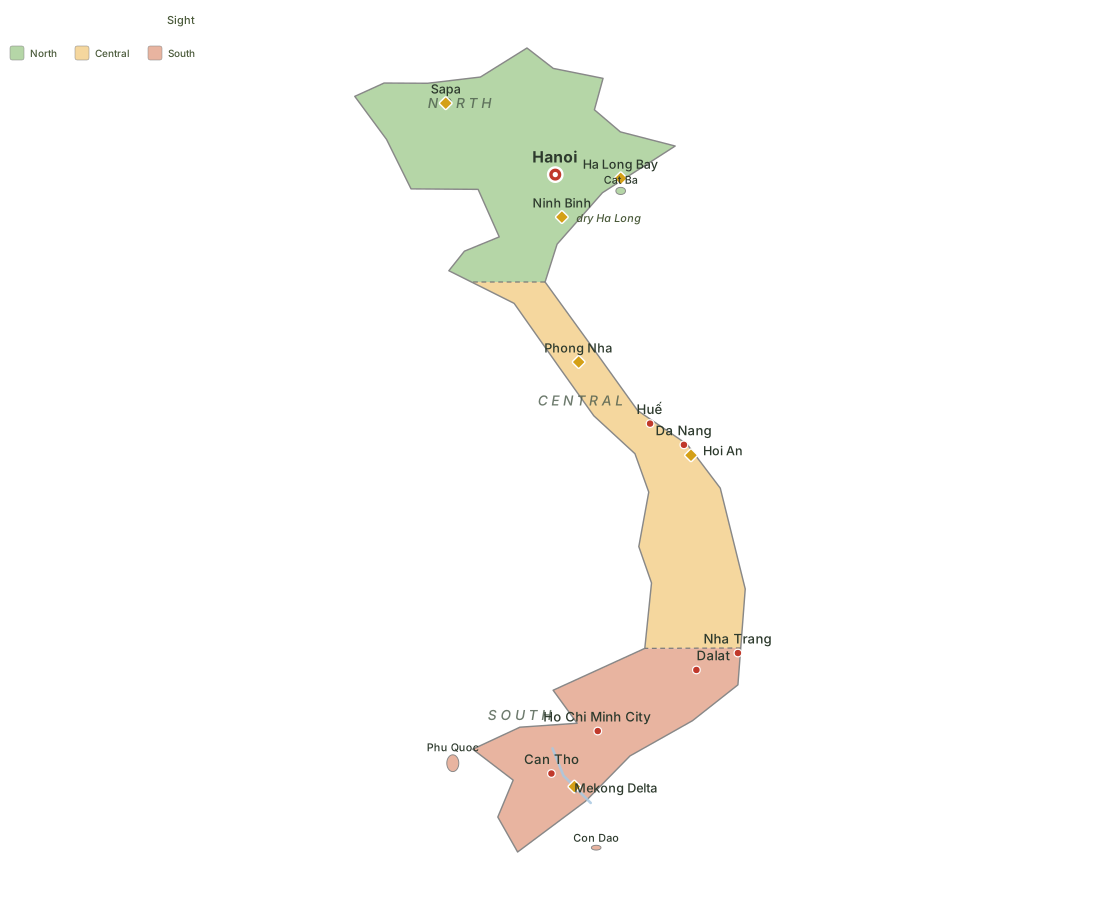
📍 Regional variations create distinct culinary identities. Northern (Hanoi): Subtlety, restraint, cleaner broths, less spice (Chinese influence, cooler climate). Central (Hue): Bold spiciness, elaborate royal cuisine traditions. Southern (HCMC): Sweeter flavors, coconut milk, abundant herbs (tropical influence). This diversity means eating three meals daily for months without repeating dishes.
Must-Try Dishes
- Pho: Iconic beef or chicken noodle soup with aromatic broth, rice noodles, and fresh herbs. Hanoi-style is cleaner and more refined than southern versions. Region: North. Price: €1.50-2.
- Bun cha: Grilled pork patties and slices served with rice noodles, herbs, and dipping sauce. Made famous by Obama's 2016 Hanoi meal with Anthony Bourdain. Region: North. Price: €2-2.50.
- Banh mi: French-influenced baguette sandwich with endless fillings: pate, cold cuts, grilled pork, fried egg, pickled vegetables, cilantro, and chili. Region: All regions. Price: €0.75-1.50.
- Bun bo Hue: Spicy beef noodle soup with thick round noodles, lemongrass, and shrimp paste. Hue's signature dish packs more heat than pho. Region: Central. Price: €1.50-2.
- Cao lau: Thick, chewy noodles unique to Hoi An, traditionally made with water from a specific ancient well. Served with pork, greens, and crispy crackers. Region: Central (Hoi An). Price: €2-2.50.
- Com tam: Broken rice (fractured grains) with grilled pork chop, shredded pork skin, fried egg, pickled vegetables, and fish sauce. Region: South. Price: €1.50-2.
- Banh xeo: Crispy savory crepe made with rice flour and turmeric, filled with shrimp, pork, bean sprouts. Wrap in lettuce with herbs and dip in sauce. Region: South. Price: €2-2.50.
- Goi cuon: Fresh spring rolls with translucent rice paper wrapping shrimp, pork, rice noodles, and herbs. Served with peanut dipping sauce. Region: All regions. Price: €1-2.
- Ca phe trung (Egg Coffee): Whipped egg yolk with condensed milk creating a creamy, dessert-like topping over strong Vietnamese coffee. Invented in 1940s Hanoi. Region: North (Hanoi). Price: €1-2.
- Ca phe sua da (Iced Coffee): Vietnamese iced coffee. Strong dark roast dripped through a phin filter over sweetened condensed milk and ice. Intensely caffeinated and addictive. Region: All regions. Price: €0.50-1.50.
Street Food Tips
Look for busy stalls with high turnover. Fresh ingredients and quick cooking mean safer food. Watch locals and order what they're eating. Don't fear street food. It's often cleaner than tourist restaurants. Bring tissues (vendors rarely provide napkins) and hand sanitizer. High times (7-9am, 11am-1pm, 5-7pm) guarantee the freshest food. Learn basic Vietnamese numbers to negotiate prices, though most street food is already incredibly cheap.
Coffee Culture
Vietnam is the world's second-largest coffee exporter, and coffee culture runs deep. Traditional ca phe sua da (iced coffee with condensed milk) is the national drink, served at every street corner. The slow drip phin filter creates strong, concentrated coffee that's sipped leisurely while watching street life. Hanoi's egg coffee (ca phe trung) and coconut coffee (ca phe cot dua) offer unique variations. Modern cafes blend Vietnamese coffee traditions with international styles, creating Instagram-worthy spaces that remain affordable.
Cooking Classes
Cooking classes offer hands-on immersion into Vietnamese cuisine, typically including market tours to select ingredients, instruction in traditional techniques, and a meal you've prepared yourself. Hoi An, Hanoi, and Ho Chi Minh City offer the most options, ranging from half-day classes (€20-35) to full-day experiences with countryside visits (€45-70). You'll learn to balance fish sauce, lime, sugar, and chili; roll perfect spring rolls; and understand the philosophy behind Vietnamese cooking. Most classes accommodate vegetarians and provide recipe booklets.
Bia Hoi: World's Cheapest Beer
Bia hoi (fresh beer) costs just €0.25-0.25 per glass, making it quite possibly the world's cheapest beer. This light, refreshing draft beer is brewed daily without preservatives and must be consumed within 24 hours. Bia hoi corners, especially in Hanoi's Old Quarter, become social hubs each evening where locals and travelers gather on tiny plastic stools, drinking fresh beer and snacking on peanuts, grilled meats, and fried tofu. The alcohol content is low (around 3%), making it perfect for Vietnam's hot climate. Join the bia hoi culture for an authentic, affordable Vietnamese social experience. Just pace yourself, as those small glasses add up quickly!