Australia — Comprehensive Travel Guide

Budget Travel Guide • Asia & Oceania Series

Budget: Moderate (€4k–€15k AUD travel phase)

Australia Map & Routes

Australia is the world's sixth-largest country, spanning roughly 4,000 km east to west and 3,200 km north to south. The key travel corridor for this trip runs from Perth on the west coast across to Cairns on the northeast coast, covering the vast distances between Australia's most spectacular regions. The map below shows the major destinations and the recommended travel routes connecting them.

Perth Exmouth Broome Darwin Alice Springs Uluru Adelaide Melbourne Sydney Cairns Routes Route A: Northern Arc Route B: Red Centre Route E: Southern Cross

The distances in Australia are immense — Perth to Cairns is roughly 5,500 km by road via the northern route, and even longer through the center or south. Most travelers underestimate these distances, so plan for long driving days between stops. The northern coastal route (blue) stays close to the ocean with regular towns, while the Red Centre route (orange) crosses some of the most remote terrain on Earth, requiring careful fuel and water planning.

Route Recommendation: For a February–May travel window, the Northern Arc (Route A) offers the best weather alignment. You'll travel through the tropical north during the tail end of the wet season when waterfalls are at their most spectacular, arriving in Cairns as the perfect dry season begins in May. The Red Centre is best March–May when temperatures drop from extreme summer heat to a comfortable 25–30°C.

Climate Zones

Australian outback road

Australia operates on two completely different climate systems simultaneously, and understanding this is critical for route planning. Get the timing wrong and you'll face cyclones, unbearable heat, dangerous flooding, or box jellyfish that can kill you in minutes.

Southern Australia (Sydney, Melbourne, Perth, Adelaide)

The southern half of the continent experiences a standard four-season cycle, but flipped from the Northern Hemisphere:

  • Summer (Dec–Feb): 25–35°C with long sunny days
  • Autumn (Mar–May): Cooling temperatures and beautiful golden light
  • Winter (Jun–Aug): Mild by European standards at 10–18°C with some rainfall, particularly in Melbourne and Tasmania
  • Spring (Sep–Nov): Warms back up with wildflower blooms across Western Australia

Northern Australia (Darwin, Cairns, Broome, Kimberley)

The tropical north has only two seasons, and they couldn't be more different:

  • Wet Season (Nov–Apr): Extreme humidity, daily monsoon downpours, tropical cyclones, flooding that closes roads for weeks, and deadly box jellyfish and Irukandji in coastal waters
  • Dry Season (May–Oct): Clear blue skies, comfortable 20–30°C temperatures, low humidity, and the best conditions for outdoor activities. This is when the Top End and Tropical North Queensland come alive for tourism
Key Insight Your plan to arrive in Cairns by May is excellently timed. You'll be there right as the dry season begins — perfect weather, no stinger jellyfish, crystal-clear reef visibility, and comfortable temperatures. This is the absolute best time to experience Tropical North Queensland.

Weather by Month — Travel Phase

This table shows what to expect at key locations during your travel months (February–July). Use this to time your route so you're always in the right place at the right time.

MonthPerthWA North CoastTop End (Darwin)Cairns
Feb Hot summer 30–38°C, dry, beach weather Wet/cyclone risk, roads may flood Peak wet season, monsoonal Wet season + stingers
Mar Cooling 28–33°C, pleasant Wet easing, still some risk Still wet, humid Wet easing, humid
Apr Autumn 22–28°C, ideal Drying out, improving Transition month Transition, clearing
May Mild 18–23°C, some rain Dry season starts Dry season, clear skies DRY SEASON begins!
Jun–Jul Winter 15–19°C, wet Perfect conditions Perfect conditions PERFECT — peak dry
Cyclone Warning Northern Western Australia (above Exmouth) is cyclone-prone from November through April. Driving the WA coast north of Exmouth in February carries real risk of road closures, flooding, and dangerous conditions. Plan your northward push for March or later when the risk drops significantly.

Southern Route Weather (April & May)

If you choose Route E (the Southern Cross-Country from Perth through Melbourne to Cairns), here's what to expect weather-wise during April and May — the months you'd be traveling this route.

LocationAprilMayVerdict
Perth / SW WA 22–28°C, minimal rain, autumn bliss 18–23°C, occasional rain Excellent
Nullarbor Plain Days 20–25°C, nights 5–12°C, dry Days 18–22°C, nights 3–8°C, dry Good driving conditions
Adelaide 18–22°C, low rainfall, pleasant 16–19°C, increasing rain Good for wine tours
Great Ocean Road 15–18°C, some rain, shorter days 12–16°C, wetter, windy, grey Cool but dramatic — bring layers
Melbourne 14–20°C, cool autumn 12–17°C, winter approaching City fine, beaches aren't
Sydney 18–24°C, beautiful autumn 15–22°C, clear, pleasant Lovely both months
Byron Bay / Brisbane 22–27°C, warm, post-humidity 20–25°C, dry, comfortable Great both months
Whitsundays 25–28°C, tail-end of wet 22–26°C, dry season starting May = sweet spot
Cairns 24–30°C, late wet, humid 20–28°C, dry season begins Perfect from May onward

The key takeaway: April–May works well for this route, with the main caveat being that the Great Ocean Road and Melbourne will be cooler and wetter than ideal. You won't be swimming at the beach, but the dramatic autumn scenery, empty roads, and moody ocean views have their own magic. Think of it as trading beach weather for atmospheric beauty.

Regional Best Seasons

Use this table to cross-reference your route timing with the ideal visiting windows for each major region.

RegionBest SeasonNotes
Great Barrier ReefJune – OctoberClear waters, no stingers, calm seas, best visibility
Red Centre (Uluru)April–May, SeptemberMild days 20–30°C; avoid summer when it exceeds 45°C
TasmaniaDecember – MarchWarmest months 15–25°C, ideal for hiking
Coastal NSW/VICSep–Nov, Mar–MayShoulder seasons: mild weather, fewer crowds
WA Coral CoastMarch – OctoberWhale shark season at Ningaloo starts mid-March
Top End (Darwin, Kakadu)May – OctoberDry season; waterfalls still flowing early in season
Kimberley (Broome)May – SeptemberDry season; Gibb River Road open
Perth / SW WASeptember – MayMediterranean climate; wildflowers bloom Sep–Nov
WhitsundaysMay – OctoberDry, warm, perfect sailing conditions

Western Australia

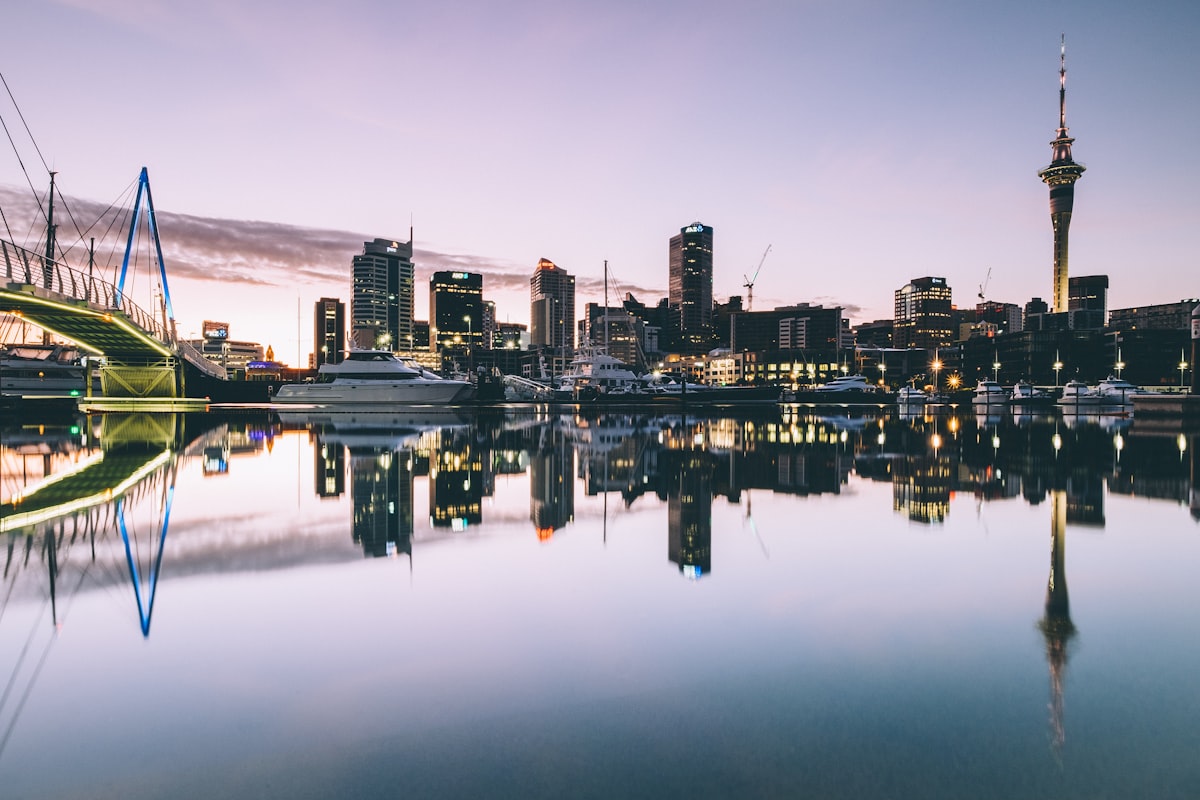
Perth skyline

Western Australia is the largest state, covering a third of the entire continent — yet it holds less than 10% of the population. This is Australia at its most raw and untouched. From the Mediterranean vineyards of Margaret River to the turquoise waters of Ningaloo Reef and the ancient red gorges of Karijini, WA delivers landscapes that feel like they belong on another planet. Most international tourists never make it here, which means you'll often have pristine beaches and national parks entirely to yourselves.

Perth & the Southwest

Perth is Australia's most isolated capital city — the nearest major city (Adelaide) is 2,700 km away. Despite this, it's a vibrant, sun-drenched city with beautiful beaches, excellent restaurants, and a thriving arts scene.

The Southwest corner is a pocket of Mediterranean paradise:

  • Margaret River: World-class wine (particularly Cabernet Sauvignon and Chardonnay)
  • Esperance: Beaches so white and water so turquoise that photos look photoshopped
  • Lucky Bay: Famous for kangaroos lounging on the sand
  • Margaret River — 120+ wineries, surf breaks, limestone caves, tall karri forests
  • Esperance & Lucky Bay — Australia's whitest sand, kangaroos on the beach
  • Albany — Dramatic coast, whale watching (Jun–Oct), ANZAC history
  • Rottnest Island — Home of the quokka (the world's happiest animal)

Coral Coast (Geraldton to Exmouth)

The Coral Coast Highway runs north from Perth through increasingly dramatic coastal scenery. The crown jewel is Ningaloo Reef at Exmouth:

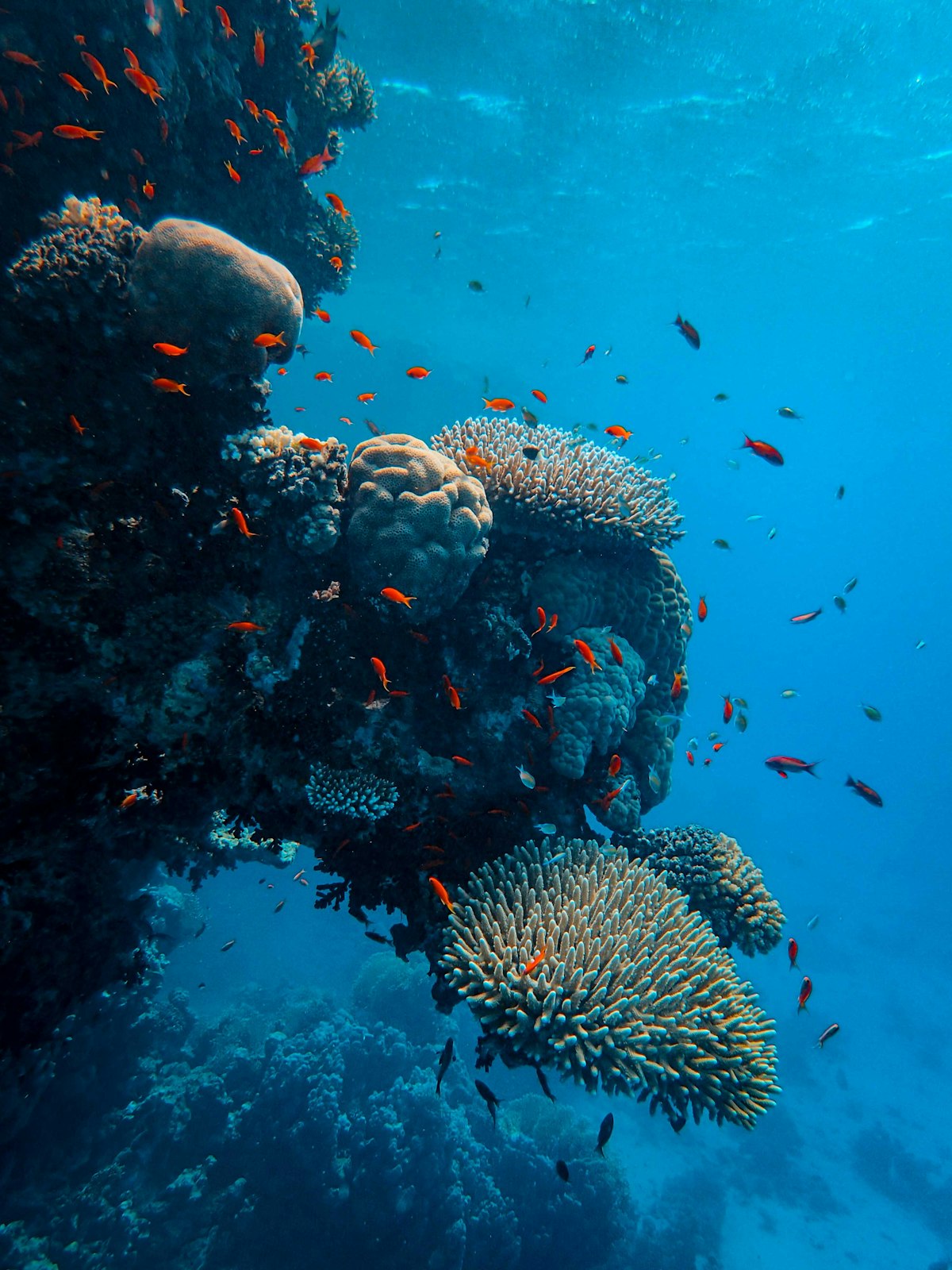
  • 260 km fringing reef where you can snorkel with whale sharks (the world's largest fish) from mid-March through July
  • Accessible directly from the beach — unlike the Great Barrier Reef
  • Many experienced divers consider it superior to the GBR
  • Kalbarri National Park — Nature's Window, Z-Bend gorge walks, coastal cliffs
  • Shark Bay / Monkey Mia — Wild dolphins come to shore daily, World Heritage site
  • Coral Bay — Snorkel with manta rays right off the beach
  • Ningaloo Reef / Exmouth — Whale shark swims, manta rays, turtle nesting

Pilbara (Karijini National Park)

Karijini is, in many people's opinion, the single most beautiful place in Australia. Billion-year-old red and orange gorges plunge into emerald swimming holes and cascading waterfalls. You hike, swim, and scramble through narrow slot canyons that feel primordial. It's relatively unknown to international tourists but fiercely loved by Australians. If you see one inland place in Australia, make it Karijini.

Kimberley (Broome to Kununurra)

The Kimberley is one of the last true wilderness frontiers on Earth — an area three times the size of England with a population of about 40,000. Broome's Cable Beach offers 22 km of unbroken white sand and legendary sunsets. The Gibb River Road (660 km unsealed 4WD track) accesses remote gorges, waterfalls, and million-acre cattle stations. This region requires time, a reliable vehicle, and the dry season (May–September).

Northern Territory

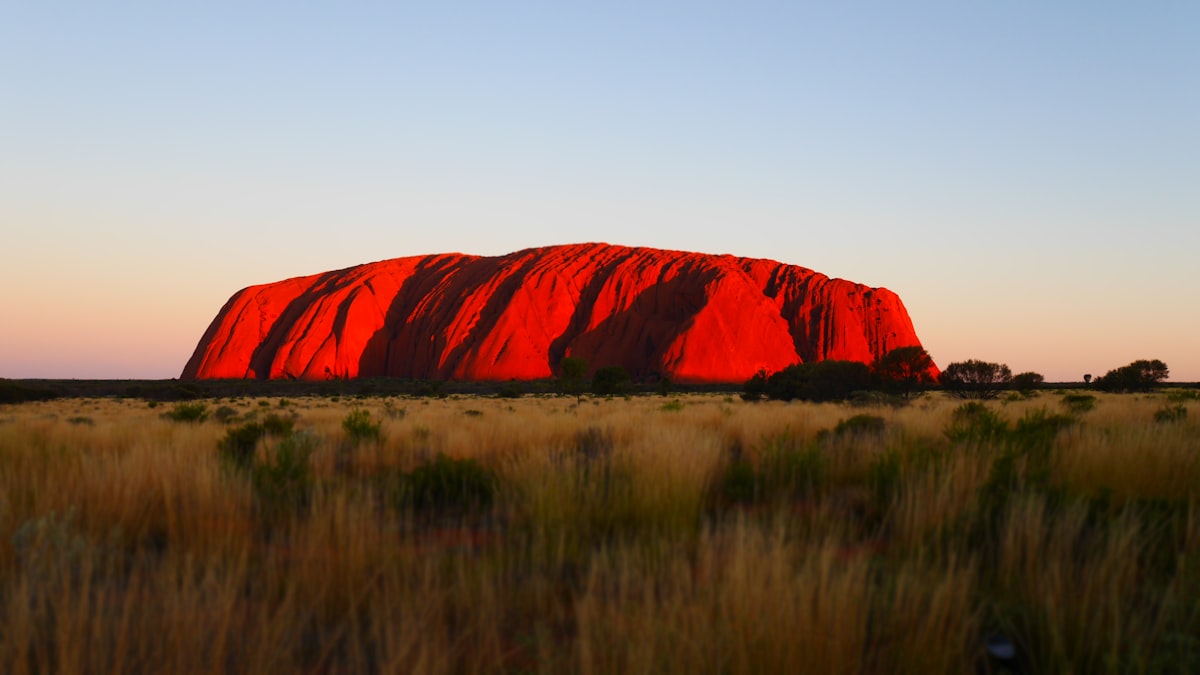
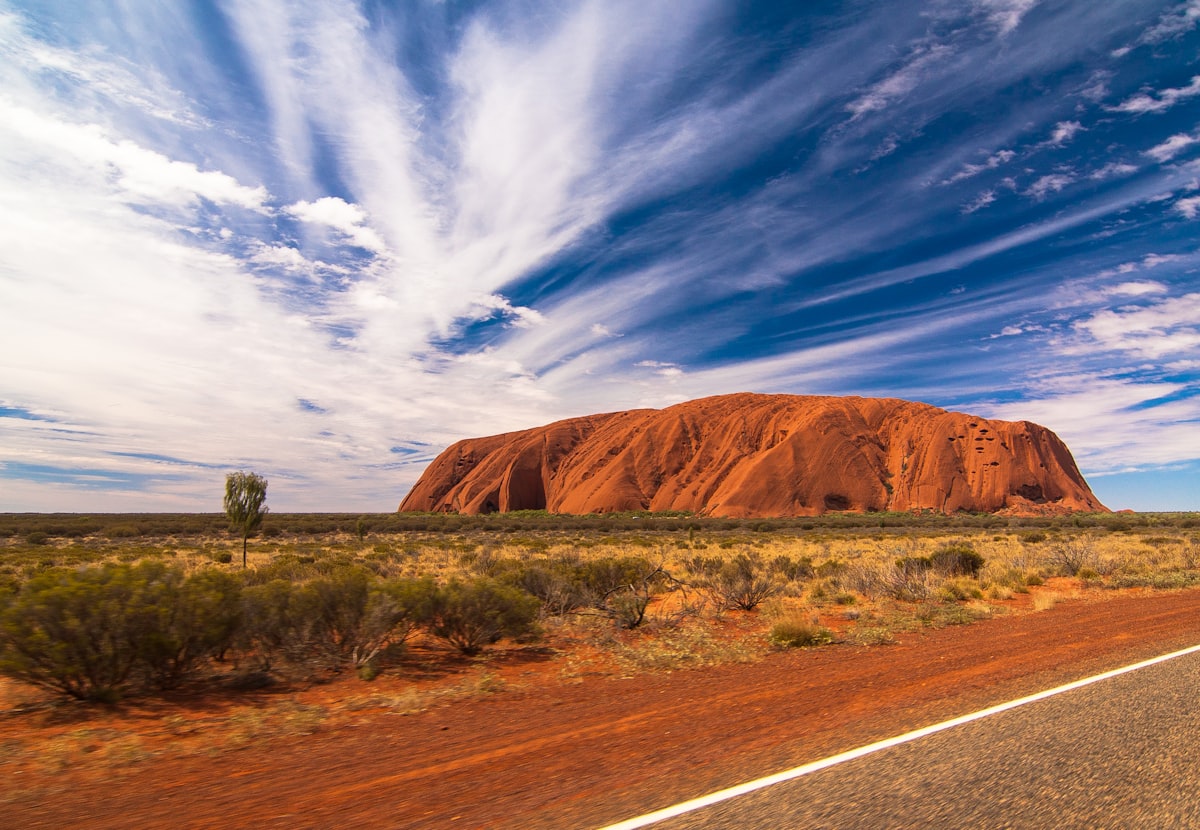
Uluru at sunset in the red desert

The Northern Territory is where Australia feels most ancient and most wild. It's home to the continent's two most iconic natural landmarks — Uluru and Kakadu — and contains some of the oldest continuous cultures on Earth, with Aboriginal rock art dating back more than 40,000 years. The Top End around Darwin is crocodile country, where saltwater crocs up to 6 metres long patrol rivers and coastlines. It's thrilling, humbling, and utterly unforgettable.

Top End (Darwin, Kakadu, Litchfield)

  • Darwin — Tropical capital city, Mindil Beach sunset markets, multicultural food scene, crocodile parks
  • Kakadu National Park — Australia's largest national park. Aboriginal rock art at Ubirr and Nourlangie (40,000+ years old), Jim Jim Falls, Yellow Water wetlands cruise with crocodiles, extraordinary birdlife
  • Litchfield National Park — Accessible waterfalls you can swim in (Florence Falls, Wangi Falls), magnetic termite mounds, plunge pools
  • Katherine Gorge (Nitmiluk) — Canoe through 13 ancient sandstone gorges, Aboriginal cultural tours

Red Centre (Alice Springs, Uluru, Kings Canyon)

  • Uluru (Ayers Rock) — The spiritual heart of Australia. Watching sunrise or sunset paint the rock in shifting reds, oranges, and purples is genuinely life-changing. The base walk (10 km) reveals caves, waterholes, and ancient paintings.
  • Kata Tjuta (The Olgas) — 36 domed rock formations, Valley of the Winds walk, arguably more dramatic than Uluru up close
  • Kings Canyon (Watarrka) — The rim walk rivals the Grand Canyon. 300-metre sandstone walls, the Garden of Eden waterhole
  • Alice Springs — Outback town, desert park, Aboriginal art galleries, base for Red Centre exploration

Queensland

Great Barrier Reef

Queensland stretches from the subtropical Gold Coast to the tropical tip of Cape York, encompassing the Great Barrier Reef — the largest living structure on Earth, visible from space. The East Coast of Queensland is the classic Australian backpacker trail, with well-established infrastructure, frequent bus services, and a social hostel scene. But it also contains genuine wilderness: the Daintree is the oldest rainforest on the planet (180 million years old, predating the Amazon by 170 million years).

Tropical North (Cairns, Port Douglas, Daintree)

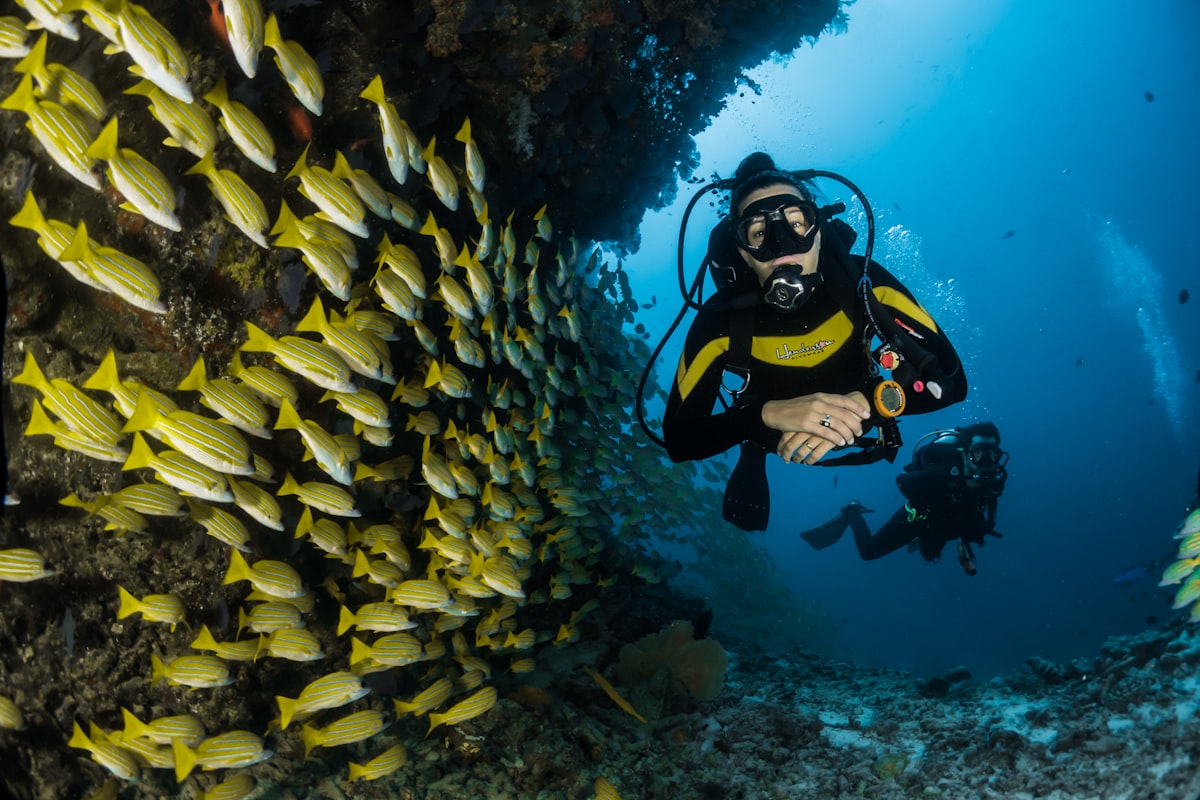
  • Great Barrier Reef — 2,300 km of coral reef, 1,500 species of fish, 400 types of coral. Snorkel or dive from Cairns, Port Douglas, or the Whitsundays. Best June–October.
  • Daintree Rainforest — The oldest rainforest on Earth. Where the reef meets the rainforest at Cape Tribulation. Cassowaries, tree kangaroos, crocodiles.
  • Port Douglas — Upscale coastal village, gateway to the outer reef and Daintree
  • Atherton Tablelands — Waterfalls (Millaa Millaa, Zillie, Ellinjaa), crater lakes, wild platypus spotting

Whitsundays & Central Coast

  • Airlie Beach & Whitsunday Islands — Whitehaven Beach (regularly voted world's best), sailing trips through 74 islands, heart-shaped reef
  • Magnetic Island — Wild koalas in the trees, WWII fort ruins, snorkeling, relaxed island vibe (ferry from Townsville)
  • K'gari (Fraser Island) — World's largest sand island. 4WD beach driving, freshwater lakes with crystal-clear water, dingoes

Southeast Queensland

  • Brisbane — Queensland's capital, South Bank cultural precinct, craft beer scene, warm subtropical climate year-round
  • Gold Coast — Surf beaches, theme parks, hinterland rainforest walks
  • Byron Bay — Australia's most easterly point, surf culture, spiritual vibe, Cape Byron lighthouse, dolphins
  • Noosa — Elegant beach town, national park coastal walk, Hastings Street dining

South Coast & Victoria

Great Ocean Road

Australia's southern coastline offers a completely different character to the tropical north. This is wine country, dramatic cliff faces, temperate rainforests, and cosmopolitan cities. The Great Ocean Road is one of the world's most famous coastal drives, Melbourne is Australia's cultural capital, and South Australia's wine regions produce some of the finest wines in the Southern Hemisphere.

Great Ocean Road & Victoria

  • Great Ocean Road — 243 km of spectacular coastal driving. The Twelve Apostles sea stacks, Loch Ard Gorge, Bells Beach (surfing), Great Otway National Park rainforest
  • Melbourne — Laneways, world-class coffee, street art, galleries, live music. Gateway to Phillip Island (penguin parade) and Wilsons Promontory (hiking)
  • Grampians National Park — Sandstone mountain ranges, Aboriginal rock art, bushwalking, wildflowers

South Australia

  • Barossa Valley — Australia's premier wine region. Shiraz, cellar doors, gourmet food, rolling vineyard landscapes
  • Kangaroo Island — Australia's Galapagos. Koalas, sea lions, kangaroos, echidnas, and Little Penguins in the wild. Remarkable Rocks, Admirals Arch
  • Adelaide — Festival city, Central Market, Adelaide Hills, McLaren Vale wine region
  • Eyre Peninsula — Swim with sea lions and great white sharks, pristine seafood trail

The Nullarbor Plain

The Nullarbor crossing connects Western Australia to South Australia — roughly 1,200 km of flat, treeless expanse. It includes the 90 Mile Straight (Australia's longest straight road), the stunning Bunda Cliffs where the land drops 60 metres into the Southern Ocean, and whale watching at the Head of Bight (June–October). It's an iconic Australian road trip experience — desolate, meditative, and surprisingly dramatic at the cliff edges — but be prepared for two to three days of very little else.

Route A: The Northern Arc RECOMMENDED

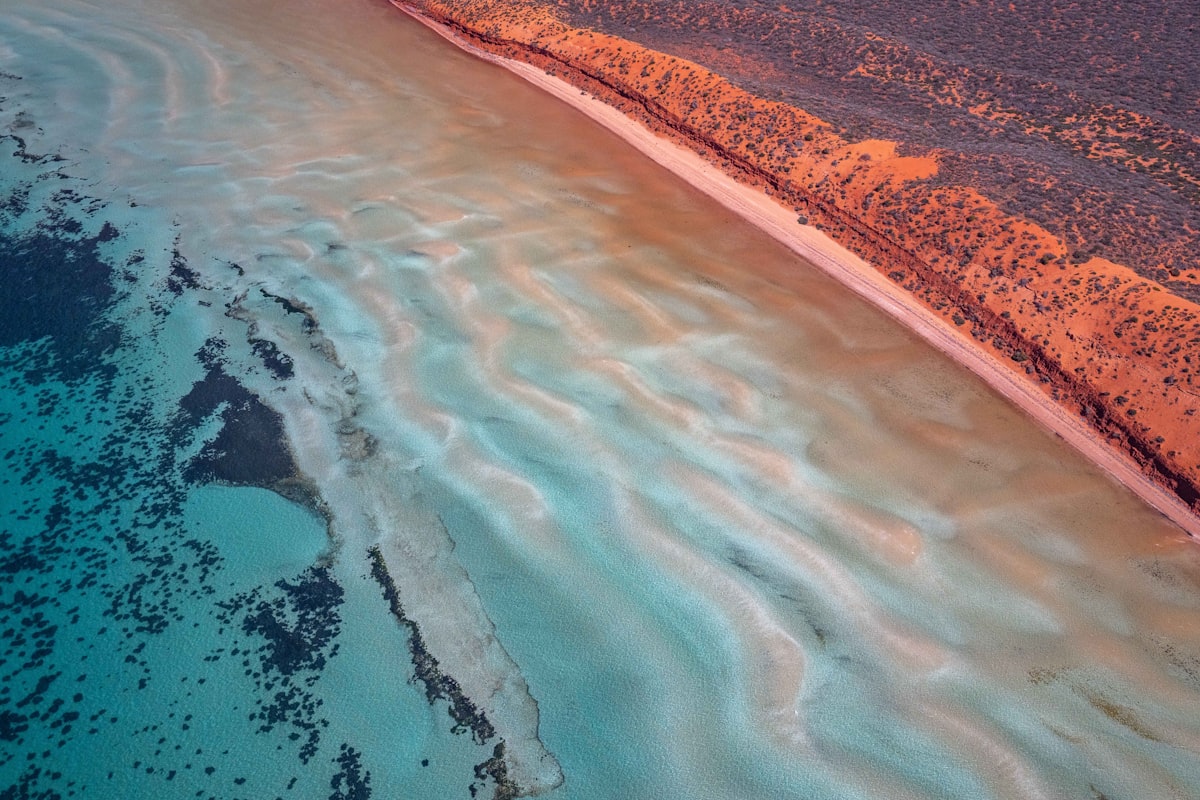
Turquoise coastline of Western Australia from above

The Northern Arc takes you through the wild, untouched western coastline that 90% of tourists never see. Starting in Perth, you sweep through the spectacular Southwest before heading north along the Coral Coast to Ningaloo Reef, through the ancient gorges of Karijini, across the remote Kimberley to Broome, and up through the tropical Top End before flying to Cairns. This route follows the seasons perfectly — you move north as the dry season begins, always staying ahead of the wet.

Perth → Margaret River → Esperance (loop back) → Perth → Geraldton → Kalbarri → Shark Bay (Monkey Mia) → Coral Bay → Exmouth (Ningaloo Reef!) → Karijini NP → Broome → Darwin → Kakadu NP → Litchfield NP → Cairns (fly or Savannah Way)
LegDistanceSuggested TimeKey Highlights
Perth → SW loop → Perth~1,400 km2 weeksMargaret River wine, Lucky Bay kangaroos, Wave Rock
Perth → Exmouth~1,270 km2 weeksKalbarri gorges, Monkey Mia dolphins, Ningaloo whale sharks
Exmouth → Broome~1,800 km1.5 weeksKarijini gorges (top 3 places in AU), Cable Beach sunsets
Broome → Darwin~1,900 km1 weekKimberley scenery, remote roadhouses
Darwin area1.5 weeksKakadu, Litchfield, croc jumping, Mindil markets
Darwin → CairnsFly ~€1801 dayOR drive Savannah Way (4WD, ~3 days)
TOTAL~6,400 km + 1 flight10–12 weeks

Pros

  • See the REAL Australia that most tourists never reach
  • Ningaloo Reef is arguably better than the GBR for snorkeling
  • Karijini is breathtaking — top 3 places in Australia
  • Perfect climate timing: move north as dry season starts
  • Fewer tourists, emptier beaches, more authentic experience
  • Strong van resale market in Darwin

Cons

  • Long remote drives between stops (300+ km gaps)
  • Fuel costs higher in outback (up to €3.00/L at roadhouses)
  • Need a reliable vehicle — breakdowns are serious in remote areas
  • Limited mobile coverage (Telstra only in many areas)
  • Cyclone risk in far north WA during February
  • Miss the East Coast highlights (Whitsundays, K'gari, Byron Bay)

Route B: The Red Centre

The Red Centre route crosses Australia's southern belly via the Nullarbor Plain before swinging through Adelaide's wine country, the iconic Great Ocean Road, and then diving into the spiritual heart of the continent — Uluru and Kings Canyon. From Alice Springs, you drive north through the outback to Darwin before flying to Cairns. This route prioritizes Australia's most famous landmarks over its hidden gems.

Perth → Nullarbor Plain → Adelaide → Great Ocean Road → Melbourne (optional) → Fly to Alice Springs → Uluru → Kings Canyon → Alice Springs → Stuart Highway → Devil's Marbles → Katherine Gorge → Darwin → Fly to Cairns
LegDistanceSuggested TimeKey Highlights
Perth → Adelaide (Nullarbor)~2,700 km1 weekBunda Cliffs, 90 Mile Straight, whale watching at Head of Bight
Adelaide area1 weekBarossa Valley wine, Kangaroo Island wildlife
Great Ocean Road~250 km3–4 days12 Apostles, Loch Ard Gorge, Bells Beach, koalas
Alice Springs + Uluru1 weekUluru sunrise/sunset, Kings Canyon rim walk, star gazing
Alice Springs → Darwin~1,500 km1 weekStuart Highway, Devil's Marbles, Katherine Gorge
Darwin → CairnsFly ~€1801 day
TOTAL~5,000 km + 2 flights8–10 weeks

Pros

  • Uluru is genuinely unforgettable — a pilgrimage-level experience
  • Great Ocean Road is one of the world's best coastal drives
  • Diverse: coast, wine country, desert, tropics in one trip
  • Adelaide's wine regions are world-class
  • Kangaroo Island is wildlife paradise

Cons

  • Nullarbor is 2–3 days of flat nothing (dramatic cliffs excepted)
  • Need 2 internal flights (sell van in Adelaide/Melbourne, buy again in Alice Springs, or fly)
  • Miss the entire WA coast — Ningaloo, Karijini, Kimberley
  • Logistics of vehicle across Nullarbor + Red Centre are complex
  • Uluru area is expensive (remote tourism pricing)

Route C: The Hybrid

The Hybrid route is designed for travellers who want to see the best of Western Australia without the gruelling long-distance drives. You explore the magnificent Southwest corner of WA by car, then skip the remote northern stretches by flying to Darwin, where you explore Kakadu and Litchfield before flying on to Cairns. It's the "greatest hits" approach — maximum highlights with minimum windshield time.

Perth → Margaret River → Esperance (SW loop, 2 weeks) → Fly Perth to Darwin (~€140–300) → Darwin → Kakadu NP → Litchfield NP (2 weeks) → Fly Darwin to Alice Springs → Uluru (optional) → Fly to Cairns
LegDistanceSuggested TimeKey Highlights
Perth → SW WA loop~1,400 km2 weeksMargaret River, Esperance, Lucky Bay
Perth → Darwin (fly)Flight ~€1801 day
Darwin / Top End~500 km2 weeksKakadu, Litchfield, Katherine Gorge
Darwin → Cairns (fly)Flight ~€1801 dayOptional stop at Uluru via Alice Springs
TOTAL~2,000 km + 2–3 flights~8 weeks

Pros

  • Skip the boring, dangerous, and exhausting drives
  • Maximize time at highlights — more exploring, less driving
  • Budget-friendly if flights booked early (€140–250 each)
  • See SW WA + Top End without the Nullarbor or remote Kimberley
  • Less wear on the vehicle, less fuel cost

Cons

  • Miss Ningaloo Reef — a massive loss for diving/snorkeling enthusiasts
  • Miss Karijini National Park — arguably Australia's most beautiful inland destination
  • Flying feels less adventurous than driving
  • Need to sell/store van in Perth, potentially buy/rent another in Darwin
  • Multiple flights add logistical complexity

Route D: Adventure Max

This is Route A on steroids. Same Northern Arc trajectory, but with the legendary Gibb River Road added between Broome and Darwin — a 660 km unsealed 4WD track through the heart of the Kimberley wilderness. This is for travellers who want the most raw, adventurous Australian experience possible. You'll cross rivers (check for crocs first), camp under the Milky Way at remote gorges, and feel genuinely remote from civilisation.

Perth → SW WA → Exmouth (Ningaloo) → Karijini → Broome → Gibb River Road (4WD only, 660 km) → El Questro → Mitchell Falls → Kununurra → Darwin → Kakadu → Cairns (fly)
Important Constraints The Gibb River Road is unsealed and typically only opens in late April or May after the wet season. A 4WD vehicle is mandatory — no exceptions. This adds significant cost (4WD rental or purchase is €13,500–€27,000+). The timing is also tight: if you're in Broome by late March, you may need to wait 4–6 weeks for the road to open, which eats into your schedule.

Pros

  • The ultimate Australian adventure — bragging rights for life
  • El Questro Wilderness Park, Mitchell Falls, remote gorge swimming
  • See the Kimberley properly, not just from the highway
  • Incredible stargazing in zero light pollution

Cons

  • Requires 4WD — expensive to rent or buy
  • Gibb River Road doesn't open until late April/May
  • High risk of vehicle damage on corrugated roads
  • Very remote — no mobile coverage, limited fuel/supplies
  • Tight timing with your Cairns-by-May target

Route E: The Southern Cross-Country NEW

Sydney Opera House and harbour skyline

The Southern Cross-Country is the grand tour of Australia's south and east coasts. It traces the entire southern coastline from Perth to Melbourne via the Nullarbor Plain, then sweeps up the classic East Coast backpacker trail all the way to Cairns. At 8,100 km, it's the longest route option — but it covers the most diverse landscapes, from Mediterranean WA to the dramatic Nullarbor cliffs, through wine country, along the iconic Great Ocean Road, and up through subtropical Queensland to the tropical north.

This route is the classic "see everything by road" approach. You never fly — it's pure overland travel from Perth to Cairns, touching every major coastal region of Australia along the way. The trade-off is significant driving time and the fact that you skip Western Australia's spectacular north coast and the Top End entirely.

Perth → Margaret River → Esperance → Norseman → NULLARBOR PLAIN → Ceduna → Adelaide → Robe → Portland → Great Ocean Road → Melbourne → Sydney → Byron Bay → Noosa → Hervey Bay (K'gari/Fraser Island) → Airlie Beach (Whitsundays) → Townsville → Magnetic Island → Mission Beach → Cairns
LegDistanceDrive TimeSuggested DaysBest Stops
Perth → SW loop → Esperance~1,400 km15 hrs10–14 daysMargaret River, Albany, Lucky Bay
Esperance → Nullarbor → Adelaide~2,100 km22 hrs5–7 daysBunda Cliffs, Head of Bight, Ceduna, Eyre Peninsula
Adelaide area3–4 daysBarossa Valley, Kangaroo Island (ferry)
Adelaide → GOR → Melbourne~900 km10 hrs5–7 daysGrampians, 12 Apostles, Loch Ard Gorge, Bells Beach
Melbourne → Sydney (coastal)~1,050 km12 hrs4–5 daysWilsons Prom, Phillip Island penguins, Blue Mountains
Sydney → Brisbane~920 km10 hrs4–5 daysByron Bay, Gold Coast, hinterland
Brisbane → Cairns~1,700 km20 hrs14–21 daysNoosa, K'gari, Whitsundays, Magnetic Island, Mission Beach
TOTAL~8,100 km~89 hrs10–13 weeks

April & May Weather Assessment for This Route

If you start this route in April (after spending February–March in the Perth/SW WA area), here's the optimized weekly breakdown:

  • Week 1–2 (early April): Perth → Margaret River → Esperance. Autumn in WA — 22–28°C, minimal rain, perfect conditions.
  • Week 3 (mid-April): Nullarbor crossing → Ceduna → Eyre Peninsula. Mild days (20–25°C), cold nights (5–12°C), clear skies. Excellent driving weather.
  • Week 4 (late April): Adelaide → Kangaroo Island → Barossa Valley. Pleasant autumn, 18–22°C. Wine tasting season.
  • Week 5 (early May): Grampians → Great Ocean Road → Melbourne. Cooling to 15–18°C. Some rain likely. The GOR is dramatically beautiful in moody weather but not beach weather. Bring layers.
  • Week 6 (mid-May): Melbourne → Sydney. You already know Sydney — consider flying to Brisbane instead to save time.
  • Week 7–8 (late May): Byron Bay → Brisbane → Noosa → Hervey Bay. Warming back up to 20–25°C as you head north. K'gari is accessible year-round.
  • Week 9–11 (June): Airlie Beach → Whitsundays → Magnetic Island → Mission Beach. Dry season in full effect. 22–26°C, blue skies, perfect sailing weather.
  • Week 12 (late June): Arrive Cairns. Dry season, reef visibility at its peak.

Pros

  • Maximum diversity: Mediterranean WA → outback → wine country → coast → tropics
  • Great Ocean Road + Whitsundays + K'gari — all in one trip
  • Classic East Coast trail with excellent backpacker infrastructure
  • More towns = easier food, fuel, accommodation, social scene
  • No flights needed — pure overland adventure
  • Can sell van in Cairns (good backpacker market)

Cons

  • 8,100 km is exhausting — ~100 hours behind the wheel
  • Miss Ningaloo Reef, Karijini, Kimberley, Top End — arguably the best parts
  • Nullarbor is 2–3 days of flat nothing (Bunda Cliffs excepted)
  • Great Ocean Road in May is cool and potentially wet
  • East Coast is more touristy and crowded than WA/NT
  • Higher total fuel cost due to longer distance + Nullarbor premium pricing

Route F: The Recommended Hybrid PERSONAL PICK

Tropical beach

This route cherry-picks the absolute highlights from all options while minimizing boring drives. The philosophy is simple: use the van for the places that require a vehicle (WA coast, Top End), then fly to grab the accessible highlights (Great Ocean Road, East Coast) without the Nullarbor slog. You experience the irreplaceable parts of Australia by road and the well-connected parts by air and bus.

FEB: Perth → SW WA → Exmouth (Ningaloo) → Karijini → Broome MAR–APR: Broome → Darwin → Kakadu → Litchfield APR: Sell van in Darwin APR–MAY: Fly Darwin → Cairns (€100–200) LATE APR: Fly Melbourne → Brisbane (€70–150) MAY: Greyhound or cheap car: Brisbane → Cairns MAY–JUL: Base in Cairns — reef, rainforest, dry season JUNE+: Base in Cairns — dry season paradise

Why This Route Works Best

Climate-Optimized

You're always in the right place at the right time. SW WA in February (hot, beachy), Ningaloo in March (whale shark season starts), Top End in April (post-wet, waterfalls flowing, everything lush and green), Cairns from May (dry season).

Budget-Smart

Buy a van in Sydney (big market, low prices) or Perth. Sell in Darwin (decent market). The Great Ocean Road is done as a cheap 5-day car rental (~€220–300) instead of driving 5,000 km to get there. Greyhound covers the East Coast leg for €430.

Experience-Maximized

You see WA coast (Ningaloo, Karijini), Top End (Kakadu, Litchfield), Great Ocean Road, AND East Coast highlights (Whitsundays, K'gari). This combination covers more "must-see" destinations than any single-vehicle route.

Risk-Managed

You avoid far north WA during peak cyclone season (Feb), heading there in March when risk drops. You arrive in the tropics as dry season starts. No Nullarbor. No 8,000 km marathon driving sessions.

Detailed Timeline

PeriodLocationTransportKey Experiences
Week 1–2 (Feb)Perth → Margaret River → EsperanceVanSW WA loop — wine, beaches, Lucky Bay kangaroos
Week 3–4 (late Feb/Mar)Perth → Kalbarri → Shark Bay → Coral Bay → ExmouthVanCoral Coast — dolphins, Ningaloo whale sharks!
Week 5–6 (Mar)Karijini NP → BroomeVanRed gorges, emerald pools, Cable Beach
Week 7 (Apr)Broome → DarwinVanKimberley highway, remote outback
Week 8–9 (Apr)Darwin, Kakadu, LitchfieldVanCroc spotting, Aboriginal rock art, waterfall swimming
Sell van in DarwinRecoup 50–80% of purchase price
Week 10 (late Apr)Fly to Melbourne → Great Ocean RoadRental car12 Apostles, Grampians, surf coast (5-day loop)
Week 11 (May)Fly to BrisbaneFlight
Week 12–15 (May–Jun)Brisbane → Cairns via East CoastGreyhound / cheap carNoosa, K'gari, Whitsundays, Magnetic Island
Week 16+ (Jun–Jul)Cairns baseGBR diving, Daintree, Atherton Tablelands
The Key Insight Everyone does the East Coast (Sydney → Cairns by bus). It's fine but honestly overrated and over-touristed. Western Australia and the Top End are where the real magic is. The WA coast is wilder, emptier, and more spectacular. Karijini alone is worth the trip. The East Coast can be done cheaply by Greyhound anytime. The WA coast and Top End require a vehicle and time — exactly what an extended trip gives you. Prioritize the rare over the accessible.

Buying a Van

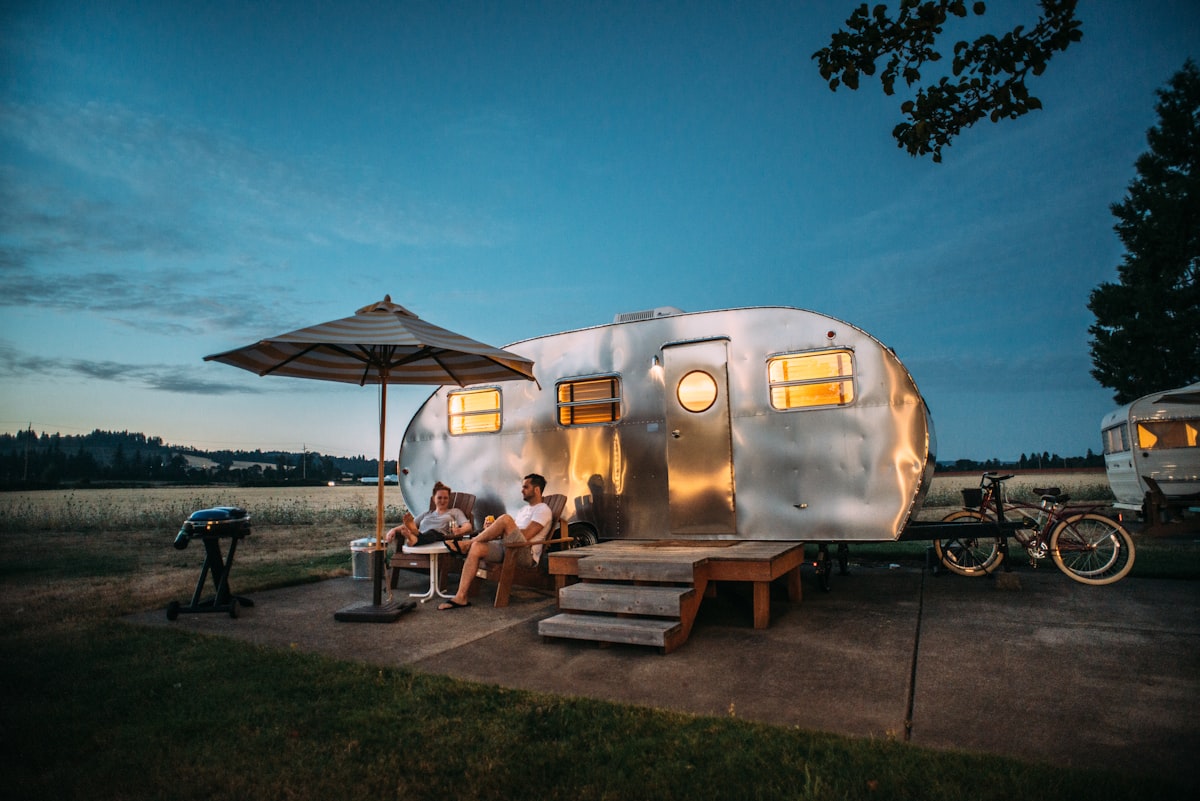
Van life camping

For a couple spending three or more months on the road, buying a campervan is the gold standard of Australian travel:

  • Split all costs two ways
  • Save €45–80 per night on accommodation by sleeping in the van
  • Total freedom to stop wherever and whenever you want
  • Enormous, well-established market — thousands of vans change hands every year between backpackers and travellers
FactorDetails
Cost to buy€4,500–€10,800 AUD for a decent backpacker campervan
Where to buyGumtree, Facebook Marketplace ("Backpacker Cars Australia"), hostel noticeboards, Travellers Autobarn, backpackercars.com
Best van typesToyota HiAce (most reliable, best resale), Mitsubishi Express, Ford Econovan, Toyota Tarago
Resale valueSell at your destination for 50–80% of purchase price
Net cost after resaleEffectively €1,350–€3,600 for months of transport + accommodation
Fuel budget~€1,350–2,500 for a full cross-country trip
Registration & insurance~€450–800 for the travel period
Free campingWikiCamps AU app (€7) — find hundreds of free campsites, showers, and dump points across Australia
What to check before buyingRegistration expiry, mechanical inspection (RACV/RAC — ~€180), oil condition, tyres, rust underneath, electrical system, coolant
Pro Tip: Buy Before Your Road Trip Buy your van in December or January while you're still in Sydney. This gives you time to inspect it properly, get a mechanical check, fix any issues, and test it on weekend trips before committing to a cross-country drive. The backpacker resale market peaks around Christmas when travelers are leaving Australia.

Renting vs Buying

Renting a campervan costs €65–150 per day for a basic 2-berth vehicle. Over three months, that's €5,650–€12,150 AUD — far more expensive than buying and reselling.

  • Rental makes sense: Trips under 4 weeks
  • Buying is dramatically cheaper: For your 3+ month travel phase
FactorBuyingRenting
3-month cost€1,800–4,000 net (after resale)€5,650–13,500
FlexibilityTotal — no return date or route restrictionsFixed pickup/dropoff, one-way fees, km limits
HassleMust handle purchase, rego, insurance, sellingTurn up, drive, return
Reliability riskYou own the risk — breakdowns are your problemRoadside assist included, swap vehicles
Best for3+ month trips, WHV holders, budget travelersShort trips under 4 weeks, convenience seekers

Van Prices: Perth vs Sydney

One of the most important decisions is where to buy your van. If you're starting your road trip from Perth, you have two options: buy in Sydney (larger market, better prices) or buy in Perth (closer to your starting point but smaller market). Here's the detailed comparison based on current market research.

FactorSydneyPerth
Market sizeHuge — #1 backpacker city in AU, dozens of listings dailySmaller, more isolated market, fewer listings
Basic campervan price€3,600–€7,200€4,500–€9,000
Good Toyota HiAce price€5,400–€10,800€7,200–€12,600
Dealer pricesTravellers Autobarn — reasonable, with warrantyFreedom Campers Perth — €12,600–€40,500 (premium pricing)
Private sale availabilityExcellent — multiple options in your price range any dayModerate — may need to wait for the right van
Negotiation powerStrong — lots of competition, sellers want quick saleWeaker — fewer options, sellers can hold firm
Best time to buyDec–Feb (backpackers leaving for holidays/home)Feb–Mar (travelers finishing WA trips, selling)
Selling easeEasy — always demand in Australia's biggest cityHarder — smaller buyer pool, may take longer
Key platformsGumtree, FB "Backpacker Cars Sydney", hostel boardsGumtree, FB groups, Freedom Campers, backpackercars.com
Verdict: Perth is 15–30% More Expensive Sydney has the biggest backpacker van market in Australia. More sellers competing means better deals, more choice, and stronger negotiation position. Perth's market is smaller with fewer private sellers, and dealers charge a significant premium (Freedom Campers Perth lists basic HiAces at €12,600+). Recommendation: Buy in Sydney before heading west. You'll have more options, better prices, and time to inspect and fix issues before your trip begins.

If You Buy in Sydney — Getting the Van to Perth

If you buy in Sydney, you need to get the van to Perth. Three options:

  • Drive it (recommended for Route E): Sydney → Adelaide → Nullarbor → Perth adds ~1 week and ~4,500 km, but gives you the Great Ocean Road, Adelaide, and the Nullarbor crossing as part of your trip. This effectively turns the journey into an adventure rather than a logistics problem
  • Ship it: Vehicle transport Sydney → Perth costs approximately €720–1,200. Takes about 7–10 days. You fly separately
  • Buy in Perth instead: Fly to Perth, buy a van there. Accept the 15–30% price premium for convenience. Allow 3–5 days to find and purchase a suitable vehicle

Bus Passes & Internal Flights

Greyhound Australia

Greyhound is Australia's national coach network with 180+ stops across the mainland. It's the backbone of East Coast backpacker travel. The Whimit passes offer unlimited hop-on/hop-off travel within a time period — excellent value for the Brisbane-to-Cairns leg if you've sold your van elsewhere.

PassCoveragePrice (AUD)Per Day
East Coast Whimit 7-DayMelbourne ↔ Cairns€280€40/day
East Coast Whimit 15-DayMelbourne ↔ Cairns€360€25/day
East Coast Whimit 30-DayMelbourne ↔ Cairns€430€15/day
National WhimitAll 180+ stops nationwide€400+Varies

Premier Motor Service is a cheaper alternative on the East Coast: Sydney ↔ Cairns from €230 (1-month pass) or €360 (6-month pass). Fewer departures than Greyhound but lower prices.

Internal Flights

Australia's budget airlines make strategic flights surprisingly affordable — often cheaper than the fuel cost of driving the same route. Key routes and typical prices (booked 6–8 weeks ahead):

RouteAirlineTypical PriceFlight Time
Perth → DarwinJetstar, Qantas€140–3003.5 hrs
Darwin → CairnsJetstar, Qantas€140–2502.5 hrs
Darwin → MelbourneJetstar€140–2504.5 hrs
Melbourne → BrisbaneJetstar, Rex€70–1502.5 hrs
Sydney → PerthJetstar, Qantas€180–4005 hrs
Flight Tip Tuesday afternoons typically have the cheapest fare drops. Set fare alerts on Skyscanner or Google Flights 8 weeks before your travel date. Jetstar is usually cheapest but charges extra for luggage — compare total cost including bags.

Budget Estimates

These estimates cover the full 6-month travel phase (the travel phase) for a couple. They assume a mix of van camping and occasional hostel stays, cooking most meals with occasional eating out, and a moderate activity budget. All prices in Australian Dollars (AUD).

Overall 6-Month Travel Budget (Couple)

CategoryLow EstimateHigh EstimateNotes
Van purchase€4,500€9,000Toyota HiAce or similar
Van resale (recoup)−€2,700−€6,300Sell in Darwin, Cairns, or Brisbane
Net vehicle cost€1,800€2,700
Fuel€1,350€2,250At ~€2.00/L, 12L/100km average
Rego + insurance€360€720Third-party property is minimum
Internal flights (1–3)€180€540Per person, depending on route
Accommodation€900€2,700Mix of van free-camping + paid caravan parks + occasional hostel
Food & drink€2,250€4,050Mostly cooking, weekly supermarket shops, occasional restaurant
Activities & tours€1,350€3,150National park fees, guided tours, adventure activities
Great Barrier Reef diving€450€1,350Day trips to liveaboard
Miscellaneous€450€900SIM card, WikiCamps app, toiletries, repairs, souvenirs
TOTAL (couple)~€8,650~€17,350
Per person~€4,300~€8,700
Realistic Moderate Budget At the moderate end, €10,800–€13,500 AUD total for a couple over 6 months is realistic and comfortable. That's roughly €1,800–€2,250 per month for two people — very achievable with careful planning and budgeting.

Route Cost Comparison

Transport costs vary significantly between routes. Here's how they compare:

Cost ItemRoute A
(Northern Arc)
Route E
(Southern Cross)
Route F
(Best Hybrid)
Total driving distance~6,400 km~8,100 km~6,400 km
Fuel cost~€1,400~€1,750~€1,400
Nullarbor fuel premium+€180–300
Internal flights1 (€180)02–3 (€360–500)
Car rental (GOR loop)€220–300 (5 days)
Greyhound pass€430 pp (€860 couple)
Kangaroo Island ferry~€220
Whitsundays sailingSeparate tripIncluded in routeIncluded in route
Net transport cost~€1,550~€2,250–3,000~€2,900–3,700

Route A is cheapest for pure transport. Route F costs more in flights and bus passes but delivers the most highlights per dollar spent. Route E is the middle ground — all driving, no flights, but highest fuel cost and most driving fatigue.

Cairns Base — May to July

Underwater reef diving

Arriving in Cairns as the dry season begins is perfect timing:

  • May through October: Clear skies, comfortable 20–28°C temperatures
  • No stinger jellyfish in the water
  • Best visibility on the Great Barrier Reef
  • Humidity drops, rain stops — tropical North Queensland transforms into one of the most pleasant places on Earth
  • Two to three months to explore the region at a leisurely pace, with plenty of activities to fill your days

Must-Do Activities from Cairns

ActivityBudget (per person)DurationNotes
Great Barrier Reef — outer reef day trip€160–2801 daySnorkel or intro dive. Multiple operators from Cairns and Port Douglas.
GBR liveaboard dive trip€540–9003 days / 2 nightsFor certified divers. Sleep on the boat, 10+ dives, incredible experience.
Daintree Rainforest€45–150 (tour) or free (self-drive)1–2 daysWorld's oldest rainforest. Croc-spotting river cruises, night walks, cassowaries.
Cape TribulationFree (drive)1 dayWhere reef meets rainforest. Stunning beach backed by jungle.
Atherton TablelandsFree–€452 daysWaterfall circuit (Millaa Millaa, Zillie, Ellinjaa), crater lakes, platypus spotting at dawn.
Fitzroy Island€80 (ferry return)1 dayReef snorkeling right off the beach, sea turtle rehabilitation centre.
Kuranda scenic experience€1101 daySkyrail rainforest cableway + scenic railway through mountain rainforest.
White water rafting — Tully River€160–2301 dayGrade 3–4 rapids through rainforest gorge. One of Australia's best rafting experiences.
Skydiving — Mission Beach€220–3501 dayJump over the reef, rainforest, and beach simultaneously.
Magnetic Island€35 (ferry from Townsville)2–3 daysWild koalas in eucalyptus trees, WWII fort ruins, snorkeling bays.
Cooktown driveFuel only3–4 daysRemote coastal drive north. History, wilderness, fishing, isolation.

Day Trip Destinations

  • Port Douglas (1 hour north) — More upscale reef trip departure point, Four Mile Beach, Sunday markets, Mossman Gorge
  • Undara Lava Tubes (3 hours inland) — 190,000-year-old lava tubes, outback geology wonder
  • Chillagoe Caves (3 hours west) — Limestone caves with Aboriginal art, outback mining town atmosphere
  • Babinda Boulders (1 hour south) — Crystal-clear swimming hole surrounded by granite boulders and rainforest
  • Josephine Falls (1.5 hours south) — Natural rock waterslide in the rainforest at the base of Queensland's highest mountain

Essential Tips & Apps

Australian kangaroo

Must-Have Apps

AppCostWhat It Does
WikiCamps AU€7Find free campsites, showers, dump points, water fill stations. Absolute essential for van life.
Fuel Map AustraliaFreeCompare fuel prices across stations. Critical in remote areas where prices vary wildly (€2.00 to €3.50/L).
iOverlanderFreeCommunity-updated camping spots, water sources, border crossings. Good backup to WikiCamps.
CamperMateFreeAlternative campsite finder with reviews. Popular in AU and NZ.
GumtreeFreeBuy/sell vans, source camping gear.
SkyscannerFreeCompare domestic flight prices. Set alerts for price drops.
Greyhound AustraliaFreeBook bus tickets, manage Whimit pass, check schedules.

Safety — Non-Negotiable Rules

Water Supply Carry a minimum of 20 litres of water in WA and NT outback. People die of dehydration in Australia every year. Fill up at every opportunity. This is not optional.
Fuel Range Know your van's fuel range and plan accordingly. Some fuel stops in Western Australia are 300+ km apart. Carry a 20L jerry can. Running out of fuel in the outback with no mobile signal is a life-threatening emergency.
Crocodiles North of Rockhampton (QLD) and throughout the NT and northern WA: NEVER swim in rivers, estuaries, creek mouths, or unmarked waterholes. Saltwater crocodiles grow up to 6 metres, are territorial, and kill people every year. Only swim where signs explicitly say it's safe.
Kangaroos at Dusk/Dawn Do not drive in rural areas between dusk and dawn if you can avoid it. Kangaroos are most active at twilight and will jump directly into your vehicle. A kangaroo strike can total a car and seriously injure occupants. If you must drive at night, reduce speed significantly and use high beams.
Sun Protection Australian UV radiation is significantly more intense than Europe due to the thinner ozone layer. Wear SPF 50+ sunscreen (reapply every 2 hours), a broad-brimmed hat, and a rashie (UV swim shirt) in the water. Sunburn in Australia happens in as little as 15 minutes.
Mobile Coverage Get a Telstra SIM card — it's the only carrier with meaningful outback coverage. Optus and Vodafone lose signal within an hour of leaving most cities. In WA and NT, you may go 500+ km without any signal at all. Download offline maps, tell someone your route, and carry a satellite communicator (Garmin InReach or similar) for true emergencies.
Travel Insurance Non-negotiable. An ambulance ride in remote Australia can cost €4,500+. A medical evacuation helicopter from the outback to a hospital can exceed €45,000. A hospital stay without insurance is billed at full rate. Get comprehensive travel insurance that covers medical, vehicle, and adventure activities before you leave home.

Final Recommendation

Wine region landscape

After researching every option, analyzing weather patterns, comparing costs, and considering your interests in diving, nature, wildlife, and adventure — here is my honest recommendation.

Go with Route A (The Northern Arc) or Route F (The Recommended Hybrid).

The Western Australian coast and the Top End are the parts of Australia that are truly irreplaceable. They're harder to reach, less touristy, and more spectacular than the well-trodden East Coast. Ningaloo Reef rivals — many say surpasses — the Great Barrier Reef for snorkeling. You can swim right off the beach onto pristine coral, and swim alongside whale sharks and manta rays. Karijini National Park is arguably the most beautiful place in Australia — billion-year-old red gorges with emerald pools that feel prehistoric. Kakadu is ancient and profound, with rock art spanning 40,000 years of continuous human culture.

These places require a vehicle and time — which is exactly what an extended trip gives you. The East Coast, while wonderful, can be done cheaply by Greyhound bus at any point. The WA coast and Top End cannot. Prioritize the rare over the accessible.

If you want to add the Great Ocean Road (and you should — it's legitimately incredible), use Route F's approach: sell the van in Darwin, fly to Melbourne, do a quick 5-day car rental loop, then fly to Brisbane and Greyhound up the East Coast to Cairns. You get everything — WA, Top End, GOR, and the East Coast highlights — without driving 8,000 km or crossing the Nullarbor.

Quick Decision Matrix

If You Want..Choose
The most spectacular, least-touristy AustraliaRoute A — Northern Arc
Uluru + wine country + Great Ocean RoadRoute B — Red Centre
Maximum highlights with minimum drivingRoute C — Hybrid (fly between highlights)
The ultimate 4WD adventureRoute D — Adventure Max (Gibb River Road)
See everything by road, including the East Coast classicsRoute E — Southern Cross-Country
The best of everything, optimized for budget and climateRoute F — Recommended Hybrid

One Last Thing

Whatever route you choose, remember this: Australia rewards those who slow down. The best moments won't be the Instagram landmarks — they'll be the sunset you watched from a free campsite on a cliff you found on WikiCamps, the dolphins that appeared while you were swimming at a beach with no one else around, the conversation with a local at a tiny outback pub, and the night you turned off the headlights in the middle of nowhere and saw the Milky Way so clearly it made you forget where you were.

Take your time. Stop often. Talk to people. And always carry enough water.

This guide was researched and compiled recently. Prices, conditions, and availability may change. Always verify current information before committing to bookings or purchases.